Your nose quits on you. Not permanently, just locally. Live with a smell for a few weeks and the brain files it under “background” and stops reporting it, a process called olfactory adaptation. Visitors have no such filter. They walk in, and for about a minute and a half their nose reads out everything about the places you never clean. The culprits are almost never the obvious ones. They hide inside overflow channels, behind splash guards, under drip pans, in the rubber folds nobody thinks to wipe. What follows is a list of the odor sources residents stop noticing and guests detect before they’ve set down their coat.
Please note that some of the images in this article were created with the assistance of AI.
38. Biofilm Lurking Inside the Sink Overflow Channel
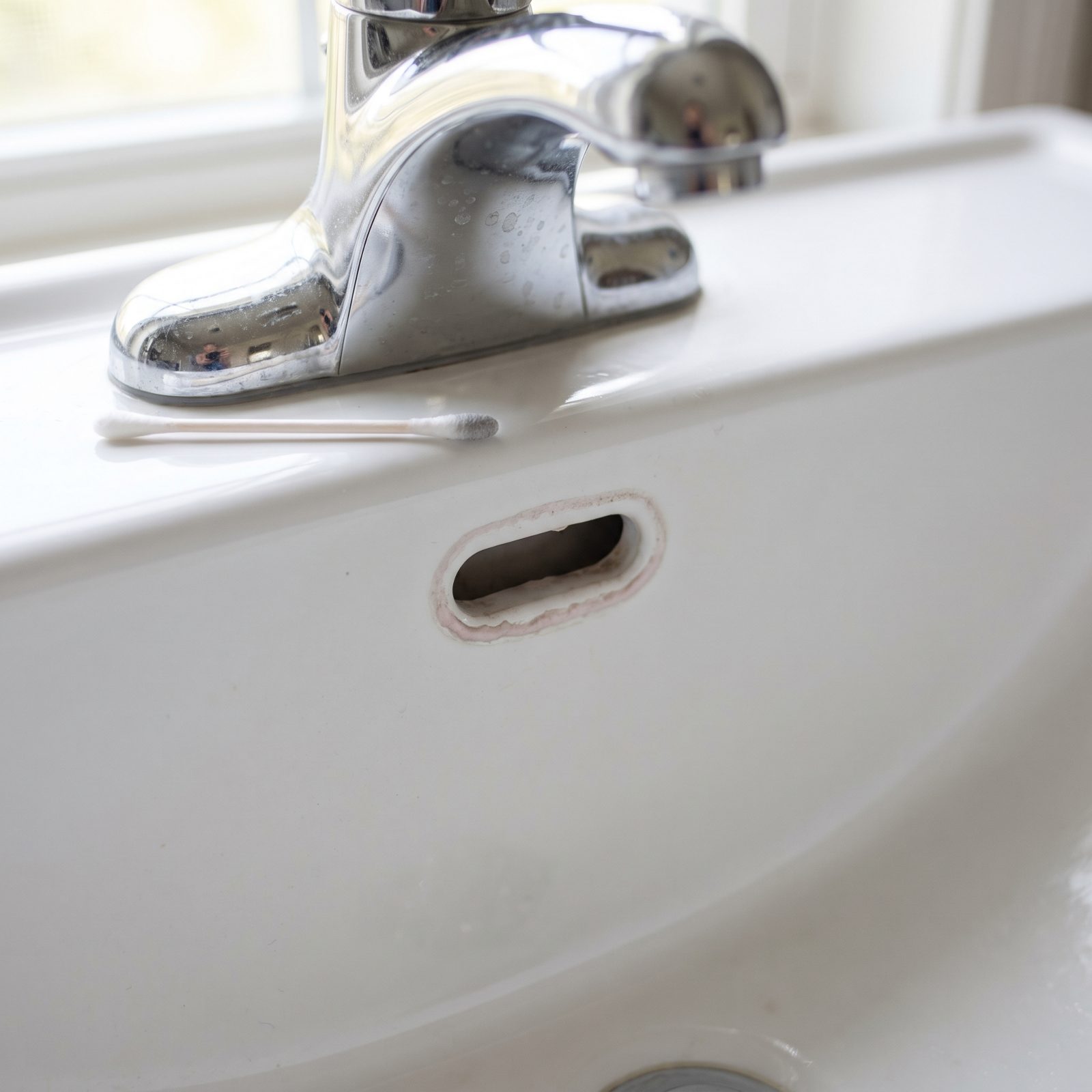
That little oval hole near the top of your sink actually earns its keep. It stops overflows and vents air so the drain glugs less. But water, soap scum, and toothpaste splatter run down into it constantly, and nothing ever rinses it out.
Inside, a sticky film builds up, and bacteria absolutely love it. The smell is faintly sour, a little swampy, and it gets worse when warm water runs because the heat pushes air up through the channel and back out the hole. So a guest leans over to wash their hands and catches it right in the face.
37. The Refrigerator Drip Pan Growing a Science Experiment
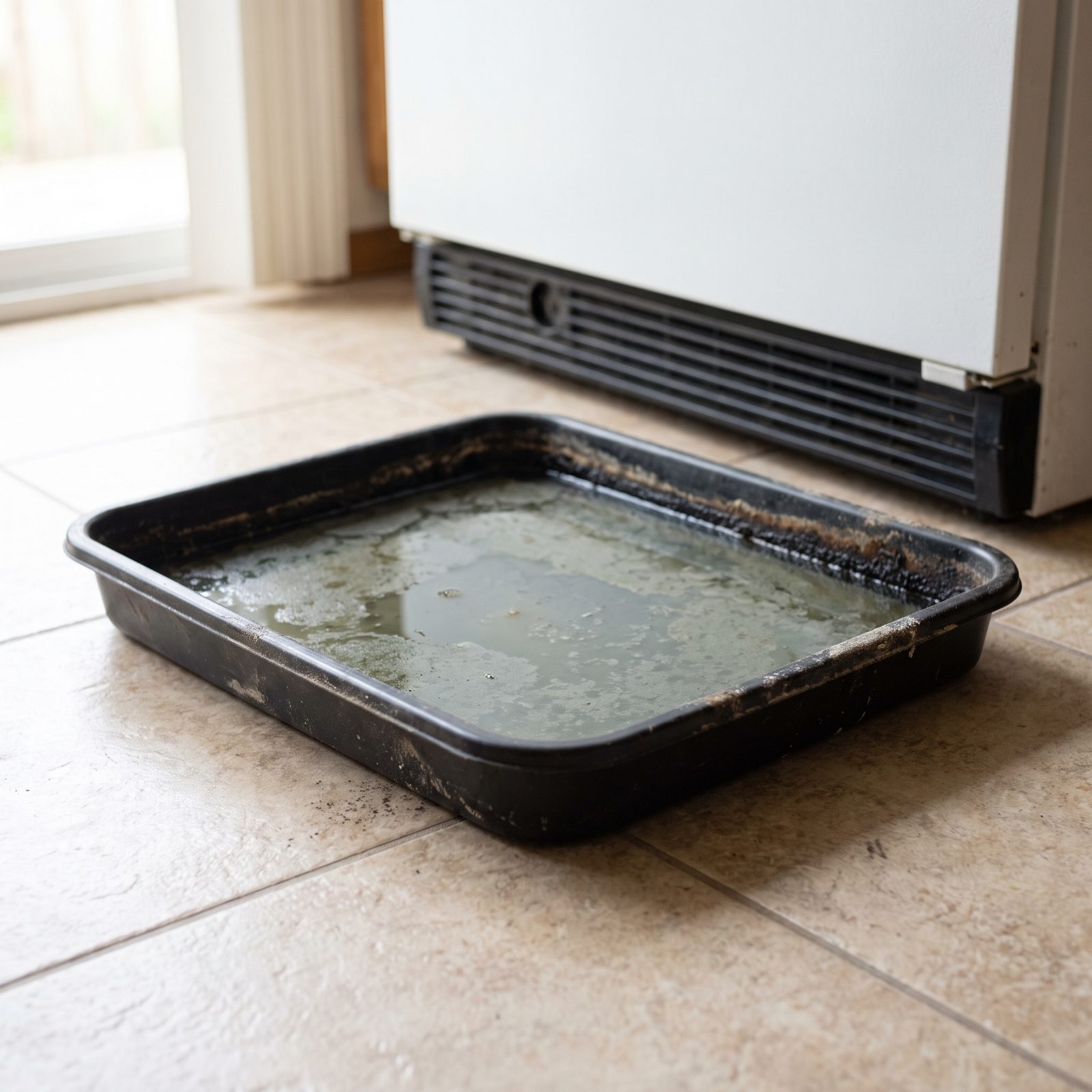
Under almost every fridge sits a pan that catches condensation so it can evaporate off. Out of sight, never cleaned, often forgotten for the entire life of the appliance. And the warm air blowing across the coils keeps it humid, which is exactly what mold wants.
The giveaway is a musty, basement-like odor that seems to come from nowhere in the kitchen. People scrub the inside of the fridge, toss old leftovers, and the smell stays put. Because it was never in the fridge. It was underneath it the whole time.
36. Food Rot Caked Beneath the Garbage Disposal Splash Guard
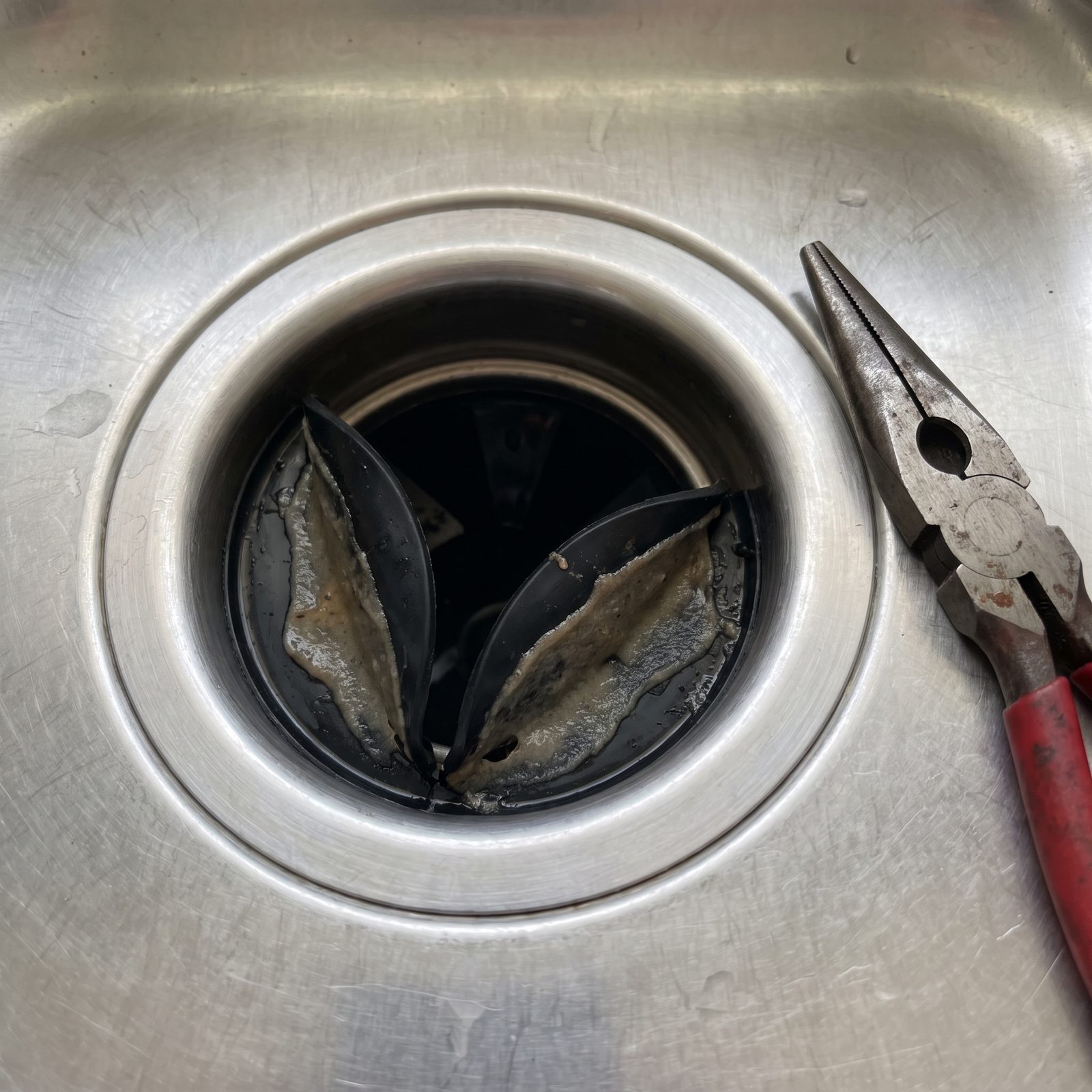
The rubber flaps over your disposal opening keep water from spraying up at you, and they also trap everything that goes down. The top of those flaps stays mostly clean. The underside, the part facing the grinding chamber, collects a greasy smear of old food that never once gets touched.
That is where the sour, garbage-y smell actually lives, not down in the disposal like everyone assumes. Running lemon peels and ice helps the chamber, sure, but the splash guard needs to come out and get scrubbed with a brush. Most are removable if you pinch and pull.
35. A Dry P-Trap Venting Raw Sewer Gas
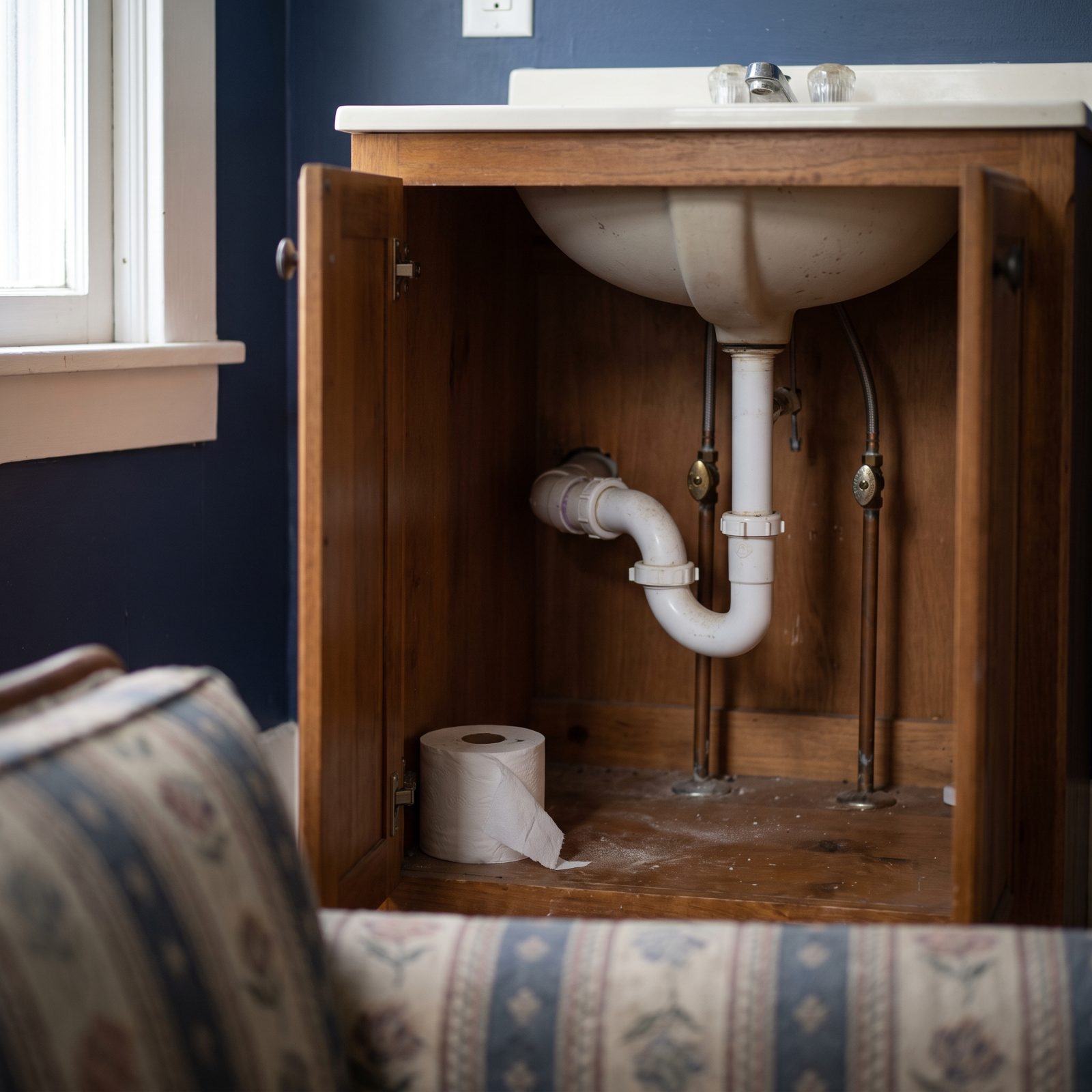
Every drain has a U-shaped bend that holds a plug of water, and that water is the only thing standing between your nose and the sewer line. When a sink, tub, or floor drain goes unused for weeks, the water evaporates and the seal breaks.
Then sewer gas drifts straight up the pipe and into the room. Rotten eggs. It’s exactly what a guest clocks the instant they walk into a bathroom nobody has used since last Thanksgiving.
The fix is almost insultingly simple. Run the water for half a minute. Pour a cup down rarely-used floor drains once a month to keep the trap full, and you’ll never smell it again.
34. A Failing Toilet Wax Ring Leaking at the Base
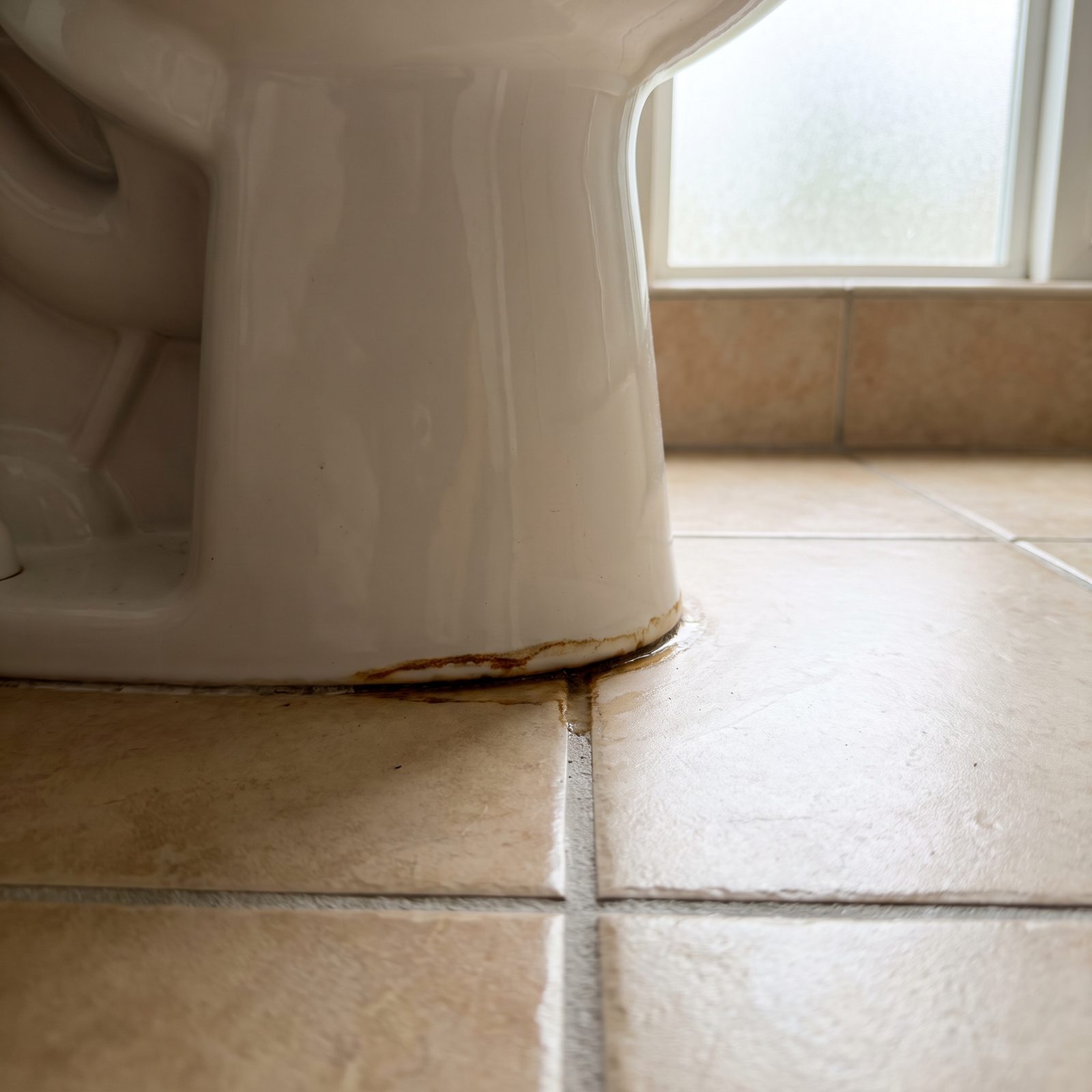
Between the toilet and the floor flange sits a ring of wax that seals the whole thing against leaks and gas. When it cracks or compresses with age, a tiny amount of sewage seeps out with every flush and wicks into the floor and grout.
You get a stubborn sewer smell in the bathroom that cleaning never touches, because the source is sealed under the toilet. Sometimes the floor feels spongy near the base, or the toilet rocks a little. That rocking is often what kills the ring in the first place.
Take this one seriously. A leak under the flooring can rot the subfloor long before you ever see a drop of water.
33. Sludge Clogging the HVAC Condensate Drain Line
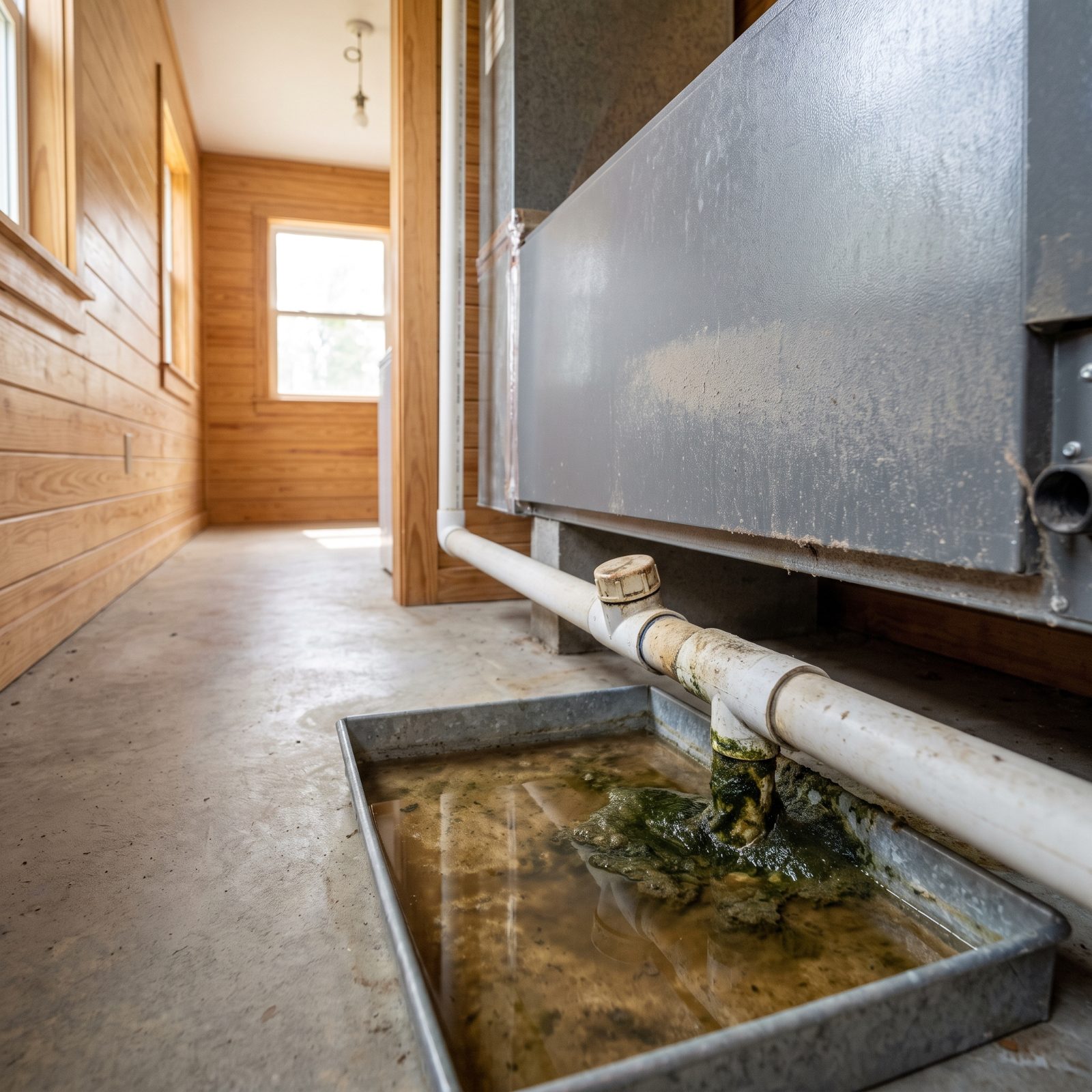
Your air conditioner pulls humidity out of the air and sends it down a narrow drain line. Dark, damp, never dry. So that line grows a slimy biological sludge that eventually plugs the thing right up.
Here is the sneaky part. The air handler picks up that smell and blows it through every vent in the house, so the whole place smells faintly musty whenever the system runs, and nobody can pin down the source because it’s coming from everywhere at once.
32. An Overdue Whole-House Humidifier Pad Breeding Must
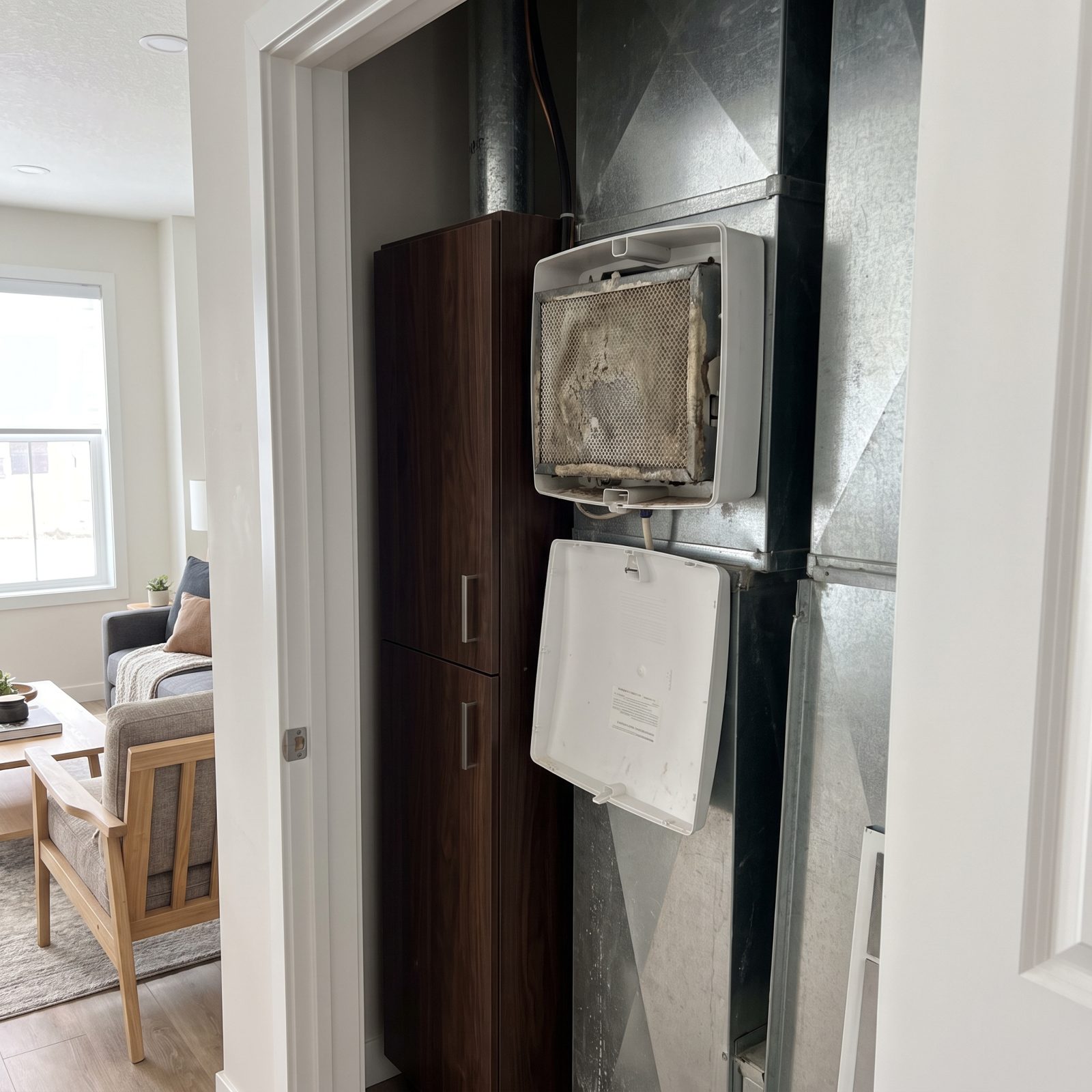
If your furnace has a humidifier, it holds a water-saturated pad that air passes through in winter. Those pads are meant to be swapped once or twice a heating season. Plenty go years without anyone touching them.
An old pad crusts over with minerals and grows mildew, and the furnace fan drives that smell through the ducts the moment the heat kicks on. It’s a seasonal mystery odor: fresh in summer, musty by December.
31. A Dishwasher Filter Coated in Weeks of Old Food
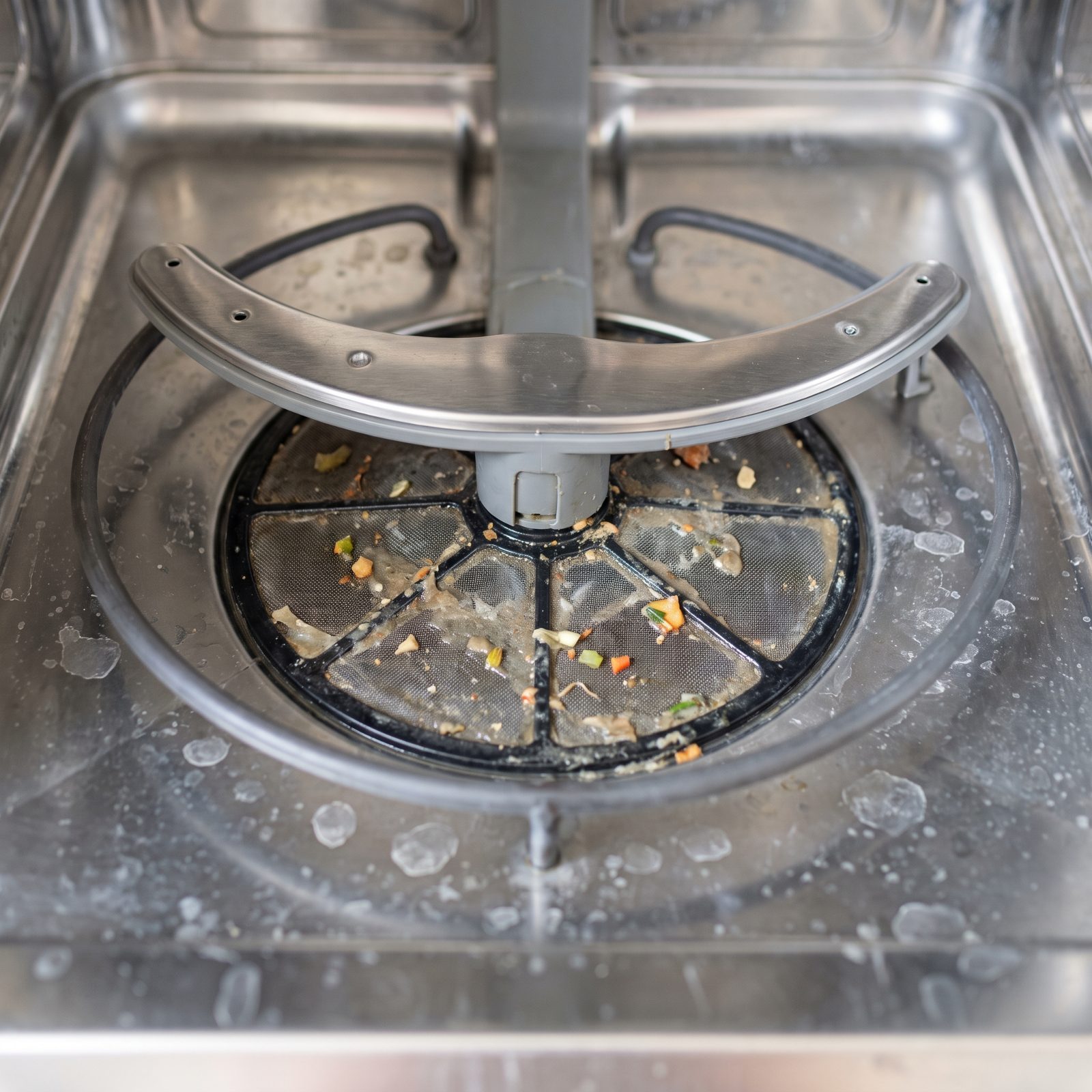
Newer dishwashers quit using the self-grinding systems and switched to a removable filter you’re supposed to rinse out. A lot of people have no idea the thing even exists.
So it fills with a paste of old food that sits wet and warm between cycles. Open the dishwasher to load it, and the smell rolls out. Worse, it can coat your “clean” dishes in a thin funk you’ve stopped noticing but guests taste off a glass.
Twist it out, rinse it under the tap, scrub the mesh with a brush. Thirty seconds, once a week. Honestly one of the highest-payoff small chores in the whole house.
30. Mildew Hiding in the Front-Load Washer Gasket
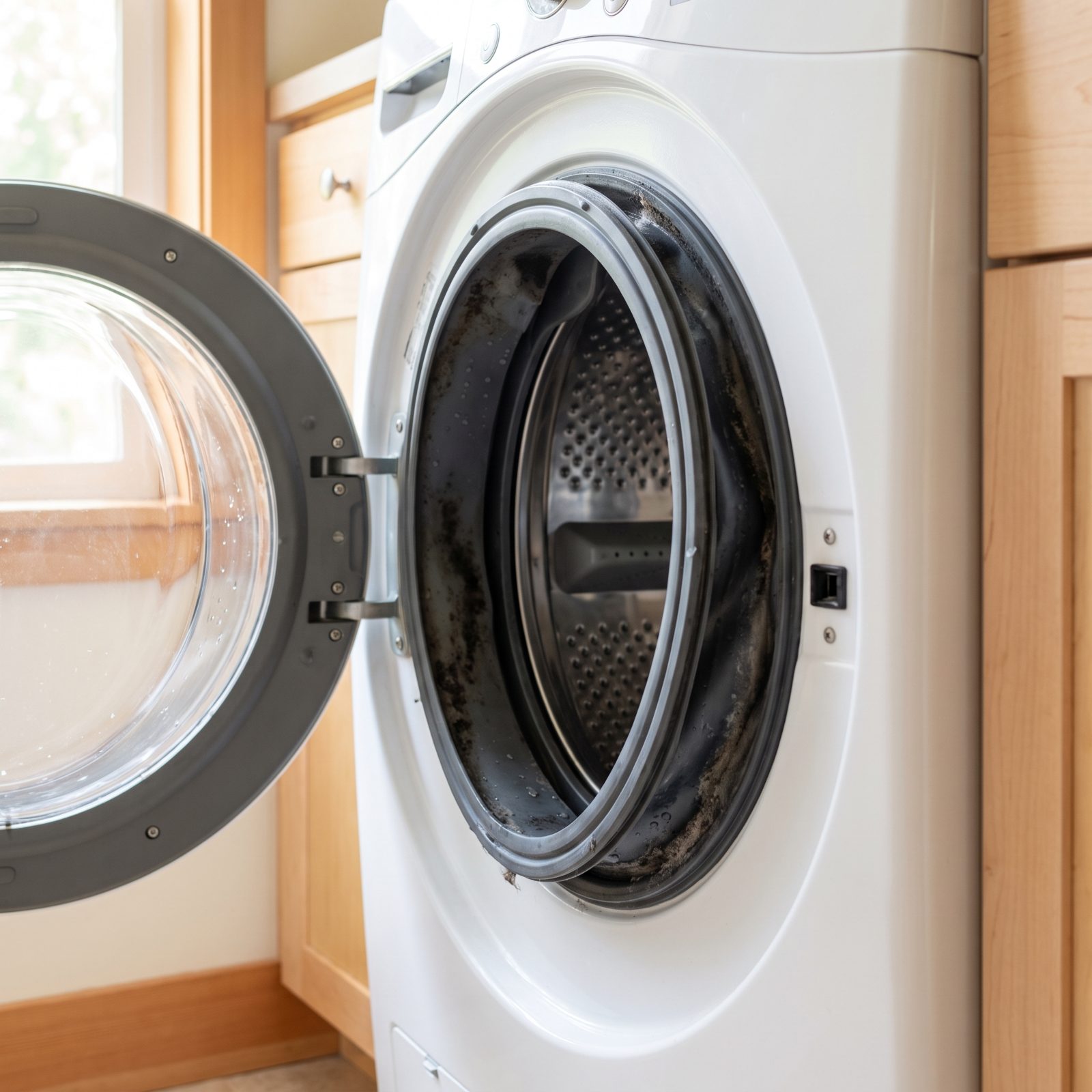
The rubber boot that seals a front-load door holds water in its folds after every single wash. Dark, warm, perpetually damp. A mildew paradise, and the smell transfers right onto laundry you thought was clean.
You know the one. Towels that go sour an hour after you dry them. People blame the detergent or the dryer, but it’s the gasket. Peel back the rubber lip and you’ll find standing water, lint, and a black ring of growth nobody ever wiped.
Leave the door cracked open between loads. That one habit prevents more washer odor than any cleaning product you can buy.
29. Grease Hardening Behind the Range Hood Filter
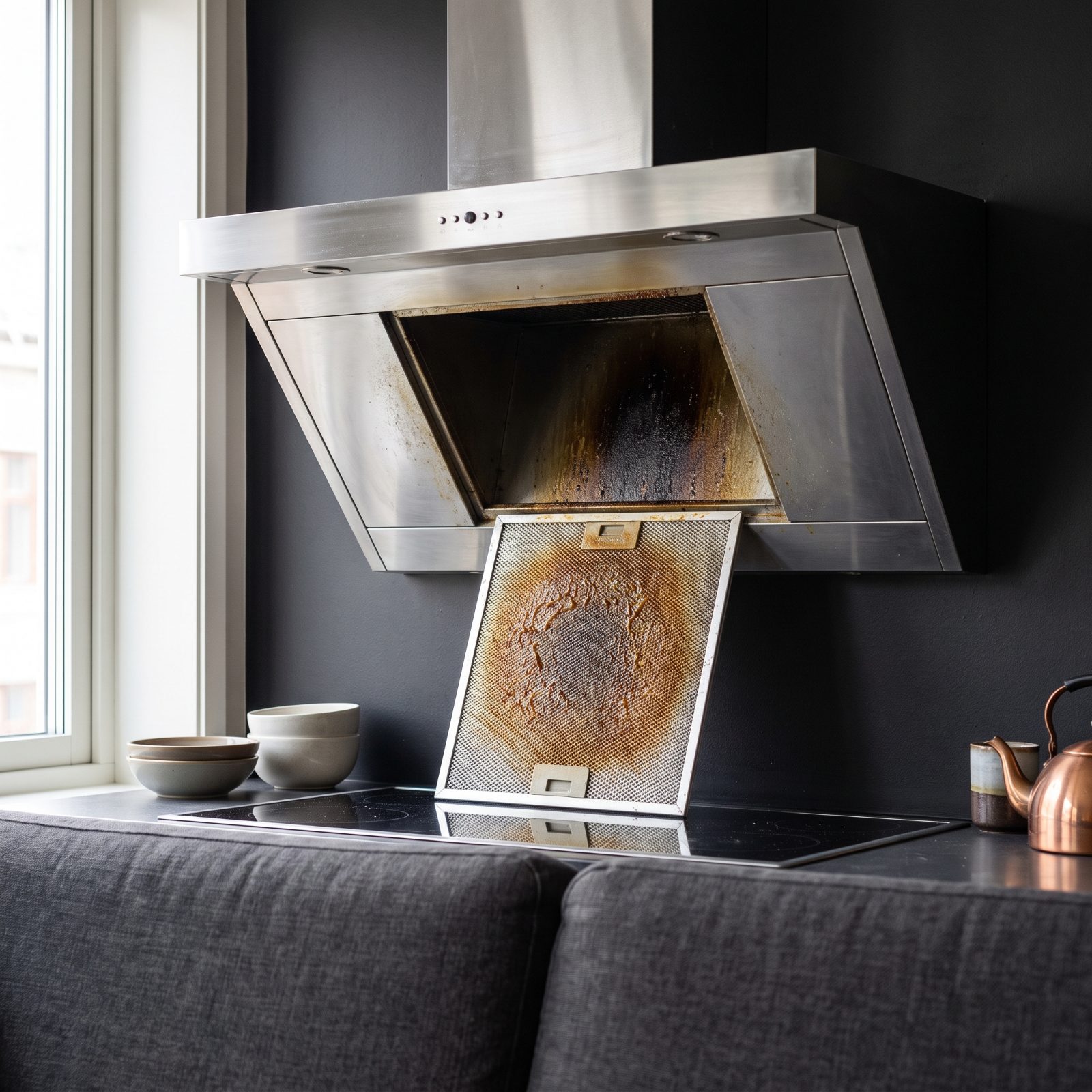
Every time you cook, the hood pulls greasy vapor through an aluminum mesh filter. That grease cools and hardens on the mesh and inside the hood cavity, building a sticky amber layer that turns rancid over the months.
Flip the fan on and you blow that old rancid grease smell across the kitchen, layering a stale fryer note under everything you make. Residents cook through it daily and never notice. A guest smells it before they smell dinner.
The aluminum filters are dishwasher-safe, or they soak clean in hot water and degreaser. Do it a few times a year and the whole kitchen smells cleaner, not just the air above the stove. Alright, go pop yours out and have a look. You’ll see what we mean.
28. A Dirty Window Air Conditioner Coil
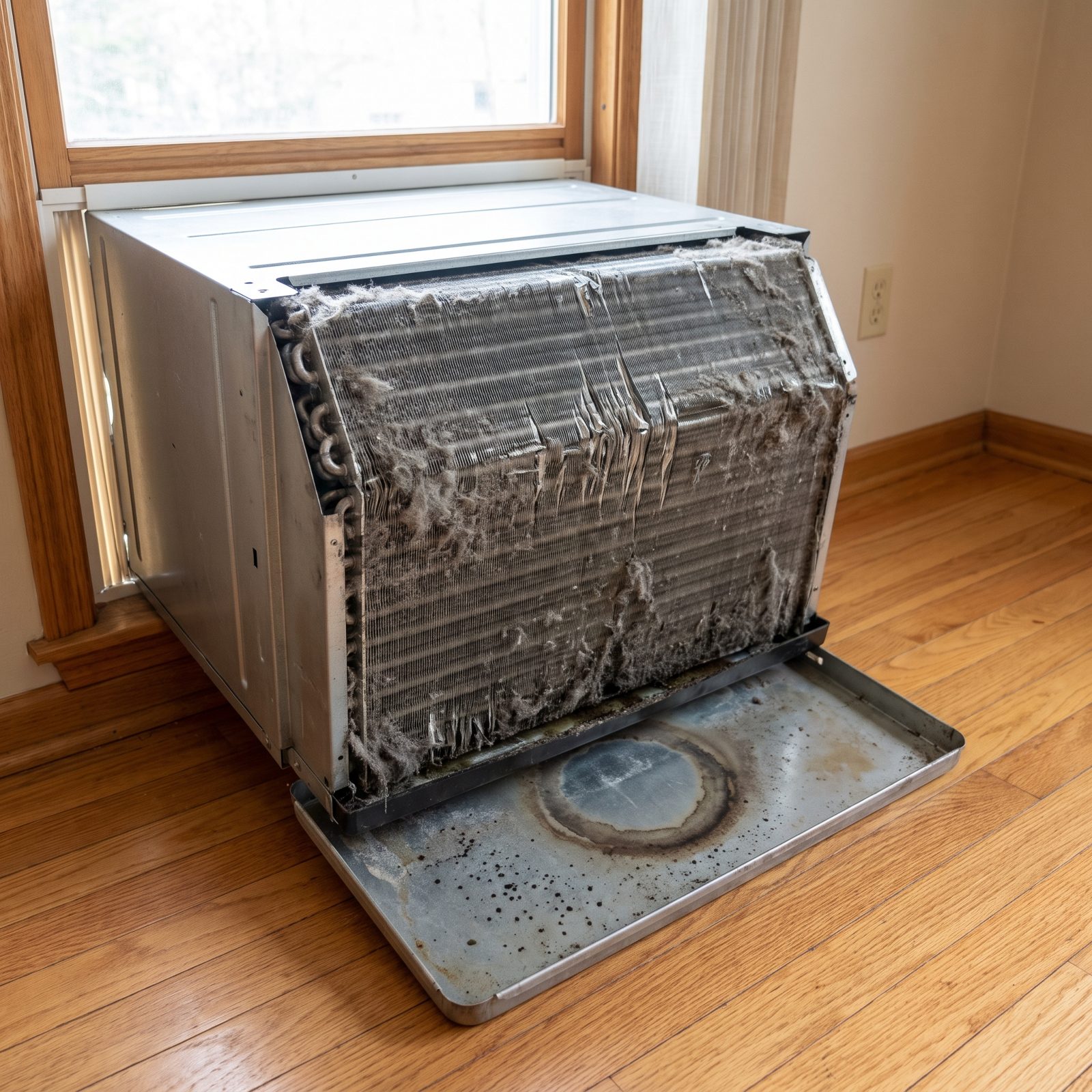
That faint sour-sock smell the second someone walks into a cooled room usually traces back to the coil behind the grille. Dust and skin cells settle on the wet aluminum fins, bacteria move into the film, and every time the compressor kicks on you get a little puff of it blown across the room.
Residents stop noticing within a day or two. Visitors catch it instantly because their noses have a clean baseline. Pull the front cover, clean the matted dust off the coil, scrub the dark stain ring and speckles out of the drip tray underneath, and most of it goes away — one of the cheapest odor problems on this whole list.
27. Wet Insulation Around a Hidden Roof Leak
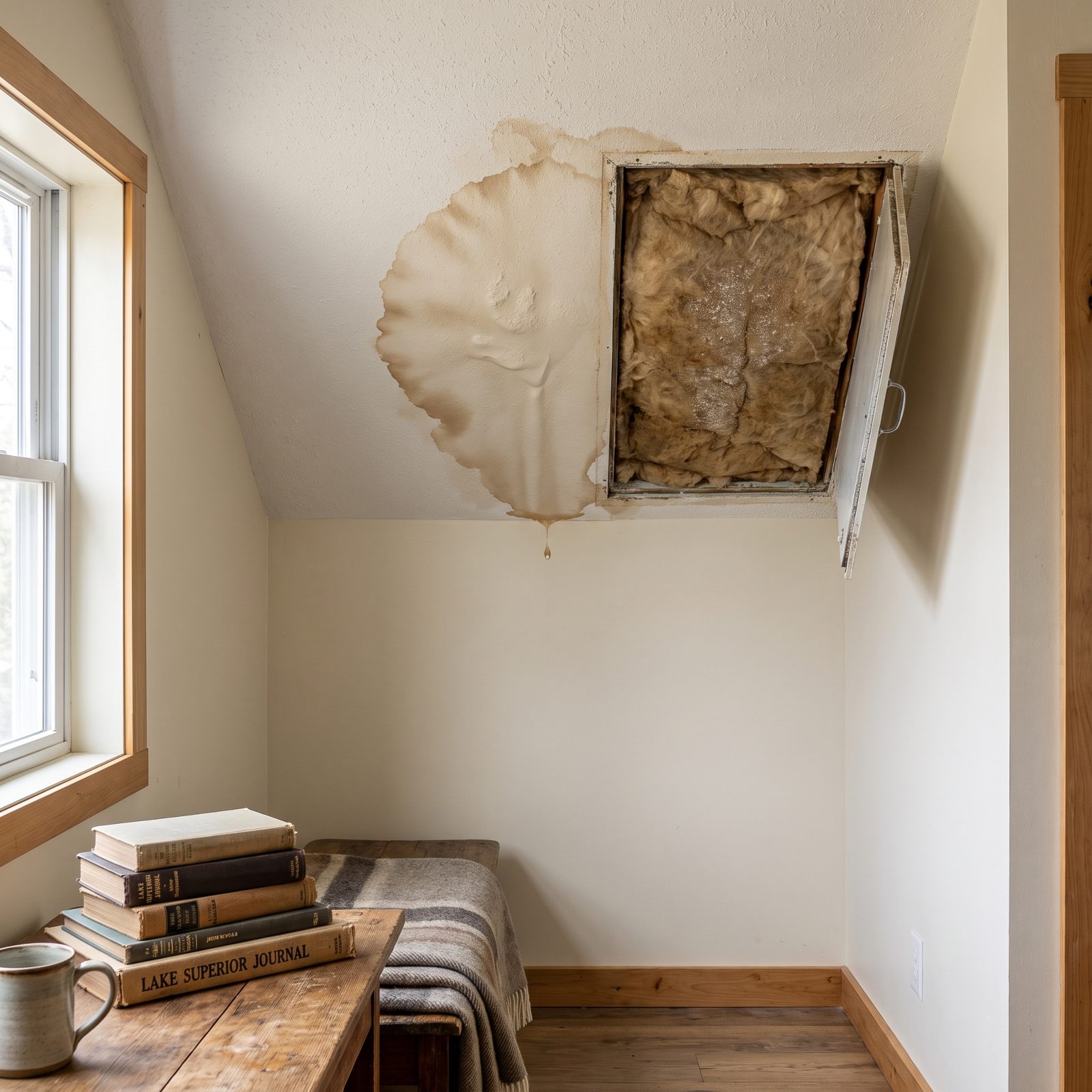
A slow roof leak often goes unnoticed until it finally starts to drip. Long before that, it soaks the insulation above the ceiling, and wet fiberglass clings to moisture for a long time, which hands mold and mildew a steady place to grow. The smell is damp, earthy, a little basement-like, and it drifts down into the rooms below.
You get used to it because it builds over weeks. A visitor walks in from fresh outdoor air and reads it as musty right away. By the time a ceiling stain shows up and water starts dripping from it, the insulation above has usually been wet for a while.
26. Moisture Rising from an Unsealed Crawlspace
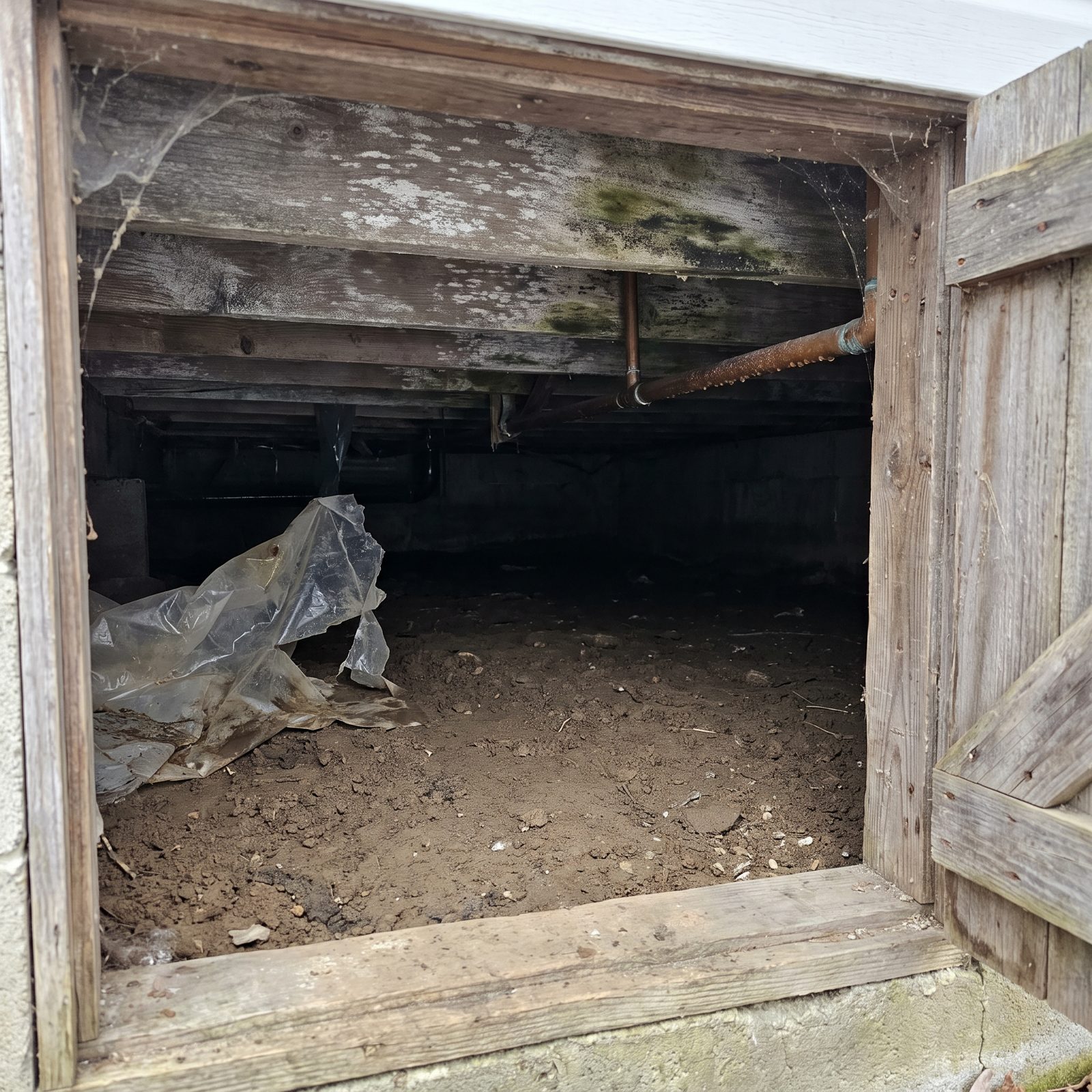
Ground doesn’t stay still. Moisture evaporates out of bare crawlspace soil and rises straight up through the floor into the house, carrying a cold, mineral, cellar smell with it. An unsealed crawlspace behaves like a slow humidifier, pumping damp air into the living space above.
Residents call it the house’s “normal” smell. It isn’t. A ground cover or vapor barrier cuts most of it, and anyone selling a home learns fast that buyers notice this one before they’re three steps past the front door.
25. A Sump Pit with Stagnant Water
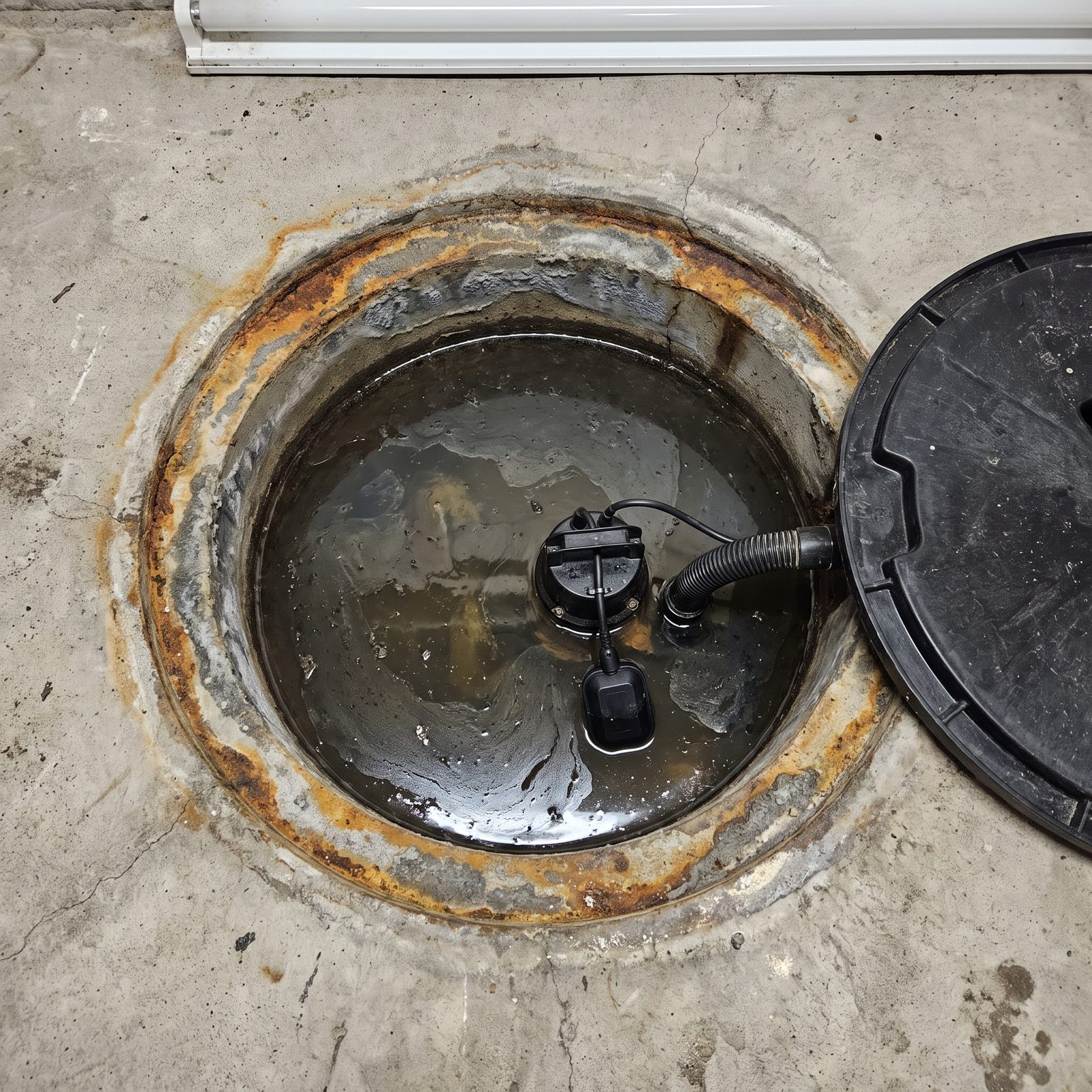
An uncovered sump pit that only runs now and then ends up holding the same water for weeks. That still water goes anaerobic, the bacteria get busy, and a low sulfur-and-mud smell seeps up out of the hole in the basement floor.
What people miss: a sealed pit lid with a gasket solves it for almost nothing. The smell isn’t the pump failing. It’s the water sitting there, breeding, with nothing capping the opening.
24. Rodent Urine in the Attic
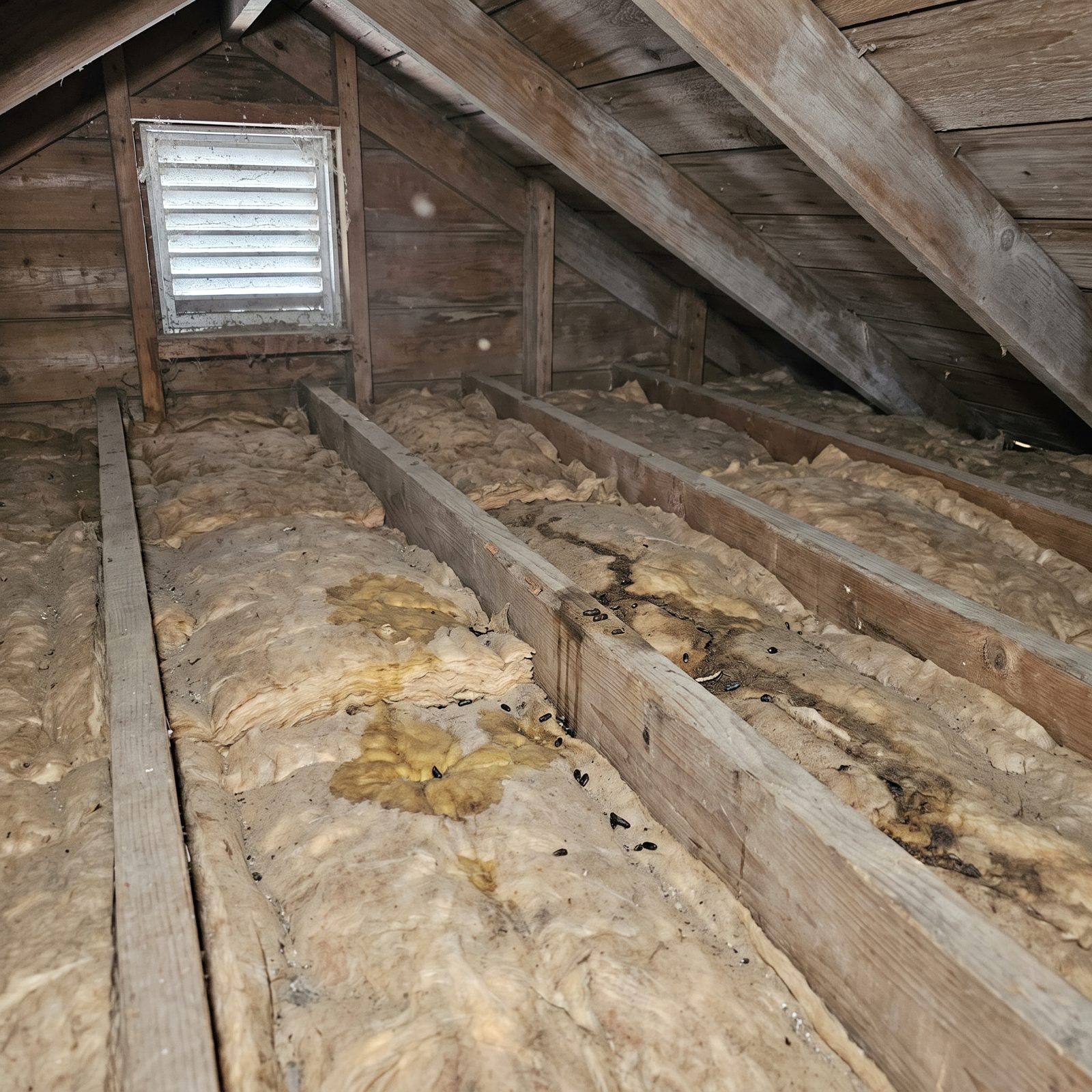
Rodents mark constantly, and attic insulation soaks up urine like a sponge. The smell is sharp, ammonia-edged, a little musky, and it filters down through ceiling fixtures and the attic hatch into the rooms below. Warm weather makes it worse.
Nose-blindness hits hard here because the buildup is gradual and the source stays out of sight. A visitor smells it near the hallway and can’t place it, while the homeowner swears they smell nothing at all — which is exactly how these things go.
23. A Dead Mouse Inside a Wall Cavity
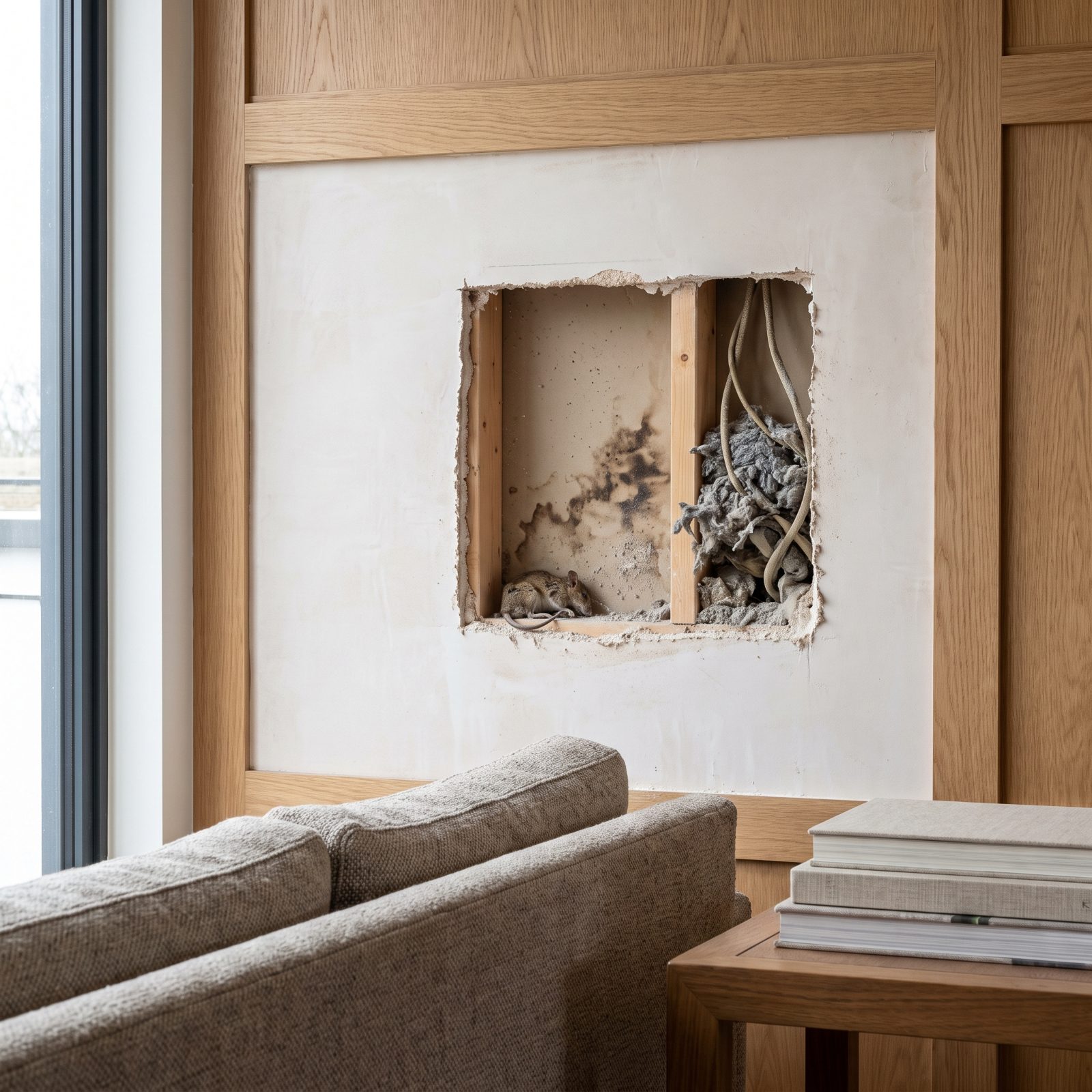
Few smells are as unmistakable, or as temporary, as a dead mouse behind the drywall. The odor peaks over a week or two as decomposition runs its course, then slowly fades. Trouble is, the cavity traps it and releases it in waves tied to temperature and airflow.
Residents learn to breathe shallow near that one wall. Visitors get hit with the full thing. There’s no air freshener on earth that beats it, and anyone who tells you otherwise is just adding floral notes to a dead mouse. You wait it out, or you open the wall.
22. A Fishy Odor from Overheating Electrical Parts
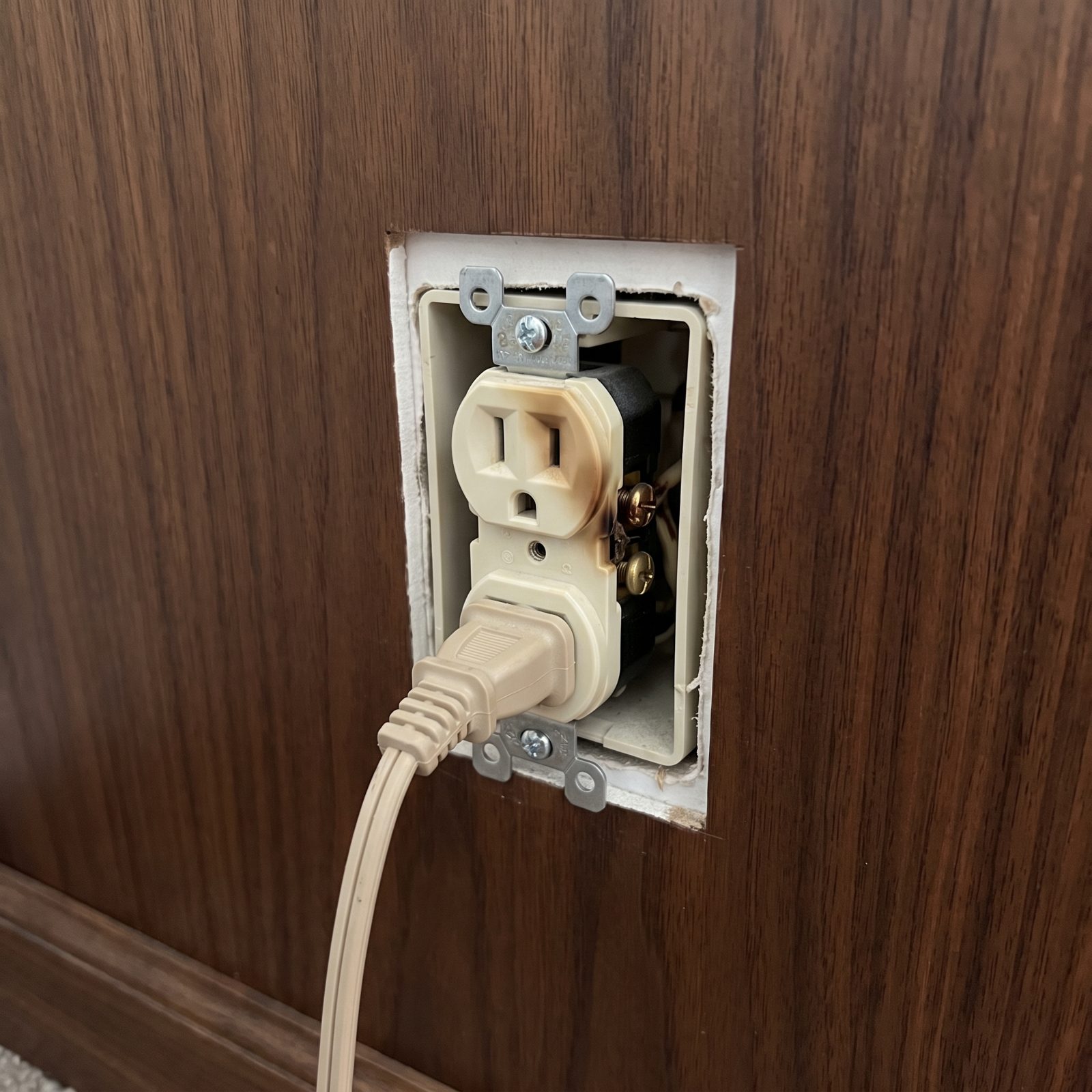
That faint fishy or urine-like smell near an outlet, a breaker panel, or a dimmer switch is not a plumbing issue. It’s hot plastic. As the insulation and housing start to break down under heat, they release chemicals, and the result reads to the nose as fish.
Stop reading about this one and act on it. A visitor noticing a fishy smell by your electrical panel is a genuine warning sign. Unplug what you can and call an electrician.
21. Mercaptan from a Small Natural-Gas Leak
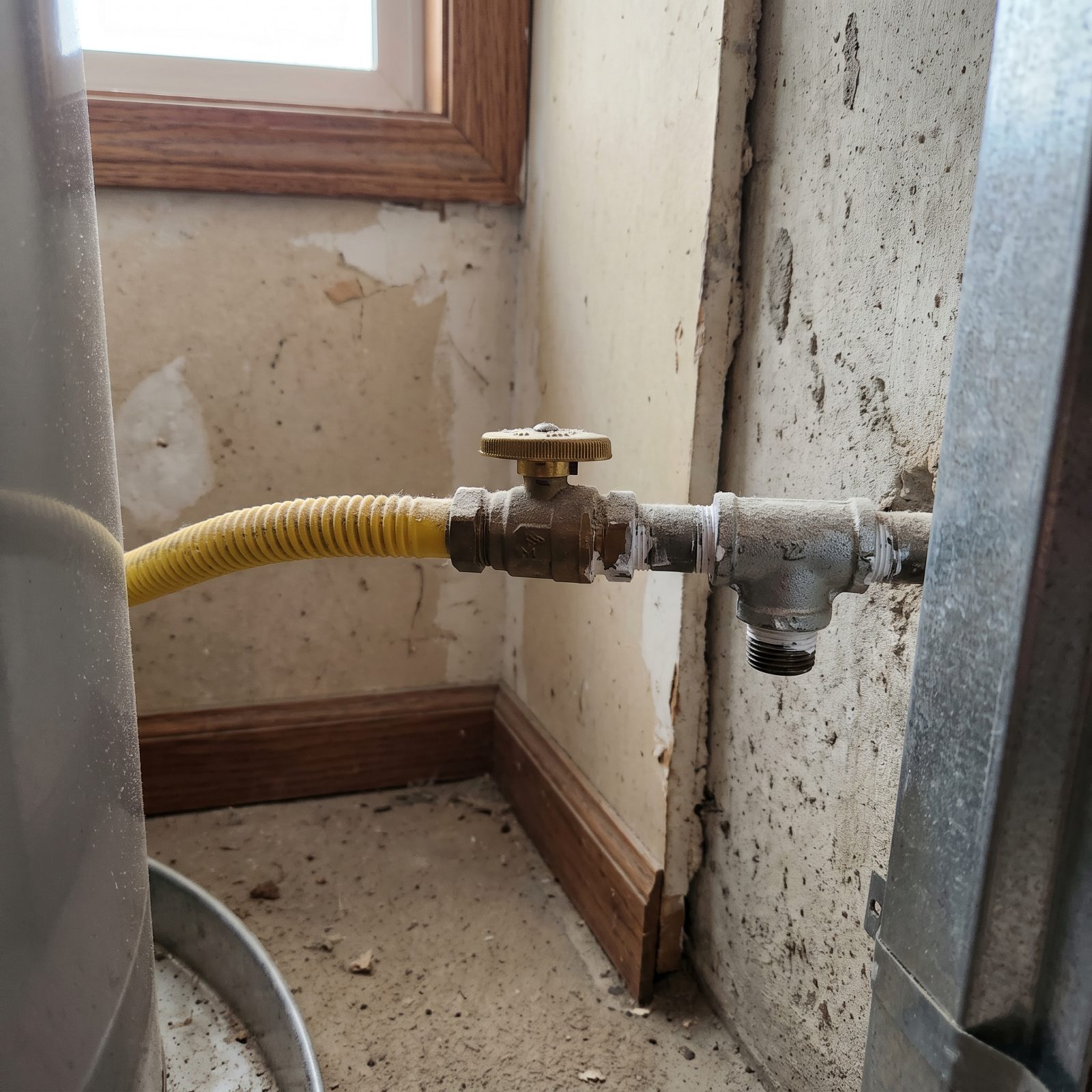
Natural gas has no smell on its own. That rotten-egg, sulfur odor you associate with it comes from mercaptan — an additive blended in on purpose, precisely so leaks get noticed. A tiny leak behind an appliance gives off a low background odor the household tunes out completely.
Here the fresh nose at the door is your safety feature. If someone walks in and asks whether something smells like rotten eggs, don’t wave it off. Leave, then call the gas utility from outside. No candles. No light switches. Nothing that sparks.
20. Sulfur-Smelling Water from the Well or Water Heater
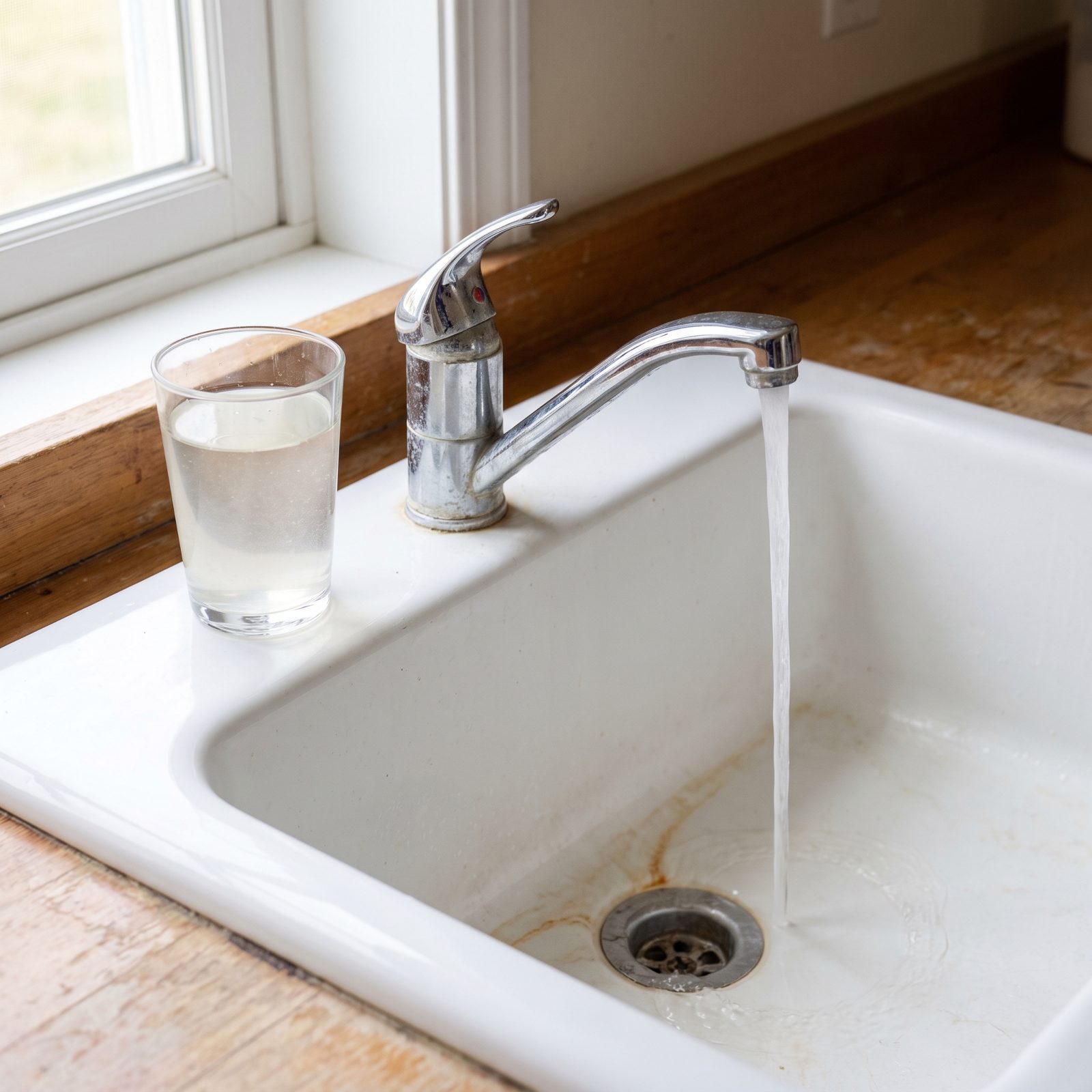
Rotten-egg water comes from two main places. In well systems, sulfur bacteria and dissolved hydrogen sulfide cause it; in homes on a water heater, a reaction between the anode rod and sulfate-reducing bacteria inside the tank usually does. Either way, the hot tap tends to smell worse than the cold.
Families stop registering it fast, then pour a visitor a glass of water and get a funny look. Quick test: if only the hot water stinks, suspect the water heater. If both do, look upstream at the source.
19. A Septic Problem Reaching Household Drains
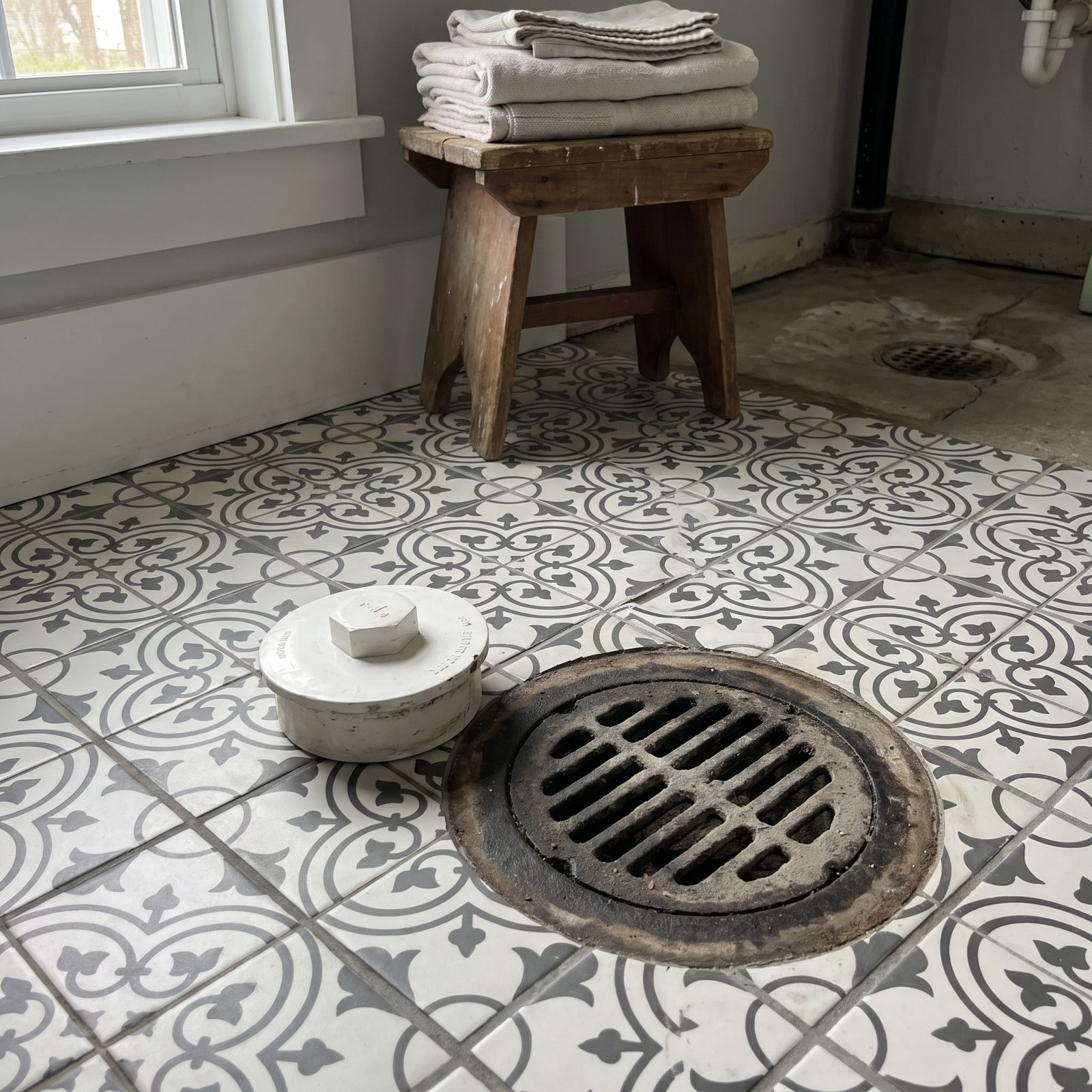
When a septic system backs up or its drain field starts to fail, sewer gas finds its way into the house through floor drains, unused bathroom fixtures, and loose cleanout caps. The smell is heavy and sewage-like, strongest in basements and seldom-used bathrooms.
Residents adapt over months and reroute their own noses around the problem rooms. Visitors notice before they take their coats off. Sometimes the fix is as small as pouring water down a trap that dried out. Sometimes it’s the tank itself. Either way, a fresh nose at the front door is often the first real diagnosis a house ever gets.
18. Stale Ice Cubes Soaking Up Everything in the Freezer
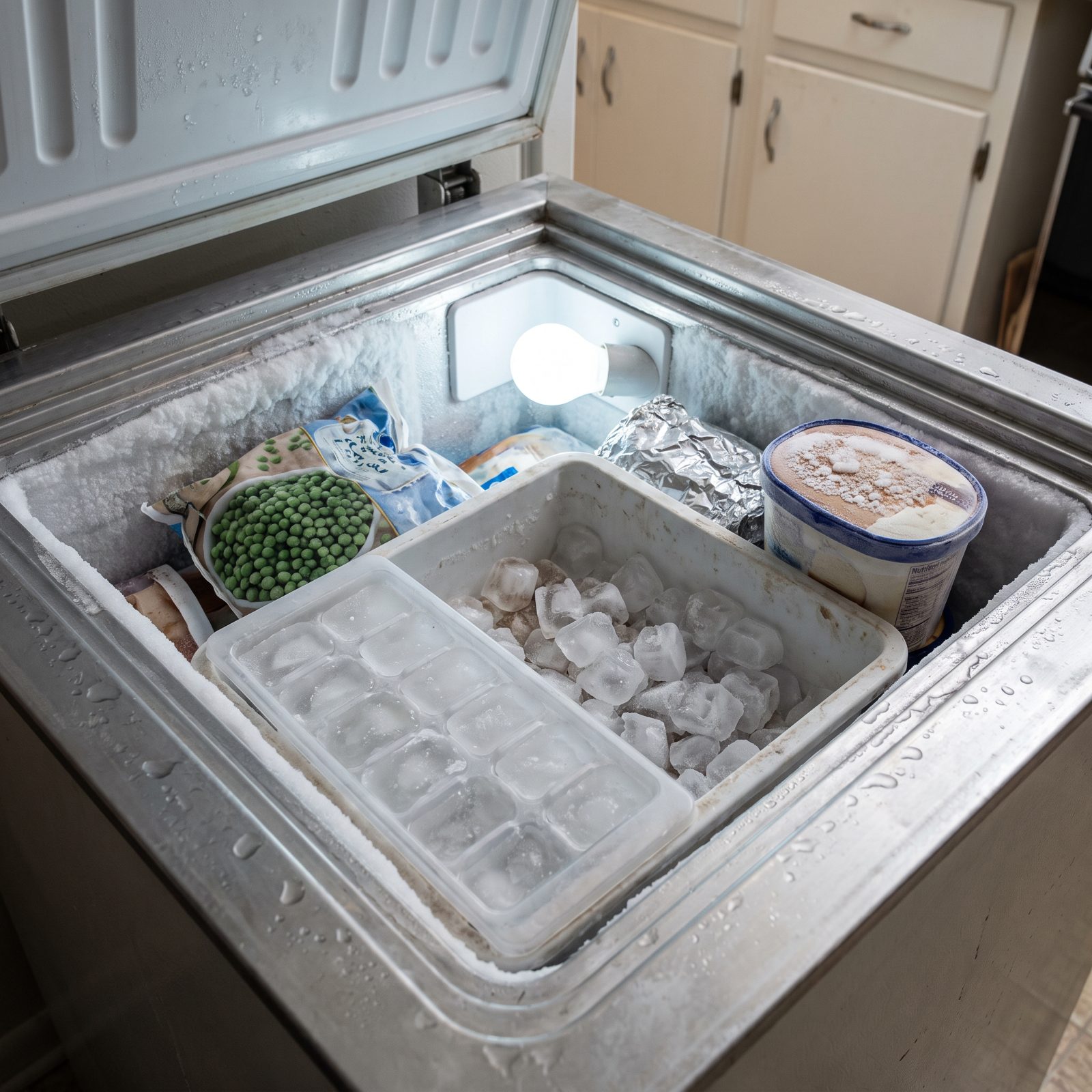
Ice is basically a sponge that froze. It pulls in whatever’s floating around the freezer, so a tray that’s been sitting since spring ends up tasting like last month’s salmon and the garlic bread parked next to it. The people who live there stopped noticing ages ago, because the smell crept in one molecule at a time. Then a visitor pours a glass of water and gets a nose full of freezer.
Look for cloudy, shrunken cubes with a dull surface. Fresh ice is clear and sharp-edged; old ice just looks tired, and it smells worse than it looks.
17. Rancid Cooking Oil Going Off at the Back of the Pantry

Oils don’t rot like meat. They oxidize, slowly, and the result is that waxy crayon-and-old-paint note you catch but can never quite place. Nuts, seeds, whole-grain flour, anything with fat in it does the same thing. To a nose walking in fresh, a pantry full of the stuff reads as a faint chemical sourness hanging under the shelves.
The residents don’t smell it because the change took months. And honestly? The worst offender is almost always the giant warehouse-club jug of oil that nobody finishes before it turns. Smell it before you cook. Sharp or paint-like means it’s done.
16. Burnt Crumbs Smoldering in the Bottom of the Toaster
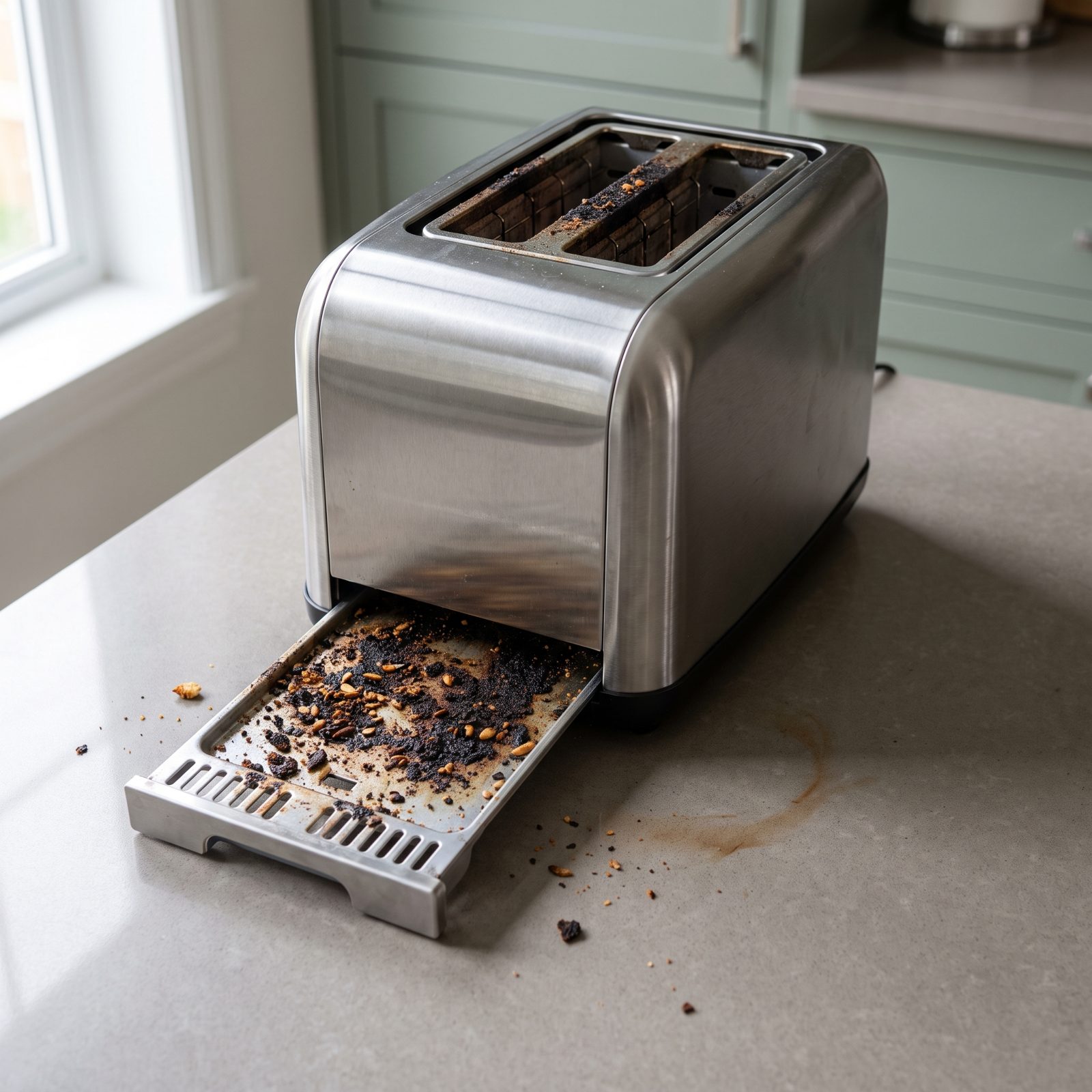
Every push of the lever reheats yesterday’s garbage. Crumbs pile up in the tray, scorch, scorch again, and fling that acrid burnt-toast reek across the kitchen each time somebody wants breakfast. The owner files it under “toast.” The guest files it under something electrical and mildly alarming.
Most people have never once pulled the crumb tray. It slides out from the bottom. What you find down there after a year is genuinely grim — a black mat of carbonized bits and seeds welded to the metal by heat.
15. The Sour Kitchen Sponge That’s Cleaning Nothing
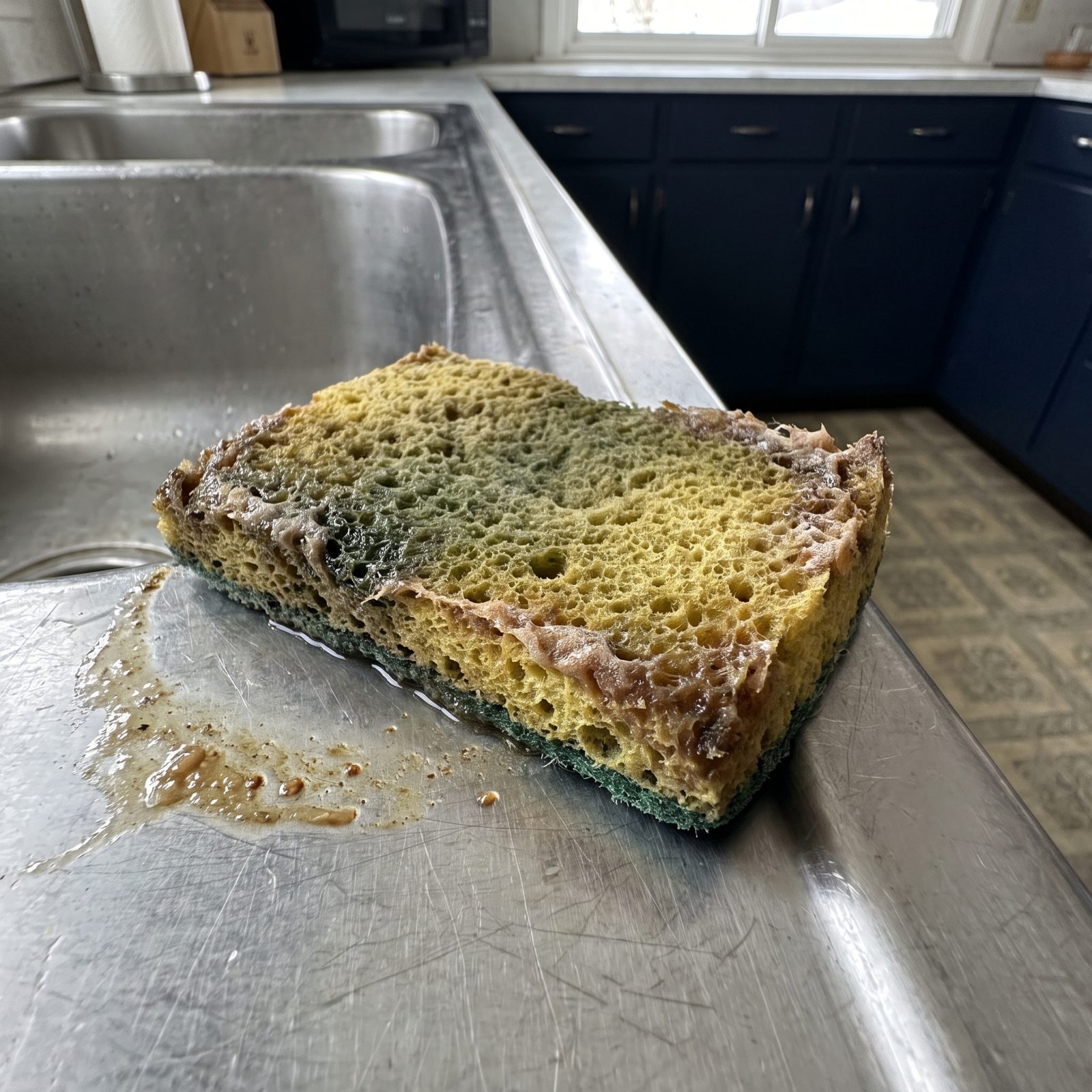
A wet sponge abandoned in a sink is one of the most bacteria-dense objects in the whole house. That’s not hype. It’s just what happens when you keep a damp, food-smeared pad sitting at room temperature. The sour, mildewy smell it gives off clings to your hands, your dishes, and travels from there.
And the catch is nasty: that smell transfers to whatever you “clean.” A counter wiped with a sour sponge smells sour an hour later. The guest picks it up on the dish towel, the mug, the whole room.
14. The Gunk Hiding Under the Trash-Can Rim
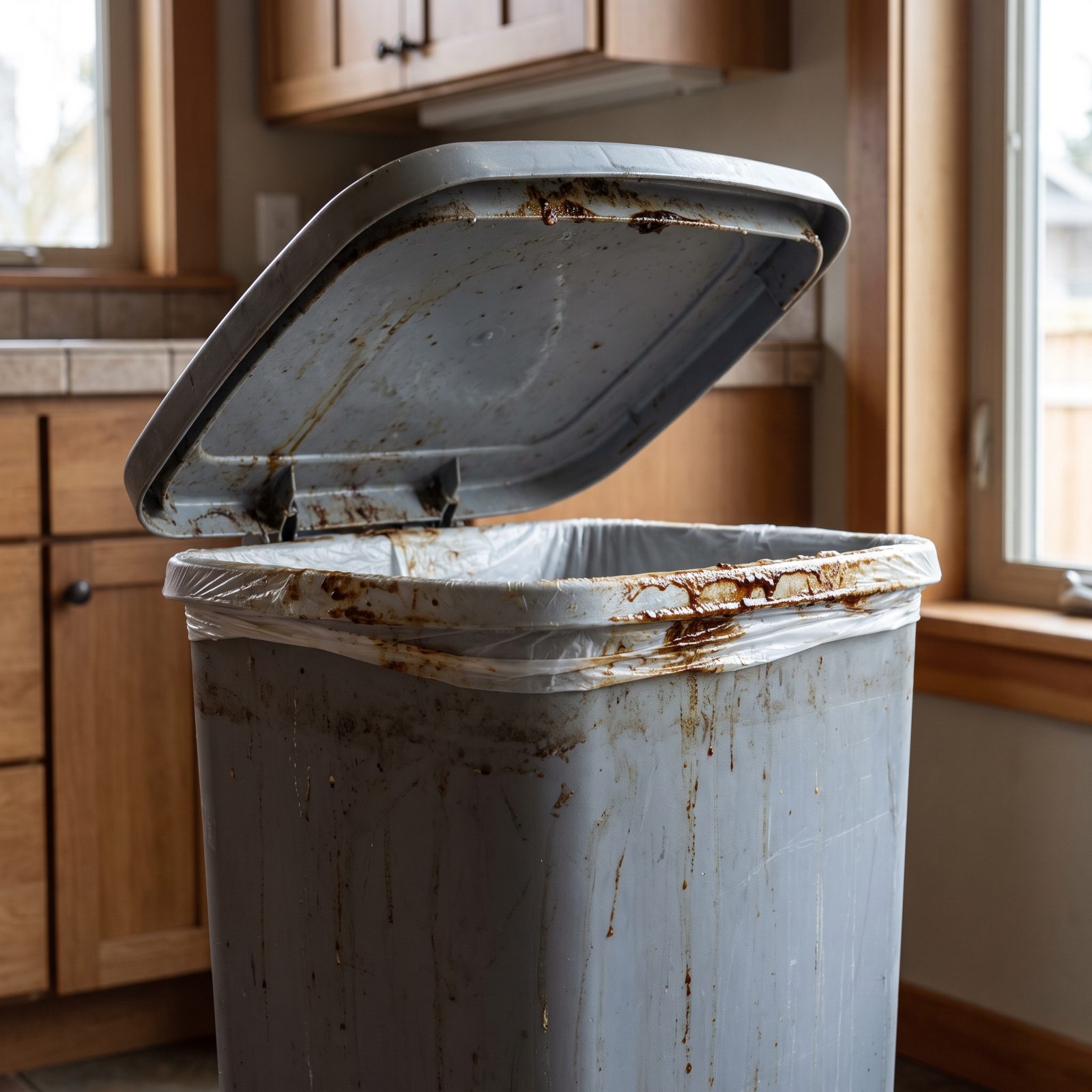
Swapping the bag feels like you’ve dealt with the smell. You haven’t. Liquids sneak out of the liner, drip down past it, and pool on the can body and under the rim where no bag ever reaches. That sweet-rotten note hanging around after fresh trash goes in? It lives in the plastic, not the garbage.
Run a finger under the rim sometime. The tacky film you’ll find there is the real villain, and a quick wipe with hot soapy water beats a month of bag changes.
13. Unrinsed Jars and Cans Fermenting in the Recycling Bin
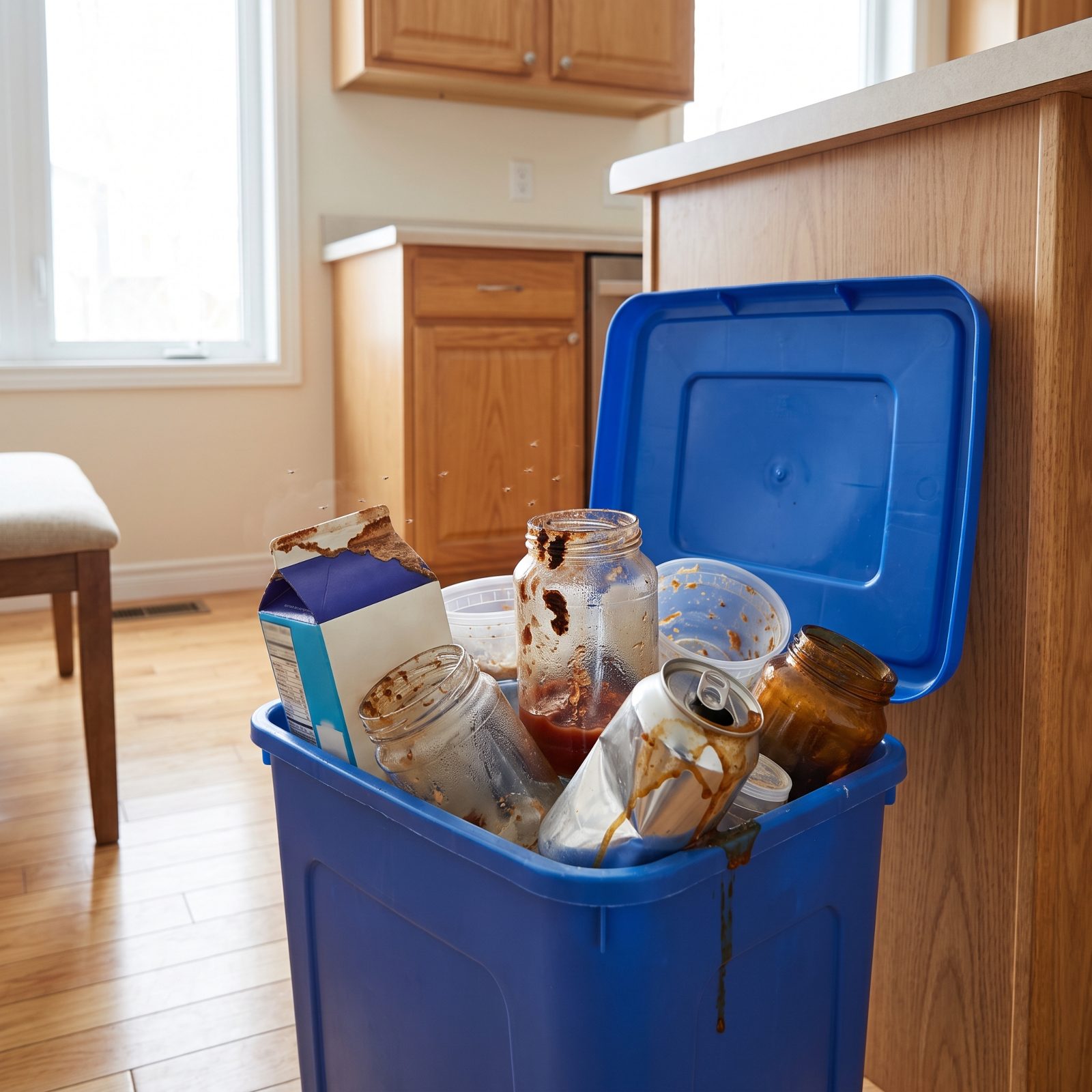
Recycling gets a moral pass in people’s heads. So the bin sits uncovered for a week while beer-can dregs and pasta-sauce film quietly ferment, giving off a smell that’s sweetish and sour at the same time. Because that bin usually hides in a cabinet or a garage corner, nobody’s nose ever confronts it head-on.
Then a visitor opens the cabinet under the sink hunting for a spare paper towel and gets the full report. The fix is dull and it works: a quick rinse before anything goes in. The fruit flies lose interest too.
12. A Vacuum Bag Packed With Old Dust and Pet Hair
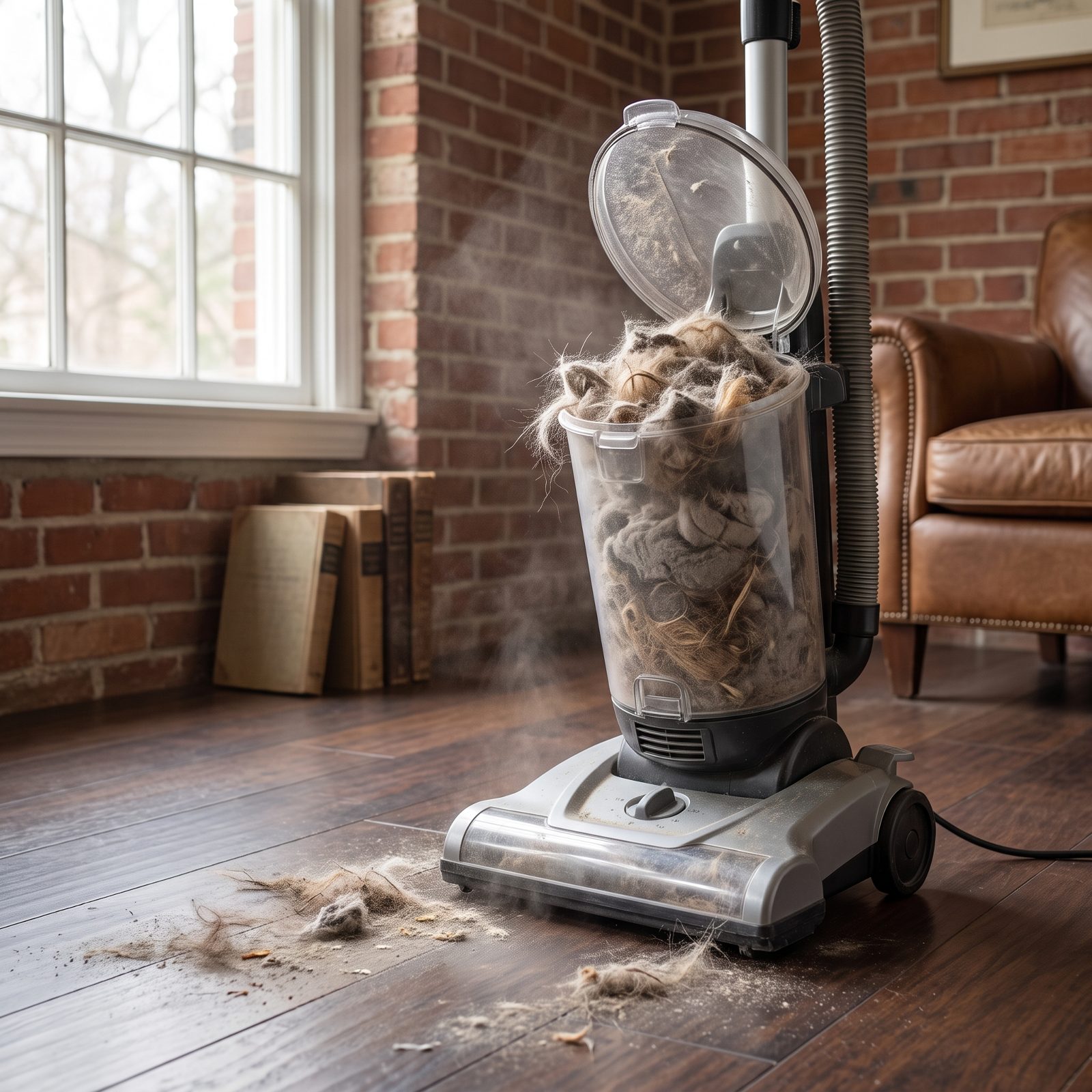
A full vacuum doesn’t just stop cleaning well — it turns into a diffuser. Every pass shoves warm air through a bag crammed with old skin cells, dust, dander and pet hair, and that warm air carries a distinctly musty, doggy smell straight back out into the room you’re trying to freshen.
So the residents vacuum and figure the house smells clean now. Exactly the opposite happened. The tell is a vacuum that smells warm and animal a few minutes into running. Change the bag or empty the bin at half full, not when it’s jammed solid.
11. An HVAC Filter That’s Become a Whole-House Air Freshener in Reverse

Think about what a filter actually does. All day long, every bit of air in your house passes through it, and everything that air is carrying — cooking grease, pet dander, the general funk of living — gets caught and held there. Then the system keeps blasting air across that loaded pad, scattering the smell from room to room.
A clogged one is grayish-brown and matted, often months or years past its prime. The house stops smelling like one spot. Instead it smells uniformly, faintly stale everywhere at once, which is precisely why the people living there can’t pin it down. The entire air supply is the source.
10. Carpet Padding That Pet Accidents Soaked Through Long Ago
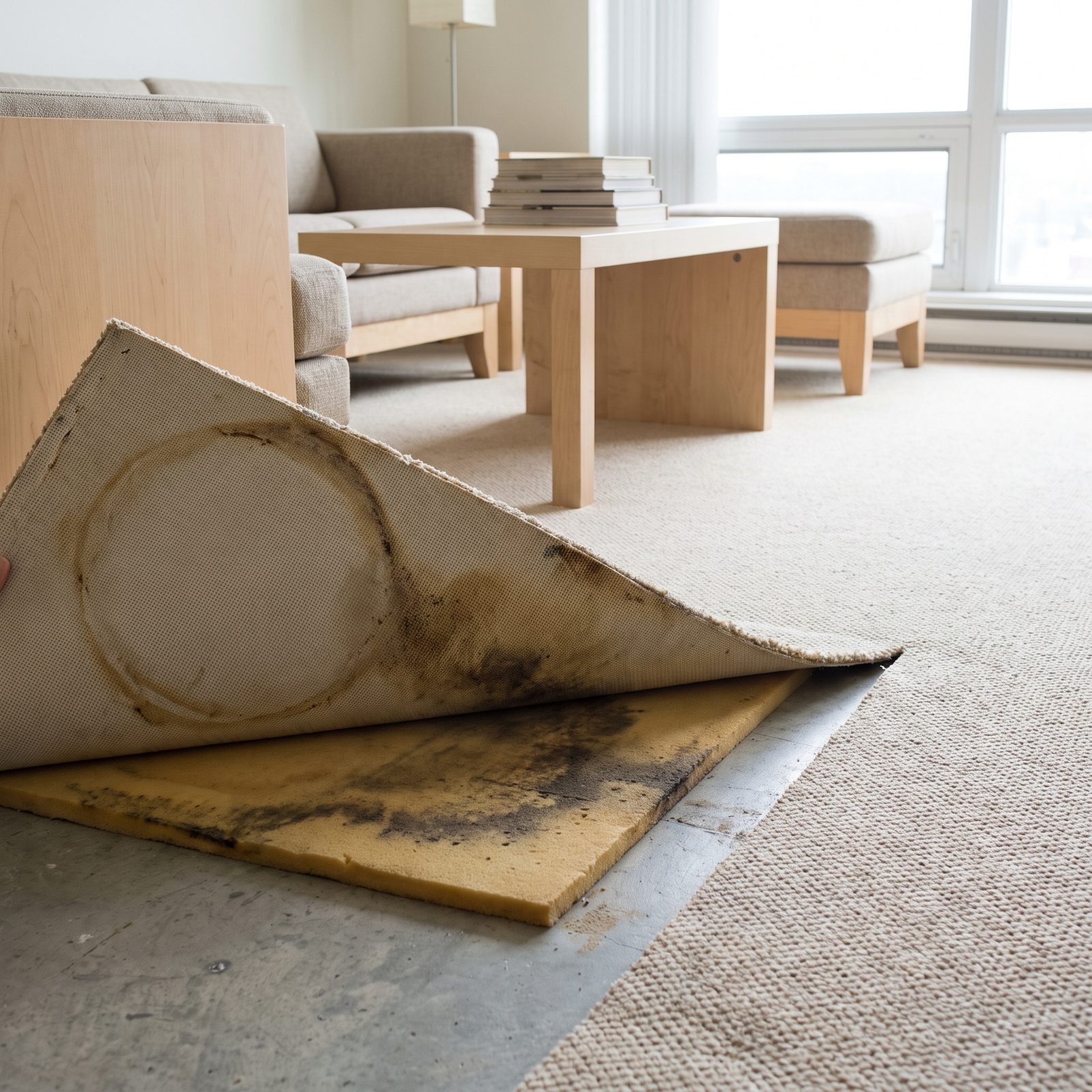
This is the one that fools everyone. You clean the carpet surface, the spot vanishes, and the problem feels solved. But the liquid wicked straight down into the padding and sometimes the subfloor, where no surface cleaner ever reaches. Warmth and humidity wake it back up, and the ammonia-sharp smell rises again through fibers that look perfectly spotless.
Guests catch it the moment they walk in, because they aren’t desensitized to it. The owners swear the carpet is clean — and on top, it is. The real mess sits an inch below their feet.
9. Curtains Quietly Hoarding Years of Frying Oil and Smoke

Soft goods are the memory keepers of a house. Curtains especially — they soak up airborne grease from the stove and tar from smoke, and because they hang there for years without ever seeing a wash, they become slow-release panels holding onto every meal and every cigarette the room has ever known.
You’ll spot the tops of the panels yellowing before the bottoms do. That’s warm greasy air rising and settling into the weave.
Pull one down and sniff it well away from the room. The gap between it and a fresh panel is startling, and it explains the smell a guest mentions the second they drop onto the couch nearby.
8. A Bath Mat with Mildew Trapped Under Its Rubber Backing
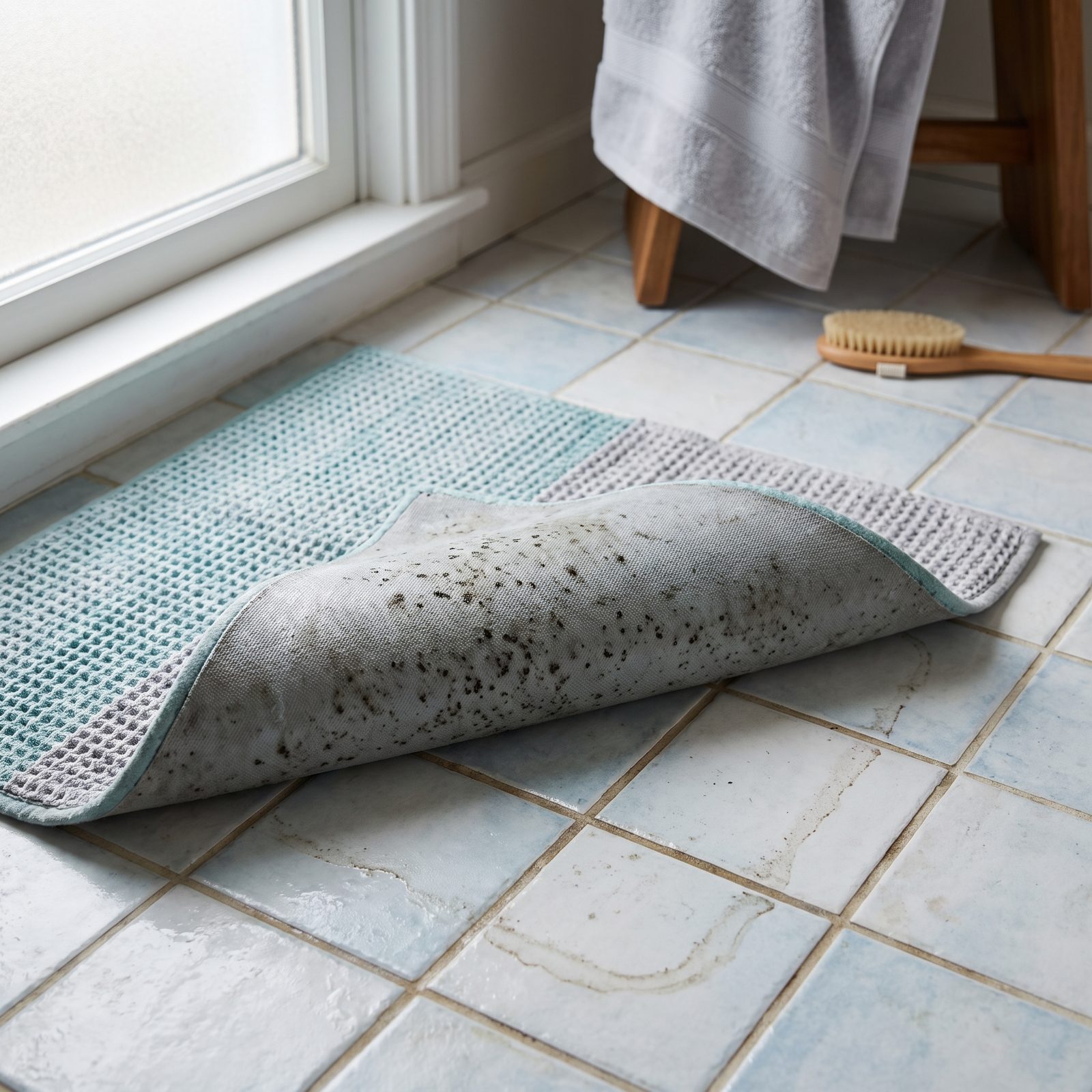
Flip it over. That’s where the smell lives. The top dries after every shower so you assume the thing is fine, but the rubber backing seals moisture against the floor and never lets go, and mildew sets up underneath where you’d never look.
Visitors catch it the second they step in to wash their hands. Residents don’t, because the nose files it under “bathroom” and moves on. A machine wash every week or so fixes it. And if the backing is already flaking and gummy, honestly, just replace the mat — you’re fighting a losing war.
7. Stagnant Water Sitting in the Toilet-Brush Holder
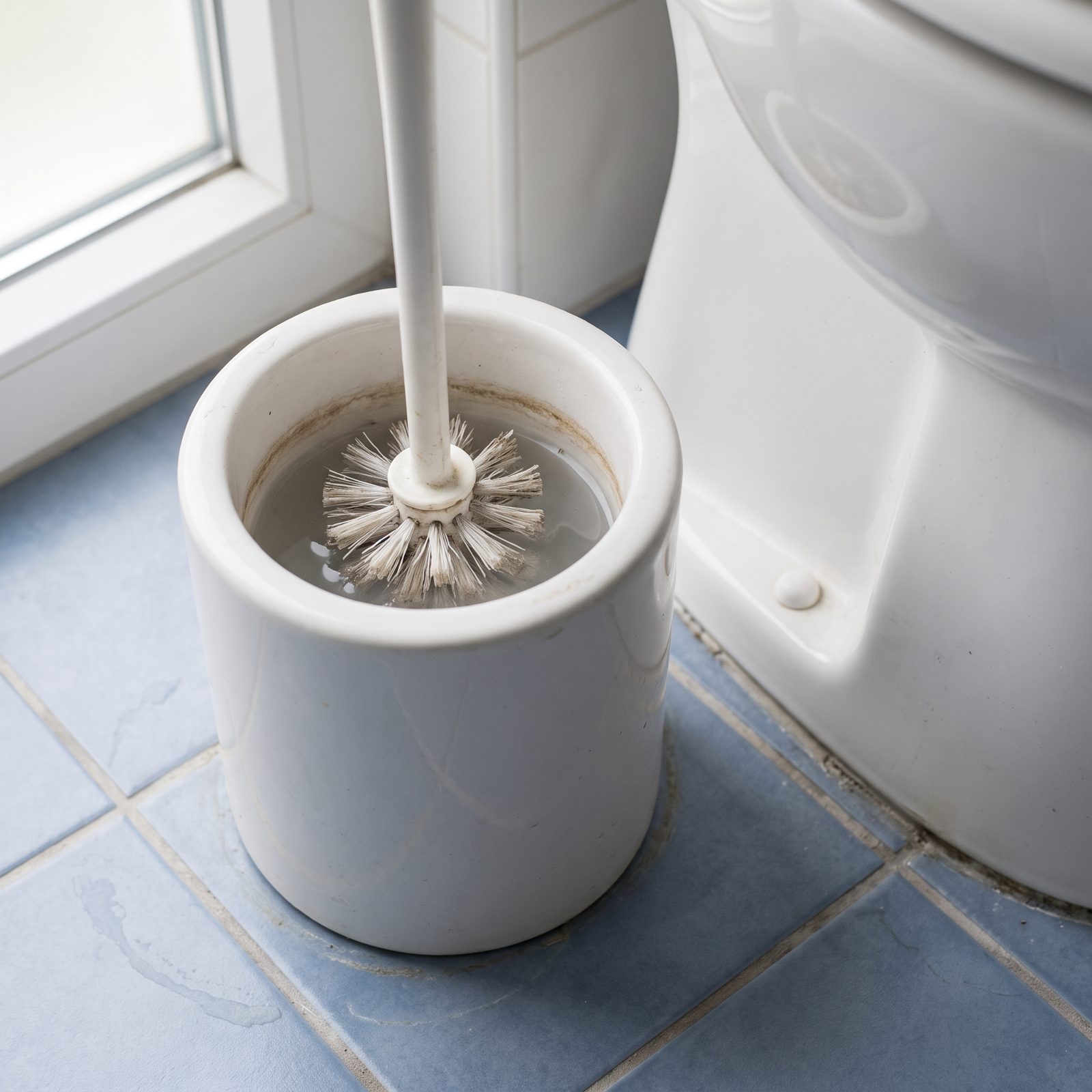
Here’s the one almost nobody thinks about. That little canister the toilet brush drips into collects a film of water that never fully evaporates, and it goes sour fast.
You lift the brush, use it, drop it back wet, and the holder turns into a tiny stagnant pond parked inches off the floor. The smell is faint but sharp, and guests register it before you’ve even offered them coffee. Empty the holder, rinse it, and let the brush dry over the bowl for a minute before it goes back in. Ten seconds, and you’ve solved a problem you probably didn’t know you had.
6. Sweaty Clothes Fermenting in a Closed Hamper
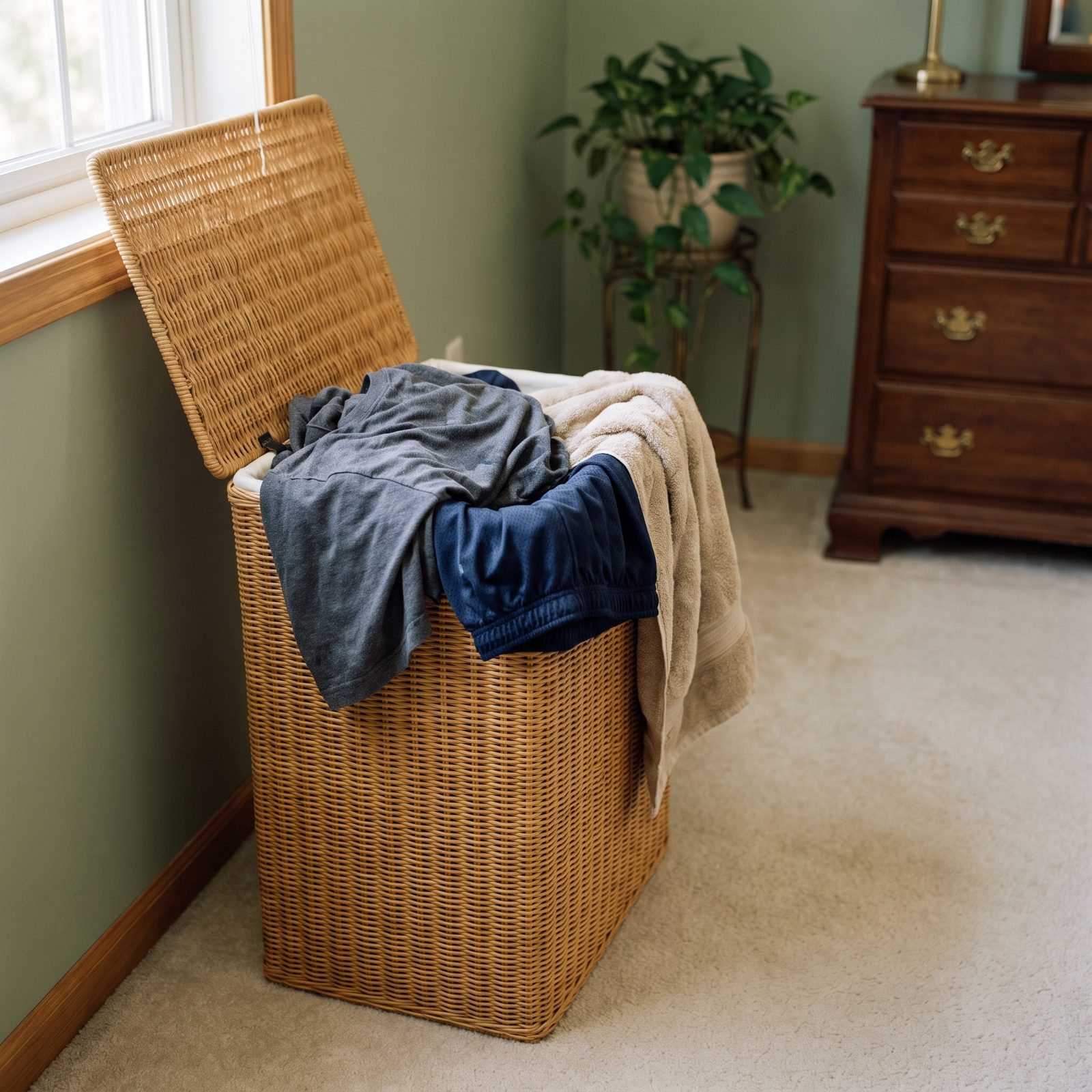
A closed hamper feels like the responsible choice. It’s actually a slow cooker for bacteria. Damp workout clothes and towels go in, the lid traps the humidity, and the whole pile ferments in the dark until it develops opinions.
Bacteria feed on the sweat and release that musty, sour note everyone recognizes and nobody wants to name. Residents stop smelling it within days. A guest sitting in the spare room for an hour will not.
5. Shoes Quietly Collecting Odor in the Entry Closet

An entry closet packs a day’s worth of foot sweat into a small enclosed box, then shuts the door on it. Shoes never get the airflow they need to dry, so the odor compounds week over week.
And it’s the first thing a visitor meets, because you open that closet to take their coat. Rotate your shoes so each pair gets a day off to breathe, and toss cedar blocks or a sachet of baking soda into the ones that offend most. Leather especially wants 24 hours between wears — something a lot of people never learned.
4. Unwashed Sports Gear Marinating Indoors
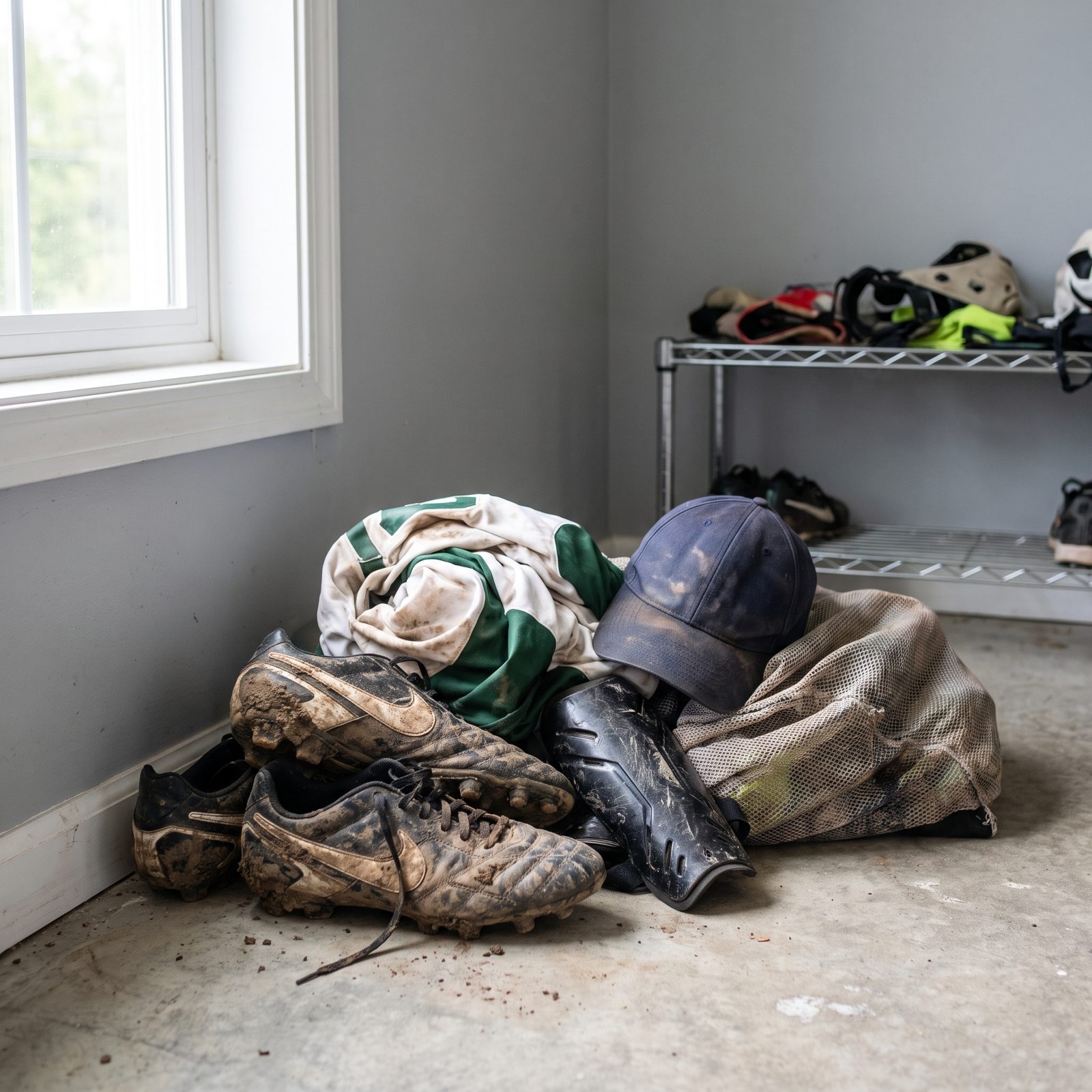
Pads, cleats, shin guards, hockey bags. This is the heavyweight champion of household odor, and it’s barely a contest.
Synthetic foam and padding soak up sweat and hold it indefinitely, feeding bacteria that give off a smell strong enough to clear a room. Most of this gear can’t go in the wash, so it just sits in a corner or a zipped bag, concentrating.
Store it somewhere ventilated, air it after every use, and wipe down what you can’t launder. A gear bag sealed shut in a warm hall closet is doing nothing but aging that smell like a terrible wine.
3. A Pet Bed That’s Overdue for the Wash
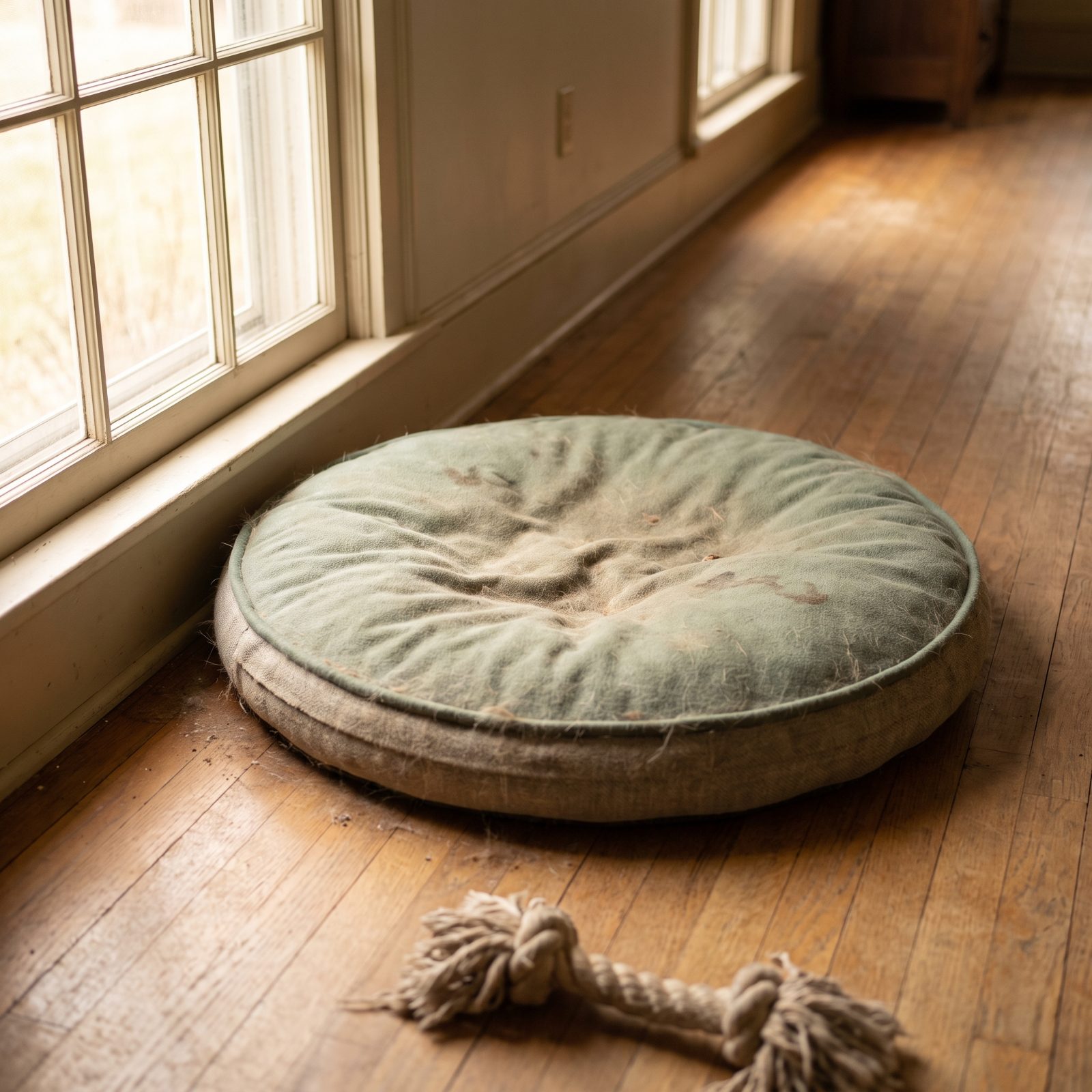
You love the dog. You’ve also completely stopped smelling the dog’s bed. Those two facts are related.
Pet beds soak up oils from skin and fur, plus whatever your pet rolled in outside, and the padding clings to all of it long after the cover looks fine. A guest who doesn’t live with the animal picks up on it immediately, usually right where they sit down near it.
2. A Litter Box the Residents Stopped Noticing Months Ago
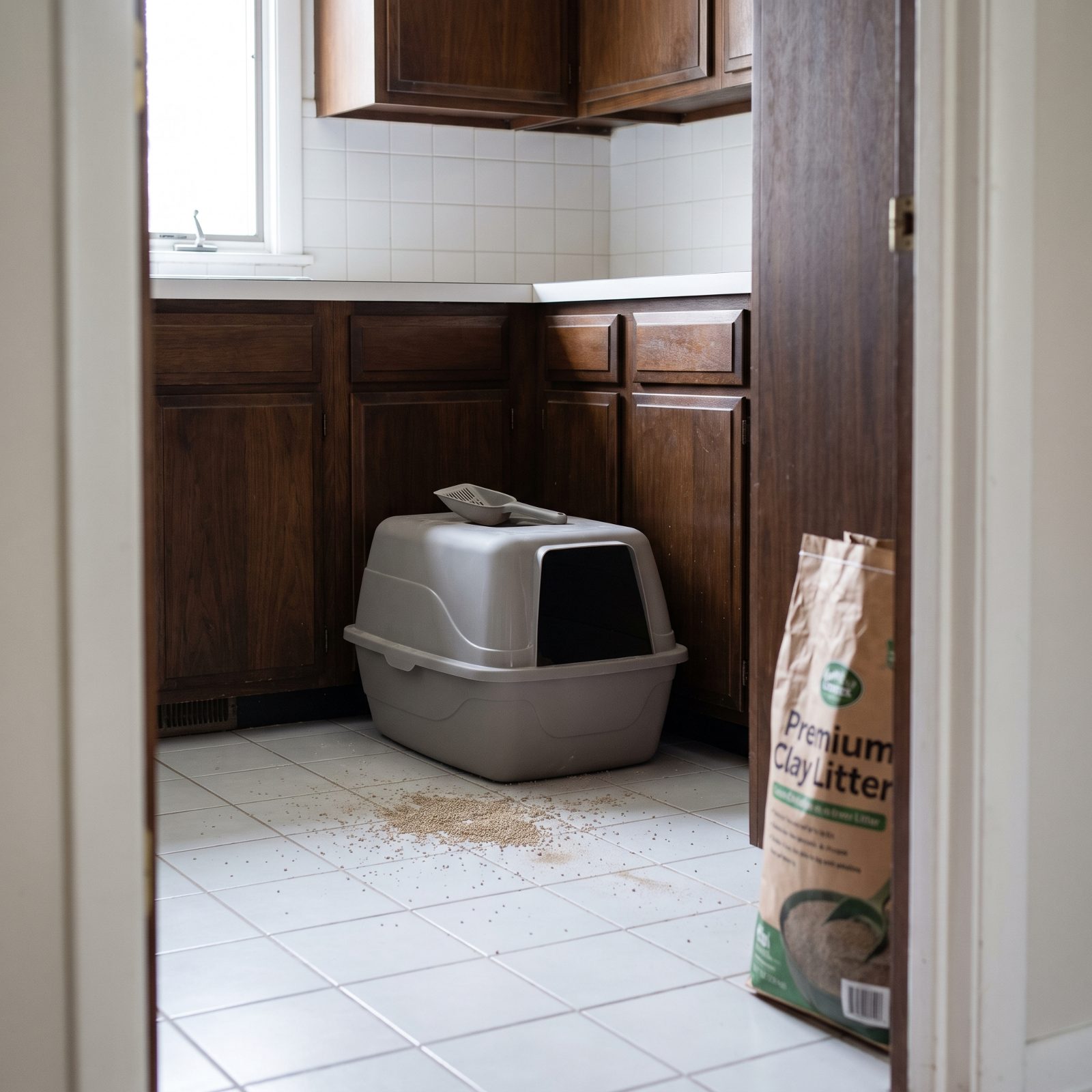
Nothing on this list triggers nose-blindness faster than a litter box, and nothing is harder for the owner to detect. The adaptation is nearly total — you walk past it fifty times a day and smell absolutely nothing.
A visitor knows there’s a cat before the cat appears. Daily scooping is the real answer, not air freshener layered on top, which just invents a stranger, worse smell. Change the litter fully on a schedule and wash the box itself every few weeks. The plastic absorbs odor over time, no matter how diligent you are with the scoop.
1. Exhaust and Fuel Fumes Drifting In from the Attached Garage
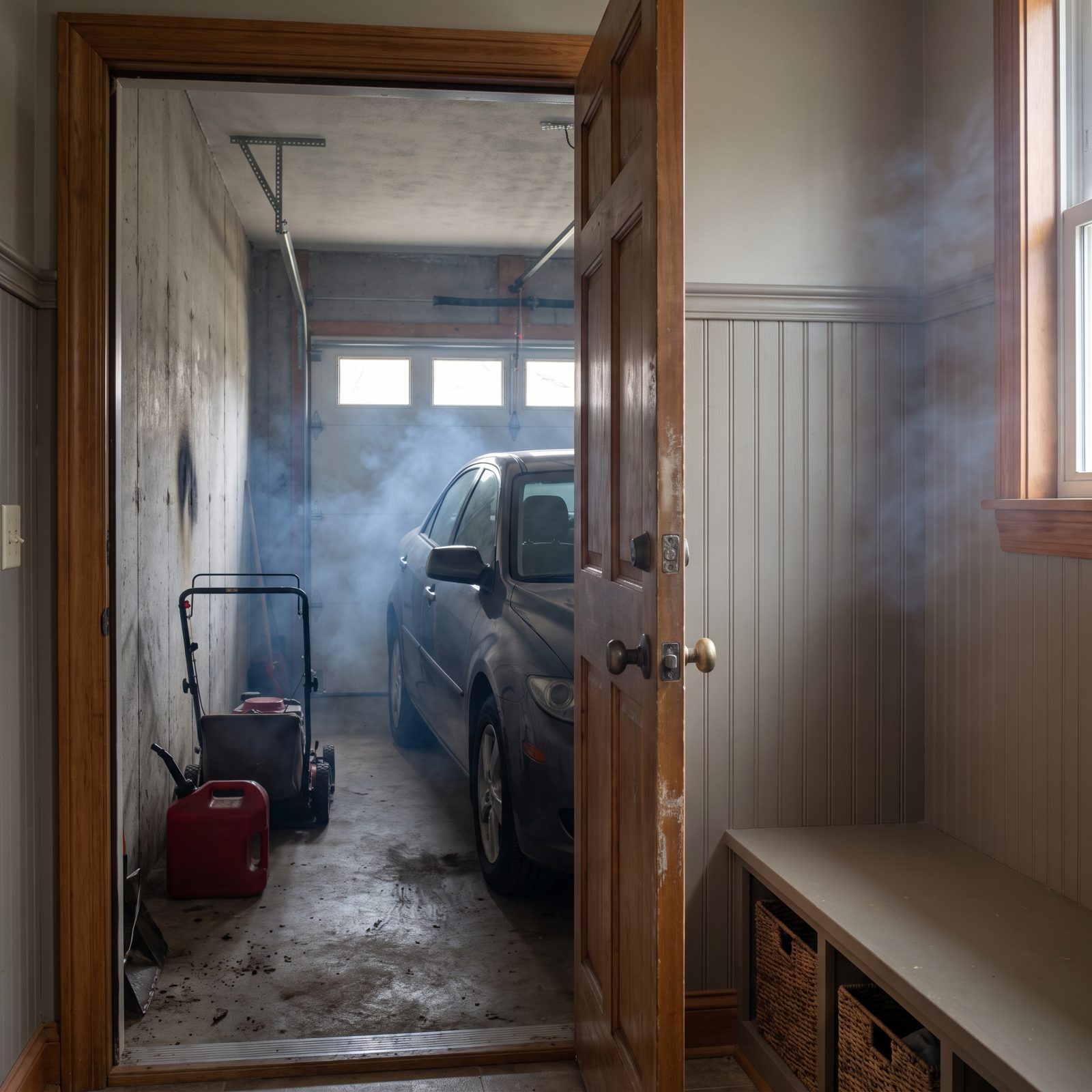
This one’s different from the rest. It’s not just unpleasant — it can matter for your health.
Exhaust, gasoline, oil, old paint, and lawn-mower fuel all pool in an attached garage and seep through the connecting door and any gaps around it. Residents stop noticing the faint chemical edge. A visitor catches it the moment they come in that way.