
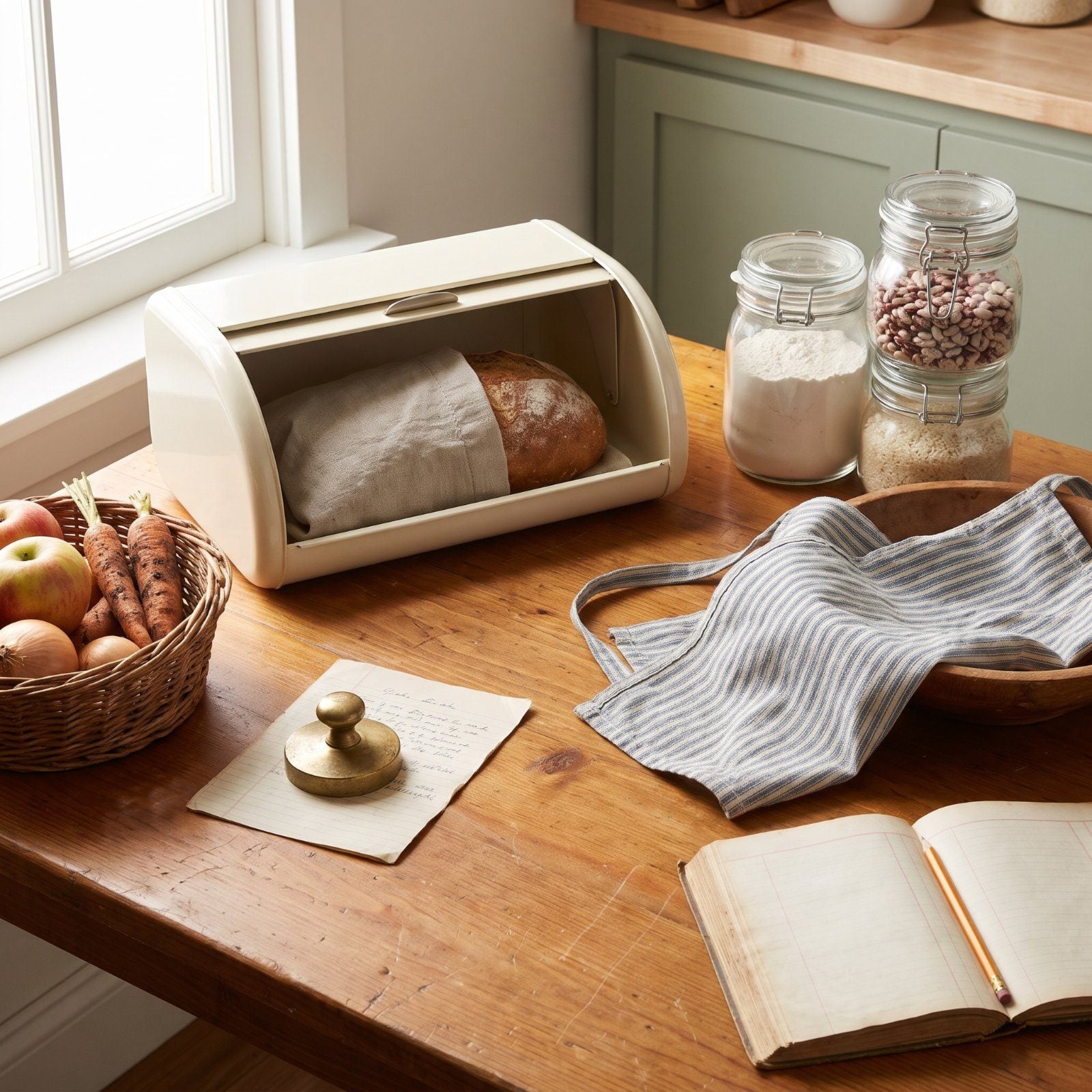
Grandmothers ran their kitchens like small economies, and most of them never wasted a thing. A roast chicken became three meals. A bruised apple went into something warm instead of the bin. These weren’t hardship moves dressed up as virtue — they were plain good sense, passed down in handwritten notes and muttered advice over a sink full of dishes. The strange part is how well they hold up now, with prices climbing and portions shrinking. These habits come from pantries and cash envelopes and chalkboard lists. Old-fashioned, yes. They also happen to work better than anything an app will sell you.
Please note that some of the images in this article were created with the assistance of AI.
30. Check the Pantry Before Buying Anything
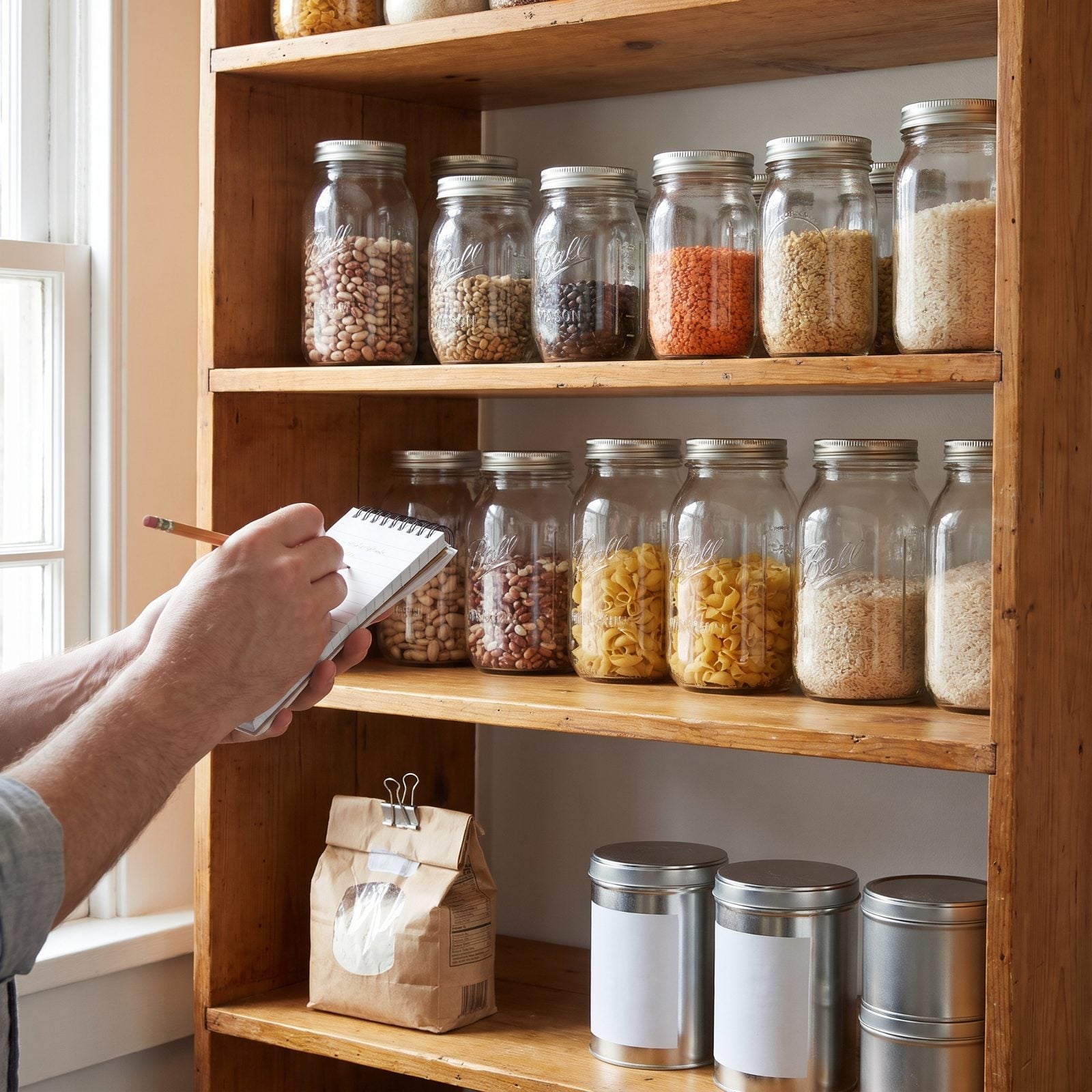
Half the reason a cupboard overflows is that nobody looked before they shopped. You buy a third jar of cumin because you forgot about the two hiding behind the oats.
Earlier generations treated the pantry like a map. A quick scan before writing the list, and suddenly tonight’s supper builds itself from what’s already in the house. Fewer duplicates, less creeping clutter, and that bag of lentils you bought last winter finally gets a chance.
29. Plan Meals Around Food That Needs Using First
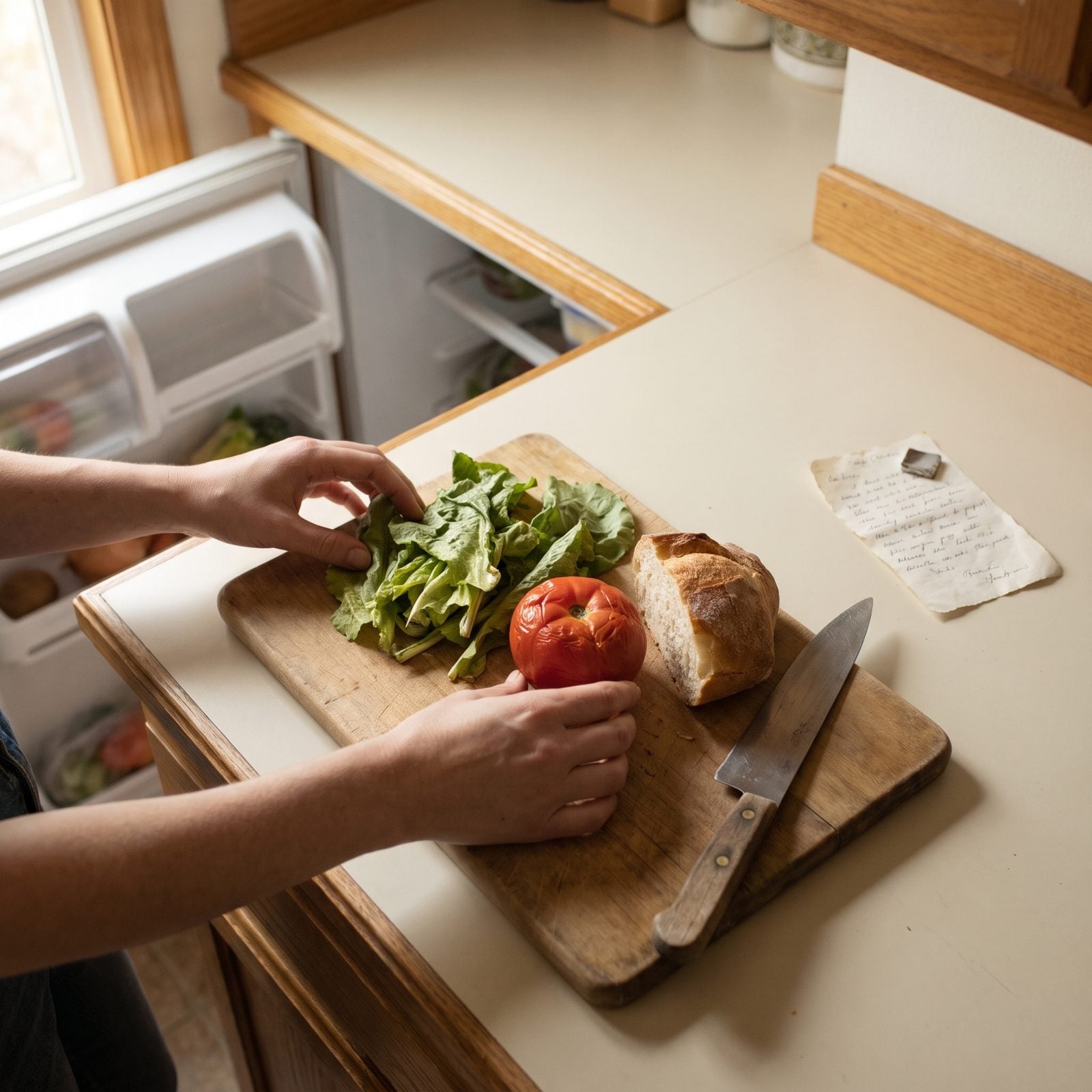
The oldest rule in a thrifty kitchen: cook what’s about to turn, not what you feel like.
Grandmothers planned backward. They opened the icebox, found the spinach going limp and the chicken on its last good day, and built the week around rescuing it. The menu followed the food, not the other way round. That single shift stops the slow, quiet rot at the back of the fridge that costs a household real money week after week. Soft fruit becomes something baked, tired vegetables go into soup, and nothing dies forgotten.
28. Carry a Written Grocery List
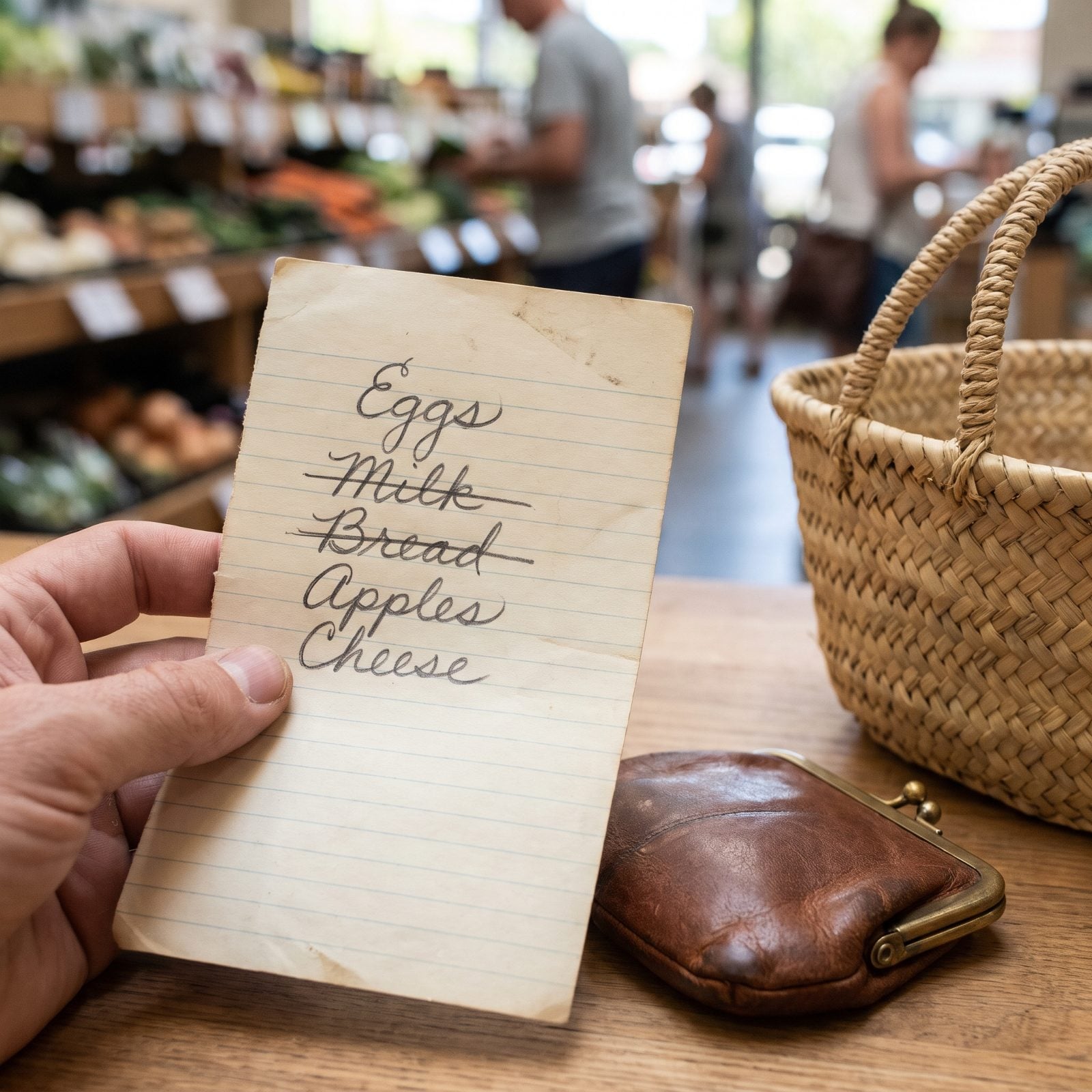
A list is a leash for your wallet.
Walk into a store without one and the aisles do the thinking for you. End-cap displays, the smell of the bakery, that oddly placed shelf of snacks at the checkout — all of it designed to make you forget what you came for. Pencil and paper was the quiet defense. You stick to the list, you leave with what you needed, and the impulse buys stay on the shelf where they belong.
27. Keep Grocery Money in a Cash Envelope
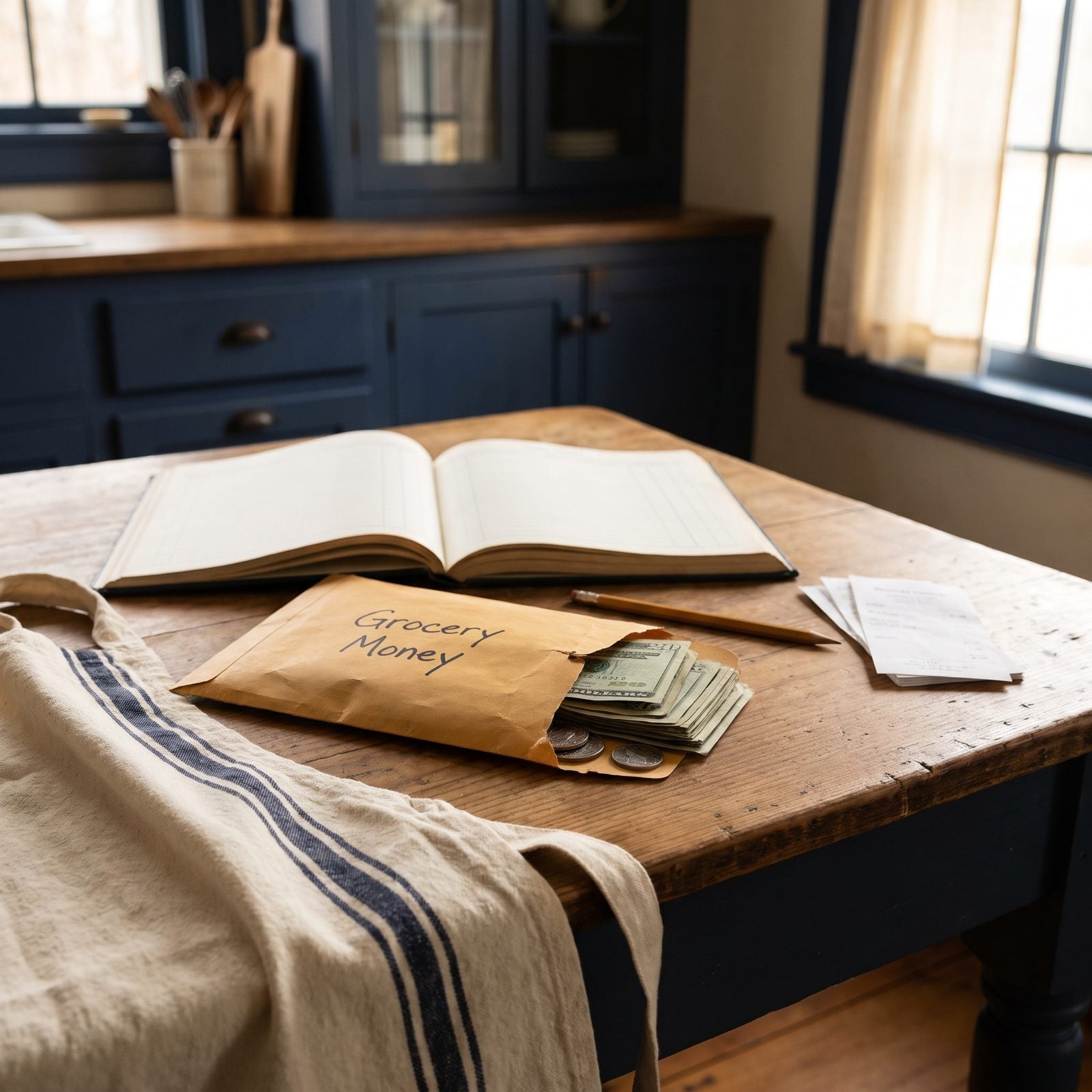
Cash runs out. A card never seems to.
That was the quiet genius of the grocery envelope. A set amount went in at the start of the week, and when it was gone, the shopping was done. No overdraft, no “I’ll just tap and sort it later.” You could feel the money leaving your hand, which is a thing a screen will never let you feel.
People spend less when they pay in paper. It hurts a little, and that small sting is the whole point.
Explaining why the envelope method stops overspending, a personal finance influencer who runs a budgeting resource says “Being able to use cash give people a tangible way to see how much money they have left.”
26. Check Weekly Specials Before Planning Suppers
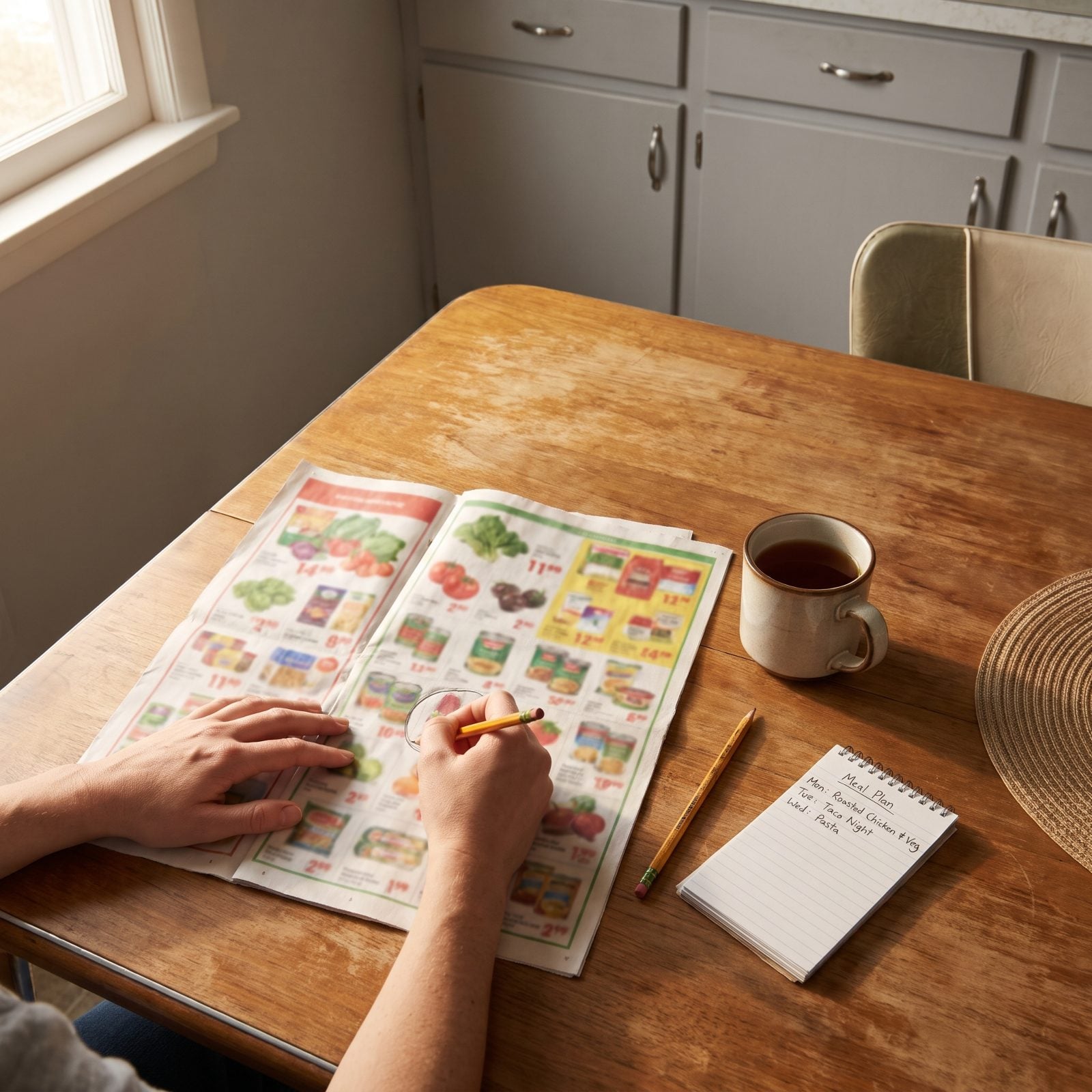
Smart cooks let the sales write part of the menu.
When pork shoulder is cheap this week, pork shoulder becomes supper. When a crate of apples turns up at a markdown, the kitchen smells like cinnamon for days. Plan the week around what’s actually on special, rather than what you fancied on Monday, and you quietly knock a chunk off the bill without anyone feeling deprived.
25. Compare Prices by Weight, Not Package Size
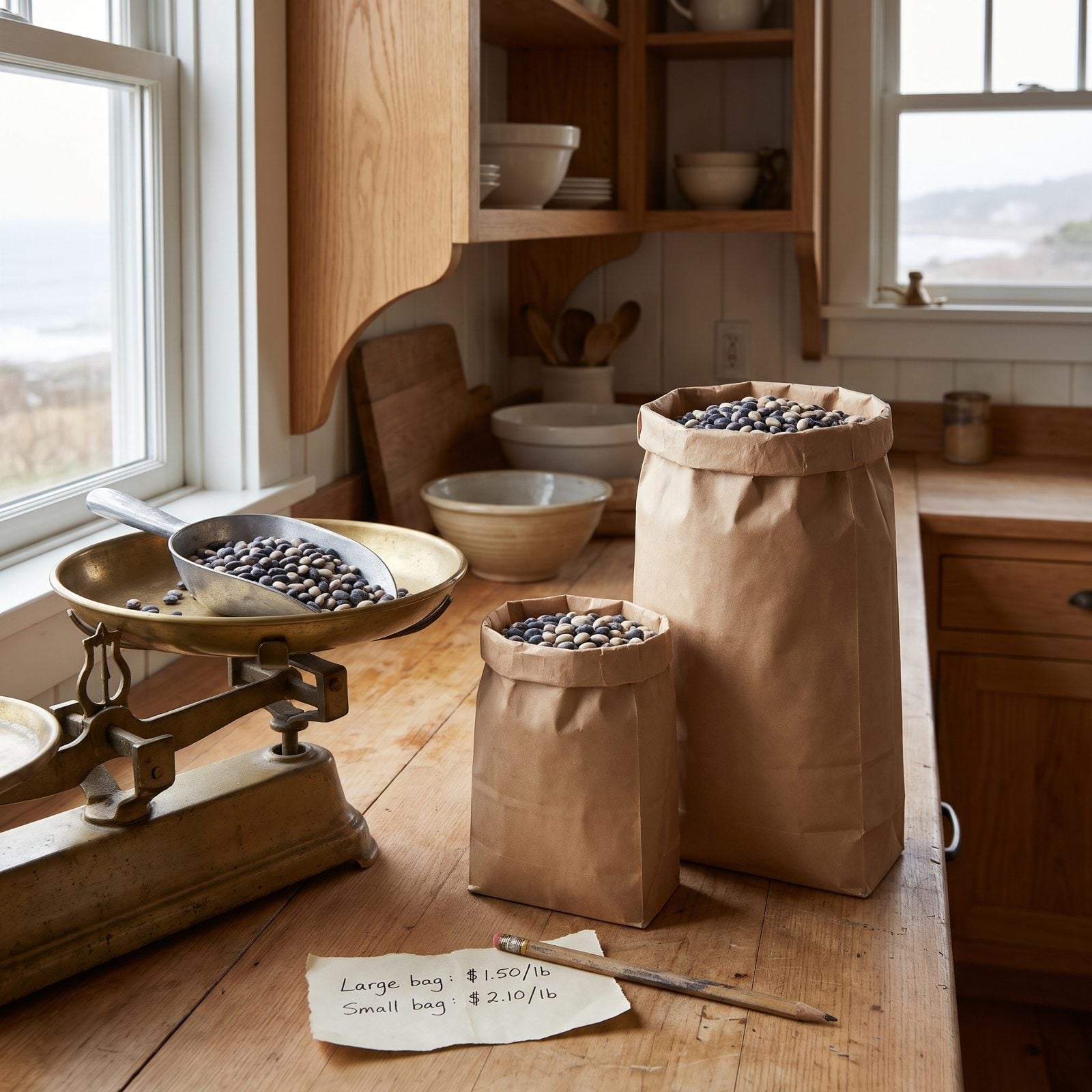
The big box isn’t always the better buy, and the grocery business is counting on you not checking.
Older shoppers did the math in their heads at the shelf — price divided by weight, every time. Sometimes the bigger package really is cheaper per pound than the small one sitting right next to it, and sometimes it only looks that way. You won’t know until you check. Read the unit price, that little number tucked in the corner of the shelf tag. It takes five seconds and saves you from a lot of handsome packaging hiding a worse deal.
24. Buy Frequently Used Staples in Bulk
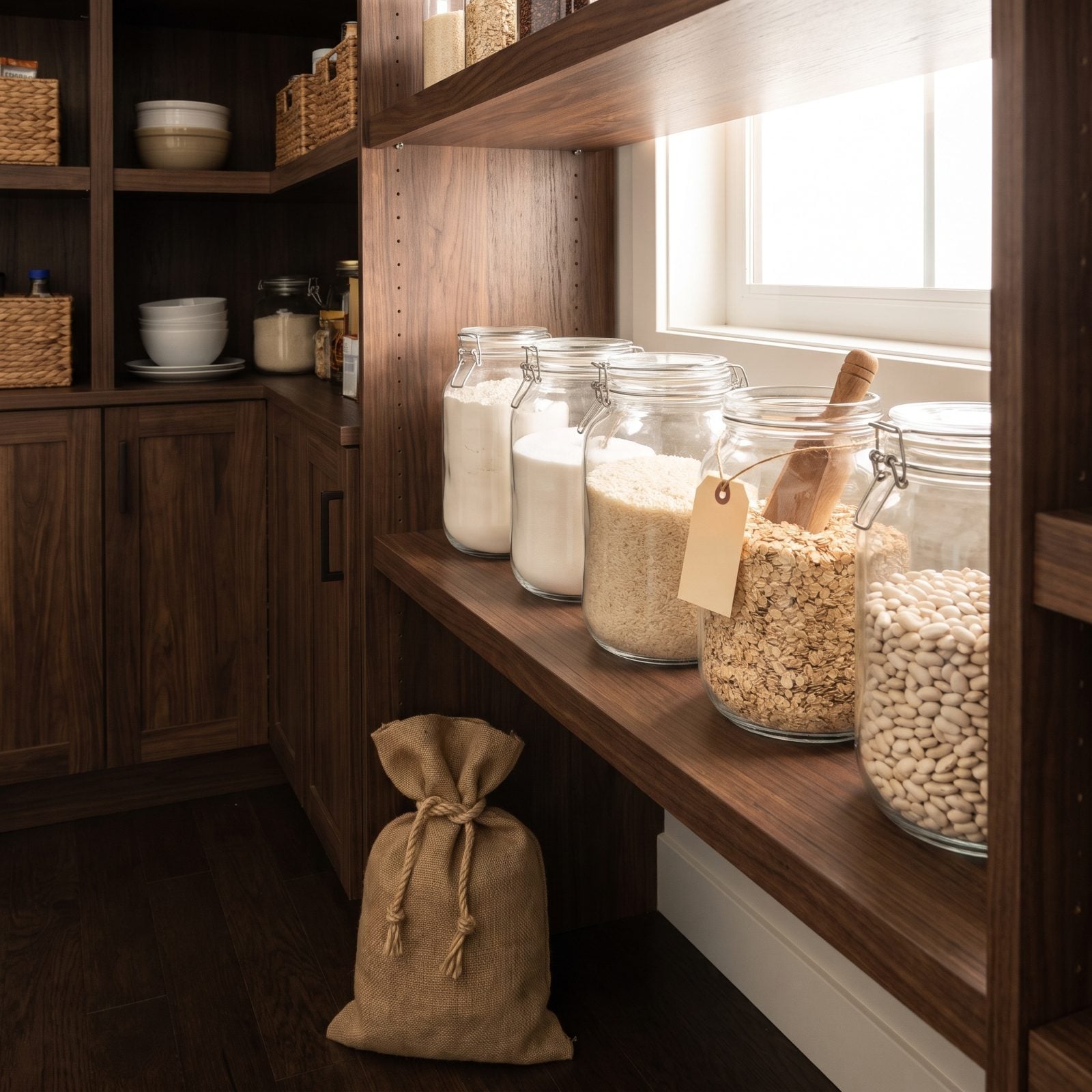
Flour, rice, beans, oats. The things you reach for constantly cost less when you stop buying them in dribs and drabs.
Thrifty households kept big sacks and decanted them into jars. Buying the staples you genuinely burn through in larger amounts cuts the per-pound price and the number of trips to the shop — and fewer trips means fewer chances to wander off the list.
One honest caveat, and I’ve learned this the hard way: bulk only saves money on things you’ll actually finish. A giant bag of something you use twice a year just goes stale in a cupboard. Buy big on the workhorses, not the novelties.
23. Choose Produce in Its Natural Season
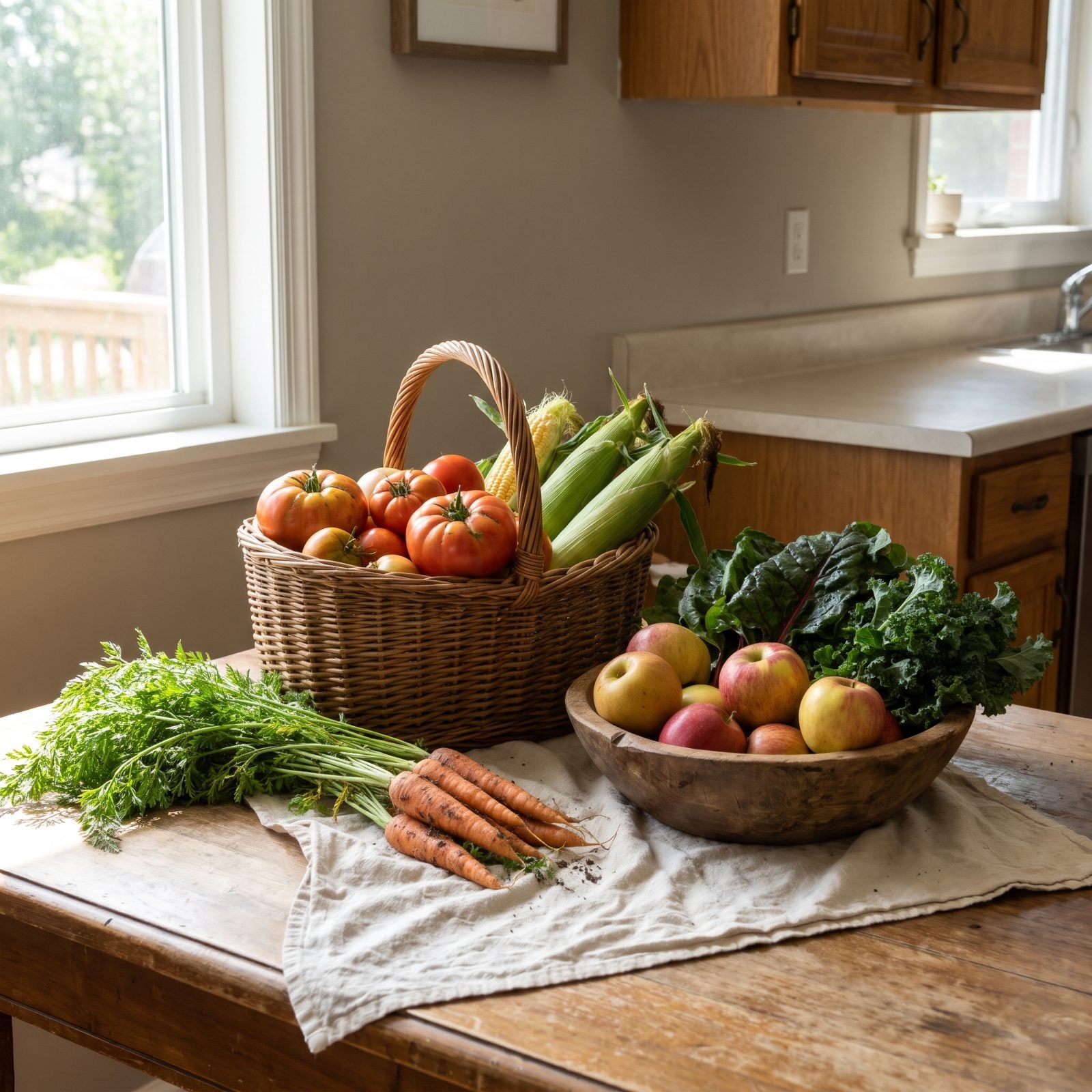
Strawberries in December taste like wet cardboard and cost a small fortune. Everyone over fifty already knows this.
Seasonal shopping was never a philosophy back then — it was just how food worked. Tomatoes in high summer, squash in autumn, citrus deep in winter. What’s in season is cheaper because there’s plenty of it, and it tastes better because it didn’t travel three thousand miles to reach you half-ripe. Eat with the calendar and the produce aisle quietly gets both tastier and cheaper at once.
22. Buy Whole Chickens and Portion Them at Home
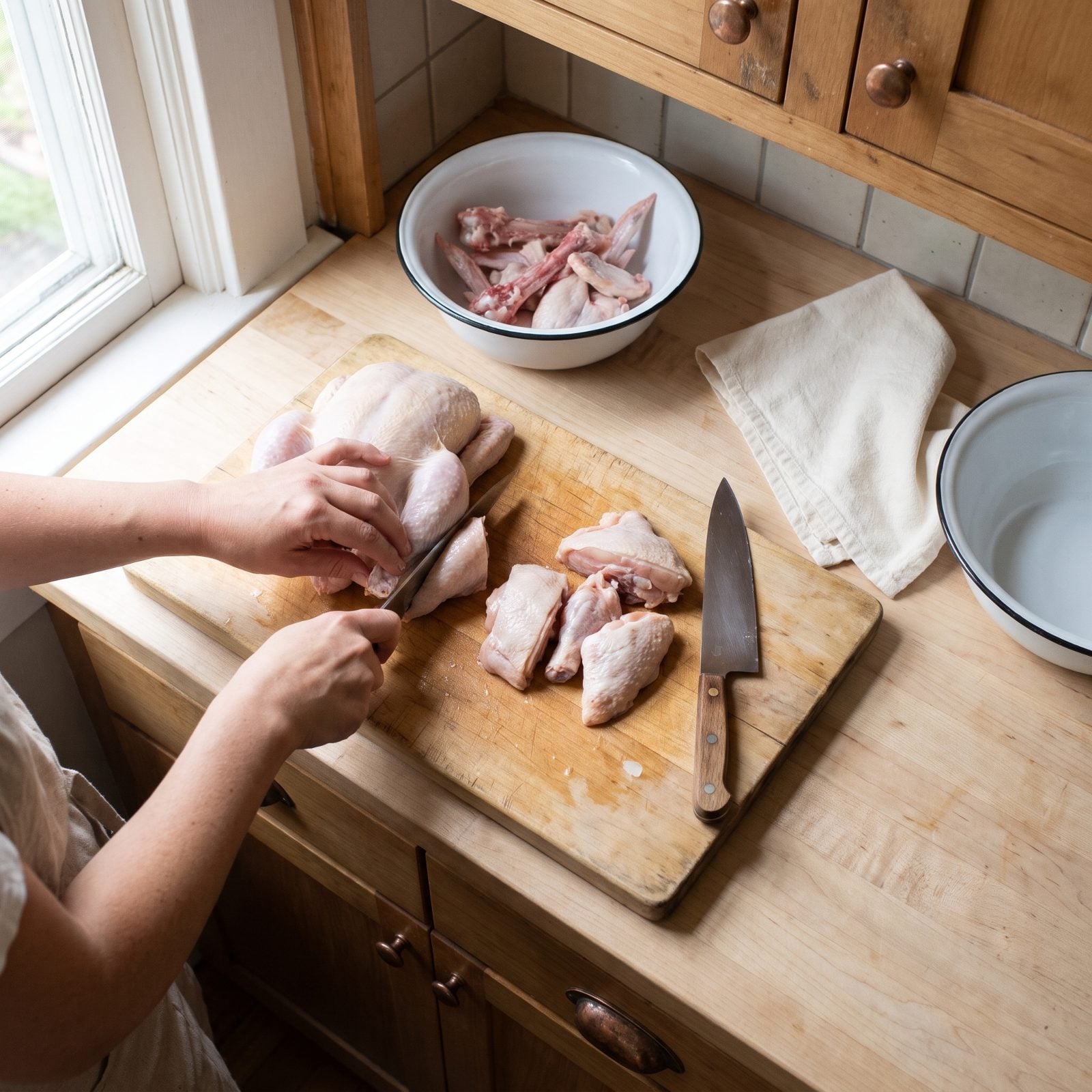
A whole bird costs far less per pound than the same chicken cut into tidy trays of breasts and thighs. You’re paying someone else to do a job that takes about four minutes with a decent knife.
The old kitchens got three things from one chicken: dinner from the meat, a second meal from the leftovers, and a pot of stock from the carcass that would otherwise go in the bin.
21. Make Economical Cuts of Meat the Main Event
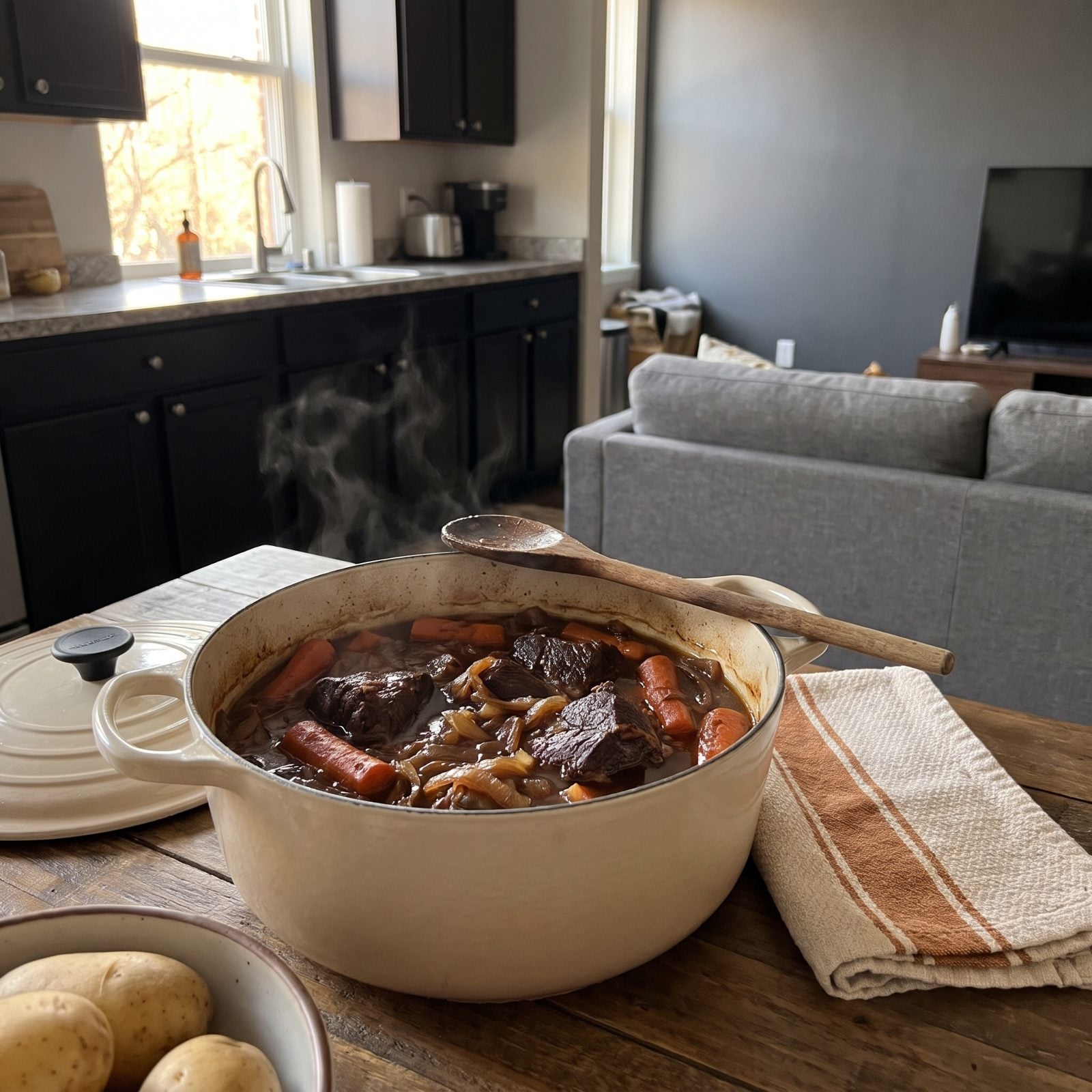
The cheap cuts are the ones with the most flavor. The expensive ones just save you time.
Chuck, brisket, shanks, shoulder. These were the backbone of the old Sunday table, not because anyone was slumming it, but because long slow cooking turns tough, cheap muscle into something tender and deeply savory that a pricey tenderloin can’t touch. Time does the work that money would otherwise do.
Plenty of cooks spend years buying the fancy cuts and wondering why Grandma’s pot roast tasted better than anything they made. The answer was the cut, and the patience. Both cost almost nothing.
Time does the work that money would otherwise do.
20. Put a Regular Meatless Supper on the Calendar
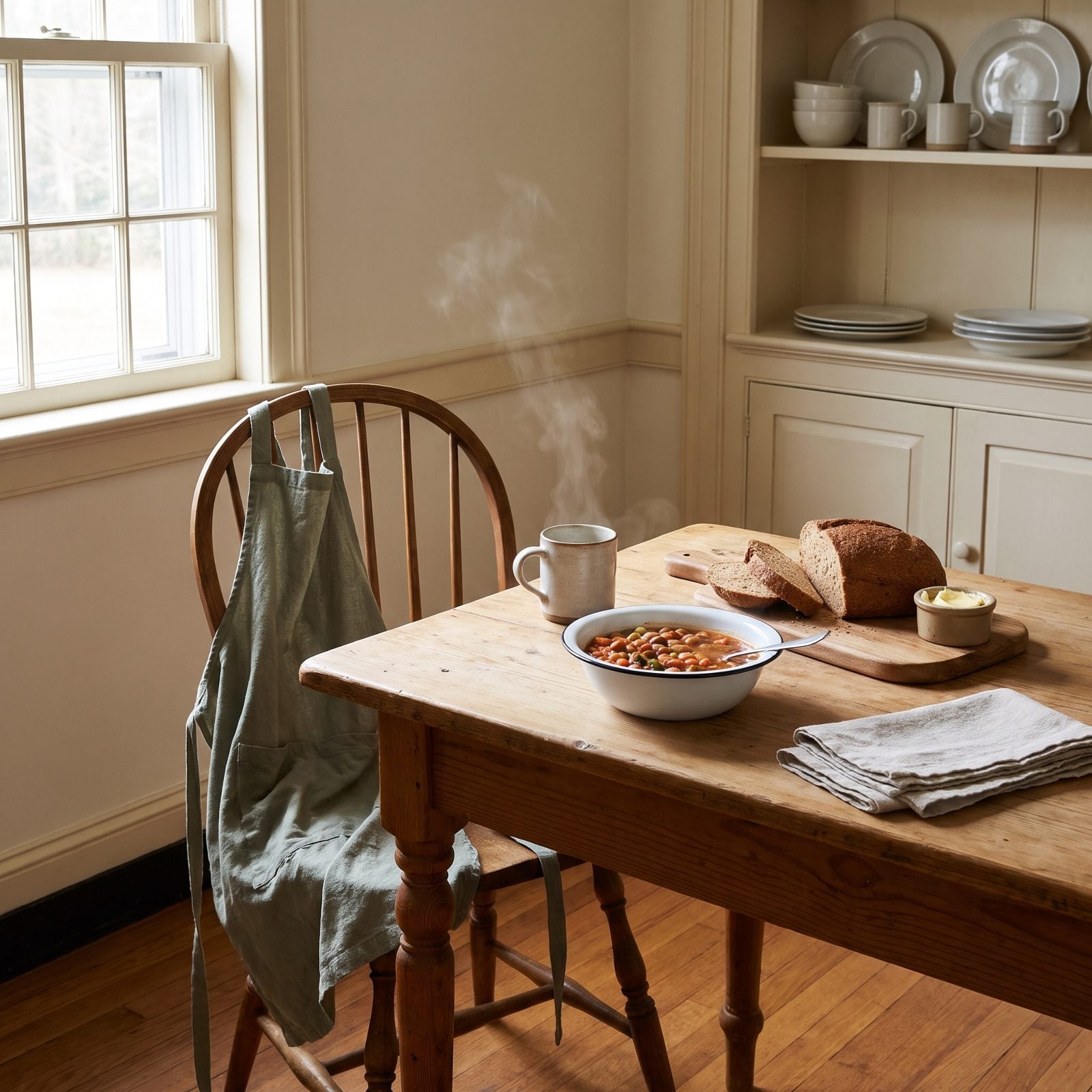
One night a week with no meat on the plate was never a hardship. It was arithmetic. Beans, eggs, a baked potato the size of a fist, a pot of lentils thick enough to stand a spoon in. Meat was the expensive thing, so you skipped it once a week and nobody went hungry.
The habit stuck because it worked twice over, trimming the grocery bill while it stretched the rhythm of the week, so meatloaf Tuesday actually meant something. I’ve done this for years. The meatless night is still the cheapest meal we eat, by a wide margin.
19. Stretch Small Amounts of Meat With Filling Staples
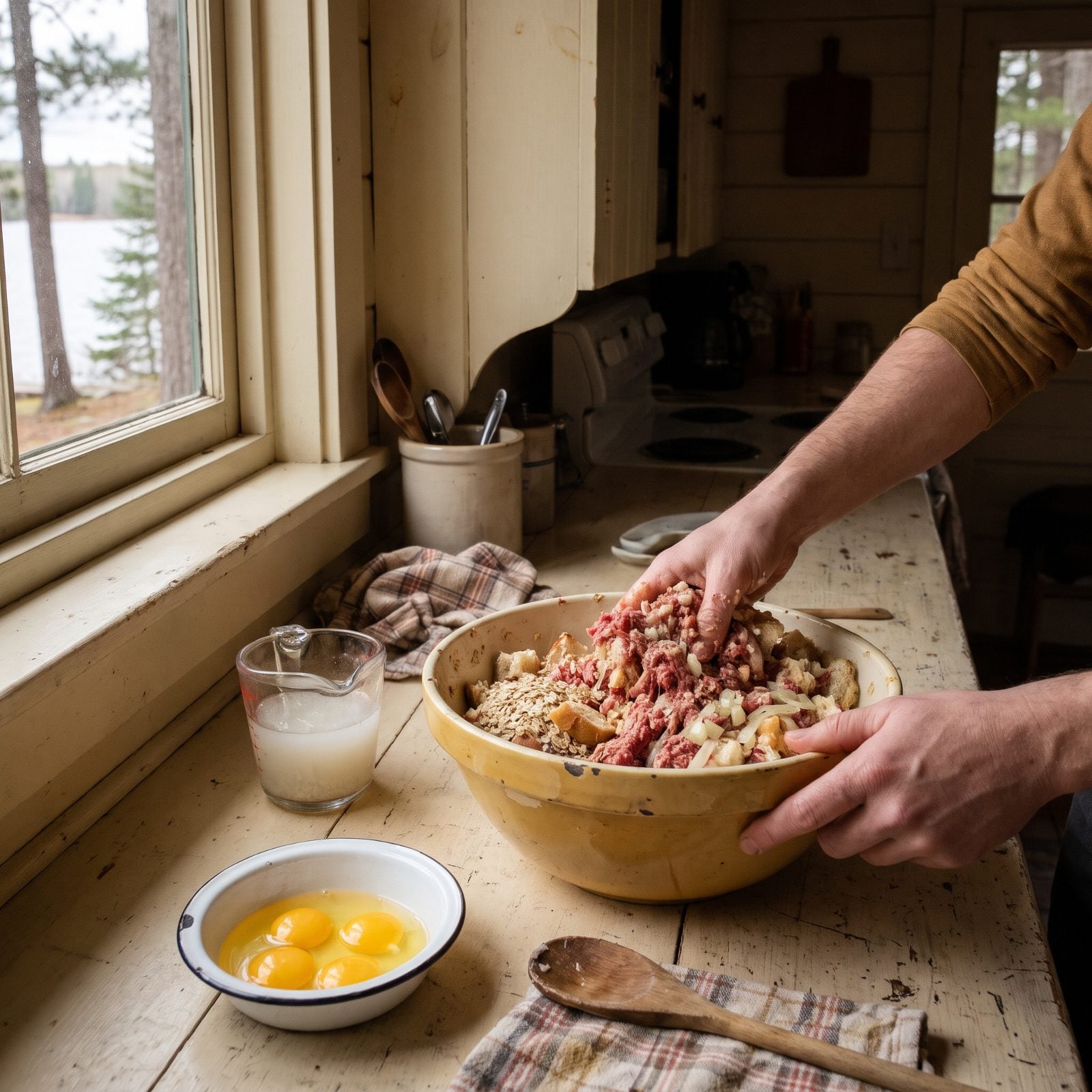
A pound of ground beef feeds four people on its own, or eight if you know what to add. Soaked bread, rolled oats, cooked rice, beans, grated potato. All of them bulk a dish quietly, and none of them announce themselves once the thing is cooked.
Meatloaf, chili, stuffed peppers, shepherd’s pie. The meat becomes a flavor rather than the whole event. Cooks learned to treat a half-pound as plenty, and the dishes they built around that idea are the ones families still ask for by name.
18. Serve Modest First Portions and Offer Seconds
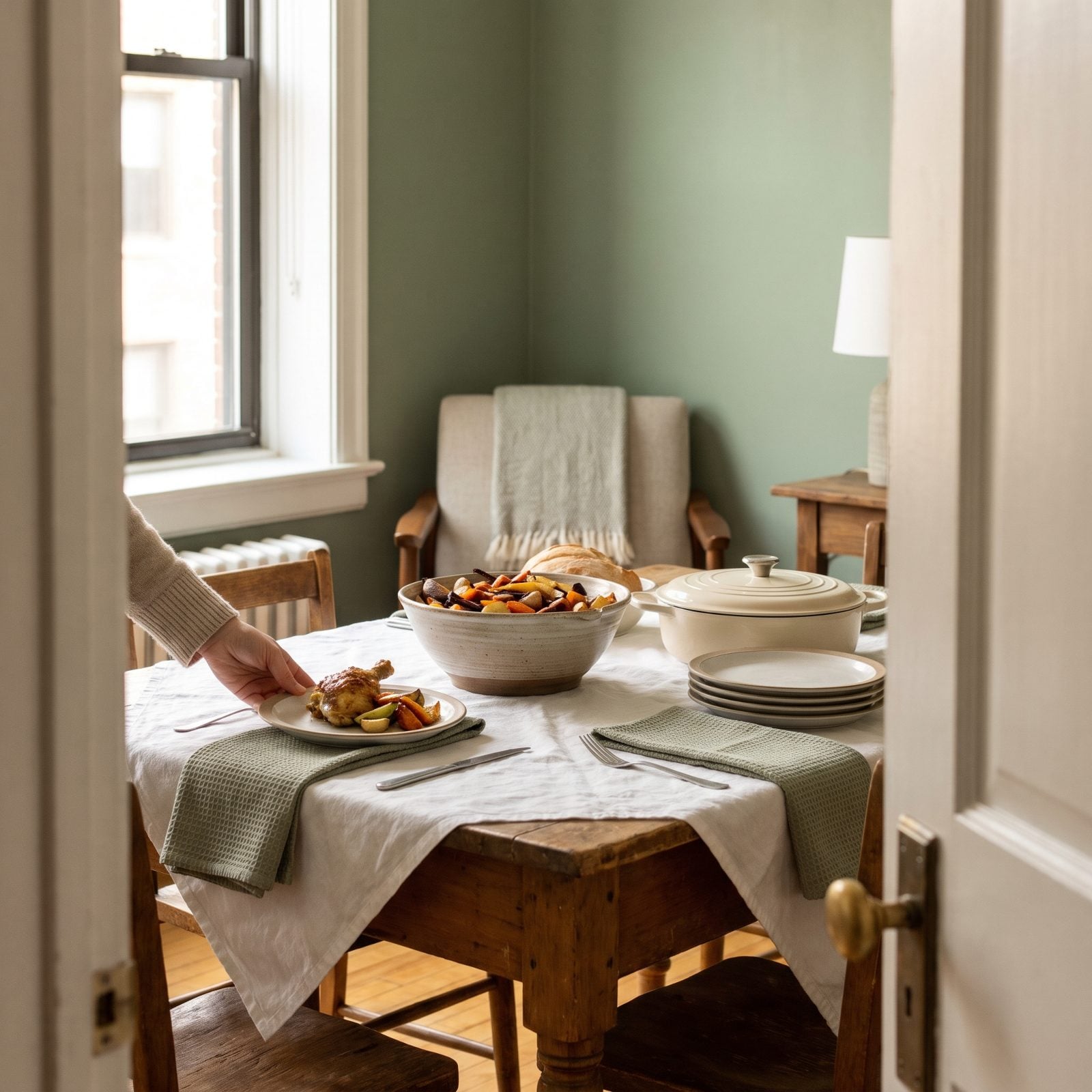
The plate goes out half full on purpose. Give someone a mountain and the half they can’t finish lands in the bin. Give them a modest serving, let them ask for more, and the leftovers stay clean in the serving dish where they belong.
Small trick. Almost too obvious to mention. But scraped plates are wasted food, and food you never dished out is tomorrow’s lunch. The serving bowl in the middle of the table did the real work here. The clean plate club was always about the scrape bin, not willpower.
17. Save Bones and Trimmings for the Stock Pot
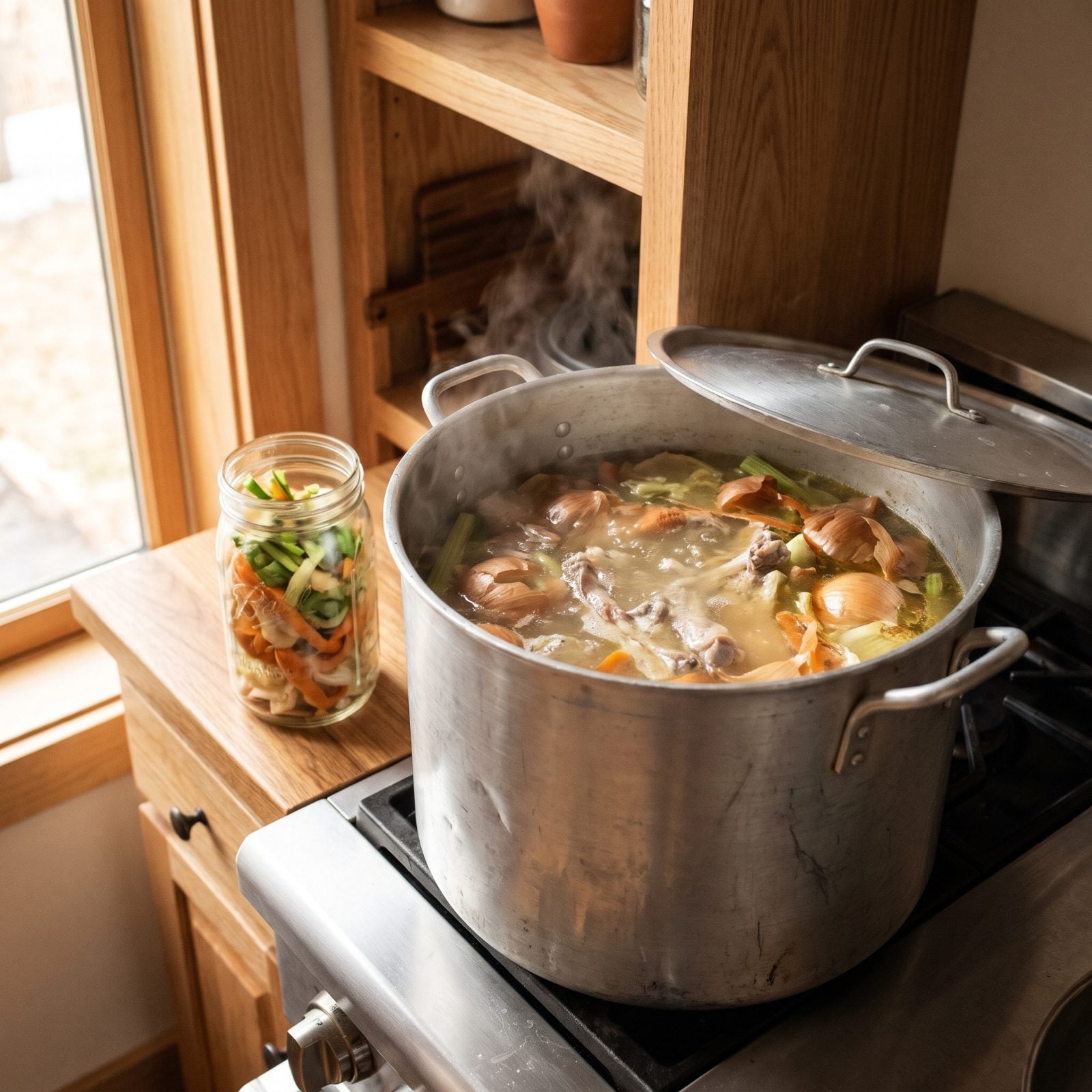
The carcass from the Sunday chicken didn’t go in the trash. It went in a pot with the onion skins, the celery leaves, the carrot ends too ugly to serve, and enough water to cover. An afternoon of low heat, and you had a jar of stock that would’ve cost real money at the store.
Every peeling and bone you’d normally throw out holds flavor. Simmer them and you pull it right back into something useful: soup, gravy, the liquid for a pot of beans. Buying boxed broth when your freezer is full of free stock material always struck me as a strange thing to do.
16. Keep Cooking Drippings in a Covered Crock
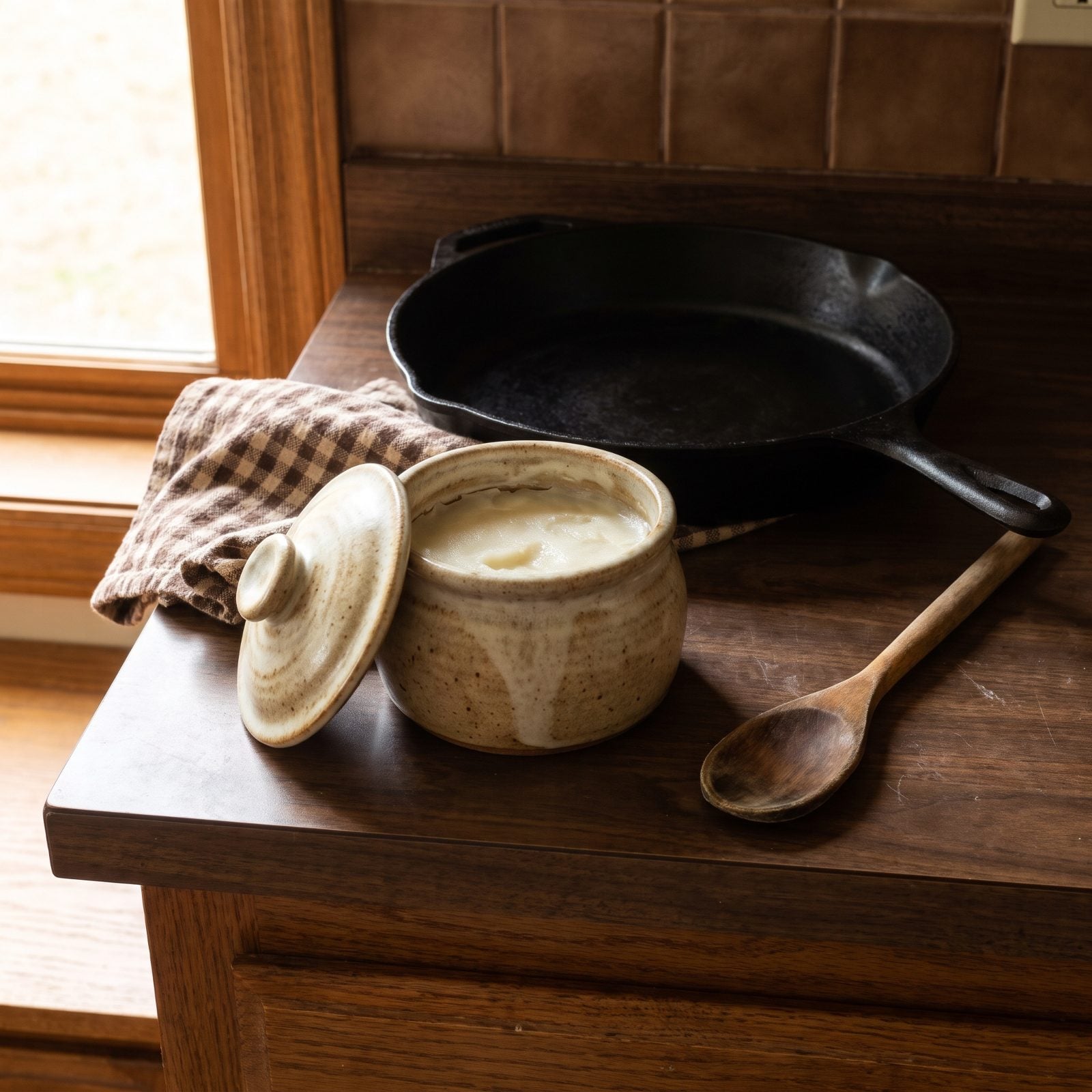
A crock near the stove held the fat poured off from cooking, saved and reused for frying the next thing. Potatoes fried in it. Onions started in it. A spoonful went into cornbread. Free flavor, sitting right there, so nobody let it run down the drain.
The habit faded for reasons worth knowing, and not all of them were about taste. The principle still holds, though. Fat is an ingredient you already paid for. Pouring it away and then buying more to fry with is the kind of thing a careful cook simply refuses to do.
15. Turn Stale Bread Into Useful Crumbs
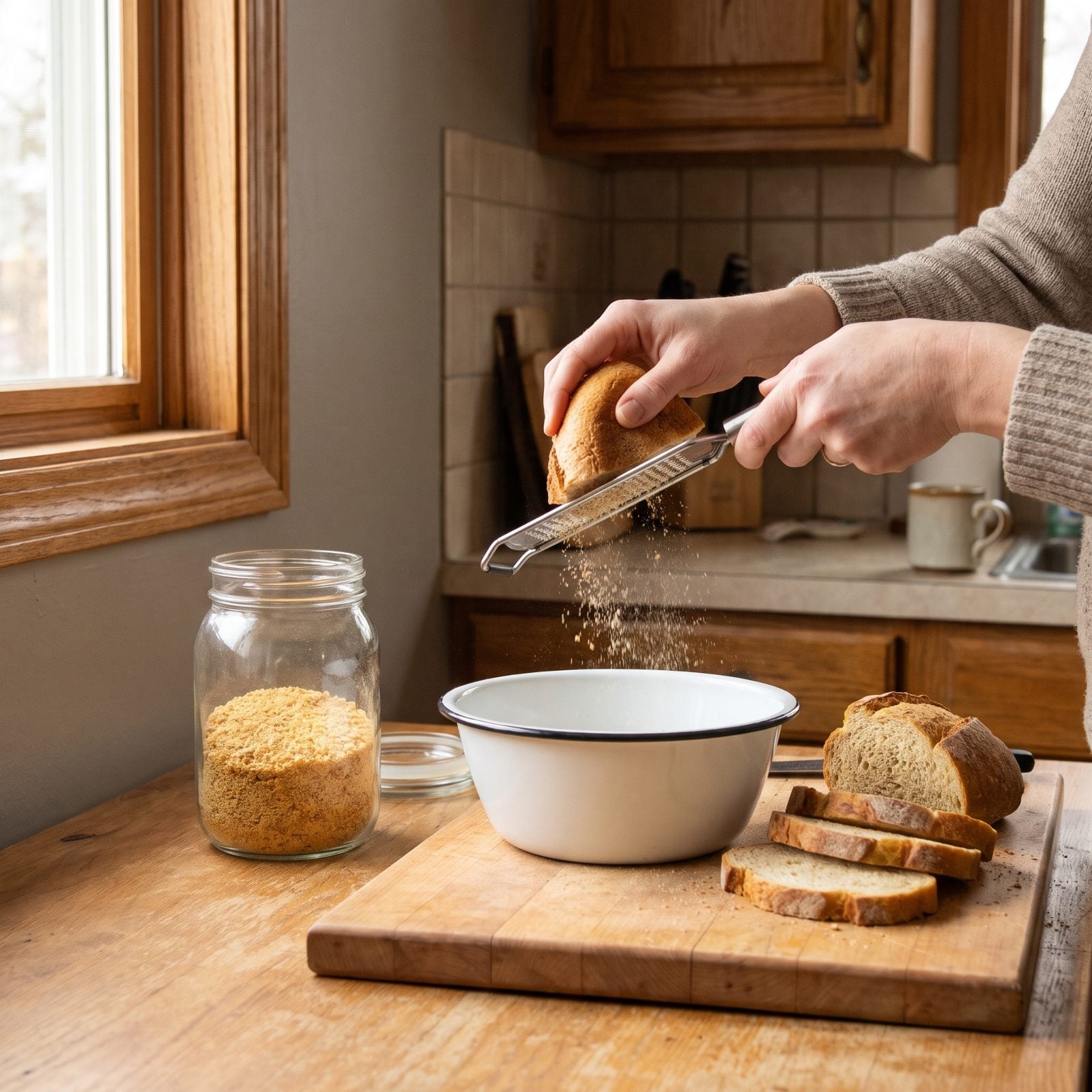
Bread goes stale. That was never a reason to throw it out. Dried hard and grated, it became crumbs for topping a casserole, binding meatloaf, or coating a cutlet. The heel nobody wanted and the slices that dried on the counter all ended up in the same jar.
You’d no more buy a canister of breadcrumbs than buy a bag of ice in winter. The raw material walks into your house every week and dries out on its own if you let it. Keep a jar going. The stale loaf stops being a loss.
14. Rescue Overripe Fruit Before It Spoils
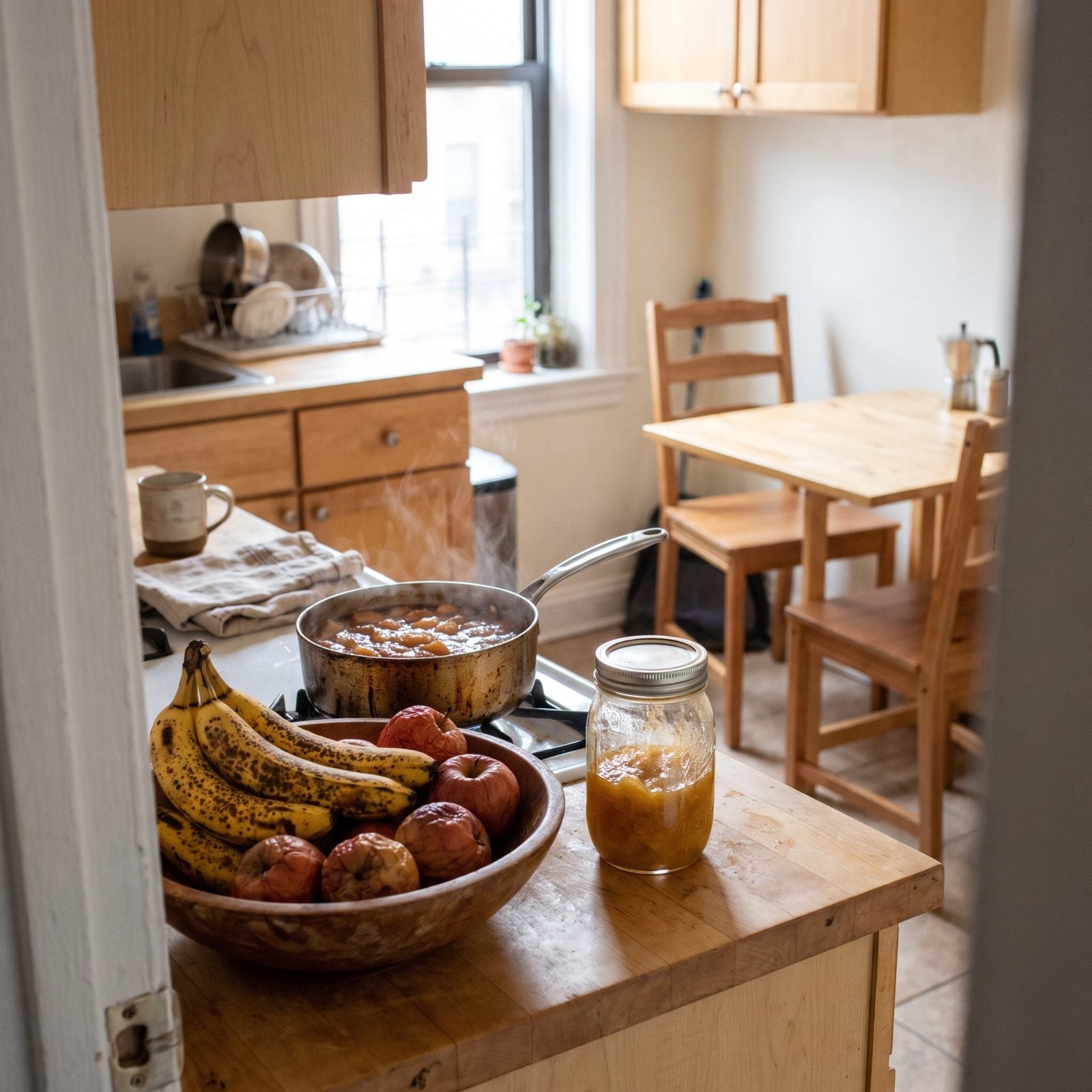
The spotted banana isn’t ruined. It’s ready. Fruit gone too soft to eat out of hand is exactly right for cooking down into sauce, baking into something sweet, or simmering into a butter you can spread all winter.
The mistake is waiting. You see the apple bruise, the pear go soft, the berries slump, and you tell yourself you’ll deal with it tomorrow. Tomorrow it’s fuzzy. Earlier generations caught fruit at the tipping point and cooked it the same day, and that’s the whole trick. Overripe is a window, not a death sentence. Move while it’s open.
13. Preserve the Seasonal Glut for Later
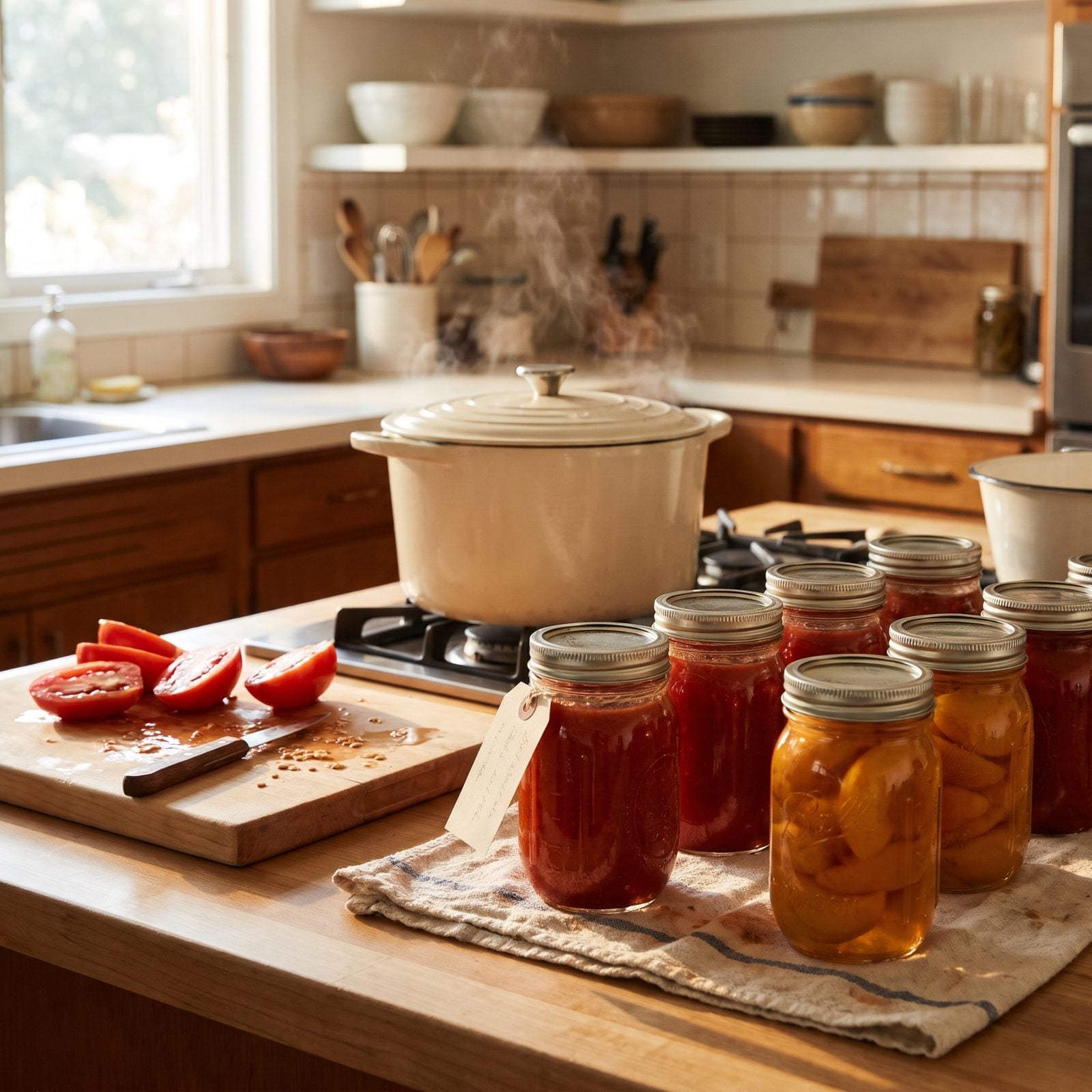
August hands you forty tomatoes you never asked for. The garden does this on purpose, I’m convinced of it.
Canning and water-bath preserving caught the overflow back when buying out of season simply wasn’t a thing you did. A shelf of sealed jars in January meant you ate the summer you’d already paid for, from a time when it cost almost nothing.
Here’s what nobody tells you. It’s less about saving money per jar and more about refusing to watch good food rot on the vine. Catch it now, eat it later — that reflex is the whole habit.
12. Freeze Surplus Food in Practical Portions
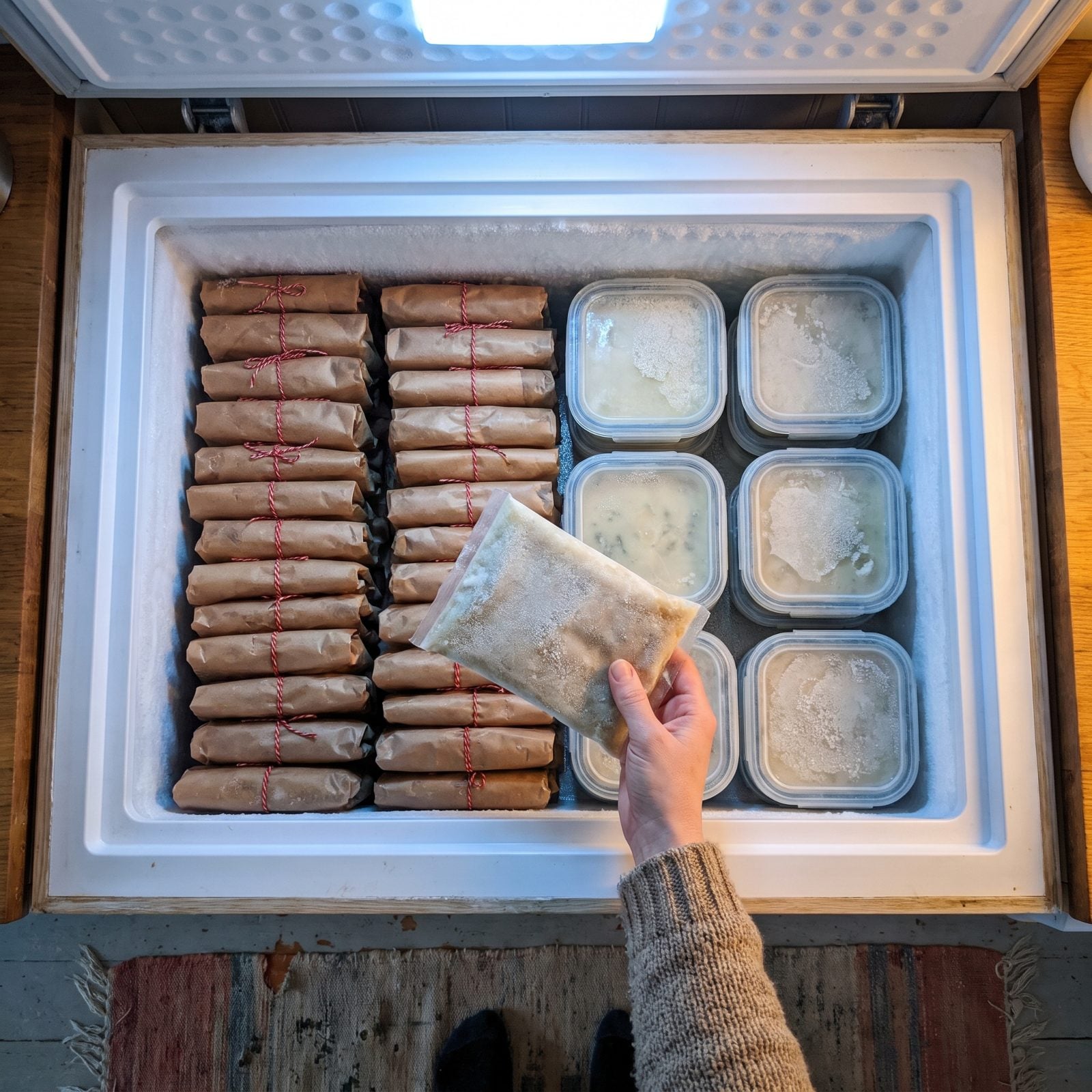
Freezing a giant undivided blob of stew is a rookie mistake, and I made it for years. You thaw the whole brick to get one dinner, then the rest goes back in and quietly turns to permafrost.
The older move was portioning first. Flat packets, single-meal containers, each one a complete answer to “what’s for dinner.” You pull exactly what you need and nothing thaws that you aren’t going to eat that night.
Flat beats bulky. A packet frozen thin stacks like paper and thaws in minutes under cold water.
11. Maintain a Handwritten Freezer Inventory
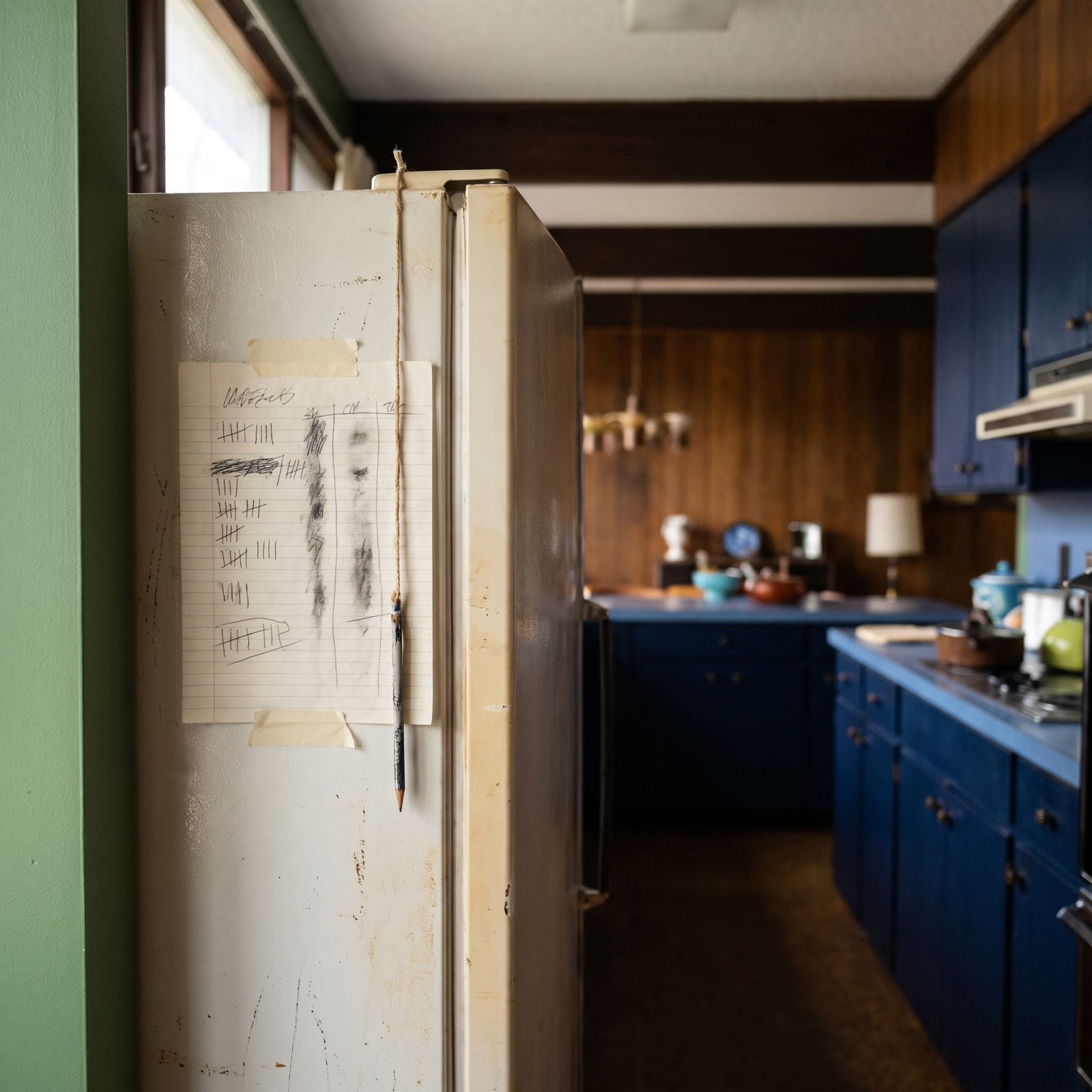
Out of sight, out of mind — and nowhere is that truer than a packed freezer. You buy another bag because you forgot the three already buried at the back.
A sheet of lined paper taped to the door, with just dates, numbers and tally marks updated every time something goes in or comes out, fixed all of it with a pencil on a string and twenty seconds. You checked the tallies before you ever shopped from the store.
Sounds fussy. It isn’t. It’s the difference between a freezer that works like a bank and one that works like a landfill.
10. Store Potatoes and Onions Apart
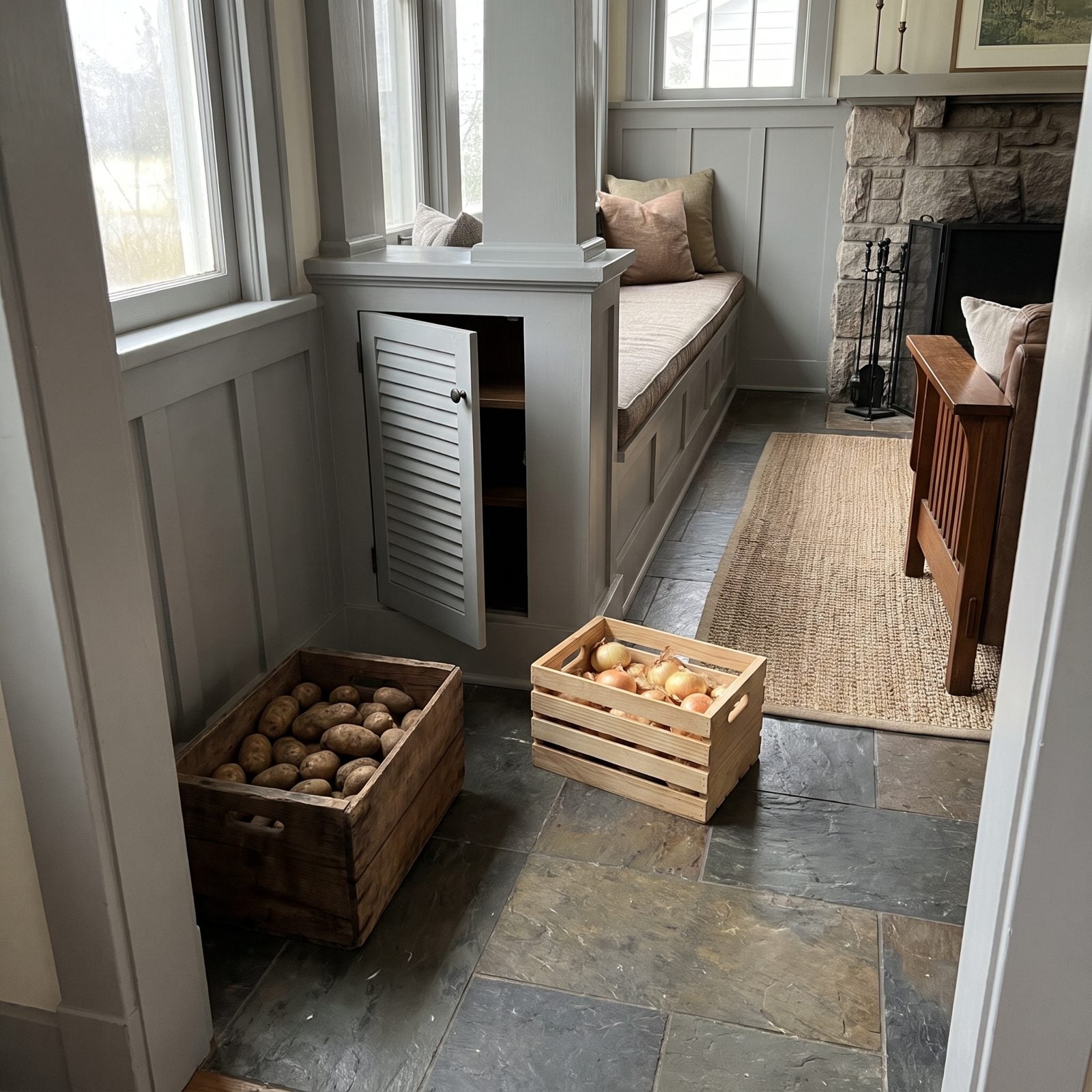
Potatoes and onions are terrible roommates. Onions give off moisture and gases that nudge potatoes toward sprouting and softening faster than they should.
Keeping them in separate baskets — both cool, dark and dry — was just common knowledge in a house with a larder. You didn’t read it anywhere. Somebody showed you once and you never forgot, usually after a bag went soft and squishy in the corner.
Skip the fridge for both. Cold turns potato starch to sugar and leaves them tasting oddly sweet once cooked.
Explaining the chemistry behind the separate baskets, a longtime food blogger writes “Onions release ethylene gas, a natural compound that speeds up ripening. When stored near potatoes, this gas encourages them to sprout and soften more quickly.”
9. Use a Bread Box to Slow Staling
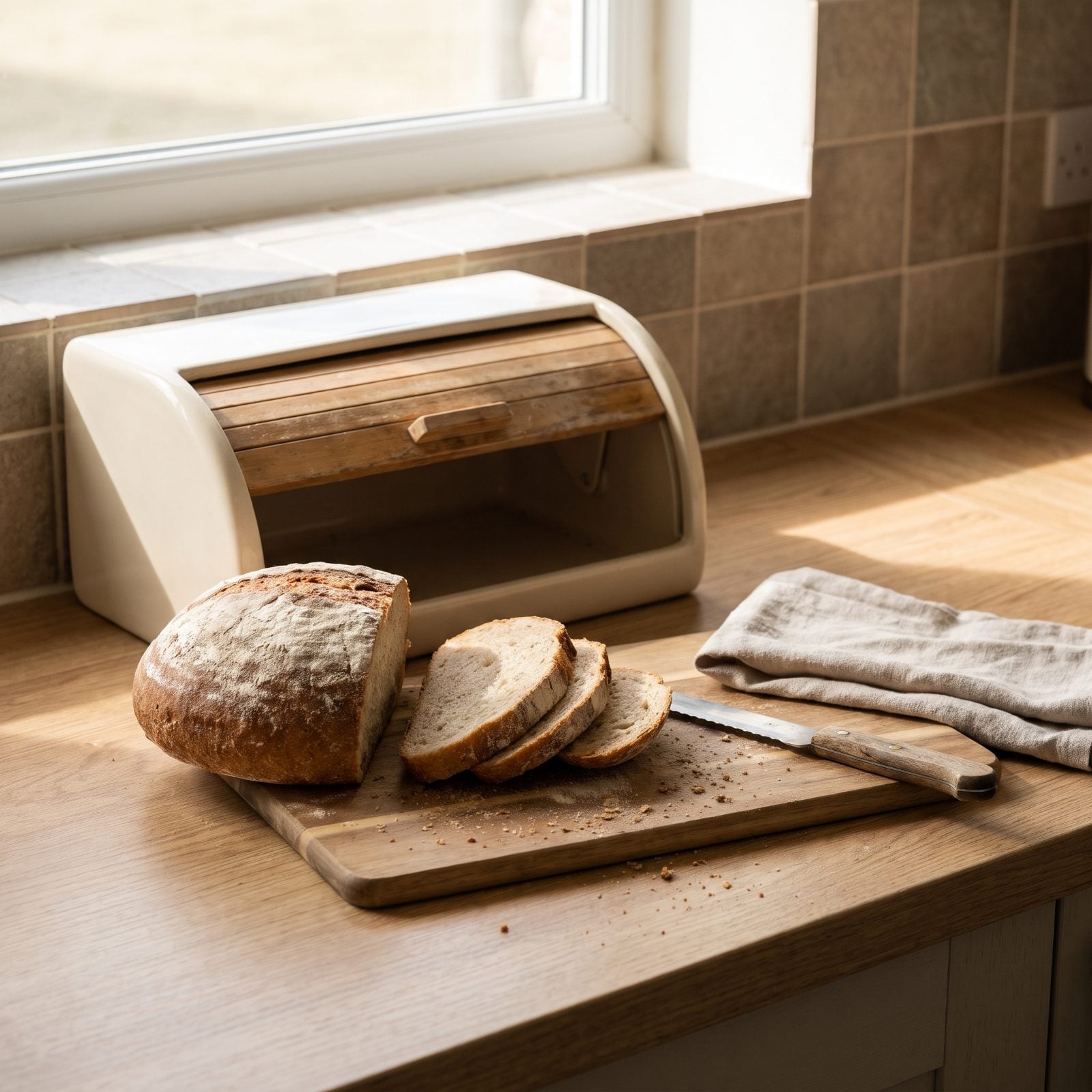
The fridge is the worst place for bread, full stop. Cold air stales a loaf faster than the counter does. I kept bread in the fridge for years thinking I was helping it, when I was actually speeding up the exact thing I was trying to prevent.
A bread box holds humidity at a middle ground — not so airtight it goes moldy, not so open it dries to a brick. The loaf keeps its crust and its give for days longer.
Asked how to keep a loaf fresh, a bakery owner in New York says “I find that the best way to do it is to keep it in the bag in which it came — the paper bag — in a bread box at room temperature.”
8. Revive Wilted Greens Instead of Discarding Them
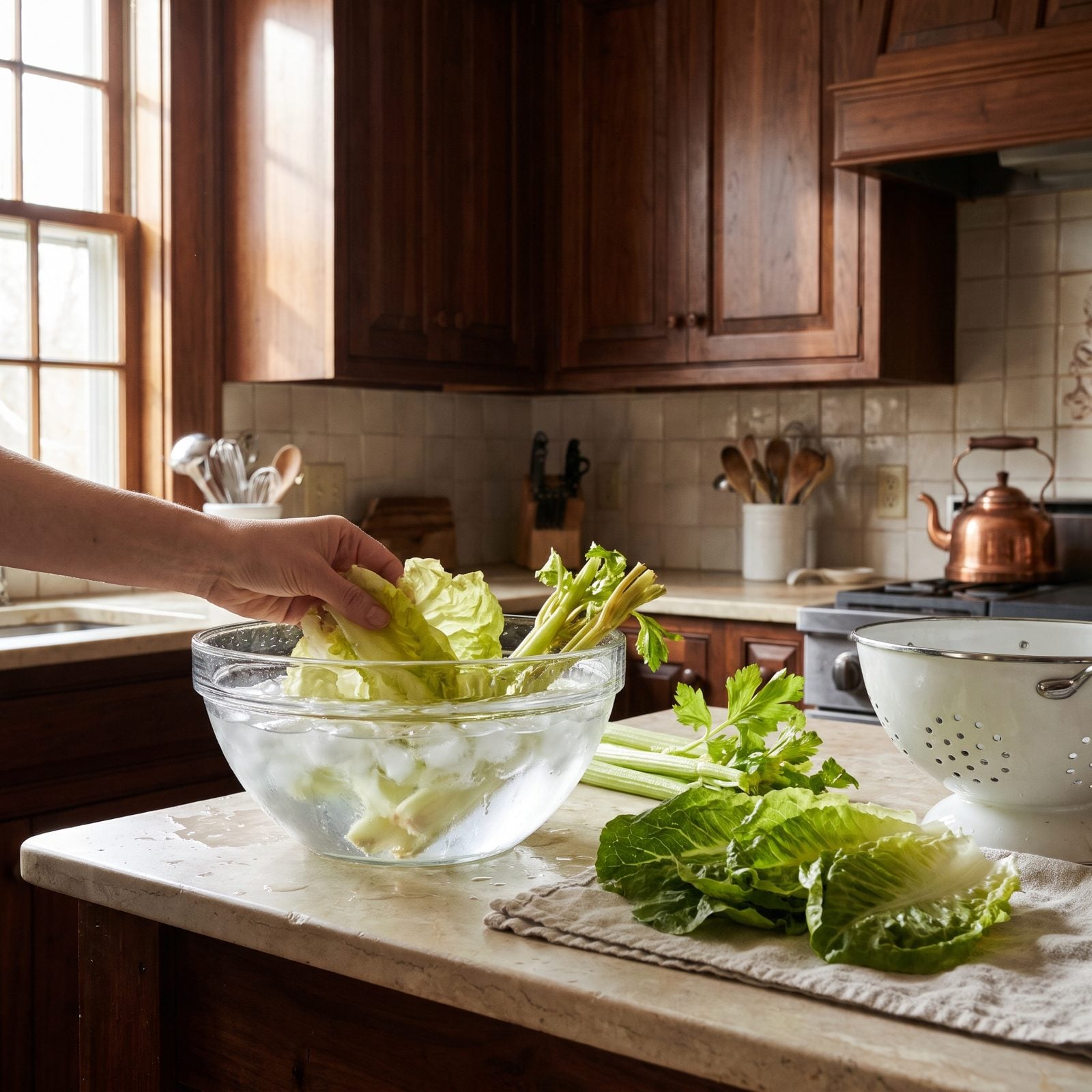
Limp doesn’t mean dead. Most wilted greens are just thirsty, not rotten, and there’s a real difference you can see once you know to look.
A soak in cold water pulls them back. Wilted lettuce, floppy celery, tired herbs — all of it firms up again as the cells drink back what they lost. Twenty minutes and they’re crisp enough for the table.
The waste here is pure habit. You see a droopy bunch, you assume it’s gone, and you toss produce you paid for that a bowl of water would’ve saved. Trust your eyes and your nose over the clock.
7. Keep Milk on the Coldest Refrigerator Shelf
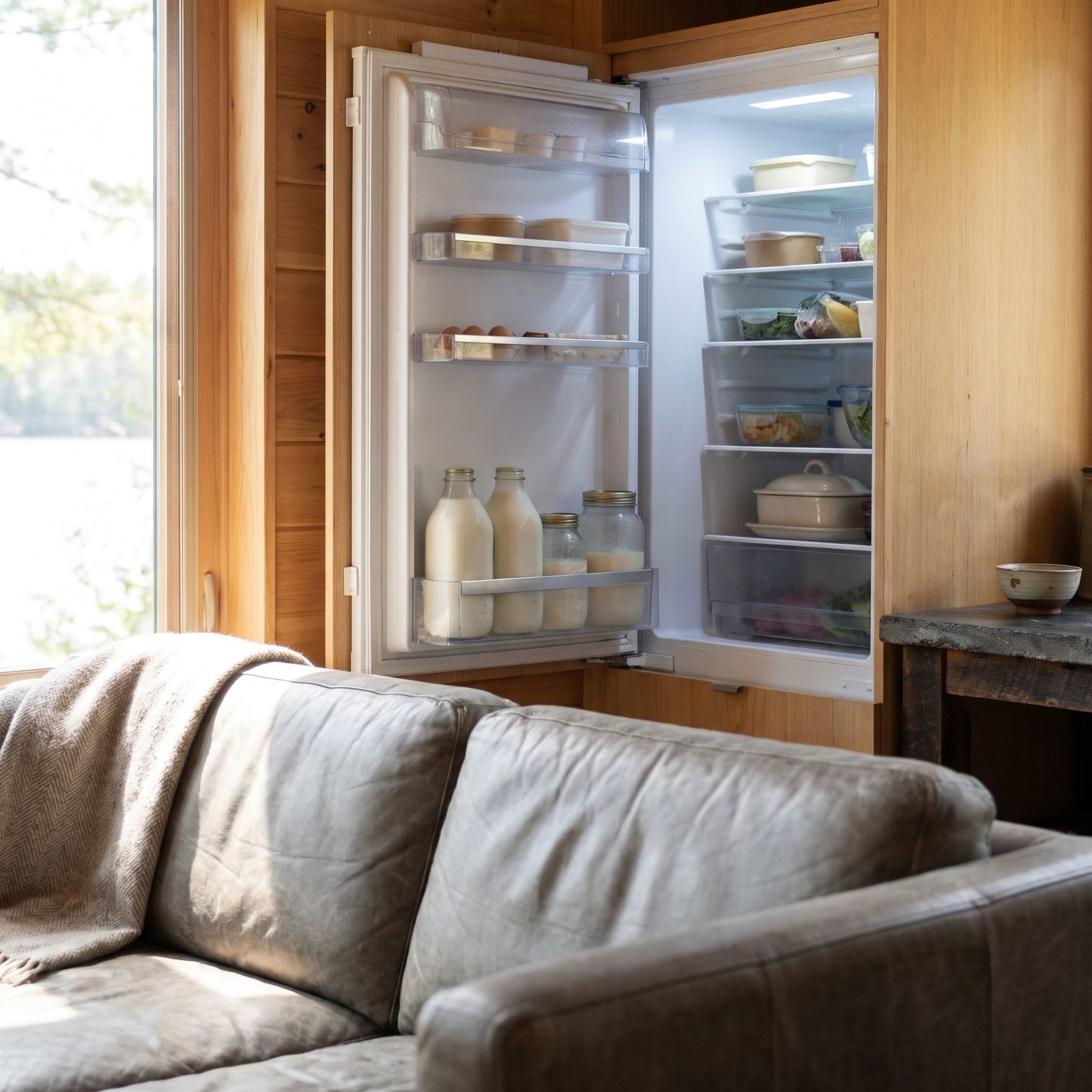
The fridge door is the warmest spot in the whole appliance, which makes it the worst possible home for milk. Yet here are two bottles and a pair of jars parked in the bottom door bin, riding the temperature swing every time you open the door.
Older heads knew to keep milk at the back of a lower shelf, where the cold pools and stays steady. Steady cold is what buys you those extra drinkable days.
Those deep door bins that look made for milk bottles? Marketing, basically. Park your condiments there — the stuff that doesn’t care — and give the milk the cold corner it actually needs.
Warning that the door is the warmest part of the fridge, an appliance product manager says “We recommend keeping more stable items like condiments and drinks in the door compartments, moving milk to the middle shelf where temperatures remain more constant.”
6. Cook Several Dishes While the Oven Is Hot
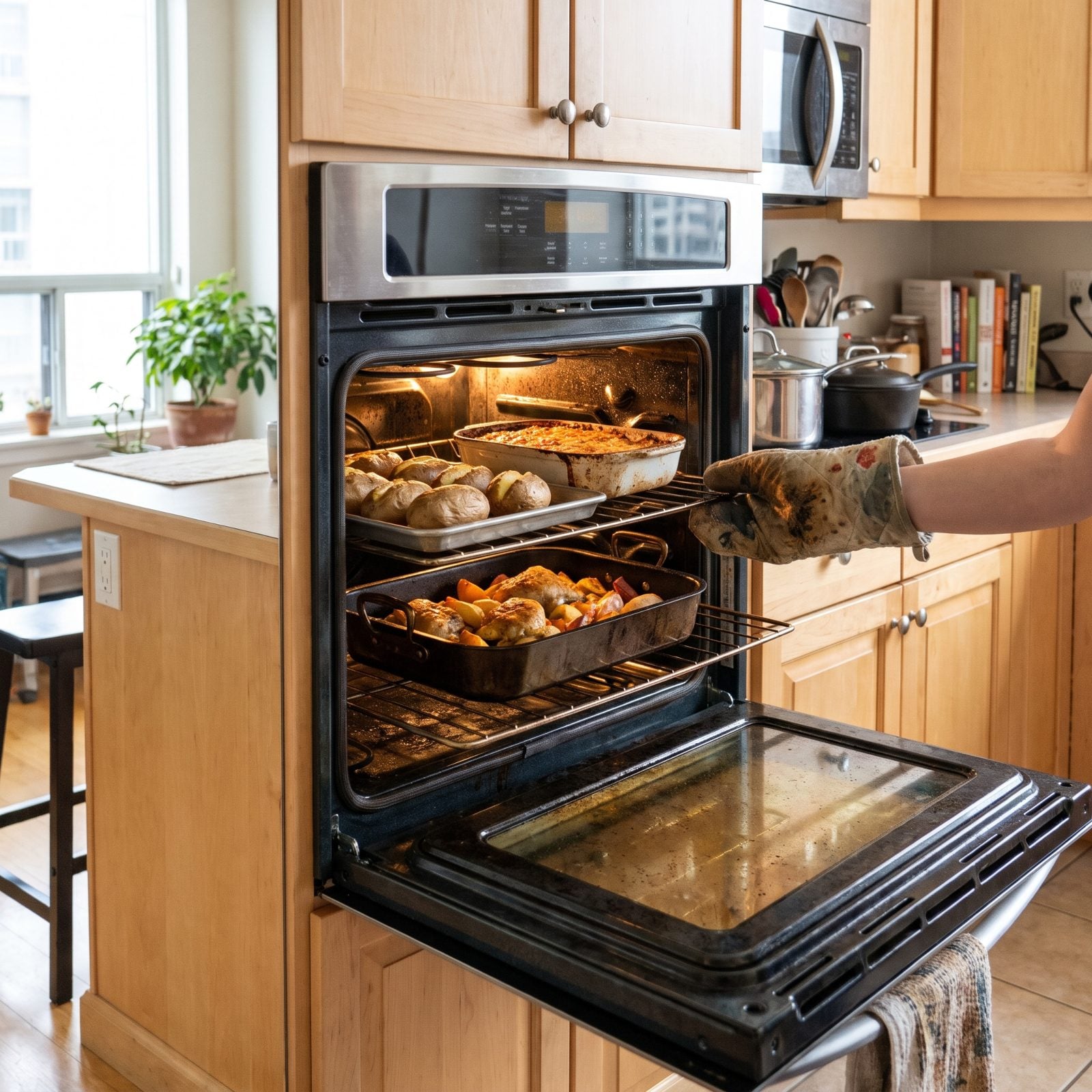
A hot oven heating one small dish is energy walking straight out the door. Earlier cooks hated that kind of waste, so they filled the oven whenever it was on.
Roast the meat, bake the potatoes, slide in tomorrow’s casserole and a tray of something for the week — all in the same heat you already paid to make. Batch the baking. Stack the racks.
Fuel cost real money and nobody wanted to fire the oven up twice. The instinct still pays: one hot oven, several finished dishes, less fuss on the busy nights ahead.
5. Use a Pressure Cooker for Long-Cooking Foods
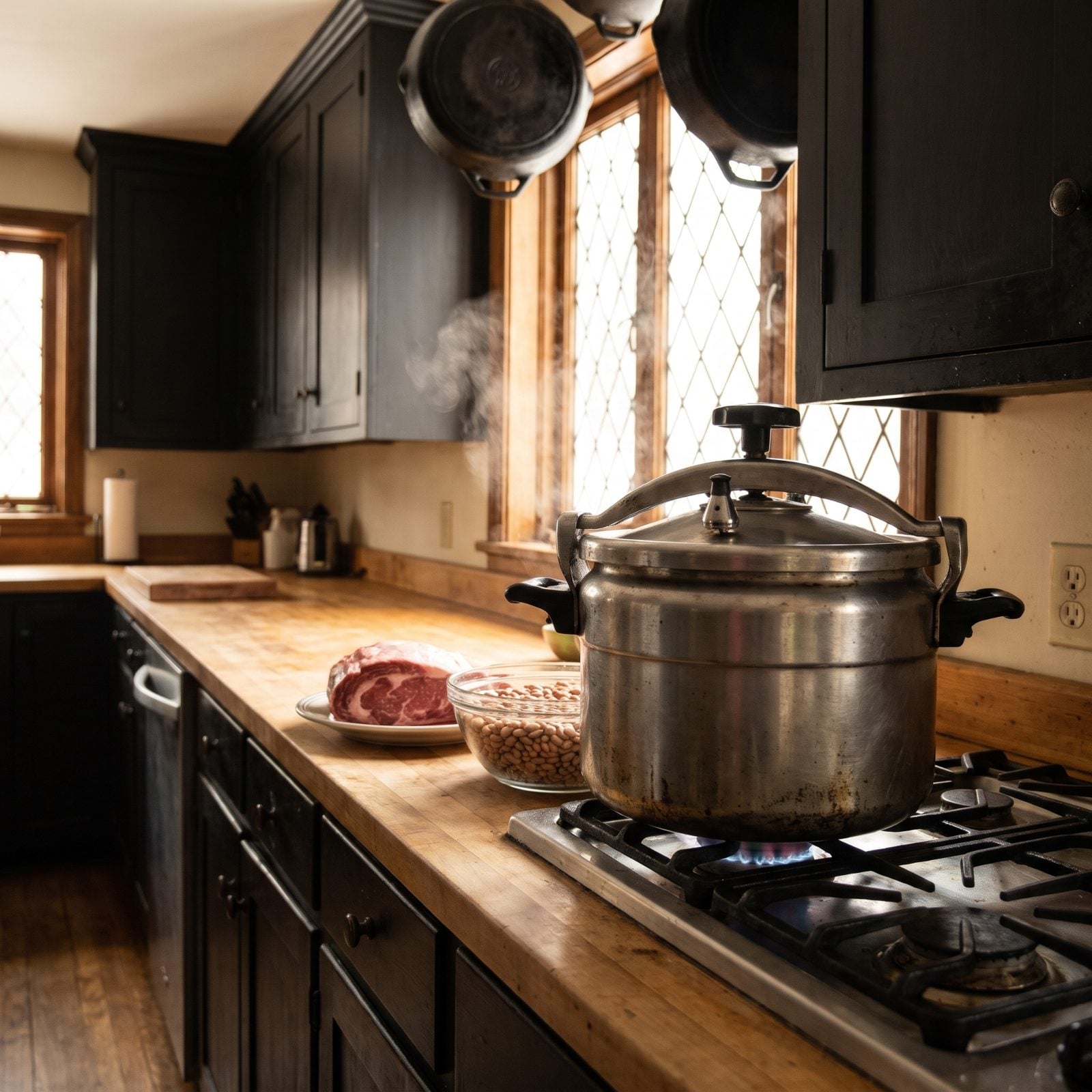
Dried beans and tough cuts cost a fraction of the quick-cooking stuff, and a pressure cooker is why whole generations could afford to lean on them.
A stew that wants three hours on a low flame? The sealed pot does it in under an hour, burning a fraction of the fuel. The cheapest, toughest, most-ignored cuts come out tender, and those bulk-bag beans that need a long soak and a long simmer turn into a Tuesday dinner.
It made the economical ingredients genuinely practical, not just technically possible. That’s the part that matters — cheap food you’ll never actually cook saves you nothing.
4. Cover Simmering Pots With Their Lids
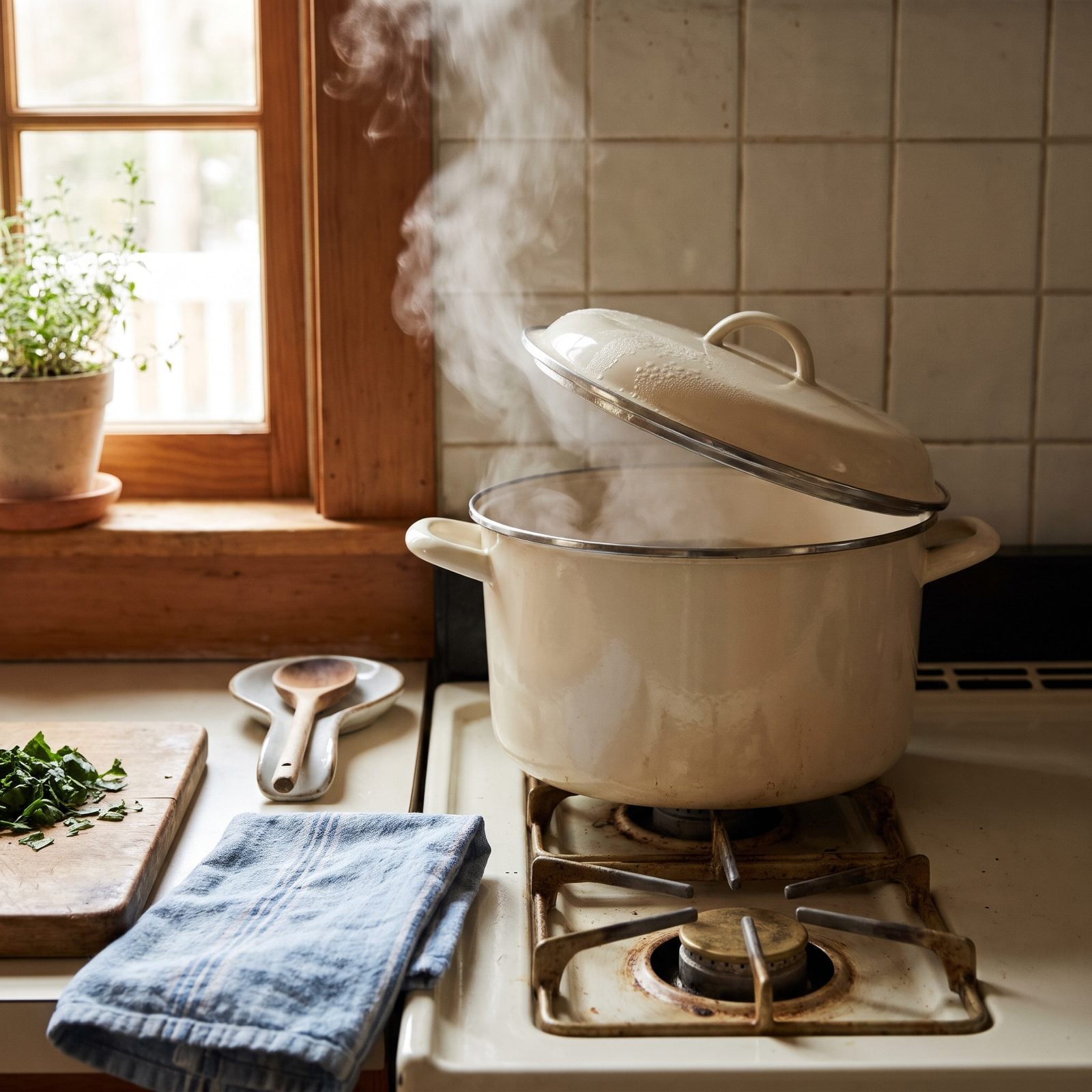
A pot with its lid left tilted and ajar is a pot throwing money out the window. Through that gap, your heat billows up in a plume of steam and vanishes into the ceiling while the burner keeps working to replace what escaped. Seat the lid properly and the water boils faster, holds its temperature, and your soup stops shrinking down to half a pot.
Grandmothers knew this without ever glancing at a utility bill. Not fussy — thrifty. And a covered pot keeps your kitchen cooler in August, which matters more than anyone admits.
To save energy, an award-winning physicist suggested using the burner only to bring the water to a boil, then putting the lid on the pot and letting the trapped heat finish cooking the pasta.
3. Heat Only the Water the Kettle Needs
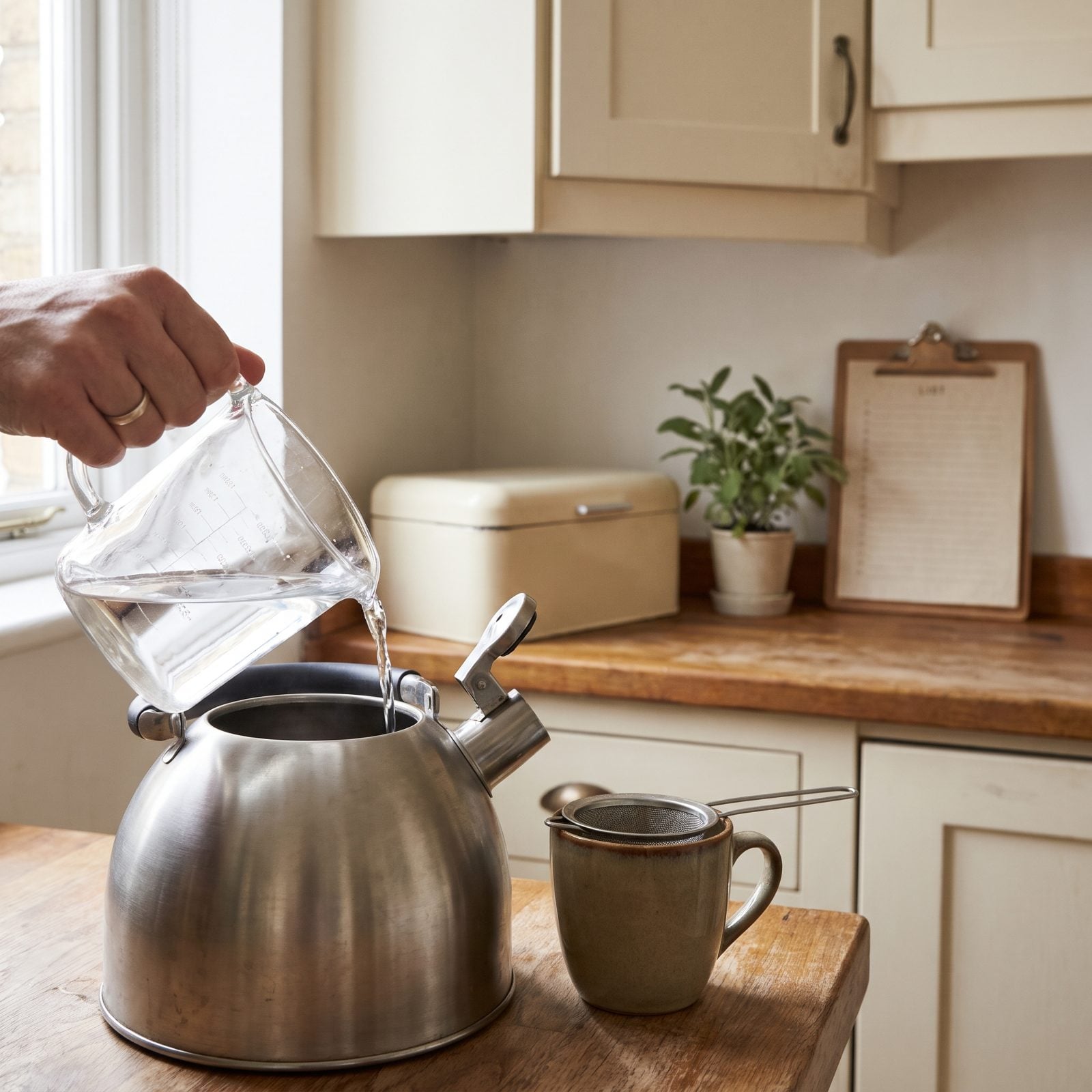
Filling the kettle to the brim for one cup of tea is a habit worth breaking. You pay to heat every drop, then pour the rest down the drain or let it go cold and reboil it later — paying twice for the same water.
Measure what you need. One mug, one mug’s worth. It boils faster, the kettle picks up less mineral scale inside, and across a year of daily tea the saving is real rather than imaginary.
2. Use Washable Kitchen Cloths Instead of Paper Towels
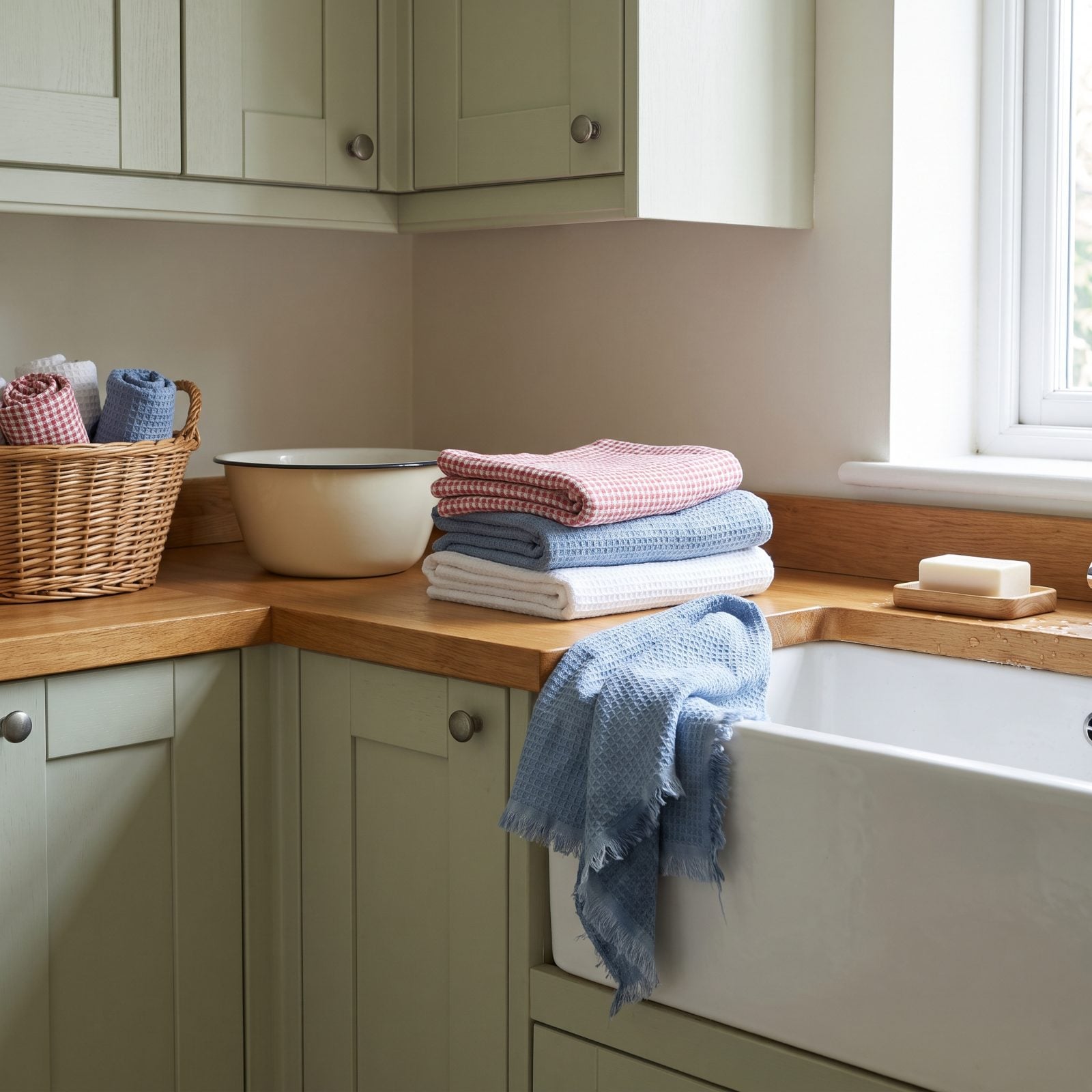
Paper towels are the most expensive thing in your kitchen that you throw away without blinking. A roll a week adds up, and you buy it again, and again, forever.
A drawer of cotton cloths does nearly everything paper does — wiping counters, drying hands, mopping spills, buffing glass. Toss them in the wash with the towels and they come back ready. Keep a stack for clean jobs and a rattier pile for the grim ones, the ones you’d rather not think about too hard.
I held out for years because paper felt easier. It isn’t. It’s just a monthly bill in disguise.
1. Wash Dishes in a Filled Basin, Not Under Running Water
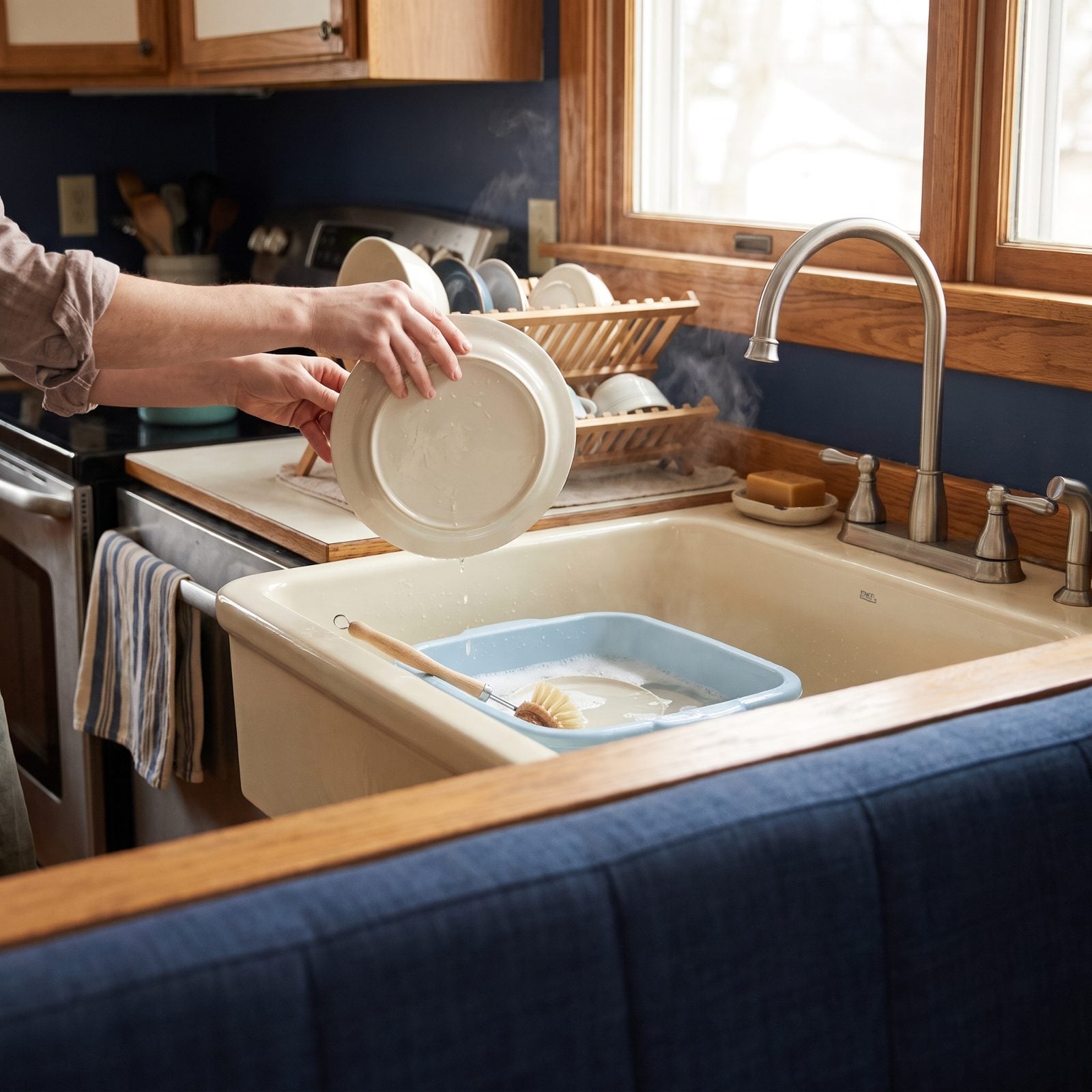
Running the tap the whole time you wash dishes sends gallons straight down the drain for nothing. The old way — a basin of soapy water and a second rinse — uses a fraction of that.
Fill one side with hot suds and wash everything. Rinse in a quick stream or a second basin, then stack to dry. Your water heater works less, your bill drops, and the dishes come out just as clean. Possibly cleaner, since you’re not splashing grease around under a full-blast faucet.