A sweater that fit in September comes out of the dryer sized for a doll. A white shirt grows an orange halo instead of losing one, and a stain you swore you’d beaten resurfaces the second it dries. Most fabric damage isn’t some dramatic accident — it creeps in one well-meaning wash at a time, from habits that feel like plain common sense. Good news, though. Nearly all of it is avoidable once you understand what’s actually happening inside the machine, the bottle, and the fiber itself.
Please note that some of the images in this article were created with the assistance of AI.
43. Washing Wool or Silk With Enzyme Detergent
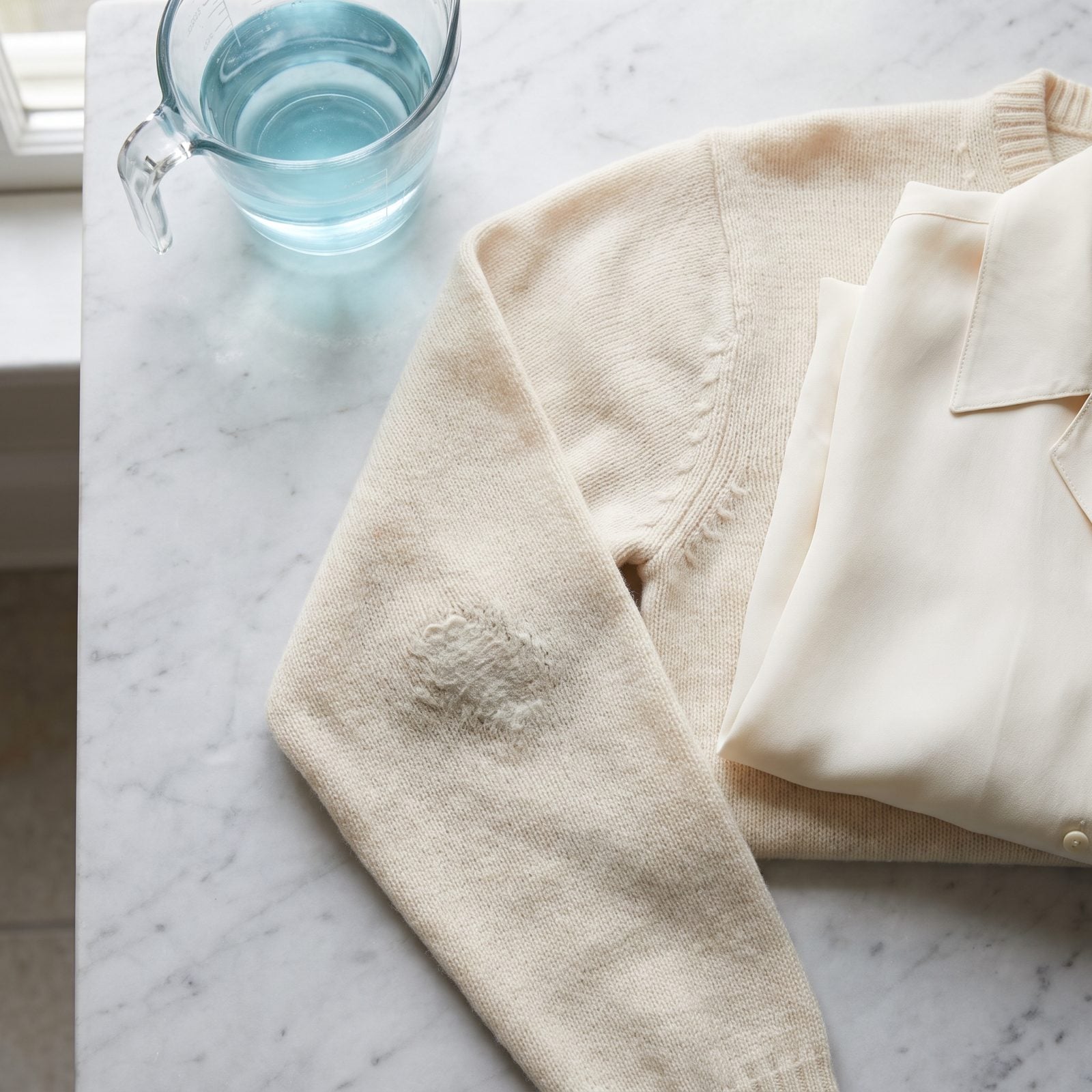
Enzyme detergents are protein-eaters. That’s the whole job — breaking down grass, blood, sweat, and food. The catch? Wool and silk are proteins too. So you’re essentially feeding your sweater to the exact thing that removes the egg stain.
And the damage is slow and permanent. Fibers weaken, the nap goes patchy, silk loses that liquid shine, and nothing on earth brings it back. Flip any enzyme bottle over and it’ll say “biological” or list protease, amylase, lipase. Those are the culprits.
So wash wool and silk in something labeled for delicates or wool — cool water, as little agitation as you can manage. We learned this the hard way with a lambswool cardigan that came out feeling like a scouring pad. Still annoyed about it, honestly.
42. Hitting a Rust Stain With Chlorine Bleach
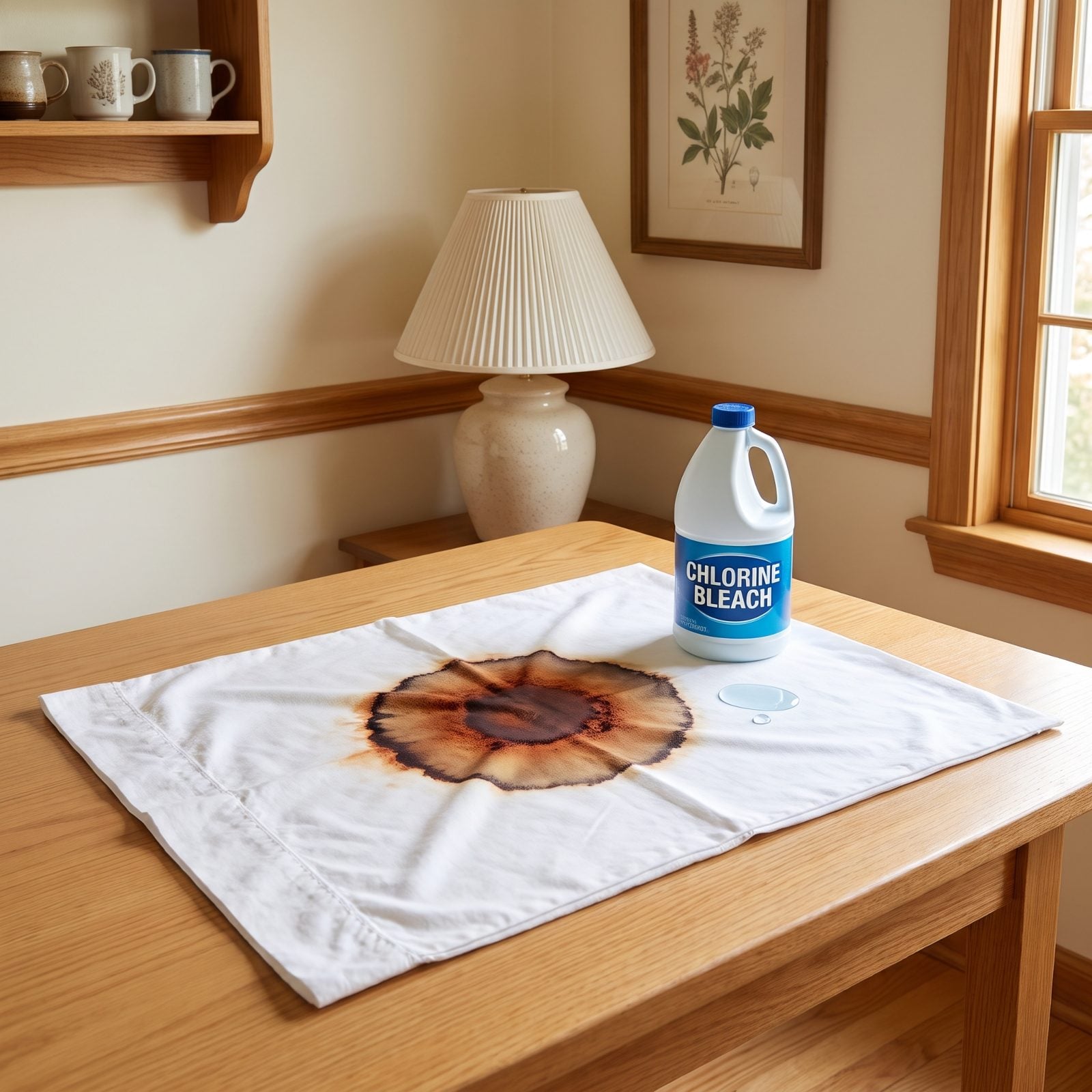
Rust is iron oxide, and chlorine bleach reacts with iron in precisely the wrong direction. Rather than lifting the stain, it sets it, and a faint mark often deepens into a stubborn rust-brown blotch with a solid dark center. You’ve probably watched this happen and figured you just didn’t use enough bleach. Nope. You used the single worst thing in the cupboard.
Reach for an acid. Lemon juice and salt left out in the sun, white vinegar, or a commercial rust remover built around oxalic acid will dissolve the iron without welding it into the fibers. Rinse well, then launder as usual. Patience wins this one, every single time.
41. Rinsing Blood, Egg or Dairy in Hot Water

Blood, egg, milk, meat juices — all protein, and protein cooks. Run hot water over a bloodstain and you’re frying it into the cloth like an egg into a pan. Once heat sets it, your odds of saving the garment drop off a cliff.
Cold water for the first pass, always. Flush from the back, soak if you have the time, then treat with an enzyme detergent — yes, the exact opposite of the wool advice, because cotton happens to love enzymes. Only reach for warm water after the protein has actually lifted.
40. Pouring Chlorine Bleach Over Stretchy Elastane
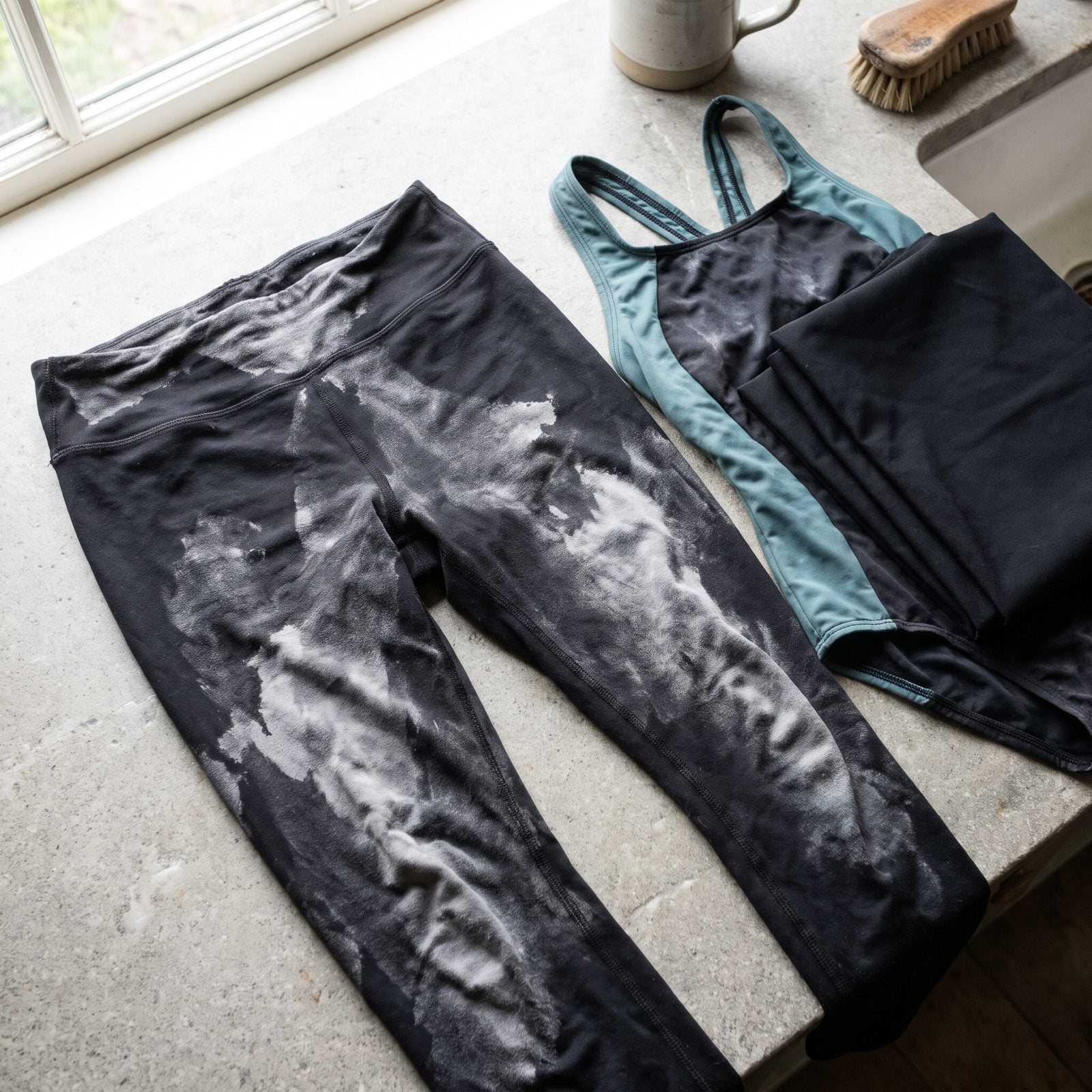
Elastane — Spandex, Lycra, whatever the tag calls it — is the invisible workhorse in your leggings, swimsuit, fitted shirts, and sock cuffs. Chlorine bleach wrecks it. The fibers break down, lose their snap, and the whole garment goes baggy, blotchy, and permanently stretched.
You rarely catch the damage until the next wear, when the waistband won’t climb back up and the color’s gone patchy. By then it’s done.
So keep chlorine bleach away from anything with stretch, full stop. Use oxygen bleach for whitening, or a color-safe stain remover for spots. Chlorinated pool water does the same slow harm, by the way, which is why a swimsuit you wear every week dies long before you’d expect.
39. Softening Flame-Resistant Sleepwear
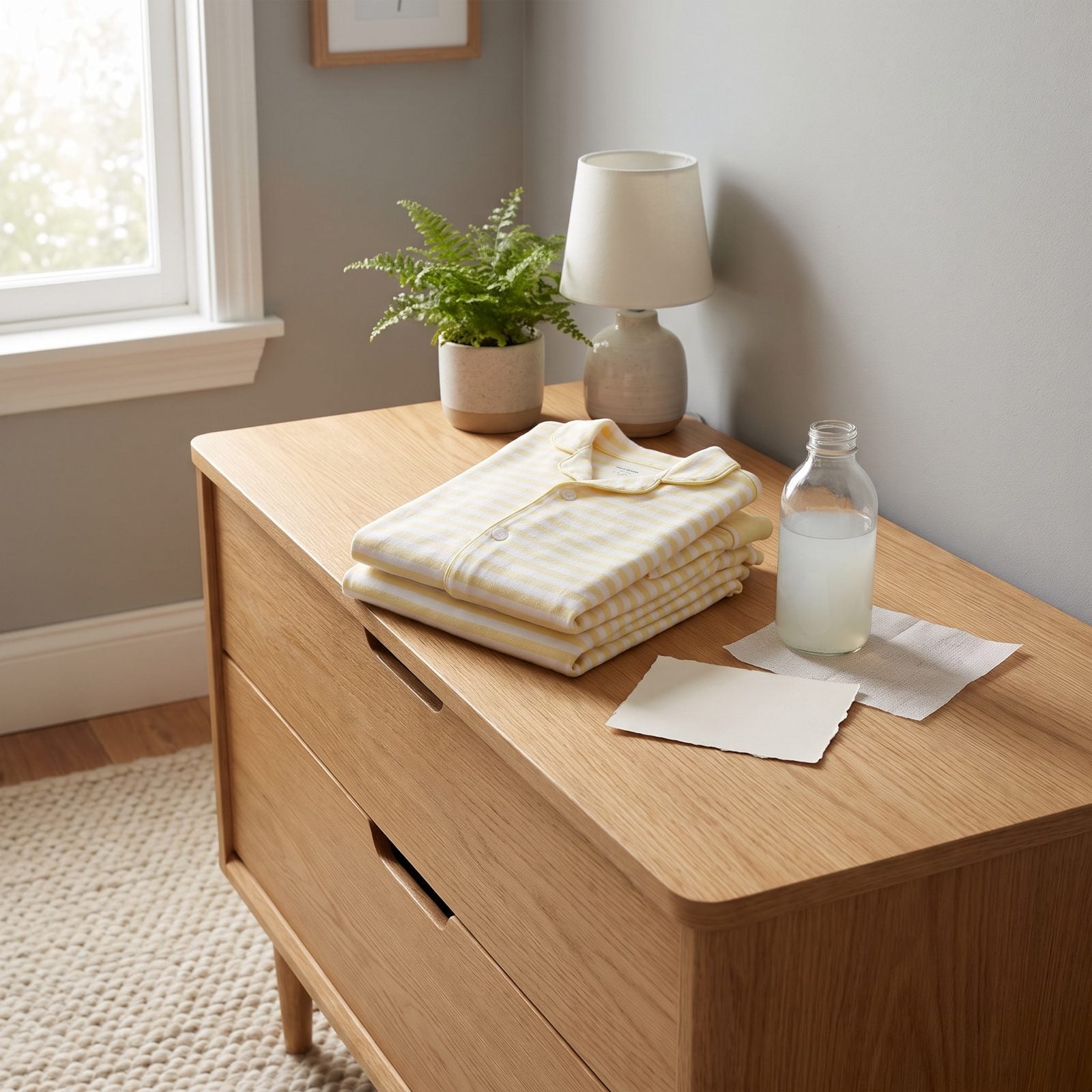
Pay attention to this one. Flame-resistant sleepwear — children’s pajamas especially — works thanks to a chemical finish or a snug fit that limits airflow. Fabric softener leaves a waxy coating on the fibers, and that coating burns. You can cancel out the fire protection with a bottle of something that smells like a spring meadow.
Keep liquid softener and dryer sheets away from anything labeled flame resistant or flame retardant. Wash it in regular detergent, skip the bleach too, and follow the care label to the letter. If the garment says FR, that label is non-negotiable.
38. Coating Towels and Activewear in Softener
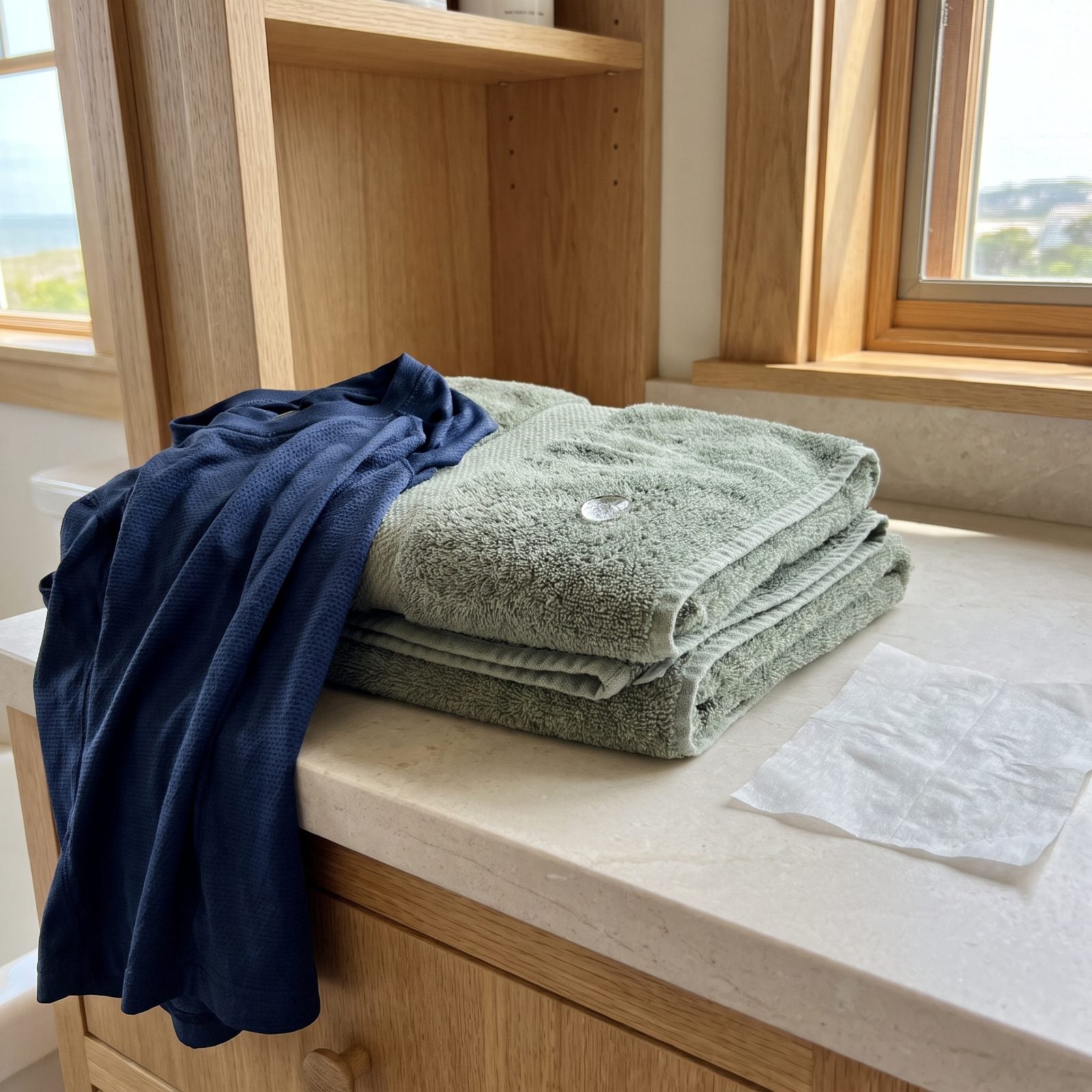
Softener works by wrapping fibers in a thin waxy layer. On most clothes that feels lovely. On towels, activewear, and waterproof shells it’s a quiet disaster, since the entire job of those fabrics is to move water around, not fend it off.
Here’s what that film does:
- Towels stop absorbing. They push water around instead of drinking it up.
- Moisture-wicking workout gear traps sweat and locks in that gym smell for good.
- Rain jackets lose their water-repellent coating and start wetting out.
Wash all three in detergent only. No dryer sheets either. To revive flat towels, run them through a hot wash with a cup of white vinegar and no detergent — that strips the buildup and brings the thirst right back.
37. Scrubbing the Stain From the Front of the Fabric
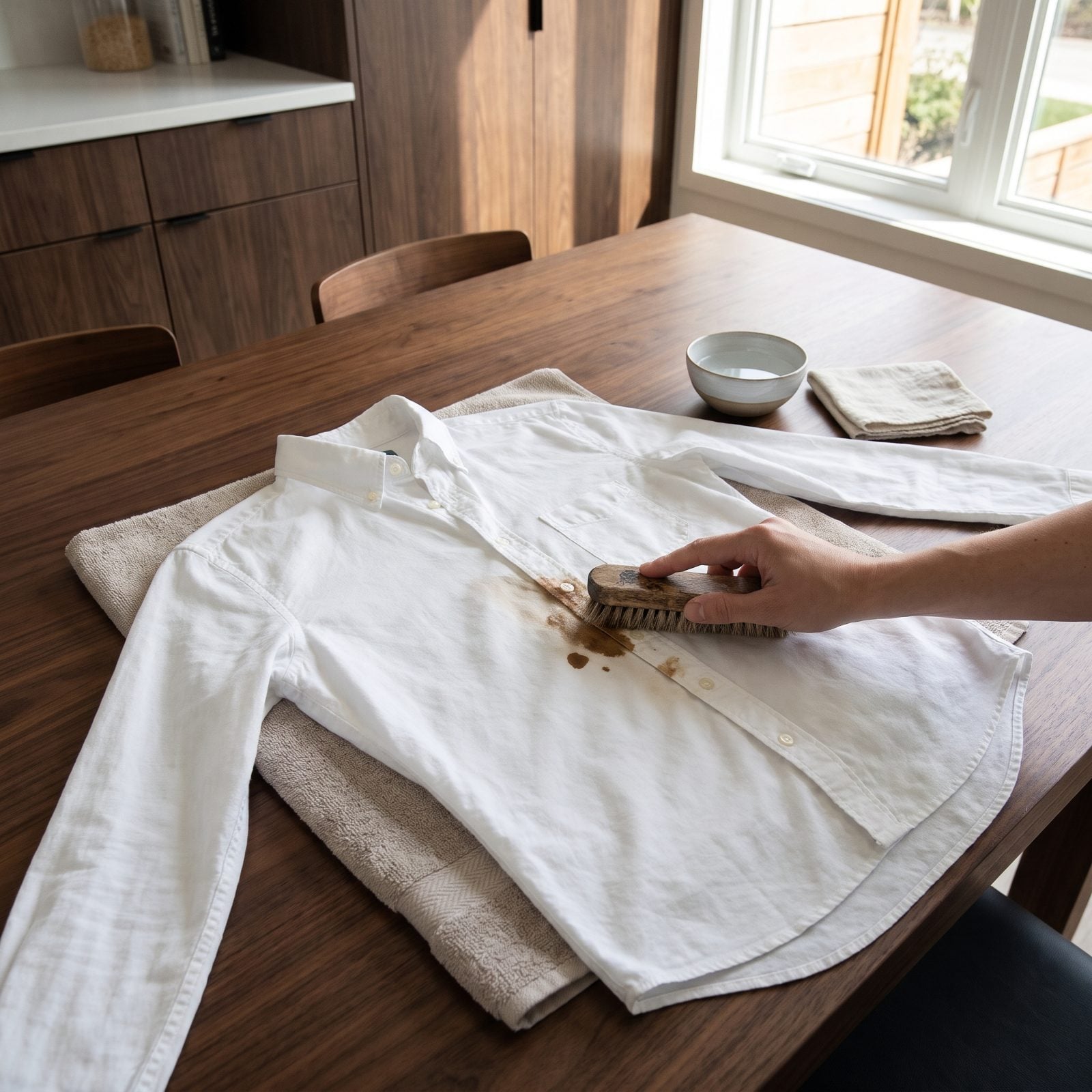
Instinct says attack the stain where you can see it, right on the front. But rubbing from the front drives it deeper — straight through the weave and into the back of the cloth. You’re pressing it in, not out.
Flip the garment over. Lay it face-down on a clean towel or sheet of paper and push the stain out from behind, so it travels back the way it came and lands on the towel instead of lodging in the fibers. Blot, don’t grind. It feels completely backwards the first time, and it works every time. This one habit has rescued more of our shirts than any product we’ve ever bought.
36. Letting Stain Remover Dry on the Cloth
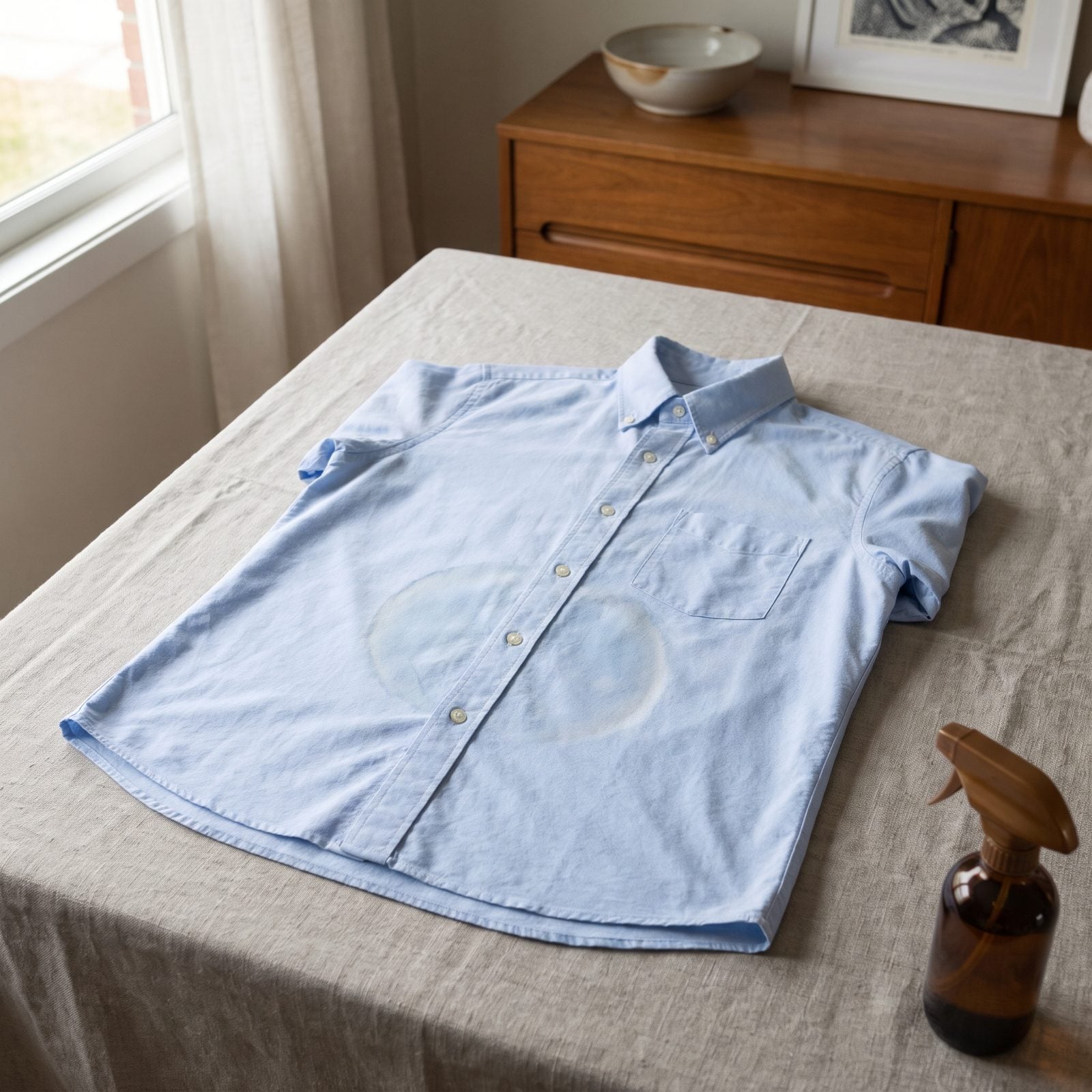
You pretreat a spot, get distracted, and wander back an hour later to find stain remover baked into the fibers. Congratulations — new problem. Usually a bleached-looking halo or a stiff patch that’s harder to fix than the original mark ever was.
Stain removers want to work wet, then get rinsed or washed away quickly. Left to sit, especially in sunlight or on colored fabric, they can lift dye, weaken fibers, or set into a ring. Check the label for a dwell time — normally a few minutes — then wash it out. Treat it, set a timer, and don’t drift off to start another chore.
35. Drying an Oil Stain Before It’s Actually Gone
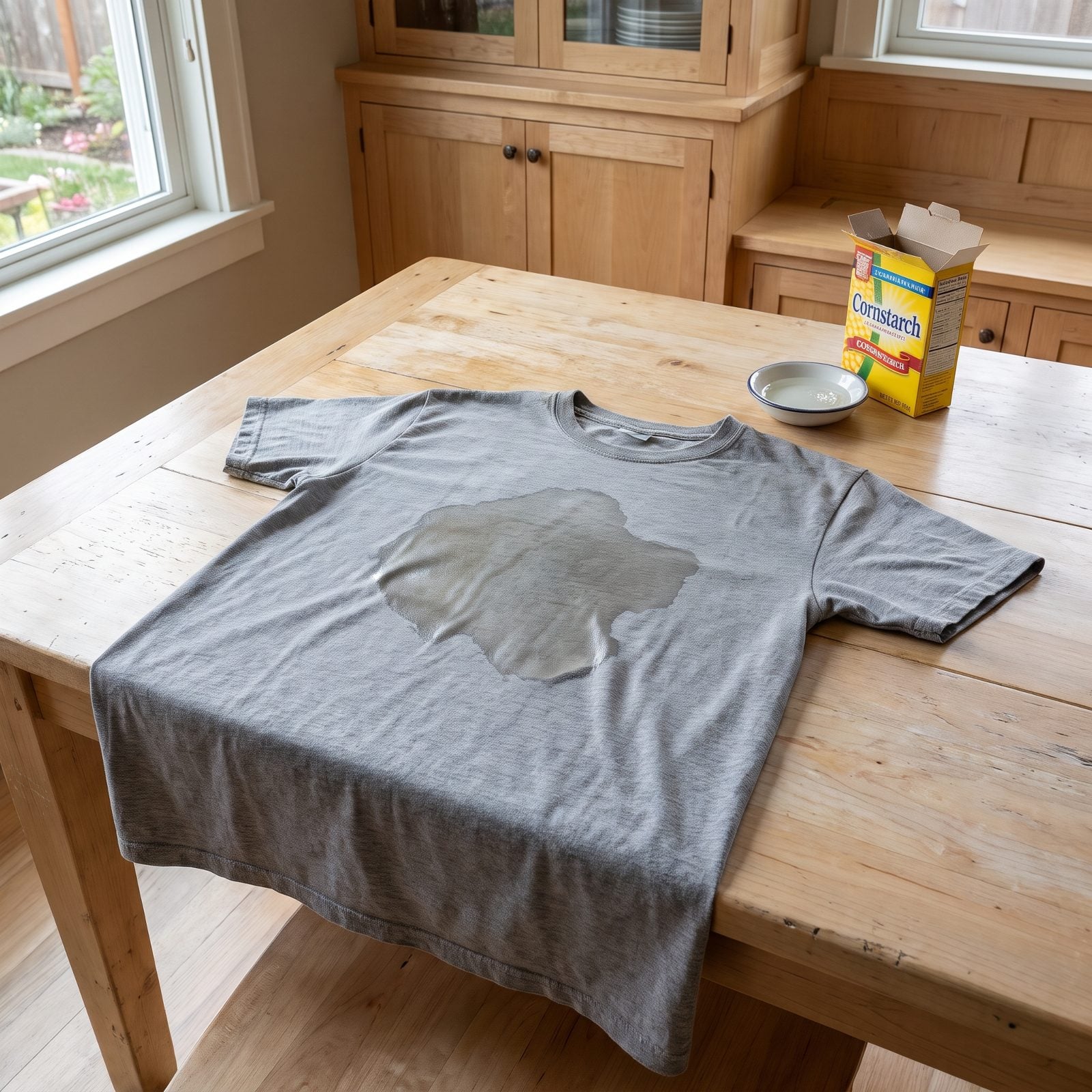
Oil and grease stains are sneaky. Fresh, they can look deceptive — a glossy, silvery patch lighter than the fabric around it. So you toss the shirt in the dryer, the heat cures the oil deep into the fibers, and now there’s a permanent ghost no amount of laundering will touch.
Never run an oil-stained garment through the dryer until the mark is truly gone. Air-dry it and check in good light first. To lift grease, work a little dish soap into the spot — the kind built to cut oil off dishes — or dust fresh grease with cornstarch to soak it up before washing. Heat is the enemy. Keep it well away until you’re sure.
34. Scrubbing Until the Fibers Fray
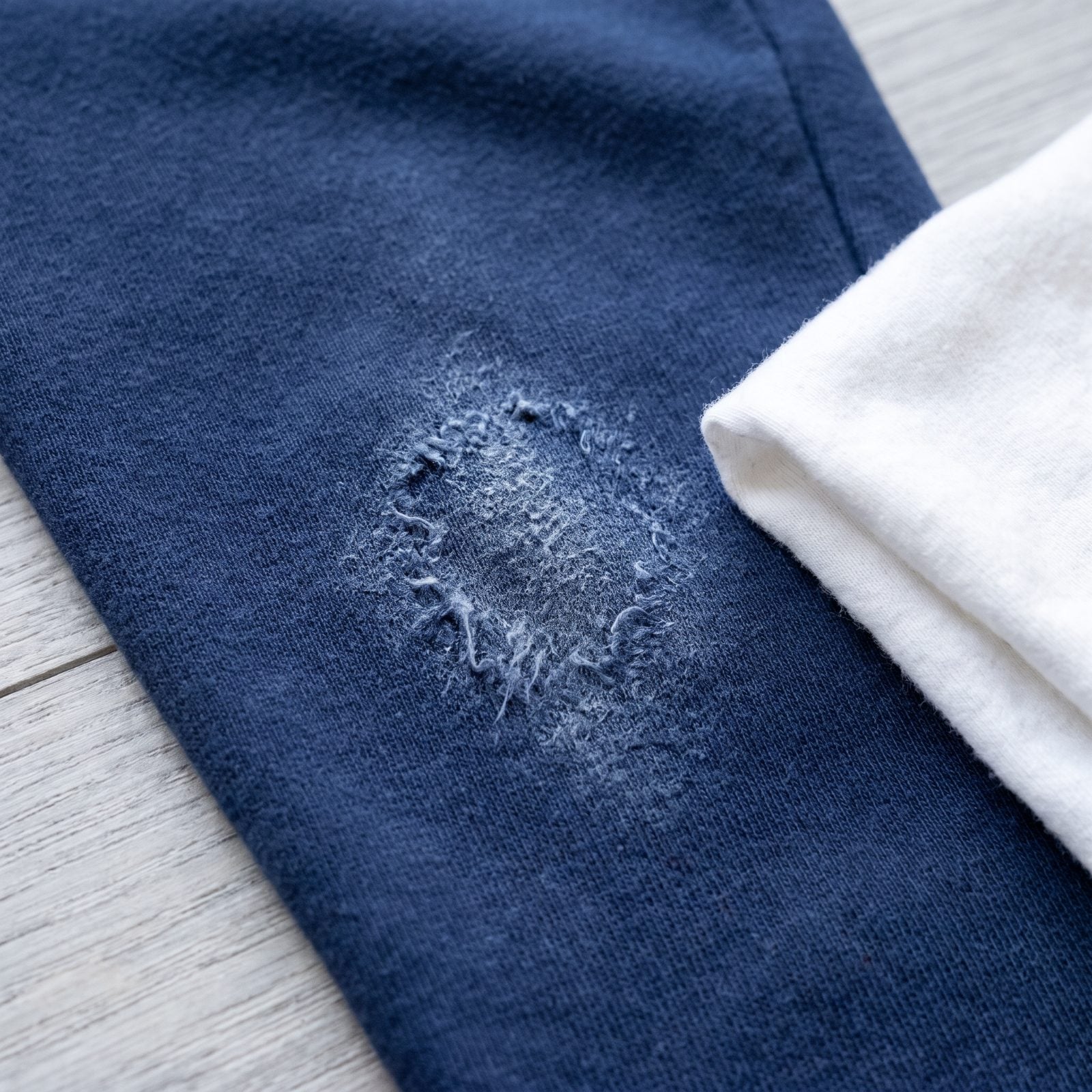
When a stain won’t budge, the temptation is to scrub harder — maybe grab a brush and really lay into it. That aggression abrades the surface fibers, roughs up the weave, fades the color in that one spot, and leaves a worn, fuzzy patch you can spot from across the room.
Soaking does the heavy lifting that scrubbing can’t. Let the garment sit in cool water with the right treatment and give the chemistry time to do its thing. Blot and dab instead of grinding. And if a stain genuinely won’t come out gently, it’s usually already set, and shredding the fabric won’t win it back. A clean shirt with a faint mark beats a frayed one. Go gentle, go slow, just don’t go hard.
33. Skipping a Hidden-Seam Test Before Applying Stain Remover
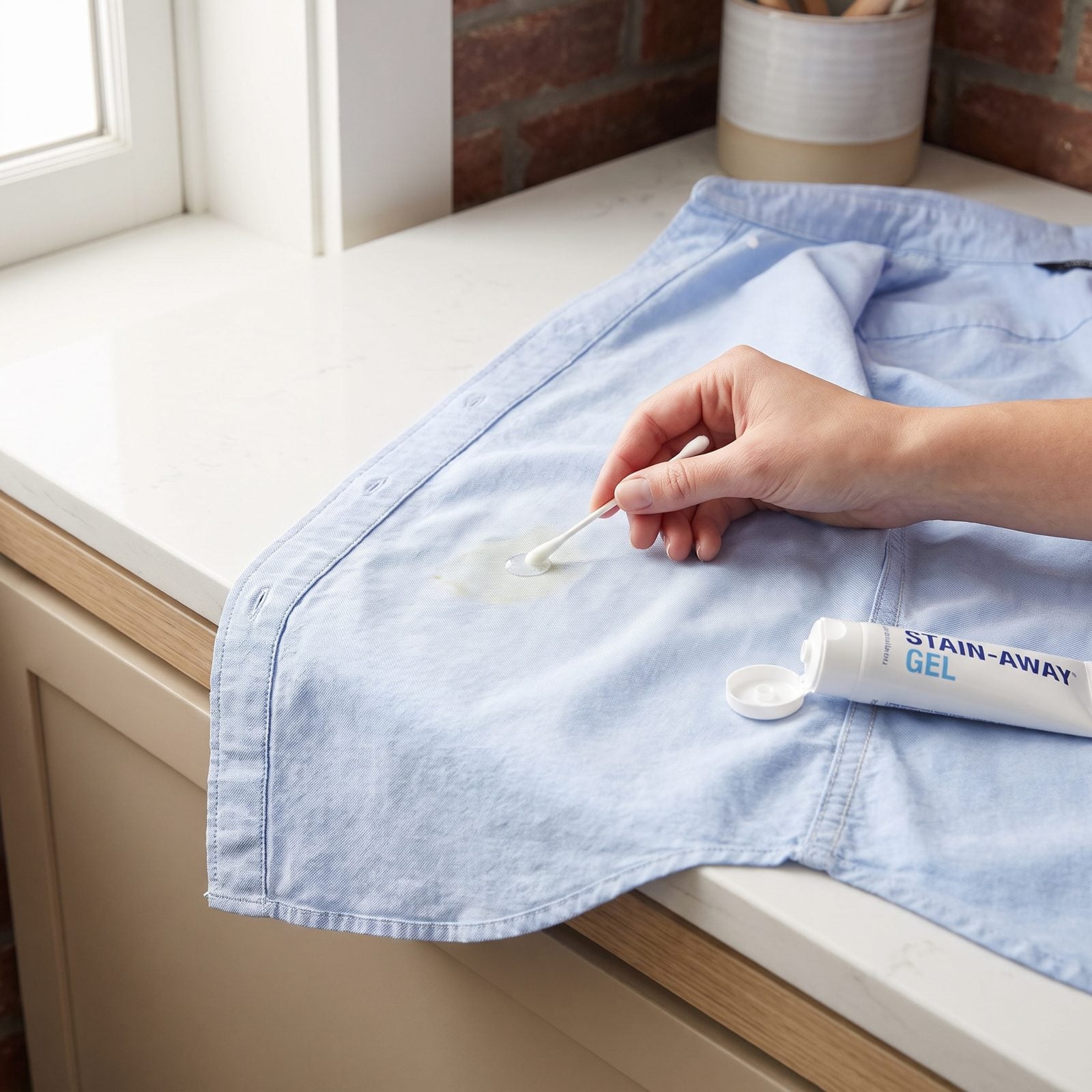
Stain removers are chemistry, and some fabrics lose that fight instantly. A spot treatment that lifts coffee off cotton can bleach the dye out of a rayon blouse or leave a dull halo on silk. You find out after it’s dry, when the damage is set and permanent.
Dab a little on an inside seam allowance first — the hem fold, the inside of a cuff, anywhere hidden. Wait a few minutes, blot with a white cloth, and check for color transfer or a lightened patch. Nothing shifts? You’re clear to go after the stain itself.
32. Placing a Laundry Pod on Top of the Clothes
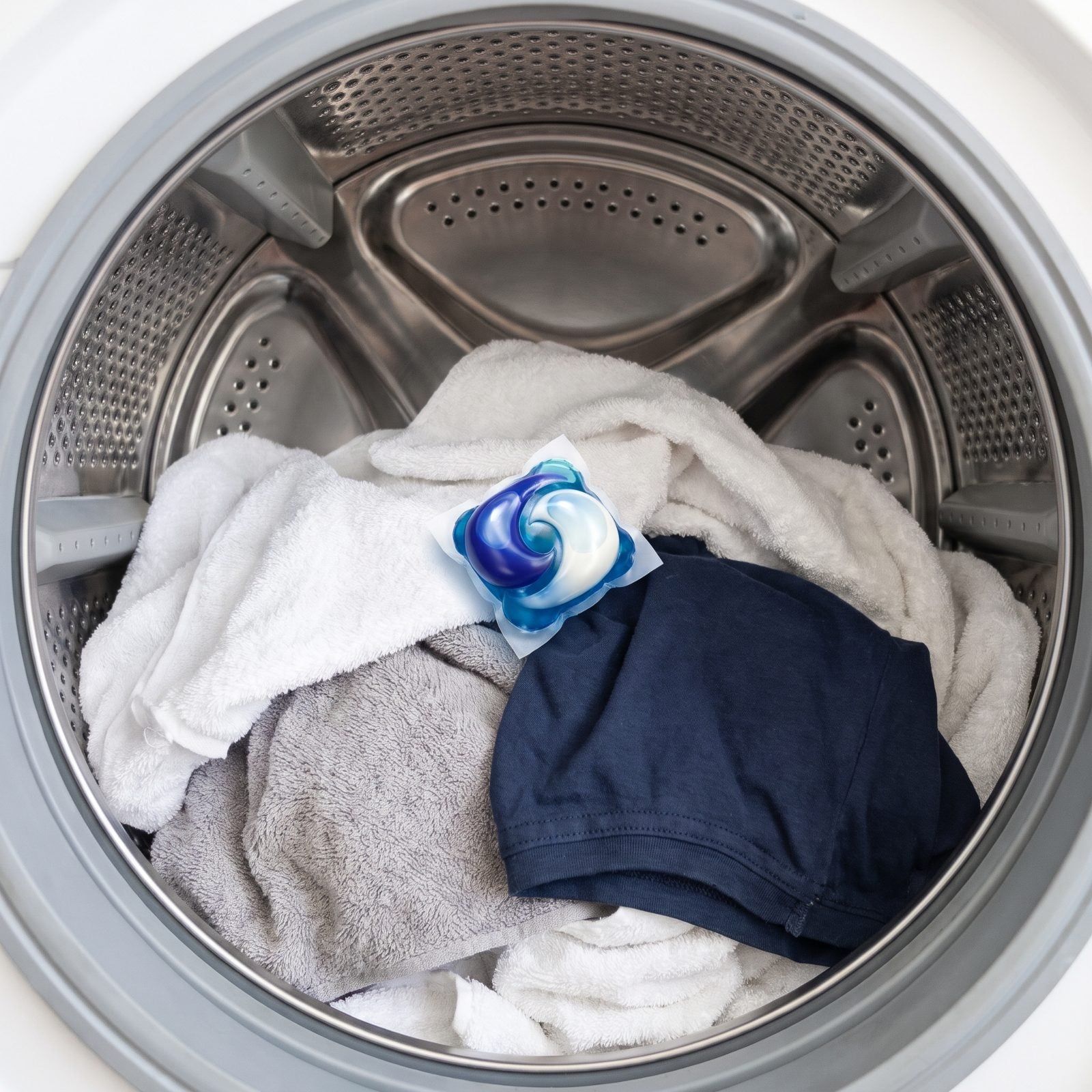
A pod sitting on top of your laundry lands in cold, shallow water once the drum fills, then only half dissolves. That undissolved film and concentrated gel cling to whatever’s closest, leaving stiff blue streaks on dark clothes and a gummy residue you’ll have to rewash.
Put the pod in the empty drum first, way at the back, then pile clothes on top. The water hits it directly and it dissolves before the cycle really gets going. Pods also hate cold water — if your winter tap runs icy, use at least a warm wash.
31. Using So Much Detergent That Soil Gets Trapped
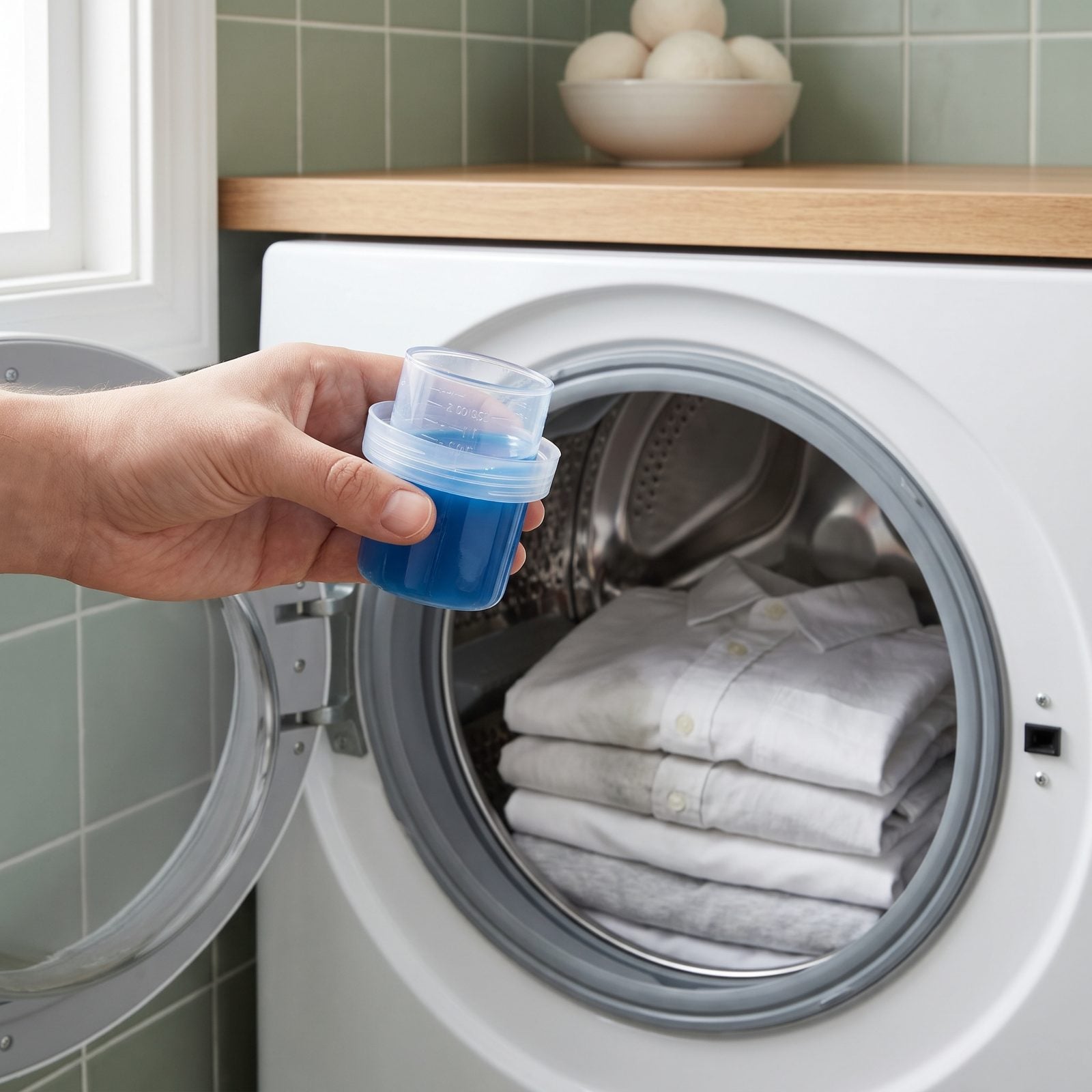
More soap feels like more clean. It’s the opposite. Excess detergent can’t fully rinse out, so it builds into a sticky layer that holds onto body oil, dirt, and odor. That gray, flat look on your supposedly clean shirts? Trapped soil, riding around in leftover suds.
Most people pour two or three times what they actually need. Use the lowest line on the cap for a normal load, and less than that for soft water or an HE machine. Here’s a test worth doing: if clothes come out stiff or smell faintly sour, run them again with no detergent at all and watch the suds appear out of nowhere. There’s your proof.
30. Pouring Detergent Directly Onto Dry Clothing
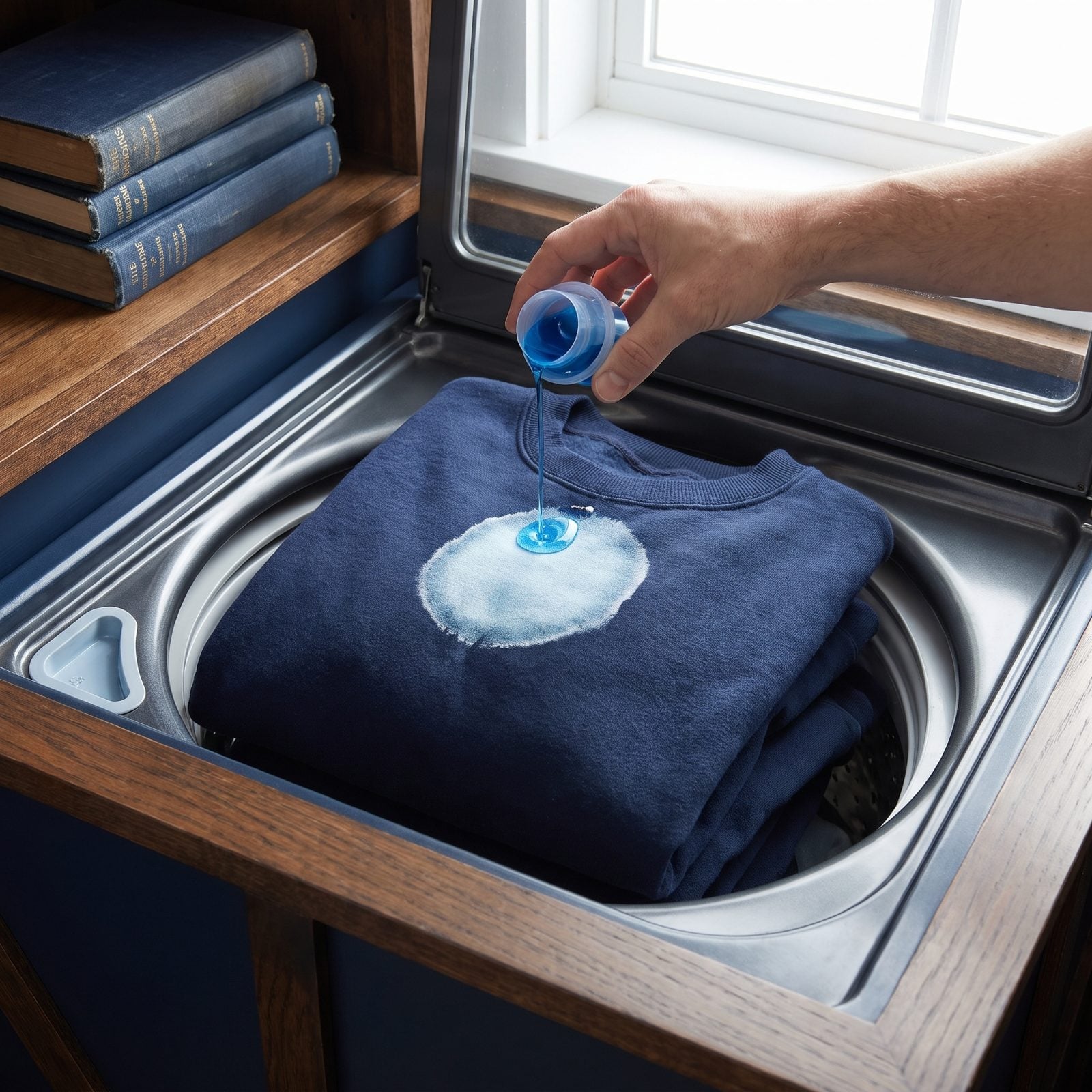
Pour concentrated detergent straight onto a dark shirt and you’ve basically spot-bleached it. Undiluted, it sits against the dye and lifts color before any water arrives, leaving a pale blotch that no rewash will bring back.
Add detergent to the dispenser drawer instead, or to water already in the drum before clothes go in, so it’s diluted the second it meets fabric. No drawer? Pour it into the running water first, then add the load. Dark denim and black cotton are the usual casualties, and they show every mistake.
29. Washing Cotton-Lint Producers With Microfiber Cloths
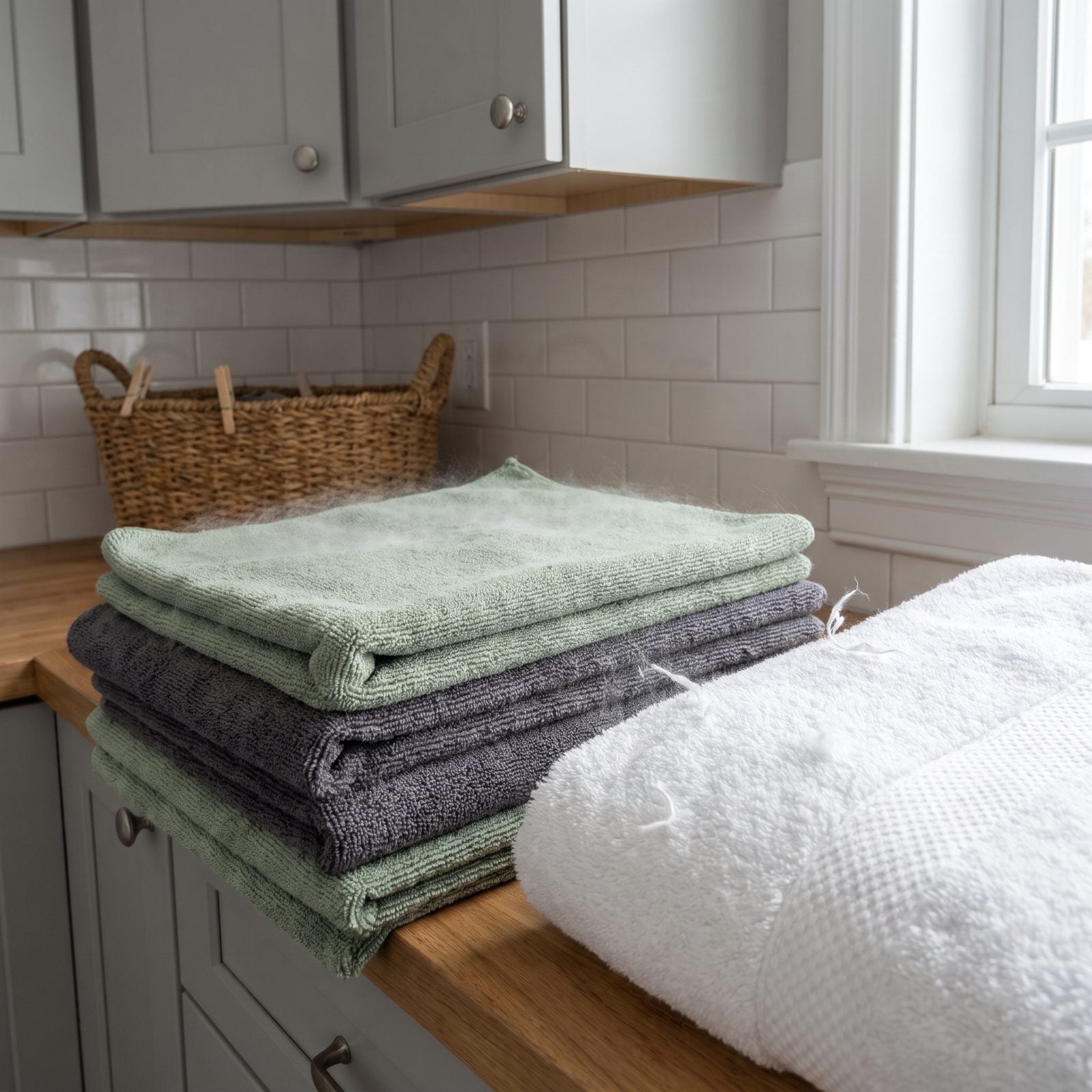
Microfiber is a magnet. Toss it in with cotton towels, chenille, or a fuzzy new sweatshirt and it comes out coated in lint that grabs so tight you’ll be picking at it for days. Worse, that trapped lint clogs the fibers and kills the cloth’s grip — the whole reason you bought microfiber in the first place.
Wash it separately, or at least with other smooth synthetics. Skip fabric softener entirely, since it coats the fibers and ruins their pickup. A shed-prone cotton towel and a good microfiber cloth should never share a cycle.
28. Overstuffing a Mesh Laundry Bag

A mesh bag packed to bursting defeats its own purpose. Water and detergent can’t push through a tightly packed wad, so the center stays dirty while the pressure crushes and creases everything, stretching lace and warping bra cups against the mesh.
Fill a bag no more than halfway, and keep like with like: bras in one, fine knits in another. The garments need room to float and tumble gently. A loose bag protects. A stuffed one just makes a soggy brick that comes out half-clean and oddly shaped.
27. Leaving Pool Chlorine in Swimwear After Use
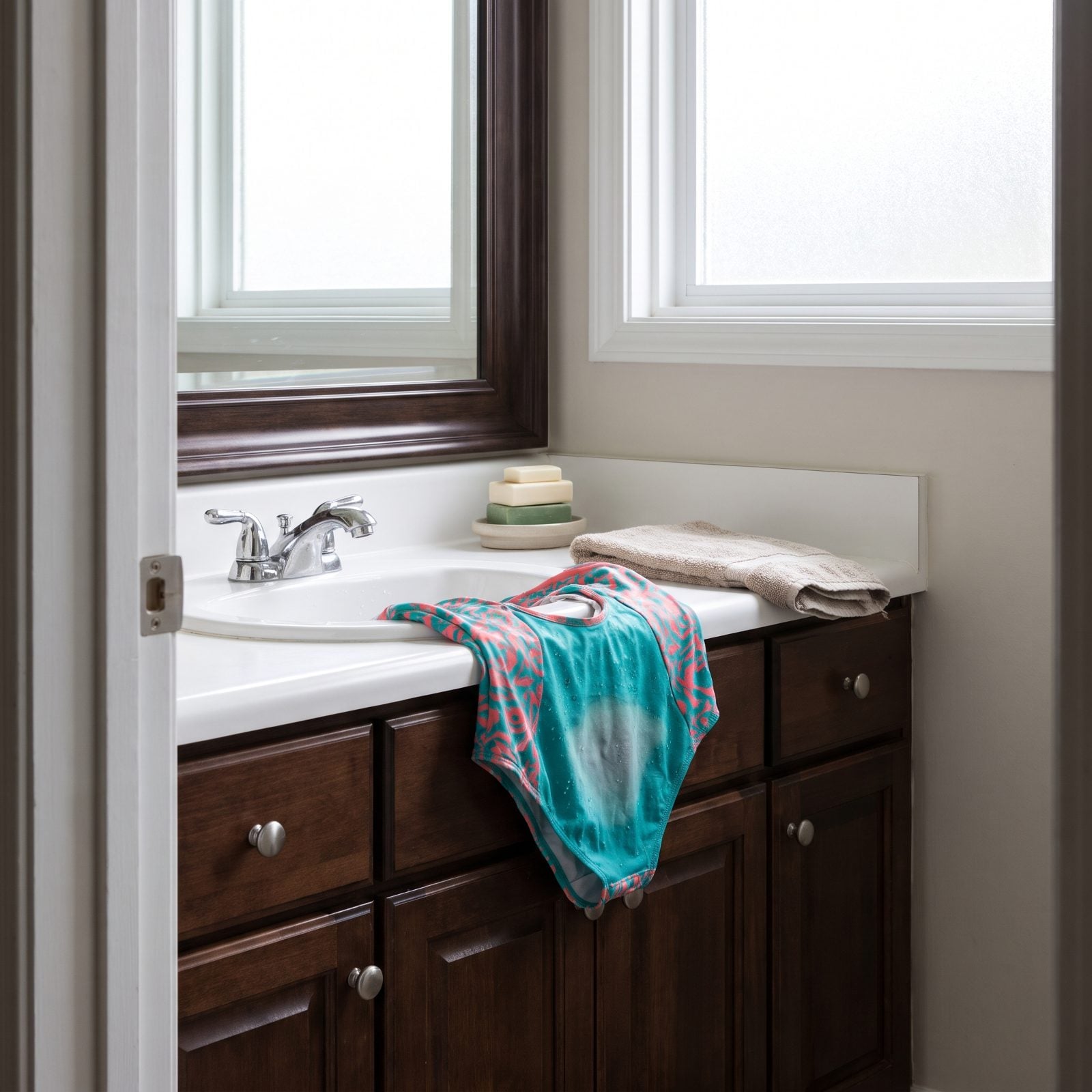
Chlorine doesn’t quit when you climb out of the pool. Left sitting in a damp suit, it keeps eating at the spandex, breaking down the stretch fibers until the fabric sags, pills, and goes see-through at the seat. The bright color fades to a chalky ghost of itself.
Rinse your suit in cold tap water the moment you’re done — before you even towel off, if you can. A gentle hand wash within a few hours clears the residue. And never leave a wet suit balled up in a gym bag, where the chlorine concentrates and the fabric basically cooks.
26. Washing a New Saturated-Color Garment With Whites or Pastels
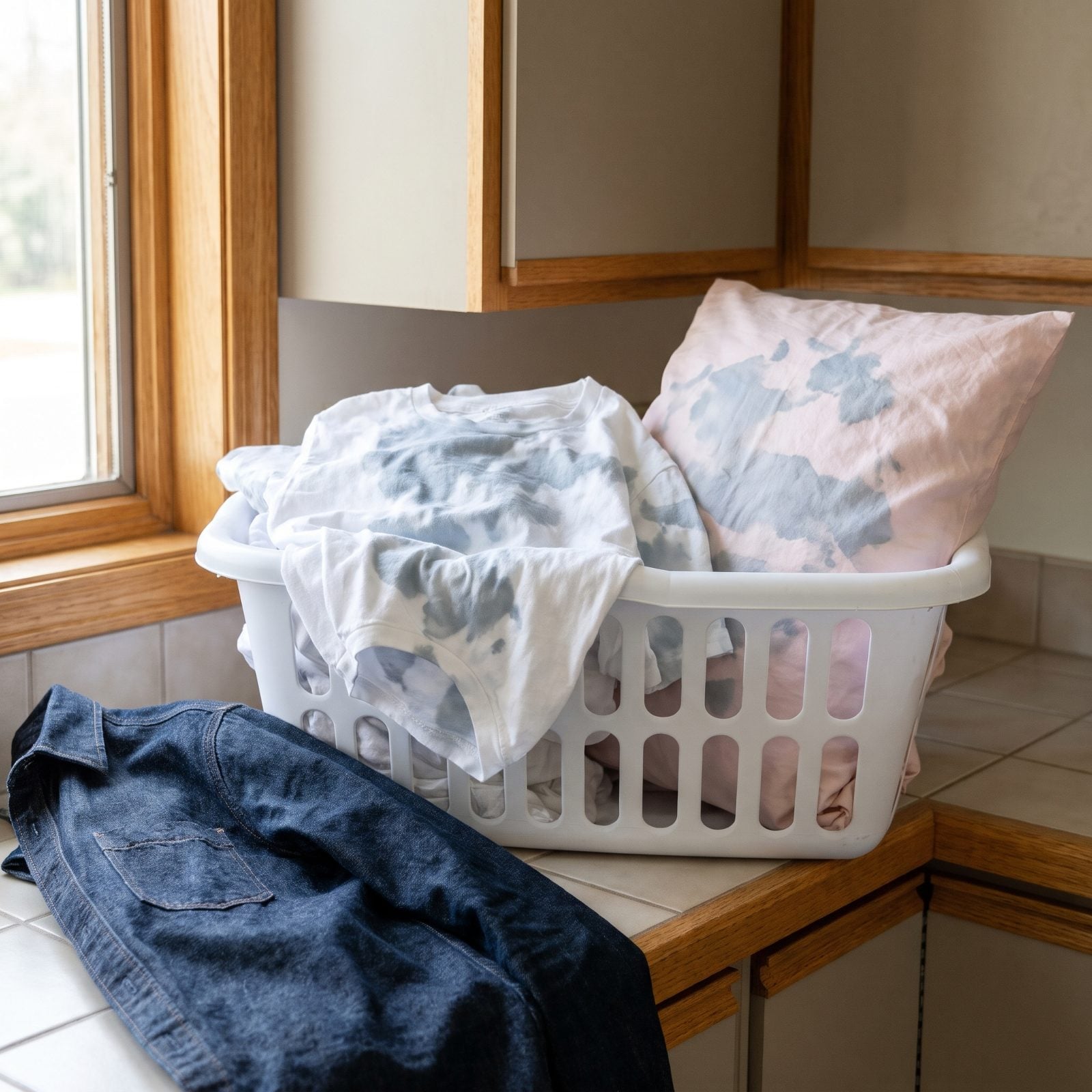
New reds, indigos, and deep purples shed loose dye in their first several washes. Put one in with white sheets or a pastel blouse and that excess dye floats free, settling into the lighter fabric as a permanent pink or gray cast. One rogue red sock has wrecked more white loads than anyone cares to admit.
Wash new saturated colors alone, or with other darks, for the first three or four cycles — until the water runs clear. Cold water slows the bleeding. And if a mixed load makes you nervous, a couple of color-catcher sheets in the drum will trap stray dye.
25. Leaving Zippers Open or Hook-and-Loop Fasteners Exposed

An open zipper is a row of tiny metal teeth set loose in your drum, and it hunts for soft knits. It snags sweaters, runs leggings, tears lining — all while the exposed hook side of a hook-and-loop strip grabs fleece and lace and shreds them on contact.
Zip everything up and fasten every hook-and-loop closure before it goes in. A closed zipper lies flat and harmless, and a sealed fastener has nothing to grab. Five seconds. Saves a sweater.
24. Buttoning Shirts Before Washing Them
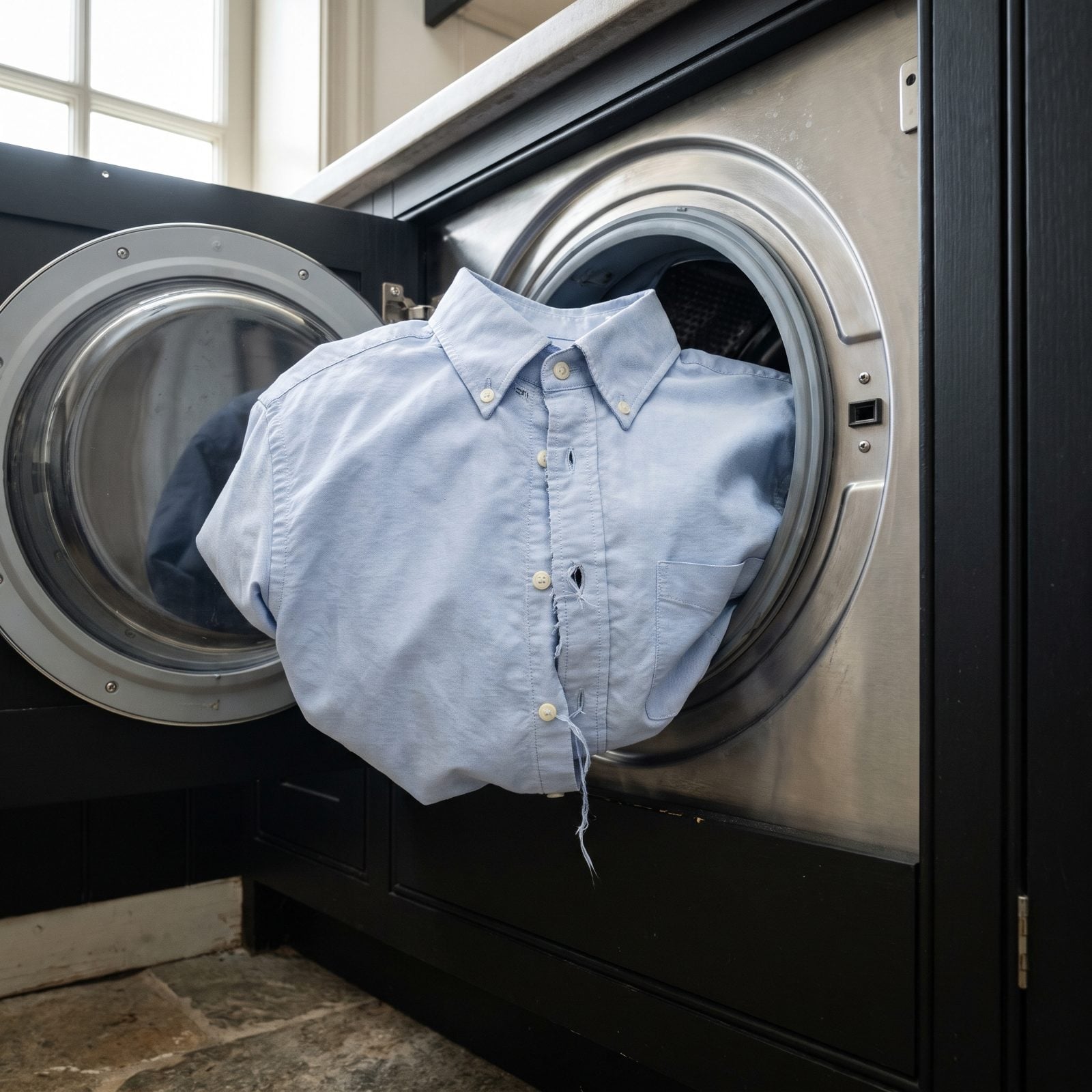
Counterintuitive, but true: buttoning a shirt before washing wrecks it faster. As the drum tumbles, the buttoned fabric pulls against each buttonhole, stretching and fraying the holes and working the buttons loose until threads snap. Collar buttons take the worst of it.
So unbutton everything — cuffs and collar included — before washing. Loose fabric moves freely, and the buttonholes keep their shape for years instead of gaping after a season. The one exception is pillow shams and duvet covers, where you button them closed so the insert can’t escape and the small stuff inside won’t tangle. For shirts, open is always kinder.
23. Washing Printed and Dark Garments Right-Side-Out
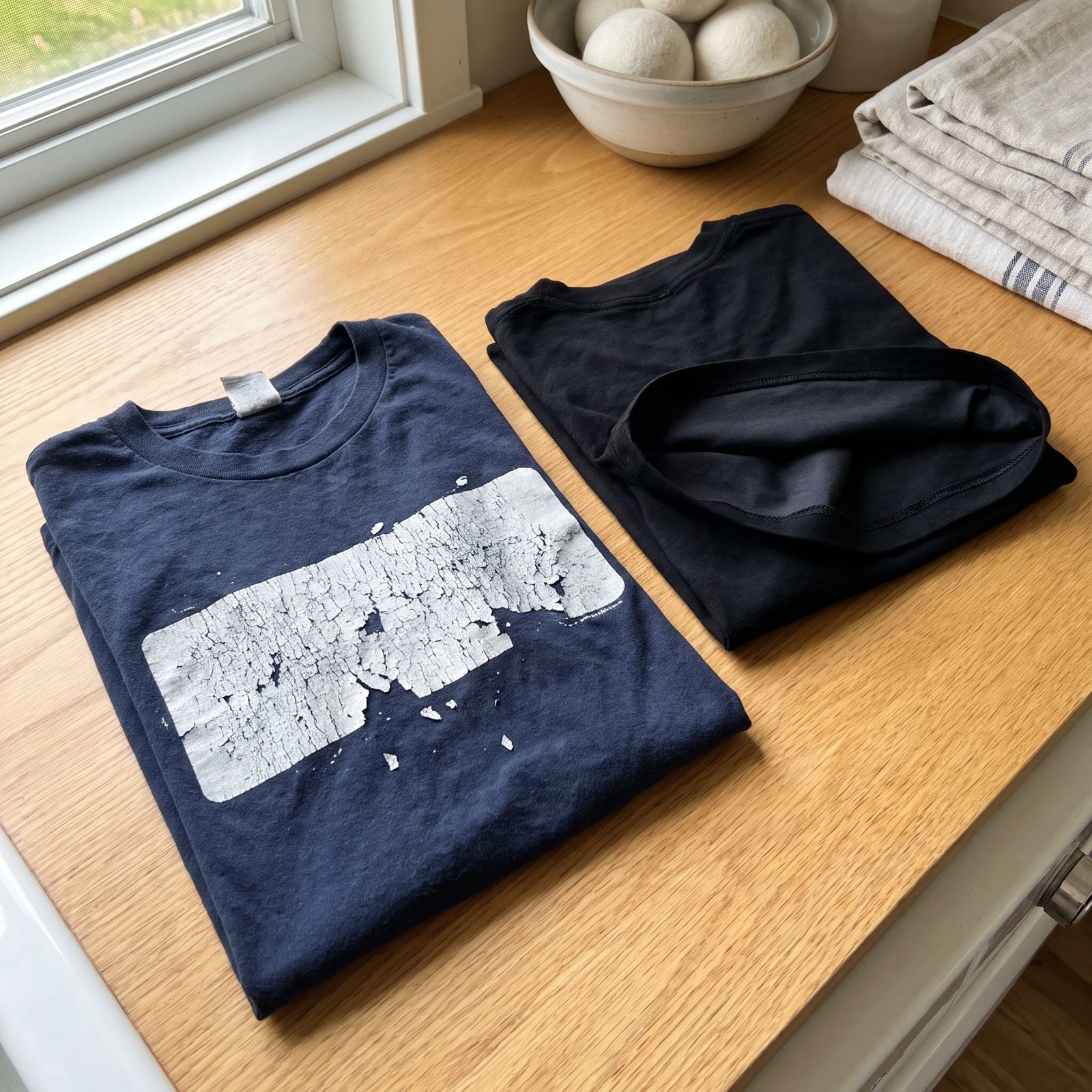
Flip a graphic tee inside out before it goes in, or watch the print do all the suffering for you. Printed surfaces and dark dyes take a beating every cycle because the agitation drags the outer face against zippers, buttons and the drum wall, and that friction is exactly what cracks a screen print and lifts color off the fibers.
Washed right-side-out, a favorite band shirt goes chalky and gray in a season. Turn it inside out and the abrasion lands on the inner seams where nobody looks. Black jeans and dark denim behave the same way, so flip them, zip the zippers, and let the back take the hit.
22. Selecting the Highest Spin Speed for Stretchy Knits
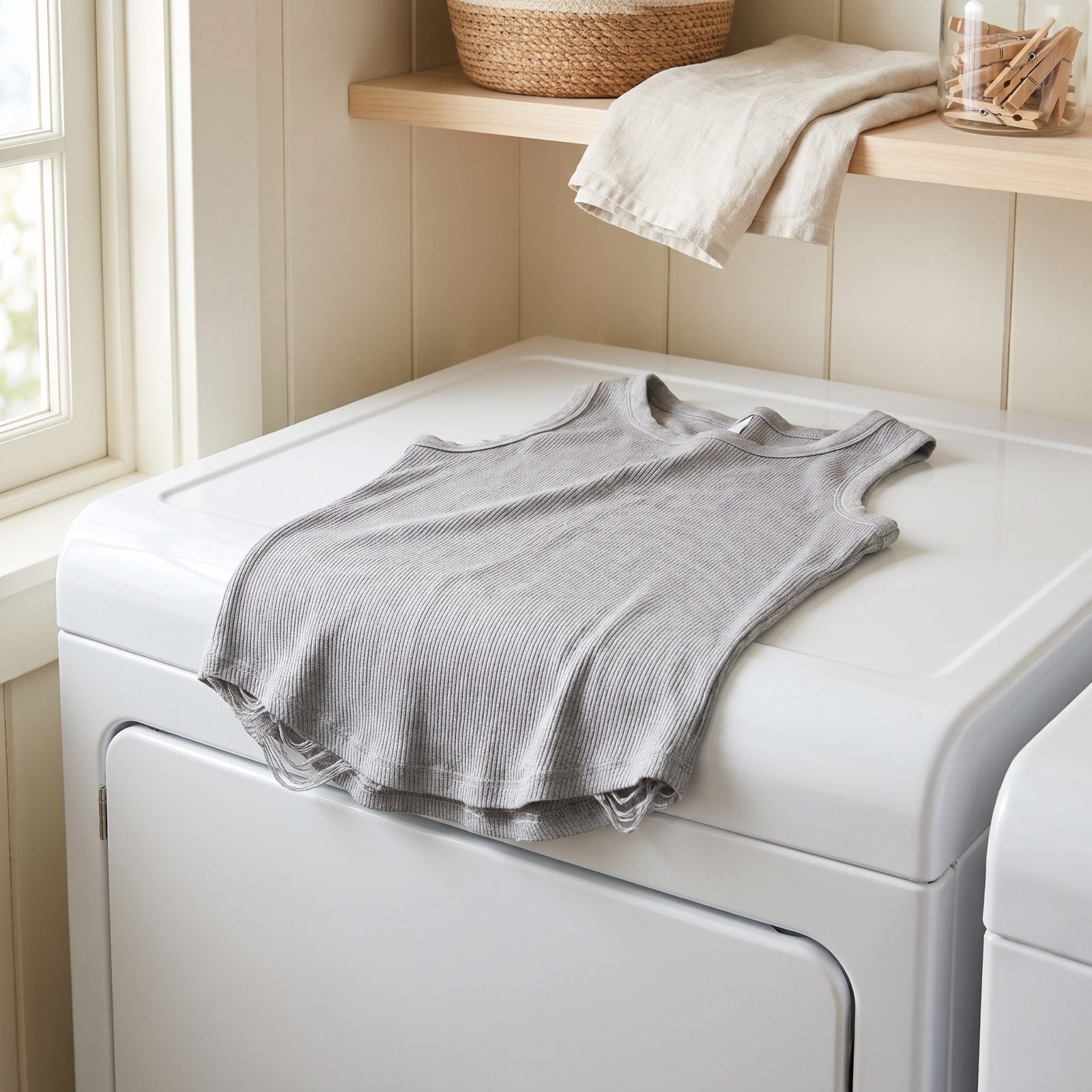
The high-spin setting feels efficient, and it’s also where stretchy knits go to get mangled. A brutal spin flings the garment against the drum and pins it there under force, and anything with spandex or lycra stretches under that load, then dries in its new, sad shape.
So you pull out a top with a wavy hem and a neckline that gapes at you. Drop your knits and activewear to a low or no-spin setting, or yank them before the final spin and press the water out by hand. Less drama, same clean.
21. Hanging Wet Sweaters by Their Shoulders
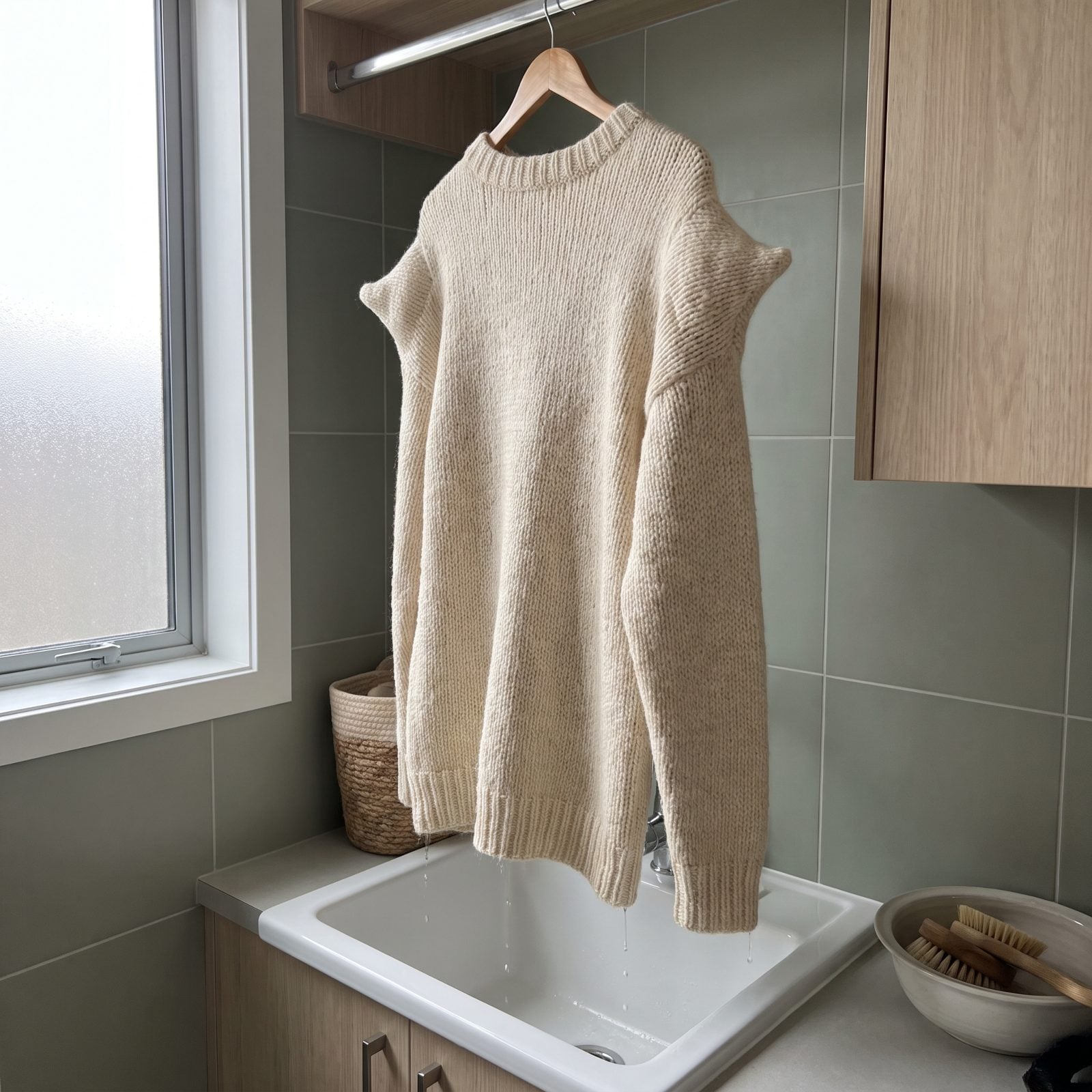
Wet wool weighs a shocking amount, and gravity will remember. Hang a soaked sweater on a hanger and the whole weight of the saturated knit pulls straight down. The shoulders pucker into little horns, the body droops, and by morning you own a sweater two sizes longer than the one you washed.
Wool and heavy knits have no backbone when wet. Lay them flat instead. Roll the sweater in a clean towel to blot most of the water, then reshape it on a drying rack or a fresh towel, gently tugging it back to its real dimensions. Flat drying is slower, and it’s the only thing that saves the shape.
20. Wringing Water From Delicate Fabrics

Twisting a wet blouse like a dishrag feels satisfying. It also crushes the fibers in ways they never fully recover from. Silk, lace, fine wool and loose weaves have delicate structures, and wringing forces the threads to shear against each other, which breaks them and leaves permanent crimped wrinkles you can’t press out.
Fine fabrics don’t spring back the way a cotton towel does. Lay the garment flat on a dry bath towel, roll the two together like a sleeping bag, and press. The towel pulls the water out without a single twist. Still soggy? Repeat with a dry one.
19. Packing the Washer Too Tightly for Clothes to Move
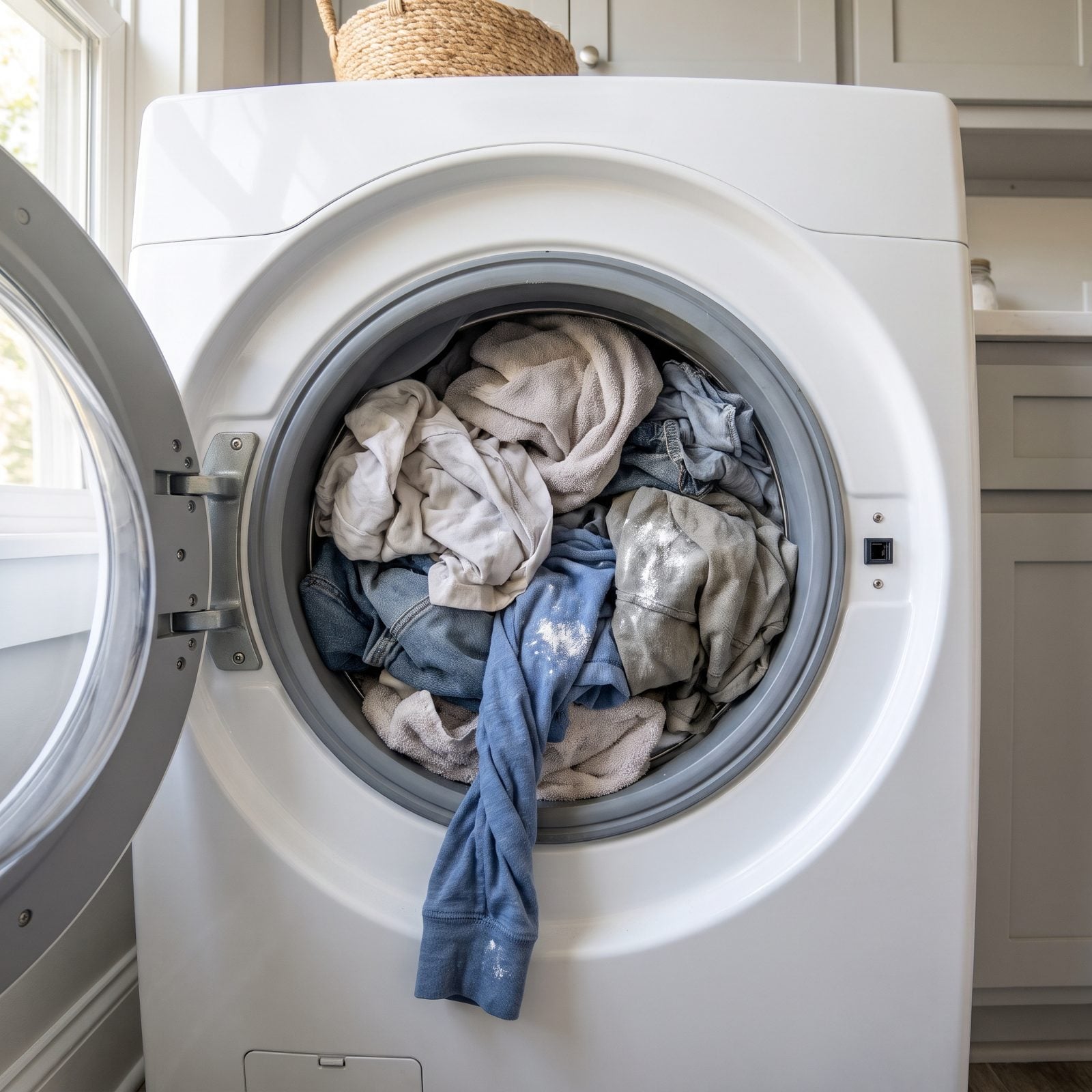
Stuffing the drum to the door saves a load and quietly ruins the wash. Clothes need room to tumble so water and detergent can flow through them. Packed solid, they just grind against each other under pressure, which stretches seams, sets creases and sands down the surface of everything in there.
A jammed load also comes out with detergent streaks because nothing rinsed properly. Fill the drum about three-quarters full, with a hand’s width of space at the top. Fewer, cleaner loads beat one big knot of twisted, half-rinsed laundry.
18. Washing Heavy Jeans With Delicate Knits
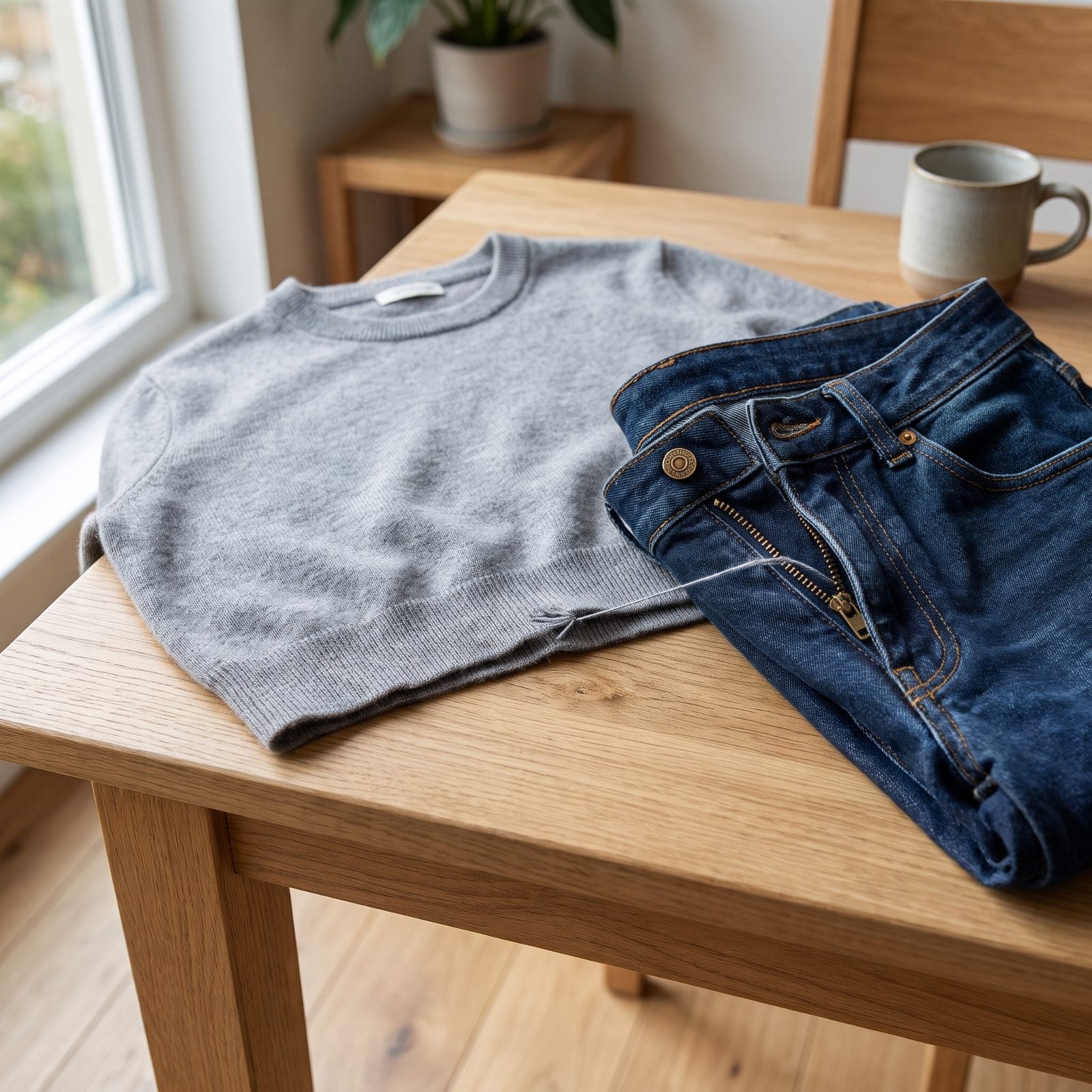
Jeans and a fine sweater in one load is a classic false economy. Denim is heavy, abrasive and studded with metal — zippers, rivets, that hard button. Spin it around a drum with a delicate knit and those edges snag the loops, pull threads and leave runs you’ll never undo.
Heavy and delicate fabrics also want completely different cycles. Sort by weight and sturdiness, not just color. Towels and jeans in one camp, knits and lingerie in another. The sort takes thirty seconds and spares you a sweater with a hole shaped like a zipper tooth.
17. Washing Muddy or Sandy Clothing Without Removing Loose Debris
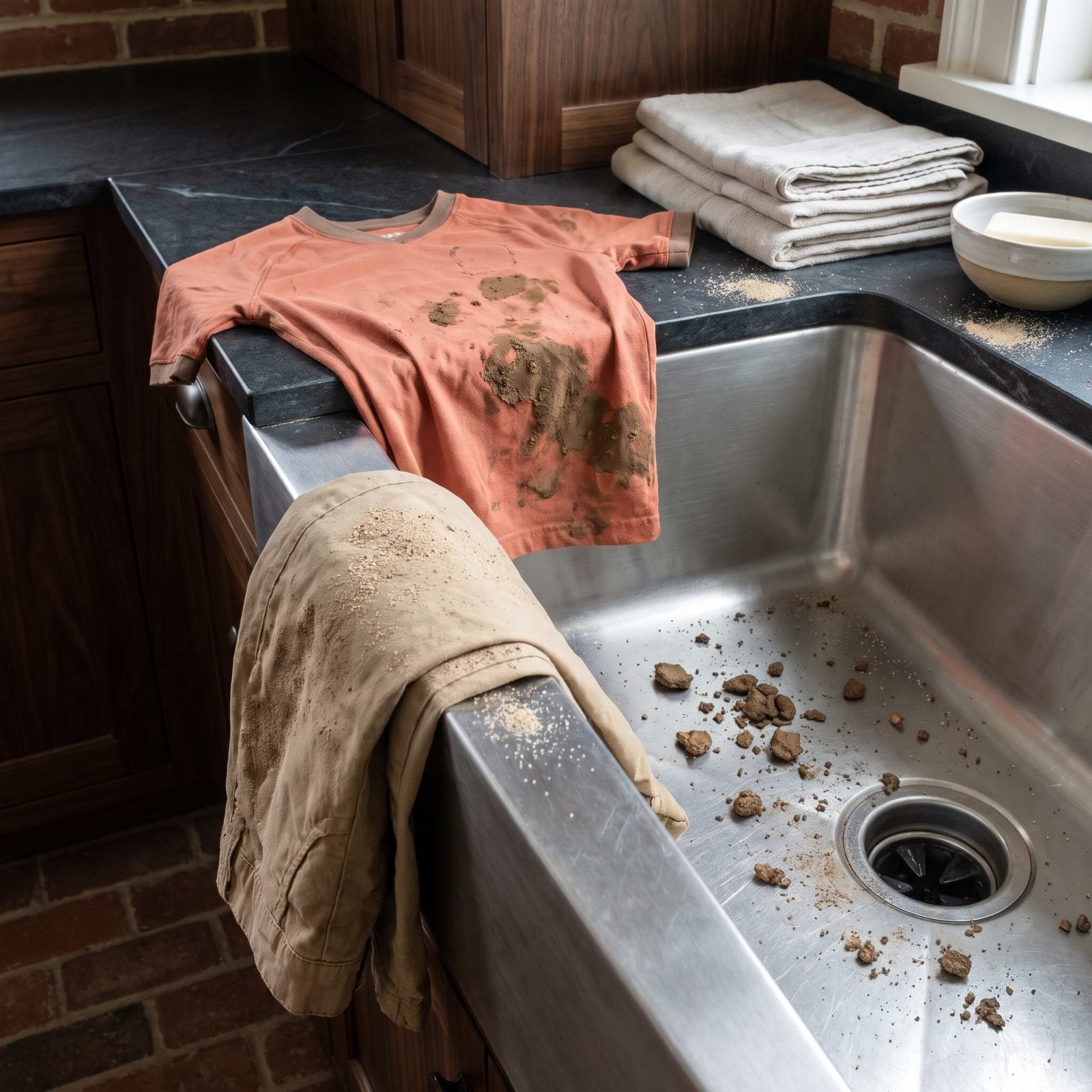
Tossing caked, muddy clothes straight into the washer sounds like the machine’s job. It’s actually how grit ends up ground into the weave and lodged in the pump. Mud and sand are abrasive, and swirled around wet they scour the fibers from the inside and dull the fabric while the heavy stuff clogs the drain.
Knock off the dry debris first. Let mud dry, then brush or shake it loose outside. Rinse sandy clothes with a hose or in a bucket before they go anywhere near the machine. The washer handles stains; it does not handle a sandbox.
16. Washing Sequined or Beaded Clothing Without Protection
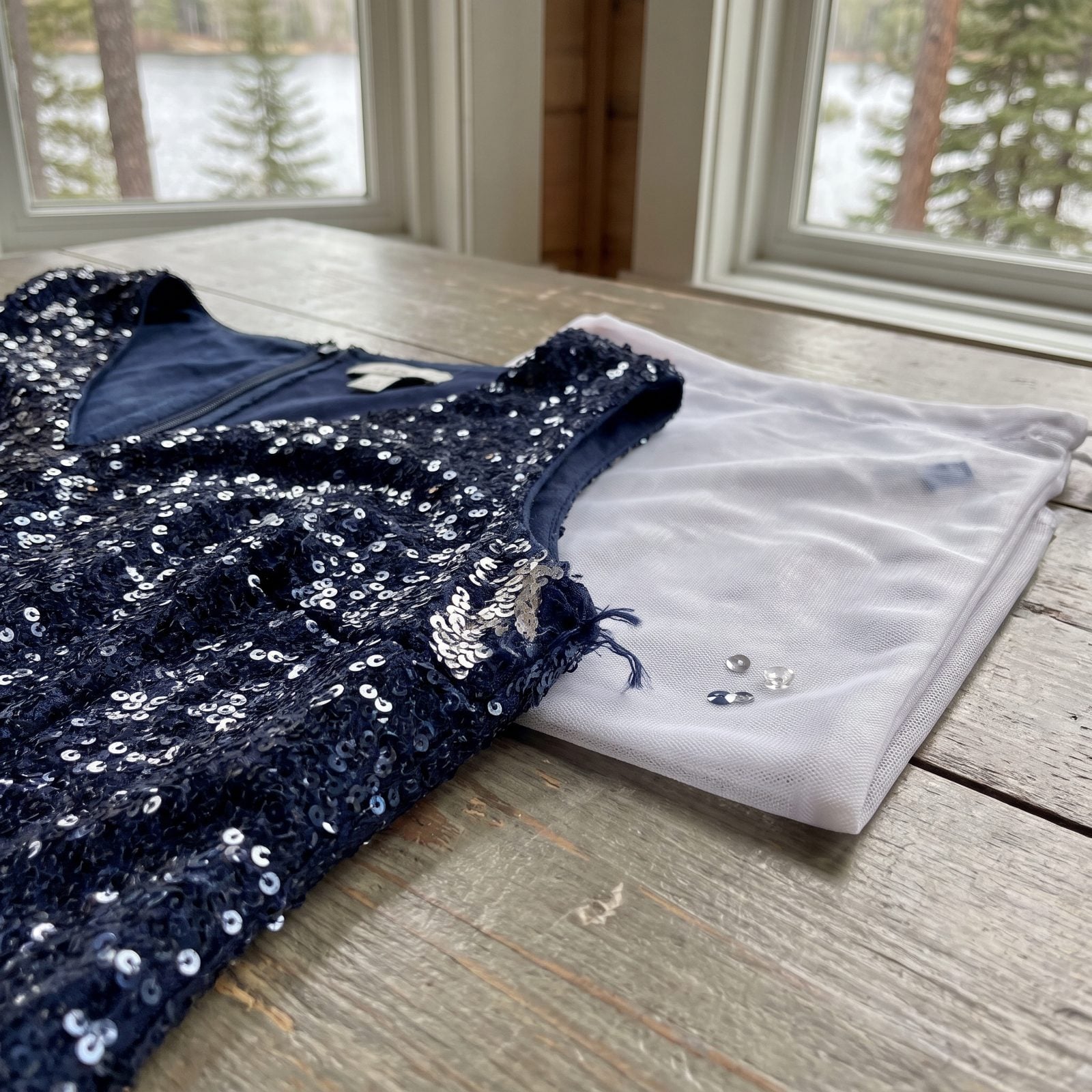
Sequins and beads are held on by thread, and the machine wants to cut that thread. Every sequin is stitched or glued to the fabric, and a normal cycle snags, cracks and tears them off by the dozen. Beads chip, the finish clouds, and a whole embellished front comes out patchy and dulled.
Hand washing in cool water is the safe route. If it absolutely must go in the machine, turn it inside out, zip it into a mesh bag, and run the gentlest cycle you’ve got. Lay it flat to dry — dryer heat melts the coating off sequins and leaves them gray.
15. Leaving Belts, Heavy Buckles, Pins or Brooches Attached
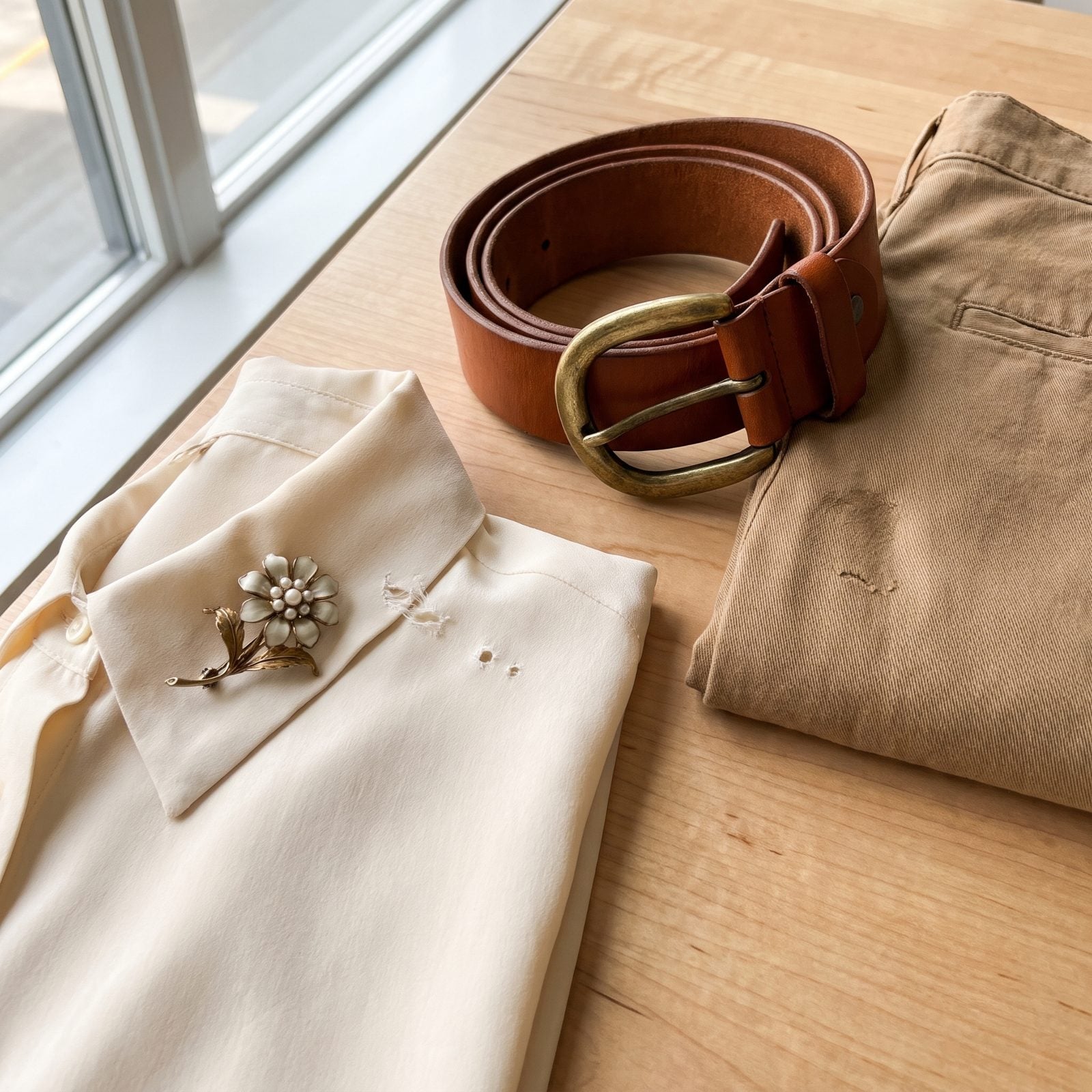
A brooch left on for the wash seems harmless until it tumbles. Metal hardware is the saboteur of a laundry load. Belts whip around and dent, buckles scuff, and pins and brooches snag the garment they’re on plus everything near them, punching little holes and dragging runs.
Heavy metal also throws the machine off balance and bangs against the drum like a loose wrench. Strip it all off first — belts, brooches, collar bars, and those loose buttons you’ve been meaning to sew back on for a month. Thirty seconds of stripping hardware saves a blouse full of pinholes.
14. Failing to Empty Every Pocket
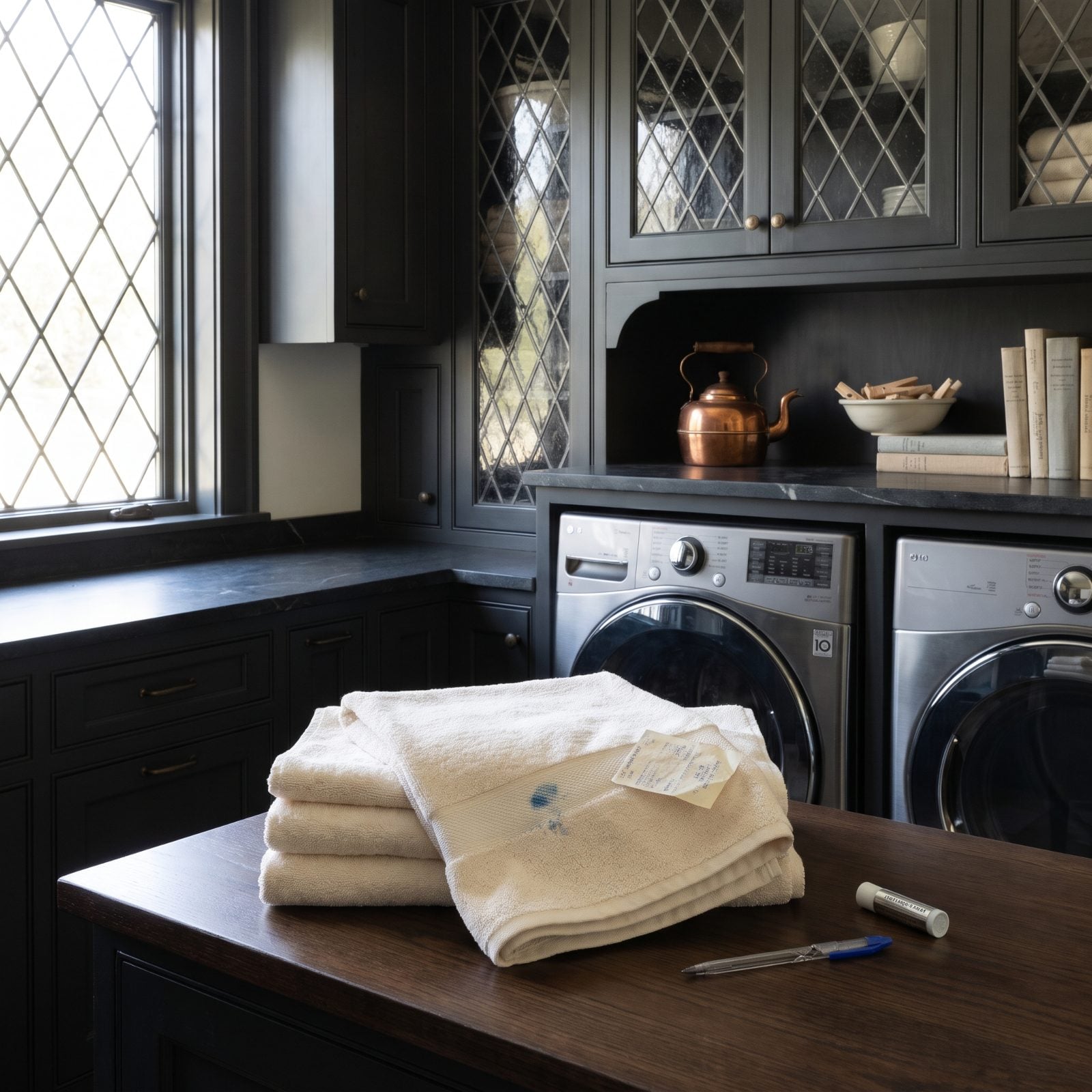
The forgotten pocket is a small gamble you lose eventually. One tissue explodes into lint across a dark load. A leaky pen writes blue all over a white wash. And a stray crayon or lip balm melts in the dryer and spreads grease across everything it touches.
The damage usually hits the whole load, not one item. Check every pocket, front and back, before anything goes in. Zip zippers, close velcro, pat down jeans and jackets. It’s the least glamorous habit in laundry and the one that saves the most shirts.
13. Choosing Water Hotter Than the Care Label Allows
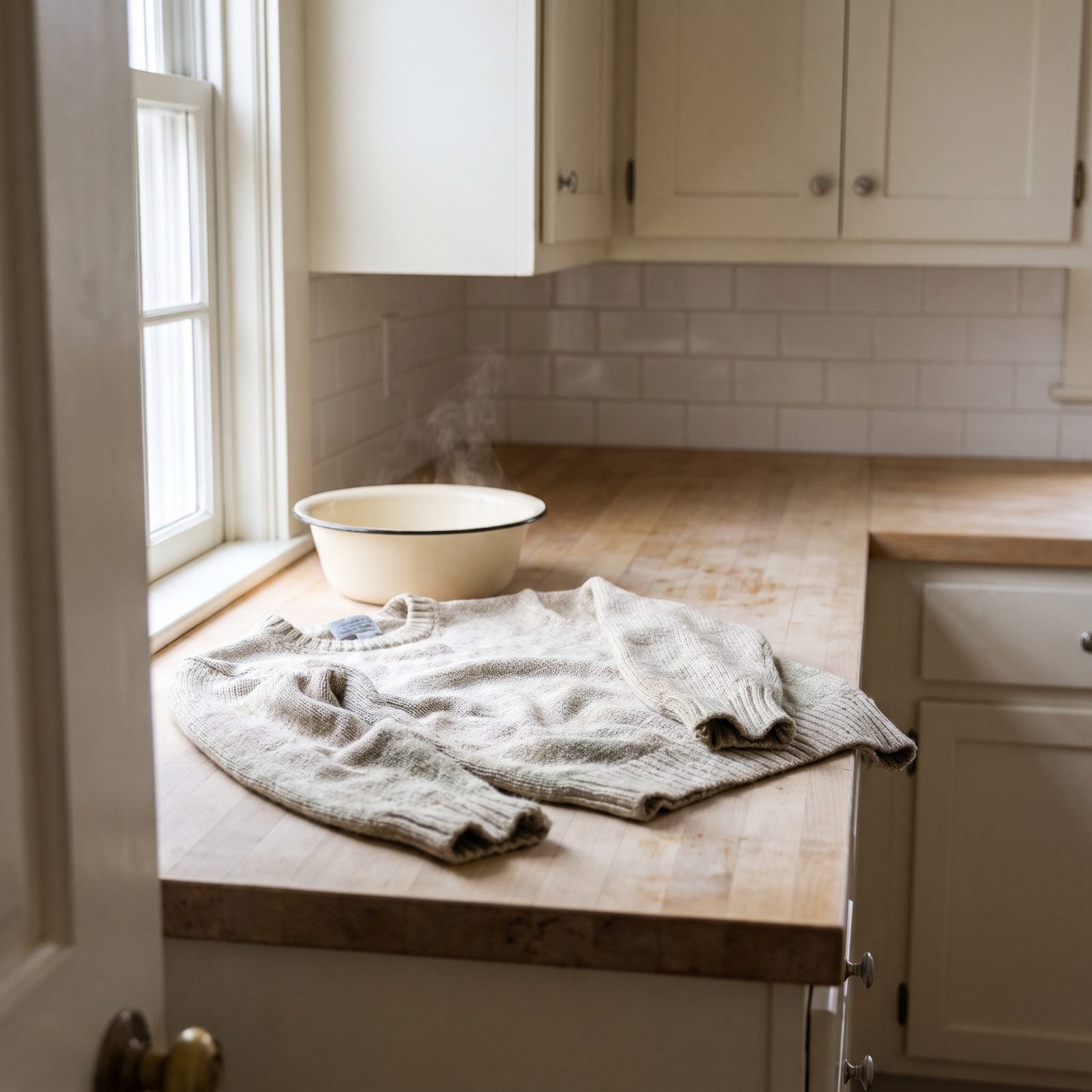
Hot water feels like it should mean cleaner clothes. Mostly it means smaller ones. Heat relaxes the fibers in cotton and wool, and they snap back shorter, which is why that favorite sweater now fits a twelve-year-old.
And the damage sticks. Once fibers contract in high heat, there’s no reliable way to coax them back to full size. Natural fibers are the worst offenders, though plenty of blends shrink right along with them.
Read the label and believe it. When it says cold or 30 degrees, that number isn’t a suggestion from a cautious lawyer. Cold water cleans almost everything fine with a decent detergent, and it spares the garment. Warm is for genuinely soiled, sturdy cottons. Hot you save for towels and sheets you actively want to sanitize.
12. Using Vigorous Agitation on Lace and Loose Knits
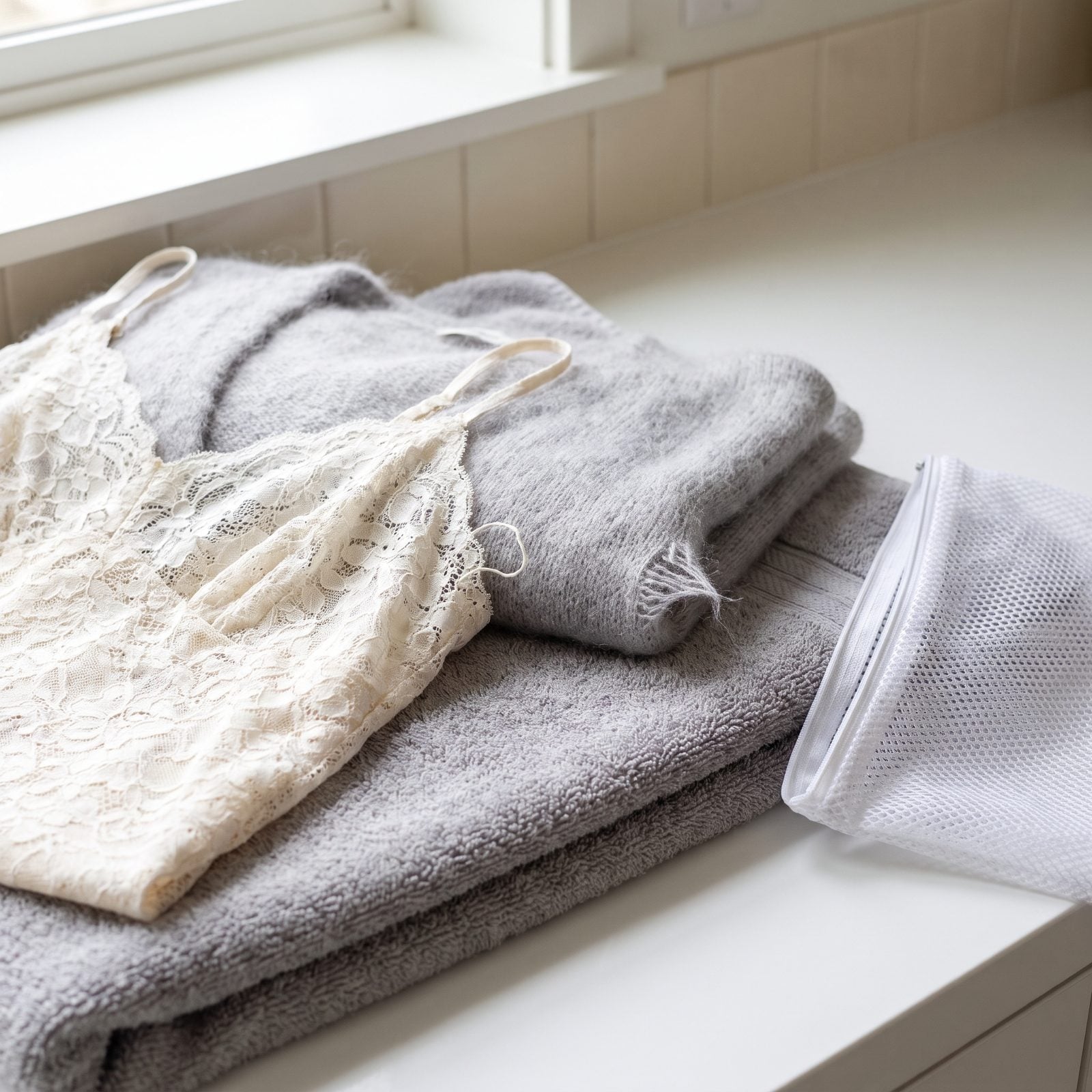
Lace and loose knits don’t want a fight. The regular wash cycle gives them one anyway, thrashing them against zippers, buttons and the drum until threads pull and the whole shape goes slack.
Loose knits stretch out of shape when they get yanked around wet, and lace snags on anything with an edge. Pull one thread and the run spreads.
Drop these into a mesh bag and run a delicate or hand-wash cycle. Better yet, do them by hand in cool water, press the water out, never wring. We wrung out a knit top once in a hurry and it came out with one sleeve noticeably longer than the other. Lesson learned the hard way.
11. Machine-Washing Structured Underwire Bras Without Protection
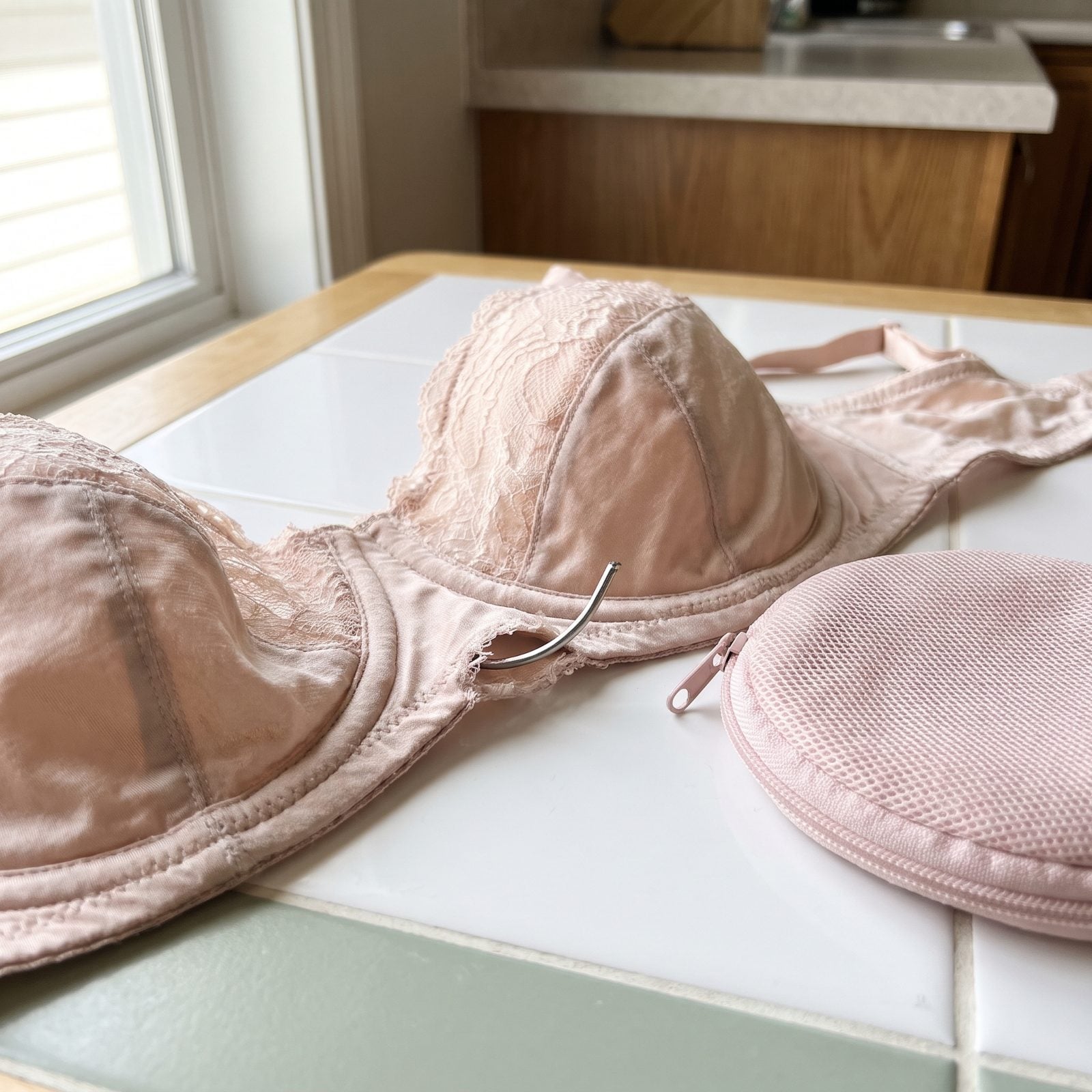
A good structured bra is a precisely built thing, and the washing machine treats it like a rag. Underwires bend, molded cups crease, and eventually a wire works its way out through a stressed seam. Then it stabs you all day, which is its revenge.
A warped cup never sits right again, and a replacement for a well-fitting bra is neither cheap nor quick to find. The spin cycle is especially brutal on the shaped foam.
Use a zippered lingerie bag, hook the clasps shut first so they don’t snag other things, and wash on gentle in cold. Then skip the dryer entirely and let it air-dry flat. Heat is what kills the elastic and the shape faster than anything.
10. Putting Wool, Rayon, Bras or Elastic Garments in a Hot Dryer
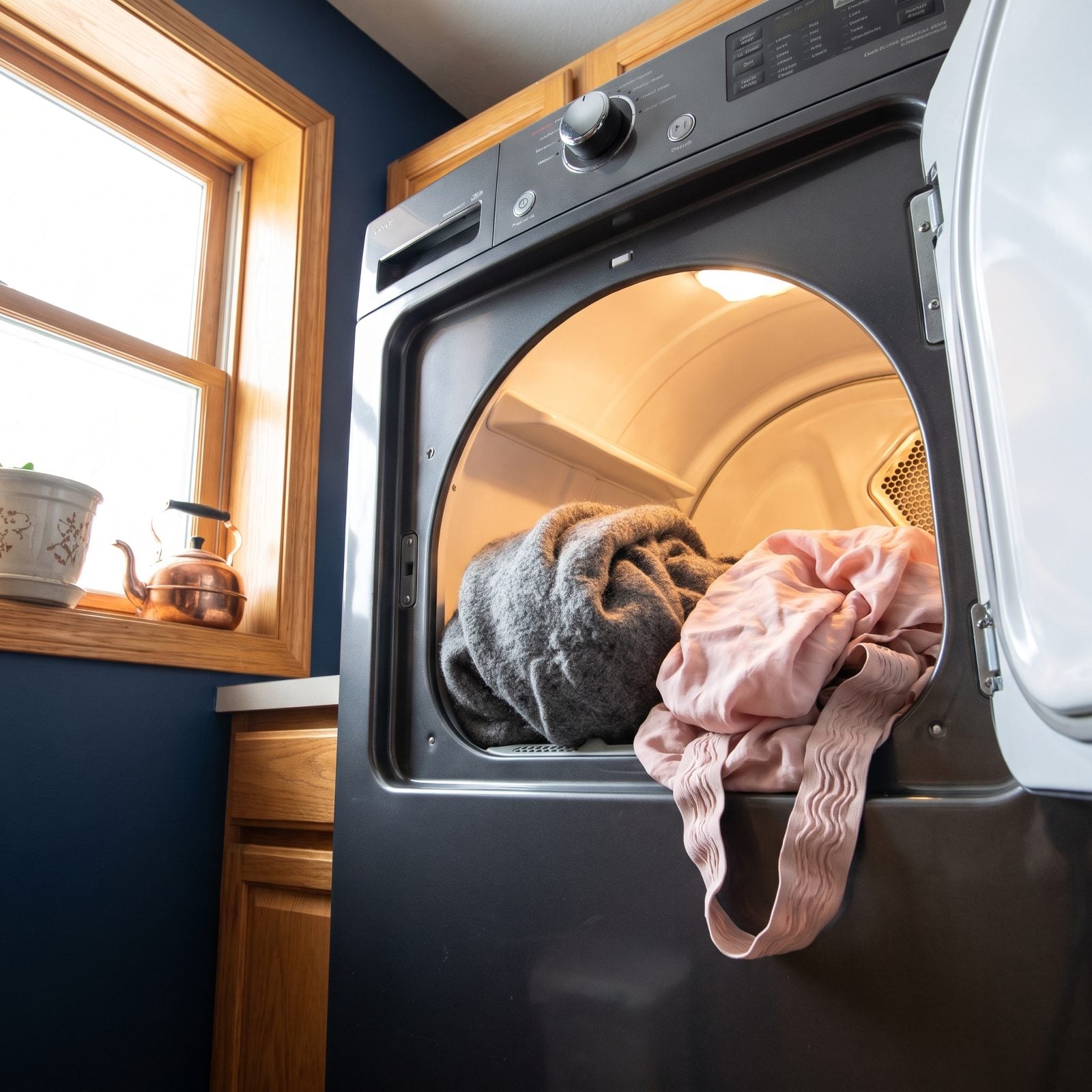
The dryer is where wool goes to die. High heat plus tumbling turns a sweater into felt, and that one’s irreversible. The fibers lock together and the whole thing shrinks into a dense little mat you couldn’t stretch back with a crowbar.
Rayon loses its drape and shrinks. Elastic, the stretchy stuff in waistbands, bra bands and leggings, breaks down under heat and goes permanently slack and wavy. That’s why old gym shorts fall down.
Heat is the enemy of anything that stretches. Full stop.
Lay wool and rayon flat to dry. Hang bras and anything with elastic. If you must use a machine, air-dry or no-heat only, and even then, be sparing.
9. Overdrying Cotton T-Shirts and Towels
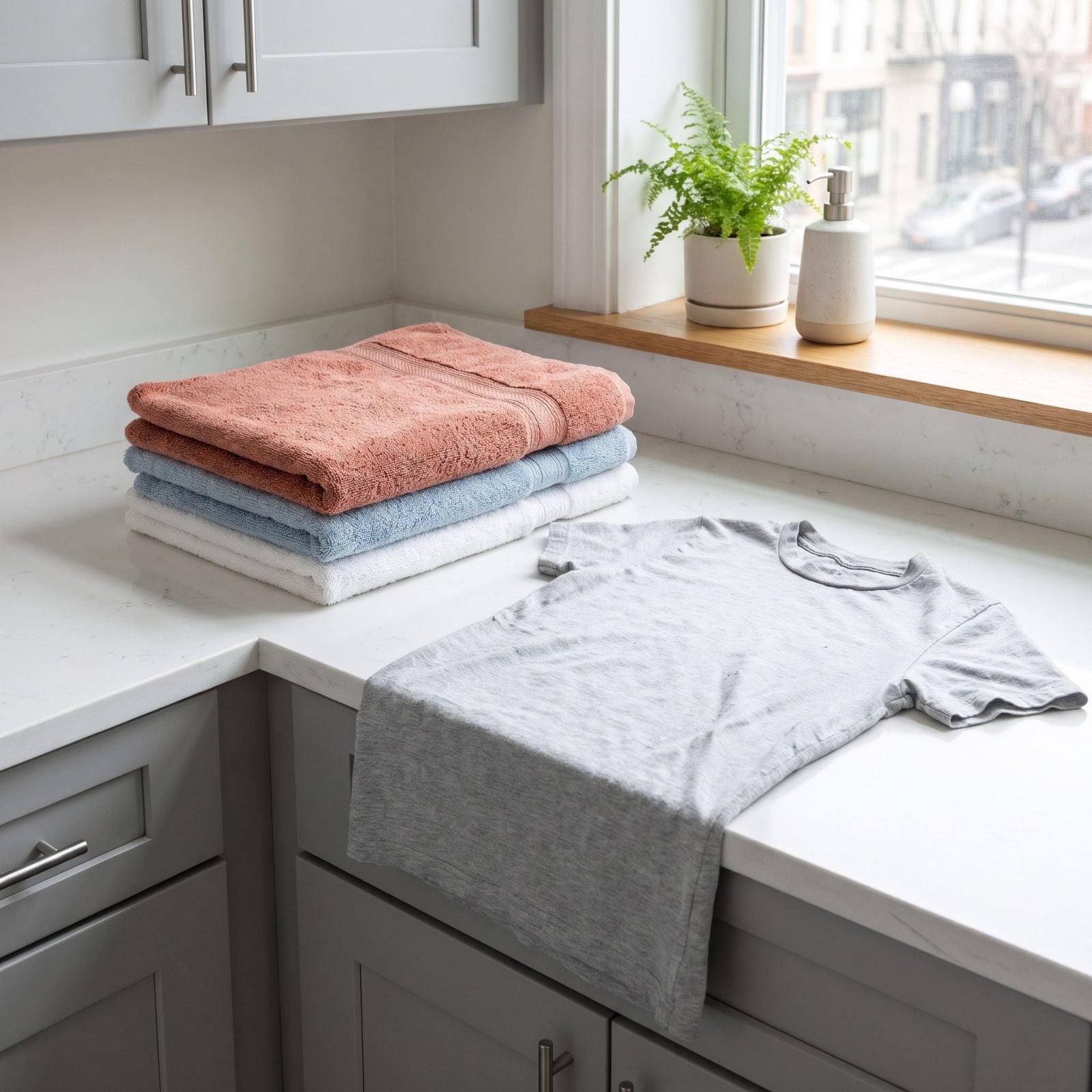
Running the dryer until everything is bone-dry and then some feels thorough, but it’s slowly wrecking your cottons. Every extra minute of high heat beats up the fibers, and that’s where the pilling, the thinning and that rough, scratchy feel on old towels come from.
Towels lose their absorbency this way, ironically. Baked-dry loops flatten and stop soaking up water. Collars curl, fabric thins.
Pull cottons while they’re still just barely damp and let the last of it air-dry, or use a lower heat and a moisture-sensing cycle if your dryer has one. Your towels stay fluffy and your shirts last years longer.
8. Drying Mixed-Weight Fabrics Until the Heaviest Piece Is Done
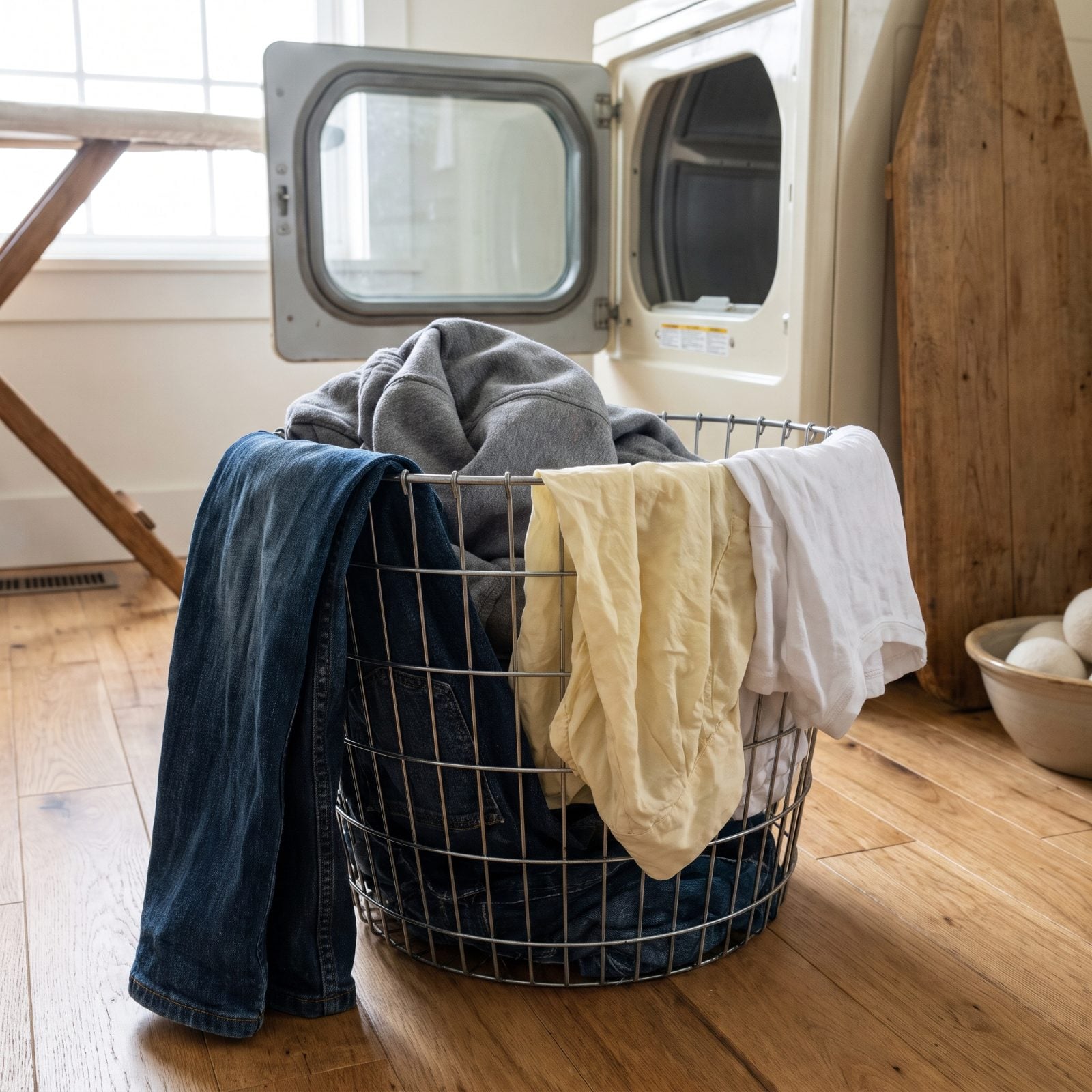
Toss jeans, towels and thin tees in together and the dryer runs until the heaviest item is dry. By then the lightweight pieces have been cooking a good while longer, going stiff and tired while the denim finally catches up. The thin stuff takes the punishment for the thick stuff’s benefit, and that’s how a brand-new t-shirt ages a year in a single load.
So sort loads by weight, not just color. Light fabrics together, heavy fabrics together. If you can’t be bothered, at least fish the thin pieces out partway through and hang them to finish. Thirty seconds, and the garments live.
7. Packing the Dryer Too Full for Fabrics to Tumble
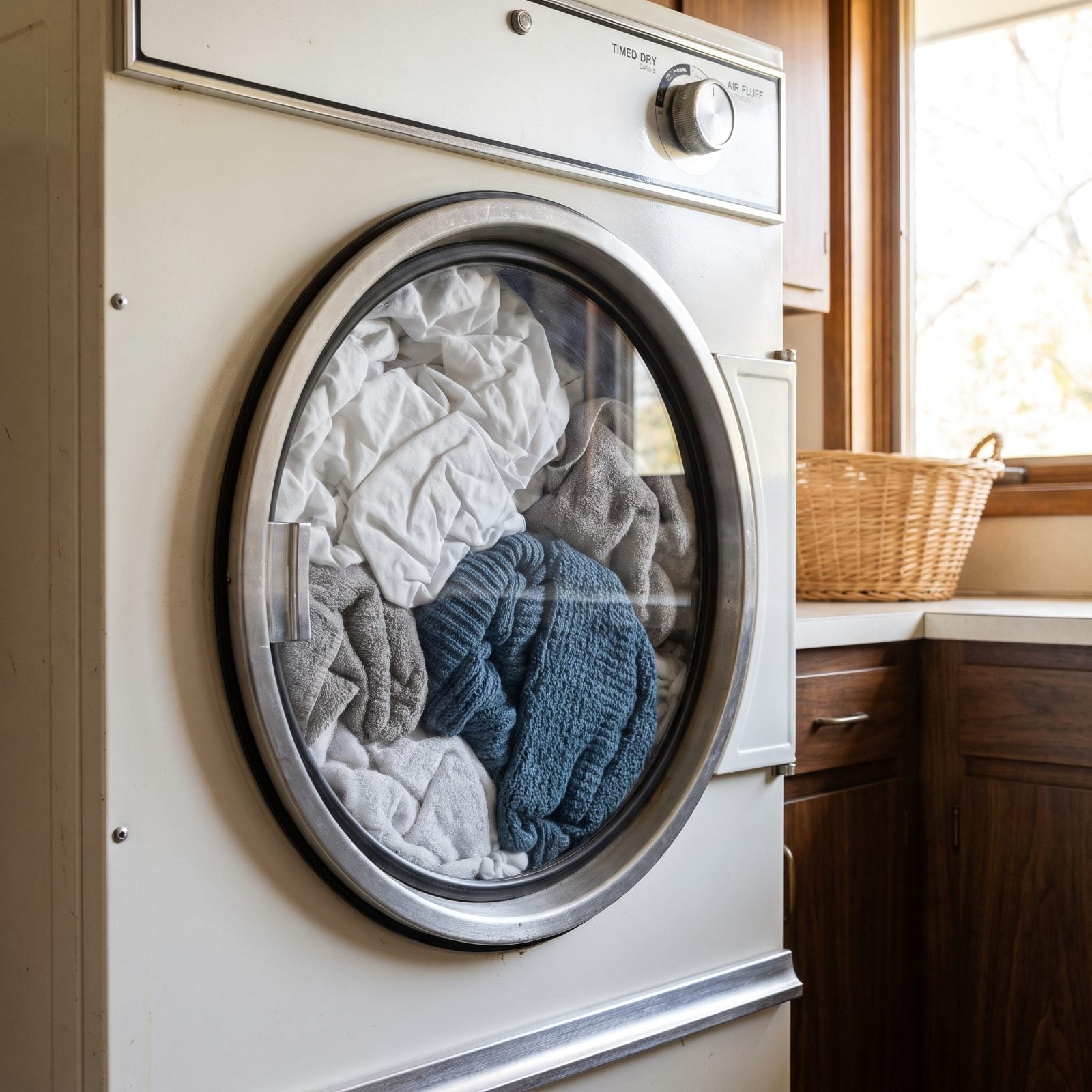
Cramming the dryer saves a cycle. It costs you everything else. Fabric needs room to tumble so warm air can move through it, and when you pack it tight the clothes just sit in a damp clump, half-drying, wrinkling deep, forcing you to run the whole thing again.
Worse, the parts that do dry get uneven heat, and all that packed fabric grinding against itself speeds up pilling. Nothing comes out right.
Fill the drum no more than about two-thirds. The clothes should fall and flip freely when the drum turns. A looser load dries faster, wrinkles less and uses less energy, which is a rare case of the gentler option also being the quicker one.
6. Washing Raw Denim More Often Than Necessary
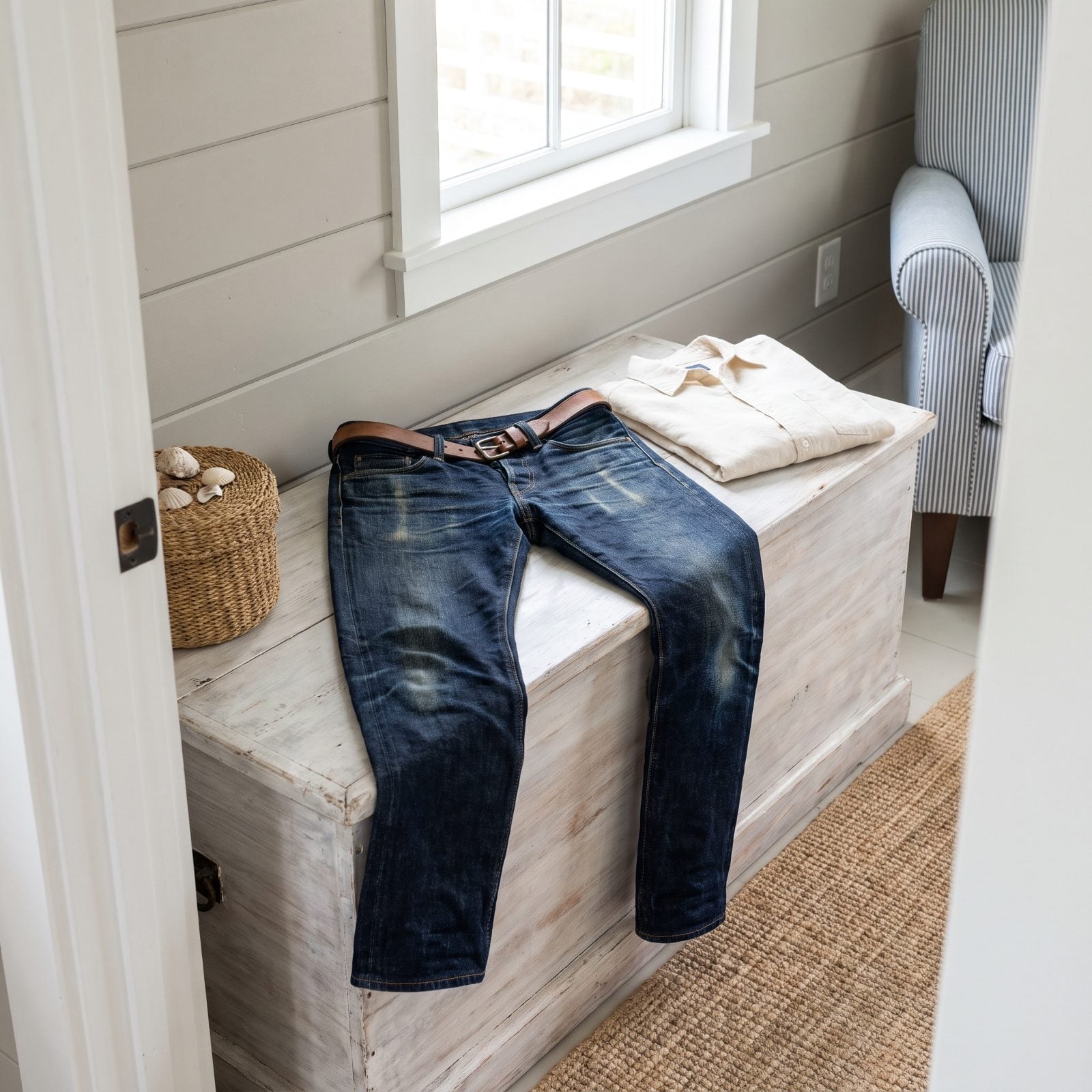
Raw denim people are a little intense about this. They’re also right. Every wash pulls indigo out of the fabric and softens those sharp fade lines that made the jeans worth buying in the first place. Wash them constantly and you end up with generic faded denim like everyone else’s.
The character of good denim comes from wearing it, not washing it. The creases set where your body bends.
Hang them to air out between wears, spot-clean small spills, and wash only when they genuinely need it, maybe every few months of regular wear. When you do, turn them inside out, cold water, hang to dry. The payoff is fade lines nobody else has.
5. Leaving Dark Clothing in Direct Sunlight for Hours
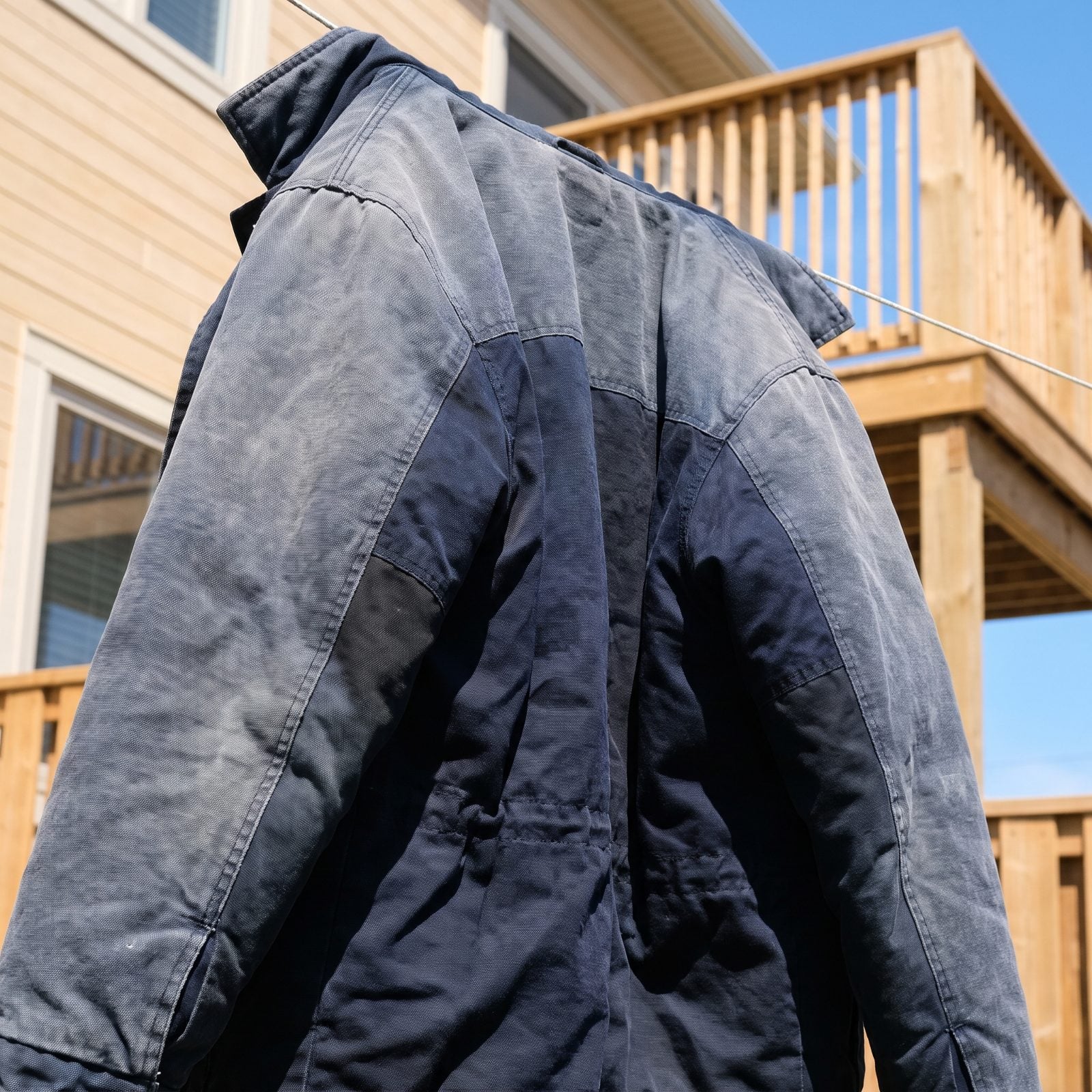
Line-drying is good for your clothes and your energy bill. But line-drying darks in blazing sun is a slow bleach. UV light breaks down dye, and dark fabrics show it fast, going dull and patchy wherever the sun hits hardest.
What really stings is how uneven the fade turns out. Shoulders and front wash out while the folds stay dark, so the shirt looks blotchy rather than evenly worn.
Dry darks in shade, indoors, or turn them inside out so the fading happens on the hidden side. A covered porch or a breezy spot out of direct sun gives you every benefit of air-drying without the color loss. Full sun is for whites and towels, which don’t mind a bit.
4. Bleaching White Fabrics So Often That Fibers Weaken
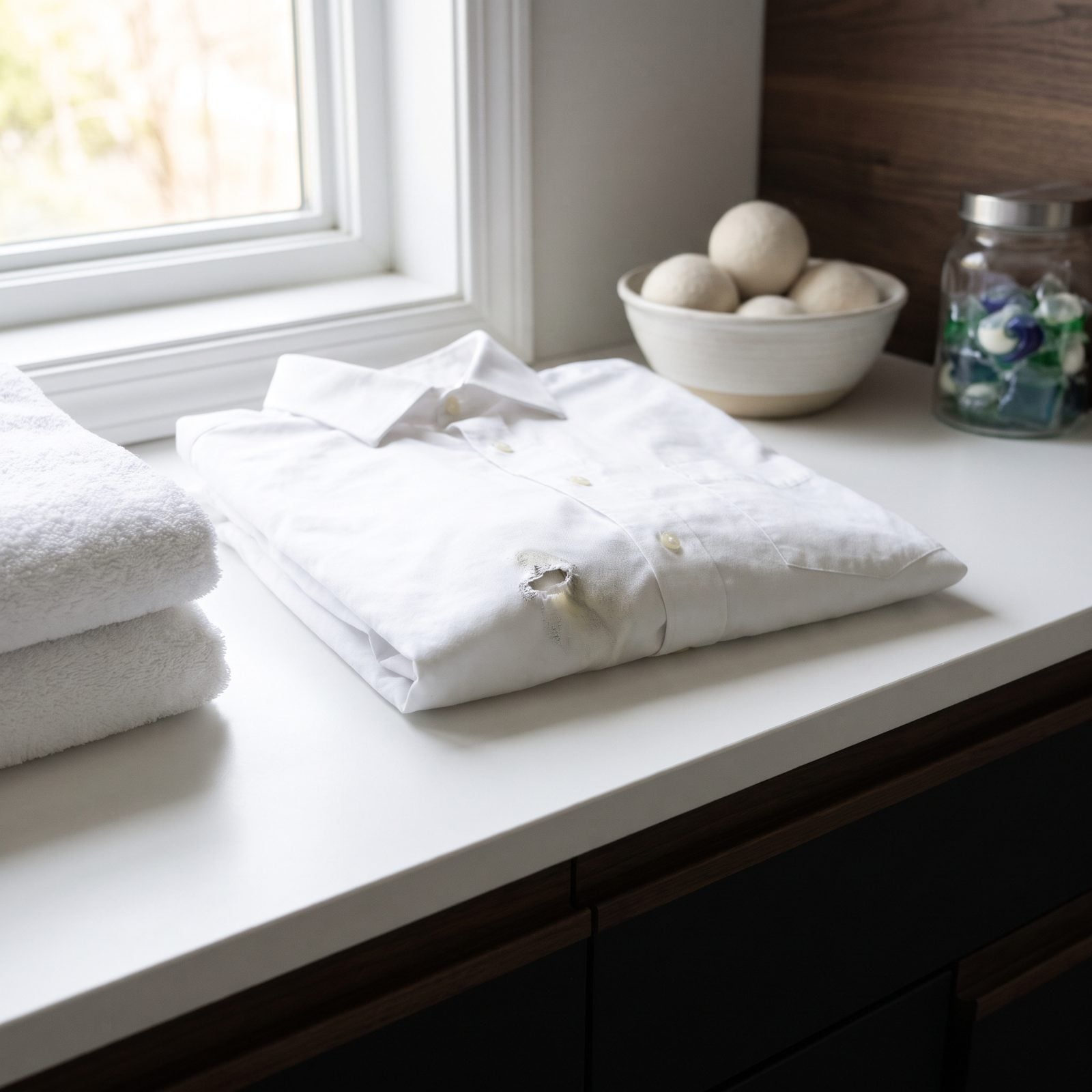
Chlorine bleach is a sledgehammer, and treating it like a routine detergent is how white shirts end up with thin spots and frayed collars. It whitens by chemically attacking, and it doesn’t stop at the stain. It eats the cotton fibers too, every single time.
Here’s the cruel part. Over-bleached whites often turn yellow-grey, the exact opposite of what you wanted. The weakened fibers hold onto a dingy cast and start to fall apart.
Use bleach sparingly, diluted, never straight on the fabric, and reach for oxygen-based bleach or a good enzyme detergent for regular brightening instead. Chlorine is for the occasional deep rescue. White clothes last far longer when bleach is the exception, not the Tuesday routine.
3. Pouring Undiluted Bleach Straight Onto the Fabric
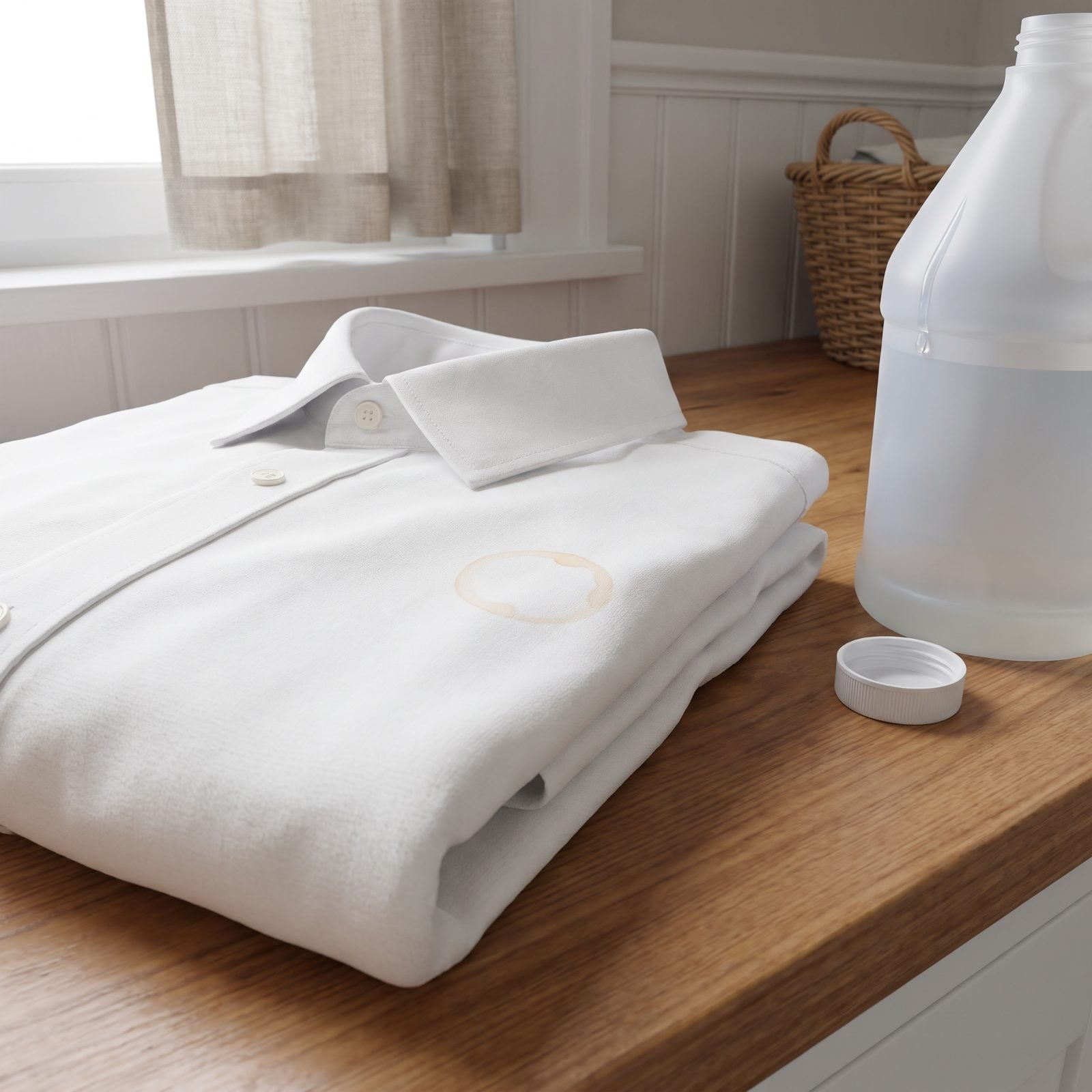
That splash of bleach straight from the jug onto a stubborn stain feels decisive. It’s also the fastest way to put a permanent hole where a spot used to be. Full-strength sodium hypochlorite doesn’t just lift color — it chews through the fibers, leaving thin, brittle patches that tear the next time the garment goes through a wash.
And those yellow-orange blotches everyone blames on dirt? Often that’s bleach oxidizing the fabric, plus the residue left sitting in the weave. So dilute it. Always. A quarter cup or so into a full washer of water works, or make a weak solution in a bucket before anything touches cloth. Spot-treating? Test a hidden seam first, because the inside of a collar is a lot more forgiving than the front of a shirt.
2. Zipping a Still-Damp Down Coat Into Storage for the Season
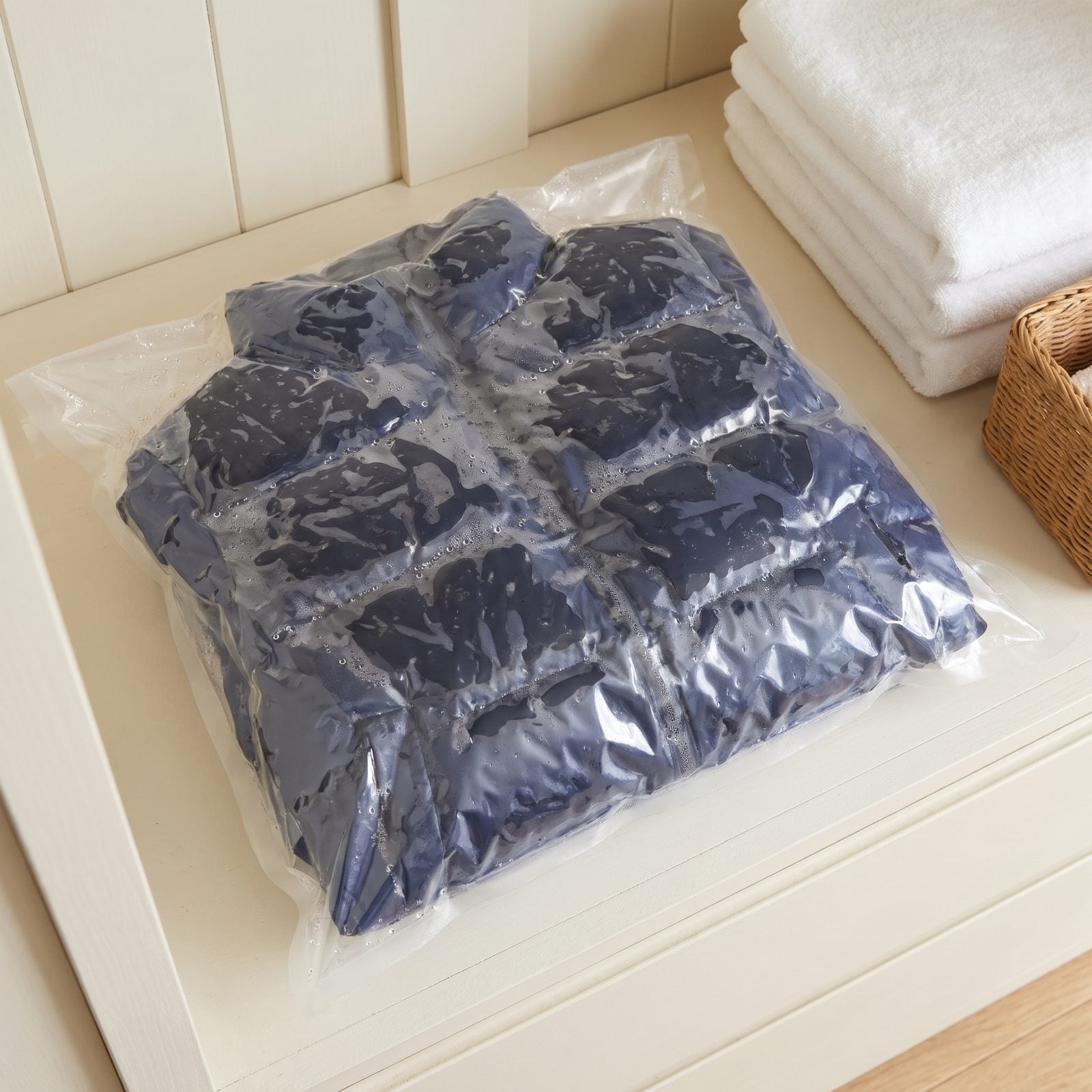
A down coat can feel bone-dry on the outside and still hold moisture deep in the clusters. Seal that into a bag for six months and you’re growing mildew where you’ll never spot it until it’s too late. The damp also mats the down into clumps that never fully bounce back. Then November arrives, you pull the coat out, and it’s lumpy, thin in patches, faintly musty.
Give it real drying time. Tumble it on low with a couple of clean dryer balls until every cluster is fluffed and dry — longer than you’d guess. Then store it loose in a breathable cotton bag. Not vacuum-sealed. Not crammed into a corner. Down needs air to stay down.
Compressed for a weekend trip, fine. Compressed for a season, and the loft that keeps you warm is the thing you lose first.
1. Running Loads in a Washer With a Rusted or Chipped Drum
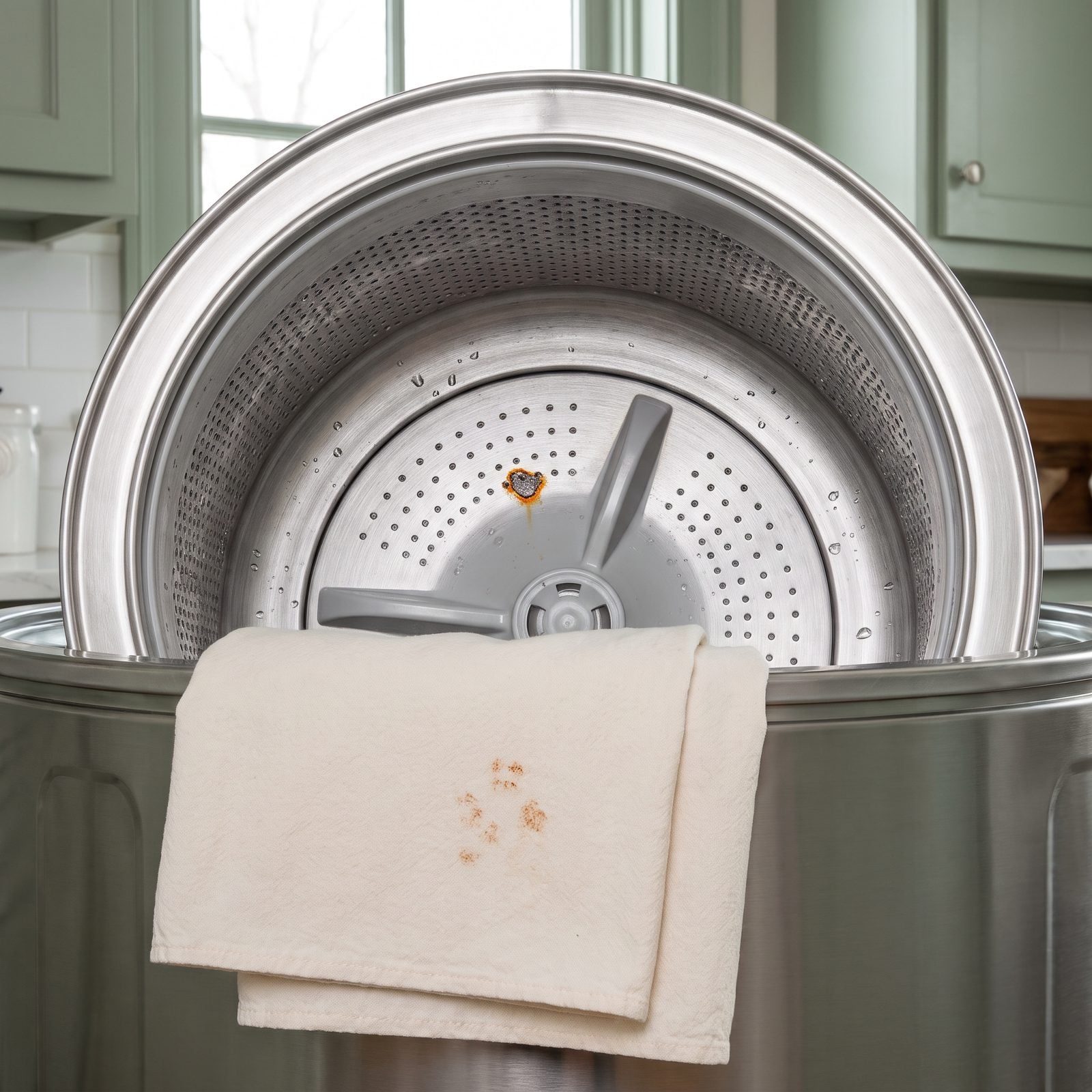
Rust spots that appear out of nowhere on clean laundry usually aren’t coming from the clothes at all — they’re coming from the machine. A chipped or corroded drum sheds iron oxide into the wash water, and those orange-brown flecks bond right into pale cotton and refuse to let go. A rough chipped edge does worse: it snags knits, pulls threads, and leaves runs and pilling that look exactly like premature wear.
Catch it early. Run a hand gently around the drum and feel for rough patches, flaking, or rust creeping around bolt holes and the detergent dispenser. Surface rust can sometimes be sanded back and sealed with appliance-grade enamel. Deeper corrosion, though, means the drum is done — and often the whole machine with it. Nursing a rusting drum along just quietly wrecks one load after another.