
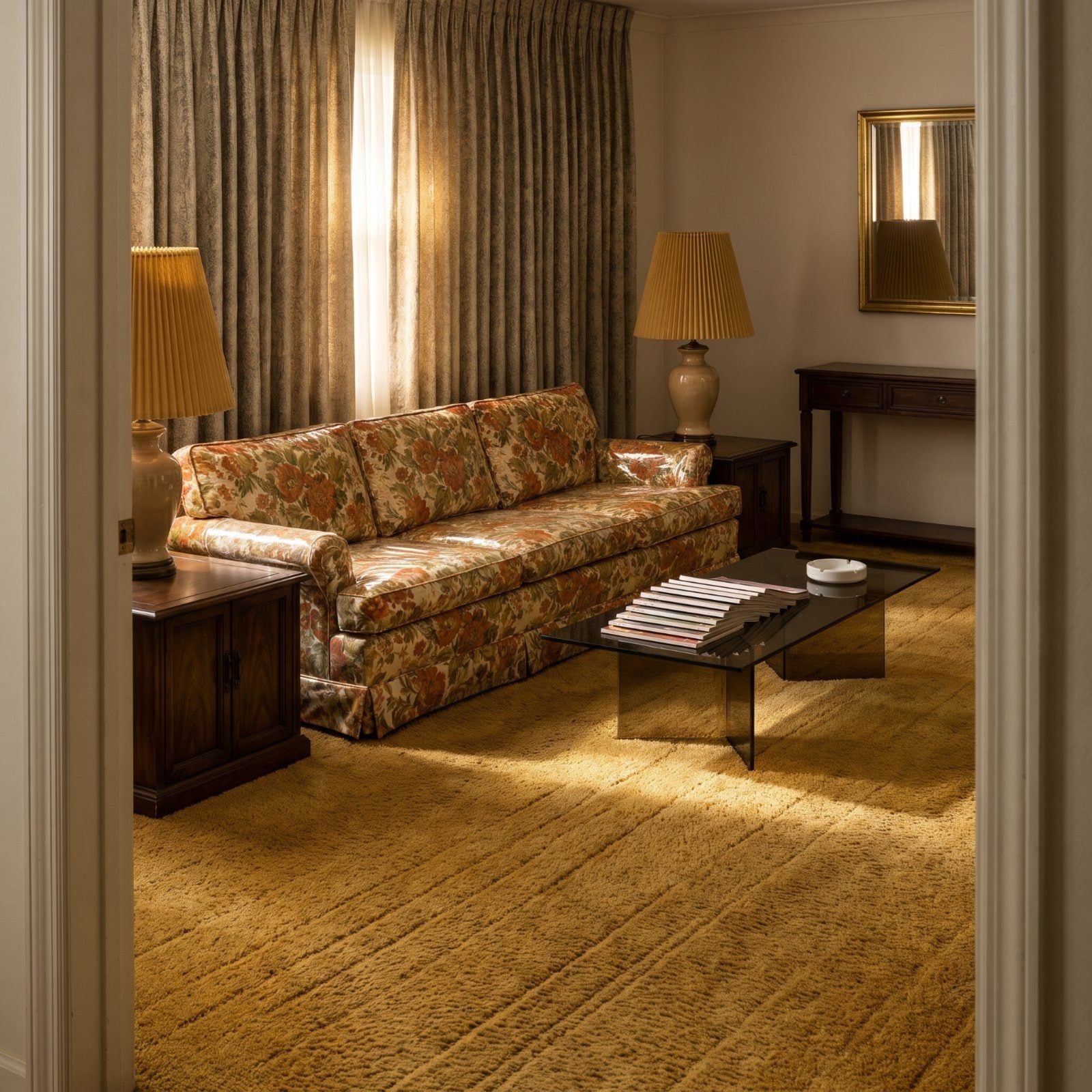
There was a room in the house nobody actually lived in. You knew it by the smell: vacuumed carpet, lemon furniture polish, and a faint plasticky tang from the vinyl runner protecting the sofa cushions. Ceramic lamps. Drapes drawn against the sun so the upholstery wouldn’t fade. And if you were a kid, you learned early that this room ran on laws nobody wrote down but everybody obeyed. It waited all week for guests who rarely came. These rituals played out across millions of middle-class homes, and if you grew up in one, your shoulders are already tensing.
Please note that some of the images in this article were created with the assistance of AI.
37. Everyone Called It the “Good” Living Room
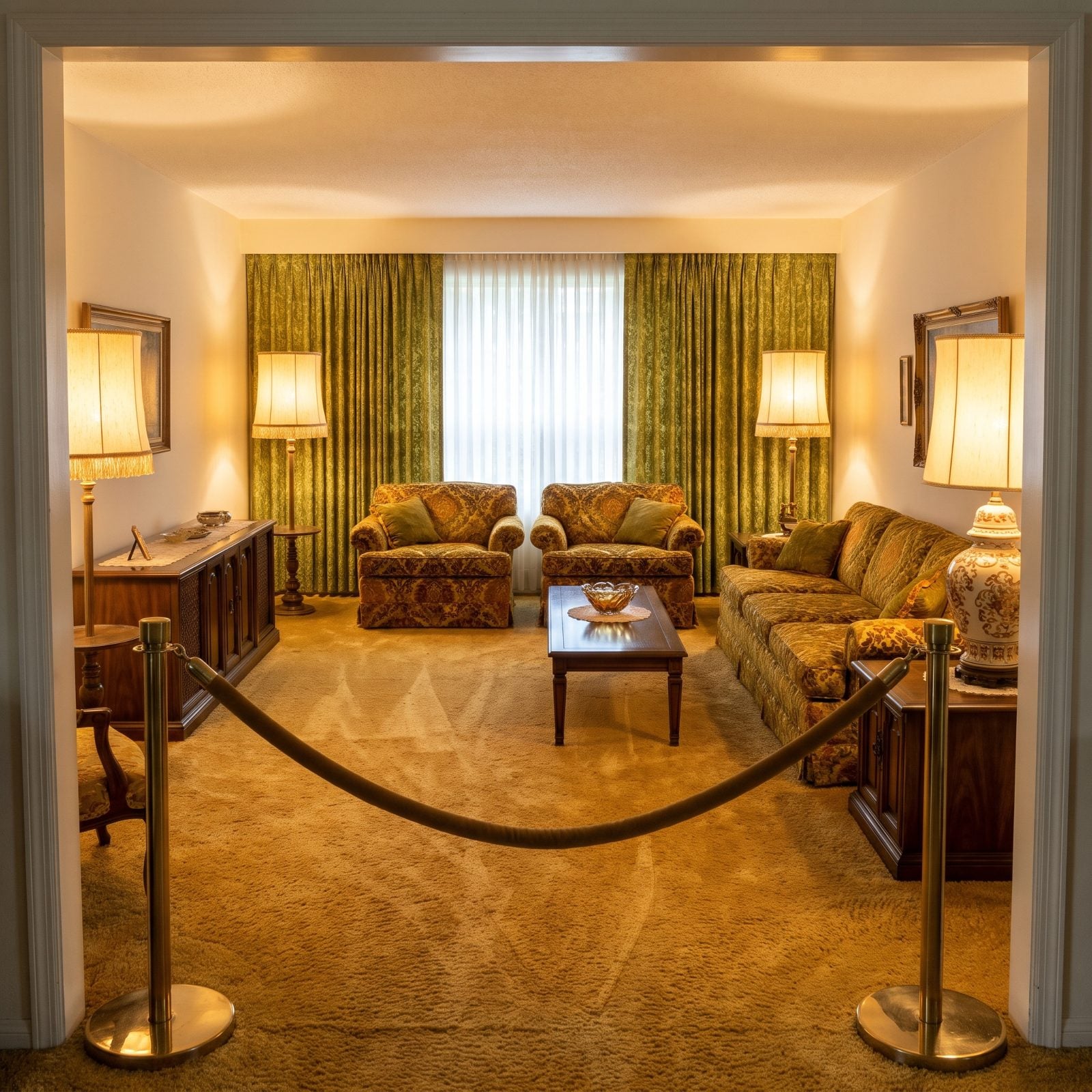
The word “good” did a lot of heavy lifting. It meant this room was better than the one you were allowed to breathe in. Here the furniture cost more and somehow showed it less. Somewhere else in the house there was a lesser living room, the real one, and this was its polished twin that never got dirty.
The candy dish said everything. Full of hard sweets in crinkly wrappers, set out for guests, and you learned fast it was a trap. Touch one and the whole room knew.
36. Children Had to Ask Permission to Enter
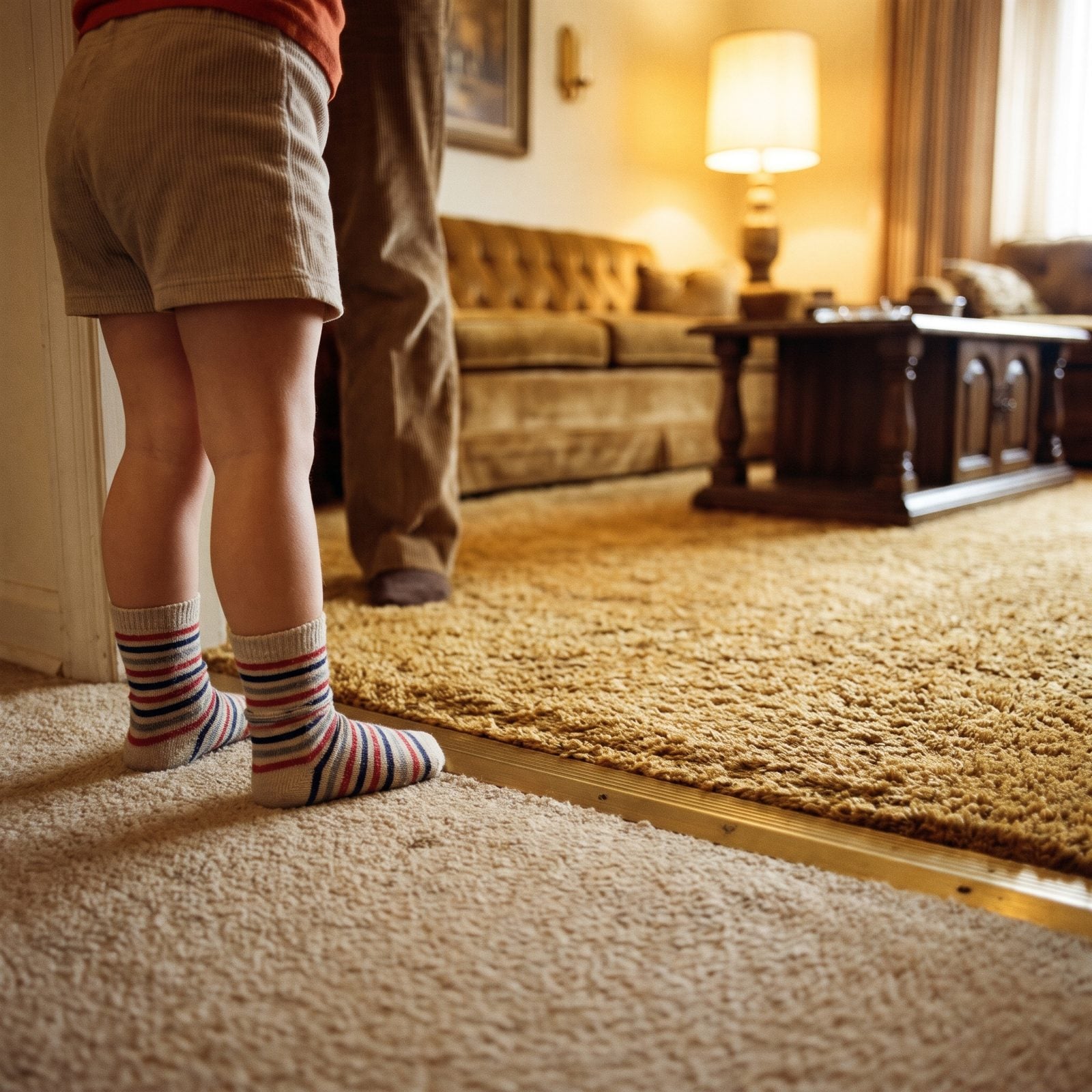
You stood at the threshold like it was a border crossing, where the carpet changed under your feet and the light felt different, and crossing in without a reason counted as a small crime. Most kids never fully relaxed in there. Not once.
Permission came with conditions: sit still, don’t lean, don’t touch the coffee table. The whole visit felt borrowed, like you had to hand the room back exactly as you found it.
Plenty of us genuinely cannot remember playing in one of these rooms as children. That tells you everything about how well the rule worked.
35. The Door Stayed Shut Most of the Week
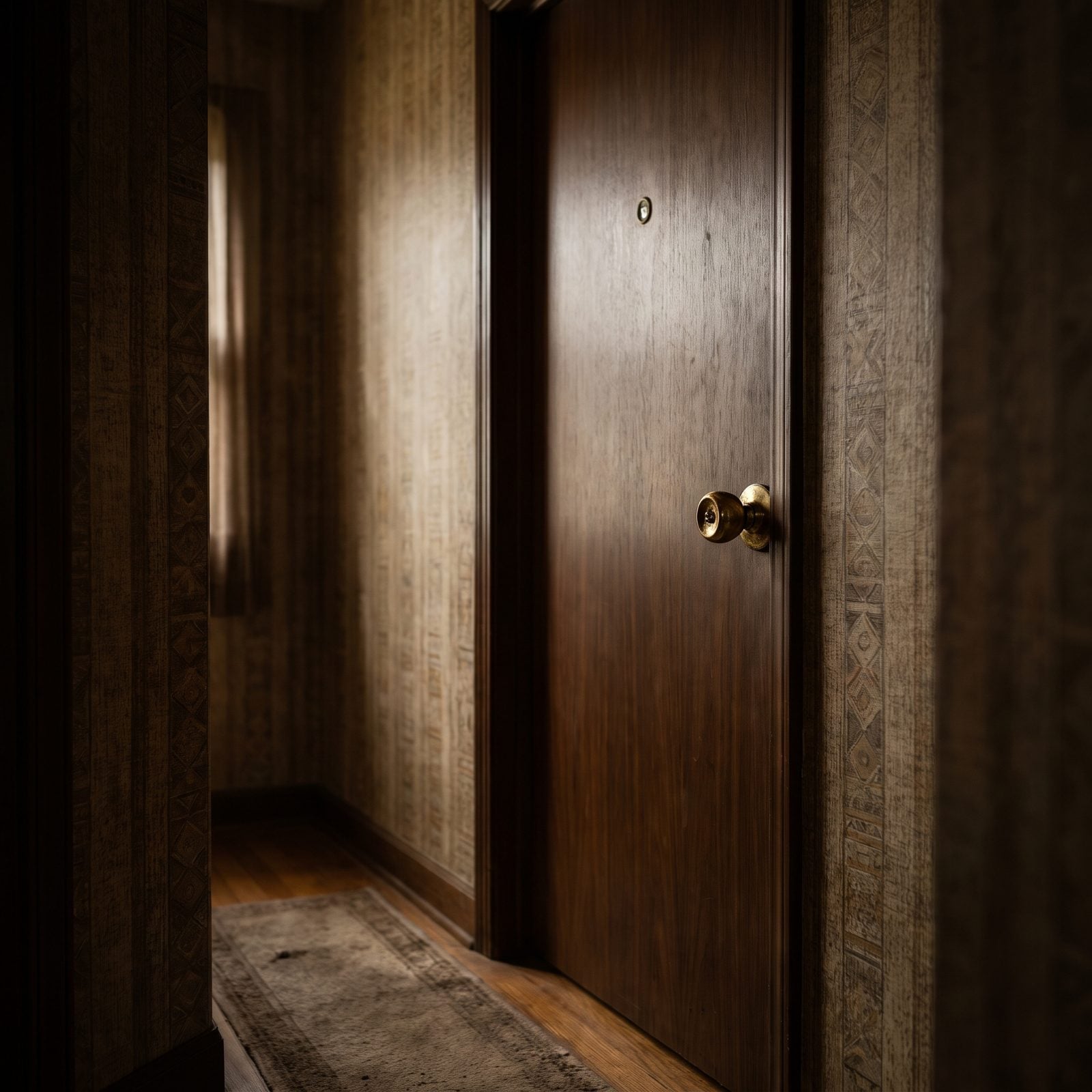
A closed door inside your own house is a strange thing when you stop to think about it. Nobody was in there. Nothing was happening. And yet it stayed shut, like the room needed privacy from the family that owned it.
Shutting it kept the dust out and the sun off the fabric, and it kept the mystery intact. You’d pass that door a hundred times a week and barely register the pristine little world sealed behind it, waiting.
34. It Was Reserved for Important Visitors
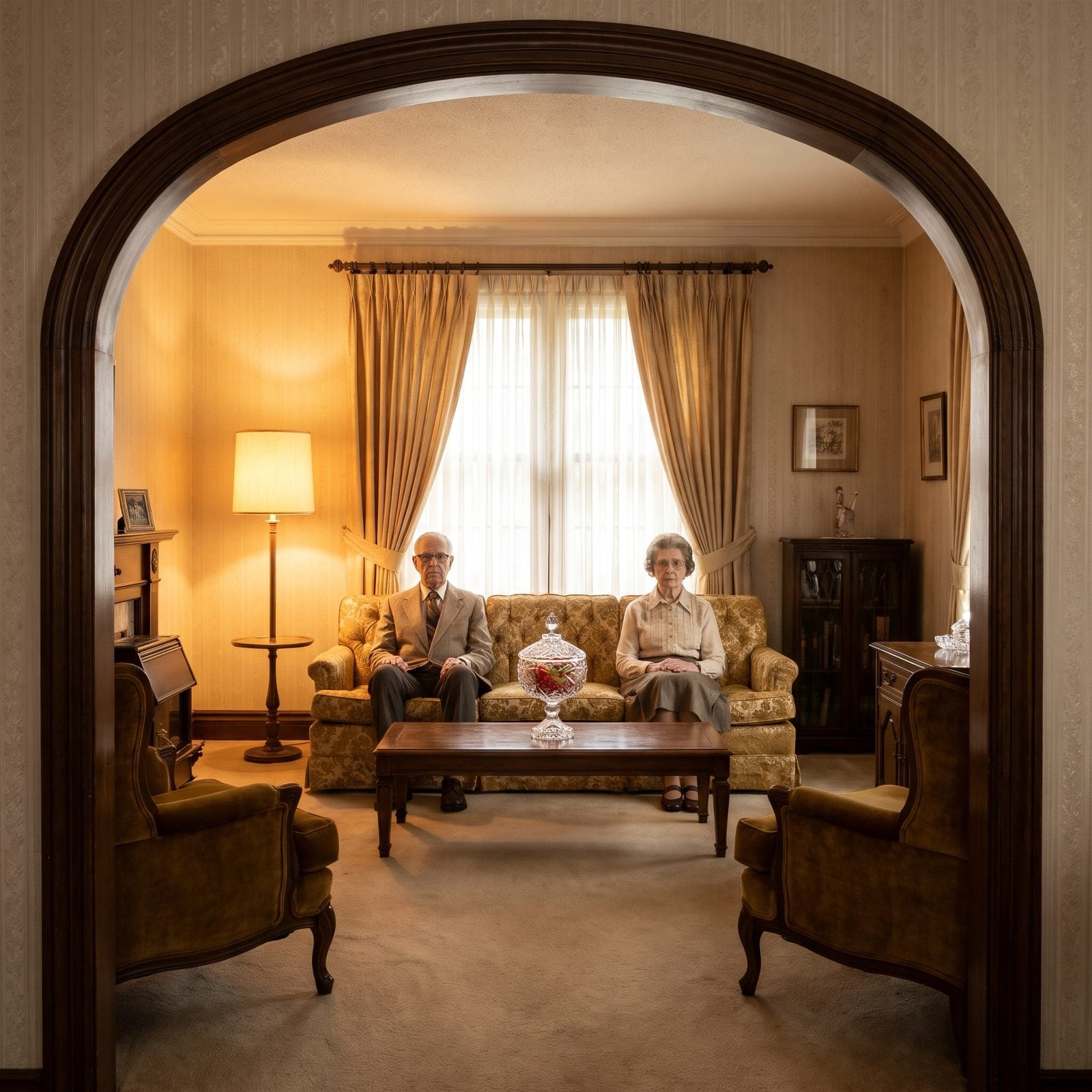
The room woke up for company. The minister, the in-laws, the neighbor who’d done well for herself, the insurance man if he was important enough. Out came the good cups and the cookies arranged like a diagram.
You could rank a guest by which room they got. Kitchen table meant family. The good living room meant you’d arrived, or at least you’d been judged worth impressing.
33. Christmas Was One of the Few Exceptions
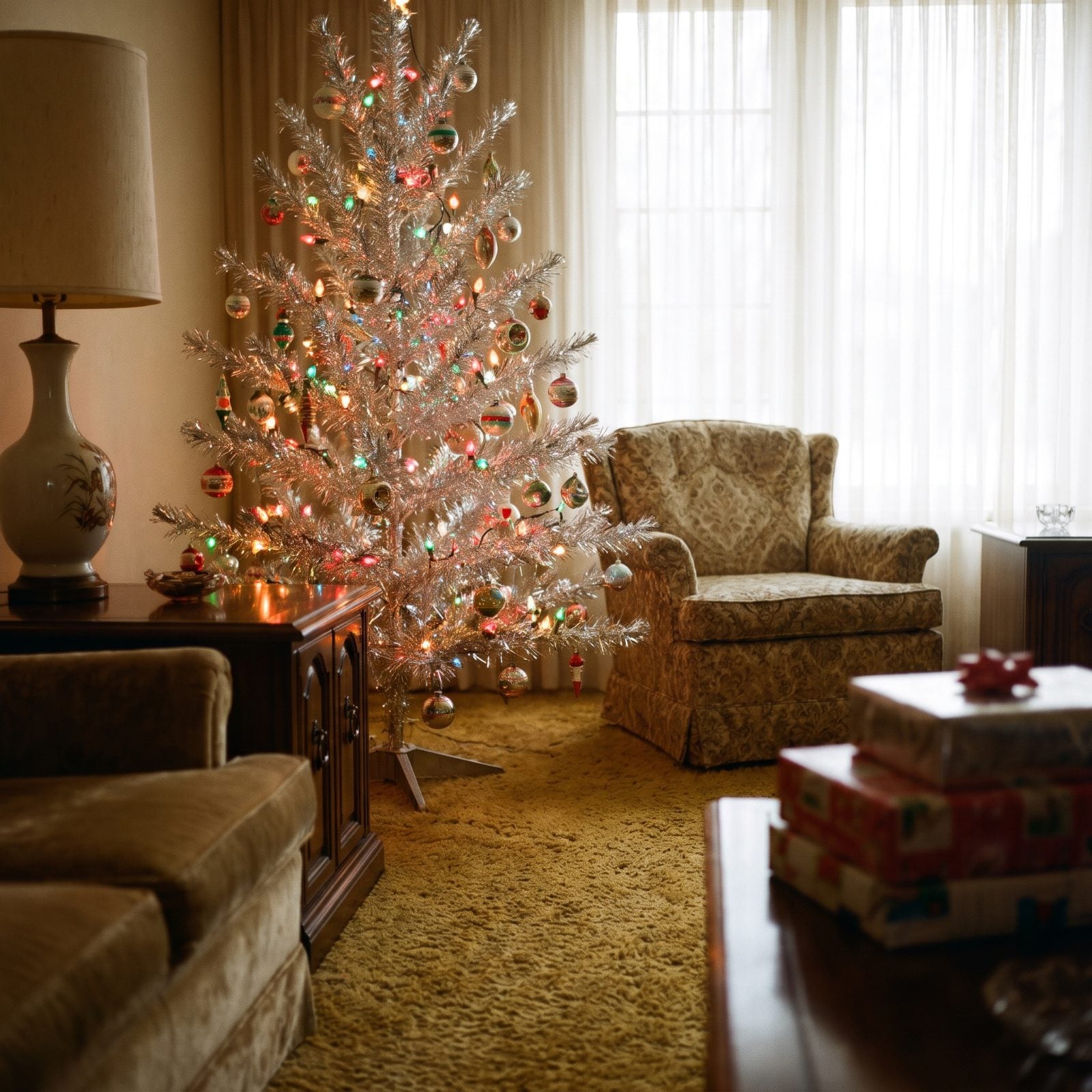
Once a year the good room opened for business. The tree went up in the corner, the one patch of floor space nobody used all year, and suddenly the forbidden carpet held wrapped presents while the drapes framed twinkling lights.
Even then the rules bent without breaking. You could look at the tree. You could sit, carefully, on Christmas morning. But running through it or knocking a glass ornament off its branch? Still out of the question. The room let its guard down for a few days, then locked right back up for the rest of the year.
32. Shoes Were Never Allowed on the Carpet
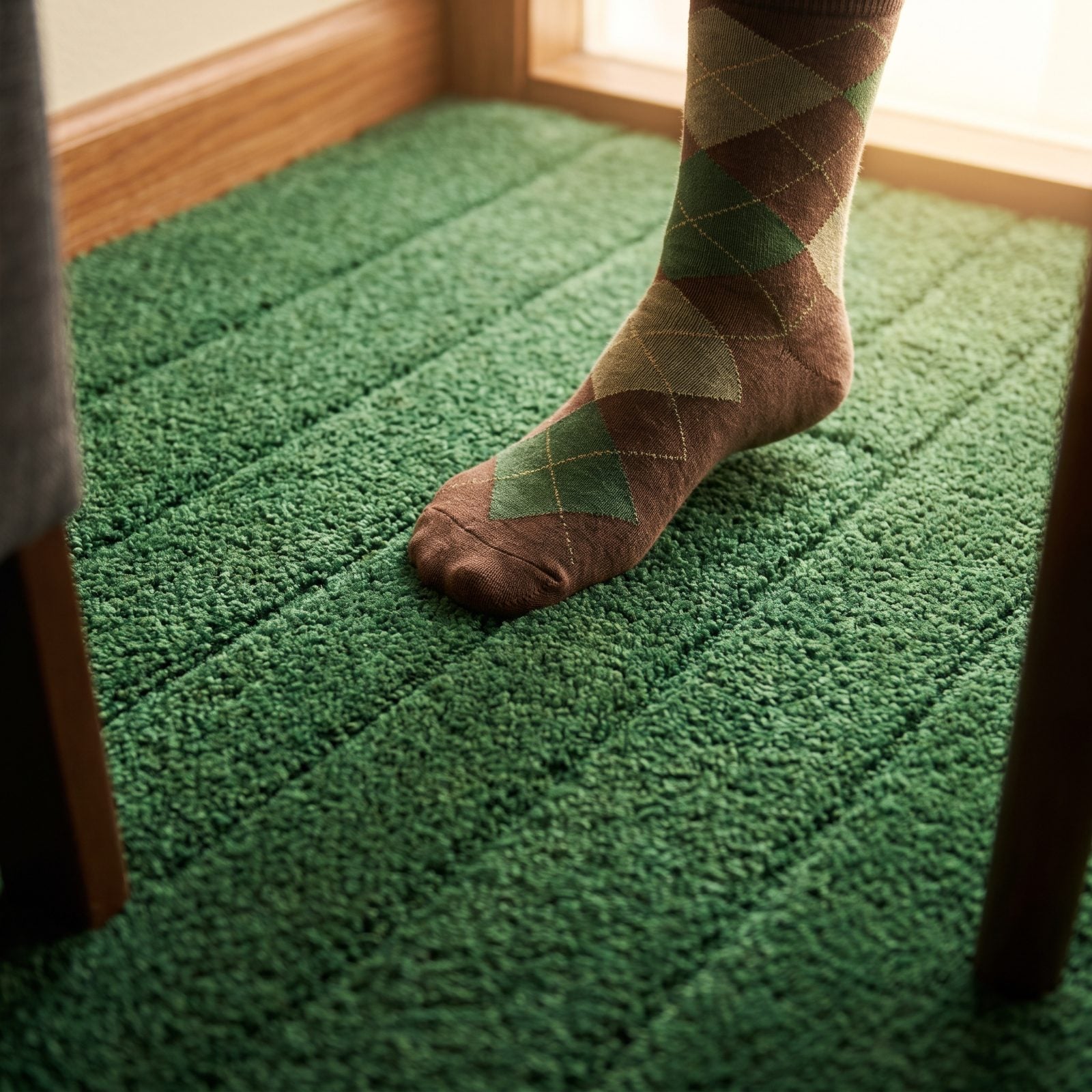
That shag carpet got treated like a golf green. Thick, deep, immaculate, raked into lines by the vacuum and wrecked by a single footprint. You took your shoes off at the edge or you didn’t go in at all.
The vacuum marks were the giveaway, a pristine field of parallel tracks announcing that this room had been serviced and must not be disturbed. Scuff them and someone noticed within the hour.
31. Food Was Strictly Forbidden
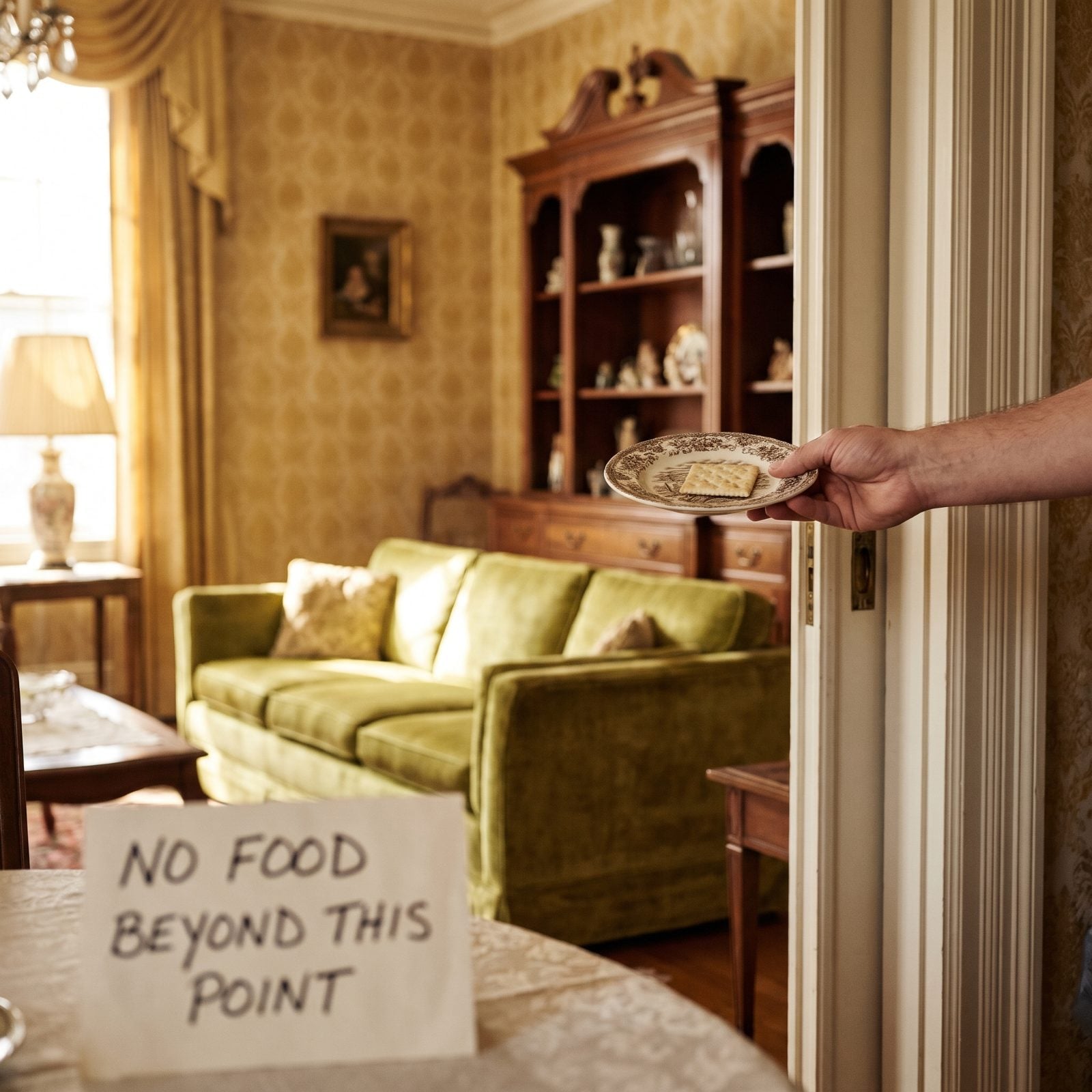
No crackers. No chips. No sandwich wandering in from the kitchen. Food in the good room came close to sacrilege, because food meant crumbs and crumbs meant that carpet, that upholstery, that whole fragile perfection was suddenly at risk.
Here’s the irony: the fanciest treats lived right there. The candy dish, the nut bowl, the mints, all mostly decorative. You could admire the good snacks, but eating one anywhere near the sofa was unthinkable.
30. Toys Were Removed Immediately
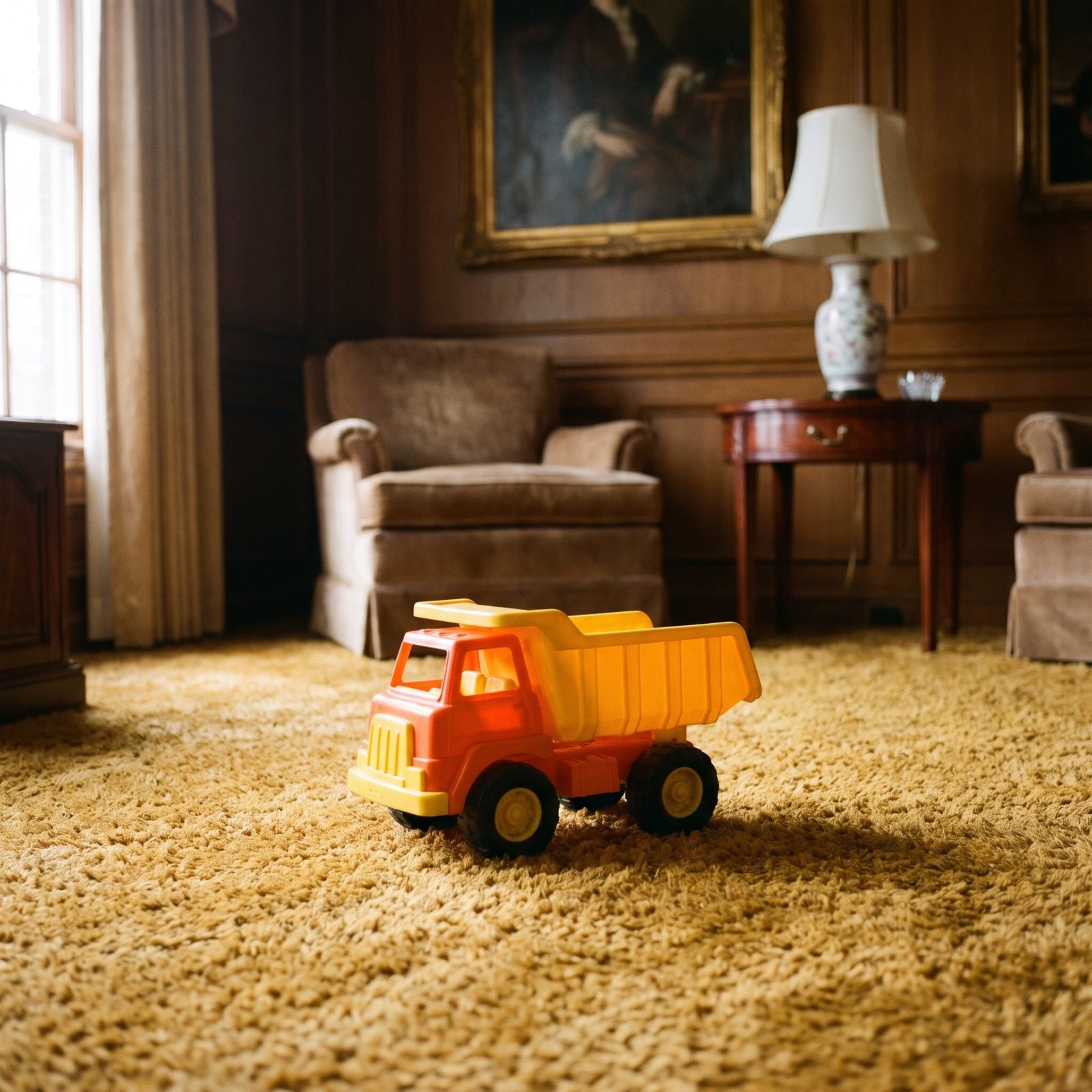
A toy in the good room had a lifespan measured in seconds. It appeared, someone spotted it, and it vanished back to wherever toys were allowed to exist. The room did not tolerate evidence of children.
That was the deepest rule of all. The pristine living room wasn’t just guarded against spills and shoes. It was guarded against ordinary life itself, kept ready for a version of the family that was neater, calmer, and more impressive than the one actually living there. Half of us grew up to throw the vinyl covers in the trash and let the kids sit wherever they liked. The other half still have a room nobody uses. You know which one you are.
29. The Sofa Still Wore Clear Plastic Covers
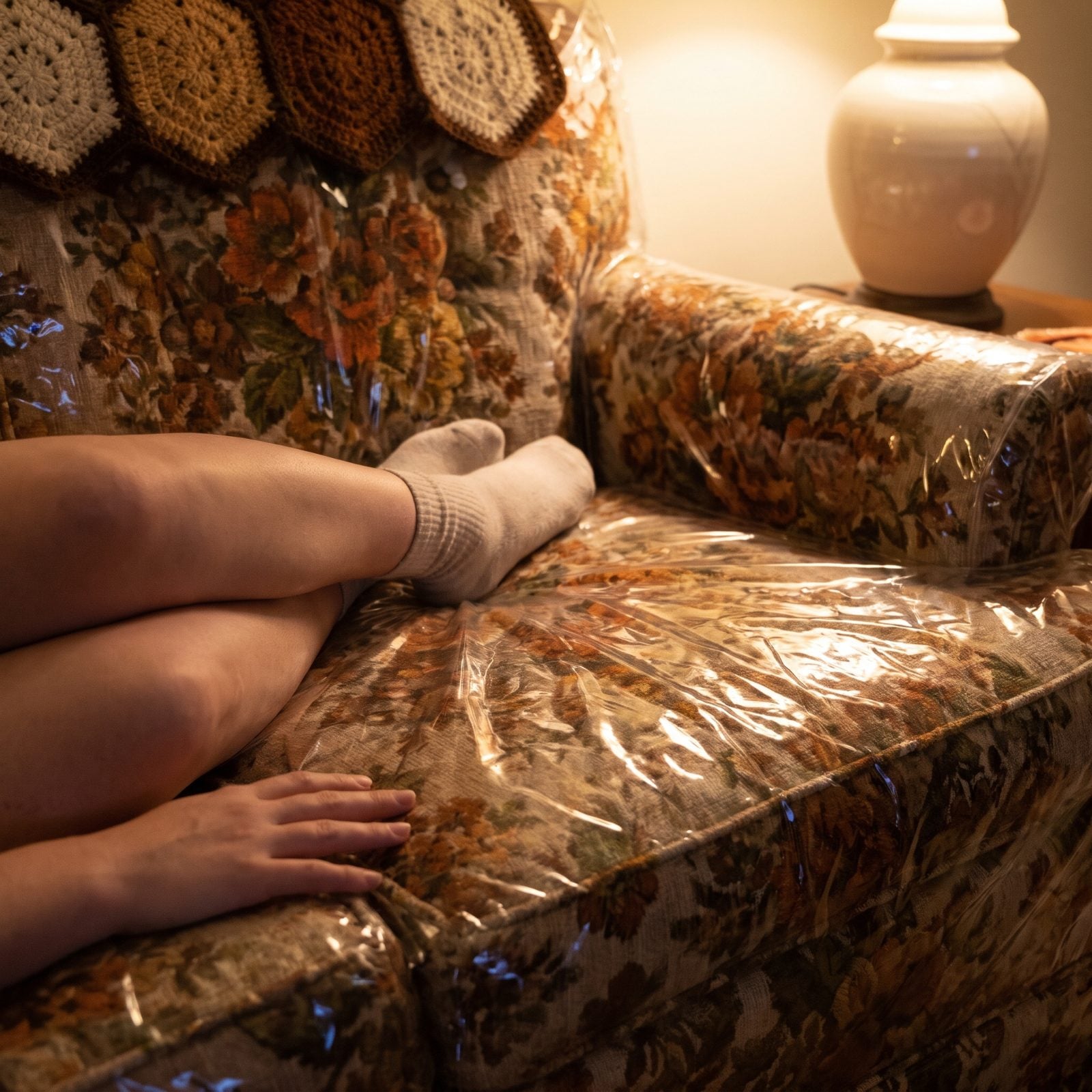
You remember the sound before anything else. That sticky peel when you sat down in shorts, the way it gripped the backs of your legs all summer and fused to your skin by the time you stood up.
The plastic was a promise: the real sofa underneath would still look new by the time you were grown. Dust wiped off with a damp rag, spills beaded and ran, and the upholstery aged at half speed while the whole family suffered the squeak. Worth it, apparently.
28. The Three-Piece Suite Matched Perfectly
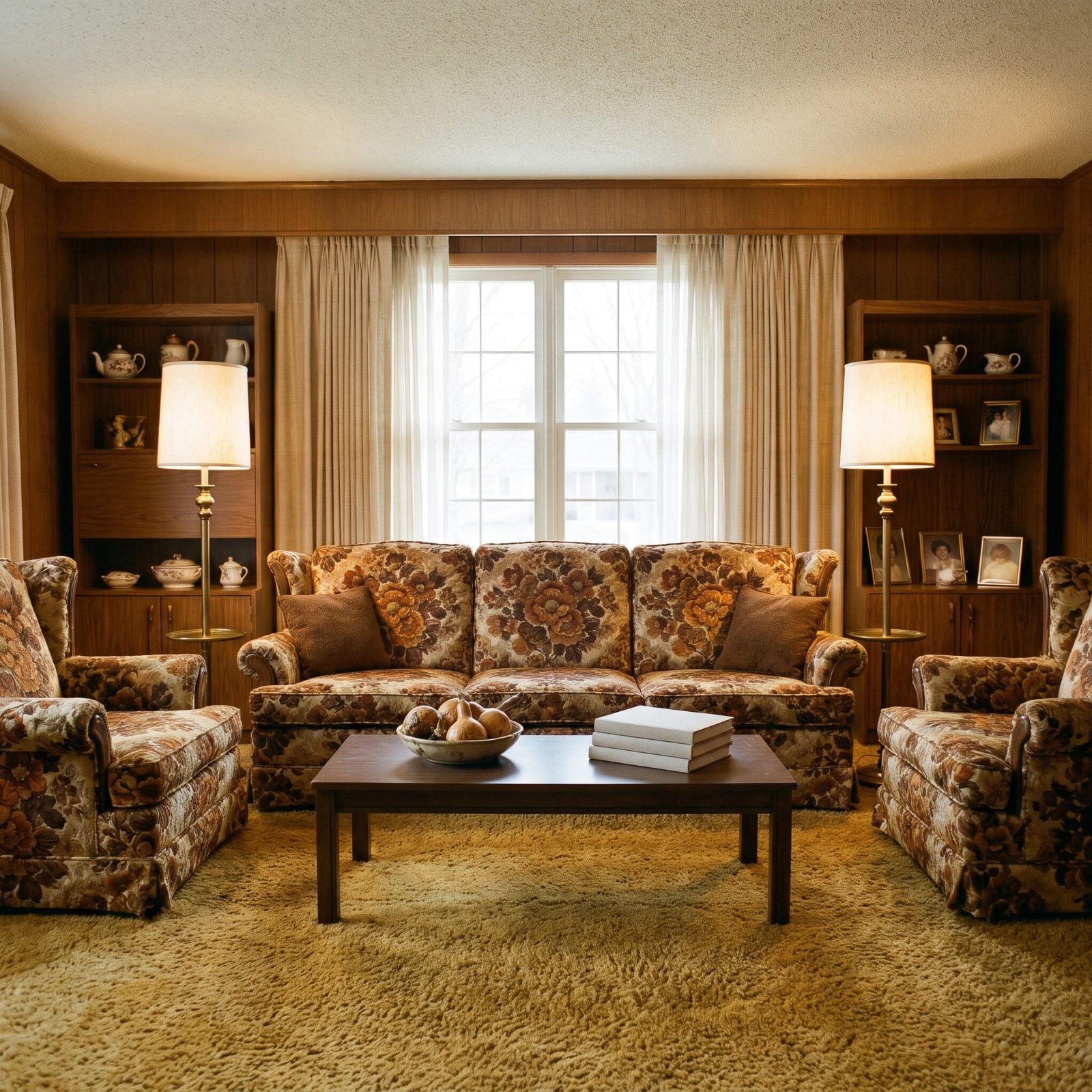
Buying one piece was unthinkable. You bought the set. Sofa, loveseat, armchair, all cut from the same bolt of fabric, delivered on the same truck and arranged the same afternoon.
Mixing furniture reads as taste now. Back then it read as a mistake, like wearing one brown shoe and one black. A matched suite announced that the family had done this properly, saved up, and gotten the whole thing at once. The showroom look was the whole aspiration, and plenty of living rooms hit it dead on.
27. The Upholstery Was Floral Brocade or Velvet
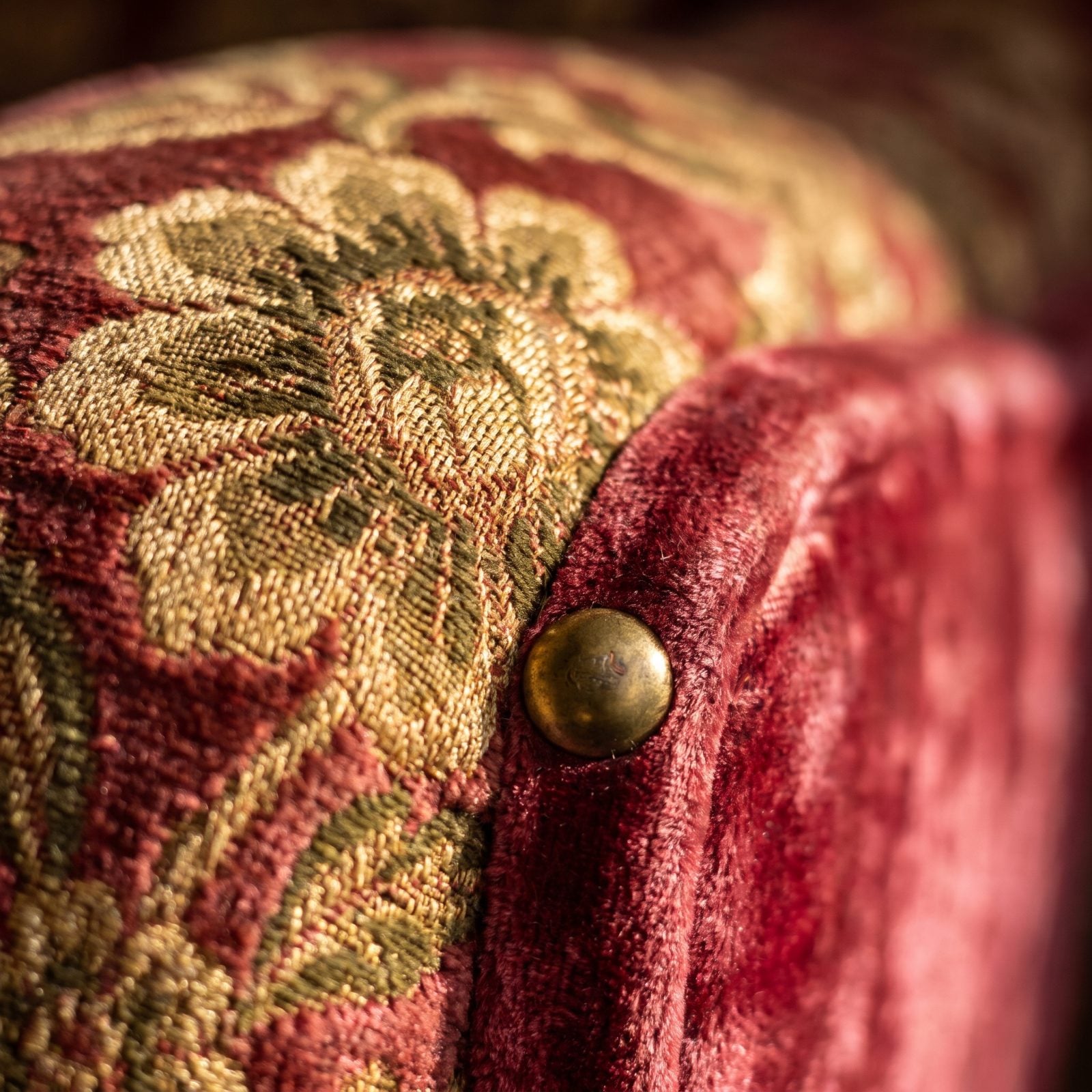
Nothing about this fabric was subtle. Raised floral brocade you could trace with a fingertip. Crushed velvet that changed color depending on which way you dragged your hand across it.
Children figured this out fast. You’d draw in the nap like snow, then smooth it away before anyone noticed. The patterns were busy on purpose — a big gold-and-rust floral hid a multitude of sins, and it photographed like a holiday card. These were fabrics bought to impress a guest standing in the doorway, not to curl up in on a Tuesday night with a bowl of cereal.
26. White Armrest Covers Protected the Upholstery
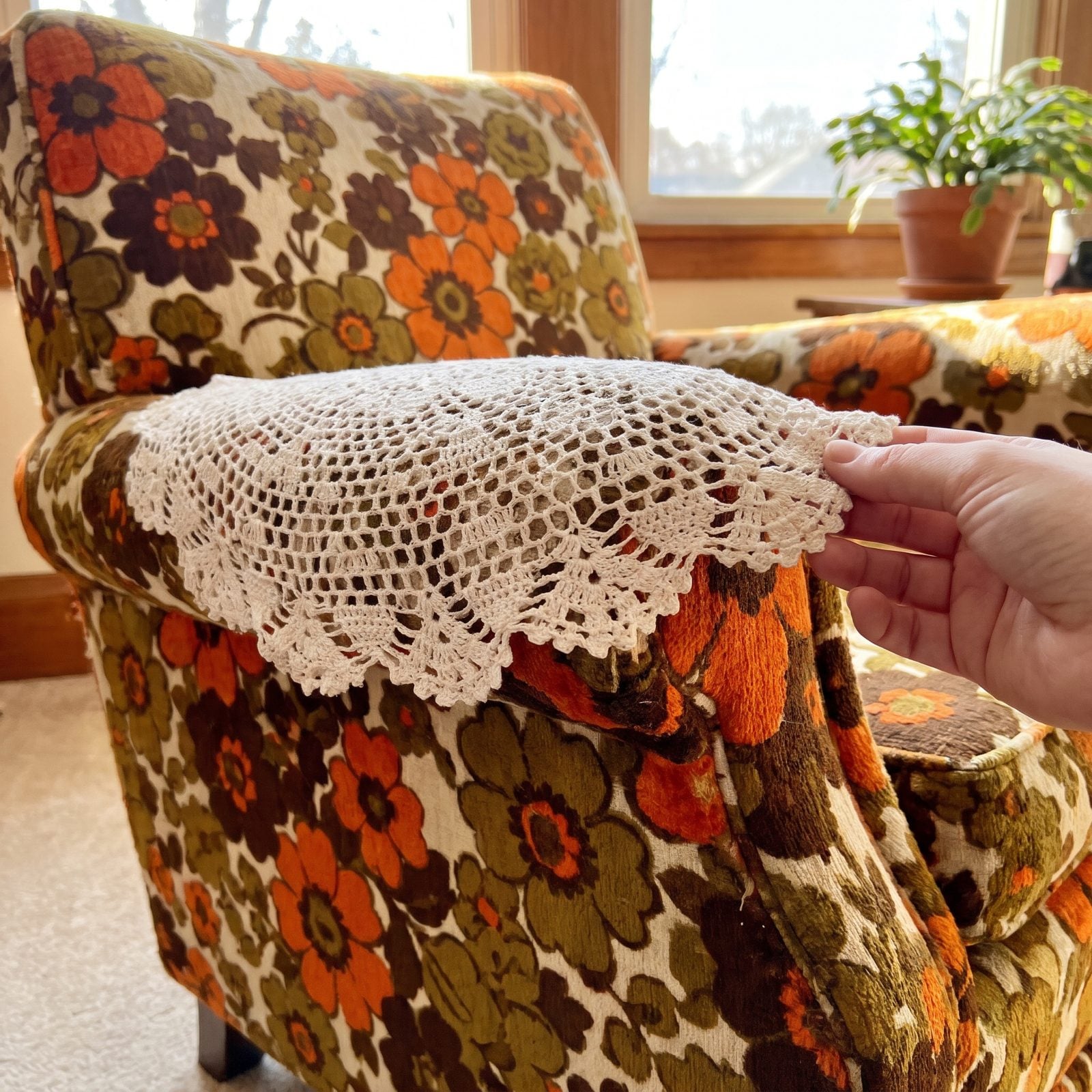
Little white rectangles sat on the arms and across the back of every chair, and they had a name nobody ever said out loud: antimacassars. The word came from an old hair oil called Macassar that men slicked into their hair and then, charmingly, smeared all over the good furniture.
By the seventies the oil was long gone, but the covers stayed — now crocheted by a relative or bought by the set. They slid off if you looked at them wrong. Half the job of sitting down was straightening the one you’d just knocked crooked.
25. A Clear Vinyl Runner Protected the Main Path
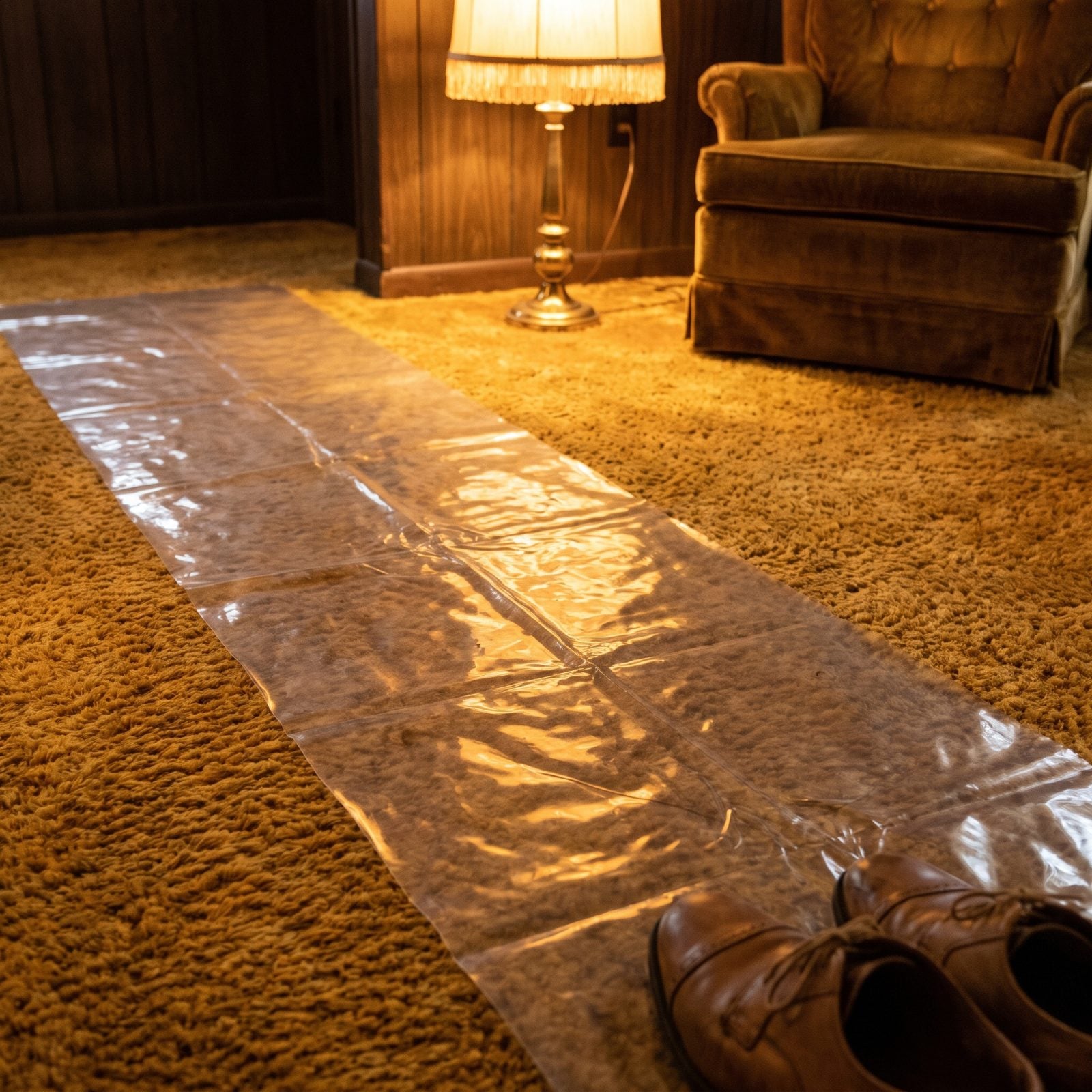
A clear plastic runner ran across the carpet like a boardwalk through a nature preserve. Stay on it. The shag on either side was off-limits unless you were a guest — and even then.
The runners had little gripper nubs underneath that bit into the pile, and over the years they clouded into a foggy strip you could trace from the front door to wherever you were permitted to sit. The logic was airtight, in its own circular way. Protect the plastic that protects the couch. Protect the runner that protects the carpet. A family living inside a museum of its own making, and somehow nobody blinked at it.
24. The Sofa Cushions Were Always Precisely Arranged
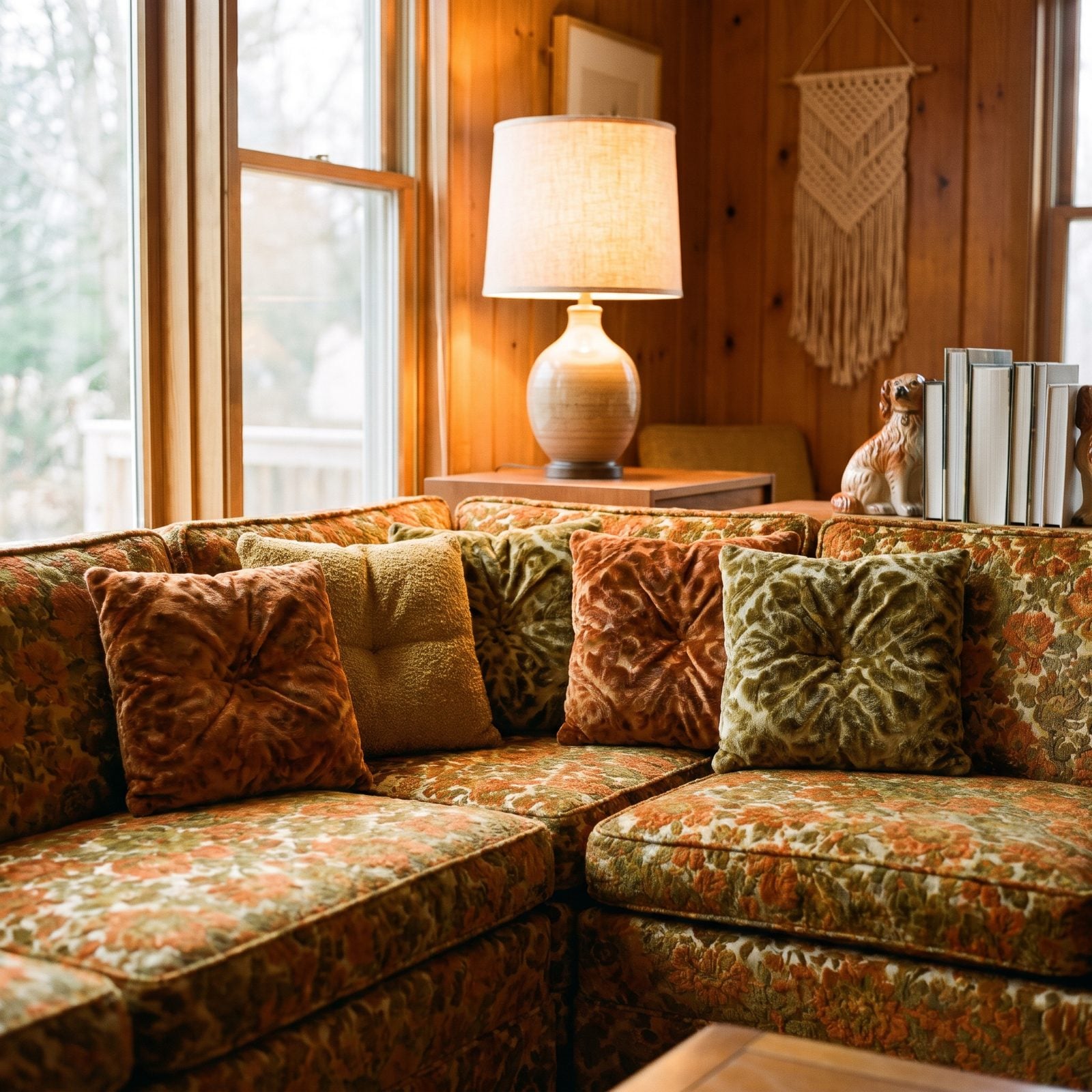
The cushions sat like soldiers. Plumped, squared, the throw pillows lined up square and upright along the back, each with a neat tufted dimple in the centre.
Sit down and you created a problem you were then expected to fix. Standing up meant a quick reset — fluff the cushion, re-prop the pillow, step away — because the sofa existed in a state of permanent readiness for a guest who was always, theoretically, about to arrive. And there’s a tidy little psychology buried in all that. A perfectly staged room told visitors you had control of your house, even on the days you absolutely did not.
23. Nobody Was Allowed to Stretch Out on the Sofa
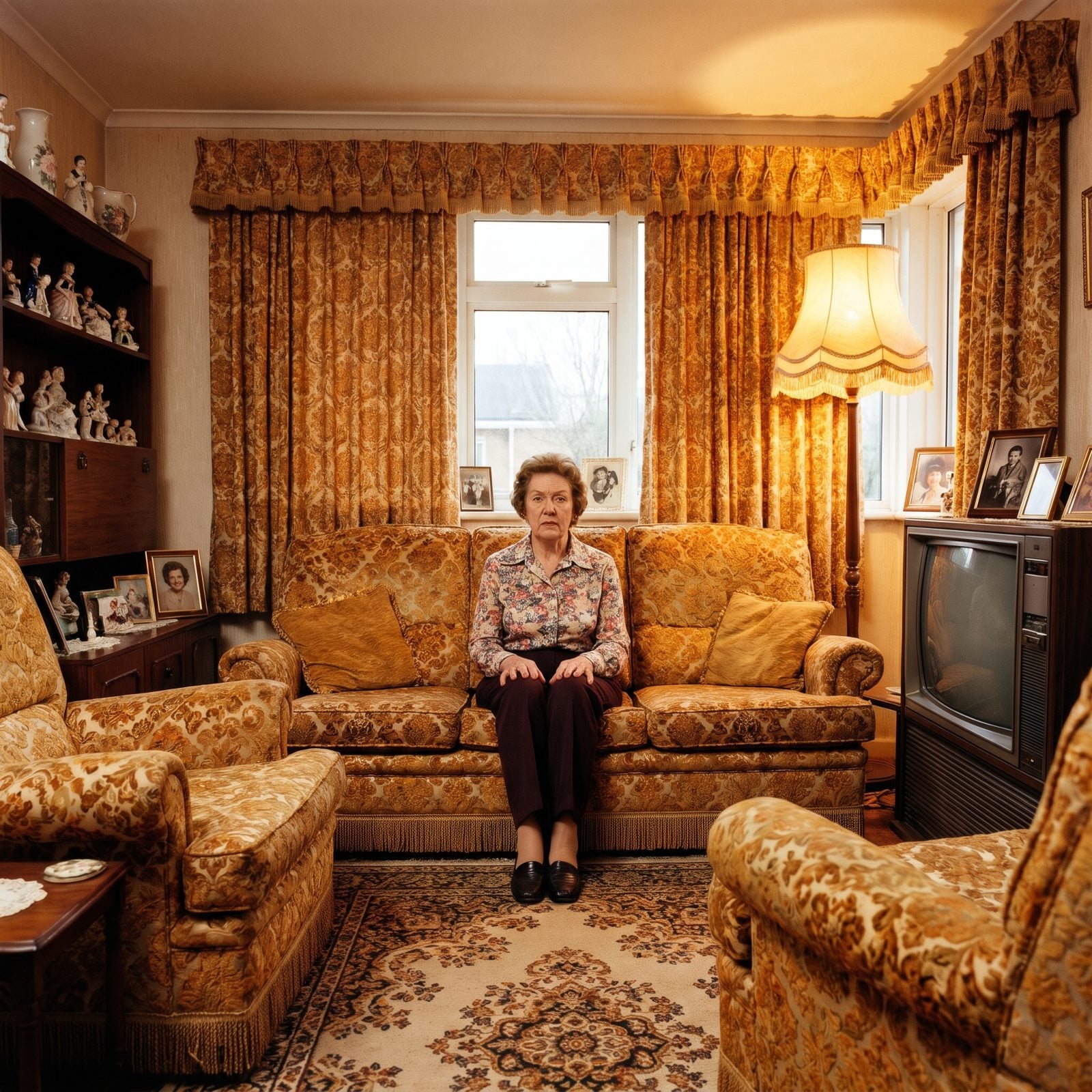
You did not lie down. You did not put your feet up. You sat upright, both feet on the floor, like a job interview that never ended.
The formal living room was the good room, and the good room was for occasions. Lounging happened in the den, the basement, your own bed — anywhere but here. Stretching out on the brocade was the kind of thing that earned a kid a silent look from across the room, the one that needed no words at all. This wasn’t furniture you used. It was furniture you kept.
22. The Furniture Faced Guests Rather Than a Television
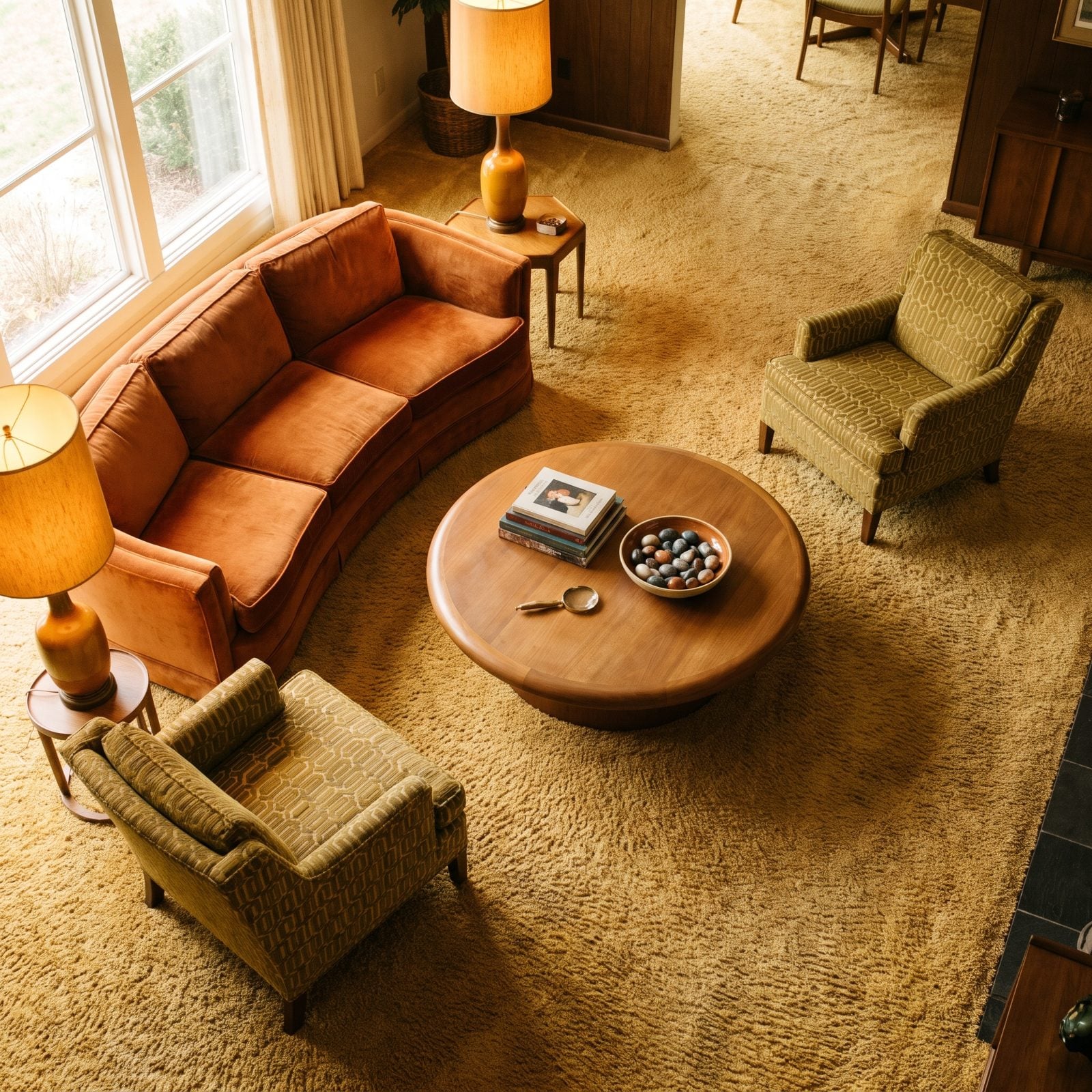
The chairs talked to each other. Sofa across from two armchairs, a coffee table between them, everything angled inward toward a conversation the room existed to hold.
Point the furniture at a television and you’ve told everyone the plan is to stare in one direction and shut up. The formal living room refused that outright. It was built for a different kind of evening entirely — coffee in the good cups, a plate of cookies, grown-ups facing grown-ups. Set that beside how a modern living room orbits a glowing screen and you can read the whole shift in priorities right off the floor plan.
Today, a top-selling real estate agent warns that pointing every piece of furniture at an enormous TV makes a room feel less intimate, because it should get people enjoying each other’s company instead of just watching television.
21. The Television Lived in Another Room
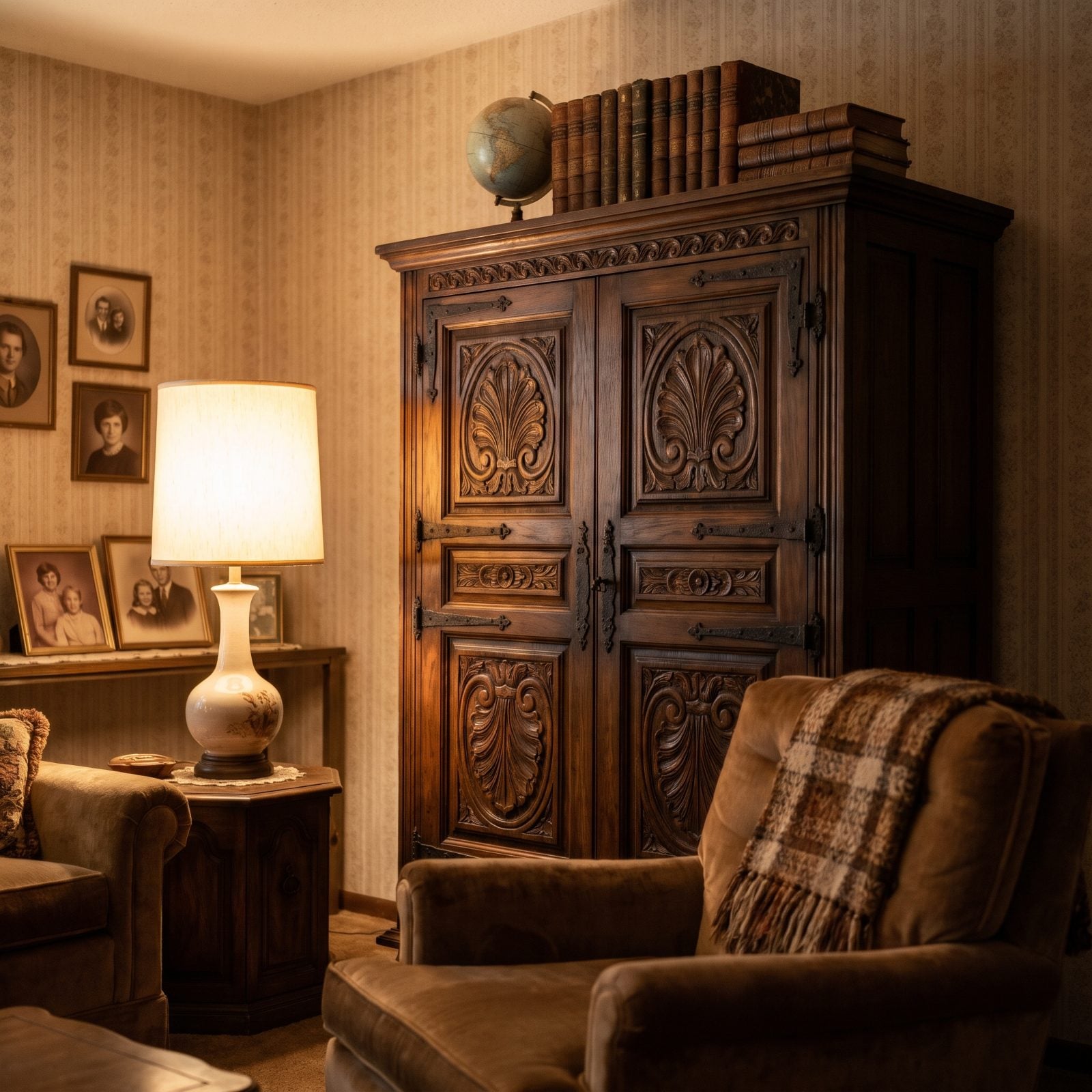
If a house had a television in the formal living room at all, it hid inside a wood cabinet with doors that closed over the screen. Usually it didn’t live there in the first place.
The set belonged in the den, the family room, the finished basement — wherever the plastic came off the furniture and people actually slouched. That division said everything: one room for being seen, one for being yourself. The good room stayed quiet and cool and ready, while real life happened two doors down, where nobody gave a thought to the vacuum lines.
20. Heavy Drapes That Guarded Everything From Sunlight
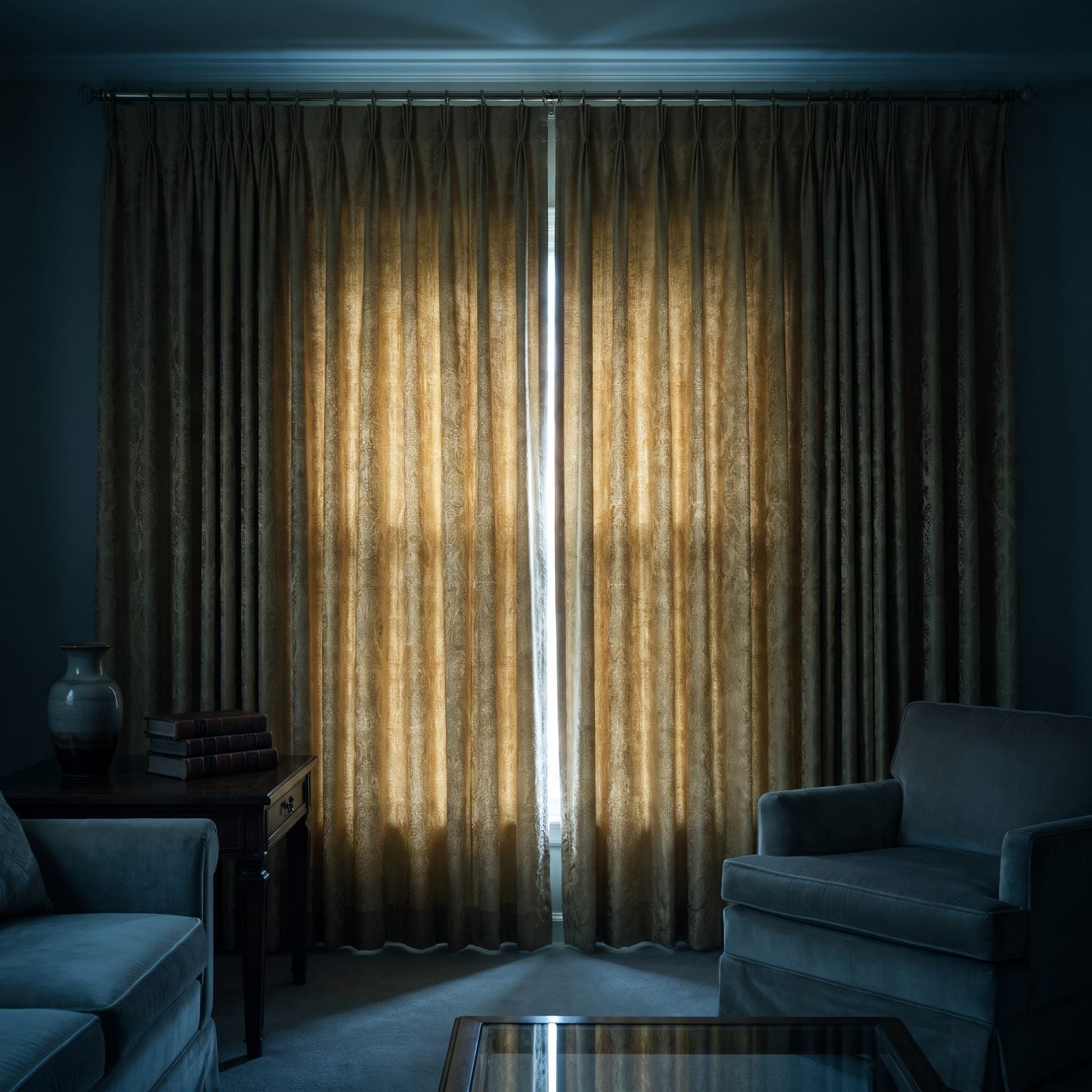
The drapes stayed shut on purpose. Sun was the enemy here, and it faded upholstery, bleached wood, and dulled the floorboards nobody was allowed to scuff anyway.
So the fabric got chosen for weight first, looks second. Lined brocade or thick gold damask, hung on traverse rods you pulled with a plastic wand, sealing the room into a cool, dim hush that smelled faintly of furniture polish and nothing else.
The fear of the sun had a real basis, as a longtime drapery manufacturer explains: “Sunlight is the primary culprit behind fading fabrics. UV rays break down the chemical bonds in dyes, causing colors to dull and materials to weaken.”
19. Sheer Curtains That Filtered the Outside World
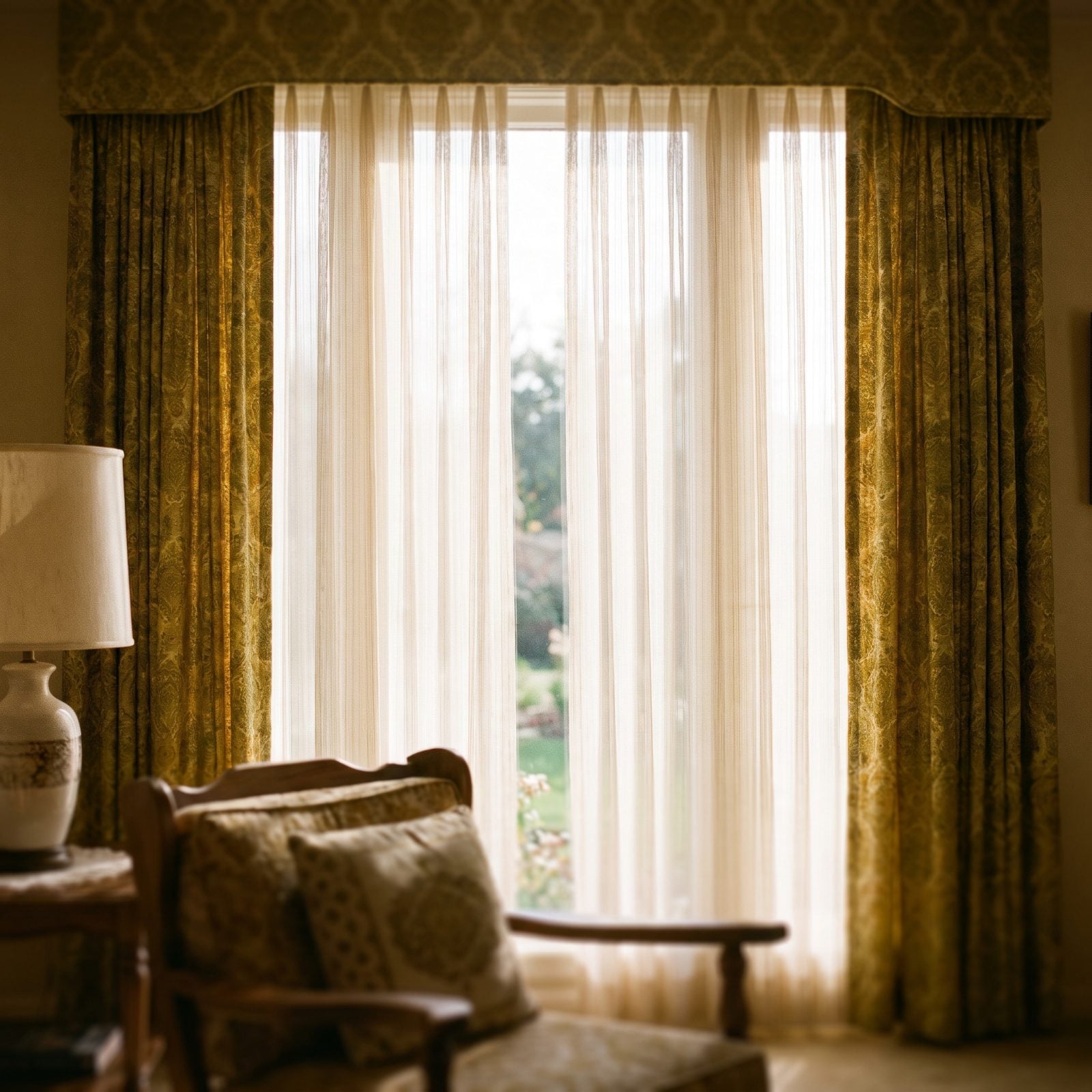
You could see out. Nobody could quite see in. That double-layer trick (heavy drapes framing a filmy white sheer) did real social work.
The sheer let in a soft, flattering light while keeping the neighbors guessing, softening hard sun into something gentle. And it let Mom know the drapes themselves could stay clean, because the nylon panel took the dust and the fingerprints.
Honestly, a good sheer is still underrated. It does more for a room than most people give it credit for.
18. Coffee Table Magazines Arranged Purely for Display
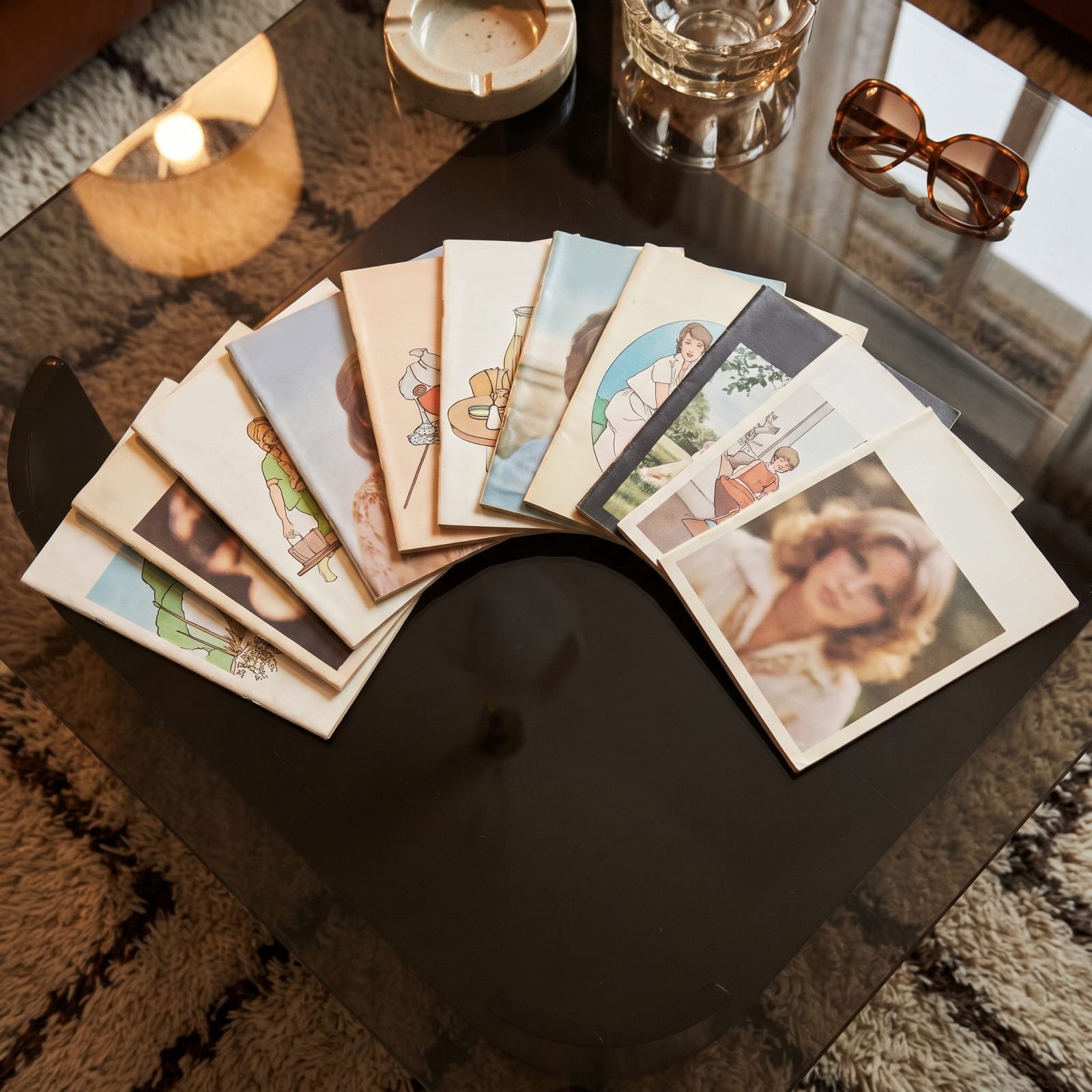
Fanned in a neat arc, corners squared, never actually read. The coffee table magazines were decor, not reading material.
Reader’s Digest, National Geographic, maybe a Better Homes copy kept for the cover. You learned fast not to mess up the arrangement, because picking one up and leaving it askew earned you The Look. The stack existed to signal that this household was cultured and tidy and ready for guests who might glance down and approve.
17. A Candy Dish That Waited Untouched for Company
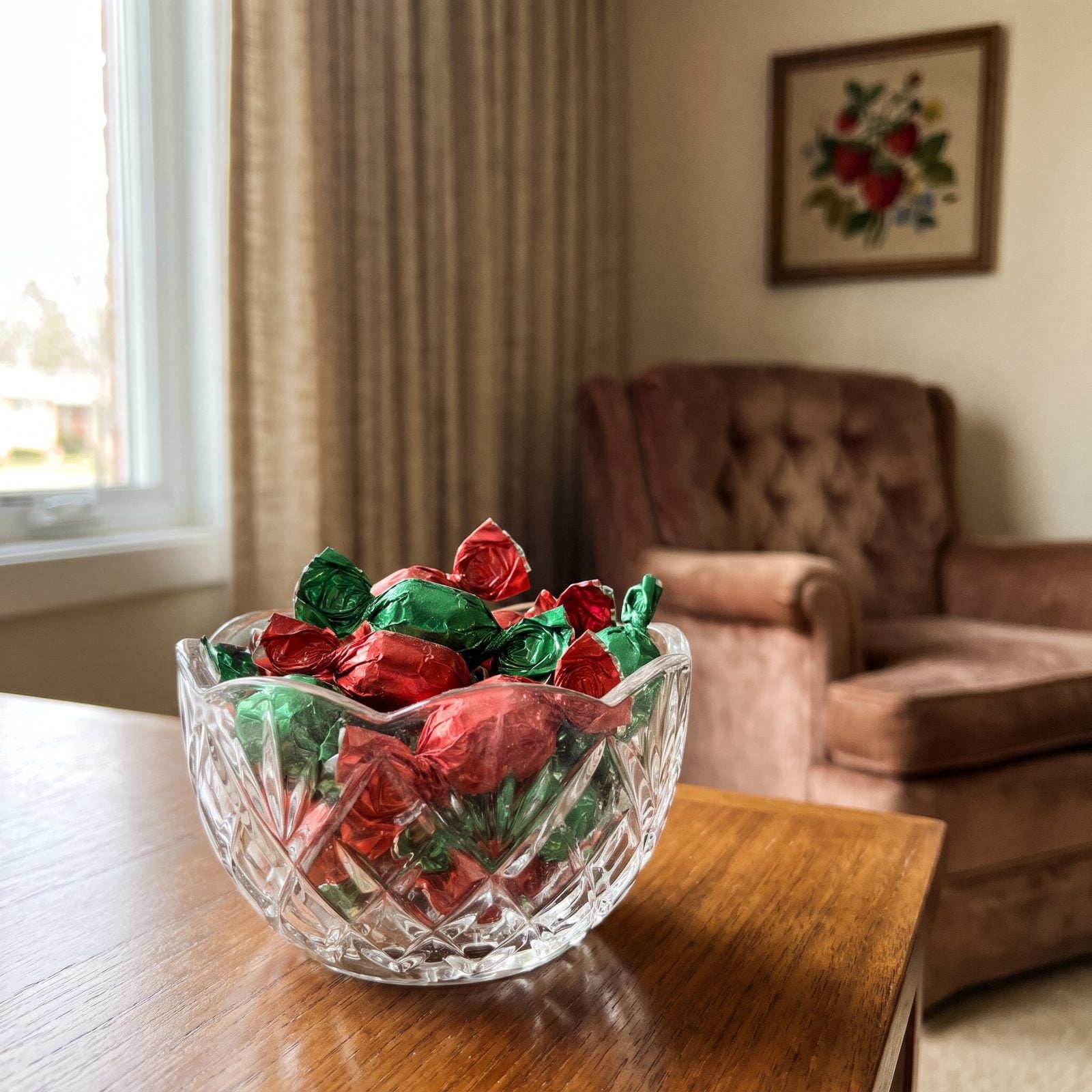
No lid, just a pressed-glass bowl heaped above the rim with the same red and green foil-wrapped candies that had been in there since roughly the Nixon administration.
Kids knew. You did not touch the good candy dish. It was for company, and the wrappers had gone soft and tacky, the candies fused into one geological mass, yet the thing still sat there gleaming as a promise of hospitality that mostly went unclaimed.
When guests finally came, a few candies migrated out. Then the dish got topped back up and left waiting for the next occasion.
16. The Ashtray That Looked Too Pristine to Use
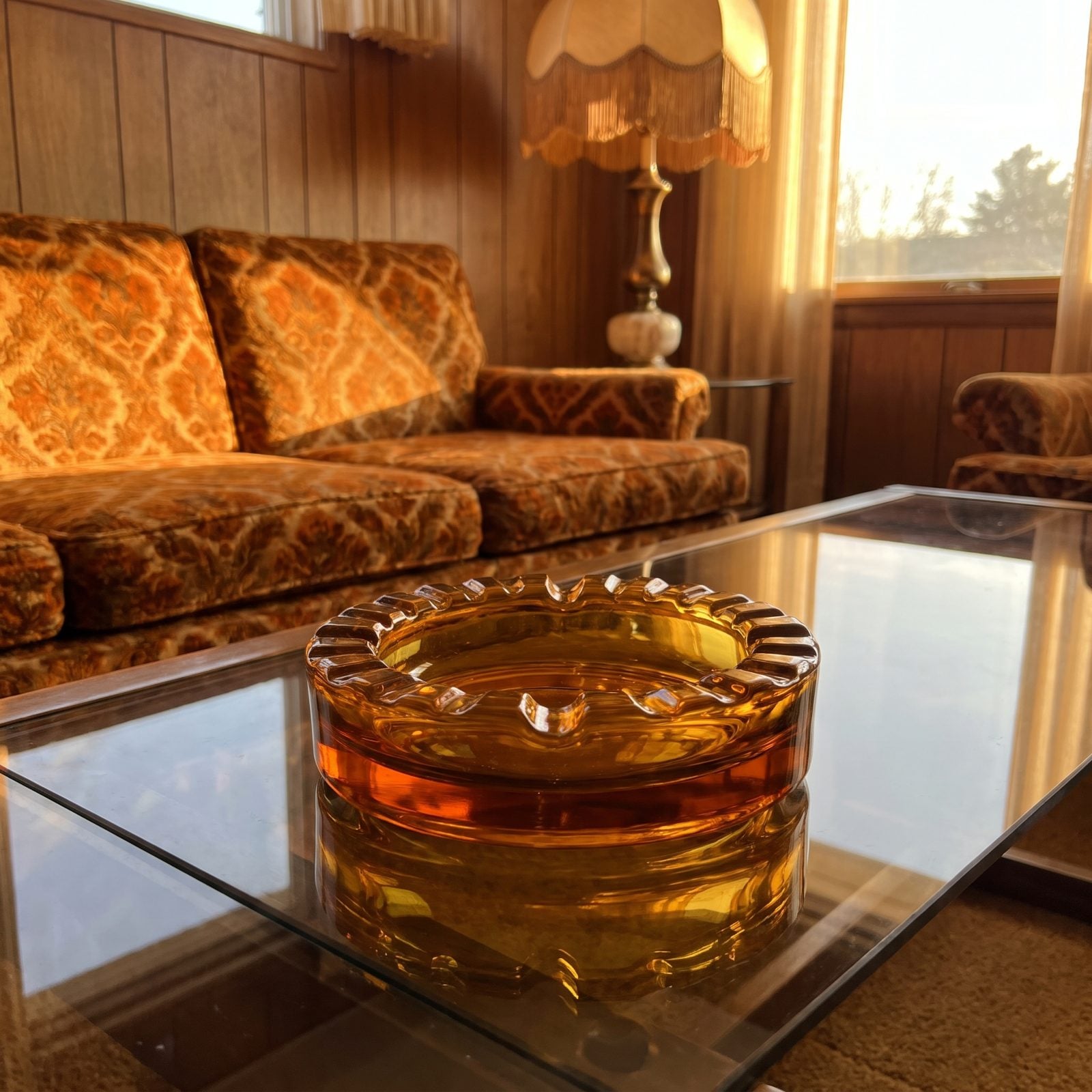
Big, heavy, amber glass with grooves cut into the rim for cigarettes that apparently never came. The formal-room ashtray was a strange object, built for a messy habit and kept immaculate.
Guests smoked in the kitchen or the den. The good ashtray held its position on the coffee table as a decorative weight, wiped clean after every rare use.
An ashtray nobody flicked ash into. That tells you most of what you need to know about the formal living room.
15. Matching Ceramic Lamps That Flanked the Sofa
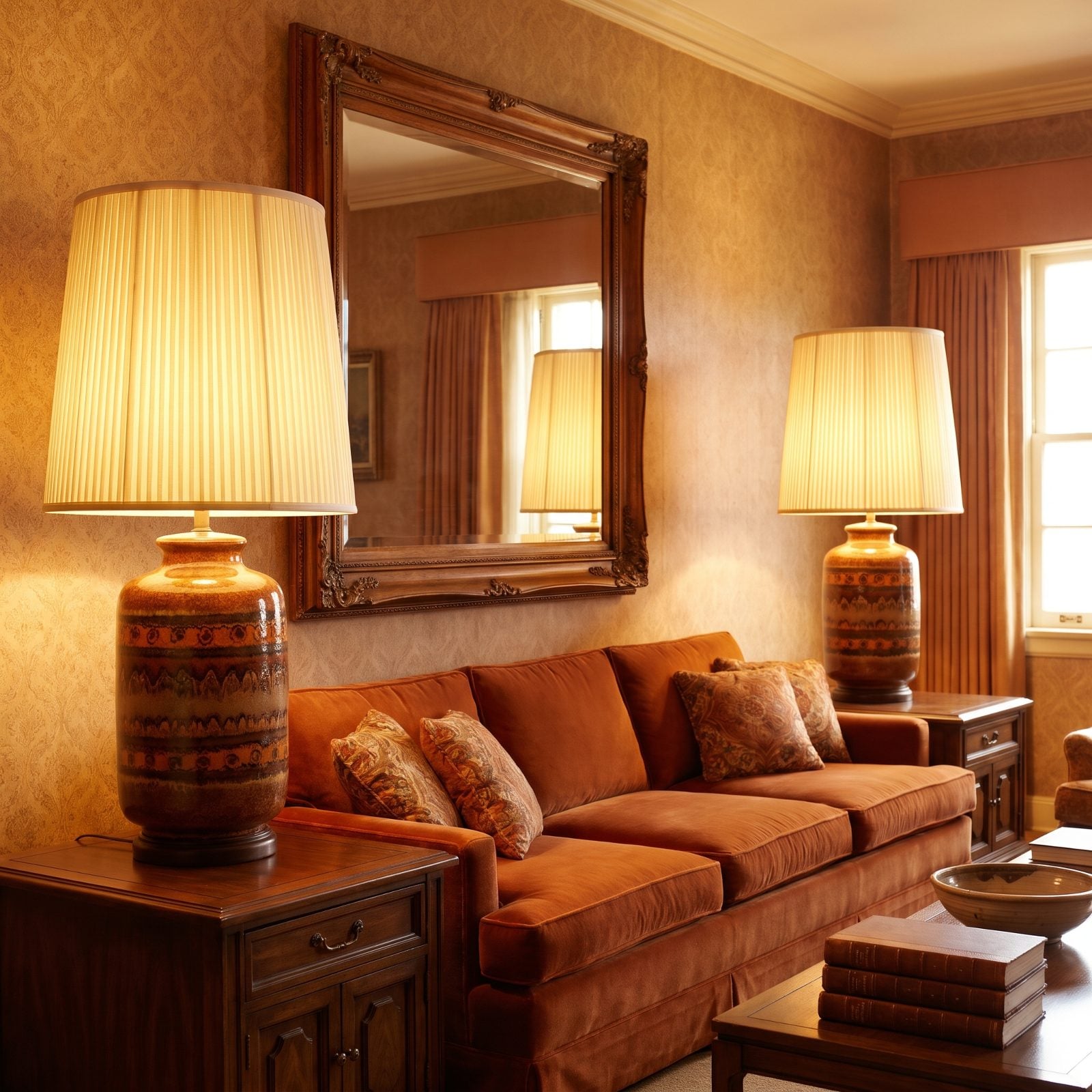
Two of everything, mirrored exactly. Symmetry ran the formal living room, and nothing said it louder than a matched pair of ceramic lamps on matched end tables.
The bases were heavy stoneware in drippy earth-tone glazes, sometimes shaped like urns, sometimes like lumpy gourds, and the pleated shades stood at identical heights. Swap one for a mismatched lamp and the whole room felt off. That balance was no accident.
14. A Swag Lamp Hung From a Long Chain
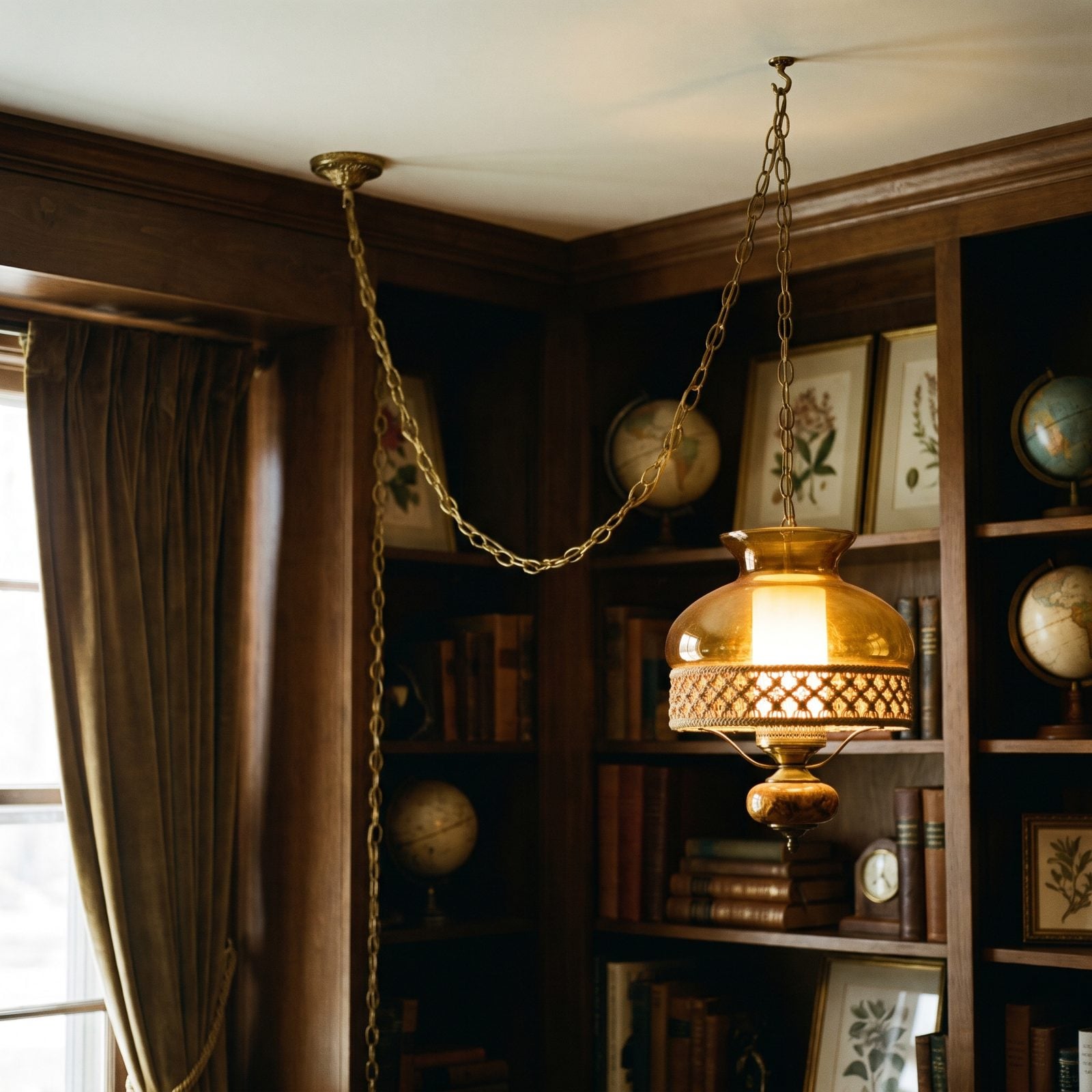
No wiring in the ceiling? No problem. The swag lamp solved it with a brass chain, a cord strung across to a hook, and a plug into the nearest outlet.
The shades were the fun part: pierced amber glass, hobnail plastic, macramé nests, sometimes a Tiffany-style fake. It threw a warm, patterned glow into a corner that otherwise had no light. For a room obsessed with matching everything, the swag lamp was the one piece allowed to be a little theatrical.
13. Smoked-Glass Tables Set in Brass or Chrome Frames
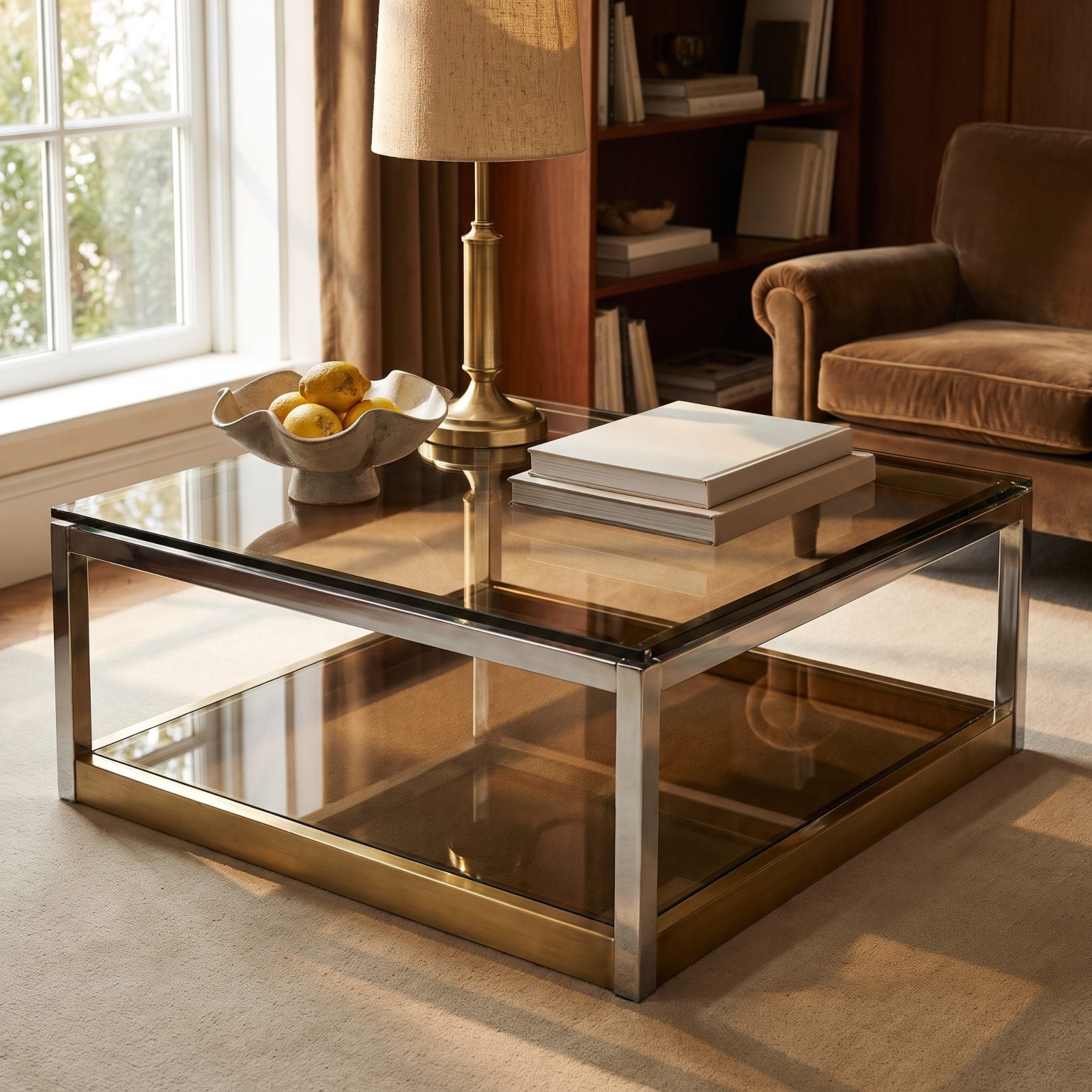
Tinted that moody grey-amber, framed in brass or chrome, these tables felt like a step up from plain wood. Sophisticated. A little Vegas-lounge, if we’re honest.
The smoked glass hid fingerprints better than clear glass (barely) and reflected the lamps back at you, pairing brass warmth against cool tinted glass in a way that read as modern luxury to anyone furnishing a good room in that decade.
Plenty of kids had a soft spot for these. Something about seeing the carpet through the tabletop felt like a magic trick.
12. Dark Mediterranean Furniture That Dominated the Room
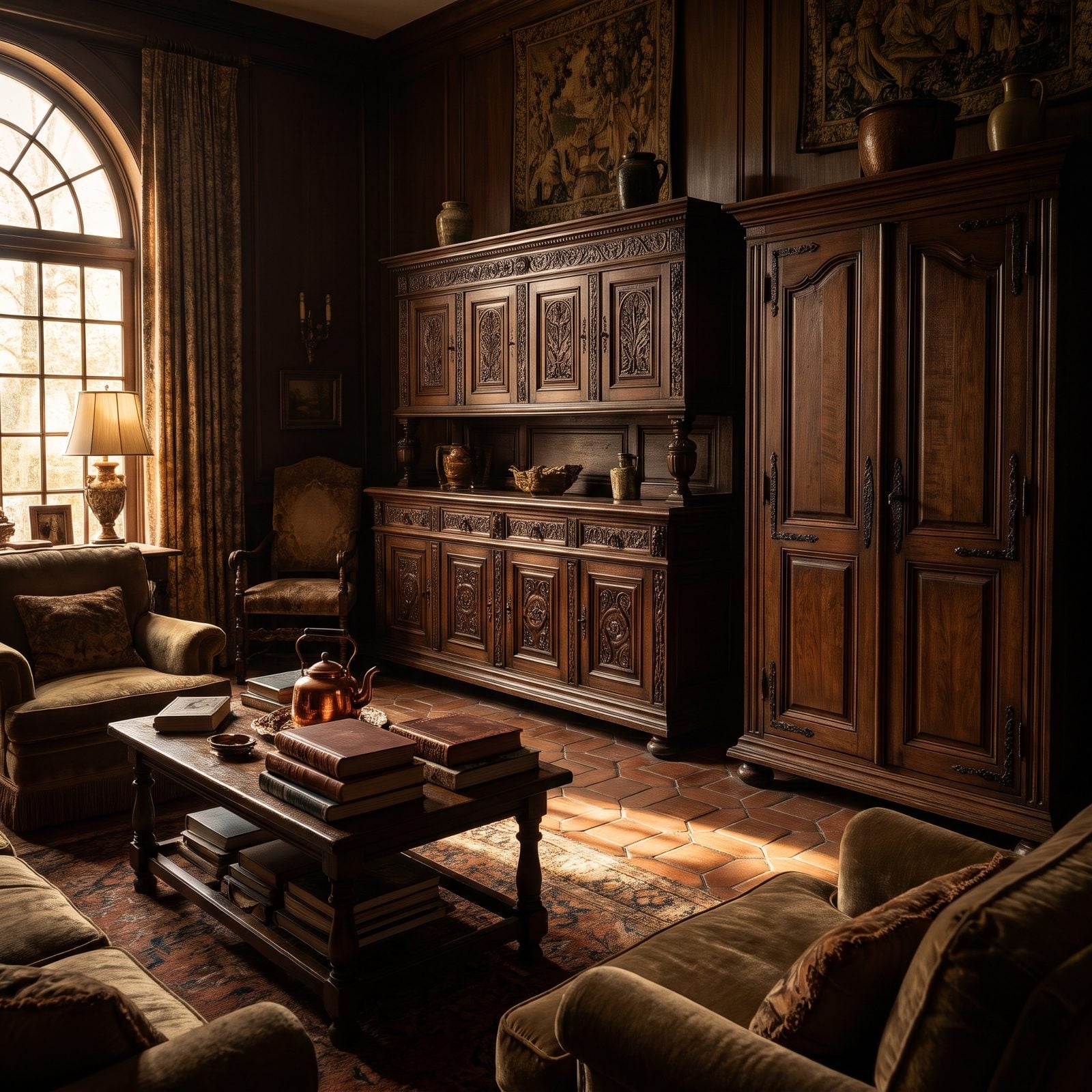
Heavy, dark, carved, and built like it meant to outlast the house. Mediterranean-style furniture ruled the formal living room with ornate pecan and oak, turned legs, and black wrought-iron hardware.
It took its cue from Spanish Revival: thick wood, scrolled details, a touch of monastery. The pieces were genuinely substantial. Moving a Mediterranean sideboard required planning and at least one argument.
11. Avocado, Harvest Gold, and Burnt Orange Set the Palette
Harvest Gold
Burnt Orange
Warm Brown
Cream
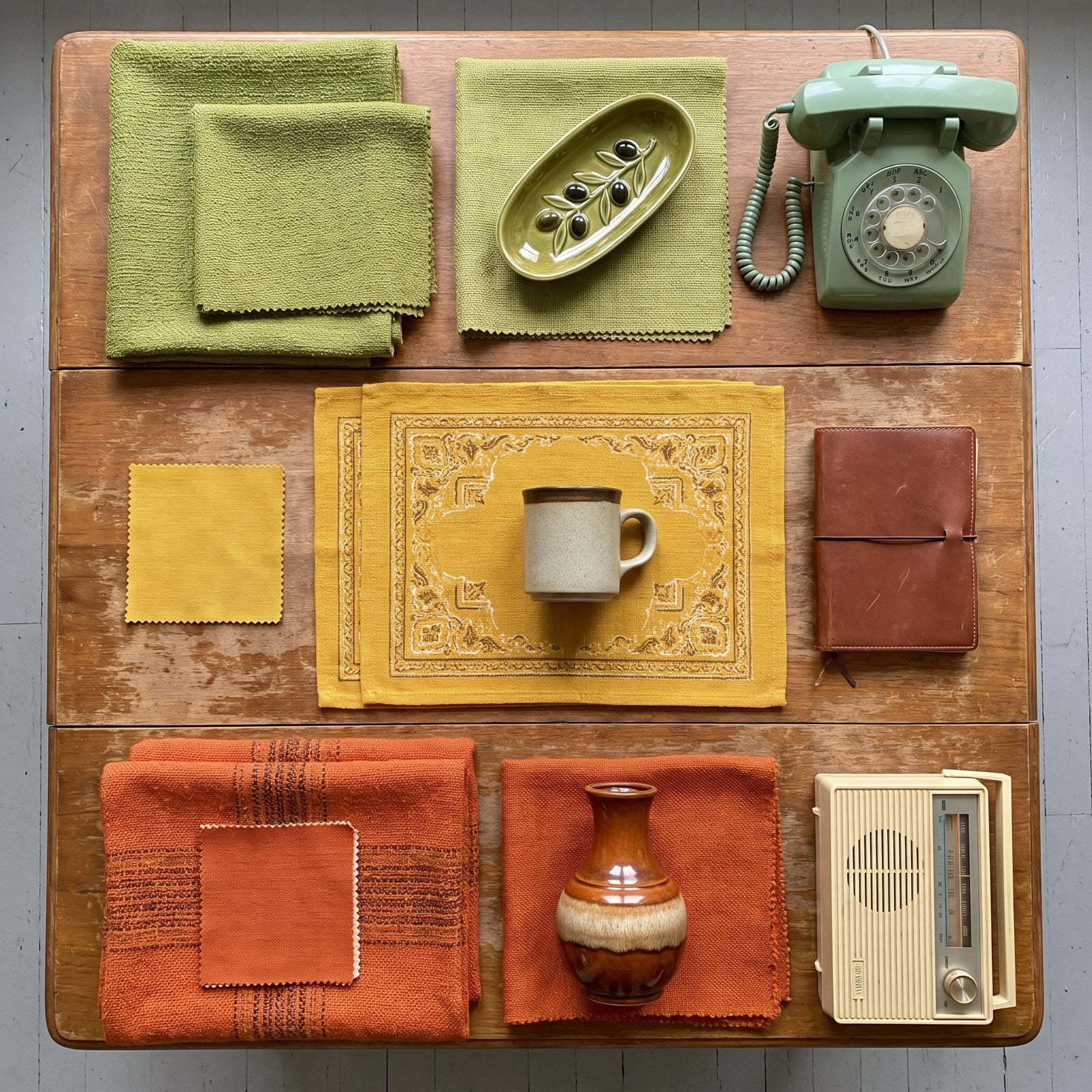
Three colors ran the entire decade’s good room, and they ran it hard: avocado green, harvest gold, burnt orange. They turned up everywhere, on the carpet, the drapes, the upholstery, the lamp bases, even the throw pillows.
These weren’t quiet shades. Avocado leaned toward olive, harvest gold toward mustard, burnt orange toward rust, and stacked together with dark wood they made a warm, autumnal room that felt cozy and dated at the same time, often within the same afternoon.
Love them or not, they’re instantly recognizable. Show these three swatches to anyone over fifty and watch the memory flicker on. That palette earned its place in the record.
10. Flocked or Metallic Wallpaper Marked It as Formal
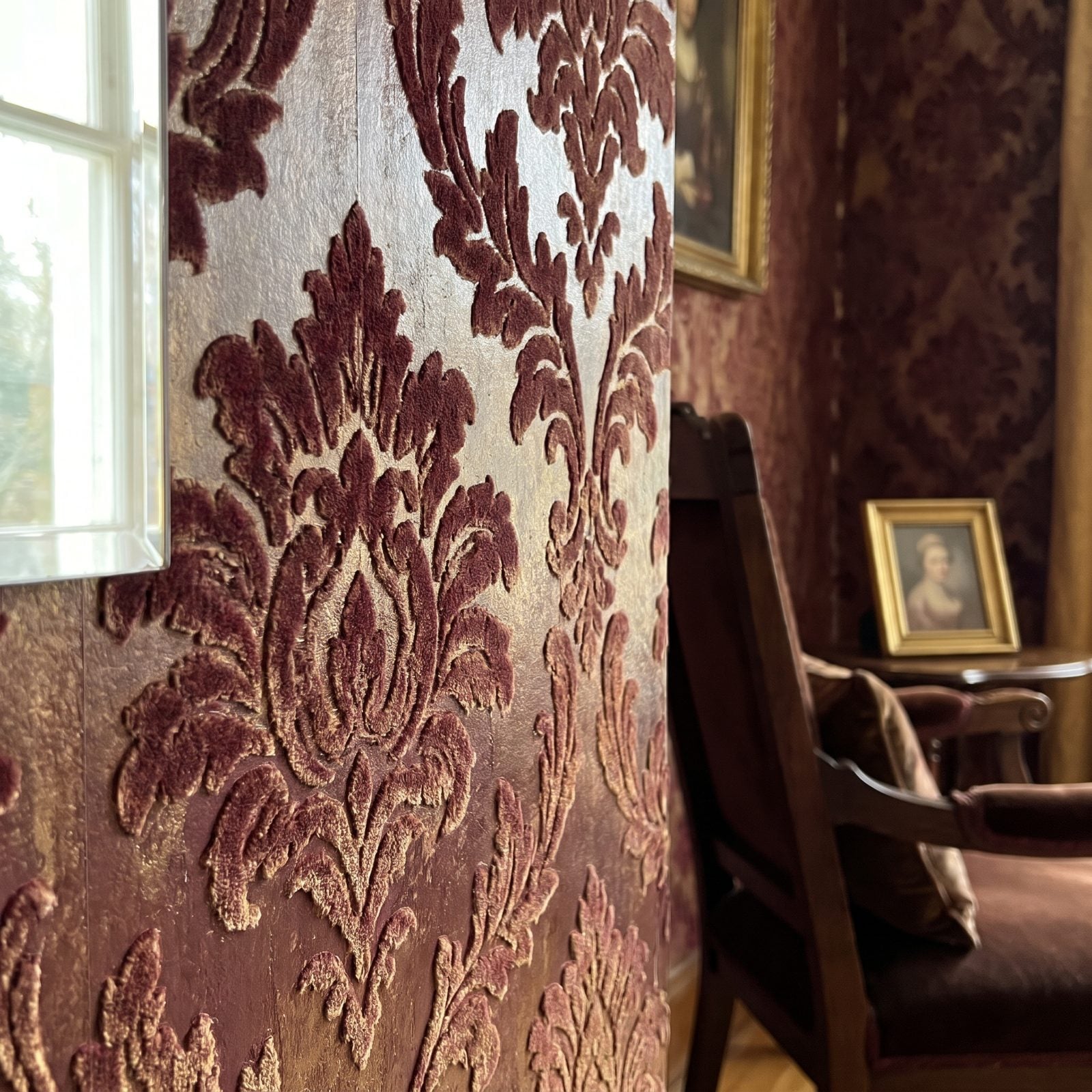
You could feel the difference the second you stepped through the arch. The den had painted walls you could lean on, but this room had wallpaper you weren’t supposed to touch.
Flocked damask was the big one. Picture a raised velvet pattern over a darker ground, burgundy or deep green, with a crushed-felt texture that held fingerprints the way fresh snow holds boot tracks. The metallic kind went further, silver or gold threads woven through so the whole wall seemed to shift when the lamp came on.
9. A Display Cabinet Held the Best China
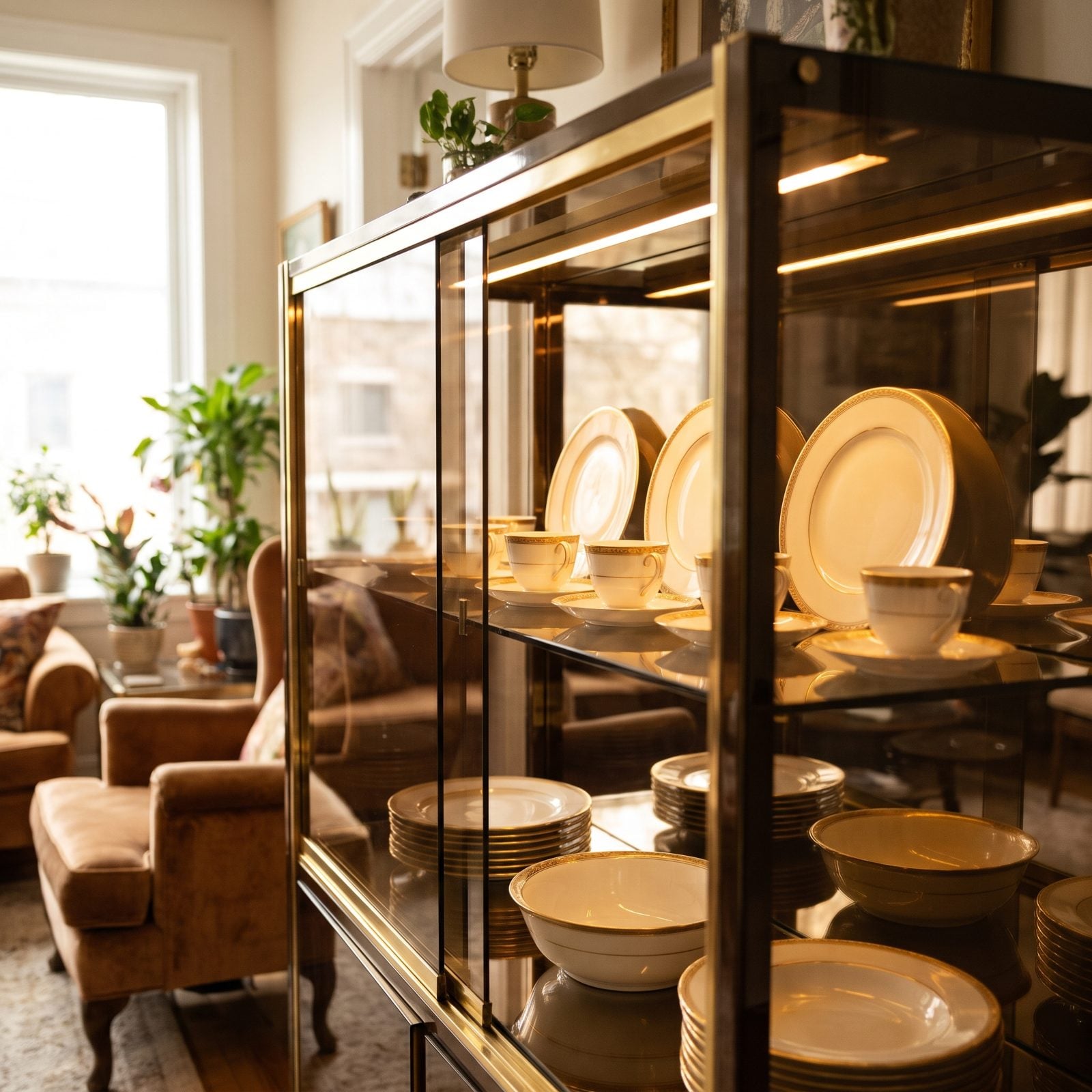
Behind smoked glass, up on a mirrored shelf, sat dishes that fed no one.
The good china was a possession, not a tool. It came out for Thanksgiving, maybe Christmas, maybe a wedding in the family, and spent the rest of the year collecting soft light and the occasional dusting. A full service for twelve, gold rims, a pattern nobody could name on demand, often a wedding gift carried through two moves without a single chip.
What got me, looking back, is how the cabinet itself became the altar. Brass frame, glass doors, interior lights on a little switch. You didn’t eat off the china. You admired that you owned it.
8. Ceramic Figurines Stood in Carefully Spaced Groups
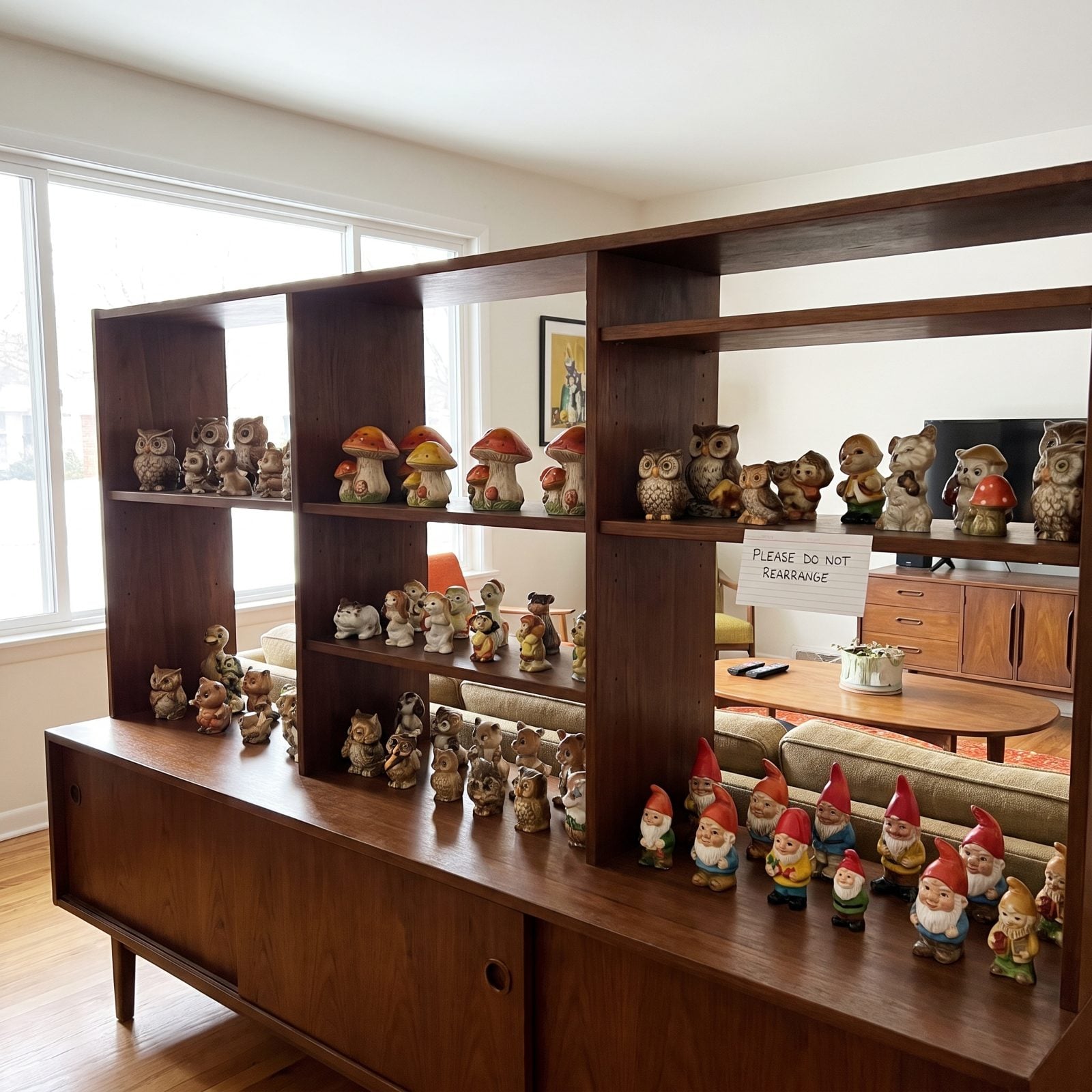
Nobody moved them. That was the rule you learned without being told.
Figurines came in collections you built one birthday at a time, and they stood in neat groups across the shelves, evenly spaced with room to breathe, each kind kept with its own. Wide-eyed owls, red-capped toadstools, little woodland animals, garden gnomes in pointed hats. Owls bunched here, mushrooms there, a tidy row of gnomes at the end.
7. Artificial Flowers Never Changed With the Seasons
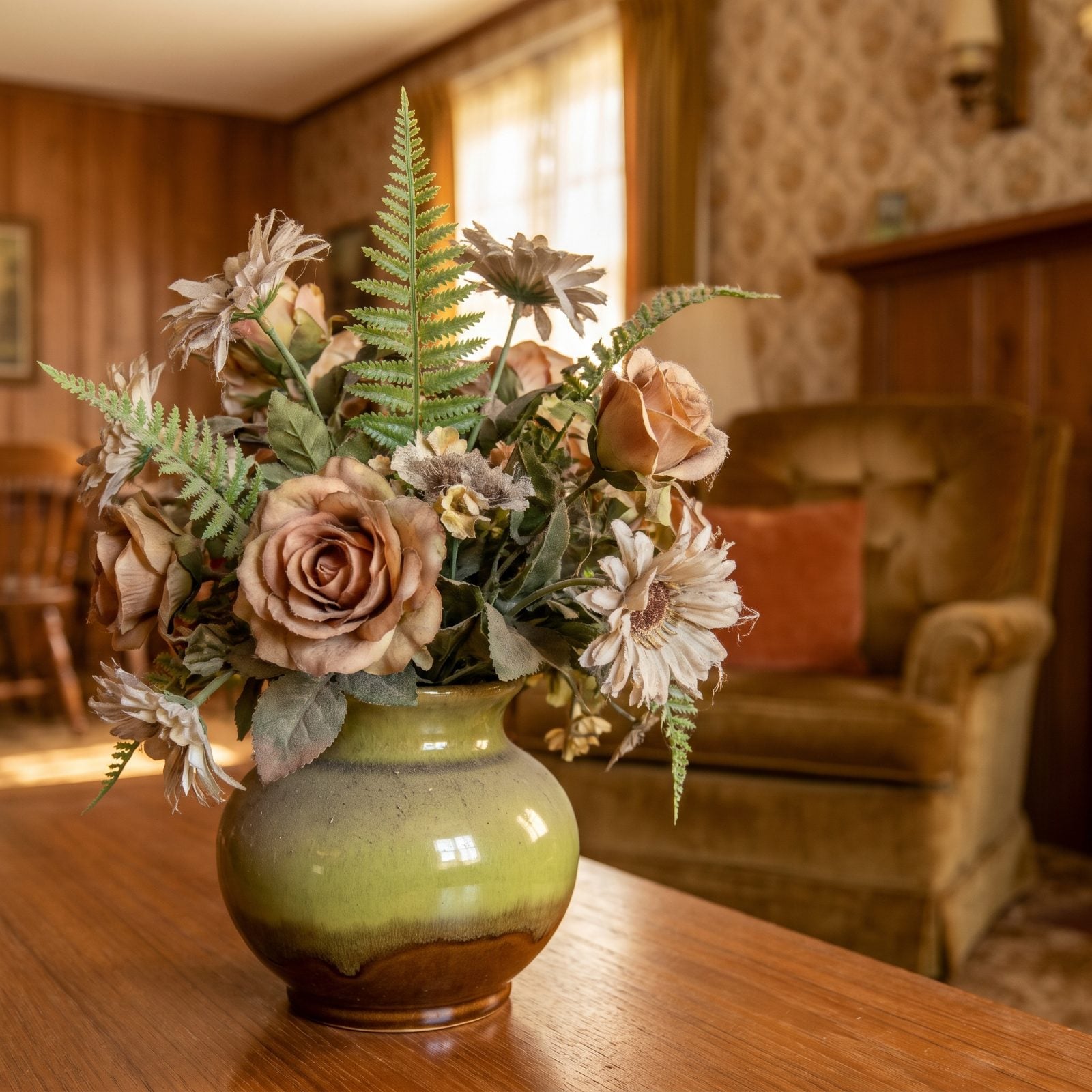
The same bouquet sat in the same vase in July as in December.
Silk and plastic flowers were a point of pride, not a shortcut, because they never wilted, never dropped petals on the polished wood, and never needed water that might ring the surface. A single arrangement could anchor that console for a decade, dusty roses and stiff greenery frozen mid-bloom.
The giveaway was the sheen. Real petals go soft and translucent at the edges; these caught the light flat, like they’d been dipped in something. And they gathered a fine gray film you only noticed when the afternoon sun came in sideways.
6. The Fireplace Tools Looked Factory-New
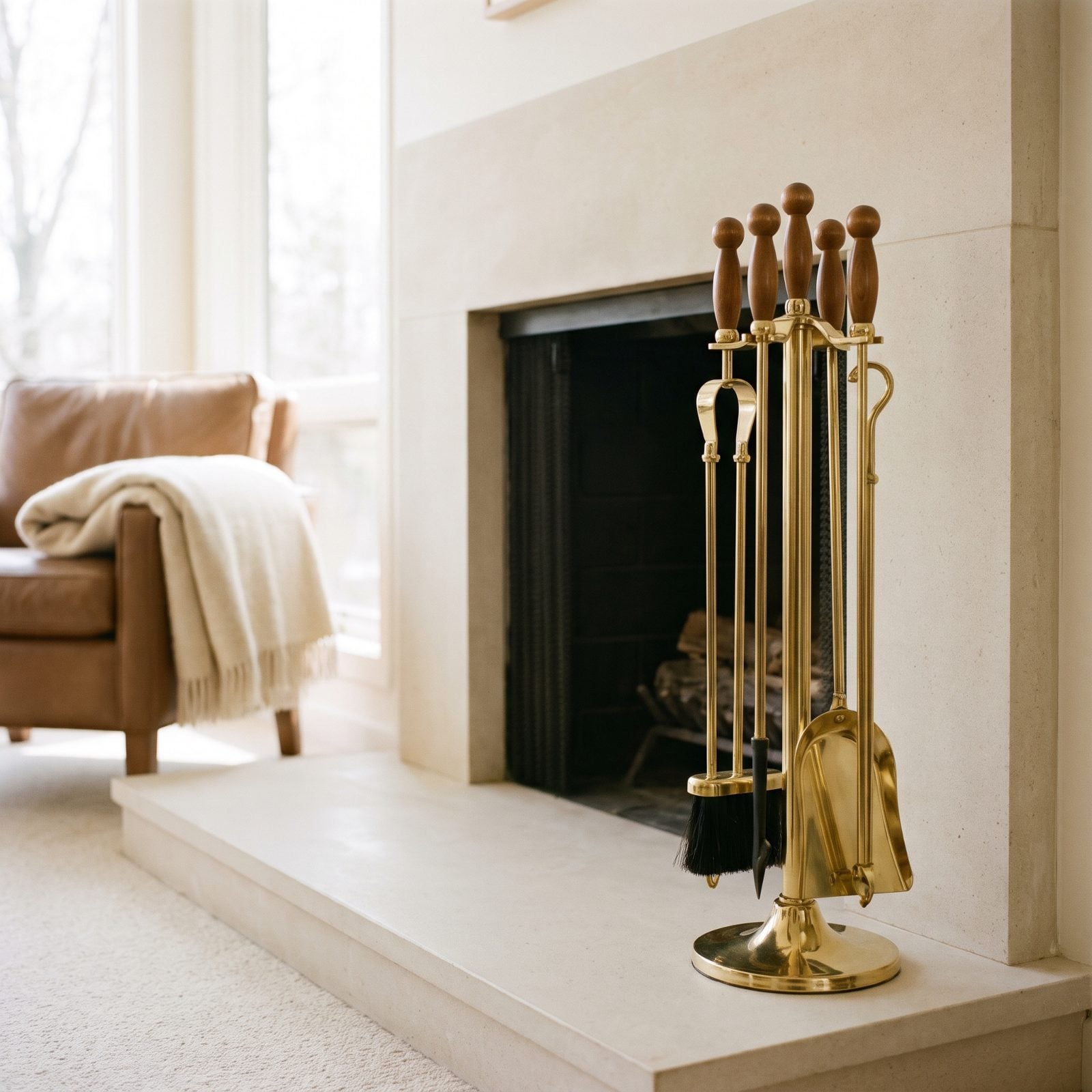
Shiny shovel. Shiny brush. Not a speck of ash on any of it.
The brass fireplace set stood guard beside a hearth that rarely, if ever, held a fire. Shovel, little brush, and two slender rods whose ends disappeared into the stand itself, all polished to a mirror and arranged on their stand like surgical instruments nobody dared use.
Half these fireplaces were decorative anyway. Some had gas logs that came on with a switch and left no mess, and some had never seen a flame at all. The tools weren’t equipment. They were jewelry for the wall.
5. Mantel Decorations Were Arranged Symmetrically
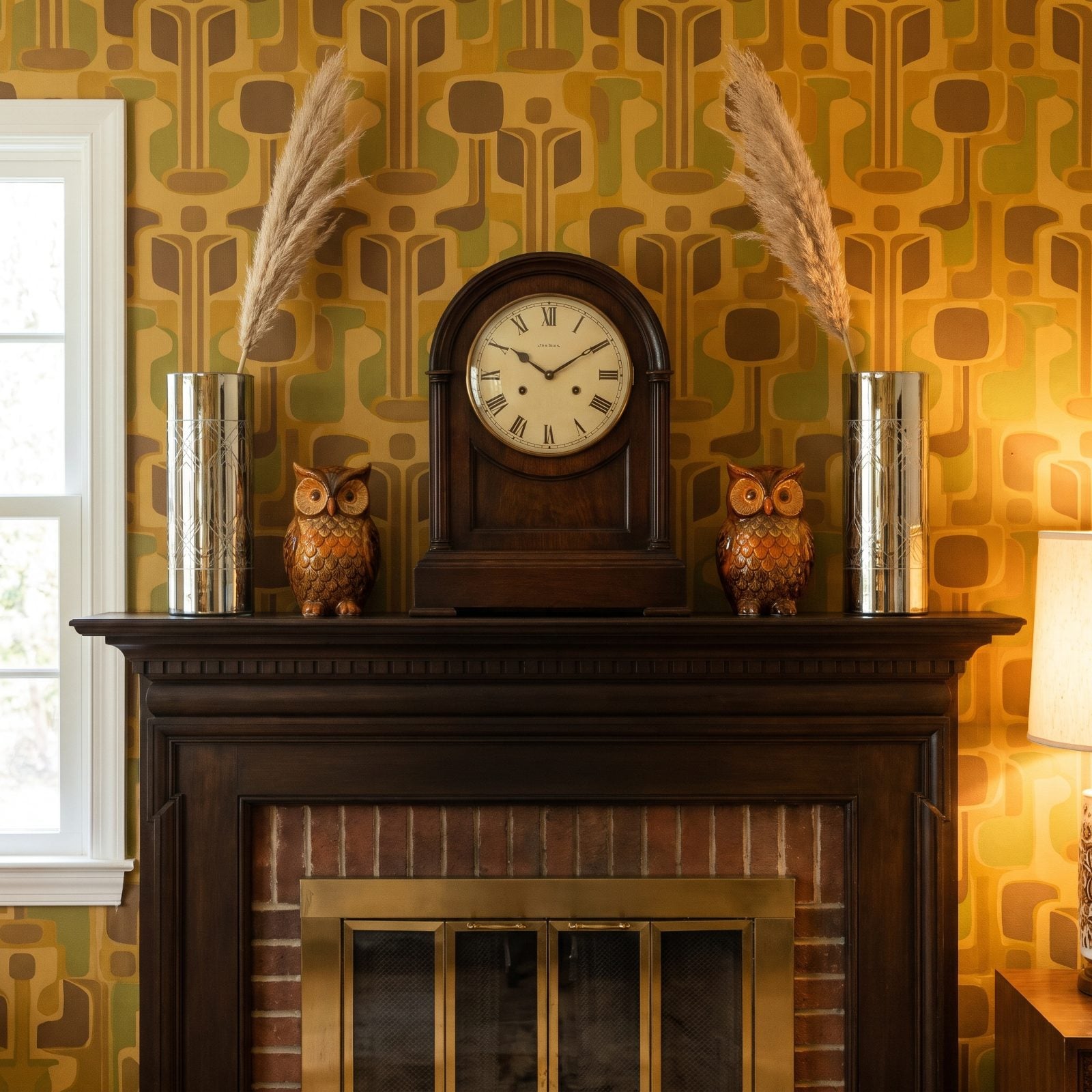
A clock in the middle. A thing on each side. Match them up and don’t you dare nudge one.
The mantel ran on mirror-image logic, with a centerpiece in the middle, usually a wood-cased clock that chimed on the hour, then identical pairs working outward. Two candlesticks, two vases, two framed photos angled just so. Shift one candlestick an inch and the whole thing read as wrong, even to a kid who couldn’t have told you why.
4. The Stereo Console Was for Adults Only
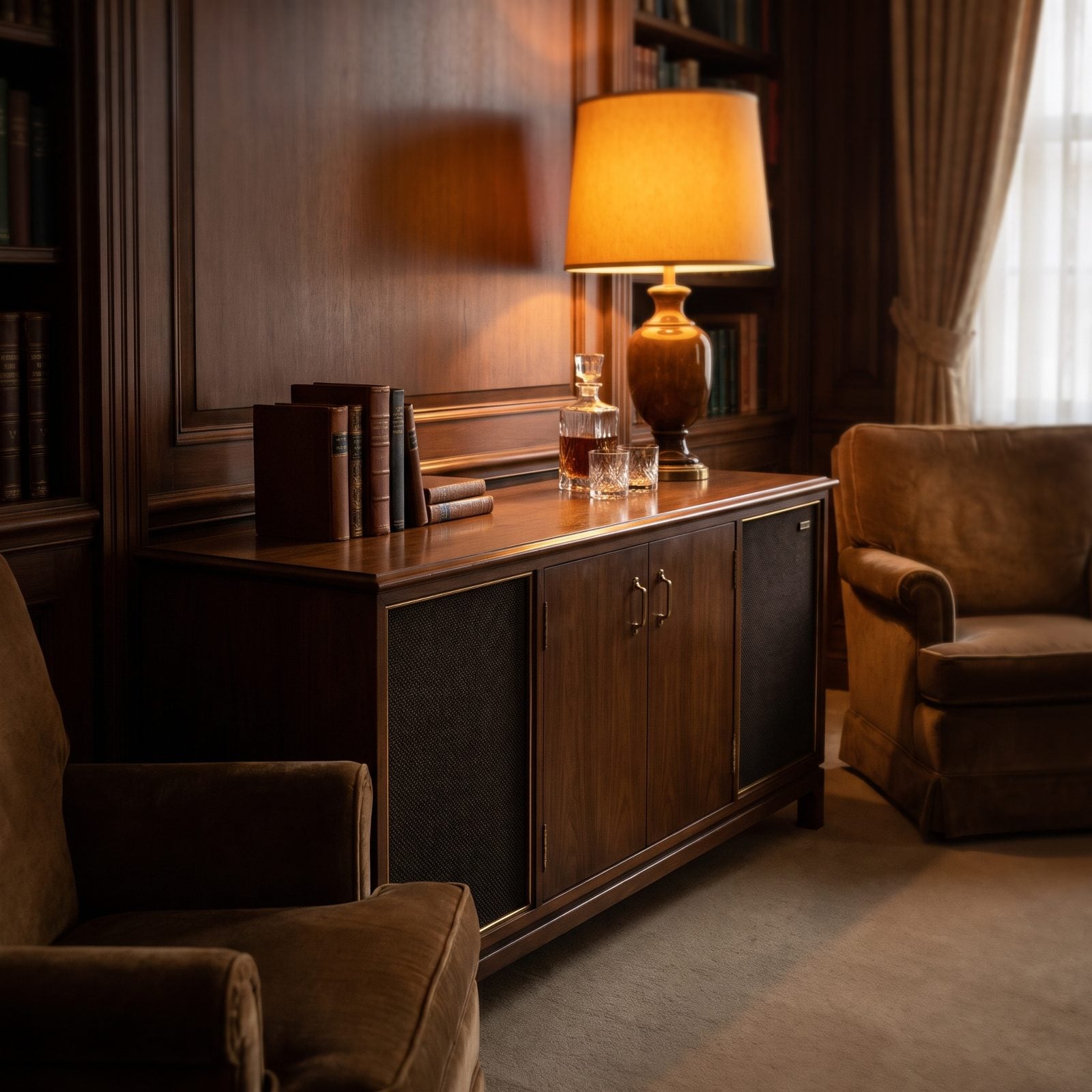
Long, low, heavy as a coffin, and absolutely off-limits.
The console stereo was furniture first and electronics second. A lift lid hid the turntable, a radio dial glowed amber at night, and fabric-covered speakers sat built into each end. Records lived inside or in a rack beside it, organized in an order only the adults understood.
You did not operate it. You asked. The needle cost real money, the records were someone’s whole collection, and a scratch was a crime with consequences. Being allowed to lower the arm even once, under supervision, meant holding your breath the whole time.
3. Furniture Polish Was the Room’s Signature Smell
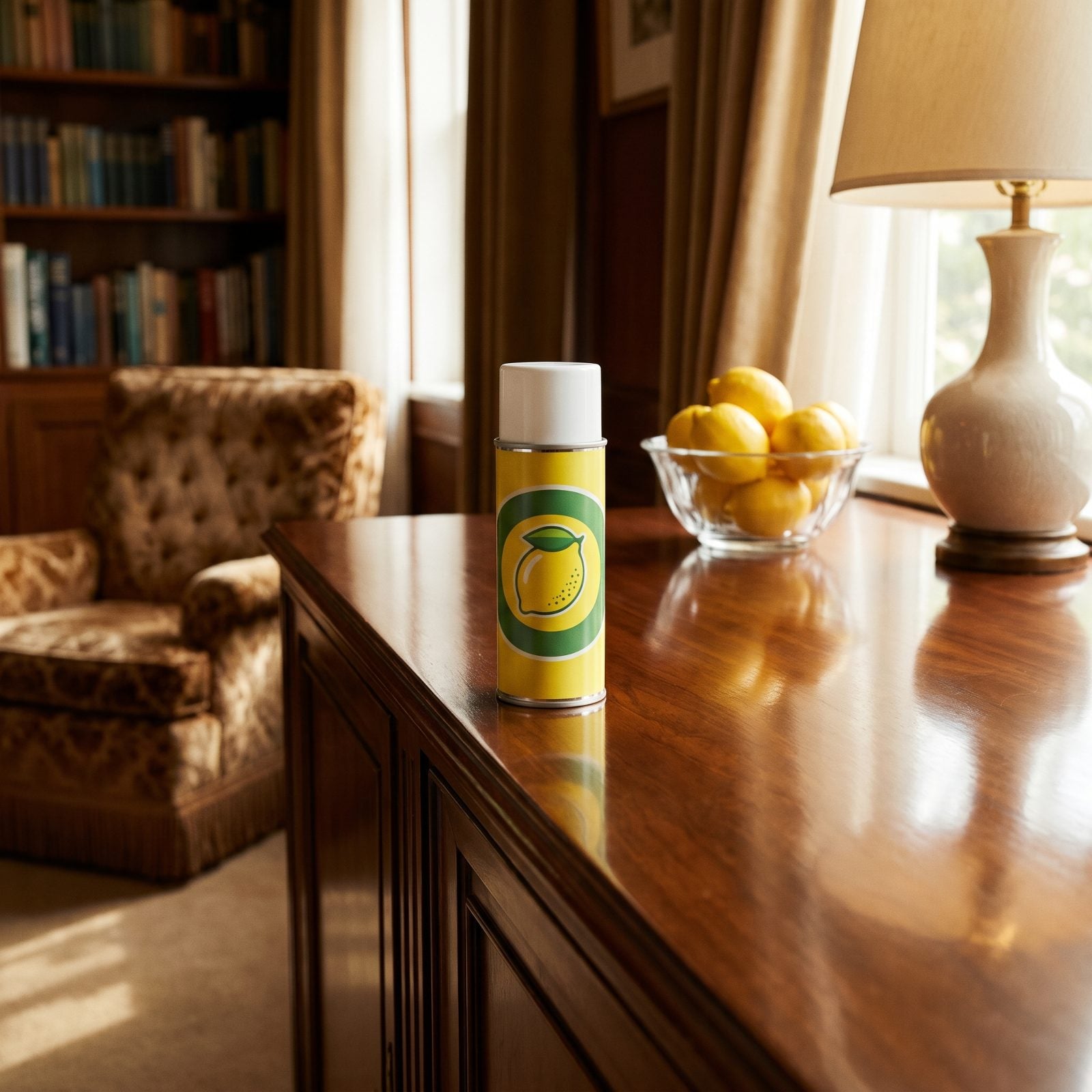
Lemon. Always lemon. You smelled it before you reached the doorway.
That bright, oily, faintly chemical scent of aerosol furniture polish was the room’s signature. The wood surfaces got worked over every week, sometimes more, until they threw back the light like dark water. A yellow cloth, a can with a familiar hiss, and the whole room took on a smell that said company might be coming.
Explaining why aerosol polish became a weekly habit, a veteran furniture refinisher notes that “people learned from each other and from cleaning people that they could keep their tabletops looking great for a week or two with the silicone furniture polishes”
2. The Room Felt Colder Than the Rest of the House
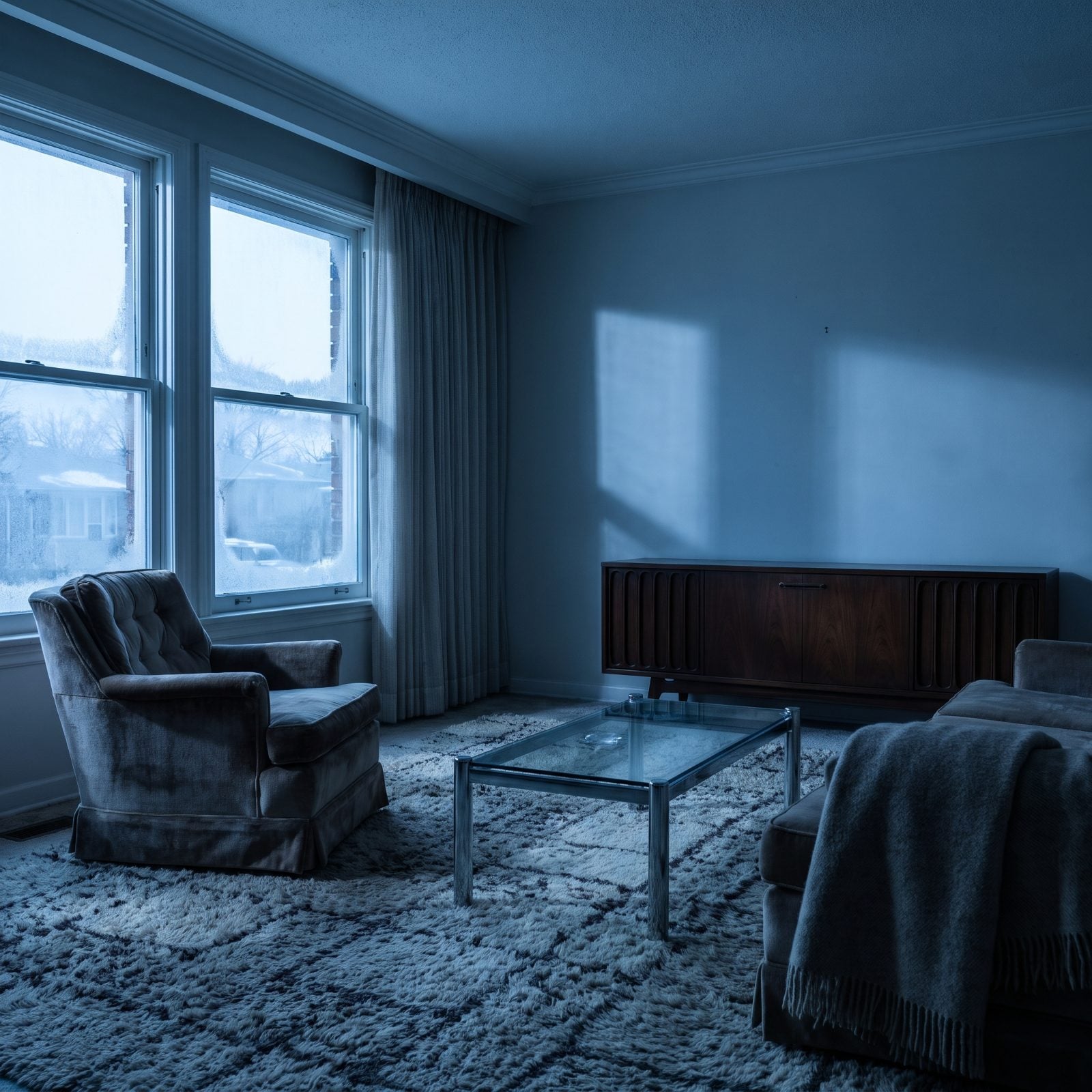
Walking in felt like opening the fridge. The temperature dropped and you noticed.
There was a reason. Nobody lived in there, so nobody bothered heating it, and the vents got closed or left shut while the door stayed mostly closed and the room held still air that never got warmed by bodies, a TV, or a fire. The plastic on the sofa didn’t help, cool and faintly clammy against the backs of your legs, even with the wool throw draped over the arm.
You spent so little time in there that the chill never got a chance to lift. It stayed a room you visited, not a room you occupied.
Closing the vents in a room nobody used came with a cost of its own, and an HVAC expert warns: “When vents are blocked, that balance is upset, which can potentially cause more harm than good.”
1. Everything Was Straightened the Moment Guests Left
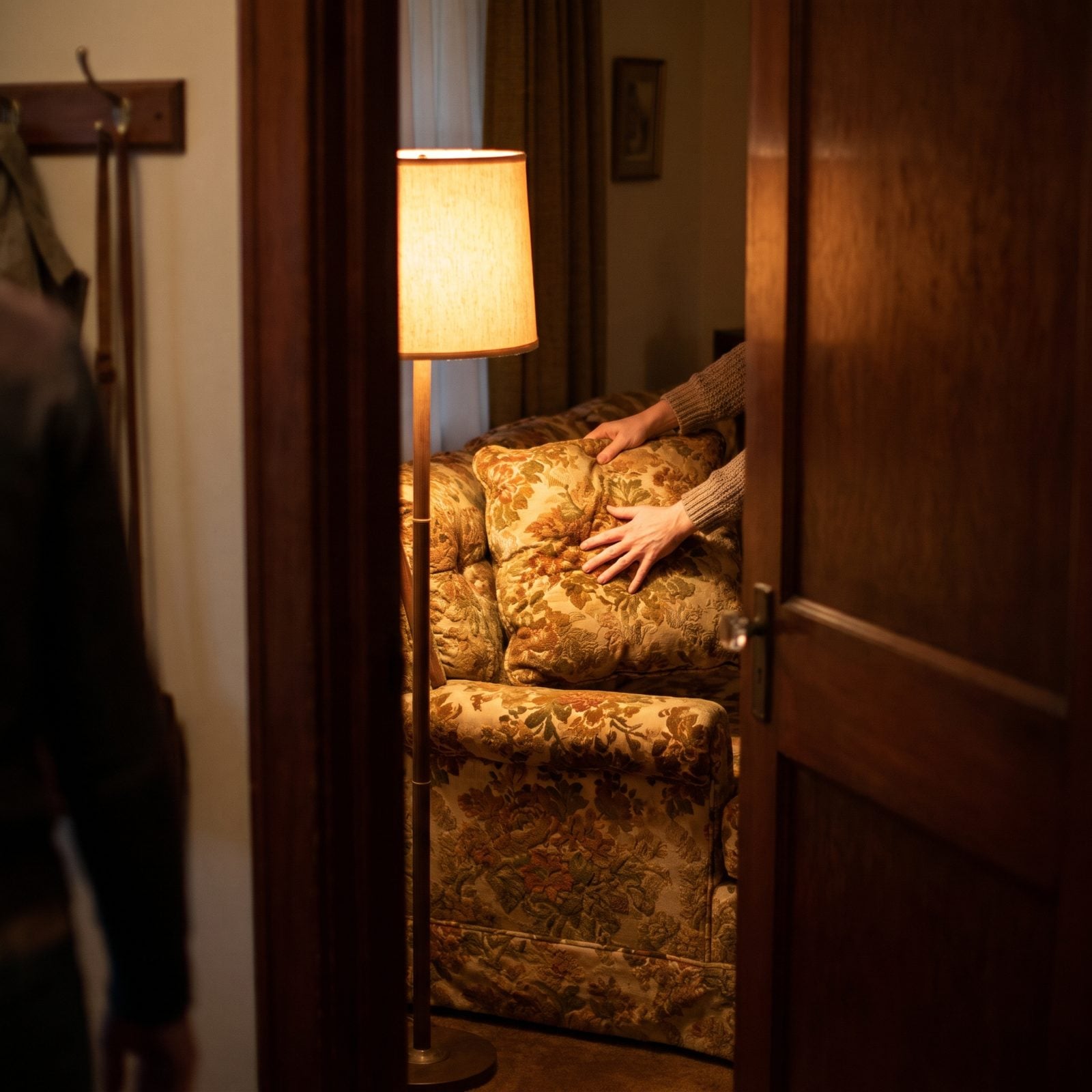
Door clicks shut behind the last guest. Cushions get plumped before the car even leaves the driveway.
The reset was almost a ritual. Pillows karate-chopped back into shape, magazines fanned on the coffee table, coasters restacked, the throw refolded over the sofa arm at the exact angle it lived at. Any impression a visitor left in the vinyl got smoothed away within minutes.
And comfort was never the point. Readiness was. This room existed in a permanent state of about-to-be-seen, and the second it had been seen, it reset to wait for the next time. A stage with the curtain always half up.