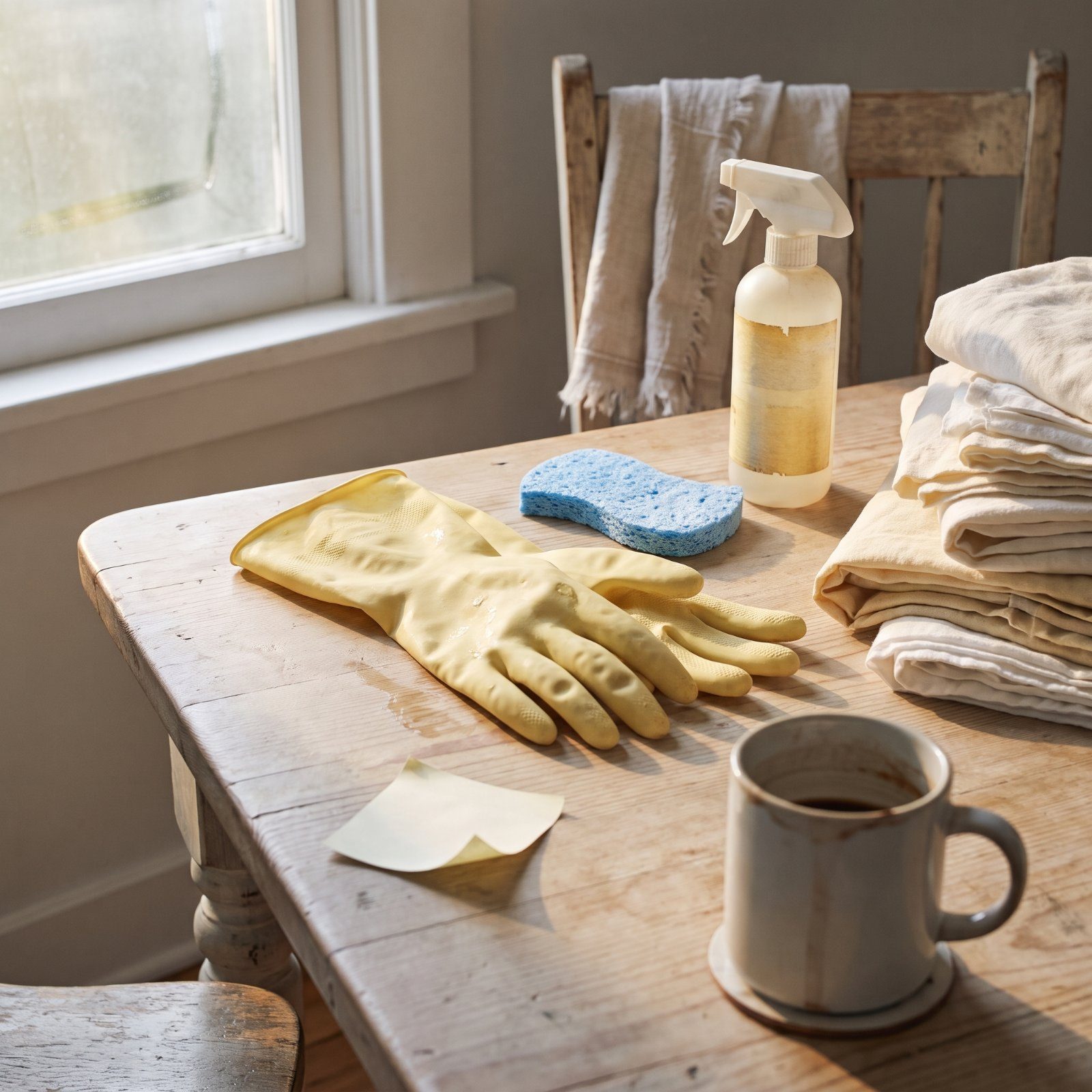
The sponge is worn to a nub and nobody noticed when it got that way. That’s usually how it starts — not one big unfair fight, but a slow drift where the dishes, the laundry, the floors, and the invisible thousand small resets of a home all land on one set of hands. A clean house makes no noise, so nobody thanks you for the quiet. We put together the tells below not to assign blame but to name what usually goes unnamed. Some of these will sting. That sting is the point. A home should hold you up, not hollow you out.
Please note that some of the images in this article were created with the assistance of AI.
18. You Re-Clean Rooms That Were Spotless Hours Ago
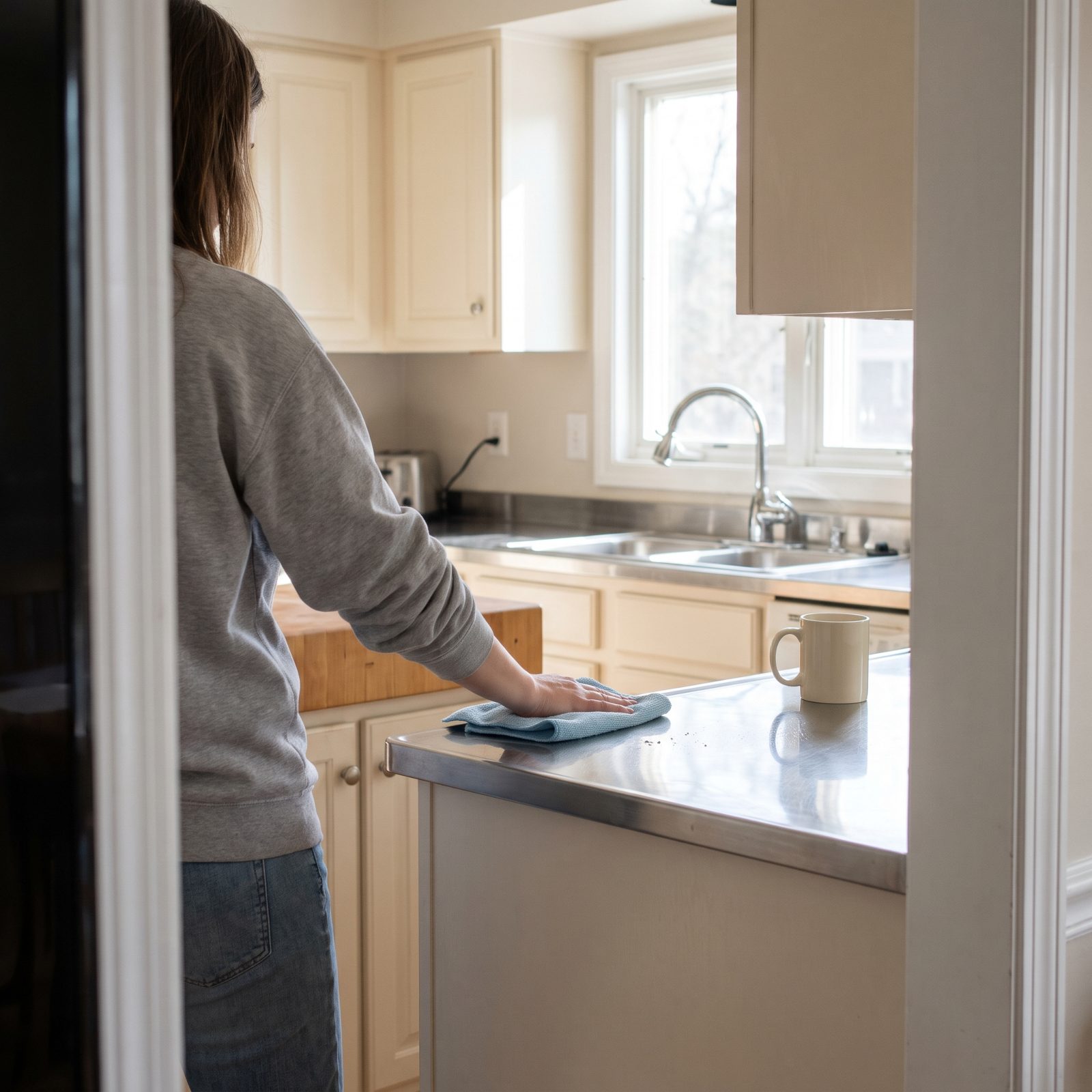
You wiped that counter at ten. Here you are at one, wiping it again, and nothing has touched it in between. Clearest tell of them all, because it has nothing to do with the dirt. The dirt is gone. It’s about a nervous system that can’t register the house as finished.
When your brain is holding too much, cleaning becomes the only lever you can pull to feel a sliver of control. The surface is already clean, so you aren’t cleaning it — you’re soothing yourself with a cloth.
17. Sitting Down to Rest Makes You Instantly Anxious

The second your body hits the cushion, a list unspools behind your eyes. The dryer. The thing on the stairs. The email about the dentist. Rest should feel like relief; instead it feels like guilt with a backbeat.
The hard truth? Someone doing a fair share can sit down and actually sit. If your rest comes pre-loaded with dread, your load is too heavy, and you’ve swallowed it so deeply that stopping feels like failing. It isn’t. You’re just the only one who’s been keeping score.
16. The Whole Family Steps Over the Same Mess
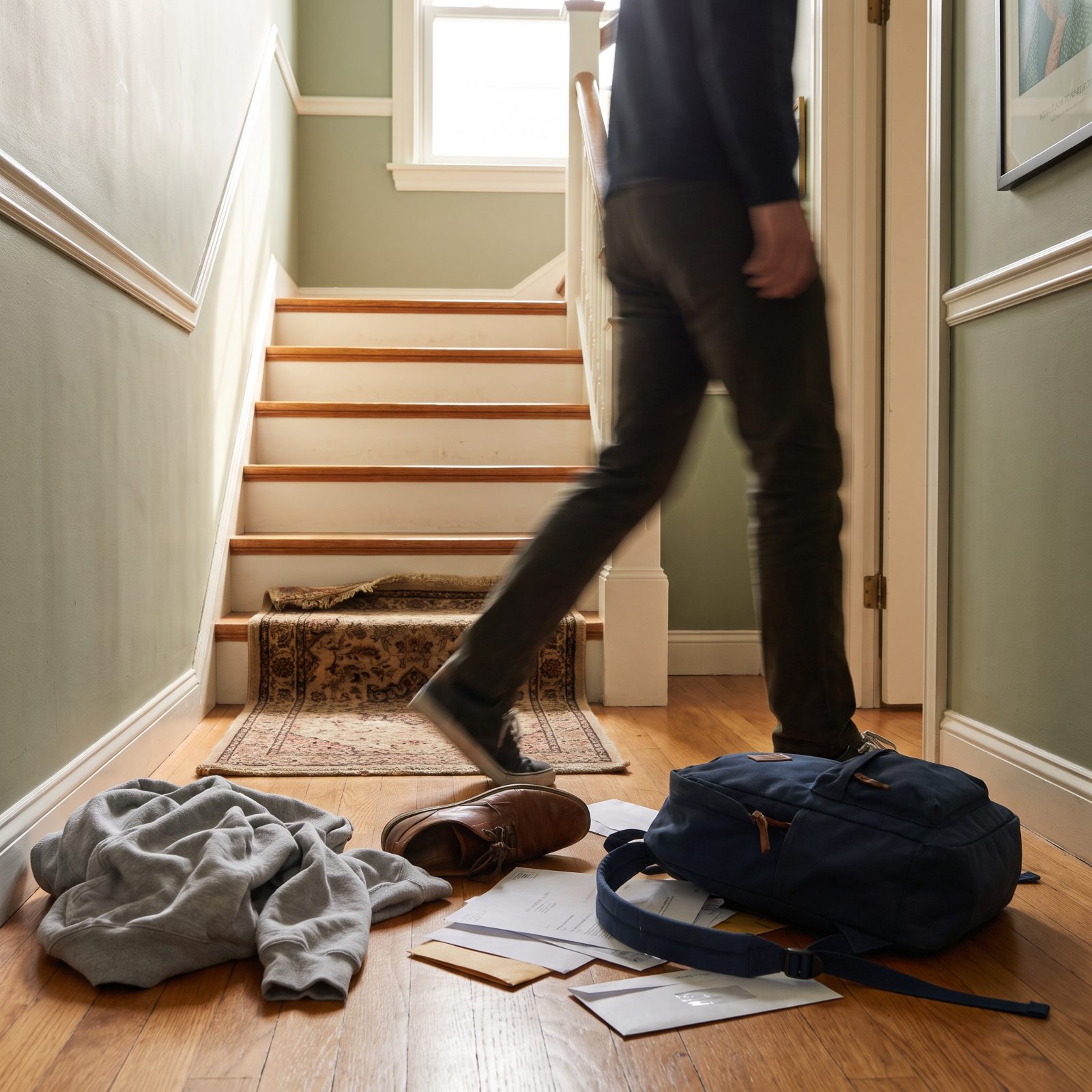
Watch the feet, not the mouths. A backpack lands by the stairs and stays for three days while everyone else in the house develops a graceful little hop to clear it. Nobody picks it up because somewhere, silently, it got decided that picking things up is your department.
This is learned helplessness, and it spreads. The more reliably you handle it, the more invisible the work becomes to everyone who isn’t doing it. It’s easy to get this wrong for years, thinking a clean path means harmony. It just means the room has been trained.
15. You Clean Before Guests Arrive and Again After They Leave
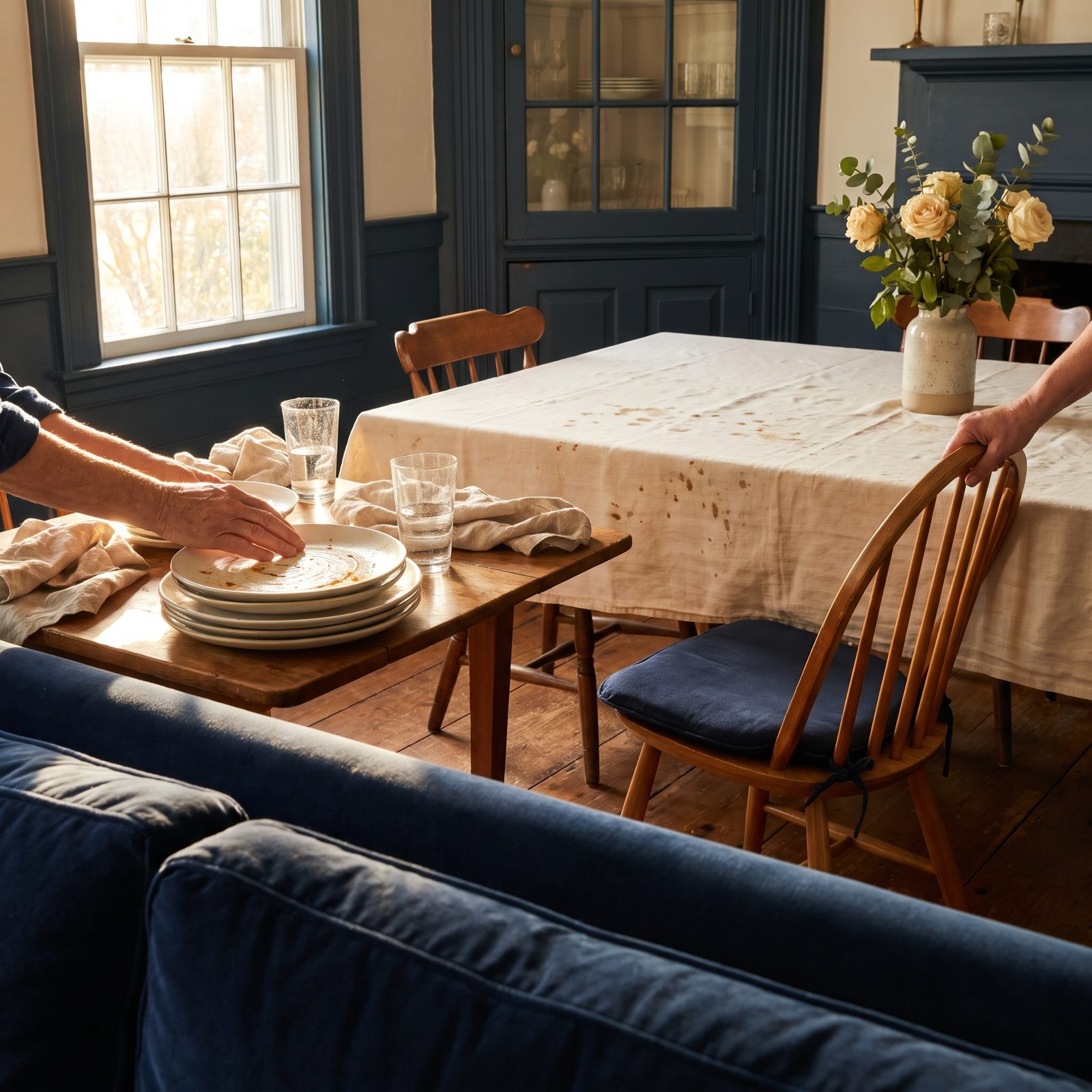
The double shift nobody counts. Hours of scrubbing before anyone rings the bell, then the second round at eleven at night when the last car pulls away and the house looks like a crime scene of good times.
Hospitality has a cost, and the people who also enjoyed the evening should share it. If the before and the after are both yours alone, you’re not hosting. You’re staffing your own party.
14. Your Weekends Disappear Into Chores Without a Trace
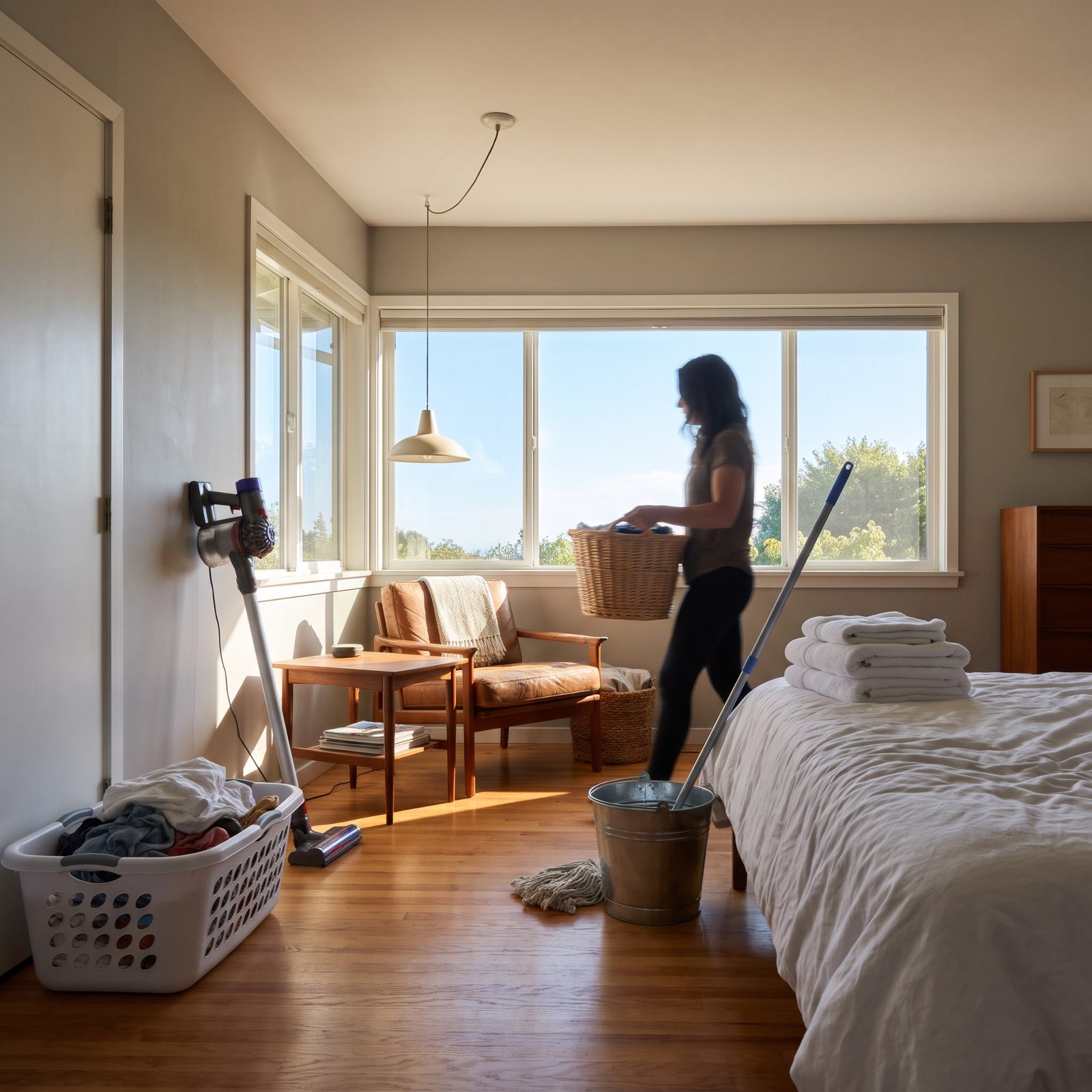
Friday night you had plans. Lunch with a friend. That trail you keep meaning to walk. Then Sunday evening arrives and none of it happened, because laundry, floors, and the grocery run ate the weekend whole, and you can’t even point to where the hours went.
Everyone else got two days off. You got two days of unpaid labor with no lunch break.
13. You’ve Quit Asking for Help Because It’s Faster Alone
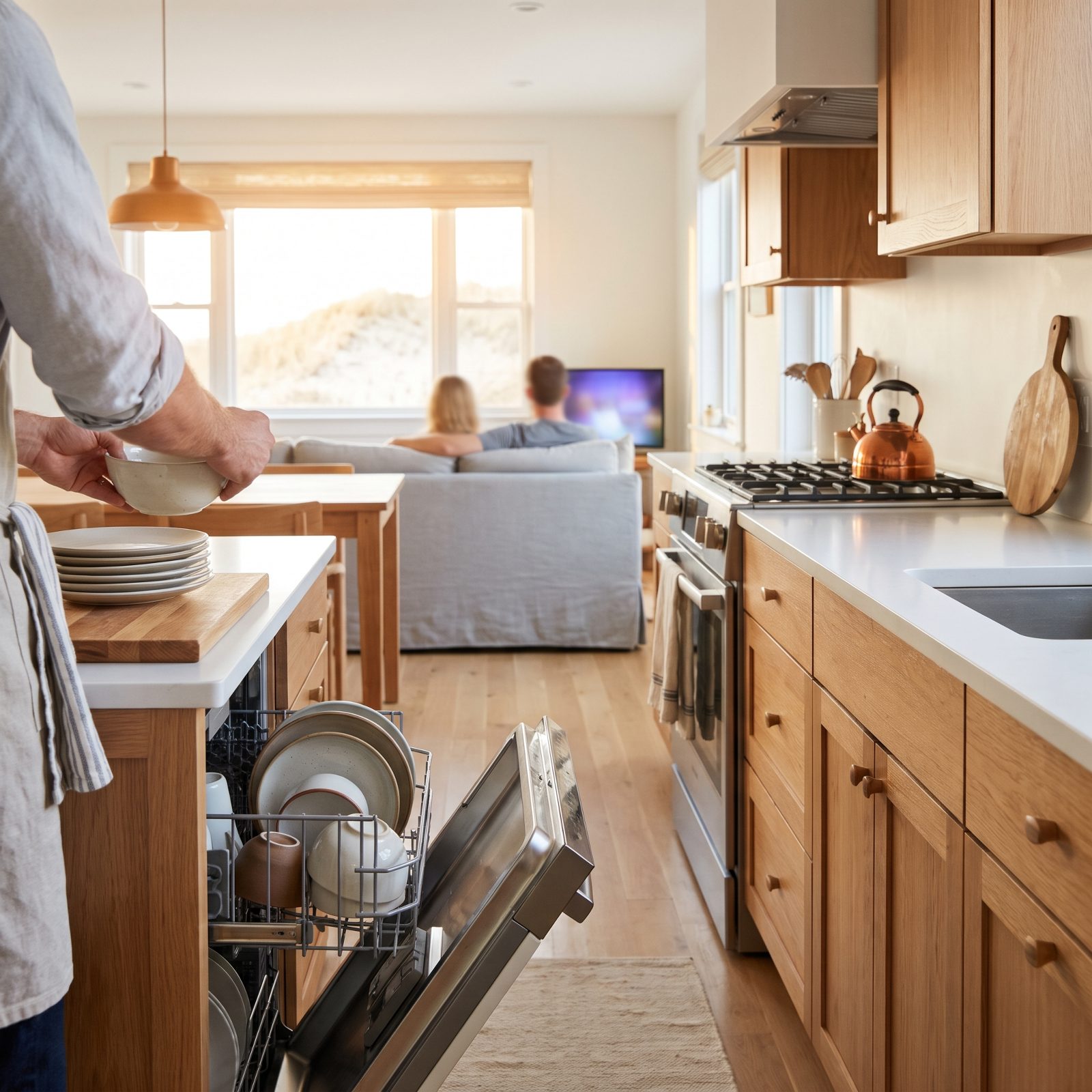
Technically true. You can empty the dishwasher in four minutes flat and nobody loads it the way you do, so you stopped asking, and the asking never came back.
But faster alone is a trap with a lovely view. Every time you do it yourself because teaching someone is a hassle, you confirm the very division of labor you resent. The efficiency is real. So is the cost. You’ve traded a slightly messier loaded dishwasher for sole, permanent ownership of the entire kitchen.
12. You See Dust and Crumbs Nobody Else Registers
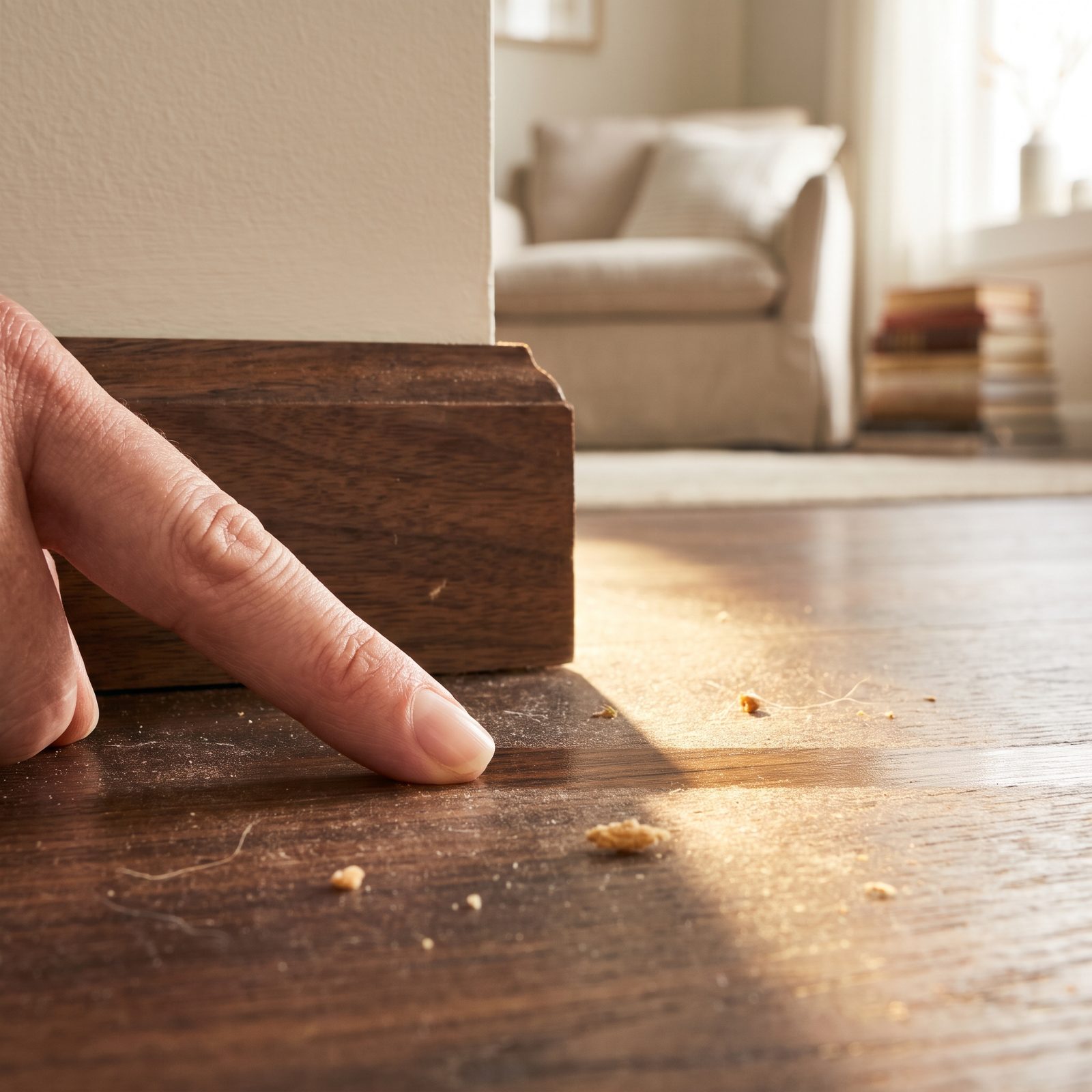
You walk into a room and your eyes go straight to the thing. The crumb on the baseboard. The faint ring on the coffee table. The dust on top of the door frame that, let’s be honest, no human being over five feet tall will ever look at.
This radar is not a gift. It’s what happens when the mental load of keeping a home runs permanently in the background, scanning. Other people walk into the same room and see a nice room. You see a to-do list. That difference is the whole problem in one glance.
11. You Apologize for the House When It’s Already Spotless
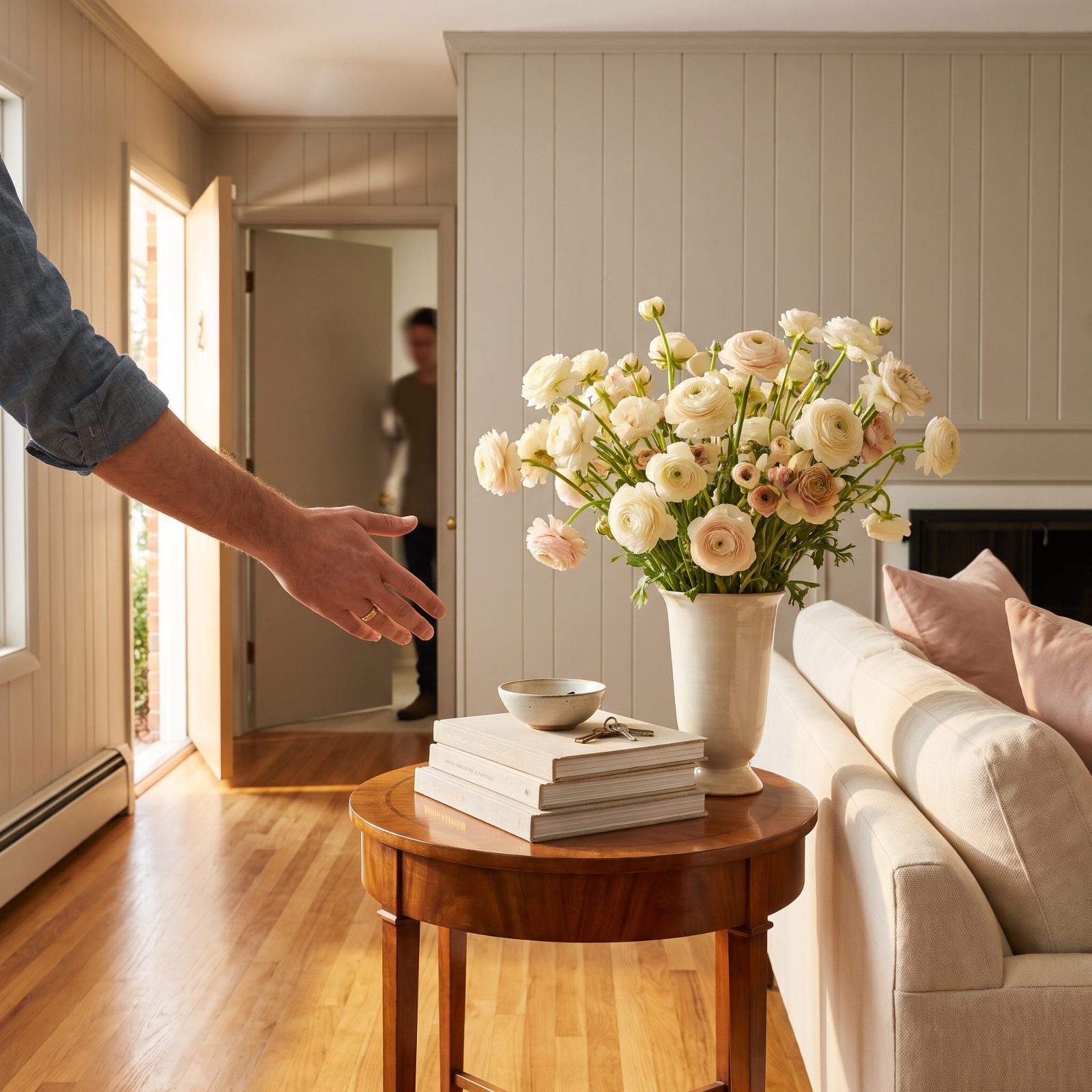
“Sorry, it’s a mess.” The guest looks around at a room you could film a magazine spread in and nods politely, confused.
That reflexive apology is a window into the standard you’ve set for yourself, which sits somewhere just past achievable. If a spotless house still earns an apology in your own mouth, no amount of cleaning will ever feel like enough — because the bar isn’t a clean house. The bar is impossible, and you’ve volunteered to chase it.
10. Your Hands Are Always Chapped From Cleaning Products
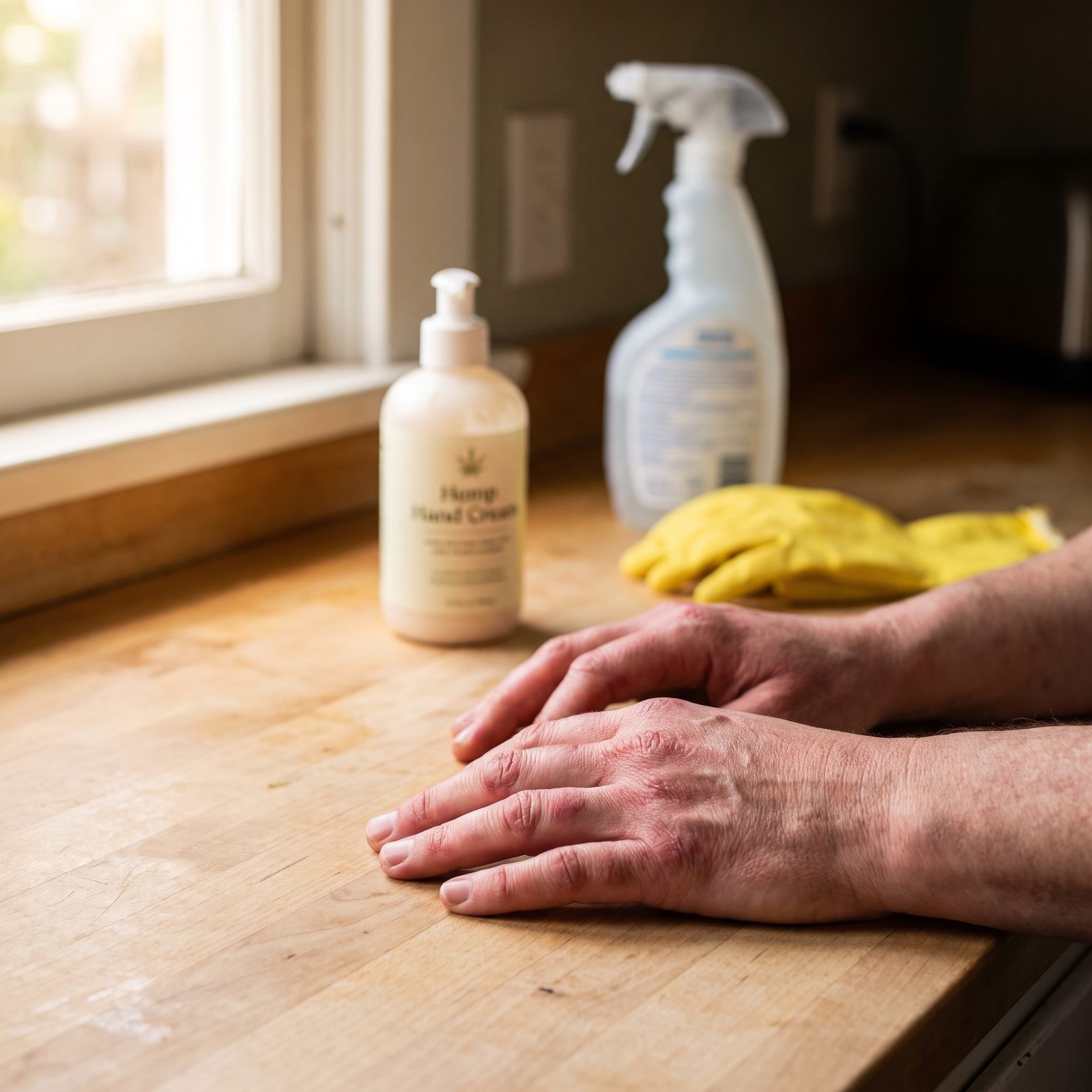
The body keeps receipts. Cracked knuckles, dry red skin, that spot on your thumb that never quite heals because it lives in constant contact with dish soap, bleach wipes, and whatever citrus spray promises to cut grease.
This is housework written on skin. Nobody else in the house has these hands. Worth sitting with that for a second.
9. You Wake Up Already Thinking About the Laundry
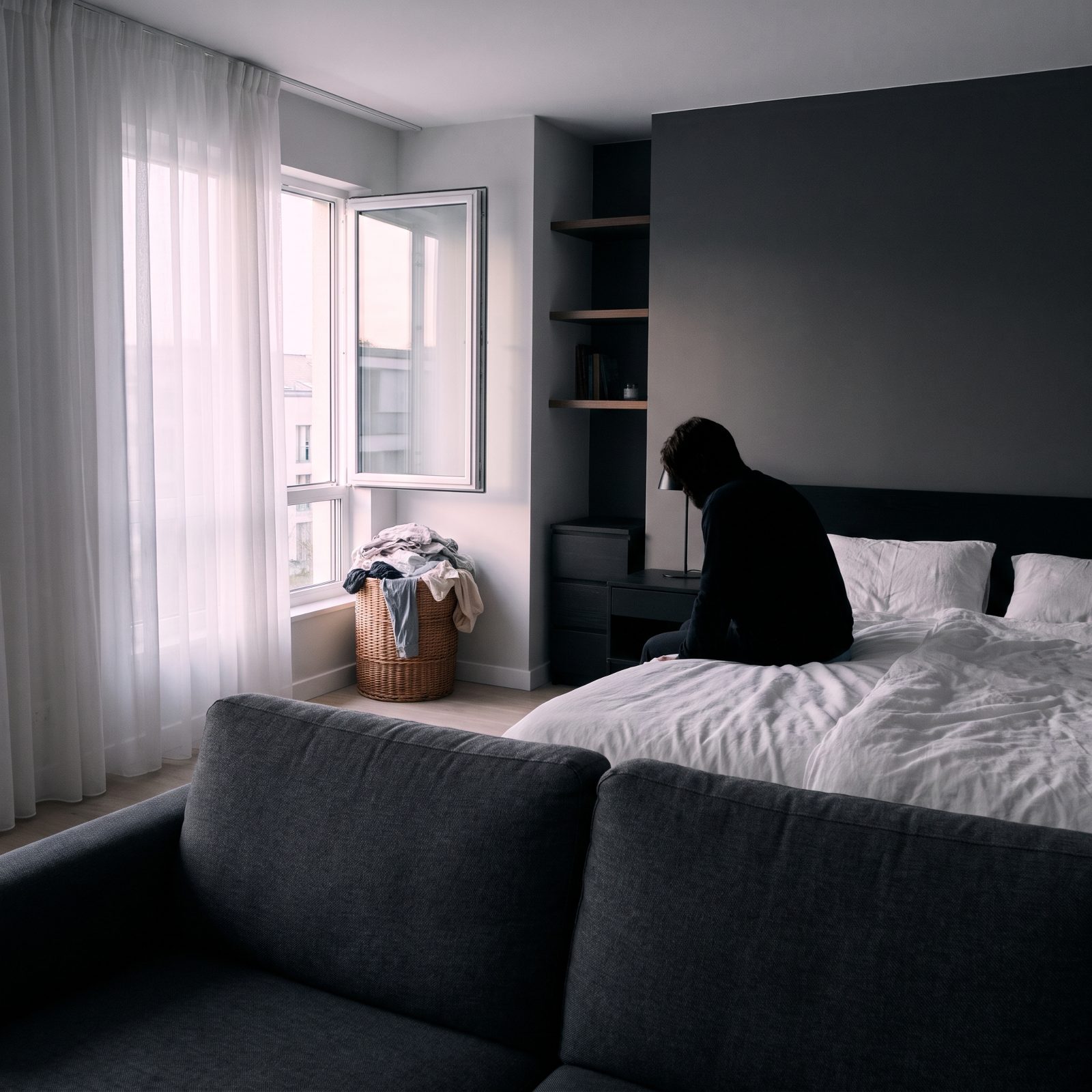
Before your feet hit the floor, the pile is already in your head. Not a dream. Not a worry about work or health. Laundry. The first conscious thought of your day is a chore that belongs to a whole household and lives rent-free in exactly one brain.
This is the mental load at its loudest. When domestic work colonizes the moment between sleep and waking, it has stopped being something you do and become something you are. That’s the line. On one side sits a job you share. On the other sits a job that’s quietly consuming you, unnoticed, because the house looks fine.
And the house looking fine is the whole trouble. Clean work is silent work, and silent work goes unthanked. So start saying it out loud. Not with resentment — with numbers, with lists, with a plain request. The people stepping over the backpack aren’t villains. They just never had to see what you see. Make them see it.
8. You Turn Down Invitations Because the House ‘Isn’t Ready’
The invitation came, and the first thought wasn’t “yes, how fun.” It was “but the house.” You hear yourself say the baseboards need doing, or that the spare room is a disaster, and you decline. The strange part? Half the time guests would never notice, and the other half wouldn’t care.
When your social life bends around the state of your floors, the standard has quietly become a cage. Nobody asked you to hit that bar. You set it yourself, and now you’re the only one guarding it.
7. You Secretly Redo the Chores Other People Did
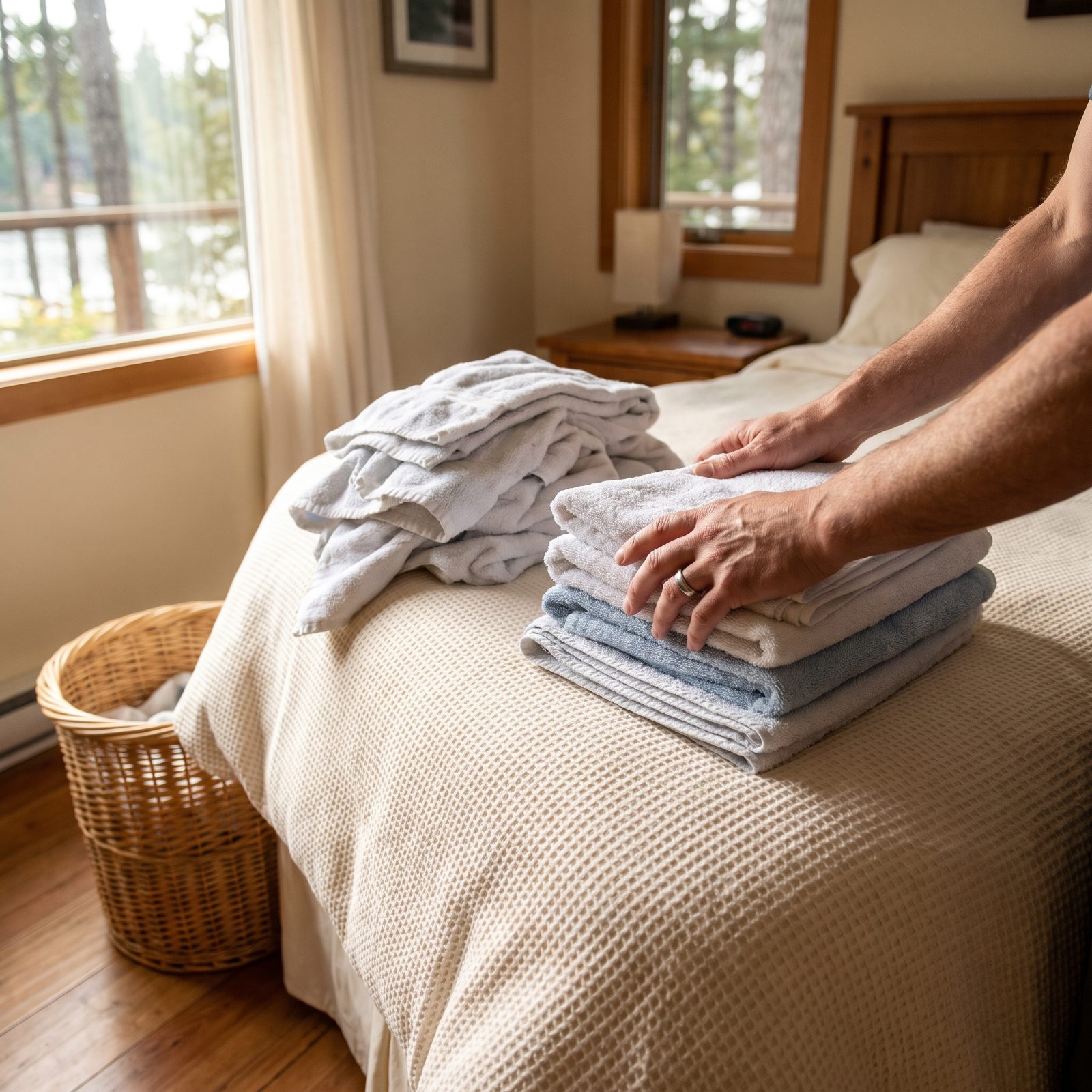
Someone loaded the dishwasher. You reopened it and rearranged every plate. Someone made the bed, so you pulled the corners tighter. It feels like efficiency. It isn’t.
Here’s the uncomfortable math. Every time you redo a task someone else finished, you teach them two things: that their effort doesn’t count, and that you’ll always step in anyway. So why would they bother next time? You’ve quietly trained the help right out of the household — and then you wonder why the whole thing lands on you.
6. Nobody Says Thank You Anymore, and You’ve Stopped Waiting
Gratitude used to land now and then — a quick thanks, a noticed effort. These days the work just vanishes into the running of the house, as expected as the lights coming on.
You’ve made peace with it, which sounds mature. It isn’t peace. It’s the slow acceptance that your labor has become furniture: something holding the place together while being completely overlooked.
Invisible work is still work. The fact that it goes unseen doesn’t make it lighter, it makes it lonelier.
5. You’re Carrying a Resentment You Can’t Quite Name
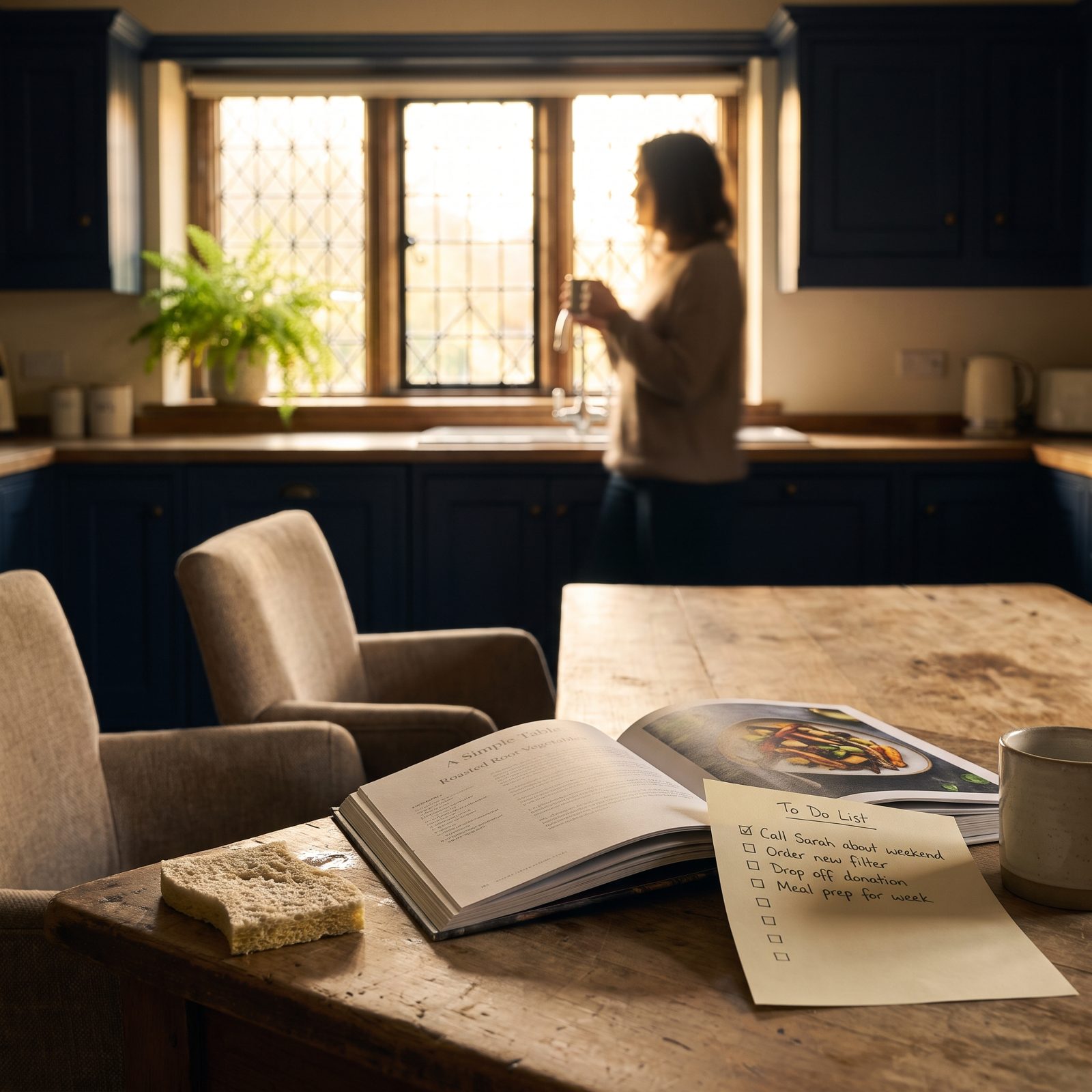
It flares at odd moments. A short answer over nothing, a slammed cabinet, a flat mood on a day that should’ve been fine. You can’t point to what’s wrong, so you assume it’s you being difficult.
It usually isn’t. Nameless resentment is almost always the tally no one else sees — the hours, the decisions, the mental lists you carry without credit. The body keeps score long before the mind finds the words.
4. You Scrub When You’re Stressed Instead of Resting
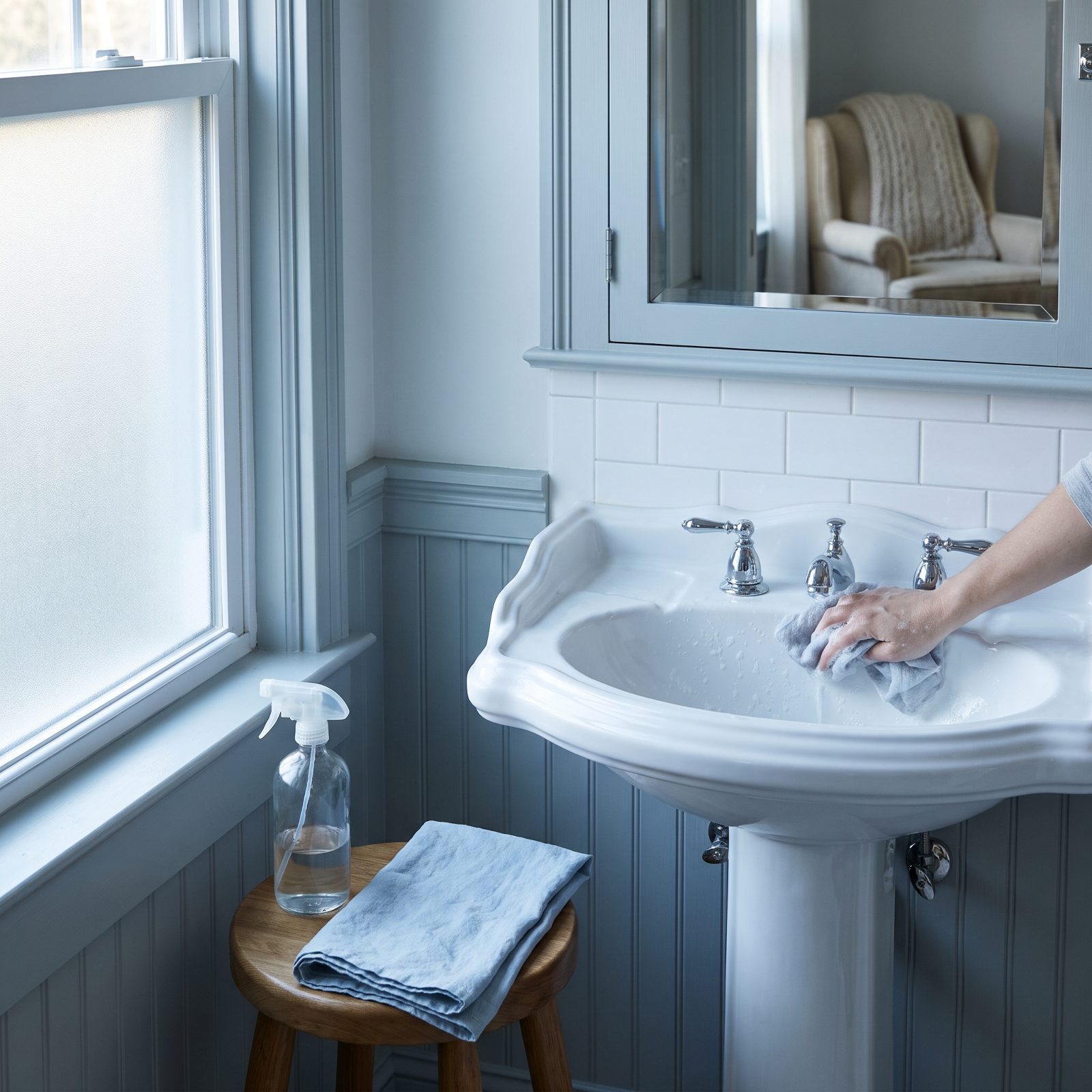
Bad day, so you clean the oven. Anxious, so you reorganize the pantry. Scrubbing hands you something to control when everything else feels loose, and the shine at the end feels like proof you handled it.
But cleaning isn’t rest, no matter how satisfying it is to finish. If the only way you can justify sitting down is after the baseboards gleam, you’ve turned relaxation into a reward you keep refusing to earn.
3. You Know Everyone’s Mess Patterns but Can’t Recall Your Own Hobbies
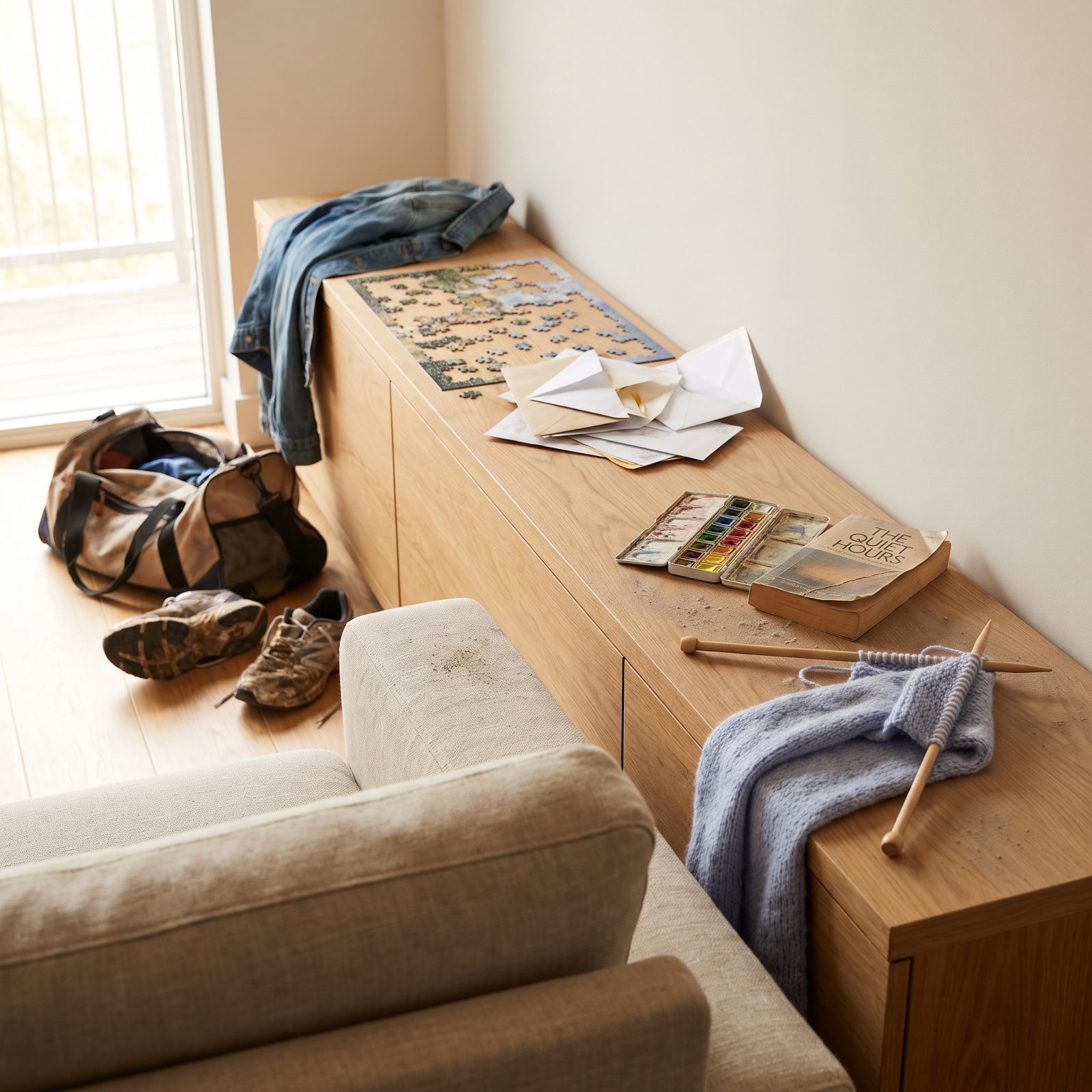
You could draw a map of everyone’s habits — who drops socks by the couch, who leaves mugs in the car, who never replaces the toilet roll. You track it all without trying.
Now the harder question. What did you used to do for yourself? The paints are dusty and the book has a bookmark three years old. Somewhere along the way, keeping the household running swallowed the parts of you that had nothing to do with it.
2. You Feel Guilty About Buying Help or Time-Saving Appliances
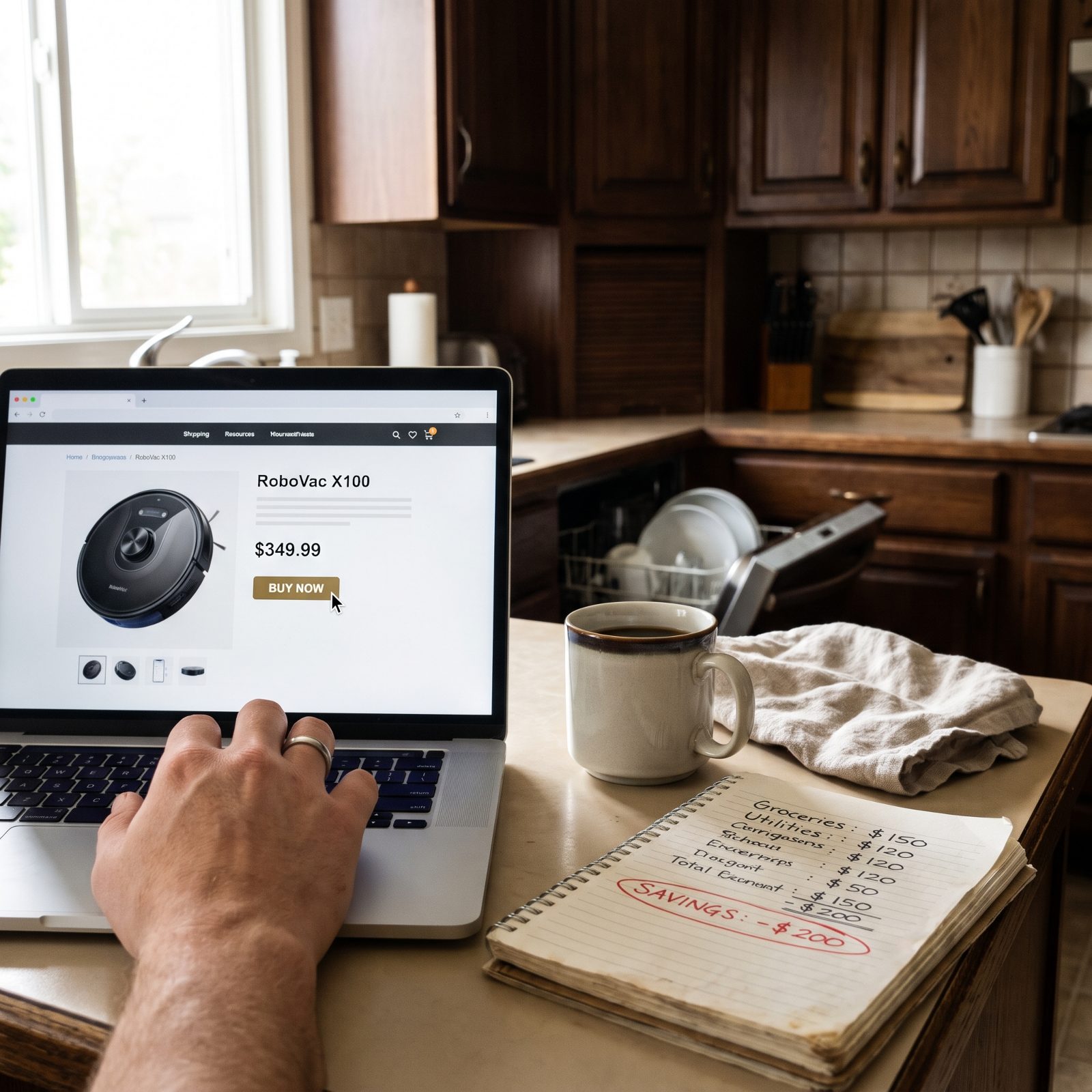
The cleaner would cost less than a weekly dinner out, and you still can’t bring yourself to book it. The dishwasher keeps dying and you keep hand-washing the dishes on some stubborn principle. You finally bought the robot vacuum, and it still feels like an indulgence every time it rolls off its dock.
Somewhere you absorbed the idea that your time isn’t worth spending money to protect. It is. Buying back an hour isn’t laziness — it’s a fair trade. And the guilt itself is a tell: proof of how deeply the load has been taken for granted, including by you.
1. Your Back and Knees Ache, and You Push Through Anyway
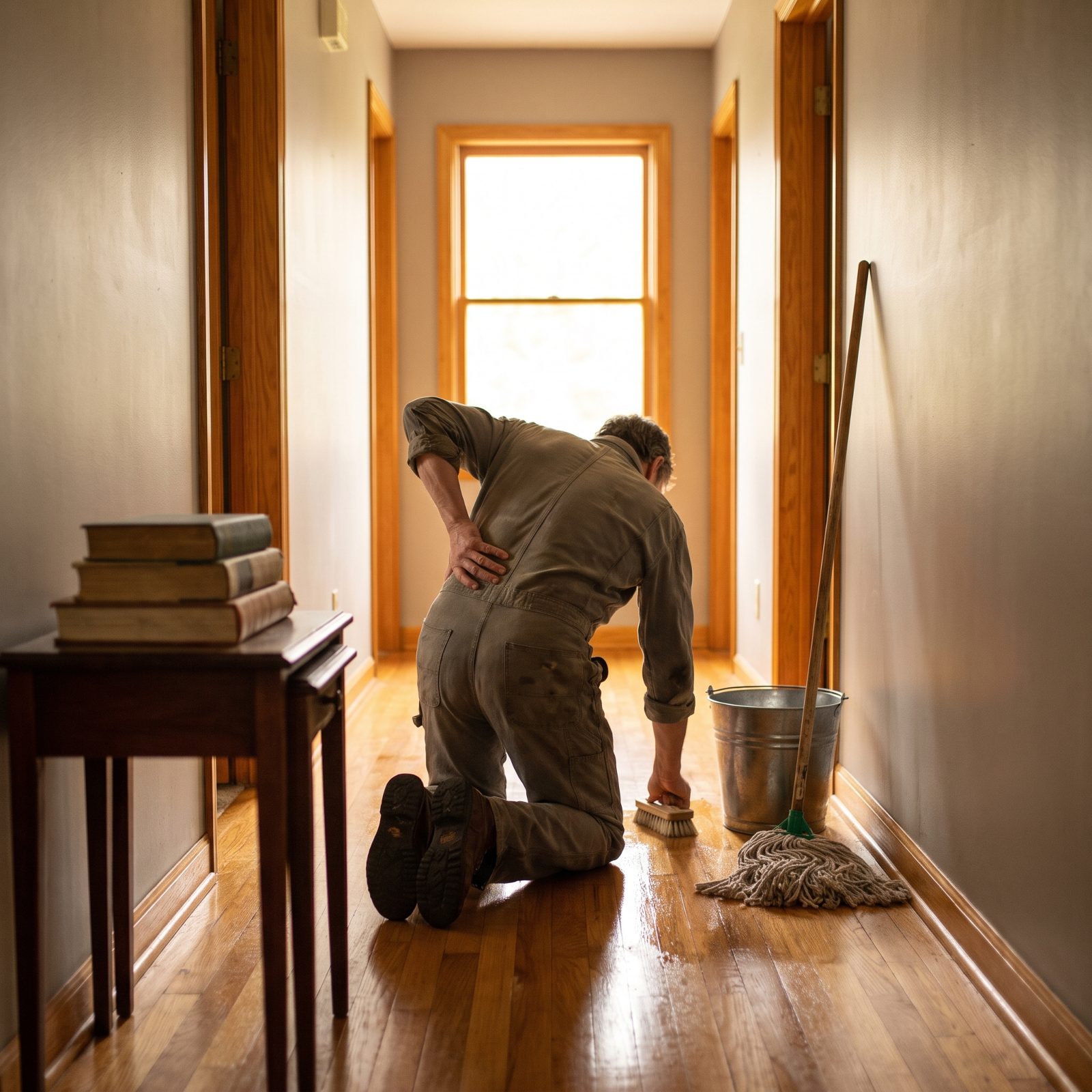
The knees protest when you get down to the floor. The lower back has opinions about the laundry basket. You’ve started grunting when you stand, and you push through anyway, because the work doesn’t stop just because the body complains.
This is where the fair-share conversation stops being about principle and starts being about your health. Pain is not a badge. When housework is literally hurting you and you keep absorbing it alone, the imbalance has gone past unfair — it’s become a cost your body is quietly paying so no one else has to notice.