The spotless house you walk into and quietly envy? Nobody scrubbed it for four hours on Saturday. The secret is boring, and that’s exactly why it works. People with consistently tidy homes aren’t working harder than you — they’ve just stopped letting mess pile up into a weekend-swallowing project. A few small moves, repeated until they stop feeling like decisions, do the heavy lifting. We dug into the habits that actually hold, the ones that turn cleaning from an event into background noise. None of them take willpower once they stick, and all of them save you from that dreaded all-day reckoning.
Please note that some of the images in this article were created with the assistance of AI.
27. The 10-Minute Nightly Reset That Buys You a Calm Morning

Ten minutes. That’s it. Right before bed you walk the main rooms and put things back where they go — cushions squared, mugs to the sink, the stray mail into its slot, shoes by the door lined up instead of scattered like a crime scene.
The magic isn’t the tidying itself. It’s waking up to a home that isn’t already yelling at you, so you start the day ahead instead of behind. It’s easy to resist this one because ten minutes at night feels like one more chore. Turns out it replaces about an hour of dread on Saturday.
26. Making the Bed Every Morning, No Negotiating

A made bed is a trick, and a good one. It takes under two minutes and instantly makes the whole room read as handled, even if the closet behind you is chaos.
There’s real psychology here. Finishing one small task first thing gives you a tiny win that tends to snowball into others. The messy room rarely starts with the bed — it starts with the thing you tell yourself you’ll do later.
25. Cleaning As You Cook So Dinner Doesn’t End in a Disaster Zone
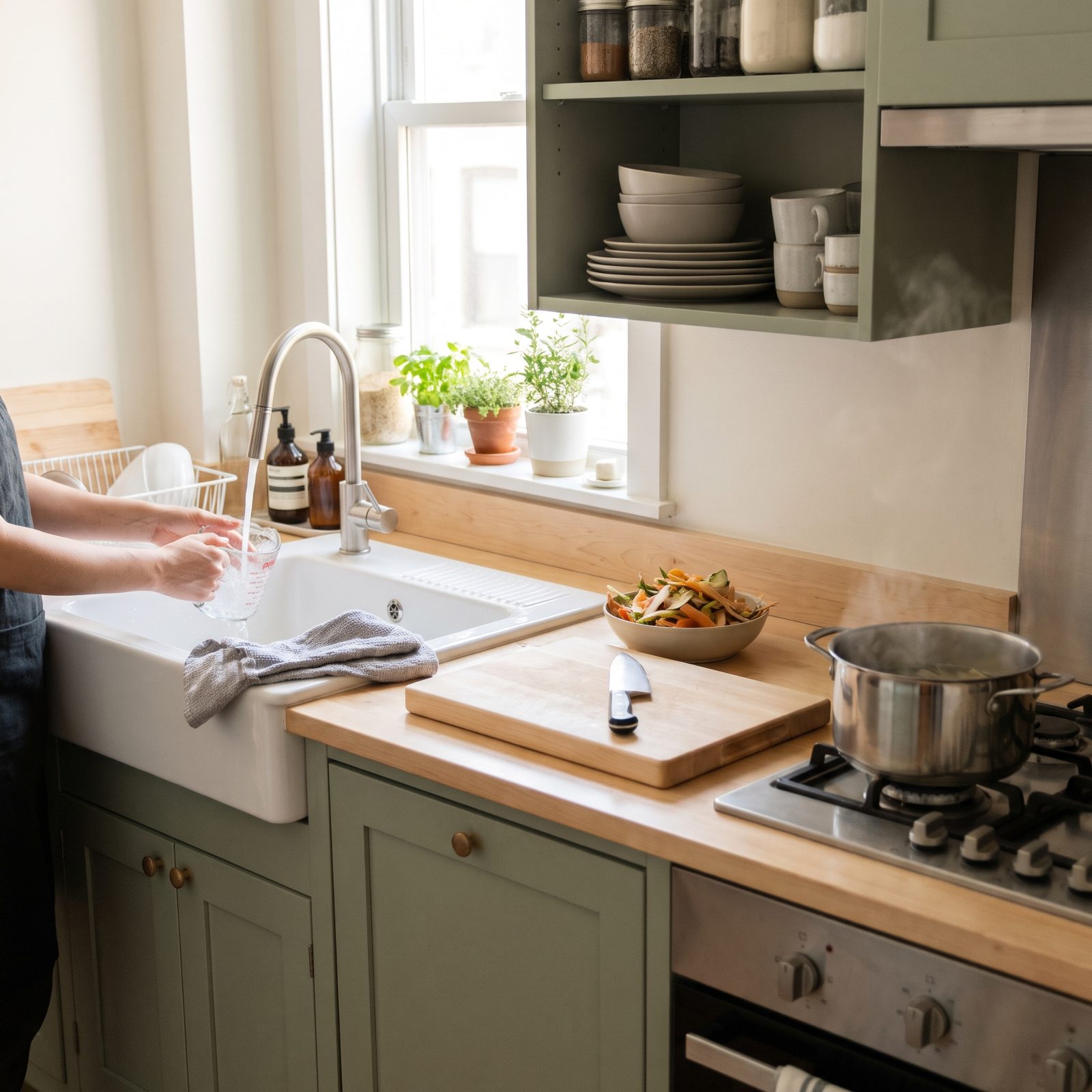
The difference between loving cooking and dreading it often comes down to what the kitchen looks like when you finally sit down to eat.
While the water boils, you wash the cutting board. While the sauce simmers, you wipe the counter and put the oil back in the cabinet. Nothing piles up because you never let it start, and by the time dinner’s plated the kitchen is already most of the way to clean.
It’s tempting to leave it all for after and tell yourself you’ll deal with it. Then you sit down full and lazy, stare at the wreckage, and want to cry a little. Cleaning as you go means you never meet that pile at your weakest moment.
24. Wiping the Counters Down Every Night, Every Single Night
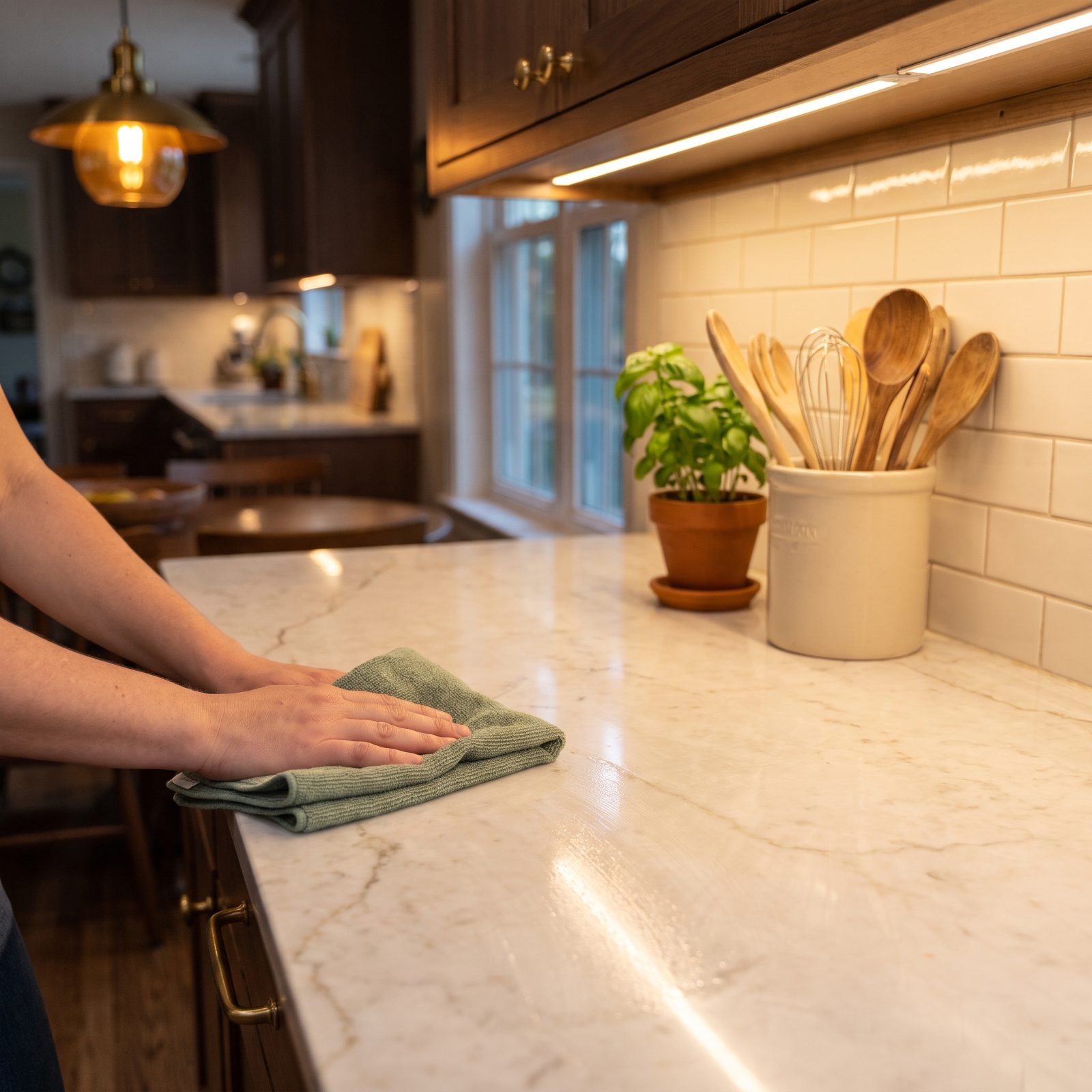
A clear counter is one thing. A wiped counter is another entirely. Crumbs, a ring from the coffee pot, that invisible film of cooking grease — it all adds up into a surface that feels grimy even when it looks fine.
Thirty seconds with a cloth at the end of the night keeps it from ever reaching that point. You never scrub, because there’s never enough buildup to scrub.
23. Never, Ever Letting Dishes Sleep in the Sink
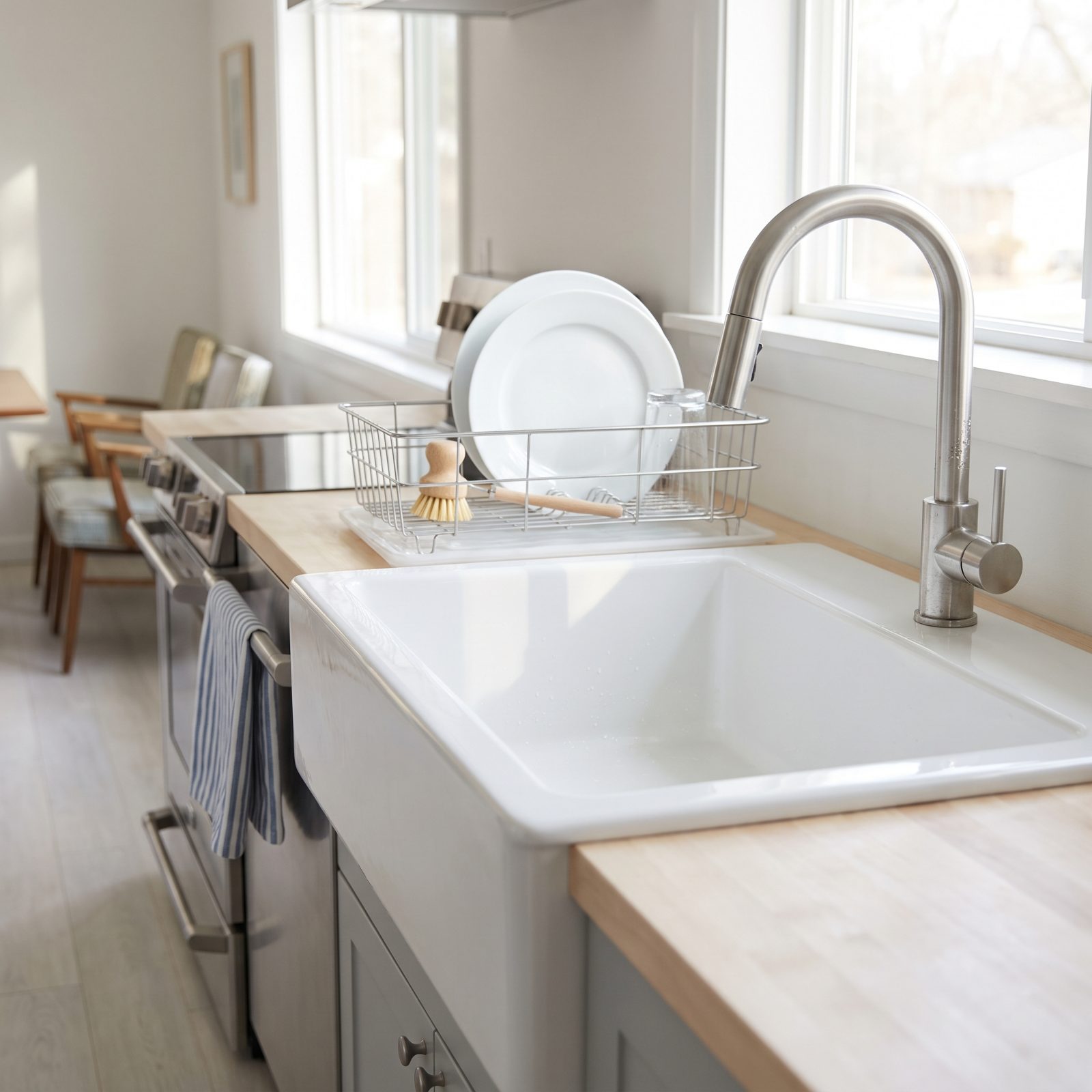
Dishes in the sink are a special kind of slow poison. One bowl invites a second. By morning the pile looks like a project, and projects get postponed.
The rule is simple and absolute: the sink is empty before you go to bed. Washed, in the dishwasher, or air-drying on the rack — but not sitting in the basin growing a personality overnight.
An empty sink in the morning does something small and real to your mood. You walk in, pour your coffee, and nothing is waiting to ambush you. I’ll die on this hill. A sink full of last night’s dishes is a lousy way to say good morning to yourself.
22. Emptying the Dishwasher First Thing So It’s Ready All Day
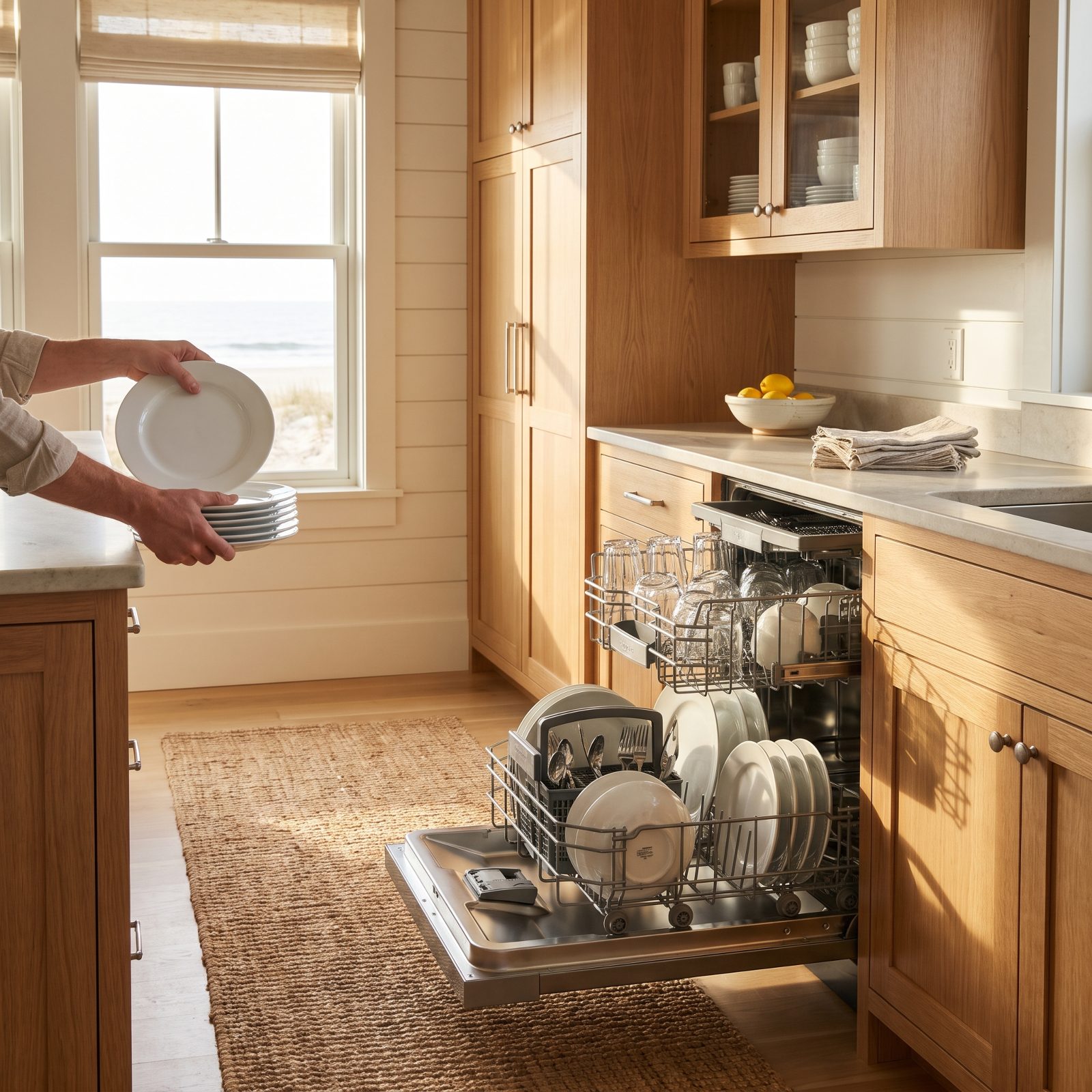
Run it at night, empty it with your morning coffee. Takes a couple of minutes, and it changes everything about how the sink behaves all day.
And here’s why it matters more than it sounds. An empty dishwasher means every dirty dish goes straight in, all day long. A full-of-clean dishwasher means dirty dishes stack in the sink because there’s nowhere to put them. One small morning habit quietly prevents the pileup you’d otherwise face at dinner.
21. Putting Things Back the Moment You’re Done With Them
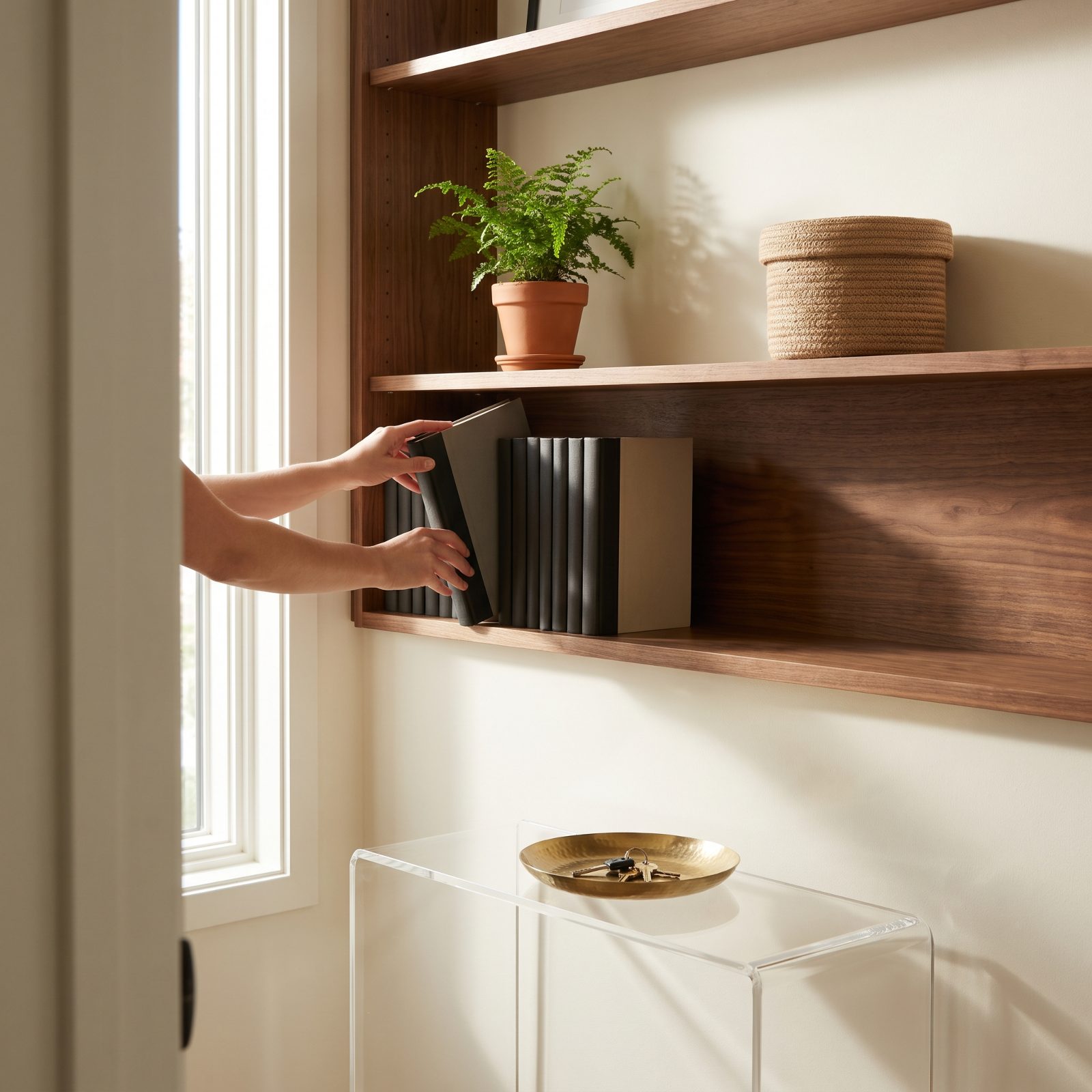
The whole concept of a messy house really comes down to one thing — objects not going back where they belong, over and over, all day.
Put the scissors back in the drawer right after you cut the tape. Hang the coat instead of draping it over the chair. Each return takes a few seconds in the moment. Skip it, and you’ve traded those seconds for a half-hour of tidying later when the whole house needs rescuing.
This is the habit everything else rests on. Get this one and most of the others become unnecessary.
20. Giving Every Single Object an Actual Home
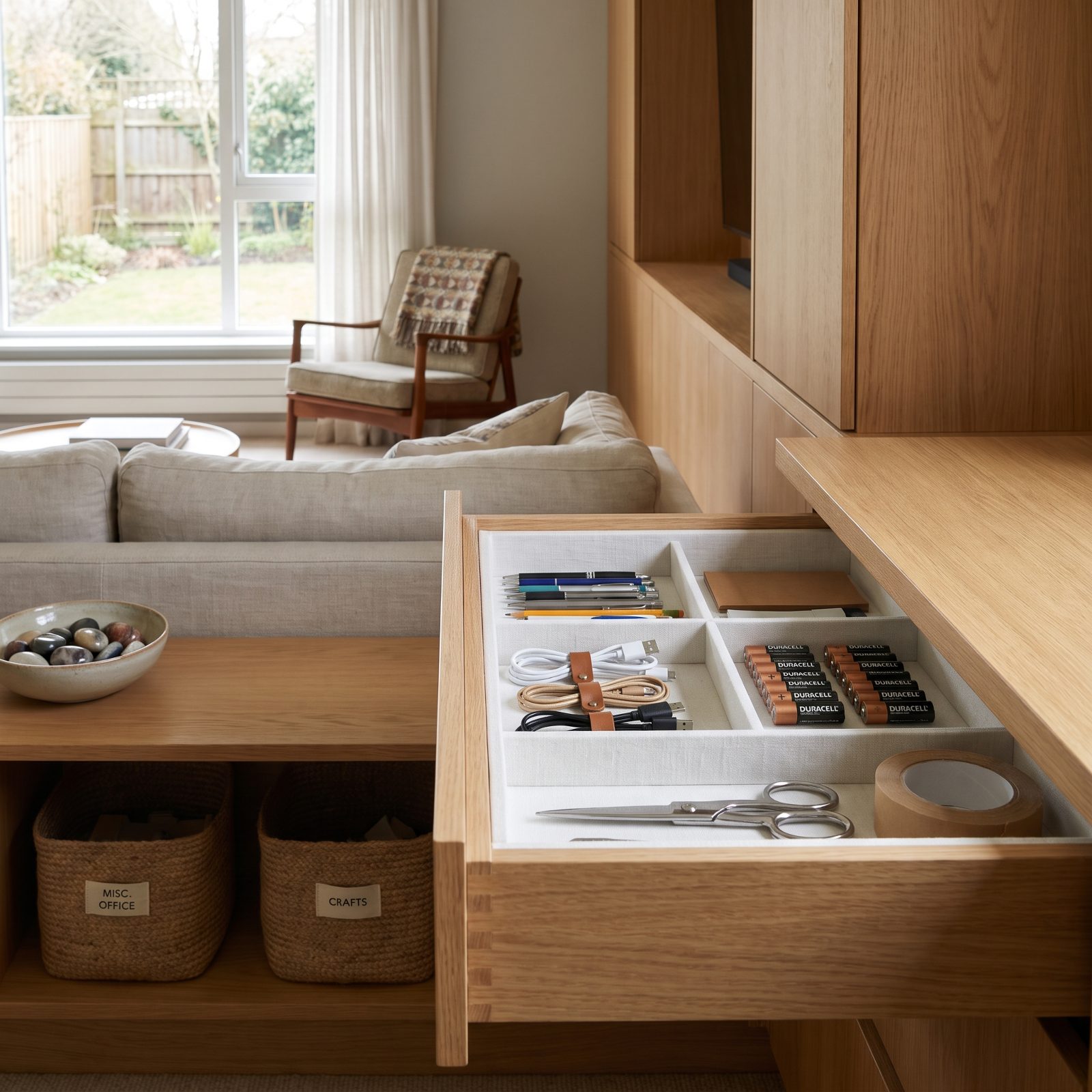
You can’t put something away if it has nowhere to go. That’s the quiet truth behind most clutter. The pile by the door, the drawer of random cables, the corner where “stuff” lives — none of it has a home, so it just floats.
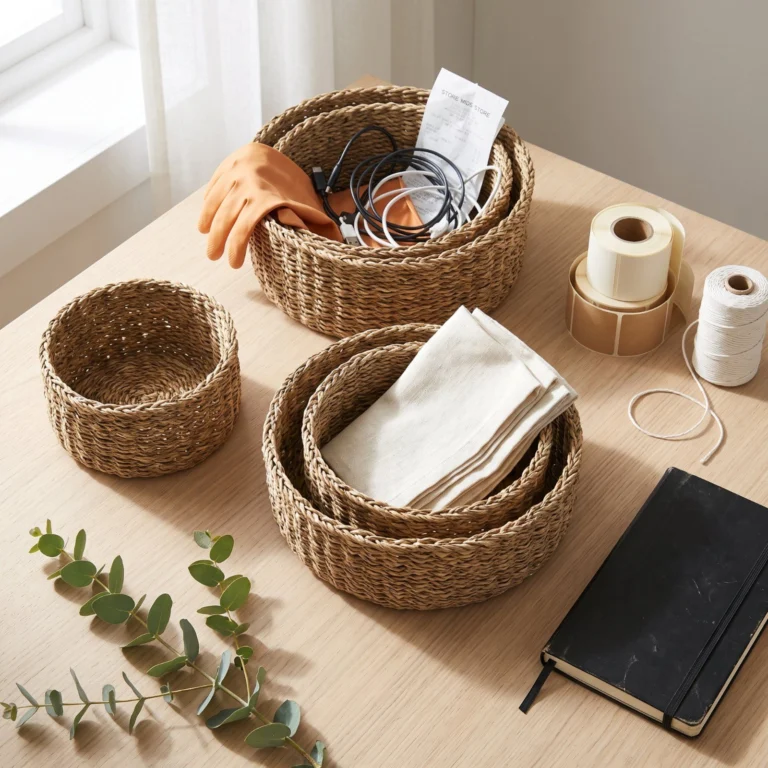
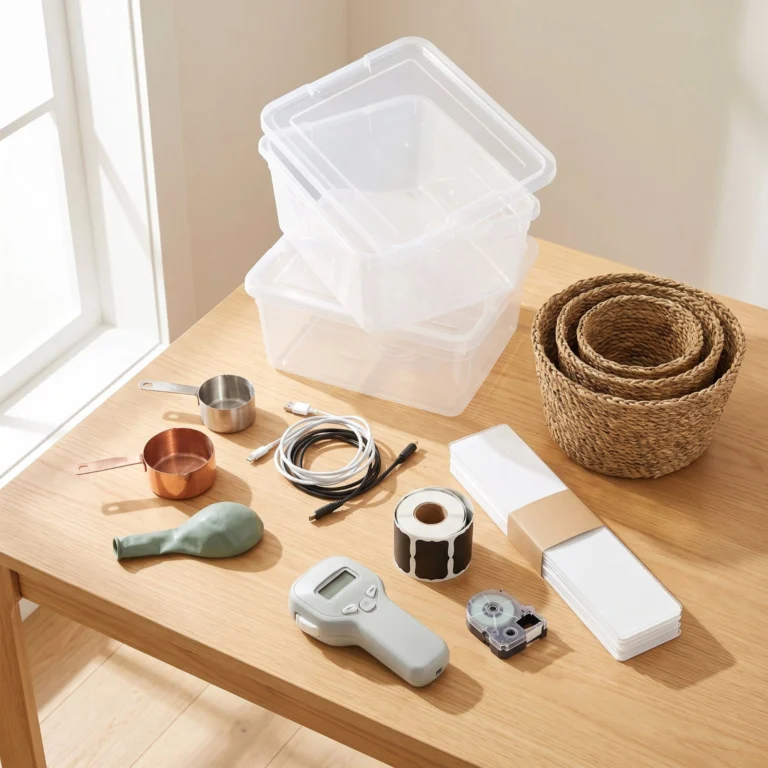
Give everything a designated spot and tidying stops being a decision. Keys go in the dish. Mail goes in the tray. Chargers live in the labeled basket. No deliberating, no “I’ll figure out where this goes later.” Later is where clutter is born.
19. Keeping Flat Surfaces Clear Because They Attract Clutter Like Magnets
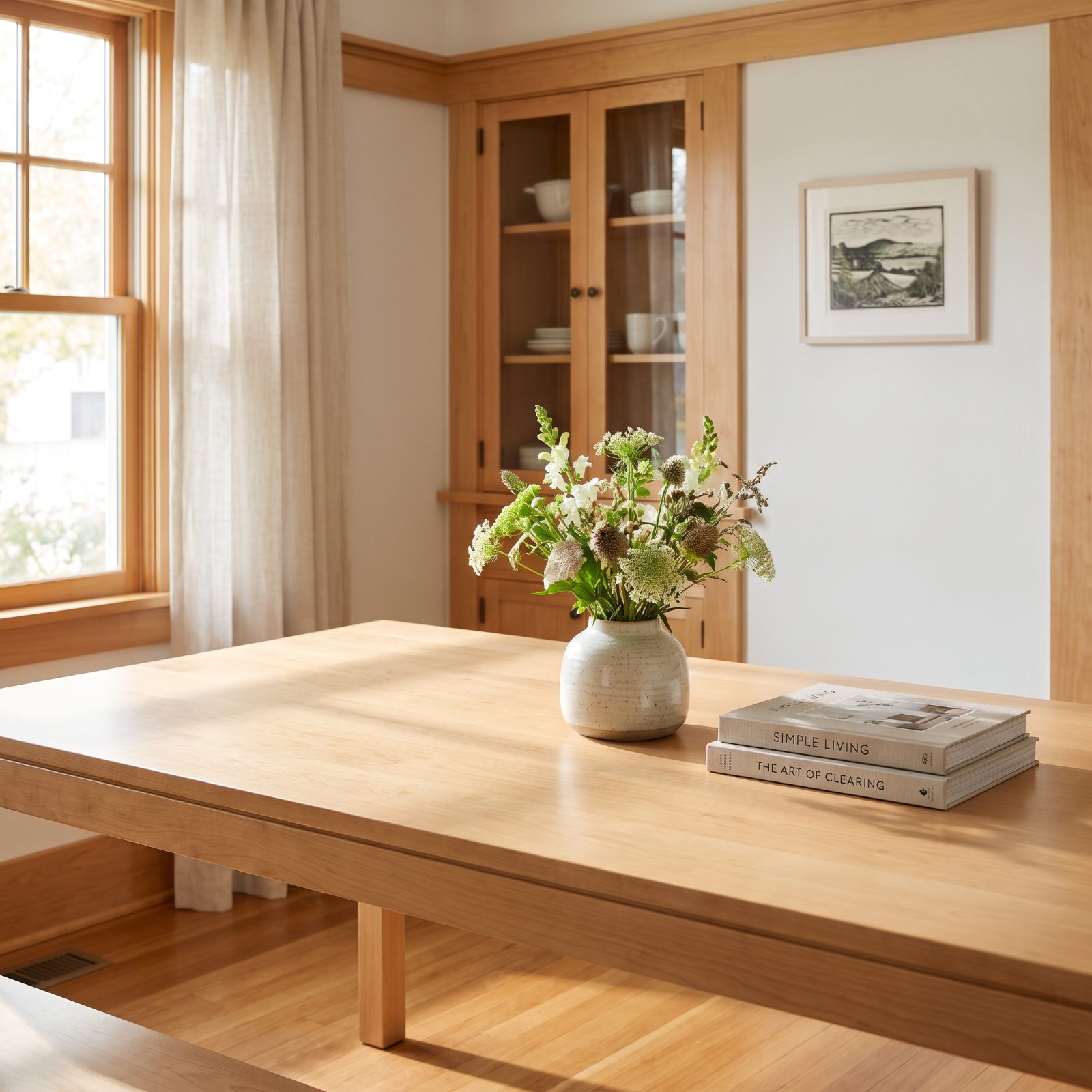
Every flat surface in your home is secretly trying to become a dumping ground — the kitchen island, the dining table, the entry console, the dresser top. Leave one thing there and it gives permission for ten more to join it.
People with tidy homes treat clear surfaces as the default, not the exception. A table holds a vase and maybe one book, and that’s all it should carry.
A cluttered surface is just a decision you keep postponing, spread out where everyone can see it.
Keep the horizontal planes empty and the whole house reads as calm, even when the closets tell a different story.
18. Wiping Spills the Second They Happen, Not Tomorrow
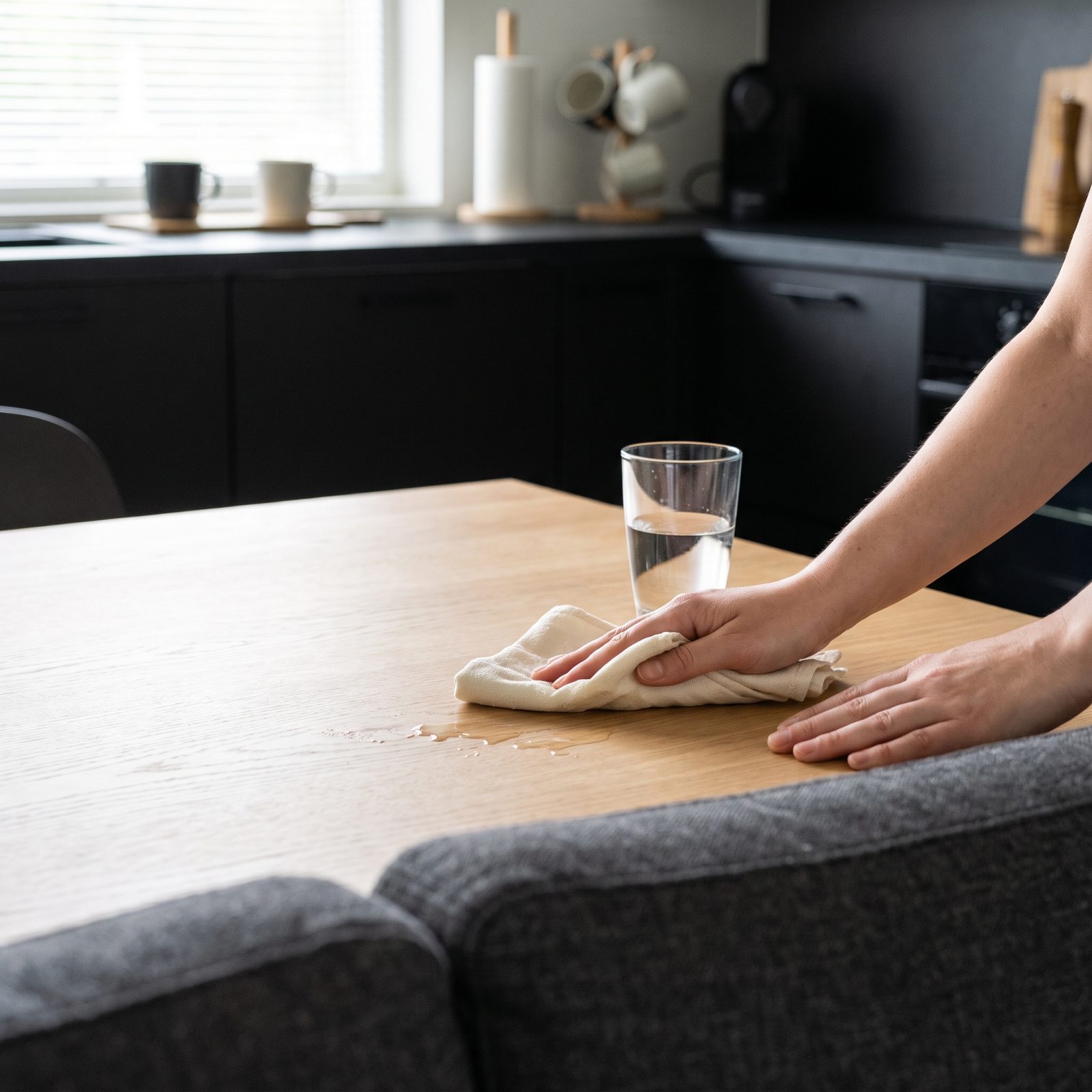
A spill wiped immediately is a non-event. A few seconds with a cloth and it never happened.
Leave it, though, and that same spill becomes a sticky ring, a stain, a crust you scrub at later with a frustrated grunt. Dried-on spills are the whole reason people think cleaning is hard. Fresh ones practically clean themselves.
17. We Hang Up Coats and Bags the Second We Walk In
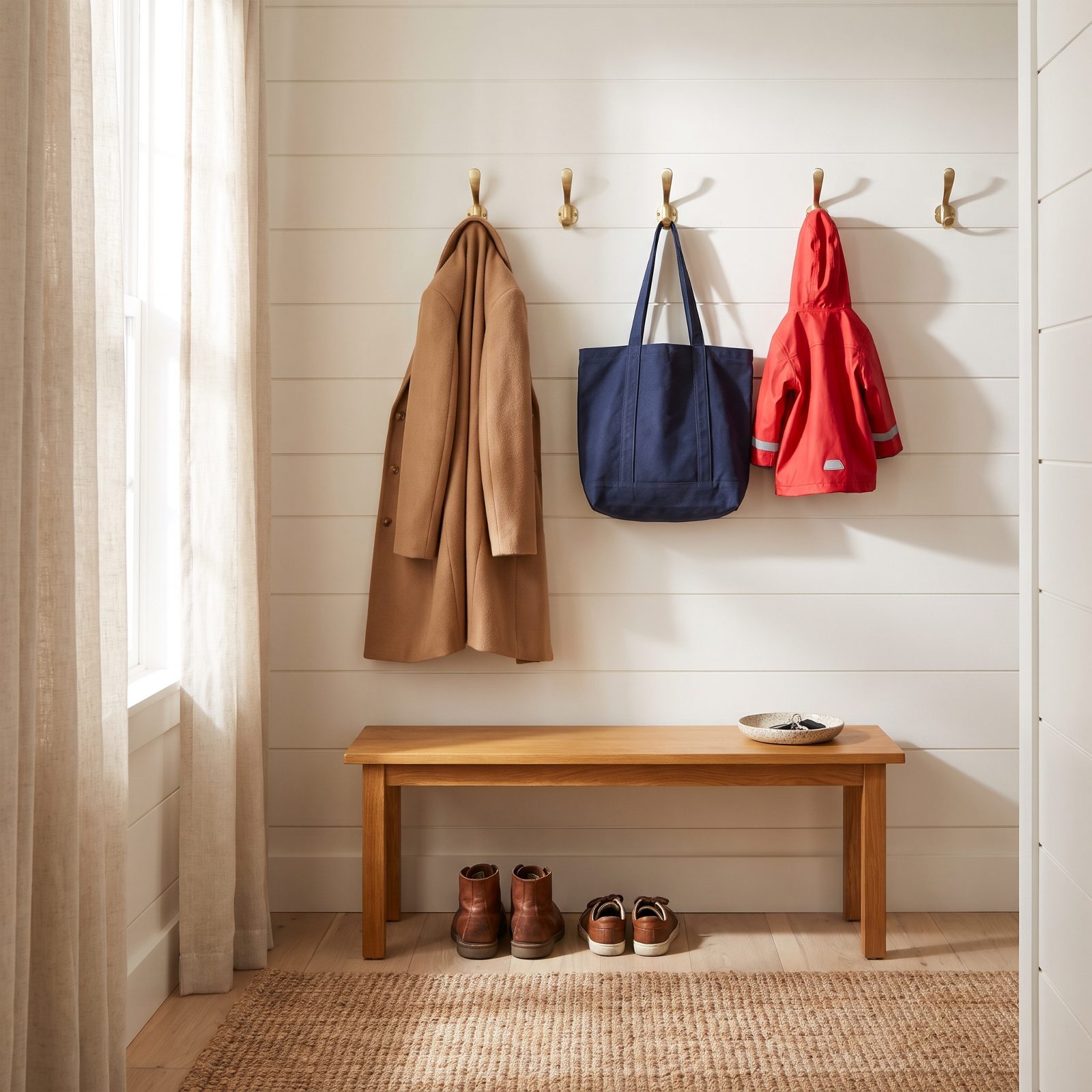
The floor is not a coat rack. We learned that the hard way, after years of a dining chair slowly becoming a fabric mountain nobody could see over.
What fixes it isn’t willpower. It’s the ten-second gap between the door and wherever you were headed — hooks at the right height, a bench for shoes, a little dish for keys. If putting a coat away takes more than one motion, it won’t happen, and that chair wins again.
16. We Sort the Mail the Day It Lands on the Counter
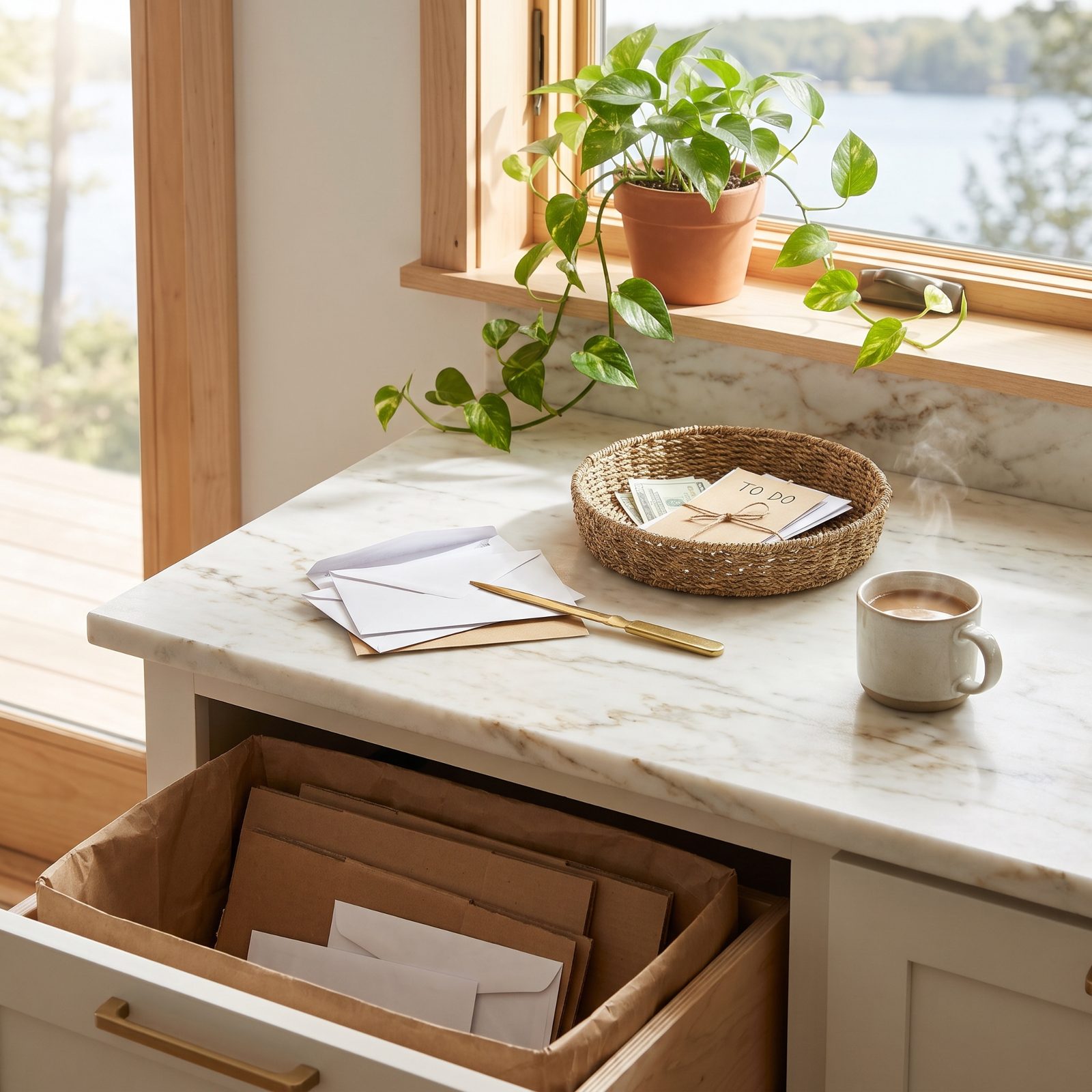
Mail is sneaky. One catalog looks harmless on the counter, but give it a week and you’ve got a paper glacier with a credit card offer frozen somewhere in the middle.
Open it standing over the recycling bin. Junk goes straight in. Bills land in one spot, action items in another, and anything you’d keep for taxes gets filed right then. Two minutes, tops — and it spares you the Sunday afternoon archaeology dig later.
15. We Run One Load of Laundry Every Single Day
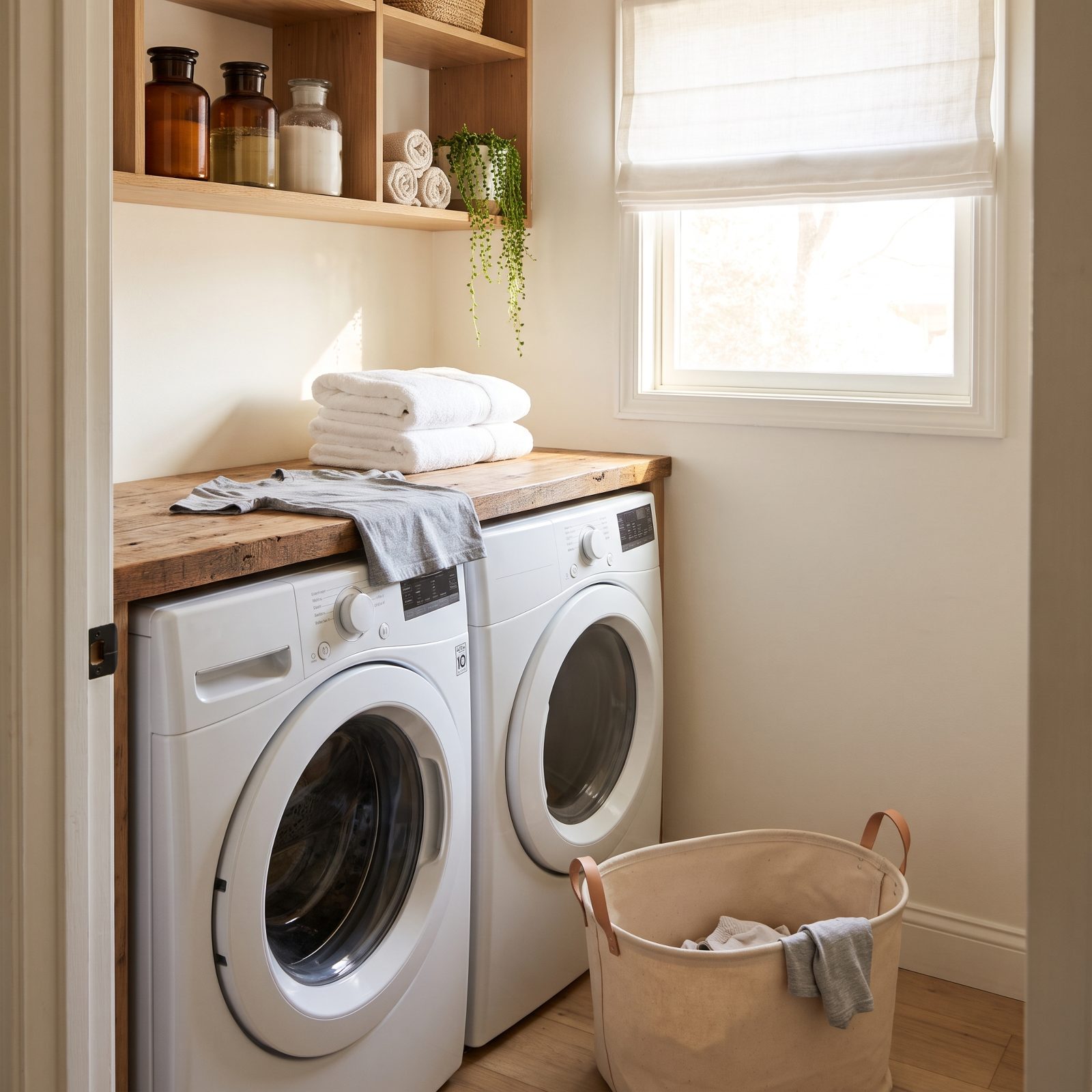
The giant Saturday laundry mountain is a choice, and it’s the wrong one.
One load a day keeps the hamper from ever winning. You start it in the morning, move it over at lunch, fold it before dinner — and no single step lasts long enough to dread. The real trick is that there’s never a backlog, so there’s never a marathon. For a small household, every other day is plenty. Adjust to your actual pile. Don’t invent work you don’t have.
14. We Live by One-In, One-Out for Anything That Multiplies

Stuff behaves like it’s alive. A new mug arrives and somehow the cabinet already had eleven. So we charge a quiet tax: something new comes in, something old goes out the same day.
It works best on the categories that breed — t-shirts, coffee mugs, reusable bags, kids’ toys. Buy the new sweater, the worn-out one leaves. You hold at a steady number instead of watching the pile creep up an inch a year until a drawer won’t shut.
13. We Keep a Donate Box Open and Collecting at All Times
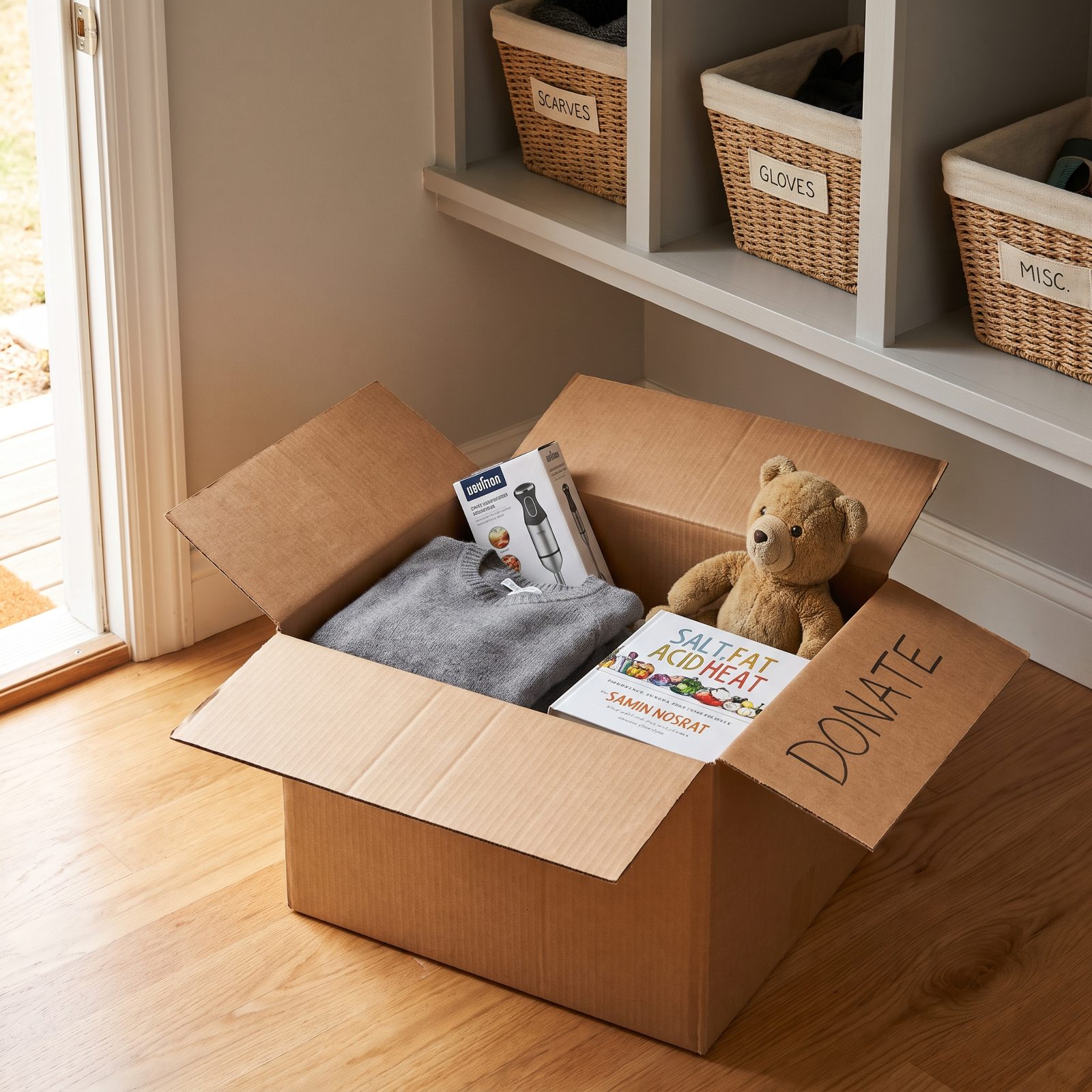
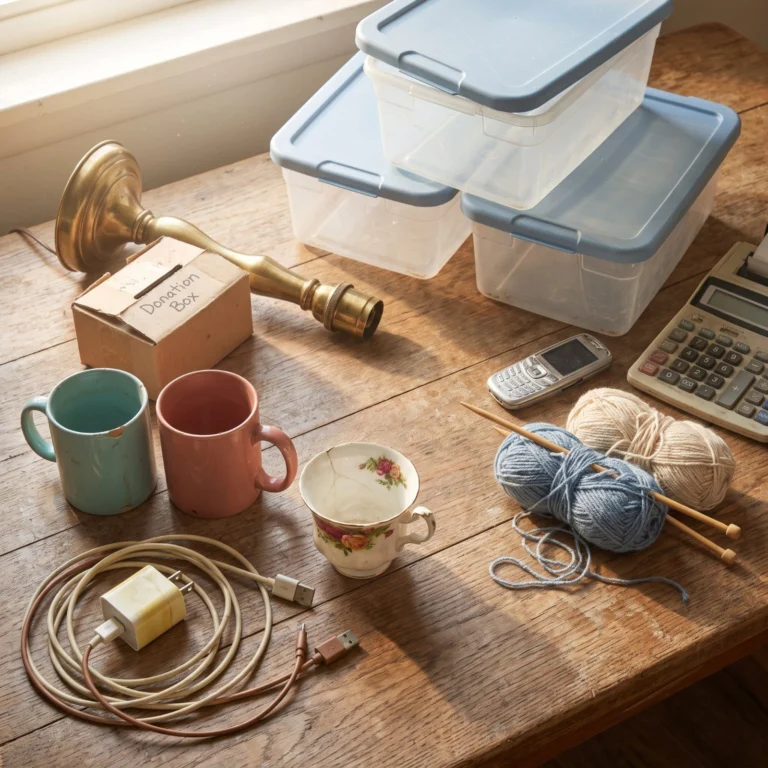
There’s always a box. Ours lives on the closet floor, lid off, no ceremony.
The moment something stops earning its keep — a shirt that itches, a gadget you never reach for, a book you’ll genuinely never reopen — it goes in right then. No staging area, no “I’ll deal with it later” heap that becomes its own problem. When the box fills, it goes to the car, and from the car it goes to the drop-off. Decluttering stops being an event and turns into a reflex.
12. We Don’t Buy What We Have Nowhere to Put
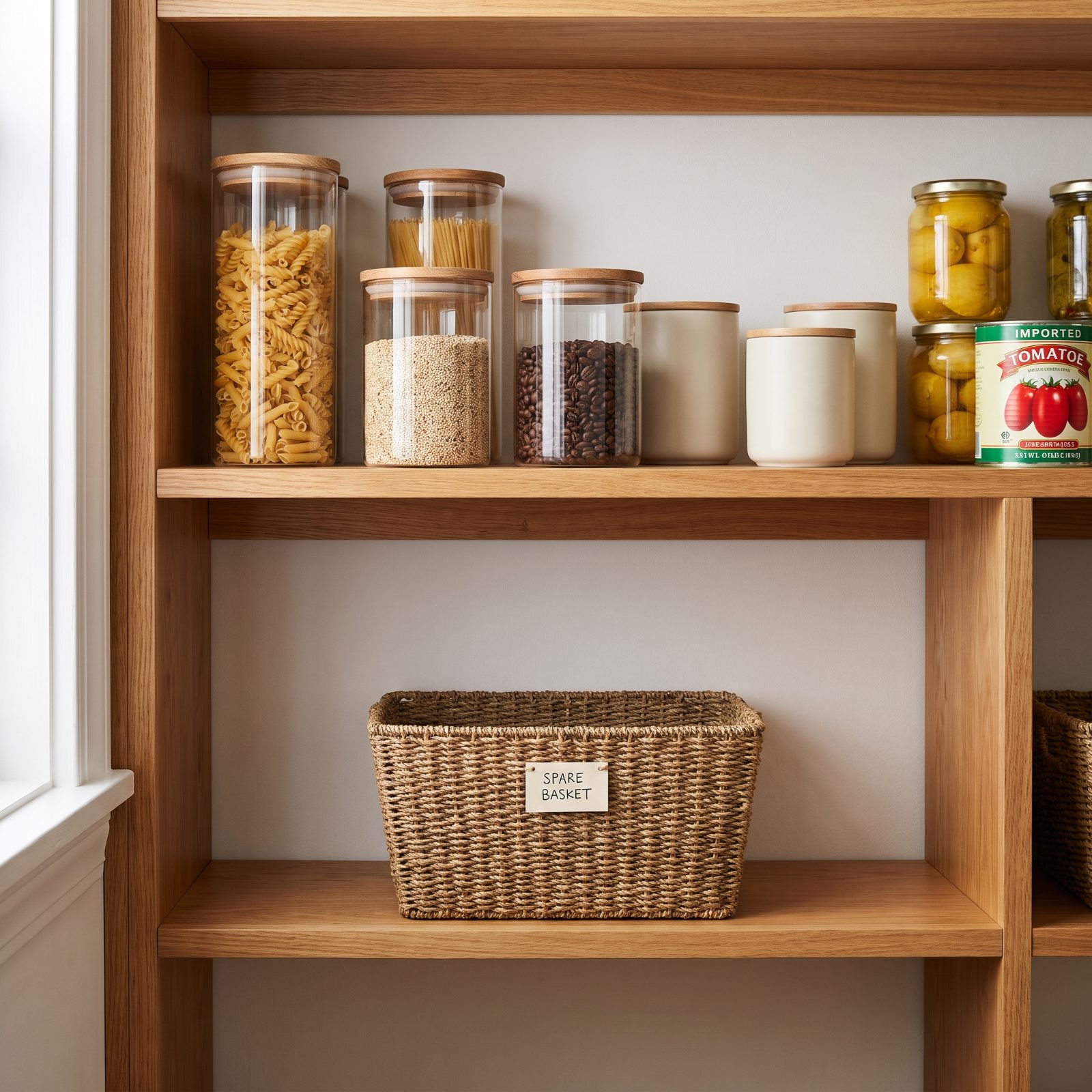
The warehouse-sized pack of paper towels is a great deal, right up until it lives on your kitchen floor for a season.
Before anything comes home, ask one thing: where does it go? Not where it could go in a pinch — where it actually lives. If the answer is a vague gesture at the garage, that’s a no. Storage space is the real budget, and it runs out long before your wallet does. A deal isn’t a deal if you trip over it daily.
11. We Stash Cleaning Supplies in Every Room That Needs Them
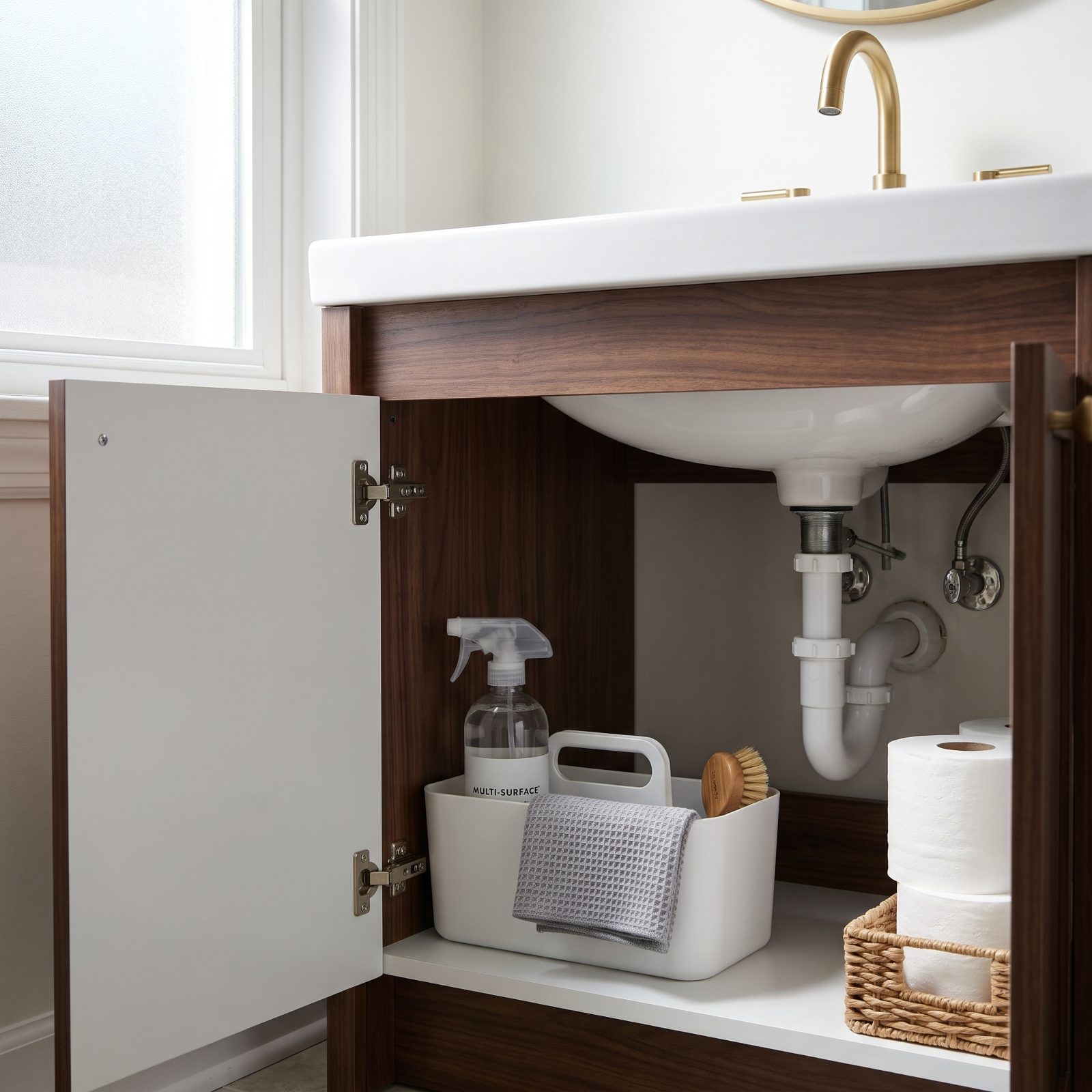
Cleaning doesn’t happen when the supplies live two floors away. We know this because for years ours did, and the downstairs bathroom paid for it.
A small kit in each room changes everything. Spray and a cloth under every sink, a stash in the kitchen, wipes where the mess actually happens. When the tool is right there, you do the thirty-second wipe instead of mentally filing it under “someday.” The spill gets handled while it’s still a spill, before it dries into a project.
10. We Squeegee the Shower Glass After Every Wash
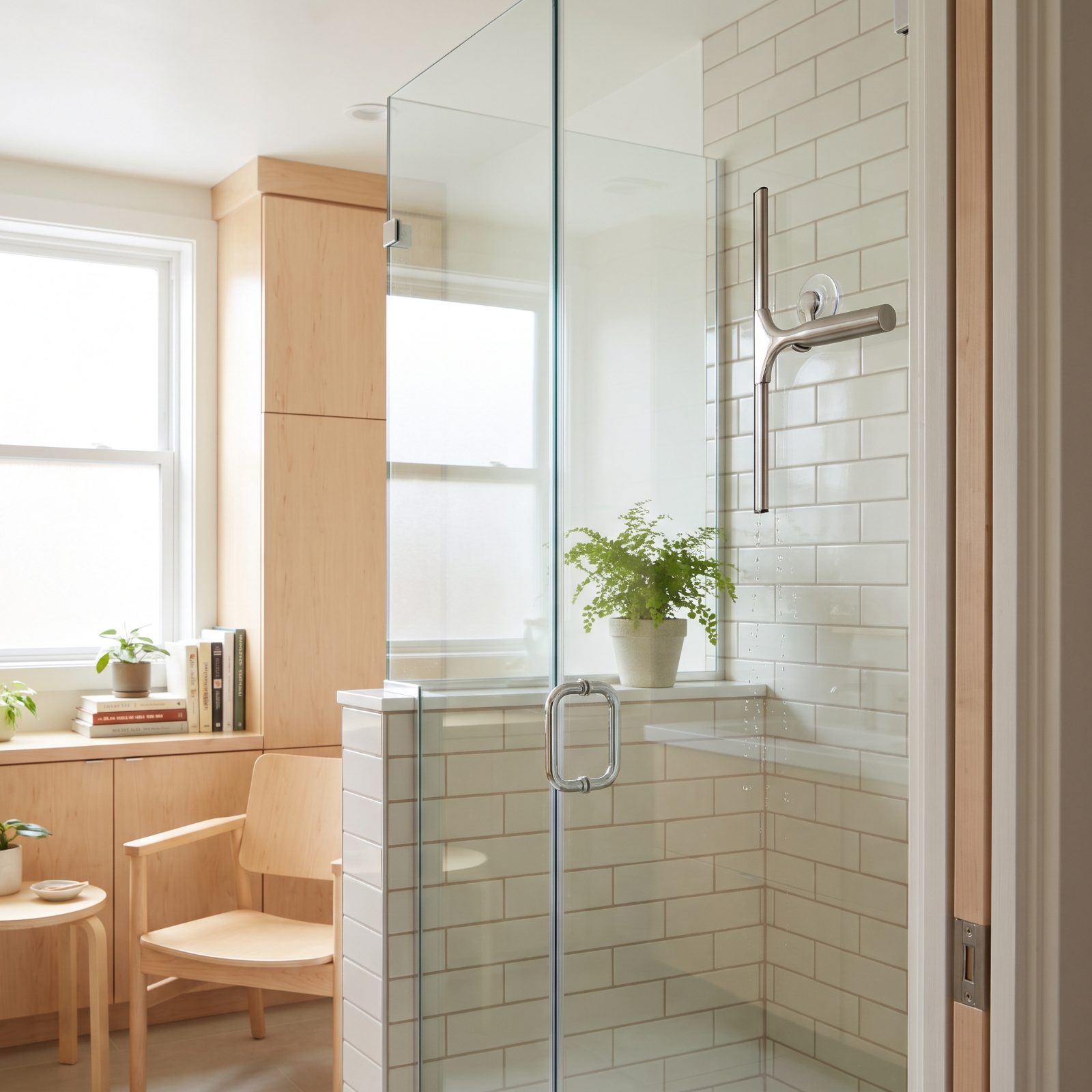
Hard water is patient. Let it dry on glass day after day and eventually you’re scrubbing cloudy film with vinegar and regret.
Thirty seconds with a squeegee while you’re still standing there wet beats an hour on your knees later. Pull the water down the glass, swipe the tile, done — the soap scum and mineral spots never get a chance to set. Your shower stays clear enough that you forget the last time you deep-cleaned it, which is the whole idea.
9. We Wipe Down the Bathroom Sink Every Morning
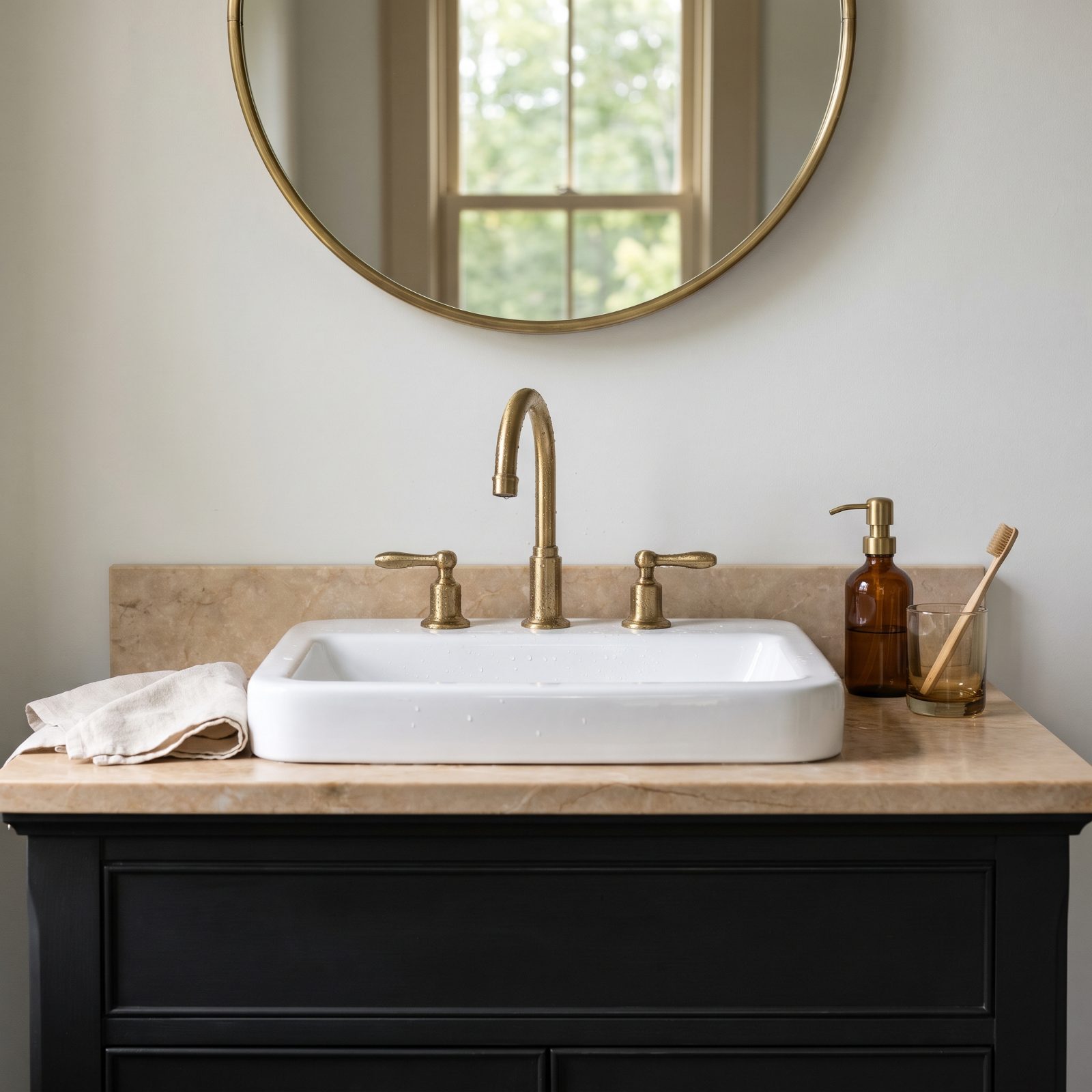
The sink shows everything — toothpaste splatter, dried soap, that ring of who-knows-what. It also cleans in about fifteen seconds while your coffee’s brewing.
Keep a cloth right there and give the basin and faucet a quick wipe after you brush. A clean sink makes the whole bathroom read as clean, even when the rest of it is overdue for attention. Highest return on the lowest effort of anything here, and it resets the room every single morning.
8. They Keep Entryways Shoe-Free to Trap Dirt
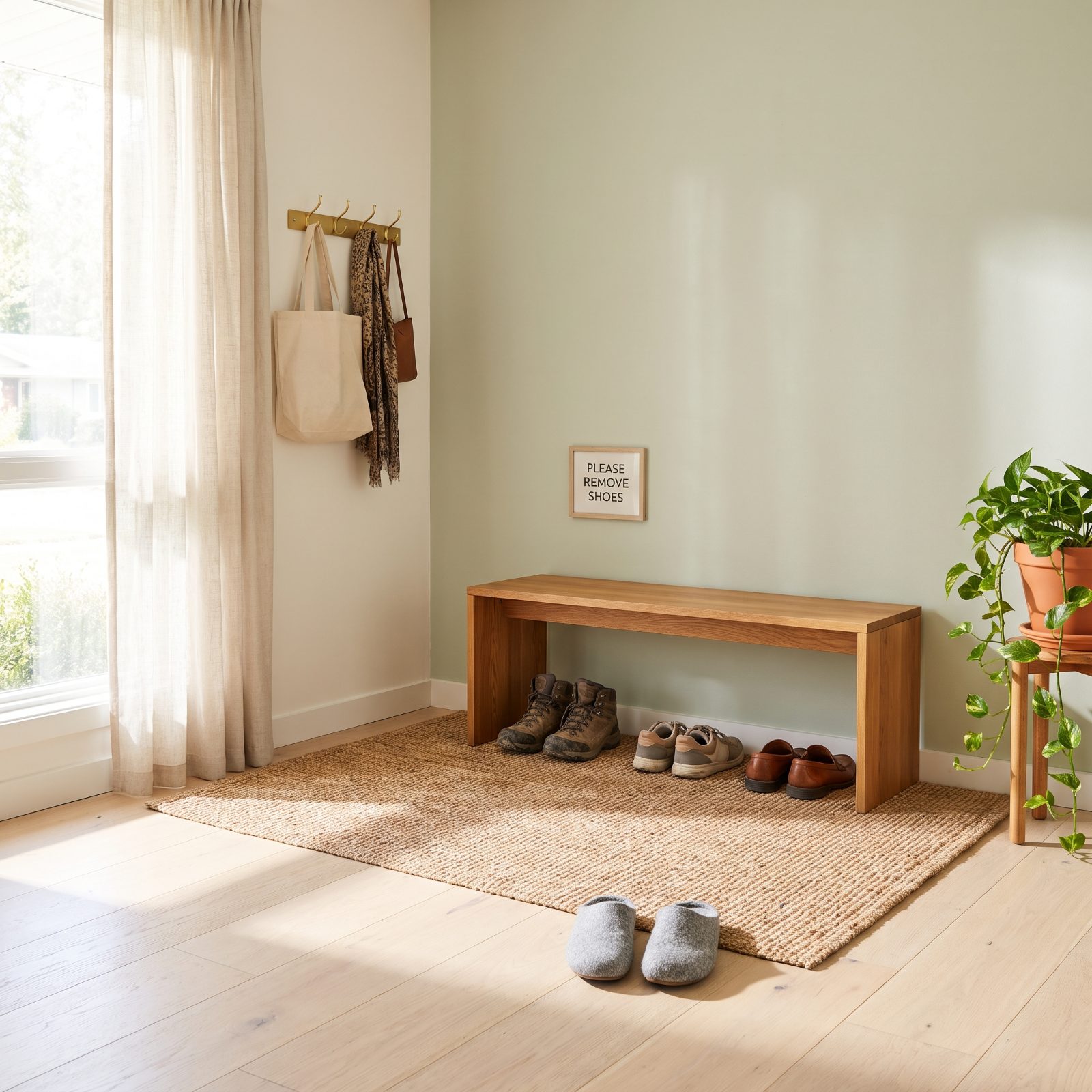
Most of the grit on your floors walked in on the soles of your shoes — pollen, road salt, lawn chemicals, whatever the dog found out back. A doormat catches some. Taking shoes off at the door catches almost all of it.
The households with the cleanest floors aren’t scrubbing harder; they stopped the dirt before it ever got past the entryway. Keep a bench and a basket of slippers right where people land, and the habit sticks without anyone having to nag about it.
7. They Vacuum High-Traffic Areas Mid-Week
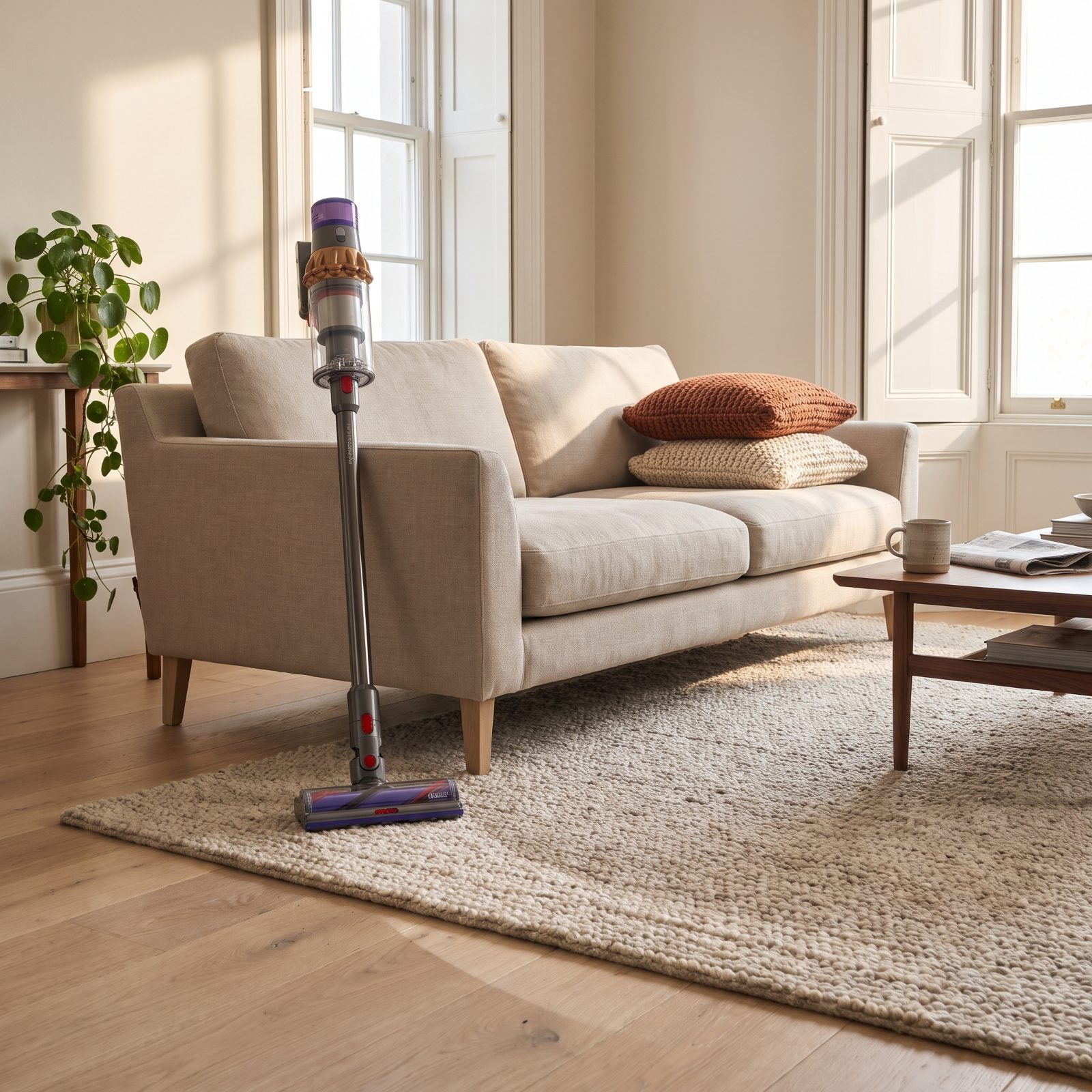
That whole-house vacuum marathon on Saturday? It’s exactly why your floors look rough again by Wednesday. The busy lanes — the hallway, the kitchen edge, the worn patch in front of the couch — collect crumbs and hair faster than everywhere else combined.
So hit just those strips once in the middle of the week. Ten minutes, cordless, no moving furniture. You’re not cleaning the whole floor, just clipping the problem before it spreads. For years we wouldn’t do this because it felt like doubling the work. Turns out it halved it.
6. They Keep Floors Clear for Easy Sweeping
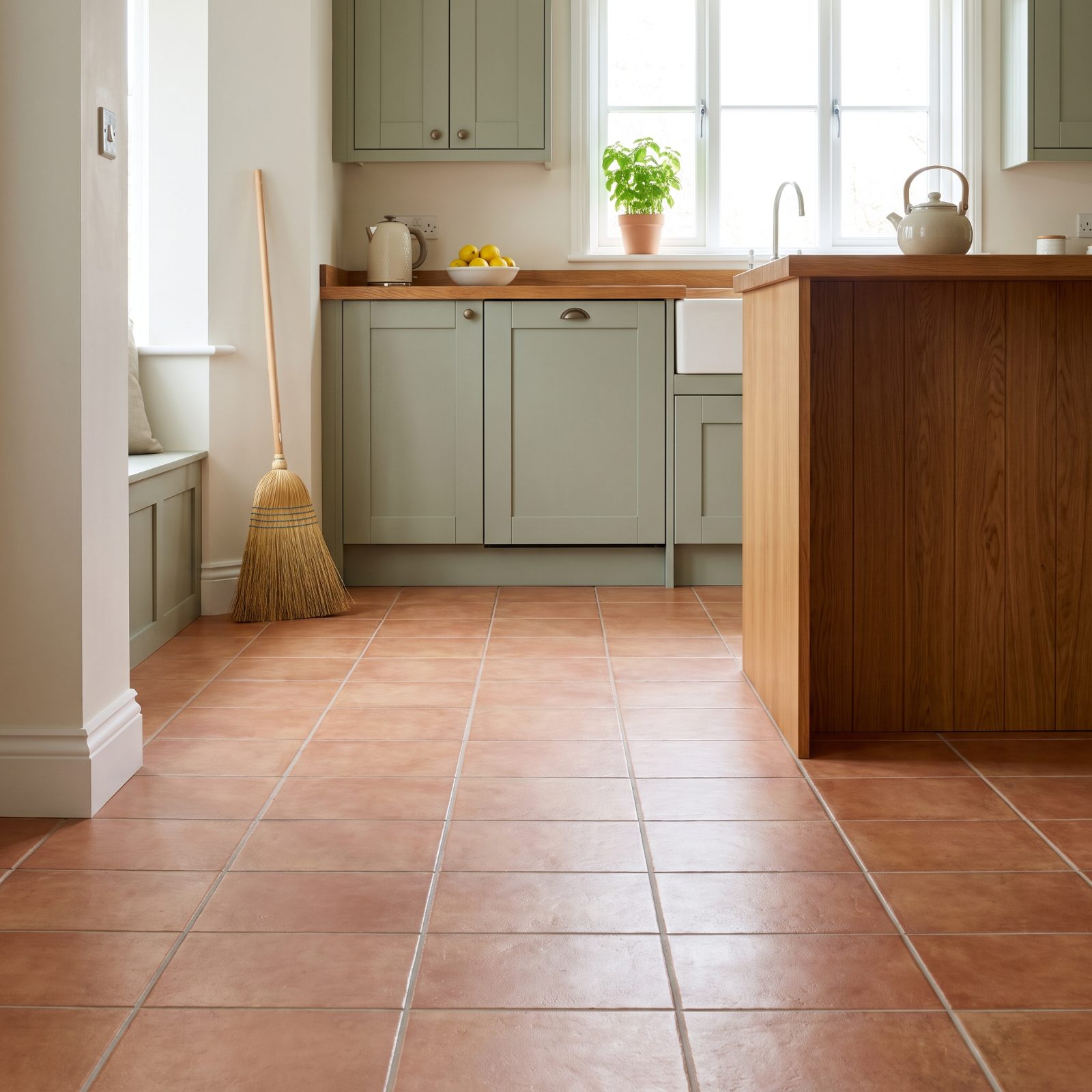
You can’t sweep what you can’t reach. Every trash can on the floor, every stack of boxes, every bag of dog food shoved against the baseboard turns a two-minute sweep into a furniture-moving project you’ll keep putting off forever.
The fix isn’t a fancier broom — it’s a floor with nothing sitting on it. Lift the small bins onto a shelf or into a cupboard. Hang what hangs. Once the floor is genuinely open, a broom glides corner to corner and, suddenly, you’ll actually bother doing it.
5. They Rotate Weekly Deep-Clean Tasks by Day
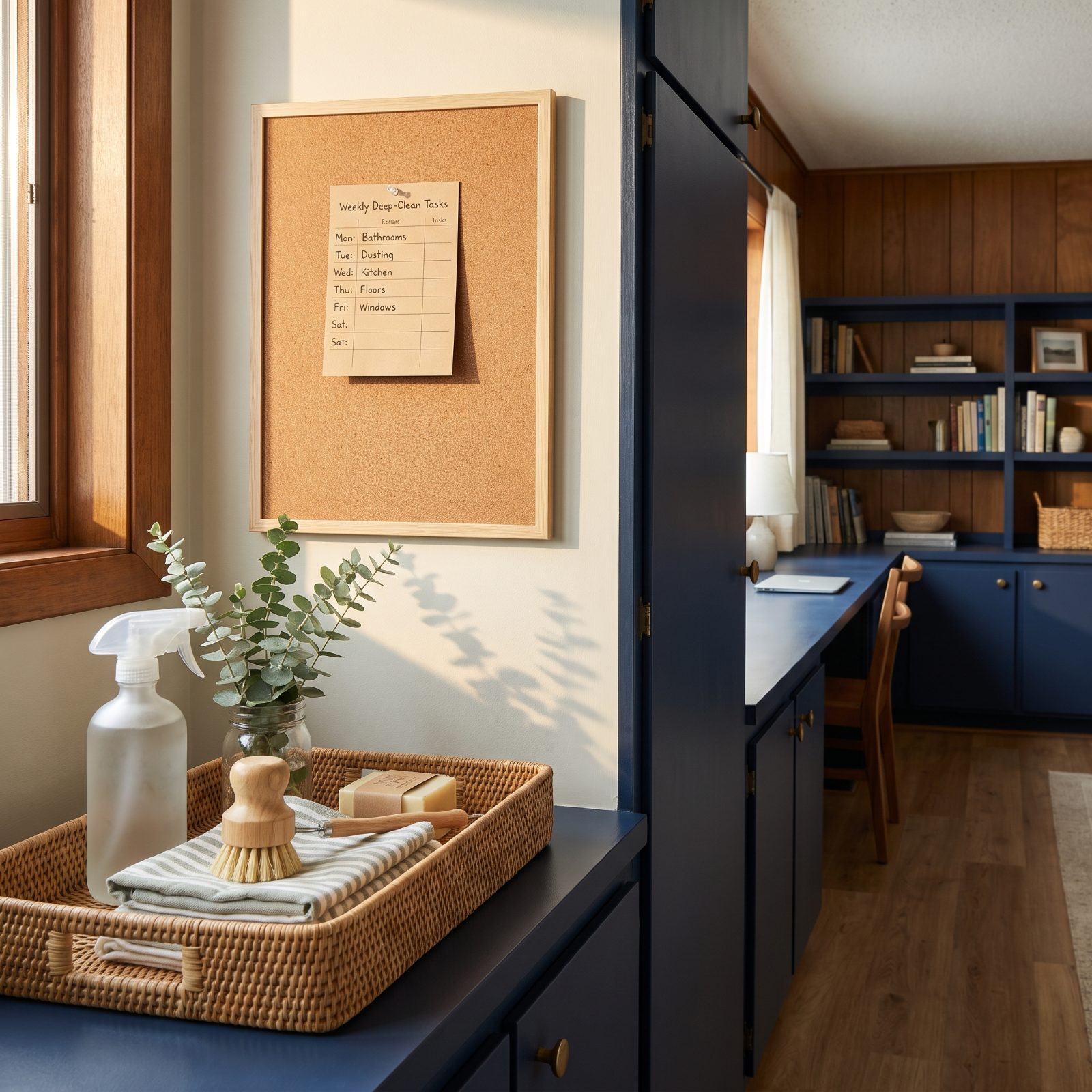
Deep cleaning feels brutal because people save it all for one day — bathrooms, baseboards, appliances, dusting, the whole list stacked onto a single exhausting afternoon.
Spread it out. Monday is bathrooms, Tuesday dusting, Wednesday the kitchen gets its scrub. Nothing runs more than twenty or thirty minutes, because you’re only ever doing one thing at a time.
The marathon isn’t more thorough. It’s just more miserable, which is why it keeps getting skipped.
By the time the week loops around, the whole house has been handled and no single day wrecked you. Pick the days that fit your actual life, not someone else’s printable chart.
4. They Set a Timer and Blitz One Zone Daily

Ten minutes. One room. A timer running. That’s the whole system, and it works because a ticking clock tricks your brain into just starting.
You don’t clean the house, you clean the kitchen until the bell goes, then you stop. Tomorrow it’s the bedroom. That little deadline turns a vague, dreaded chore into a short sprint you can see the end of before you’ve even begun.
3. They Keep a Basket by the Stairs for Stray Items
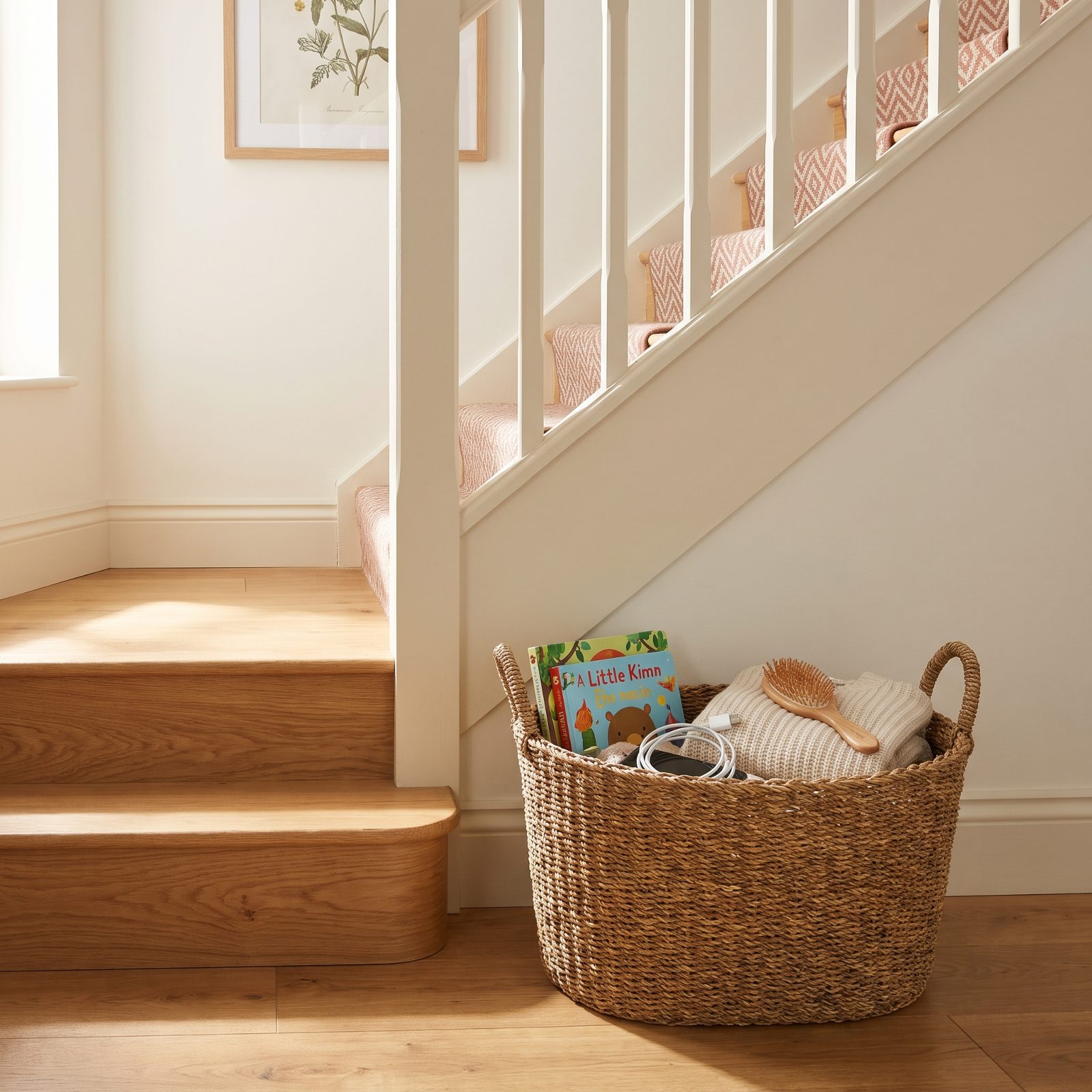
Stuff migrates downstairs all day long. A book, a sweater, a stray toy, the thing someone meant to carry up and didn’t. Running each item up the moment it lands is how you end up spending your whole life on the stairs.
A basket at the bottom catches the strays instead. Once a day, or whenever it fills, you haul the whole lot up in one trip and put it away. One journey instead of fifteen, and the clutter never piles on the steps because it finally has somewhere to wait.
2. They Declutter the Fridge Before Grocery Day
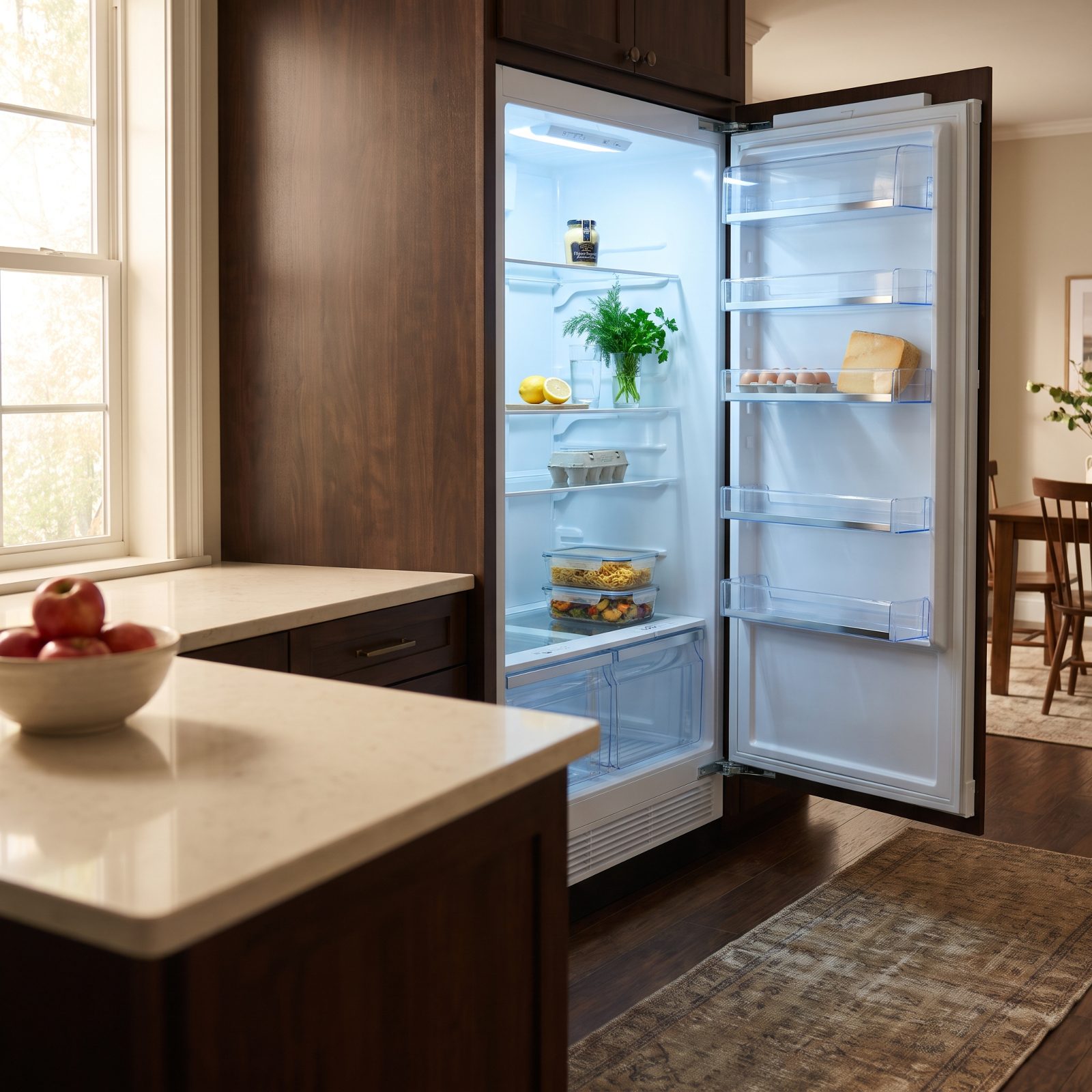
A fridge crammed with mystery containers and wilting greens is where food, and money, go to die. The night before you shop, clear it out. Toss what’s gone, eat what’s about to go, and wipe the shelves down while they’re half empty.
Then you come home from the store to a clean, open fridge with room for everything — no tetris with the new groceries, no stumbling across last month’s leftovers behind the milk. Five minutes, because there’s barely anything left to deal with.
1. They Involve the Whole Household in the Routine

This is the one that actually changes things. A clean house held together by one exhausted person sits one bad week away from chaos. Share the work and it stays done.
It doesn’t take a chore chart with gold stars, though those do wonders with kids. It takes everyone owning something small and consistent — one person handles trash, another the dishes after dinner, someone wipes the bathroom sink they just used. Nobody’s doing much.
The resistance is never the task. It’s the feeling that it’s one person’s job to care. Spread the caring around and the cleaning follows. We spent years doing it all ourselves and calling that easier. It wasn’t. It was just lonelier.