The second toothbrush is the one that gets you. It sits there in the holder for weeks after everything else has been sorted, as if the house hasn’t been told yet. Clearing a home after a separation looks like an errand — boxes, bags, a trip to the donation center. But anyone who has done it knows better. You are not organizing shelves; you are sorting out which parts of a shared life were actually yours, and which you absorbed without ever noticing you had.
Please note that some of the images in this article were created with the assistance of AI.
Every object holds a decision. One you already made, or one you’ve been avoiding. The mug you can’t throw out, the closet that echoes, the junk drawer that turns out to be a record of your own habits — these moments show how the physical work of clearing a space mirrors the slower work of becoming one person again.
16. Clearing Their Bathroom Shelf Makes the Breakup Look Real
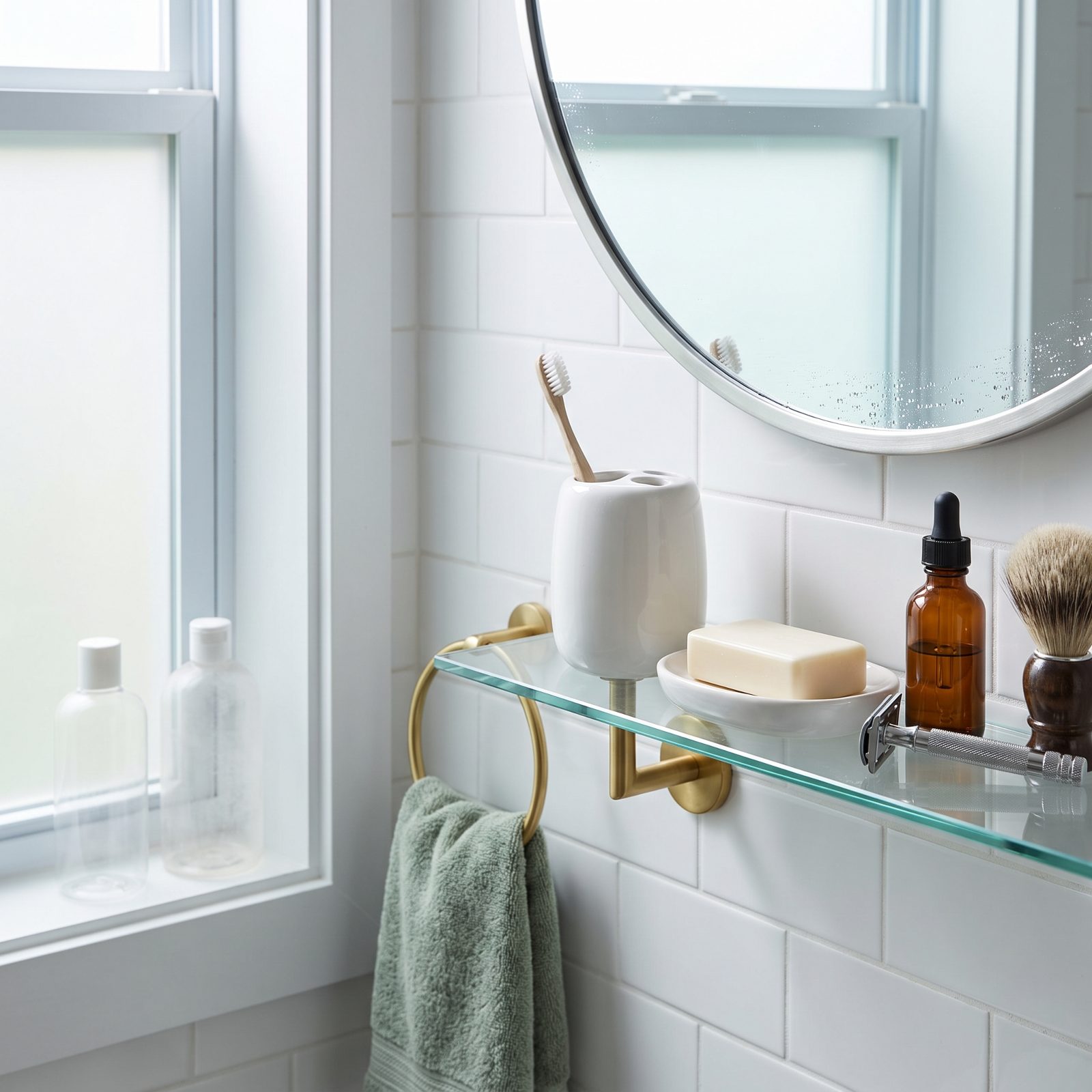
It is the smallest shelf in the house and it holds the loudest proof. Toiletries vanish fast when someone leaves — the shampoo, the particular deodorant, the floss they always bought in bulk. One morning you reach for something and the whole left side of the cabinet is just dust rings and wiped glass.
Why does that tiny act land so hard? Because our brains anchor relationships to daily ritual, not to big declarations. You brushed your teeth next to those bottles a few thousand times, and removing them breaks a loop your body knew by heart. Psychologists call this kind of involuntary memory a cue, and the bathroom is thick with them.
15. The Empty Closet Looks Wrong Before It Feels Like Yours
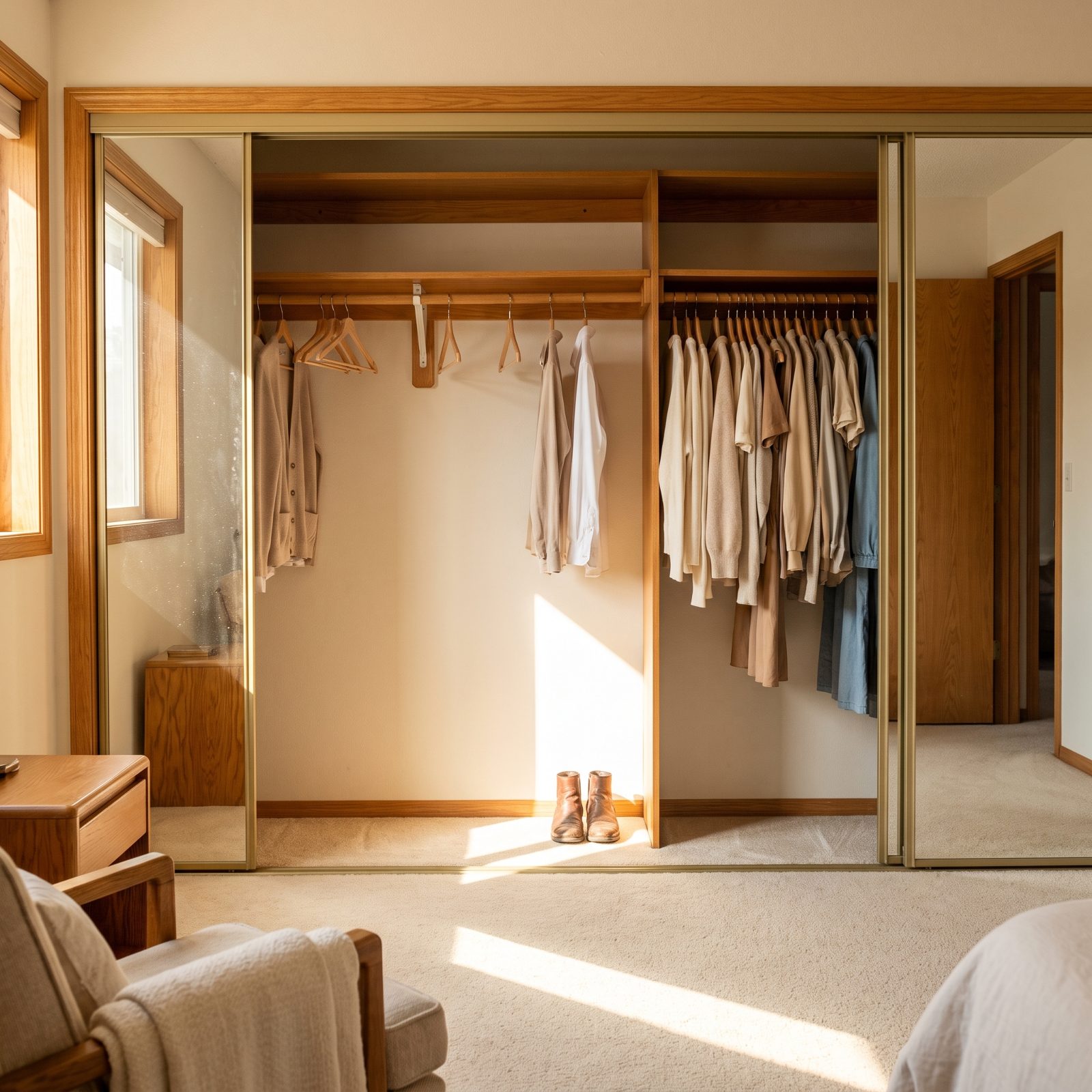
An empty closet is strange in a way a full one never is. You spent years pressed into half the rail, folding yourself into whatever space was left. Then suddenly the whole thing is yours and it feels too big, like a coat borrowed from someone taller.
That discomfort has a name. We get used to constraints so completely that freedom reads as wrong at first, and the instinct is to shrink back into the old footprint. Don’t. Spread the hangers out. Put your things where theirs used to be, not just where yours always went.
The closet doesn’t feel like yours until you stop treating the empty half like it’s still spoken for.
14. You Keep Their Mug Long After They Stop Using It
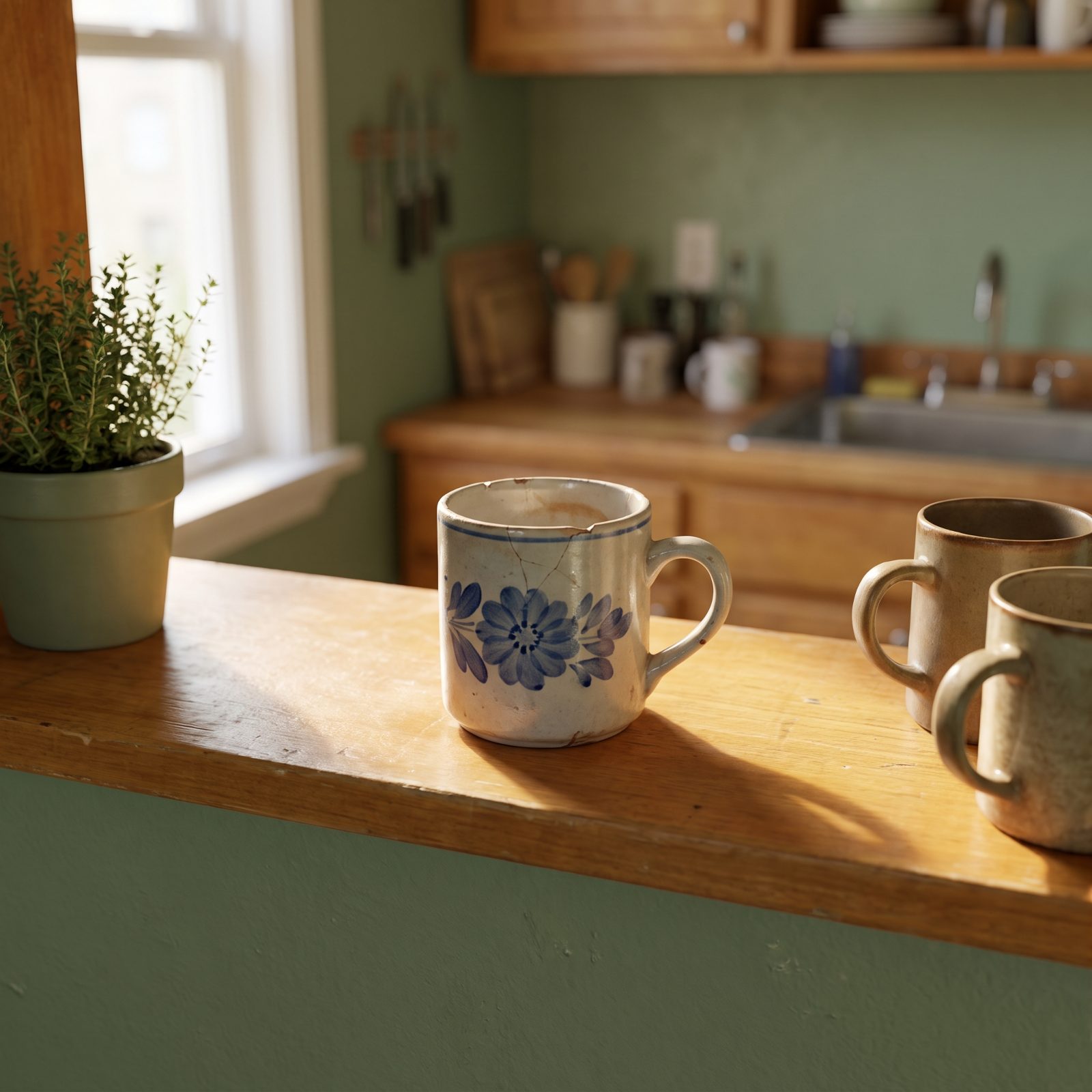
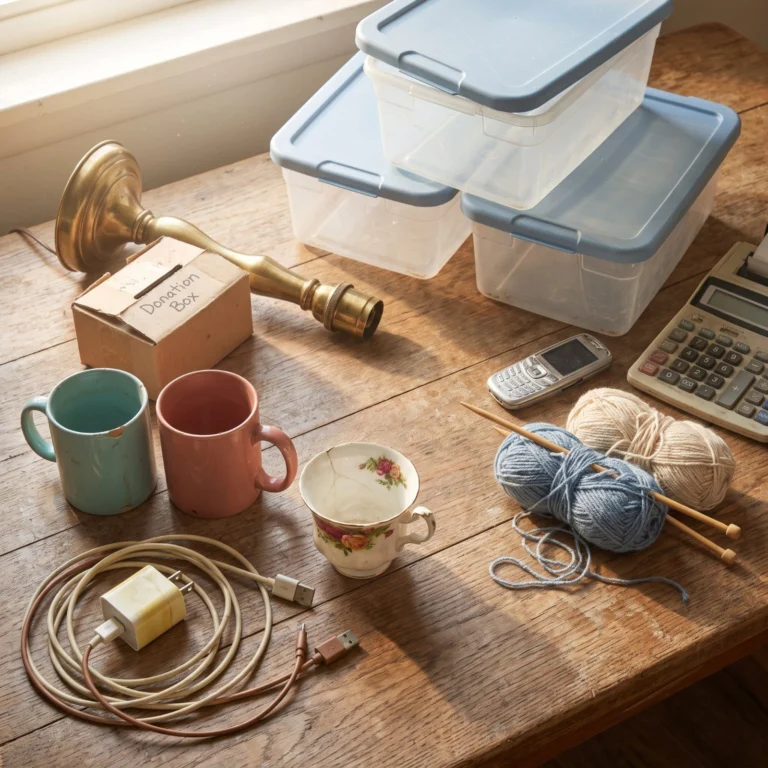
Everything else about them is gone, but there sits the mug. Chipped on the rim, the one they reached for on autopilot every single morning. You don’t even drink from it. You just can’t be the one to put it in the donation box.
This is the endowment effect wearing a disguise. We value things more simply because we possess them, and more still when letting go would confirm something we’re not ready to confirm. The mug isn’t about coffee. It’s a small hostage you’re keeping against the finality of the whole thing.
Plenty of people hold onto something similar for a year or more, and here’s what finally works. You don’t have to throw it out in a moment of strength — you just have to move it off the shelf you look at every day. Out of sight is a gentler kind of goodbye.
13. The Shared Sofa Suddenly Belongs to Nobody
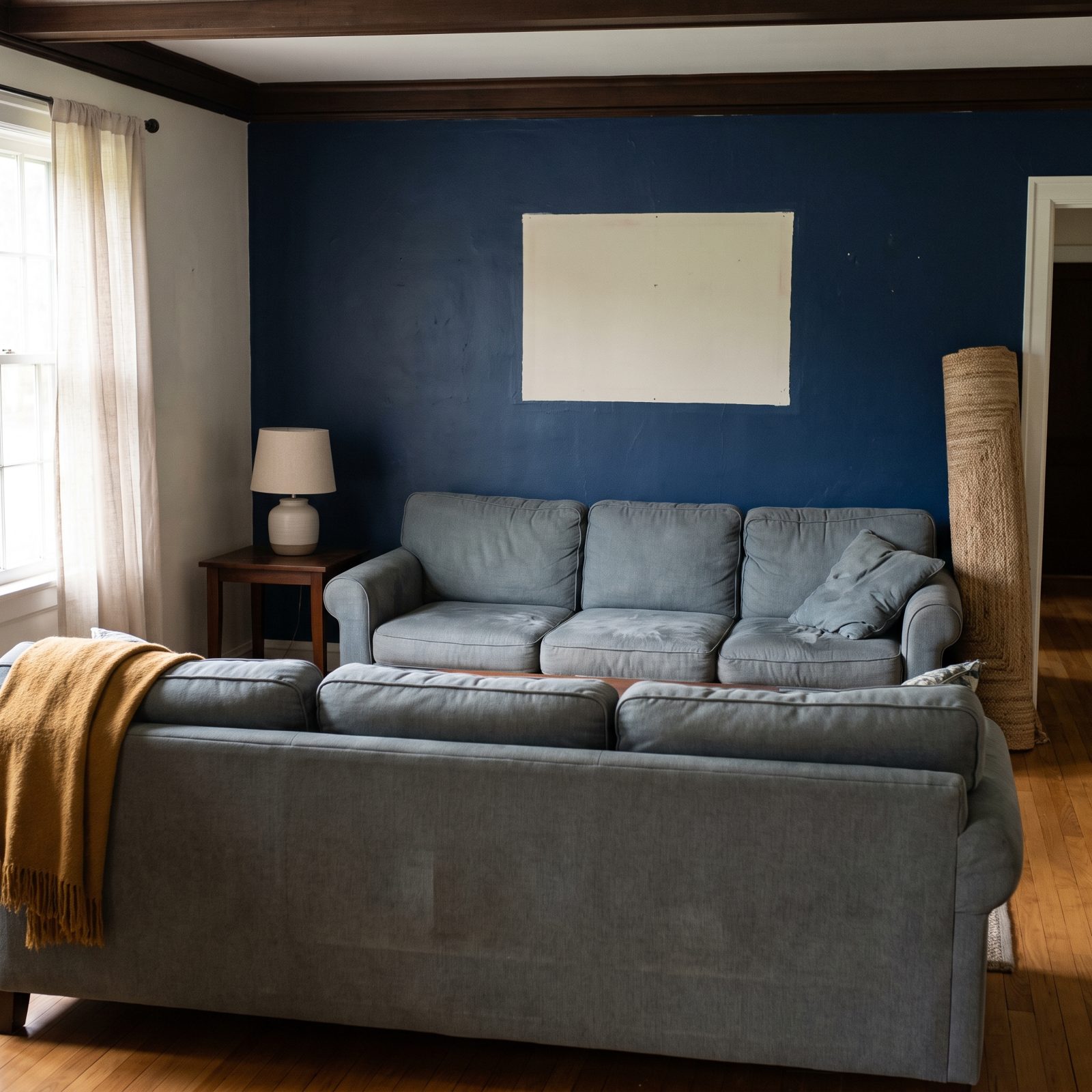
The sofa is a problem nobody warns you about. Bought together, argued over in the store, broken in by two people who sat on opposite ends — and now it belongs to neither of you, a piece of furniture still holding the shape of a life that isn’t happening anymore.
Big shared objects trigger what psychologists call ownership ambiguity. You can divide books and dishes, but you can’t split a couch, so it becomes a frozen monument. People leave them exactly as they are for months, cushions unmoved, because touching it means deciding.
12. Two Coffee Makers Reveal a Life Built for Two
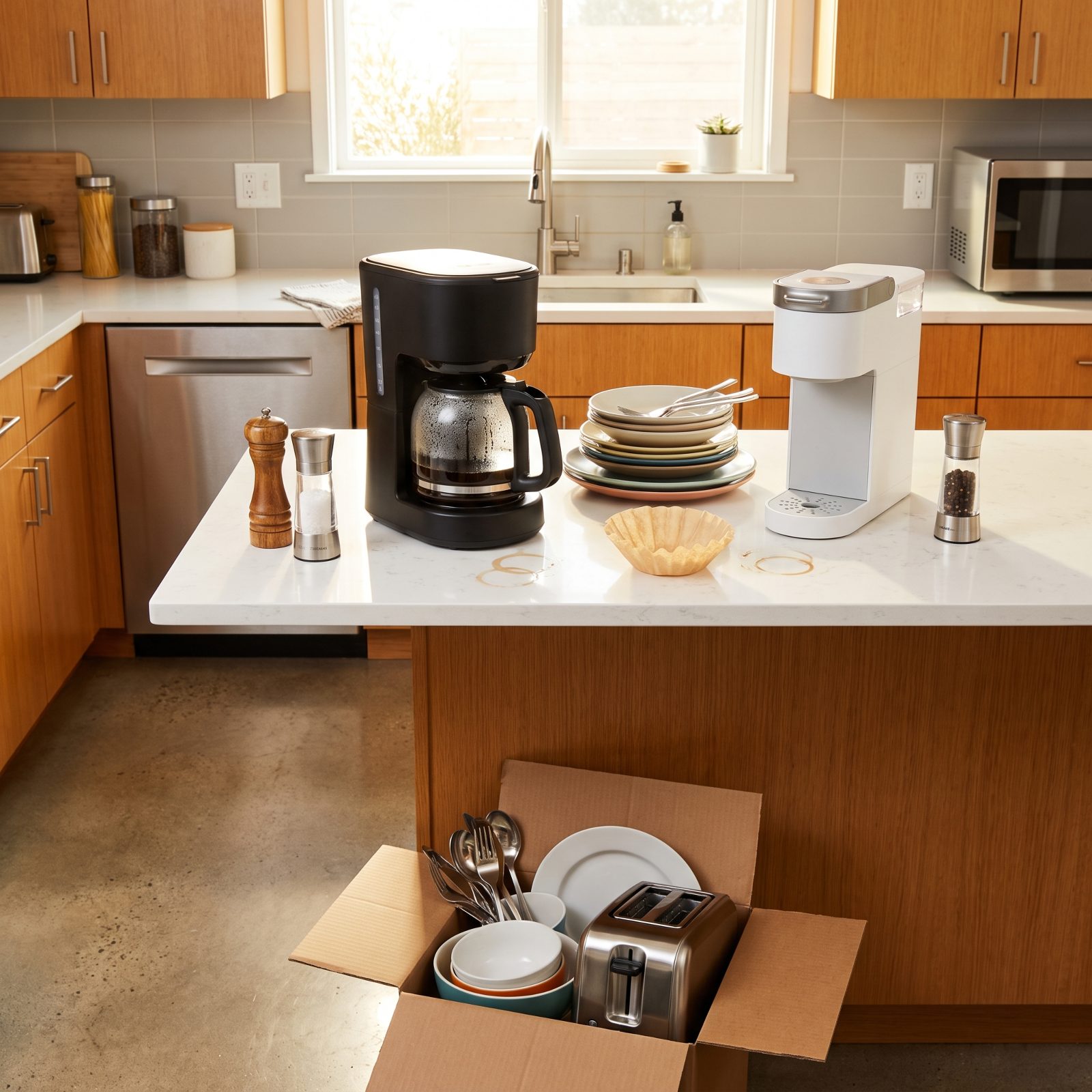
You open a cupboard and there they are. Two can openers, two sets of measuring cups, two coffee makers — each one somebody’s stubborn preference before the preferences merged. A home built for two people runs on quiet duplication you stopped noticing years ago.
Sorting the doubles forces a question you haven’t asked in a long time: which one do I actually like? Not which one we use. Which one is mine. For a surprising number of things, the honest answer is neither, because the choice was never really yours — just a compromise that calcified into habit.
Keep the machine you’d buy for yourself today. Give away the one you tolerated. That small act of choosing, repeated across a whole kitchen, is how preference comes back online after years of running on autopilot.
11. Wedding Gifts Carry Expectations You Never Actually Chose
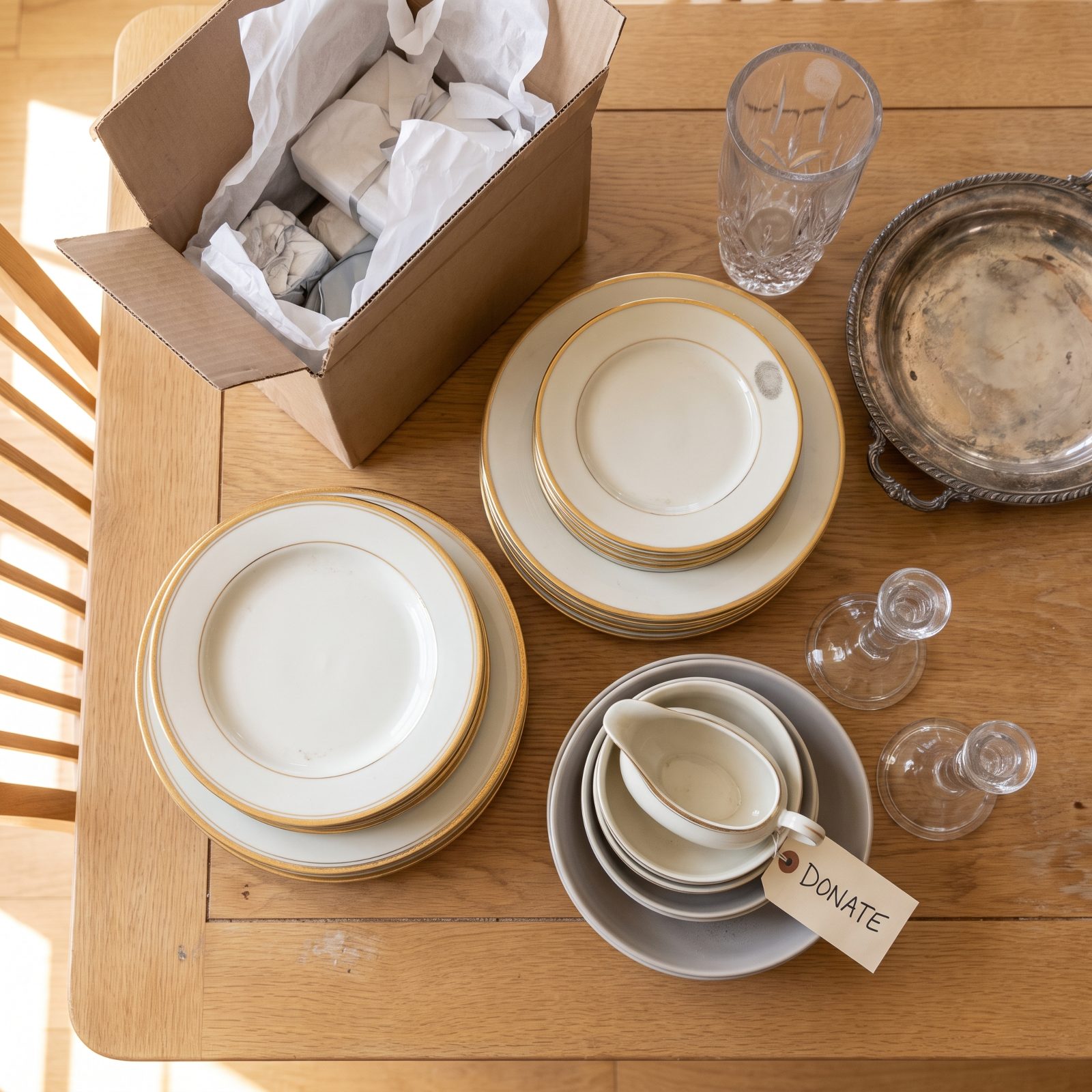
Nobody actually wants the formal china. It came from an aunt, lived in a box for fifteen years, and carried the silent instruction that you were now the kind of people who owned formal china. Dividing it up after a divorce feels oddly disloyal, as if you’re returning gifts to a version of yourselves that no longer exists.
Wedding gifts are loaded with other people’s visions of who you’d become — the matched set, the heirloom intentions, the future dinner parties that were somebody’s idea of your life. Keeping them out of obligation is a low-grade form of commitment to a plan you never actually wrote.
10. The Maybe Pile Is Where Your Old Self Stalls
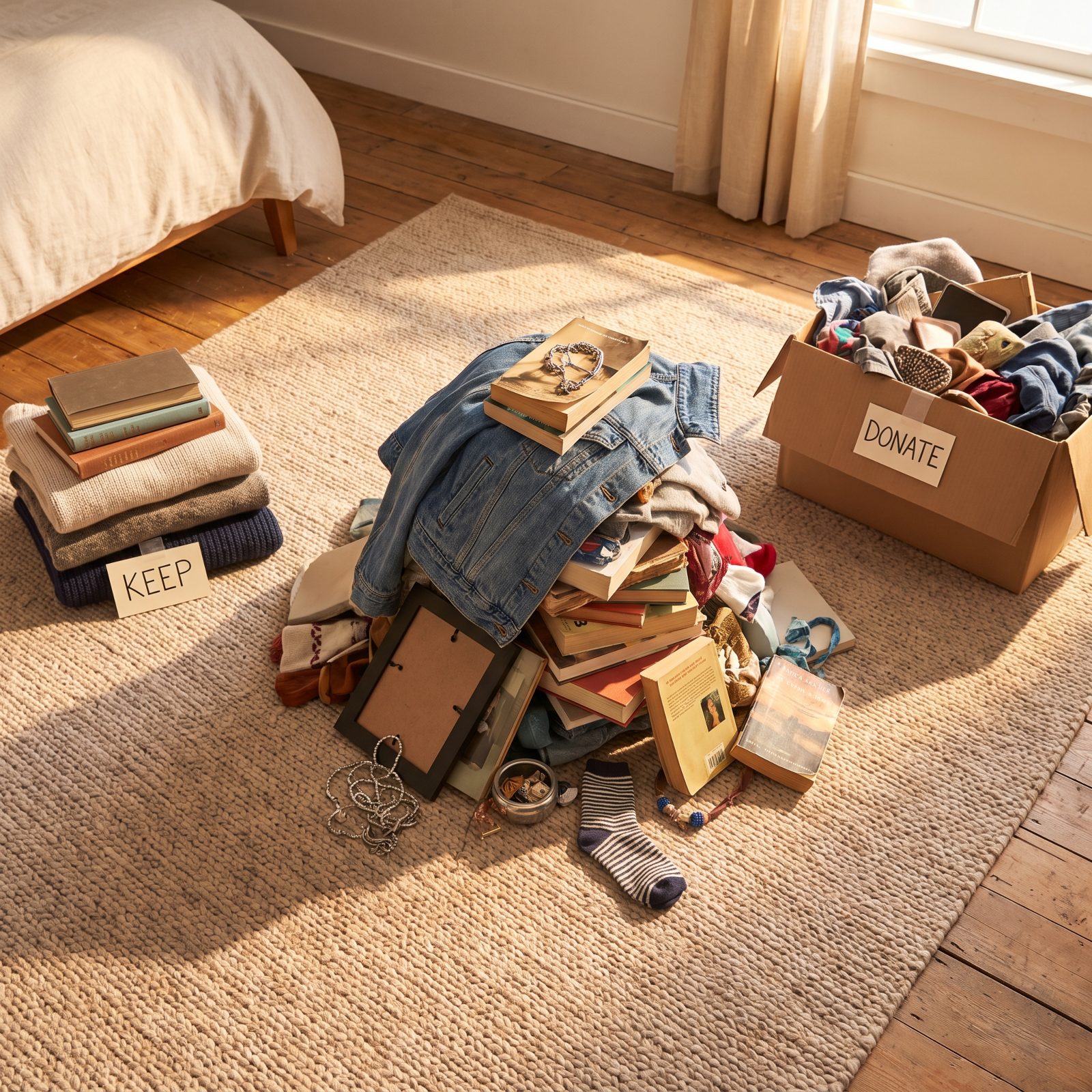
The keep pile is easy. The donate pile is easy. The maybe pile is where the whole project goes to die — it grows and grows until it dwarfs the other two, a monument to every decision you couldn’t make, each item whispering not yet.
What’s actually in that pile isn’t indecision about objects. It’s indecision about yourself. A maybe item is tied to a version of you that you haven’t decided whether to carry forward: the exercise clothes for a life you meant to live, the book you’ll read when you’re that person again.
Decision fatigue is real, and it pools right there. The trick is to stop asking does this spark joy and start asking does this belong to who I’m becoming. Harder question. Faster answers. The maybe pile is just the past refusing to commit.
9. The Sentimental Box Becomes Your Personal Time Capsule
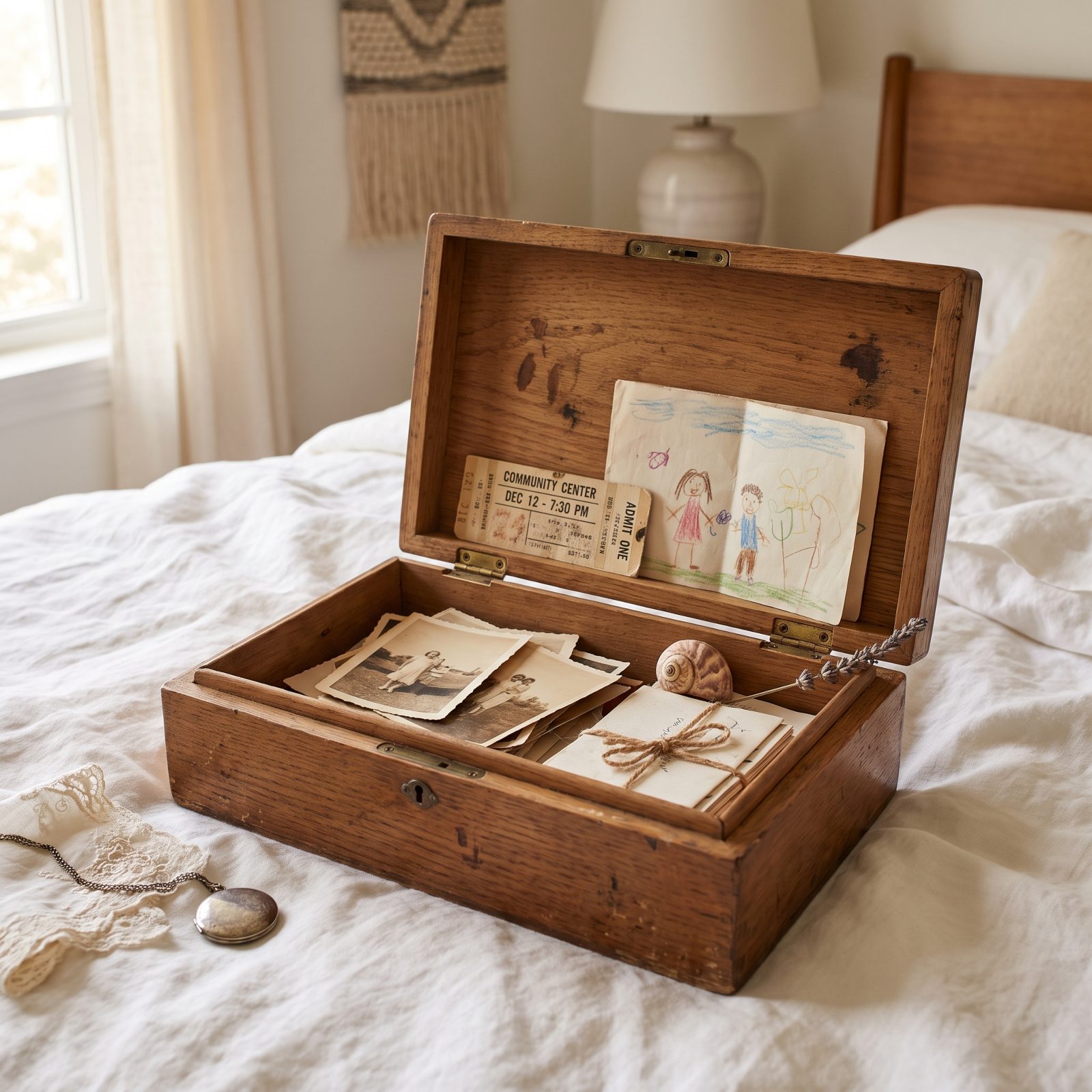
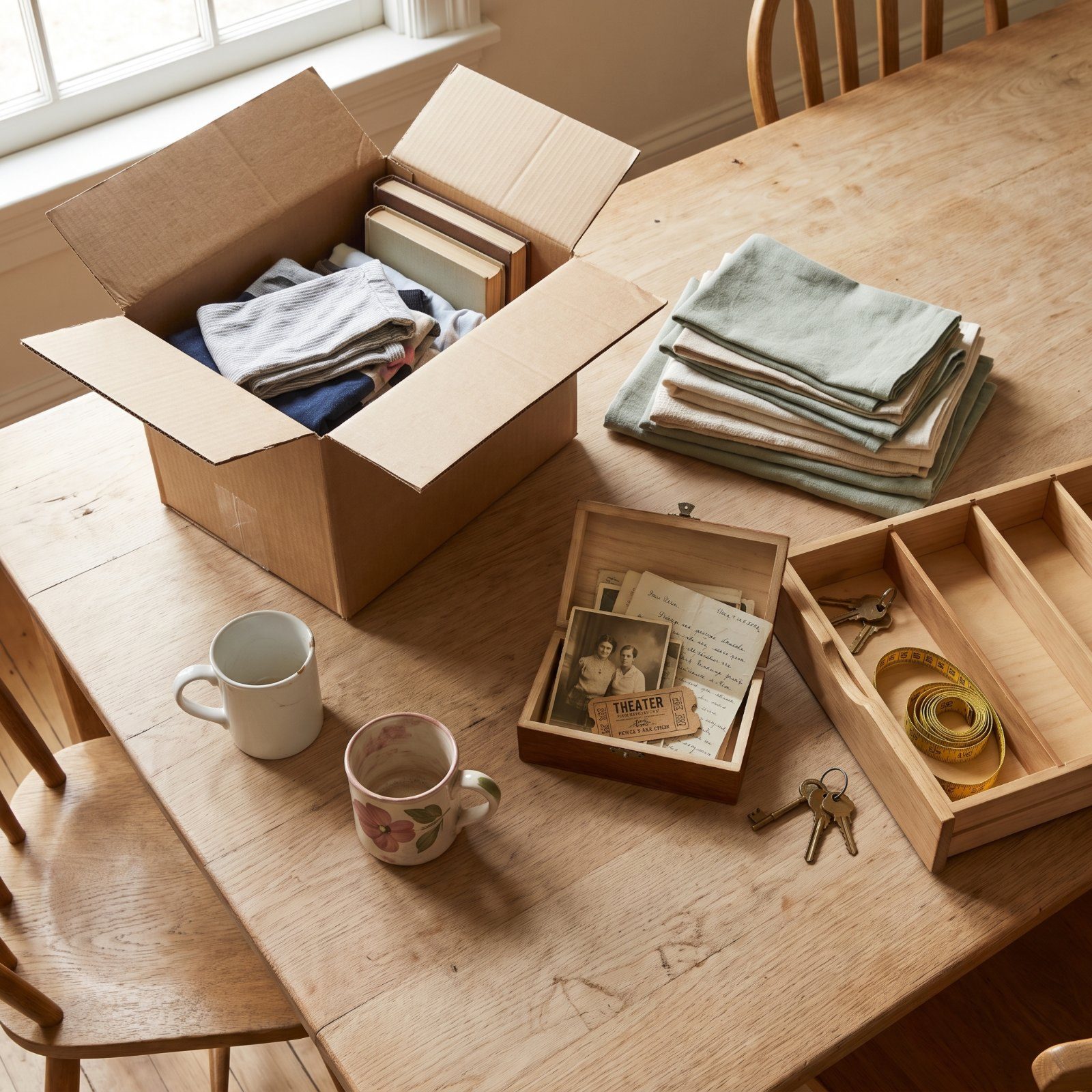
At the end of all the sorting, you land on one box. Photos, ticket stubs, a note folded so many times the creases went soft. The things that survive a purge aren’t the valuable ones — they’re the ones that still mean something now that the frame around them has changed.
This is where the story gets rewritten, not erased. You get to decide which memories make the cut, which chapters you keep as your own history rather than the marriage’s. The good years were still your years, and keeping proof of them isn’t weakness. It’s integration.
8. You Rediscover Clothes From Before You Were a We
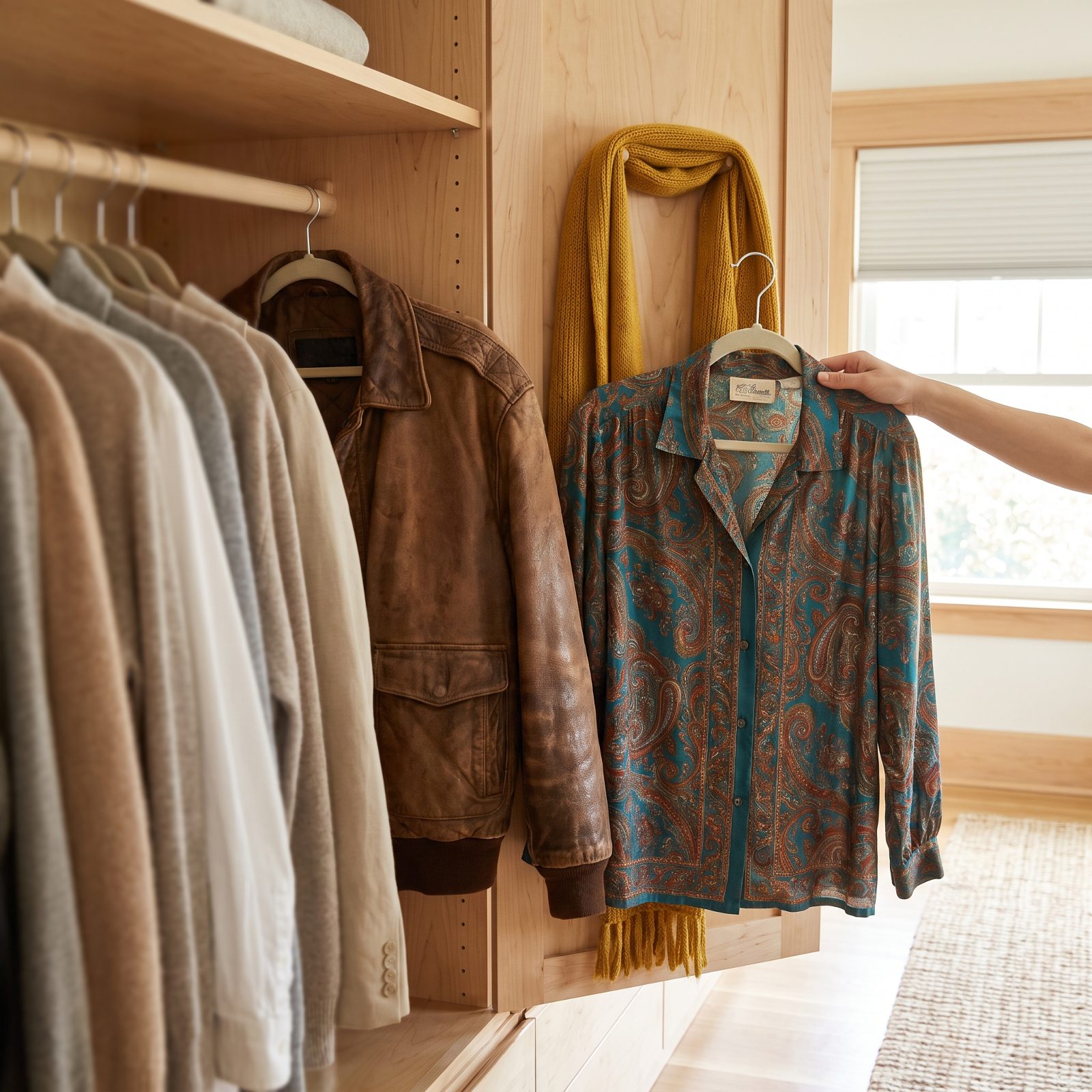
Pushed to the back of the closet, past everything you wear now, there’s a jacket. Bolder than anything you’d buy today, a color you’d forgotten you loved. You pull it out and it’s like shaking hands with someone you used to be — before the slow sanding-down that long partnerships do to everyone’s edges.
Couples drift toward a shared aesthetic without ever discussing it. Preferences soften into consensus, and the loudest pieces of your old style get quietly retired for the sake of keeping peace. Finding them again is finding evidence that you had a self before the merge.
7. The Junk Drawer Reveals Which Habits Were Always Yours
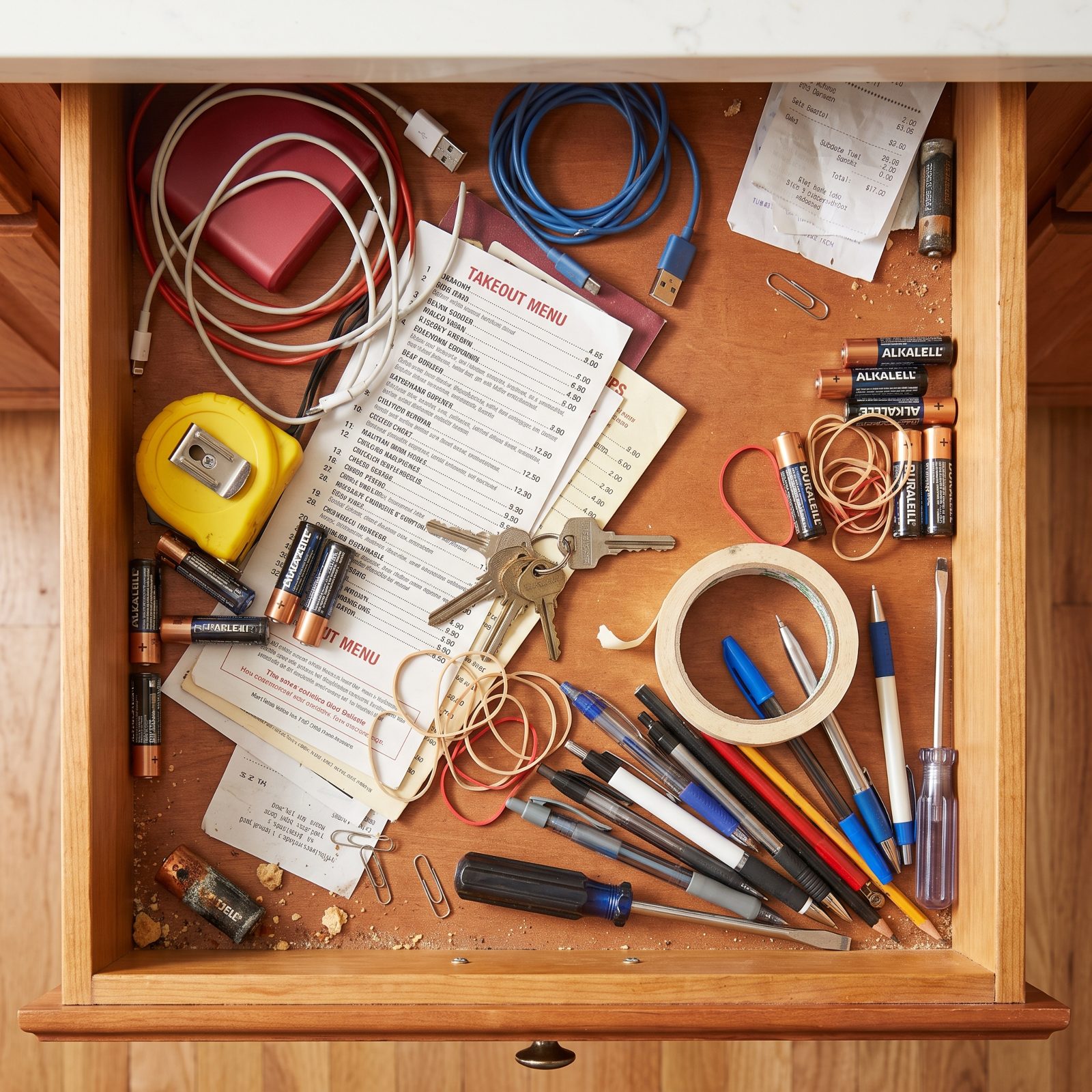
Every home has one. The drawer that holds the batteries, the takeout menus, the keys that open nothing anyone can remember, and roughly nine thousand rubber bands. It’s the least curated space in the house, which is exactly why it tells the truth.
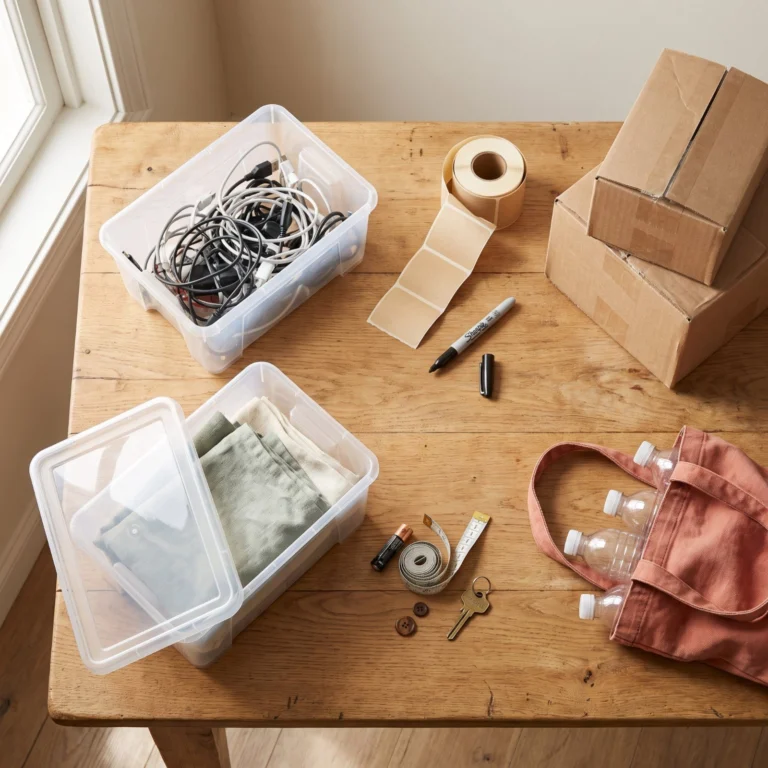
Clear it out and you start to see whose habits were whose. The tangle of charger cables, that was you. The stack of takeout menus, creased and smudged past reading, theirs. This is archaeology, really — a dig through a shared routine, and sorting it shows you which small daily behaviors you’ll carry forward and which were never yours to begin with.
This one is weirdly healing, honestly. Big objects carry big feelings. The junk drawer is just evidence, low-stakes and oddly clarifying. You throw out the dead batteries, you keep the good screwdriver, and somewhere in there you remember that a life is mostly made of these small, specific choices. So go make a few new ones.
6. Moving the Furniture Breaks More Than One Old Routine
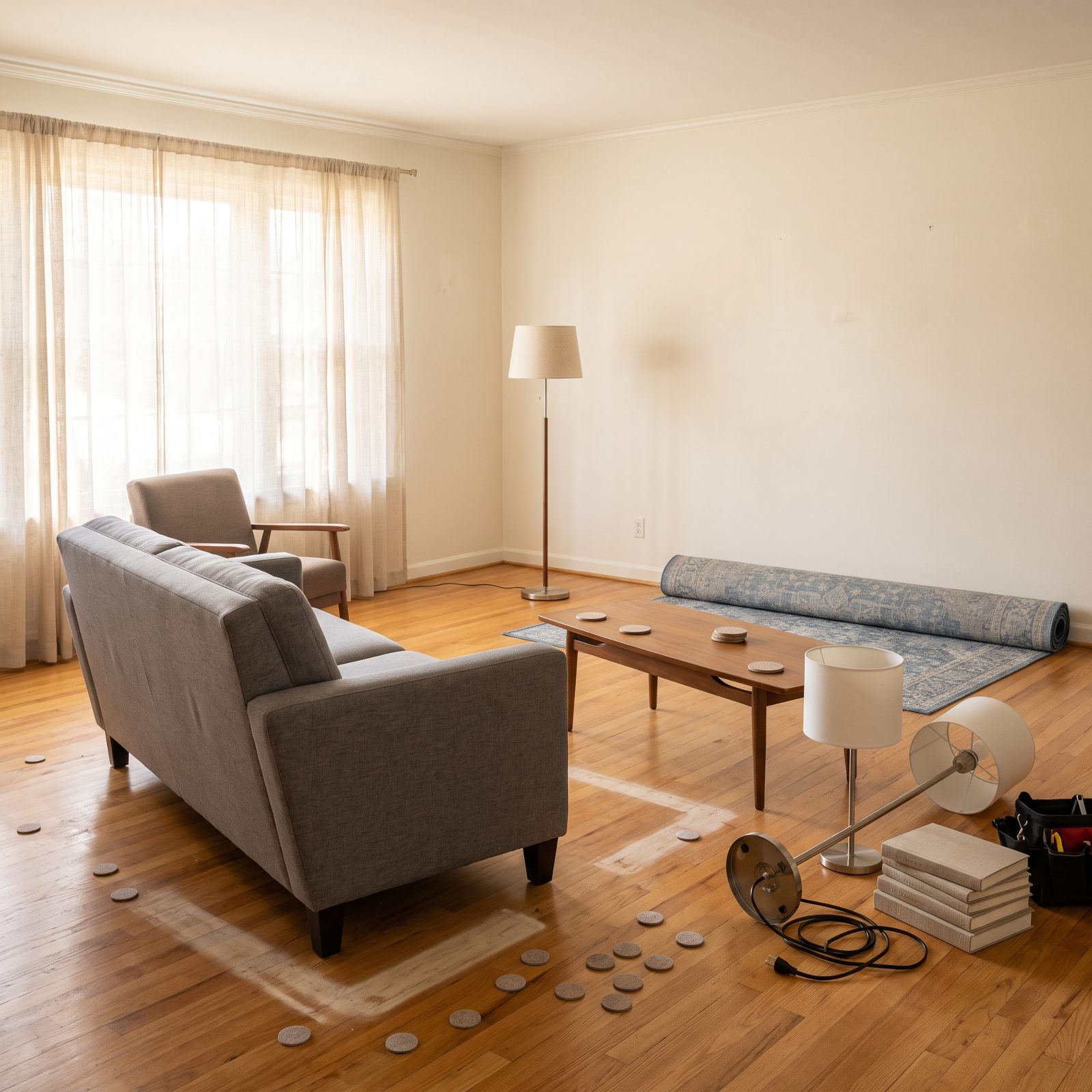
The sofa sat in that spot for years. Push it a few feet to the left and something strange happens in your body — you reach for a light switch that isn’t there anymore, you walk the old path around a coffee table that has moved, and your feet keep insisting on a room that no longer exists.
That’s the thing about furniture after a divorce. It was never just furniture. It held a choreography, a shared traffic pattern worn into the floor and into your muscles, two people who learned to move around each other without a single conscious thought. Move the pieces and the dance falls apart.
Psychologists call those worn grooves procedural memory — the automatic routines your body runs without consulting you. They resist change hard. That’s why the rearranged room feels wrong before it feels right. You’re not redecorating so much as rewiring the paths you walk a hundred times a day.
5. You Finally Choose the Paint Color They Always Hated
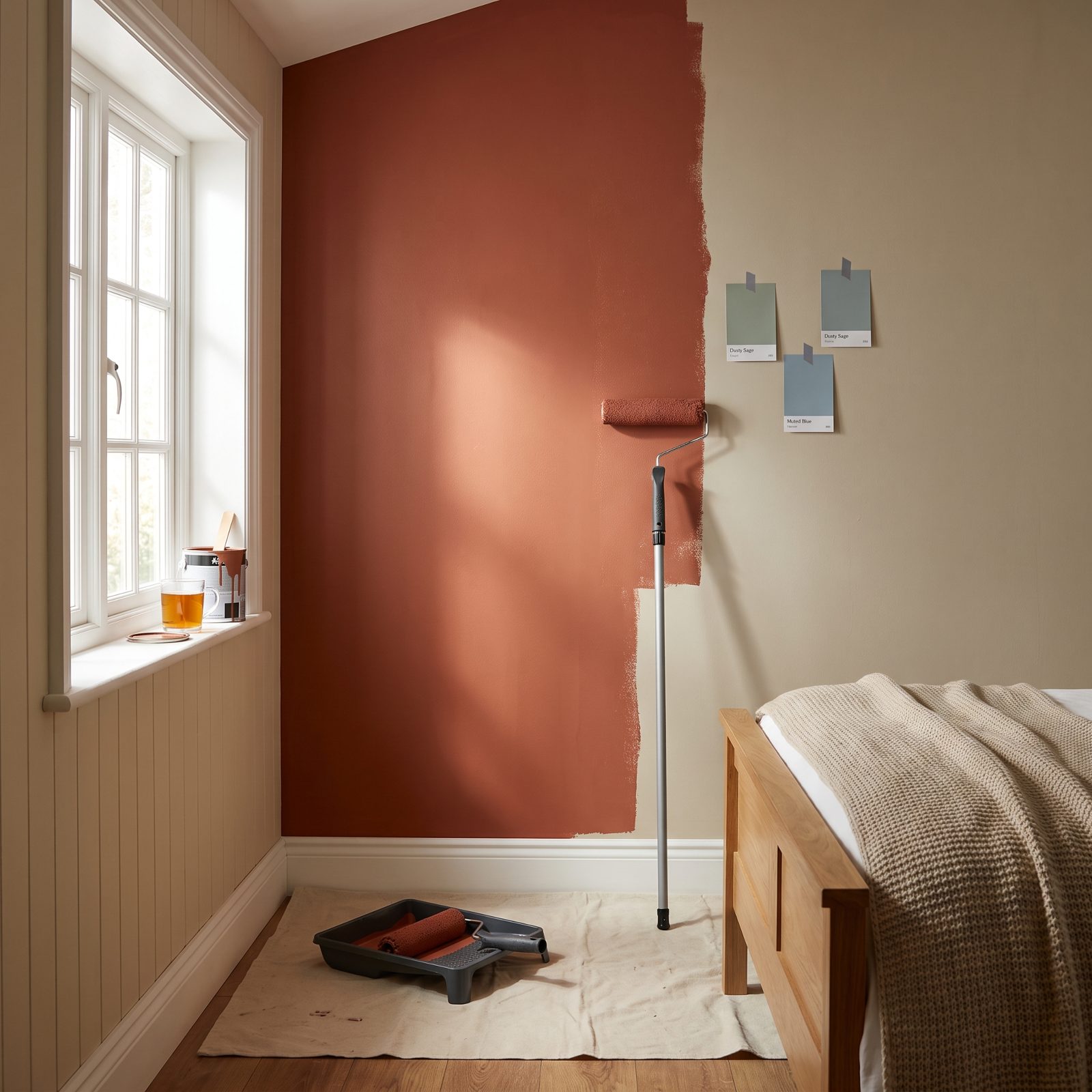
There was always a color you wanted. Something warm — a clay, a deep ochre — and every single time it came up you heard the same verdict. Too dark. Too much. Not for a shared space. So you settled on beige, and beige is where a lot of marriages go to be agreeable.
Now the roller is in your hand and the wall is going terracotta. Here’s the odd part: picking the paint feels far bigger than paint should ever feel. For years your preference lived under the heading negotiable, and a negotiable preference eventually stops feeling like yours at all.
Reclaiming a taste you talked yourself out of is genuine identity work. You’re not just covering a wall. You’re reversing a long, slow outsourcing of what you like. The color you choose alone, for no one’s approval, becomes a small flag planted in your own name.
4. Blank Walls Test Your Comfort With Not Knowing Yet
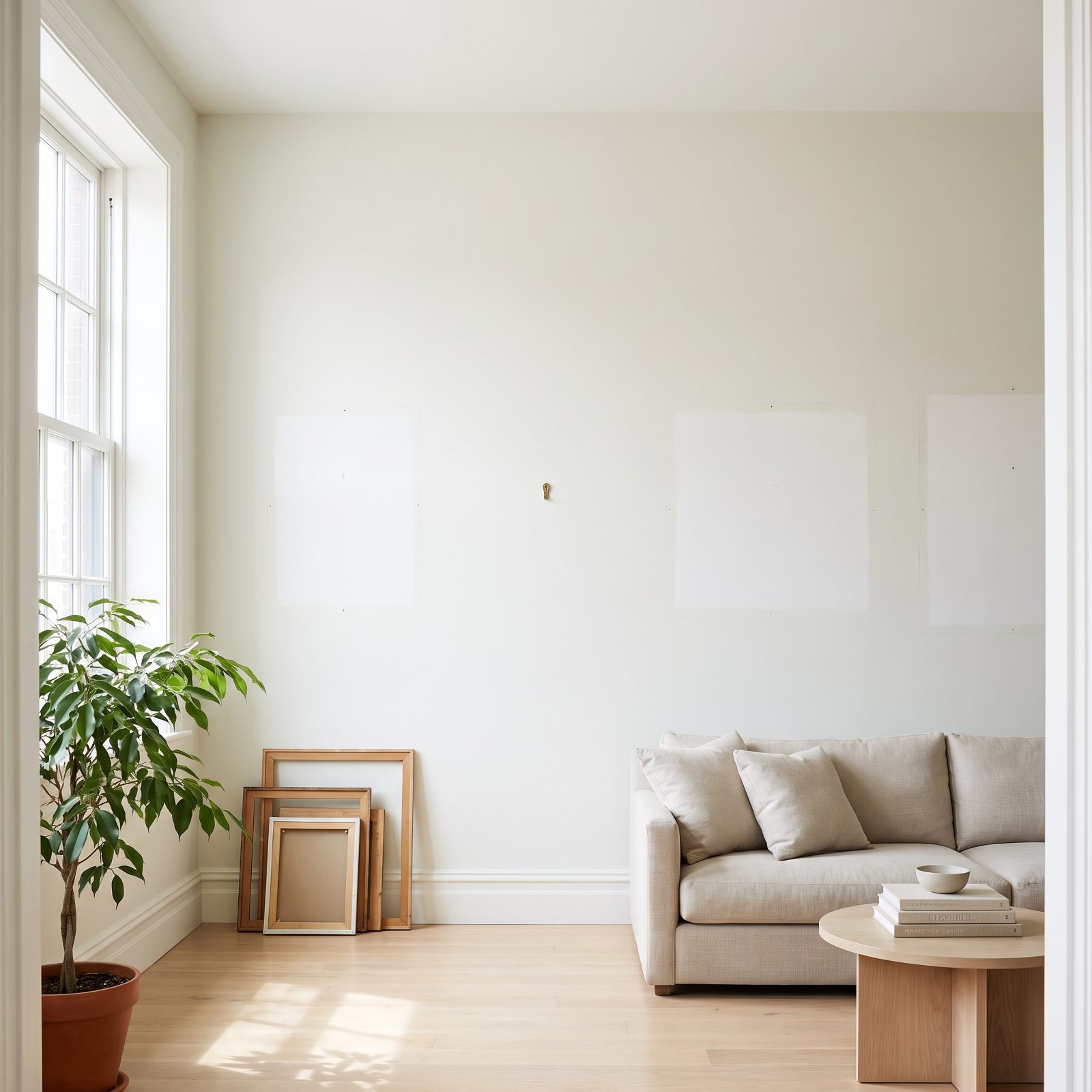
The art came down and left a wall full of ghosts. Little nail holes. Bright rectangles where frames blocked the sun for years. And now a blank expanse staring back, asking a question you can’t quite answer.
The urge to fill it fast is fierce. Buy anything, hang something, anything at all, just to stop the wall from looking so undecided. But the honest truth is you don’t know what goes there, because you don’t yet fully know who’s hanging it.
Here’s where we’d push back. That blank wall isn’t a problem to solve this weekend — it’s a room holding space while you figure things out. Sitting with not-knowing is one of the hardest things humans do. So we rush to fill every empty surface, every quiet, every pause, as though an unfilled wall were an accusation.
3. A Donation Run Creates Momentum Faster Than Expected

You started with one box — the chipped mugs nobody drank from. Then the curtains you never liked. Then, somehow, the wine glasses, the spare lamp, three books you’d kept out of guilt, and a framed print that always hung a little crooked in your chest.
One donation box has a way of snowballing. Letting go of the first thing makes the second thing easier, and by the fourth you’re moving through the house like someone just handed you permission.
There’s a reason small action beats big resolve. Momentum is physical. A tiny completed step lowers the resistance to the next one, which is exactly why the hardest part of the whole run is carrying the first box out to the car.
2. Buying All-New Decor Can Become a Costume Change
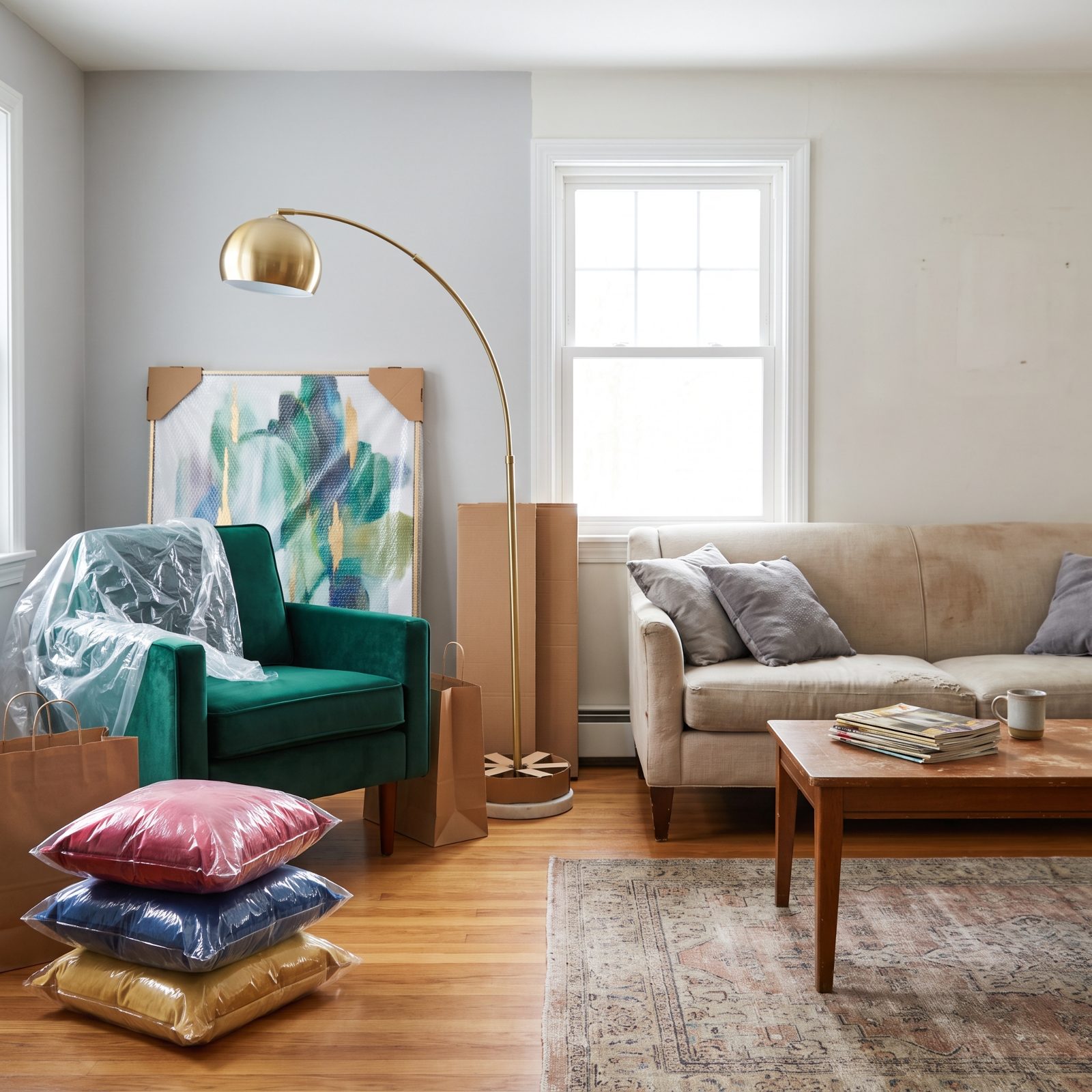
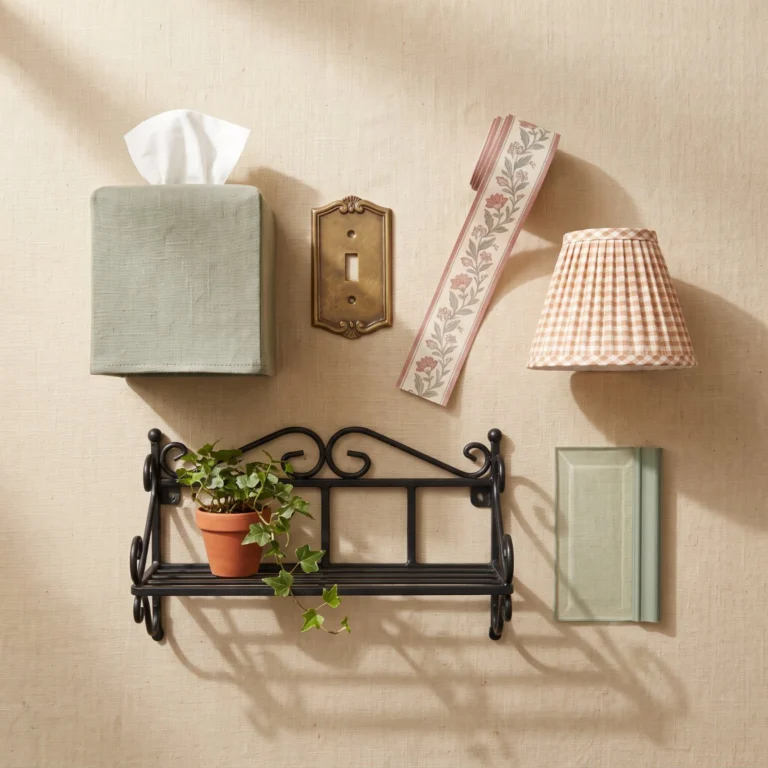
Everything new. New art, a brass arc lamp, a bold velvet chair, pillows in colors you’d never have dared before — all crowded around the same worn, stained sofa. The old life swept out, the cart full, delivery dates stacking up. It feels like becoming someone.
And sometimes it is. But sometimes the full redecoration is a costume — a faster-than-real-life answer to a slow question. Buy the whole new look and you get to skip the uncomfortable middle, the part where you don’t yet know what you actually want.
The worry here isn’t about spending. It’s about mistaking a changed room for a changed self. New things can carry who you’re becoming, or they can be a mask you bought to dodge the figuring-out. The whole difference comes down to whether you chose each piece, or just chose the idea of different.
1. One Reclaimed Room Suggests a Completely Different Future
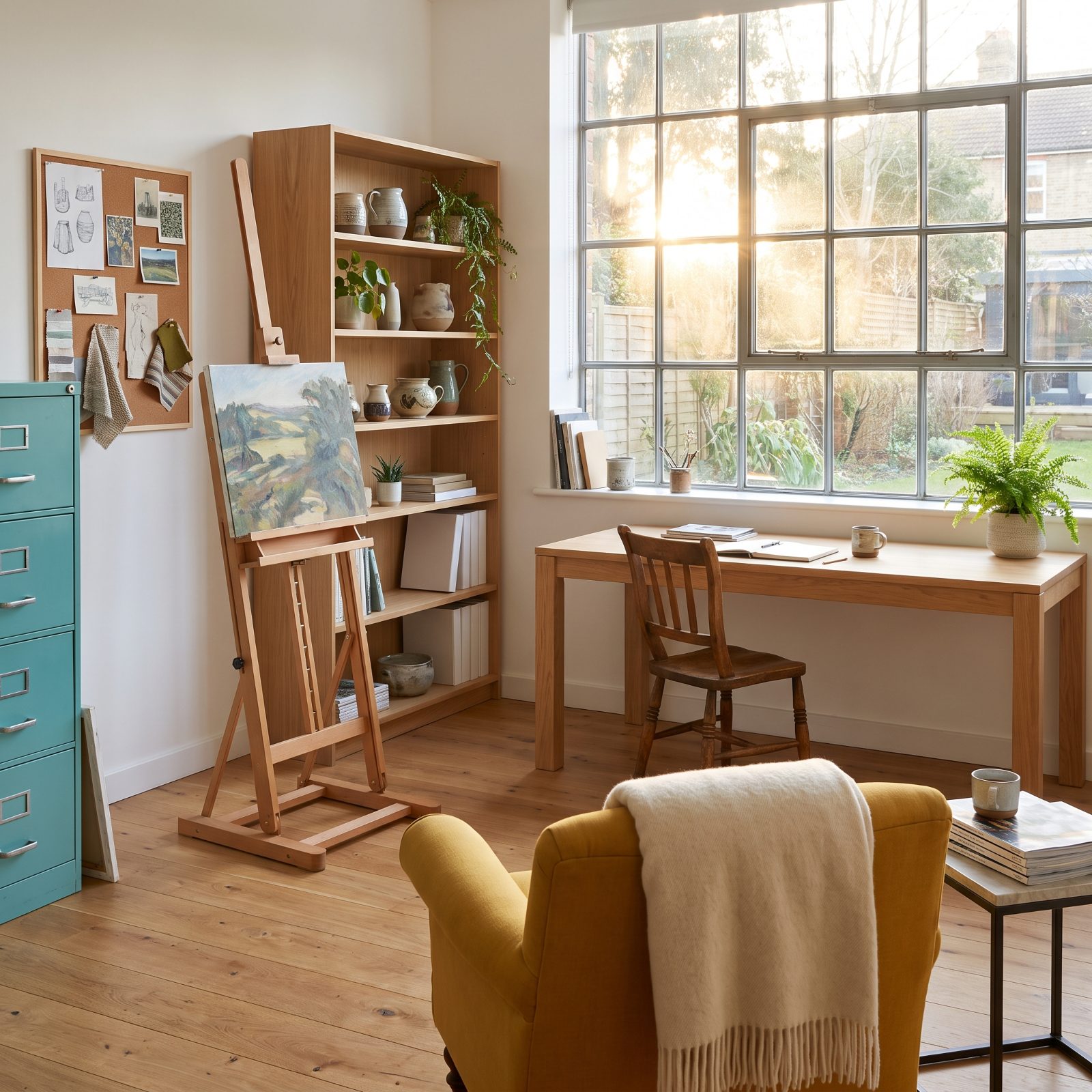
It started as something practical. The spare room, the old shared office, needed clearing out, so you cleared it. But somewhere between hauling out the second desk and painting the filing cabinet teal, it quietly became something you never planned — a studio, a reading nook, a space that only makes sense for one specific person.
That’s how it goes. Reclaim one room fully, on your own terms, and it starts whispering about everything else. If this corner can be entirely yours, why not the whole house? Why not the whole next chapter?
A single changed space works like proof of concept for a changed life. It shows you, in real objects and real light, that a different future isn’t some abstraction. It fits in this room. You can stand in it. And once you’ve stood inside one version of what comes next, the rest of the house stops reading like an ending and starts looking like a floor plan.