
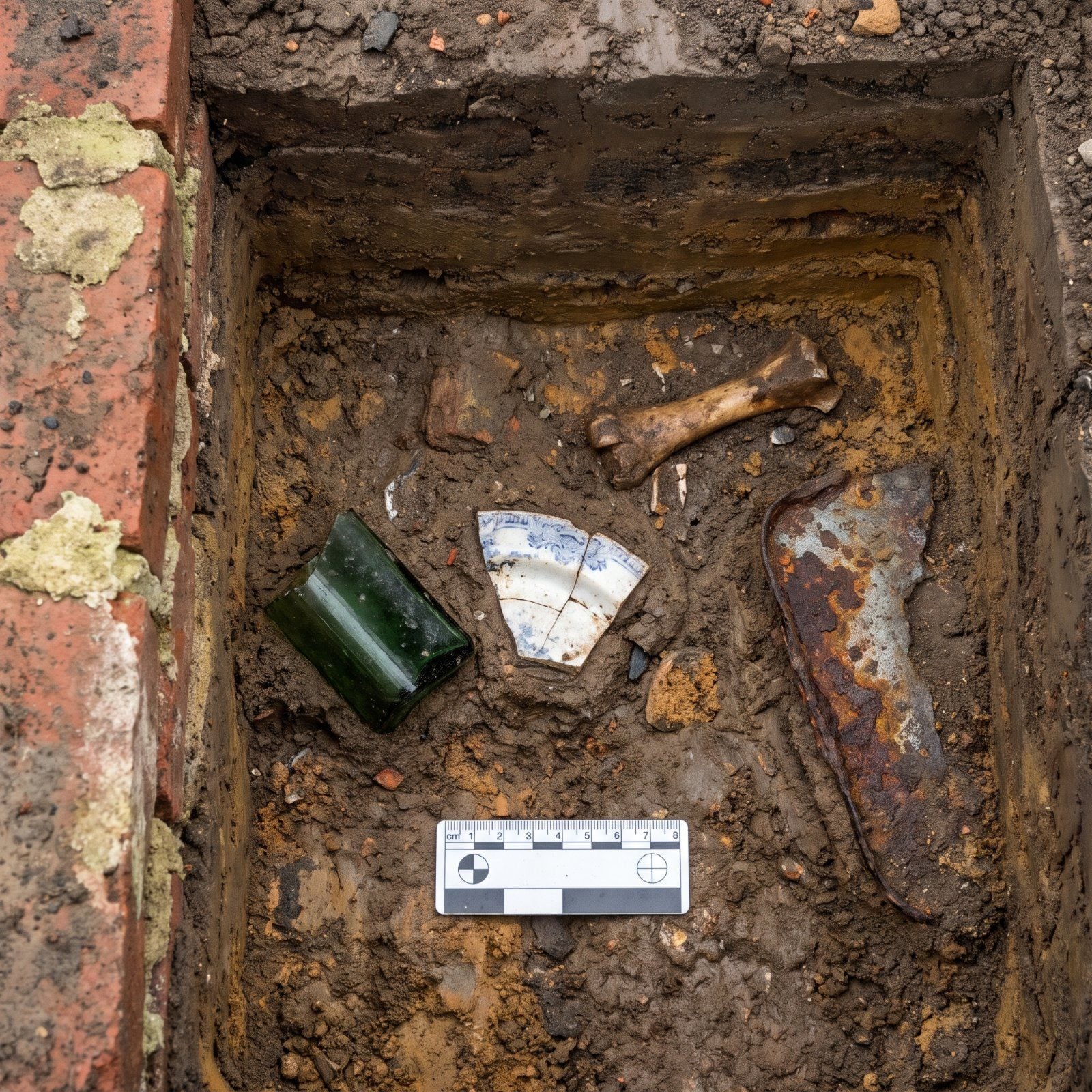
A brick-lined hole in the backyard is the last place you’d look for someone’s diary. Yet the old privy — the household toilet before indoor plumbing — doubled as the family trash can. Broken dishes went down the shaft, along with dead medicine bottles and anything people wanted gone. Low oxygen and constant damp preserved the lot. Archaeologists have pulled whole lives out of these pits across Philadelphia, London, Melbourne and New York, dated tight by the stamps and patents on the glass. What turns up is not treasure. It’s the embarrassing, ordinary, aching stuff of being alive in the 1800s.
Please note that some of the images in this article were created with the assistance of AI.
32. The Artificial Glass Eye That Proved Someone Paid for Craftsmanship
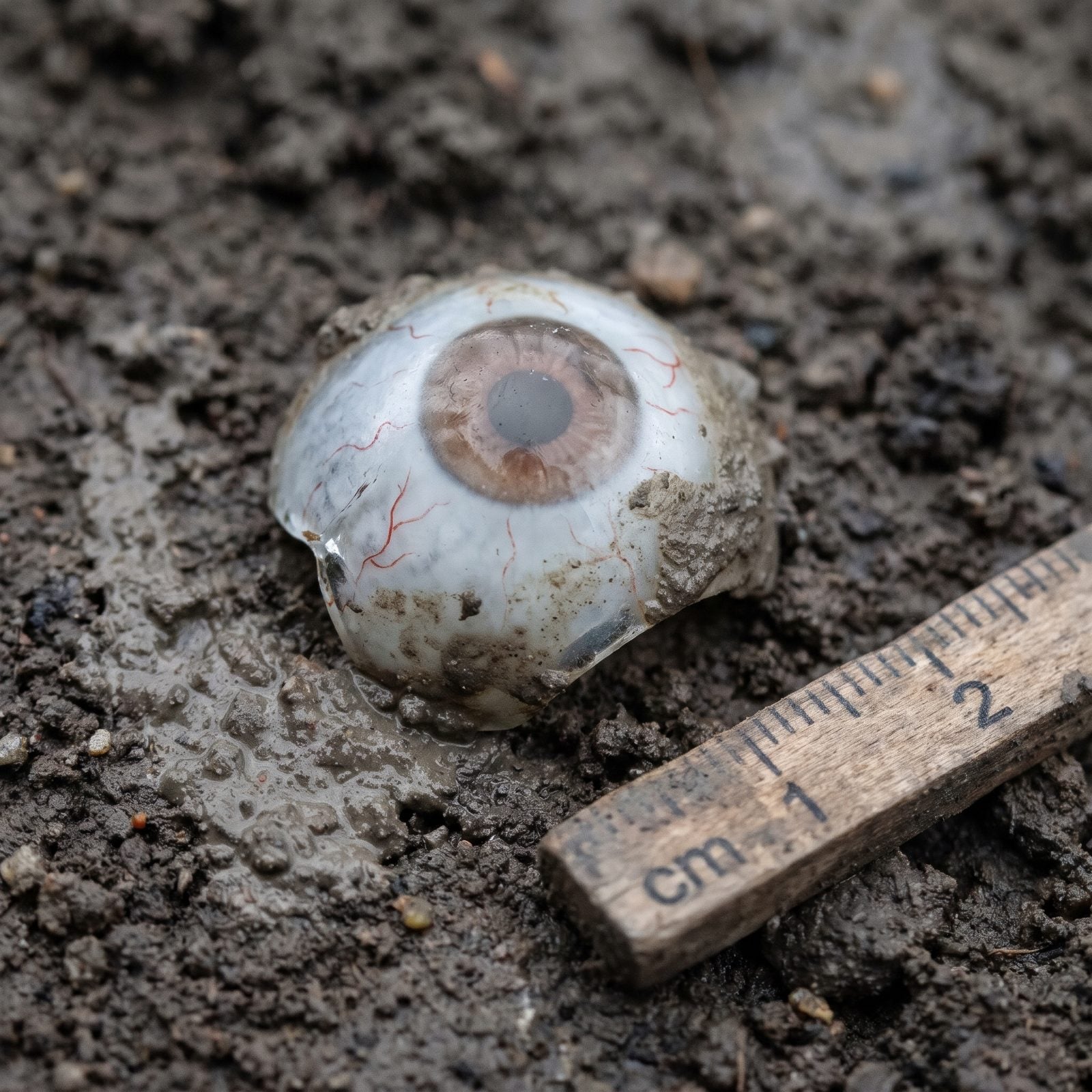
A glass eye in the trash tells you two things at once. Someone lost an eye — disease, accident, war. And someone had money, because these were not cheap: blown and hand-painted individually, often by craftsmen trained in Germany, the iris matched by eye to the wearer’s good one.
Finds like this have come out of privy deposits in American cities, and they stop you cold. You’re holding proof of a very bad day in somebody’s life, and proof that they refused to just hide indoors afterward. That’s a lot of human decision in one small clouded shell.
31. Parasite Eggs in the Soil That Nobody Wanted to Admit
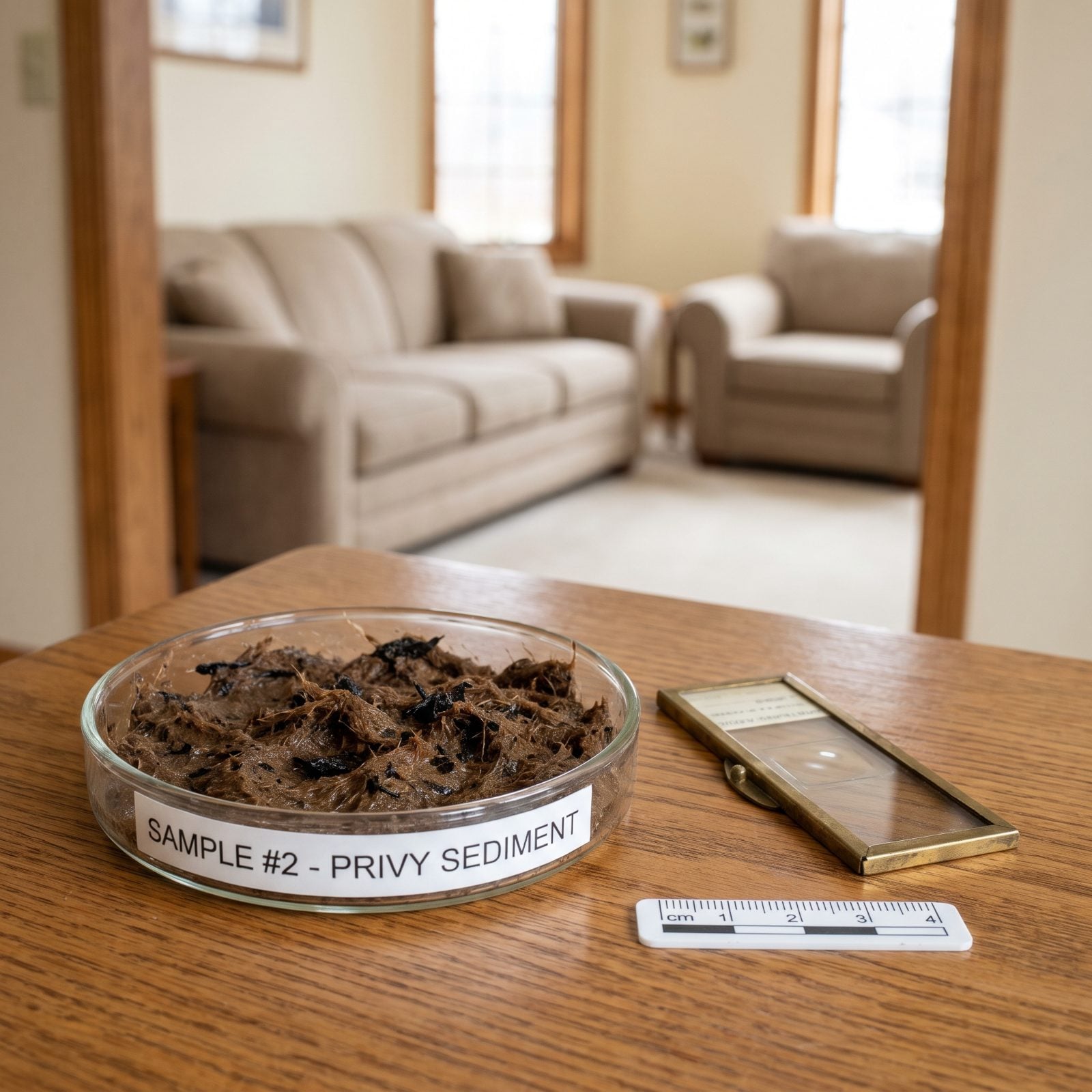
The grim stuff doesn’t always have a shape you can hold. Researchers sieving privy sediment have recovered the preserved eggs of roundworm and whipworm, intestinal parasites that passed straight through the people using the toilet.
No family would ever have written this down. It says plainly that infection was routine, that drinking water met sewage somewhere, and that children carried heavy loads of worms as a fact of daily life.
30. Embossed Patent-Medicine Bottles and the Cures People Swore By
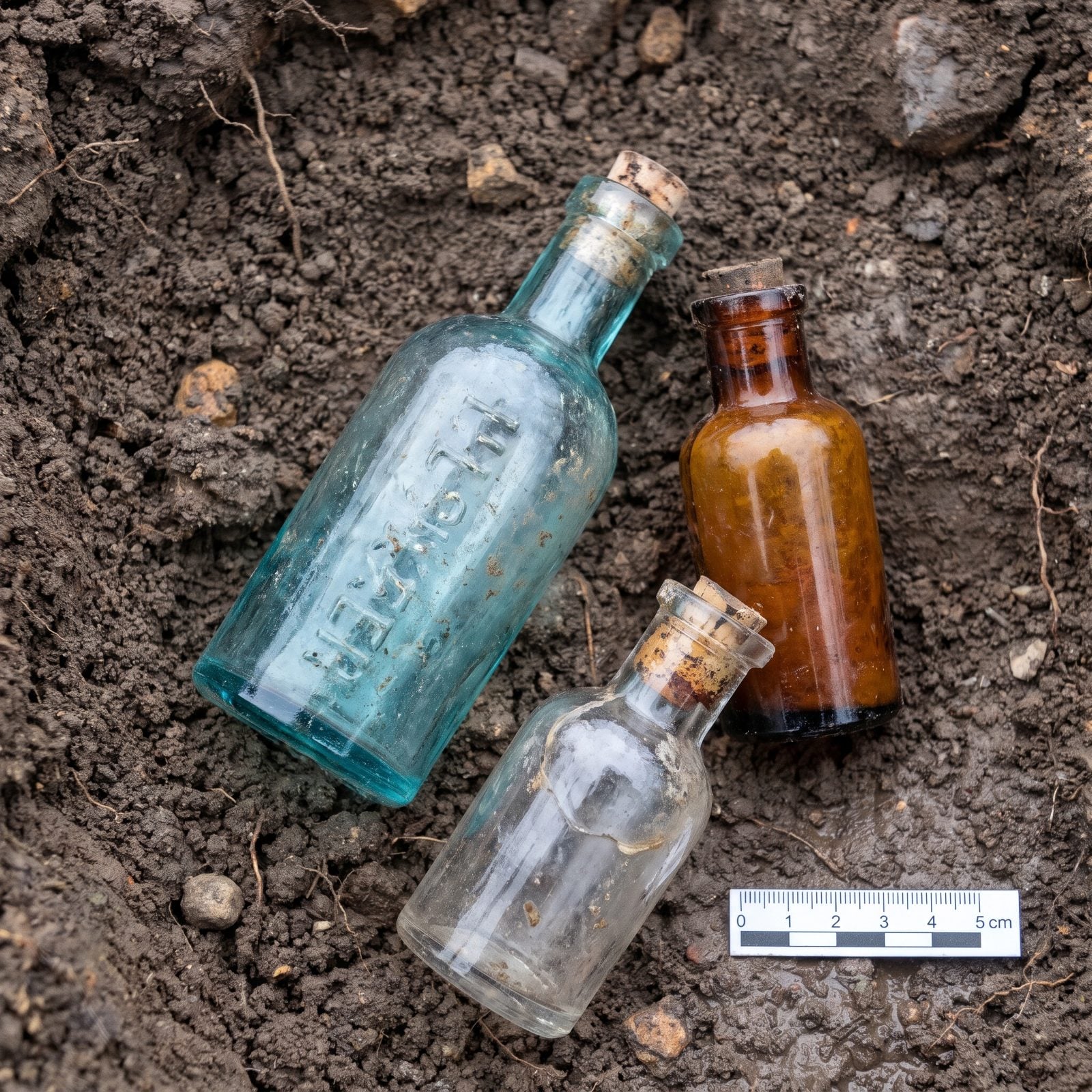
Privies overflow with these, and they’re the gossip of the collection. Patent medicines were mostly unregulated concoctions — heavy on alcohol, sometimes laced with opium or cocaine — sold with promises to cure everything from a cough to cancer.
Lettering molded right into the glass is the gift, even when it’s too worn to read cleanly. Catalog the bottles from one pit and you can read a household’s anxieties: a bitters bottle, a soothing syrup for a teething baby, something for “female complaints.” Nobody said these things out loud. They just bought the bottle, used it up, and dropped it down the hole.
29. Dental Plates That Document Real Pain
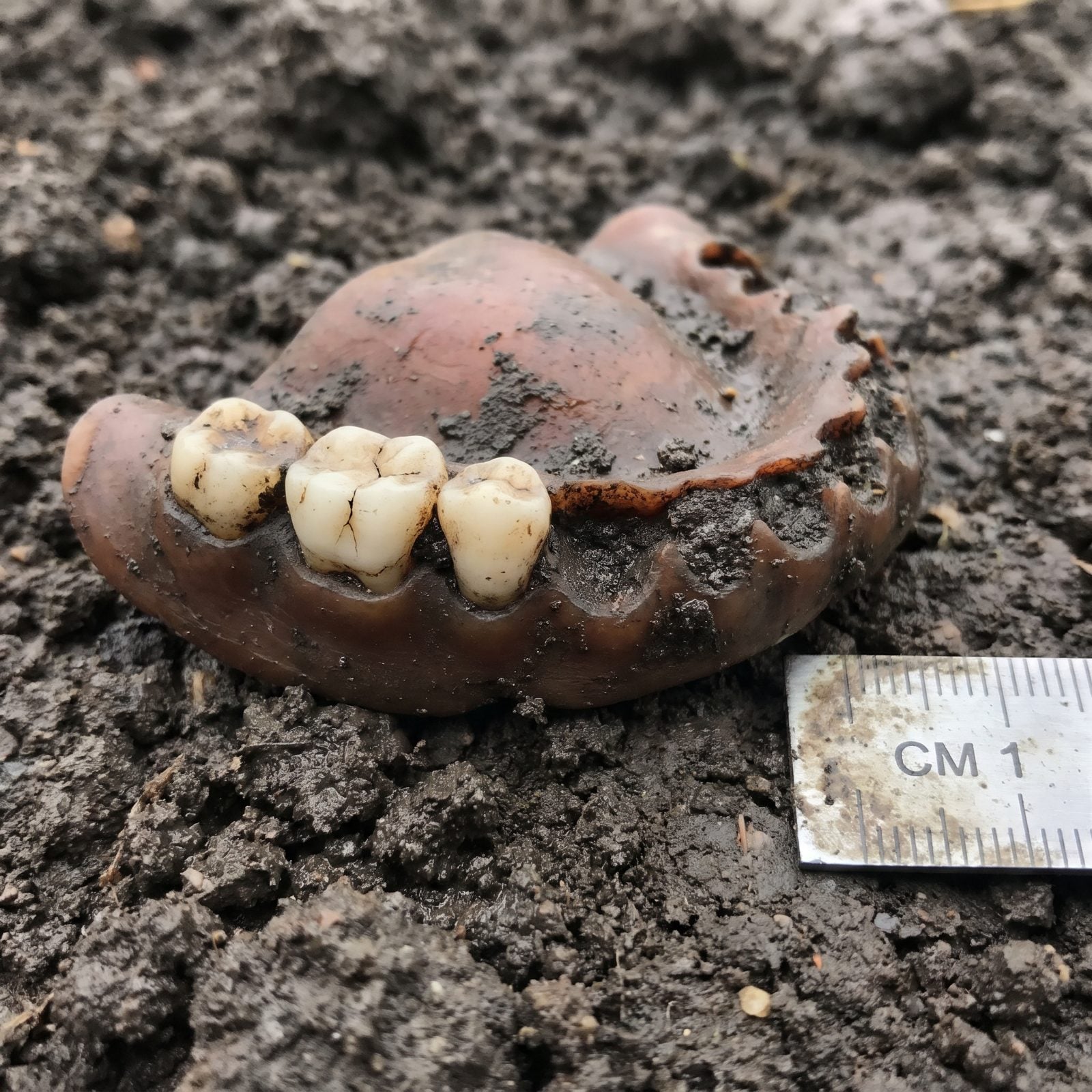
Imagine losing most of your teeth by forty and this being the fix. Early dental plates sat on bases of vulcanite rubber, with porcelain teeth, or in grimmer cases real teeth pulled from the dead. They fit badly and they ached, and people wore them anyway because the alternative was eating soup for the rest of their life.
When one shows up in a privy, it usually broke beyond saving. You can almost feel the moment of resignation — the thing cracking at the dinner table, someone deciding it wasn’t worth another repair.
28. Ceramic Feeding Bottles and the Dangers Hidden in Infant Care
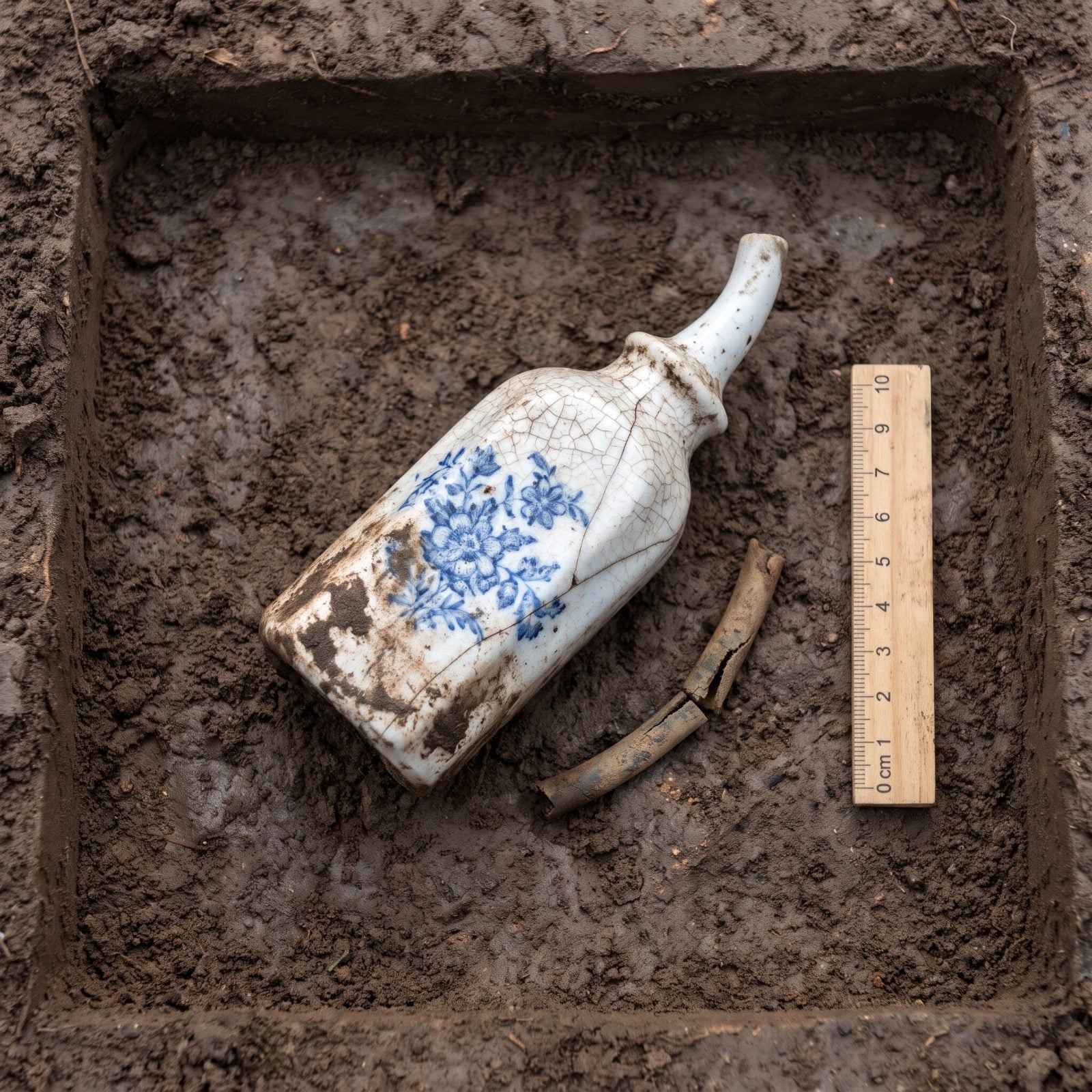
These look innocent. A pretty ceramic bottle with a long rubber tube to the spout, sold so a baby could feed alone while the mother worked.
The people who fought to ban them called them “murder bottles,” and not for nothing. The tube was impossible to clean. Milk rotted inside it. Doctors eventually linked them to appalling infant death rates. A fragment in the soil is a tiny monument to good intentions and lethal design — a pairing history repeats more often than we’d like.
27. Bone-Handled Toothbrushes That Prove Someone Was Trying
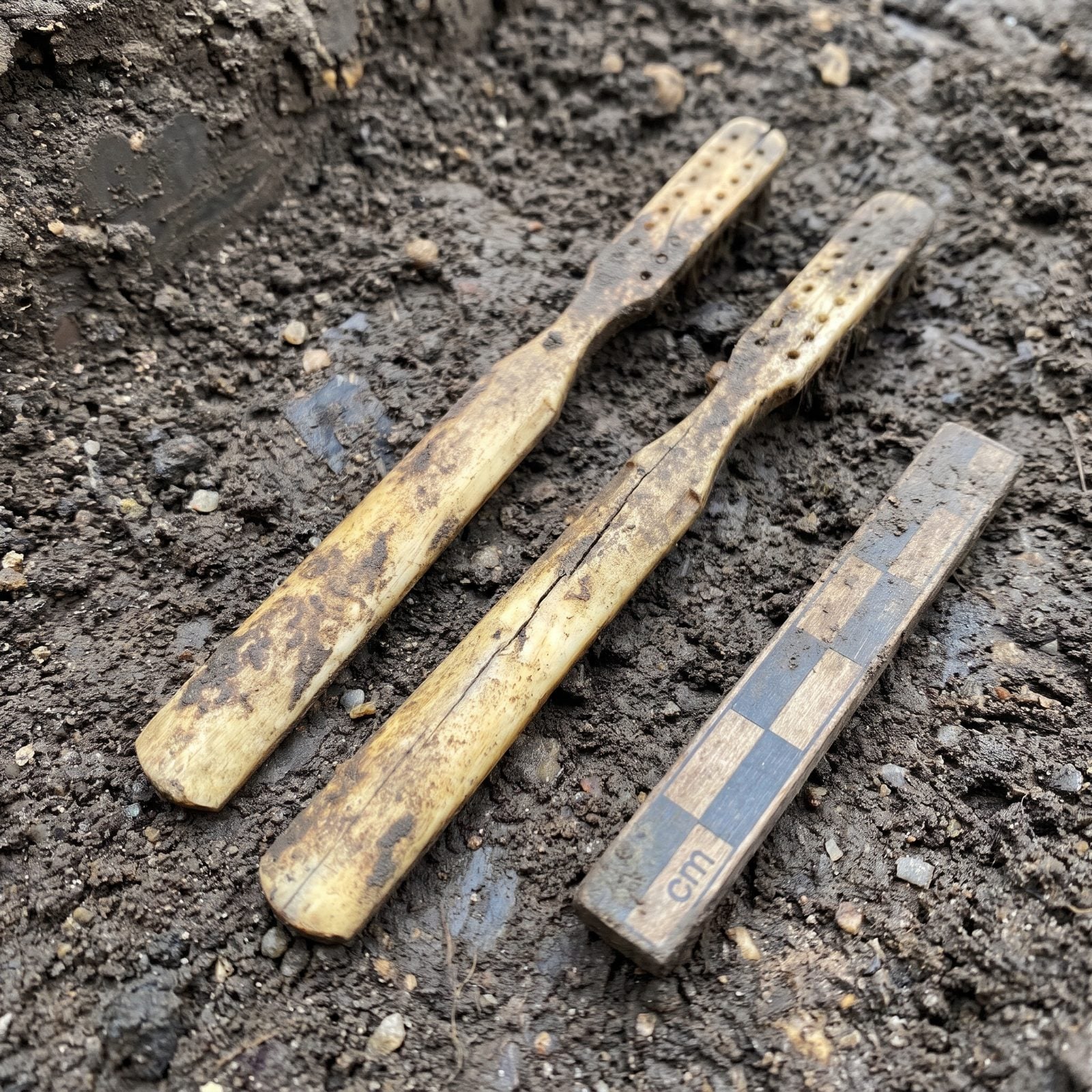
Handle carved from cattle bone, tiny holes drilled in the head, boar bristles wired through them. That’s an early toothbrush, and finding one changes your picture of the era.
They weren’t universal. A toothbrush in a particular privy marks a household with the money and the inclination to bother. The bristles rot away, so what survives is the pale drilled handle. Hold it next to a modern plastic one and the gap across 150 years feels smaller than you’d expect.
26. Fine-Toothed Lice Combs and a War Every Household Fought
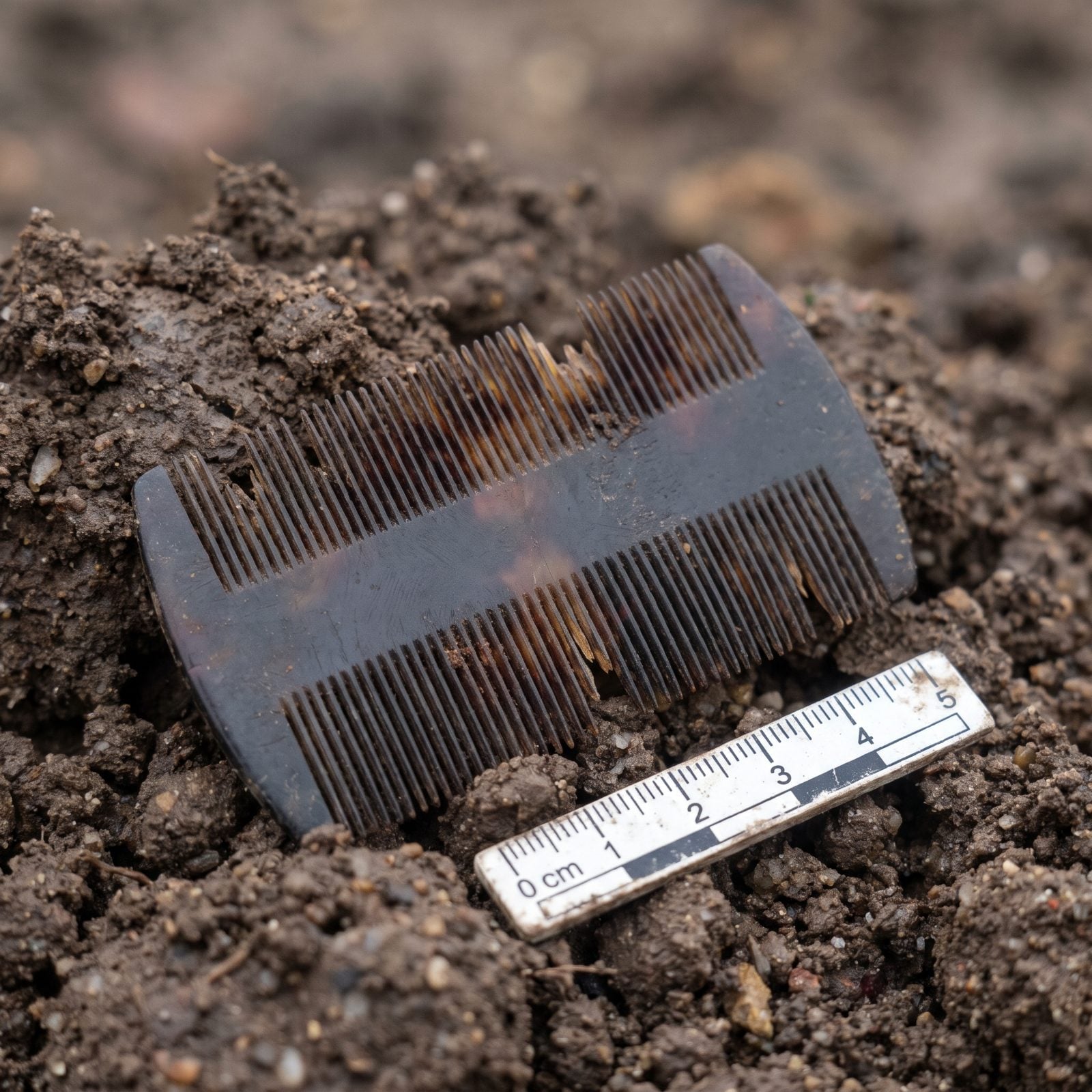
Run your thumb across the teeth of one of these and you understand it instantly. Two rows so fine and close they could drag lice and nits out of hair — the same design still sold in pharmacies today.
Lice combs turn up everywhere, rich homes and poor. Infestation didn’t care about your income. The comb is honest in a way nothing else in the pit is. Everybody had the problem, everybody dealt with it, and nobody wrote it down.
25. Broken Spectacles and the Quiet Struggle to See
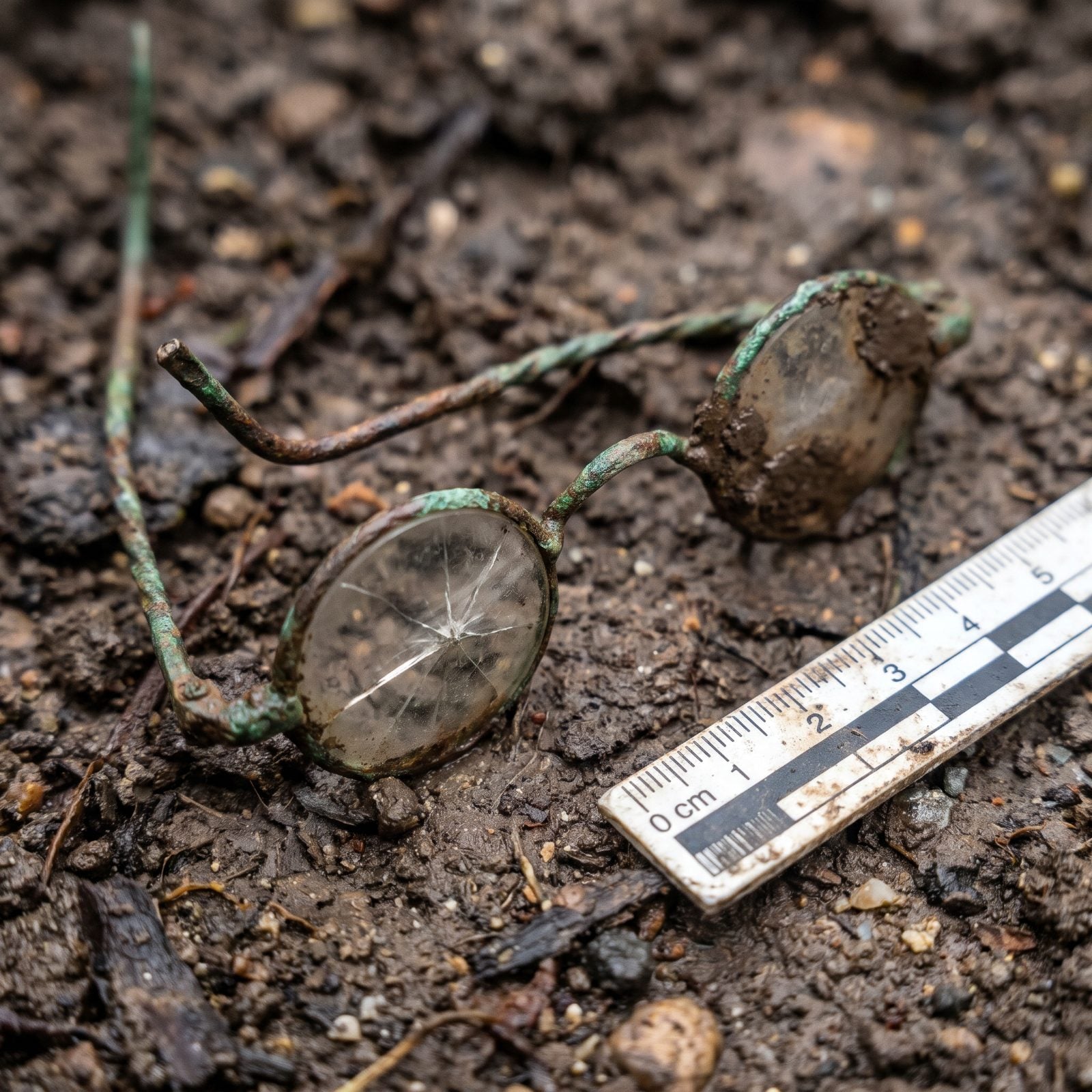
Thin metal frames, small round lenses, usually bent or snapped by the time they hit the soil. Spectacles in the 1800s weren’t prescribed the way they are now. You picked a pair off a tray by trial and error until the print cleared up.
A broken pair in a privy marks a person who read, or sewed, or did close work into old age and wanted to keep doing it. The corrosion on the hinge is often what finally killed them. Cheaper to toss than to mend.
24. Discarded Chamber Pots and the Reality Before Plumbing
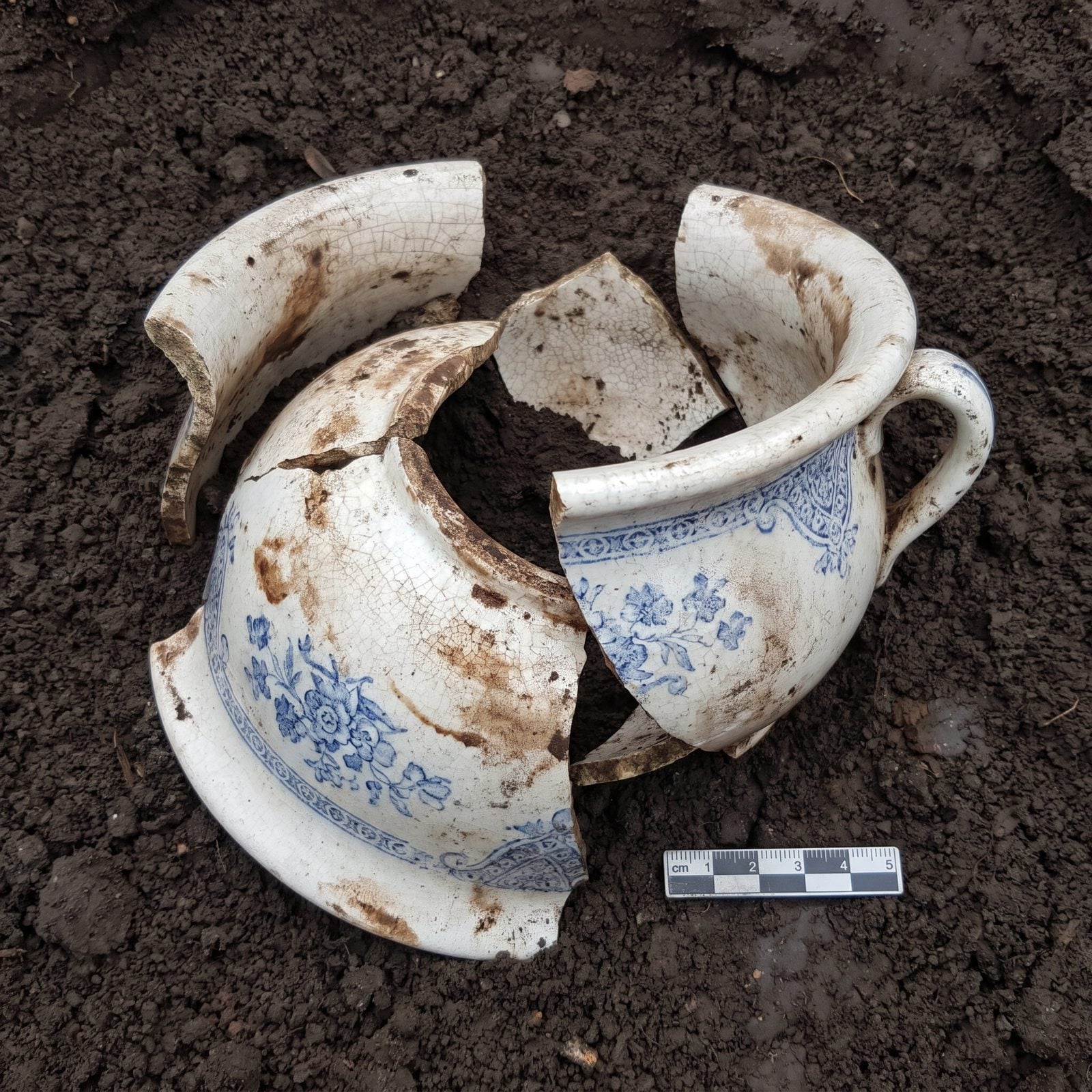
The chamber pot was the privy’s indoor partner. You used it overnight, carried it out to empty down the shaft, and when it broke, the broken pot often went down the same hole.
Here’s the detail nobody mentions: these were often beautiful. Blue-and-white transfer patterns, floral borders, the same decoration you’d find on the dinner plates. People made the least glamorous object in the house pretty, because you still had to look at it every single morning.
23. Stoneware Beer Jugs and What Was Really in the Cup
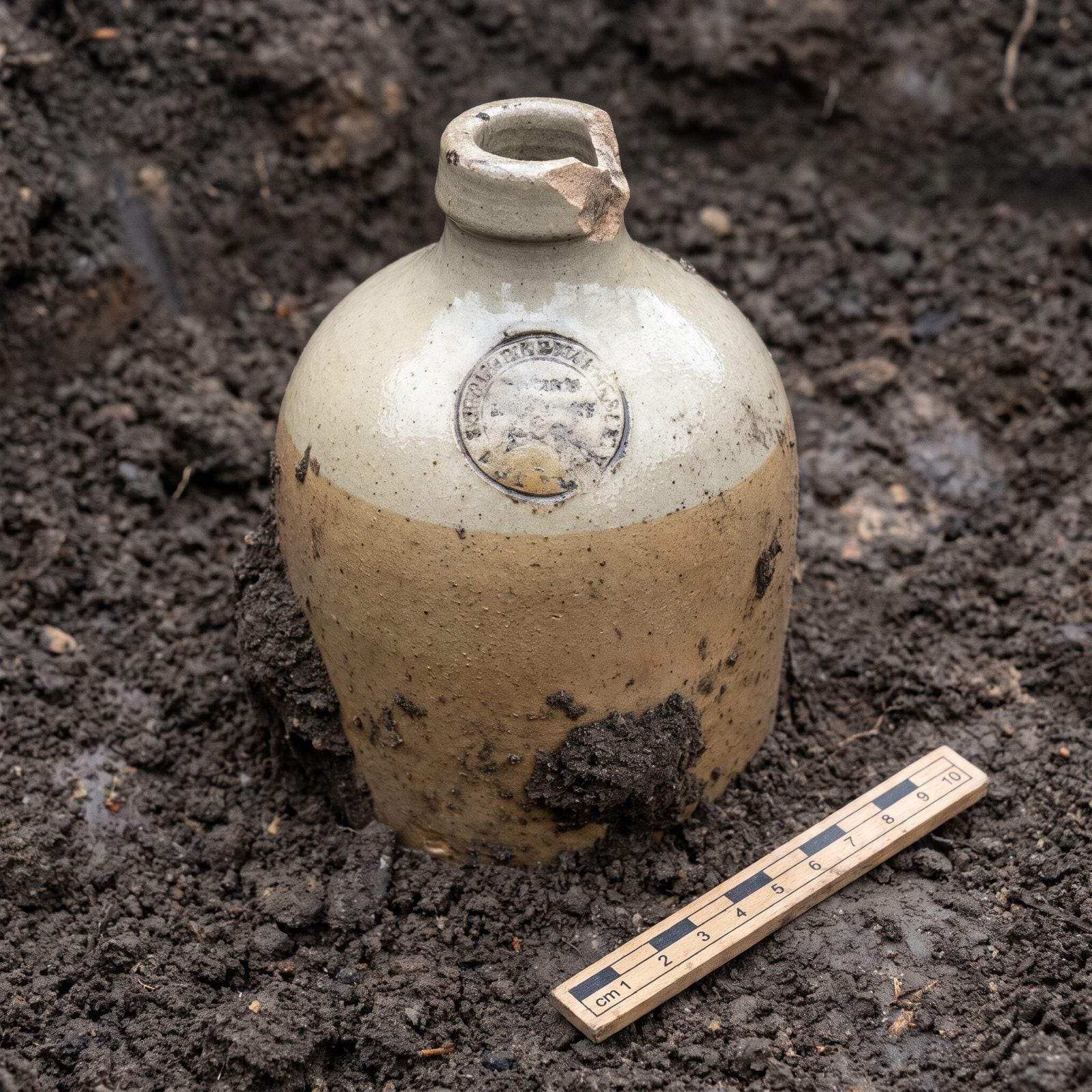
Heavy grey stoneware, two-tone salt glaze, often a maker’s stamp on the shoulder. Beer and ginger beer jugs are among the most common things pulled from these pits, and they settle an old argument.
People drank beer and cider constantly, children included, not out of indulgence but because the water could kill you. Those parasite eggs tell the same story from the other end. A household that drank small beer all day was, in its own way, making the safest choice available.
Line up the jugs, the medicine bottles, the lice combs and the broken plate, and you’re not looking at junk. You’re reading the only honest autobiography most of these people ever left. They just didn’t know they were writing it.
22. Transfer-Printed Dinner Plates Showed the Tableware Families Could Afford
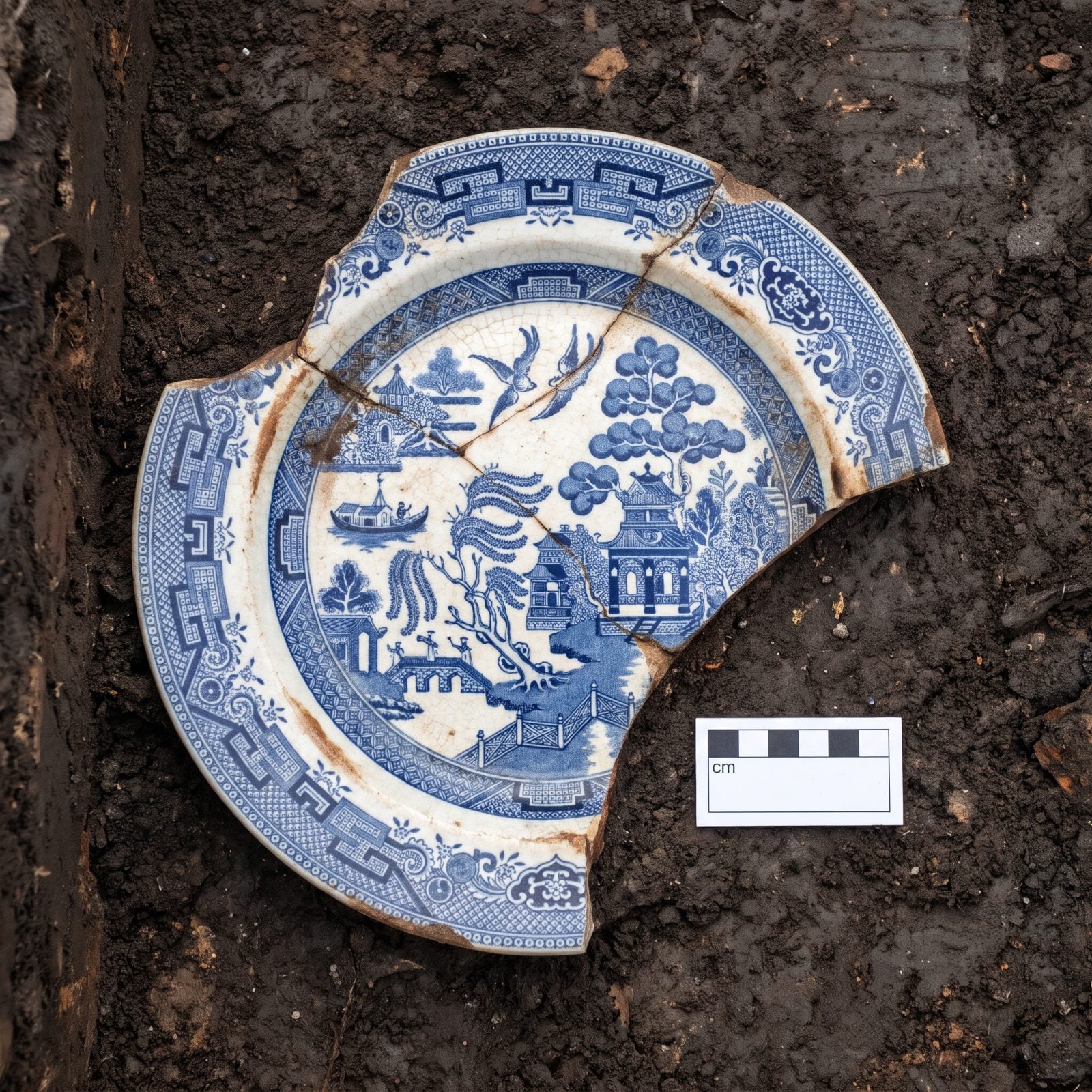
That faded blue willow pattern was the cheap option. Transfer printing let Staffordshire potteries stamp an elaborate Chinese-style scene onto earthenware without paying a painter’s wages, so by the mid-1800s a working family could set a table that looked a bit like gentry china and cost almost nothing.
Dig the sherds out of a privy and you can read a household’s budget straight off the clay. Matched plates in one pattern suggest a set bought all at once, while a jumble of mismatched prints means pieces replaced one broken casualty at a time, from whatever the shop happened to have on the shelf.
21. Wax-Sealed Preserving Jars Recorded Changing Kitchen Habits
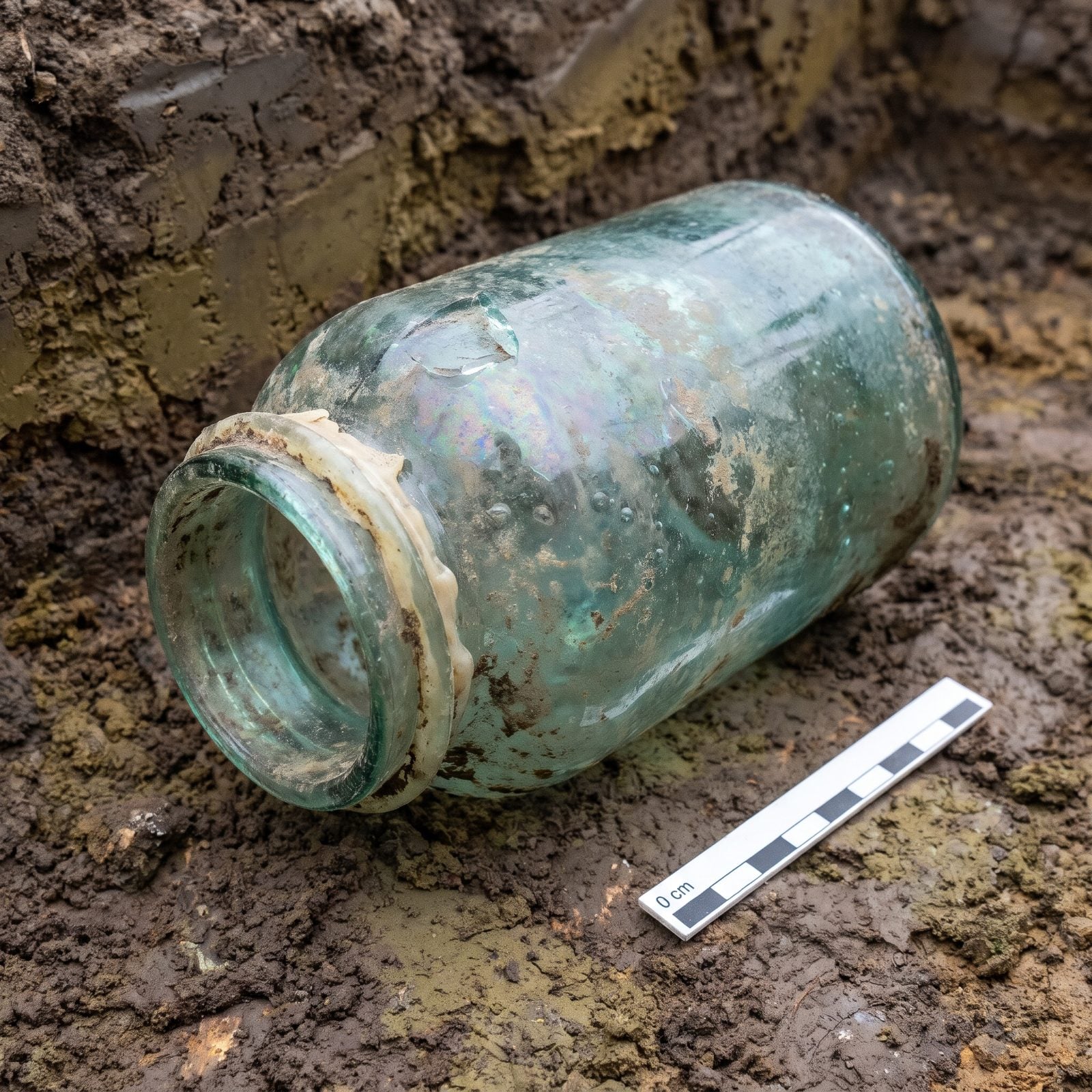
Before the screw-band lid, you sealed a jar of fruit by pouring melted wax over a cloth or tin disc stretched across the neck. Find that wax ring hardened around a broken jar and you’ve found a household that put food by for winter.
What surrounds the jar matters more than the jar itself. A privy layer thick with these, mixed with fruit stones, points to a kitchen that preserved its own harvest. Fewer jars, more store-bought tins higher up? Now you’re watching home canning surrender to the grocery shelf, one discarded layer at a time.
20. Clay Tobacco Pipes Recorded Smoking Habits and Trade Networks
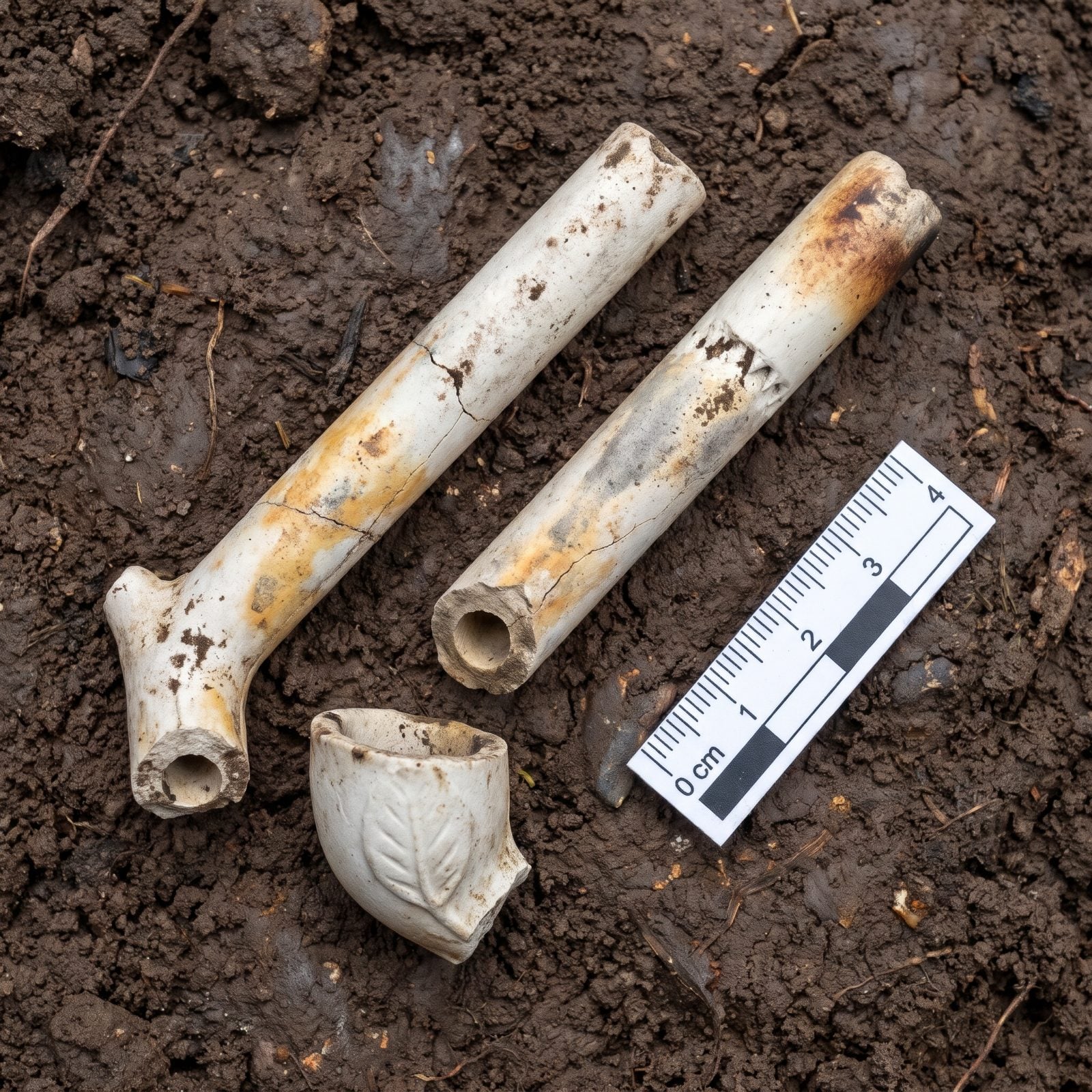
Pipes break. Constantly. The stems snapped, the cheap bowls cracked, and nobody mourned them, which is exactly why privies fill up with the things. A heavy scatter of pipe fragments in one layer tells you someone down there smoked, and smoked a lot.
The real gift is the maker’s mark. Many bowls carry initials or a town stamped into the clay, so a pipe made in Glasgow or Bristol turning up in an American backyard draws a trade line straight across the ocean. You’re holding a receipt for a shipment nobody wrote down.
19. Oyster Shells Revealed an Affordable Food That Was Once Everywhere
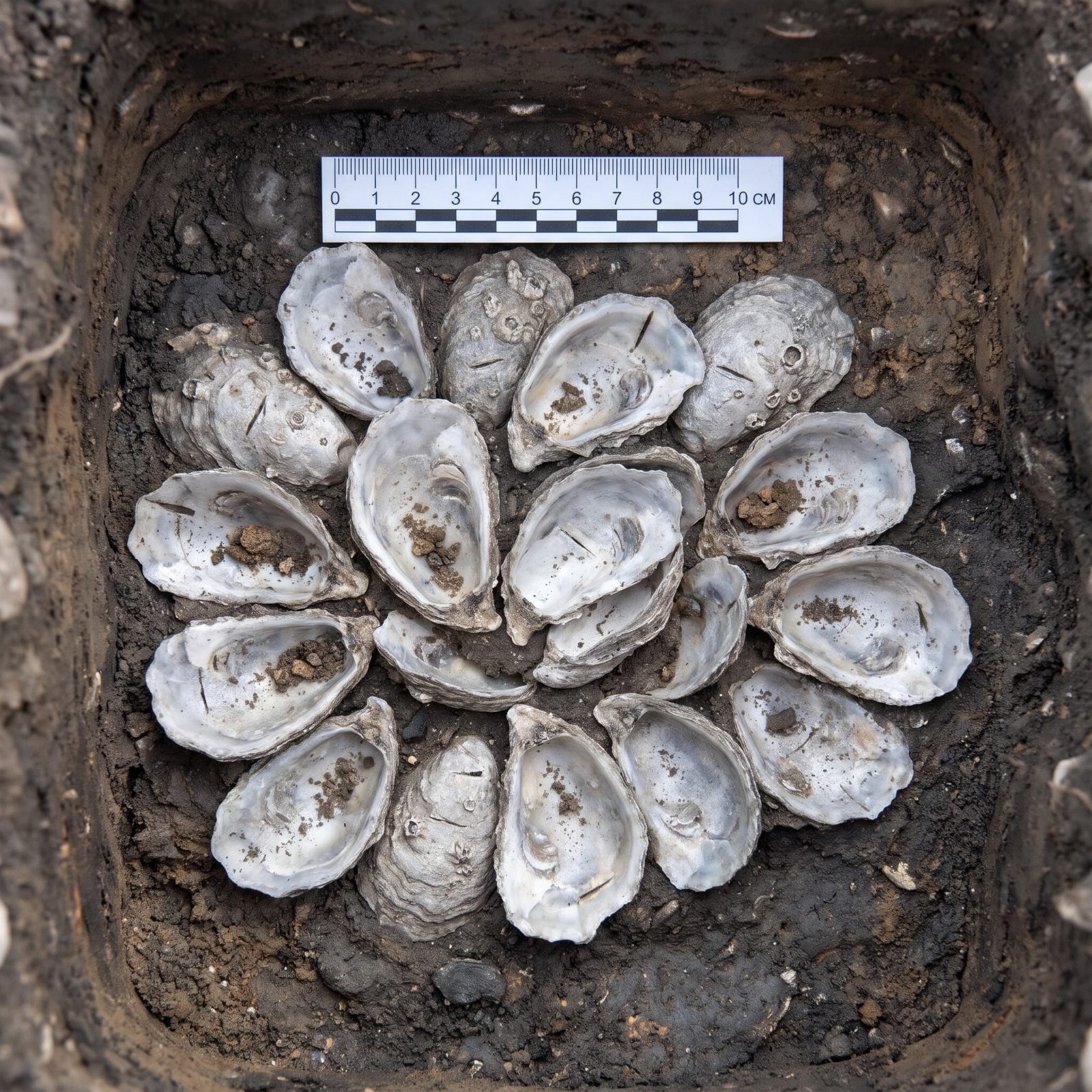
Oysters were poor people’s food. Hard to believe now, when a dozen costs a small fortune, but in the 1800s they were cheap protein sold from street carts and barrels, and city dwellers ate them by the bucket.
Privies prove it. Shells turn up in such quantity they form distinct layers, and the pry marks near the hinge show they were shucked at home with a knife. Count the shells, note the depth, and you can estimate how often a household ate them, then watch those numbers thin as overfishing drove the price up and the barrels empty.
18. Butchered Animal Bones Showed Which Cuts of Meat Reached the Table

A bone remembers the knife. Clean saw marks mean a professional butcher’s blade; rough cleaver chops mean someone broke it down at home. That one difference sorts the prosperous household from the thrifty one.
Then there’s the cut. Meaty rib and loin bones point to a table that could afford good meat. A privy full of feet, necks, and skulls tells you the family bought the cheap ends and simmered them for hours. The bones don’t flatter anyone. They just report what actually got eaten, which is more honest than any household account book ever managed to be.
17. Fruit Stones Revealed Seasonal Foods and Imported Treats
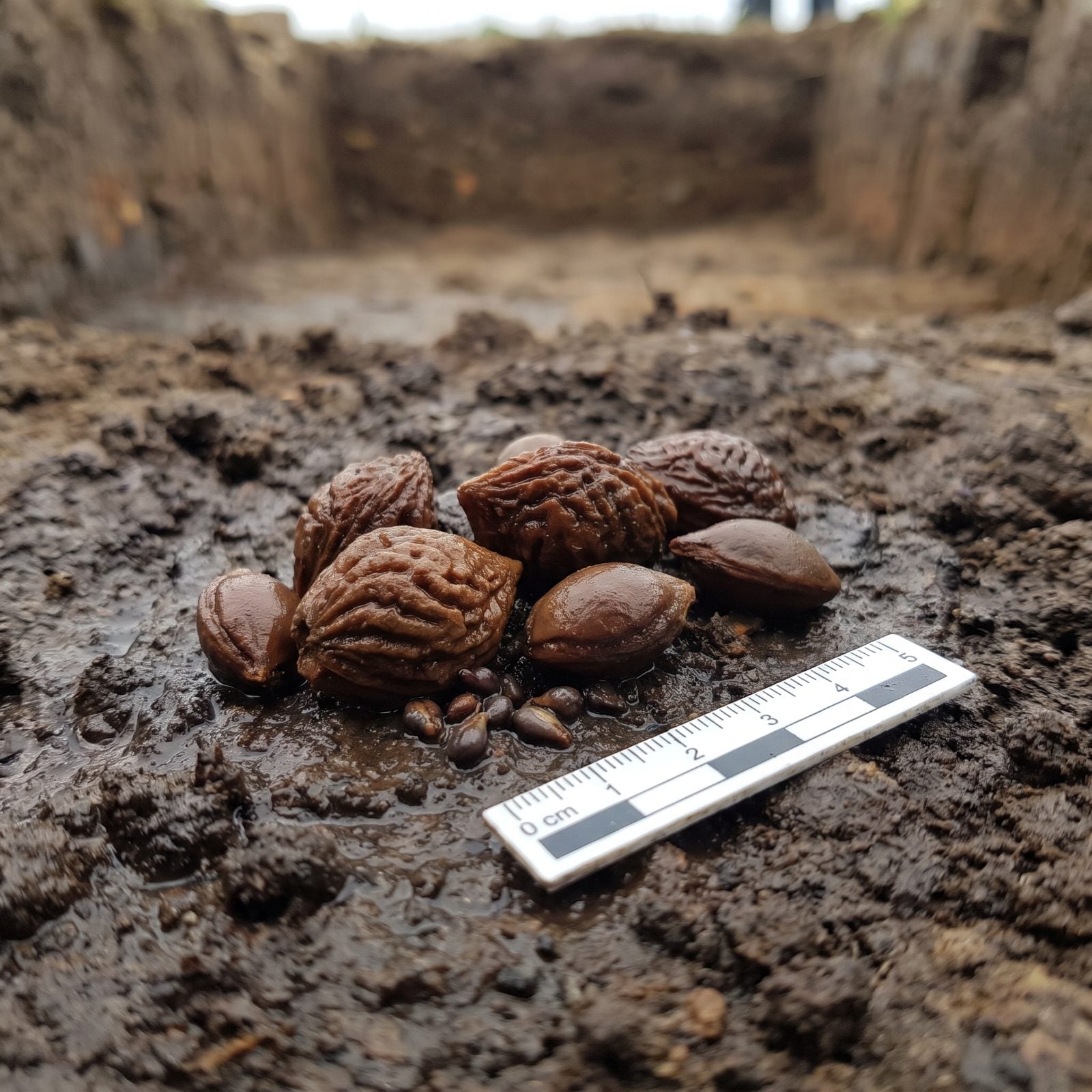
Waterlogged privies preserve seeds that would rot anywhere else, so the fruit someone ate a century and a half ago survives as a handful of stones at the bottom.
Peach and cherry stones mean summer. They also mean fresh fruit, perishable and local, pinning a deposit to a season. But find figs, grapes, or raisin seeds in a northern city and you’re looking at imports, little luxuries shipped in and clearly worth the cost. A single swollen fig seed can carry more about a household’s reach than a whole drawer of paperwork.
16. Pollen and Plant Remains Reconstructed the Privy’s Surroundings
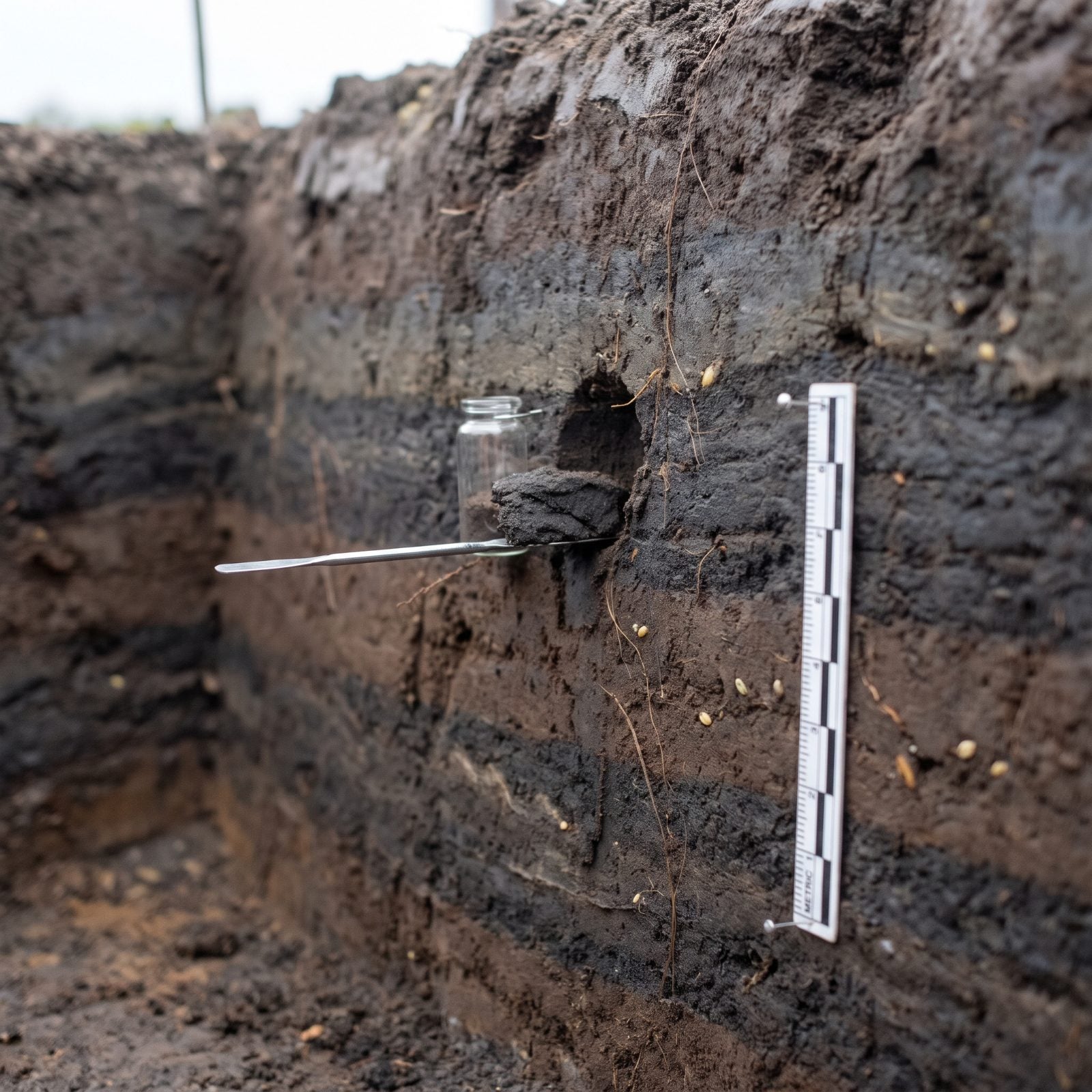
Nobody pictures this part. The most revealing thing in a privy is often invisible to the naked eye. Soil scooped from the layers holds pollen grains, and pollen tells you what was growing and blooming nearby.
Grasses and weeds suggest an open, unkempt yard. A spike of garden-flower or vegetable pollen points to cultivation close by. Even what blew in on the wind gets caught in the record. Run the sample under a microscope and the ground that once surrounded that outhouse comes back to life, not as a guess, but as a count of actual grains.
15. Leather Shoe Soles Recorded Wear Patterns and Repeated Repairs
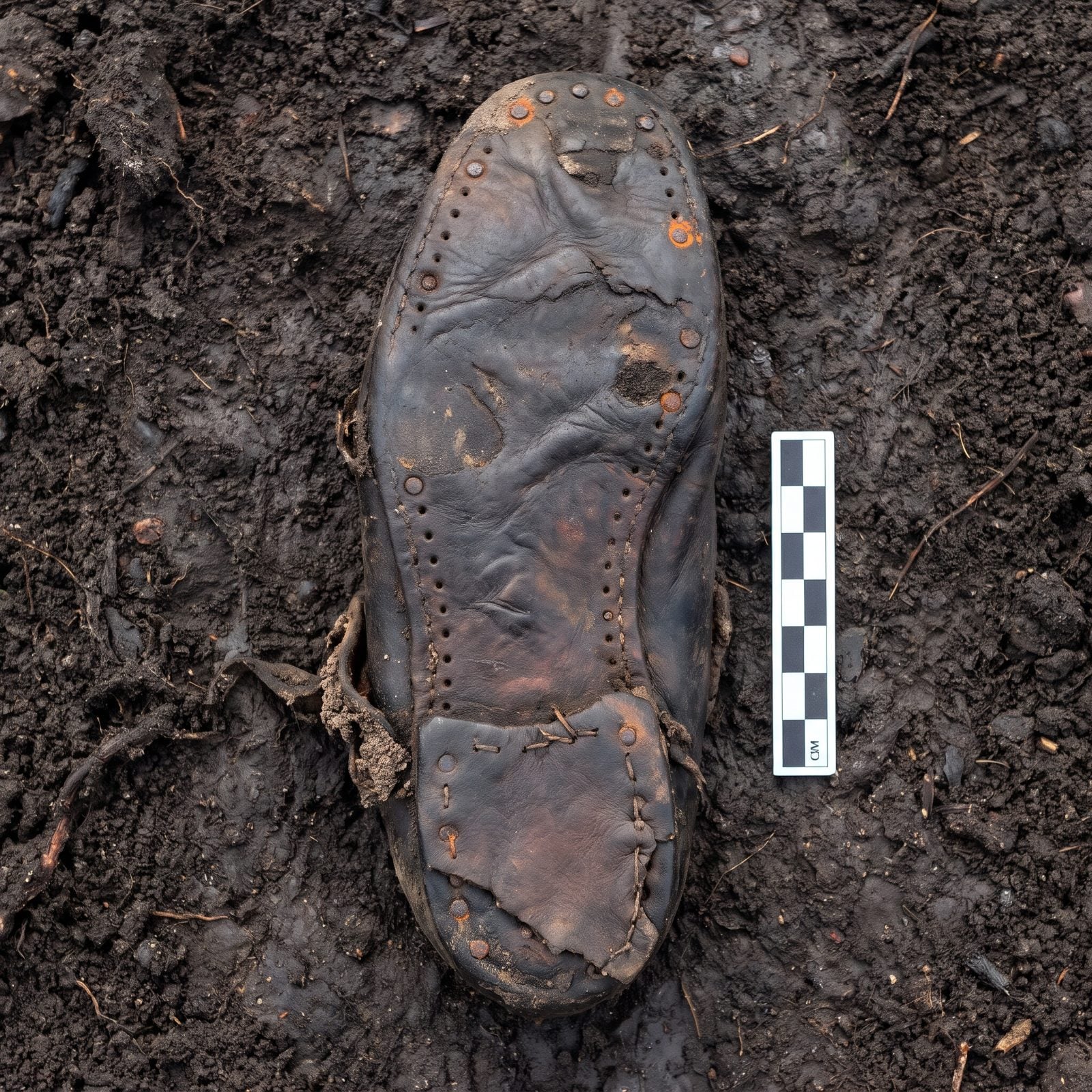
Shoes got worn until they fell apart, then went down the privy. What survives is the sole, and a sole is a map of a body in motion. The thin patch over the ball of the foot and the ground-down heel show how a person walked, where they put their weight, how far they went.
Look closer and you see the repairs. A patch stitched over worn-through leather, a replaced heel, cobbler’s pegs driven in a second time. People fixed footwear until it couldn’t be fixed again. That wasn’t thrift as a lifestyle choice. That was what shoes cost.
14. Buttons Traced Clothing Quality, Fashion, and Home Mending
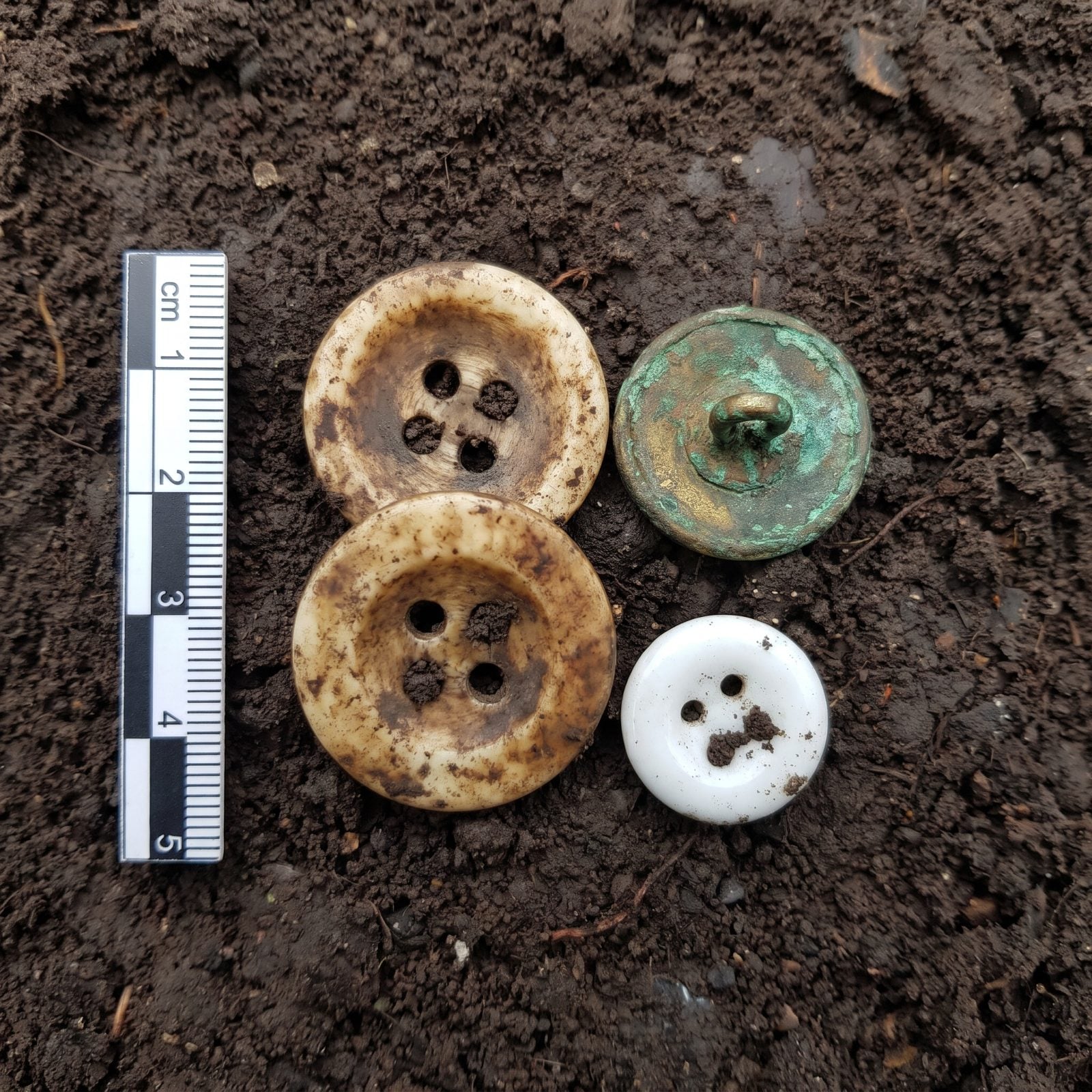
Buttons are tiny and stubborn, which is why they outlast the cloth they held together.
Each material reads differently. Plain bone buttons were everyday workwear, decorated brass or glass meant a better coat, and small white porcelain buttons, the Prosser kind pressed by the thousand, flooded the market mid-century and show up everywhere cheap clothing did.
A loose button in a privy layer often means a garment was being mended or cut down, the old fastenings salvaged before the fabric went to rags. People didn’t throw clothing away. They took it apart.
13. Corset Stays Documented the Structure Beneath Women’s Clothing
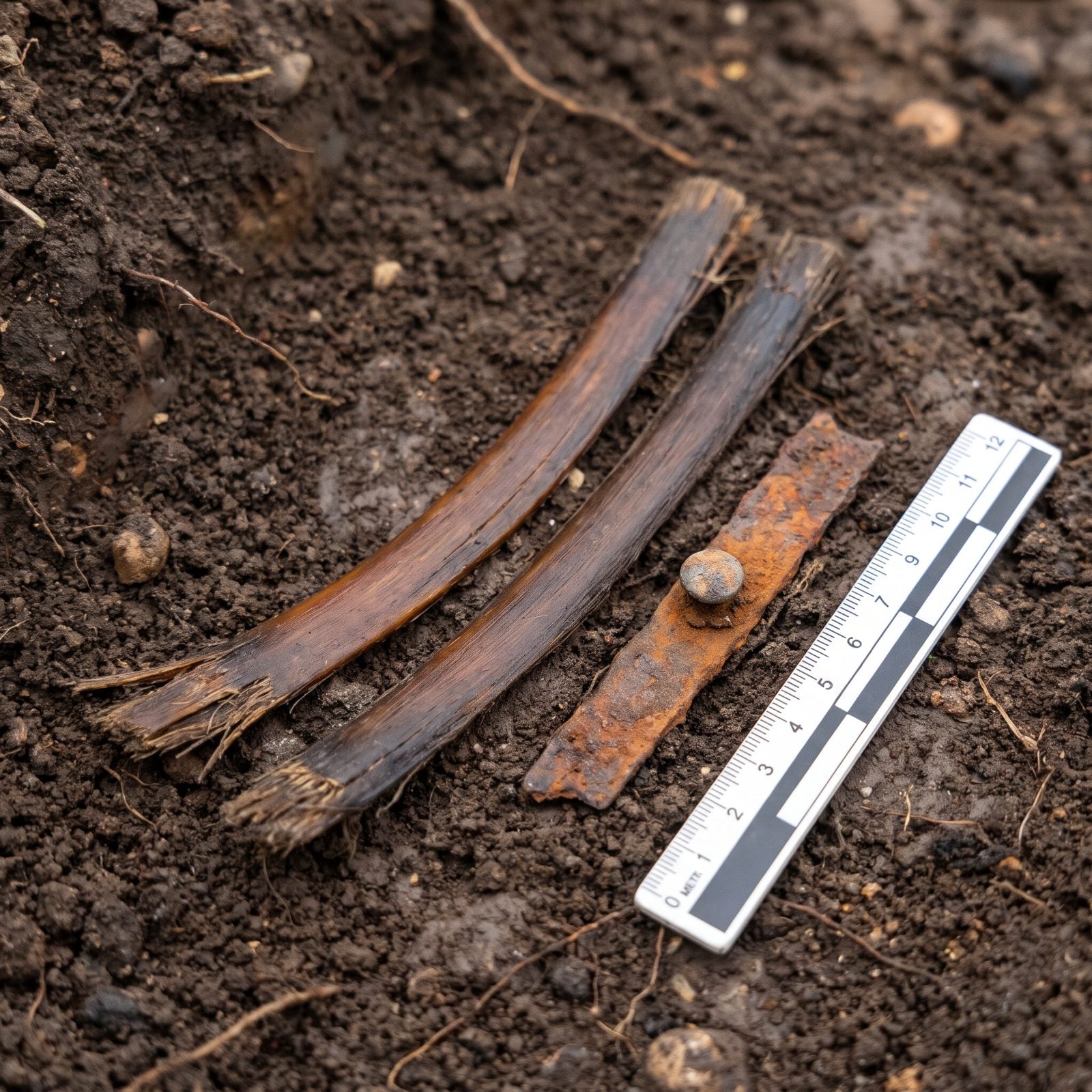
The dress rotted away long ago, but the frame underneath it survived. Corset stays, strips of baleen or later steel busks, hold up where fabric gives out, and they drop into privies when a worn-out corset finally gets discarded.
These are quiet, personal things. A split baleen stay shows a garment worn hard and long. A rusted steel busk with its stud fastener marks the shift to machine-made corsetry later in the century. No fashion plate here. Just the daily, physical reality of getting dressed, the part no portrait ever bothered to show.
12. Preserved Fabric Scraps Revealed Colors and Weaves Rarely Seen in Museums
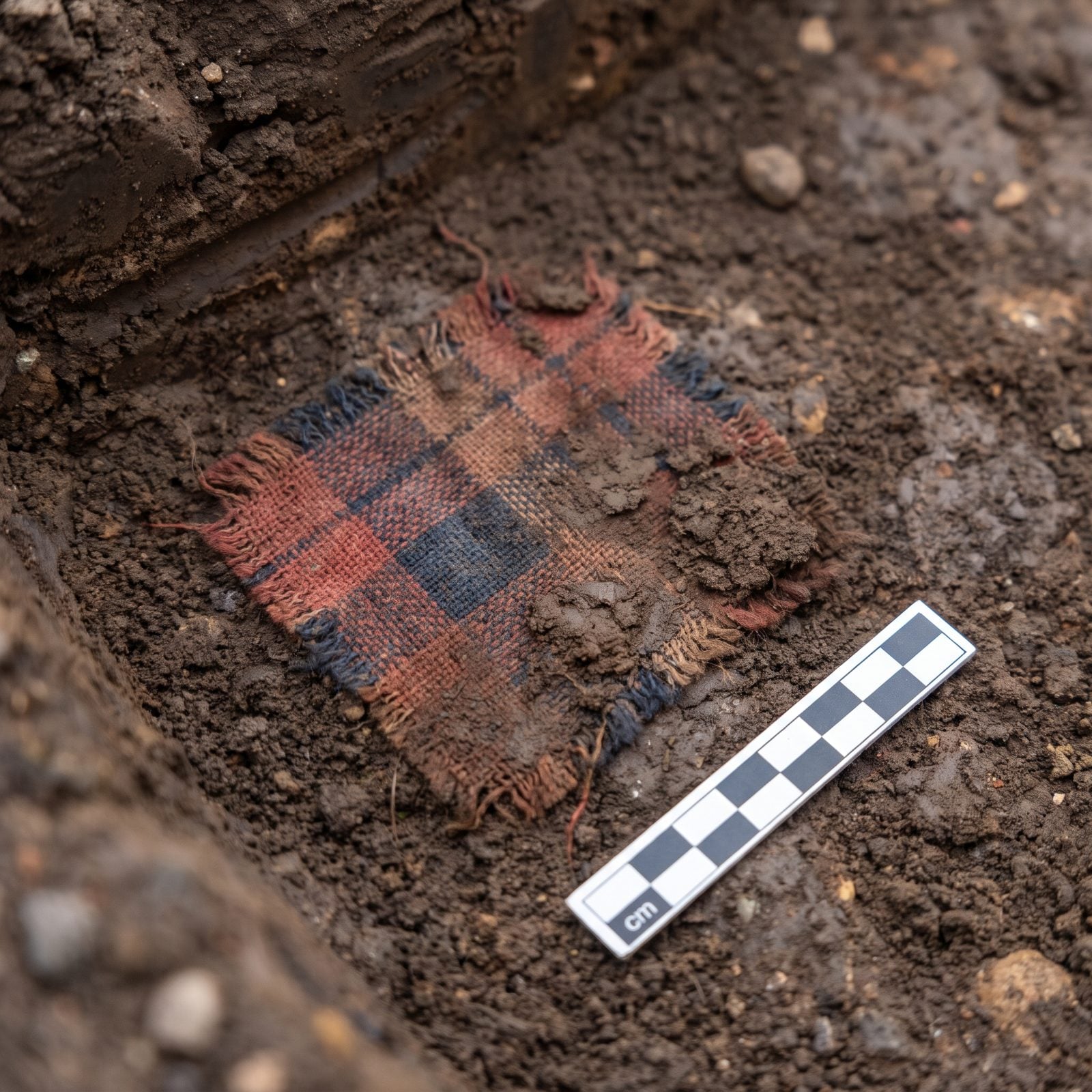
Textiles almost never survive. They rot, get reused into rags, or end up as kindling — yet the wet, oxygen-poor bottom of a privy can pickle a scrap of cloth for a hundred and fifty years.
What turns up matters because museum collections skew toward Sunday best. The privy keeps the opposite: everyday calico, a work shirt’s cuff, a dyed ribbon gone muddy. You see the colors people actually wore and could actually afford, not some silk gown saved on purpose and folded in tissue for a century.
11. Lost Jewelry Offered Glimpses of Sentiment, Status, and Personal Style
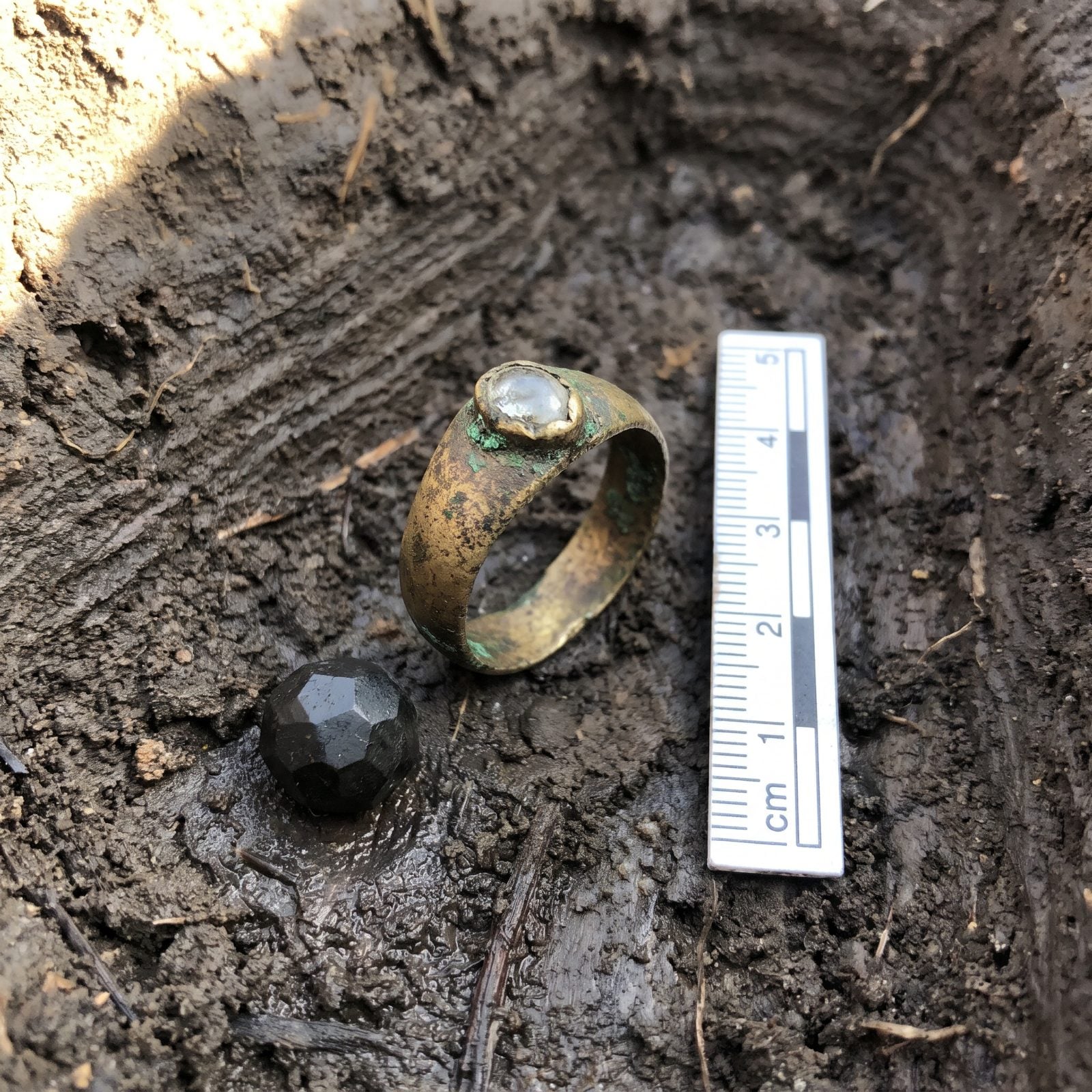
A ring in the privy is almost always an accident. Nobody threw away jewelry on purpose. It slipped off a soapy hand, dropped through a gap, and was gone before anyone could reach for it.
That’s what makes it honest. A mourning brooch set with jet tells you grief was being worn on the body. A cheap paste ring mimicking a diamond tells you aspiration had a price point. You get the real texture of status — not the inherited heirloom but the thing someone bought to look a little better than they were.
10. Porcelain Doll Heads Preserved the Faces of Children’s Toys
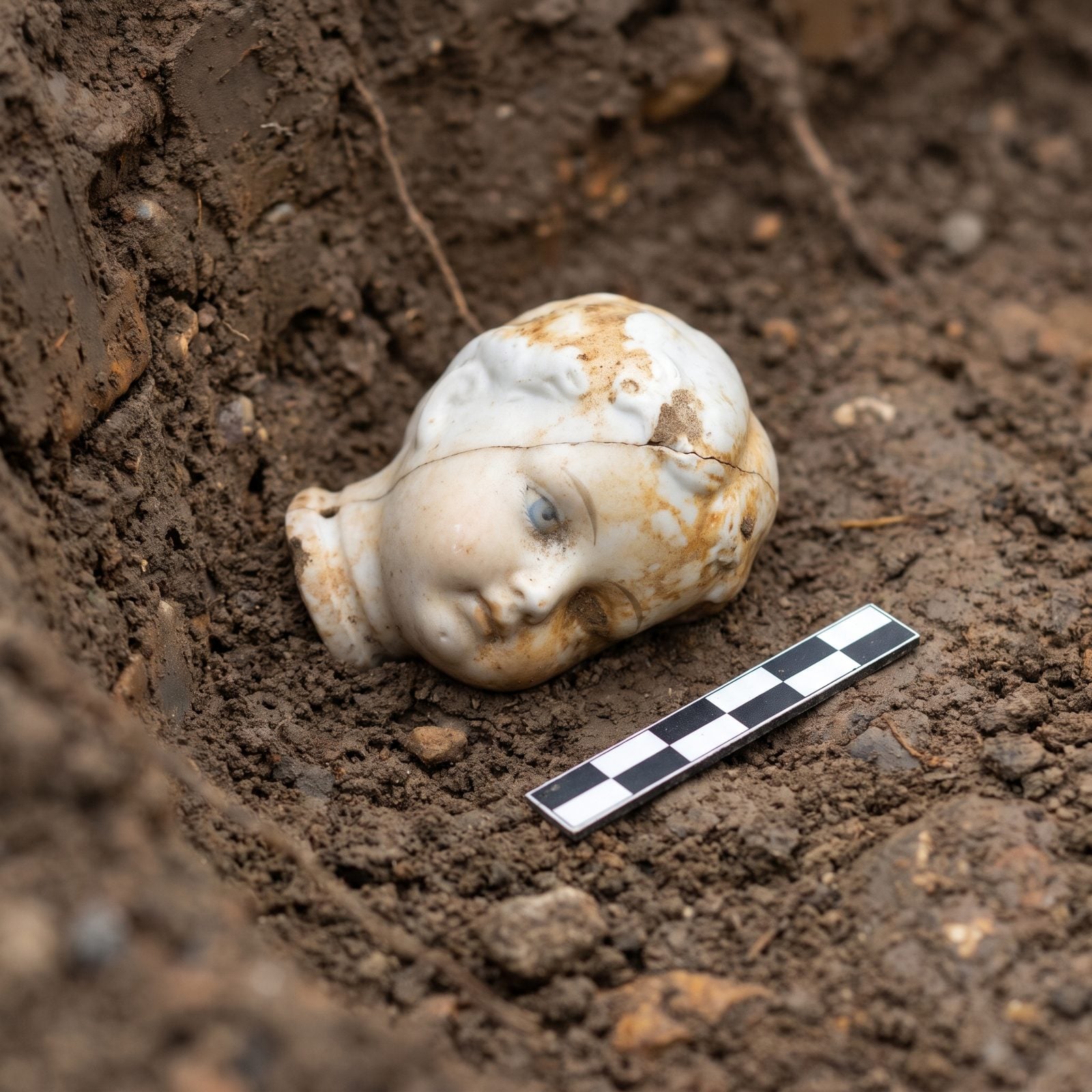
Find a doll head and you’ve found a child. That’s the first thing it tells you, before anything else.
Most are German bisque, mass-produced and shipped across the Atlantic by the barrel. The cheap ones have painted-on hair and dot eyes. The better ones have glass eyes and real mohair wigs, and those cost real money. So a doll head doesn’t just say a kid lived here — it gives you a rough read on what that kid’s parents could spend on a toy that would inevitably get broken.
9. Clay Marbles Showed How Children Played with Almost Nothing
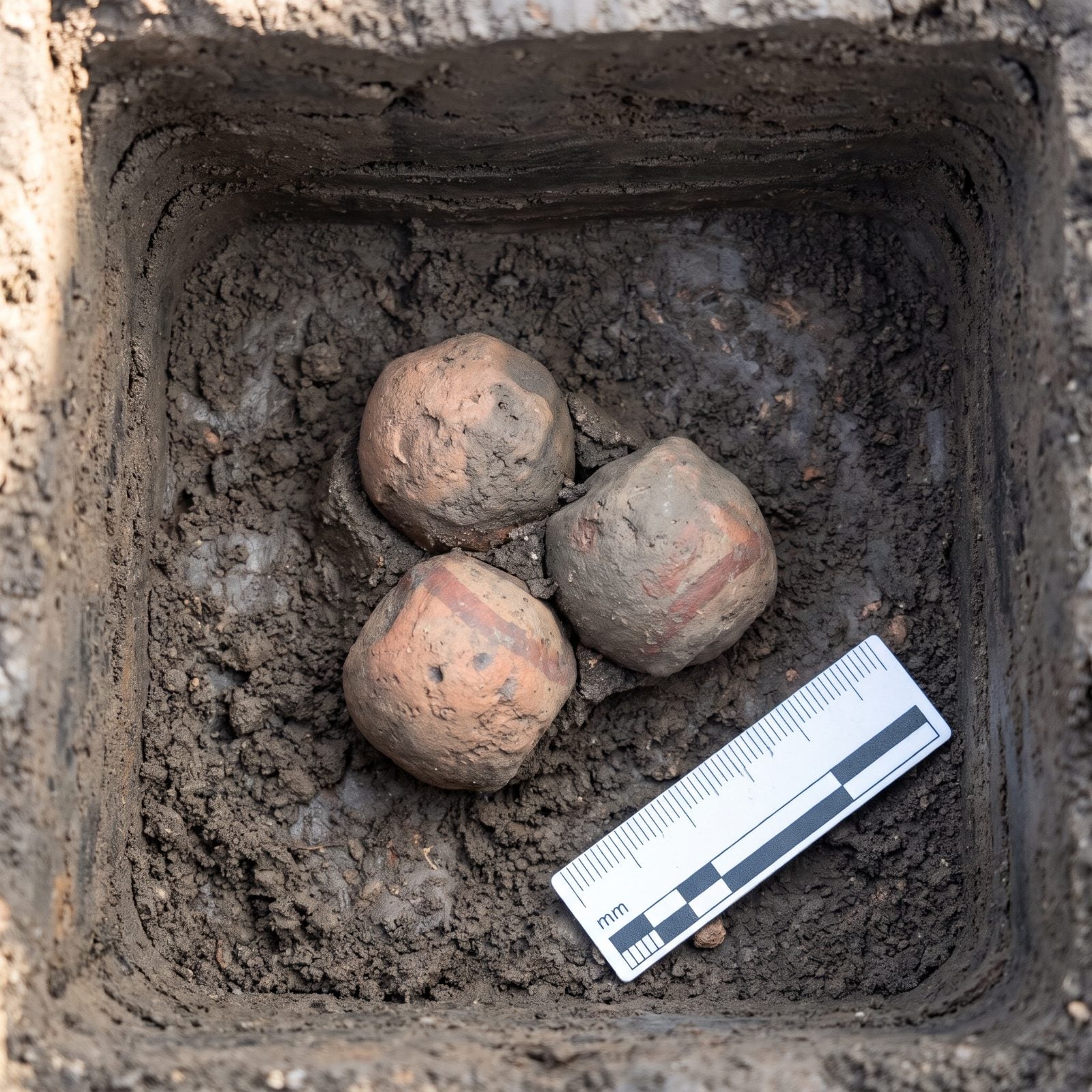
Cheap clay marbles, some with a quick band of red paint, are the democracy of 19th-century play. Almost every kid had some, because they cost almost nothing and you could buy a fistful for pennies.
They’re easy to miss in a dig — small, lumpy, their orange clay and painted red bands smeared with the gray mud around them. But they tell you something glass and porcelain can’t: that a child here was outside, on their knees, playing a game whose rules we’ve mostly forgotten. Fancier glass or stone marbles in the same pit mean someone splurged. The cheap clay ones mean the game went on regardless.
8. Slate Pencils and Broken School Slates Pointed to Literacy at Home
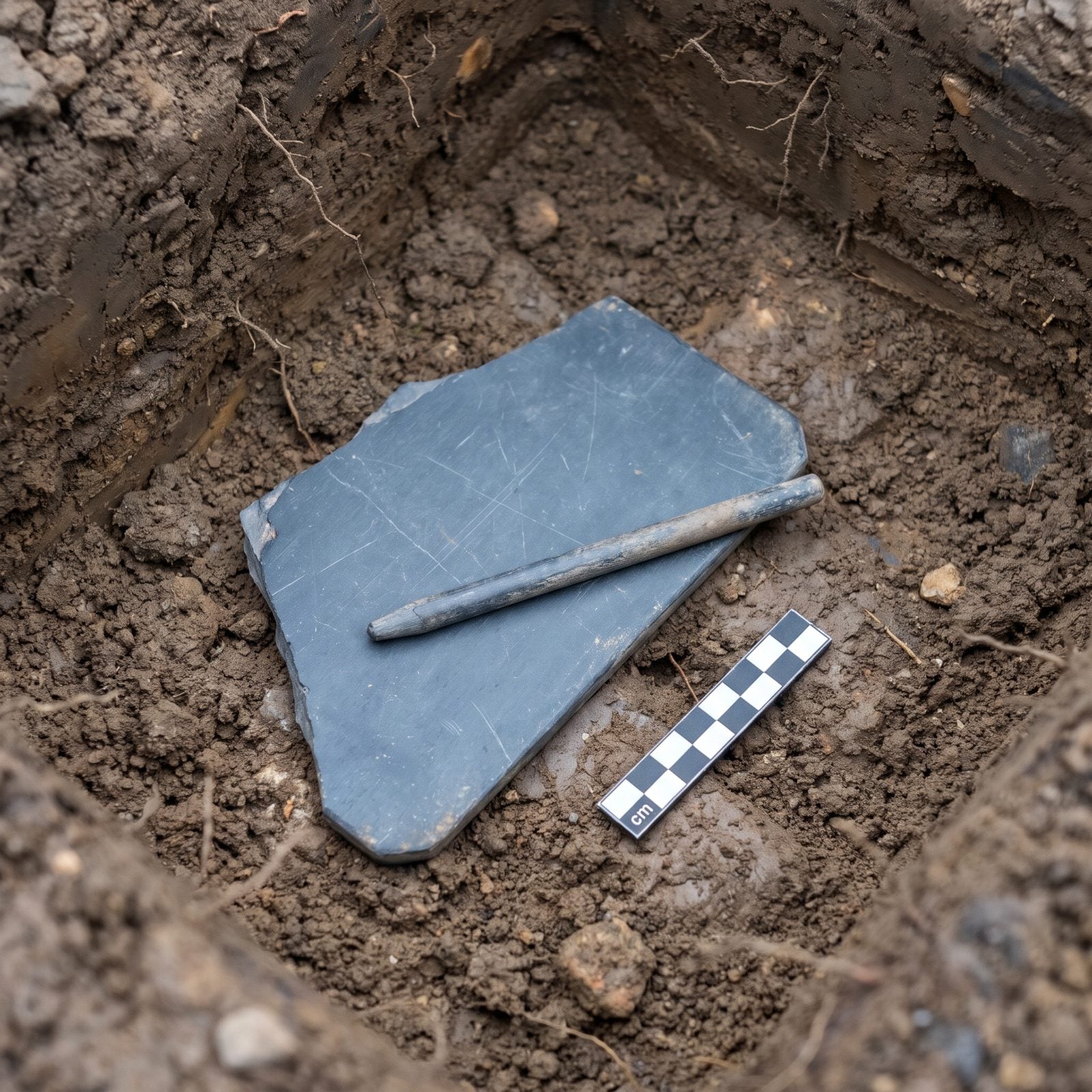
A snapped slate and a worn-down slate pencil are two of the most democratic artifacts a privy can give you. They mean somebody in that house was learning to form letters.
Paper was expensive. A slate you could wipe and reuse forever, which is exactly why reformers pushed them so hard. Finding them outside a schoolhouse, in a home deposit, hints that lessons didn’t stop at the classroom door. And those faint scratches sometimes still visible on the surface? The ghost of a child practicing the same word over and over.
7. Glass Inkwells and Corroded Pen Nibs Revealed Who Was Writing at Home
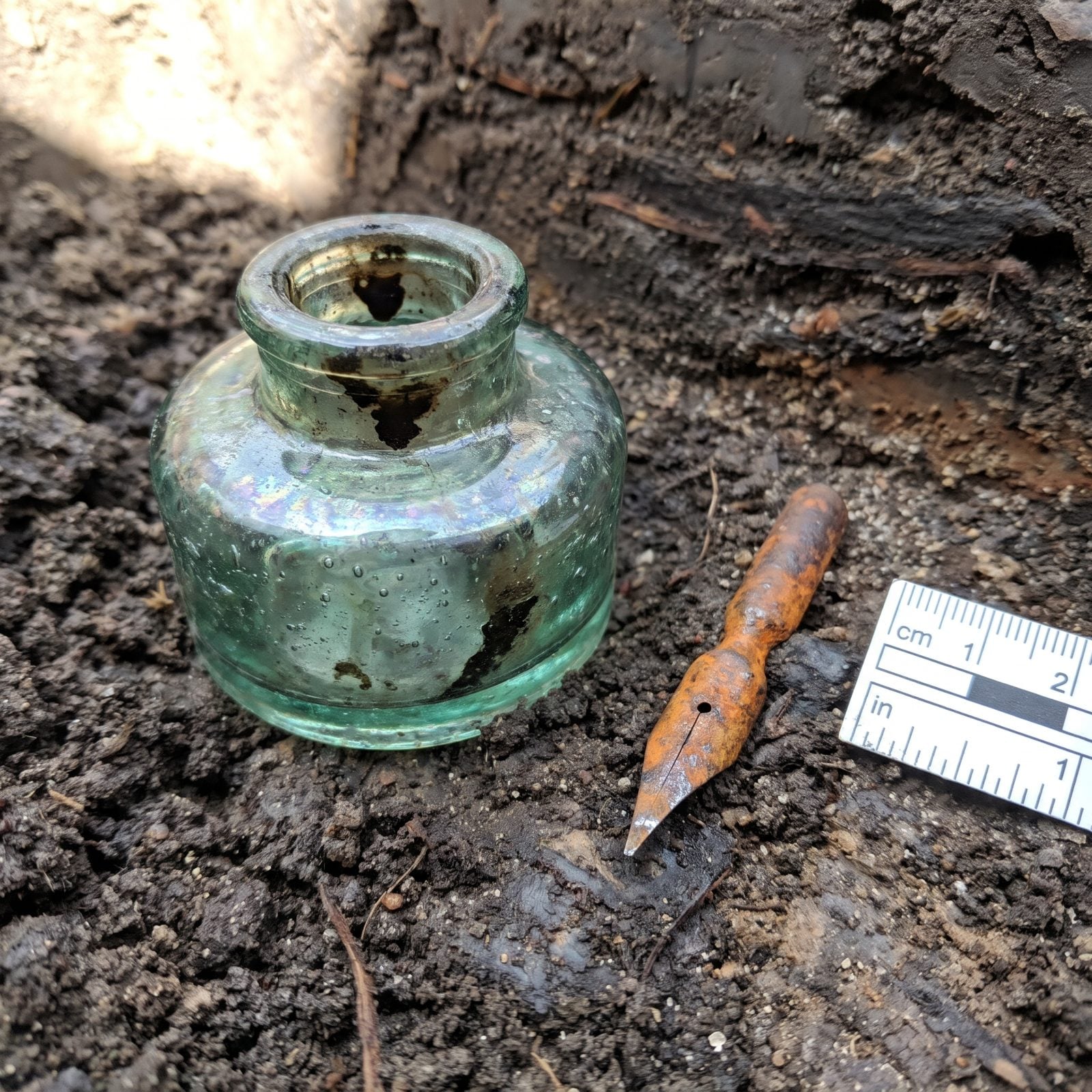
An inkwell in a domestic privy answers a sharper question than literacy alone. Reading and writing weren’t the same skill in the 1800s, and writing at home was a step up from just signing your name.
Steel nibs got cheap mid-century, which put a pen in a lot more hands. A pressed-glass inkwell suggests letters, accounts, maybe a diary. The corroded nib tells you how hard it worked — a worn point means somebody wrote enough to grind it down. Together they sketch a household where someone sat with paper regularly, not just once a year to dash off a formal letter.
6. Coins Helped Date Deposits and Measure Everyday Spending
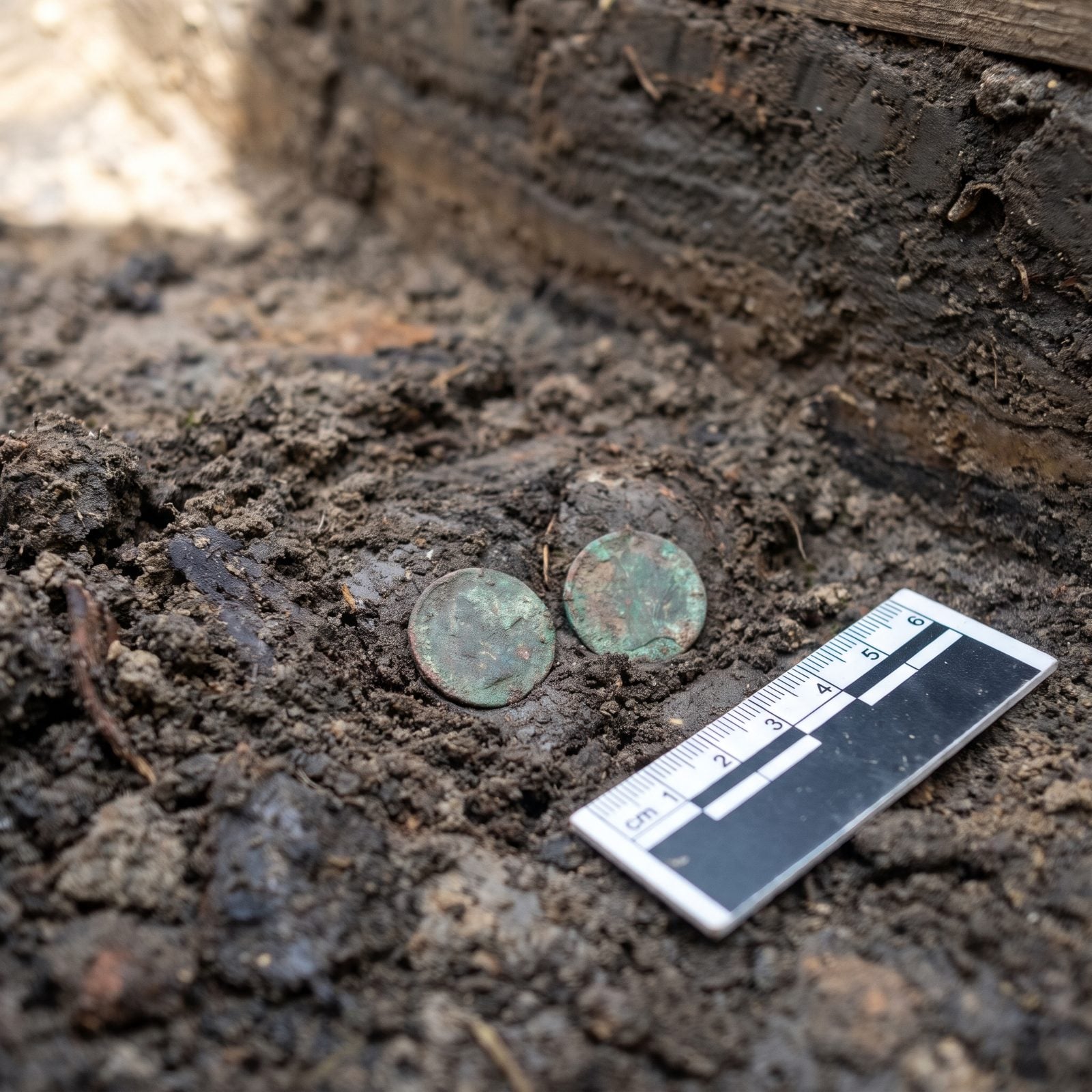
A coin is the closest thing a privy gives you to a timestamp. It can’t have been dropped before the year stamped on it, so the date sets a hard floor for everything buried around it.
But the wear tells its own story. A coin smoothed nearly flat circulated for decades before it fell. A crisp one barely saw use. Low-value copper in the pit — pennies and small change — means these were the coins people actually handled daily and didn’t much mind losing. You rarely find gold down there. Nobody dropped that and walked away.
5. Merchant Tokens Identified Nearby Shops and Local Commerce
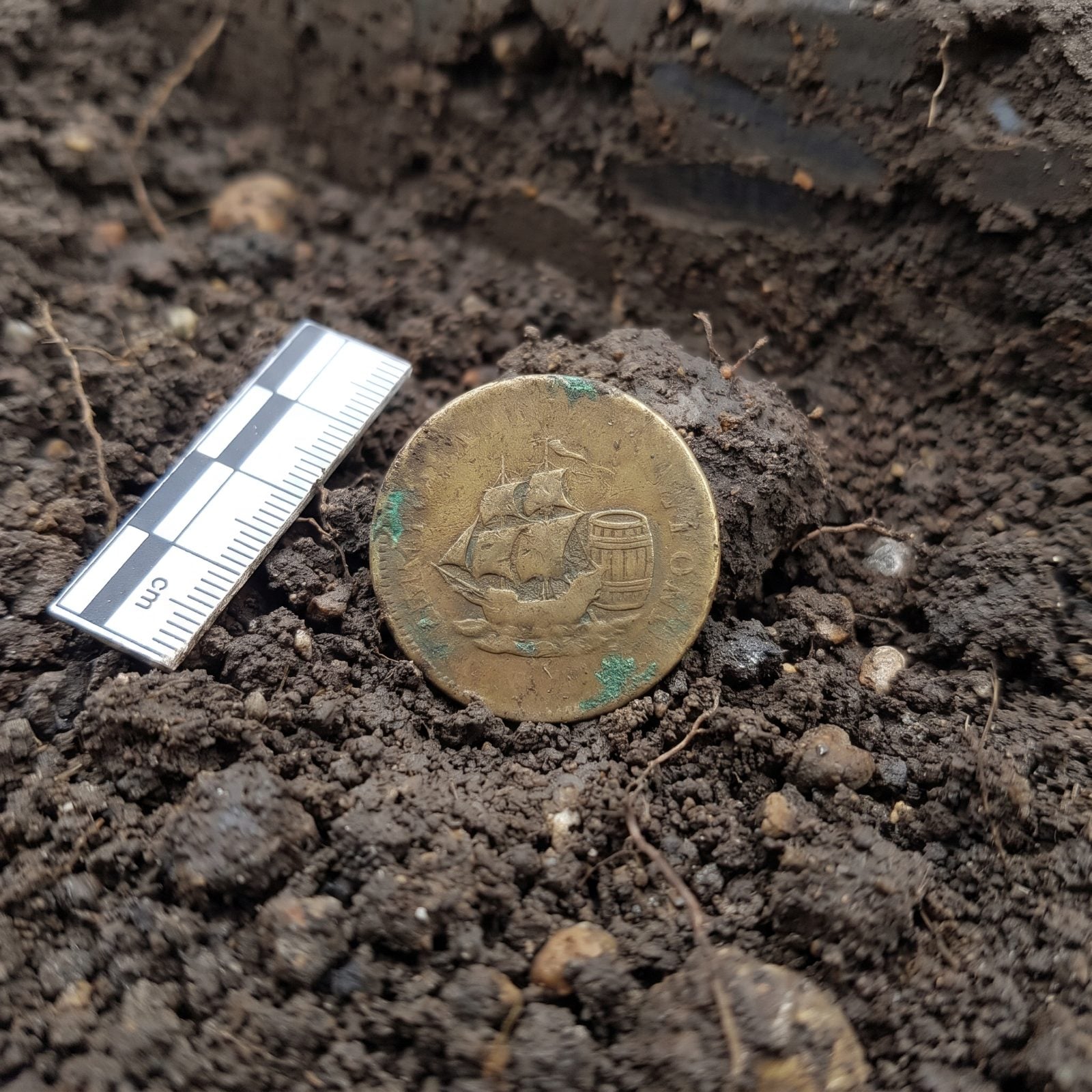
Tokens are where a dig gets local, fast.
Shops, saloons, and company stores stamped their own name onto small brass pieces, good for a drink, a loaf, a wash. When one shows up in a privy, it ties that household to a specific business sometimes just blocks away. You can map a neighborhood’s commerce from the discards of a single family.
They mattered because small change was often scarce. A token kept a customer loyal and kept their money inside the shop — a trick that never really went out of style.
4. Pocket-Watch Parts Reflected the Growing Importance of Clock Time
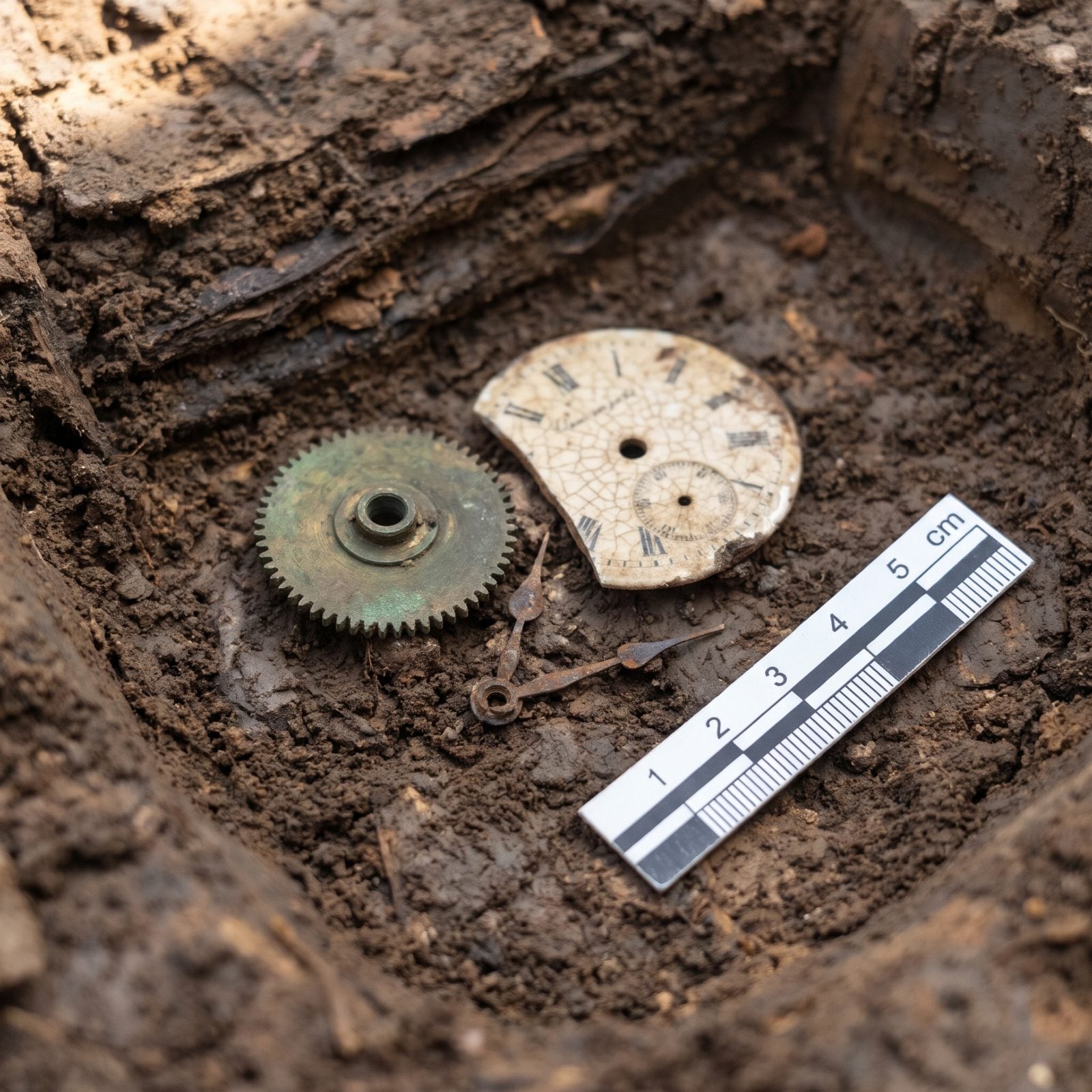
A corroded brass gear and a cracked pocket-watch face don’t look like much in the trowel. But they mark a shift in how people lived.
For most of history, time was loose — the sun, the bell, the season. Then factories and railroads demanded that everyone show up at the same minute, and a pocket watch became less a luxury than a tool for keeping a job. A pocket watch in a working-class privy say the household was syncing itself to an outside clock. A quiet upheaval, measured in gear teeth.
3. Harmonica Reeds Preserved Evidence of Music in Ordinary Homes
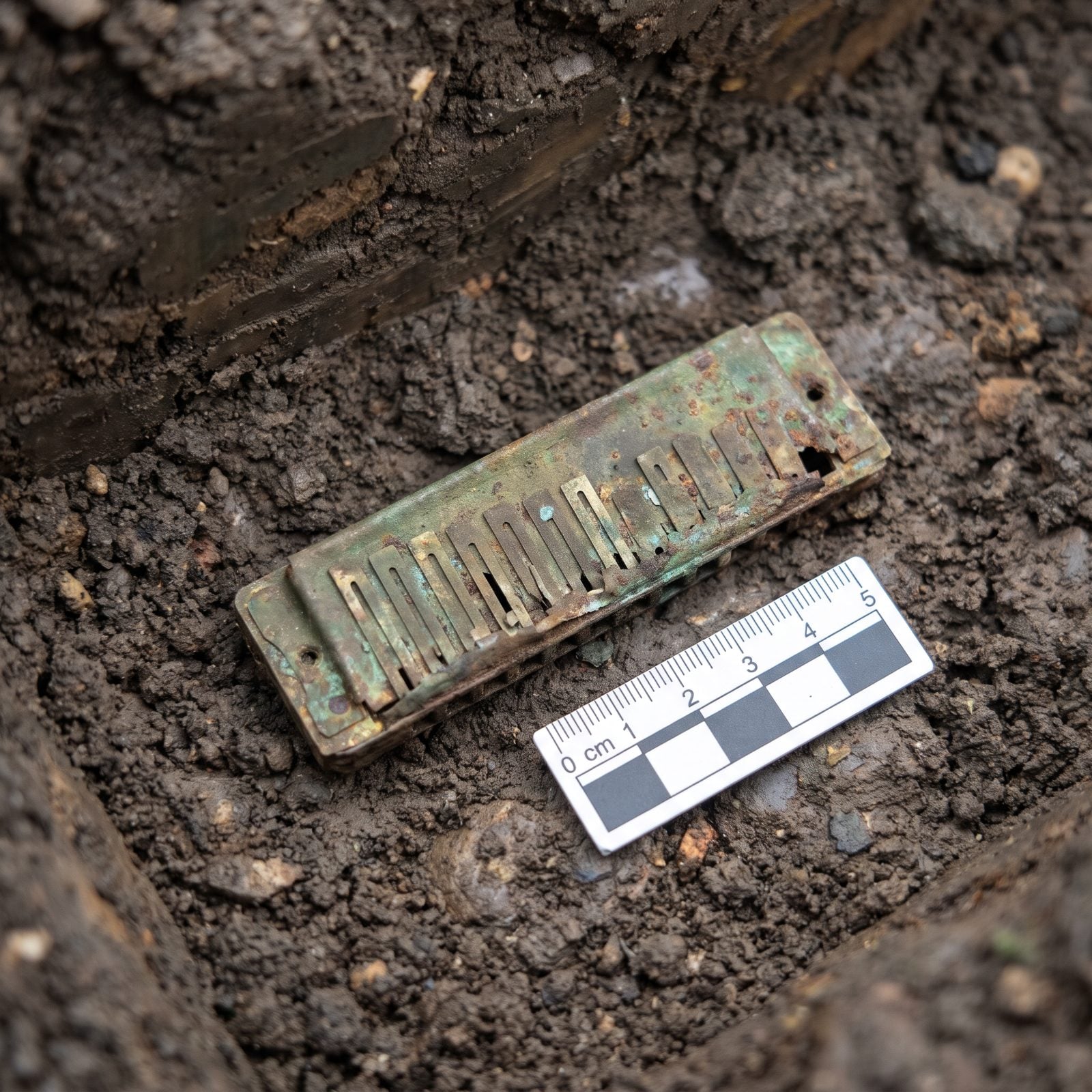
Music almost never fossilizes. A song lives in the air and then it’s gone. So when a corroded brass harmonica reed turns up in a privy, you can suddenly hold proof that a room once had sound in it.
Harmonicas got cheap and portable in the mid-1800s, mass-produced in Germany and sold everywhere. The wooden body rots away in the ground, but the brass reed plate survives. Someone sat in that house and played. Badly or beautifully? We’ll never know. The point is the house wasn’t silent, and most history forgets to mention that at all.
2. Spent Ammunition Cartridges That Pointed to Hunting and Personal Defense
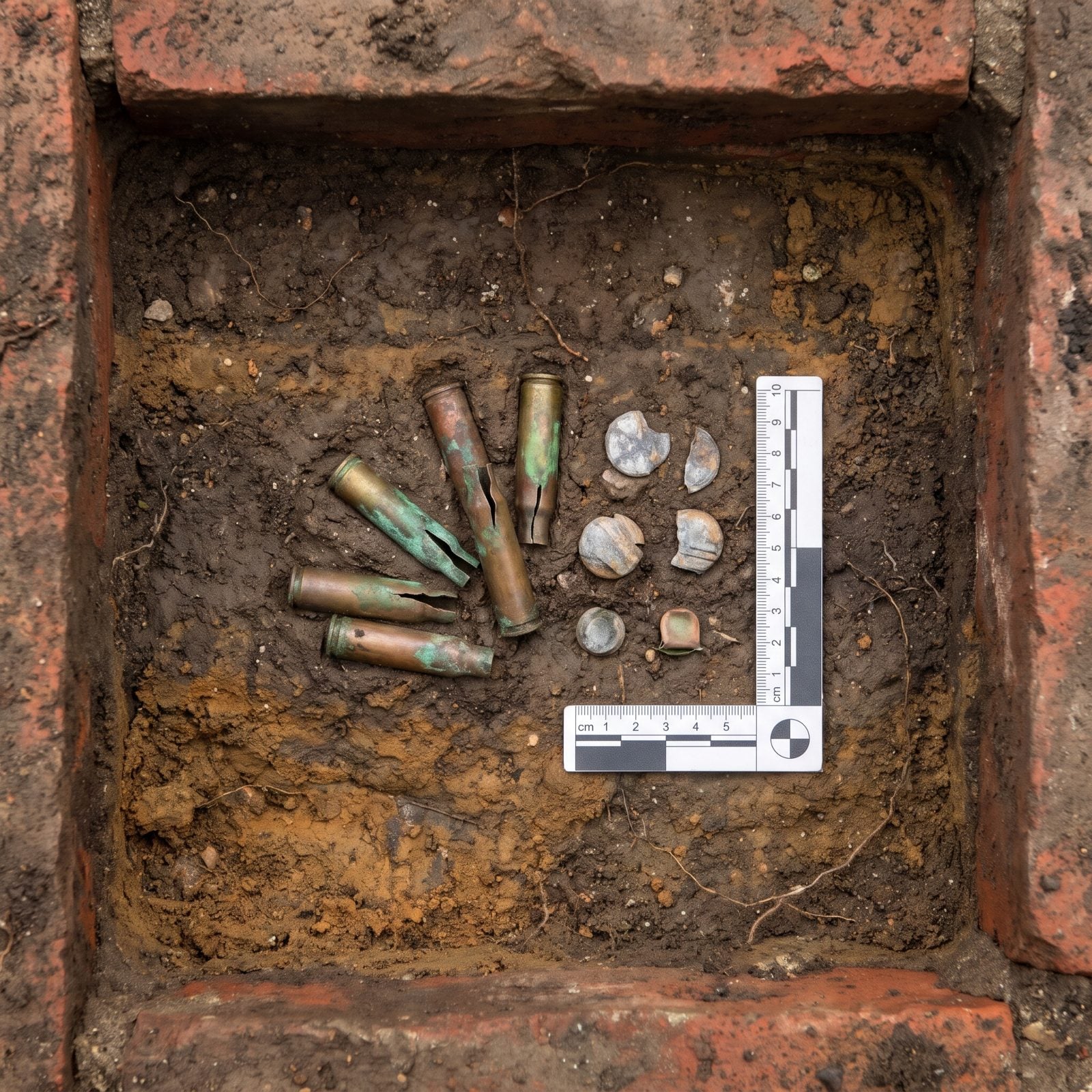
Cartridge cases turn up in privies more often than you’d guess, and they’re honest little things. A privy was a convenient hole. Clean a rifle on the porch or empty a revolver’s spent brass, and it went down the shaft with everything else.
What makes them worth reading is caliber and context. A scatter of shotshell brass near a rural household usually means the dinner table. Handgun cartridges in a dense city lot read differently — they lean toward the pistol kept in a drawer. Dig deep enough through a privy fill and you can watch one technology give way to another: muzzle-loading percussion caps and loose lead balls, then self-contained metallic cartridges. That shift happened fast in the second half of the century.
It’s easy to walk right past corroded brass, assuming it’s junk. It isn’t. A headstamp that survives the soil can name the manufacturer, and that narrows the date better than most of the broken crockery sitting beside it.
1. Waterlogged Letters and Newspaper Scraps That Preserved Voices Never Meant to Survive
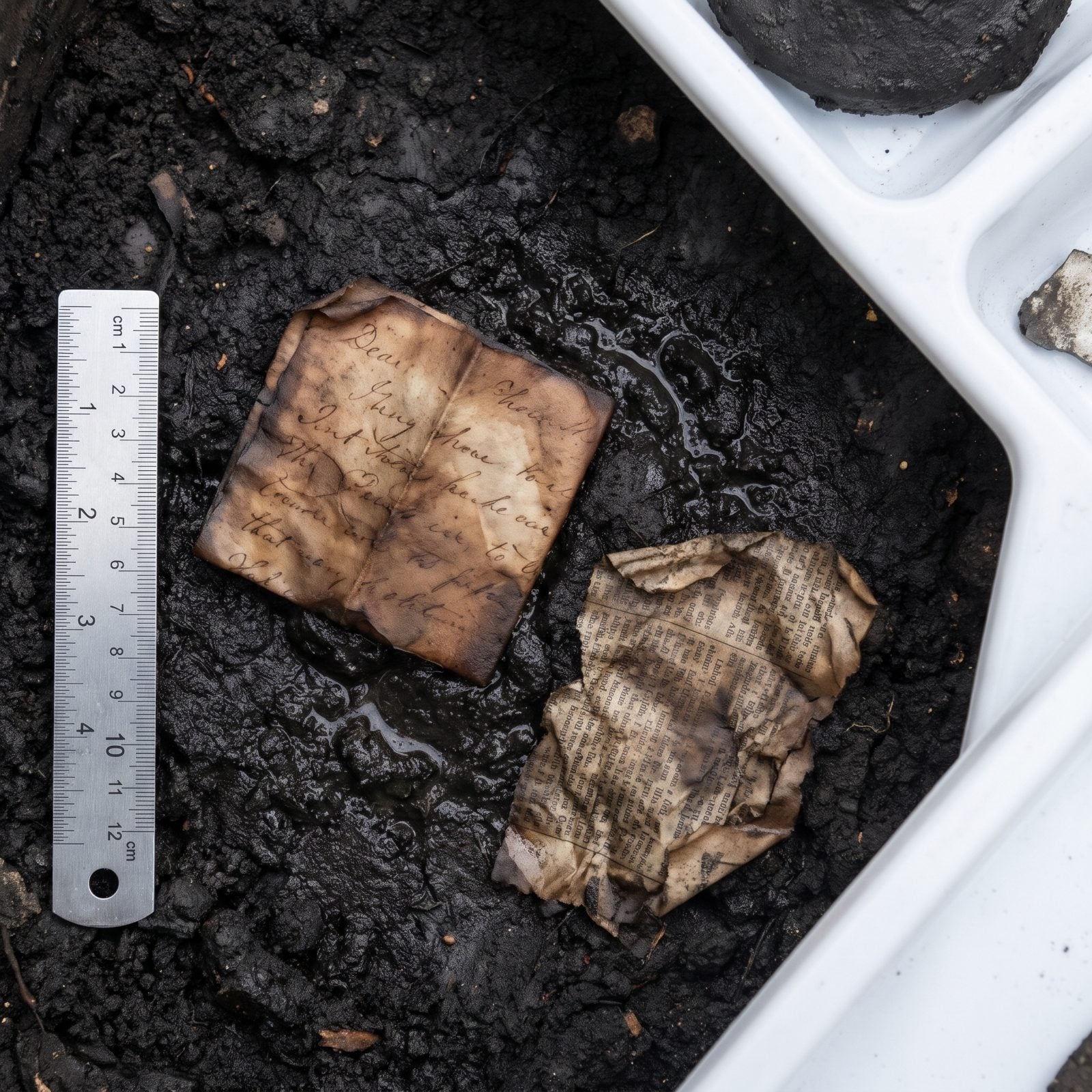
Paper shouldn’t be here at all. It rots, it burns, it gets reused until it falls apart — and yet the wet, oxygen-starved bottom of a privy is one of the strange places where it can last.
The same water that ruins paper in a damp attic is what saves it down a privy shaft. Below the water table, with no air to feed decay, letters and receipts and wrappers and torn newspaper pages, even ones already scorched brown at the edges before they were thrown away, hold their shape for a century and a half. Sometimes the ink stays surprisingly dark, looping lines still crisp on the page even where the words no longer read. The object survives.
The most private writing a person did sometimes lasted precisely because they threw it where no one would look.
And that’s the part that gets me. A grocery list. A scolding letter. A page someone tore up on purpose and shoved out of sight. None of it was saved for us — the discarding is the whole reason it kept. Conservators lift this material wet, keep it wet, and stabilize it slowly, because a fragment that held together underground for generations can curl into dust in an afternoon of open air.