
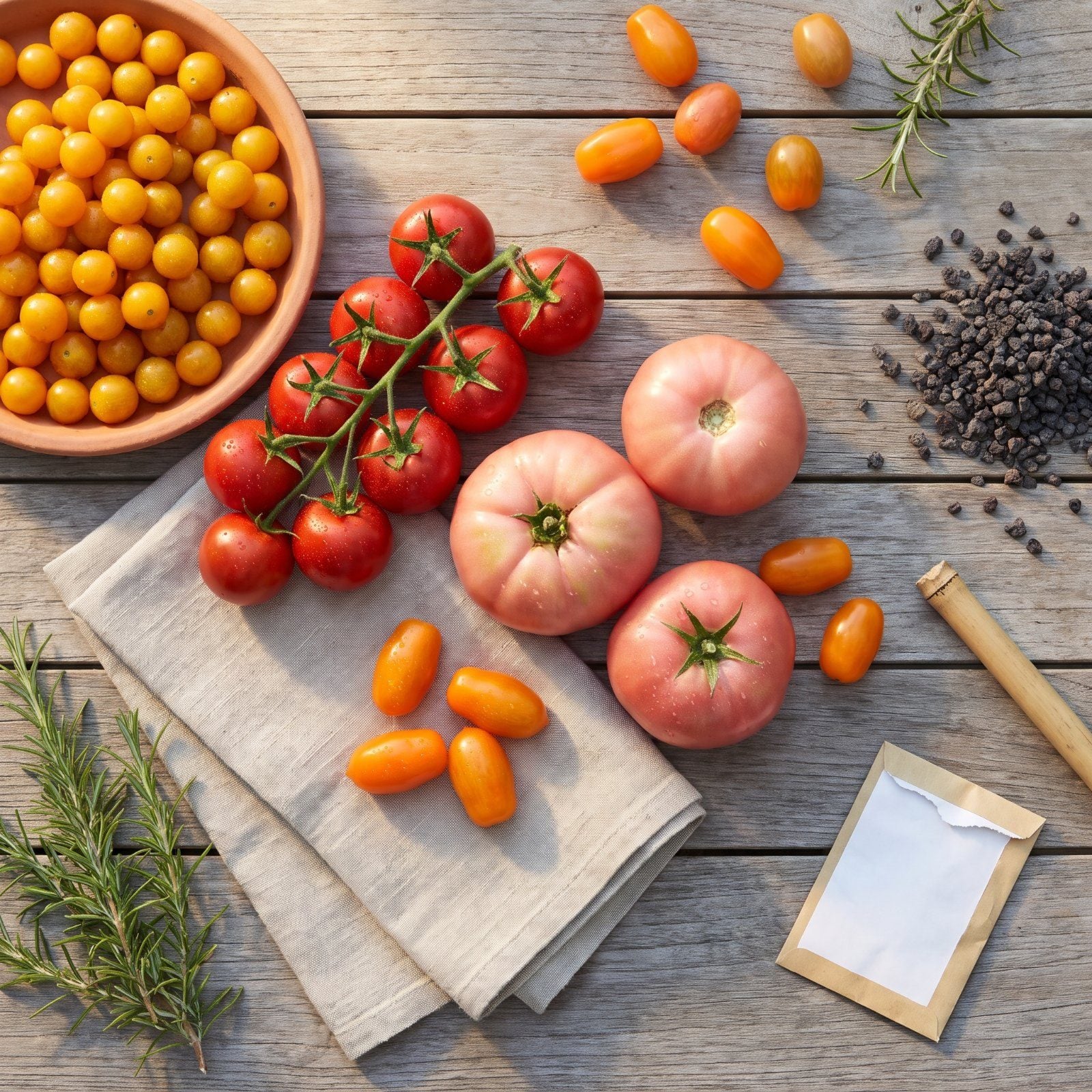
Most tomato failures aren’t your fault. They’re a mismatch. You bought the beefsteak that ripens in 85 days and planted it where summer barely lasts two and a half months, so the plant sulks, the blight moves in, and you decide you have a brown thumb. You don’t. You had the wrong variety for your dirt, your fog, your nights that dip into the 40s in July. The varieties below were bred by people solving exactly those problems, often at agricultural stations in places where tomatoes have no business ripening at all. Match the plant to the place and the whole thing gets easier.
Please note that some of the images in this article were created with the assistance of AI.
47. South Florida: Everglades for Nearly Effortless Cherry Tomatoes
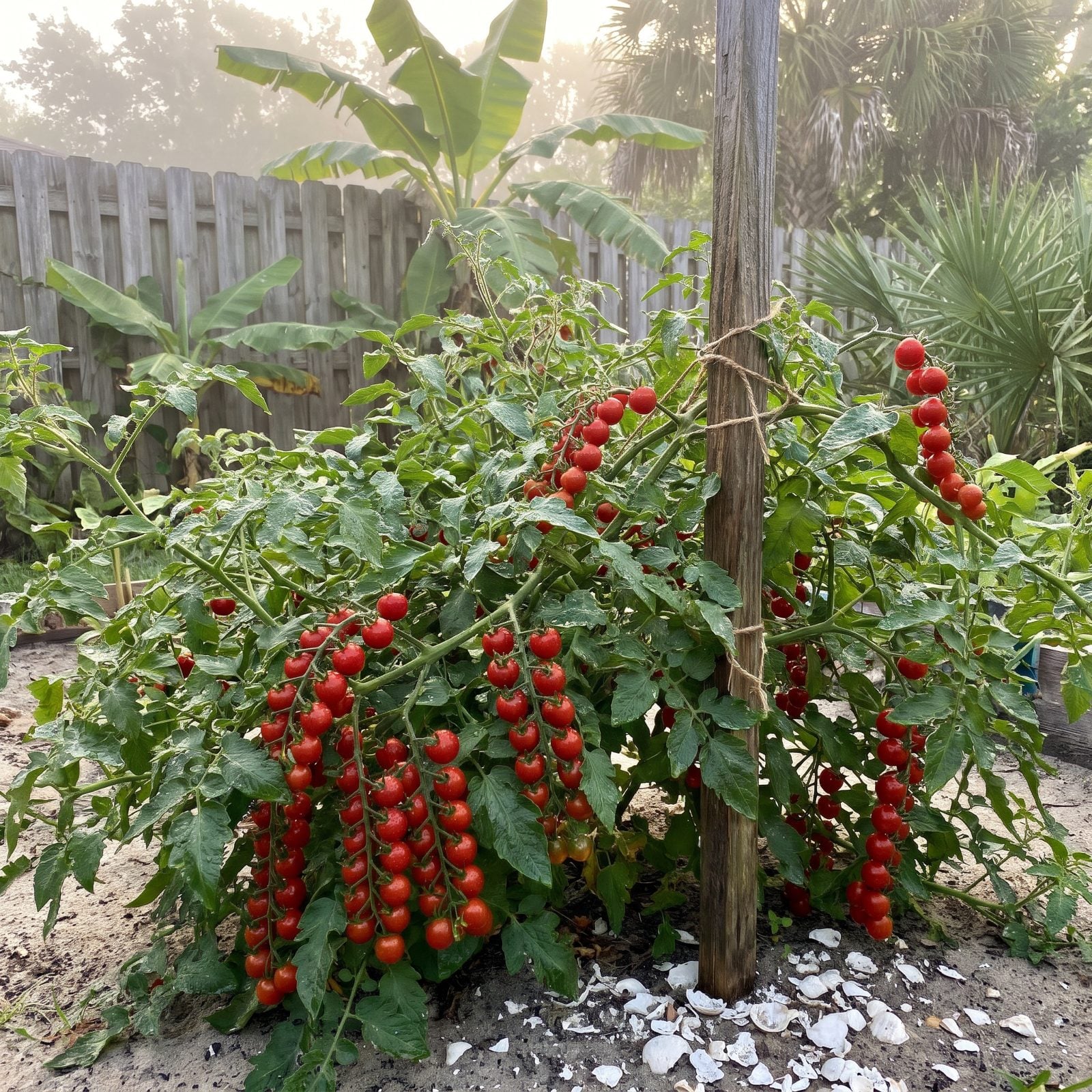
Everglades isn’t really a cultivated tomato. It’s closer to a weed, in the best possible way — a cherry-type that throws hundreds of grape-sized fruit on plants that laugh at heat, humidity, and the nematodes and fungal pressure that kill finicky slicers in South Florida sand.
Plant it once and it reseeds itself for years. The fruit is bite-sized and intensely sweet, far better eaten warm off the vine than hauled to the kitchen. Lost every big tomato you ever tried below Orlando? Start here and get your confidence back.
46. Coastal Pacific Northwest: Stupice for Cool, Cloudy Summers
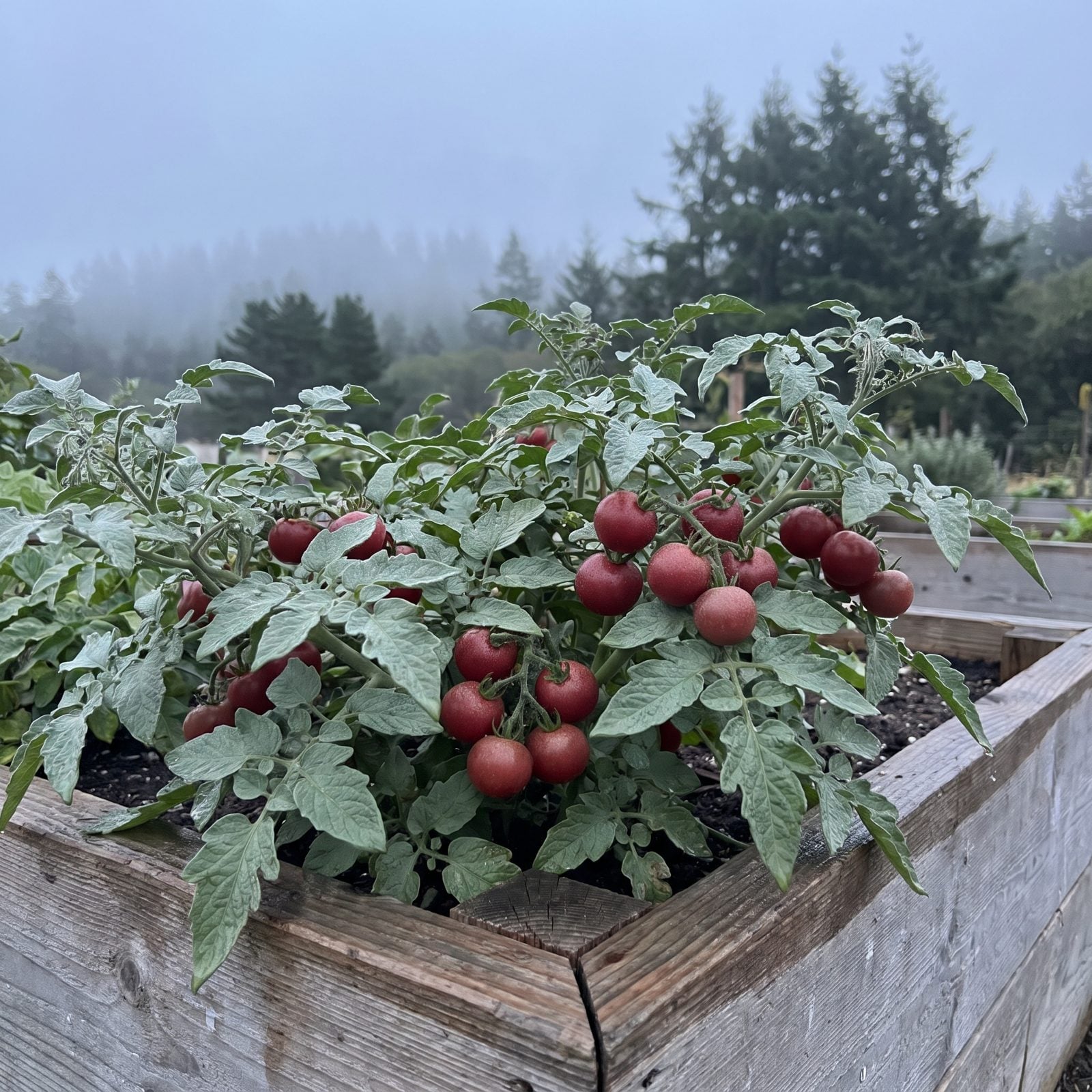
Stupice is the Czech tomato that saved a thousand Seattle gardens. It sets fruit in cool weather while hotter-climate varieties stand around waiting for a heat that never arrives. You get ripe red tomatoes by early July, which near Puget Sound is a small miracle.
The flavor won’t knock out a sun-drenched Cherokee Purple from a California farm stand. But a decent tomato you actually harvest beats a perfect one that rots green in October. On a foggy coast, Stupice beats almost anything.
45. Willamette Valley: Oregon Spring for Fruit Without Prolonged Heat
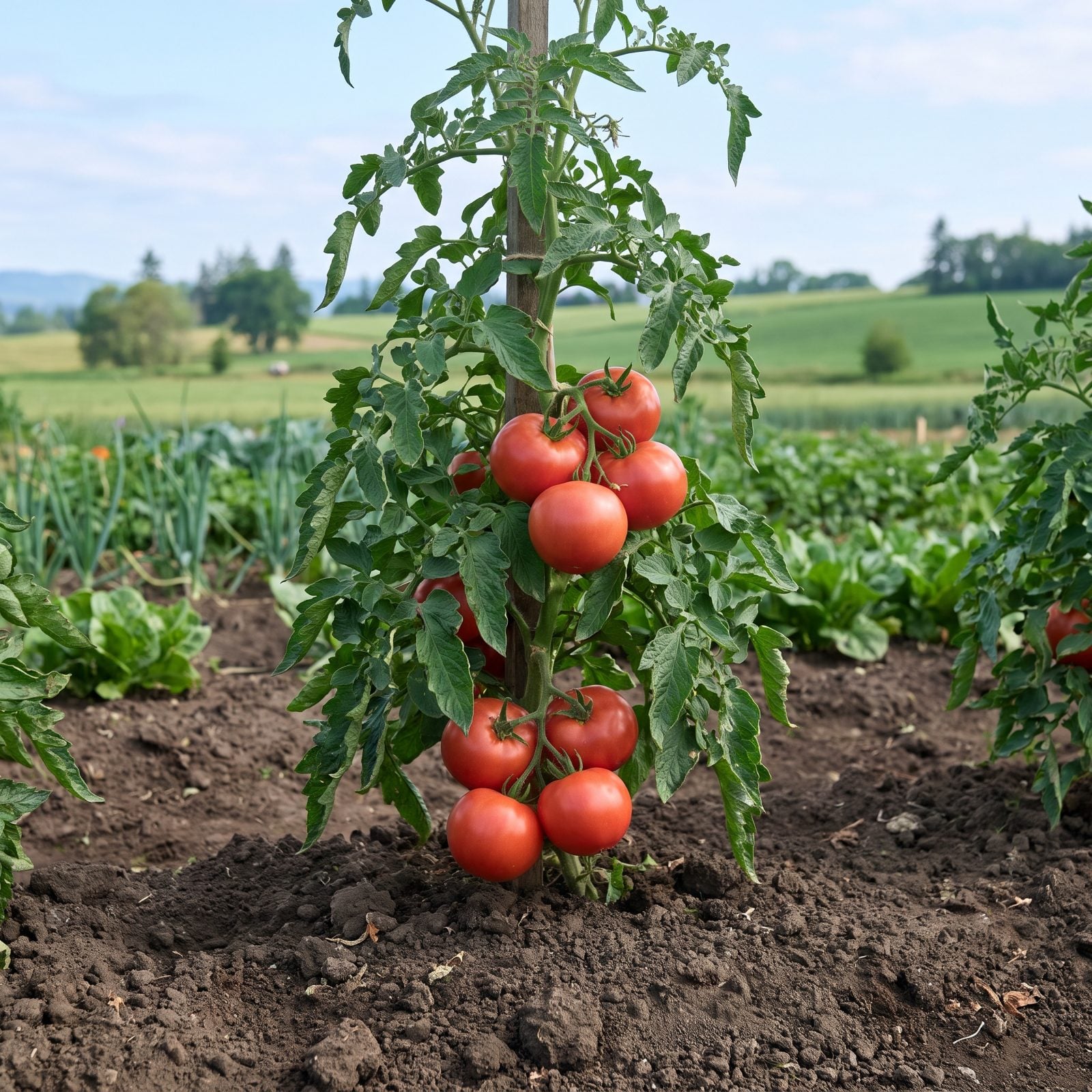
Oregon Spring came out of Oregon State’s breeding program for exactly the problem the Willamette Valley hands you: a mild season with no long stretch of real heat for big slicers to work with. It’s cold-tolerant, sets fruit early, and gives you full-sized, nearly seedless tomatoes you can actually slice onto a sandwich.
That last part matters. Short-season gardeners get stuck eating cherry tomatoes all summer because the slicers never finish. This one finishes.
44. Rainy Pacific Northwest Gardens: Legend for Late-Blight Resistance
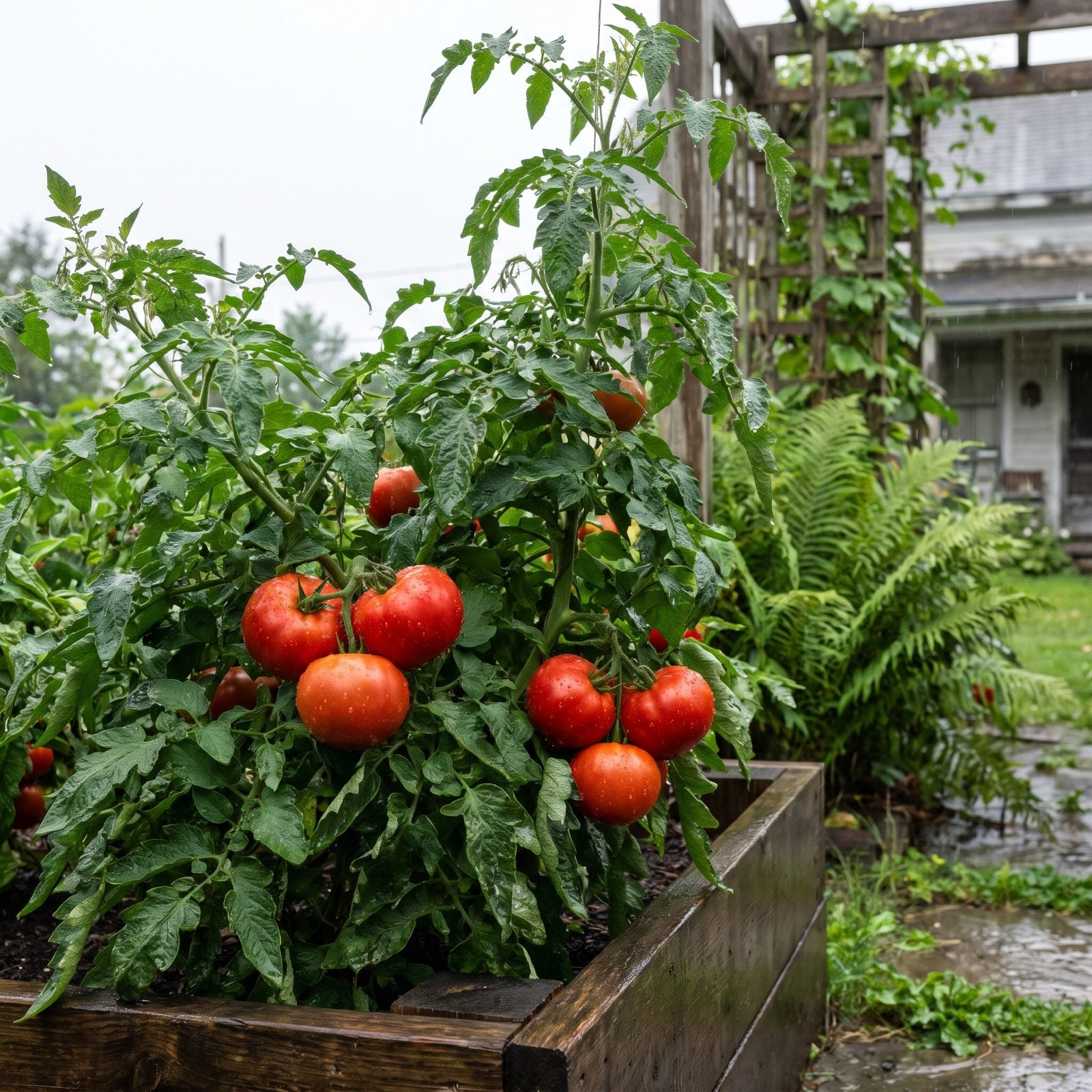
Late blight is the fungus that turns a whole plant to black mush overnight in a wet August. If you garden where it rains all summer, resistance isn’t a luxury. It’s the whole game.
Legend, another Oregon State release, carries real late-blight resistance and produces big red slicers to boot. It won’t make you immune — nothing does. But it buys you weeks, and in a rainy season those weeks are the difference between a harvest and a compost pile.
43. Pacific Northwest Containers: Gold Nugget for Early Cherry Tomatoes
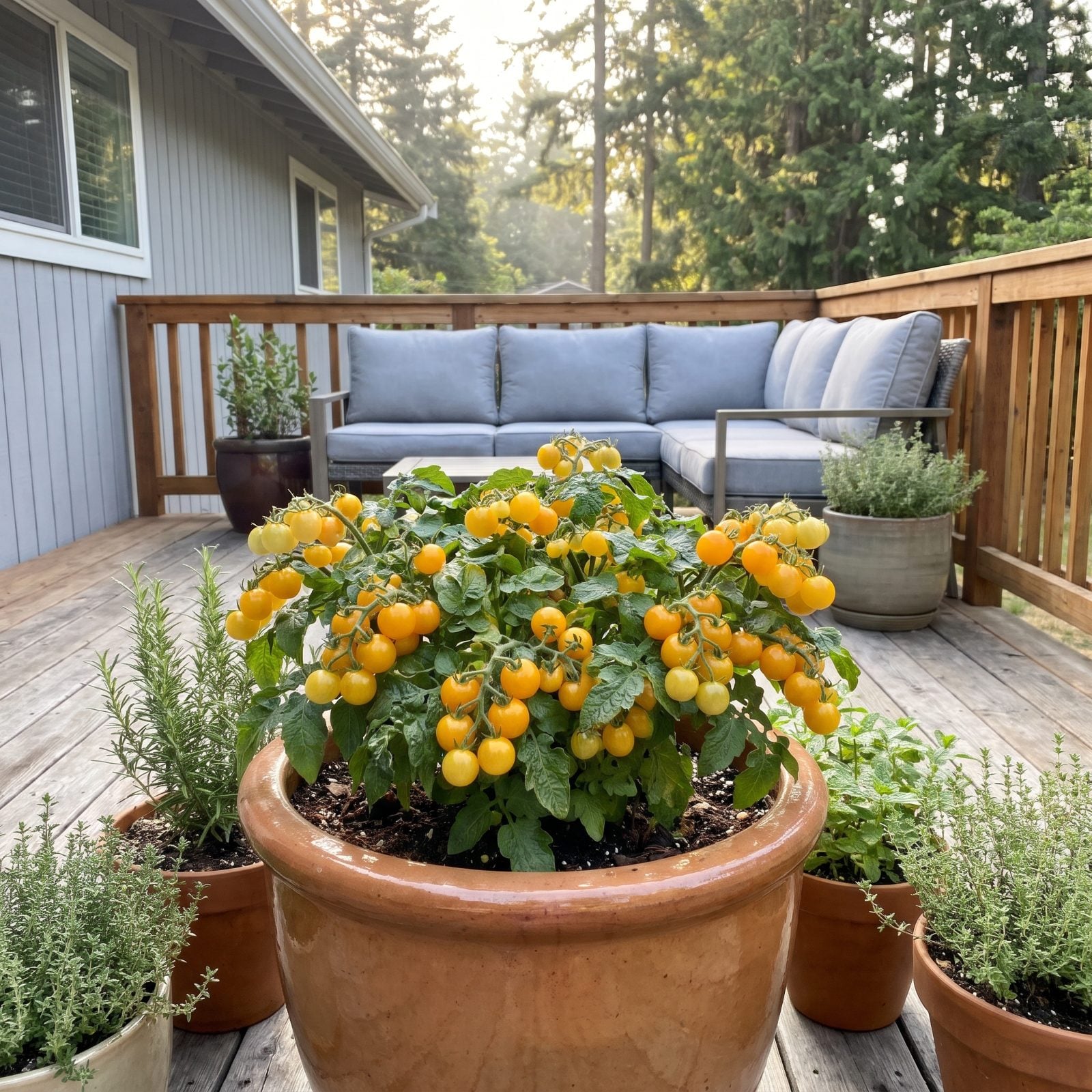
Got a deck and no garden? This is your tomato. Gold Nugget is a compact, determinate cherry that fits a pot, ripens shockingly early, and pumps out sweet golden fruit even through a cool summer.
It’s nearly seedless, so the fruit tastes like pure sugar instead of that watery gel you spit out. And being determinate, it won’t sprawl into an unmanageable monster on a small patio.
42. Interior Alaska: Polar Baby for Compact Plants and Early Fruit
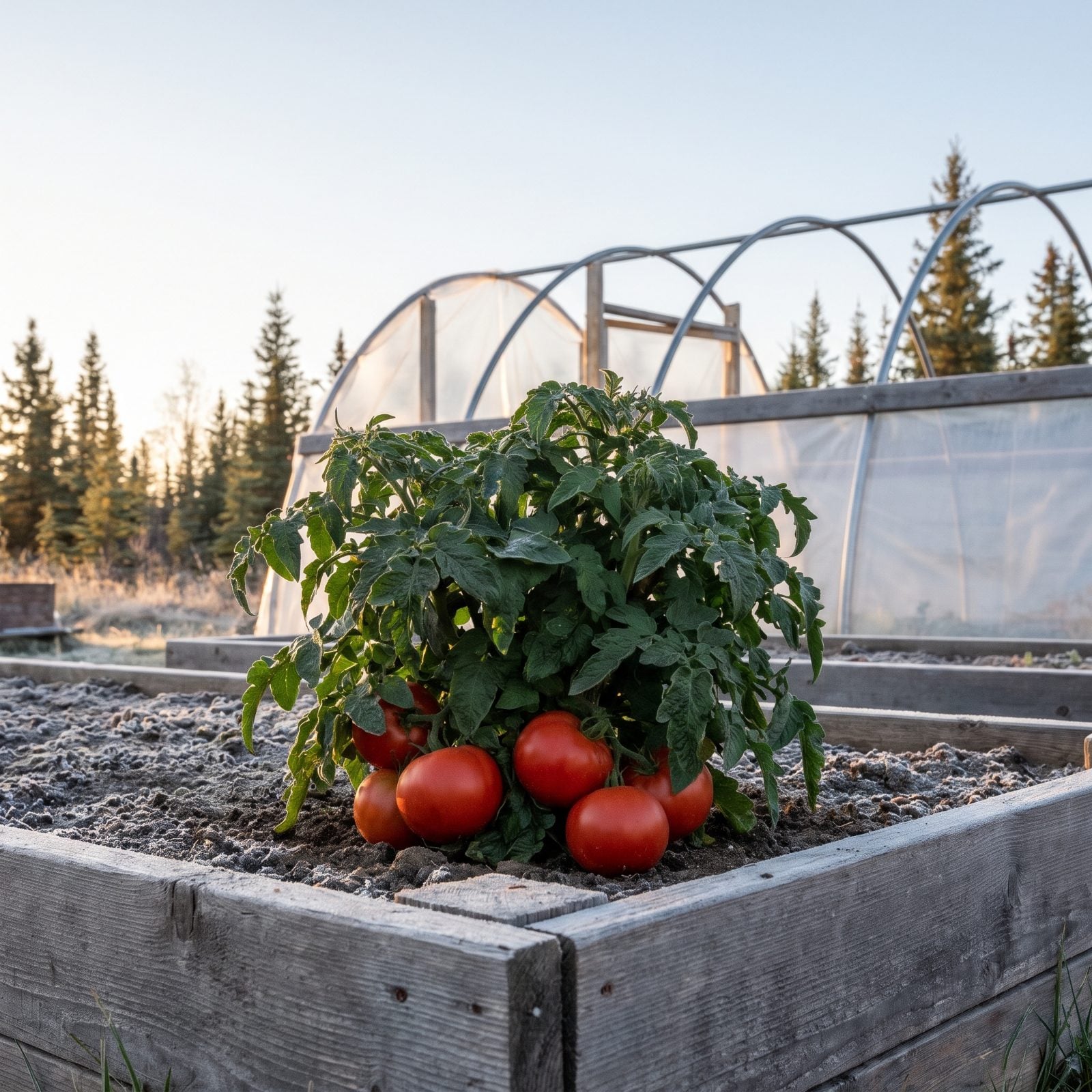
Interior Alaska gives you a growing window so short it’s almost rude. Polar Baby is bred for it — a very early, cold-tolerant variety on a small plant that sets a surprising amount of full-sized red fruit before the season slams shut.
Fairbanks gardeners lean on it because it works without a heated greenhouse, though a little protection never hurts. When your frost-free stretch is measured in a handful of weeks, early isn’t a bonus. It’s the only thing that counts.
41. South-Central Alaska: Sub-Arctic Plenty for a Brief Growing Window
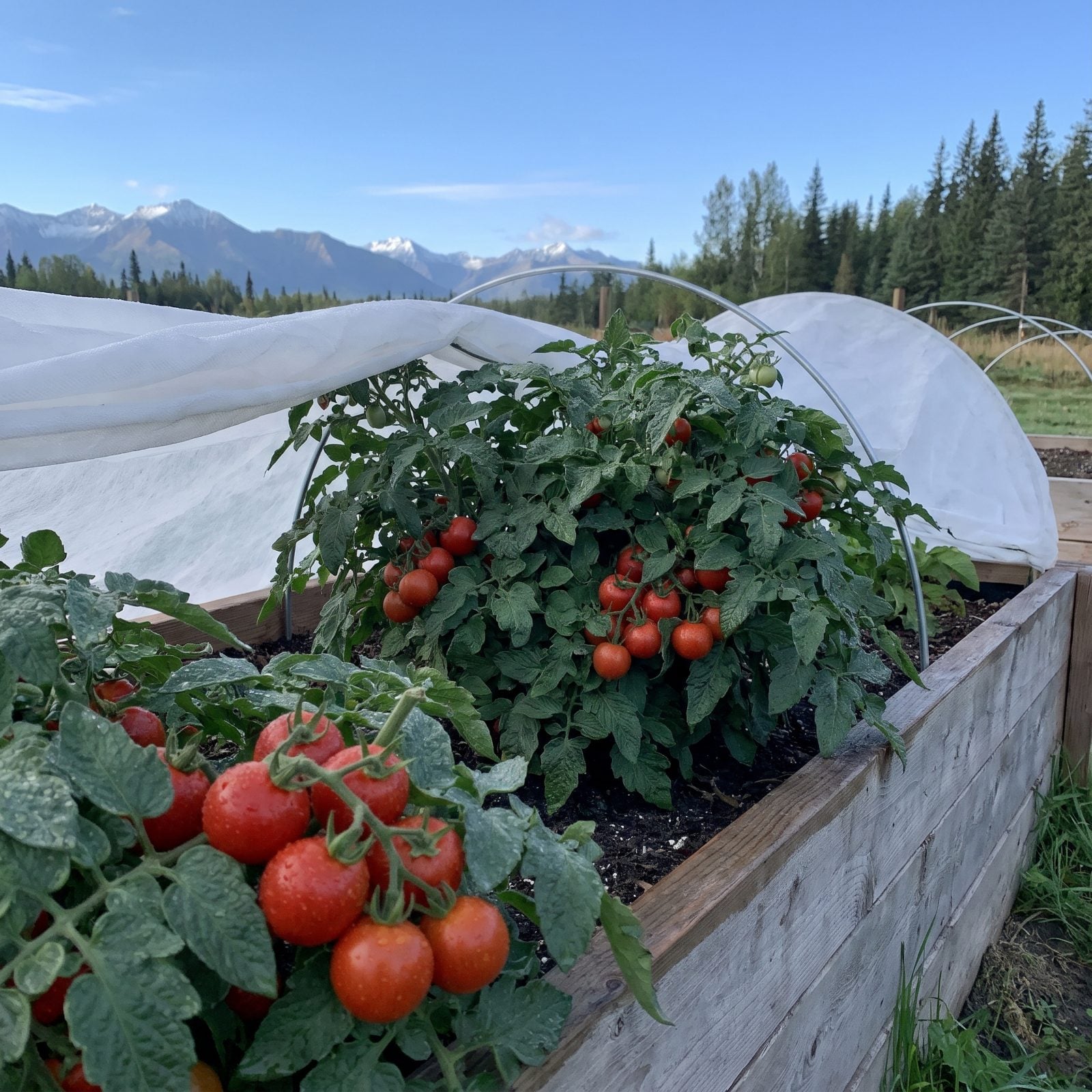
Sub-Arctic Plenty is an old Canadian variety, developed decades ago for places where summer barely qualifies as summer. The name isn’t marketing. It genuinely sets heavy clusters of small red tomatoes fast, even when nights stay cold.
Mat-Su Valley gardeners have relied on it for generations. Is it the most exciting tomato you’ll ever eat? No. It’s the one that reliably fills a bowl in a season that defeats fussier plants, and dependability has its own quiet beauty.
40. Northern Mountain Gardens: Beaverlodge Slicer for Cold Nights
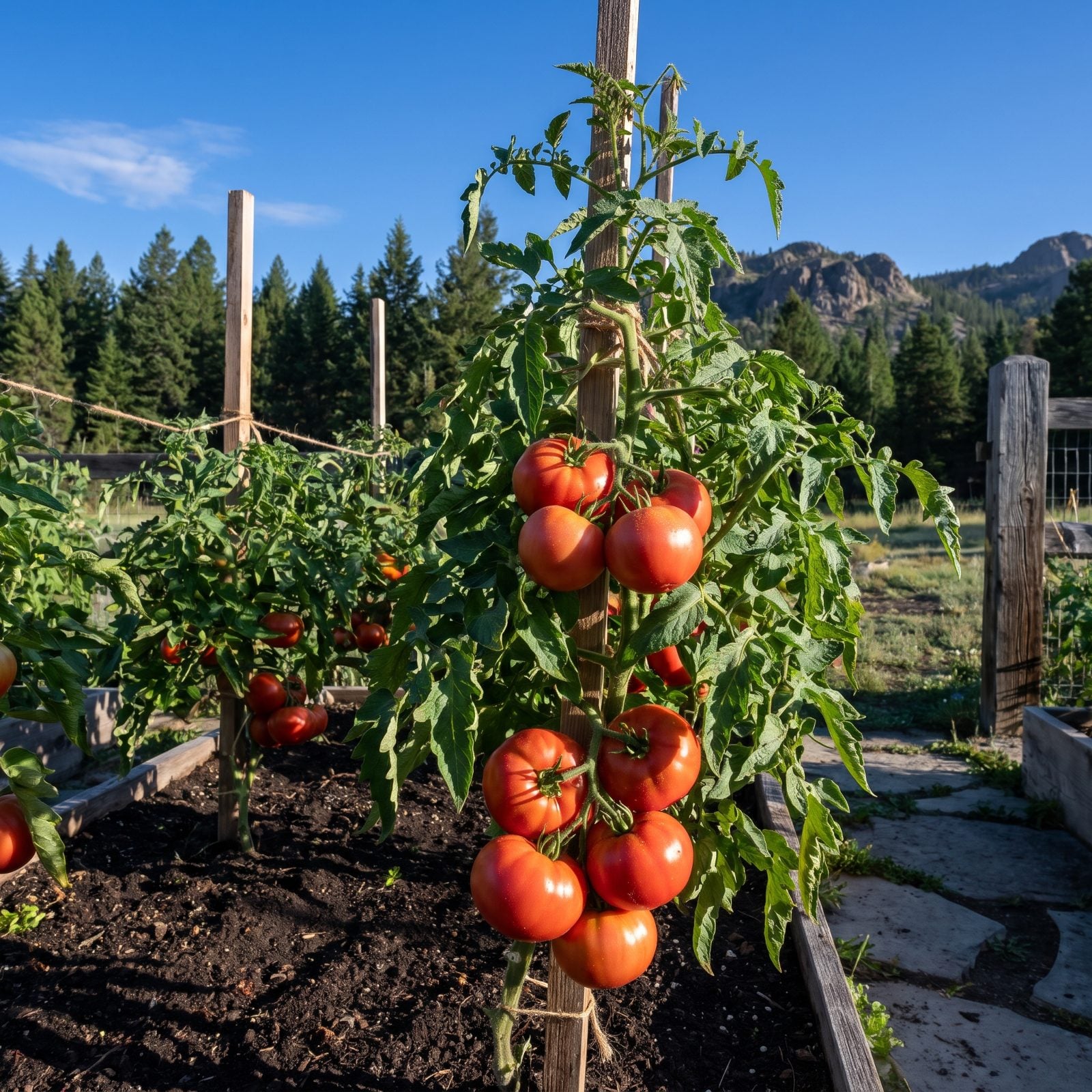
Cold nights stall most tomatoes. They just sit there sulking when the mercury drops into the 40s after dark, and in northern mountain gardens that happens all summer long.
Beaverlodge Slicer, bred at the Beaverlodge research station in northern Alberta, keeps setting fruit through those chilly nights and ripens genuine slicing-sized tomatoes fast. If your forecast reads warm by day and cold by night, this is the plant that doesn’t throw a tantrum about it.
39. Northern Plains: Manitoba for Early, Concentrated Harvests
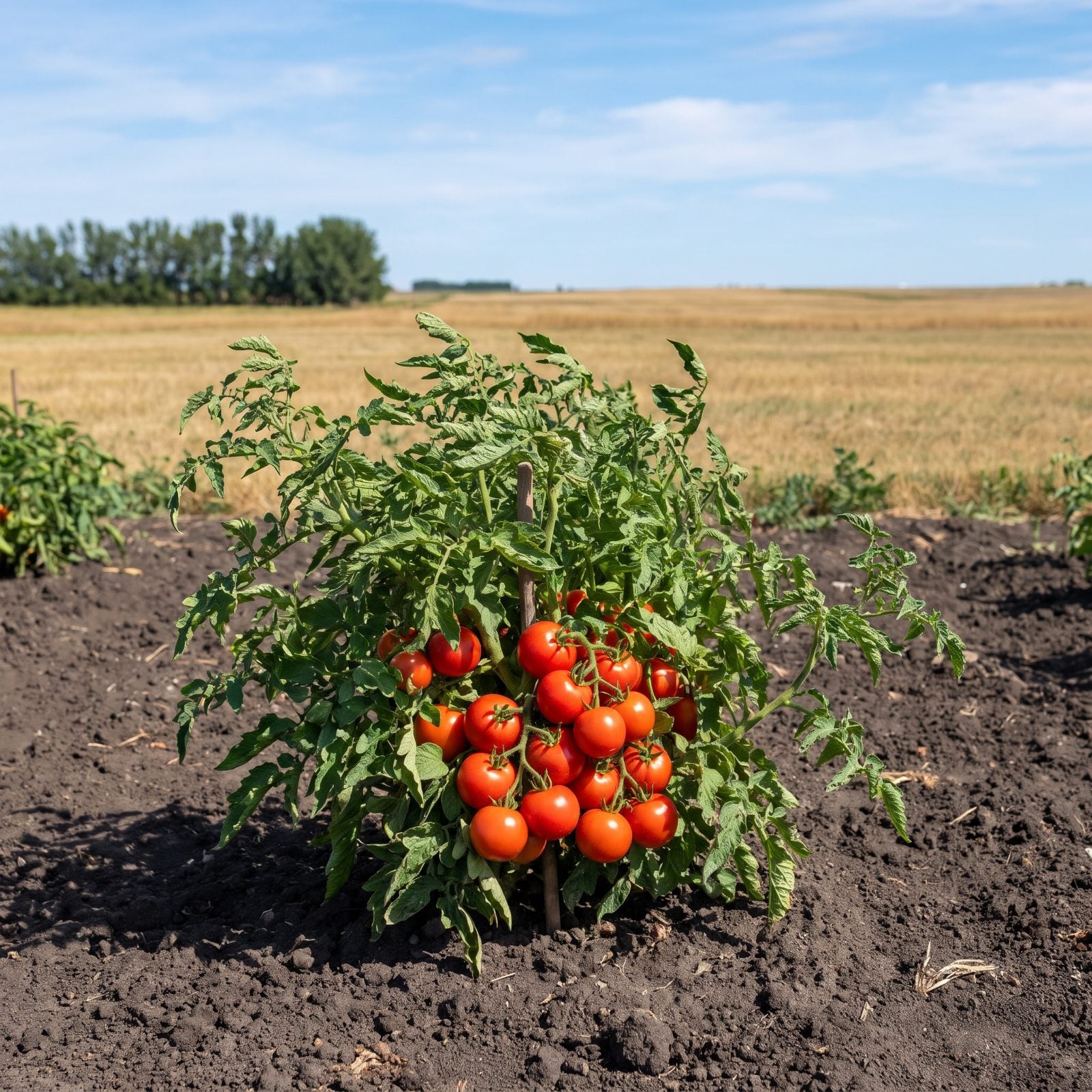
Manitoba ripens early and ripens together. That concentrated flush is exactly what you want on the northern plains, where a hard frost can end everything in a single September night.
You get a wave of medium red fruit all at once instead of a trickle that gets cut short. Canners love it for precisely that reason. If you want tomatoes in jars before the cold shuts the door, a variety that commits to a timeline beats one that dawdles.
38. High-Elevation Rockies: Moskvich for Chilly Nights
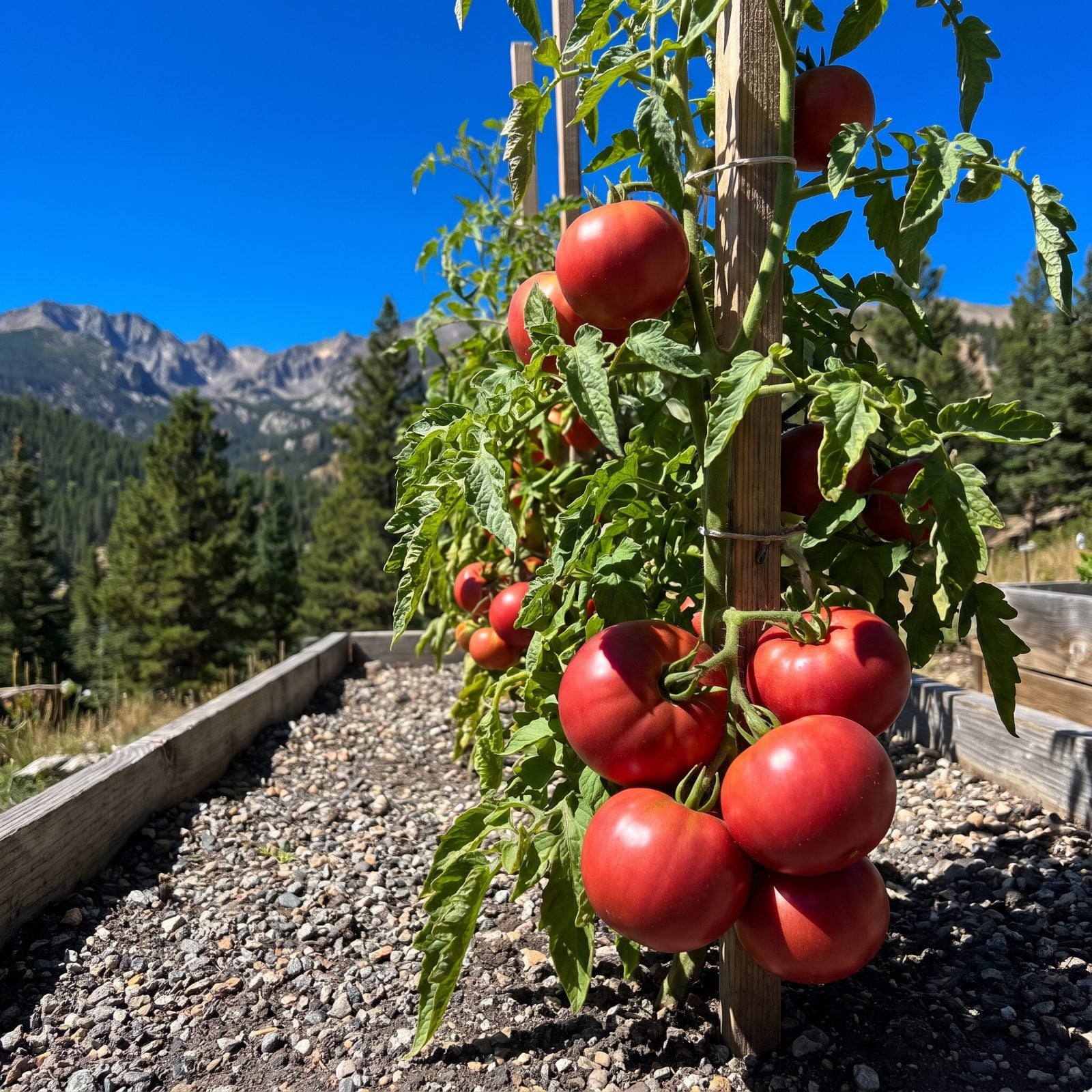
Moskvich is a Russian heirloom, and Russian heirlooms earn their reputation in cold. It ripens early, shrugs off chilly mountain nights, and delivers something short-season varieties usually skip: actual deep tomato flavor.
High in the Rockies, intense daytime sun fights brutal nighttime drops, and that swing defeats a lot of plants. Moskvich handles it and still tastes like a tomato you’d brag about. Plenty of early varieties trade flavor for speed. This one refuses to make you choose.
37. Cold Mountain Valleys: Siberian for Fruit Set in Cool Weather
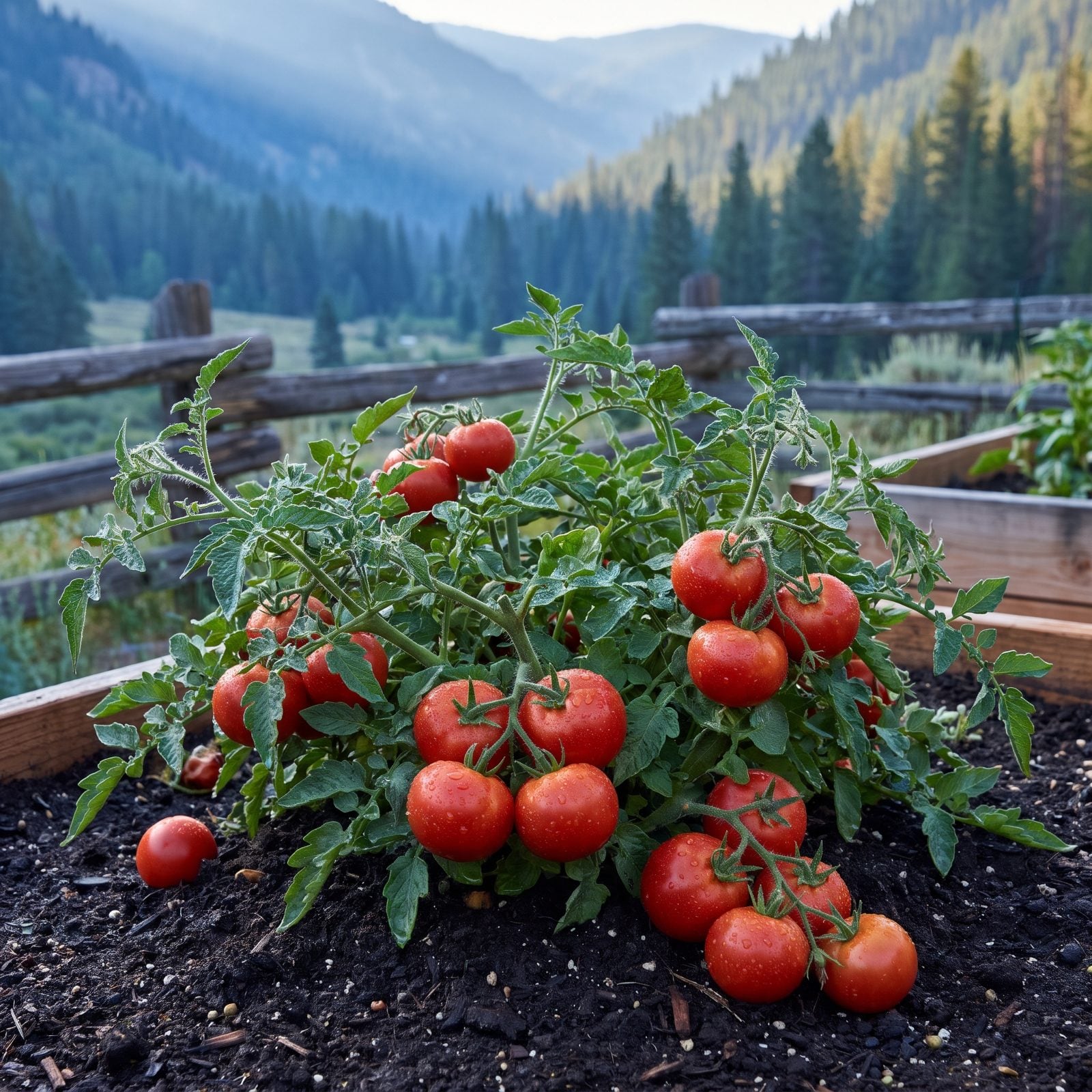
Most tomatoes sulk below 55 degrees and flat refuse to set fruit. Siberian doesn’t, because it was bred to shrug off the cold nights a mountain valley hands you in June and again in early September.
The fruit runs small — two or three ounces — and it ripens fast. You won’t win any county-fair ribbons for size. But you’ll be eating ripe tomatoes while the neighbor with his beefsteak dreams is still squinting at a vine full of green marbles.
36. Intermountain West: Ida Gold for Early Orange Tomatoes
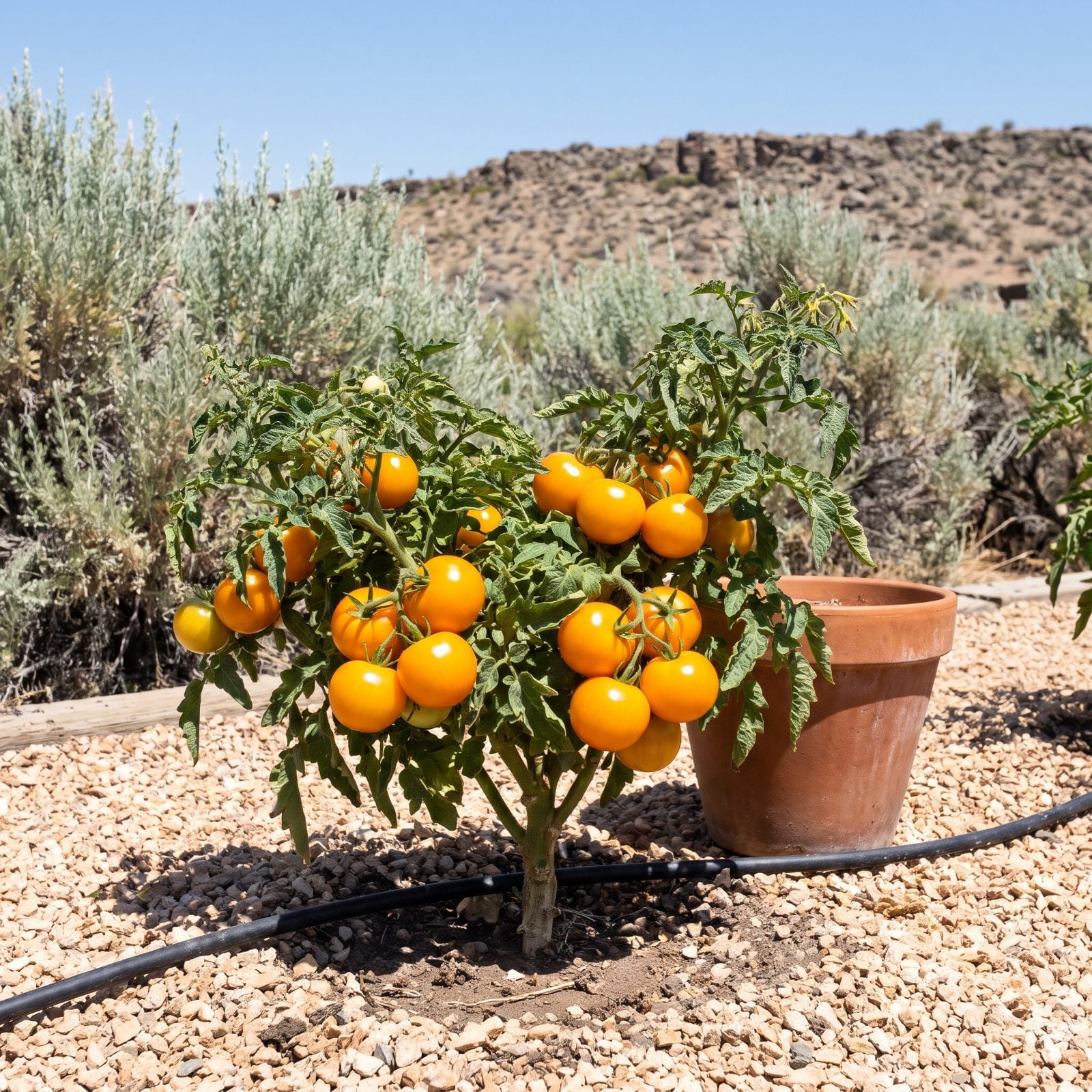
Ida Gold earns its spot in the Intermountain West for one reason: it beats the clock. These round, deep-orange tomatoes ripen early and nearly all at once on a tidy determinate plant — which matters a lot when your frost-free window is narrower than you’d like and the nights turn cold without much warning.
Flavor leans mild and a little sweet, lower on acid than a red slicer, and it’s good eating straight off the vine. I’ve heard people grumble it isn’t bold enough. Fine. It hands you ripe fruit in a place that fights you at both ends of the season.
35. Upper Midwest: Early Girl for Harvests Before Fall Frost

Early Girl is the tomato you plant when the calendar is working against you. Round red fruit, four to six ounces, ripening weeks ahead of the big slicers — and in the Upper Midwest, where a hard frost can land before September’s out, those weeks are everything.
Being indeterminate, it keeps giving as long as the weather holds. The flavor is honest, slightly tangy, nothing fancy. Keeping two in the ground every year is cheap insurance against a short, moody summer.
34. Wisconsin and the Western Great Lakes: Wisconsin 55 for Humid Summers
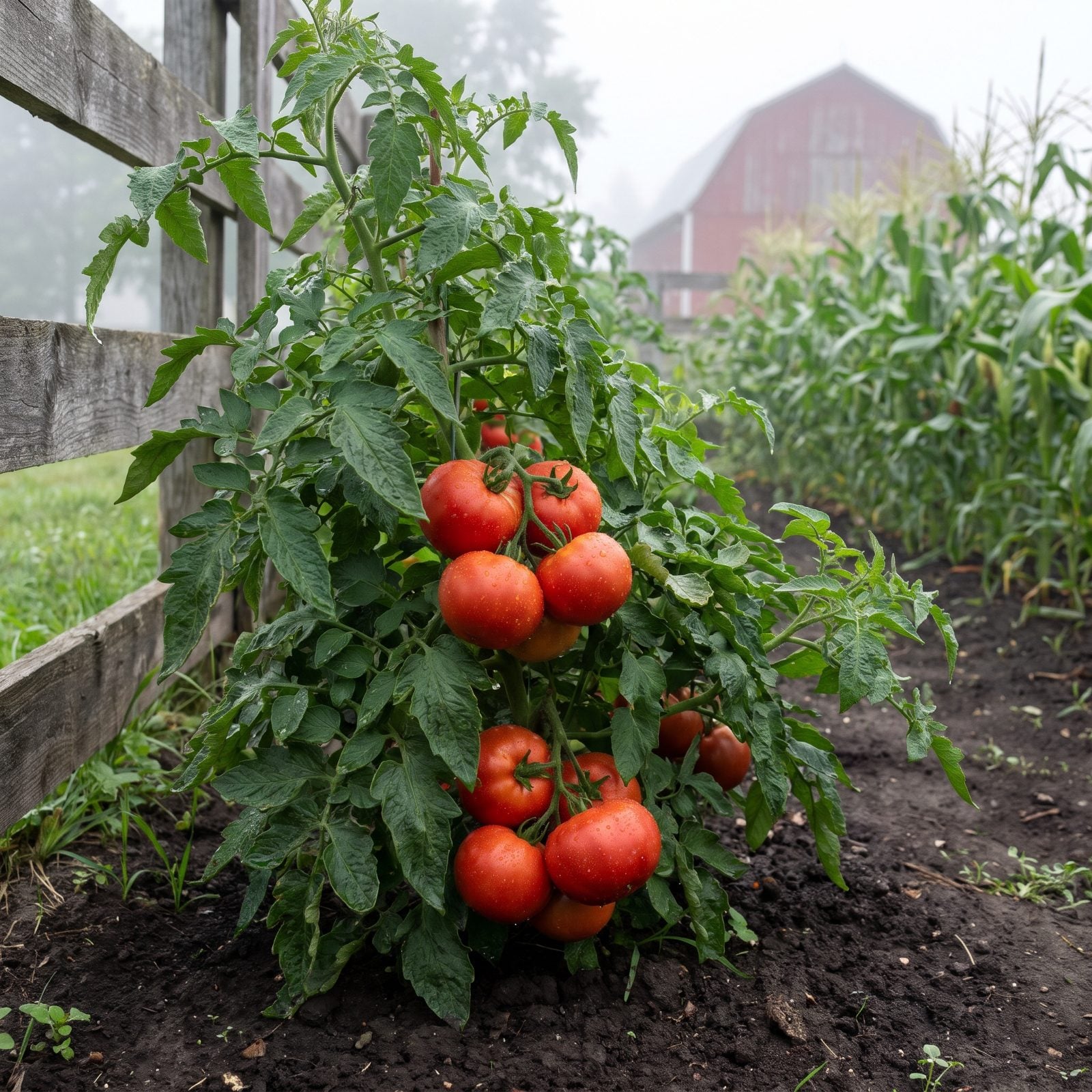
Bred at the University of Wisconsin back in the 1940s, Wisconsin 55 was built for exactly the sticky, warm-night summers the western Great Lakes dish out. The fruit comes large and round and meaty, good for slicing and canning both.
What people forget is how well it holds up under the kind of muggy weather that makes other varieties crack and rot. Not a glamour tomato — an old workhorse. There’s a reason it has hung on in gardens for decades that never got any easier.
33. Humid Great Lakes Gardens: Iron Lady for Strong Disease Resistance
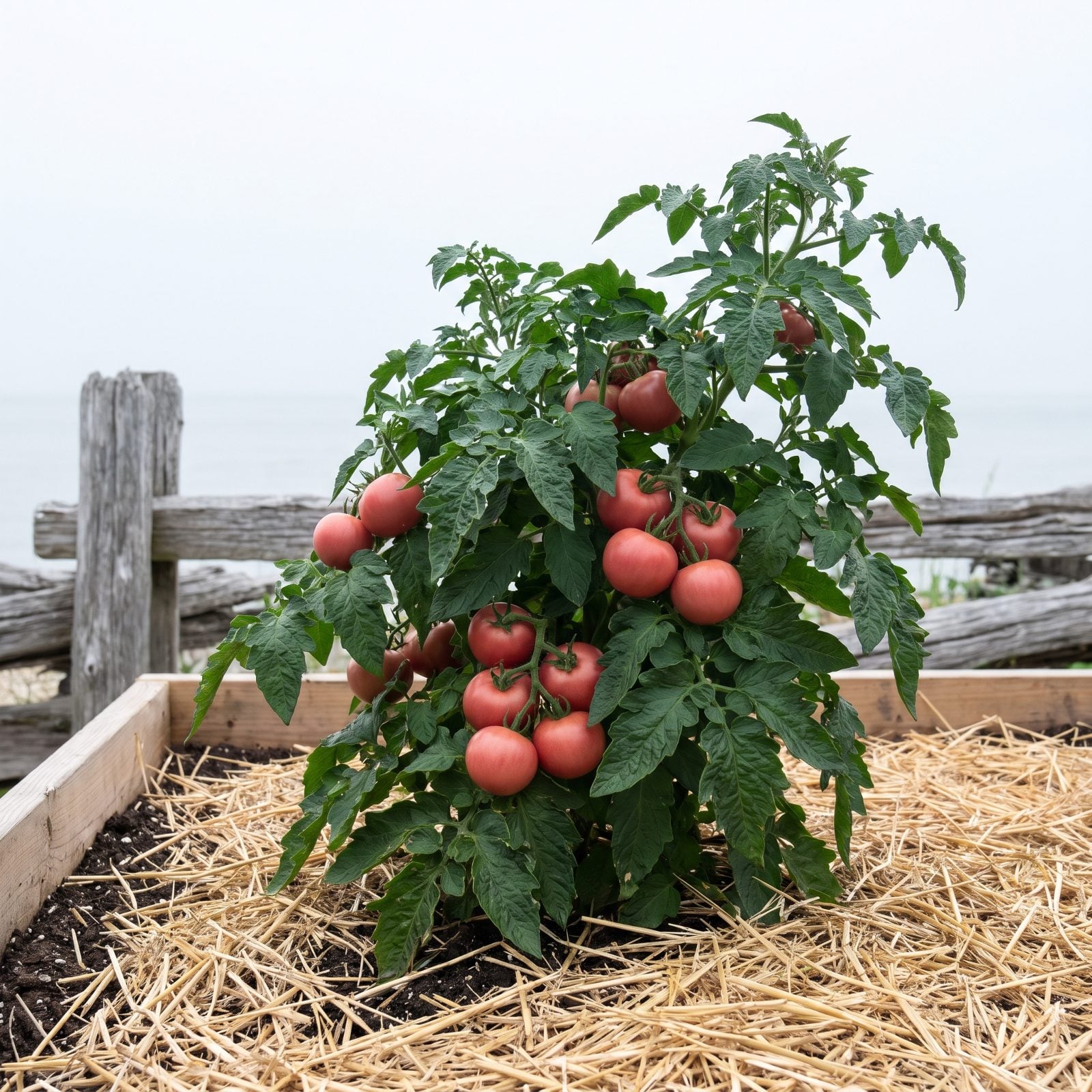
Humidity breeds fungus, and the Great Lakes region has humidity to spare. Iron Lady was developed to fight the three big leaf diseases at once — early blight, late blight, and Septoria leaf spot.
No tomato is bulletproof. But when August turns swampy and your other plants are shedding leaves from the bottom up, Iron Lady stays green and keeps setting round, medium-red fruit. If you’re sick of watching your plants defoliate year after year, this one is worth hunting down.
32. Northeastern Blight Country: Defiant PhR for Wet Summer Weather
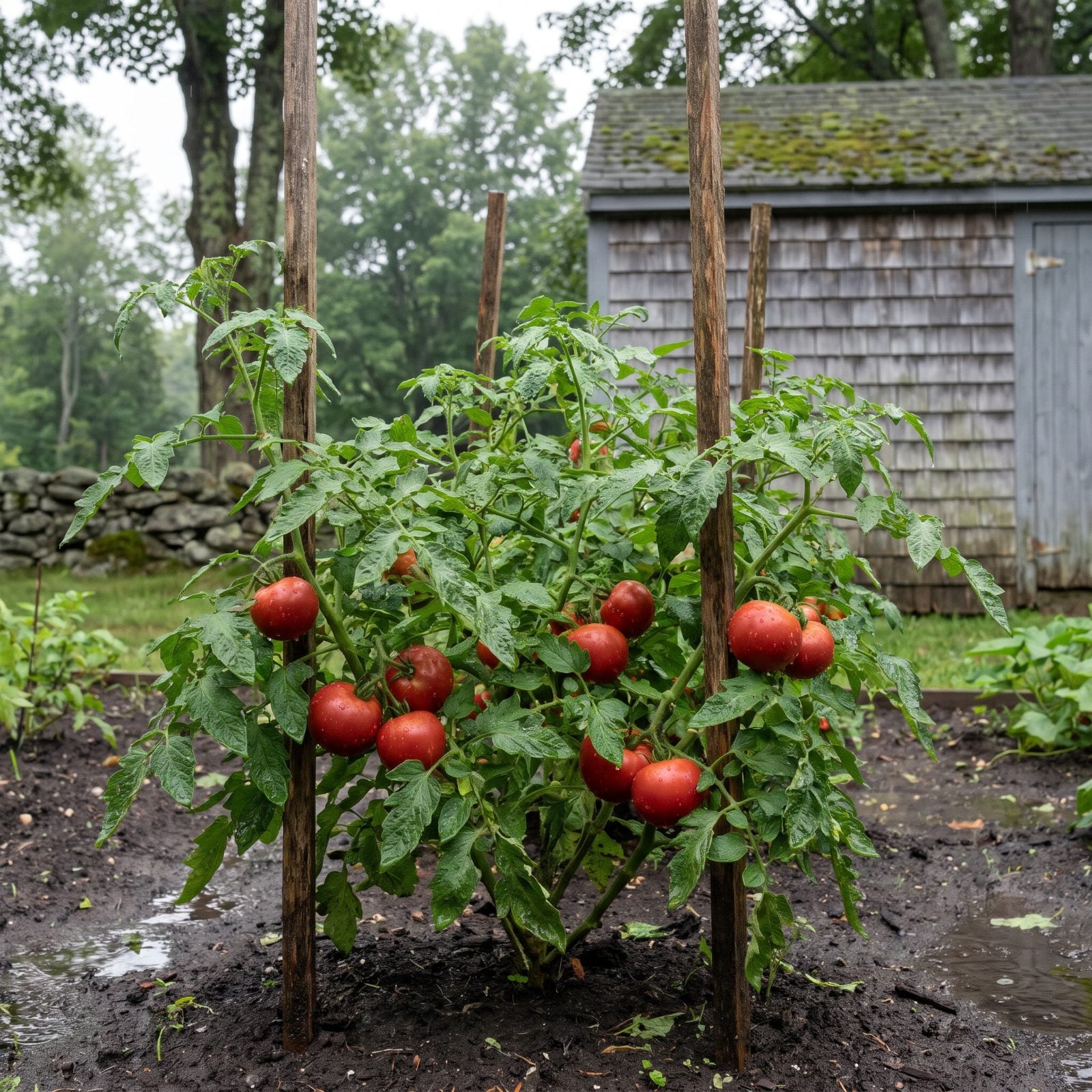
Late blight is the nightmare that has wiped out tomato crops across the Northeast in wet years, and it travels fast. Defiant PhR carries real resistance to it, along with resistance to early blight, which makes it one of the rare varieties that can shrug off a gloomy, rain-soaked July.
The fruit runs a respectable six to eight ounces — round, smooth, decent flavor for a disease-resistant hybrid. Determinate, so it sets a concentrated crop instead of dribbling out all season long.
31. Central Midwest: Jet Star for Dependable, Low-Crack Slicers
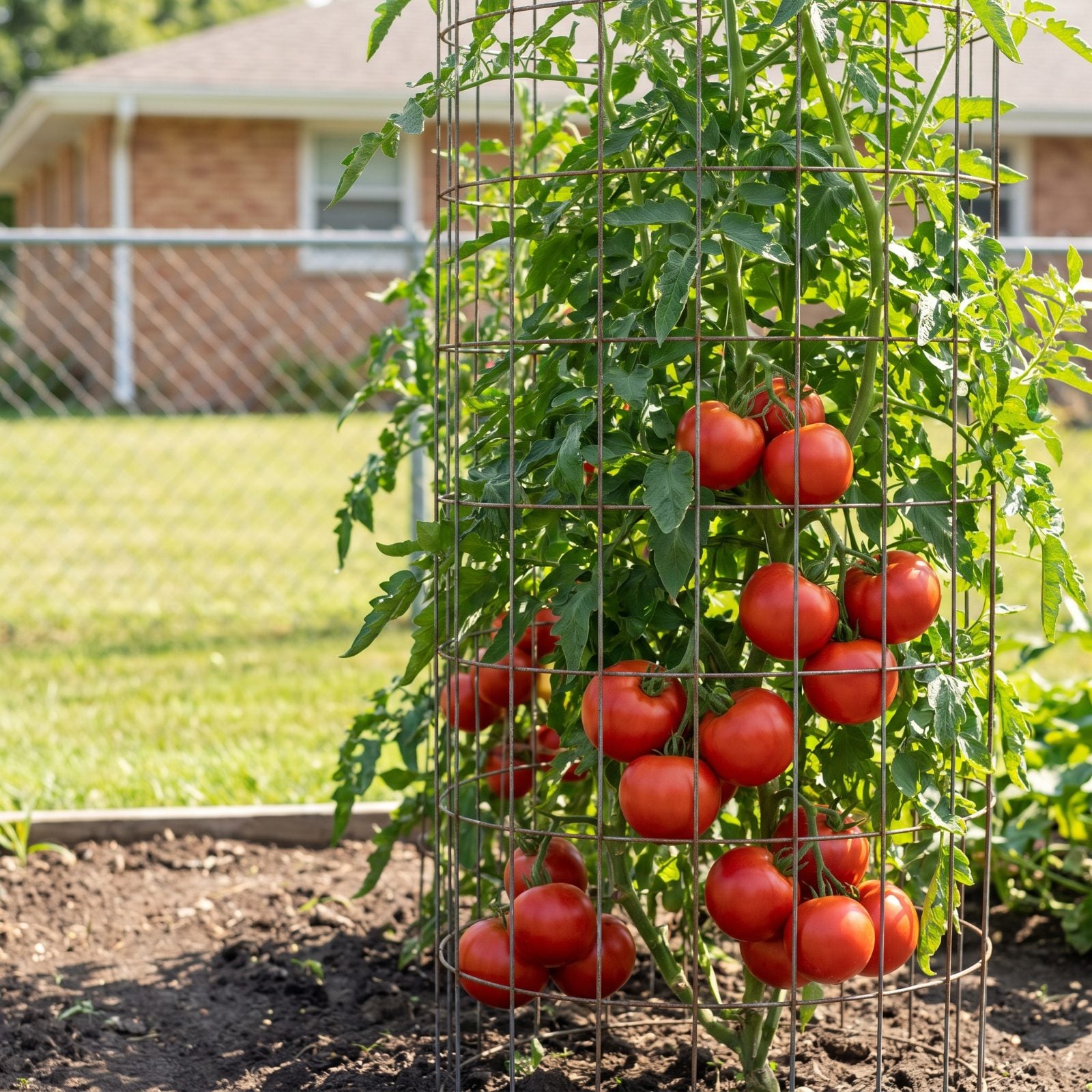
Cracking drives gardeners up the wall. A run of dry weather, then a downpour, and your tomatoes split clean across the top. Jet Star resists that. The fruit stays round, meaty, low in acid, and smooth even when the rain arrives in sudden bursts.
It’s been a Midwest staple for decades, and deservedly so — big, dependable slicers without the drama. Want one plant that just quietly does its job all summer? Safe bet.
30. Humid Midwestern Gardens: Celebrity Plus for Broad Disease Resistance
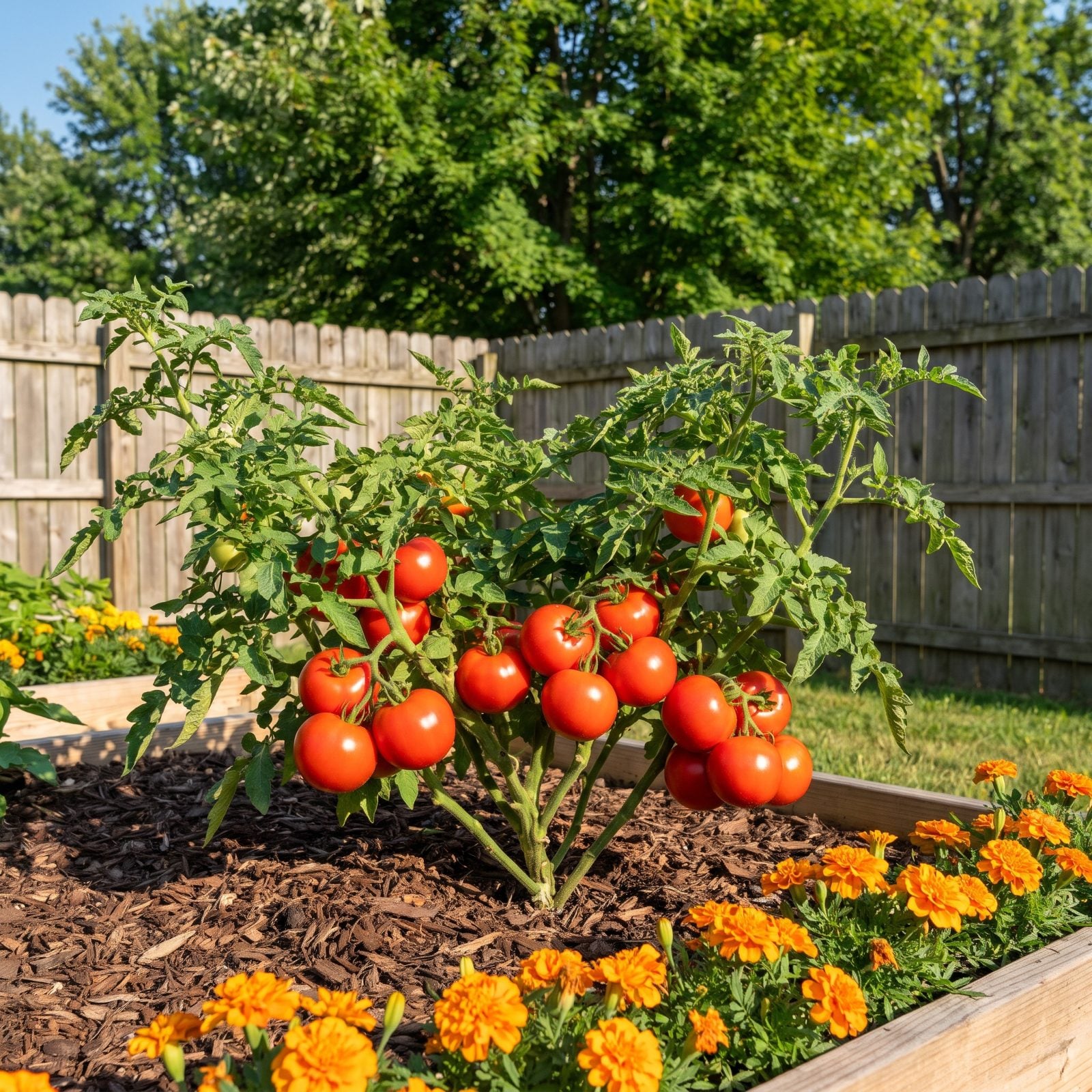
Celebrity has been an All-America Selections winner since the 1980s, and Celebrity Plus piles even more disease resistance on top of the original. In humid Midwest gardens where verticillium, fusarium, and nematodes all lurk down in the soil waiting for a victim, that long string of resistance letters on the packet is doing genuine work.
The fruit comes uniform and round, seven or eight ounces, good flavor, heavy yields. This is the one I point people toward when they want to plant a single variety and not think about it again until it’s time to pick.
29. Corn Belt Gardens: Big Beef Plus for Large, Reliable Tomatoes
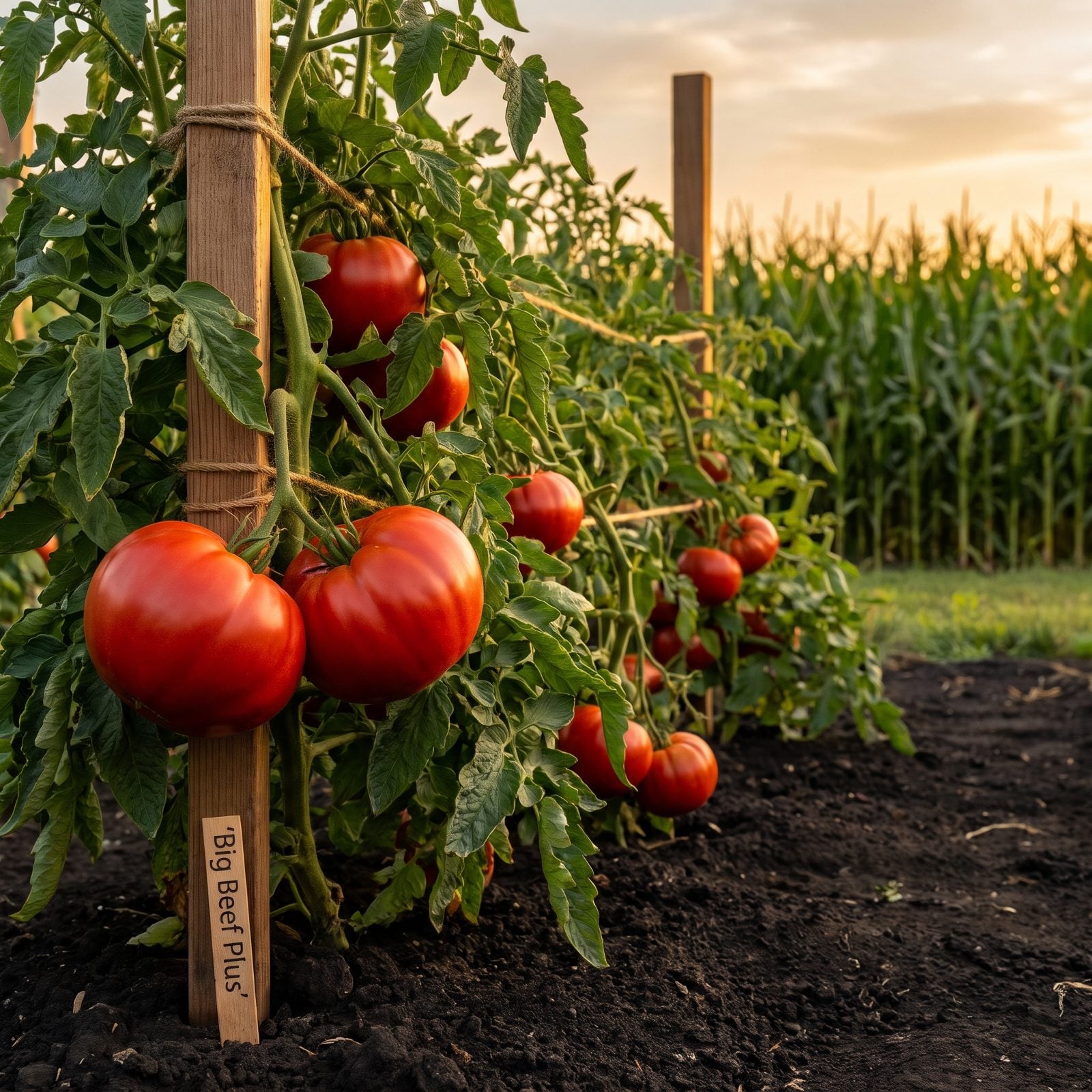
Big Beef won an All-America Selections award in 1994 and never surrendered the crown. The updated Big Beef Plus keeps the classic twelve-ounce, full-flavored beefsteak fruit and tacks on broader disease resistance.
In the Corn Belt, where summers run long and hot and the dirt runs deep, this one pays you back with huge, meaty slicers that actually taste the way a tomato is supposed to. Give it a strong stake, though. A vine this vigorous, hung with fruit this heavy, will flatten a flimsy cage by August and sprawl into the lawn.
28. Central Plains: Red Deuce for Heat and Disease Pressure
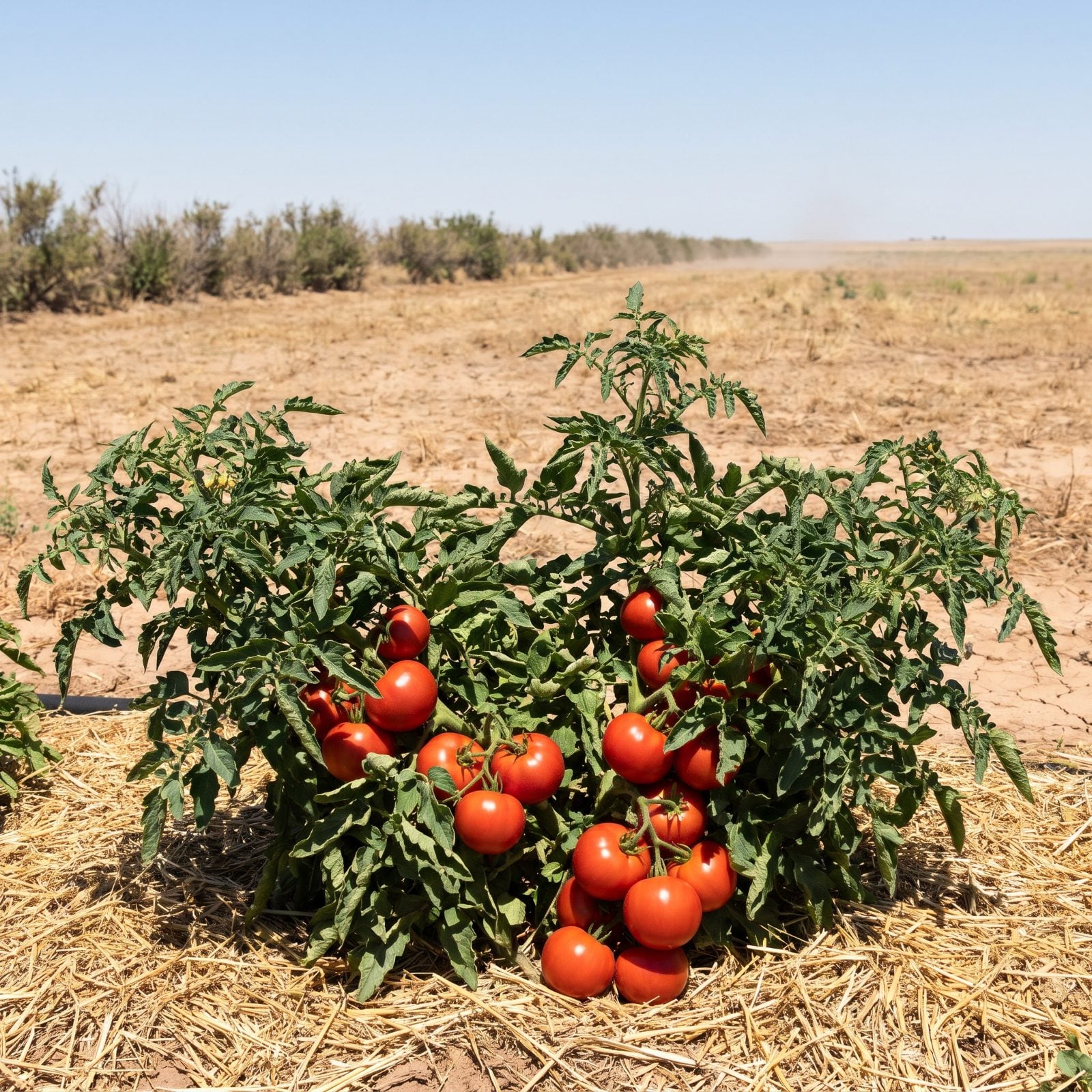
The Central Plains throw everything at a tomato — blistering heat, drying winds, soilborne disease, the works. Red Deuce handles it. Large, round, ten-ounce fruit with firm flesh and a stubborn grip on the plant, bred for commercial-grade reliability under genuine stress.
The foliage cover is generous, shading the fruit and cutting down on sunscald when the afternoons climb into triple digits. It’s a determinate, so expect one strong main flush rather than a steady trickle. Plant it, mulch it well, and get out of the way.
27. Inland Northeast: Mountain Magic for Blight-Resistant Salad Tomatoes
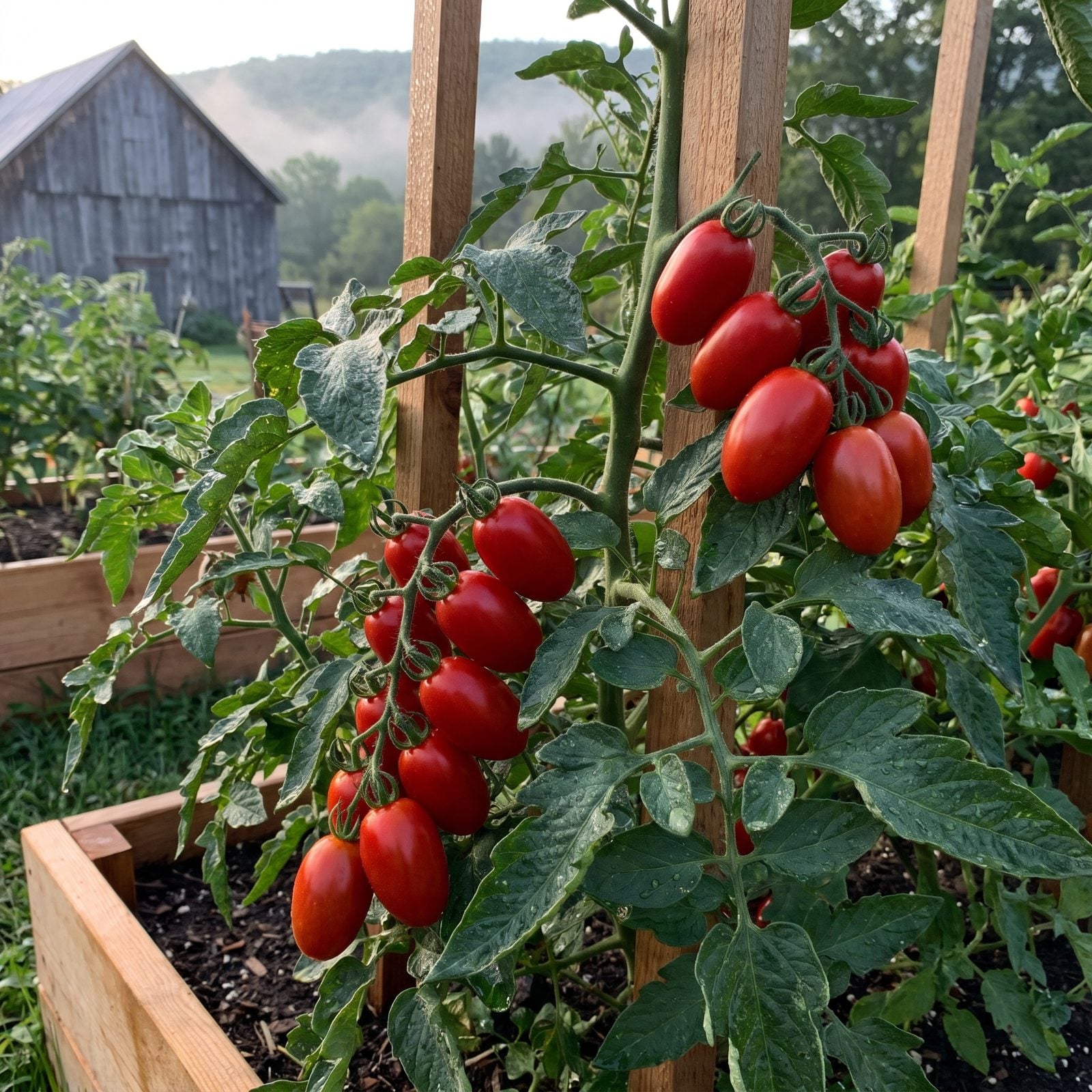
Lose a tomato crop to late blight in a wet mountain summer and you’ll understand why Mountain Magic matters. It keeps producing while everything around it melts into mush. The resistance to both early and late blight isn’t a bonus up here in the inland Northeast. It’s survival.
The fruit is small and round, about the size of a large cherry or cocktail tomato, with thick skin that laughs off those sudden August downpours that split lesser tomatoes wide open. And the flavor? Genuinely good, not the watered-down compromise so many disease-bred tomatoes force on you.
26. New York and Northern New England: New Yorker for Short Seasons
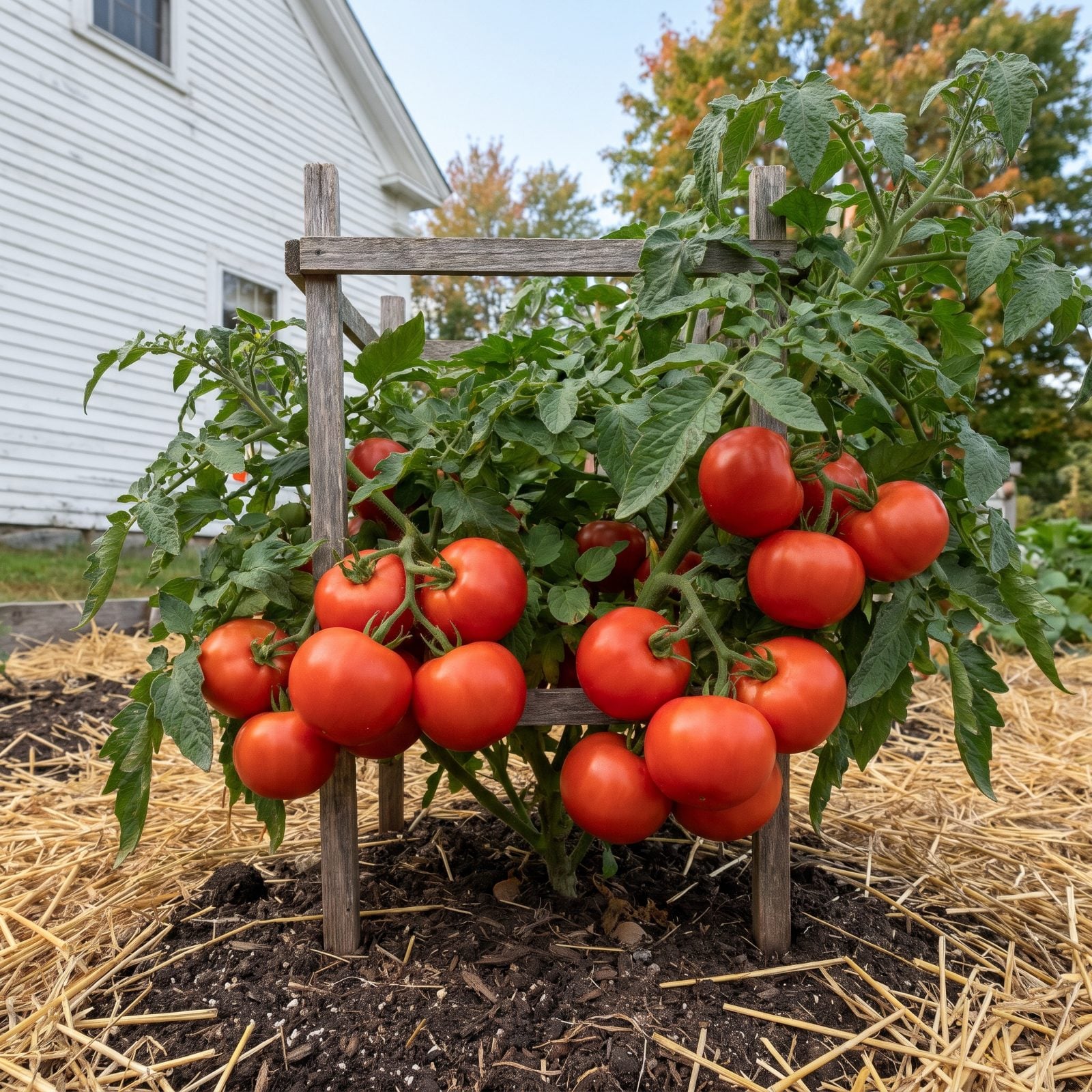
Short season, cold nights, a first frost that shows up before you’re ready. That’s the northern tomato gardener’s whole problem in one sentence, and New Yorker was bred to answer it.
It’s an early determinate that sets fruit in cool weather and ripens a concentrated flush in roughly nine weeks, so you get a real harvest before the window slams shut. Small enough, too, that you can throw a sheet over the whole plant when a surprise frost threatens. Fruit is medium, round, reliable. Nobody writes poetry about the flavor. But a ripe New Yorker in a region where tomatoes are a gamble beats a prettier variety that never colors up.
25. Mid-Atlantic Gardens: Rutgers 250 for Classic All-Purpose Tomatoes
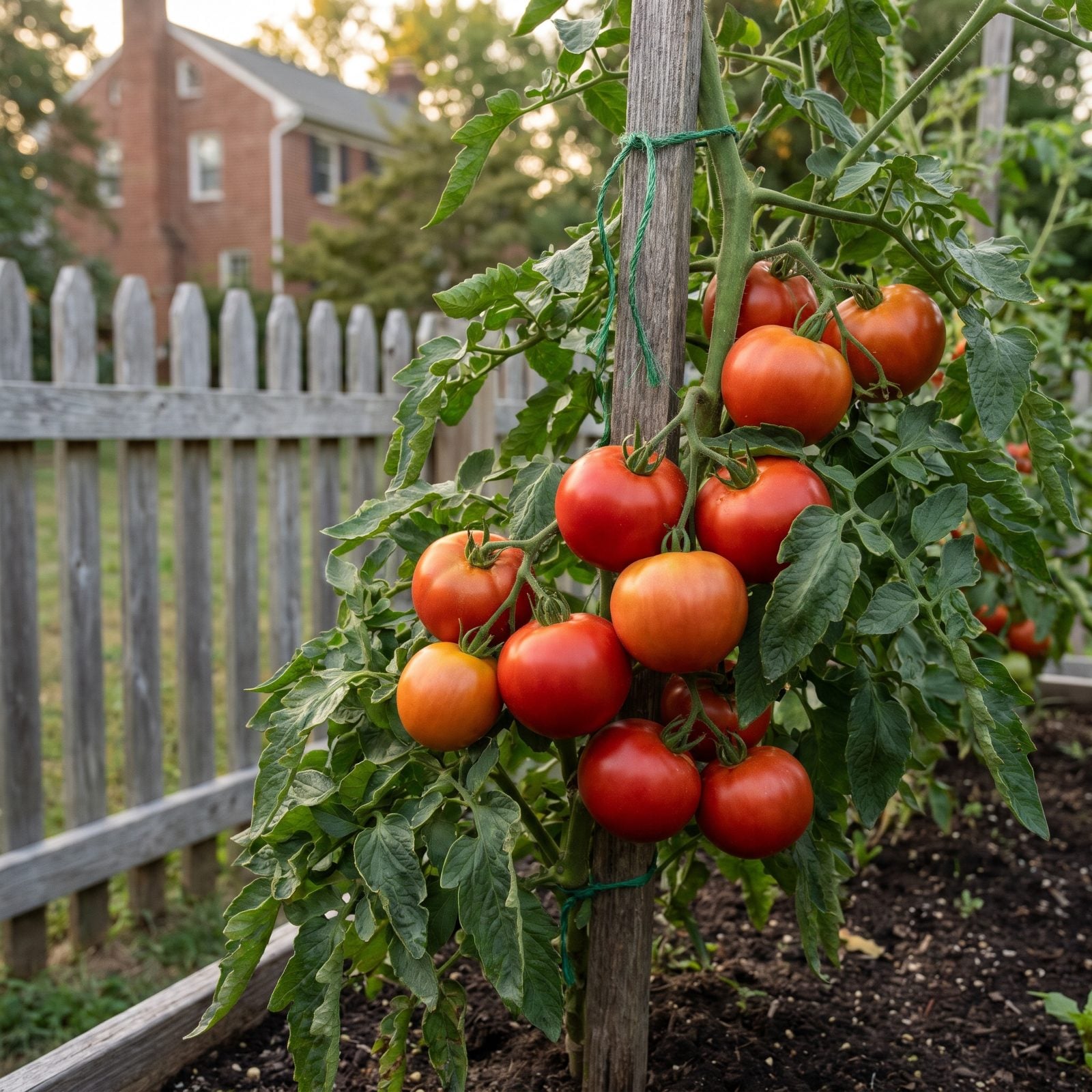
This is the tomato your grandmother probably grew, brought back from the dead. The original Rutgers was a Jersey legend, then it faded into memory. Rutgers 250 is the university’s modern remake, launched for the school’s 250th anniversary, chasing that old balance of sweet and acid that commercial breeding threw away.
It’s an all-purpose workhorse: good sliced, good cooked down, good canned. The plant handles the Mid-Atlantic’s sticky, humid summers with decent tolerance for the usual fungal troubles, and it keeps setting fruit right through the long season.
24. Delmarva and the Coastal Mid-Atlantic: Plum Regal for Disease-Resistant Paste Tomatoes
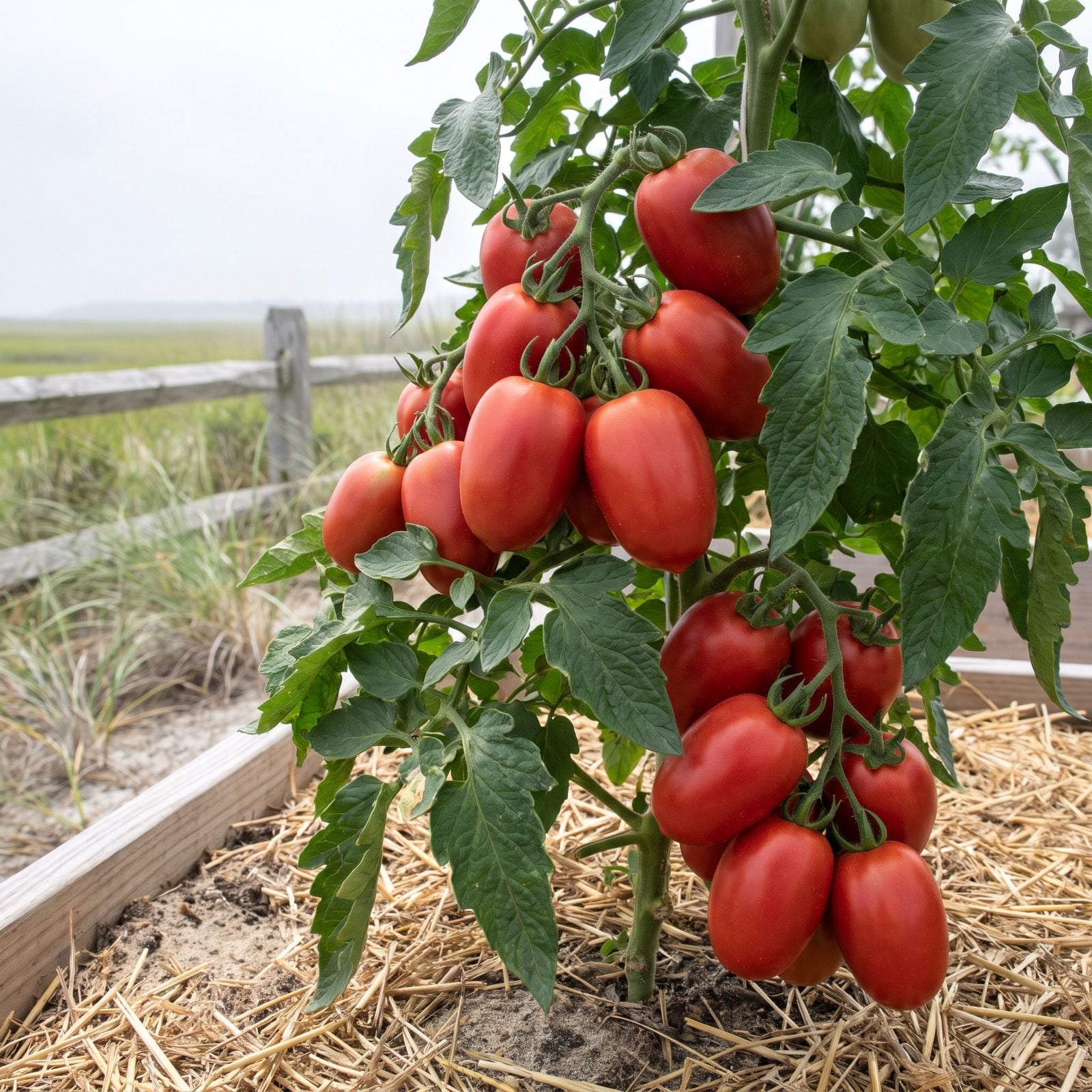
Paste tomatoes have a reputation for dropping dead from blight the moment the weather turns muggy. Plum Regal is the exception, and it makes sauce-making dependable on the humid Delmarva peninsula where that reputation usually holds true.
It carries resistance to both early and late blight, which matters enormously near the coast where salt-damp air hangs overnight like a wet blanket. The fruit is a proper roma shape, dense and low on seeds and juice, so it cooks down fast without a watery mess. Being determinate, it hands you one concentrated harvest. Perfect if you’d rather can a single big batch than pick a handful every day all summer.
23. Appalachian Valleys: Mountain Fresh Plus for Smooth, Firm Slicers
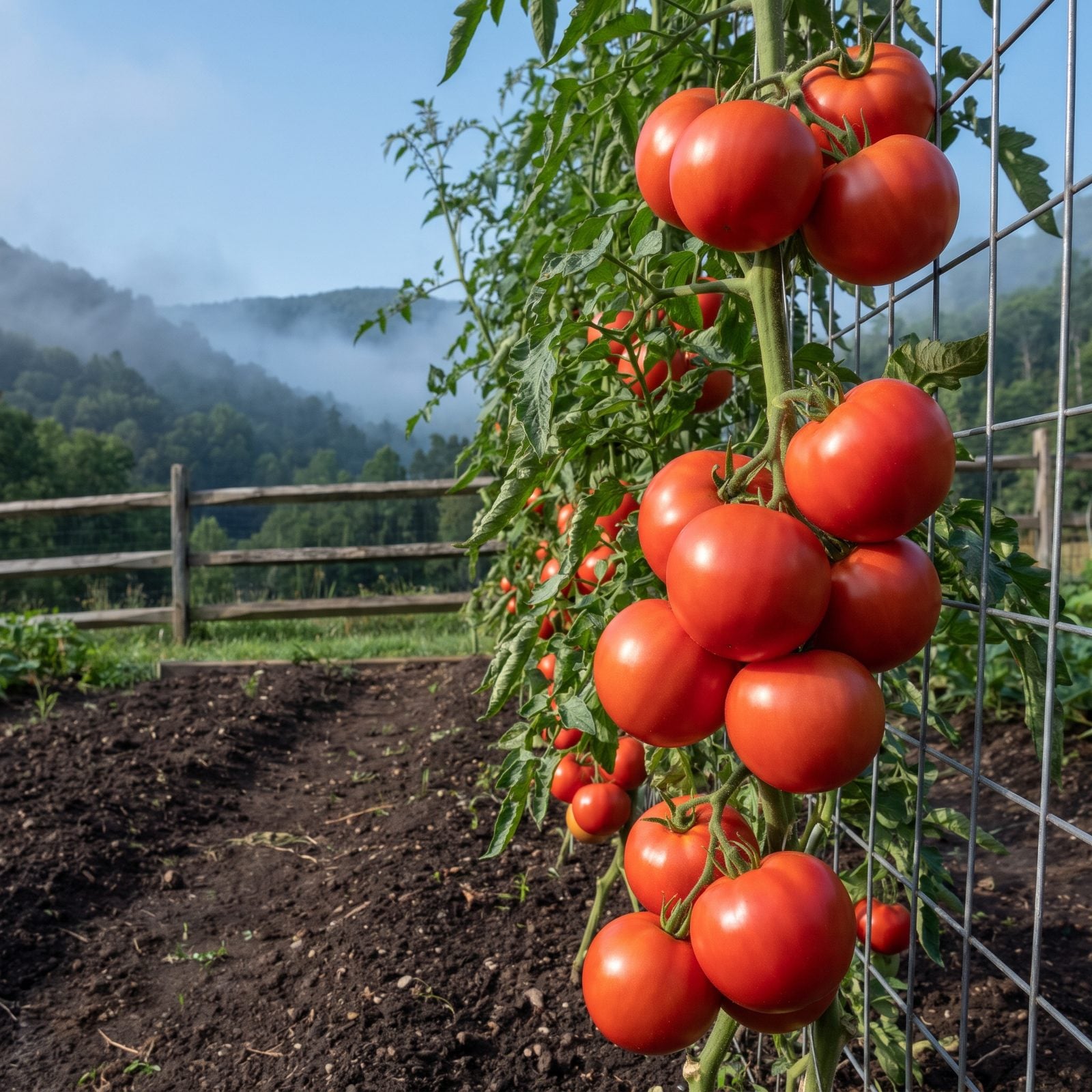
You want a slicer that looks like it rolled off a produce stand, not one scarred with cat-facing and cracked shoulders. Mountain Fresh Plus gives you that smooth, round, grocery-perfect fruit, and it happens to thrive in valley gardens.
The plant fends off verticillium and fusarium wilt plus nematodes, the soilborne troubles that pile up in a plot worked year after year. Fruit is firm, so it survives the trip from garden to kitchen without turning to mush, and it holds on the counter a few extra days besides. I’ll say it plainly: for a reliable red slicer in the mountains, this one rarely lets you down.
22. Blue Ridge Gardens: Mountain Merit for Late-Blight Protection
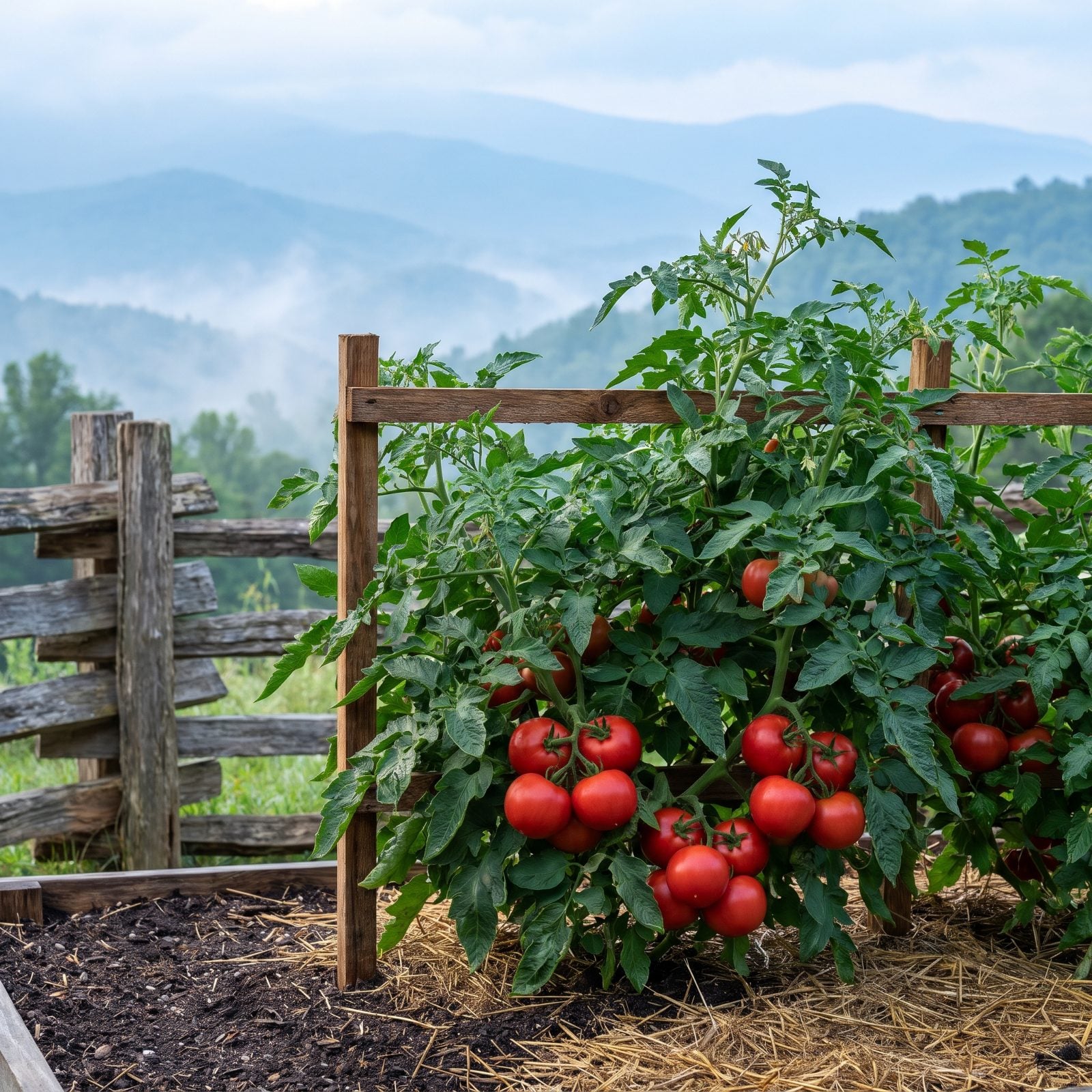
Mountain Merit earned an All-America Selections award, and in the Blue Ridge that honor comes down to one thing: it fights off late blight when the fog settles in and refuses to leave.
Beyond blight, it piles on resistance to verticillium, fusarium, and nematodes, a genuinely broad defensive package. The fruit? A solid medium-large slicer, good for everyday eating. It’s determinate, so expect a strong main flush rather than a trickle stretching toward frost.
In a high-humidity mountain garden, disease resistance isn’t a feature. It’s the difference between a harvest and a compost pile.
21. Carolina Piedmont: Amelia for Heat and Fusarium Resistance
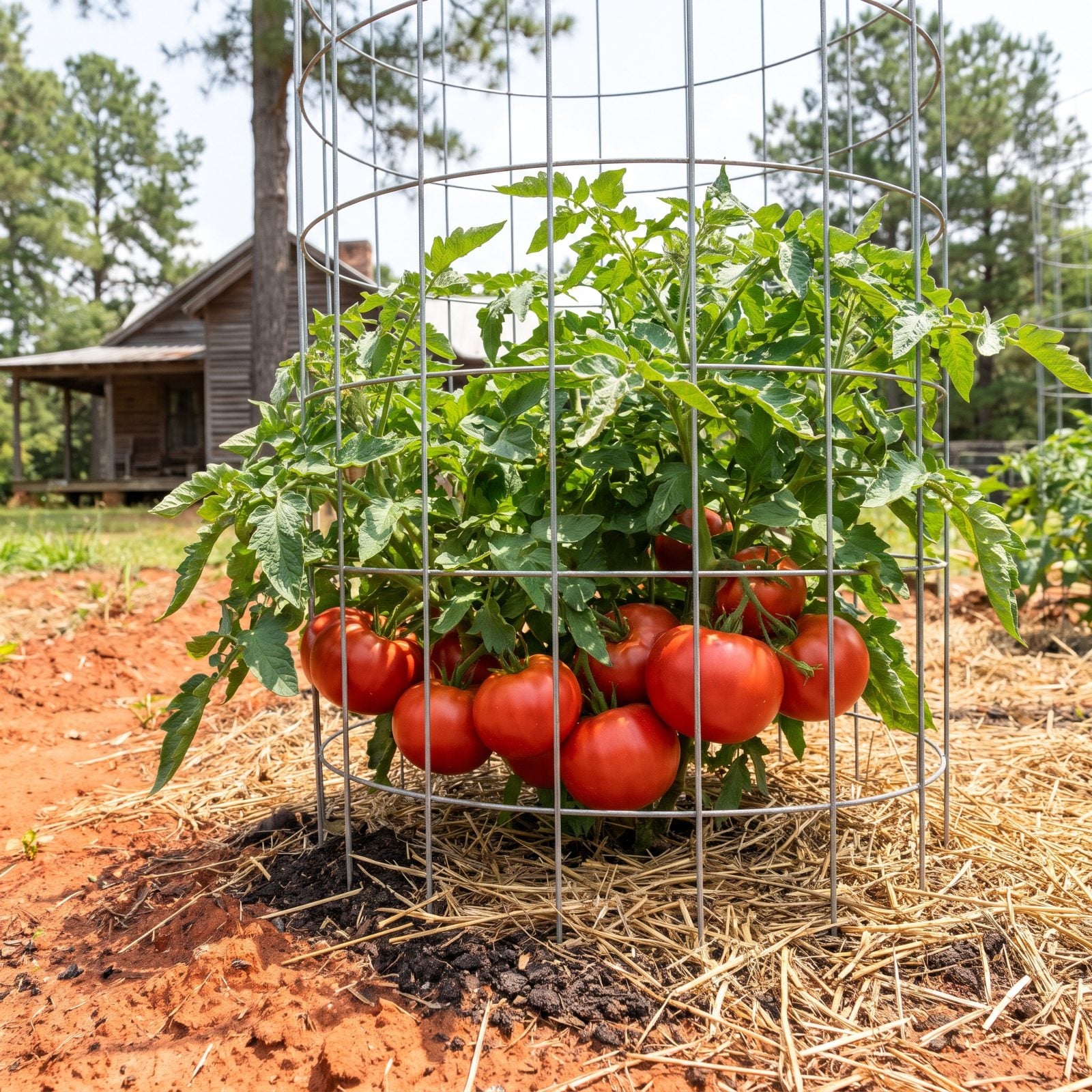
Piedmont summers run hot, and that red clay holds fusarium wilt like a grudge. Amelia was bred by North Carolina State for exactly this ground, and it shows.
It keeps setting fruit through heat that makes other varieties drop their blossoms in surrender, and it carries resistance to multiple fusarium races plus tomato spotted wilt virus, a quiet killer across the Carolinas. The fruit is big, firm, uniform red, the kind that holds up to rough handling. Noticing your plants always wilt and brown from the bottom by July? The soil is probably the culprit. Amelia is one of the few that keeps going anyway.
20. Coastal Carolinas: Bella Rosa for Hot, Humid Summers
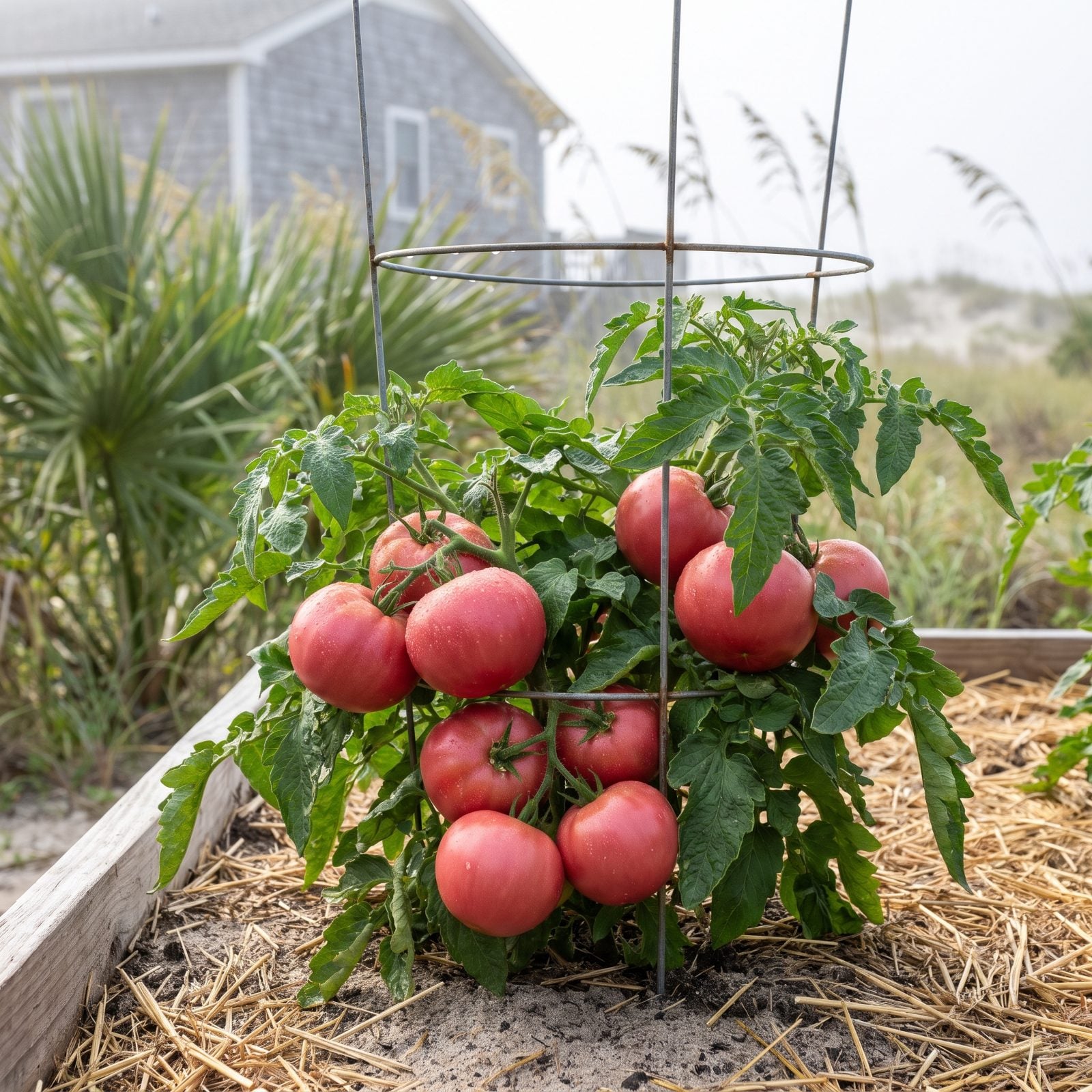
Bella Rosa was built for miserable weather. It sets fruit in punishing heat and shrugs off the humidity that turns coastal Carolina gardens into a petri dish by midsummer.
The resistance list runs long: tomato spotted wilt virus, fusarium, verticillium, gray leaf spot. That last one is the tell. Gray leaf spot loves the warm, wet, salt-heavy air of the shore, and most tomatoes have no answer for it. The fruit is a large, firm, rosy-red slicer that holds well. For a region where everyone gripes their plants look great in June and rot by August, this one earns its keep.
19. Deep South: Homestead 24 for Heat-Tolerant Production
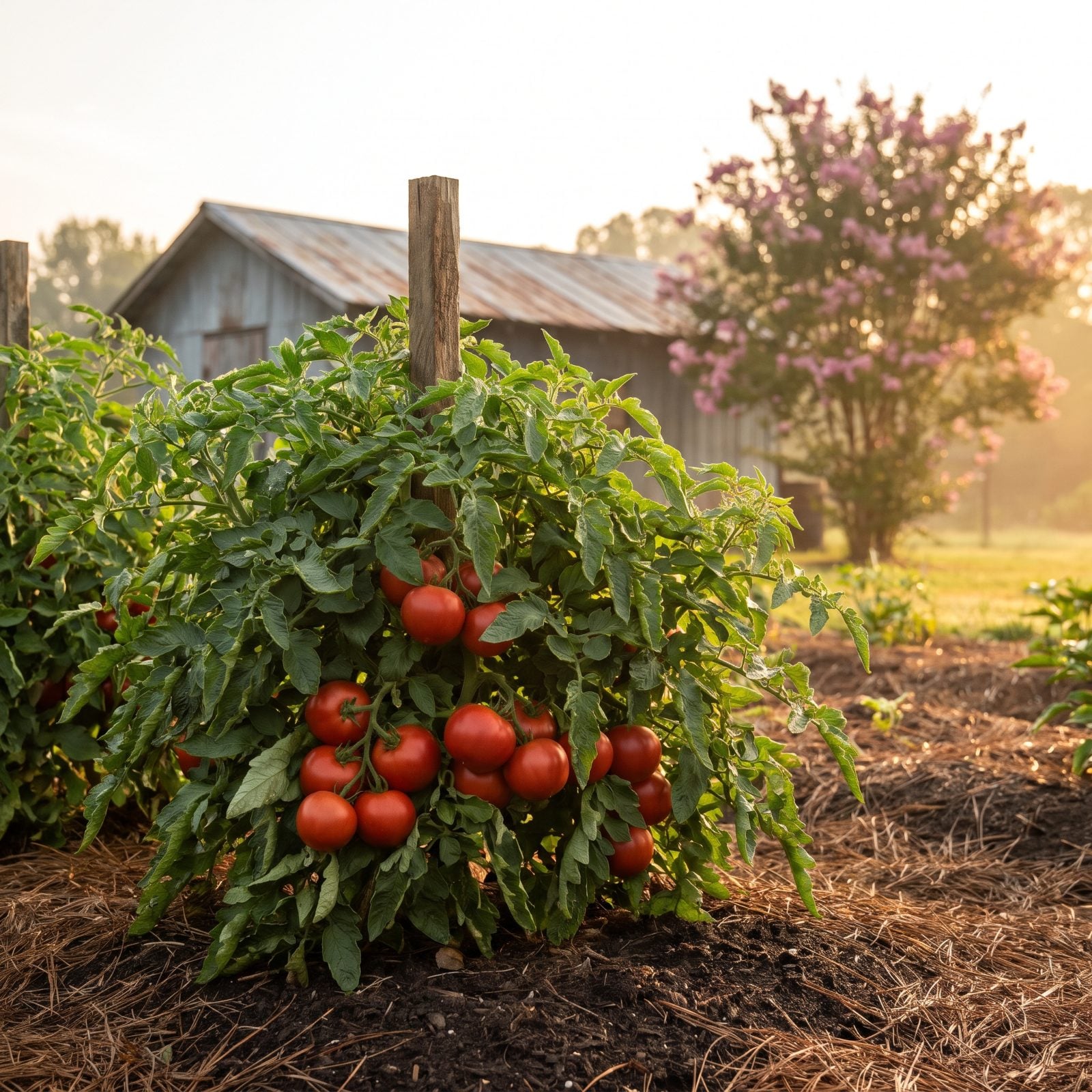
Homestead 24 is an old Florida variety out of the 1950s, and it’s still around for a simple reason: it keeps setting fruit when the thermometer parks at ninety and won’t budge.
Most tomatoes abort their flowers once the heat climbs into the upper nineties. Homestead’s heat-tolerant pollination is the whole point, pushing fruit through the brutal middle stretch of a Deep South summer. The plant grows dense, shading its own tomatoes so they don’t scald in the sun. Flavor-wise it’s a dependable medium red, no showstopper. But a tomato you can actually pick in August beats a gourmet one that quit back in June.
18. Humid Gulf States: Fletcher for Strong Southern Disease Resistance
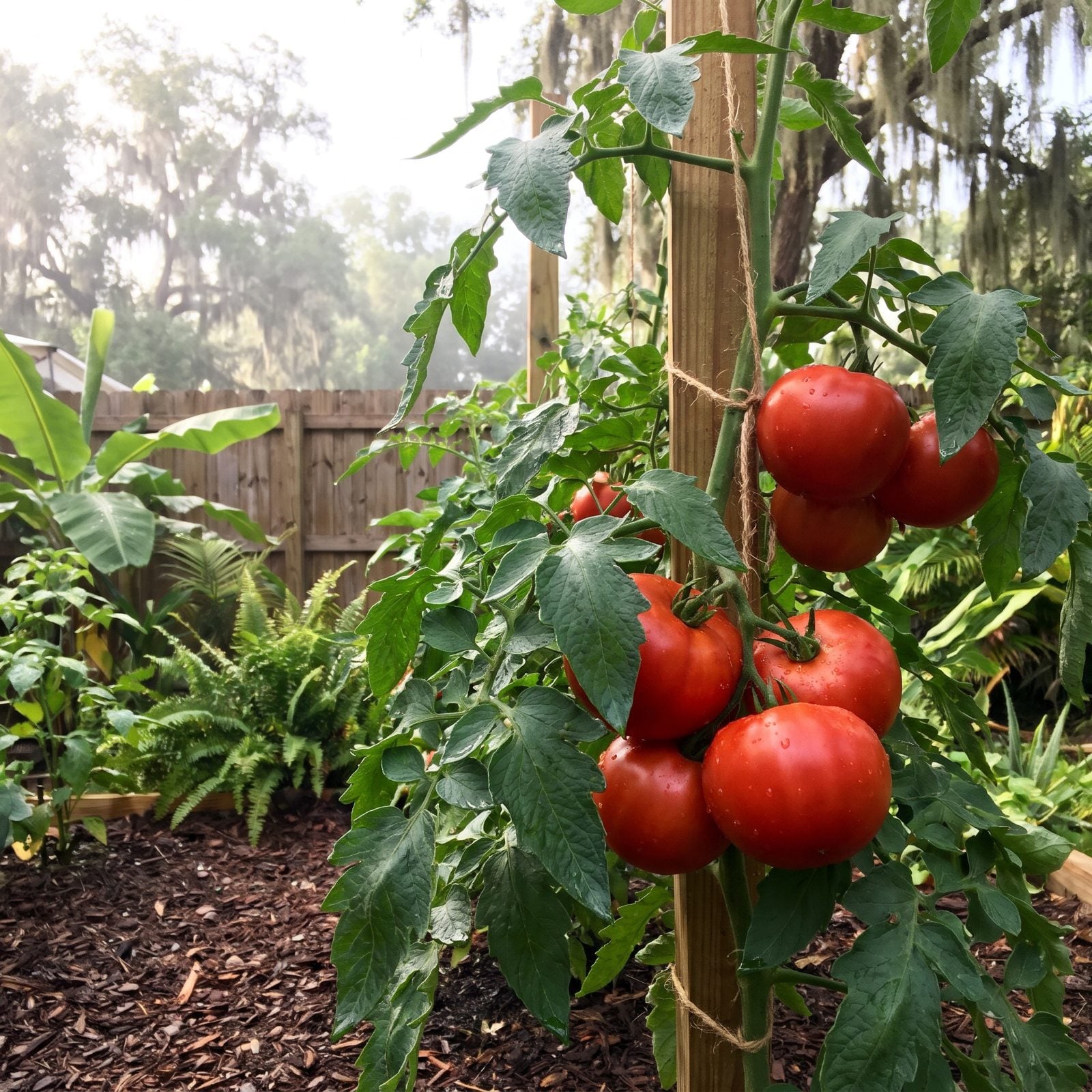
The Gulf Coast is the hardest place in the country to grow a clean tomato. Heat, relentless humidity, and a full catalog of fungal and bacterial diseases all gang up by July. Fletcher, another North Carolina State release, was bred to stand in that storm.
It layers early blight resistance over fusarium and tomato spotted wilt protection, a combination tuned for the Southeast’s exact pressure. The fruit is a large, firm red slicer with better flavor than you’d expect from something bred to dodge disease. Watched Gulf tomatoes defoliate from the ground up every single year? Fletcher is the one worth a shot before you give up and buy them at the market.
17. Louisiana and the Lower Mississippi Valley: Creole for Steamy Summers
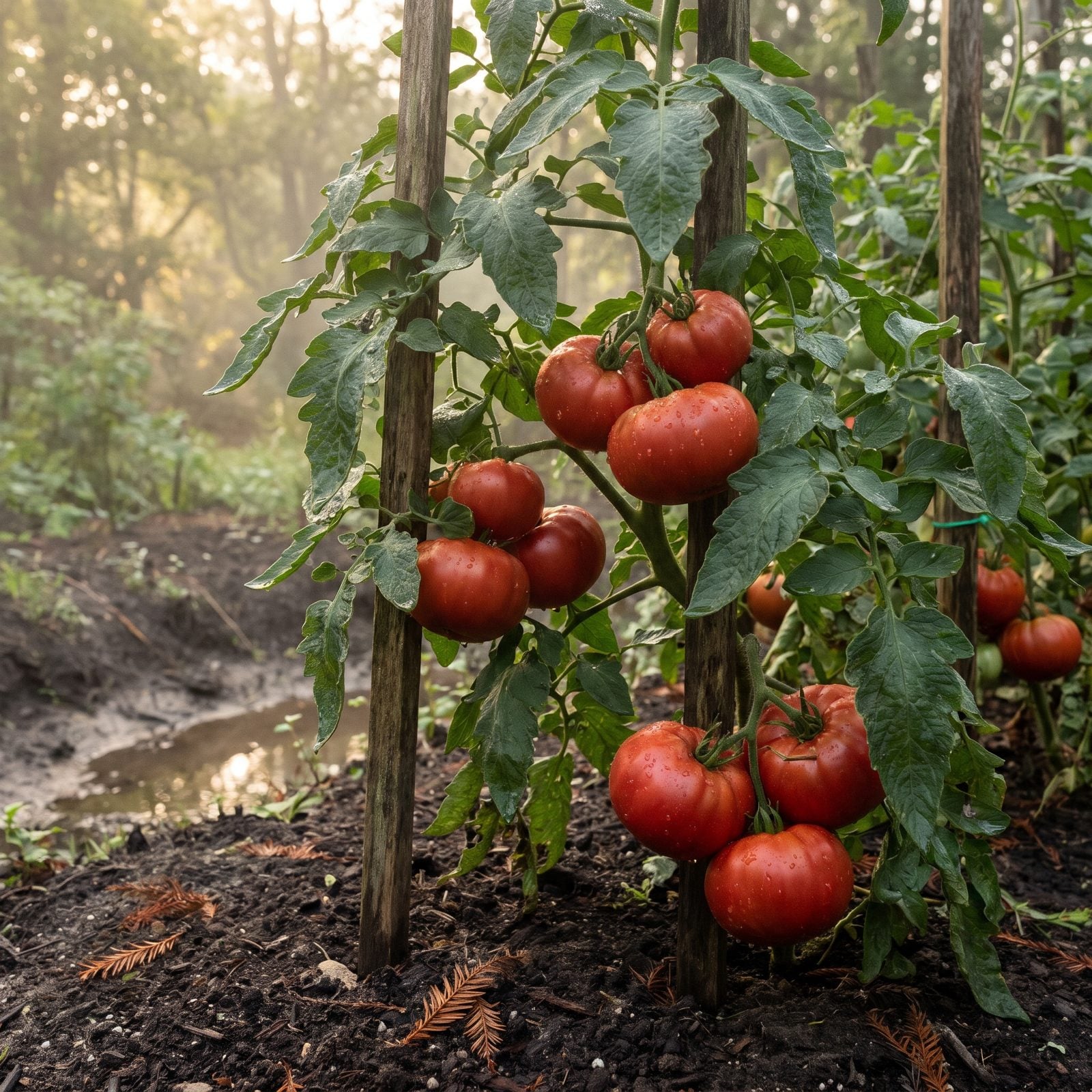
The Creole tomato isn’t a precise named cultivar so much as a Louisiana institution, bred and reselected by LSU to shrug off the brutal pairing of heat and humidity that rots most tomatoes from the inside. It sets fruit when the air feels like a wet towel — which, of course, is exactly when gardeners everywhere else throw in the trowel.
Expect round, red, acidic fruit with real tomato flavor, the kind that made the French Market stalls famous. Give it drainage and airflow. Down here the enemy isn’t drought; it’s the fungal pressure that rolls in with every afternoon storm.
16. Central Florida: Floradade for Heat and Humidity
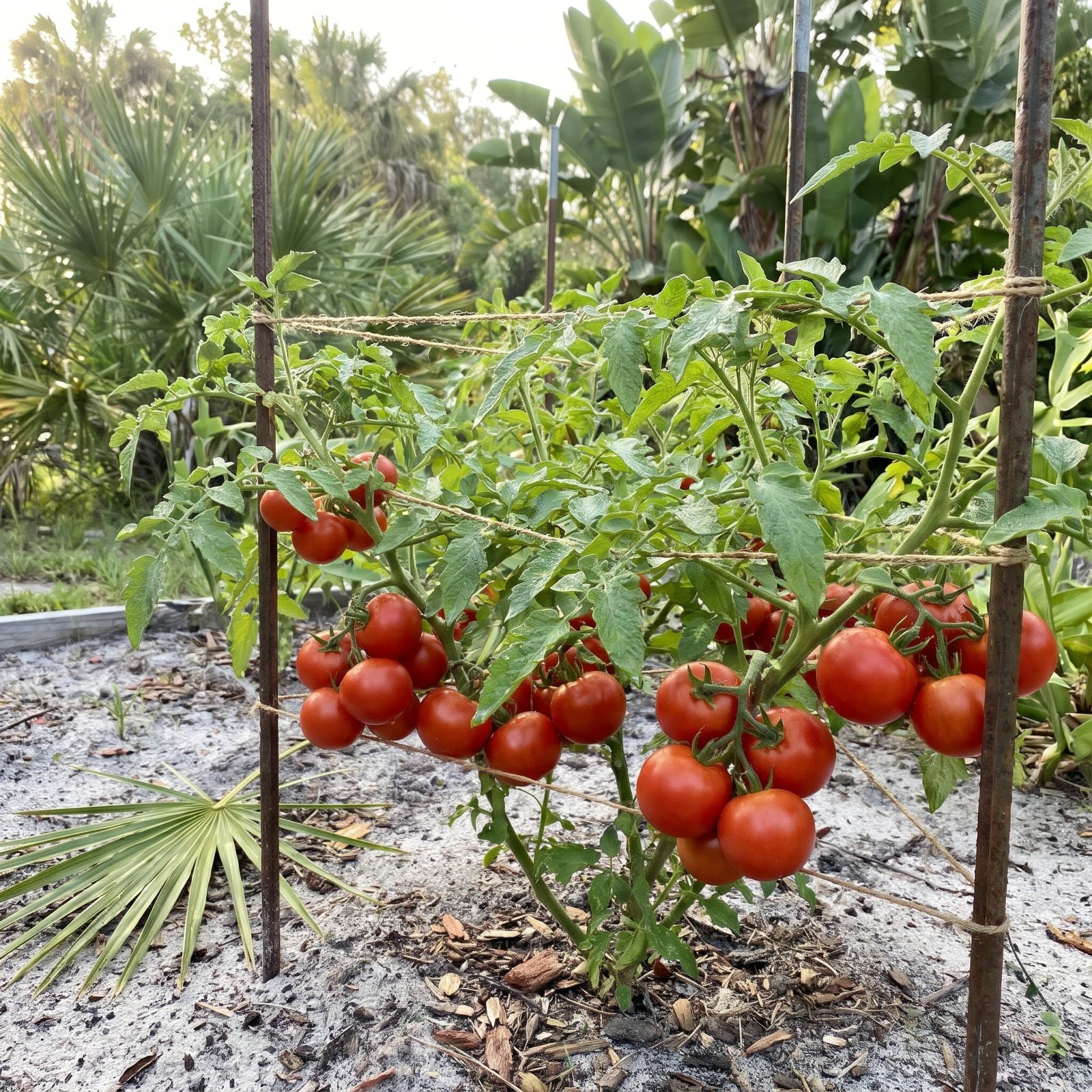
Floradade came out of University of Florida breeding work aimed squarely at the state’s heat, humidity, and the wall of disease that arrives with both. It carries resistance to fusarium and Verticillium wilt — two troublemakers that lurk in Florida sand, waiting for the first warm week to make their move.
The fruit is medium-large, firm, and holds up through handling, which is why market growers swear by it. Not the most delicate flavor on this list, I’ll grant you. But dependable fruit set in weather that cooks everything else counts for a lot in central Florida.
15. Florida’s Hottest Planting Windows: Solar Fire for High-Heat Fruit Set
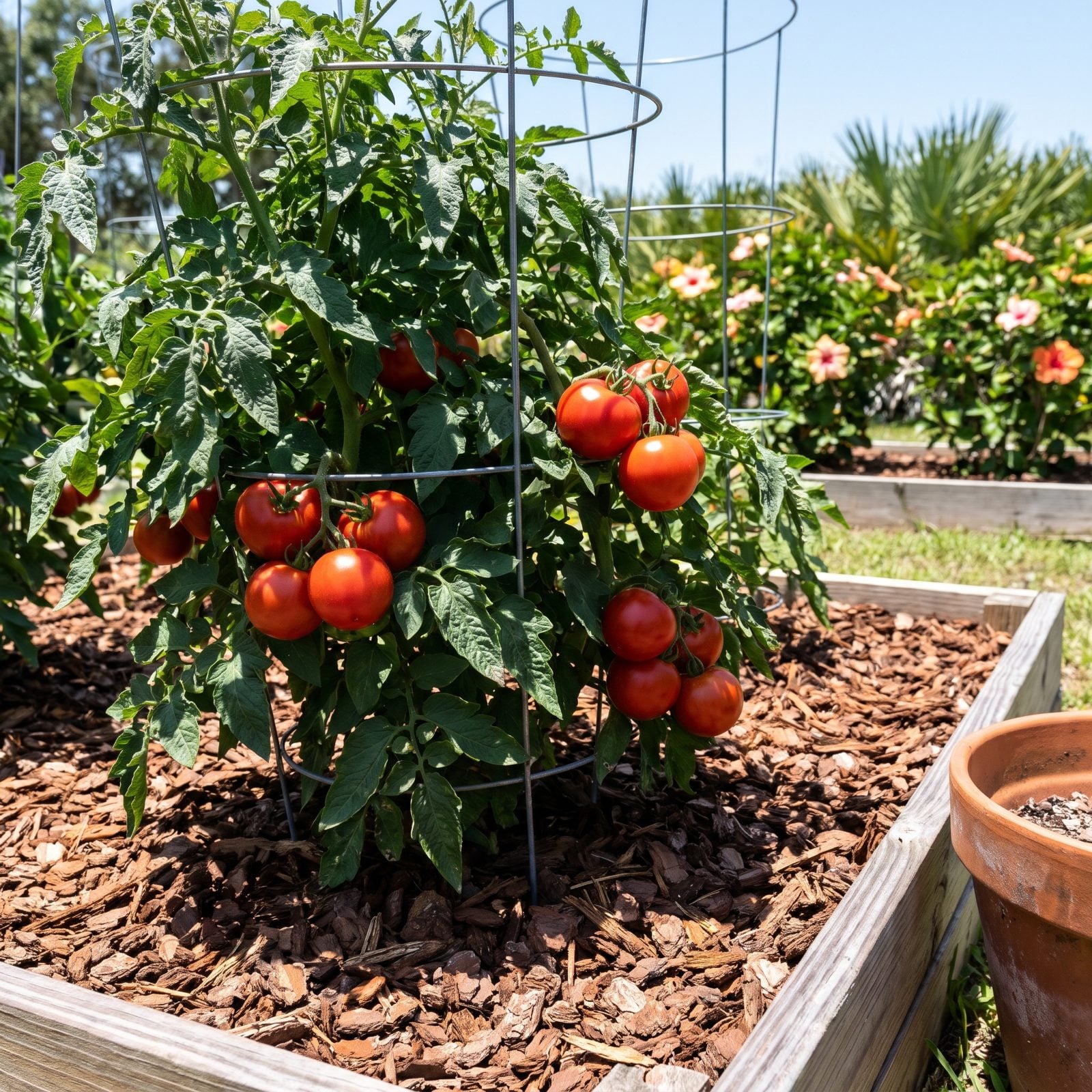
Most tomatoes quit setting fruit when nights stay above the mid-70s. The pollen goes sterile, the flowers drop, and you’re left with a gorgeous green plant carrying absolutely nothing. Solar Fire was bred by UF for precisely those stretches, holding fruit through heat that shuts the competition down.
Reach for this one when Florida’s planting window runs right up against the hot months. Firm round fruit, a solid disease package, and the single trait that matters most in a Florida summer: it keeps cranking out tomatoes when the thermometer refuses to.
14. Ozarks and Southern Plains: Arkansas Traveler for Heat and Irregular Rain
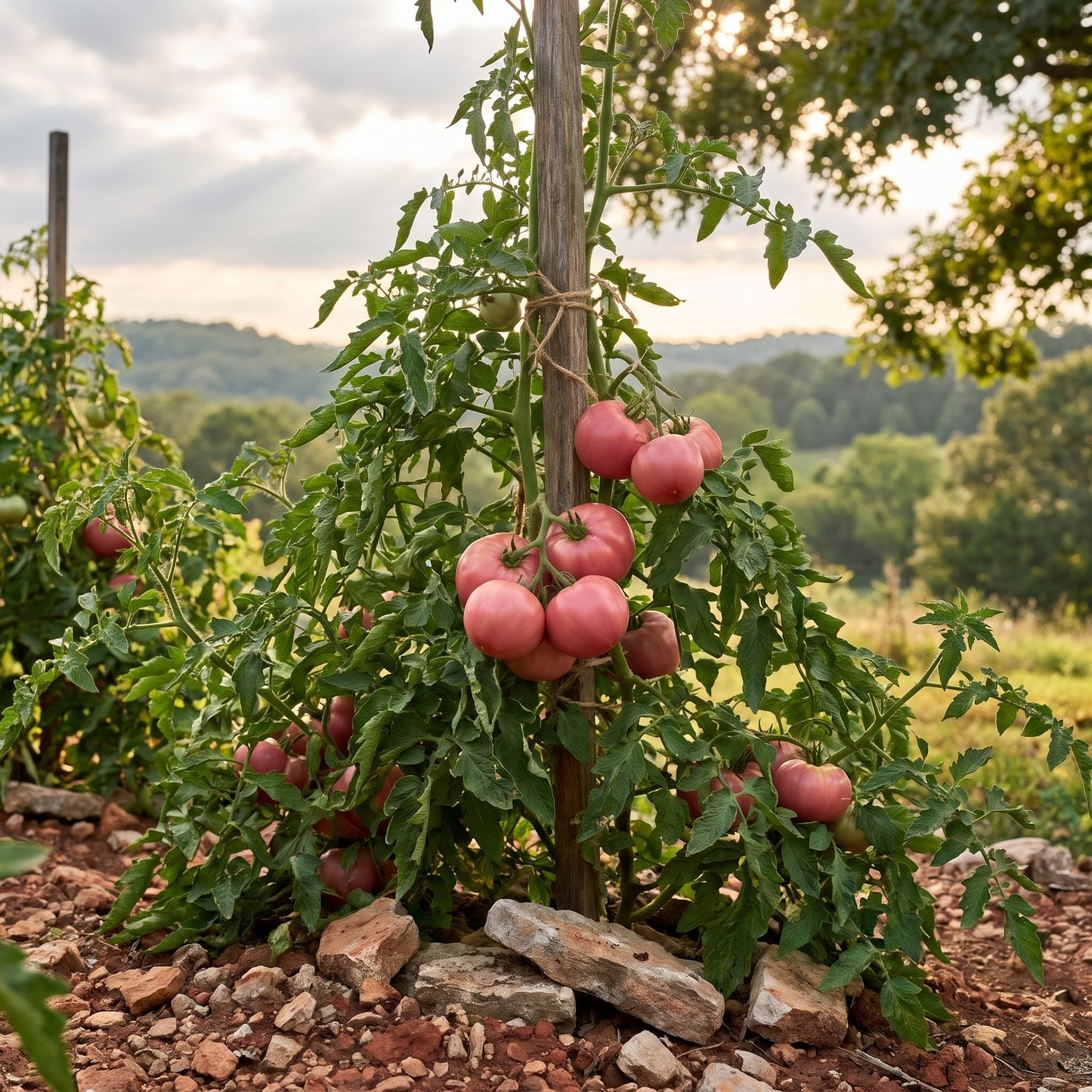
Arkansas Traveler is an old Southern heirloom famous for cracking less and setting fruit through both heat and the lurching rain the Ozarks and southern plains dish out. One dry week, one two-inch downpour, repeat. That swing splits a lot of tomatoes. This one holds.
The fruit is rose-pink, mild, and genuinely good eaten straight off the vine. It’s a vining type, so give it a tall stake or cage. Plenty of gardeners wave off heirlooms as too fussy for rough weather — this is the one to change their minds.
13. Central Texas: Porter Improved for Heat and Dry Spells
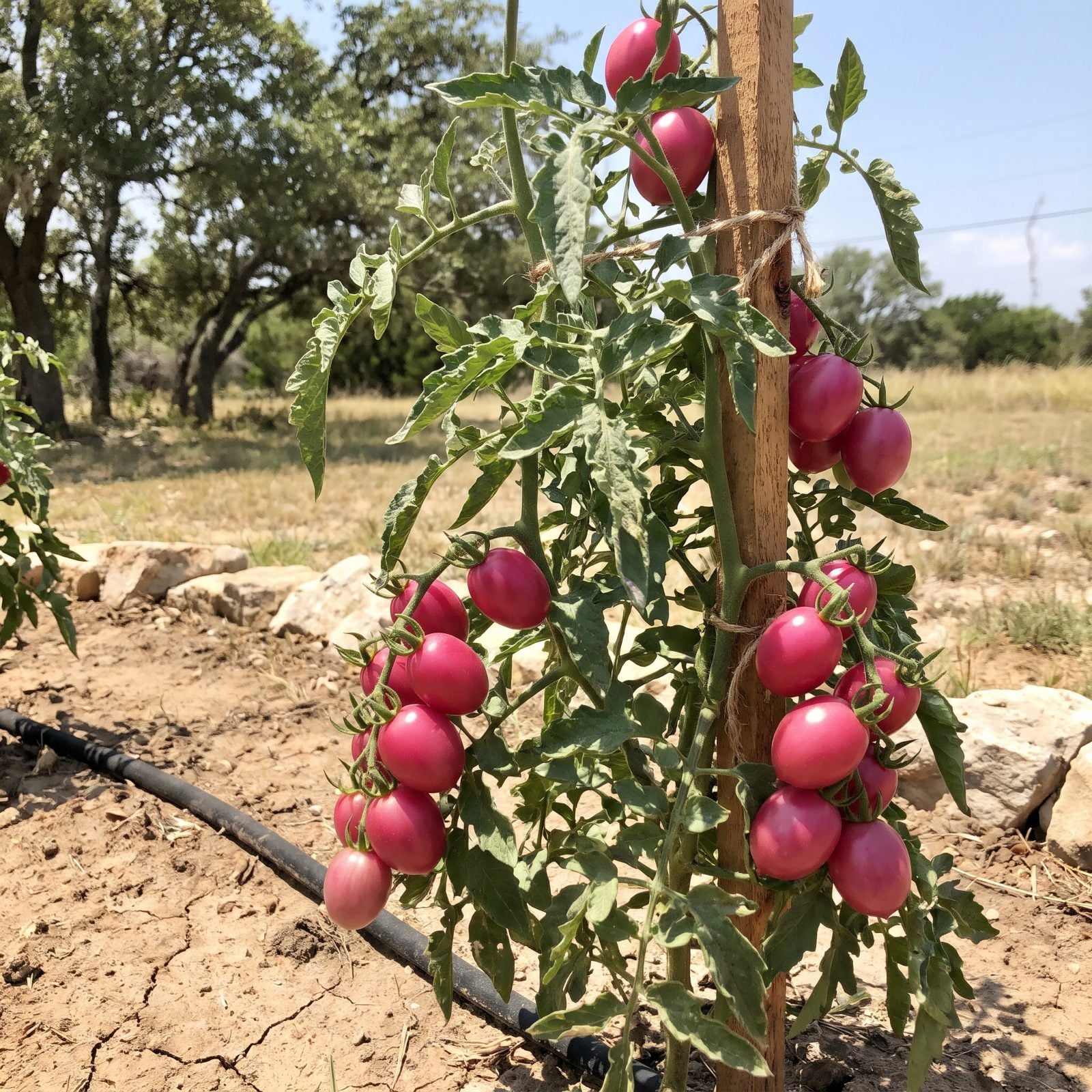
Porter Improved is a Texas classic, and for good reason. It throws small, egg-shaped pink fruit in heavy clusters and keeps right on going through dry spells and heat that flatten bigger-fruited plants. The small size is the trick — less flesh to ripen means less to abort when the weather turns mean.
Developed by the Porter seed company out of Stephenville, it’s been a central Texas favorite for generations. Salads, canning, snacking straight off the vine while you sweat through July — it does all of it.
12. North Texas: Tycoon for Heat and Tomato Spotted Wilt Resistance
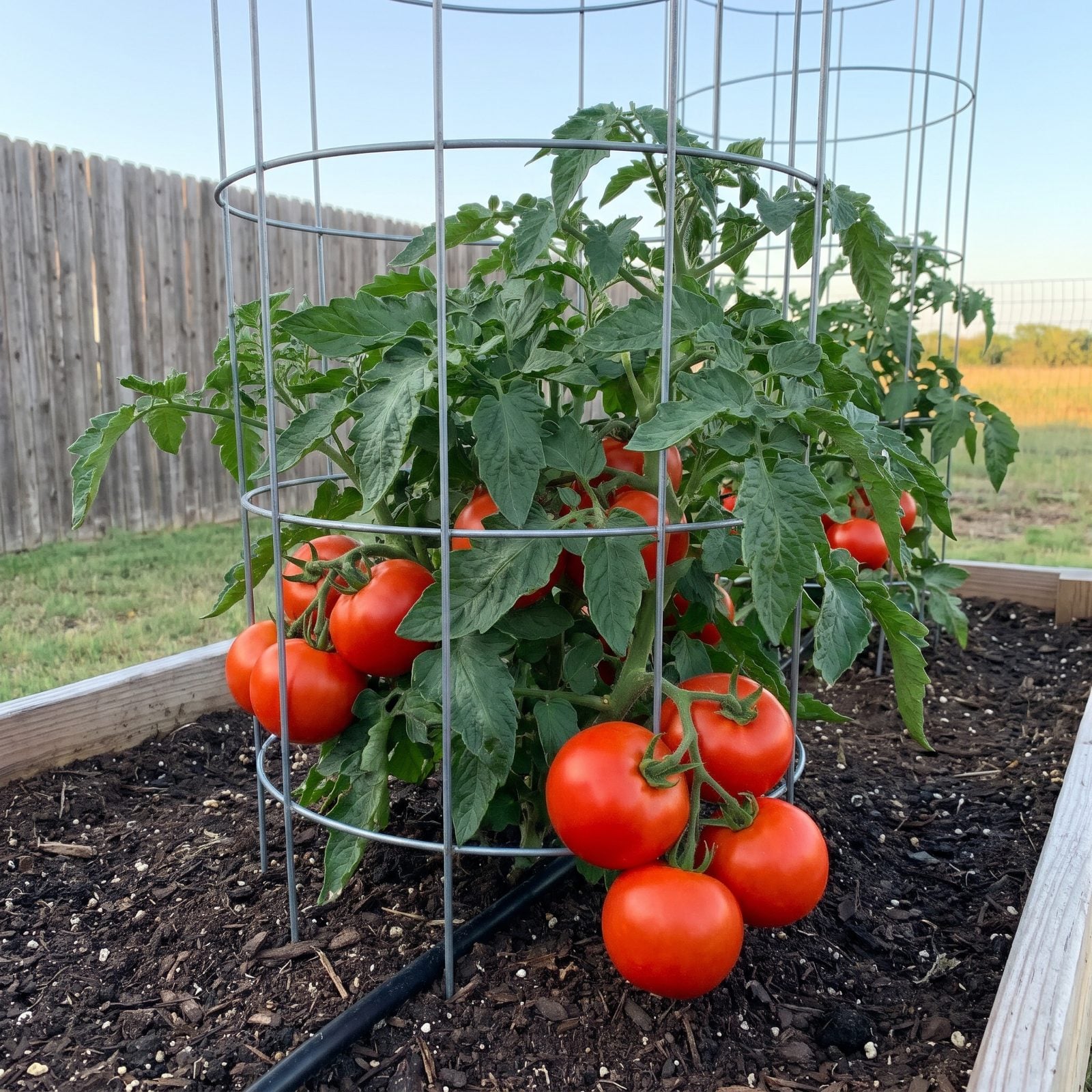
Tomato spotted wilt virus is a quiet garden killer — spread by thrips, nearly impossible to cure once it lands. In north Texas it’s a genuine threat, and Tycoon was bred with resistance baked in, plus tolerance for the heat.
You get large, firm, round red fruit on a tidy determinate plant that performs under pressure. A hybrid, not an heirloom, and that’s exactly the point: the disease package is the whole reason to grow it. When spotted wilt is prowling your area, resistance beats flavor nostalgia every single time.
11. South Texas: BHN 444 for Hot, Disease-Prone Gardens
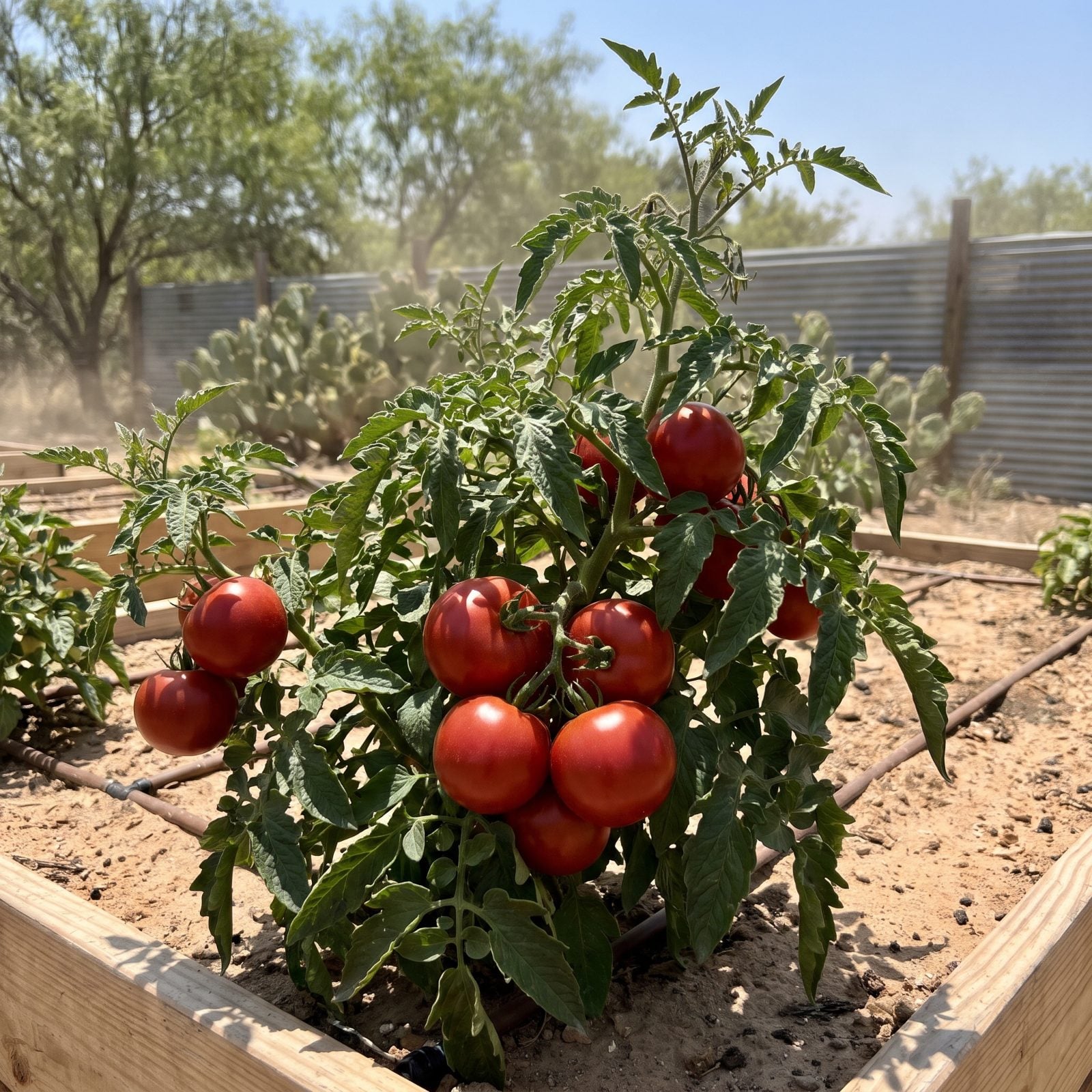
South Texas gardens face a brutal one-two punch: relentless heat and a long roster of soilborne diseases that pile up in warm ground. BHN 444 answers with a broad resistance package and heat tolerance, which explains why it turns up on so many Texas A&M recommended lists.
Medium-large red globes, firm and crack-resistant, on a determinate plant that sets fruit like clockwork. Would it win a flavor contest against a pampered backyard heirloom? No. But pampered conditions don’t exist in a south Texas summer, and dependable beats delicate when the ground itself is working against you.
10. Oklahoma: Super Sioux for Heat, Wind, and Dry Weather
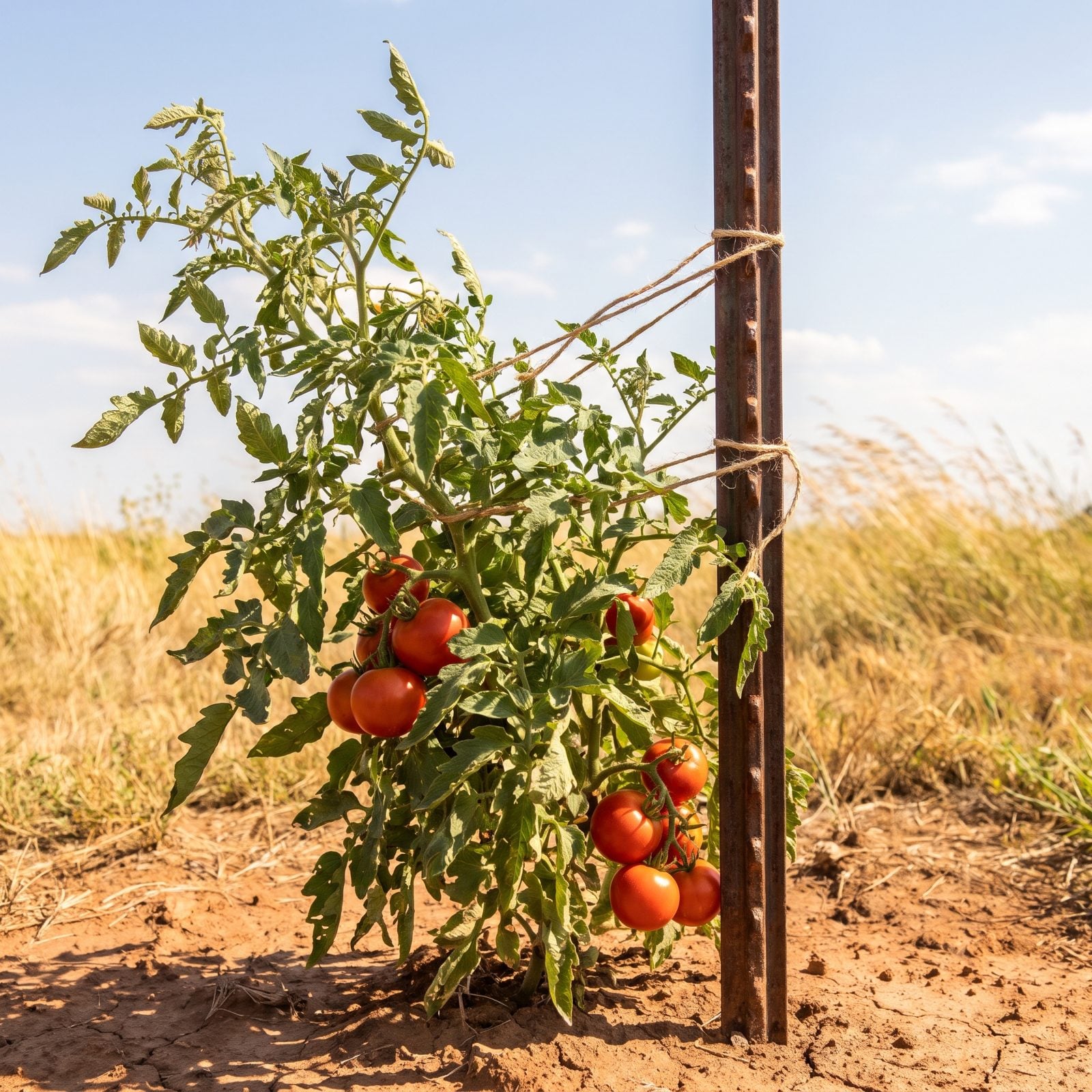
Super Sioux descends from a line bred decades ago at the University of Nebraska for the plains, so it already knows how to shrug off hot, dry, windy weather. Oklahoma tends to hand it all three at once, sometimes in the same afternoon.
The fruit is medium, round, and red, carrying that old-fashioned balanced flavor the original Sioux was prized for. It keeps setting fruit while a dry wind hauls moisture out of everything in sight. Stake it well. Wind is the part most people underestimate, right up until a gust lays the whole plant flat.
9. Kansas High Plains: Plainsman for Hot Days and Cool Nights
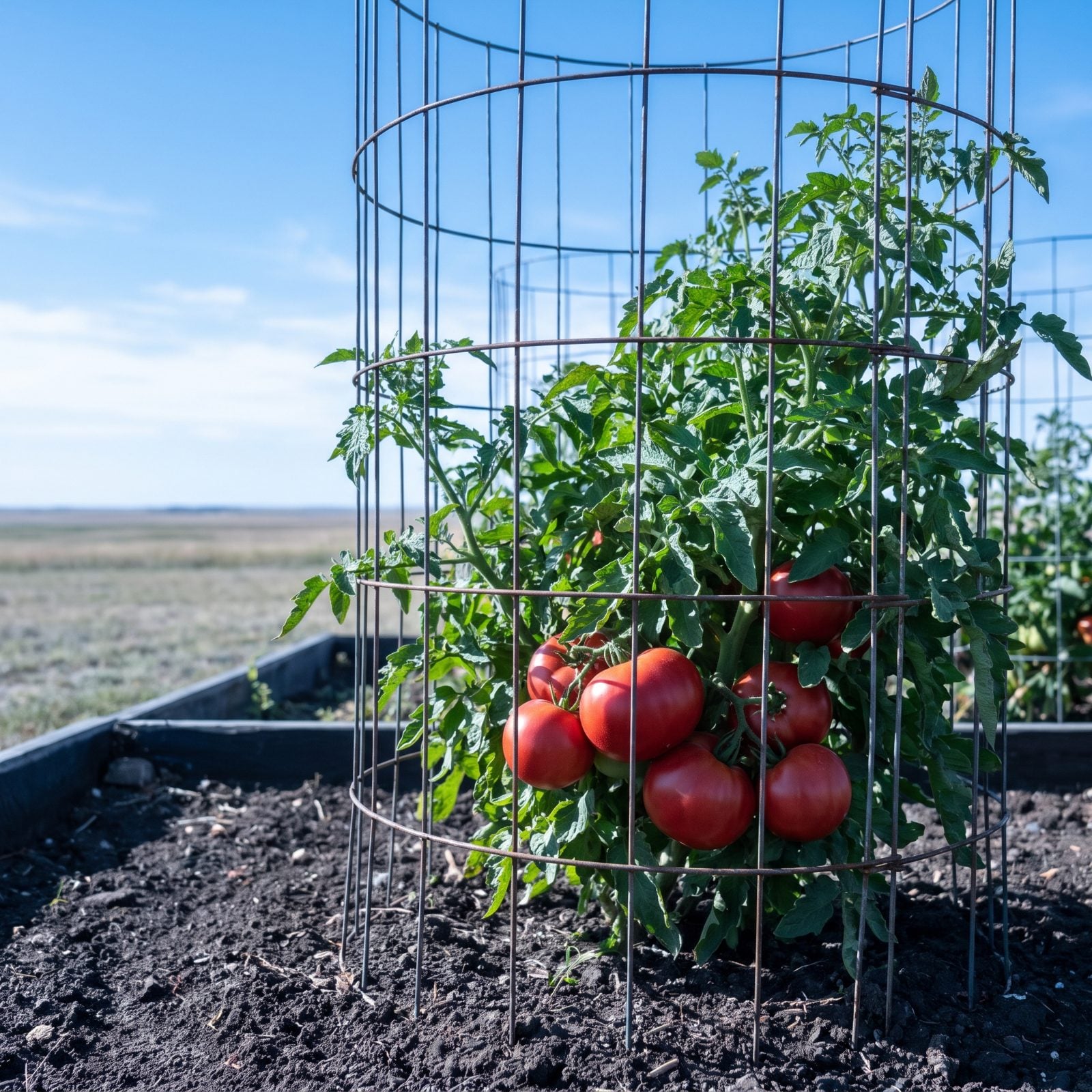
The Kansas high plains throw a specific curveball — hot afternoons chased by nights that drop cool, even in midsummer. That swing stalls fruit set on varieties bred for steadier climates. Plainsman was selected to keep producing straight through it.
Large, firm red fruit on a dependable plant that takes the wide temperature range in stride, along with the dry, windy conditions that come with the territory. It’s a hybrid built for performance over pedigree. Up on the high plains, where the growing season is shorter than it looks on a map, a variety that sets fruit reliably through the swings is worth more than any heirloom’s good name.
8. Southern California Dry Gardens: Punta Banda for Minimal Irrigation
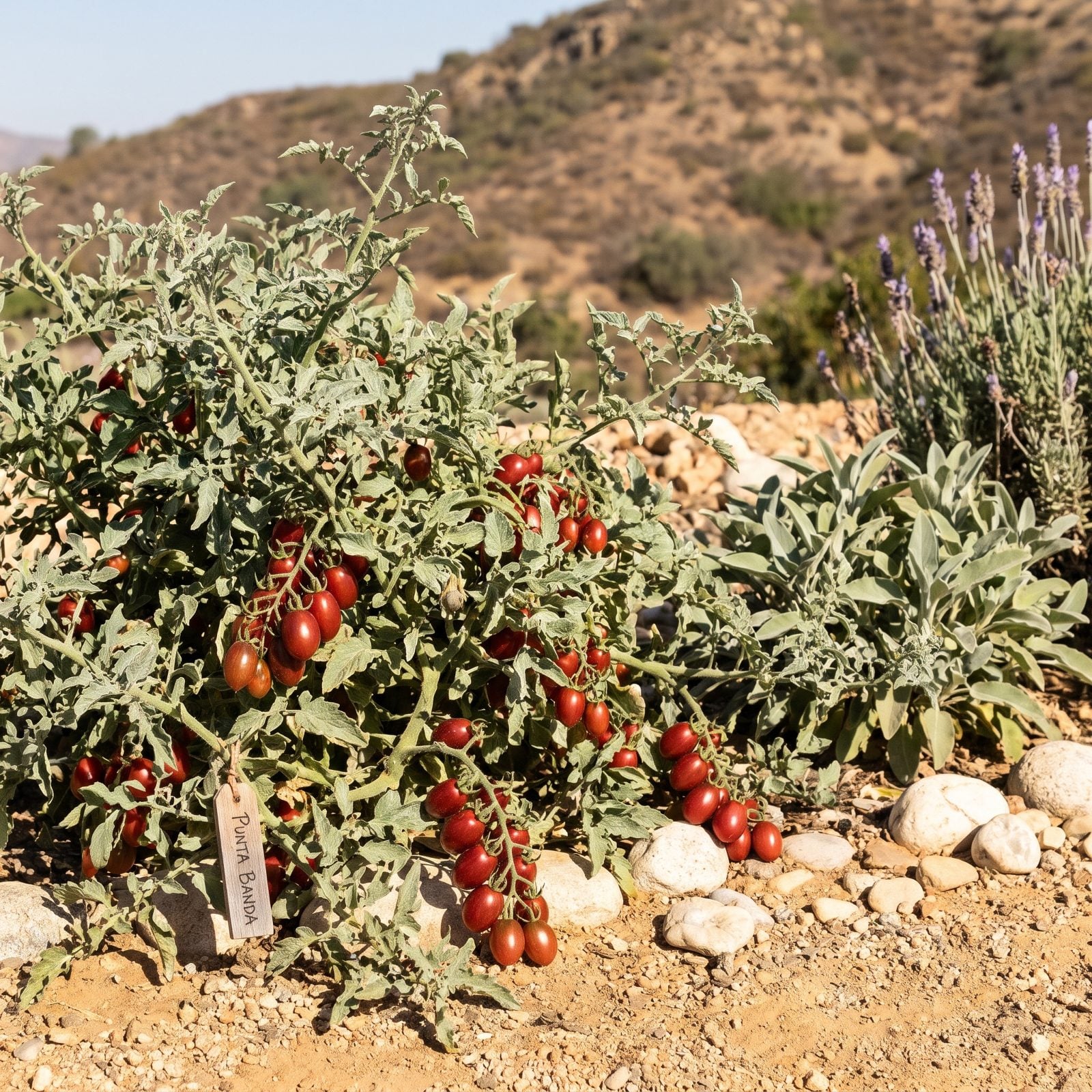
Punta Banda came out of Baja and it acts like it. Grow this one when the hose is more of a suggestion than a habit. The roots run deep, the foliage stays silvery and tough, and the plant keeps setting small red fruit through dry spells that would stall a pampered beefsteak.
The fruit is modest, a little bigger than a cherry, with real acid and a skin that doesn’t split when the weather finally sends rain. You won’t win a county fair with one giant specimen. But you’ll keep eating tomatoes while your neighbor watches the irrigation bill climb.
7. New Mexico: Flamenco for High-Desert Heat
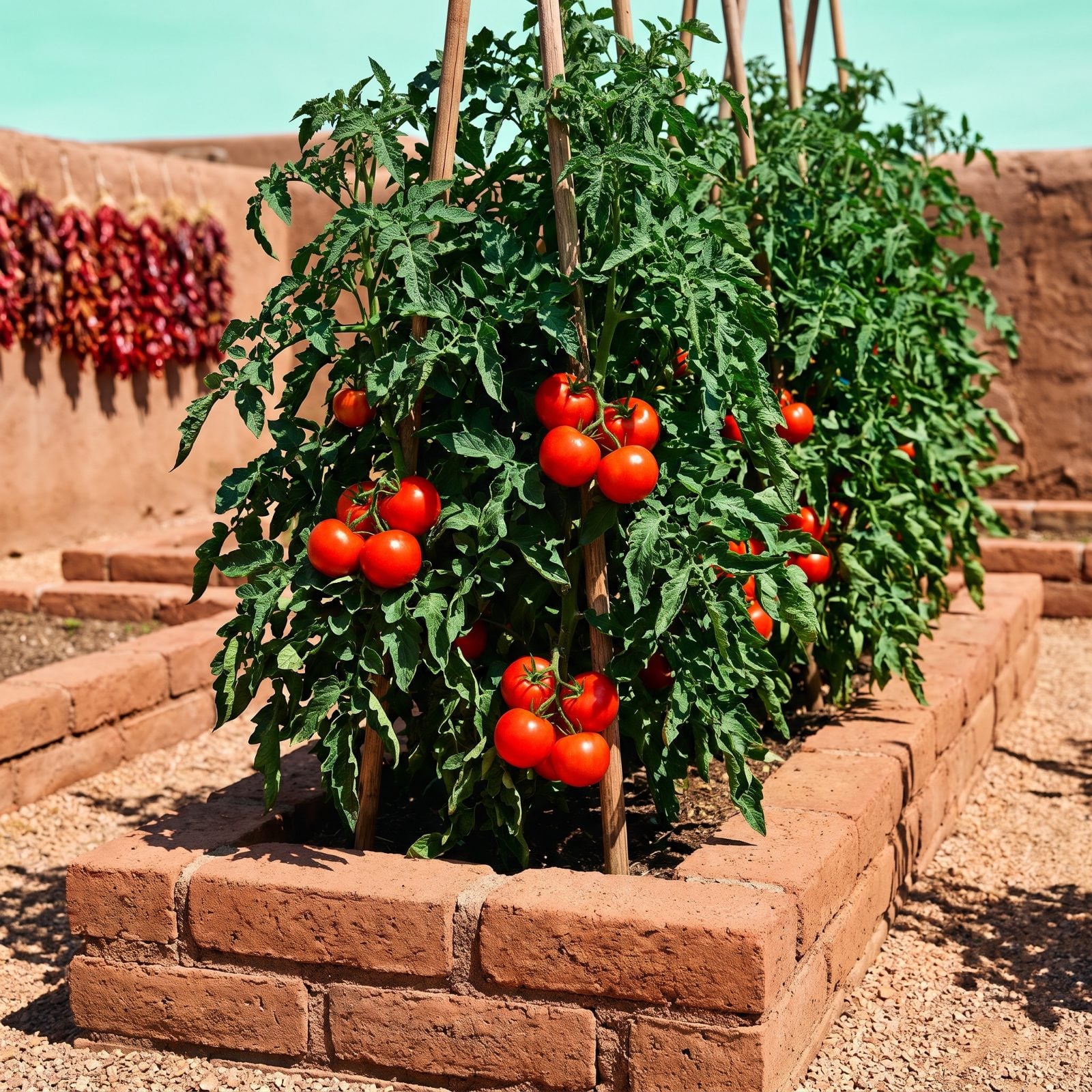
High desert plays dirty. Hot by day, cold by night, and a sun that feels like it’s holding a grudge. Most tomatoes drop their blossoms in that kind of swing and sulk the rest of the summer.
Flamenco holds its fruit set through the heat spikes and the cold nights better than almost anything I’ve grown at altitude. The tomatoes come in round, red, and dead uniform, perfect for slicing, and the plant keeps producing well past the point where thinner varieties quit on you. Hang some afternoon shade cloth when July turns cruel and it’ll pay you back.
6. Arizona: Sunmaster for Extreme Summer Temperatures
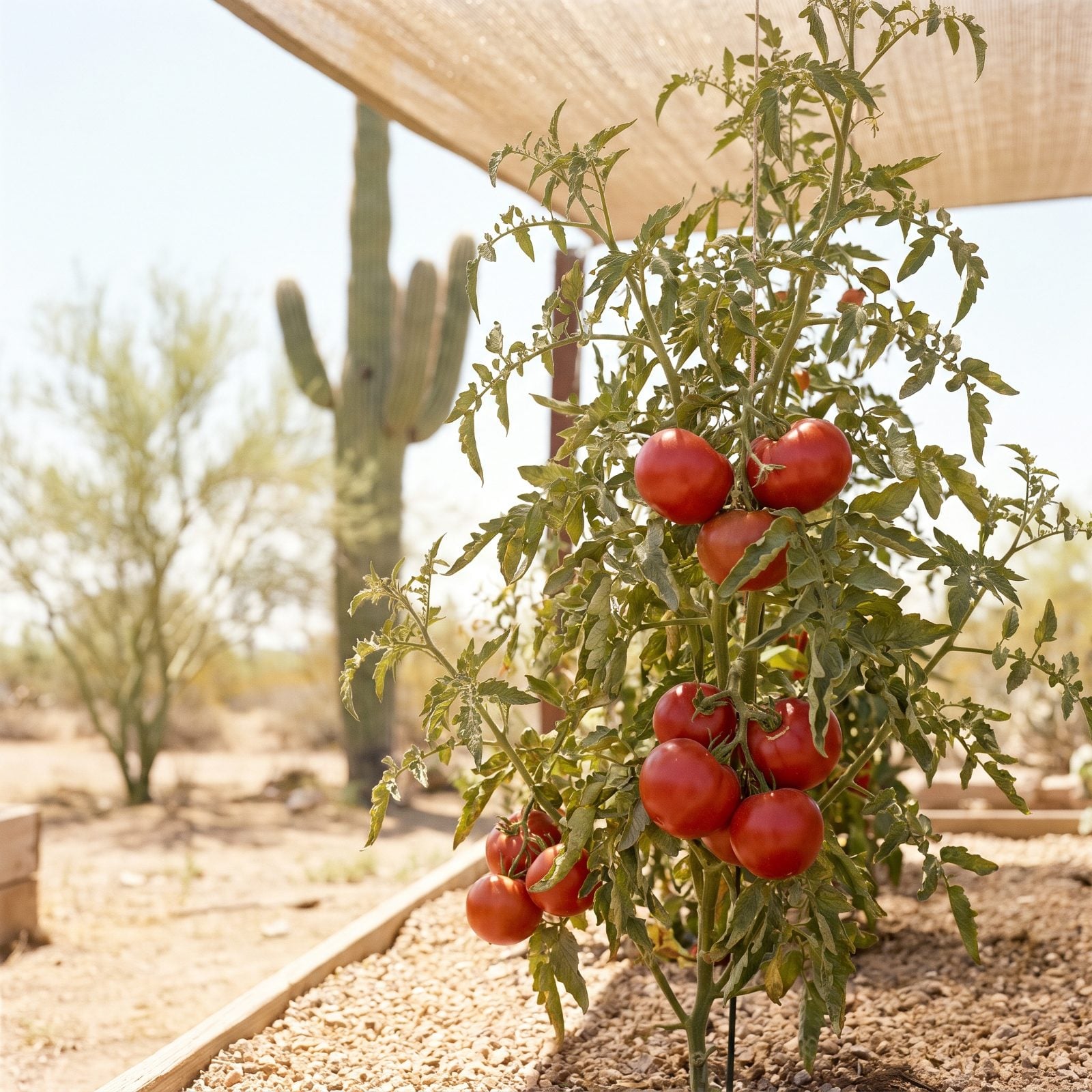
In Phoenix, most tomatoes stop setting fruit once the heat climbs high enough. The pollen goes sterile. A flower opens, bakes, and drops off without doing its job. By June, half the gardens in the valley are all green leaves and no tomatoes.
Sunmaster was bred to keep setting fruit in heat that shuts other varieties down, holding on long after a standard hybrid has already thrown in the towel. Get your plants in early, winter into spring, so they’re loaded before the real furnace arrives.
5. Coastal Southern California: Champion II for Mild, Long Seasons
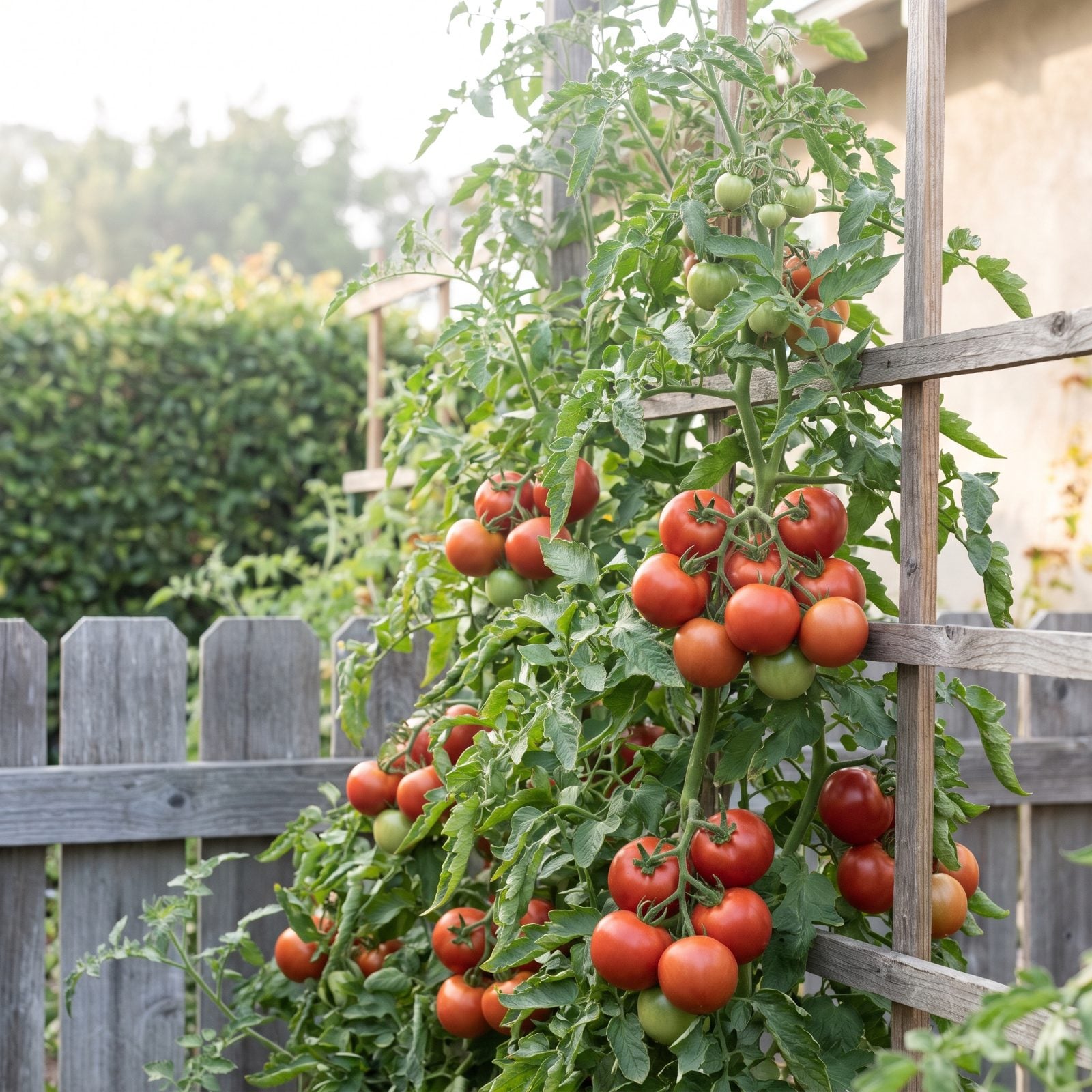
Champion II is the workhorse for the coast. Mild days, cool nights, a season that stretches long and lazy without the brutal peaks of the interior, and this plant uses every bit of it.
The fruit is round and medium-large, the kind you actually want on a sandwich, and the vine keeps cranking for months when the weather stays gentle. It sets early, which matters when your summer never gets hot enough to scare it. Reliable to the point of boring. And boring is exactly what you want from a tomato that has to feed you all season.
4. California Central Valley: Shady Lady for Commercial-Level Reliability
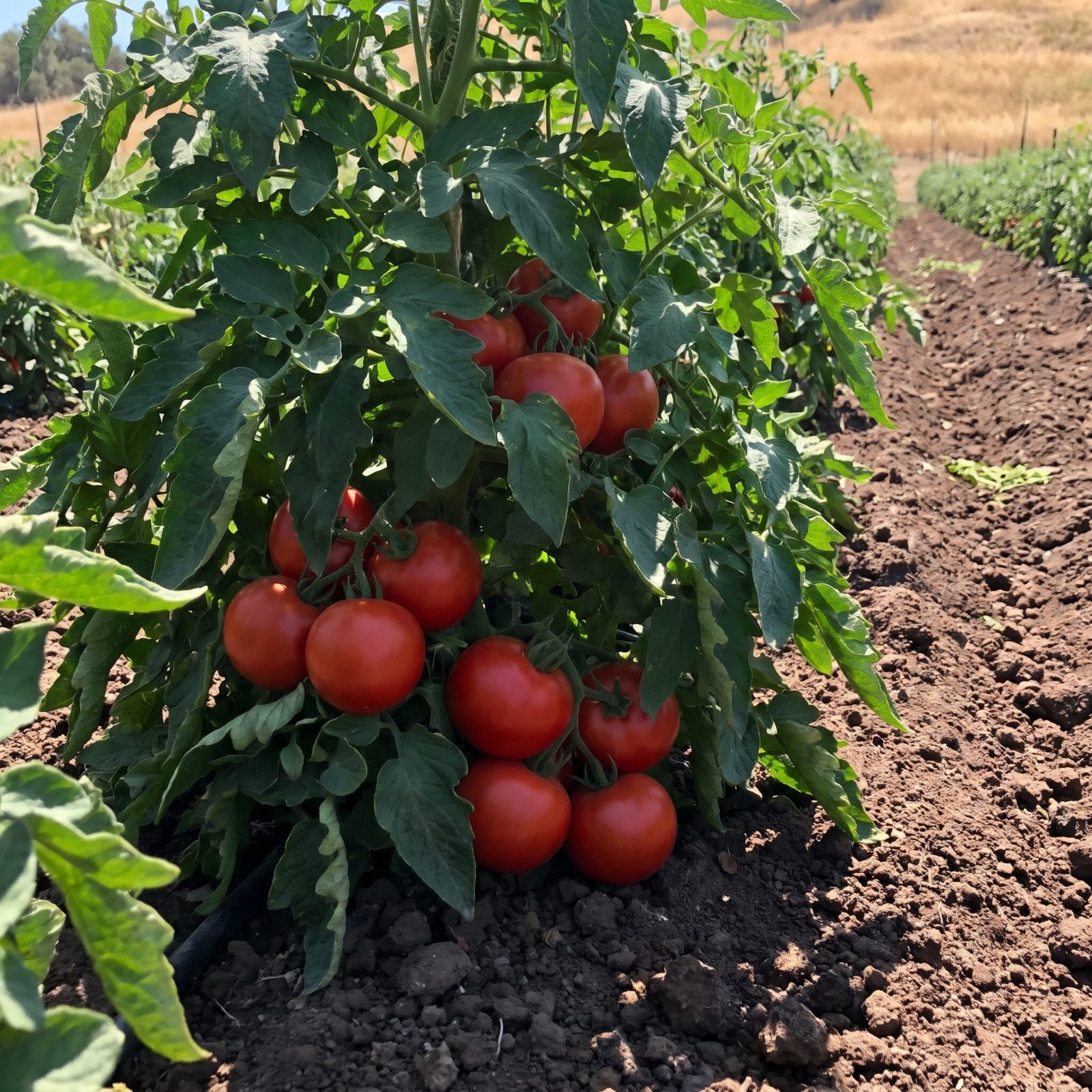
The name tells you the trick. Shady Lady grows a thick canopy that throws its own shade over the fruit, which matters in the Central Valley where the sun will sunscald a bare tomato right on the vine. You know those pale leathery patches on ripening fruit? That’s heat damage, and this variety mostly shrugs it off.
It earned its reputation on commercial ground before it ever reached backyard beds. Broad disease tolerance, consistent yield, fruit that holds up to picking and handling. If you want one plant that just works in valley heat, this is a safe bet.
Self-shading foliage is the quiet feature nobody talks about, and in triple-digit heat it’s the difference between a full basket and a row of scorched fruit.
3. Foggy California Coast: Momotaro for Protected, Mild Conditions
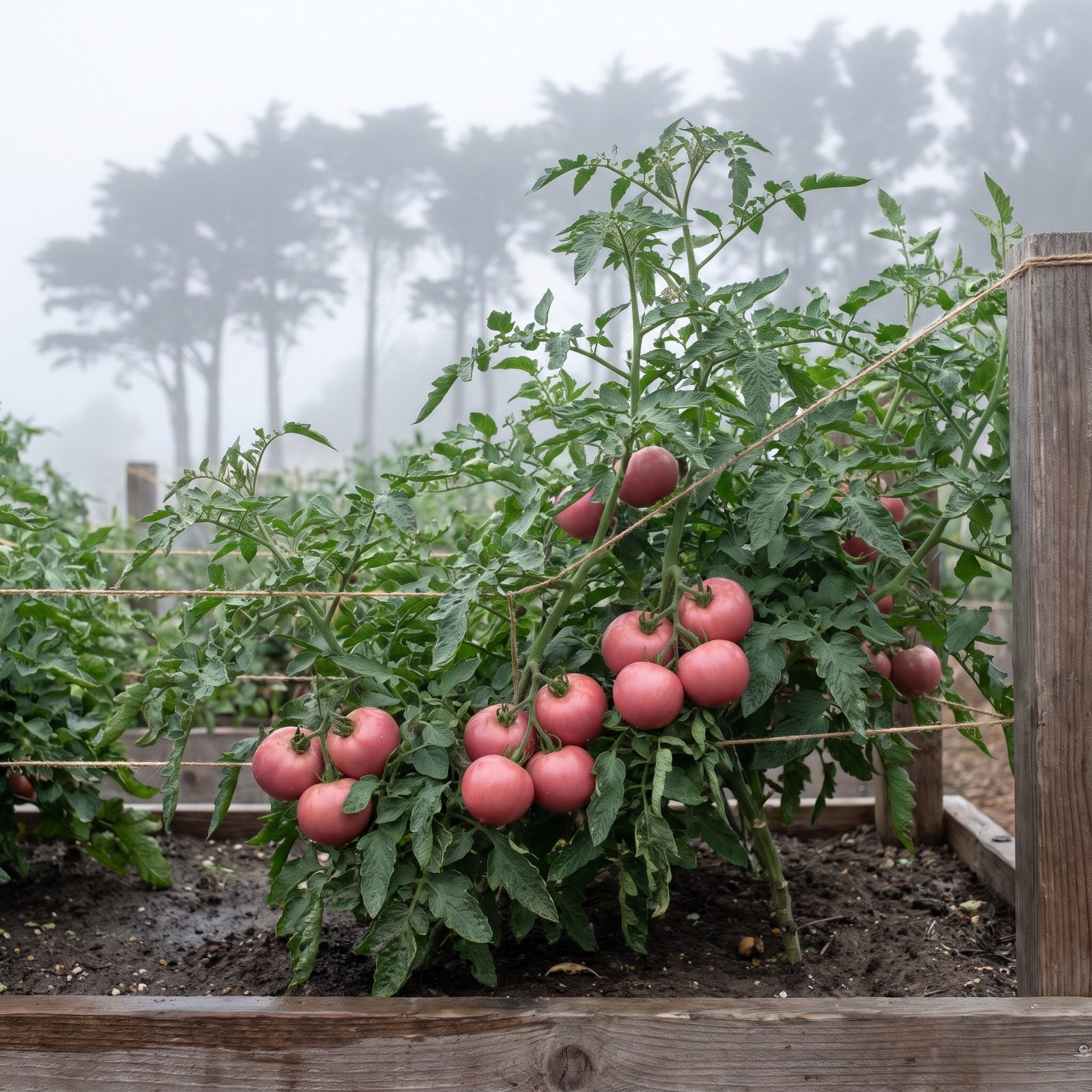
Fog is the enemy of flavor. Not enough heat to build sugar, too much damp to keep disease at bay, a season that teases warmth and then snatches it back. The marine layer breaks a lot of tomato dreams.
Momotaro is a Japanese pink that handles cool, protected conditions better than it has any right to. The fruit comes in with a deep rose blush and a sweet, almost delicate flavor that doesn’t need blazing sun to develop. Tuck it against a south wall or into a sheltered bed, give it whatever warmth you can trap, and it’ll produce where beefsteaks sulk.
2. Windward Hawaii: Kewalo for Bacterial-Wilt Resistance
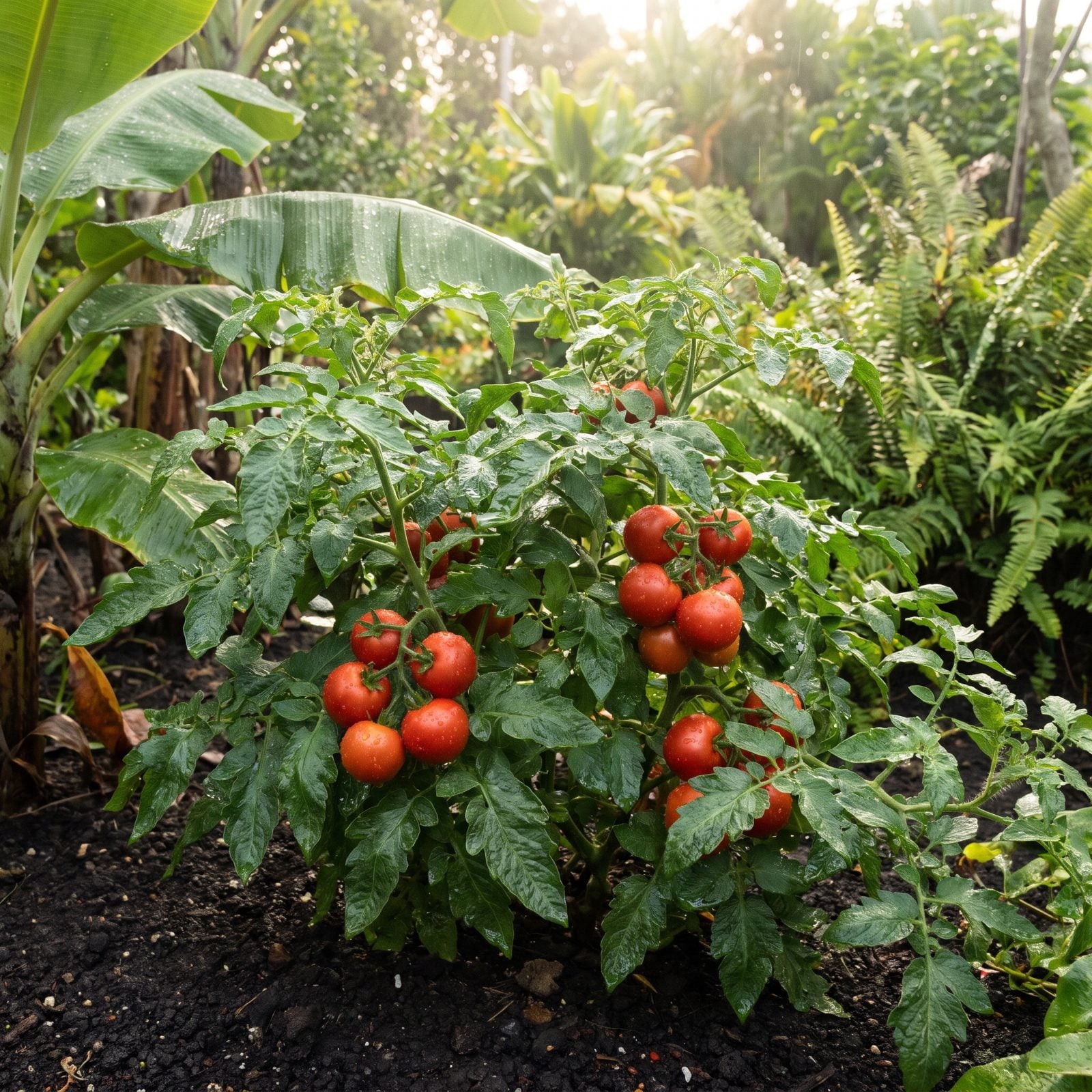
Windward Hawaii will test a tomato in ways mainland gardeners never see. Warm wet soil, constant rain, and a soil-borne killer called bacterial wilt that can drop a healthy plant dead in a single day. One morning it’s fine. By afternoon it’s collapsed and there’s nothing you can do about it.
Kewalo was developed by University of Hawaii breeders precisely for this fight, and the resistance bred into it is why you’d choose it. The fruit is a solid mid-sized red, nothing fancy. But a mid-sized red you actually get to harvest beats a gourmet variety rotting in the ground.
1. Leeward Hawaii: Anahu for Warm, Drier Conditions
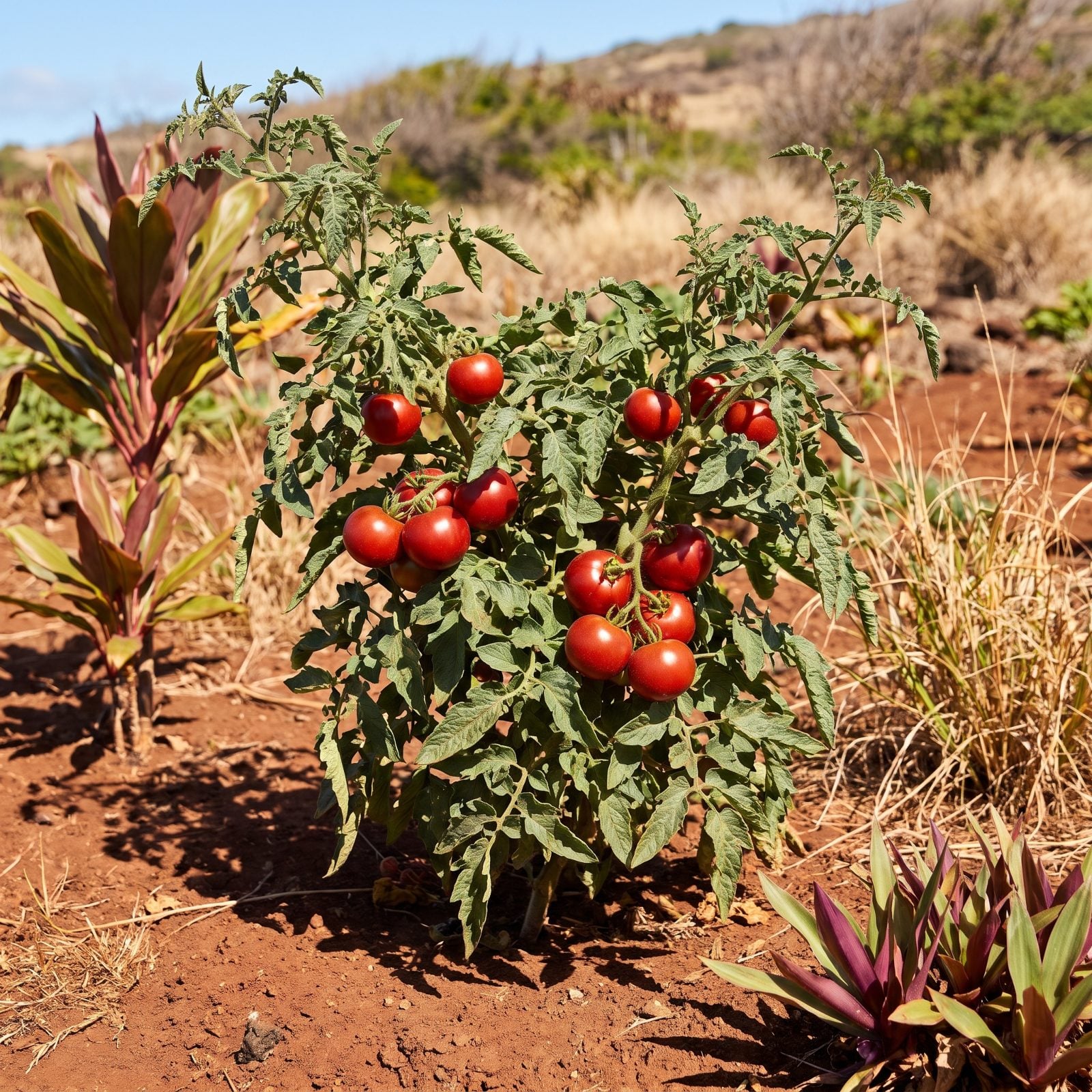
Flip to the leeward side and the whole game changes. Warm, drier, sunnier, the rain shadow doing its work. Anahu was bred for exactly these conditions, another University of Hawaii release aimed squarely at island growing.
The fruit is firm and holds together well, with good tolerance to the cracking that warm-wet swings can cause. It carries disease resistance suited to local pressure, something you learn to respect fast in the tropics. Pair it with the warmth and sun of a leeward garden and you get dependable, crack-free tomatoes without the constant wilt vigilance the windward side demands.