

The quote looked clean. A number, a signature line, a handshake, a hole in the backyard by spring. Then the excavator hits rock at four feet, the dirt has nowhere to go, and the survey everyone skipped turns out to matter after all. Pool builders quote the pool. They don’t quote the ground, the groundwater, the slope, or the easement running under the deep end, and that gap is where budgets go to die. These are the line items that live in the fine print and the soil — the ones that surface after the backhoe does, long before anyone fills the thing.
Please note that some of the images in this article were created with the assistance of AI.
42. Excavated Soil Hauling and Disposal
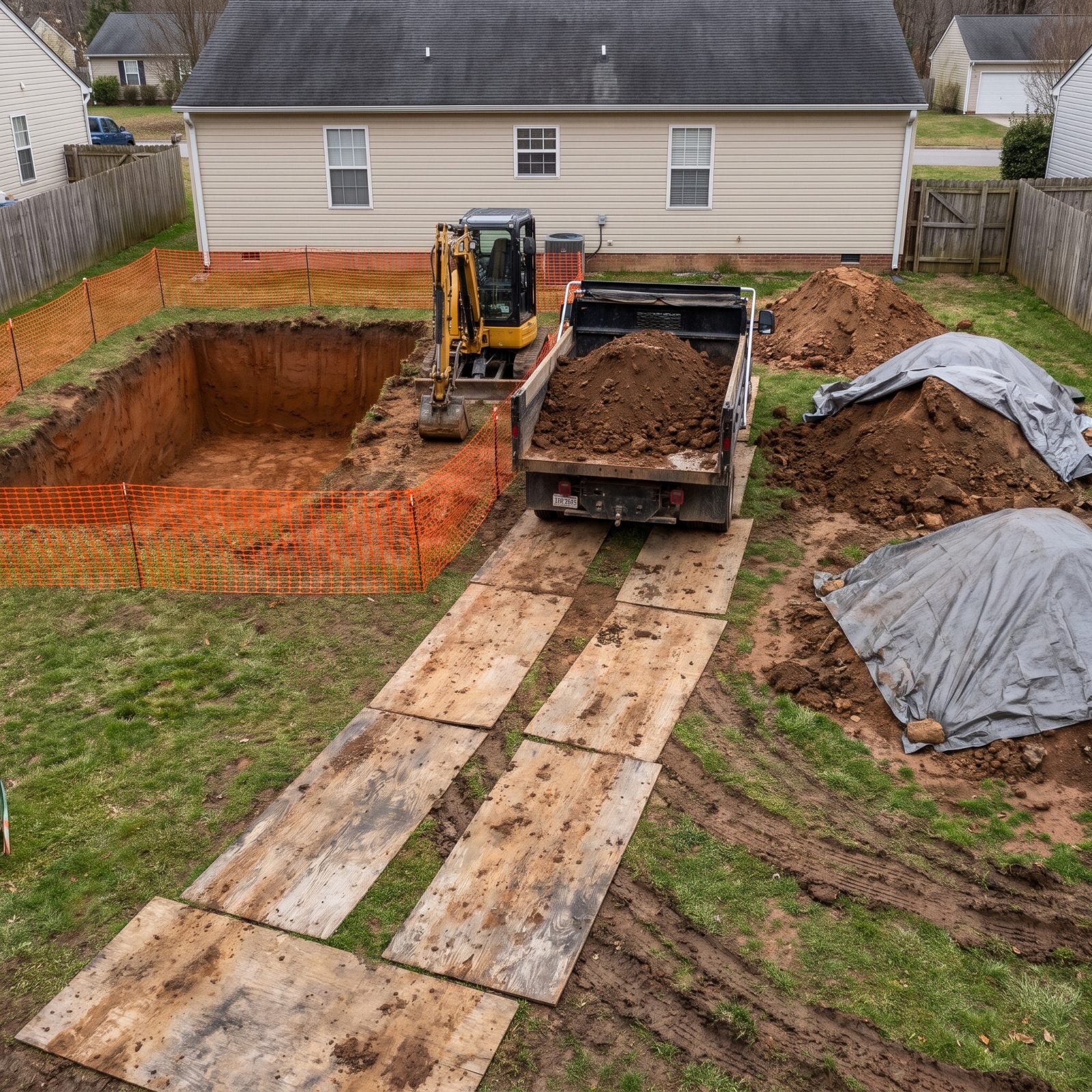
Dig a hole for a pool and you create a mountain. A standard in-ground job pulls out a lot of dirt, and that soil has to go somewhere that isn’t your neighbor’s driveway.
Here’s what nobody mentions in the showroom. Clay soil weighs more and swells once it’s loosened, so the truckloads multiply, and if the nearest fill site is miles away you pay for the diesel and the driver’s time twice. Hauling and tipping fees add up fast.
41. Rock Hammering or Blasting
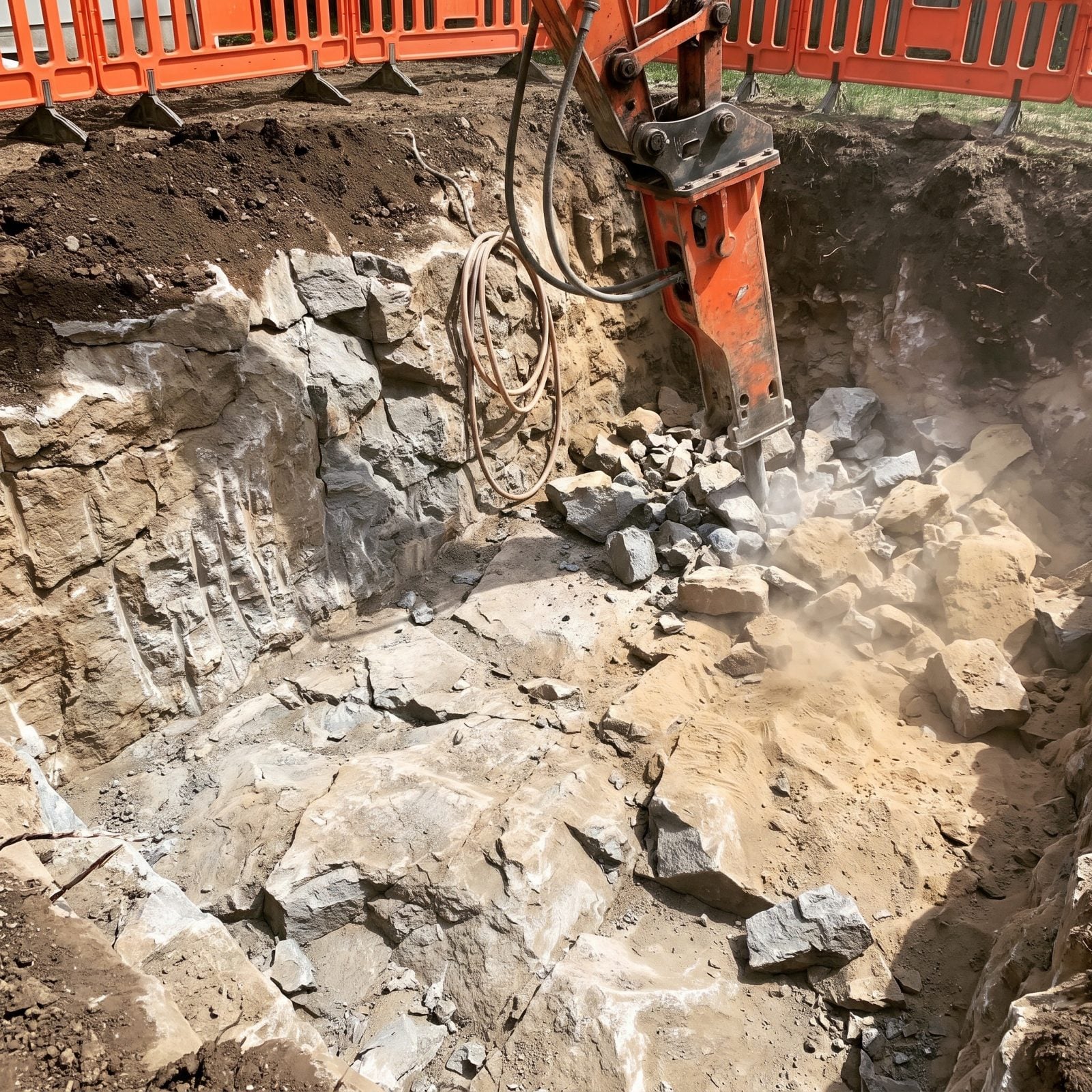
Rock is the one that turns a quote into a conversation. Soft soil, a machine scoops it and moves on. Hit bedrock or large boulders at depth and now you need a hydraulic hammer, specialized operators, and days instead of hours.
Blasting is rarer in residential settings, and it brings its own permits, vibration monitoring, and neighbor notifications. Most contracts bury a line about “rock conditions” being extra, and plenty of homeowners never notice it until the excavator calls up from the pit with bad news.
Soft ground is a schedule. Rock is a negotiation.
40. Tight-Access Equipment and Crane Premiums
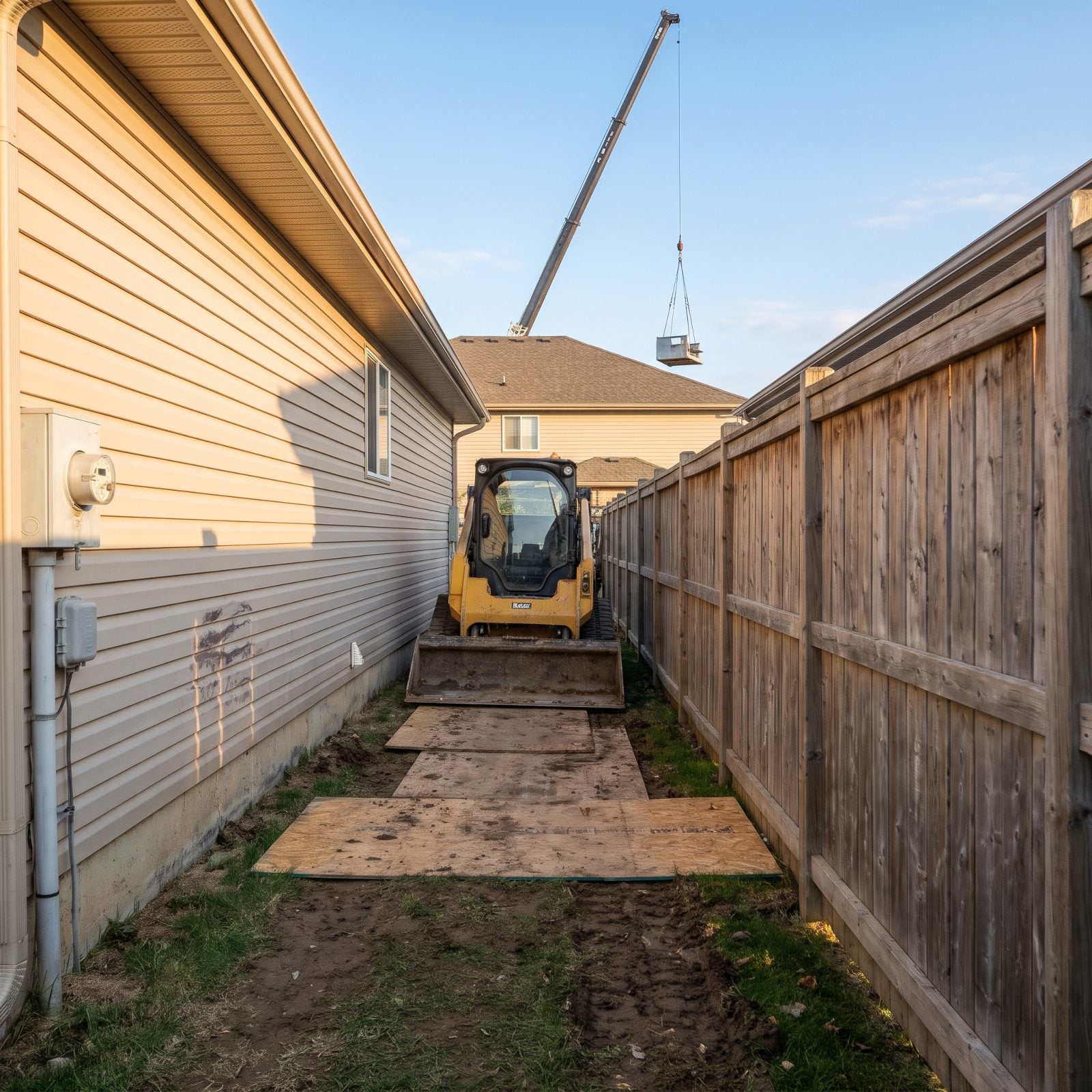
A fenced backyard with a three-foot gate is a problem the salesperson won’t raise unless you do. Standard excavators are wide. If yours can’t fit, the crew either brings in smaller, slower machines that drag the timeline out, or they rent a crane to lift equipment and materials clear over the house.
Crane days aren’t cheap, and they usually come with their own operator, rigging, and a spotter. Corner lots and anything backing onto open access get off easy. Pinched urban and suburban yards pay extra just for the privilege of letting the machines in.
39. Groundwater Pumping During Excavation
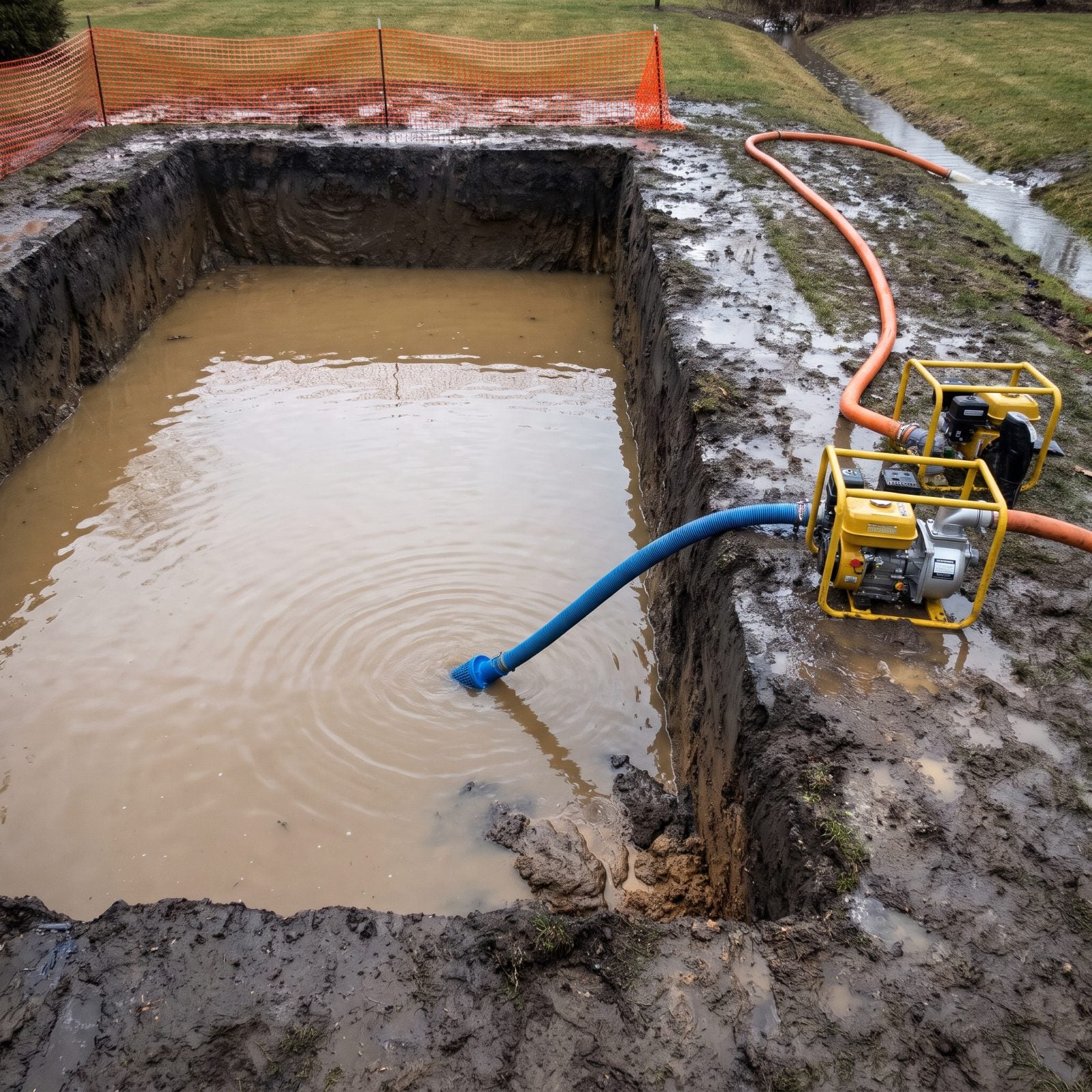
You hit water before you hit the bottom. A high water table means the pit fills faster than the crew can dig it, so now you’re renting pumps that run around the clock until the shell is poured and cured.
Spring digs and properties near wetlands, lakes, or old creek beds are the usual culprits. The water also destabilizes the walls, so the real headache isn’t the pumping bill — it’s the extra shoring needed to keep the hole from collapsing while everyone waits for the concrete to set.
38. Contaminated-Soil Testing and Remediation
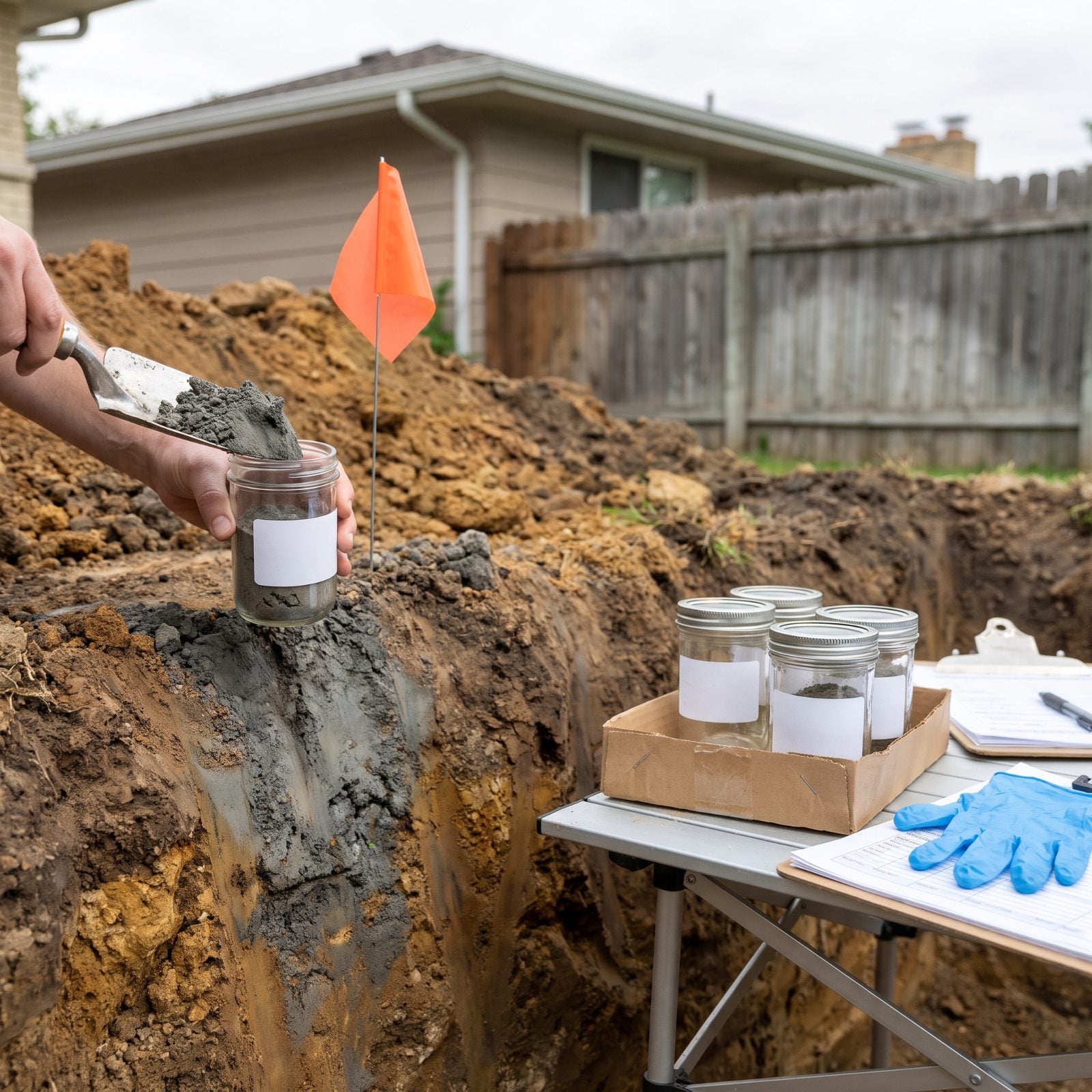
Older properties carry history underground. If your lot once held an oil tank, a filling station, farm chemicals, or construction debris from a previous teardown, the excavation can surface soil that can’t legally go to an ordinary dump.
Now you’re paying a lab to test it, then paying again for certified disposal at a specialized facility that charges several times the normal tipping rate. Remediation is the rare pool cost with nothing to do with the pool. It’s the ground’s old secrets coming due at the worst possible moment.
37. Imported Structural Fill and Compaction
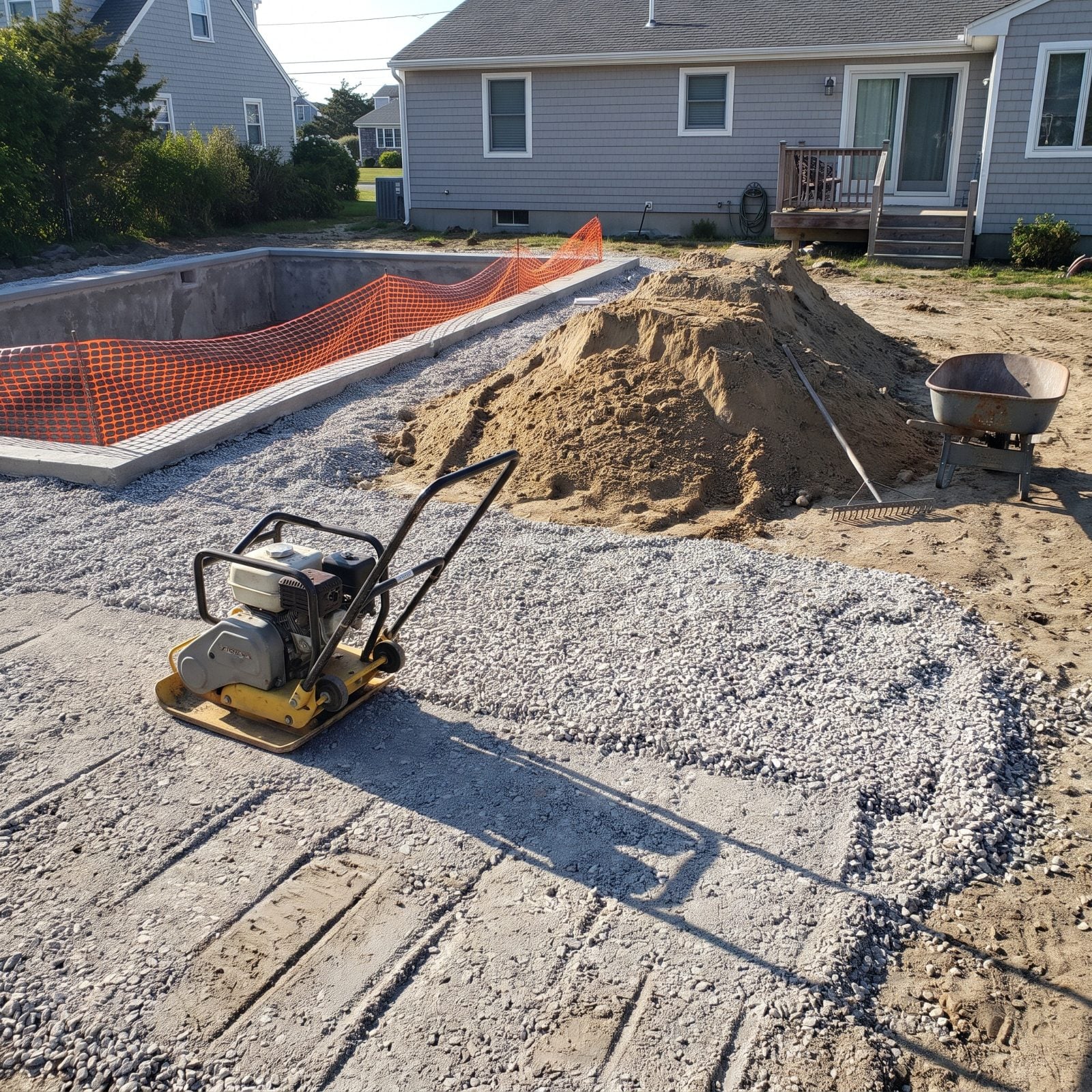
Sometimes the dirt you dug out is too poor to put back. Loose, organic, or unstable soil settles under a deck and cracks it, so the fix is to haul in clean structural fill and compact it in careful layers.
That’s material you buy, trucks you pay for, and a compaction process that eats real time. Skip it and you save money today, then watch your coping and decking shift in a year or two. I’d take the boring fill bill over a cracked surround every time.
36. Retaining Walls for Sloped Lots
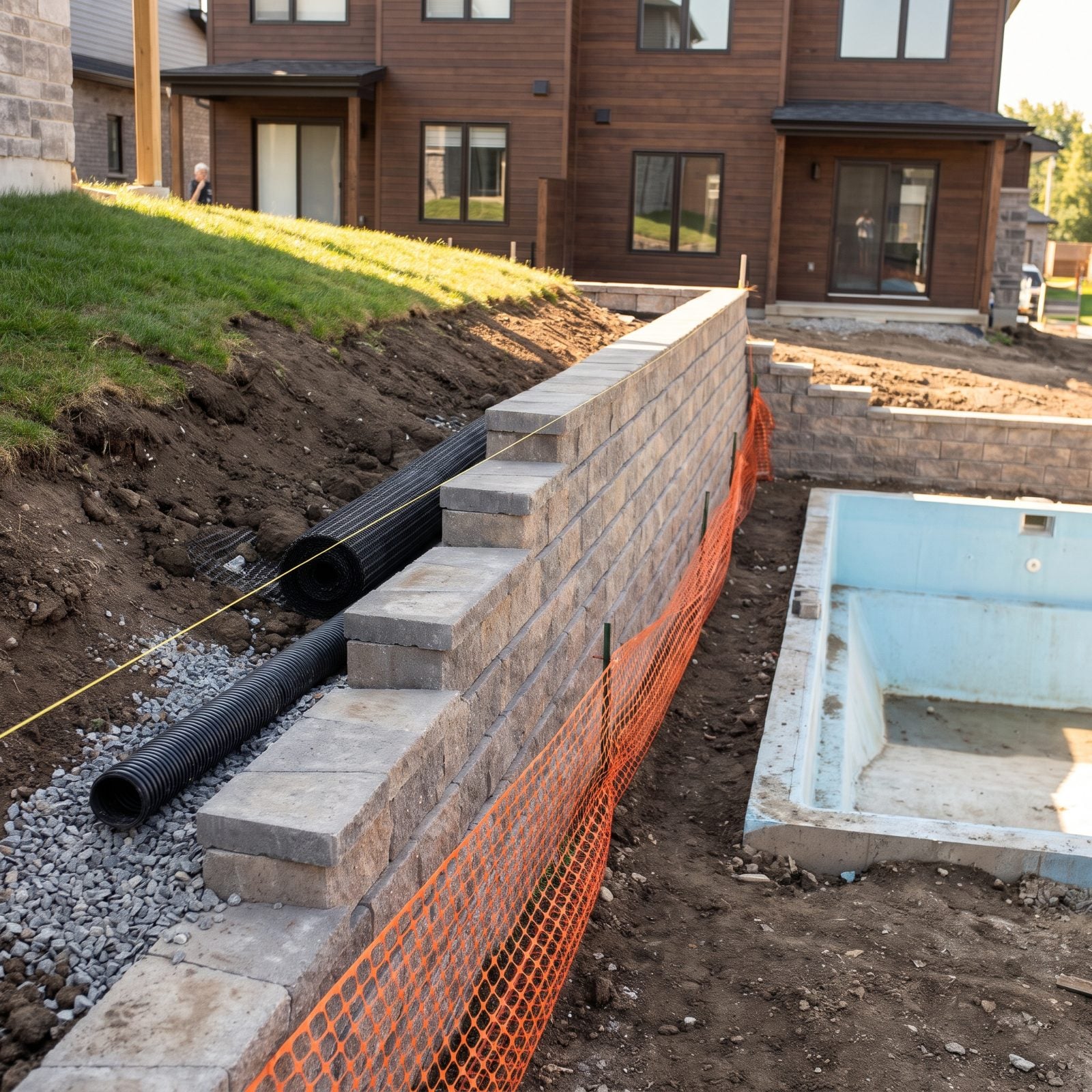
A flat backyard is a gift you only appreciate after pricing a sloped one. Put a pool on a grade and the earth around it wants to slide into the hole, which means retaining walls to hold the hillside back and carve out a usable deck.
Proper walls aren’t stacked garden blocks. Anything substantial needs engineering, drainage, and often a permit. Here’s why the cost climbs:
- Engineered walls require a designed footing and reinforcement, not just blocks set on dirt.
- Drainage behind the wall is non-negotiable, or hydrostatic pressure eventually shoves it over.
- Taller walls cross height thresholds that trigger permits and inspections.
35. Geotechnical Soil Testing
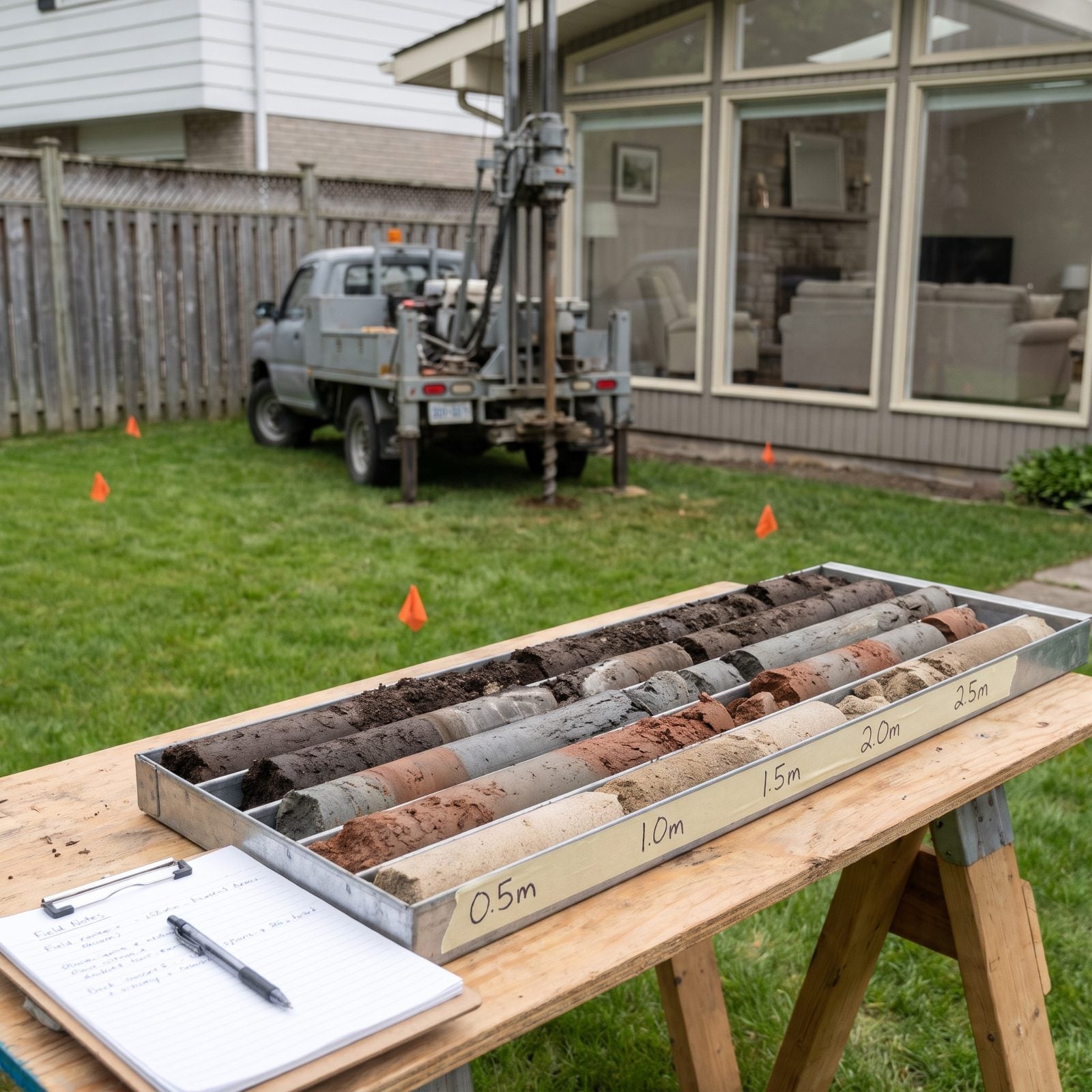
Most people never order a soil report, which is exactly why the surprises happen. Geotechnical testing drills into your yard and tells you what’s really down there — the water table, the bearing capacity, whether the clay expands when it gets wet.
Expansive soils in particular can heave and crack a pool shell over the seasons, and the test is cheap insurance against a repair that costs many times more.
34. Boundary and Topographic Land Surveys
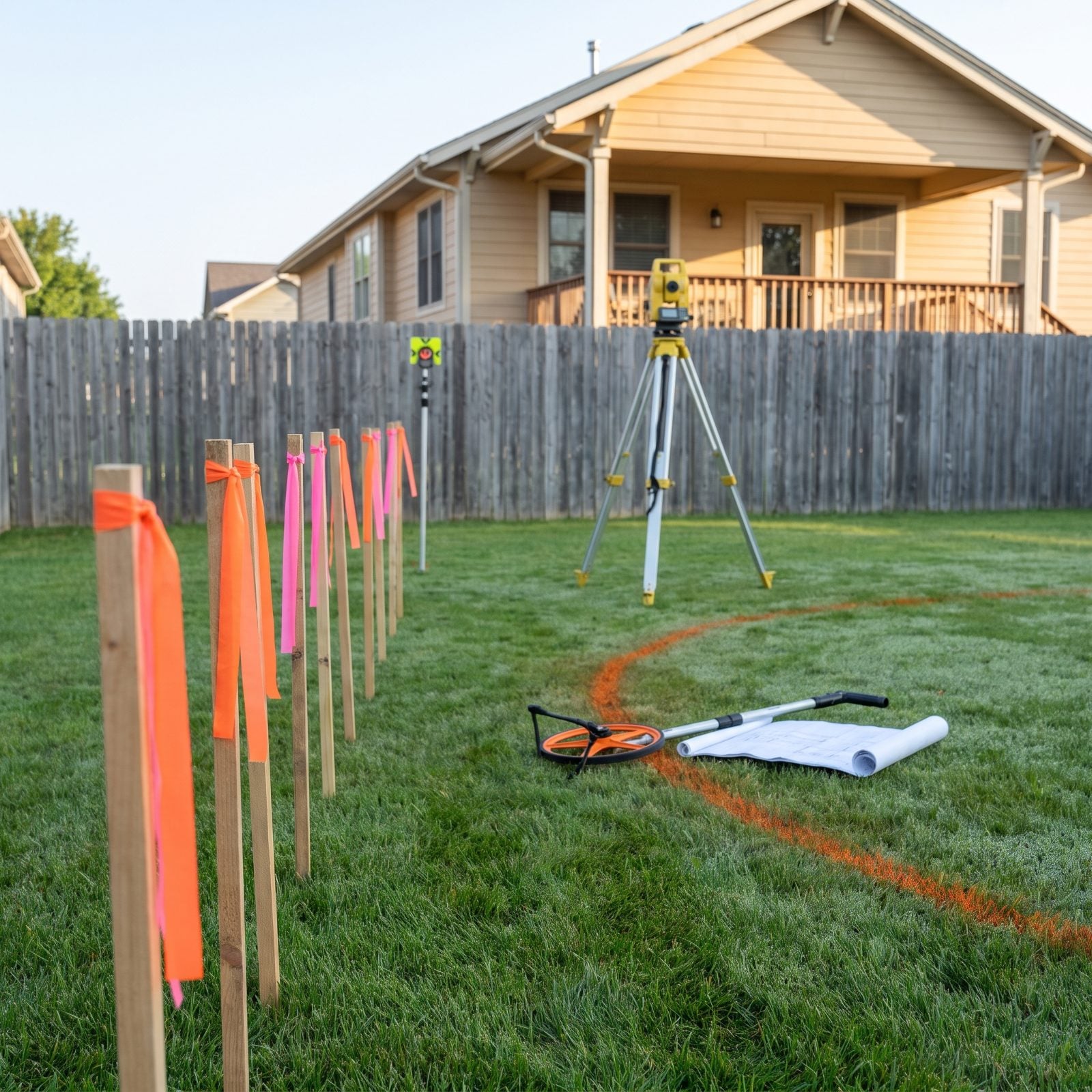
Everyone thinks they know where their property line is. Then the survey comes back, the fence is two feet onto the neighbor’s land, and the pool you drew sits inside a required setback.
A proper boundary and topographic survey maps your true lines, the slope, existing structures, and how close you can legally build. Setback rules vary by town, and building too near the line can mean tearing out finished work. The survey fee is small. The cost of guessing wrong is the pool.
33. Title and Easement Restrictions Review
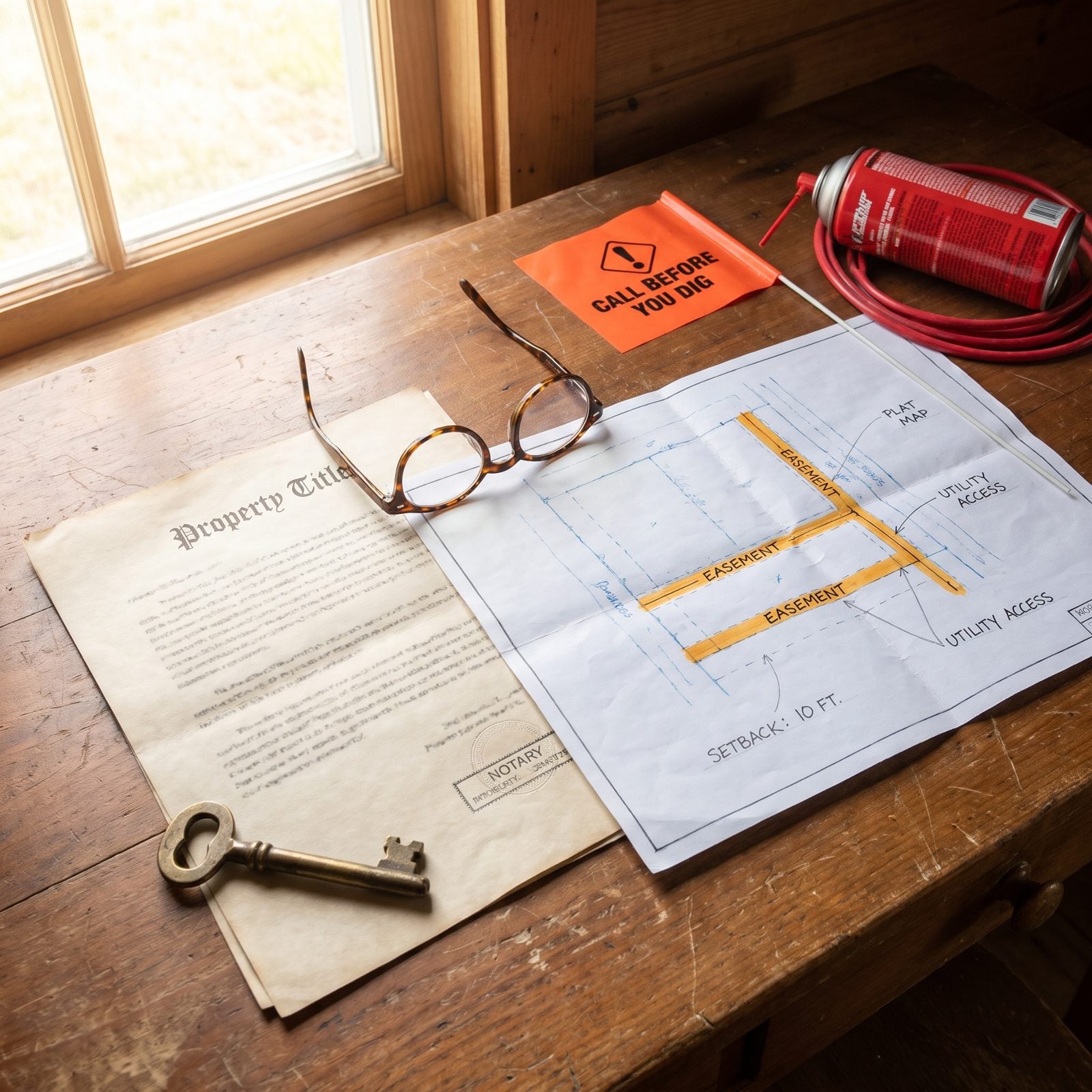
The least visible cost of all lives in a filing cabinet. Your title can carry easements, utility rights-of-way, or recorded restrictions that hand part of your backyard to the power company, the municipality, or a buried main.
Build a pool over a sewer easement and you may be forced to remove it if the utility needs access — at your expense, with no recourse. A title and easement review before you dig is tedious and dull, and I’ll defend it anyway. It’s the difference between owning your backyard and borrowing it.
32. Permit and Municipal Plan-Review Fees
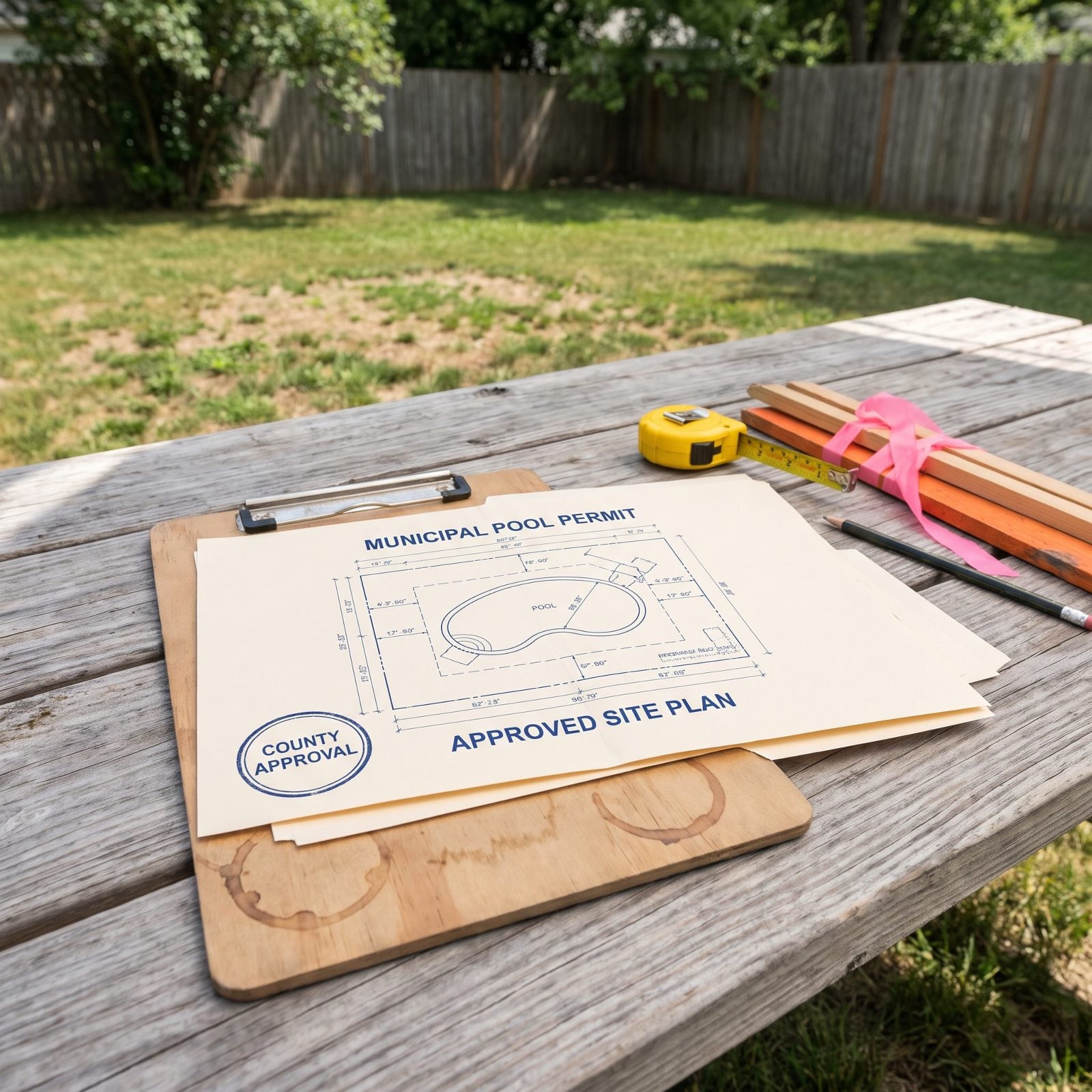
The builder’s quote covers the pool. It rarely covers the paperwork that lets you dig the hole, and that paperwork shows up before a single shovel moves.
Expect a permit fee plus a separate plan-review charge, and in many towns a second round of charges once the plan comes back marked up with corrections. Costs swing wildly by jurisdiction. Some towns ask a couple hundred dollars; others want well past a thousand once electrical and fence permits get bundled in. People assume the contractor eats this. Read your contract. Half the time, you don’t.
31. HOA Design Reviews and Deposits
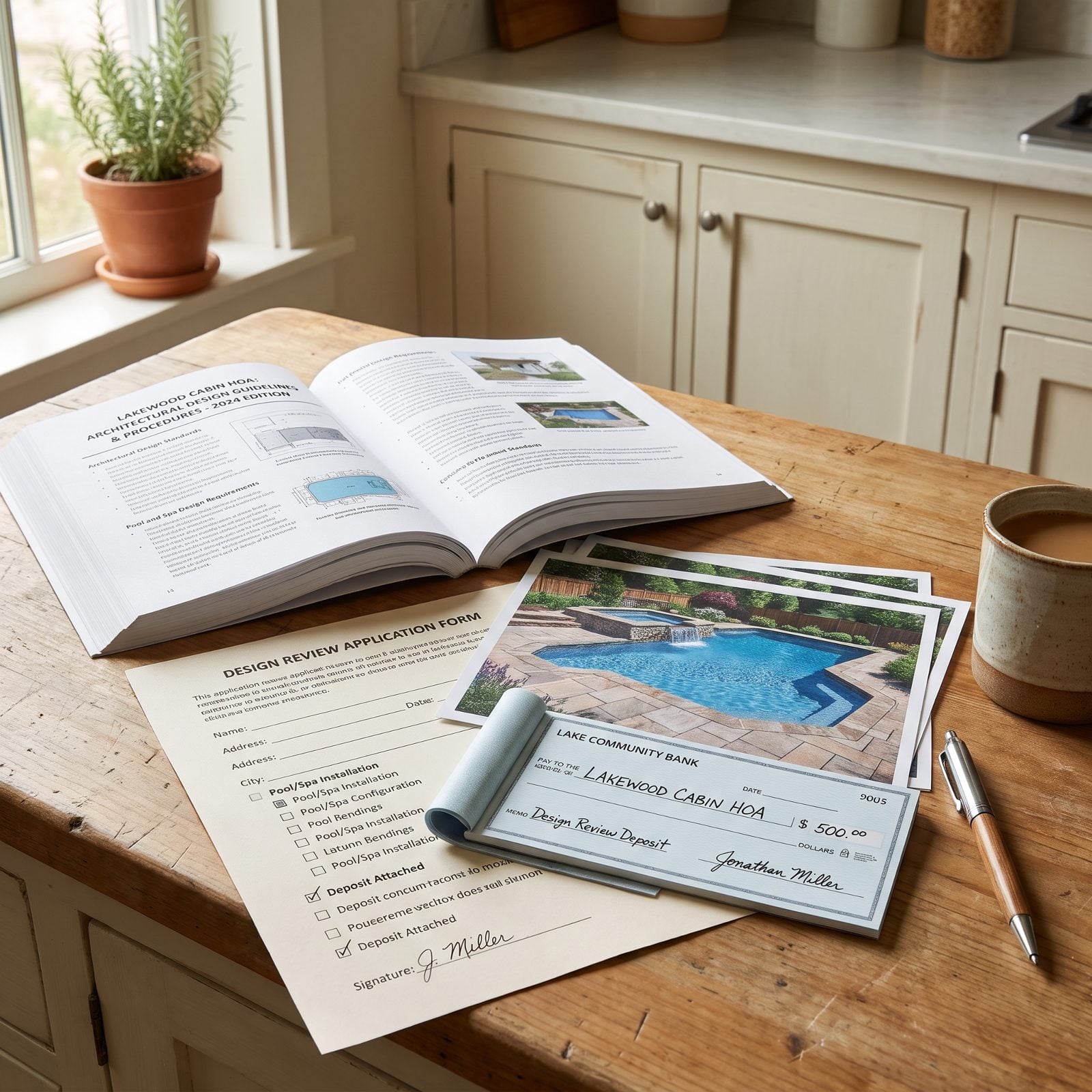
Live under an HOA? Then your pool has to pass a committee before it ever passes an inspector. That means a design review submission, often with a non-refundable fee, plus a compliance deposit they hold until the job is finished to spec.
The deposit is the part that stings. It can run into four figures, and you only get it back if your crew doesn’t leave mud on the shared sidewalk or park an excavator on common ground. One violation and you’re arguing to get your own money returned. So budget the fee as a cost and the deposit as cash you won’t see for months.
30. Private Underground Utility Locating
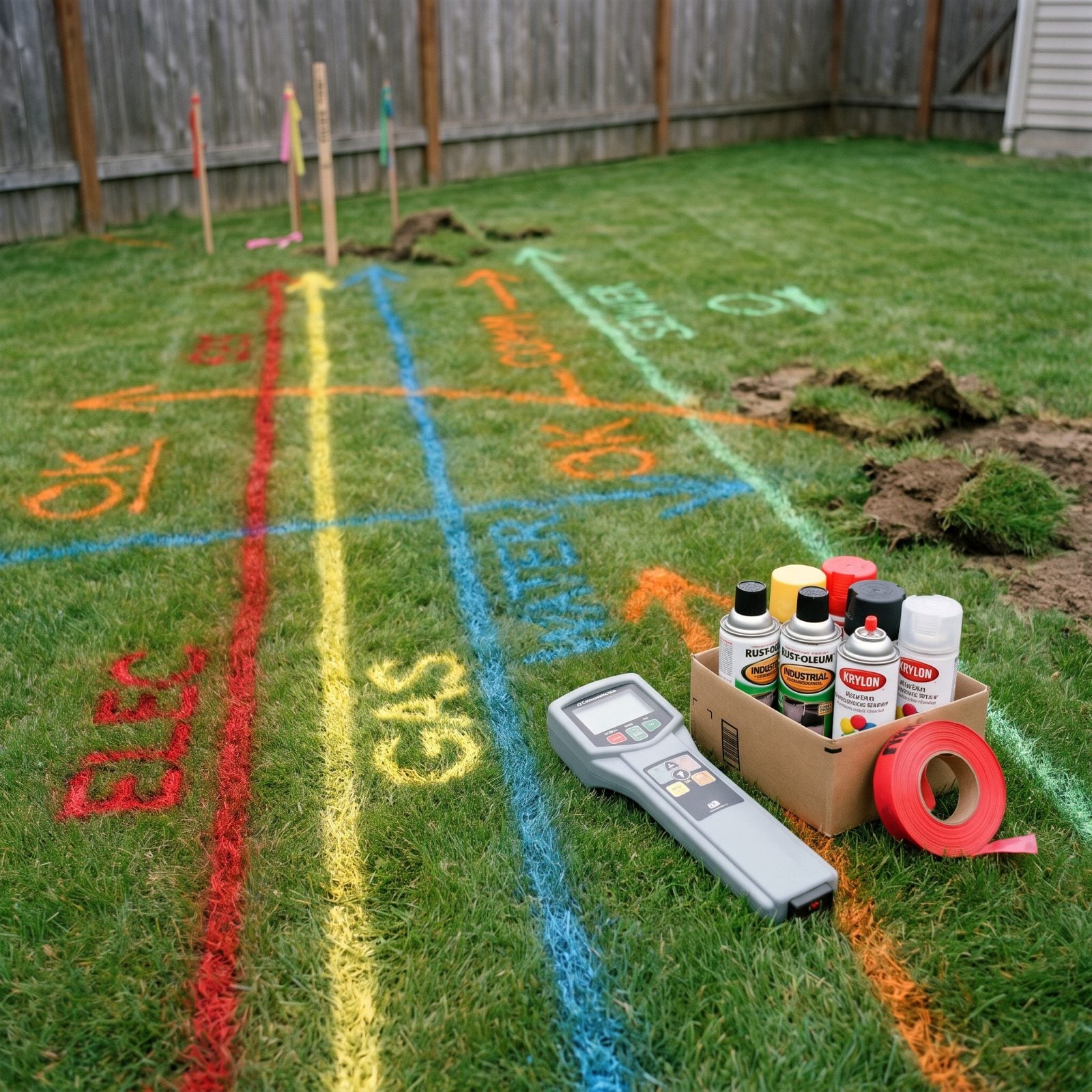
The free 811 call marks public utility lines up to your meter. It does not mark the stuff inside your property line. Your sprinkler system, your gas line to the grill, the low-voltage wiring to the landscape lights, the line feeding a detached garage out back. All of that is yours to find.
Private locating runs a few hundred dollars, and it’s the cheapest insurance on this entire list. Skip it and an excavator bucket finds your gas line the expensive way. I’d rather pay someone to spray paint on my lawn than explain a severed line to the fire department.
29. Tree Permits, Removal, and Stump Grinding
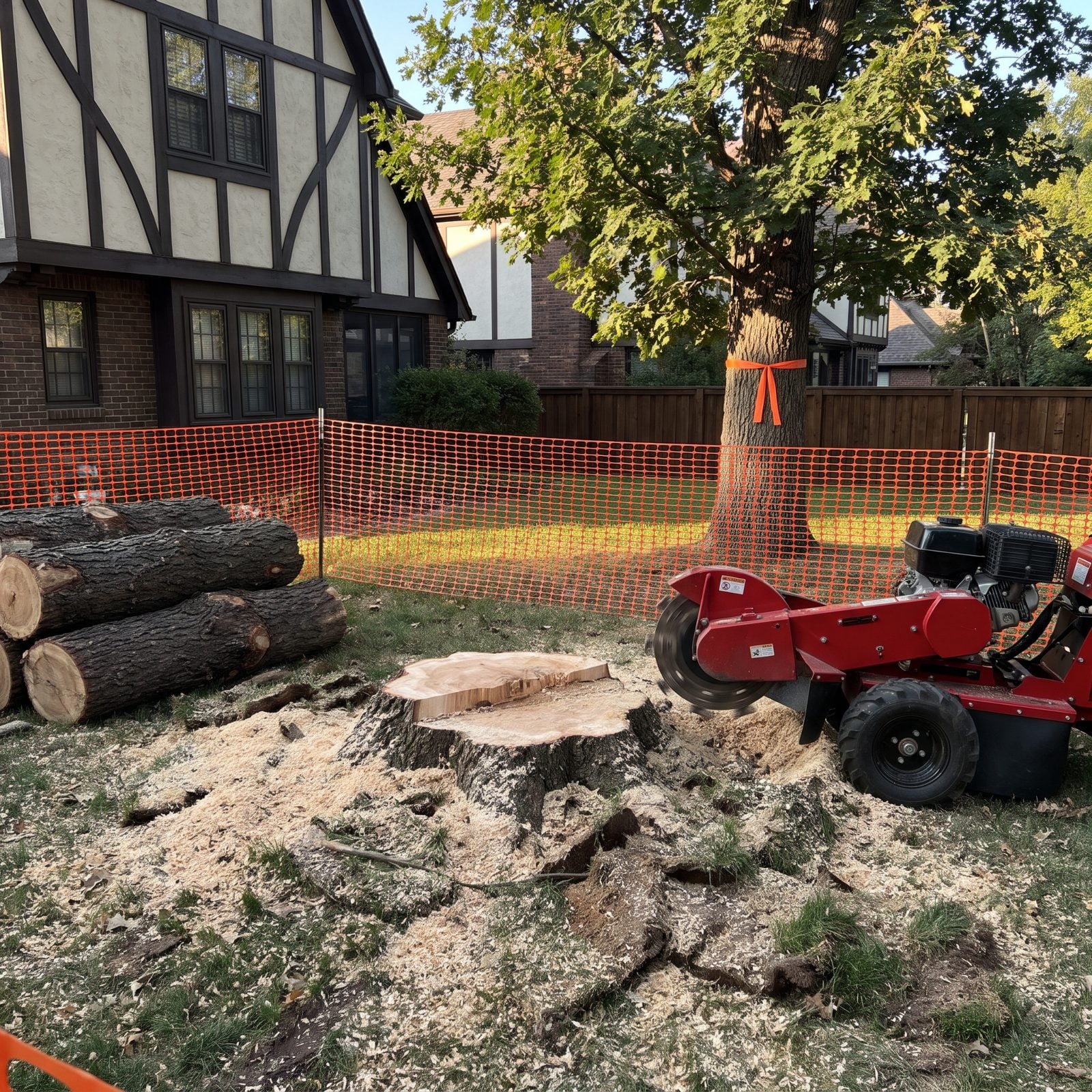
That shade tree sitting right where the deep end goes has to come out, and in a surprising number of towns you need a permit just to remove it. Protected species, heritage trees, anything over a certain trunk diameter gets flagged. Some places even demand you plant a replacement to make up for it.
Then there’s the removal itself, the stump grinding, and the roots you’ll keep finding for a year afterward. Mature tree removal alone can run well past a thousand dollars depending on size and access. Stumps cost extra. And the root ball under a decades-old oak? Bigger than almost anyone pictures.
28. Demolition of Existing Patios or Sheds
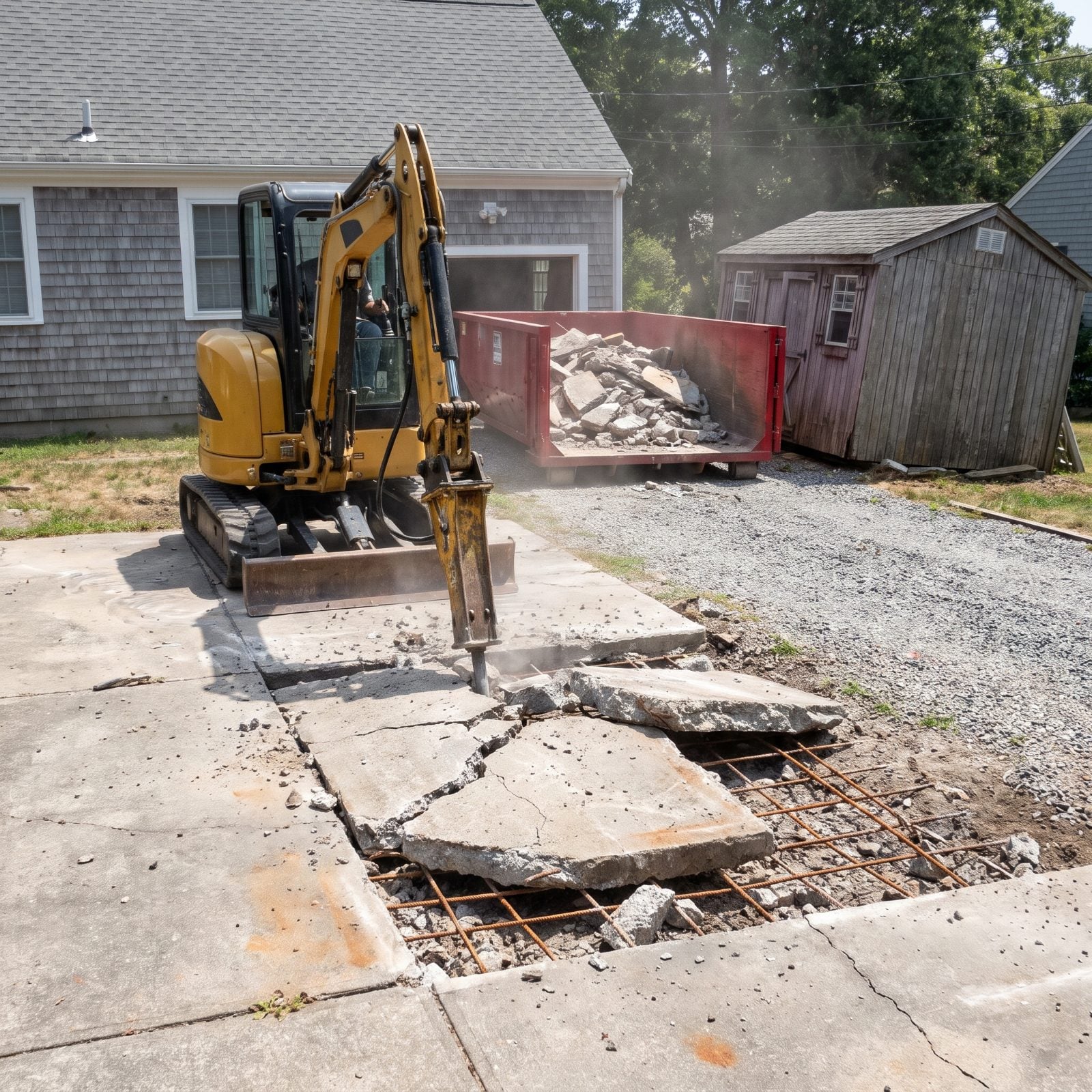
You pictured a shovel. The reality is a jackhammer and a dumpster.
Old patio slabs, a concrete pad, a garden shed, the fire pit someone poured years ago. Anything sitting in the footprint gets demolished and hauled away, and disposal is charged by weight. Concrete is heavy. A roll-off dumpster plus dump fees adds up fast, and if there’s rebar buried in that slab the breaking takes longer, which means more labor hours on the clock.
Honestly, the hauling costs more than the breaking most of the time.
27. Removing and Rebuilding Yard-Access Fences
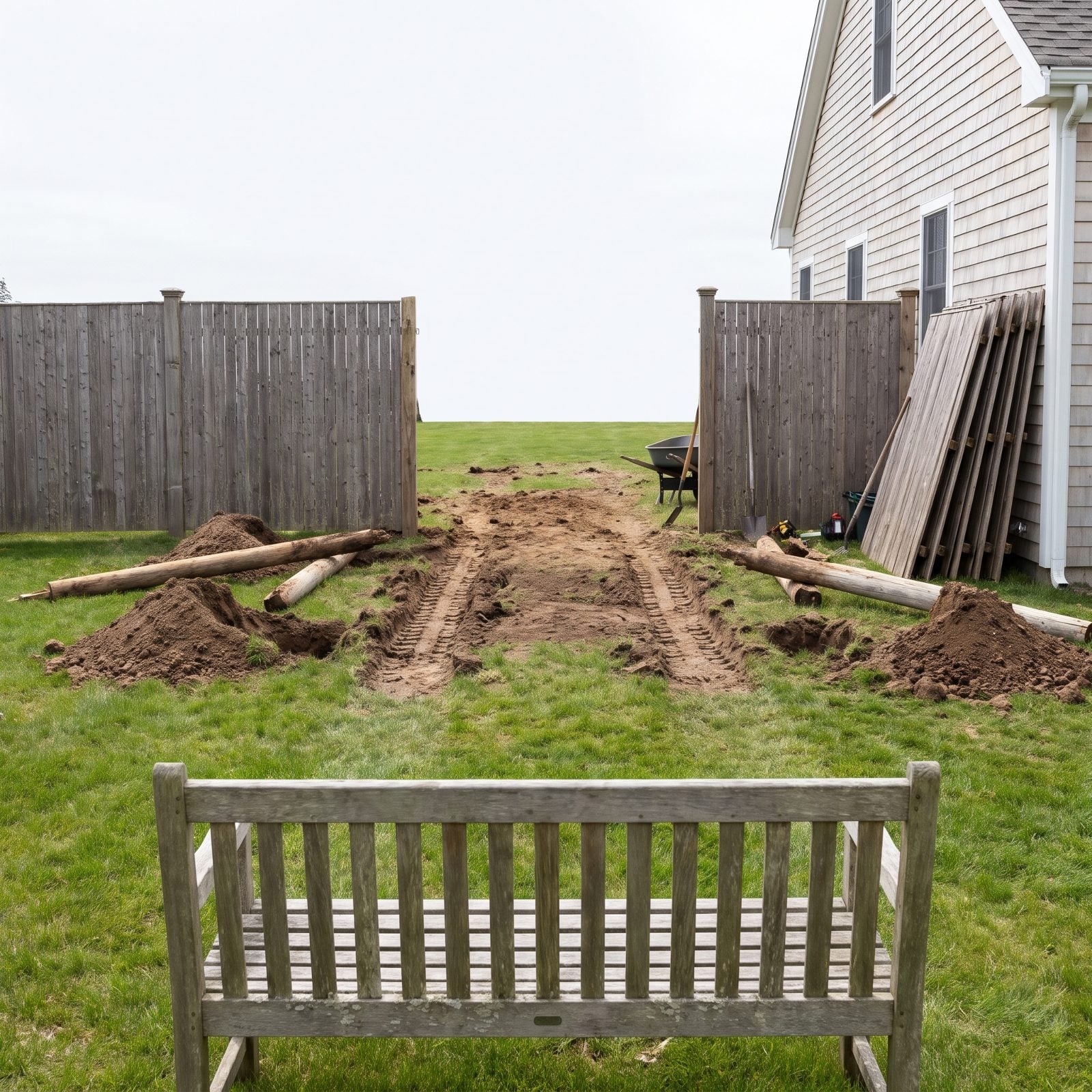
An excavator is wider than your garden gate. To get heavy equipment into the backyard, a run of fence usually comes down, posts and all.
Taking it out is the easy part. Putting it back costs real money, especially if the posts were set in concrete, which means new footings, fresh lumber, and matching the stain on the panels that stayed standing. If the old fence was already tired, you’ll be tempted to replace the whole thing while it’s open. Fair call. Just know it’s a second project hiding inside the first.
26. Protecting Driveways From Heavy Equipment
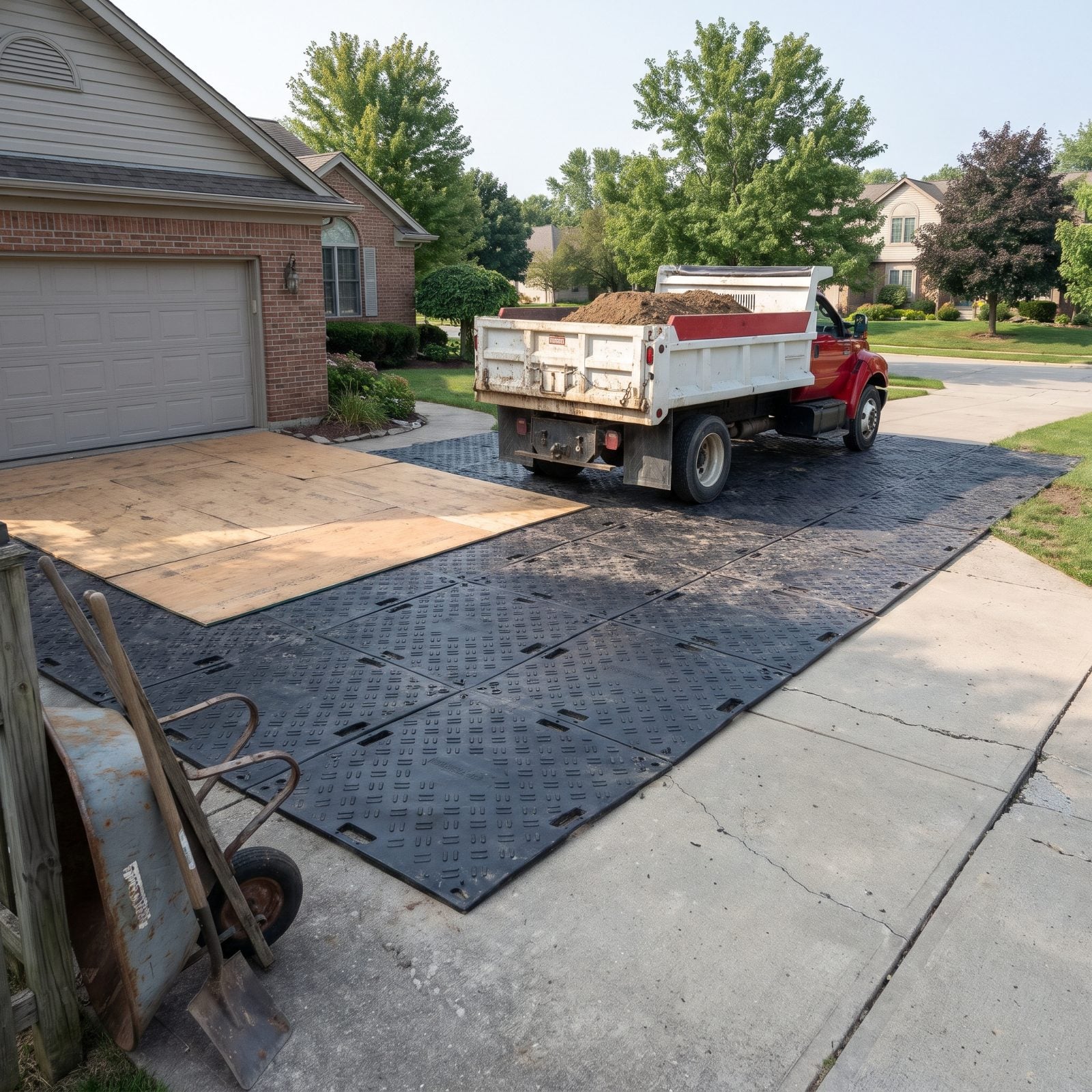
Your driveway was poured to hold a minivan, not a loaded dump truck hauling soil out by the ton. Drive that kind of weight across residential concrete and you get cracks, spider webs, and sunk sections right at the apron.
Good crews lay down steel plates or heavy plywood and ground mats to spread the load, and the best of them build that into the quote. Plenty don’t. Ask directly. Then ask who pays if the driveway cracks anyway, because a repour is several thousand dollars and the argument over fault is a headache you can sidestep in writing.
25. Septic Tank or Drain-Field Relocation
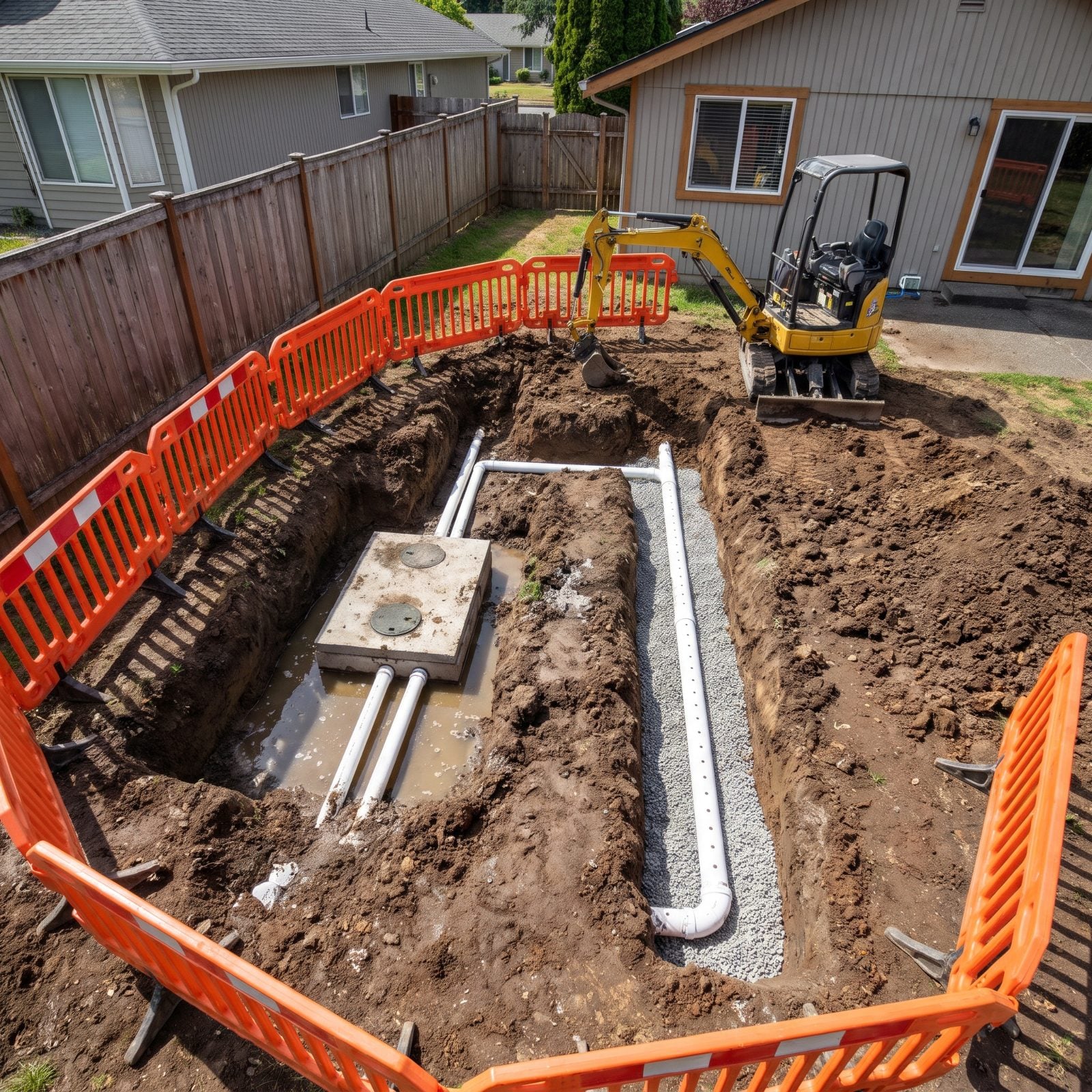
This is the one that ends pool projects.
On a septic system, that tank and its drain field occupy a protected zone in your yard, and you simply can’t put a pool over either one. Required setbacks mean the pool might need to move, or worse, the septic components do. Relocating a drain field is a permitted, engineered, five-figure job all on its own, and some lots just don’t have the room to fit both.
Find out where your septic lives before you sign anything. A quick county records pull or a locate can save you from a contract you can’t legally fulfill.
24. Relocating Buried Household Utilities
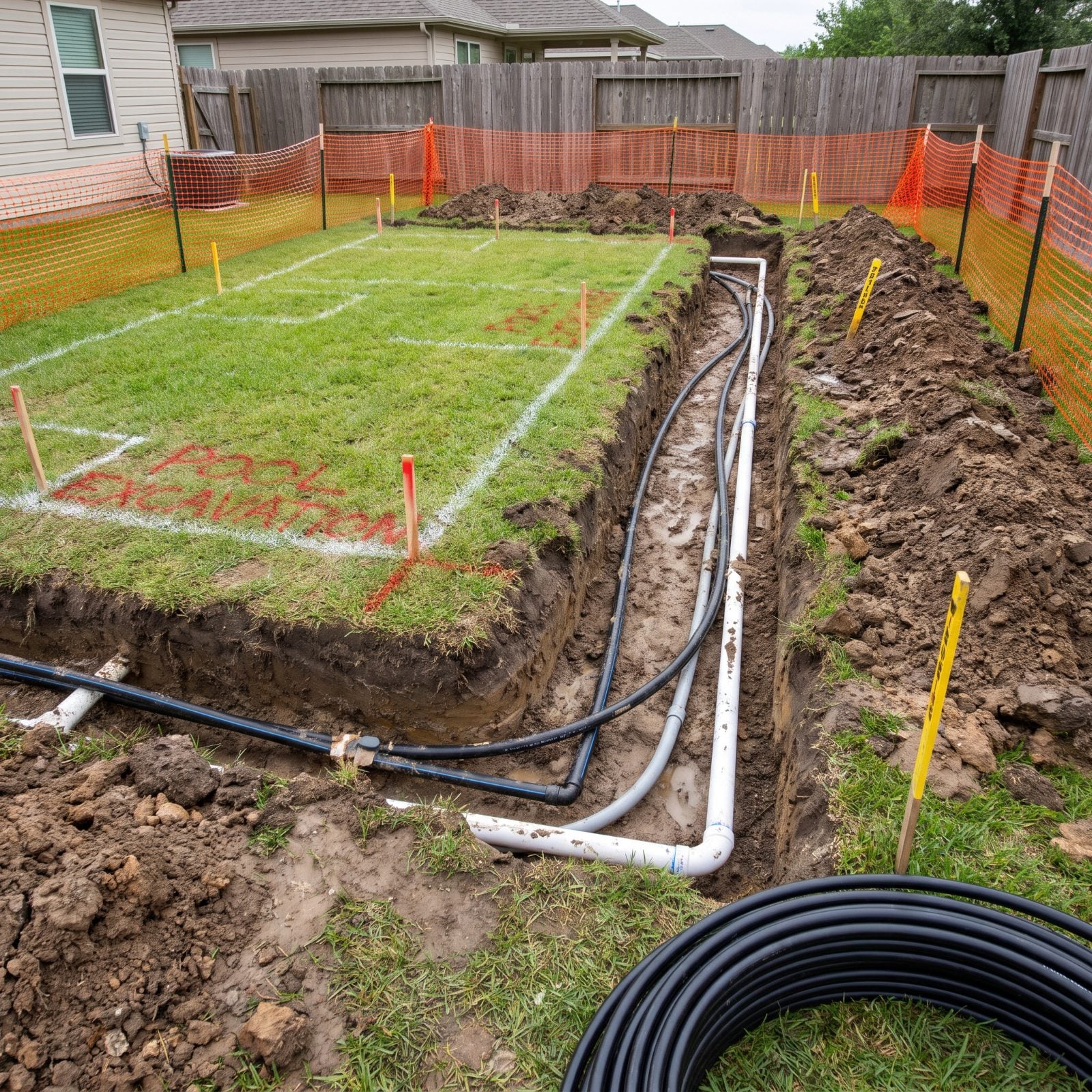
Sometimes the problem isn’t a utility near the dig. It’s a utility running straight through it.
The main water service, a gas line to the house, an irrigation backbone, a sewer lateral. If one of these crosses the pool footprint, it has to be rerouted, and that means a licensed trade, a trench, a permit, and an inspection. Rerouting a water or gas service is no weekend fix. It can add thousands of dollars and days to the schedule, and it won’t appear on a quote written before anyone knew where the lines ran. Which is exactly why that locating step earlier matters so much.
23. Electrical Panel and Service Upgrades
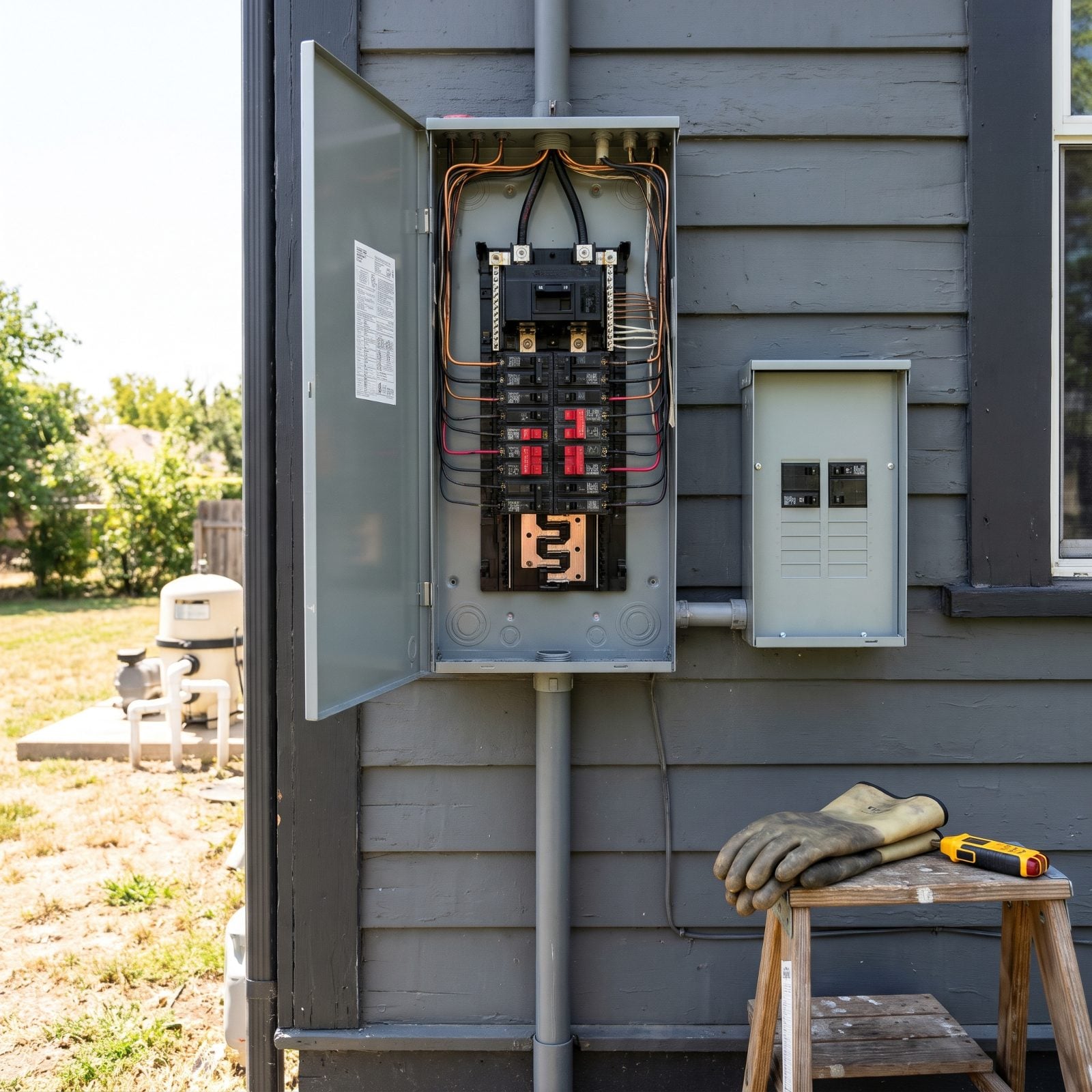
A pool is a hungry electrical load. Pump, heater, lights, maybe a saltwater system, all of it bonded and GFCI-protected to code. Your existing panel may not have the room or the capacity to carry it.
That can mean new breakers at best, a subpanel in the middle, or a full service upgrade from the utility at worst. A panel upgrade alone runs well into the thousands, and anything touching the meter brings the power company into your schedule on their timeline, not yours.
22. Gas-Meter and Heater-Line Upgrades
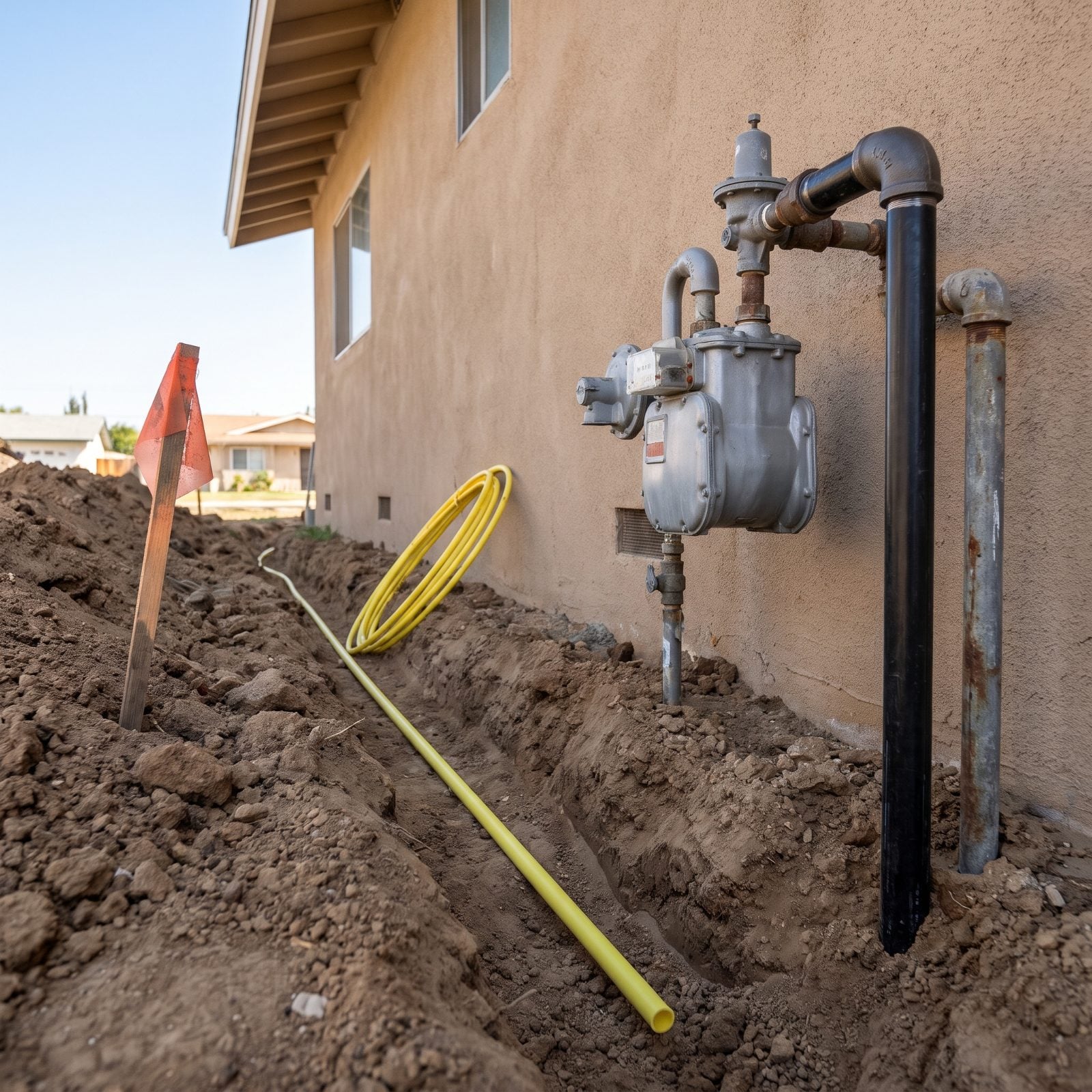
The quote says the pool comes with a heater. What it rarely says is that your existing gas line can’t feed the thing. A pool heater is thirsty, often wanting more gas than your furnace, water heater, and range put together, and if your meter and supply line were sized for an ordinary house, they weren’t sized for this.
So the gas company swaps the meter, and a plumber runs a fatter line from there to the equipment pad. That run can be long. The cost lands on you, not the builder, and it almost never shows up on page one of the estimate.
21. Rain-Damaged Excavation Repairs
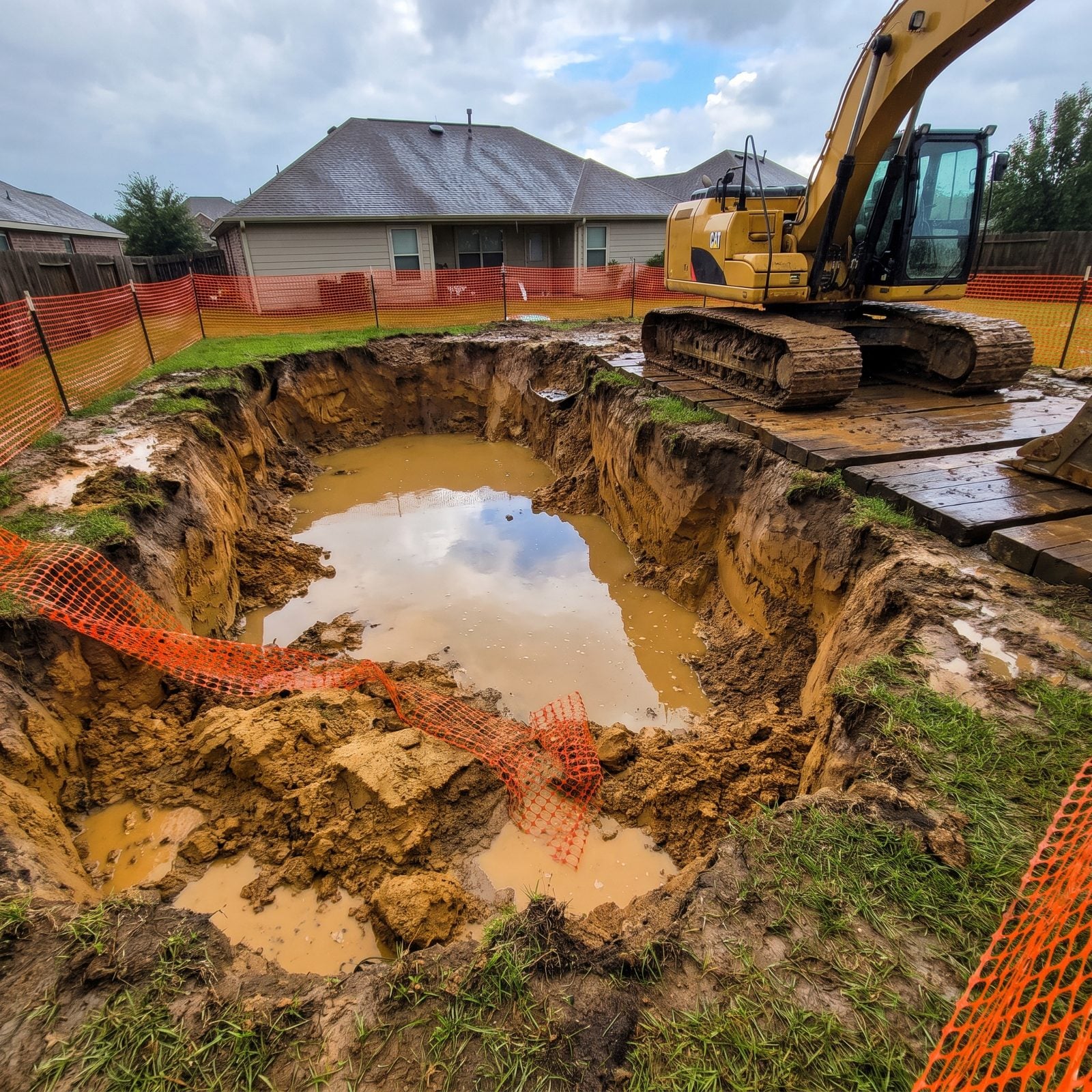
Dirt doesn’t care about your timeline. An open excavation is just a hole waiting for weather, and a hard rain can turn clean walls into a caved-in, muddy mess overnight.
Now somebody has to pump out the groundwater, haul off the slop, re-dig whatever collapsed, and sometimes truck in gravel to steady the base. Most contracts drop weather delays — and the repairs they trigger — squarely on the homeowner. Dig in a wet season and you’re betting your own wallet against the sky.
20. Extra-Long Plumbing and Electrical Runs
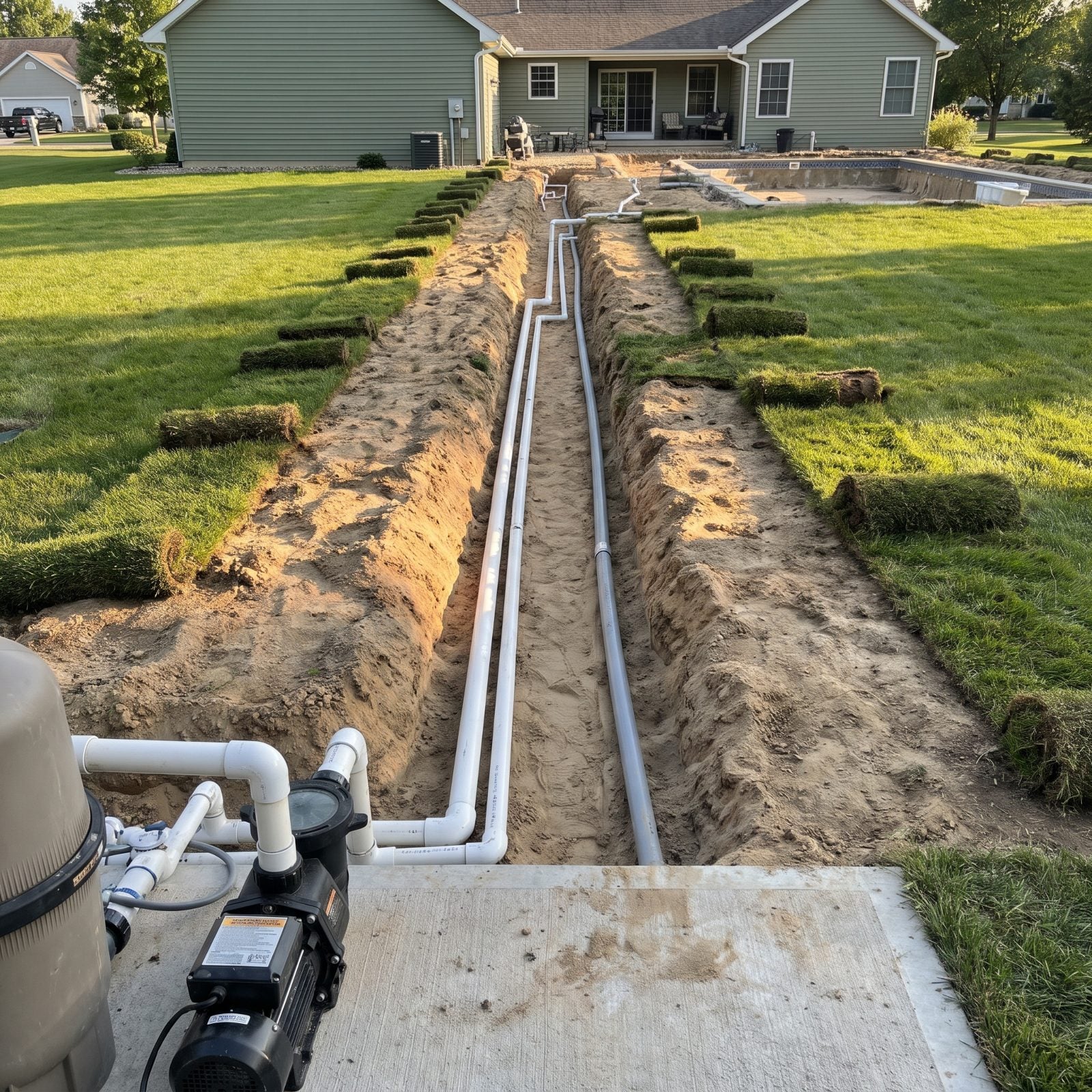
Distance is money, and most quotes assume a short, tidy run.
Builders price the standard length of pipe and wire from the pool to the equipment pad. But put the pad against the house and the pool out at the far fence line, and suddenly you’re paying for a lot more PVC, more conduit, more trenching, and the labor to drag all of it across your yard.
Every extra foot between pool and pump adds cost, and every corner the line turns adds a fitting. So ask where the pad goes before you sign anything. That one answer can move the number by a real margin.
19. The Required Electrical Bonding Grid
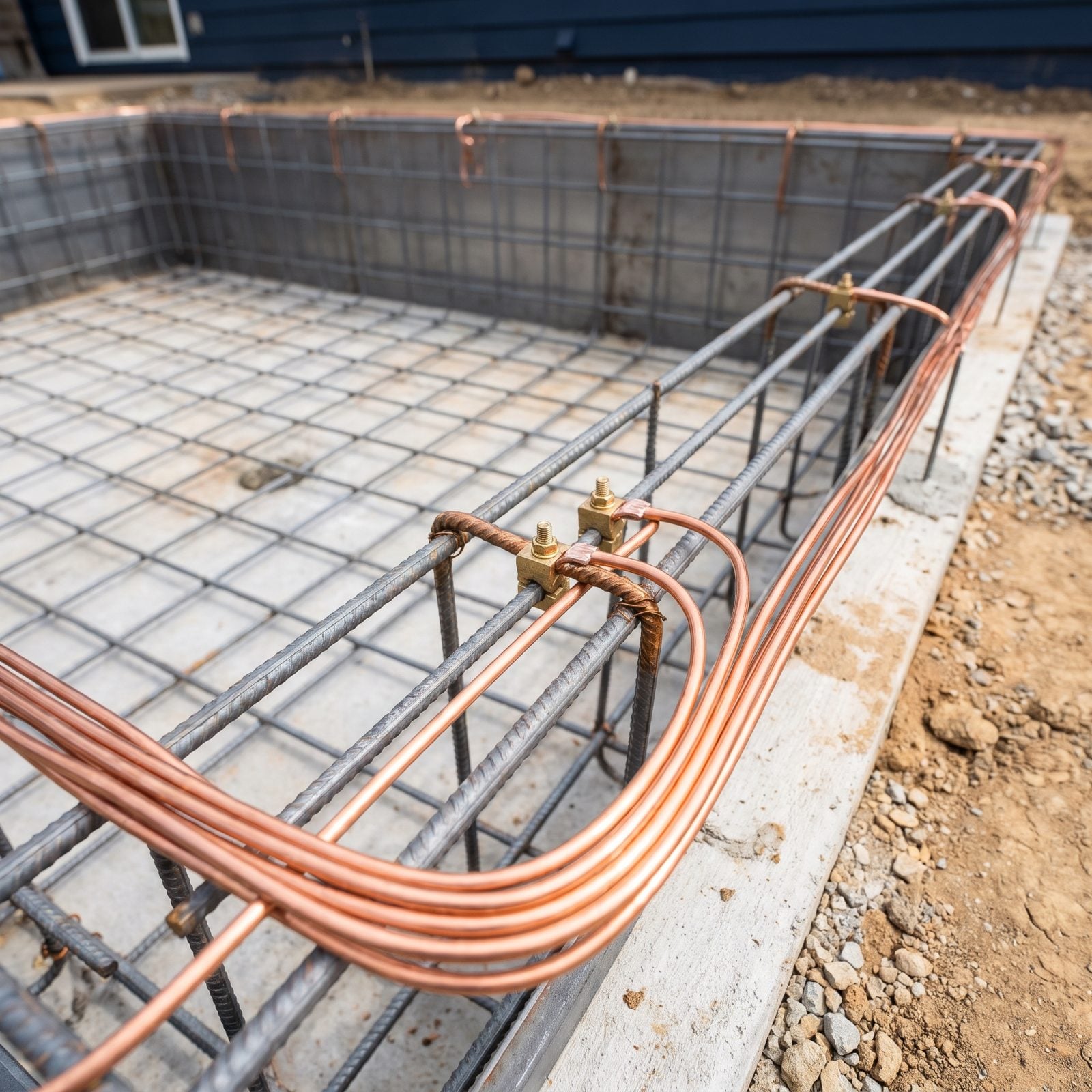
Now for the invisible one. Code requires an electrical bonding grid — runs of copper laid along the steel, with brass connectors clamped onto the rebar, that tie together the pool’s steel, the water, the ladders, the pump, and anything metal nearby, so stray current can’t turn your pool into a shock hazard.
It’s buried. You’ll never see it, which is precisely why it slips the mind during the walkthrough. No inspector passes a pool without one. The materials and labor are real line items, and skipping them simply isn’t an option — legally or otherwise.
18. Code-Compliant Perimeter Fencing and Self-Latching Gates
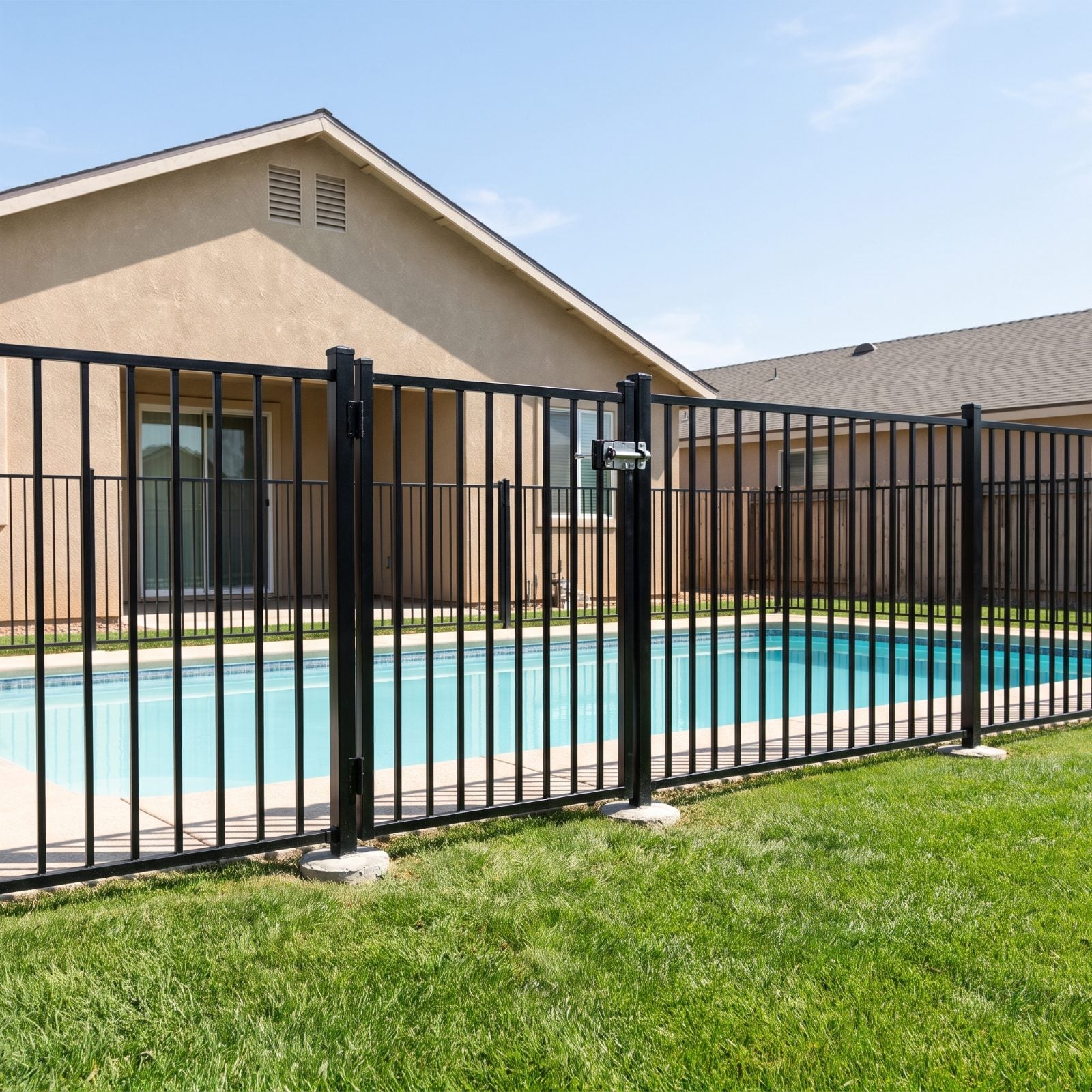
No municipality lets you dig a pool and then walk away from the safety barrier. Most want a fence of a minimum height around the whole pool or yard, with gates that swing shut and latch themselves well out of a child’s reach.
That fence is almost never in the pool price. You buy it separately, and good fencing adds up fast across a full perimeter. Here’s where it matters: the self-closing, self-latching gate hardware is the part the inspector actually tests, so don’t cheap out on it.
17. Required House-Door and Window Alarms
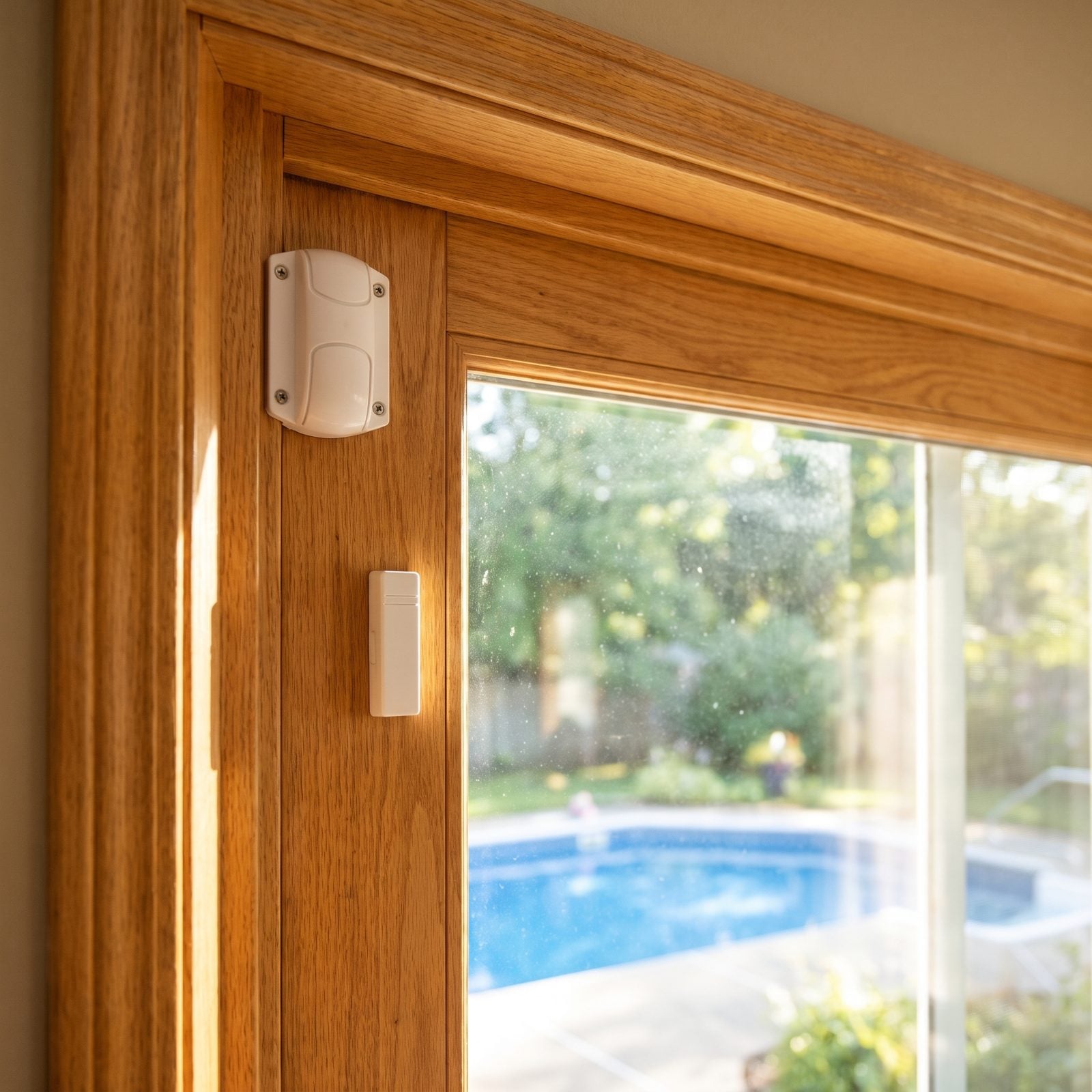
When a wall of your house counts as part of the pool barrier, the rules follow you indoors. Many codes demand that every door and window leading out to the pool wear an alarm loud enough to hear across the house.
Each opening gets its own sensor. Count your back doors and low windows, and the tally climbs quietly. A small item — right up until the final inspection stalls over it.
16. An Approved Weight-Bearing Safety Cover
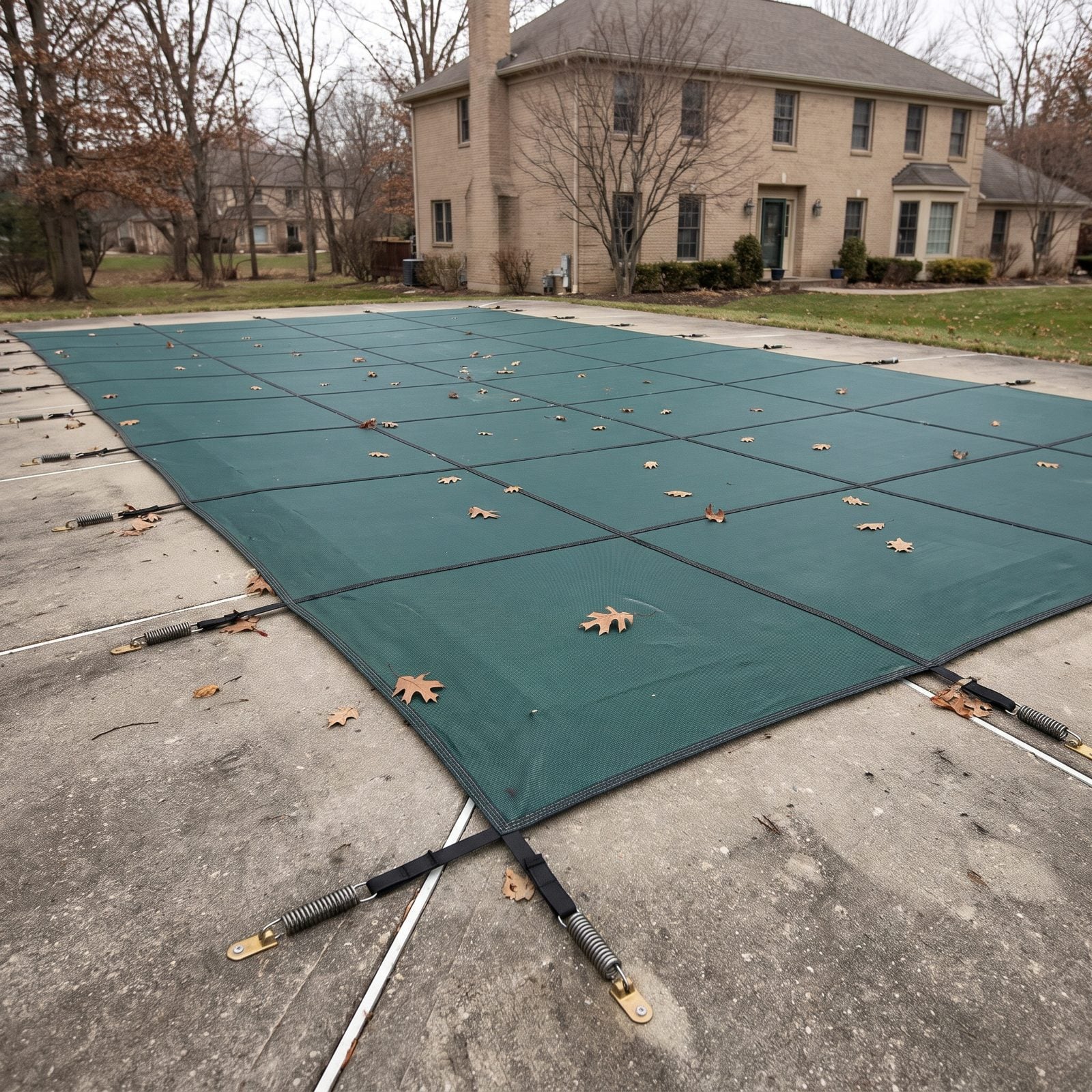
A flimsy tarp held down with water bags is not a safety cover. The real thing is engineered to hold weight — a person, a pet, a winter’s load of snow — anchored into the deck and drawn tight enough to walk across.
These covers are a separate purchase, and the good ones hurt. Some areas require one; everywhere else, it’s the gap between a cover that shrugs off a hard winter and one that sags into the water by February.
15. Coping and Decking Quote Exclusions
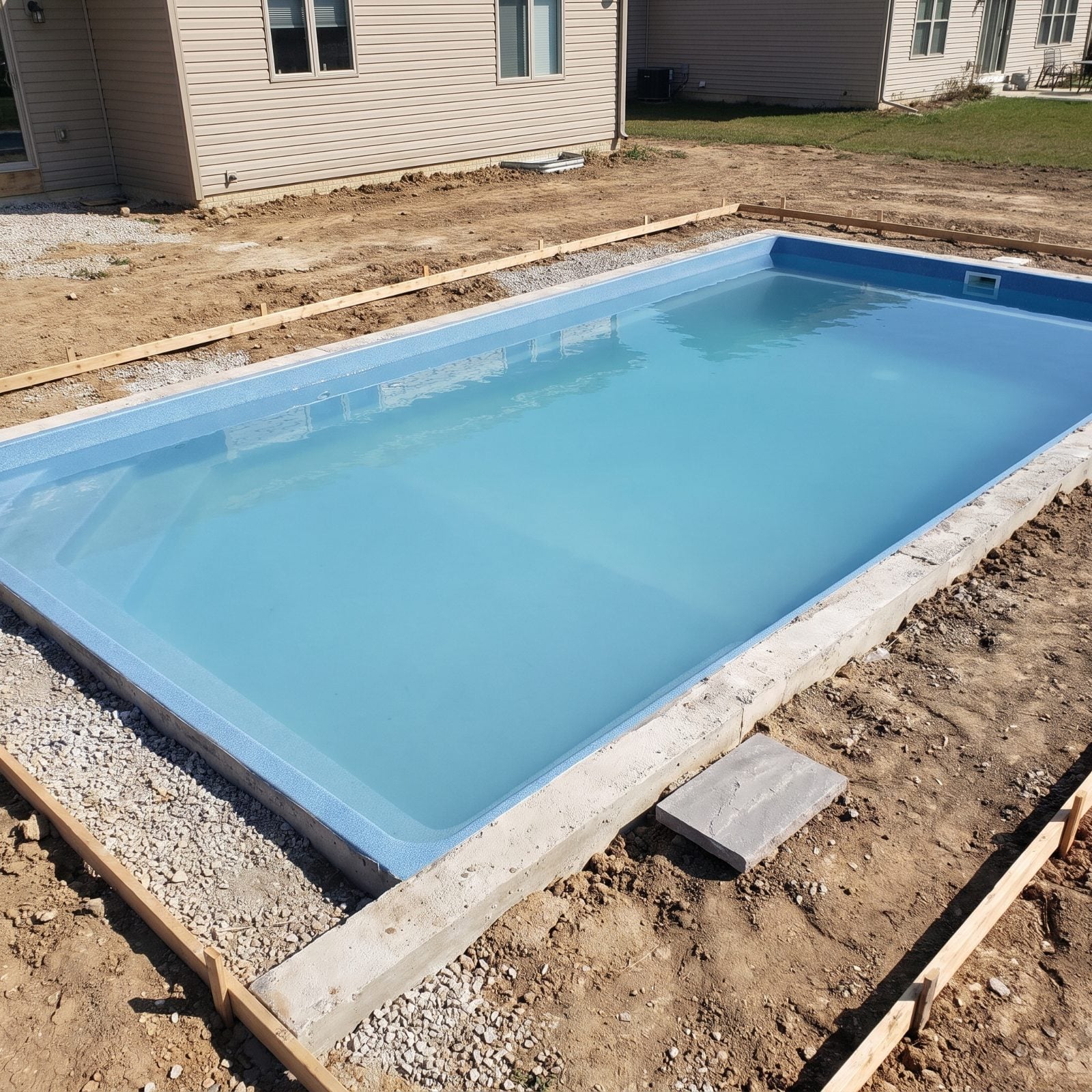
Read the exclusions. That shocking-value pool price often buys you a hole with water in it and nothing to stand on.
Coping — the cap stone around the rim — and the deck you actually walk on frequently lurk in the fine print as separate costs, or outright exclusions. And the gap between a stamped-concrete deck, travertine pavers, and plain broom-finish concrete is enormous. A handsome pool with a dirt border isn’t finished. It’s just closer.
14. Deck Drains and Runoff Channels
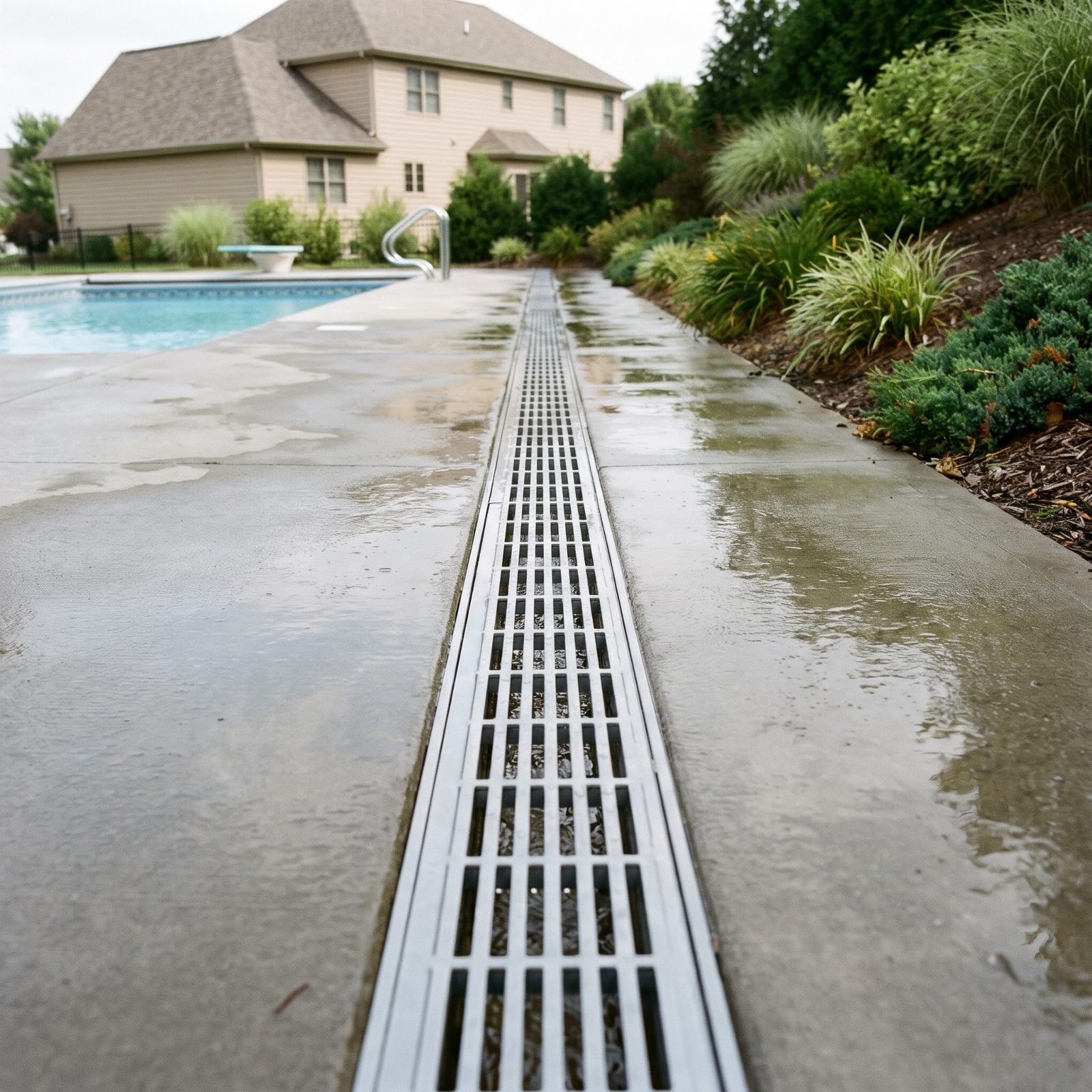
Water goes where gravity sends it, and a big flat deck sends a lot of it somewhere. With no drains, rainwater and splash-out marches straight toward your house foundation, or pools up against the slab.
So you build in trench drains, channel grates, and sometimes a dry well to carry it all off. On a sloped lot this stops being optional — it’s what keeps your basement dry and your deck from heaving. And it isn’t in the basic pool quote either.
13. Lawn and Landscape Restoration
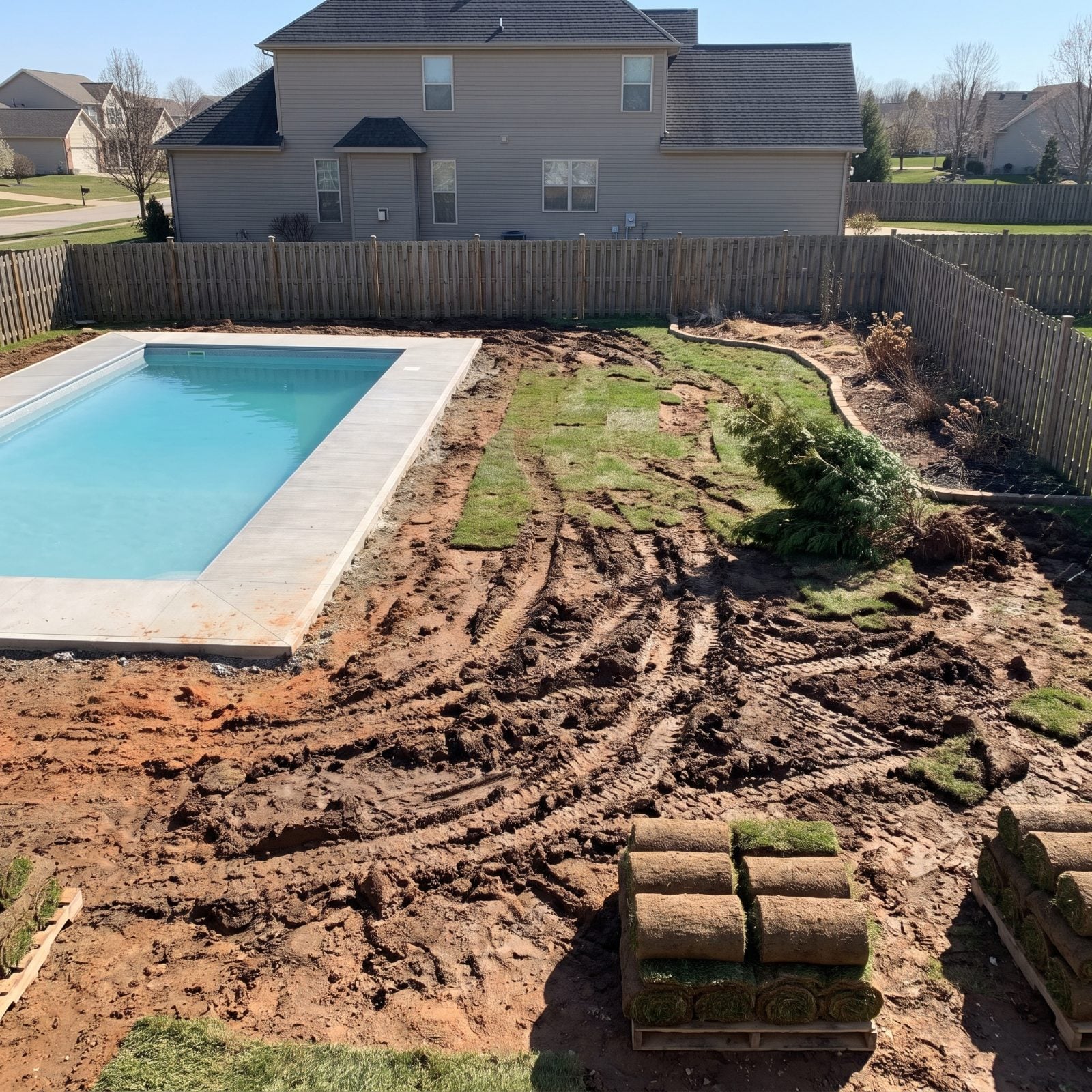
And here’s the gut-punch at the finish line. The pool looks great. The rest of your yard looks like a quarry.
Excavators and dump trucks don’t tiptoe — they flatten lawns, crush beds, rut the soil, and sometimes shear an irrigation line on the way in and out. Builders usually leave the site ‘rough graded,’ which is a polite word for dirt. Everything after that is yours: sod, topsoil, plants, sprinkler repairs.
Budget for it from day one. Walking out to a gorgeous pool ringed by churned mud is its own particular kind of deflating, and the fix costs real money.
12. Rerouting the Irrigation System Buried Right Where the Hole Goes
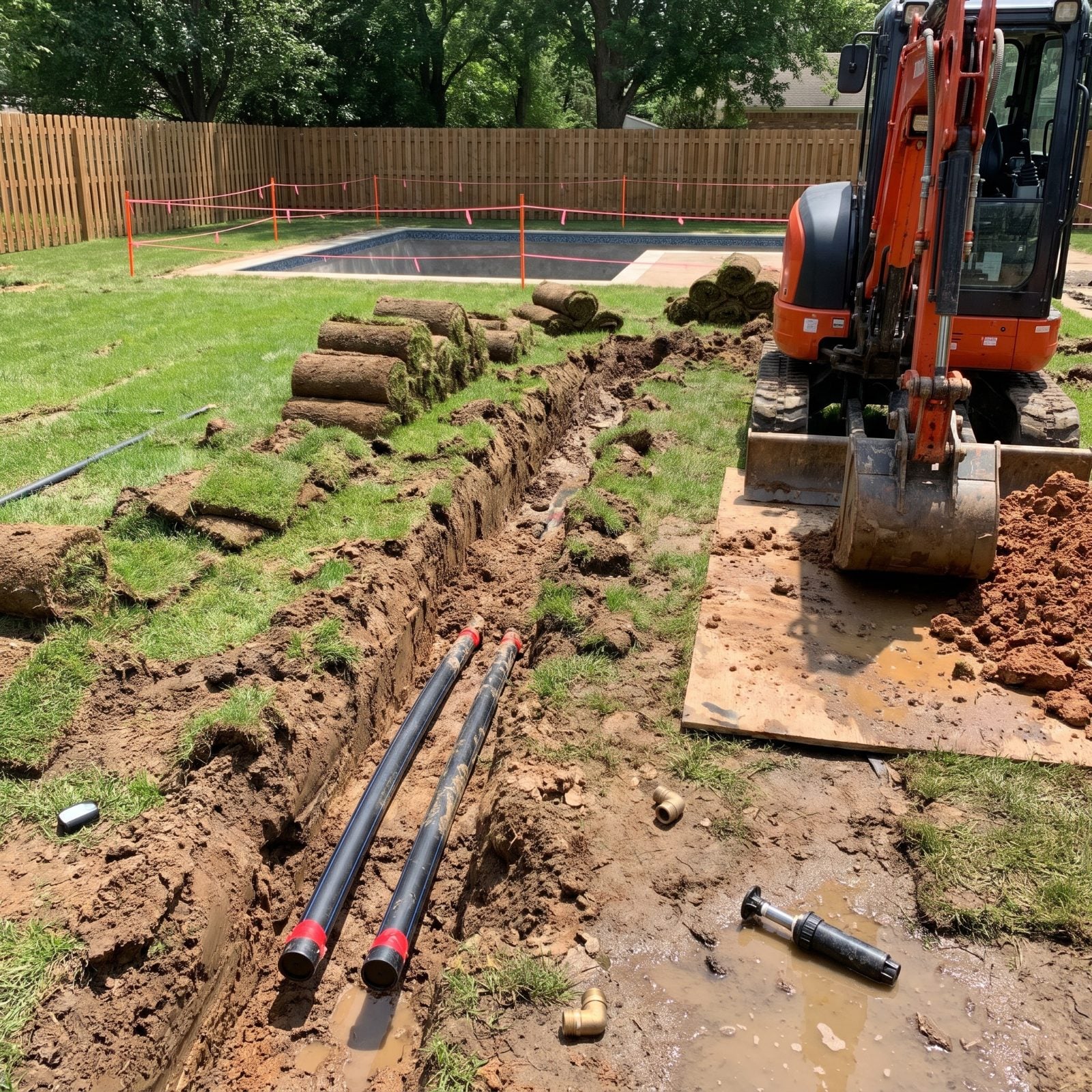
Nobody mentions the sprinklers until the excavator slices through one. The irrigation lines you forgot you had almost always run straight across the patch of yard a pool wants, and relocating them is its own little project with its own invoice.
Expect a licensed irrigation tech, new valves, capped zones, and a redesign of the spray pattern so you’re not watering the deep end. It rarely lands on the builder’s estimate, because it isn’t the builder’s trade.
11. The First Fill: Thousands of Gallons on Your Water and Sewer Bill
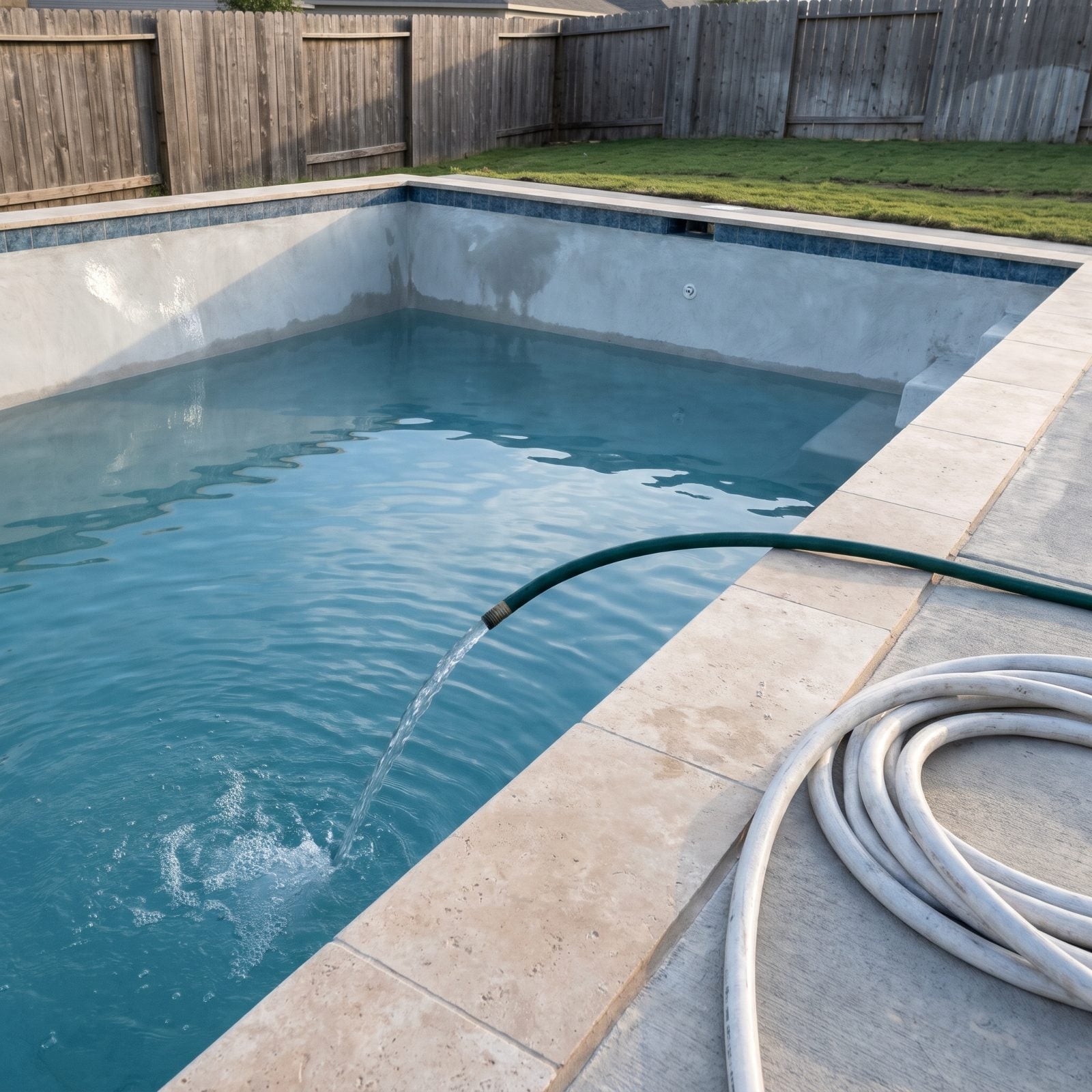
A medium in-ground pool holds a lot of water, and all of it lands on your utility meter at retail rates. Here’s the sting most people miss: many sewer bills are calculated from water volume, so you end up paying sewer charges on water that never touches a drain.
Some utilities offer a one-time “pool fill” credit that waives the sewer portion. Call and ask before you turn the hose on. If they offer it, it’s free money. If they don’t, at least you weren’t blindsided.
10. Startup Chemicals and the Fussy First Week of Water Balancing

Fresh water isn’t swim-ready water. That first balance is a chemistry marathon, and you’ll be chasing calcium hardness, alkalinity, pH, stabilizer, and a shock dose while the plaster fights you on the numbers for days on end.
New plaster leaches. You test, you adjust, you test again. Buy your chemicals by the bucket rather than the bottle, because you’ll burn through more than you’d ever guess while the water settles down.
9. The Insurance Hike Nobody Warns You About: Liability and the Umbrella Policy
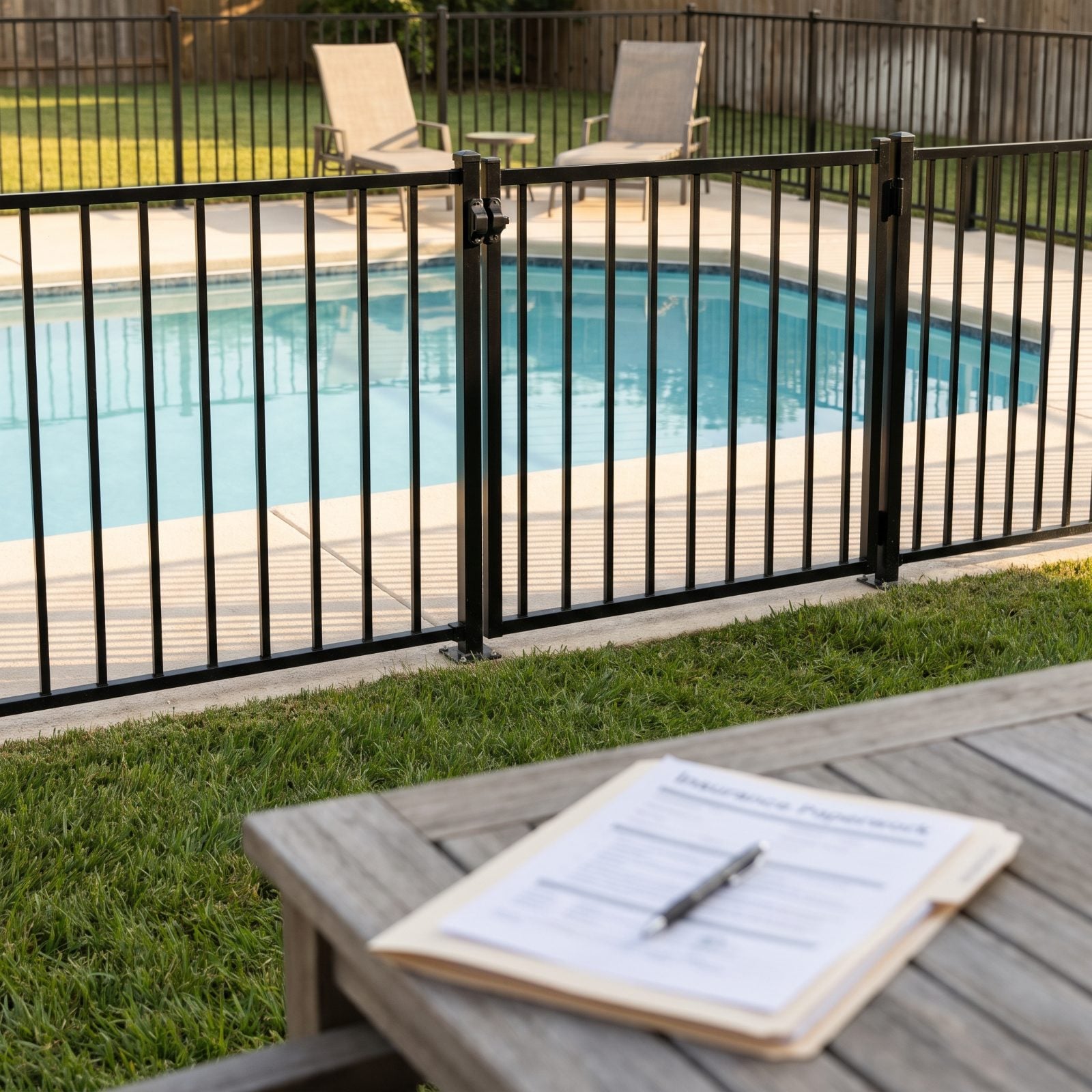
Insurers call a backyard pool an “attractive nuisance,” and the phrase tells you everything about how they price it. Adding one bumps your homeowners liability and, if you’ve got any sense, pushes you to carry an umbrella policy on top.
The premium increase is annual and permanent. It’s the quiet cost that keeps arriving long after the crew has packed up and driven off.
A fence and a self-latching gate aren’t just code. They’re often the difference between a policy you can afford and one your insurer won’t write at all.
8. The Property-Tax Assessment That Follows Every Permit
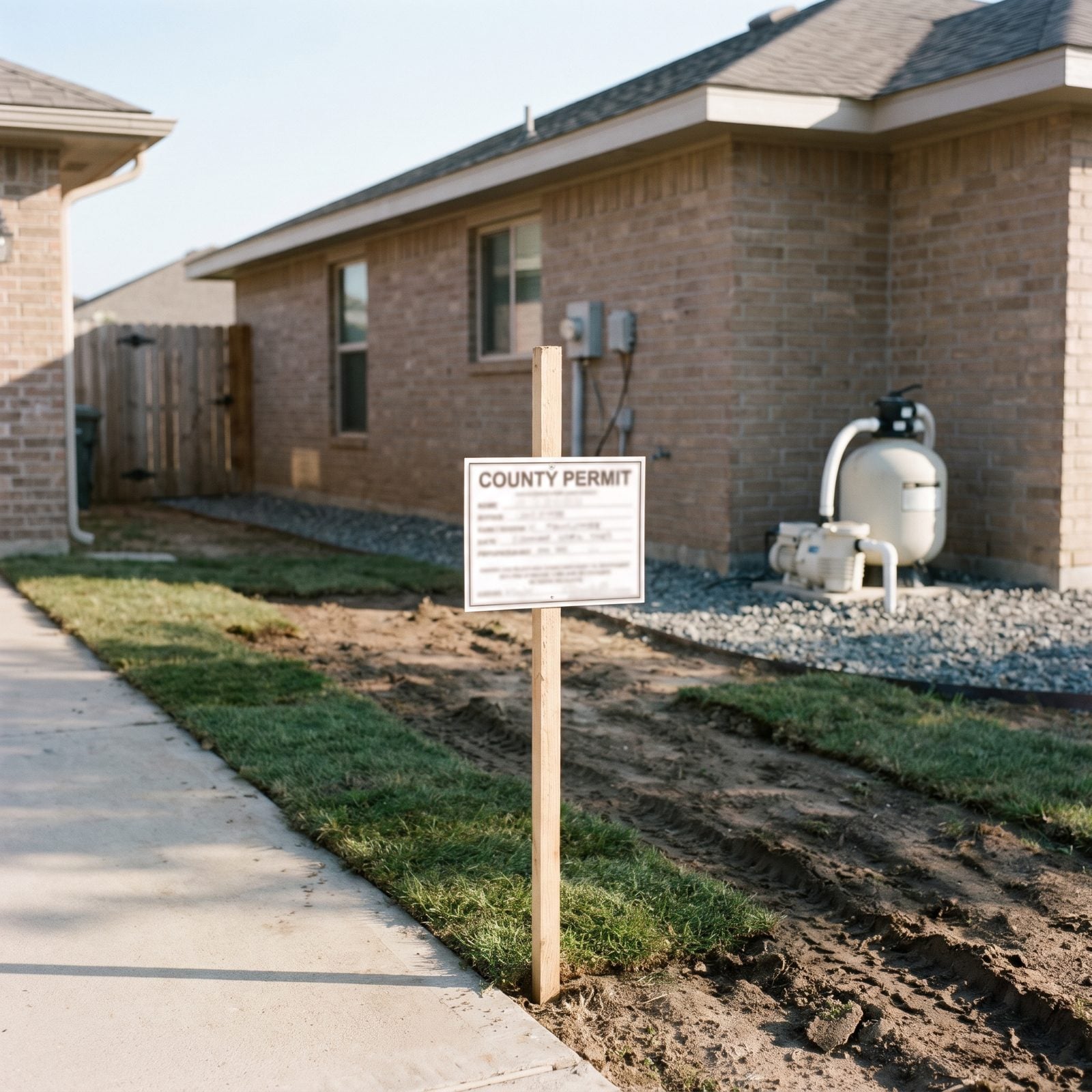
Pull a pool permit and you’ve just told the county you improved your property. In a lot of places that triggers a reassessment, and a higher assessed value means a higher tax bill every single year you own the home.
How much it moves the needle varies wildly by state and county, so anyone quoting you a confident number is guessing. What’s reliable is the direction: up. Budget for it as a recurring line, not a one-time blip.
7. Pool-Loan Interest and the Origination Fee Tucked in the Fine Print

That tidy builder’s quote is the price of the pool, not the price of borrowing for the pool. Finance it and the real number balloons once interest stretches across the loan term.
Watch the origination fee, usually a percentage skimmed off the top before you see a dime of the funds. Over the life of a multi-year loan, interest can pile thousands of dollars onto what the pool “cost,” and the brochure never runs that math for you.
6. Running the Pump: The Filtration Bill That Hums All Summer
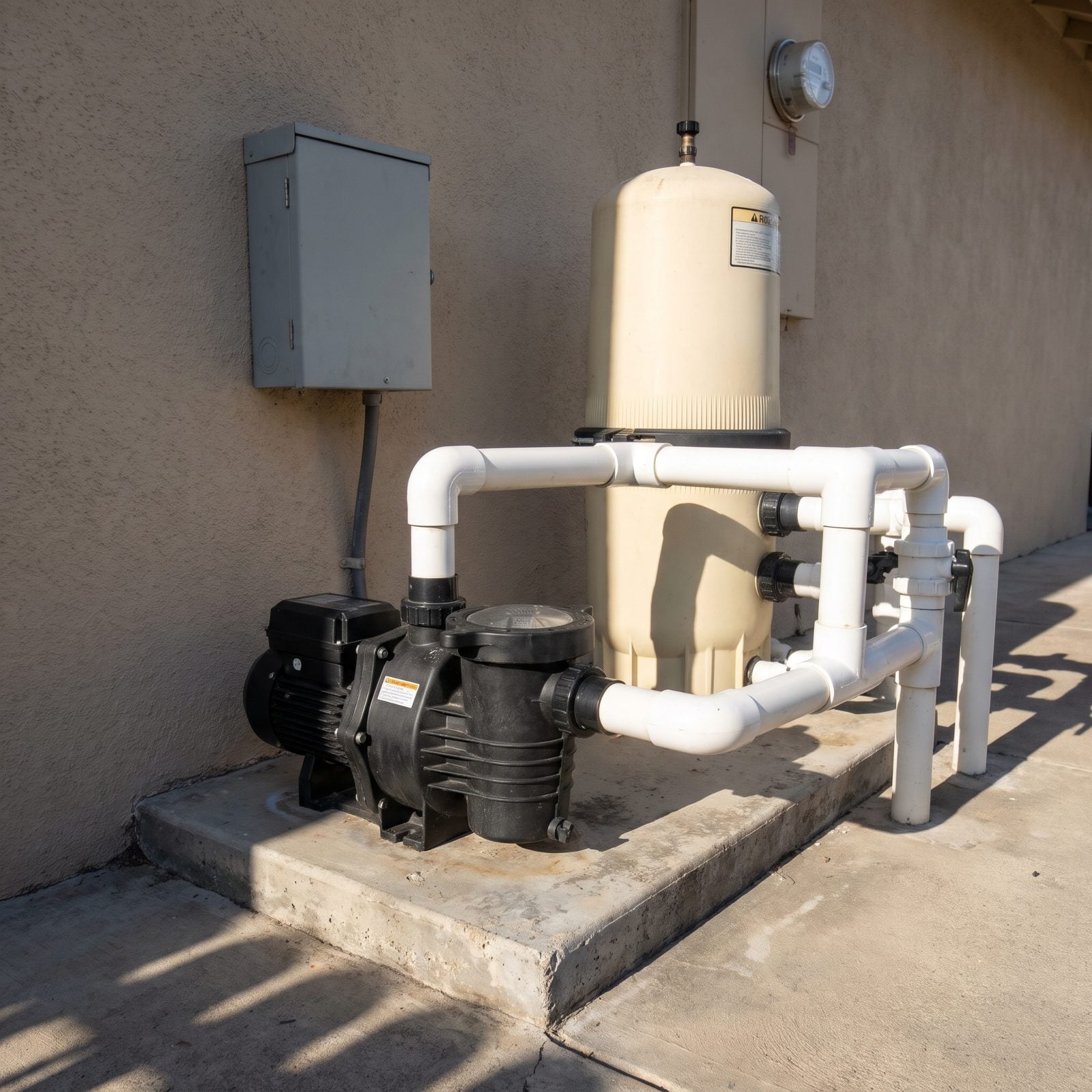
A pool pump is the appliance you never see but always pay for. It runs hours a day to keep water moving and clear, and an old single-speed unit can quietly become one of the hungriest loads in the whole house.
Variable-speed pumps slash that by running slow and long instead of fast and brute-force. They cost more upfront. They usually earn it back. And here’s the part the quote skips entirely: this is a bill that never stops for as long as the pool exists.
5. Heating the Water: Where Gas and Electric Meters Go to Suffer
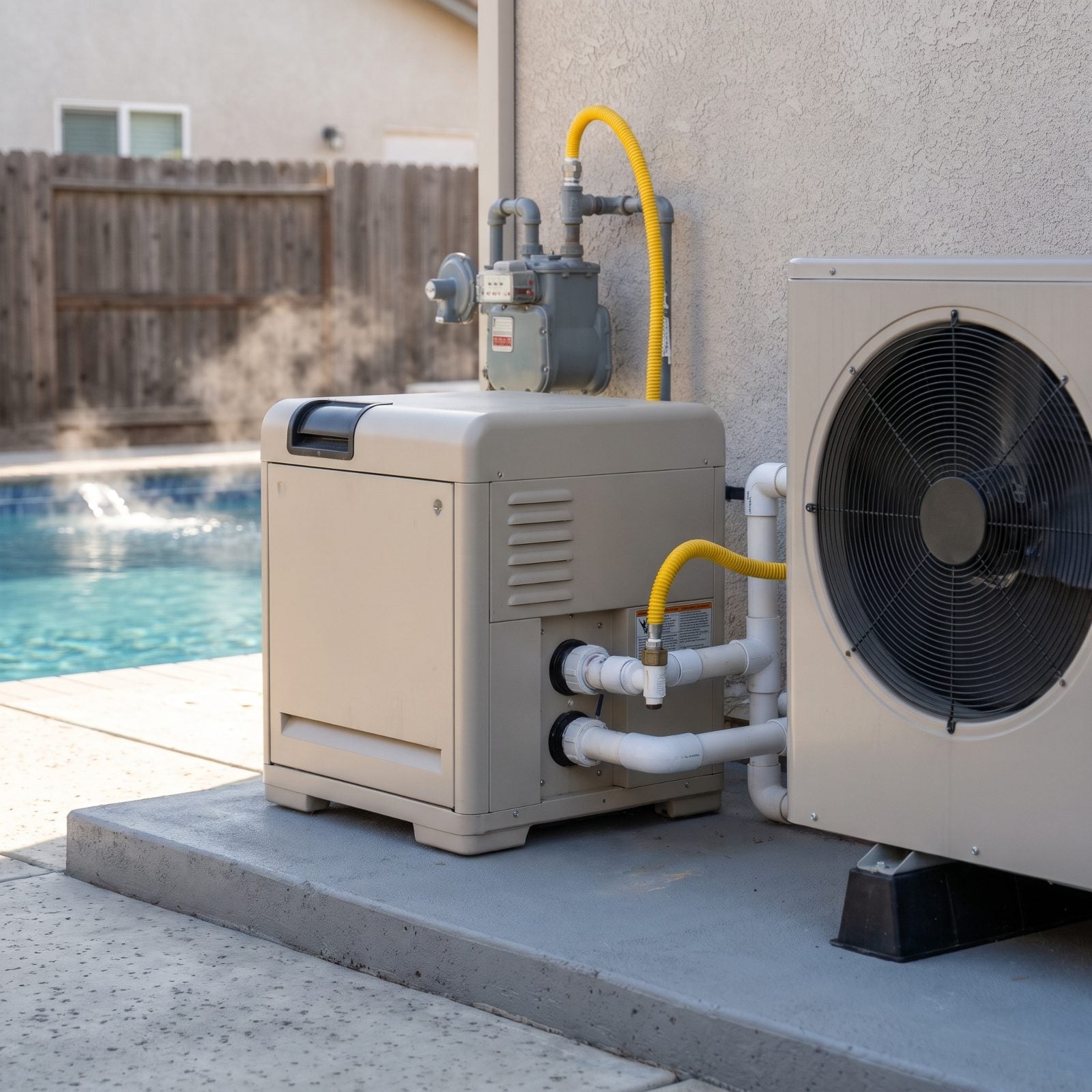
Want to swim in April and October instead of just a few weeks in July? That comfort runs on a heater, and heaters are thirsty things.
Gas heaters warm fast and burn money doing it. Heat pumps sip electricity but work slowly and stall in a cold snap. A solar cover cuts the loss either way, and skipping one is the single most expensive habit a pool owner can keep. Ask me how I know.
4. Topping Off What the Sun Steals: Evaporation Refills
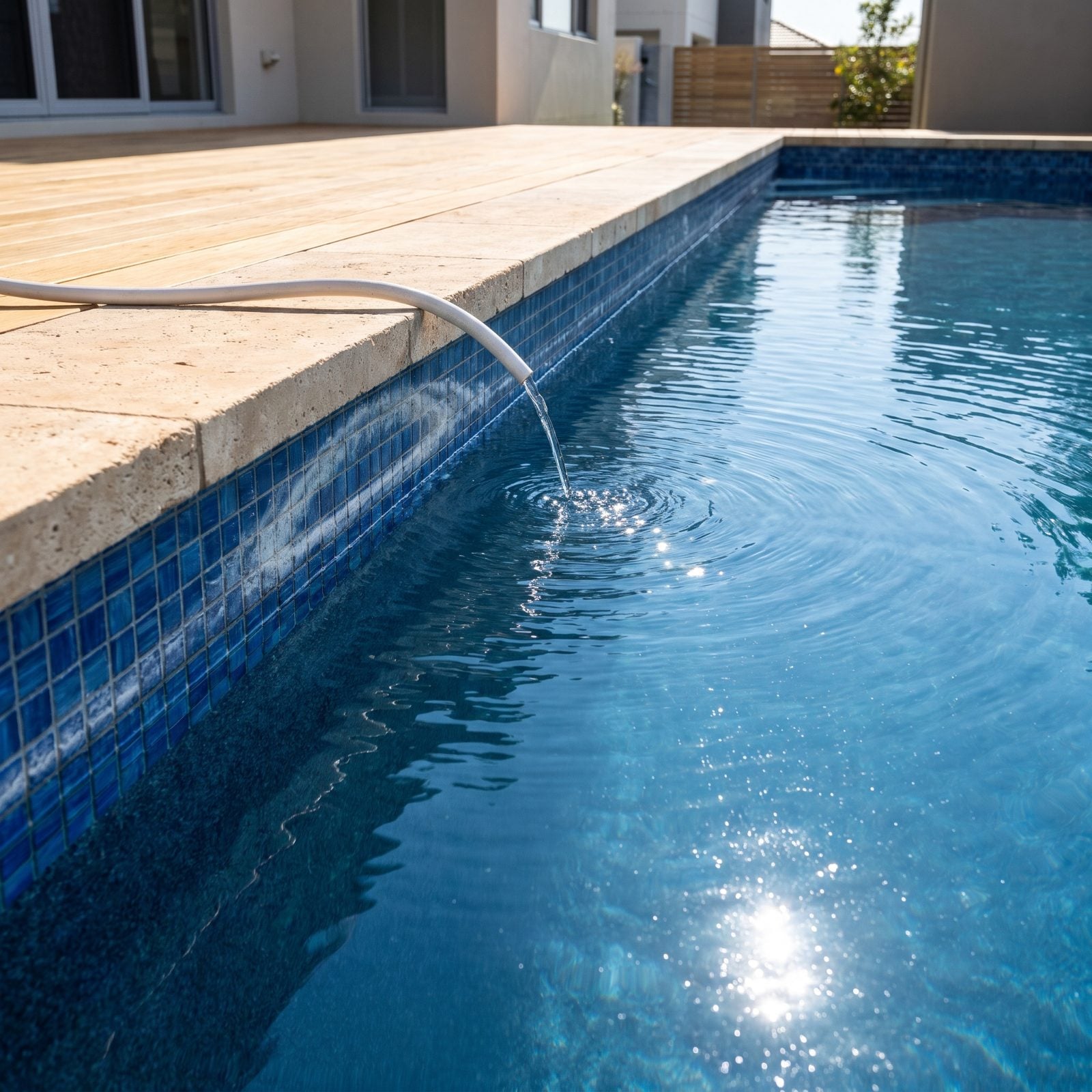
An uncovered pool loses water to the sky every warm day, and in a hot, dry, windy week it climbs to a startling amount. Each inch that disappears is water you buy all over again, metered at the same retail rate as the first fill.
A cover isn’t just about leaves. It’s the cheapest hedge there is against a hose that never quite stops running all summer long.
3. The Weekly Pool Guy: A Subscription You Didn’t Know You Signed
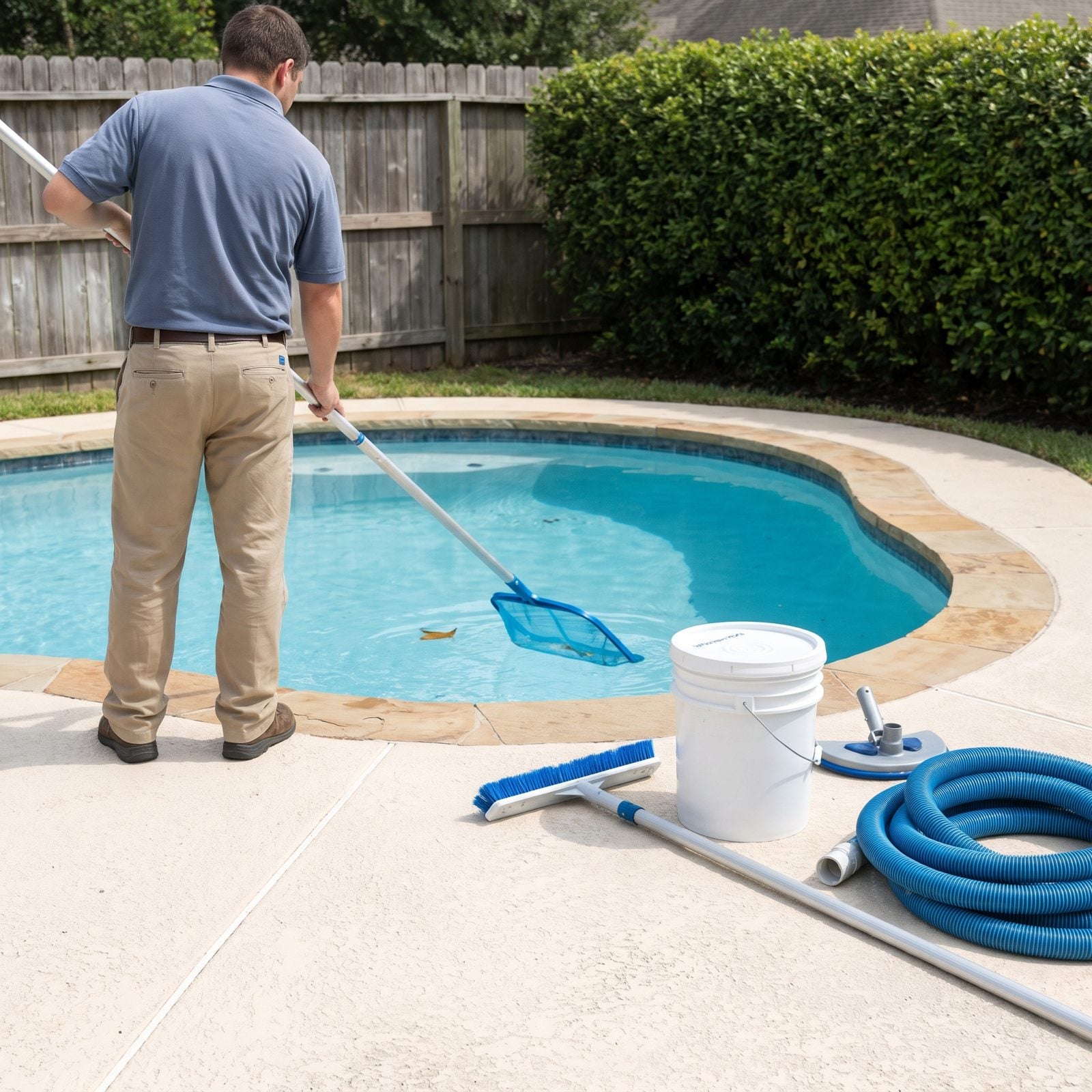
Plenty of owners start out swearing they’ll handle the upkeep themselves. By the second August of green water and a vacation that let the chemistry drift, most of them are dialing a service.
Weekly professional care, brushing, testing, dosing, filter cleaning, becomes a standing monthly charge for as long as you own the pool. It’s reliable, it’s worth it, and it’s absolutely nowhere on the sheet the builder handed you.
So here’s the honest summary nobody puts in the sales pitch. The quote buys you a hole full of water. Everything that keeps it swimmable, heated, insured, and legal is the real cost of owning a pool, and it arrives for the rest of the pool’s life. Go in knowing that, and it’s a genuine joy. Go in blind, and it’s a monthly ambush.
2. Seasonal Opening and Winterization: The Twice-a-Year Bill Nobody Quotes
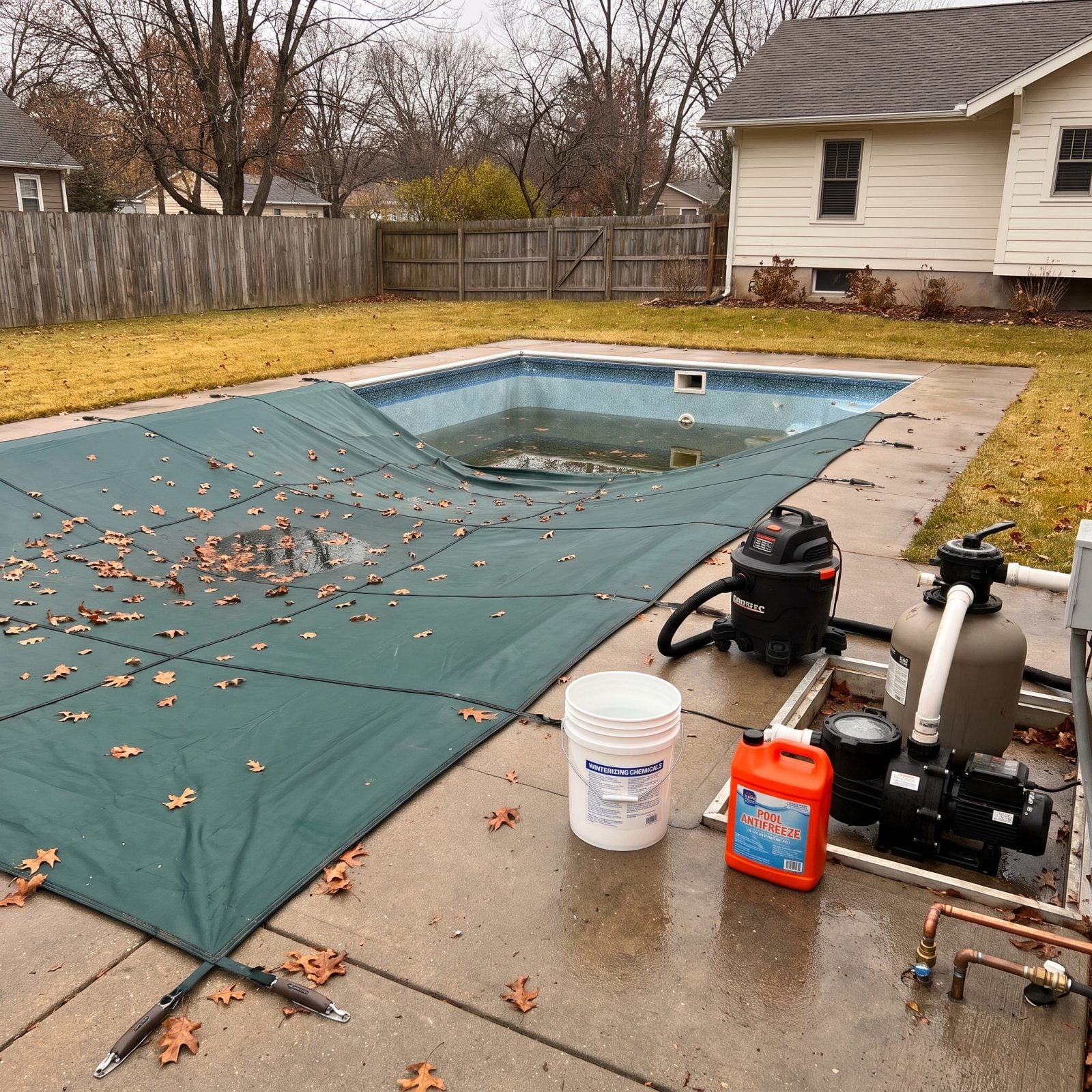
If you live anywhere that freezes, your pool has a calendar, and every page of it costs money. Twice a year somebody has to wake it up and put it back to sleep, and the builder’s quote almost never mentions either visit.
Closing is the expensive half. The water gets lowered below the skimmer, the lines get blown out and plugged so trapped water can’t freeze and split the plumbing, the equipment gets drained, winterizing chemicals go in, and the cover goes on. Spring reverses it all: pull the cover, clean off whatever collected on top, reconnect and prime the pump, then shock and rebalance water that’s been sitting for months. Most homeowners hire a service for both, and the fee lands every year whether you swam much or not.
1. Eventual Pool Removal and Yard Restoration: The Day You Decide to Fill It In
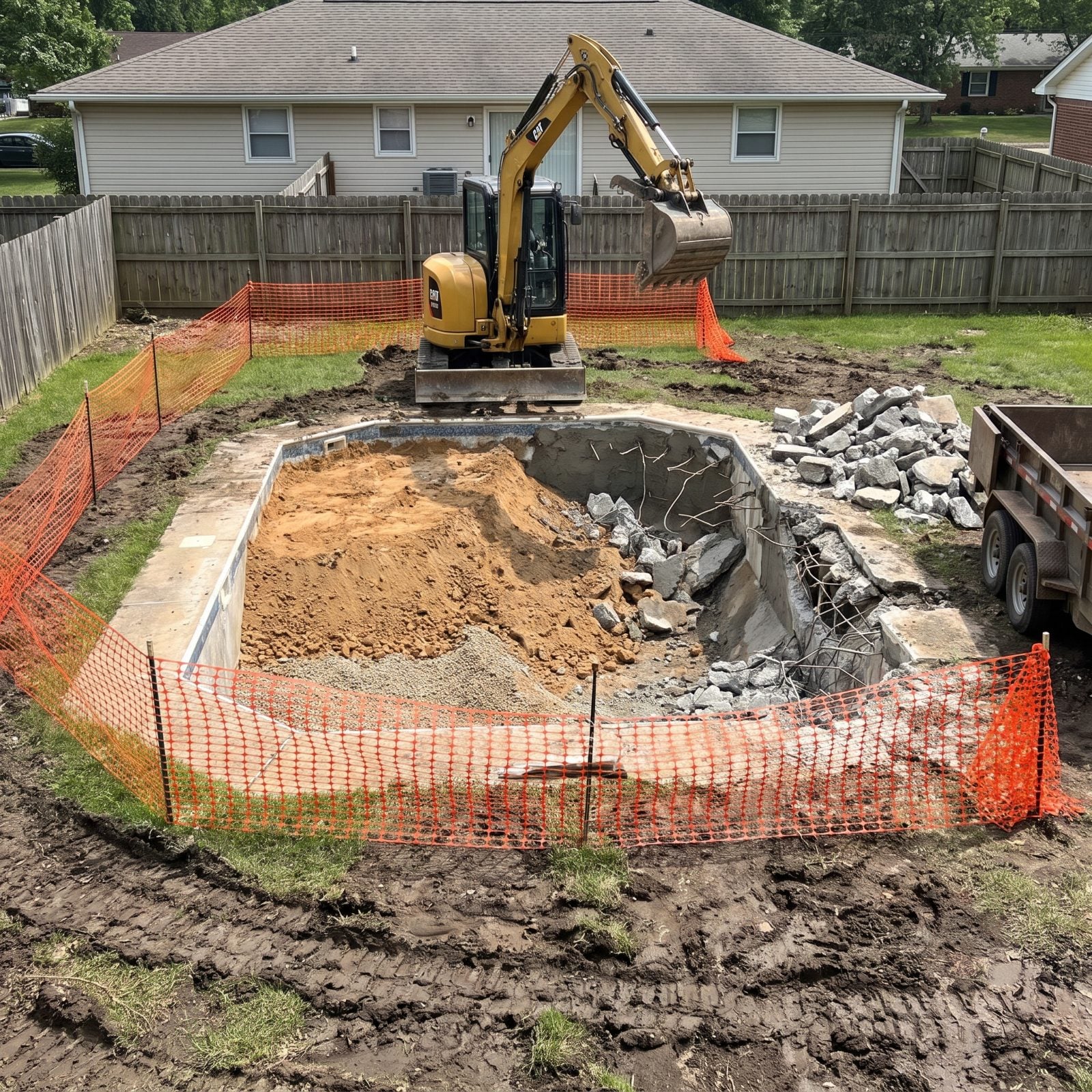
Pools don’t last forever, and neither does the desire to own one. Kids grow up, maintenance gets old, and at some point the water in the backyard turns into a liability instead of a luxury. Getting rid of it costs real money.
You’ve got two roads. A partial removal breaks up the top, punches drainage holes through the bottom, and fills the cavity — it’s cheaper, but it lives on your disclosure forever and limits what you can ever build on top of it. A full removal hauls the entire shell out and restores proper soil. That one costs more, and it risks settling later if the backfill isn’t compacted right.
And then there’s whatever’s left behind: bare, compacted dirt, dead rectangles where the deck sat, and a grading job that has to happen before a single blade of grass agrees to grow back.