
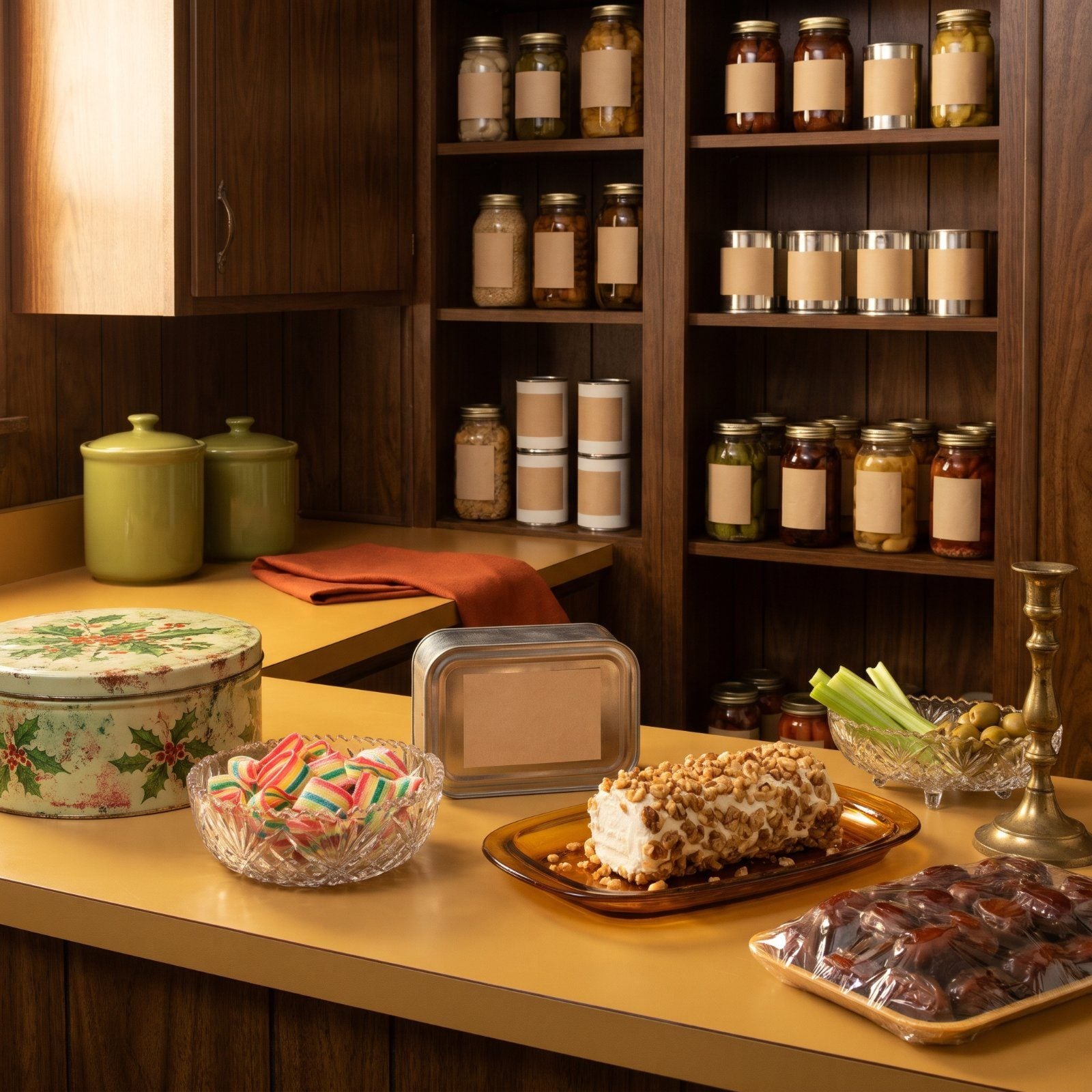
The candy dish on the console TV held ribbon candy nobody actually ate. A canned ham waited in the pantry for company that might drop by, and a fruitcake sat in its tin like a brick with a reputation. These were the foods of a 1975 holiday, the ones that showed up every December whether anyone wanted them or not, parked between the amber glass and the cut-crystal relish tray. Most have quietly left the grocery store since. We went looking for the ones that filled American pantries, candy dishes and party tables that year and didn’t survive the trip to now.
Please note that some of the images in this article were created with the assistance of AI.
26. Fruitcake Sealed in a Decorative Tin
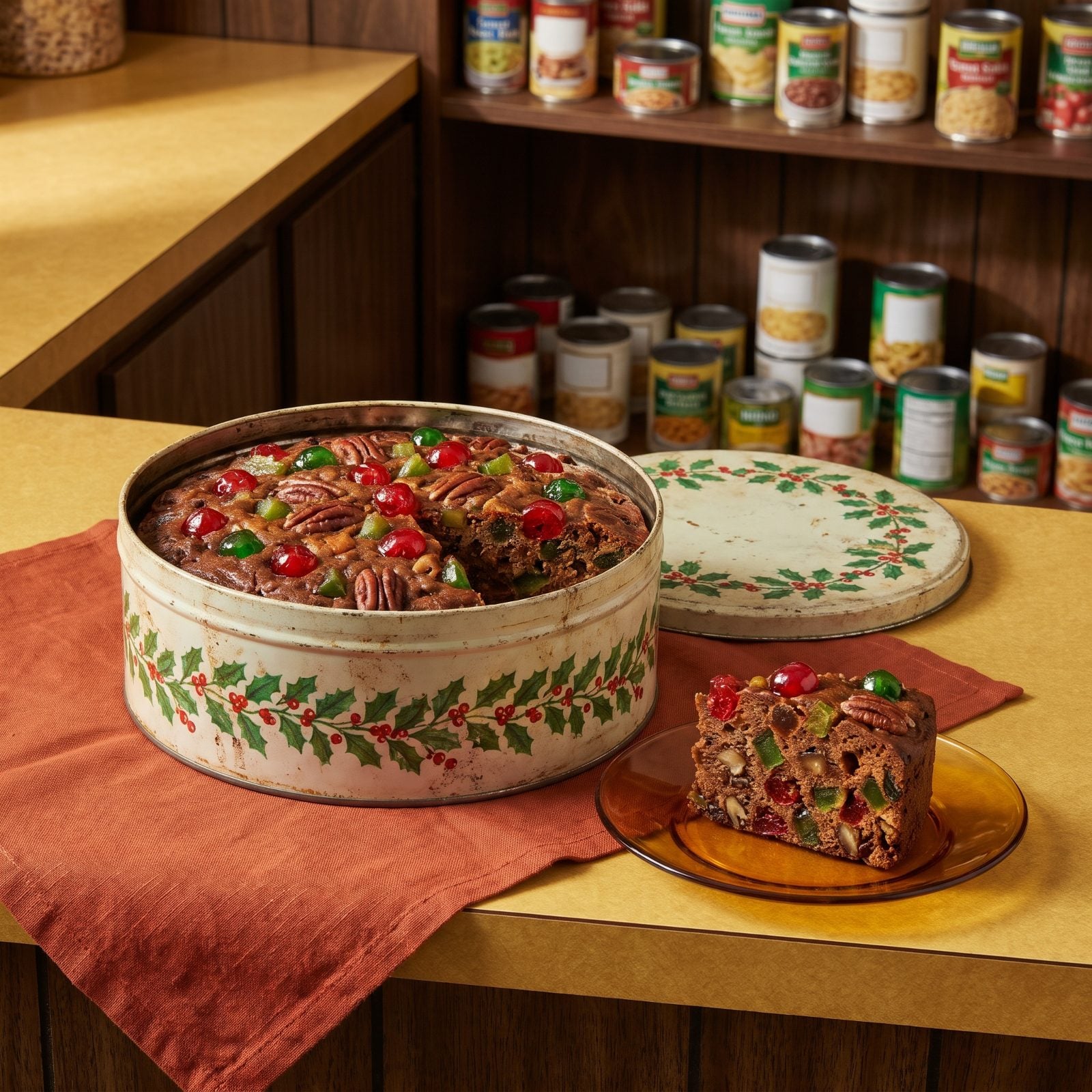
Every family had the one fruitcake that got passed around, re-gifted, and possibly never opened. The joke writes itself. But a 1975 tin was a genuine gift of effort, soaked in spirits and sealed up months ahead.
The tin did double duty. It kept the cake moist and then became a sewing box or button jar for the next forty years. Honestly, half the tins rattling around American attics started life holding fruitcake.
As a trained pastry chef puts it, “Once the cake is aged, it can keep at room temperature for several months. Keep the cake wrapped in plastic and in a closed container like a cake tin.”
25. Old-Fashioned Ribbon Candy

Thin, striped, folded like an accordion, and hard enough to crack a filling. Ribbon candy was for looking at. It glowed in the crystal dish on the side table, and by New Year’s the pieces had fused into one solid colorful rock that nobody could pry apart.
Making it meant pulling and folding hot sugar by hand, which is why the good stuff came from small candy shops. Mass production never quite caught the brittle, translucent ribbons, and younger generations mostly shrugged.
It survives at a handful of old-fashioned confectioners. Everywhere else, it’s a memory with stripes.
As a third-generation candy maker puts it, “Ribbon candy is like one of those Christmas songs they play every year: We might not always want to admit it, but when the season comes around, we’re looking for it.”
24. Canned Plum Pudding
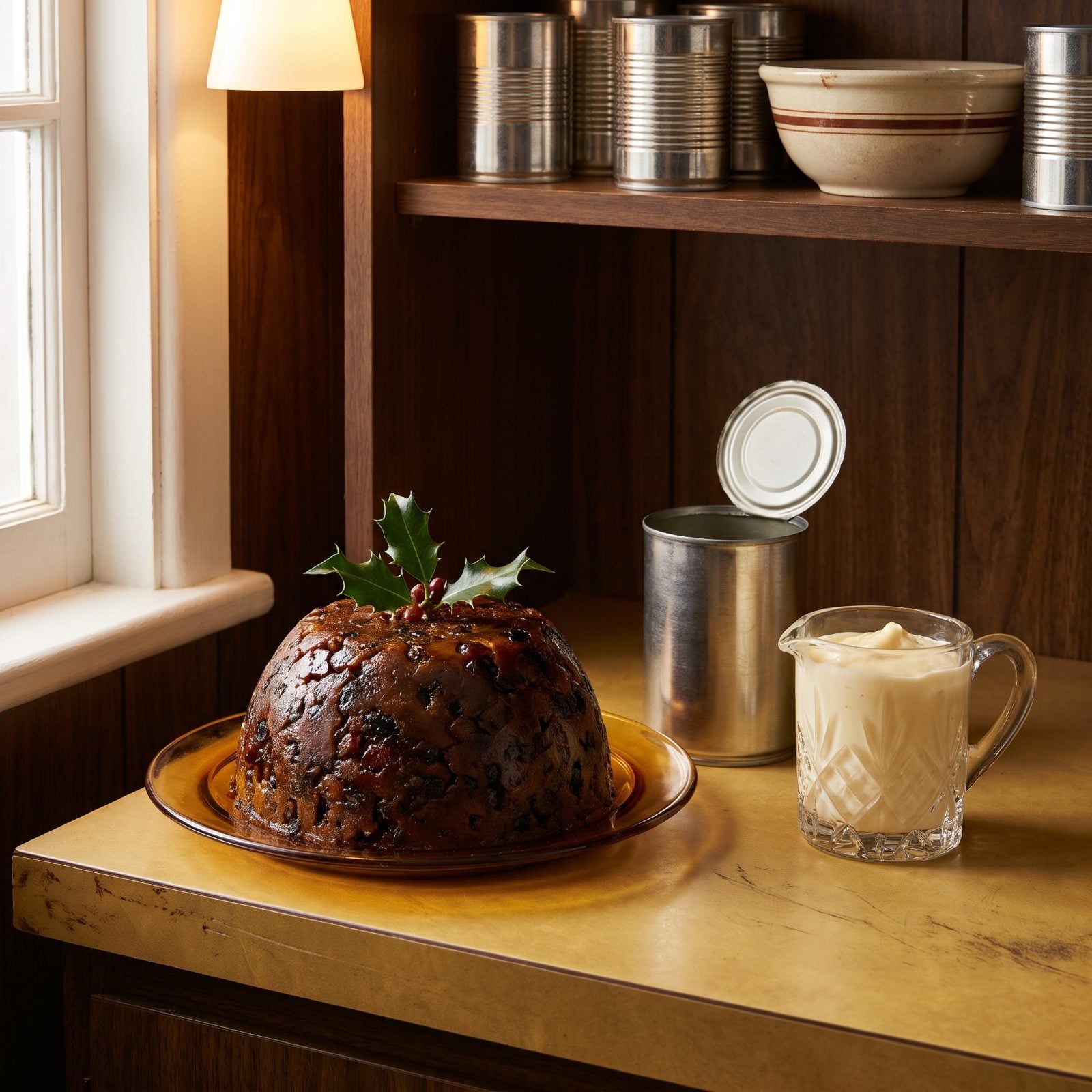
The dessert from the Dickens story, sold in a can. Canned plum pudding was a shortcut to a Victorian Christmas — a dark dome of steamed fruit and spice you warmed up and doused in hard sauce.
It was never truly American, which is partly why it slipped away. Arriving with English tradition, it held on through mid-century, then quietly left the shelf as fewer families kept the ritual going. You can still track down imported tins around the holidays if you hunt for them. Most carts don’t bother.
23. A Processed Cheese Log Rolled in Nuts
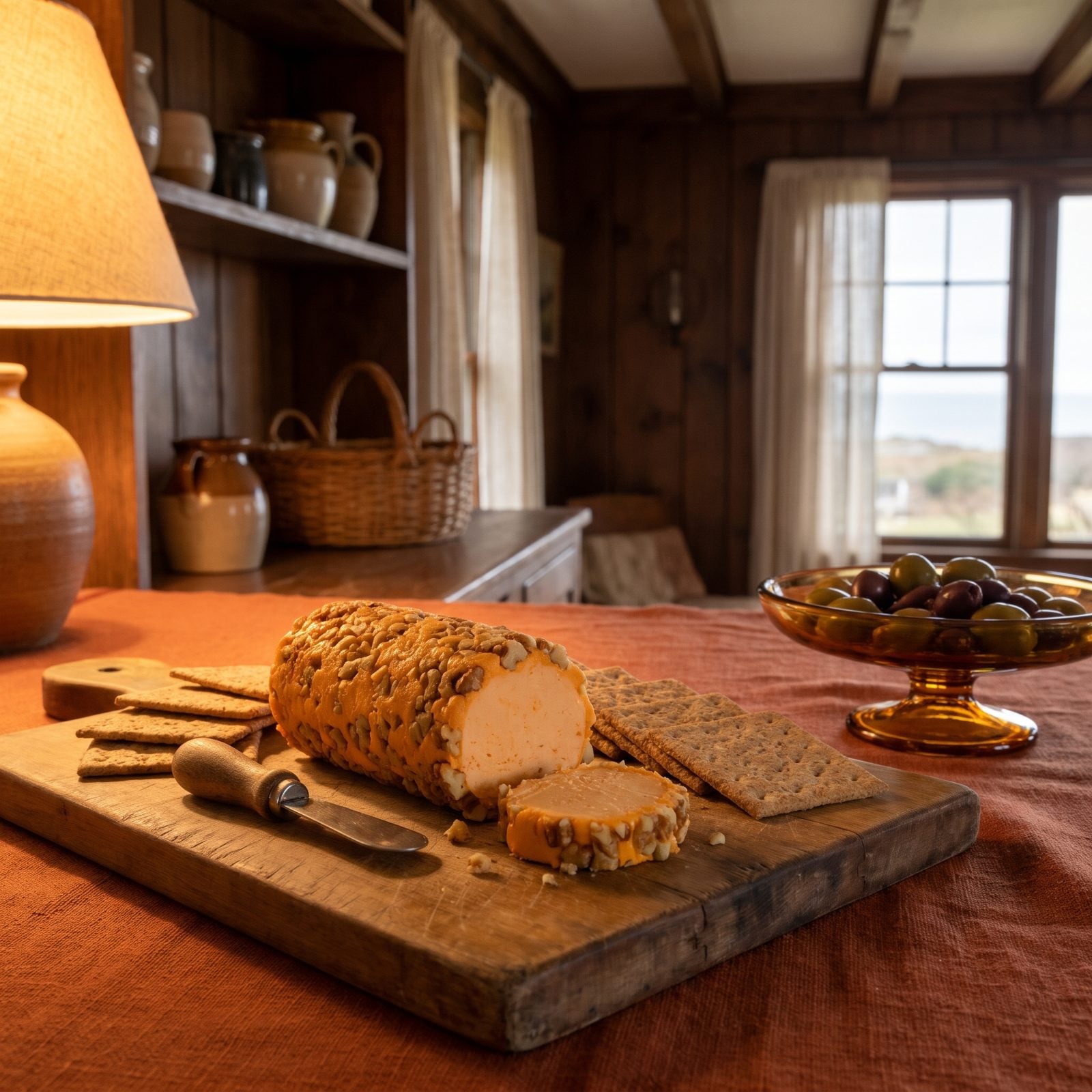
The centerpiece of the party table. A log of bright orange cheese spread, rolled in chopped walnuts, ringed by crackers. You showed up with it or someone else did, and it was always the first thing gone.
Easy, cheap, and a little showy — the perfect 1970s host move. Then fancier cheese boards with real wedges and figs took over, and the humble nut-rolled log got quietly demoted.
22. Jarred Mincemeat
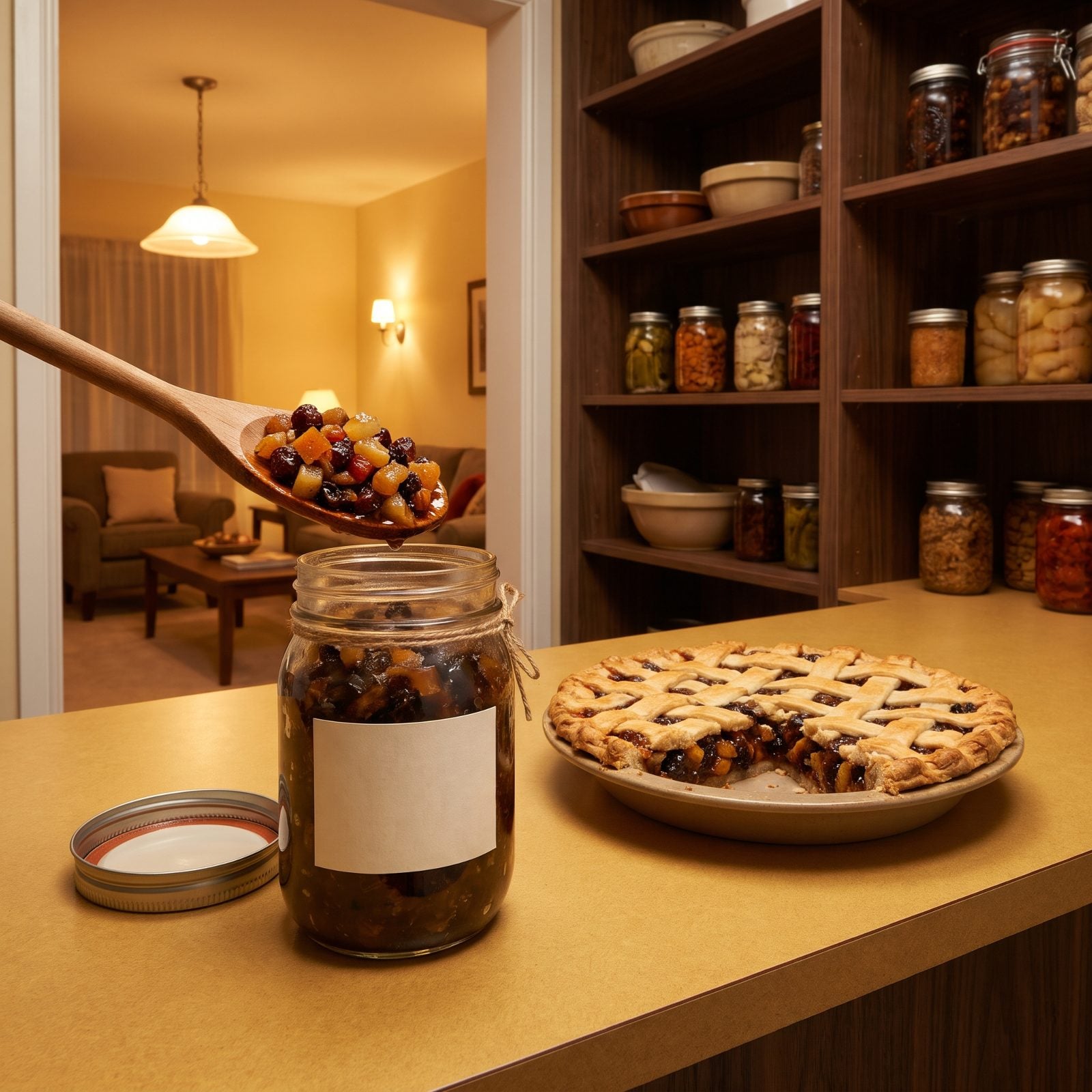
Mincemeat confuses people now. No meat, usually — just a dark spiced mash of dried fruit, suet and spirits headed for a pie. In 1975 the jar was a pantry fixture, waiting patiently for the Thanksgiving and Christmas baking.
Tastes moved toward pumpkin and pecan, and mincemeat pie started reading as old-fashioned to a generation that found it heavy and strange. The jars shrank to a single dusty spot on the baking aisle, if they turn up at all.
As a 30-year restaurant veteran puts it, “After all, it kept for months, and it was already made. That explains why mincemeat figures so heavily in the old cookbooks.”
21. A Fermenting Jar of Brandied Fruit
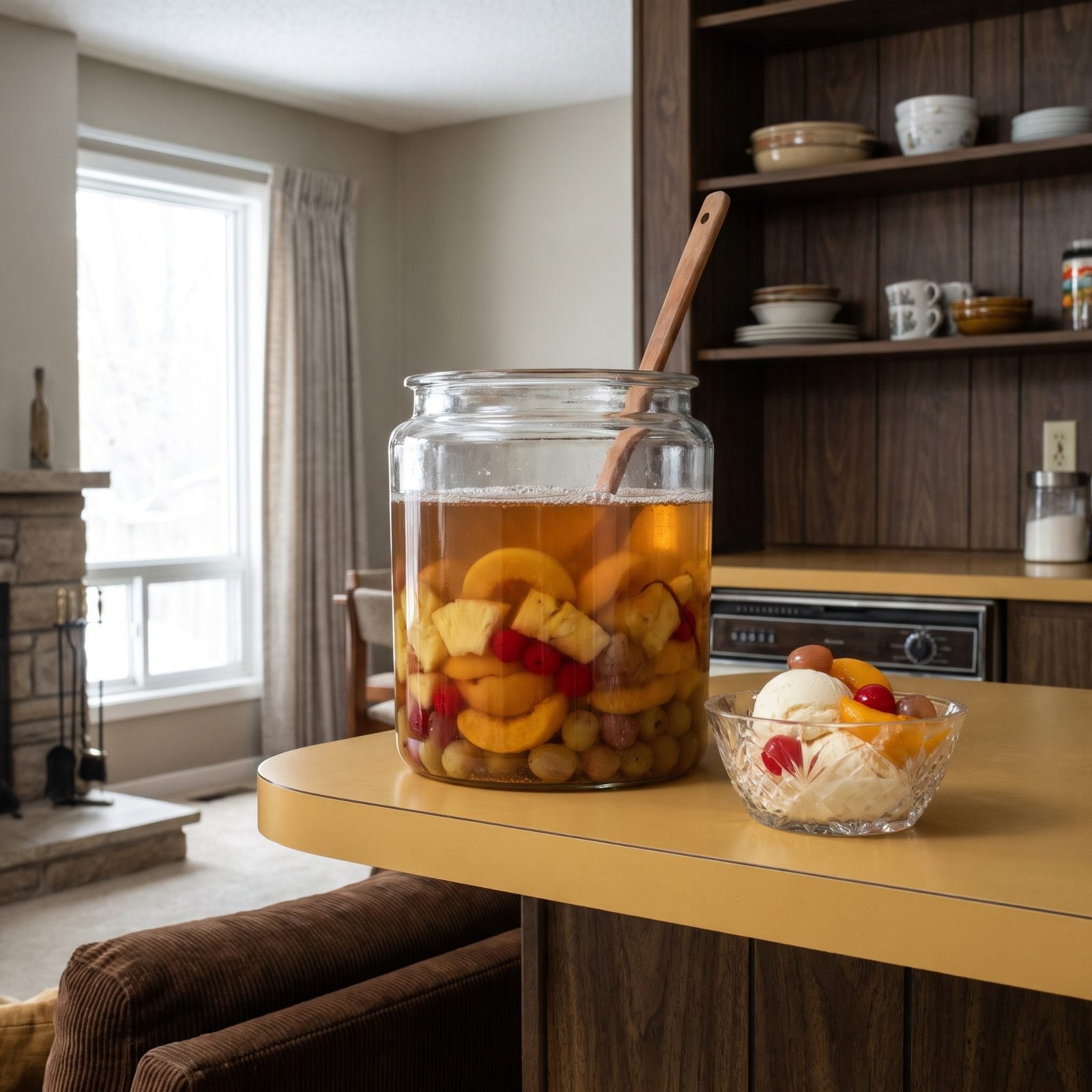
This one lived on the counter for months and made guests nervous. Brandied fruit — sometimes called friendship fruit — grew in a crock as you fed it fruit, sugar and brandy over time. It bubbled. It smelled potent. And it got spooned over ice cream and pound cake all through the holidays.
People passed starter portions to neighbors like a chain letter made of alcohol and peaches. Food-safety worries and busier lives mostly ended the tradition, because keeping a fermenting jar alive for months takes a patient attention nobody budgets for anymore.
It was a science experiment you could eat, and half the fun was wondering whether this was the batch that finally went wrong.
20. Thinly Sliced Cocktail Rye Bread
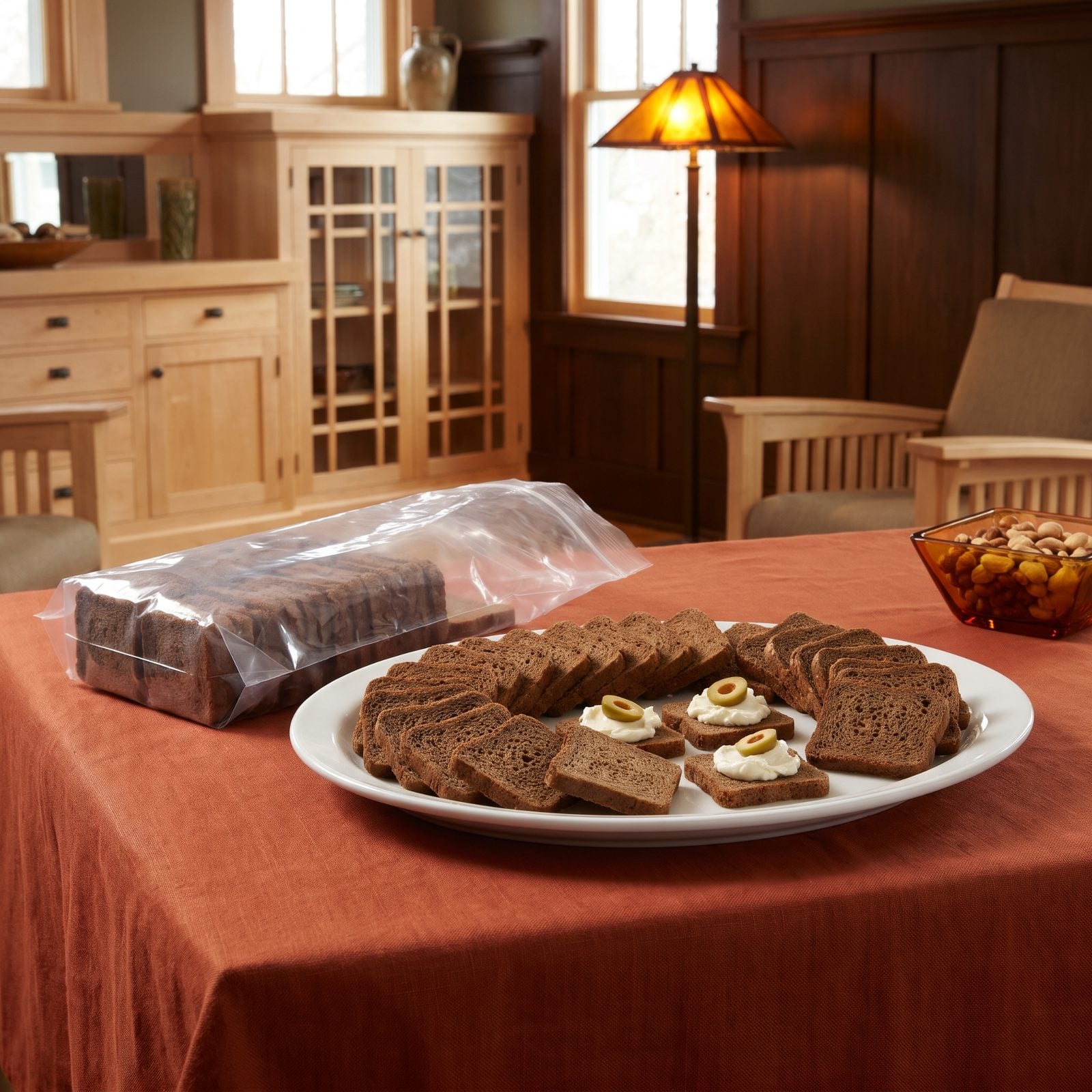
The little dark squares that held up every dip and spread at the party. Cocktail rye came pre-sliced into bite-sized pieces, dense and faintly sour, the ideal raft for cheese spread, pastrami or a hot layered dip.
A quiet workhorse. Never the star, always necessary. Crackers, crostini and pita chips crowded it out, and the small rye loaves grew hard to find outside the deli counter. If you remember a dip table, you remember these.
19. Dried Dates in a Cellophane Tray
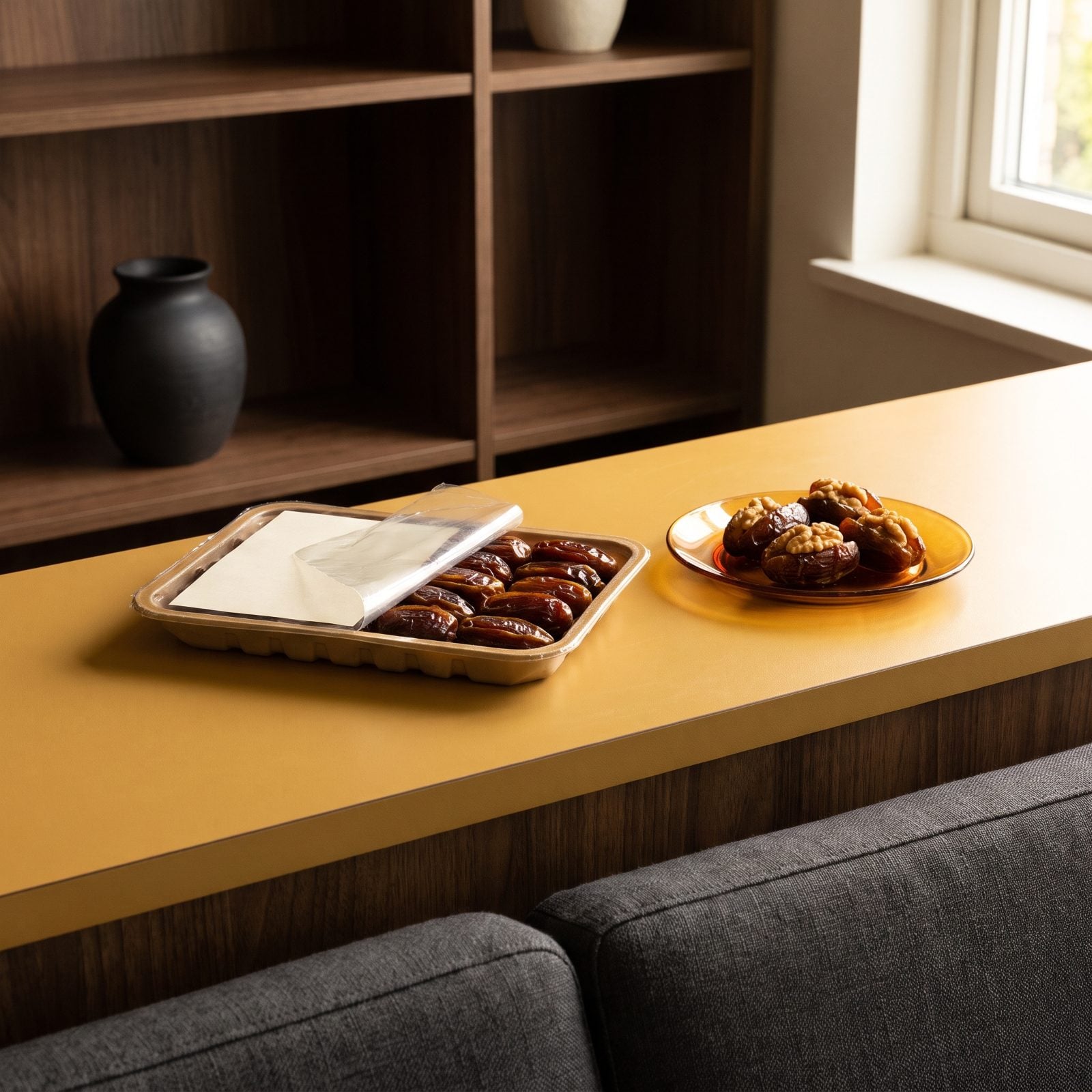
Dates showed up exactly once a year, in a flat cellophane-wrapped tray that only appeared in December. You stuffed them with walnuts or cream cheese, rolled them in sugar, and set them out as a fussy little treat for company.
Dates never vanished, exactly. But the holiday tray did. Now they sit in the bulk bin or the health-food aisle year-round, and the ritual of the special December box faded along with the format. Something is lost when a treat stops being seasonal.
18. Tiny Canned Shrimp for Party Appetizers
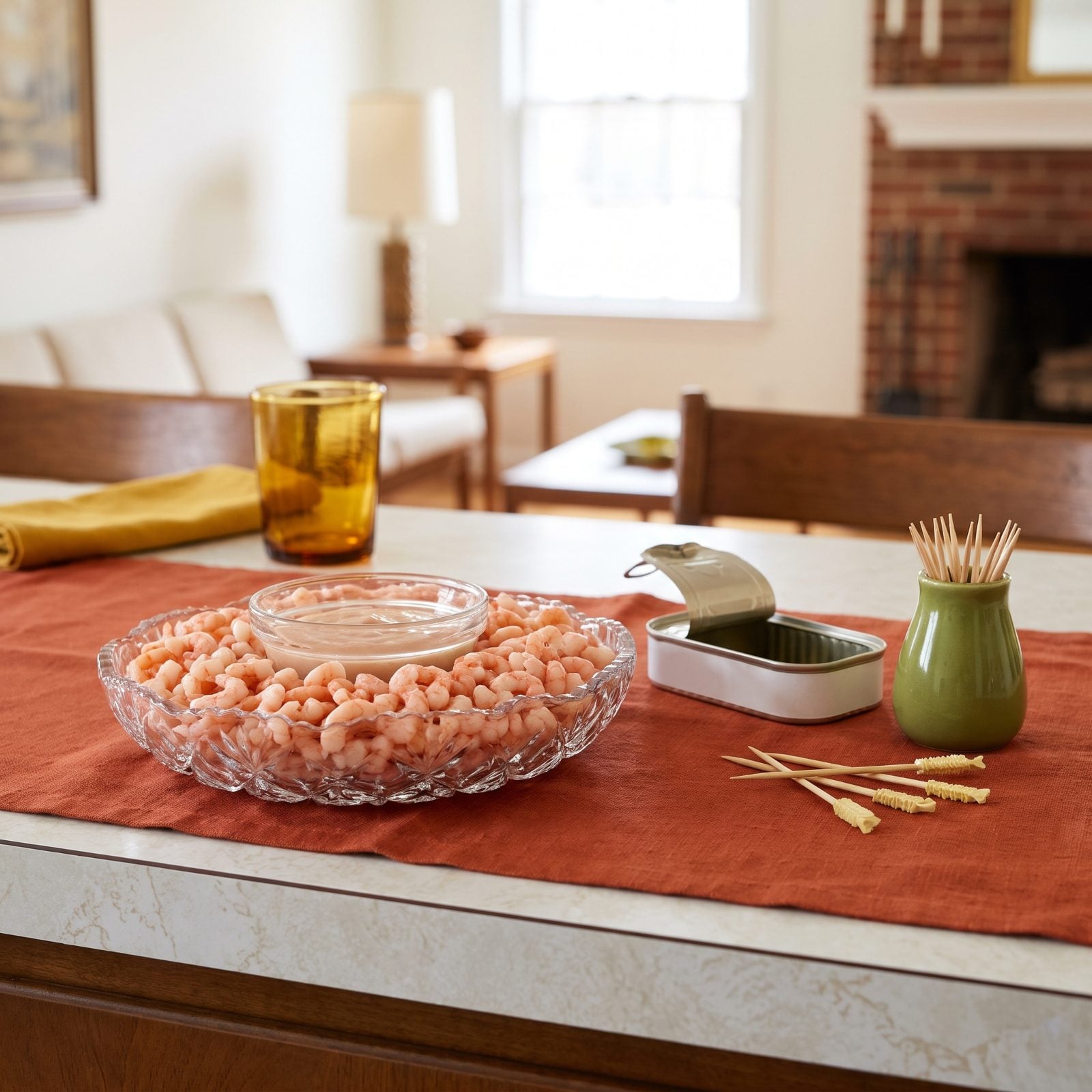
These came in a flat rectangular tin with a roll-back key lid, like sardines, and tasted faintly of the brine they swam in. You rinsed them, piled them in a cut-glass dish, set out a bowl of pale pink sauce that was basically mayonnaise stirred with a little ketchup, and that was the whole appetizer.
Nobody serves them now, and it’s easy to see why. Once fresh and frozen shrimp got cheap enough, the tinned version lost its reason to exist. But there was something honest about a host who didn’t pretend — you opened a can, shook it out, and moved on to the drinks.
17. Bright Red Cinnamon Apple Rings
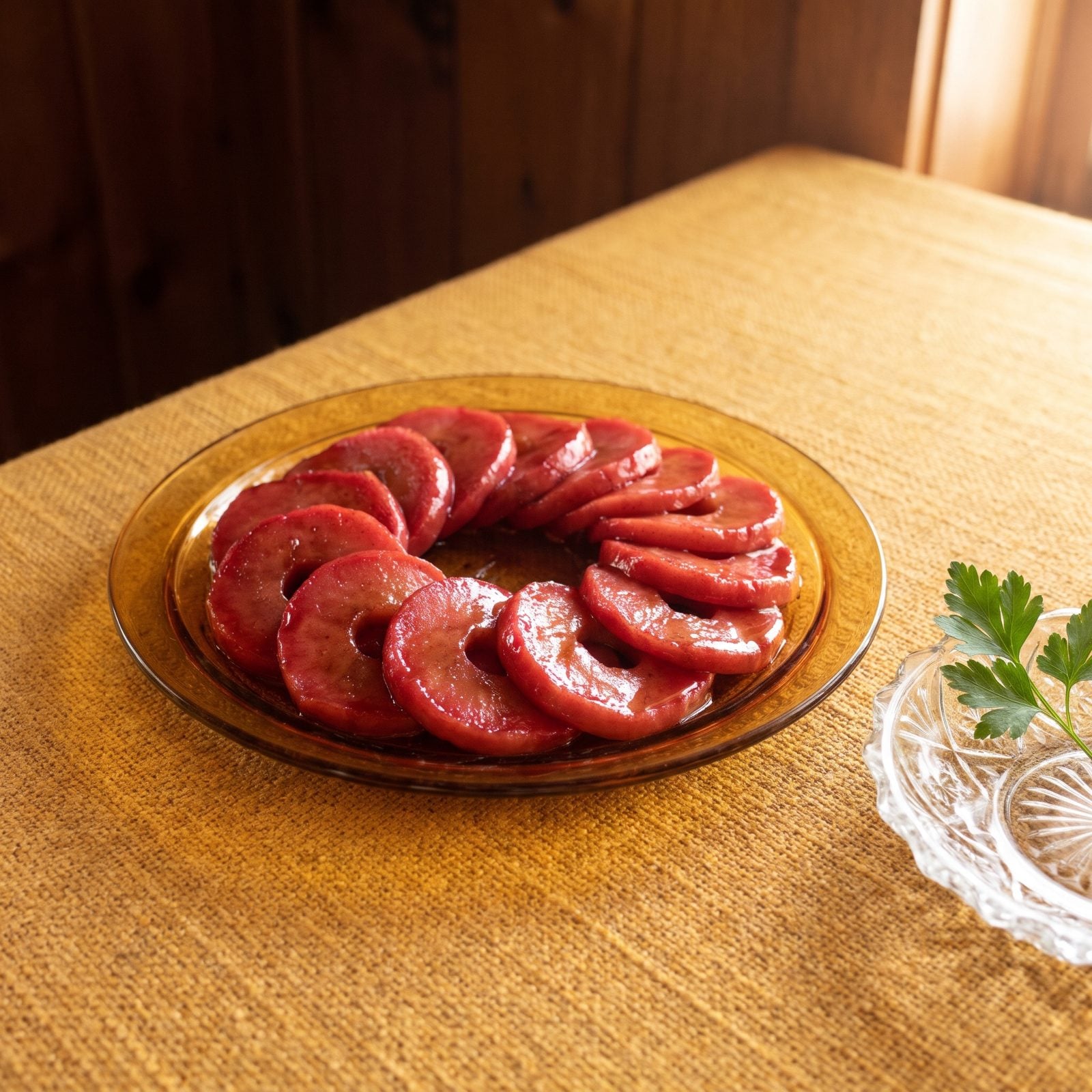
Red as a stoplight, sweet as a hard candy, and somehow always on the ham platter. These spiced apple rings got their color from cinnamon imperial candies melted into the poaching syrup, which is why they looked more like Christmas ornaments than fruit.
A jar sat in the pantry year-round, but they earned their keep in December, tucked between slices of ham or ringing a mound of cottage cheese on a salad plate. They’ve mostly vanished from carts. Taste moved toward the real and the tart, and a fruit that tastes like a fireball doesn’t fit the new menu. Still — spot a jar at an old-school grocery and you’ll feel the pull.
16. Hard Sauce in a Glass Jar
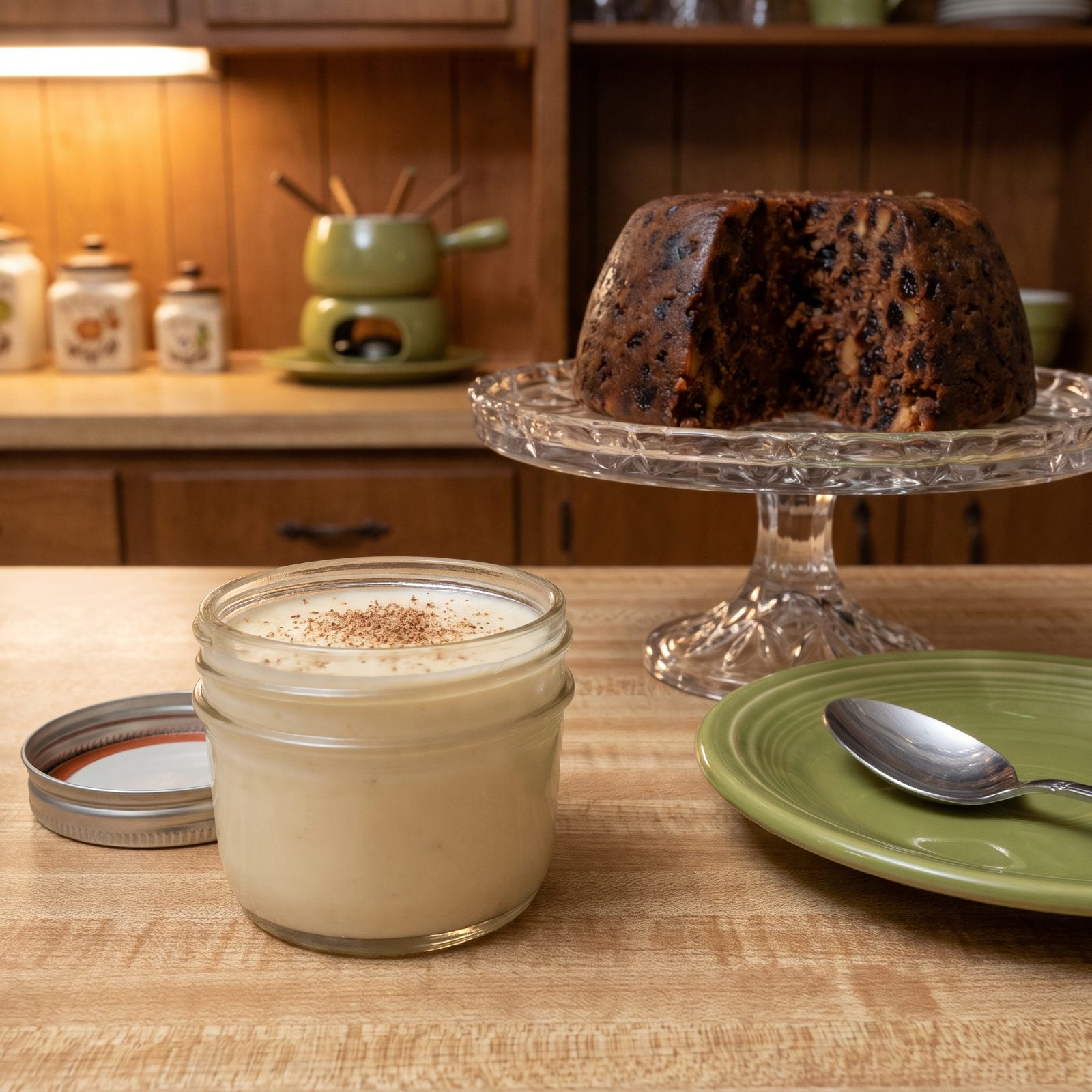
Hard sauce is a lie of a name. It’s soft and sweet, basically whipped butter and sugar spiked with a little brandy or rum, meant to melt into a hot wedge of plum pudding or spice cake.
For a while you could buy it jarred and ready to spoon, sitting on the shelf next to the mincemeat. Then steamed puddings fell out of the American dessert rotation, and the sauce that existed to top them had nowhere left to go.
A sauce can only outlive the dish it was invented for by so long.
Never had it? Picture a cold pat of sweet butter surrendering onto something warm. That’s the moment, and it’s really the only argument the stuff ever needed to make.
15. Shelf-Stable Cheese Fondue
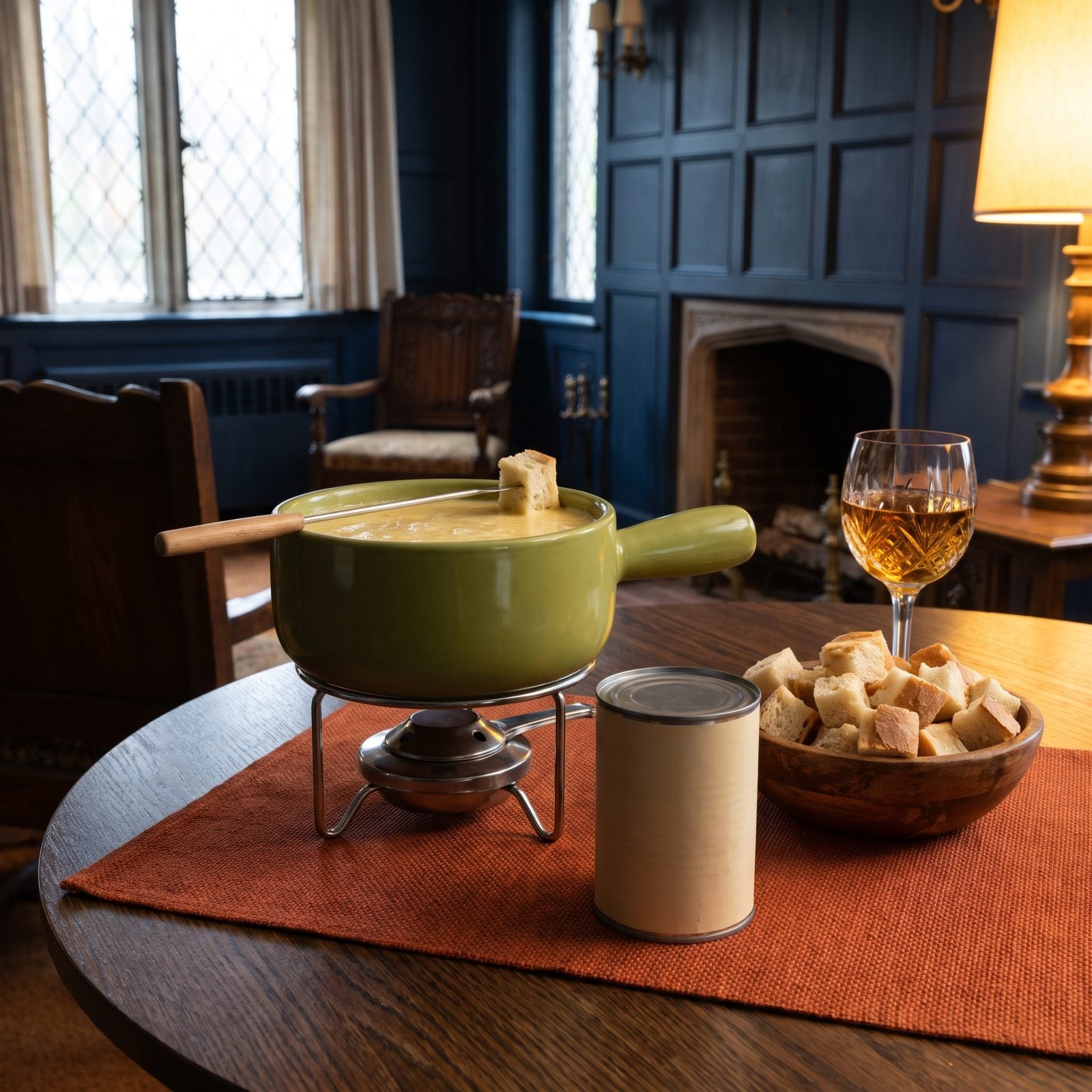
Someone looked at fondue — a dish built entirely on melting cheese at the table — and decided to sell it pre-melted in a can. The 70s were a confident decade.
You’d warm the can, pour it into your harvest-gold fondue pot, and skip the fuss of grating Gruyère and whisking in wine. The result was gluey and a little flat, but it got the party going, and the party was the point. Real fondue survived. The canned shortcut didn’t, because once the novelty cooled, everyone remembered that the whole joy of fondue was the doing of it.
14. Dried Figs Arranged in a Wreath
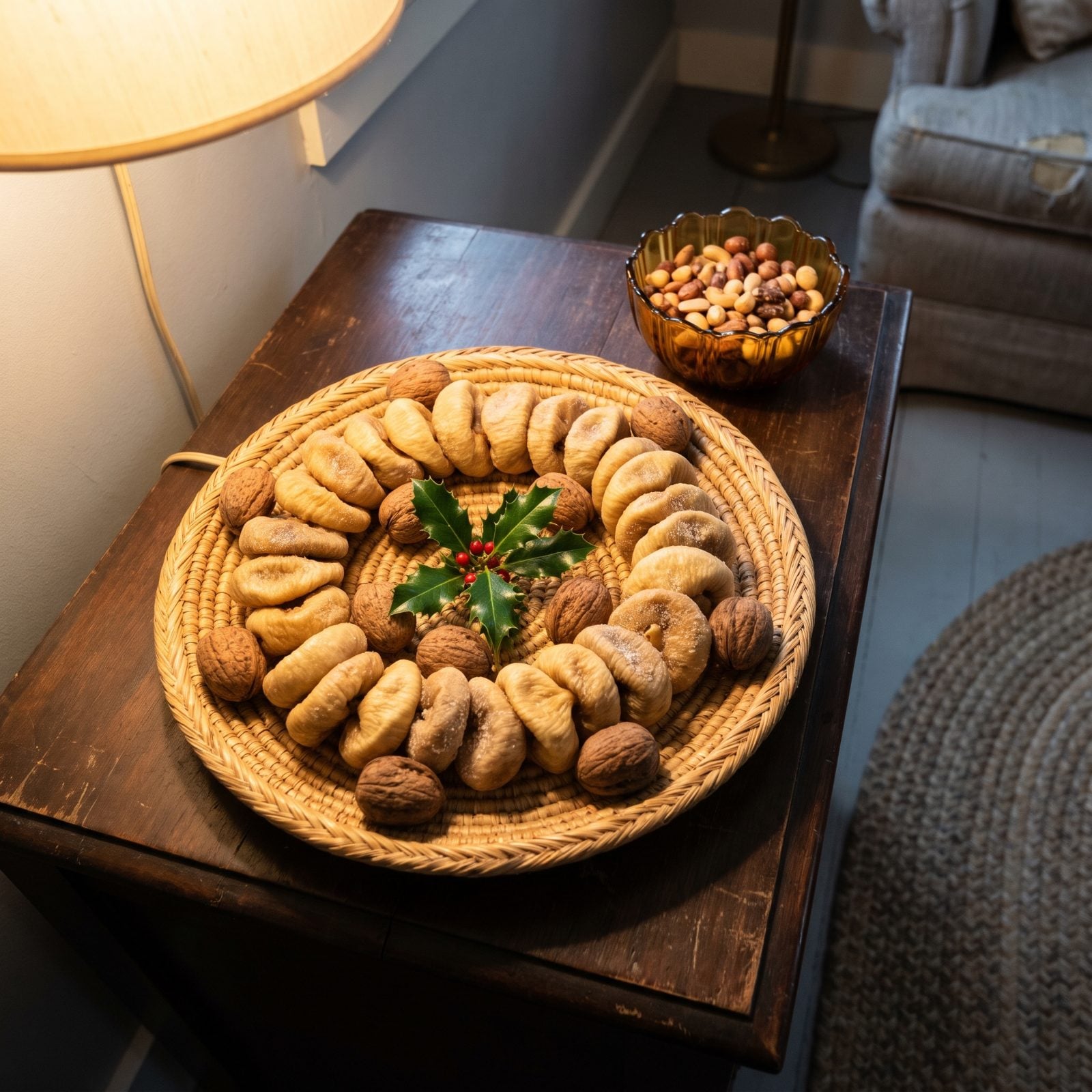
Before dessert came in a clamshell from the bakery, a tray of dried figs was a perfectly respectable way to end a holiday meal. You’d ring them around a plate, maybe wedge a few walnut halves between, and call it a cheese-course cousin.
Figs haven’t disappeared. The ritual has. We stopped treating dried fruit as the finale and started treating it as trail mix, which is a demotion if you think about it. A fig wreath on the table carried a whiff of old-world Christmas, the kind your grandparents’ generation grew up with — the glossy skins, the natural sugar bloom, the slightly ceremonial way it just sat there daring you. Set one out this year and watch people hesitate, then reach, then go back for a third.
13. Smoked Oysters in Flat Tins
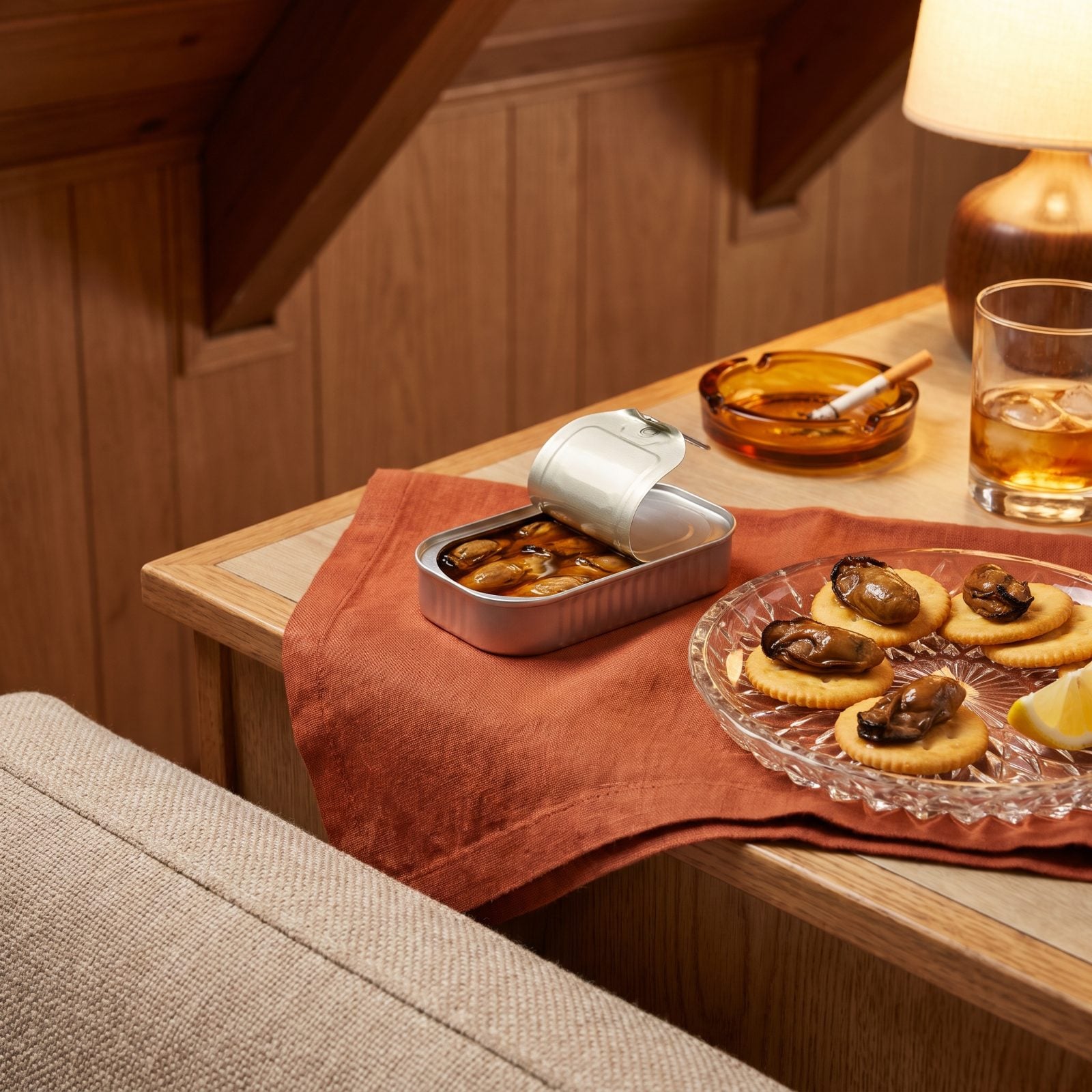
The little key soldered to the tin. The curl of the lid as you wound it back. The dark glistening oysters inside, smoky and oily and begging for a cracker. Opening a tin of smoked oysters was a whole small ceremony.
They haven’t vanished so much as retreated to the bottom shelf, bought by a shrinking crowd. The flavor is intense, the texture divides a room, and modern entertaining drifted toward food that photographs well. A smoked oyster photographs like a shadow. But on a saltine with a drop of hot sauce? It still does exactly what it did in 1975.
12. Tubs of Candied Fruit and Citrus Peel
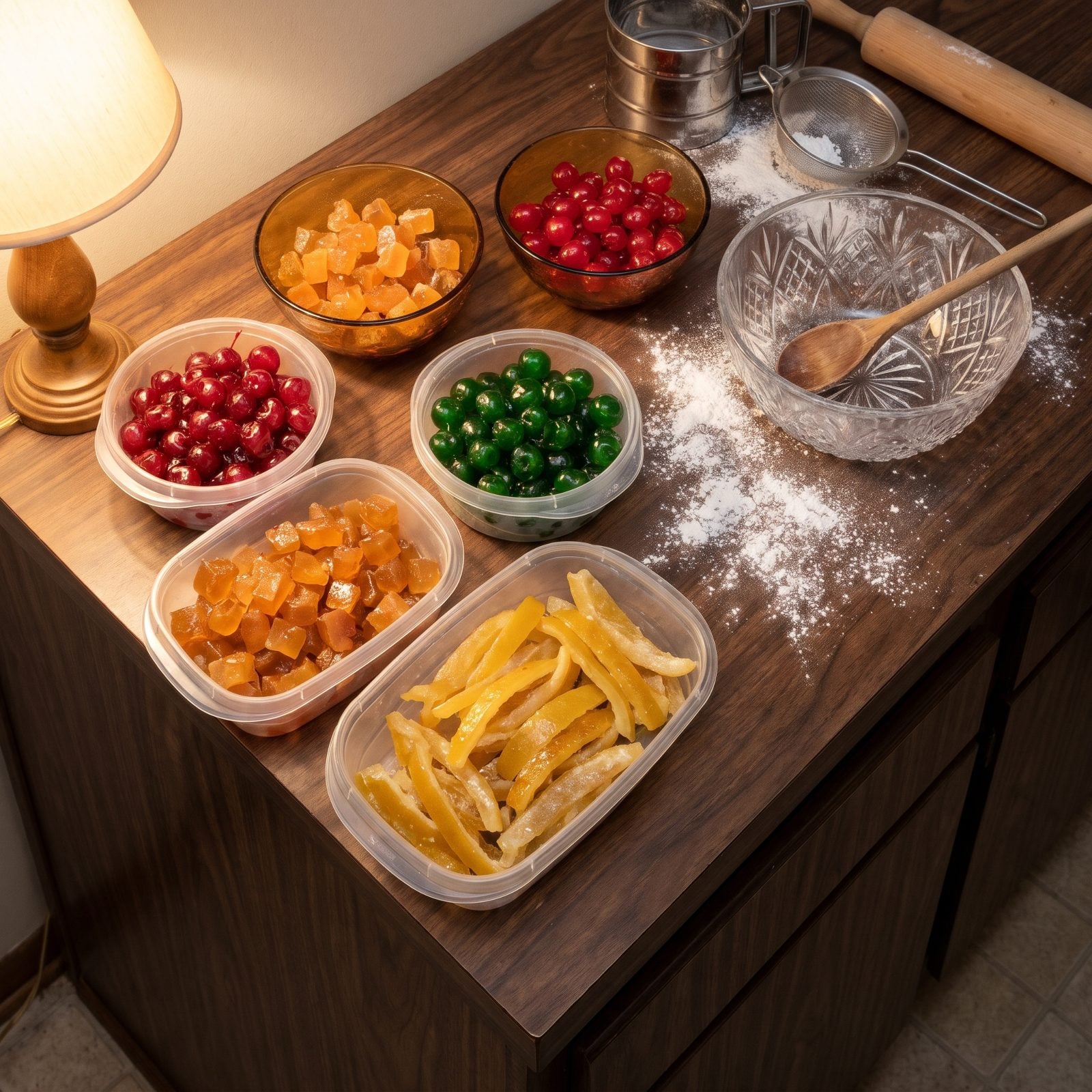
Every December a tub of candied fruit appeared — those neon cherries, translucent chunks of citron, and green bits nobody could identify, all destined for the fruitcake.
When fruitcake collapsed as a tradition, the candied fruit went down with the ship. When was the last time you saw someone buy a tub of it on purpose?
A good homemade fruitcake still has its defenders. The sticky rainbow tub, though? That one earned its retirement.
11. Unflavored Gelatin for Savory Aspics
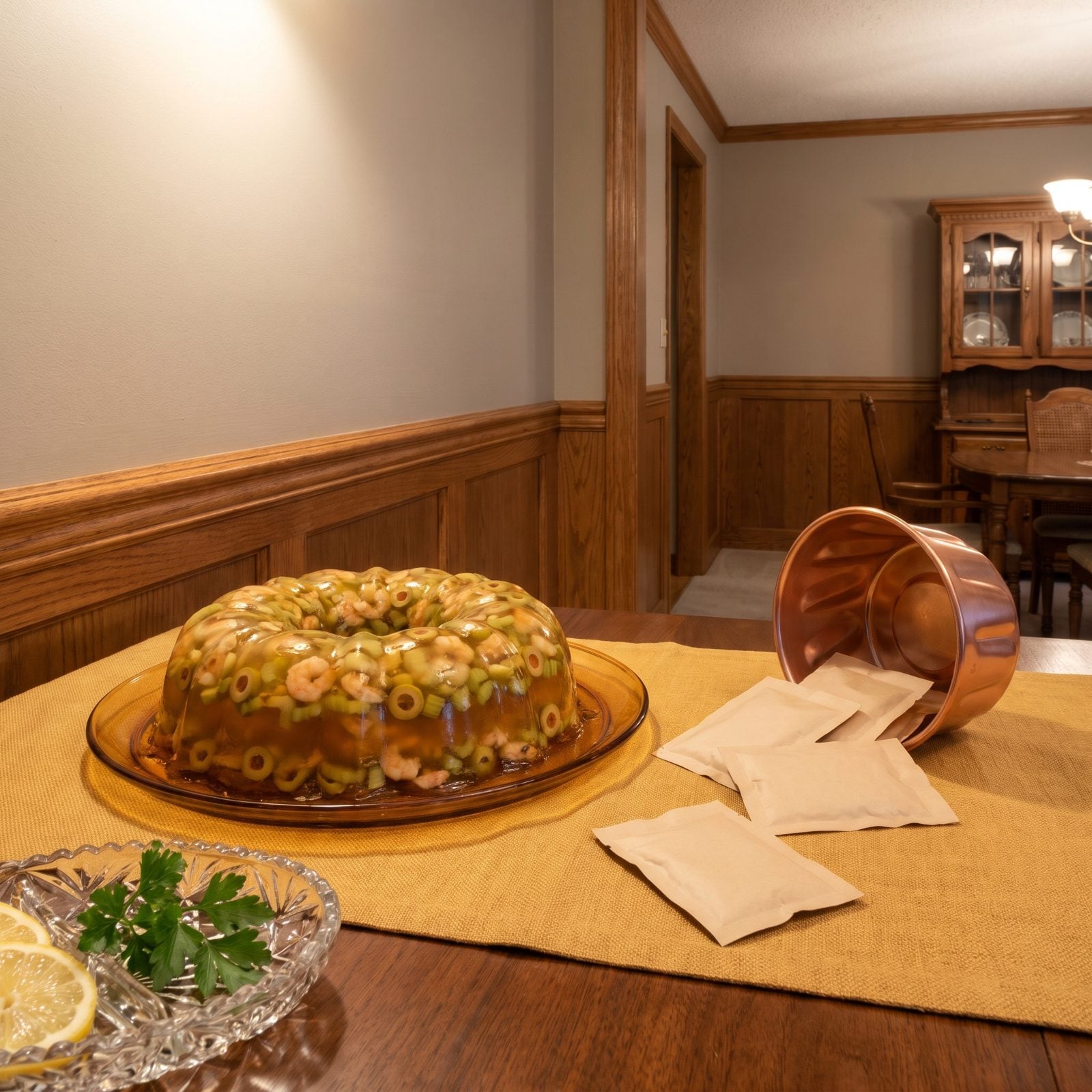
Plain gelatin was a quiet pantry workhorse, and in 1975 it built some genuinely strange things. Shrimp suspended in tomato aspic. Olives and celery floating in a trembling amber ring. The whole savory-gelatin empire ran on those little paper envelopes.
You still find unflavored gelatin on shelves, but the molds that justified buying it have gone extinct outside of ironic potlucks. Tastes changed. We stopped wanting our vegetables to shimmer. Anyone who has eaten a tomato aspic at a church supper knows the feeling — it lingers, and not fondly.
10. Pickled Herring in a Glass Jar
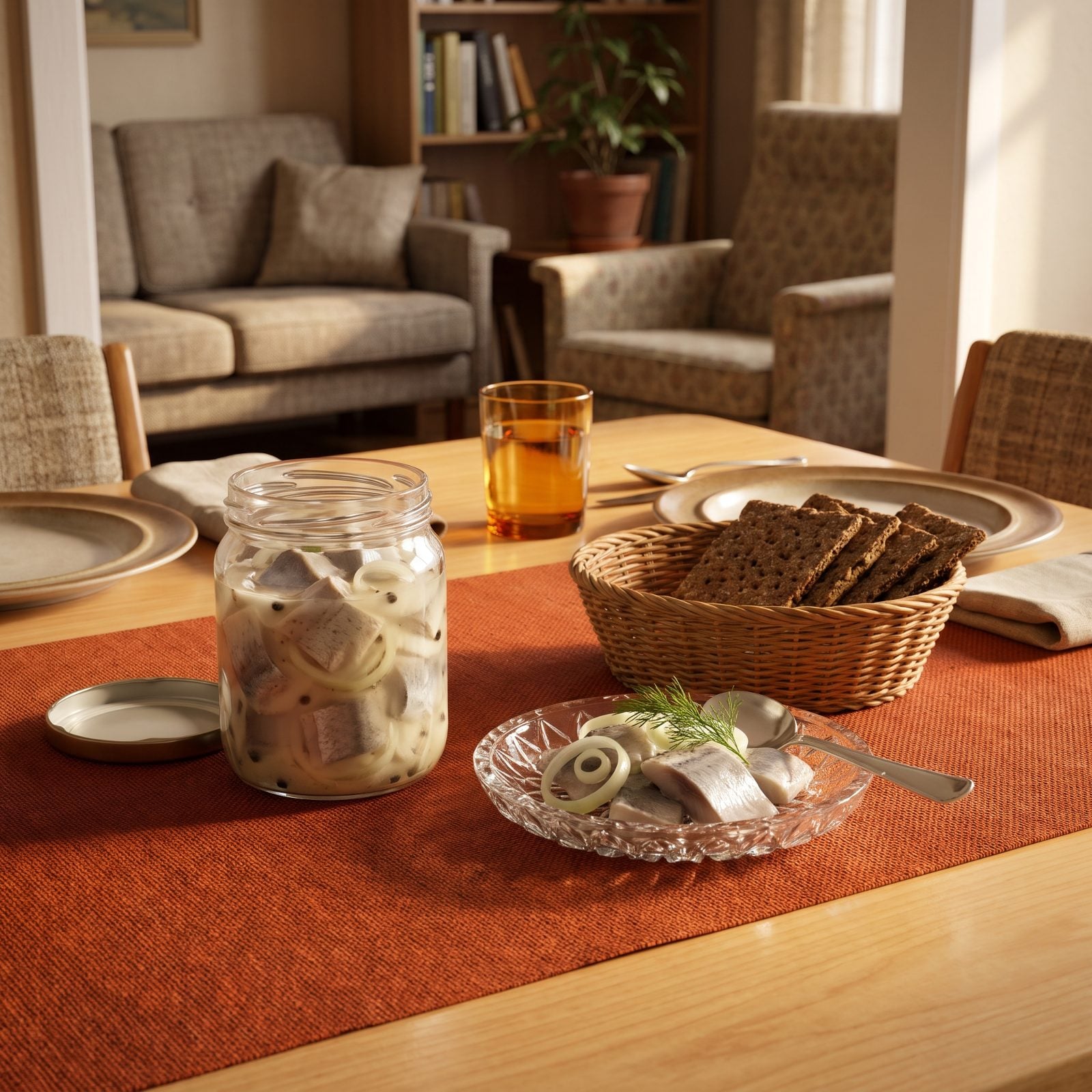
Open the fridge at a 1975 holiday gathering with Scandinavian or German roots and the jar was there: pickled herring in cream sauce or wine sauce, silvery and pale and sharp with onion.
You ate it on dark rye with a splash of something cold and strong. People either inherited the taste or avoided it entirely. No middle ground.
The jar survives, but it’s slipped to the fringe of the American cart, kept alive mostly by families holding a tradition and a handful of curious newcomers. Fish this assertive was never going mainstream. For the people who grew up on it, though, Christmas doesn’t quite smell right without it.
9. Pearl Cocktail Onions
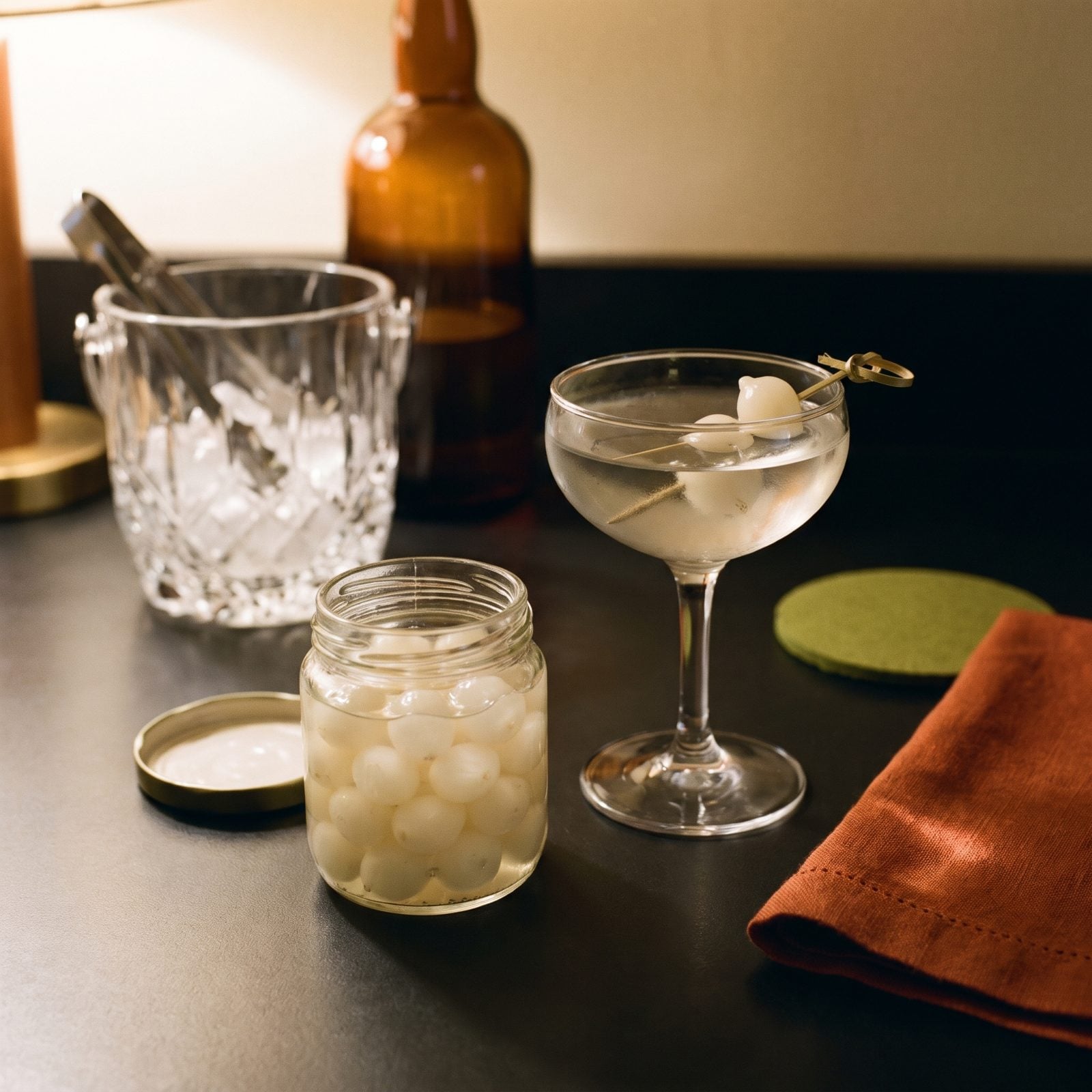
Drop a pearl onion in a martini and you’ve got a Gibson. That was practically the entire career of the cocktail onion, those tiny tart pearls that lived in a cloudy jar at the back of the bar cart.
They carpooled with the maraschino cherries and the green olives, part of the garnish trinity every host kept on hand. Then home cocktail culture went quiet through the 80s and 90s, and the onions got left behind. Craft bartenders eventually brought the Gibson back, sure — but they make their own now. The humble jar, waiting patiently on the shelf for a party that never calls, mostly stopped getting invited.
8. Pickled Watermelon Rind in the Relish Tray
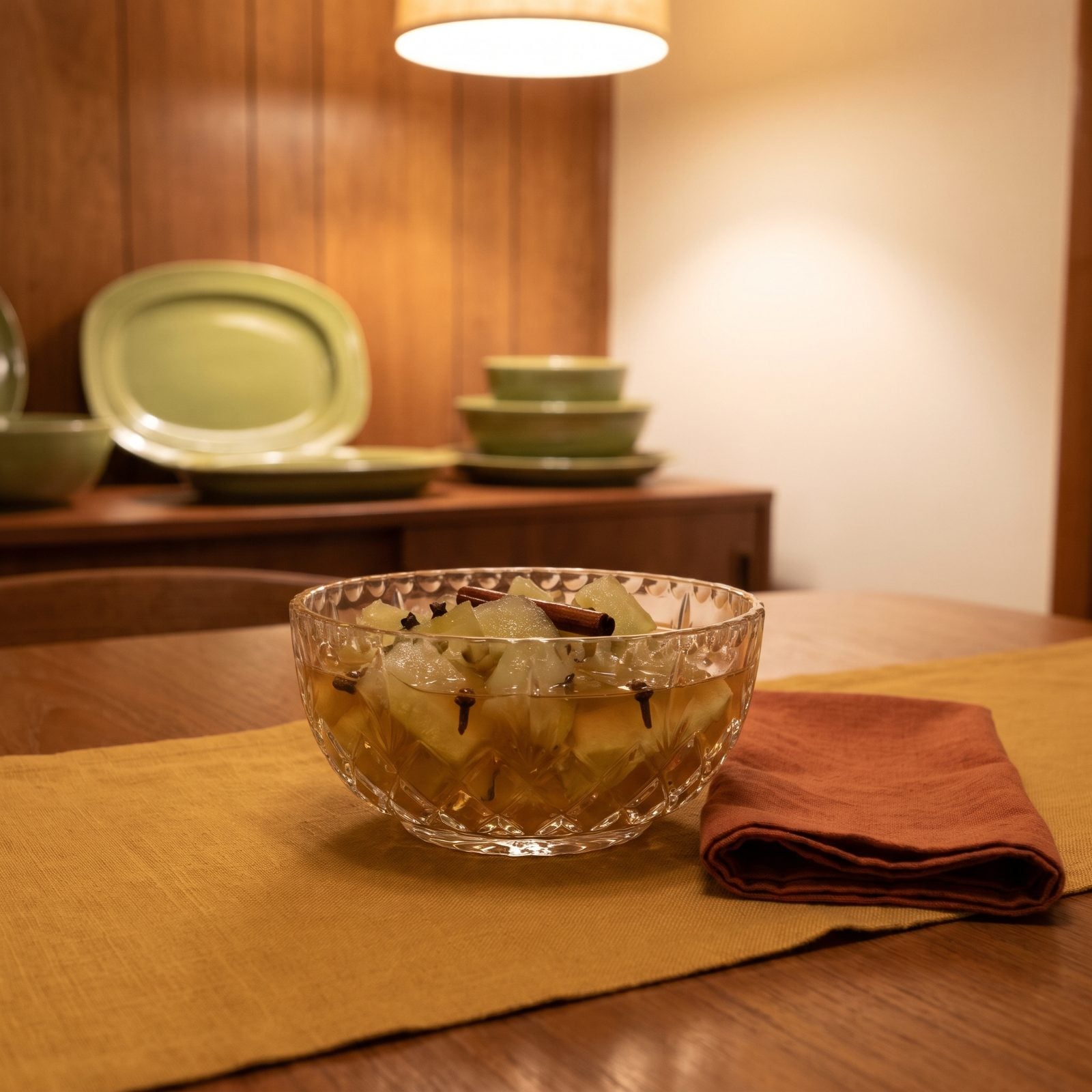
Every self-respecting relish tray in 1975 carried a little dish of these — sweet, spiced, faintly tart, made from the part of the watermelon everyone else threw away. Thrift dressed up in cinnamon and cloves.
Nobody buys a jar now because almost nobody makes a jar now. The home-canning crowd that kept the tradition alive aged out, and the grocery store never saw the point of stocking something that took a summer afternoon and a mountain of patience to produce.
7. Jellied Consommé Scooped Straight from the Can
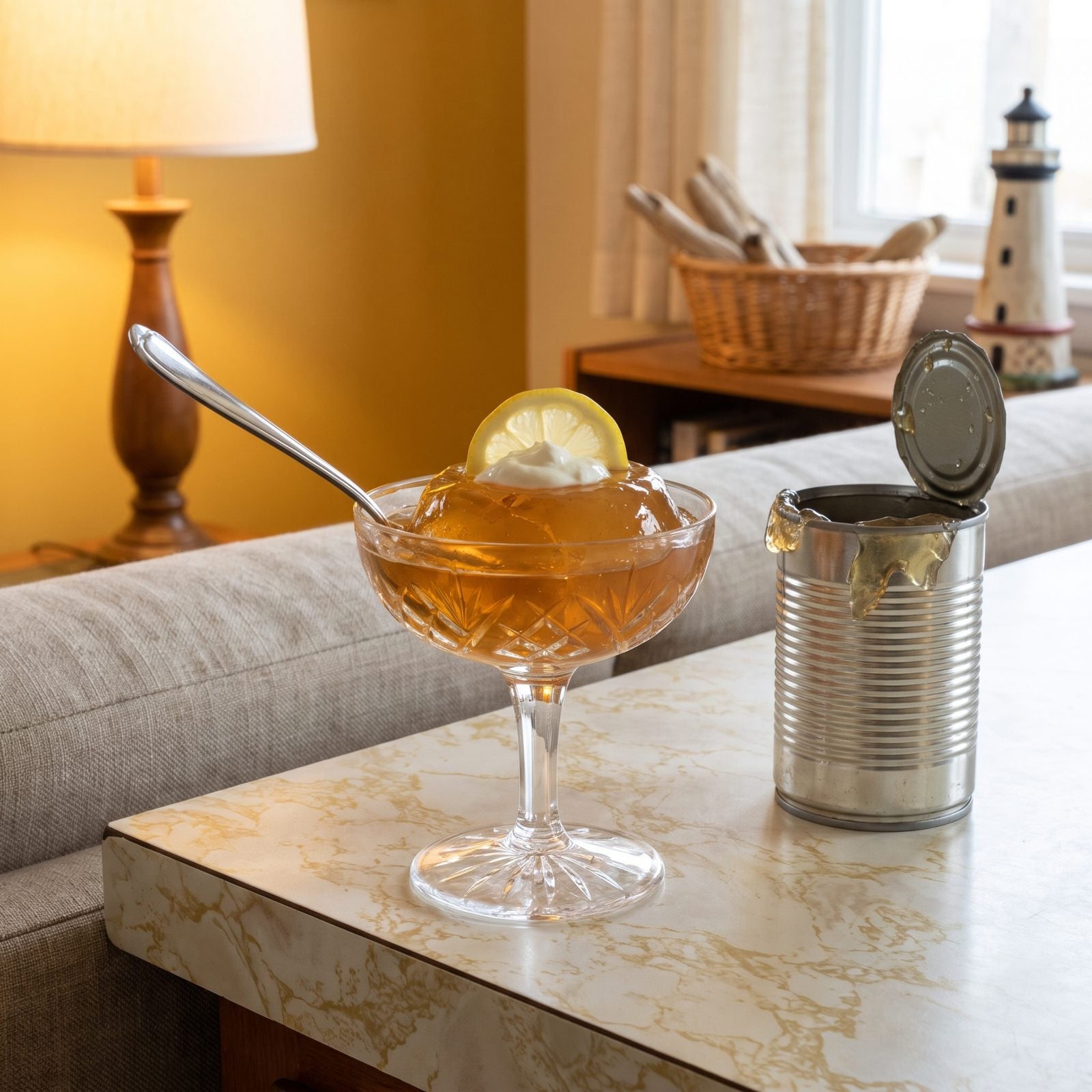
Open the can. Spoon out the wobble. Done.
Jellied consommé came out of the tin already set into a trembling savory gel, and you served it cold in a stemmed glass like you’d worked for it. It felt elegant in a way that required zero skill, which is exactly why hostesses loved it.
Tastes changed. A cold, quivering cube of beef broth reads as alien to most shoppers now, and the clear consommé that made it possible has itself gone scarce. It’s hard to crave now — but you have to respect the sheer audacity of serving broth you can slice.
6. Canned Fruit Cocktail for the Ambrosia Bowl
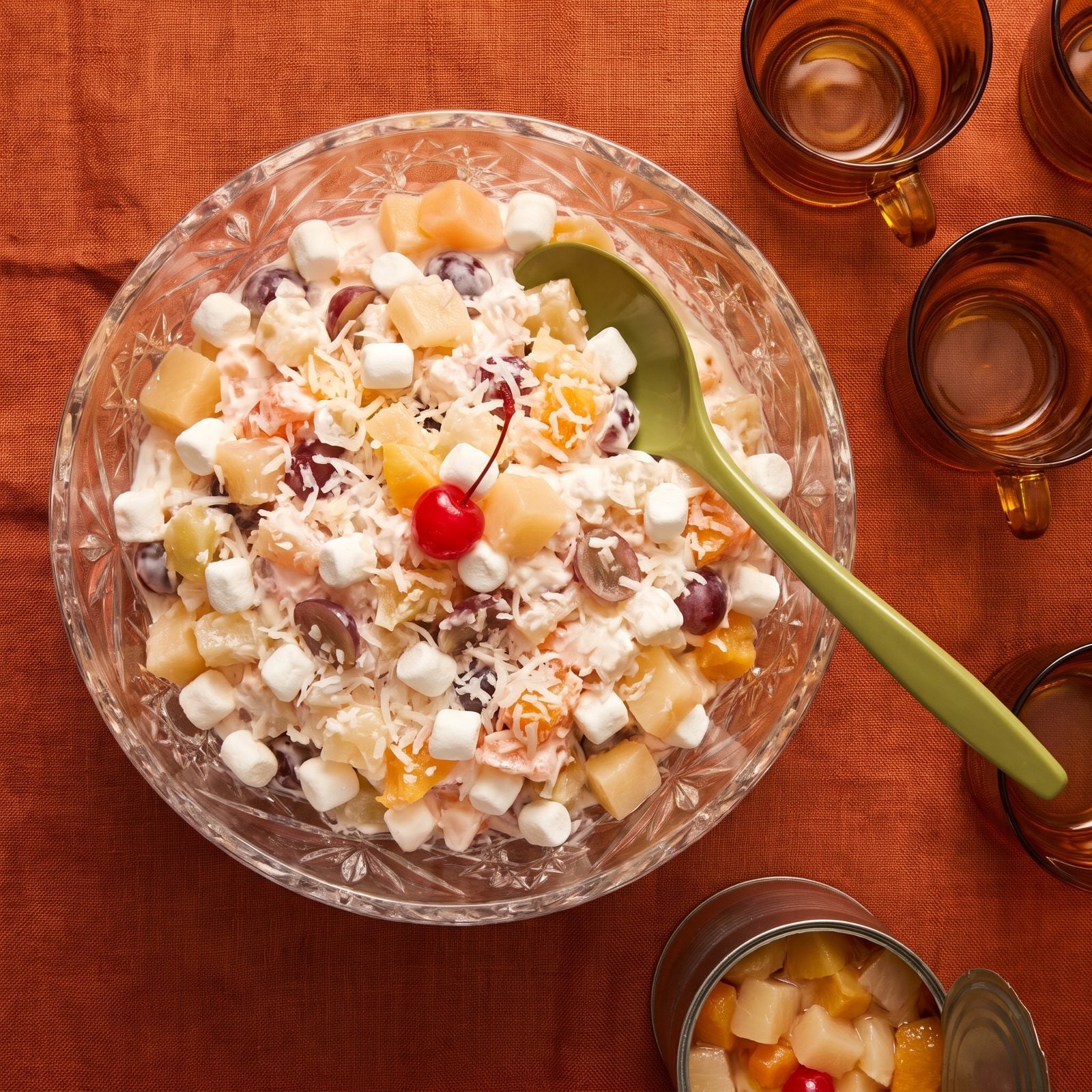
The cherry was the whole point. One bright red maraschino sphere per can, and it always ended up buried in the ambrosia bowl under marshmallows and coconut like treasure.
Fruit cocktail hasn’t vanished from shelves, but the thing it fed has. Ambrosia built on a can of syrupy diced pears, peaches, and grapes was a fixture at every holiday potluck, and it slid off most tables once fresh fruit got cheaper and stayed around all year.
5. Dehydrated Whipped-Topping Mix in the Box
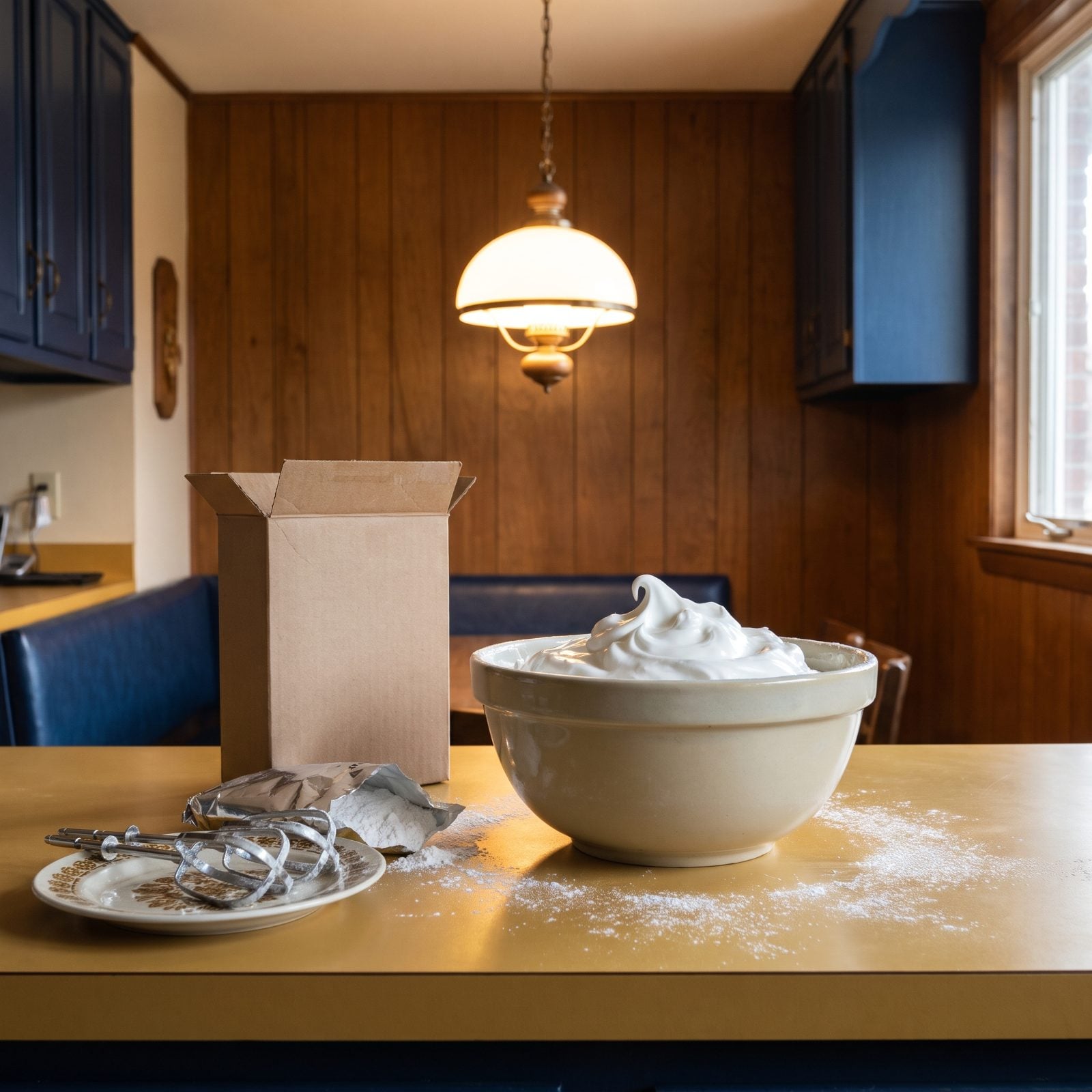
Before the tub in the freezer took over, there was the box in the cupboard. A packet of white powder you beat with cold milk until it stood up in peaks.
It kept forever on the shelf, which earned it a spot in every 1975 pantry alongside the gelatin and the pudding boxes. Then the frozen tub and the aerosol can shoved it aside, and now the powdered version is a specialty-aisle rarity most carts never see.
4. Prepared Tom and Jerry Batter in the Dairy Case

A Tom and Jerry is a hot, frothy holiday drink, and in 1975 you didn’t whip the egg-and-sugar base yourself. You bought a tub of batter in the dairy case come December, spooned it into a mug, and added hot water and a splash of something.
The drink survives in a handful of Upper Midwest bars. The prepared batter, though, has nearly vanished from refrigerated shelves — hanging on only in pockets of Wisconsin and Minnesota where people still demand it by name.
As a Wisconsin bar historian puts it, “It’s basically a farm-based drink because it has dairy, eggs, and butter”
3. Powdered Wassail Mix by the Spoonful
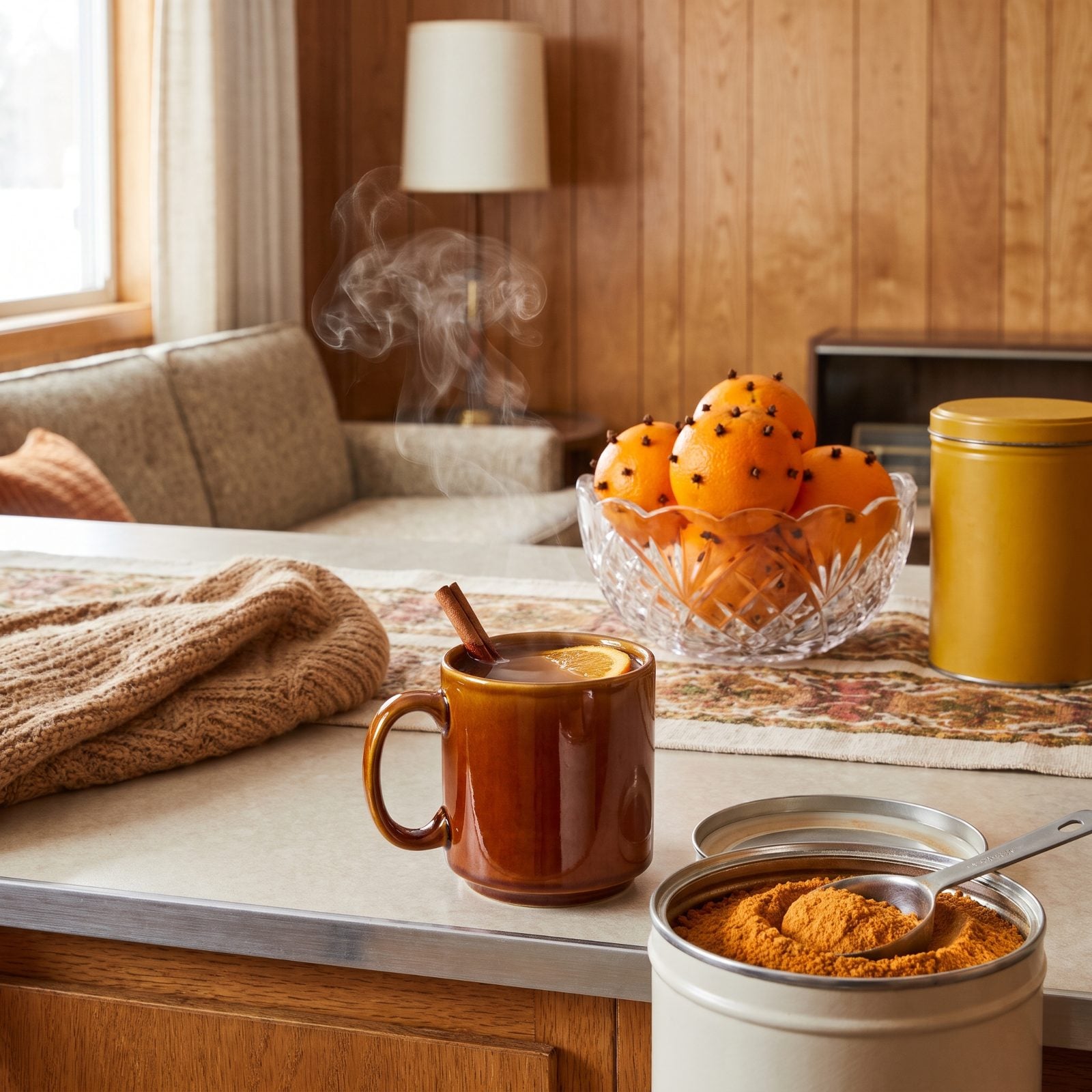
Scoop, stir into hot water, done. Powdered wassail mix gave you the smell of simmered cider and cloves without the stovetop pot or the all-day watch.
It lived in a canister next to the instant coffee, and a spoonful made a mug of orange-spiced warmth that passed for homemade. The drink mix aisle quietly dropped it over the decades, replaced by cider you buy by the jug and spice yourself.
Honestly? The powdered version never tasted like the real thing. But the smell when you cracked the can open was the whole holiday in one breath.
2. Frozen Punch Concentrate in the Can
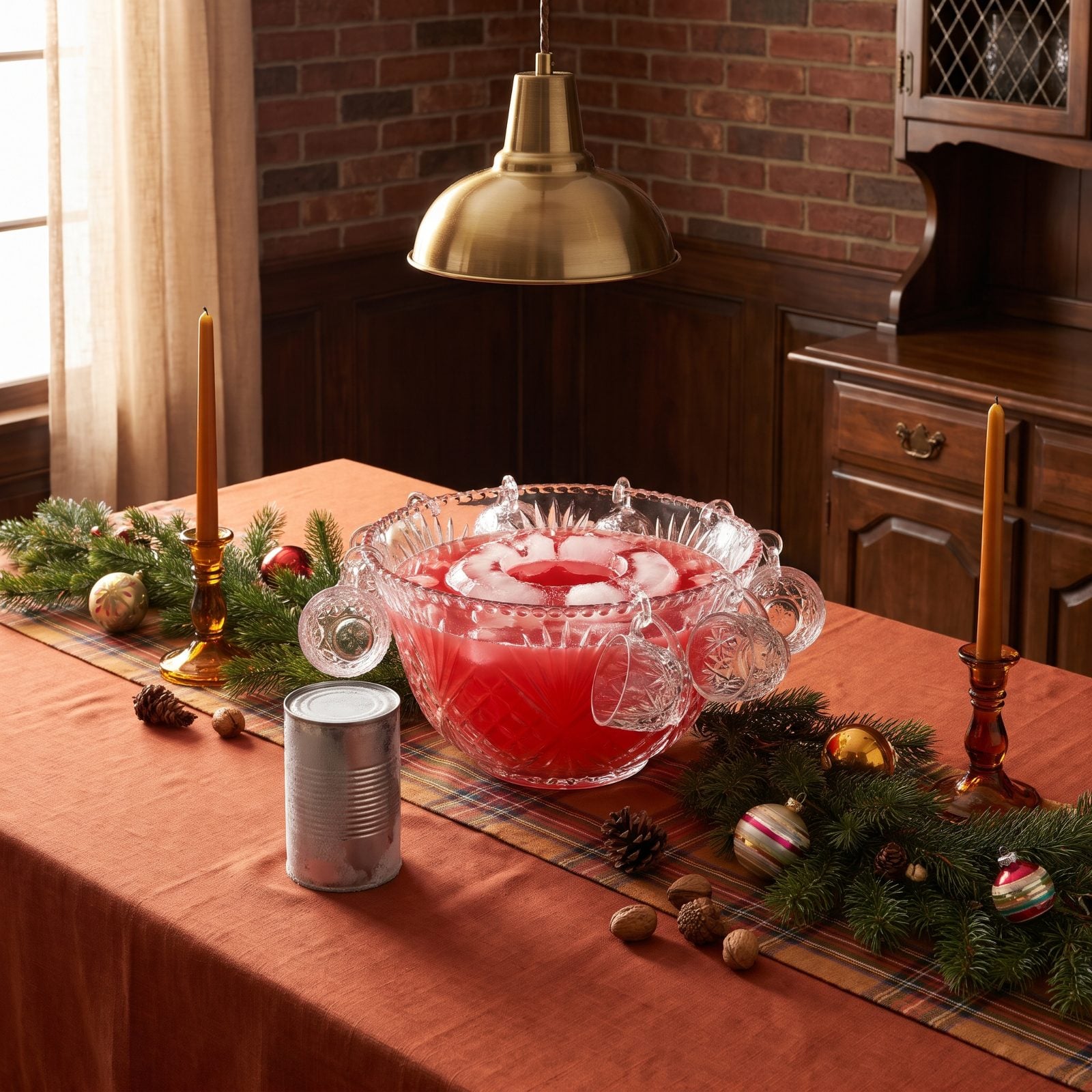
The frozen cylinder came out of the freezer hard as a hockey puck. You plunked it in the bowl, added water and ginger ale, and watched it melt into a pink lake with an ice ring bobbing in the middle.
Nearly every party punch started this way in 1975, the concentrate turning the color electric and the sweetness unapologetic. Then bottled drinks arrived and the ceremonial punch bowl fell out of fashion, and the frozen can drifted to the back of the freezer case where almost no cart finds it now.
1. Mixed Nuts Still Locked in Their Shells
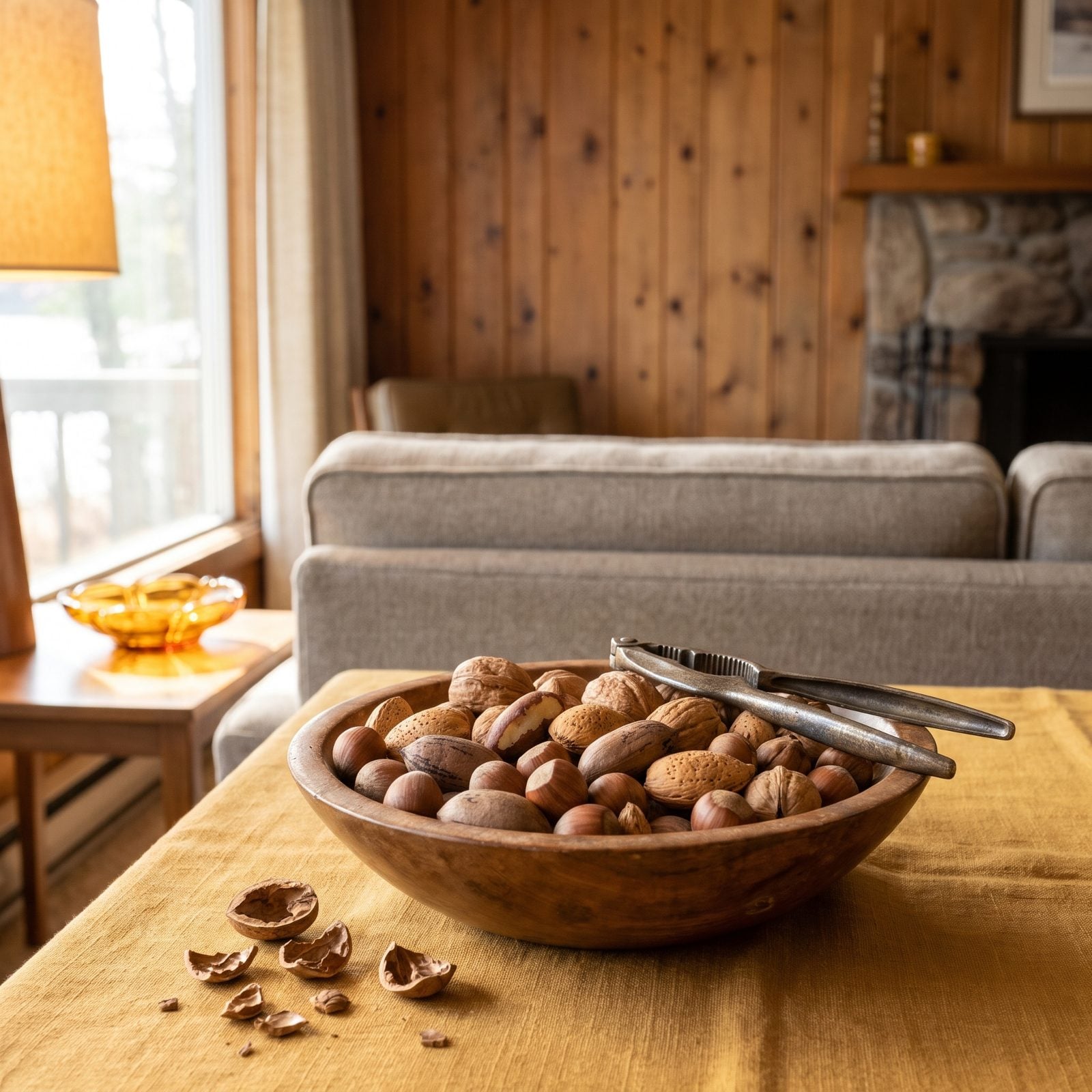
A bowl of nuts you had to work for. Walnuts, almonds, Brazil nuts, pecans, all still in their shells, sitting on the coffee table with a metal nutcracker resting across the rim.
Snack and activity at once. You’d crack a walnut, lose half of it in the shell, and dig it out with your fingernails while the grown-ups talked over your head.
Then shelled nuts in resealable bags killed the ritual — faster, cleaner, no shrapnel on the carpet. But we miss the wooden bowl and the quiet work of it, and we suspect we’re not alone. Something got lost the day the nutcracker went in a drawer and never came back out.