

Winter is when most gardens get written off, the lazy assumption being that everything interesting shut down back in October. Wrong. Across North Carolina it’s wrong in plenty of different ways: camellias blooming on Roanoke Island, orchids under glass in Asheville, hellebores pushing up in a private Raleigh research garden that opens only a handful of weekends a year. Some of these places charge nothing. Some light up a million LEDs after dark. What follows are the ones worth putting on your cold-weather list, coast to mountains, with what’s actually blooming and when to show up.
Please note that some of the images in this article were created with the assistance of AI.
14. JC Raulston Arboretum, Raleigh
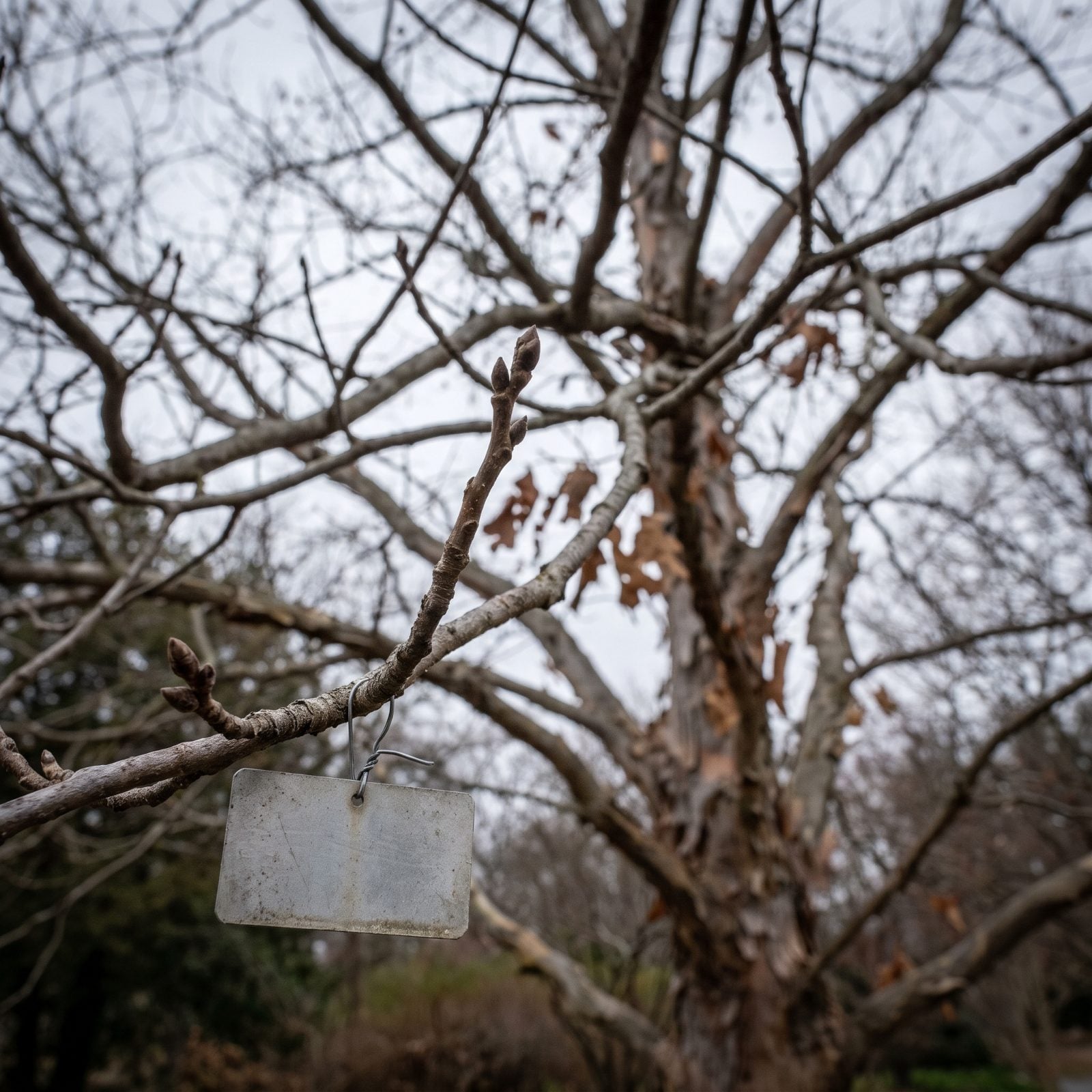
Free, every single day of the year, run by NC State’s horticulture department on Beryl Road. That alone earns it a spot. But the cold-month draw is the dedicated Winter Garden, planted specifically to carry the season on bark, berries, fragrance and flower instead of leaves.
Because the collections focus on plants that actually survive Piedmont conditions, this doubles as a shopping list. Walk it with a notebook and you’ll leave knowing exactly what to plant in your own yard that won’t sulk through a North Carolina January.
One catch before you load the car: no pets, and no emotional support animals either. Service animals only.
As one horticulturist who studied there puts it, “I had forgotten with all the winter flowering plants just how good the arboretum smelled at this time of the year.”
13. Sarah P. Duke Gardens, Durham
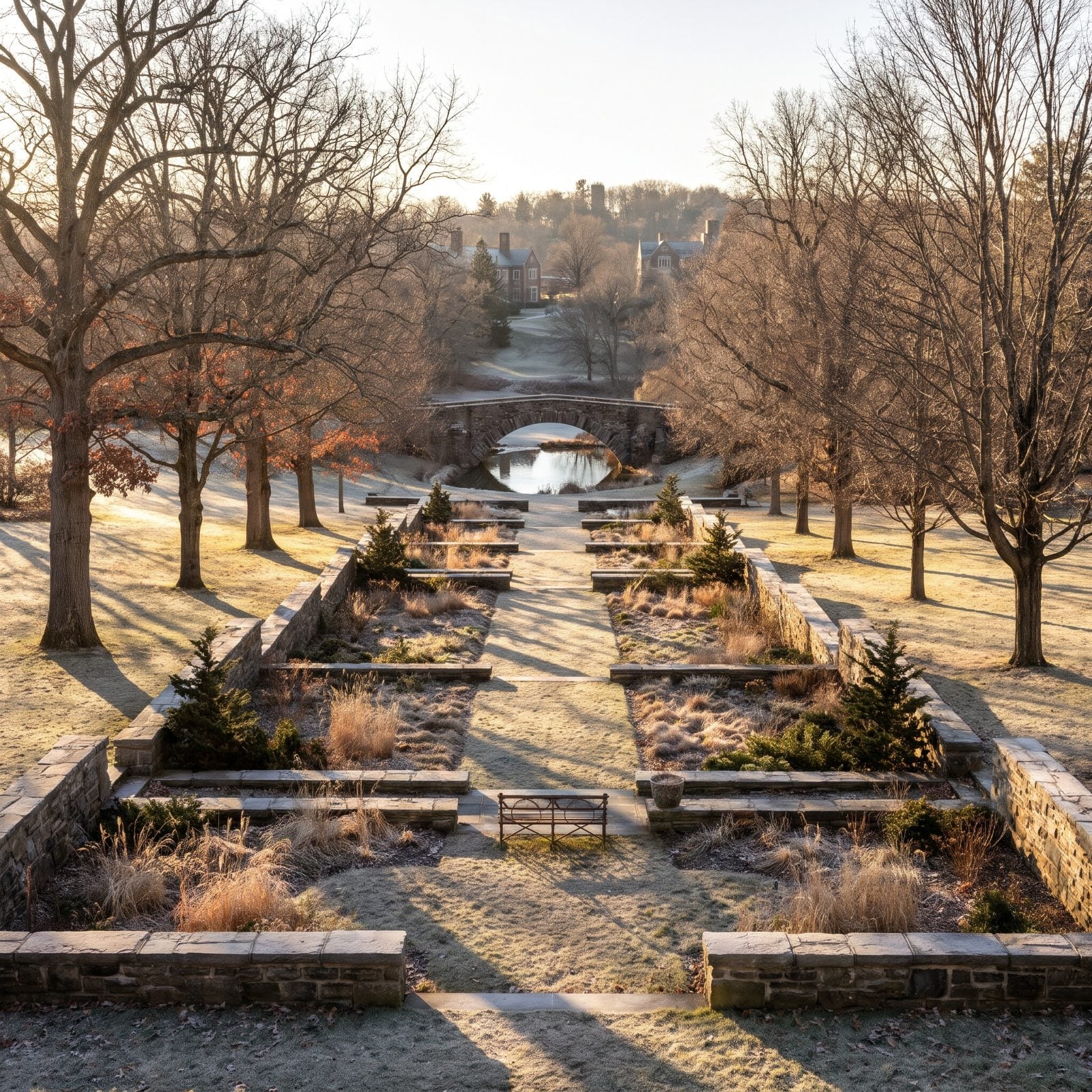
Fifty-five acres on Duke’s West Campus, open daily from eight until dusk, admission free. Parking is the tricky part. Since the new Garden Gateway entrance opened in spring 2026, on-site parking at the main entrance is limited. On weekends, the Duke University H lot at Anderson Street and Yearby Avenue is the usual backup, a short walk away. Check the Gardens’ website for current parking rules before you go.
Winter here is a quiet showoff. Frost silvers the lawns, the bare trees lining the gravel walk throw long stripes of shadow, and the stone balustrades and weathered urn catch the low sun while everything else sleeps. The arched stone bridge over the pond at the end of the tree-lined avenue is the standout, and a clear, frosty morning treats it like its personal stage.
12. North Carolina Botanical Garden, Chapel Hill
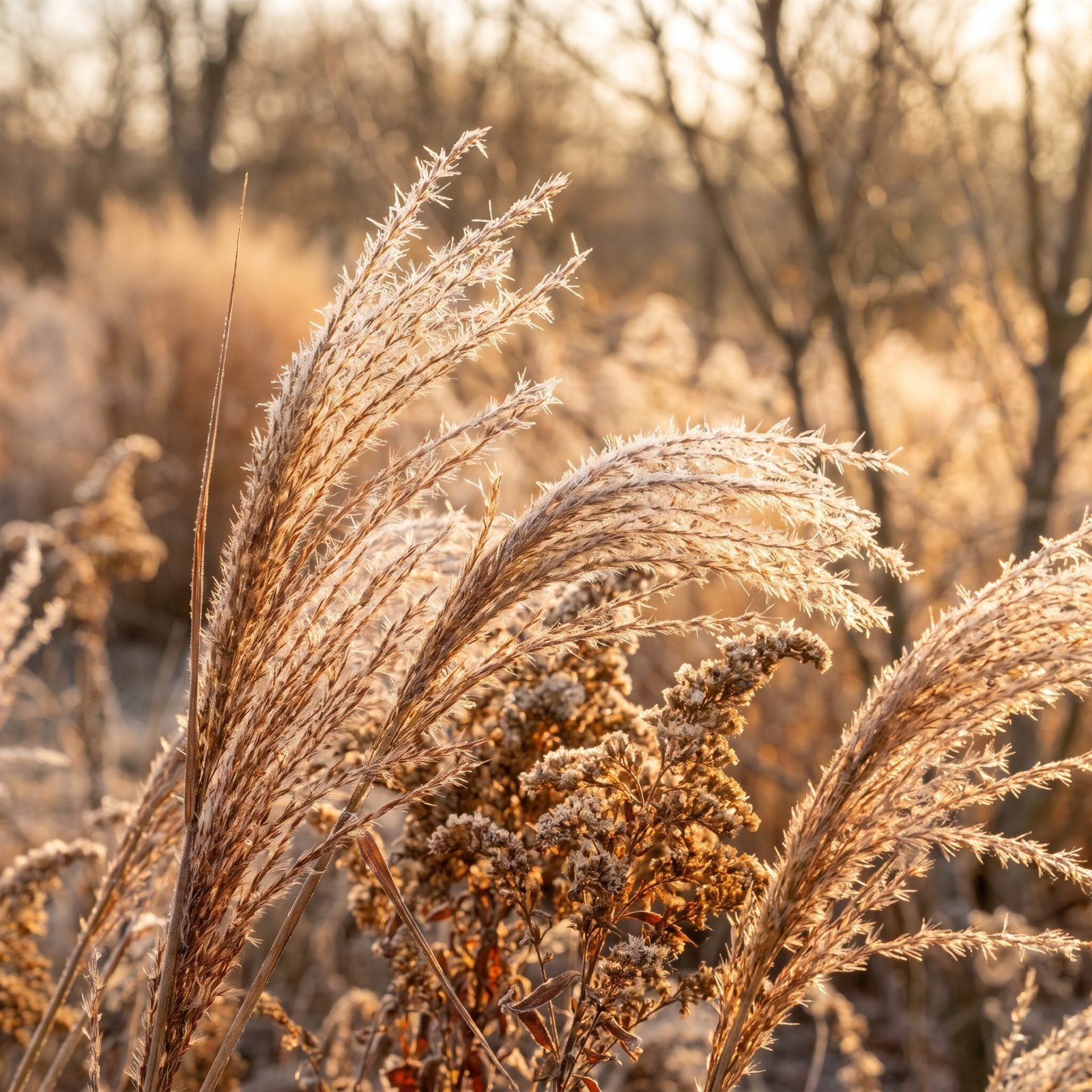
UNC’s conservation garden on Old Mason Farm Road plays a different game. The focus is southeastern native plants, so winter here isn’t about imported show-stoppers. It’s about seeing what the Carolinas actually look like once the leaves drop: structure, seed heads, evergreen groundcover, the bones of the thing.
Main display gardens run Tuesday through Sunday, nine to five, no fee. The organization manages about 1,100 acres of gardens and conservation areas, including the five-acre Coker Arboretum right on campus.
Two heads-ups. They’ve closed over the winter holidays before (late December into New Year’s), and a July 2025 rain event damaged some sites, so the Laurel Hill Road back entrance is still shut to vehicles. Check before you drive out.
As the garden’s native habitat curator puts it, “You can leave things up strategically and still have the most beautiful garden,”
11. Airlie Gardens, Wilmington
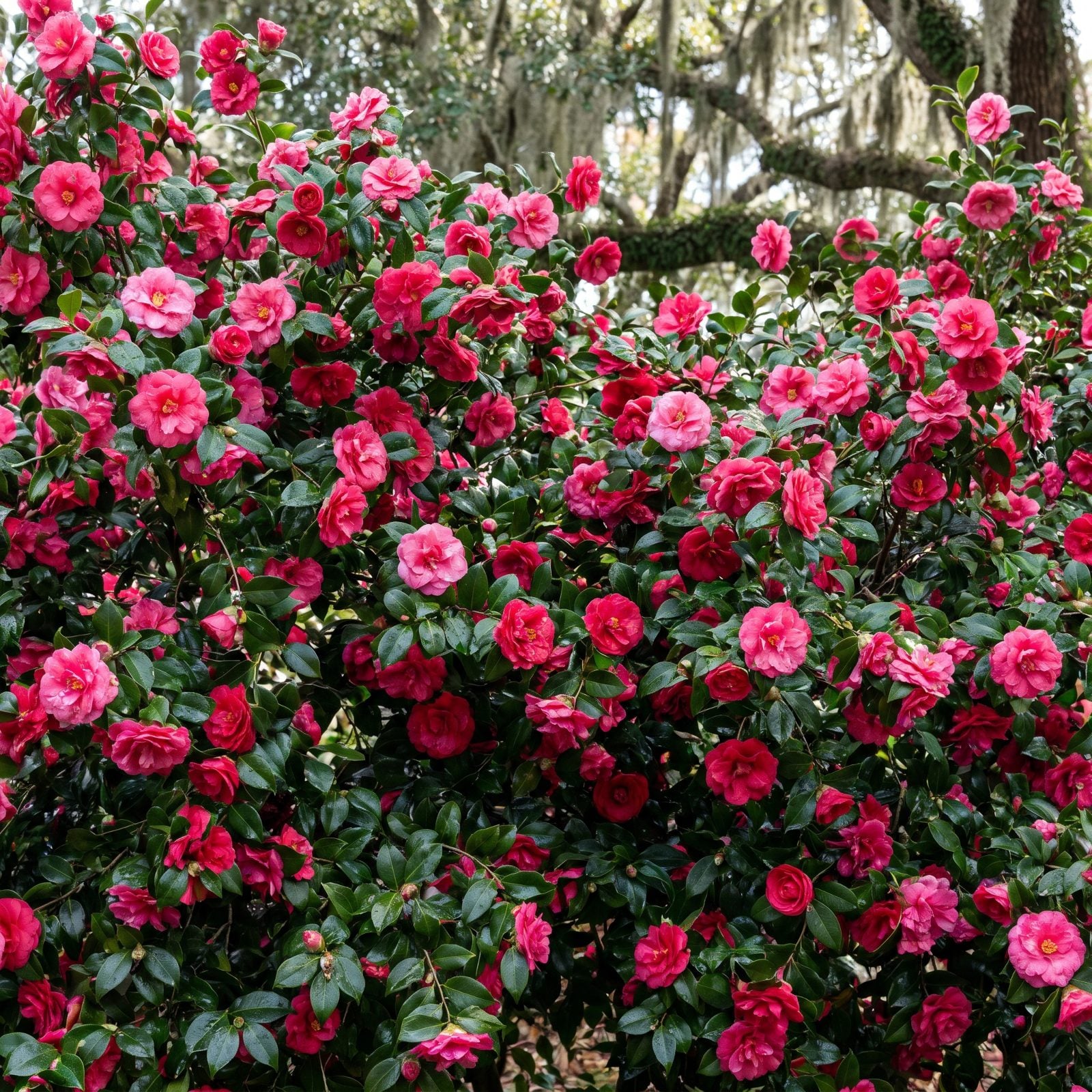
Four thousand camellia plants. That’s the count listed for Airlie on the American Camellia Society’s camellia trail, and it’s why this 67-acre coastal garden is a legitimate winter destination rather than a spring-only stop.
Sasanquas bloom from fall into winter, japonicas carry winter into spring, so there’s almost always something open. New Hanover County bought the place in 1999, and the Airlie Oak on the grounds dates to 1545. Stand under that tree and do the math on everything it has outlived.
Rather come after dark? Enchanted Airlie strings the grounds with holiday lights between Thanksgiving and Christmas each year.
10. Biltmore Estate Gardens & Conservatory, Asheville
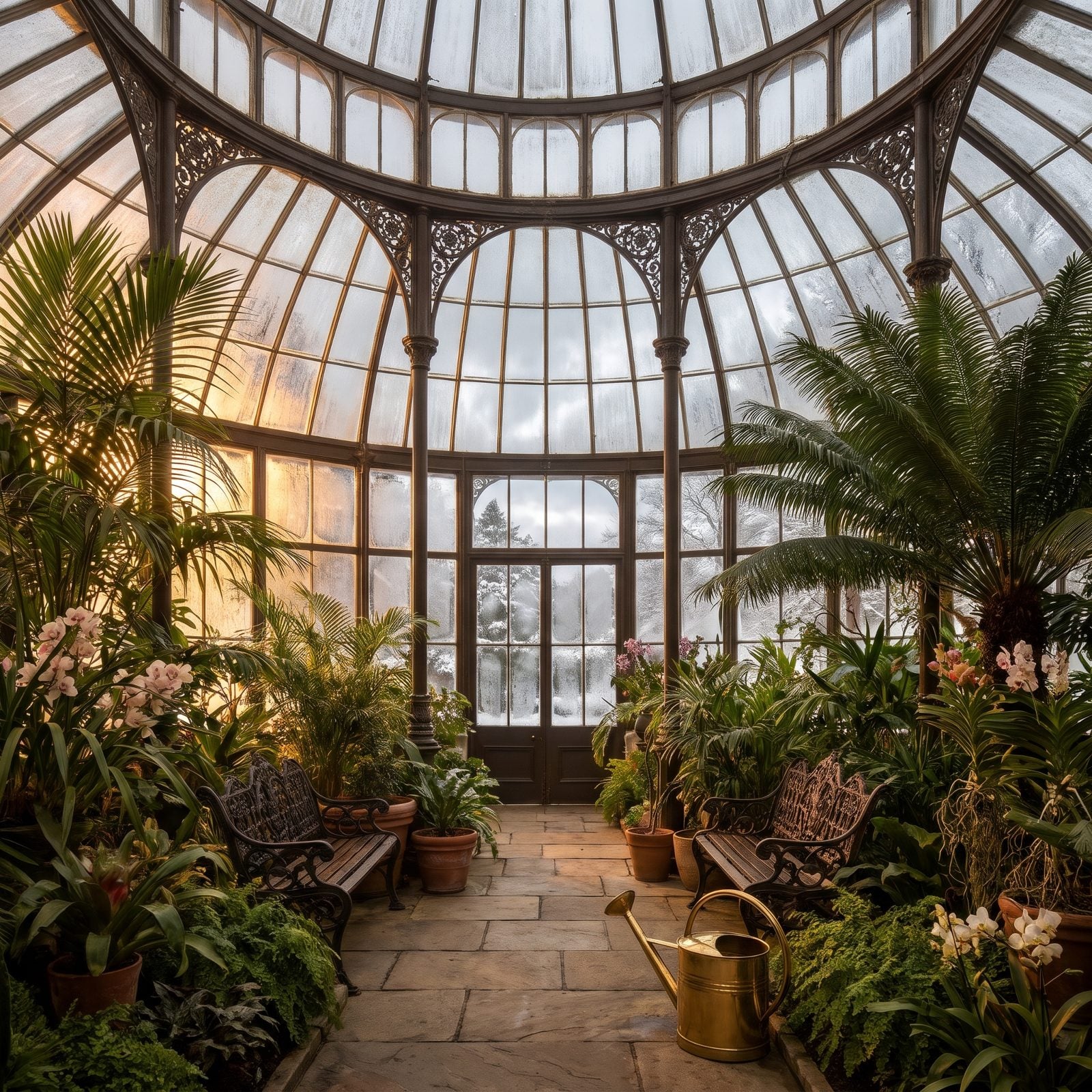
The Walled Garden Conservatory is your warm escape hatch. Per Biltmore’s 2019 fact sheet, the glass house runs 365 days a year, filled with tropical displays no matter the weather outside, and it adds poinsettias and exotic orchids for Christmas and winter. There’s a dedicated Orchid Room, too.
Outside is worth a slow walk. Biltmore’s January and February garden calendar lists winter jasmine, vernal witch hazel and fragrant wintersweet in the Shrub Garden, plus ‘Midwinter Flame’ dogwood lighting up the Walled Garden with its coral stems.
Go on a cold, bright day. Walking from frozen estate grounds straight into a humid orchid room is half the fun.
9. The North Carolina Arboretum, Asheville
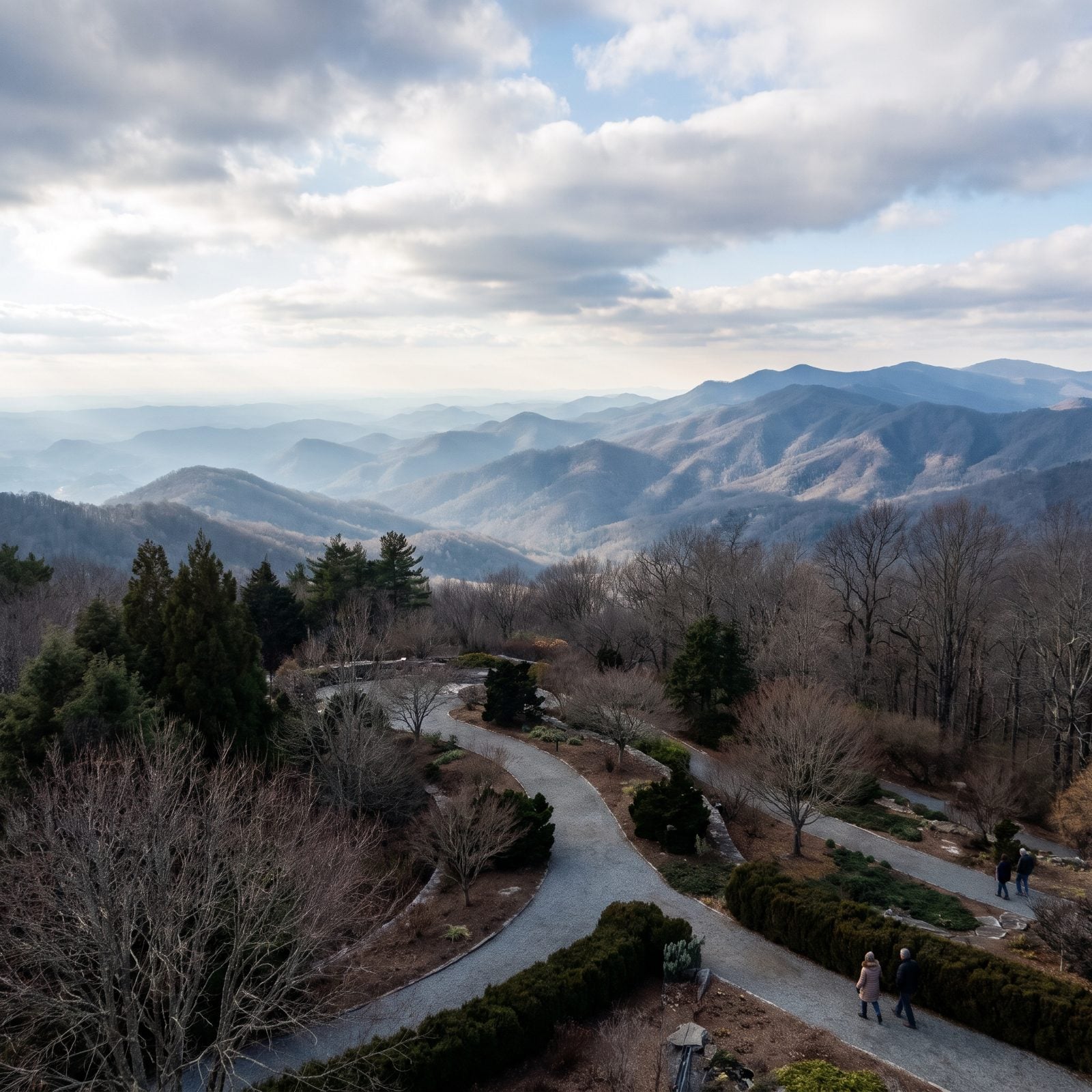
This 434-acre arboretum sits in the Southern Appalachians just south of Asheville, and in winter it becomes one of the better light shows in the state. Winter Lights strings more than a million LEDs along a one-mile walk through the gardens.
The 2026 run goes November 13 through January 3, 2027, from six to ten each evening (last entry at nine; the Arboretum is closed Christmas Day), marking the thirteenth year. Tickets are sold in advance and popular dates can sell out, so book before you drive up the mountain.
A mile of garden paths and a million lights, with mountain ridges going dark behind them.
8. Daniel Stowe Botanical Garden, Belmont
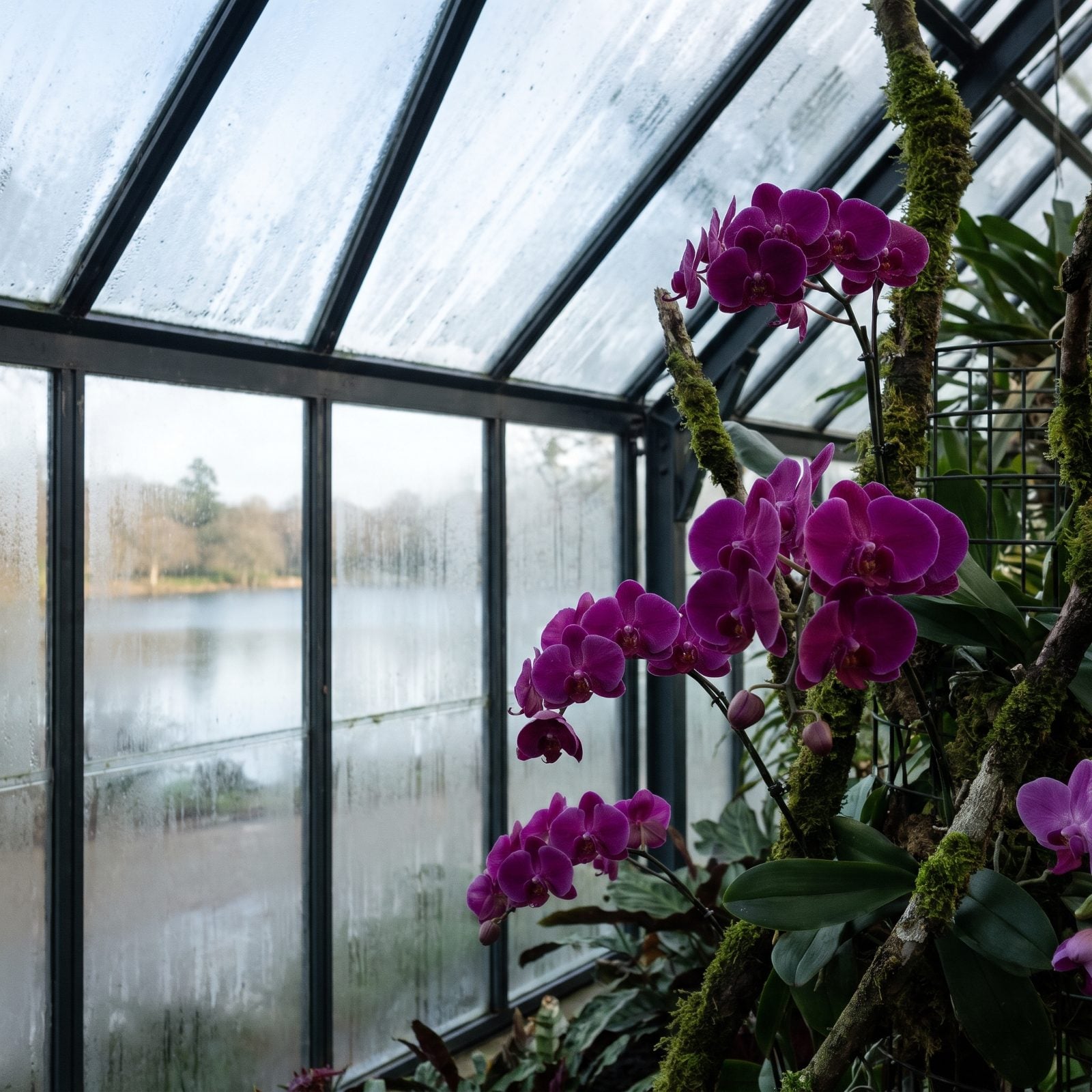
On the banks of Lake Wylie near Charlotte, this 380-acre garden gives you two reasons to come in the cold. The Williamson Conservatory, which opened in 2008 as the Orchid Conservatory, is a glass house of orchids and tropical plants, a genuinely warm stop when the wind is coming off the lake.
Then there’s Holidays at the Garden, a light show of more than a million lights from late November through the holidays, with entry starting at five and guests staying until ten.
One honest note: confirm the 2026 light-show dates and ticketing on their official site before you plan around them. Schedules shift year to year, and it’s better to check than get turned away at the gate.
7. The Elizabethan Gardens, Manteo
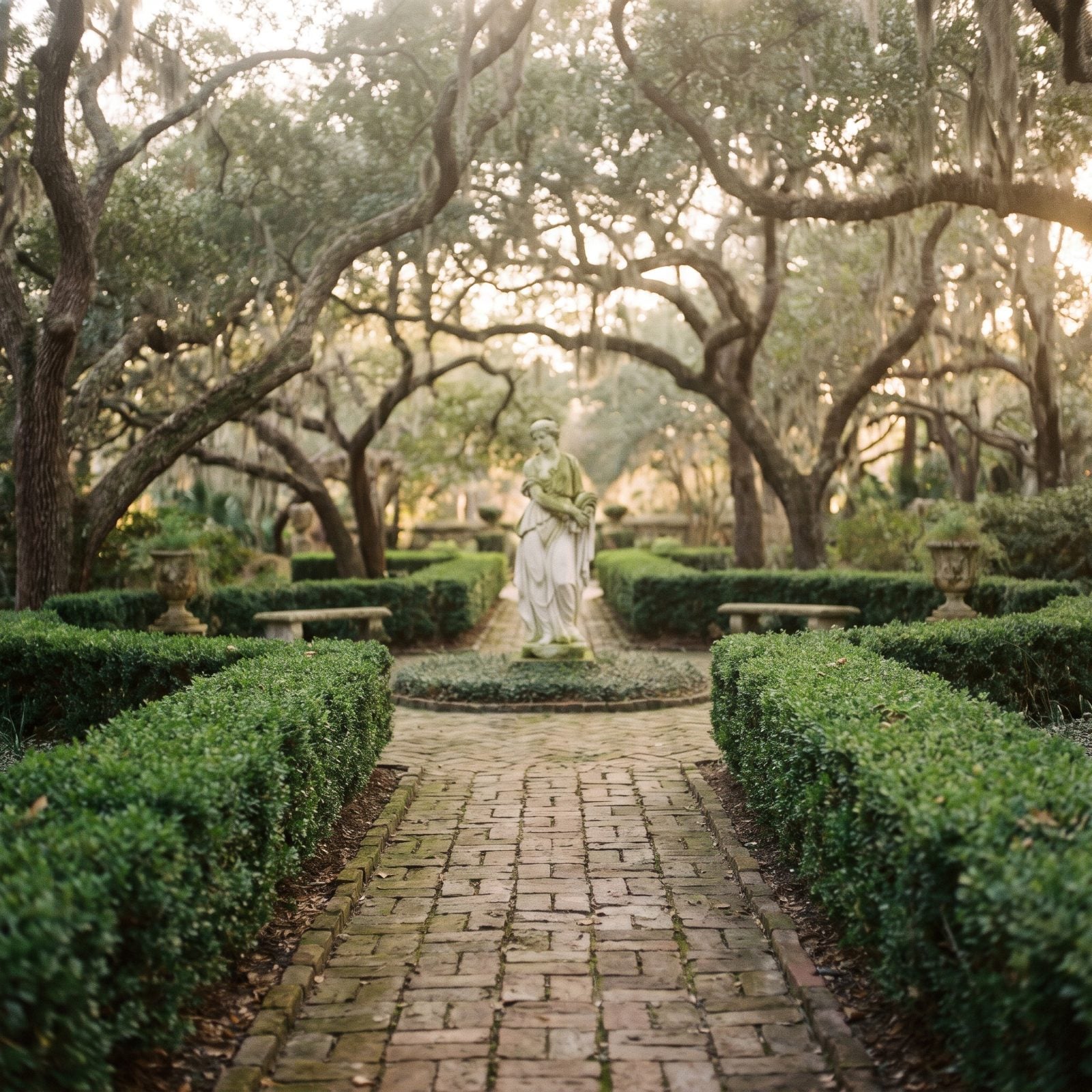
Created by the Garden Club of North Carolina in 1951, this Roanoke Island garden sits right next to Fort Raleigh National Historic Site. It’s on the American Camellia Society’s camellia trail, which means the coastal winter works in its favor the same way it does at Airlie.
Regular hours run 9 a.m. to 5 p.m. Monday through Saturday and 11 a.m. to 5 p.m. on Sunday, with earlier closing in late fall. The garden is closed for all of January, so plan a February visit for camellias. WinterLights 2026 opens the garden in the evenings on select dates from November 20 to December 29, six to nine, and it’s weather-dependent. Local press reports the gardens close during the day over that stretch, so don’t assume you can do daytime camellias and evening lights on one trip. Call first.
As an extension master gardener volunteer puts it, “offer insider knowledge about these plants, from their cultural uses to a chance to taste tea made from the Gardens’ own camellia leaves.”
6. Reynolda Gardens, Winston-Salem
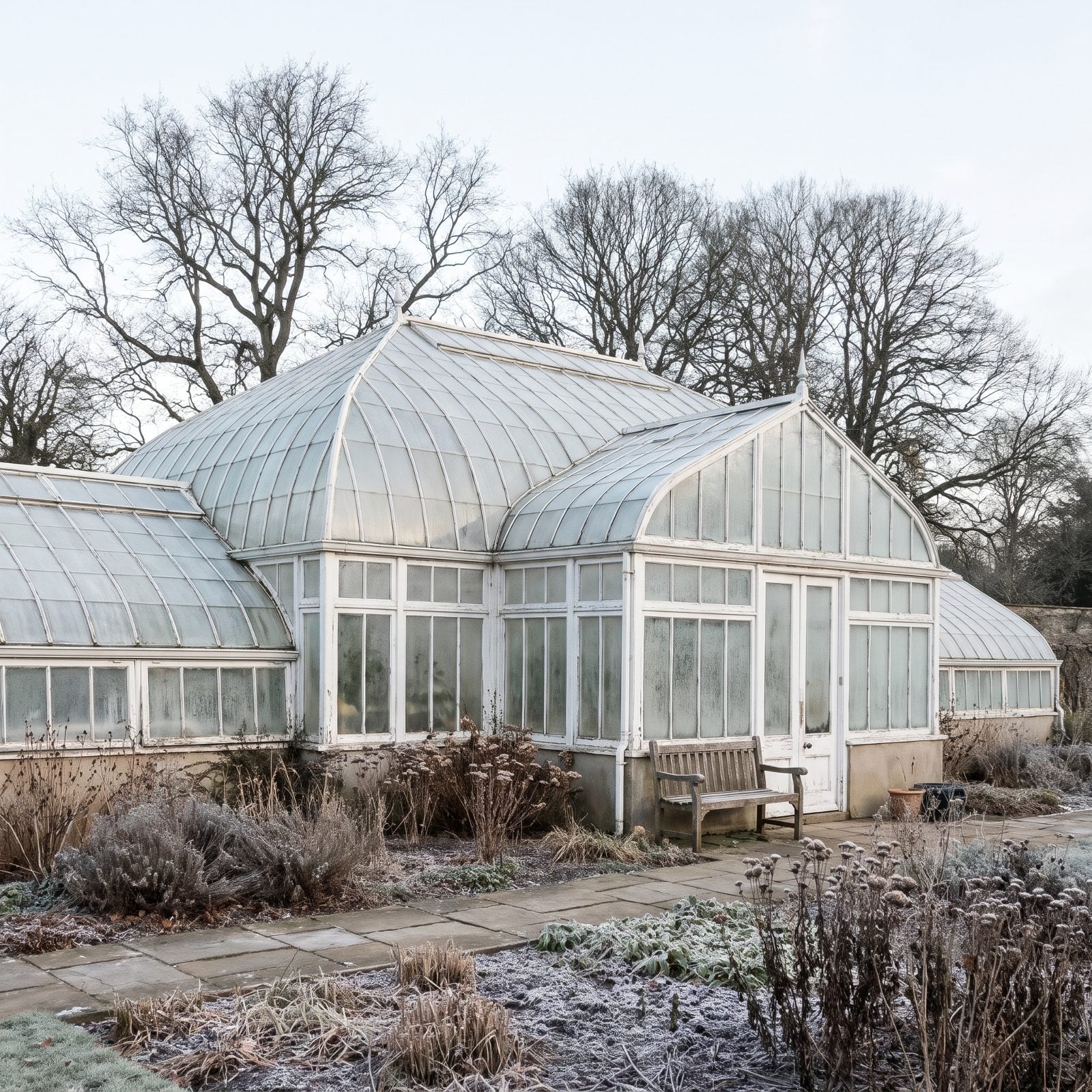
The restored 1913 Lord & Burnham greenhouse, now the Brown Family Conservatory, is the public entrance to four acres of formal gardens on the historic Reynolda Estate. The history here is the hook. Katharine Reynolds originally built the greenhouse to propagate vegetables, keep melons through the winter, and host community displays like a free chrysanthemum show.
The historic Melon House sells plants, many of them propagated right in the gardens, so you can take a piece of the place home.
Worth a quick check on their official site for current hours before you go.
As the estate’s executive director puts it, “It was no accident that Katharine Reynolds had the greenhouse completed first”
5. UNC Charlotte Botanical Gardens & McMillan Greenhouse, Charlotte
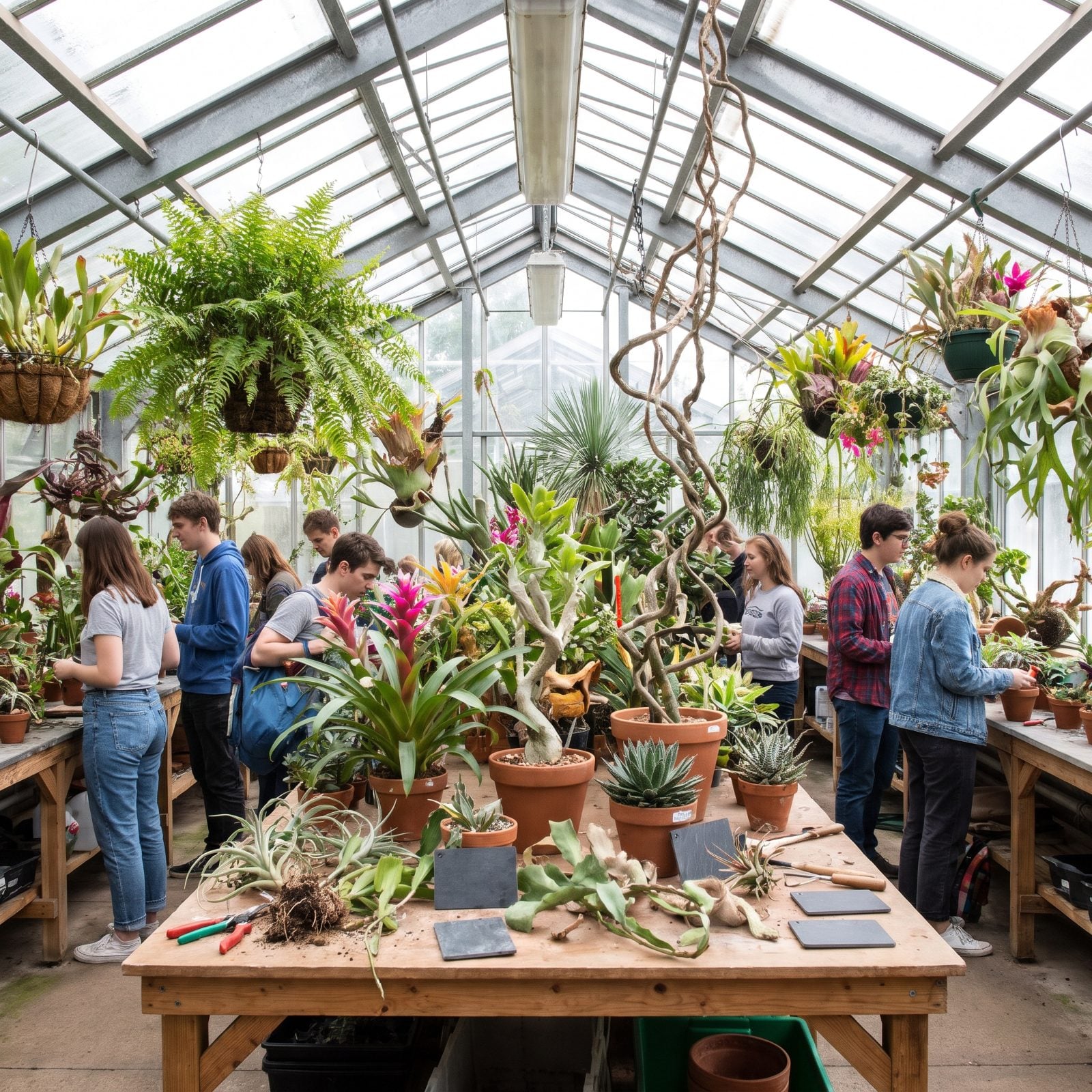
Always free, both the outdoor gardens and the greenhouse, which is reason enough to stop in Charlotte. The outdoor Susie Harwood Garden and Van Landingham Glen are open daily during daylight. The real winter payoff is the McMillan Greenhouse, open weekdays nine to four, where carnivorous and bog plants, desert succulents, and a Dinosaur Garden of ferns and living fossils all live under one roof.
Carnivorous plants and prehistoric ferns in January, for nothing. That beats a cold parking lot and a locked gate any day.
As a former assistant director puts it, “You could go in there and find true solace, comfort and quiet reflection, which our souls need.”
4. Cape Fear Botanical Garden, Fayetteville
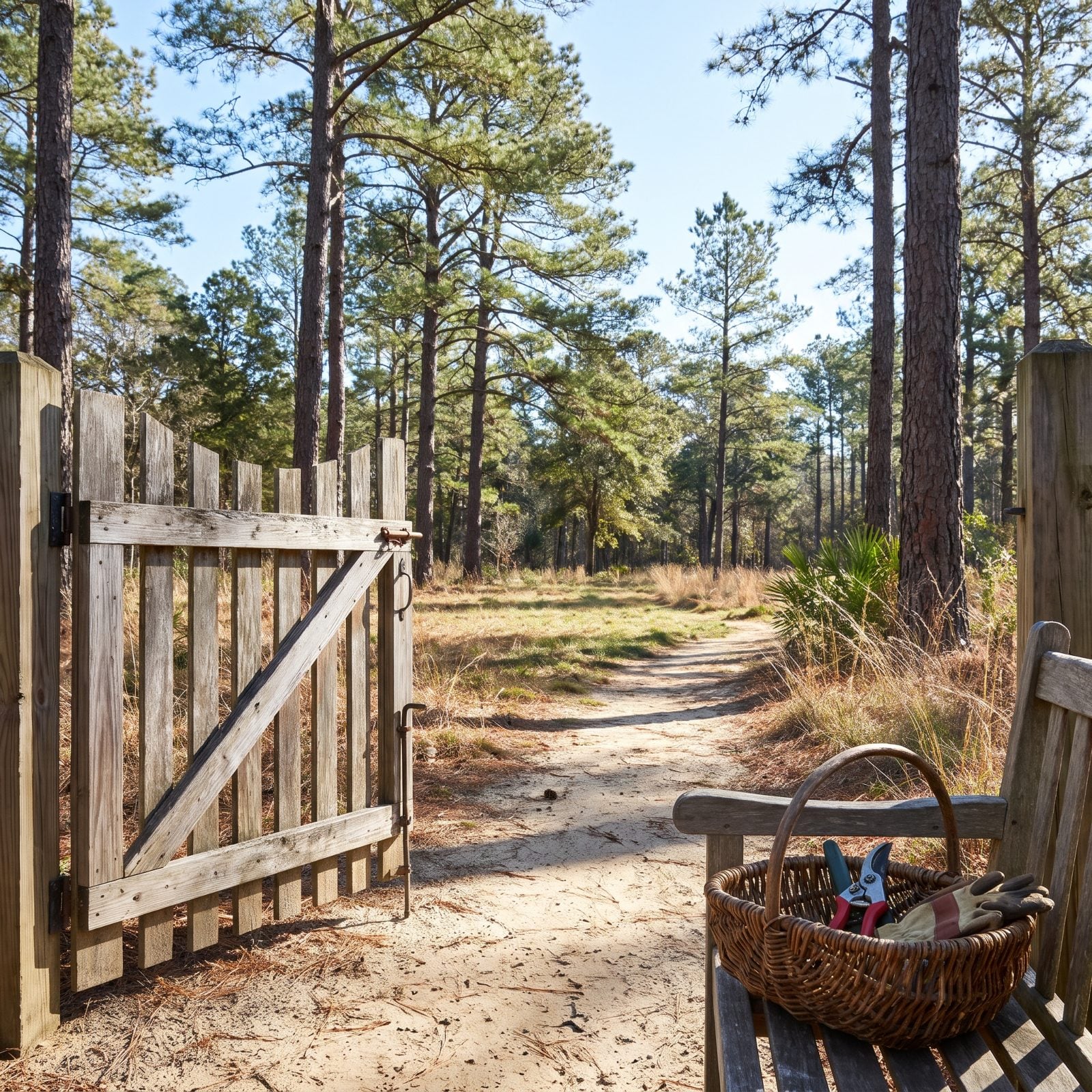
Open 360 days a year, which tells you something. This Sandhills garden locks the gate only for Thanksgiving, Christmas Eve, Christmas Day, New Year’s Day and the Fourth of July, so a cold February weekday is fair game while half the region’s gardens are shut.
Eighty-odd acres, more than 35 years of growing in, and terrain that drops toward the creek so the lay of the land carries the view when the perennials are asleep. Buses and RVs can get in during regular hours. That matters if you’re hauling a carload of relatives who think a winter garden is a contradiction in terms.
3. New Hanover County Arboretum, Wilmington
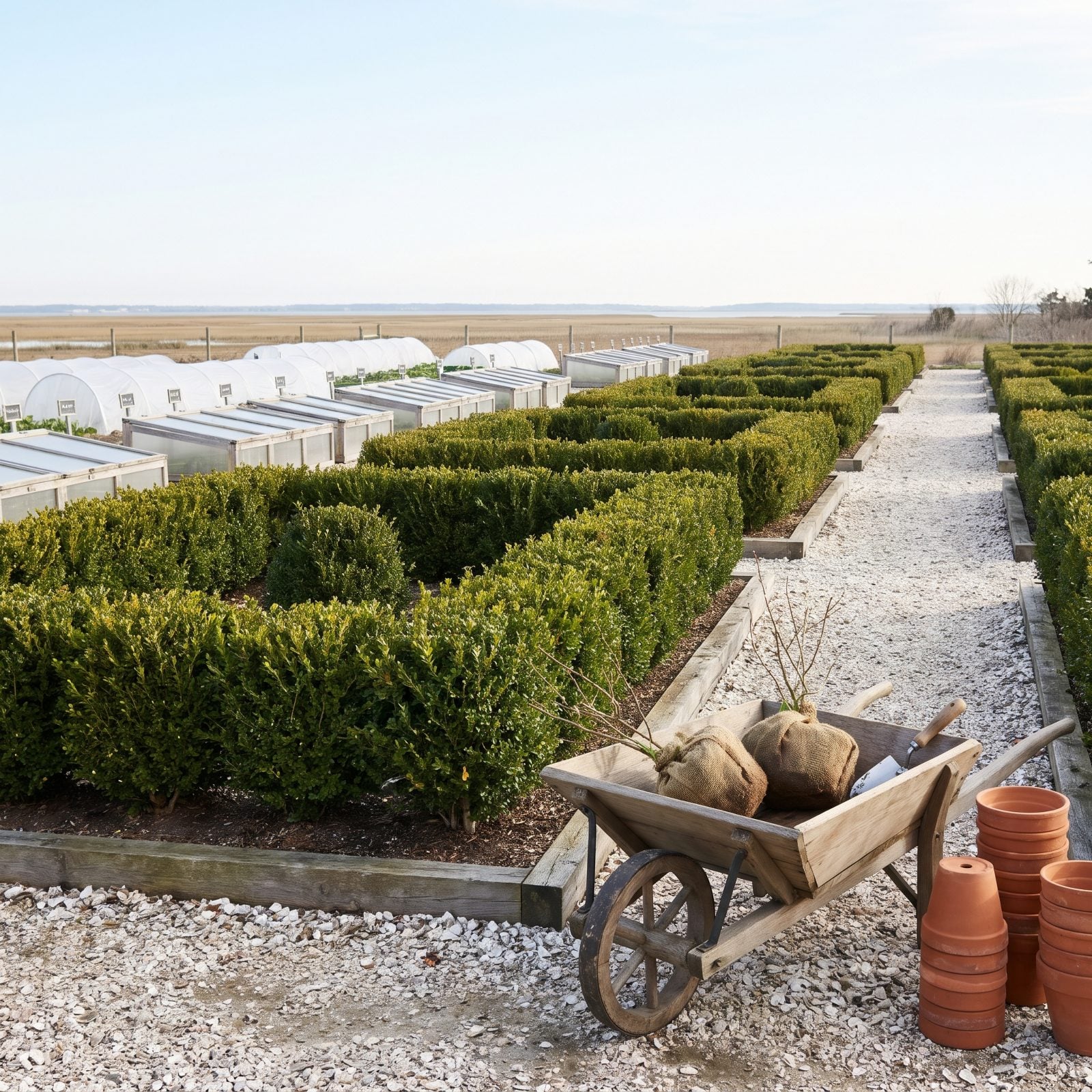
Free, open daily from 8 a.m. to 5 p.m. at 6206 Oleander Drive, and run through the county’s NC State Extension horticulture program. That last part is the useful bit. This place isn’t just somewhere pretty to walk off lunch — it’s a working teaching garden on the coastal plain.
The plant clinic answers home gardeners’ questions on weekdays from 10 a.m. to 4 p.m., which is worth gold if something in your own yard has been puzzling you all season. Call ahead before you drive out, though. The arboretum sometimes closes for private events, and there’s no sadder feeling than a locked gate at the end of a good intention.
As the county’s extension director puts it, “The garden is a teaching ground for Cooperative Extension’s horticultural classes, trainings, and certifications for residents, landscapers, and green industry professionals.”
2. Tryon Palace Gardens, New Bern
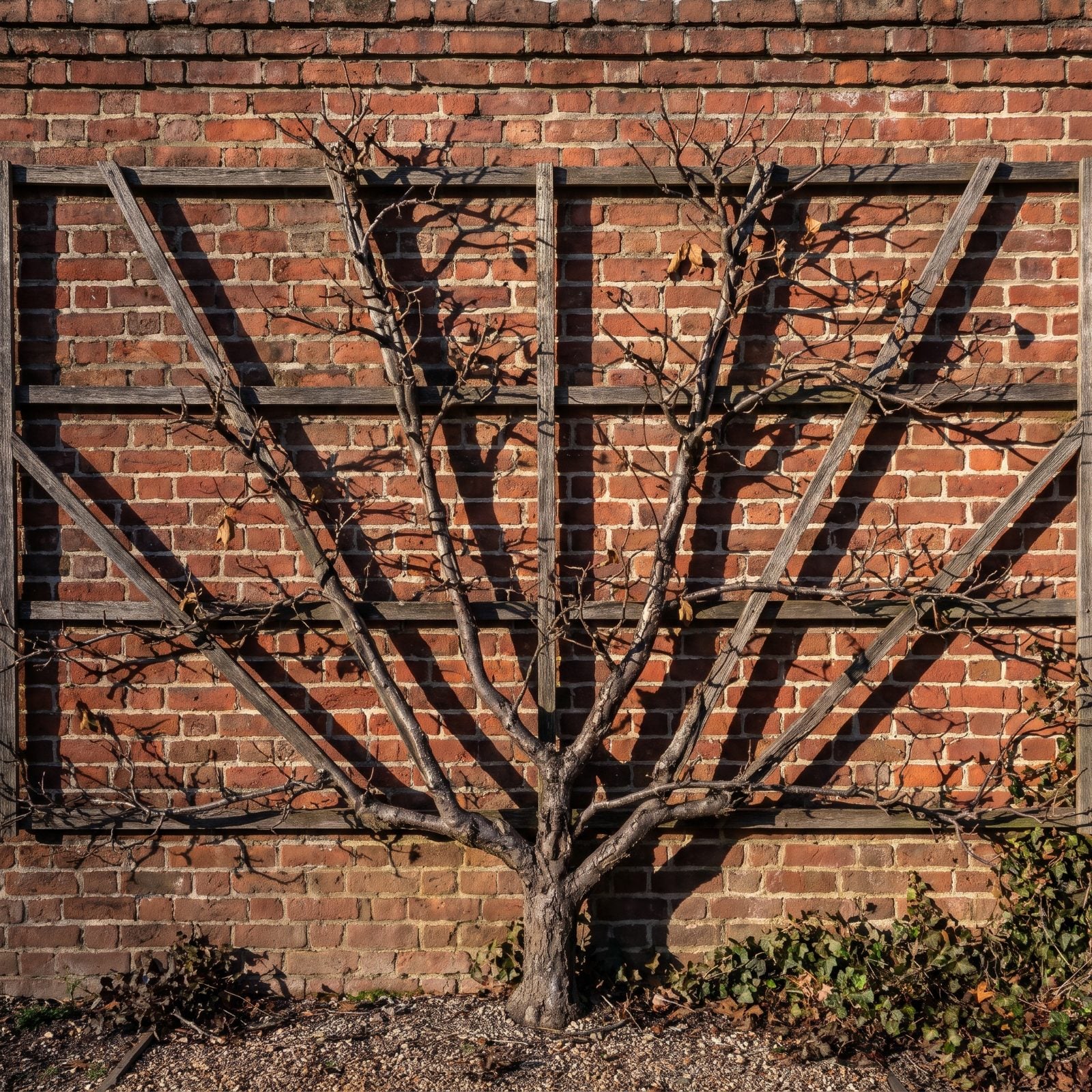
The espaliered fruit trees are the quiet showstopper here. Fig, plum and peach, trained flat against brick into branch patterns that look like something a draftsman ruled out with a straightedge. In winter, with the leaves gone, you see the whole skeleton of the technique — which is exactly why you go now and not in July.
The Kitchen Garden behind the Kitchen Office keeps produce going almost all year, heirloom vegetables included, the kind most of us only read about in seed catalogs. Walk on toward the Trent River and the Wilderness Garden loosens into the 18th-century English landscape style, thick with North American natives.
The gardens are self-guided with a ticket (a Gardens Pass works), while tours of the Palace itself run at set times, so check the Plan Your Visit page before you set out.
As a former palace garden intern puts it, “There were wilderness gardens that were less manicured and there were highly manicured boxwood parterres and espaliered fruit trees.”
1. Juniper Level Botanic Garden, Raleigh
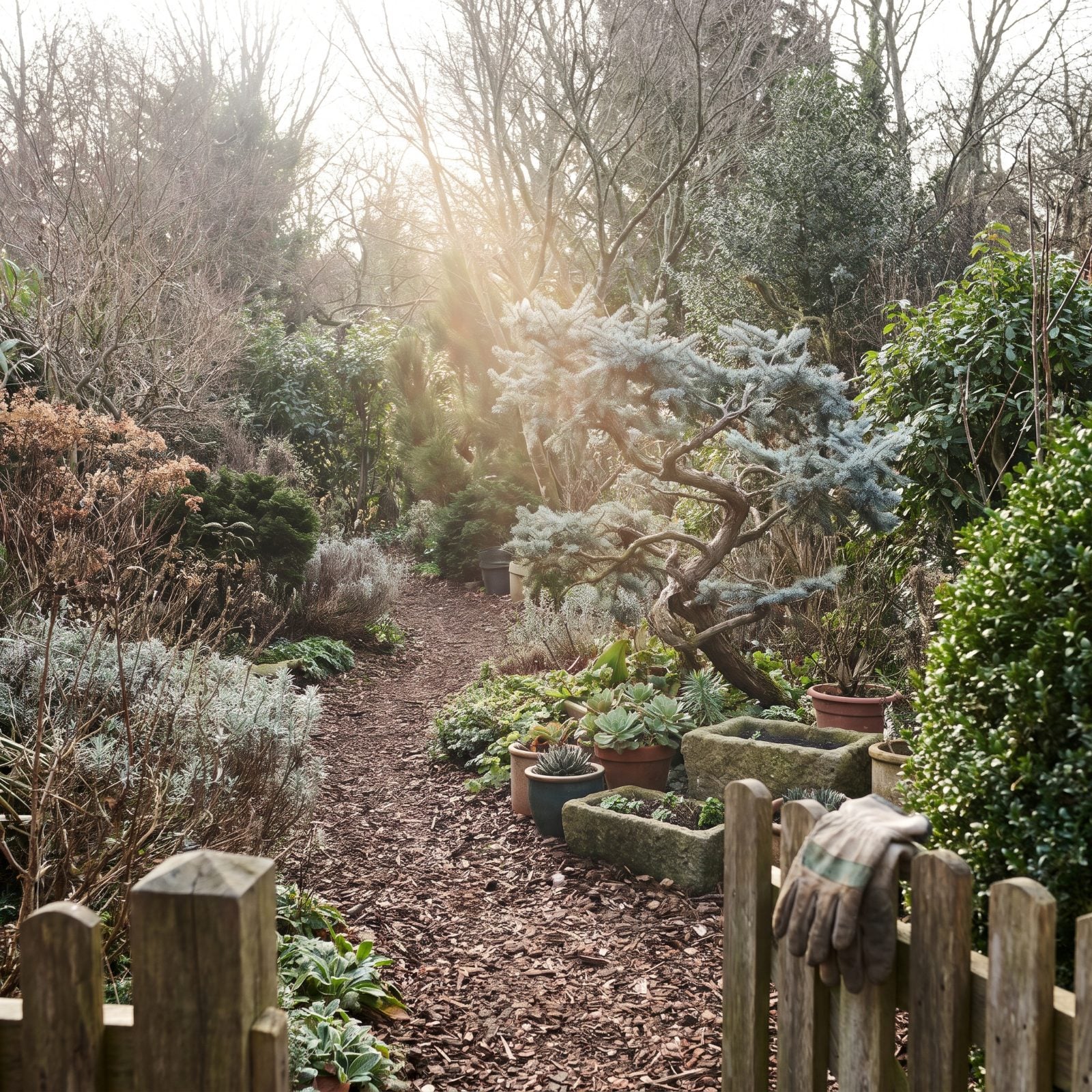
This one takes planning, and that’s the charm. This private garden, on a 28-acre estate linked to Plant Delights Nursery, opens to the public only a handful of weekends a year (nine, per the garden’s site), spread across the seasons. Miss the window and your only option is a visit by appointment.
Thousands of unique plants live here at 9241 Sauls Road, which makes it less a garden and more a living encyclopedia you can walk through. The winter open weekends, held in late February and early March in 2025, put hellebores front and center. The garden was open Friday through Sunday, 9 a.m. to 5 p.m., with free mini tours at 10 a.m. and 2 p.m.