
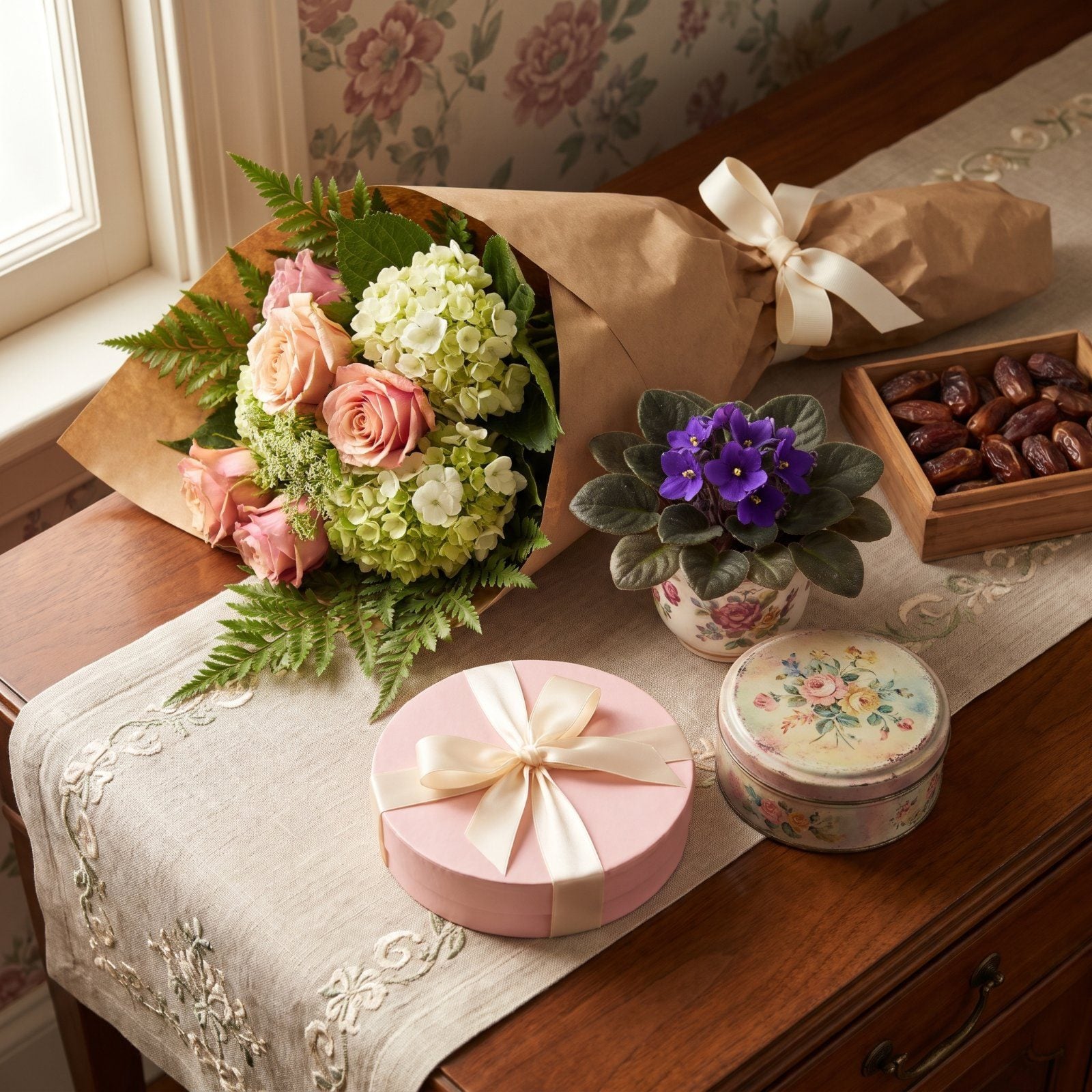
Somewhere between the icebox and the dishwasher, the hostess gift got boring. Everyone brings wine now. You grab a bottle on the way, hand it over at the door, and nobody thinks twice. But before a corkscrew was the default, arriving empty-handed was unthinkable, and the thing you carried said something about you. A woman knew what her hostess liked, and she turned it over in her head for days. The gift might be flowers from her own beds, or candy that kept in the pantry, or a potted plant that outlived the dinner by years. Here’s what sat on entry tables before the wine rack took over.
Please note that some of the images in this article were created with the assistance of AI.
38. A Hand-Tied Bouquet From the Garden
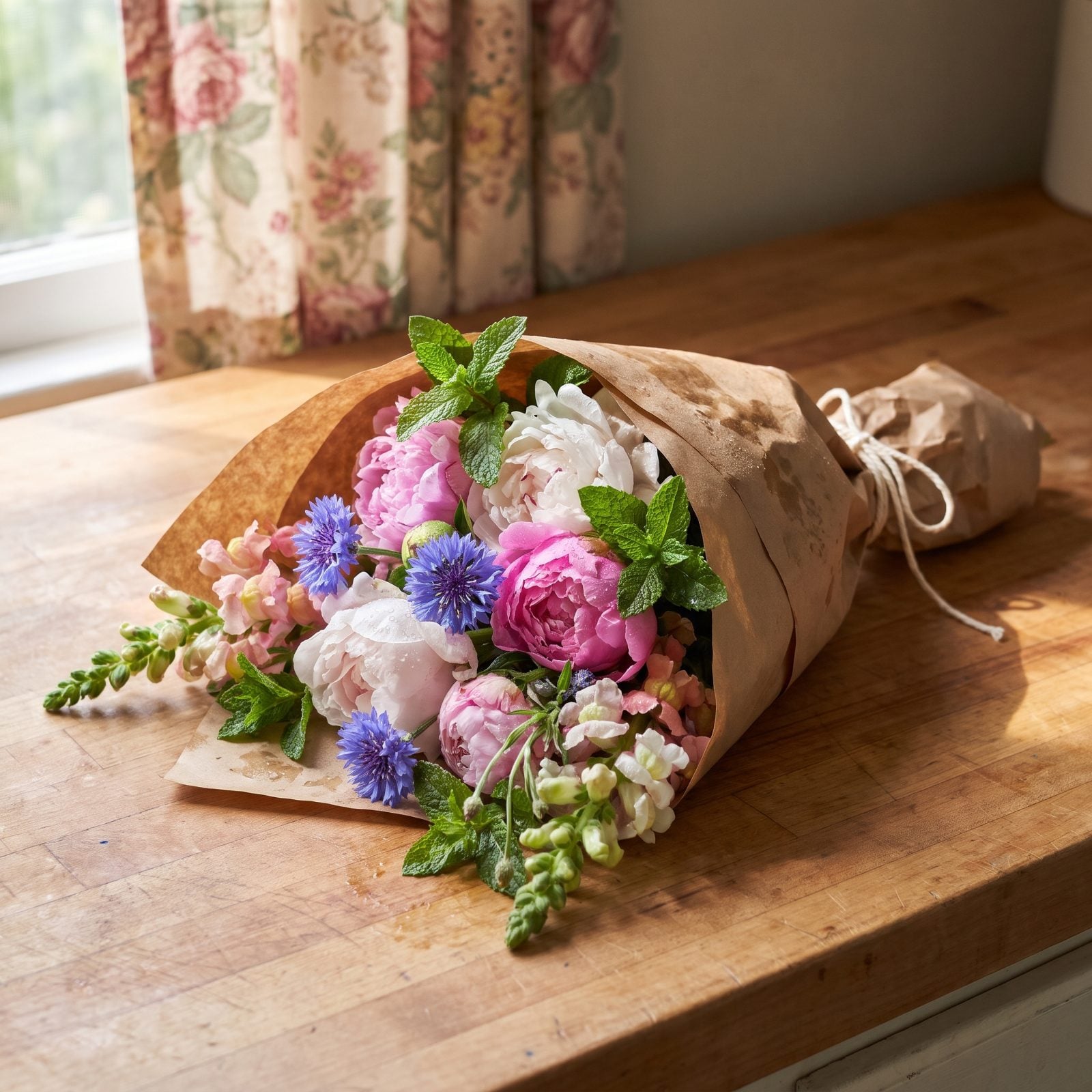
The bouquet from the florist was fine, but the one from your own beds meant more and everyone knew it. A handful of peonies and bachelor buttons, stems still cool from the garden hose, wrapped in whatever paper was in the drawer and tied with kitchen twine. No cellophane. No florist’s card.
What separated a thoughtful guest from a lazy one was timing. You cut flowers the morning of, not three days before, and you brought them already arranged in a loose hand-tie so your hostess didn’t have to abandon her guests mid-party to go hunt for a vase.
37. A Potted African Violet
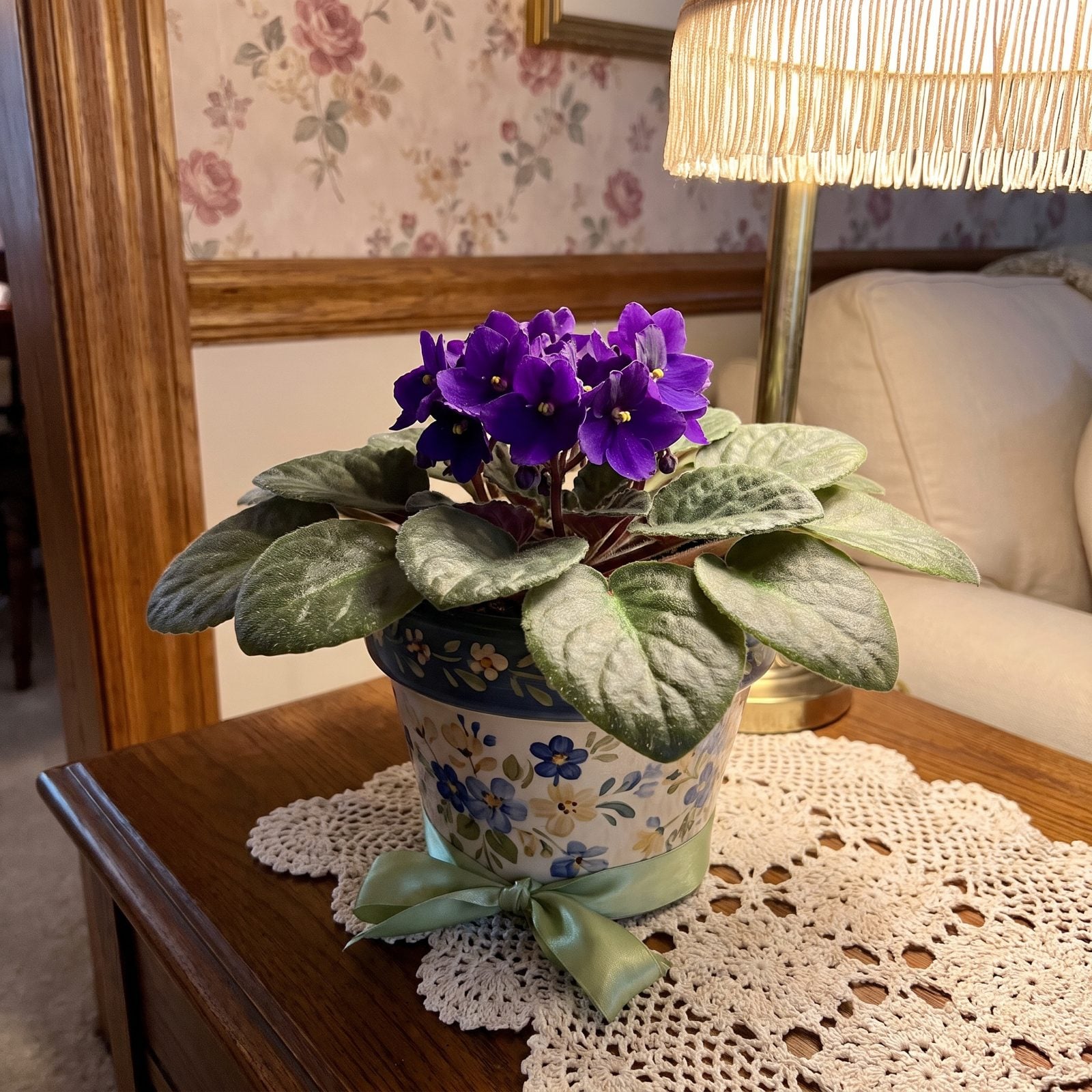
Flowers die by Thursday. An African violet, if the hostess had any luck at all, sat on her windowsill for years and reminded her of you every time it bloomed.
This was the gift that kept giving, and a little bit of a brag besides. Violets are fussy. They sulk if you water the leaves, they want east light and not much else, and coaxing one to flower reliably takes a steady hand. Bringing a blooming one said you had the touch. We’ve killed more than our share, so we say this with respect.
36. A Corsage for the Hostess
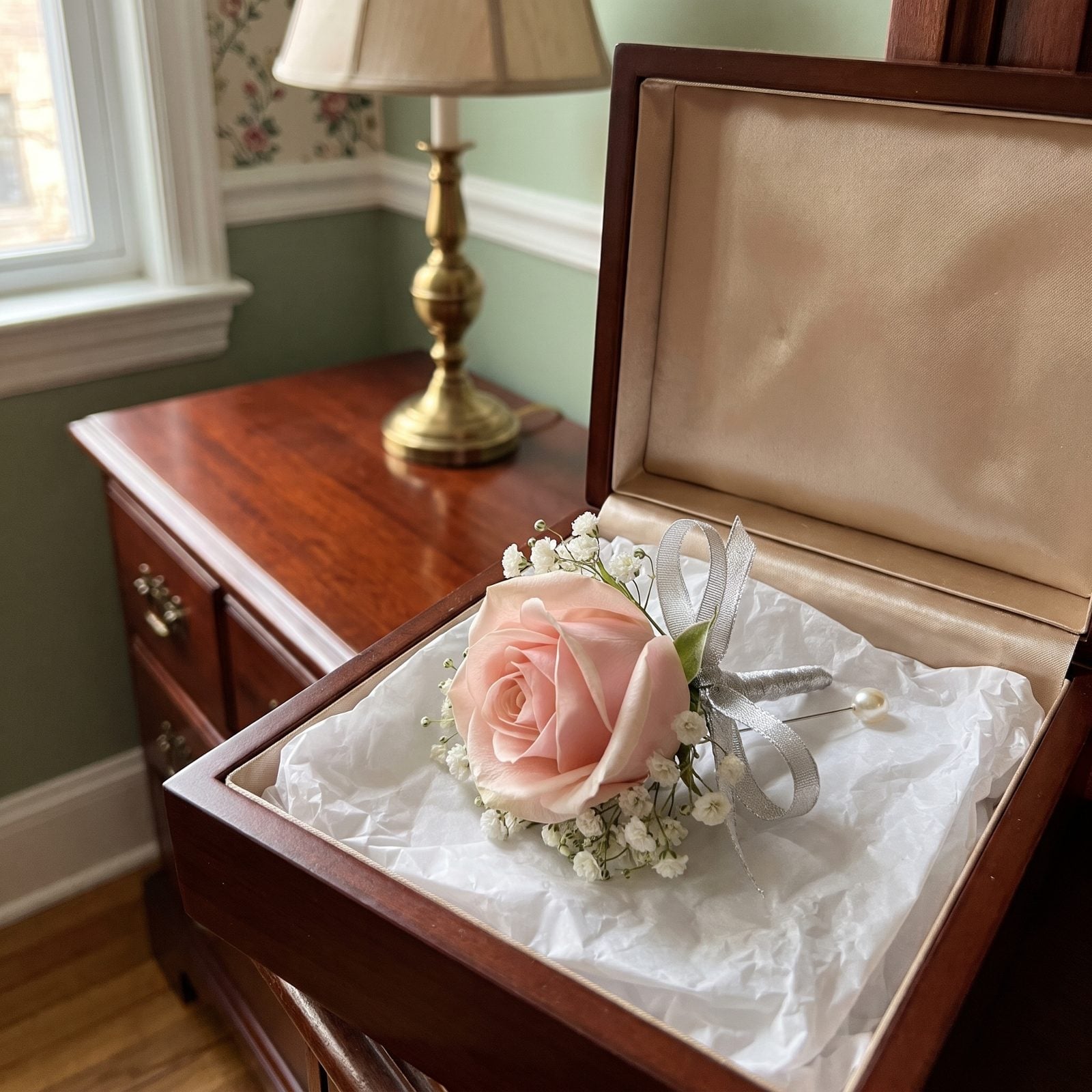
Here’s one that would startle a dinner guest today. You pinned a corsage on your hostess the way you’d pin one on a prom date — a single gardenia or a sweetheart rose, nestled in baby’s breath, with a pearl-topped pin.
The gesture put her at the center of her own party. She fussed over everyone all night; the corsage said that tonight, somebody fussed over you. A small thing. It also tells you how much ceremony people once poured into an ordinary Saturday evening.
35. A Ribbon-Tied Box of Chocolates
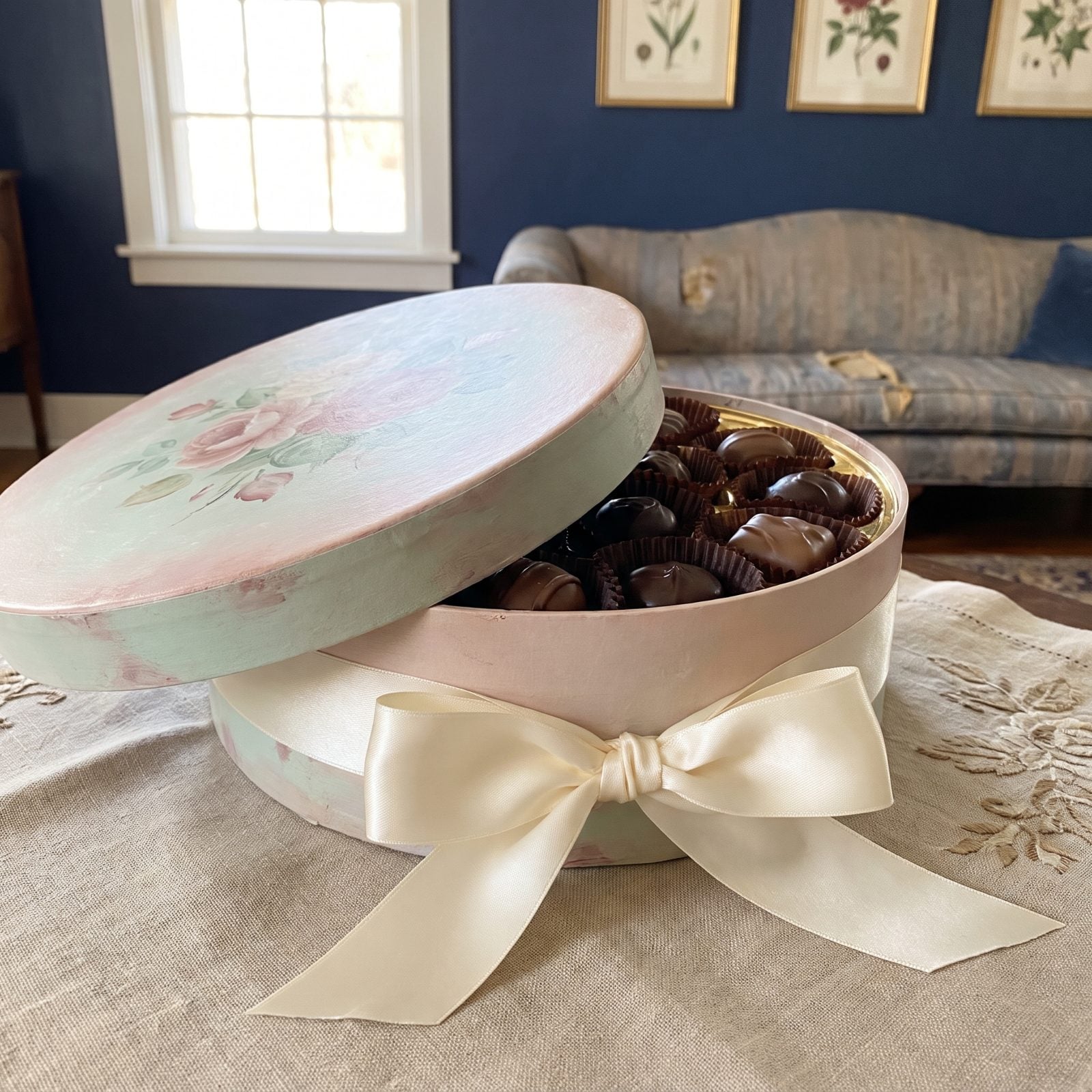
The chocolate box was the safe bet, and there’s no shame in a safe bet done well. A round or heart-shaped box, a painted lid, a satin ribbon tied in a real bow you had to untie. That ribbon mattered. It said someone handled this box with care before it got to the door.
Inside came the ritual everyone remembers: the little paper map under the lid, the finger hovering, the gamble on which shell hid caramel and which hid the dreaded coconut cream. A whole evening’s small theater, folded into one box.
34. A Tin of Old-Fashioned Hard Candy
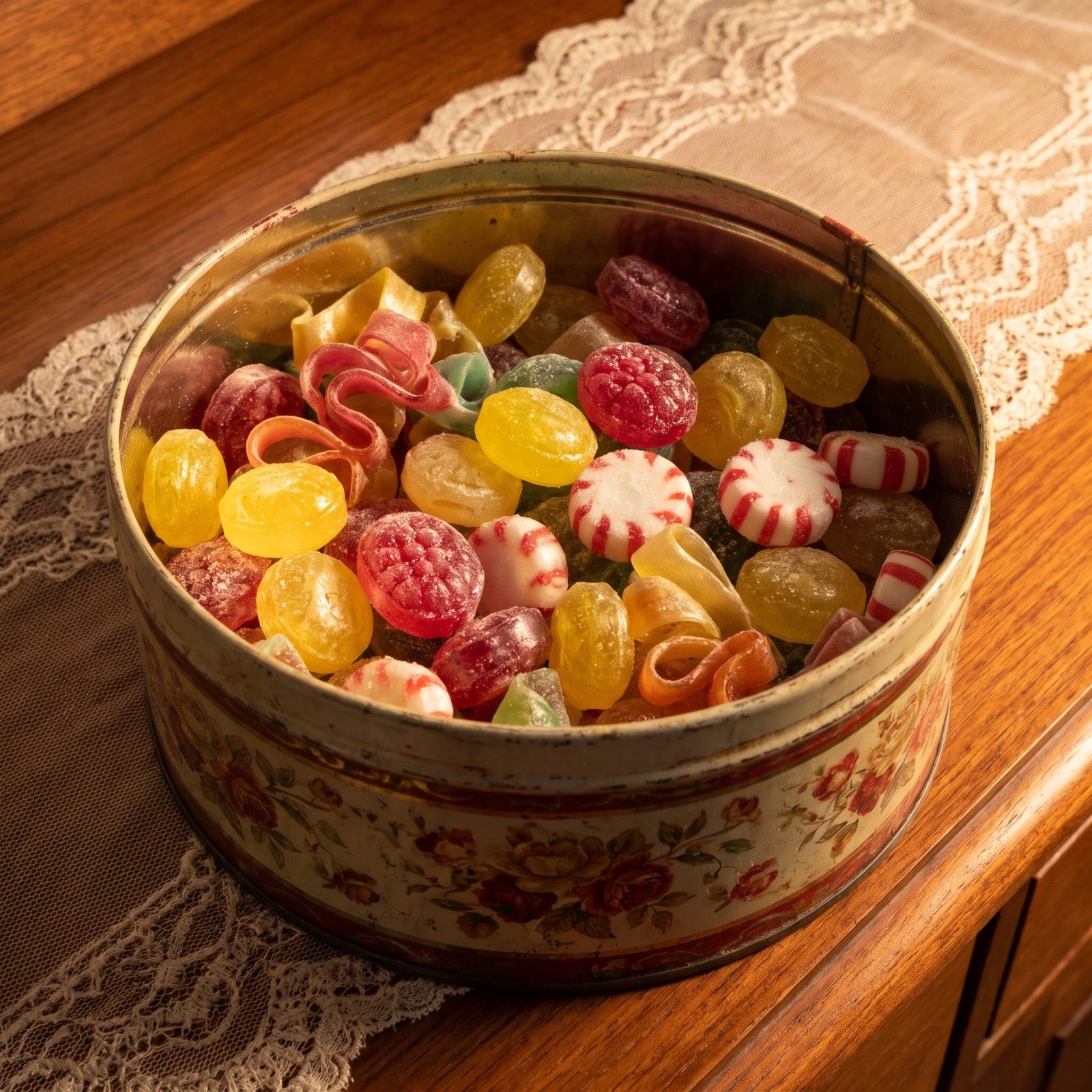
You know the tin. It lived in a drawer or on a shelf and got passed guest to guest for half a lifetime, long after the candy inside went to rock.
The gift wasn’t really the candy. It was the tin, painted with a winter scene or a bowl of flowers, meant to be kept and refilled and reused forever. Hard candy lasted, didn’t melt, didn’t need refrigeration, and looked like colored glass in a cut-crystal dish. Sensible, and it happened to glitter.
33. A Box of After-Dinner Mints
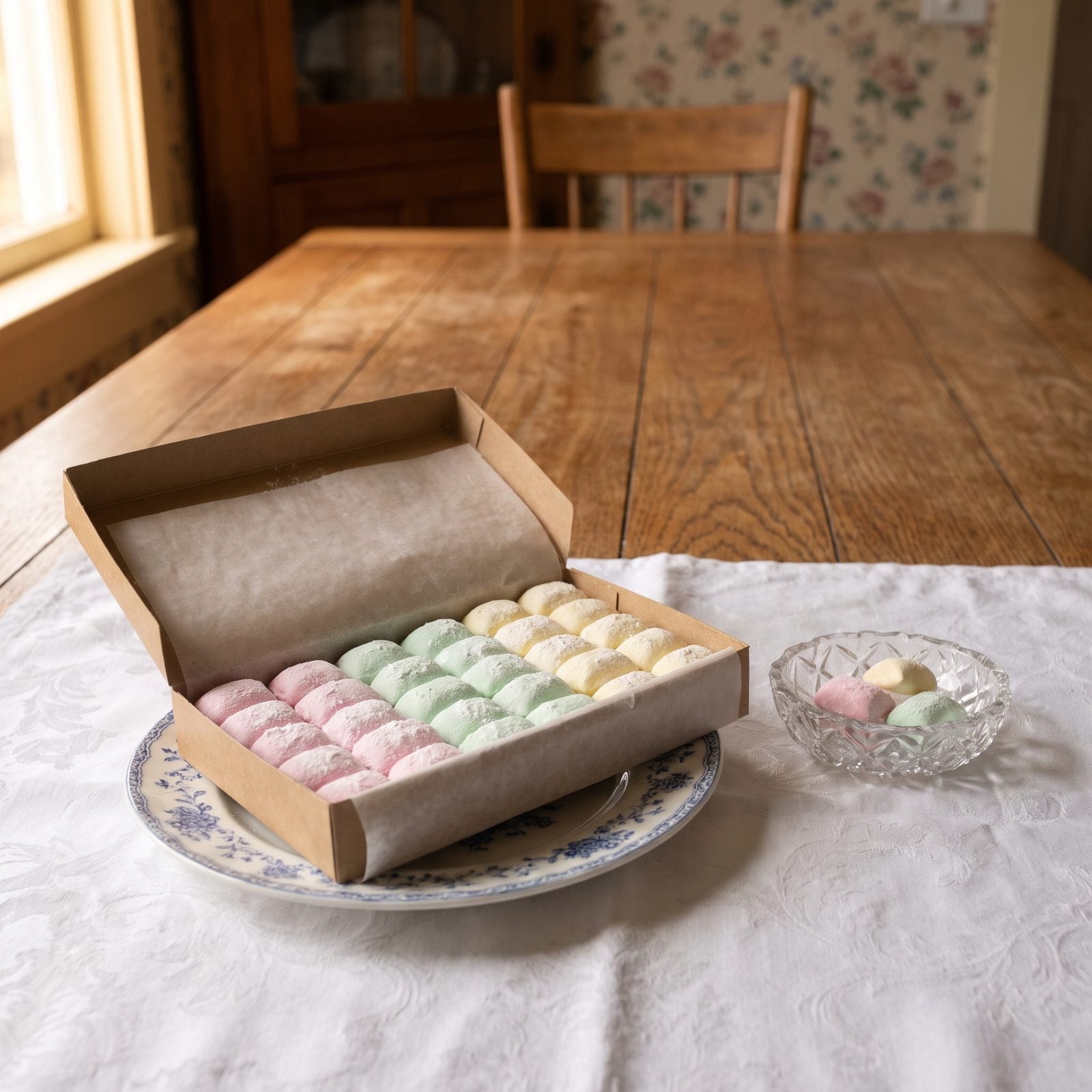
Mints were the polite guest’s gift. Small, light, keyed exactly to the moment the evening wound down and everyone wanted something sweet and cool before coffee.
The pastel pillow kind, dusted in sugar, dissolving the second they hit your tongue. A hostess would tip them into a little cut-glass dish and set it near the coffee service. The gift practically arranged itself for her, which was part of the thinking — you brought the thing she’d need anyway.
32. A Glazed Fruit Basket
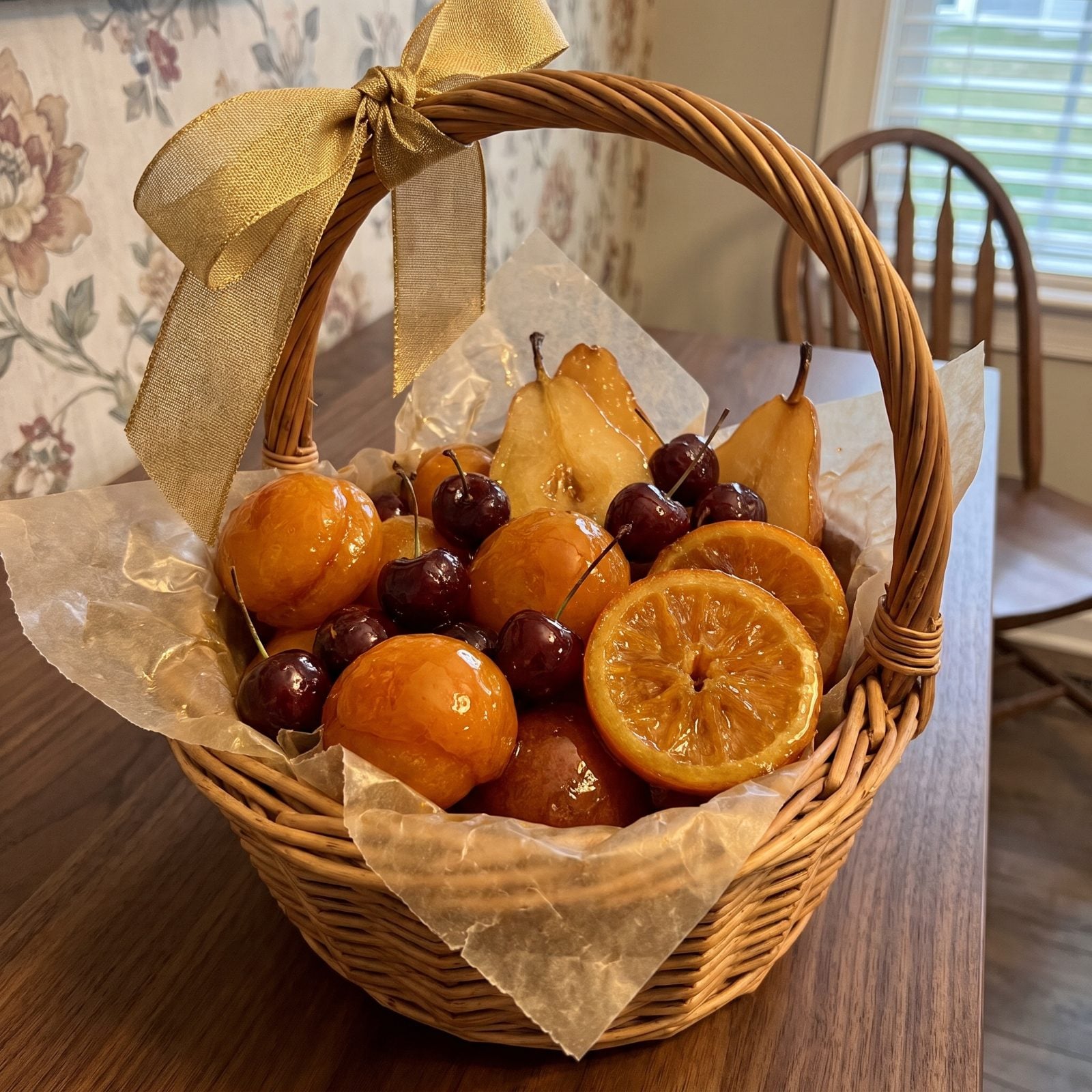
The glazed fruit basket was the show-off gift, and it earned the role. Candied apricots and cherries and pear halves, lacquered until they shone, packed in a basket and tied with gold ribbon.
This one meant something because fruit wasn’t cheap or year-round the way it is now. Glazed and preserved, it carried a whiff of occasion and expense. You brought it to the hosts you wanted to impress — the boss’s dinner, the holiday open house. It sat on the buffet looking like a painting and vanished by the end of the night.
31. A Wooden Box of Dates and Figs
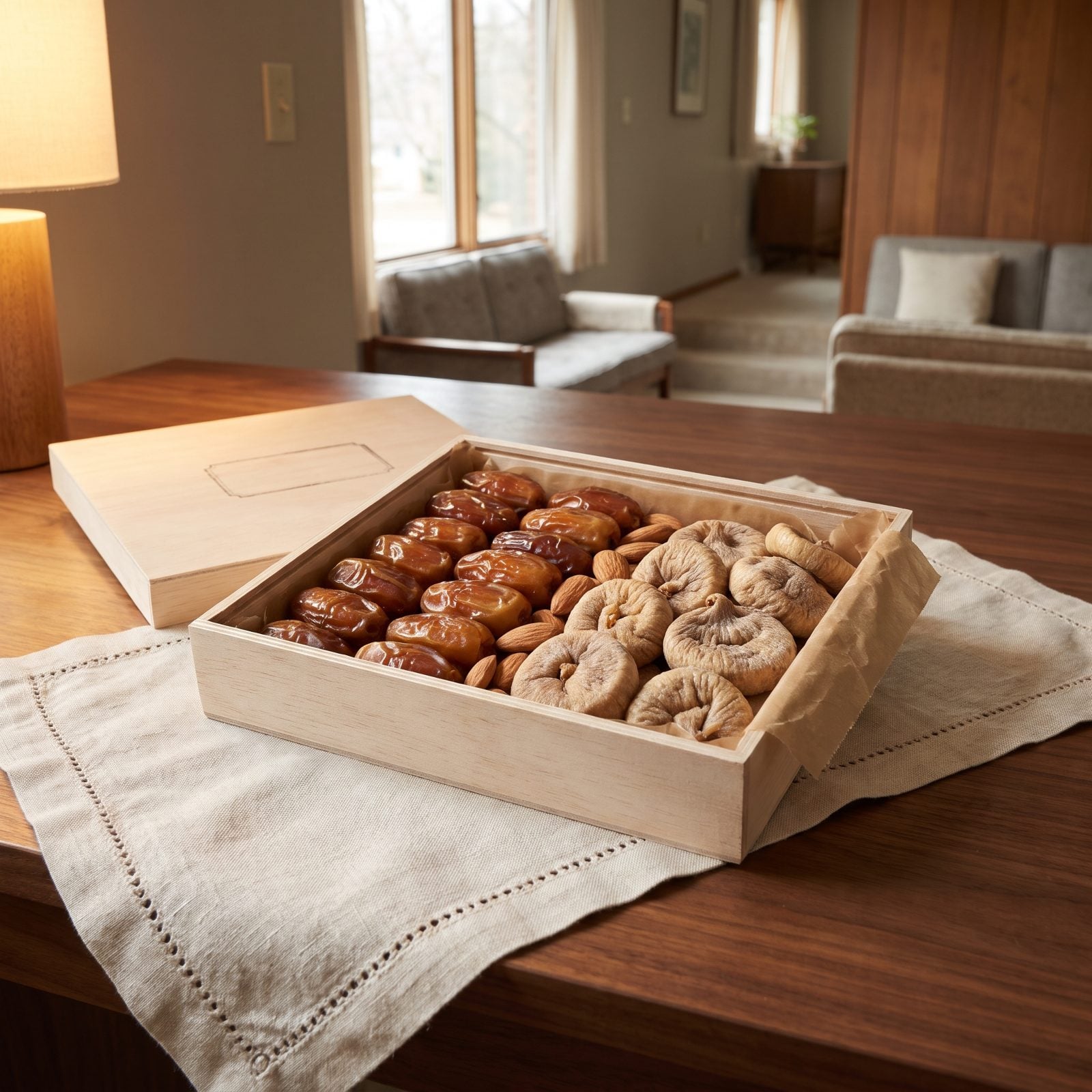
Dates and figs came in a flat balsa-wood box, pressed tight in neat rows, often with a few almonds tucked between. It’s a gift that feels almost ancient now, and it is.
Wintertime generosity. Dried fruit arrived from far-off places, kept for months, and tasted like sunshine in December when nothing else did. A guest set it out whole for picking at, no plating required. Honest, sticky, unfussy. We’d take one of these over another bottle of something we’ll forget by Monday.
30. A Tin of Roasted Mixed Nuts
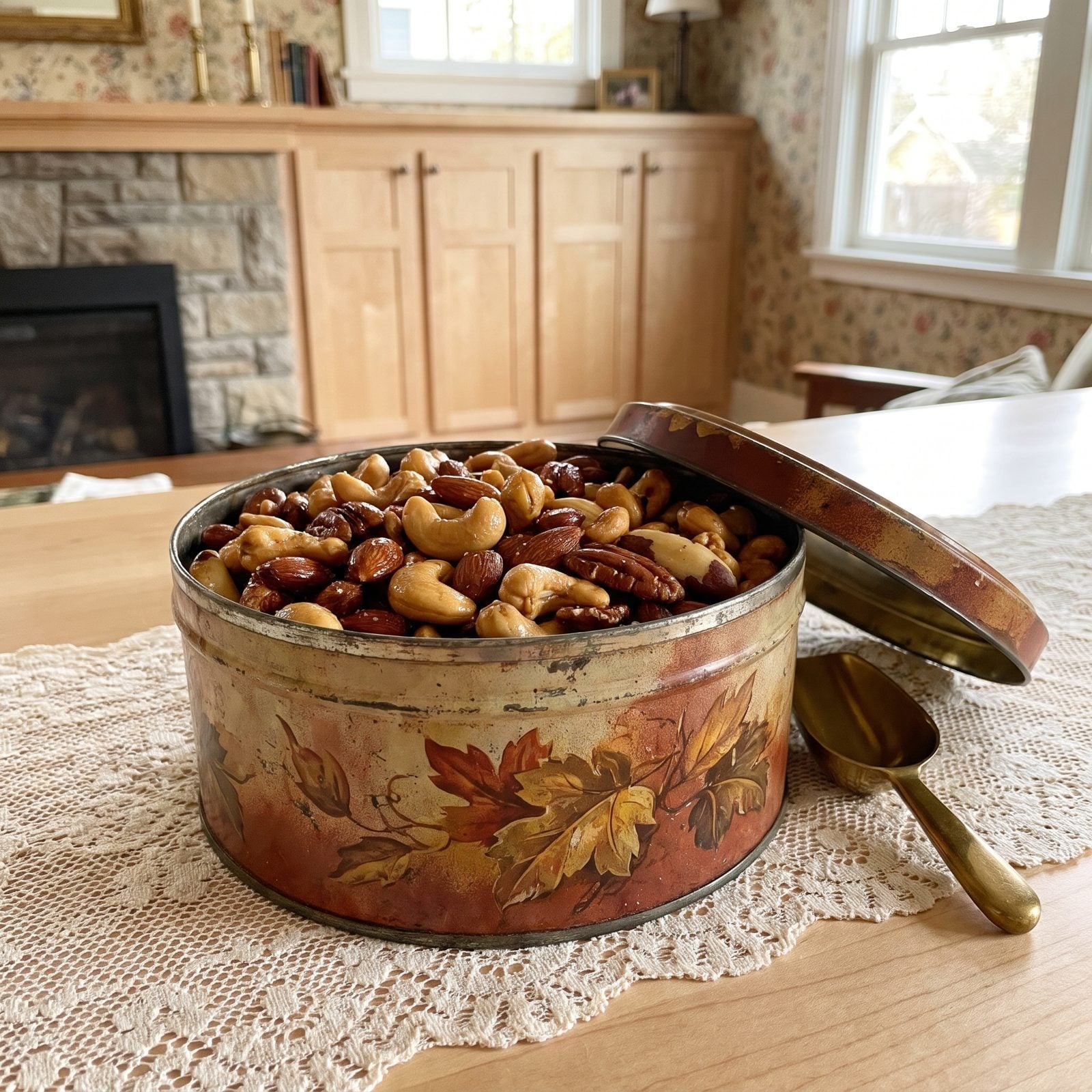
A tin of mixed nuts hit the exact right note for the cocktail hour. Cashews, almonds, pecans, the whole glossy jumble, lightly salted and still a little warm from the oven if you were lucky.
The hostess tipped them into a dish, set them near the drinks, and let the party feed itself while she worked the kitchen. Nuts kept for weeks in the tin, so nothing went to waste. And there was a quiet hierarchy inside: everyone picked out the cashews first and left the Brazil nuts for last. Some things never change.
29. A Box of Candied Citrus Peel
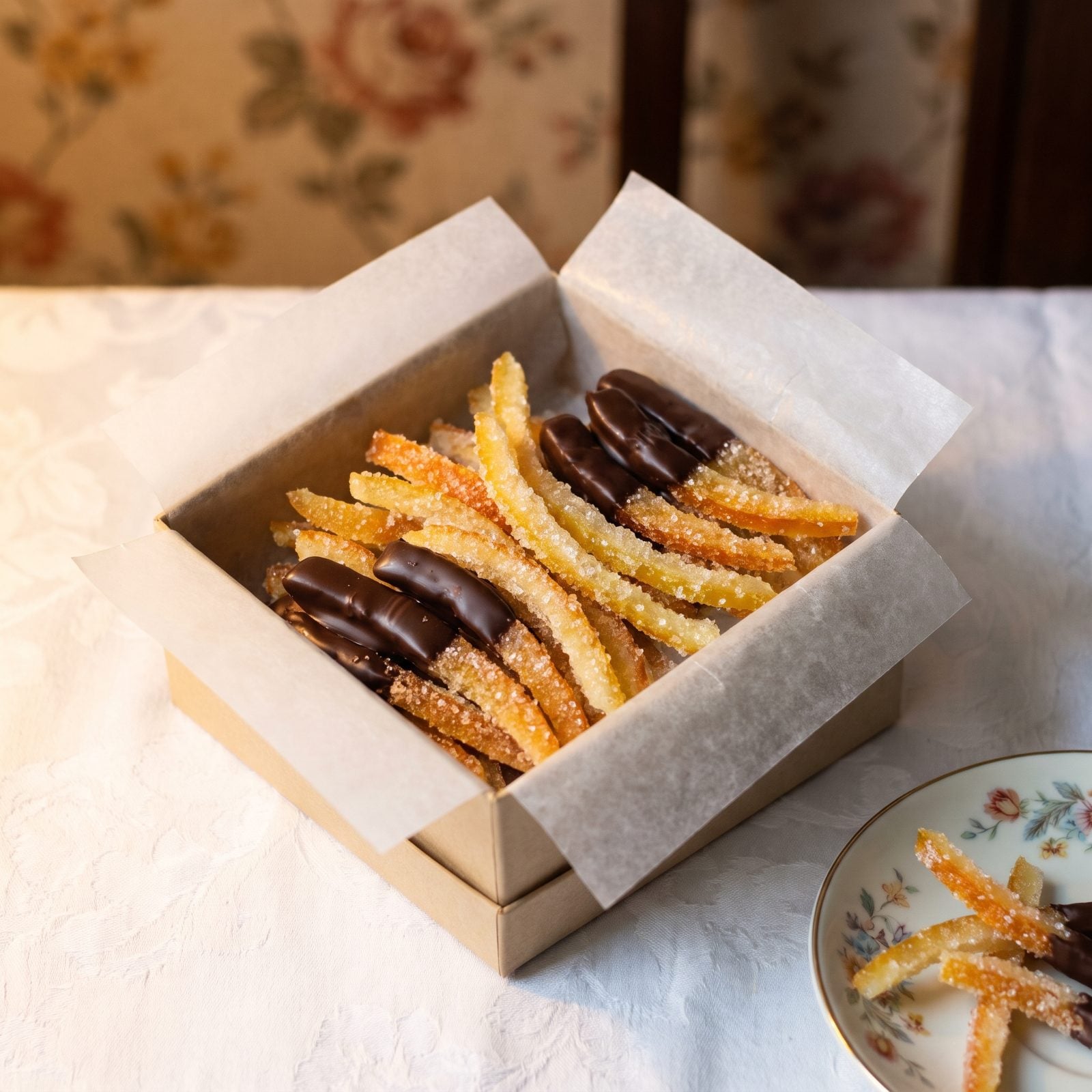
Candied citrus peel was the connoisseur’s gift, the one that told a hostess you knew she had taste. Thin strips of orange and lemon rind, cooked slow in sugar until they turned translucent, rolled in coarse crystals or half-dipped in dark chocolate.
Bitter and sweet at once, grown-up in a way the pastel mints never were. It kept for ages, took real patience to make at home, and sparkled like cut gems in a bowl. The guest who brought this was telling you something about herself, and it wasn’t subtle.
28. A Homemade Layer Cake Carried Through the Front Door
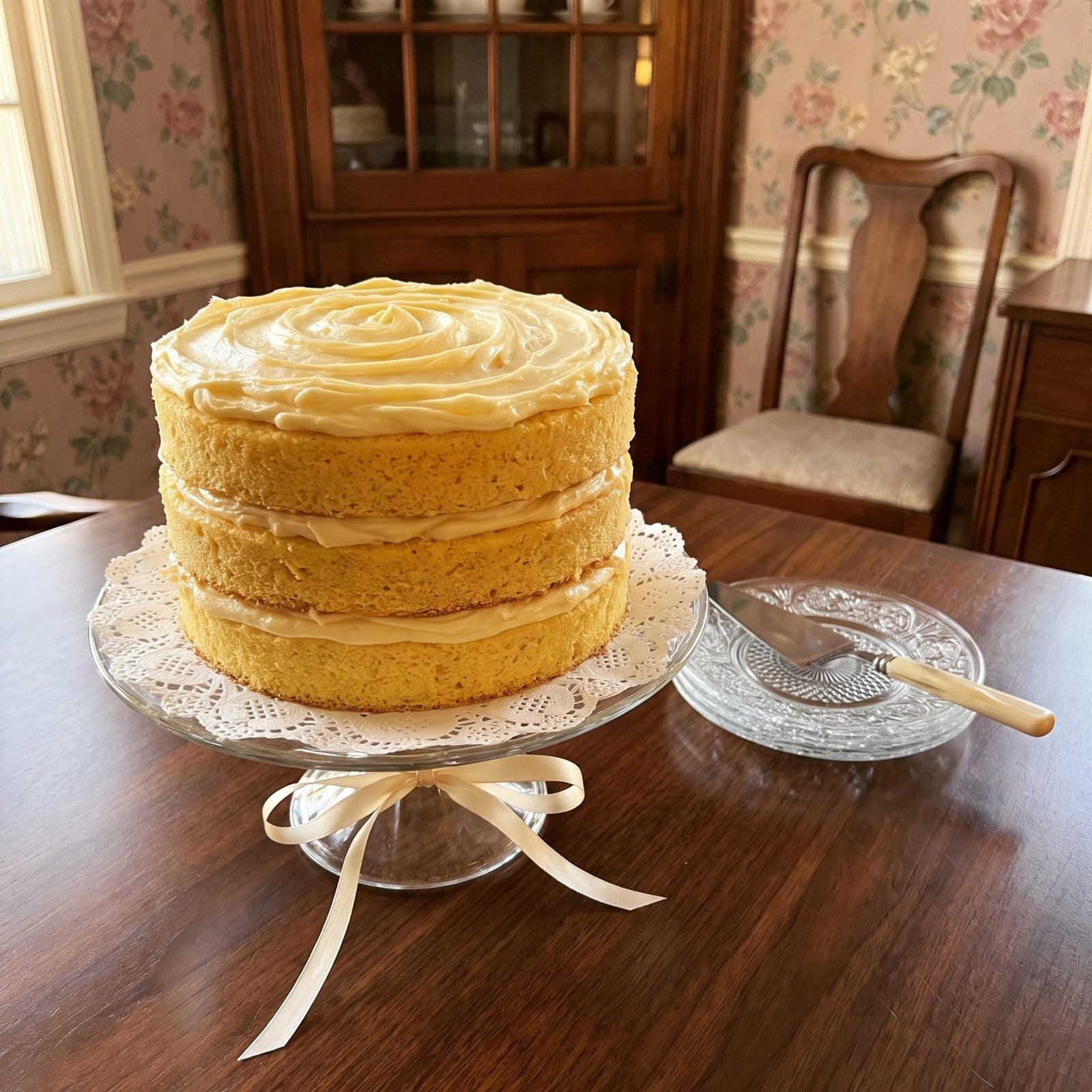
Before the bottle, there was the cake. You showed up with something you had actually made, which meant you’d spent an afternoon on the host rather than ten minutes at a shop counter.
A layer cake was the loud gift — tall, frosted, impossible to hide. It arrived announcing that the baker had standing in her own kitchen, and everyone in the room knew it the moment it crossed the threshold. The host set it in the place of honor, and dessert was solved before the coats were off.
27. A Fruit Pie Still Warm From the Oven
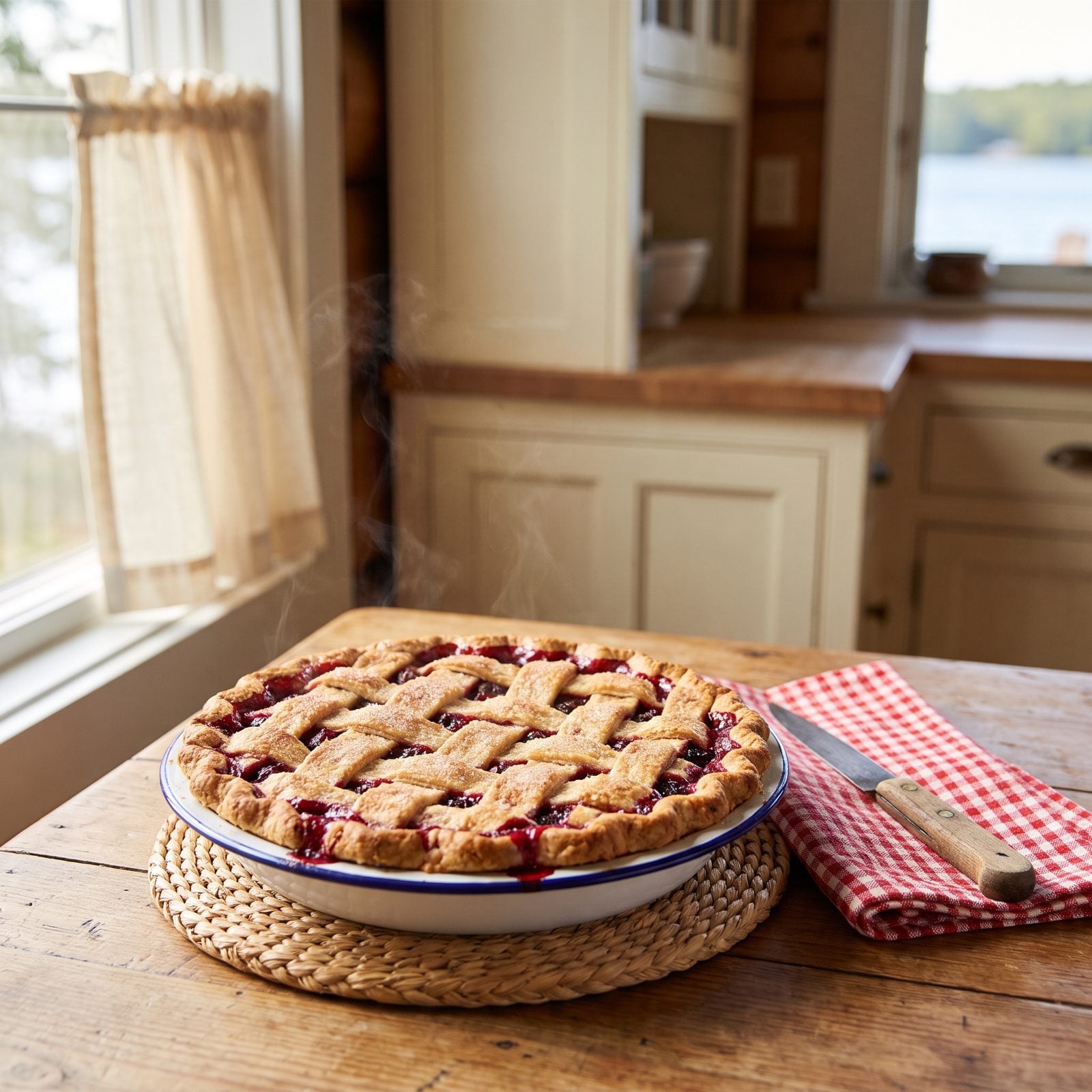
A pie said something a cake couldn’t. It said you knew what was ripe that week.
Bring an apple pie in October and you were just baking. Bring a sour cherry pie in July, from a tree you clearly had access to, and you were telling a small story about where you lived and what you grew. The crust got the attention, but the fruit carried the message.
The polite move was to deliver it uncut, so the host could serve it as her own. Nobody minded. That was the appeal of handing it over whole.
26. A Decorated Tin of Cookies Packed in Waxed Paper
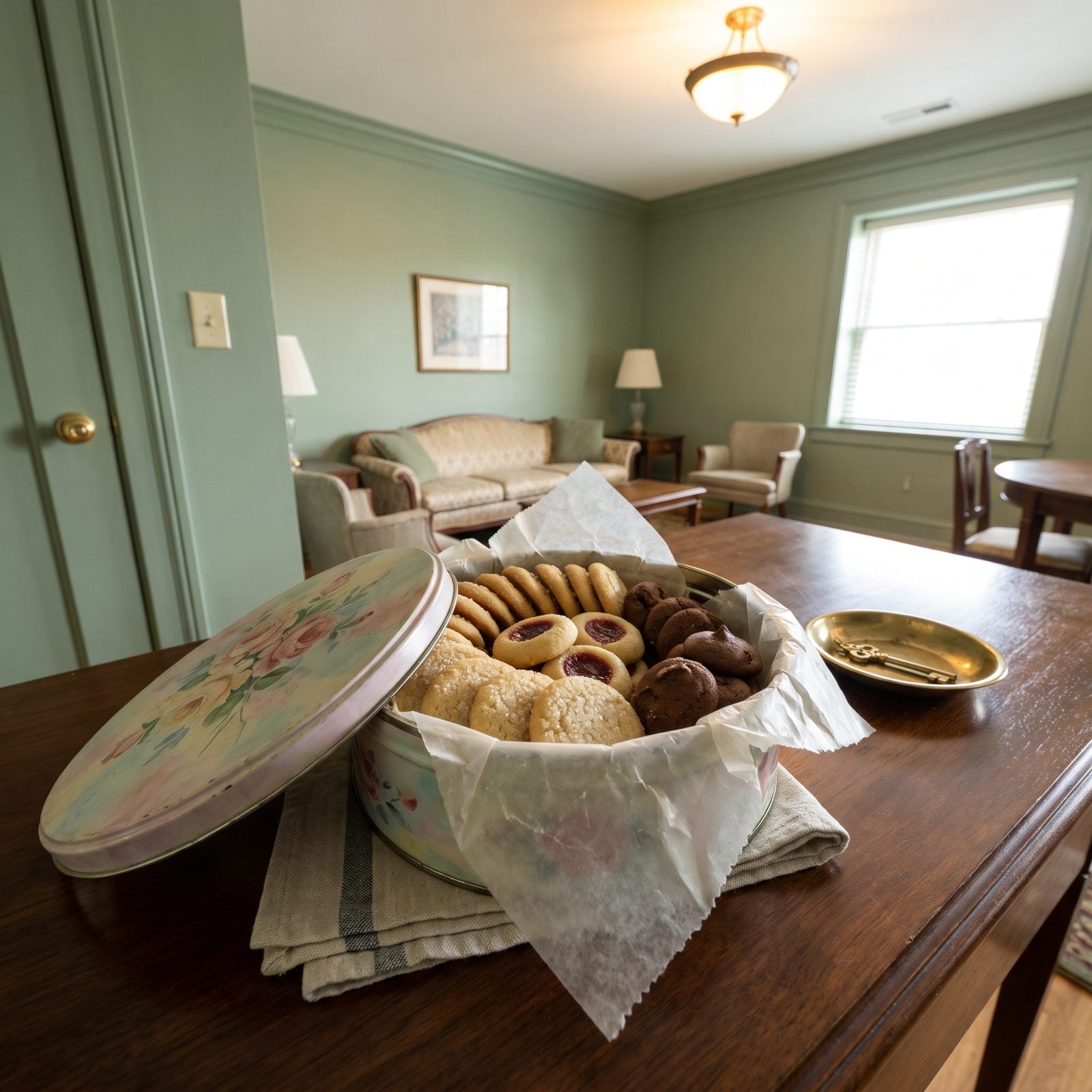
The tin was half the gift. You baked an assortment, packed it in layers with waxed paper between, and handed over a container everyone understood was coming back to you empty at some point.
That return trip was the clever part. The tin created a reason to see each other again — you gave cookies and quietly scheduled the next visit in the same breath.
25. A Cloth-Wrapped Fruitcake Aged for the Occasion
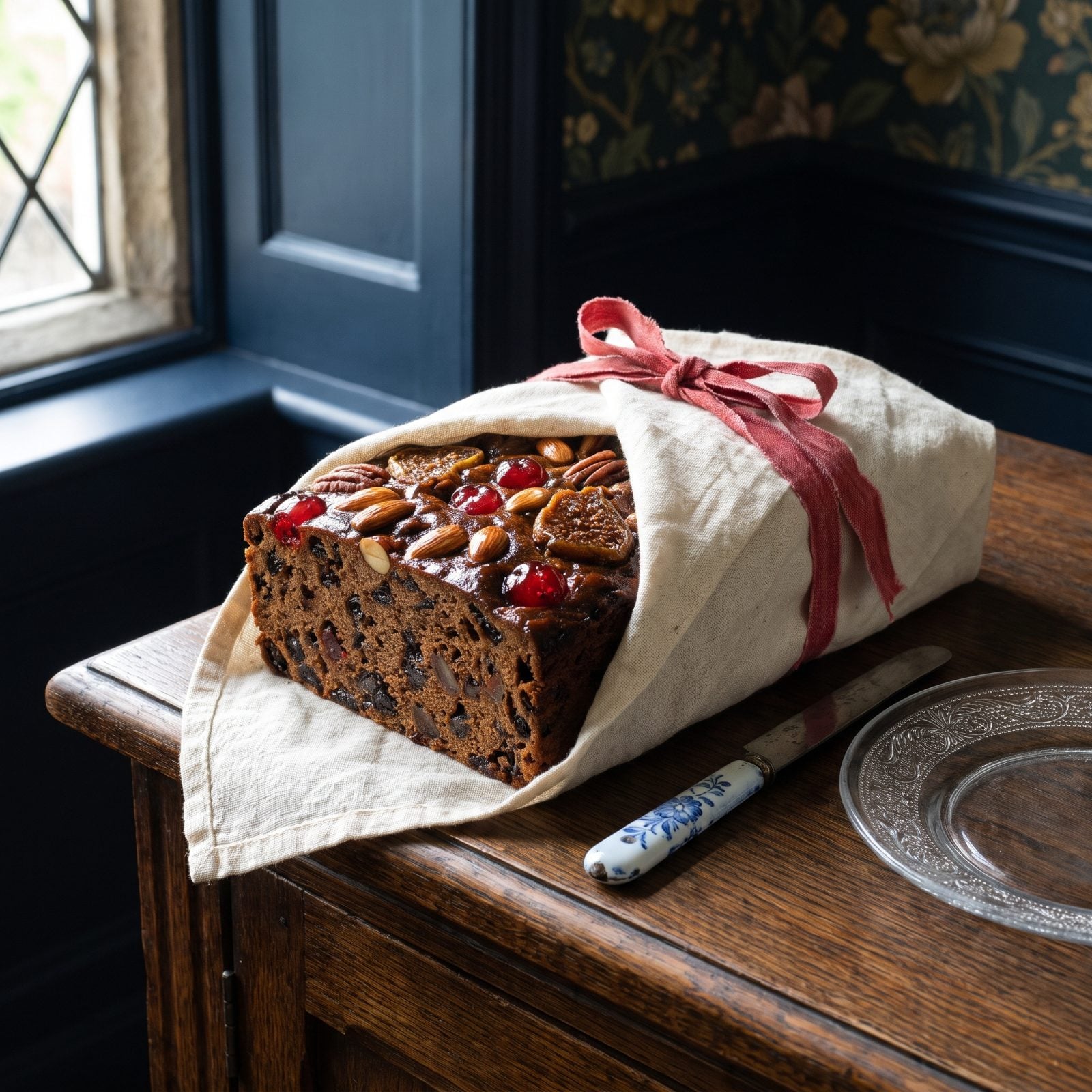
The maligned fruitcake was once a flex, and a patient one.
You started it weeks ahead, wrapped it in cloth, and fed it on a schedule so it aged properly before you handed it over. Arriving with a fruitcake meant you’d been thinking about this host since before they even invited you.
We’ll defend the good ones. A dense, dark, properly aged fruitcake is a different animal from the leaden brick that gets re-gifted every December. The muslin wasn’t decoration — it kept the thing moist between kitchens, nothing more complicated than that.
24. A Loaf of Nut Bread Wrapped in a Tea Towel
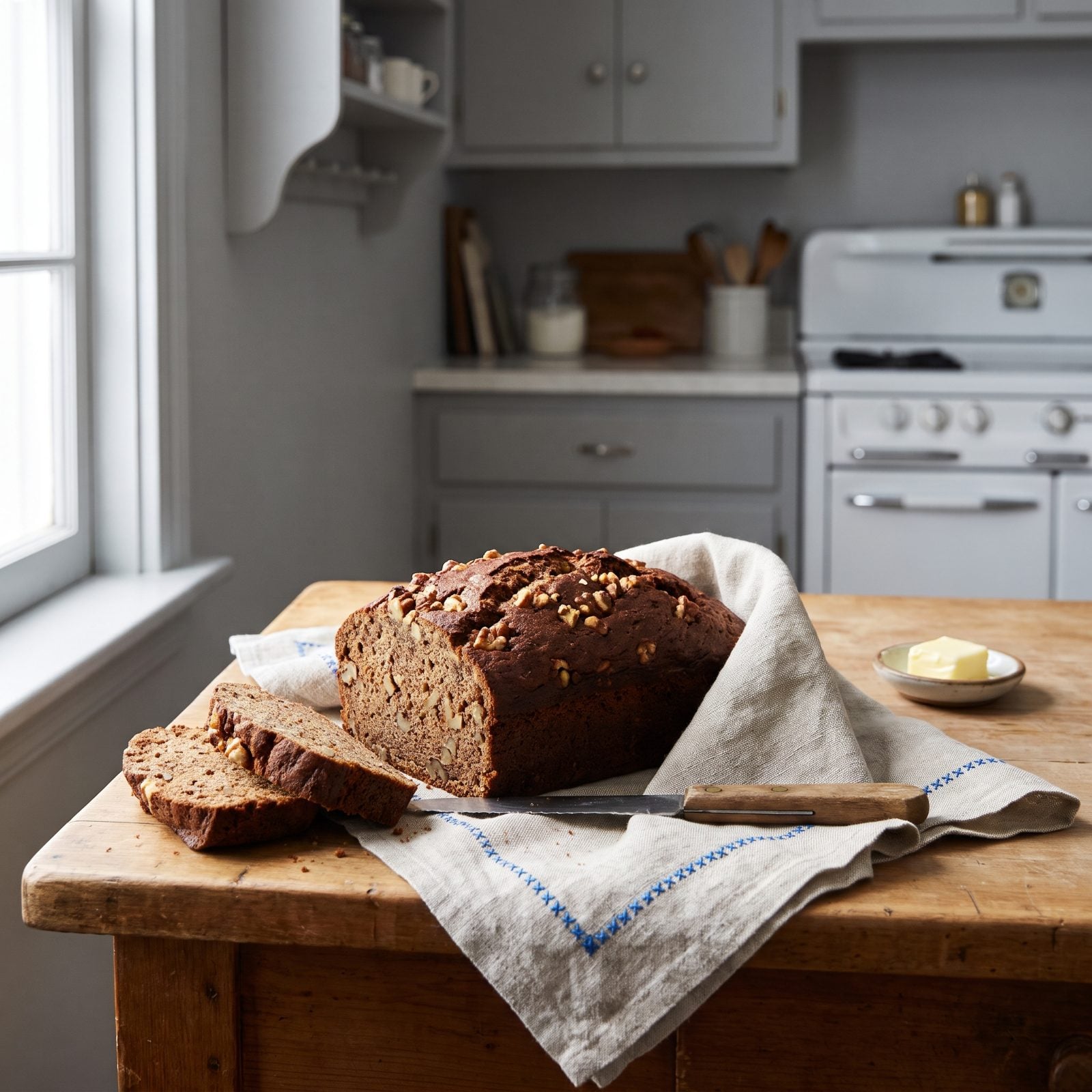
Nut bread was the modest cousin of the layer cake, and modest was often exactly the right register.
You brought it to a casual supper, a card game, a visit where a frosted tower would have been too much. Banana, date, walnut, pumpkin — it kept for days, sliced thin for coffee the next morning, and never made the host feel outdone.
23. A Jar of Homemade Preserves Tied With String
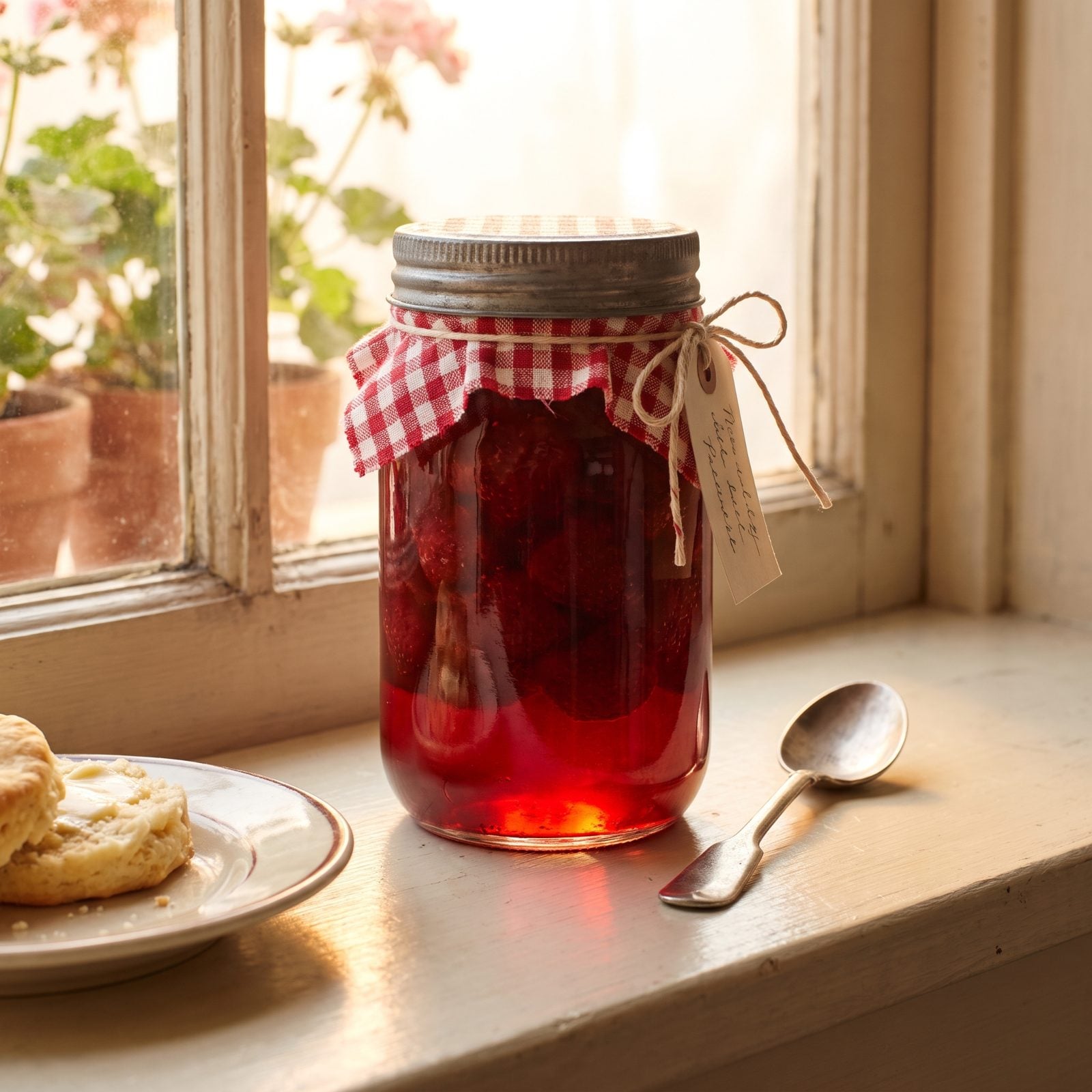
A jar of preserves was a season in your hand.
Strawberries in June, peaches in August, whatever you’d put up when it was cheap and perfect. By the time you gave it away in the dead of winter, you were handing someone a jar of sunshine from a month they’d already forgotten.
The gingham top and the string were the signature. They said homemade before anyone read the label, and the label was usually just a date and a word in your own hand.
22. A Crock of Apple Butter Cooked Down Slow
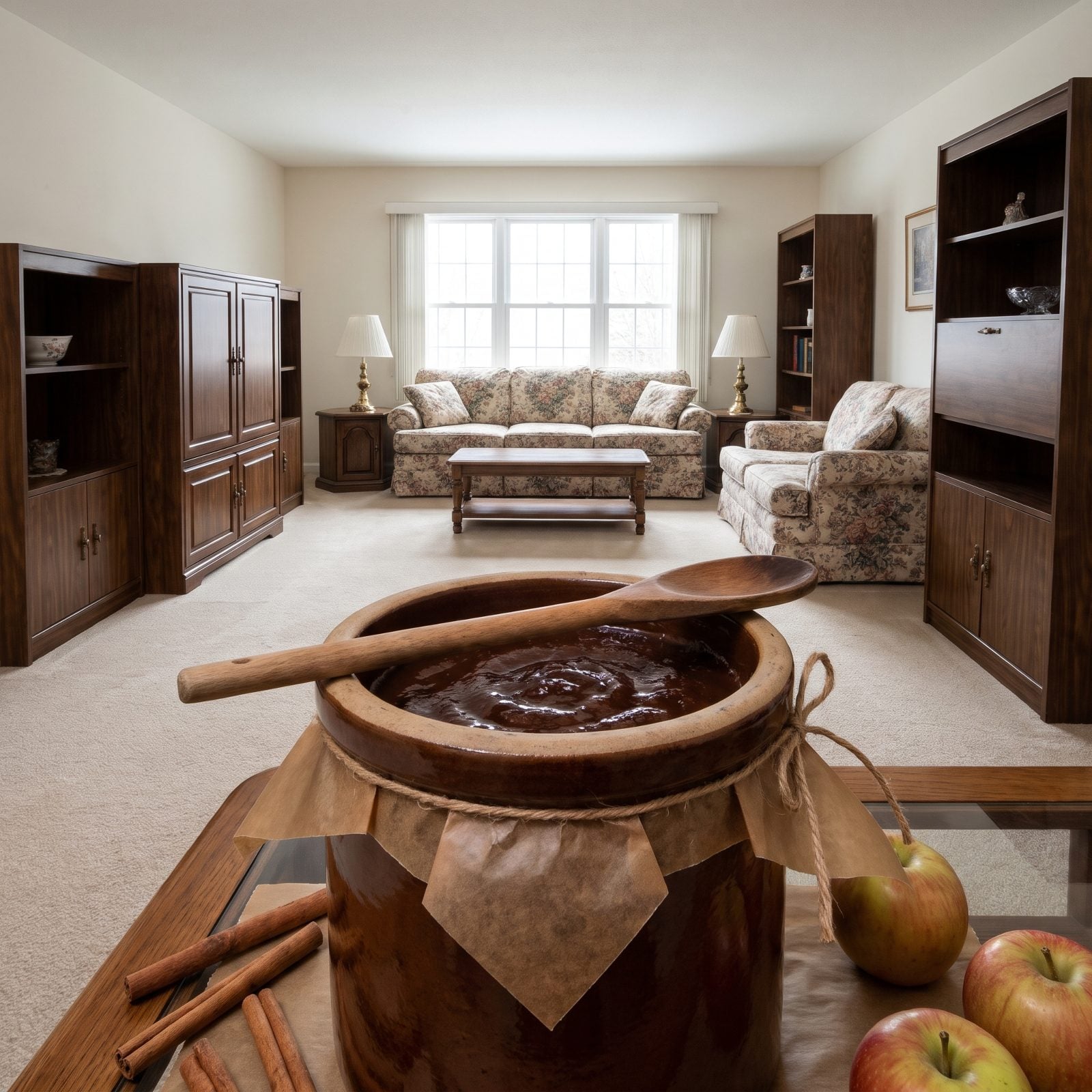
Apple butter wasn’t jam and it wasn’t sauce. It was apples cooked down for hours until they went dark and thick and smelled like the whole house in autumn.
That slow cook was the gift inside the gift. You couldn’t rush it, so a crock of it represented an afternoon surrendered to the stove. Spread on bread, spooned over pork, stirred into oatmeal — it earned its keep in a pantry all winter.
21. A Jar of Pickles or Relish From the Summer’s Canning
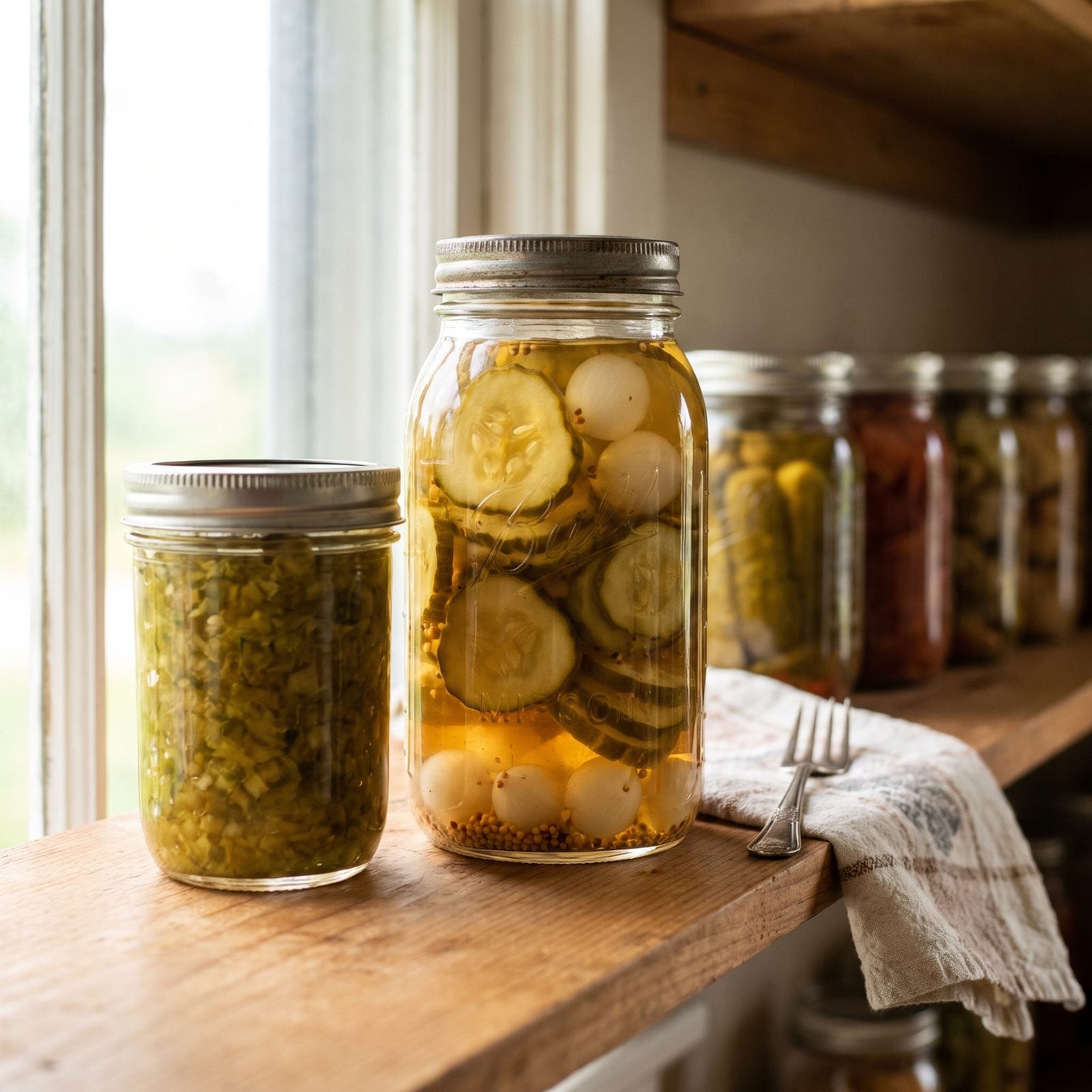
Pickles were the practical arrival. Not dessert, not sweet, just something the host could set on the table at the next meal and look like she’d thought ahead.
Bread-and-butter slices, dill spears, corn relish, chow-chow. Every canner had a specialty, and bringing yours was a small introduction — people came to know you by your pickle before they knew much else about you.
Honestly, we’d take a jar of good homemade relish over most things handed across a threshold now. It lasts, it goes with everything, and it never pretends to be fancier than it is.
20. A Comb of Local Honey Still in the Wax
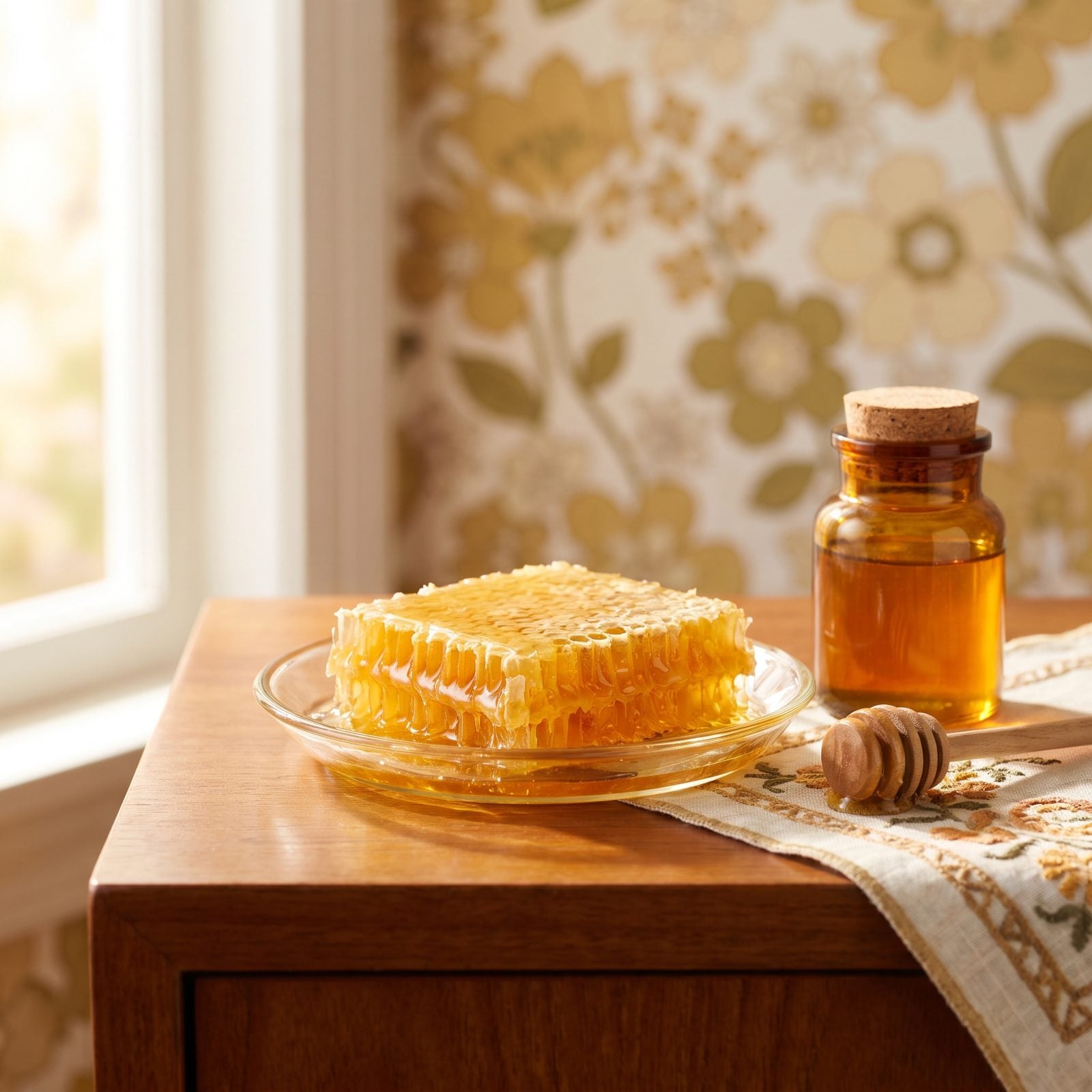
A comb of honey was a gift with a location attached.
Liquid honey in a jar was fine. But a square of actual comb, cut straight from the frame, told the host whose bees made it and roughly which fields they’d worked. You chewed the wax, you tasted the clover or the buckwheat, and you knew it came from within a few miles of your own door.
19. A Small Jug of Maple Syrup Boiled Down in Late Winter
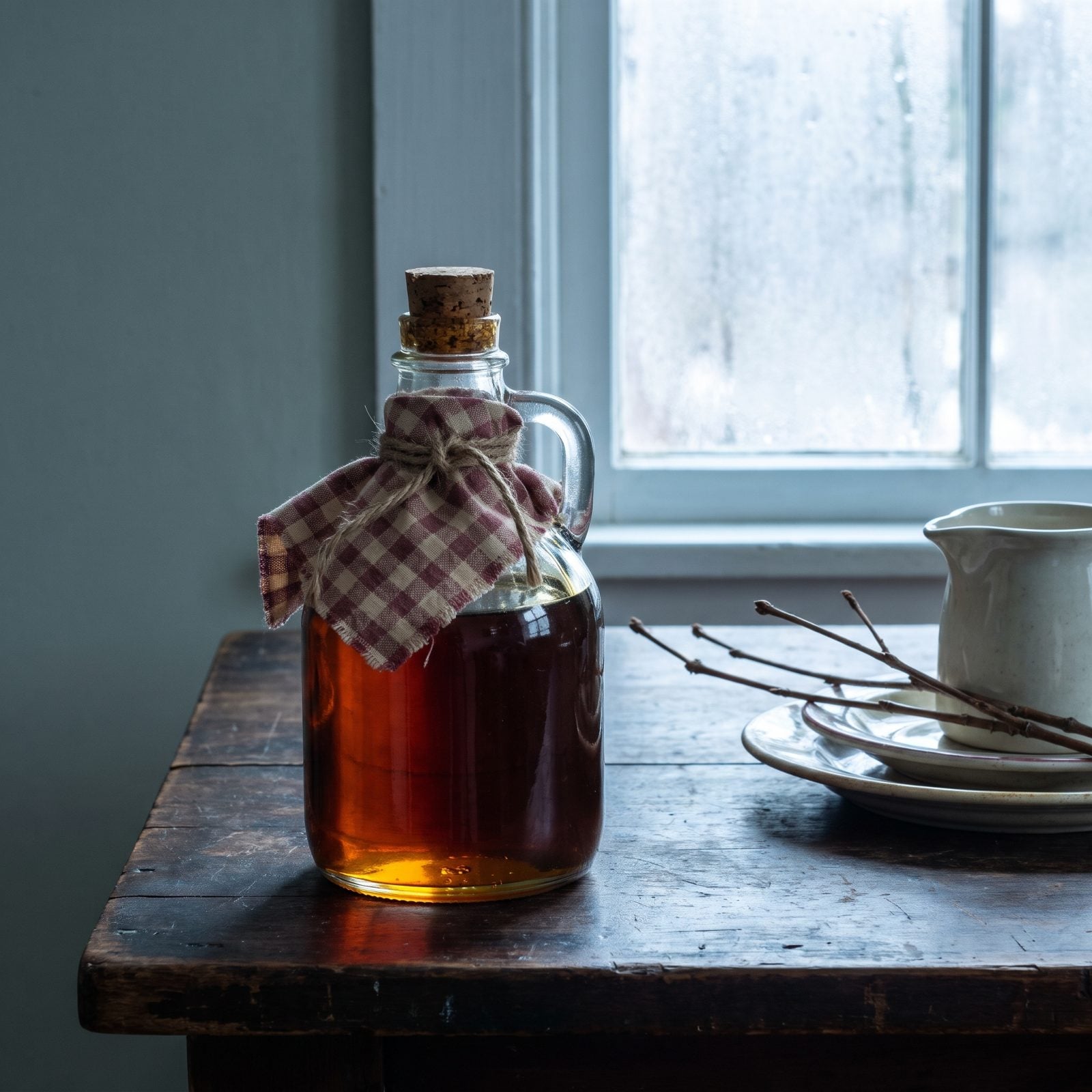
Syrup came from the strangest window of the year — late winter, when the days warmed and the nights still froze and the sap finally ran.
A jug of it meant someone had tapped trees, hauled buckets, and boiled gallons of thin sap down to a quart of dark gold. The math is brutal. Something like forty parts sap collapse into a single part syrup, which is why a small jug was never a small gift.
You handed it over in March, and the host thought of your woods every Sunday morning until it ran out. That’s a long memory for one little jug.
As a backyard maple syrup maker puts it, “sugaring time usually runs from late February to early April, or when the nighttime temperatures are below freezing and the daytime temperatures are above freezing.”
18. A Decorative Tea Caddy
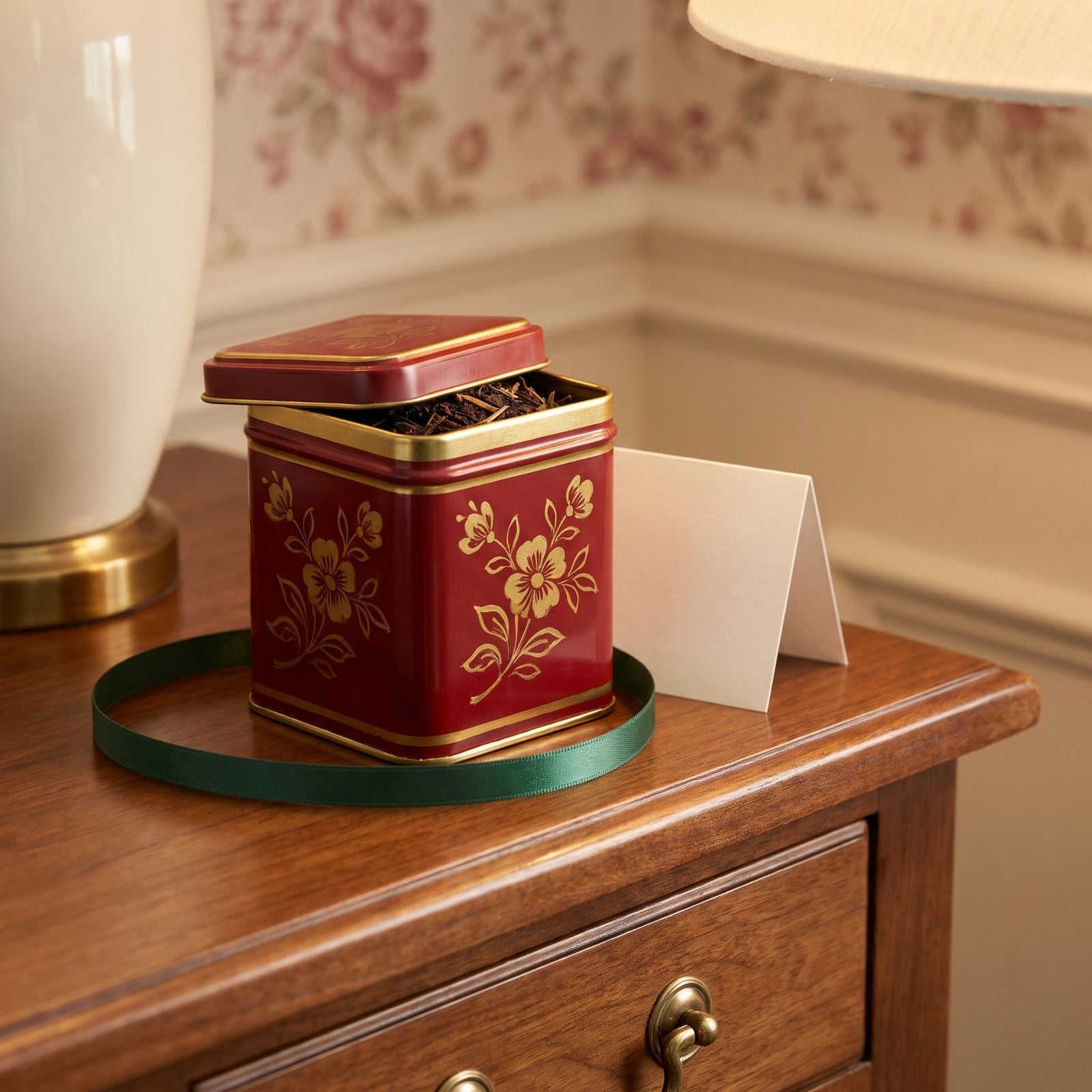
Before anyone thought to hand over a bottle at the door, a tin of tea said plenty. Tea was dear, and a good caddy — painted, hinged — meant the gift outlasted the leaves inside, since the host kept the tin on a shelf long after the last cup.
You gave tea to a household you respected. It carried a quiet message: I know you entertain, I know you serve well, here’s something to serve with.
17. A Paper-Wrapped Package of Fresh Coffee
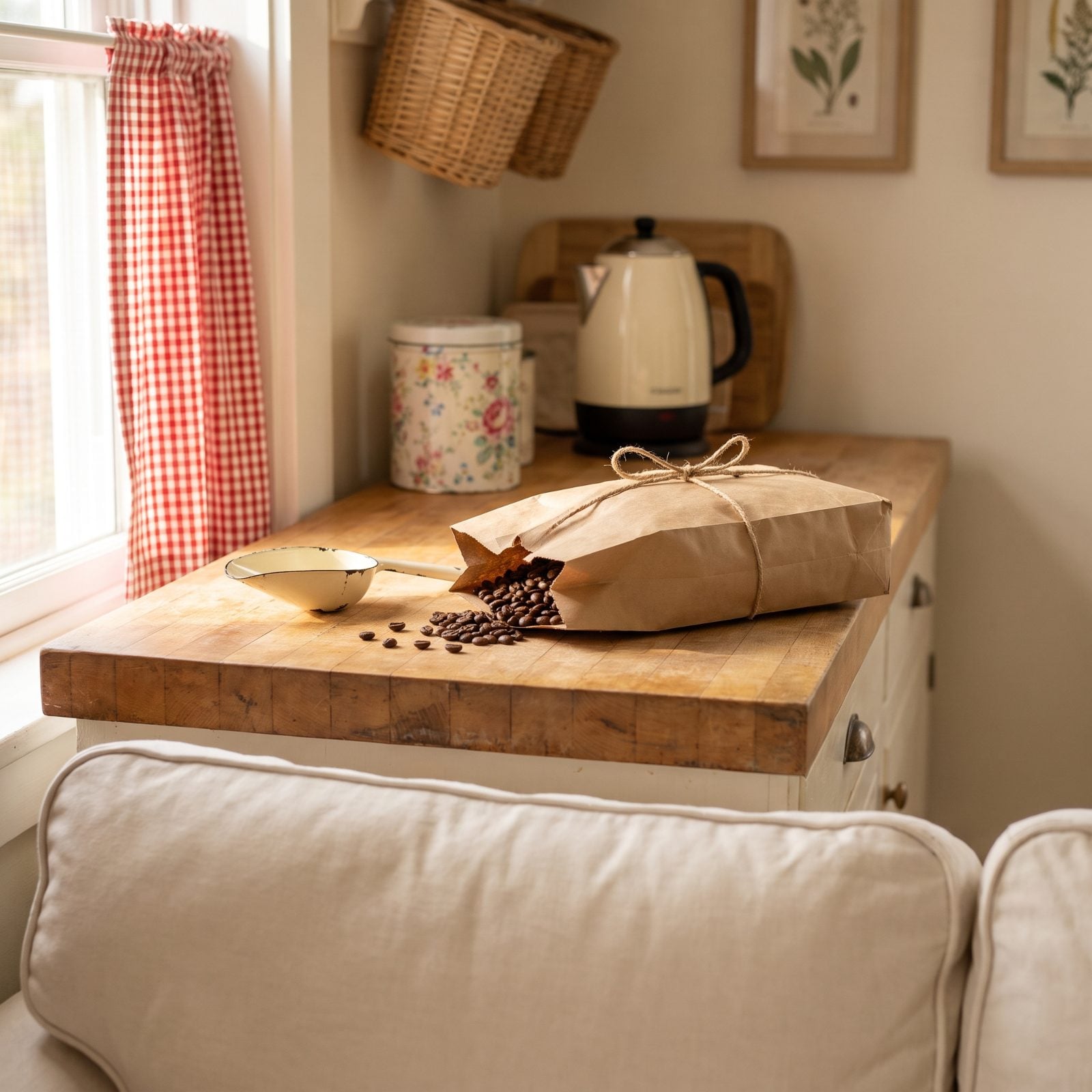
Coffee arrived wrapped in brown paper, sometimes still warm from the grocer’s grinder. The smell gave it away before the host had unwrapped a corner.
This was a gift with timing built in. You brought it knowing it would be opened and brewed within the week — maybe the next morning — which made you part of the household routine for a day. Not a bad thing to be.
16. A Waxed Wheel of Cheese
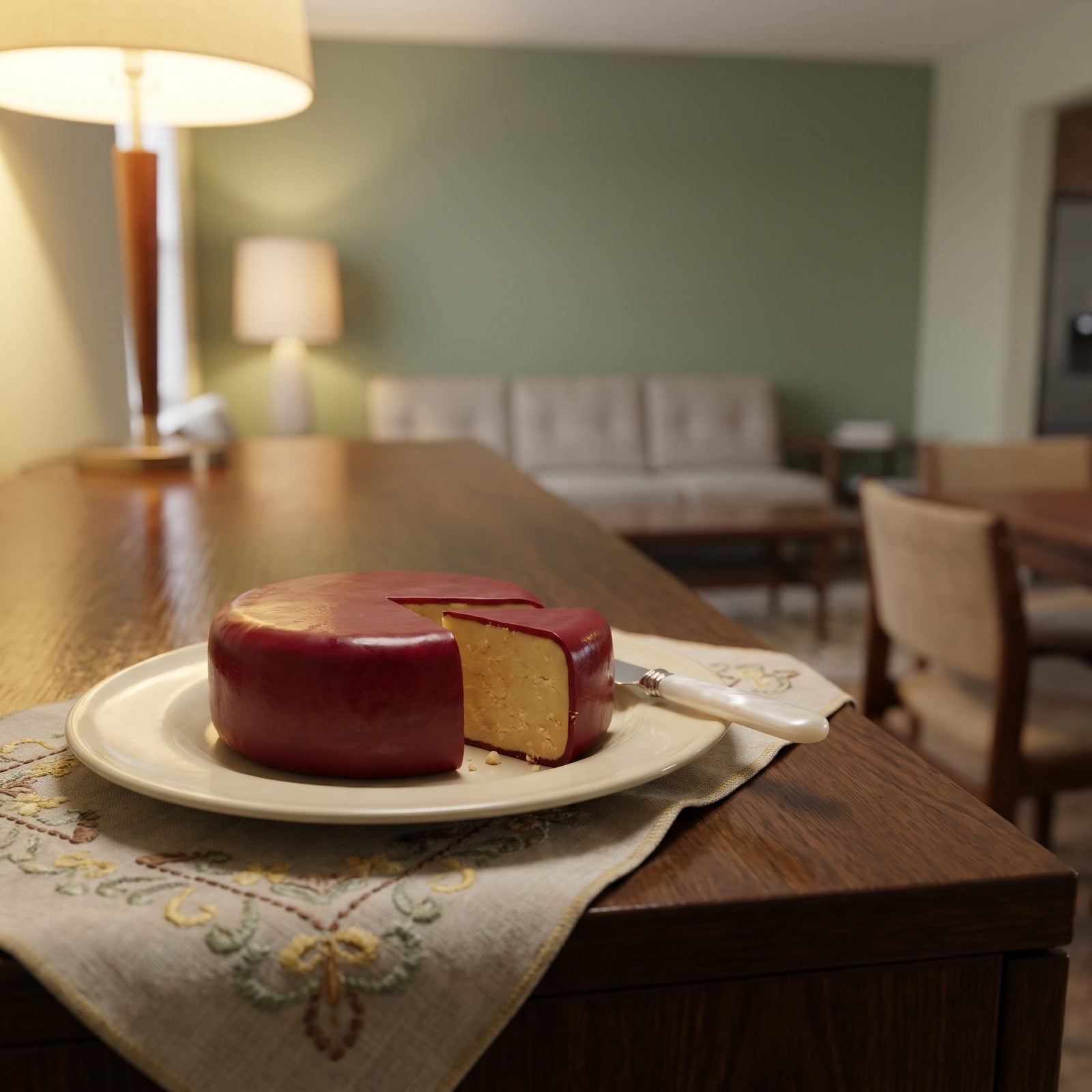
The wax was the point. A waxed wheel kept for weeks on a cool shelf, so your gift didn’t demand to be eaten that night. The host could save it for company, and your name came up again when they did.
Cheese signaled a certain confidence. You were betting the household had good bread, good company, and the sense to serve both well. Most did.
15. A Wrapped Smoked Sausage

A good smoked sausage traveled well and kept well, which made it a sensible thing to carry across town in a coat pocket on a cold evening. No refrigeration, no apology.
You brought this to the kind of home where the kitchen did real work. It wasn’t fancy and didn’t pretend to be. A gift that said you’d eaten at this table before and planned to again.
14. A Crusty Bakery Loaf
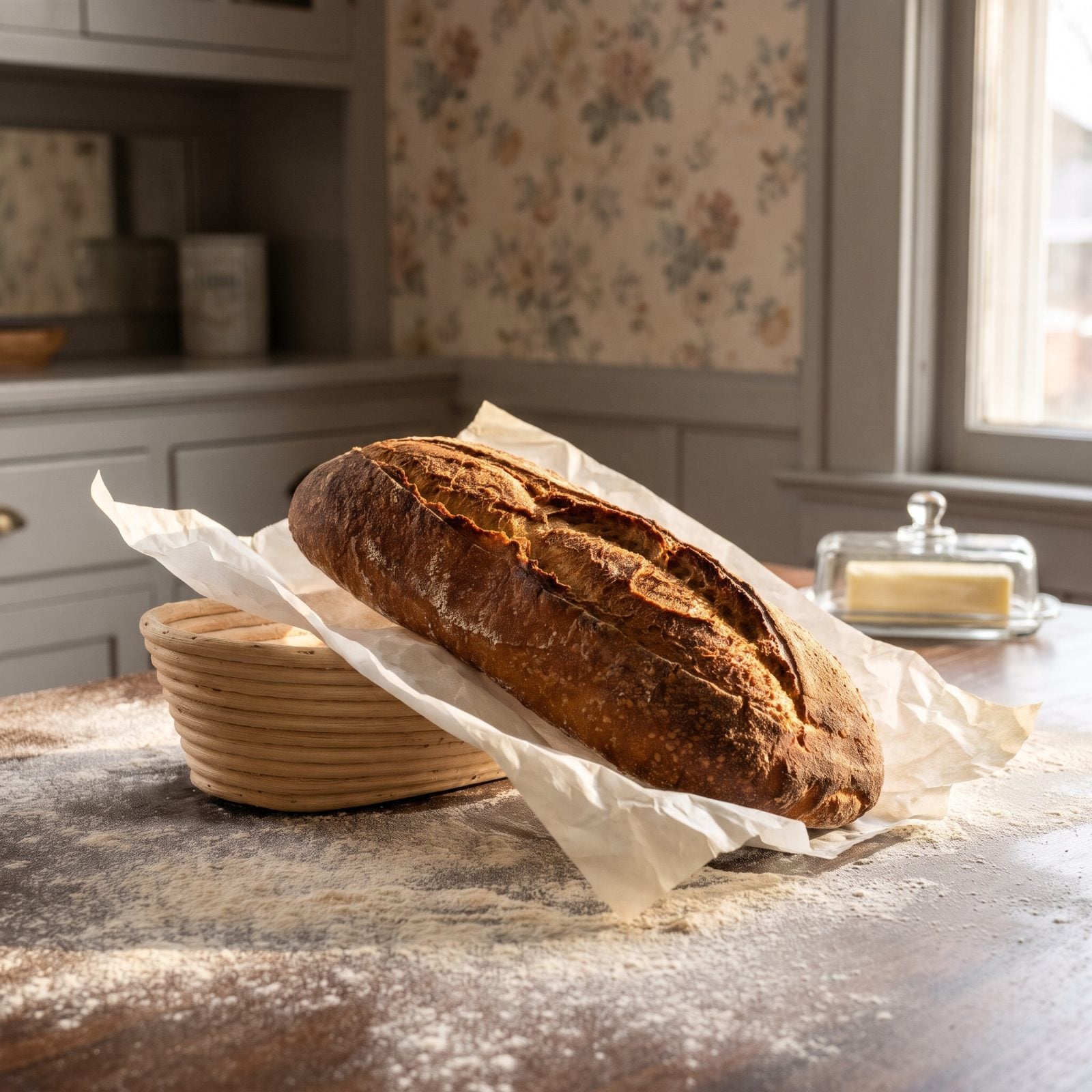
Bread arrived warm or it didn’t arrive right. The loaf you carried from the bakery, still giving off heat through the paper, said you’d thought about the evening ahead and the table it would land on.
And here’s what most people forget about bread as a gift. It folded straight into dinner — no waiting, no shelf. The host set it down, sliced it, and you’d fed the whole room before the coats were off.
13. A Basket of Fresh Farm Eggs
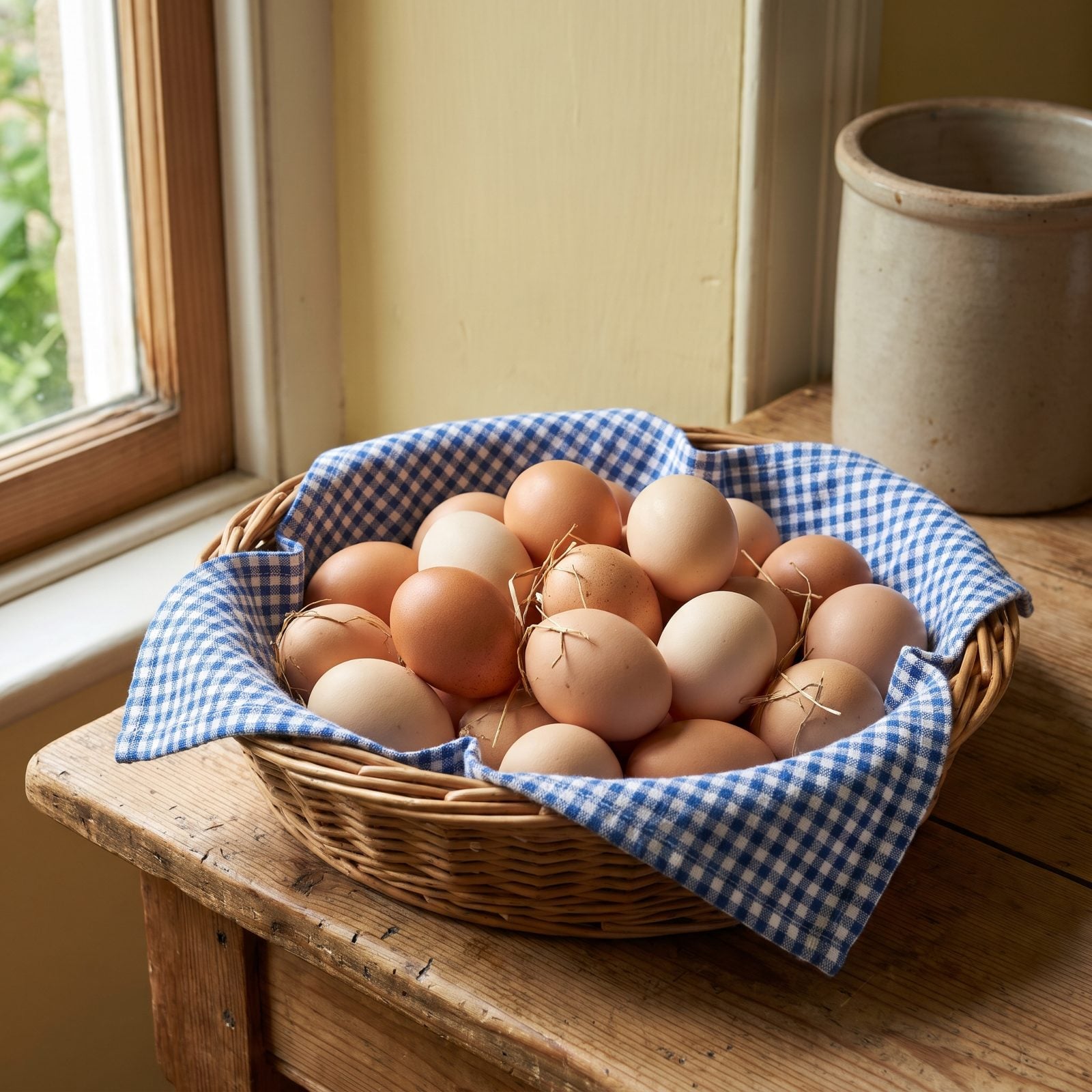
Eggs from your own hens were a gift money couldn’t quite replicate. Store eggs were store eggs. Yours came with straw still clinging and shells in a dozen shades of brown, proof of where they’d been that morning.
A household with land gave to a household without — or two who both kept birds and liked to compare. Either way it carried a little pride in it, and rightly so.
12. A Basket of Garden Produce
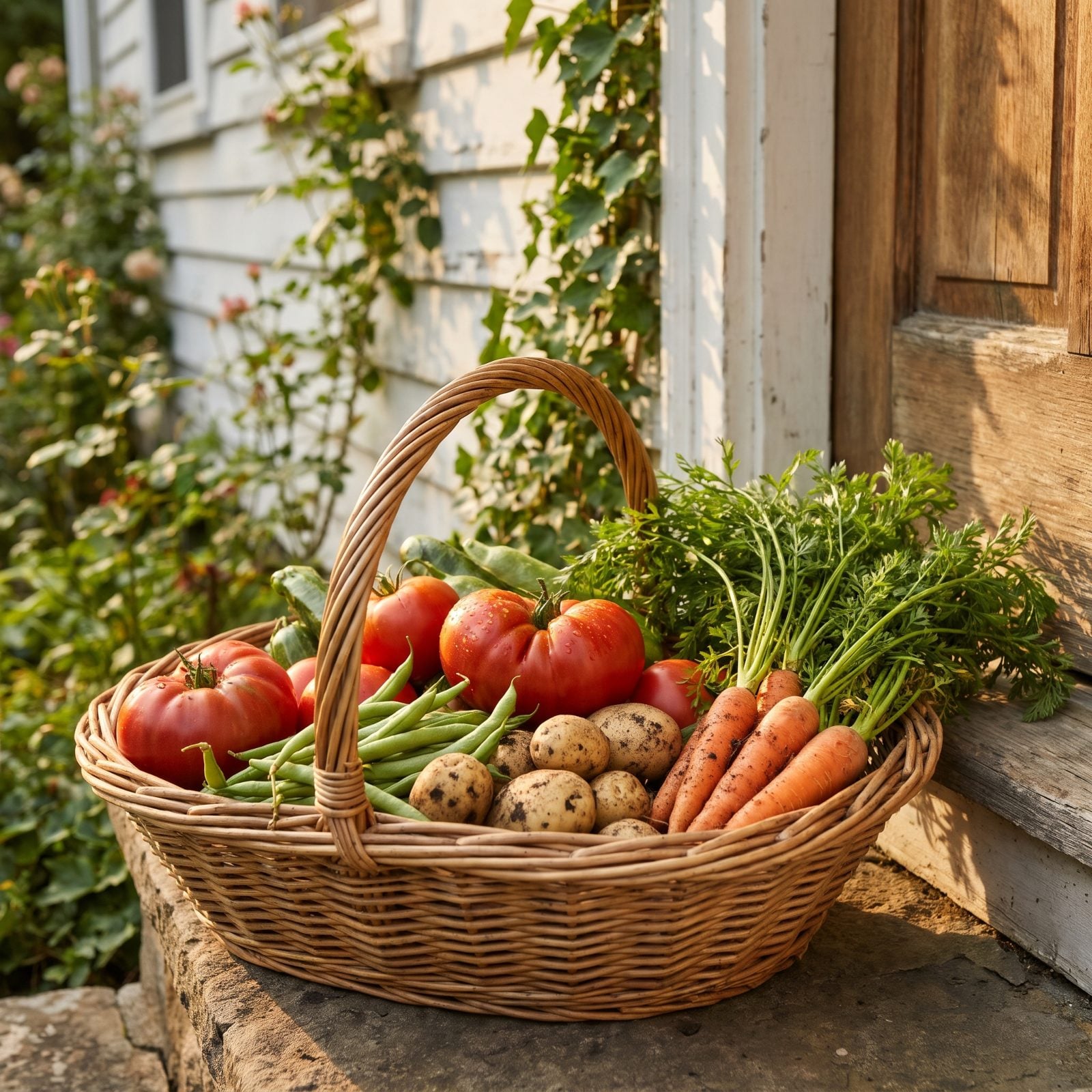
Mid-August, the garden gave more than any one family could eat, so you walked the surplus down the road in a basket. Tomatoes warm from the vine. Beans snapped that hour. Carrots with the dirt still on.
Nobody waved it off. A basket of produce was a gift and a solution at once — the giver had too much, the host could always use more. The exchange ran both ways by September, when their zucchini came back to you.
11. A Bottle of Homemade Fruit Cordial
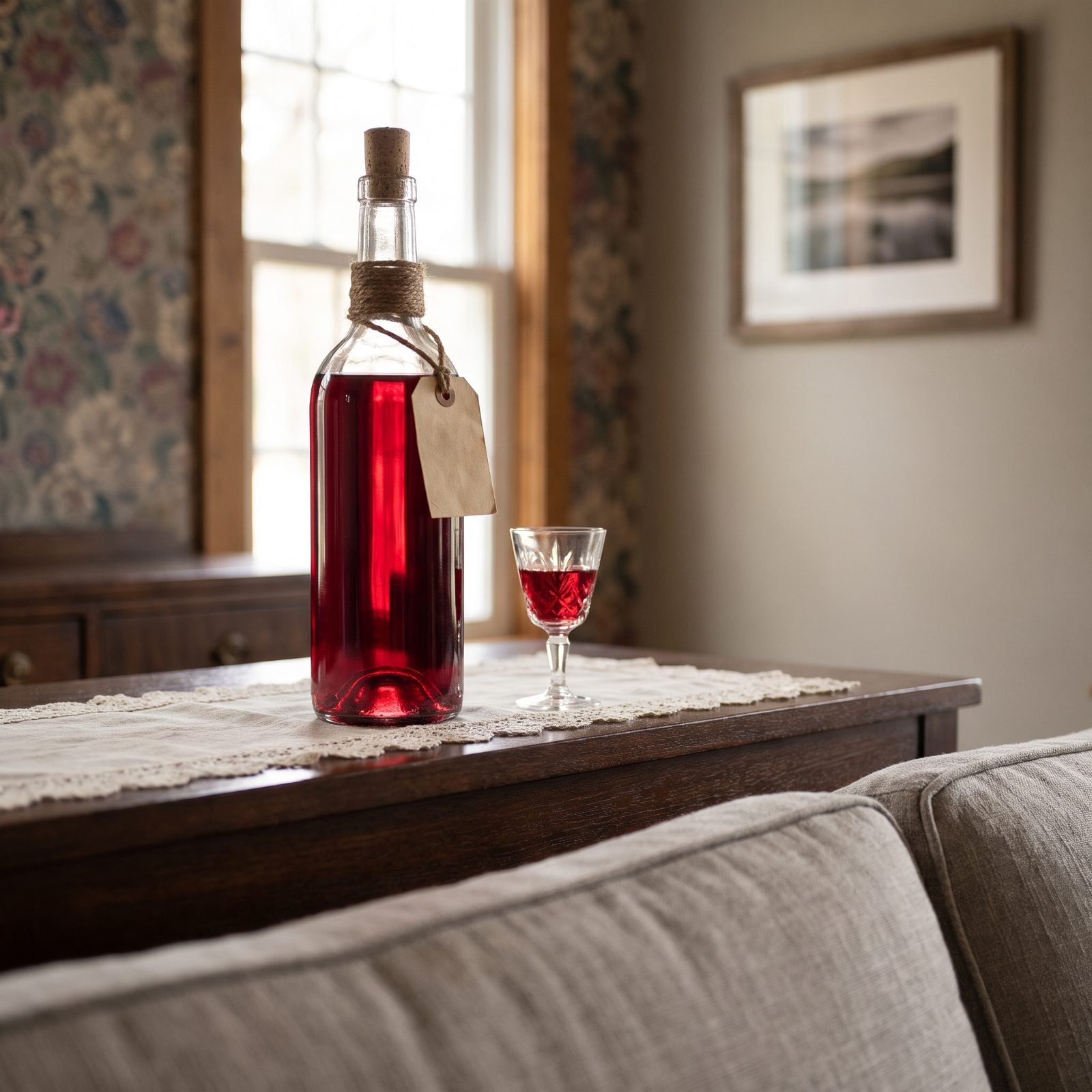
A bottle of cordial, put up at the height of berry season and corked for months, was the closest thing to carrying summer into a winter parlor. The label in your own hand told the host you’d made it, not bought it.
Diluted with water or soda, it stretched across a whole evening of visitors. Of all the homemade gifts, this one most resembled the wine that eventually replaced it — and in some ways it was the better gesture, because you couldn’t buy your way into it.
10. A Pair of Embroidered Tea Towels
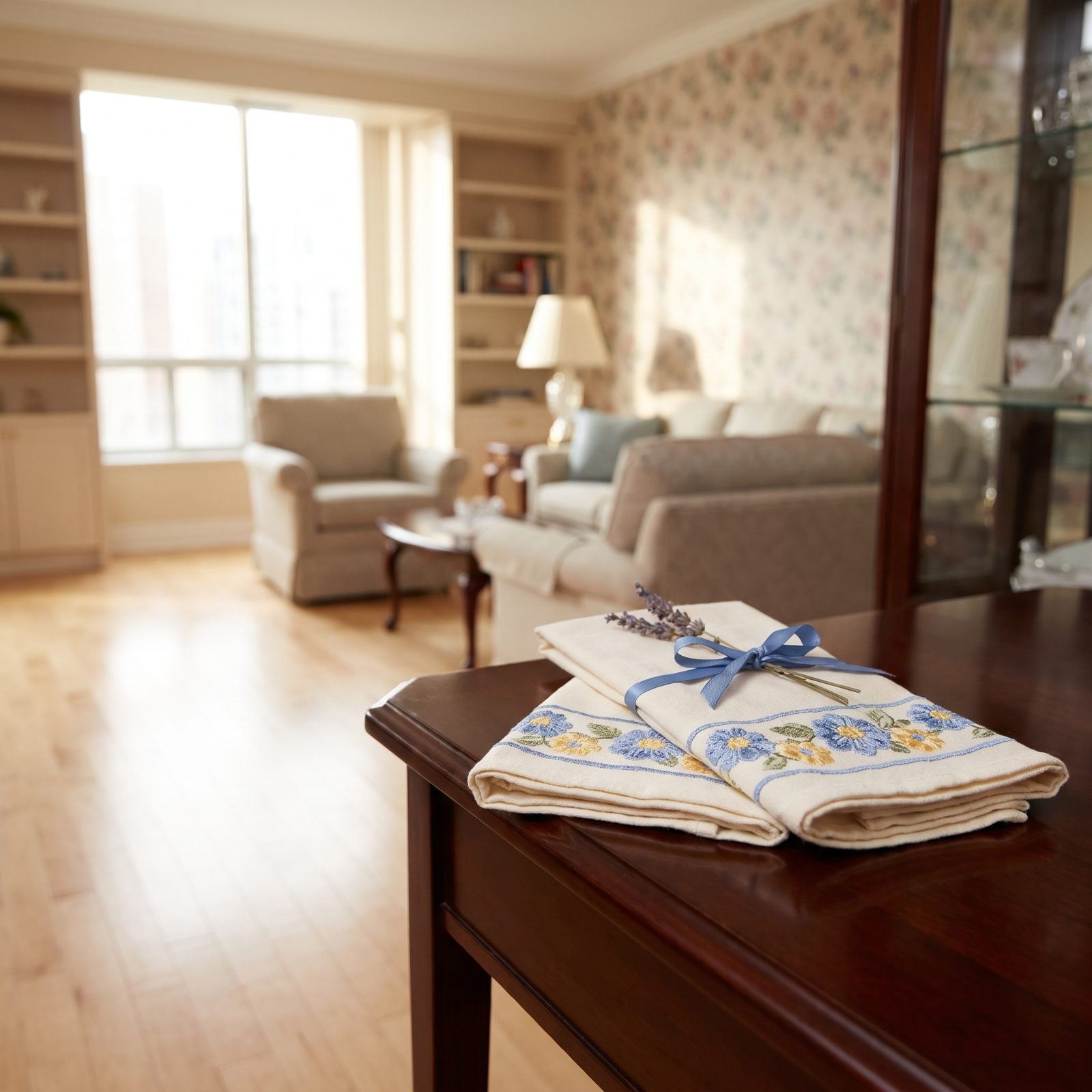
A pair of tea towels, embroidered along the hem, lived in the kitchen for years. Every time the host dried a glass, there you were.
The hand-stitched version carried the most weight, because it meant hours of someone’s evenings had gone into the border. You weren’t giving an object so much as the time it took to make one.
9. A Set of Linen Cocktail Napkins
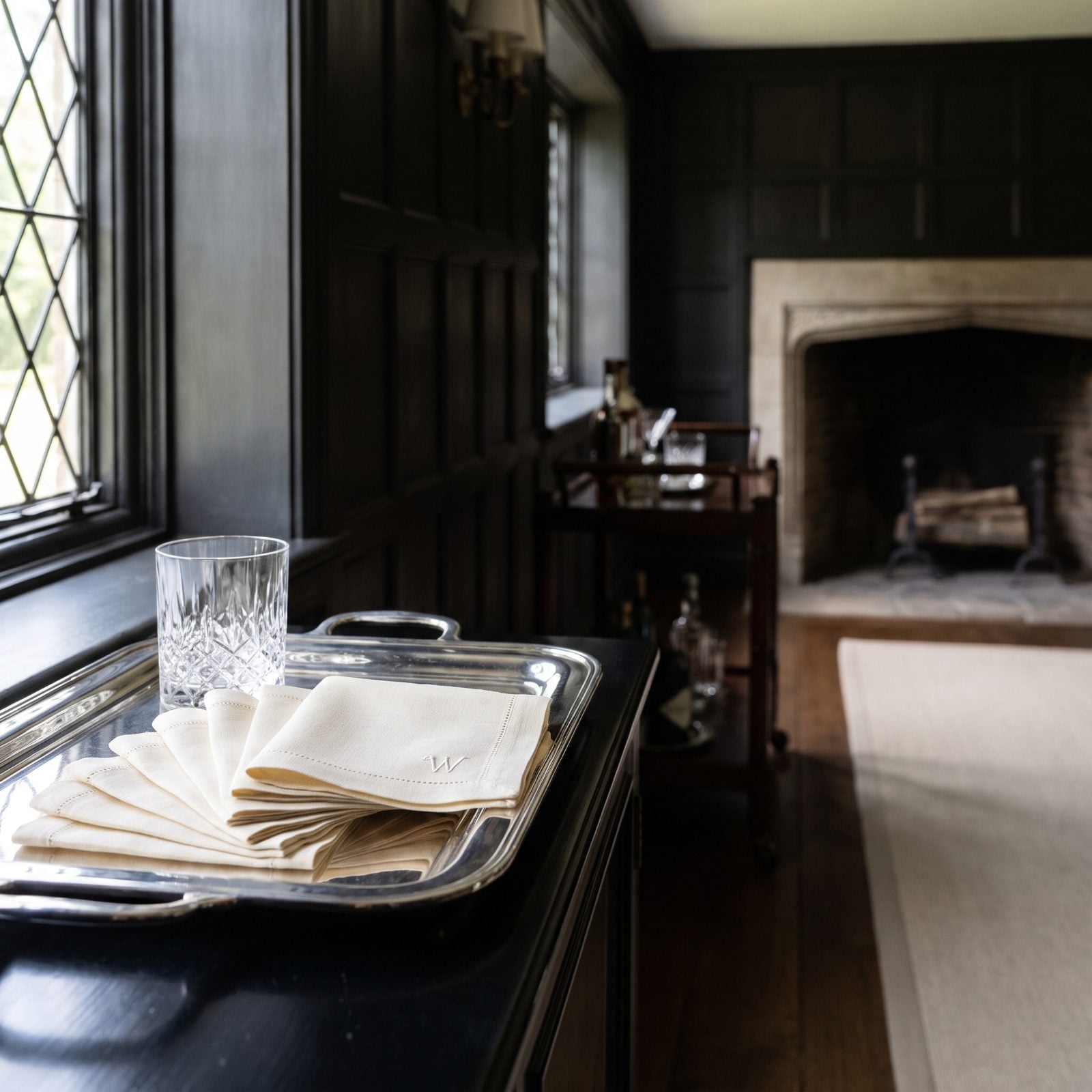
Cocktail napkins arrived as the whole business of entertaining swung toward the bar cart. Small, pressed, hemstitched — the gift for a host who threw the kind of parties where people stood and held a glass.
A set of these said you understood the house. You’d seen the gatherings, knew the style, and brought something that fit right into the next one.
8. A Box of Scented Guest Soaps
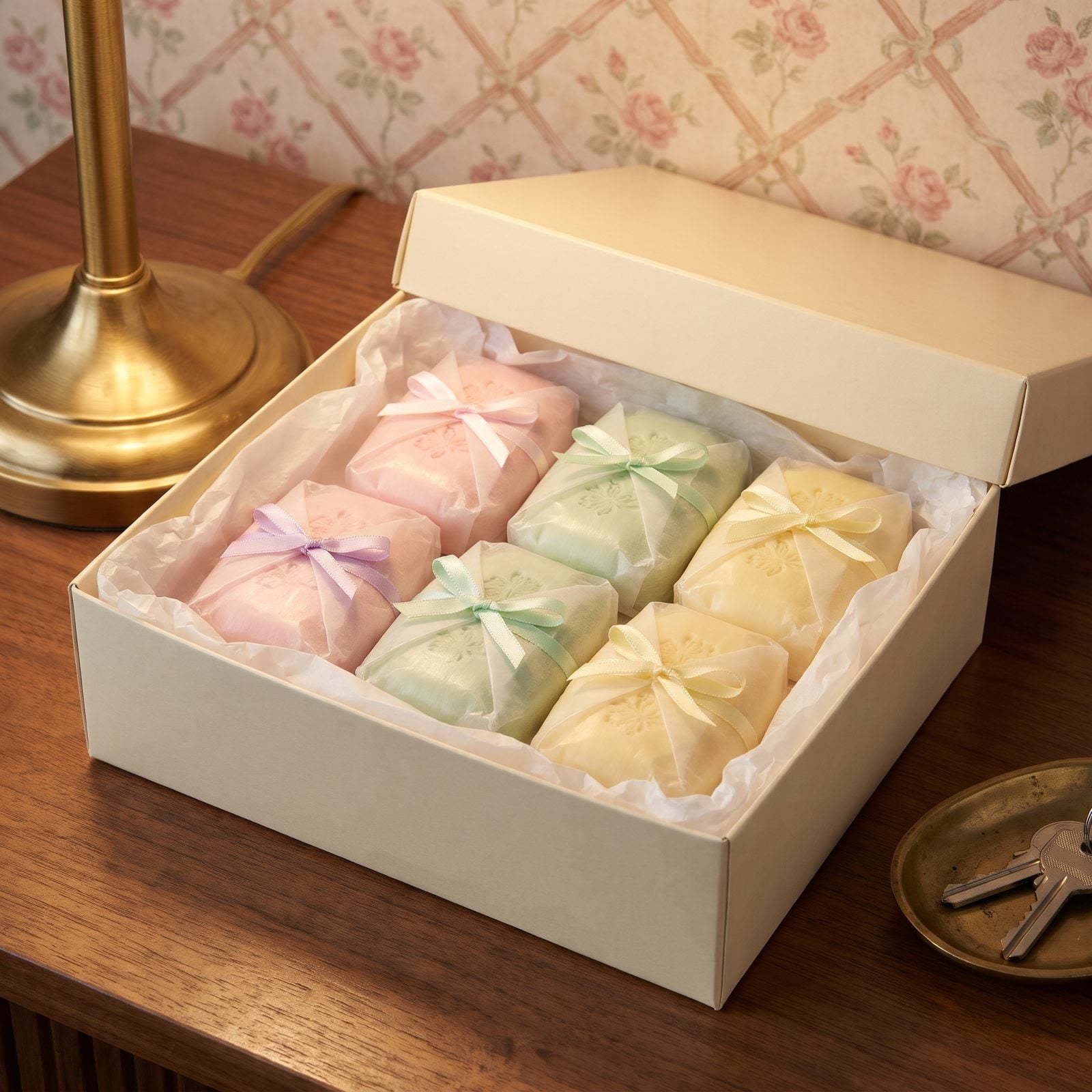
Before anyone thought twice about handing over a bottle, you carried soap. Little guest bars, oval and pastel, pressed with roses or seashells, the kind nobody ever actually used because they were too pretty to unwrap.
They sat in the powder room like tiny sculptures, and a hostess read the message instantly: you noticed her home, you wanted it to smell good, you brought something she’d never buy for herself. That last part was the whole genius of it.
7. A Pair of Taper Candles
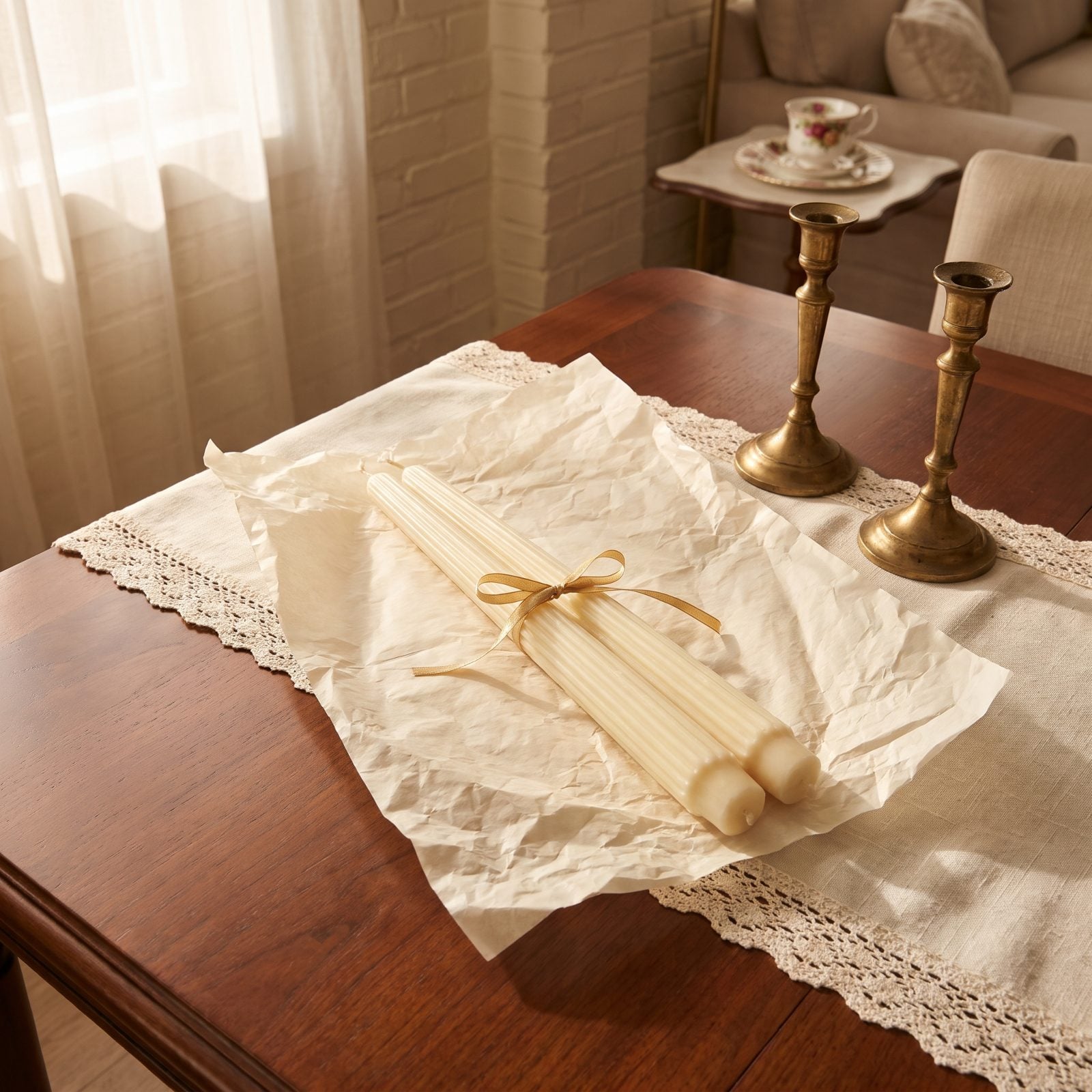
Tapers said you knew how a real dinner worked. Every proper table had candlesticks, and every proper candlestick ran out of candles at the worst possible moment, usually right before guests arrived.
So you brought a pair in ivory or deep red, wrapped in tissue. Practical, yes, but also a quiet compliment. You were telling the host that this house hosts, that this table sees candlelight, that the good stuff gets used here.
6. A Small Ceramic Bud Vase
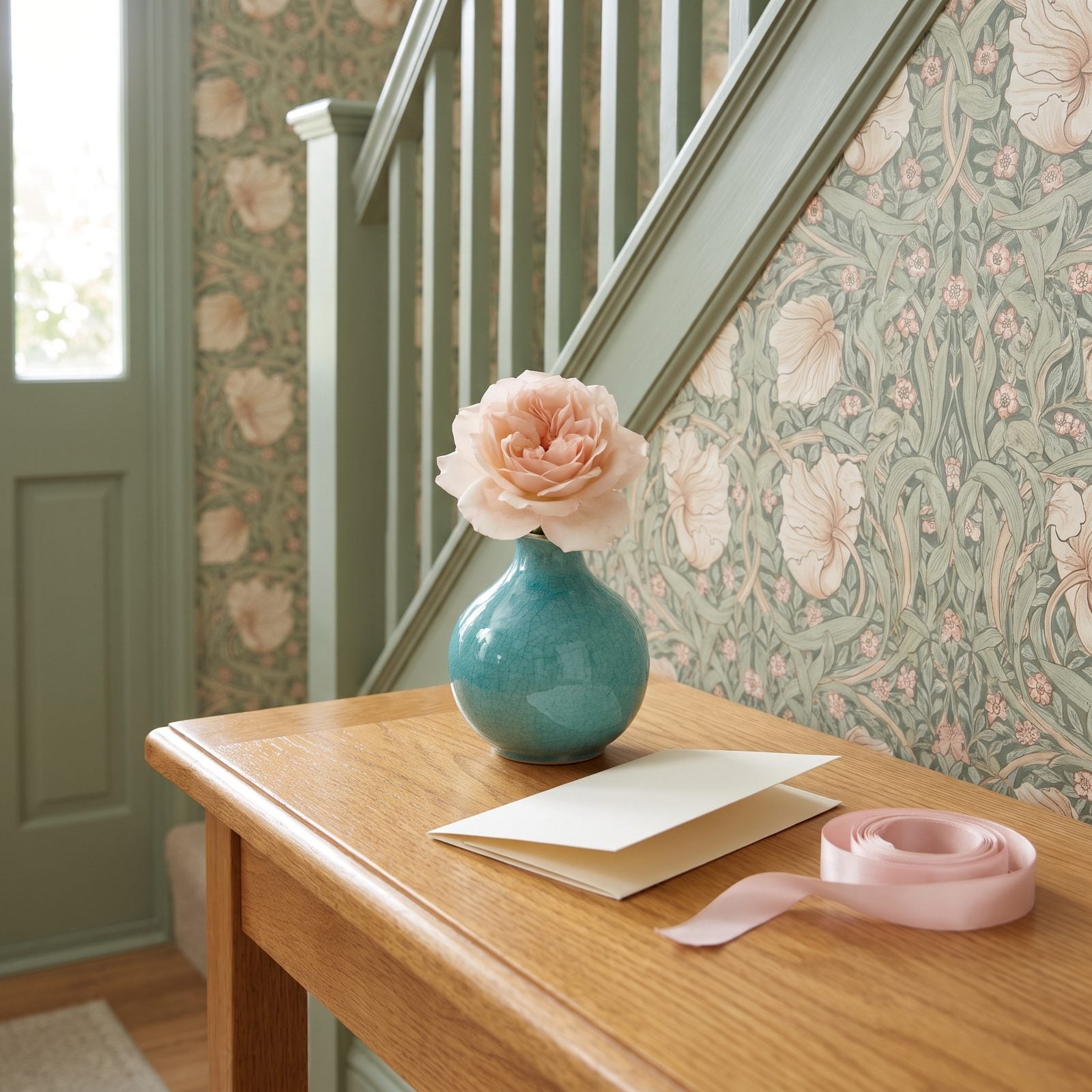
Narrow enough for a single stem, a bud vase solved a problem every host faced: you cut one good bloom from the yard and had nowhere small to put it. Big vases drowned a single flower. The bud vase gave it dignity.
Hand-thrown and glazed in some odd, lovely color, these turned up on windowsills and bathroom counters for decades. A host could keep yours going year-round, one zinnia or sweet pea at a time. A gift that keeps showing up.
5. A Hand-Painted Serving Tray
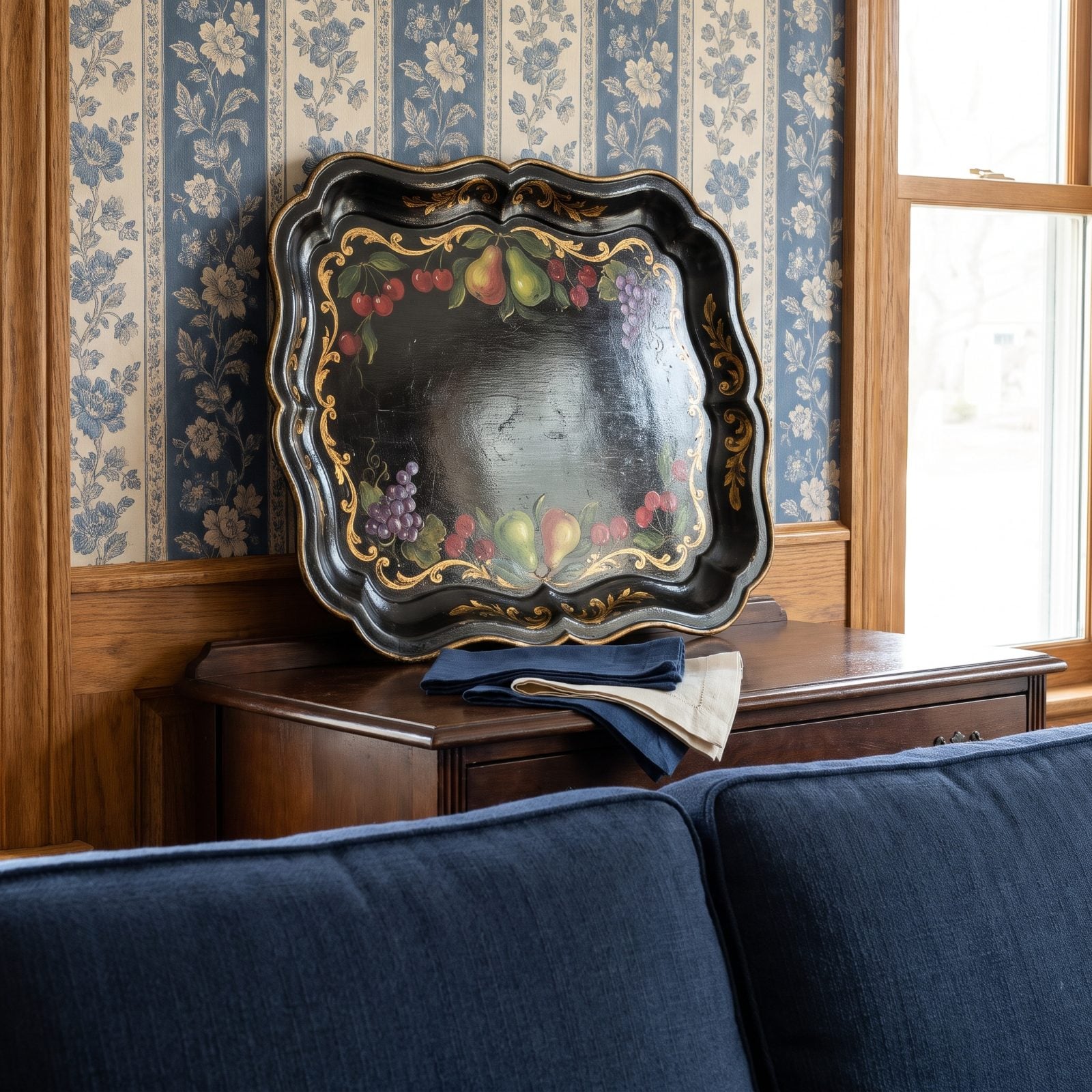
A painted tray was a serious gift. Black lacquer, gold rim, a spray of hand-done fruit or flowers across the middle, the kind of thing that cost real money and showed it.
It carried coffee cups to the living room and held the drinks. When nobody needed it, it leaned on the sideboard looking like a small painting. That double life, useful and decorative, made it a gift the host couldn’t tuck away and forget.
4. A Set of Cork or Tile Coasters
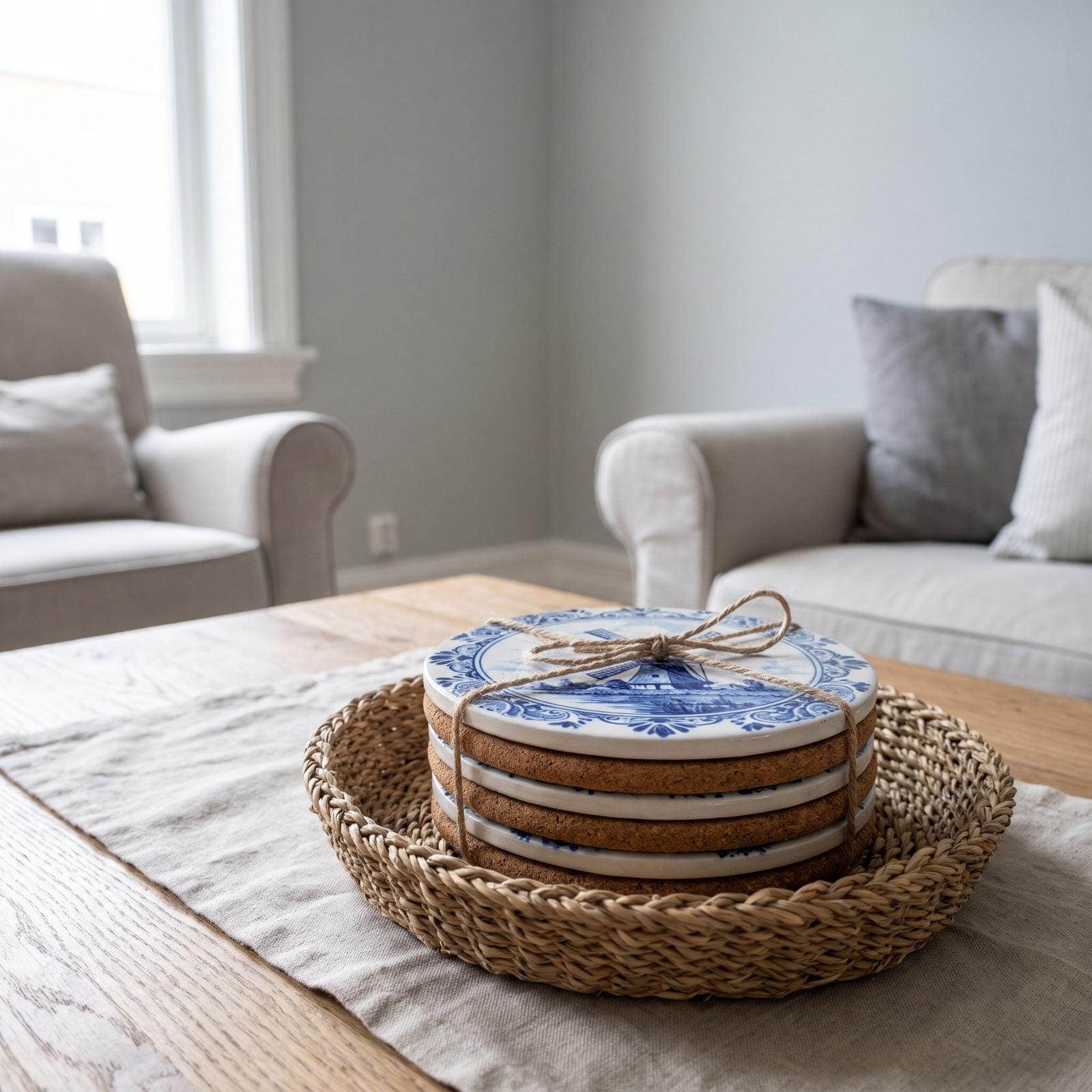
Water rings were a household crisis. A sweating glass on a bare wood table left a white halo that haunted a host for years, so a set of coasters landed as both gift and gentle rescue.
Cork ones were plain and sensible. The tile ones got fancy, little delft scenes or painted citrus, sometimes in their own wooden caddy. You brought these when you wanted something lasting and quietly thoughtful. Nobody ever threw away a good coaster.
As a furniture repair specialist puts it, “A white ring can form within minutes on a worn finish. Dark staining generally takes hours of contact or repeated exposure in the same spot.”
3. A Decorative Box of Fireplace Matches
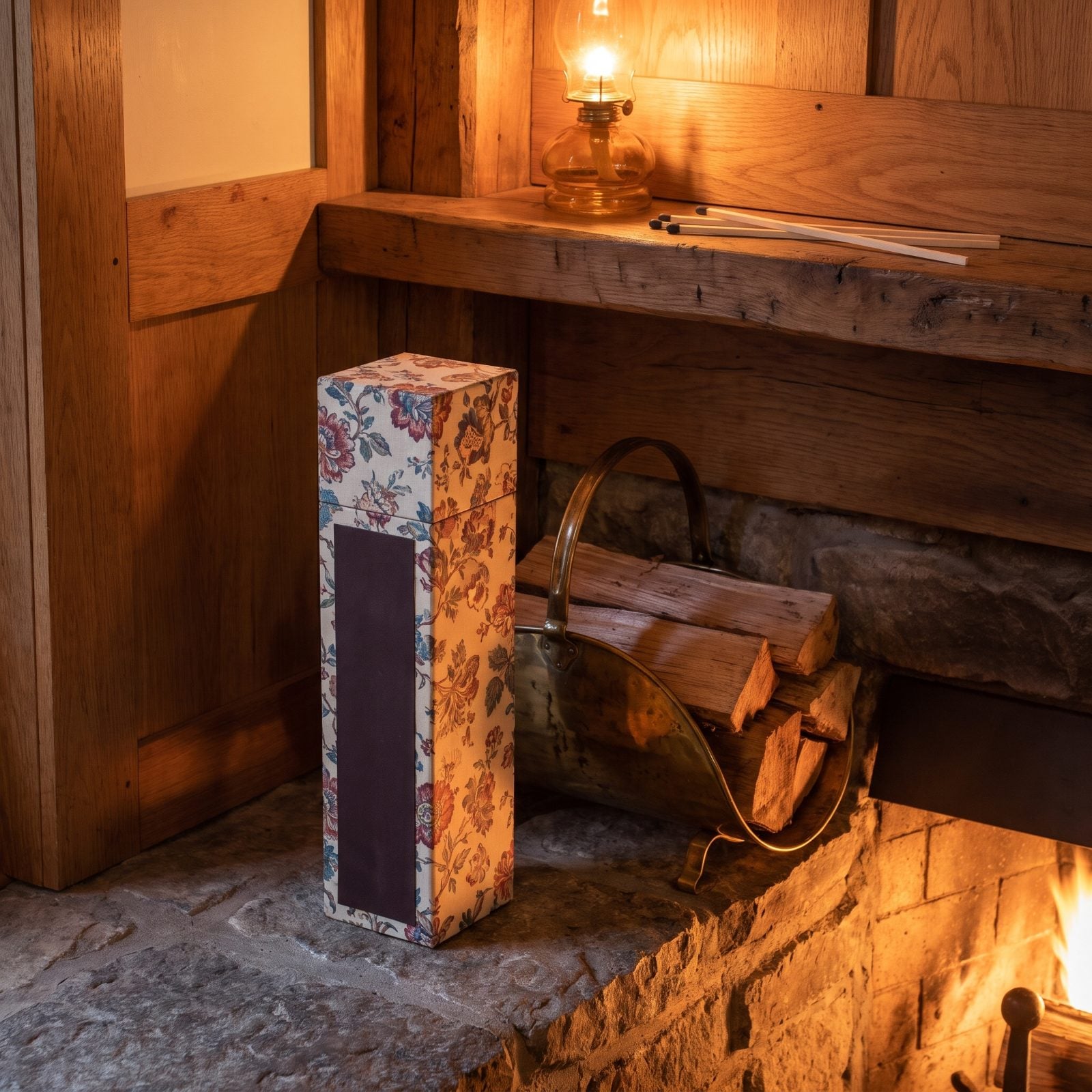
Long fireplace matches, boxed in pretty paper, were a cold-weather calling card. Any home with a fireplace burned through them, and the plain hardware-store box looked wrong on a nice mantel.
So you brought the handsome version, chintz-covered or hand-marbled, tall enough to reach the back of a log. It sat out proudly, got used all season, and told the host you were thinking about those long winter evenings by the fire. A small kindness, warmed over.
2. A Cut-Glass Ashtray

Here’s one that dates a gift instantly. For decades a weighty cut-glass ashtray was a thoroughly respectable thing to hand your host, back when the whole living room came with ashtrays and nobody blinked.
The good ones were real crystal, heavy enough to double as a paperweight, throwing little rainbows when the lamp caught them. Most survived the smoking years and got repurposed. Keys. Buttons. Loose change on a dresser. A gift that outlived the habit it was made for.
1. A Pair of Novelty Salt and Pepper Shakers
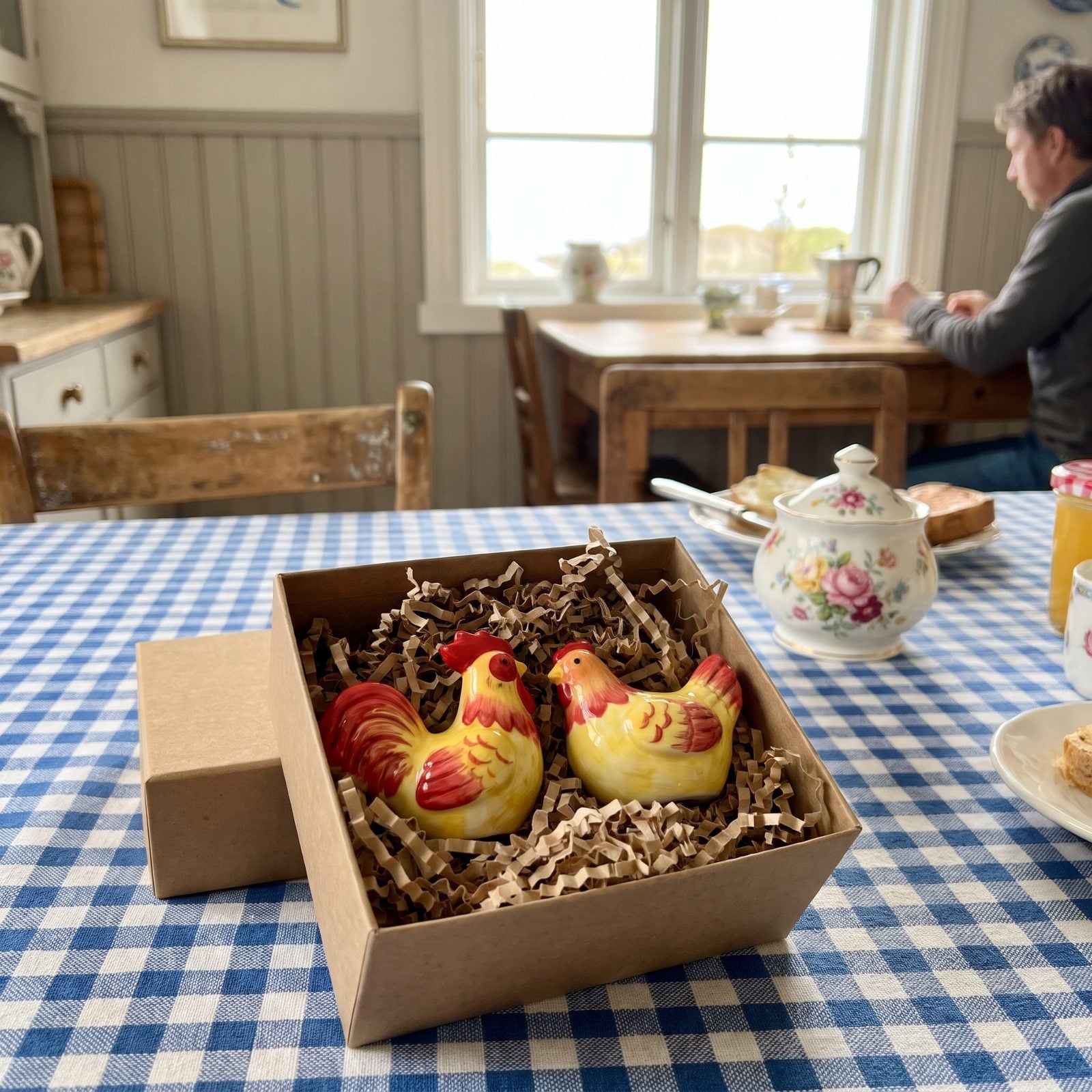
Novelty shakers were the fun gift. Little ceramic roosters, dancing vegetables, kissing Dutch children, a pair of smiling strawberries. Nobody needed them. Everybody collected them.
You brought a set because they made a host grin, and because that kitchen windowsill was already lined with a dozen others. Pure delight, zero utility beyond the obvious, and honestly that was the charm. A gift that asked nothing and handed over a little laugh.
As a novelty shaker collector puts it, “It’s fun to see what people have thought of to put a little bit of personality in something we use every day.”