
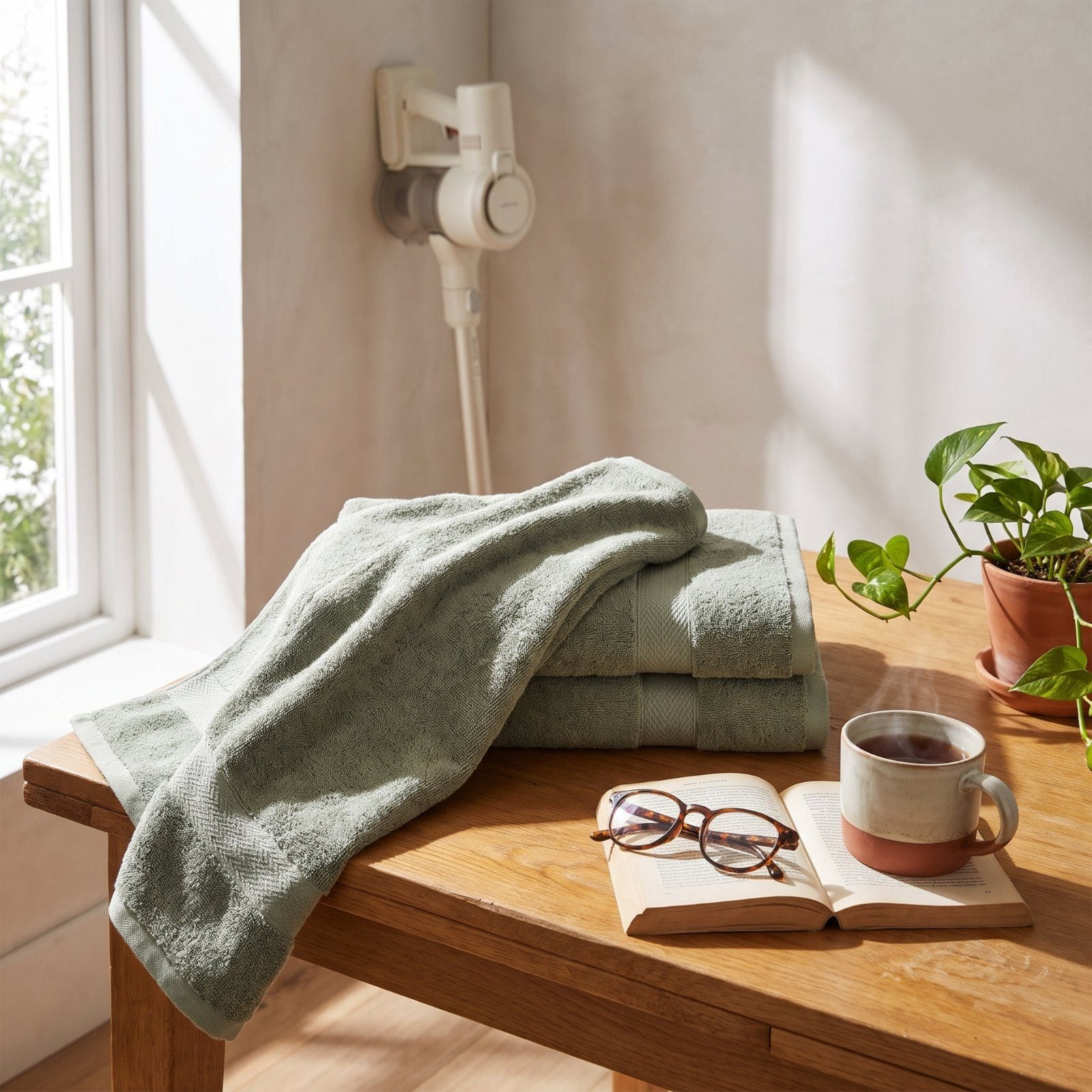
There’s a stack of towels in the hall closet nobody’s allowed to touch. You know the ones. Butter-soft, slightly too nice, waiting for company that shows up twice a year. Habits like that get passed down without anyone questioning them, and plenty of us ran them for decades on pure inheritance until somewhere past fifty, when the math starts to feel off. Why save the good stuff for strangers? Why keep a chair that hurts? The routines below got handed down as common sense, and a lot of them are being swapped for something kinder, lighter, and a whole lot less tiring.
Please note that some of the images in this article were created with the assistance of AI.
37. Saving the Good Towels for Guests Who Rarely Visit
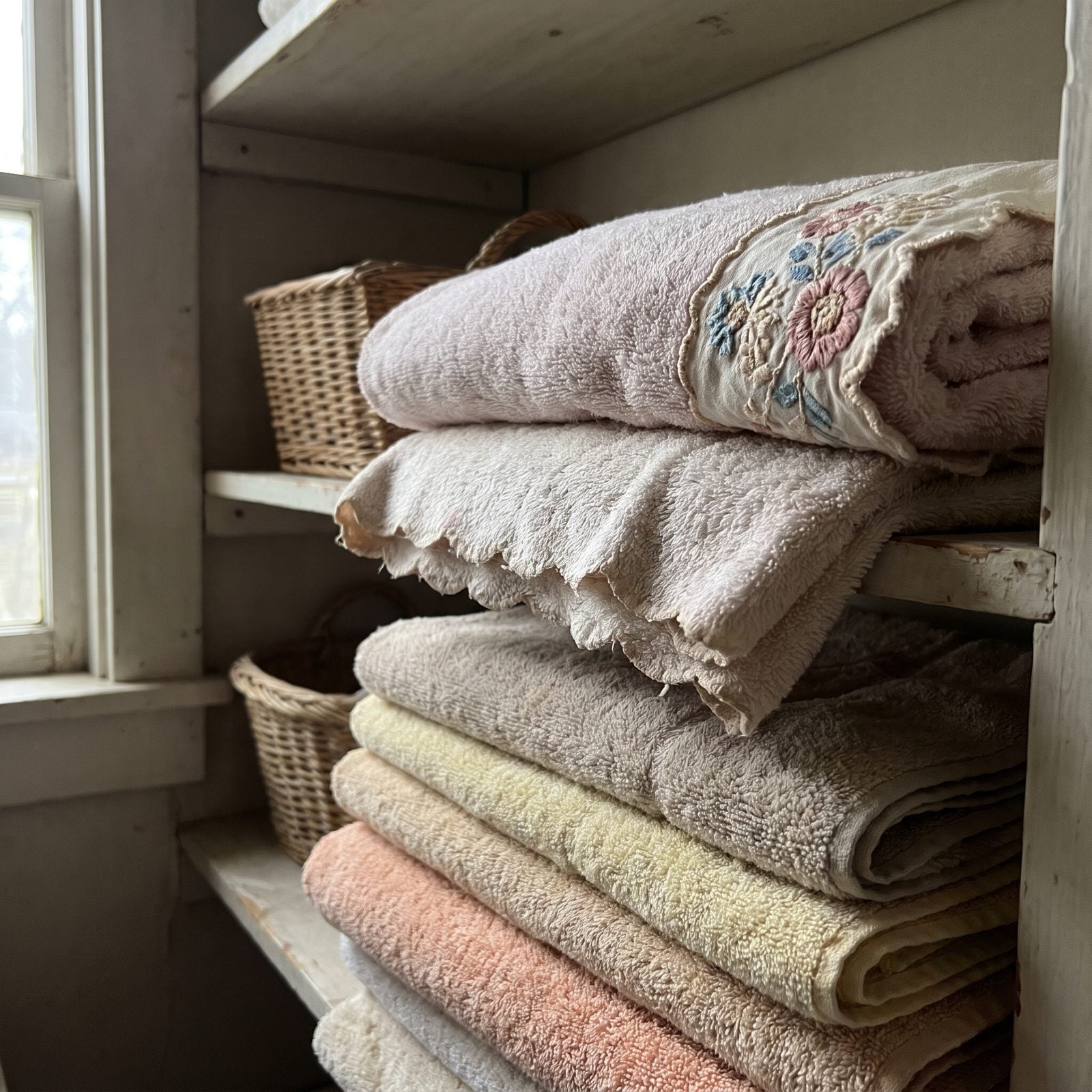
The good towels age out while they wait. That’s the part nobody mentions. Cotton can go stiff and musty after years folded in a closet, so the set you’ve guarded since the nineties isn’t quite the treasure it was, and no guest will ever know it was special.
Using the nice towels isn’t reckless. It’s the only way to actually get the thing you paid for. A soft towel every single morning beats a perfect one you touch twice a year.
36. Keeping a Formal Living Room Nobody Is Allowed to Sit In

You know the room. Matching sofa and loveseat, a coffee table you dust but never put a drink on, a door everyone walks past. It sat there for thirty years as a museum of furniture, earning its keep at the holidays and almost never otherwise.
That square footage holds some of the best light in the house, and plenty of folks are finally claiming it. A reading nook. A puzzle table. A spot where the good chair gets a body in it. The formal parlor was always a holdover from an era of hosting most of us quietly abandoned, so let it earn its rent.
35. Holding On to Every Gift Out of Pure Guilt

A gift is a message, not a life sentence. Somebody thought of you, said so with an object, and the message landed the moment you tore the paper off. Keeping the thing forever doesn’t add anything to the gesture — it just fills a shelf with obligation.
Letting go of the souvenir mug and the figurine nobody loves isn’t ingratitude. The feeling already happened. The dust-catcher is just the receipt.
34. Keeping Furniture That Hurts Because It Cost a Fortune

The sunk cost of a bad chair is one of the cruelest tricks a house plays on you. You paid a lot, so you keep it, so it keeps hurting your back, and the price tag quietly punishes you twice.
Here’s the flat truth: the money is gone either way. Keeping that stiff, carved, gorgeous thing you dread sitting in won’t bring a cent of it back. A chair your spine actually likes is worth more than one that impresses a guest for ninety seconds. Comfort you use beats elegance you endure.
33. Shrouding the Sofa in Protective Plastic
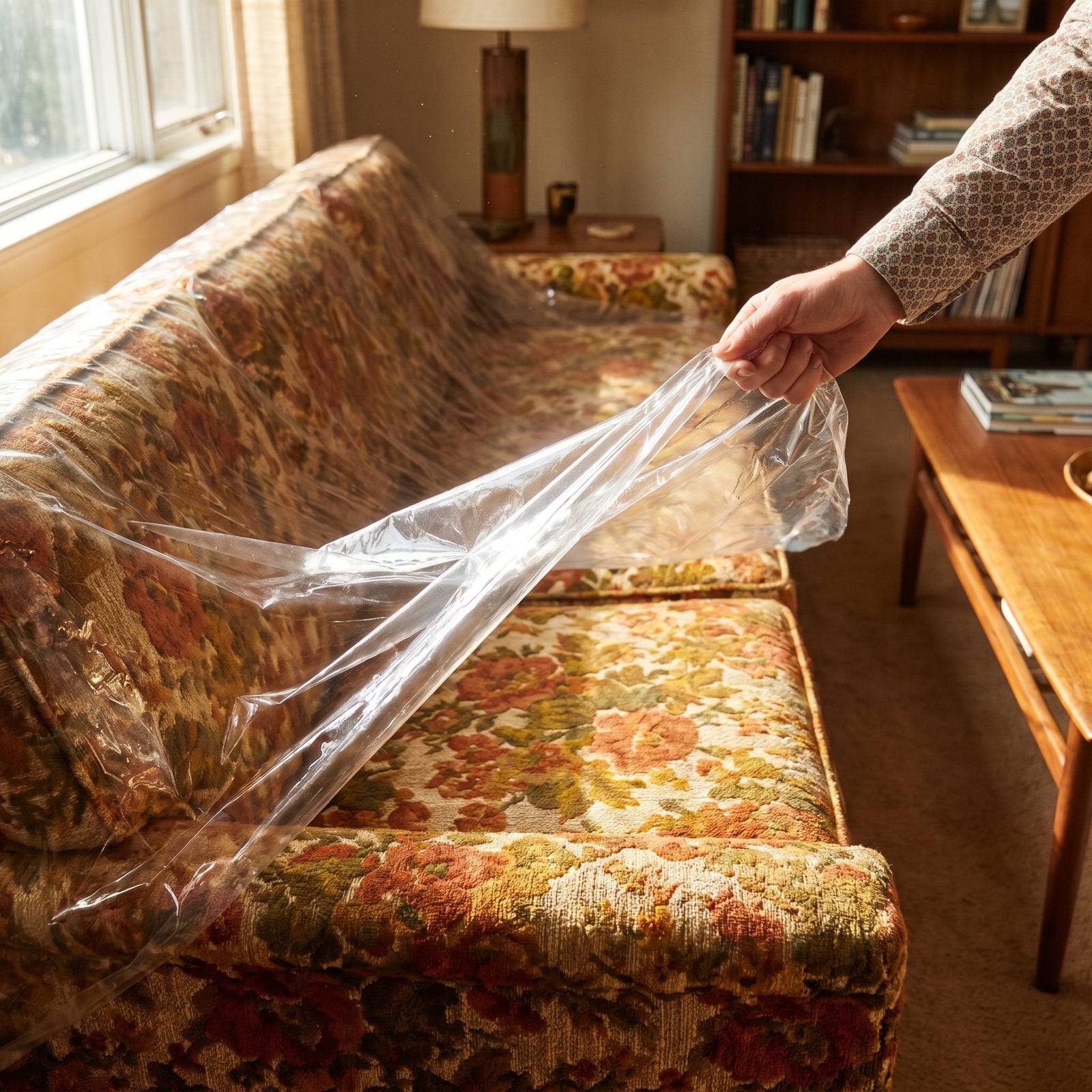
Plastic slipcovers were a whole philosophy once. Protect the investment, keep the good couch pristine for the day it really matters. That day never came, and in the meantime everyone sat on crinkling, sweaty vinyl that stuck to the backs of their legs in summer.
The couch you’re protecting is for you. Sitting on your own furniture without a plastic barrier shouldn’t feel like a splurge, yet the first time you do it, it genuinely does.
32. Cramming All the Cleaning Into One Exhausting Saturday
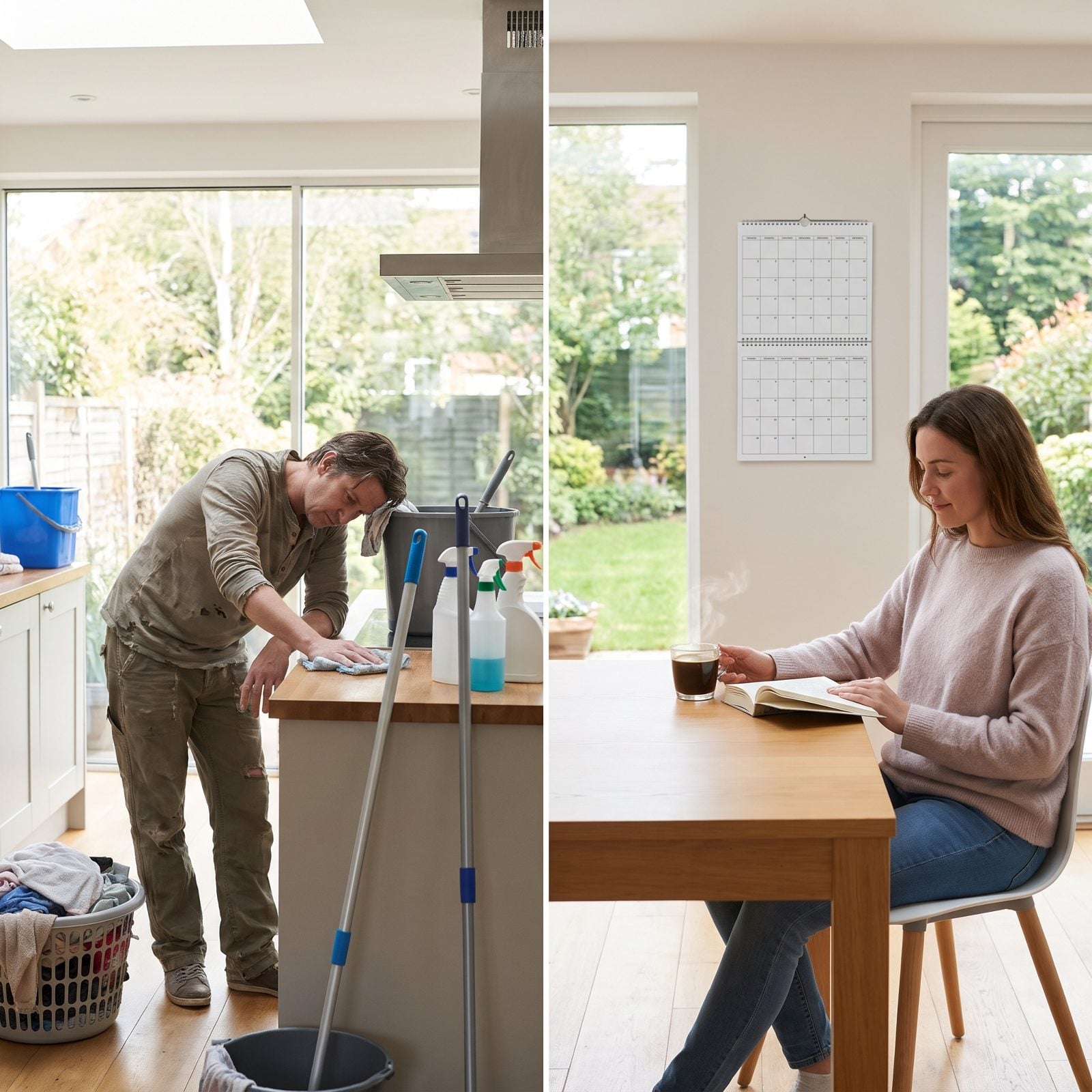
Blowing a whole Saturday on cleaning is a tradition that eats the one day you had to yourself. The house gets spotless by late afternoon, you’re wiped out, and the weekend vanished into a mop bucket.
Spreading it thin works better. Ten minutes here, a load of laundry there, a quick wipe-down while the coffee brews — the house never gets truly dirty, so it never needs a rescue mission. And your Saturday goes back to being yours.
31. Waiting for Spring to Deep-Clean the Entire House
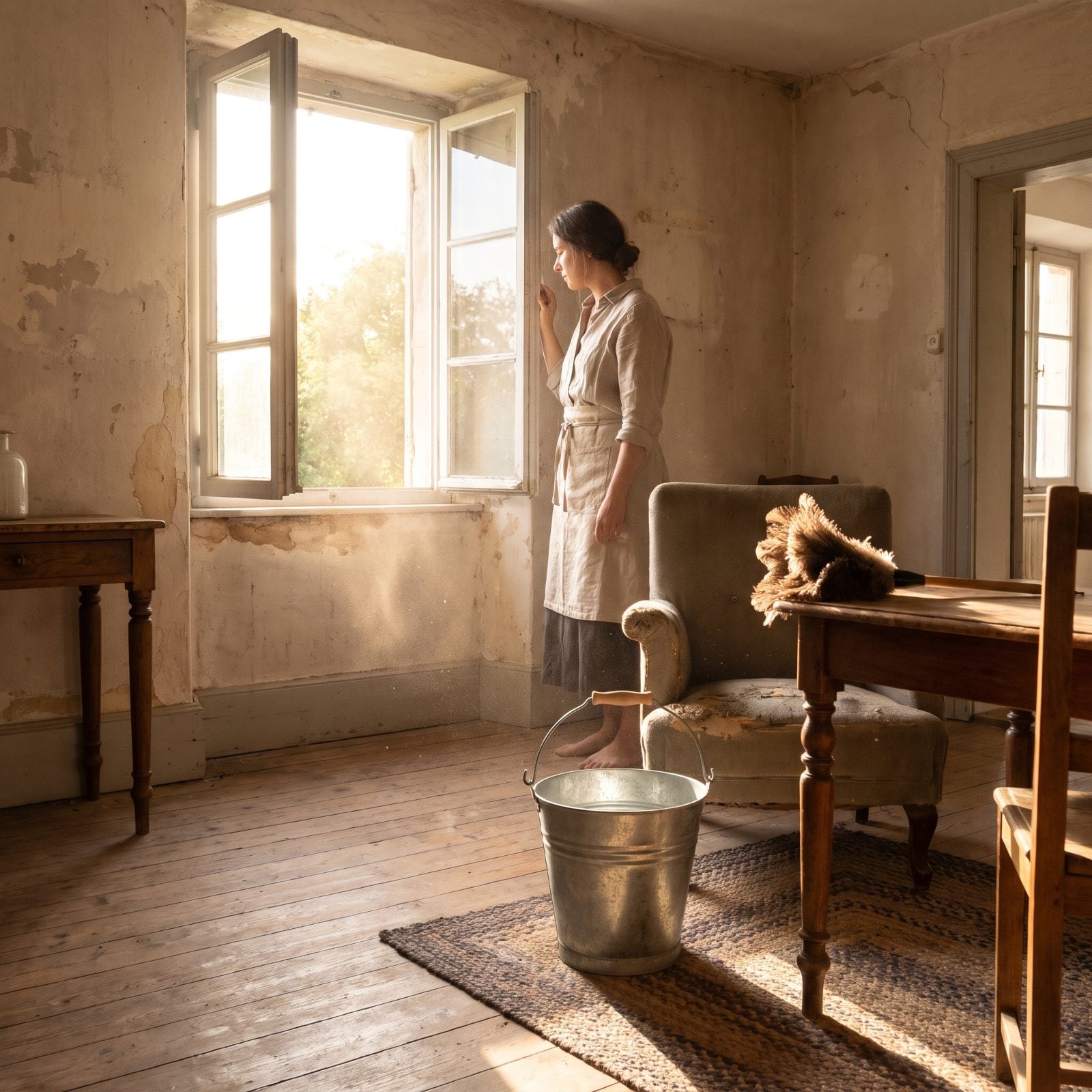
Spring cleaning made sense when homes were heated by coal and sealed shut all winter. You opened the windows in April to beat out the soot, because that was genuinely how the grime worked.
Most of us don’t live in that house anymore. Waiting until spring just means a year of dust piling up for one brutal weekend. Hit the windows in October, the baseboards whenever you notice them, the closet when the mood strikes, and the whole thing stays manageable. Clean in small doses as the house asks for it — not on a calendar your grandmother set.
30. Scrubbing Floors on Your Hands and Knees
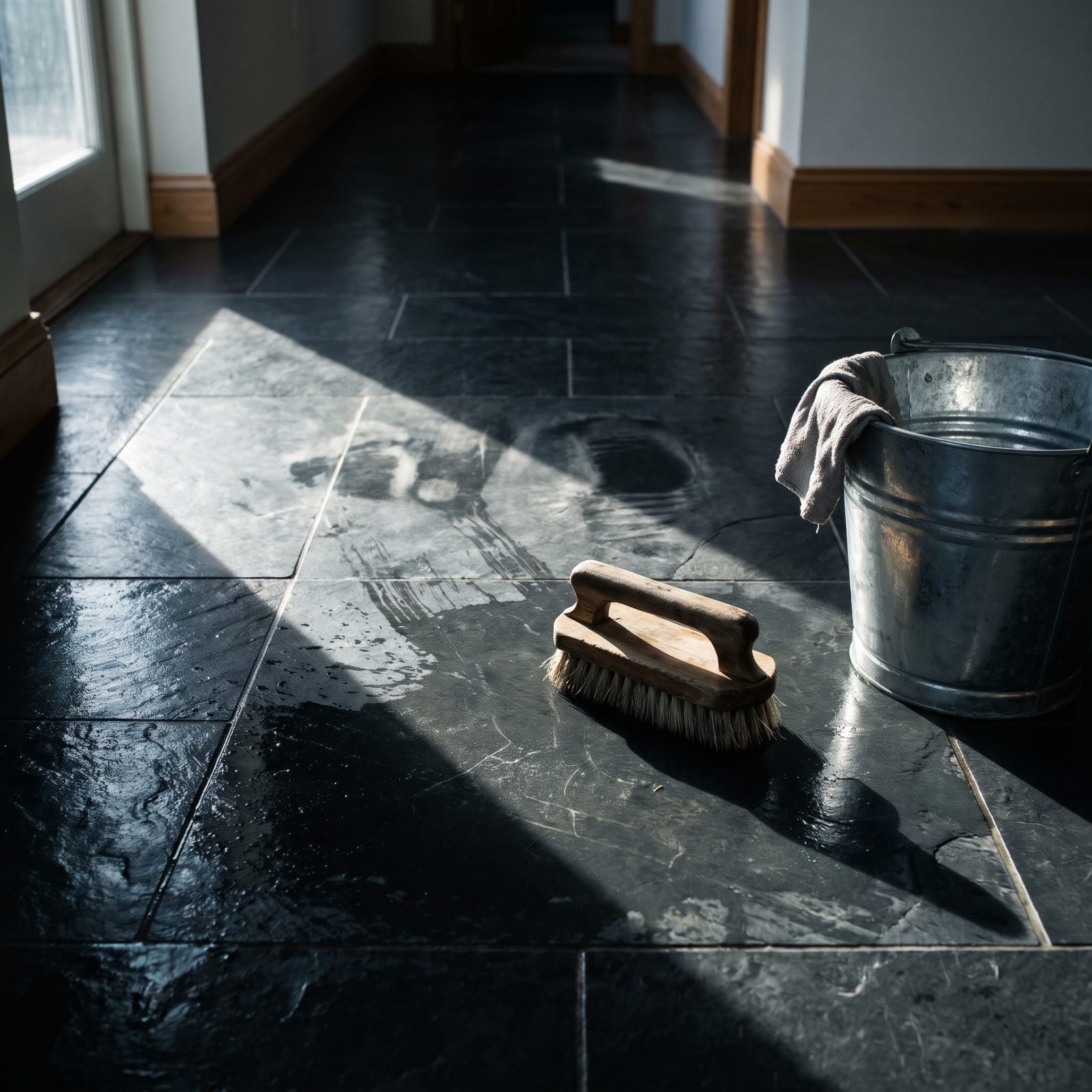
There’s a belief that a floor isn’t truly clean unless you went down on your knees to prove it. A whole generation scrubbed that way, and plenty of knees are paying interest on it now.
A flat microfiber mop gets the same floor just as clean while you stand upright like a dignified adult. Your knees, your back, and the afternoon you’d have spent recovering all thank you. There is no medal for suffering through a chore a tool does better.
29. Ironing Every Last Shirt, Sheet, and Pillowcase
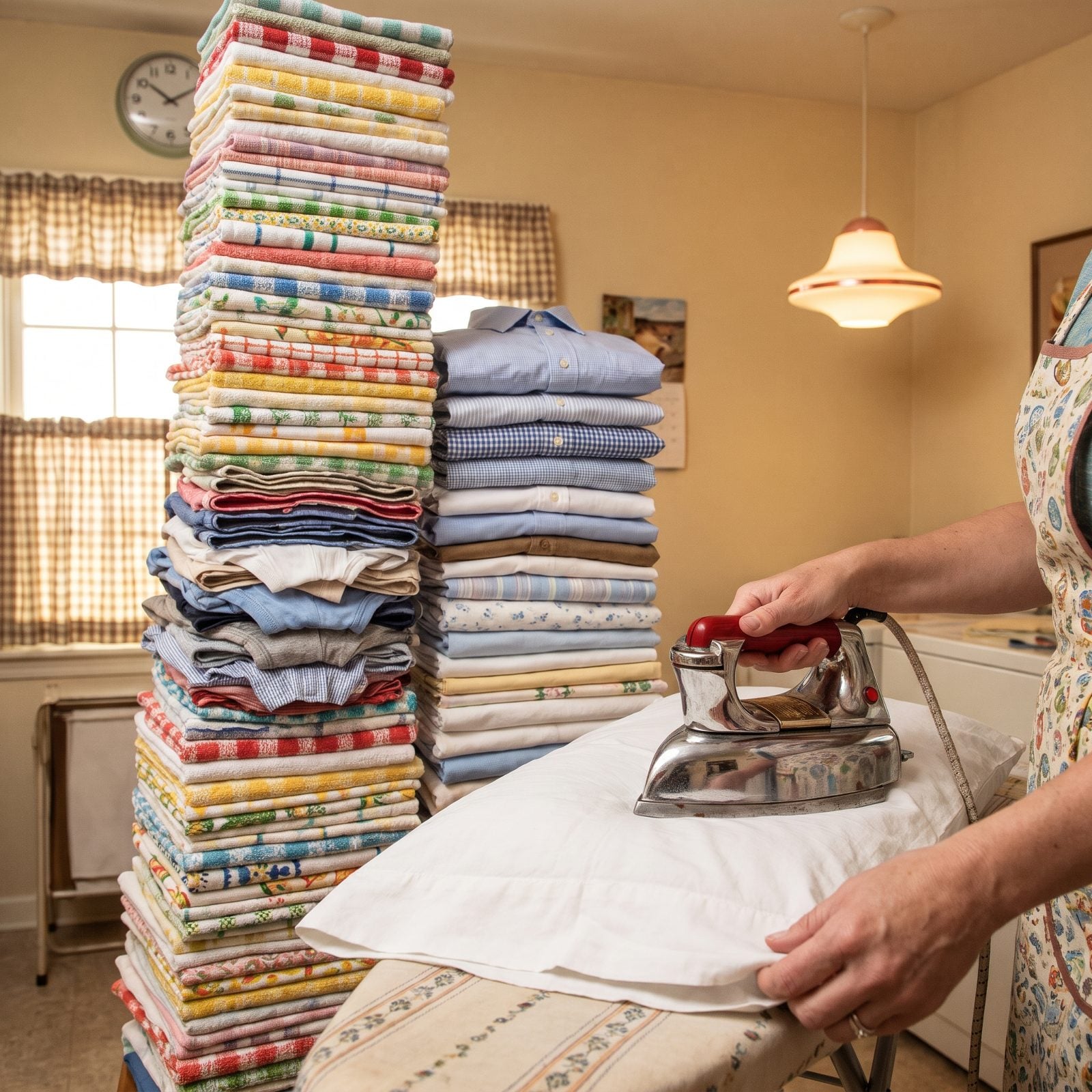
Ironing the pillowcases. The underwear. The dish towels, for heaven’s sake. Somebody taught us a wrinkle was a character flaw, and we believed it for about forty years.
Most modern fabrics come out of the dryer fine if you pull them promptly and give them a shake. For the few things that genuinely need help, a handheld steamer does in a couple of minutes what the board does in ten — standing up, no scorch marks. Linen is supposed to look a little rumpled anyway. Let’s say it plainly: nobody has ever noticed whether your T-shirt was pressed.
28. Laundering Every Garment After a Single Wear
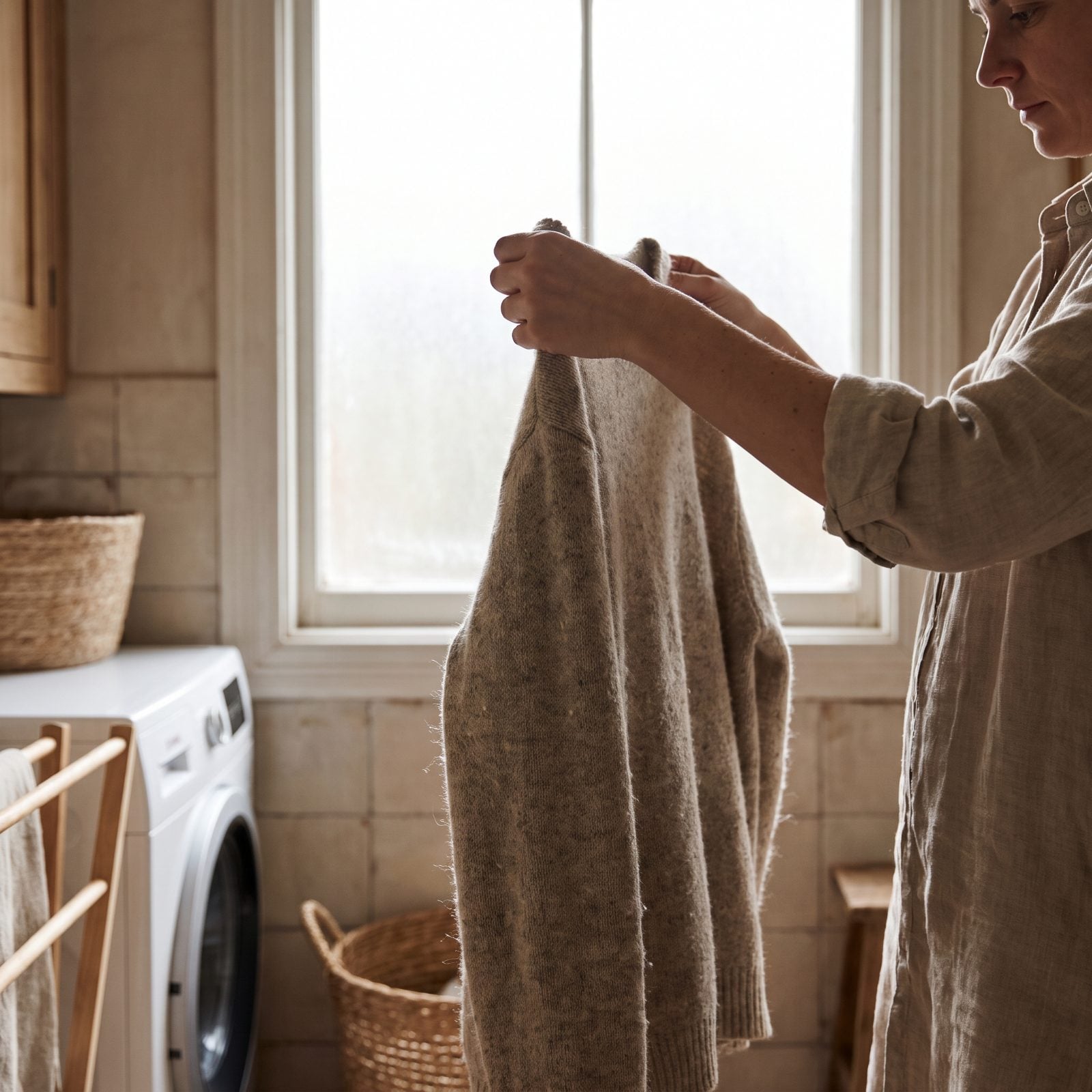
The washing machine is where good clothes go to die young. Every cycle is a little abrasion, a little fade, a little loosening at the seams. Sweaters, jeans, and wool trousers almost never need a wash after one wear, and washing them anyway just wears them out faster.
Airing a sweater overnight on a peg beats running it through the wash. It smells fresh, it keeps its shape, and it lasts years longer. Underwear and workout gear, sure, wash those. The cashmere does not need a bath because you sat in it for an afternoon.
As a senior denim design executive puts it, “I would recommend washing sparingly. It also helps to let your jeans breathe, so don’t pack them too tightly into drawers or shelves.”
27. Folding Fitted Sheets Into a Neat Square
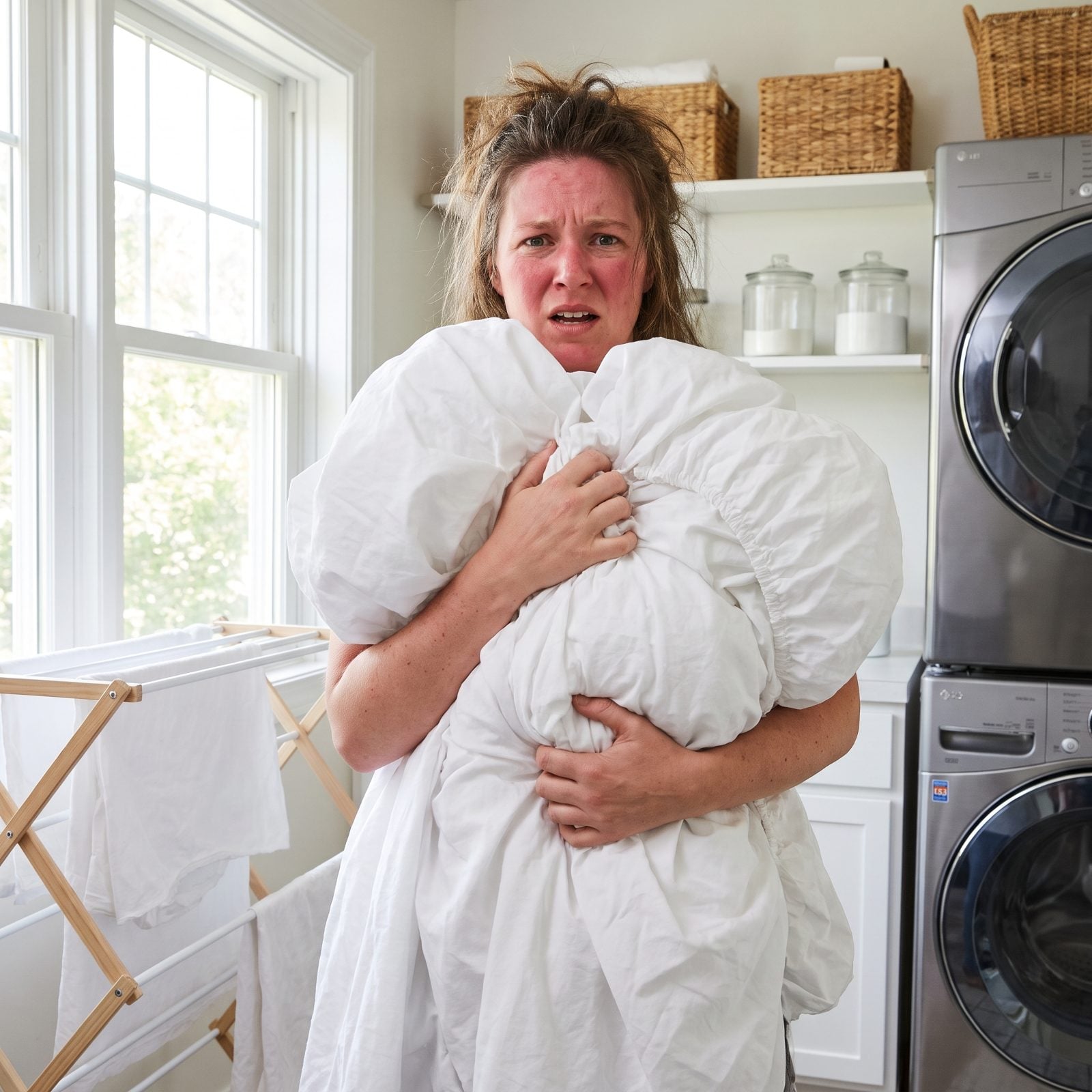
Nobody has ever opened a linen closet and admired your fitted-sheet corners. We say this as people who spent years wrestling that elastic edge into submission on the actual bed, swearing under our breath the whole time.
So fold it loosely. Or better, stuff the whole set — flat sheet and both cases — inside one pillowcase so nothing wanders off. You lose nothing by doing it. The sheet goes back on wrinkled and rumpled the second it touches a mattress anyway.
26. Separating Laundry Into Five Different Loads
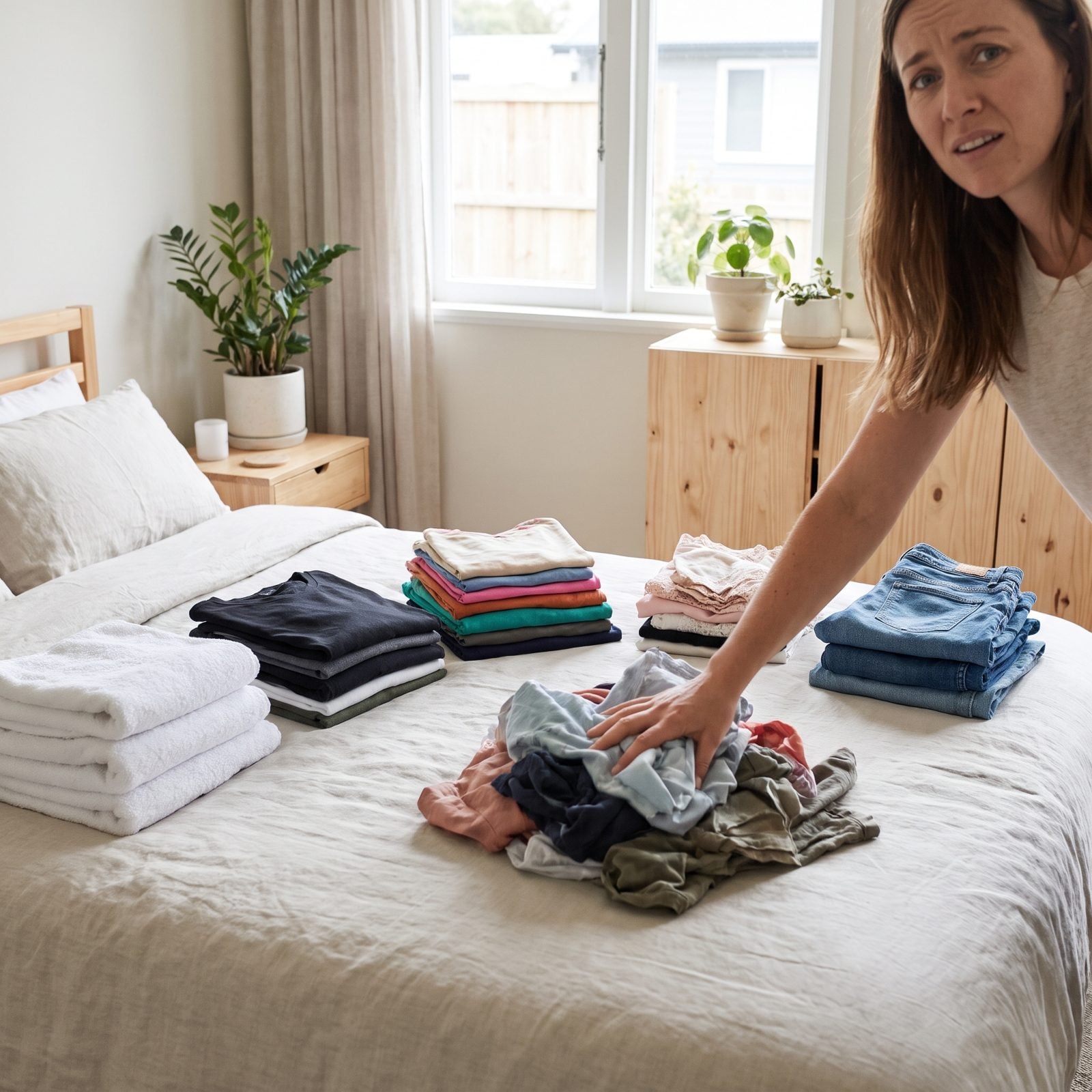
Most of the sorting rules were written for machines that no longer exist. Hot water and aggressive agitation bled colors because that was the only setting anyone had. Cold water and modern dyes rewrote the whole calculation.
Towels still go alone. Anything brand-new and deeply saturated earns its own first wash. Past that, darks and lights can share a cold cycle without any drama at all — toss in a color-catcher sheet if you’re nervous about it. Five loads became two or three, and the laundry room stopped being a part-time job.
25. Wrestling Heavy Bedspreads On and Off
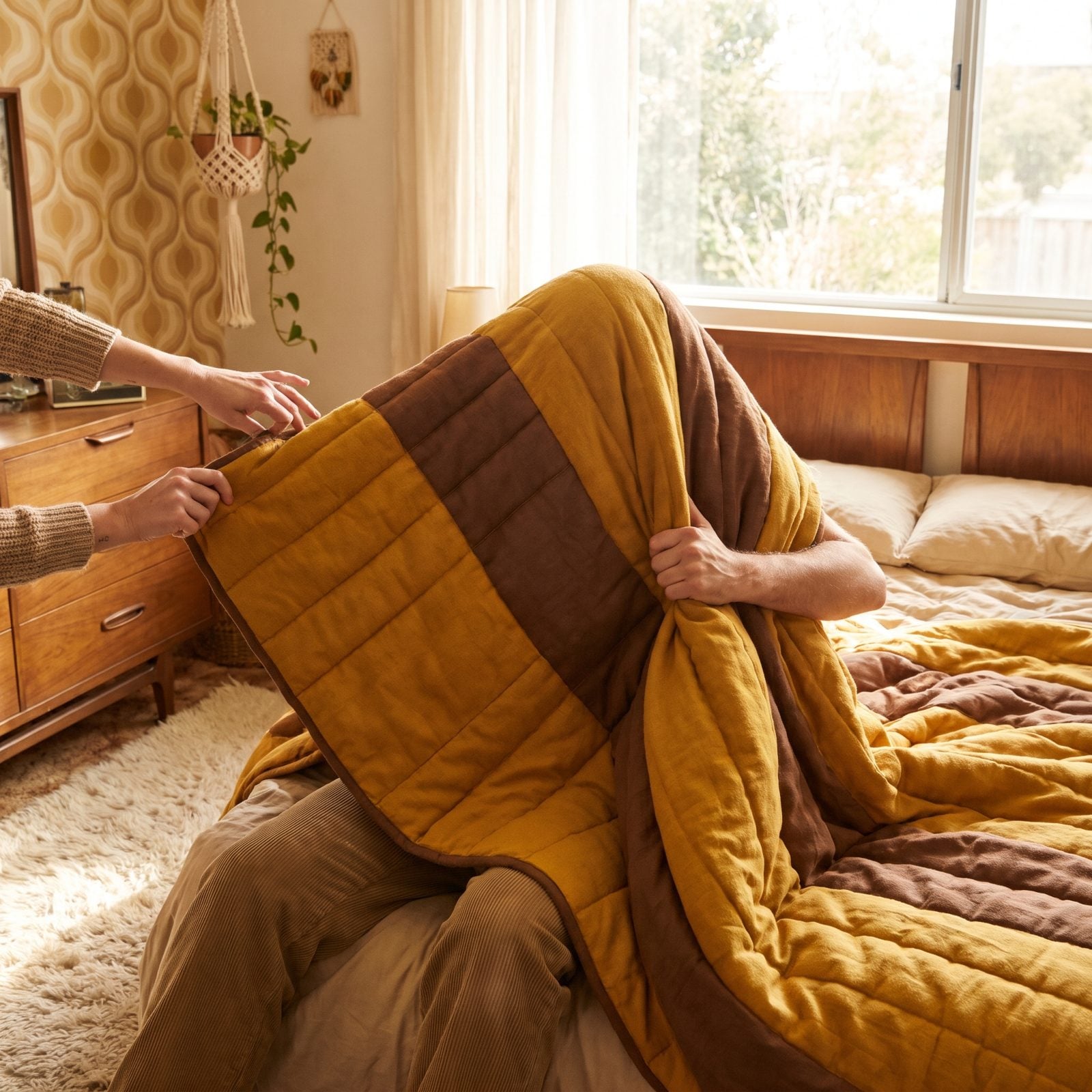
That channel-quilted bedspread weighed as much as a small dog and took two people, plus a fair amount of grunting, to settle straight on the mattress. And the dry-cleaning bill? Its own private insult.
A washable linen or cotton duvet does the same visual work, and you can flip it over the bed one-handed. It breathes, it launders at home, and making the bed stops feeling like you’re moving furniture. Your back will send a thank-you note.
24. Shuffling Decorative Pillows On and Off the Bed Twice a Day

You know the nightly ritual. A pile of shams and throw cushions that lived on the floor every night and climbed back up every morning, serving no one, slept on by nobody.
One lumbar cushion. Maybe two, if you’re feeling fancy. That’s a styled bed you can also sleep in without conducting an archaeological dig first.
23. Keeping a Different Cleaner for Every Surface
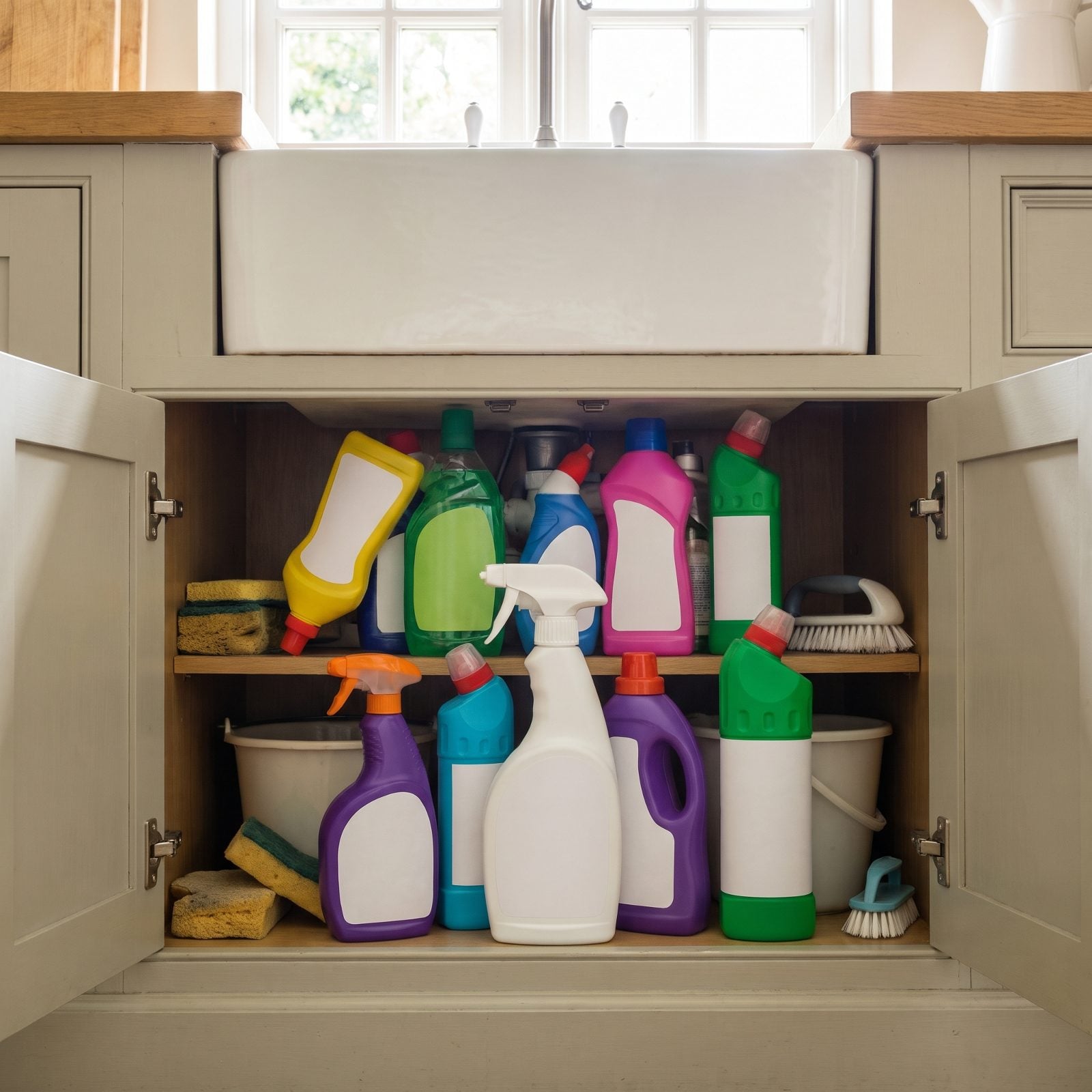
The cabinet under the sink used to look like a hardware store had suffered a breakdown in there. Glass cleaner, counter spray, wood spray, granite spray, stainless spray, bathroom spray — most of them the same handful of ingredients wearing different labels and different prices.
One good all-purpose cleaner handles the vast majority of what a house throws at you. Keep a glass-specific one on hand, plus something for the genuinely greasy jobs, and retire the rest. The marketing taught us to buy a specialist for every square inch, and we fell for it for years.
22. Reaching for Harsh Bleach on Every Routine Clean
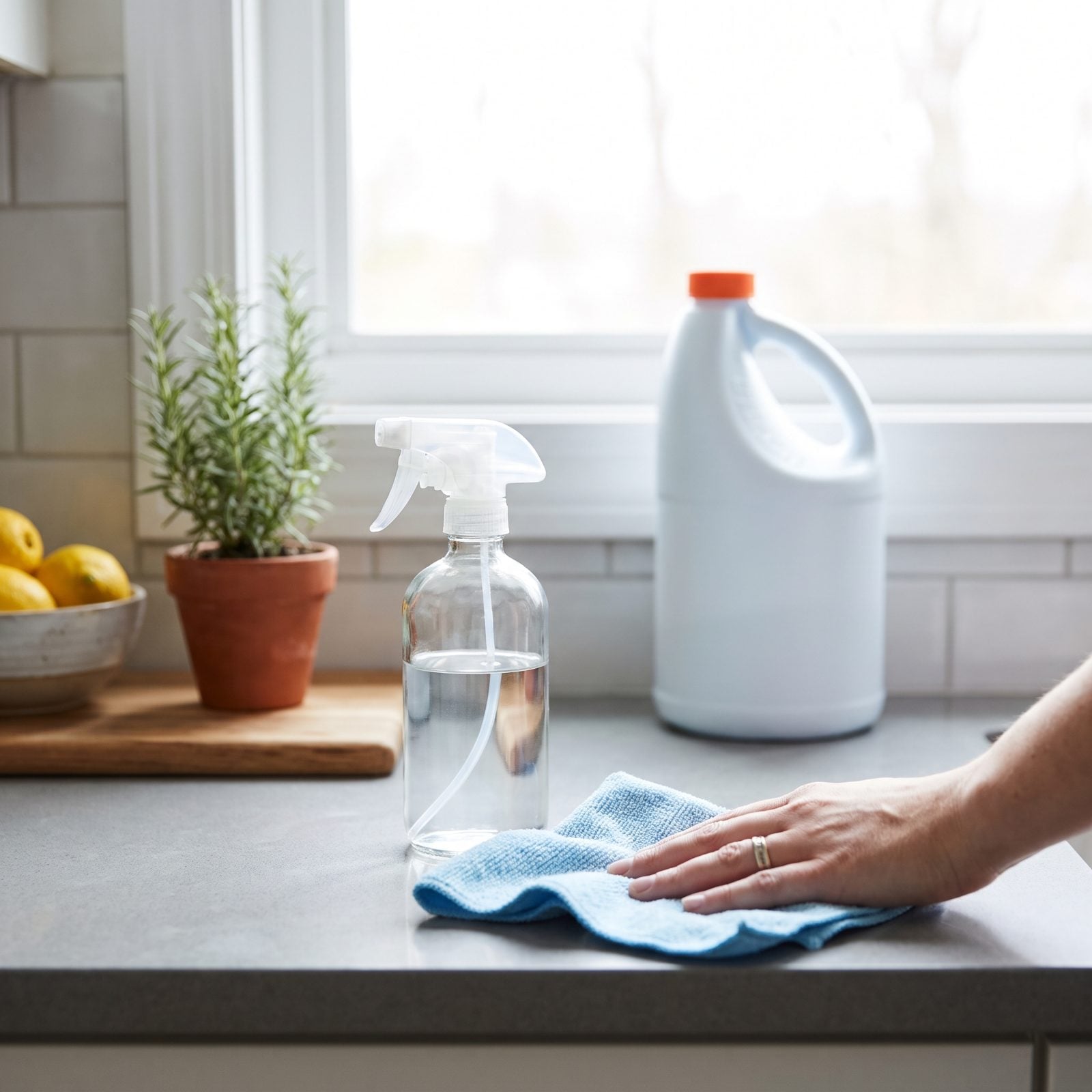
Bleach has its place. A real mold problem. A kitchen after raw chicken. Routine wiping is not that place.
Think of the eye-watering fumes, the ruined towels with those mysterious pale blotches, the bath mat that picked up a bleach freckle it’ll carry to the grave. For everyday grime, a gentler cleaner gets it done without the ventilation gymnastics. And mixing bleach with anything ammonia-based — which half of us did by accident over the years — is flat-out dangerous. Save the heavy artillery for the battles that actually need it.
21. Masking Odors With Plug-In Air Fresheners
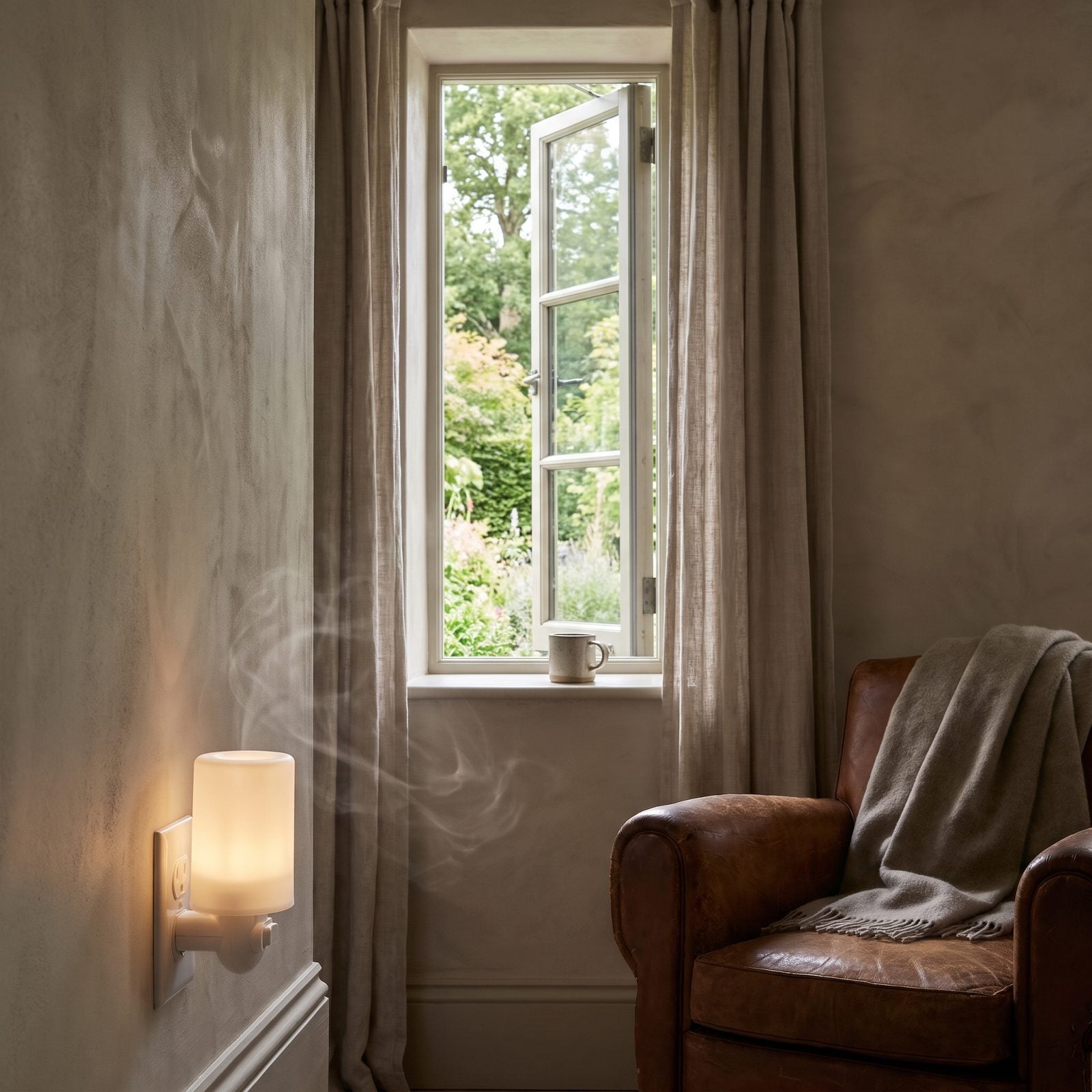
A plug-in freshener doesn’t remove an odor. It parks a chemical cloud on top of it and hopes you stop noticing. That headache by evening? The tell.
Open a window instead. Even ten minutes of cross-breeze outdoes a month of synthetic vanilla. A bowl of baking soda absorbs smells rather than smothering them, and a few houseplants quietly earn their keep. Fresh air has no fragrance, which is sort of what you’re after in the first place.
20. Cleaning Windows With Crumpled Newspaper
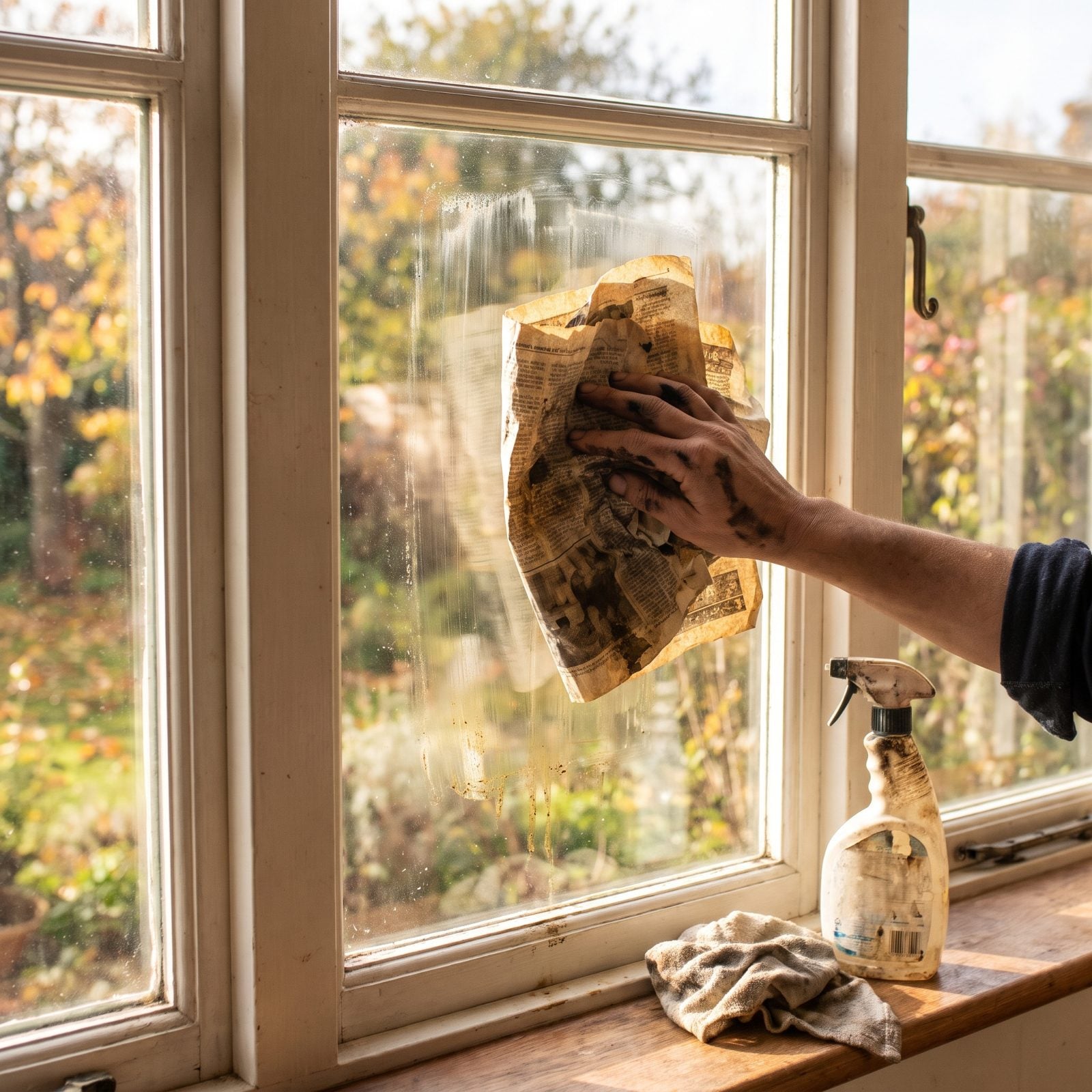
The newspaper trick worked because old papers used oil-based ink and heavy rag paper that gave a little polishing grit. Both of those things have since changed. Modern newsprint smears, sheds lint, and stains your hands grey for the trouble.
A flat-weave microfiber cloth leaves glass streak-free and never runs out at the bottom of the recycling bin. Wash it, and it comes back a hundred times over. That inherited tip quietly outlived the ink it depended on, and somehow nobody got the memo.
As a professional window cleaning team puts it, “A newspaper isn’t designed to be absorbent in the same way as microfiber cloths. Tiny fibers can flake off and stick to the glass or the cleaning solution, leaving streak-like film.”
19. Packing Sweaters Away With Mothballs

That smell gets into everything, and you know exactly the one I mean. It clings to a wool coat long after the box is gone, and no amount of airing out fully kills it. Mothballs are pesticide, more or less, and they work by flooding a sealed space with vapor you then breathe.
The swap is almost embarrassingly simple: cedar blocks, lavender sachets, and clean storage in sealed bins. Moths are after dirty fibers, not clean ones. So a sweater washed before it goes away has already won you half the battle.
As an extension pest management specialist puts it, “Naphthalene has been associated with adverse health effects such as headache, nausea, dizziness and difficulty breathing.”
18. Paying for a Landline You Never Answer

The only calls coming in are robocalls and the occasional wrong number at dinner. We kept the landline for years out of a vague sense that an emergency might need it, even as the smartphone in our pocket did everything better.
The math stops making sense the second you look at the bill, since plenty of bundles charge for a line nobody uses. Drop it, or move to a cheap internet-based option if you genuinely want a home number. Either way you free up real money every month and end the telemarketer ambush at 6pm.
17. Tracking Every Account With a Shoebox of Paper Bills

There’s a box somewhere in most houses. Phone bills, bank statements, utility stubs, all saved because throwing them out felt reckless. And here’s the quiet joke of it: a physical stack is the worst possible way to find anything when you actually need it.
Online statements and a password manager do the remembering now. You pull up any bill in seconds, catch a billing error faster, and the shredder handles the rest.
16. Buying Paper Towels Like the Store Is Closing Forever
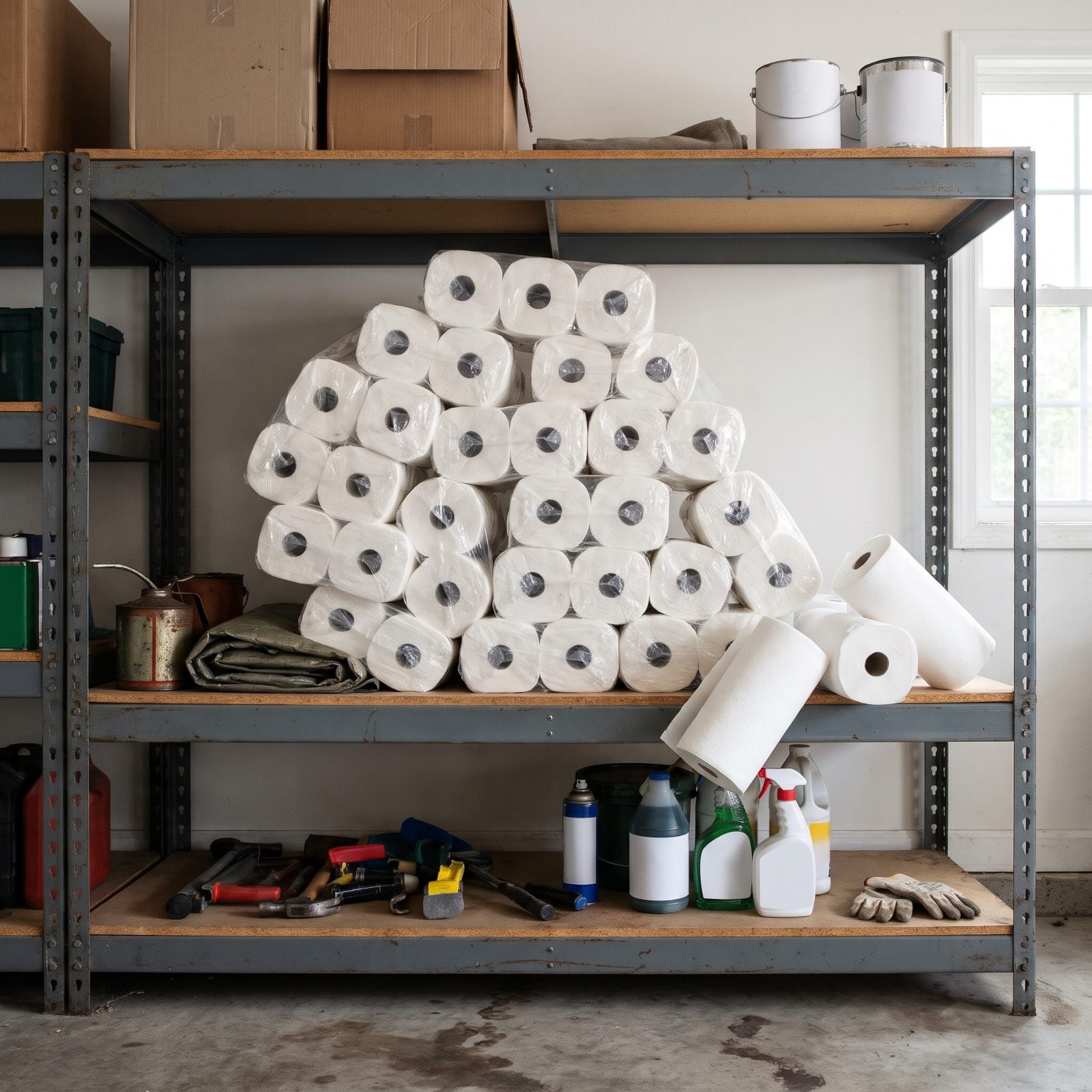
Twenty-four rolls of paper towels seemed like a bargain. Then they took over the garage shelf, the detergent you bought in triplicate separated and went gummy, and the per-unit savings evaporated the moment something expired or got crushed under its own weight.
Buy what fits a month or two. The space stays breathable and the money stays in the bank instead of the rafters.
15. Hoarding a Cabinet of Mismatched Takeout Containers
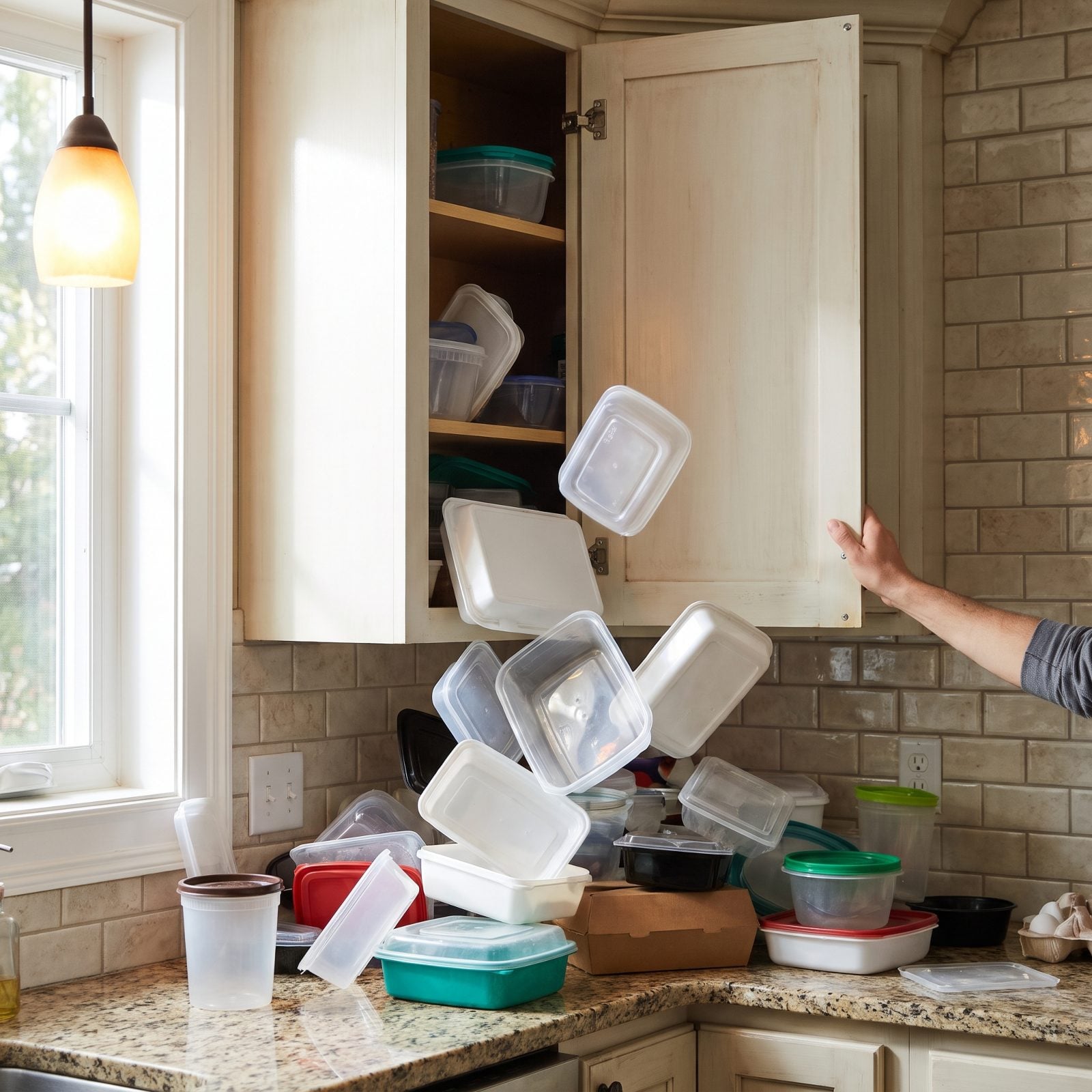
Open the cabinet and an avalanche starts. You’ve lived this. A hundred deli containers, half with no matching lid, all slightly warped and cloudy from the microwave, saved because they were free and seemed useful.
A small set of glass containers with lids that actually stack does the whole job. No staining, no garlic smell lingering for weeks, and they go from freezer to oven without turning soft.
14. Keeping the Broken Blender for a Repair That Never Comes
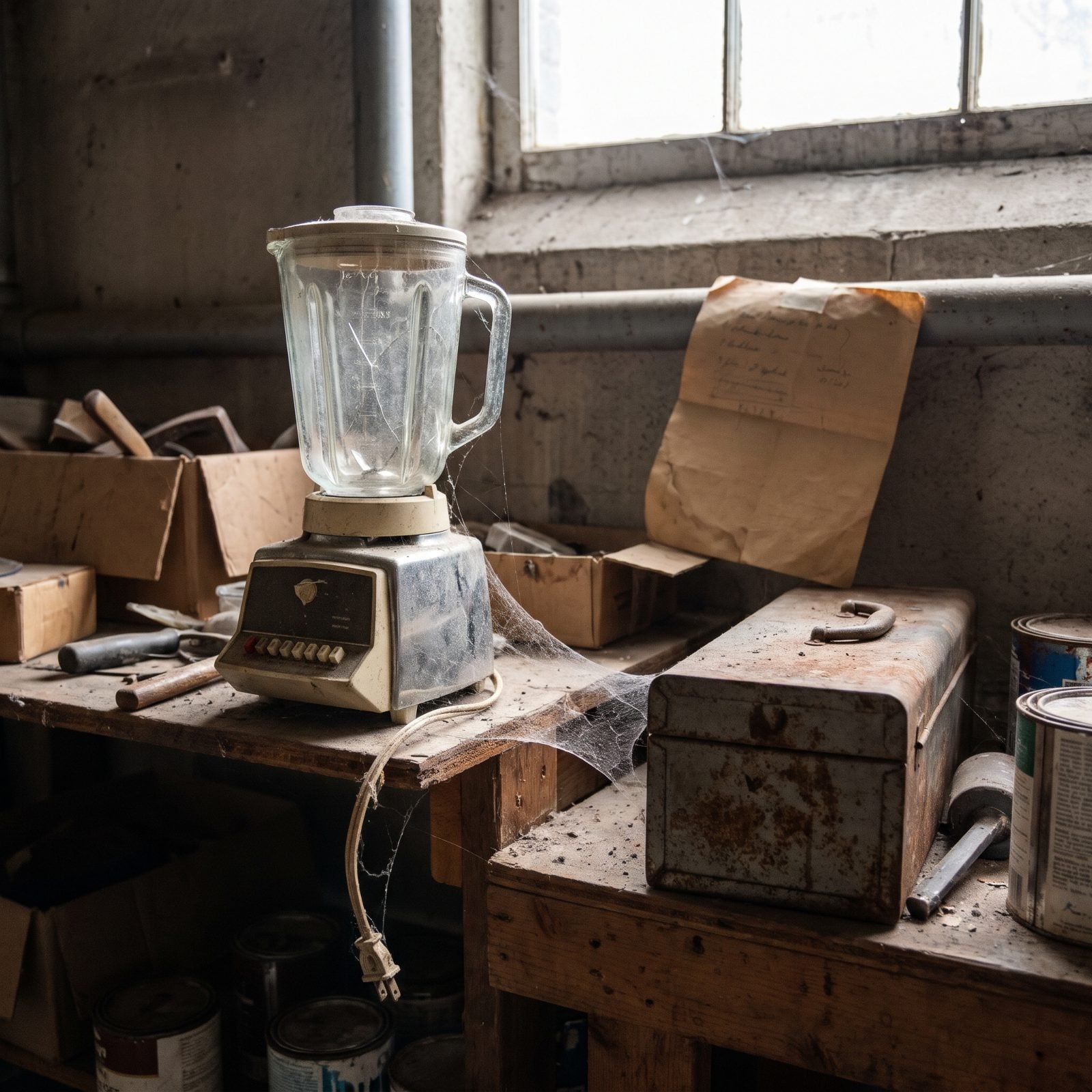
The blender’s been in the basement for six years. The plan was always to fix it. You know how this ends, though, because the toaster next to it has the same story, and so does the vacuum behind them.
Repair genuinely makes sense for well-built, expensive machines. For a twenty-dollar appliance? Recycle it and reclaim the shelf. A single part costs more than a replacement, assuming you could even track the part down.
13. Filing Manuals for Products You Threw Out Years Ago
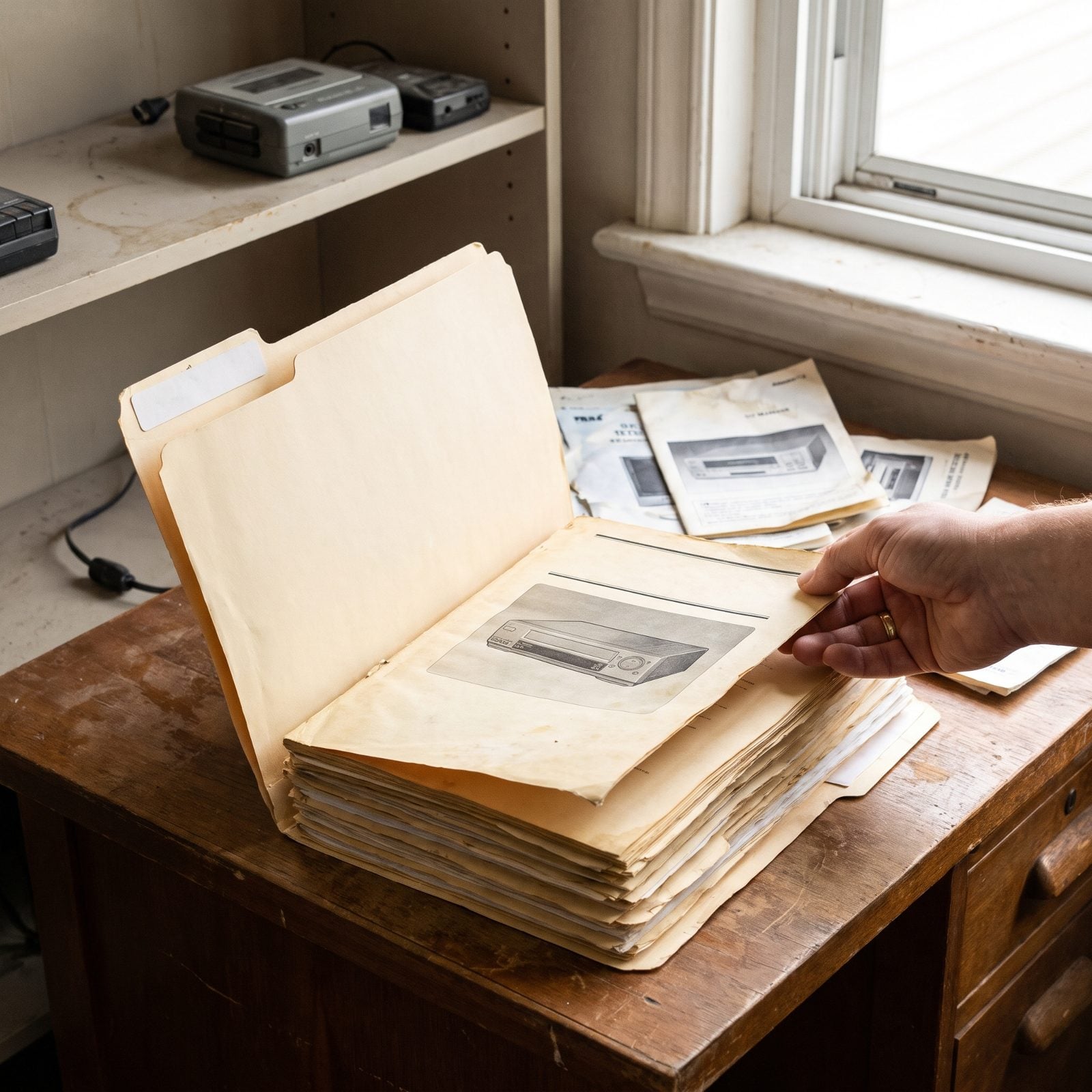
Half of them are for things long gone. A VCR. A dishwasher from two houses ago. The manual survives because filing it felt responsible, and tossing it felt like asking for trouble.
Nearly every manual ever printed now lives online as a free PDF. Search the model number, find it in under a minute, and let the drawer breathe.
12. Stockpiling Expired Canned Goods for the Apocalypse
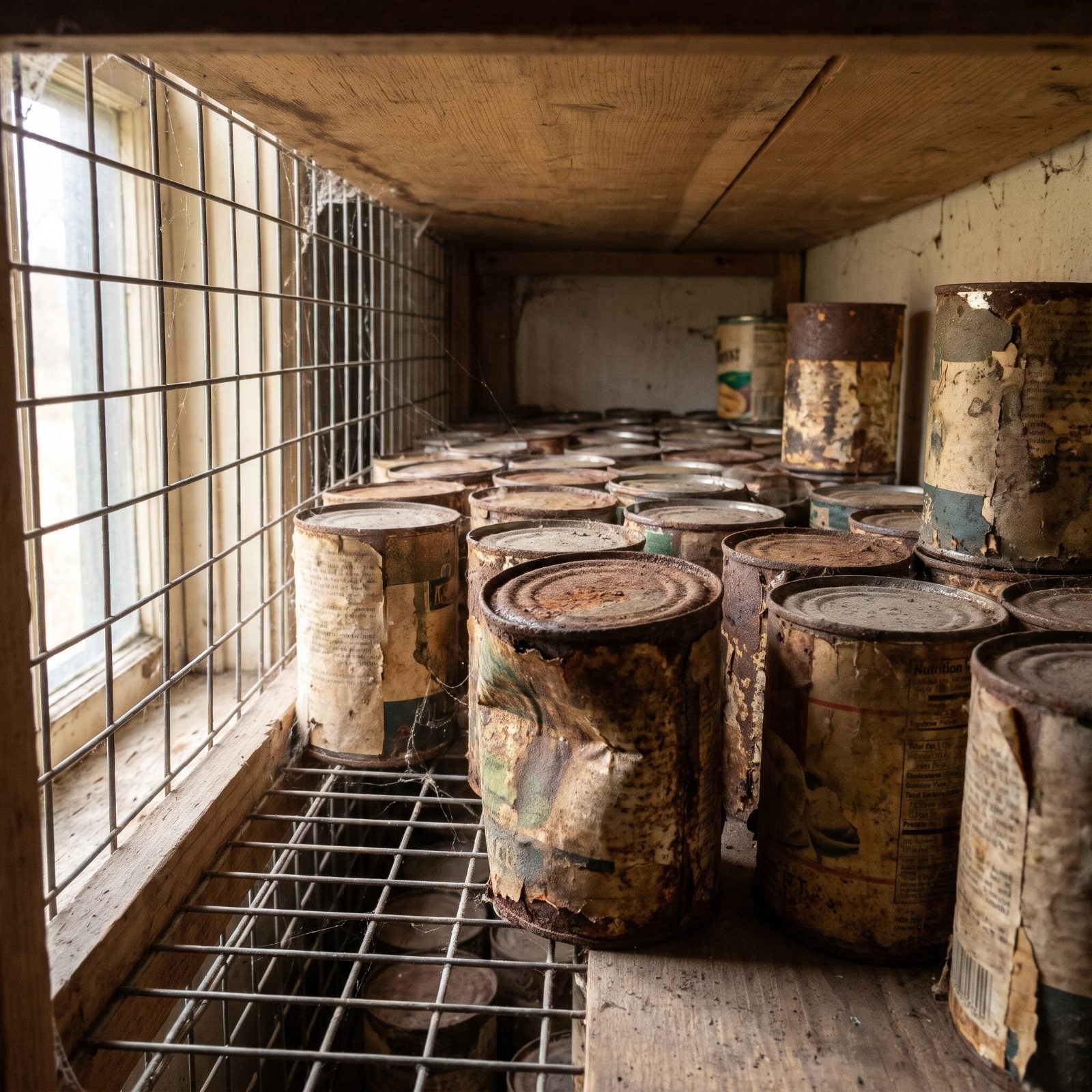
An emergency stash is smart. A rusting one is not. We kept adding cans and never rotating them, so the back of the pantry became a graveyard of beans from the Obama administration.
The fix is a habit, not a purge. Keep a reasonable reserve, eat the oldest first, restock as you go, and food that gets used never expires on a shelf.
11. Owning Three Whisks, Four Spatulas, and Two of Everything
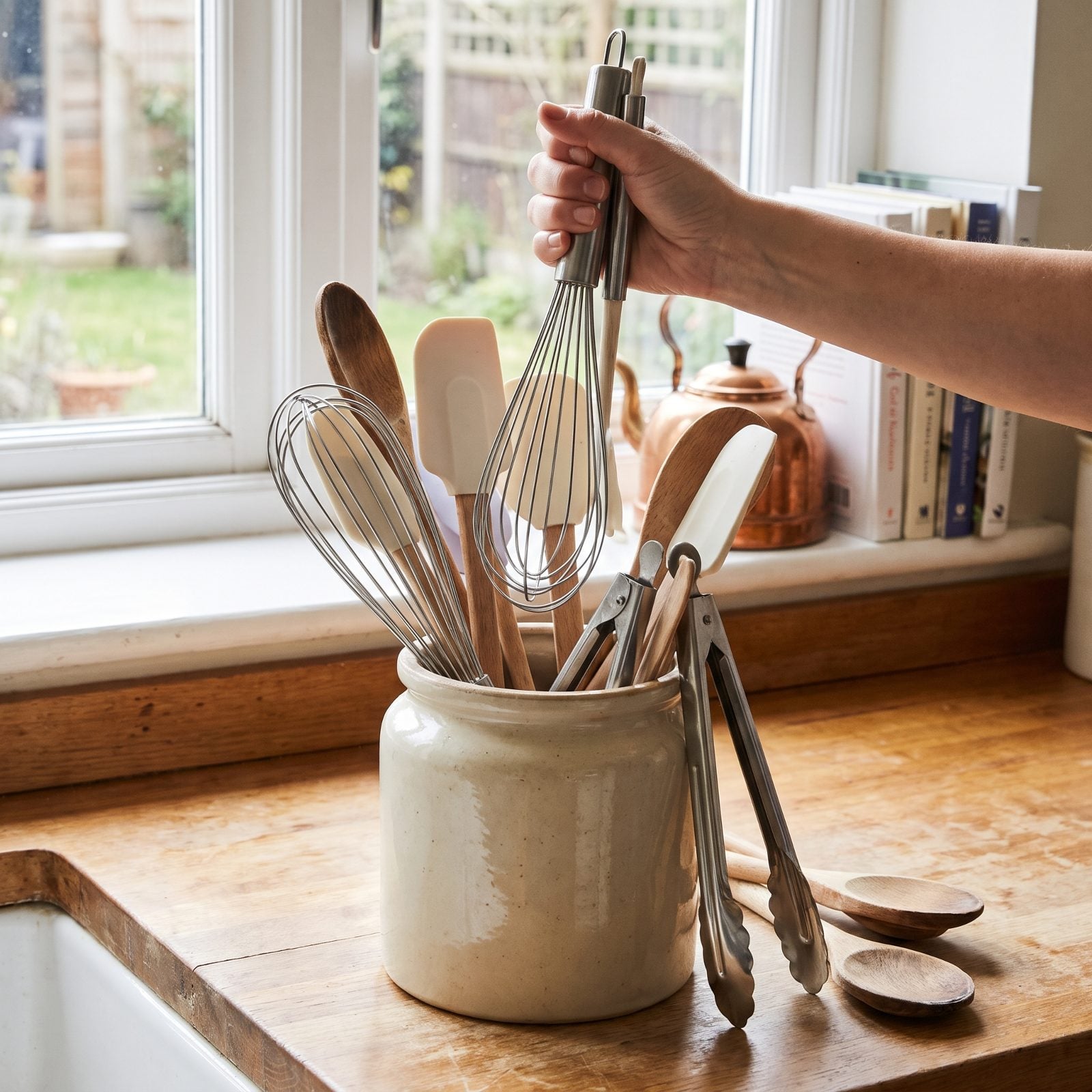
The utensil crock is a thicket. You reach for the whisk and pull out three. Somewhere along the way the kitchen accumulated a spatula for every conceivable job, and the drawer below won’t close because of the duplicates.
Most cooking runs on a handful of good tools: one sturdy whisk, one silicone spatula, one wooden spoon, maybe a slotted one. The rest is noise you have to shove aside to find what you actually use. Plenty of us kept four pizza cutters for a decade and own exactly one pizza stone. Make it make sense.
10. Crowding Every Surface With the Entire Heirloom Collection
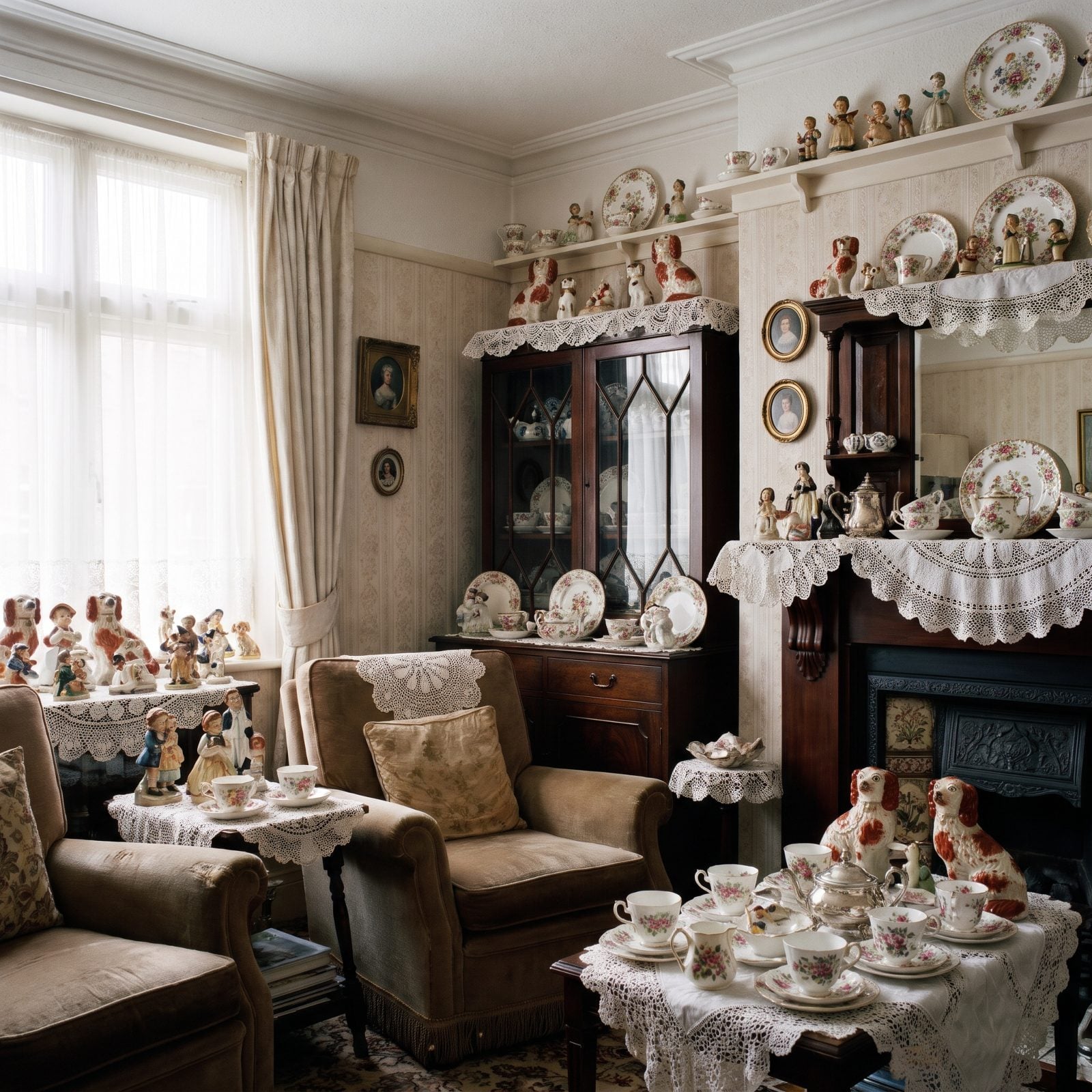
When everything is special, nothing gets looked at. We tried to honor every relative at once, and the result was a surface so crowded that Grandmother’s good teapot vanished into the crush.
Rotate a few pieces at a time and watch how your eye changes. One heirloom with space around it reads as a treasure. Twelve crammed together read as dusting you’ve been putting off.
9. Following Rigid Rules About Matching Furniture

The matched furniture set was a store’s idea of a finished room, never yours. Buy the sofa, the loveseat, and the two end tables that came shrink-wrapped together, and you end up with a living room that looks like it rolled off a showroom floor nobody actually lives on.
The better rooms break the rule on purpose. An oak table next to a painted teal one. A leather sofa facing a green velvet chair that has no business matching and looks all the better for it. What holds a room together isn’t matching wood tones — it’s a repeated color, a shared mood, a few things you genuinely like sitting near each other.
8. Owning Separate Linens for Every Holiday
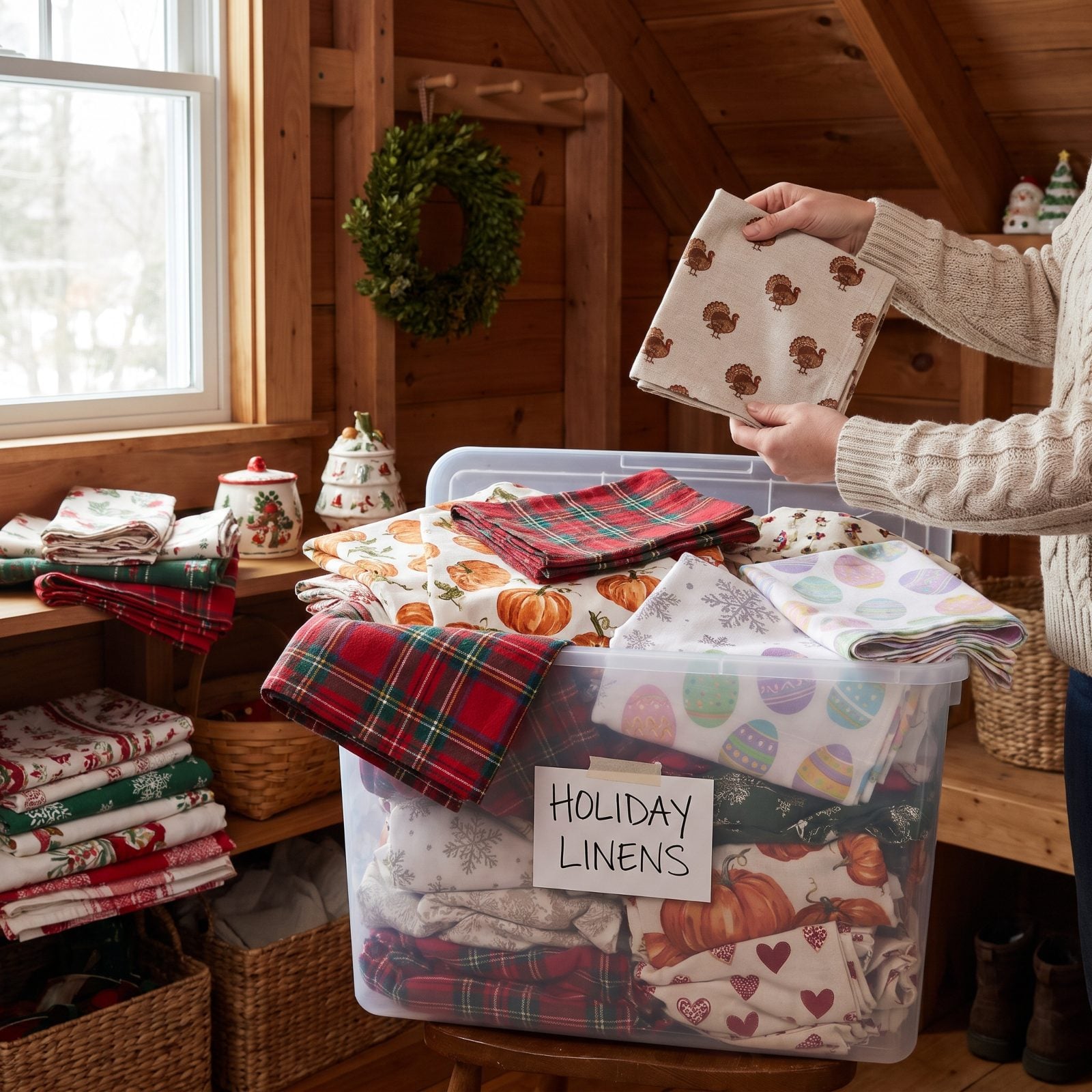
Somewhere in most houses there’s a bin of holiday linens. Turkey-print napkins used one day a year, a tablecloth covered in little hearts, shamrock placemats you forgot you owned until you tripped over the bin looking for the heart ones.
One run of good neutral linen does all of it. Natural flax, oatmeal napkins, a cream runner — you dress it up with whatever’s already seasonal: the food, a few candles, whatever’s blooming or turning color outside. The cloth stays out of the way and earns its shelf space every single month instead of sitting folded for eleven-twelfths of nothing.
7. Keeping Curtains Closed to Protect Furniture
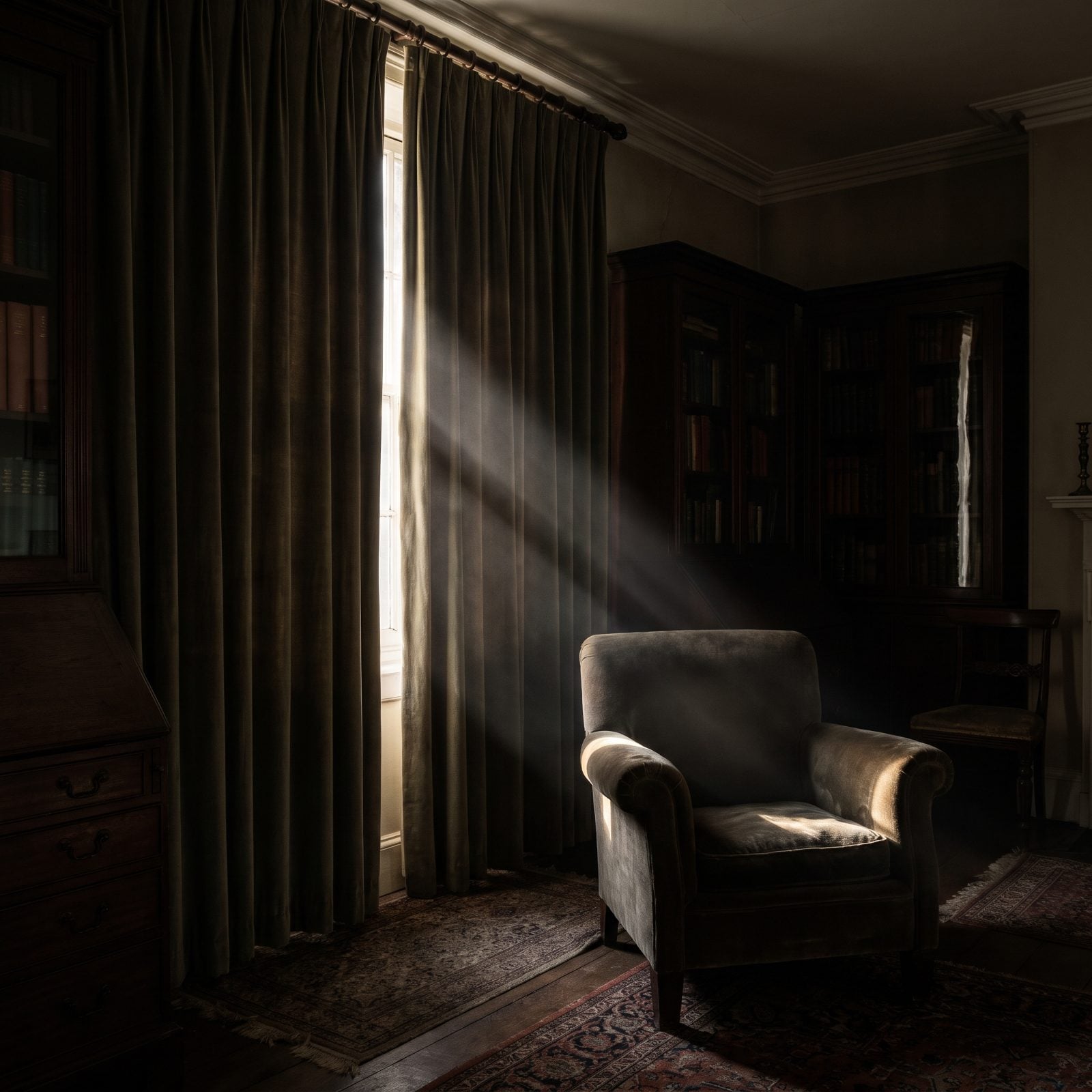
Plenty of us grew up in a house where the good room sat dark all day to save a sofa nobody was allowed to sit on. The fabric survived. The room died.
Sunlight does fade textiles — that part is real. But living in a cave to protect furniture you can’t enjoy is a lousy trade. Sheer linen panels cut the harshest rays without killing the light, and UV-filtering window film blocks most of what causes fading while staying completely invisible. Honestly? A little honest wear on a chair you actually use beats a mint-condition one smothered in plastic.
6. Storing Heavy Items on High Shelves
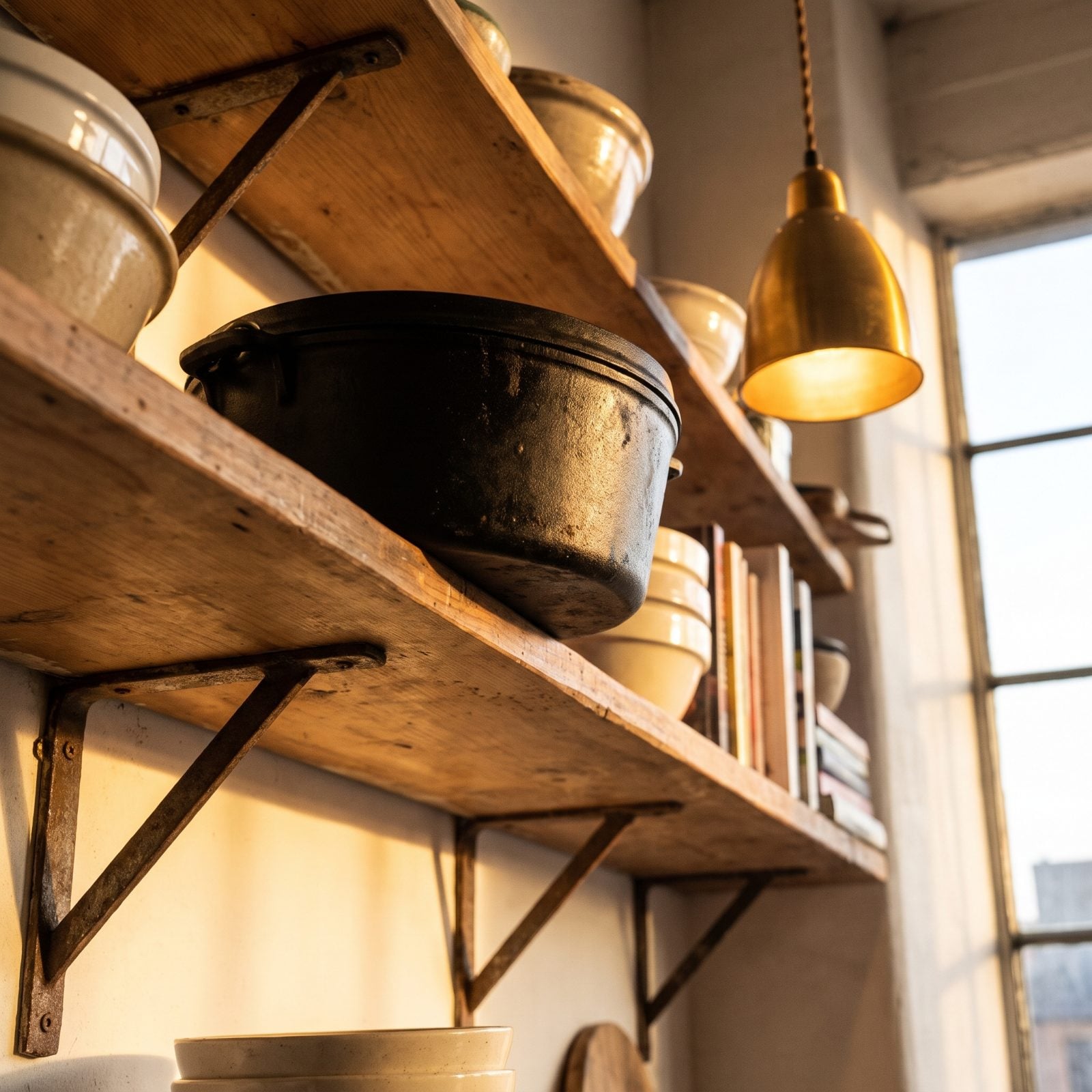
The cast-iron pot on the top shelf is an accident waiting to land on your head, and so is the stand mixer above the fridge and the full stock pot over the stove.
The fix is boring, and it’s the right one. Heavy things go low, light things go high. Cast iron and mixing bowls at waist level; the straw basket and empty vases up top, where a slip costs you nothing. No stool, no overhead reach, no catching twelve pounds of enamel on your way down. Rearranging a few shelves takes an afternoon and saves you a trip to the ER you really don’t want to take.
5. Maintaining a Lawn That Demands Constant Attention

A lawn is the most demanding thing most people grow, and the least rewarding. Mow it weekly, water it, feed it, fight the weeds — and your reward is a flat green rectangle that asks you to do it all again next Saturday.
Plenty of folks past 50 are quietly shrinking the grass. Native prairie plantings, gravel paths, clover and wildflower borders that feed the bees and mind themselves. You still get green, and you still get open space to sit in. You just stop being its full-time employee.
4. Buying Cheap Replacements Instead of One Durable Item
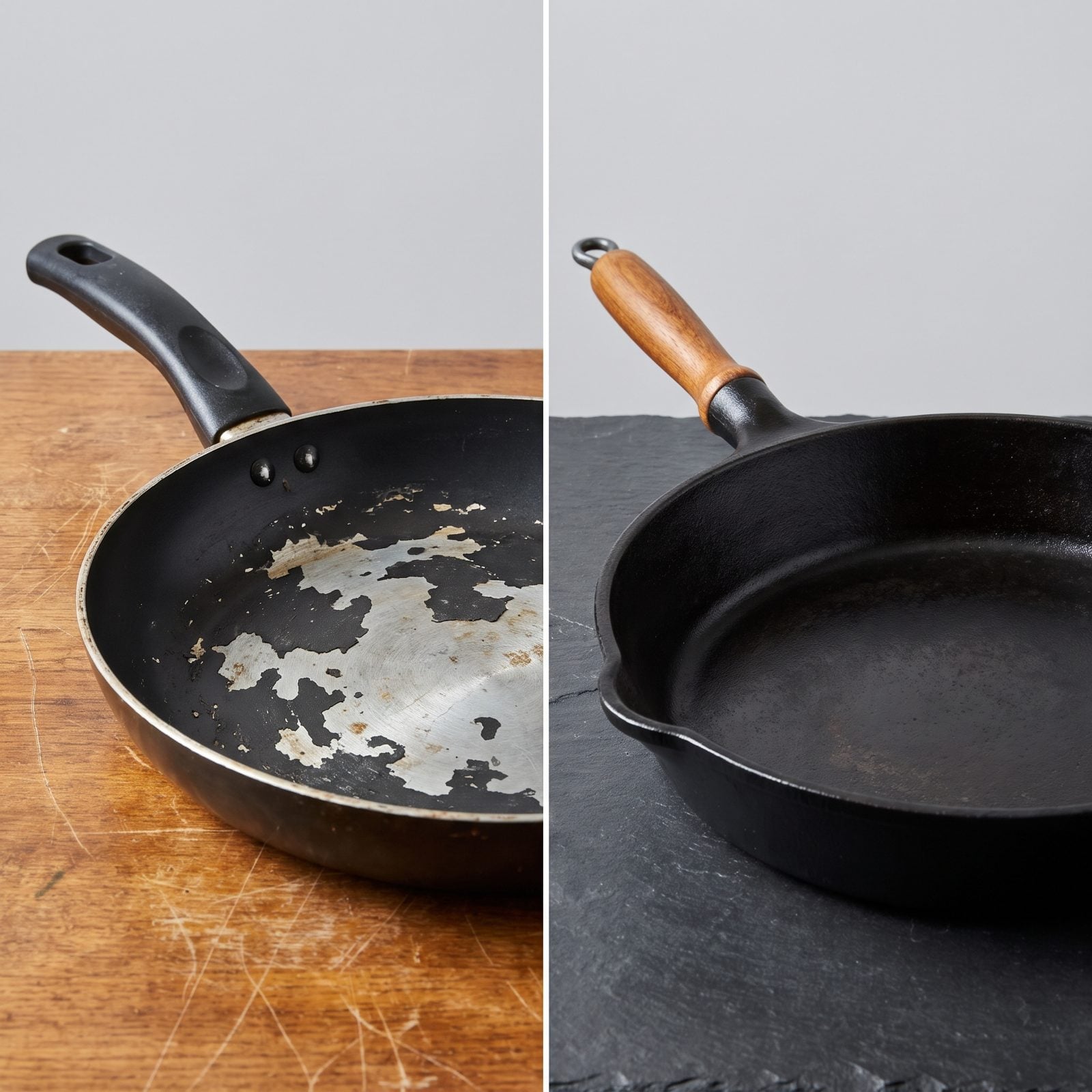
Cheap is expensive twice. Once at the register, and again in a year when the nonstick peels, the plastic broom splits, and the colander cracks in the sink. So you buy it again. And again.
A carbon-steel skillet outlives three flimsy pans and cooks better every year it’s used. A wood-handled broom with real bristles is still sweeping long after the plastic one hit the trash. The up-front number stings once and then never stings again. Buy the thing you’ll keep for twenty years, and it quietly costs less than the thing you replace four times.
3. Maintaining Collections That No Longer Bring Joy
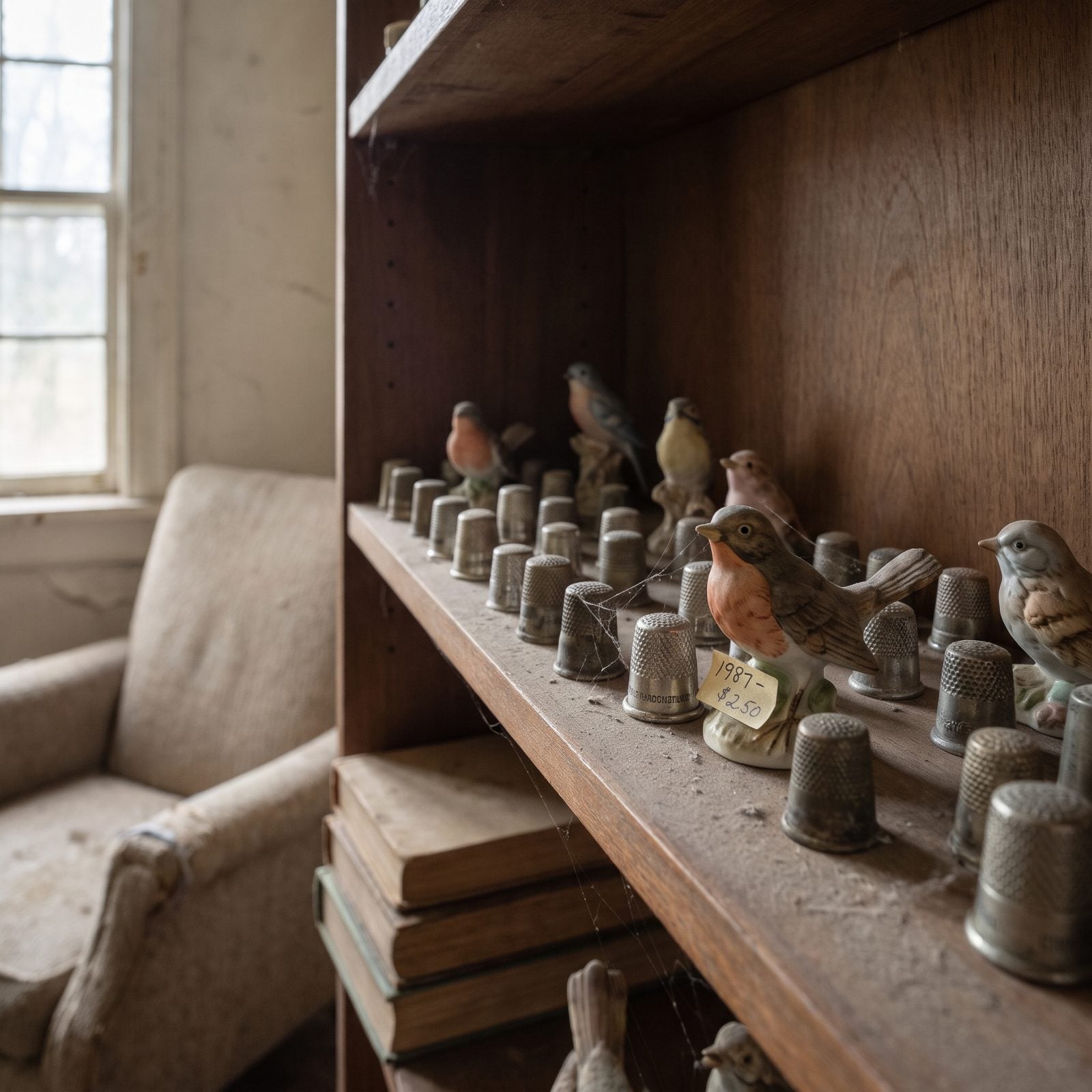
The thimbles. The commemorative plates. That shelf of porcelain birds you started collecting in 1987 and haven’t actually looked at since 1994.
A collection is supposed to be a pleasure. Once it curdles into a dusting chore and a little knot of guilt, the thrill is long gone and only the obligation remains. You don’t owe the figurines a home for life. Keep the few that still make you smile, give the rest to someone who’ll love them or a shop that’ll sell them, and let the shelf breathe.
The things you keep should earn their place by being wanted, not by having once been bought.
2. Doing Every Household Task Personally

There’s a stubborn pride in doing it all yourself — the cleaning, the yard, the groceries, the repairs, the big holiday meal start to finish with nobody else allowed in the kitchen. We get the pride. We also think it’s a trap.
Let a robot vacuum handle the floors. Book a cleaner once a month. Have the groceries delivered on a rough week. None of it means you’ve lost a step — it means you’d rather spend your hours on things you actually want to do. Handing off the dull stuff isn’t surrender. It’s good math on a finite number of afternoons.
1. Treating Rest as Something Earned After Every Chore

The old rule was simple and punishing: no sitting down until everything’s done. Rest was a reward you clocked in for, and the list never ended, so the reward never came.
But here’s the quieter truth a lot of people stumble onto eventually. The dishes will wait. The laundry isn’t going anywhere. You’re allowed to sit with a cup of tea at eleven in the morning with the kitchen half-done, and the sky does not fall. Rest isn’t the prize you win at the end of the chores — it’s a thing you’re permitted to do any time you please. Go sit down.