
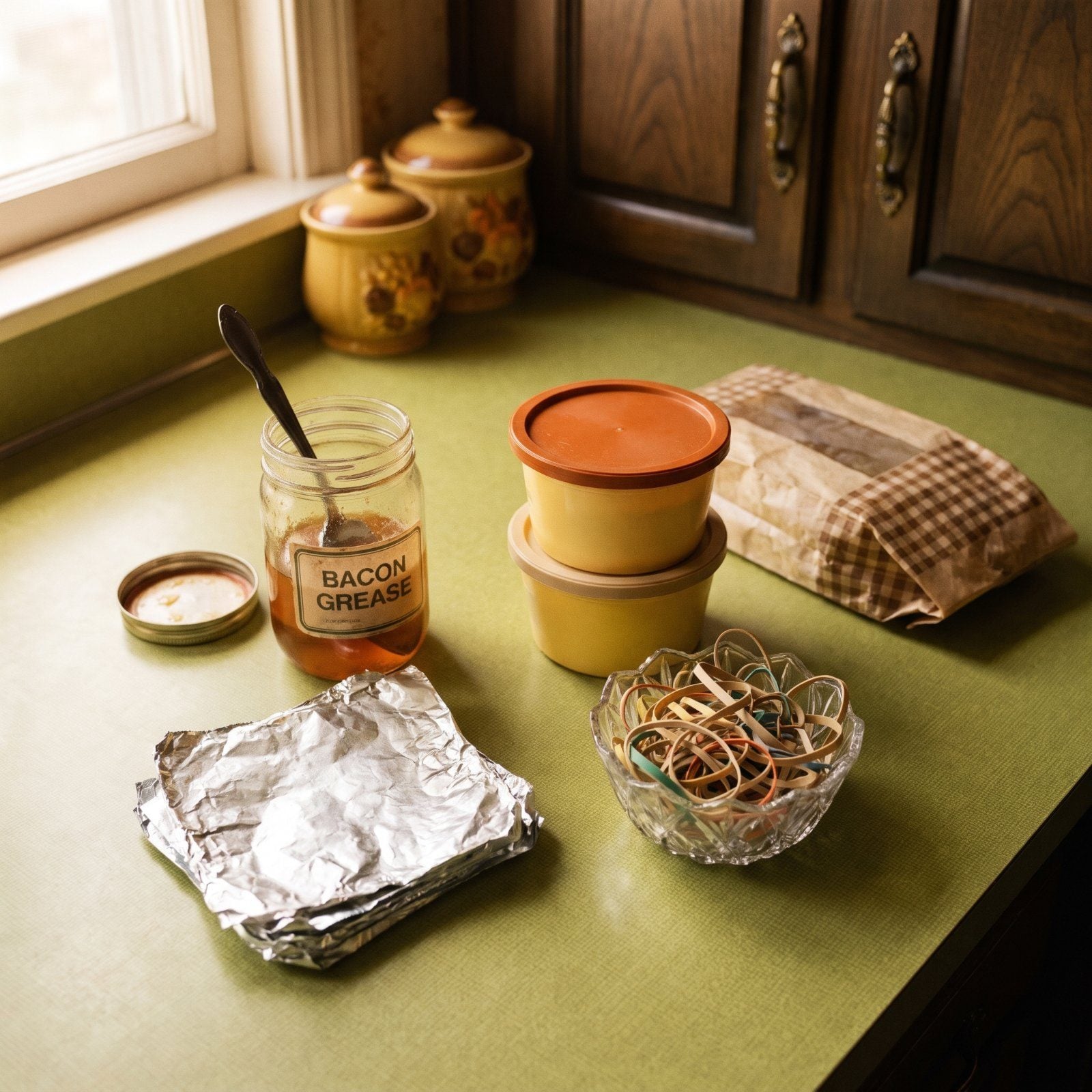
There was a grease jar on nearly every stove in America, and nobody thought twice about it. Behind that jar sat a whole economy of small habits, the kind that never make it into history books because they were too ordinary to record. People walked across the room to change the channel. They knew their best friend’s phone number cold. They washed foil and hung it to dry like a dish towel, and none of it felt remarkable at the time. Then convenience showed up, quietly swallowed every one of them, and we forgot we ever lived differently. Here’s what vanished, and why some of it was worth keeping.
Please note that some of the images in this article were created with the assistance of AI.
30. Walking Across the Room to Change the Channel by Hand
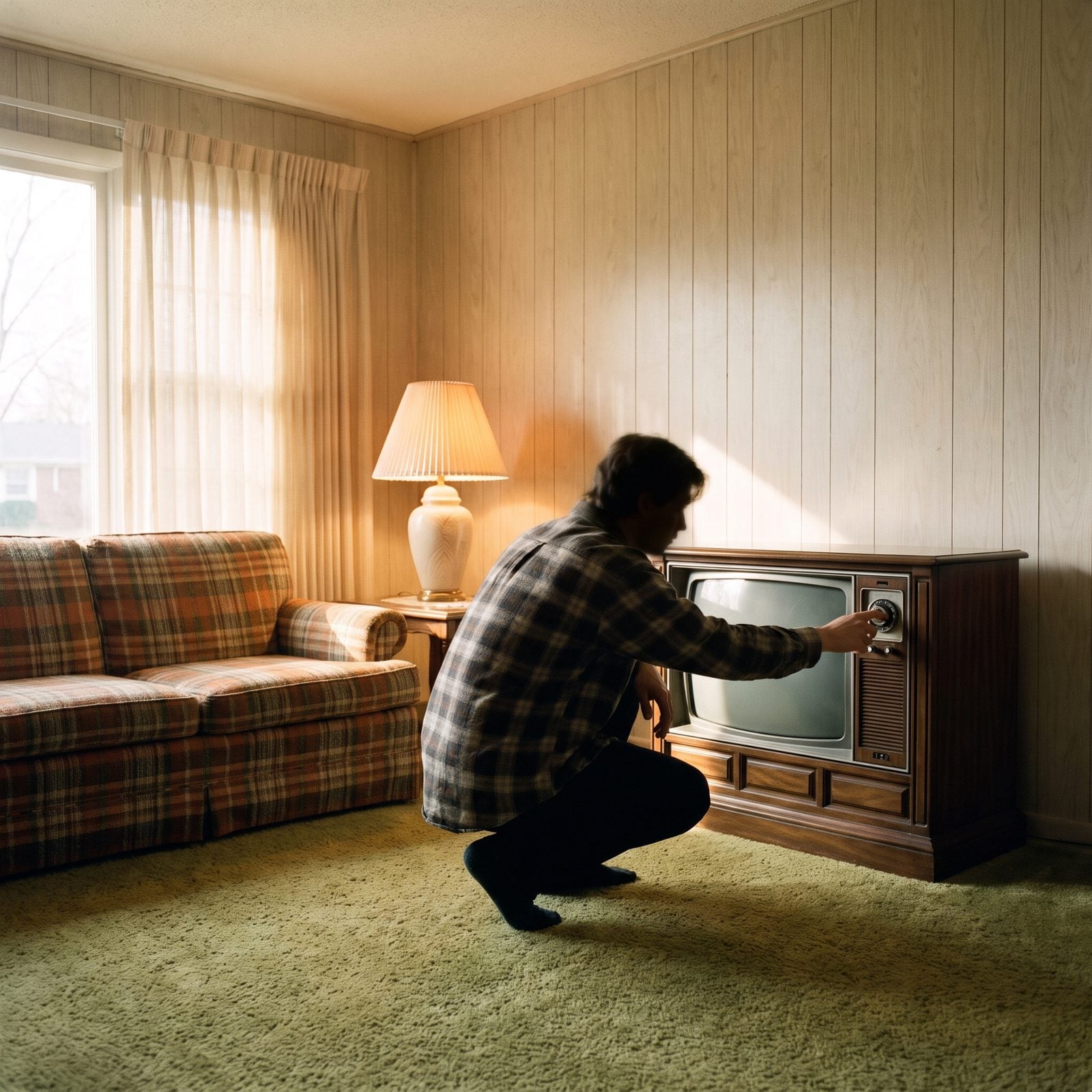
The TV had about four channels and a dial that clicked like a safe. Want to see what else was on? You got up. Every single time.
That small walk across the carpet quietly rationed television, because you didn’t flip idly through forty options when flipping meant standing, crossing the room, and squatting in front of the set. Changing the channel was a decision, not a reflex.
29. Wrestling the Rabbit Ears Until the Picture Cleared
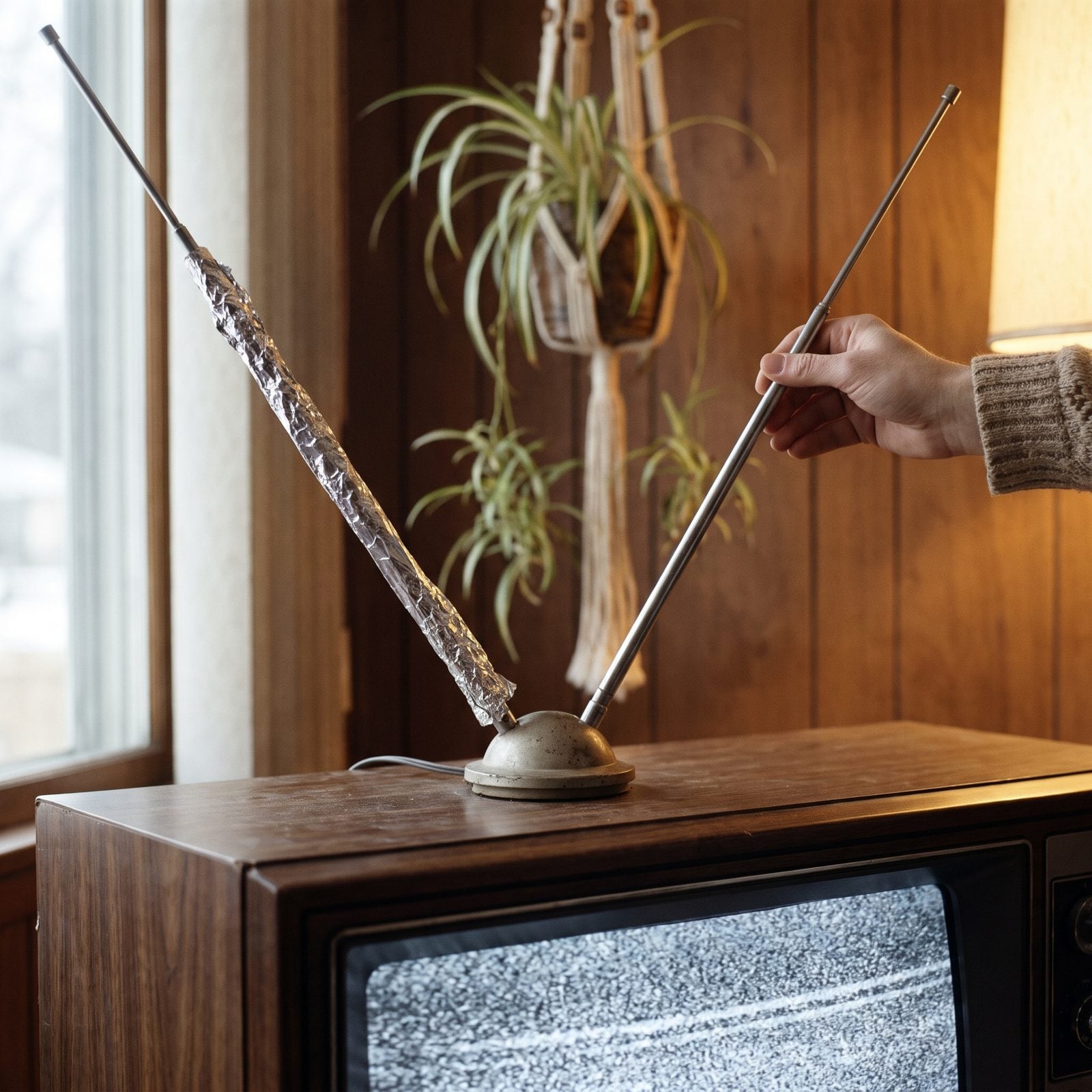
The foil on the antenna tip wasn’t a myth. People genuinely wrapped the rabbit ears in aluminum foil because it sometimes grabbed an extra bit of signal.
Getting a clean picture was a hands-on negotiation. You’d stretch one rod toward the window, angle the other at the ceiling, then freeze in whatever ridiculous pose happened to kill the static — and the second you let go, the snow came back. Sometimes you stood there holding the antenna through an entire program like a human aerial.
28. Picking Up the Wall-Mounted Rotary Phone in the Hallway
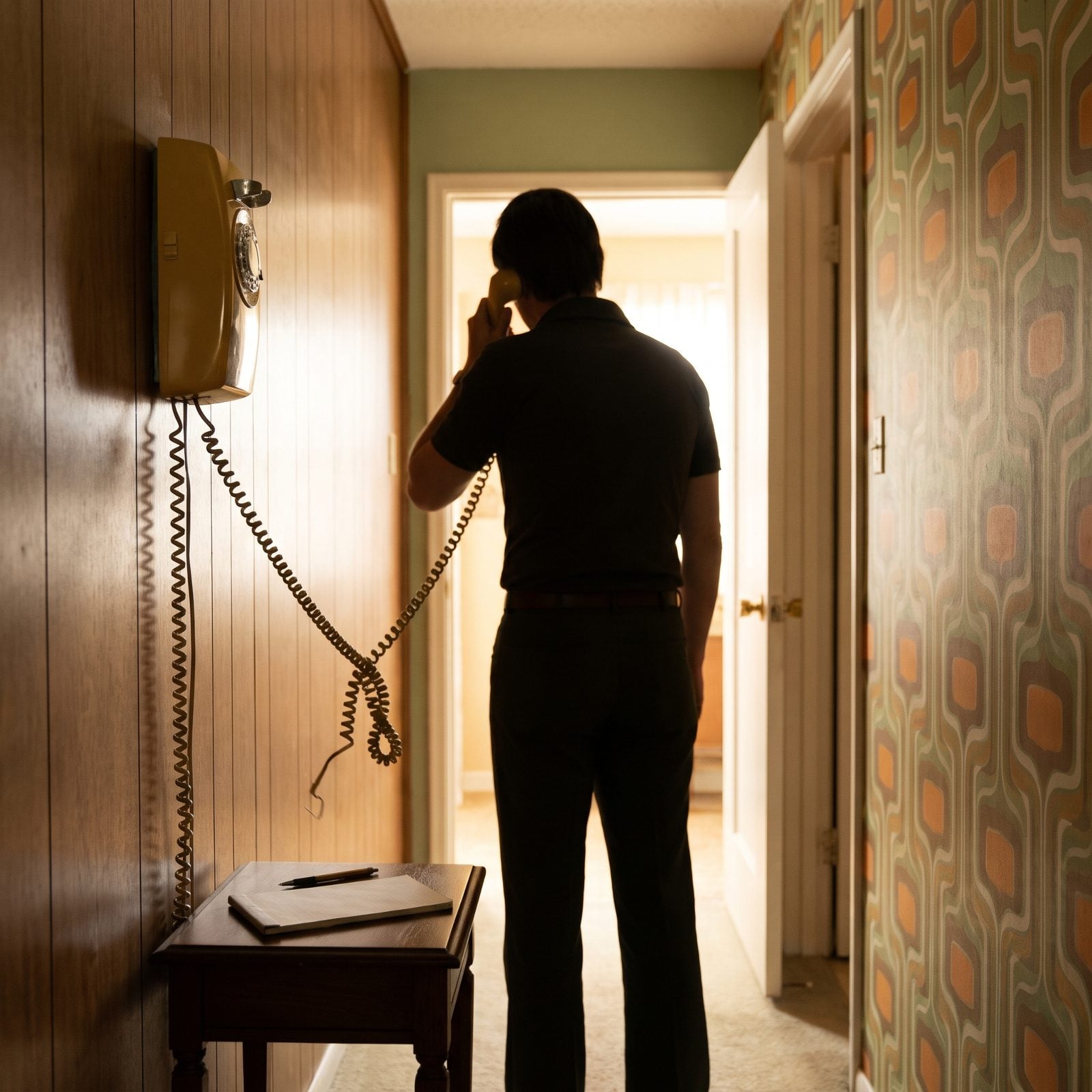
The phone lived in one spot, usually the hallway or kitchen, bolted to the wall where everyone could hear your business.
That coiled cord was the whole drama of it. You could stretch it just far enough to lean into a closet or sit on the bottom stair for privacy, and it would spring back the instant you relaxed. No taking the call to your room. The phone was a fixed place, and a conversation meant going to it and standing there, tethered.
27. Knowing a Dozen Phone Numbers Entirely by Heart
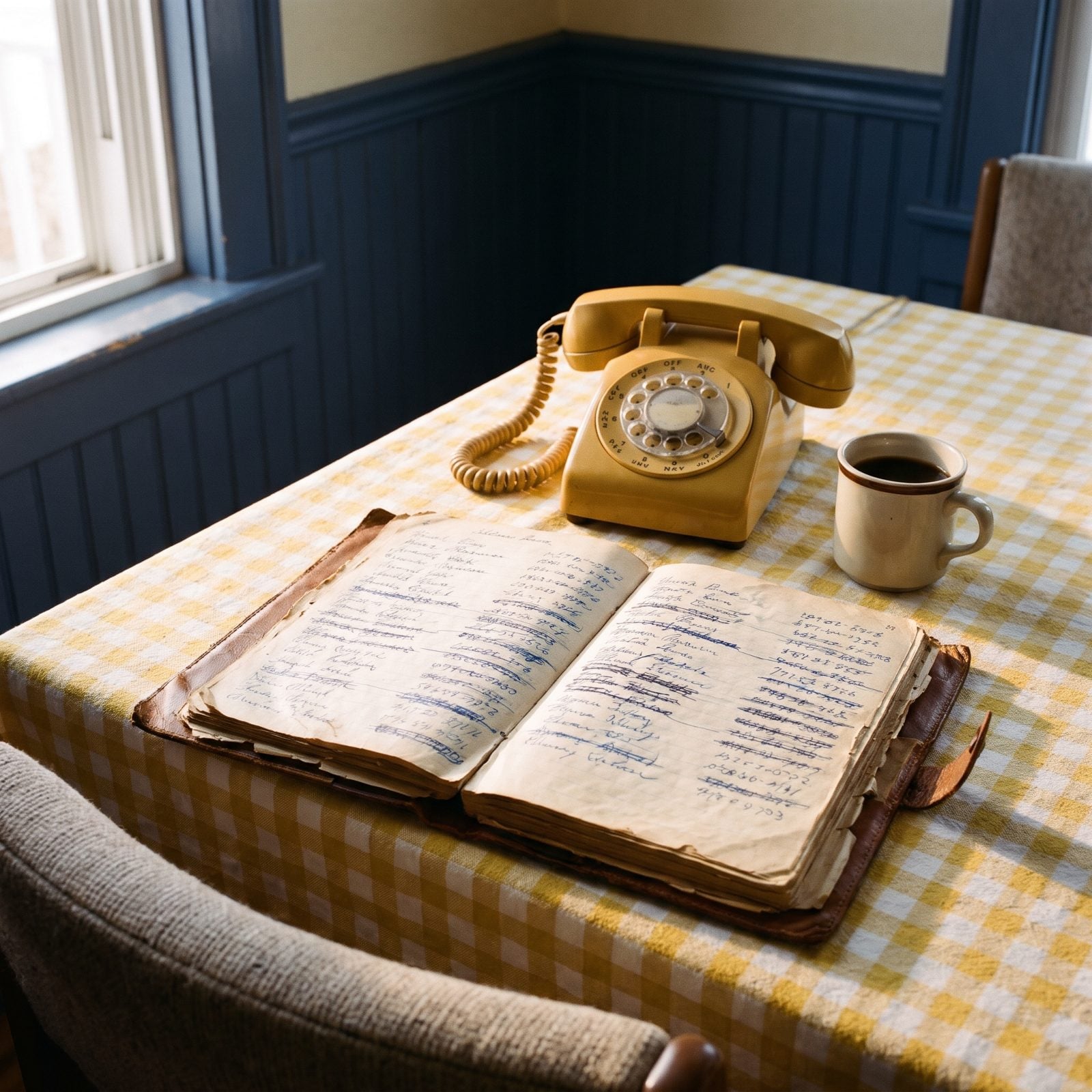
You carried the numbers that mattered most around in your head. Grandma’s number, your best friend’s, the pizza place — memorized. Everything else lived in a dog-eared address book beside the phone, crossed out and rewritten over the years.
Dialing was repetition, and repetition carves grooves. After enough rotary spins, your finger knew the pattern before your brain did. Ask someone over sixty for their childhood phone number and watch it come out instantly, fifty years later, still intact. We handed that memory to our phones, and now most of us can’t recall a single number.
26. The Jar of Pennies Kept Ready for the Phone Booth
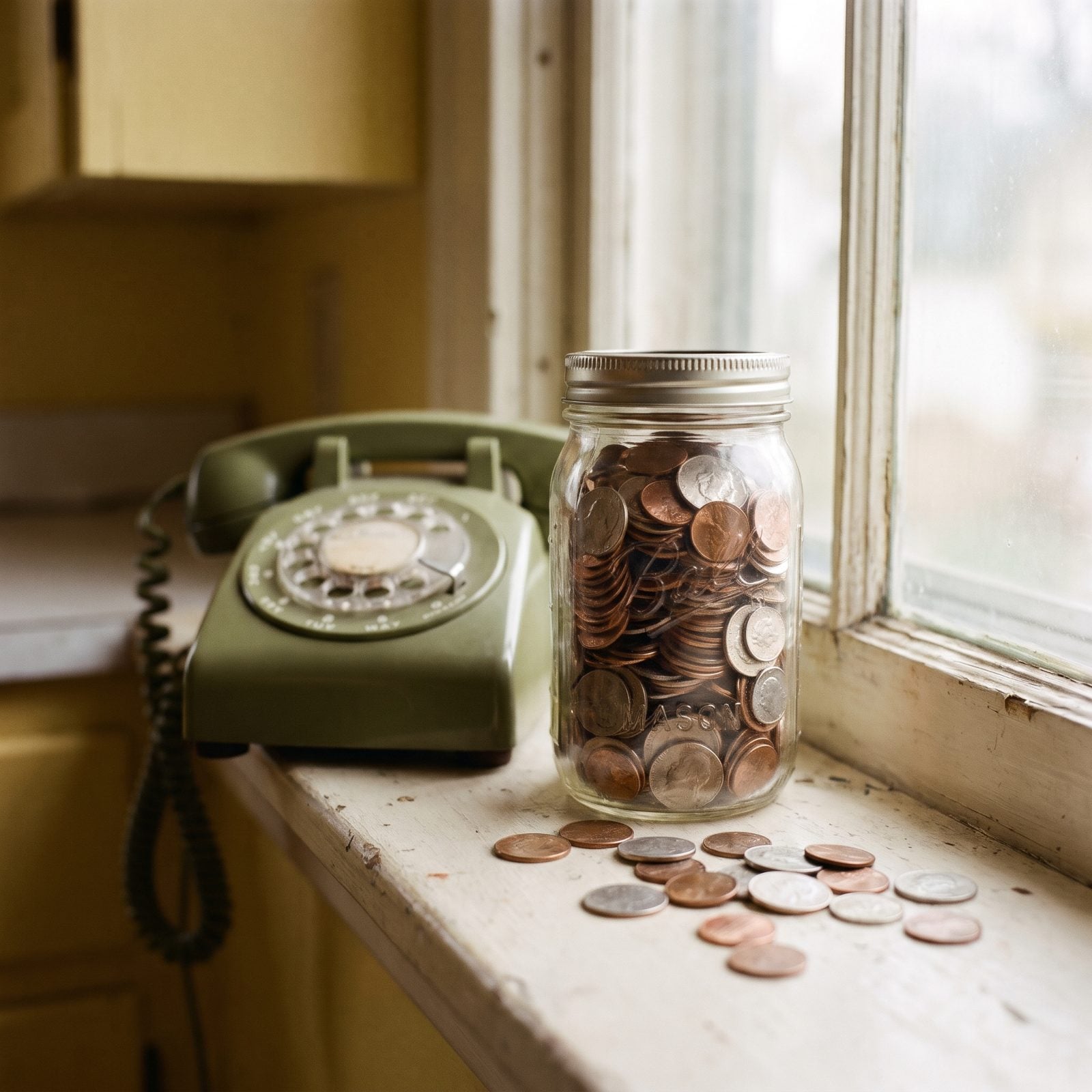
Before you left the house, you grabbed a handful of change. Not for a snack. For the phone booth, in case you needed to call home.
A payphone call cost a dime for most of the decade, and the booth was your only lifeline once you were out the door. Parents sent kids off with coins and a firm instruction: call if plans change. That jar of loose change by the door was an emergency system, a safety net made of copper and nickel.
25. Glass Milk Bottles Waiting on the Front Step at Dawn
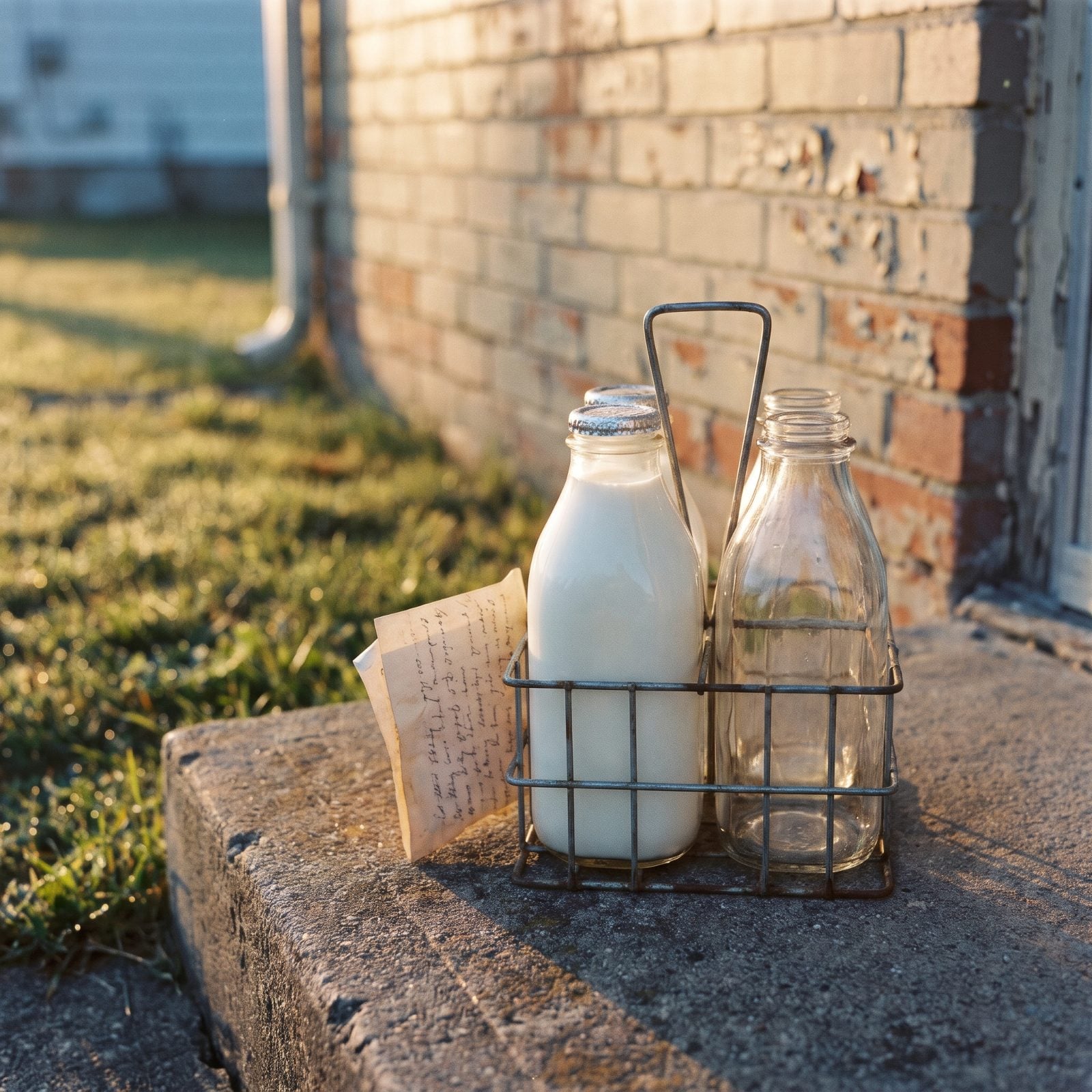
The clink of bottles on the step was a sound people woke up to. The milkman had already been and gone before most of the house stirred.
Here’s the clever part nobody mentions: the whole thing ran on returned glass. You rinsed the empties, set them out, and the same bottles came back washed and refilled — a closed loop decades before anyone used the word recycling. Cheaper milk, no plastic, cold on the step by sunrise.
24. The Coffee Can of Bacon Grease by the Stove
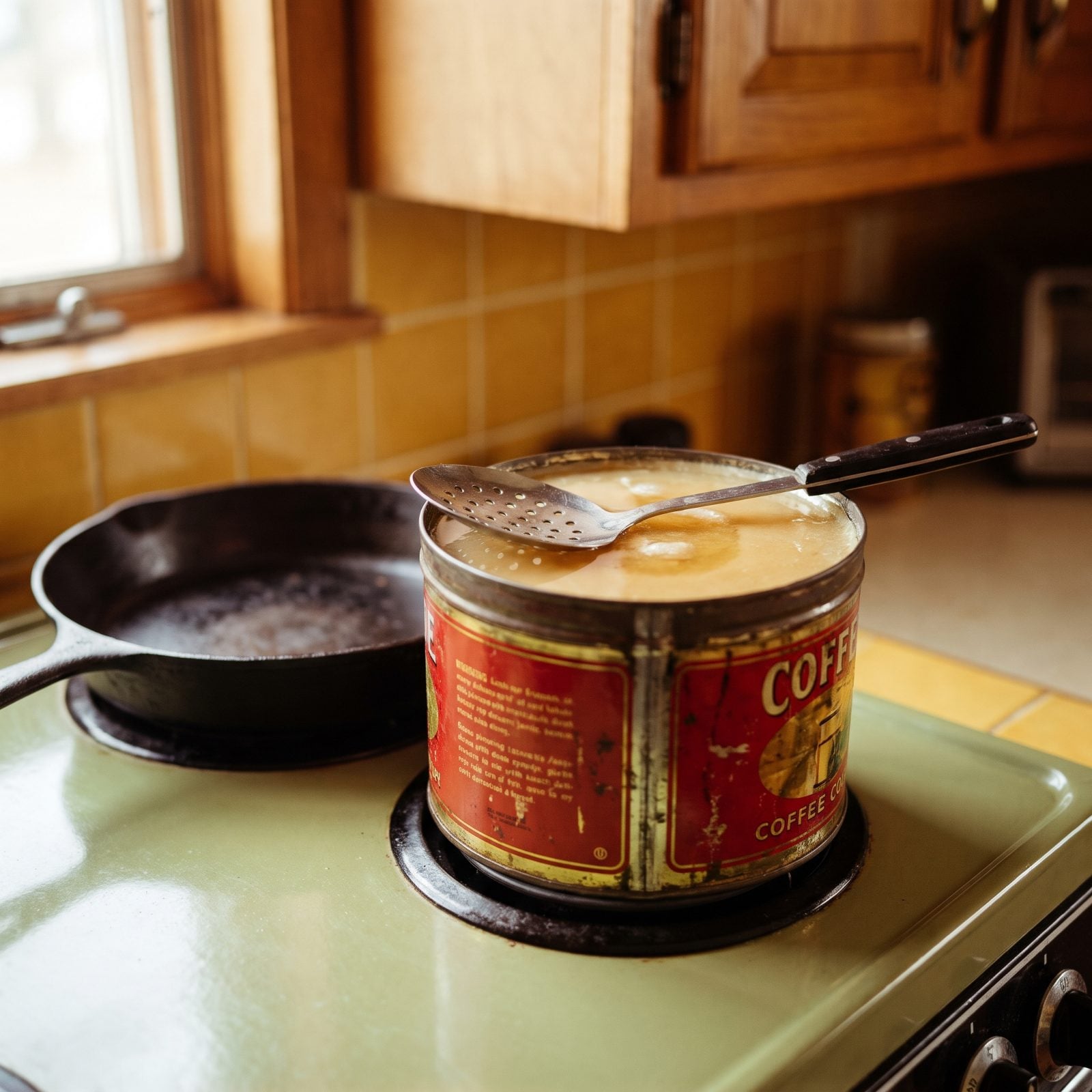
Every stove had one. A can or crock of bacon grease, set right on a burner and warmed until it melted to a golden liquid, spooned into the pan for frying eggs, greens, cornbread, almost anything.
Throwing out bacon fat would have struck people as wasteful and a little insane. That grease was flavor you’d already paid for, and it fried potatoes, started gravy, and seasoned a cast iron skillet without a drop going down the drain.
Then nutrition advice turned on animal fat hard, and the can quietly disappeared from most kitchens. Funny thing is, plenty of serious cooks have brought it right back.
23. Washing and Reusing Aluminum Foil Until It Gave Out
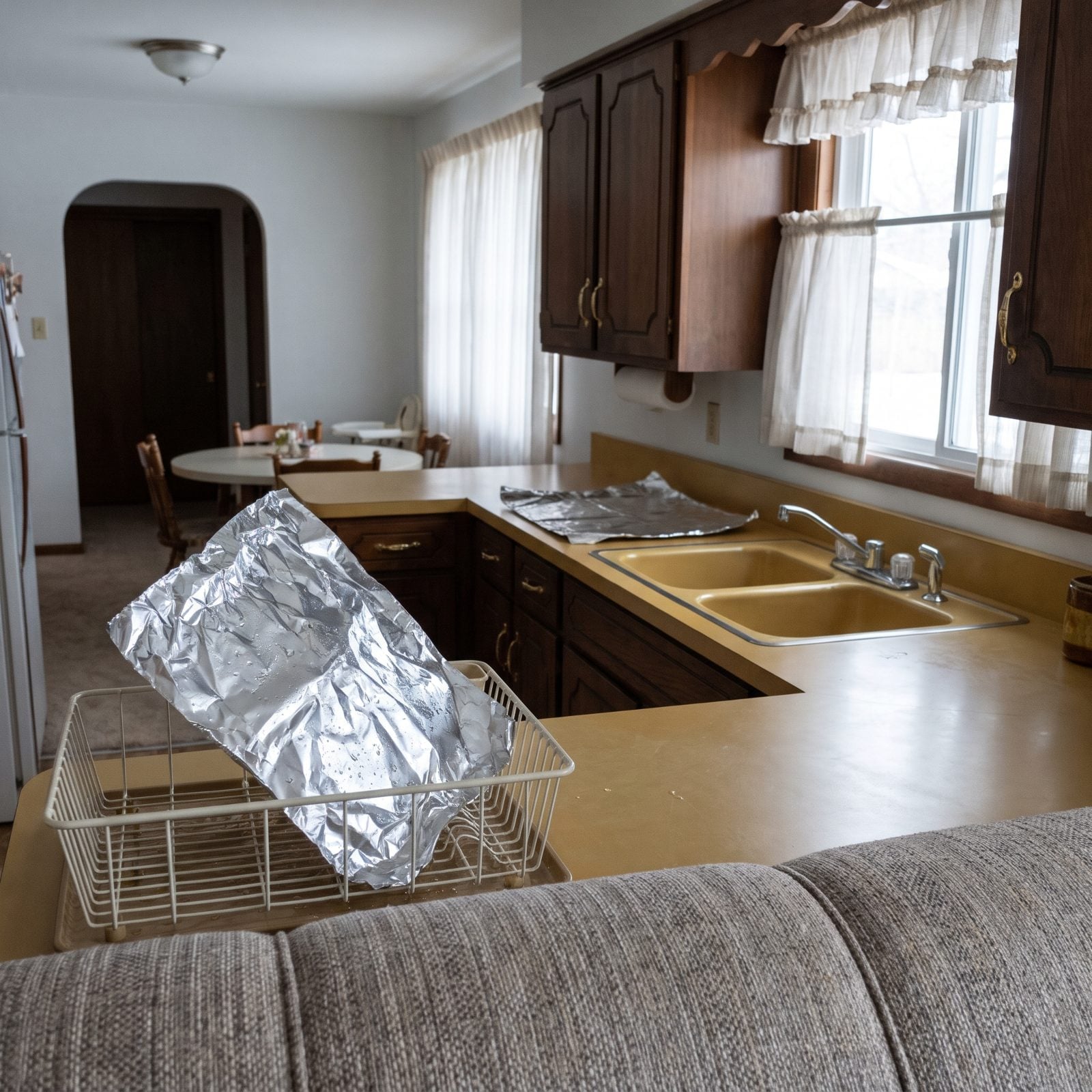
Foil got a second life, and a third. You wiped it clean, maybe ran it under the tap, smoothed out the wrinkles, and folded it away for next time.
This came straight from people who’d lived through the Depression and the war, when nothing got thrown away once if it could be thrown away twice. A single sheet might cover three different casseroles over a month before it finally tore too badly to use. Cheap foil eventually made the washing feel pointless — but the thrift instinct behind it was dead serious.
22. The Fridge Full of Margarine Tubs Holding Yesterday’s Dinner
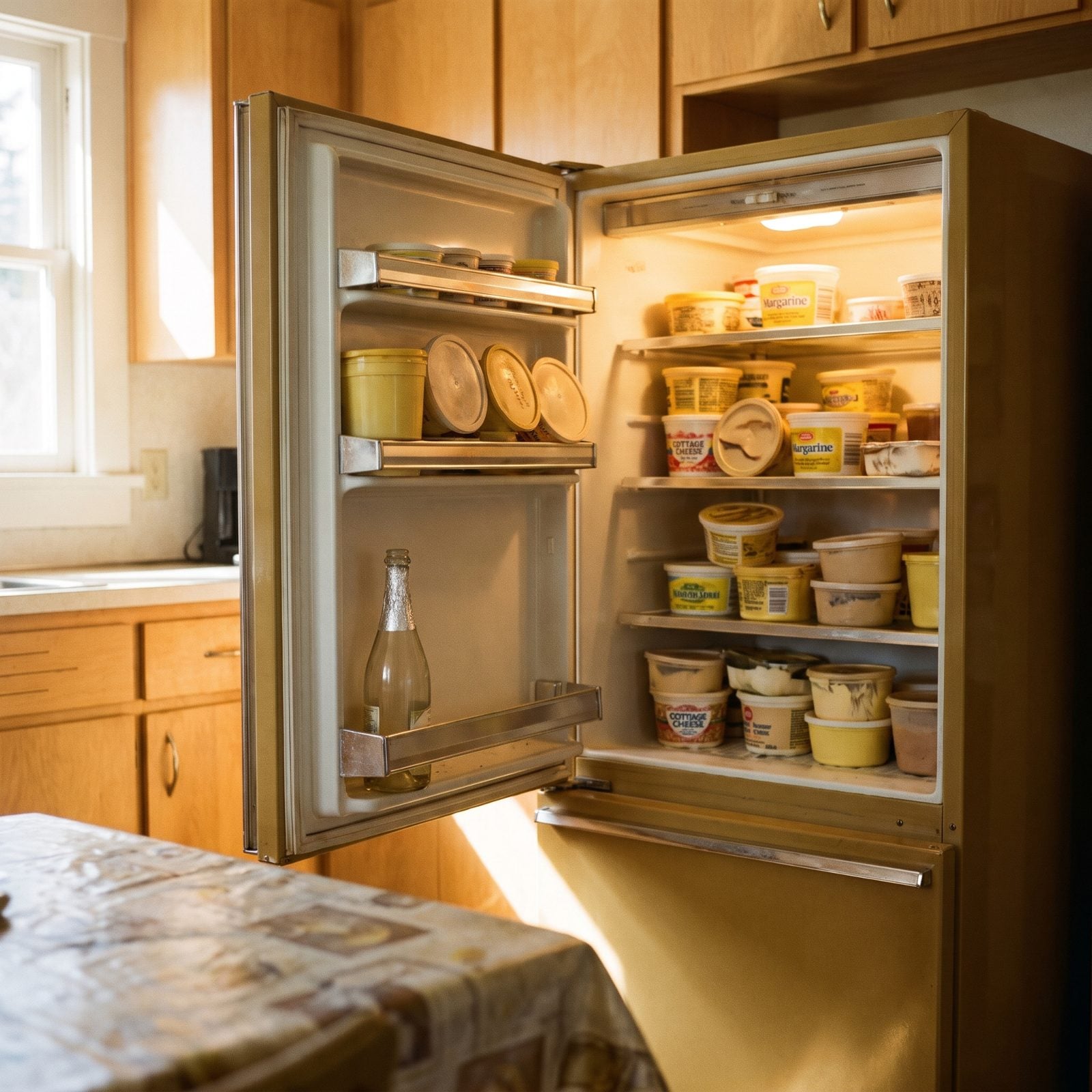
You opened the fridge expecting margarine. You got last night’s chili. The tub lied, and everyone knew it would.
Cottage cheese containers, margarine tubs, whipped topping bowls — all of them got rinsed and promoted to permanent leftover duty. Free storage that arrived with the groceries. The catch was that nothing was ever what the label said, so dinner became a small guessing game of popping lids until you found the one you actually wanted.
21. The Drawer That Held Every Rubber Band, Twist Tie and Bread Bag
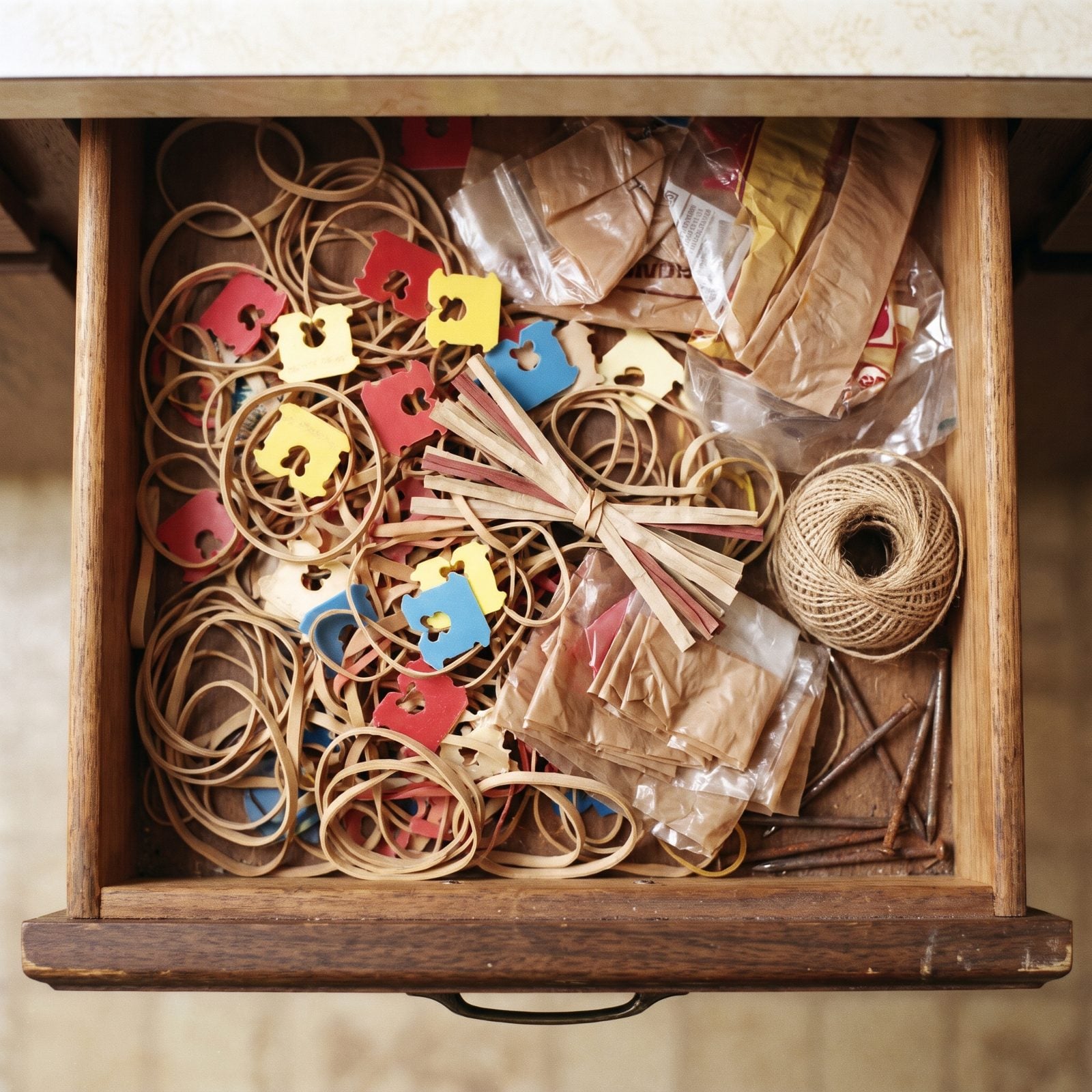
Somewhere in the kitchen was the drawer. Rubber bands, twist ties, those little plastic bread clips, saved bread bags, a knot of string. Everybody had one.
The thinking was airtight. All of it arrived free, all of it was useful eventually, so why would you throw any of it away? A twist tie kept a cord bundled, a bread bag lined the trash or wrapped a sandwich, and the rubber band around the morning paper went straight into the pile.
Most homes still have a version of this drawer, which tells you some of these habits never really vanished. They just stopped being something anyone thought worth mentioning.
20. Darning Holes in Socks Instead of Tossing Them
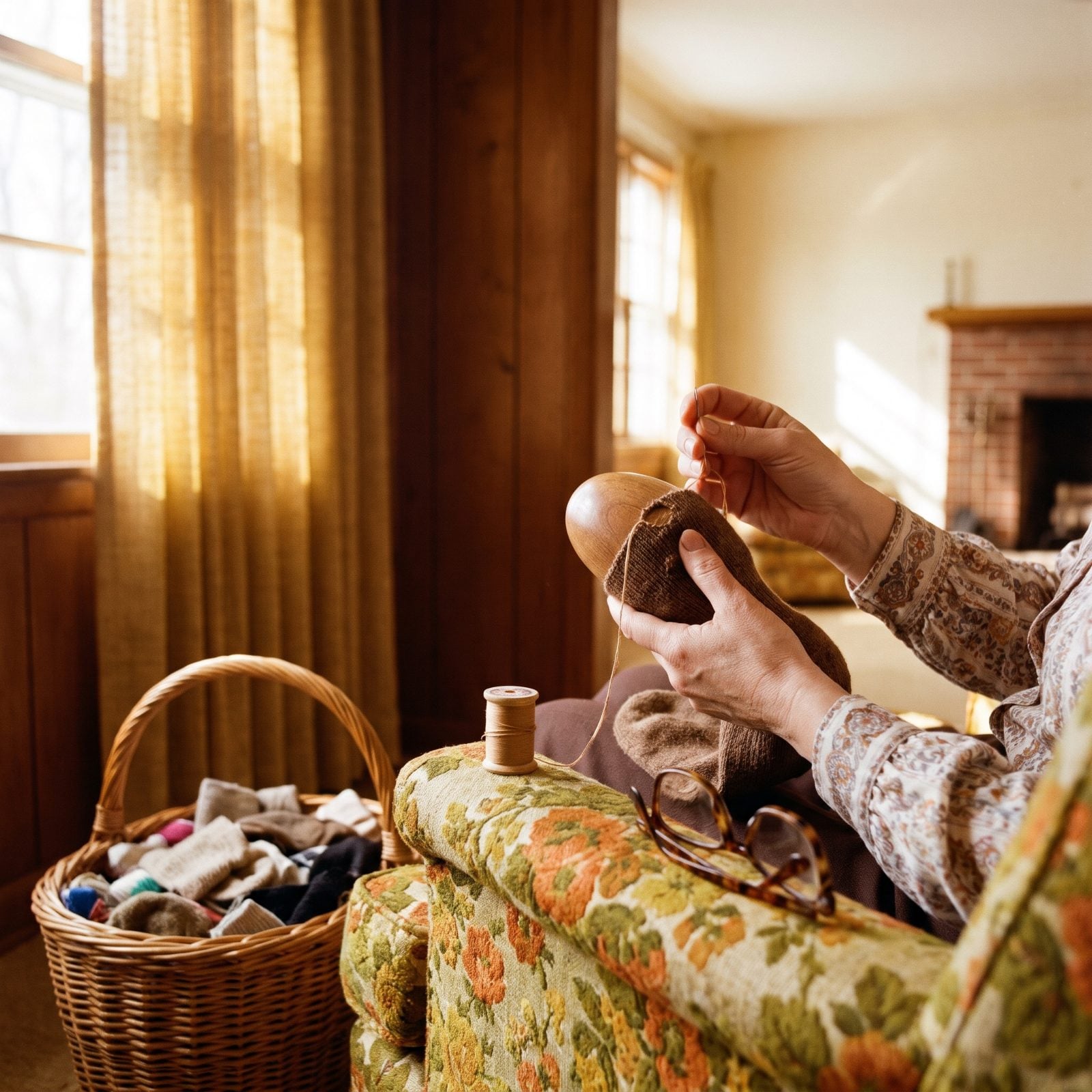
A darning egg was a wooden mushroom you slipped inside a sock to hold the heel taut while you rewove the hole shut. Not glamorous work. A decent pair of wool socks cost real money, though, and a hole the size of a dime didn’t mean the end.
What vanished wasn’t the skill so much as the math. Socks got cheap, and a multipack now runs less than the thread and twenty minutes it takes to fix one. So we quit.
19. Mending Clothes on the Home Sewing Machine
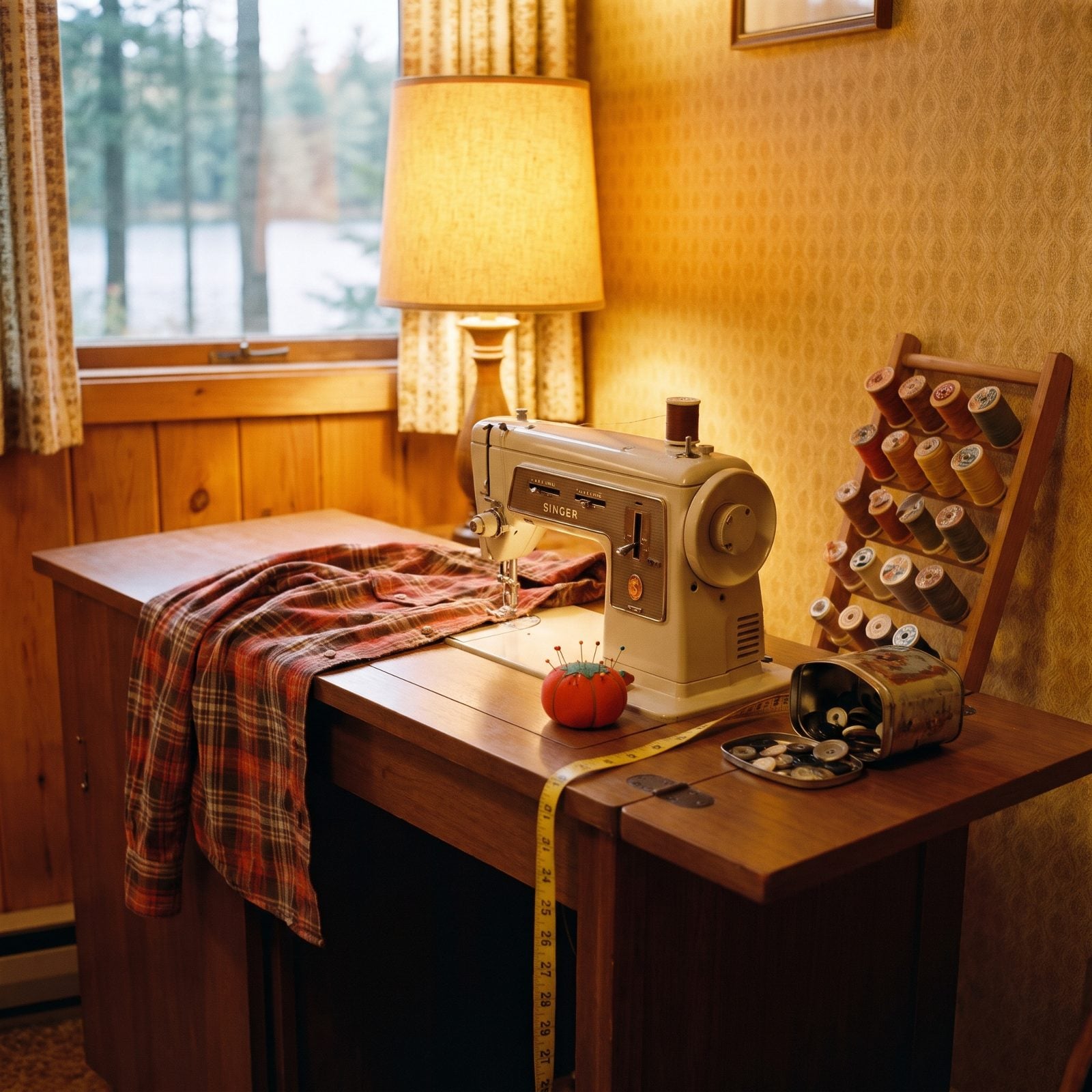
Most kitchens had a junk drawer, and most homes had a sewing machine that earned its keep. A popped seam. A torn hem. A kid’s knee blown clean out of a pair of jeans. All of it went under the needle on a Sunday, not into the trash.
The machine itself was an investment, often a wedding gift, and it got passed down. People forget the real payoff, though: if you could mend, you could also alter. Take in a waist, let out a hem, shorten sleeves until things finally sat right. Store-bought clothes fit better because you finished the job yourself.
18. Hanging the Wash on an Outdoor Clothesline
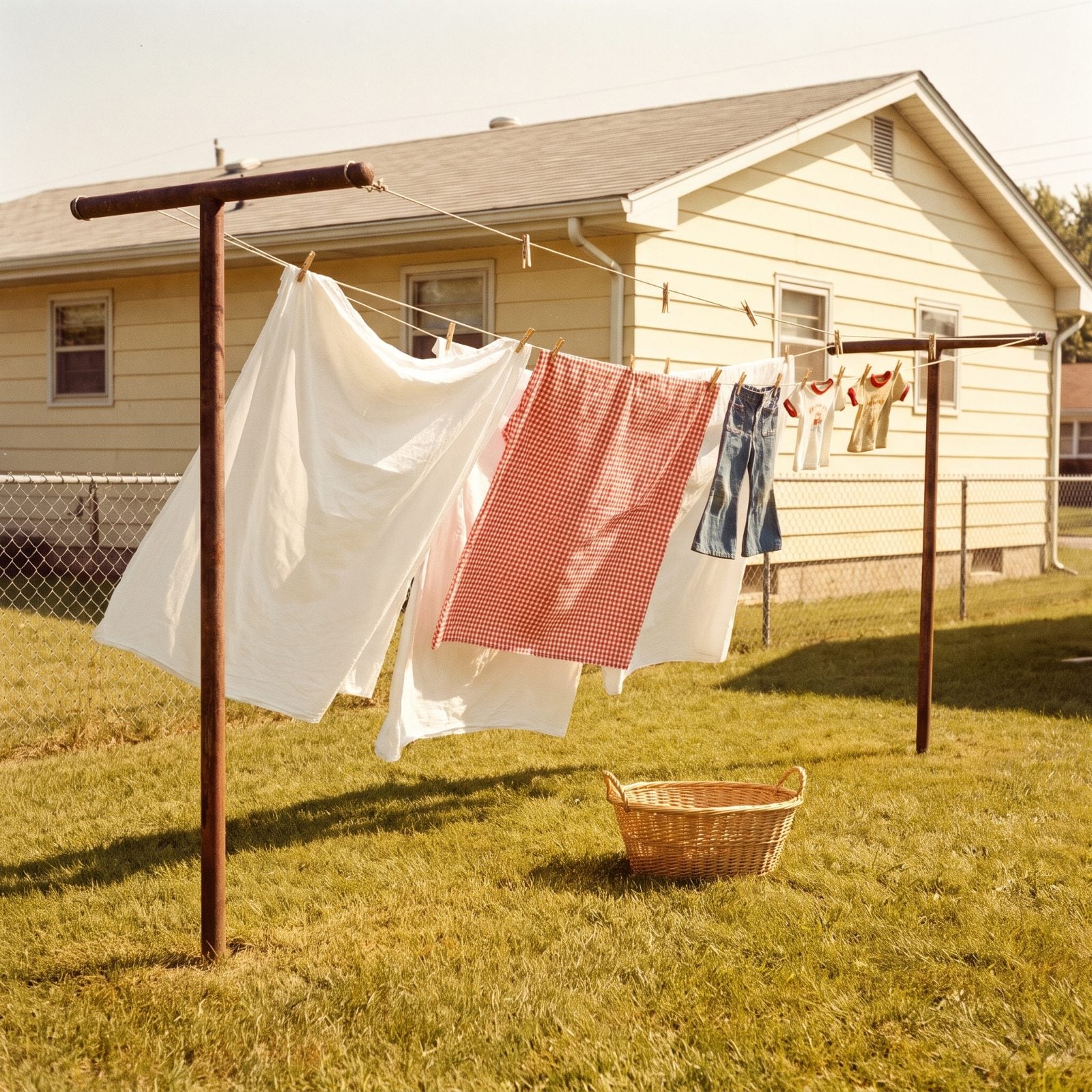
Nothing a dryer makes smells like sun-dried sheets. That’s not nostalgia talking, it’s chemistry. Sunlight breaks down the compounds that cause odor, and that fresh-air smell is partly ozone and partly fabric that spent an afternoon outside.
Dryers got cheap, suburbs got fussy, and the clothesline fell out of favor. Plenty of homeowners’ associations actually banned them, calling them unsightly. A handful of states have since passed so-called right-to-dry laws to keep that from happening.
17. Ironing the Bedsheets and Pillowcases on a Weekend
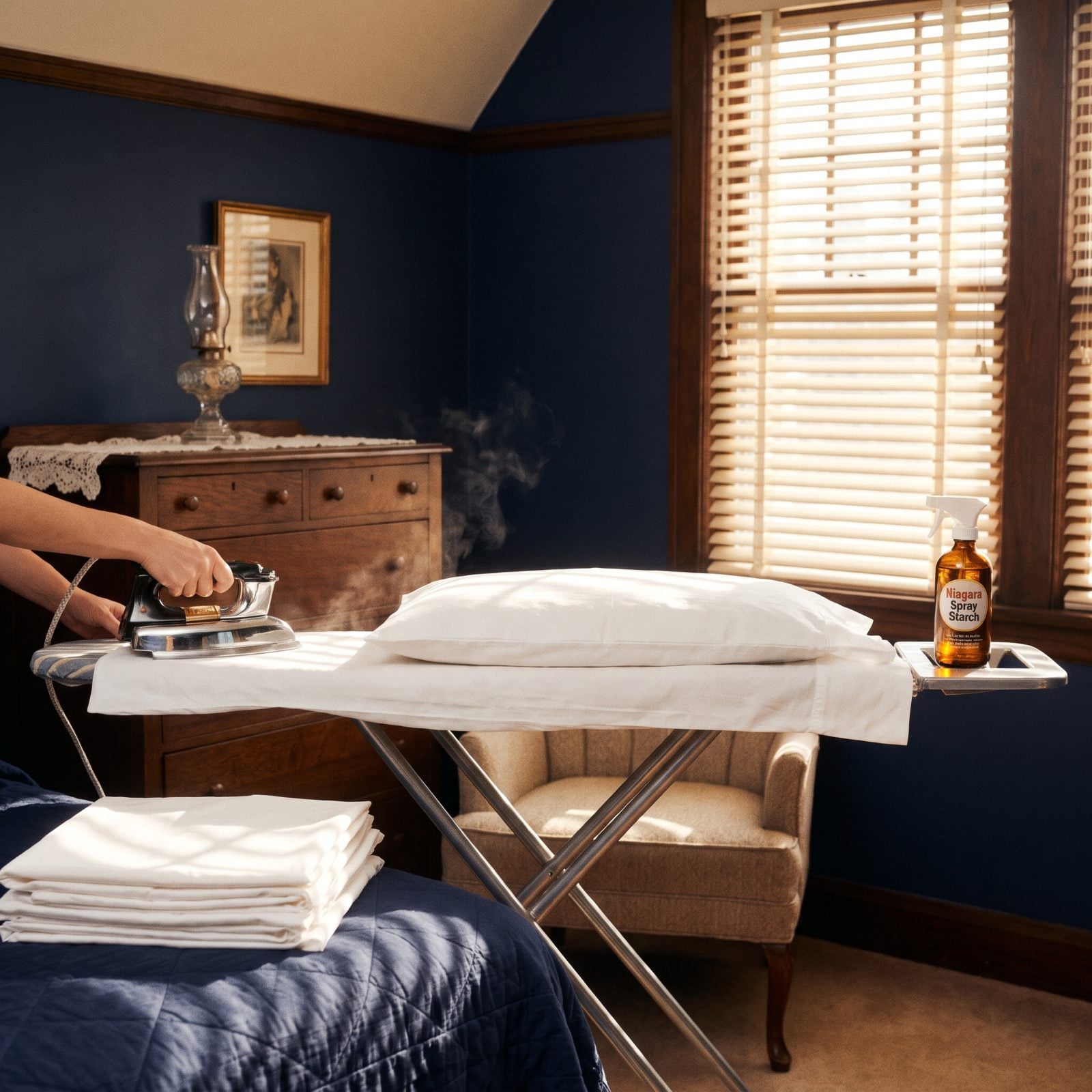
Ironing sheets sounds absurd now. Why press something you’re about to sleep on and wrinkle again by morning?
Partly necessity. Older cotton came off the line stiff and creased, and a hot iron with a little starch coaxed it smooth. Partly pride, too. A well-made bed with pressed linens signaled a house that was kept, and that mattered to a generation raised to notice such things in a glance.
Permanent-press and poly blends quietly killed the habit. The fabric did the work the iron used to.
16. Beating the Rugs Outdoors to Knock the Dust Loose
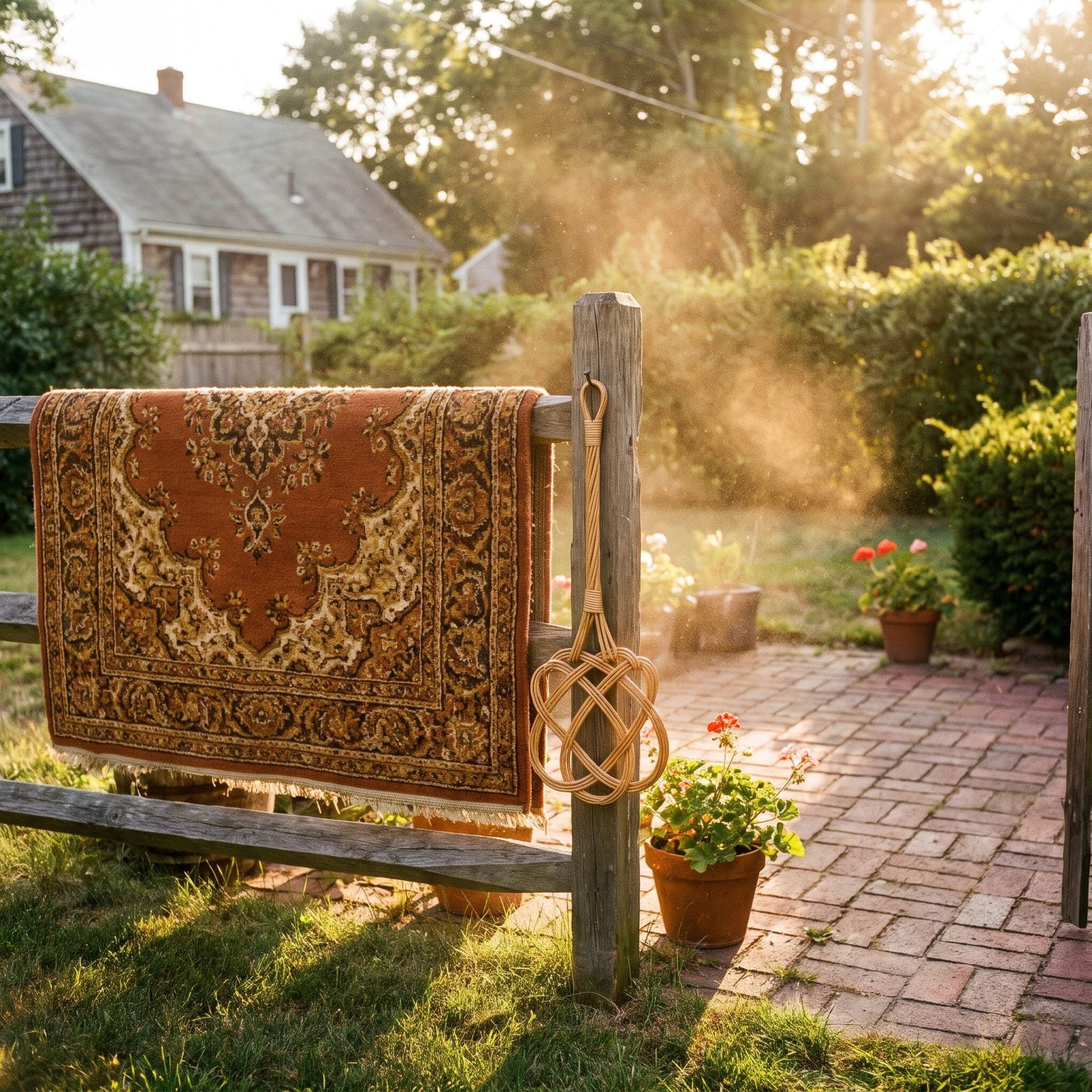
Before anyone trusted a vacuum with the real work, rugs went outside for a beating. You draped them over a line, grabbed a looped wicker beater, and whacked away until the dust stopped rising.
It was satisfying in a way modern cleaning rarely manages. You could see the grime leaving. Clouds of it, drifting off across the yard.
The upright vacuum made all of it obsolete, and rug beaters wound up as wall decor in antique shops. Honestly? For a thick wool rug, a good spring beating still reaches dirt a vacuum never finds.
15. Shrouding the Good Sofa in Plastic Slipcovers
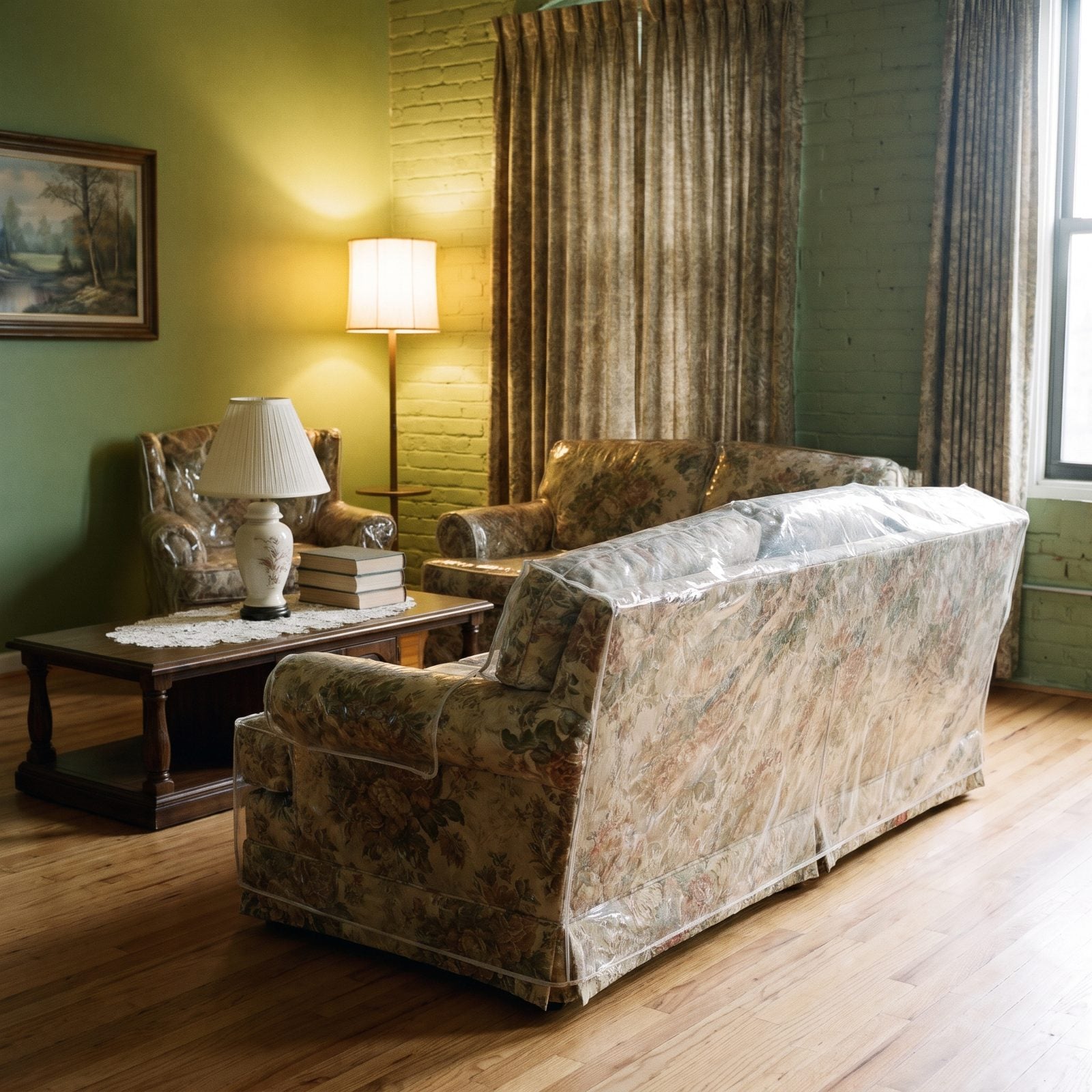
You sat down and the sofa greeted you with a squeak. Clear plastic slipcovers zipped over the good furniture, sealing the brocade beneath so it stayed pristine for guests who, in a lot of homes, never quite showed up.
The logic held together on paper. Furniture cost a fortune, and a protected sofa could outlast a mortgage. The reality was a living room nobody wanted to sit in — hot in summer, cold in winter, a shrine you weren’t allowed to enjoy.
14. An Ashtray in Every Room and Smoke in the Air
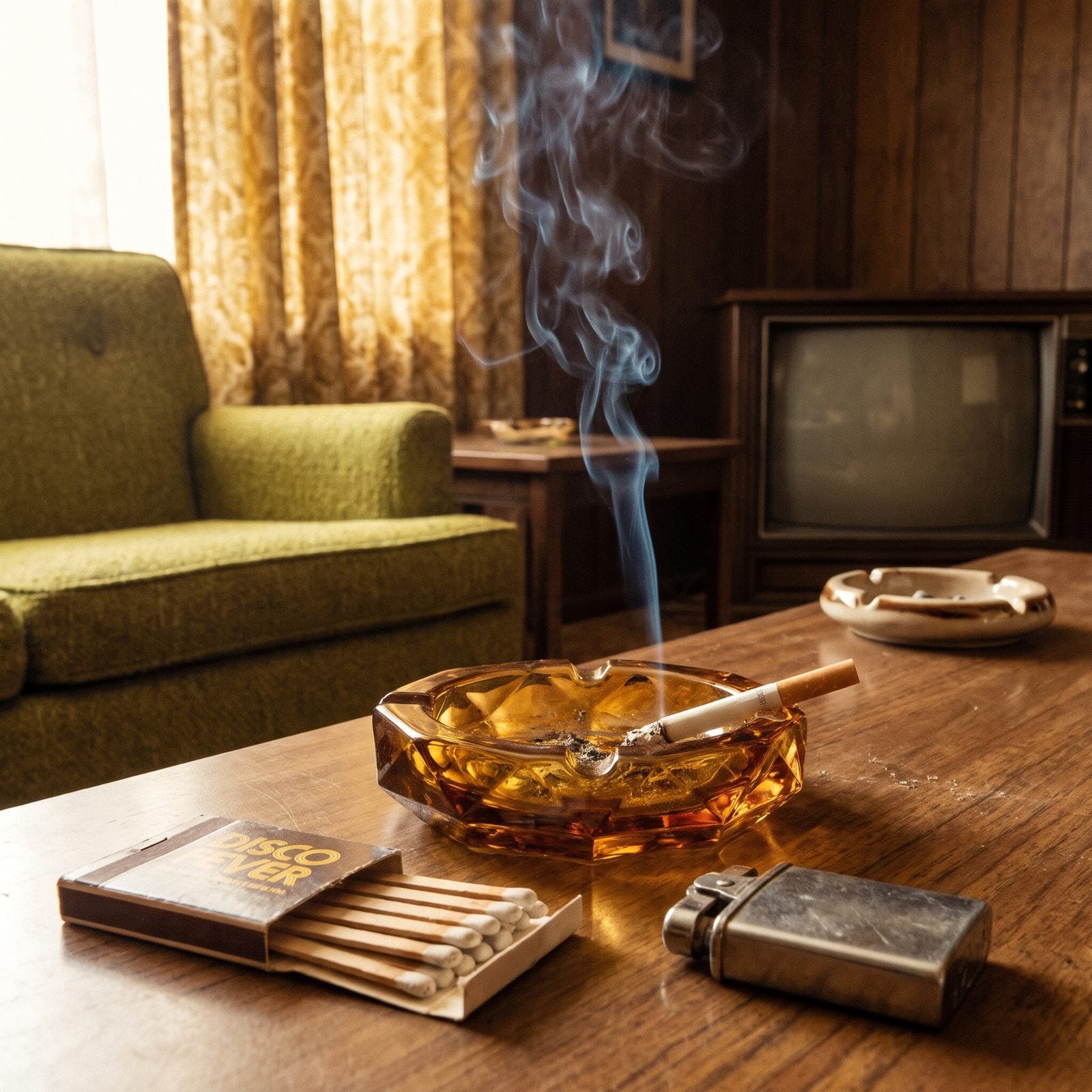
Every room had an ashtray — living room, kitchen, bedroom, often the bathroom too. Guests expected one within reach, and setting one out counted as basic hospitality.
Smoking indoors wasn’t really a vice then. It was the default. People lit up at the dinner table, on airplanes, in hospital waiting rooms, in offices, and the haze was just the texture of indoor life.
No single law killed it at home. Decades of research did, then rules, then a slow shift in what felt acceptable under your own roof. The ashtray didn’t vanish overnight. It just stopped getting refilled.
13. Piling Kids Into the Car With No Belts or Booster Seats
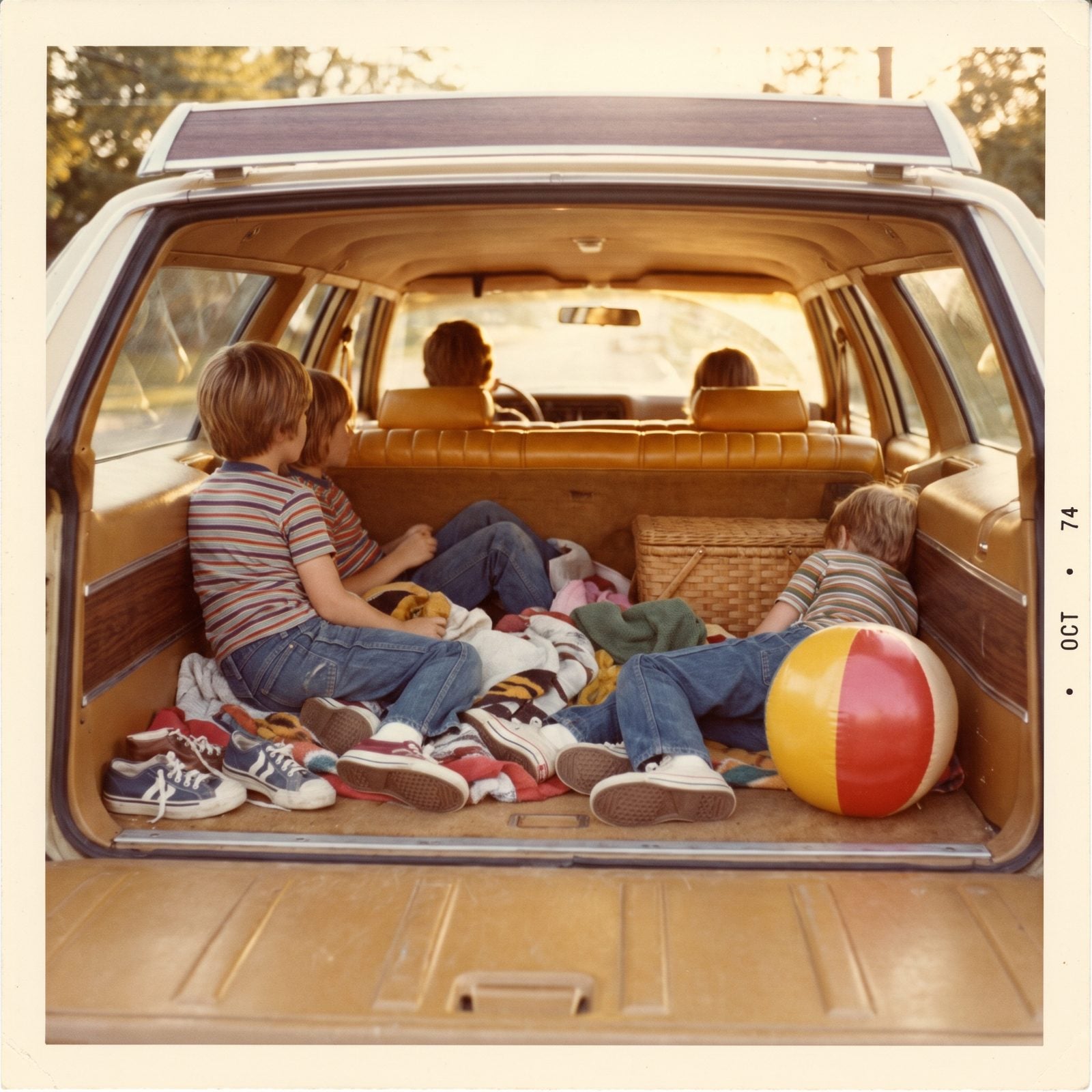
Kids rode loose. Sprawled in the way-back of the station wagon, perched on a parent’s lap up front, three across a bench with no belts fastened and nobody thinking twice about it.
Seat belts existed, sure, but buckling up was optional and widely ignored. Child car seats, where you found them at all, were flimsy perches built to let a toddler see out the window — not to survive a crash.
This is one old habit nobody should miss. The move to car seats and belt laws ranks among the clearest wins in everyday safety we’ve got, and the numbers behind it aren’t close.
12. Roaming the Neighborhood Until the Streetlights Came On
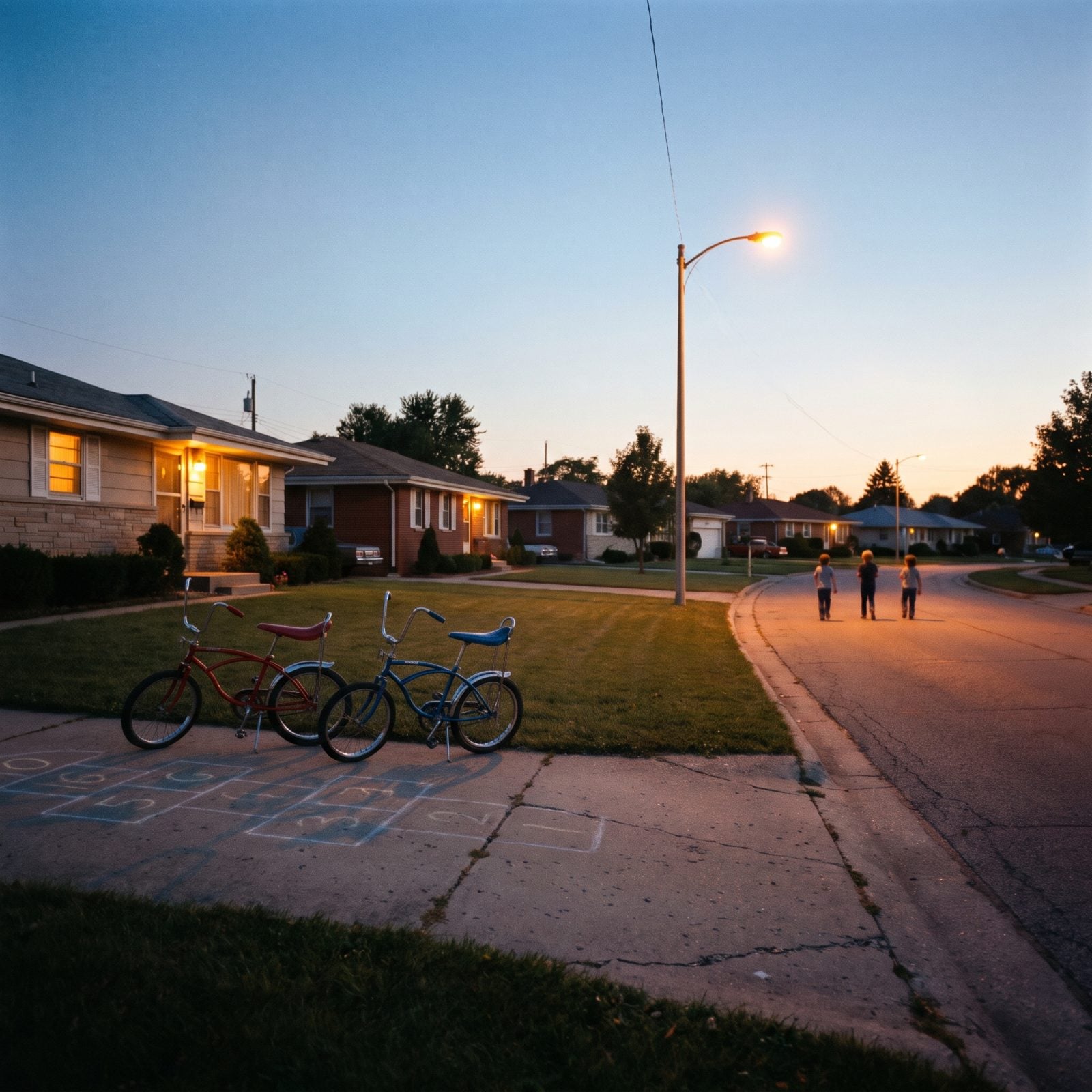
The rule was simple and nearly universal: be home when the streetlights come on. Between breakfast and that signal, kids were simply gone — roaming yards and woods and other people’s driveways with no phone, no GPS, and not a single check-in.
Parents genuinely had no idea where you were, and that counted as normal, not negligent.
The streetlight wasn’t a curfew so much as a timer the whole neighborhood ran on.
Why it ended gets complicated. Not more actual danger — by most measures crime fell — but a cultural tilt toward constant supervision, scheduled activities, and a growing sense that unsupervised hours were a hazard rather than, well, a childhood.
11. A Full Set of Encyclopedias Lined Up in the Living Room
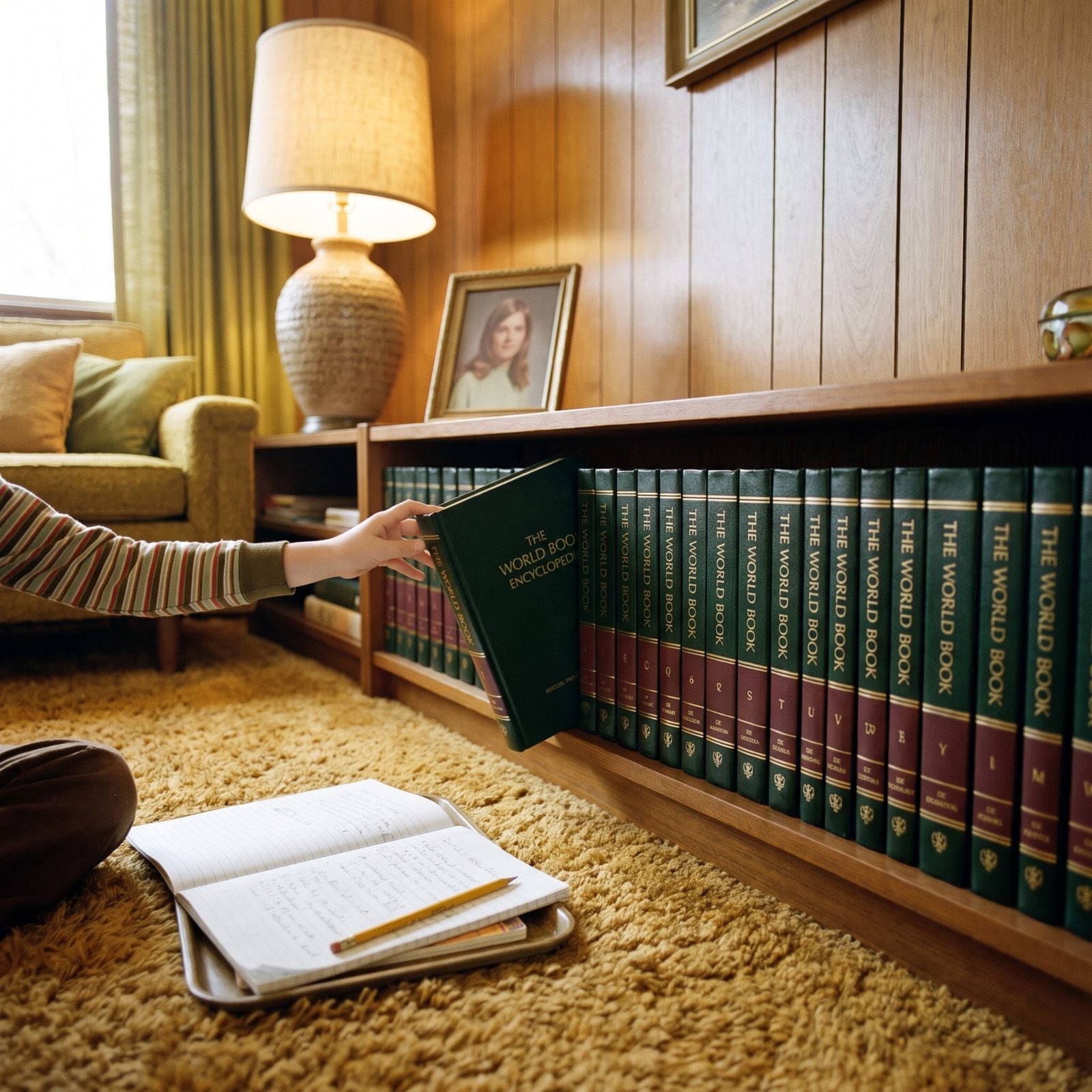
A full set of encyclopedias was a status object as much as a reference. Twenty-plus matching volumes with gold-stamped spines, usually bought on an installment plan from a door-to-door salesman, lined up right where visitors would catch them.
For homework, they were the whole internet. Answer not in the house? You walked to the library.
The set went out of date the moment you bought it, which is exactly why families splurged on yearly update volumes to patch the gaps. The web didn’t just replace the encyclopedia — it made the whole notion of owning fixed, printed knowledge feel almost quaint.
10. The TV Guide That Lived on the Coffee Table
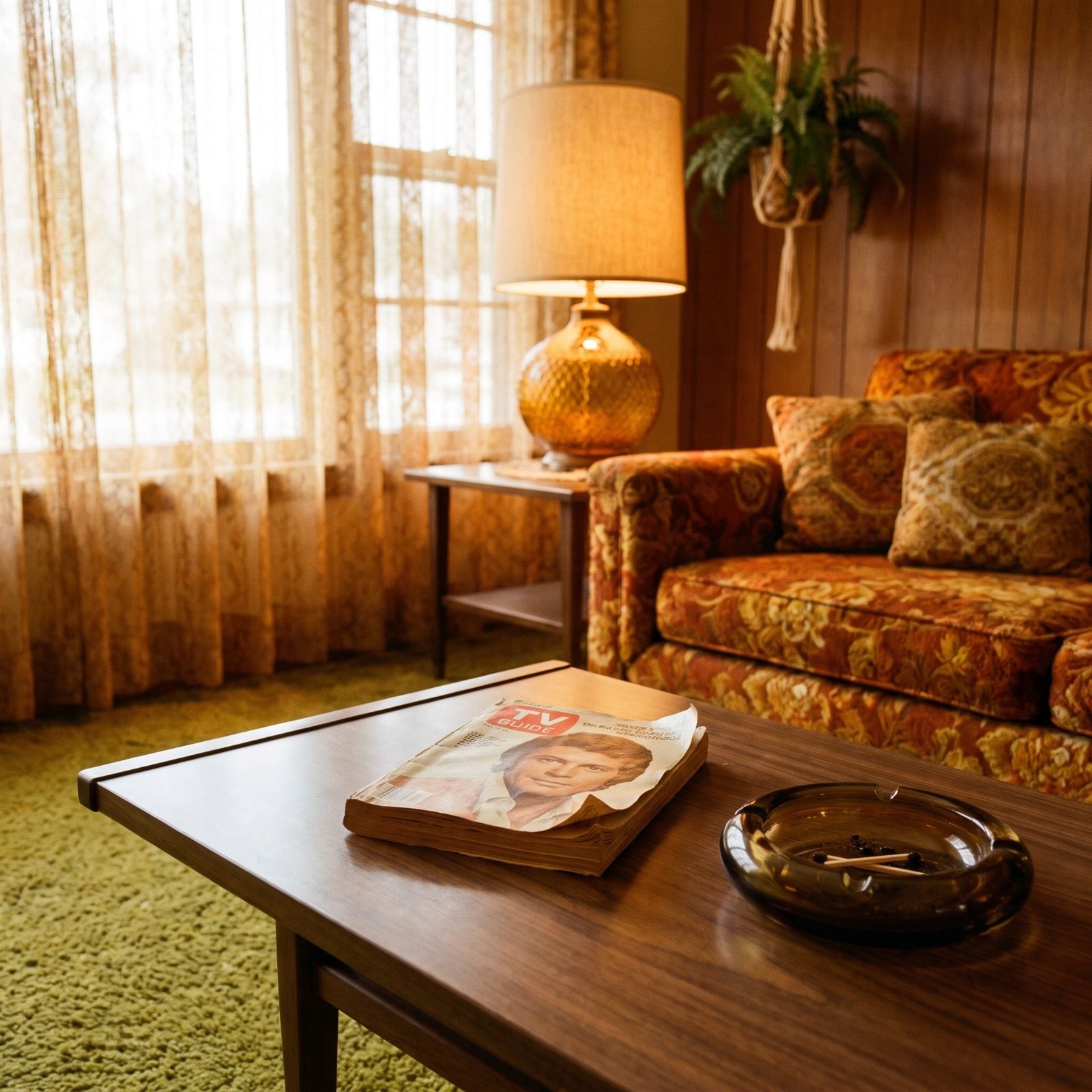
Before you could pause live television or scroll a grid with a thumb, the whole week’s programming lived in a thick, book-like brick of a magazine that cost about a quarter and sat on the coffee table like it paid rent. You planned your evening around it. You circled things in pen, and if you missed a show when it aired, you missed it. Full stop.
What’s forgotten now is how much that dog-eared brick shaped the rhythm of a household. It was the only map through three or four channels, and it turned television into an appointment instead of wallpaper humming in the corner.
9. Coffee That Perked on the Stove and Announced Itself
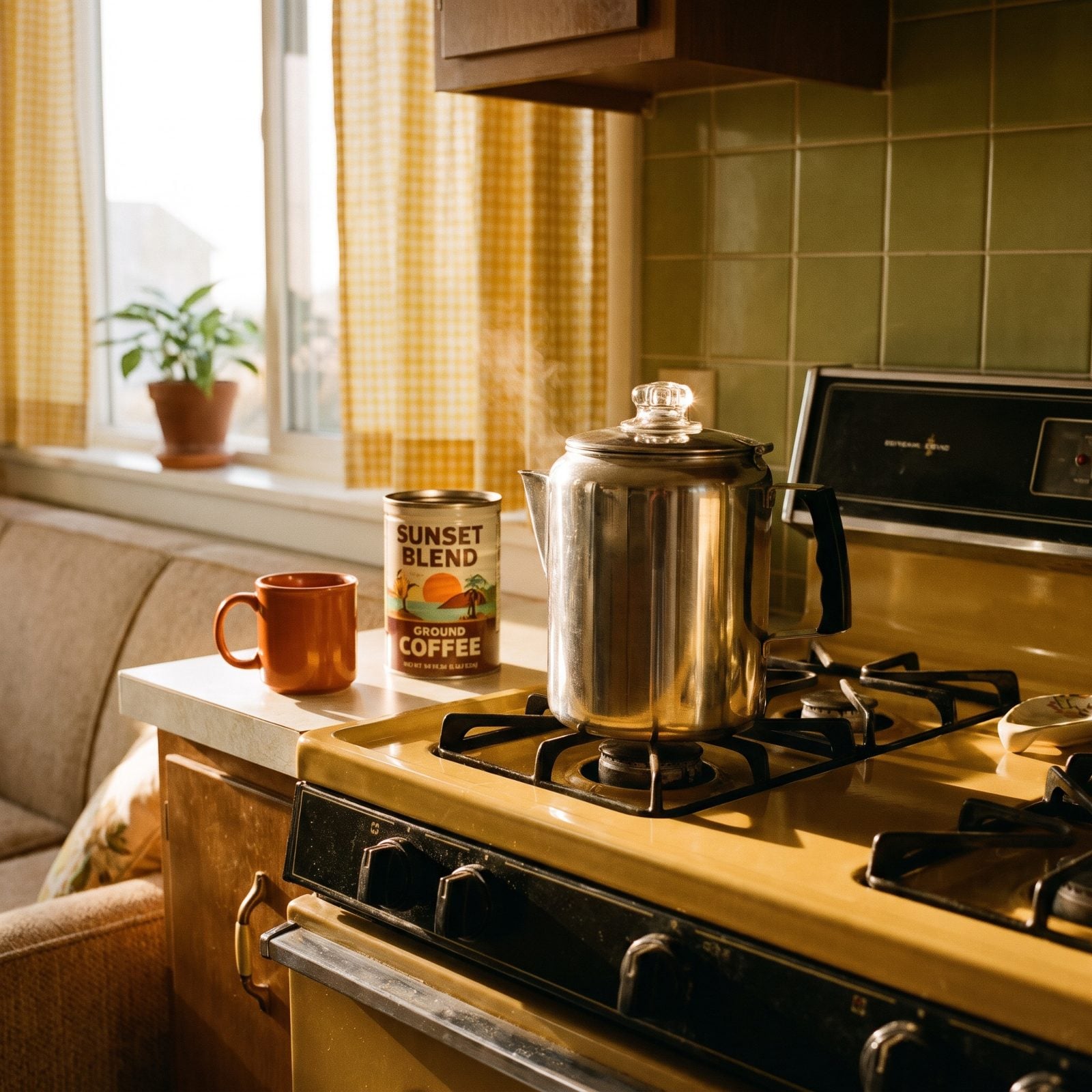
You could hear it before you smelled it, that rhythmic burble through the little glass dome on top, the sound of coffee working its way to strong. Percolators didn’t whisper. They performed.
Nobody likes to admit it, but percolator coffee was often a touch bitter, because the water cycles through the grounds again and again, over-extracting the whole time. Drip machines shoved them aside in the 1980s precisely because they made a cleaner cup. Yet plenty of people still swear the percolator tasted like home — and honestly, they’re not wrong about the feeling, even if they’re wrong about the chemistry.
8. Putting Up the Garden: Pressure-Canning Jars of Summer
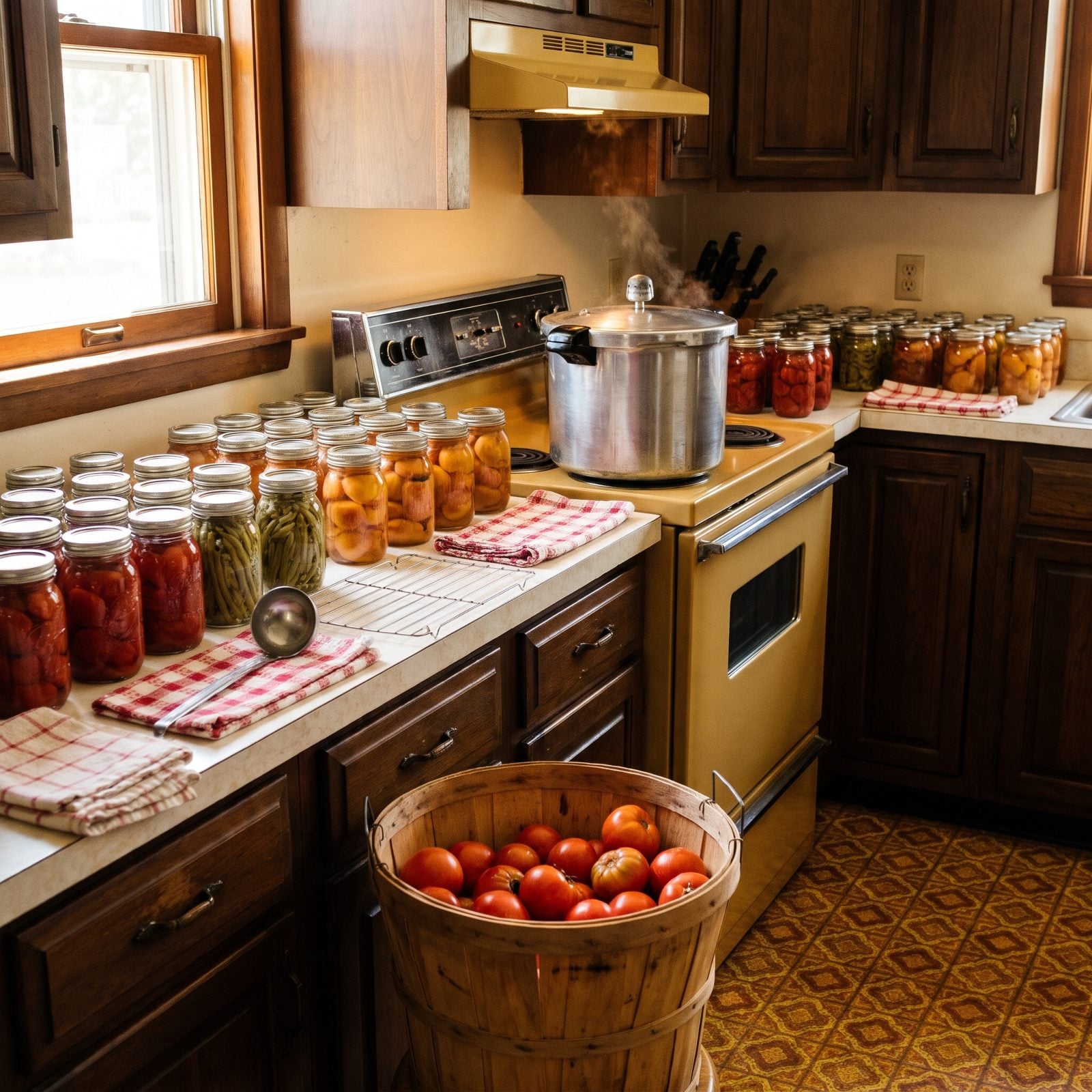
Late summer turned the kitchen into a factory for a week. Tomatoes by the bushel, the pressure canner hissing its warning, jars lined up like trophies — and at the end of it, a pantry shelf that carried a household straight through winter.
This one nearly vanished and then clawed its way back. Lots of people have taken it up again lately, which is great, but it comes with a warning.
7. Snapping Beans and Shelling Peas at the Kitchen Table
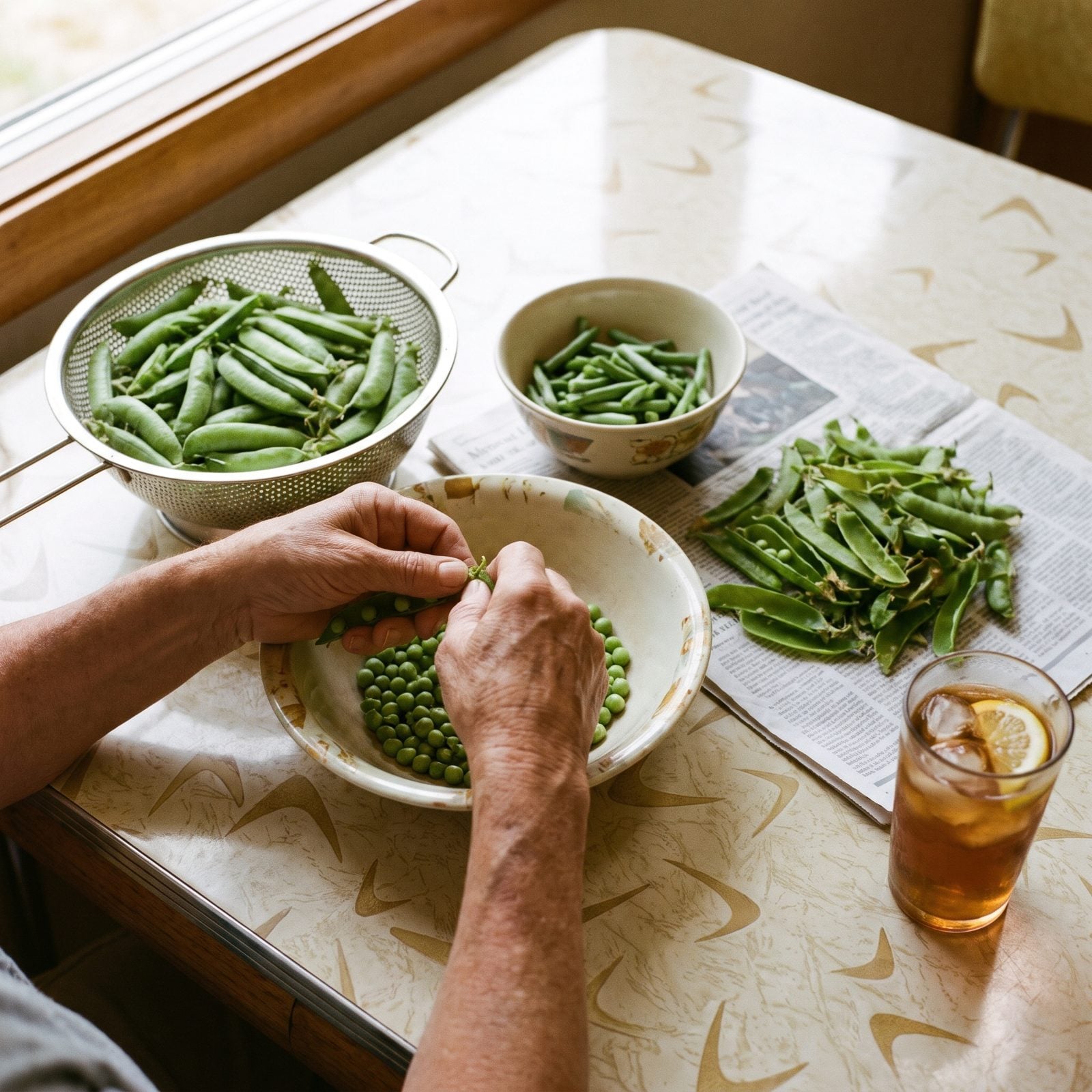
Here was a chore that doubled as a conversation. You sat down with a mountain of pods and a bowl between your knees, and by the time the last bean was snapped, you’d heard every bit of news on the street.
The work itself was mindless, and that was the appeal — hands busy, mouth free. Kids got roped in and learned that food took effort before it ever hit a plate. We’ve mostly outsourced that lesson to a plastic bag in the produce aisle, and something quiet went with it.
6. The Recipe Box of Spattered, Handwritten Index Cards
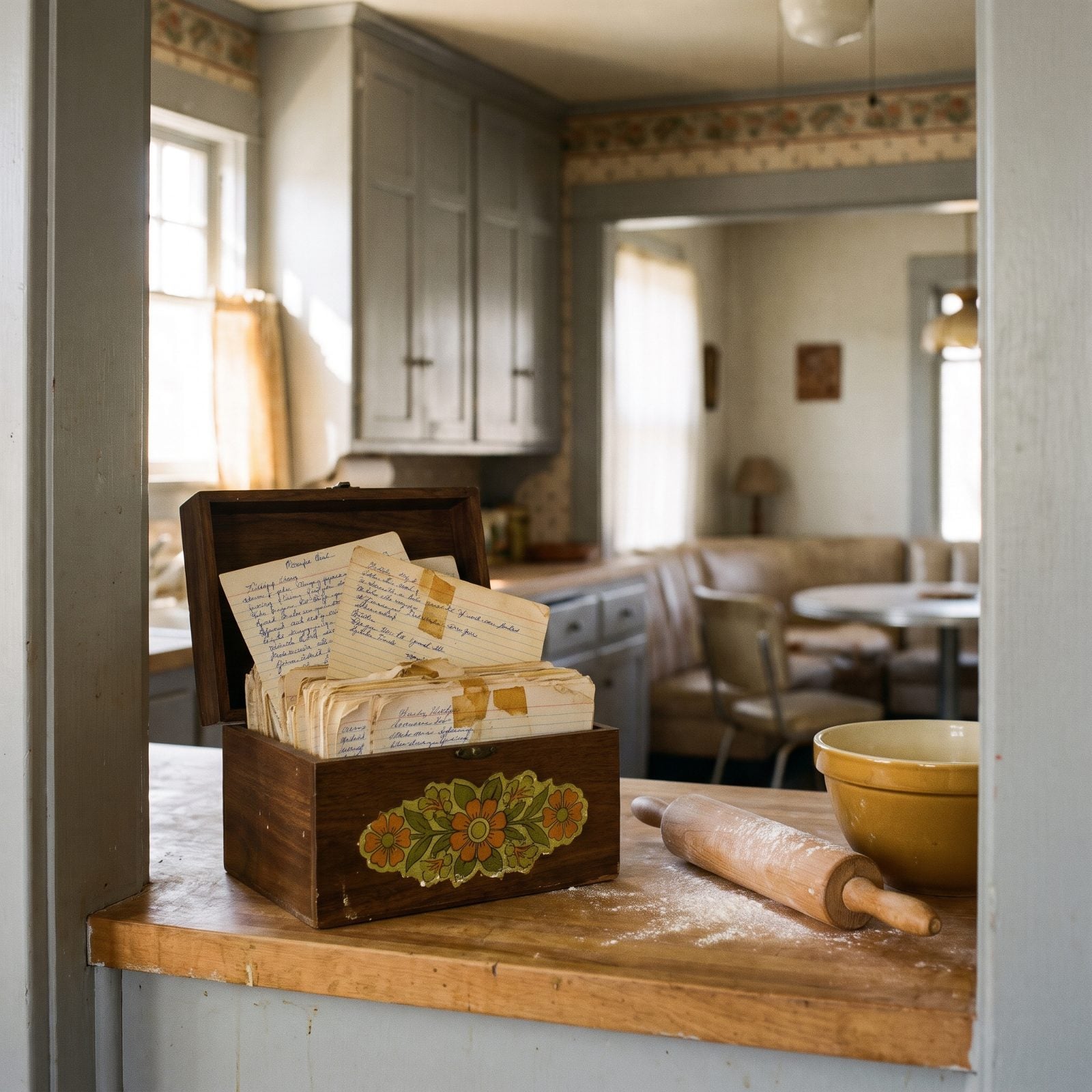
Every stain on those cards was a memory. The grease spot over the pie crust recipe meant it got made, over and over, and the handwriting shifted from card to card because the box was really a collection of people — a mother, an aunt, a neighbor who finally gave up her casserole secret.
A recipe card carried more than measurements. It carried whose kitchen it came from.
The box got passed down, and that’s what the cloud will never quite replicate. You can inherit a Pinterest board. You can’t inherit the handwriting.
5. The Address Book That Held the Whole Social World
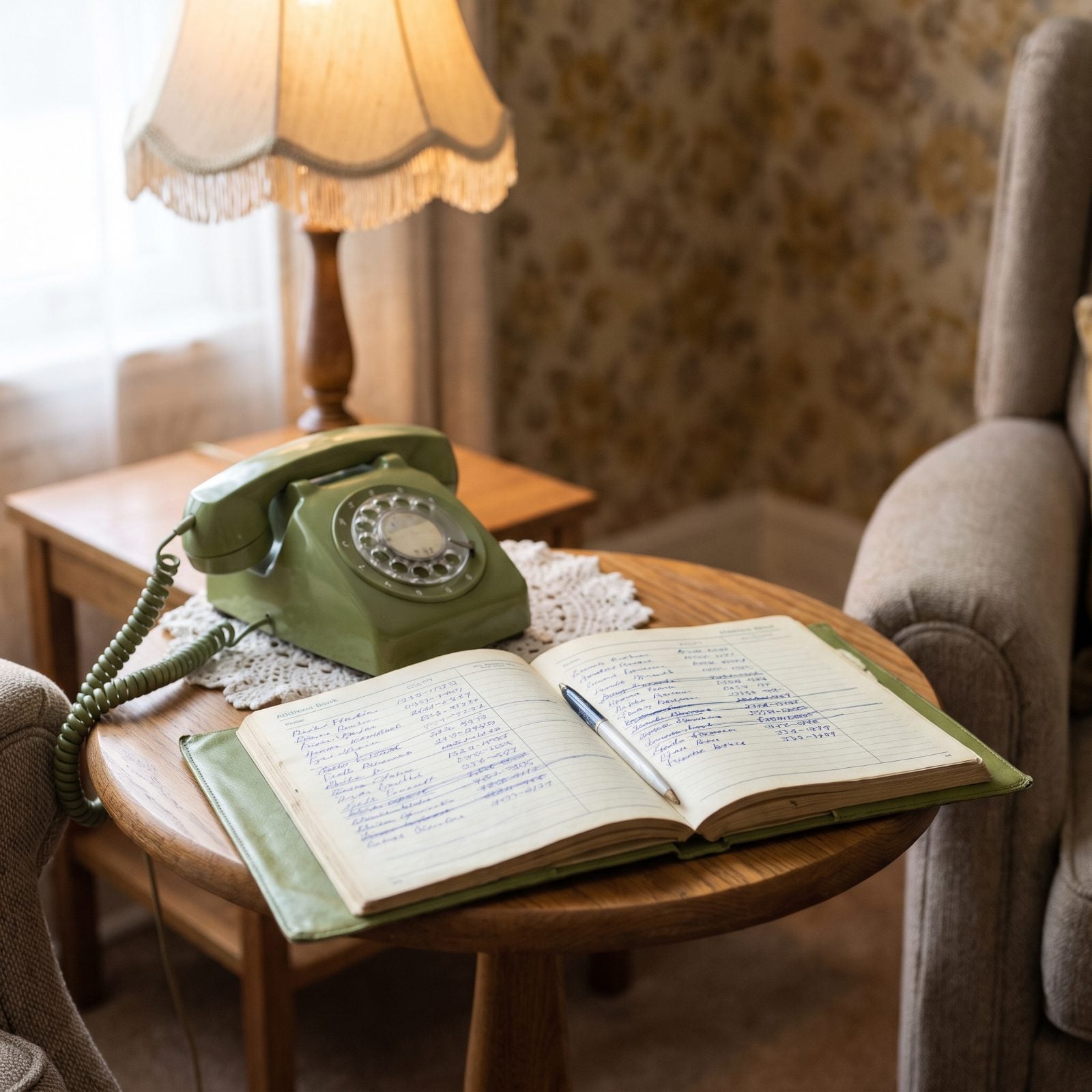
Your entire social network fit in a big ledger-sized book in a green cover, kept open by the phone. People moved, so you crossed out the old address and squeezed the new one underneath, and by the end, some entries had become a palimpsest of three decades of someone’s life.
A phone contact list can’t do what that book did. It can’t show you who died, who divorced, who you simply drifted away from. The crossed-out names were a quiet record of all of it, and when the book finally filled up, copying it over turned into a strange little reckoning with who still mattered.
4. Sitting Down to Write a Real Thank-You Note

A gift came with an obligation attached, and the obligation was ink on paper within the week. No texted thumbs-up. You sat down, addressed it by name, found something specific to say, and licked a stamp.
The research on this is clear. People wildly underestimate how good a handwritten note makes the recipient feel, and overestimate how awkward it’ll be to write. We skip them because we assume they’re more work and less welcome than they actually are. The opposite is true.
3. Holding Up the Checkout Line to Write a Check
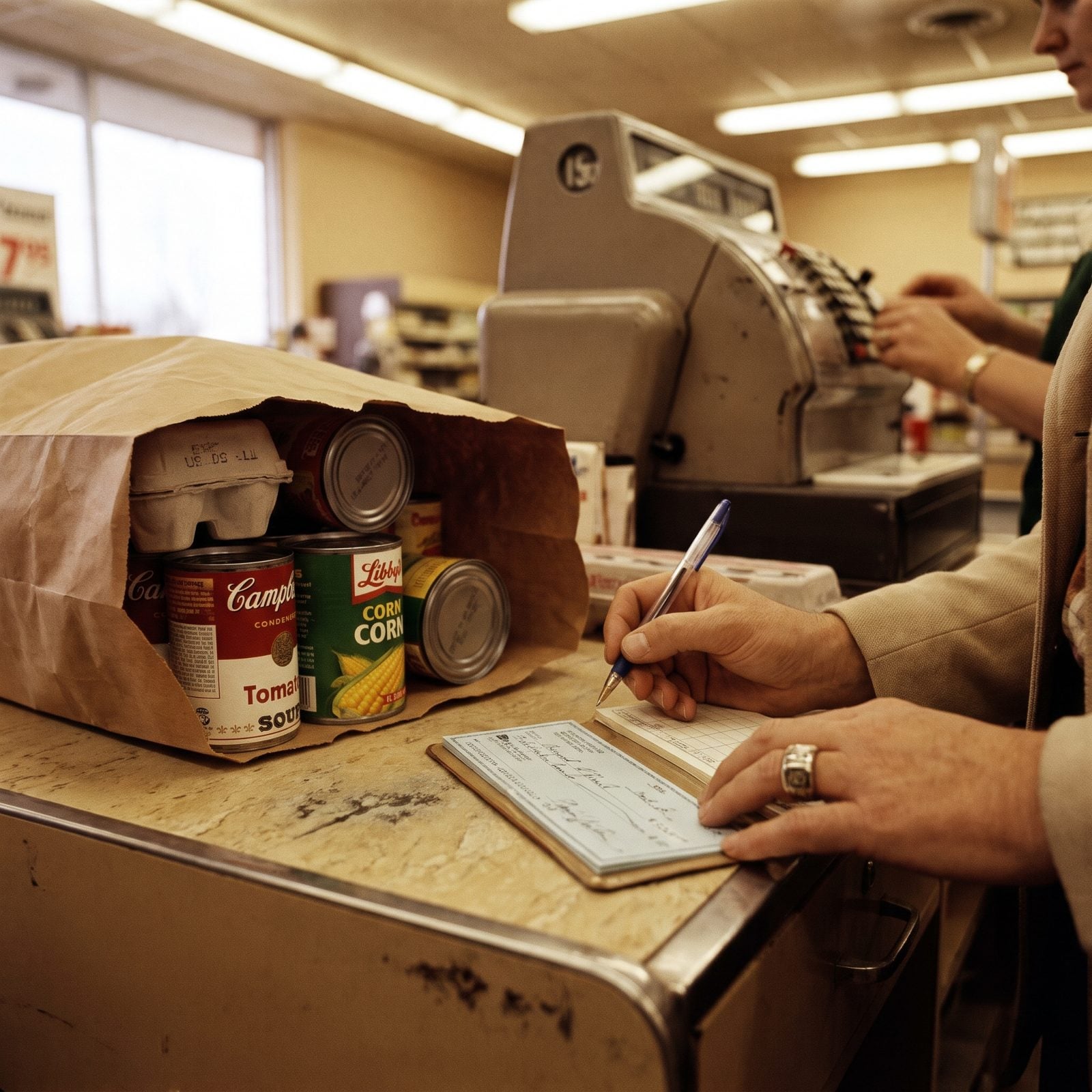
You remember the sigh from the line behind you. Someone up front was writing a check, which meant finding the pen, filling in the date, the payee, the amount in numbers and then painstakingly in words, signing, tearing, and recording it all in the little register while the whole lane waited.
Paying was a deliberate, physical act back then. You felt the money leave because you had to write it out by hand. Tapping a phone to a reader is faster by a mile, sure — but it also made spending frictionless, and frictionless spending is a much harder thing to feel in your gut.
2. Dropping Off the Film and Waiting a Week to See Your Life
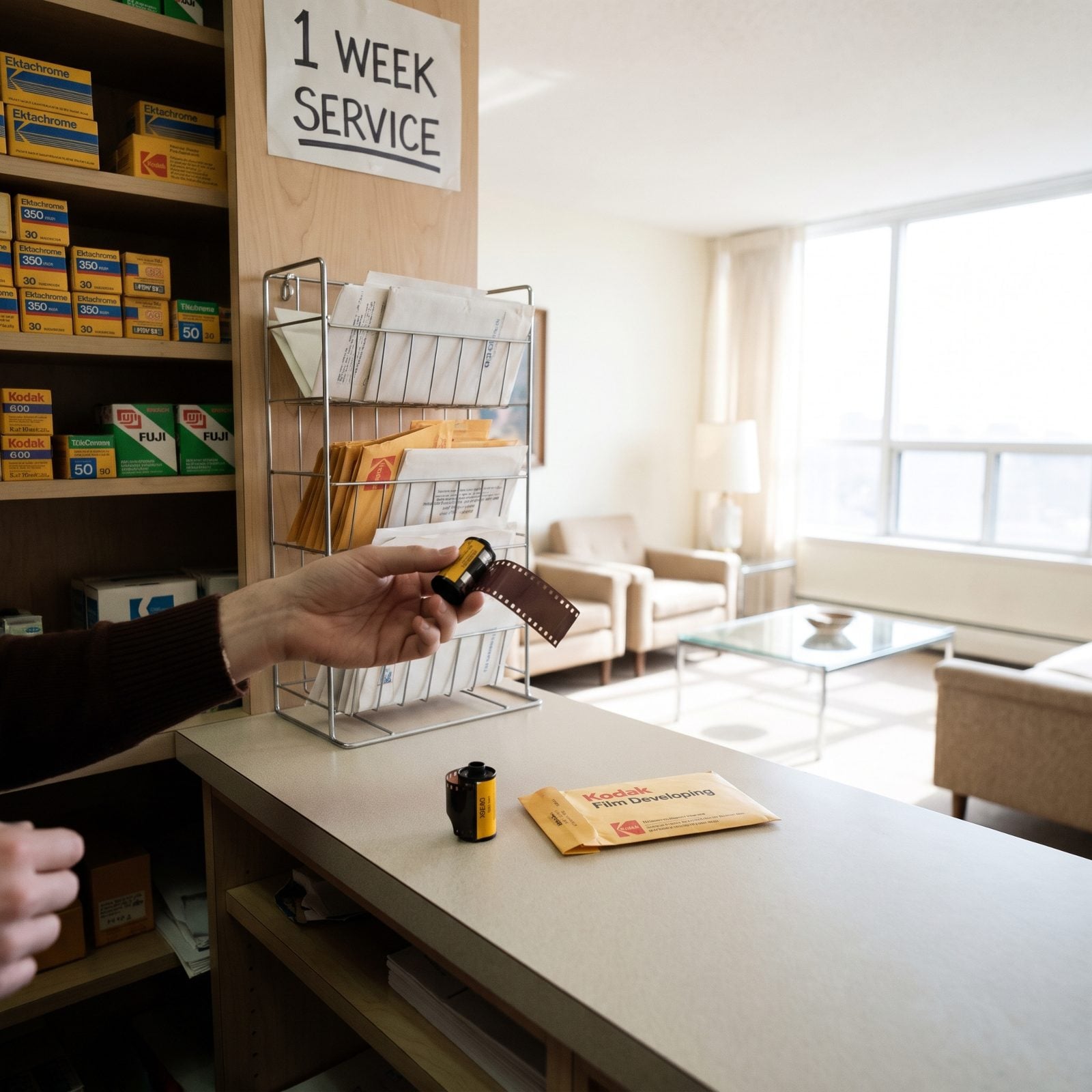
Twenty-four shots, and no idea whether any of them came out. You shot a whole birthday, a whole vacation, on faith, then dropped the roll at the photo counter, waited a week, and opened the envelope not knowing what you’d find.
Half of them were blurry or thumb-covered or someone mid-blink. That was the deal. Scarcity made you choosy, and the wait turned the reveal into an event — you flipped through them right there at the counter. These days we take forty photos of a sandwich and never look at one of them again.
1. Polishing the Good Silver Before the Holiday Table
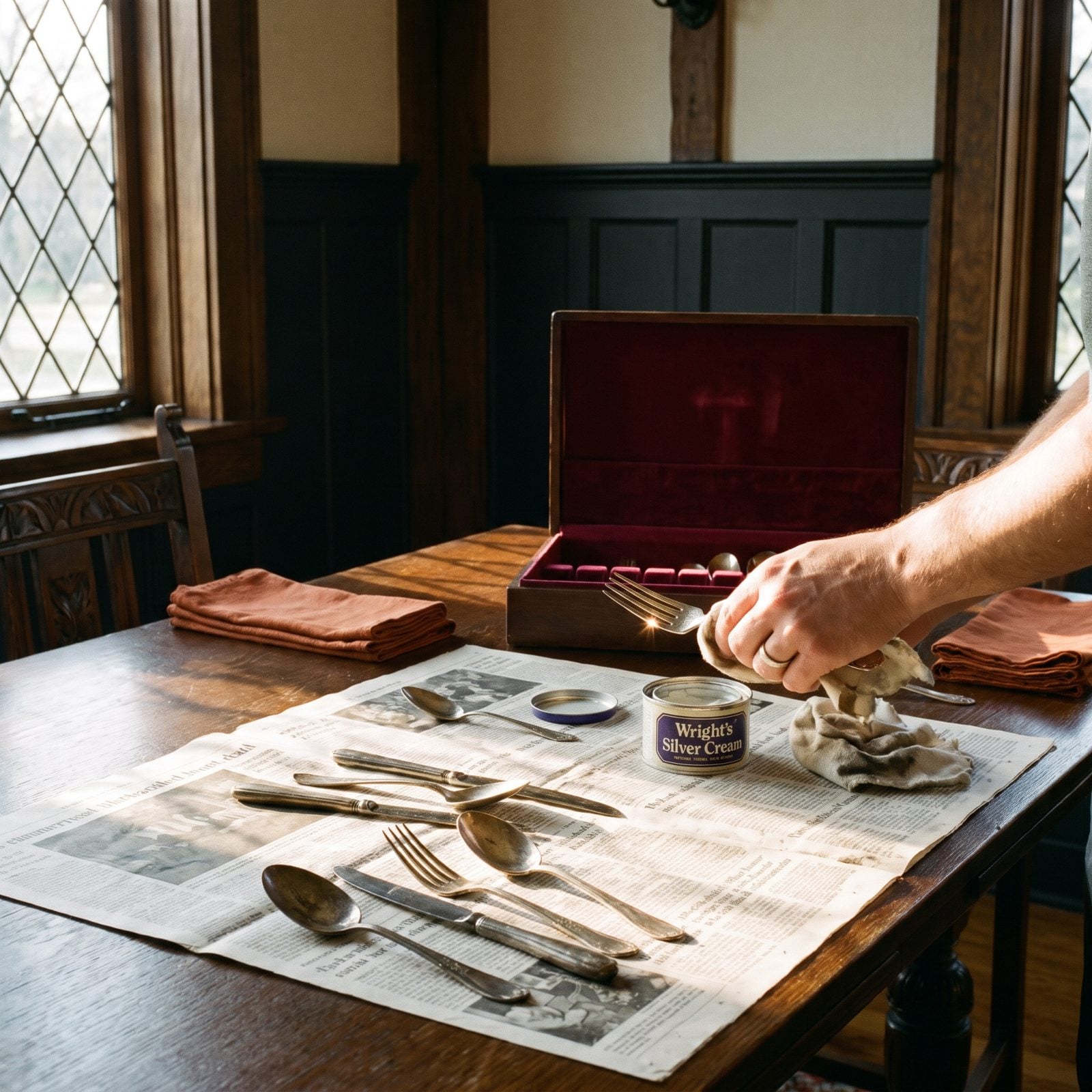
The good silver hid in a felt-lined chest most of the year, and it always came out tarnished. So the day before a holiday meant sitting down with a tin of polish, a cloth, and a stretch of newspaper, rubbing each piece until it caught the light. Your fingers went gray by the end.
Fewer homes own real silver now, and the ones that do often went with coatings that resist tarnishing, so the ritual quietly disappeared. A polished table used to announce that this meal mattered, before anyone even sat down. The shine did the talking.