Nobody warns you that standing in front of a seed catalog does something to the brain. You start reasonable. Low maintenance, you say — something that fits the yard you actually have. Twenty minutes later you’ve fallen for a cottage border that wants four hours of deadheading a week and a soil you don’t own.
Please note that some of the images in this article were created with the assistance of AI.
We do the same thing with people. We say we want calm and then chase chaos with good bone structure, say practical and marry the view. The wiring that makes you pick a garden style is the same wiring that makes you pick who you spend your evenings with. Both decisions promise a future, and both make you squint at the fine print only after the honeymoon. Here’s where the two overlap, point for point, and why your heart keeps outvoting your sun map.
14. One Wisteria Pergola Makes Every Red Flag Look Charming
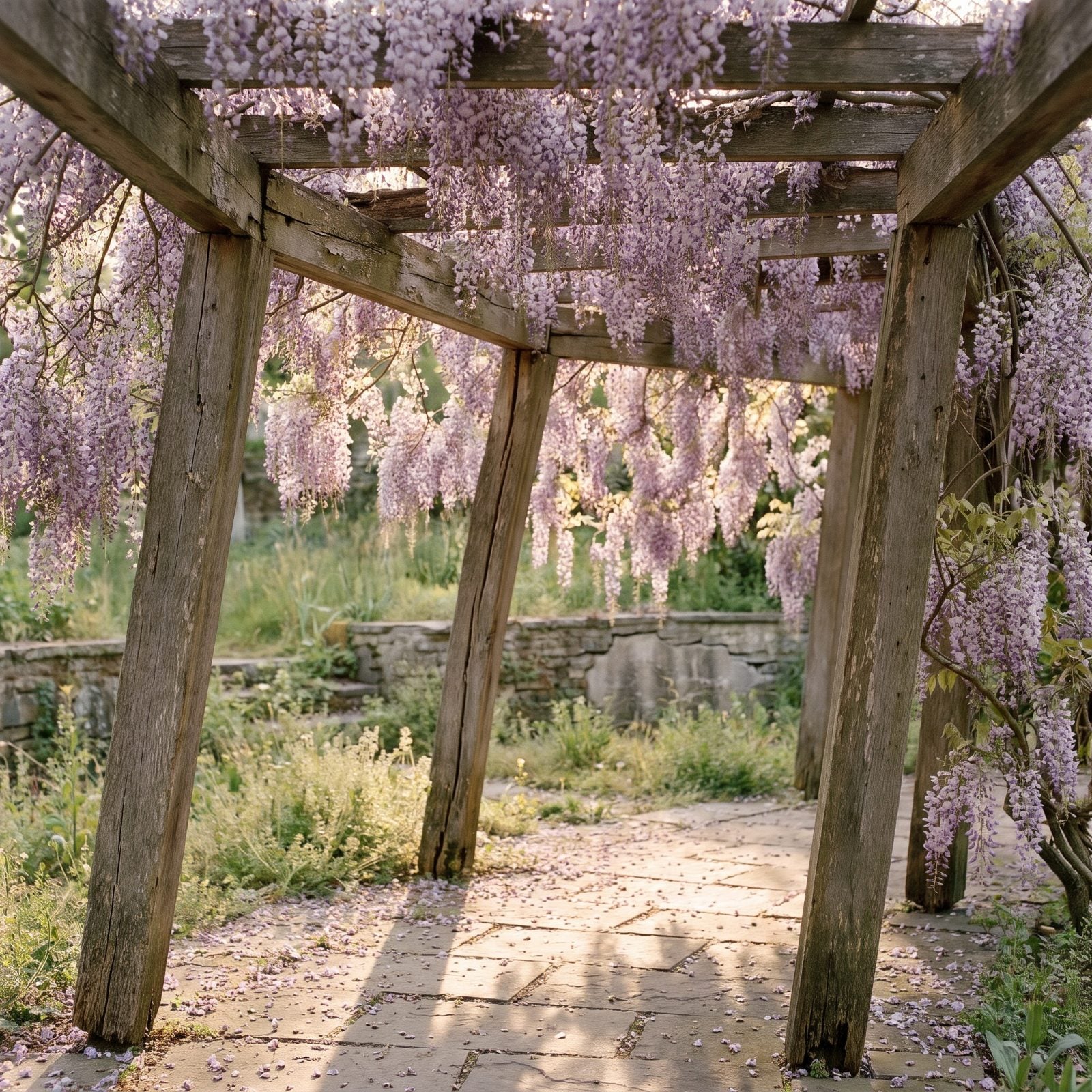
The wisteria does the whole job of selling you. You walk under that violet ceiling, breathe in, and quietly stop noticing that the posts are rotting, the path heaves, and the thing strangles everything it touches within three summers. One spectacular feature, and the brain files the rest under “later.”
We fall the same way for a person with one dazzling trait — the laugh, the confidence, the way they walk into a room. That single quality throws a glow over everything else, and suddenly the warning signs read as quirks. Psychologists call it the halo effect: one strong positive impression bleeds outward and tints our read on qualities we haven’t even checked yet.
Wisteria is beautiful and genuinely invasive. It’ll pry a pergola apart if you let it. But the flowers were never the problem. The problem is we let the flowers answer questions they were never qualified to answer.
13. Your Childhood Hydrangeas Keep Setting the Standard
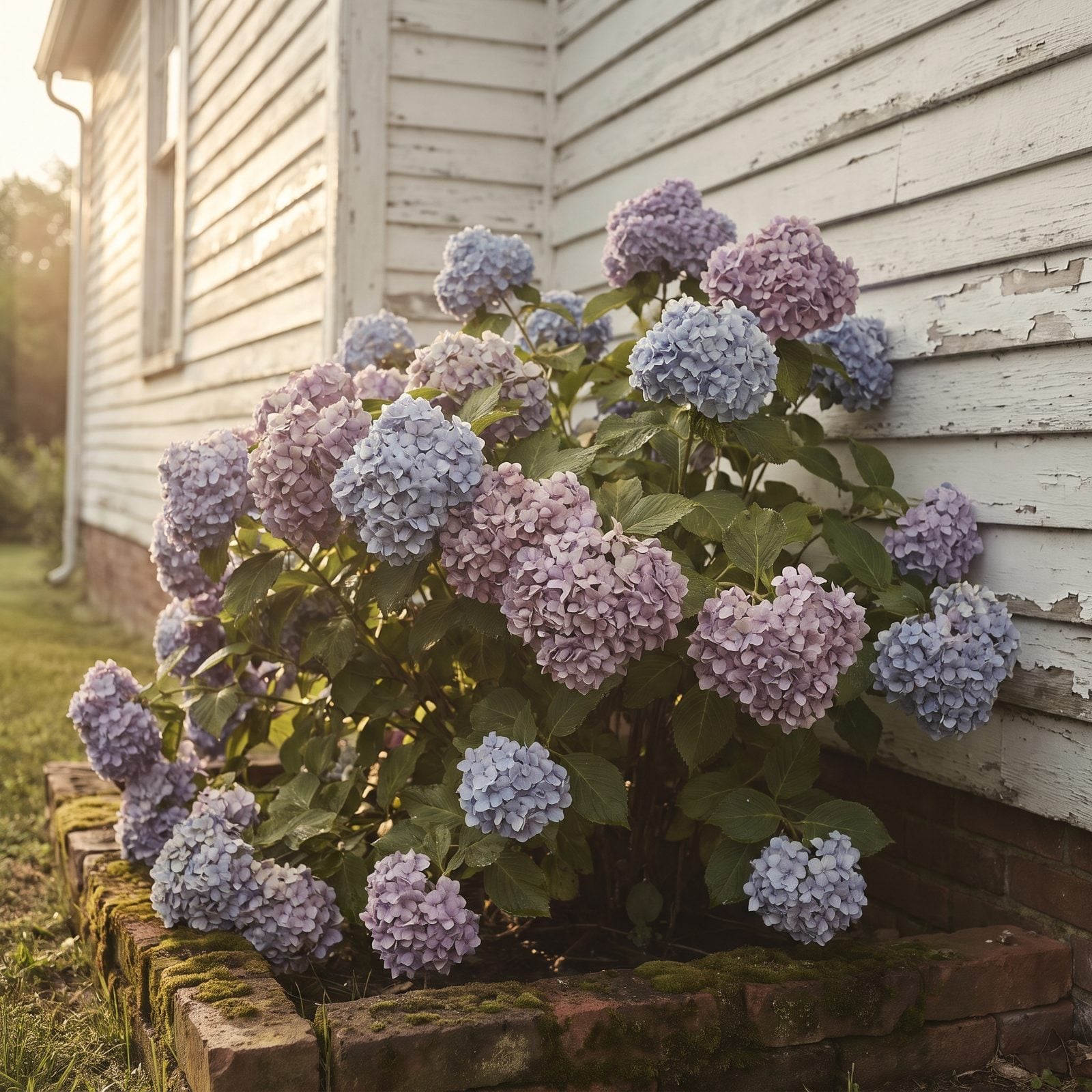
Every garden you admire gets measured against the hydrangeas by your grandmother’s back door, and you don’t even do it on purpose. Some bush in a stranger’s yard turns that particular blue, your chest does something, and no new plant ever quite matches the feeling.
Same reason your first real love, or the house you grew up in, becomes the yardstick nobody tells the new candidates they’re being held against. Nostalgia isn’t just fondness. It’s a quiet editor that polishes the past and dings the present for not being it.
Here’s the catch, though. Those hydrangeas were half plant, half summer, half being eight years old with nothing to do. You can buy the shrub. You cannot buy 1974. Give the new garden a fair shot and stop grading it against a ghost.
12. You Choose a Potager for the Sundays You Imagined
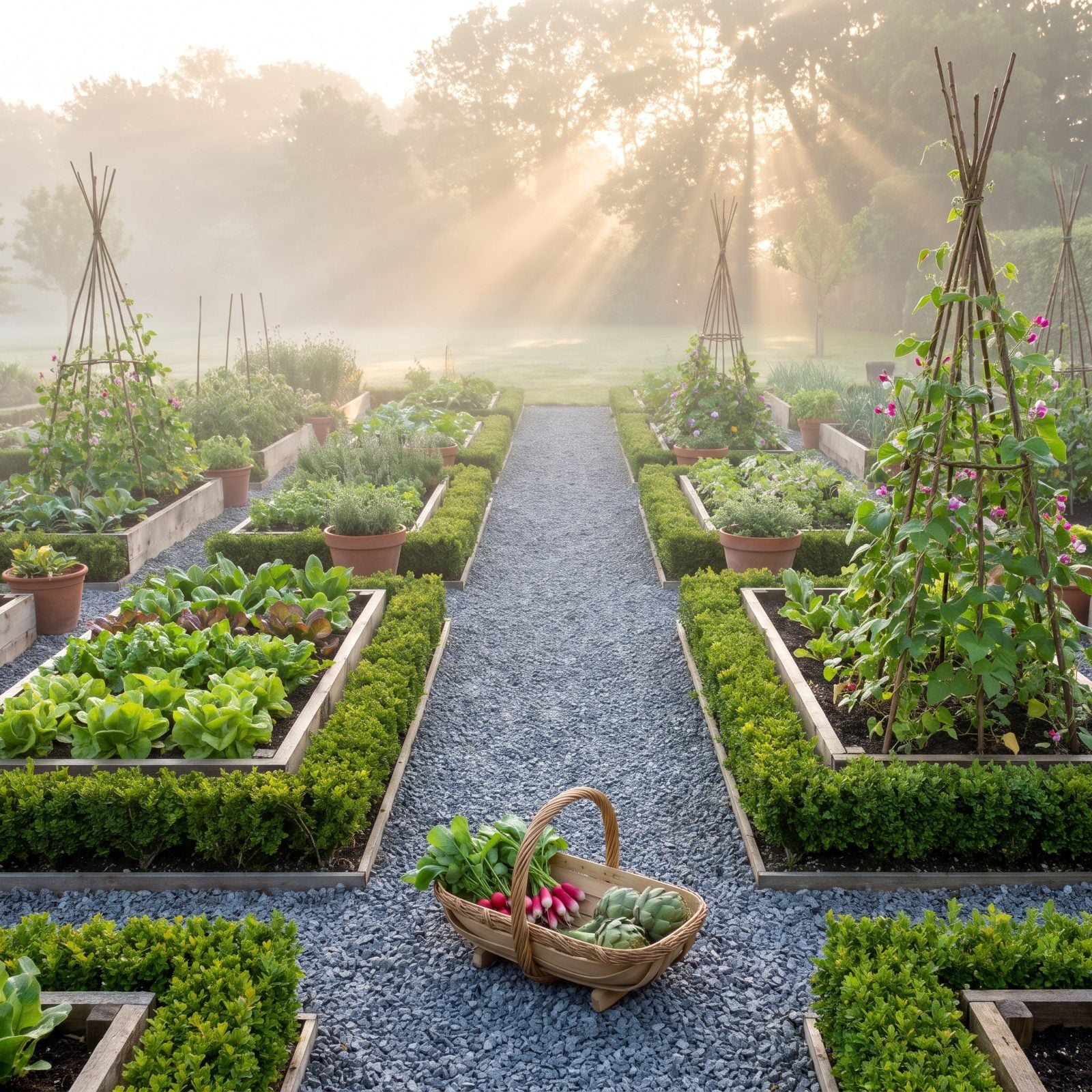
You don’t plant a potager for the vegetables. You plant it for the version of yourself who drifts out at seven on a Sunday, wicker trug on one arm, snipping chervil into a bowl, calm as a magazine spread. The actual harvest is incidental. The fantasy is what you’re really after.
We pick partners this way too — not for who’s in front of us but for the life we picture building around them. The dinner parties. The shared projects. The person we’ll supposedly become once we’re with them.
There’s a pattern here. We fall in love with the imagined future more than the present reality, and we recruit the garden, or the person, as a supporting actor in a story we already wrote. The chervil doesn’t know it was cast. Sometimes those Sundays actually arrive. More often they look like you, in pajamas, muttering at slugs. Plant it anyway — just know what you’re really buying.
11. An HOA Ban Makes the Wild Meadow Irresistible
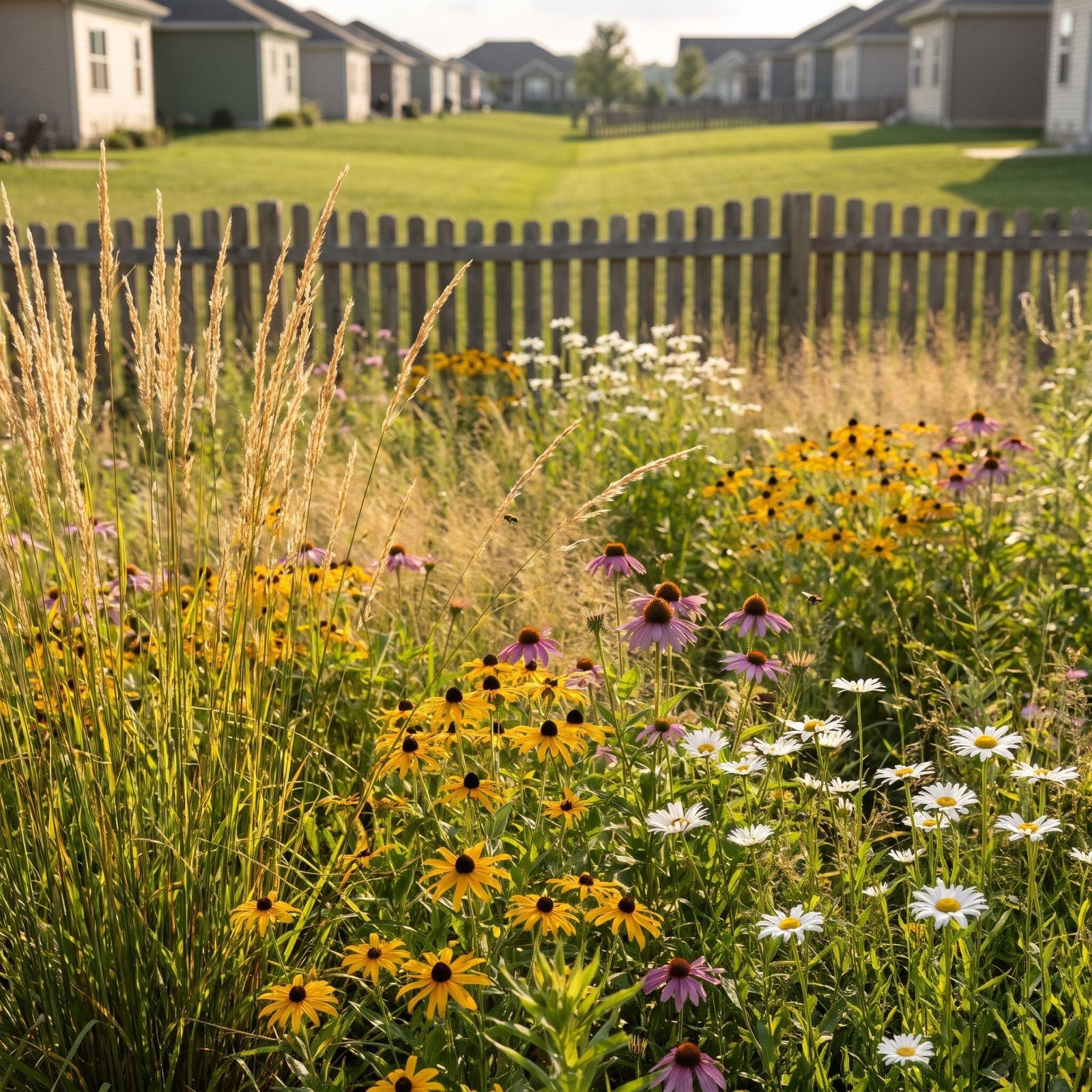
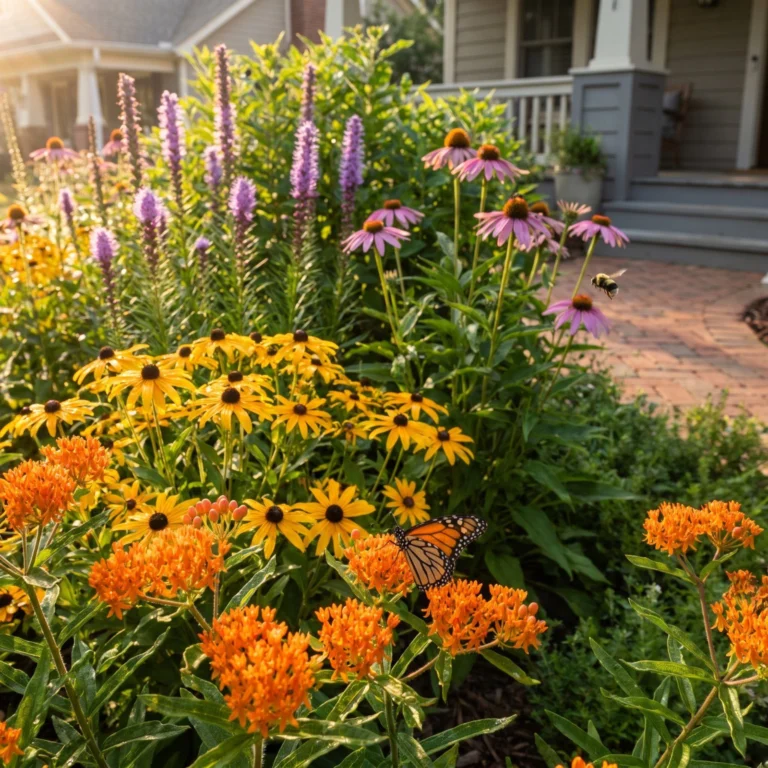
Tell a gardener they absolutely cannot let the lawn go wild and watch something ignite. The native meadow was a maybe. Now it’s a cause. The very grasses and coneflowers you half-liked become the hill you’ll die on, agenda item three at the next homeowners meeting.
We know this move in relationships too. Nothing makes a person more magnetic than someone telling you to stay away from them. The disapproving parent practically hands the forbidden suitor a bouquet.
The fastest way to make someone want something is to credibly threaten to take it off the table.
Psychologists call it reactance: the moment a choice feels restricted, it gets more valuable, almost regardless of whether you wanted it much to begin with. The meadow might genuinely be the right call for pollinators and your water bill. Just be honest about how much of the fire is love of wildflowers and how much is plain refusal to be told what to do in your own yard.
10. Fifty Saved Garden Photos Leave You Unable to Commit
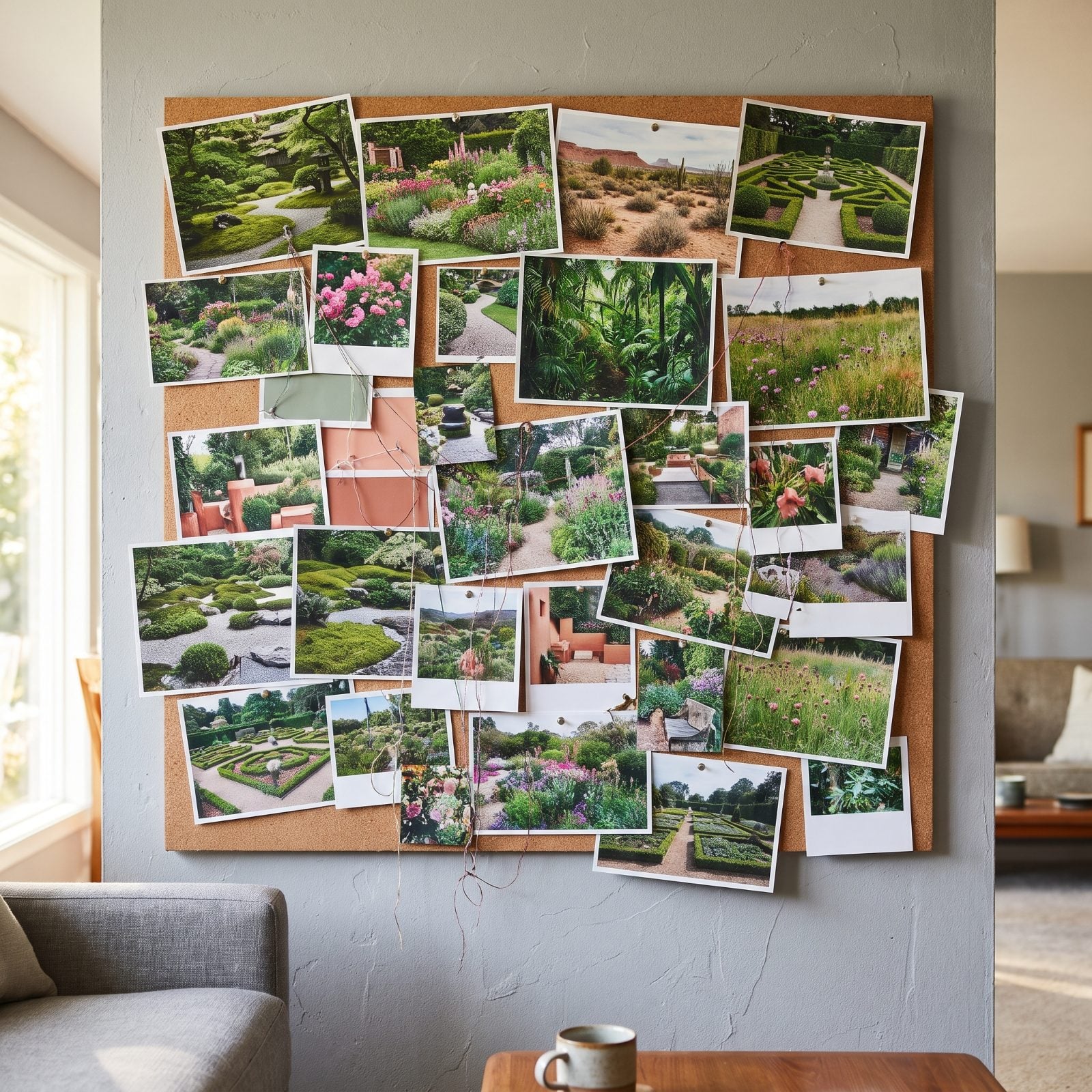
The folder is full. Japanese moss, English cottage, gravel xeriscape, tropical jungle, prairie. You’ve saved fifty gardens and planted none, because committing to one means grieving the other forty-nine. So the yard stays dirt and you stay a connoisseur of other people’s dirt.
Dating apps run the same trap. More profiles, more swiping, more nagging sense that the next one might be slightly better — and less capacity to just pick someone and begin. Choice overload doesn’t make us happier. It freezes us.
Barry Schwartz built a whole book around this, the paradox of choice: past a certain point, more options drain satisfaction and stall the decision entirely. A garden with one honest style beats a hard drive full of perfect ones you’ll never break ground on. Close the folder. The best garden is the one you actually plant.
9. You Say Low Maintenance, Then Choose Roses and Topiary
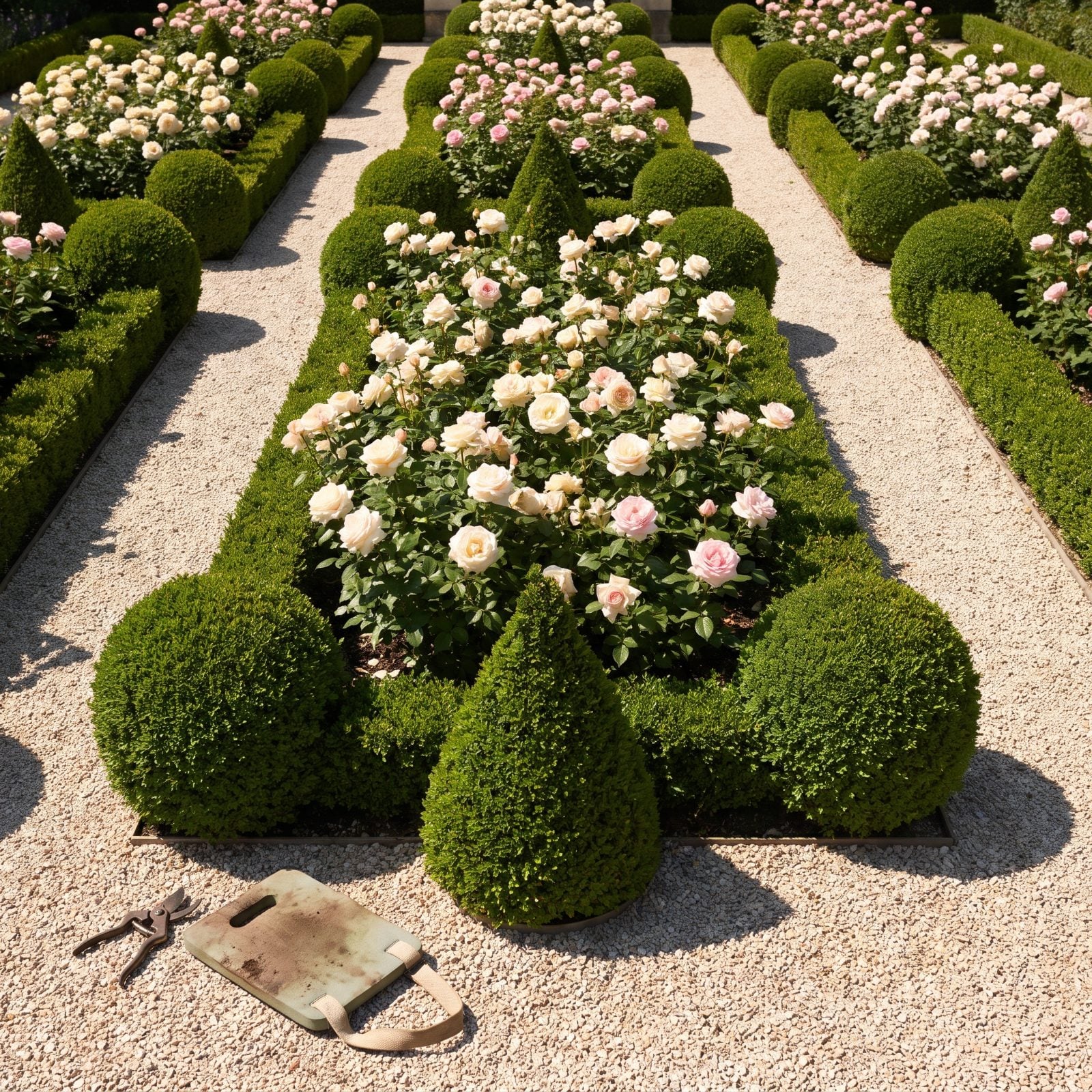
“I just want something easy,” you announce, and then you stroll straight past the sedum and the ornamental grasses and fall for hybrid tea roses and boxwood you’ll be clipping into orbs until your knees give out. The stated want and the actual choice are strangers to each other.
Everyone pulls this with people. We tell the matchmaker, our friends, ourselves, that we want calm and easy and drama-free. Then we pick the high-wattage project that needs constant tending and call it chemistry.
What we say we want and what pulls us are run by different parts of the brain, and the pulling part couldn’t care less about your sensible list. Roses are gorgeous. They are also a part-time job with thorns. If you choose them, choose them with your eyes open. Just stop telling people you wanted low maintenance. Nobody believes you, and neither do your blistered hands.
8. Your Sun Map Rejects the Mediterranean Fantasy
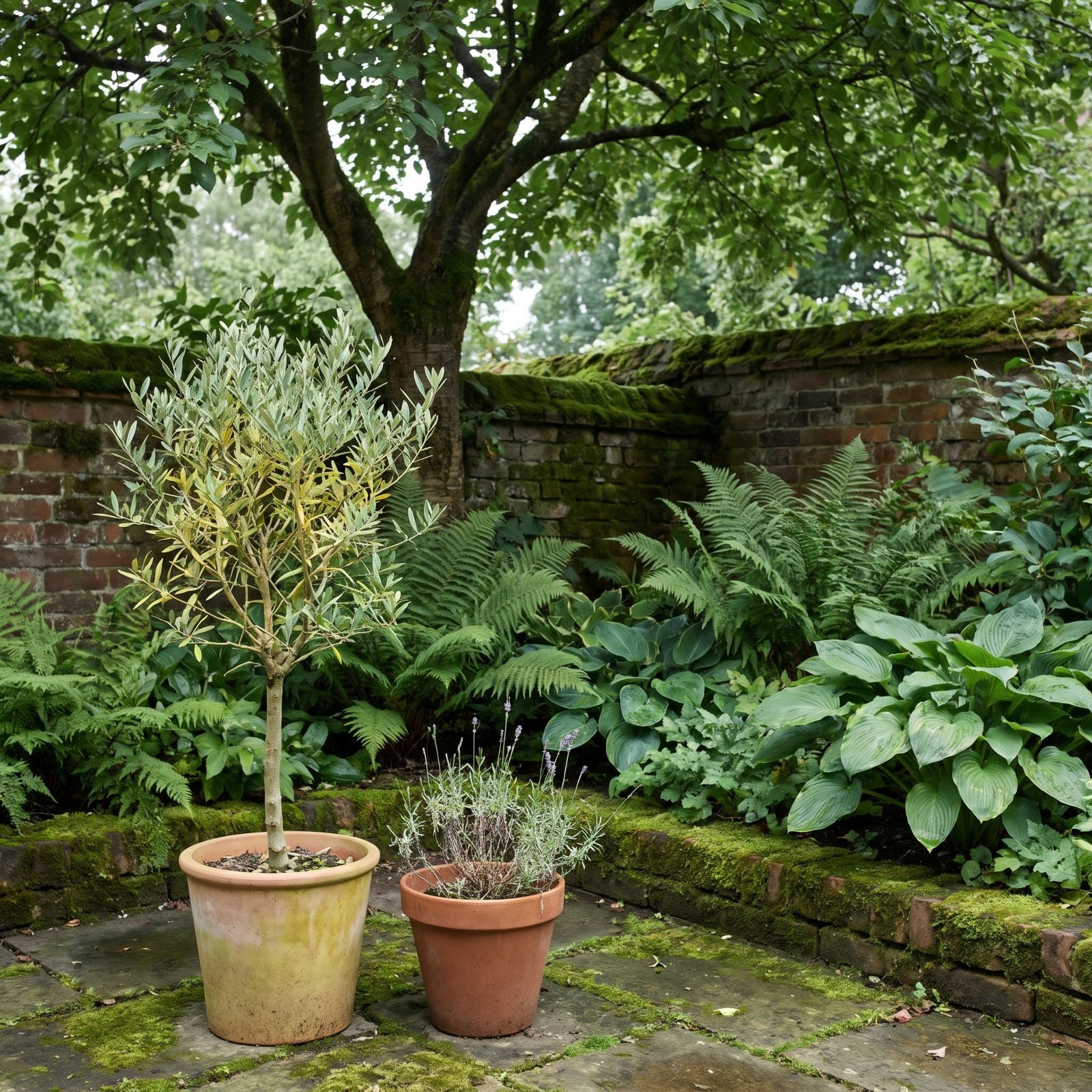
You wanted the Mediterranean dream. Silvery olive, drifts of lavender, gravel baking in the sun. Then you actually tracked where the light falls and found your yard is a cool, damp, north-facing shade pocket that would murder every one of those plants by August. The site has an opinion, and the site always wins.
People have a site too — their actual life, geography, values, how they’re built. We fall for who someone could theoretically be in some other climate, then try to wedge the lavender into the shade and wonder why it sulks.
Gardeners who thrive read the conditions first and choose to match them, instead of fighting the ground for a decade. Same with a partner. Compatibility isn’t the sparkly fantasy. It’s whether your actual conditions, the real soil and light of two lives, can grow the same thing. Plant for the yard you have, not the postcard you saved.
7. Spring Blossoms Hide What August Will Demand
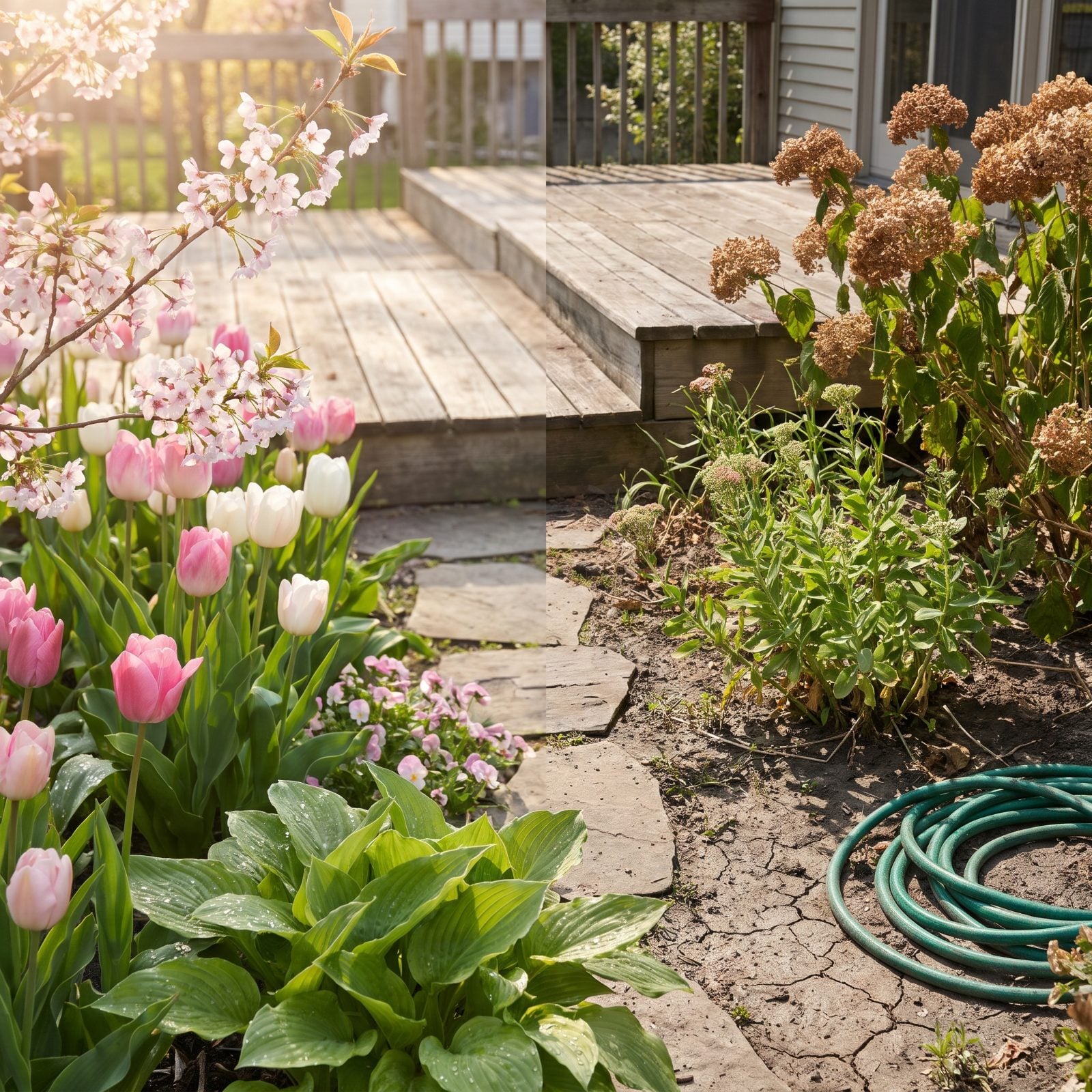
In April the garden is a liar. Everything’s blooming, everything’s generous, and you sign up for a planting scheme based entirely on its best six weeks. Nobody shows you August — half of it bolted, the hose won’t reach, and you’re out there deadheading at dusk, resenting your spring self.
Relationships have an April too. The early months, where everyone’s at their most charming and the maintenance hasn’t started. We commit to the blossom and get blindsided by the upkeep.
Economists call the correction hedonic adaptation. The thrilling new thing becomes the ordinary daily thing, and the glow fades to baseline whether it’s a border or a marriage. So the useful question isn’t “how good is the honeymoon.” It’s “can I stand the Tuesday in August.” A garden you only love in spring is a garden you’ll resent for three seasons. Choose for the whole calendar.
6. You Test One Border Before Labeling the Whole Yard
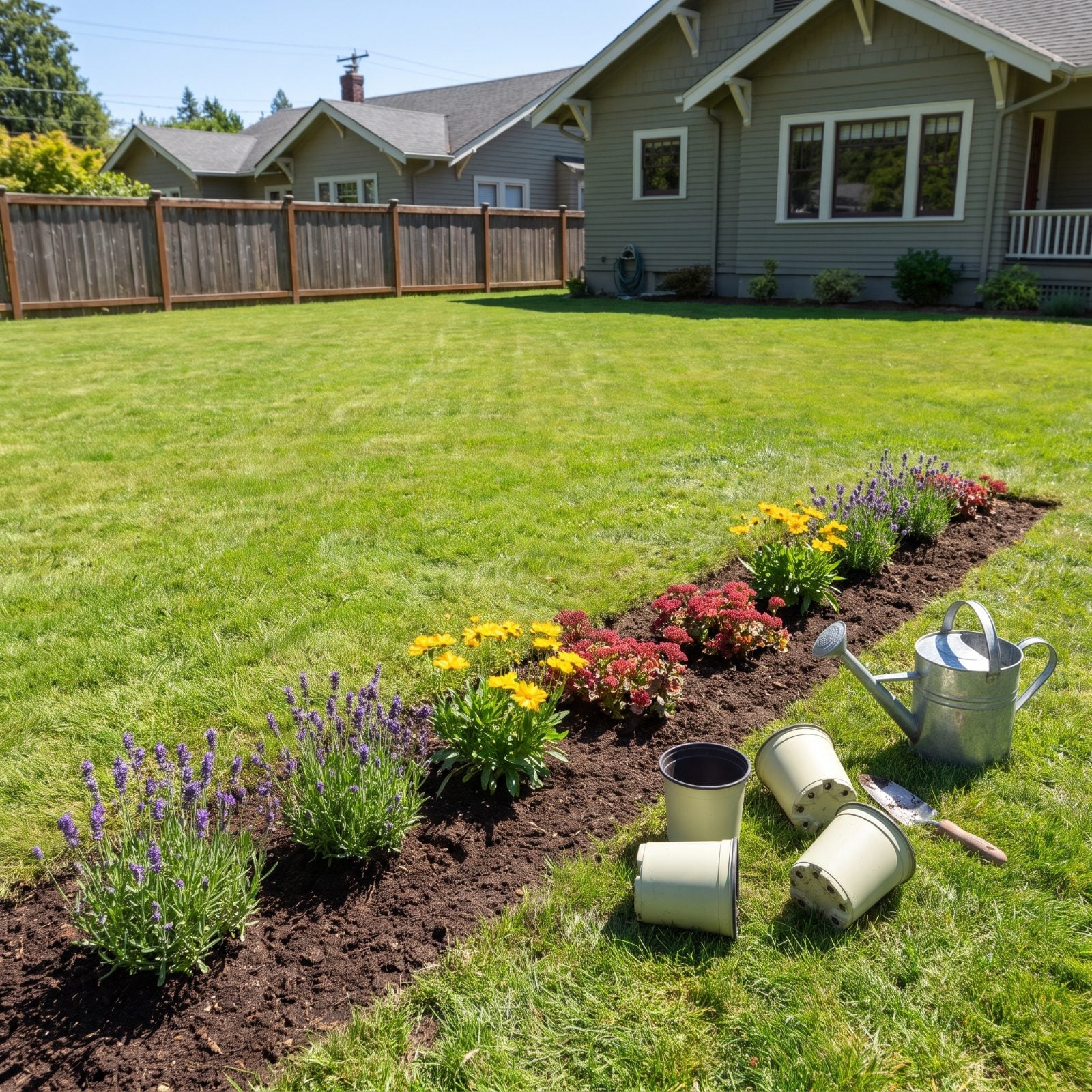
The smart gardener doesn’t tear up the entire yard for a style they’ve never lived with. They plant one border, give it a season, and find out whether they actually like weeding it, watering it, looking at it in the rain. Low stakes. Real information.
Dating, done well, is that trial border. You don’t buy a house together on day two — you let a little reality accumulate before you commit the whole property.
The move protects you from a bias we all carry: we’re far more confident predicting what we’ll love than we have any right to be. One test border tells you more than fifty saved photos ever could, because it swaps imagining for evidence. Try it small before you commit it large. The yard, and the heart, forgive a trial run a lot more easily than they forgive a full teardown you regret by July.
5. The First DIY Raised Bed Becomes Your Favorite
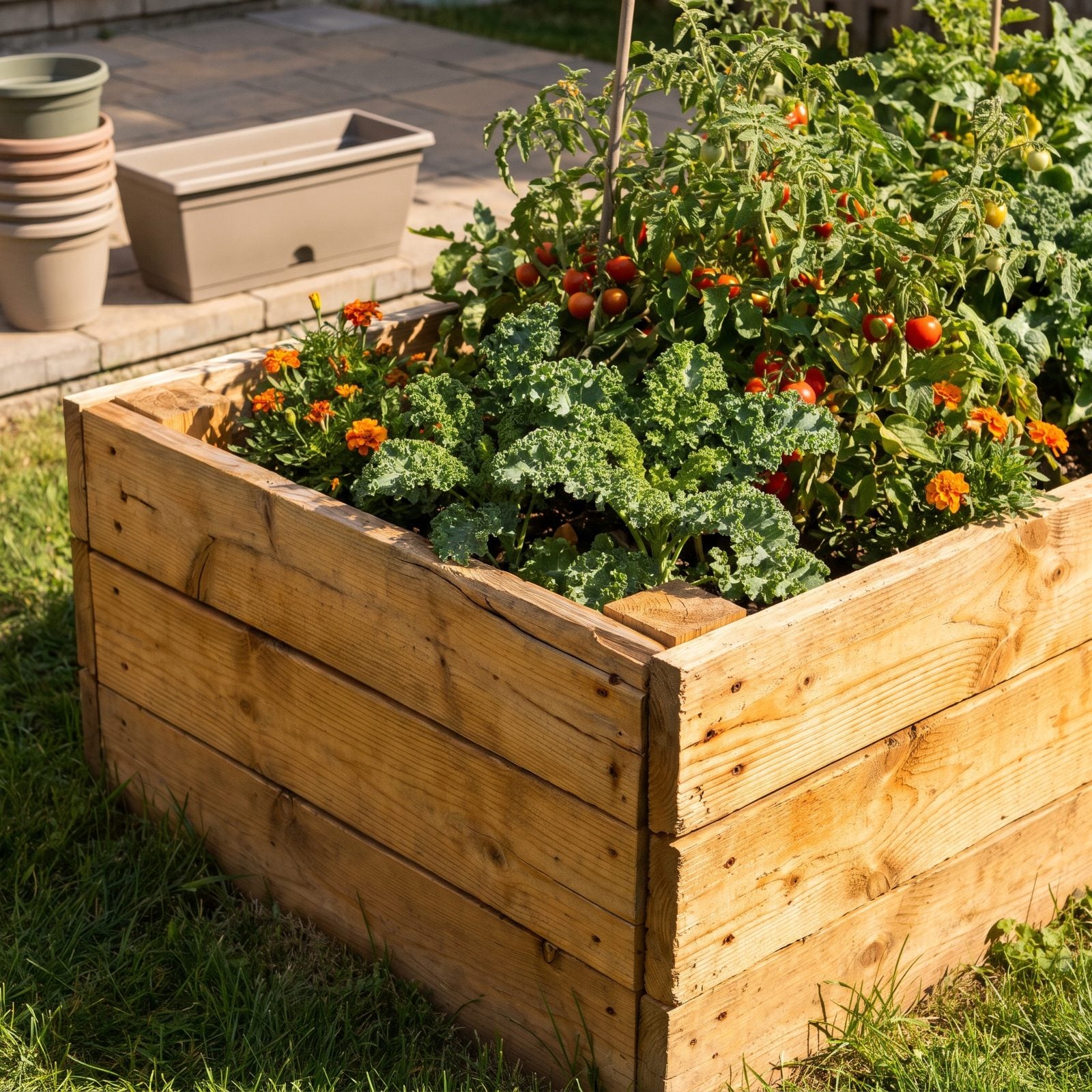
The corners aren’t square. One board warped before you got the last screw in. And somehow that lopsided raised bed you built with your own hands is the one you love most — the one you check first every morning, the one you’d defend against any sleek store-bought planter on earth.
Love works the identical way. We don’t cherish the relationships that came easy and perfect. We cherish the ones we built, argued through, repaired, and sweated over. The effort is the glue.
Researchers named it the IKEA effect: we value things more when we’ve put our own labor into them, flaws and all, precisely because the labor is ours. The wobbly bed isn’t your favorite despite the wonky corner. It’s your favorite partly because of it. Everything good you’ll ever grow, in soil or beside another person, you grow by showing up with dirt under your nails. And that part was never in the catalog.
4. You Inherit Boxwood and Mistake the Default for Preference
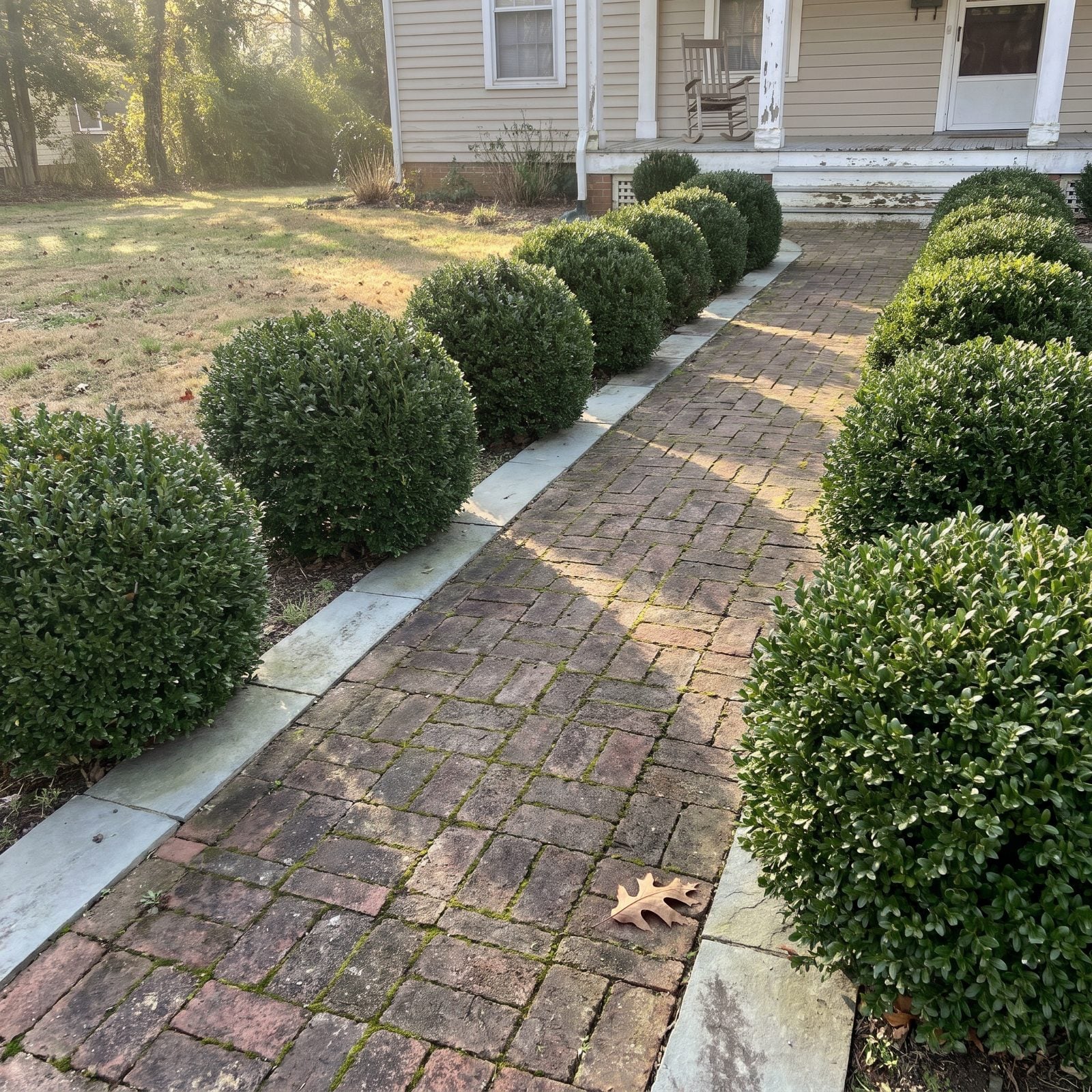
You buy the house, and the boxwoods come with it, standing guard either side of the front path like they’ve always been there. Because they have. You never chose them — you just started trimming them twice a year and calling them yours.
The same thing happens in a relationship when you absorb someone else’s rhythms and mistake inheritance for taste. You start liking the restaurant they always picked. You defend a thermostat setting you never set. The default quietly becomes a preference you’d swear you arrived at on your own.
Psychologists call this the status quo bias, our stubborn pull toward whatever’s already in place. Changing anything feels like a loss even when the thing we’d change was never ours to begin with. The boxwood survives because digging it out feels drastic, not because you love boxwood — and the habit survives for exactly that reason.
3. You Keep Formal Hedges Because the Edging Cost Plenty
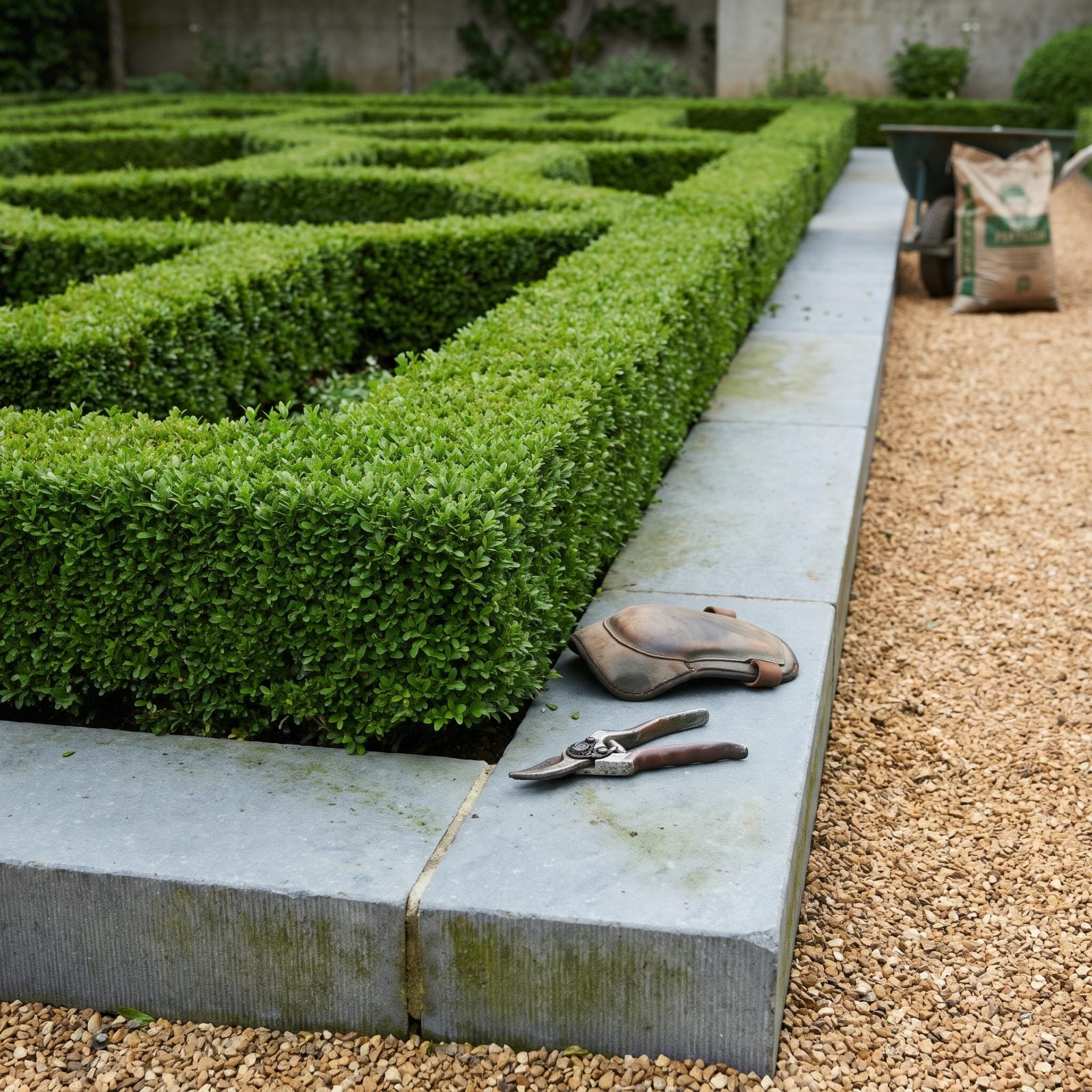
The formal hedges need shearing every few weeks or they turn shaggy and reproachful. You’ve thought about tearing them out more than once. Then you remember the bluestone edging you paid a small fortune for, you pick the pruners back up, and the whole thing stays because the stone is staying.
That’s the sunk-cost fallacy wearing gardening gloves. Money already spent — money you can never claw back — somehow dictates what you keep doing. The edging bill is gone whether the hedges live or die. But the brain can’t stand the idea of all that cash buying nothing, so it keeps the entire expensive system on life support.
It’s the same machinery that keeps people in arrangements long past their expiry. The years invested, the shared mortgage, the wedding that cost what a car costs. None of it comes back by staying. We just can’t bear to watch it “go to waste,” so we spend even more to protect what’s already gone.
Honest truth: plenty of us have kept a plant alive out of pure spite toward the receipt. It’s not a good reason. It feels like one.
2. The Woodland Garden Fits Better After Your Trees Mature
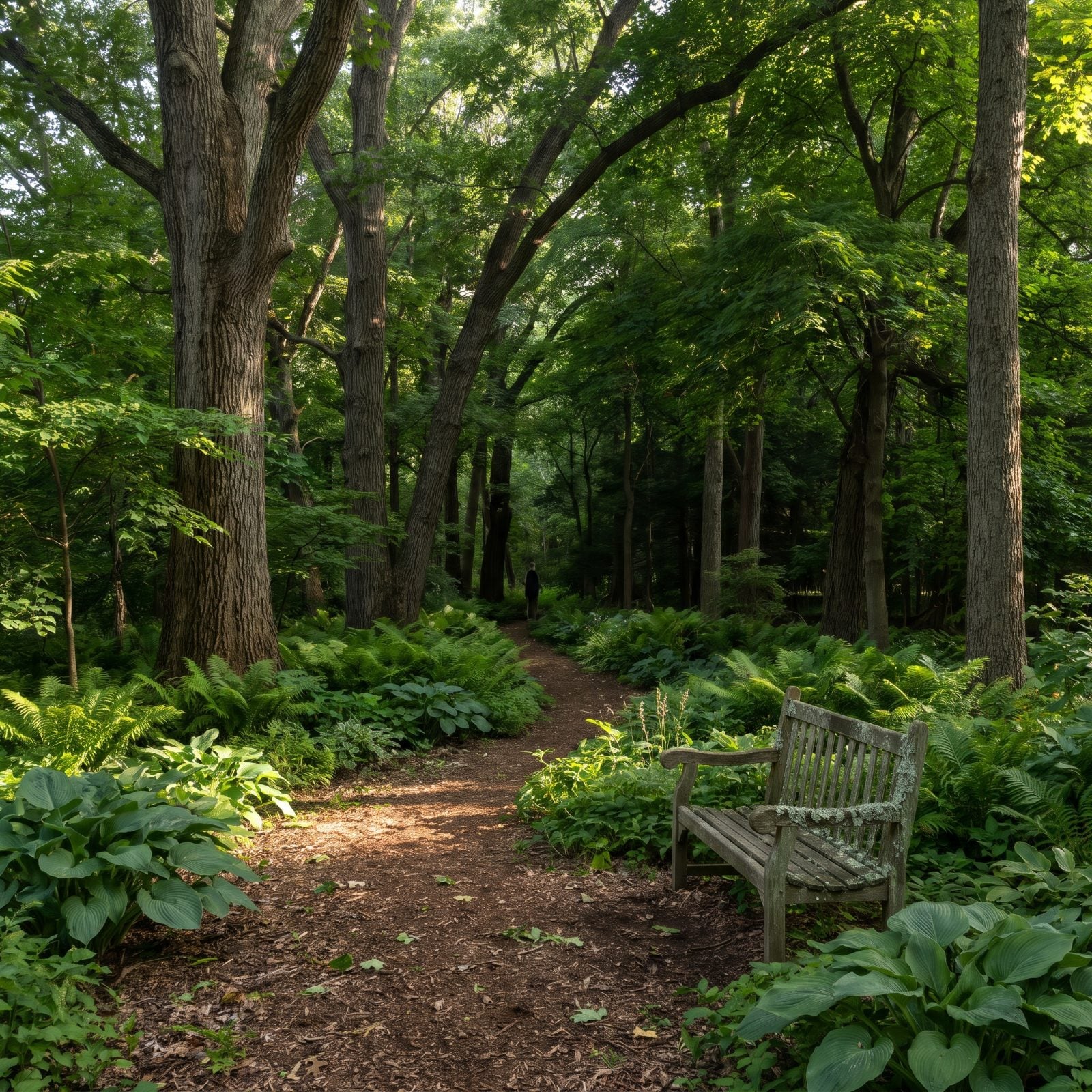
Plant a woodland garden the year you buy the saplings and it looks ridiculous — ferns baking in full sun, hostas scorched, the whole shady fantasy failing out in the open. The style only makes sense years later, once the trees grow tall enough to throw real shade and the conditions finally catch up to the plan.
Some partnerships work the same way. The fit wasn’t there at twenty-five and couldn’t have been. Then the same two people meet again at fifty, after the canopy of their lives has filled in, and suddenly it just works. Nothing about the choice was wrong. The timing hadn’t ripened.
The style didn’t fail. The garden wasn’t ready to wear it yet.
Developmental psychologists have a word for this: readiness. The same input lands completely differently depending on the stage you’re in. We mistake a timing mismatch for a compatibility problem constantly. Plant the right thing too early and you’ll swear it was the wrong thing.
1. Once You Pick Xeriscaping, Every Dry Lawn Proves You Right
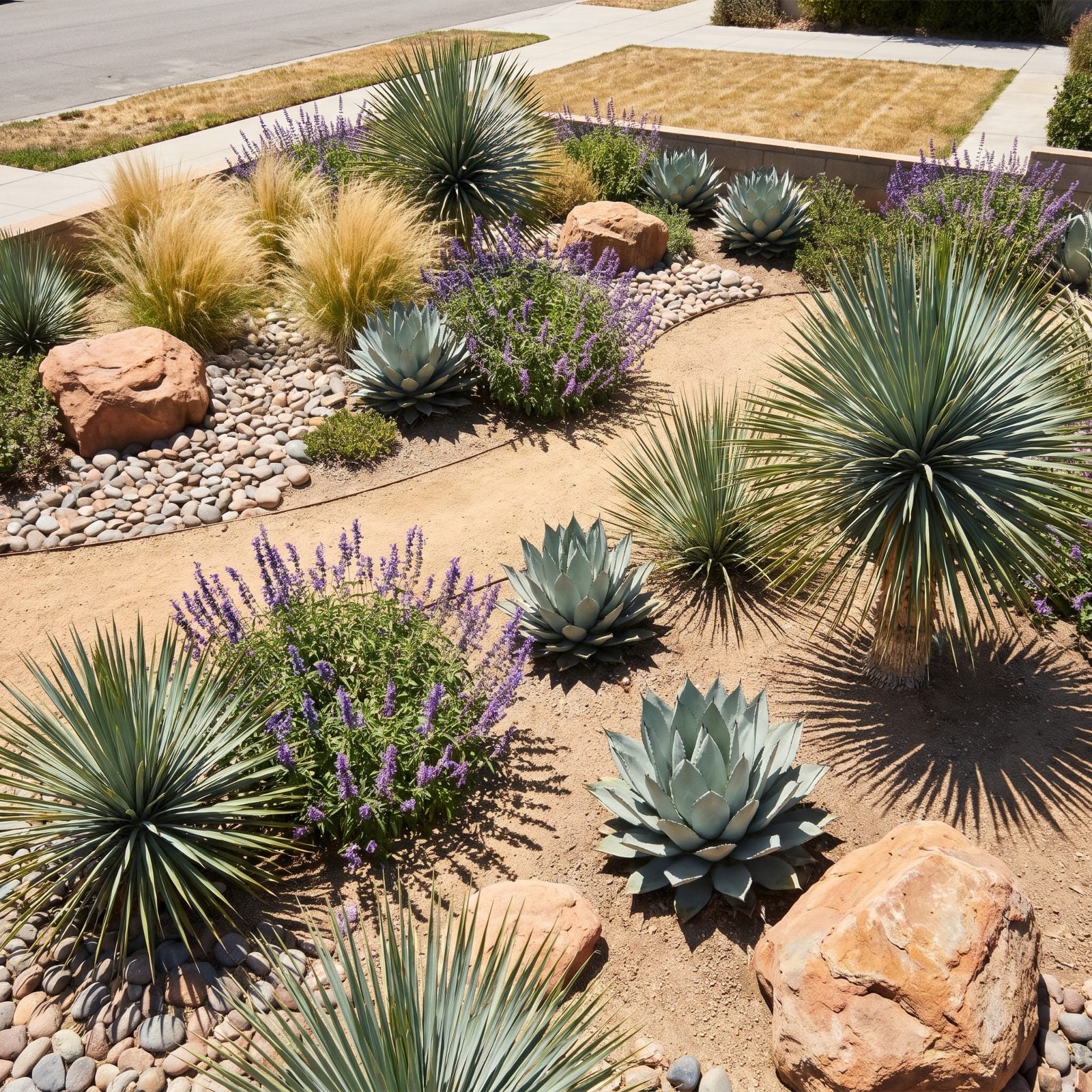
You rip out the lawn, lay down gravel and agave, and commit to xeriscaping. From that day on, every browning yard on the street looks like evidence. Every neighbor dragging a hose at dusk confirms you made the smart call — and you barely notice the lush green lawns thriving three doors down. Those don’t register.
That’s confirmation bias doing yard work. Once we commit to a choice, we quietly gather the proof that we were right and breeze past everything that suggests otherwise. The dry lawns leap out. The healthy ones vanish.
Same reflex kicks in after any big decision about who or how we live. We turn into evidence collectors for the path we picked, and the universe seems to play along — mostly because we’ve stopped counting the cases that don’t fit.
We’re no exception here. Our own dead plants are always “the weather.” The neighbors’ are proof they did it wrong.