

Free admission in a botanical garden usually hides a catch. Paid parking. Weekend-only hours. A gate that locks at four. North Carolina has a quiet run of public gardens that are genuinely free to walk, from a mountain garden at 4,000 feet to a titan arum that smells like something died in a university greenhouse. Some sit on college campuses, others grew out of a nurseryman’s backyard, and a few come with a parking meter you’ll want to feed. Here’s where they are, what earns each one a visit, and the access detail nobody mentions until you’re already circling the block.
Please note that some of the images in this article were created with the assistance of AI.
14. Sarah P. Duke Gardens, Durham
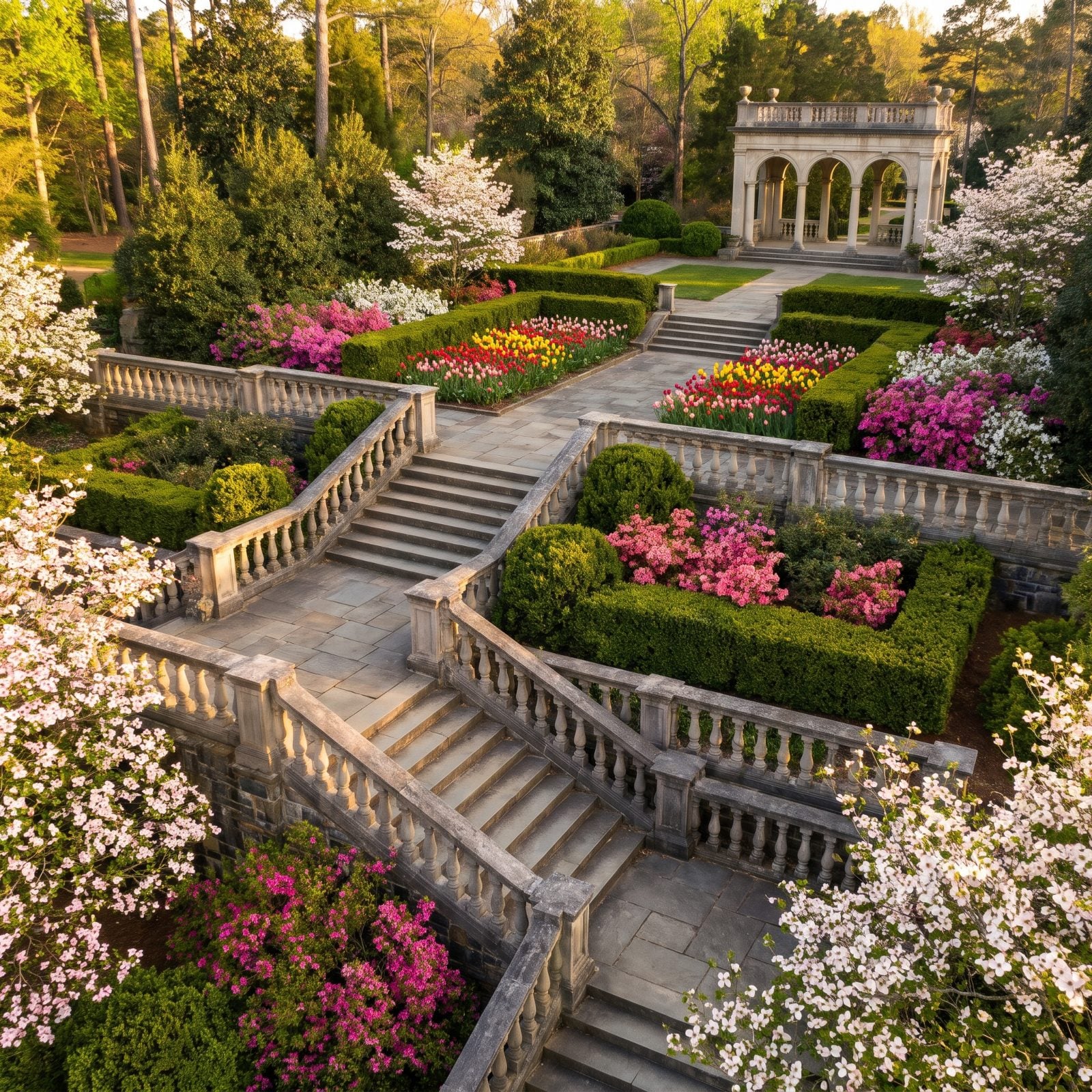
Fifty-five acres dropped right into the center of Duke’s campus, split into the terraced Historic Gardens, the pond-and-bridge calm of the Asiatic Arboretum, the Blomquist Garden of Native Plants, and the Doris Duke Center Gardens. The terraces alone, cascading down toward the water, are the kind of thing you plan a whole afternoon around.
Here’s the catch: the garden itself is free to walk, but parking costs money. Budget for it, don’t be surprised by it, and remember this is a busy university campus where spots fill fast.
13. North Carolina Botanical Garden, Chapel Hill
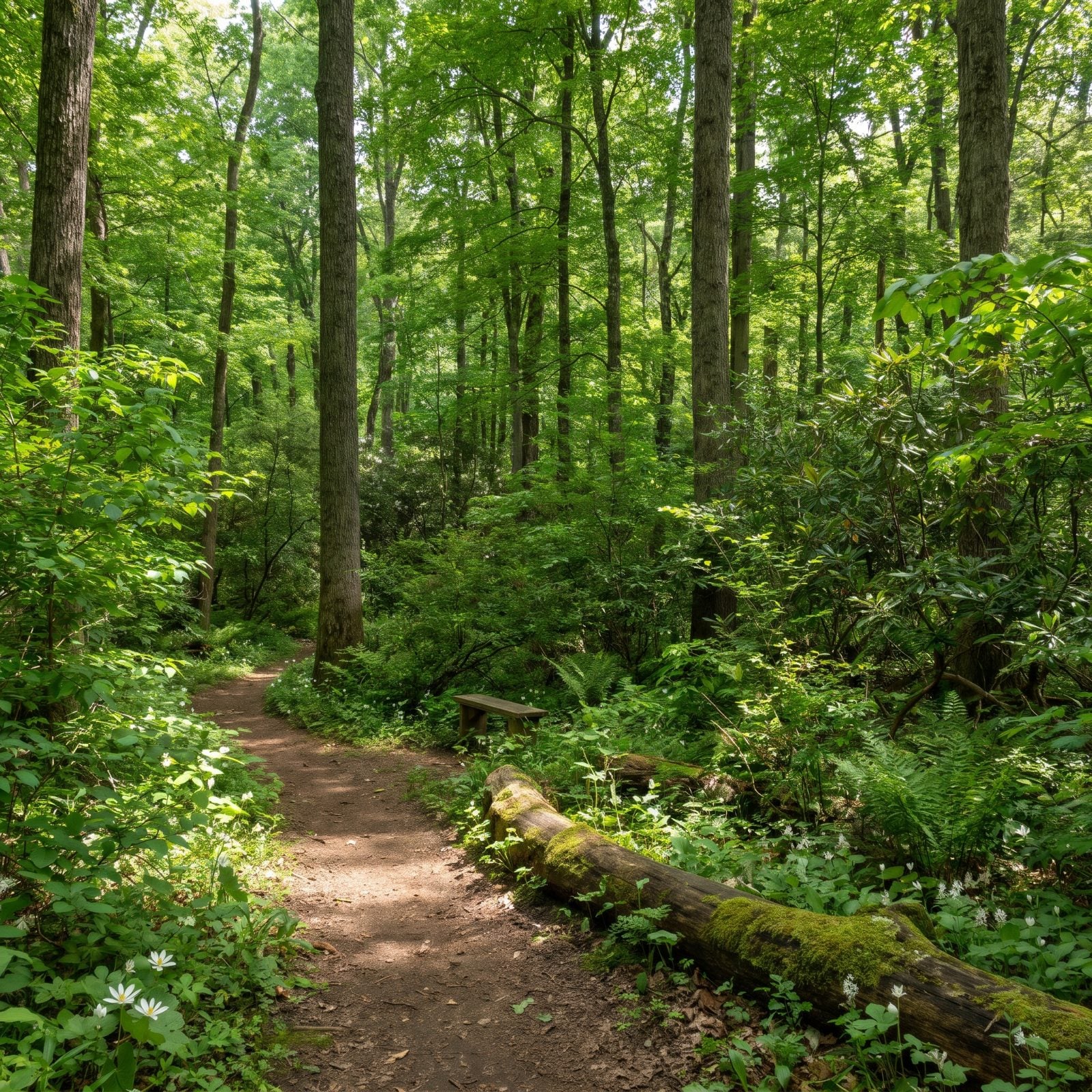
Run by UNC-Chapel Hill out at 100 Old Mason Farm Road, established in 1952, and spread across hundreds of acres. The display gardens here commit hard to North Carolina natives and real habitats, which means pitcher plant bogs and pine stands instead of imported showpieces. There’s a Children’s Wonder Garden, and nature trails that run off into the woods.
They hold native plant sales with no admission charge. Worth timing a visit around one if you want to take some of this home.
12. Coker Arboretum, Chapel Hill
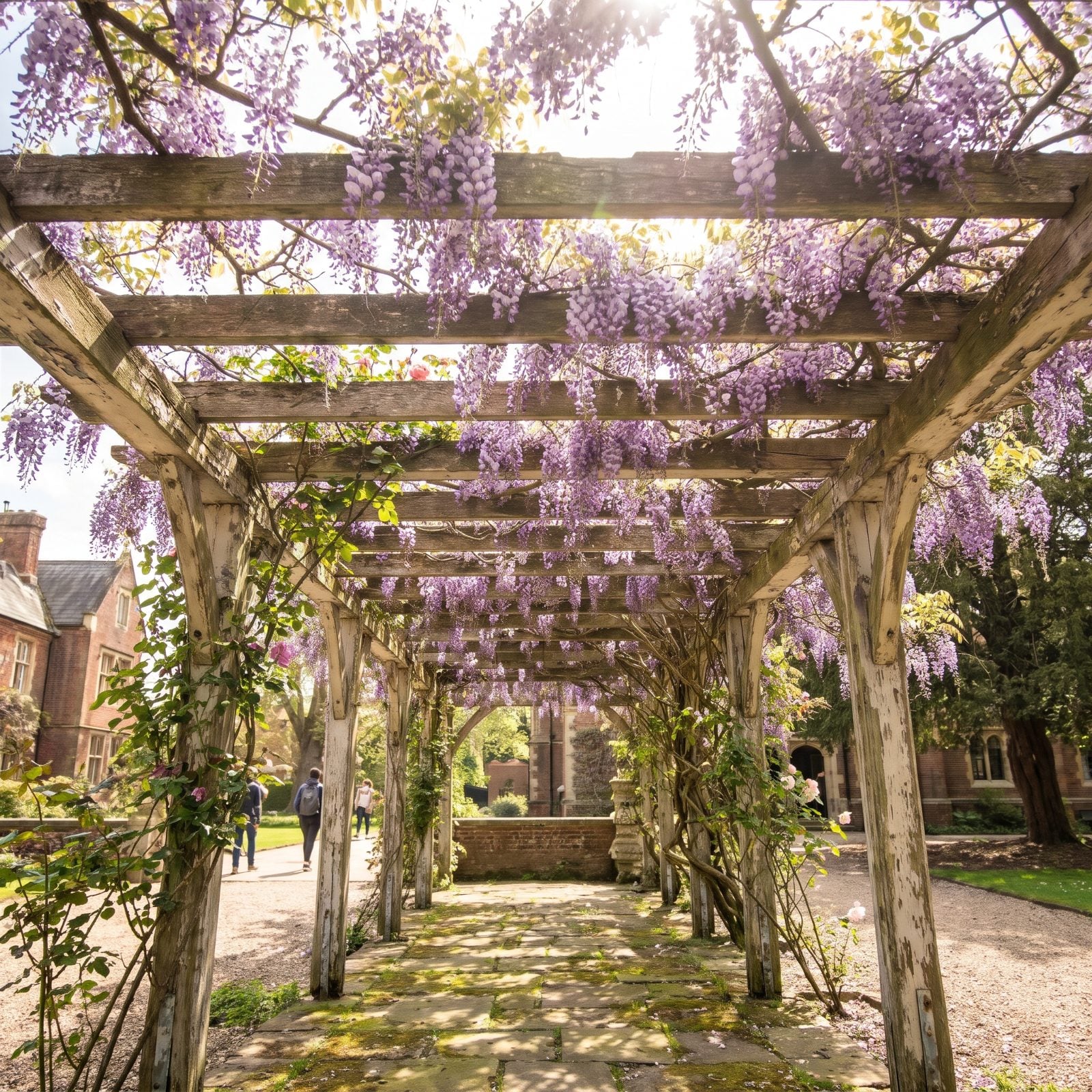
Small, old, and right on the UNC campus at 399 East Cameron Avenue, next door to the Morehead Planetarium. The wisteria-draped pergola is the signature here, and in spring it’s genuinely something. Free, open dawn to dusk every single day of the year, which makes it an easy stop before or after a Franklin Street afternoon.
Parking is the headache. Metered parking is limited and scattered around Raleigh Street, Franklin Street and downtown, so bring quarters or an app. Curator-led tours are offered on select dates for a small fee with preregistration; check the North Carolina Botanical Garden calendar.
Thinking decades ahead about the old campus garden, the arboretum’s curator says “I have every confidence that the bald cypresses in here will outlive the dormitories next to them”
11. Reynolda Gardens, Winston-Salem
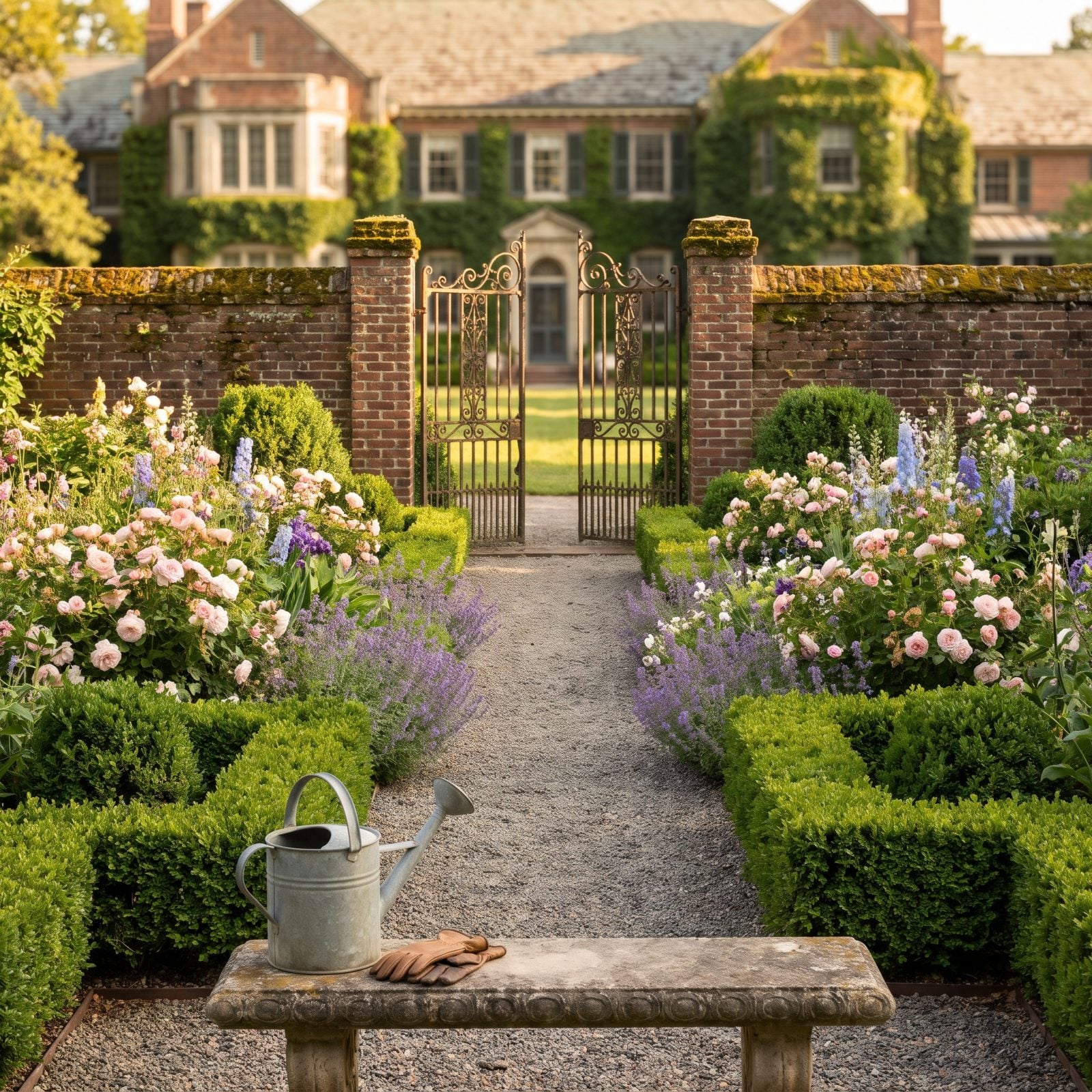
Off Reynolda Road, tucked between Reynolda House and Wake Forest’s Reynolda campus. The gardens open every day and cost nothing to walk, with formal beds and a glass conservatory that feel lifted off an old estate, which is exactly what this was.
One wrinkle worth sorting out before you go: the Welcome Center and Brown Family Conservatory keep museum hours. Tuesday through Saturday 9:30 a.m. to 4:30 p.m., Sunday 1:30 to 4:30 p.m., closed Mondays. And the Reynolda House museum itself charges admission, so don’t confuse the free gardens with the paid house.
10. UNC Charlotte Botanical Gardens, Charlotte
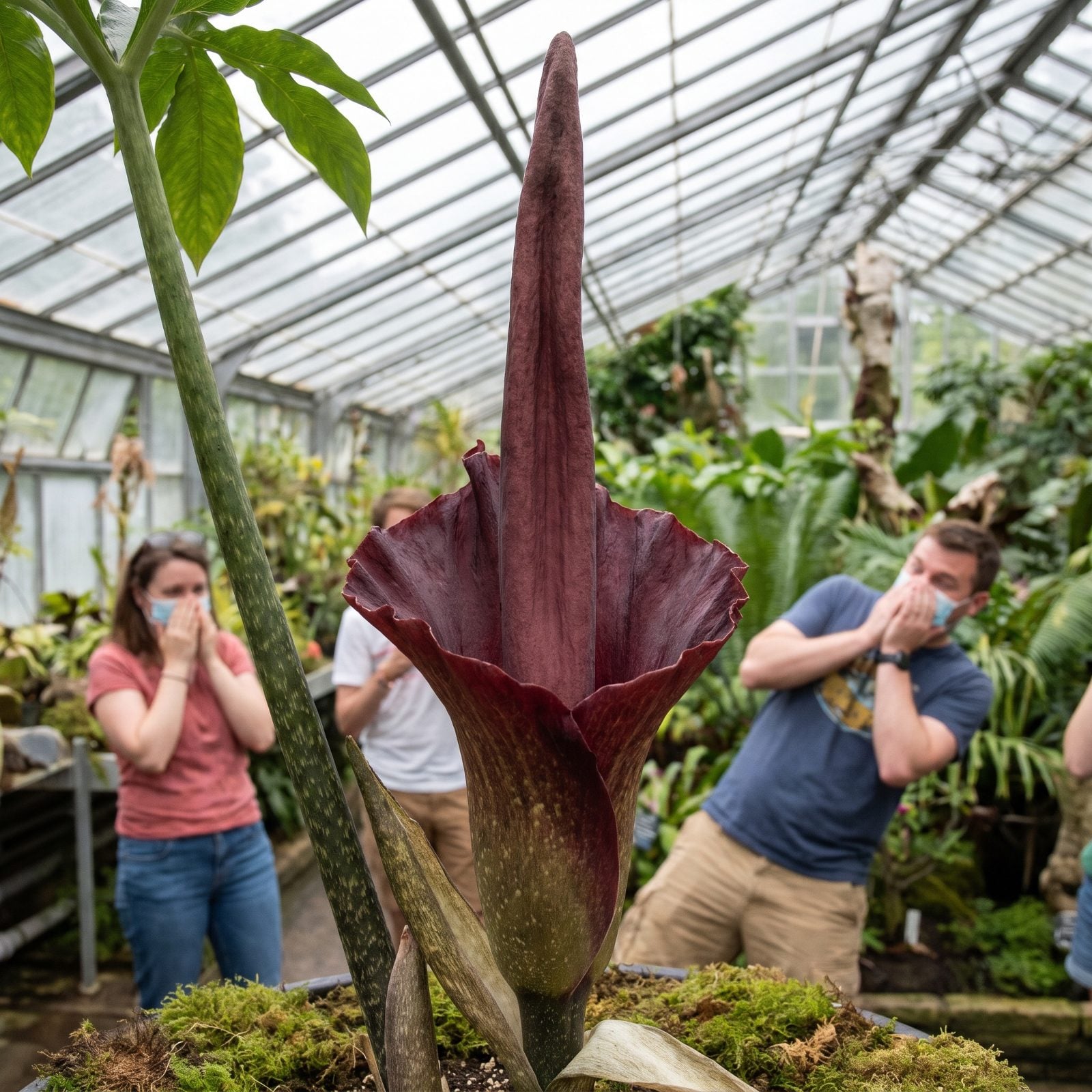
Three garden sites, sixteen collections, and a flower that smells like roadkill. The UNC Charlotte Botanical Gardens are free, always, and they grow the rare titan arum, that giant corpse flower that stinks of rotting meat when it blooms. Two of them bloomed here in the greenhouse in 2018, which is the kind of event people drive across the state for.
The oddest free perk: you can borrow a hammock during greenhouse hours. No charge. Go ahead and hang it on one of the hammock stands out in the gardens and nap, nobody’s stopping you.
Ahead of a titan arum bloom, a greenhouse manager at the gardens says “We typically have livestream viewing available, and it’s so exciting to know that we will have people watching from all around the world”
9. New Hanover County Arboretum, Wilmington
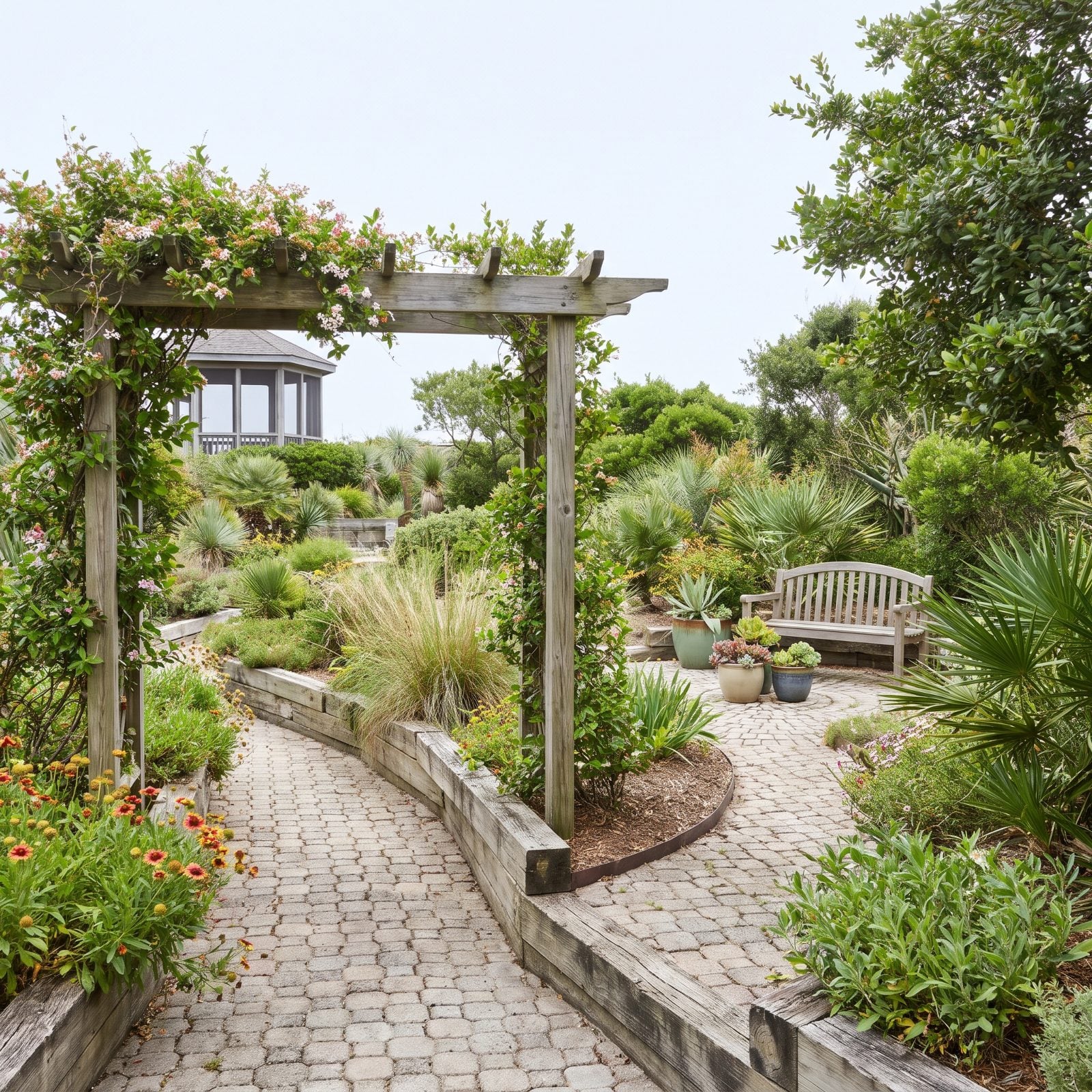
Seven acres run by NC Cooperative Extension out at 6206 Oleander Drive, formally opened in 1989. Dozens of gardens, including an aquatic garden with a koi pond that’s the quiet highlight. Free, open every day 8 a.m. to 5 p.m.
One real caveat: it sometimes closes for private events. Call ahead at (910) 798-7660 before you make the drive, especially on a weekend, because showing up to a locked gate at a wedding you weren’t invited to is nobody’s idea of a good morning.
Remembering her family’s first visits to the arboretum, a county extension director writes that “it quickly became our go-to spot for walking, exploring, and enjoying the outdoors in a safe and free environment. My little ones loved visiting the koi in the pond and marveling at bees and butterflies throughout the gardens.”
8. Greensboro Arboretum, Greensboro
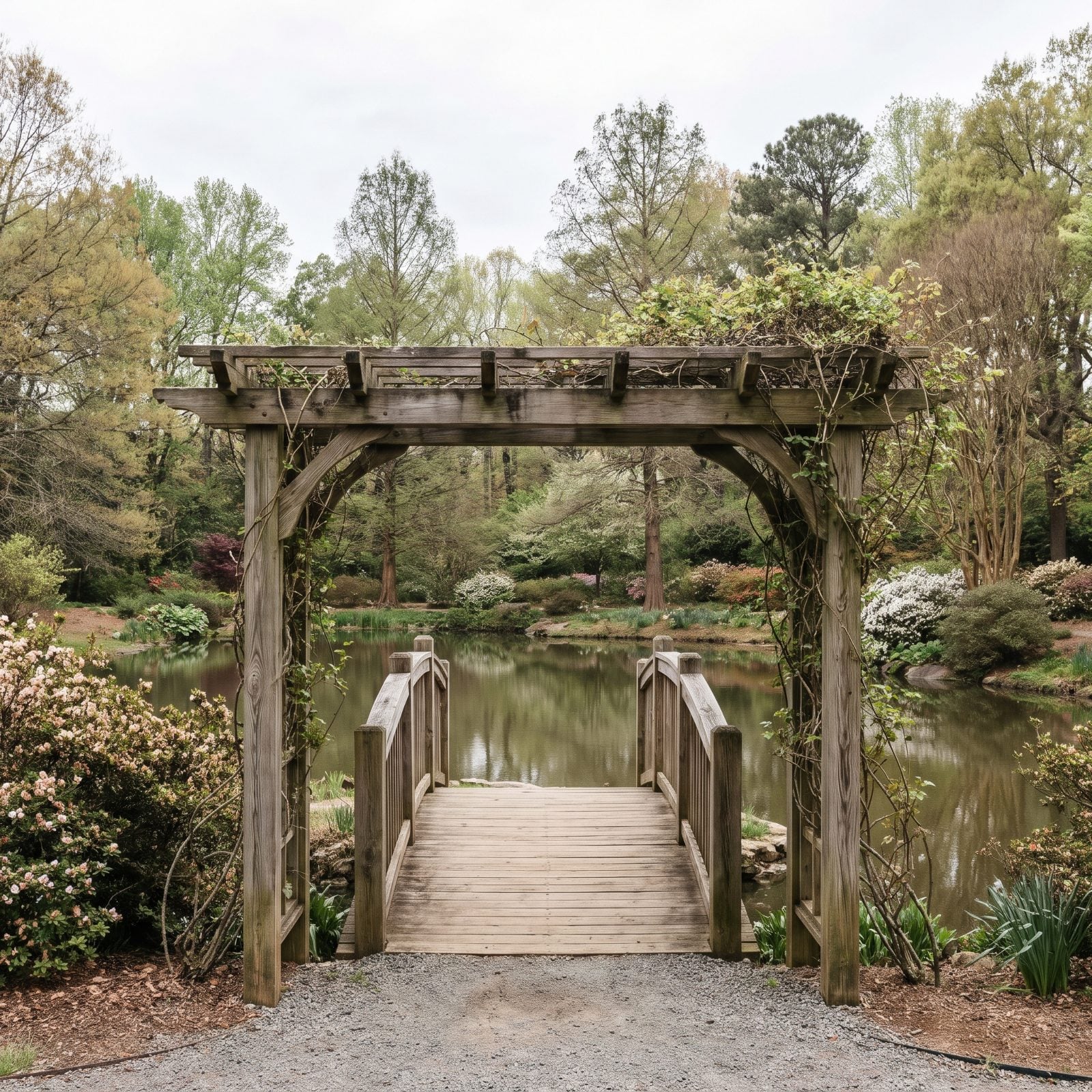
Seventeen acres, more than a dozen labeled plant collections, and a handful of structures (bridges, a pergola) that give the walk some shape. Developed by the volunteer group Greensboro Beautiful.
The policy here is refreshingly blunt. Greensboro Beautiful says every garden in the city of Greensboro is free, so you can string together a whole day of them. Arboretum phone, if you need it: 336-373-4334.
7. Raleigh Rose Garden, Raleigh
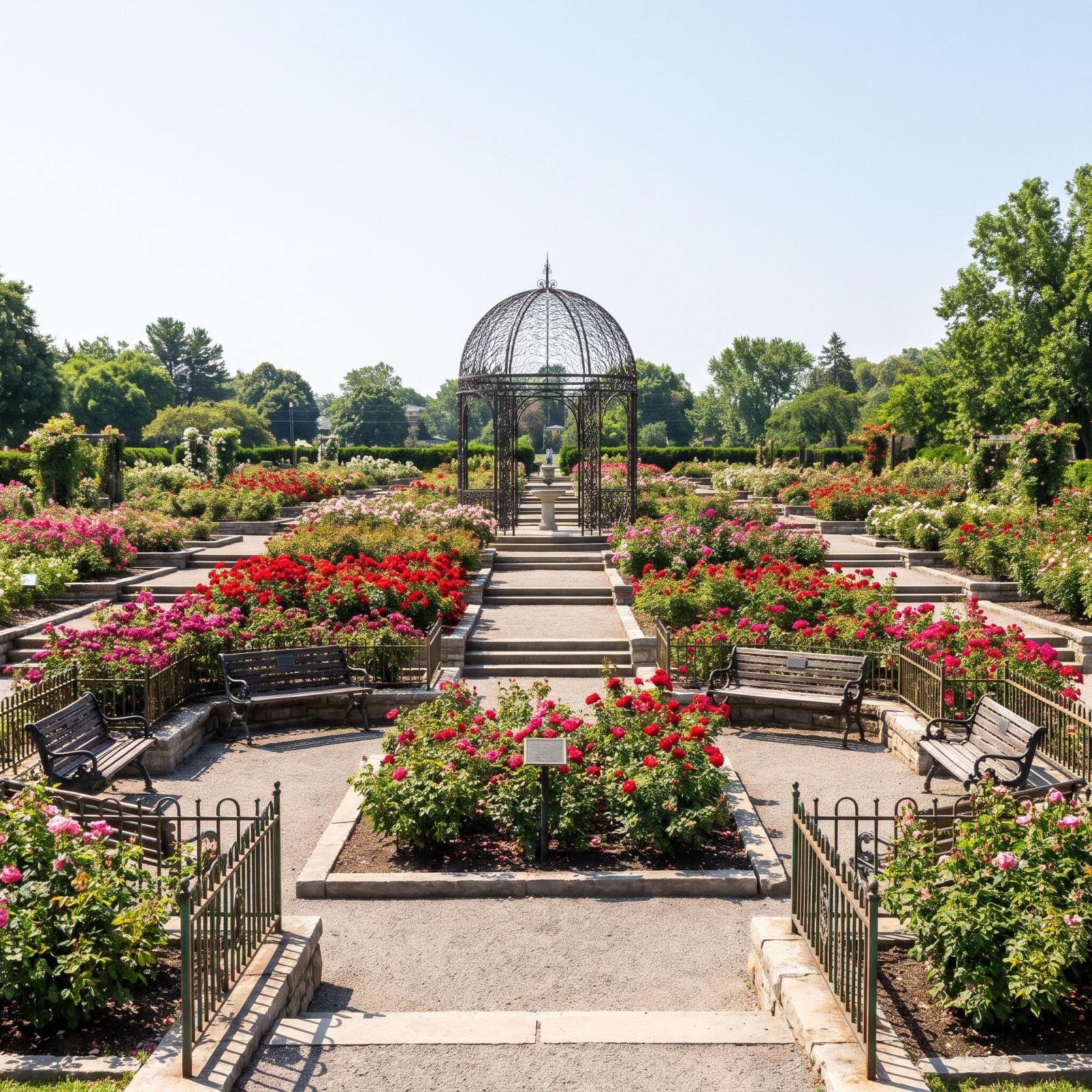
At 301 Pogue Street, dedicated in 1951, sitting right by NC State and Raleigh Little Theatre. Sixty rose beds, with the stone Stephenson Amphitheatre just up the steps. Free, open dawn to dusk, seven days a week, and it peaks in late spring when the whole thing’s in bloom at once.
There’s a free parking lot, which is a gift in this part of Raleigh. Just steer clear of the spaces marked “permit required” unless you want a ticket to remember the roses by.
Writing about the garden’s history, a garden club historian notes “Visiting the Raleigh Rose Garden in the peak bloom season of May and June offers garden lovers a magical experience far from downtown Raleigh’s urban bustle.”
6. Paul J. Ciener Botanical Garden, Kernersville
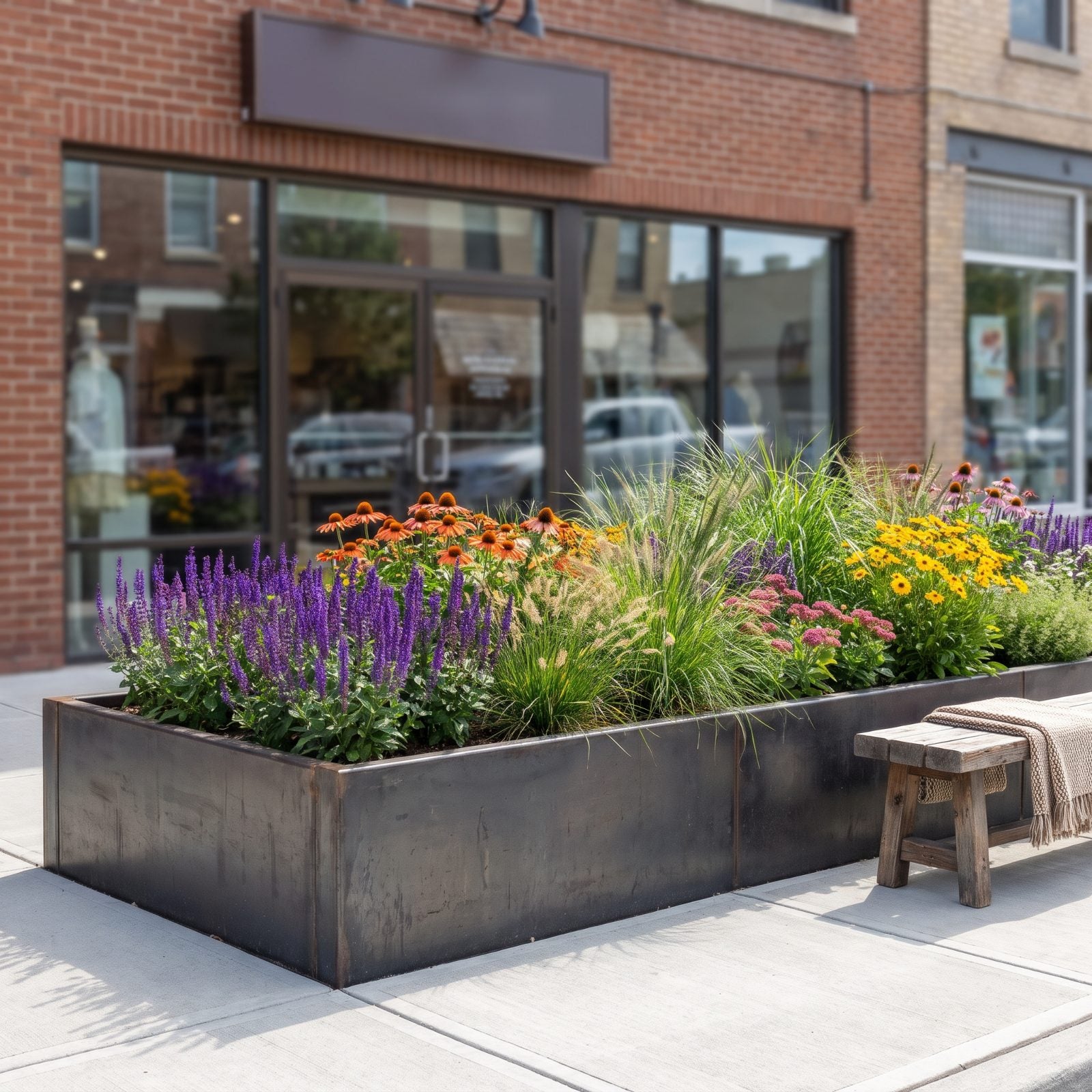
A botanical garden in Kernersville, packed with themed beds of salvia, coneflowers, black-eyed Susans, sedum and ornamental grasses, with the small-town charm of a garden you can walk to straight from town.
A couple of small notes. The garden shop is open only Tuesday through Friday, 10 a.m. to 4 p.m., so plan around that if you want to shop. There’s also a free kids’ storytime run with the Kernersville Library on the second Tuesday of the month, March through November, at 10 a.m. A garden planted in the middle of a downtown, free to anyone who wanders in, is rarer than it ought to be. Go stand in it.
5. Bullington Gardens, Hendersonville: A Fairy Trail and a Dahlia Show
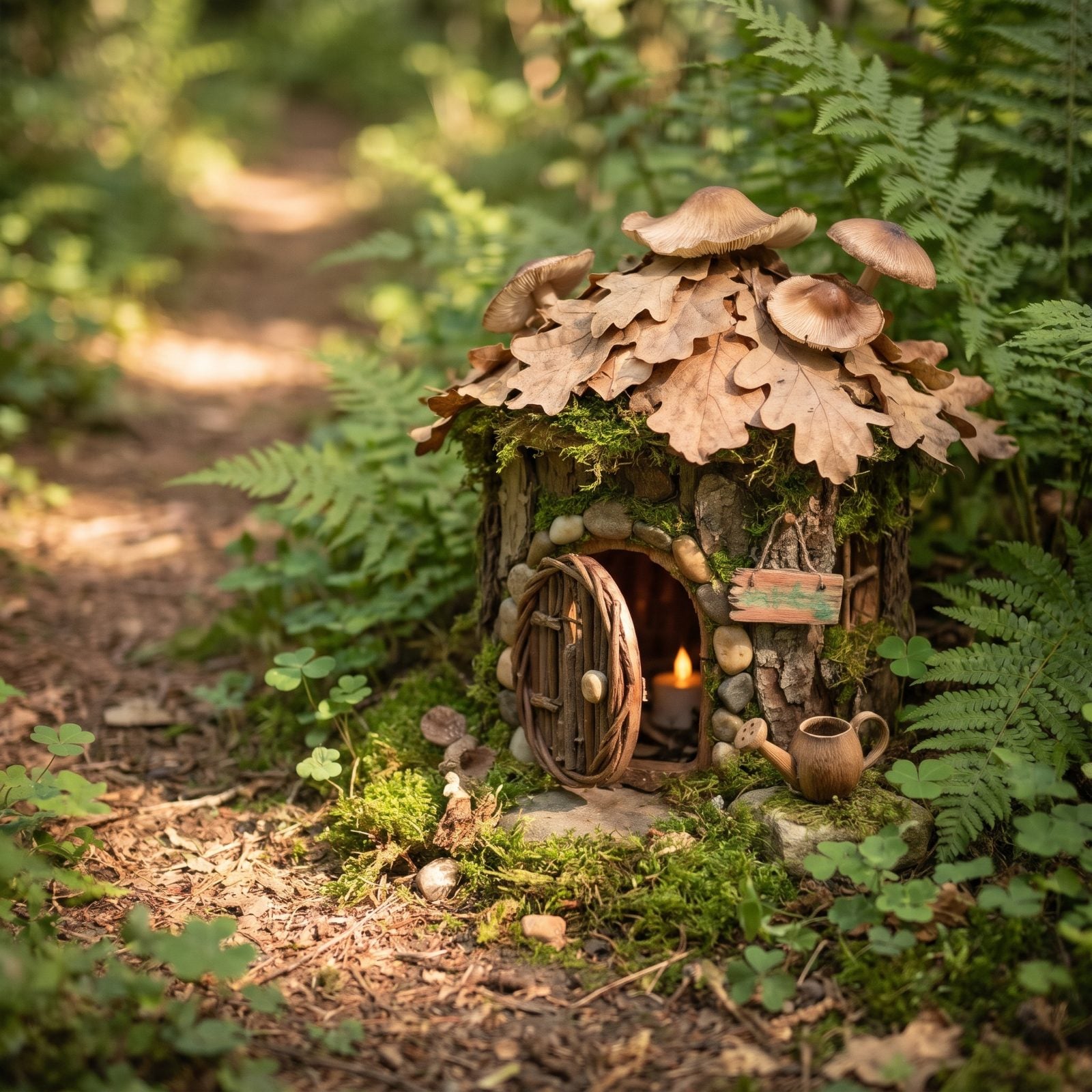
This was Bob Bullington’s home and nursery before it became a 12-acre garden and teaching center. Now it runs hands-on workshops for kids and adults, a different kind of garden entirely. Most places want you to look. This one wants your hands dirty.
Admission is free. Go in late summer for the dahlias, which visitors talk about more than anything else here. There’s also a Fairy Trail lined with miniature houses, the sort of thing that sounds twee until you’re walking it and quietly charmed despite yourself.
In a seasonal update on the dahlia collection, the garden’s education director wrote “By the end of August, the approximately 600 dahlia plants in the Dahlia Garden will be blooming.”
4. Sandhills Horticultural Gardens, Pinehurst: A Teaching Garden That Started With Holly
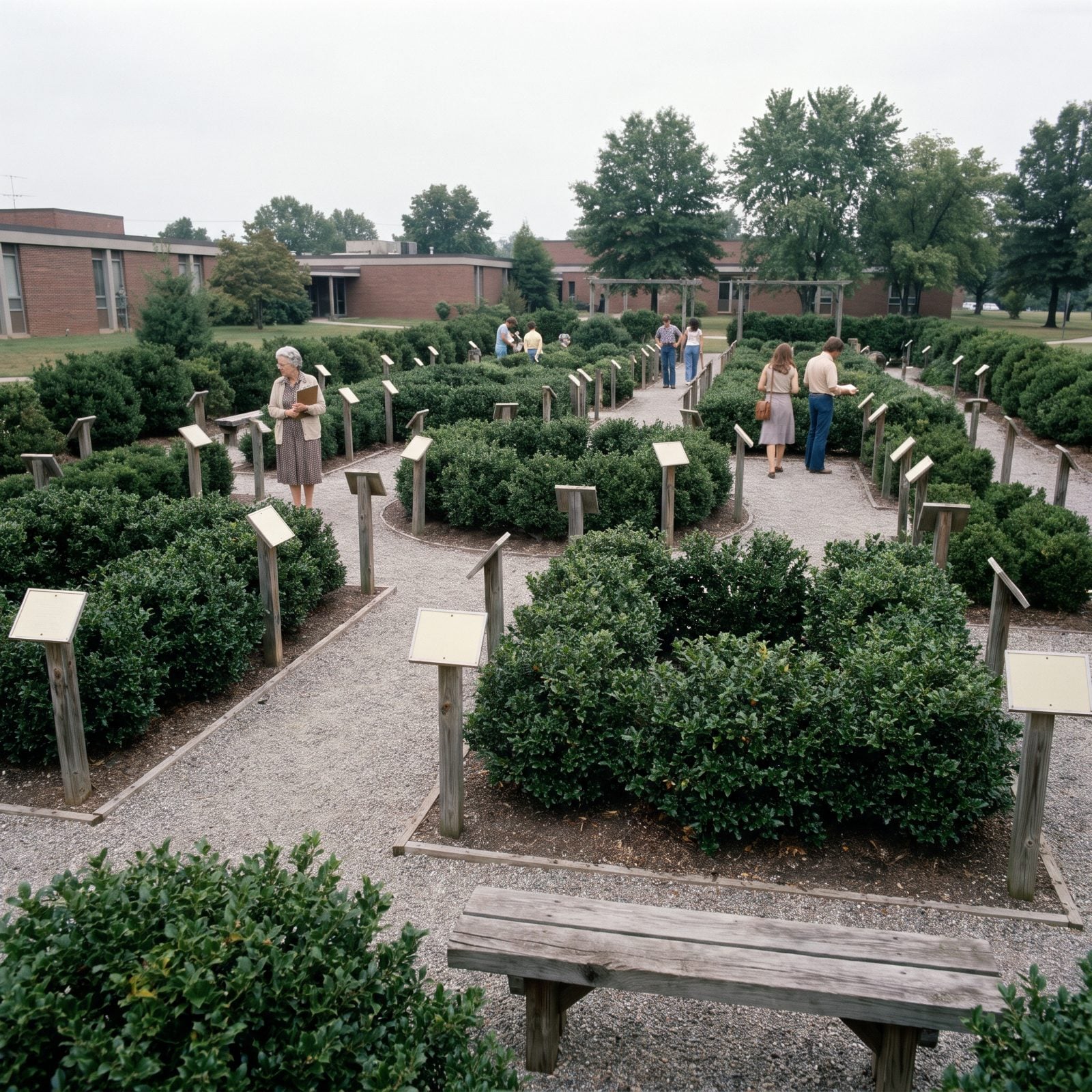
On the Sandhills Community College campus at 3245 Airport Road, these gardens began in 1978 with the Ebersole Holly Garden and grew into roughly 32 acres of different styles. Free to visit.
Worth knowing: students in the college’s horticulture program help maintain the place. You’re walking through working classrooms, where the plantings get fussed over by people learning the trade. It shows in the care.
3. Highlands Botanical Garden: The Highest Botanical Garden in the Country
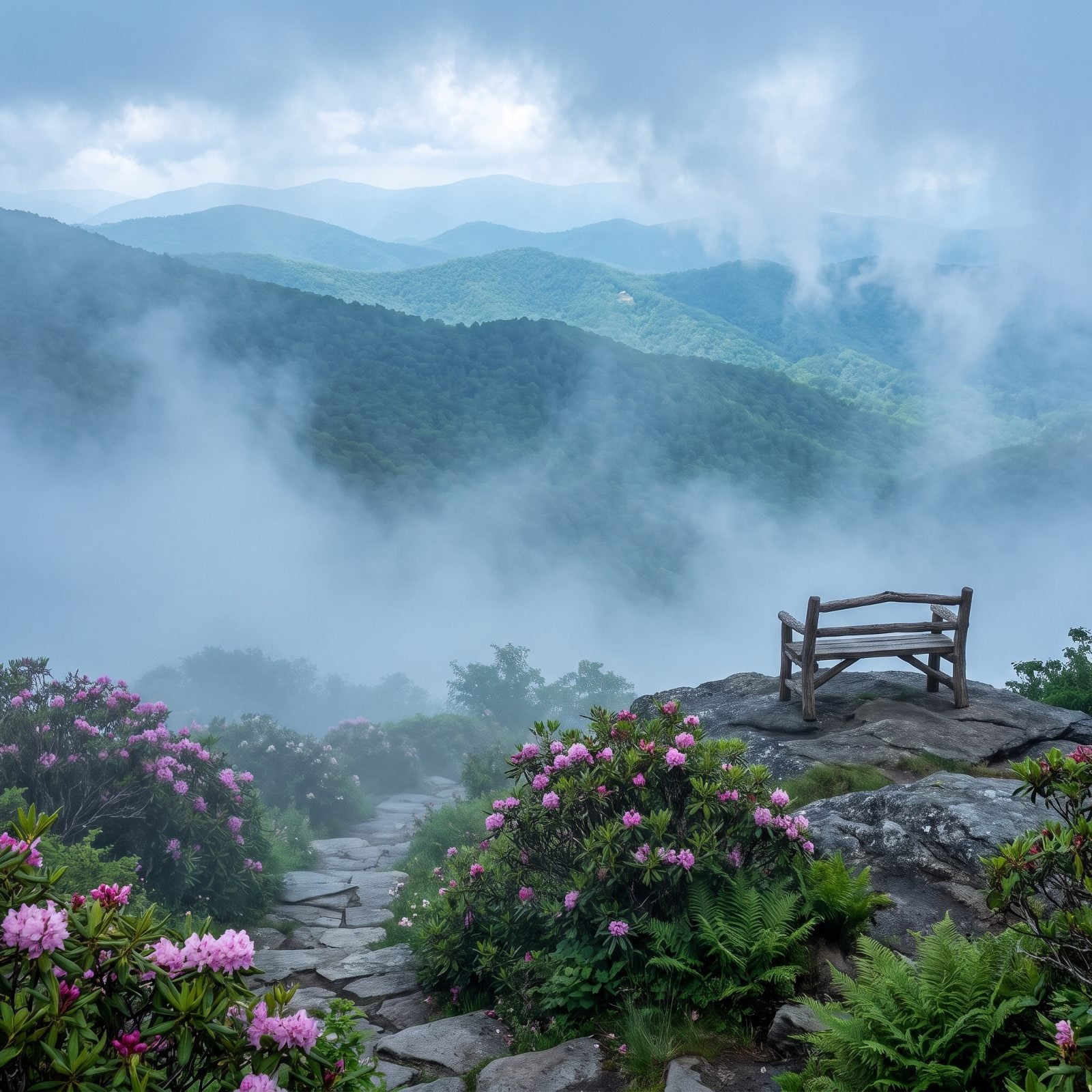
At about 4,000 feet, this is the highest botanical garden in the country, according to WNC Magazine. Part of the Highlands Biological Station, run with Western Carolina University, it protects roughly 12 acres of southern Appalachian plants and habitats.
Gardens, trails, and grounds open daily, dawn to dusk, free, with free parking too. One caveat before you plan around it: the WPA-built Nature Center is closed for structural repairs. The outdoor garden is the draw anyway. Altitude buys you plants that simply won’t grow down in Charlotte or Raleigh.
2. Juniper Level Botanic Garden, Raleigh: 27,000 Plants, Open Only Certain Weekends
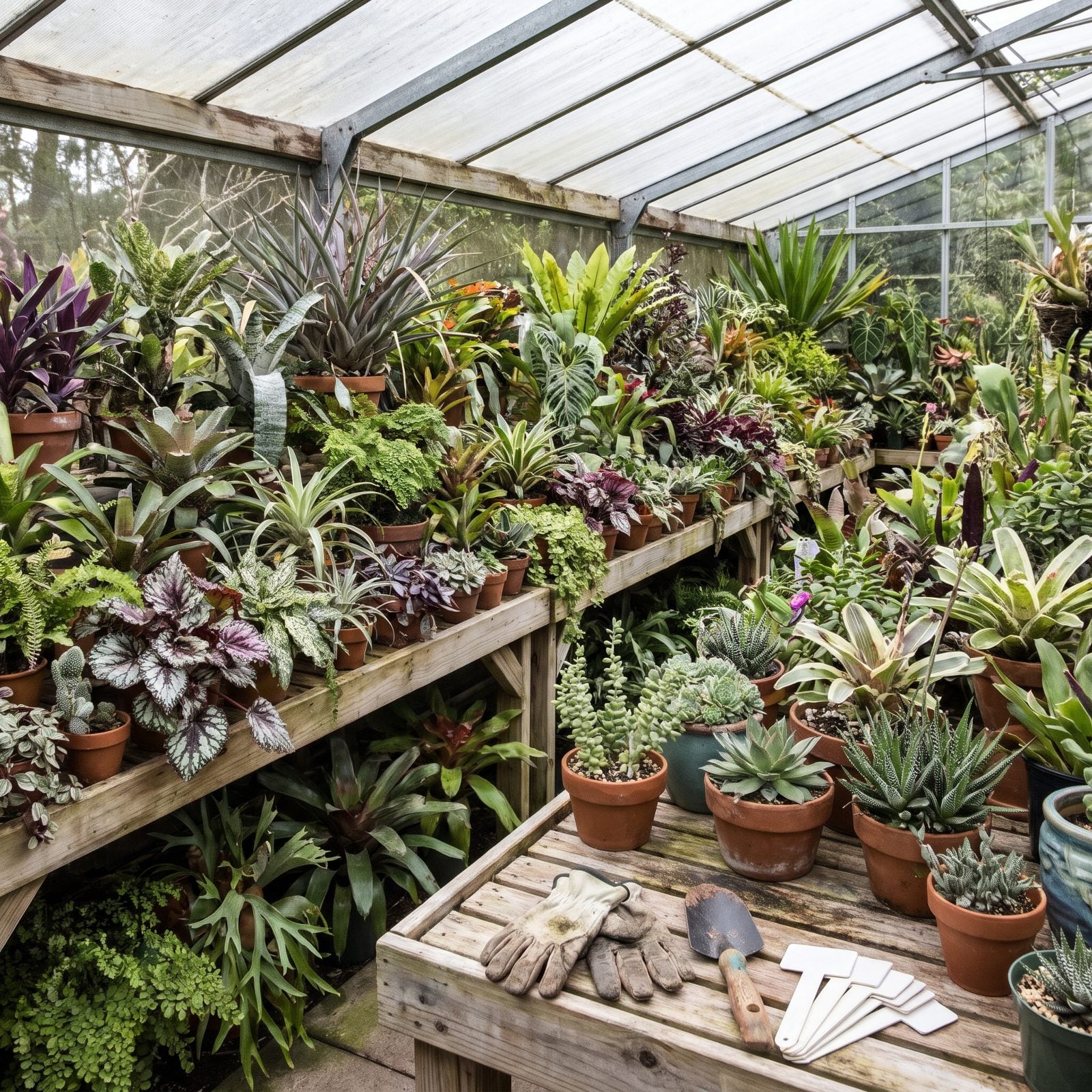
More than 27,000 plants spread across 28 acres in southern Raleigh, many of them rare. This is where Plant Delights Nursery grows its stock, so the collection runs deep and strange in the best way.
The catch is access. Juniper Level isn’t open daily. It opens nine weekends a year, according to the garden’s own site, and on those weekends you can walk in with no appointment, 9 am to 5 pm. There’s no admission charge, though parking is $5, which you can put toward a plant purchase. Otherwise it’s by appointment only. Check the open-weekend calendar before you go, because showing up on the wrong Saturday gets you nothing.
1. McGill Rose Garden, Charlotte: A Small Rose Garden Beside NoDa
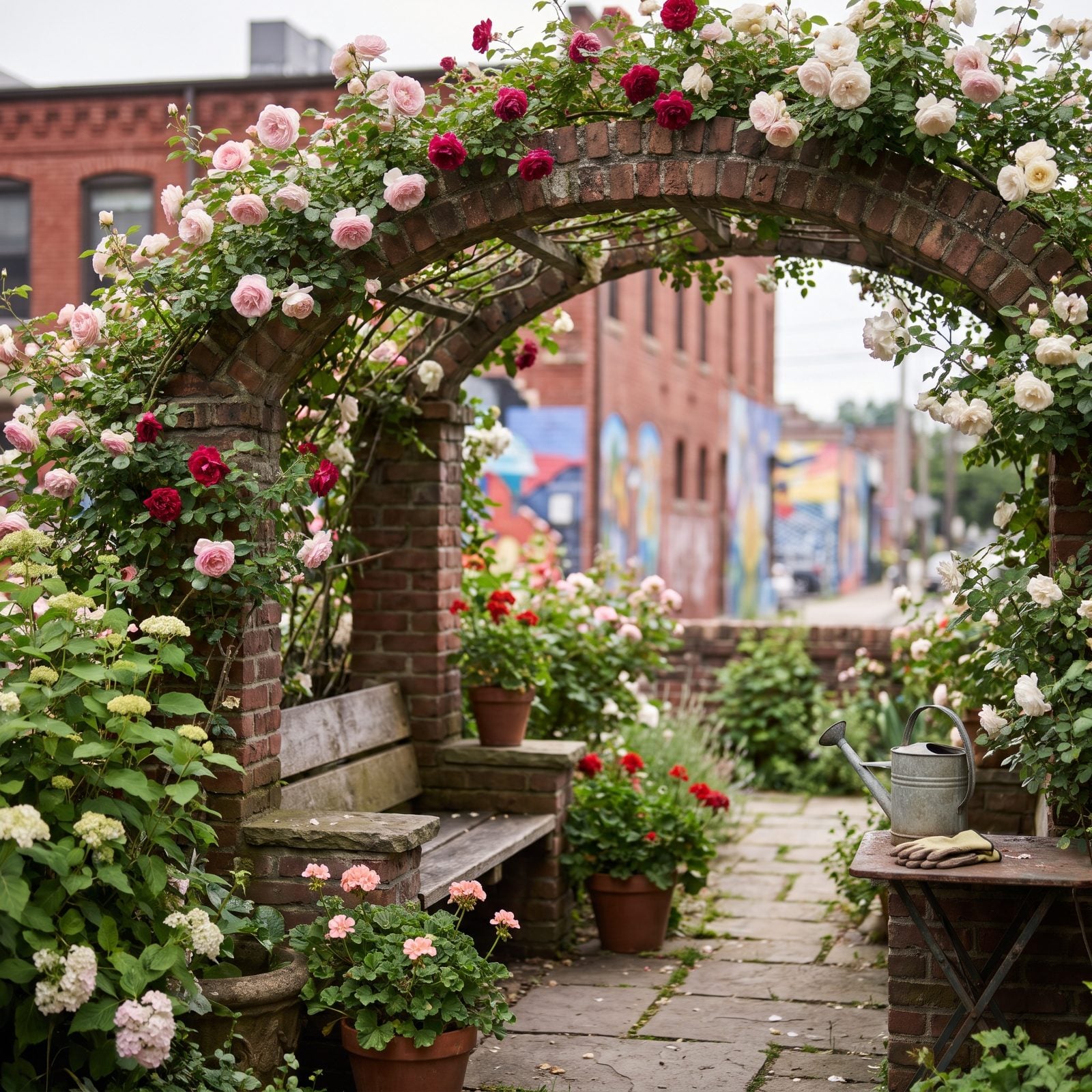
A pocket-sized rose garden, about 1.4 acres, at 940 North Davidson Street in Charlotte’s Belmont neighborhood, right beside the NoDa arts district. Henry McGill bought the property in 1950, and the city supports it now. Listed as open to the public, admission free.
Because it’s small, you fold it into a walk around the neighborhood rather than drive across the state for it. One thing to confirm: hours here have shifted before, so check current times before you count on it. Small city gardens live and die by volunteer schedules. That’s just the honest reality of them.