
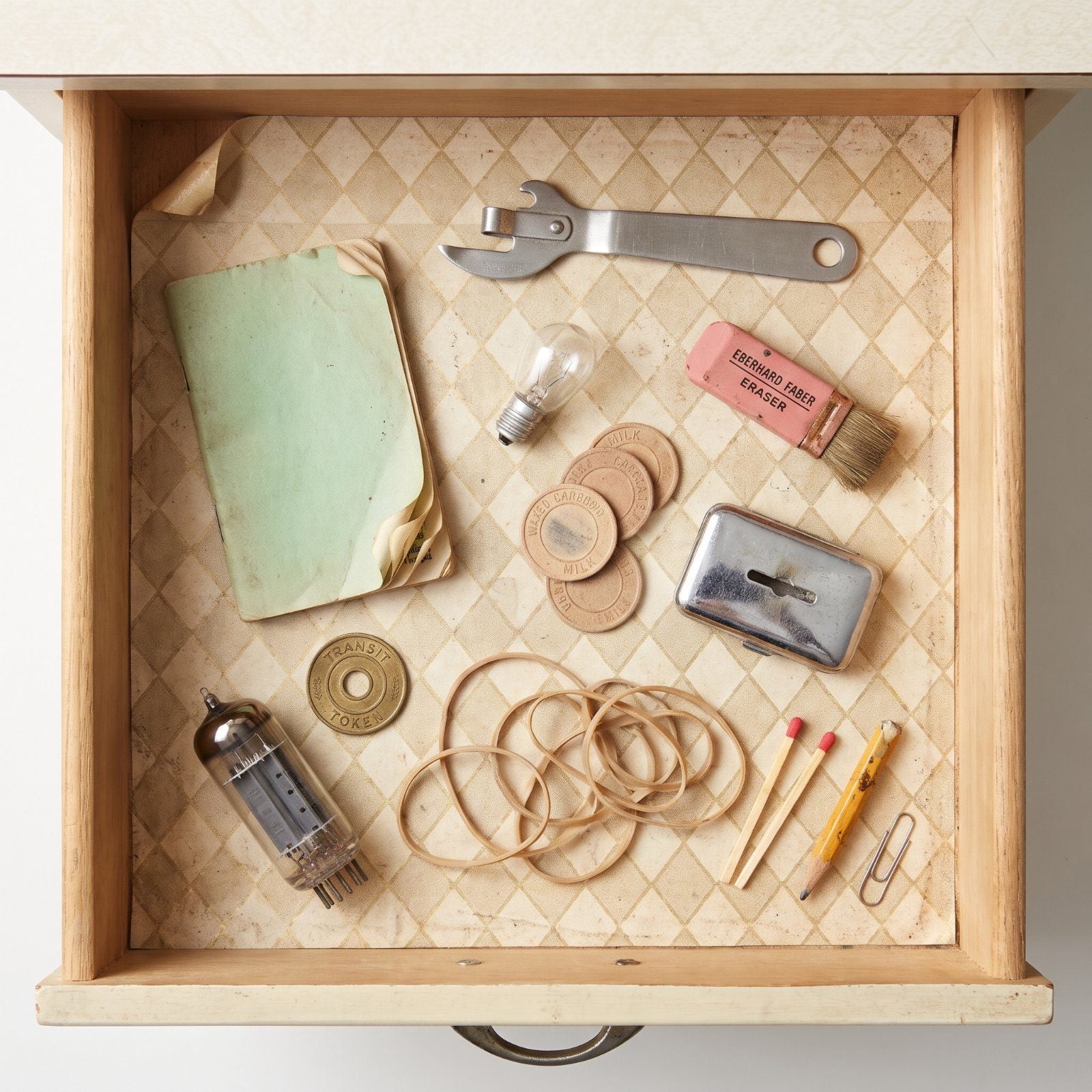
Somewhere in the back of a kitchen drawer, under the rubber bands and the dead batteries, sat objects nobody thinks twice about tossing today. A little metal key. A booklet of green stamps gone sticky at the edges, next to a burned-out glass tube with pins on the bottom. These weren’t trash in 1965 — they were tools, currency, insurance against running out. We pulled together the ones that turned up in almost every house back then and have since slipped out of American life entirely. Each had a job. Each tells you something about how a household actually ran before plastic and convenience swallowed it whole.
Please note that some of the images in this article were created with the assistance of AI.
22. The Spent Flashbulb From the Family Kodak
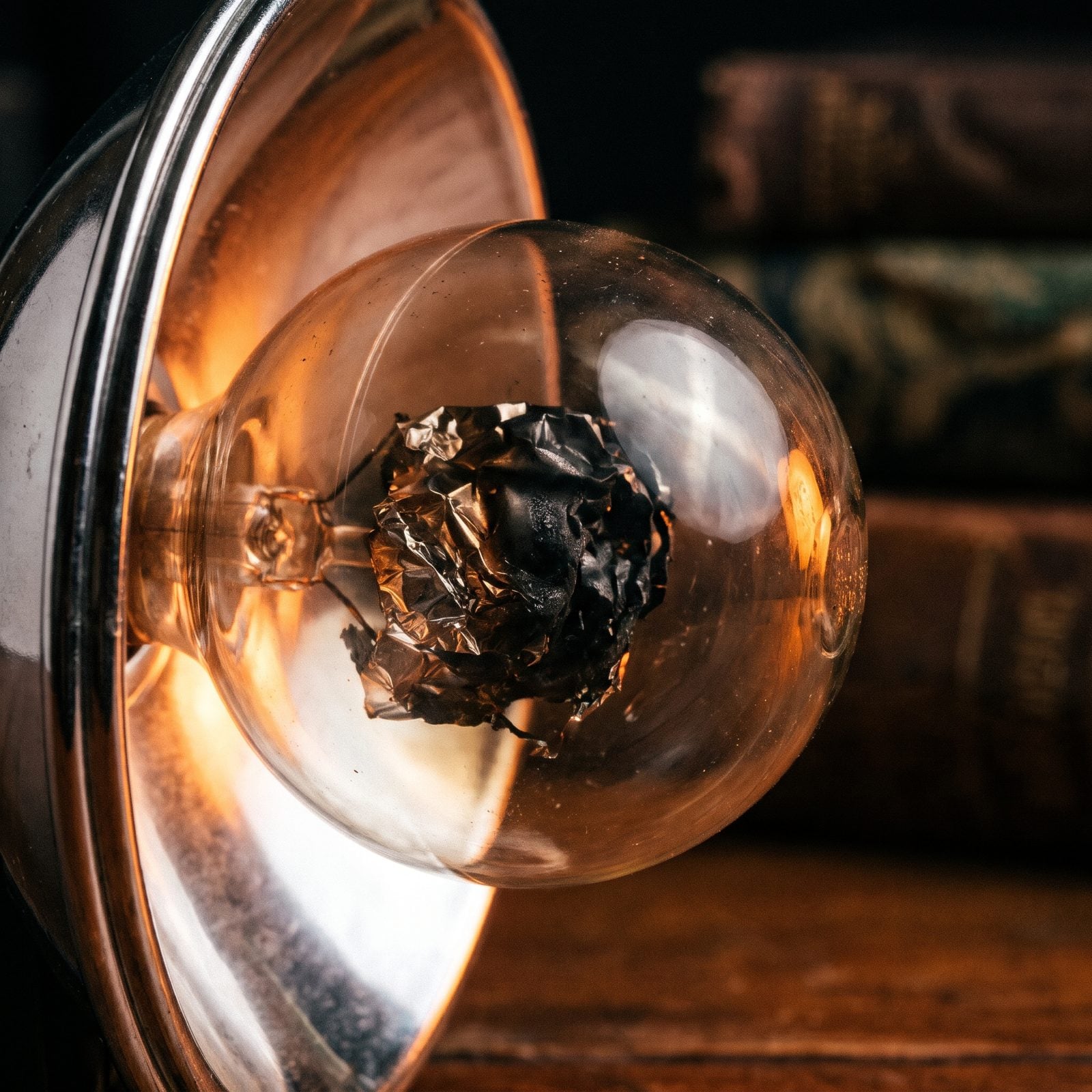
One bulb, one picture, one pop. Each flashbulb was single-use — a glass dome packed with thin metal foil that ignited in a blinding flash and then went dead, the glass still clear, the foil inside crumpled and scorched. You couldn’t fire it twice.
So the burned ones piled up in the drawer, still warm when you popped them out, waiting to be thrown away and never quite making it. A birthday party could cost you a dozen. Electronic flash eventually turned the whole thing into a one-time purchase instead of ammunition you had to keep buying.
Describing the foil-filled bulbs that went on sale in 1929, a photography writer notes “This was for one-time use only and the bulbs were too hot to hold after use or sometimes even exploded”
21. A Typewriter Eraser Worn Down to a Nub
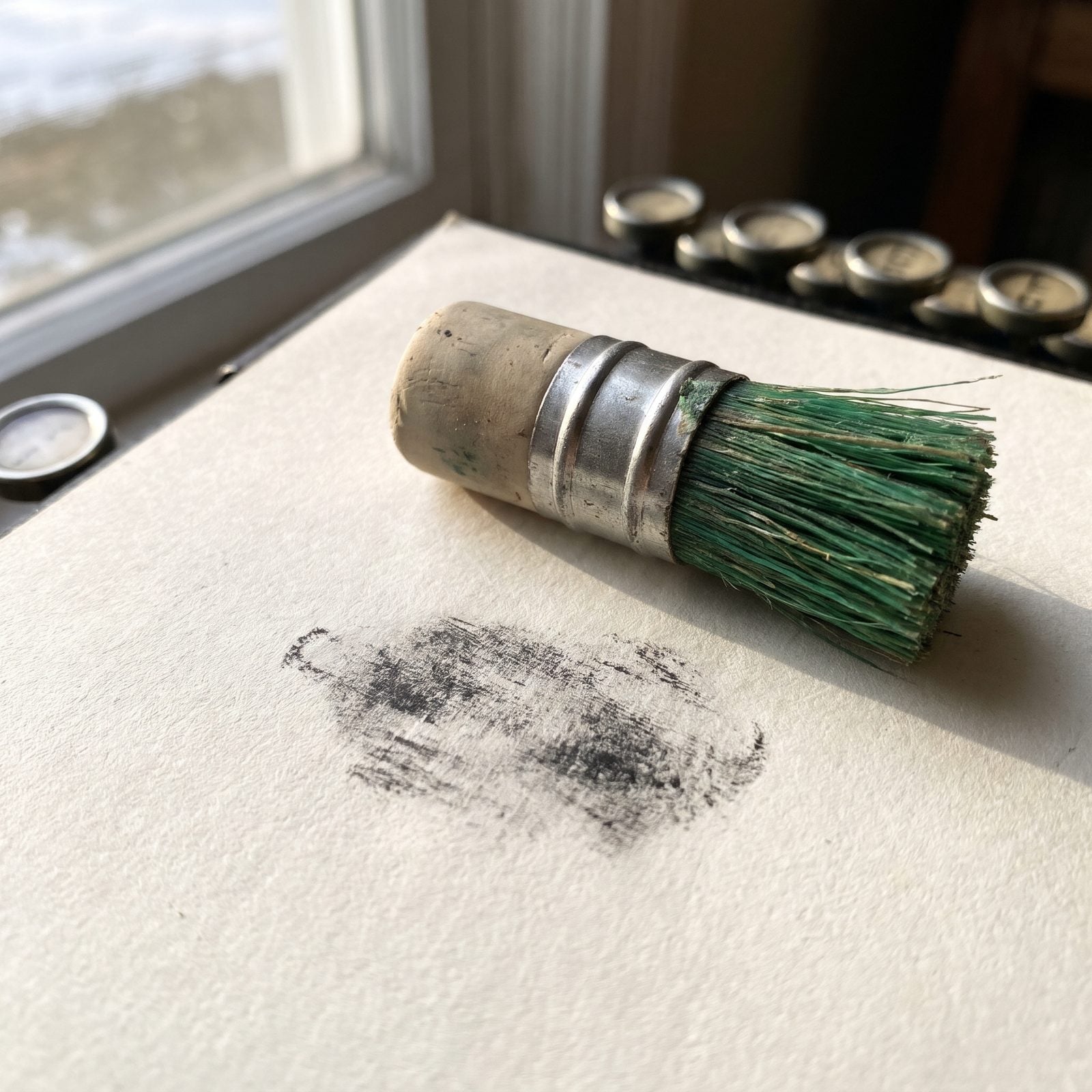
Correcting a typo used to be a small act of violence. The typewriter eraser was a stubby, putty-like cylinder of rubber loaded with abrasive, clamped in a ridged metal ferrule, and you rubbed it right into the paper to scrape the ink away. That bushy green brush on the other end swept off the shavings so they didn’t fall between the keys and gum up the works.
Do it too hard and you tore clean through the page. Everyone who typed for a living kept a wastebasket full of ruined letters. Then correction fluid and the correcting ribbon showed up and made the whole gritty ritual obsolete almost overnight.
20. A Waxed-Paper Roll of Milk-Bottle Tokens
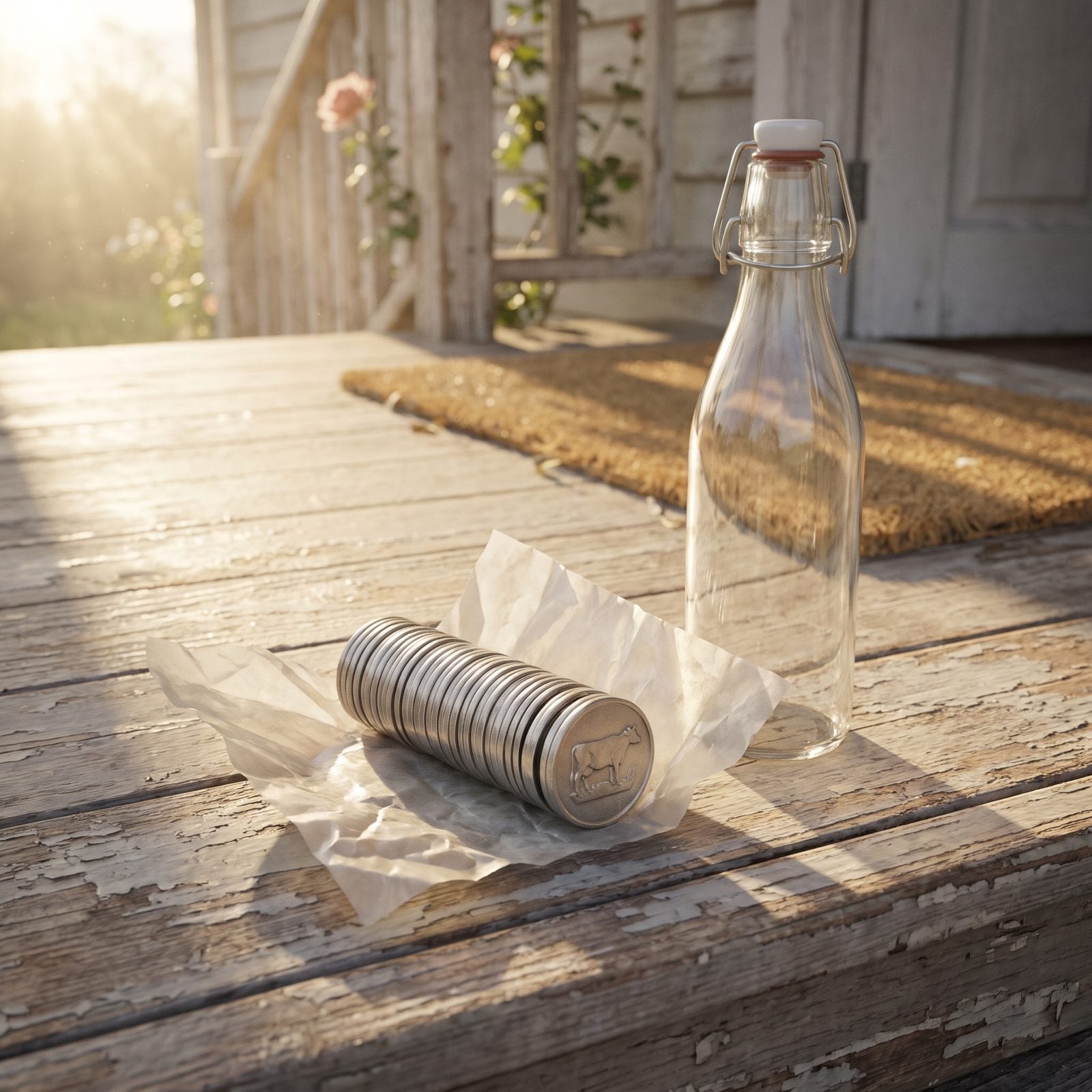
The milkman worked on trust and tokens. You’d leave cardboard or metal tokens in the empty bottles out on the porch, one token per bottle you wanted refilled, and he’d swap full for empty before dawn. No cash changed hands at the door — you bought the tokens in advance.
They collected in the drawer, wrapped in a scrap of waxed paper to keep them dry, smelling faintly of old milk. Home delivery dried up as supermarkets and refrigerators made the whole route unnecessary, and the tokens became little cardboard ghosts of a service that came to your door while you slept.
19. The Chrome Razor-Blade Bank Built Into the Wall
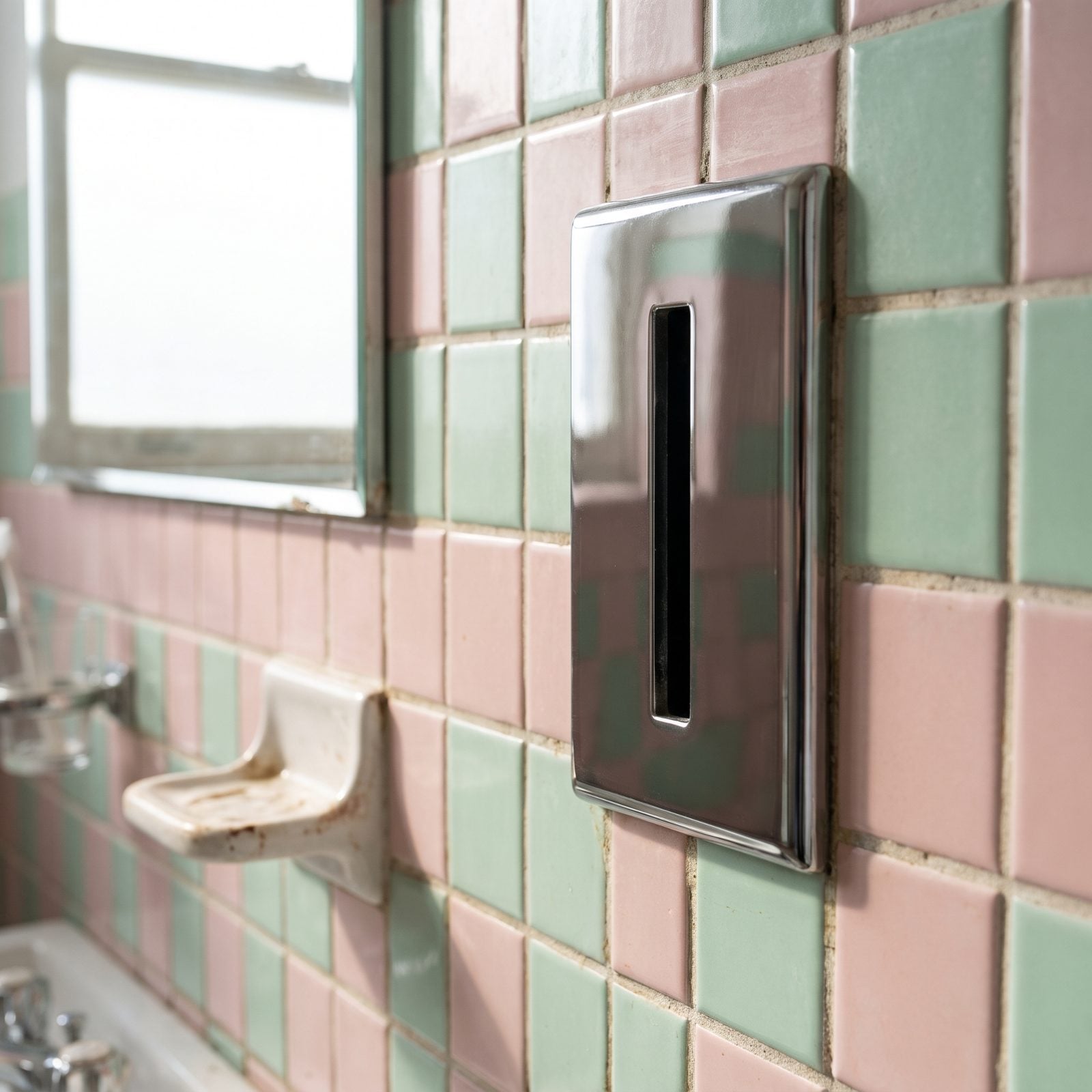
Where do you put a used razor blade so nobody slices a finger reaching into the trash? For decades the answer was a slot in the wall. Bathroom medicine cabinets came with a built-in razor-blade bank — a narrow metal slit that dropped spent double-edge blades into a hollow space inside the wall, never to be seen again.
Freestanding chrome banks did the same job for the kitchen drawer or vanity. Open up an old house and you’ll sometimes find a rusty cache of blades piled inside the wall, left by people who assumed someone, someday, would deal with them. That day never came.
After finding piles of rusty blades while opening up old bathroom walls, a remodeling carpenter explains that “it’s how people used to dispose of their razors — by sliding them into a slot in their vanity mirror that led inside the wall.”
18. A Burned-Out Radio Tube Kept Just In Case
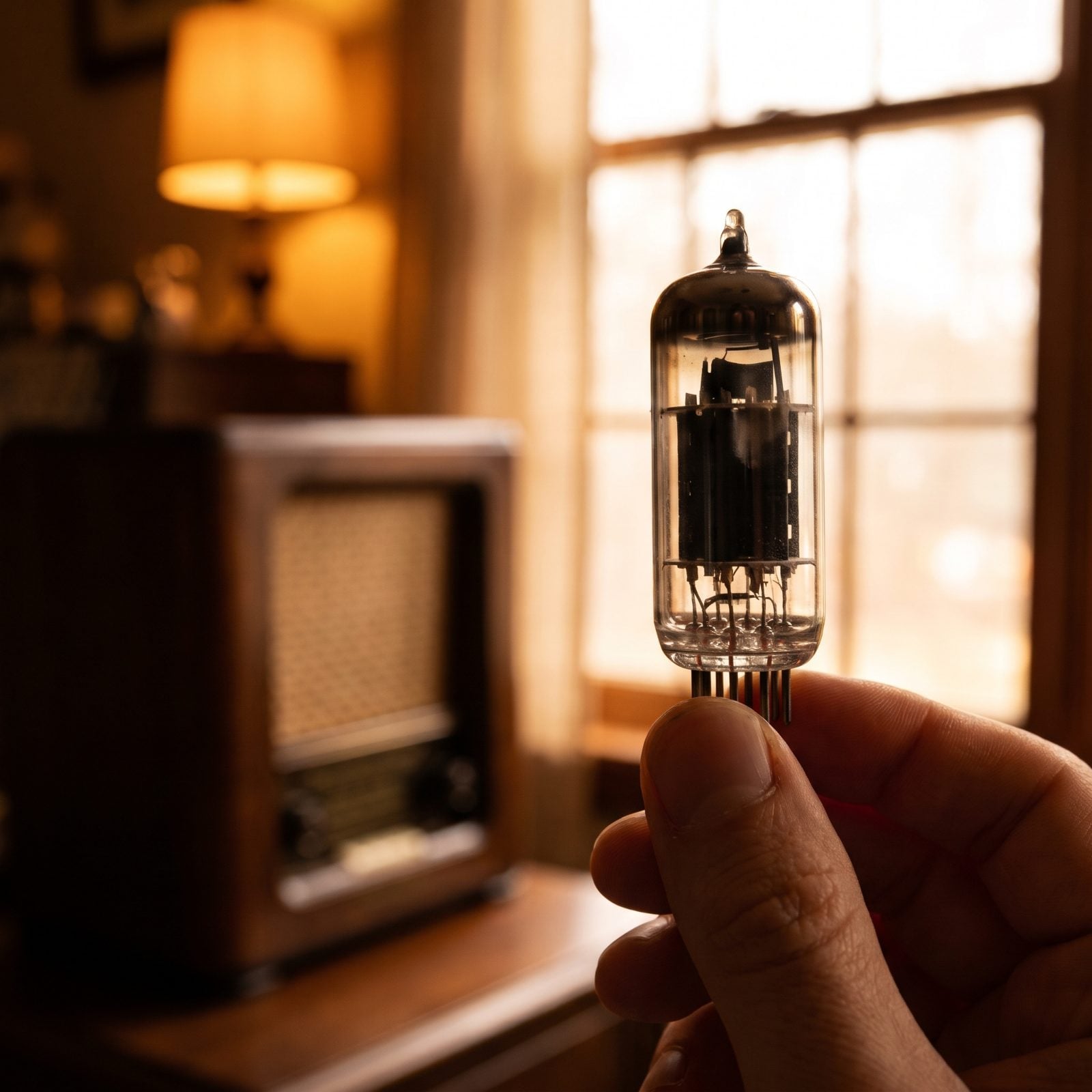
Radios and TVs ran on glowing glass tubes, and tubes burned out. When one died you’d pull it, and the set went silent until you carried the tube down to the drugstore — which had a tube tester right by the counter and a cabinet of replacements underneath.
The dead one often came home anyway and landed in the drawer, because who throws out something that might work in a pinch. It never did. Transistors made the whole glowing menagerie obsolete, and a generation of kids grew up never smelling that warm dusty electronics smell a tube set gave off when you switched it on.
17. A Streetcar Token Someone Kept for Luck
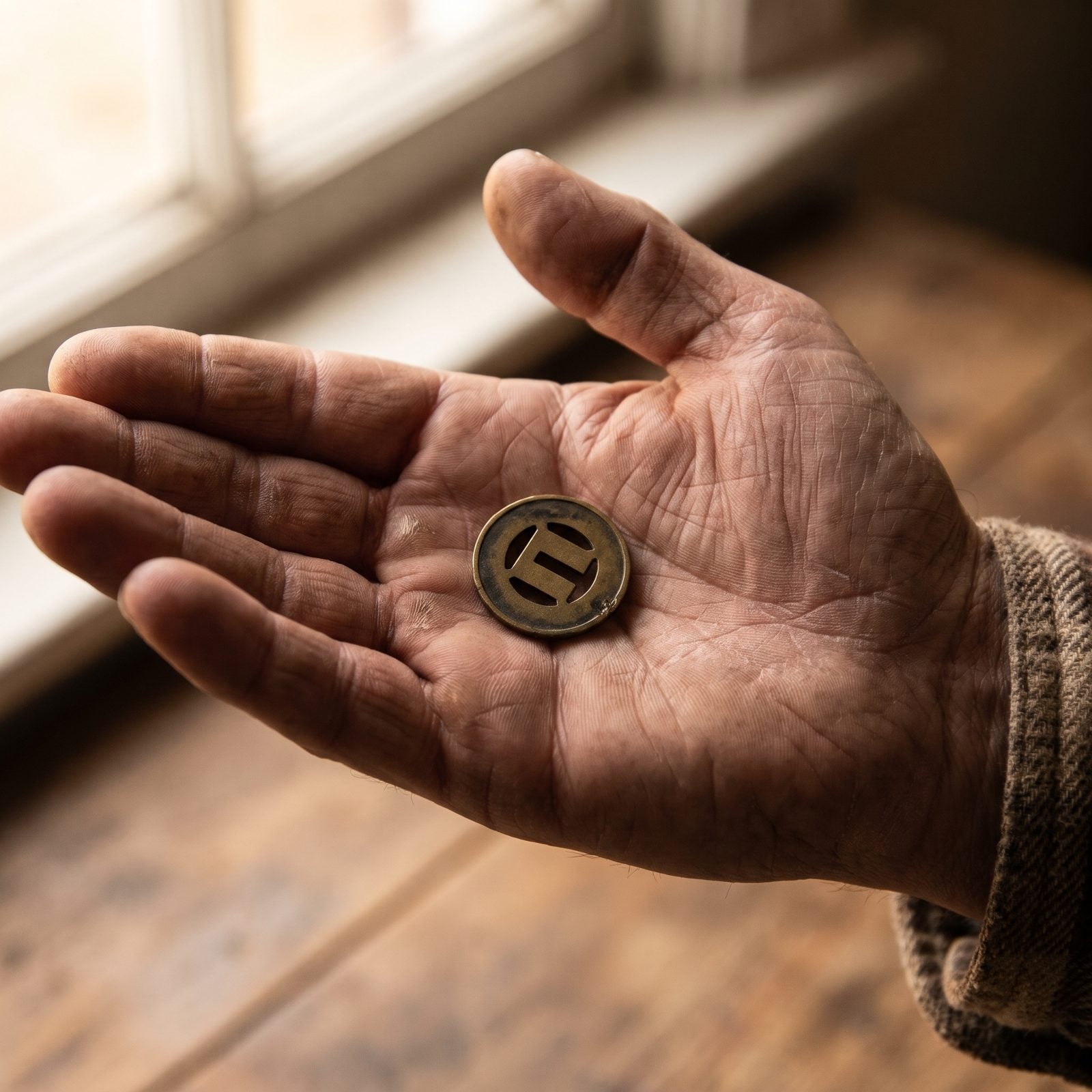
Cities ran on these little brass coins. You bought transit tokens by the handful, dropped one in the fare box, and rode the streetcar or bus for the price of the token instead of fumbling for exact change. Each system had its own, often with a punched hole or cutout so it couldn’t be faked.
When the streetcar lines got ripped up and the systems switched to cash and later cards, the leftover tokens had nowhere to go. So one would drift to the back of the drawer, rubbed smooth from years in a pocket, kept for luck more than anything. A worthless coin that still felt wrong to throw away.
16. The Home-Permanent End-Paper Packet
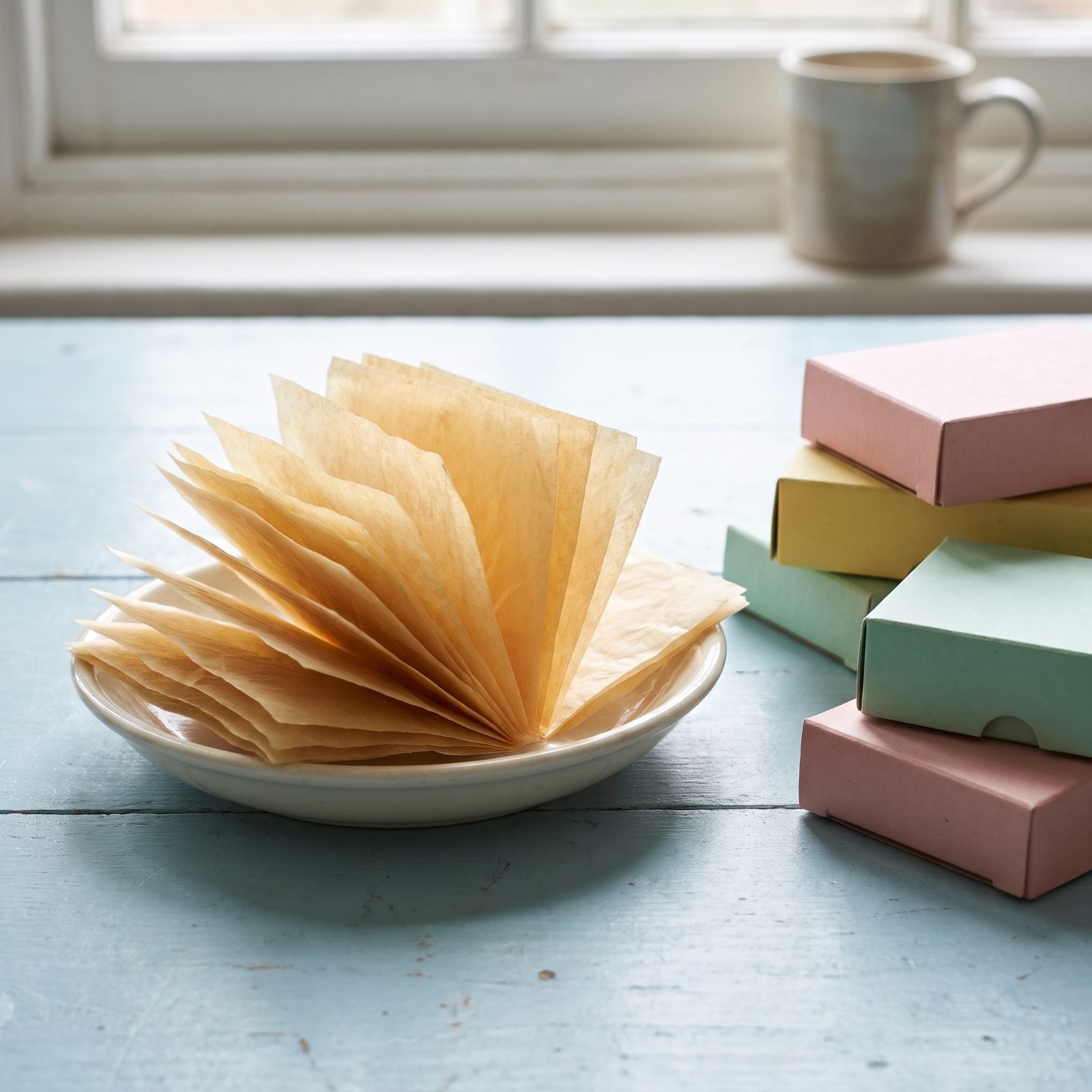
Pick one up and it felt like tracing paper, barely there, slick on one side. These wrapped around the ends of each curl before the rod went on, keeping the hair tidy so the perm solution wouldn’t frizz the tips into a fright.
Toni and the other at-home kits turned Saturday into a chemistry experiment at the kitchen sink, and the smell alone is unforgettable to anyone who was in the room for it. Then salons took the ritual back over, box perms faded, and the stack of sheer papers became the first thing to get tossed.
15. The Replacement Television Dial Knob
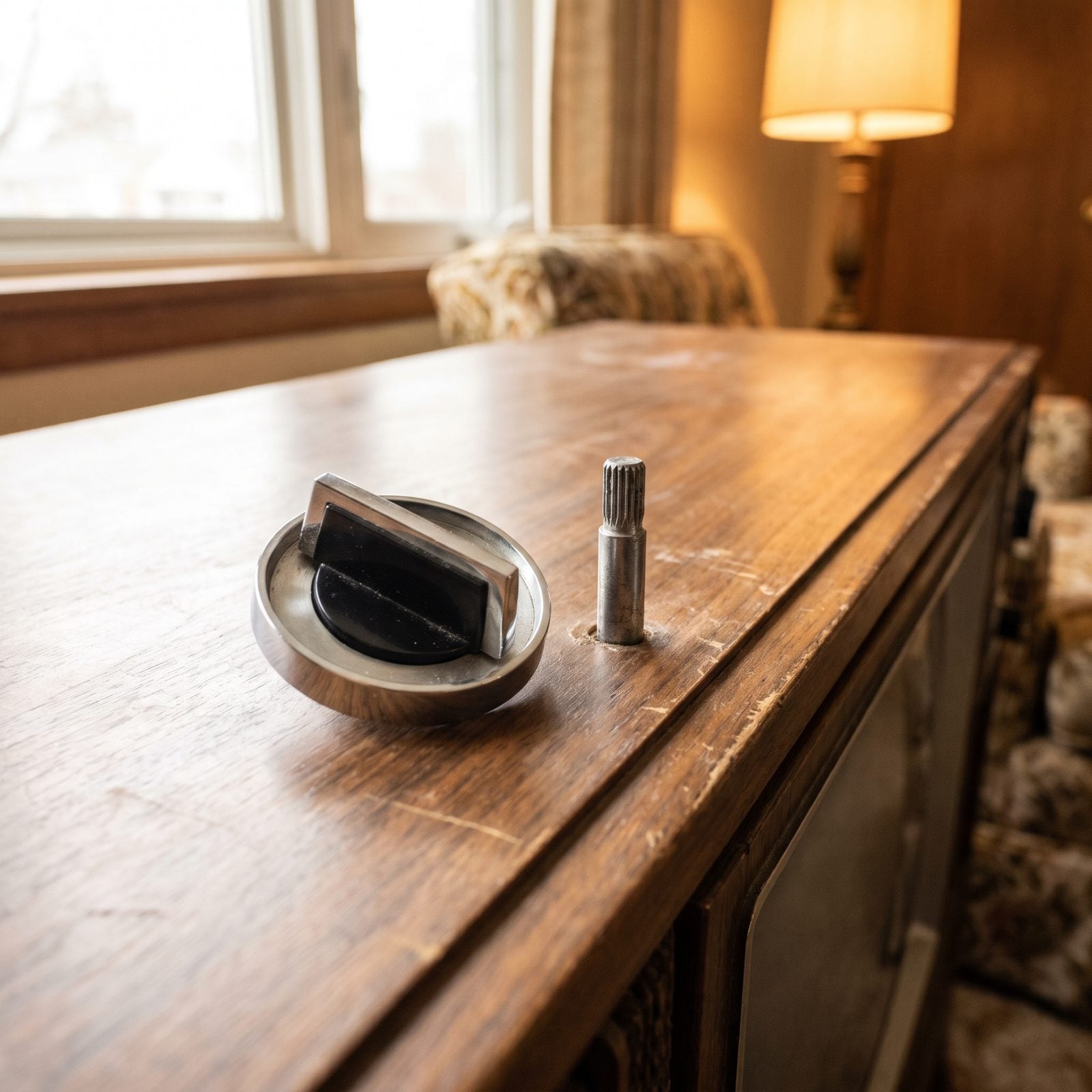
Knobs broke. Kids yanked them, dogs chewed them, and the splined post inside would strip until the channel wouldn’t hold, so you kept a spare in the drawer. A TV without a working channel knob meant pliers and a lot of swearing.
When sets went to push-button tuning and then remote controls, the whole problem evaporated. Nobody keeps a spare knob anymore. Half the people under forty have never turned a physical dial through thirteen channels of snow to land on something worth watching.
14. The Tiny Bottle of Mercurochrome
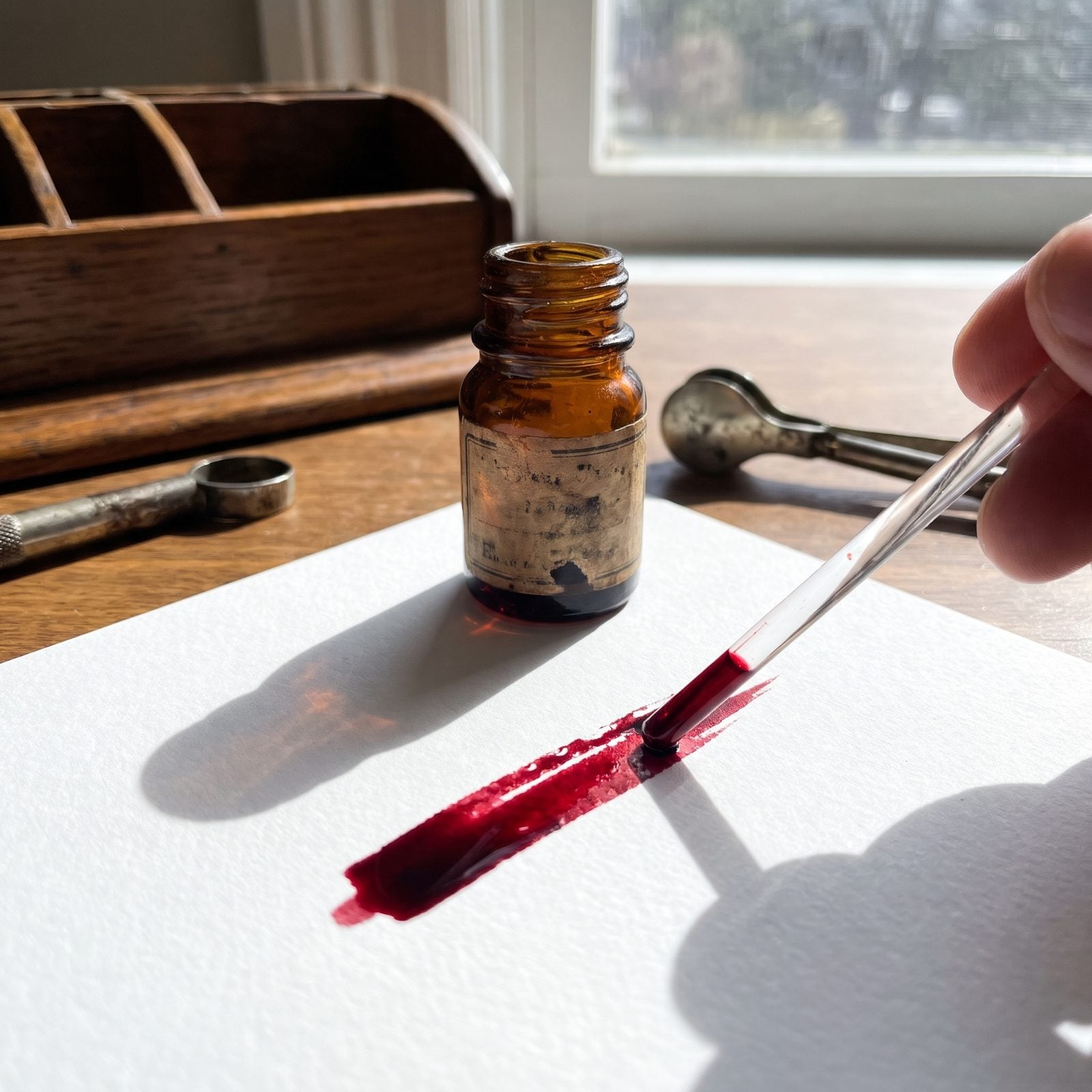
That shocking red stain on every scraped knee in the neighborhood. Mercurochrome went on with a glass wand, stung a little, and marked you as wounded for all to see. Parents trusted it absolutely.
Here’s the catch: it contained mercury. The FDA pulled its “generally recognized as safe” status in 1998, and it quietly left American medicine cabinets. If you find a bottle in an old drawer, don’t use it, and don’t pour it down the drain either. The real reason it vanished isn’t nostalgia. It’s toxicology.
13. The Coffee-Percolator Glass Knob
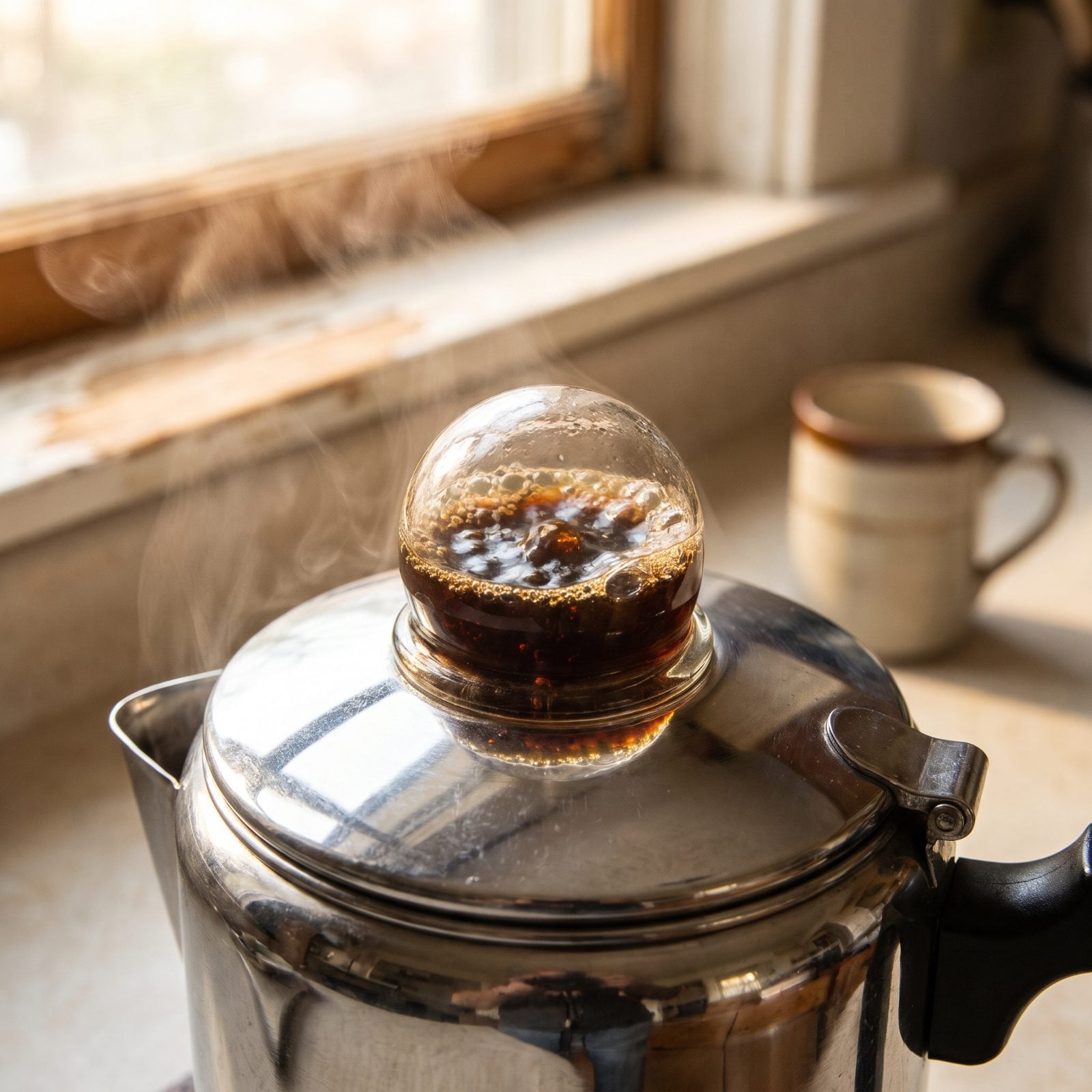
The little glass bubble on the percolator lid, where you watched the coffee leap up and color against the clear dome. That first bounce of amber was the whole morning starting.
They cracked, they came loose, they got lost in the dishwater, so a spare lived in the drawer. Drip machines and then pods made the percolator and its hypnotic glass window obsolete. You don’t watch coffee happen anymore. You just hear a beep.
12. The Tiny Envelope of Phonograph Needles
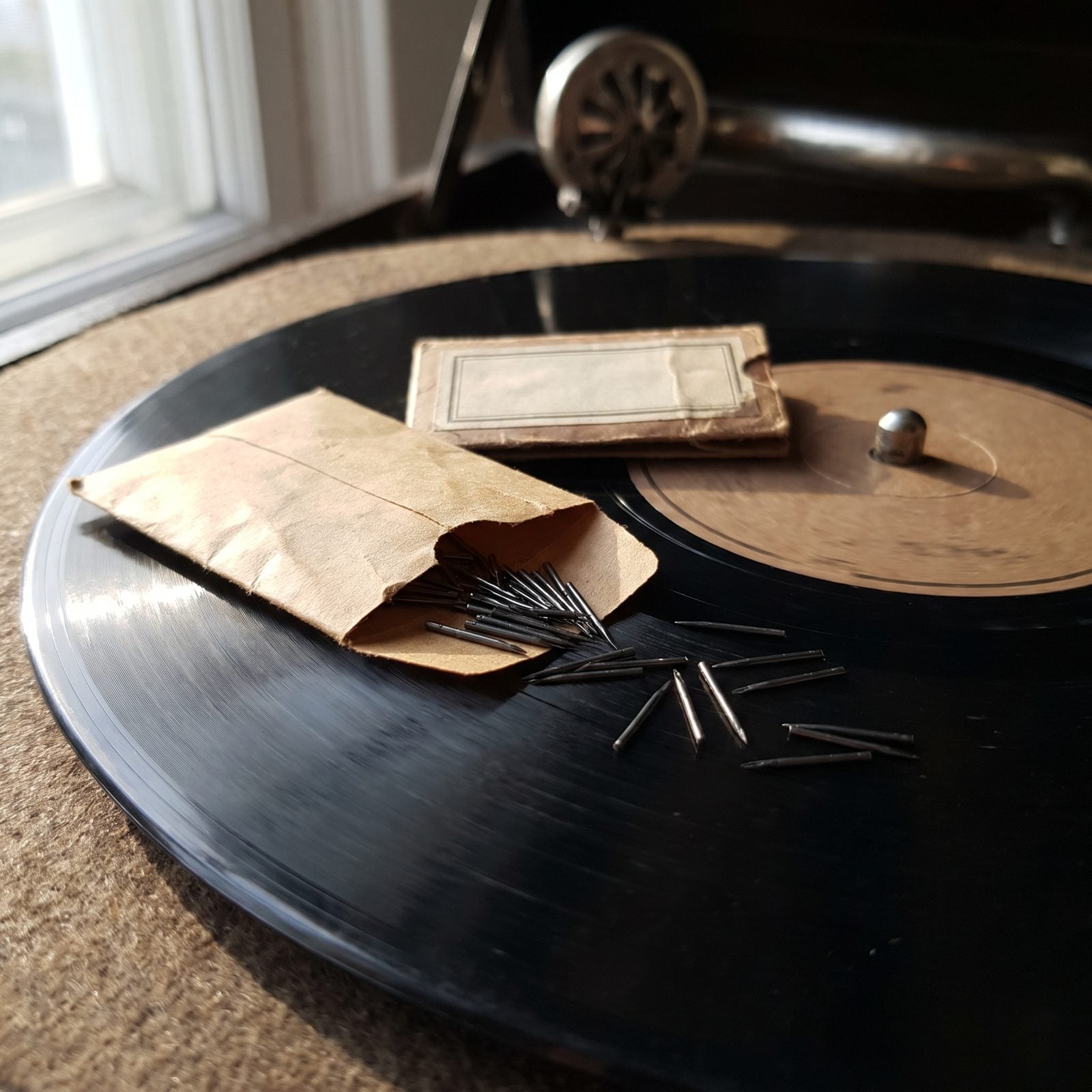
Steel needles wore down fast, and a dull one chewed up your records. So you swapped them out, sometimes every few plays on the older machines, from a little packet that held dozens.
Diamond and sapphire styluses changed all that. They lasted for ages, and the throwaway needle packet disappeared from the drawer. Vinyl came roaring back, sure, but today’s listeners replace a cartridge or a stylus maybe once every few years, not after a handful of songs. The ritual of feeding your record player a fresh needle is gone.
On a reference page for owners of old Victrolas, a phonograph restoration specialist warns “Steel needles should be used only once (one side of one record) to avoid excessive wear of the record”
11. The Metal Curtain-Stretcher Pin
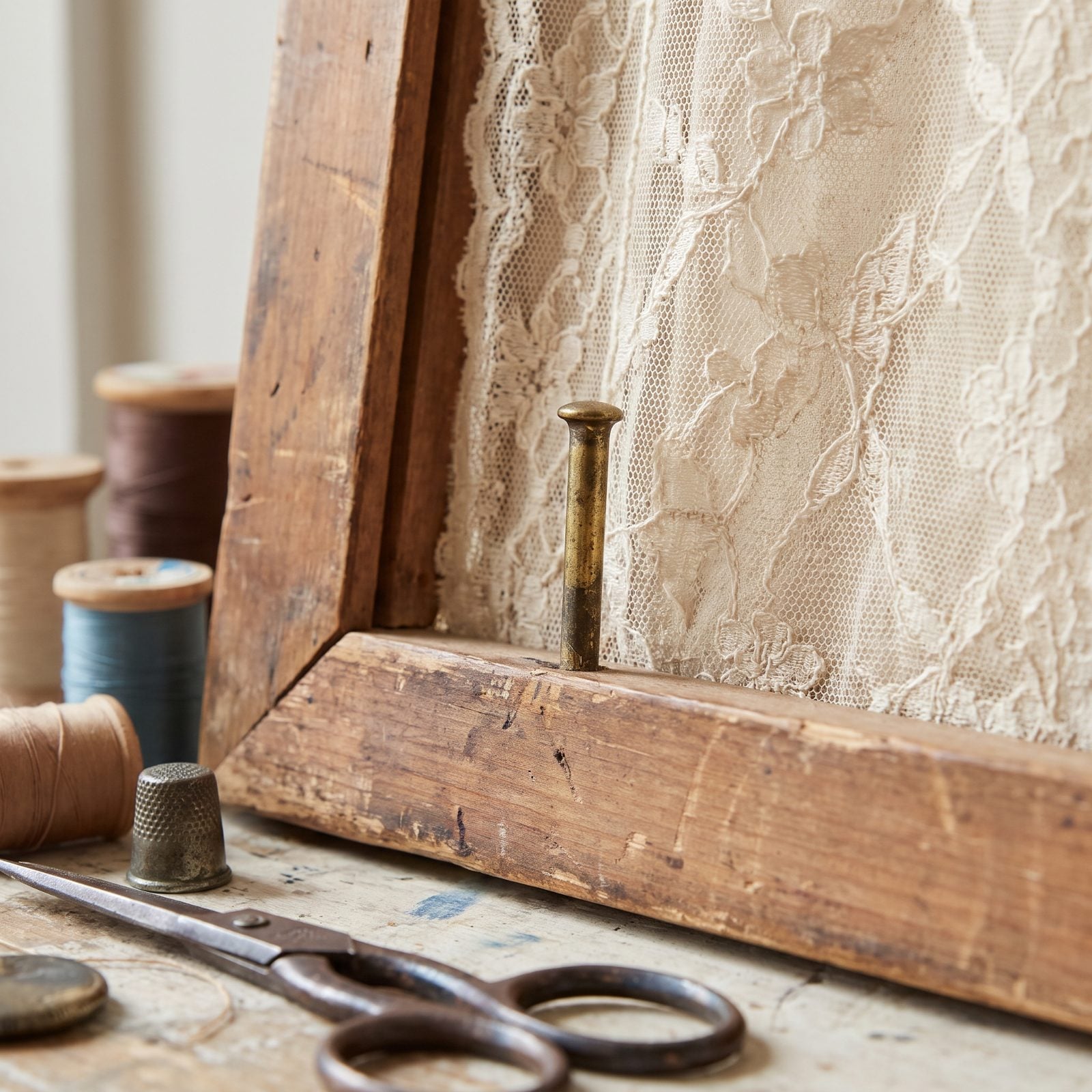
Lace curtains came out of the wash shrunken and shapeless. The fix was a curtain stretcher, a big adjustable wooden frame fitted with rows of small, sharp metal pegs. You stretched the wet curtain across it, hooked its edges over the pegs, and let it dry flat and square.
The pegs worked loose over time, and they’d drop out of the frame into the drawer one by one. Permanent-press fabrics and modern washers killed the whole chore. Nobody blocks a curtain anymore; lace like this now just hangs loose. The pegs outlived the frames and hid in drawers for decades, waiting to puzzle whoever turned them up.
10. The Pocket Ashtray With a Snap Closure
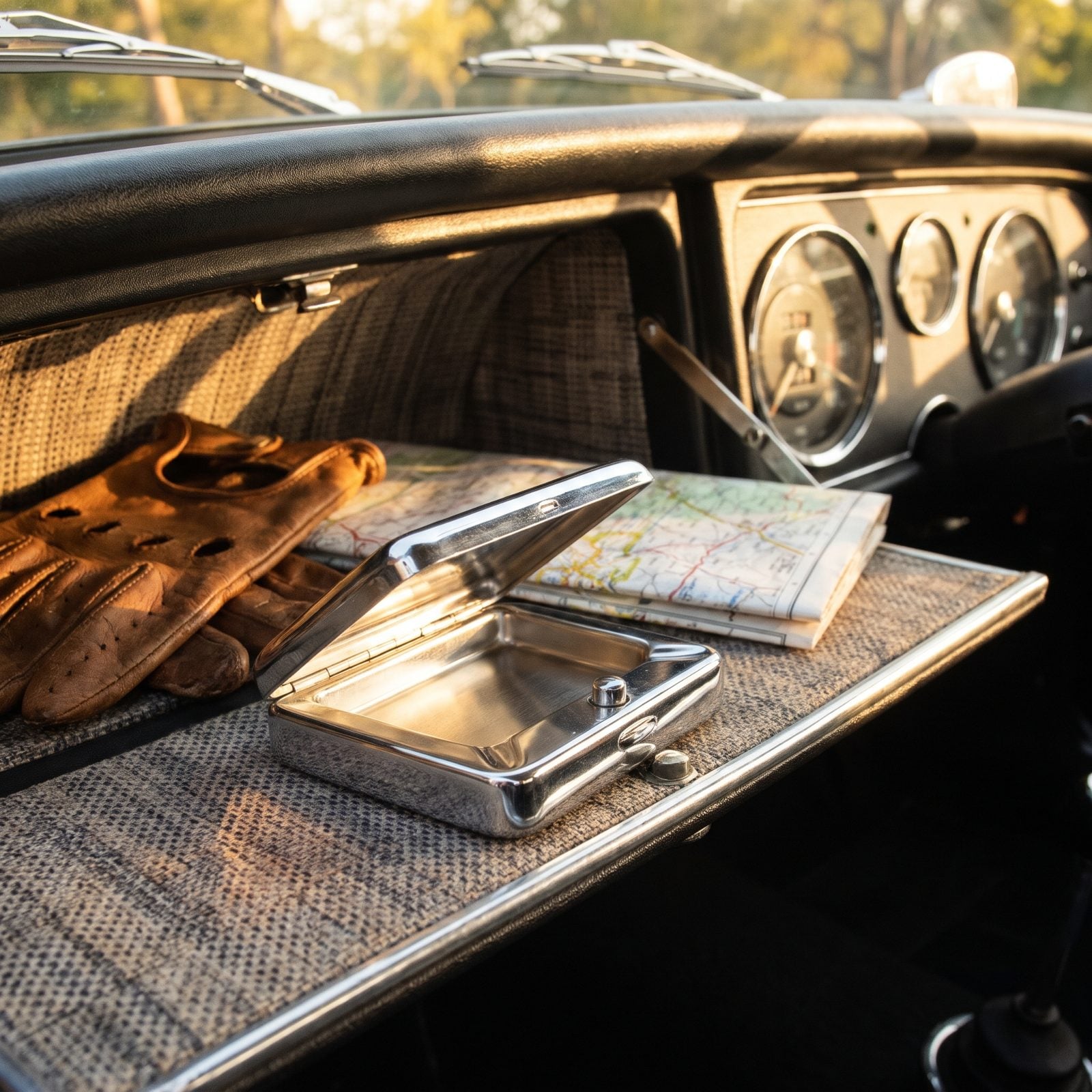
A palm-sized metal case that snapped shut to trap ash and butts, carried by the thoughtful smoker for the car, the theater, the walk around town. It kept the mess contained when no ashtray was handy, and the snap closure was the clever part, sealing the smell inside.
Then smoking rates fell, indoor smoking got banned nearly everywhere, and the object simply had no reason to exist. It’s a small artifact of an era when ashtrays sat on every coffee table, desk, and restaurant counter in America.
9. The 45 RPM Record Adapter
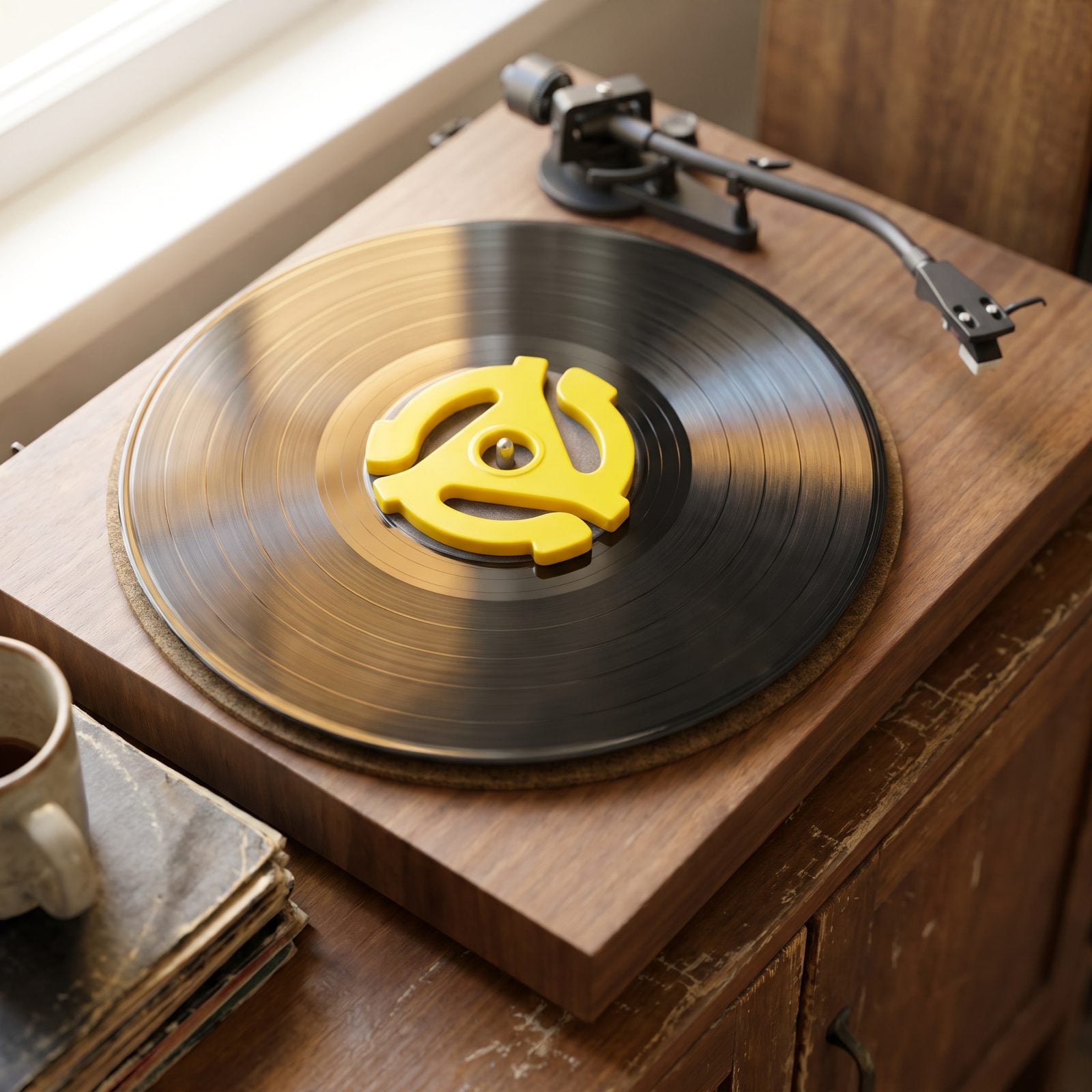
The little yellow spider. This three-armed plastic insert was made to snap into the big center hole of a 45 so the single would sit on a standard turntable spindle. Every house with a record player had a few, usually jammed in a drawer or left clicking around in a stack of singles.
The oversized hole was a quirk of jukebox design, built so machines could stack and drop records fast, and home listeners paid the price with these adapters. Streaming killed the format entirely. The spider is now a flea-market curiosity, worth a dollar or two and a flash of recognition.
8. The Stocking-Darning Egg
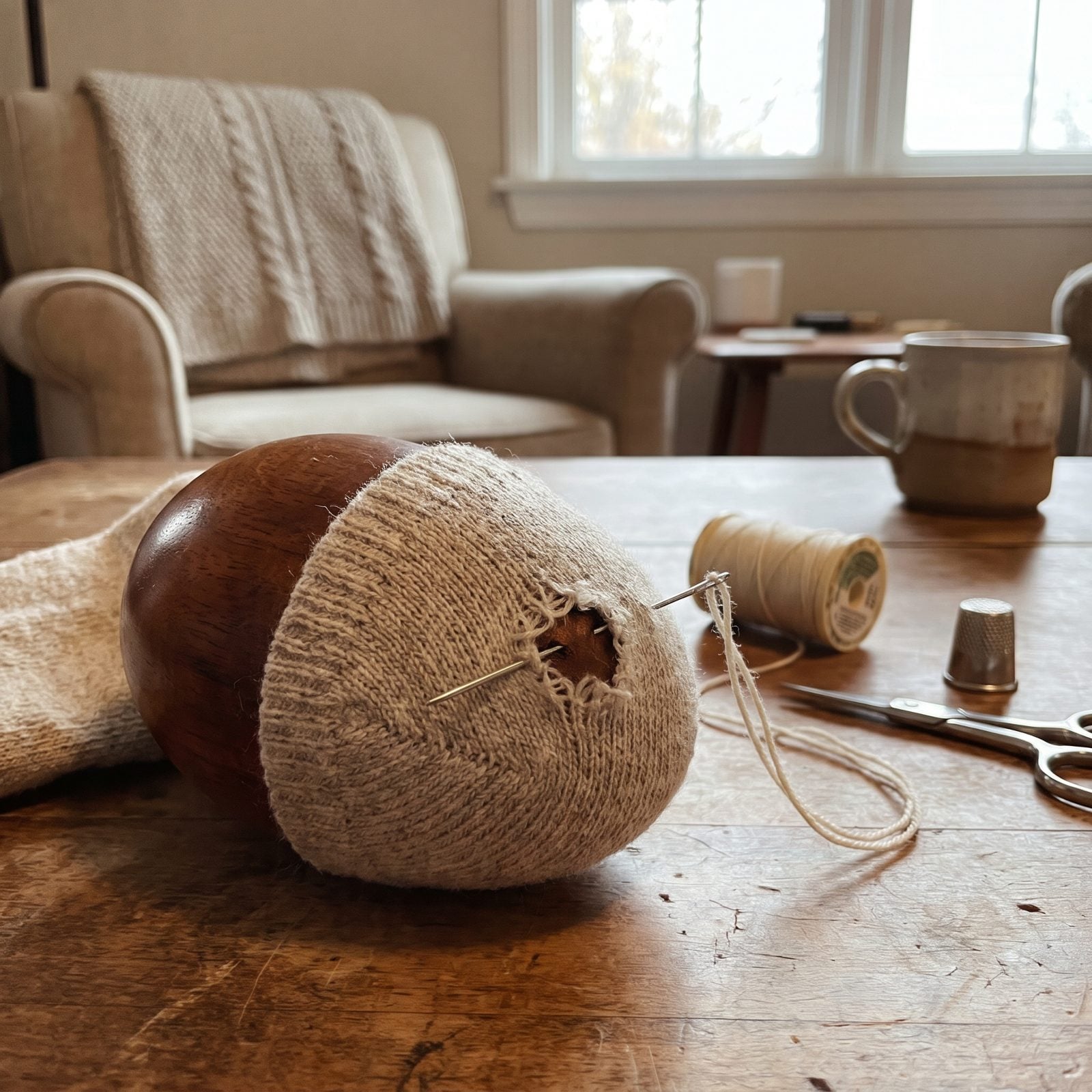
Smooth hardwood shaped like an egg on a handle. You slipped it inside a sock or a stocking, stretched the worn fabric over the curve, and worked your stitches against the wood so the weave had a surface to build on. Mending hosiery was a regular evening task back when nylons were expensive and worth saving.
Cheap mass-produced socks and disposable tights ended the habit. When a sock gets a hole now, it goes in the trash. The darning egg survives mostly as a mushroom-shaped mystery object people find and can’t name.
7. The Metal Aspirin Tin
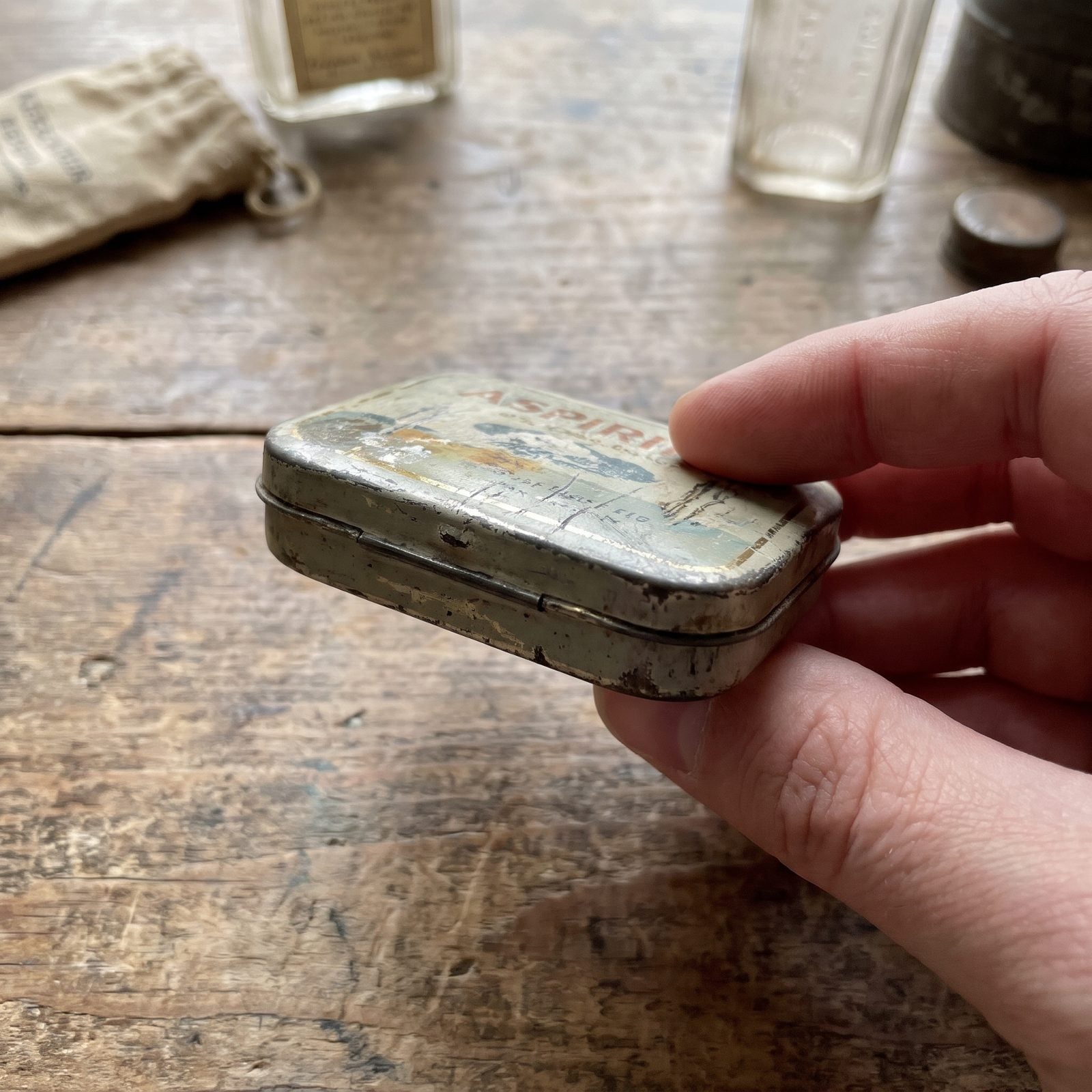
Aspirin came in a slim metal tin that snapped shut with a satisfying click. People held onto those tins long after the pills were gone, because a tin that size is just plain useful — buttons, straight pins, a spare key, a few coins for the parking meter. The container outlasted its contents by years.
These eventually gave way to plastic bottles stuffed with cotton, and then the foil blister pack and the childproof cap nobody over sixty can open on the first try. I’ll admit I still can’t. The sturdy little tin lost to safety rules and cheaper plastic, and the drawer lost one of its most reusable finds.
6. The Splicing Clip for Home Movie Film
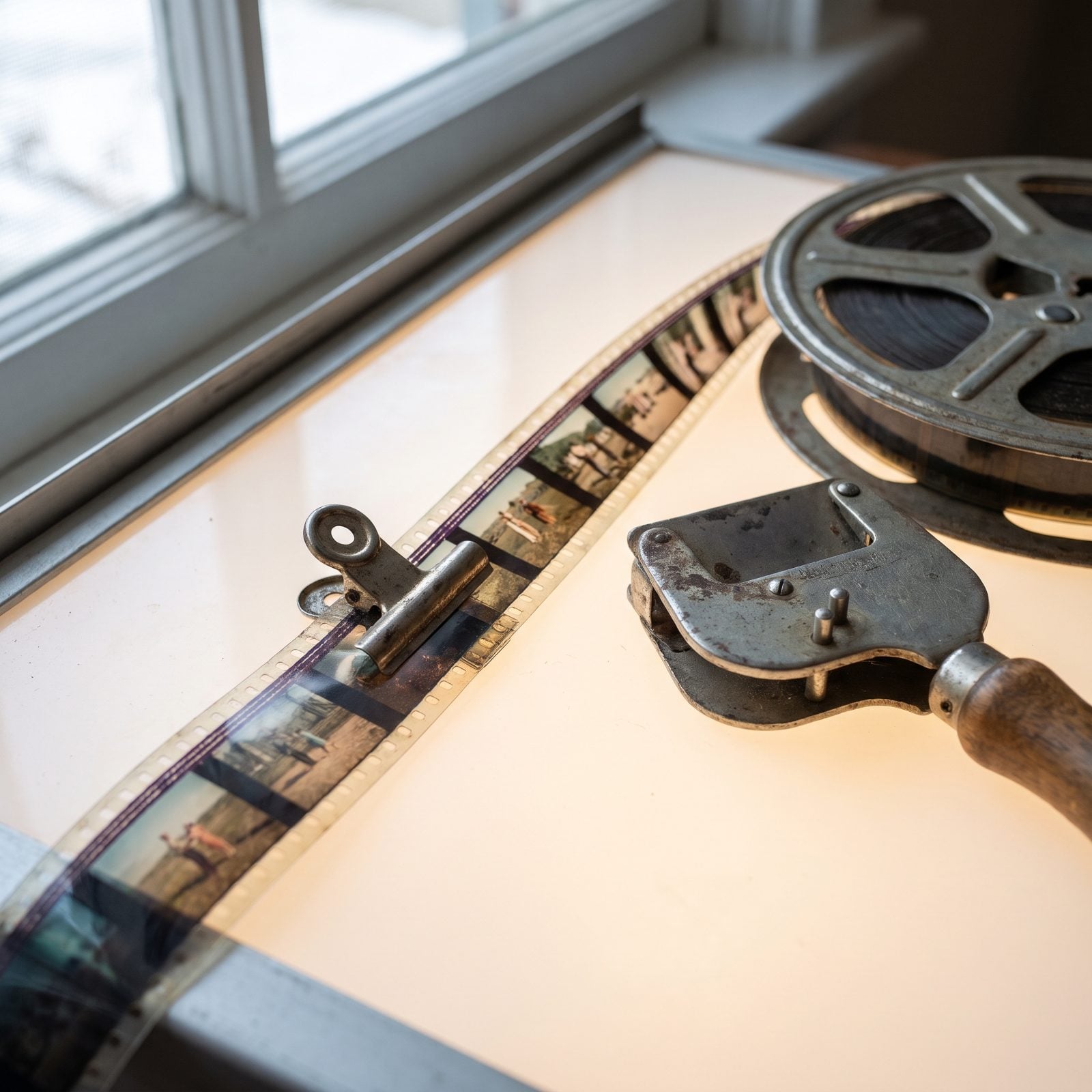
Shoot your kid’s birthday on 8mm film and sooner or later the reel broke, or you wanted to cut out the three minutes of nothing. That’s where this little clip earned its keep. You lined up the two film ends, scraped them, brushed on a dab of smelly cement, and pressed the splice shut until it held.
Fiddly work, done at the kitchen table with a magnifier and a lot of patience. Get it wrong and the splice snapped mid-screening, right when Grandma was reaching for her glasses. Digital video erased every bit of it — no reels, no cement, no splice to go flying across the living room.
5. The Metal Girdle Suspender Clip
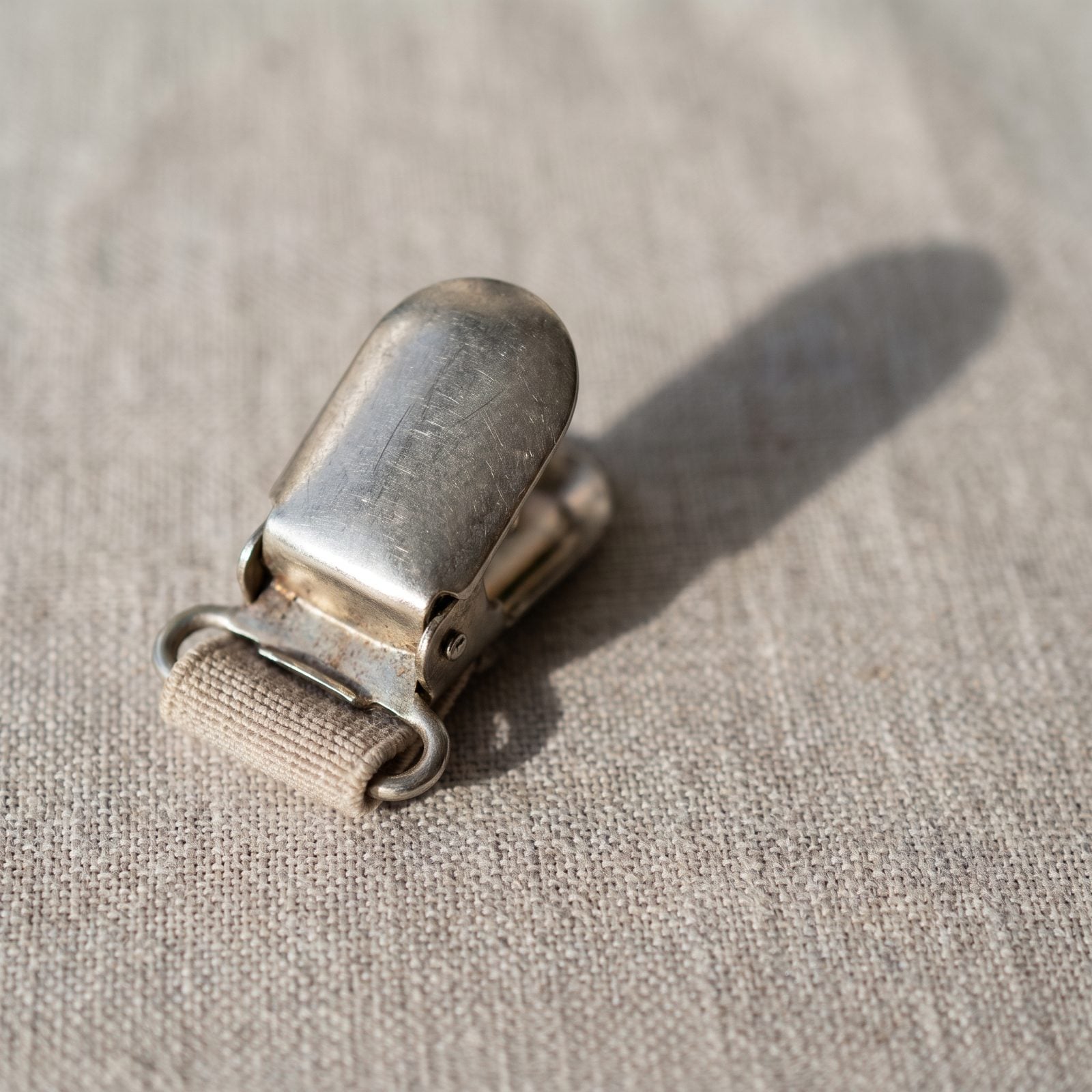
These snapped off girdles and garter belts constantly, and when one did it landed in the drawer in case its mate ever turned up. A hinged metal cap, a D-ring threaded with elastic, and a spring jaw that gripped the top of a stocking to keep it from sliding down your leg all day.
Every woman who got dressed before pantyhose knew the ritual — and the small public misery of a clip letting go at the wrong moment. Then pantyhose arrived and made the whole contraption pointless inside a decade. The clips kept rattling around for years afterward, loyal to a garment nobody wore anymore.
4. The Cracker Jack Metal Charm
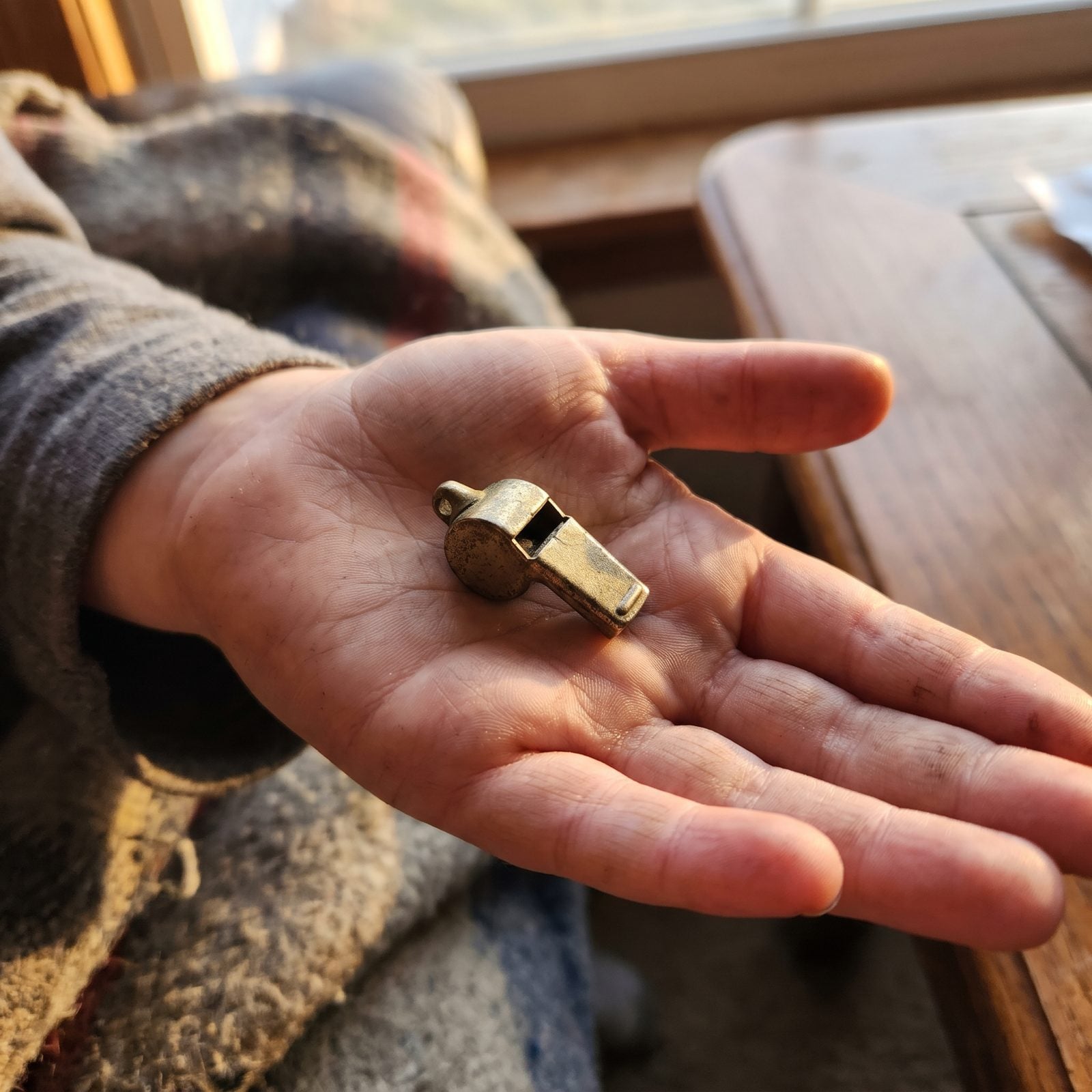
A prize in every box, and for decades that prize was made of metal. Tiny whistles, miniature figurines, little spinning tops, charms stamped from pot metal that kids fished out before they’d touch the caramel corn.
Those metal prizes drifted into junk drawers by the handful. Then safety standards tightened, small metal parts became a choking and swallowing worry, and the prizes shrank to flimsy paper and eventually to a code you scan on your phone. A phone code is not a prize. I’ll say that plainly. A real pot-metal charm was a genuine small treasure, and finding one at the bottom of a drawer still feels like luck.
3. The Shoe-Button Hook
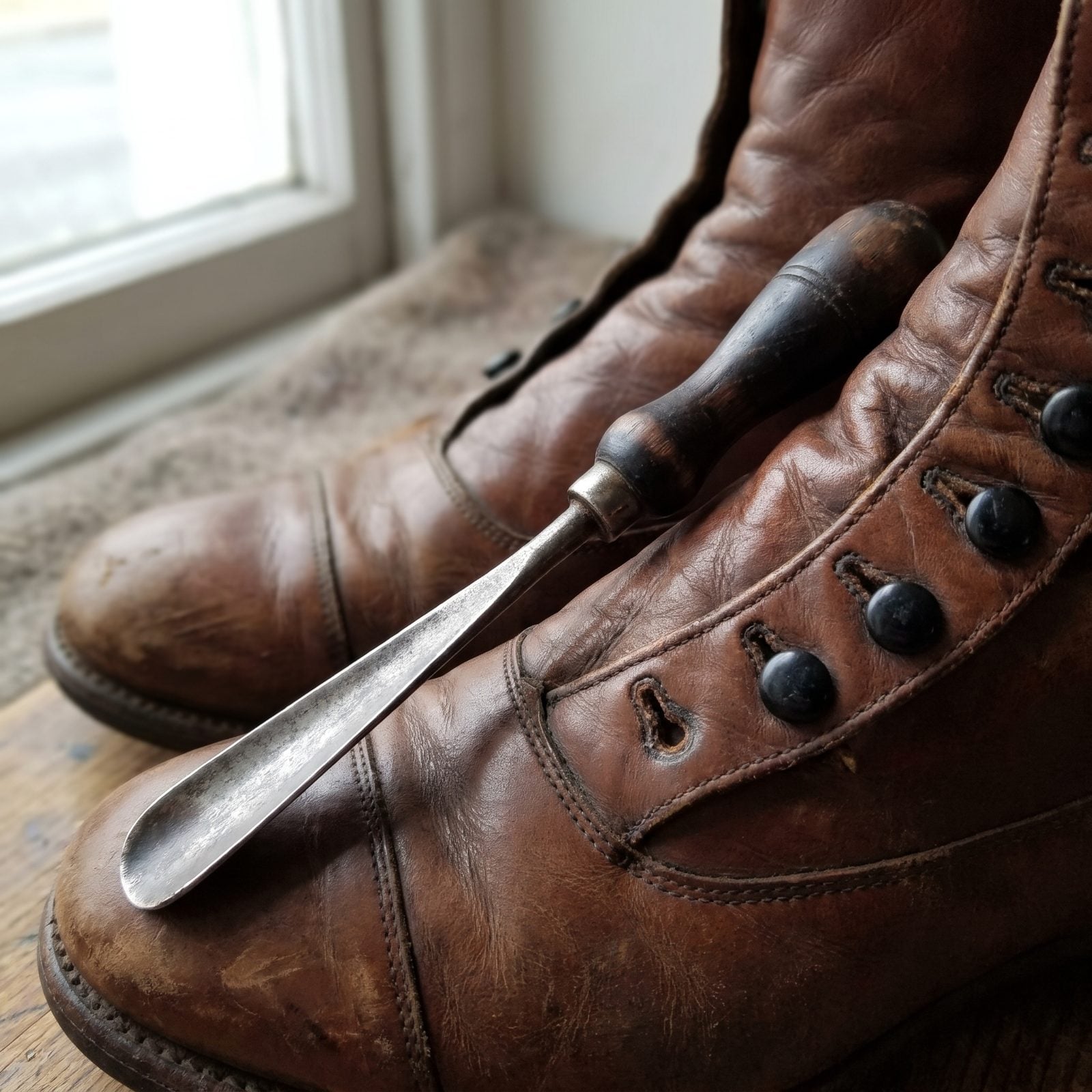
By the 1960s this tool was already a relic, which is precisely why it lingered in so many drawers. A slender steel hook set in a turned wooden handle, built for pulling the tiny buttons of old high-top button boots and shoes through their snug buttonholes.
Button boots had mostly surrendered to laces and zippers decades earlier. But the tools survived in the backs of drawers, handed down and never thrown out — too odd and too well made to toss. Pick one up today and most people haven’t got a clue what it did. That alone makes it one of the better mystery objects to surface in an old house.
2. The Cigarette Coupon
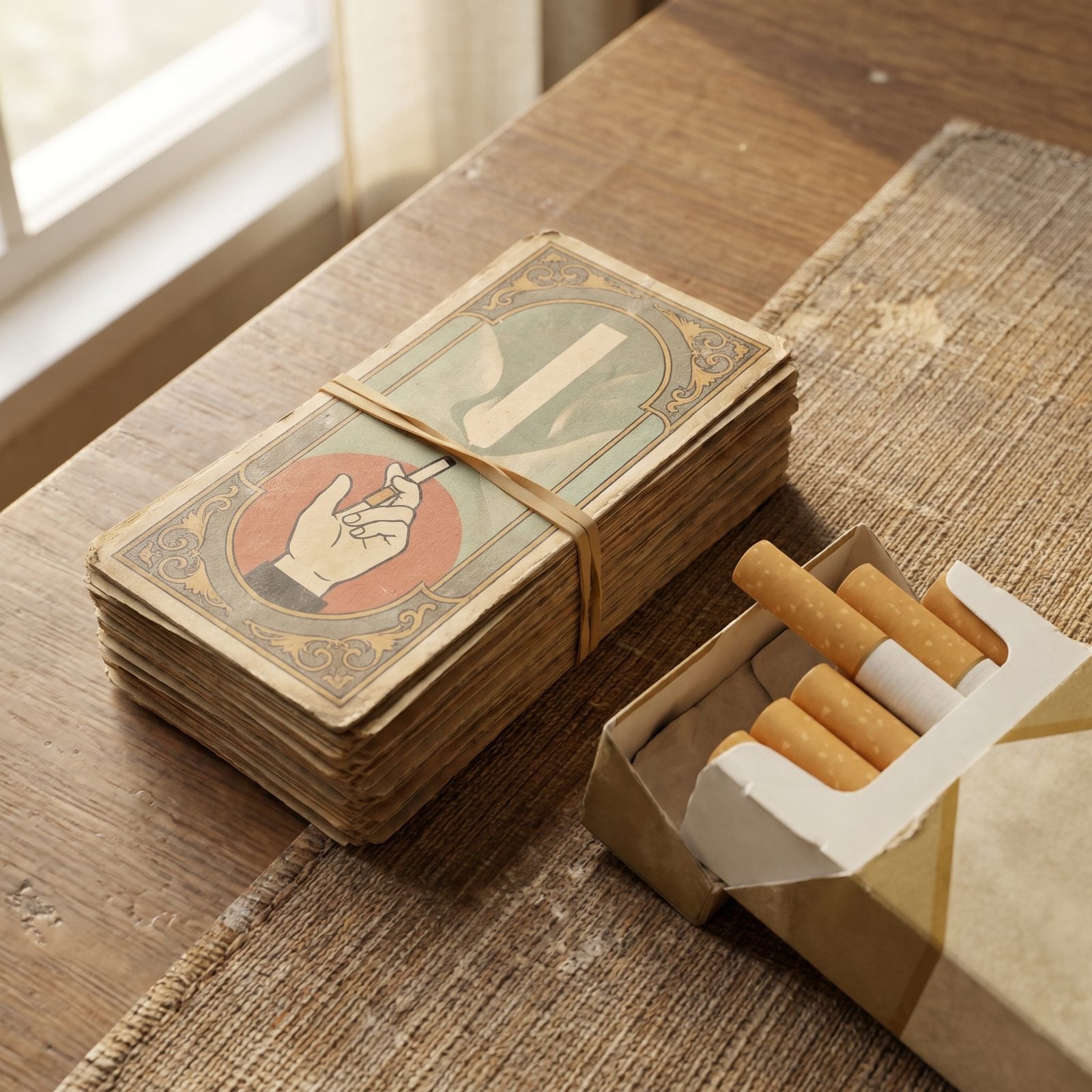
Tucked into packs and cartons, these coupons added up fast. You saved them, counted them, and traded whole stacks against a catalog of household goods — a clock radio, a set of steak knives, a toaster. The drawer filled with rubber-banded bundles waiting to hit the magic number.
It was a loyalty program built on a habit that turned out to be deadly. Advertising restrictions and the long decline of smoking pushed most of these programs out of sight by the 1990s and beyond. The coupons are gone from the drawer now, a small paper reminder of how ordinary all of it once seemed.
A stack of these once bought a toaster. The habit behind them came with a bill nobody saw on the catalog page.
1. The Mothball Tin With a Pierced Lid
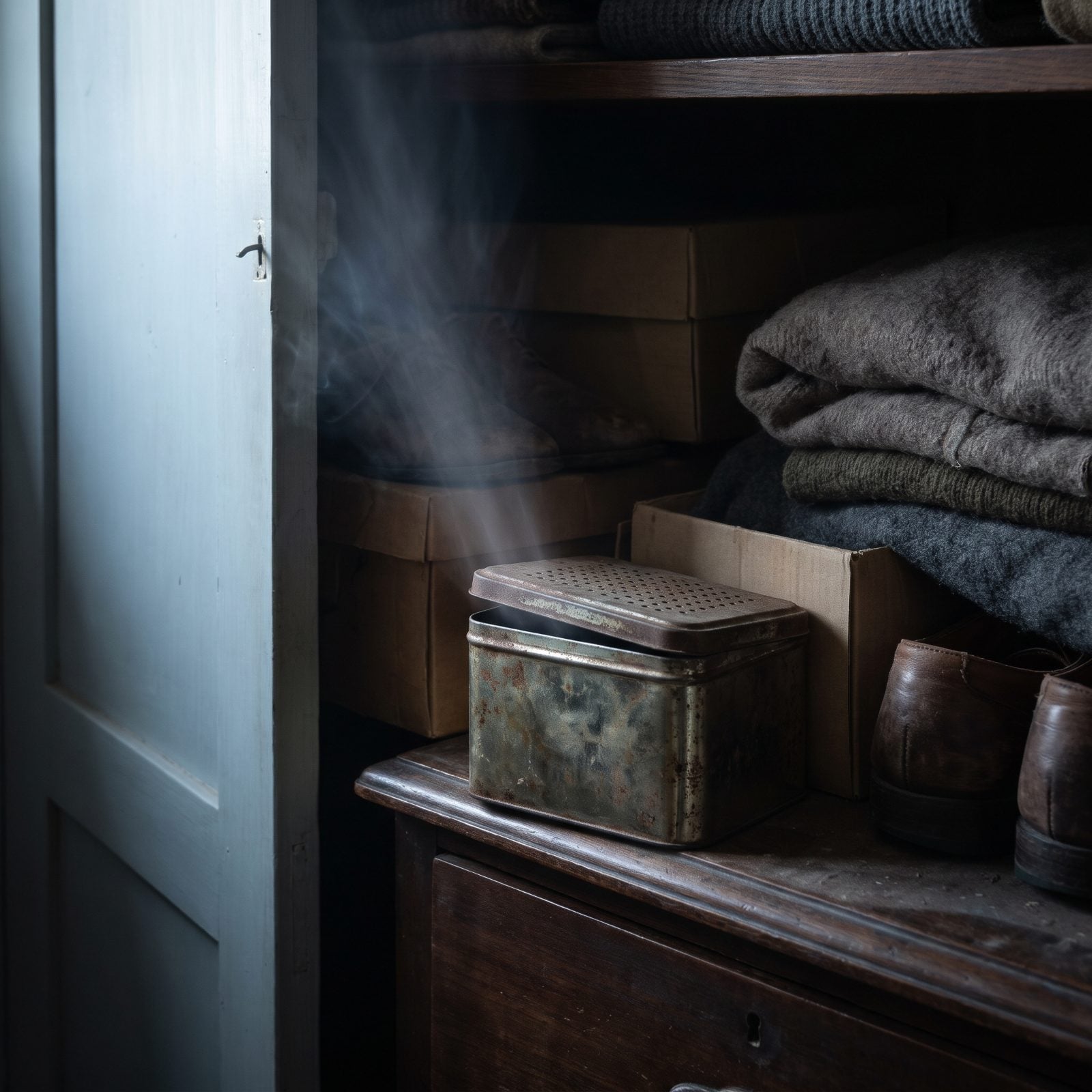
That sharp, unmistakable smell lived in closets, chests, and the odd kitchen drawer. The pierced lid let the fumes escape to keep moths off your wool, while the tin kept the chalky little balls from rolling everywhere.
Mothballs haven’t fully vanished, but the casual way people kept them around the house certainly has. We’ve since learned the active chemicals are toxic and the fumes are no joke around kids and pets, so the open tin by the sweaters fell out of favor. Cedar blocks and sealed bags took over. Open an old relative’s chest, though, and that smell hits you before you’ve even registered what you’re looking at. Some finds you recognize with your nose first.
Explaining how mothballs work on naphthalene or paradichlorobenzene, a pest management specialist at a university extension service says “Both chemicals are fumigants, meaning their volatile compounds vaporize at room temperature”