
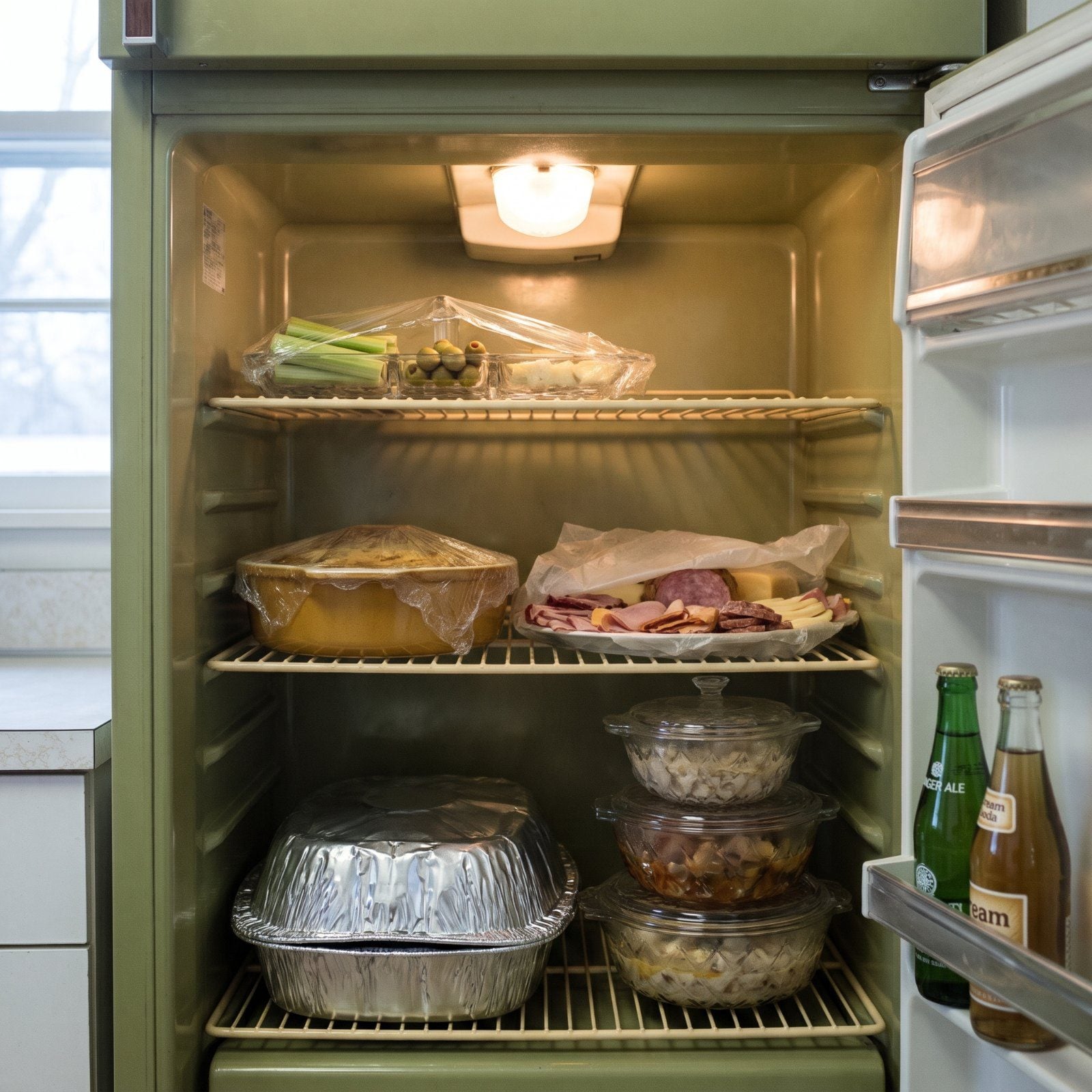
The door seal gives that soft suck when you pull it open the morning after. Cold air, a little stale, the smell of onions and butter and something cured off in a corner. Every shelf tells on last night — foil domes and glass bowls stacked three high, the good platters pressed back into service, a relish tray someone forgot about until midnight. This was the quiet aftermath of the holiday run, when the party had emptied out and the fridge did the remembering. We pulled apart what a typical American icebox held on January first, back when leftovers were a point of pride and nobody threw out a thing.
Please note that some of the images in this article were created with the assistance of AI.
28. A Foil-Wrapped Holiday Ham
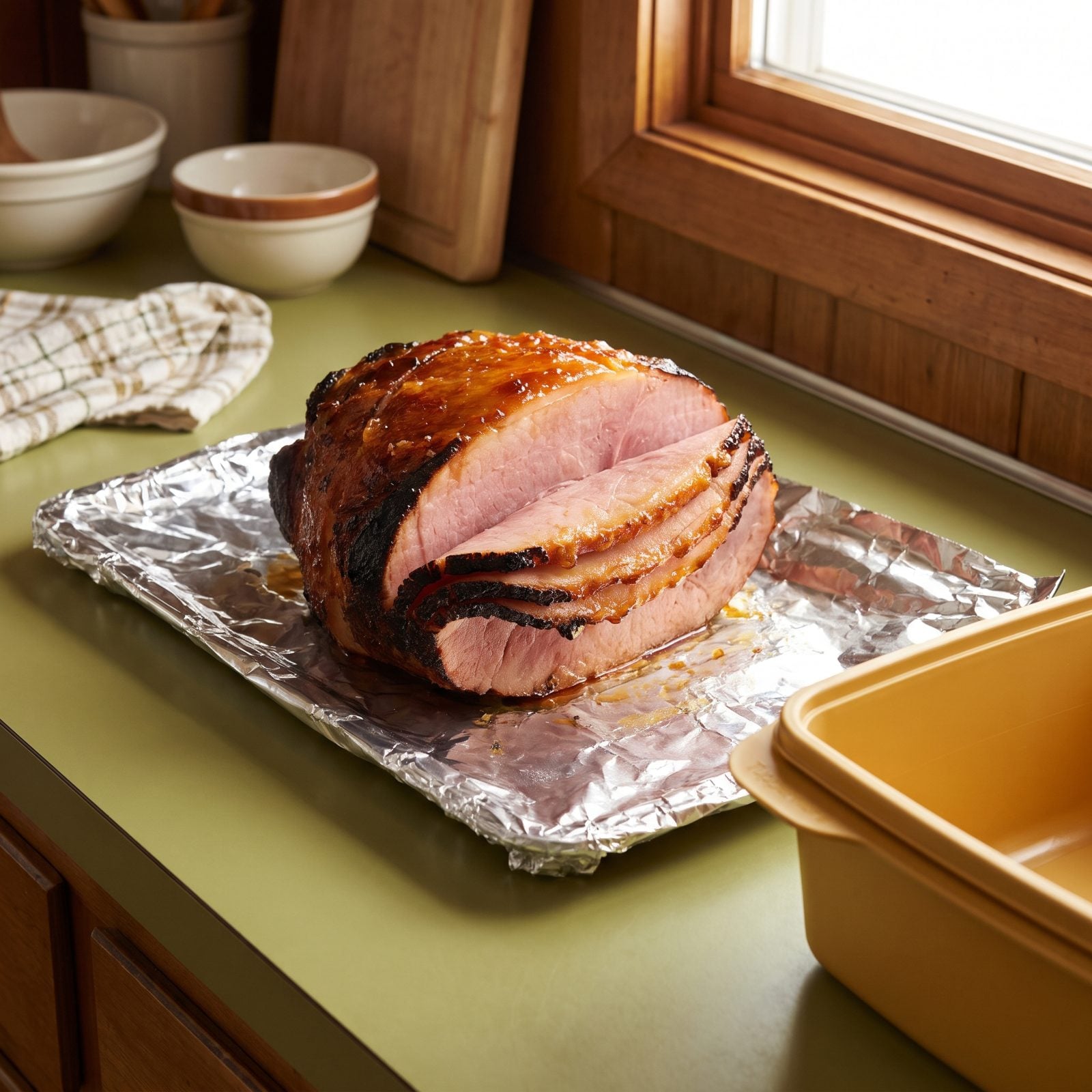
The ham anchored the whole operation. Half of it already carved, the cut face going slightly dry at the edge, the rest tucked under a sheet of foil on a tray, the foil crumpled and pressed down so many times it crackled like dead leaves.
You knew exactly what the week ahead looked like. Ham sandwiches on white bread, ham and eggs, ham in the bean pot by Thursday. A good one earned its keep for days, and nobody complained until about day five.
27. The Last Slices of Roast Turkey
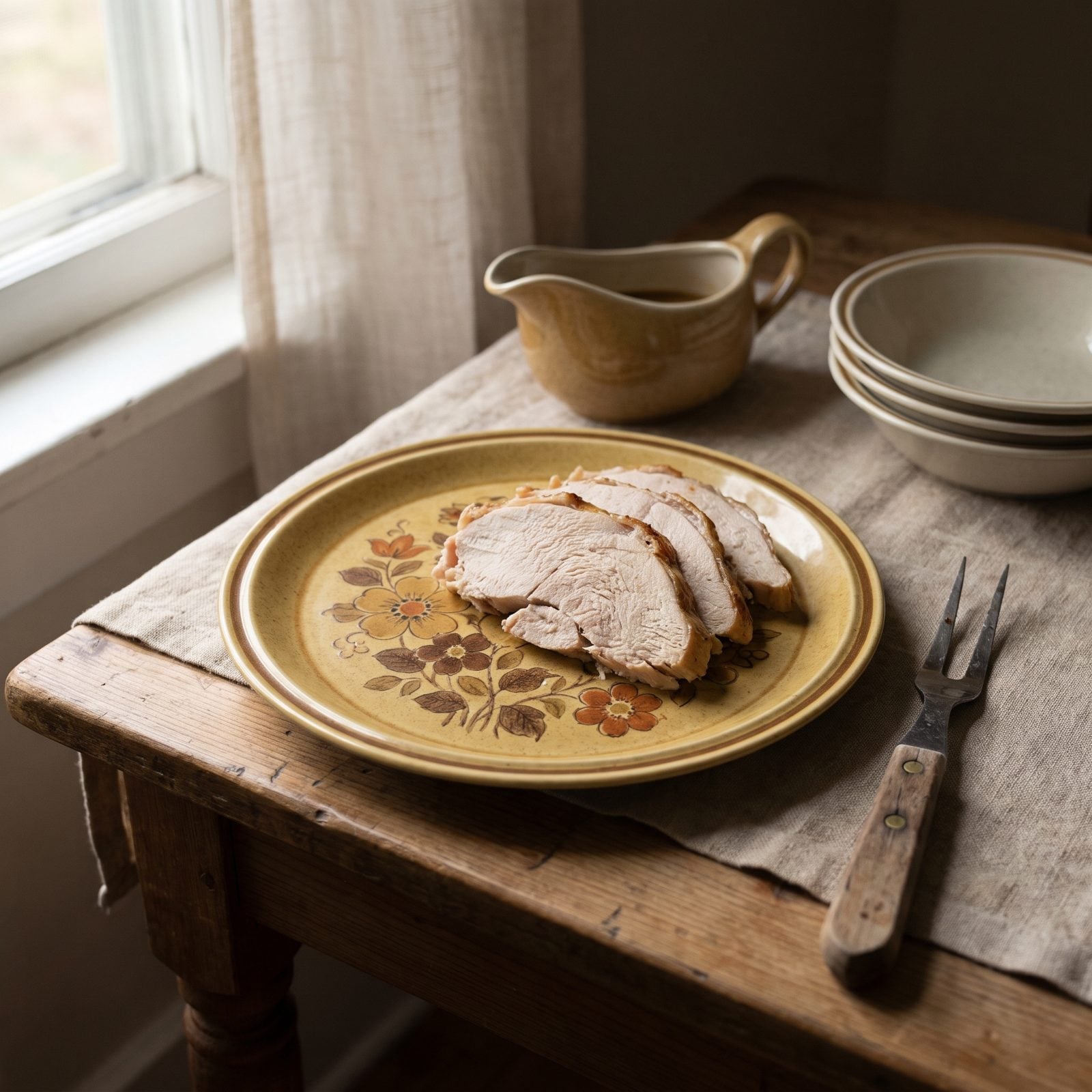
Turkey on New Year’s meant somebody roasted a second bird, because the Thanksgiving one was long gone and a holiday without turkey felt thin.
Cold slices pile differently than warm ones — denser, a little rubbery at the edges, the skin gone to leather. But the person who snuck a cold leg at eleven the night before knew the truth. Leftover turkey is at its best standing at the open fridge, no plate, lights off, nobody watching.
26. A Platter of Cold Roast Beef
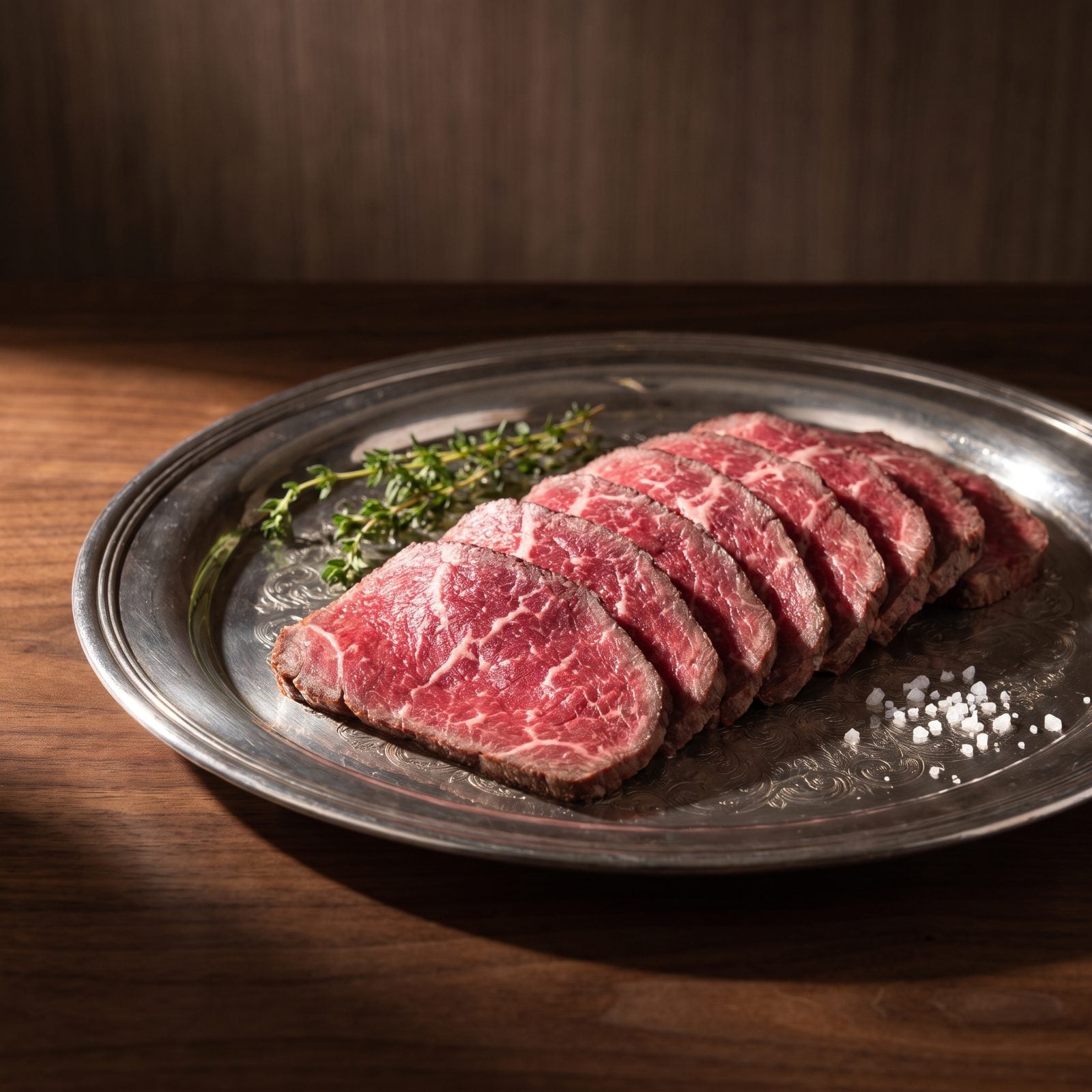
Roast beef was the flex. Pricier than ham, served rare in the middle, saved for the kind of New Year’s spread you wanted guests to remember.
Cold, those pink slices went straight onto rye with a smear of horseradish that cleared your sinuses. The platter it came on was usually the good one, the one that lived up in the high cupboard the other fifty-one weeks of the year.
25. Shrimp Cocktail in Glass Dishes
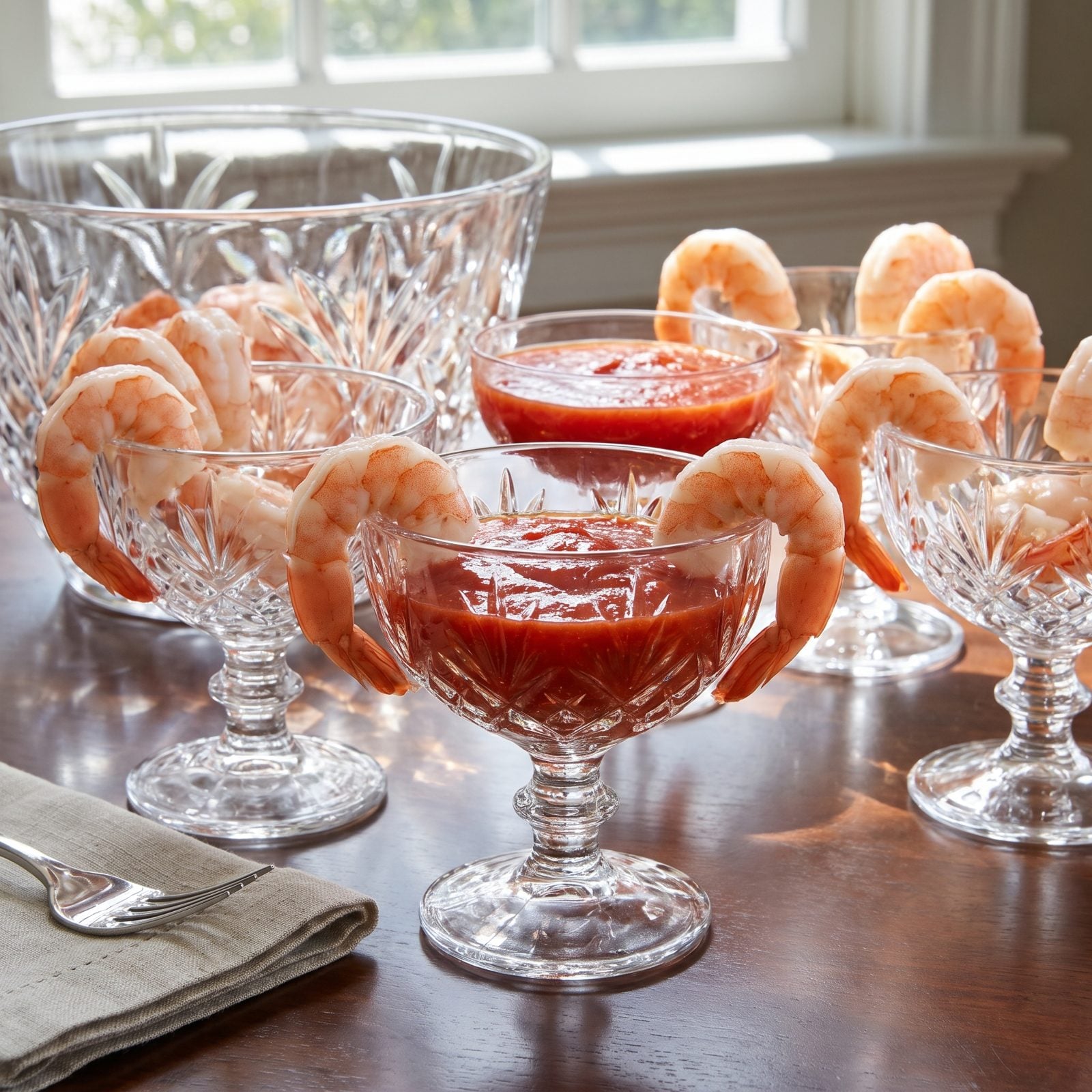
Shrimp cocktail was pure occasion. It showed up in those footed glass dishes that only came out for company, shrimp curled over the rim like they were showing off, a dollop of red sauce pooled in the bottom.
On New Year’s morning a few stragglers usually sat in the fridge, sauce gone a little watery, shrimp cold and firm. You ate them standing up with your fingers. Nobody served shrimp cocktail casually back then — which is exactly why it felt like a treat.
24. A Half-Eaten Cheese Ball
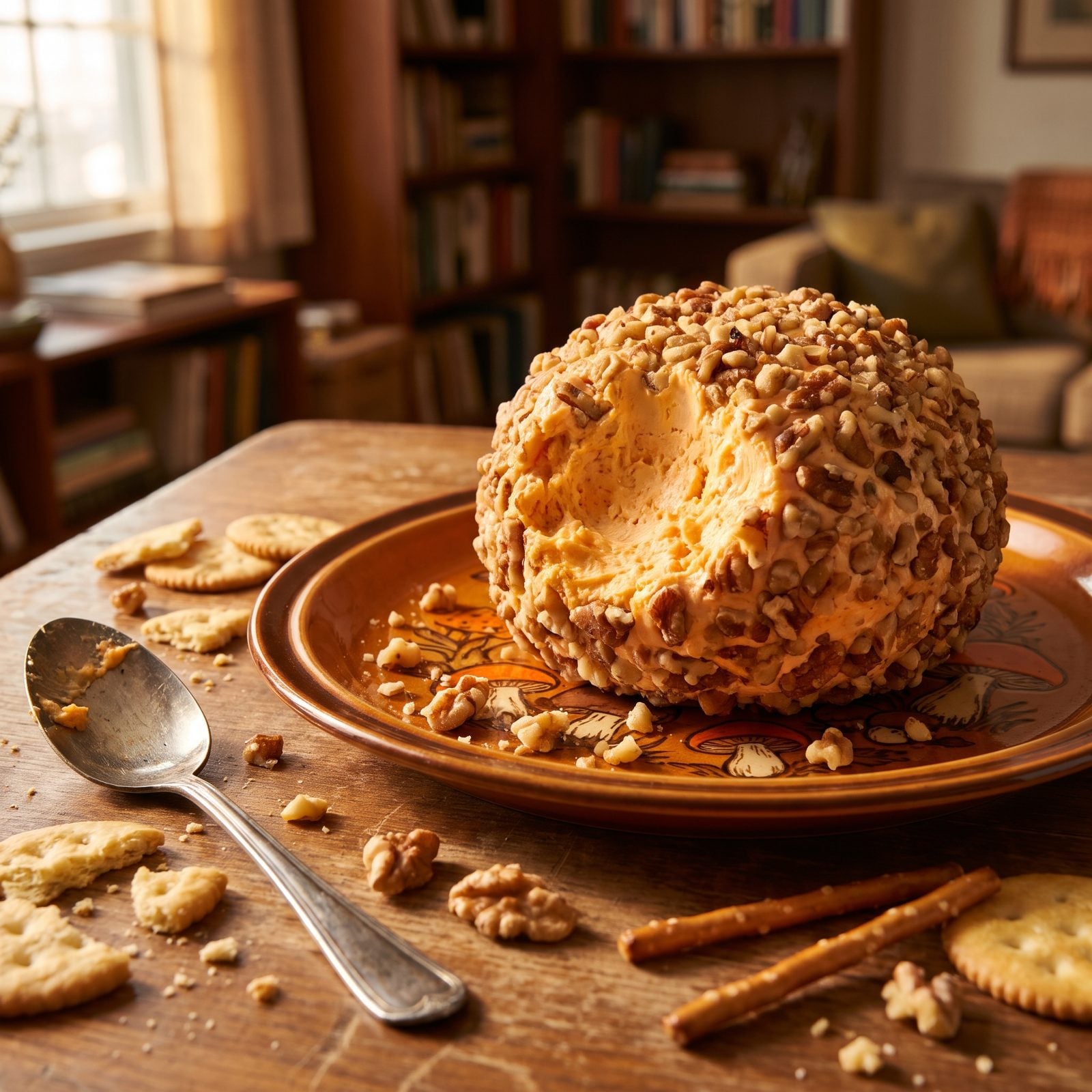
Every cheese ball had a dignified start and an undignified end. By New Year’s morning it looked like a small animal had gotten at it — one side scooped flat, nut coating shedding onto the plate.
Rolled in walnuts, dusted with parsley, flecked with bits of green onion and maybe a shake of something orange. It sat in the cold going firm again, waiting for the last sleeve of crackers to finish it off.
23. French Onion Dip in Its Serving Bowl
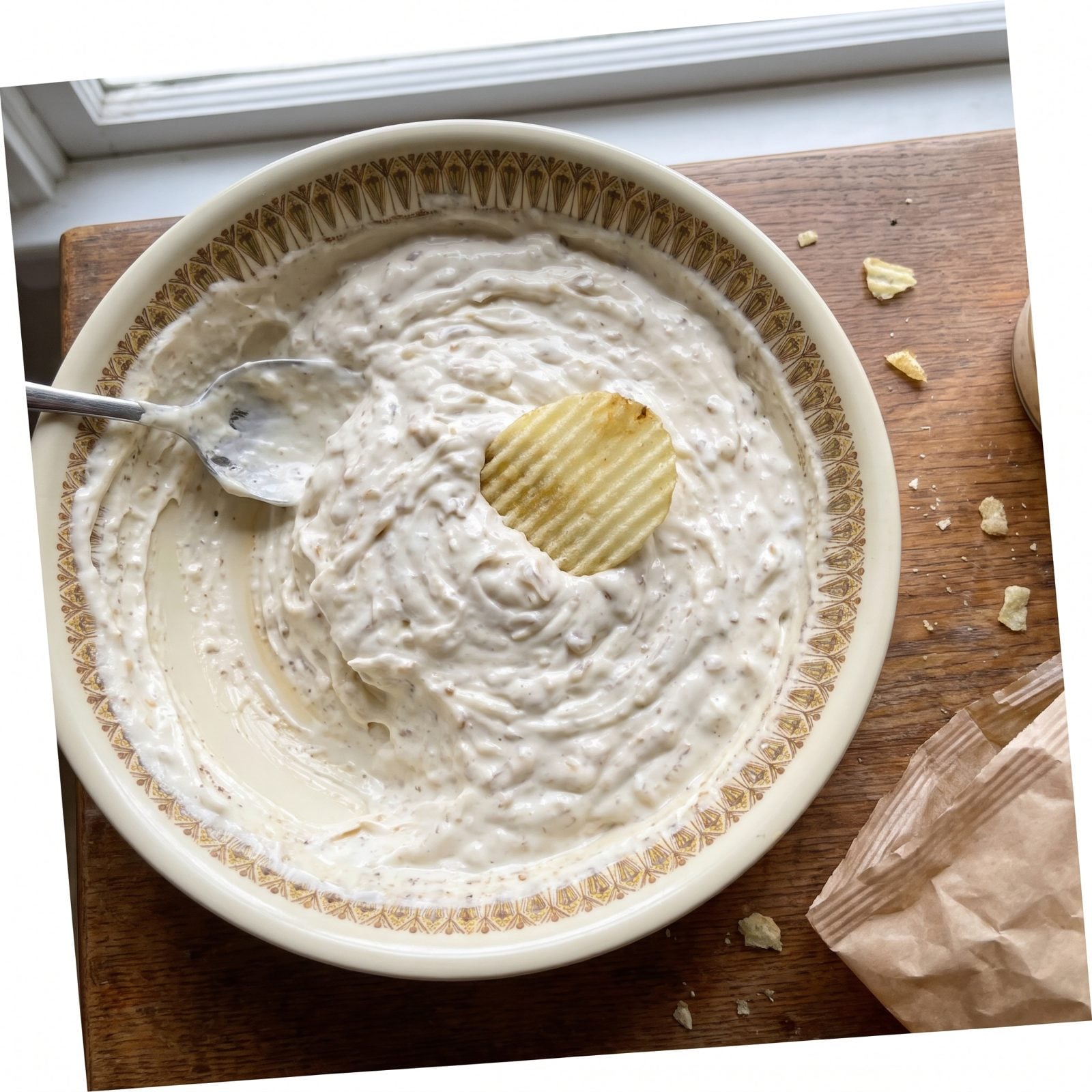
The dip bowl always came back to the fridge lighter than it left — a big swipe gone from one side, a drowned chip or two sunk into it, the surface starting to firm up at the edges.
Sour cream and a packet of soup mix, stirred and chilled an hour ahead. That was the whole trick. It fed a crowd, cost almost nothing, and vanished faster than anything fancier on the table.
22. A Tray of Deviled Eggs
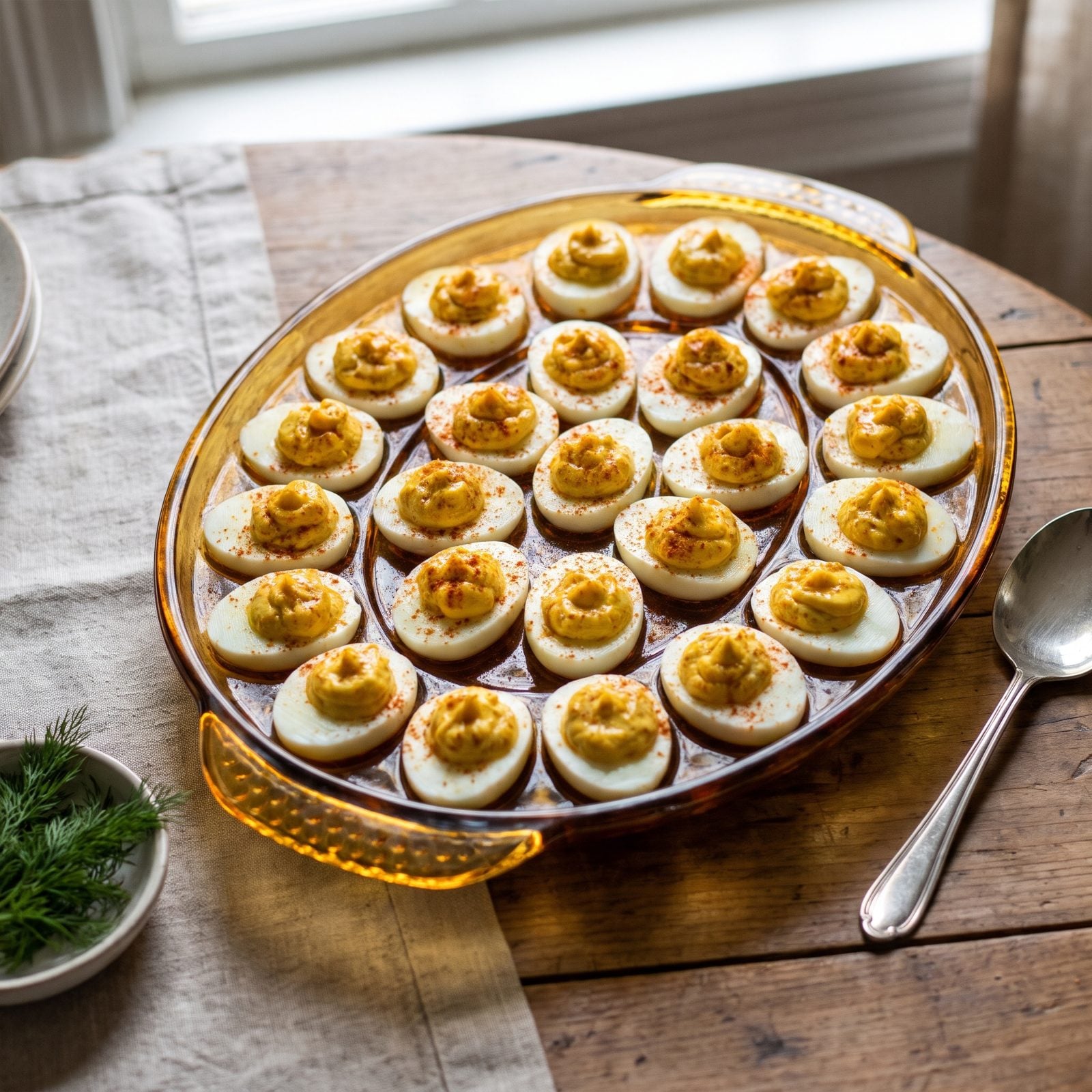
No gathering was official without deviled eggs, and the proof was the dish they rode in on. That dimpled oval tray with the little egg-shaped wells existed for exactly one purpose and got used maybe three times a year.
Filling mashed with mustard and mayo, piped if you were fancy, spooned if you weren’t, dusted with paprika that did nothing for flavor and everything for looks. By morning a few empties sat among the full ones, the paprika gone dull in the cold.
21. Cocktail Sausages Left From the Party
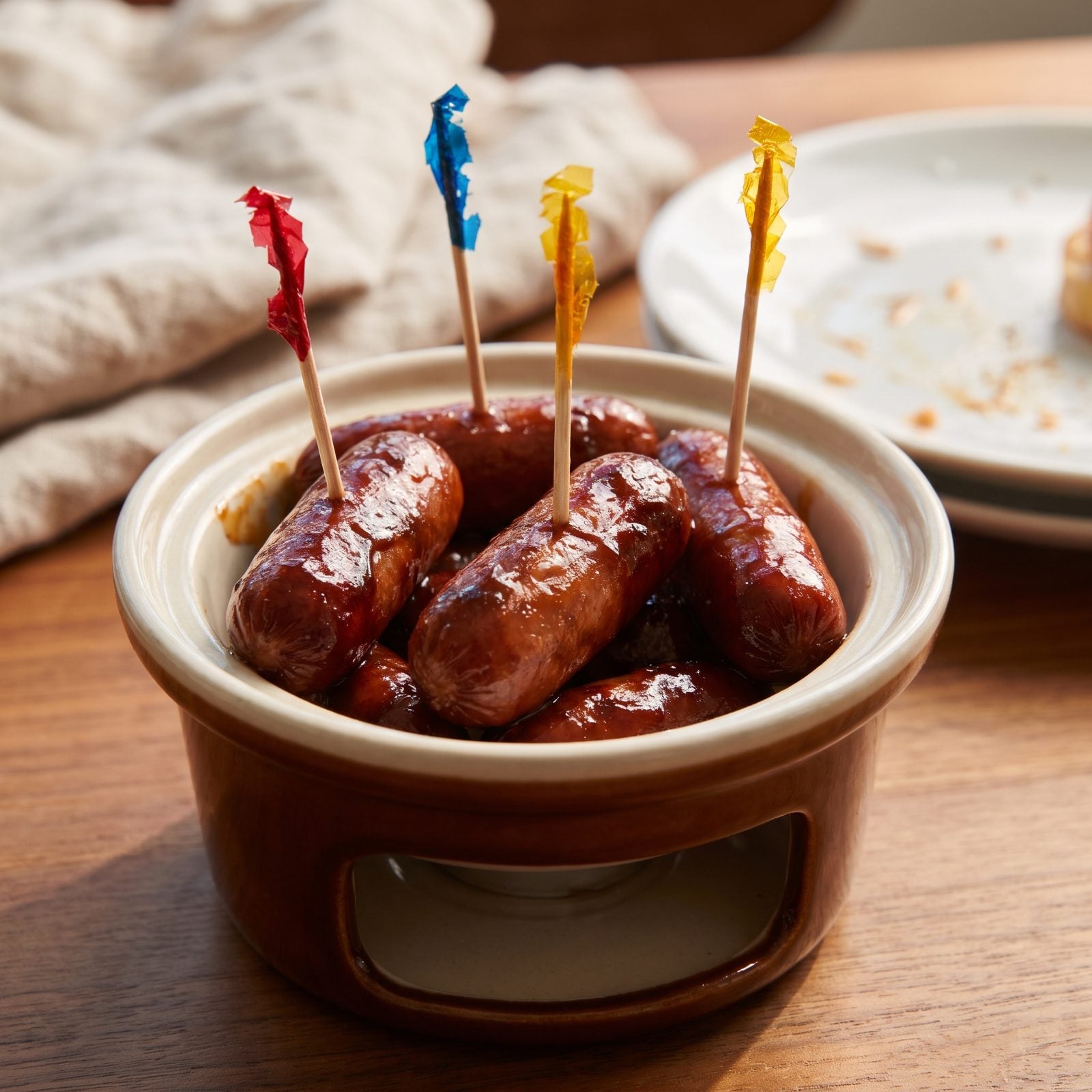
Little sausages in a sweet-tangy sauce, speared with those frilly cellophane toothpicks, kept warm in a chafing dish all night and shoveled into the fridge when the party folded.
Cold, the sauce set up into something almost jammy. You ate them straight from the dish the next day, no reheating, standing at the counter, telling yourself you’d only have one.
20. Saucy Party Meatballs
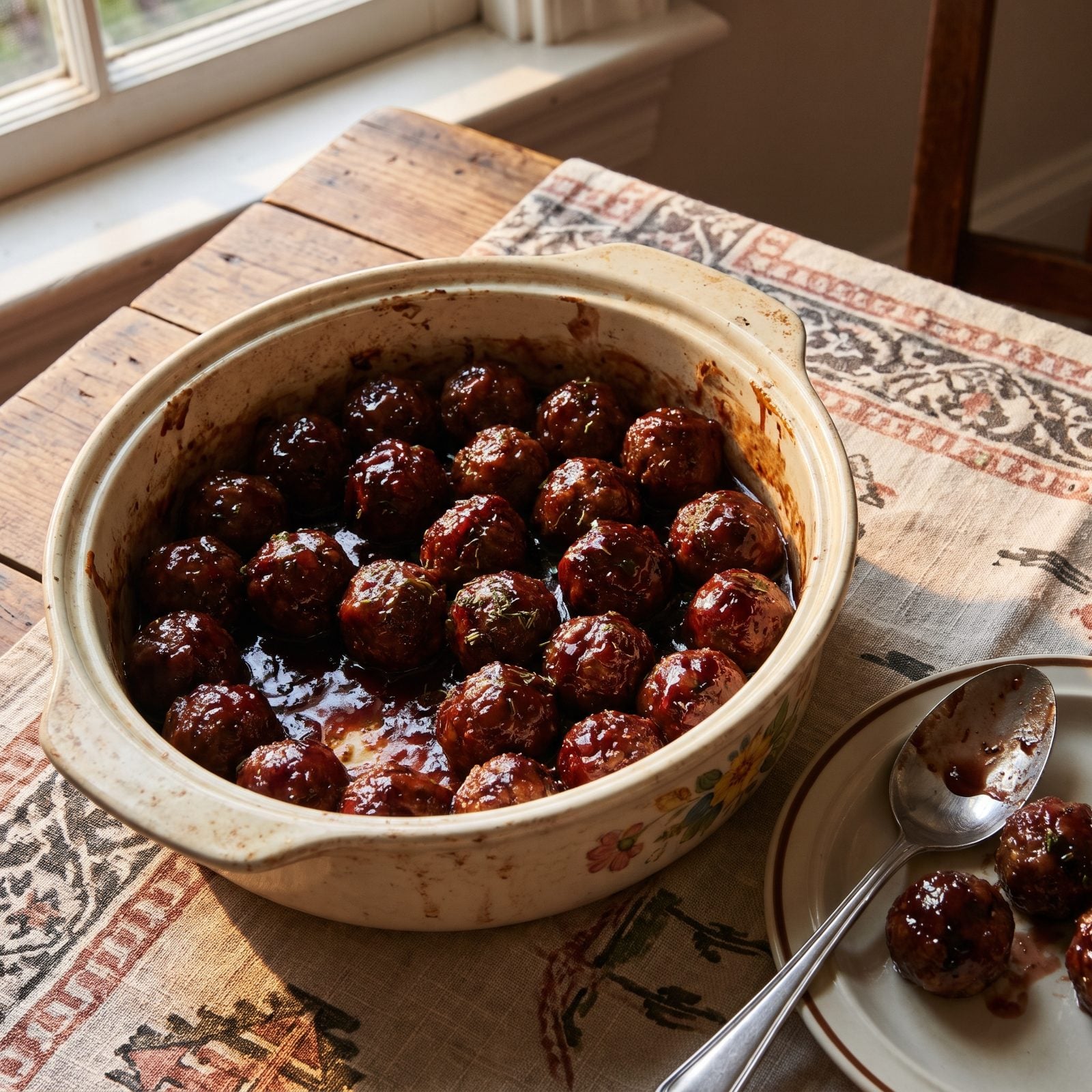
Meatballs were the workhorse of the appetizer table — a whole casserole of them swimming in a sauce that smelled sweet and tangy and a little mysterious, the recipe closely guarded even though half the neighborhood made the same one.
Chilled overnight, the sauce turned to glaze and the whole dish set like a pan of fudge. They reheated well, which is more than you could say for most party food, and that made them the leftover everyone actually hoped was still in there.
19. A Plastic-Wrapped Relish Tray
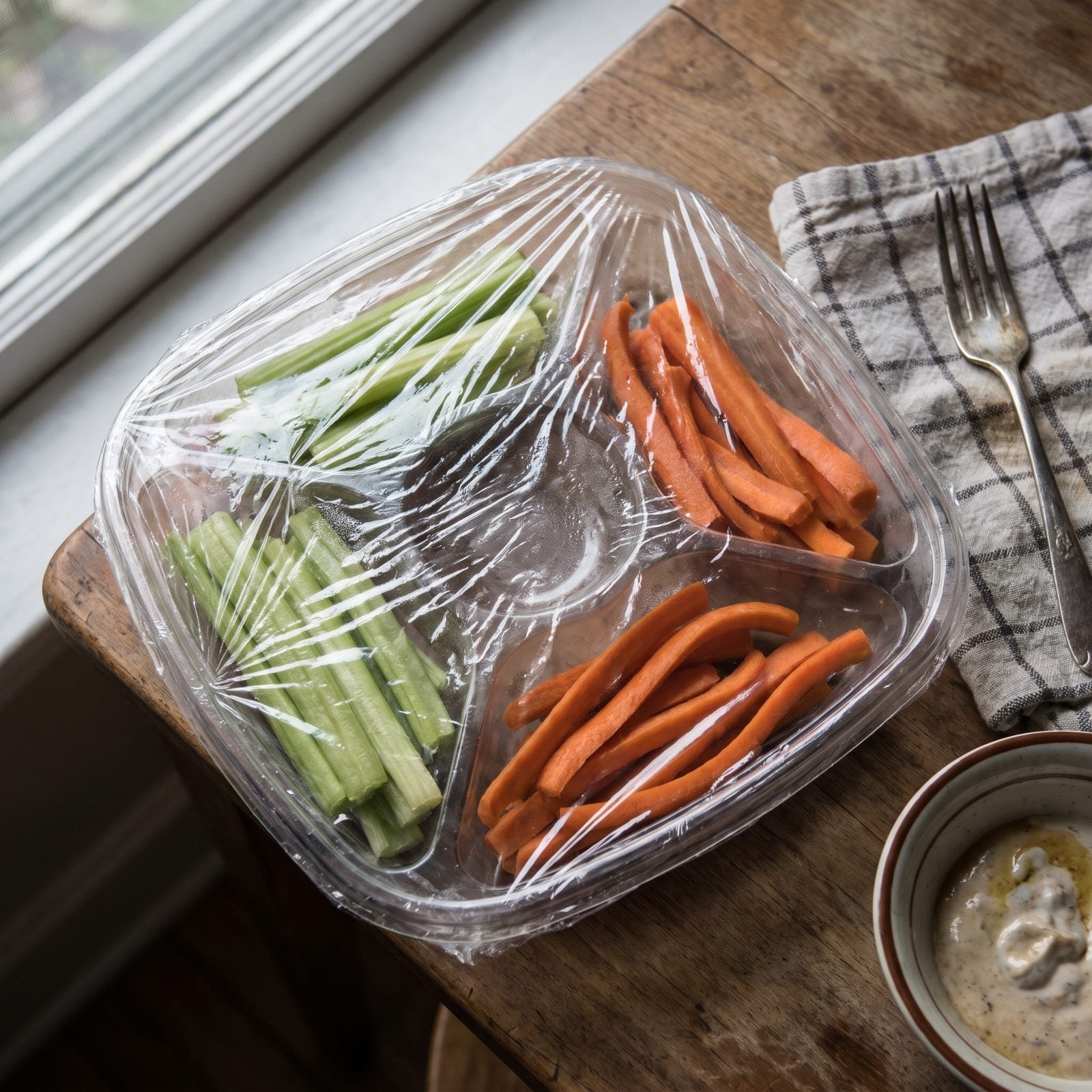
The relish tray was the one nobody finished and nobody threw out. Celery going limp, carrots curling at the cut ends, the little moat in the middle sitting empty and scraped clean.
That plastic wrap sat stretched so tight across the top it squeaked when you touched it. The tray lingered for days, pushed to the back, pulled out for one more go at the carrots every time the door opened.
18. Potato Salad in a Covered Bowl
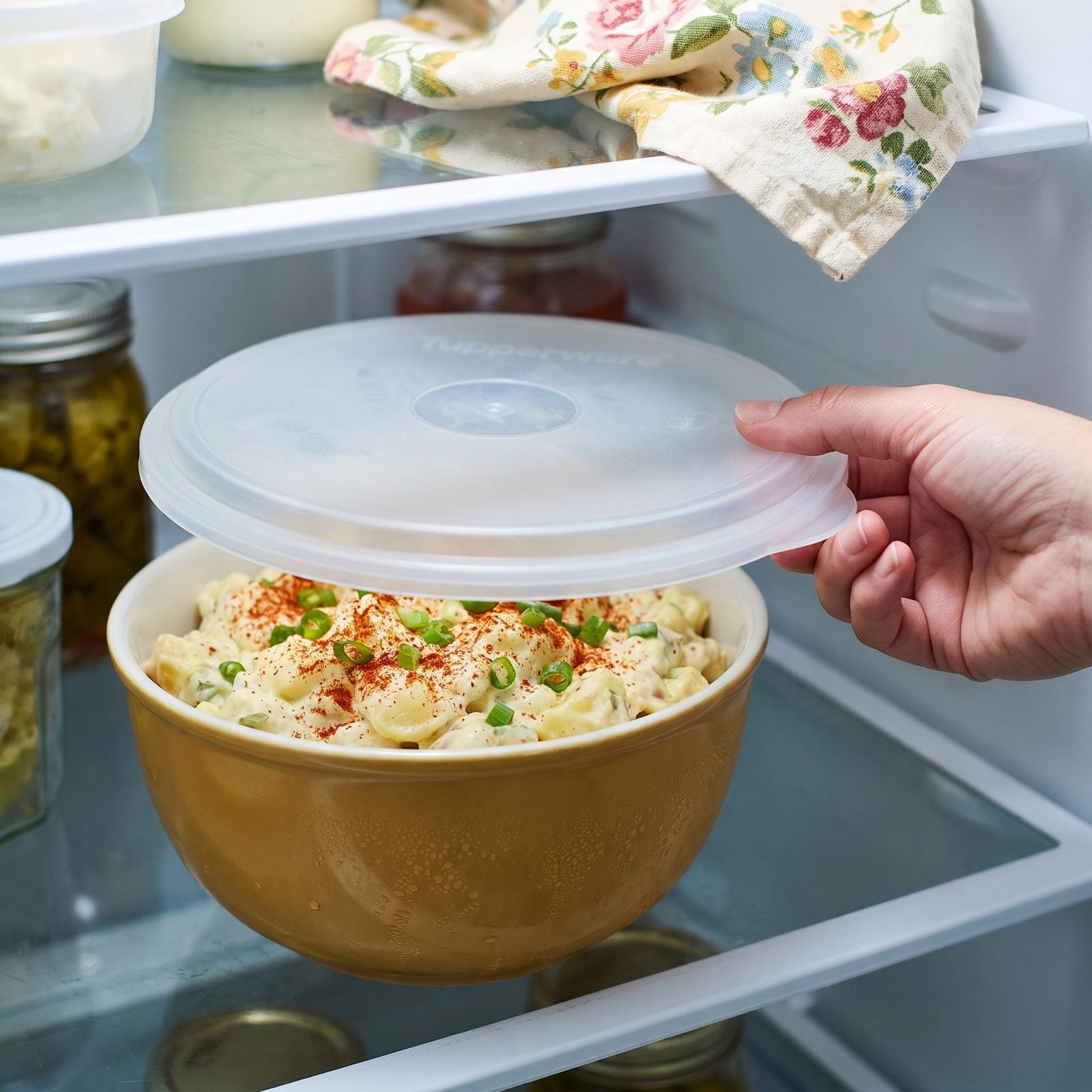
Every family had a hand with potato salad, and every hand swore theirs was the only one worth eating. By the first of January it had already sat for days, which is when it’s actually best. The flavors settle, the mustard mellows, and the celery loses its crunch without anyone complaining.
You can spot a 1970s potato salad by the paprika shaken over the top like a weather system. Did nothing for the taste. Did everything for the look. The real giveaway was that skin of dressing under the lid, the part you stirred back in and pretended you didn’t see.
17. Ambrosia Salad With Marshmallows
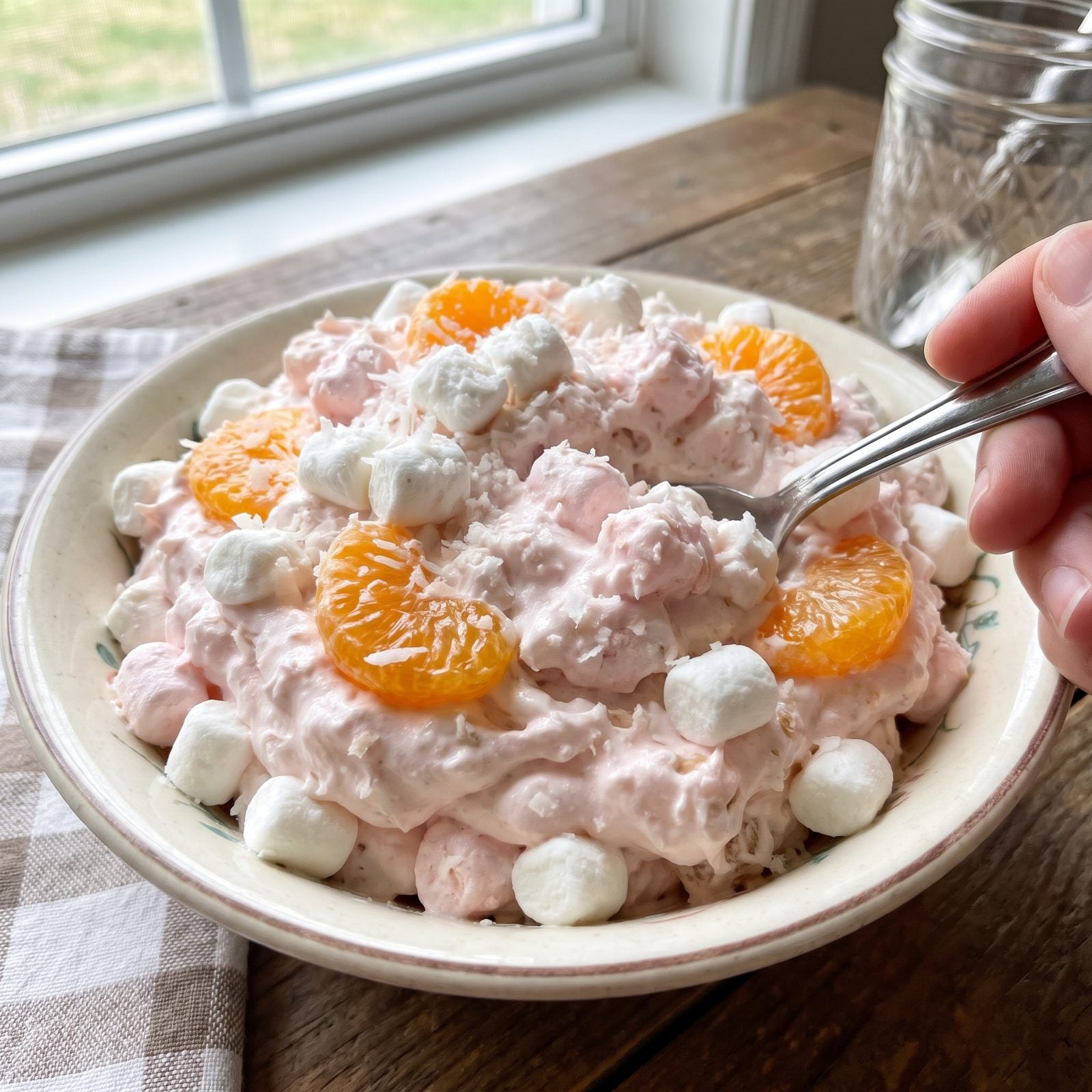
Is it a salad? No. It never was. Ambrosia is dessert wearing a salad’s clothing so it could sit at the dinner table without anyone objecting. Marshmallows, canned mandarins, coconut, maybe a handful of pecans, all bound in something sweet and white.
Those maraschino cherries were the giveaway, bleeding a little pink into everything around them overnight. By New Year’s Day it had gone soft in the best way, the marshmallows half-dissolved into the whipped base. We’ll admit it: this is the one we’d sneak a spoon of standing at the open fridge door.
16. A Molded Gelatin Salad
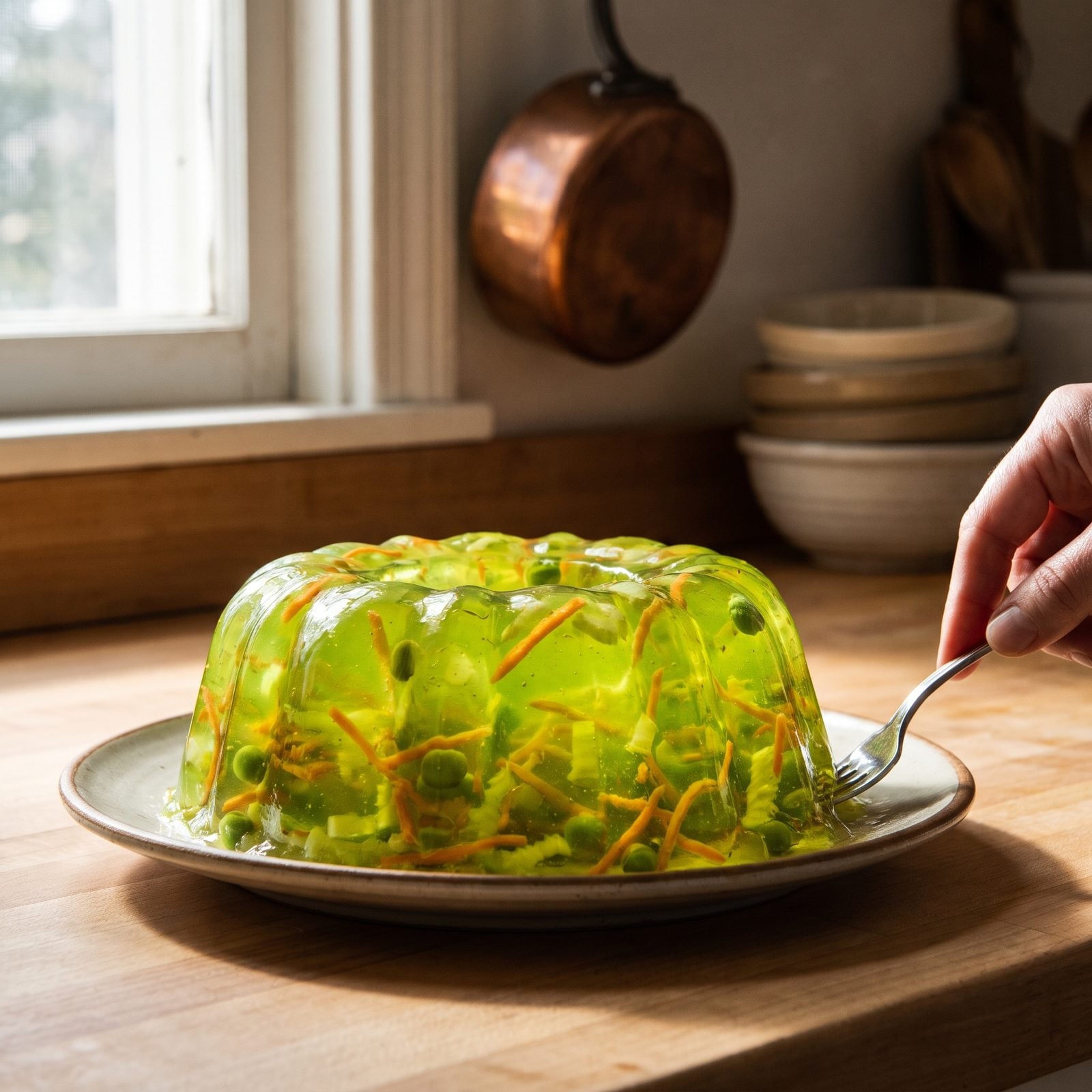
Nothing says a 1970s table like food you could see through. A molded gelatin salad proved that somebody owned a ring mold and wasn’t afraid to use it. Suspended inside: shredded carrot, canned fruit, sometimes shredded cabbage, occasionally something nobody could identify.
By January it had been unmolded, re-chilled, and set back on a cream stoneware plate, slowly weeping a little moisture onto the surface. Light came through it like a church window. And the savory versions, the ones with vegetables set in lime gelatin? That’s where modern palates get off the bus.
A cookbook historian explains that Jell-O was so convenient for home cooks that they simply put sweet lime, lemon and cherry gelatin into savory salad recipes. (via a cookbook historian)
15. Seven-Layer Salad in a Glass Bowl
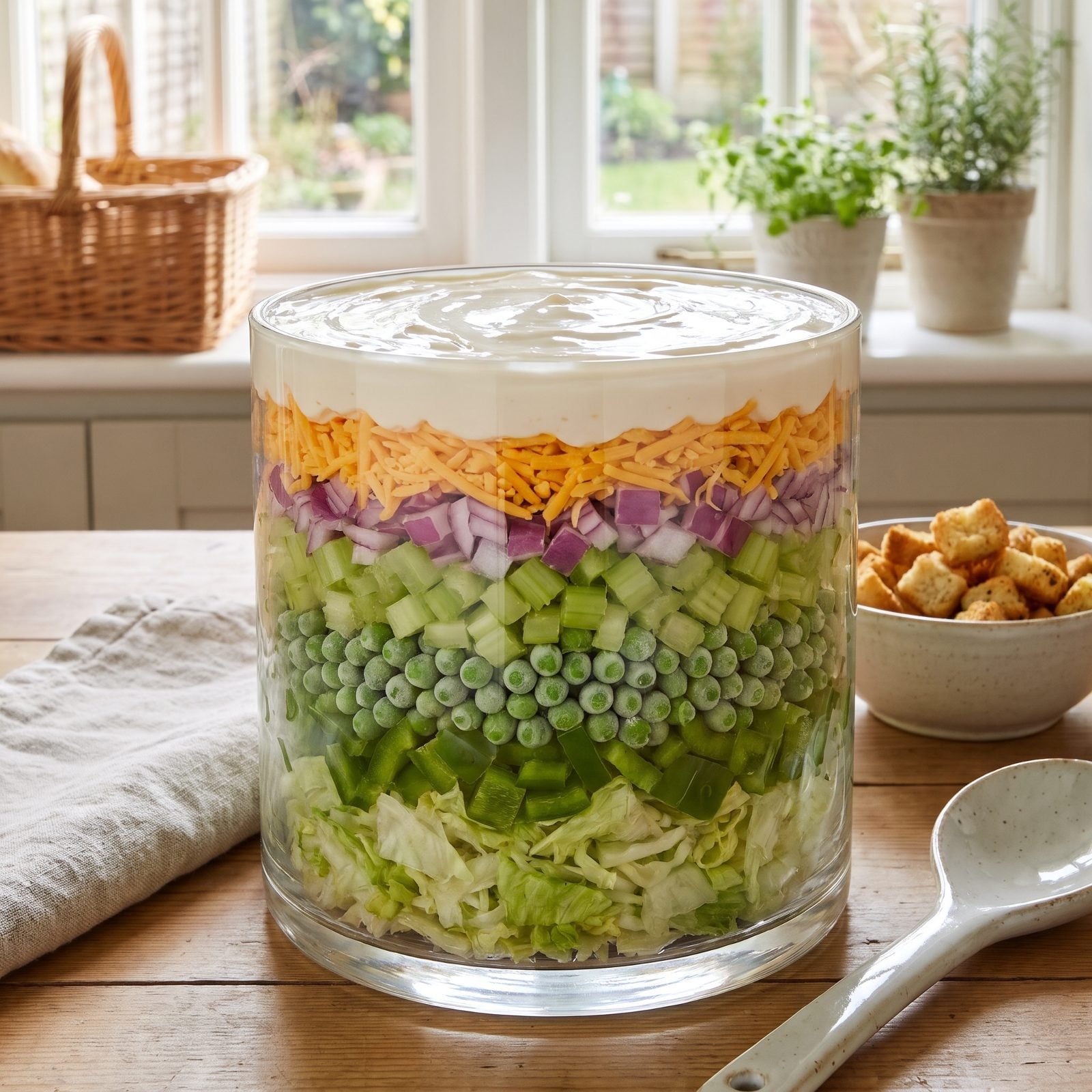
A seven-layer salad existed to be seen. Picture a tall straight-sided glass bowl, built in stripes: iceberg lettuce, green bell pepper, frozen peas, celery, diced red onion, shredded cheddar, mayonnaise dressing. The dressing layer on top wasn’t a mistake. It sealed everything underneath so every stripe showed through the glass.
You didn’t toss it until the moment you served it. On the table, the bowl sat full and untouched in the sunlight, the orange cheddar bright against the purple onion, the dressing spread white on top. Driving a spoon straight down through all of it in one scoop was the entire experience.
14. Green Bean Casserole
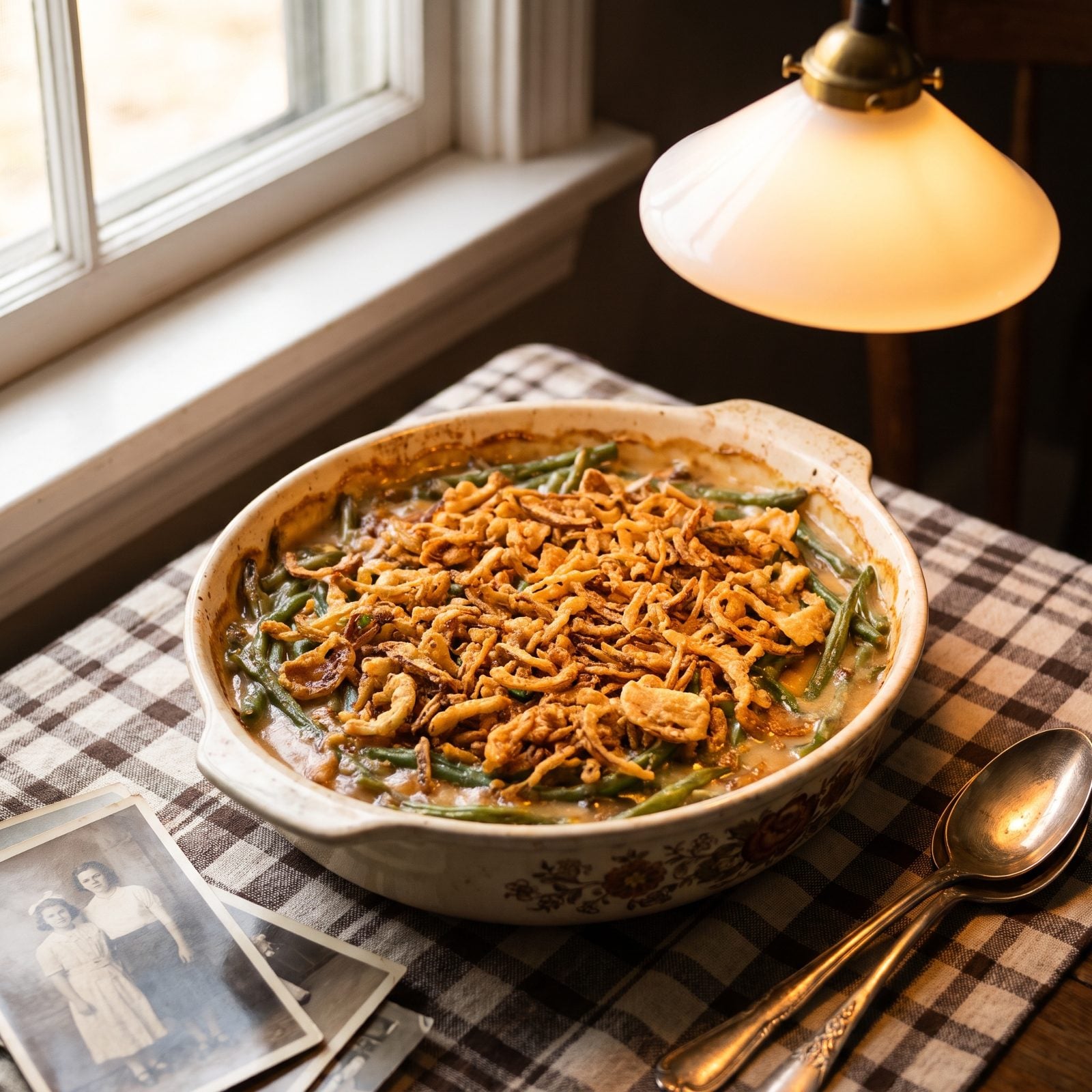
Cream of mushroom soup, cut green beans, and fried onions from a can. That’s the whole thing, and it has outlived nearly every other dish on this shelf. Somebody invented it in a corporate test kitchen in 1955 to sell more soup, which it did, spectacularly.
Cold from the fridge the next morning, green bean casserole is a quieter dish. The fried onions on top have gone soft, the sauce has set, and the few crisp ones left always get picked off first anyway. Straight out of a cream-and-brown stoneware dish, it still tastes like the holiday.
13. Scalloped Potatoes in a Baking Dish
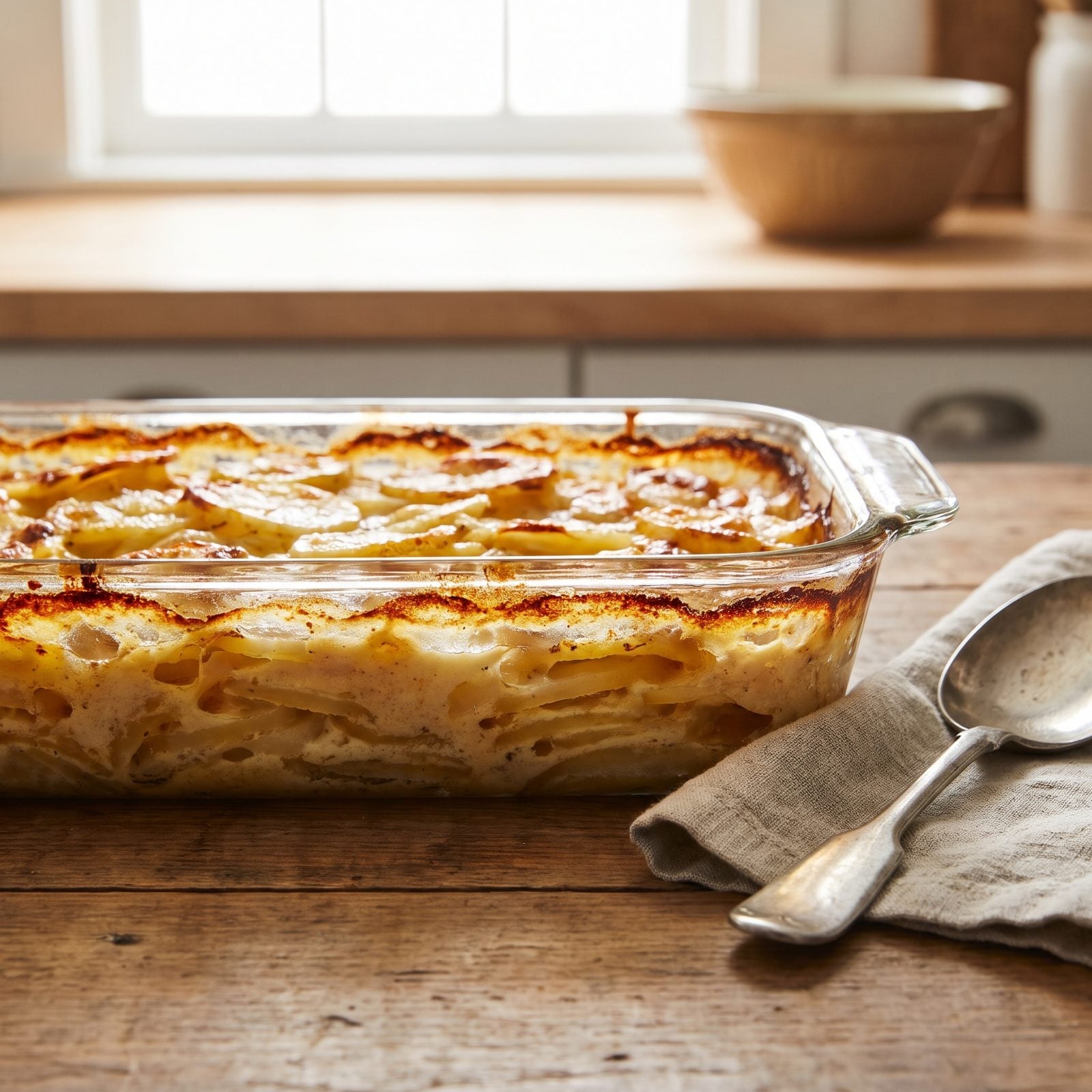
Thin-sliced potatoes layered into a dish with cream, butter, and more patience than most weeknights allow. Scalloped potatoes were holiday food precisely because they took time. You made them when the oven was already busy.
Cold from the fridge the next morning, they set up into something you could cut in squares. The cross-section where somebody scooped a serving the night before shows every layer, and when you reheat it the top skin crisps again. Some folks swear the leftovers beat the original. On this one, we think they’re right.
12. Black-Eyed Peas for New Year’s Luck
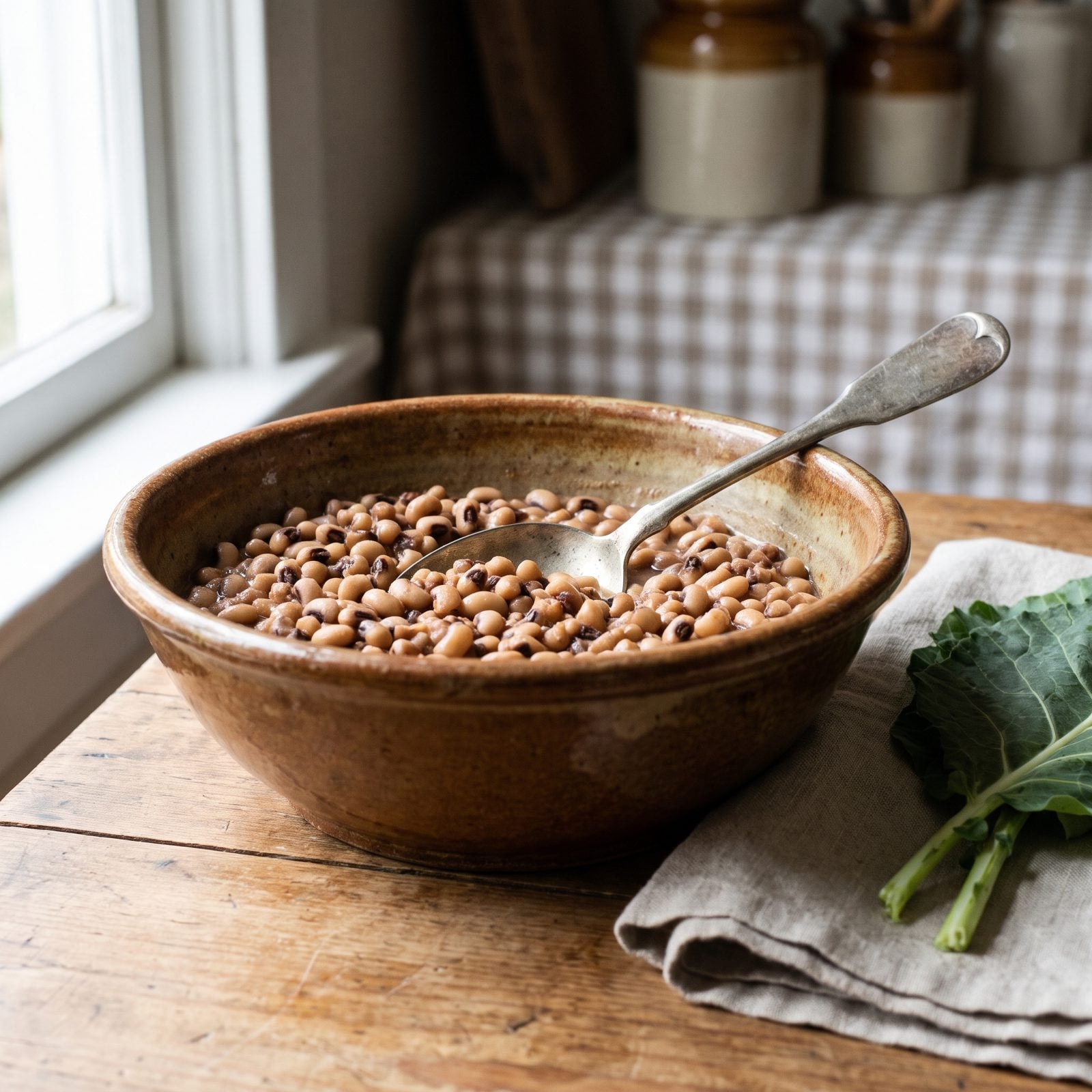
These weren’t on the shelf by accident. Black-eyed peas on New Year’s Day mean luck for the year ahead, a tradition that runs deep through the American South and traces back generations before that. The peas stand for coins, and you eat them for prosperity.
Simmered low with a ham hock or a piece of smoked pork, they keep beautifully. Cooked with rice, the dish often shows up as Hoppin’ John. Left in their own cloudy broth in a covered bowl, they’re ready to warm up whenever hunger and superstition both strike.
As a soul food historian puts it, “The black-eyed peas represent coins, whereas the greens represent folding money”
11. Cooked Greens With Pot Liquor
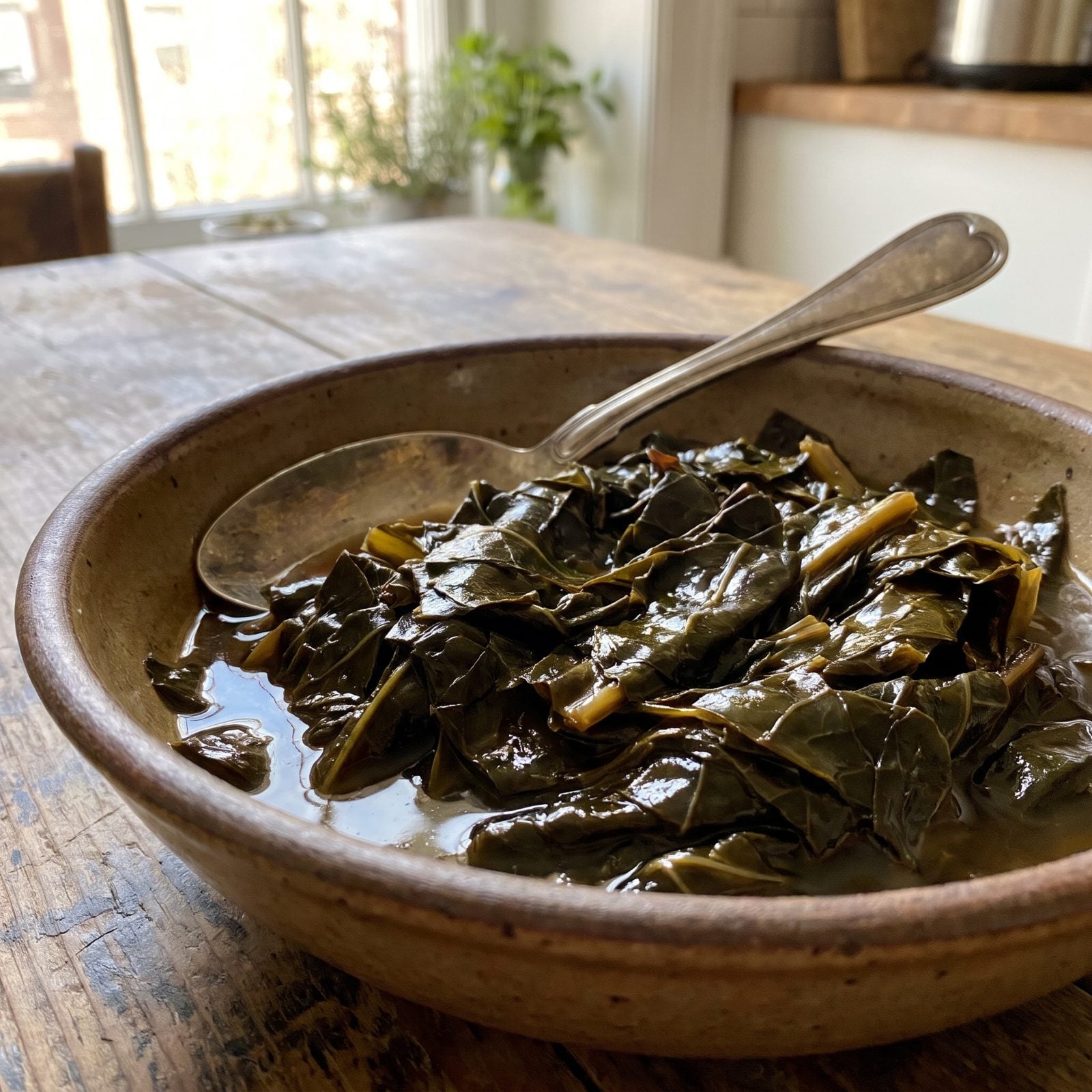
If the black-eyed peas are the coins, the greens are the folding money. Collards, turnip greens, or mustard greens cooked down soft, eaten on the first for a prosperous year because their color is the color of paper bills.
The real prize isn’t even the greens. It’s the pot liquor, that dark broth they cooked in, loaded with smoke and salt and the vitamins that leached out of the leaves. Nobody poured that out. You sopped it with cornbread, or you drank it straight. A bowl of greens in the fridge on New Year’s morning is a bowl of intentions.
As a food writer puts it, “is more than the sum of the juices at the bottom of a pot of greens.”
10. Pork and Sauerkraut Leftovers
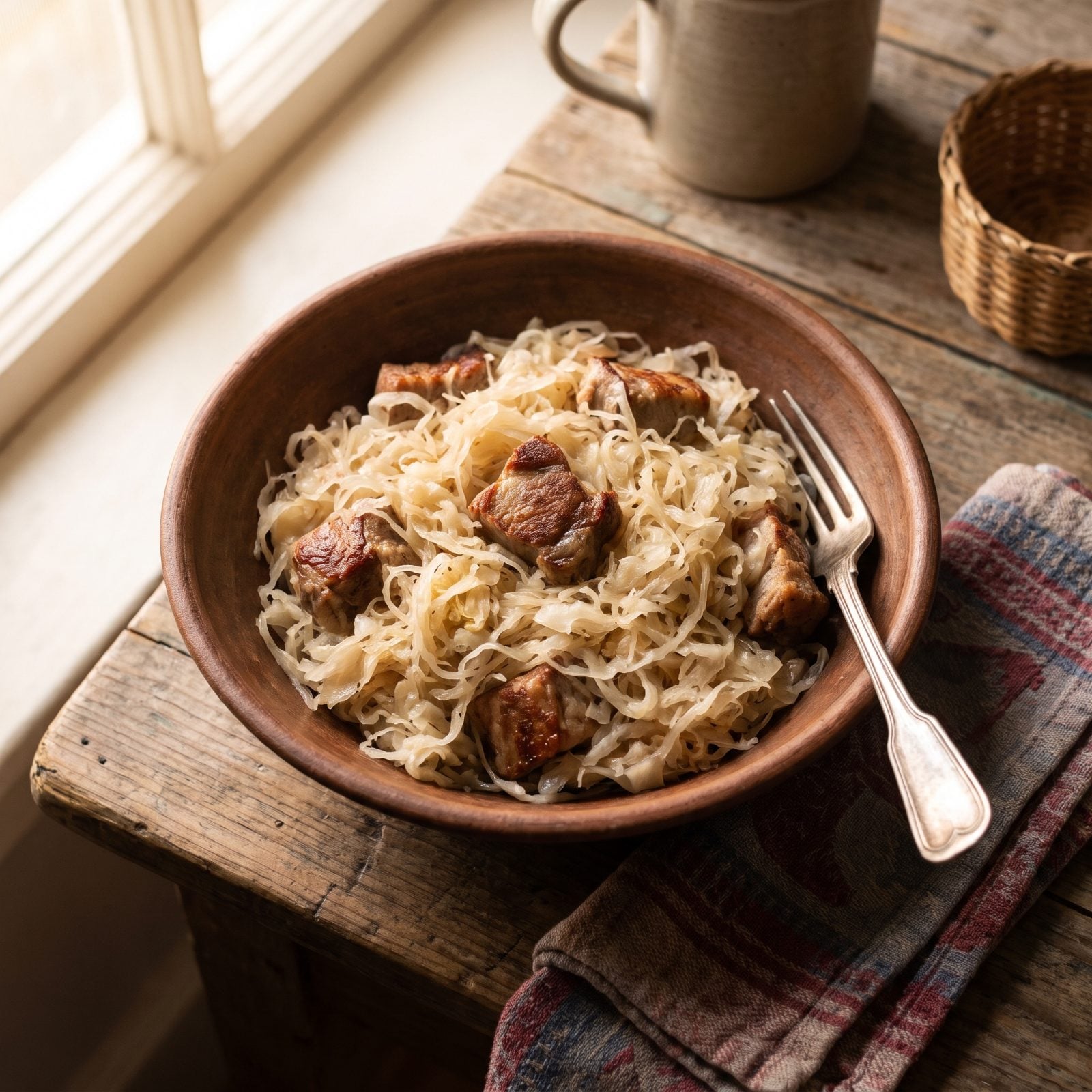
Across the Pennsylvania Dutch country and through much of the Midwest, New Year’s Day meant pork and sauerkraut. A pig roots forward when it eats, so eating pork means moving forward in the year, and the sauerkraut’s many shreds were said to multiply your good fortune.
Slow-roasted pork buried in tangy kraut only gets better overnight as the flavors trade places. By the first it runs deeply savory, the pork falling apart, the kraut softened and mellow. A covered dish of this in the fridge is a regional good-luck ritual you could eat for a week.
Explaining why a pig rooting forward made pork the lucky New Year’s meat, a culinary historian says “It’s good to always go forward into the next year—you don’t want to go backward”
9. A Pan of Lasagna Under Foil
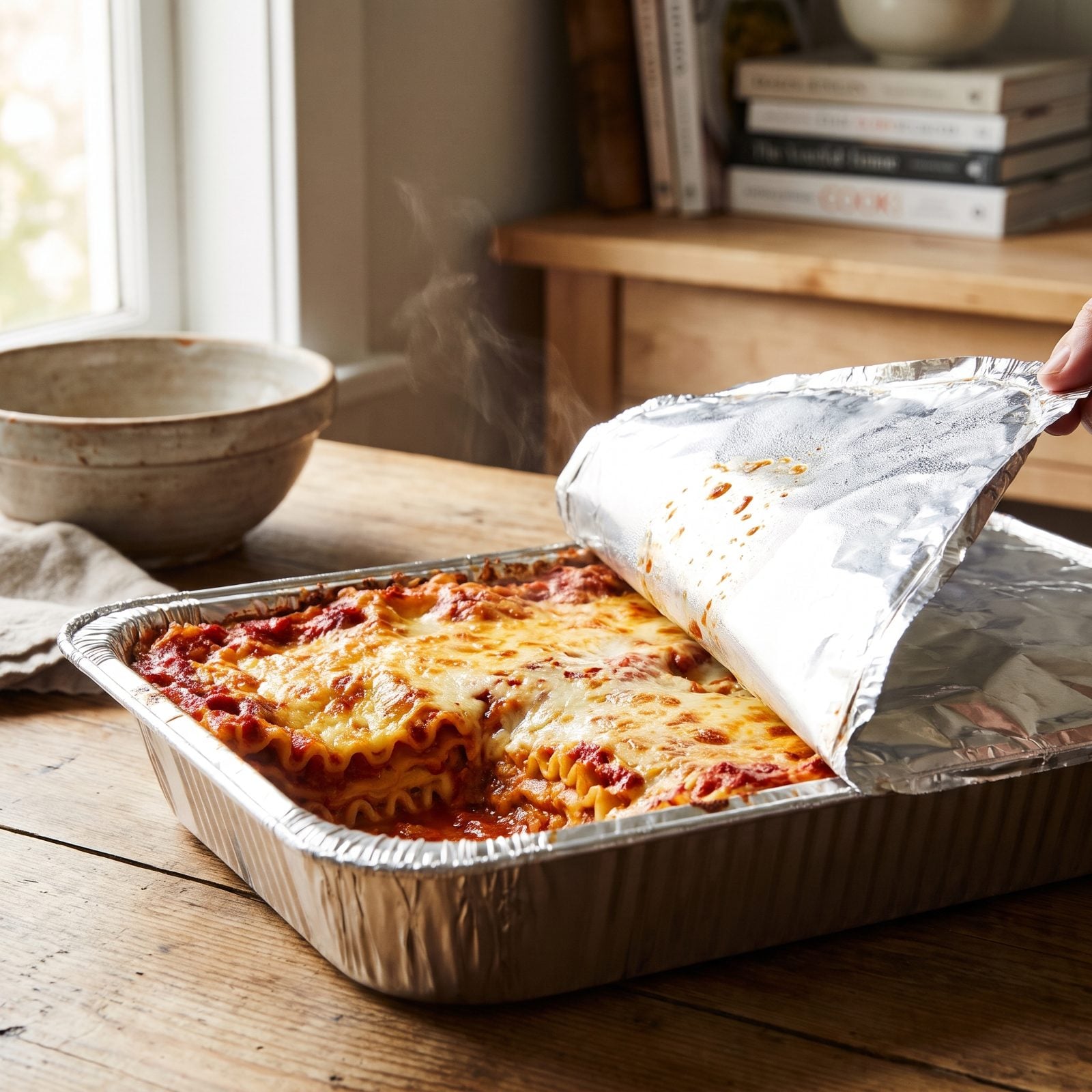
The pan of lasagna is the workhorse of the holiday fridge. You made a big one because you were feeding a crowd, and because the leftovers were the whole idea. Foil crimped over the edge, one corner peeled back where somebody already helped themselves.
Cold lasagna cuts cleaner than hot, which is why a slice after a night in the fridge shows off every layer: noodle, ricotta, meat sauce, cheese. Reheated the next day it holds together better, the sauce firm and the flavors married. Plenty of us have eaten a square standing over the sink at nine in the morning and felt no shame whatsoever. New Year’s Day forgives a lot.
8. Tuna Noodle Casserole, Scraped Flat in the Dish
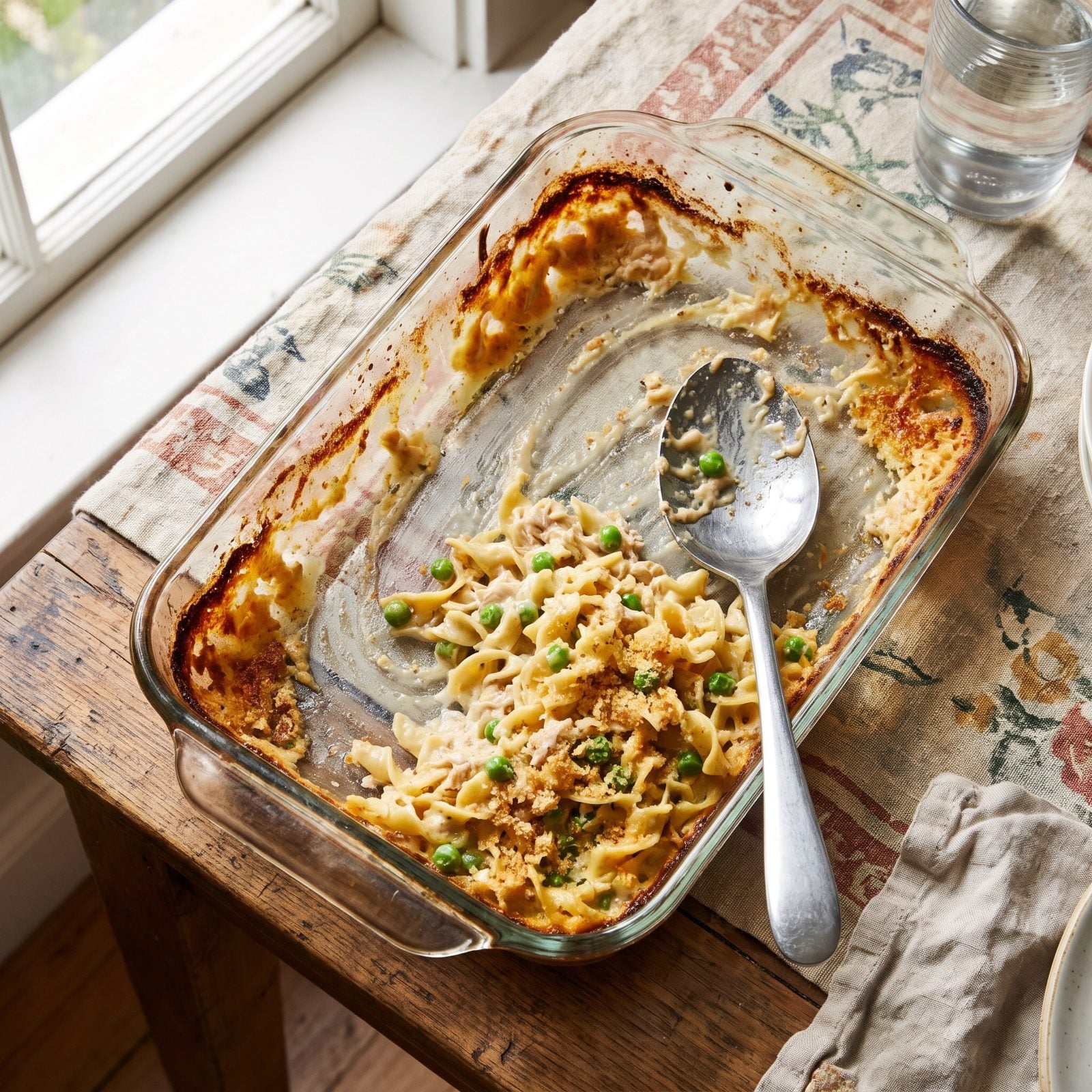
You could tell how good the party was by how little casserole came back to the fridge. This one got hit hard. The crushed-chip crust has gone soft where the foil touched it — the only real tragedy of leftover casserole, and nobody in 1974 cared.
Tuna, egg noodles, peas, a can of condensed soup doing the heavy lifting. It cost almost nothing and fed a crowd, which is exactly why it turned up at every potluck and card night of the decade. Cold the next morning, picked at straight from the dish with a fork? Honestly a little better than it was hot.
7. Cold Fried Chicken Stacked on a Platter
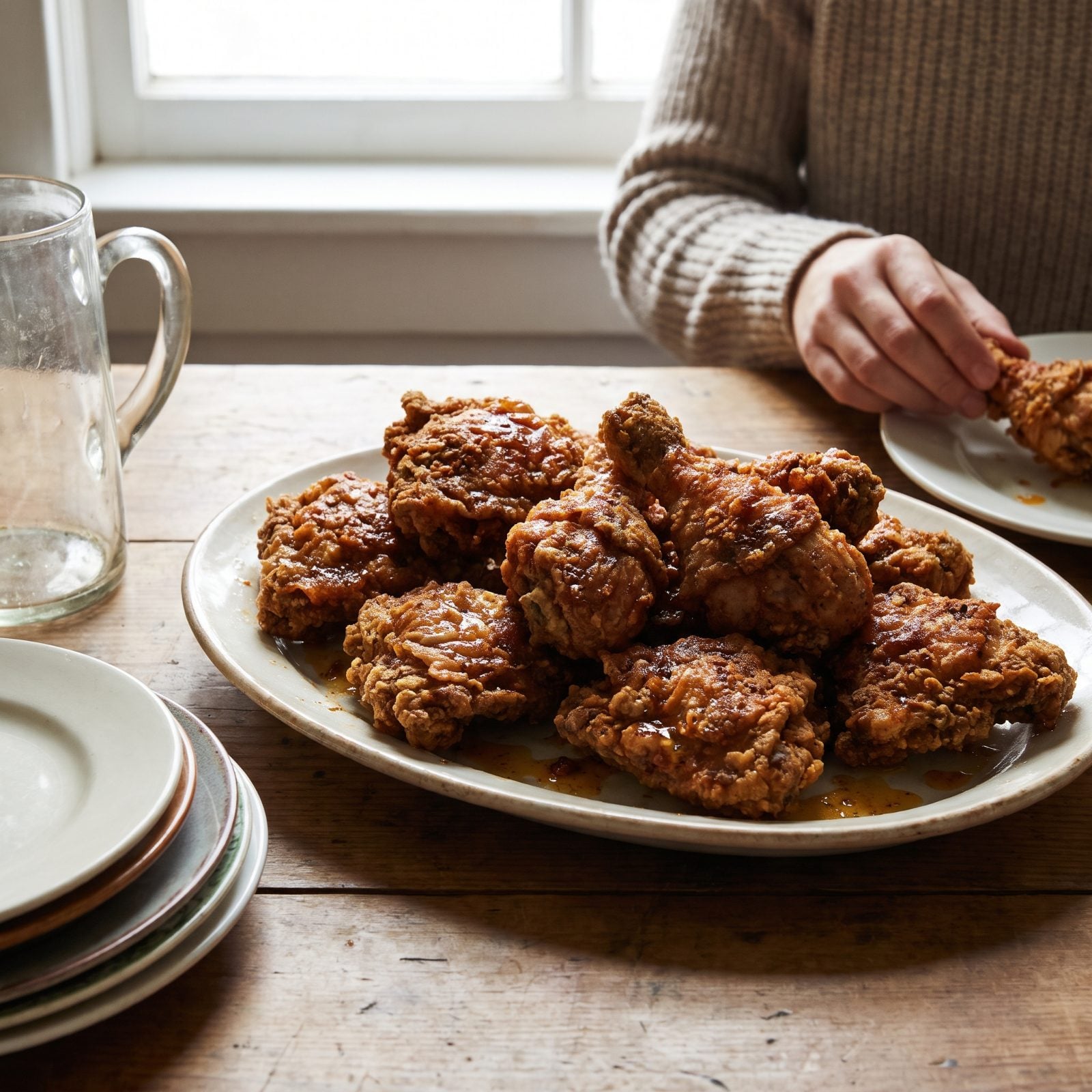
Fried chicken got made in quantity and eaten in two phases: hot off the party table, then cold from the fridge for the next two days running.
Cold fried chicken has its own loyal following, and we’ll admit we’re in it. The crust goes from crisp to a kind of pliable, seasoned shell, the meat firms up, and it tastes better standing at the open refrigerator door than it ever did on a plate. Waxed paper over the top, not plastic wrap. The paper let it breathe. Plastic made the coating sweat and go sad.
As one chef puts it, “Overnight, any prevalent moisture has evaporated from the fried chicken, which gives us a concentration of flavor by reduction”
6. Stuffed Celery Sticks in a Shallow Dish
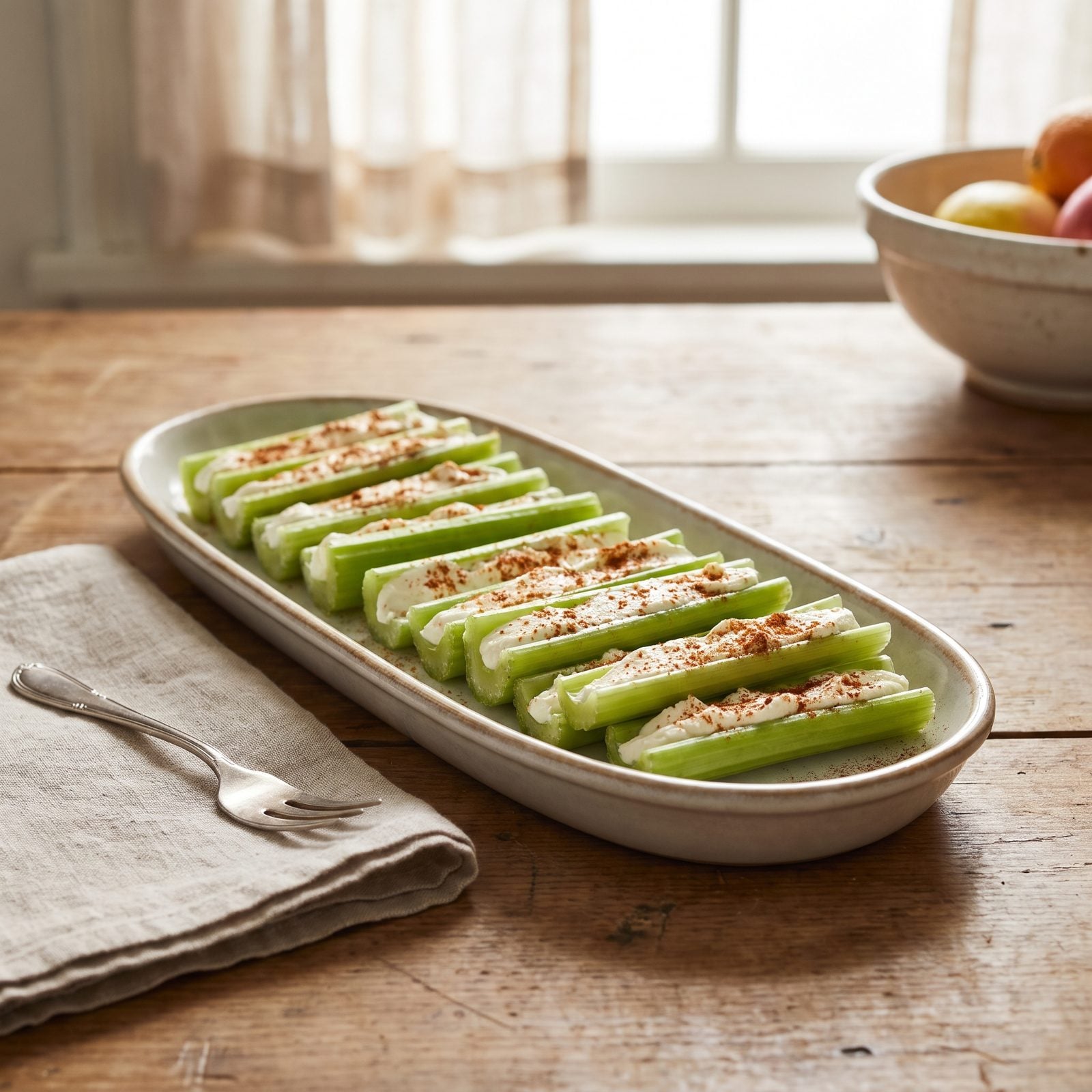
The one vegetable on the party spread that people actually finished. Celery troughs filled with cream cheese, maybe a little grated onion or a fleck of pimiento worked in, a shake of paprika over the top for color.
It was the respectable thing on a table full of mayonnaise and sheet cake. Crunchy, cold, gone fast. By New Year’s morning you’d have a few lonely stragglers left in the relish dish, the filling gone slightly stiff in the chill, still perfectly good for picking at while the coffee brewed.
5. Cream Cheese Party Sandwiches with the Crusts Off
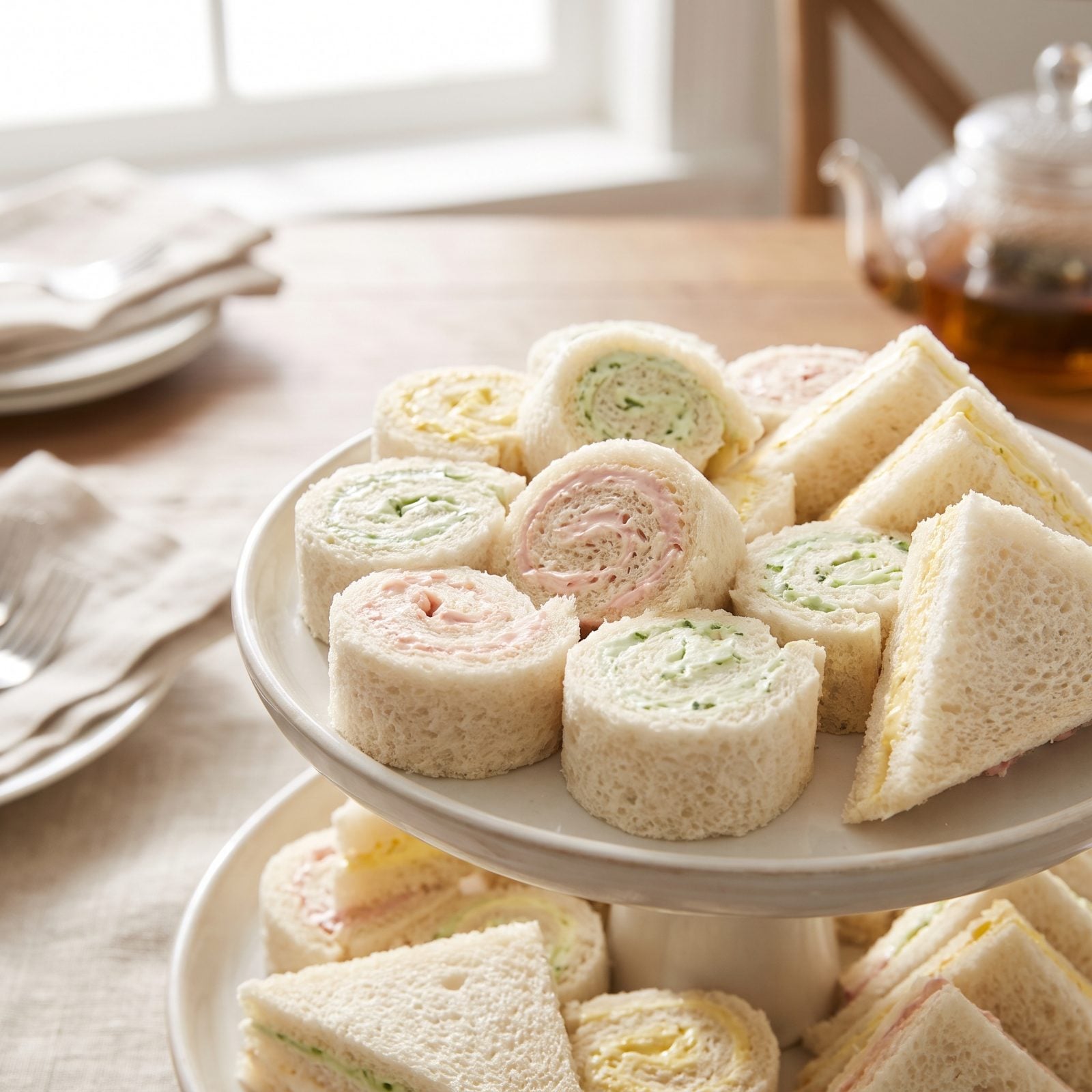
Little pinwheels and triangles, crusts trimmed off because that’s what you did for company, filled with cream cheese tinted and flavored six different ways. Pimiento in one batch, chopped olive in another, maybe a watercress or cucumber round for the guests who read magazines.
A damp cloth or waxed paper kept the bread from turning to cardboard overnight. Left over the next day, they’re a little drier at the corners but still the kind of thing you eat four of while telling yourself you’ll stop at one.
4. A Bowl of Homemade Eggnog Under Foil
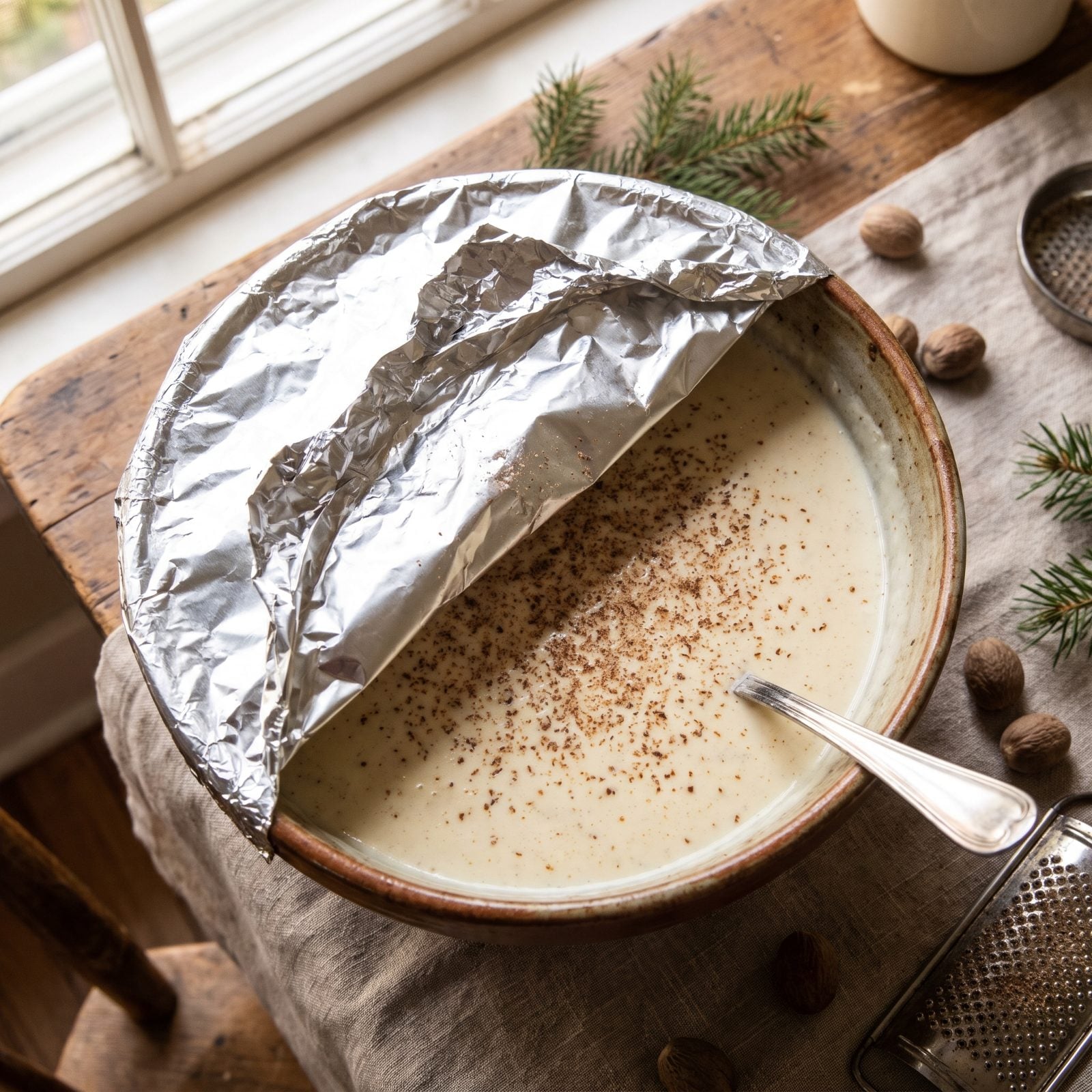
Thick enough to coat the ladle, pale yellow, nutmeg grated fresh over the top. Homemade eggnog was a production: eggs, cream, sugar, and a generous pour of something that made the grown-ups loosen their collars.
It sat in the punch bowl all night and got dipped into again and again, and whatever survived went into the fridge under foil. A skin forms on top by morning. Stir it back in and nobody’s the wiser. There’s a reason this stuff only showed up once a year. One cup was plenty.
3. Tomato Juice Chilling for Morning Cocktails
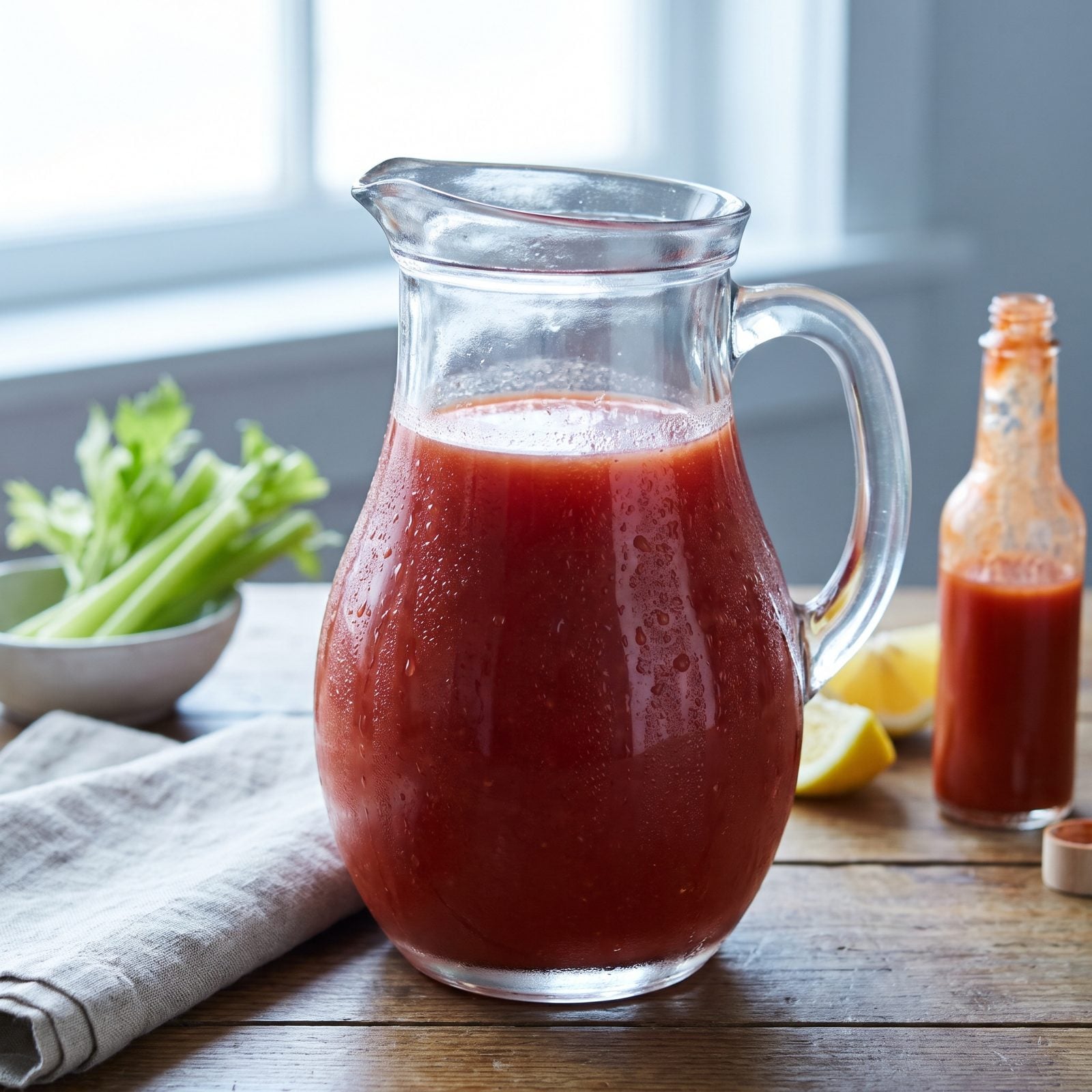
Not for drinking straight, though you could. This was the base for the cure.
Cold and thick, the tomato juice stood by in the fridge for the morning a certain kind of drink gets built: a stalk of celery, a shake of hot sauce, salt and pepper, and a steadying pour of vodka for the adults who overdid the eggnog. The whole ritual of the New Year’s morning cocktail ran on one bottle and a quiet agreement that nobody would mention it.
2. A Pitcher of Party Punch Gone Still
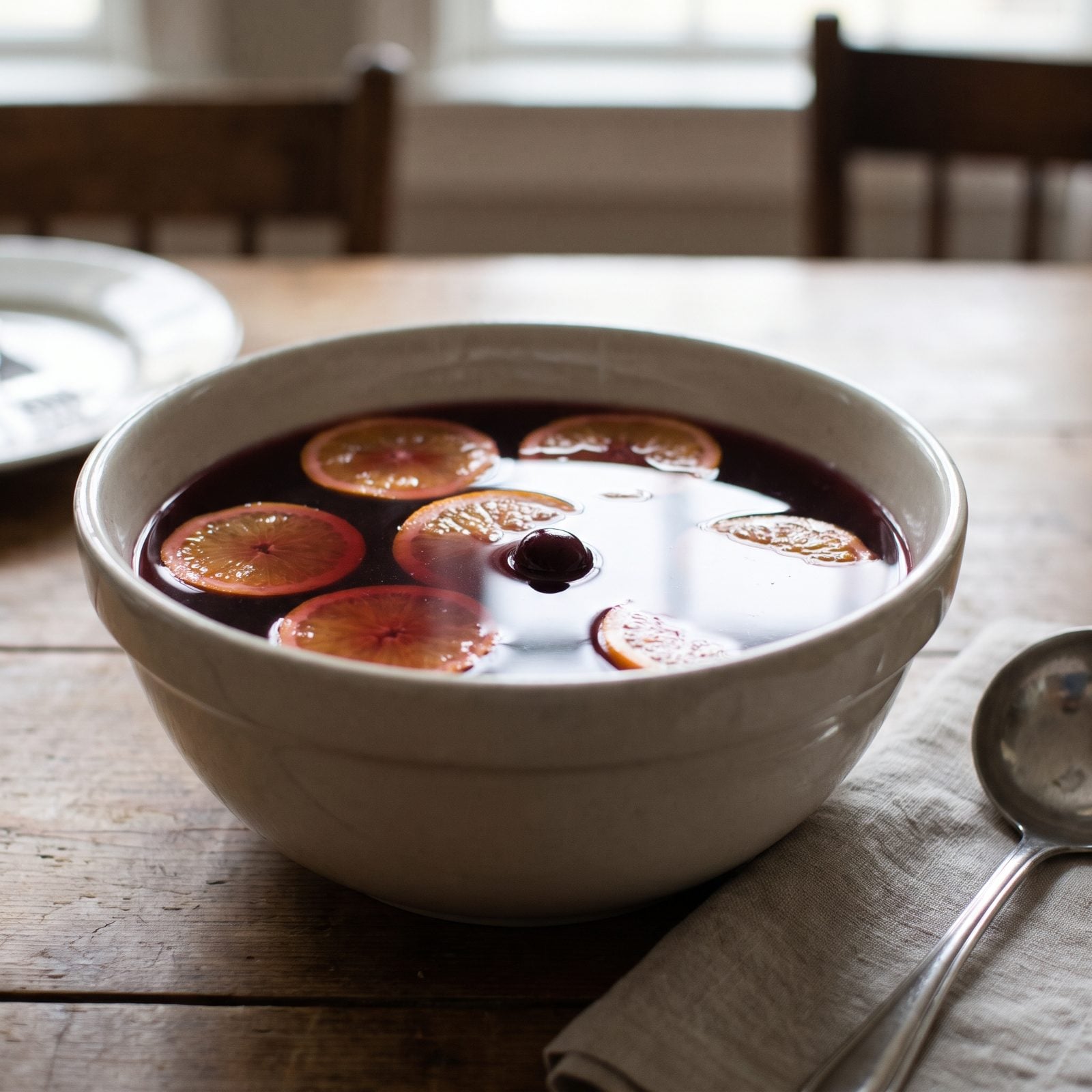
Sweet, red, and swimming with sliced oranges and the occasional drowned cherry. Party punch was a loose formula built around ginger ale or sherbet and whatever fruit juice was on sale, with or without a bottle of something poured in once the kids went to bed.
By morning the fizz was gone and the ice ring had melted to a slick on top. Flat punch is a sad thing. But it’s cold and sweet, and more than one bleary adult poured a glass at nine a.m. and called it breakfast.
1. Half a Pineapple-Topped Cheesecake
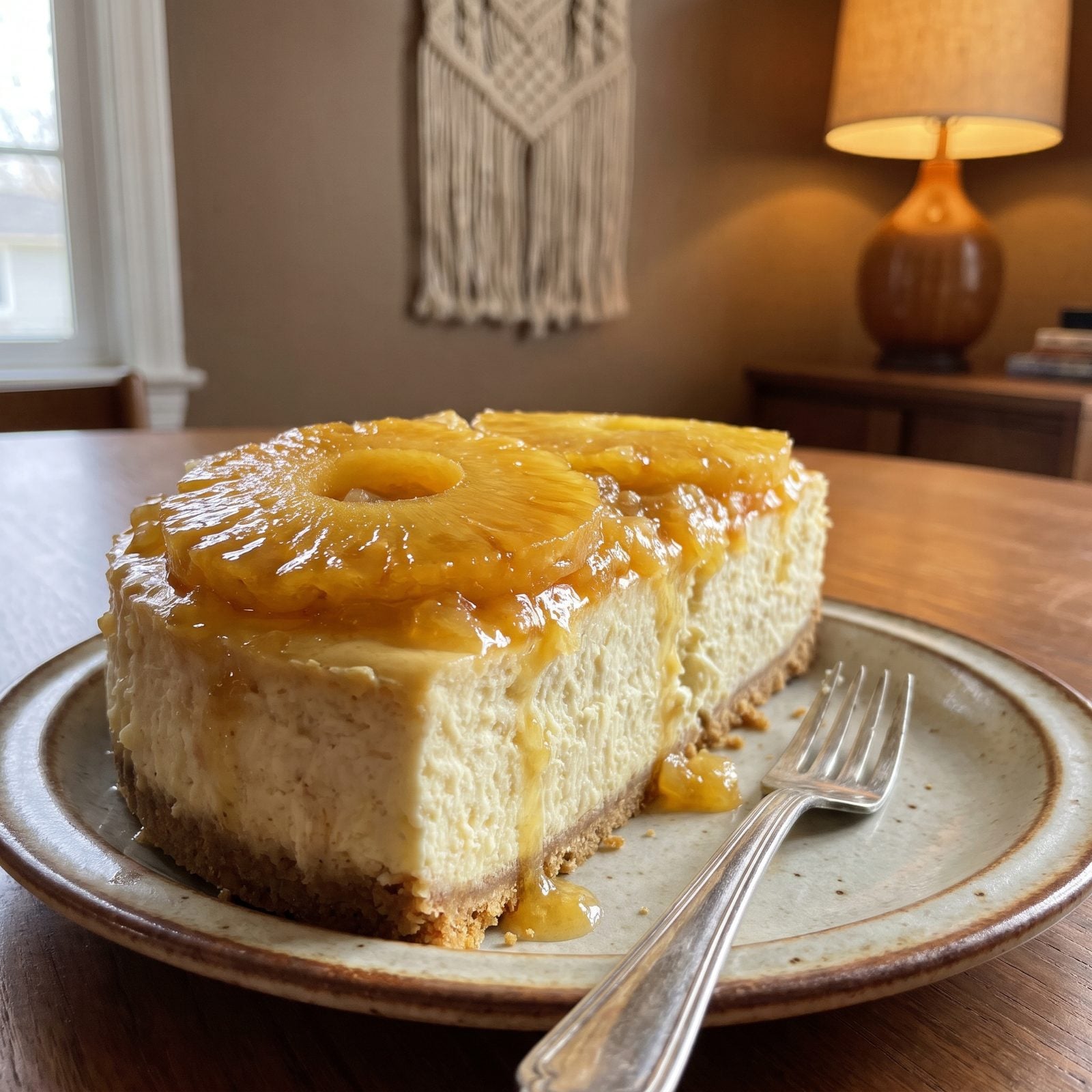
Cheesecake in the 1970s rarely came plain. It came topped — a glossy slick of canned pineapple and glaze spread edge to edge, bright and amber and sweet.
It sits on a speckled stoneware plate by the window, half already gone, the pineapple glaze still glossy, a silver fork resting alongside. Cheesecake the morning after is a quiet holiday tradition that never made it into any cookbook. You stand at the open fridge, fork in hand, and cut the thin sliver nobody will miss. Then another.