
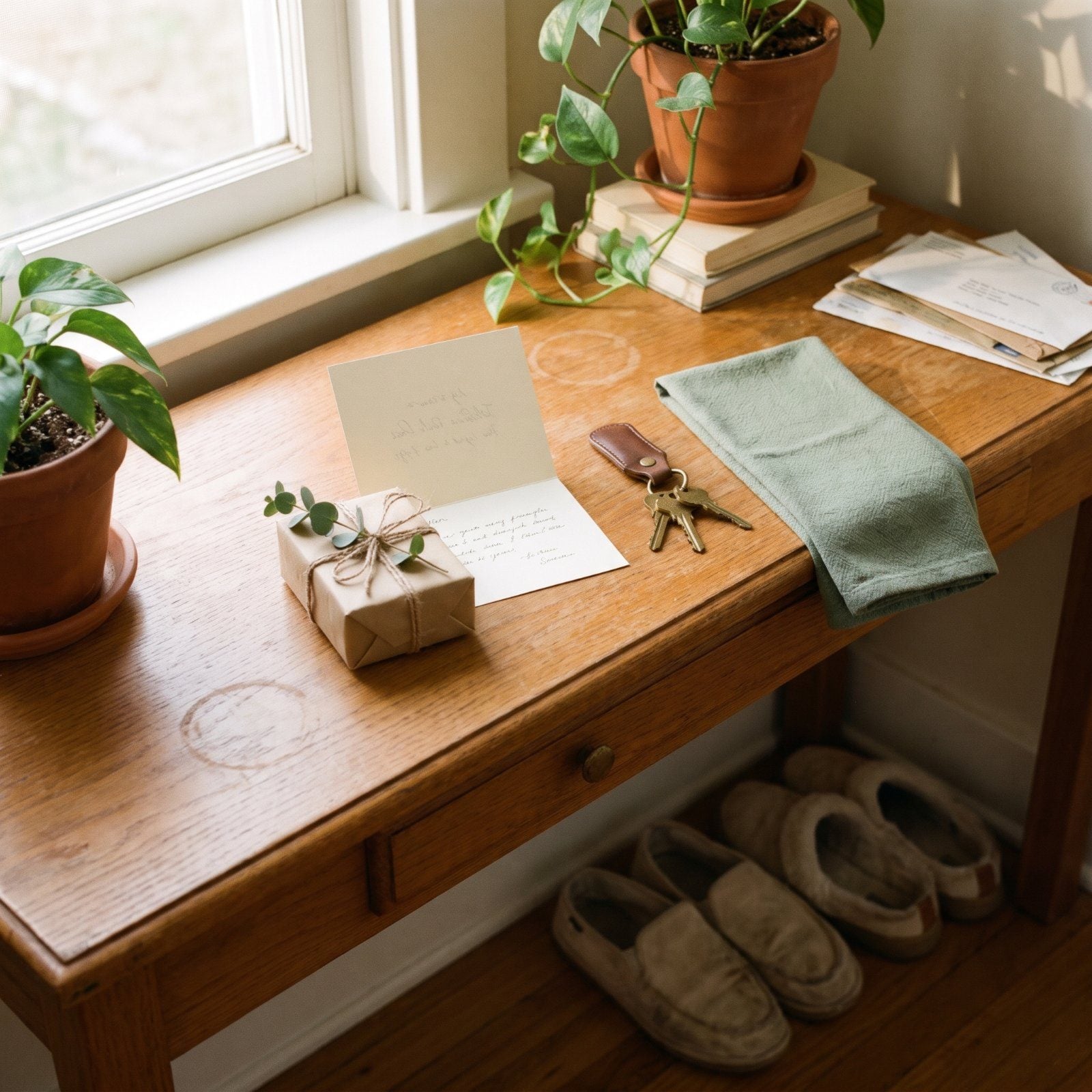
The spare bed is made, the fridge holds your favorite coffee, and somewhere between the front door and the guest room plenty of tiny unwritten rules are waiting for you to trip over them. Most hosts won’t say a word. They’ll just quietly remember the time you showed up three hours late, let the dog out, or cranked the thermostat to 74 at 2 a.m. Staying in someone’s home is an act of trust. Good guests know the difference between a bed for the night and a free pass, and these are the small courtesies that get you invited back.
Please note that some of the images in this article were created with the assistance of AI.
47. Confirm Your Arrival and Departure Times Before You Pack
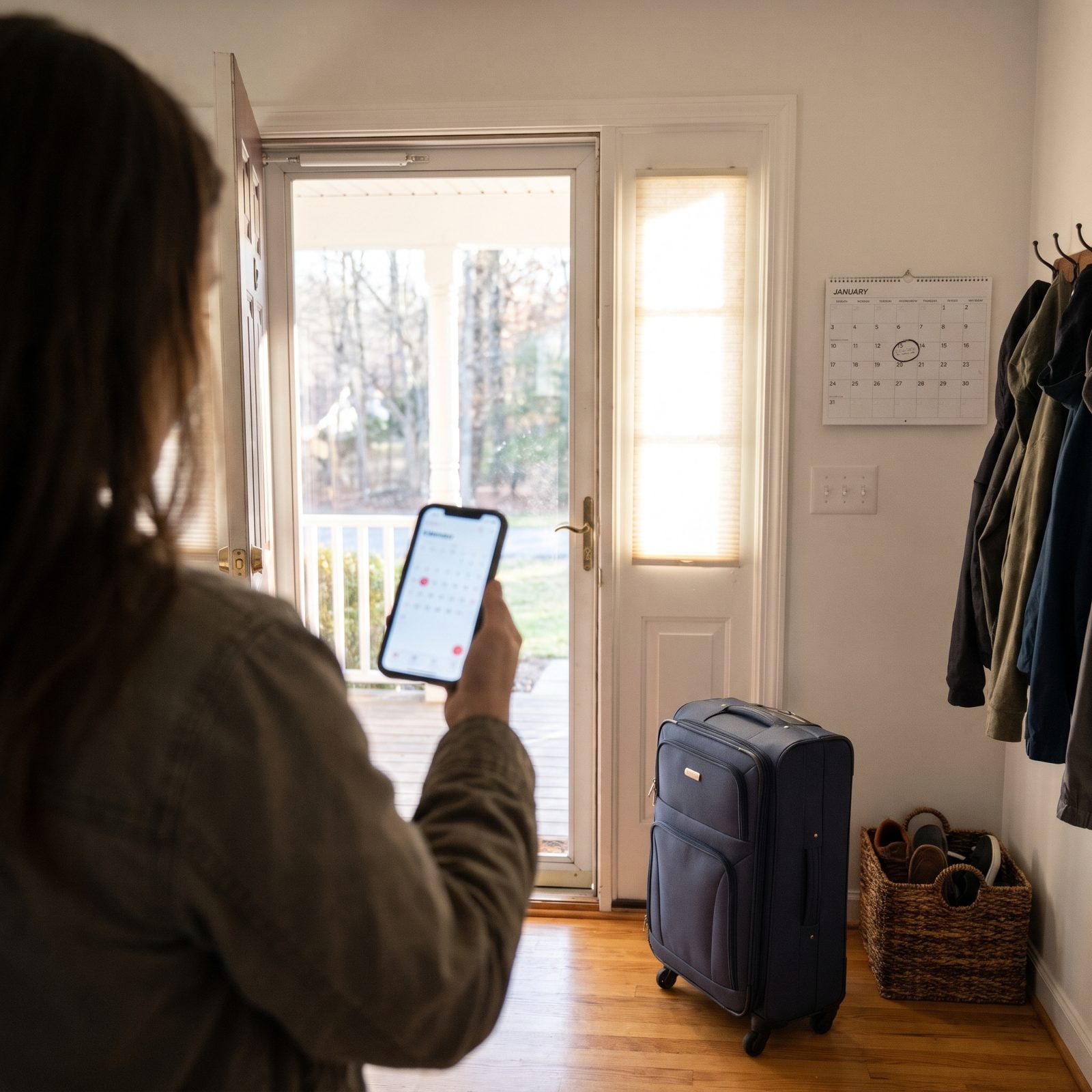
Your host has a life. A dentist appointment, a kid’s soccer game, maybe a Thursday they blocked off just for you — leave arrival and departure open-ended and you hand them the job of guessing, and nobody guesses well.
Pin down a window before you book anything. “Arriving around four, heading out Sunday after breakfast” gives them something to build around. And here’s a quiet secret: naming your departure up front is one of the kindest things a guest can do. It tells the host the visit has edges.
46. Update the Host the Moment Your Travel Plans Shift
Flights get delayed. Traffic happens. A two-hour delay isn’t rude — staying silent about it is.
Your host might be timing a roast to your arrival, or planning to pick you up curbside. When the plan changes, a thirty-second text keeps them from pacing by the window, while silence turns a minor hiccup into an anxious evening of “should I call?”
Plenty of guests assume it isn’t a big deal and show up ninety minutes late to a dinner that’s gone cold. It is a big deal. Text early, text often.
45. Ask Before Bringing an Extra Guest Along

A spare room set for one does not stretch to two. The host bought groceries for a headcount, made up a bed, maybe cleared their calendar around a specific number of people.
Show up with a partner, a friend, or a last-minute tagalong and you put the host in an impossible spot. They either scramble or say no to your face, and both are miserable.
Ask well ahead. Phrase it as a genuine question, and accept a no gracefully. “Would it be okay if” is a complete sentence.
44. Never Assume the Invitation Includes Your Pet

Your dog is family. To your host, your dog is a variable they didn’t sign up for: allergies, a cat that hides for days, a rug that shows every muddy paw.
Never roll in with a leash and a hopeful face. Even the most animal-loving household deserves the question in advance, with a real plan if the answer is no.
43. Share Dietary Restrictions Before the Visit, Not at the Table
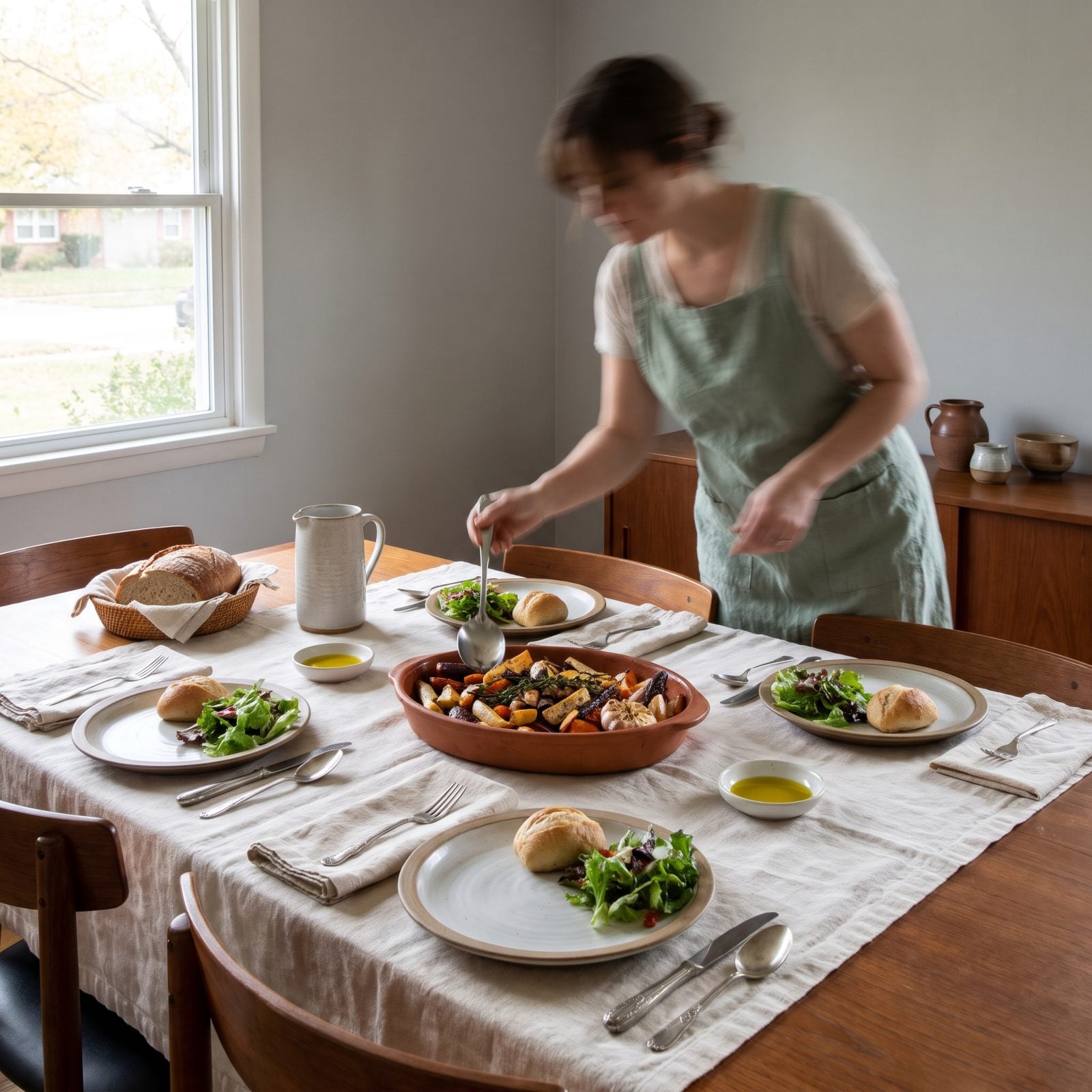
Finding out at the table that their guest can’t eat shellfish, after they’ve spent the afternoon on a seafood paella, is a small heartbreak for any host.
Tell them when you confirm the visit — allergies, strong aversions, religious restrictions, the works. Make it easy: offer to bring a dish, name a few things you love, keep it low-drama.
Here’s the line that matters. Flag a real allergy clearly, because that’s safety. But a casual “I’m cutting carbs lately” doesn’t get to rewrite someone else’s menu. Know the difference.
42. Bring a Modest Host Gift for an Overnight Stay
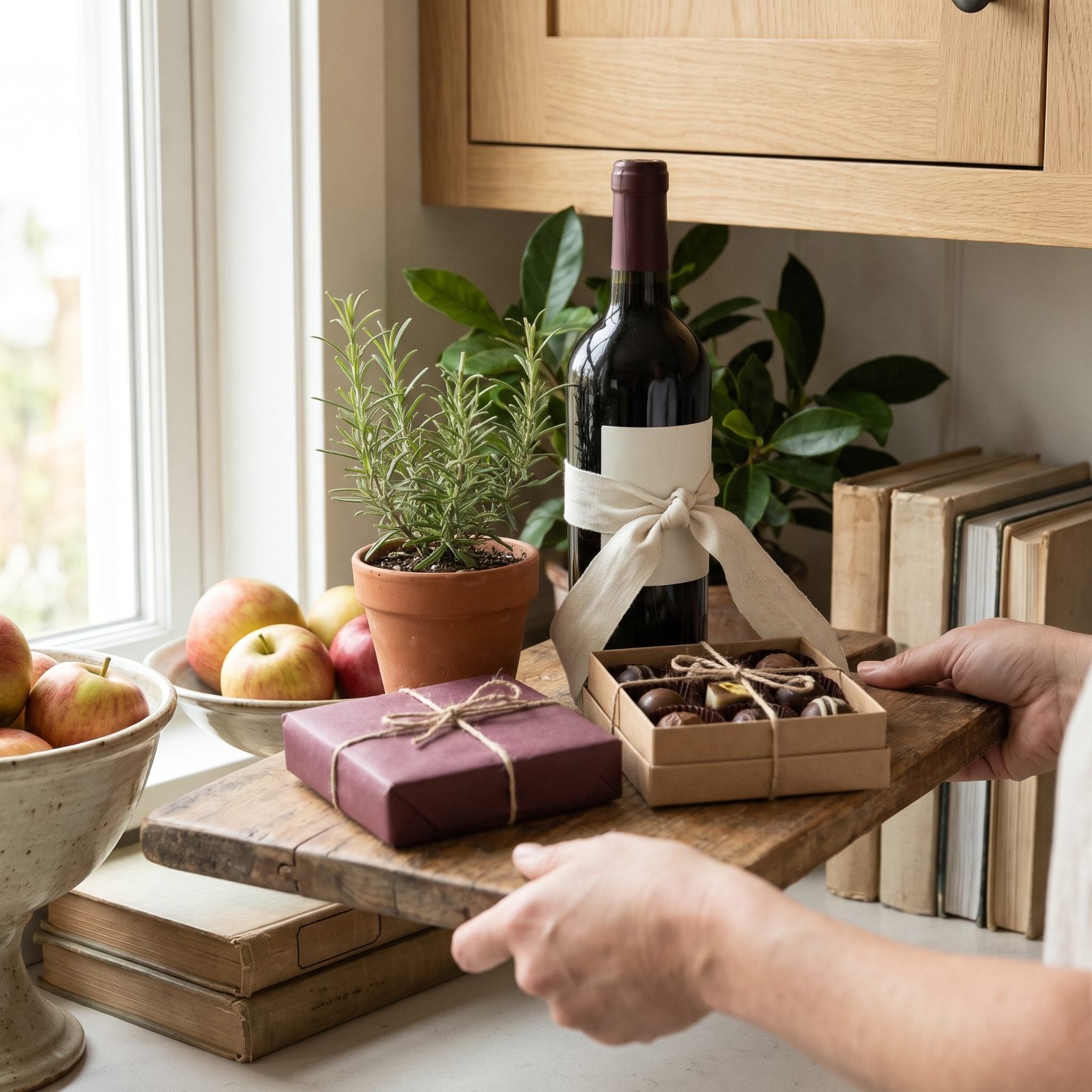
A host gift isn’t a bill you’re paying. It’s a thank-you you can hold.
Nothing extravagant — just something that says you thought about them before you got in the car. A good bottle, a jar of local honey, flowers already in a vase so they don’t have to hunt one down mid-hosting, a plant that outlasts the weekend.
Three things that never miss:
- Something consumable, so it doesn’t become clutter they feel obligated to keep
- Something local to where you came from, which carries a little story
- Something you’d genuinely want to receive yourself
On what to bring for an overnight stay, a longstanding etiquette institute advises “For gifts, something along the lines of a good bottle of wine or a nice bouquet of flowers is sufficient for an overnight stay, while a longer stay may inspire something more.”
41. Follow the Shoes-Off Policy Without Being Asked Twice
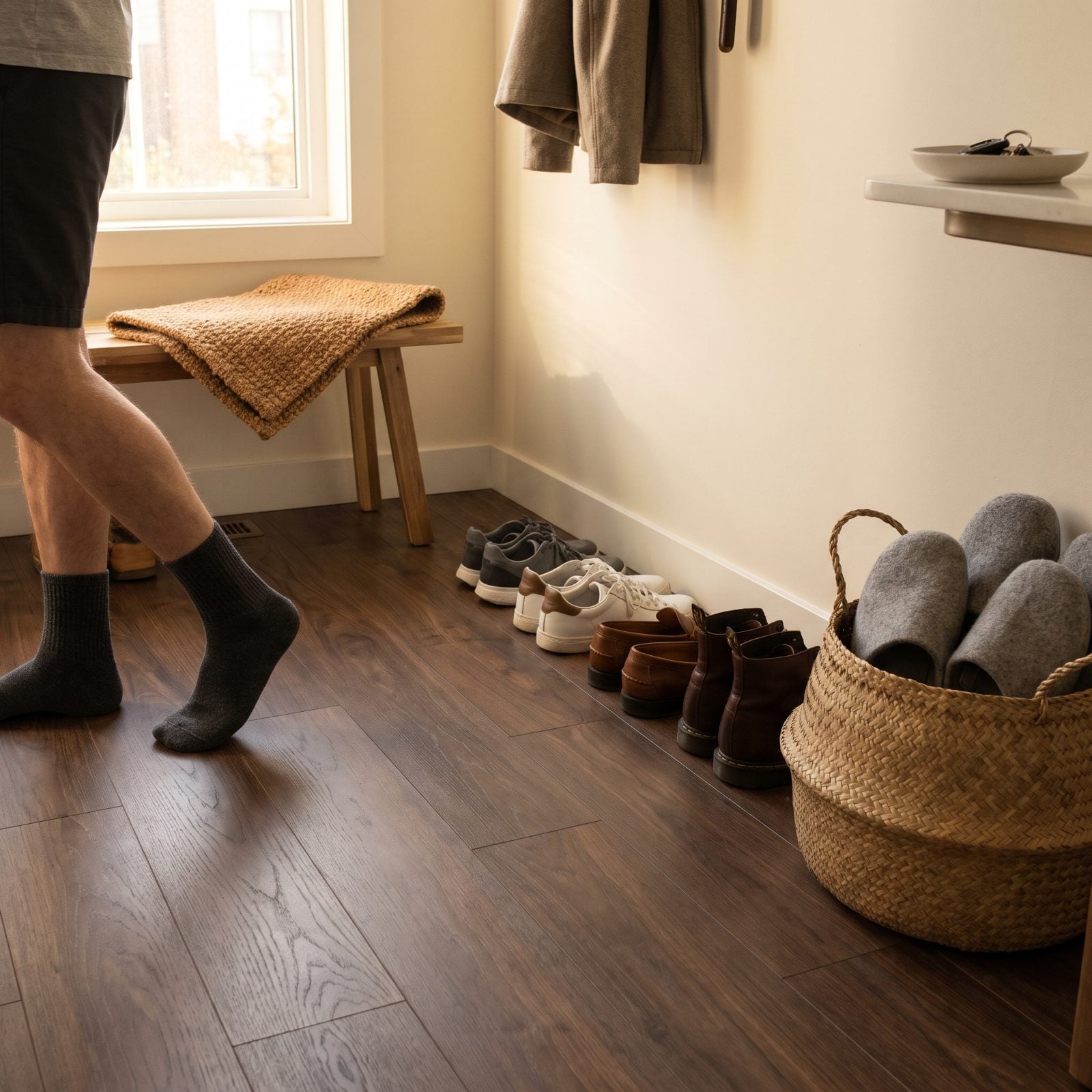
You spot the shoes by the door. You see the slipper basket. Take the hint on the first pass.
A shoes-off home isn’t fussiness. It’s someone who scrubbed their floors and would like them to stay that way after you’ve walked through a parking lot and across a lawn. Slip yours off at the threshold without a speech about how you usually keep yours on.
And pack decent socks. The guest padding around in holey socks is a different kind of memorable.
40. Keep Closed Drawers and Closets Closed
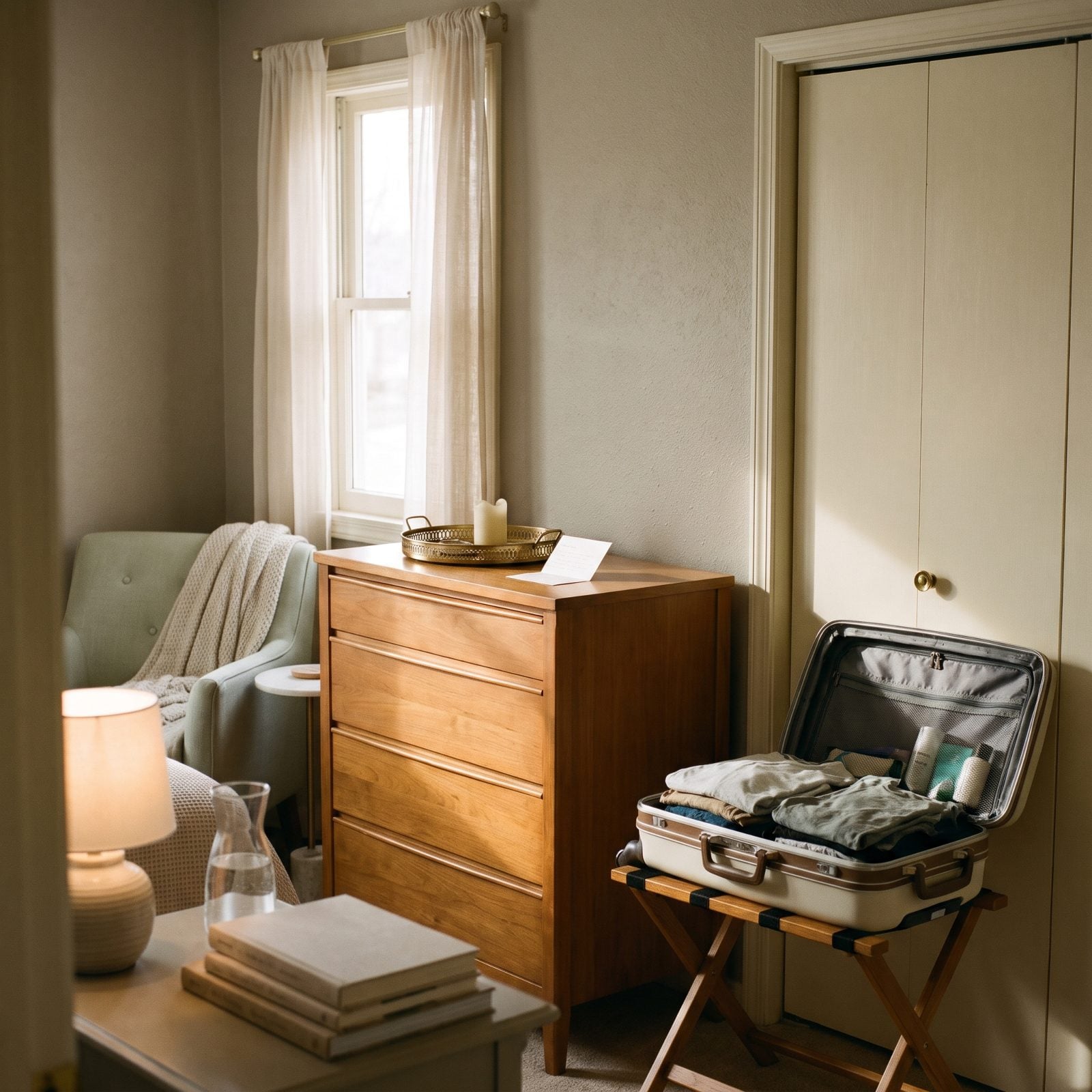
The guest room is yours to use. The dresser full of someone else’s winter sweaters is not.
Need an extra blanket, a towel, a spare pillow? Ask. Don’t go opening closets and drawers on a scavenger hunt — the moment a host catches you three inches into their linen closet, something cools between you that’s hard to warm back up.
It reads as snooping even when it isn’t. Keep your orbit to the surfaces set out for you, and when in doubt, text the host rather than go rummaging.
39. Ask Before You Touch the Thermostat
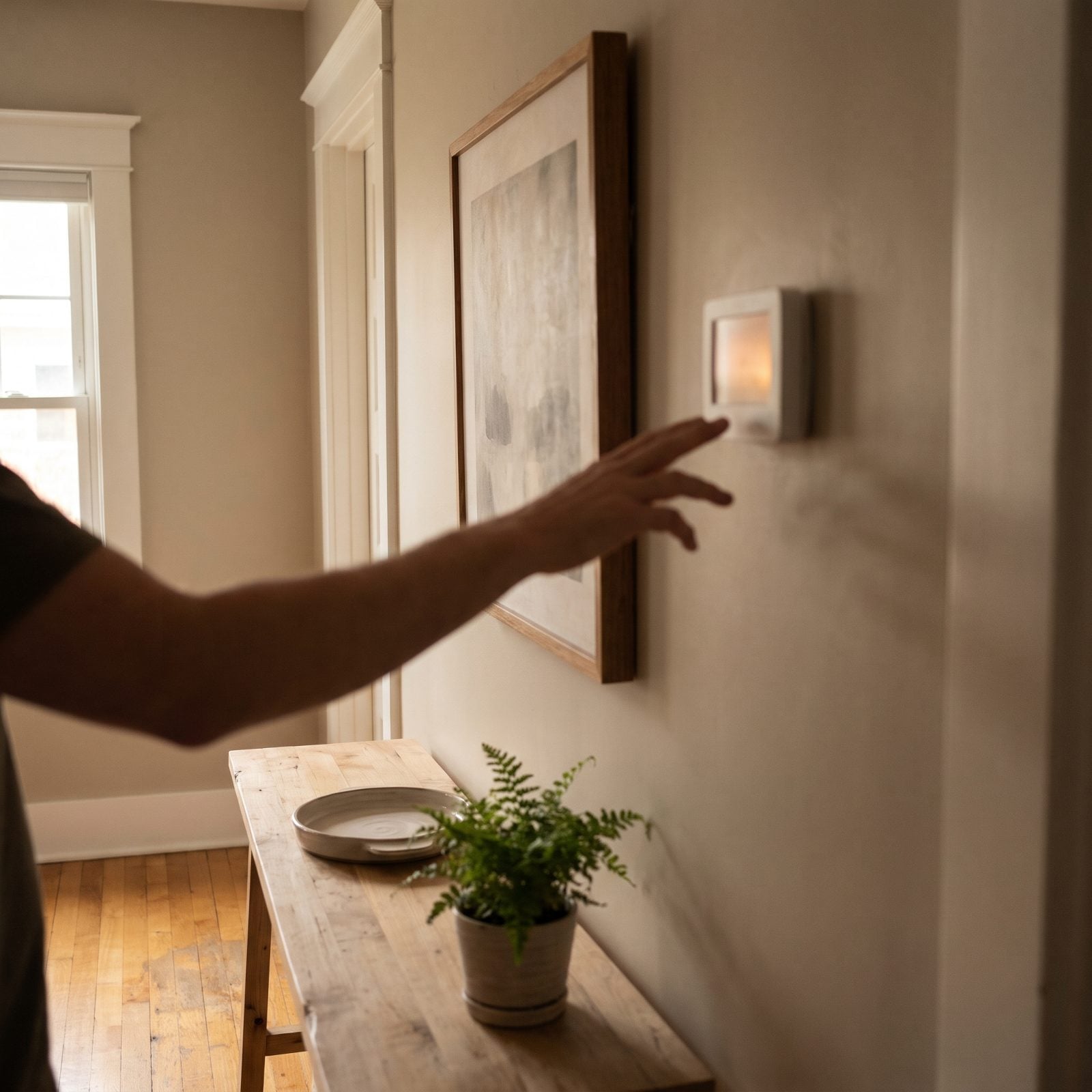
The thermostat is a landmine shaped like a little plastic box.
What feels like a reasonable nudge to you is the host’s carefully negotiated peace treaty between everyone in the house and the electric bill. Bumping it four degrees overnight can cost real money and throw off a system set the way they like it.
Cold? Ask for a blanket. Warm? Ask to crack a window. If you truly need the temperature changed, say so and let them do it. The thermostat is not a shared appliance. It’s the host’s call.
38. Learn the Security System and Lock Up Every Single Time

Before you ever step out for a coffee run, learn how the house locks up — the alarm code, the tricky back door that doesn’t catch, the garage that looks shut but isn’t.
An unlocked door you left behind isn’t just an oops. It’s you handing the host a reason to lie awake. And a tripped alarm at midnight, blaring because you forgot the code? Nobody wants that memory.
37. Close Every Gate Behind You So Nothing Escapes
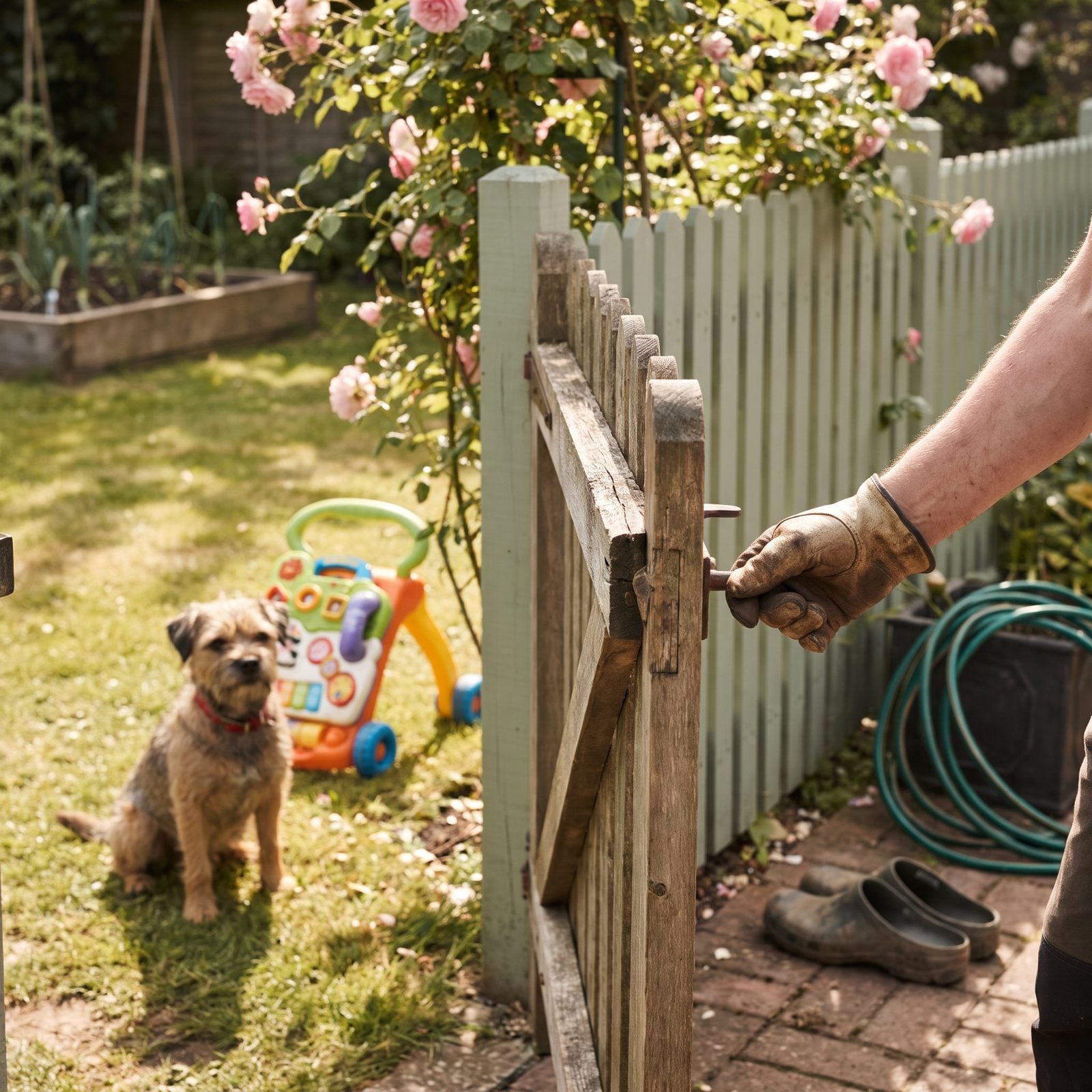
Nothing turns a relaxed weekend into panic faster than a gate left swinging. You walk in with the groceries, hands full, leave it for two seconds — and that’s all it takes for the dog to bolt or the three-year-old to make a beeline for the driveway.
Treat every gate and screen door as if something small is waiting to slip through, because it usually is. Latch it even when you’re sure you’ll be right back. The host has a system. The system is: it stays closed.
36. Honor the Household’s Bedtime and Quiet Hours
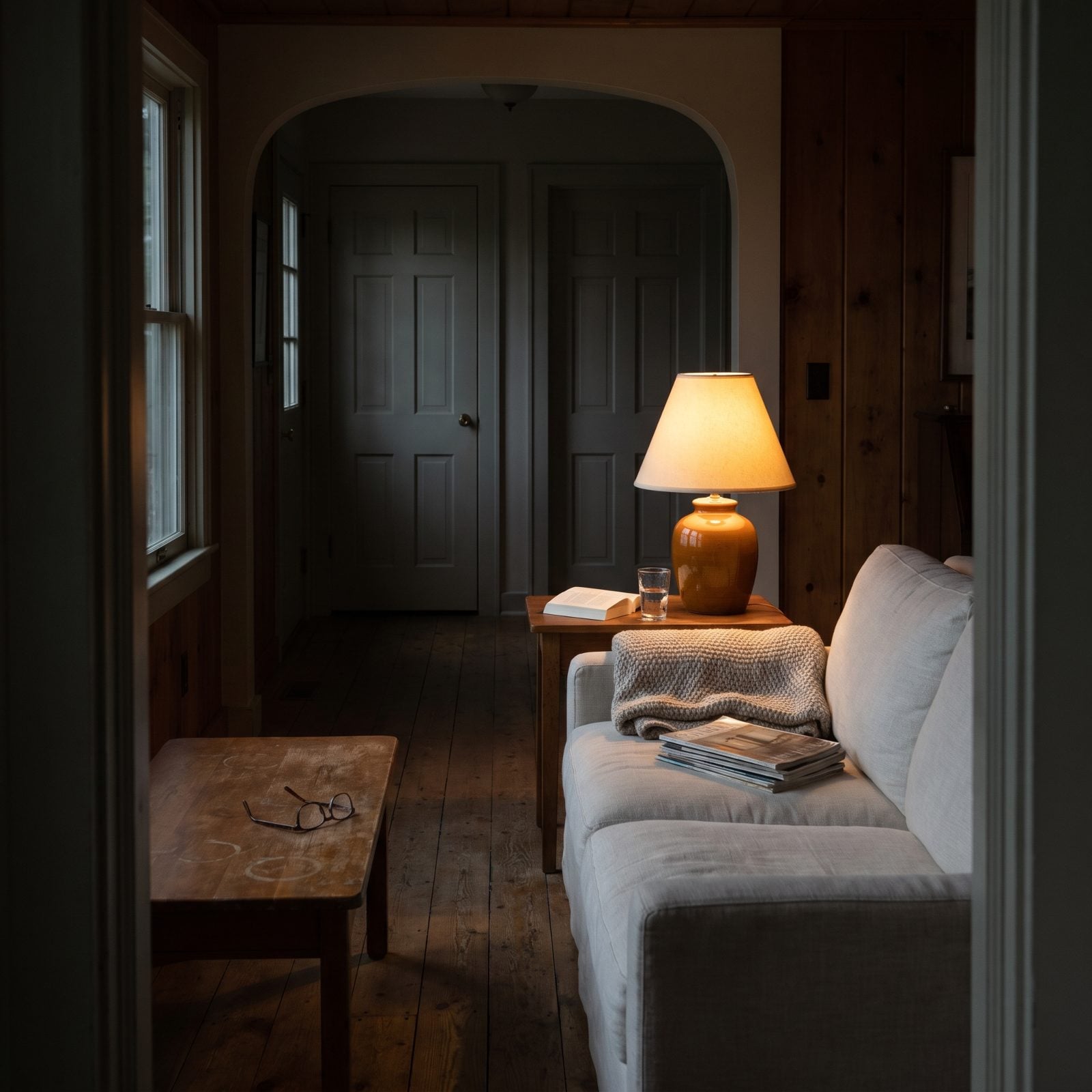
Every house runs on an internal clock outsiders can’t see. Some families wind down at nine. Others have a kid who wakes at six and a dog that needs out before dawn. You don’t get a vote on that schedule — you get to notice it and fall in line.
When the host says goodnight, that’s the signal, not an invitation to stretch the conversation another hour. Lower your voice once everyone’s turned in. The TV, the late shower, the clinking dishes travel further than you’d think in a sleeping house.
35. Don’t Turn the Visit Into an Unannounced Work Retreat

Nobody says this out loud, but: if you’re staying somewhere and planning to log eight hours a day, your host is now running a free hotel with worse Wi-Fi and no checkout time.
Flag it before you arrive. A quick “I’ve got a couple of calls Thursday morning, where’s a good spot?” changes everything. What grates is the surprise — the guest who commandeers the kitchen table at nine, mutes a Zoom to ask about the good light, reheats lunch mid-meeting while the host tiptoes around their own home.
Work if you must. Just don’t make the whole household orbit your calendar.
34. Stay Out of the Host’s Home Office
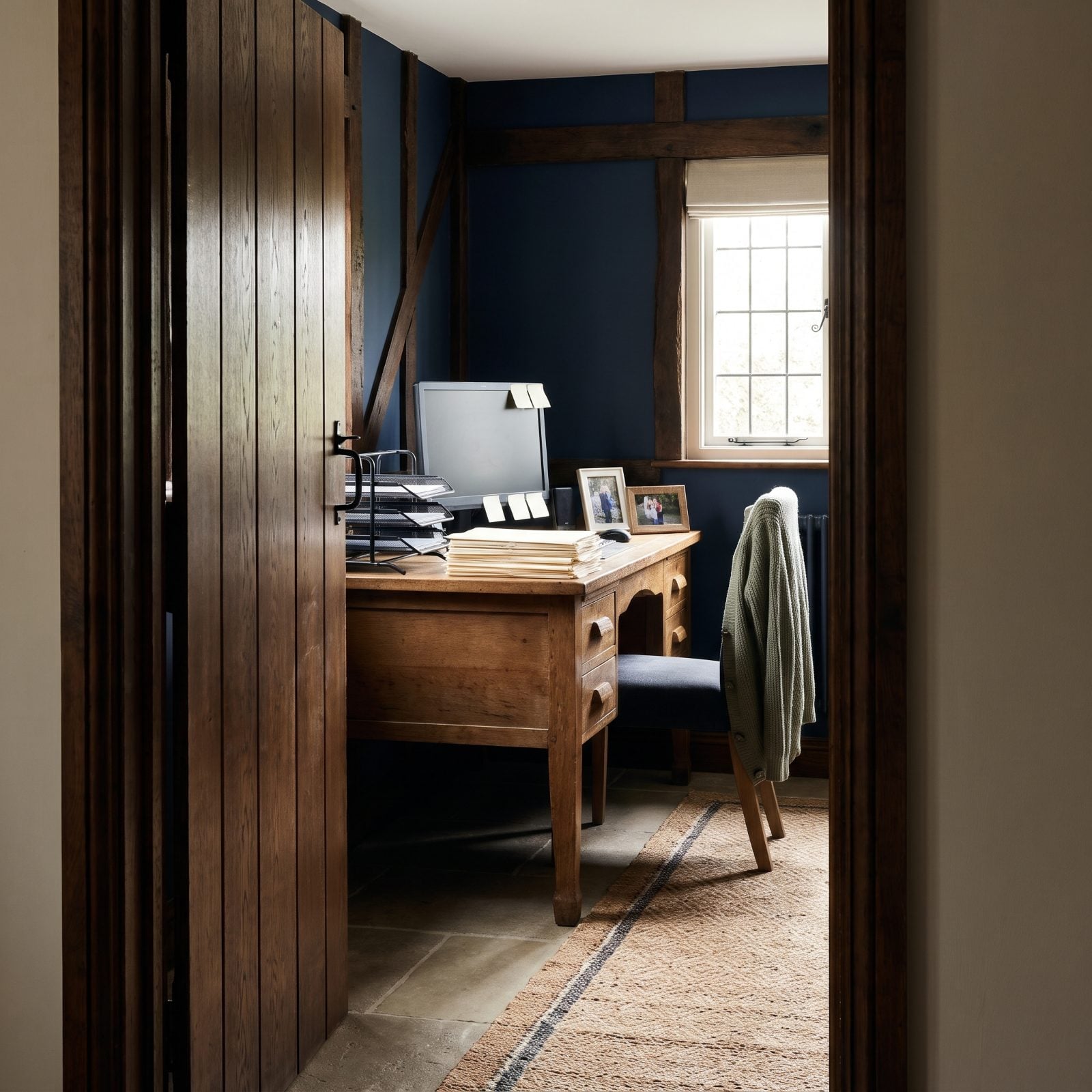
A home office looks like a shared room and isn’t. It’s where someone keeps tax documents, client files, a locked drawer, and a chair they’ll notice has been moved two inches.
Don’t wander in to borrow a pen or print a boarding pass without asking. Don’t set up camp there just because it’s empty while the host works elsewhere. Ask. The answer is usually yes, which is exactly why asking costs you nothing — and barging in costs you their trust.
33. Keep Bathroom Time Short When Others Are Waiting
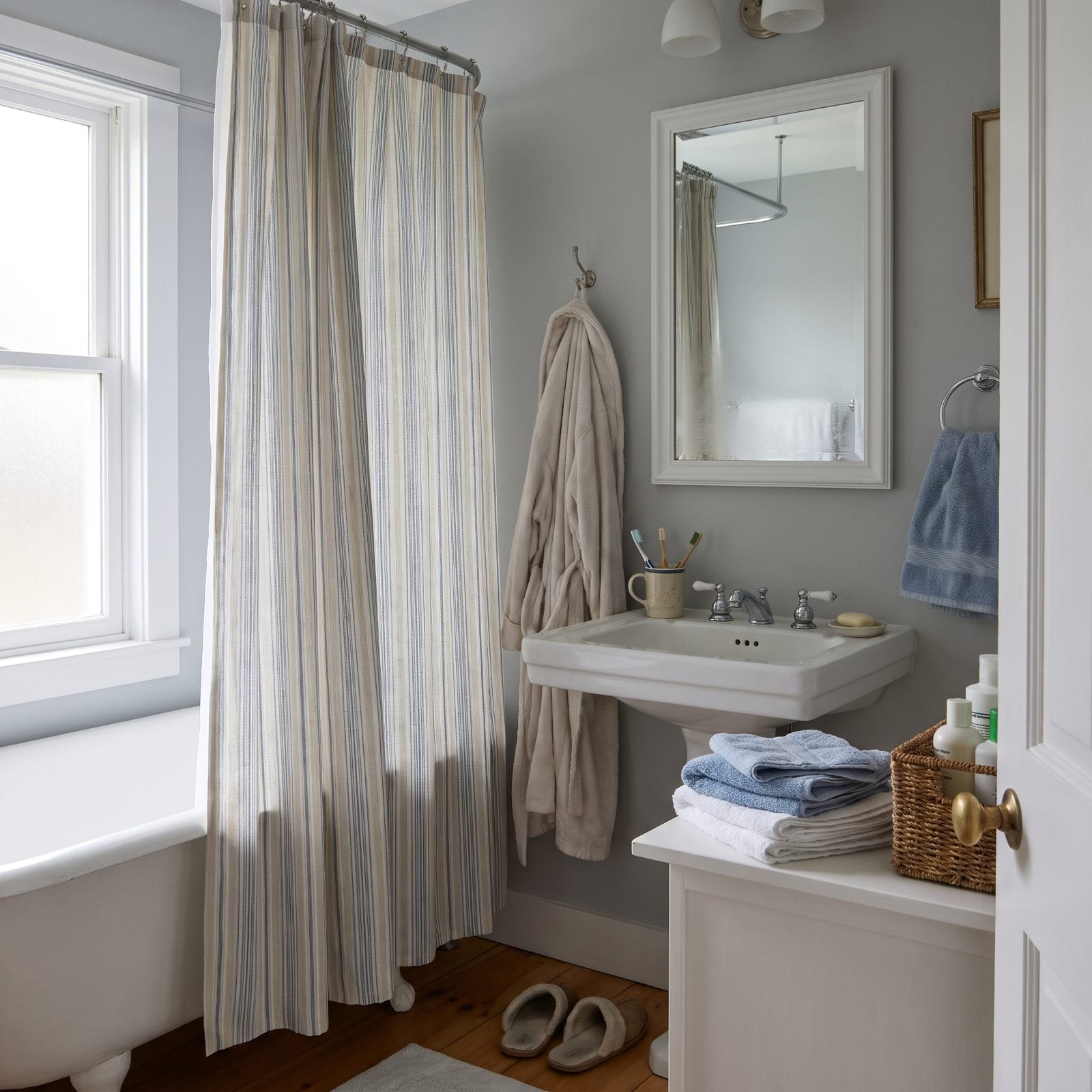
In a one-bathroom house, a forty-minute shower isn’t self-care. It’s a hostage situation.
Mornings are the pinch point, when everyone needs to get ready at roughly the same moment and the person scrolling leisurely on the toilet is holding up a line they can’t see. Read the room before you settle in. If there’s a kid due at school and a parent due at work, do your business, clear out, and save the long soak for off-hours.
32. Hang Wet Towels Exactly Where the Host Shows You
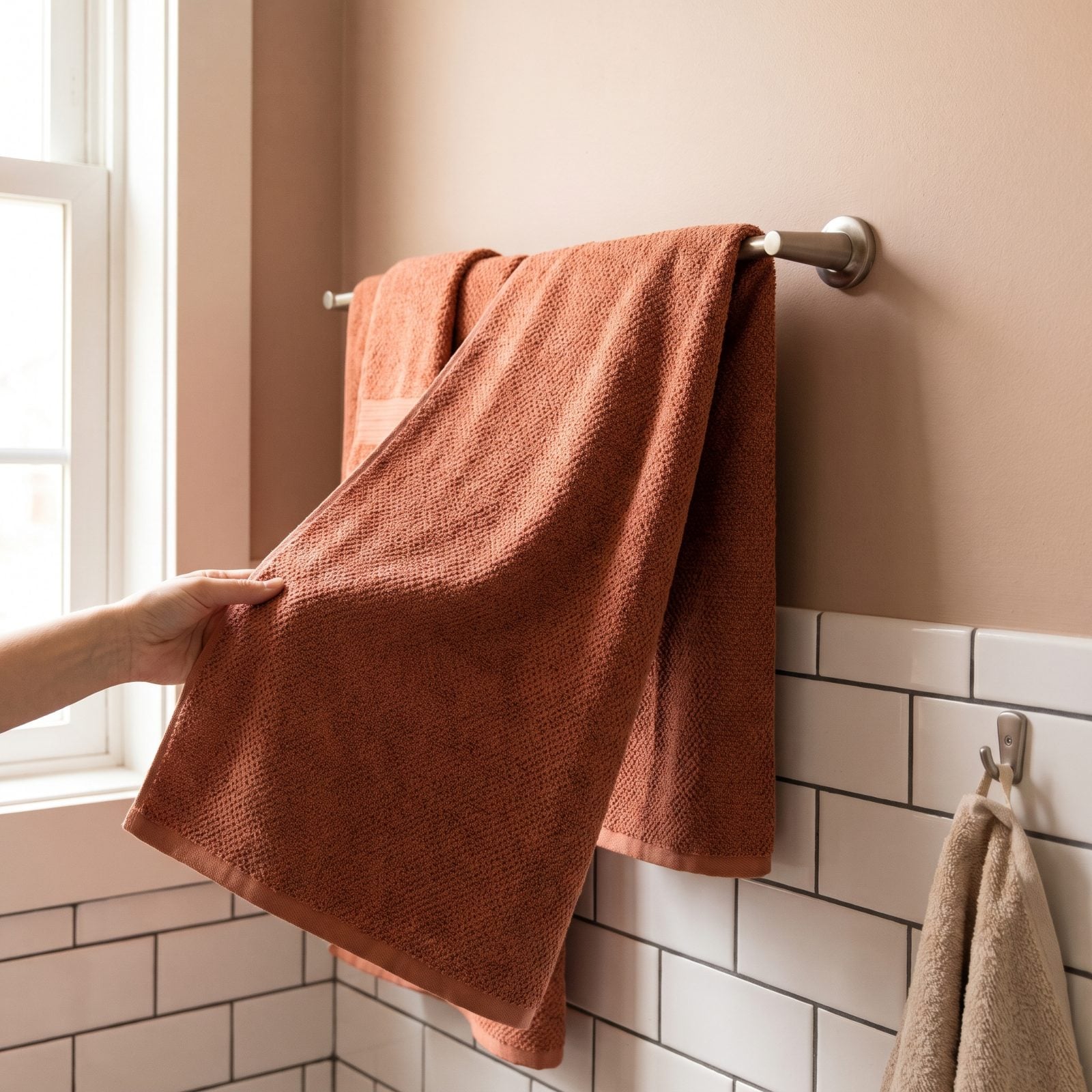
A wet towel left in a heap on a guest bed smells like a locker room by evening and can leave a mark on the duvet that outlasts your visit. Balled up on the bathroom floor, it just becomes someone else’s problem.
Hang it where you’re told, spread flat so it actually dries, and reuse it. Guests who demand a fresh towel every single day are quietly running up a laundry bill they’ll never see. One towel, hung properly. That’s the entire ask.
31. Replace the Empty Toilet Paper Roll, Every Time
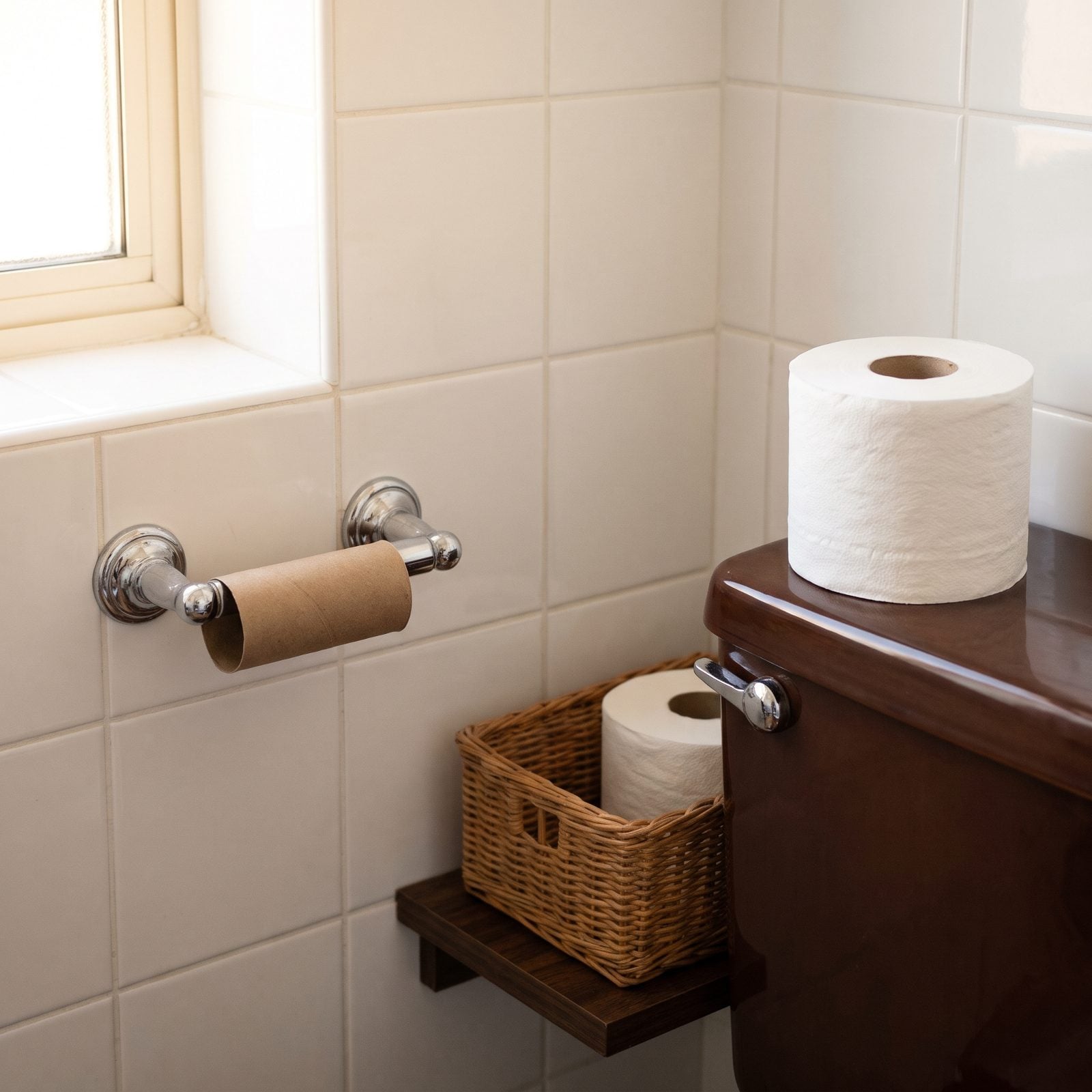
You used the last of it. You know you used the last of it. Walking away and leaving the bare cardboard tube on the holder is the small, quiet rudeness that hosts remember long after you’ve gone home.
Find the spares — usually under the sink or in a nearby cabinet — and load a fresh one. If you take the last roll from the stash, say so, so the host can restock. A thirty-second courtesy that tells them you treat their place the way you’d want yours treated.
30. Report a Clogged Toilet Right Away, Not After You’ve Gone
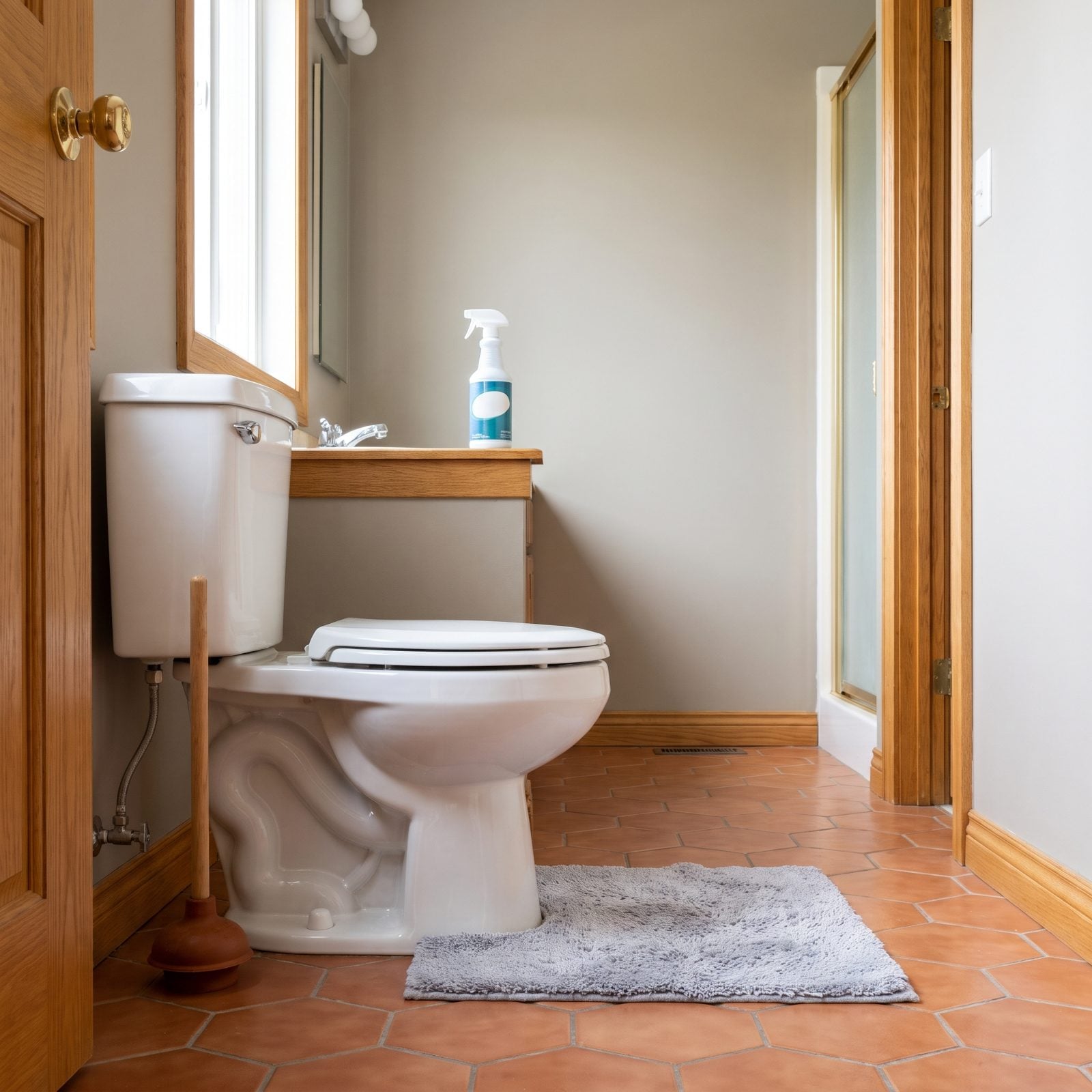
No one wants this conversation. That’s precisely why you have to have it on the spot.
A clog left quietly to fester can back up, overflow, and turn a minor hiccup into water damage and a repair bill. The embarrassment of asking “hey, the toilet’s acting up — where’s the plunger?” lasts about four seconds. Your host discovering it the hard way after you’ve driven off? That lingers.
So deal with it. Ask for the plunger if you’re comfortable, or just give a quiet heads-up. Honesty here is a kindness.
29. Ask Before Helping Yourself to Personal Toiletries
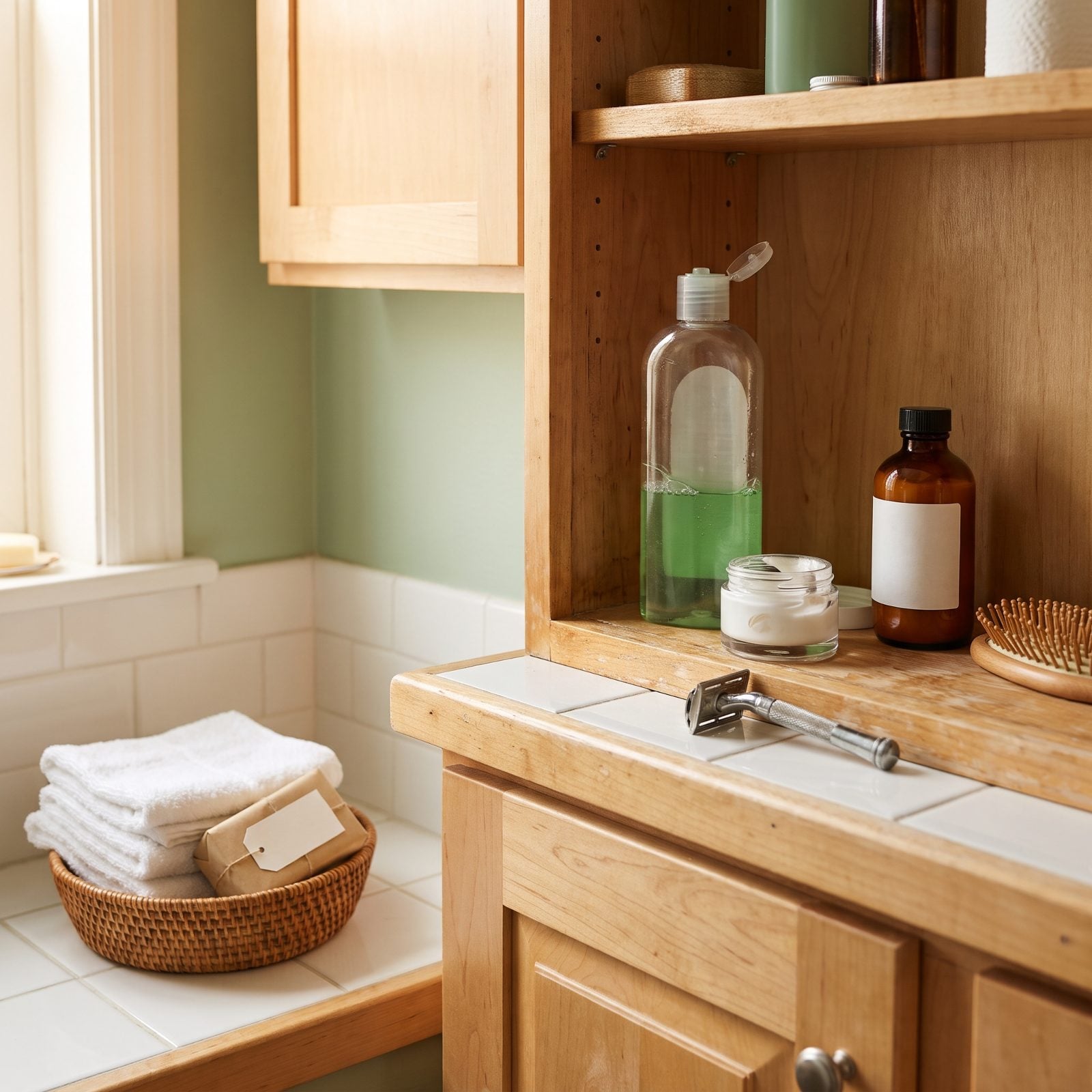
The host’s expensive face serum, the specialty shampoo they drove across town for, the razor in the shower — none of that is a shared buffet.
Guest supplies are the stuff set out for you, often in a little basket or on a spare shelf. Everything else is personal. Forgot your toothpaste? Ask. Nine times out of ten you’ll get a cheerful “take whatever you need,” and you’ve done it the right way instead of leaving someone to wonder why their good conditioner is suddenly half gone.
28. Conserve Hot Water So Everyone Gets a Warm Shower

Not every house has an endless tank. Plenty run on a water heater that empties after two good showers, so the guest who luxuriates for twenty-five minutes hands the next person a cold rinse and no warning.
Keep it reasonable, especially when people are showering back-to-back in the morning. Ask how the hot water holds up if you’re not sure. Few things wear out a welcome faster than leaving the household to shiver through the aftermath of your spa morning.
Short shower, warm house, happy host. That’s the whole trade.
27. Ask Before Using the Washer, and Never Abandon Wet Laundry

Nothing sours a gracious welcome faster than the smell of mildew. Staying more than a night or two and need to wash something? Ask first. Some machines are temperamental, some run on well water with strict load limits, and some hosts just don’t want a stranger’s whites spinning next to their delicates.
Then the part people forget: come back for it. A wet load left sitting all afternoon starts to sour by evening, and now your host is rewashing a batch that was never theirs to deal with. Set a timer on your phone. Move it to the dryer, or hang it yourself.
26. Check Before You Take Over the Kitchen
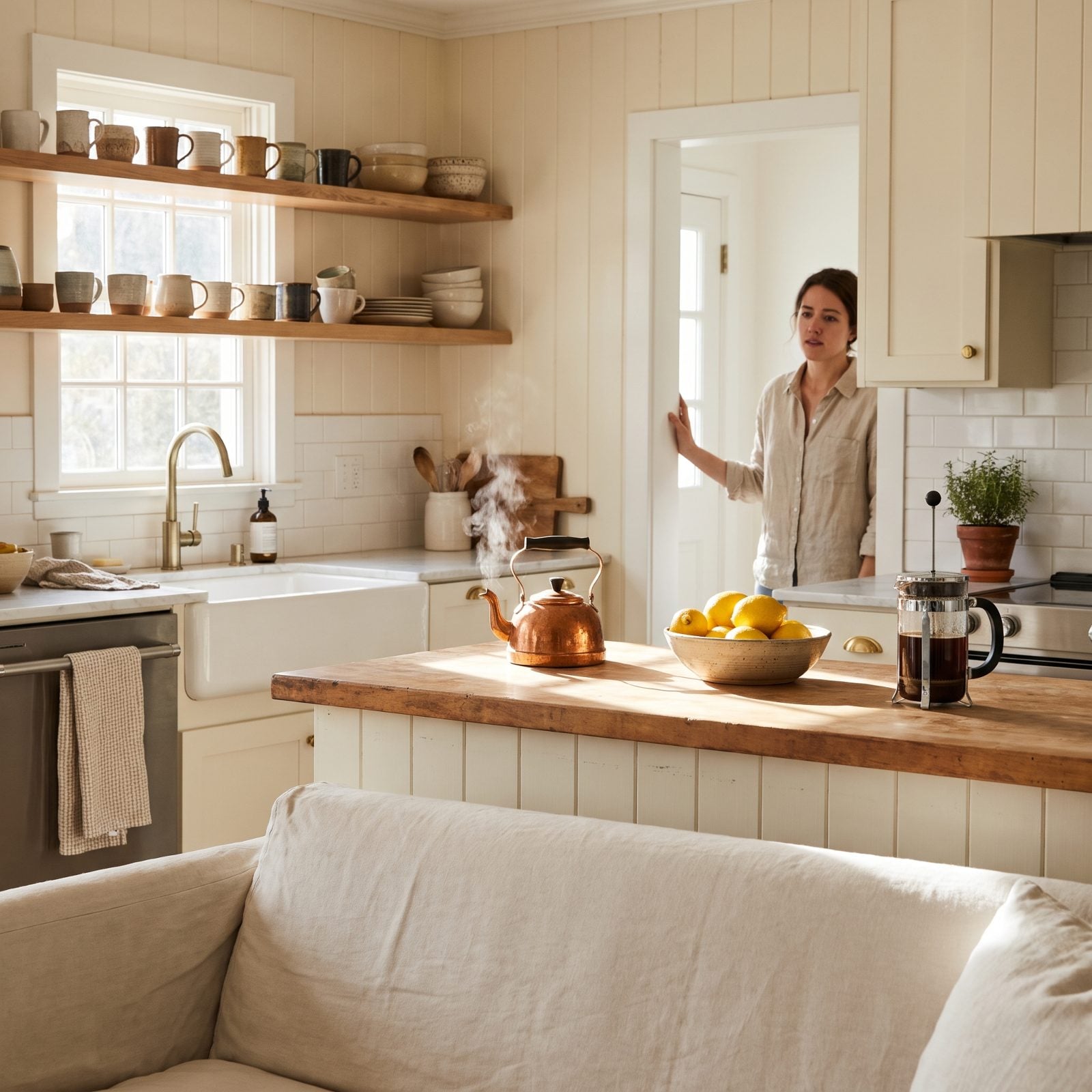
The kitchen is the most territorial room in anyone’s house. People have systems you can’t see — a pan that must never touch soap, a coffee ritual with its own choreography, a dinner already half-planned in the host’s head around whatever’s in the fridge. You wouldn’t know any of it by looking.
So before you fry your own breakfast or start rearranging things to make tea, check in. A quick “mind if I make myself some eggs?” costs you nothing and spares you the awkward discovery that you’ve used the cast iron they just seasoned. Hosts almost always say yes. It’s the asking that keeps you a welcome guest instead of a kitchen squatter.
25. Never Help Yourself to Special or Labeled Food

Want to become the houseguest they talk about for years, and not fondly? Eat the thing that was being saved.
That wedge of cheese tucked behind the milk might be for Sunday’s company. The leftovers in the labeled container are tomorrow’s lunch. The fancy chocolate on the counter was a gift. If it’s set apart, wrapped with care, or has a name on it, it isn’t fair game — no matter how good it looks at midnight.
When in doubt, ask what’s okay to graze on. Most hosts will happily point you to the “eat anything here” shelf and the “please don’t” items in the same breath.
24. Ask Before You Finish the Last of Anything
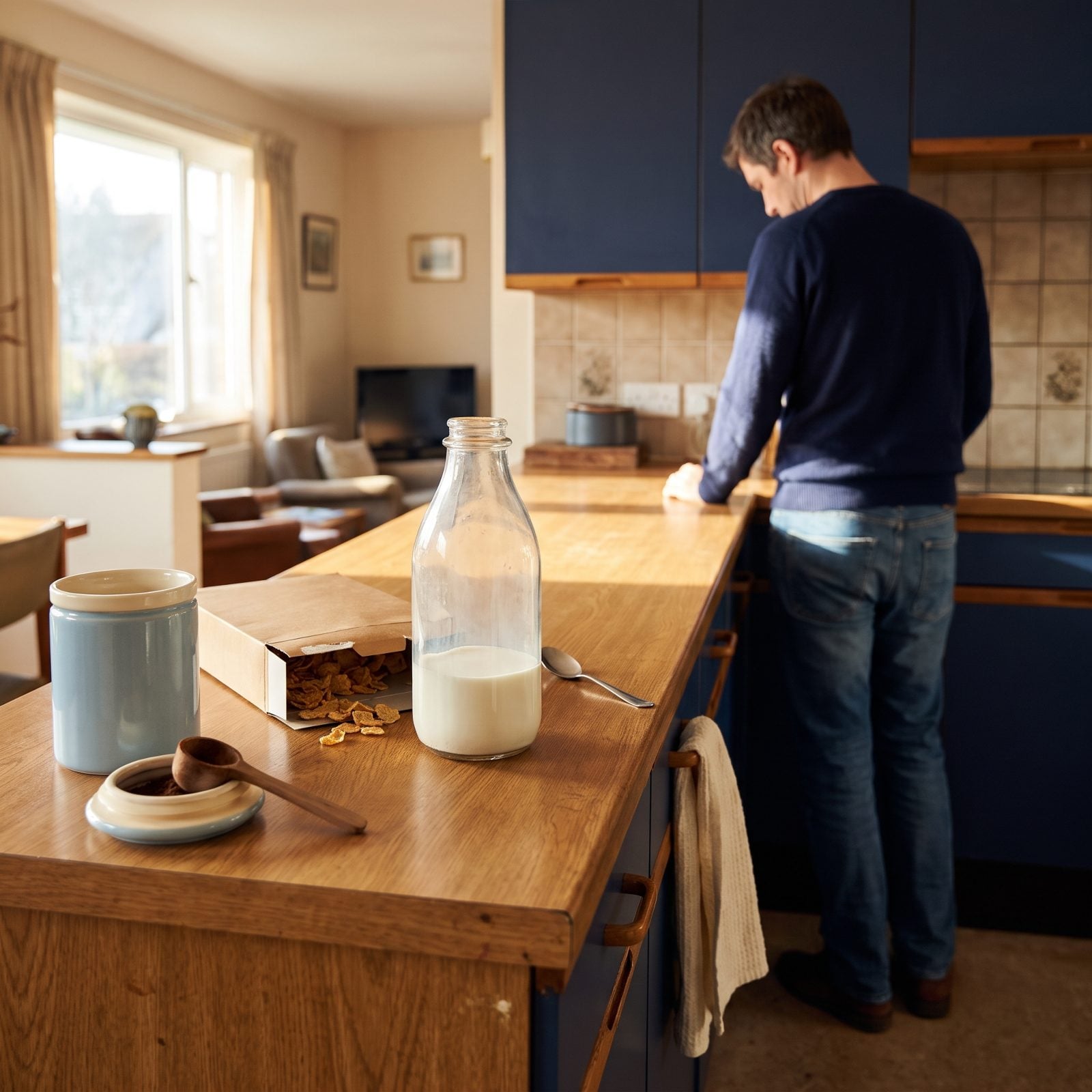
The last of the coffee. The final two eggs. The heel of the good bread. Taking the last of something feels trivial right up until your host reaches for their morning cup and finds an empty tin.
You don’t live there, so you have no idea what’s running low or what’s a pain to replace. A simple “okay if I finish the milk?” lets the host say yes — or say “actually, let me hang on to that, there’s more in the garage.” Small question, big goodwill. Better still, offer to replace what you use on a supply run.
23. Wipe Down the Counters After You Cook
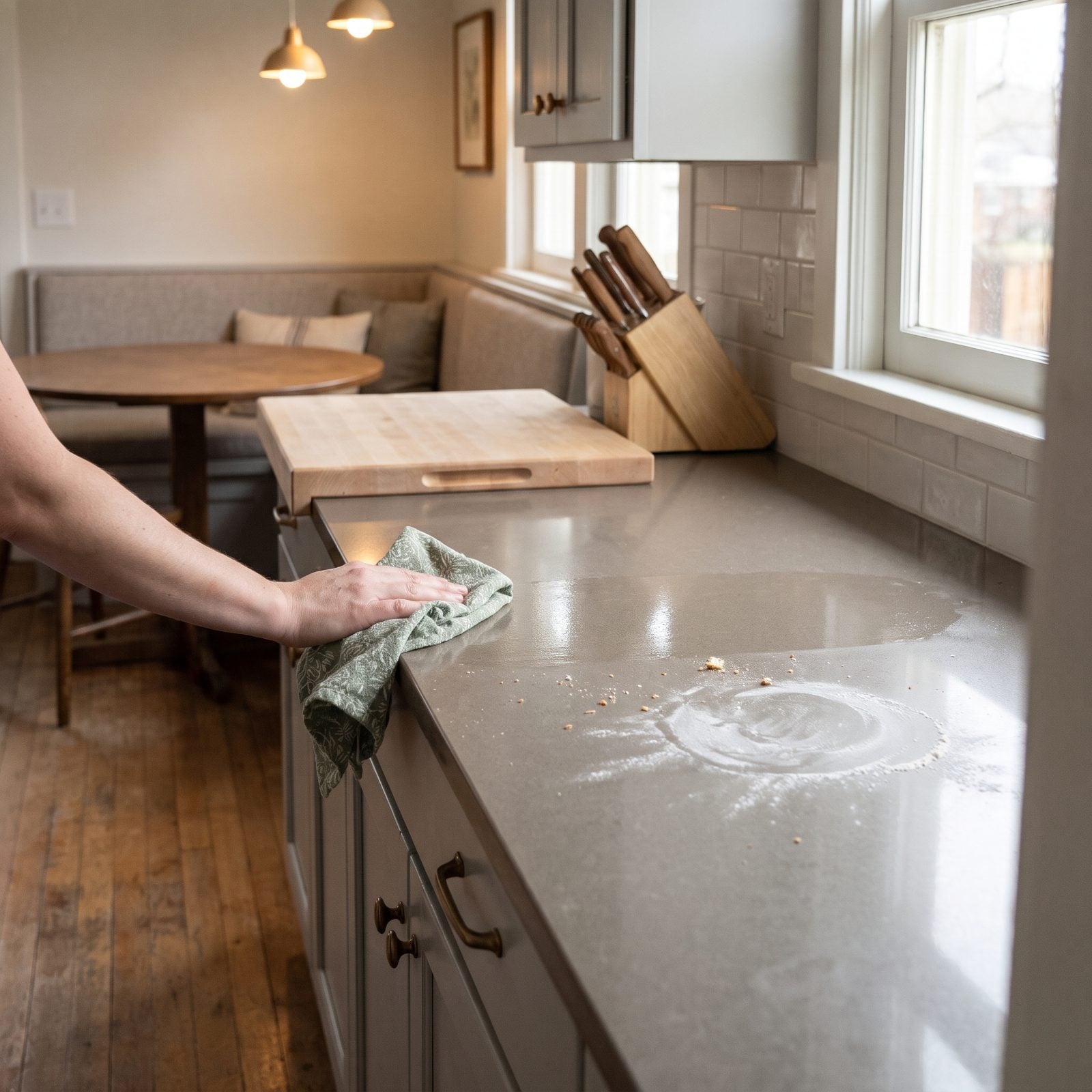
Cooking in someone else’s kitchen comes with a quiet contract: you leave it the way you found it. Flour dusted across the counter, a splash of sauce near the stove, crumbs by the toaster — none of it bothered you while you worked, and all of it bothers the person who finds it after you’ve gone to bed.
A damp cloth over the surfaces takes ninety seconds. Wipe the stovetop, the counter, that little splatter on the backsplash. Leave the space ready for the next person — who, in this house, is your host.
22. Check Before Loading Knives or Cookware Into the Dishwasher
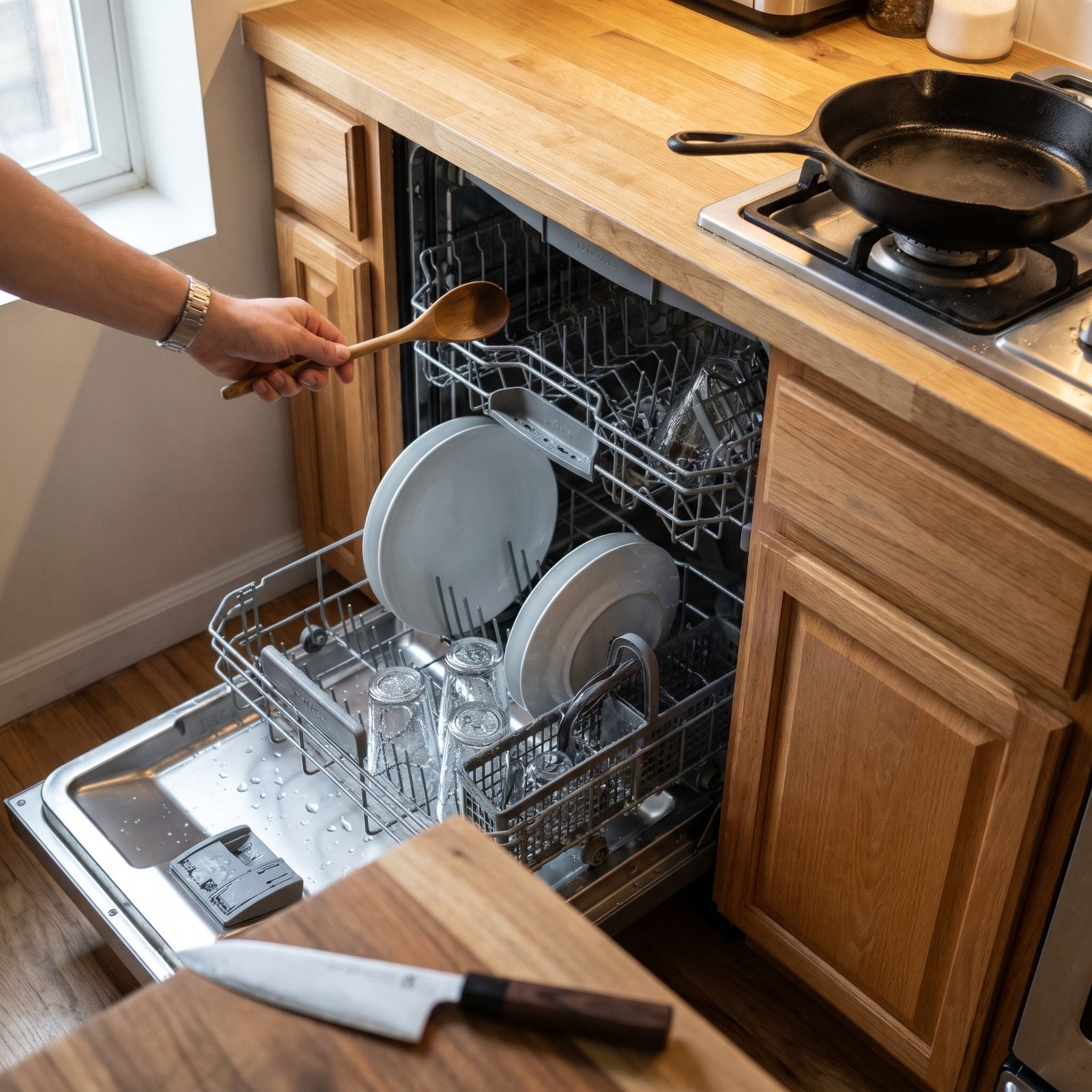
You can love someone and still wreck their knives. A good chef’s knife loses its edge in the dishwasher, banged around against the racks and dulled by harsh detergent. Cast iron sheds its seasoning. Wooden spoons crack and split.
Here’s the trap. A guest, trying to help, tosses everything into the machine — and now the host is secretly reseasoning a skillet and honing a blade that was fine an hour ago. Not sure what’s dishwasher-safe in that house? Leave the nice cookware and sharp knives on the counter and ask. Hand-washing the one special pan beats destroying it with good intentions.
Explaining what dishwashers do to blades, one knife-making forge warns that a single trip through the dishwasher can permanently ruin a high-carbon steel knife.
21. Take a Turn at the Sink
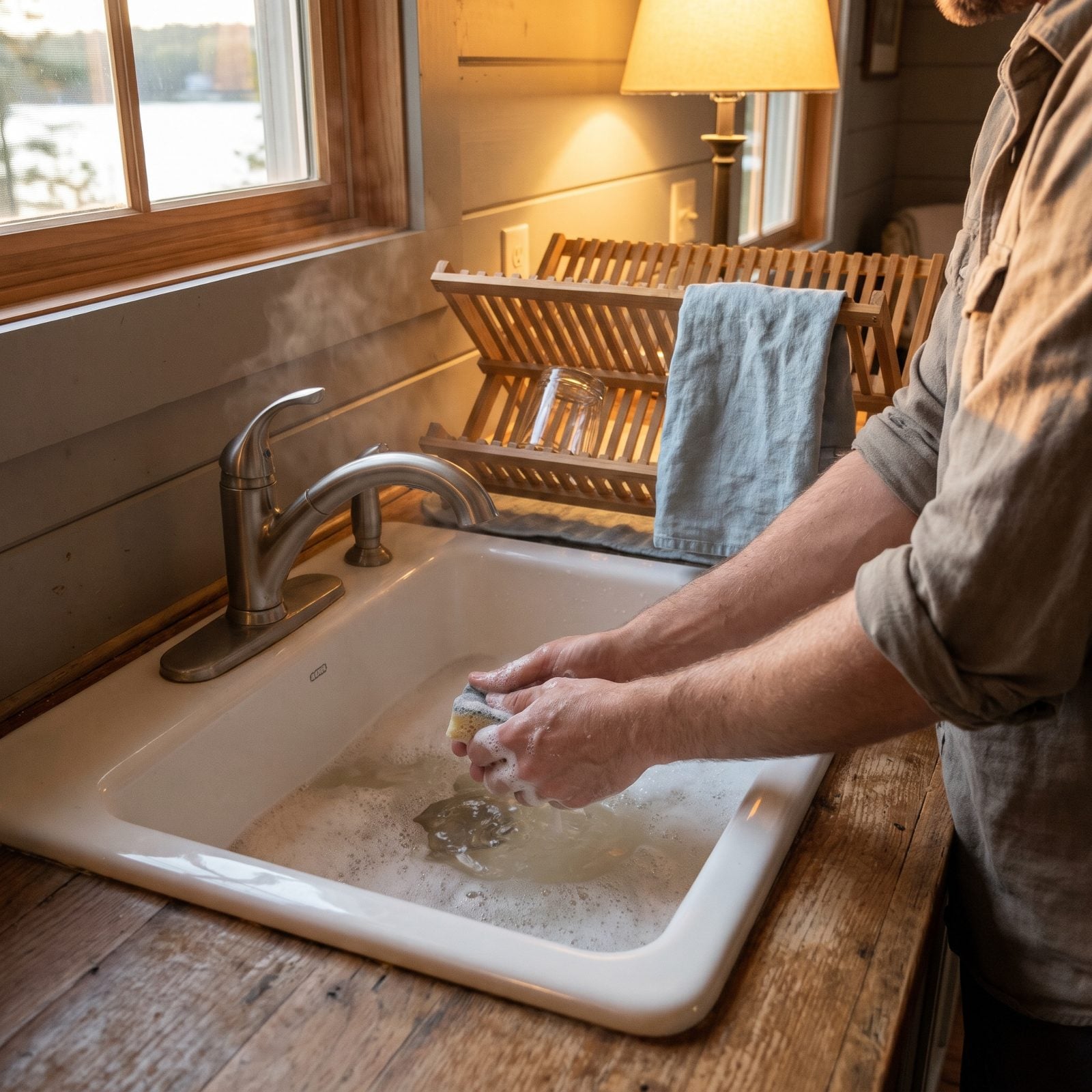
The meal ends, the table empties, and somewhere a sink is filling up. Don’t slip off to the guest room the second the plates are cleared. Stand up, roll your sleeves, take a turn.
Hosts almost always wave you off. Insist anyway, at least once. The offer matters even when it’s declined, because it tells your host you can see the work and you’re not expecting to be waited on like a hotel guest. A visit where the guest never once touched the dishes? That’s the visit a host remembers next time you angle for an invitation.
20. Keep Your Opinions About the Cooking to Yourself

Somebody shopped, chopped, cooked, and plated a meal for you. That dish is a gift, even when it’s a touch salty or nothing like how your mother made it.
“Interesting — what’s in this?” said with a wrinkled nose is not a question. It’s a review, and everyone at the table hears it. Same goes for the helpful suggestion to add more garlic next time. Got a real dietary issue? Mention it quietly before the meal, not over it. Otherwise: eat, thank the cook, and save the critique for a restaurant where you’re actually paying.
19. Don’t Expect Every Meal to Be Handed to You
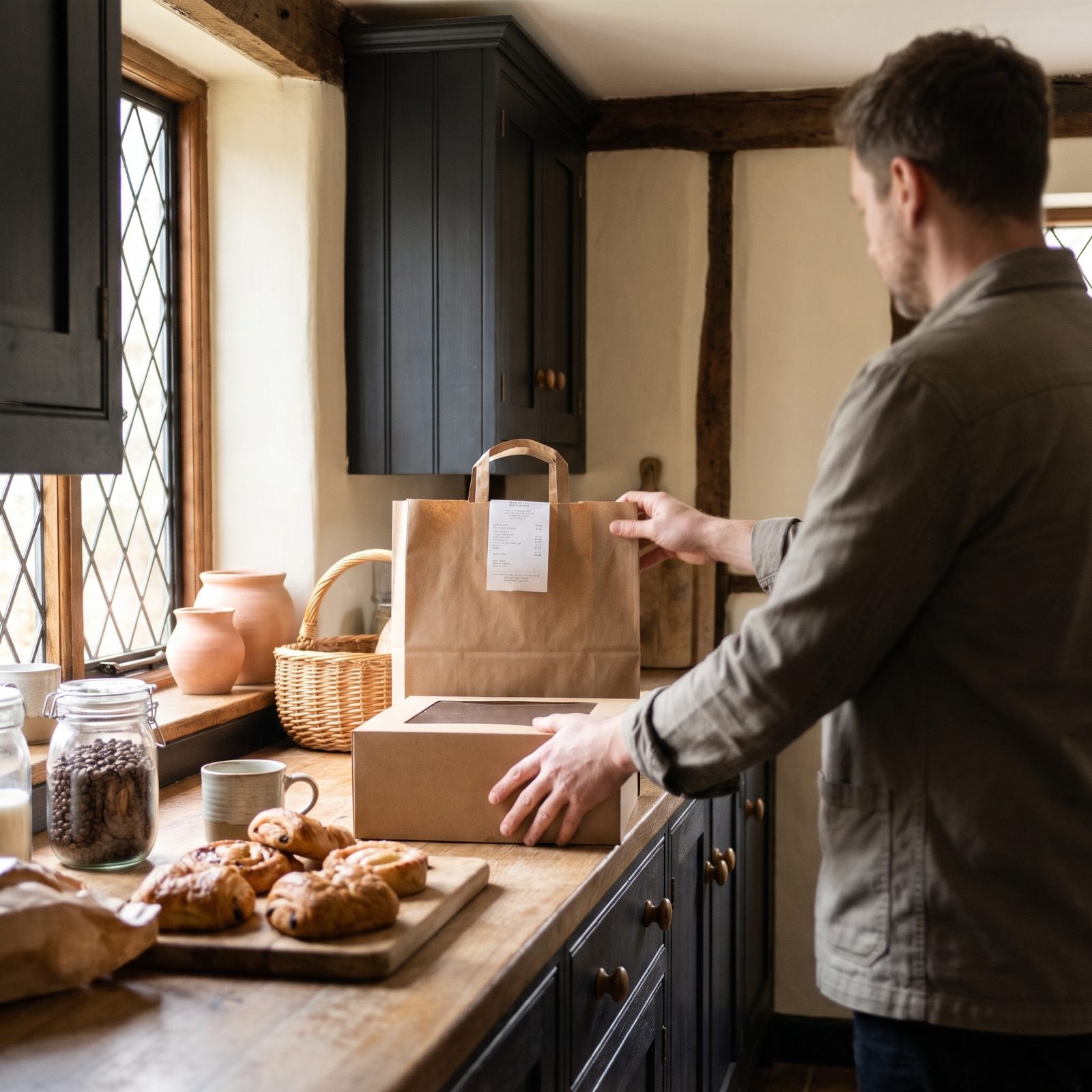
A visit isn’t an all-inclusive package, and your host isn’t the kitchen staff. Three home-cooked meals a day for the length of your stay is an enormous amount of work and money, and assuming it’s simply coming is how goodwill wears thin by day three.
So pitch in. Offer to cook a dinner. Take everyone out one night on your tab. Come back from a walk with pastries and good coffee. Grab the bill at the grocery store when you tag along. You don’t have to match their hospitality dollar for dollar — you do have to show you’re not treating their home like a free hotel with room service. That’s the line between a guest they’ll invite back and one they’re suddenly too busy for.
18. Offer to Pay When the Group Eats Out

Nobody says this out loud, but when you’re staying in someone’s home they’re already feeding you breakfast, loaning you towels, and losing sleep over whether the guest room is too cold. The least you can do is reach for the check when the group heads out to eat.
You don’t have to win the argument. Just make the move, and mean it. Pick up a round, cover the appetizers, or slip your card to the server before anyone notices. Hosts rarely expect it, which is exactly why it lands. A guest who never reaches for a wallet all weekend reads as someone being carried, and people remember that long after the visit ends.
17. Never Compare the Home to a Hotel

Comparing someone’s home to a hotel is a landmine dressed up as a compliment. “Feels just like a hotel!” sounds nice in your head and lands like an insult in theirs. You’ve just told the host their home is a service.
The inverted version is worse: pointing out that a hotel would have had blackout curtains, or better water pressure, or coffee ready at six. Nobody set out a tiny shampoo bottle for you. Somebody washed the sheets and worried about the pillow.
So praise what’s actually there. The light in the kitchen, the view from the porch, how deep and forgiving the couch turns out to be after a long drive. Specific beats generic every time.
16. Do Not Rearrange Furniture or Decorations
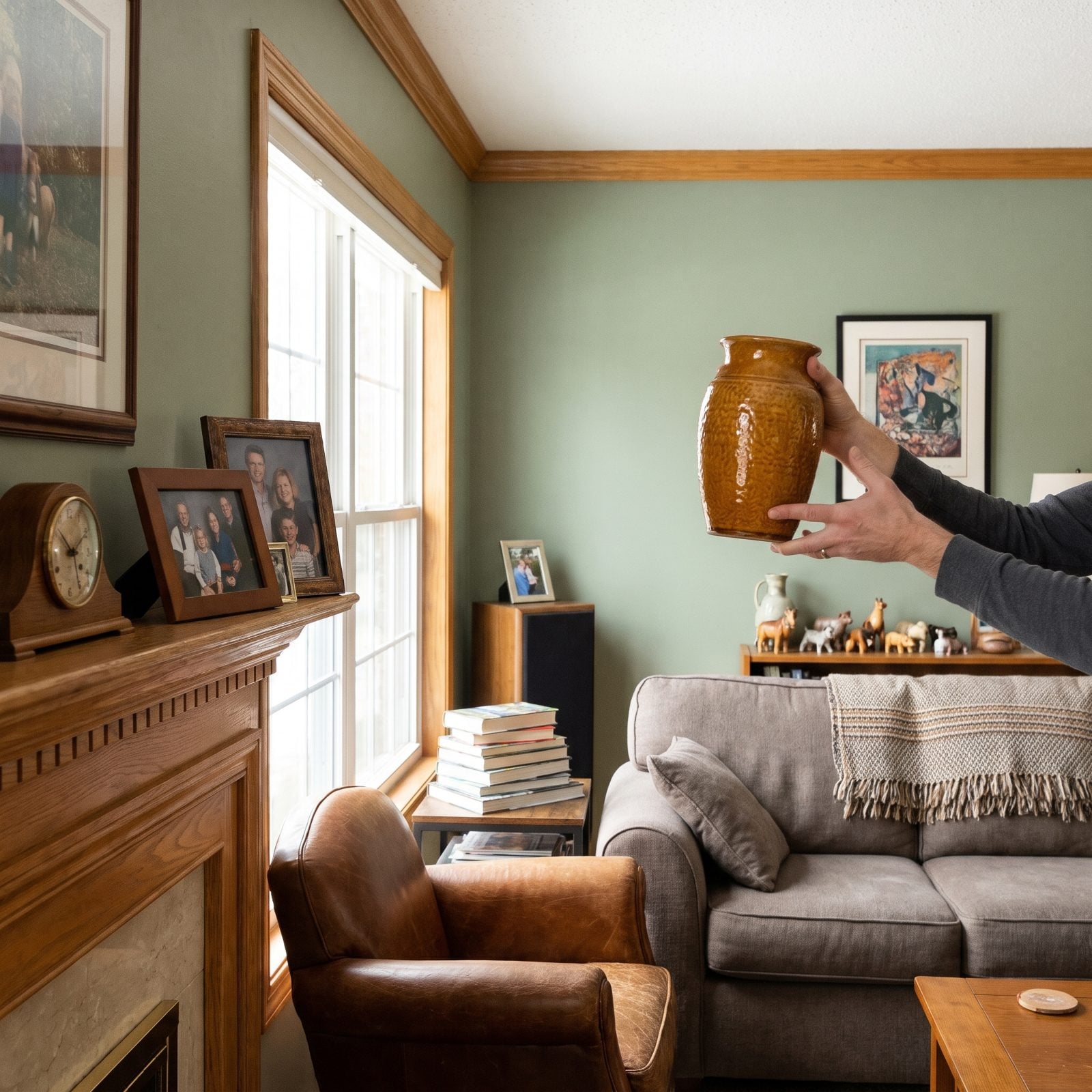
That chair blocking the window? It’s there for a reason you can’t see. Maybe the sun wrecks the upholstery. Maybe someone’s grandmother sat there for forty years and nobody has had the heart to move it since. Sliding it over to “open up the space” means you’re redecorating a home that isn’t yours.
We once watched a guest shove a sofa three feet to improve the TV angle and then forget to shove it back. The host noticed within the hour. A whole weekend soured over a couch.
If something genuinely gets in your way, mention it. Don’t solve it with your own hands.
15. Report Spills or Breakage and Offer to Pay for Damage
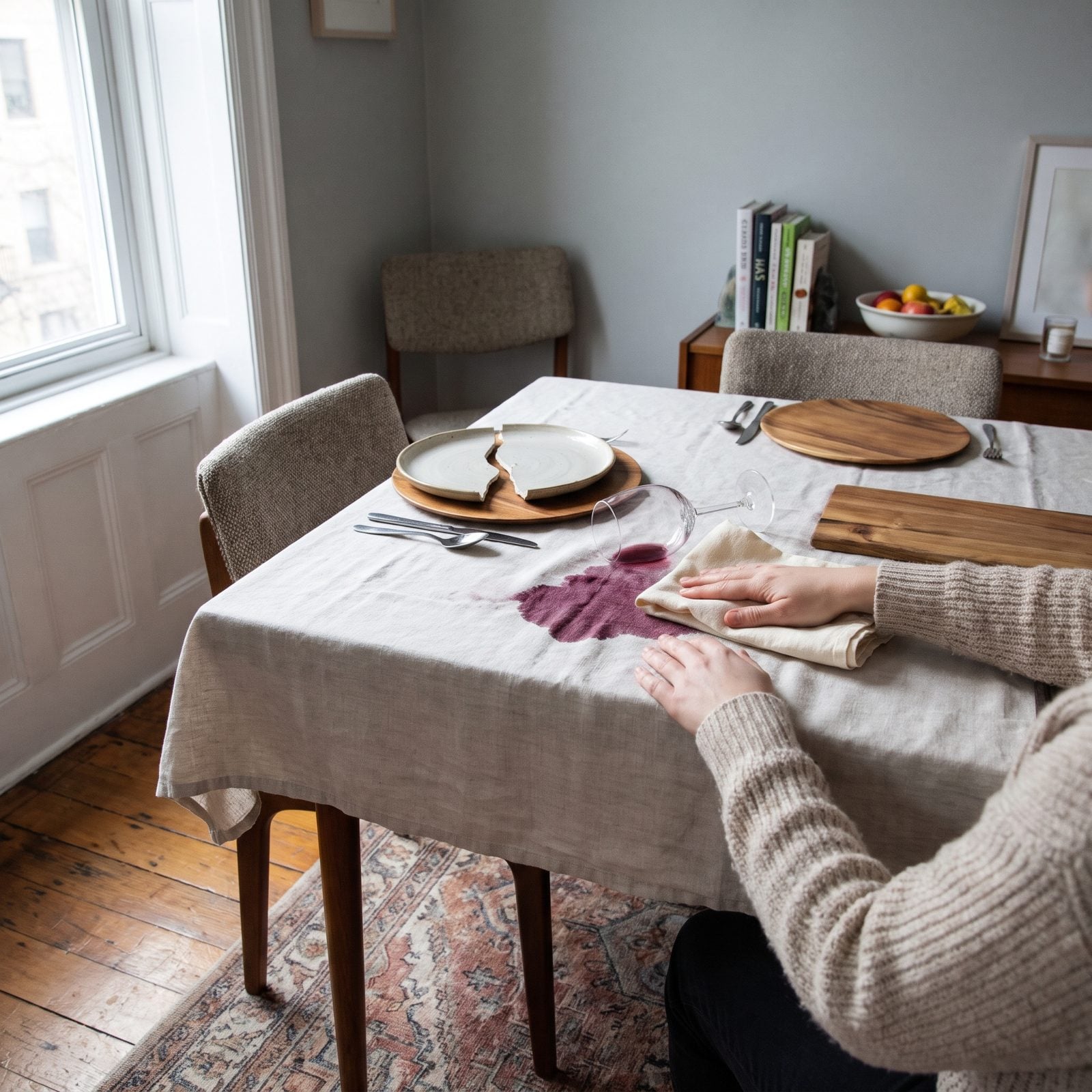
Accidents happen. A knocked-over glass, a cracked bowl, a ring of red wine soaking into the good tablecloth. What separates a good guest from a bad one isn’t whether something breaks. It’s what you do in the next ten seconds.
Say it immediately. Don’t hide the chip under a stack of plates and hope. Don’t bury the stained napkin at the bottom of the hamper. The cover-up always costs more than the break, because now you’ve broken something and lied about it.
Offer to pay or replace, and offer like you mean it. Most hosts will wave you off. Some won’t, and that’s fair. Honor it either way.
14. Never Light Candles or Incense Without Permission
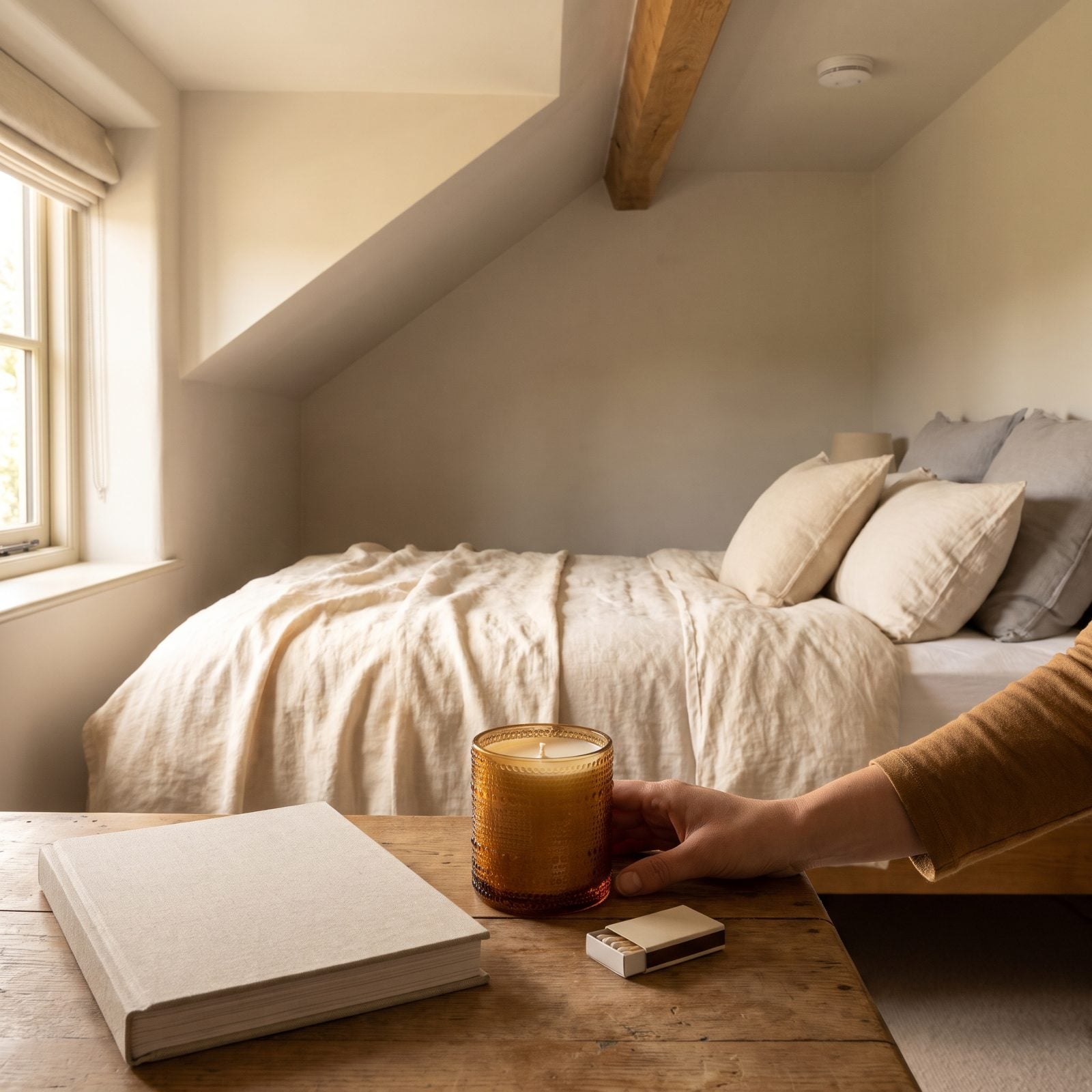
A candle feels harmless. It isn’t, not in someone else’s home. You’ve got an open flame near unfamiliar curtains, a scent the host might find cloying or genuinely can’t breathe around, and a smoke detector whose temper you don’t know going off at two in the morning.
Plenty of people keep candles purely as decoration and would be horrified to see one burning. Incense is worse, because the smell soaks into fabric and lingers for days after you’ve gone home.
Bring your own aromatherapy if you must, and ask first. The answer might surprise you.
In its candle safety guidance, a big-city fire department notes that most candle fires start when things that can burn are too close to the candle.
13. Follow the Host’s Smoking and Vaping Rules
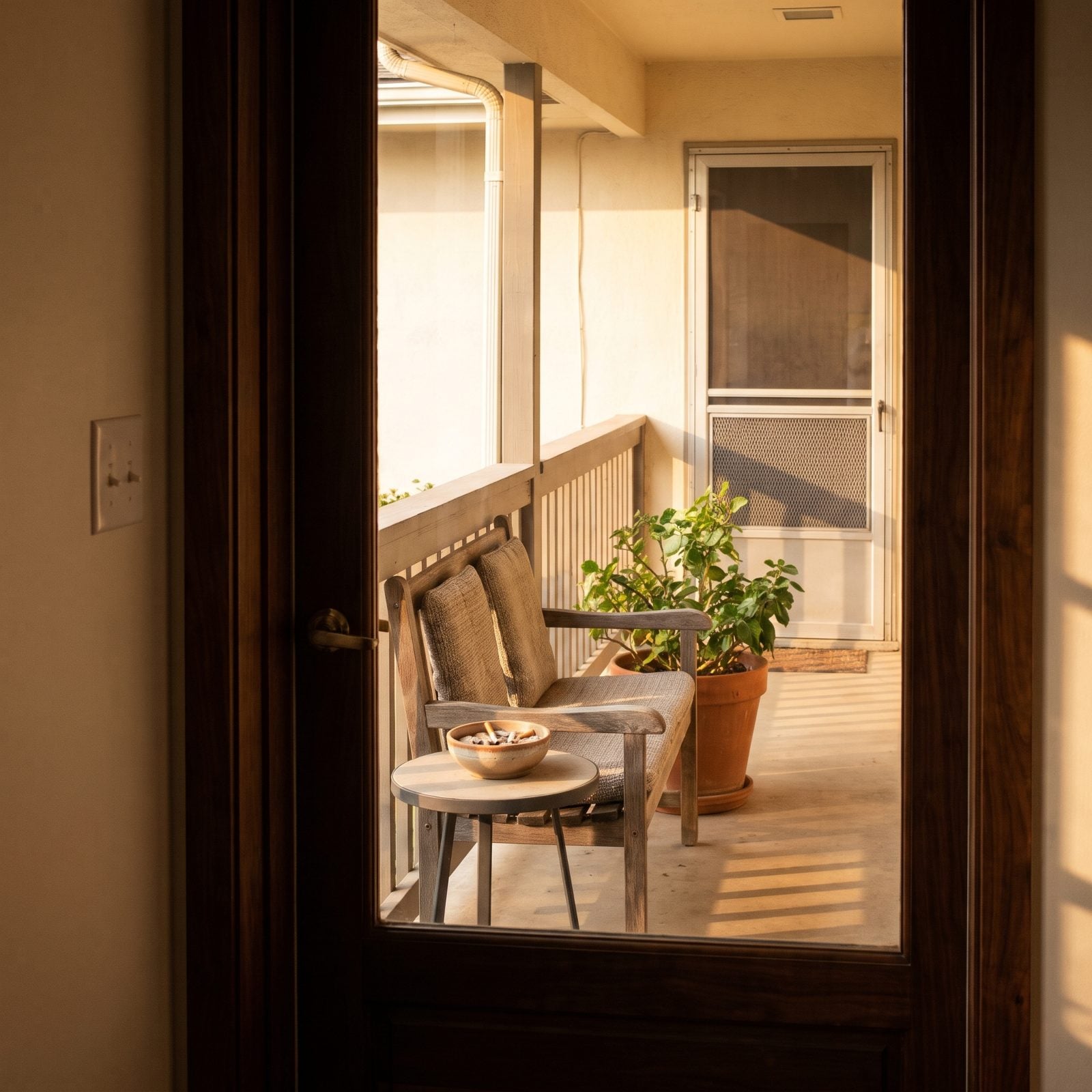
If you smoke or vape and your host doesn’t, the rule is simple. Their house, their air. Even a vape that “doesn’t smell” leaves a sweet film some people can’t stand, and plenty of non-smokers have gotten unnervingly good at detecting it.
Step outside, well away from open windows and the door, and ask where they’d prefer you go. Don’t leave butts in the yard or a plume drifting into the kitchen.
And never do it in the guest room with the window cracked. That trick fools no one, and it’s the fastest way to never get invited back.
12. Ask Before Using the Pool, Hot Tub, or Outdoor Equipment

A pool is not an open invitation. Neither is the hot tub, the kayak, the smoker, or the fancy espresso machine. These things cost money to run, break in expensive ways, and sometimes come with rules you’d never guess just by looking at them.
Hot tubs especially. The chemistry is finicky, and a host may be keeping it closed for a reason. Maybe it’s between cleanings. Maybe someone was sick in it last week. You really don’t want to find out after the fact.
Ask, then follow whatever they tell you about timing, chemicals, and covers.
11. Never Invite Local Friends Over Without Asking
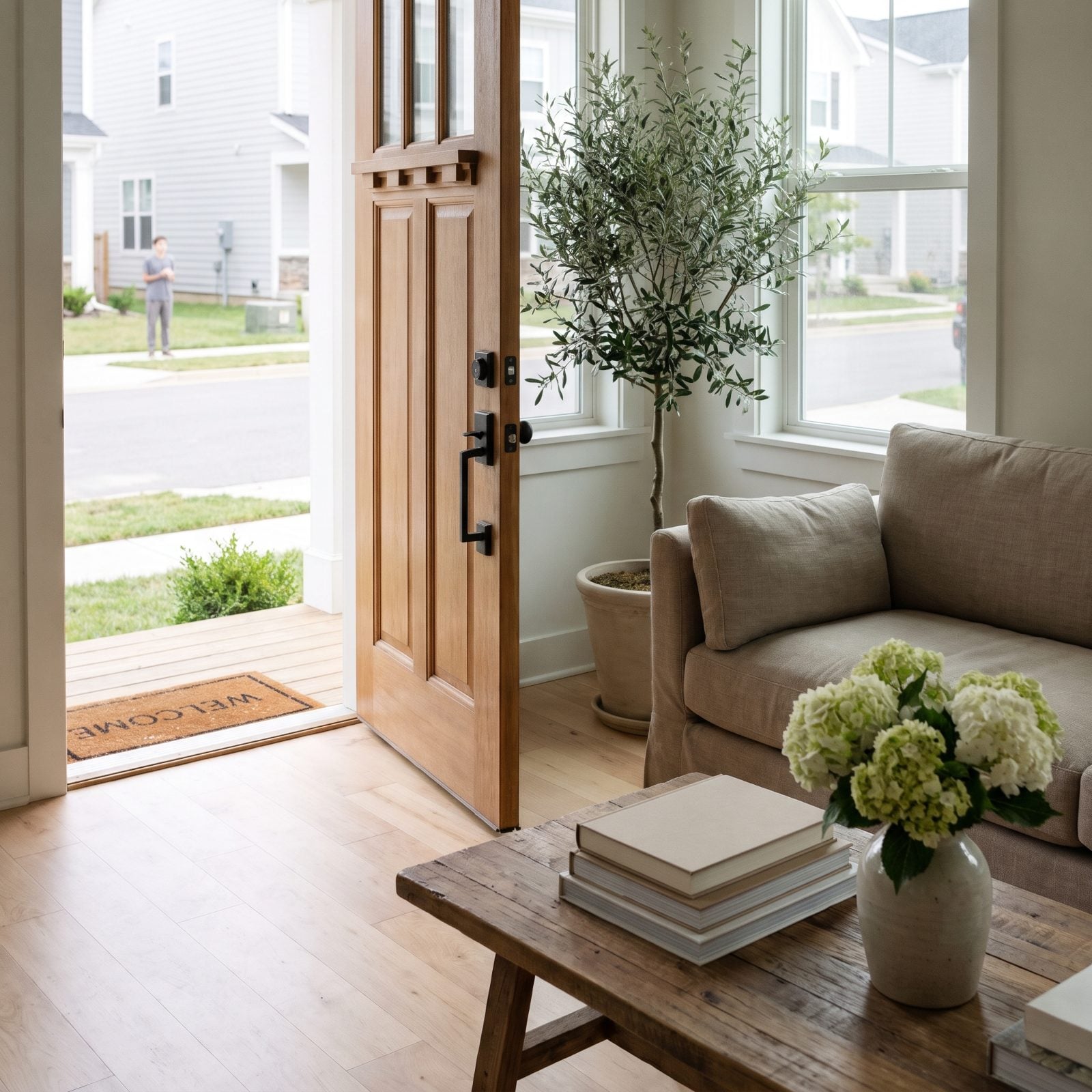
You’re in town, an old college friend lives nearby, and suddenly it seems the most natural thing in the world to say “come on over, I’m staying with so-and-so.” Stop there.
Your host agreed to host you. They did not agree to host your cousin, your work friend, or three people they’ve never met showing up on a Saturday. That’s a different event, with a different cleanup, a different mood, and a home suddenly full of strangers.
Meet your local friends out instead. If you genuinely want to bring someone by, ask well in advance and take no for an answer without sulking. The house isn’t yours to open.
10. Never Post the Host’s Address or Location Online

You snap a photo of the guest room in that gorgeous morning light and tag the town. Feels harmless. It isn’t — you’ve just told the internet where someone lives and that they currently have company, two facts the host never agreed to broadcast.
Geotags and street signs lurking in the background give away more than you’d think. Wait until you’re home to post, or skip the location entirely. The house in your story is someone else’s private life.
In a blog post on photo metadata, one cybersecurity software company warns that a geotagged photo provides a precise location of a private residence.
9. Keep Children Supervised Around the Home

Your kids are wonderful. Nobody’s arguing that. But someone else’s home is a minefield of things that look like toys and absolutely aren’t — heirloom bowls parked at toddler height, a staircase with no gate, a dog who tolerates adults and merely endures children.
The host won’t trail your three-year-old around for you. That’s your job, and it doesn’t take a holiday just because you’re on one. Sticky fingers on a white sofa become a memory the host keeps long after you’ve driven off.
8. Never Feed the Host’s Pets Without Permission

That begging face gets everyone. One little scrap of cheese — where’s the harm? The harm is a dog with a sensitive stomach, a cat on a prescription diet, or a feeding routine you just blew apart at ten at night.
Some human foods are flat-out dangerous for animals. Grapes, onions, chocolate, the sweetener in your gum. Ask before you hand over a single bite, because the host knows exactly what their pet can and can’t have. Remember, you’re a guest to the animal too.
In a local news interview, an animal hospital veterinarian warns that several common holiday foods contain ingredients that are toxic to animals and can cause serious health problems.
7. Plan Independent Activities Instead of Expecting Constant Entertainment

Something nobody says out loud: your host has a life. Work, errands, a standing tennis game, a nap they’ve been fantasizing about for a week. Your arrival does not press pause on all of it.
Walk into the stay with a plan — a museum you want to see, a trail you want to hike, a café where you’d happily lose an afternoon by yourself. Good guests don’t need chaperoning from breakfast to bedtime, and honestly, the host will like you more for it.
6. Tell the Host When You Are Going Out and Returning
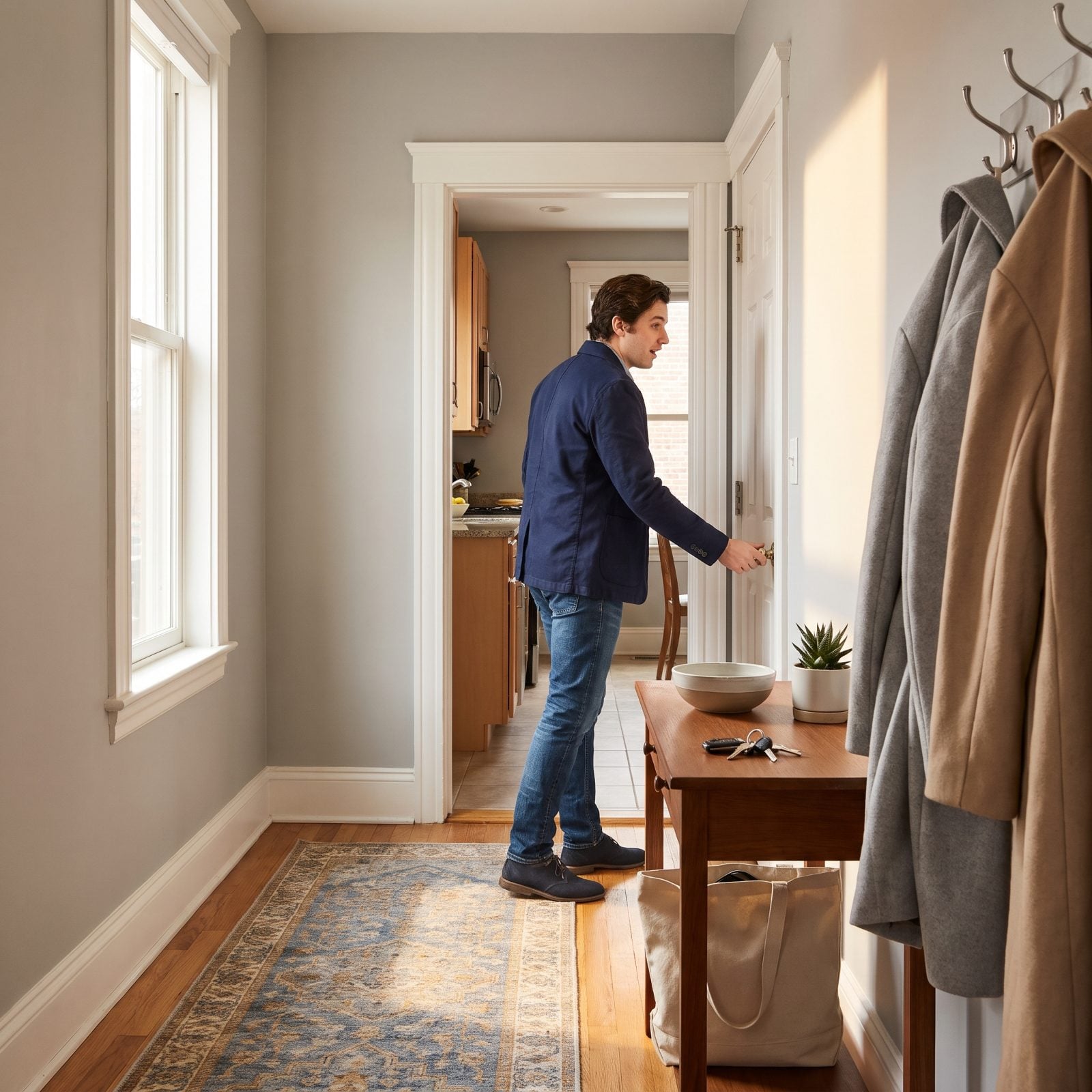
You slip out for the evening without a word. The host hears the door, assumes you’ve been kidnapped or offended, and then spends the night either waiting up or lying awake wondering whether to throw the deadbolt and strand you on the porch.
One sentence fixes the whole thing. “Heading into town, back around ten.” That’s it. Not asking permission — just the basic courtesy that lets them plan dinner, lock up, and stop treating your empty bed as a midnight mystery.
5. Do Not Borrow a Car, Bicycle, or Equipment Without Asking
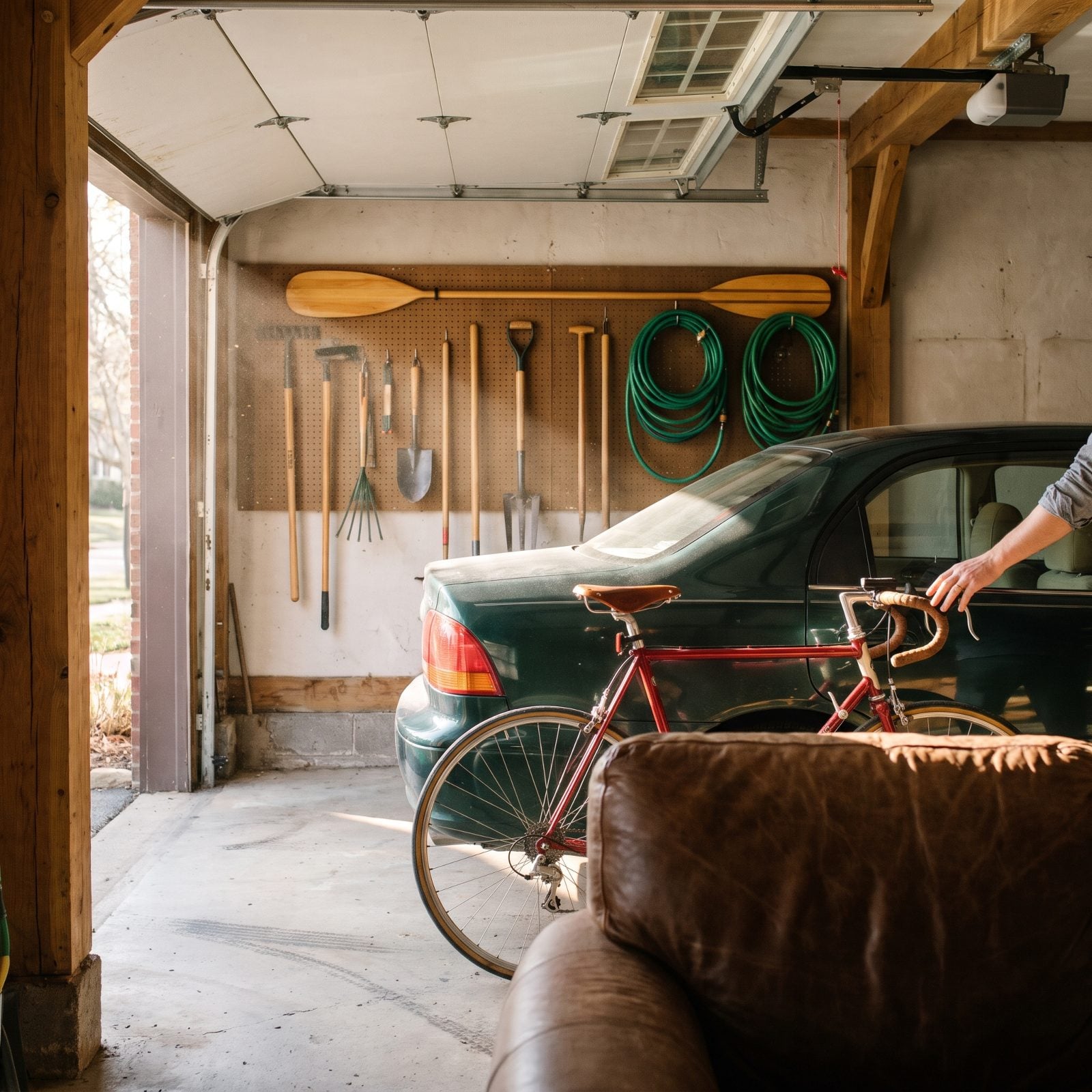
That bike in the garage looks like it’s just waiting for a rider. It isn’t. The host offered you the house, not the vehicle fleet, and grabbing the car, the kayak, the espresso machine, or the good hiking poles without asking crosses a line you may not even see.
Think of the insurance, the flat you might cause, the thing the host had planned to use that very afternoon. Ask first, every time. Even the bicycle. Especially the bicycle.
4. Never Extend the Stay Without a Direct Invitation
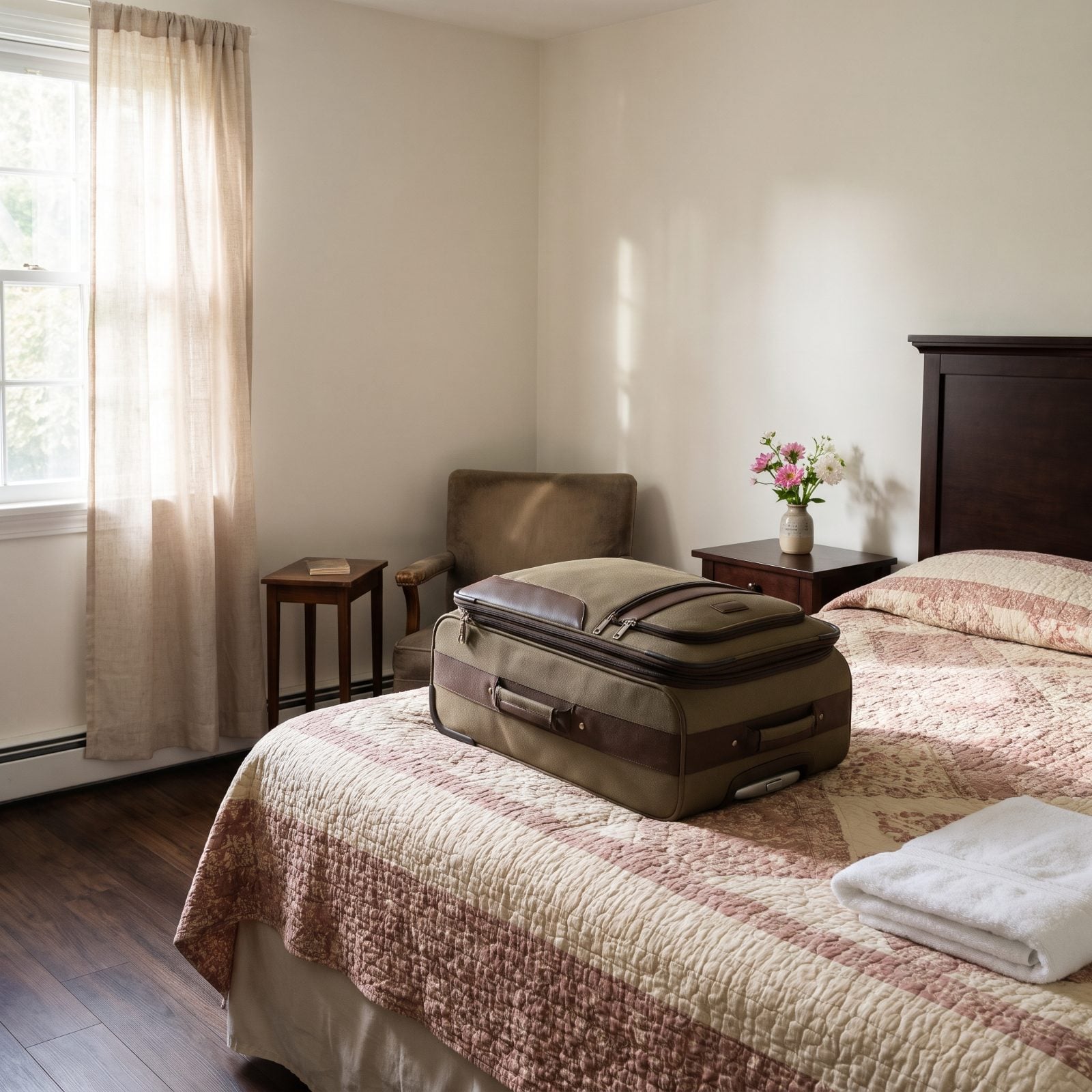
The old line about guests and fish going off after three days survives because it keeps being true. Your host penciled in a weekend. Float “maybe I’ll stick around a few more nights” and you drop them into the worst possible spot: say yes and quietly resent it, or say no and feel like the villain.
Don’t do that to them. If they want you to stay longer, they’ll say so plainly, and they’ll mean it. A hint lobbed over dinner is not an invitation. Neither is silence.
3. Pack Up and Leave at the Agreed Time

You said Sunday morning. It’s now Sunday afternoon, you’re nursing your third coffee, and the host keeps doing that thing — glancing at the clock, mentioning how busy the week ahead looks. That’s not subtext. That’s a flare going up.
Leave when you said you’d leave. The host has laundry waiting, a room to reset, a Sunday they’d like to reclaim as theirs. Lingering past your welcome is the ending nobody remembers fondly. A clean, on-time exit is a small gift you can hand them on the way out.
Asked whether guests should stretch a stay, an etiquette school founder says “The best way to end your visit on a positive note is to make sure there is an actual end”
2. Ask How the Host Wants the Bed and Used Towels Left
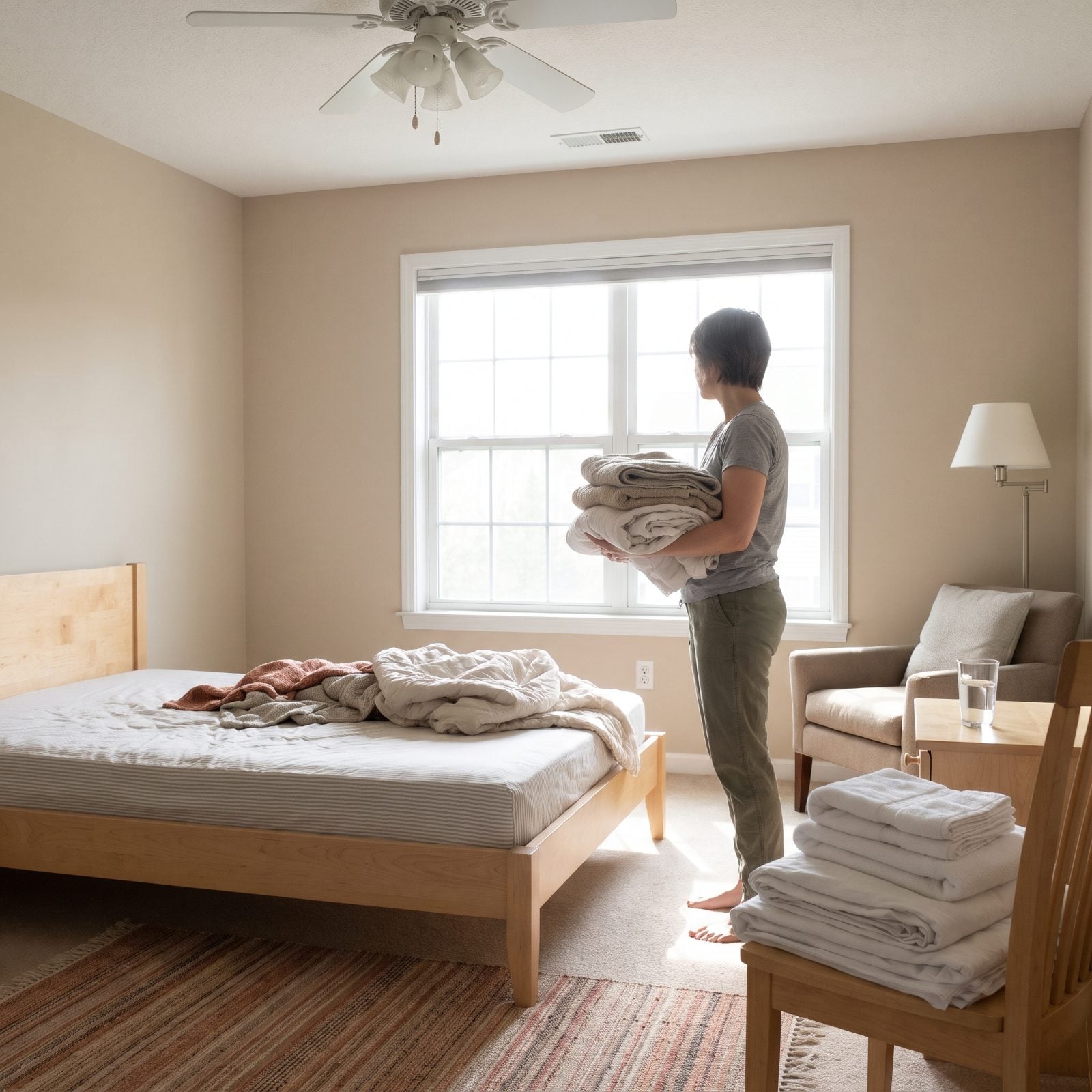
Stripping the bed feels like the helpful move, and sometimes it is. Other times the host runs a system — a laundry day, a specific basket for used towels — and a bare mattress just hands them more work.
So ask. “Want the sheets on or off? Where do the towels go?” Ten seconds of asking beats a confident wrong guess. Hosts absolutely notice the guest who hangs a towel neatly over the one who abandons a damp heap on the carpet.
Asked whether guests should strip the bed before leaving, an etiquette expert says every host has different preferences and it is always best to ask the host what they would prefer.
1. Send a Prompt and Specific Thank-You Message
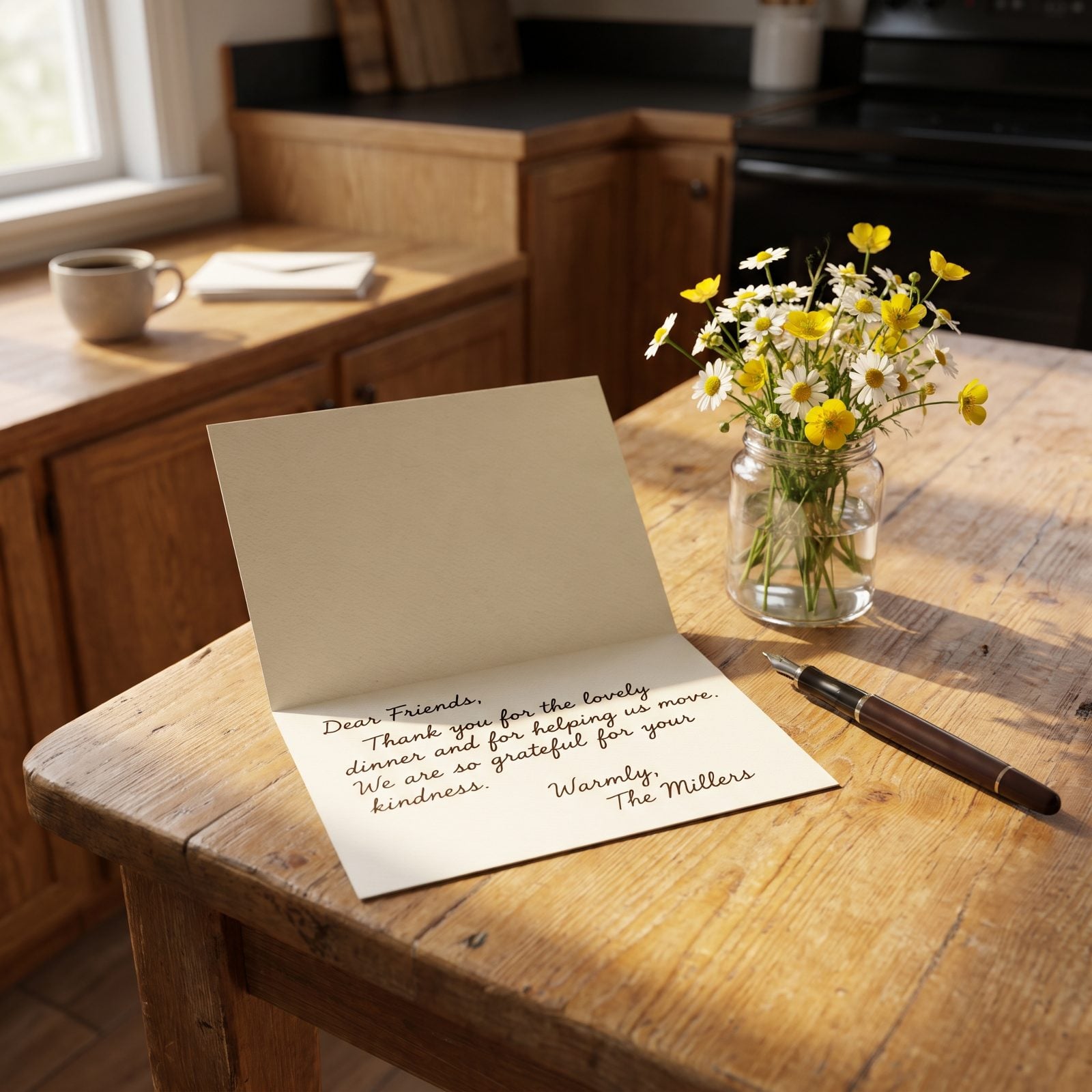
“Thanks for having me!” fired off from the airport is fine. It’s also forgettable. The thank-you that actually lands names something specific — the breakfast they made, the walk you took together, the guest room that smelled like fresh laundry.
Send it within a day or two, while the stay is still warm in both your minds. A card in the mail does even better, because it’s rare, and rare registers. The best houseguest isn’t the one who caused no trouble. It’s the one who left the host quietly glad they’d offered in the first place.