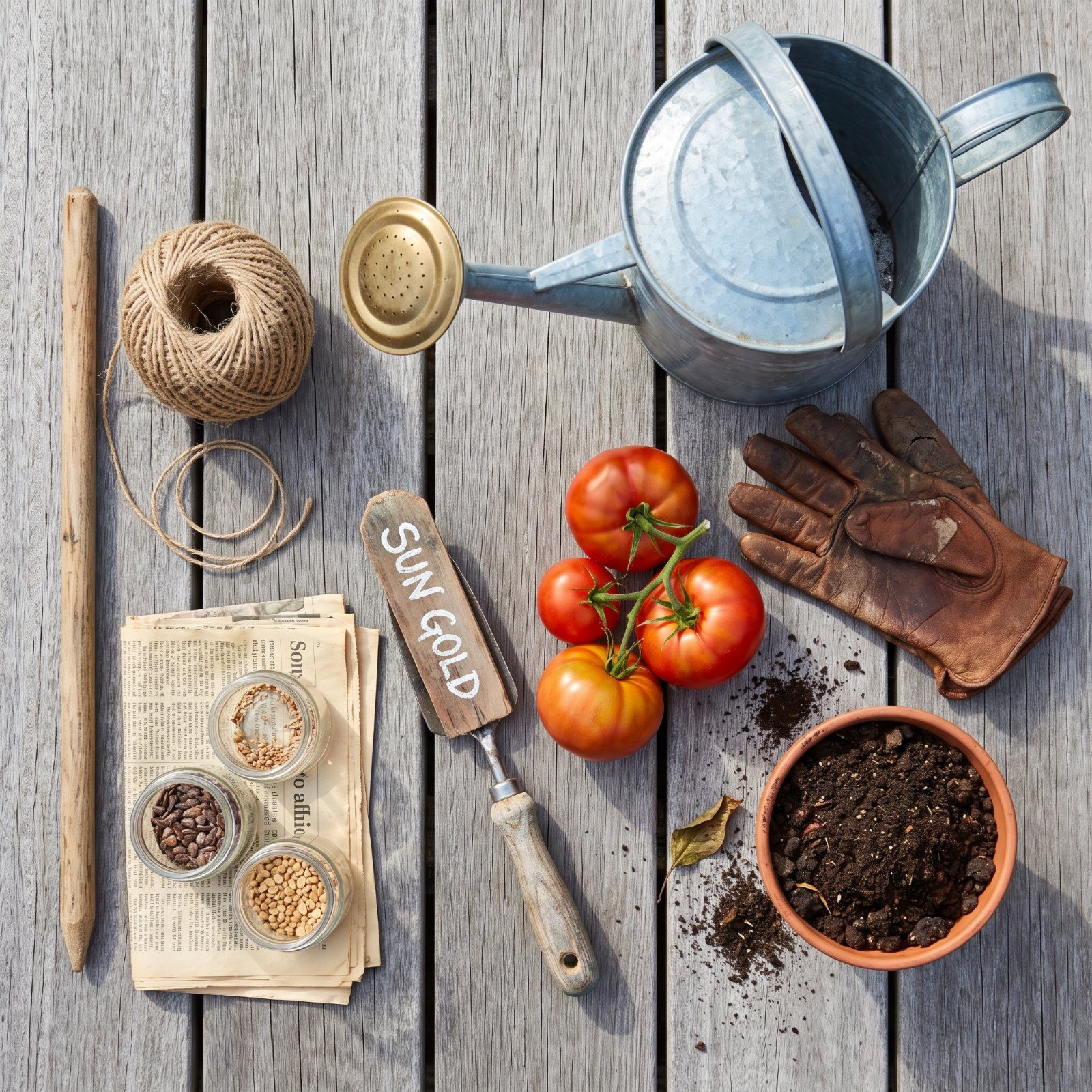
Your grandfather grew more tomatoes on a quarter-acre than most of us manage with a shed full of gadgets and a phone app pinging about soil moisture. He did it with a window frame, a ball of string, and a heap of rotting leaves behind the garage. None of it was clever, and all of it worked. The backyard plots of that decade ran on thrift and patience, and the methods are coming back around, not because they’re fashionable but because they hold up. Here are the ones worth stealing from the old photographs and the folks who still swear by them.
Please note that some of the images in this article were created with the assistance of AI.
47. A Cold Frame Built From an Old Window
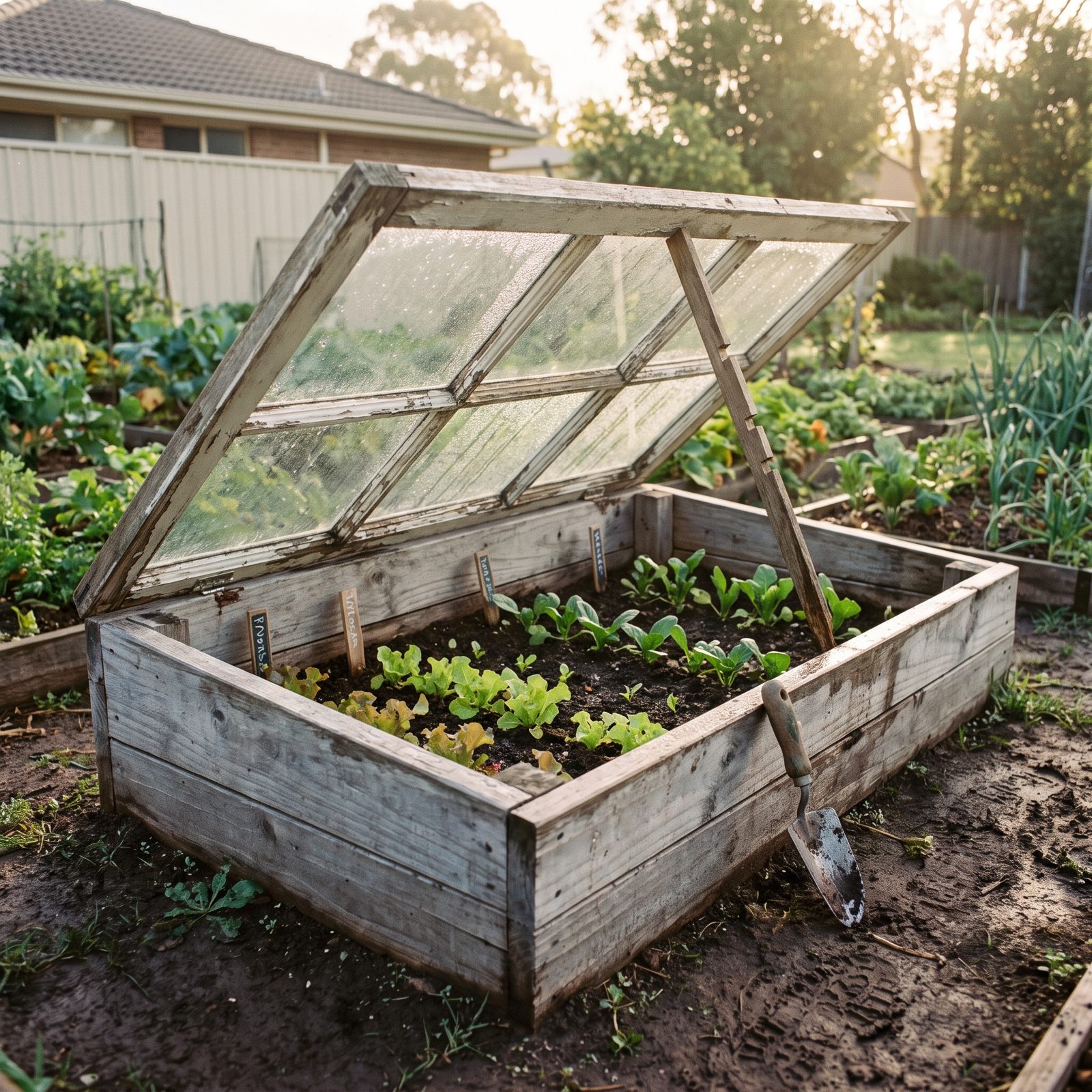
A cold frame is a greenhouse that admits it has limits. Four low walls, a sloped glass lid, and a pocket of trapped warmth that buys you weeks on either end of the season.
The 1970s version used a sash window pulled from a house being remodeled, hinged to a timber box. Cost nothing. Worked beautifully. You can still find old windows at salvage yards for a few dollars, and single-pane glass actually traps heat better than you’d expect on a sunny afternoon.
The thing nobody tells you: it will cook your seedlings by noon on a warm spring day. Prop the lid, and prop it more than you think. I lost a whole flat of brassicas to a forgotten lid before I learned to treat that glass like a magnifying glass over ants.
46. String-Lined Rows Planted With Military Precision
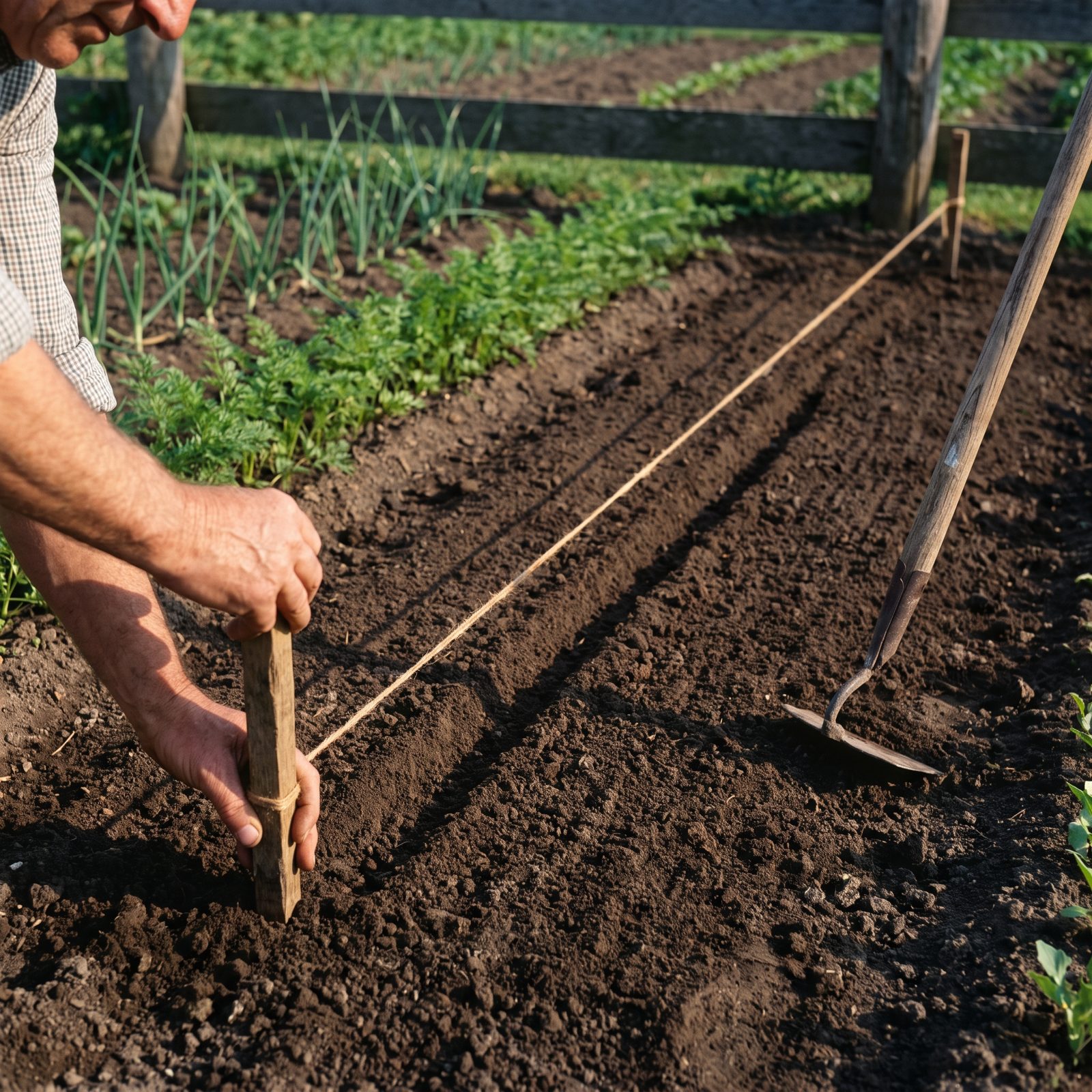
Two stakes, a length of twine pulled tight, and suddenly your row is straight enough to make a surveyor nod. Looks like fussiness. It isn’t.
Straight rows mean you can tell a weed from a seedling before either has true leaves, because the seedlings sit in a line and the weeds don’t. That one trick saves hours of squinting and a lot of accidental thinning of the wrong thing. It also lets you run a hoe close without beheading your crop.
Honestly, I fought this for years because it felt rigid, almost military. Then I grew carrots in a wavy, free-spirited scatter and spent April on my knees trying to work out which green thread was a carrot and which was a weed. The string won.
45. The Saturday-Morning Rototiller Ritual
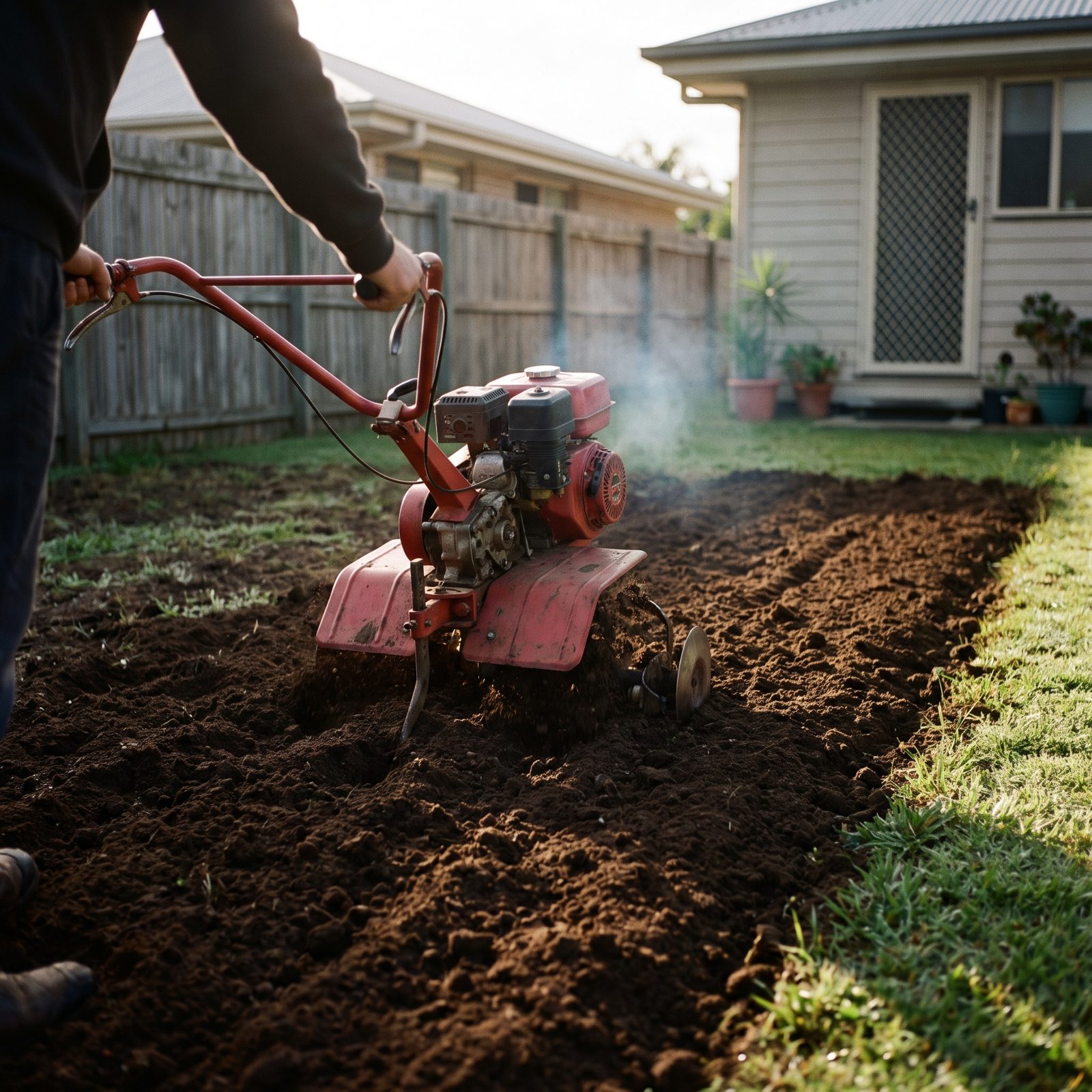
The weekend used to begin with a pull cord and a cloud of blue smoke. Everyone with a decent plot had a rototiller, or knew the neighbor who’d lend one for a case of beer.
Here’s the uncomfortable update. Soil scientists have spent decades warning that tilling every spring wrecks the structure underground, chops up the fungal networks, and leaves a hard pan a few inches below where the tines stop. Till too often and you get a plot that looks fluffy on top and sets like concrete below.
That doesn’t mean toss the machine. A one-time till to break new ground out of lawn is genuinely useful. After that, the modern move is to till less and let the worms and roots do the work. Your back will thank you, and so will the soil.
44. An Open Compost Heap in the Back Corner
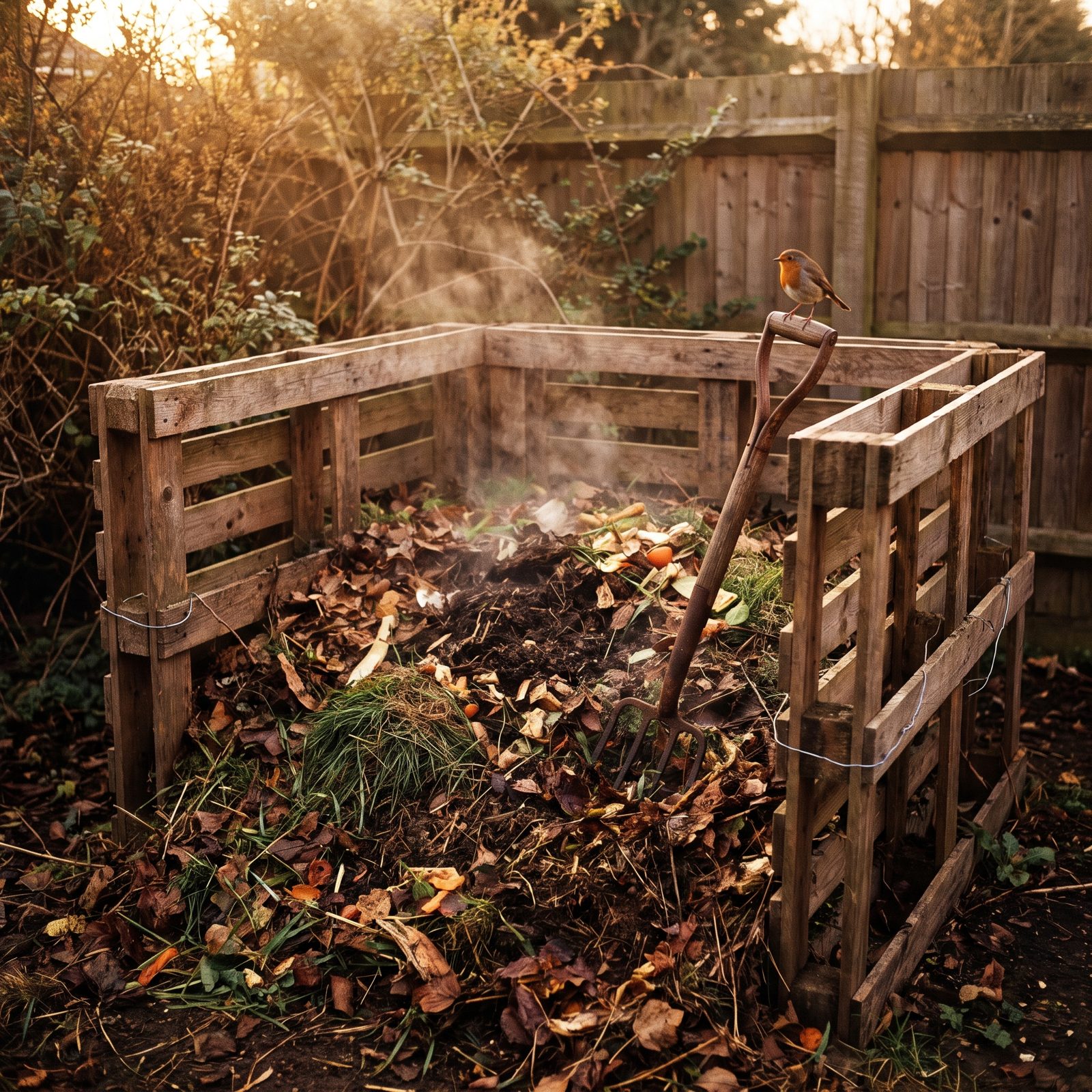
No tumbler, no aerator, no thermometer poked into the center like a Sunday roast. Just a pile in the corner, turned with a fork when you remembered, which was rarely.
The open heap runs on the oldest principle there is: everything rots eventually. Pile up your clippings, leaves, peelings and spent plants, keep it roughly as wet as a wrung-out sponge, and nature handles the rest on its own schedule.
Slower than the fancy systems, sure. But it costs nothing and asks for nothing. The one honest complaint is that an uncovered heap can draw flies and the odd curious raccoon if you add cooked food or meat, so keep it to garden and kitchen plant scraps and you’ll be fine.
43. Wheelbarrow Loads of Well-Rotted Manure
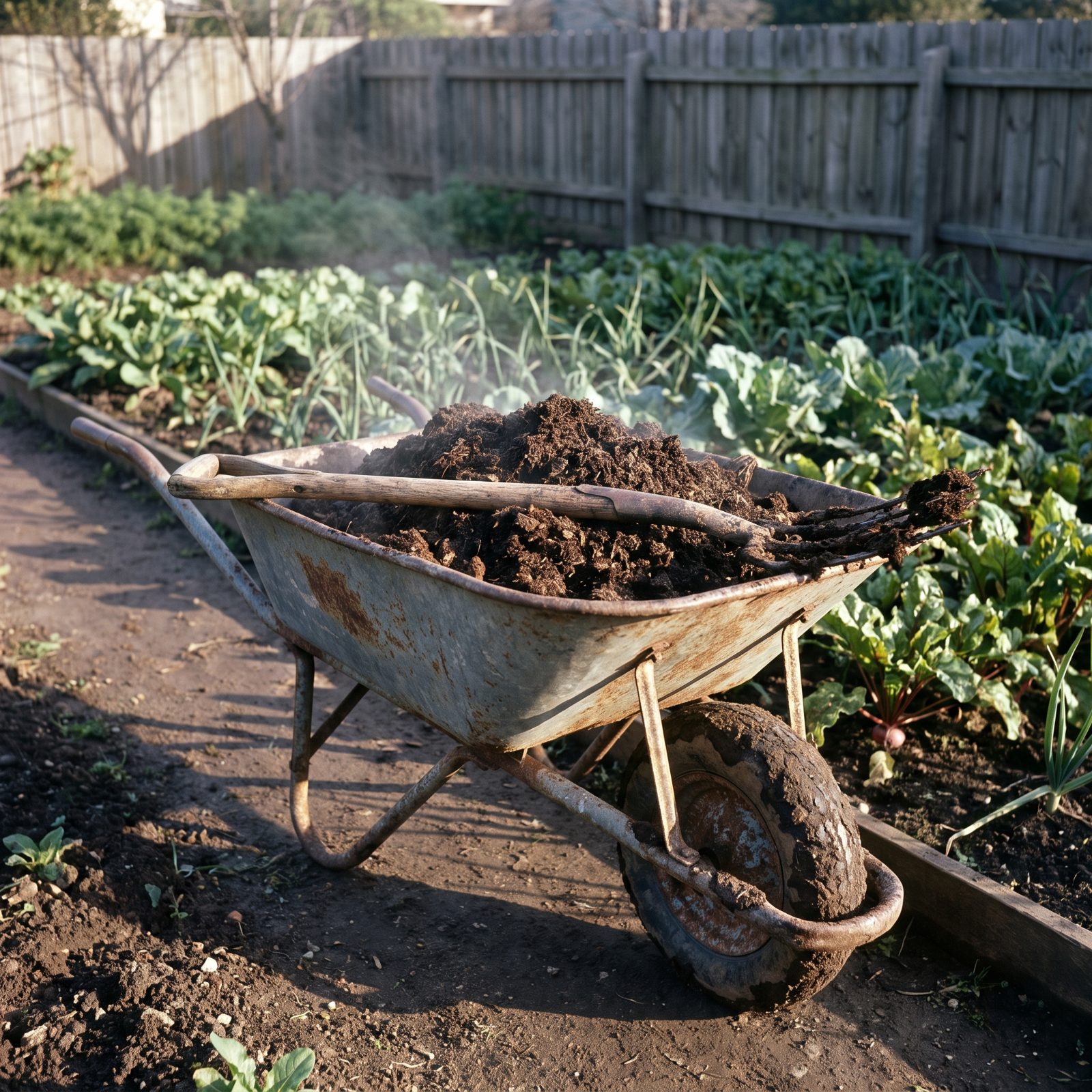
The word that matters here is rotted. Fresh manure runs nitrogen so hot it’ll scorch roots and burn your seedlings down to stubs. Let it age most of a year and it turns into the finest soil food money can barely buy.
Old-timers had an arrangement with a local farmer or stable. These days you can still find it cheap or free from horse owners drowning in the stuff, often by the trailer load for the cost of hauling it.
A word of caution the 1970s didn’t have to worry about: some modern pasture gets sprayed with persistent herbicides that survive the animal’s gut and the composting process, then stunt your tomatoes. Ask what the field was treated with before you load up.
42. Homemade Leaf Mold for Improving Soil
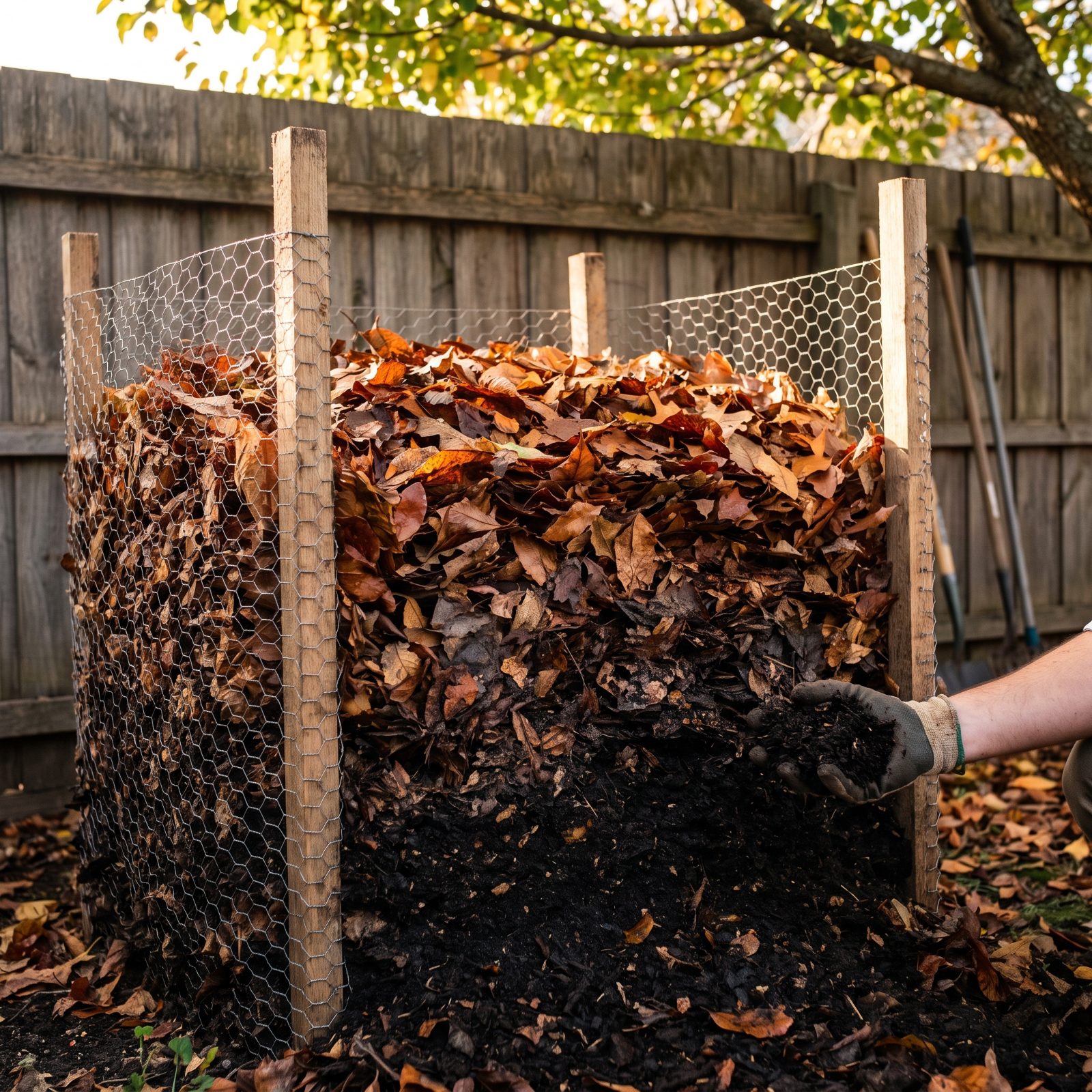
Leaf mold is the laziest soil improver in the garden, and that’s its charm. Rake your fallen leaves into a wire cage or a corner, forget about them for a year or two, and they collapse into a dark, spongy material that holds water like nothing else.
It’s not really a fertilizer. It barely feeds plants at all. What it does is condition the soil, loosening heavy clay and helping sandy ground hold moisture.
The only cost is time and patience.
41. Rainwater Collected in a Simple Barrel
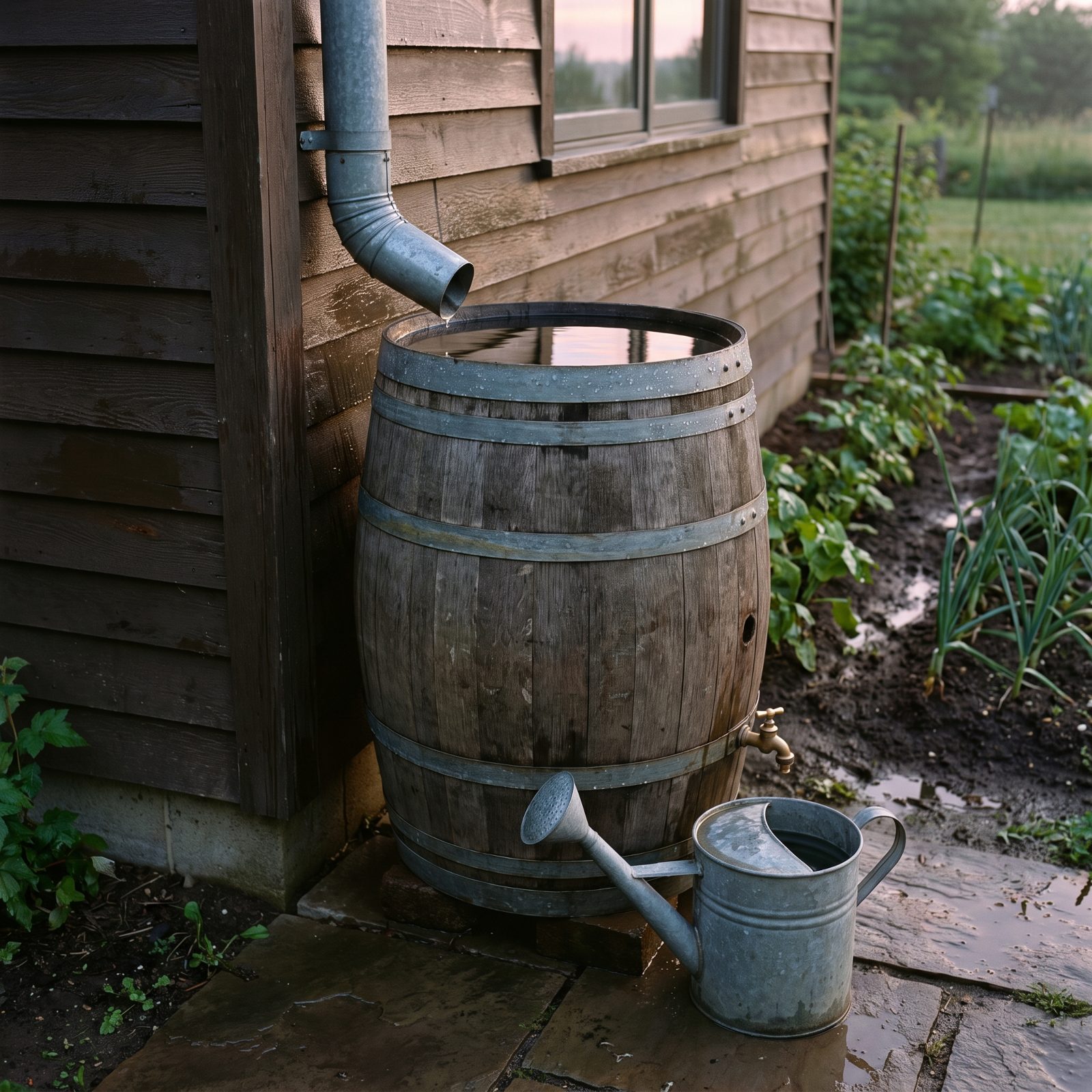
A barrel under the downspout. That’s the entire system. Rain hits the roof, runs down the gutter, and fills a container you already own instead of vanishing down the storm drain.
Plants genuinely prefer it. Rainwater is soft and slightly acidic, free of the chlorine and lime that come out of the tap, and seedlings respond to it in a way you can’t miss once you’ve compared the two side by side.
Two things the old photos won’t show you. First, cover it with a screen or lid, because open water breeds mosquitoes within days. Second, check your local rules. Collecting rain is encouraged across most of the country but genuinely restricted in a few spots out West, so it’s worth a quick look before you plumb in a whole row of barrels.
40. A Galvanized Watering Can With a Long Rose
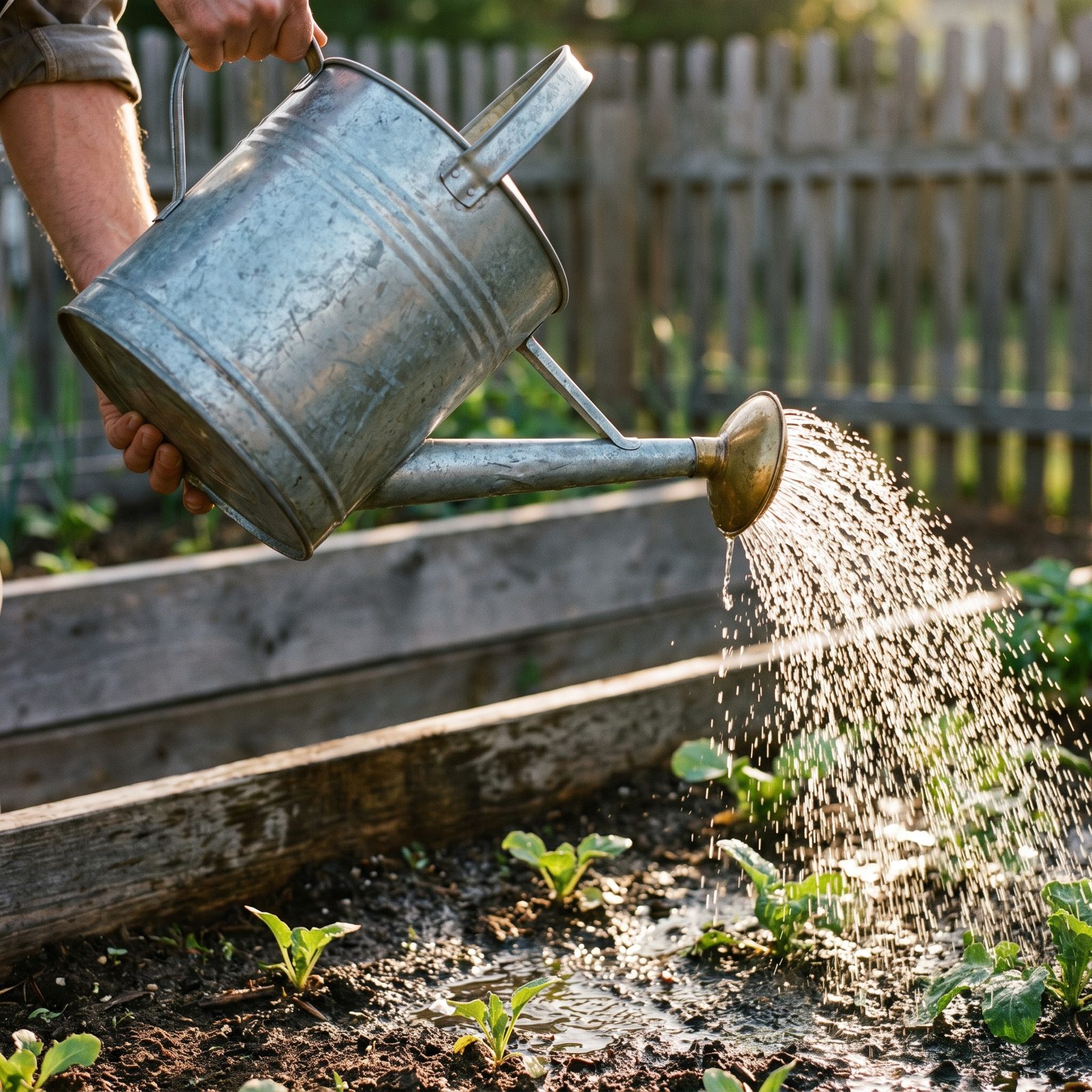
The long neck and the fine rose on the end aren’t decoration. That length lets you reach the back of a bed without trampling the front, while the rose breaks the flow into a soft rain that waters a seedling instead of blasting it flat.
Galvanized steel lasts decades. I’ve got one older than I am, dented in three places, and it pours better than any plastic thing I’ve bought since.
Flip the rose so the holes point up and the spray arcs down gently, which is the detail most people miss entirely.
39. Newspaper Spread Under Mulch to Stop Weeds
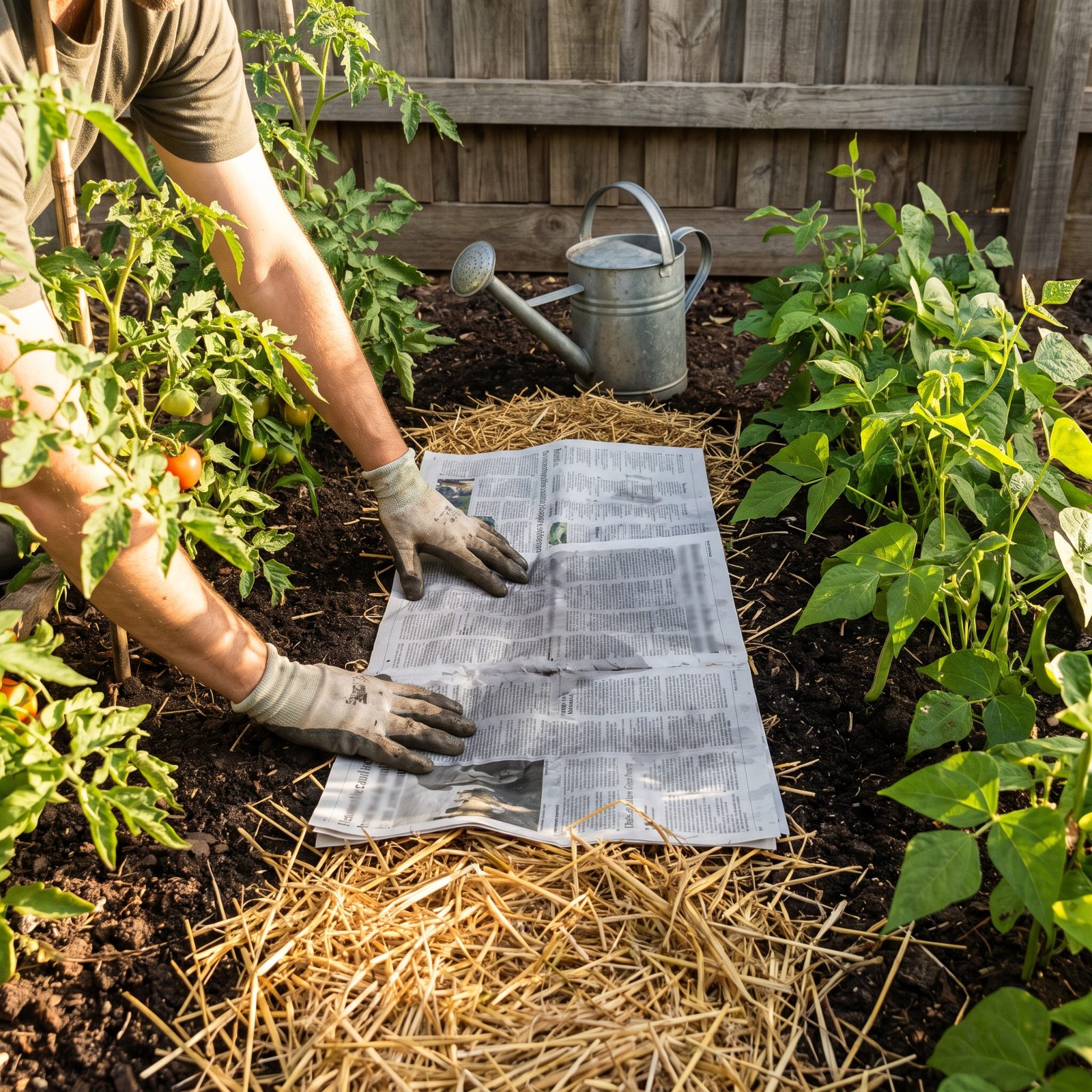
Before landscape fabric and plastic sheeting, the weed barrier of choice was yesterday’s paper. Lay down several sheets, wet them so they don’t blow away, cover with mulch, and the weeds underneath give up in the dark.
It biodegrades into the soil over a season, feeding the worms as it goes, which is more than you can say for the plastic weed cloth that’ll still be shredding into your beds a decade from now.
Stick to black-and-white newsprint. Modern soy-based inks are safe for the vegetable garden. The glossy color inserts and magazine pages are a different story, so those stay out.
38. Fresh Grass Clippings Used as Mulch
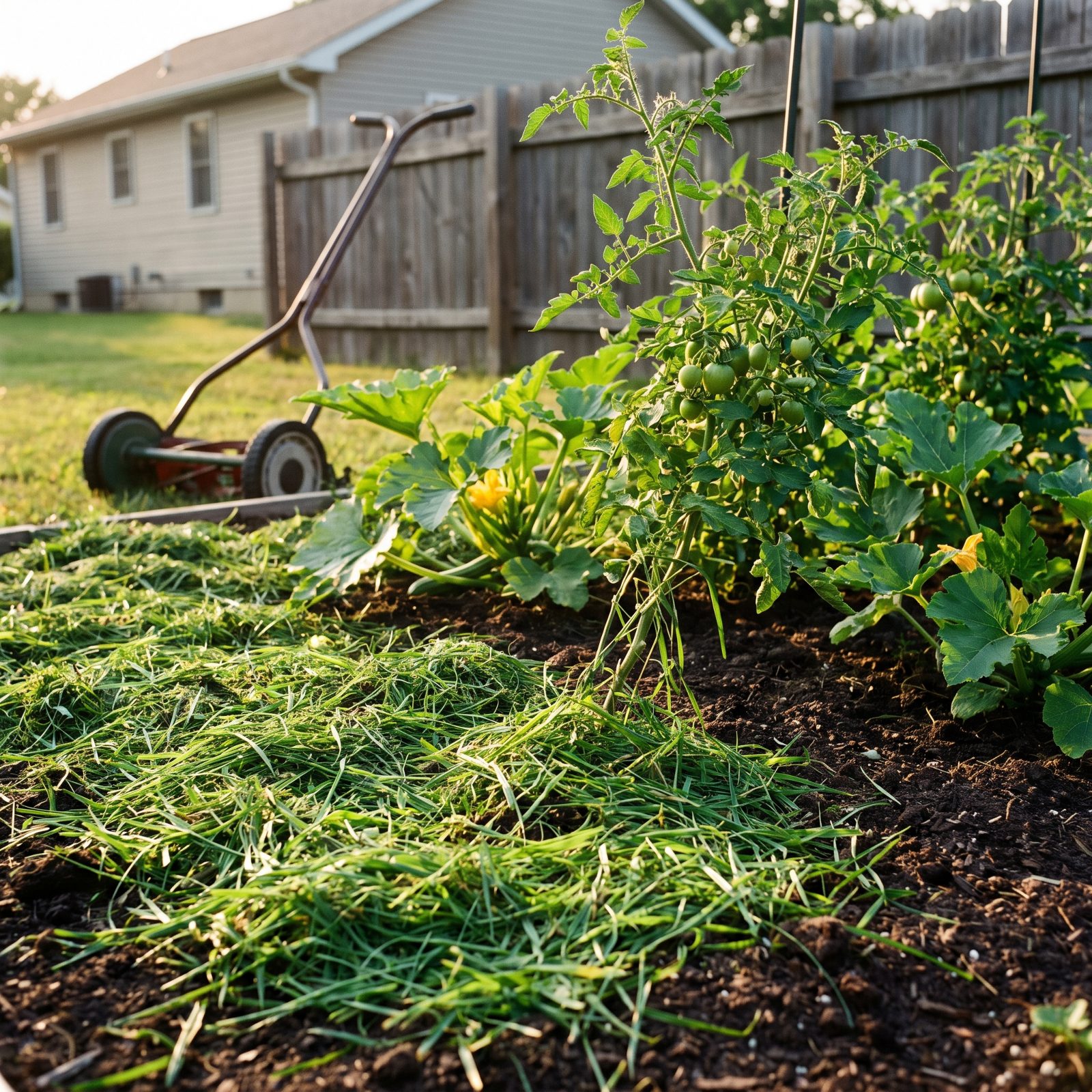
The clippings used to go straight from the mower into the vegetable patch, and gardeners were right to do it. Grass is free nitrogen, laid down as a mulch that keeps the soil cool, holds moisture, and feeds the ground as it breaks down.
The mistake everyone makes is piling it on thick and green. A deep layer of fresh clippings mats into a slimy, stinking mess that sheds water instead of holding it. I learned this the smelly way behind a row of beans one July.
Spread it thin, an inch at most, and let each layer dry before you add the next. And never use clippings from a lawn that’s been sprayed with weedkiller, because that herbicide carries straight through to your crops.
37. Straw Tucked Around Thirsty Vegetables
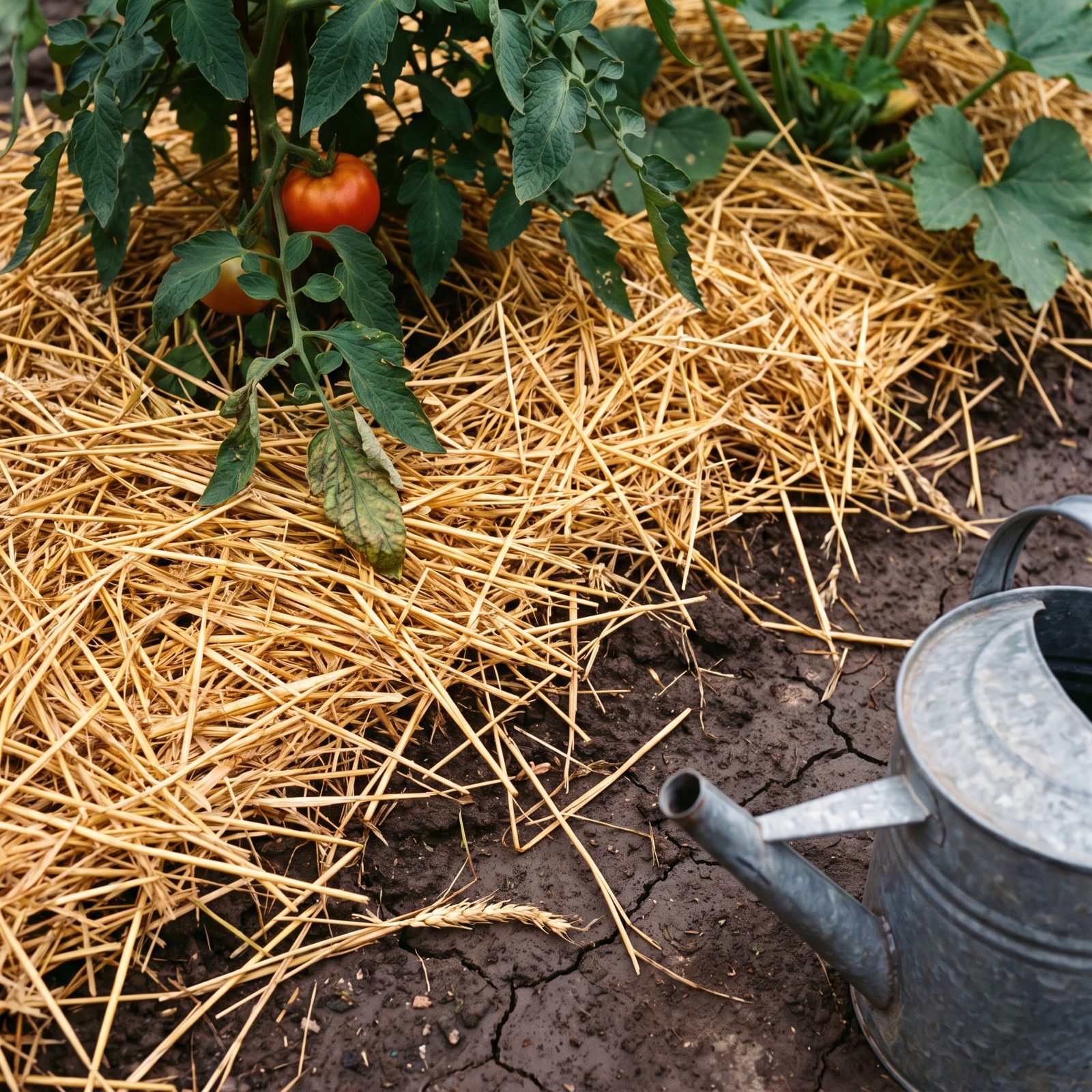
A good layer of straw does the one thing a sprinkler never will: it keeps the water in the ground after you’ve watered. Three or four inches around the base of tomatoes, squash, and peppers, and you’ll water far less through the dog days of August. The soil underneath stays cool and damp instead of baking to concrete by noon.
Here’s where people go wrong. They use hay instead of straw, and hay is loaded with seed, so you spend the rest of the summer pulling grass out of your beds and swearing under your breath. Get clean straw — the pale gold stuff — and spread it thick enough that no dirt shows through.
36. Glass Jars Used as Individual Plant Cloches
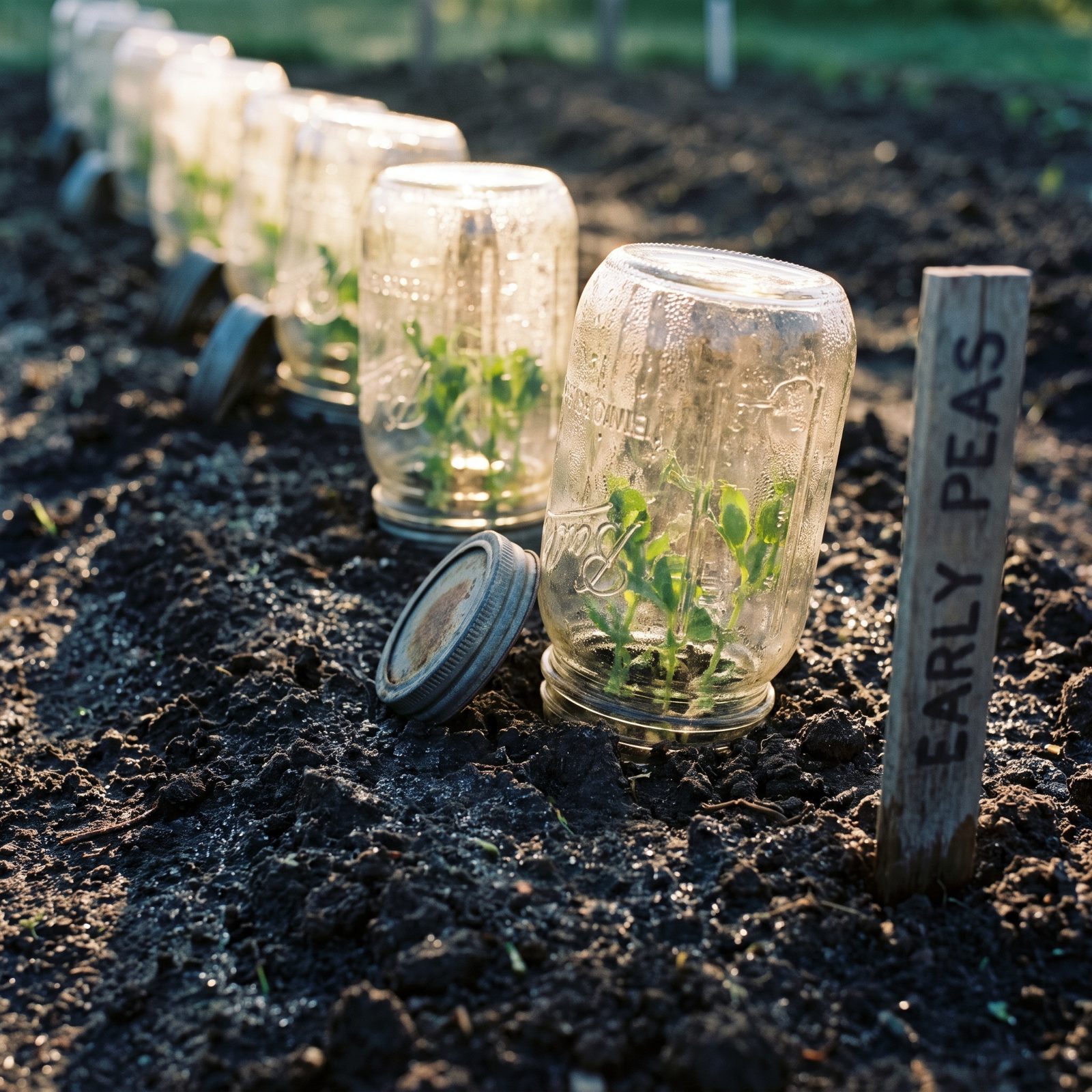
Pop a glass jar over a tender seedling and you’ve built a greenhouse the size of a fist. It traps warmth, holds humidity, and keeps the late frost off plants that would otherwise sulk or die. People paid real money for “garden cloches” at the nursery for years. Your recycling bin has a dozen.
One warning, learned the hard way by everyone who’s tried it. Lift the jars by midmorning on a sunny day or you’ll cook the very plants you were protecting — a sealed jar in direct April sun turns into an oven fast. Set them out at dusk, pull them at breakfast.
35. Wooden Seed Flats Made in the Workshop
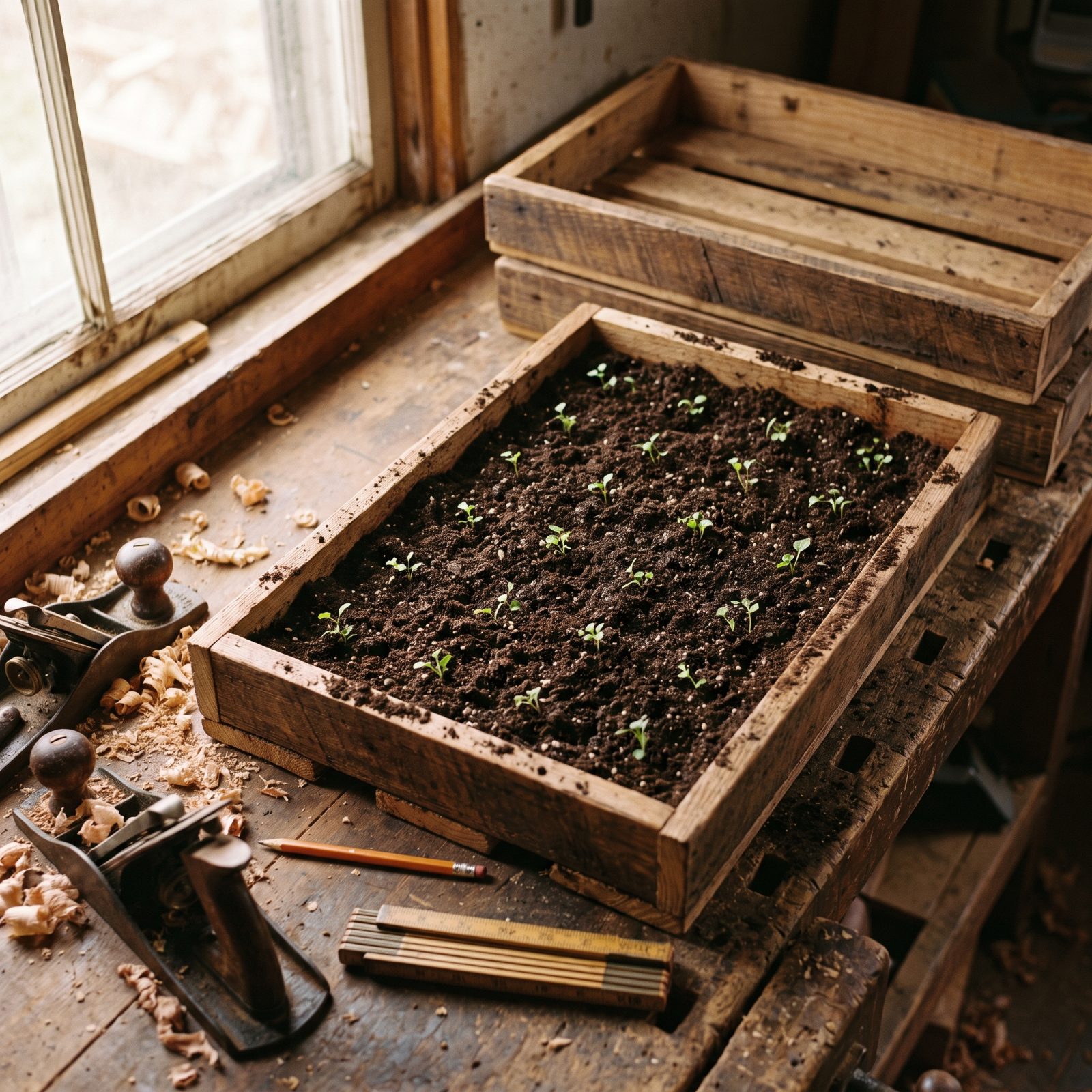
A plastic seed tray lasts two seasons before it cracks and snaps at the corners. A wooden flat knocked together from scrap boards lasts a decade, maybe two. Build it shallow — three inches deep, narrow gaps in the base for drainage — and size it to fit your windowsill or cold frame exactly.
I’ll admit I held out for years. I figured plastic was easier. It isn’t. The wood breathes, holds moisture more evenly, and when a flat finally rots out you compost it instead of hauling it to the dump.
34. Paper Seed Packets Stored in a Metal Tin
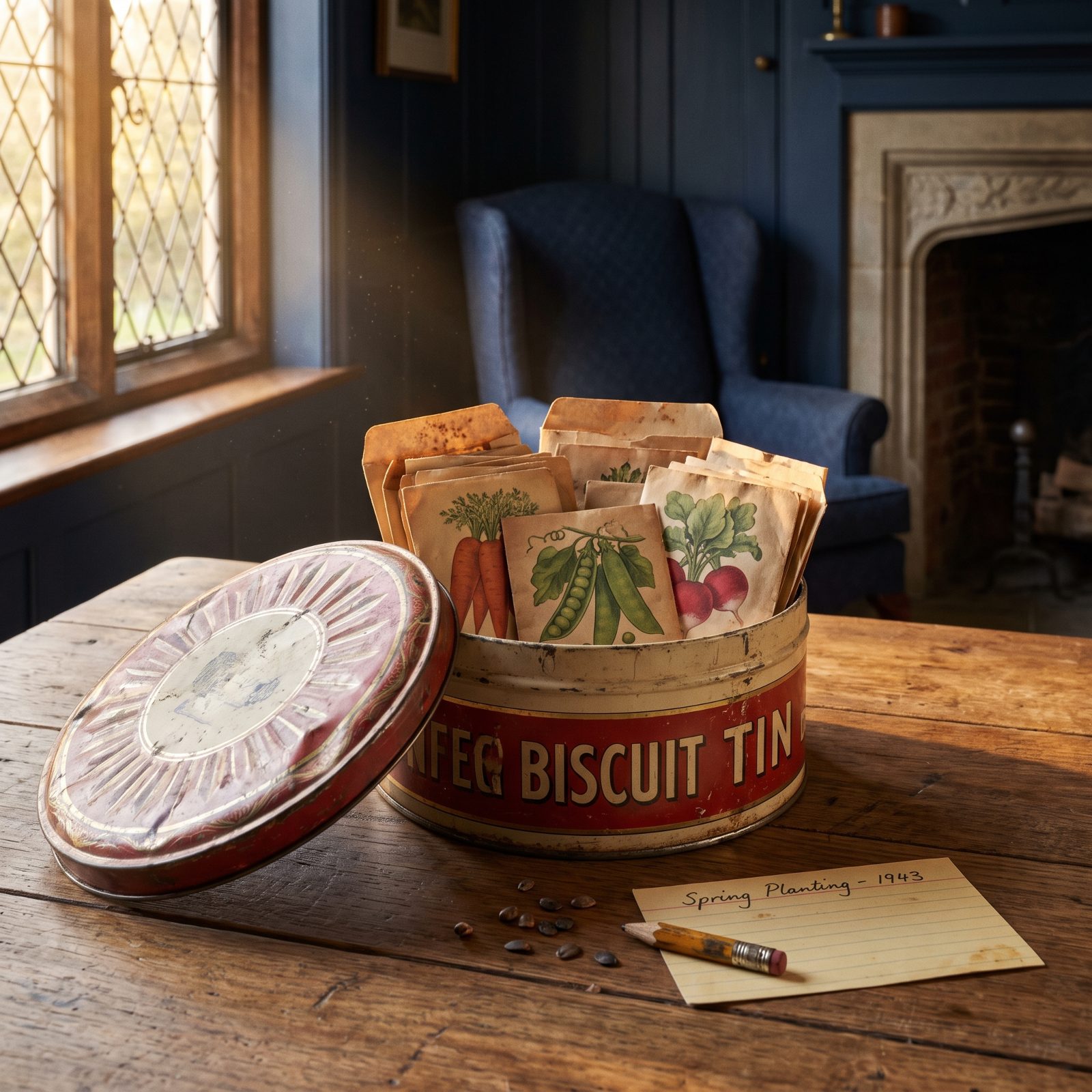
Seeds want three things in storage: cool, dark, and dry. A metal tin gives you all three and does something the plastic ziplock never will — it keeps the mice out. A mouse will chew through a paper envelope in one night and happily eat your entire pea stock.
Toss in a packet of silica gel, or a spoonful of powdered milk wrapped in tissue, to pull the moisture, and most vegetable seed stays good for years. Tomatoes and peppers will outlast you. Onions and parsnips won’t, so buy those fresh each spring and don’t trust the old packet.
33. Handwritten Wooden Markers at the End of Each Row
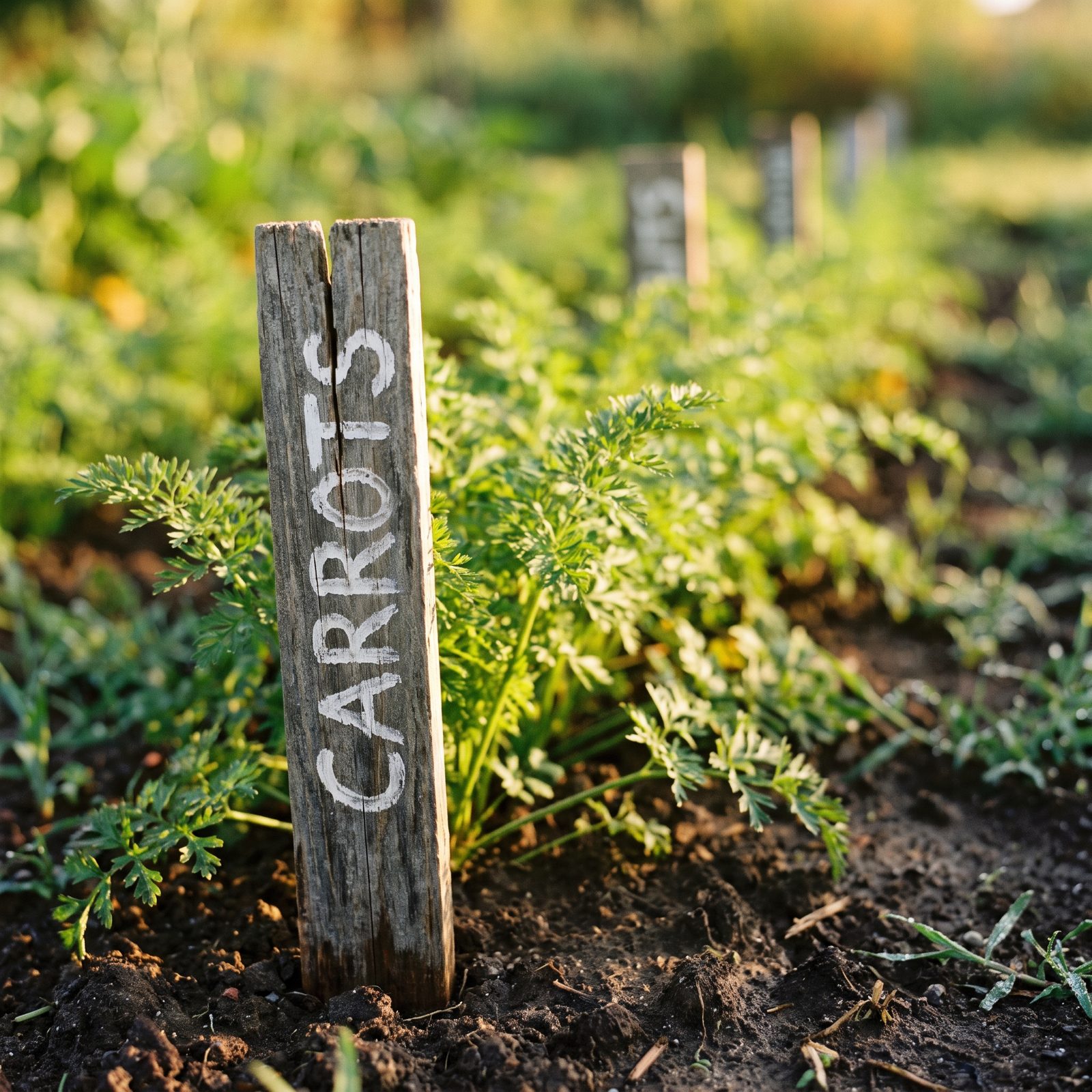
You will not remember what you planted. I say this as someone who has stood over a row of identical green sprouts in June with absolutely no idea whether they’re beets or chard. Write it down, stick it in the ground, done.
Flat scrap wood, a dab of paint or a soft pencil, and the name on both sides so it reads from either direction. Pencil on wood survives the weather better than most markers you’ll buy, which bleed to blank by midsummer.
32. A Weathered Almanac Beside the Back Door
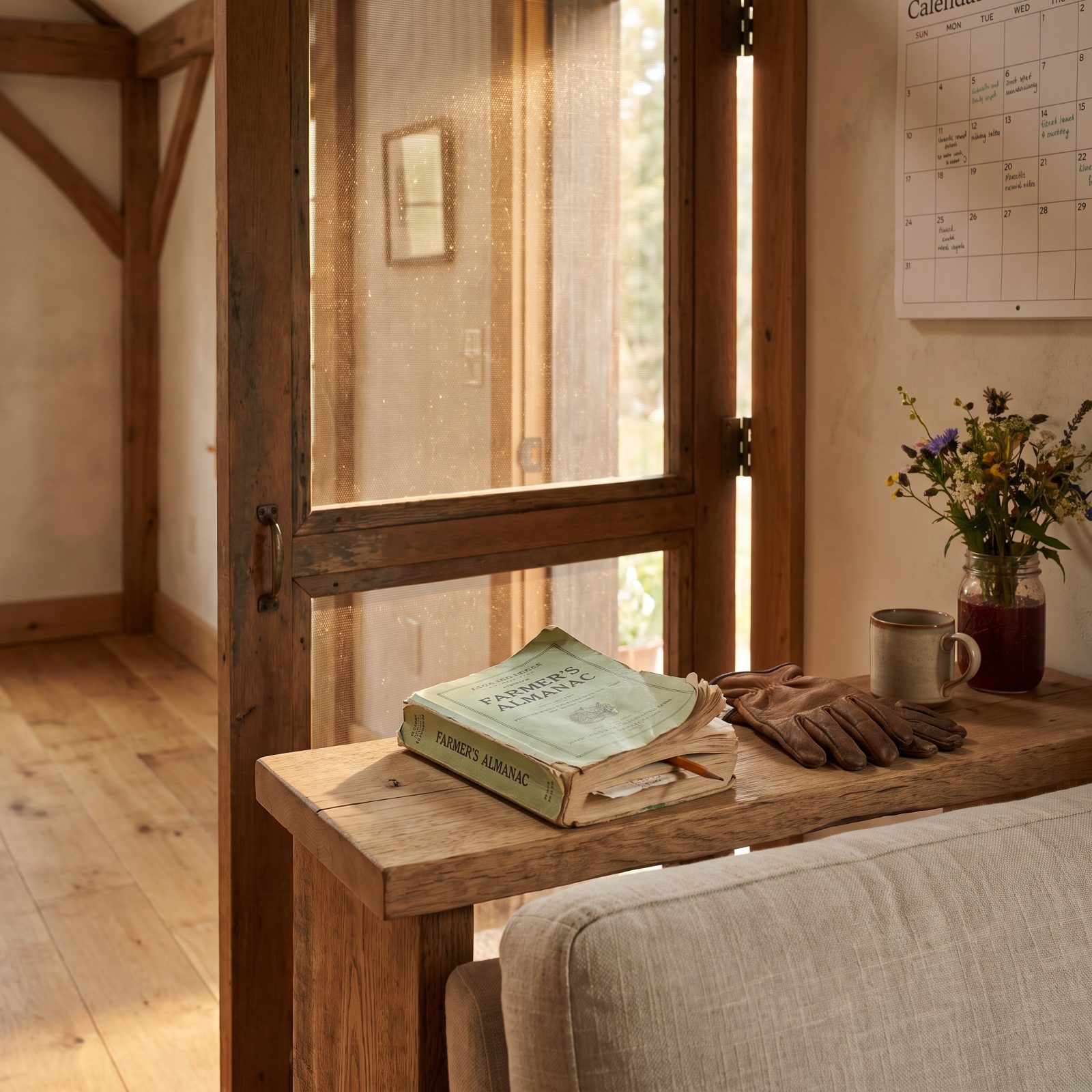
Before the weather app, the almanac told you when the last frost was likely and when to get the peas in. People swore by the moon-planting charts — root crops on a waning moon, leafy things on a waxing one.
Does the moon part hold up? Honestly, the science is thin and I won’t pretend otherwise. But the rest of an almanac earns its keep: average frost dates for your region, planting windows, rainfall patterns. That information is dead accurate and it predates every garden gadget by two centuries.
The almanac never needed charging, never lost signal, and never tried to sell you a seed-starting subscription.
31. Bamboo Bean Teepees Covered in Vines
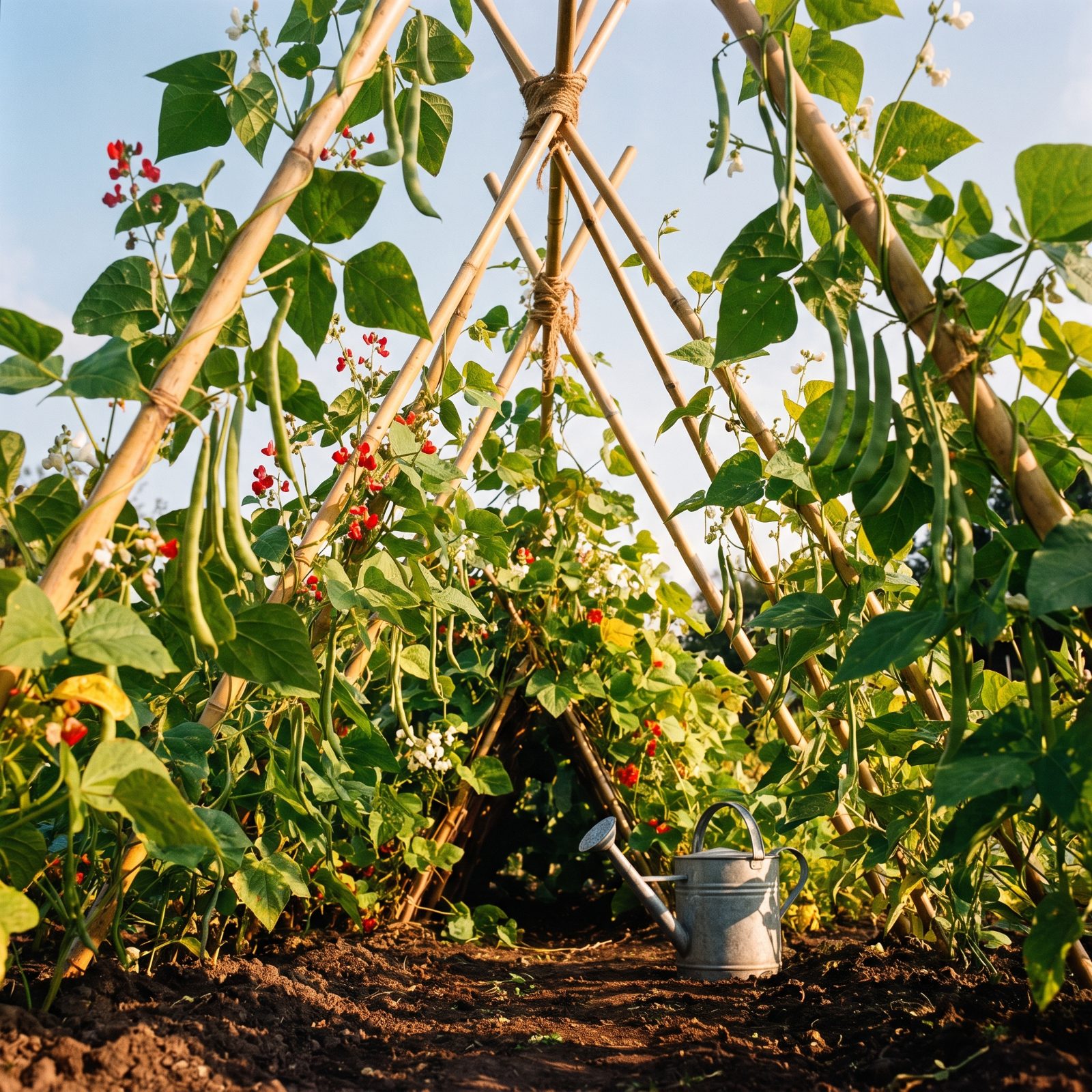
Six bamboo canes, one length of twine, ten minutes — and you’ve got a structure that holds up a summer’s worth of pole beans. Lash the tops together, splay the bottoms into a circle, plant a bean or two at the foot of each pole. The vines climb on their own.
A teepee beats a flat trellis because it stands up to wind and crams a lot of climbing surface into a small footprint. Kids love the shady hollow inside, which is reason enough to build one if you’ve got grandchildren around. Space the poles a bit wider than feels right so you can actually reach in and pick.
30. Twiggy Pea Supports Made From Pruned Branches
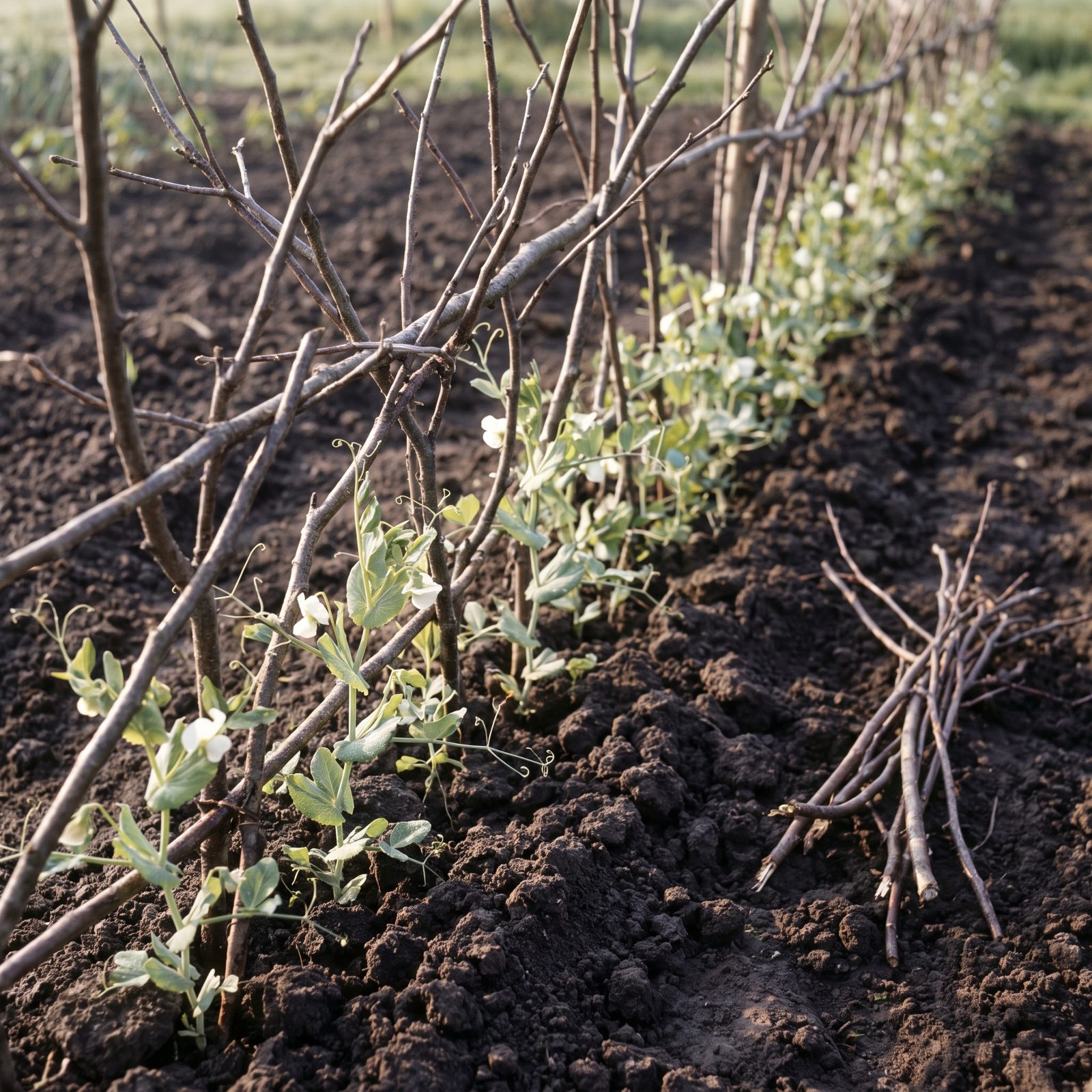
The old gardeners called it pea brush: the twiggy tops of branches saved from winter pruning, pushed into the ground for peas to scramble up. Peas have fine tendrils, and they grip the little side twigs far better than they ever grip a smooth stake or wire.
It costs nothing and it looks like a hedge halfway through spring. When the harvest’s done, the whole lot goes on the compost or the kindling pile. Hazel, birch, and apple prunings all work. The brushier the better.
29. Tomato Cages Bent From Concrete Reinforcing Wire
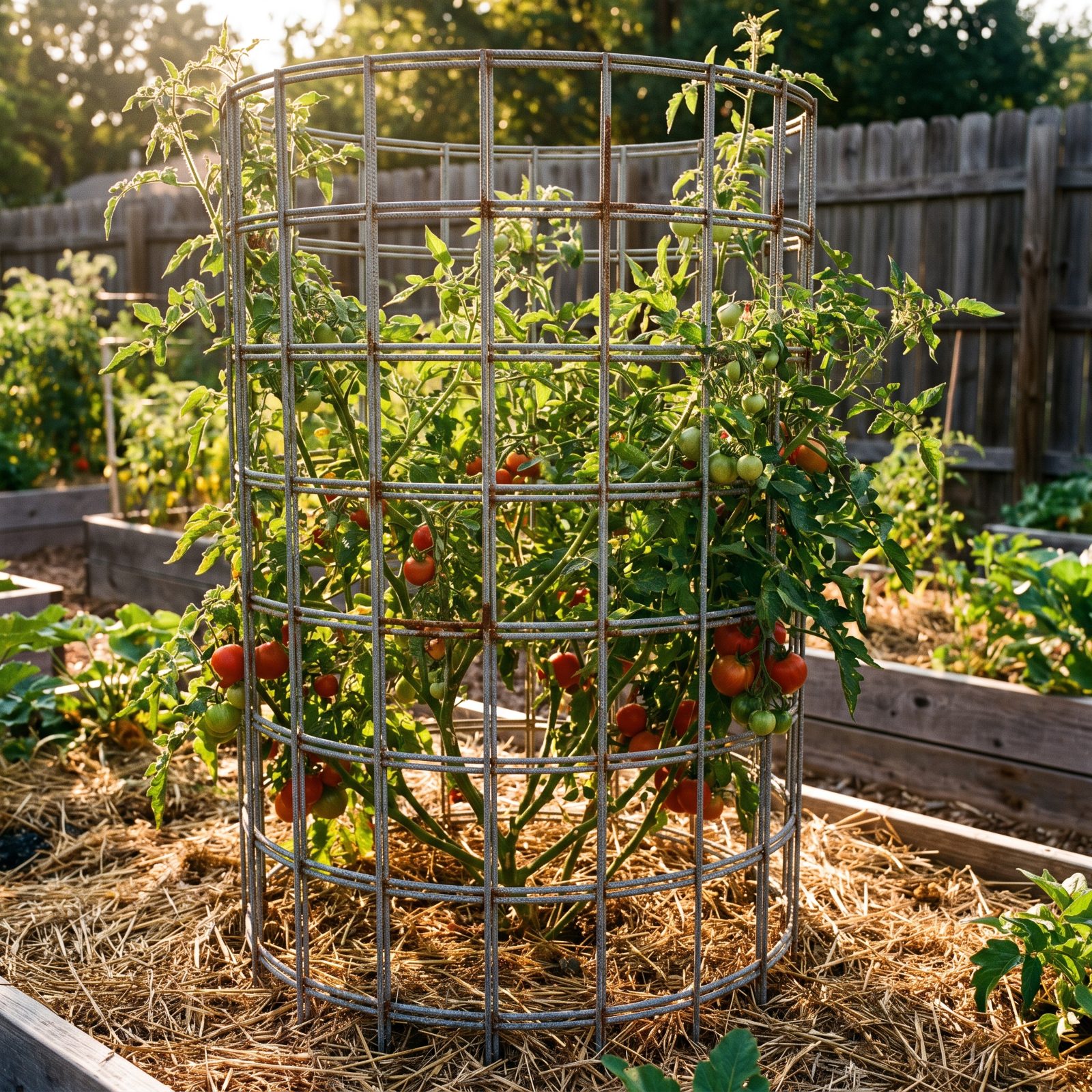
Those flimsy cone cages the garden center sells fall over the moment a tomato plant gets heavy. Every single year. The fix the old-timers knew: a length of concrete reinforcing mesh — the heavy stuff with large, roughly square openings — bent into a cylinder and clipped shut.
The openings are large and roughly square, each wide enough to span several tomatoes, so you can reach your whole hand through to pick one, which the dinky store cages never allow. One cage holds a full-grown indeterminate plant without a wobble. Make a batch once and they’ll outlive the house. Wear thick gloves when you cut the wire, because the ends are vicious and I’ve got the scars to prove it.
28. Old Nylon Stockings Used as Soft Plant Ties
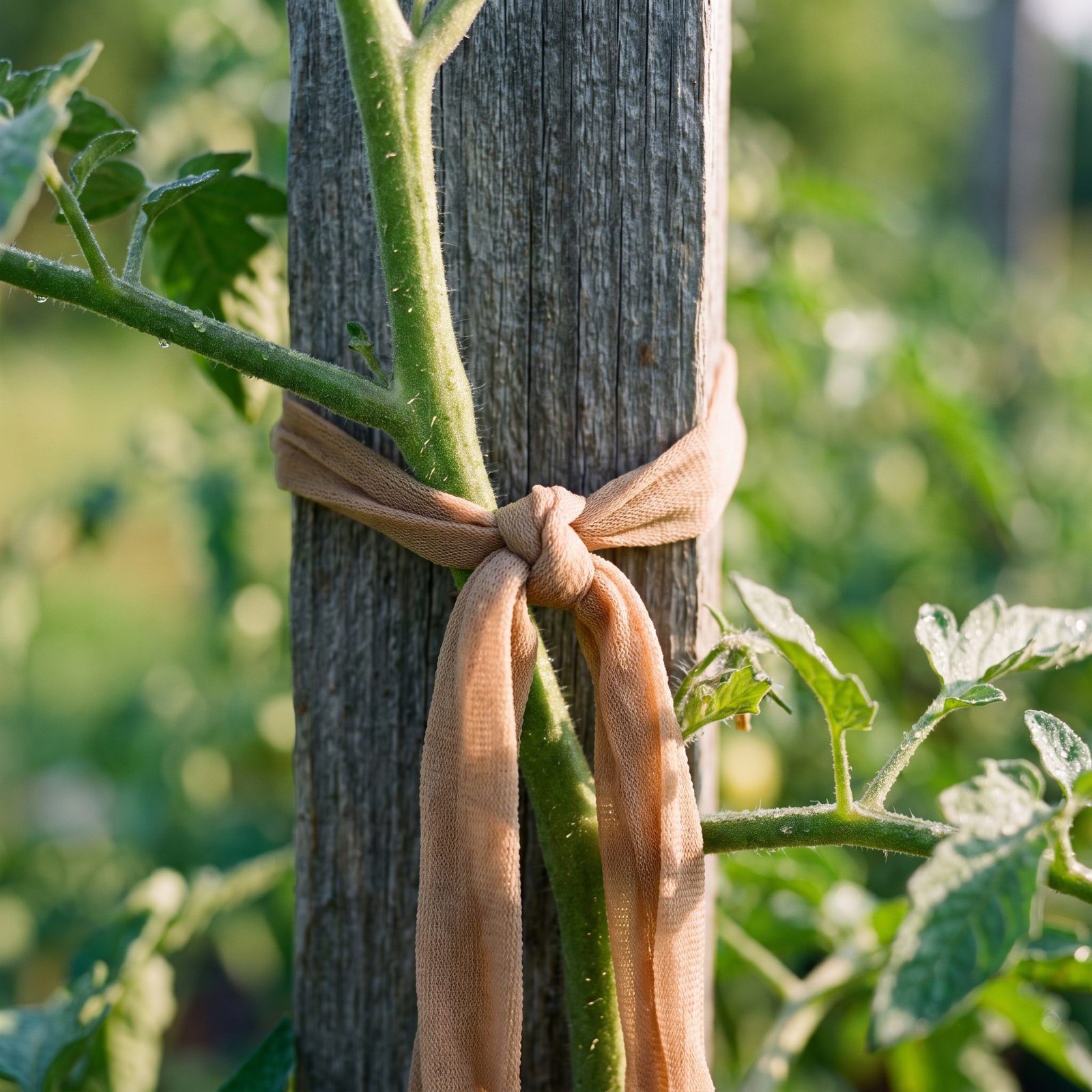
Twine and wire cut into a swelling stem as the plant grows. A strip of old nylon stocking stretches with the plant, holds firm, and never bites. Cut a worn-out pair into one-inch loops and you’ve got a season’s worth of ties for free.
Tie it in a loose figure-eight so there’s a cushion of nylon between stem and stake. Small thing. It quietly saves plants you’d otherwise lose to a strangled stem come August. And the stockings last years out in the weather, which is more than you can say for the garden twine that rots by July.
27. Marigolds Forming a Bright Pest-Deterring Border
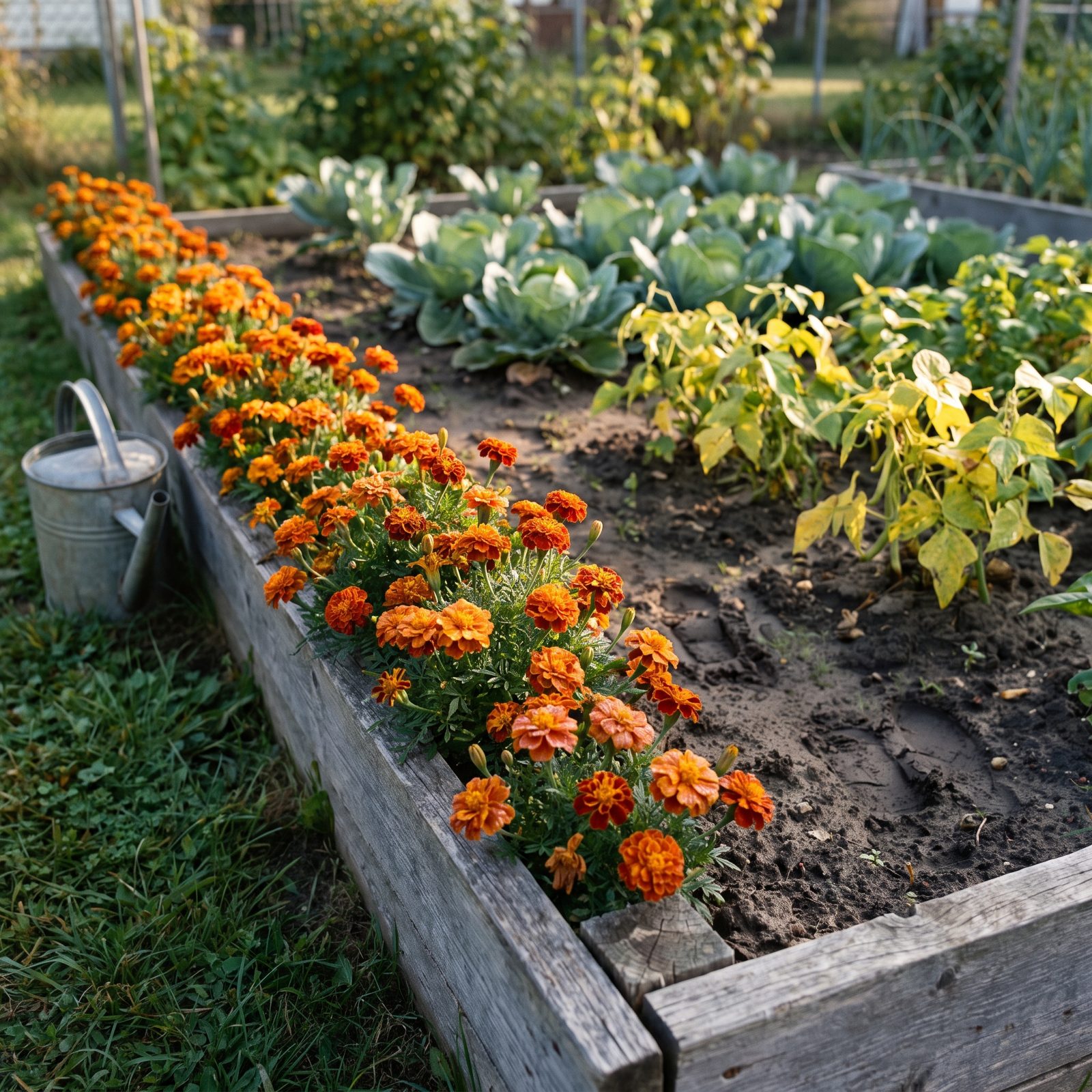
Marigolds got slotted around vegetable beds for a reason that sounds like folklore but has teeth: their roots release compounds that knock back certain soil nematodes, and their scent muddles pests hunting for your beans. Not a force field. More like a bouncer who’s distracted half the time.
The 1970s version was blunt and cheap — a packet of French marigold seed, a solid line of orange, and you’d call it companion planting before anyone trademarked the phrase.
26. Nasturtiums Spilling Between Vegetable Rows
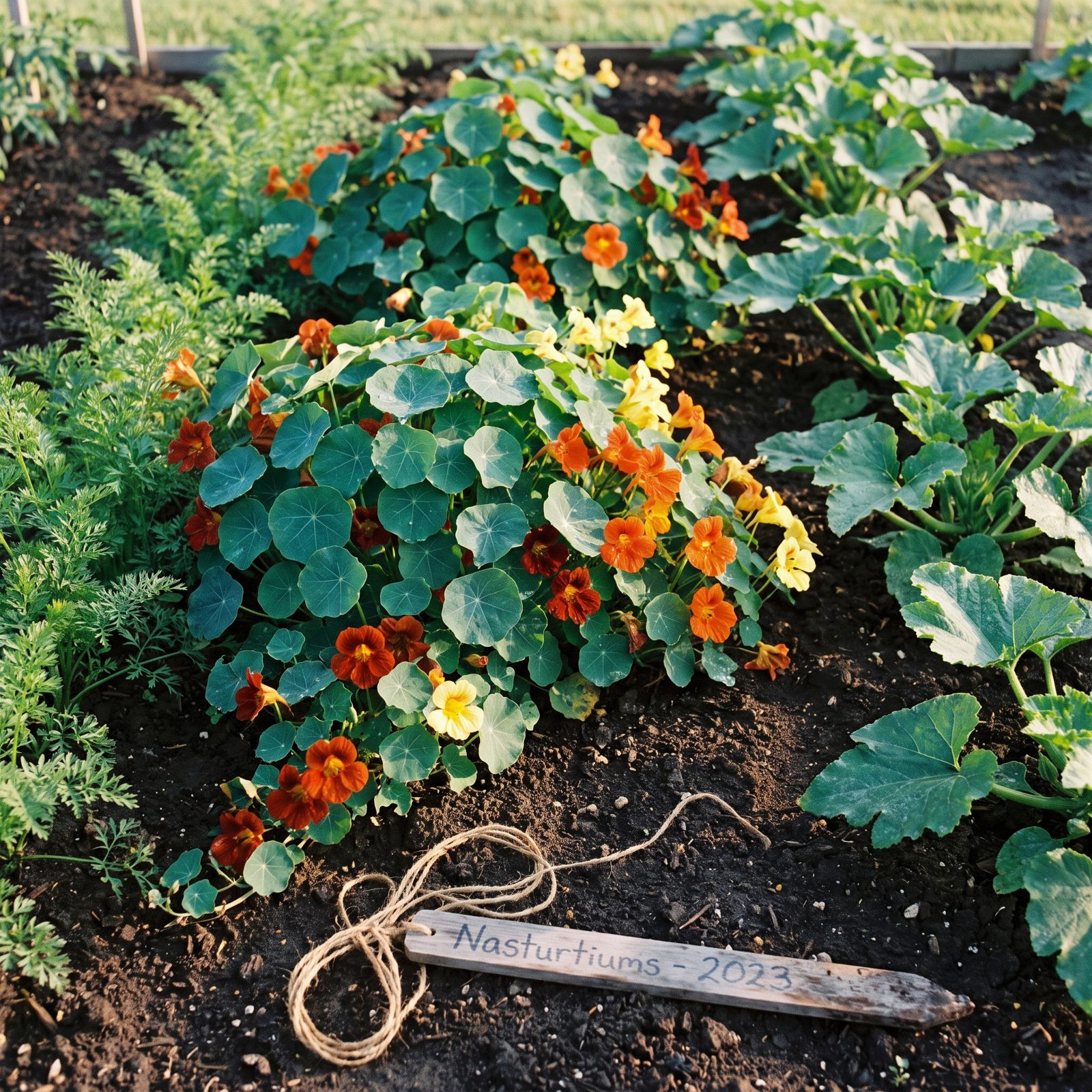
Nasturtiums earned their keep twice over. They lure aphids away from your crops like a decoy duck, and the flowers and leaves go straight into a salad with a peppery bite most people don’t expect from something that pretty.
They want poor soil, oddly enough. Feed them rich compost and you get a jungle of leaves with barely a bloom — I learned that the hard way, fertilizing a patch into pure green disappointment one summer.
25. Giant Sunflowers Along the Northern Fence
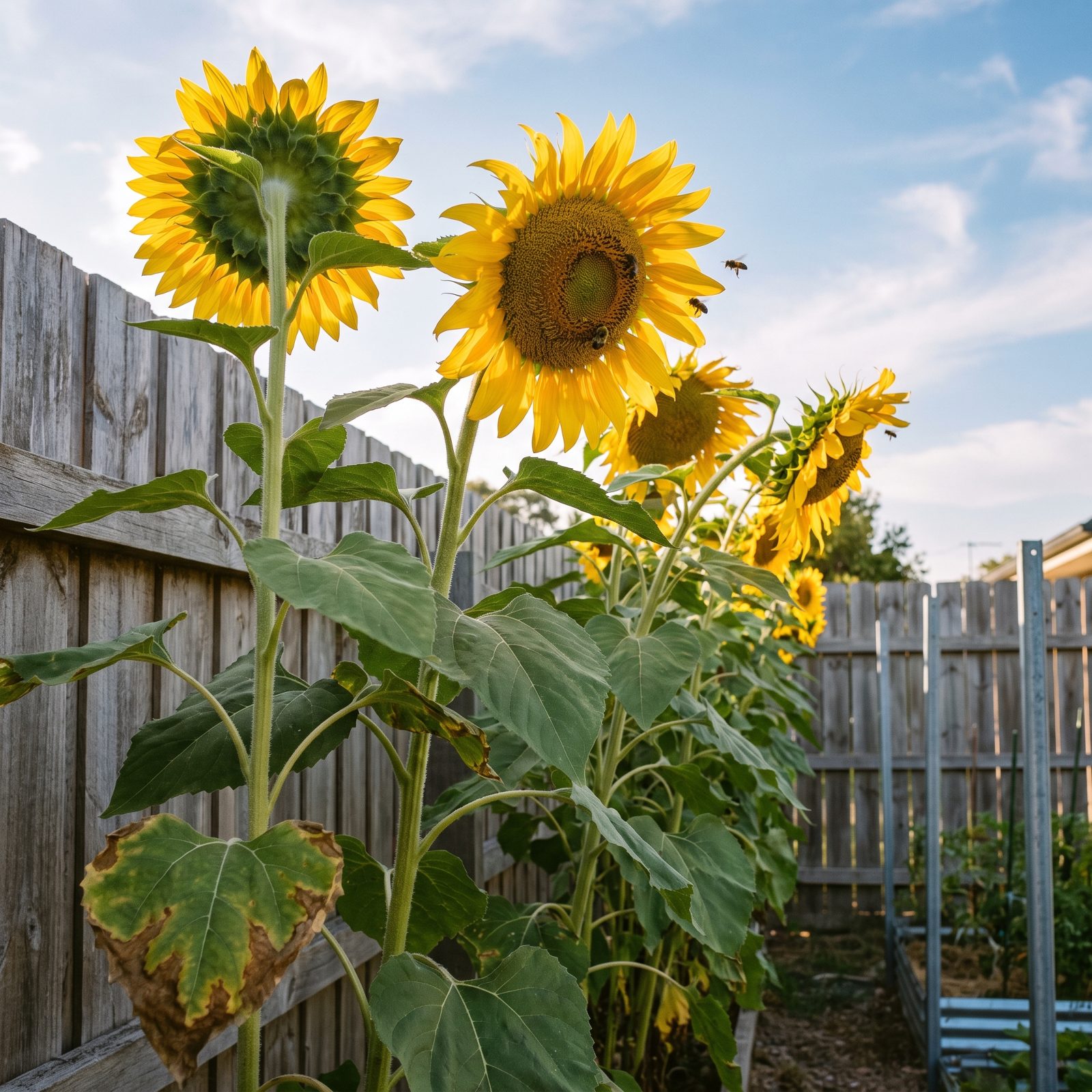
Plant the tall ones on the north side and they won’t shade out everything behind them. That was the quiet logic of putting sunflowers along the back fence, and it still holds.
They do far more than stand there looking cheerful, though. The stalks become bean poles once the heads are cut, birds strip the seeds all autumn, and the roots pull up nutrients from deep down that shallow crops never reach.
A sunflower is three tools pretending to be a flower: trellis, bird feeder, and soil miner.
24. A Dedicated Strip of Parsley, Sage, and Thyme
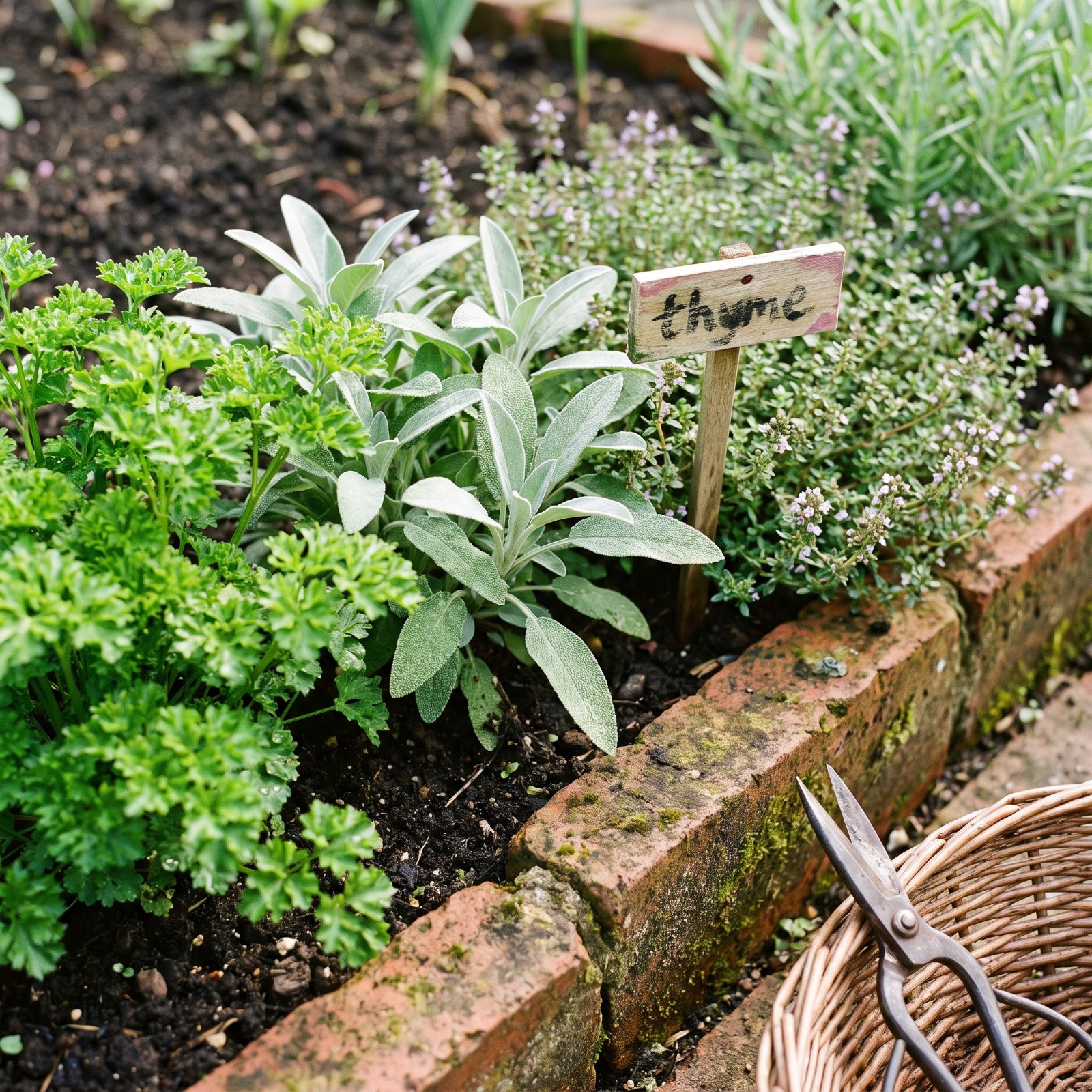
A permanent herb strip saved trips to the store and gave the kitchen something to work with year-round. Parsley, sage, and thyme, because they’re forgiving, they come back, and they earn their footprint ten times over.
Sage and thyme want it dry and a little neglected. Parsley sulks in drought. Put them together and you’ll be hand-watering one end while the other end rots, so give parsley the damper corner.
23. Vegetable Families Rotated From Plot to Plot
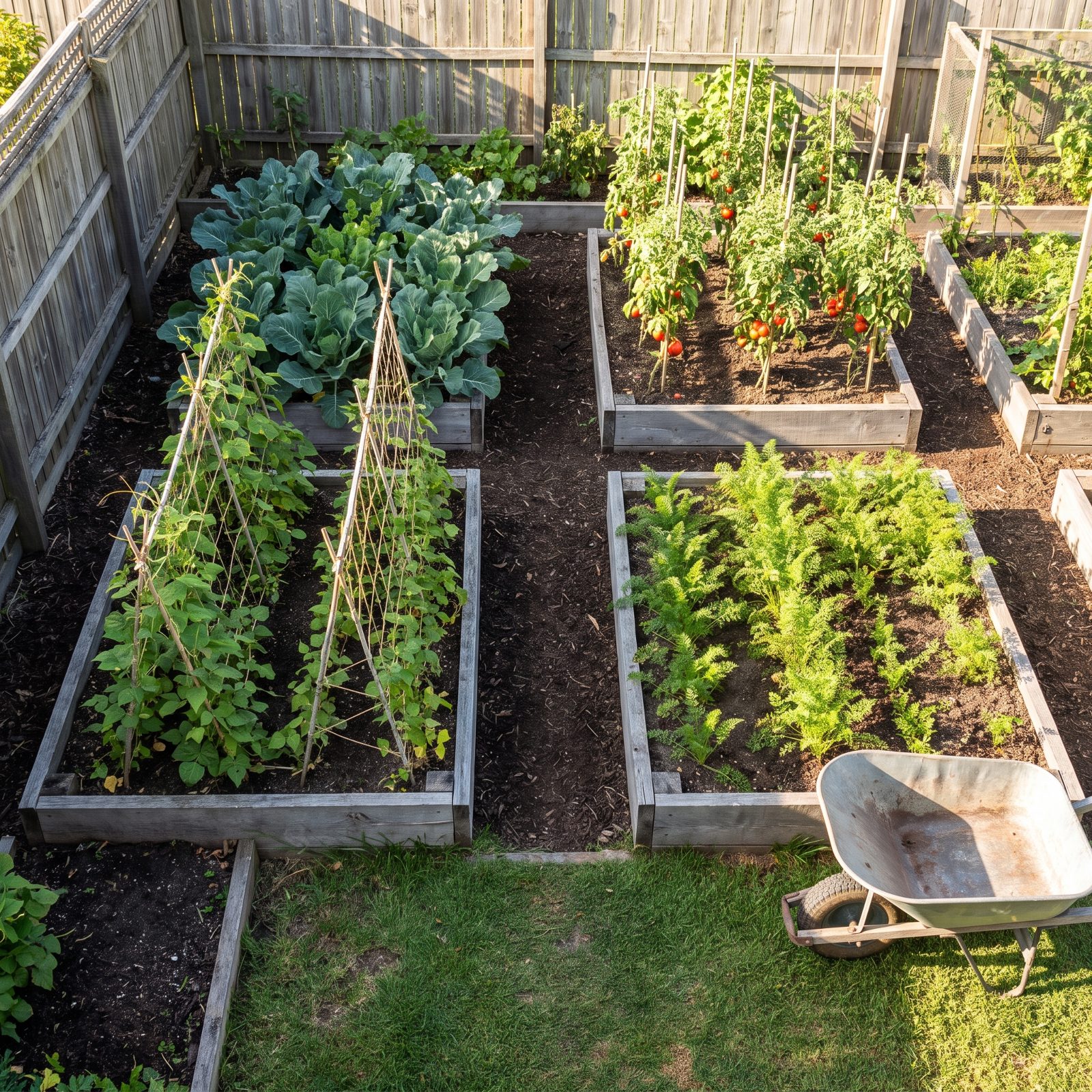
Growing the same crop in the same spot every year is how you hand pests and diseases a free address. Rotation breaks the cycle. Move the family, and the thing waiting in the soil for it goes hungry.
The 1970s plot usually ran on four groups moved around a cycle: brassicas, roots, legumes, and everything else. The legumes left nitrogen behind for the hungry crop that followed. Simple, free, and it still outperforms a lot of what gets sold in a bottle.
22. Small Successive Sowings Instead of One Huge Planting
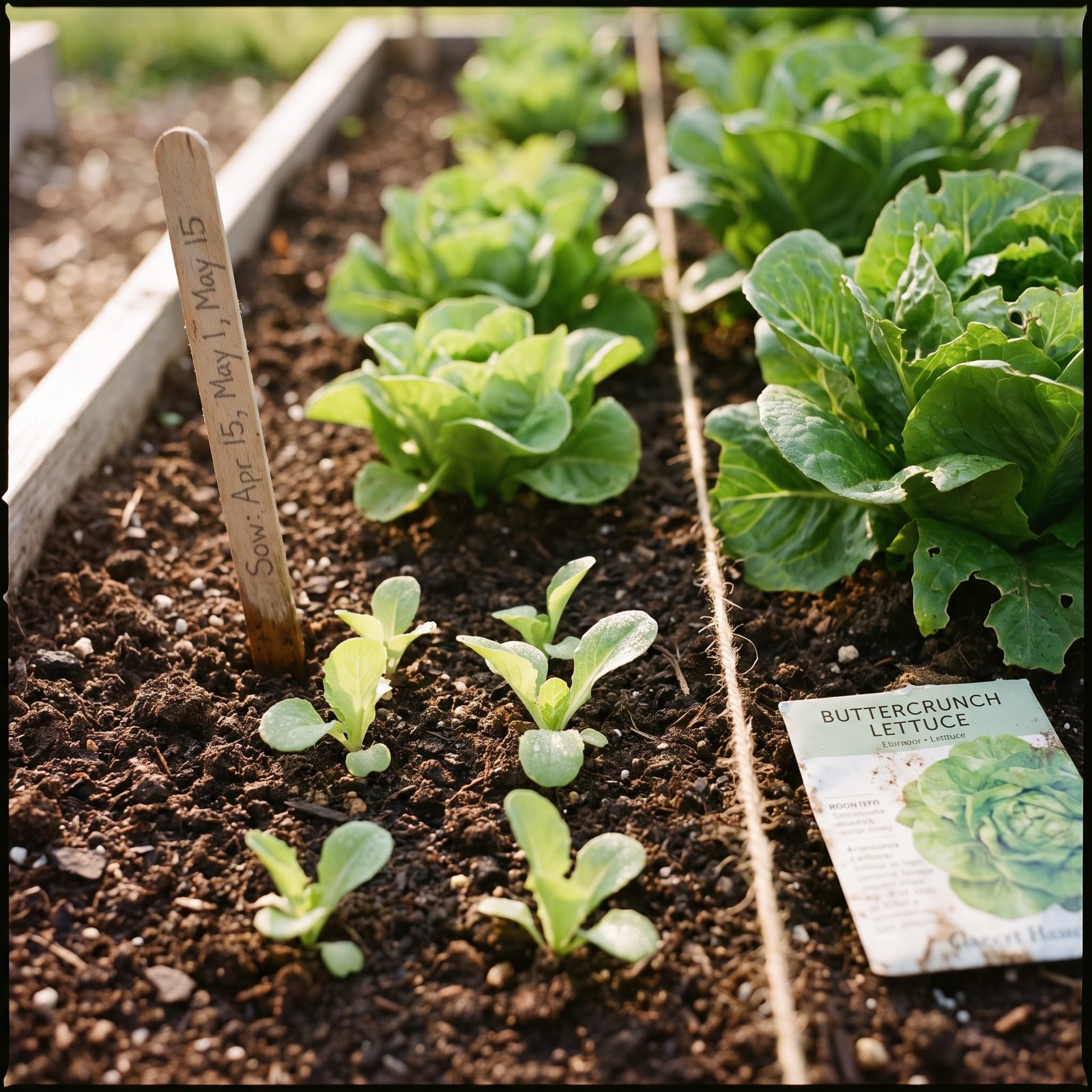
Sow a whole packet of lettuce at once and you’ll be drowning in it for two weeks, then staring at bare dirt the rest of the summer. Nobody eats that many heads of lettuce in a fortnight.
The fix is boring and brilliant: a short row every two or three weeks. You get a steady trickle instead of a flood, and the plants never bolt all at once.
21. Seeds Dried and Saved in Labeled Envelopes
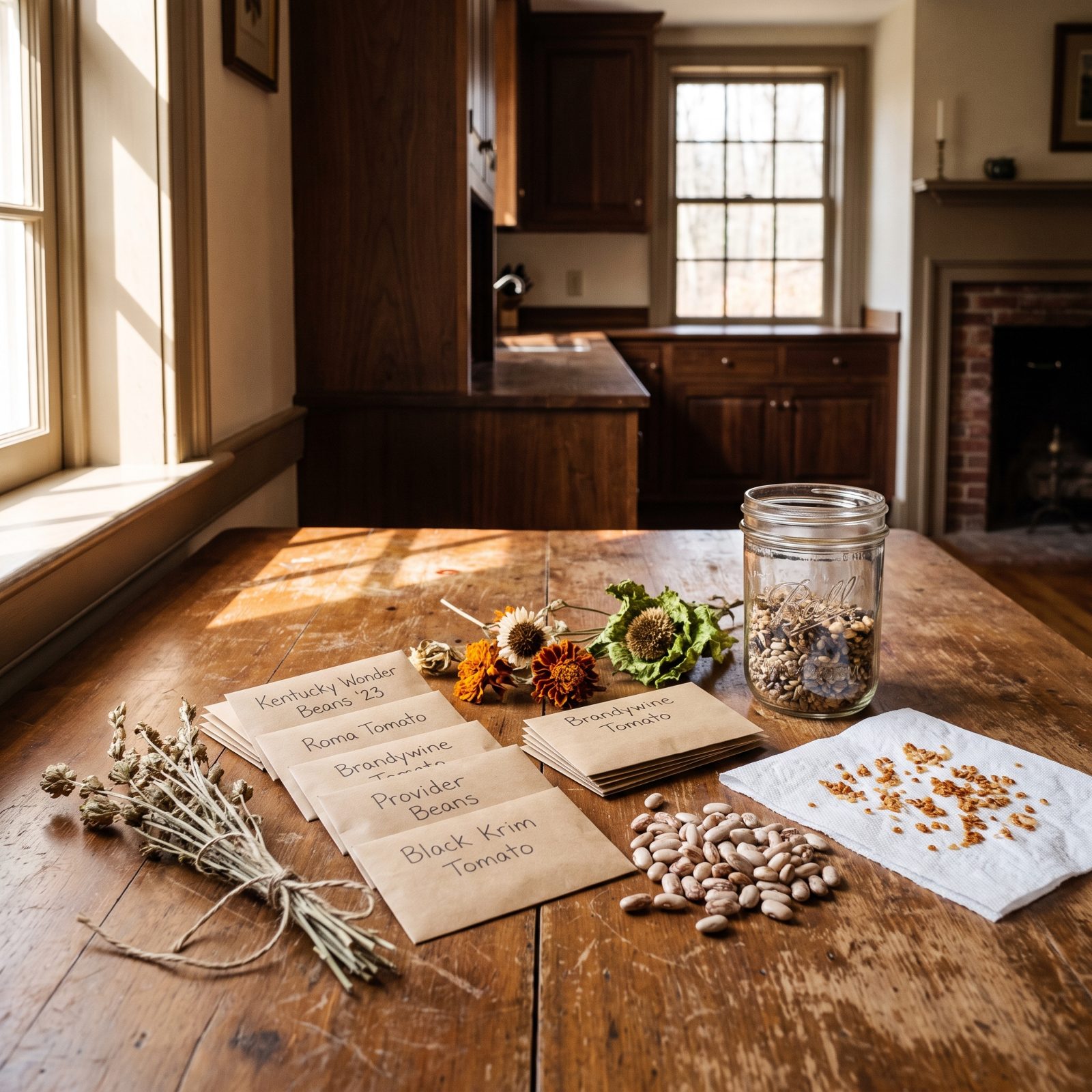
Save seed from your best plants and next year’s crop costs nothing. That was the whole economy of the old plot, and it’s quietly coming back as seed prices climb.
Beans and peas are the easy start. Let the pods dry hard on the plant, shell them, and keep them cool and dark. Tomatoes take a fermenting step most people skip, which is why their saved seed goes moldy and they give up.
Label everything. You will not remember. I once planted a row of mystery squash and found out in September it was a gourd I couldn’t eat.
20. Tomato Seedlings Swapped Over the Garden Fence
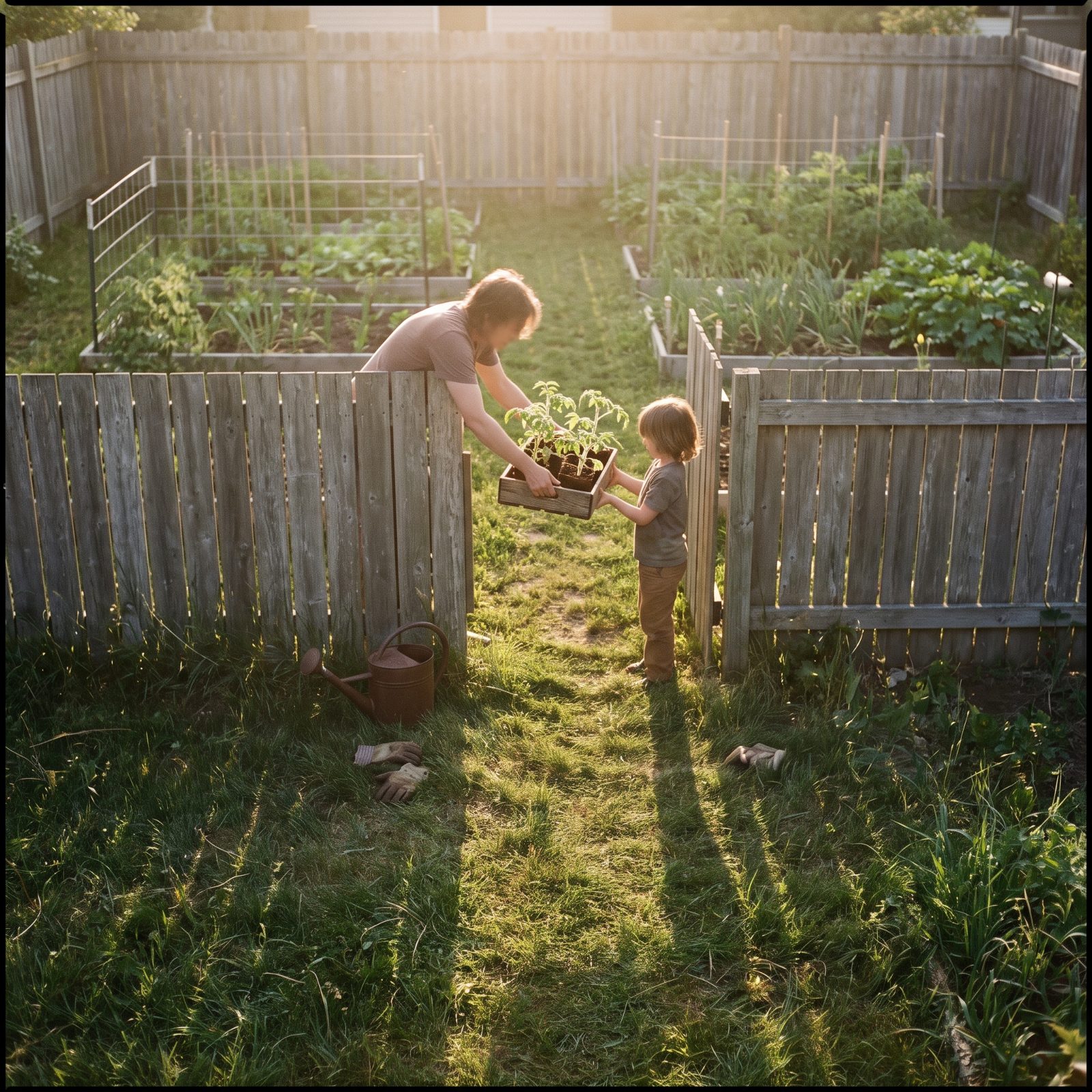
You always grew too many tomato seedlings. Everyone did. A single packet throws out more plants than any sane person can fit, so the extras went over the fence to whoever had the room.
That trade was a whole social network before anyone called it one. You gave away your spare Brandywines and came back with a variety your neighbor had been growing for a decade. Free plants, free knowledge, and a good excuse to talk over the fence.
19. Weeds Removed With a Sharp Stirrup Hoe
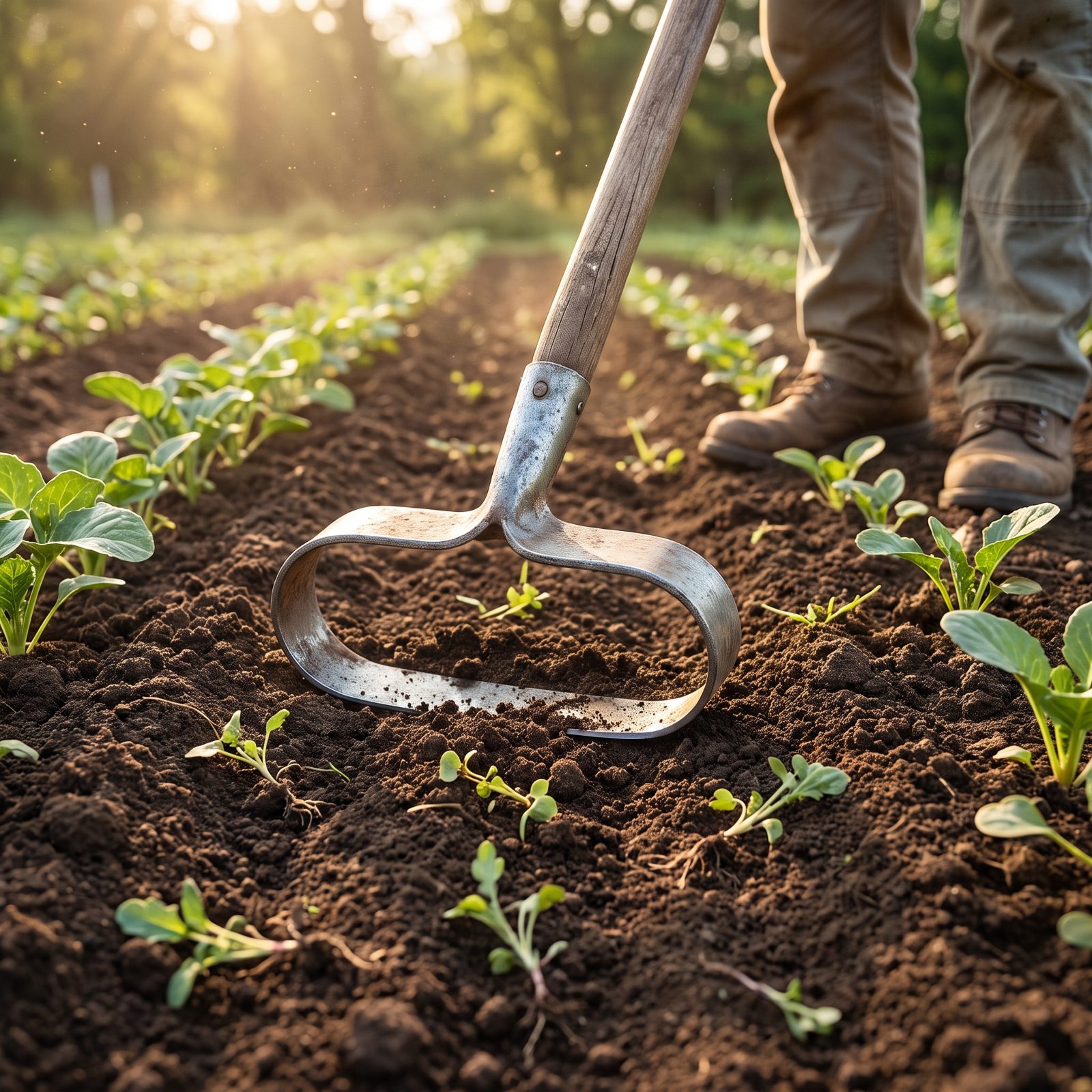
The stirrup hoe is the tool nobody tells beginners about, and it’s the one that saves your back. You push and pull it just under the surface, and the loop blade slices weeds off at the root while you’re still standing upright.
Timing is everything. Hit the weeds when they’re tiny threads, not when they’re established. A sharp stirrup hoe through a bed of seedling weeds on a dry morning is one of the genuinely satisfying jobs in the garden.
18. Wooden Bushel Baskets Used at Harvest Time
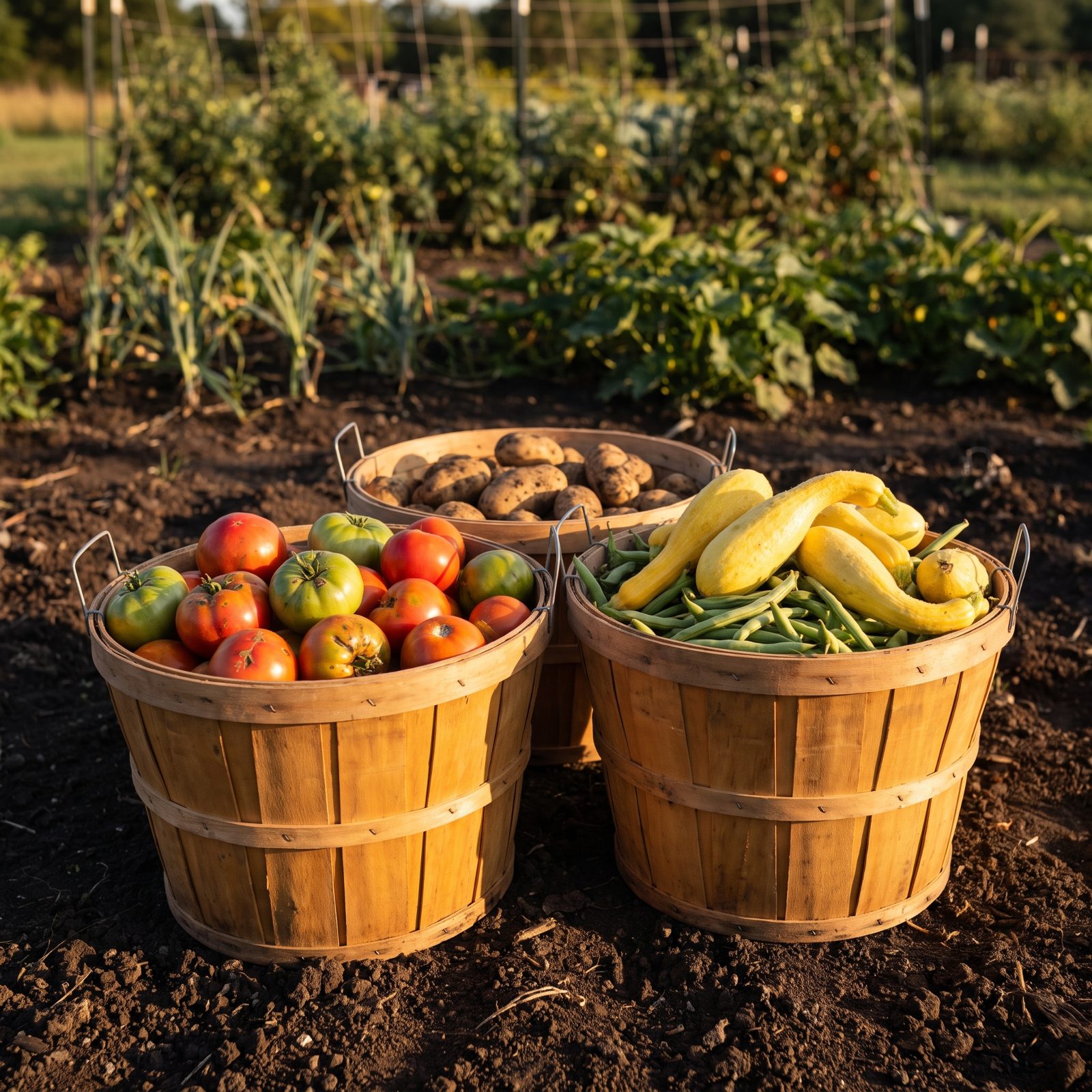
Plastic buckets sweat your harvest and bruise soft fruit. A wooden bushel basket breathes, so tomatoes and beans ride home without steaming in their own humidity.
They were everywhere once because orchards and farm stands shipped in them, and they ended up stacked in every garage. Now they fetch real money at antique markets, partly because a basket that’s survived fifty harvests is built better than most things sold new.
17. Sweet Corn Planted in a Pollination-Friendly Block
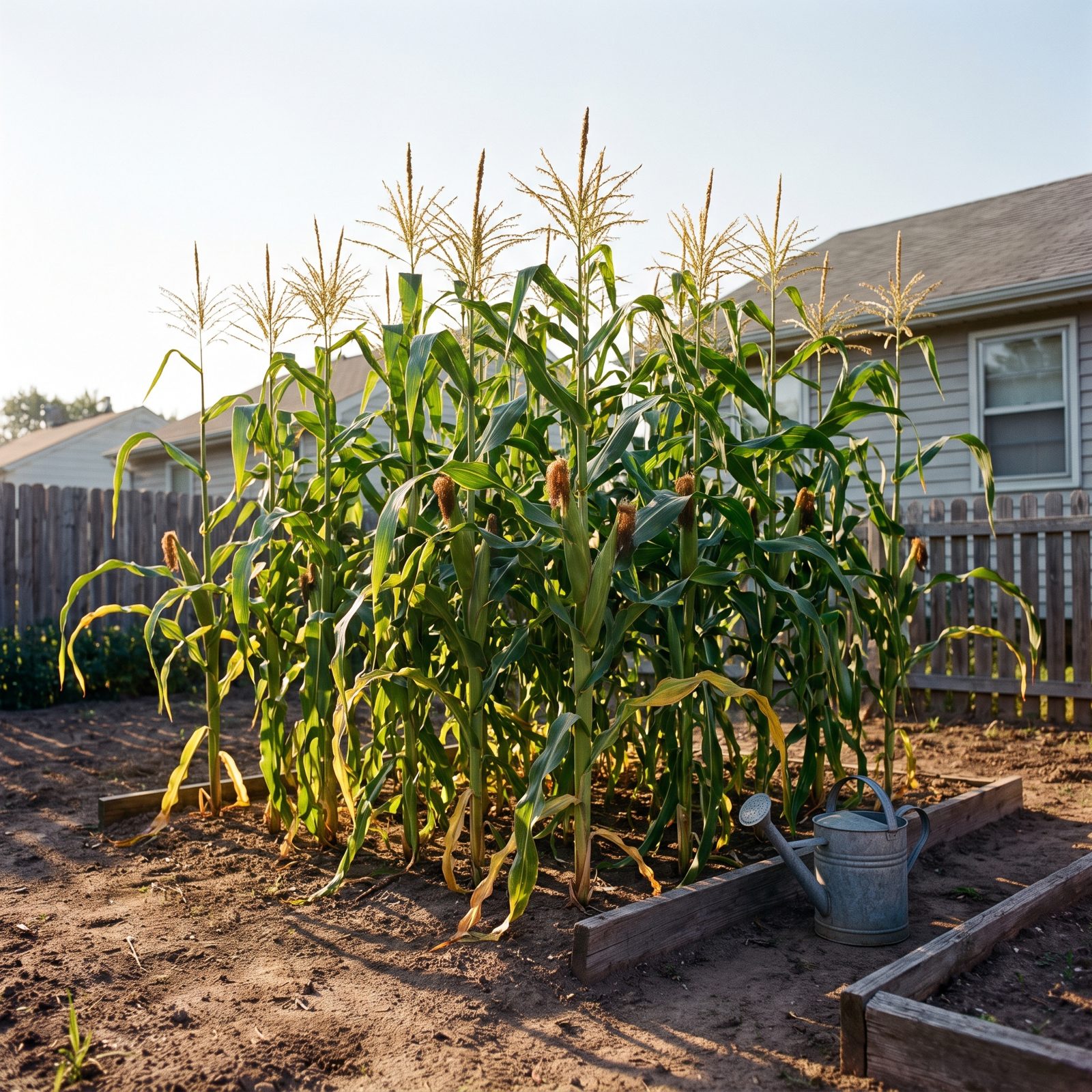
Plant sweet corn in a single long row and you’ll bite into ears that are half bare, because corn is wind-pollinated and the pollen drifting down from those tassels has to land on the silks of neighbors standing close by. A lonely row lets most of it blow off into the grass.
The fix is a block. Four short rows in a square beat one long row every time — each silk is a single kernel waiting for a grain of pollen, and a tight grid gives all of them a fighting chance instead of leaving the odds to the wind.
16. A Permanent Asparagus Bed Along One Edge
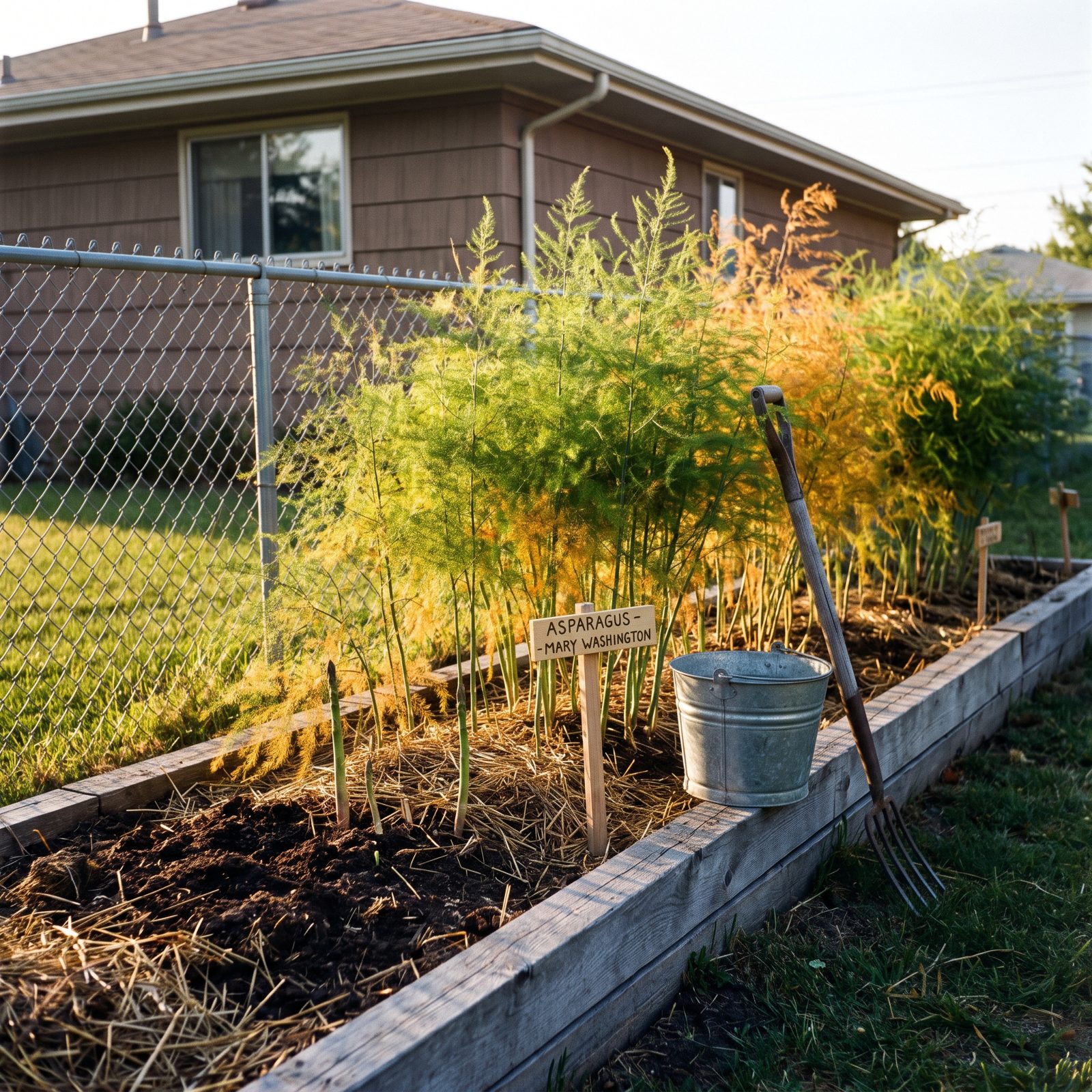
Asparagus asks you to wait, and most people won’t. You plant the crowns, then you sit on your hands through two full seasons before cutting a single spear. That patience is exactly why it vanished from busy gardens — and exactly why it’s creeping back now that slow gardening has a certain appeal again.
Give it a permanent spot along one edge where the tiller never goes. A well-tended bed can produce for fifteen or twenty years. You plant it once in your forties and it’s still feeding you when the grandkids visit. I killed my first bed by harvesting too soon out of sheer impatience. Learn from that.
15. A Huge Rhubarb Crown Near the Compost Pile
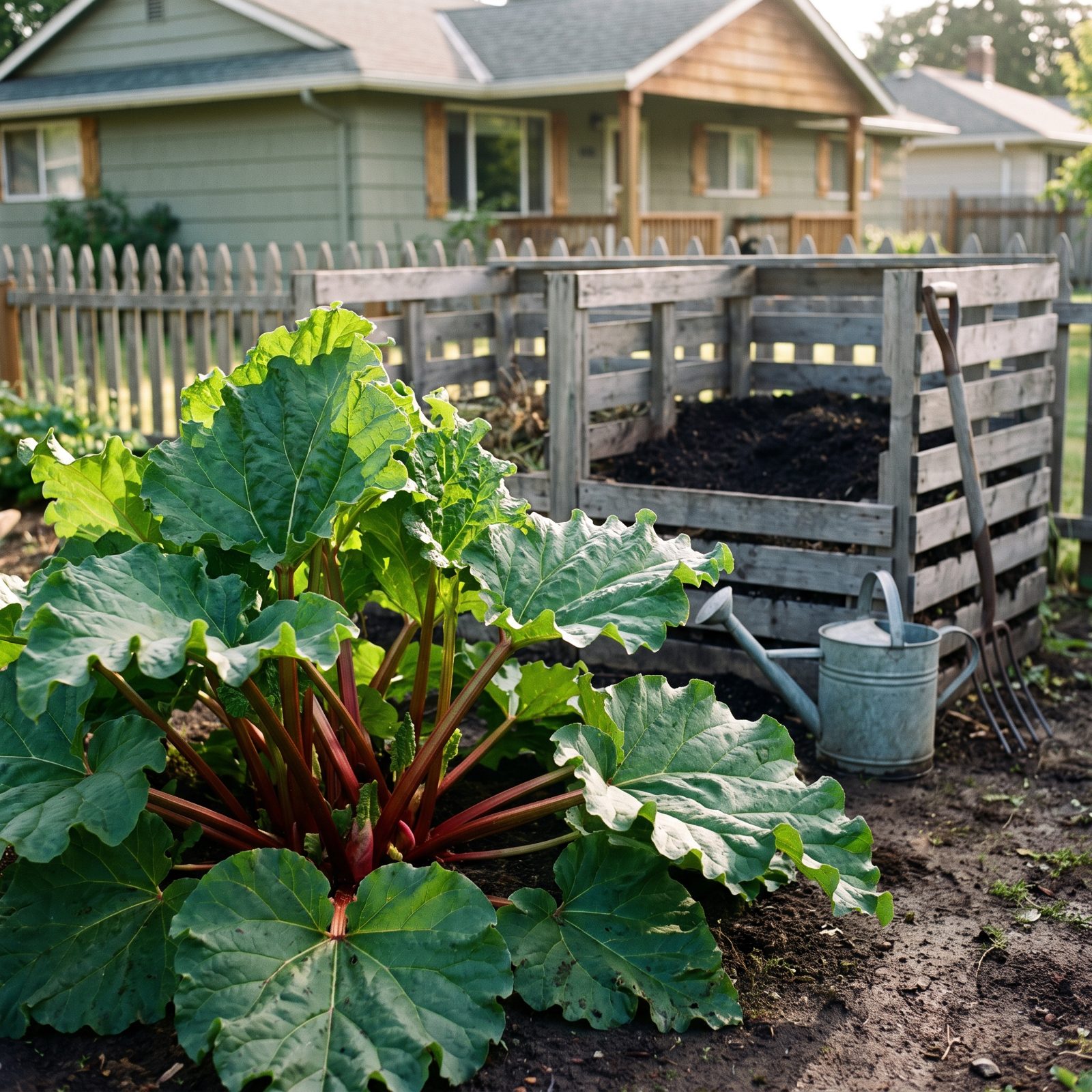
Rhubarb wants two things: cold winters and rich feeding. Plant the crown right beside your compost pile and it gets both the runoff and the scraps you toss its way. The thing practically grows itself.
A word that matters here — the stalks are food, the leaves are poison. Those big floppy leaves carry oxalic acid at levels that’ll make you sick, so they go in the compost, never the pot. Every grandmother knew this. Somehow a generation forgot.
14. A Neatly Netted Backyard Strawberry Patch
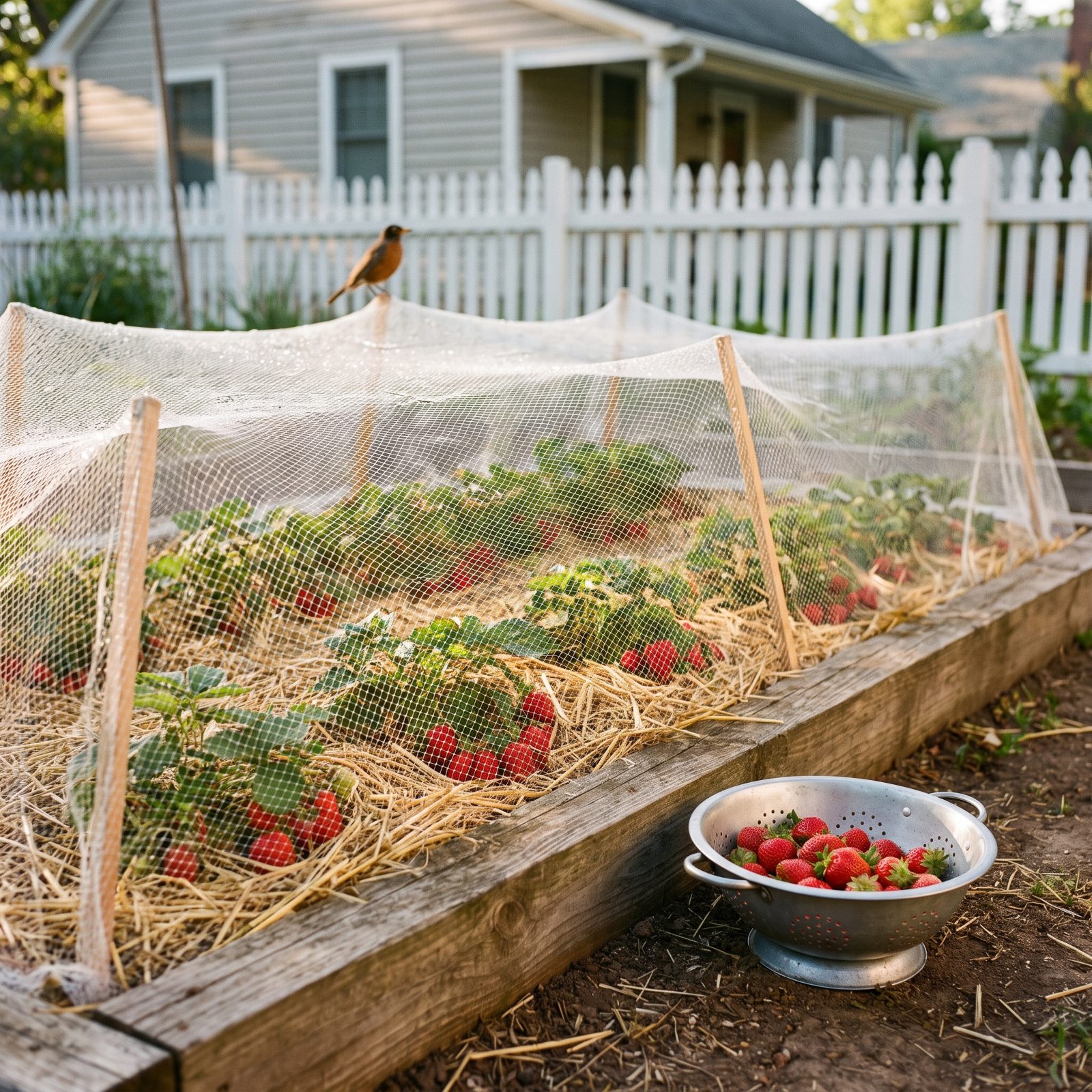
Strawberries break your heart quietly. You wait all spring, the berries ripen overnight, and the birds get there at dawn before you’ve had coffee. A cheap length of netting over a few stakes ends that race for good.
Straw underneath keeps the fruit off the dirt so it doesn’t rot — which is one popular story for where the name came from. Net the top, straw the bottom, and the patch mostly runs itself.
13. More Zucchini Plants Than Any Family Needed
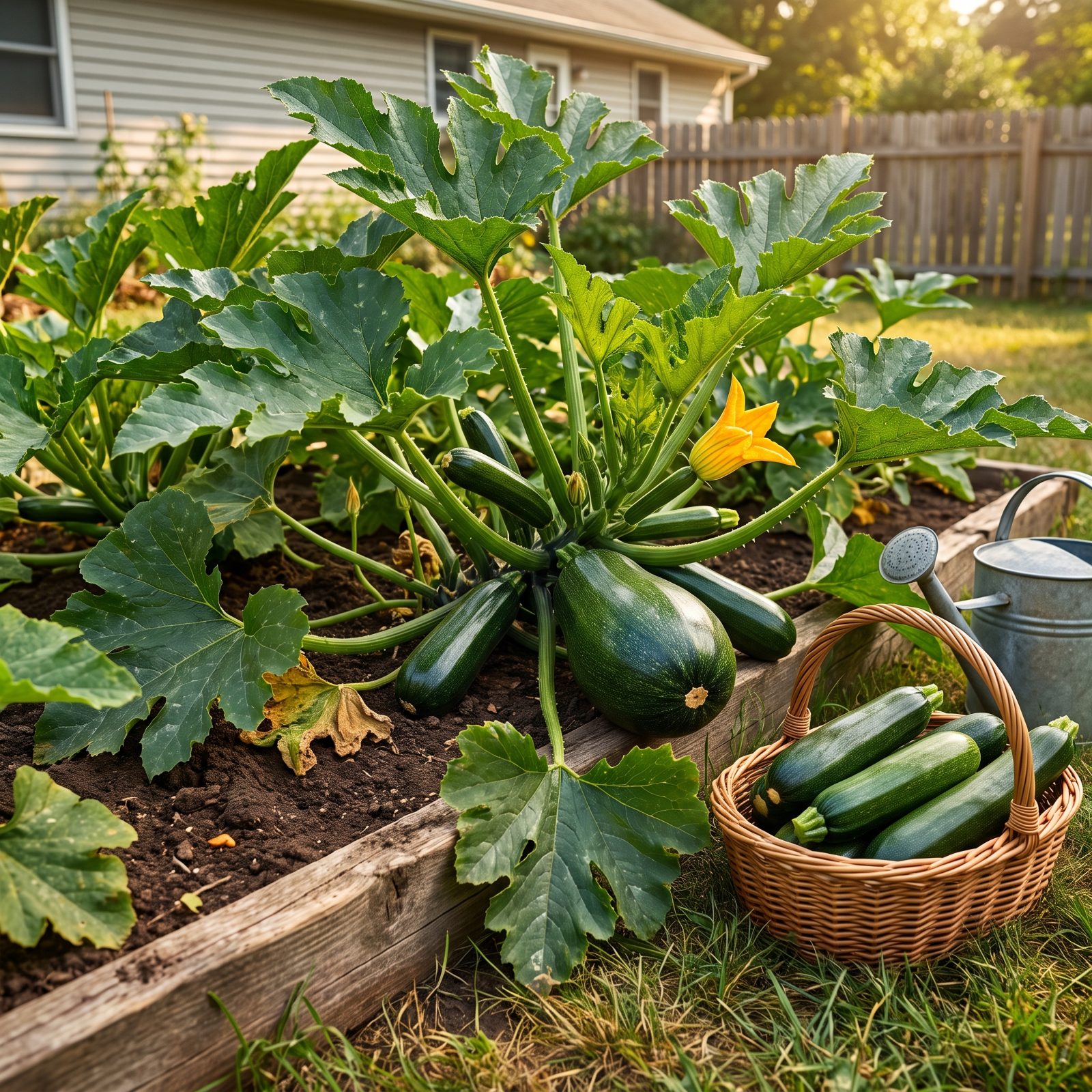
Nobody ever planted the right amount of zucchini. You put in three hills because the seed packet suggested it, and by August you’re leaving grocery bags of the stuff on neighbors’ porches and ringing the bell before running off.
One healthy plant can give you more than a family eats. The trick the old gardeners knew: pick them small, around six inches, while they’re tender and the seeds haven’t gone woody. Miss one for three days and you’ve got yourself a green baseball bat.
12. Flying-Saucer-Shaped Pattypan Squash
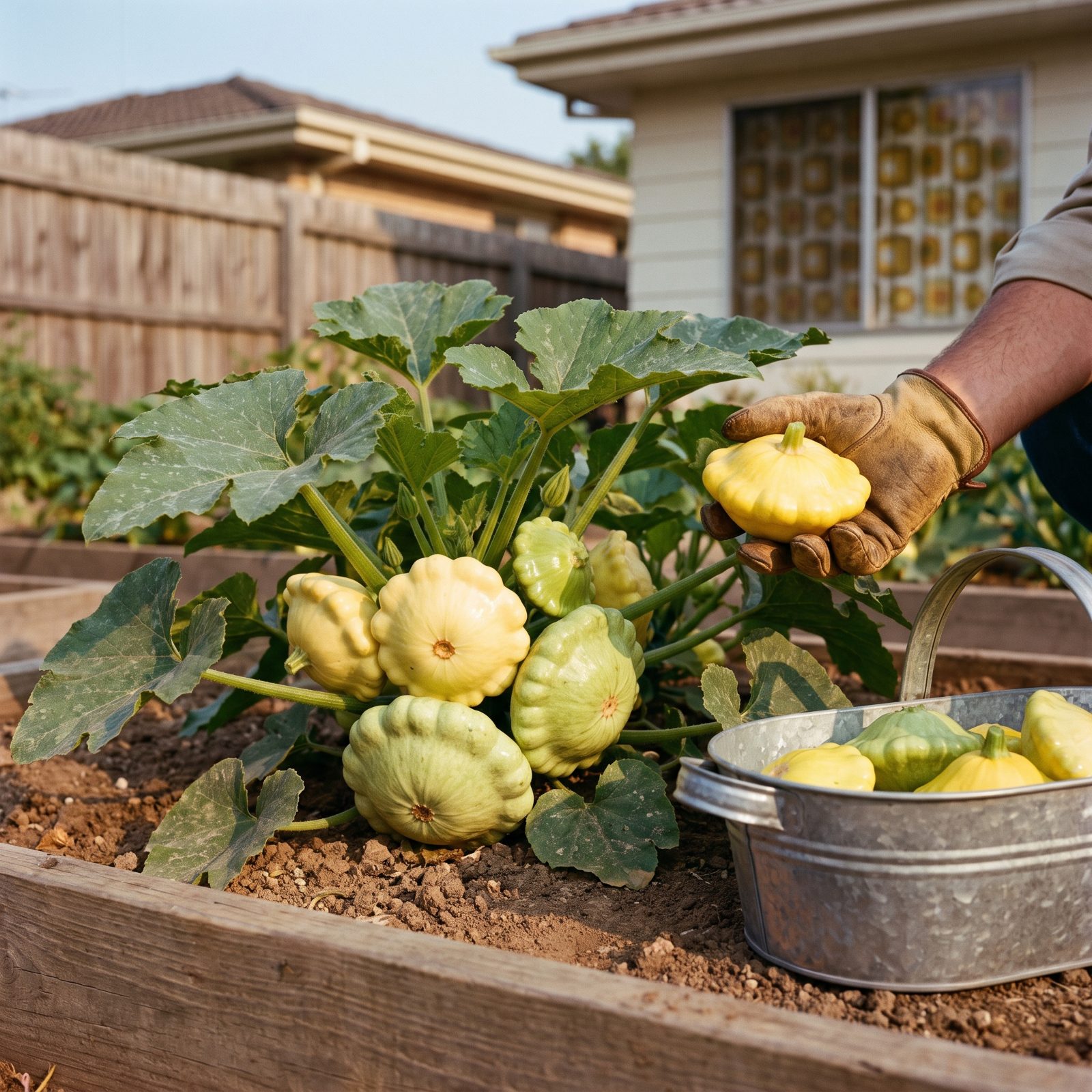
Pattypan looks like a toy — small, round, scalloped around the edge like a little flying saucer in pale yellow or soft green. It fell out of fashion for decades and now turns up at farmers markets at a premium, which is funny, because it grows as easily as any summer squash you could name.
Pick them young, no bigger than a peach. The flesh stays firm and nutty, and the whole thing roasts in one piece. Let them swell up and they go watery and dull. For once, here’s a crop that rewards the impatient picker.
11. Rows of Rutgers and Better Boy Tomatoes
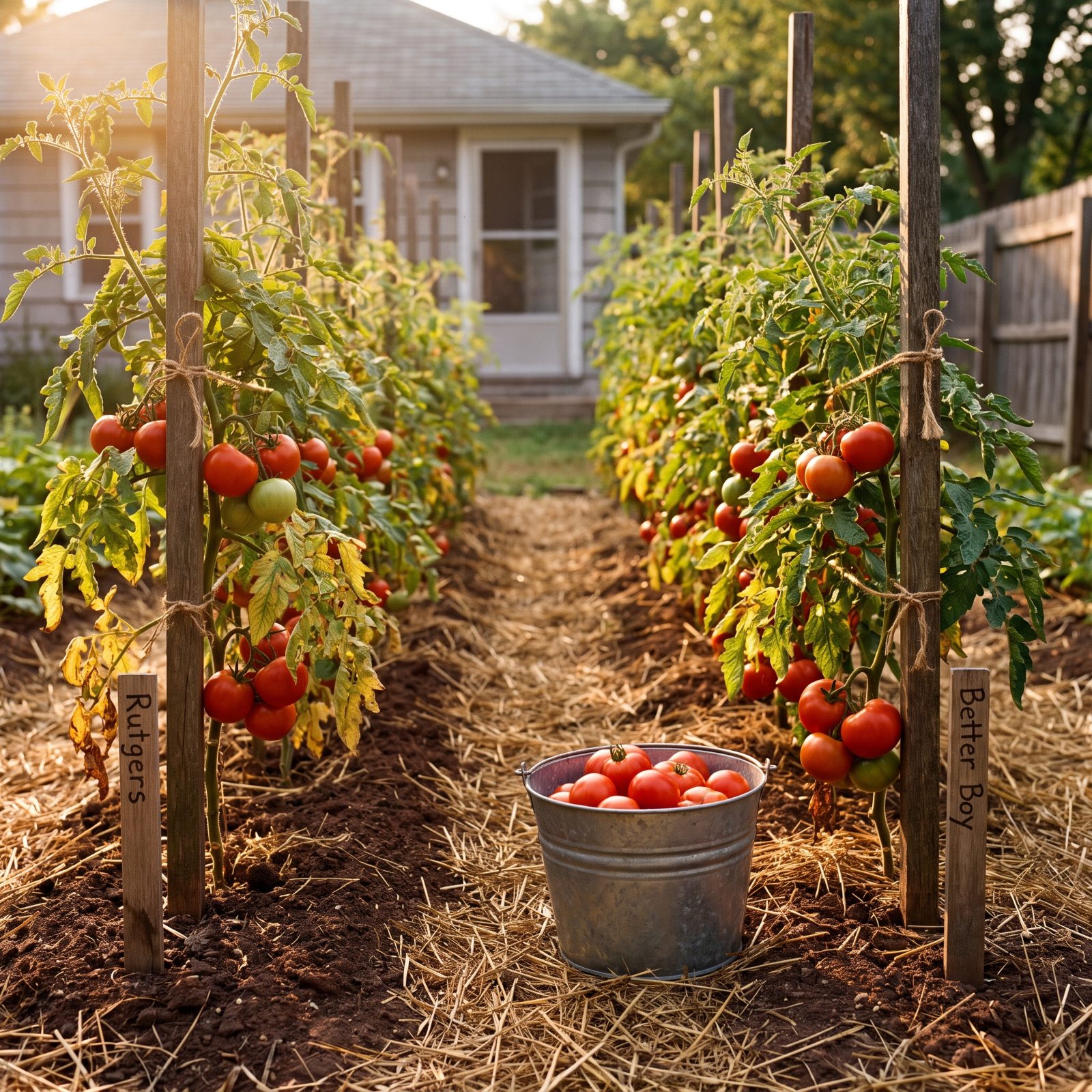
Rutgers came out of New Jersey in 1934, bred for canning, and it fed a nation of home gardeners through the back half of the century. Better Boy arrived later as a dependable slicer that produced and produced. These were the workhorse names, the ones your grandfather grew without thinking twice about it.
They faded when heirlooms got fashionable. But they’re back for a plain reason: they just perform. Disease resistance, steady yield, flavor that holds up on a BLT in August.
A tomato bred to be grown, not photographed, is a different kind of gift.
Tie them to stakes with soft ties as they climb. The old gardeners used strips torn from a worn-out bedsheet, and honestly? That still beats anything you’ll buy in a packet.
10. Potatoes Earthed Up Into Long Ridges
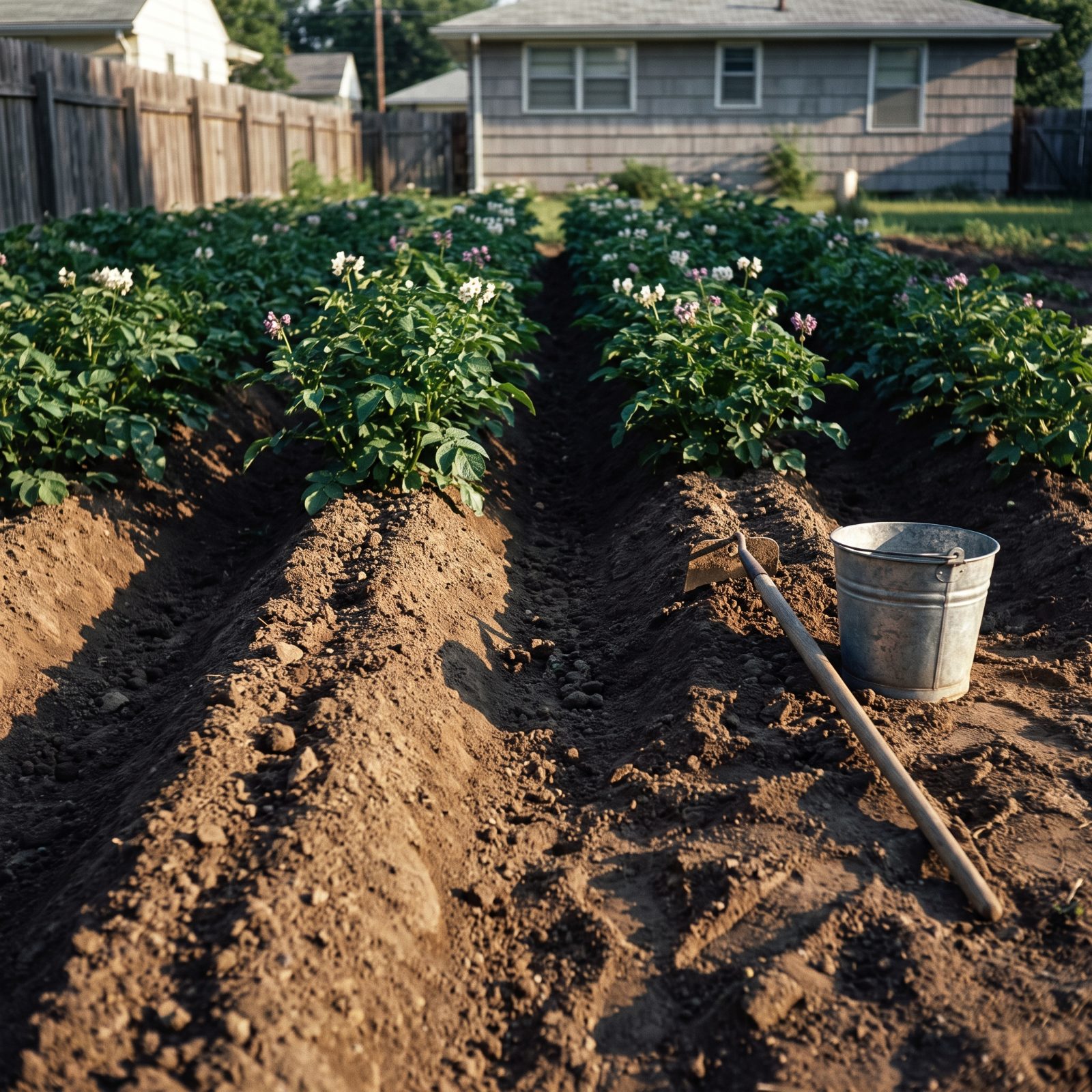
Earthing up looks like extra work, and it is, but it solves a real problem. As the plants grow, you pull soil up around the stems into a long ridge. Those buried stems throw out more tubers, and the mound keeps the spuds in the dark.
That matters more than people realize. Any potato that pokes up into sunlight turns green, and green potatoes carry solanine, which is genuinely toxic. The ridge isn’t decoration — it’s keeping your dinner safe.
9. Cabbages Protected Beneath Cheesecloth
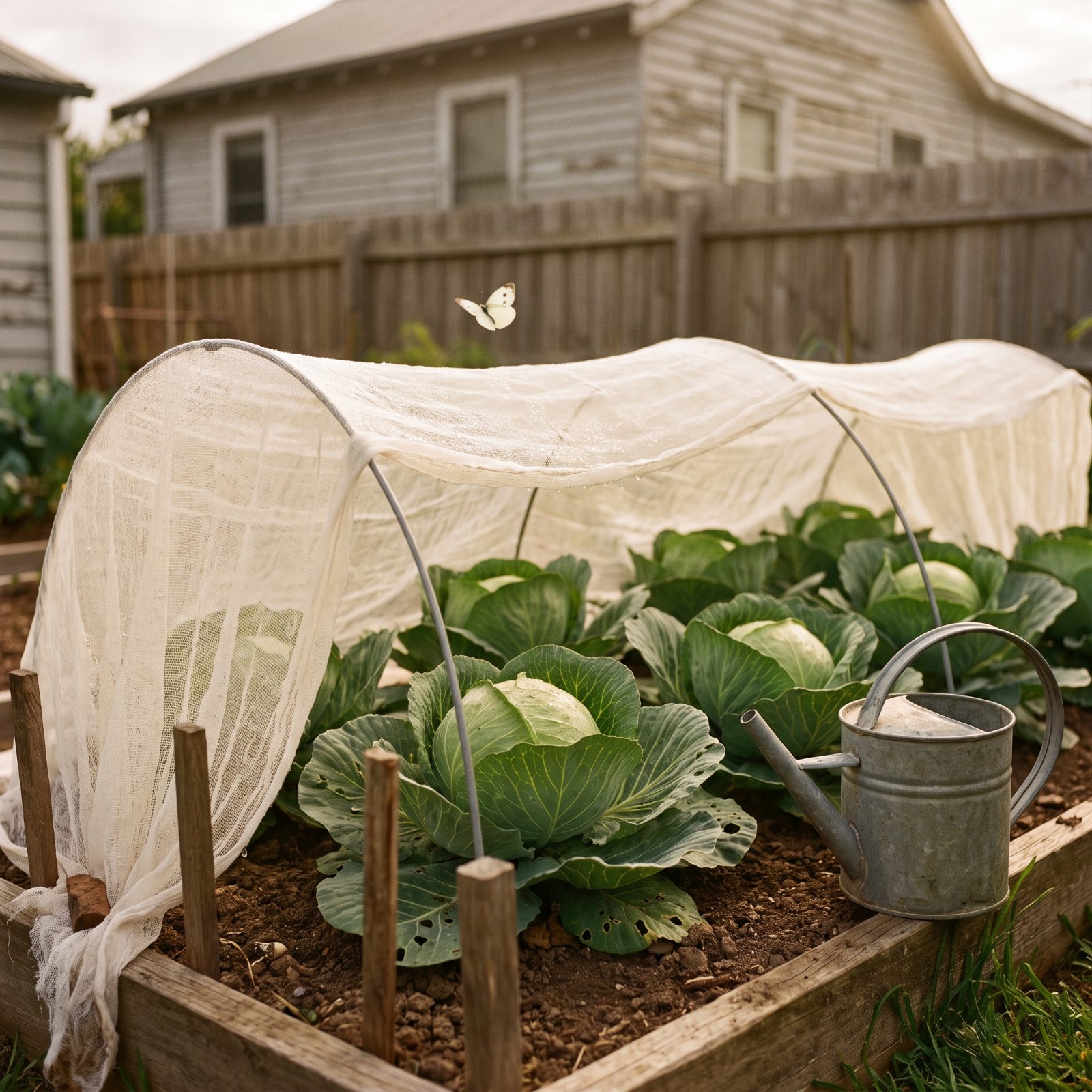
The enemy of cabbage is a pretty little white butterfly. It drifts in, lays eggs on your leaves, and the green caterpillars that hatch will lace a head to ribbons in a week. Spray it or net it — those are your choices.
The old method was cheesecloth. Light, breathable fabric slung over wire hoops lets in rain and sun, but it only keeps the butterfly from landing to lay if it reaches the soil on every side. Leave the sides open, or a row uncovered, and she’ll find her way in. Tuck it down tight: no eggs, no caterpillars, nothing poisonous on your plate. Modern floating row cover is the same idea with a fancier name and a higher price tag.
8. Fast Radishes Used to Mark Slower-Germinating Rows
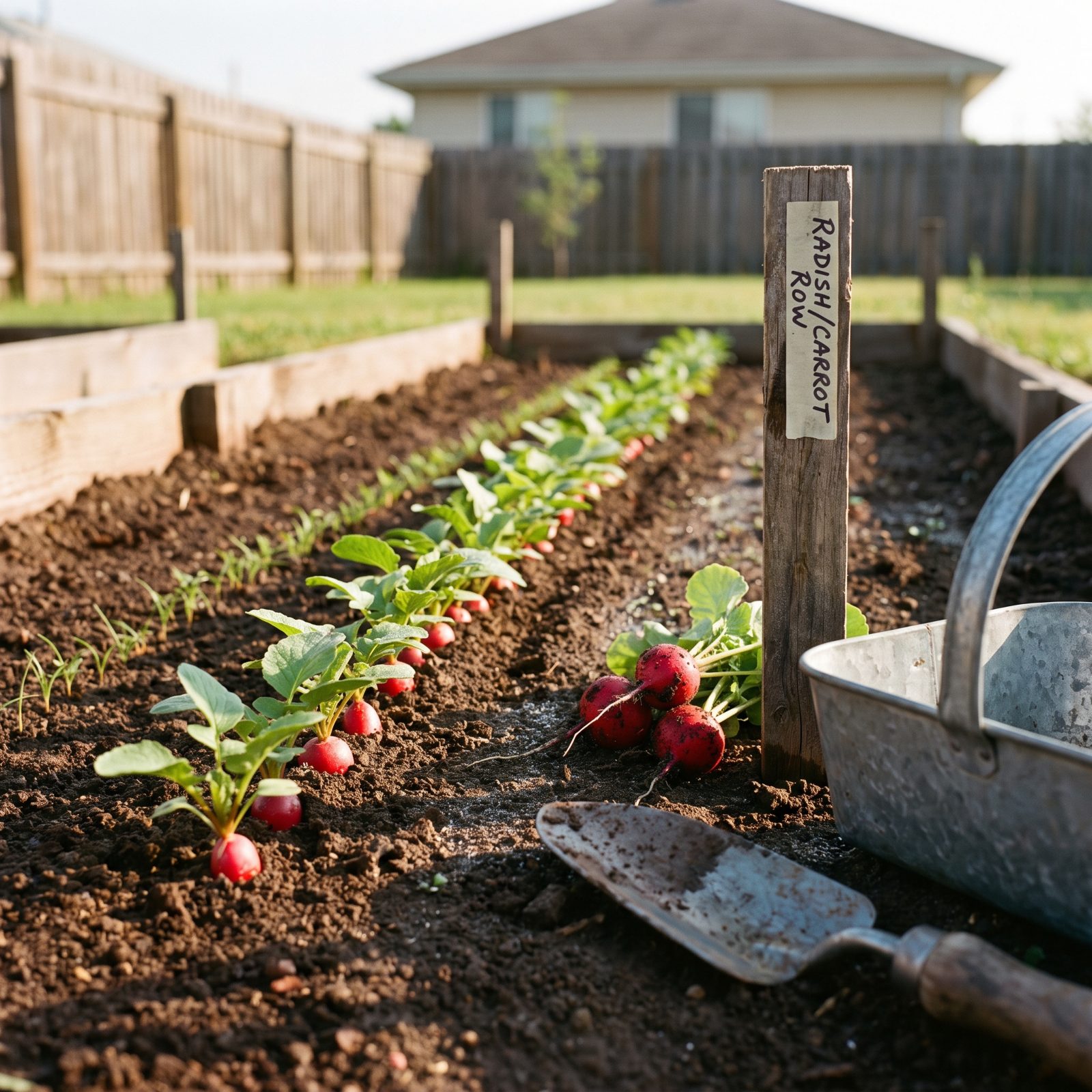
Carrot seed is slow and sulky. It can sit for two or three weeks before anything shows, and by then you’ve forgotten where the row even was and hoed straight through it.
So here’s the old trick: scatter a few radish seeds in the same furrow. Radishes sprout in days and draw a clear green line showing exactly where the carrots will come up. By the time you’ve pulled and eaten the radishes, the carrots are finding their feet. One row, two crops, no guesswork. It’s the kind of small cleverness that got passed hand to hand across back fences, and it deserves passing on again.
7. Celery Blanched in Deep Earthen Trenches
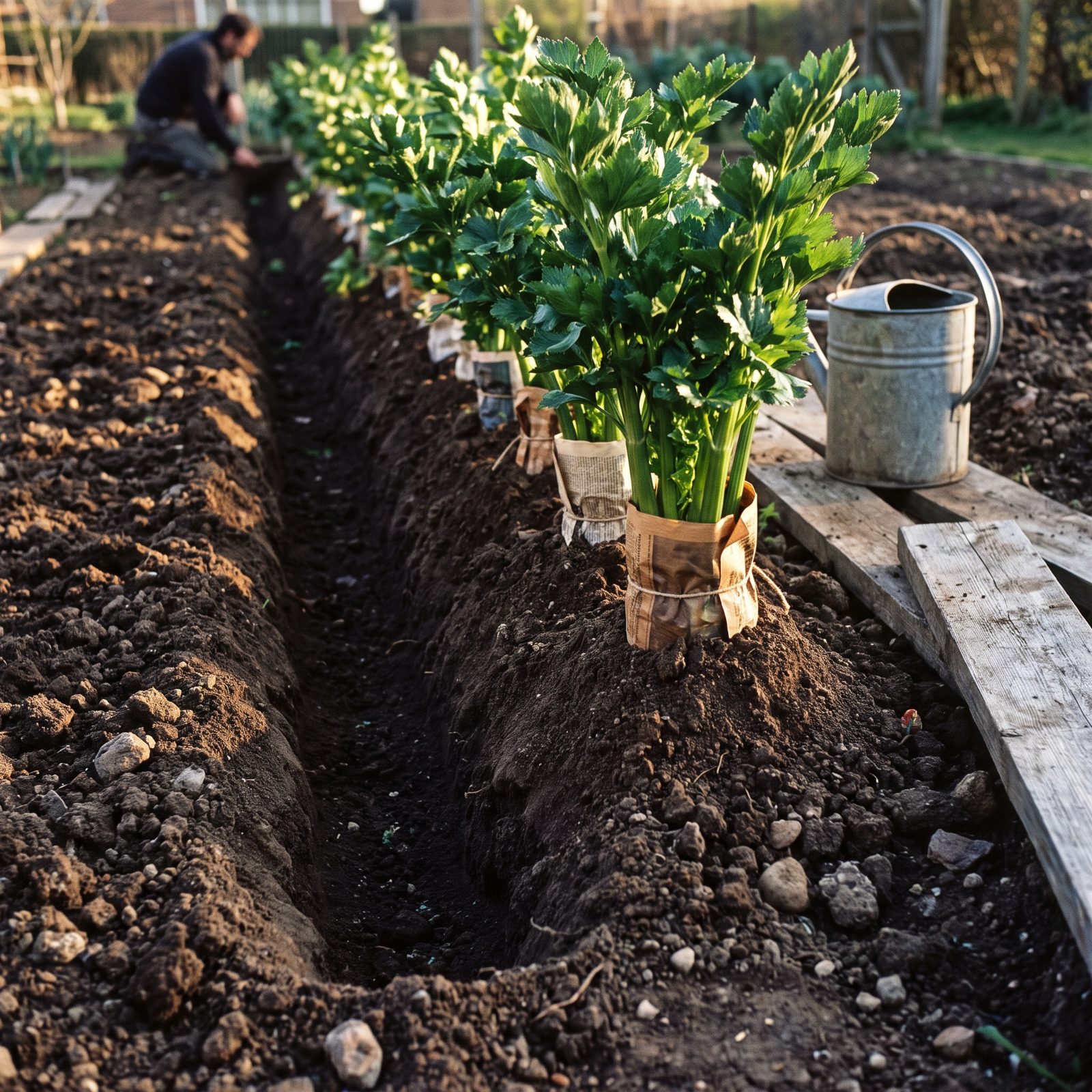
Blanching celery sounds fussy until you taste the result. Buried stalks go pale and tender, shedding the bitter, stringy edge that supermarket celery wears like a badge.
You dig a trench about a foot deep, plant down the middle, then draw soil up around the stems as they grow. Some gardeners wrap the stalks in newspaper or cardboard collars first so the earth doesn’t lodge grit between the ribs. It’s slow work that eats a whole season, and self-blanching varieties now do most of it for you, which is why the trench method nearly vanished.
The old way still gives you a sweeter, whiter stalk. And there’s a quiet satisfaction in hilling up those ridges on a cool morning that no shortcut replaces.
6. Pickling Cucumbers Grown With Flowering Dill
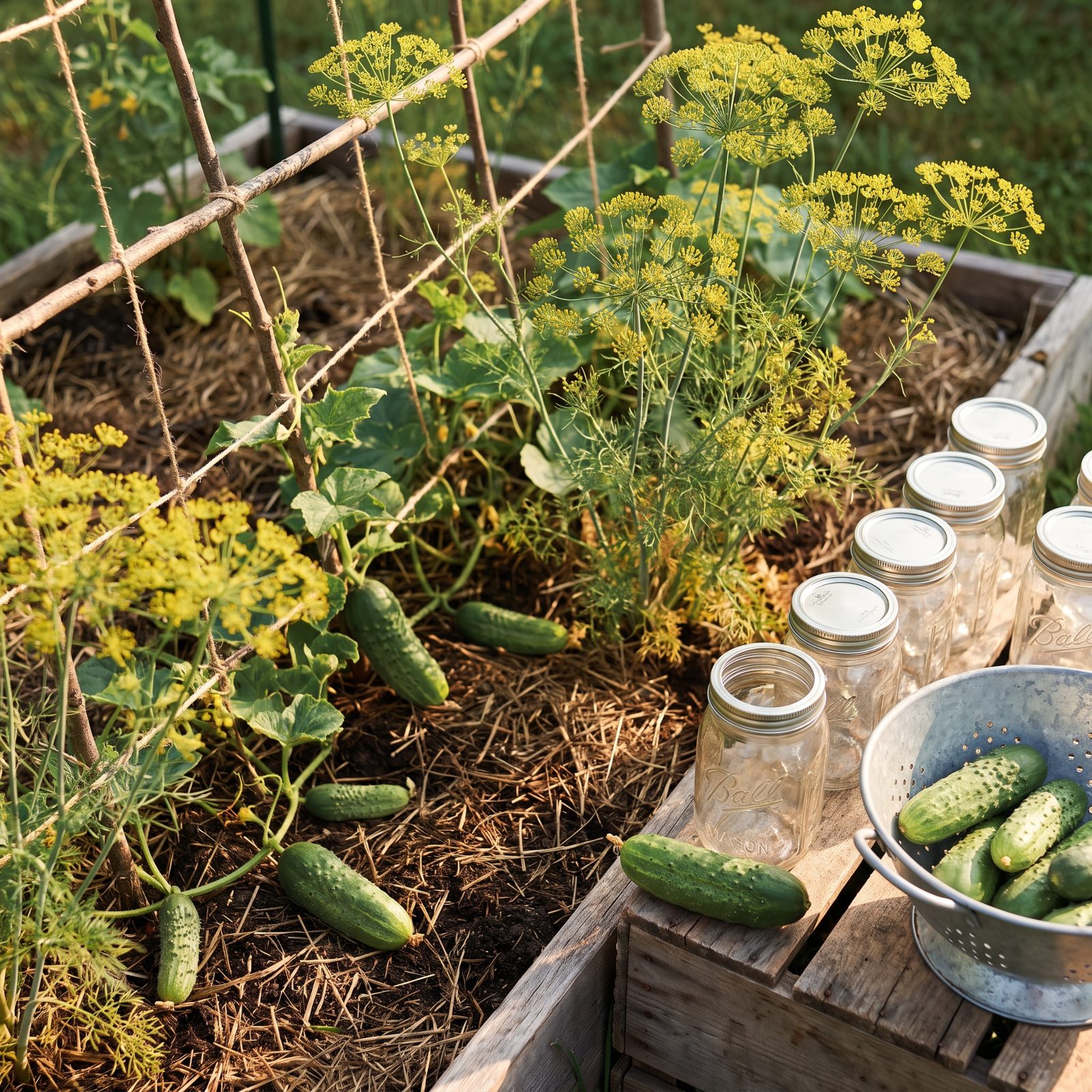
Plant dill next to your pickling cucumbers and you’ve basically pre-assembled half the jar. The timing lines up almost too neatly. Cucumbers hit picking size right as the dill throws up its yellow flower heads, and you want those heads, seeds and all, for a proper crock.
Pickling varieties aren’t the long smooth slicers. They’re stubby, bumpy, thin-skinned things bred to stay crisp in brine. Pick them small and often, because one overlooked fruit left to swell tells the whole vine to quit setting more.
I learned that the hard way after a week away, coming home to three yellow zeppelins and a vine that had checked out entirely.
5. Beer-Filled Saucer Traps Set Out for Slugs
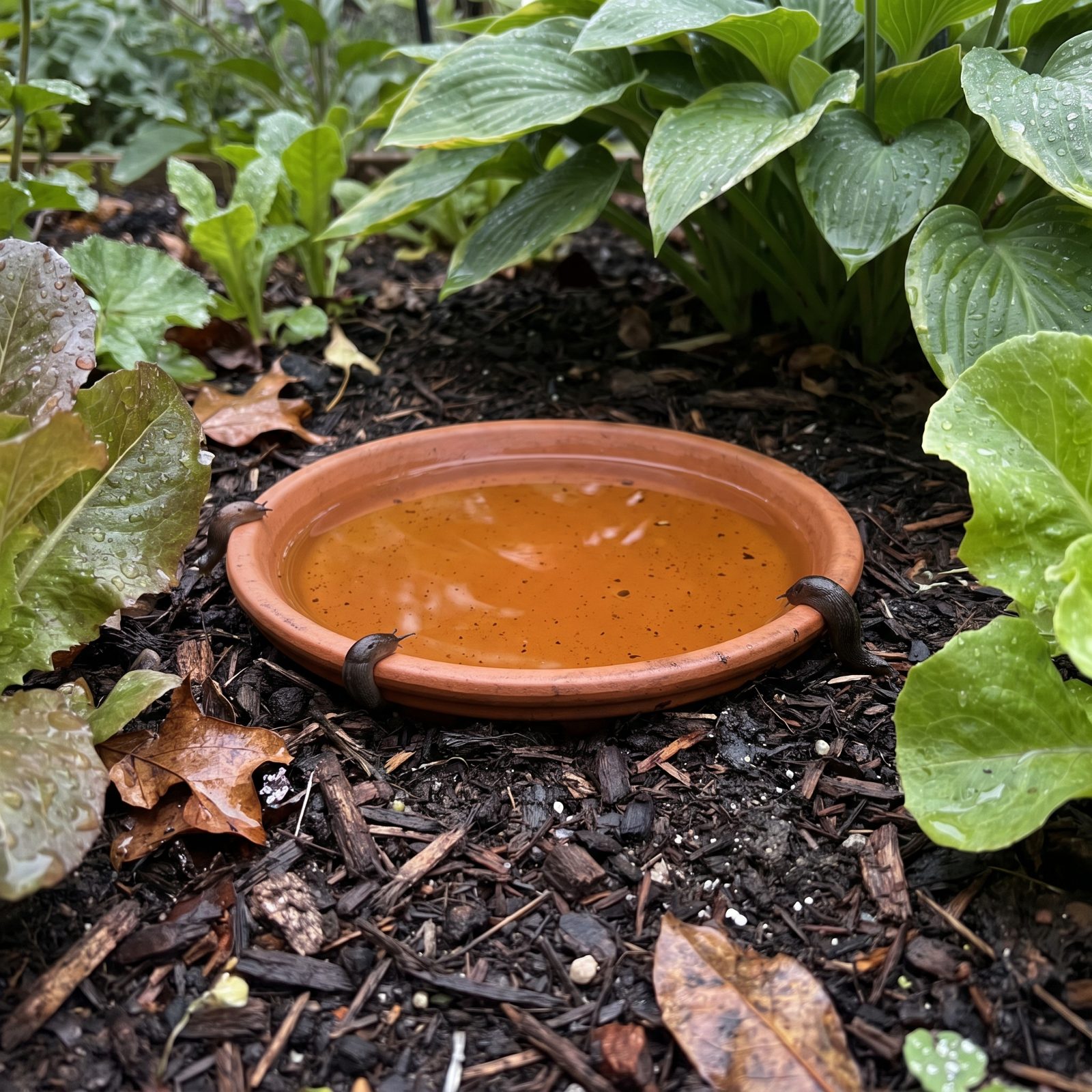
Slugs will crawl across your whole bed for a drink. Set a shallow saucer right on top of the mulch, fill it with cheap beer, and the yeast lures them in to drown overnight.
It works. It’s also faintly grim, and you’ll be emptying a saucer of dead slugs every morning, which nobody warns you about. Refresh after rain, since diluted beer loses its pull.
Does it clear an infestation single-handed? Not a chance. Pair it with hand-picking after dark by flashlight, which is the only method that genuinely dents the population.
4. A Shallow Birdbath Welcoming Insect-Eating Birds
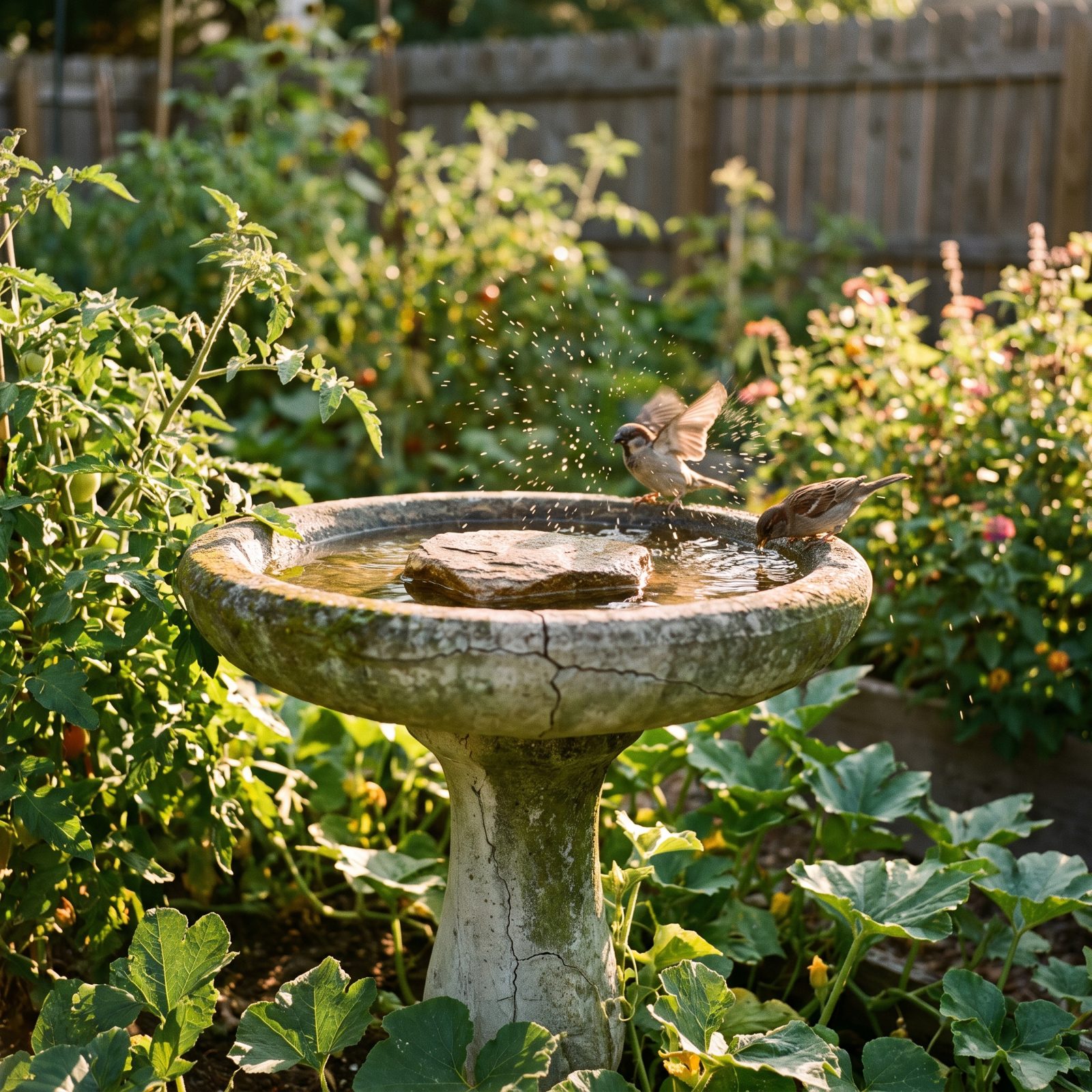
The cheapest pest control in the garden has feathers. Wrens, robins, and warblers eat astonishing quantities of caterpillars, aphids, and beetle larvae, and a reliable water source keeps them patrolling your plot instead of the neighbor’s.
Depth is the detail people miss. Birds want water no more than an inch or two deep with a rough, grippy surface, not the slick deep bowls sold as ornaments. Drop a flat stone in the middle for footing and smaller birds will actually use it.
Keep it topped up in a dry spell. A weathered, mossy stone rim gives tiny feet extra grip, but once the water itself turns murky, tip it out and refill it. A filthy bath spreads disease faster than it does good.
3. A Homemade Wooden Screen for Sifting Compost
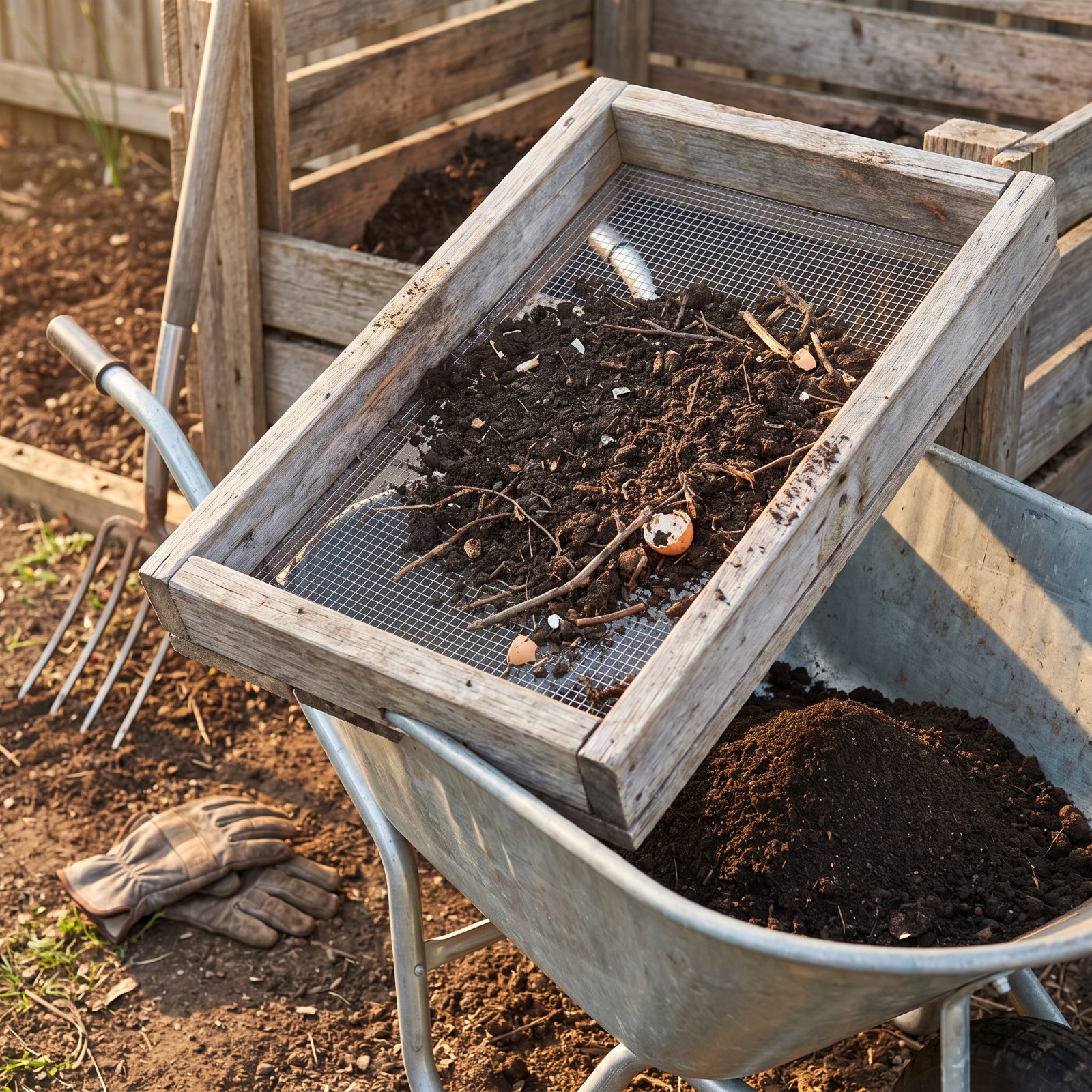
Finished compost is never as finished as you’d like. There are always twigs, a stray avocado pit, a clump that refused to break down. A sifting screen fixes all of that in about ten minutes of shaking.
Build one from four lengths of scrap lumber and a square of half-inch hardware cloth stapled tight across the frame. Size it to sit on the rim of your wheelbarrow so the fine stuff drops straight in. That’s the whole design, and people somehow still overthink it.
The coarse bits left on top? Toss them back in the pile. They’re your next batch, already inoculated and halfway there.
2. A Potting Bench Built From Salvaged Lumber
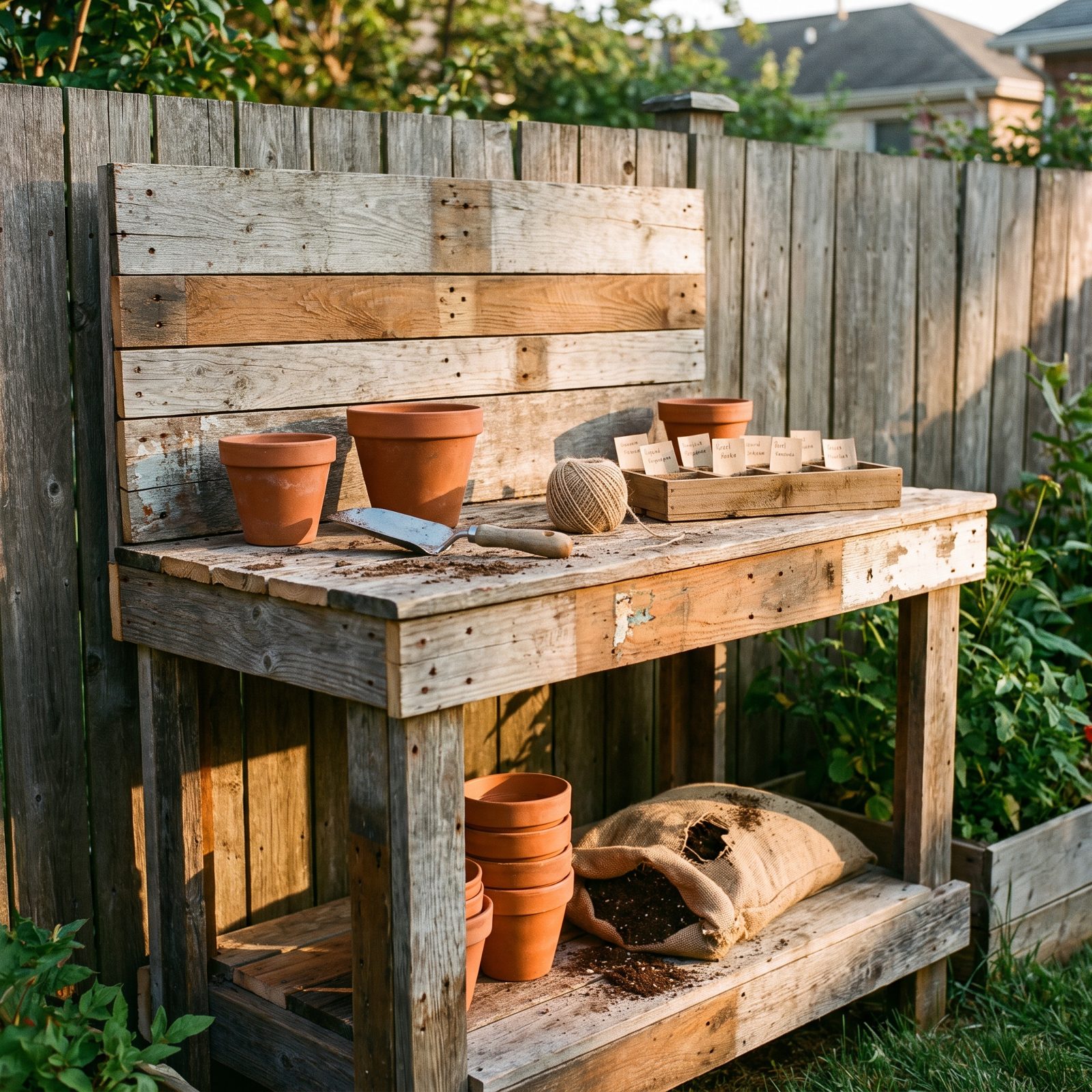
A potting bench made from salvaged lumber has a look no new kit can fake: a patchwork worktop of greys and browns, old nail holes, a ghost of faded paint on one plank.
Function beats beauty here. You want a surface at a height that saves your back, a lip along the rear so soil doesn’t cascade off, and a shelf underneath for stacked pots and a split bag of mix.
Old pallets, fence offcuts, a scrap of countertop, it all works. The bench earns its scars the first season and looks better for them.
1. A Proper Straw-Stuffed Garden Scarecrow
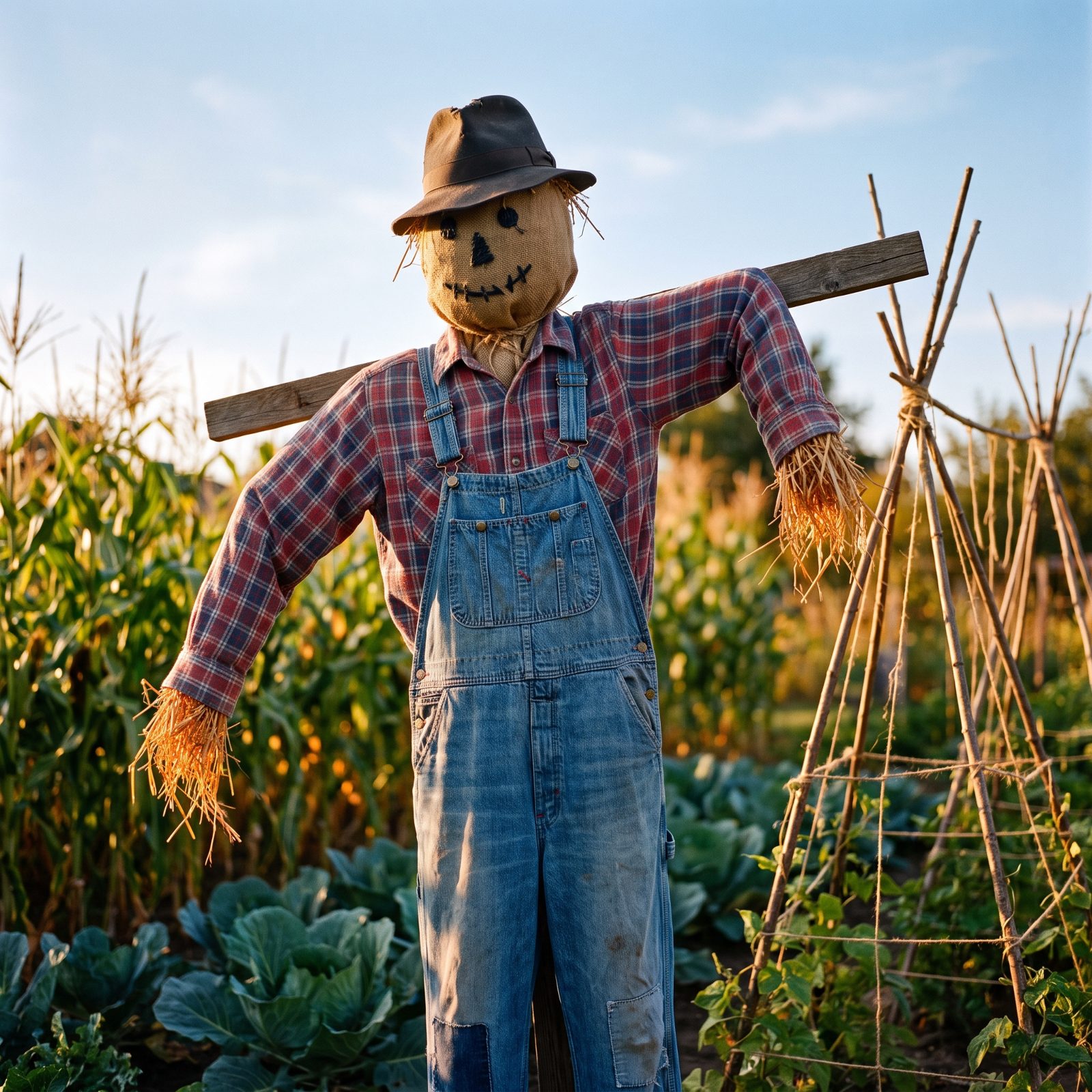
Here’s the uncomfortable truth about scarecrows: birds get used to them in about a week. A straw-stuffed figure in an old flannel shirt that never moves becomes, to a crow, just another fence post.
Movement is the trick the old-timers knew. Hang strips of cloth or a pie tin from the arms so it shifts and flashes in the wind, and reposition the whole thing every few days. Novelty spooks birds, not the human shape.
So why build one at all? Because it’s good company out there at dawn, and a garden with a scarecrow in it feels like a garden that means business. Some things earn their keep without a spreadsheet.