There’s a specific dread in hearing a car pull into the driveway when the breakfast dishes are still in the sink. You know it. The scramble, the shame, the quick apology before anyone’s even through the door. Somewhere along the way a tidy home stopped being a comfort and turned into a verdict on the person living in it. But people who quietly loosen their grip on spotless report something odd: the house gets messier and life gets better. Calmer. Warmer. More their own. Here’s what tends to turn up once that pressure to perform a flawless home finally lifts.
Please note that some of the images in this article were created with the assistance of AI.
16. The Constant Low-Grade Anxiety Finally Goes Quiet
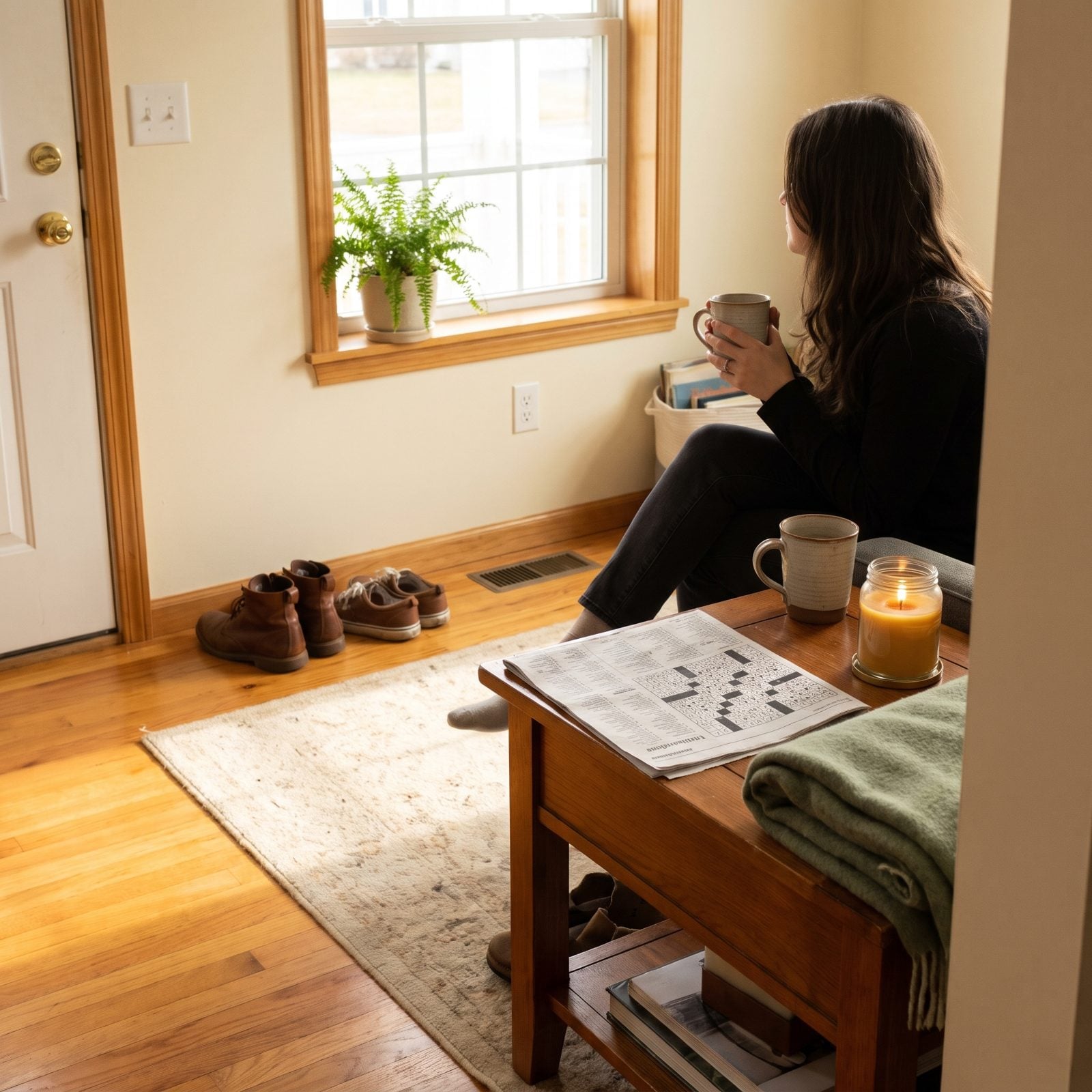
That hum you carry around the house all day, the one that flinches at every surface and pile and thing out of place, is real and it’s exhausting. A perfectly kept home runs on a quiet, constant alarm in the back of your head that never fully switches off.
Loosen the standard and the alarm starts to go silent. Not all at once. But one afternoon you notice you walked past the unfolded laundry and felt nothing. No guilt, no internal nagging. Just a pile of clothes being a pile of clothes.
15. You Reclaim Hours for Things You Actually Like Doing
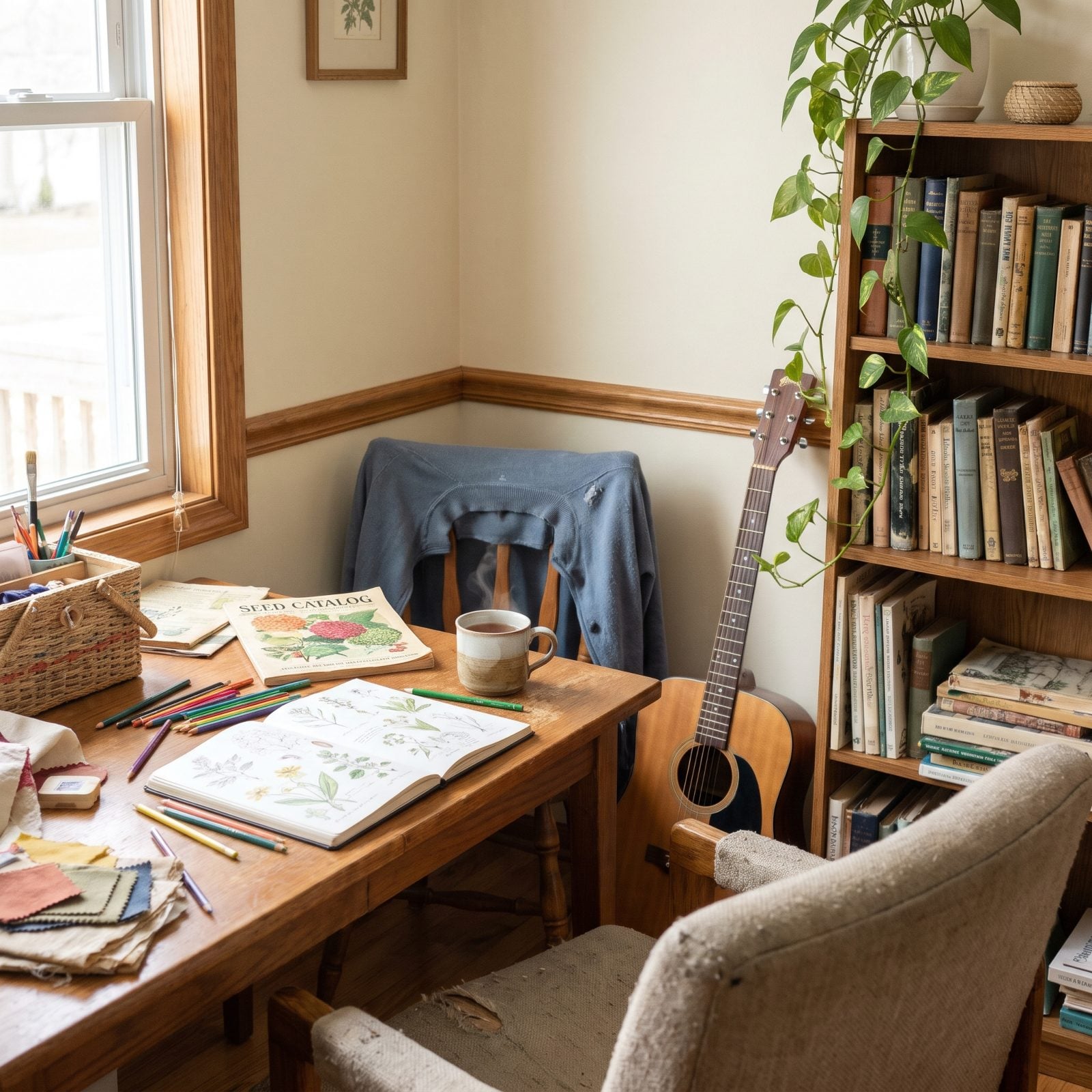
Think about the Saturdays you’ve spent wiping baseboards nobody has ever looked at. Now imagine handing those hours back to yourself.
When the house no longer demands constant maintenance, the time has to land somewhere. It lands on the garden you keep meaning to plant, the book that’s been on the nightstand since spring, the long phone call with a friend you keep cutting short because you’re vacuuming. A home kept at ninety percent instead of a hundred buys back a shocking amount of your actual life.
14. You Stop Apologizing the Second Someone Walks In
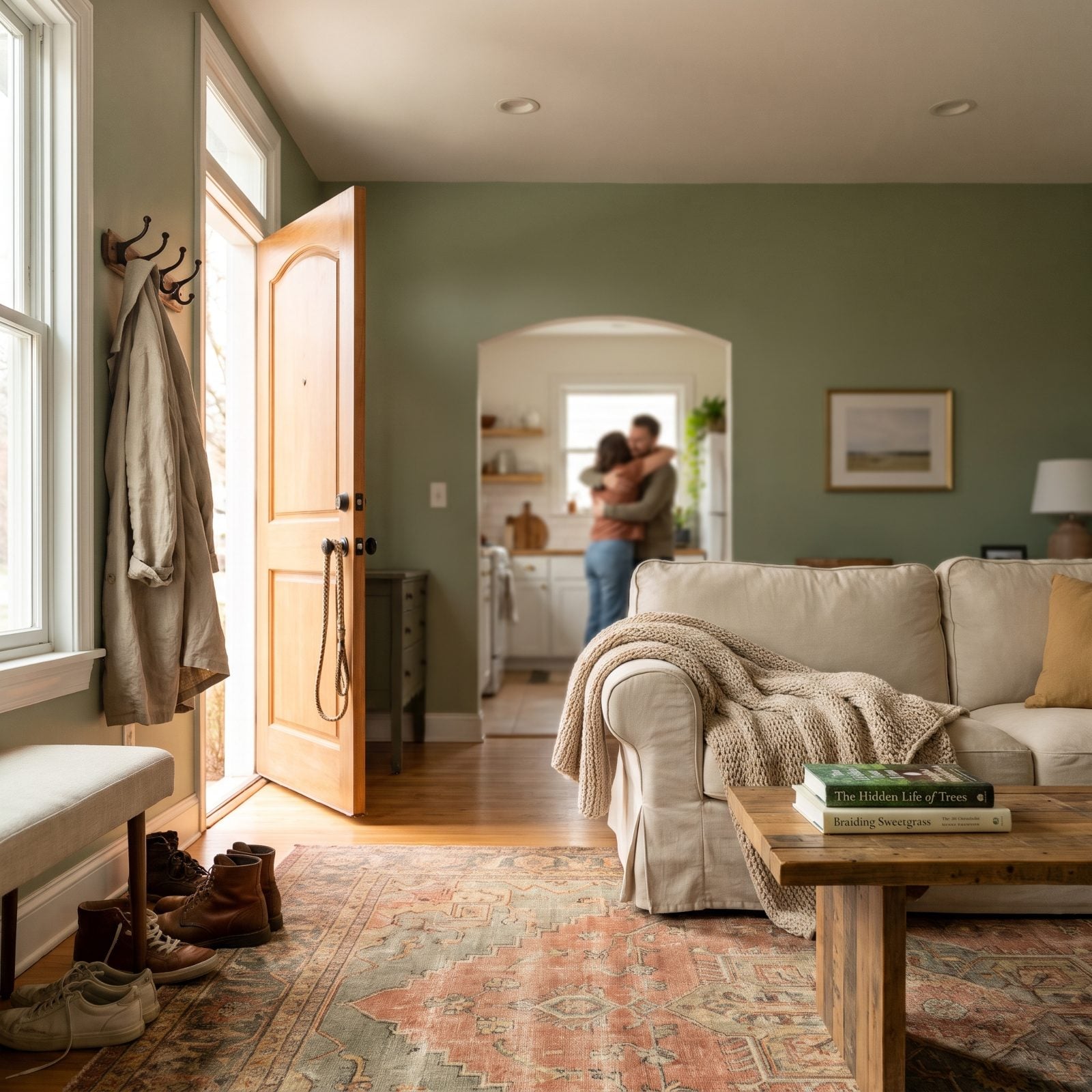
“Sorry, the place is a mess.” You’ve said it a thousand times, usually before the person has even stepped inside. And here’s what nobody tells you: the apology makes guests more uncomfortable, not less, because it hands them a job, reassuring you.
Drop it and something shifts. You greet people instead of defending yourself to them. The house stops being evidence against you. Besides, most of the stuff you were apologizing for? They never saw it until you pointed.
13. Guests Actually Relax Because the Place Feels Real
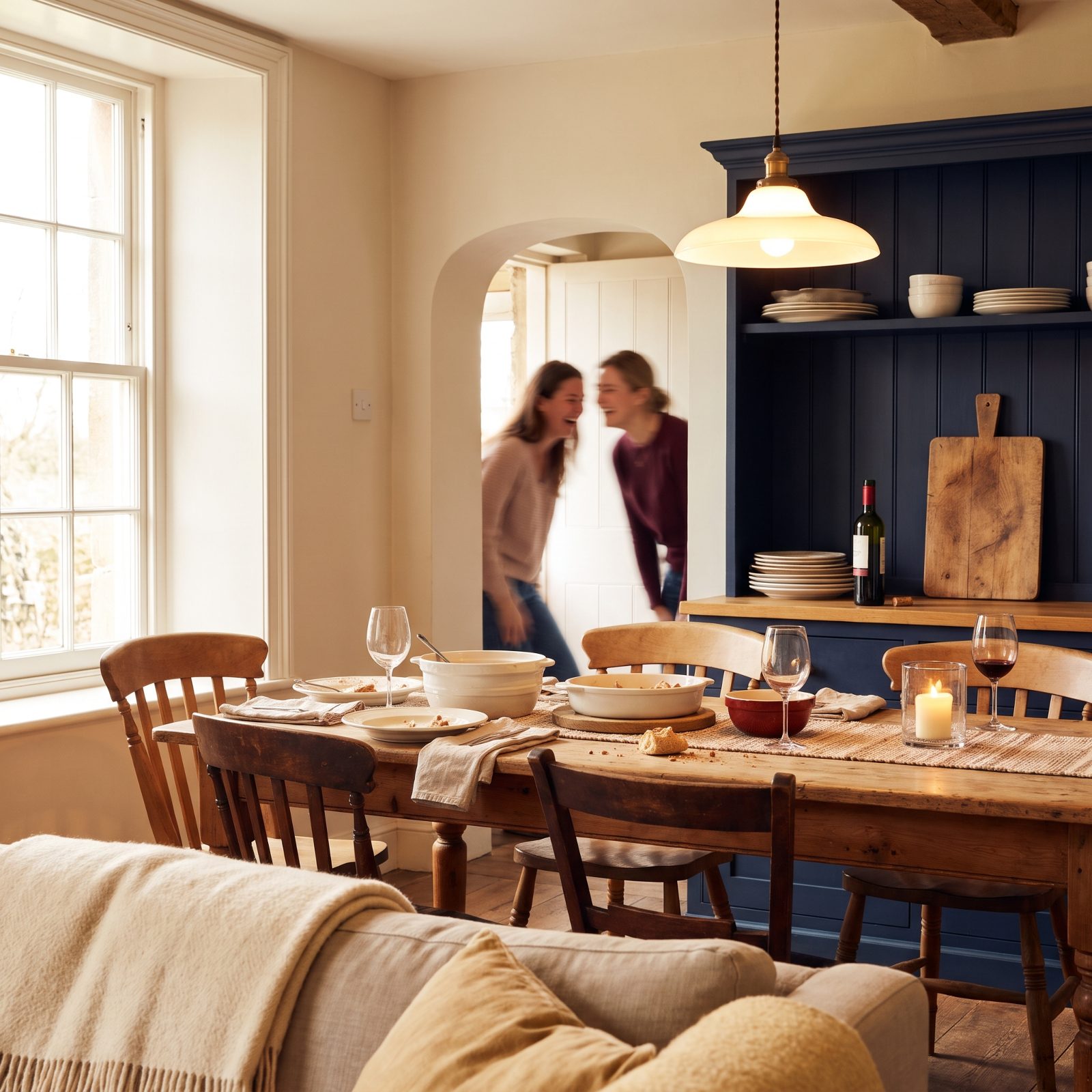
You’ve been in the showroom house. The one where you’re afraid to set your glass down without a coaster, where the pillows are karate-chopped and nobody dares sit on the good couch. You left exhausted.
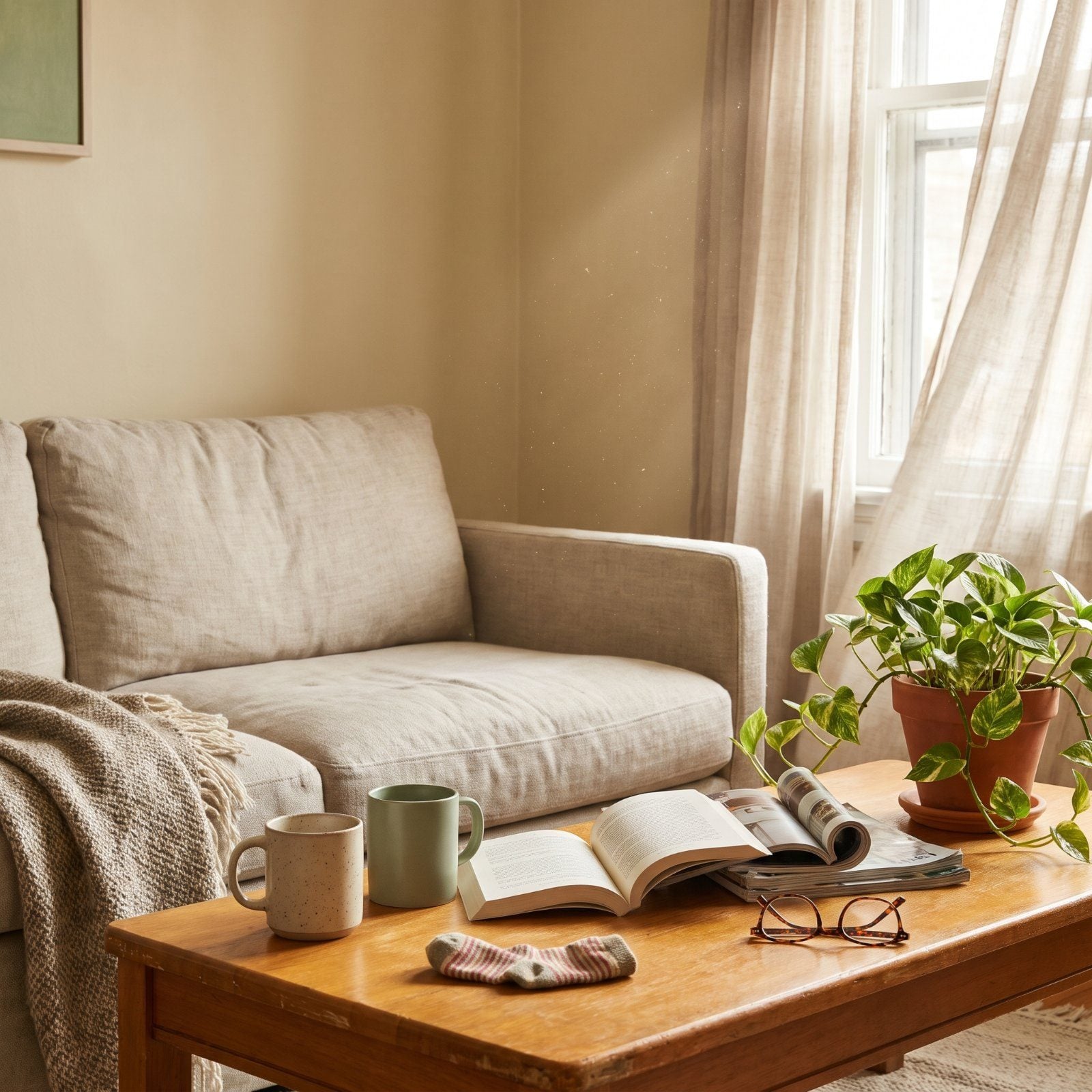
A lived-in home gives guests permission to exhale. The slightly rumpled throw says you can put your feet up. The visible stack of books says real people think here. Warmth comes from evidence of life, not the absence of it.
People don’t relax in homes that look perfect. They relax in homes that look loved.
12. Spontaneous Hosting Stops Being a Fantasy
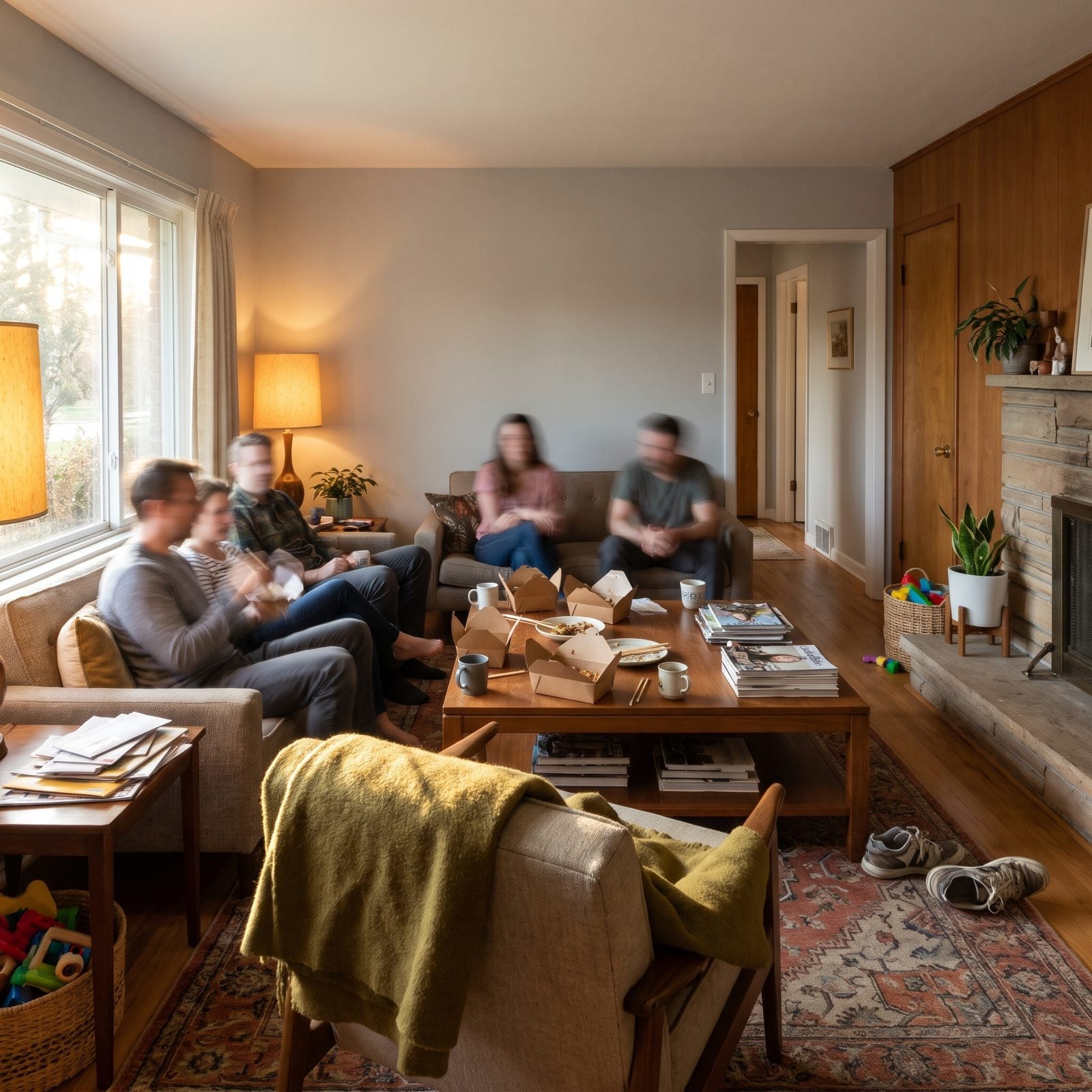
“Come over whenever” only works if whenever doesn’t require a two-hour panic clean first. That’s the hidden cost of the flawless-home rule: it quietly kills the easy, drop-in friendship that makes a neighborhood feel like one.
Let the place stay human and the invitation gets cheap, in the best way. Someone texts from down the street, you say sure, you don’t shove laundry in the closet or sweat the dishes. You just open the door.
11. Your Kids Learn Mess Isn’t an Emergency
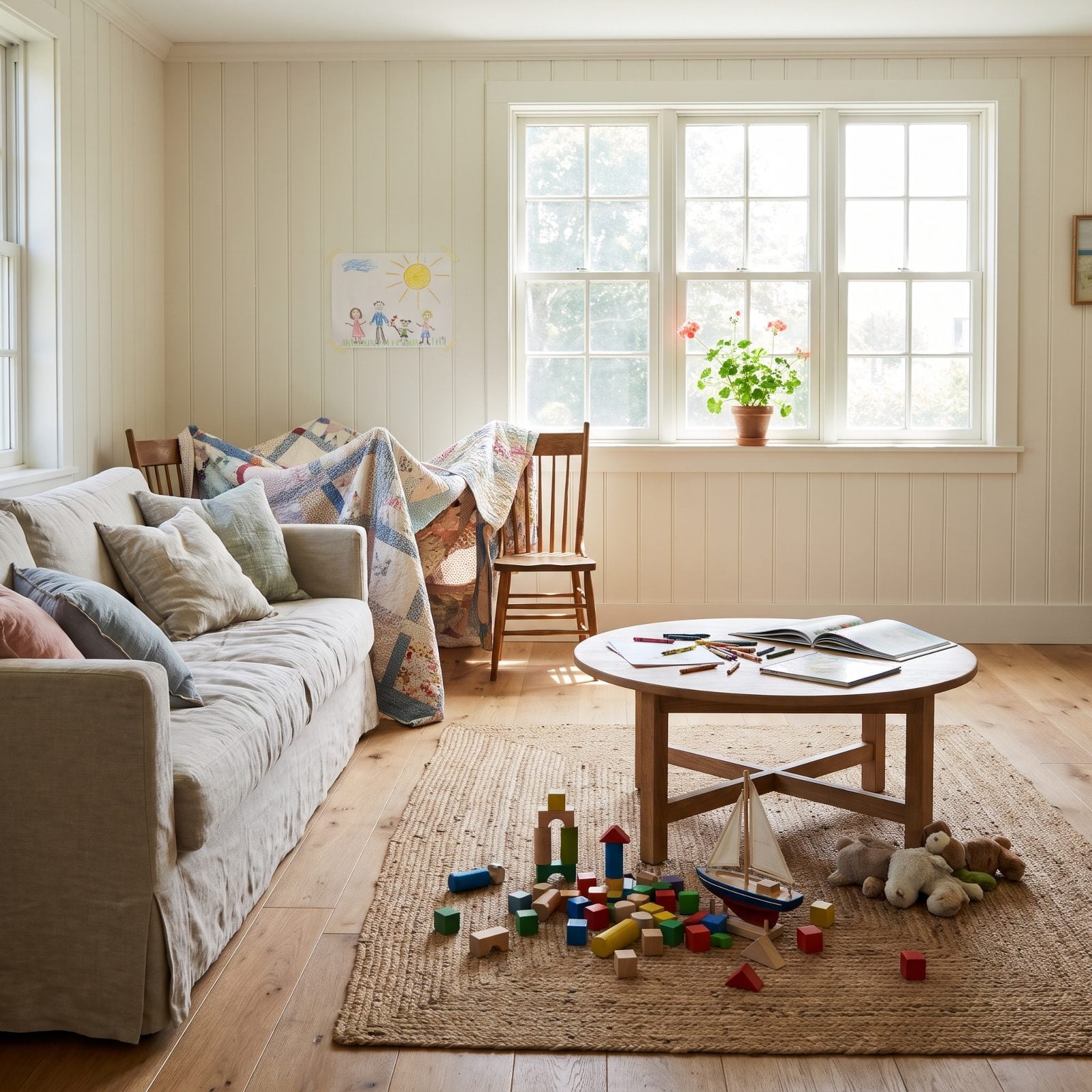
Kids read your reaction to a spilled juice box more than the juice itself. When every mess triggers alarm, they absorb the lesson that disorder is dangerous and worth panicking over.
Loosen up, and they learn the opposite. A spill gets a towel, not a meltdown. A messy room gets cleaned eventually instead of treated as a moral failing. You’re modeling something they’ll carry for decades: that a home is for living, that mistakes are fixable, and that a person’s worth isn’t measured by their countertops.
10. You Sleep Better When the Mental To-Do List Goes Dark
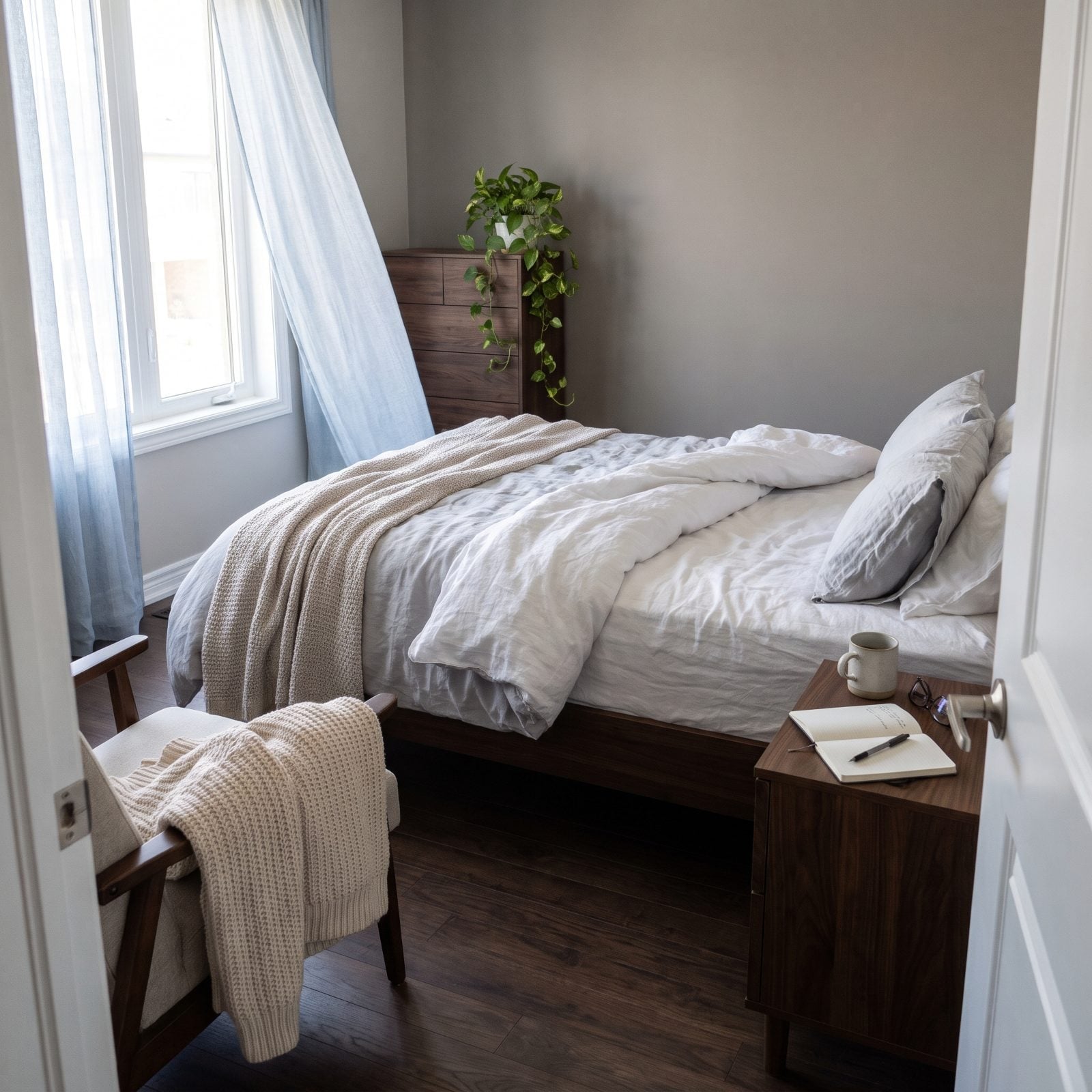
Ever lie down and have your brain start reading you the list? Dishes. Floors. That closet. The thing in the garage. A home held to an impossible standard never lets the list close, so your mind keeps it open past midnight.
Drop the standard and the list shortens on its own, because most of it was never urgent to begin with. You stop treating the living room’s state as a bedtime verdict, and your head hits the pillow quieter. Sleep comes easier when nothing is still demanding to be fixed before morning.
9. Cleaning Turns Into a Choice Instead of a Compulsion
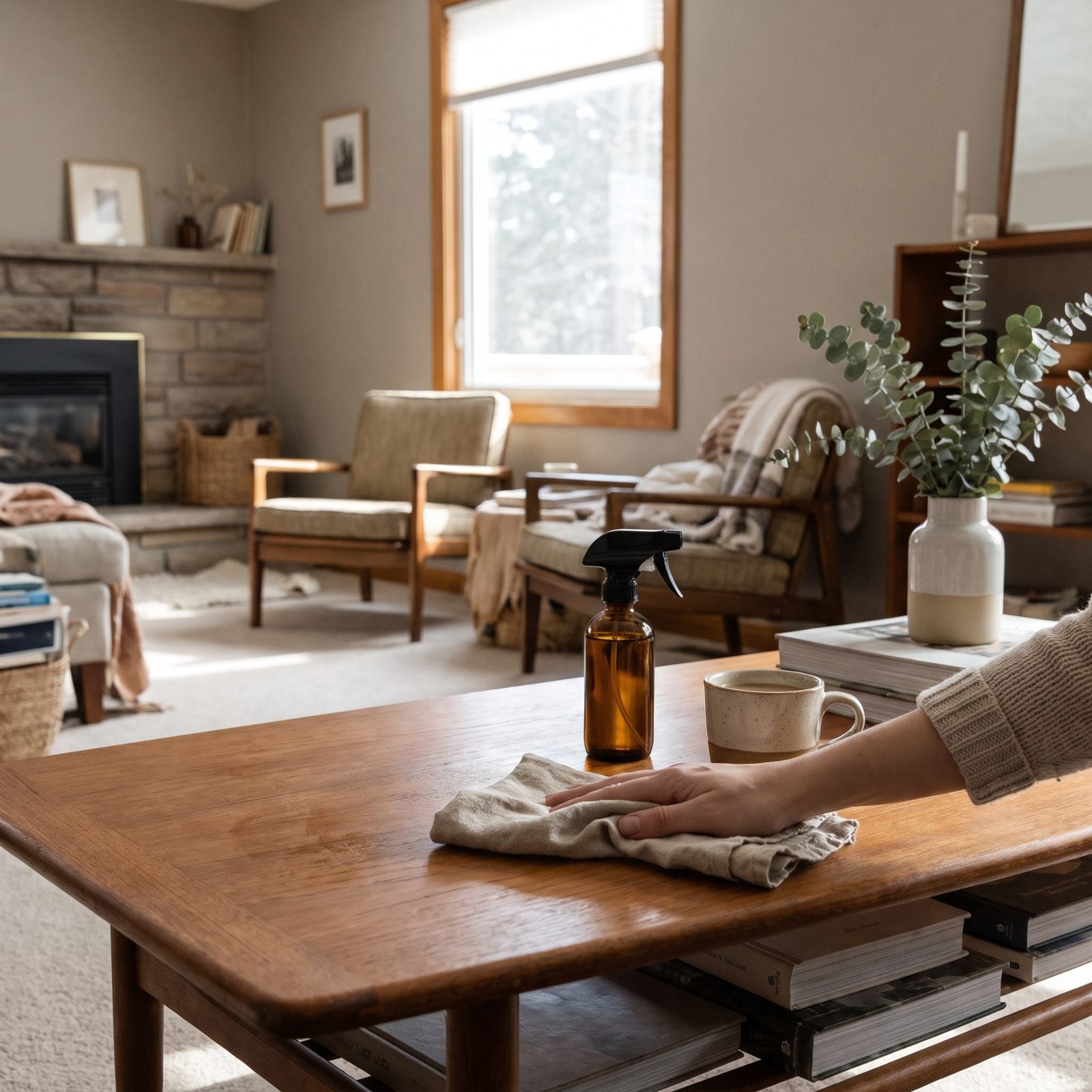
There’s a difference between cleaning because you want a fresh space and cleaning because the mess is screaming at you. The first feels good. The second is a cage.
When the compulsion lifts, you clean on your terms. Some days that’s a deep scrub because it’s genuinely satisfying, and some days it’s leaving the counter alone because you’d rather be outside. Same action, completely different master. Plenty of us spend years not knowing the difference, cleaning out of guilt and calling it standards.
8. You Stop Measuring Your Home Against a Highlight Reel
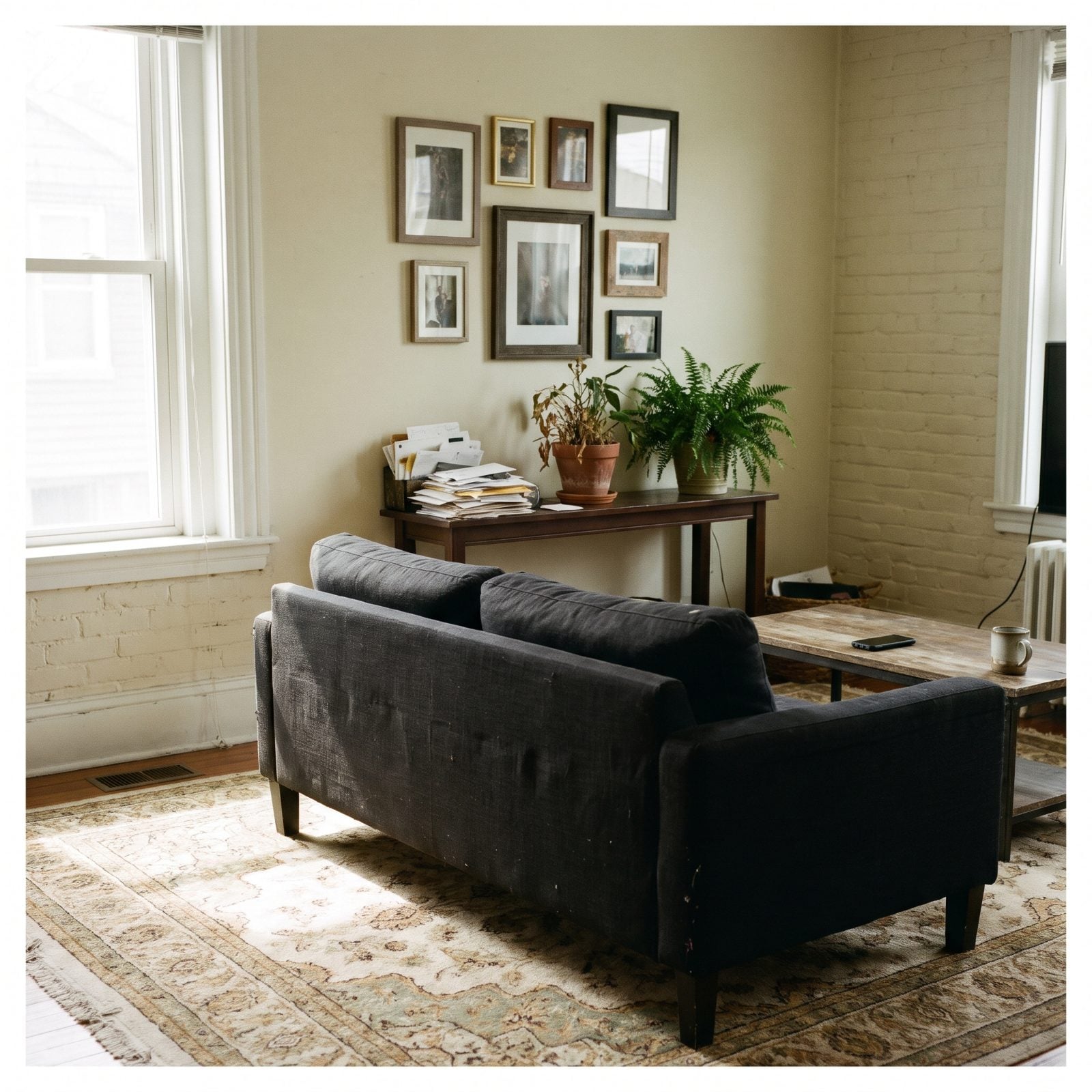
Every perfect kitchen you scroll past was staged, shot from the one angle that worked, and probably cleared of the owner’s actual life for the photo. You’re comparing your Tuesday to someone’s performance.
Walk away from that game and your own home comes back into focus. The crooked gallery wall you love. The chair the dog claimed. The plant you keep almost killing and keep saving. None of it photographs like the feed, and none of it needs to. A home that holds your real life will always beat one built to be admired by strangers.
7. You Spend Less Money on Cleaning Products You Don’t Need
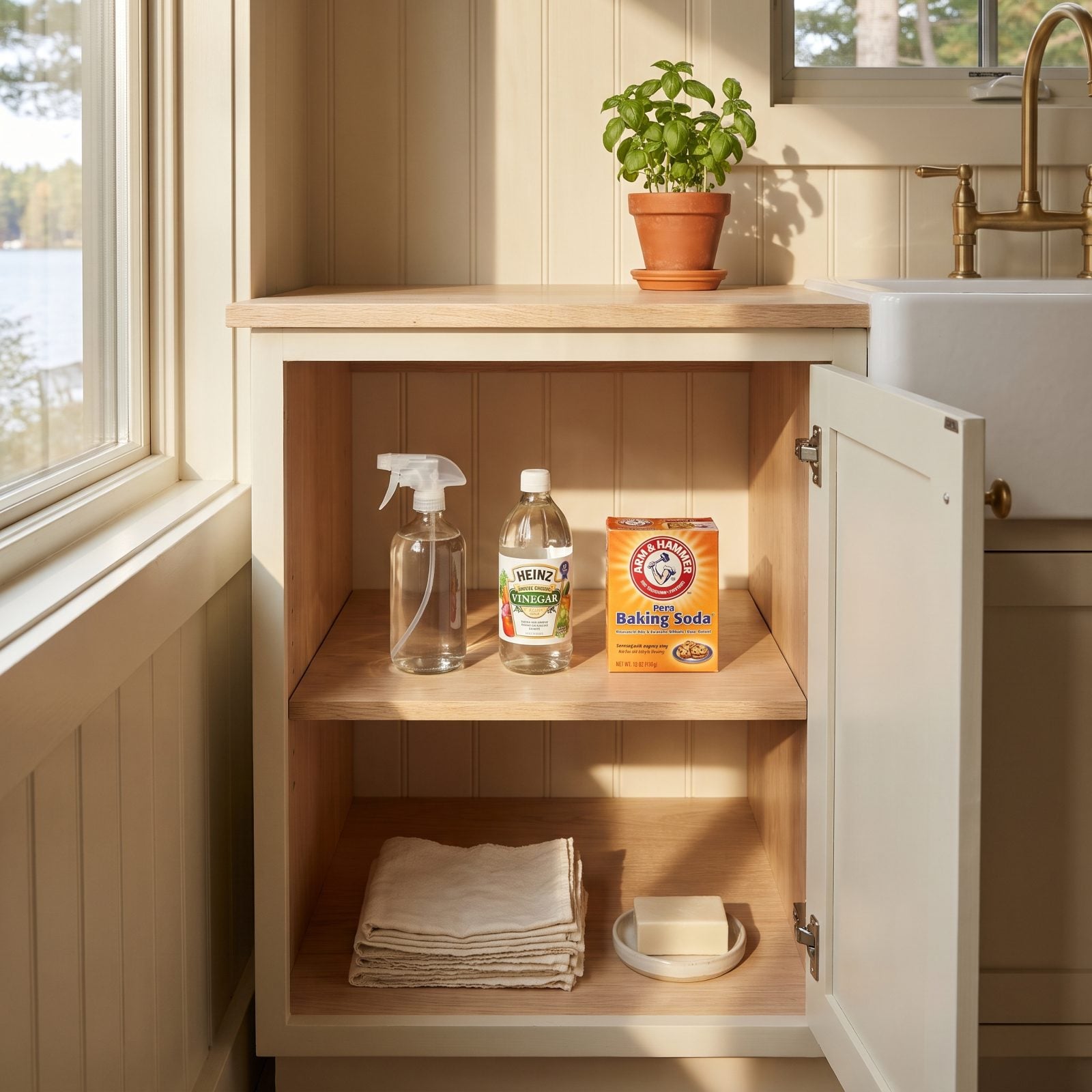
Walk the cleaning aisle and it whispers that you need a separate potion for every surface. Granite spray. Stainless spray. Glass spray. A foam for grout nobody has ever once asked about.
Let go of the pressure to keep everything gleaming and something funny happens to the grocery bill. You stop buying the arsenal. Most of what sits under the sink boils down to vinegar, baking soda, and a decent dish soap — the rest is marketing dressed up as a cure for a problem we’d been sold on having in the first place.
6. Your Relationship Stops Fighting Over Chores
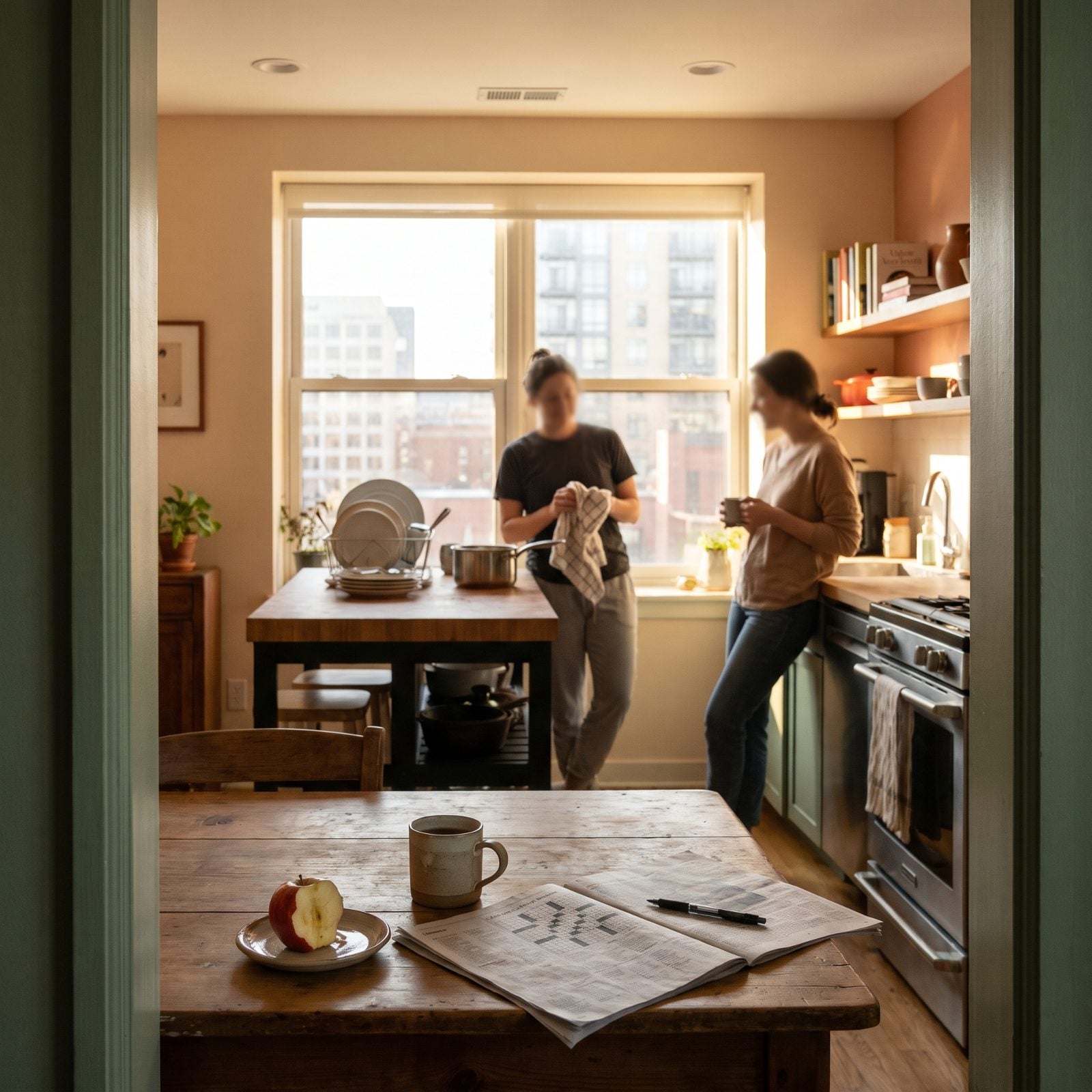
Most couples don’t fight about dishes. They fight about what the dishes mean.
The unspoken scorekeeping. The sigh that says I always end up doing this. When a flawless home is the standard, every undone task becomes evidence in a case nobody wants to be arguing. Lower the bar to livable and the stakes drop with it. A sink with two mugs in it stops being a provocation.
None of this means doing less together — it means you stop using the mess as ammunition. Honestly? Half the chore wars I’ve watched were never about cleanliness at all. They were about feeling seen, and nobody ever won one by color-coding the chore chart.
5. You Start Noticing What Actually Matters at Home
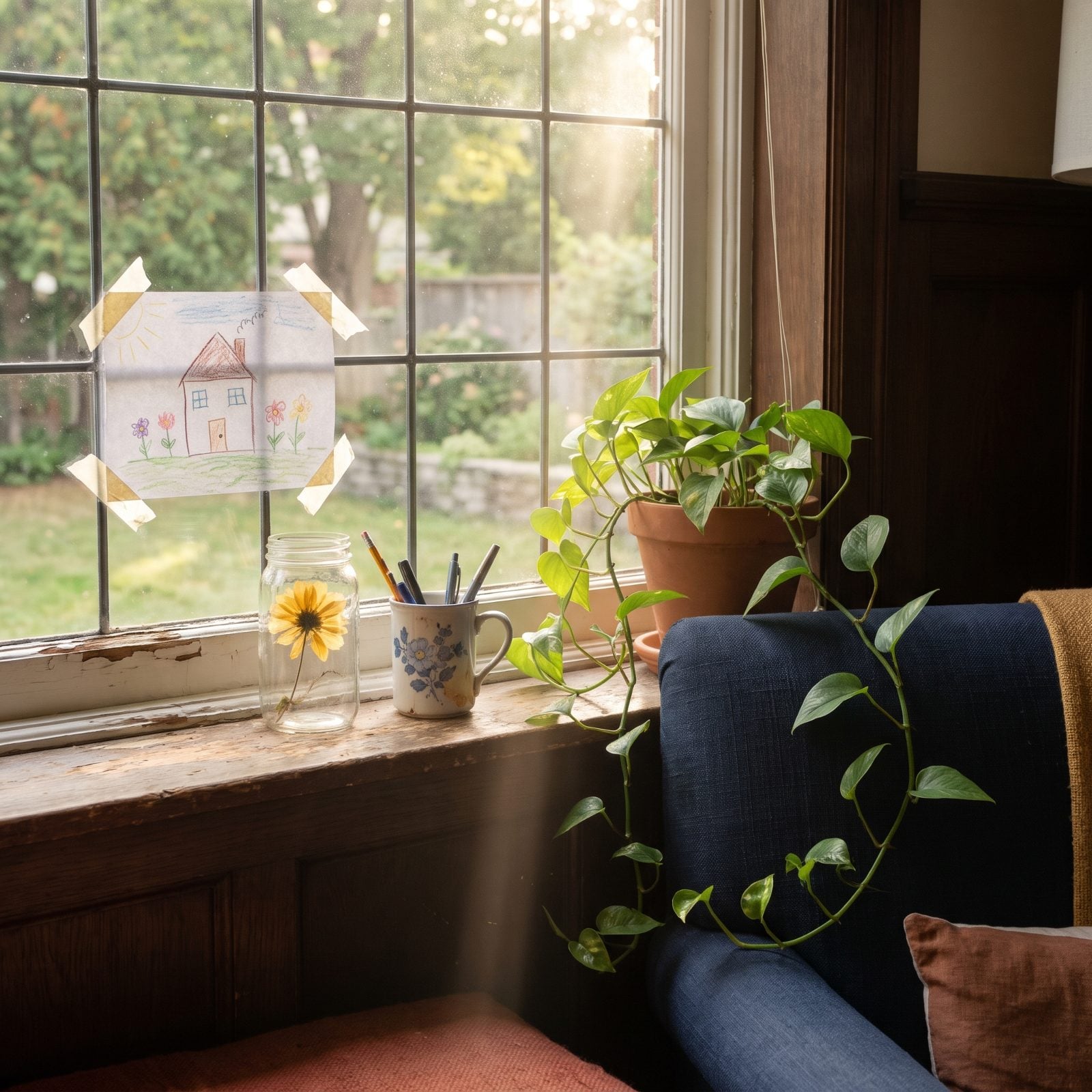
Scrubbing is a strange kind of blindness. Train your eyes to hunt for smudges and crumbs and that’s all you’ll see — the handprint on the window becomes a chore instead of the small person who left it there.
Step back from the flawless standard and your attention frees up for the stuff worth keeping. The light that comes through the kitchen at four o’clock. The squeak of the back door. That one plant that finally put out a new leaf. None of it registers when you’re on patrol.
4. The Perfectionism Loosens Its Grip on Other Areas Too

Here’s what catches people off guard. The home was never really the issue.
That pressure to keep it flawless was one branch of something bigger — the same voice that redrafted emails eleven times and never submitted the hobby project because it wasn’t ready. Loosen your grip in one room and the loosening travels. You send the good-enough email. You hang the slightly crooked shelf and leave it. You let a painting sit unfinished for a week without it haunting you.
Perfectionism feeds on practice. So does its opposite. Clean floors were just where we happened to be practicing.
3. You Feel Less Guilty Saying Yes to Rest
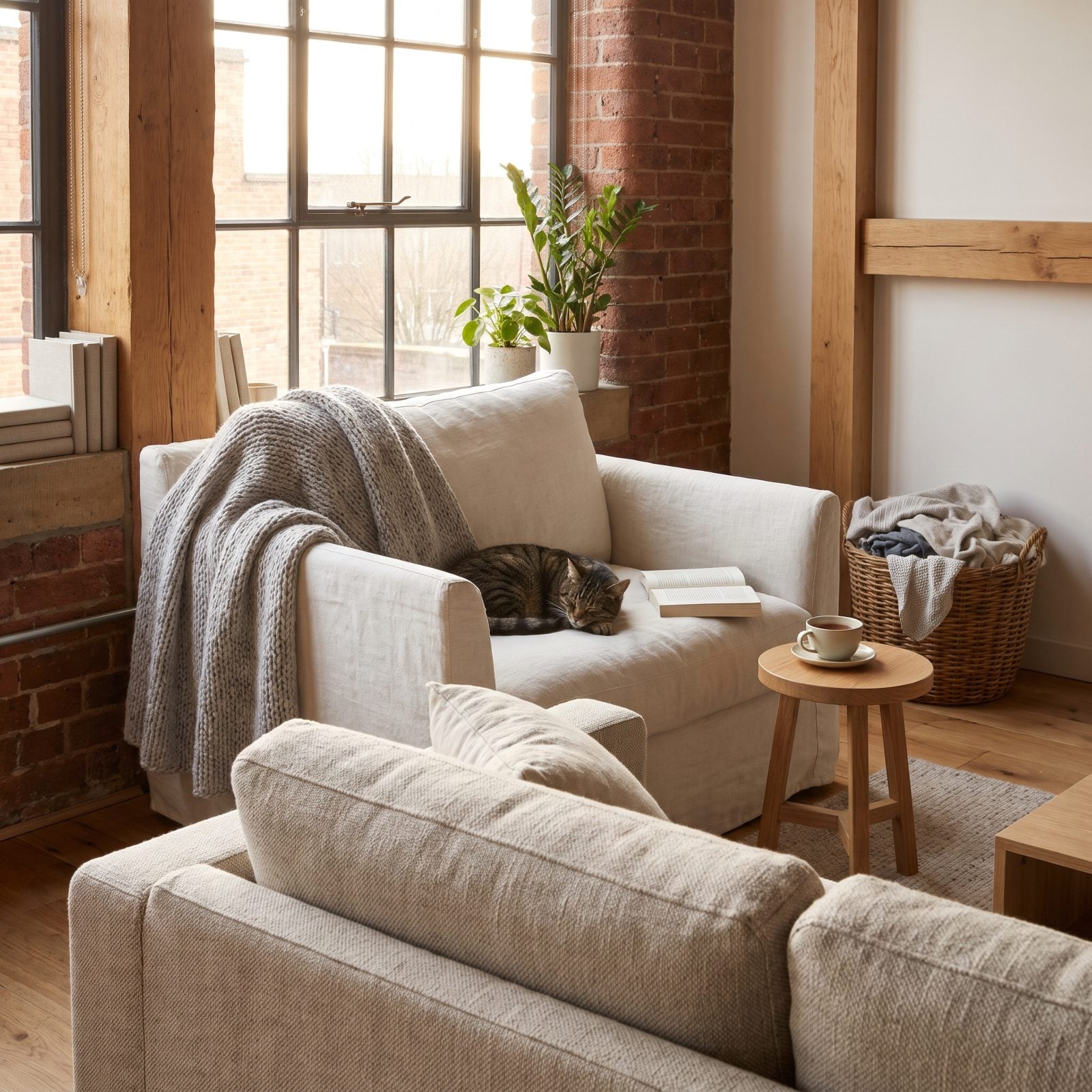
You’ve sat down with a book and felt the laundry glaring at you from across the room. That low hum of you should be doing something. Rest doesn’t count when there’s a visible to-do list wallpapering your house.
Give up the flawless standard and rest stops needing permission. The couch becomes a place to sit, not a prize you earn after everything is done — because everything is never done. There’s always another surface. I will die on this hill: a nap on an unvacuumed floor is still a good nap.
2. You Rediscover Rooms You Were Too Busy Scrubbing to Enjoy
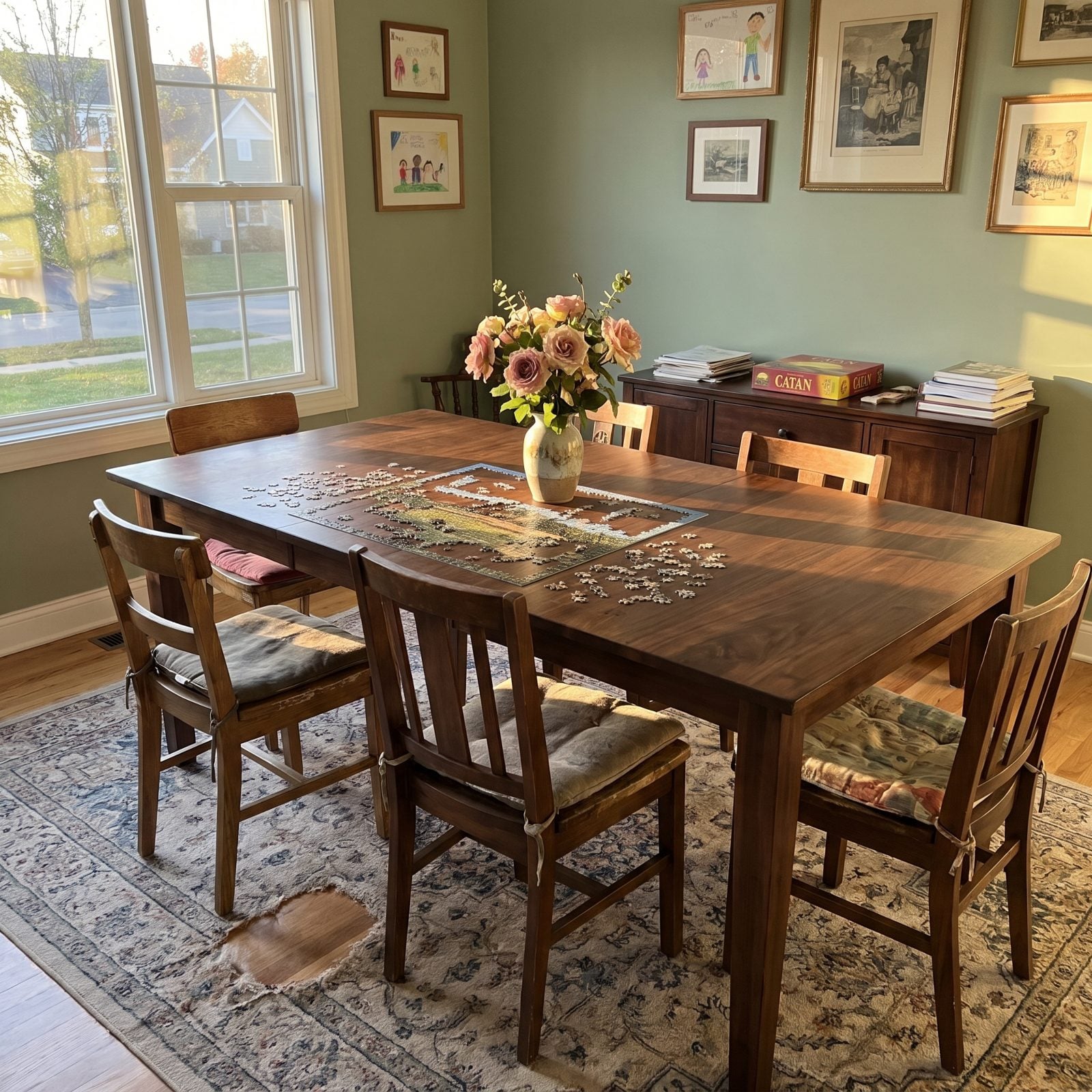
The formal dining room is the classic casualty. Kept pristine, used twice a year, dusted weekly for guests who never come. A whole room held hostage to an occasion.
When your home stops being a showroom, these spaces come back to life. The dining table becomes where the puzzle lives for three weeks. The guest room becomes where you read on Sunday. You reclaim square footage you were paying a mortgage on and treating like a museum.
1. You Realize No One Remembers the Mess, Only the Memories

Think back to the best evening you had in someone else’s home. Now try to remember whether their floors were clean.
You can’t. Nobody can. What stays is the laughing until your face hurt, the story someone told twice, the kid who fell asleep under the table. The mess evaporates from memory the second the night ends, because it was never recorded in the first place.
We pour so much energy into perfecting the stage and almost none into the play. A flawless home is something you remember doing. The messy, full, loud one is something you remember living. Years from now, the only inventory anyone keeps is who was there and how it felt. Leave the dishes. They’ll keep.