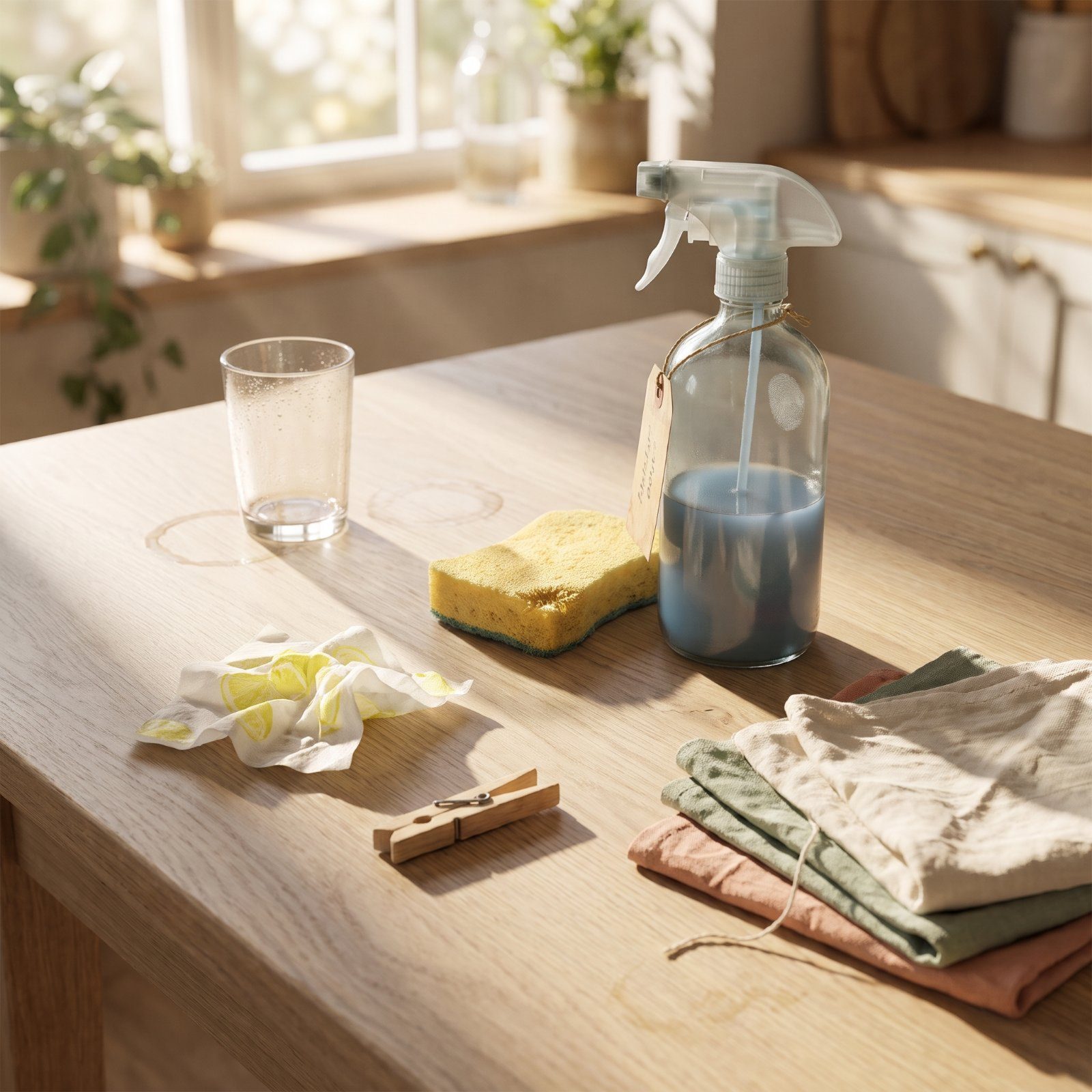
The laundry chair knows you better than you’d like. You cleared it once, swore it was done, felt that clean-slate rush — and three weeks later it’s a fabric mountain again, with some part of you not even surprised. We all have the habit that doesn’t work and the habit we keep anyway. If you’ve ever wondered why willpower keeps losing to a sponge, here’s the uncomfortable fun of it: the exact wiring that drags you back to a cleaning method you know is useless is the same wiring that drags people back to the ex everyone warned them about. Same brain, same pull, different disaster. Below are the parallels that’ll make you laugh, then nod, then look at your junk drawer a little differently.
Please note that some of the images in this article were created with the assistance of AI.
14. You Let the Laundry Chair Back Into Your Life

You cleared it. Hung everything, wiped the seat, sat in it like a person who has their life together. For about four days.
Then one pair of jeans landed there because you might wear them again, then a sweater. The chair doesn’t ambush you. You feed it, one “just for now” at a time, until it’s back to being a soft beige landfill.
This is the on-again, off-again relationship in furniture form. The pull isn’t the chair — it’s the path of least resistance. Hanging clothes properly costs effort now; draping them costs nothing now and everything later, and your brain is terrible at pricing “later.” Psychologists call it present bias, the way a small cost today feels heavier than a large cost tomorrow. The ex works the same way. Calling is easy tonight. The fallout arrives on a delay, and by then you’ve already made the easy choice a dozen more times.
13. One Good Vacuum Run Erases Ten Disappointing Ones
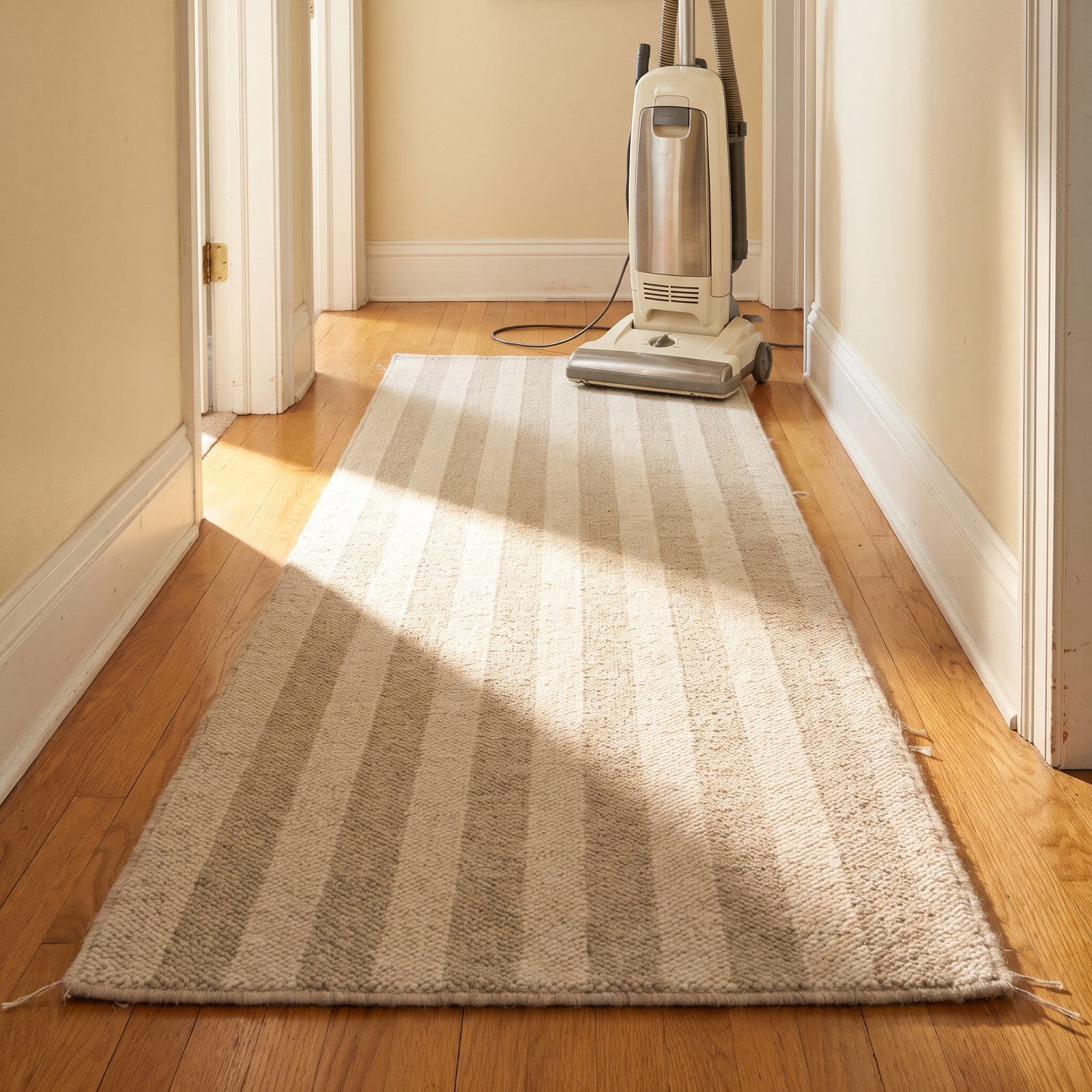
Those fresh vacuum lines in the carpet. That smell of warm motor and lifted dust. For one glorious evening you are a domestic genius, and every lazy skip of the last month is forgiven in full.
That’s the peak-end rule doing your remembering for you. We don’t recall experiences by the average — we recall the best moment and the last moment, then let those stand in for the whole. Ten mediocre half-hearted passes vanish. One perfect run becomes the story you tell yourself about your cleaning.
It’s the exact mechanism that reunites people with someone who was unreliable for two years and wonderful for one weekend. Memory keeps the highlight reel and quietly deletes the Tuesdays. Plenty of us do it with a mop that works beautifully roughly a third of the time. In our heads it works every time. It does not.
12. You Spent Too Much on That Vacuum to Leave
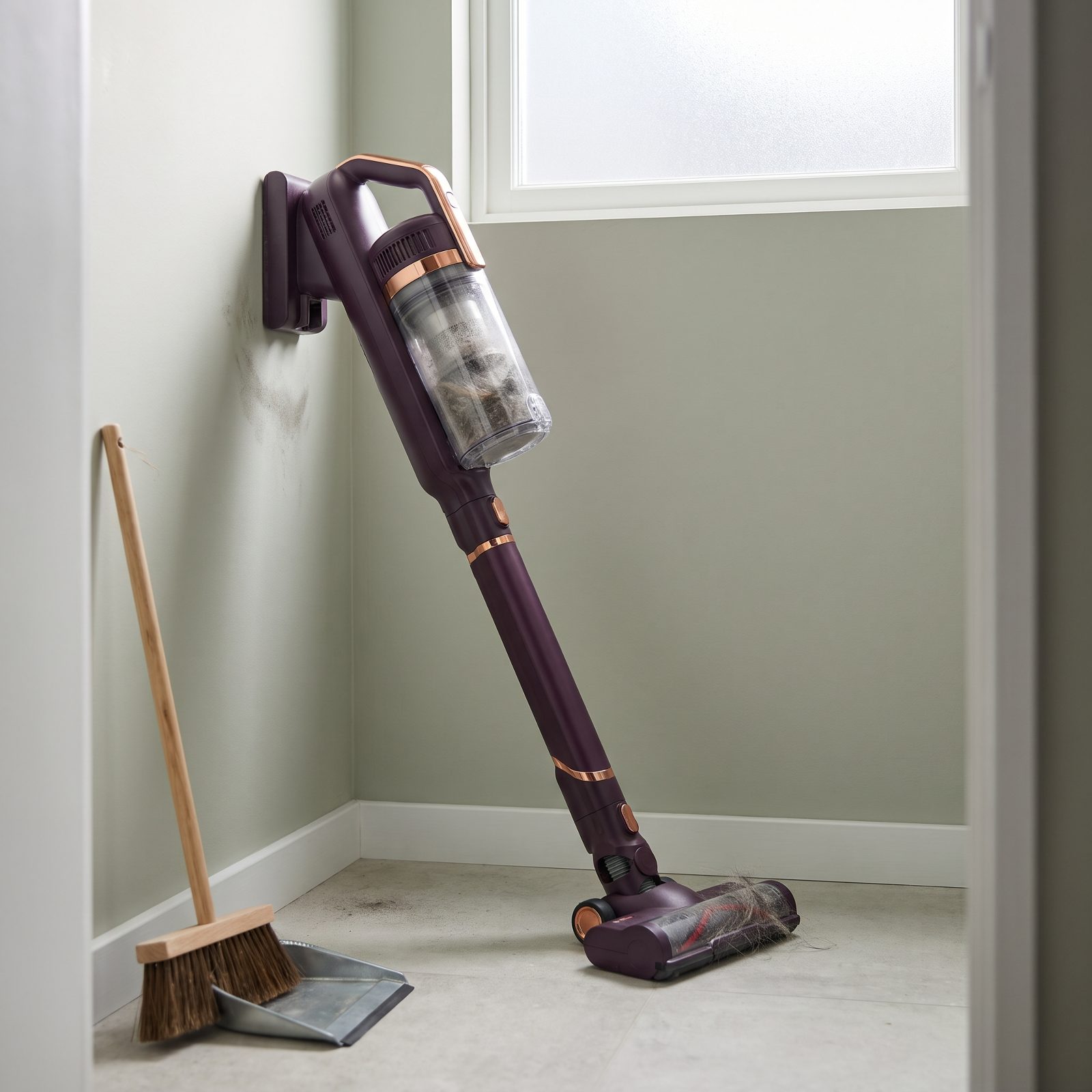
It cost more than a weekend away. It made a promise in the showroom. And now it half-chokes on pet hair, the battery dies mid-room, and you still won’t replace it because — well, look what you paid.
That’s the sunk-cost fallacy, pure and glittering. The money is gone either way, not coming back whether you keep suffering or switch to something that works. But our brains treat past spending like a debt the object owes us, so we stay, hoping it’ll finally pay us back.
Same logic keeps people in a relationship that stopped working a year ago. “We’ve put so much into this.” Yes, and that investment is already spent, in the past, non-refundable. The question was never what you put in. It’s whether tomorrow is better with it or without it.
11. You Remember the Pine Scent, Not the Sticky Floor
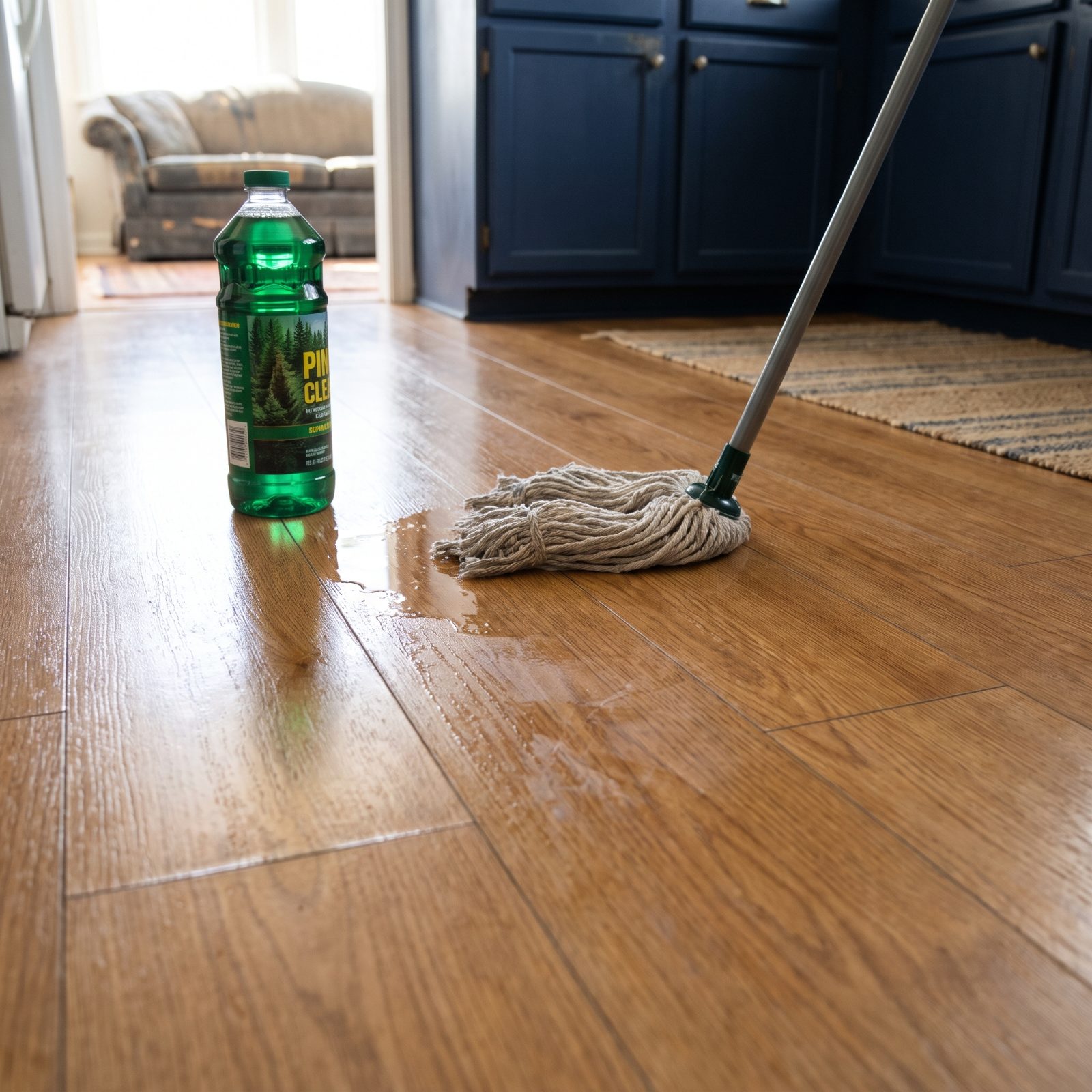
The bottle smells like a forest and your grandmother’s confidence. You pour it, you mop, the whole house breathes pine, and you feel clean. An hour later your socks stick to the kitchen floor because that cleaner leaves a film and always has.
You bought the scent, not the result. Smell is wired straight into memory and emotion, so the pine hits you as proof of cleanliness before your feet get a vote. The sensory high overrides the evidence.
It’s the chemistry-not-compatibility trap. The thing that feels amazing in the moment keeps winning against the thing that actually delivers. The heart remembers how it felt walking in the door. It conveniently forgets the sticky floor it left behind.
10. You Return to Bleach Because Your Mother Swore by It
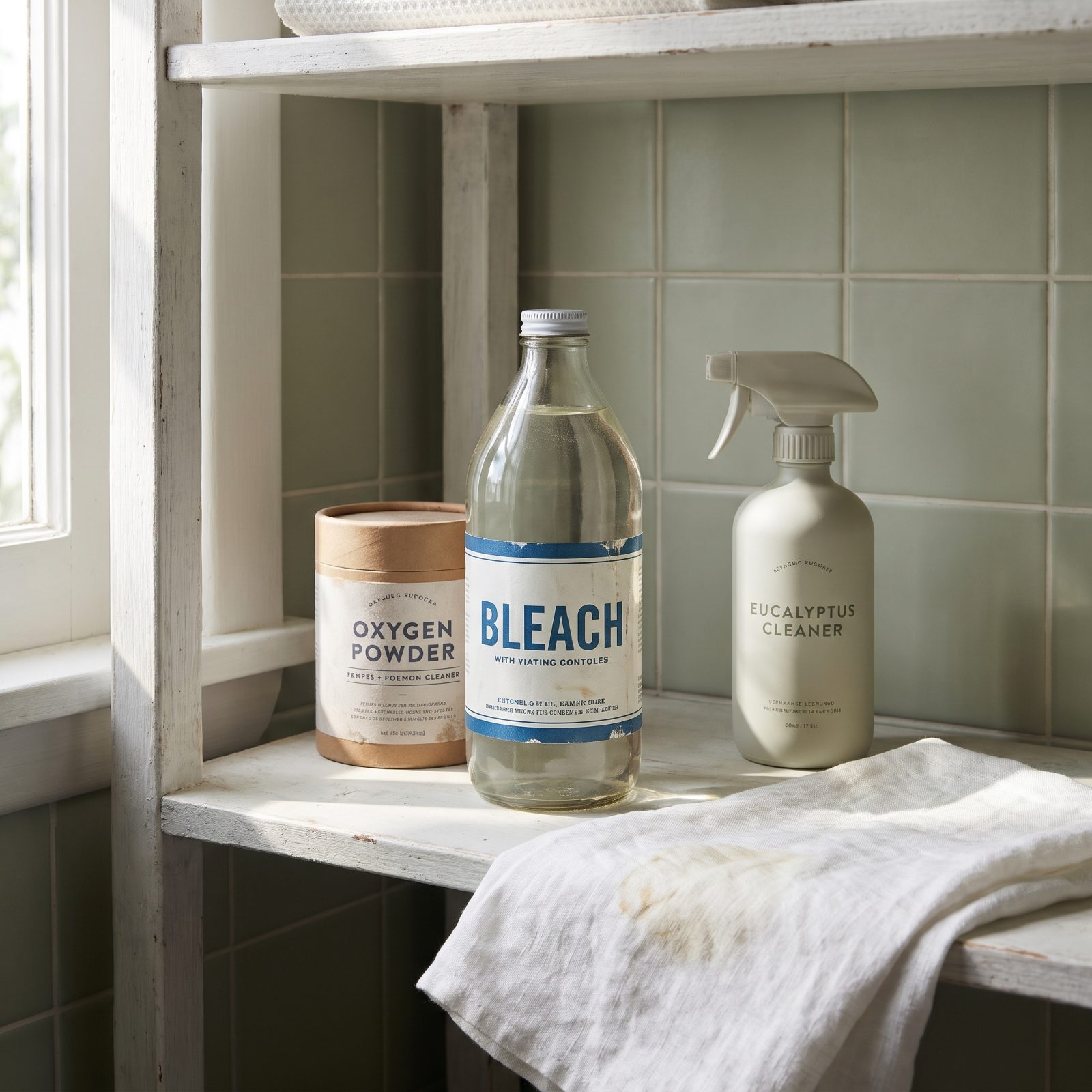
Something’s dingy, and your hand goes straight to the bleach like it’s gospel. Never mind that it yellows certain fabrics, eats elastic, and isn’t right for half of what you throw at it. Your mother swore by it, and that settles it.
This is the authority bias wearing an apron. When someone we trusted and loved endorsed a method, questioning it feels like questioning them, so the habit comes pre-approved and we skip the thinking entirely.
People do the identical thing in love, chasing the kind of partner a parent modeled as “the right sort,” long after that model stopped serving them. The voice in your head sounds like family, so you obey it.
9. You Keep Trusting the Sponge That Already Let You Down
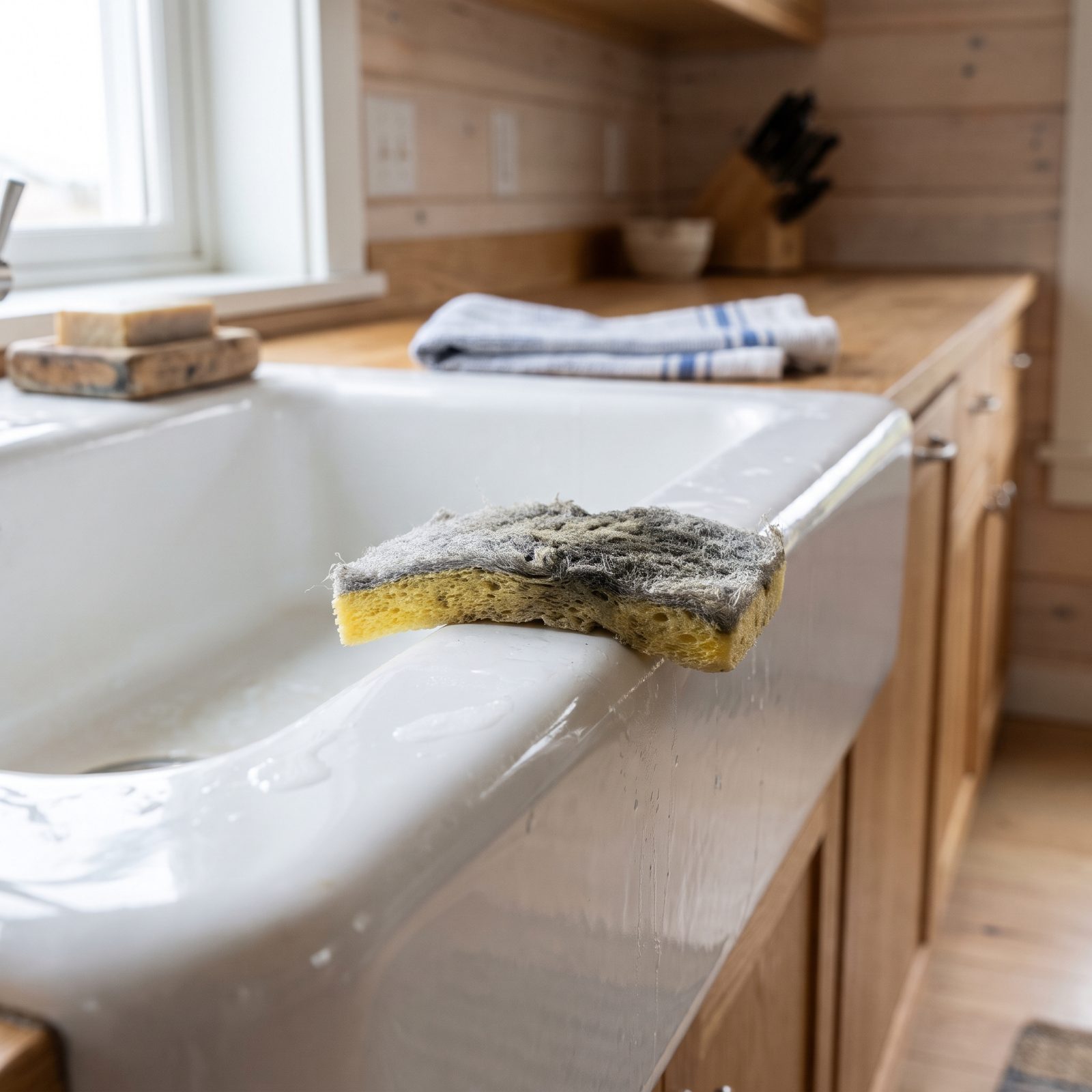
That sponge smeared grease around the pan last week instead of lifting it, left a cloudy film on your glasses, and smells faintly of a pond. Today you picked it up again, hopeful, as if it had a change of heart overnight.
Objects don’t improve on their own, and neither do people who’ve shown you who they are. But intermittent reinforcement keeps us coming back: the sponge works just often enough, just unpredictably enough, that each use feels like a fresh gamble. The same patchy reward schedule that hooks us on slot machines hooks us on the thing that occasionally comes through.
Replacing the sponge costs almost nothing. The resistance isn’t logical. It’s the hope that this time will be the time it’s good again.
8. You Buy Another Spray Instead of Changing Your Routine

The house still feels disorganized, so you buy the new miracle spray. Lavender this time. You stand in the aisle convinced that this bottle is the thing standing between you and a calm, spotless home.
It’s not the bottle. It never was. The problem is a routine you haven’t built, and buying a product feels like progress without any of the work. Psychologists call this action bias dressed as productivity: doing something, anything, to soothe the discomfort of a problem, even when the something changes nothing.
A new product is a fresh start you can purchase in forty seconds. A new habit takes weeks and a little humility.
In relationships it’s the same reflex, chasing a new person to fix a pattern you carry with you. New face, same routine, same result. The spray under your sink and the cart full of “this’ll do it” are the same wish in different packaging.
7. You Overload the Dishwasher Despite the Same Bad Ending
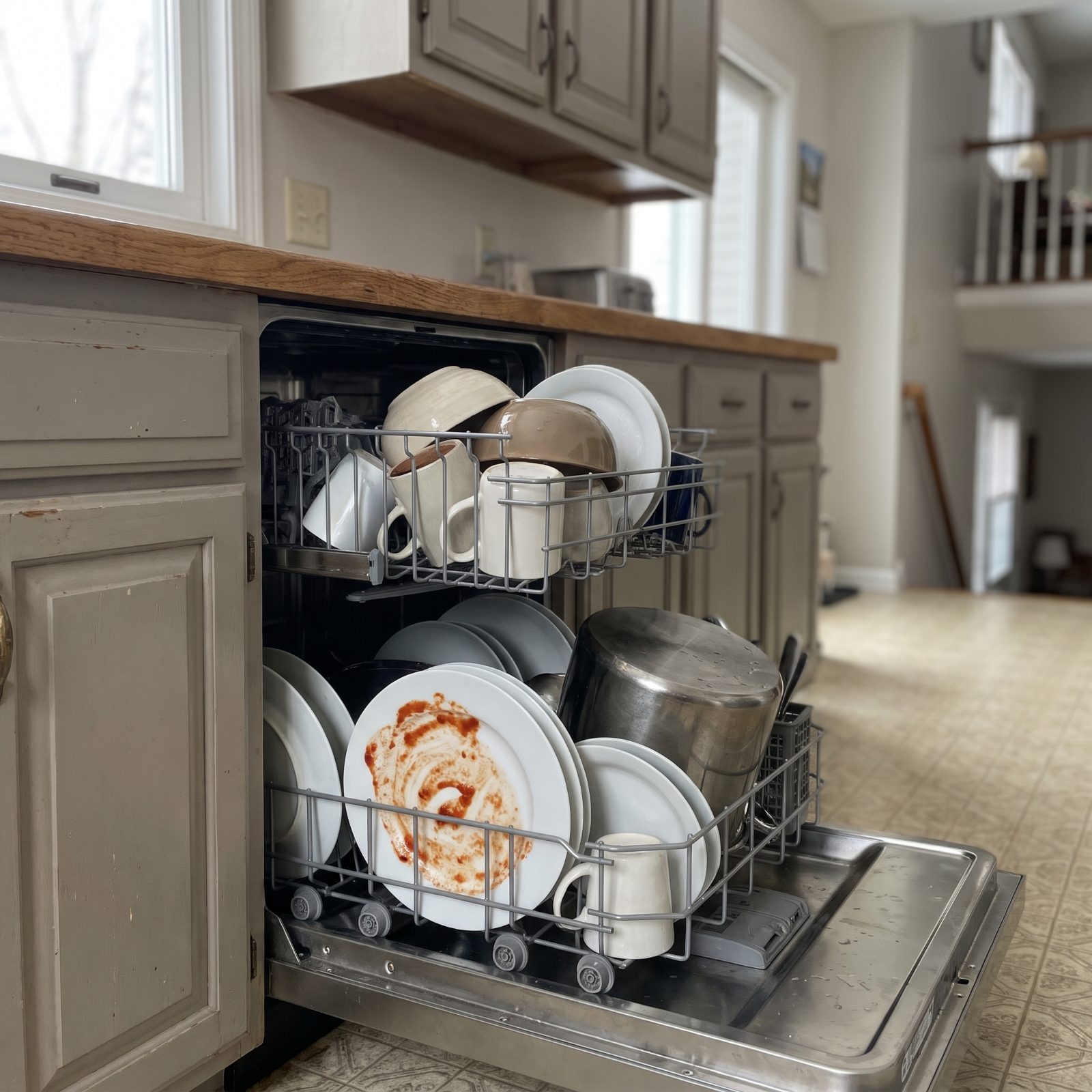
You jam in the last three plates, wedge a pot where no pot should go, and run it. You already know how this ends. Half of it comes out still crusted because the water couldn’t reach, and you hand-wash them anyway.
You did this last week. And the week before. Knowing better doesn’t stop the overload, because in the moment the temptation is concrete — fit it all in now — and the cost is abstract, some will fail later. Every single time, present you shortchanges future you.
That’s the cycle people repeat with a partner, too, cramming more into something that’s already past its limit and acting shocked when it buckles. The warning signs weren’t hidden. They were just inconvenient to look at while you were still shoving things in.
6. You Reach for Air Freshener Instead of Hard Truths
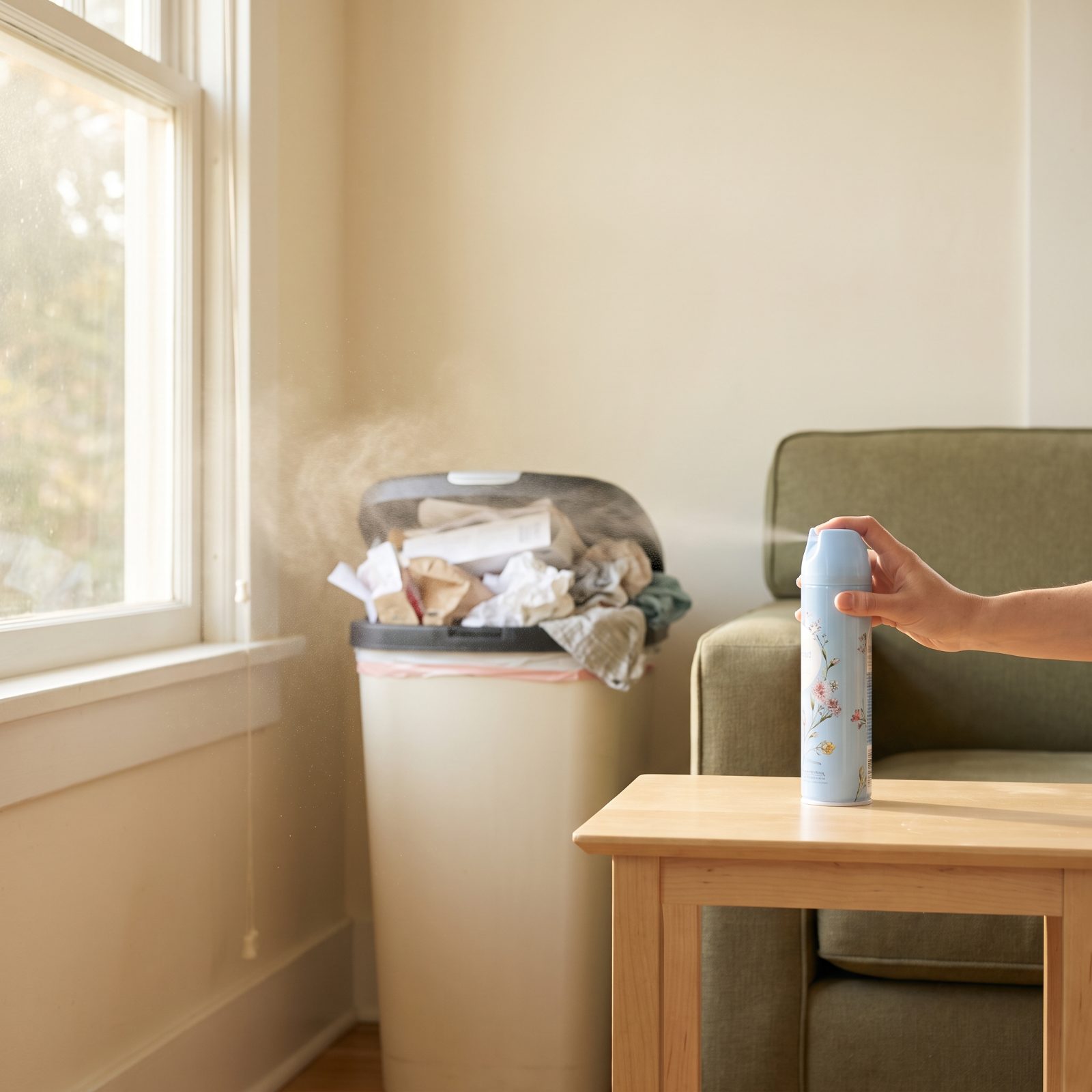
Something smells off, so you spray the fake meadow over it and move on. The trash is still full. The fridge still has the mystery container. You just covered it, told yourself it’s handled, and left the room.
Masking a symptom feels like solving a problem because the discomfort stops, and that short-term relief is seductive — it rewards you instantly for doing nothing about the actual source.
It maps perfectly onto avoidance in relationships, smoothing over a real issue with a nice gesture so the conversation you dread never has to happen. The smell comes back. It always comes back. Air freshener and a grand romantic distraction are the same move: buy a little time, delay the honest reckoning, pay more for it later.
5. You Panic-Clean for Guests, Then Stop Making an Effort

Guests are coming in ninety minutes, and suddenly you move like a professional. Baseboards, candles, the good towels. The place gleams. They leave, and within a week it’s back to normal because the effort was never for you — it was for the audience.
We work hardest when we’re being watched. It’s the Hawthorne effect, named from factory studies where people’s output rose simply because they knew someone was observing. Remove the eyes, remove the standard.
That’s the honeymoon-then-coast pattern in a nutshell. The best behavior shows up when there’s someone to perform it for, then quietly retires once the relationship, or the week, feels safe again. The real question isn’t whether you can rise for an occasion. It’s whether you’d keep the room nice with no one coming at all.
4. You Polish the Countertop to Avoid the Greasy Oven

The oven is the real job and you know it. So you grab a cloth and attack the countertop instead, the one surface that was basically fine already. Twenty minutes on, it shines like a magazine page while the oven still looks like a crime scene, and somehow you feel productive.
We pull the same stunt with a person we should have left behind. The hard conversation sits there, grease baked on. So we buff something easier instead. A nice text. A thoughtful gift. Effort aimed anywhere except the one thing that actually needs fixing.
Psychologists call it productive procrastination. Your brain wants the relief of a finished task without the sting of the task that matters, and scrubbing the counter hands you a little hit of accomplishment that quiets the guilt, which buys you a bit more time to keep dodging the oven. The shine is your reward for ducking the work.
3. You Call It Soaking Until Tomorrow Becomes Friday
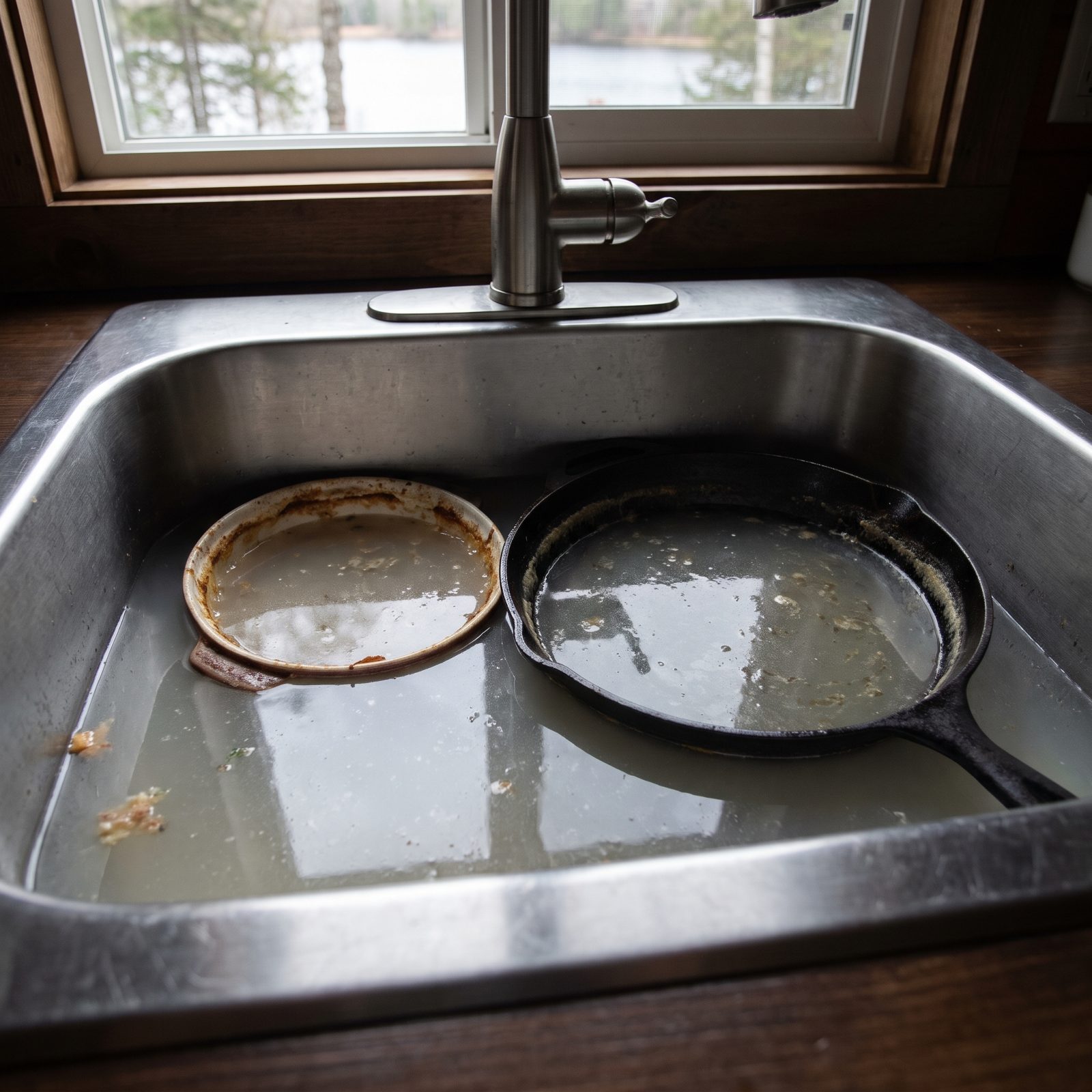
“I’ll let it soak” is the most optimistic lie in the kitchen. You run the water, add a squeeze of soap, and tell yourself you’re being strategic. The pan will loosen up. You’ll come back later. Then later becomes tonight, tonight becomes tomorrow, and by Friday the water has gone cold and grey while the food is more fused to the pan than ever.
Same story we tell about a relationship on pause. Not over, just soaking. We’ll talk when things calm down, we’ll figure it out after the holidays. We convince ourselves time will soften whatever’s stuck, when all time really does is let it set harder.
This is the planning fallacy wearing an apron. We believe our future self will have the energy, the focus, the willingness our present self is dodging right now. But future-you is a fiction, and future-you is busy. The soak isn’t a plan. It’s a permission slip to not decide, dressed up to look like one.
2. You Ignore the Full Vacuum Bag Because It Still Runs
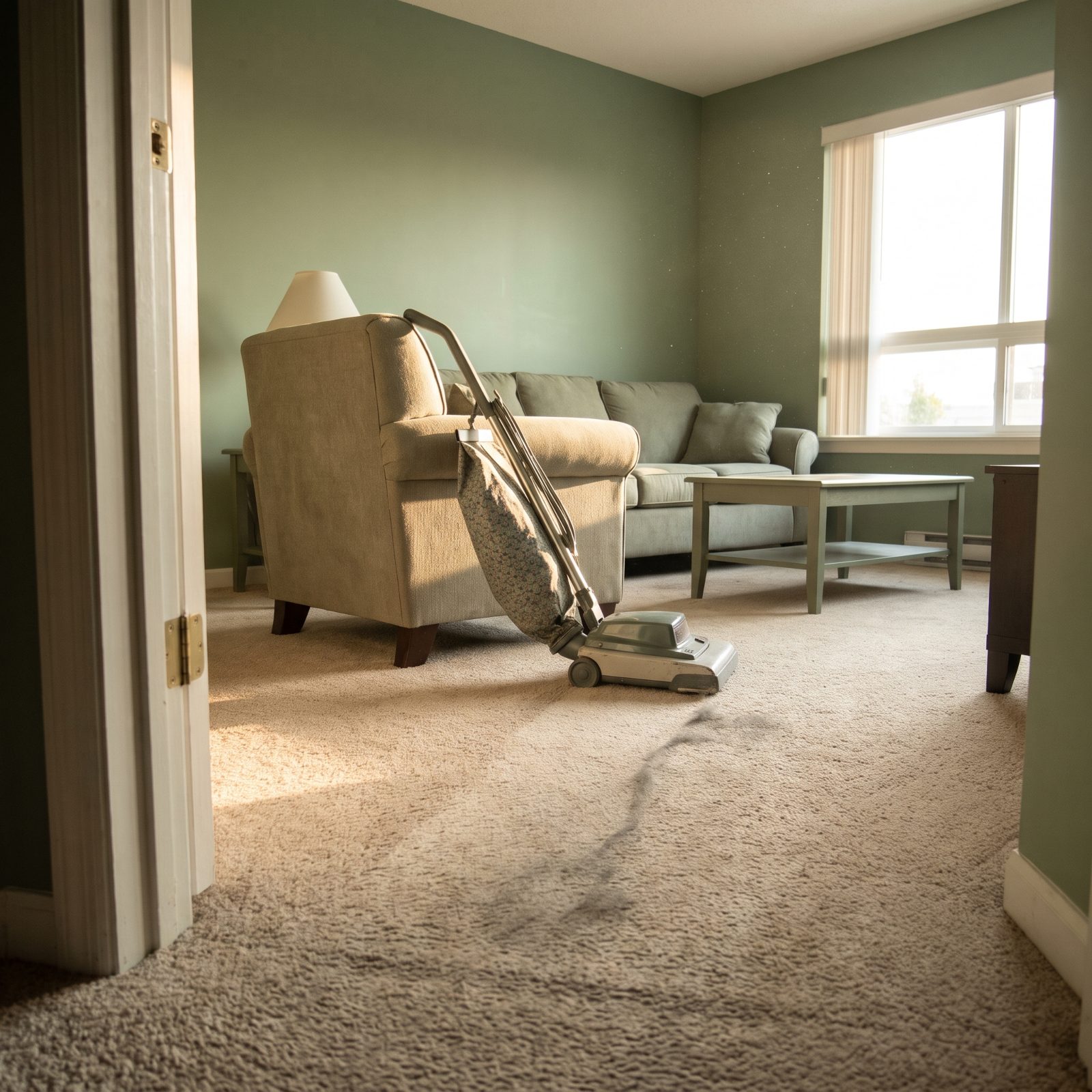
The bag is packed to bursting, suction has dropped to almost nothing, and the machine is basically dragging dust around the room rather than lifting it. But it still turns on. It still makes the noise. So you keep shoving it back and forth, going through the motions of cleaning while accomplishing close to nothing.
We stay in the thing that technically still functions for exactly this reason. The relationship hasn’t collapsed, it’s running. There’s noise, there’s routine, there’s the shape of a working life together. That nothing’s actually getting picked up feels like a problem we can ignore as long as the motor hums.
Loss aversion is what keeps the bag in the vacuum. Emptying it means admitting the current setup failed, and we’d rather tolerate a known, declining mediocrity than face the small sting of replacing it. “It still works” might be the most expensive sentence in the house.
1. You Add More Soap to Fix the Film Soap Caused

The glasses keep coming out of the wash with a cloudy film, so you do the obvious thing and add more soap. More has to mean cleaner, right? Except the film was the soap all along, residue that never rinsed off, and now you’ve doubled down on the exact thing making it worse. Next load, more haze.
Here’s the loop we run with the person who keeps leaving us cloudy. The very qualities that hurt us get reframed as the fix. They’re distant, so we give more. They pull away, so we try harder. We treat the cause like it’s the cure, then wonder why nothing clears up.
Behavioral science calls this doubling down, a cousin of commitment escalation. When an effort isn’t working, the instinct is to intensify it rather than question it, because stopping would mean every drop of effort so far was wasted. More soap feels like trying. It’s just repeating the mistake with conviction.
Sometimes the answer isn’t more. Sometimes it’s a different thing entirely, or less of whatever you’ve been pouring in.