Open a utility closet in 1960 and you’d find tools nobody could name today. A wooden frame with rows of pins down every edge. A mop that smelled faintly of oil. A box of blue powder that looked like something out of a chemistry set. None of it was odd back then — this was the backbone of a normal week, repeated so often a person could do it half asleep. Then washing machines got smart, fabrics stopped shrinking, and whole rituals vanished almost overnight. Here are the weekly jobs that once ran a household and now sound like riddles.
Please note that some of the images in this article were created with the assistance of AI.
26. Pinning Washed Curtains Onto a Wooden Stretching Frame
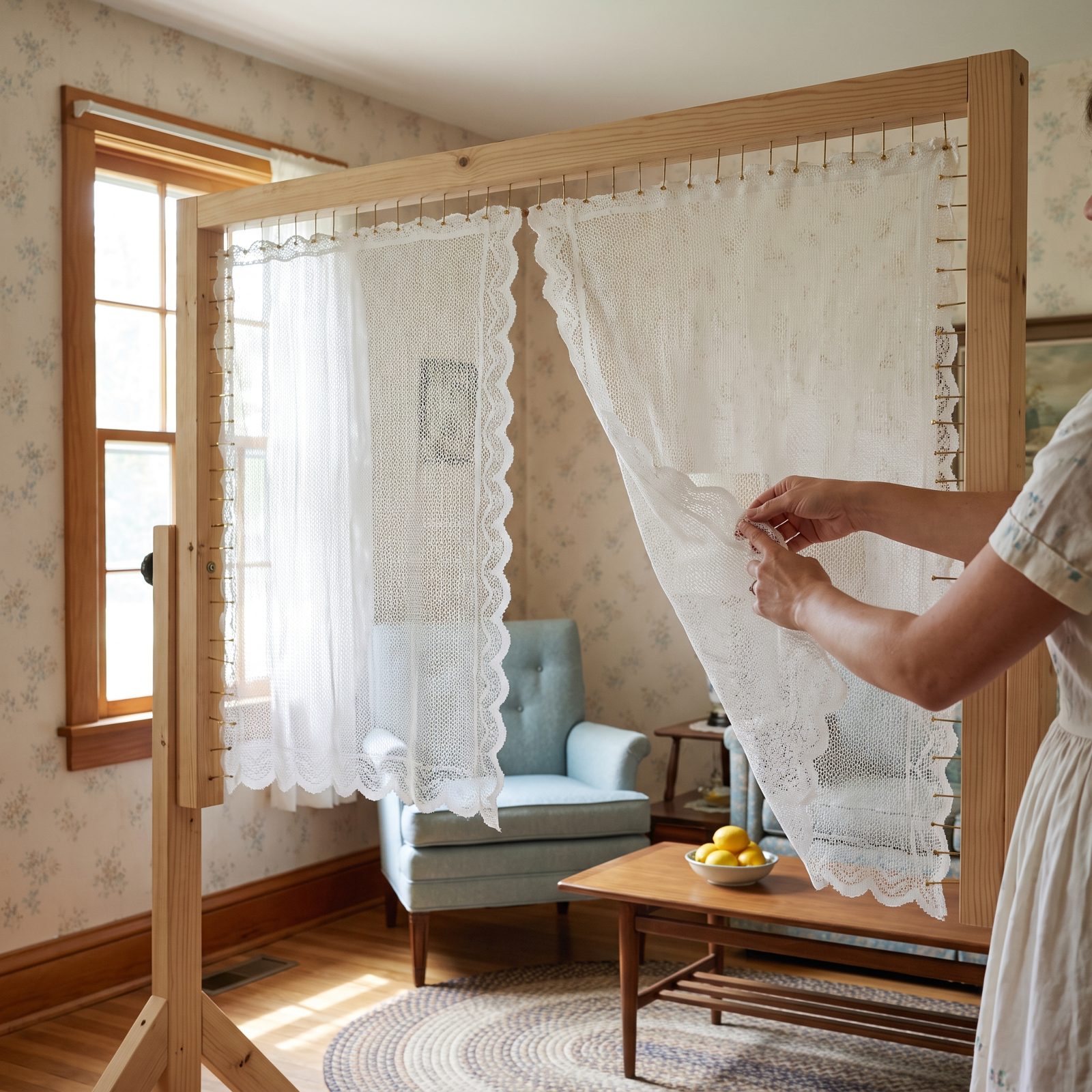
Lace curtains went limp and shapeless after a wash, so every pair got stretched back to its exact dimensions on a frame bristling with pins. You laid each damp panel over the frame and pulled it taut, then worked pins in along the edges one by one before leaving it to dry overnight.
The pins drew blood more often than anyone admitted. Fingertips in a 1960 household carried a permanent little collection of pricks from spring cleaning week — a kind of seasonal badge nobody asked for.
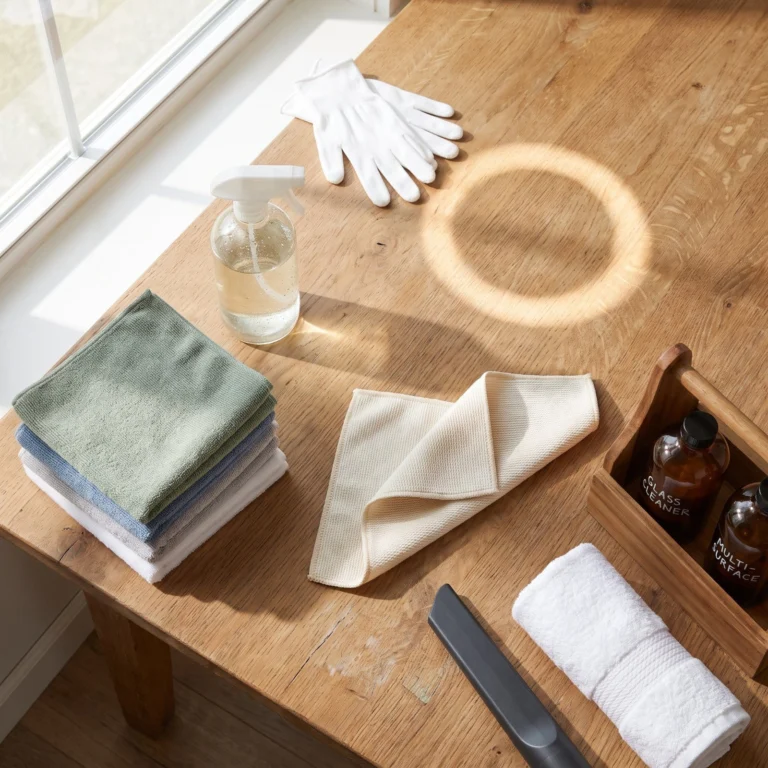
25. Recharging an Oil-Treated Dust Mop
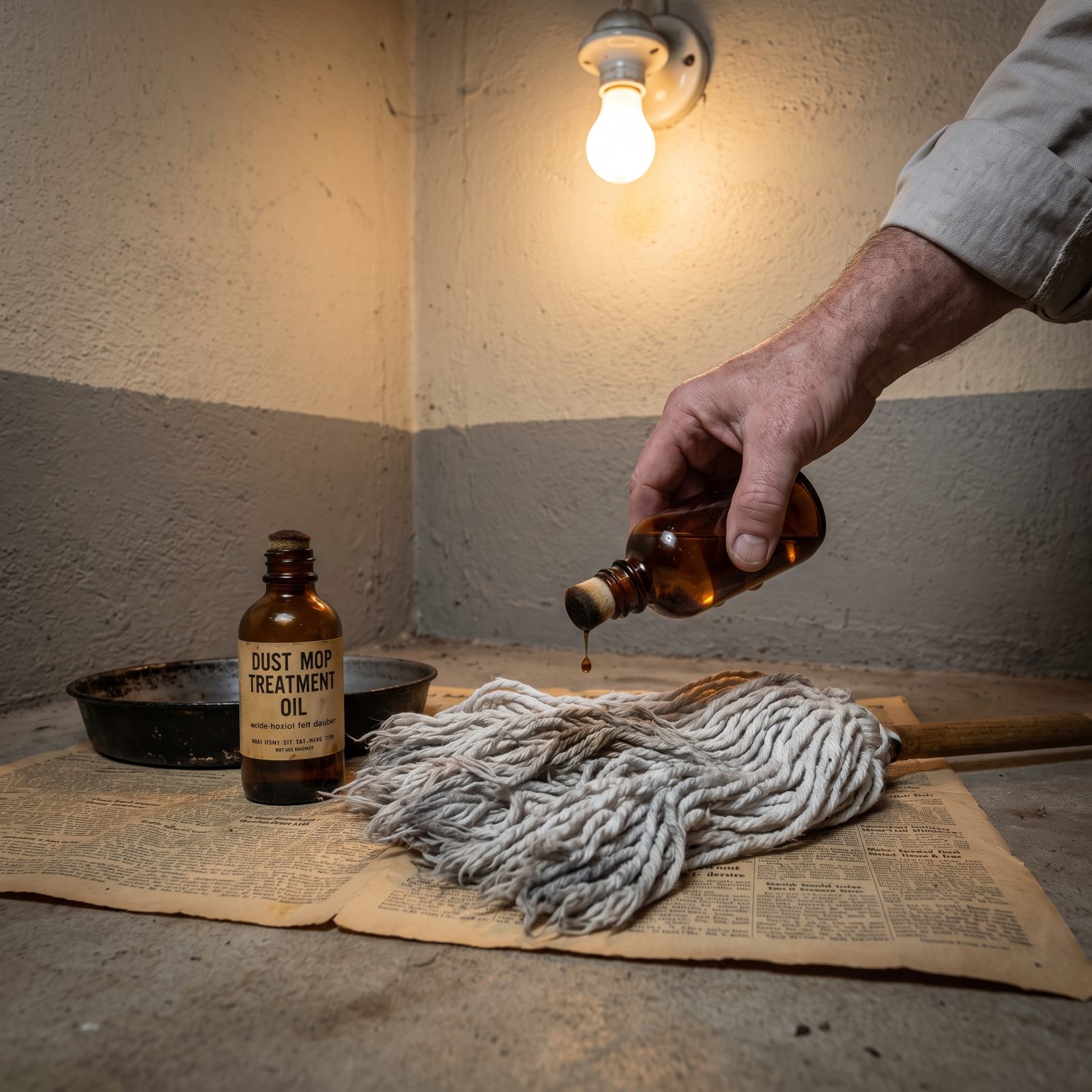
A dry dust mop just shoves dirt around. The trick was a light coat of mop oil that made dust cling to the strands instead of scattering, and that coat needed refreshing every week or two.
Microfiber does the same job now with static and nothing else, which is honestly a small miracle. No oily rag. No greasy bottle leaking in the closet, no faint petroleum smell trailing you down the hall.
24. Sprinkling Dry Laundry and Rolling It for the Next Day’s Ironing
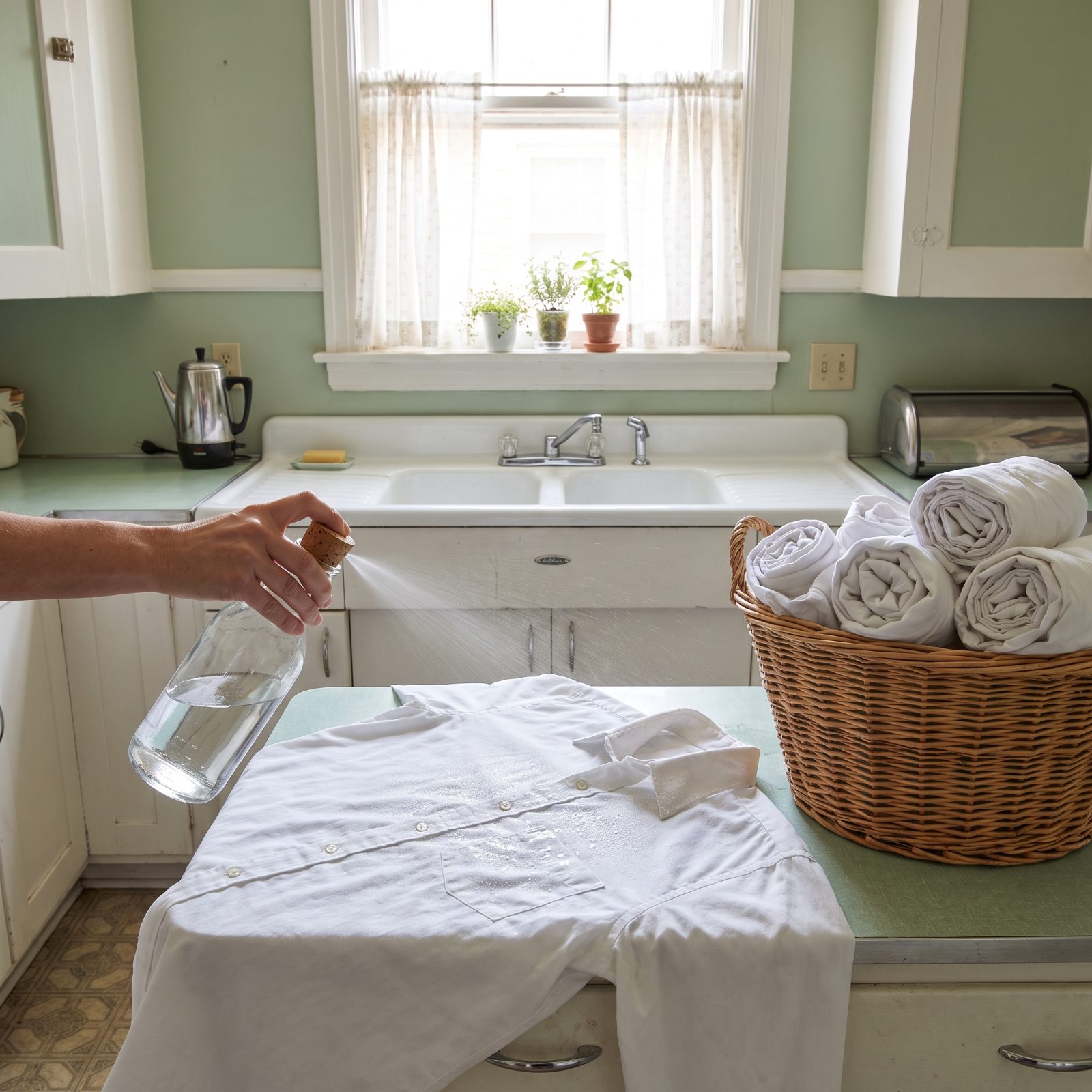
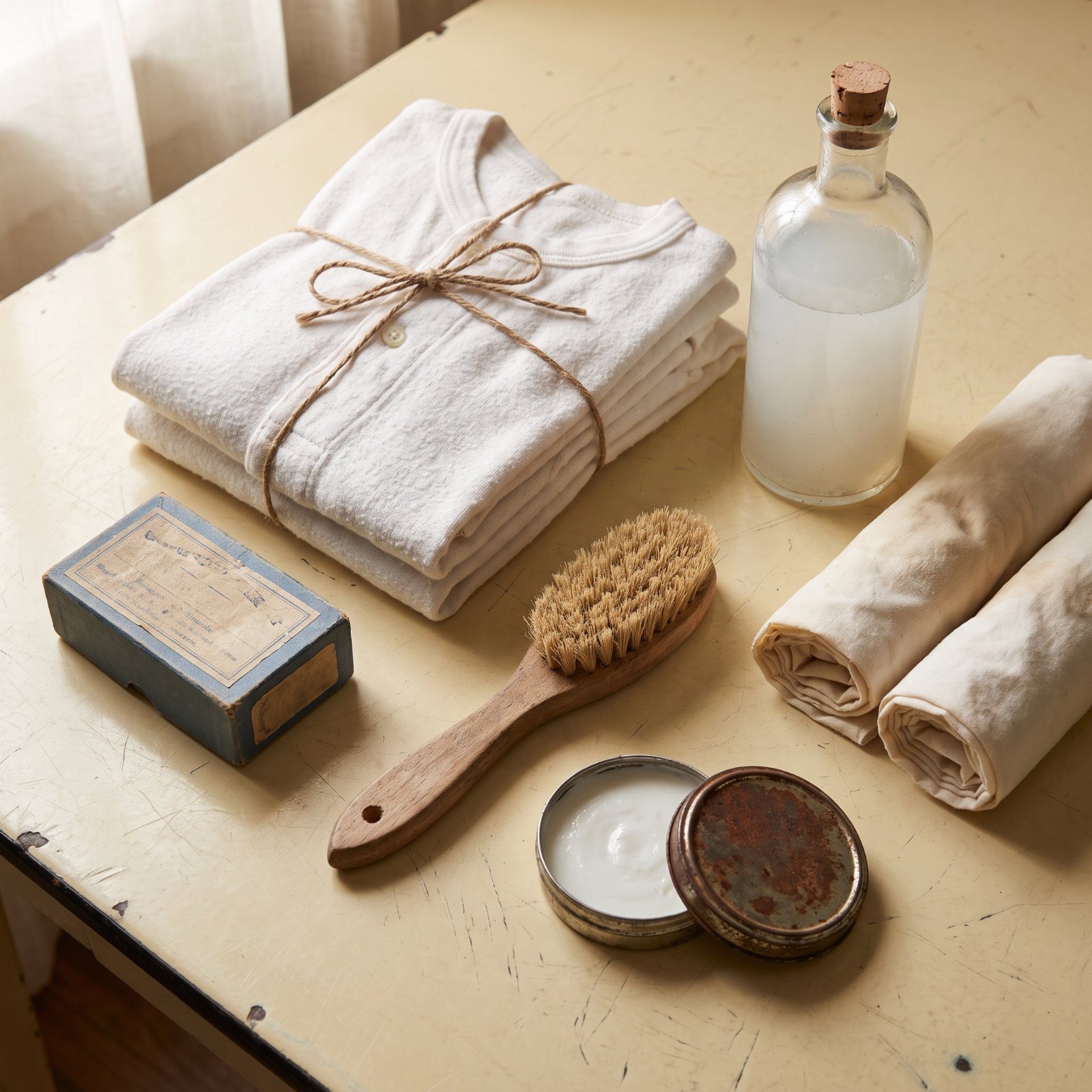
Cotton irons best when it’s evenly damp, so the night before ironing day you’d sprinkle water over dried clothes, roll each piece tight, and pile the bundles in the basket to let the moisture spread through.
A glass bottle fitted with a perforated sprinkler cap was the standard tool. By morning everything was uniformly damp and ready for the iron. Steam irons made the whole ritual pointless — and good riddance to the sour smell of a bundle left a day too long.
23. Cooking and Straining Starch for Shirt Collars and Cuffs
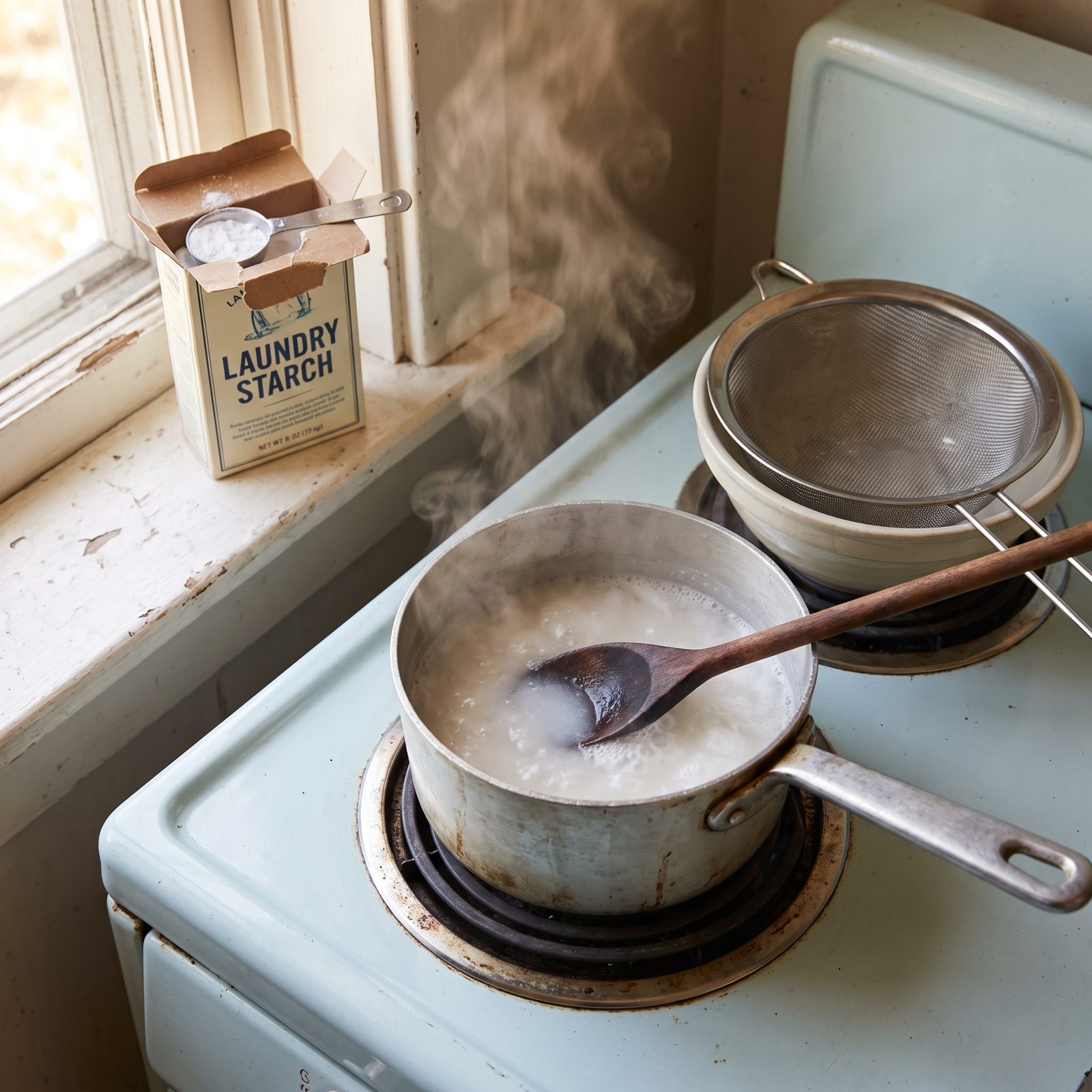
Boxed starch didn’t come ready to use. You cooked it on the stove into a smooth paste, strained out the lumps, and thinned it to whatever stiffness you were after. Collars and cuffs got dipped. Everything else stayed soft.
Get the ratio wrong and your shirt front cracked like cardboard or stayed hopelessly floppy — there was real skill in judging it by feel.
Spray starch in a can erased all of that, which anyone who ever scorched a pot of starch to the bottom would call a fair trade.
22. Repairing Runs in Nylon Stockings With a Latch Tool
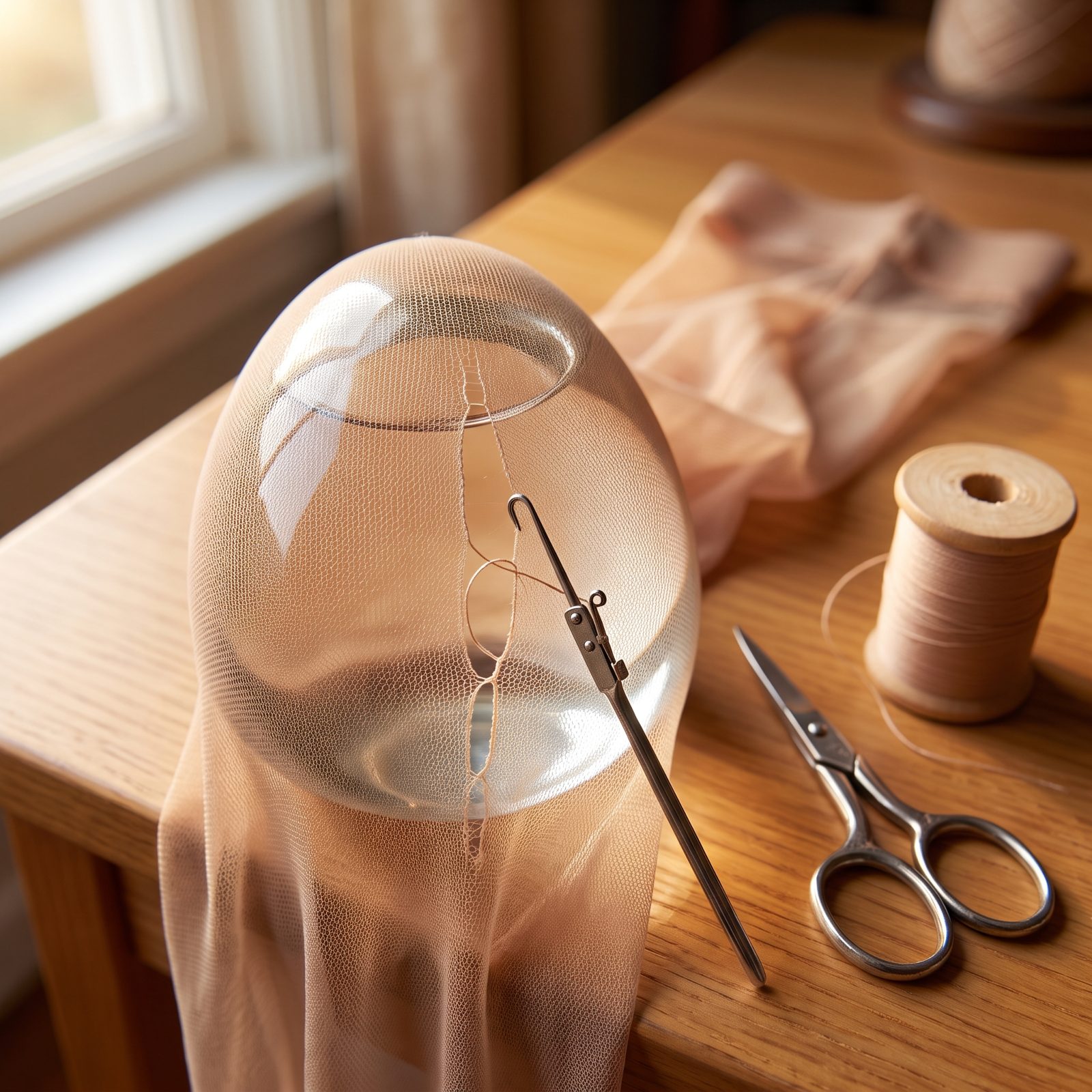
Nylons were expensive and ran at the slightest snag, so throwing them out was unthinkable. A tiny latch tool let you catch each dropped loop at the bottom of the run and hook it back up the ladder, stitch by stitch, until the run closed.
Repair shops did it professionally for pennies. At home it was slow, eye-straining work under a good lamp. Cheaper mass-produced hosiery, and the slow drift toward pants, finally made the repair not worth the hour it took.
21. Adding Laundry Bluing to Keep White Fabrics From Yellowing
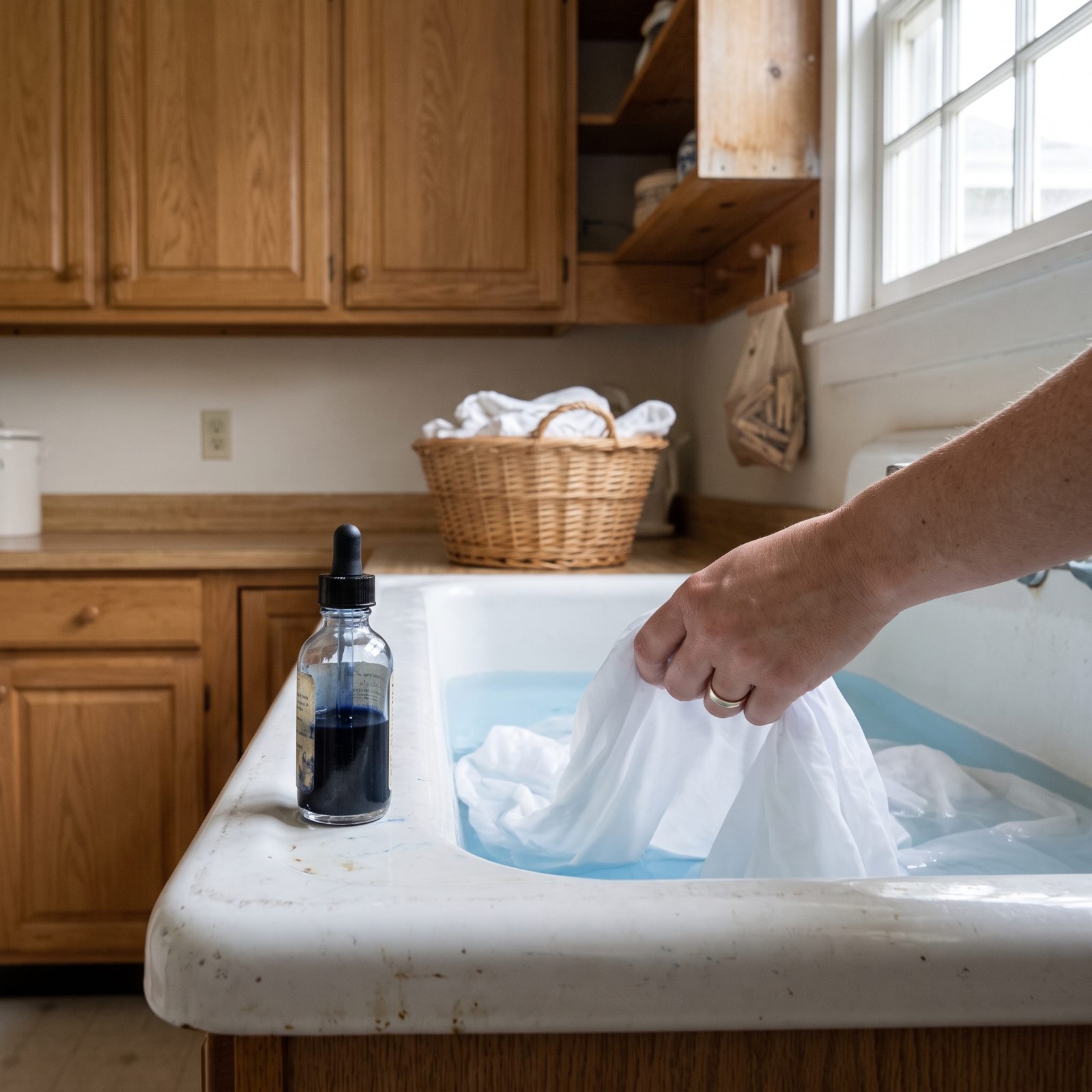
White cotton yellows with age and washing. Bluing fixed it with a trick of the eye — a trace of blue pigment in the rinse water cancels out the yellow cast, so whites read bright instead of dingy.
The danger was overdoing it. Too much, and your sheets came out faintly powder blue, a dead giveaway to any neighbor who happened to glance at the laundry line.
Optical brighteners baked into modern detergent handle it automatically now. The chemistry never left. It just moved into the box.
20. Refilling Water Pans Hung From the Radiators
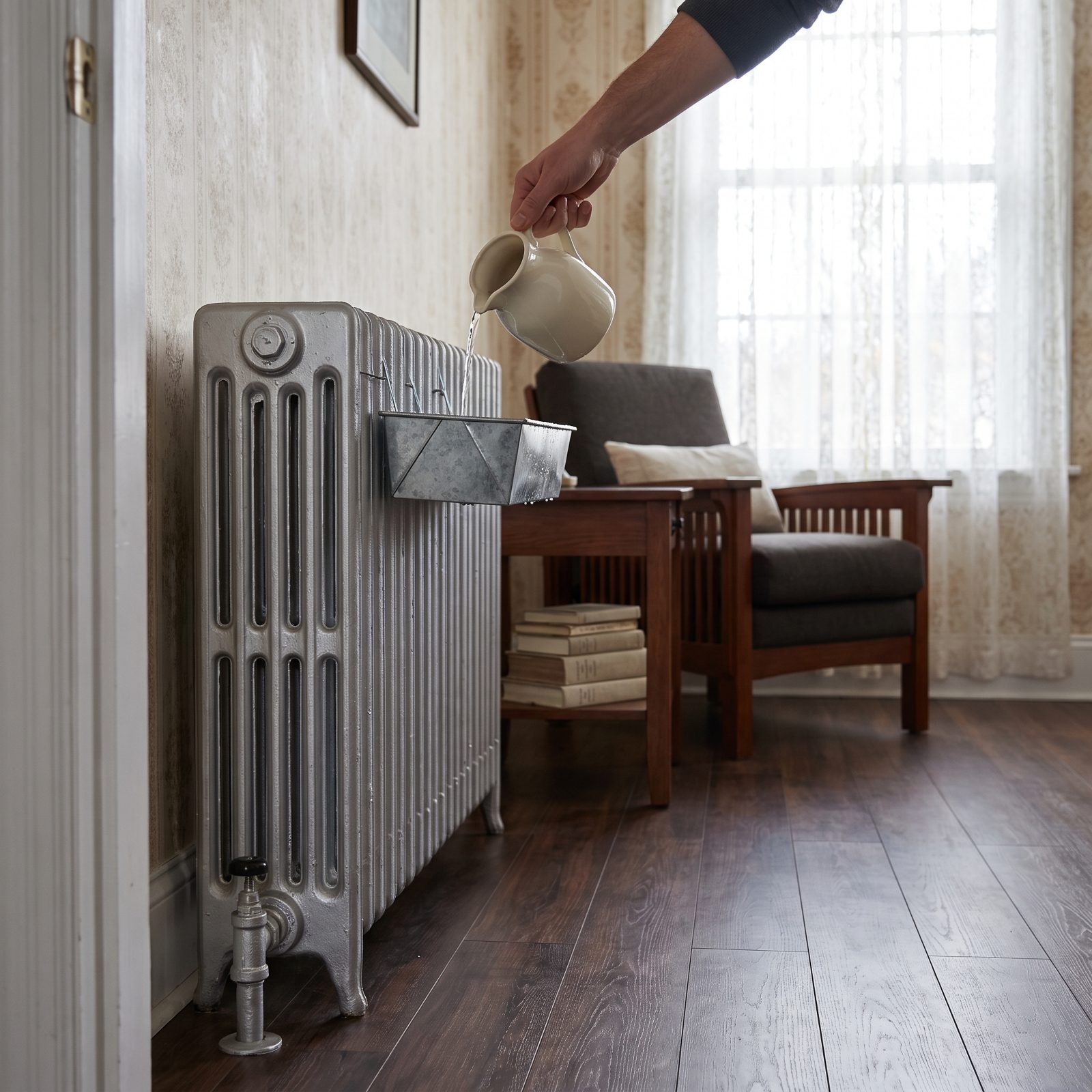
Steam heat dries a house out brutally. Before whole-home humidifiers, the fix was low-tech: shallow pans of water hooked onto the radiators, where the heat quietly evaporated the water back into the air.
You refilled them every few days through winter and learned to ignore the mineral crust that built up in the bottom. Furnace-mounted humidifiers and portable units made the pans redundant — though a stubborn few still swear by a bowl of water on the radiator come January.
19. Feeding Laundry Through a Wringer Between Separate Rinse Tubs
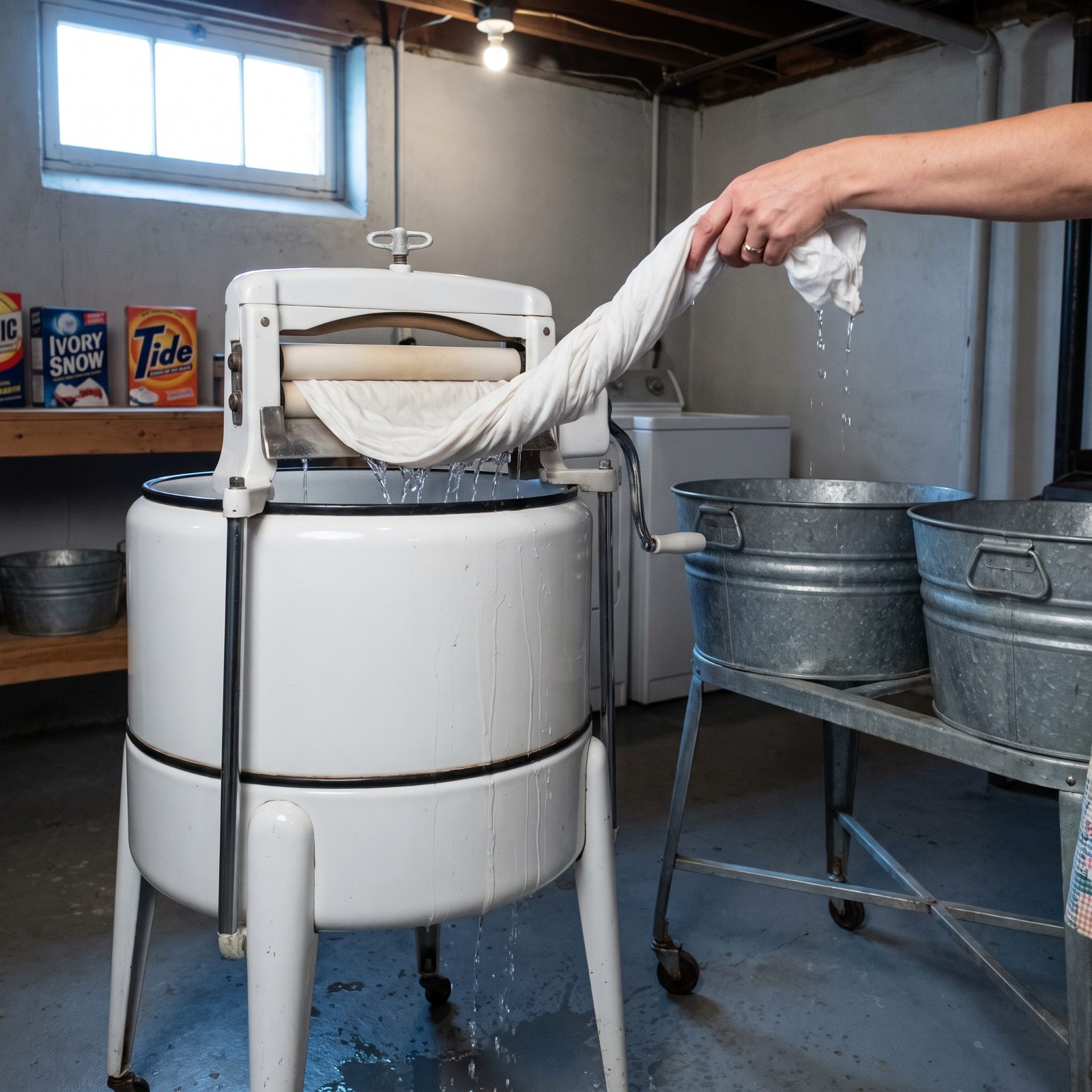
Before the automatic washer did everything in one tub, laundry was a hands-on assembly line. You washed in one tub, fed each piece through the hand-cranked wringer’s rollers to squeeze out the soap, dropped it into a rinse tub, wrung it again, and sometimes rinsed a second time for good measure.
And the wringer was genuinely dangerous. Fingers, hair, and long sleeves got caught between the rollers, and “wringer injuries” were common enough that emergency rooms knew them on sight.
The spin cycle did not just save time. It saved fingers.
18. Painting Scuffed Canvas Sneakers With Liquid Shoe White
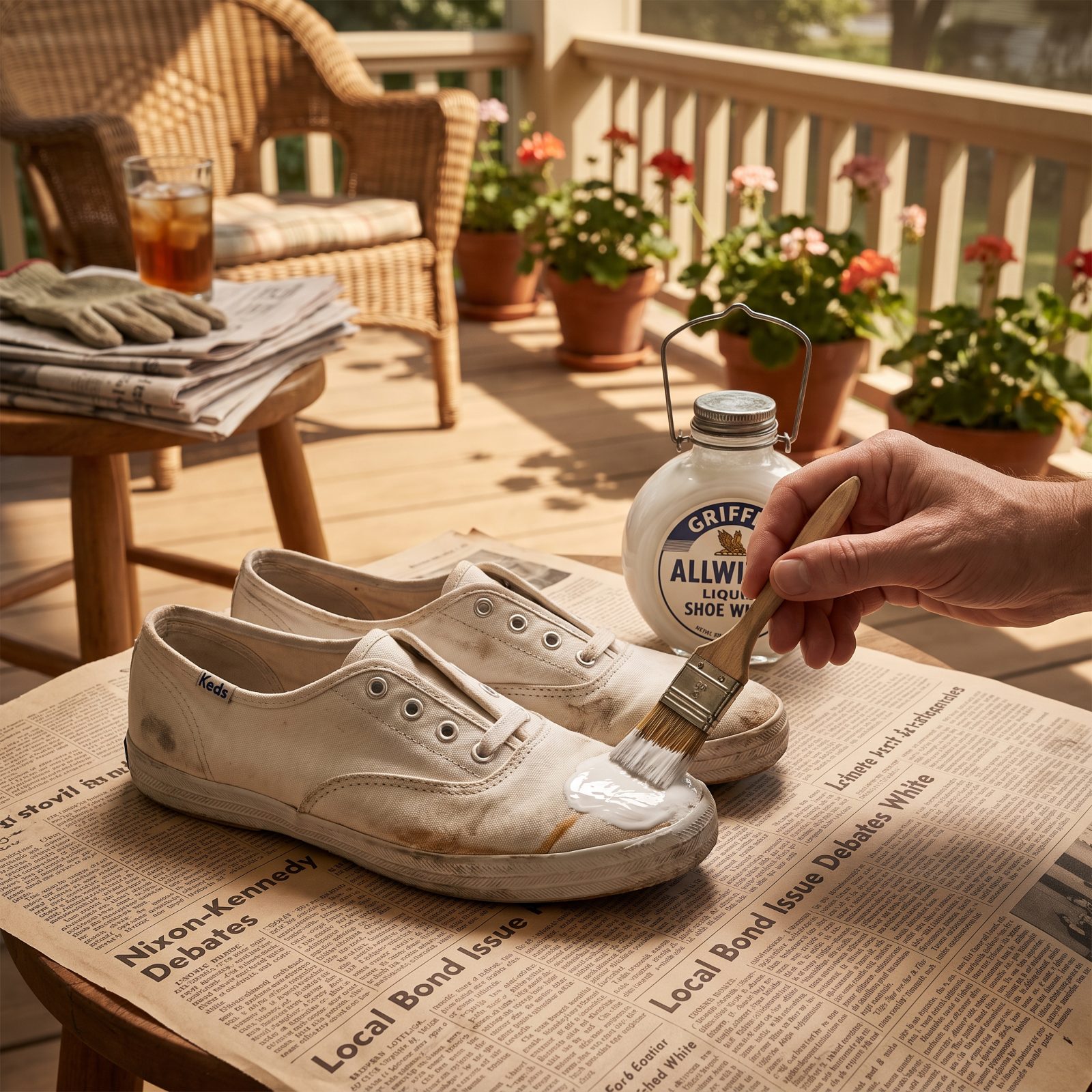
Canvas sneakers scuffed fast, and there was no bleach-and-go cycle for them. So you brushed on liquid shoe white, a thick opaque paint that covered the gray marks and brought the canvas back to bright white for another week of wear.
It dried stiff and cracked at the flex points within days, but it got the shoes through another church Sunday or school week. Cheaper sneakers you could just toss and replace eventually made the touch-up paint disappear from most medicine cabinets.
17. Emptying and Brushing Out a Reusable Cloth Vacuum Bag
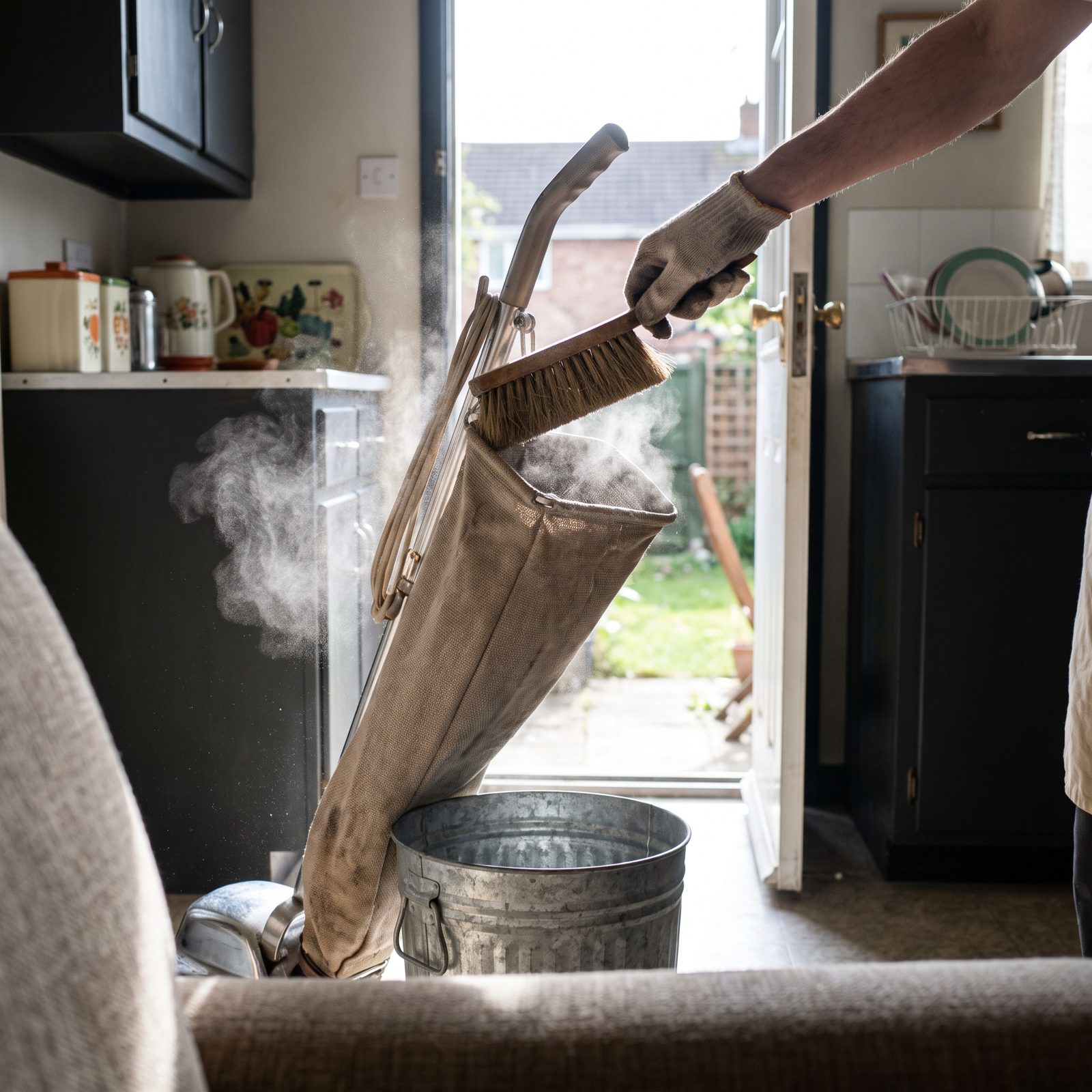
The cloth bag on an old vacuum was permanent, not disposable. Every week you unzipped it over a trash can, shook out the packed gray dust, and brushed the inside to keep the pores from clogging and killing the suction.
It was a filthy job that filled the air with everything the vacuum had swallowed all week. You held your breath and did it outside if you had any sense at all.
Disposable paper bags, and later bagless canisters, ended the weekly ritual entirely. The trade-off was decades of buying replacement bags, which is its own small conspiracy.
16. Burning the Week’s Paper in a Backyard Incinerator
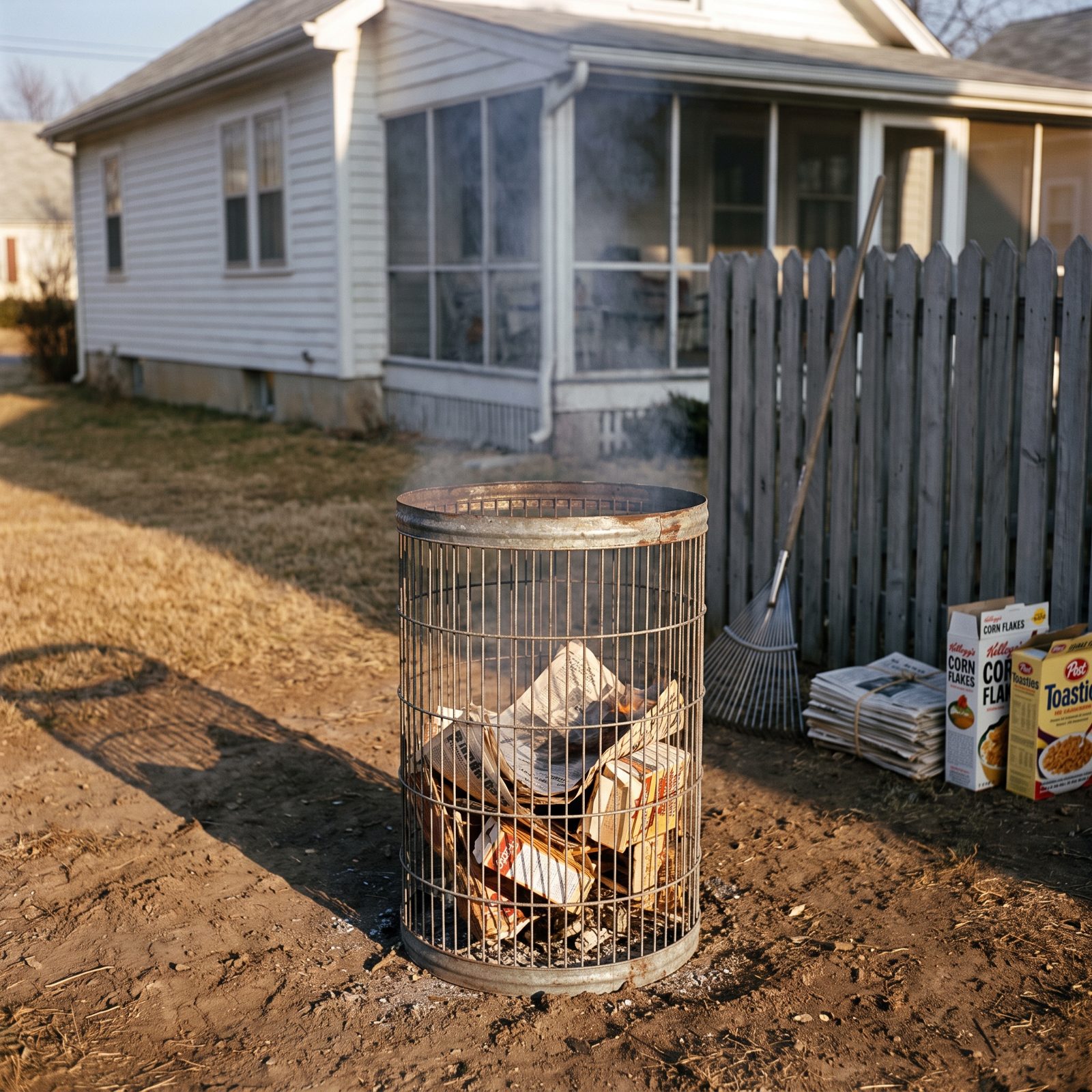
Every yard had one — a wire or riveted-steel drum where the week’s junk mail, grocery bags, and worn-out paper went up in smoke on burn day. Trash collection was thinner then, so plenty of households just handled their own paper out back.
What killed it wasn’t convenience. It was clean-air law. Through the 1960s and into the 1970s, city after city banned open backyard burning as smog became a public problem. Curbside pickup expanded, then recycling arrived, and the backyard incinerator rusted into a planter or went to the dump itself.
15. Wrapping Wet Kitchen Scraps in Yesterday’s Newspaper
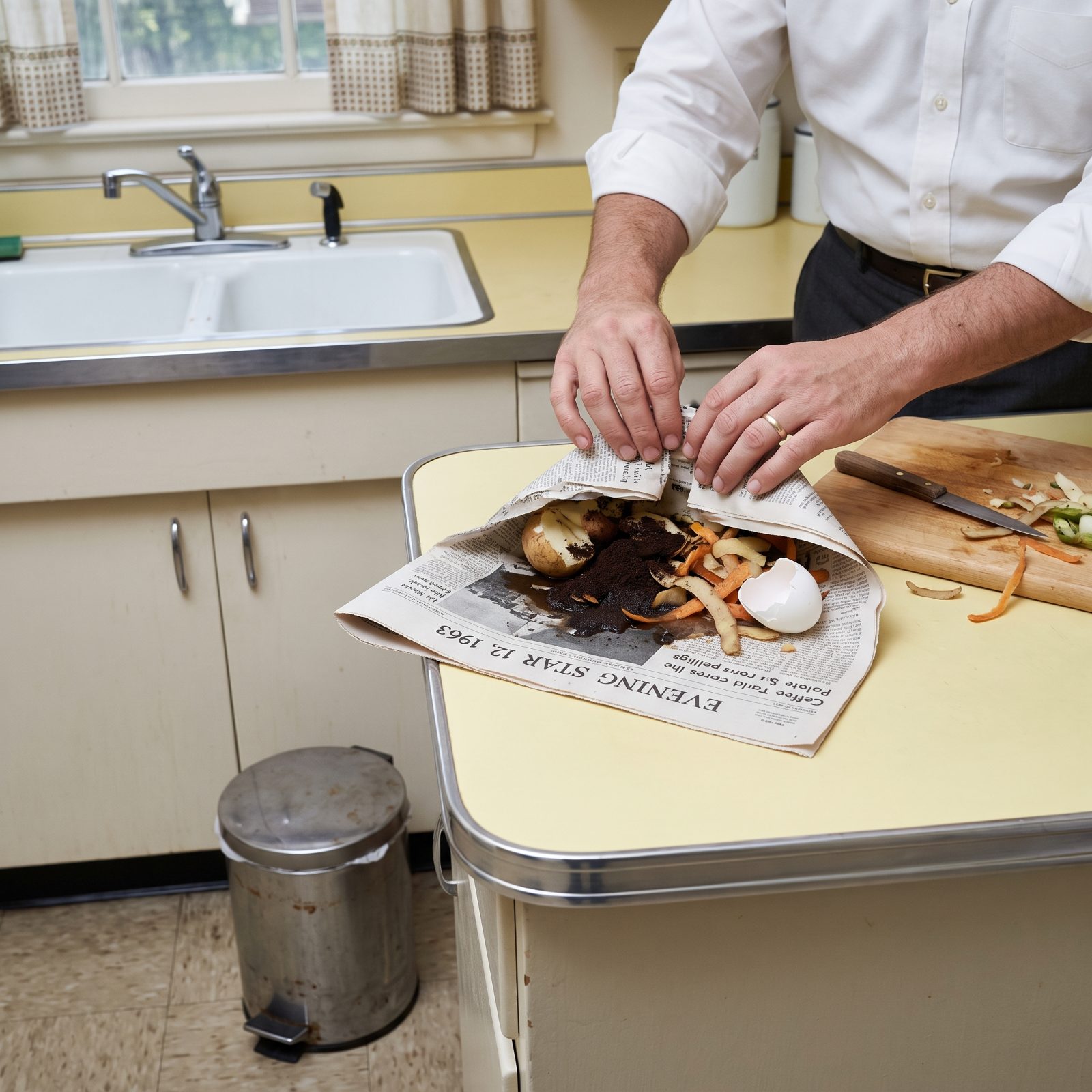
Before plastic liners, the garbage pail was a problem — wet scraps meant smell, leaks, and flies by Thursday. The fix was the morning paper. You wrapped the peelings, the coffee grounds, the fish bones, and dropped the whole tidy bundle in the can.
Newsprint soaked up the moisture and kept the pail from turning into a swamp. Then the plastic trash bag went mainstream in the 1960s, and the whole routine evaporated almost overnight. Nobody mourned it. Wrapping fish guts in the funny pages was a chore, not a pleasure, and the plastic sack did the same job without the folding.
14. Hauling Coal Ashes to the Ash Can by the Back Steps
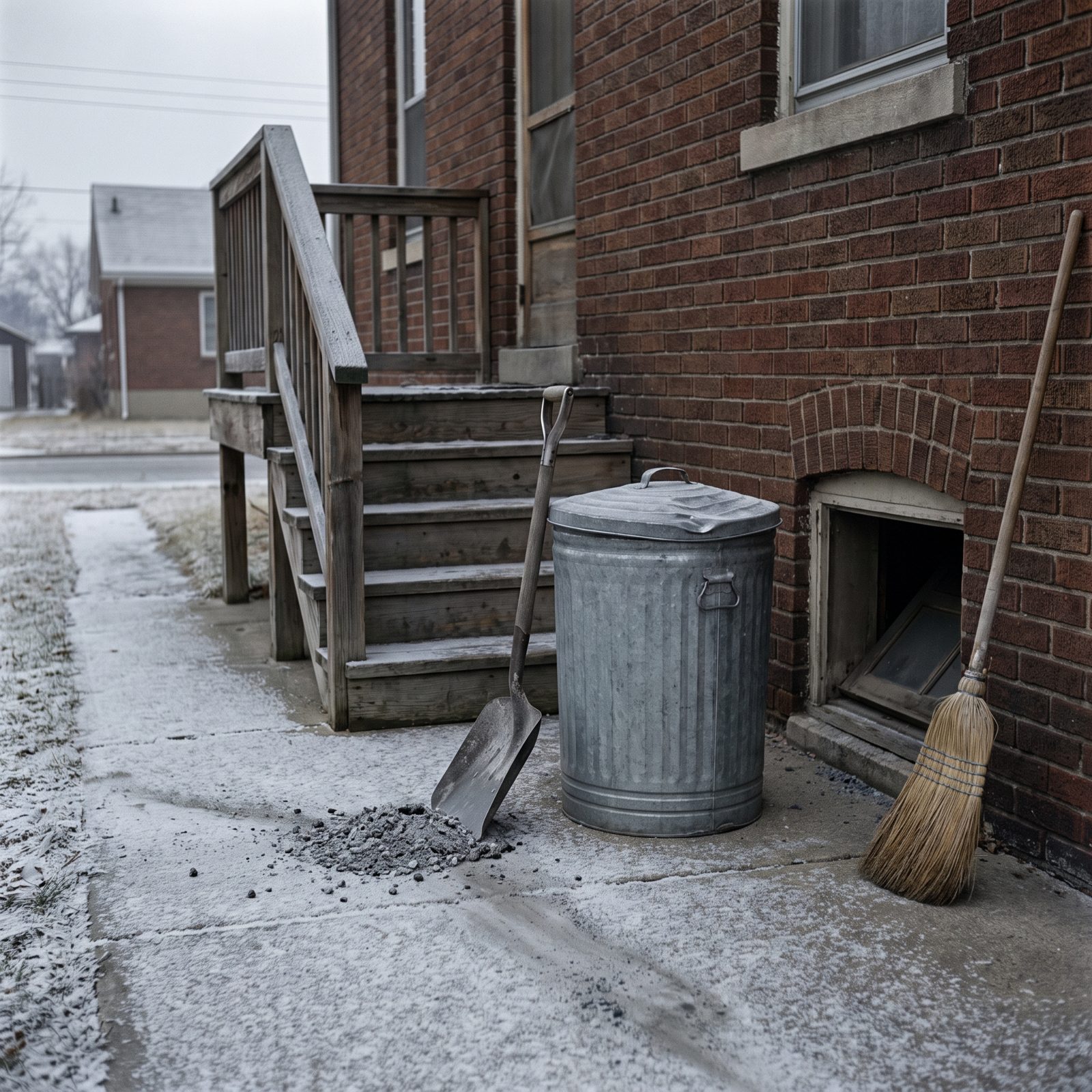
If you heated with coal, ash was a weekly fact of life. The furnace clinkers and fine gray ash had to come out of the firebox, go into a dedicated metal can, and get carried up from the basement to the curb. Wood or cardboard wouldn’t do, because live embers hide in ash for hours. The can was steel for a reason.
Oil and natural gas furnaces pushed coal out of American homes through the 1950s and 1960s. No coal, no clinkers, no ash can. The galvanized version is now mostly something you find rusting in old garages, puzzling whoever inherits the house.
13. Boiling Cloth Diapers and Scouring the Diaper Pail
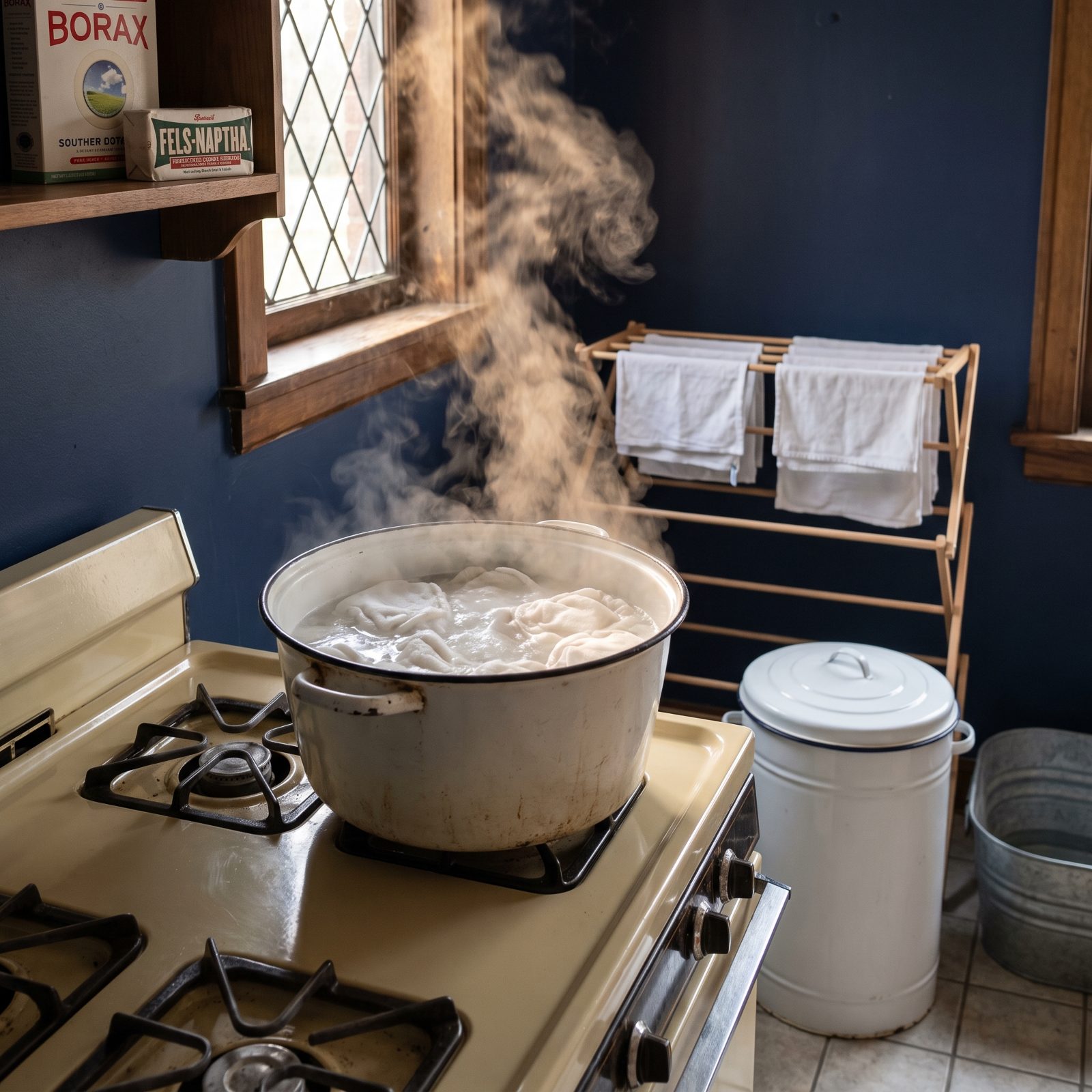
No disposable diaper existed in most homes around 1960, so the cloth kind ran on a brutal weekly schedule. Soiled diapers soaked in a lidded pail of borax water. Then came the real work — boiling them on the stove to kill bacteria and bleach out stains, followed by scrubbing the pail itself so the next batch didn’t start out foul.
Disposables went mass-market in the 1960s and reached most households by the 1970s. Diaper services covered the holdouts. The boiling pot and the dreaded pail dropped out of the weekly rhythm, and few parents who lived through it ever looked back.
12. Topping Off the Car Battery With Distilled Water
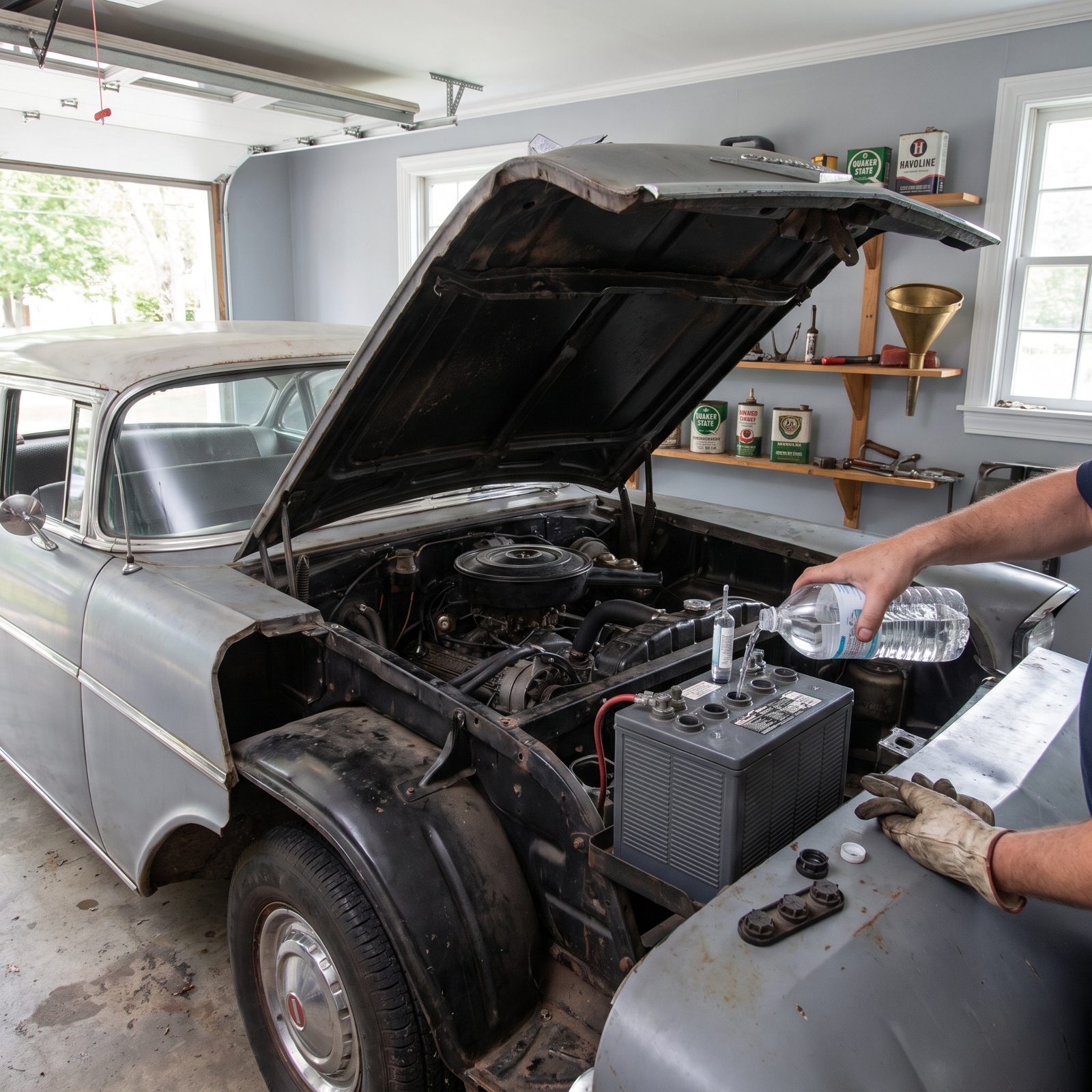
Pop the hood on a 1960 car and you’d find a battery with removable caps on top. Those old lead-acid units lost water as they charged, and a cell that ran dry was a dead cell. So the home mechanic checked the level and topped each one off with distilled water, usually on a weekend when he was already under the hood for oil and points.
Sealed maintenance-free batteries arrived in the 1970s and ended all of it. Most drivers today have never seen a battery cap, let alone a hydrometer, and nobody misses the acid burns on old work shirts.
11. Wiping Down the Oilcloth Covering the Kitchen Table
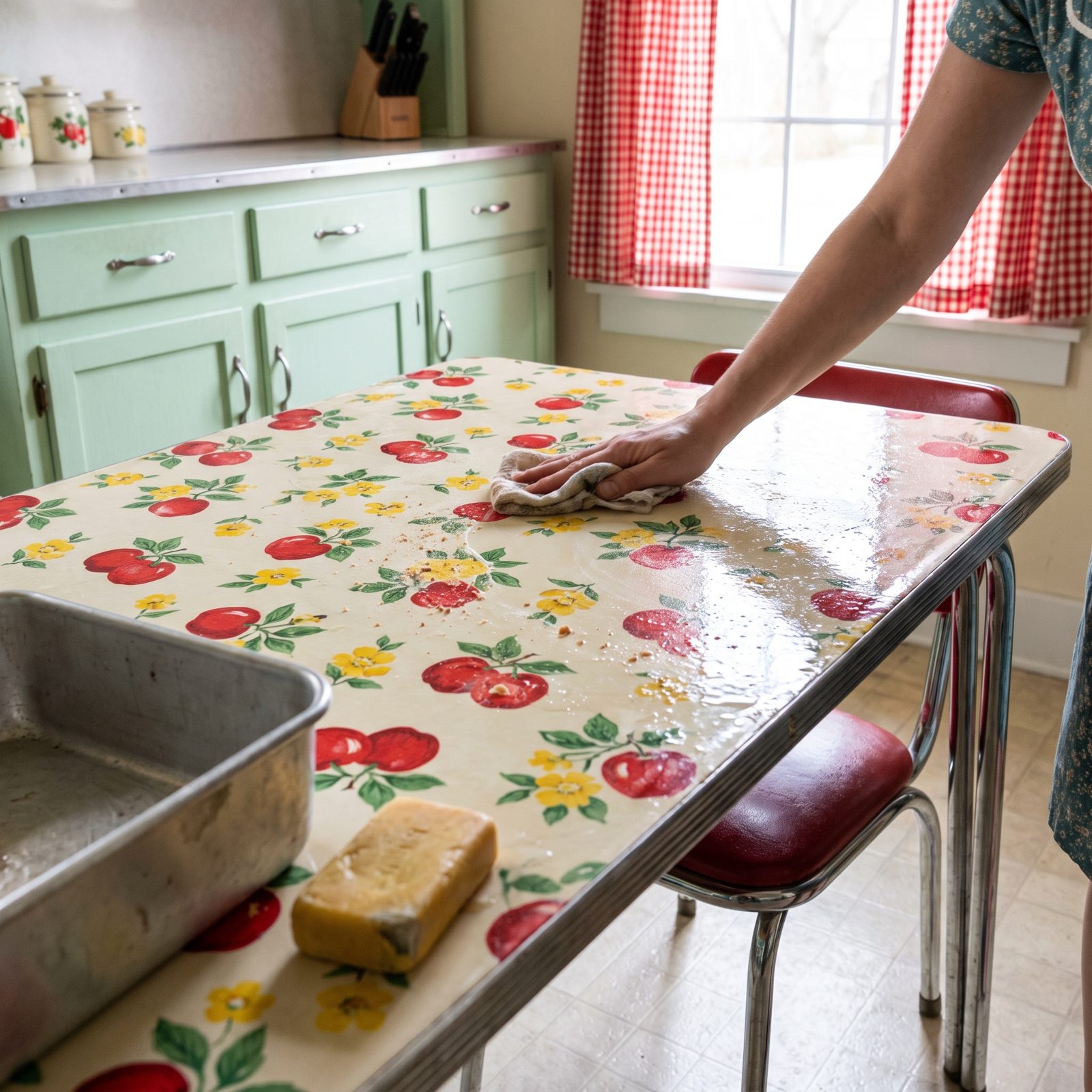
The oilcloth earned its keep. A cotton fabric coated in linseed oil, and later vinyl, it gave the kitchen table a wipeable surface decades before easy-clean laminate was everywhere. You washed it weekly with soapy water, and sometimes took it outside to dry on the line so the backing didn’t sour and mildew.
Then washable vinyl tablecloths and sealed laminate tabletops made it unnecessary, and the weekly wash-and-dry routine went with it. That cheerful fruit-pattern oilcloth survives now mostly as vintage decor, sold by the yard to people who have no intention of ever scrubbing it.
10. Scrubbing Out the Galvanized Garbage Can After Pickup
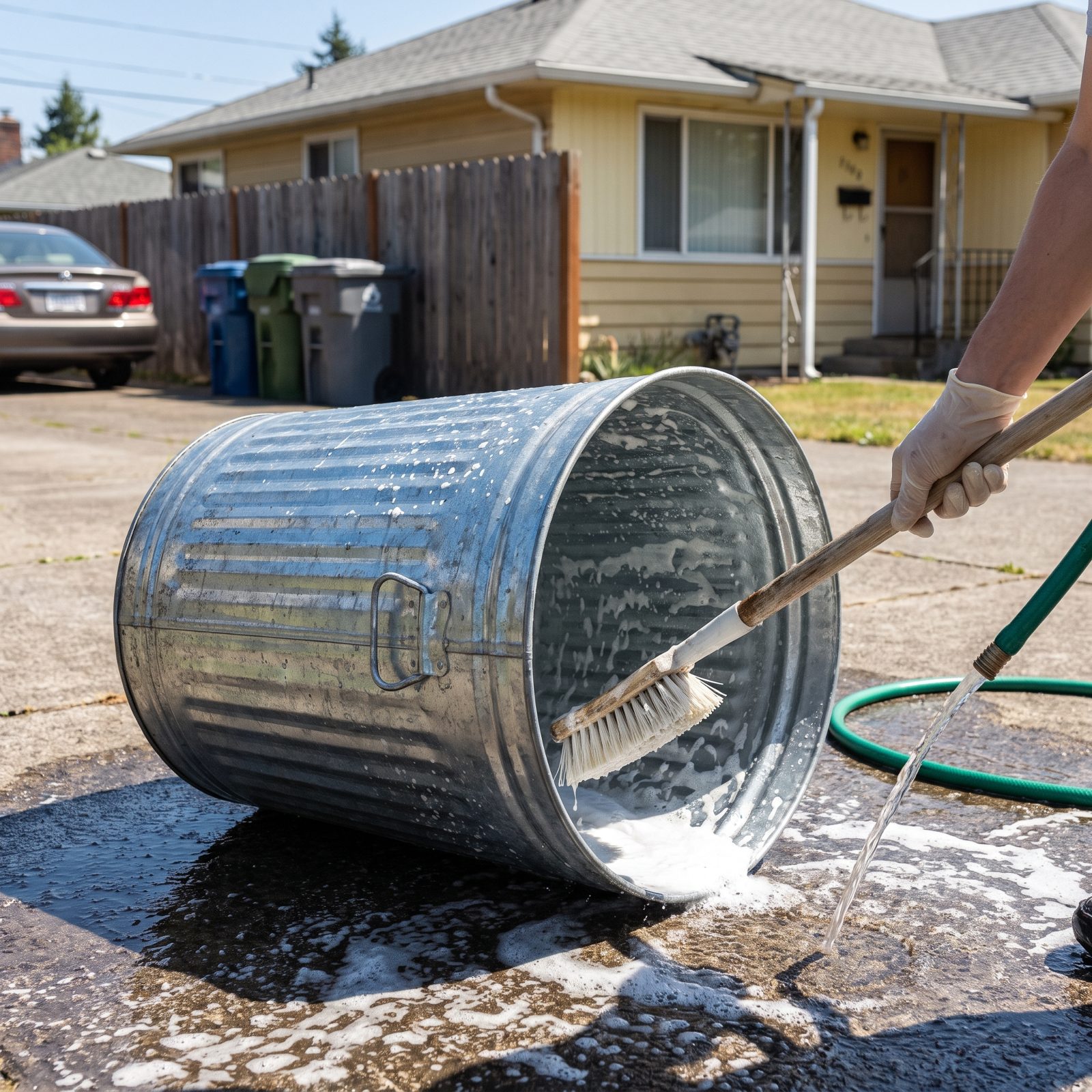
Pickup day ended with the hose. The galvanized can came back to the driveway lined with grime — nobody bagged everything — and the inside had to be scrubbed with a stiff brush, soap, and water, or it bred maggots come summer. Plenty of households poured a splash of bleach or kerosene in the bottom for good measure.
Two things ended this. The plastic trash bag meant waste no longer touched the can directly. Then rolling plastic carts and bag-only rules took over curbside duty, and the metal can was demoted to side jobs. If you own one today it’s probably holding birdseed or kindling.
9. Taking Apart the Percolator Basket and Stem to Scour It
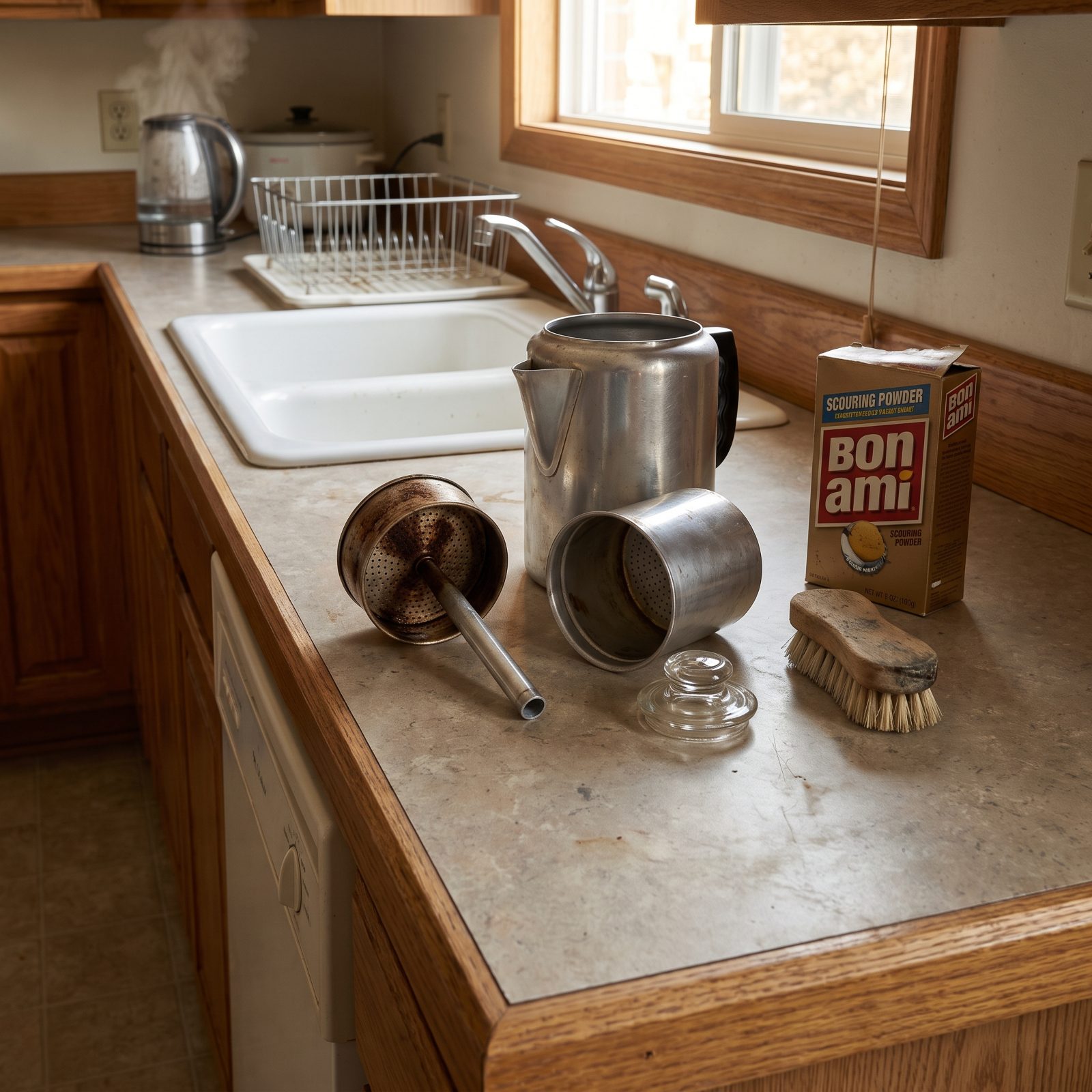
The percolator made good coffee and a weekly headache. Hot water pumped up a hollow stem, over the grounds in a perforated basket, and back down, over and over. Every part collected oily coffee residue that turned the next pot bitter, so you took the thing apart — basket, stem, and all — and scoured each piece with powder and a brush.
The automatic drip coffee maker showed up in the early 1970s and buried the percolator fast. Paper filters caught the oils, and the parts came apart in seconds. That deep scour went away, mourned only by people who swear percolator coffee still tasted better.
8. Rinsing the Glass Milk Bottles for the Milkman
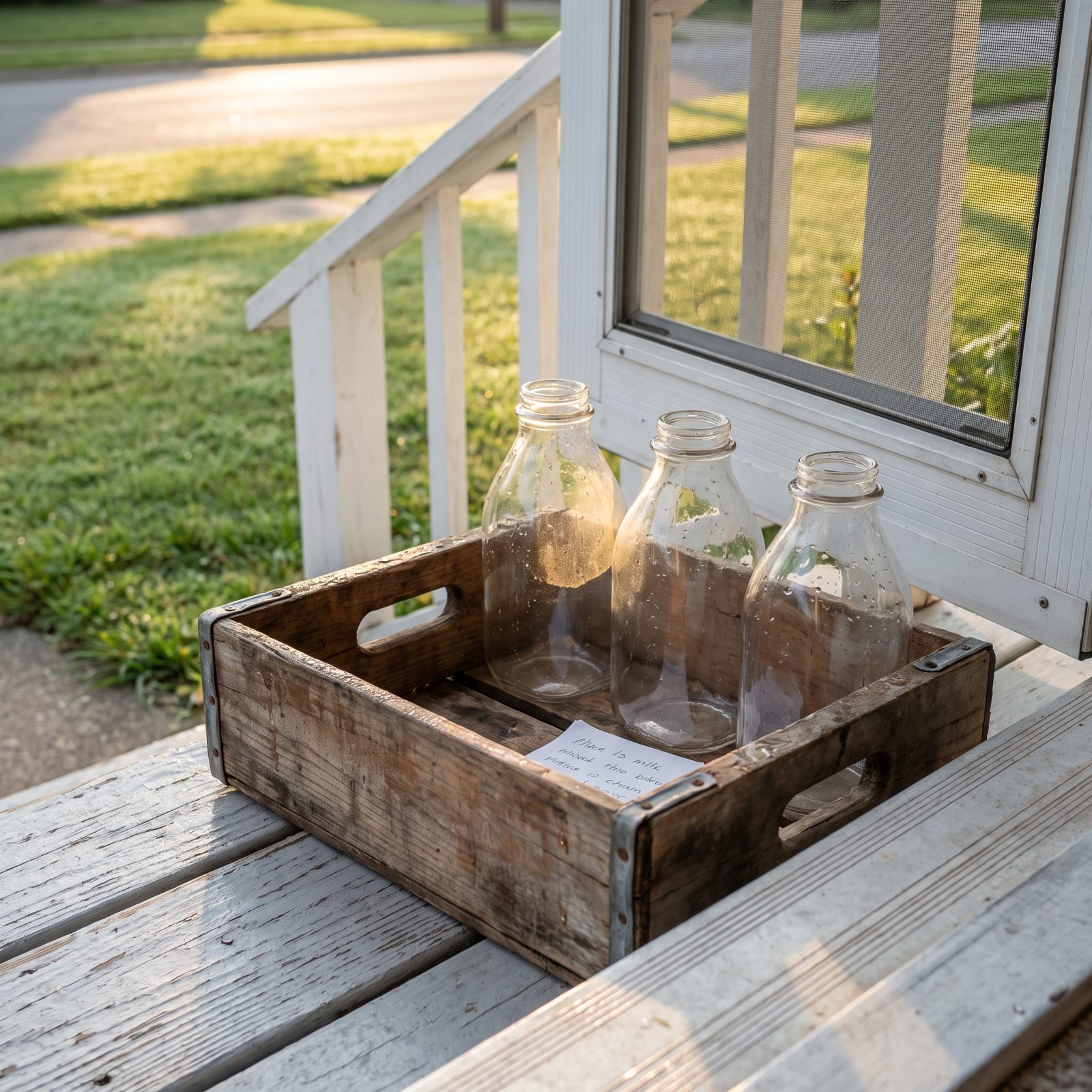
Milk came in heavy glass bottles, and you didn’t get fresh ones unless you returned the empties. The weekly deal went like this: rinse each bottle so it wasn’t crusted with sour milk, set them in the insulated porch box, maybe tuck a handwritten slip of paper in beside them, and the milkman swapped empties for full.
Home delivery collapsed through the 1960s as supermarkets, refrigerators, and cheap paper cartons took over. By the 1970s the milkman was nearly extinct across most of the country.
7. Scrubbing the Whitewall Tires With a Stiff Brush
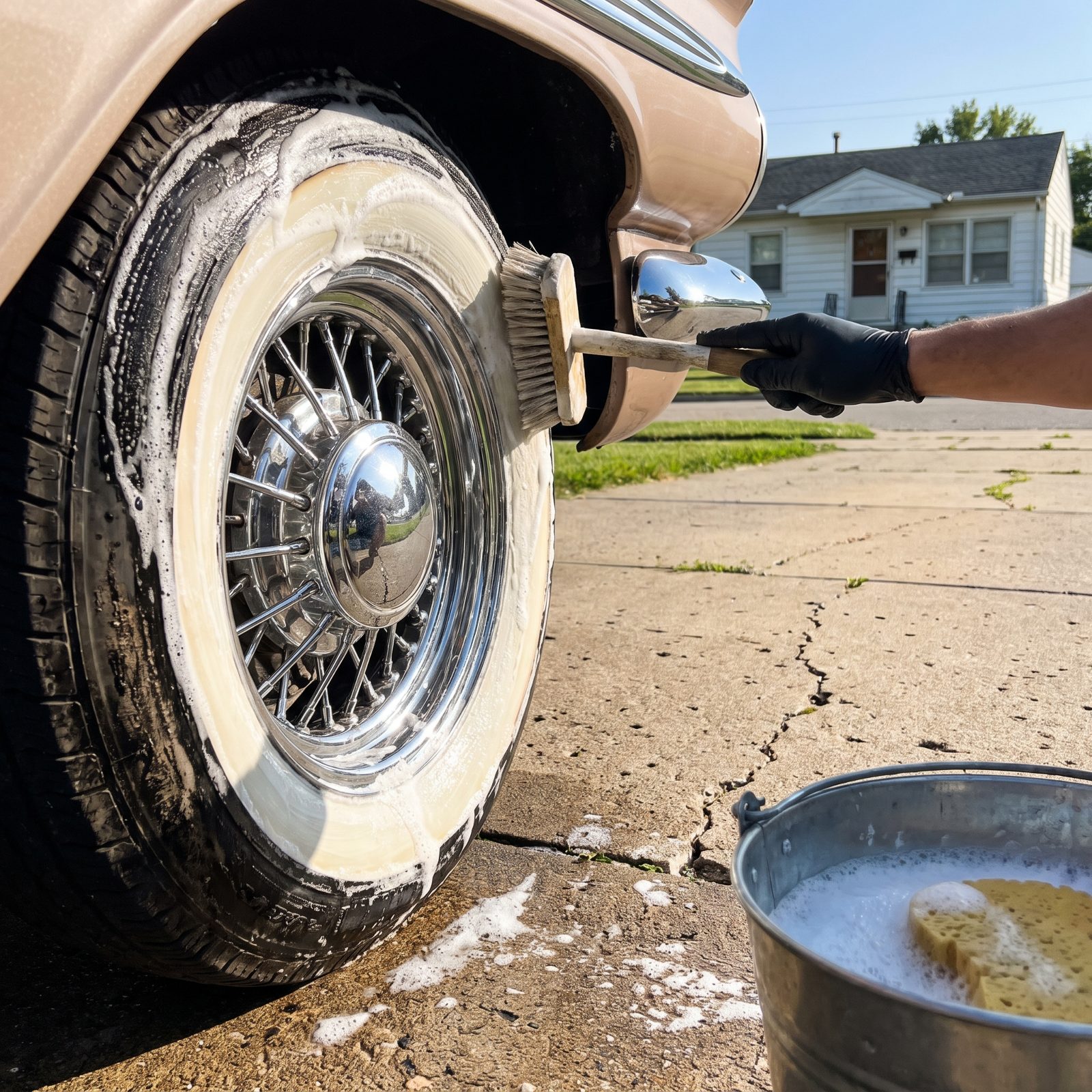
A clean car in 1960 meant white whitewalls, and whitewalls got dirty fast. That bright band of rubber picked up road tar, brake dust, and curb scuff, turning gray within a week. Getting it white again took a stiff brush, scouring cleanser, and some honest effort on hands and knees in the driveway.
Then styles changed. Whitewalls shrank to thin stripes through the 1960s and 1970s, then mostly vanished as blackwall tires became the default. No white band, nothing to scrub. The Saturday business of kneeling at the fender with a brush faded out alongside the tail fins it rode beneath.
6. Winding the Mantel Clock Before It Ran Down
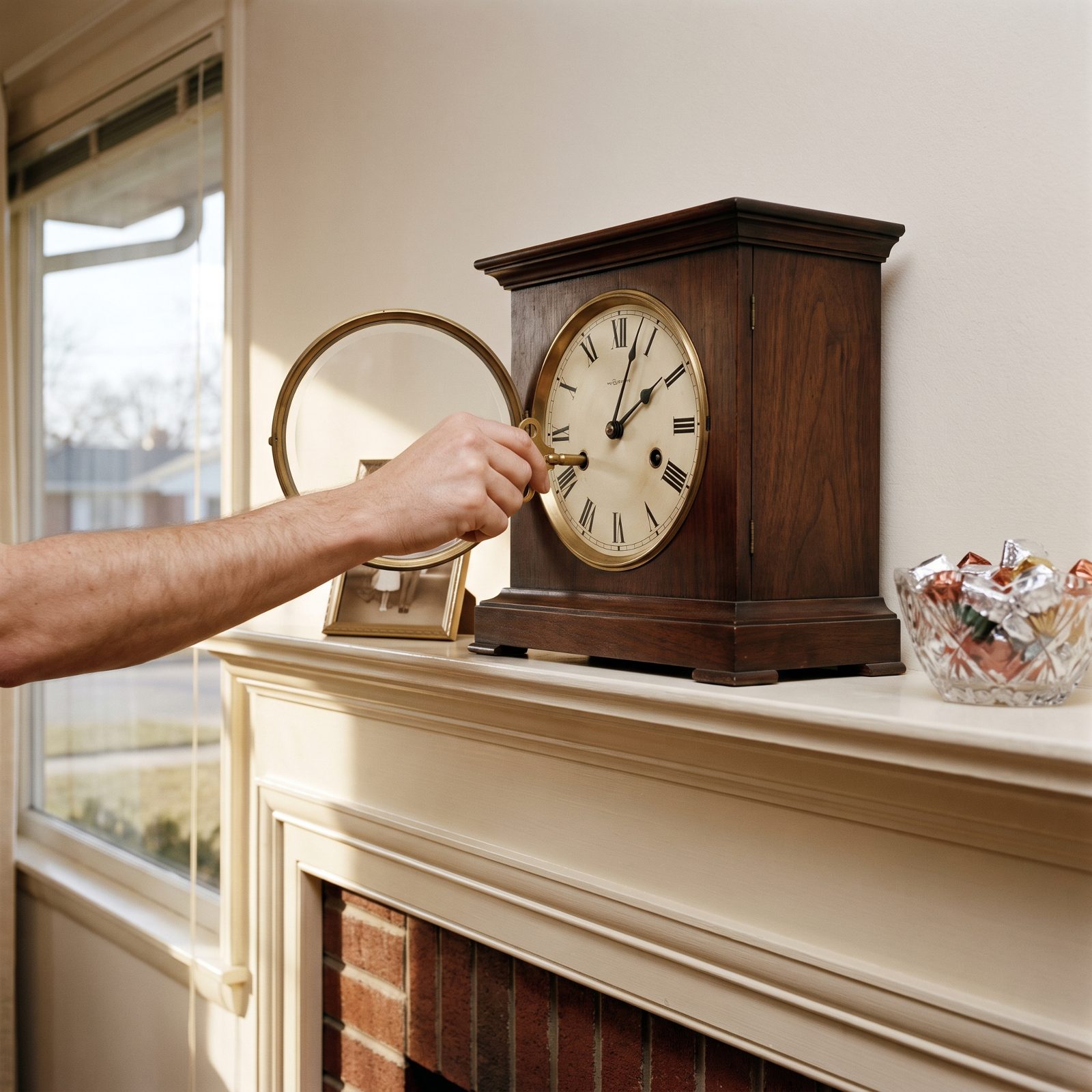
Before a phone told everyone the time, a house kept it in a box full of gears. Most mantel and wall clocks of the era ran eight days on a single winding, so one morning a week — usually Sunday — somebody slid a little brass key into the face and turned until the mainspring tightened. Forget, and the ticking stopped sometime midweek, and the whole house noticed the silence.
Wall regulators, carriage clocks, tall case clocks: all of them demanded the same small ritual. Then quartz movements hit the mass market in the early 1970s and made the key pointless. A battery now does in two years what a hand once did every week.
5. Dragging the Room-Size Rug Outside to Beat It
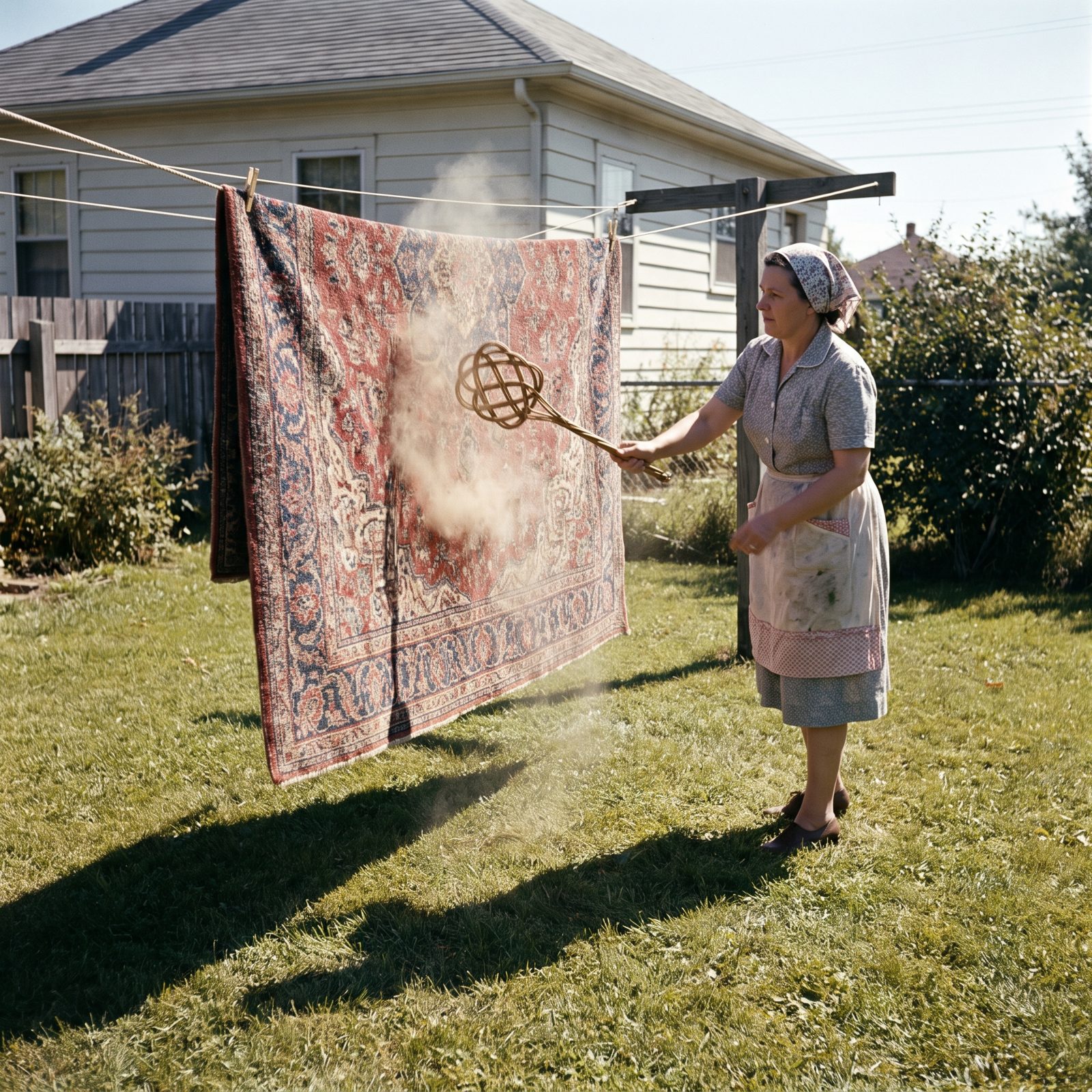
Vacuum cleaners existed in 1960, and plenty of homes had them, but they didn’t do what a good spring beating did. Twice a year, sometimes more, the big wool rug got hauled off the floor, slung over the clothesline or a fence rail, and whacked with a rattan or wire beater until the dust quit flying.
Loud, satisfying work. You could watch the grime leave in gray clouds. Then wall-to-wall synthetic carpeting spread fast through American homes in the 1960s and killed the habit almost overnight — you can’t drag broadloom outside, and that was rather the appeal of buying it.
4. Spreading Paste Wax on the Floor and Buffing It by Hand
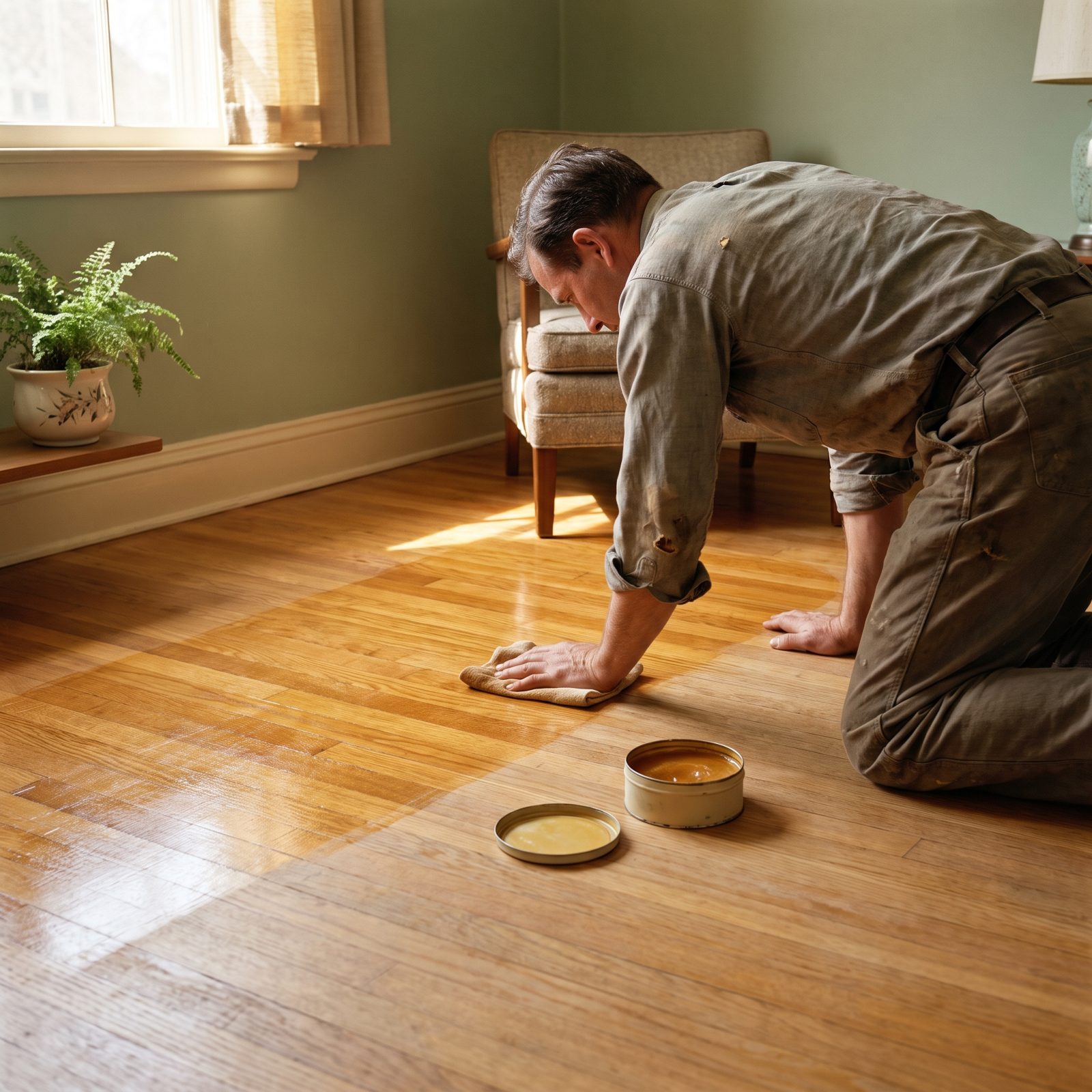
Hardwood and linoleum didn’t shine on their own. Keeping a floor presentable meant kneeling down, working paste wax across the boards with a soft rag, letting it haze over, then buffing it back to a gloss by hand or with a weighted lambswool block shoved back and forth.
A waxed floor had a particular smell and a particular slip. Kids in socks knew it instantly.
Polyurethane changed all of it. It reached the home market in the 1960s and dominated by the 1970s, sealing wood under a durable plastic-like coat that never needs a thing. The weekly buff became something grandparents talked about.
3. Ironing the Sheets, Pillowcases, and Handkerchiefs
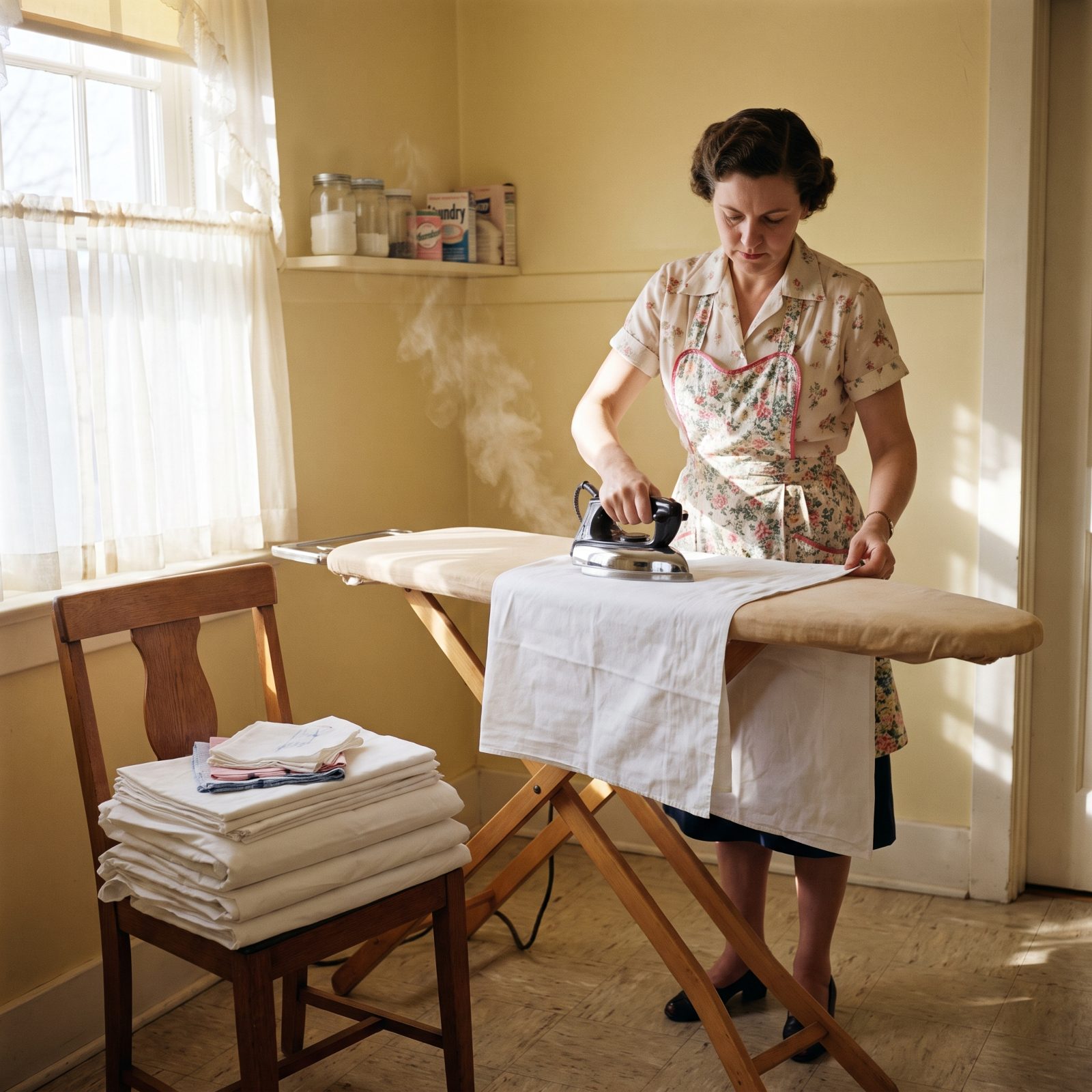
The laundry basket in 1960 held things nobody irons now. Flat cotton sheets. Pillowcases. Cloth handkerchiefs by the dozen, plus cotton tablecloths and napkins. All of it came off the line stiff and wrinkled, and all of it got pressed, folded, and stacked away crisp.
Cotton wrinkles because the fibers bend and set. The permanent-press and wash-and-wear fabrics that arrived through the 1960s — polyester blends, mostly — shed their wrinkles in the dryer and flat-out refused to hold a crease. Paper tissues replaced the handkerchief. The ironing board slowly emptied out, down to the occasional dress shirt.
2. Emptying and Washing the Ashtrays in Every Room
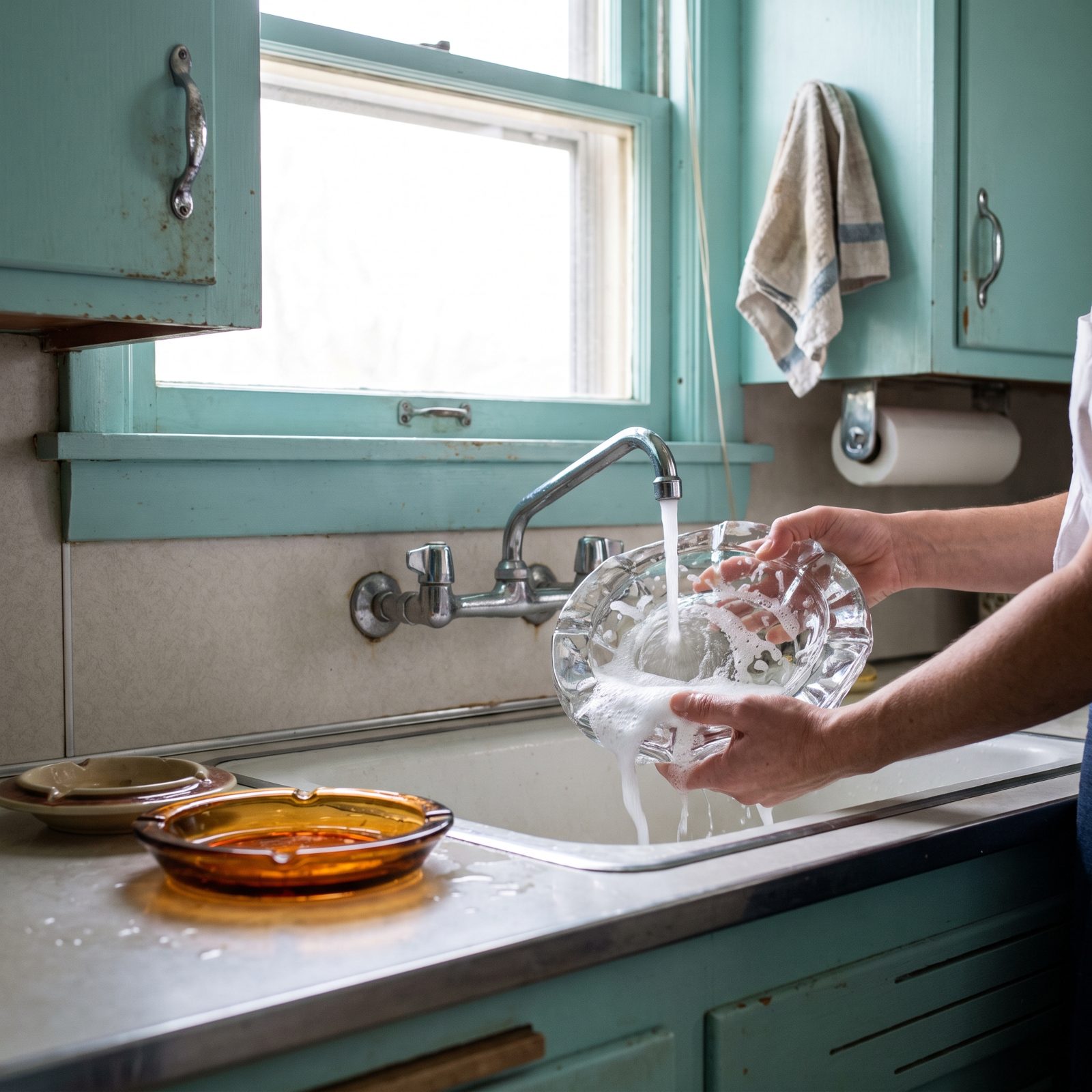
Every room had one. Living room coffee table, kitchen counter, bedroom nightstand, the bathroom, even the car. With smoking woven into daily life for a huge share of adults, ashtrays filled up fast, and emptying and scrubbing them was a steady, unglamorous slice of keeping house.
Glass ones went in the sink. But the smell got into curtains and upholstery, so the cleaning rarely ended at the ashtray itself. As smoking rates fell steadily from the mid-1960s onward and homes went smoke-free, the whole chore simply ceased to exist — and a whole category of dishware vanished with it.
1. Chipping the Ice Out of the Freezer Compartment
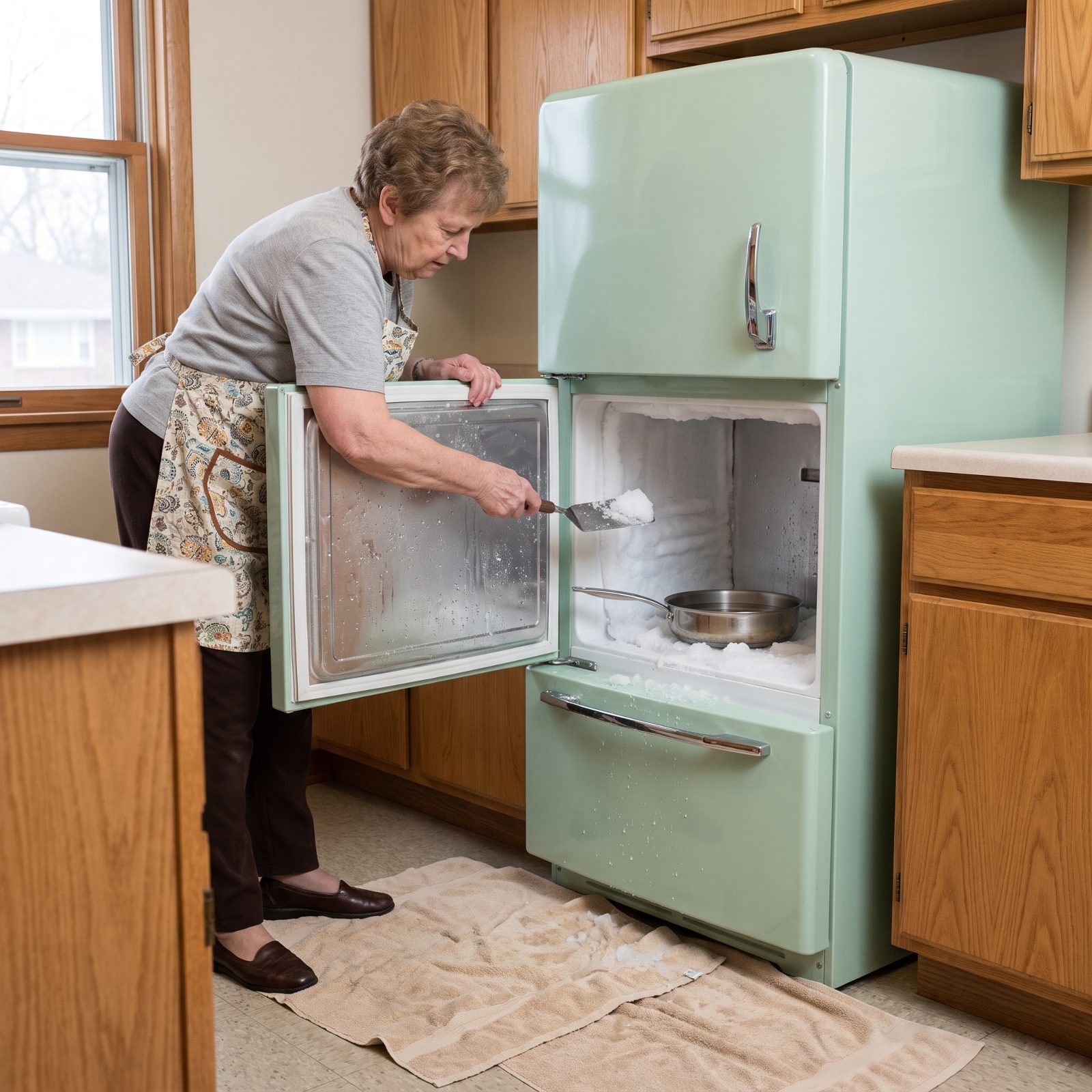
The freezer in a 1960 refrigerator was a full-width compartment with its own door, tucked between the main door and the bottom drawer, and it iced up relentlessly. Leave it alone and the frost crept outward until the door barely shut and the ice trays wedged in place. So every few weeks the whole thing got switched off, emptied, and thawed.
People hurried it along with pans of hot water and towels on the floor, then chipped at the softening ice — which is how more than one evaporator coil got punctured. Frost-free refrigerators, common by the late 1960s, ended all of it with fans and timed heating cycles that quietly melt frost before it ever builds.