Stress doesn’t always announce itself. Sometimes it’s just the fourth lap around the kitchen looking for your keys, or the way your shoulders drop as you pass the hall closet. Sometimes it’s the apology that leaves your mouth before a friend has even crossed the threshold. A home works on you slowly, the way a pebble in a shoe works on a hike, and most of the damage happens below the level you’d ever name out loud. Quiet problems tend to have quiet fixes, though. We went looking for the tells — those small daily frictions that pile up into a low hum of dread — and for the practical moves that switch them off.
Please note that some of the images in this article were created with the assistance of AI.
20. Mornings Feel Rushed Because Nothing Has a Home
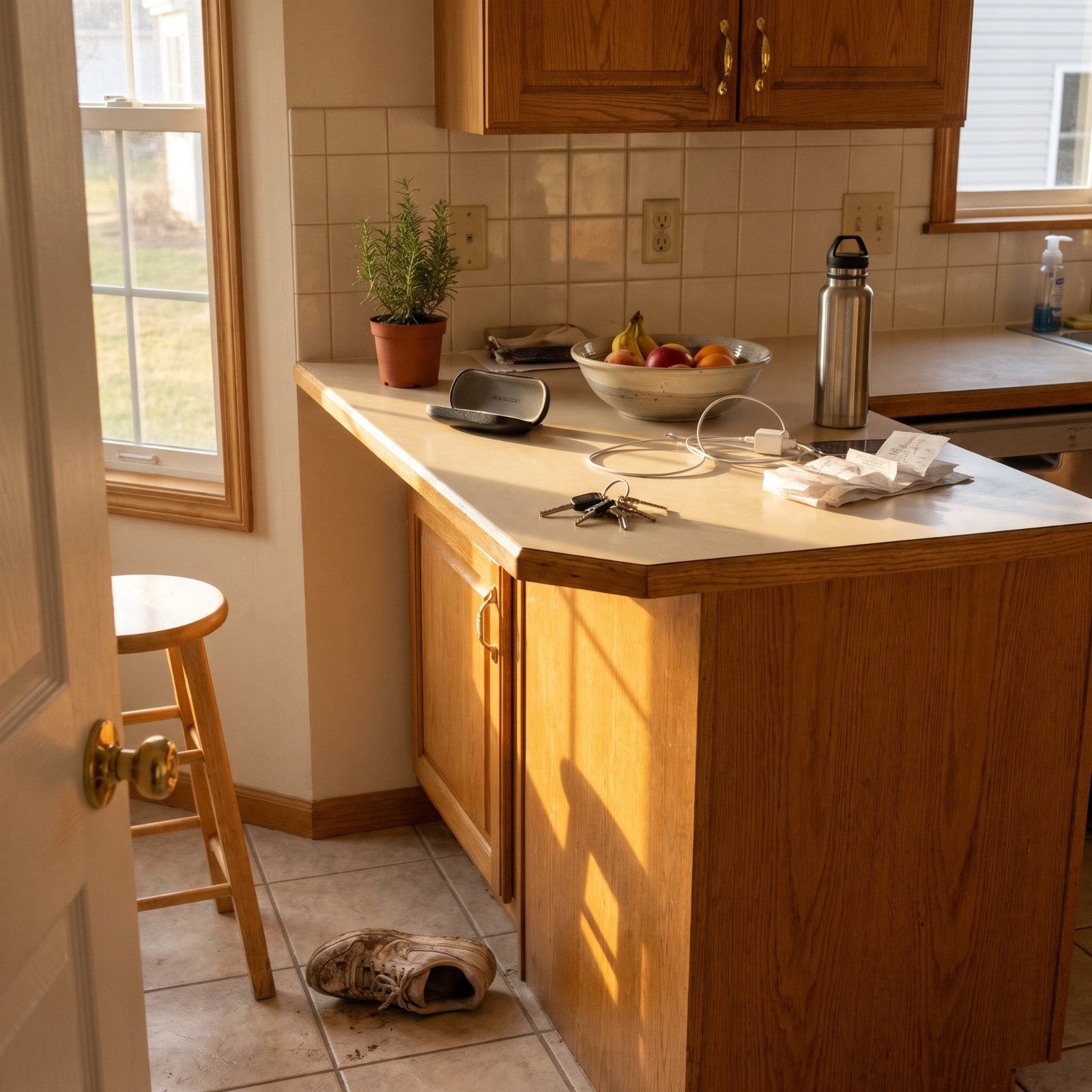
The morning scramble is rarely about time. It’s about the search. Pat down three surfaces every day hunting for keys, wallet, and the one specific charger, and your home is making you do unpaid reconnaissance before coffee.
The fix is almost insultingly simple. Everything that leaves the house with you gets one landing spot by the door — a bowl, a tray, a row of hooks. Not several spots. One. The brain stops searching the moment there’s only one place to look.
19. Every Flat Surface Is Covered in Piles You Keep Reshuffling
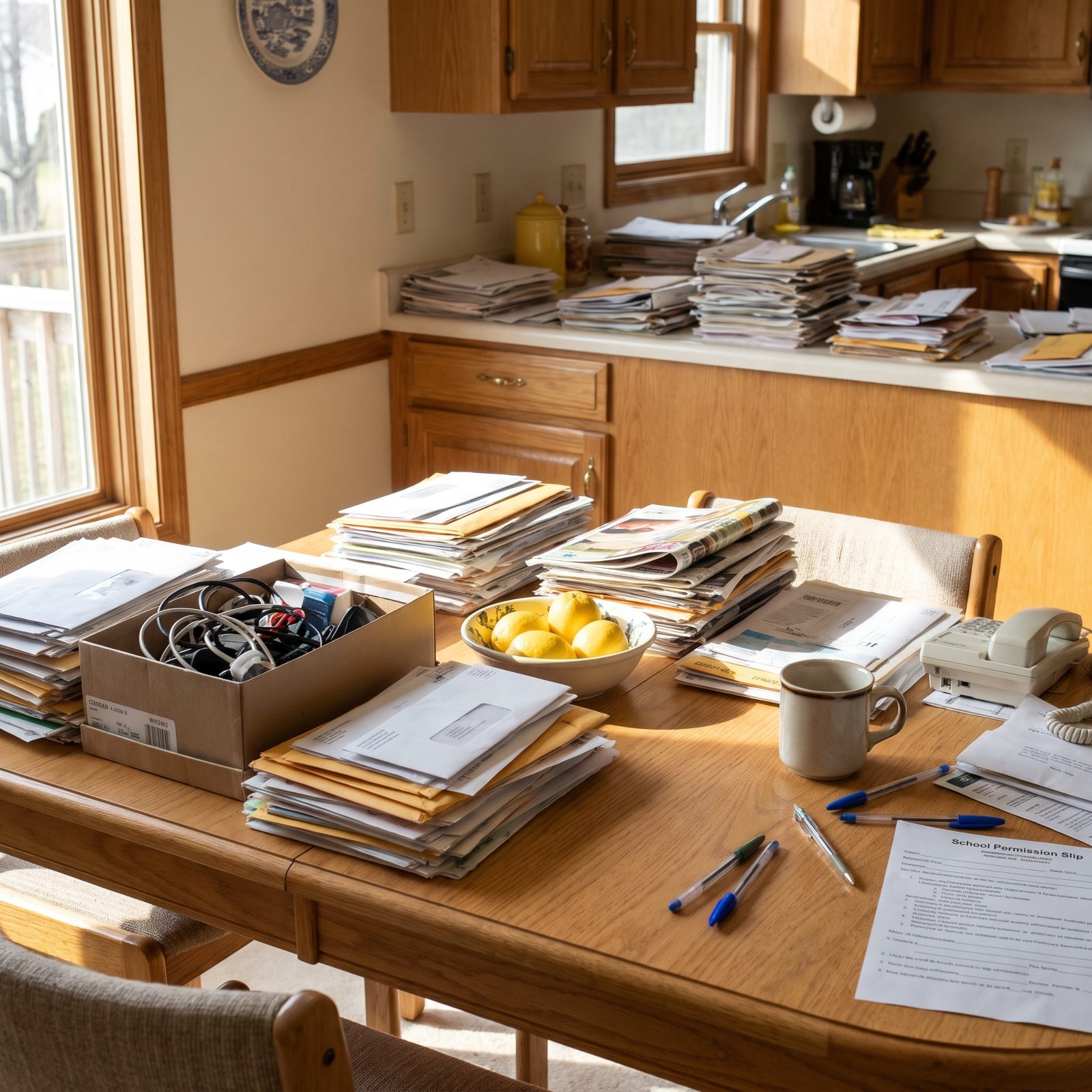
Moving a pile is not the same as dealing with a pile. You know this. You’ve picked up the same stack of mail four times this week and set it down two inches to the left to wipe the counter.
Flat surfaces are magnets. They collect whatever has no decision attached to it yet, which means the real problem isn’t the clutter — it’s a backlog of unmade decisions sitting around in paper form. So open mail standing over the recycling bin, where most of it dies on contact. What survives goes in one tray, dealt with on a set day. The pile never forms because the decisions never pile up.
18. The Entryway Greets You With Shoes, Bags and Chaos
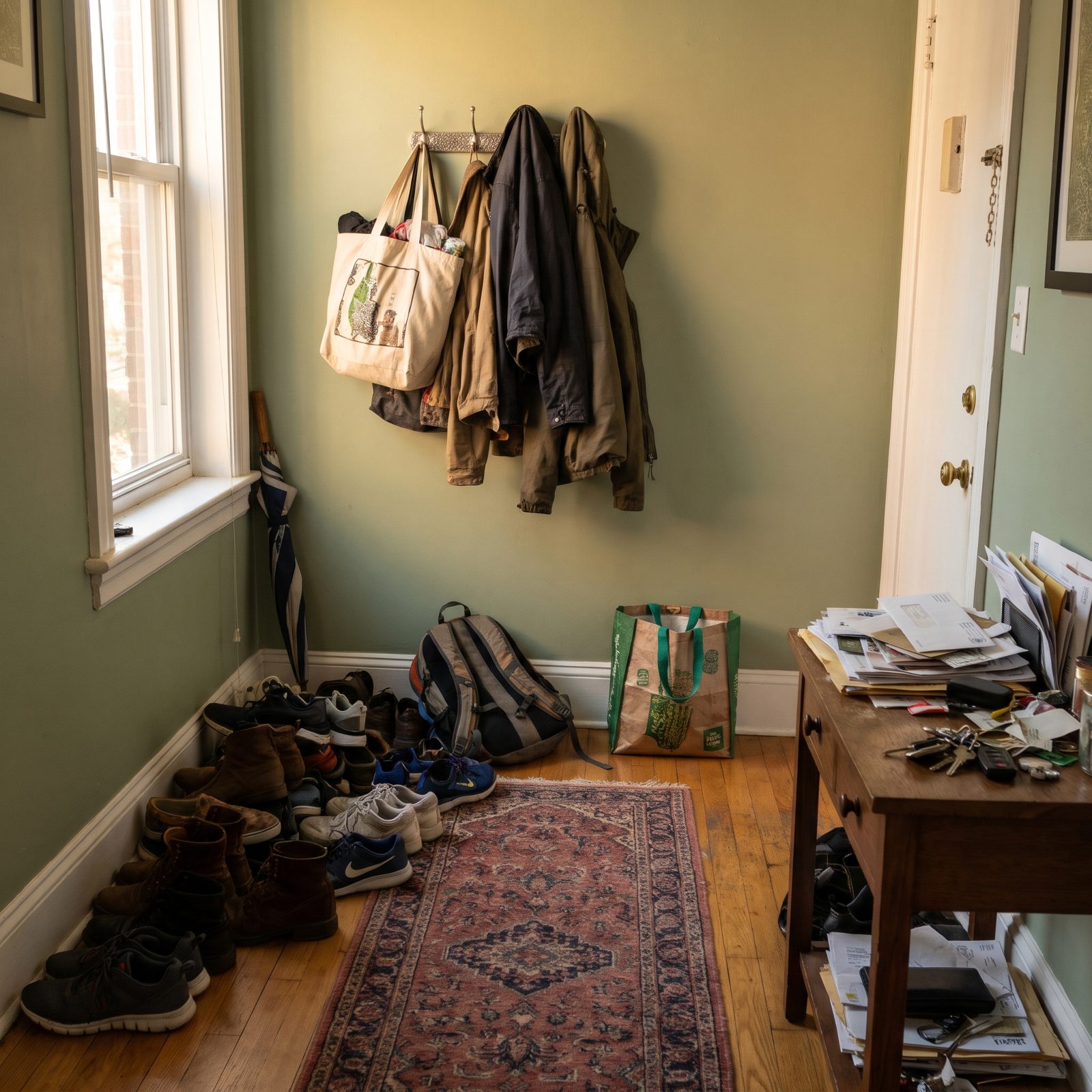
The entryway is the first thing you see coming home and the last thing you pass leaving. A chaotic one sets the emotional thermostat for the whole house before you’ve even taken off your coat.
Here’s what most people miss. The entry fails because it’s asked to do too much with too little — three people, twelve pairs of shoes, one small floor. Give it structure. A low bench with a shoe bin underneath, a hook per person at the right height, a single tray for keys and mail. You’re not aiming for a magazine spread. You’re aiming for a floor you can actually see.
17. You Dread Opening Certain Closets or Cabinets
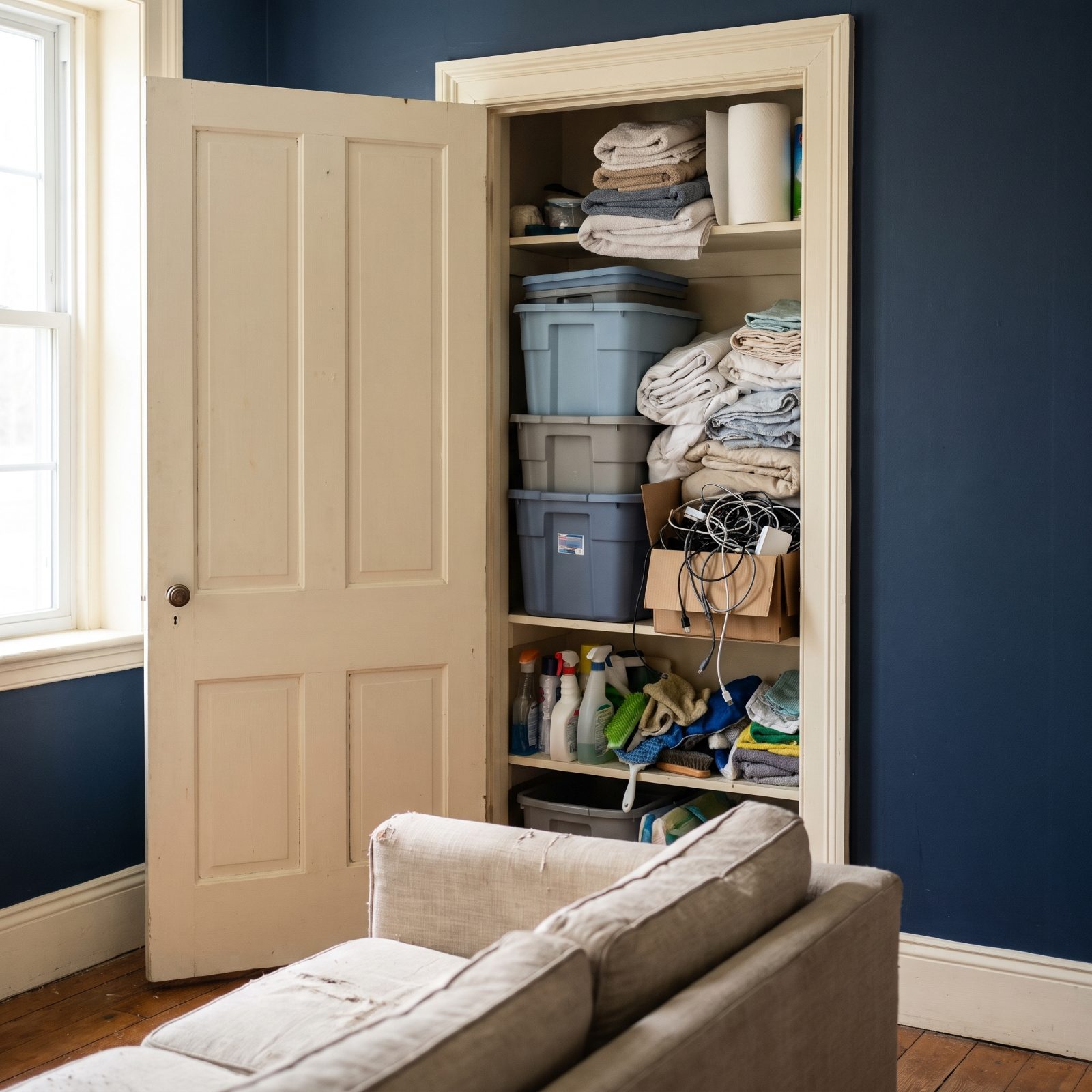
You know the closet. The one you open with a flat palm ready to catch whatever falls, the one you’d never show a guest. We all have at least one, so no judgment here.
A door is a wonderful liar. It lets you believe the chaos doesn’t count because you can’t see it — but your body keeps the receipt. Every time you brace before opening it, that’s a small spike of dread you’ve trained yourself to ignore.
Empty it completely onto the floor. All of it. Then put back only what you use and actually have room for. Whatever can’t fit was never organized to begin with. It was just hidden.
16. You Apologize Before Anyone Comes Over
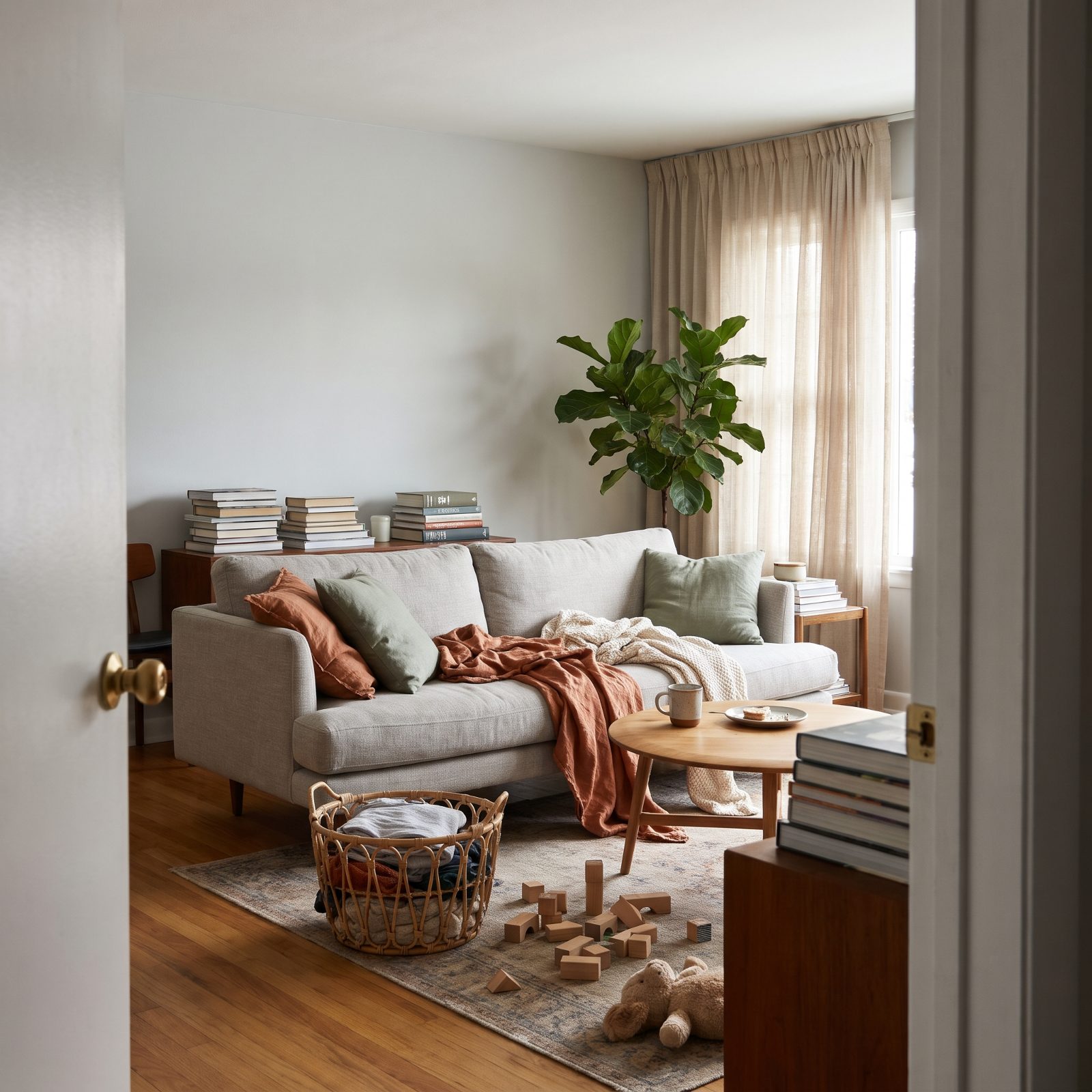
If “sorry about the mess” is your doormat, your home is costing you something bigger than tidiness. It’s costing you the ease of having people over at all.
The apology is a tell. It means you’ve accepted a baseline you’re quietly embarrassed by, and the embarrassment makes you host less, which makes the house feel less alive, which makes you care for it less. Round and round it goes.
You don’t need a clean house. What you need is a 15-minute reset you can run on autopilot: clear surfaces, start the dishwasher, close doors on the rooms that aren’t in play. Reset the stage, not the whole theater.
15. Harsh or Dim Lighting Leaves Rooms Feeling Off
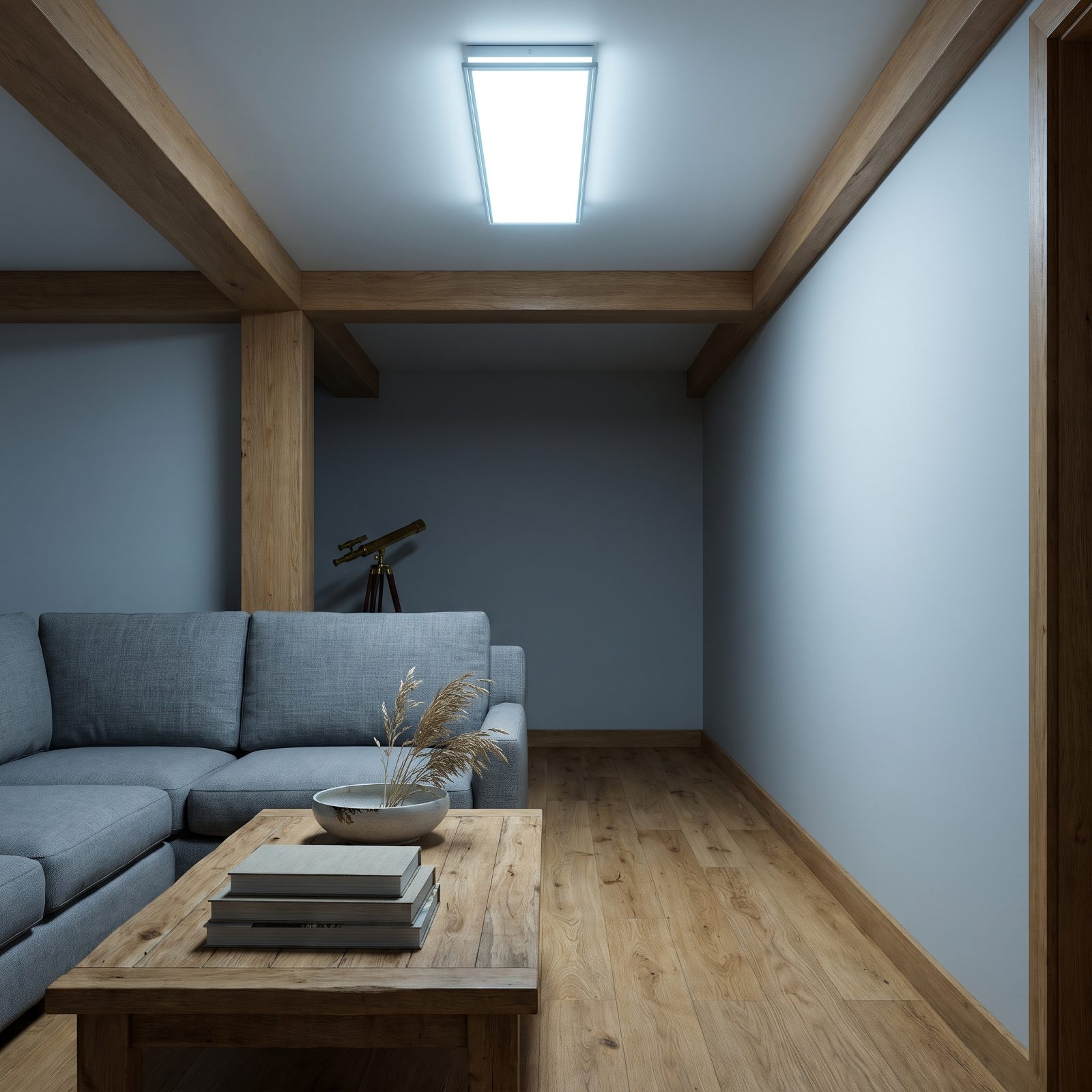
One ceiling bulb doing the work of a whole room is the single most common lighting mistake, and it wrecks the mood of a space faster than any paint color ever could. A harsh source flattens everything and throws hard shadows into every corner. A dim one makes you squint and feel vaguely tired without knowing why.
Real rooms use layers. An overhead for general light, lamps at eye level for warmth, maybe something low and soft for evenings. Swap to warm white bulbs around 2700K and add two lamps. The room doesn’t get brighter. It gets kinder.
14. The House Is Noticeably Louder Than It Needs to Be
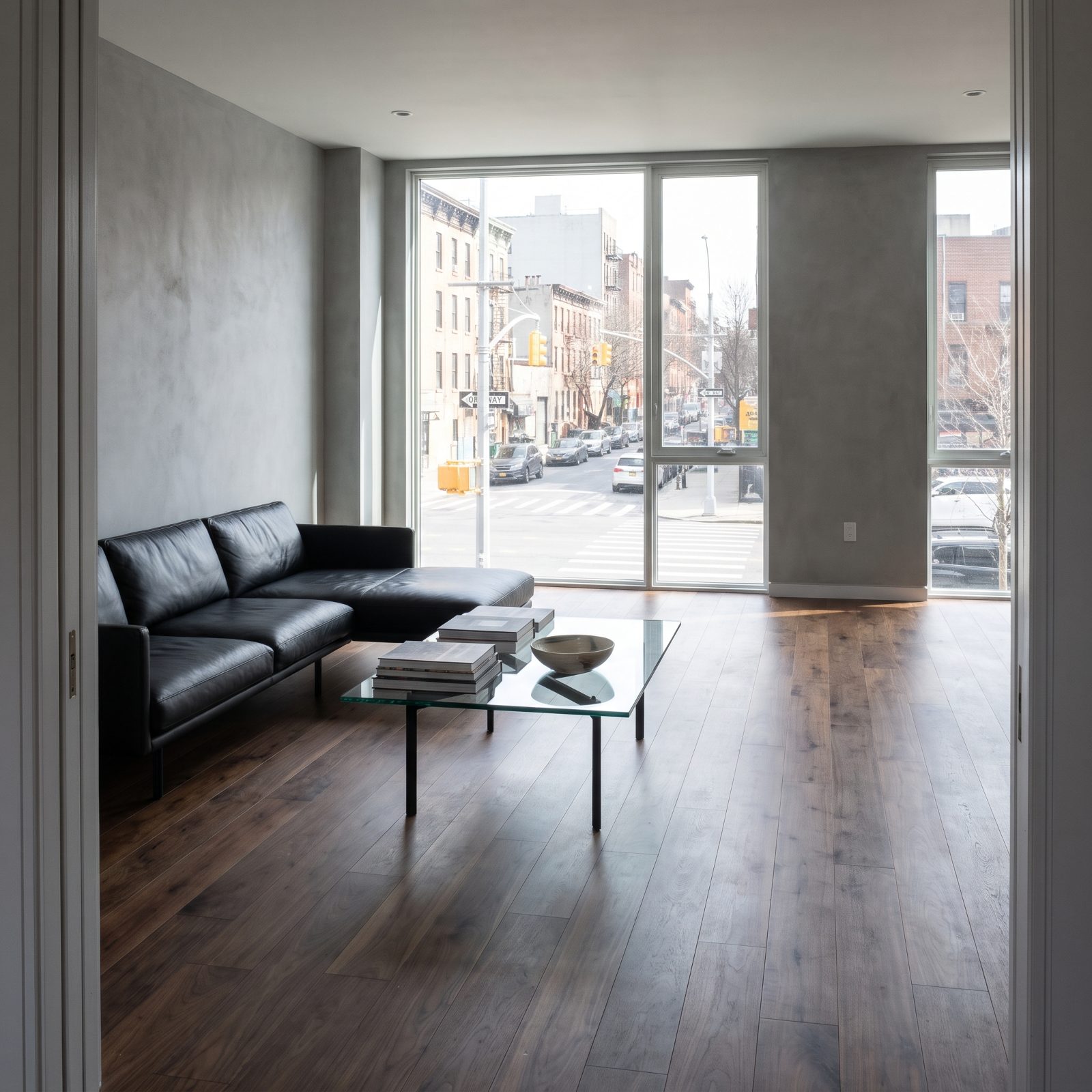
Noise is stress you don’t credit as stress. Hard floors, bare walls, big windows, no soft anything — sound bounces around with nothing to catch it, and the whole house runs at a higher volume than you realize until it stops.
You notice it most when you finally add a rug. Suddenly conversations feel closer, the TV doesn’t need to be as loud, and the room feels calmer for reasons you can’t quite point to.
Soft things absorb sound. A thick wool rug, curtains instead of blinds, a few pillows, a bookshelf full of books. Fabric and clutter — the useful kind — quiet a room down.
13. You’re Constantly Hunting for Something You Own Two Of
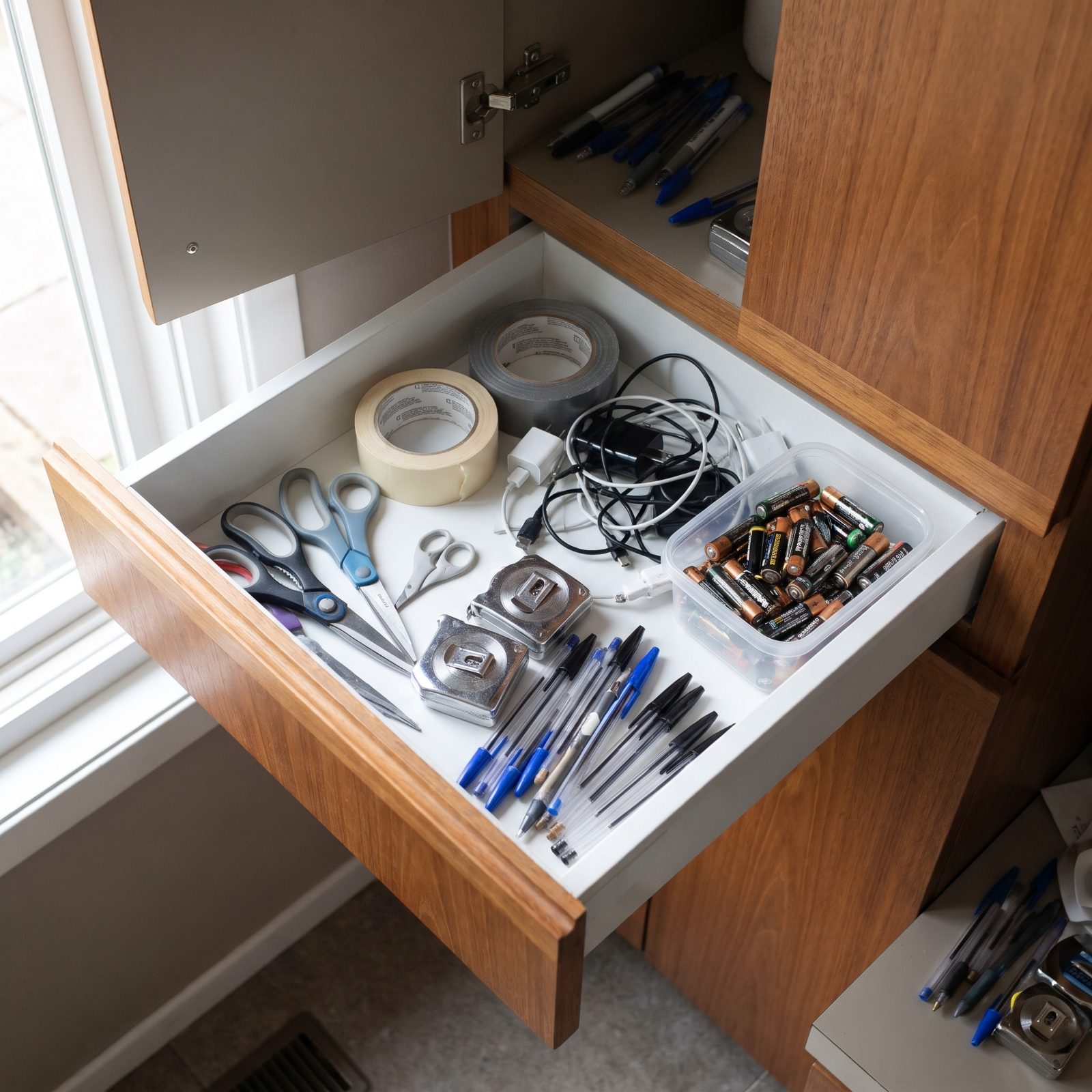
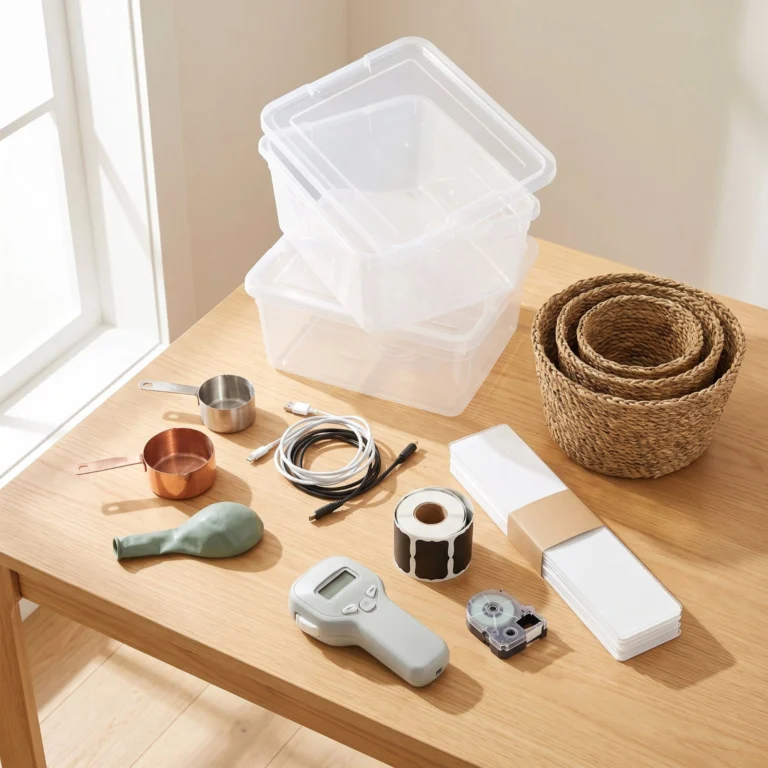
Three pairs of scissors and you can never find one. Two tape measures, four chargers, a drawer full of pens that mostly don’t work. Owning doubles of things isn’t frugality. It’s the tax you pay for not having a home for the original.
The duplicates are a symptom. You buy another because the first one has no reliable spot, so it vanishes, so you buy a third. Round the duplicates up, keep the best one, give the rest away. Then give that one a home. The buying stops once the finding starts working.
12. Unfinished Projects Sit in Plain Sight for Months
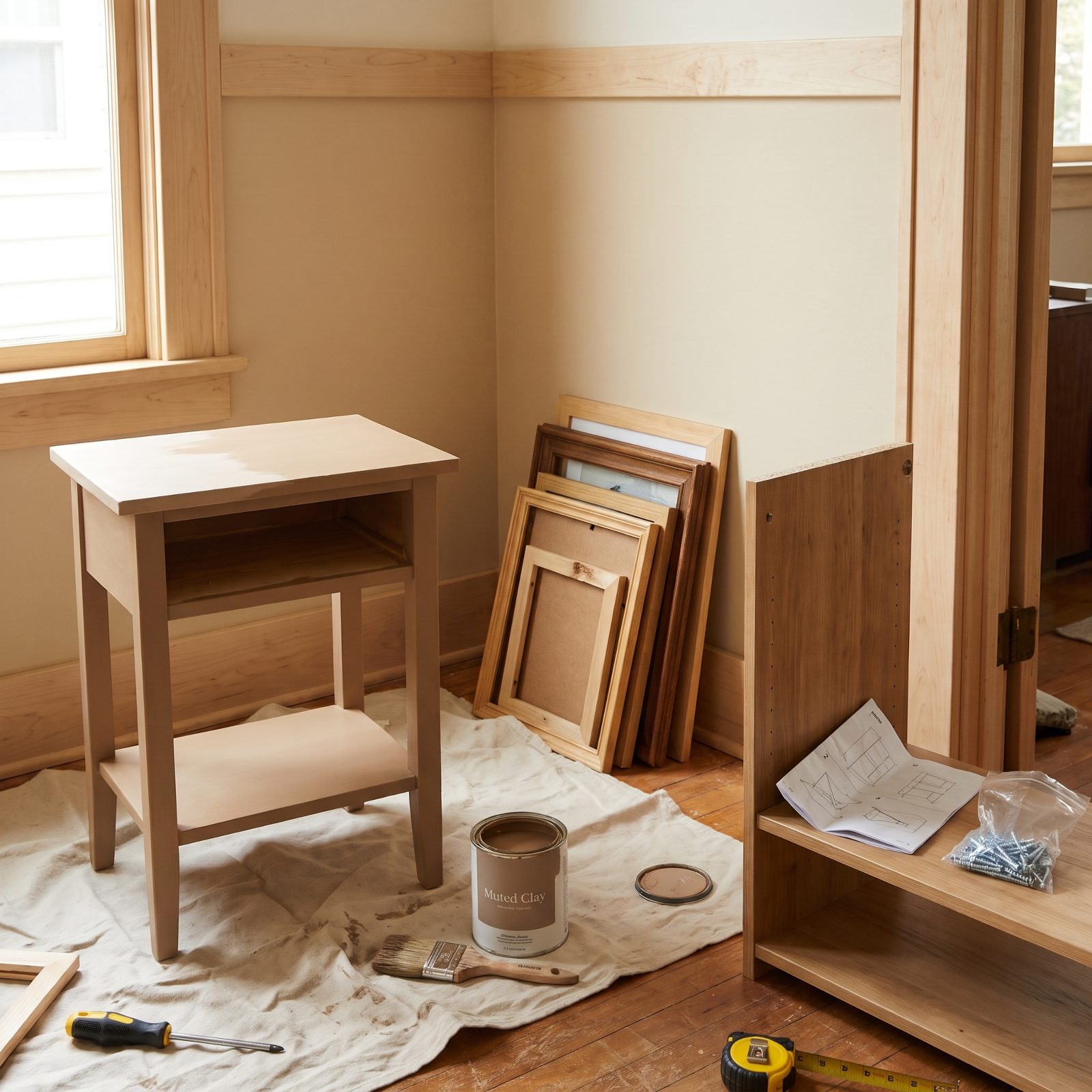
The half-painted table. The frames that have leaned against the wall for their fourth month running. The shelf that’s mostly assembled with the screws in a sandwich bag on top. These aren’t projects anymore. They’re monuments to a version of you who had more time.
And here’s the quiet cost. Every time your eye lands on an unfinished thing, your brain files a tiny open loop, and dozens of those running in the background is exhausting in a way you can never quite locate.
Give yourself a hard choice on each one. Finish it this month, or let it go. A project you’ll never finish isn’t a plan. It’s furniture made of guilt.
11. Your Bedroom Doubles as an Office, Gym and Laundry Dump
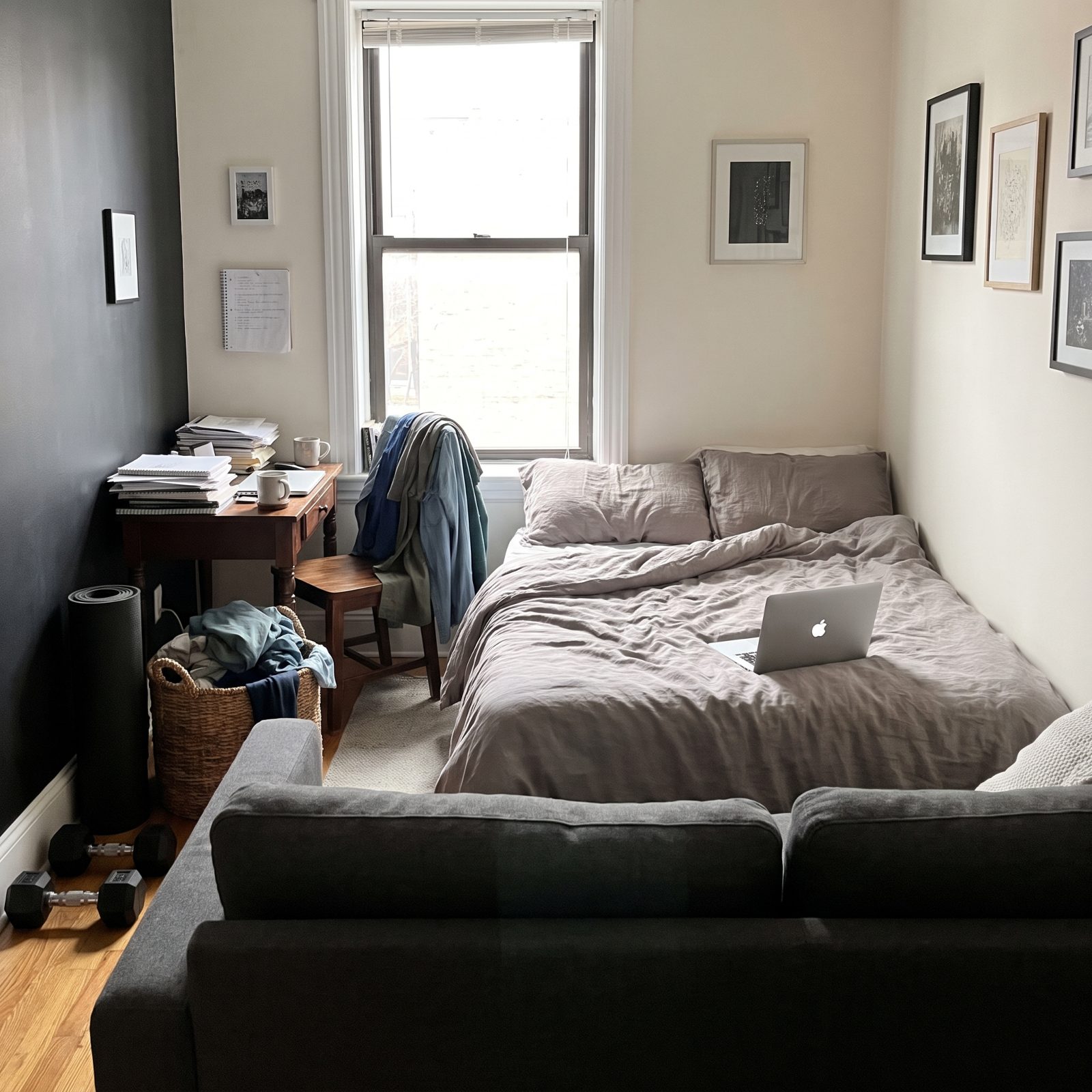
A bedroom that’s also an office, a gym and a laundry staging area is a room asking you to work, sweat, worry and sleep in the same ten feet. No wonder rest feels thin.
Your brain reads context. The desk says respond to that email, the laundry pile says you’re behind, the treadmill says you skipped it — all of this whispering at you as you try to wind down.
You can’t always banish every function. But you can hide them after hours. A screen to close off the desk, a basket with a lid for the laundry, the dumbbells pushed fully out of sight. The bed should be the loudest thing in the room, and what it should say is rest.
10. The Fridge Is Packed, Yet You Still Order Takeout
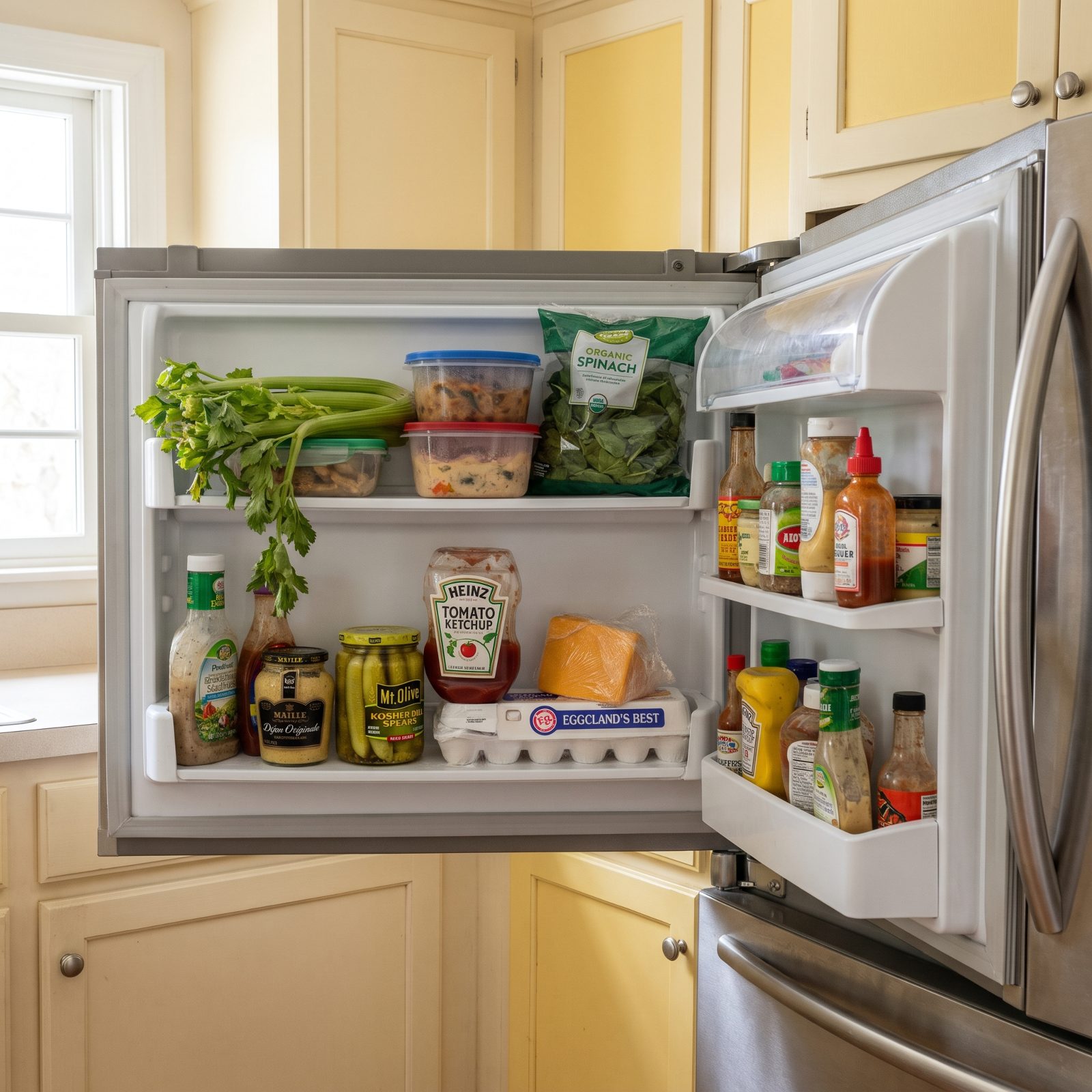
A full fridge and an empty dinner plan live in the same house more often than anyone admits. The problem usually isn’t that you have no food. You just can’t see it, and when good ingredients hide behind a wall of jars, your brain reads the whole shelf as noise and gives up. Takeout wins because it’s the path of least resistance.
Pull everything forward once a week. Put what needs eating at eye level, in clear containers if you can swing it, because you decide dinner in the ten seconds you stand with the door open. Make those seconds legible and you’ll cook far more than you’d guess.
9. You Trip Over the Same Cords and Clutter Every Single Day
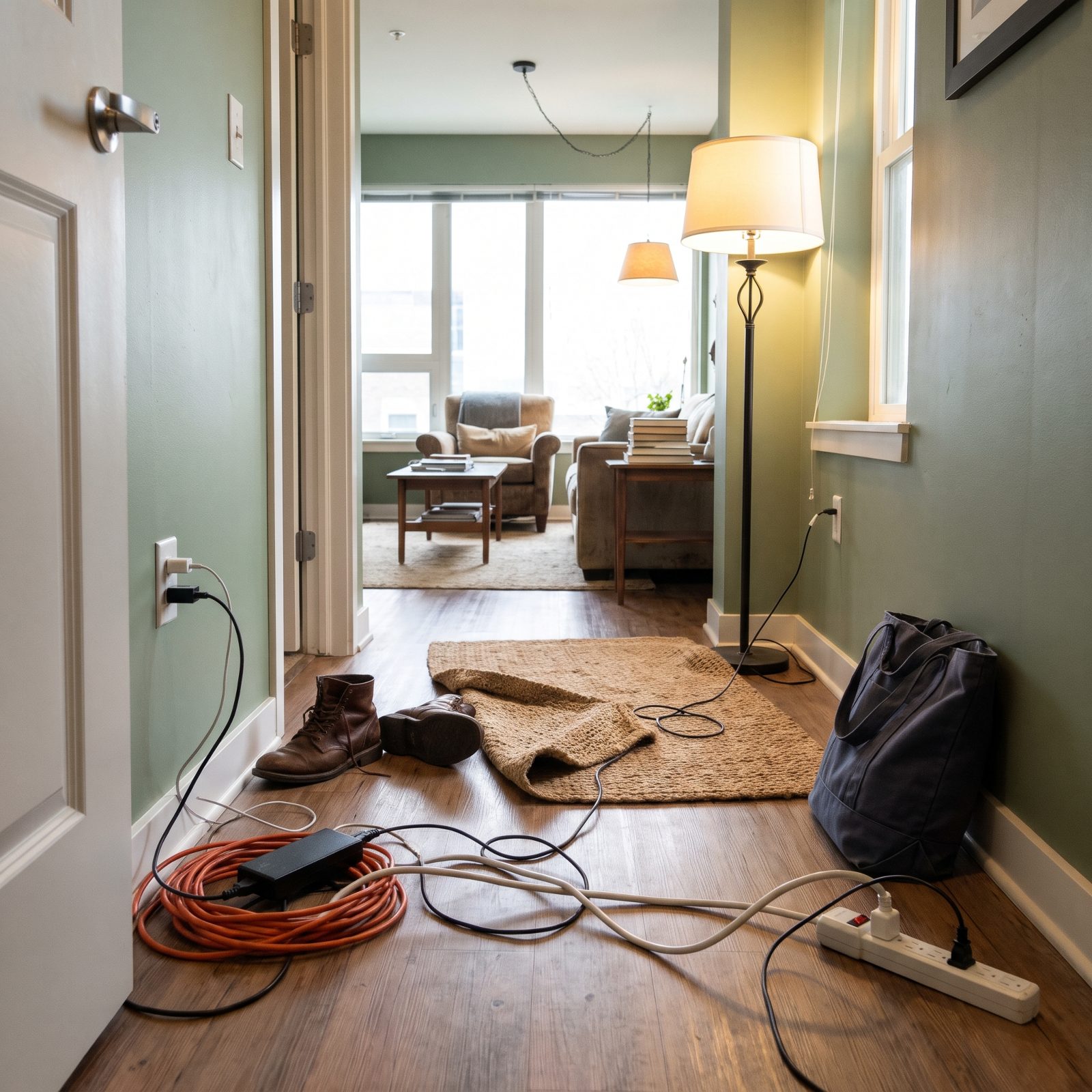
You step over it so often you’ve stopped seeing it, and that’s the dangerous part. The body keeps a running map of every hazard it has to avoid, and that map costs you, quietly, all day.
Walk your main path like a guest would. Where do your feet hesitate? Cords get run along baseboards with a few clips. Shoes get a landing spot by the door instead of the middle of the floor. One clear path through the house does more for your nerves than a whole organizing weekend, and it takes about twenty minutes.
8. Rooms Feel Dark Because the Furniture Is Blocking the Windows
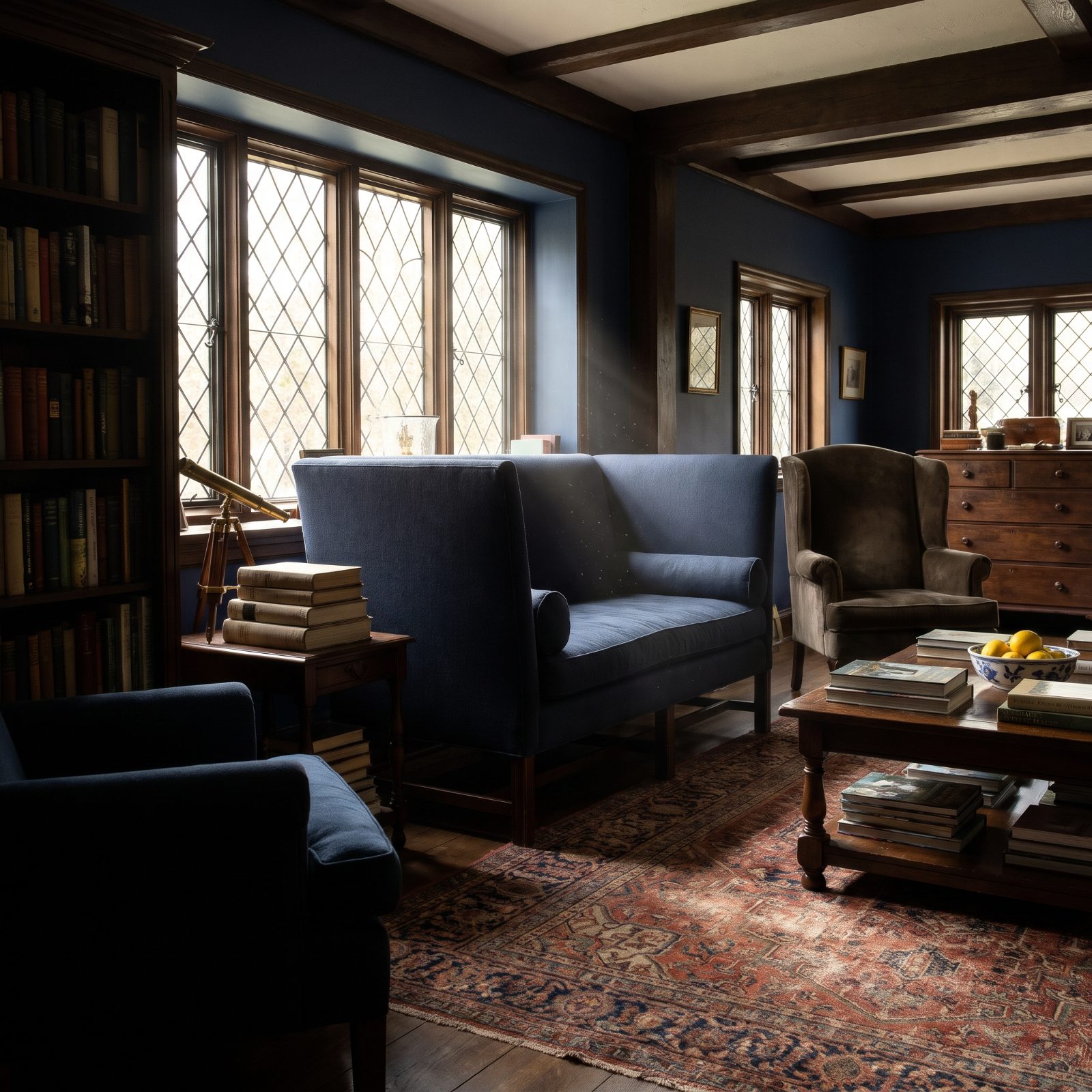
Here’s a common mistake: blaming a dim living room on the windows. Often the windows are fine, and a six-foot bookcase is standing in front of one of them like a bouncer.
Natural light is the cheapest mood-lifter you own, and furniture is often the thing stealing it. Tall pieces belong on the windowless walls, and nothing with a high back should sit in front of glass. Pull your seating a few inches off the sill rather than shoving it against the window. The room brightens without a single new fixture — and bright rooms simply feel less heavy to live in.
7. You Avoid Whole Rooms Because They’re Too Crowded to Actually Use
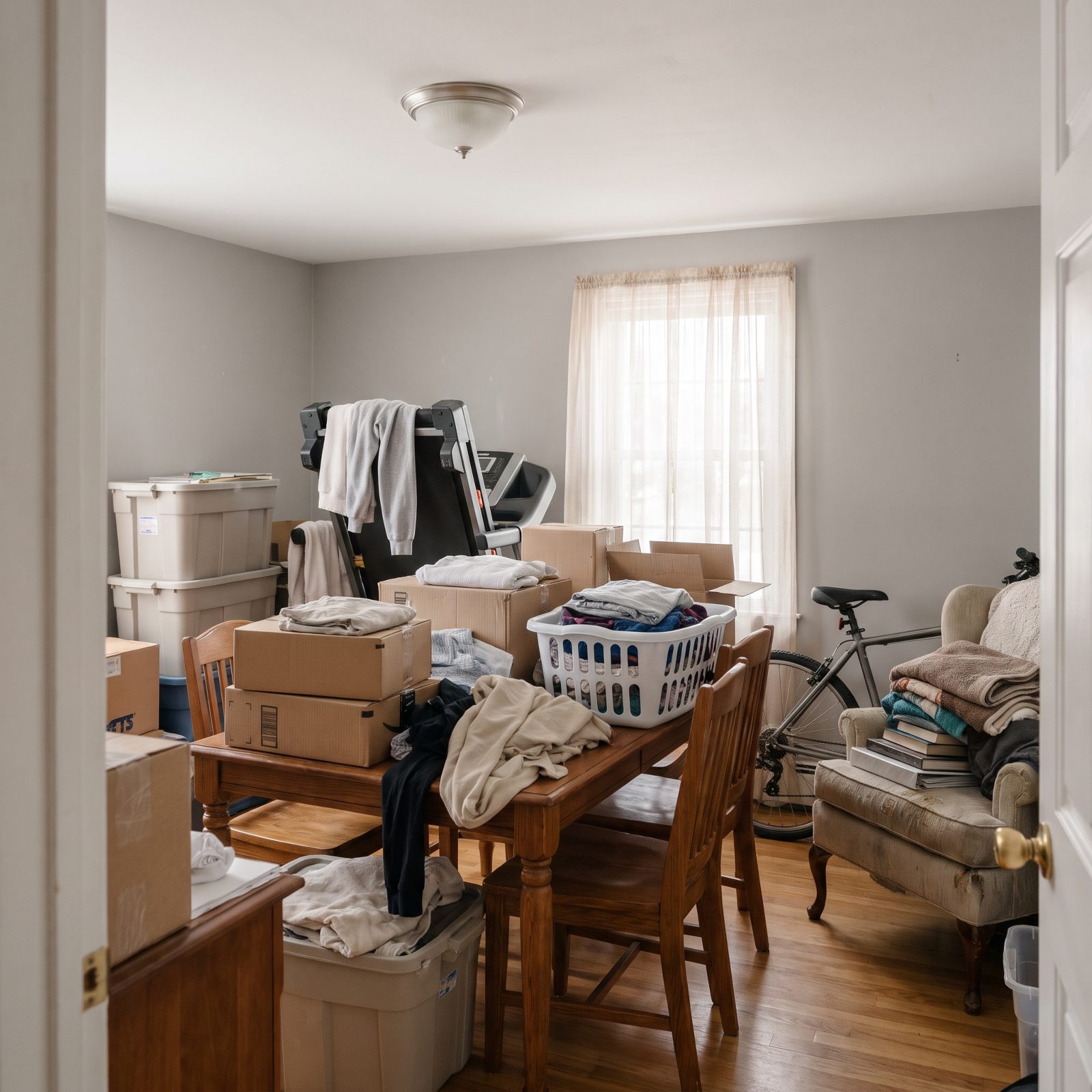
Every home has one. The room with the door you keep half-closed. It started as a guest room or a dining room and slowly turned into the place things go to disappear.
Avoiding a room doesn’t make it smaller. It makes the rest of the house do the work that room should be doing, and that crowding spreads. The way back is to name the room out loud. This is the office. This is where we eat. Then everything that doesn’t serve that one job has to leave. You’re not organizing the chaos — you’re giving the room its identity back, and a room with a purpose stops being a place you dread.
6. Cleaning Eats the Whole Day Because You Have to Clear Before You Clean
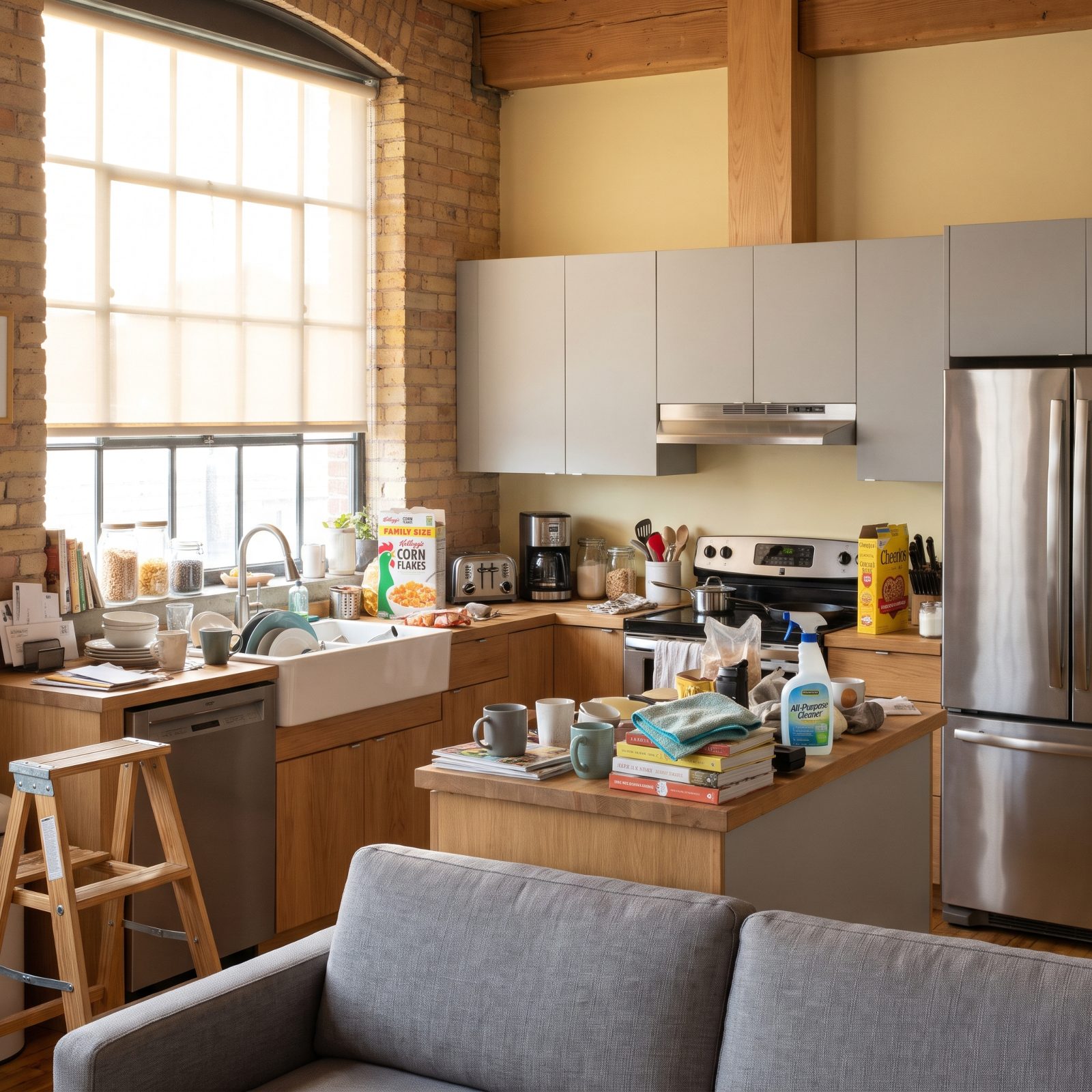
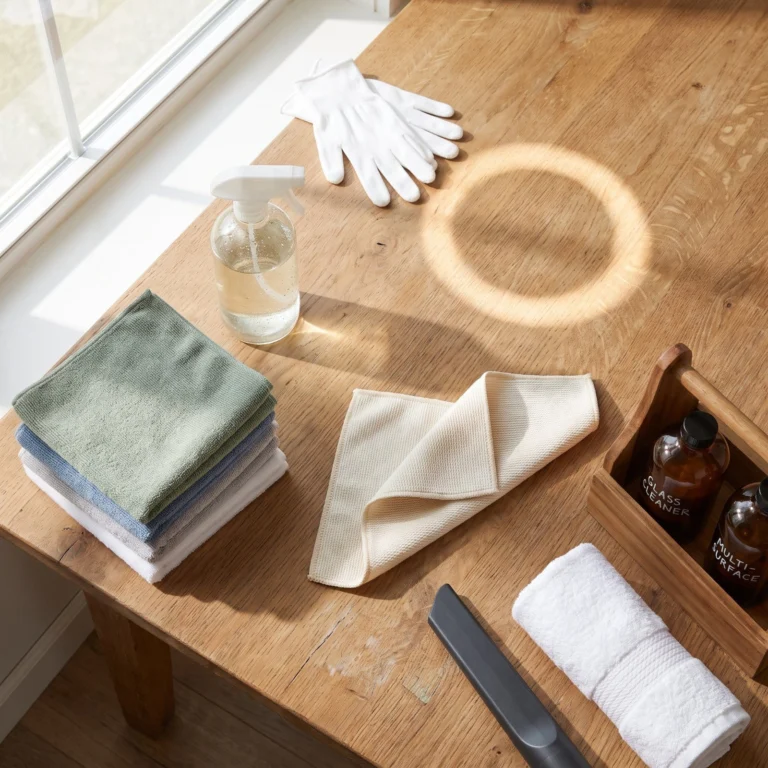
Wiping a counter takes thirty seconds. Moving the toaster, the mail, the vitamin bottles, the charging phone, and the fruit bowl off that counter first takes ten minutes. That ratio is why cleaning feels endless.
You’re not slow. Your surfaces are overloaded, so every actual cleaning task comes with a clearing task bolted onto the front of it. Keep fewer things on open surfaces and the cleaning itself gets fast, genuinely doable on a weeknight. A counter holding three items gets wiped daily. The one holding twenty gets wiped when you can’t stand it anymore.
5. The Temperature Never Feels Comfortable in Any Room
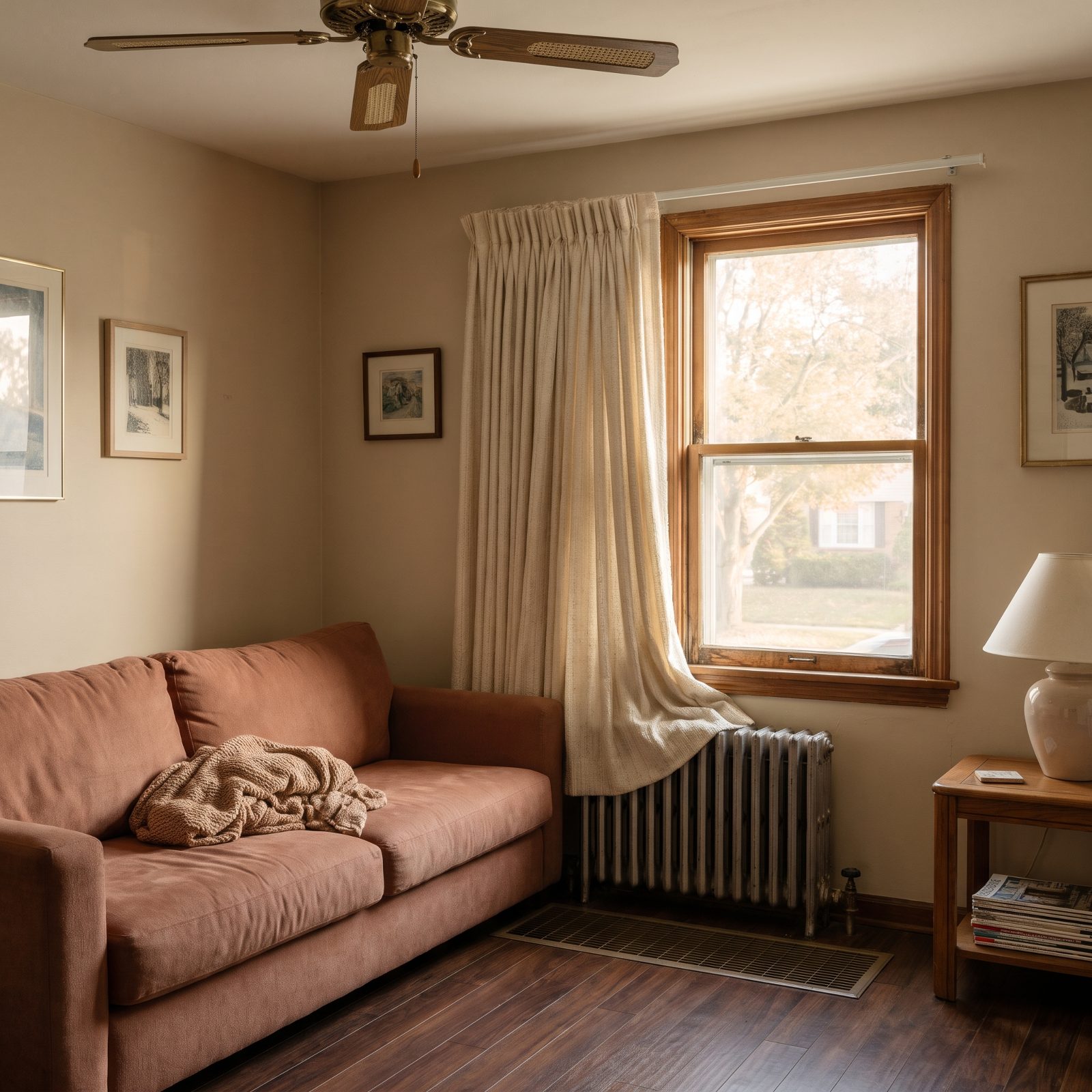
You nudge the thermostat up, then down, then grab a blanket anyway. The house never settles into comfortable, and you’ve decided that’s simply how it is.
Often it isn’t the HVAC. It’s airflow. A sofa crowding the radiator is eating half your heat, a long curtain draped over the radiator is trapping the warmth before it reaches you, and a single unsealed window can make a whole room feel much colder than the number on the wall claims.
Check what’s blocking your vents and registers before you blame the furnace. The cheapest comfort upgrade in most homes is just moving the couch a few inches.
4. Your Closet Is Full but You Wear the Same Few Things on Repeat
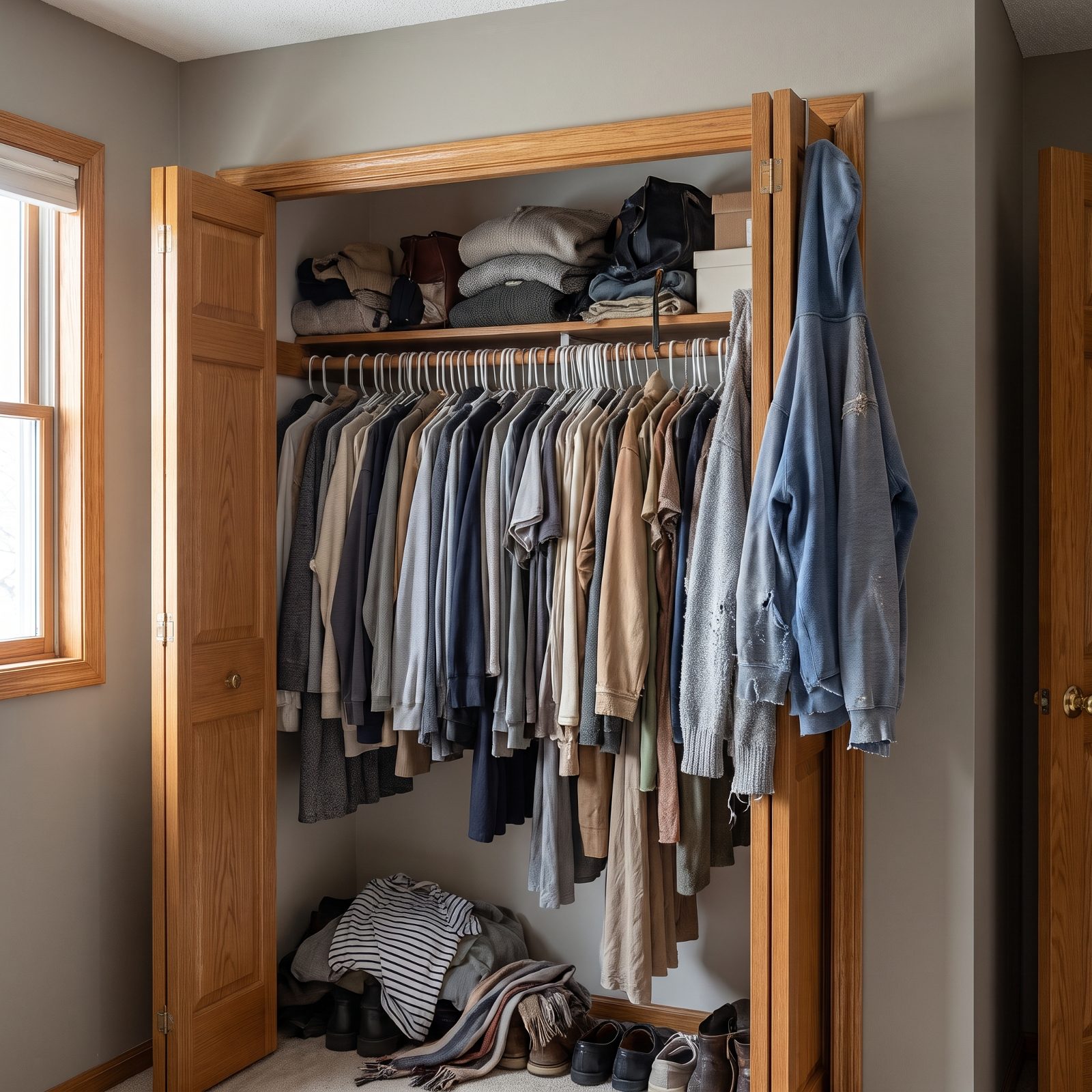
A closet so full you can’t move a hanger is not a closet with lots of options. It’s a closet with no visibility, which amounts to the same thing as having nothing to wear. You reach for the same five pieces because they’re the only ones you can find and pull out without a fight.
Thin the rod until hangers slide freely. Everything you haven’t touched in a year goes in a box, and if you don’t miss that box in a season, it leaves for good. The closet you can see is the closet you’ll actually wear, and getting dressed stops being a daily skirmish.
3. Decorative Clutter Is Making Your Small Rooms Feel Even Smaller
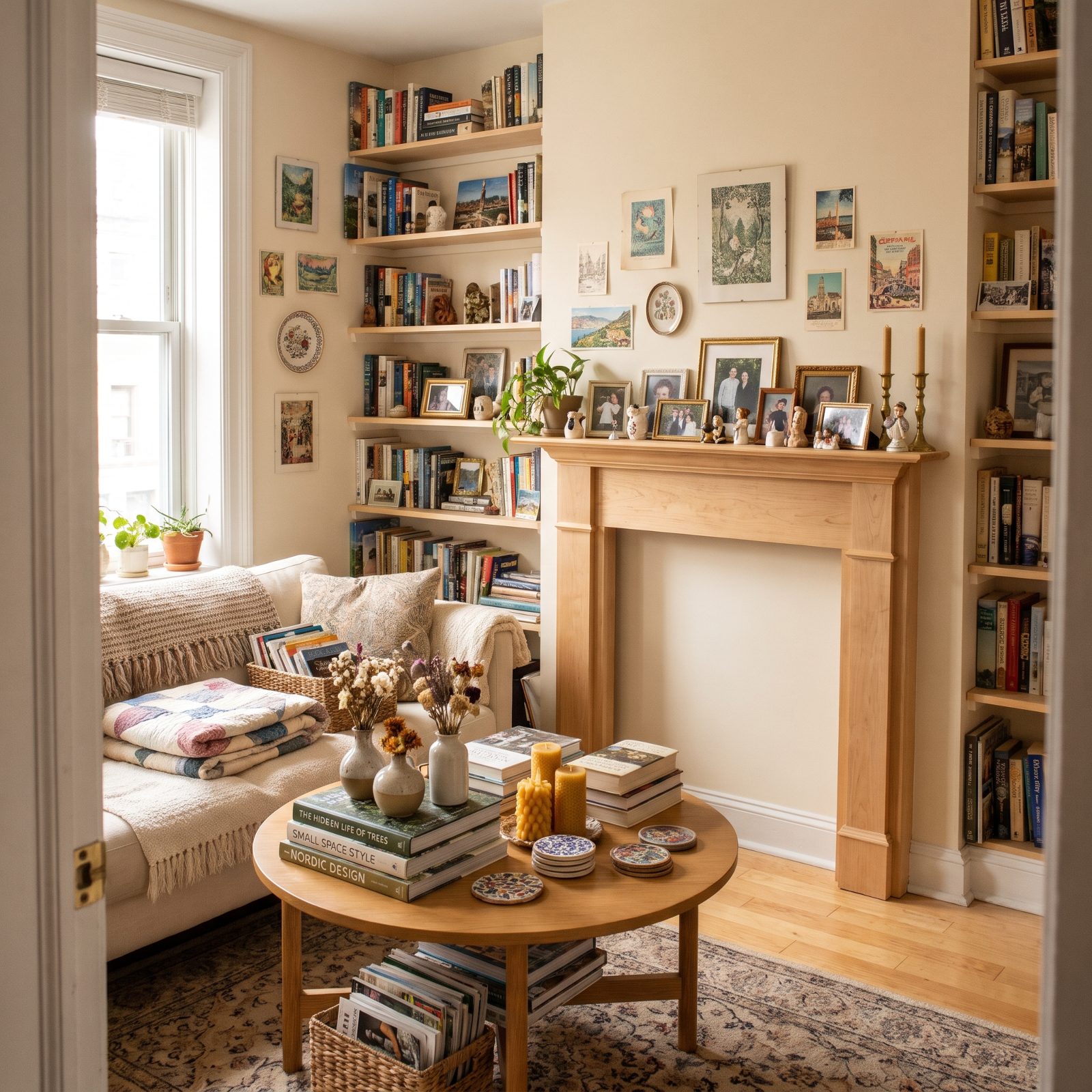
More stuff on the shelves does not read as cozy. In a small room it reads as busy, and busy is tiring to sit in. Your eye needs somewhere to land, and twelve little objects on one mantel give it nowhere.
The move is subtraction. Pick the three pieces on a surface you genuinely love and put the rest away. Negative space isn’t emptiness — it’s what lets the pieces you kept actually be seen. A small room with breathing room beats a large room packed to the ceiling, every time.
2. You Keep Things ‘Just in Case’ and Quietly Resent the Space They Eat
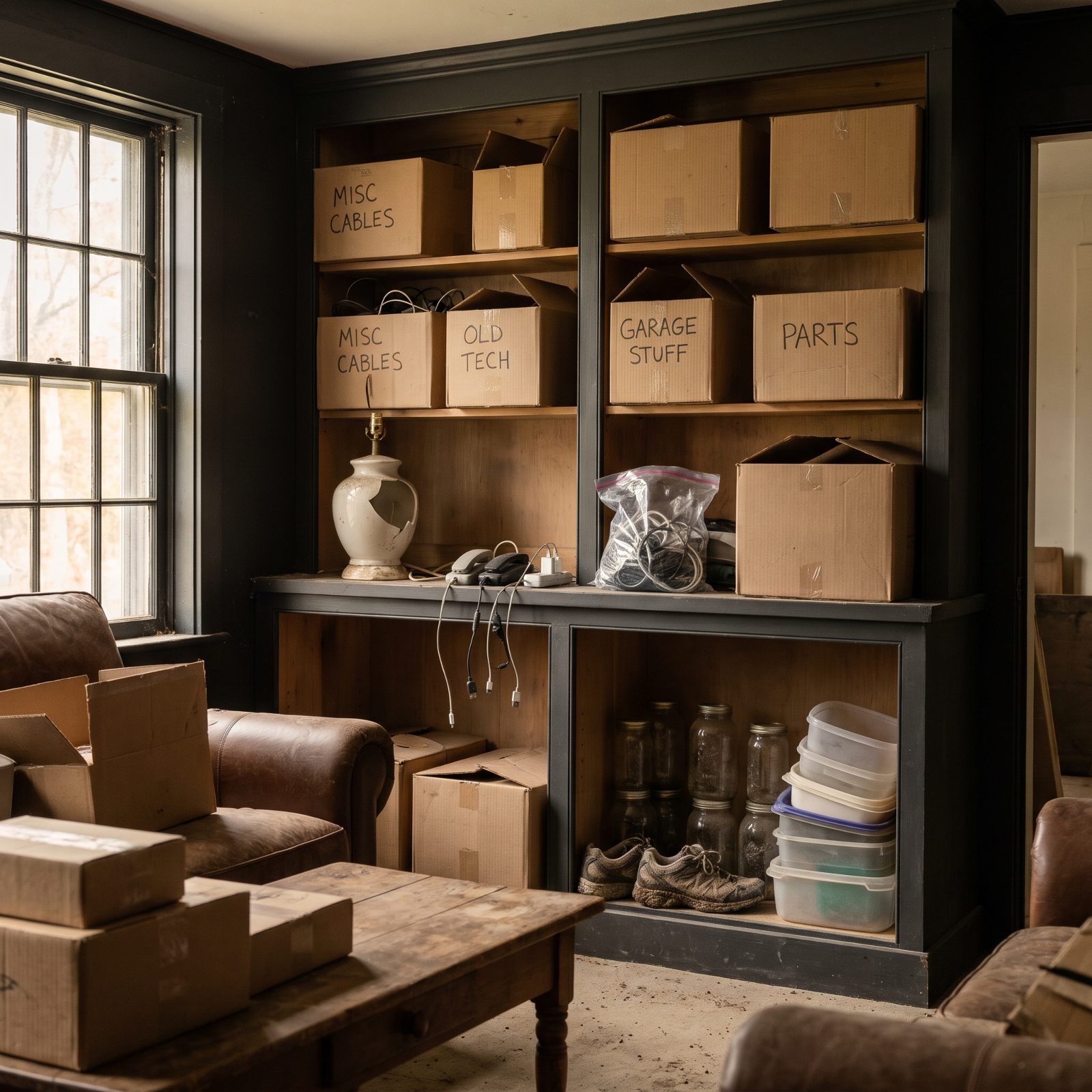
The box of cables you might need. The lamp you’ll fix someday. The jars saved for a project that never came. Every one felt responsible to keep, and together they’ve quietly taken over a shelf, a closet, maybe a whole corner of the garage.
Here’s the trade nobody mentions: you’re paying for that space with your own square footage every single day, in exchange for a convenience that almost never arrives. The honest test is whether you could replace the thing for a few dollars if you ever actually needed it. Most of this hoard fails that test on the spot, and letting it go feels less like loss and more like getting a room back.
1. The Space Doesn’t Match How You Actually Live Now
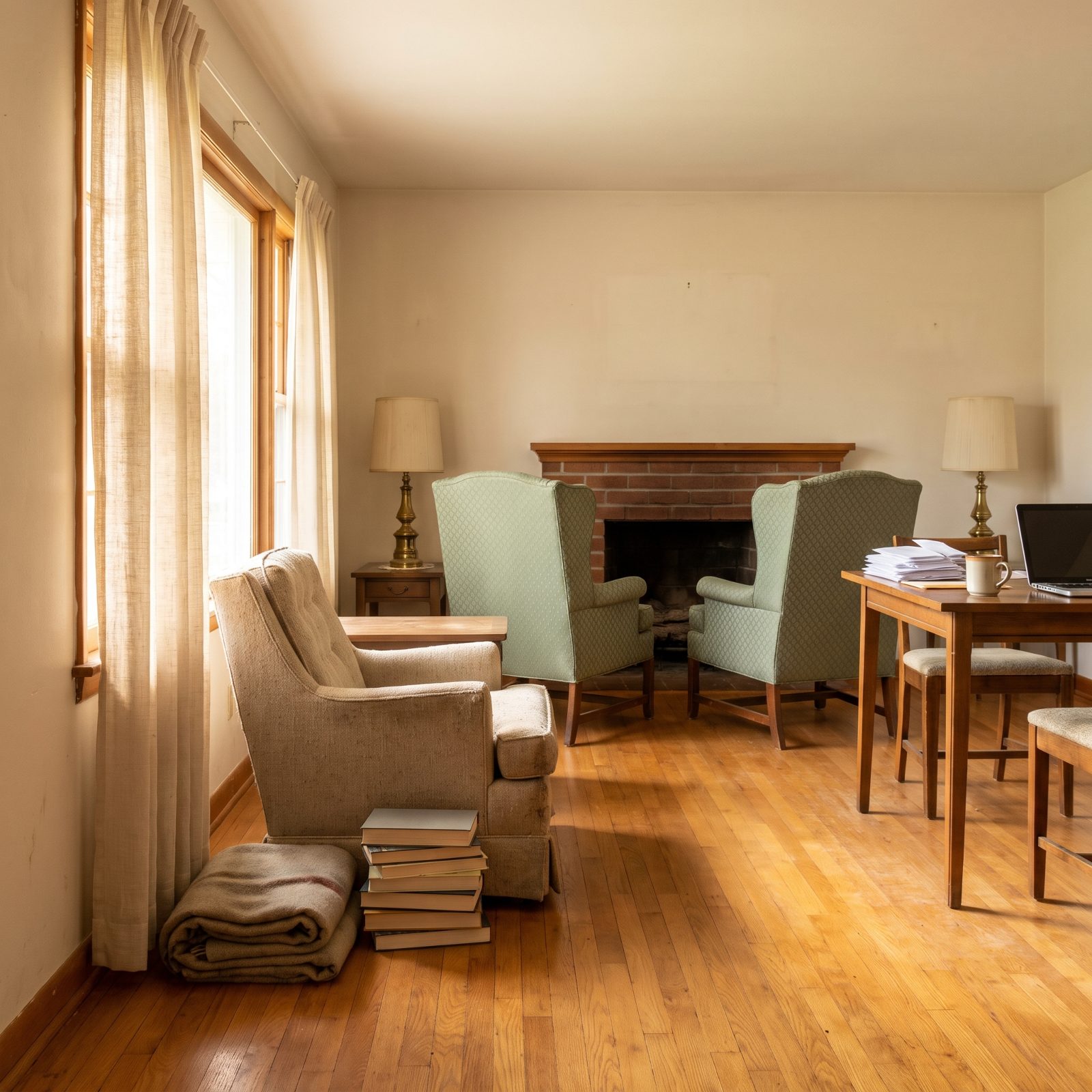
Furniture arranged for a life you stopped living. You’ve seen it in your own house: the formal seating pointed at itself like it’s hosting a dinner party from 1998, while you actually read in a chair shoved by the window because that’s where the good light lands.
The room is fighting you, and the room is winning. Fix it and the sense of a space built around how you move now hits you immediately. Pull the comfortable chair out of exile, put a table where your coffee actually ends up, and let the dining table be a desk if that’s what it’s quietly become over the last two years.
It’s easy to ignore this for years, rearranging around a sofa nobody sits on purely because it was expensive, which is a poor reason to keep anything. Moving that piece out can do more for your daily mood than any paint color.