
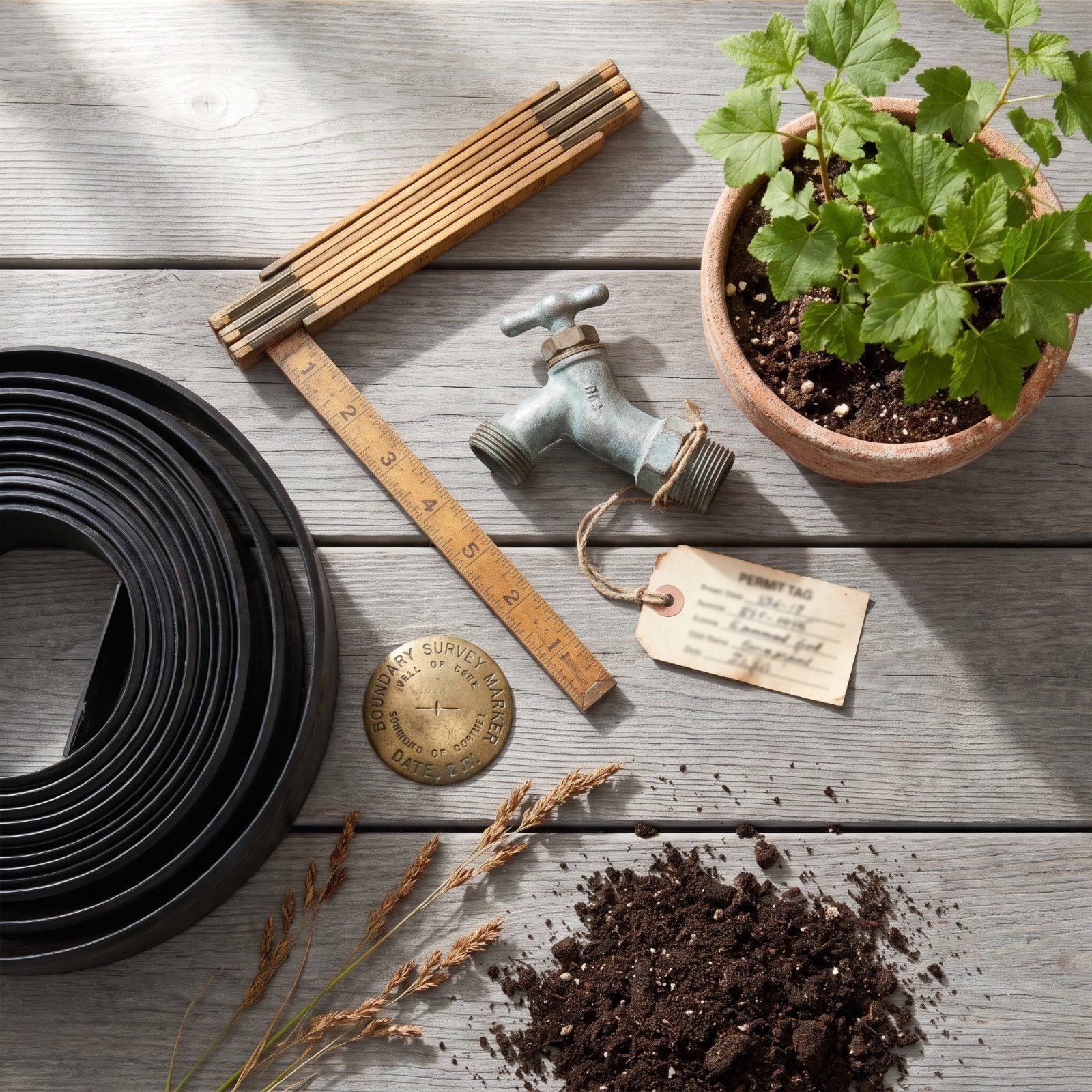
A neighbor once got a citation for letting the lawn reach eight inches. Not three feet. Eight inches. That’s the strange thing about yard law in America: the ground you own answers to rules written in city halls, state capitols, and sometimes the federal government. Some ordinances protect pine forests. Others exist to stop floods, or rats, or a plant that eats foundations. And a few are plain fossils nobody has bothered to repeal. We dug into the ones that still have teeth, plus a couple that will genuinely surprise you.
Please note that some of the images in this article were created with the assistance of AI.
26. Grass That Grows Past the Legal Height Limit
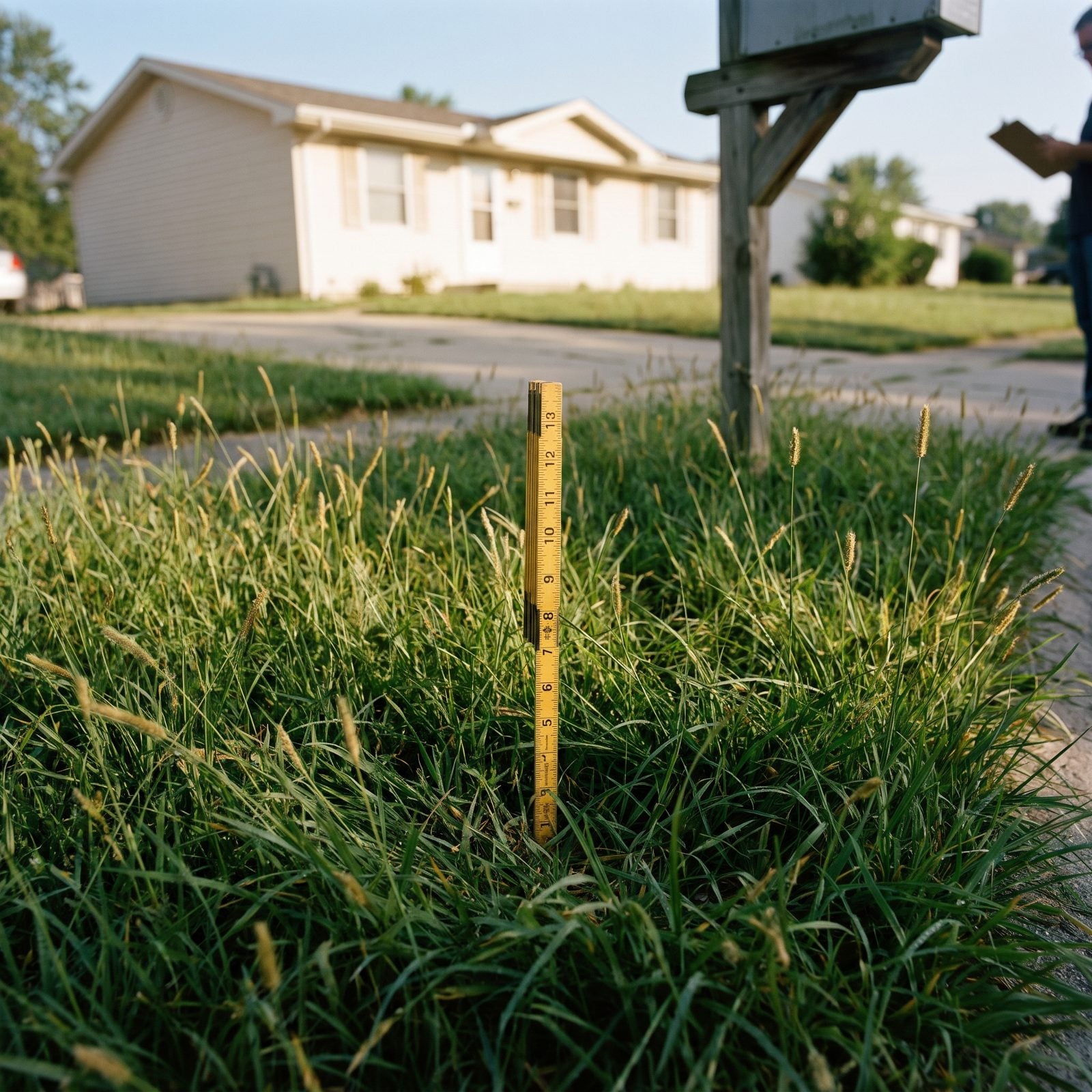
Most towns set a weed-and-grass limit somewhere between six and twelve inches, and they’ll mail you a notice the moment you cross it. Miss the deadline and the city sends a crew to mow, then bills you for the privilege, usually with an administrative fee stacked on top.
Here’s what people get wrong: the limit applies to your whole lot, not just the front. Back forty too.
25. A Native Meadow That Must Prove It Is Not Weeds
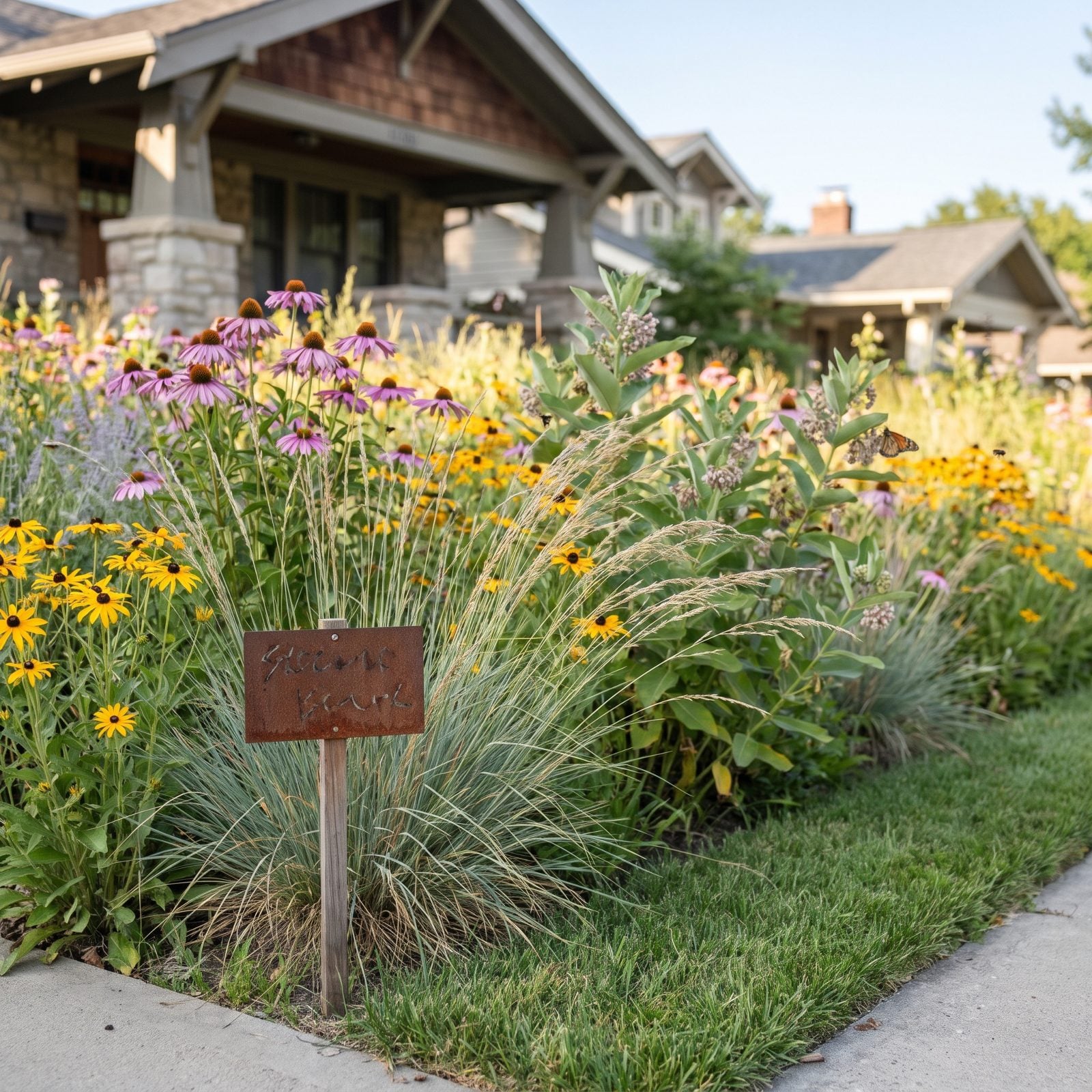
Rip out the lawn, plant coneflower and bluestem, and your neighbor might report you anyway. Natural-lawn and meadow plantings sit in a legal gray zone where a code officer gets to decide whether your prairie is a landscape or a nuisance.
The trick that keeps you out of trouble is signaling intent — a mowed border strip, a small sign, defined beds. Officers read “maintained” versus “abandoned,” and a crisp edge tells them which. Some cities now exempt certified native plantings outright, though you often have to register first. Don’t assume the rule caught up with the trend. It usually hasn’t.
24. The Front-Yard Vegetable Garden the Law Can Regulate
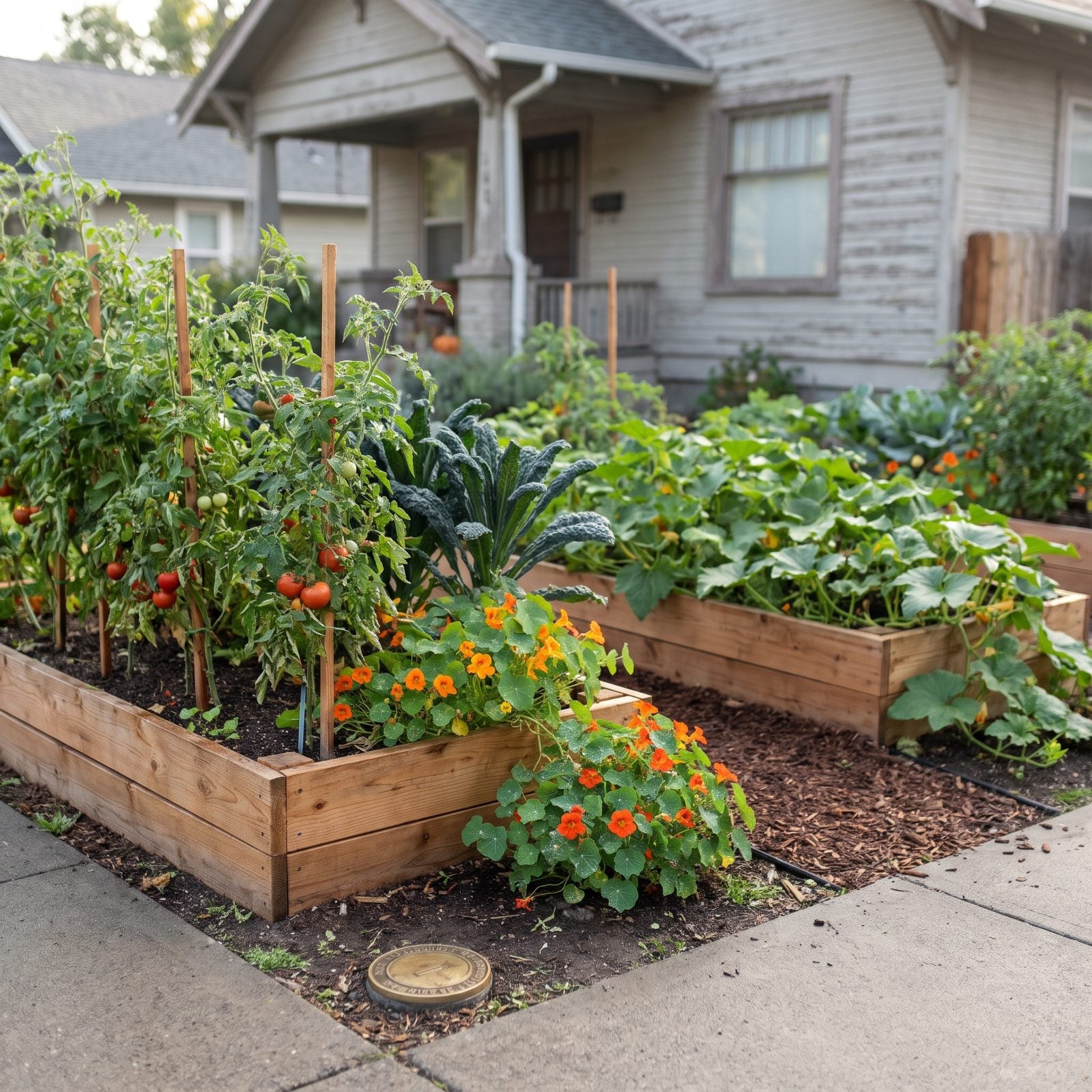
A vegetable garden got a Florida couple threatened with heavy daily fines, and the fight went all the way to the state legislature. Front-yard food plots run into ordinances that quietly define the front setback as decorative-only.
Florida passed a 2019 law protecting them statewide. Most states did not. In plenty of towns, tomatoes out front are still technically a code issue if a neighbor complains.
Check your own municipal code before you build the beds. Better to spend ten minutes reading a dull PDF than lose a whole summer of harvest to a nuisance letter.
23. Rain Barrels Capped at a Specific Capacity
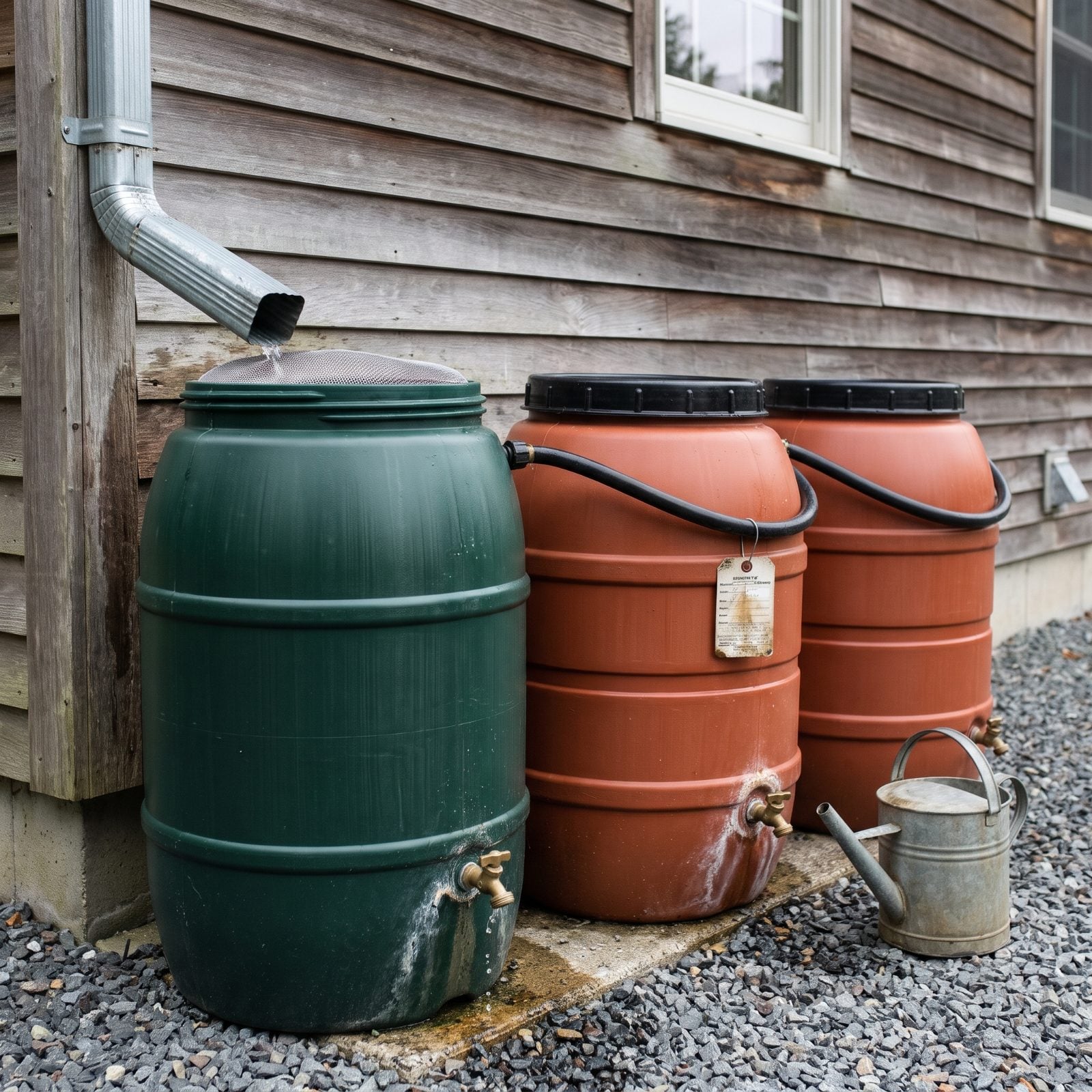
In parts of the arid West, the water falling on your own roof was legally someone else’s. Colorado banned residential rain collection outright until 2016, when a new law finally allowed it, capped at two barrels and 110 gallons total.
The logic is old water-rights doctrine: every drop is already promised to somebody downstream. Utah and Washington loosened similar rules recently, each with its own cap and registration quirk.
22. Nonfunctional Decorative Grass Marked for Removal
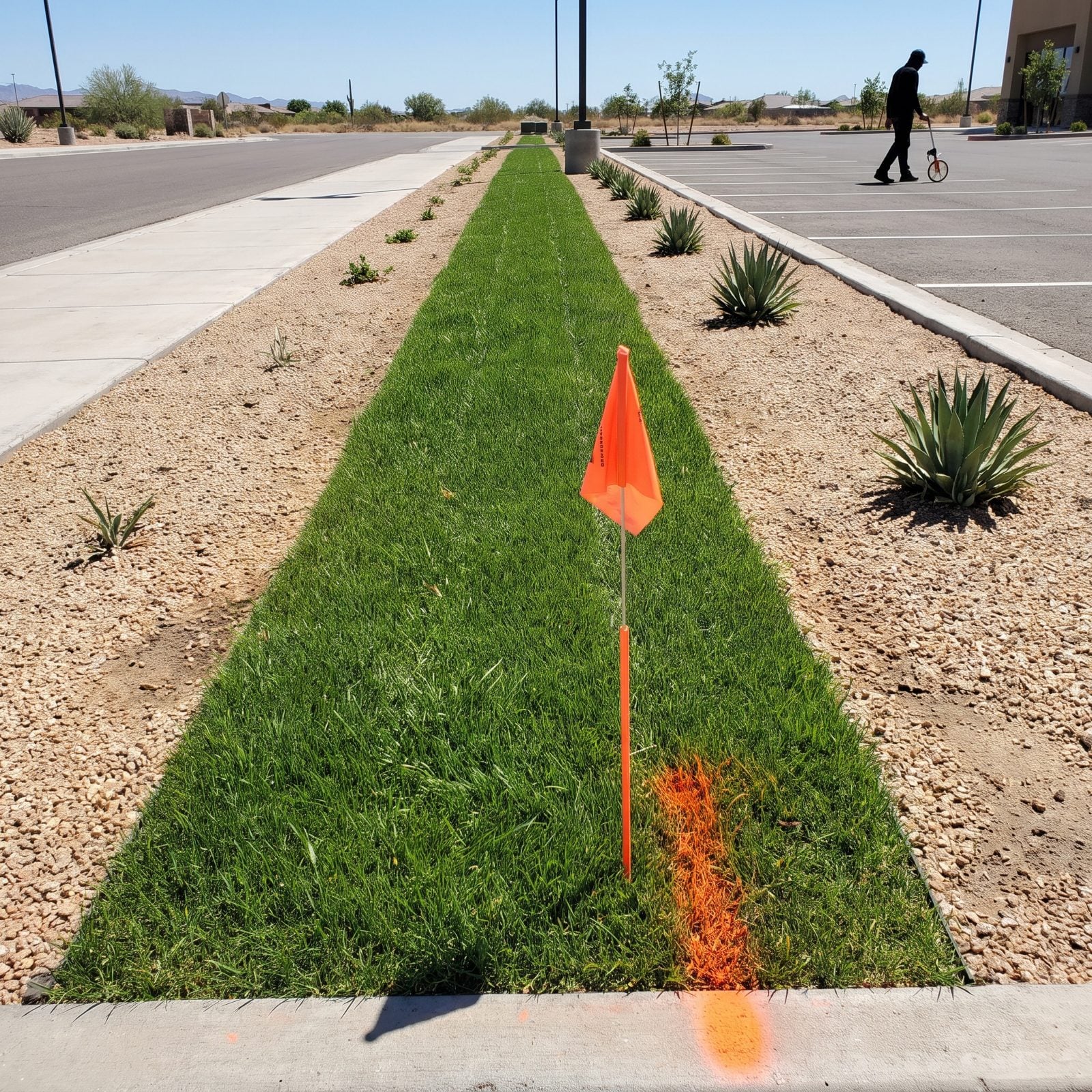
Nevada did something no state had done before. In 2021 it banned “nonfunctional” grass — the decorative strips along roads, medians, and office parks that nobody walks on but somebody waters.
The mandate targets the Las Vegas valley, ordering millions of square feet of ornamental turf torn out by the end of 2026. Residential lawns are exempt, for now.
What counts as nonfunctional is the fascinating part. Grass you use is fine; grass you only look at is on the chopping block. A law that can tell the difference between decoration and purpose. Imagine applying that same logic to the rest of the yard.
21. Artificial Turf That Requires Municipal Approval
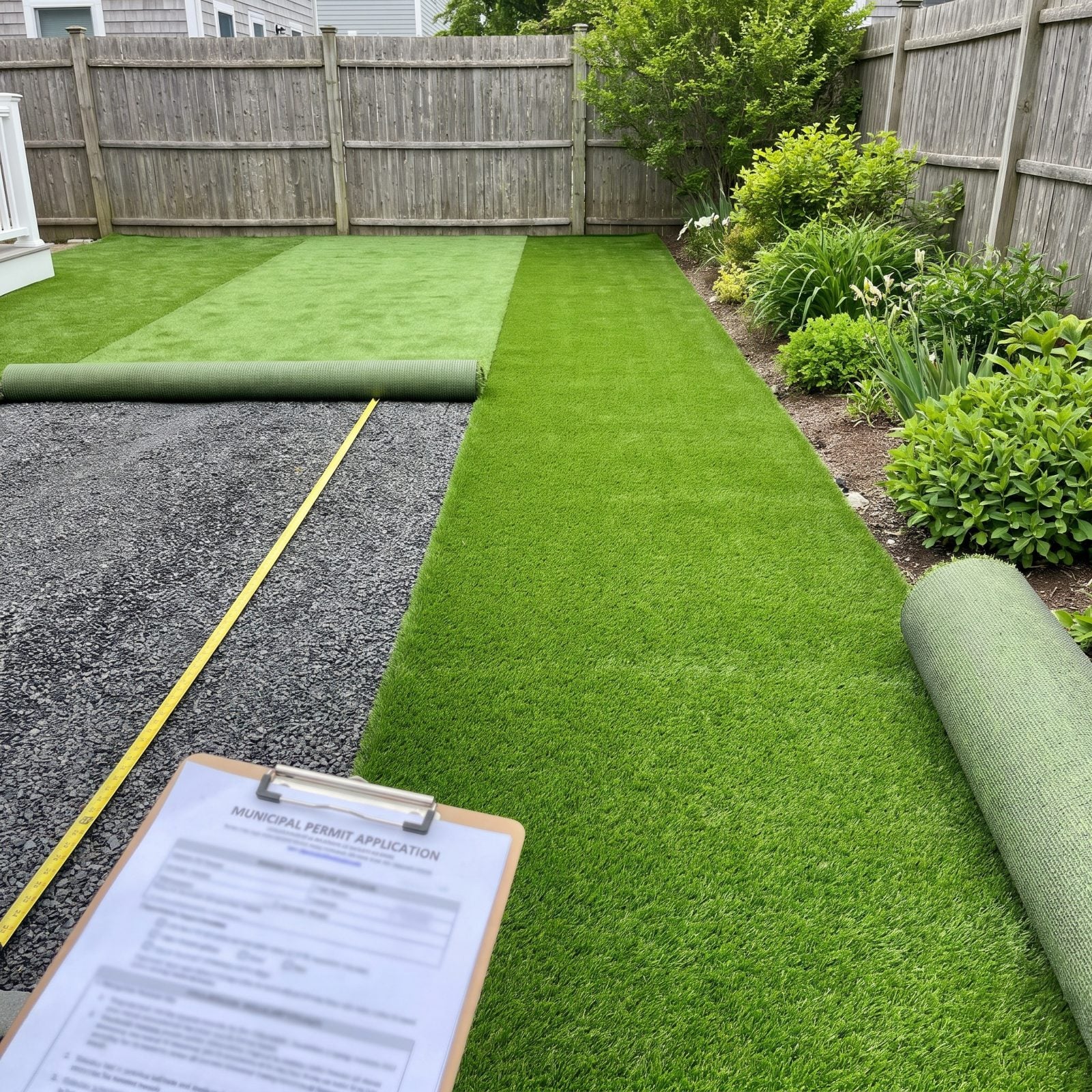
You’d think plastic grass would please every water board. It doesn’t. A growing number of towns, especially in California and the Northeast, now require permits for artificial turf or ban it in front yards entirely.
The worries are real: heat retention, stormwater runoff that can’t soak into sealed ground, microplastics, and PFAS chemicals lurking in some products. So the solution that saves water goes and creates three other headaches.
Before you install, call your planning department. Some cities will reject turf in the same breath they’d reject a tall lawn. The ground keeps surprising people.
20. The Gas Leaf Blower That Is Illegal to Use
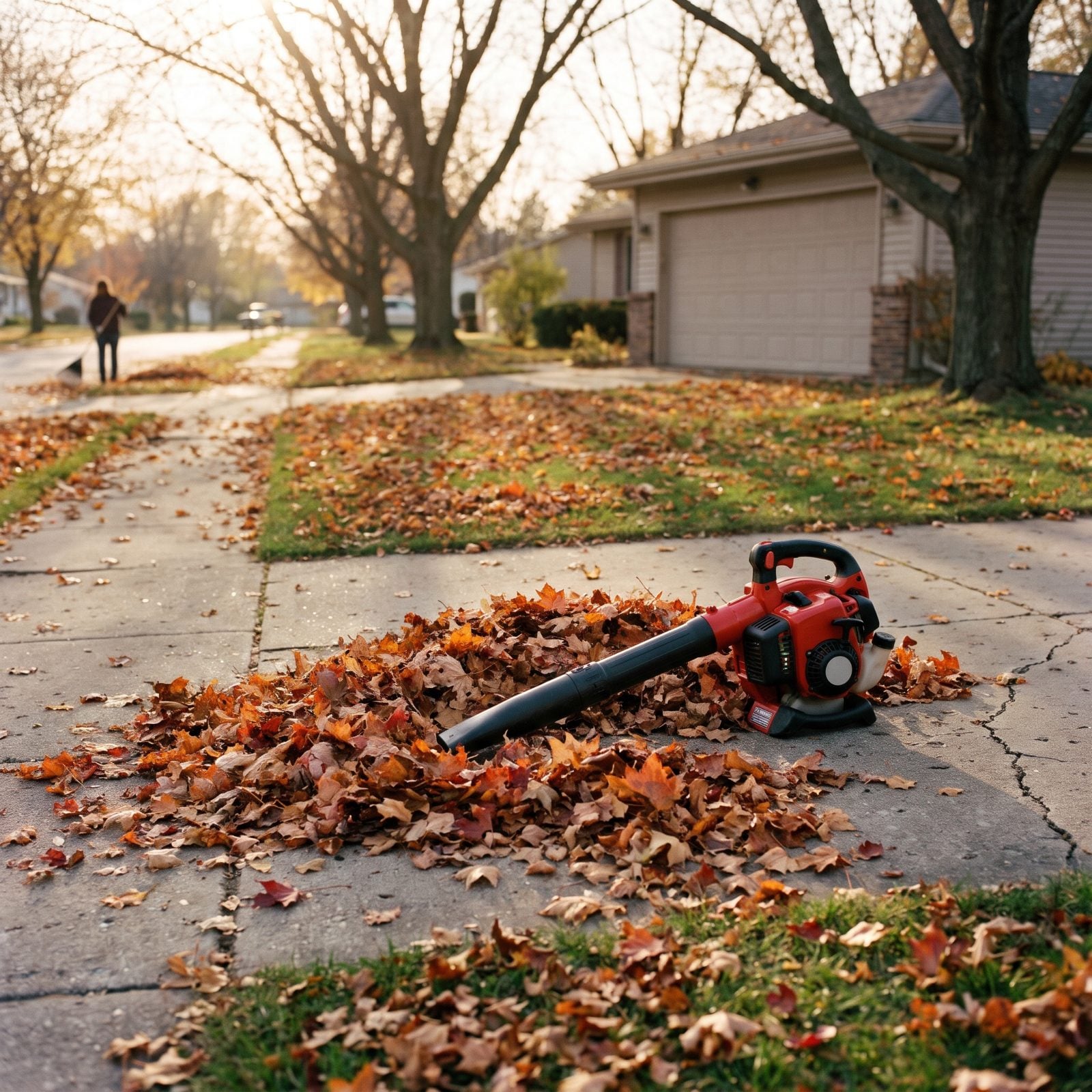
California made it illegal to sell new gas-powered leaf blowers and small engines starting in 2024. Washington D.C. went further and banned the use of gas blowers outright.
Noise and emissions are what’s driving this. A single two-stroke blower run for an hour can throw off pollutants comparable to a long car trip, and the whine carries for blocks.
19. Compost That Must Be Kept in a Rodent-Proof Container
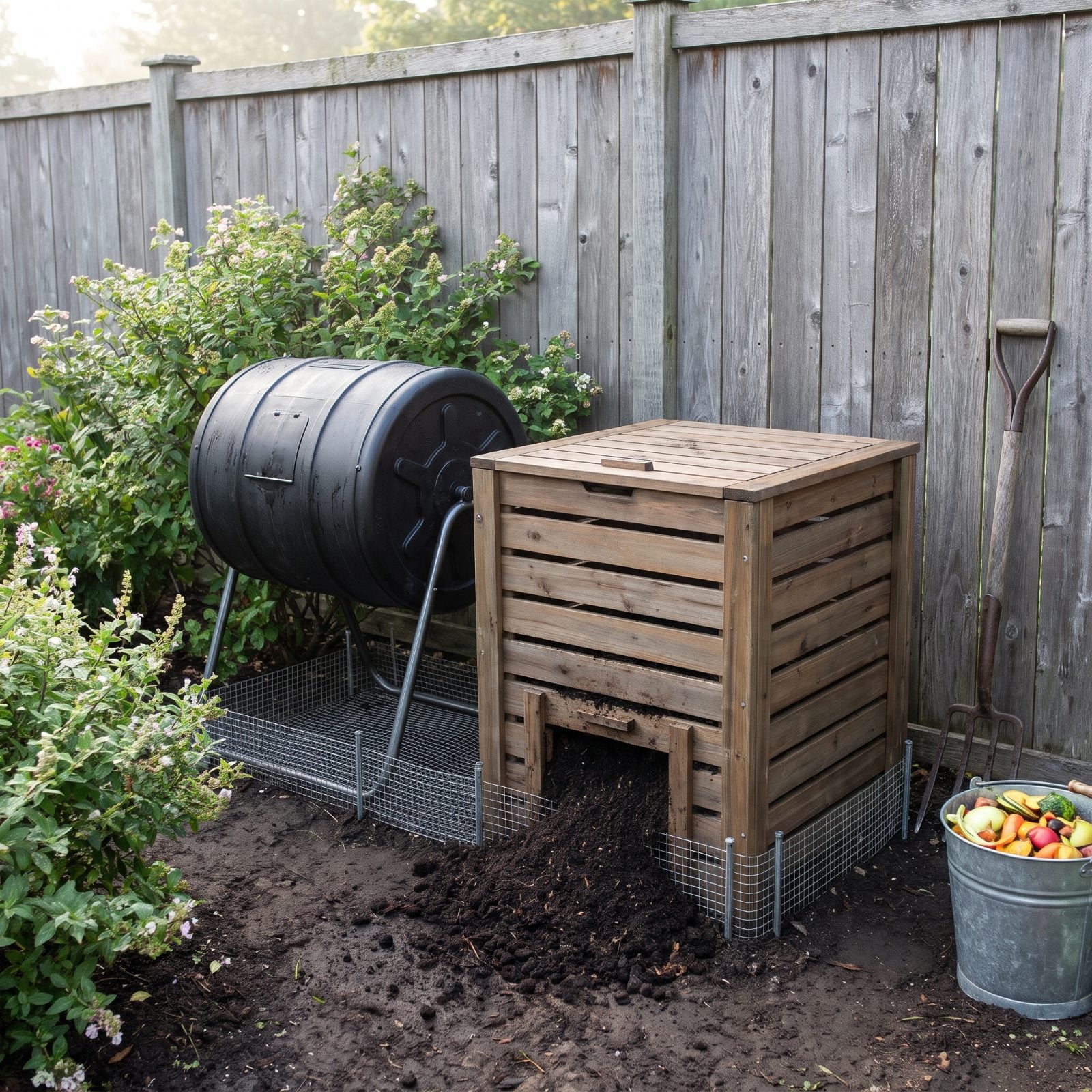
A loose pile of kitchen scraps in the corner of the yard is a buffet, and plenty of cities know it. Municipal codes increasingly require backyard compost to sit in a closed, rodent-proof container, often with a solid or mesh bottom. A slatted wooden bin with its base hatch left open and compost spilling onto bare ground doesn’t qualify, and neither does a low wire mesh skirt that stops at the hatch. That’s a fence, not a floor.
Anyone who ignores this learns fast what an open pile attracts at dusk. The rule exists for a reason.
No meat or dairy, enclosed bin only — that’s the common formula. Break it and a single complaint can turn your garden virtue into a code violation.
18. Running Bamboo That Must Be Confined Behind a Barrier
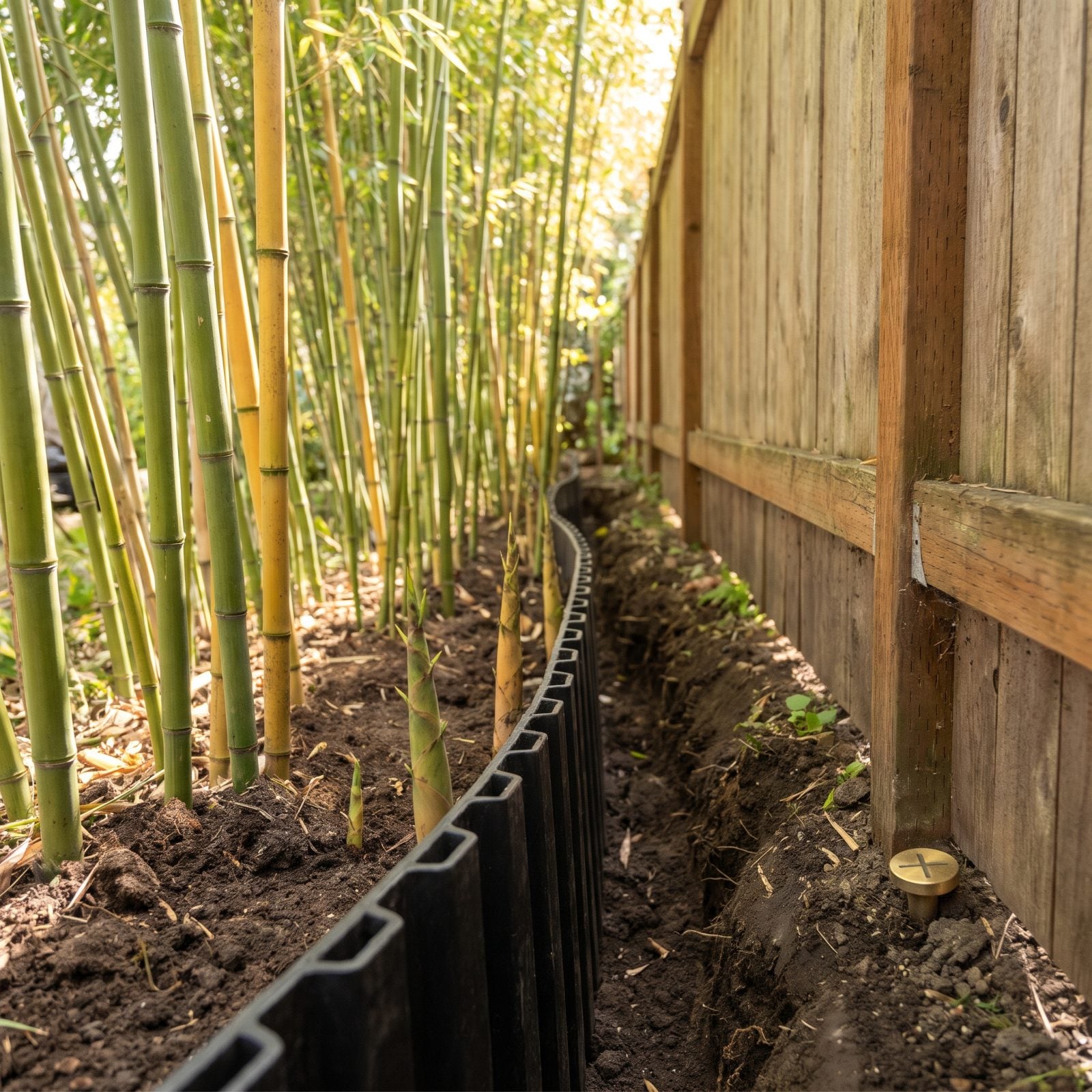
Bamboo got its own laws, and that should tell you everything. Running bamboo sends underground rhizomes that cross property lines, crack patios, and surface in a neighbor’s lawn years later.
Several states and towns — parts of New York, Connecticut, and New Jersey among them — require a root barrier set a specific distance from the property line, or ban the running varieties entirely. Let it invade next door and you can be held liable for the removal.
Clumping bamboo is usually fine. Running bamboo is the troublemaker that spawned the ordinances. Know which you’re buying before it owns the whole block.
17. Currant and Gooseberry Bushes Restricted to Protect Pine Trees
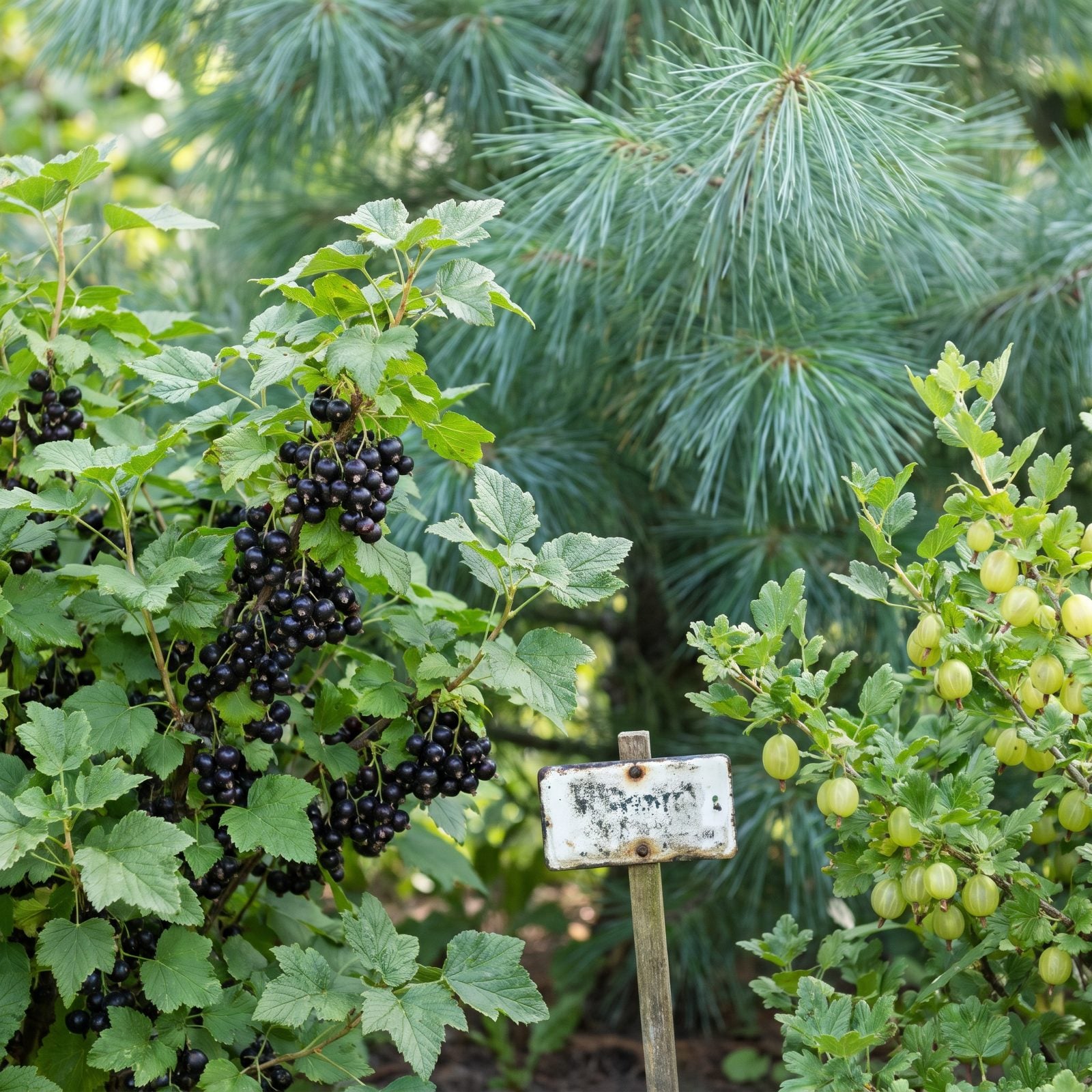
This is the strangest one, and it’s true. Growing currants and gooseberries was banned across much of the U.S. for most of the 20th century, because the plants host white pine blister rust, a fungus that kills valuable timber pines.
The federal ban lifted in 1966, but it handed the decision to the states. Some, including parts of the Northeast and the upper Midwest, still restrict or outright prohibit certain Ribes species, especially black currant, to protect pine forests.
So before you plant currants, check your state’s list. The pine lobby won this fight a long time ago and never fully let go.
16. Homegrown Cannabis That Must Be Locked and Hidden From View
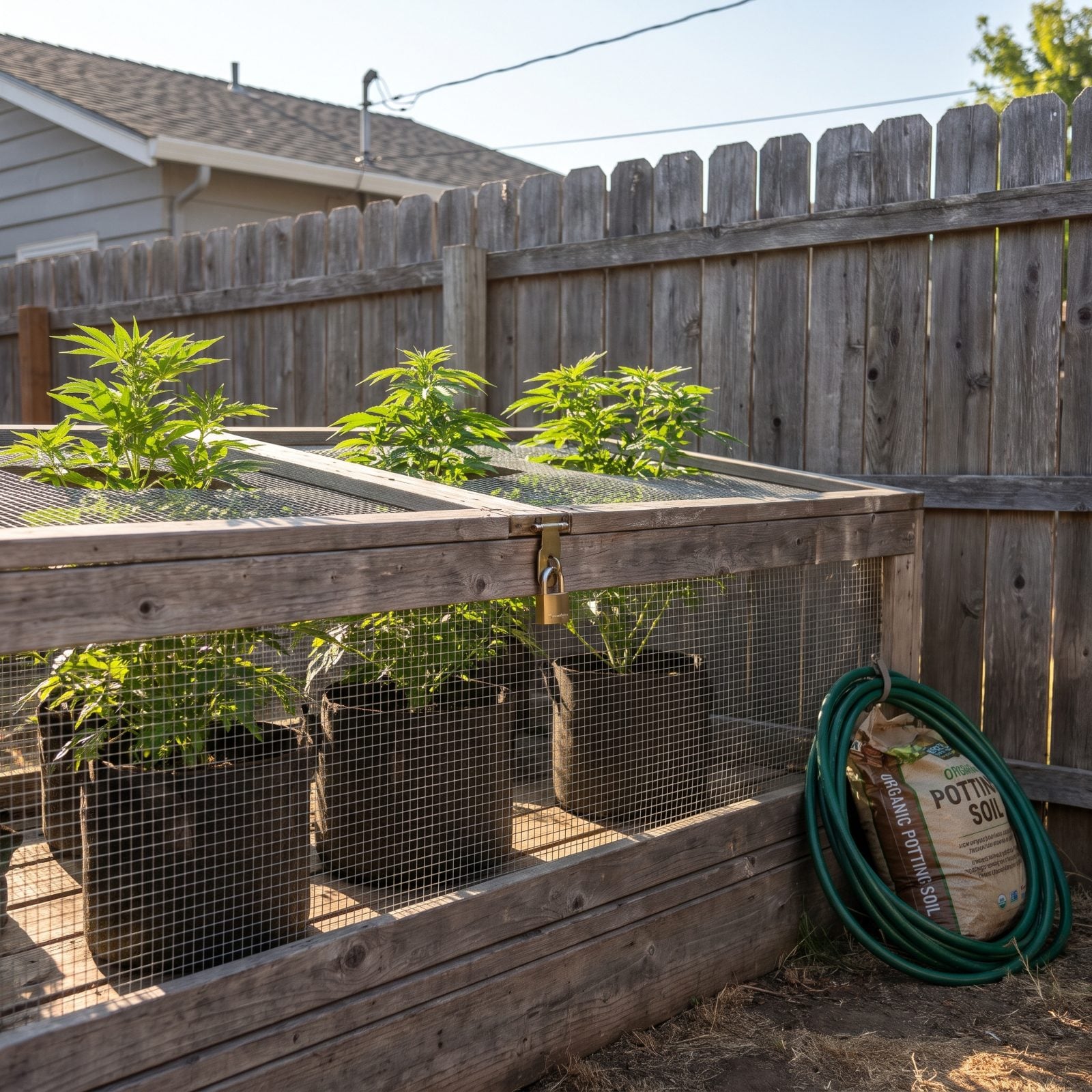
Legal to grow does not mean legal to flaunt. In most states that allow home cultivation, the rules arrive with two strings attached: the plants have to be out of public view, and they have to be locked up. A fence alone sometimes isn’t enough. Some ordinances want a structure a passerby can’t see into and a kid can’t wander into.
The count matters too. Six plants is a common ceiling, often split between mature and immature, and going over even by one trades a hobby for a possession charge. Check your city, not just your state. They frequently disagree.
15. Citrus Fruit That Cannot Legally Leave a Quarantine Zone
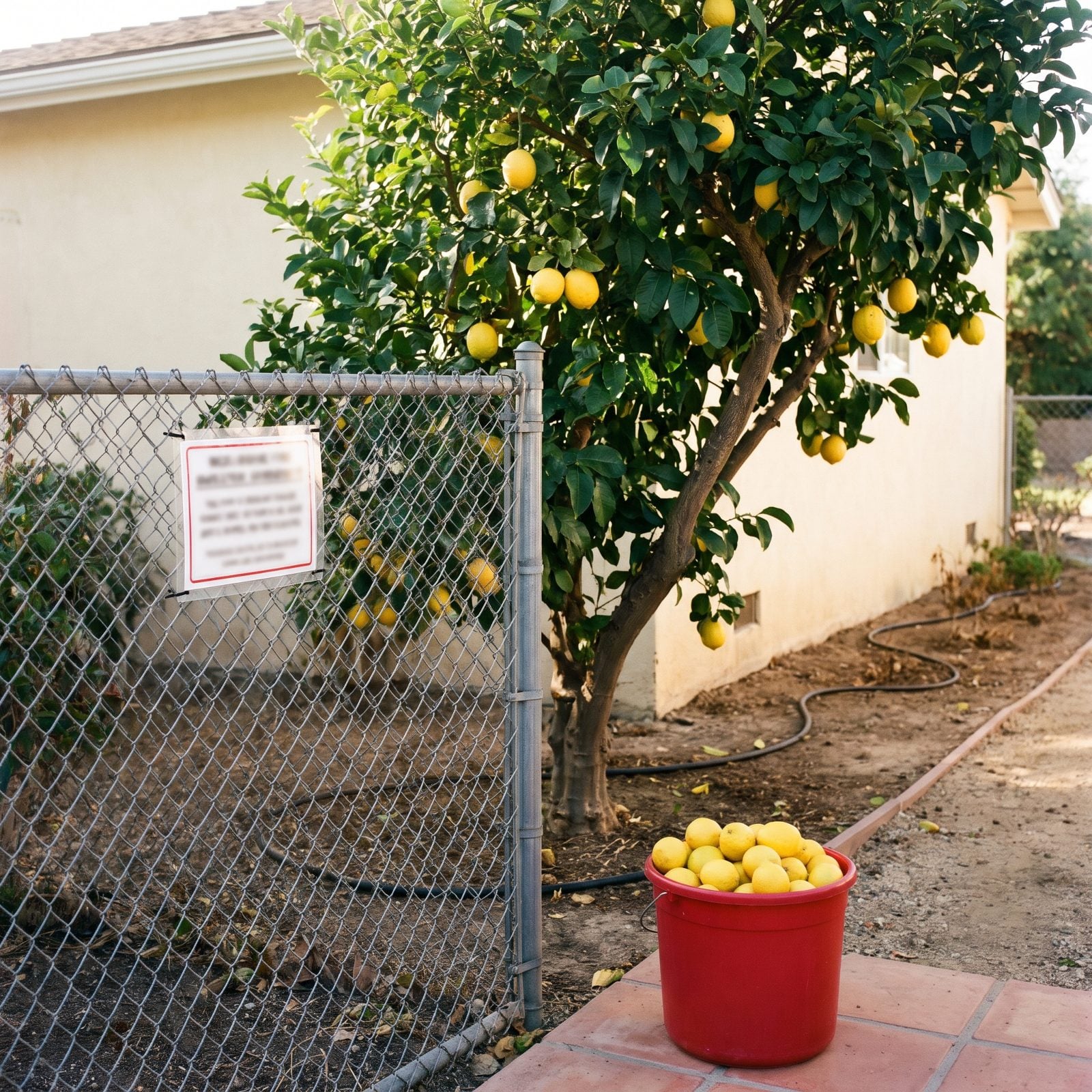
You can pick the lemons. You just can’t drive them across town.
In citrus-growing regions fighting Huanglongbing, a bacterial disease spread by a tiny insect, backyard trees fall under state quarantine. The deal is strict: eat your fruit at home, but don’t move citrus, clippings, or plants out of the zone, because one infected tree on a truck bed can seed a whole new outbreak miles away.
Nurseries in these areas can only sell citrus grown under screened, insect-proof conditions. It’s one of the few cases where the law cares less about your property line and more about where your oranges go after they leave it.
14. Cotton Plants Subject to Agricultural Pest-Control Rules
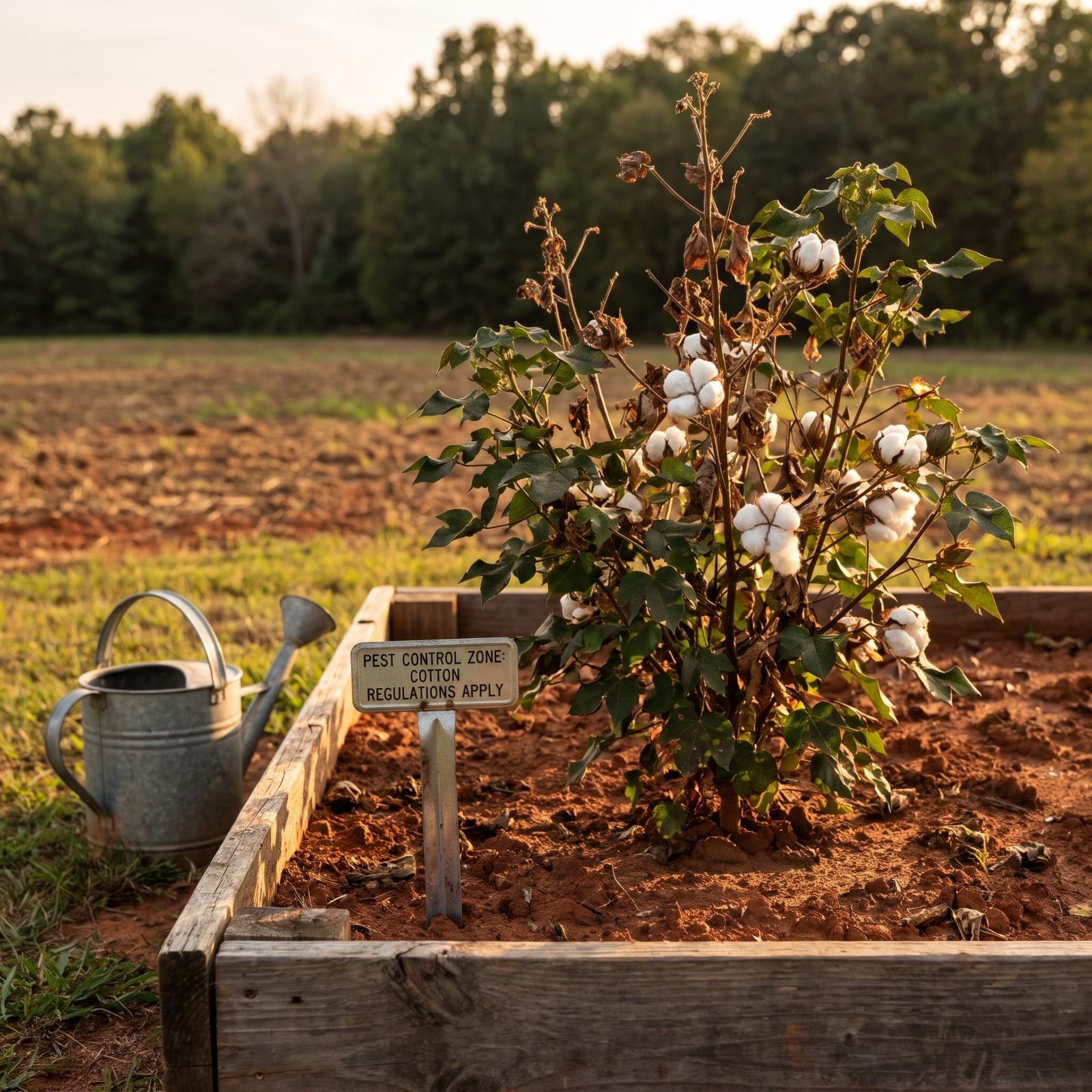
Almost nobody sees this one coming. In parts of Texas, Arizona, and other cotton states, you can’t just tuck cotton into a flower bed on a whim — those decorative bolls are governed by boll weevil eradication programs, and the plant is treated as a regulated host.
Hobby growers may need to register plants, follow destruction deadlines at season’s end, or get permission outright. Some areas restrict volunteer cotton entirely. The reasoning is sound even if it feels absurd at the garden gate: one unmanaged backyard patch can harbor pests that threaten thousands of commercial acres nearby.
13. A Permit Required to Cut Down a Tree on Your Own Property
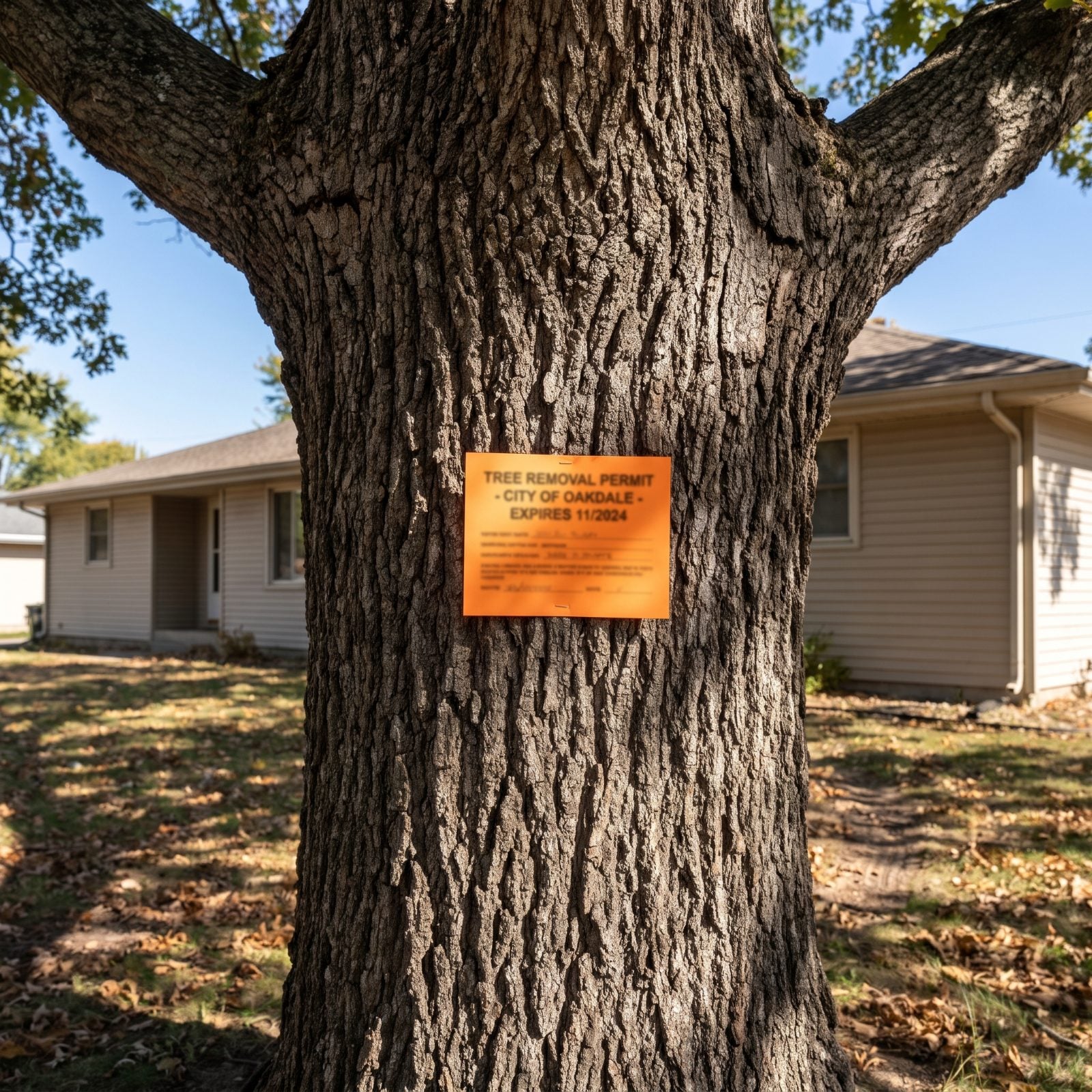
Your tree, your land, your chainsaw. And in plenty of cities, none of that matters without a signed piece of paper first.
Tree-protection ordinances show up in older suburbs and anywhere with a canopy worth guarding. They usually kick in above a certain trunk diameter, measured about four and a half feet off the ground, and may demand a permit, an arborist’s note, or a replacement planting before you remove anything.
12. Street Trees Homeowners Are Forbidden to Prune Themselves
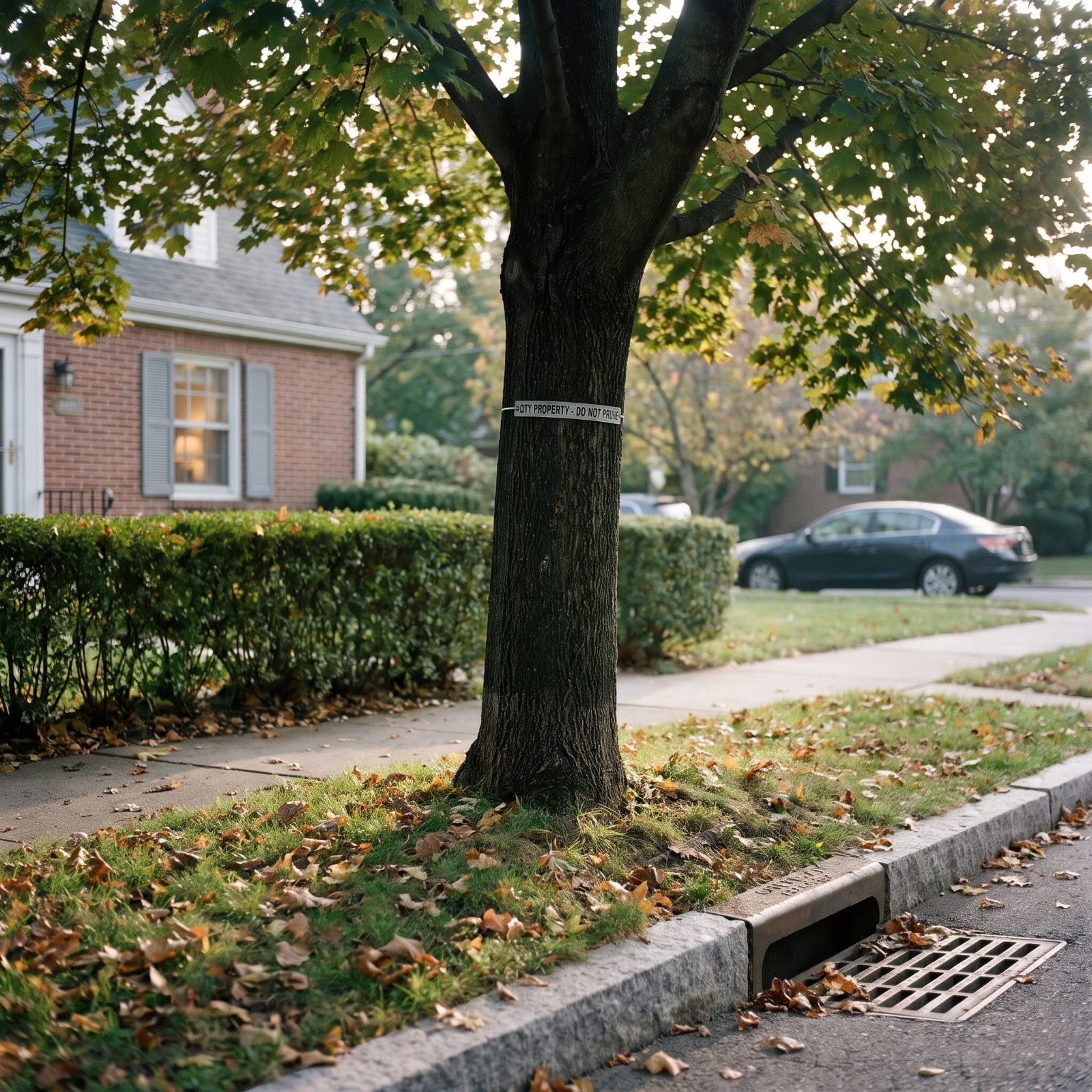
That tree between your sidewalk and the curb? It might not be yours at all.
Street trees in the public right-of-way are usually city property, even when they stand a few feet from your front door and drop every single leaf on your lawn. Many municipalities forbid homeowners from pruning, topping, or removing them — you call the urban forestry department and wait your turn.
I get the frustration. You rake it, water it through a drought, and still can’t legally trim the branch scraping your gutter. The upside: when it needs major work, that’s the city’s bill, not yours.
11. A Tall Hedge That Can Trigger a Formal Neighbor Complaint
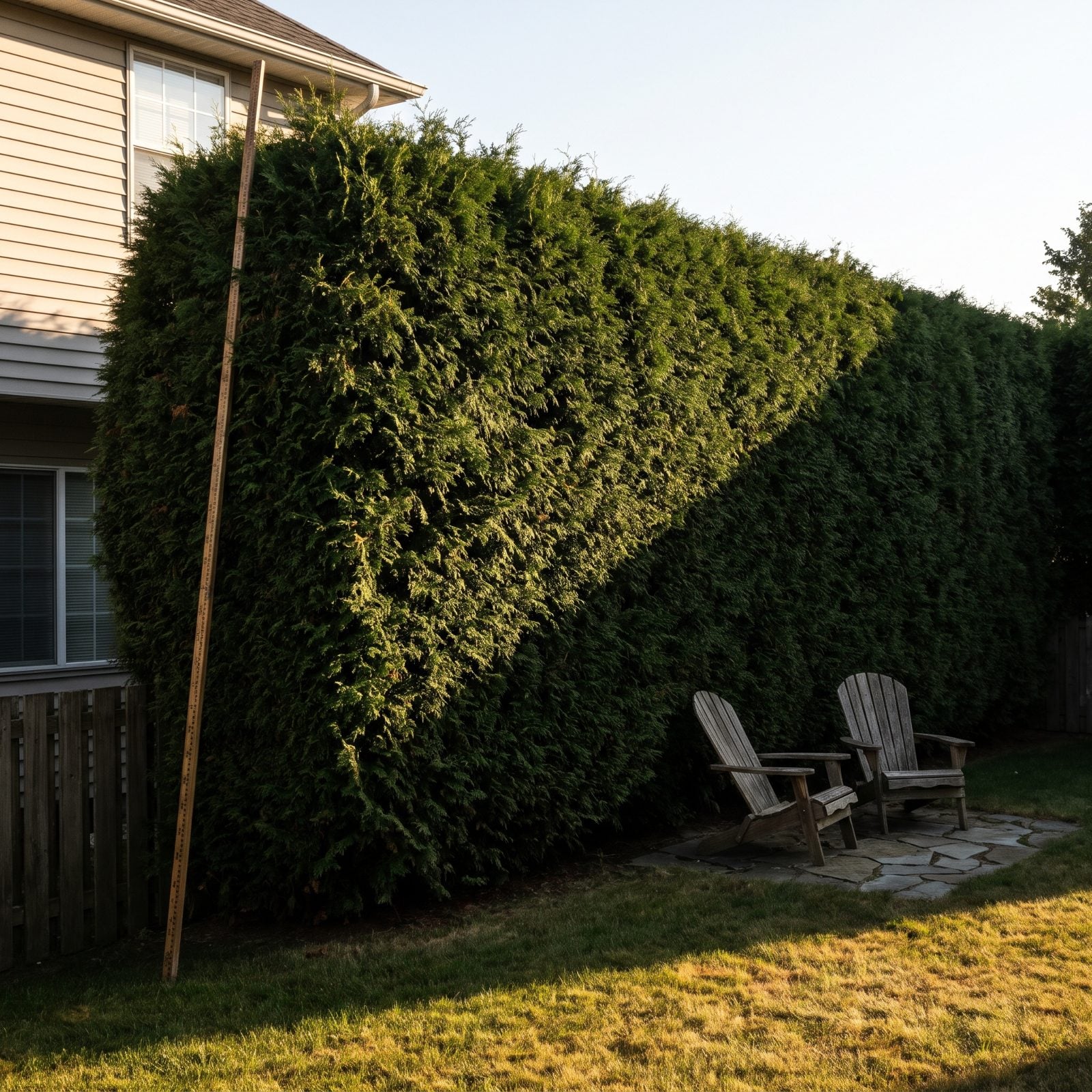
A hedge can become a legal nuisance, and the law has a name for the ugly version of it: the spite fence.
Tall evergreen hedges that block a neighbor’s light, view, or air have triggered formal complaints and even lawsuits. England built an entire framework around leylandii disputes. Several US towns cap hedge height along boundaries or let an aggrieved neighbor file a complaint once it crosses a threshold, often six or eight feet.
A row of fast-growing conifers planted purely to shade someone out can be ruled malicious, not landscaping.
The test usually hinges on intent and harm. Plant for privacy and you’re probably fine. Plant to punish and you may hear from a mediator.
10. Plants Banned From a Corner’s Traffic Sight Triangle
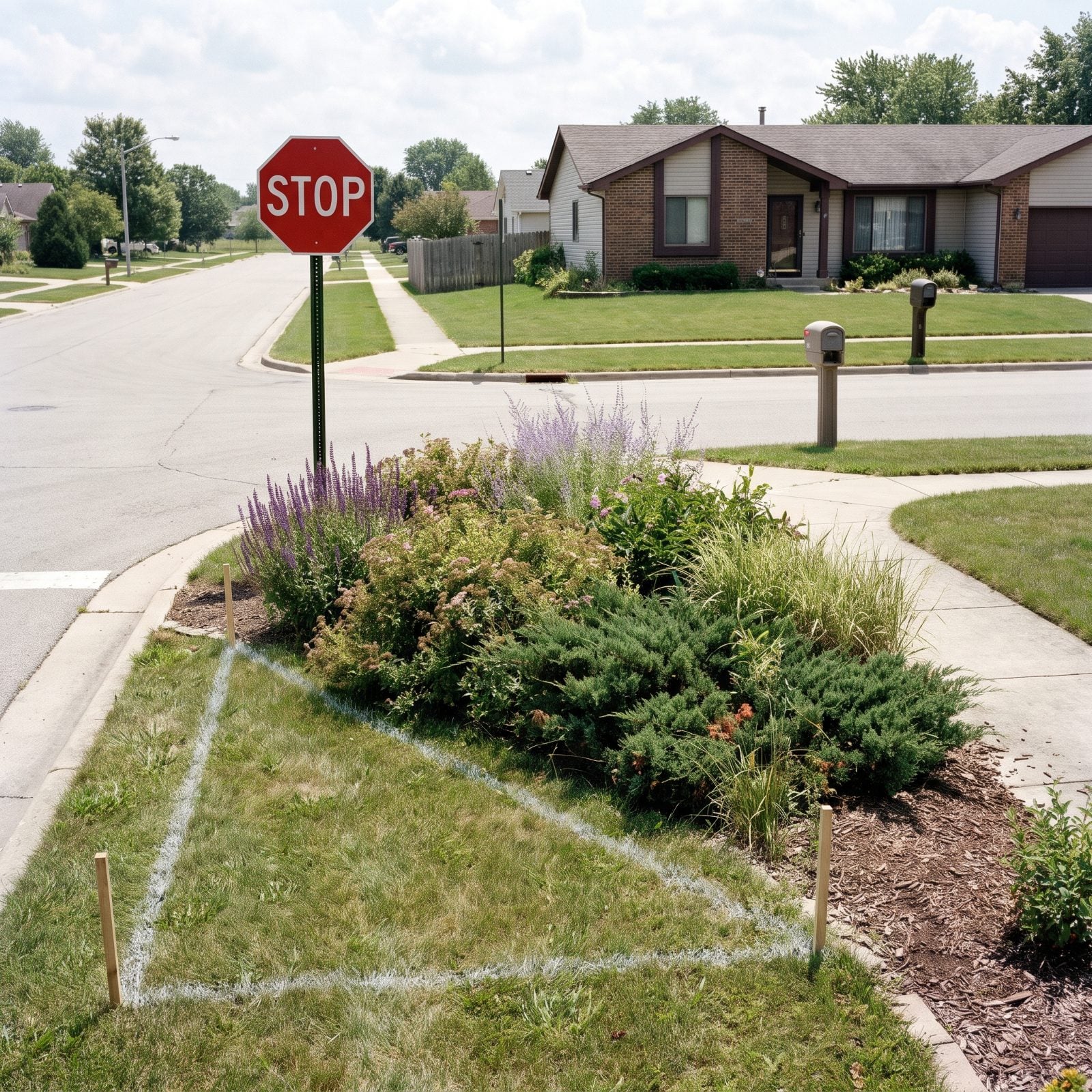
On a corner lot, there’s an invisible triangle near the intersection where almost nothing tall is allowed to grow.
Planners call it the sight triangle, or vision clearance area, and it exists so a driver can spot a child crossing or a car approaching before it’s too late. Shrubs, fences, and ornamental grasses inside that zone typically can’t exceed roughly two and a half to three feet.
Gardeners hate it, because the corner is often the sunniest, most visible spot — exactly where you’d want a showpiece. The city sees a hazard. Code enforcement can order you to cut it back, and they tend to win.
9. Cars That Cannot Be Parked on the Lawn
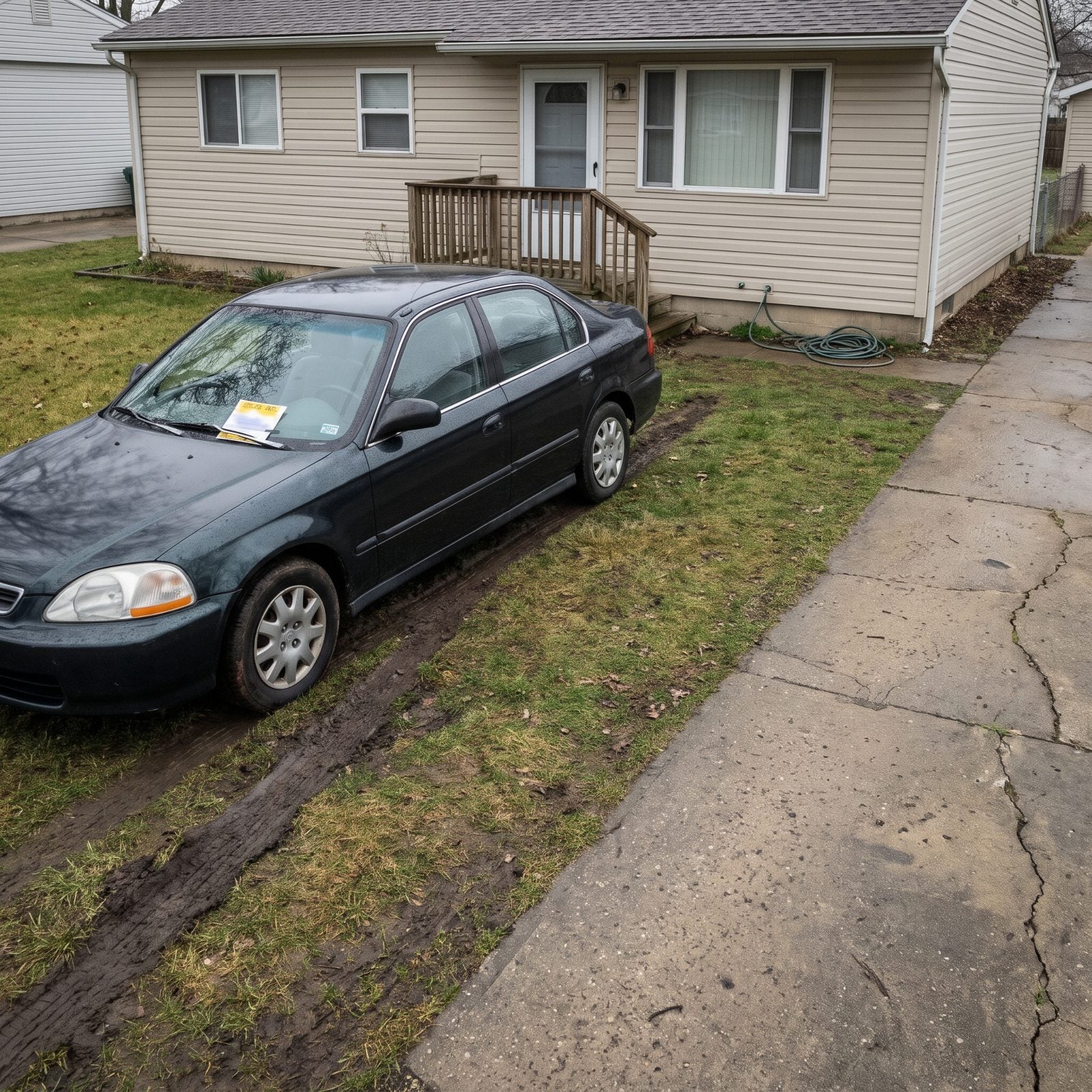
Parking on your own grass sounds like the definition of a victimless act. Plenty of towns disagree, and they’ll ticket you for it.
Front-yard parking ordinances require vehicles to sit on an approved surface — a paved or gravel driveway, not the lawn. The stated reasons are stormwater runoff, property values, and dead grass worn into mud ruts. The unstated one is that neighbors complain, and complaints drive code enforcement more than anything else on earth.
8. The Number of Yard Sales a Household May Hold Each Year
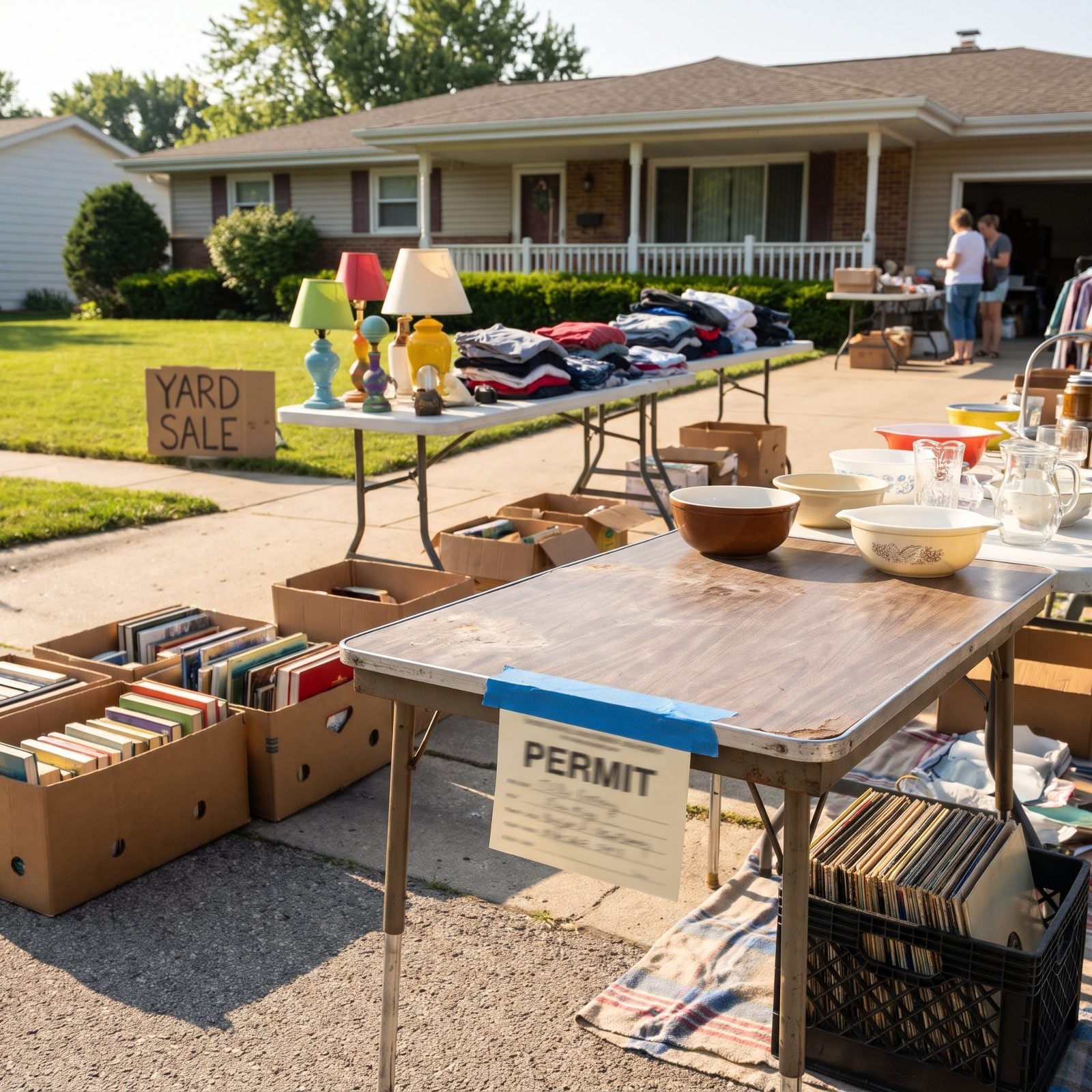
You might be allowed exactly two yard sales a year. Possibly three. In a few places, you need a permit for even one.
Garage-sale ordinances cap the number of sales per household annually and often limit how many days each can run. The point is to stop somebody from running a full-time flea market out of a residential driveway and calling it a yard sale.
Most people never find out until a neighbor who’s tired of the traffic reports them. A small, forgettable rule — right up until it isn’t.
7. Beehives Governed by Lot Size and Property-Line Setbacks
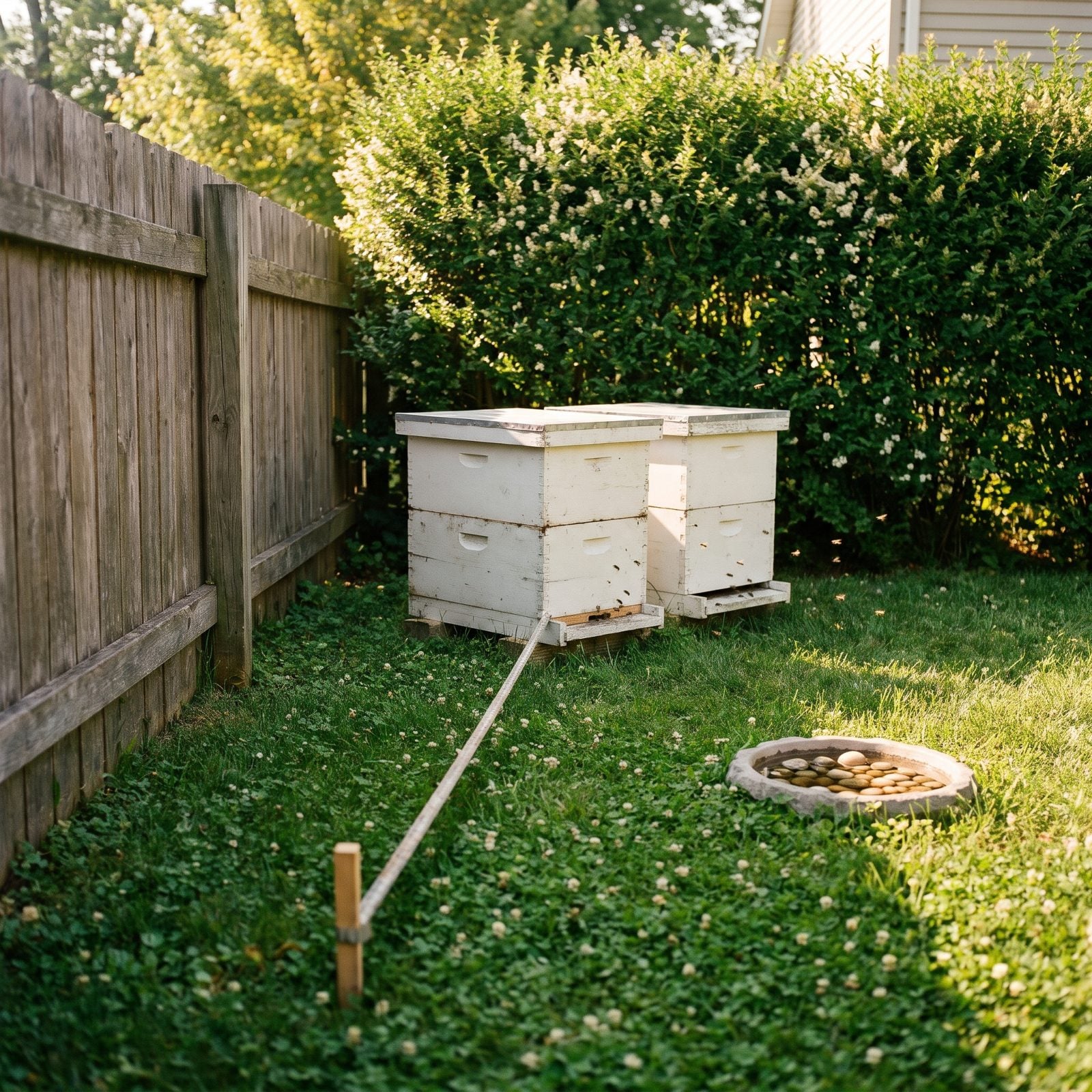
Backyard beekeeping is booming, and so is the fine print that governs it.
Urban and suburban ordinances increasingly spell out how many hives you may keep, usually tied to lot size, and how far they must sit from property lines. Setbacks of a few feet are common, along with a required flyway barrier — a fence or hedge tall enough to push the bees’ flight path up and over the neighbor’s yard rather than straight across it.
Some cities even require a water source on your property so your bees don’t congregate at the neighbor’s pool. It’s remarkably specific, and almost all of it traces back to one nervous neighbor, somewhere, who called the city first.
6. Backyard Hens Welcome, Roosters Banned by Name
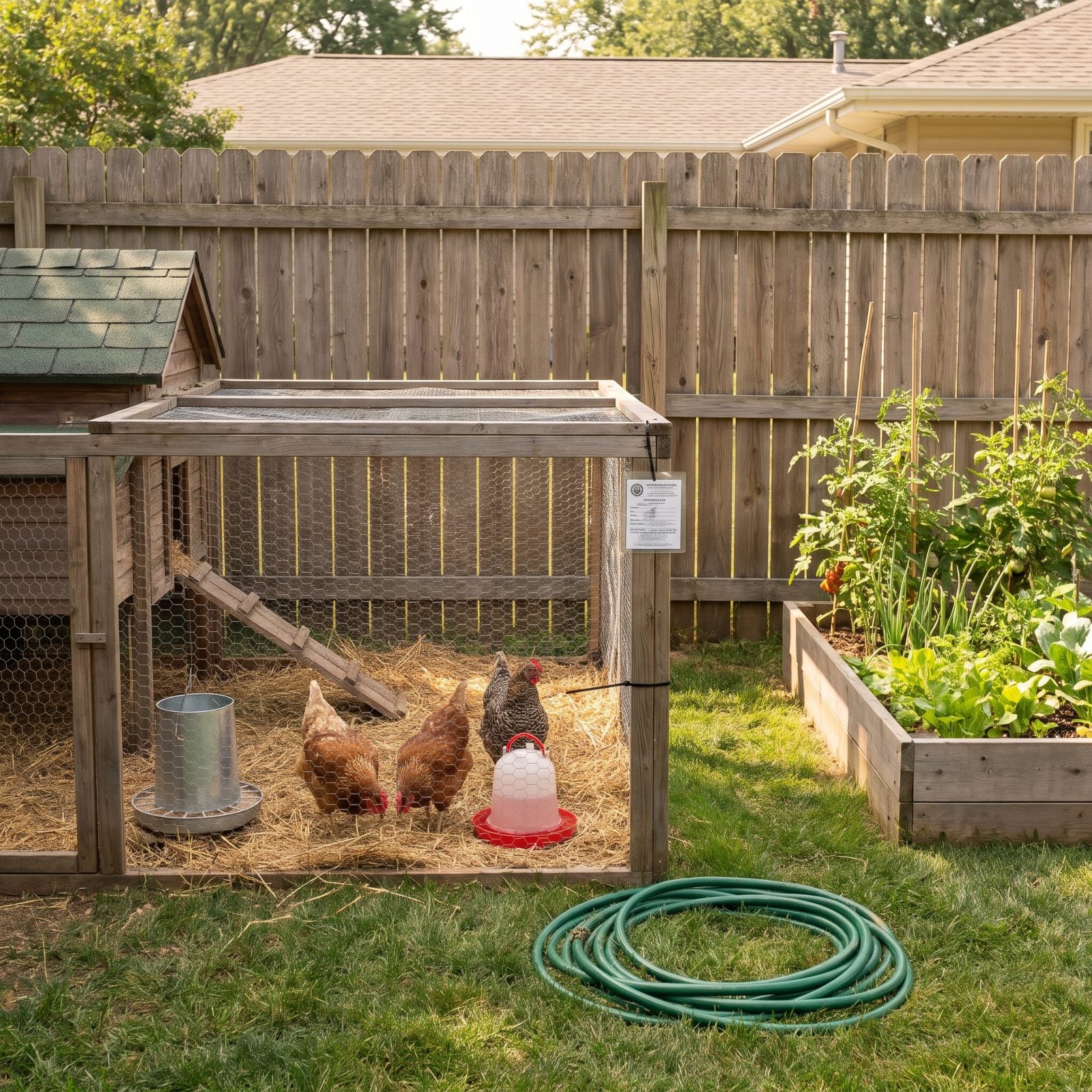
Most cities that allow chickens draw the line at crowing. Hens? Fine. Roosters get written out of the code by name, usually under noise ordinances, because a rooster going off at dawn is a neighbor complaint waiting to happen. Expect flock caps too — three to six birds is typical — plus setback rules that keep the coop a set distance from property lines and dwellings.
The part nobody warns you about: hens don’t crow, but a surprising number of chicks sold as “sexed” grow up and surprise you anyway. Rehoming a rooster you never ordered becomes its own small headache.
5. Miniature Goats Allowed, but Only If Your Lot Is Big Enough
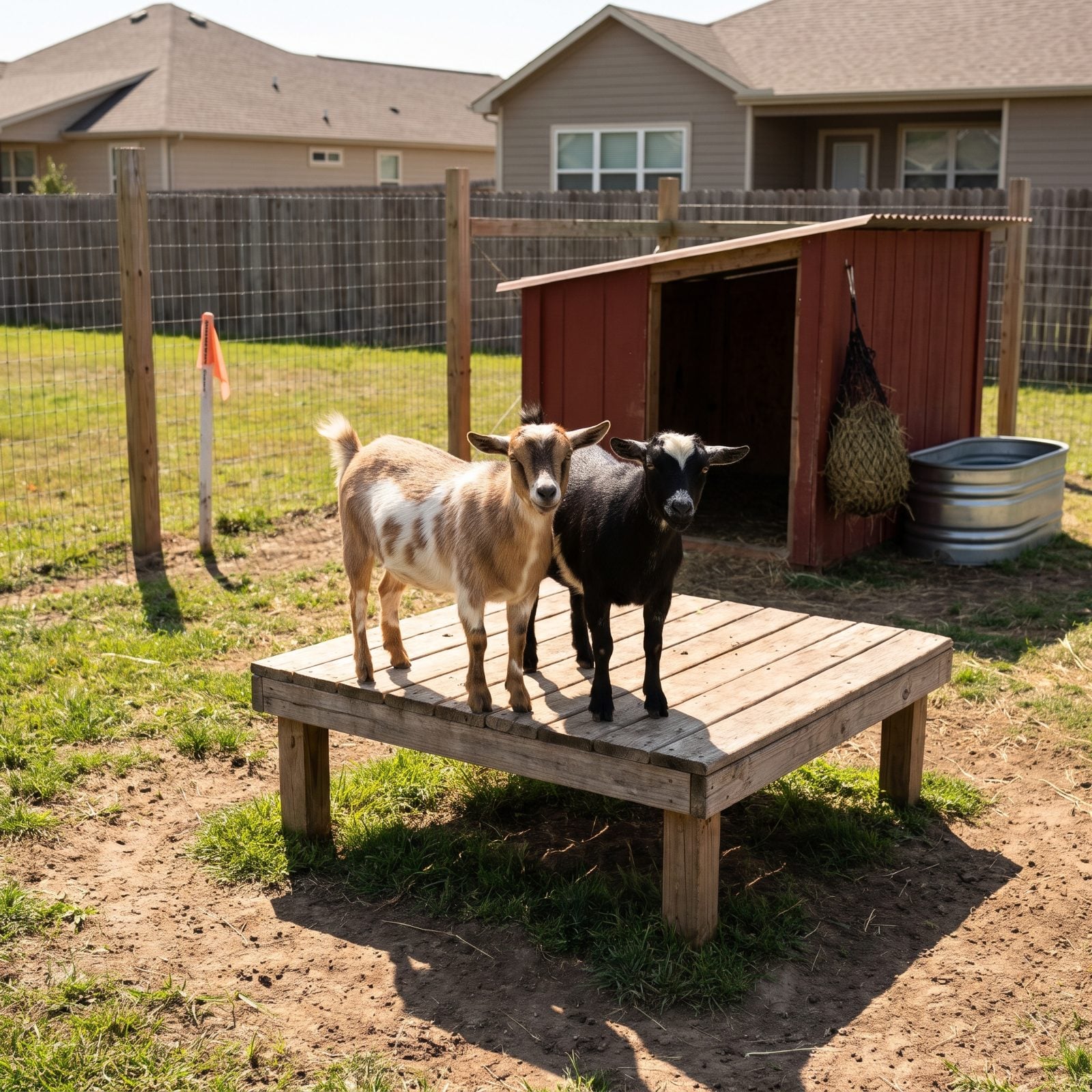
Pygmy and Nigerian Dwarf goats keep sneaking into the “allowed” columns across the country, but almost always with a square-footage catch. Lots of ordinances tie goat-keeping to minimum lot size — a half-acre, say, or more — and cap how many animals one parcel can hold.
There’s logic buried in it. Goats are herd animals and genuinely miserable alone, so plenty of rules require at least two, which means your lot has to carry double the space. Add setbacks for the shelter and a fence sturdy enough to foil a determined escape artist, and the little goat suddenly needs more room than you’d ever guess.
4. Tossing Corn to the Deer Can Be a Ticketable Offense
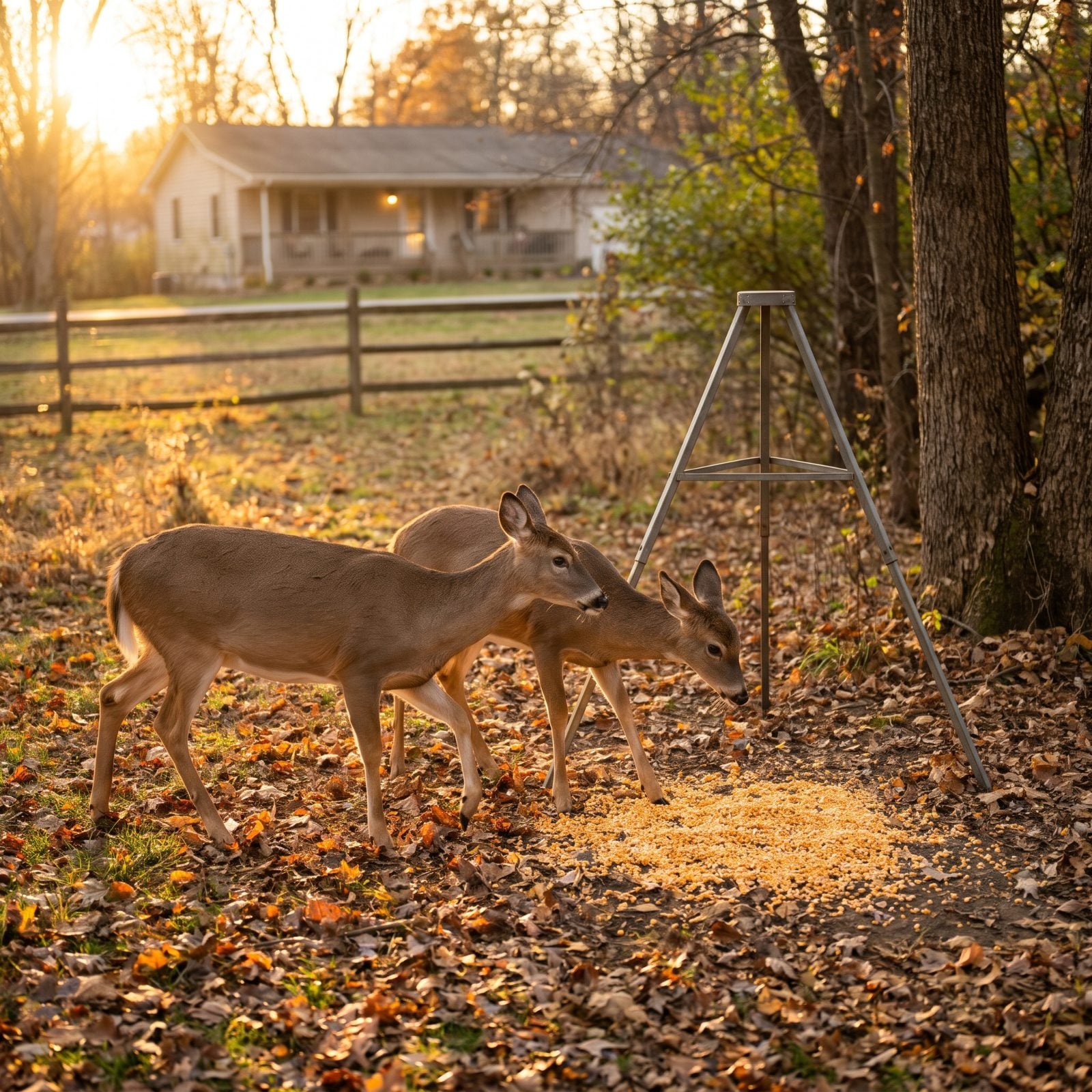
Feeding deer feels harmless. Plenty of states and towns have made it illegal anyway.
The reasoning is grim and practical. Congregating deer pass chronic wasting disease and tick-borne illness between each other, and a baited lawn pulls them straight into traffic and gardens. Fines swing wildly from one state to the next, and some places stretch the ban to cover all wildlife — raccoons and foxes you never meant to invite included.
3. Bird Feeders You’re Legally Required to Take Down for Bear Season
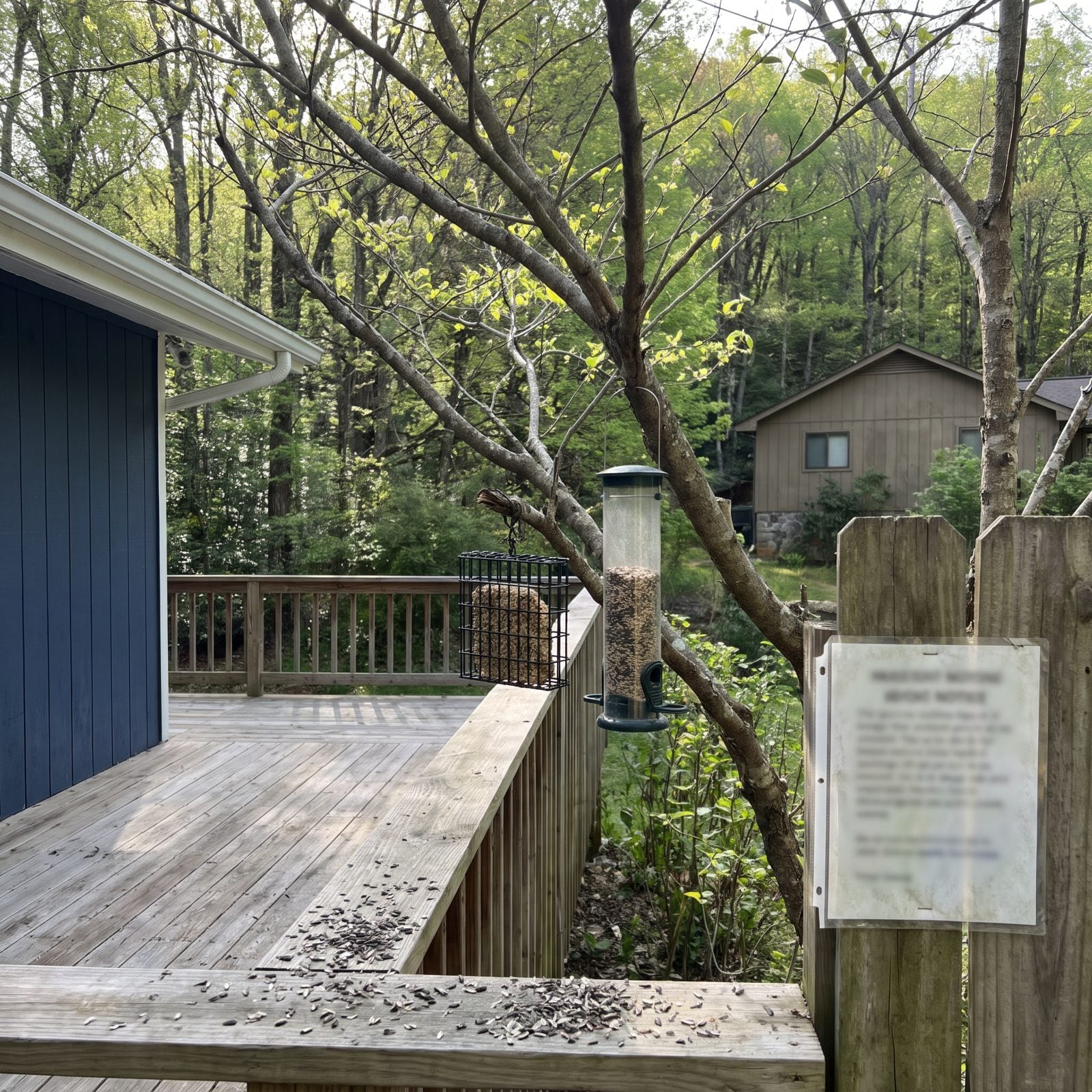
In bear country, your bird feeder has a curfew. States and towns from Colorado to New Hampshire make residents pull feeders down during the active bear months, roughly April through November, since a feeder packed with calorie-dense seed is basically a dinner bell.
Once a bear figures out your deck is a buffet, it comes back. And a habituated bear usually ends up dead — which is the whole reason the seasonal rules exist. Take the season off and start again once the bears den up.
2. Burying a Pet in the Yard Is Governed by Depth and Property Lines
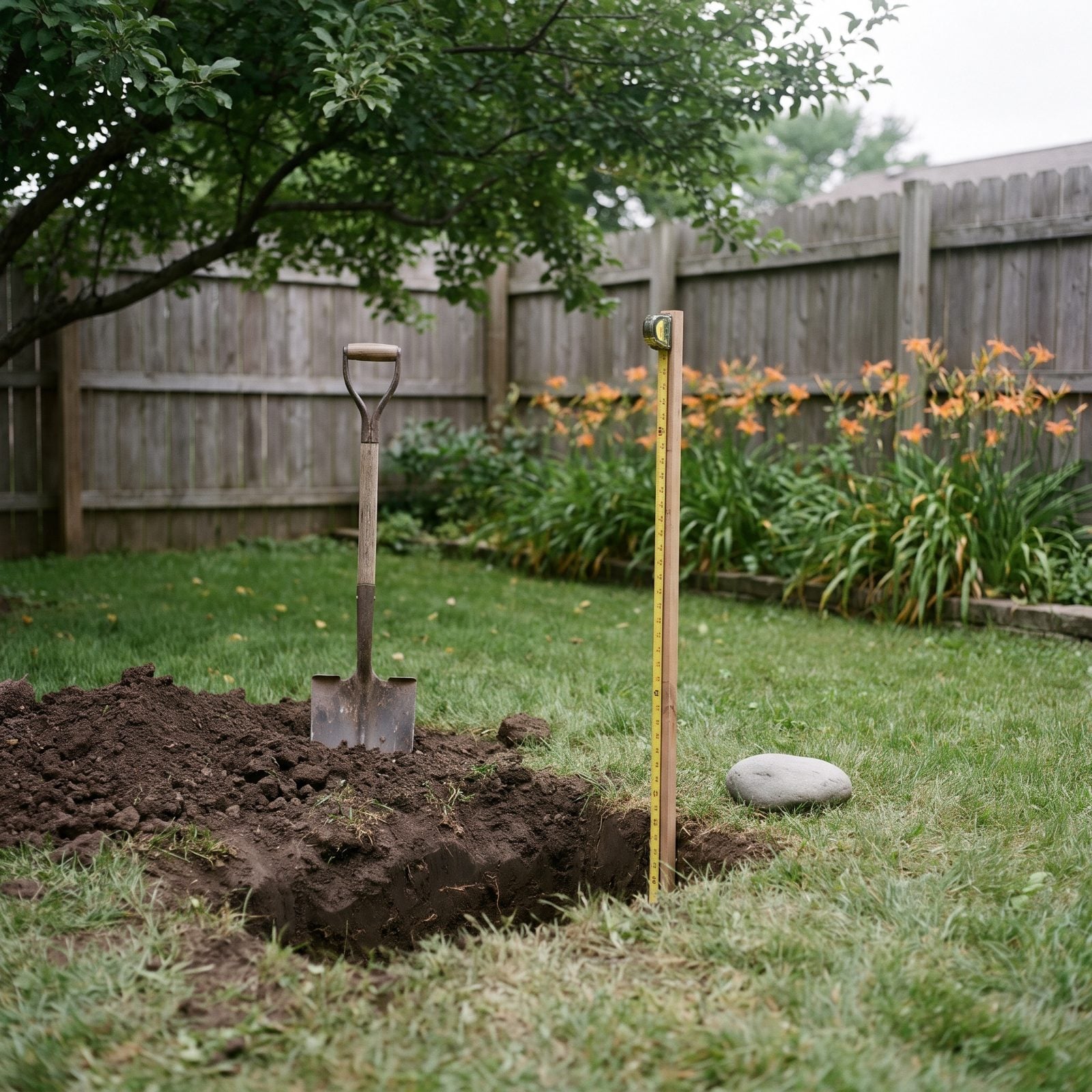
You can usually bury a pet in your own yard. The rules just want it done deep enough to keep scavengers out, and far enough from wells, streams, and property lines.
Common requirements run to three feet of soil cover or more, a safe setback from water, and no burial on public land or a rental you don’t own. A few places forbid it outright. Local health codes vary enough that the only honest answer is to call your county before you dig. Nobody mentions the obvious thing — a shallow grave is the part that draws problems later.
1. The Breadseed Poppy in Your Border Is Technically Contraband
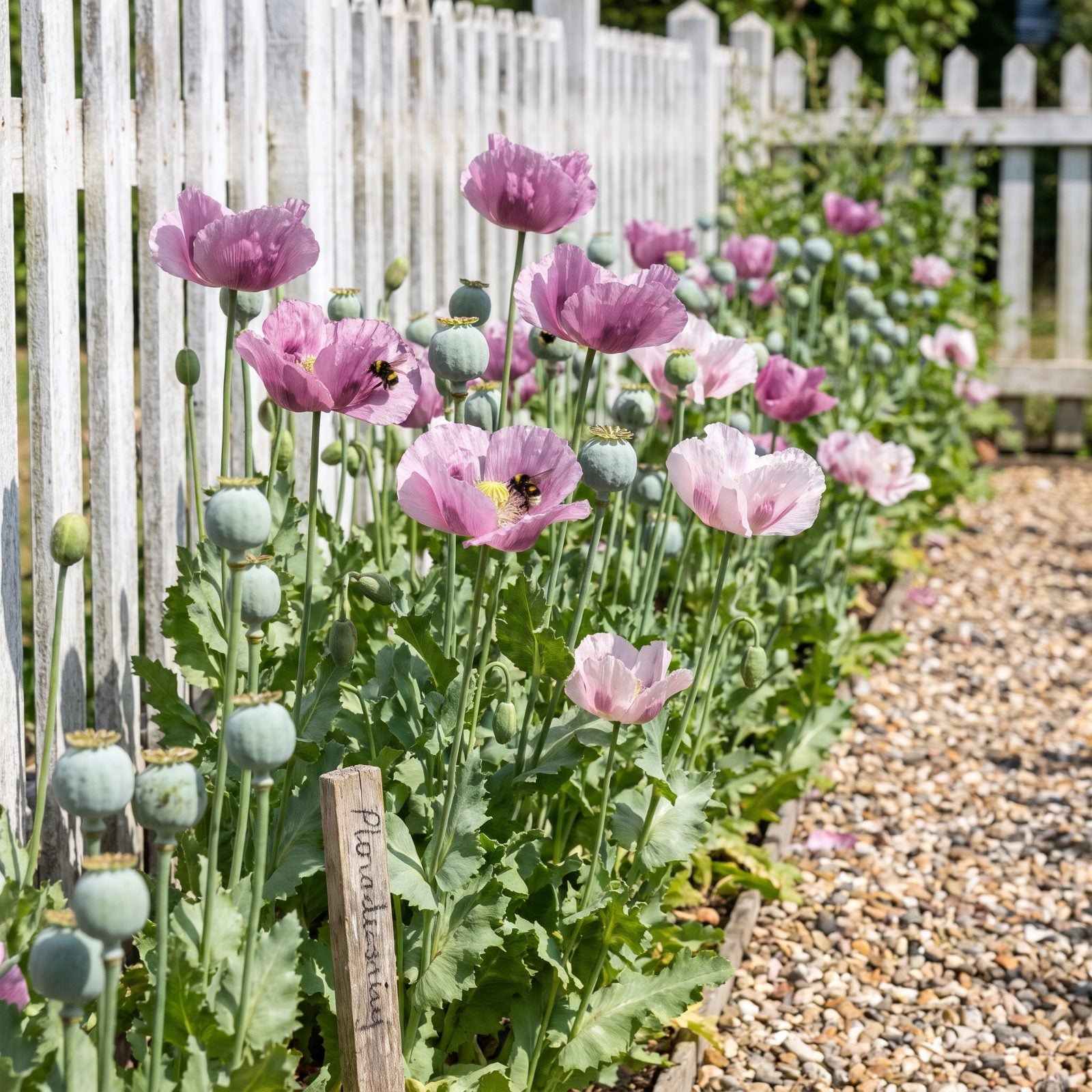
That frilly poppy in the seed catalog, the one sold as a bread or baking poppy, is Papaver somniferum — the opium poppy. Growing it is, strictly speaking, illegal under federal law in the United States, no matter why you planted it.
The real story turns on intent, and gardeners aren’t the target. These poppies sell openly, bloom in countless ornamental beds, and their seeds top your bagels. Enforcement against someone admiring the lavender blooms? Essentially unheard of. The plant itself just happens to cross a line most people in the garden never knew was there.