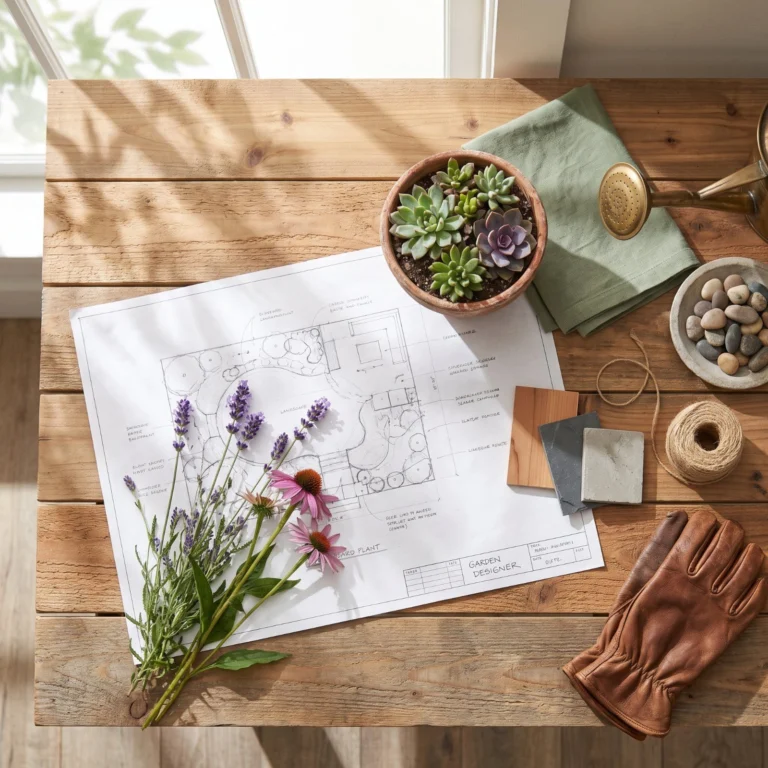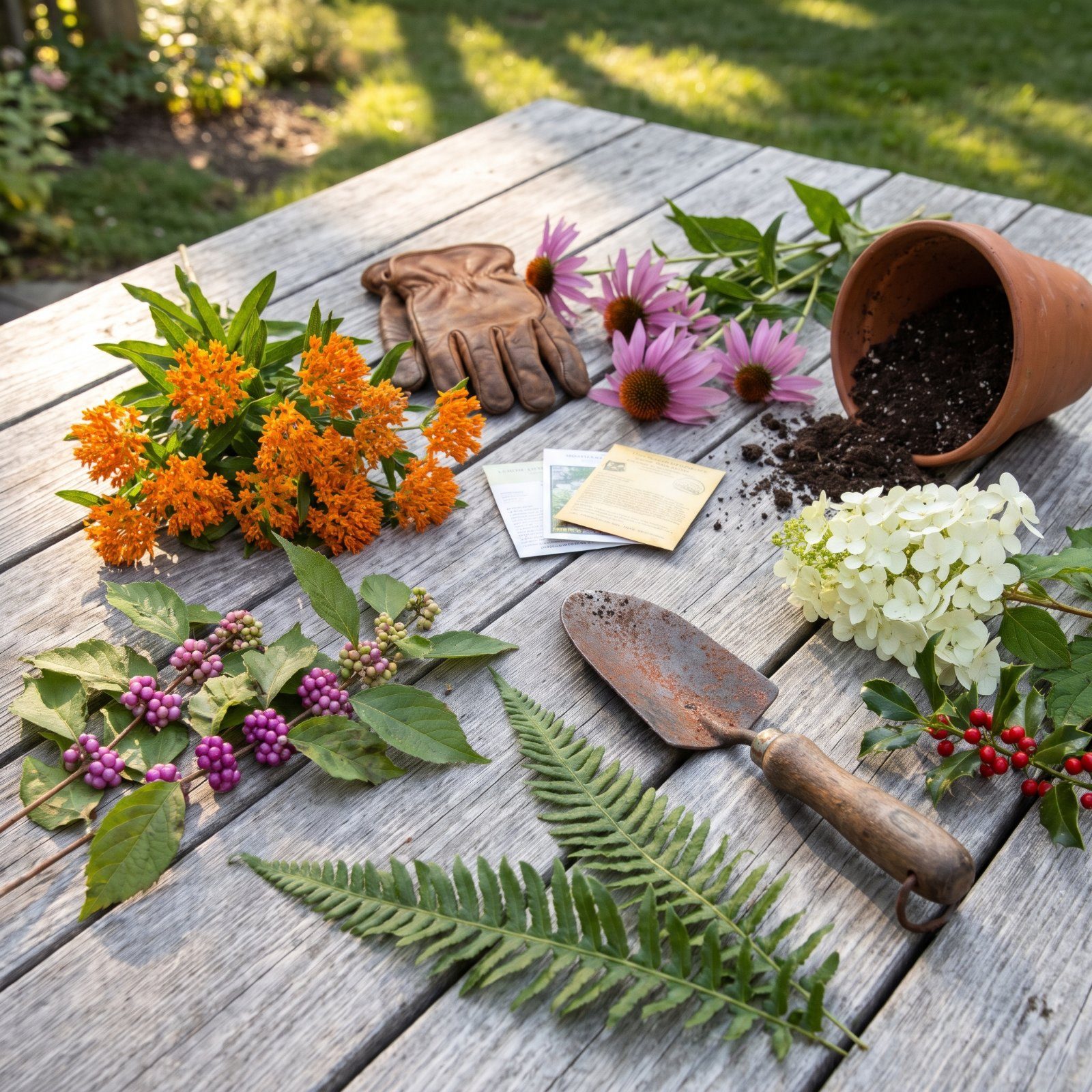
Turfgrass isn’t native to North Carolina. Not a single blade of the stuff people pour their weekends into. Once you know that, the whole backyard starts to look like a negotiation you keep losing. The plants below don’t negotiate. They grew here long before anyone invented the lawn mower, they handle the state’s wild swing from salt-sprayed sand dunes to cold mountain hollows, and most of them shrug off the deer that treat ordinary gardens like a buffet. NC State Extension and NC Sea Grant vouch for these picks. Dig a hole, step back, and let the plants do what they’ve done for centuries.
Please note that some of the images in this article were created with the assistance of AI.
18. Butterfly Weed: The Orange That Monarchs Can’t Resist
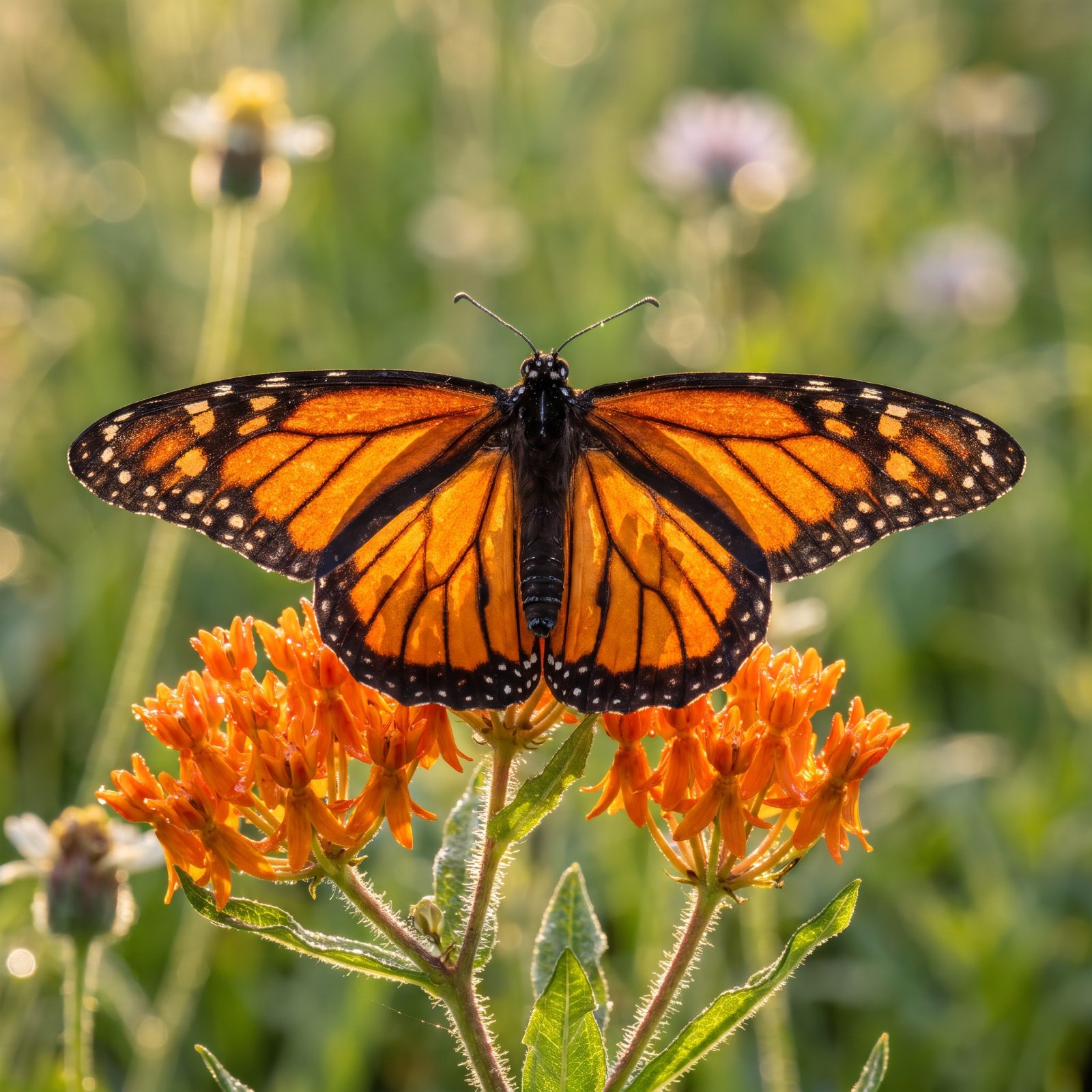
Orange this loud usually means trouble in a garden. Not here. Butterfly weed was North Carolina’s Wildflower of the Year in 1985 and Perennial Plant of the Year in 2017, and it earned both by asking for nothing. NC State Extension lists it for all three regions, zones 3a through 9b, so it works whether you garden in Wilmington sand or on an Asheville hillside.
Drought, poor dry soil, a little salt — it shrugs all of it off. Deer and rabbits leave it alone. Its most common pest is aphids, and they wash off with a hard blast from the hose. Every orange cluster doubles as a landing pad for monarch caterpillars, since this is one of the plants they feed on.
17. Oakleaf Hydrangea: Four Seasons of Showing Off From One Shrub
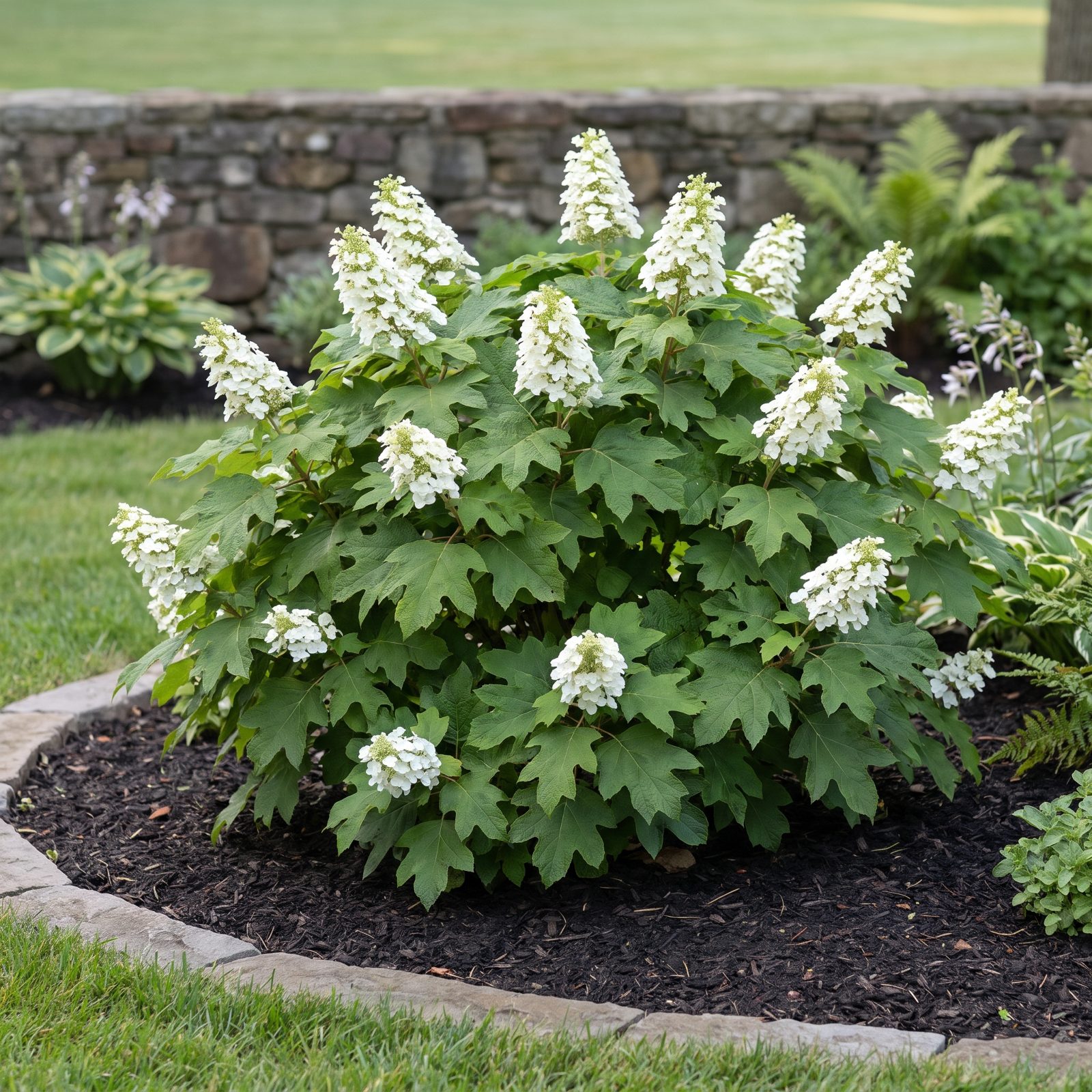
Most shrubs give you one good month. Oakleaf hydrangea gives you a whole year of reasons to look. White flower cones stand up like candles from mid-spring into early summer, the oak-shaped leaves go burgundy in fall, and by winter the bark peels back in cinnamon-brown strips that look like something you’d stumble on deep in the woods.
Native to the Southeast, happy in all three NC regions, it reaches up to 8 feet tall and nearly as wide. Give it room. And here’s the mistake that trips people up every year: it blooms on old wood, so the moment to prune is right after flowering. Cut it in fall or spring and you’ll snip off next summer’s whole display.
16. Purple Coneflower: Leave the Dead Stems and the Bees Move In
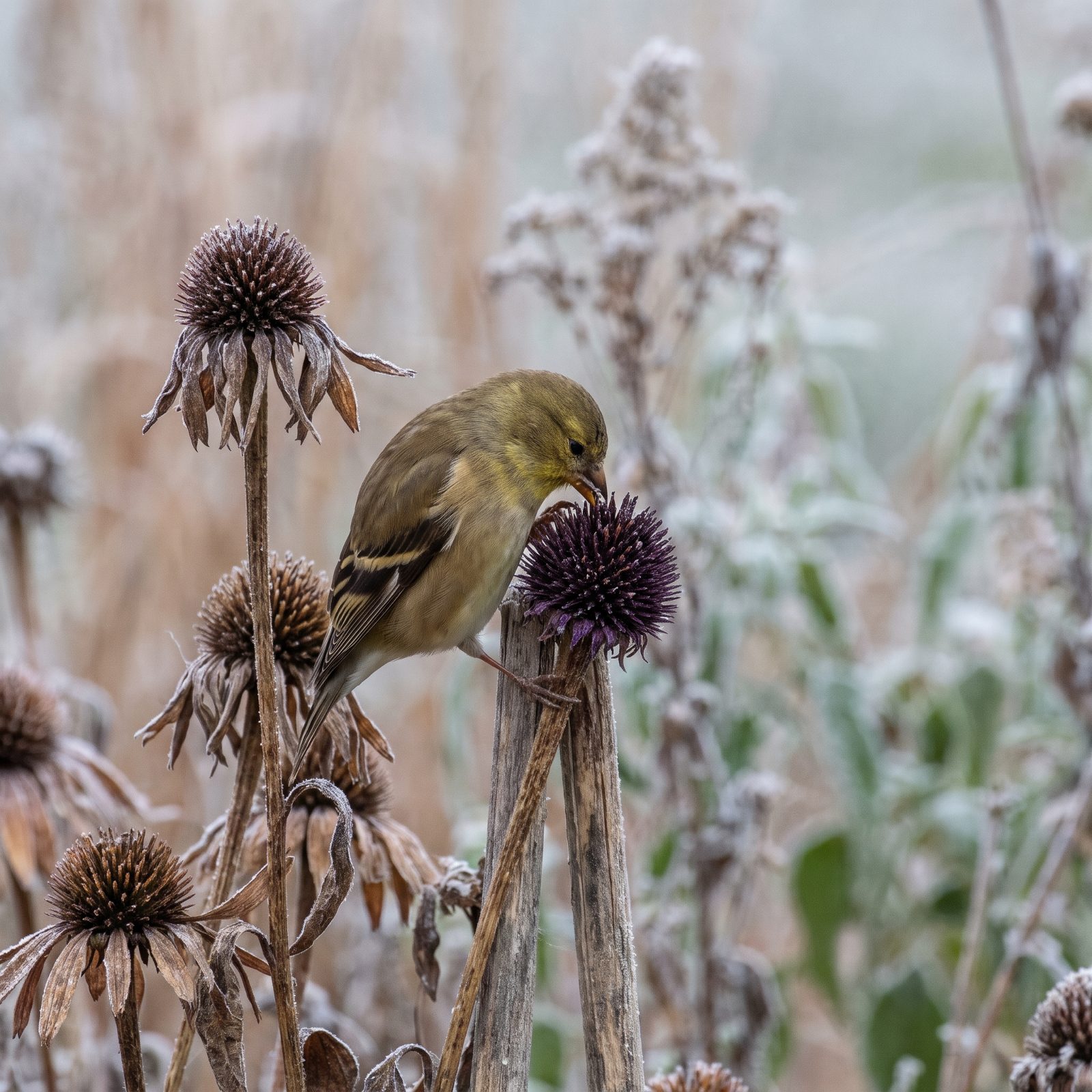
Here’s what nobody tells you about coneflower: the most useful thing you can do is nothing.
NC State Extension suggests cutting the dead stems back to between 12 and 24 inches, then just leaving them standing. Native bees nest inside those hollow stalks. Clean the bed down to bare dirt every fall and you’ve evicted them. A Monroe landscaper confirms it’s drought tolerant once it settles in, blooming June through September, those pinkish-purple petals drooping around a bristly orange cone.
Deer, heat, humidity, salt, bad soil — none of it fazes the plant. Goldfinches strip the seed heads come winter. You’ll often see them hang upside down to get at the last ones.
15. Black-Eyed Susan: The Daisy That Laughs at Drought
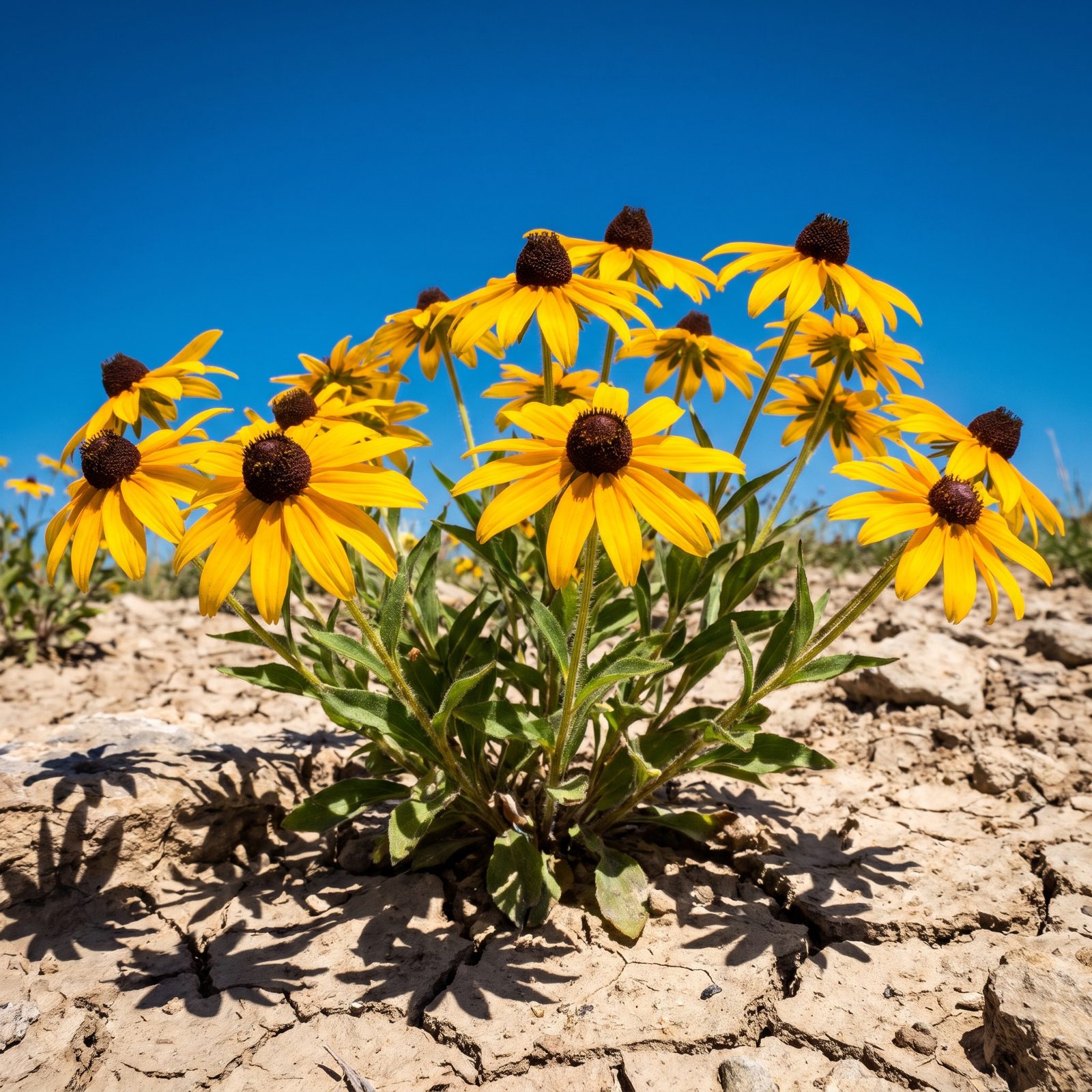
NC Sea Grant’s Coastal Landscapes team put black-eyed Susans on their native list, and the reasoning is short and convincing: low maintenance, drought tolerant, deer resistant, and a bloom season that stretches most of the summer.
Those gold-and-brown faces are so familiar people forget they’re natives at all. They don’t flop, they don’t sulk in a dry July, and they seed themselves around just enough to feel generous without taking over the place. Pair them with the coneflower above and you’ve got a pollinator bed that mostly runs itself.
14. Virginia Sweetspire: The Shrub That Doesn’t Mind Wet Feet
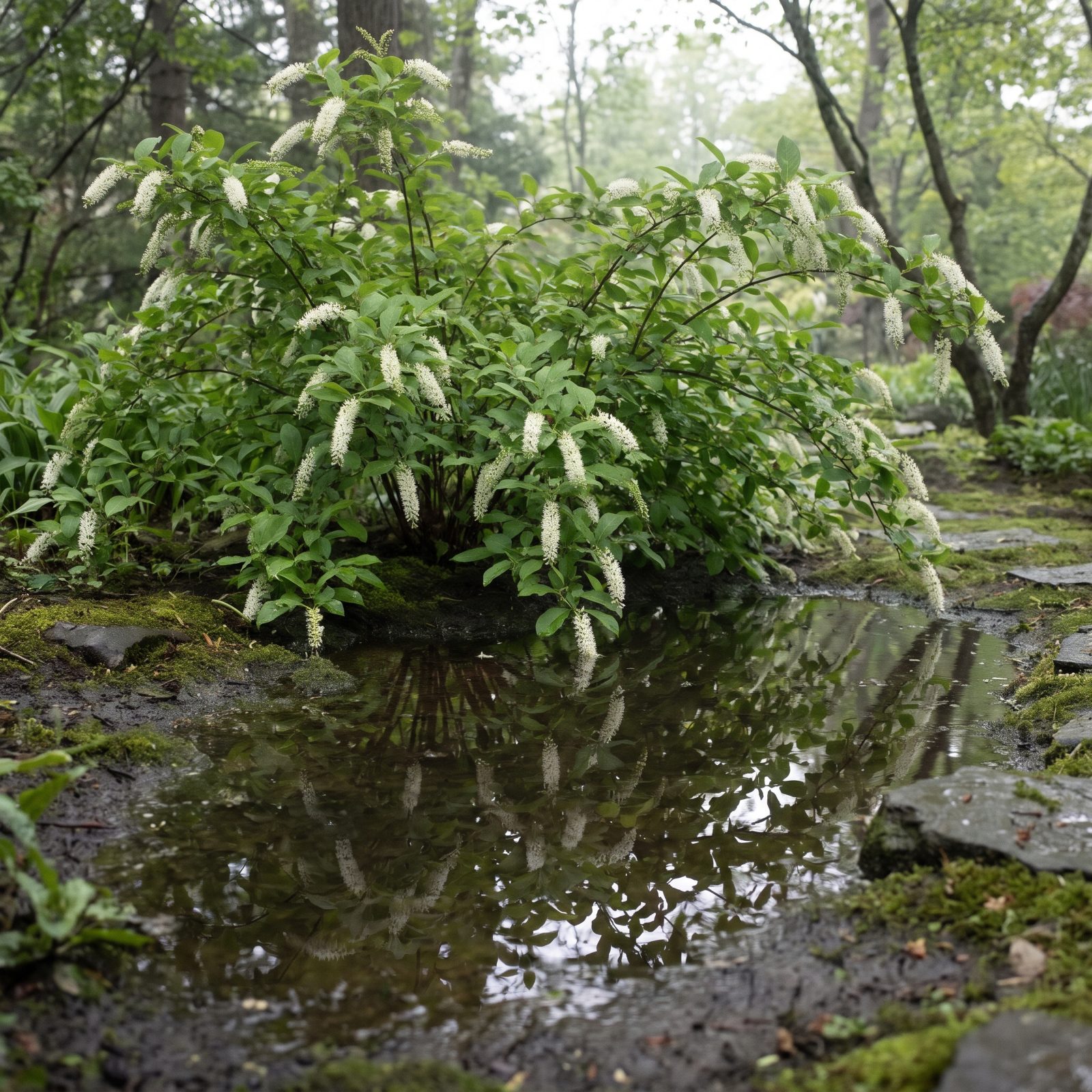
Got a soggy corner where nothing survives? This is your plant.
Virginia sweetspire handles wet soil and even short spells of standing water, the kind of spot that drowns most ornamentals. But it’s no one-trick wonder. NC State Extension lists it as drought tolerant too, making it one of the few shrubs that forgives both ends of your watering mistakes.
It grows 4 to 8 feet on arching branches and throws out fragrant white flower spikes in spring and summer. Deer skip it. So does Phytophthora root rot. Go easy on the fertilizer, and if it needs shaping, prune right after the flowers fade.
13. Sweet Pepperbush: The Fragrance Hummingbirds Follow Home
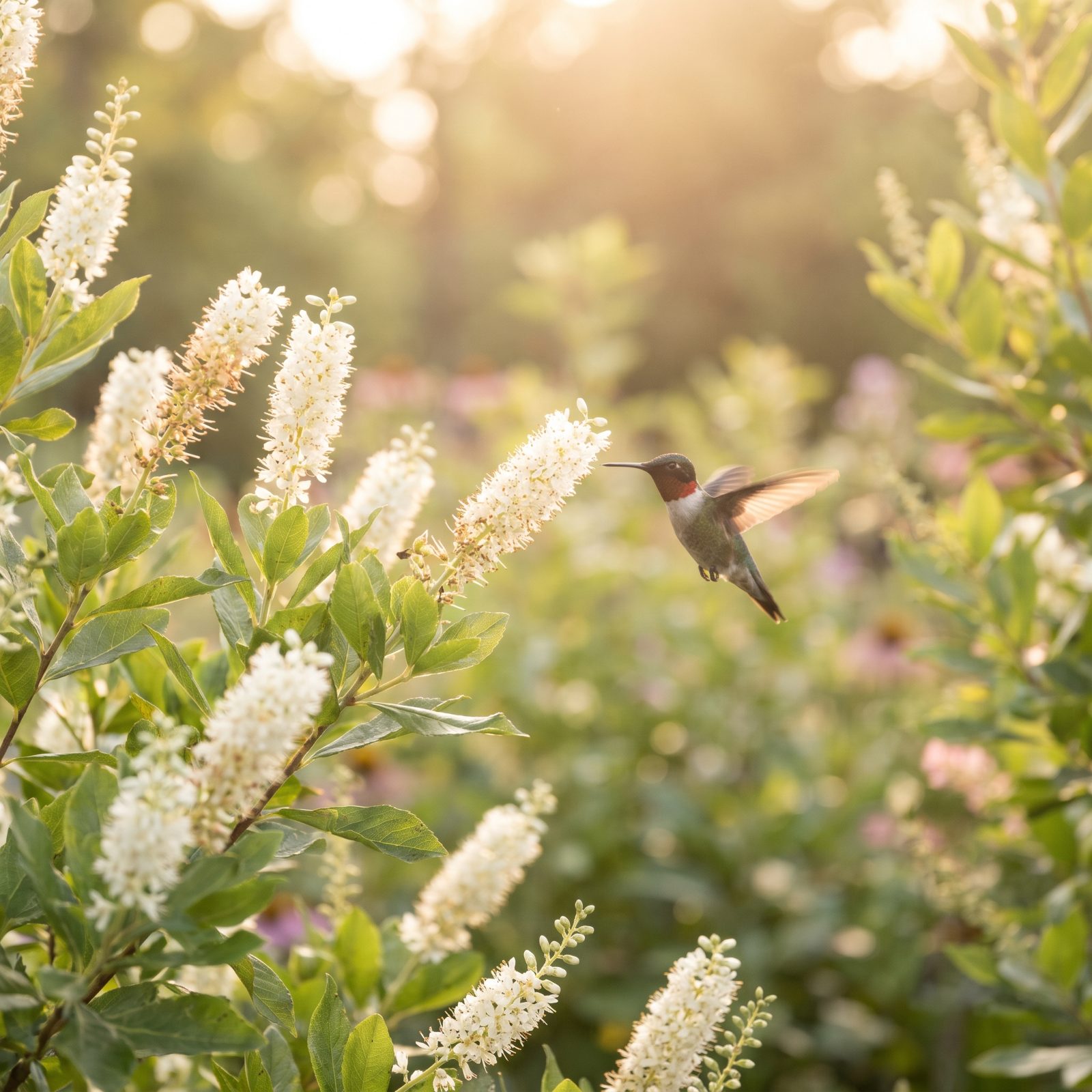
You’ll smell this one before you see it. Sweet pepperbush — summersweet, some call it — throws scented white flower spikes in high summer that pull hummingbirds, butterflies and native bees from clear across the yard.
NC State Extension rates it low maintenance across all three regions, and the list of things it tolerates reads like a dare: deer, disease, pests, salt, heavy shade, wet soil, short droughts, short floods. NC Sea Grant even calls it fire-resistant. The leaves turn gold in fall.
One rule to remember: it flowers on new growth, so prune in winter or early spring. And keep it out of hot, dry baking spots — that’s the one place it sulks.
12. American Beautyberry: Purple Berries That Repel Mosquitoes
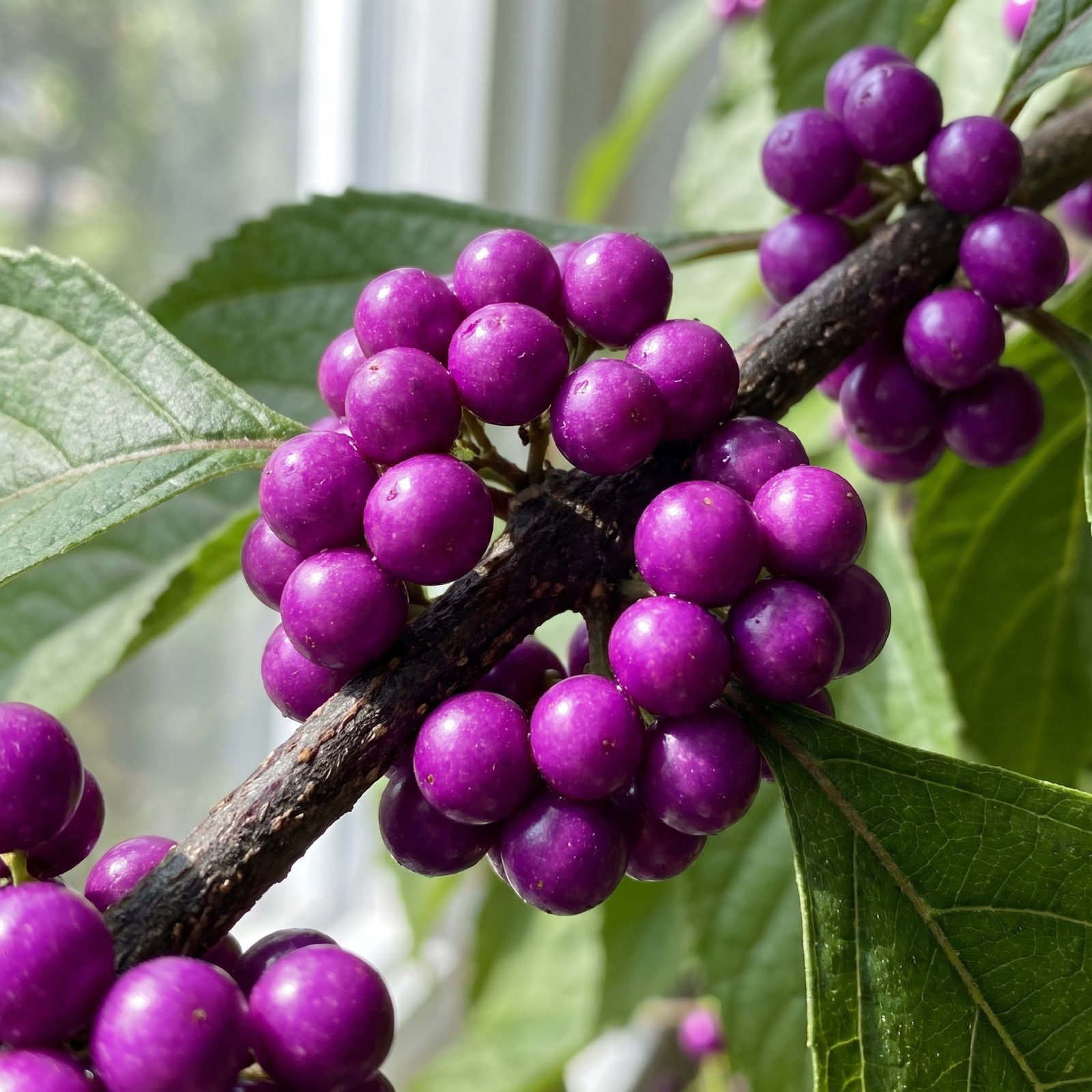
The purple is almost unreal. American beautyberry wraps its stems with clusters of magenta berries every fall, the kind of color that makes you double-take, and they hang on into early winter feeding songbirds.
NC Sea Grant chose it for coastal landscapes, and Henderson County Extension lists it for the mountains too, so it covers a lot of ground. Pests and drought don’t bother it. Here’s the oddity: the leaves contain compounds that repel mosquitoes and ticks, and country folk have crushed them and rubbed them on skin for generations. The berries aren’t for people. Birds, though, can’t stay away.
11. Christmas Fern: Evergreen Green for the Spot Where Grass Gives Up
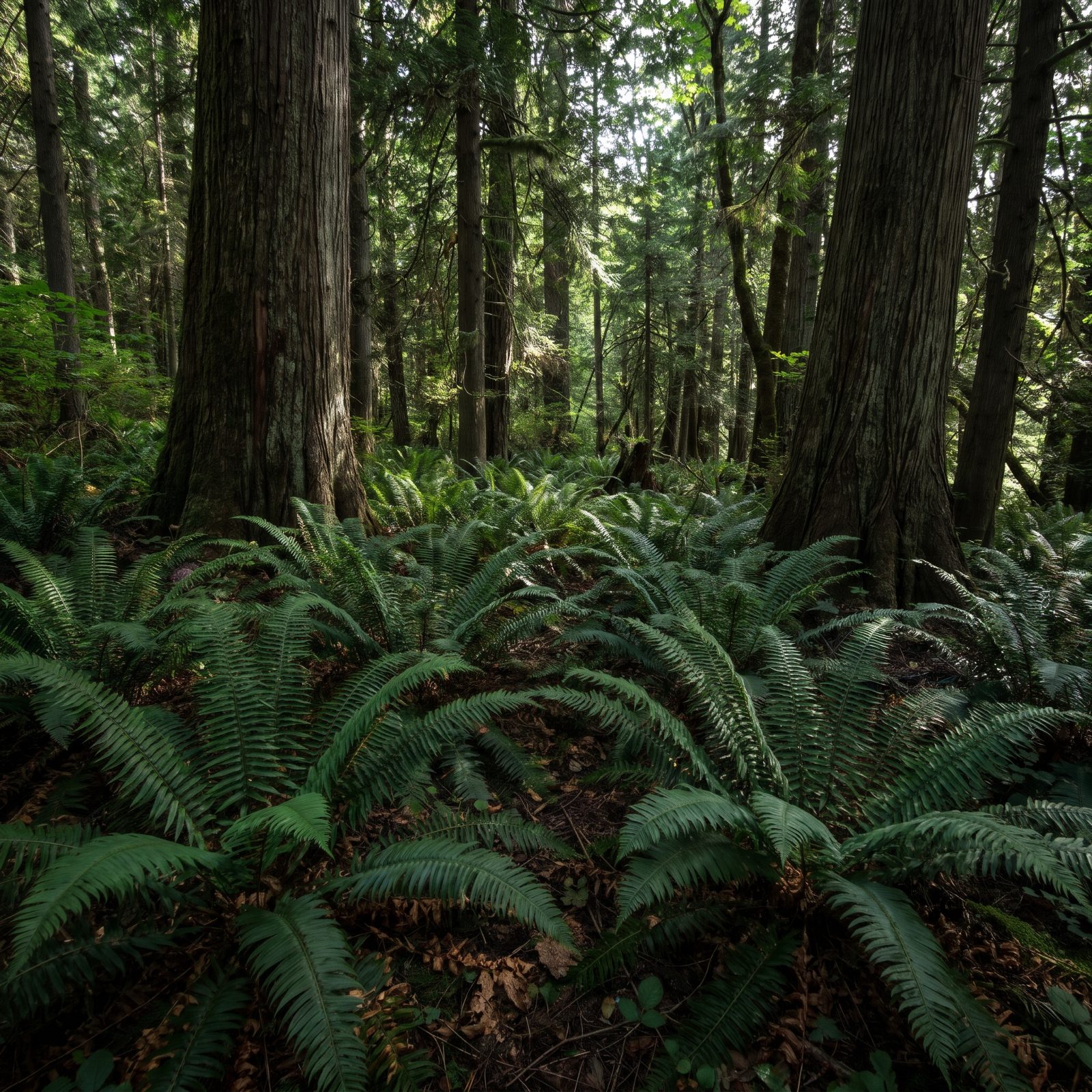
Dry shade breaks most gardeners. It’s the hardest assignment in any yard — too dark for sun lovers, too thirsty-rooted for the ferns people usually reach for.
Christmas fern just handles it. The NC Extension Gardener Handbook lists it as native to all three regions, and it stays green straight through winter, which is where the name comes from. Leathery dark fronds, 1 to 2 feet tall, deer resistant, and genuinely useful on a slope where its roots pin down soil against erosion.
Once established it tolerates dry shade and asks for essentially nothing. It thrives in spots where most gardeners have long given up on ever having anything green.
10. Eastern Redbud: A Cloud of Pink Before the Leaves Arrive
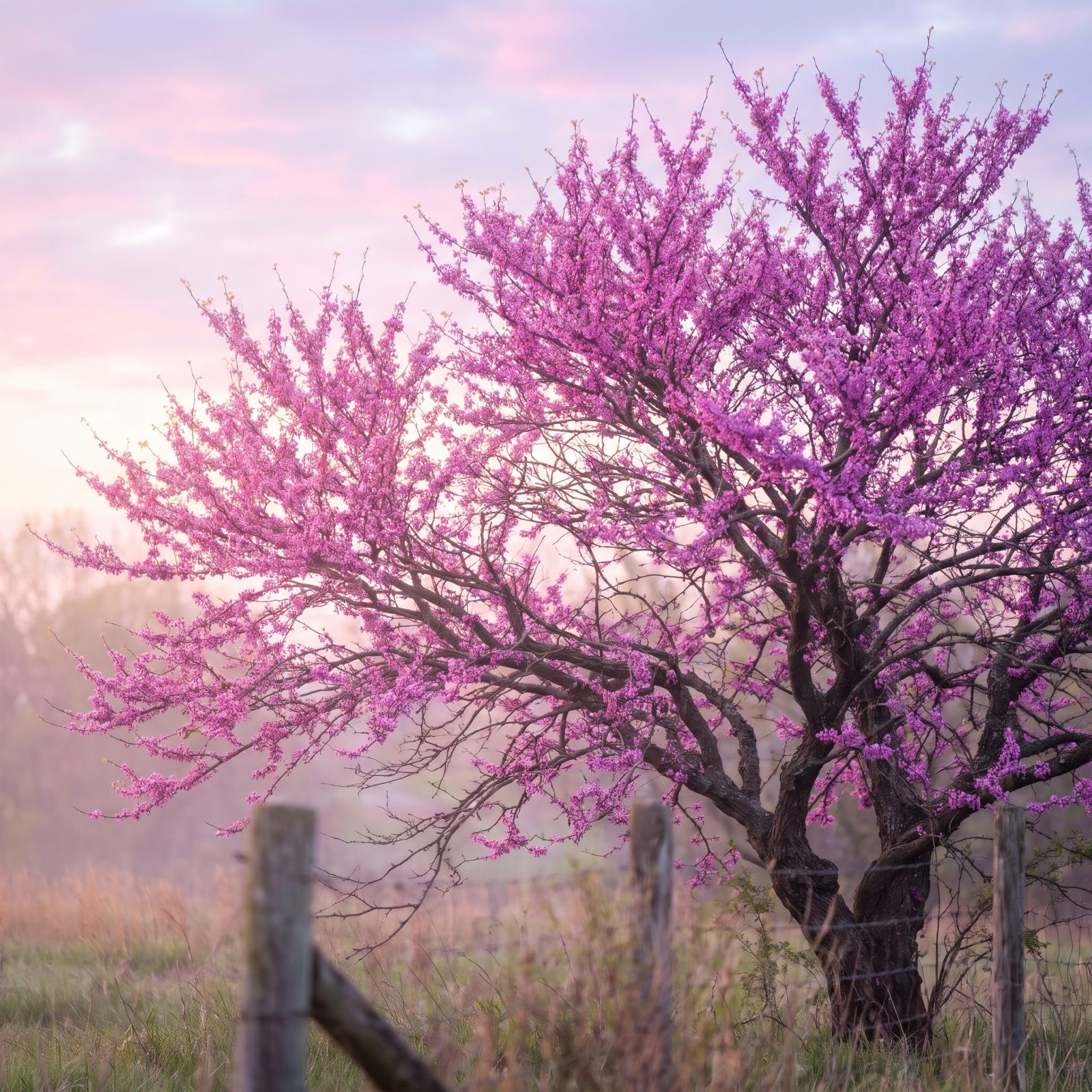
Redbud does something strange and lovely. It blooms on its bare branches, flowers bursting straight out of the trunk and limbs before a single leaf shows up. For a couple weeks in early spring the whole little tree turns into a pink cloud.
Henderson County Extension lists it among native small trees for Western NC, and it’s happy across the state. NC State even bred its own cultivars, among them the striking Flame Thrower, developed by Dennis J. Werner and rated low maintenance in the Extension Toolbox. Bees work the flowers hard for early-season nectar and pollen. The seed pods hang on from summer into winter.
9. American Holly: The Living Privacy Screen With Christmas Built In
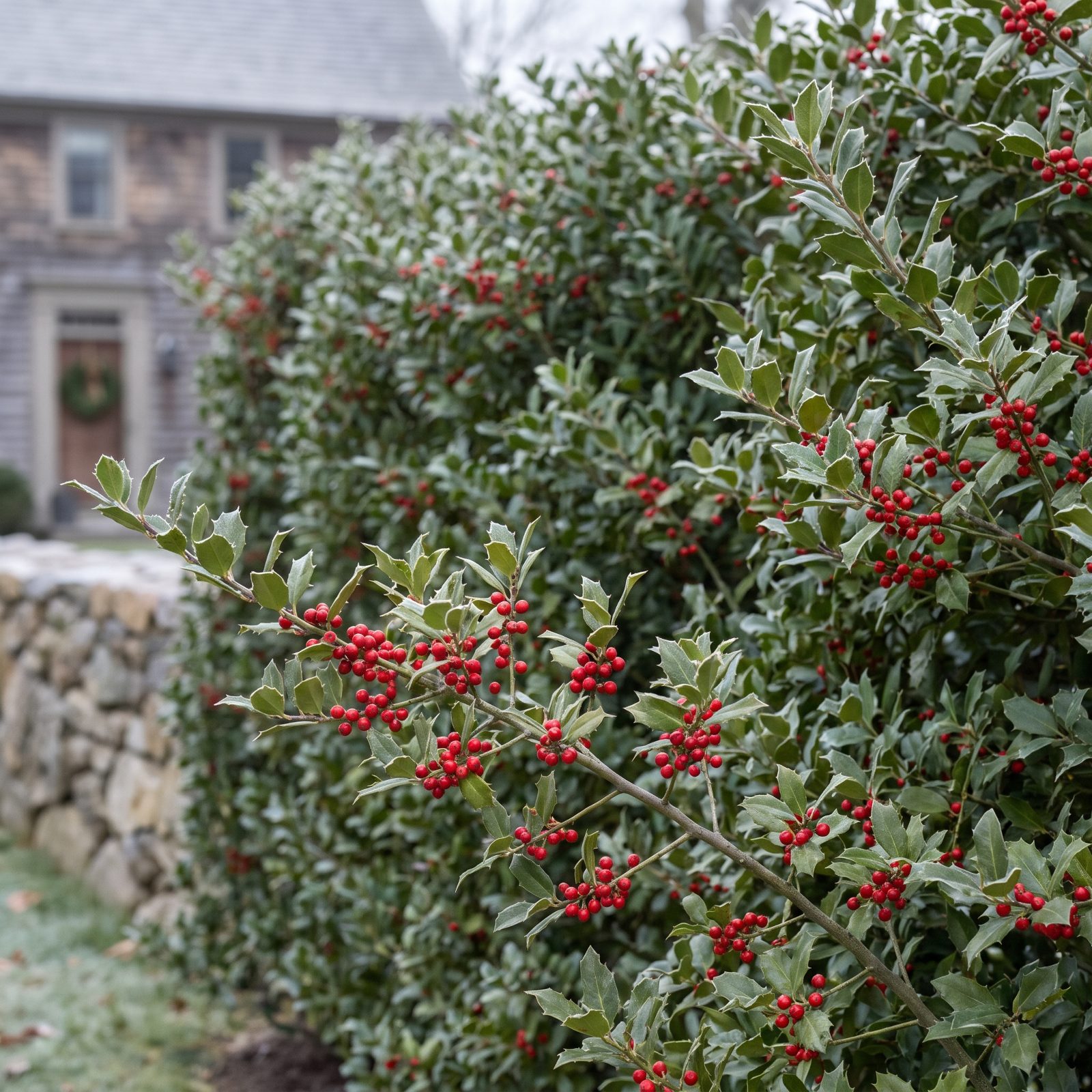
That sprig of green and red on your December mantel? It grows into a tree.
NC Sea Grant picked American holly as a low-maintenance native for coastal gardens, and Henderson County Extension lists it for the mountains, so it works clear across the state. Evergreen year-round, it makes a working privacy screen that doesn’t quit in winter, exactly when you most want to block the neighbors.
The red berries feed songbirds and small mammals through the cold months, and they double as holiday decor you can clip from your own yard. Worth knowing before you plant: holly comes male or female, and only the females berry. You’ll need a male nearby for the show.
8. Dwarf Palmetto: The Tropical Look That Survives a Carolina Cold Snap
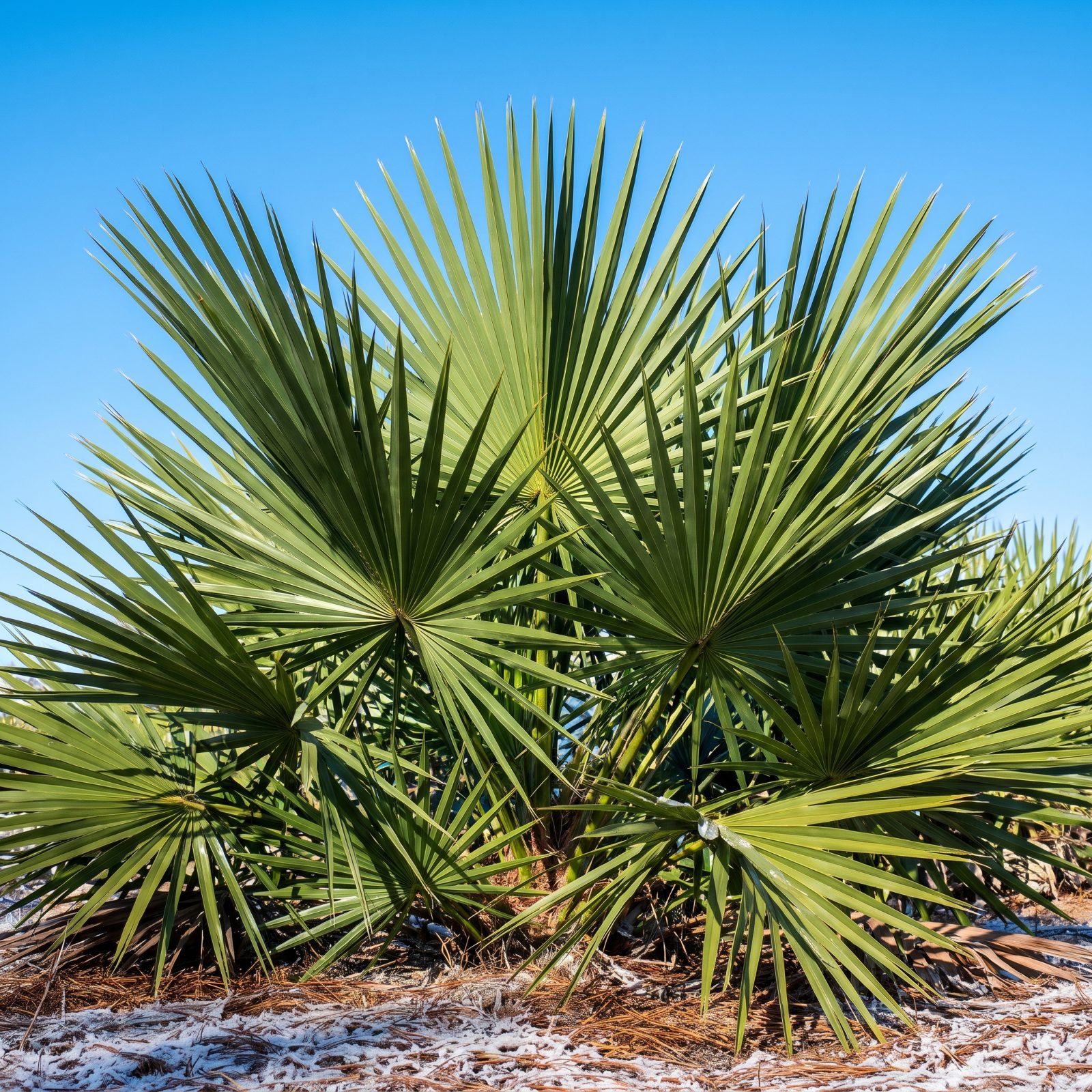
You want the look of the tropics without the heartbreak of the first hard freeze. Dwarf palmetto is your answer, and it’s a genuine North Carolina native. Coastal NC sits at the very northern edge of its range, according to NC Sea Grant, which makes it the coastal pick on this list rather than a piedmont or mountain one.
It tops out around ten feet, throws fragrant white flowers in May and June, and shrugs off deer and pests alike. Give it sandy coastal-plain soil and it asks for almost nothing after that. The fan fronds hold their shape through the quiet winter months when half the garden has gone to sticks.
7. Yaupon Holly: The Only Caffeine Plant Native to North America
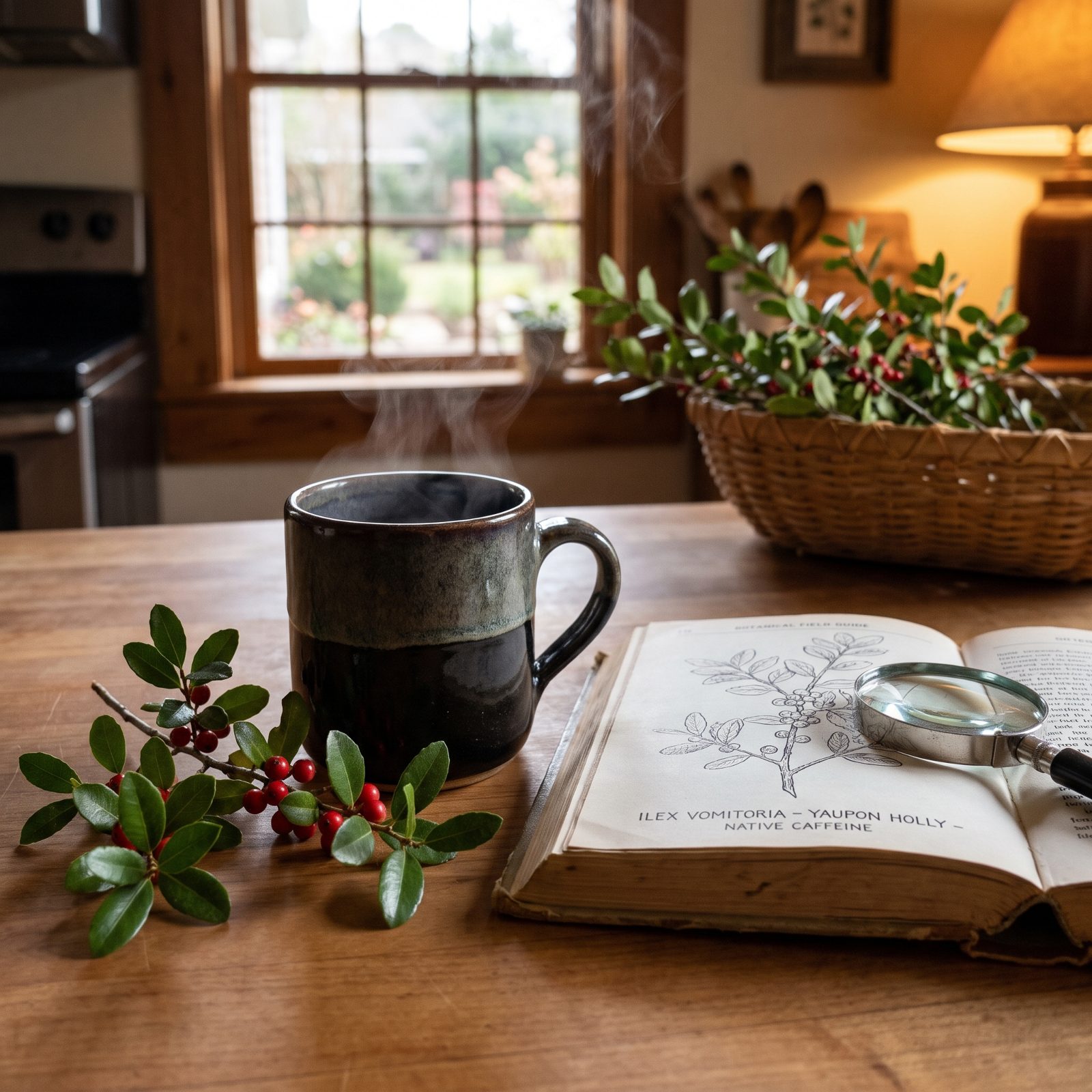
A party fact worth keeping: yaupon is the only plant native to North America that makes caffeine. People brewed its leaves into tea long before coffee crossed the Atlantic.
As a garden plant it’s just as useful. Grow it as a shrub or let it climb to a small tree around 15 to 25 feet, per NC landscapers. The dwarf yaupon turns up on the Henderson County Extension native list among evergreen shrubs under four feet, so there’s a version for a tidy foundation bed and a version for a privacy screen. Evergreen, berry-laden, unfussy.
6. Adam’s Needle: Spiky All Year, Crowned With White in Midsummer
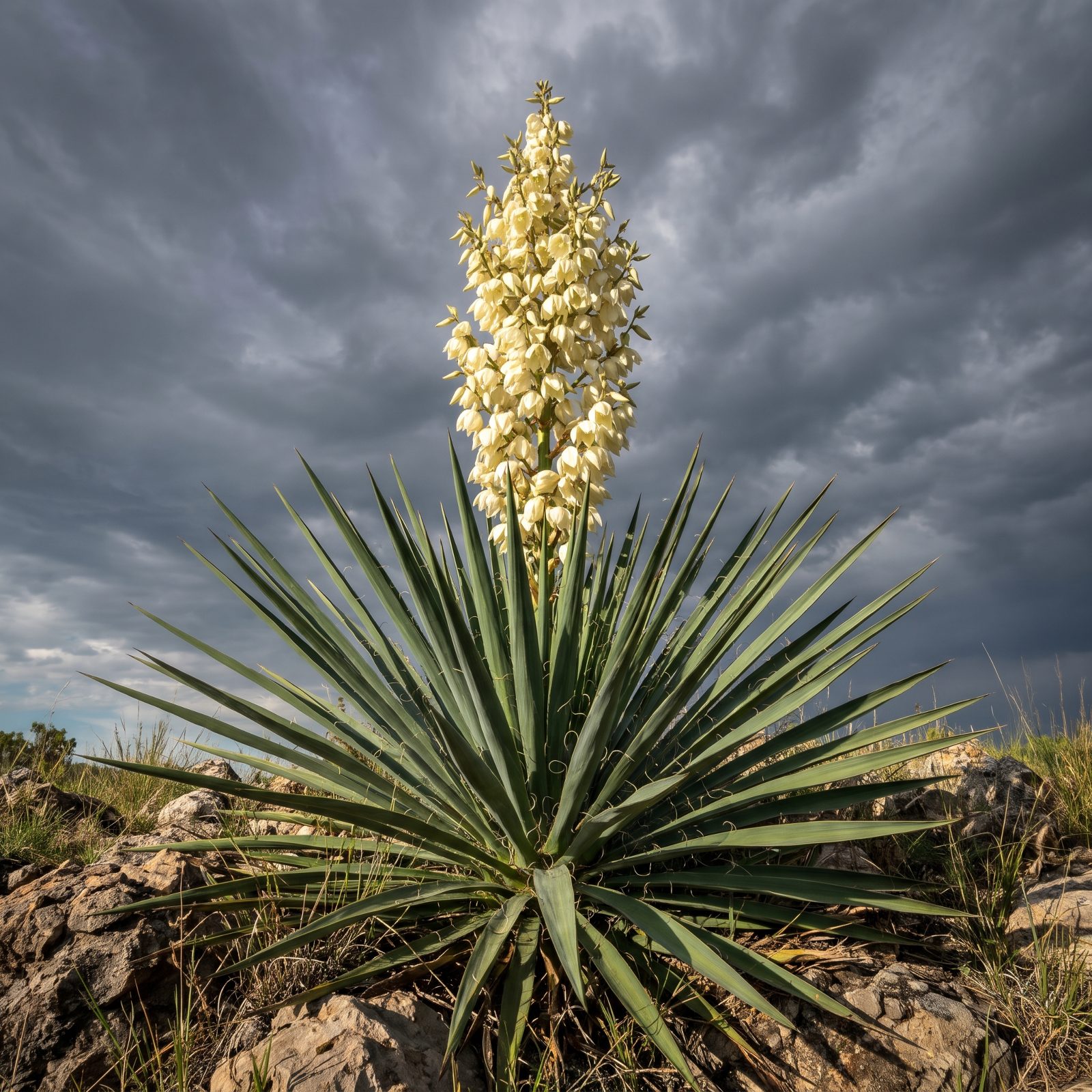
The leaves stay green through everything. Drought, cold, neglect, a summer you forgot to water anything. Adam’s needle just sits there in a rounded mound of stiff sword leaves with clean, sharp edges, waiting.
Then late spring into early summer arrives and up goes a flower spike taller than a toddler, loaded with creamy white bells that hummingbirds visit and the little yucca moth pollinates. It’s hardy, native, and about as low-care as a plant gets. Plant it where you’ll walk past the spikes, not into them.
5. Switchgrass: The Prairie Grass That Moves in the Smallest Breeze
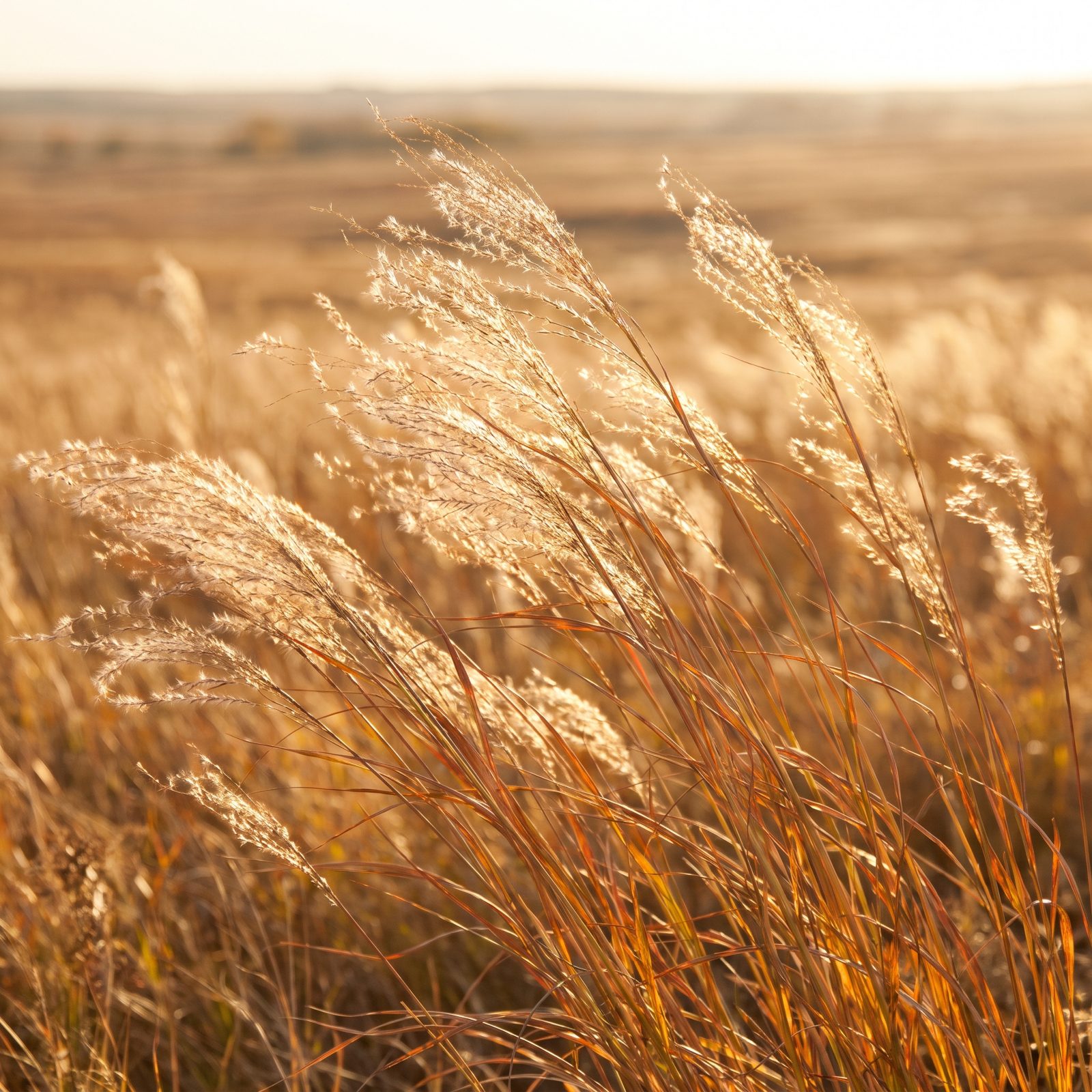
A static garden is a dull garden, and switchgrass fixes that. The upright blades catch the lightest breeze and the airy seed heads shimmer in late light, so a bed picks up sound and movement instead of just color.
A Monroe landscaper recommends it precisely because it isn’t picky — poor soil, compacted soil, part shade, full sun, drought once it’s settled in. It copes with all of it and asks nothing in return but a yearly cut-back before spring. We’ve watched gardeners fuss over temperamental perennials while a clump of switchgrass quietly outperformed every one of them.
4. Blanket Flower: Red-and-Yellow Daisies From Early Summer to Frost
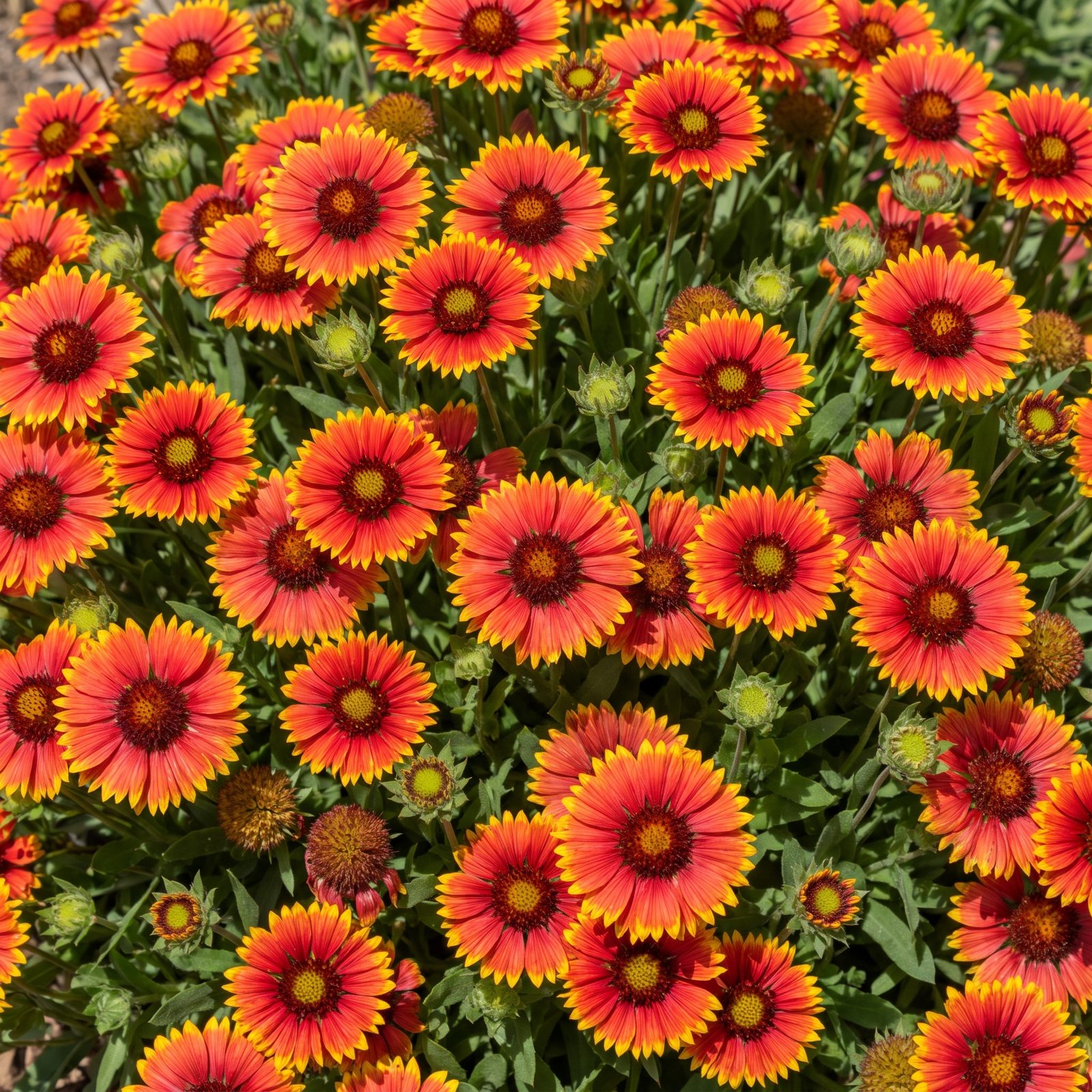
If you can kill a blanket flower, you’re trying. The daisy-like blooms band red into orange into yellow like a tiny sunset, and they keep coming from early summer right through fall.
NC landscapers rate Gaillardia as extremely drought tolerant and deer resistant. Butterflies and bees treat it like a buffet. All it wants is full sun and soil that drains. Hand it a hot, dry, sunny corner where nothing else will cooperate and it’ll pay you back with months of color.
3. Eared Coreopsis: The Little Yellow Groundcover for the Piedmont
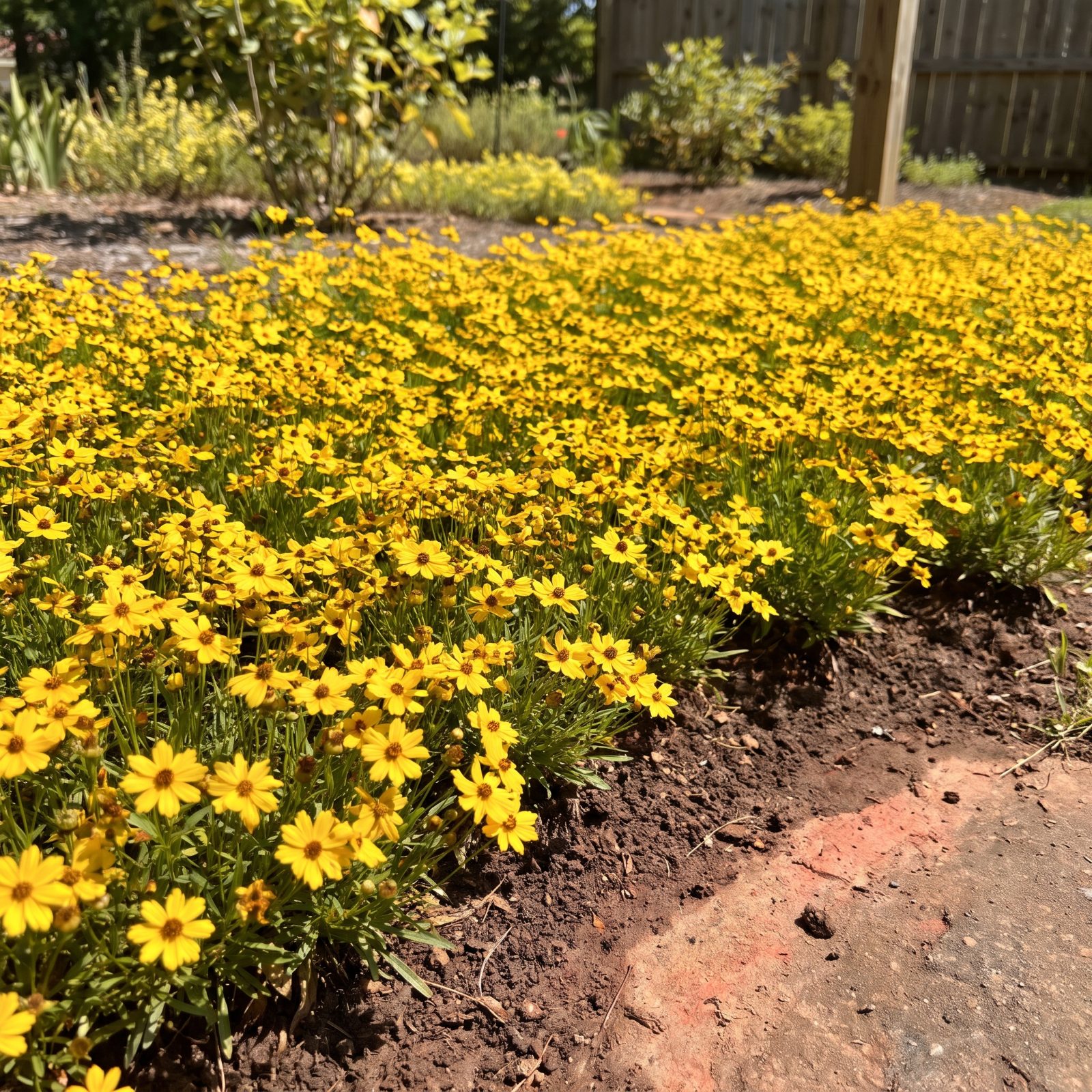
Sometimes you want yellow near the ground, not up at eye level. Eared coreopsis — a low mat of rounded, ear-lobed leaves topped with small golden daisies — does exactly that.
It appears on a Raleigh native plant list drawing on NC State Extension’s piedmont recommendations: low maintenance, bright yellow flowers, happy along a border or at the front of a bed. Less of a showstopper than a quiet, reliable filler. And honestly, every bed needs a few of those. The divas get all the attention. The workhorses keep the thing from falling apart.
2. Stokes’ Aster: Frilly Blue Blooms Bigger Than You’d Expect
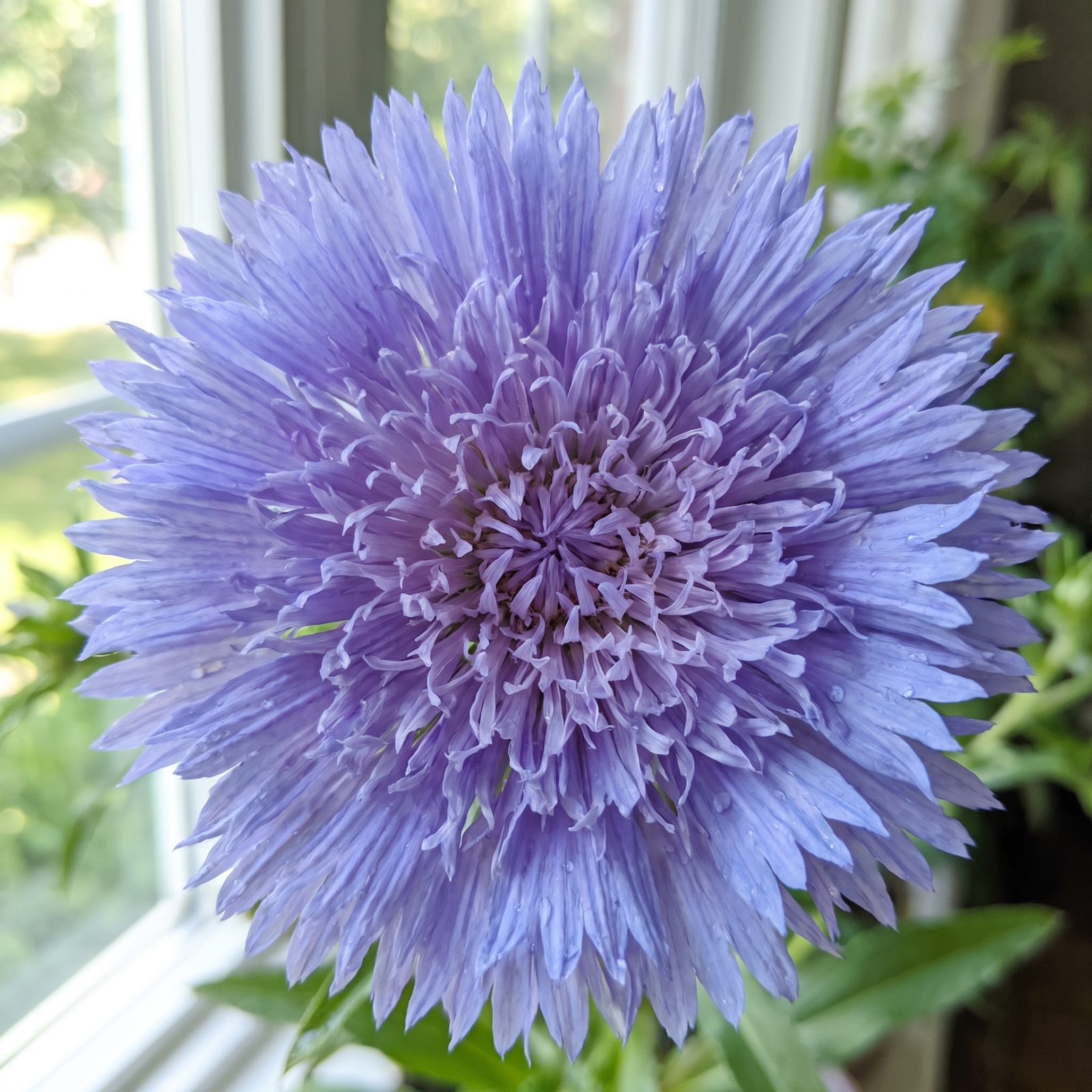
These flowers are frillier and bigger than most people picture when they hear “aster.”
Stokes’ aster lands on lists of North Carolina native garden plants as a hardy, low-maintenance perennial, and it blooms from late spring through midsummer — filling a gap when much of the spring show has faded and the summer heat-lovers haven’t gotten going yet. Soft lavender-blue, up to about 3 inches across, with fringed petals like a thistle that decided to be gentle about the whole thing. Give it sun and let it go.
1. Native Moss: The Lawn Alternative for the Shade Where Grass Gives Up
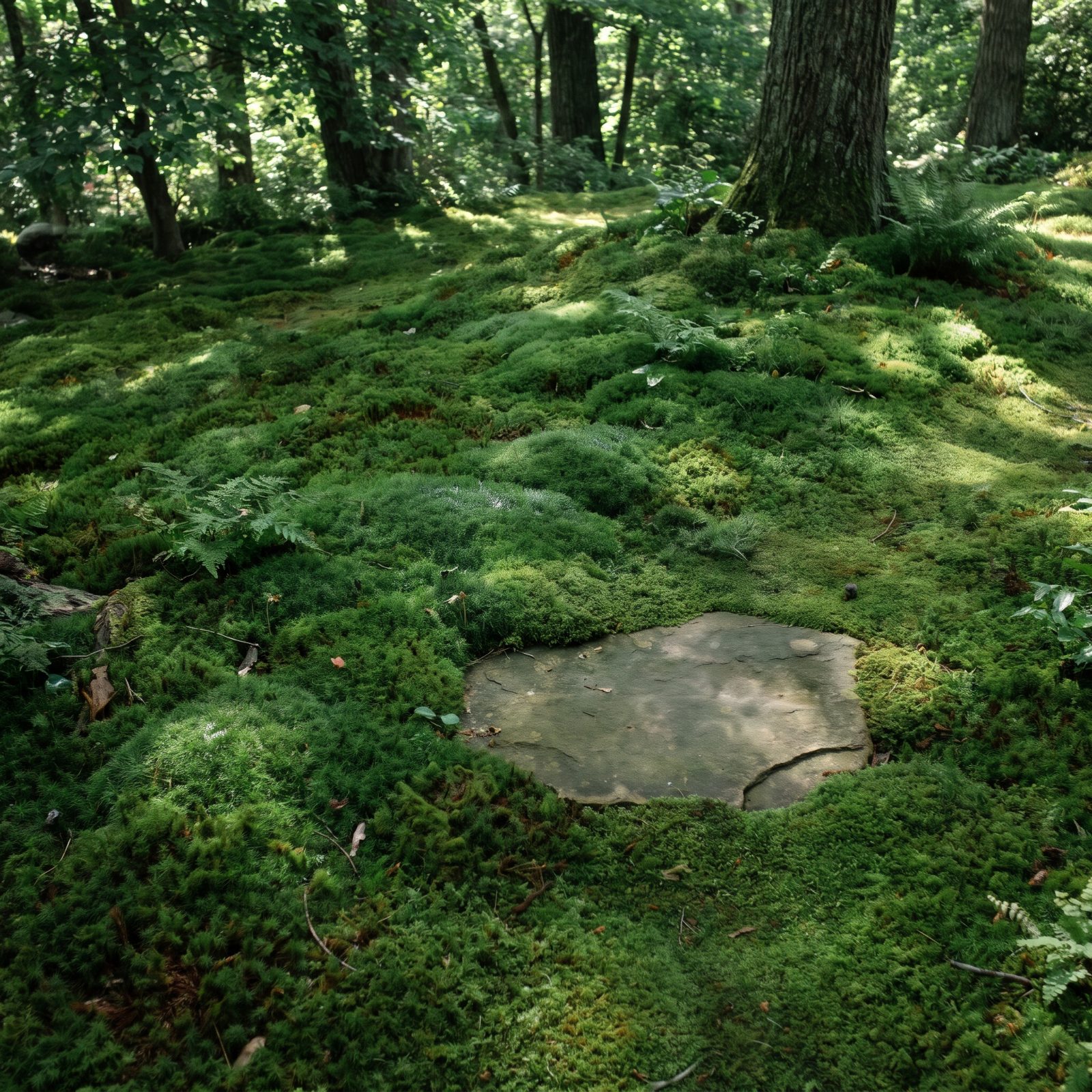
Here’s a fact that reframes a lot of lawn struggle: none of the turfgrasses commonly grown in North Carolina are actually native here. The NC Extension Gardener Handbook makes the point, then suggests moss as a low-maintenance alternative.
Where a lawn sulks in deep shade, moss thrives. It wants moist, acidic soil and the shady spots grass hates, and once established it needs no mowing, no fertilizer, no fight. Walk on a moss carpet and it’s cool and springy underfoot, like the forest floor it came from.