
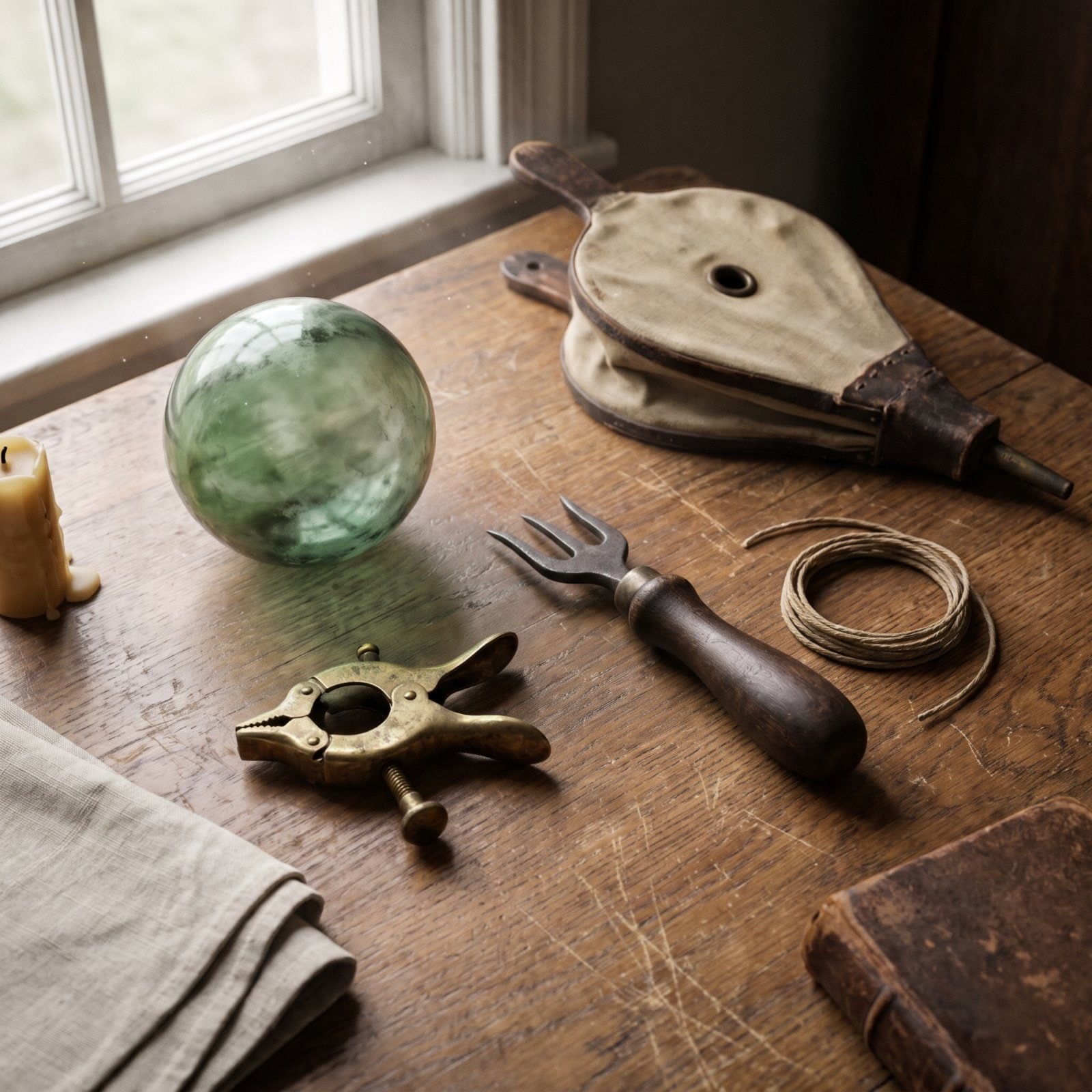
A glass ball full of salt water hangs on the parlor wall, waiting to be thrown. Nearby, a tiny brass bird clamps to the table edge with a seam held tight in its beak. Walk through a well-stocked 19th-century home and half the objects look like torture devices or practical jokes, but they weren’t. Every strange handle, spring, chamber, and blade below solved a real problem that mattered enormously at the time, then quietly vanished. We pulled together the ones that stump people hardest. For each, the story of what it actually did, why it existed, and how it ended up unrecognizable.
Please note that some of the images in this article were created with the assistance of AI.
44. The Glass Fire Grenade You Were Supposed to Throw at a Fire
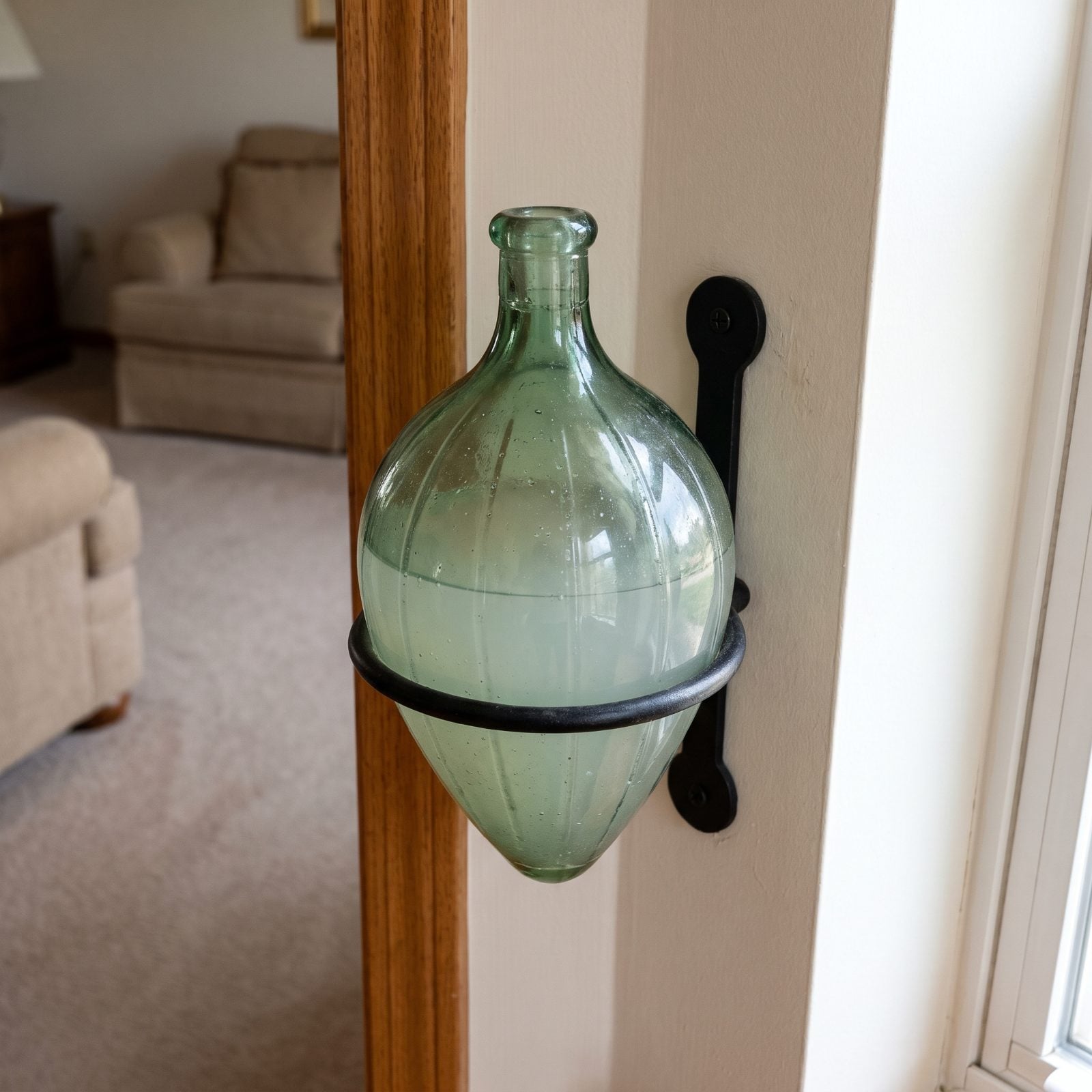
Picture a fire breaking out in your dining room around 1885. You grab a glass ball off the wall and hurl it into the flames, where it shatters and the liquid inside smothers the blaze. That liquid was usually salt water. Sometimes it was carbon tetrachloride, which worked beautifully and poisoned everyone in the room while it did.
These sold under names like Harden’s Star and Hayward’s Hand Grenade. They hung in brackets by doors and stairwells, ready to throw. The design makes no sense until you understand the whole point was to break on impact.
43. The Chain-and-Tong Skirt Lifter for Muddy Streets
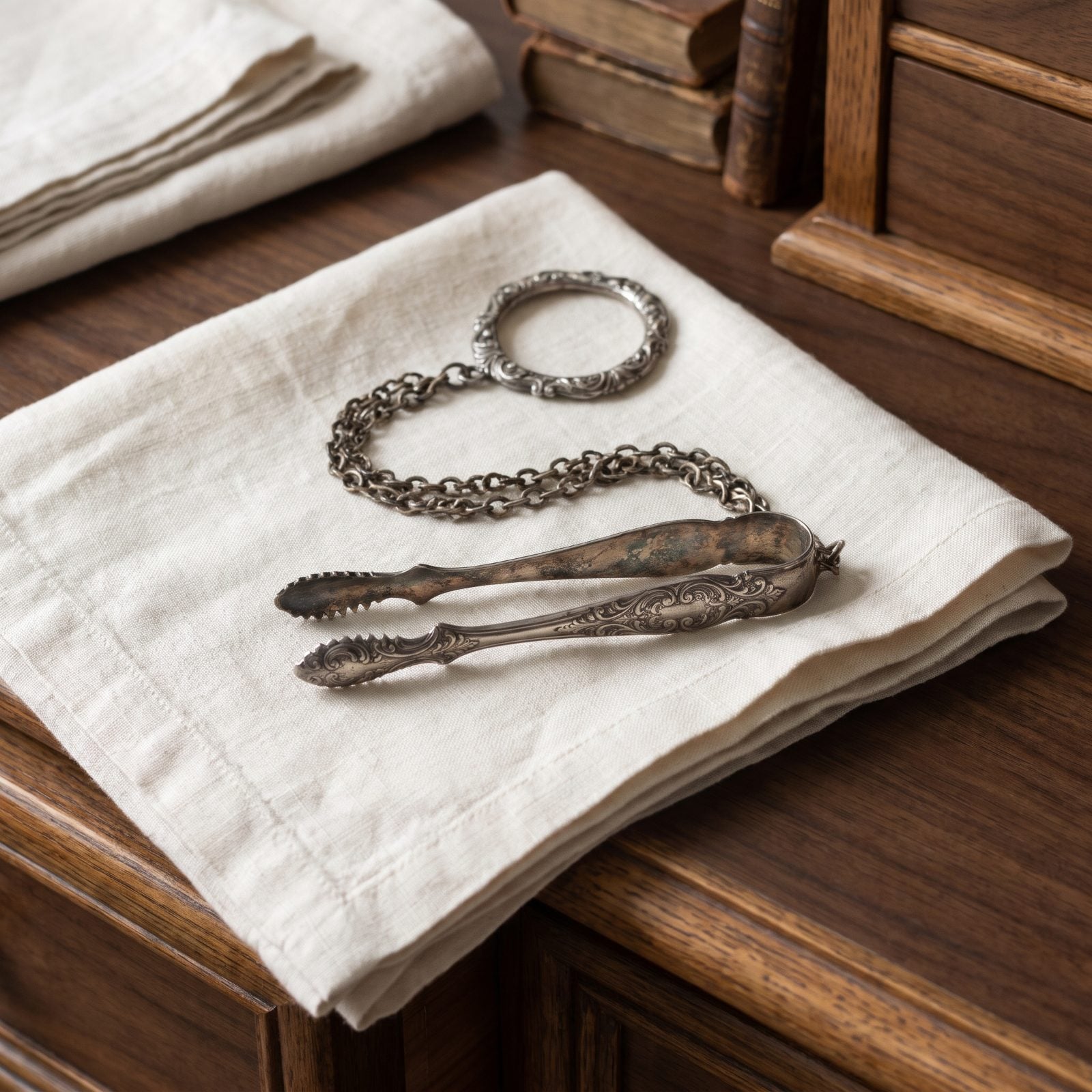
Long skirts and dirt streets made a filthy pairing. Horse traffic, mud, open gutters everywhere. A woman crossing a road had to hoist her hem with one hand while juggling an umbrella, a parcel, and her own balance.
The skirt lifter fixed that. You clamped the toothed jaws onto your hem and clipped the chain to your waist or looped it over your wrist, so the skirt rode clear of the muck and your hands went free. Some had spring-loaded clasps shaped like clawed hands or birds. The whole thing looks like strange jewelry until you realize it’s doing the work of a third hand.
42. The Clockwork Fly Fan That Guarded the Dinner Table
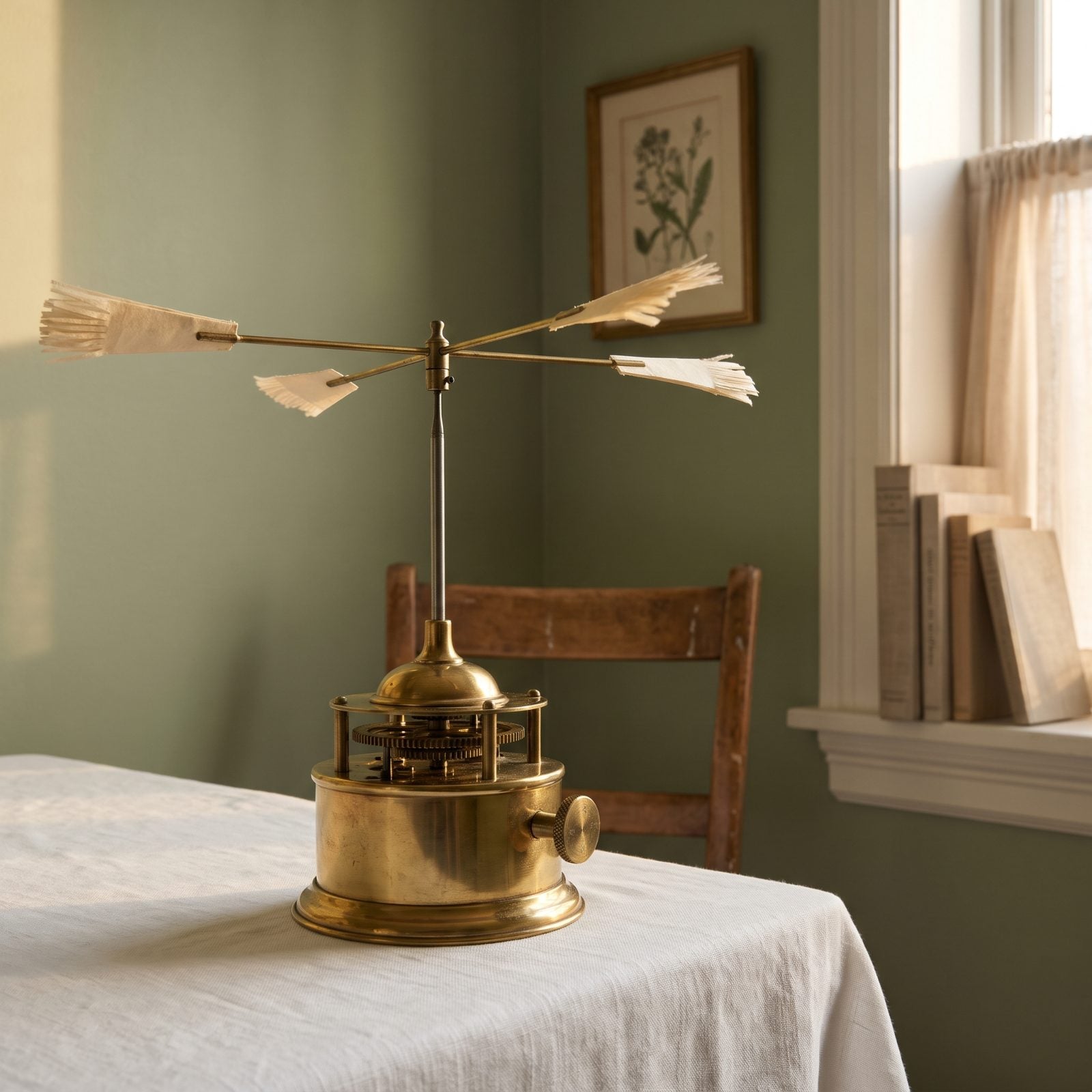
Flies at dinner were relentless, and nobody wanted a servant standing over the roast waving a brush all evening. So someone built a wind-up solution.
You wound a clockwork motor with its key, set the brass case on the tablecloth, and a set of arms tipped with fringed paper tabs, mounted atop a tall vertical spindle, swept round in a horizontal circle over the table, keeping flies off without a human hand. The fancier versions ticked like a mantel clock and ran a good while on one winding. They look like a bizarre little windmill, which is close to the truth: a tiny machine built for one humble, maddening job.
41. The Bellows Blower Loaded With Bedbug Powder
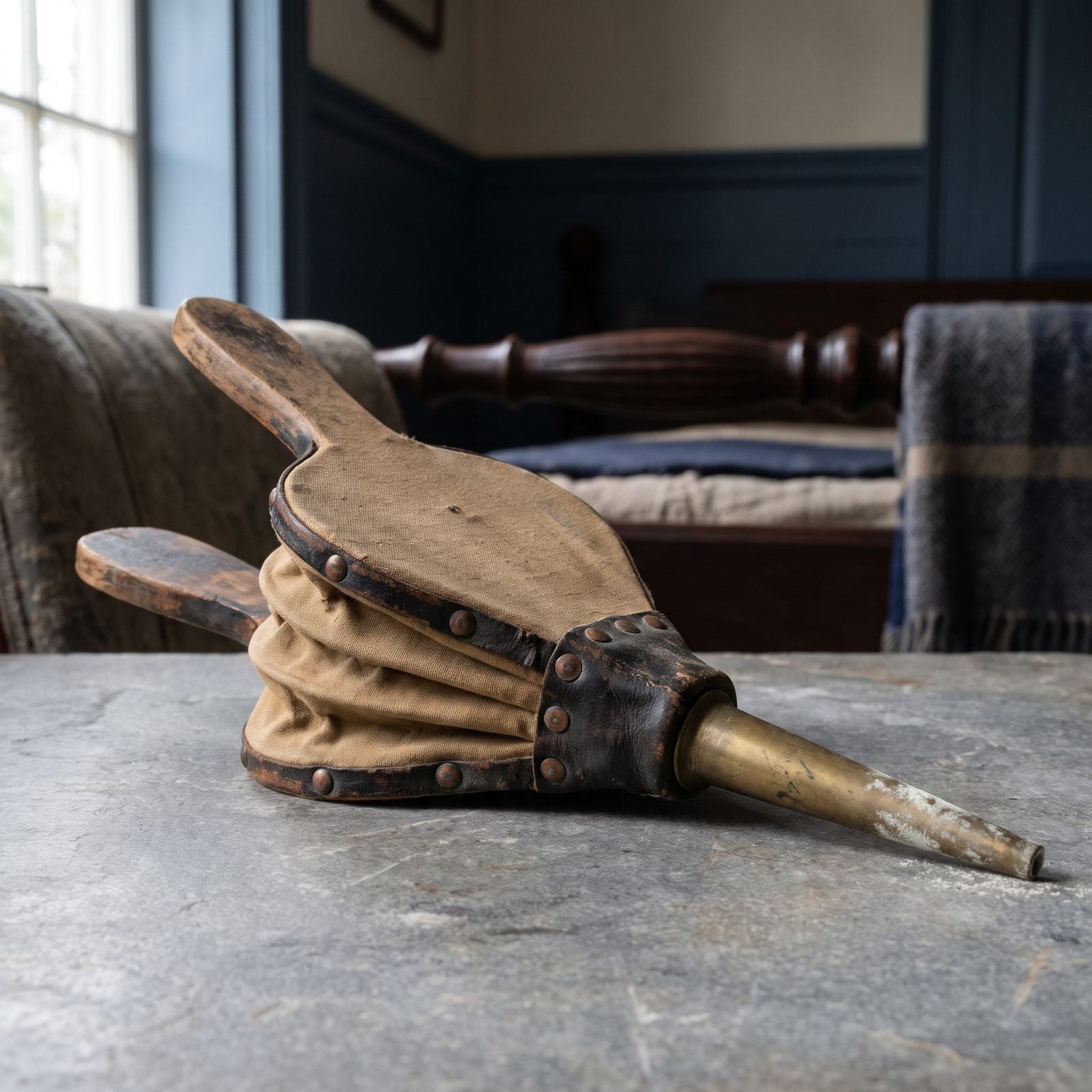
Bedbugs were a fact of life, and the war against them ran through a device that looks like a tiny fireplace bellows with a long snout.
You filled the chamber with insect powder, often pyrethrum made from dried chrysanthemums, and pumped the handles. A fine cloud puffed out of the nozzle, which you aimed deep into mattress seams, bed-frame joints, and cracks in the wall. That long nose did the heavy lifting. It reached where the bugs hid.
40. The Iron Key That Tightened a Rope Bed

Before box springs, your mattress sat on a lattice of rope laced through holes drilled in the bed frame. The ropes stretched and sagged with use, so every so often you had to winch them taut again.
That’s what this odd wooden-handled wrench did. You hooked the notched head around a rope, levered it tight, and moved to the next pass. People love to claim “sleep tight” comes from this. It doesn’t. The phrase is older than rope beds and probably just means “sleep soundly,” so file that one under charming legend.
39. The Clamp-On Sewing Bird That Held Your Fabric
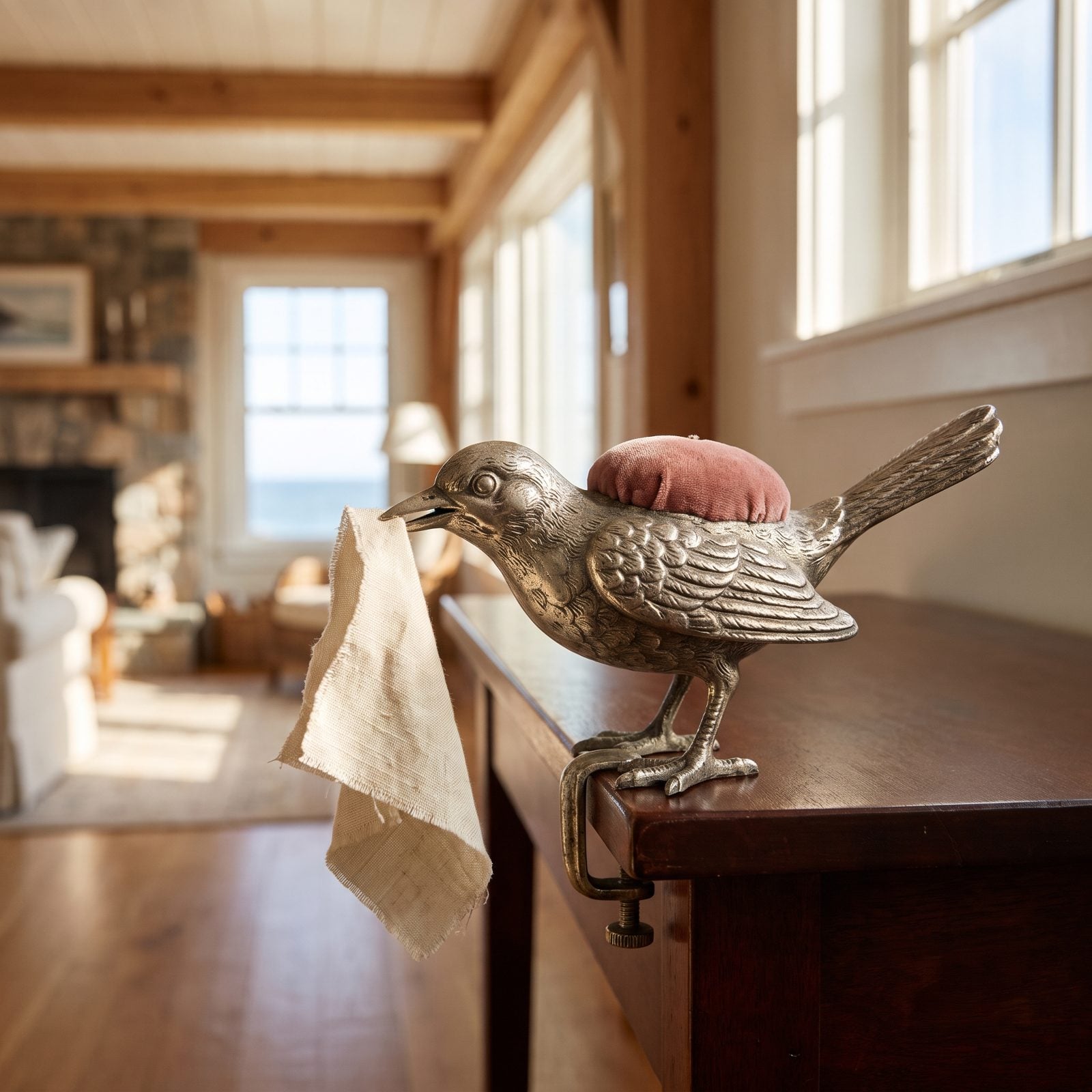
One of the prettiest mystery objects you’ll ever find, and one of the cleverest too. It’s a metal bird that bites.
The clamp screwed to your table edge. Press the bird’s tail and its beak sprang open to grip one end of your fabric, so you could pull a seam taut with one hand and stitch with the other. Hemming and fine work went far faster. Many carried a little velvet pincushion on the back. People buy these as decoration now, with no idea the beak actually opens.
38. The Hand-Pumped Portable Shower You Could Set Up Anywhere
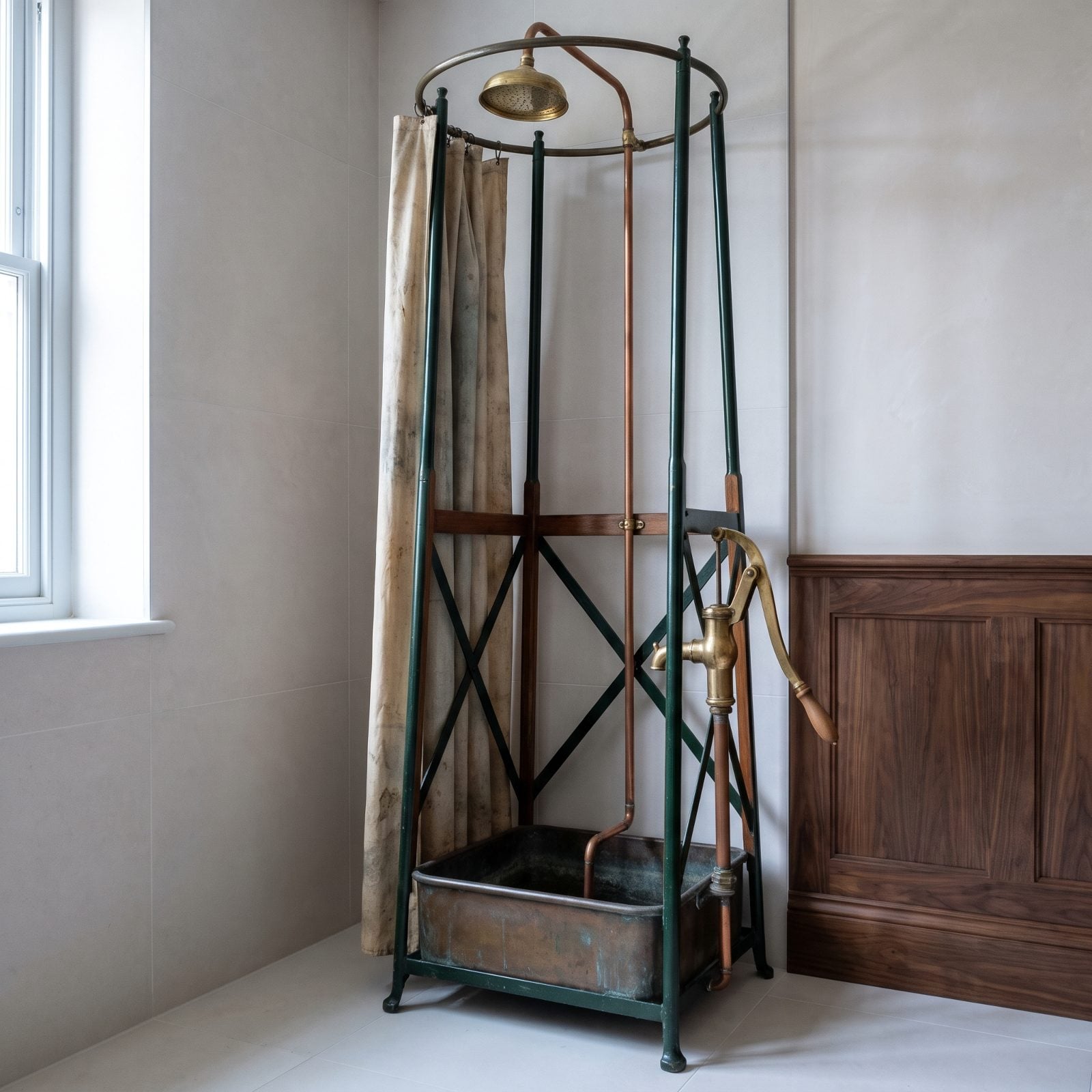
Running water on an upper floor was a luxury most homes didn’t have. The workaround was a shower that carried its own water supply and its own power source, which happened to be you.
Water sat in a basin at the base. A hand pump drew water up from that basin through a copper pipe to a sprinkler head overhead, and whatever rained down collected back in the basin to be pumped again, all worked by nothing but your arm. The whole contraption reads as scaffolding until you spot the sprinkler rose up top and the pump handle at your hip.
37. The Servants’ Bell Box That Told You Which Room Rang
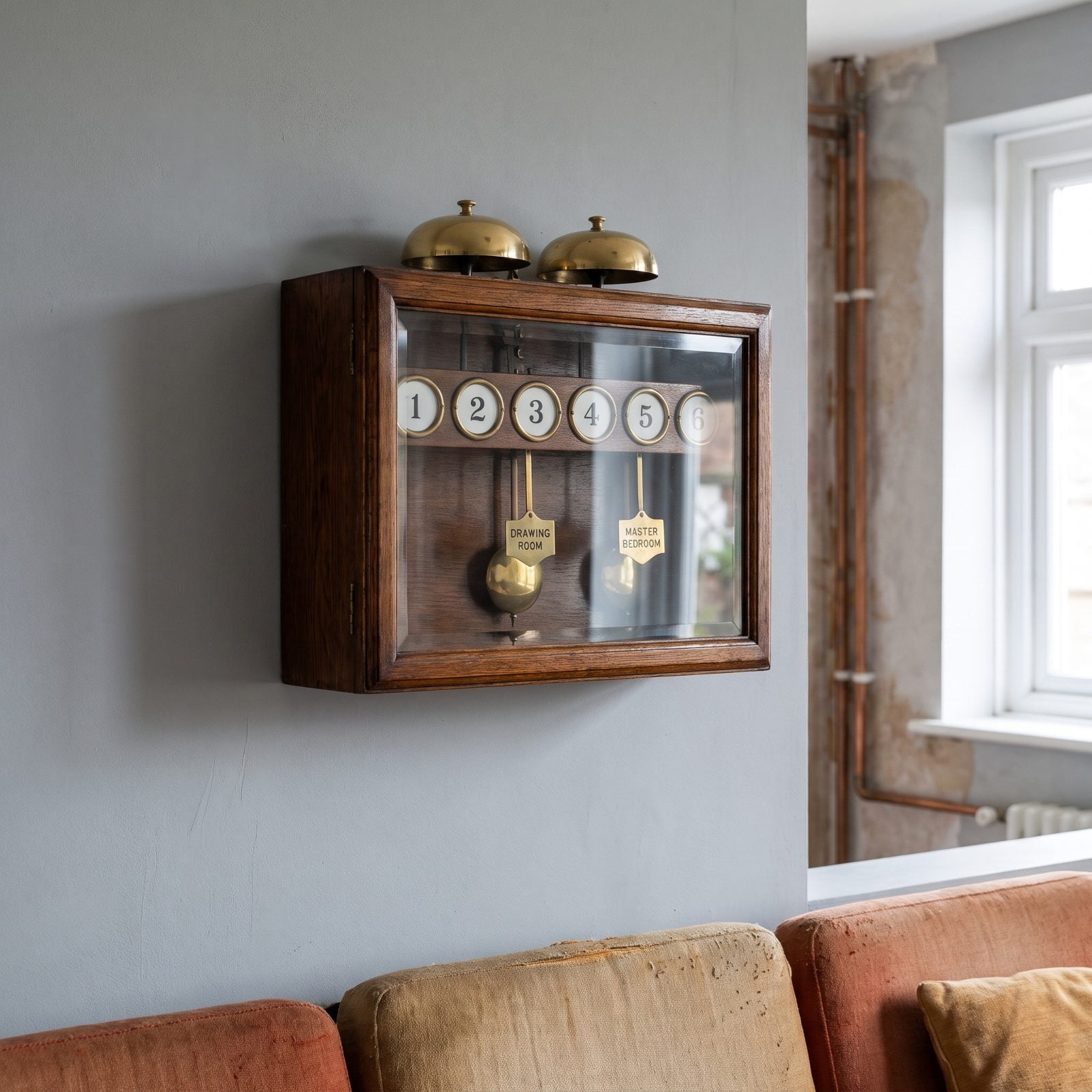
In a big house, how did the staff know which room needed them? This wooden box with its row of little windows was the answer.
Each room had a pull. Yank it and a wire ran down to this box in the servants’ hall, where a small bell rang and an indicator flag or disc swung and kept quivering, so you’d know which room had called even if you’d missed the chime.
It’s essentially a mechanical caller ID. Strip out the glass and bells and it reads as a strange cabinet. Working examples still survive in grand old houses and country estates, and they’re oddly satisfying to watch jiggle.
36. The Adjustable Frame That Stretched Lace Curtains to Dry
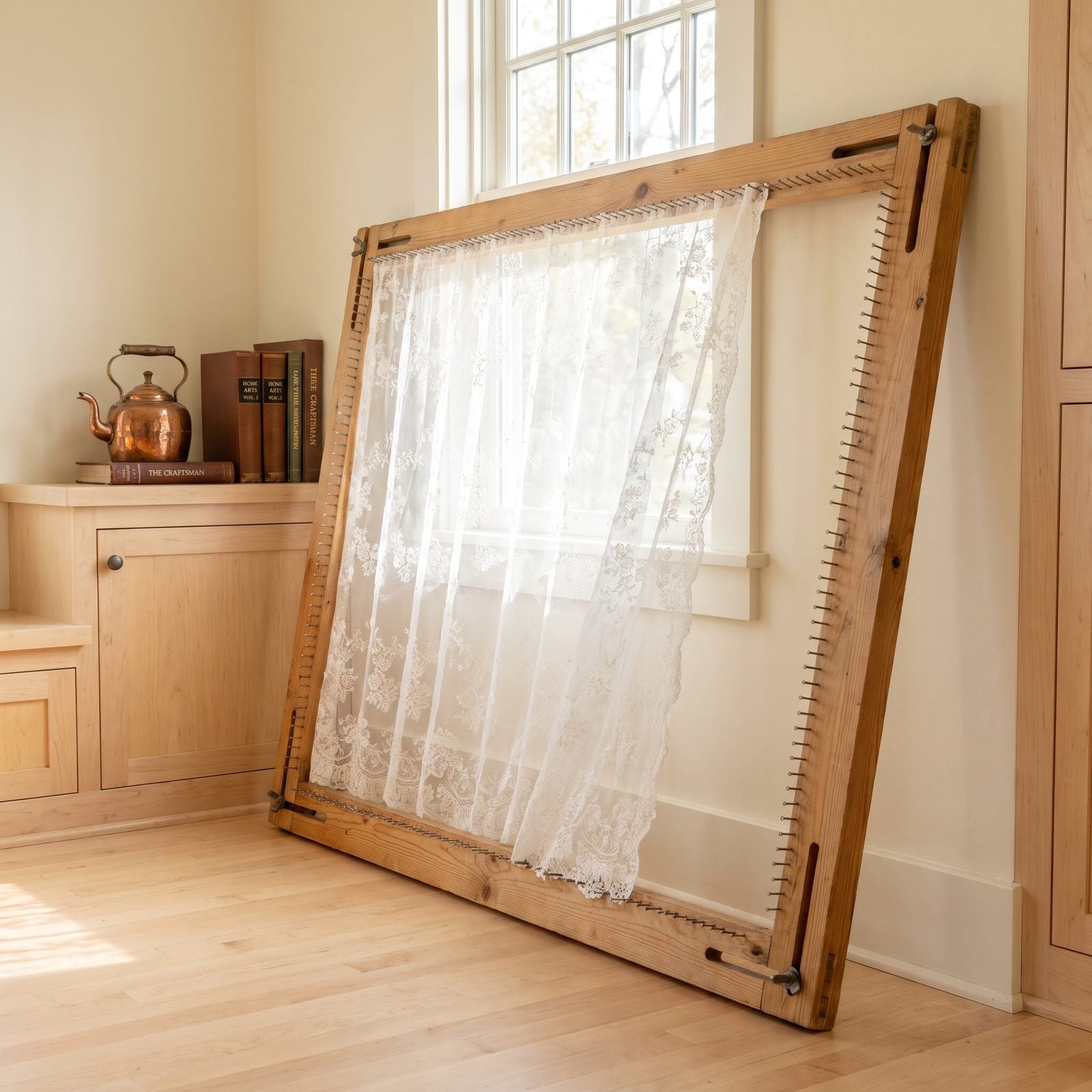
Lace curtains were expensive and fragile. Wash one and it came out shrunken, limp, and shapeless. Hang it wet without help and it dried crooked.
The stretcher saved it. You expanded this pin-studded frame to the exact finished size, then hooked the damp lace onto the sharp little pins. Here, a panel much narrower than the frame hangs loosely from the top rail, its scalloped lower edge draping down onto the bottom rail and its pins, but not yet hooked to the side pins. Once pinned all around and pulled tight, it dried flat, square, and crisp, ready to rehang.
Everyone misses the hundreds of tiny pins lining the inner rails. Run your hand along one carelessly and you’ll find out fast what they were for.
35. The Needle Tap That Opened Champagne Without Losing the Fizz
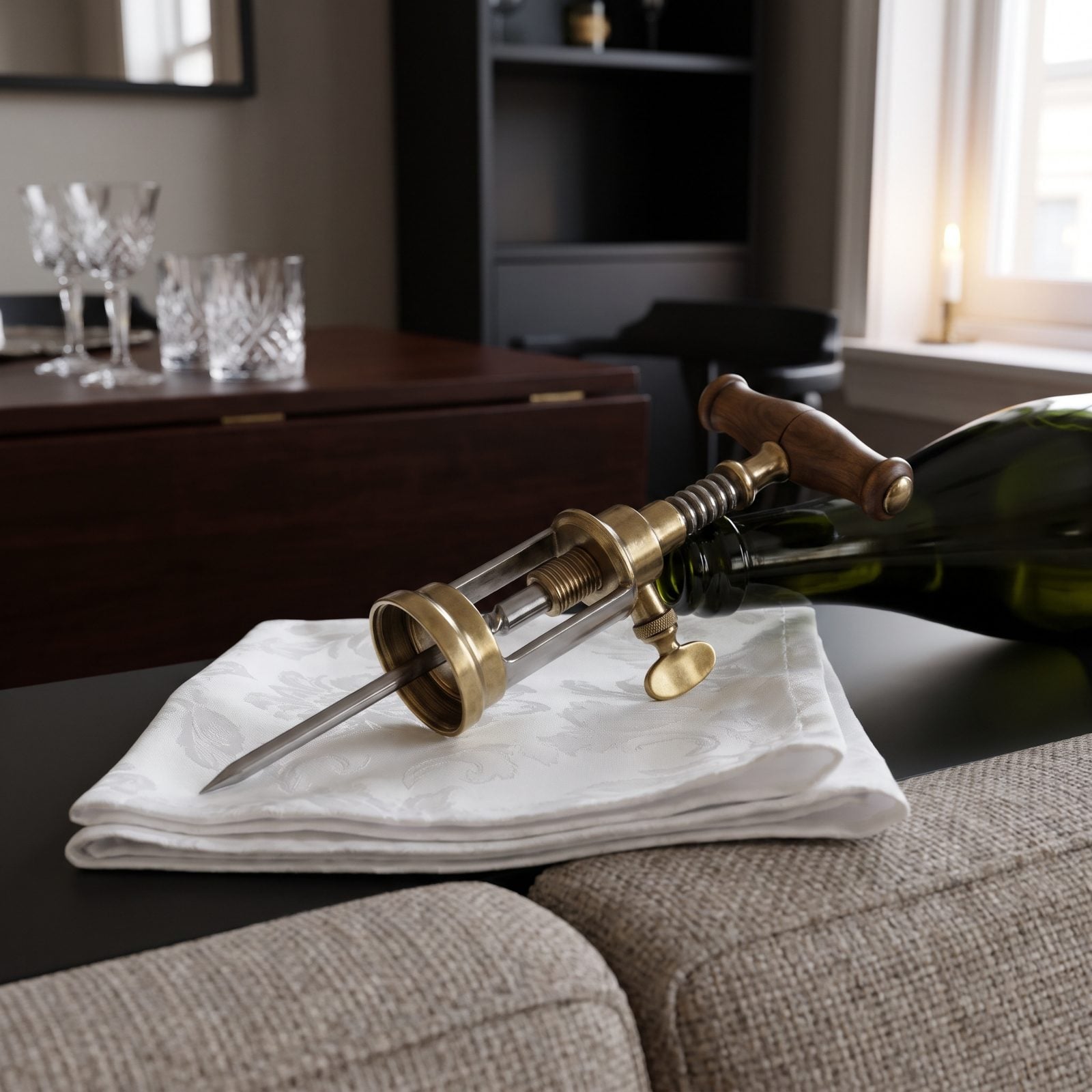
The strangest looking of the lot. A brass needle tap with a long, straight steel spike, a turned T-handle and a small winged tap on the side, built to solve one very particular problem: pouring champagne without pulling the cork and losing the fizz.
You set the brass cup over the cork and turned the T-handle to drive the pointed needle straight down through it. Then you opened the little winged tap on the side and poured a glass, while the cork stayed put and kept the rest of the bottle sparkling. It looks like a jeweler’s tool, or maybe a tiny weapon. Really it was a handsome gadget for the careful host who couldn’t stand a flat glass.
34. The Victorian Speaking-Tube Mouthpiece Bolted to the Wall
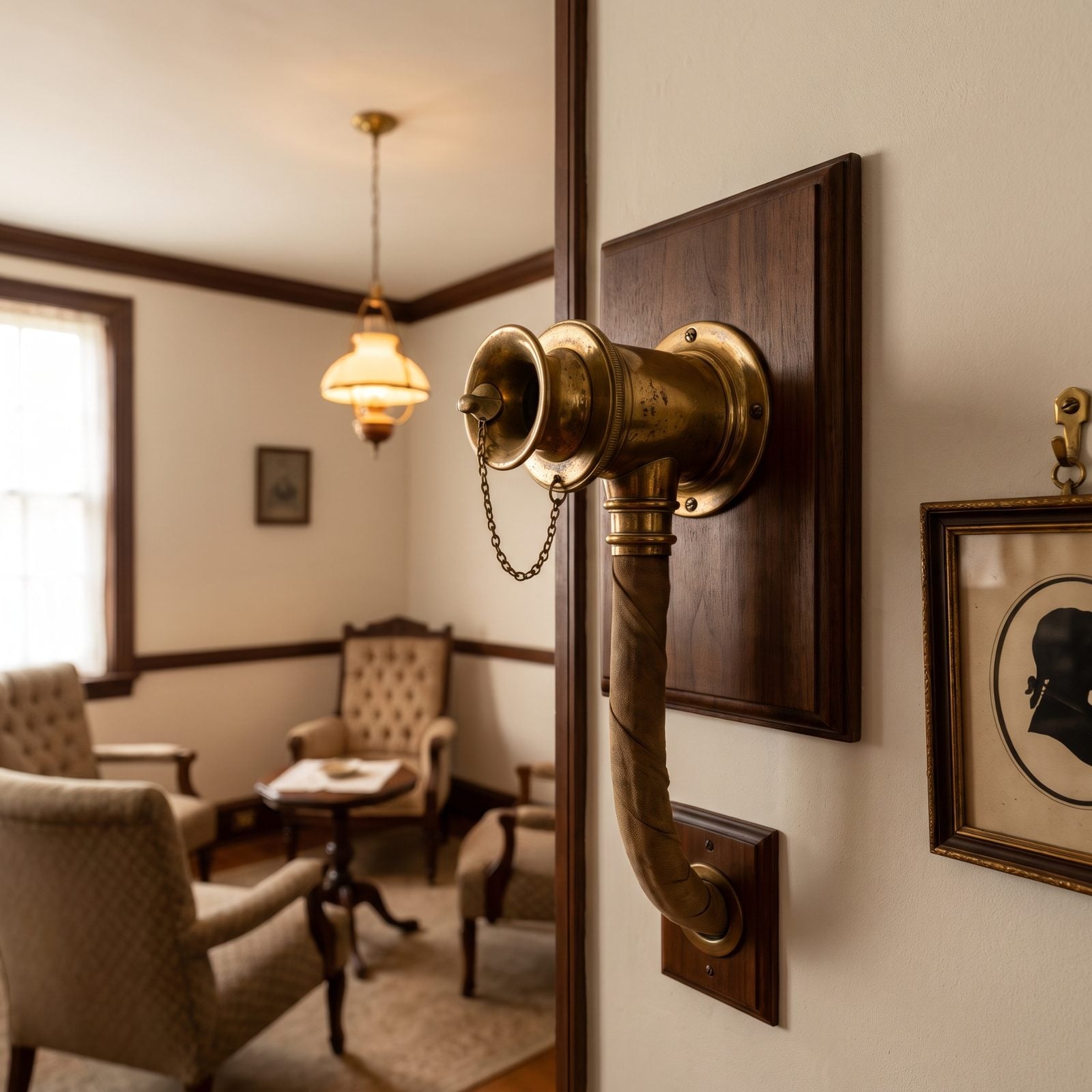
Before wiring reached the home, this is how the lady of the house shouted at the kitchen two floors down. You spoke into the brass flare (a small capped fitting sits on the outer rim of its bell, its chain dangling outside), and your voice traveled down a cloth-wrapped tube running openly down the plain wall beside the door frame before disappearing into a second wooden wall plate about a foot below the mouthpiece.
People mistake these for gas fittings or old intercom speakers. They’re neither. No electricity, no power at all — just air, a pipe, and a servant who learned to come running.
33. The Wire Soap-Saver Cage With the Long Handle
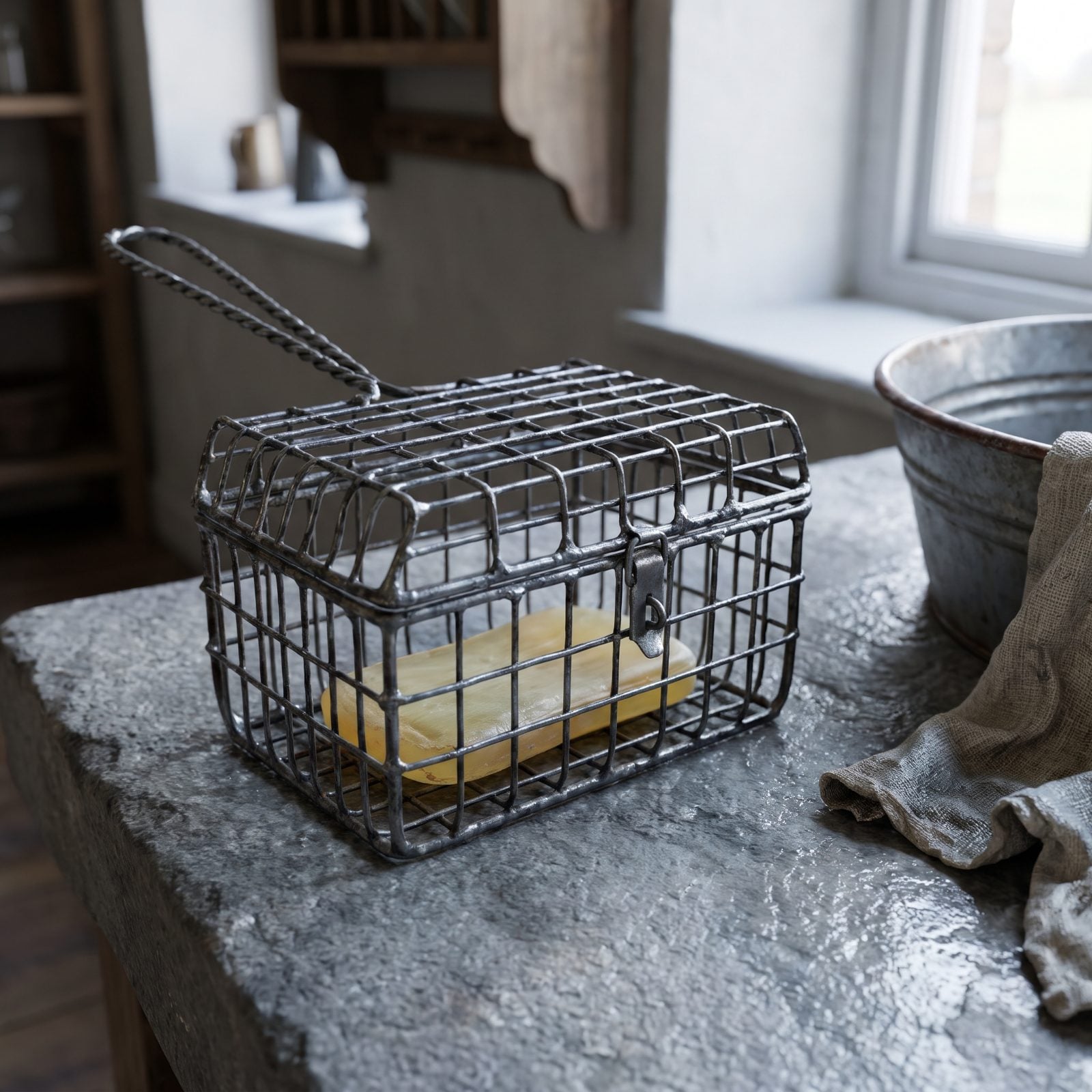
Looks like a tiny prison cell on a stick. It held your bar of soap, and that long handle was the whole point of it.
You packed leftover soap scraps into the cage and swished it through hot water to raise suds for dishes or laundry. Soap came in bulk and got used down to nothing. Throwing away a usable scrap would have struck a Victorian housekeeper as close to sinful.
32. The Sealing-Wax Taper Jack That Looks Like a Tiny Fire Hazard
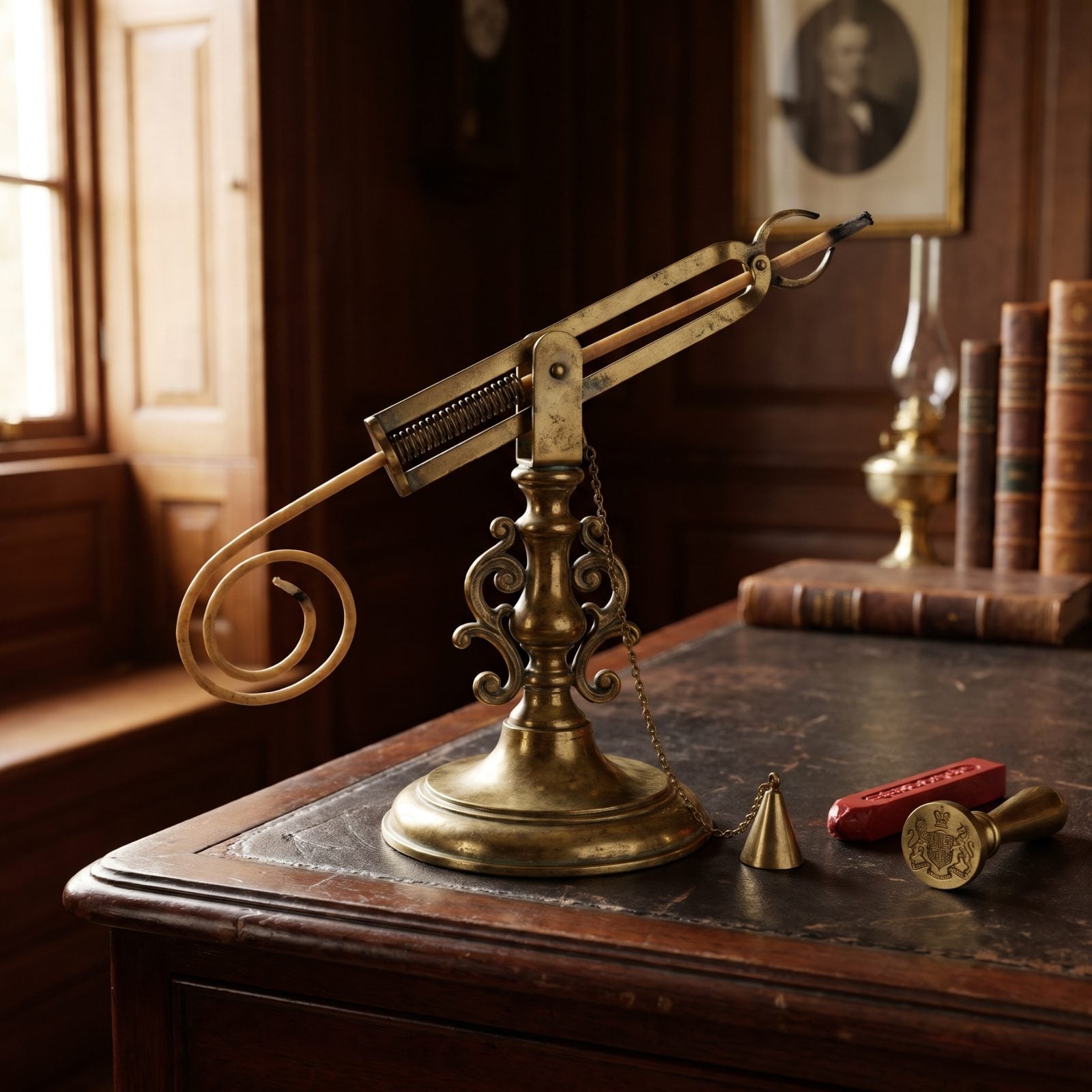
That coil of waxed string spiralling loose off the back of the brass arm isn’t decoration. It’s a slow-burning flame feeder.
You lit the tip of the thin taper and it burned just enough to melt sealing wax onto a letter, while the spring arm advanced the coil as it shortened, so you never had to fumble a loose candle near paper. A desk tool for people who sealed correspondence daily and didn’t trust an open flame anywhere near their ledgers.
31. The Self-Closing Candle Extinguisher on a Weighted Arm
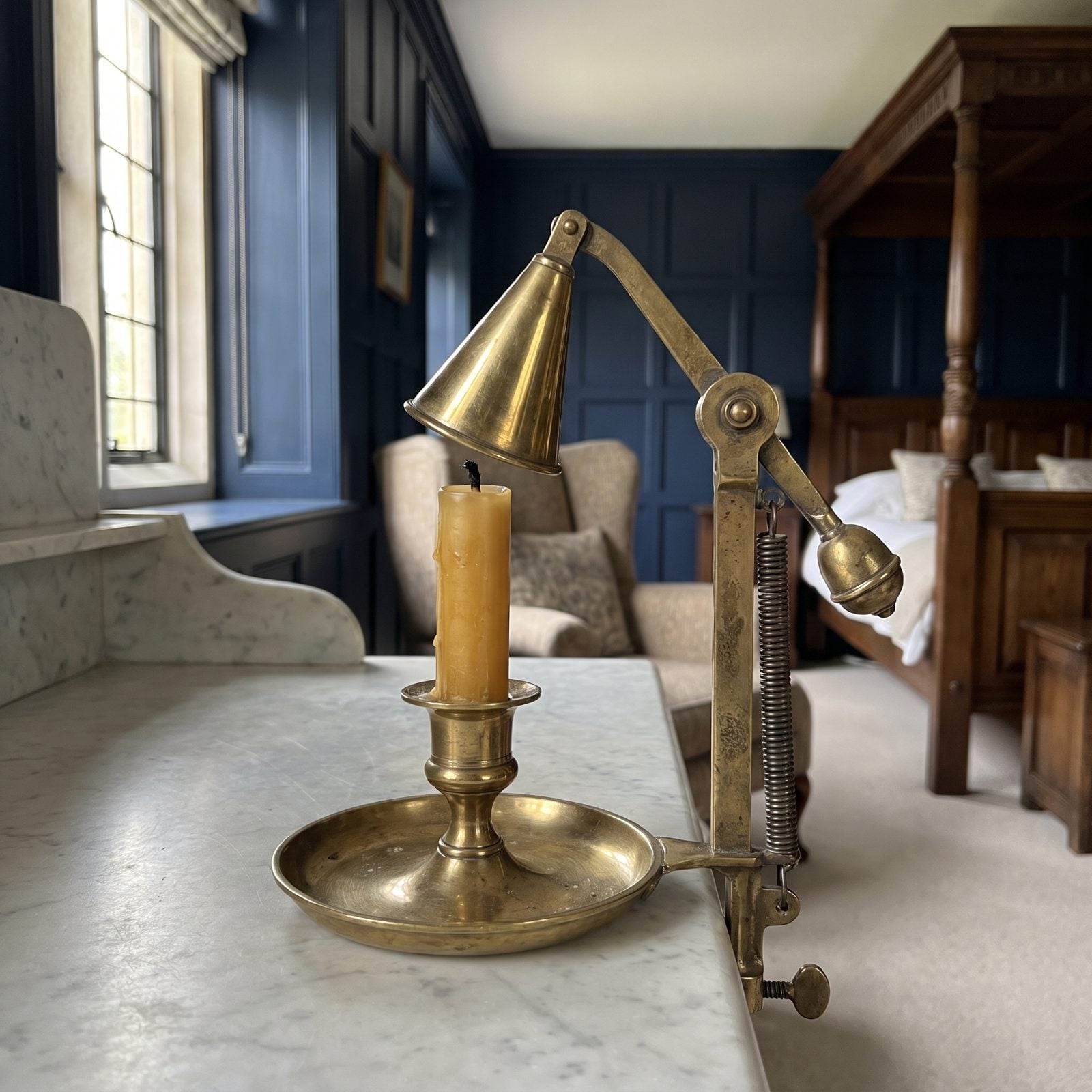
I spent far too long assuming this was a decorative finial. It’s a kill switch for a candle.
The little cone sits on a counterweighted arm. Nudge the release — or in some designs let the candle burn to a set point — and the snuffer drops neatly over the flame. No smoke trail across the ceiling, no wax blown across the nightstand.
Safety sold it. A tipped candle burned down houses, so anything that smothered a flame cleanly, without a careless breath, was worth owning.
30. The Bell-Shaped Glass Fly Trap You Mistake for a Vase
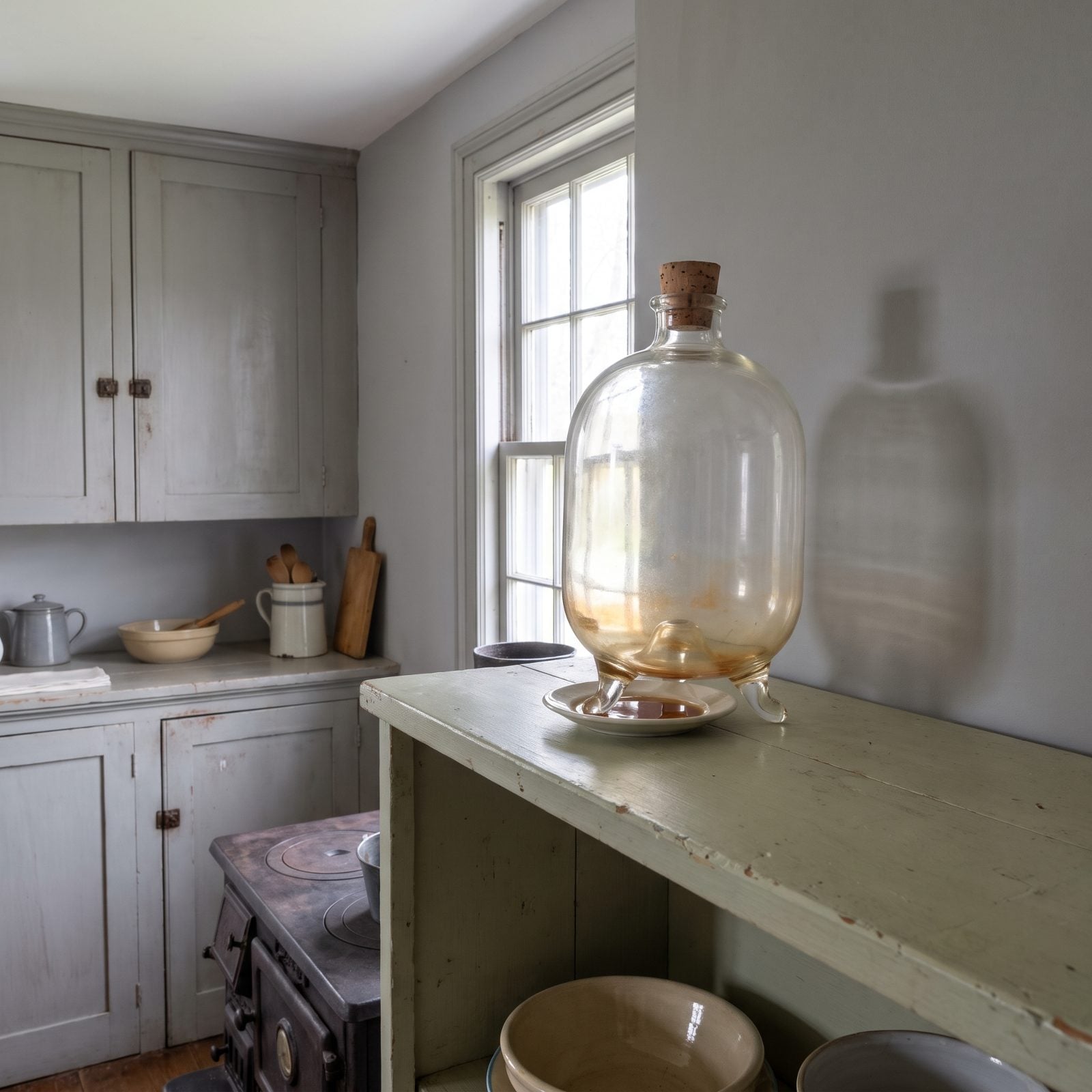
A pretty glass bell with three little feet and a hole underneath. People put flowers in these at antique shops, which is backwards.
You poured sugar water or beer into the shallow dish beneath the dome. Flies crawled up through the bottom hole toward the sweet smell, flew up into the glass trap, and couldn’t find their way back out. You emptied the lot through the cork at the top.
29. The Multi-Chamber Cast-Iron Mousetrap With Suspicious Gears
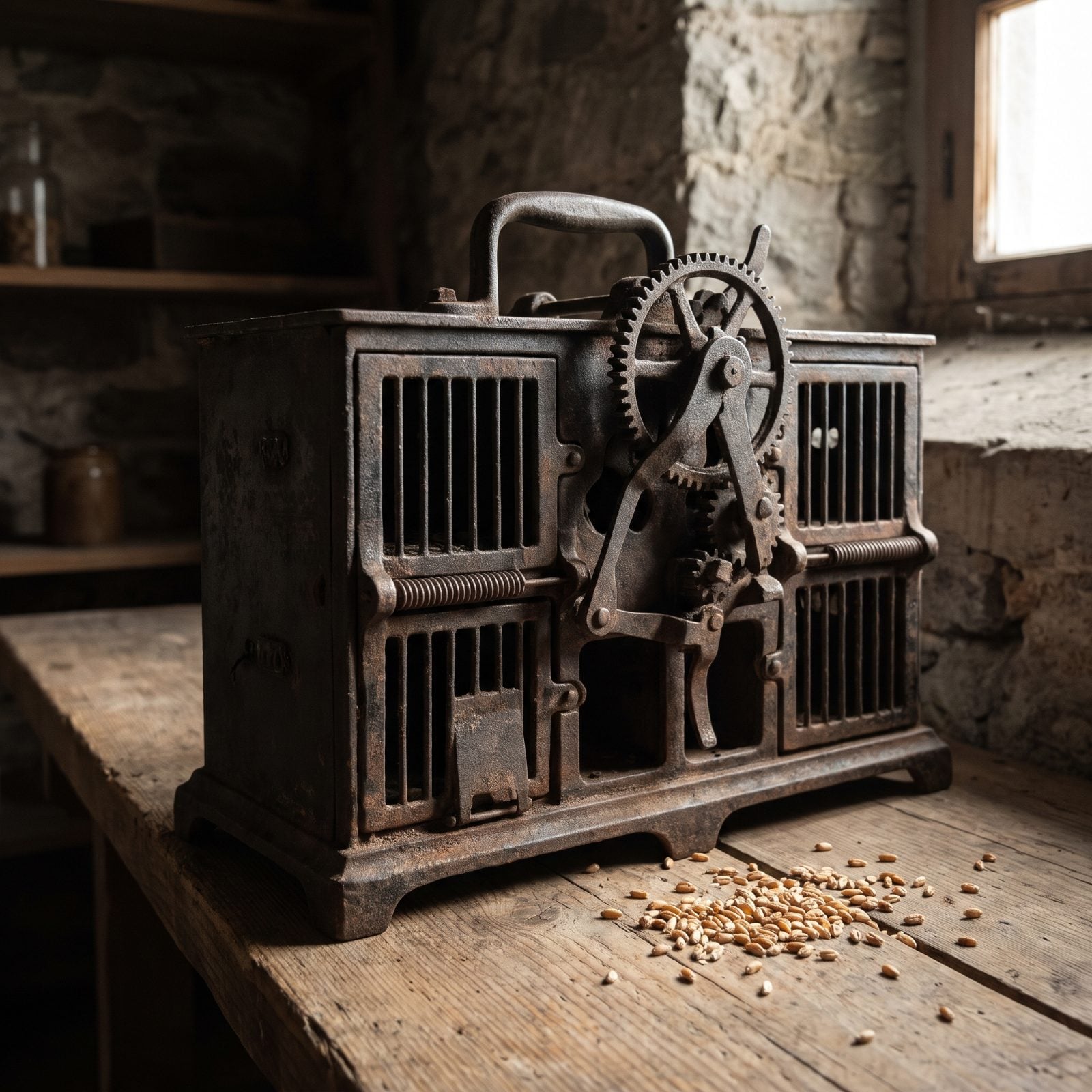
Heavy, hinged, and ominous. The barred cast-iron cage, the gears and the lever arm make it look like something you wouldn’t want to explain to a jury.
It caught mice alive, several at once. A mouse went in after the bait, the mechanism shut it in behind it, and that was that. The roomy cage meant one setting could handle a whole family before you had to deal with the catch.
Why live capture? Partly thrift, partly that a dead mouse in a spring trap made a mess. Some households released them far from the house. Others did not. I’ll leave that part alone.
28. The Hinged Wooden Glove Stretcher Shaped Like Scissors
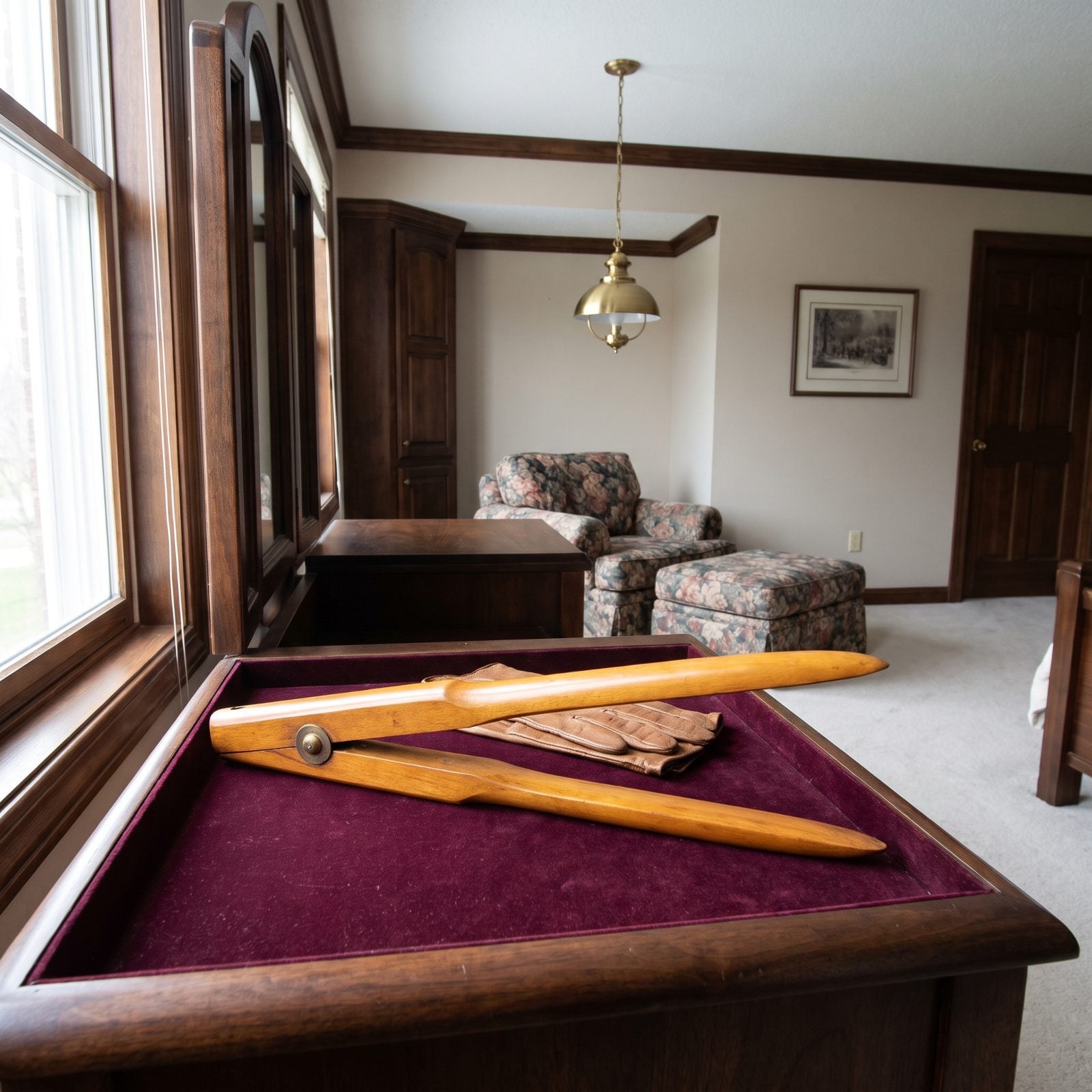
It looks like scissors that forgot to grow blades. Instead of cutting edges you get two smooth wooden prongs that pivot apart when you squeeze the handles.
Fine kid leather gloves fit like a second skin, which meant forcing swollen knuckles into stiff, snug fingers every time you dressed. Working stretchers were small and slender enough to slide closed into each glove finger and spread to ease and widen the leather beforehand. A small fix for a daily annoyance that vanished the moment gloves stopped being mandatory in polite company.
27. The Clamp-On Stocking-Darning Stand With the Wooden Egg
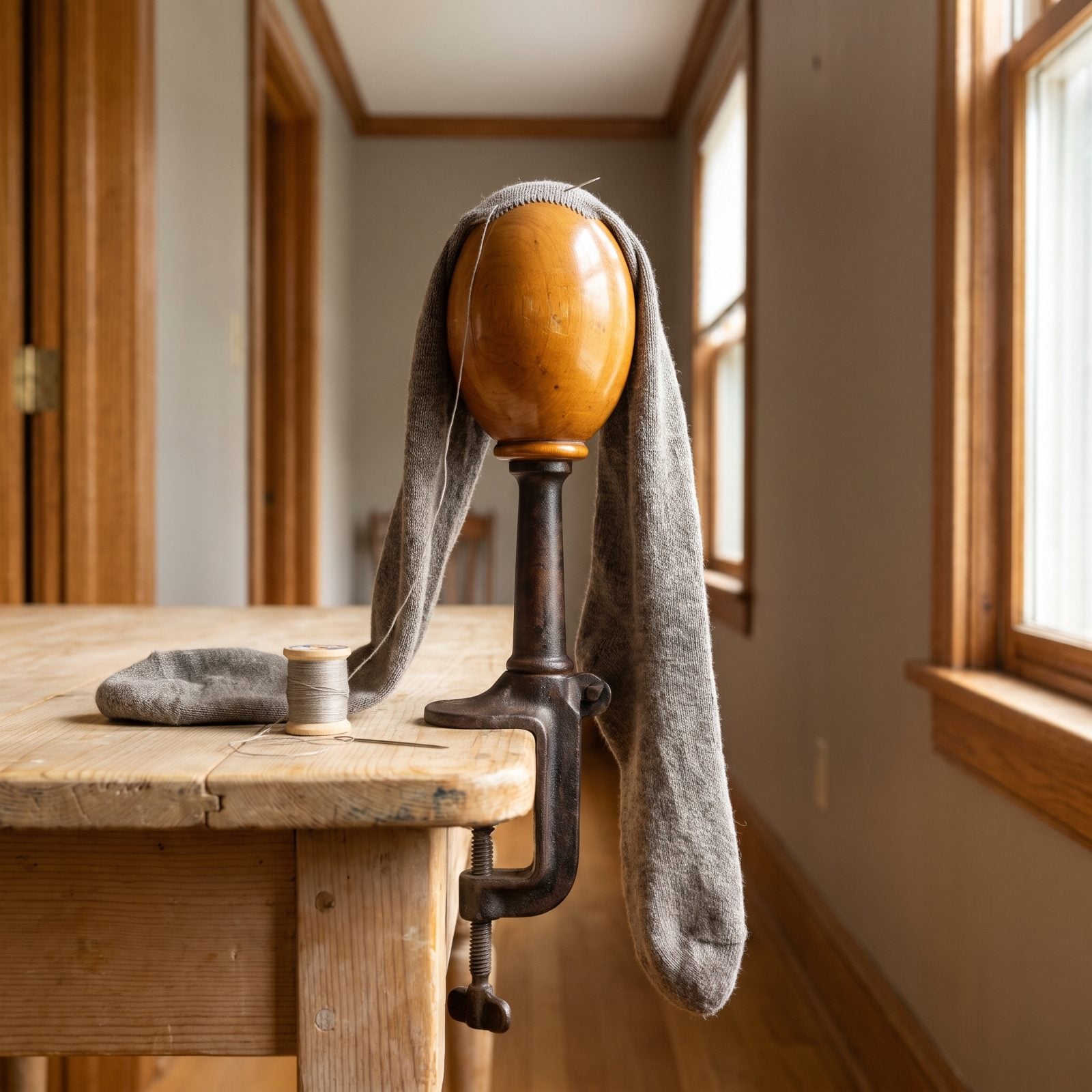
The wooden egg on a post, clamped to a table edge, has fooled more than one buyer into thinking it’s a bizarre eggcup.
It held a sock steady while you darned the heel. You stretched the worn stocking over the egg and the clamp freed both hands to weave new thread across the hole. Before cheap socks existed, every heel got darned over and over until the thing was more repair than original. A hole meant mending, never replacing.
26. The Hand-Cranked Pleating and Fluting Machine With Brass Rollers
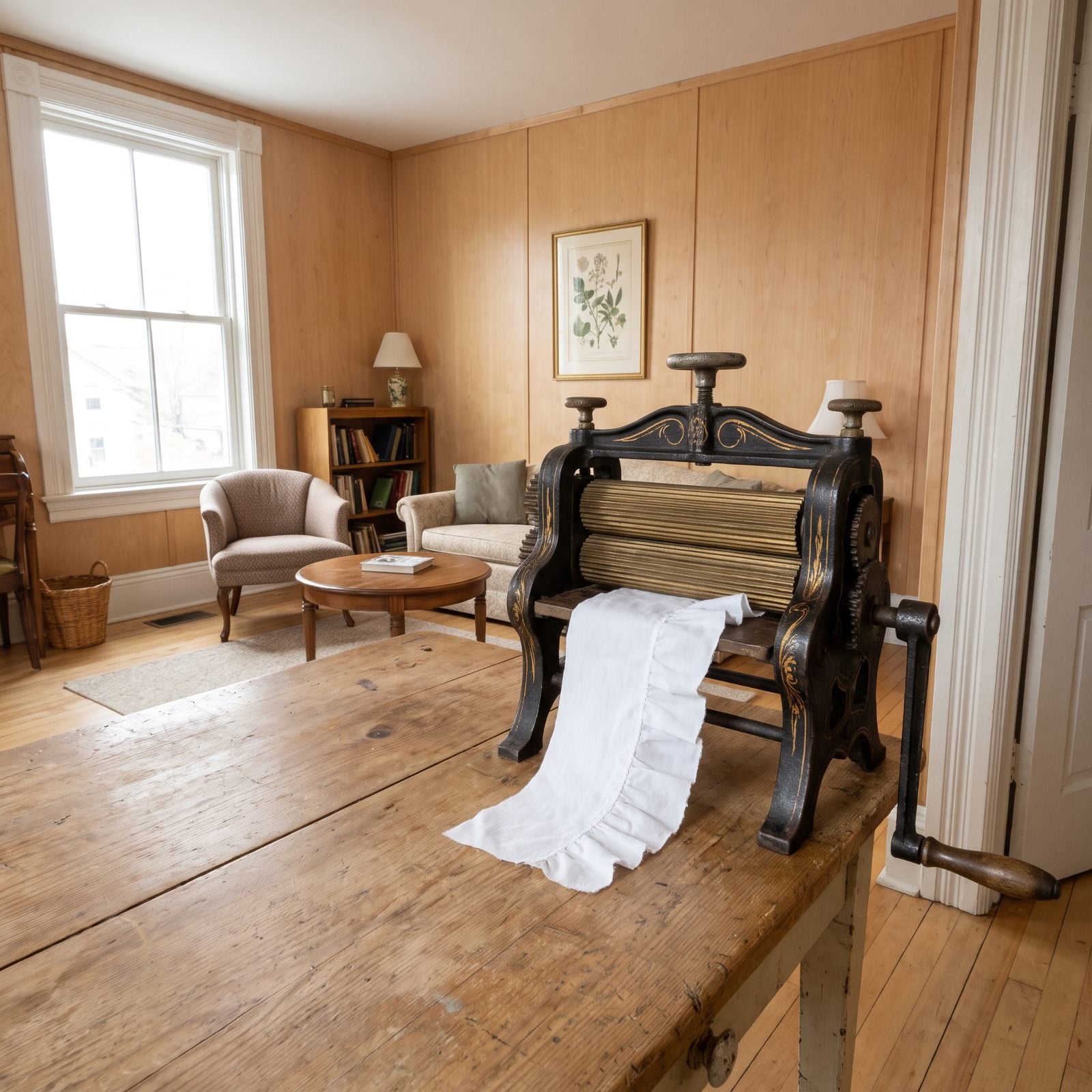
Two ribbed brass rollers stacked one above the other, a crank, and a frame that could pass for a small printing press. It made ruffles.
You heated the rollers, fed in a strip of starched cotton or linen, and cranked. The corrugated brass was meant to press sharp, even accordion pleats into fabric for collars, cuffs, and the fluted frills that trimmed absolutely everything in the 1870s and 80s. Doing this by hand with a crimping iron took an eternity. The machine turned an afternoon of fiddly work into minutes, which is exactly why anyone bothered to own one. The white cotton draped over it here, though, is still flat and unpleated apart from its ordinary ruffled hem.
25. The Charcoal-Filled Box Iron That Opens Like a Little Stove
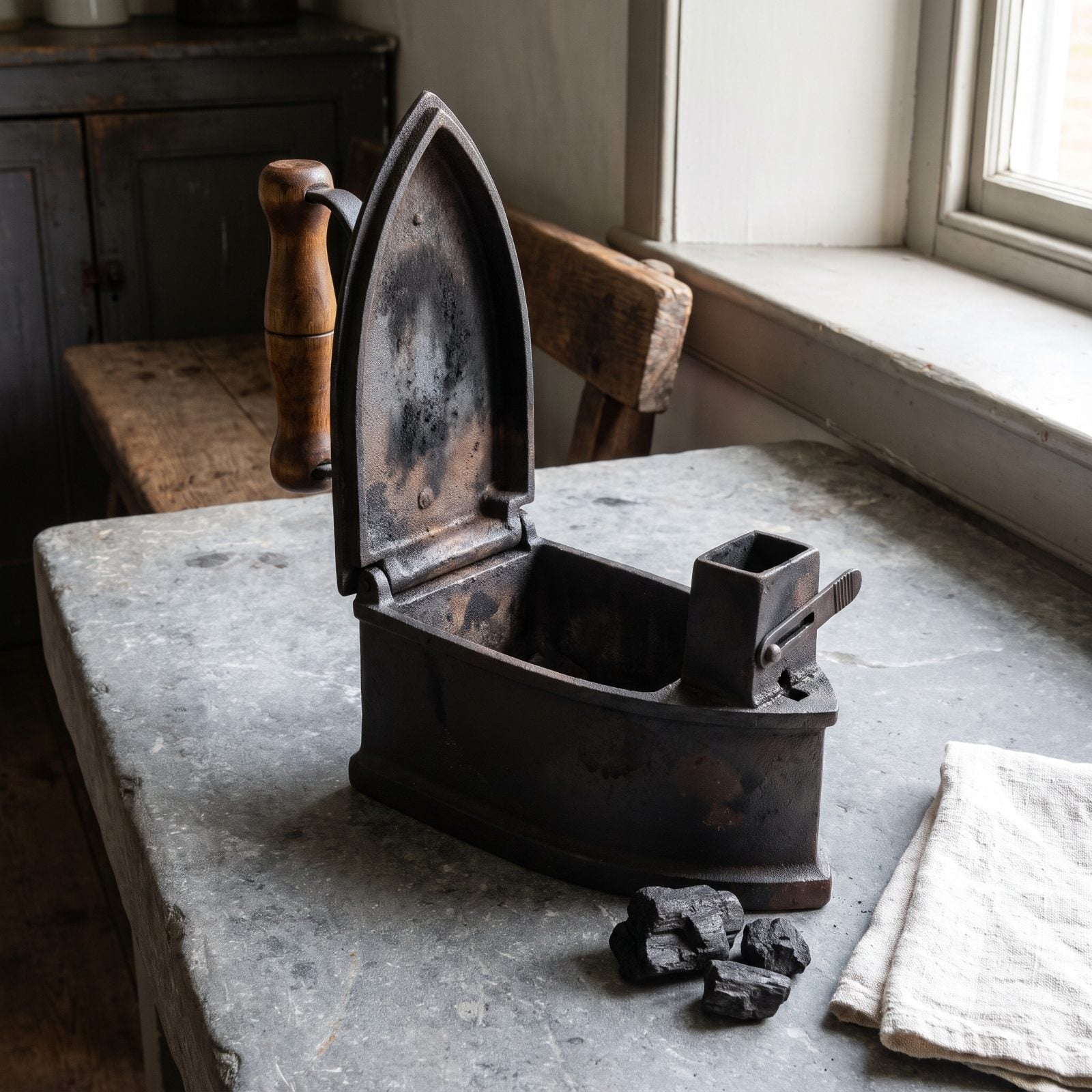
Lift the hinged lid and you find a hollow chamber, not solid iron. The little square chimney at the back finally makes sense: this iron is also a miniature furnace.
You filled it with hot coals or glowing charcoal and let the heat radiate through the soleplate. No running back to the stove to reheat it every few minutes, which is how plain flat irons worked. The chimney, with its small side lever, let air feed the embers so they kept glowing while you worked.
24. The Detachable Cool-Handle Sadiron Grip
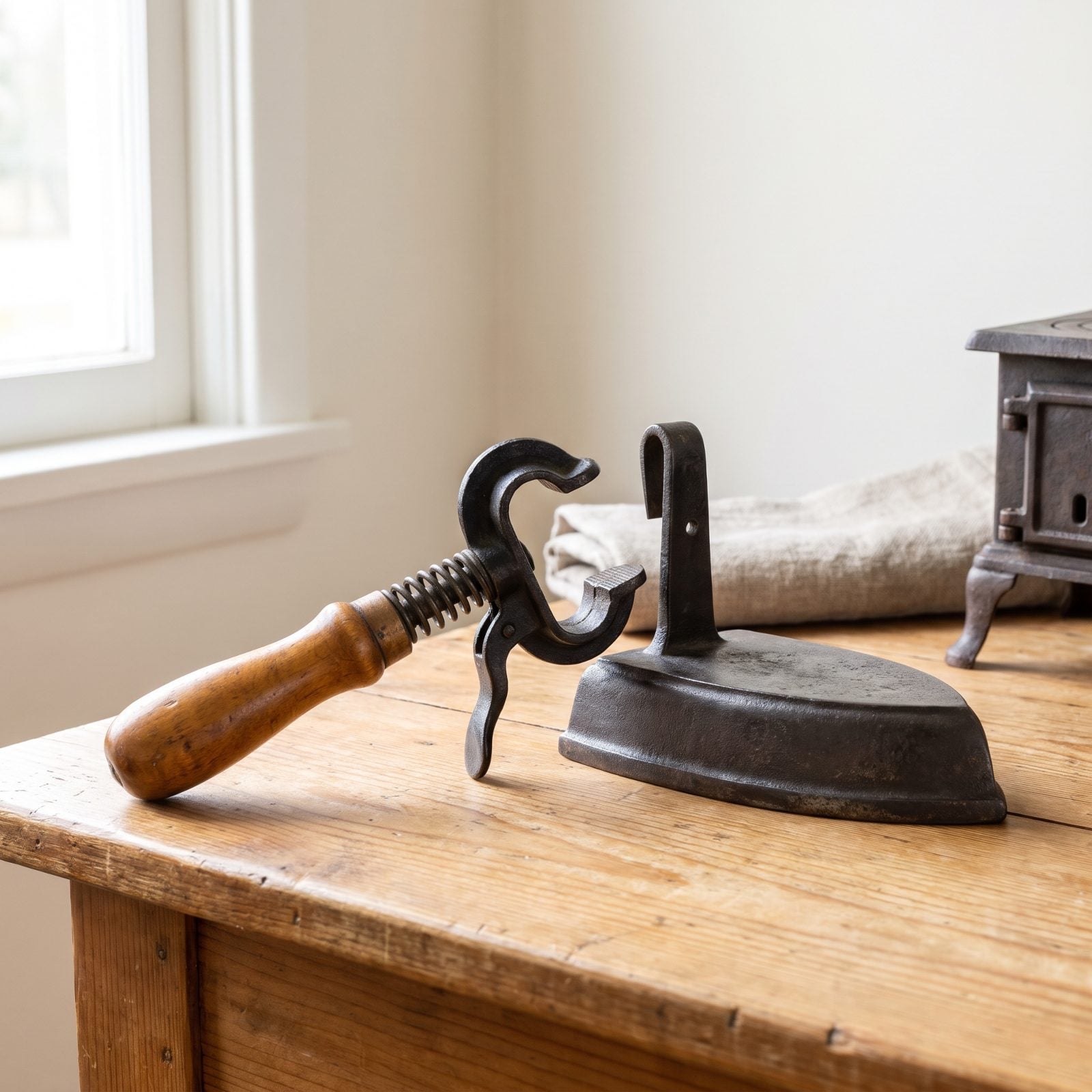
Start with the problem it solved. An iron heated on a stove had a handle as hot as its sole, so you either wrapped a rag around it and hoped or you burned yourself. Someone got tired of both.
The detachable grip clamps onto the iron’s upright bracket, lets you press, then releases so you can leave that iron reheating and grab a second one already warm. The wooden handle never touches the fire. That latch and spring is the whole trick, and it explains why the thing looks more like an odd clamp than anything you’d iron a shirt with.
23. The Copper Laundry Posser
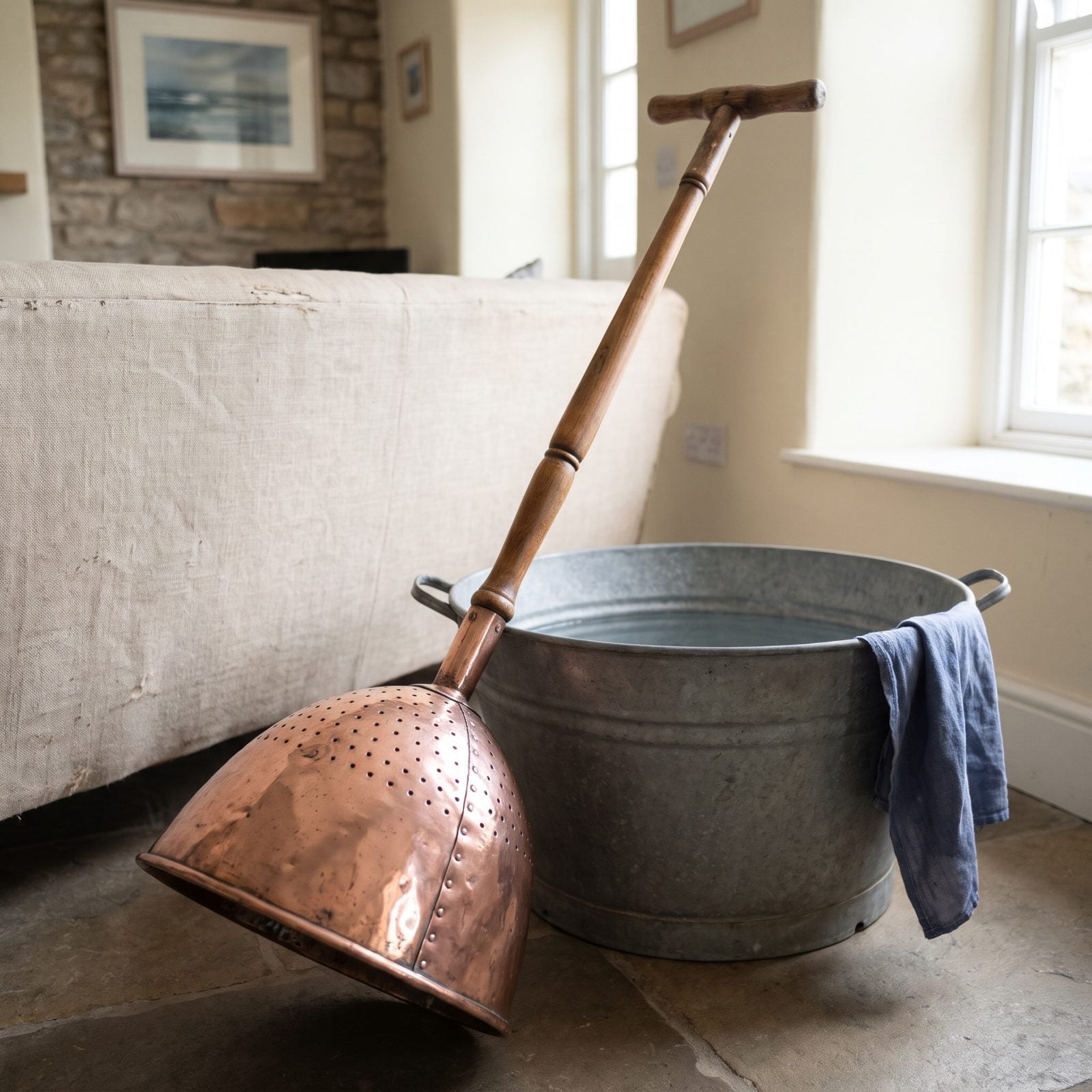
The copper dome at the end of this pole is riddled with holes, and those holes are the point. Plunge it into a tub of hot washing and the perforations force water through the fabric with each push, driving soap and grit out of the weave.
People mistake it for a plunger or a butter churn. It’s neither. This was muscle-powered agitation before an electric motor took over the agitating, and anyone who used one will tell you it was a workout. Honestly? I’d rather do laundry today.
22. The Hand-Cranked Barrel Washing Machine
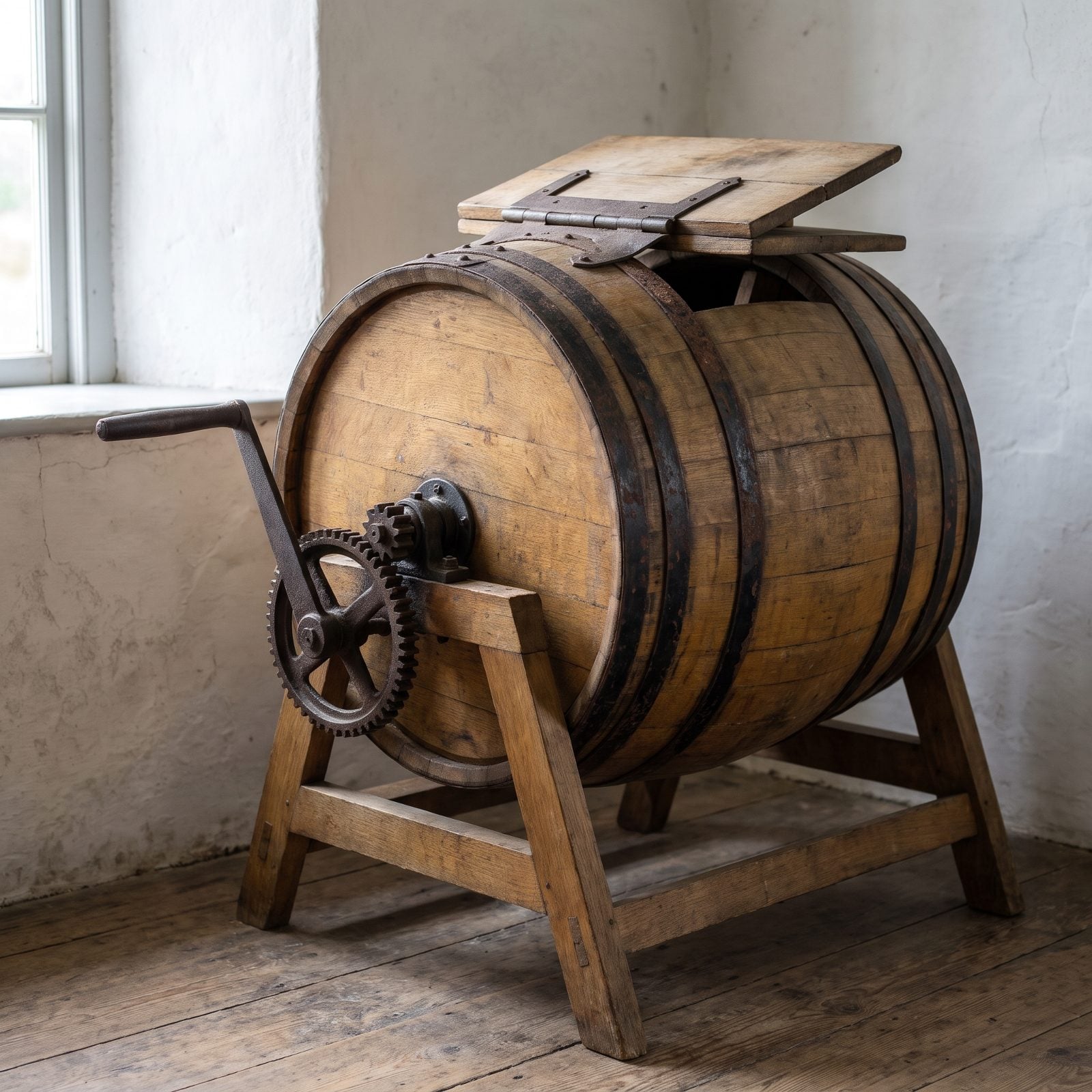
This is the great-grandparent of your washer, and it looks nothing like it. An iron-banded oak barrel on a wooden trestle stand, with a hinged lid on top, a cast-iron crank and gear train bolted to one solid end, and the whole drum turning to tumble the clothes through soapy water as you work the handle.
What fools people is the gearing. Those exposed cogs suggest a cider press or a grain mill, not laundry. But the whole machine did one job: move hot water and fabric against each other without wrecking your hands. Catalogs sold versions of these through the 1870s and 1880s, promising to spare the washerwoman’s knuckles, and they mostly delivered a different ache instead, in the shoulder.
21. The Tabletop Box Mangle
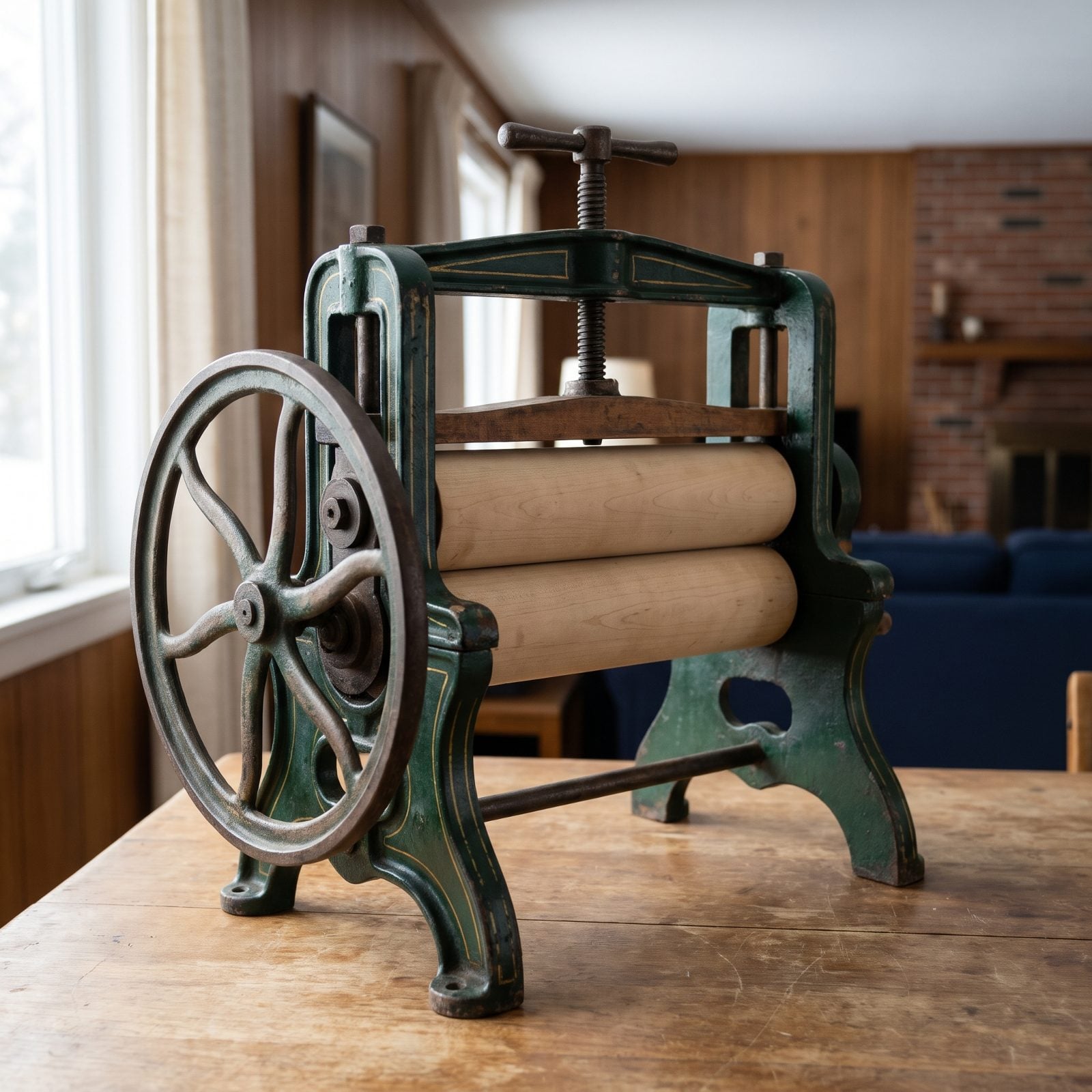
Before steam irons, flat linens got their finish by crushing. You fed damp sheets, tablecloths and napkins between these wooden rollers, cranked the wheel, and the pressure pressed everything smooth and glossy. No heat required.
The confusing part is the weighted box or screw at the top. That’s the pressure adjuster, and it gives the machine the look of something out of a print shop. A mangle wasn’t for everything, mind you. You’d never run a shirt with gathers or pleats through it. Flat goods only, which happens to be exactly what a big household had mountains of.
20. Scissor-Action Clothes-Boiler Tongs
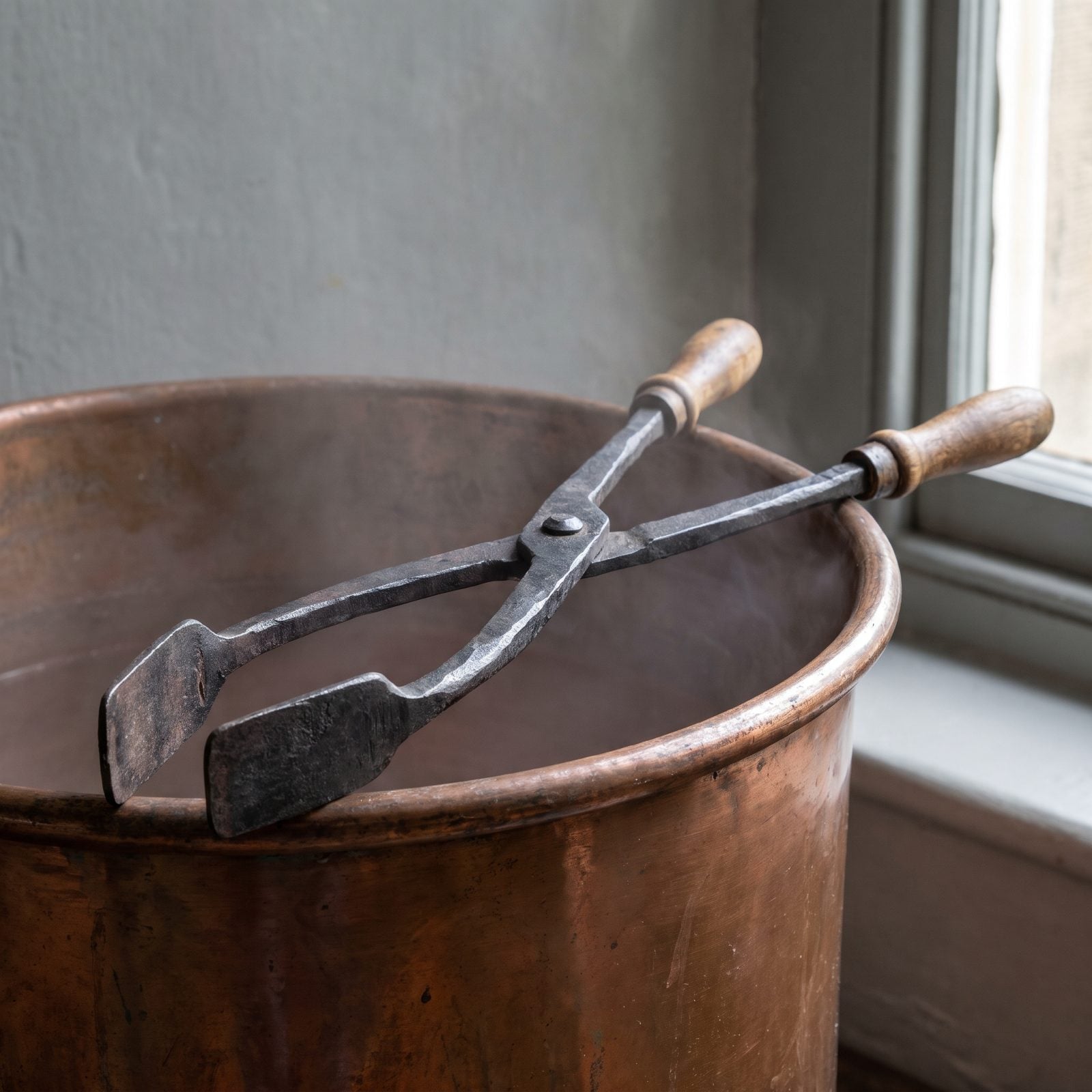
Boiling was how whites got white in the 1800s. Clothes went into a copper of near-boiling water, and nobody was reaching in to fish them out by hand.
These tongs did it. Scissor-hinged iron arms with broad jaws at the business end, long enough to grip a steaming sheet and hoist it dripping into the next tub. The pivot throws people off, because it reads like a garden tool or a giant pair of nippers. The clue is the length. You needed the reach to stay clear of the steam.
19. The Clockwork Fireplace Roasting Jack
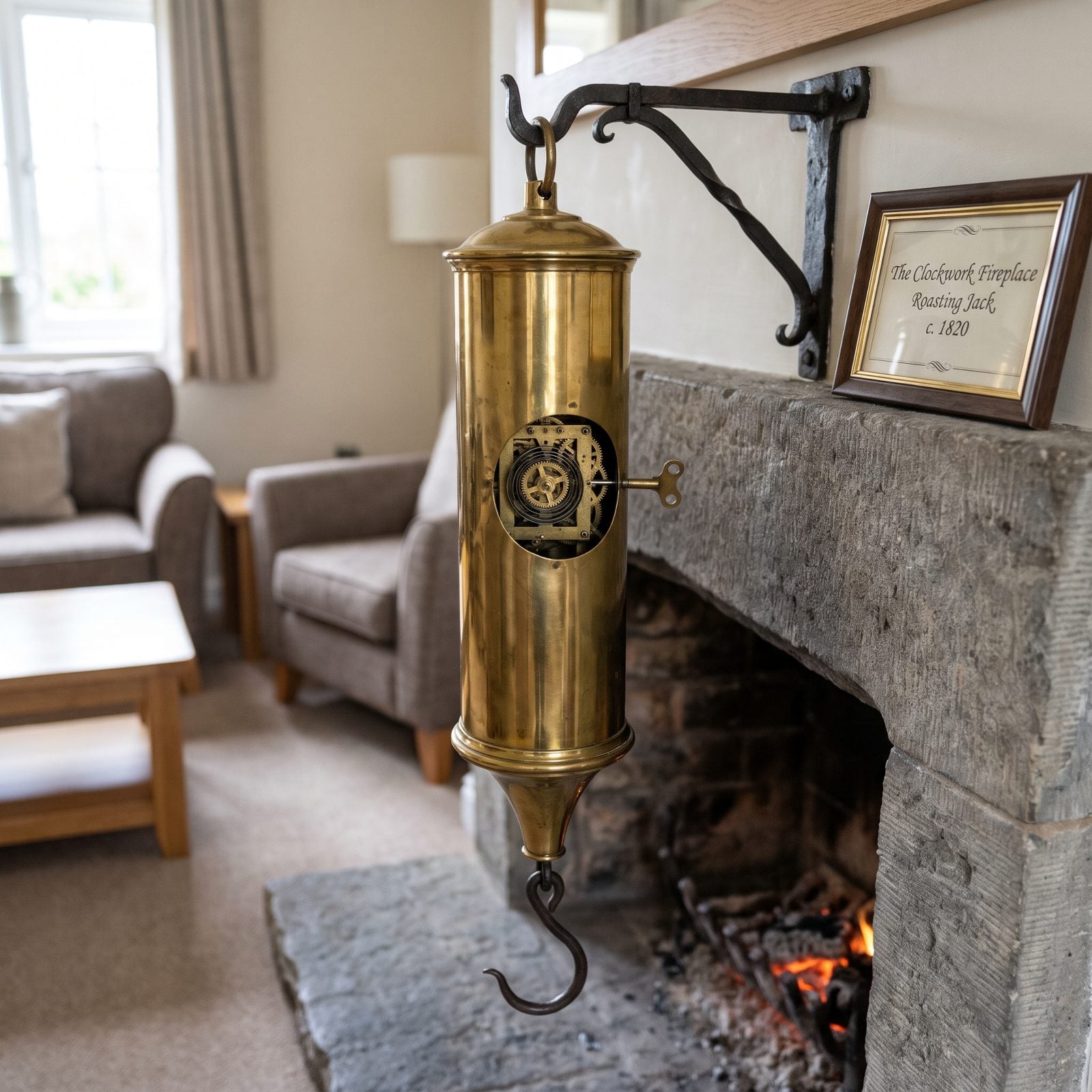
A machine built to do nothing but turn a chicken. Wind the spring, hang the jack from a bracket by the fire, suspend the roast beneath it, and it rotates the meat slowly and evenly. No standing there babysitting a spit for an hour.
The brass cylinder with its winding key could pass for a clock or a music box, which is roughly what it is under the surface. The gearing inside governs the speed so the meat turns at a crawl. Smart cooks balanced the load so the spring didn’t stall halfway through dinner.
18. The Hand-Cranked Raisin Seeder
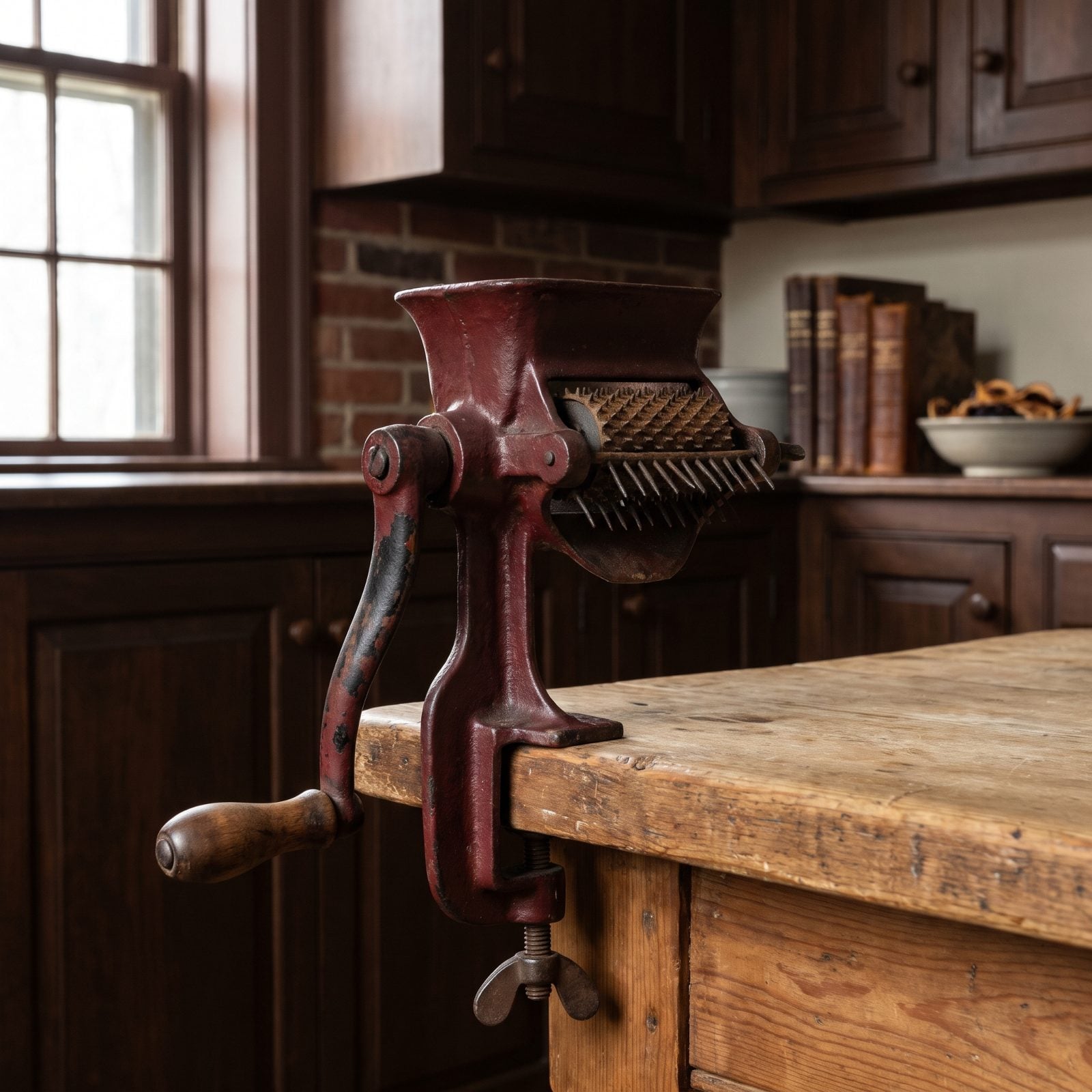
Raisins came with seeds in them, and prising those seeds out by hand was miserable, sticky work. So an entire little machine existed just for that.
You clamp it to the table, feed soaked raisins into the hopper, and crank. A set of wire teeth catches the seeds and shoves them one way while the fruit goes the other. The whole thing is palm-sized and looks like a tiny meat grinder, which is why nobody guesses it right. These sold under names like the “Enterprise” and the “Lightning” in the 1890s, back when a cake recipe meant seeding by hand first. Then seedless grapes came along and quietly put them out of business.
17. The Lever-Operated Cherry Stoner
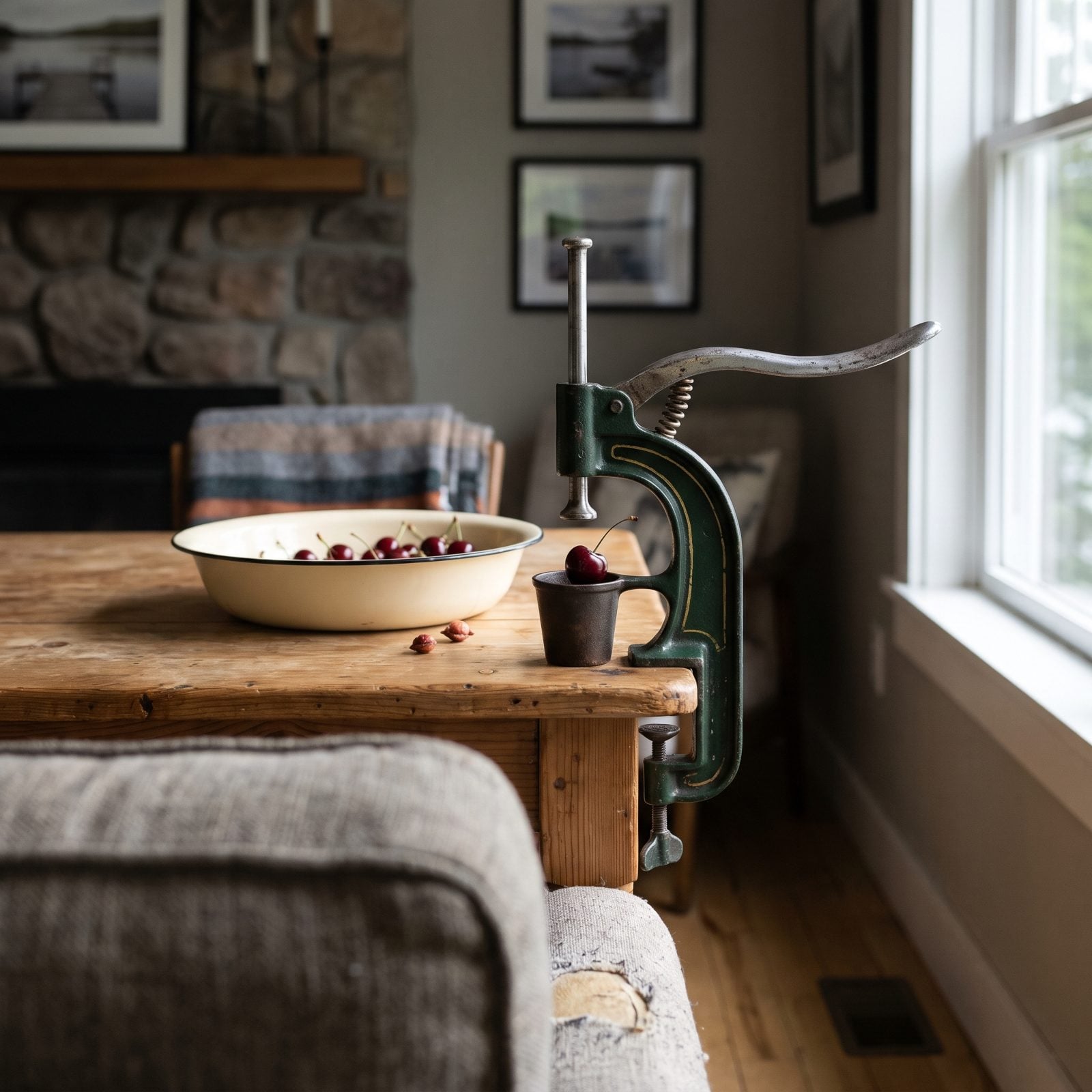
Press the lever, and a small plunger punches straight through the cherry, driving the pit out the bottom while leaving the fruit mostly whole. One at a time, fast, with the pit landing in a cup instead of your palm.
The spring lever and plunger rod give it an almost surgical look, so people guess hole-punch, or some kind of press. It was pie insurance, really. A cook facing a bushel of cherries for canning season wanted this clamped to the table and working before the fruit turned.
16. The Rotary Green-Bean Stringer
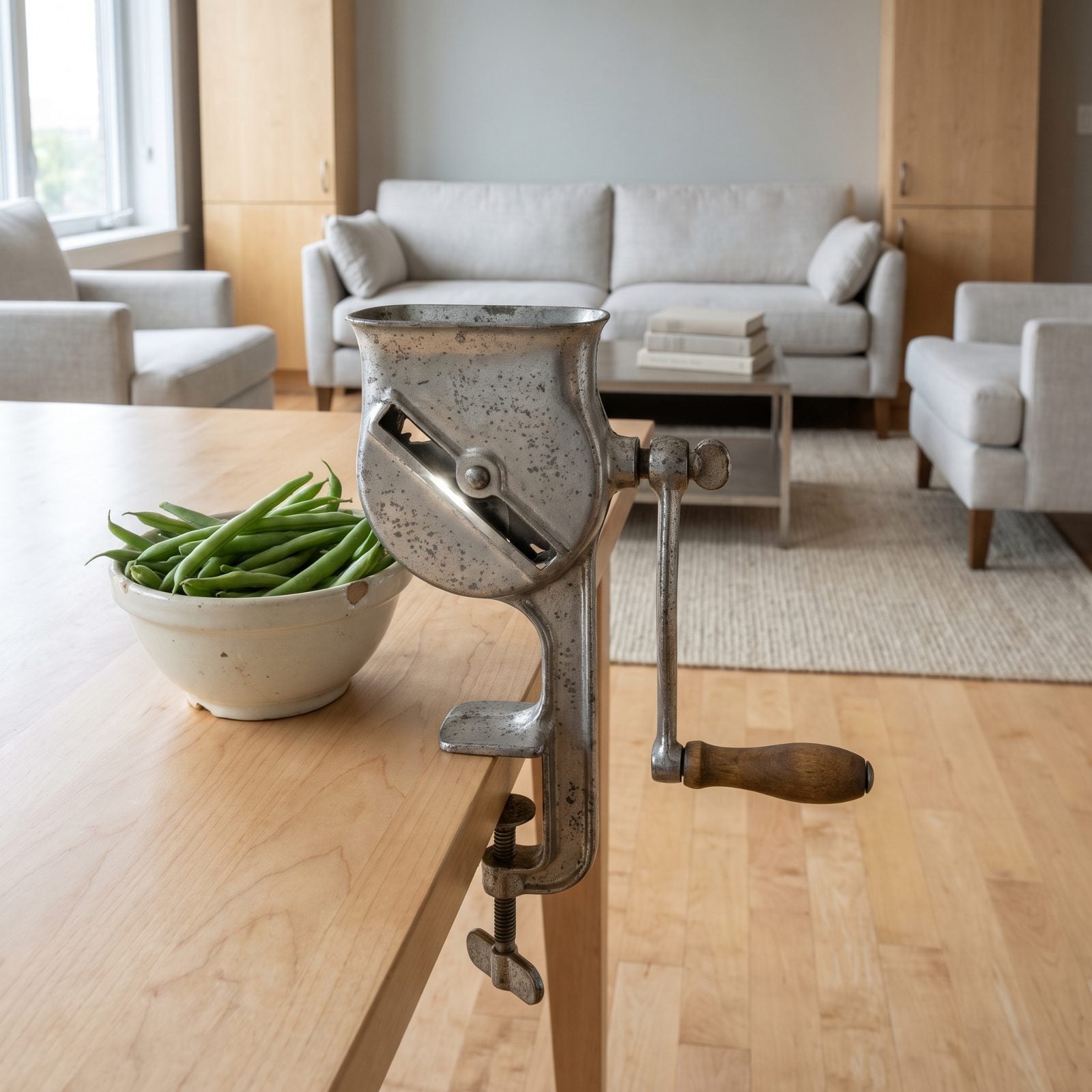
Old pole beans had a tough fibrous string running down the seam that had to come off before cooking, and pulling it by hand on enough beans made your thumbs give out.
This gadget fixed that. Feed the bean in, crank, and internal blades strip the string and slice the pod into thin “Frenched” pieces in one pass. The hopper and hidden blades make it unreadable from the outside, which is half the fun. A device for a vegetable most grocery stores stopped selling, aimed at a problem plant breeders eventually bred away.
15. The Adjustable Cucumber-Slicing Machine
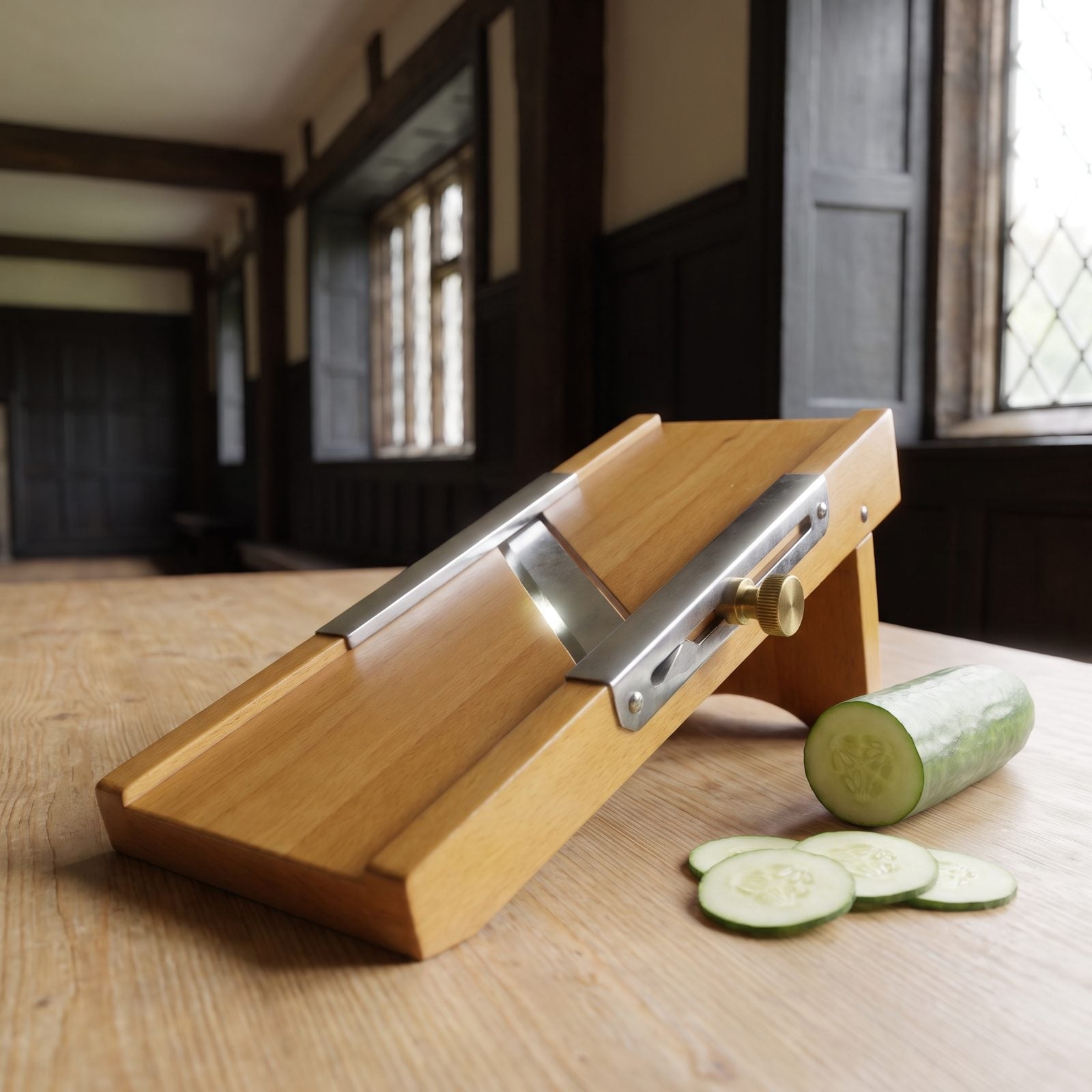
Thin, even cucumber slices marked a careful table, and getting them by knife took a skill nobody wanted to count on. So the kitchen got a dedicated machine.
It’s a wooden frame with an angled steel blade and a thumbscrew that sets the slice thickness. Push the cucumber across, and out come translucent rounds, each one a twin of the last. Spot the adjustment screw and it gives the game away, though most people see the sloped trough and guess soap cutter or cigar press. This is the ancestor of the mandoline sitting in your drawer right now, just dressed in Victorian wood and brass.
14. Heavy Iron Loaf-Sugar Nippers That Look Like Torture Tongs
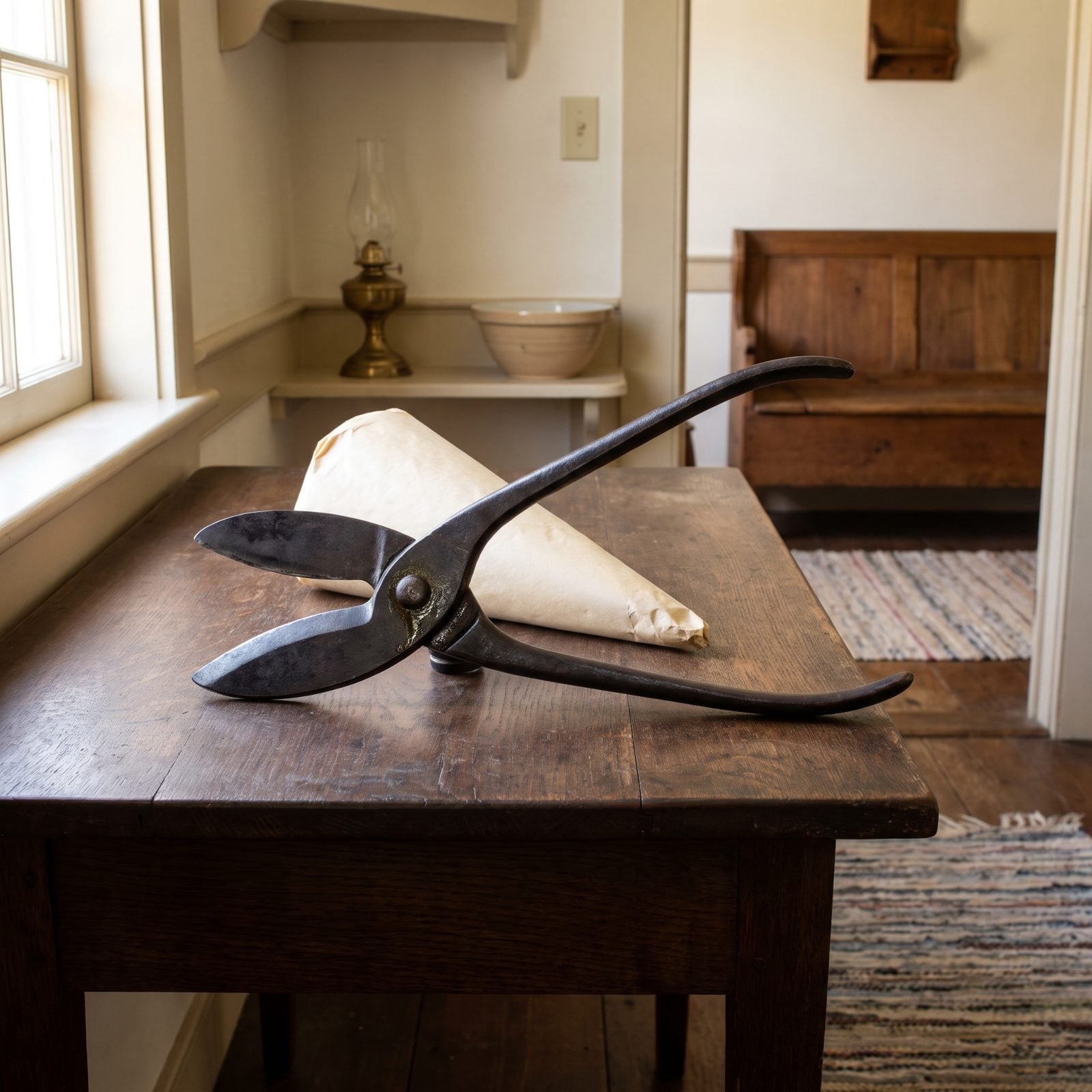
Sugar did not come in a bag. It came as a rock-hard cone the size of a traffic bollard, wrapped in plain cream paper, and you had to attack it. That’s where these come in.
The nippers look like something from a dentist’s nightmare: long iron handles, a central hinge, two pointed, scissor-like blades that shear together. You’d wedge the jaw against the loaf and squeeze to crack off a lump for your tea, and some models bolted to a table for extra leverage.
There’s something I find oddly satisfying about a whole category of kitchen tool existing purely because sugar was sold as a brick. Buy it loose today and the thought never crosses your mind.
13. The Lever-Operated Cork-Compressing Press Bottlers Swore By
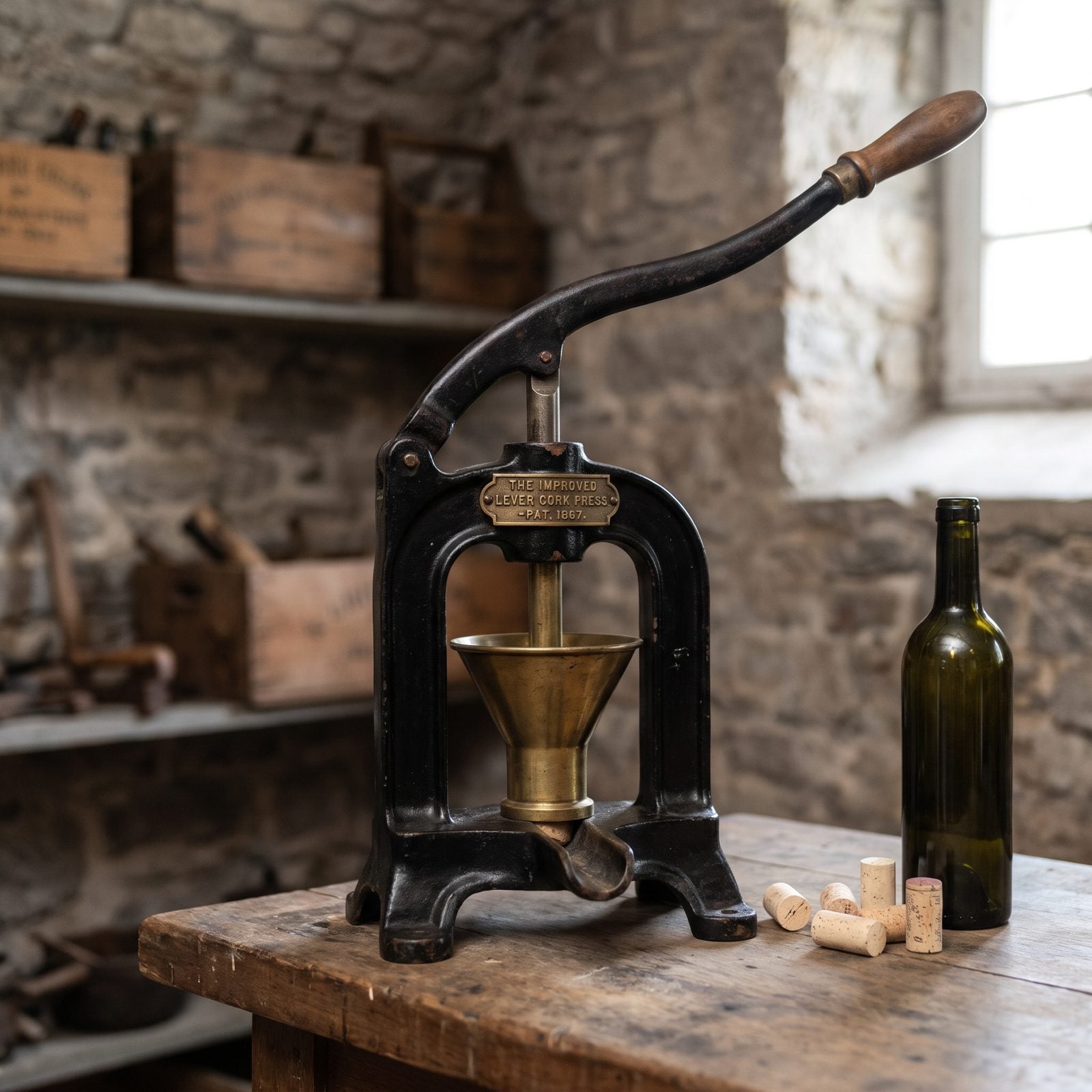
Corks come slightly larger than the bottleneck they’re meant to plug. Jam a dry one in by hand and you’ll split the glass or mangle the cork. Home bottlers of beer, wine and cordials needed a way to squeeze the cork thin, then drive it home before it sprang back.
This lever press handled the squeezing in one motion. You dropped a cork into a flared brass funnel, pulled the arm, and a plunger forced it down through the narrowing throat, squeezing it to a bullet shape that popped out into a curved chute on the cast-iron base. Blink and it’s ready for the bottle.
The puzzling part is the funnel. Without the bottle beside it, the whole contraption reads like a tiny printing press that lost its paper.
12. The Bull’s-Head Lever Can Opener With a Blade for a Mouth
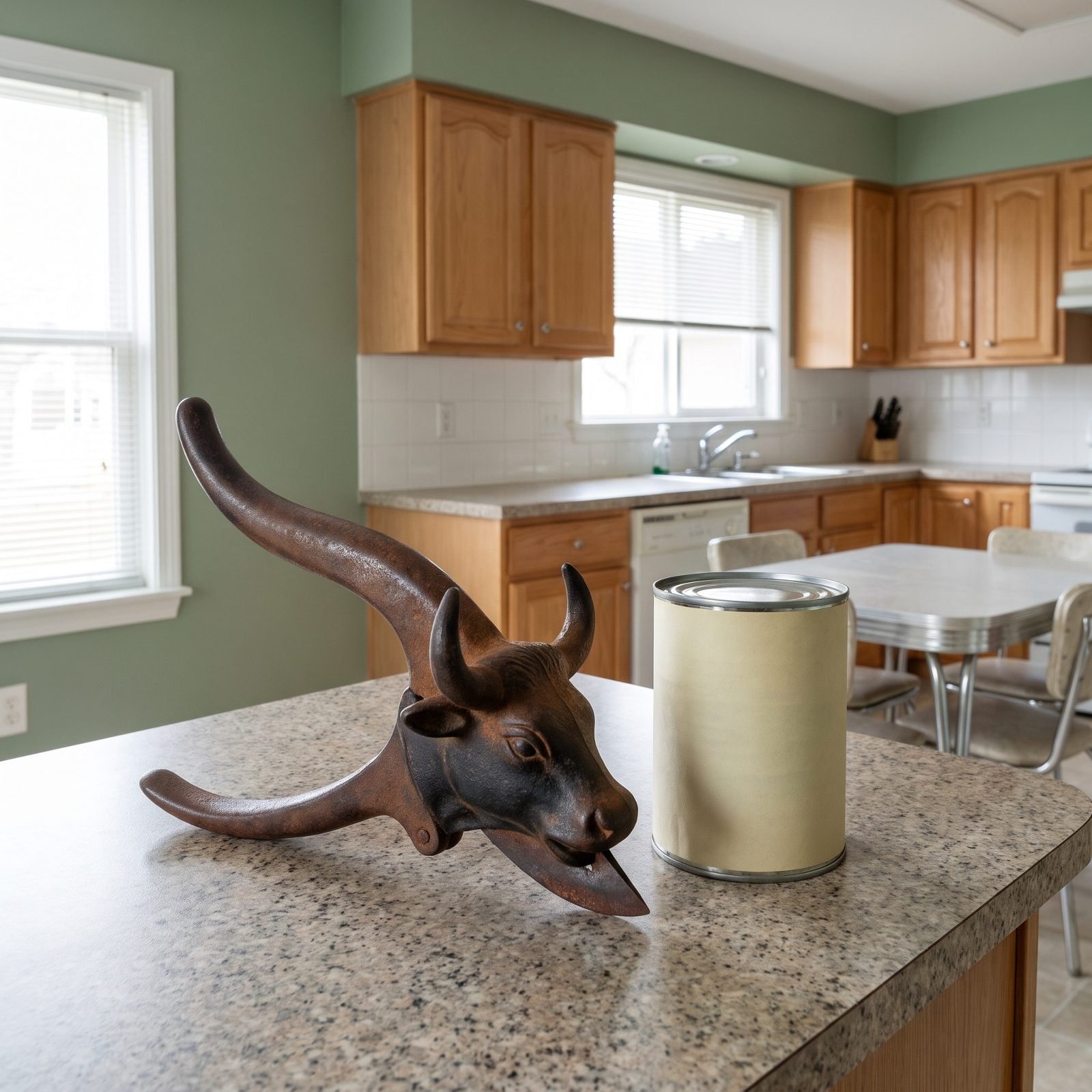
Early canned food was a siege, not a convenience. Tins were thick iron, and the instructions on some actually read “cut round the top near the outer edge with a chisel and hammer.” Cans arrived decades before anyone invented a sensible way to open them.
Enter the bull. The opener was cast as a bull’s head with two short stubby horns, one handle stretching back from the neck and another curving up behind the skull like a tail, a stout pointed blade jutting from the mouth. You stabbed the point into the rim and levered the blade around the lid with a sawing motion.
Why a bull? Pure Victorian whimsy, plus the Armour meat company handed them out as advertising. The animal shape makes it nearly impossible to guess the job cold.
11. The Brush-and-Crank Bottle-Washing Machine for Reused Glass
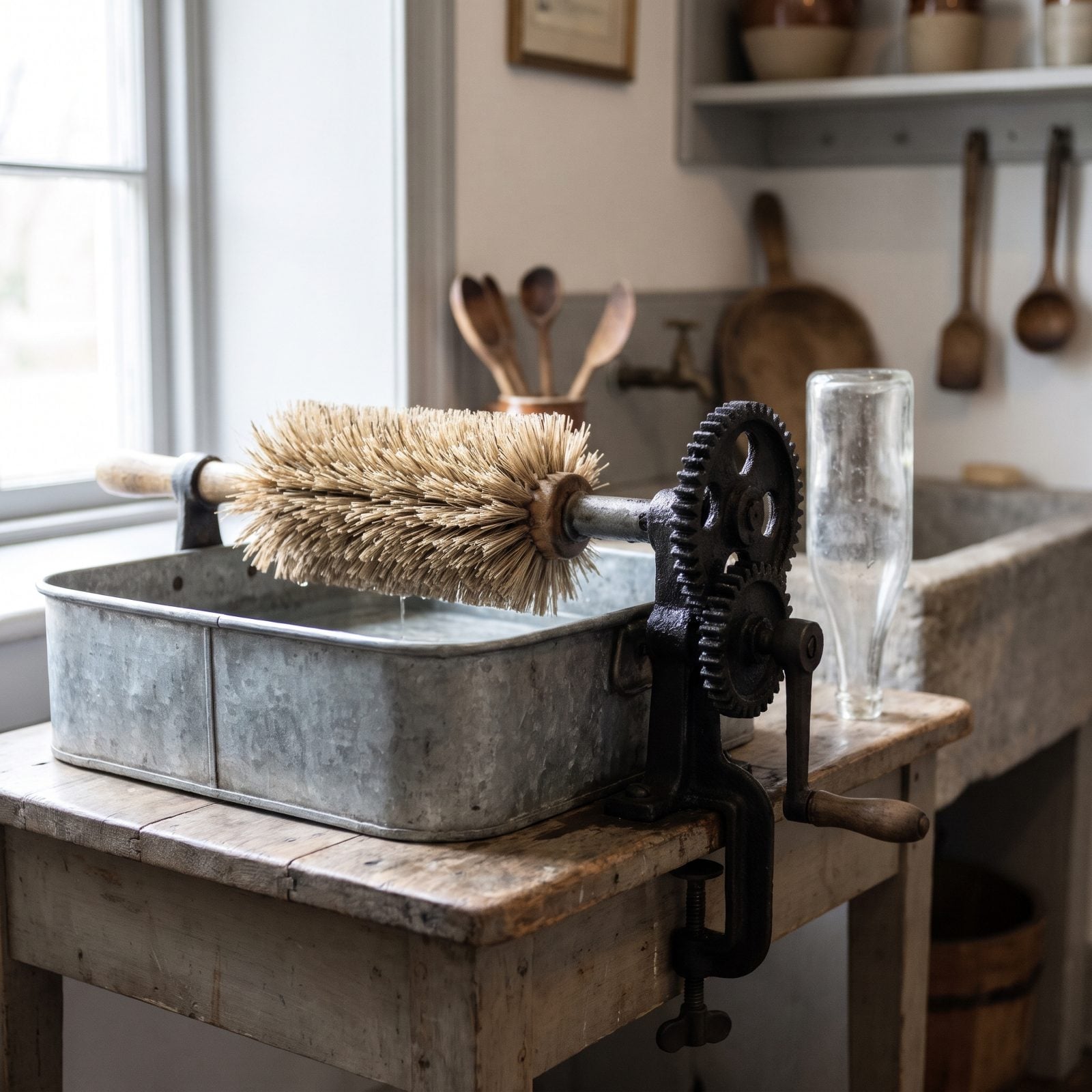
Glass was too valuable to throw away, so bottles got reused for years, which meant they came back caked with grime, old labels and dried residue. Dairies, brewers and thrifty households needed to scrub the glass clean fast.
A crank solved it. Turn the handle, the gears spin a fat, stiff bristle brush laid horizontally across an open tub of water, its far end resting in a bracket, and you press the bottle against the whirling bristles as they dip and splash. One bottle every few seconds instead of poking at it with a rag on a stick.
10. The Hand-Pumped Vacuum Jar Sealer That Predates Your Vacuum Bags
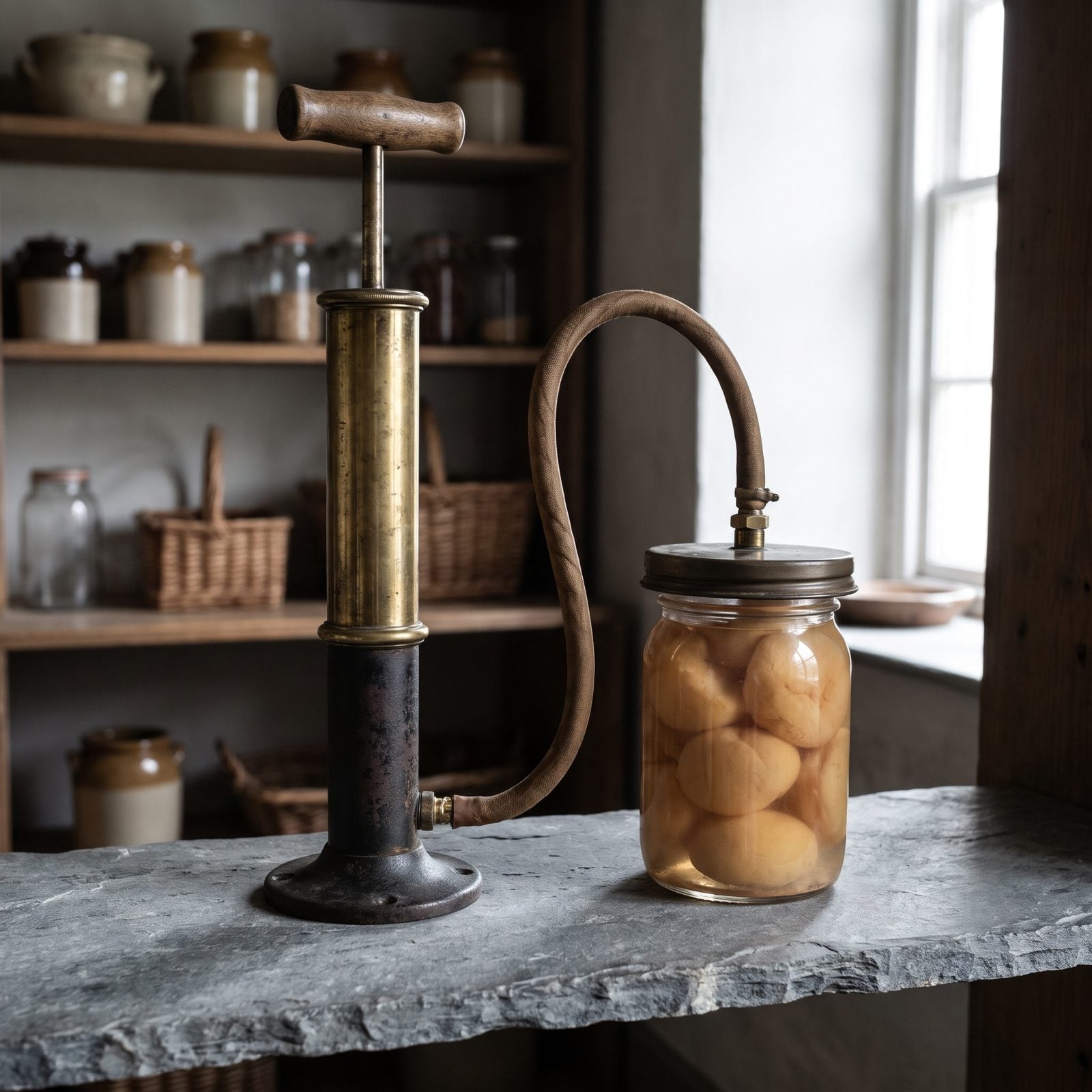
You think of vacuum sealing as a modern trick with a plastic appliance and a satisfying hiss. The Victorians were already doing it, just with a hand pump and a lot of pumping.
This gadget sucked the air out of a filled preserving jar so the lid clamped down under atmospheric pressure. You fitted a rubber cap over the lid, worked the plunger, and watched the jar pull itself shut. Less air inside meant fruit and pickles that spoiled slower.
With the hose looped up and connected to the cap seated on the jar, it looks more like a bicycle pump that wandered into the pantry by mistake. Which, mechanically, is not far off.
9. The Crank-Driven Cast-Iron Ice Shaver Built Like a Tiny Mangle
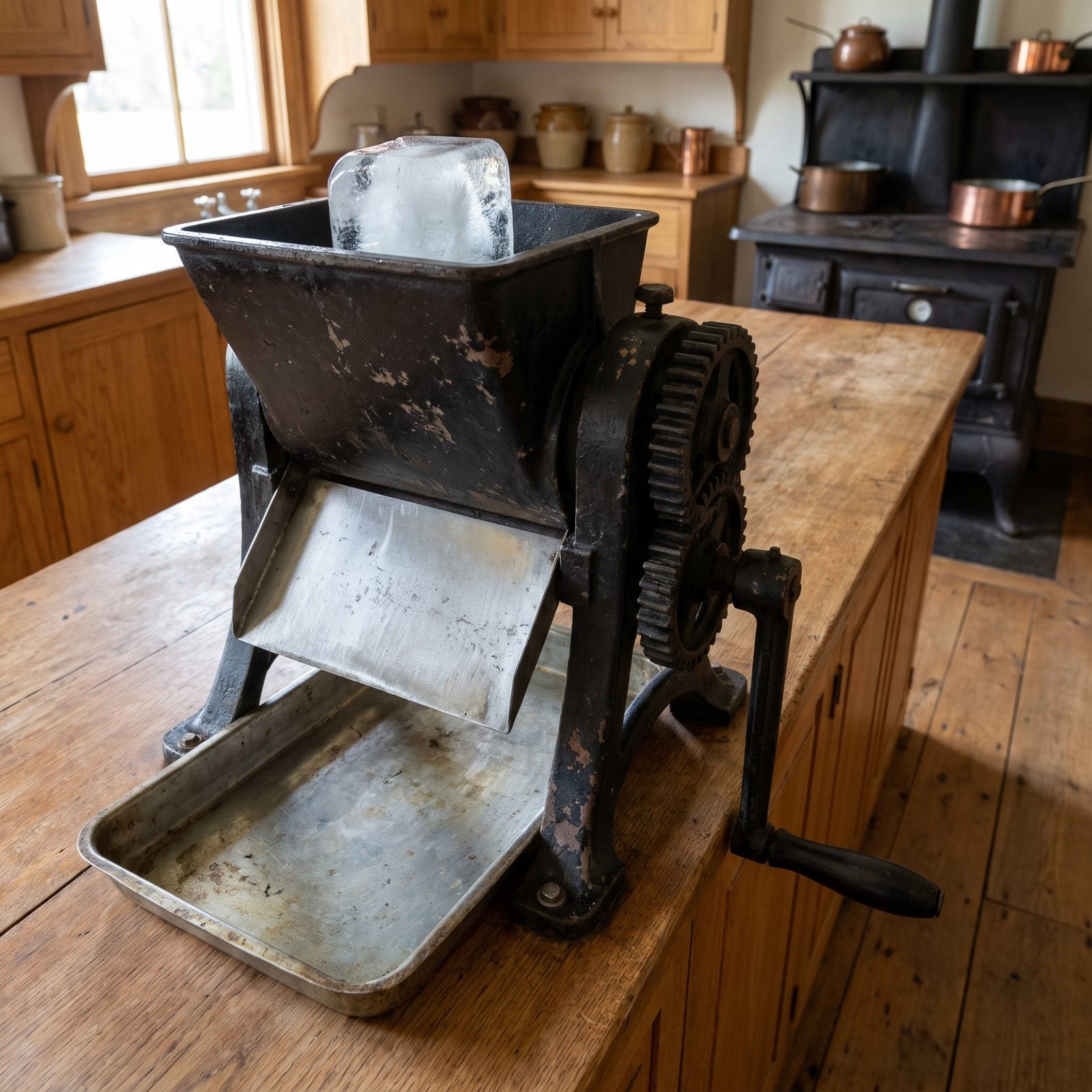
Before freezers, cold came by cart as a sawdust-packed block, and turning that block into something you could eat took muscle. Confectioners wanted fine shaved ice for sherbets and flavored treats, not jagged chips.
The shaver works like a carpenter’s plane turned sideways. A block sits in the hopper, you turn the crank, and a fixed blade peels off a steady curl of snow into the tray below. Adjust the blade and you get powder or flakes.
From across the room it reads like a little clothes mangle, all iron frame and side wheel. The giveaway is that single angled blade, and even that takes a second to decode.
8. The Stovetop Drum Coffee Roaster You Had to Crank Over Flame
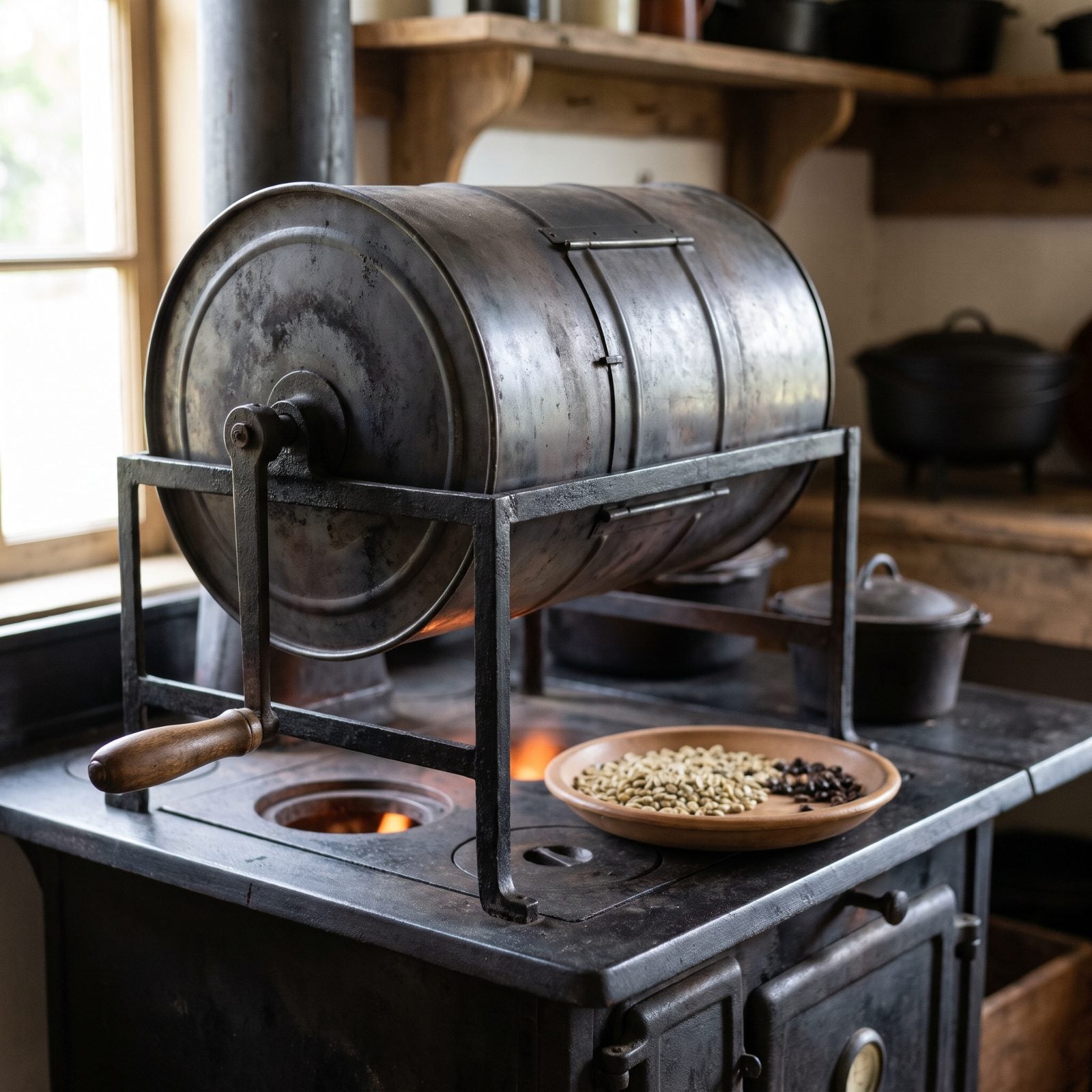
Coffee came green. You bought raw beans and roasted them yourself, usually badly, because the shop-roasted stuff went stale too fast to be worth the price. Scorch half the batch and your morning was ruined.
This drum roaster set the beans spinning over the stove flame so they browned evenly instead of charring on the bottom of a pan. You cranked and cranked, listening for the crack, smelling for the moment to stop.
Close the little loading door and the whole thing looks like a miniature concrete mixer. Nobody guesses coffee until you catch the burnt-sugar smell baked into the drum.
7. The Screw-Driven Meat-Juice Press for Invalids and Broths
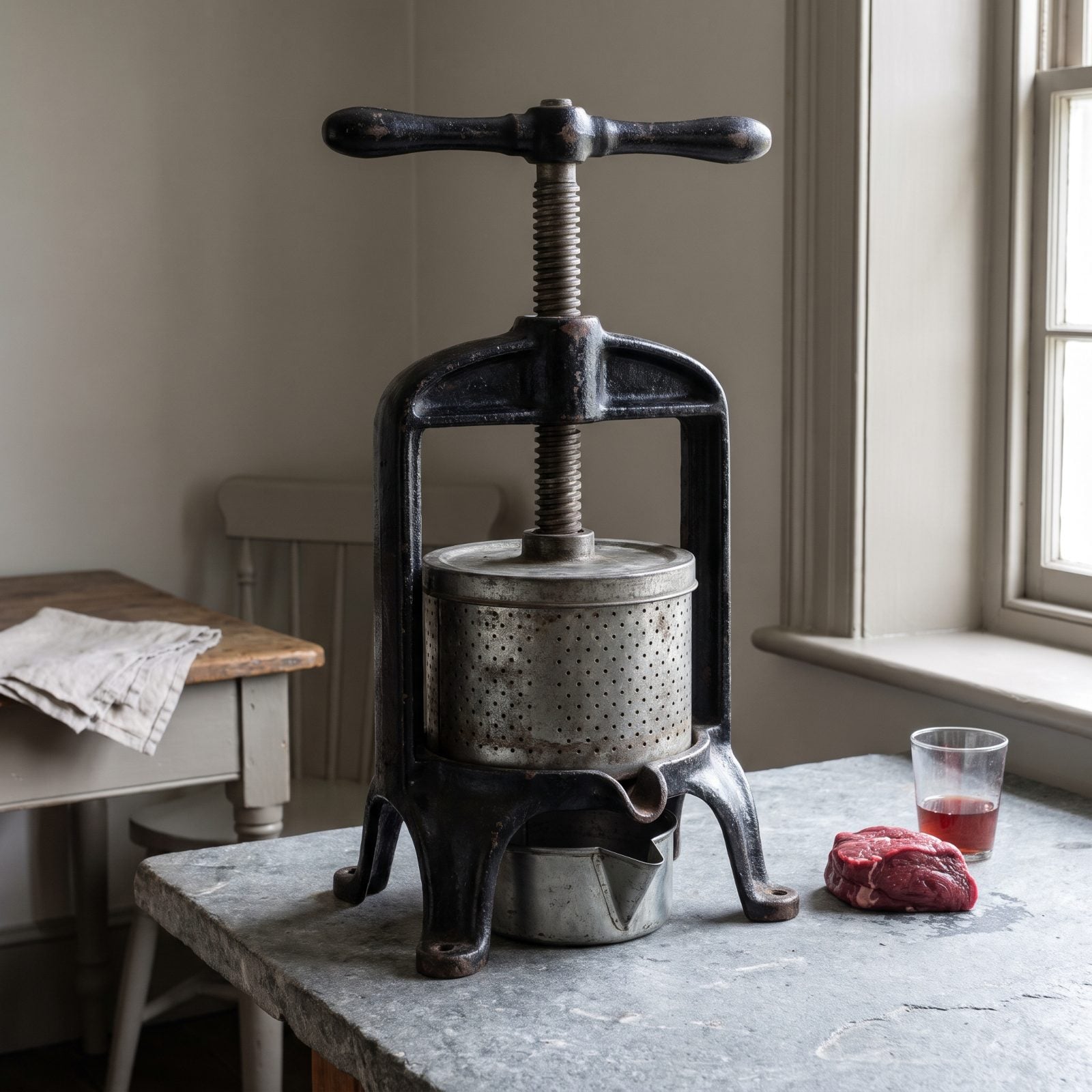
Doctors of the era believed the sick needed concentrated “meat juice” to recover, the pressed essence of beef with the fiber left behind. Whole recipe books told you how to extract it. So somebody built a press.
You packed lightly cooked beef into a perforated iron chamber, turned the big screw down, and forced out a trickle of dark red liquid into a waiting cup. That spoonful went to invalids, infants and anyone too weak to chew.
The tool itself looks like something for printing or bookbinding. That heavy central screw and little drip spout only make sense once you know somebody was wringing a steak for its blood.
6. The Grooved Wooden Butter Worker Shaped Like a Shallow Boat
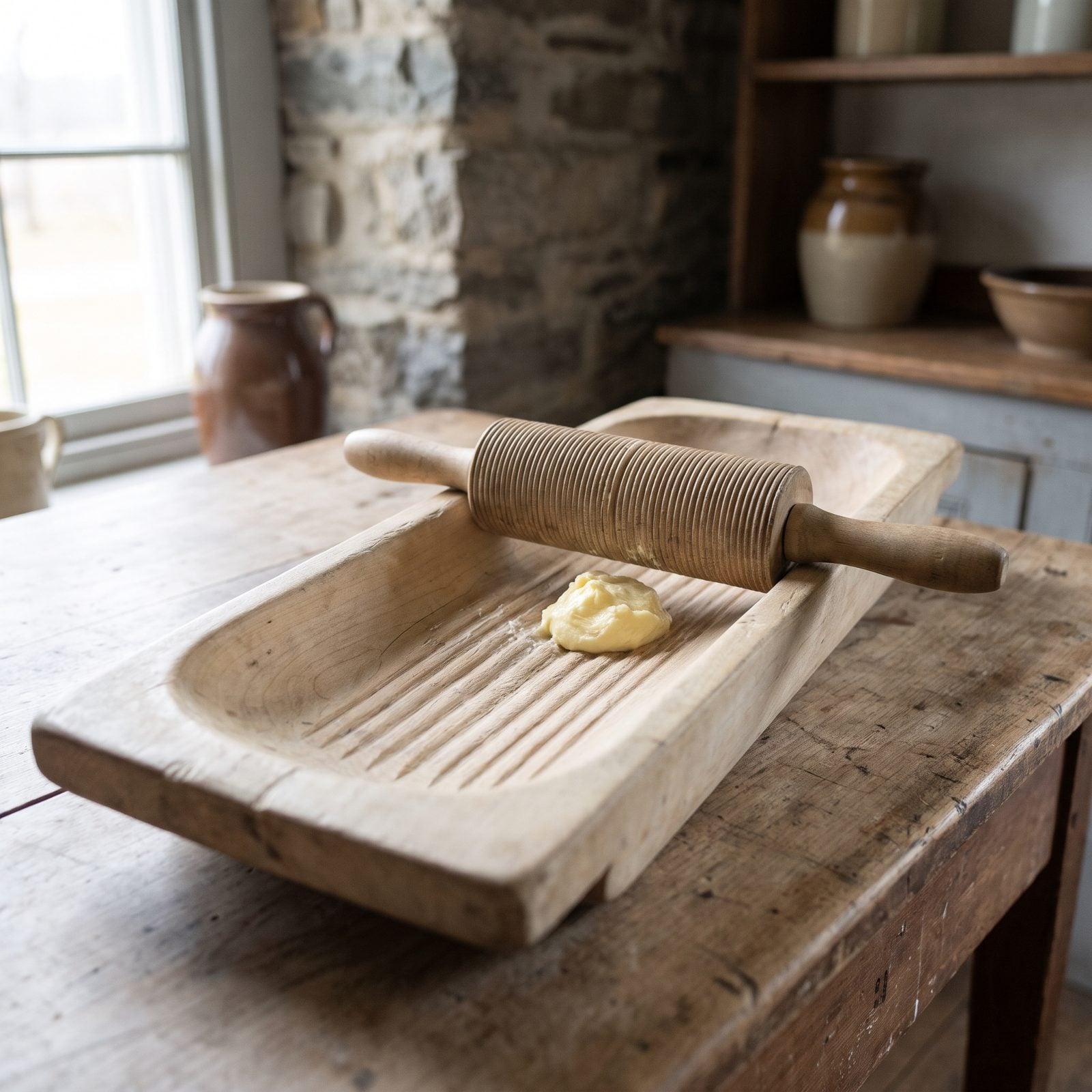
Fresh butter holds pockets of buttermilk and water, and if you don’t drive them out it turns rancid in days. Working the butter meant squeezing and folding until it ran clear. Hands were too warm for the job, so dairies made a tool.
This grooved trough let you press butter against a ribbed roller, forcing the liquid down the channels to drain away. Cool, salted, worked smooth, ready to mold.
Empty and clean, it reads like a feed trough or a boat-builder’s offcut. The fine grooves are the only clue, and you’d never place them without the backstory.
5. The Lever-Operated Butter-Printing Press That Signed Your Dairy
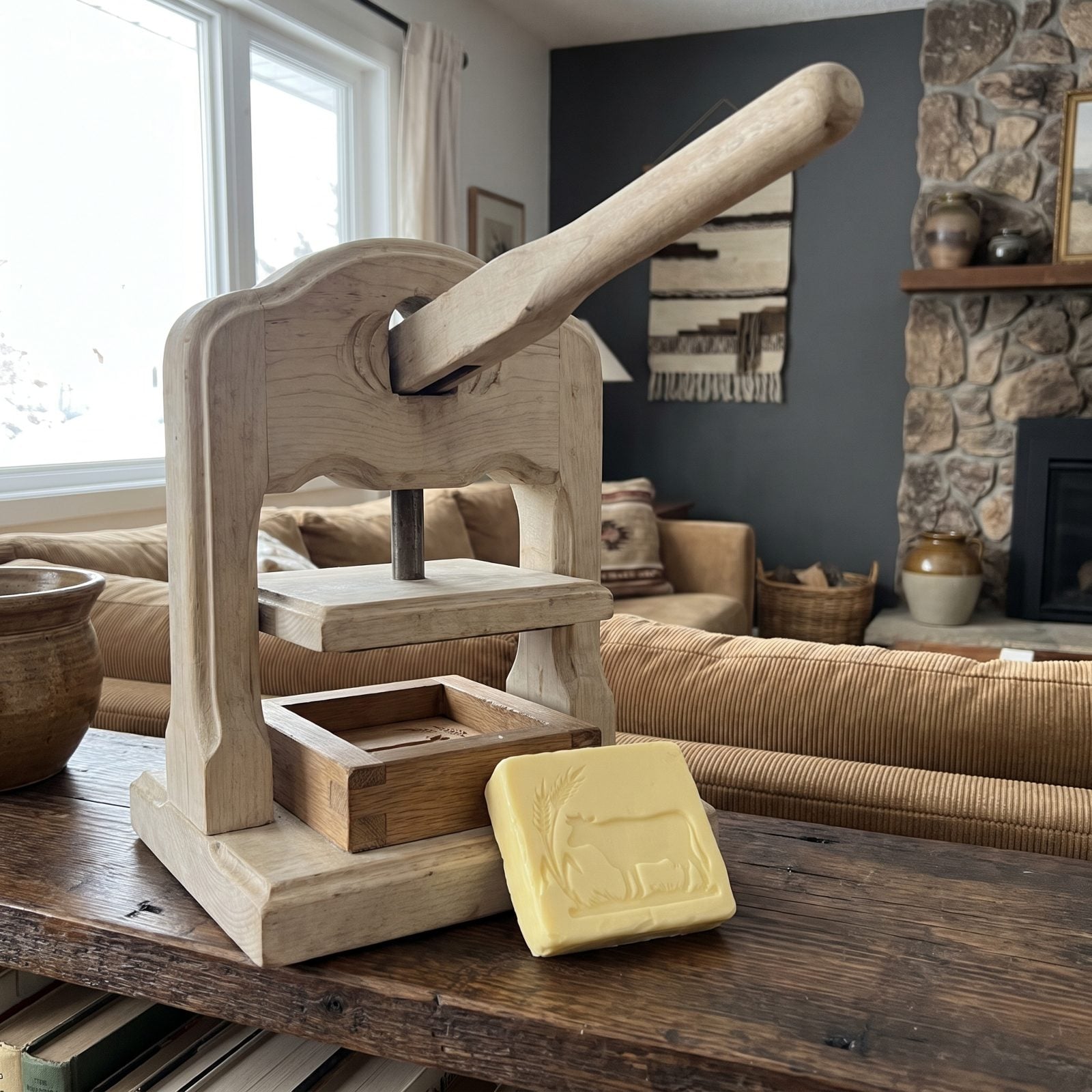
Butter at market was anonymous unless you marked it, and a good dairy’s butter sold for more, so people stamped their own. One pull of the lever shaped a pat and branded it in a single motion.
The carved block underneath held a design: a cow, a sheaf of wheat, a thistle, sometimes a family mark that worked like a trademark. Buyers learned to trust certain stamps the way you trust a brand today.
Lift the lever and the carving hides up inside, so the device looks like a small mystery mangle or a cheese mold. The reveal is in the pattern it leaves behind.
4. The Hand-Cranked Centrifugal Cream Separator
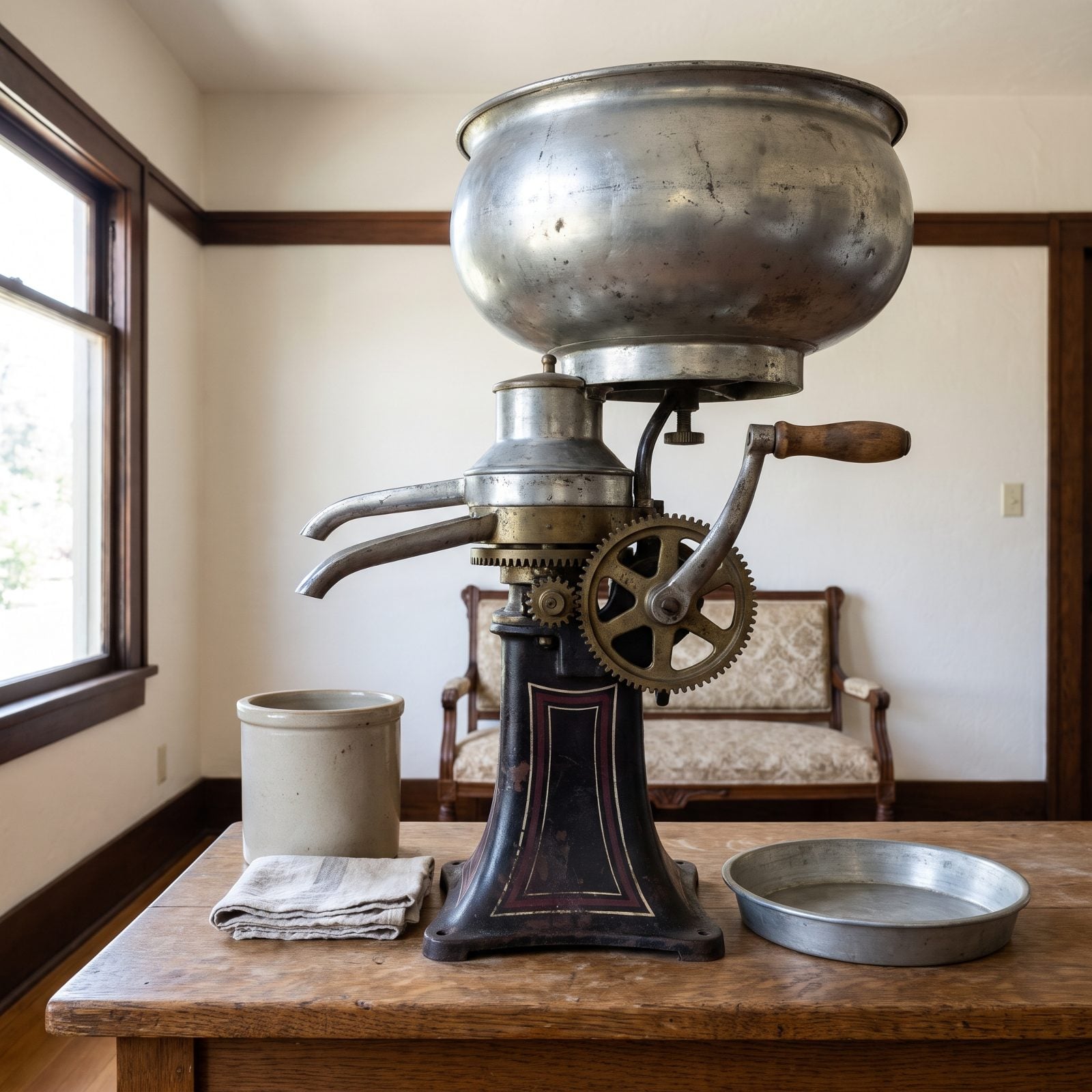
Twin spouts at different heights. That’s the whole riddle, and nobody looking at it cold would guess why one rides higher than the other.
Crank the handle and the bowl inside spins fast enough to fling liquid against its walls. Heavier skim milk gets thrown to the outer edge and drains from the lower spout, while lighter cream, pushed toward the center, rises and pours from the upper one. For dairy farms that had spent generations waiting for cream to float up in shallow pans overnight, spinning milk apart by weight was a genuine shift.
Swedish engineer Gustaf de Laval patented an improved version in 1878, and the design spread fast. I find these endlessly satisfying because the mechanism hides itself — all the cleverness happens inside a sealed bowl you can’t see turning.
3. The Victorian Graphoscope Photograph Viewer
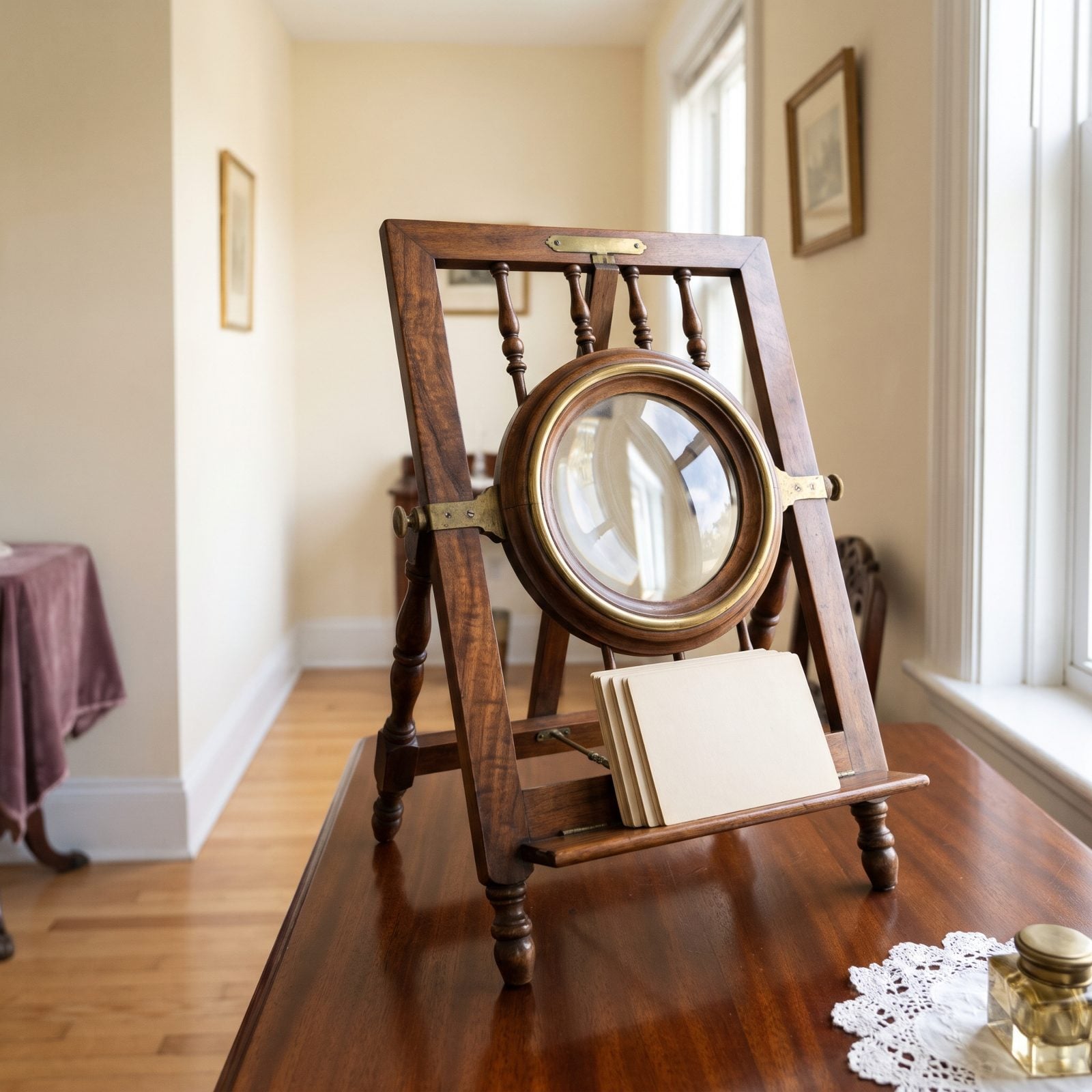
It looks like a reading stand that lost its book. That round lens on an easel confuses people, because they expect a tabletop frame to hold text, not a single sheet of paper viewed through glass.
A graphoscope magnified photographs. It made the small cabinet cards and cartes de visite of the day look larger and more dimensional when you leaned in and peered through the lens. Some models hid a second pair of lenses in the folding wings for viewing stereoscopic cards in 3D.
This was how a family lingered over a photograph before anyone could enlarge a print. They crowded the parlor table, took turns at the glass, and treated a two-inch portrait like something worth studying.
A graphoscope is a reminder that people once gathered around a single photograph the way we now scroll past hundreds.
2. The Mirror-Drum Praxinoscope
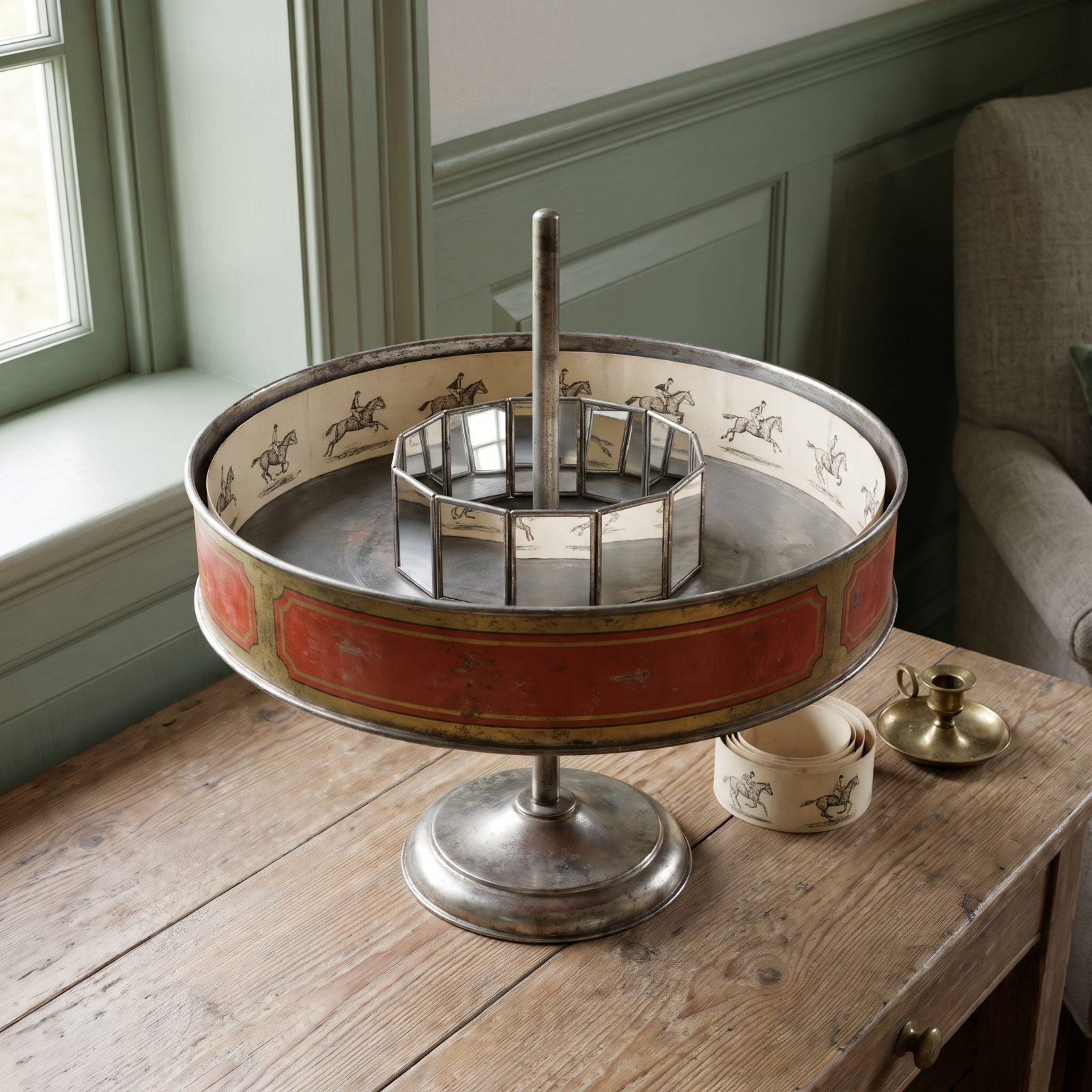
Why would anyone stand a ring of mirrors in the middle of a spinning tin bowl? In a real praxinoscope, that cluster of little angled mirrors is the entire trick — and look closely, because you can see the horses reflected in them here.
Charles-Émile Reynaud invented the praxinoscope in France in 1877. You line the inside wall of the drum with a strip of pictures, each slightly different, then spin it. In a working model, the central mirrors face outward and reflect those images back, and because they move with the drum, each picture lands in the same spot as the one before — so your eye stitches them into smooth motion. The mirrors in this photo face outward just like that, and the front panels visibly reflect the galloping horses from the strip.
It beat the earlier zoetrope, which forced you to squint through narrow slits at a flickering, dim image. Brighter, steadier, easier on the eye. That’s why it counts as a real step toward the moving pictures that came later.
1. Kent’s Hand-Cranked Rotary Knife Cleaner
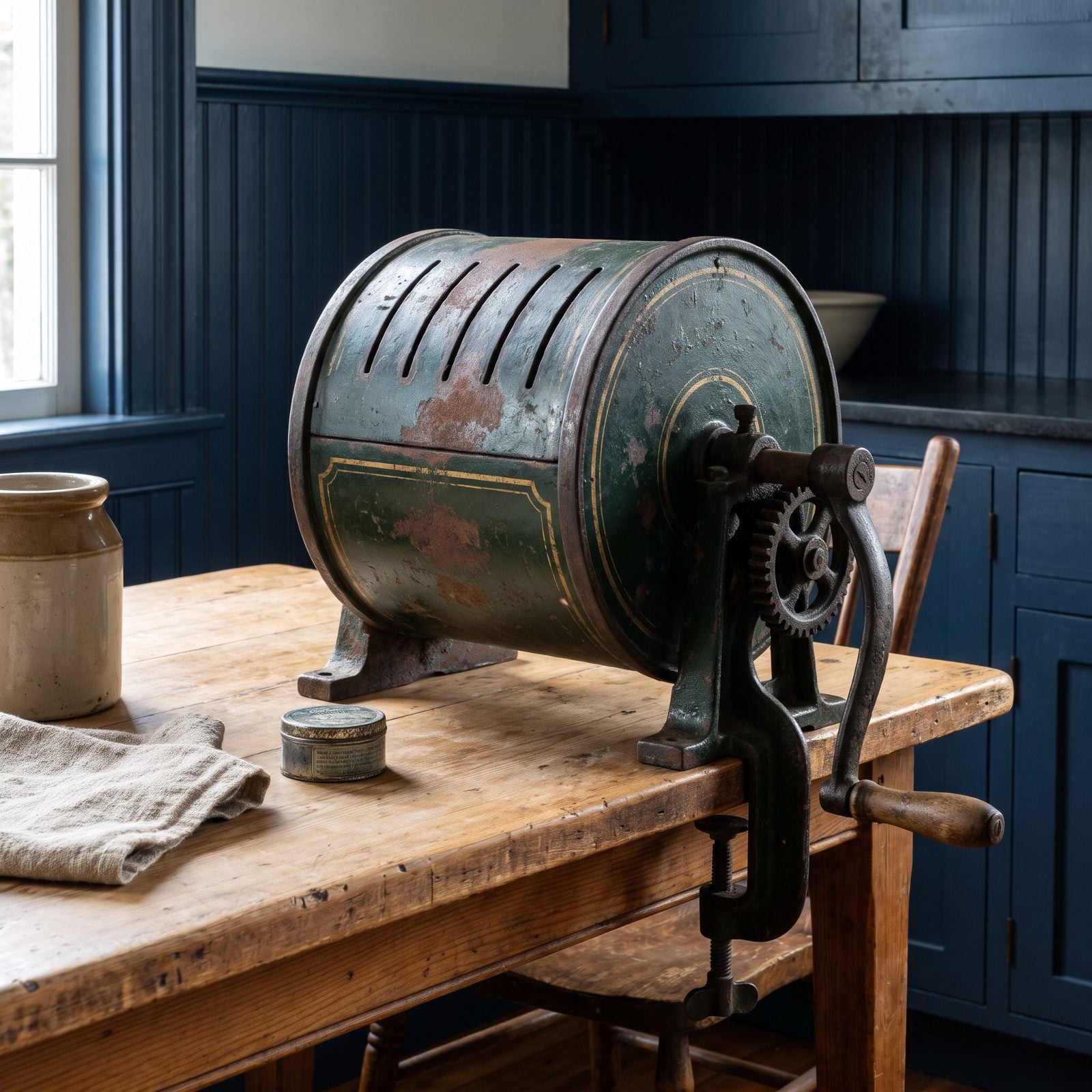
A drum with slots cut around the top, bolted to the table like it means business. Those slots give it away, but only if you already know what they held.
You slid steel knife blades into the slots, sprinkled in an abrasive cleaning powder — often a fine emery or crocus dust — and cranked. Inside, leather-faced pads or stiff bristles scoured the blades as they turned, polishing off stains and rust.
Here’s what people forget. Kitchen knives before the stainless era were carbon steel, which discolored the moment it touched anything acidic. A cut lemon could leave a grey streak. So cleaning knives was a daily chore, and a household with a lot of blades needed something faster than scouring each one by hand.