
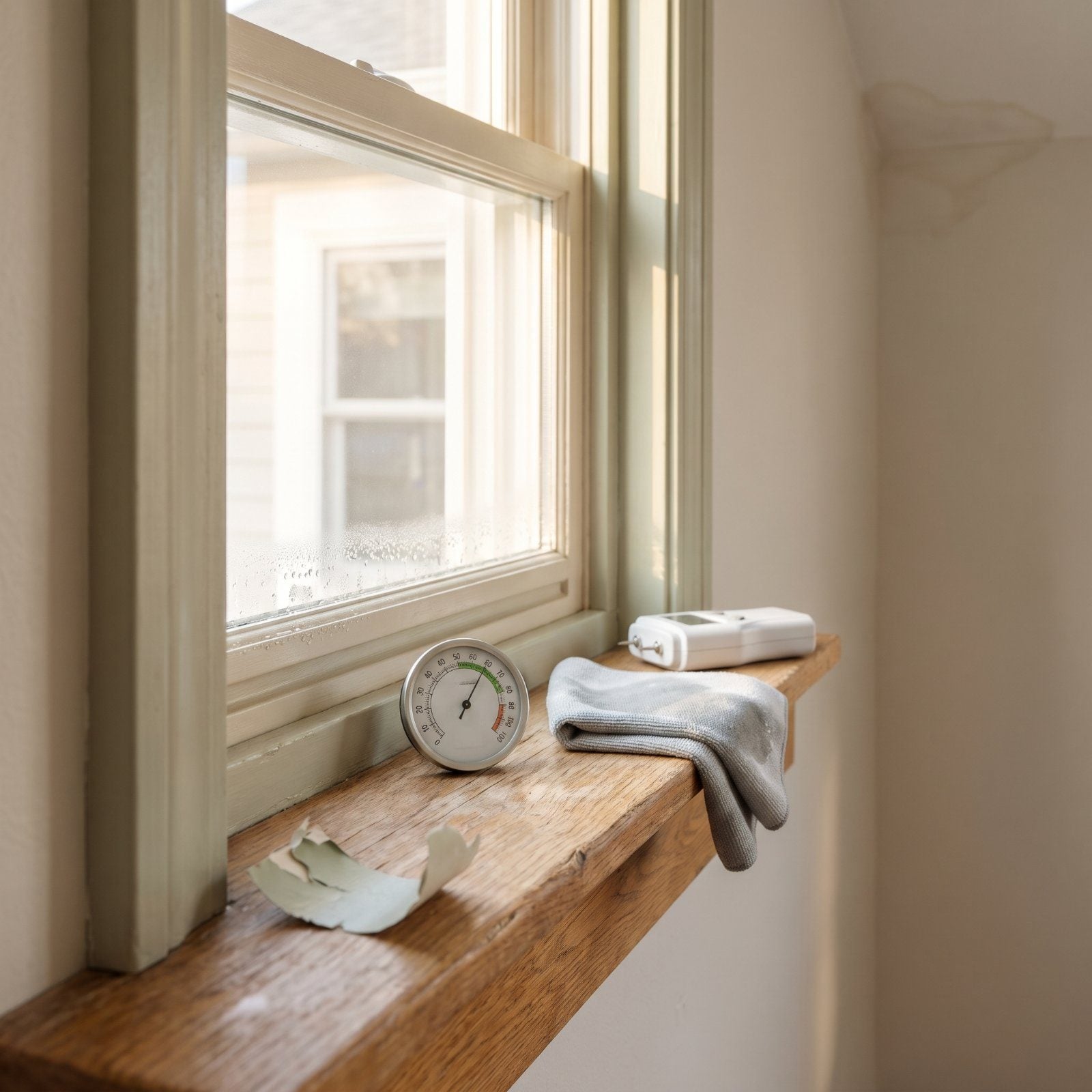
Water doesn’t knock before it moves in. It seeps, it pools, it clings to the undersides of things you never look at, and by the time a house finally admits it has a moisture problem, that problem has usually been settling in for months. The clues are there, though. A smell that won’t quit. A window that weeps every cold morning. A patch of drywall that gives a little when you press it. We walked through the rooms where moisture leaves its fingerprints and gathered the signs worth taking seriously. Catch them early and you fix a nuisance. Ignore them and you fix a wall.
Please note that some of the images in this article were created with the assistance of AI.
38. A Persistent Musty Smell Greets You Indoors
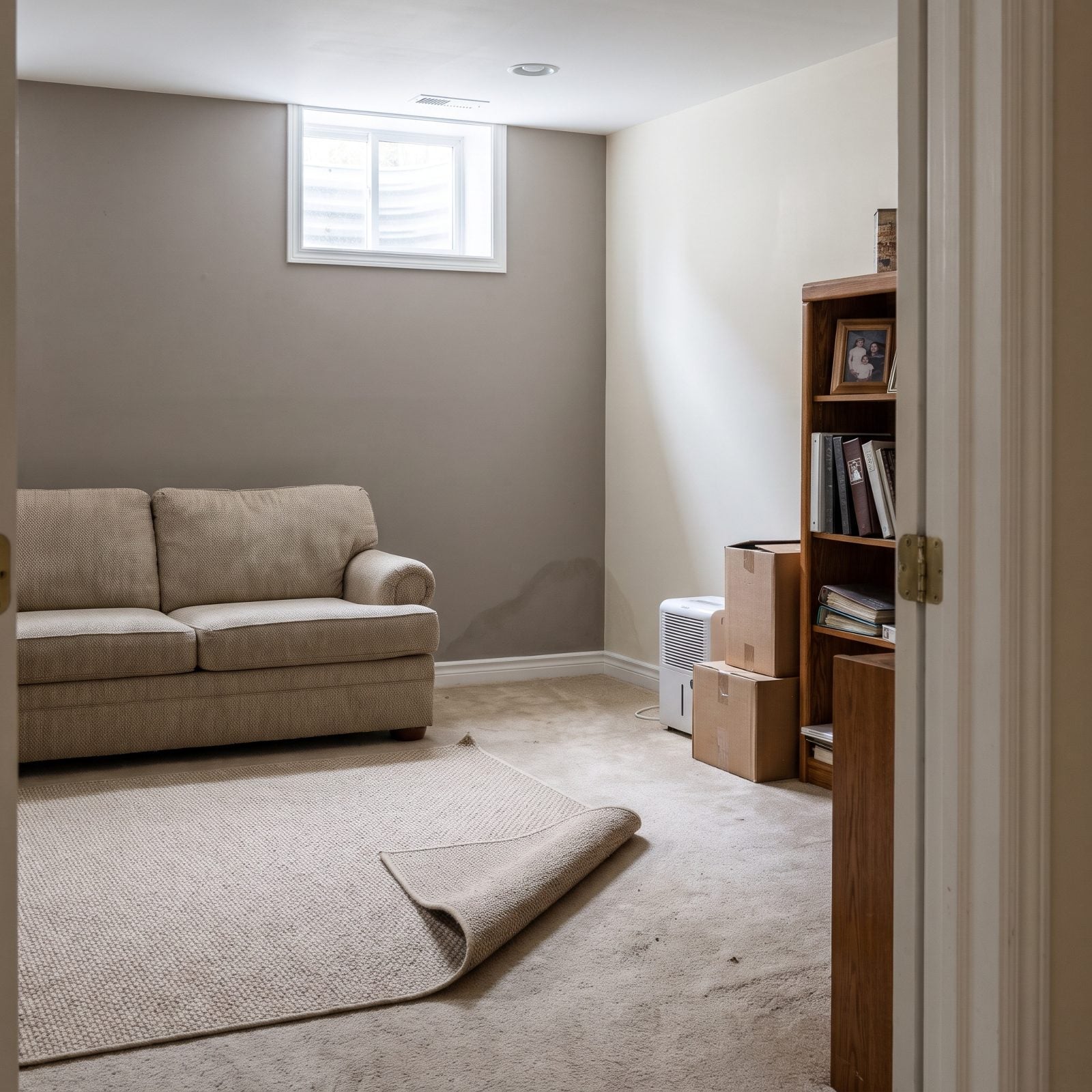
That smell is not the house being old. It’s the house being wet. Mustiness is the exhaust of microbial life, mold and mildew digesting damp drywall, carpet backing, and the underside of subfloors. You stop noticing it after a few minutes because your nose adapts, which is exactly why guests catch it the second they walk in and you don’t.
Here’s a test worth trusting. Leave the house for an hour, then come back and breathe at the front door before you’ve touched a thing. If the air hits you, moisture is feeding something, and the smell will be strongest where the problem is worst, usually low, usually in a basement or a closet nobody opens.
37. The Dehumidifier Tank Fills Surprisingly Fast
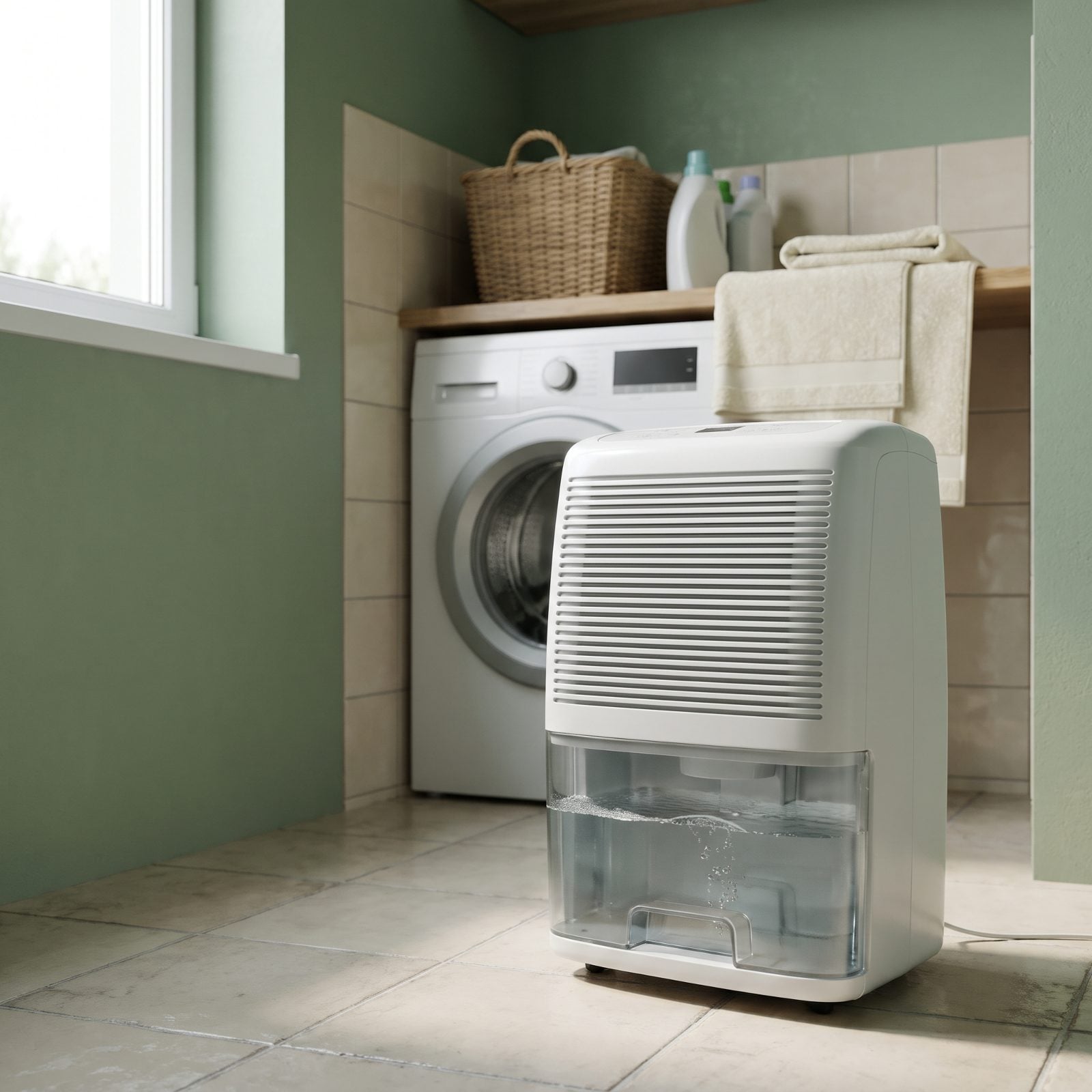
Pay attention to how often you’re emptying that tank. A unit that needs dumping once a day in a humid July is normal. One that fills in a few hours, or keeps filling through fall and winter when the air outside is bone dry, is pulling water that has no business being there.
That extra water comes from somewhere. A slab wicking groundwater. A slow plumbing leak. Poor ventilation trapping shower and cooking steam with nowhere to go. The dehumidifier isn’t solving the problem. It’s measuring it.
36. Condensation Collects Along Window Edges
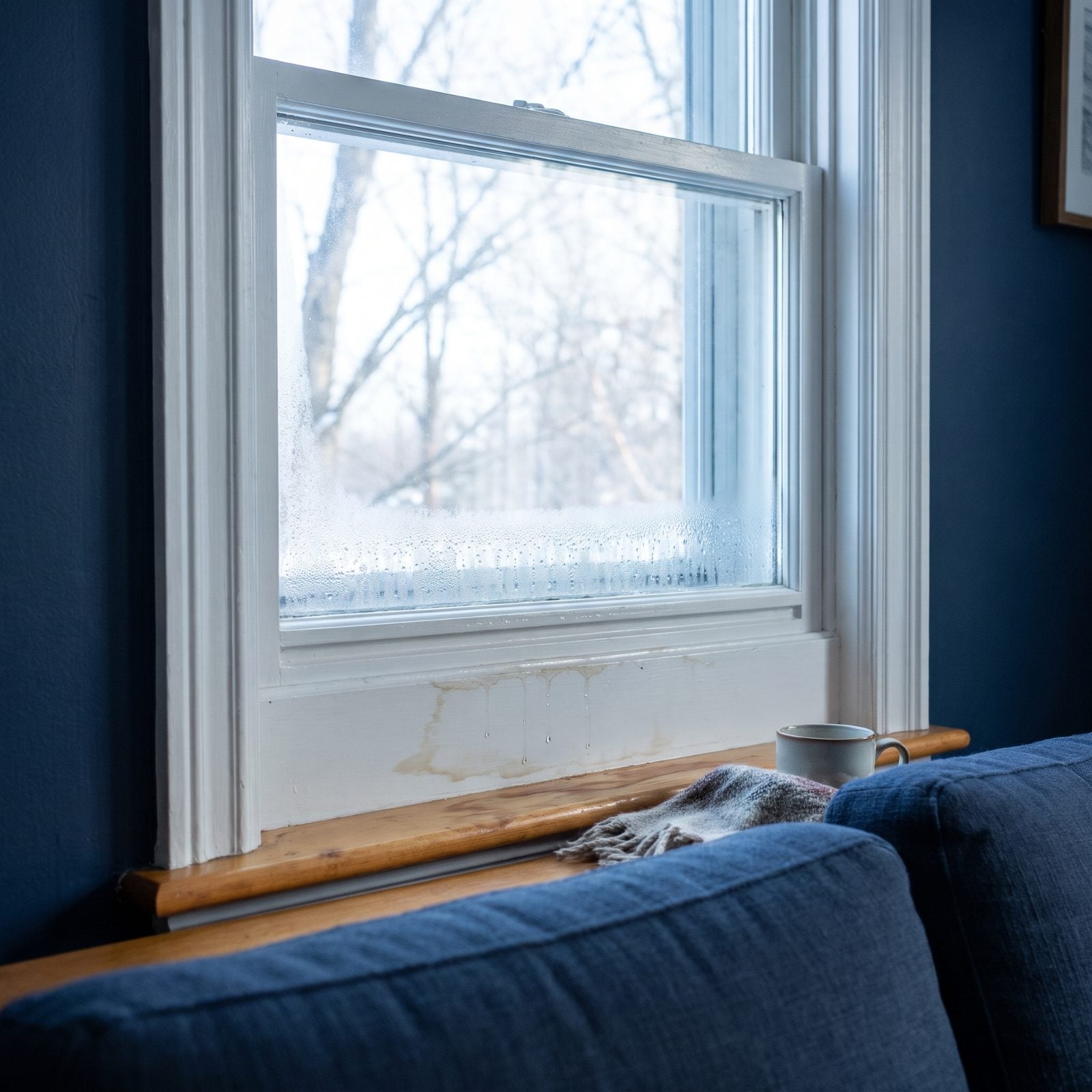
A little fog on a freezing morning clears by noon and means nothing. Water that pools at the bottom of the glass every single day is a different story. The air inside is so saturated that the cold pane pulls moisture right out of it, and that water runs straight down into the wood sill.
Give it a few winters and the sill swells, the paint lifts, and the joint between glass and frame grows a fine black line of mildew. Wipe the glass if you must, but the real fix is lowering the room’s humidity or getting the air moving. The window is just the coldest surface around, so it’s where the water turns up first.
35. Cold-Water Pipes Regularly Sweat
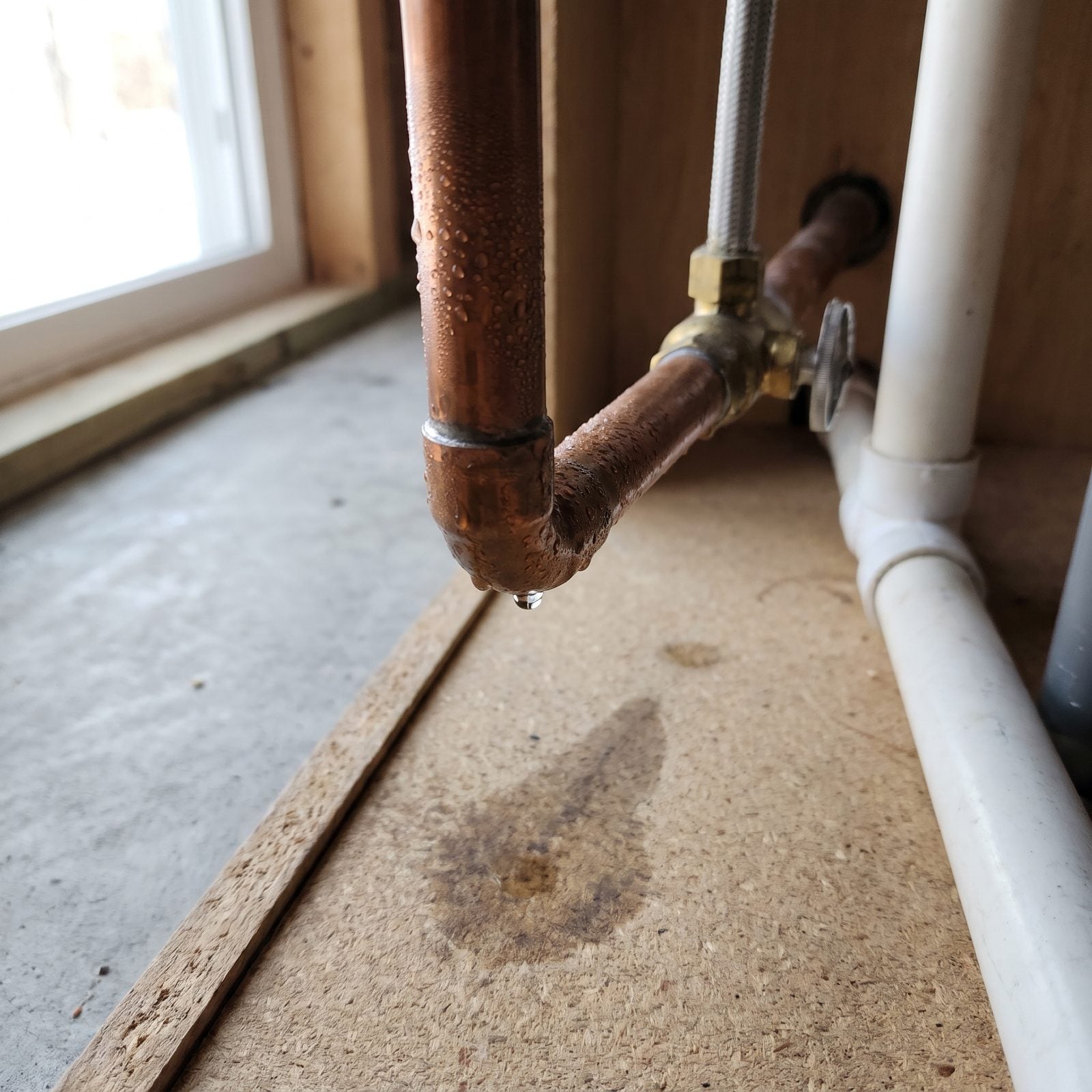
Run your hand along a cold-water line in the basement in summer, and if it comes back wet, that’s condensation, not a leak. Warm humid air meets cold metal and sheds its moisture onto the surface. The physics is harmless. The puddle underneath is not.
Sweating pipes drip onto joists, subfloor, and that box of stored cardboard, and because it all happens out of sight, it goes on for seasons. Foam pipe insulation is a few dollars a length and stops it cold. But sweating this heavy is also telling you the surrounding air is far too wet, which is the bigger message.
34. HVAC Ducts Develop Exterior Condensation
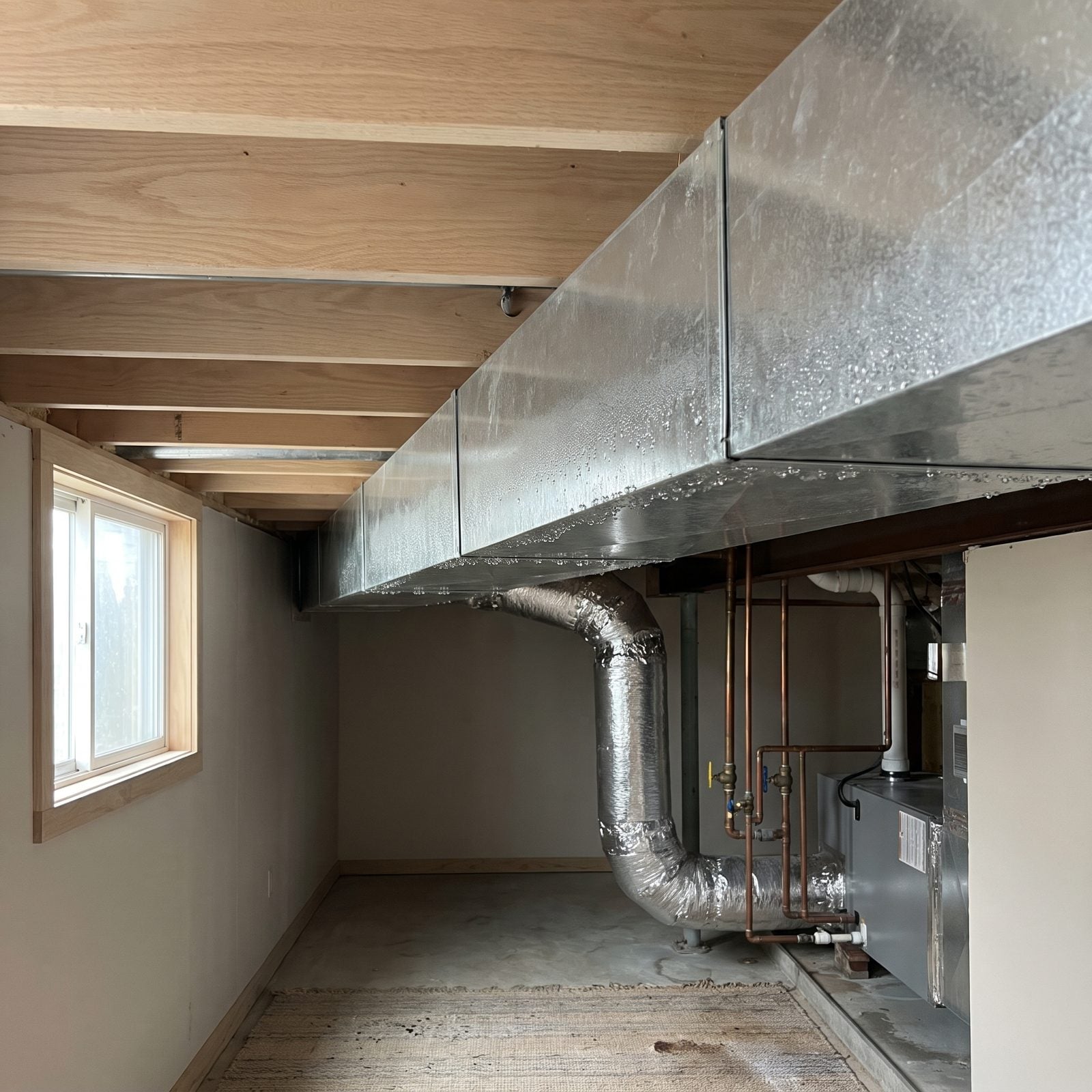
Cold ducts carrying air-conditioned air will bead up on the outside when the surrounding air is humid enough, and that water drips onto whatever sits below. In an attic, that’s your insulation. In a basement, it’s the ceiling of the room beneath.
The water trail often shows up as a mystery stain far from the duct itself, which sends people hunting for a roof leak that was never there. Properly insulated and sealed ducts stay dry. When they sweat, you’ve got excess humidity plus gaps in the duct wrap, and both are worth chasing down before the drywall below starts holding the memory of it.
33. The Bathroom Fan Grille Drips Water
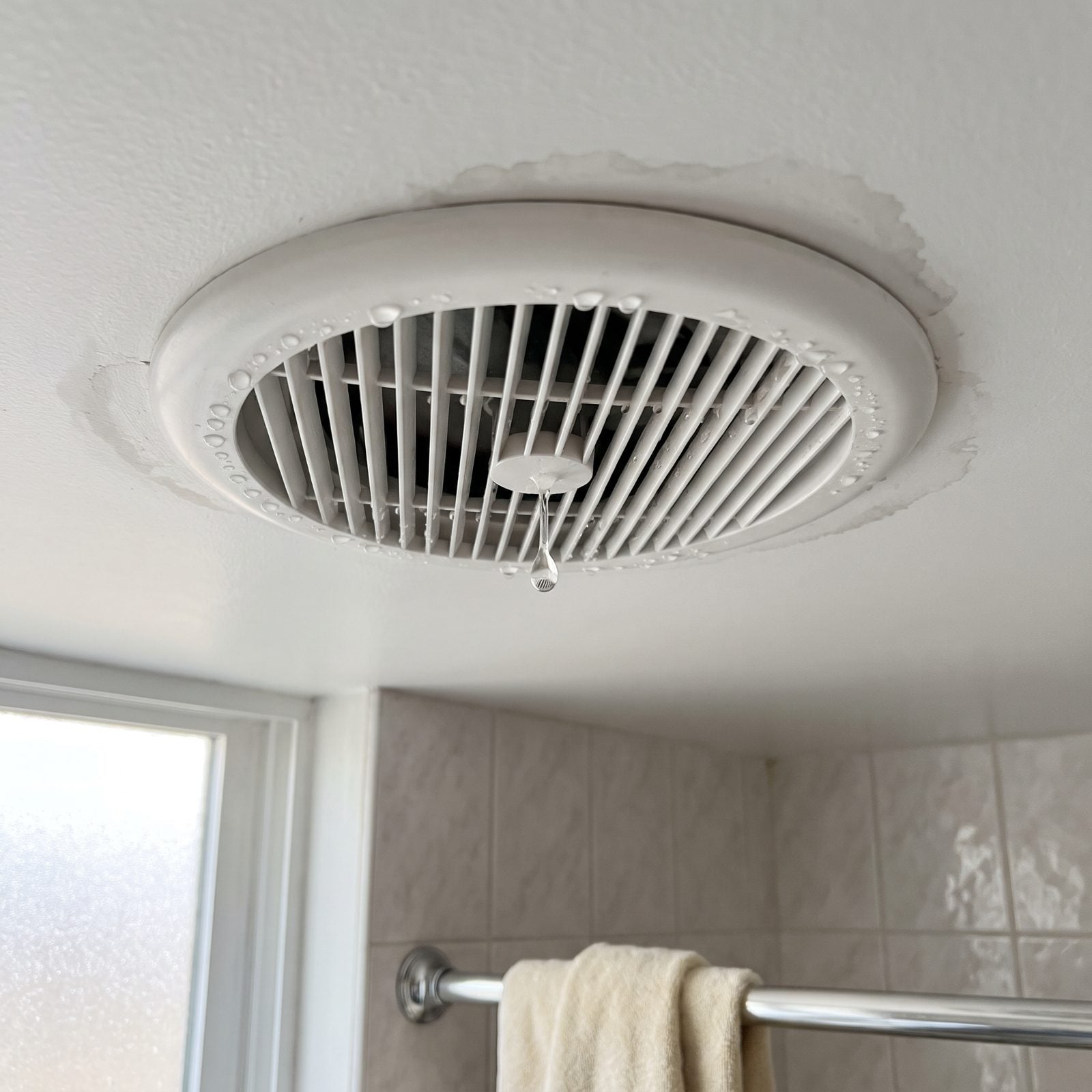
A bathroom fan that drips is almost always one of two things. Either the duct dumps into the attic instead of outside, or it vents outdoors but isn’t insulated, so warm shower air hits a cold pipe and rains back down. Either way, the steam you thought you were sending away is condensing a foot above your head.
You’ll see it as droplets on the grille and grey halos creeping across the paint around it. Run the fan ten minutes past your shower and check where that duct actually ends. In plenty of attics, the thing just vents straight up into the insulation, soaking it one shower at a time.
32. Ceiling Corners Show Yellow-Brown Stains
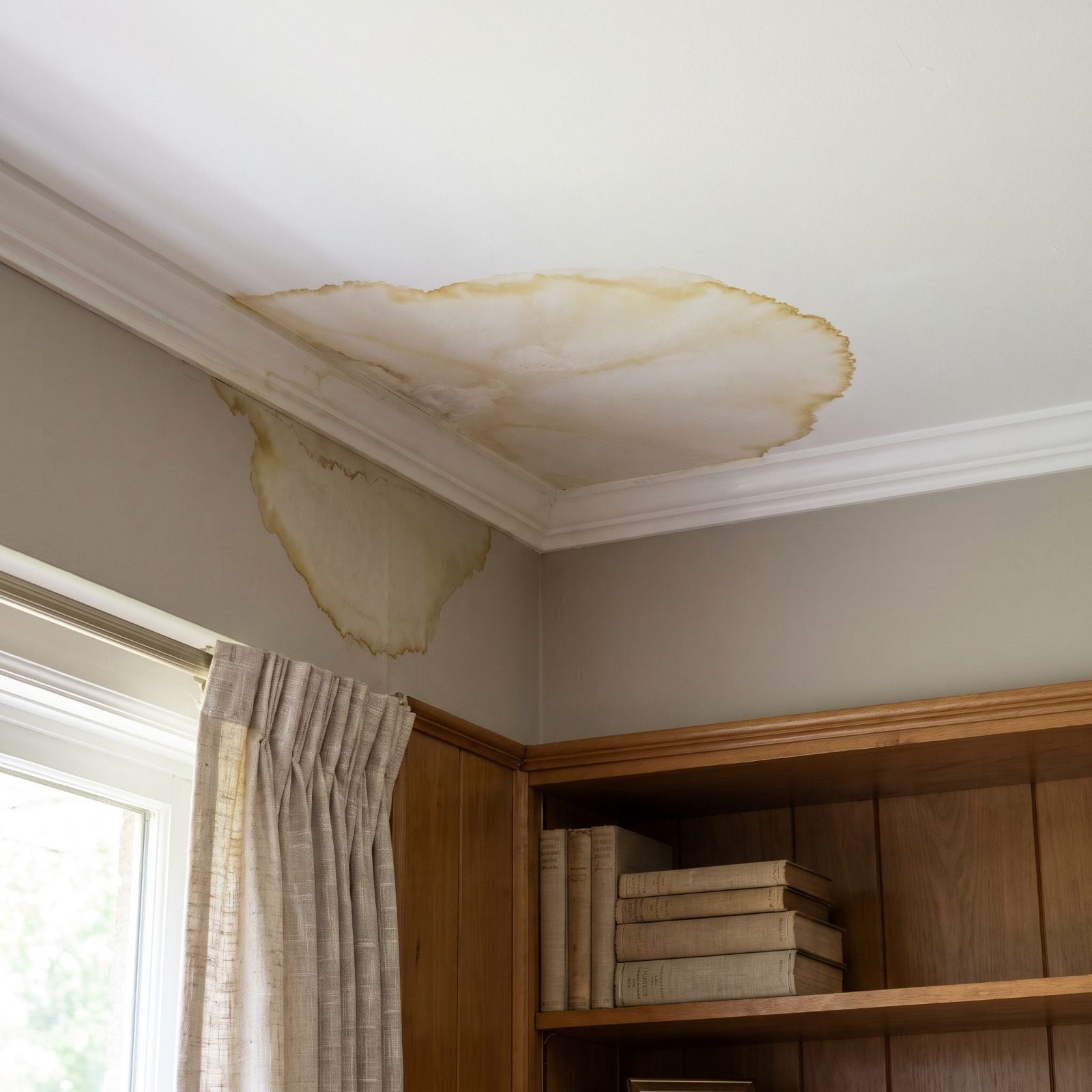
Those amber blotches are water that soaked the drywall, then dried, carrying minerals and tannins to the surface as it went. The tell is the edge. A hard brown ring around the stain means the water came and left more than once, drawing a tide line each time.
Corners catch it first, because that’s where roof valleys, failed flashing, and ice dams tend to funnel water. A stain the same color edge to edge might be old and done. A stain that’s darker and spreading is still active, and painting over it without finding the source just buries the evidence for a while.
31. Paint Bubbles Away From the Wall
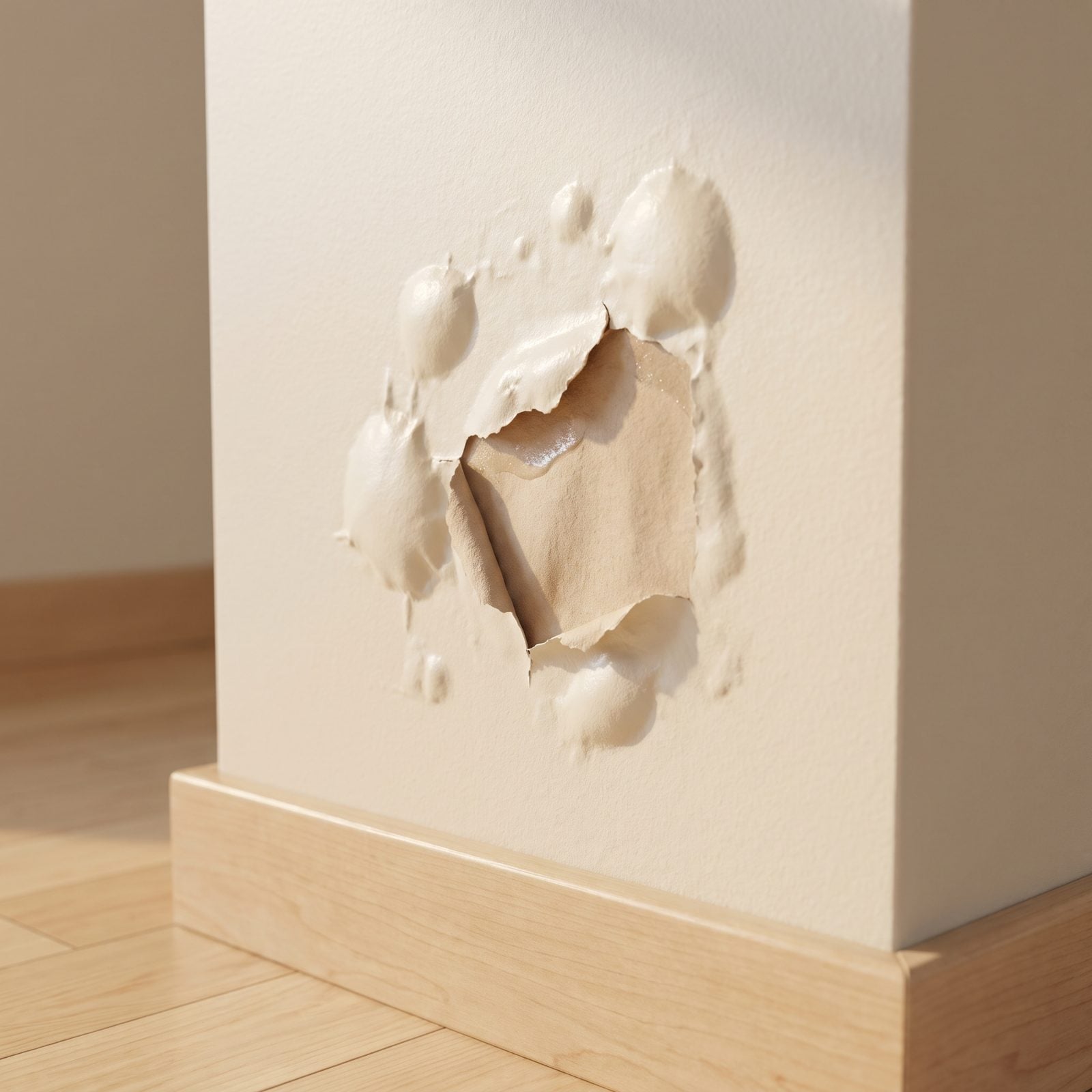
When paint blisters and pulls off the wall, water got behind the film and broke the bond. Press one of the bubbles. If it’s soft and damp, moisture is still in there, trapped between the paint and a wall that can’t dry because the paint sealed it in.
This loves exterior walls, the spots behind furniture shoved tight to the plaster, and the stretches near kitchens and bathrooms. Scraping and repainting feels like a fix and lasts about a month before it blisters all over again. The paint is a symptom. The wall behind it is the patient.
30. Drywall Feels Spongy Near the Floor
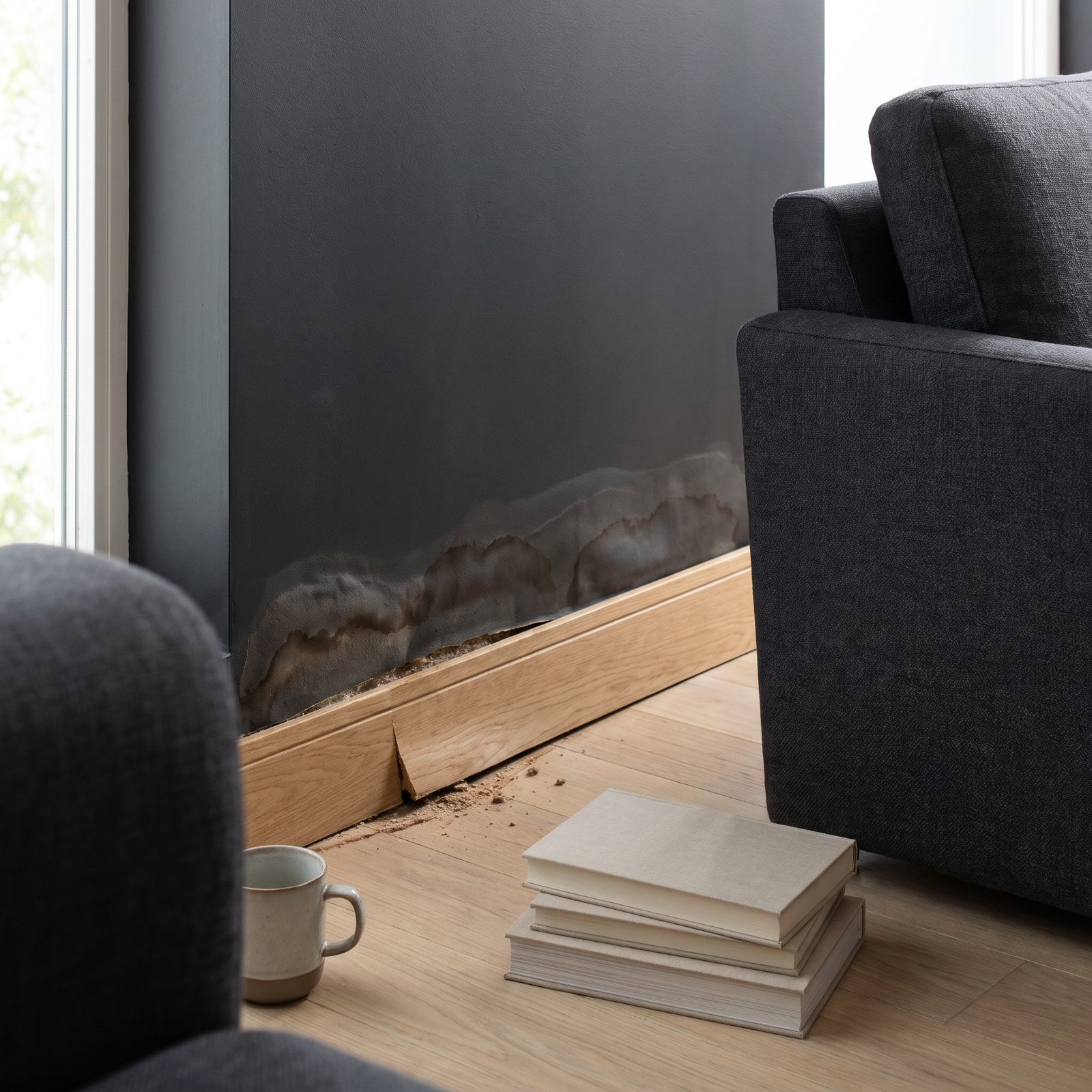
Drywall that gives when you press it, soft like stale bread down near the baseboard, has been wet long enough to lose its structure. The gypsum core turns to paste and the paper backing becomes a buffet for mold. This is the serious end of the list, where you’ve moved from annoyance to actual repair.
It usually means water wicking up from a slab, a slow pipe leak behind the wall, or flooding that never fully dried. See that faint horizontal line a few inches up? That marks how high the water stood. Spongy drywall doesn’t recover. You cut it out and replace it, and you find the source first, because new drywall on a wet wall just rots all over again.
29. A Ceiling Begins to Bow or Sag
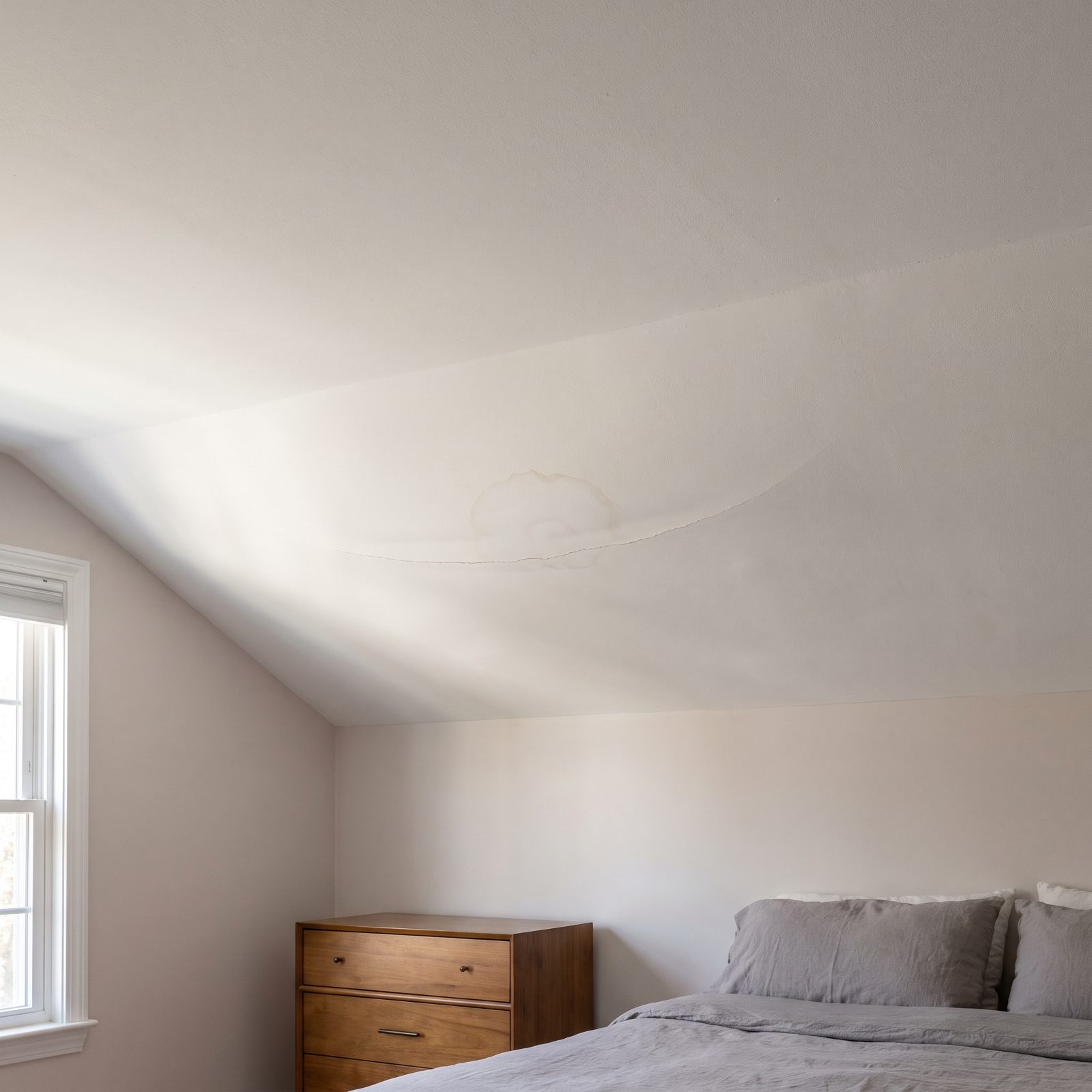
A flat ceiling that starts to droop in one spot is drywall giving up: the paper and gypsum soak water from above, soften, and gravity finishes the job. By the time you can spot the curve from the doorway, that panel has been holding moisture for weeks.
Press nothing. A saturated ceiling can let go all at once, and wet drywall is far heavier than it looks. Find the source first — usually a slow roof leak or a sweating pipe in the joist bay overhead.
28. Wallpaper Seams Curl Away From the Wall
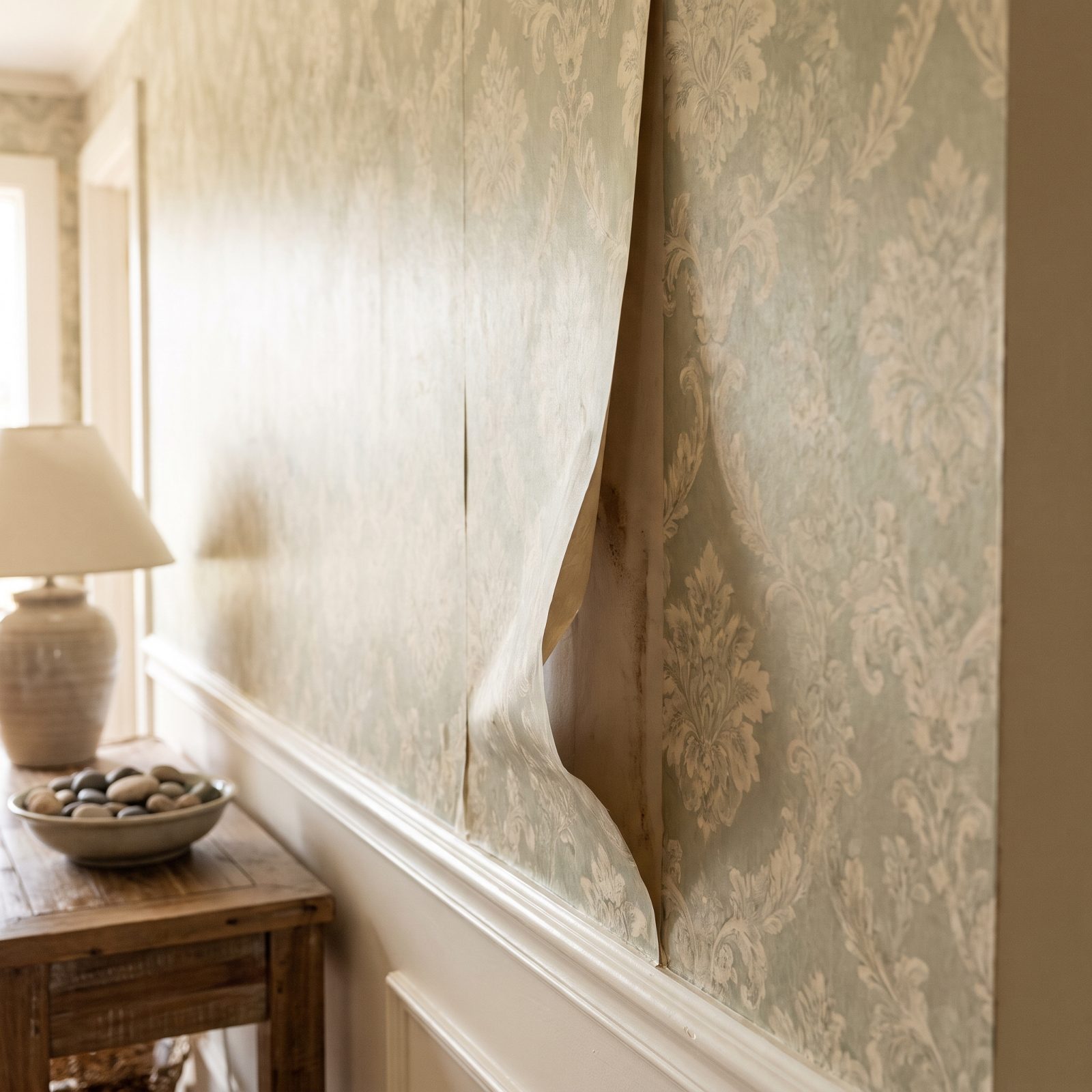
Wallpaper paste dissolves in water, which is exactly the problem. When humidity creeps behind the paper and lingers, the adhesive loosens and the seams lift first. You’ll spot them curling at eye level long before your hand feels anything.
One curled seam in a steamy bathroom might just be tired old glue. But seams lifting in a bedroom or a hallway are telling you something else — moisture is traveling through the wall and never drying out.
27. Baseboards Swell or Pull Loose
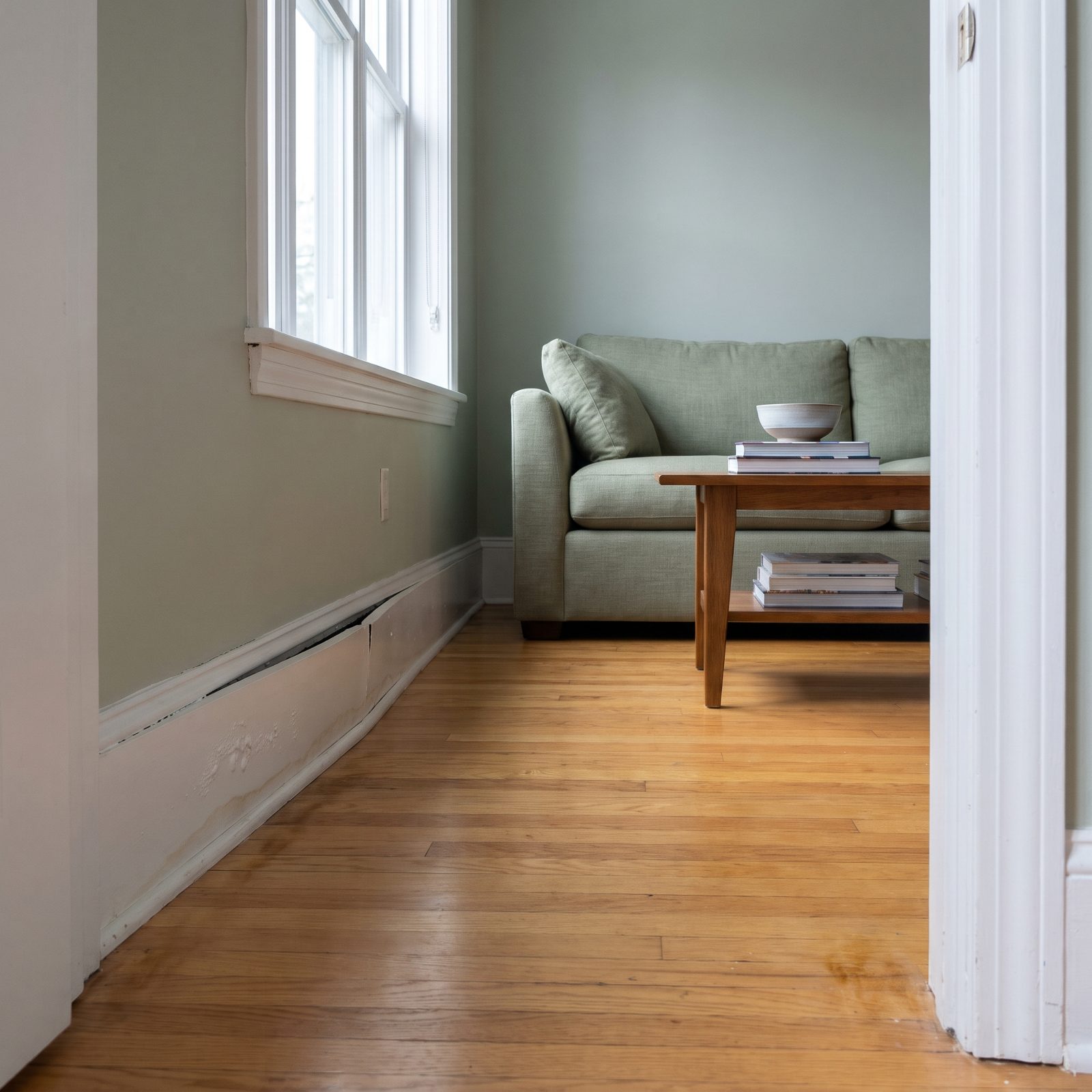
Baseboards live at the bottom of the wall, where water pools and wicks upward. MDF trim swells and turns spongy; real wood cups and shoves its top edge away from the wall, opening a thin gap you can slide a card into.
Look low. This is a floor-level clue, and a dishwasher that weeps, a slow toilet seal, or water sheeting down behind the drywall all land here first.
26. Wooden Floorboards Start Cupping
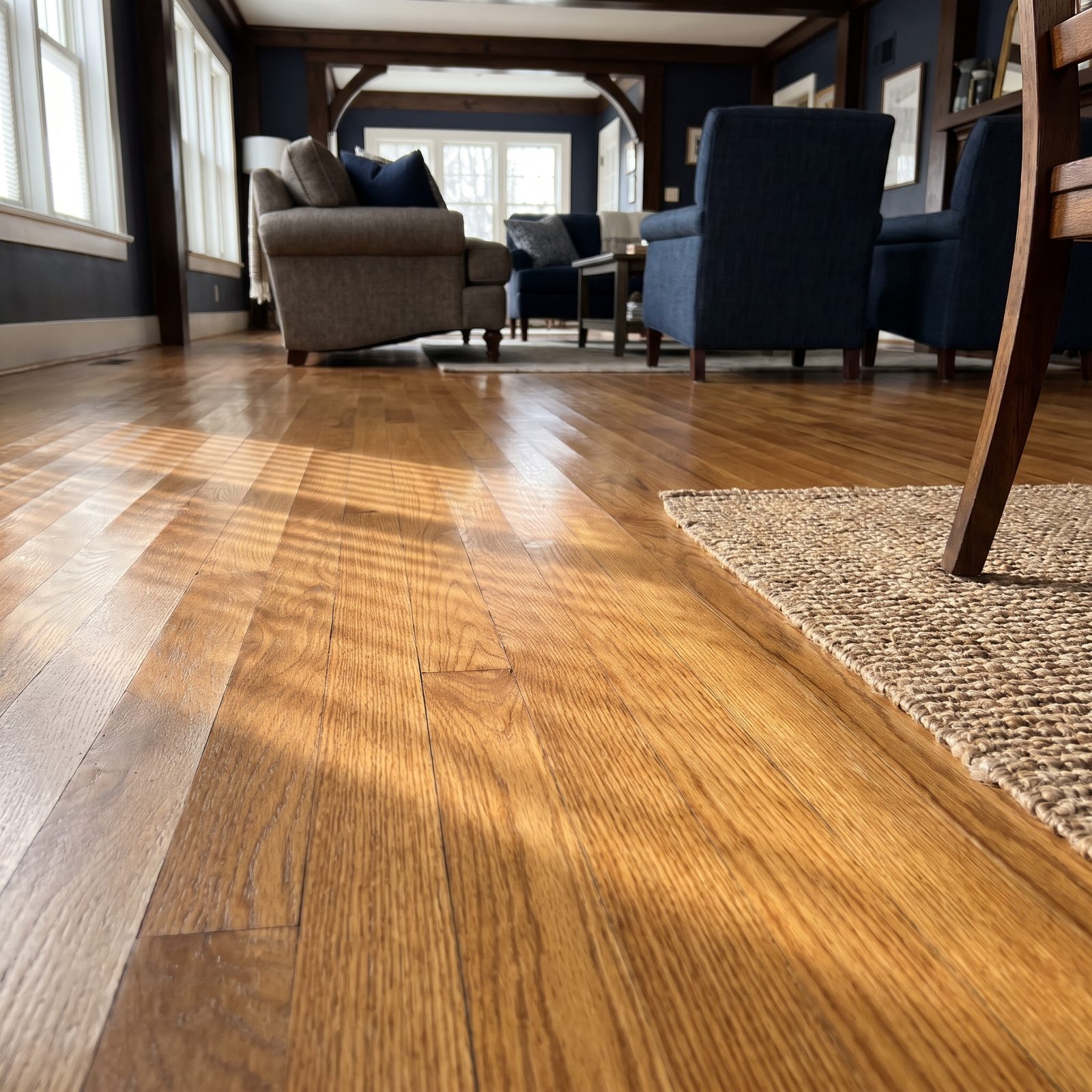
Cupping is a wood floor telling you its underside is wetter than its top. Each board drinks moisture from below, swells along the bottom edges, and curls up at the sides like a shallow trough. Catch the light low across the floor and the ripples jump out.
Subfloor moisture is the usual culprit — from a crawlspace, a slab, or a slow leak feeding the boards from underneath. Sand it flat before you fix the moisture and you’ve just bought yourself a worse problem down the road.
25. Wooden Doors Swell and Begin Sticking
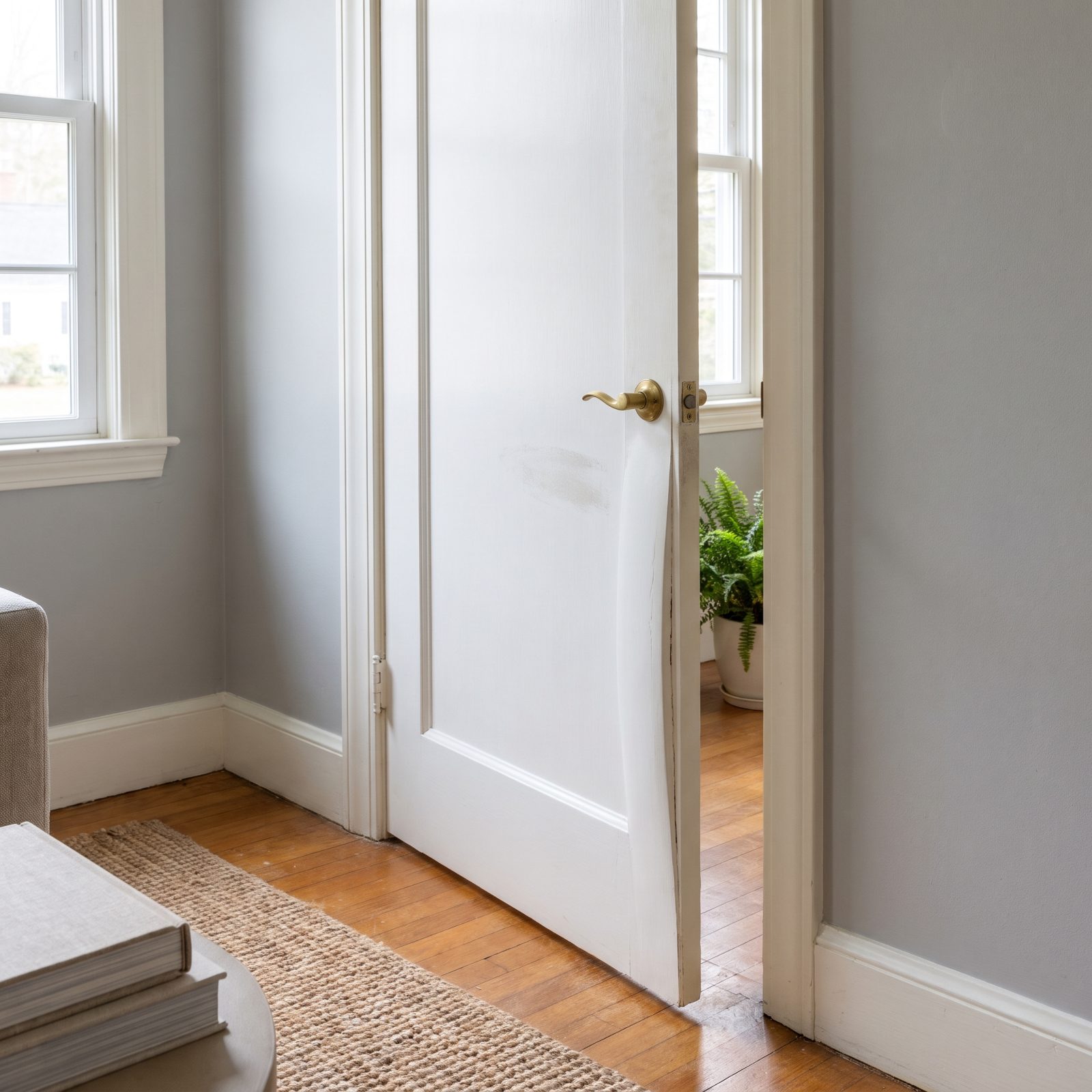
A door that sticks every summer and frees up by fall is just wood breathing with the seasons. A door that sticks and stays stuck is the clue worth reading. Swollen wood that never shrinks back means the humidity around it isn’t clearing.
Watch where it binds. Catching at the top points up; catching low points at the floor. The door is a crude hygrometer hanging in your hallway, and it never lies.
24. Furniture Veneer Starts Lifting

Veneer is a paper-thin slice of wood glued over cheaper board, and that glue despises humid air. Let moisture settle in and the veneer bubbles, ripples, or peels back at a corner. You’ll usually see it on a piece parked against an outside wall.
And here’s the handy part: furniture reacts faster than framing. A dresser lifting its veneer against one particular wall is pointing a finger at that wall long before the wall itself shows a thing.
23. Wood Trim Feels Soft When Gently Pressed
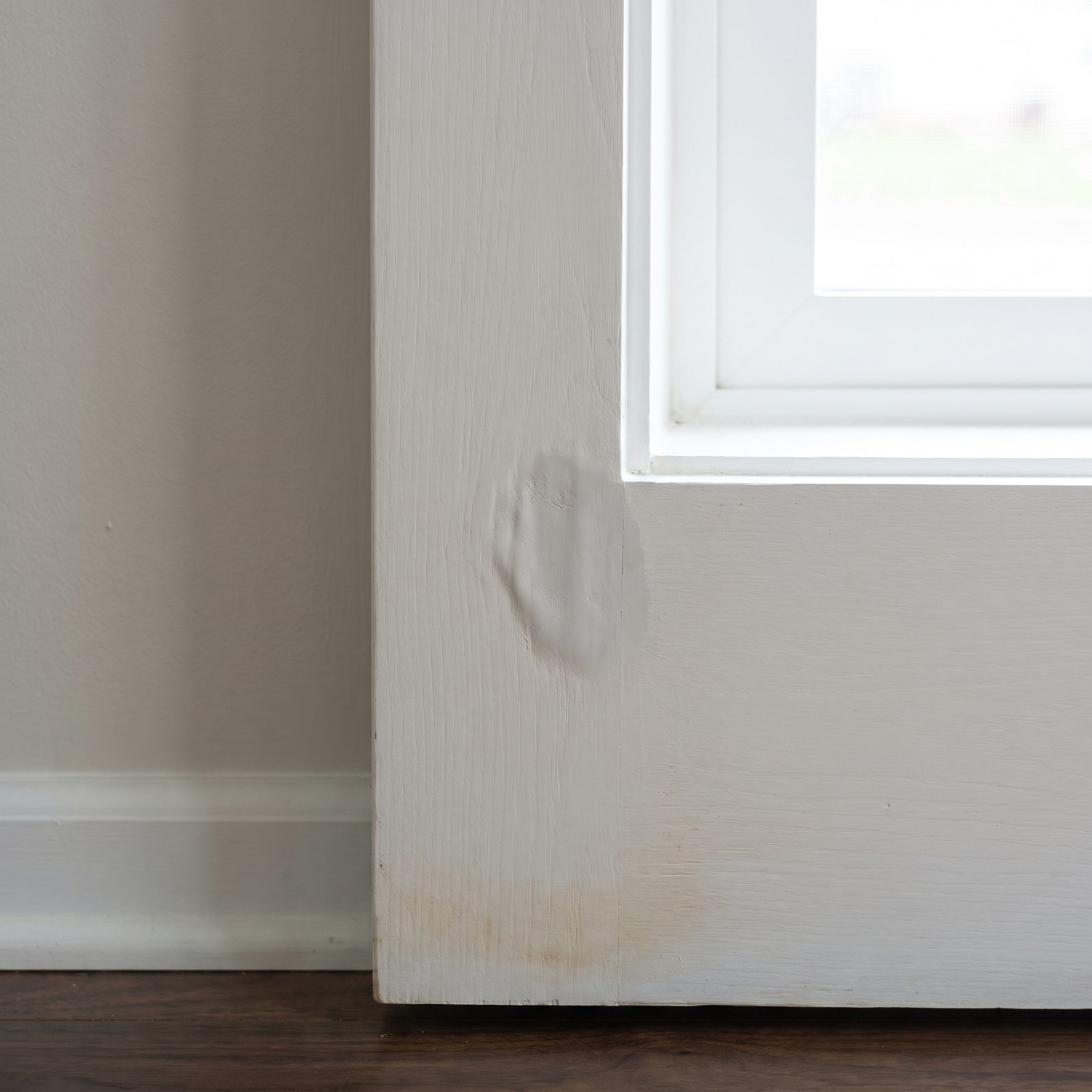
Most moisture clues you spot. This one you feel. Healthy painted trim should press back firm and solid, so if a casing or sill gives slightly under a gentle thumb — faintly spongy under the paint — the wood fibers behind it are already breaking down.
Soft wood means rot, and rot means the moisture has lingered long enough to feed fungus. From across the room the paint looks perfect. The truth sits an inch beneath it.
22. Dark Mold Spots Appear on Window Frames
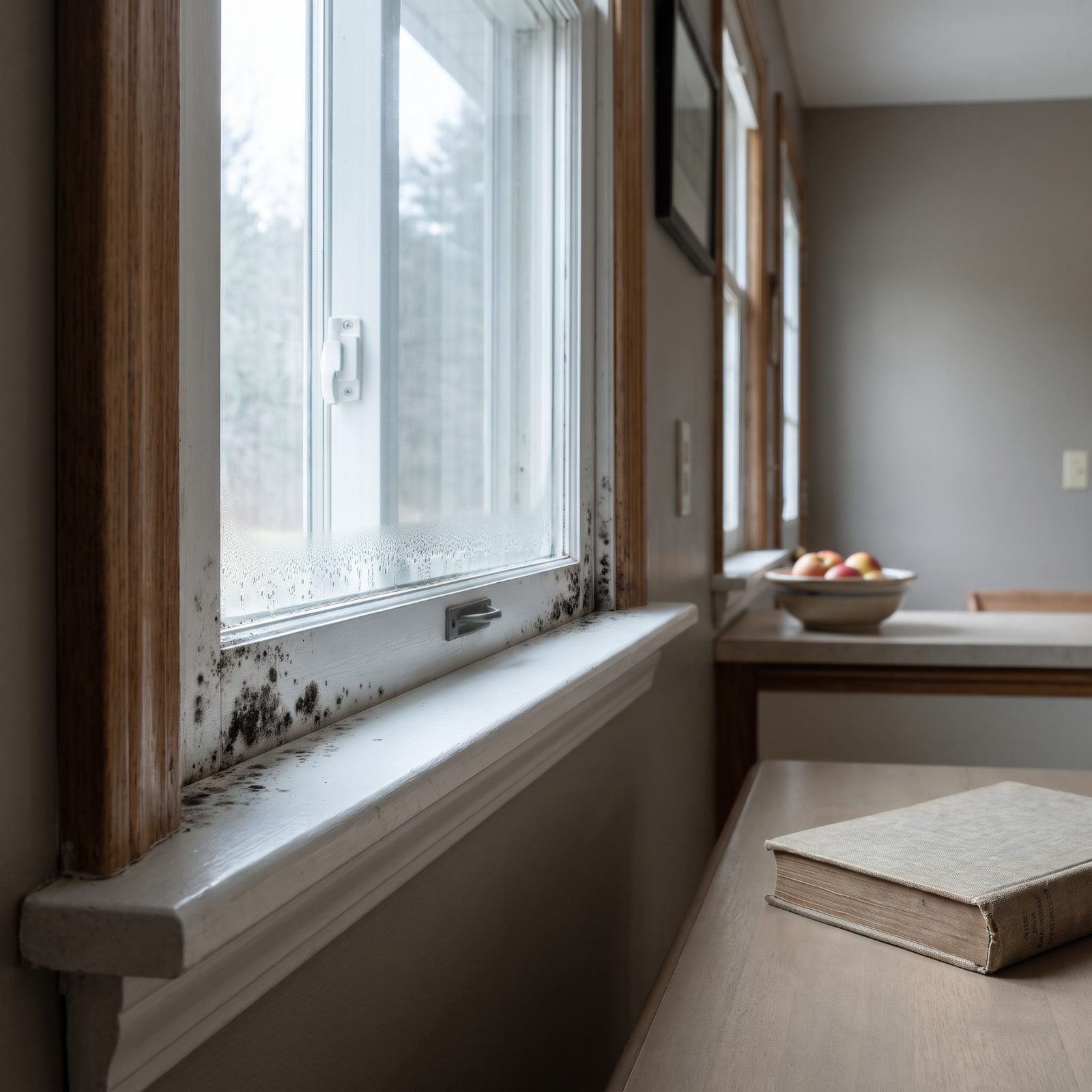
Window frames are where warm indoor air meets cold glass, so they condense first and dry last. Those black speckles clustering in the bottom corners? Mold, feeding on trapped moisture and paint.
Wipe them and watch. If they come back within a week or two, you’re not dealing with dirt — you’re dealing with humidity that has nowhere to go. Single-pane and old aluminum windows suffer worst, because the frame itself runs cold.
21. Mildew Returns Quickly on Bathroom Grout
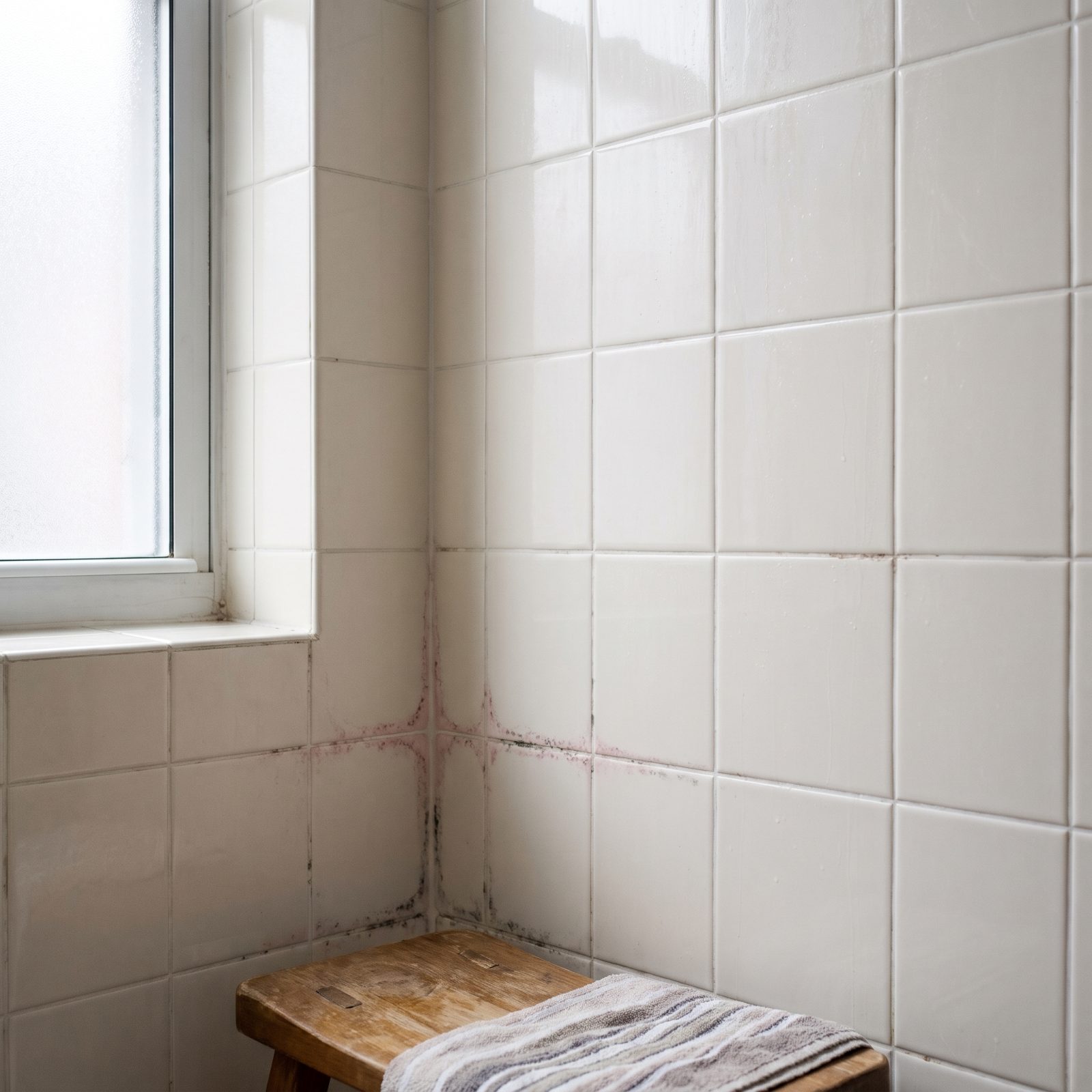
You scrub the grout. It looks clean. Three days later the gray fuzz and pink haze are back in the same corner, and that return rate — not the mildew itself — is your real clue.
Grout is porous and shower walls will always get wet. The only question that matters is whether they dry between uses. When mildew rebounds in days instead of weeks, your bathroom isn’t venting: the fan is either weak, wrongly ducted, or shutting off too soon.
20. Mold Forms Behind Large Furniture
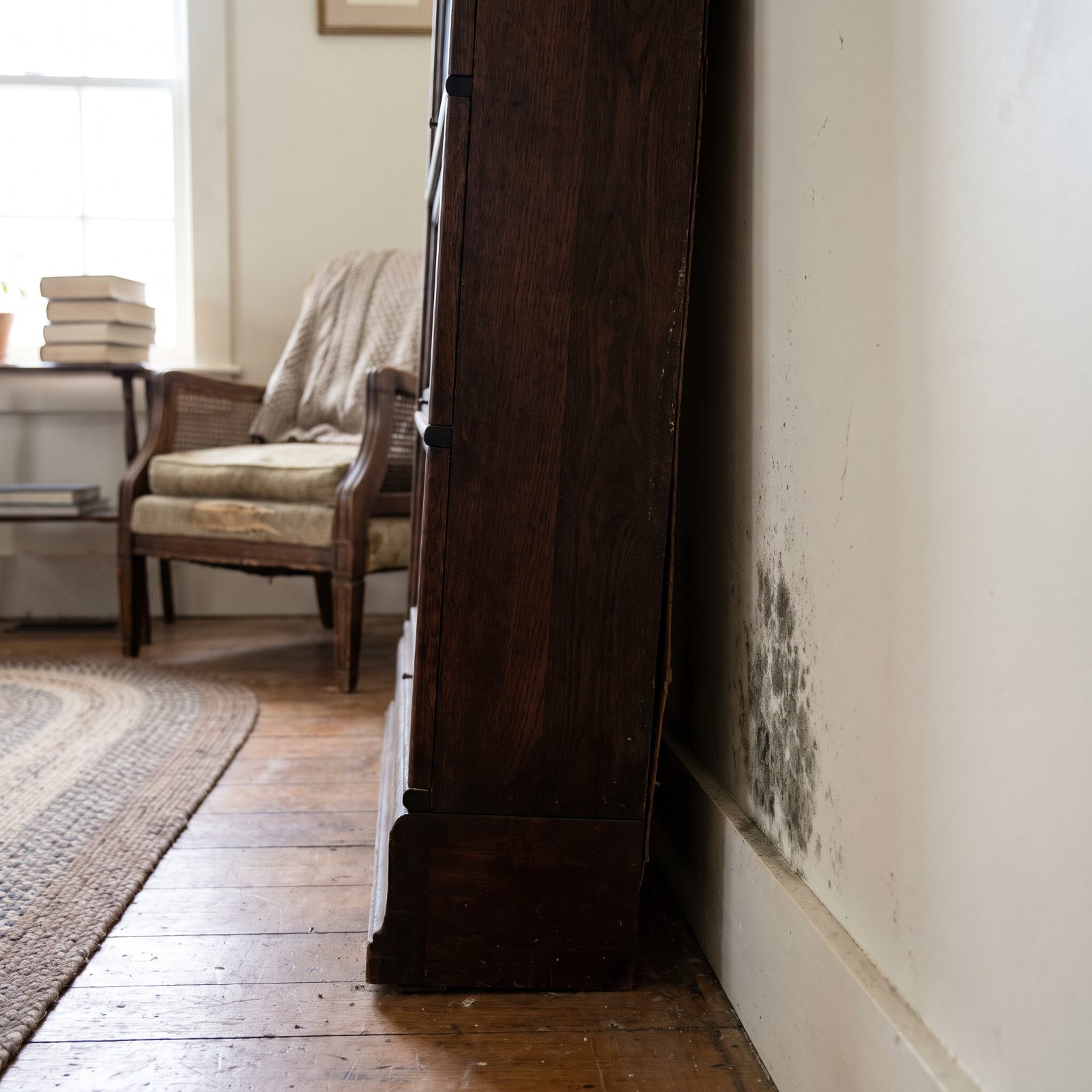
Push a sofa or bookcase flat against an outside wall and you’ve made a dead pocket where no air moves. Warm room air hits the cold wall surface behind the furniture, condenses, and just sits there. Mold adores that spot, mostly because nobody ever looks.
You’ll usually catch it by smell first — a faint earthy mustiness near one wall, well before you drag the furniture out and find the bloom. Give big pieces an inch or two of breathing room against exterior walls and the dead pocket vanishes.
19. Closets Smell Musty the Moment You Open the Door

Smell is the first thing a house tells you, long before the walls say a word. Open a closet after a few days away and get a damp, cellar-like whiff, and you’ve found a space holding moisture it can’t shed.
The mechanics aren’t complicated. No air moves in there, fabric is packed tight, and one cold exterior wall sits a few degrees below the rest of the room, so moisture condenses against it and just stays. What you’re smelling is microbes at work on your clothes and the drywall behind them.
18. Freshly Washed Towels Never Quite Dry on the Rack
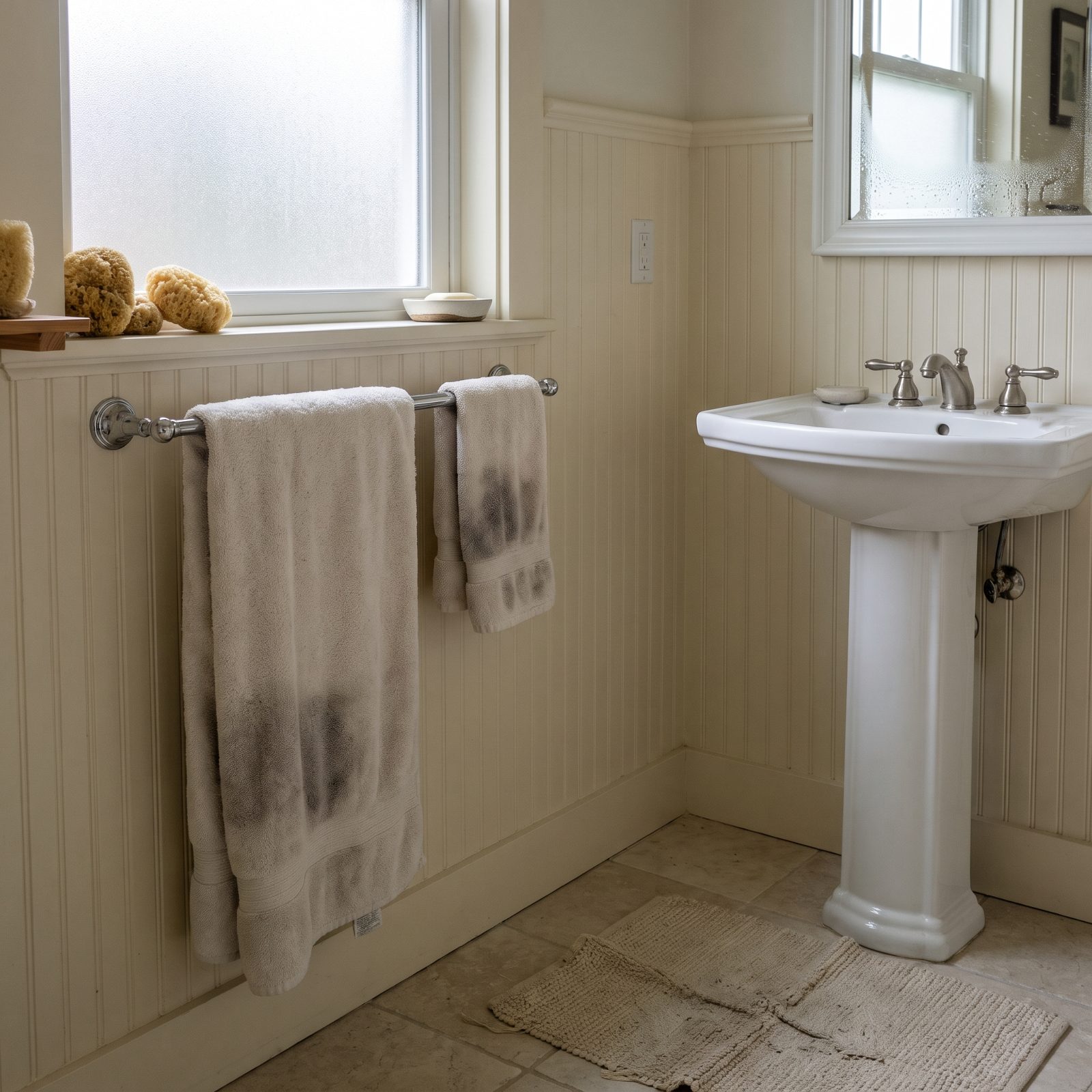
You hang a towel, come back twelve hours later, and it’s still cool and faintly heavy. That’s not a towel problem. It’s an air problem.
Give damp cotton a room that drains humidity and it pulls the water back out within a day. When towels stay limp and turn sour after a single use, the air around them is already near saturation, so the water has nowhere to go. It sits in the fibers, feeds bacteria, and the sour note returns within hours no matter how much detergent you throw at it.
Run your hand along the towel’s thickest fold. If that part is noticeably cooler and damper than the thin edges, the room isn’t venting.
17. Pale Mildew Creeps Across Leather Shoes and Bags
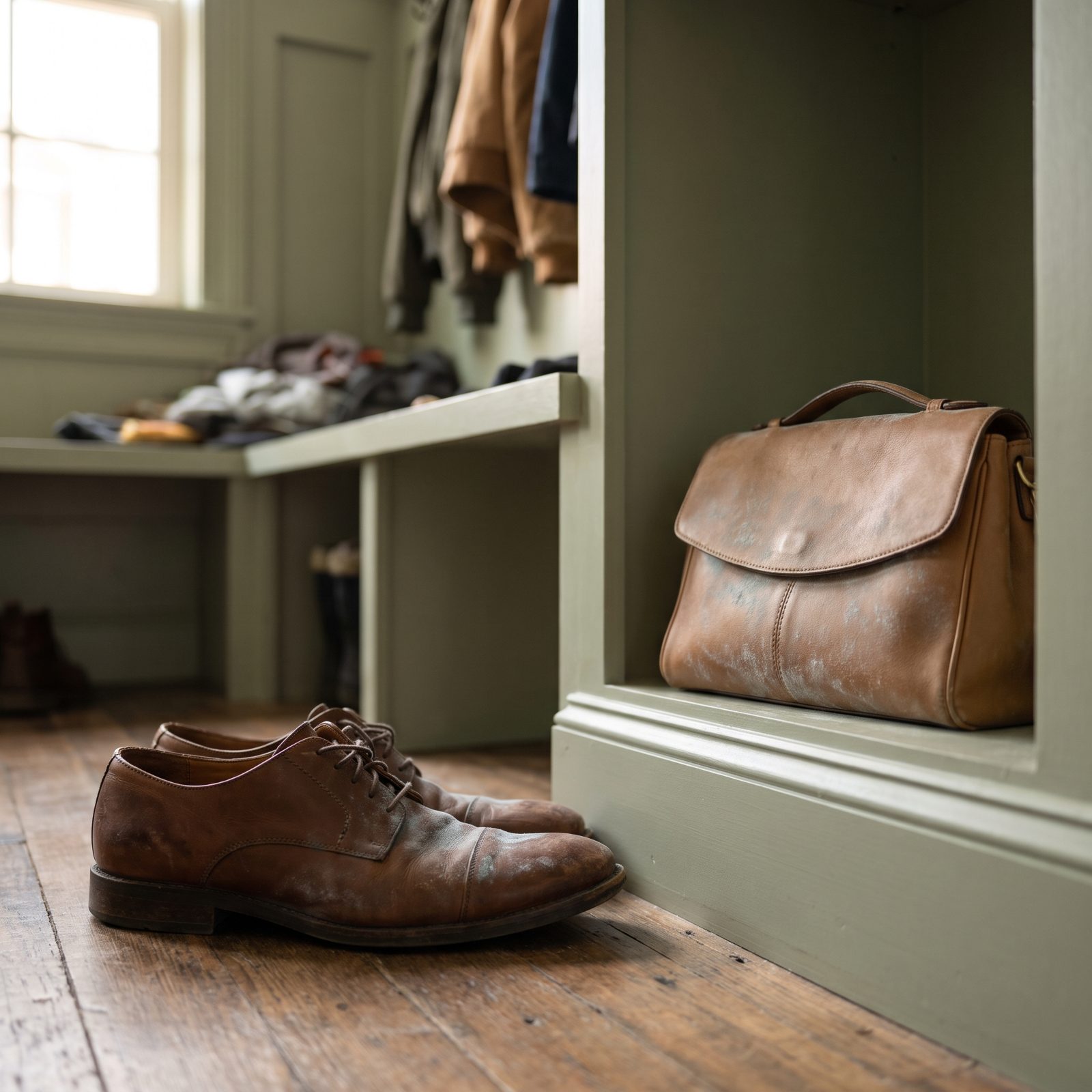
Leather is skin, and skin holds water. Keep the air around it damp and dormant mold spores wake up, blooming into that pale, dusty fuzz on a shoe toe or the flap of a bag you haven’t picked up in a month.
Here’s where people go wrong. They wipe it off and call it solved. But the spores are buried in the pores of the leather, and the real culprit is the humidity in the closet, so wipe all you like — it comes back until you dry out the room.
16. Books Buckle Into Wavy Pages and Smell of Cellar
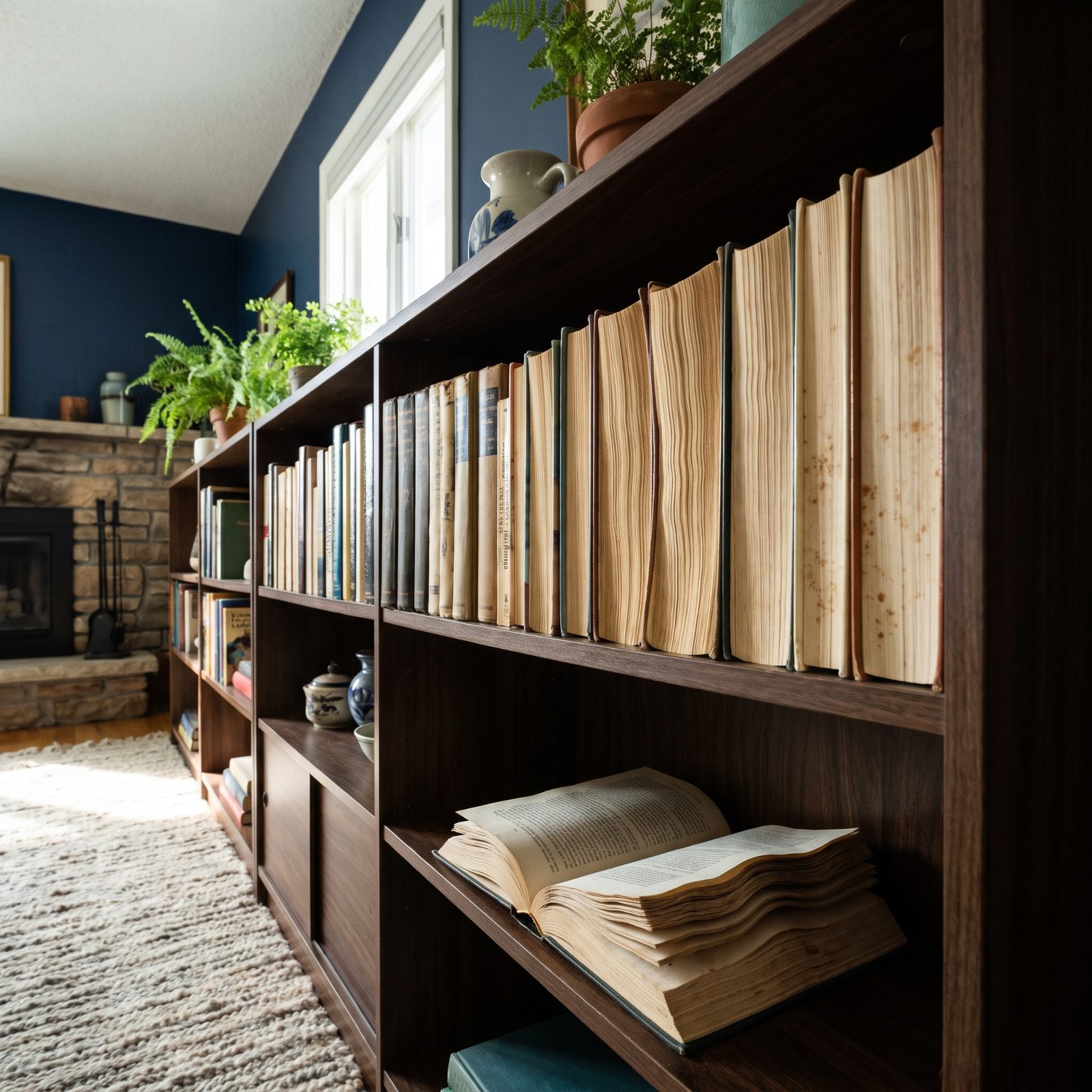
Paper is a humidity gauge you already own. Pages pull moisture from the air, swell at the edges, and dry unevenly, and you end up with rippled, wavy edges even though nothing was ever spilled on the book.
Run your thumb down the page block of a shelf you’re worried about. Edges that feel soft and spongy and refuse to lie flat mean the room has stayed damp long enough for the paper to react. The musty cover smell and those brown foxing spots? Mold, doing slow work on the sizing and the cloth.
It’s easy to dismiss a shelf of old paperbacks as just old. Often they aren’t old. They’re wet.
15. Cardboard Boxes Go Soft and Sag in the Basement
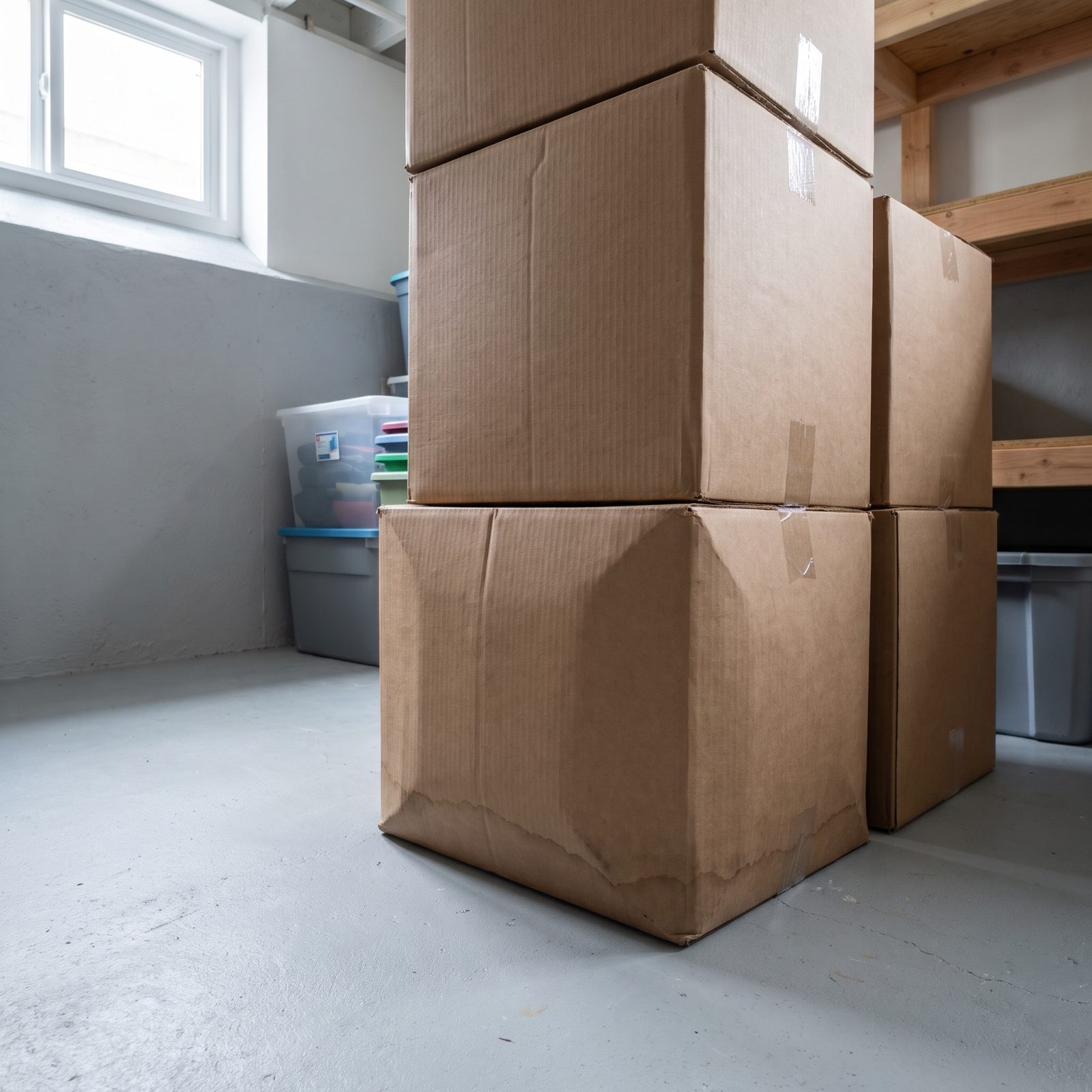
Press a corner of a dry cardboard box and you get a crisp, almost woody resistance. A box that’s been breathing basement air gives way like stale bread.
Cardboard wicks moisture straight up from a cool concrete slab, so the bottom inch softens first and sags under its own weight. Often you’ll spot a faint tide line where the damp climbed the side — the clearest tell that the floor is handing off water and the air down there isn’t carrying it away.
14. Rugs Feel Cool and Damp When You Lift the Edge
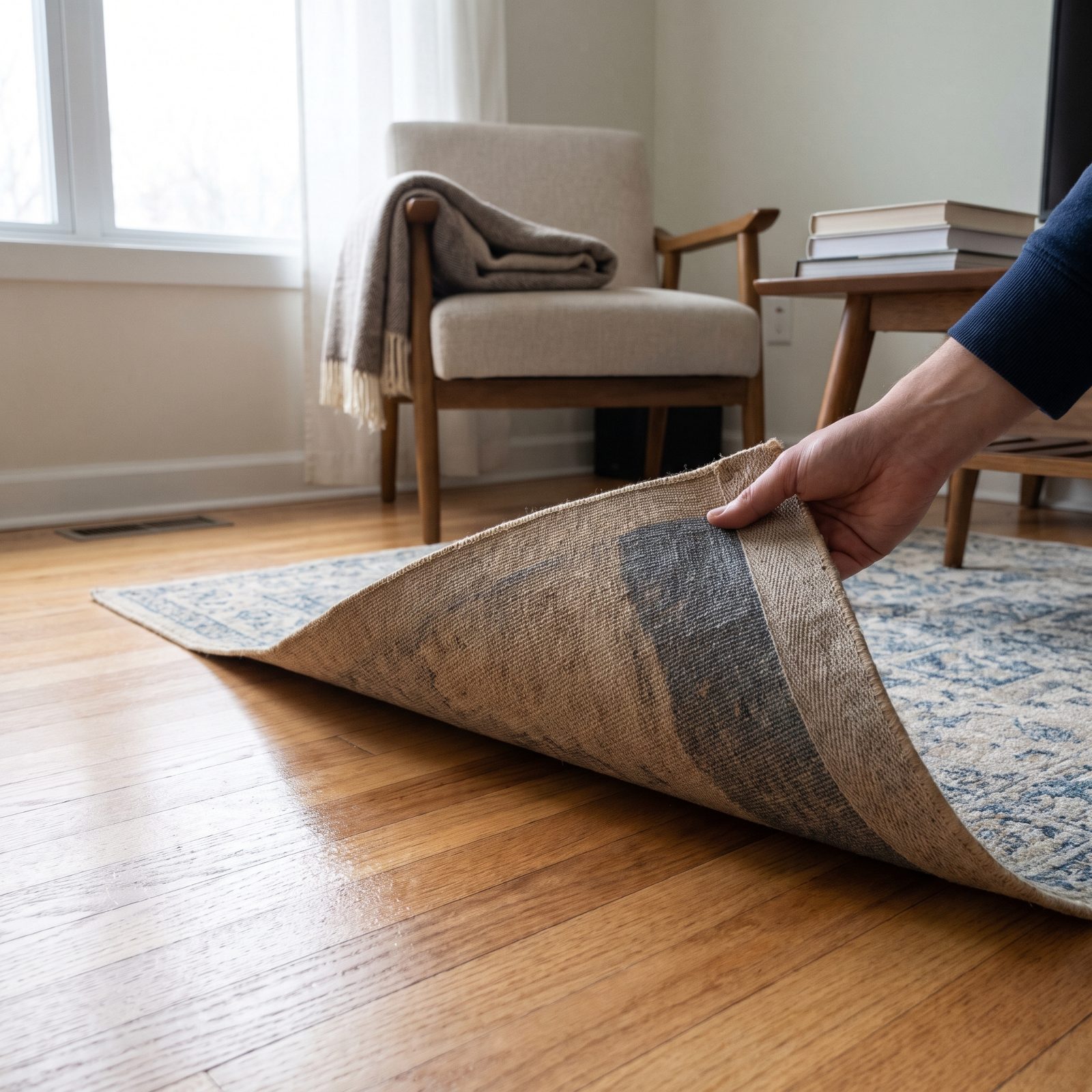
The top of a rug can look perfectly fine while the real story plays out underneath. Fold back a corner and press your palm to the backing and the floor below it.
Feel a spot that’s distinctly cooler and slightly clammy next to the exposed floor nearby? Moisture is pooling under there with nowhere to escape. A rug traps water against the slab or subfloor; a room that sheds humidity would dry it between cleanings. When it doesn’t, you get a cold, damp underside, a faint odor, and eventually a stained backing that bleeds into the floor itself.
13. Rust Spots Freckle the Metal HVAC Registers
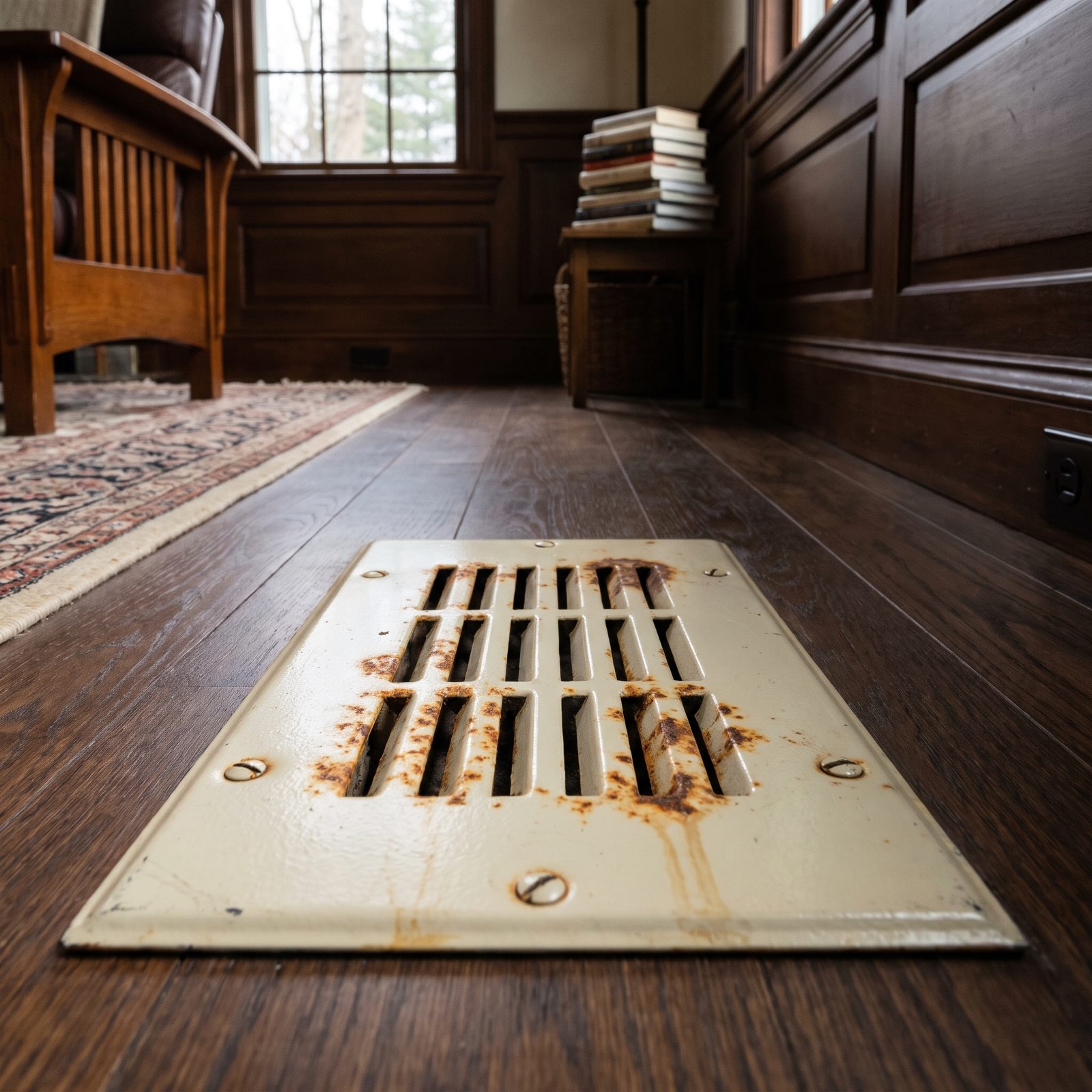
A register in a dry house holds its paint for decades. Once orange freckles start blooming along the louvers and around the screws, the metal is spending too much of its life touching moist air.
This one matters more than it looks. Rust on the visible cover usually means condensation is forming inside the ductwork too, where you’ll never spot it. Cool supply air meeting humid room air at the vent makes a classic condensation point, and the rust is simply the receipt.
12. A White Powdery Crust Blooms Across the Masonry
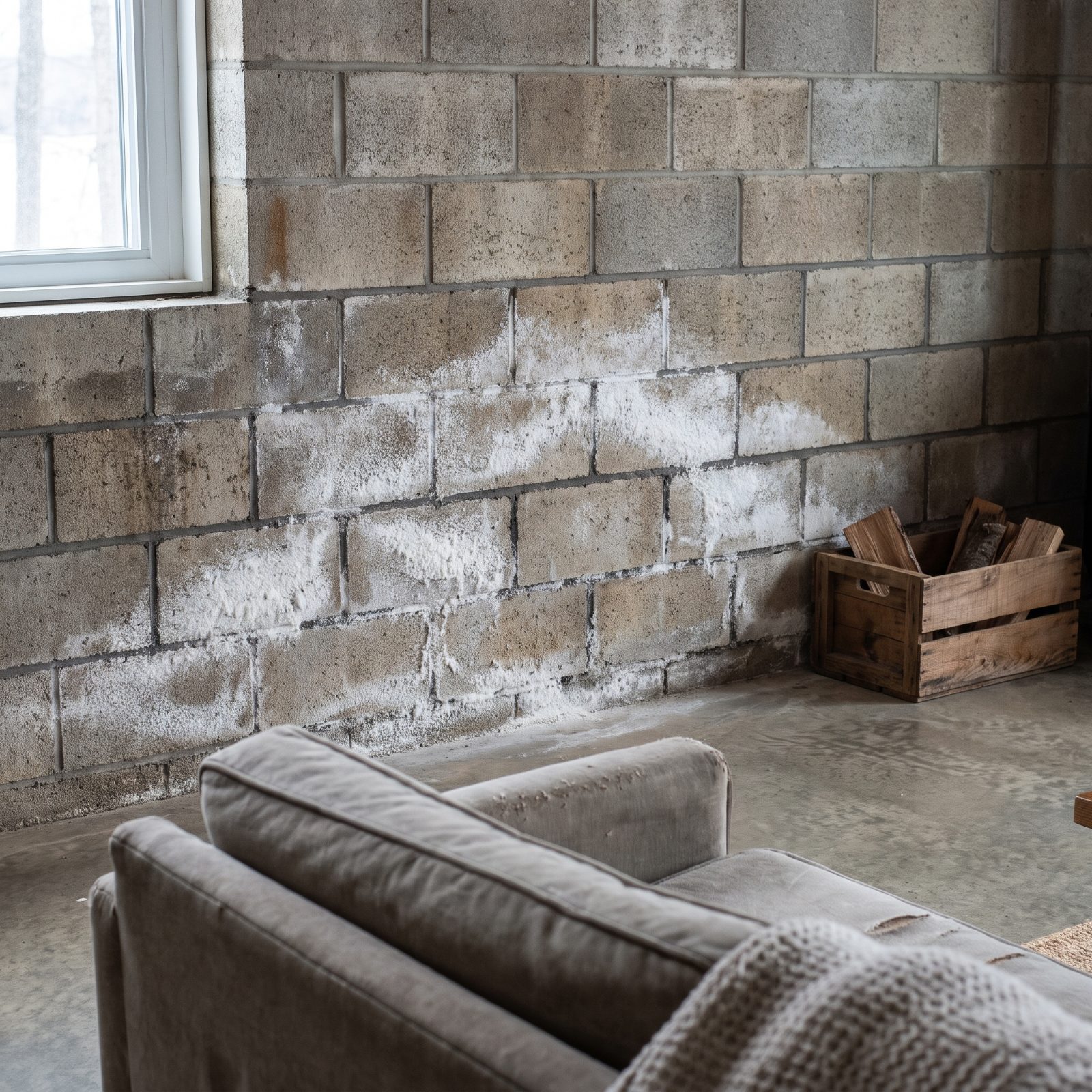
That chalky white crust on block or brick looks like peeling paint or old whitewash. It’s neither. It’s efflorescence — mineral salts left behind when water travels through the masonry, reaches the surface, and evaporates.
Salts can’t move on their own. Water carried them there. So the real message isn’t “you have a white stain,” it’s “water passes through this wall often enough to leave minerals behind every time it dries.” Brush it away and it returns, because the moisture pathway is still wide open.
Fresh, growing crust is an active signal. Old, stable deposits that never change mark a past problem. The difference comes down to whether it keeps returning after you clean it.
11. Dark Tide Marks Climb the Basement Walls
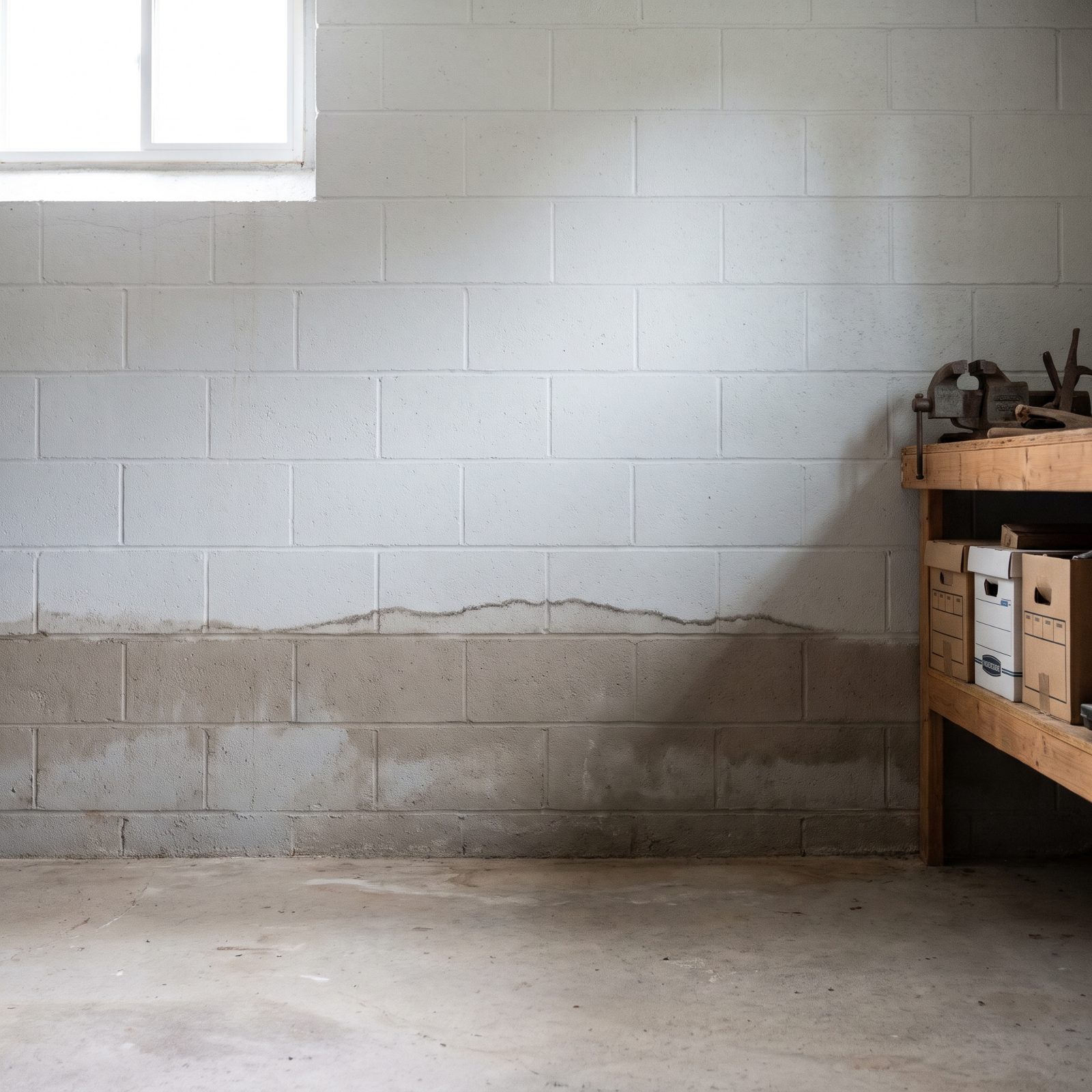
You’ve seen this exact line in a dozen basements without ever putting a name to it. A darker band along the bottom of the wall, wavy at its top edge, like the ring a bathtub leaves.
That’s a tide line, and it records the high point of standing or wicking moisture. The floor might be bone dry today, but the stain says water sat here and dried here — probably more than once. The wavy edge marks where it crept highest before retreating.
A tide mark is a diary. It tells you not just that water came, but how high it got and that it kept coming back.
Band darkening or climbing between visits? The problem is current, not history.
10. Brick or Concrete Starts Flaking and Crumbling at the Surface
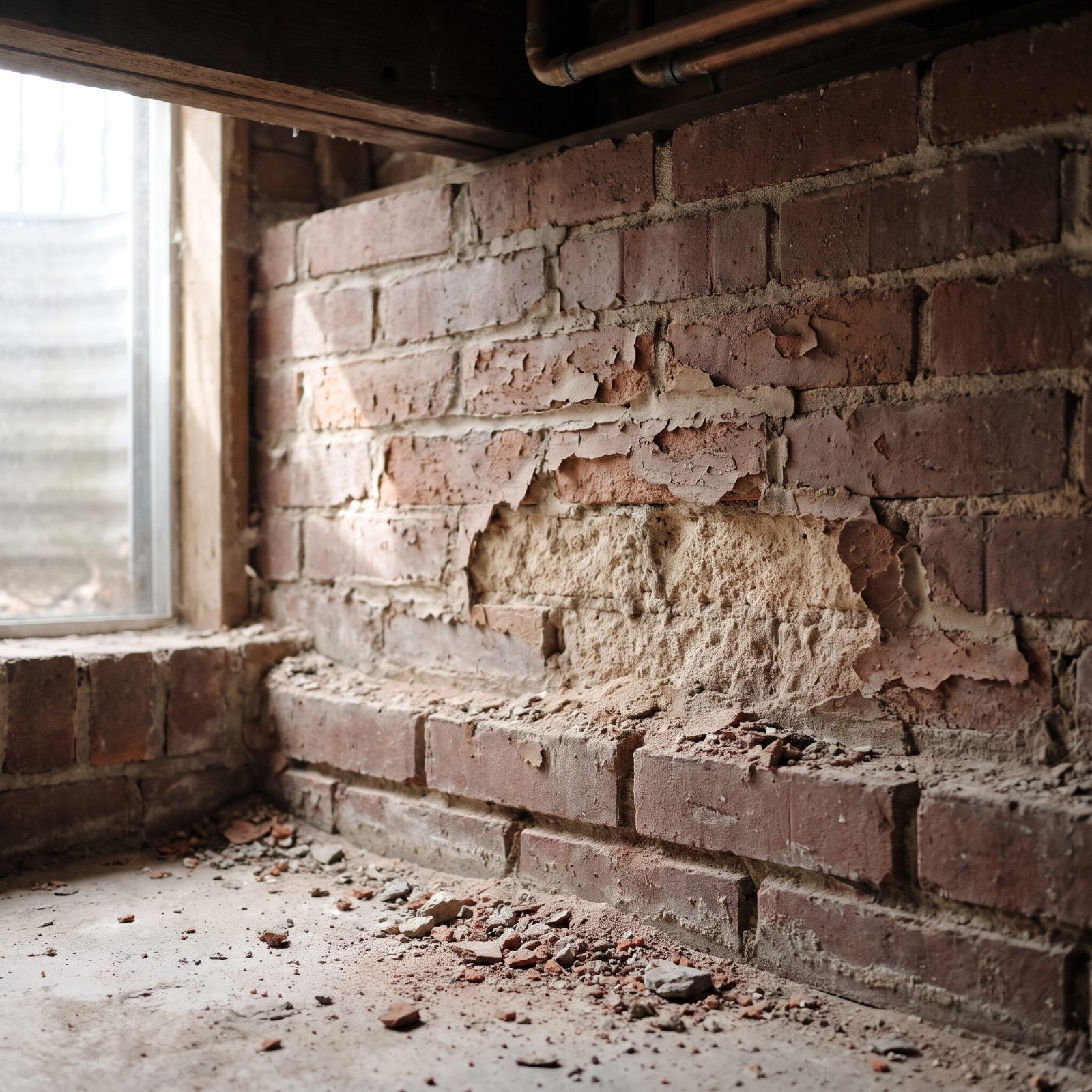
Masonry doesn’t just wear down. When the surface of a brick or concrete wall begins peeling off in thin flakes with a little pile of grit gathering at the base, that’s spalling, and moisture drives nearly all of it.
Water soaks into the pores. Then it freezes, or those same mineral salts crystallize inside the material, and either way they expand and shove the surface off from within. Every flake you sweep up is a layer the wall won’t get back.
This is the stage past efflorescence and tide lines, where the moisture has worked long enough to damage the structure itself. It’s the one on this list you really don’t want to watch get worse. A crumbling surface means water has been living in the wall, not just passing through it.
9. Crawl-Space Soil That Never Quite Dries Out
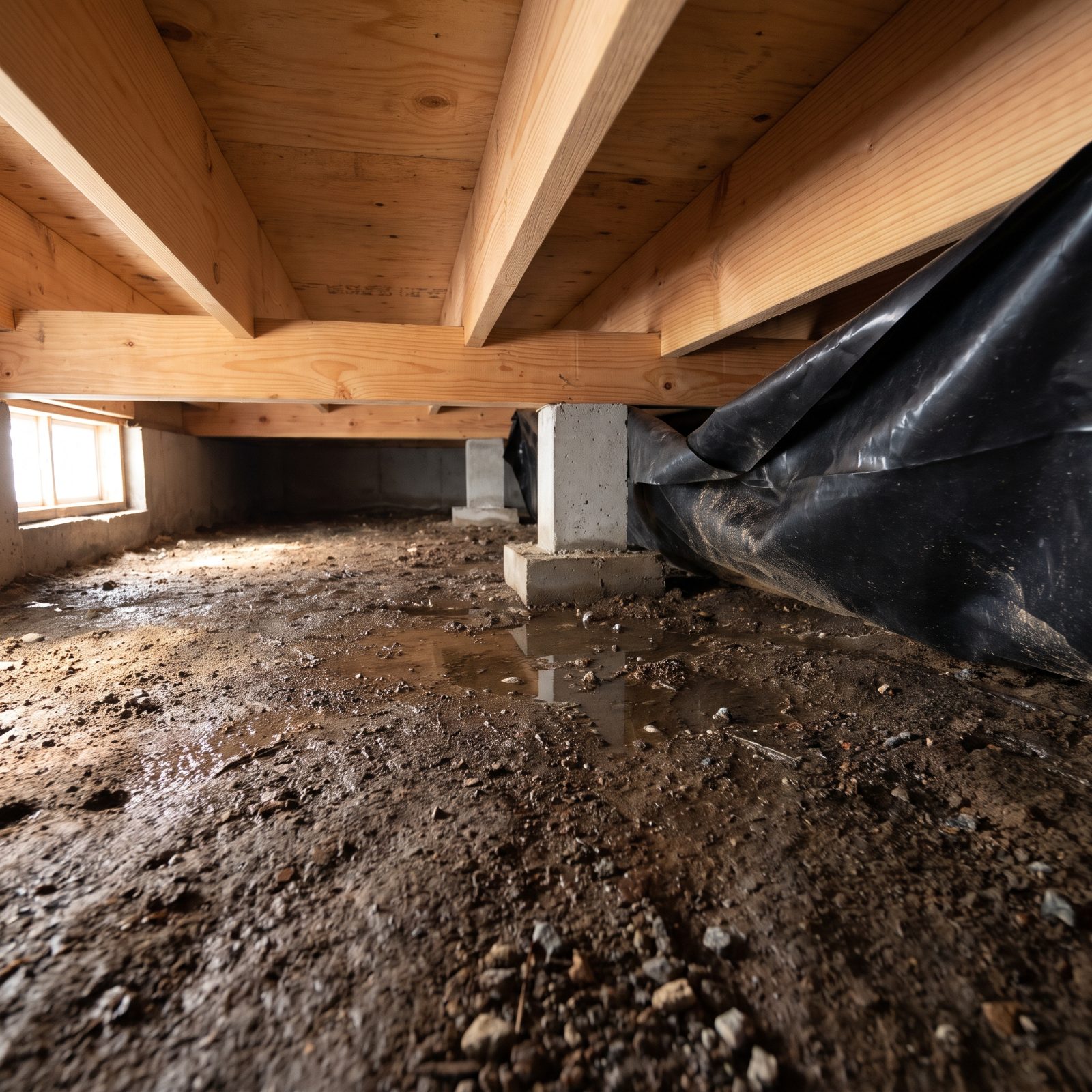
By midsummer a crawl space floor should look dry and dusty. If the soil stays dark and cool to the touch weeks after the last rain, water is getting in and never leaving. Press a bare hand flat to the dirt. Cold and tacky means the ground is wicking moisture up and feeding it into every bit of wood above your head.
That dampness doesn’t stay put down there. It rises, wraps around the joists, and settles into the subfloor. Ignore a wet crawl space for a whole season and you’ll learn, expensively, what it costs to fix after the fact.
8. Crawl-Space Insulation That Hangs Loose and Heavy
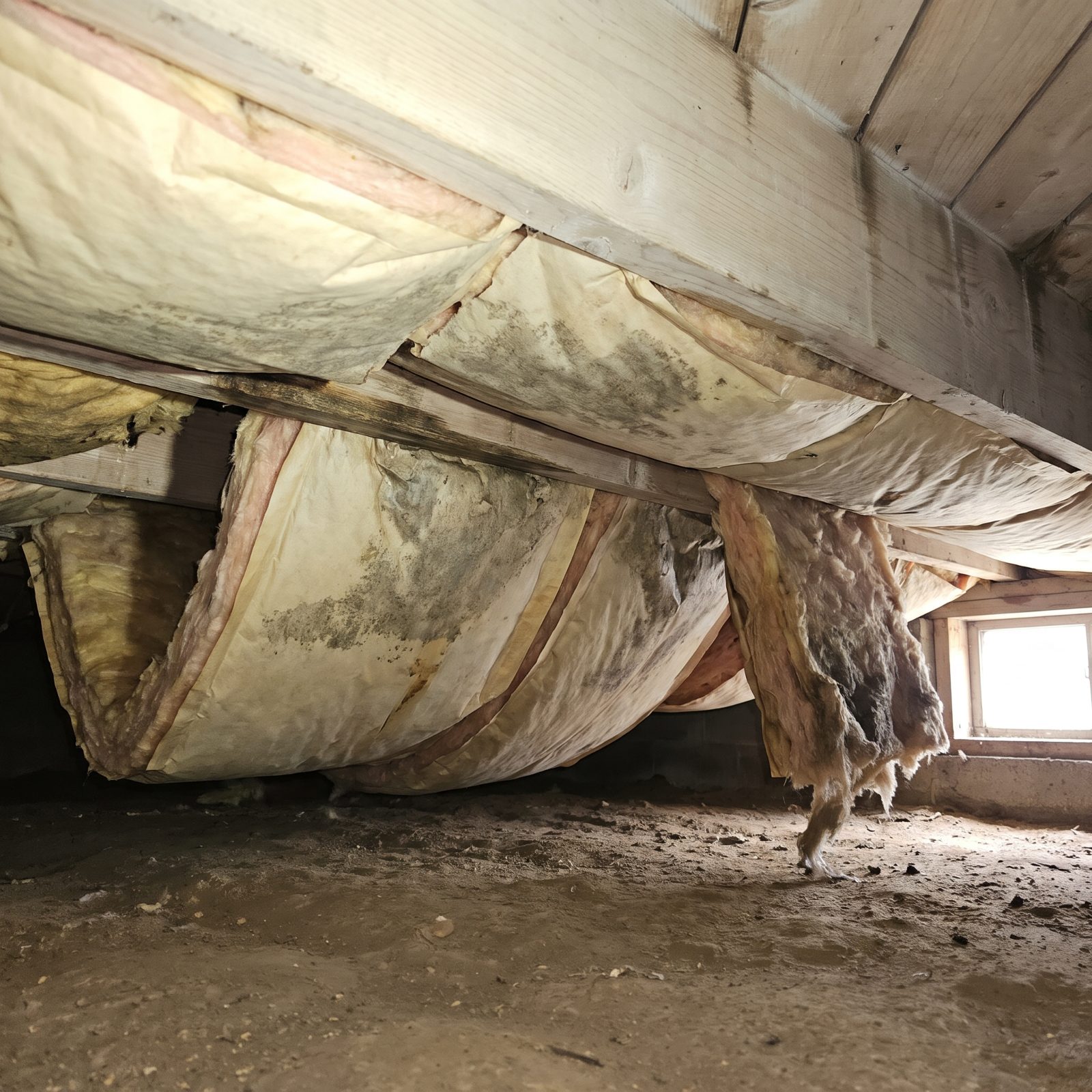
Dry fiberglass stays put. It holds its loft, tucks neatly between the joists, and keeps that bright springy look. Once batts start drooping free of their supports and sagging in the middle like a wet towel on a line, moisture has soaked in and loaded them with weight no staple or wire can hold.
Wet insulation does worse than nothing — it traps the damp against your subfloor and keeps it there. The tell is dark, matted patches along the lower edge. Give one a gentle poke. Dense and clammy instead of light and airy? It’s done its drying days.
7. Attic Insulation Pressed Flat and Clumped
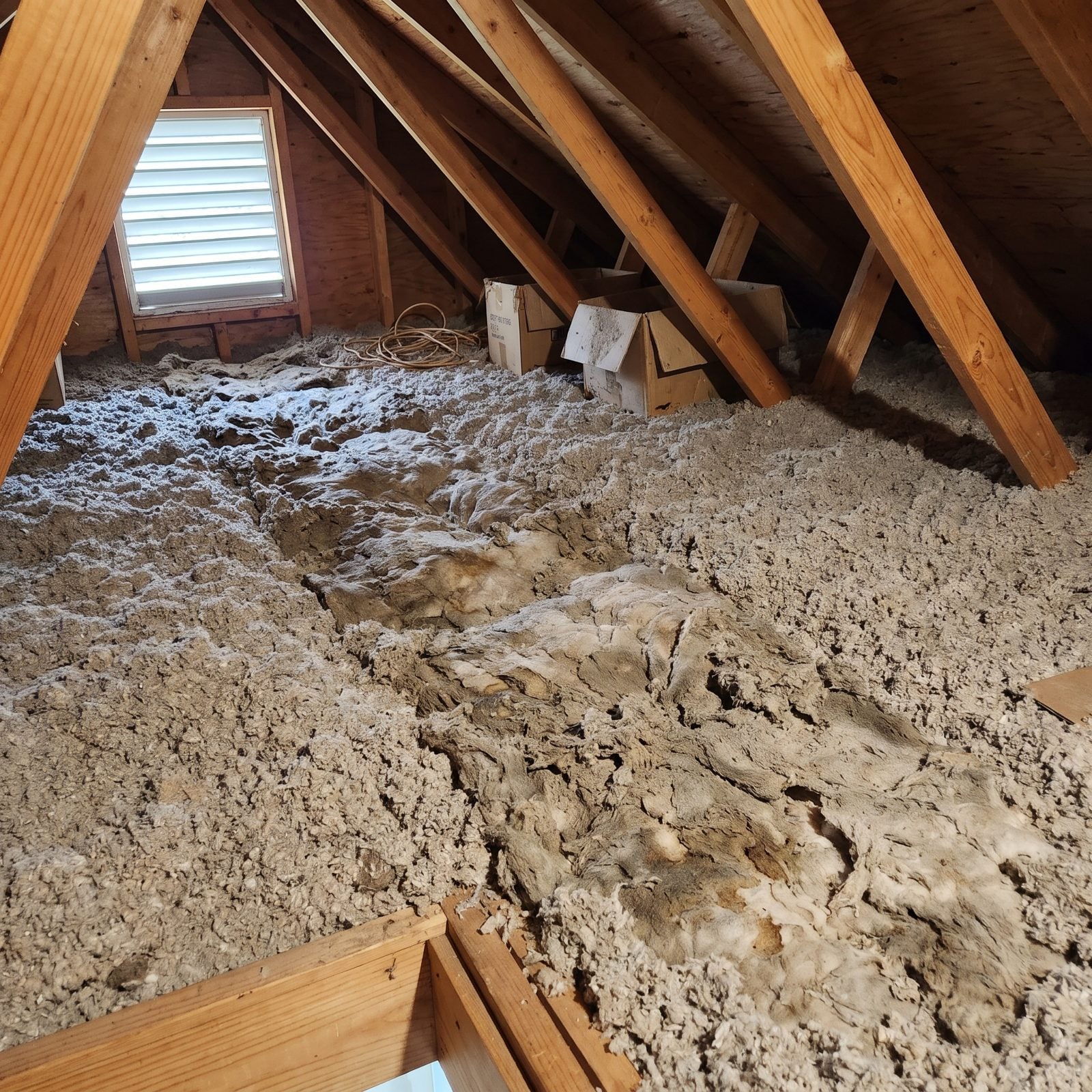
Healthy attic insulation looks like fresh snow. Even, lofty, undisturbed. When a section goes flat and clumped, fibers matted down and slightly discolored, it has been getting wet and drying out over and over, and every cycle presses it tighter, robbing it of the air pockets that actually do the insulating.
Look for the flattening near roof penetrations, around bath fans that vent into the attic instead of outside, or wherever the roofline dips. Compressed insulation isn’t just underperforming — it’s a receipt for moisture that keeps arriving.
6. Roof Sheathing Going Dark Around Every Nail
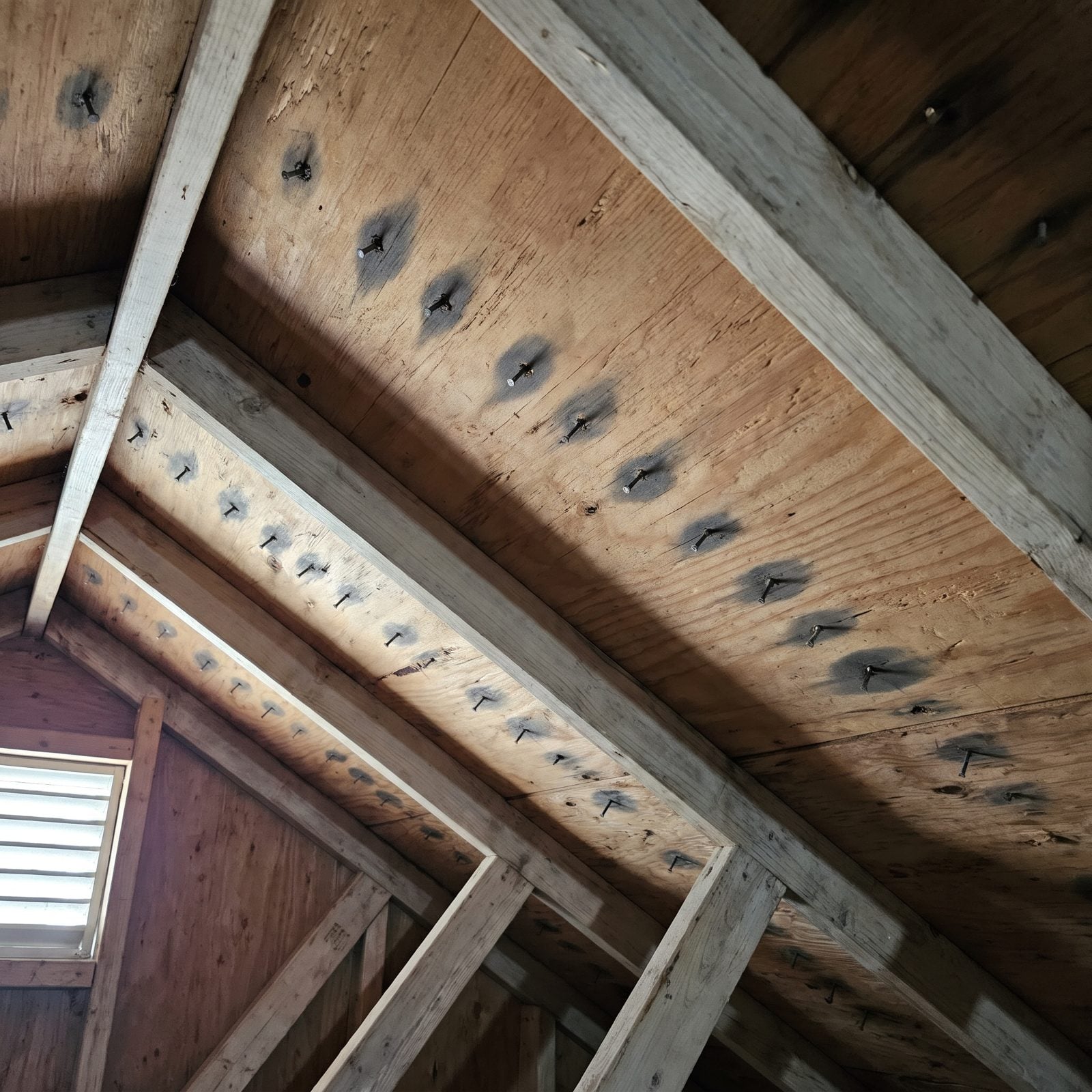
Nails are the cold spots. On a winter morning, warm moist attic air drifts up, hits the metal shank poking through the roof deck, and condenses right there. Over time each fastener grows a dark halo in the wood around it.
A ring or two? Means nothing. But a deck where nearly every nail wears a grey-black collar is telling you the attic has run too humid for too long. The sheathing is soaking up what the air won’t release, and that’s how you end up with soft spots and, eventually, rot in the very wood holding your roof together.
5. Frost Beading on the Attic Nails All Winter
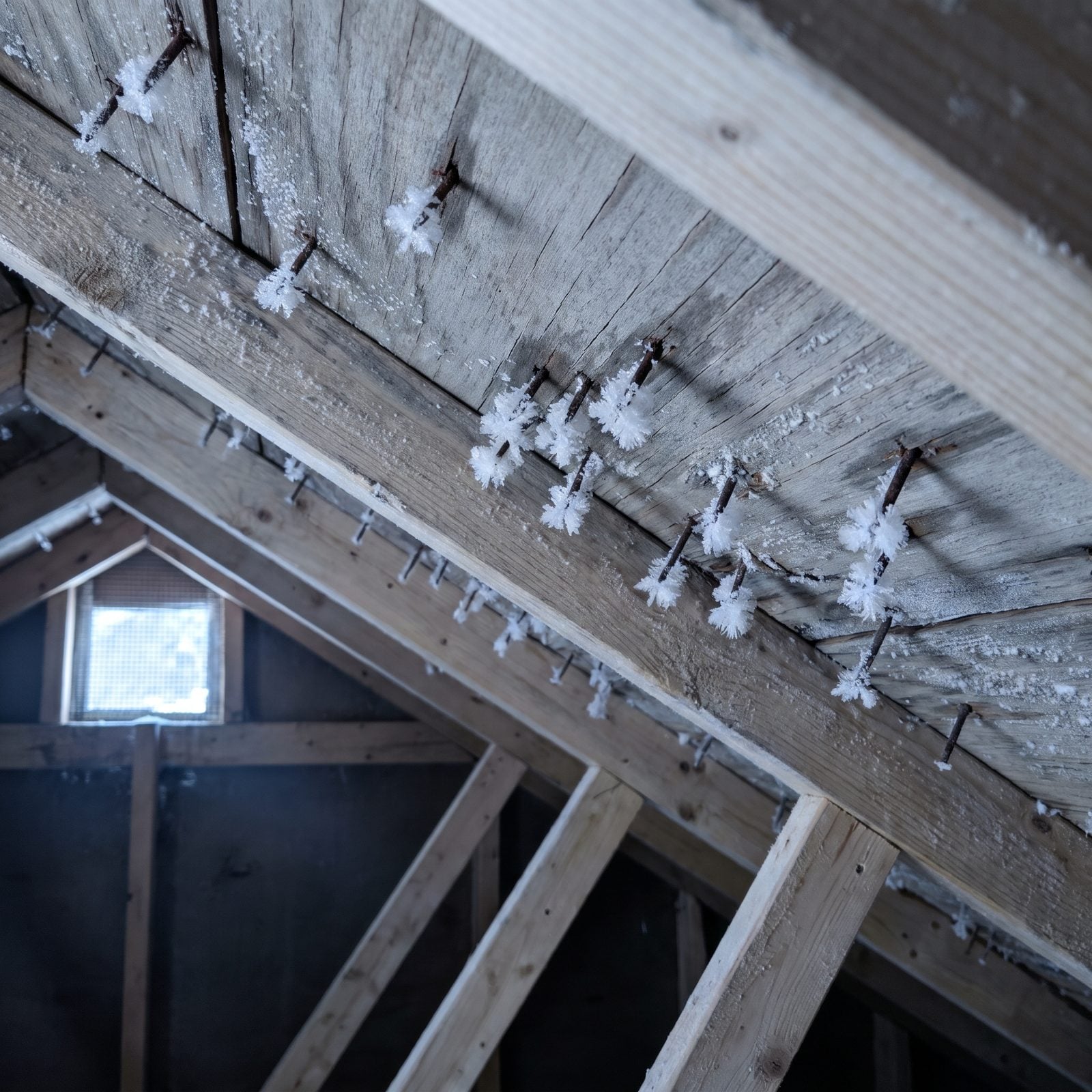
Climb into a cold-climate attic in January and you might find the nail tips wearing tiny crowns of frost. Pretty, in a strange way. Also a warning.
That frost is attic humidity freezing on the first cold surface it touches, and it looks harmless while it’s ice. The trouble comes on the thaw day. A run of warmer weather melts all of it at once and rains the meltwater straight down into your insulation and sheathing, and every freeze-thaw swing drives another round of damp into the wood. See it, and you know your attic is venting far too little of the moisture rising up from the house.
4. The Chimney Breast Blooming With Damp Patches
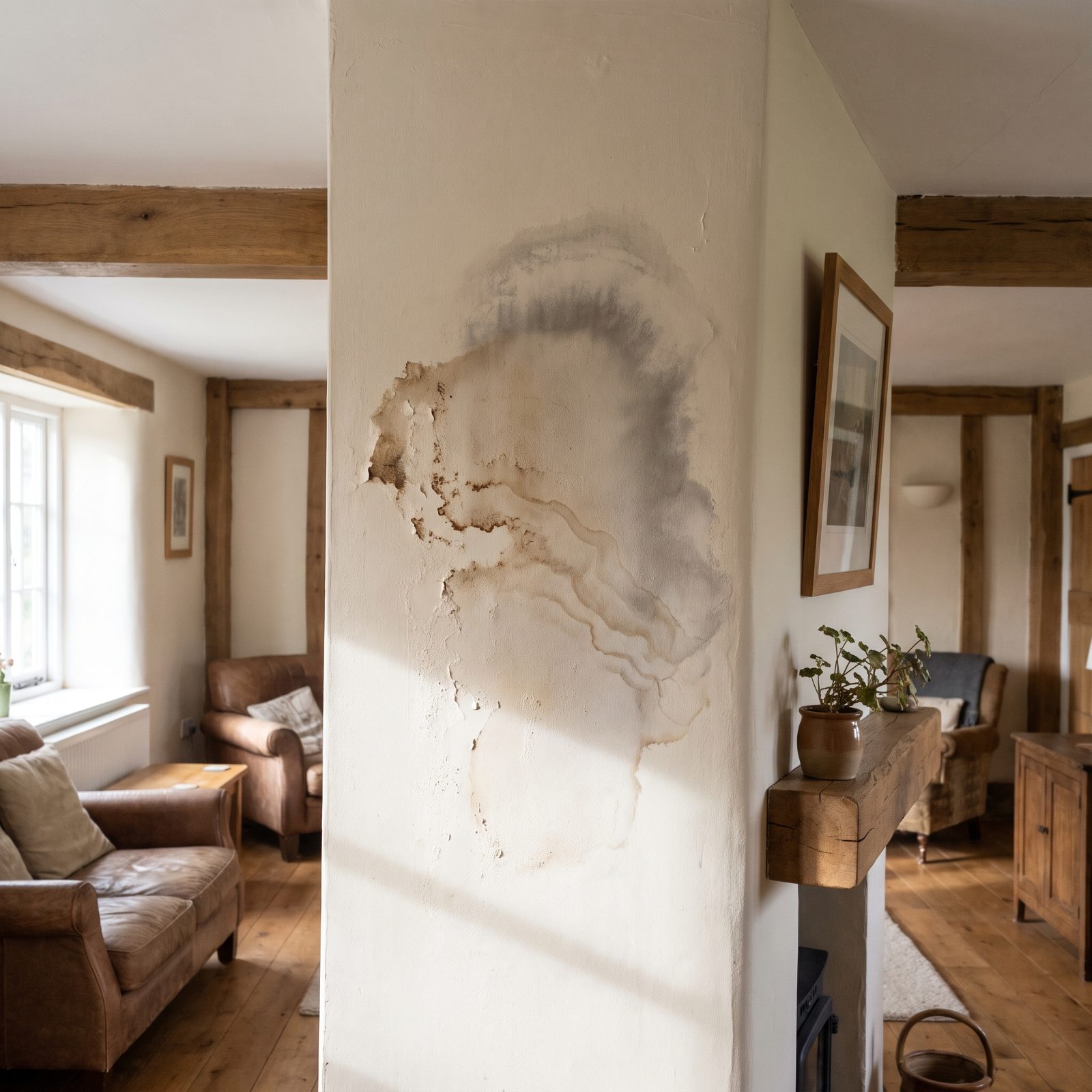
A chimney breast that starts showing brown tidemarks or soft grey blotches is doing something most walls don’t: channeling moisture down through old brick, soot, and salts. Disused flues are notorious for it. Rain gets in at the top, the chimney has no way to dry, and the damp travels down into the room.
Often you’ll smell it before the stain spreads — that slightly sooty, earthy note near the mantel. Covering it with fresh paint buys you a few months, and then the mark bleeds right back through, usually worse. The water has to go somewhere, and your emulsion isn’t stopping it.
3. A Sump Pump That Keeps Cycling in a Dry Spell
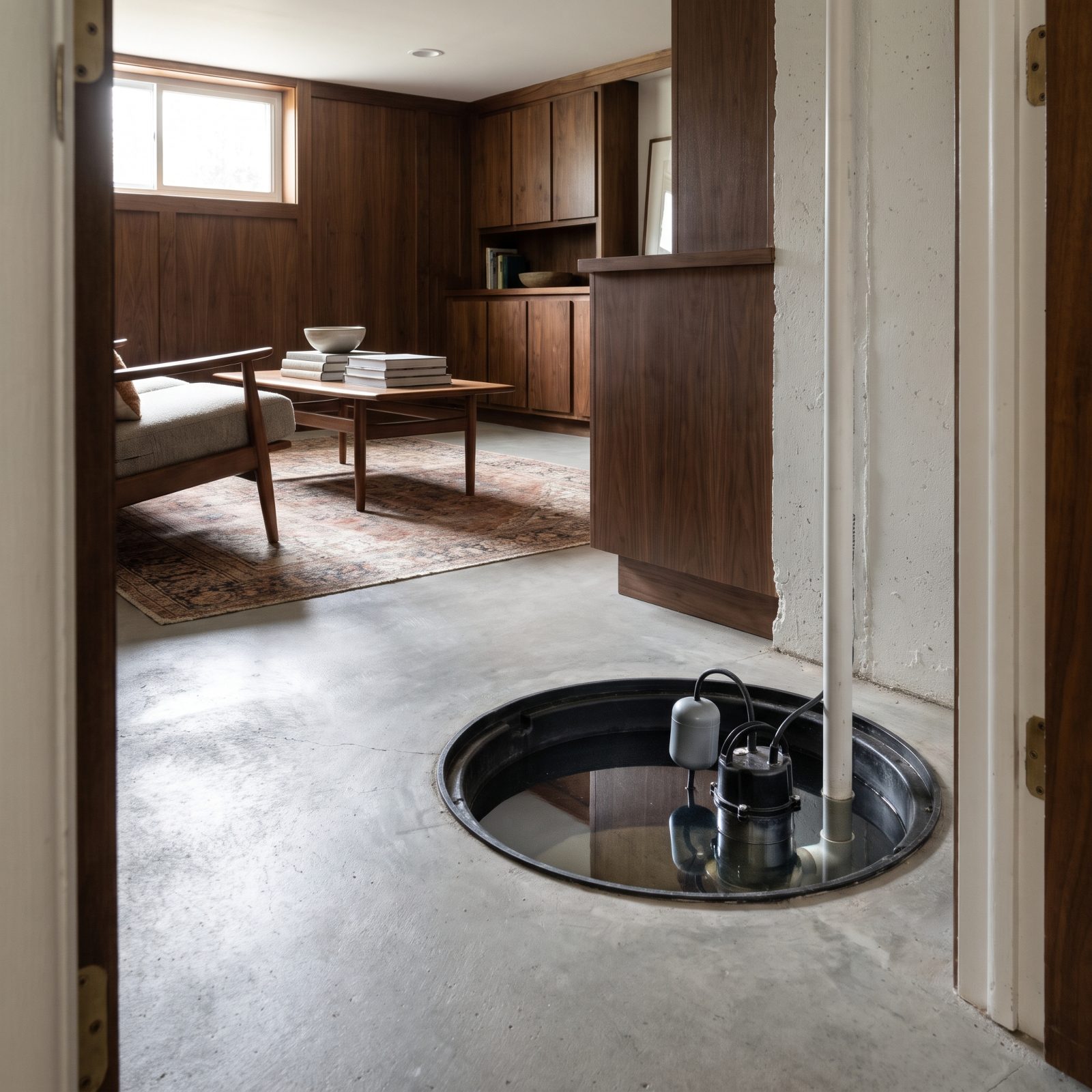
You expect the sump pump to run after a storm. That’s its job. What you don’t want is to hear it kick on through a stretch of dry weather, again and again, with no rain to explain it.
When the pit refills during a drought, groundwater is sitting unusually high around your foundation, or a leak somewhere is quietly feeding it. Either way, the basement is swimming in moisture it can’t shed. Count the cycles over a dry week sometime. Running every twenty or thirty minutes under clear skies? Something underground is wetter than it should be, and that damp presses against your walls day and night.
2. Silverfish Congregating in the Bathroom and Linen Closet
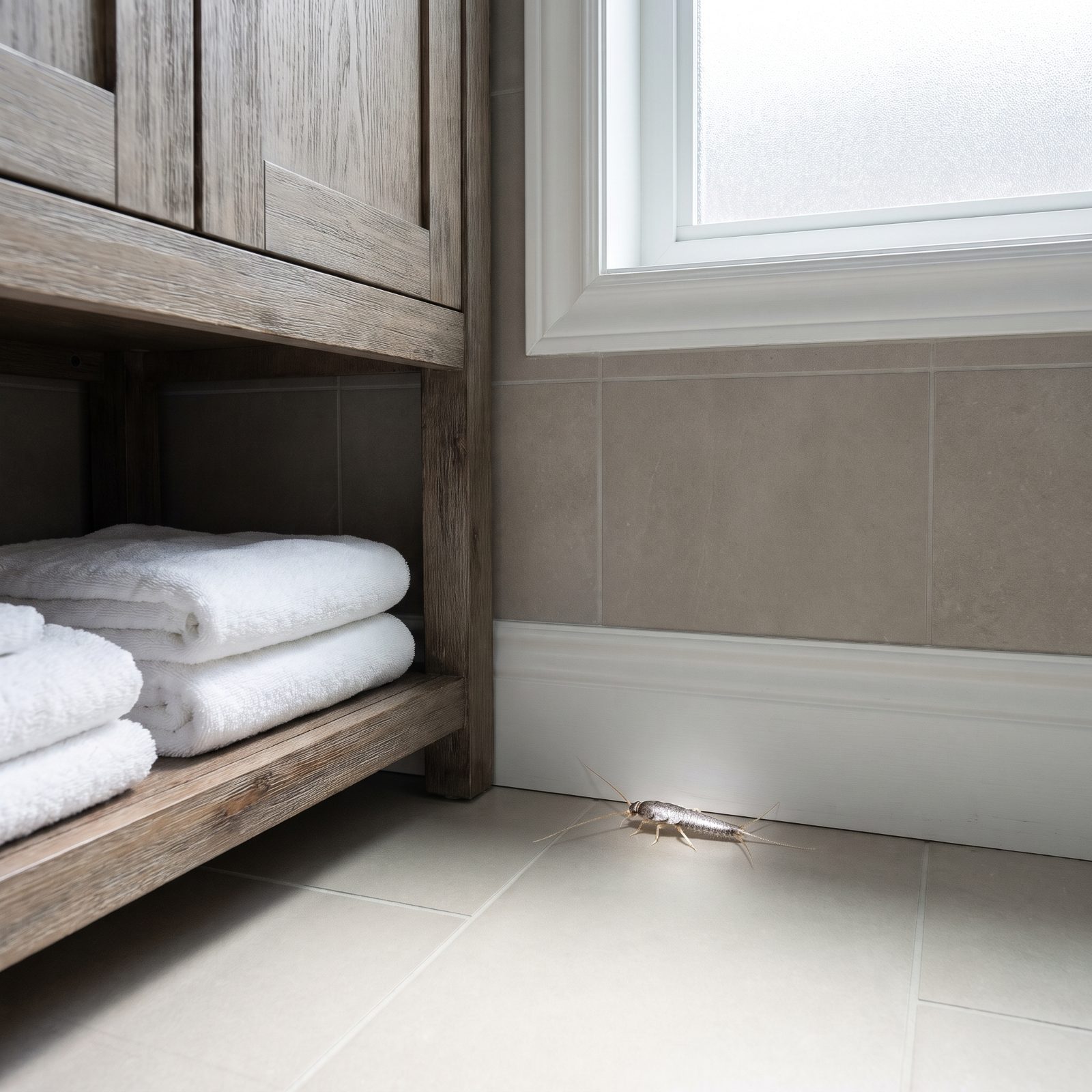
Silverfish are little humidity meters with legs. These teardrop-shaped, silver-grey insects can’t survive without damp air, so when they start turning up behind the toilet, under the sink, or tucked into the linen closet, they’re telling you those spaces stay wetter than they should.
One or two is a nudge. A regular showing means the moisture is chronic. They feed on the starches in paper, cardboard, and the sizing in fabric, so your stored towels and boxed books become the buffet.
1. Mushrooms and Fungal Growth Pushing Up Indoors
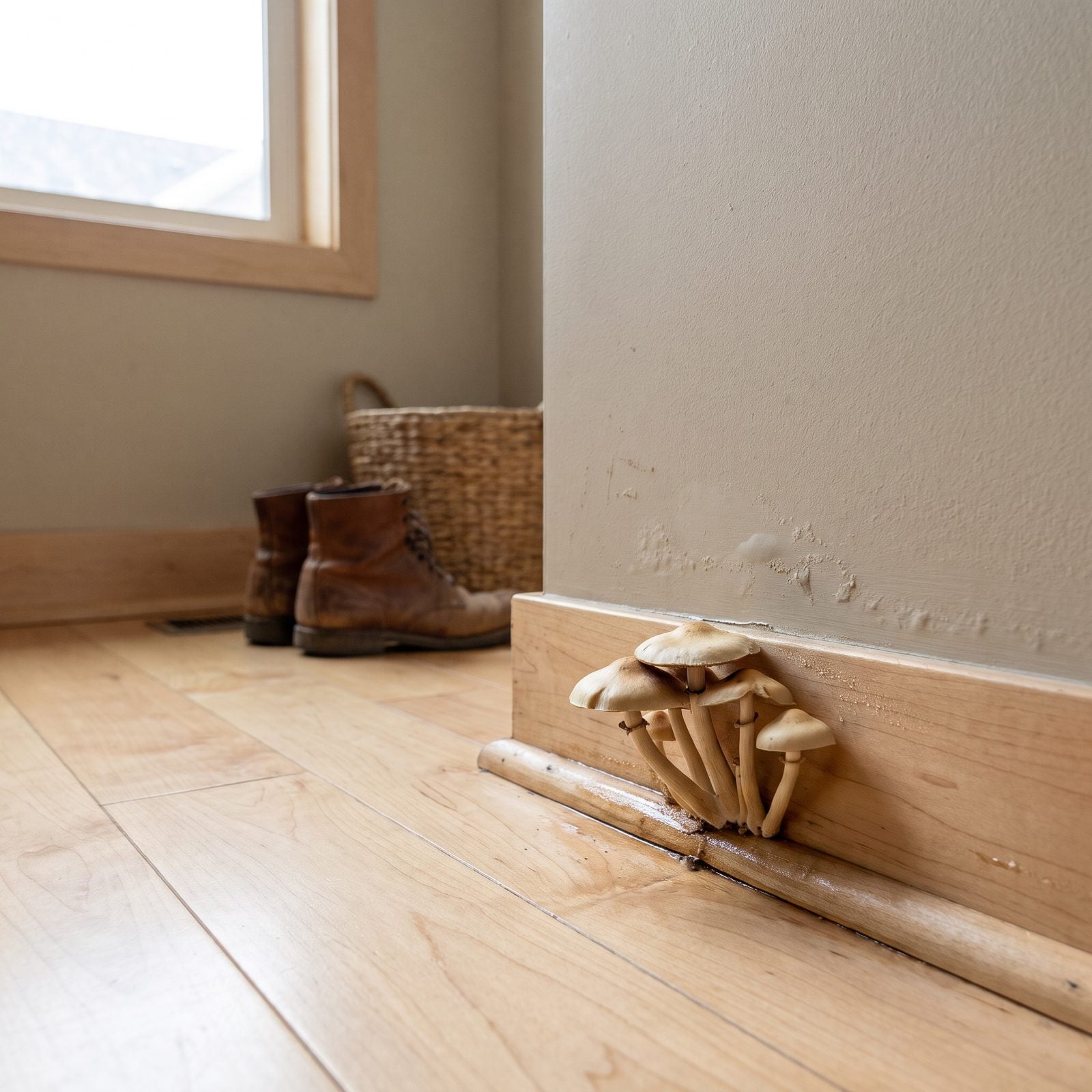
Finding a mushroom growing out of your carpet edge or baseboard is the moment the house stops hinting and starts shouting. Fungi don’t fruit on a whim. They need sustained moisture and a food source, and by the time you spot a cap, the organism has been eating wood and feeding on damp for a good long while behind the scenes.
This is not a sign you sit on. A mushroom indoors means water has lingered long enough to grow something, and whatever’s feeding it is still wet right now.
A mushroom is a receipt. It proves the water was there, and that it stayed.
Pull the trim, find the source, get the area drying before you worry about the cosmetics. The caps are the least of it.