The host who looks relaxed on the day did the boring work the night before. That’s the whole secret. Nobody notices an empty dishwasher or a cleared counter until the thing is jammed, the counter is buried, and the oven timer won’t quit. This list is the unglamorous spine of an easy holiday. Work through it the evening before, tick each one off, and walk into the day with your hands free.
Please note that some of the images in this article were created with the assistance of AI.
39. Empty the Dishwasher Before Anyone Arrives
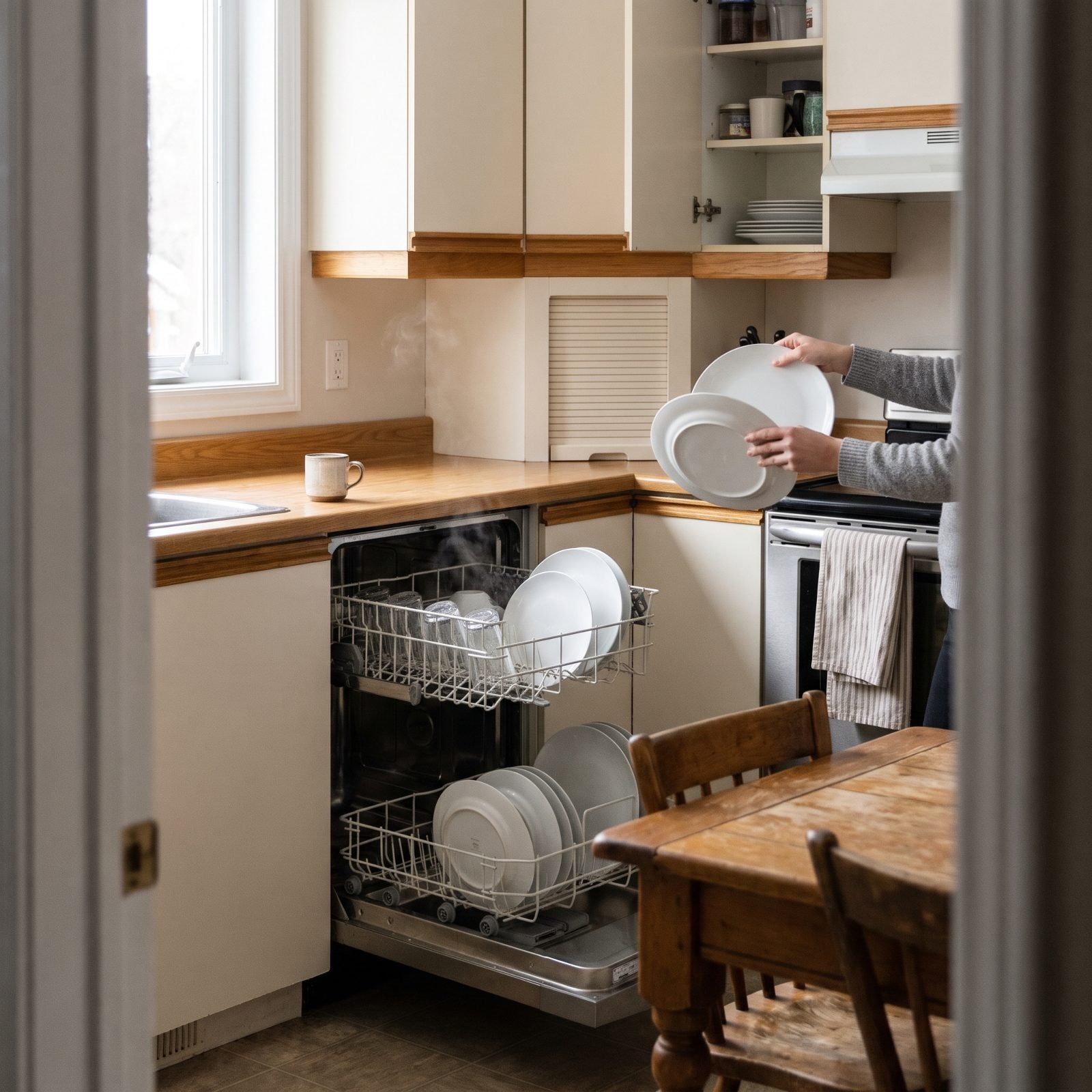
An empty dishwasher is a weapon. The second guests show up, dirty glasses and prep bowls start piling in the sink, and a machine already full of clean dishes gives you nowhere to put any of it. By mid-afternoon the counter looks like a yard sale.
Run it the night before. Unload it first thing in the morning while the coffee brews, then leave the racks empty and the door cracked so it airs out.
38. Clear Every Kitchen Countertop to Bare Surface
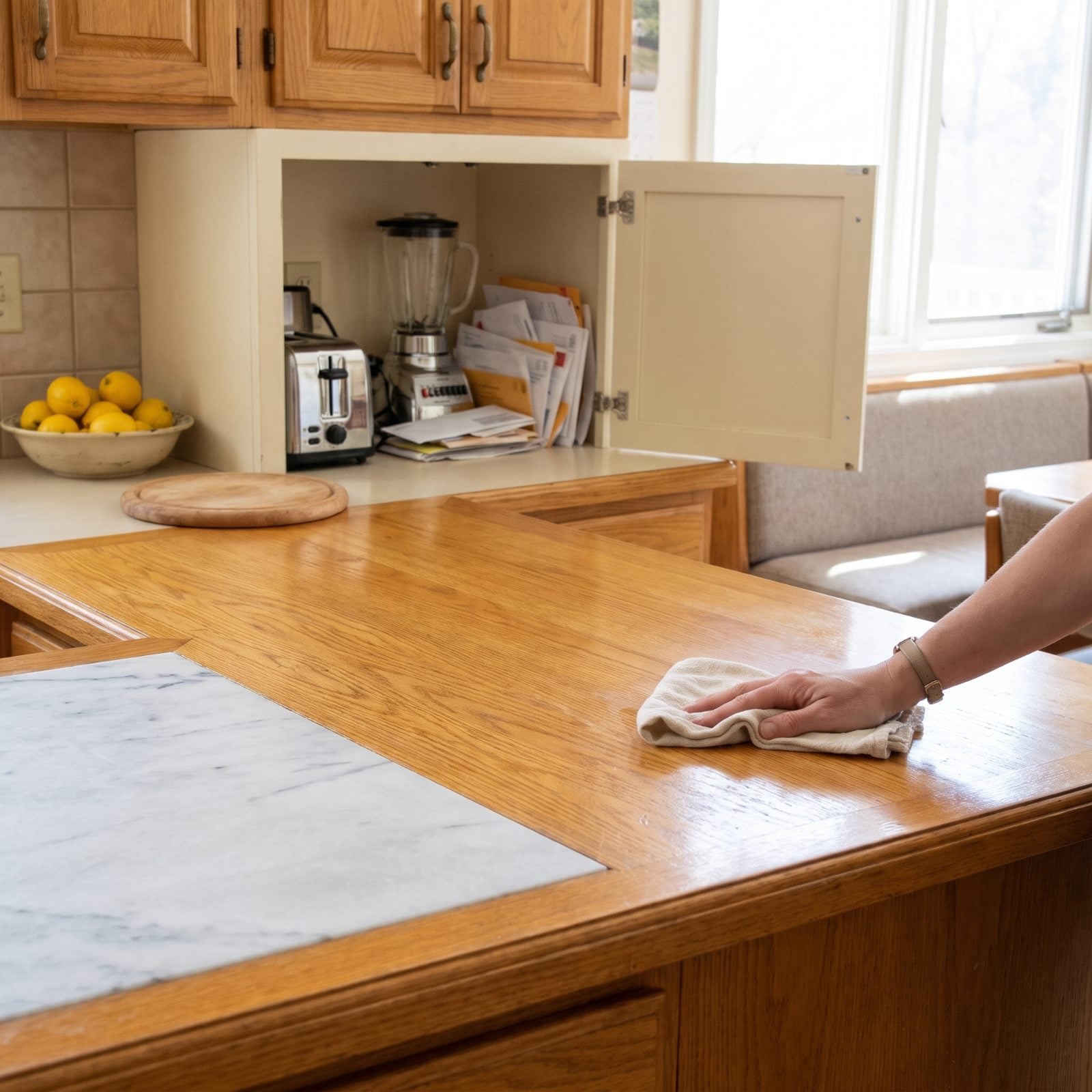
Clutter on a counter reads as mess even when the room is otherwise spotless, and it’s the single biggest visual tell of a frazzled host. The mail pile. The vitamin bottles. The charging cable snake and the toaster you use twice a week.
Most people get this wrong — you don’t need to find homes for all of it tonight. Push the mail pile, toaster and blender back into the appliance garage, and sweep the rest of the random stuff into a basket you can stash in a bedroom. Deal with it next week. Tonight you just need space to cook and a counter that looks like you’ve got it together.
Then wipe down the open stretch of wooden countertop, leaving nothing out but a bowl of lemons and a round wooden board. Clear plus clean beats clutter plus scrubbed, every time.
37. Make Real Room in the Refrigerator
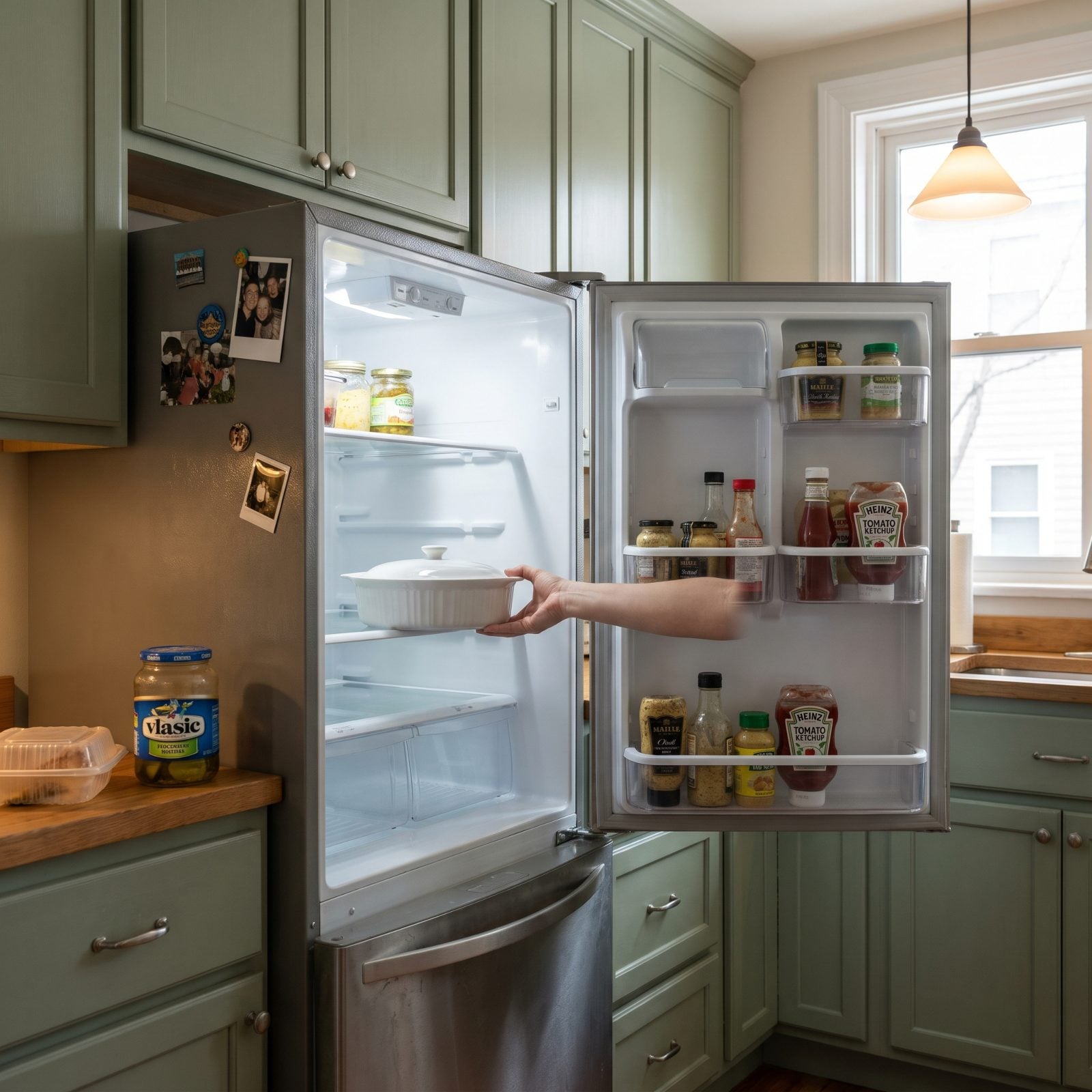
You will underestimate how much fridge space a holiday needs. Every time. Covered leftovers, a pitcher of something, the dessert that has to chill, dishes guests bring that you never planned for. A packed fridge on the day means casserole dishes balanced on the stovetop, slowly going warm.
Tonight, clear the main shelves completely. Toss the science experiments, consolidate the half-empty condiments, push the everyday stuff into the door bins. You want an open landing spot for the big dishes.
36. Scrub and Fully Empty the Kitchen Sink
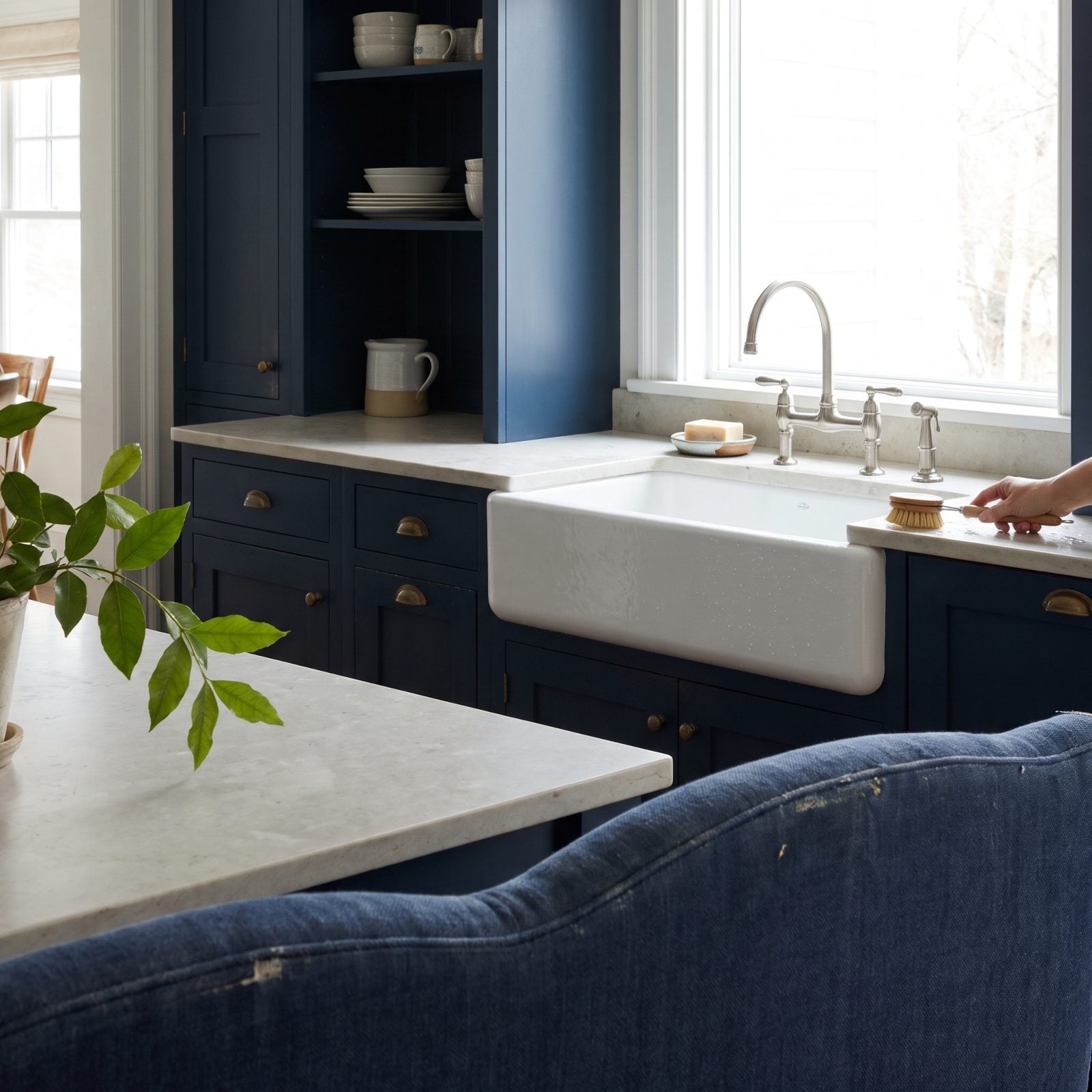
An empty sink is the secret handshake of a host who has their act together. One dirty mug in a basin undoes a clean kitchen instantly, and guests clock it without knowing they clocked it.
Scrub the basin tonight, faucet and all, and run the disposal with a few citrus peels so it smells right. Then the rule for the whole day: nothing sits. Rinse and load, or rinse and stack out of sight, the moment it hits the basin.
Plenty of hosts ignore this for years and wonder why the kitchen never feels finished. It’s always the sink.
35. Restock Trash and Recycling Liners
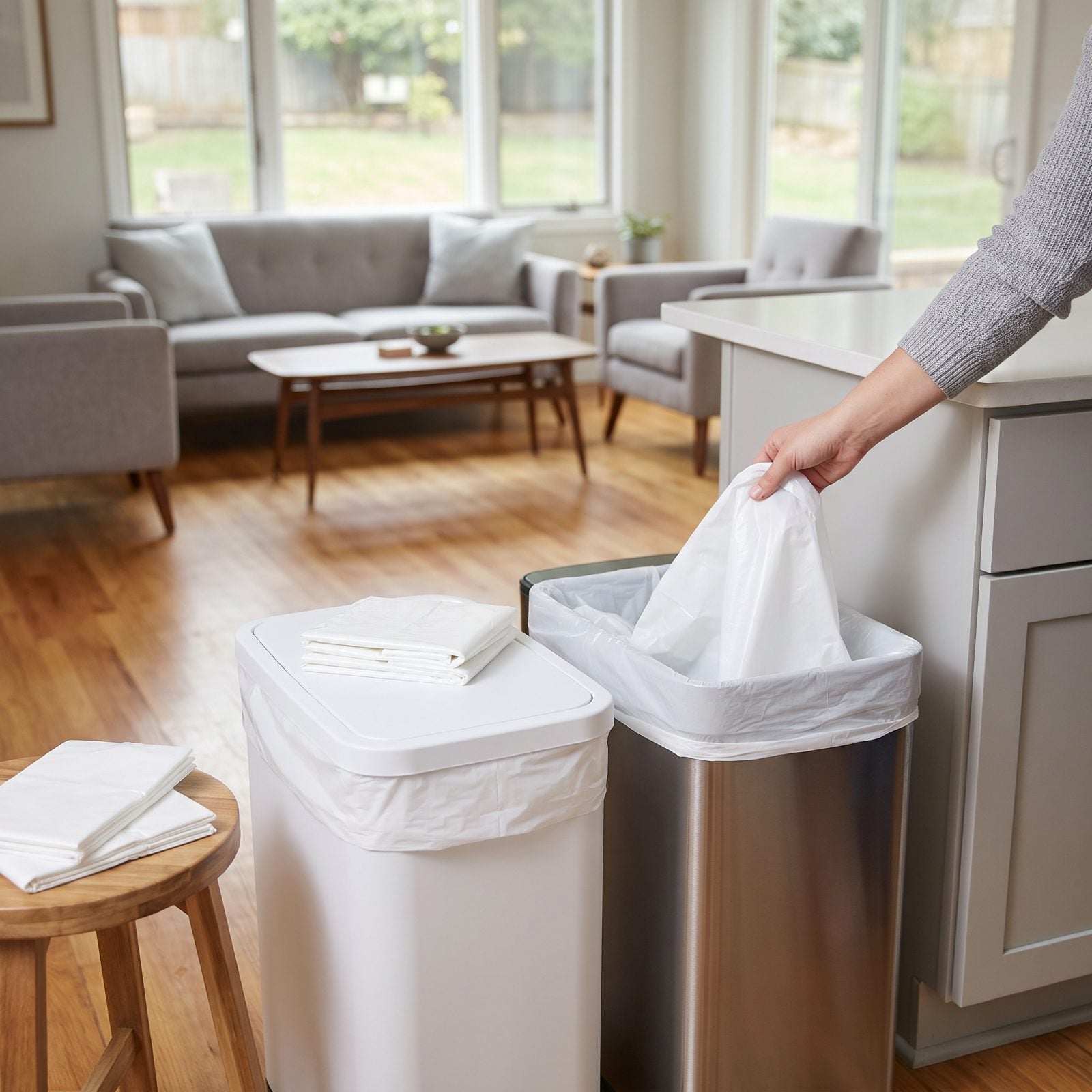
Holidays generate garbage at a rate that surprises people — wrapping, packaging, scraps, cans, bottles. A bin that fills by mid-afternoon with no spare liner underneath means you’re hauling a dripping bag through a houseful of guests.
Fresh liner in now. Then the move most people skip: drop three or four folded spares right into the bottom of the bin, under the current one. When it fills, you yank the full bag and the next liner is already waiting.
34. Match Your Serving Dishes to the Actual Menu
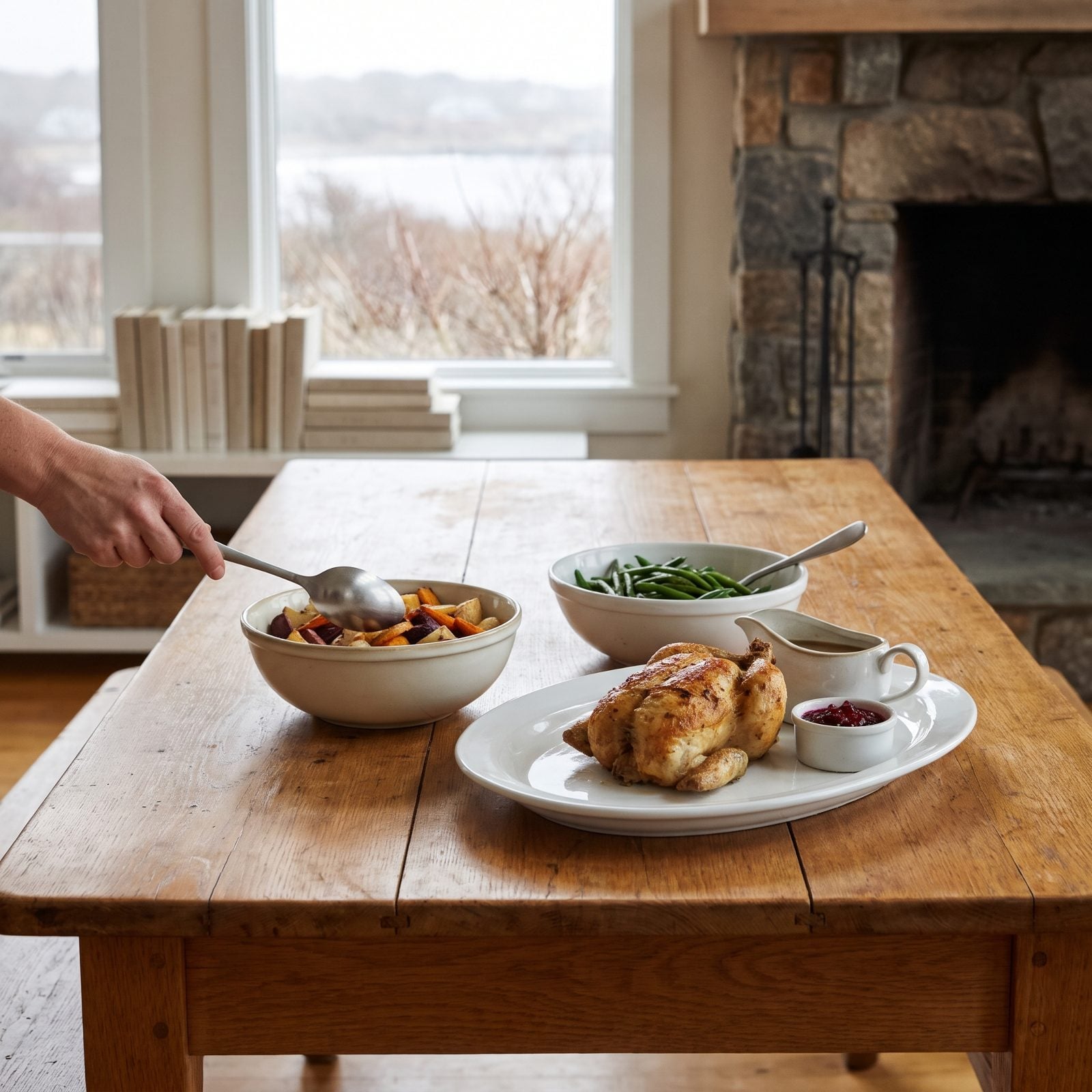
The classic holiday scramble hits at exactly the wrong moment. The food is done, hot, and you’re digging through a cabinet for a bowl big enough for the mashed potatoes while the turkey cools on the counter.
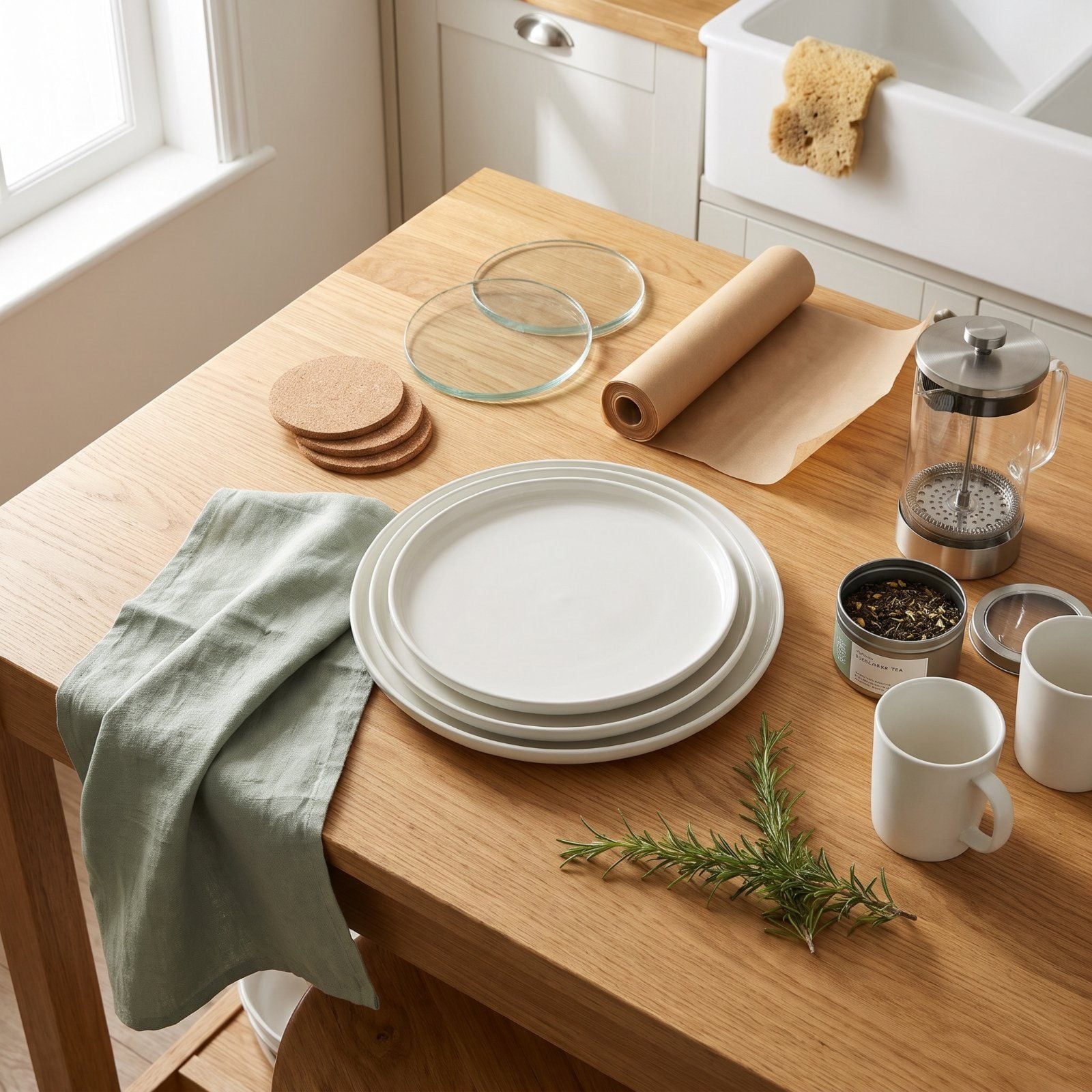
Walk your menu tonight, dish by dish, and pull a vessel for each one. Cranberry needs a small bowl, gravy needs the boat, and the green beans need something wider than you think. Line them up on the counter with the right spoon or fork sitting in each.
And the thing everybody forgets: serving utensils. You’ll have ten dishes and three spoons otherwise, and nobody wants to eat stuffing with a soup ladle.
33. Set Out Trivets and Coasters Before the Mess
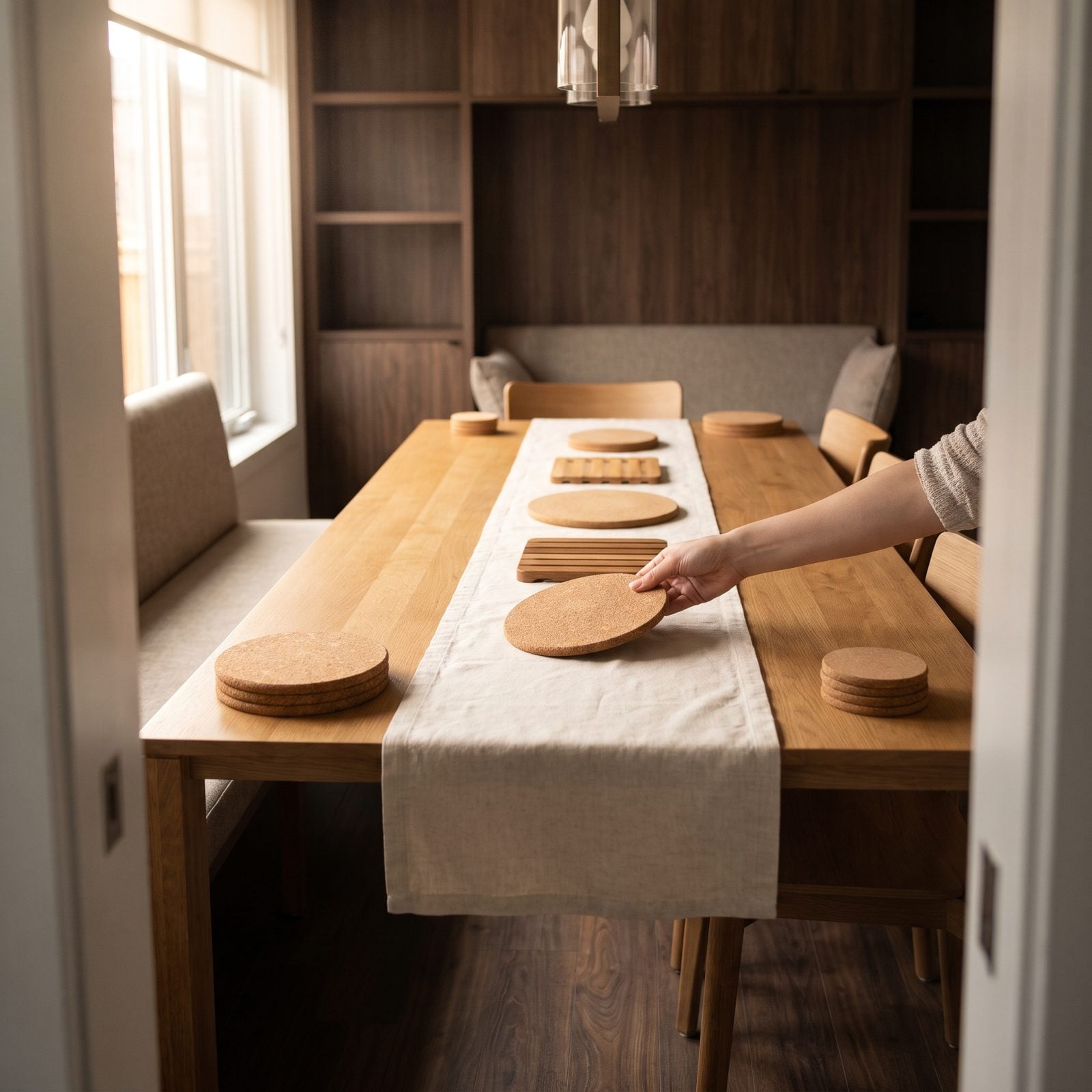
A hot dish on bare wood leaves a white ring you’ll be looking at for a decade. Ask me how I know. Trivets are one of those things you only think about half a second too late, steaming casserole already in your hands.
Place them tonight, spaced down the center of the table where the hot dishes will land. Stack coasters at each end and on side tables near where people set drinks.
32. Build a Self-Serve Drink Station Away From the Kitchen
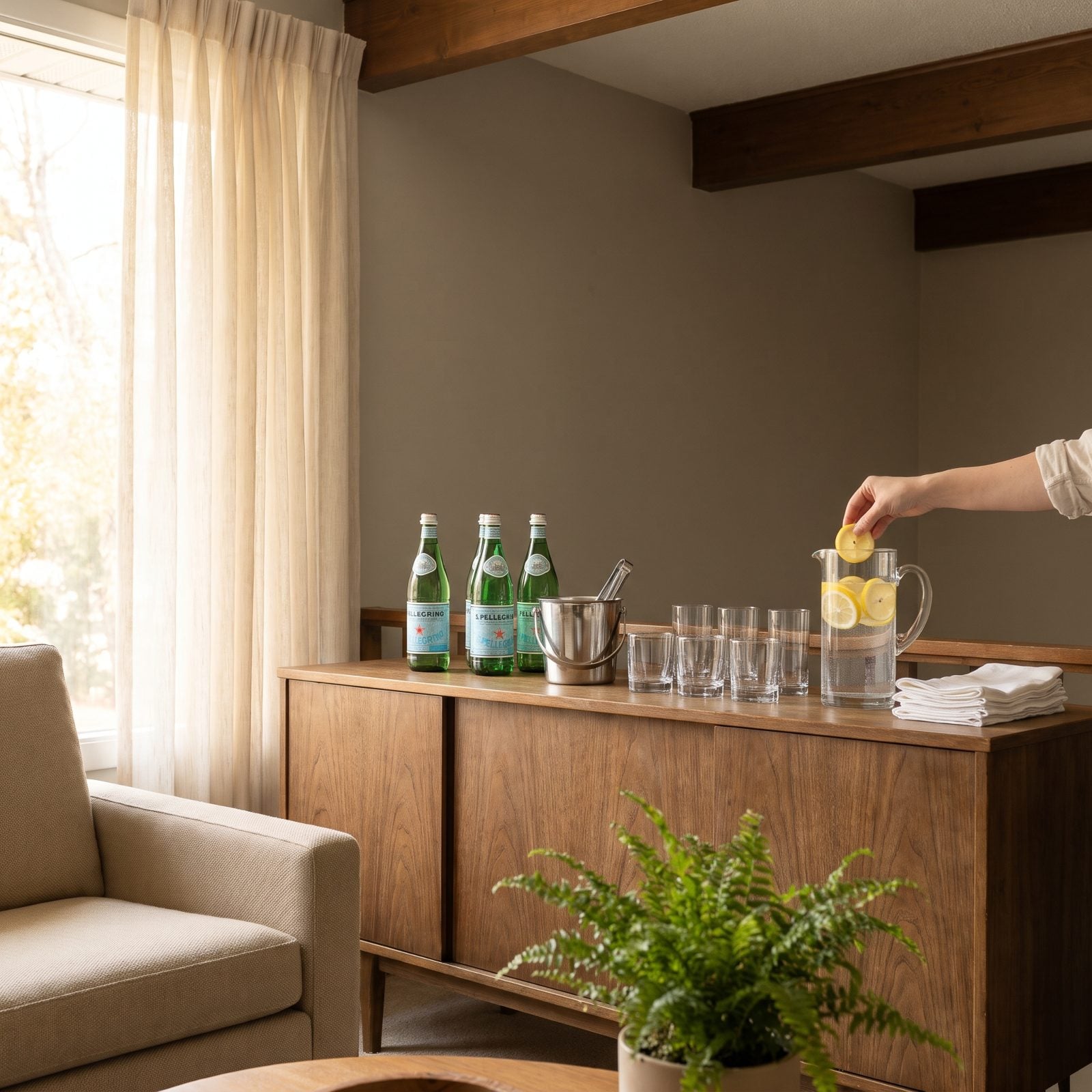
If drinks live in the kitchen, every thirsty guest ends up in the kitchen — which is exactly where you’re trying to work. Move the whole operation to a sideboard, a console, any surface in another room.
Pitcher of water with lemon, a few bottles of sparkling and still, ice in a bucket with tongs, glasses lined up, napkins stacked. Guests refill themselves and you stop playing bartender.
There’s a quiet win hiding in here. When people can serve themselves, they loosen up — nobody wants to interrupt the host just to ask for water. Set it out and the whole room settles.
31. Set Up Coffee and Tea Supplies in Advance
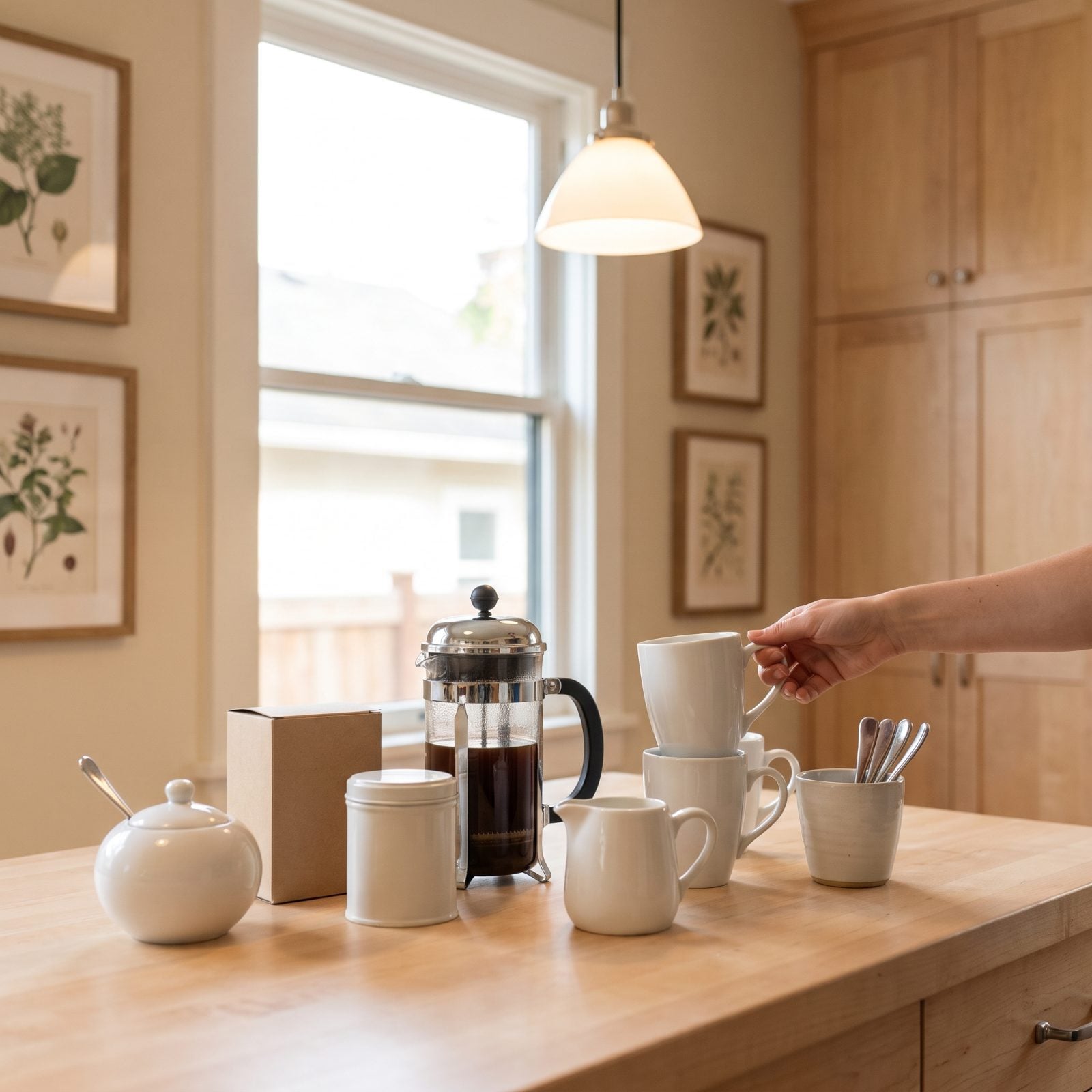
Dessert lands, everyone wants coffee, and that’s the exact moment you realize you’ve got four clean mugs and no clue where the decaf went. The after-dinner coffee scramble is its own genre of holiday stress.
Set the whole station tonight. Mugs counted out and stacked, regular and decaf both, a couple of teas, sugar, spoons, milk ready to pour.
30. Label the Allergy-Friendly and Dietary Dishes
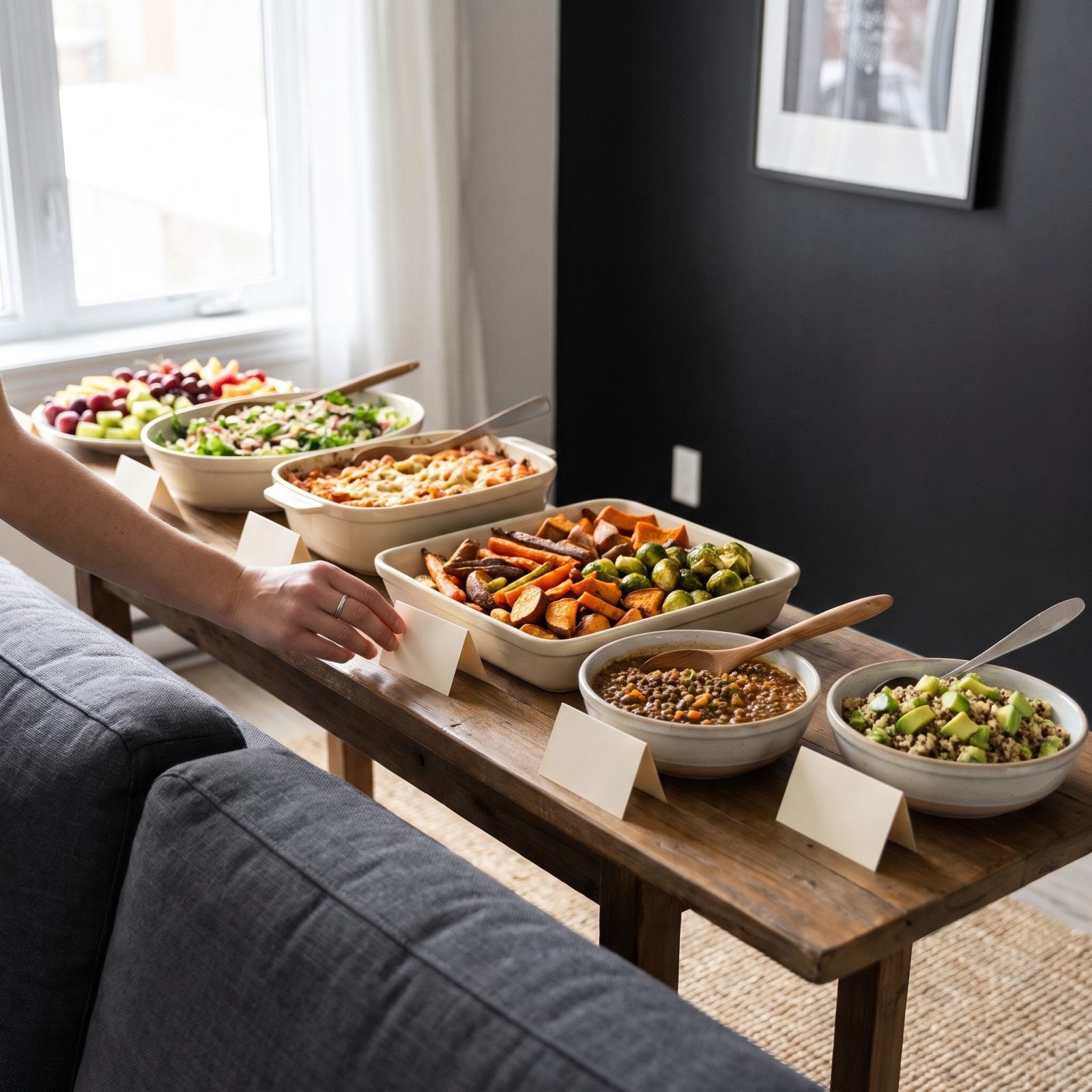
Nothing kills the ease of a meal faster than a guest quietly interrogating every dish because they can’t eat gluten, or dairy, or nuts, and don’t want to make a scene. Labeling takes two minutes and wipes all of that away.
Little folded cards, a strip of masking tape, whatever you’ve got. Mark what’s safe, and note the big ones: gluten, dairy, nuts.
Here’s what matters most, though. Give the allergy-safe dishes their own serving spoons and set them slightly apart, so the gluten-free gravy doesn’t get hit by a spoon that was just in the regular one. Cross-contamination is the part well-meaning people get wrong anyway.
29. Clear Space in the Coat Closet
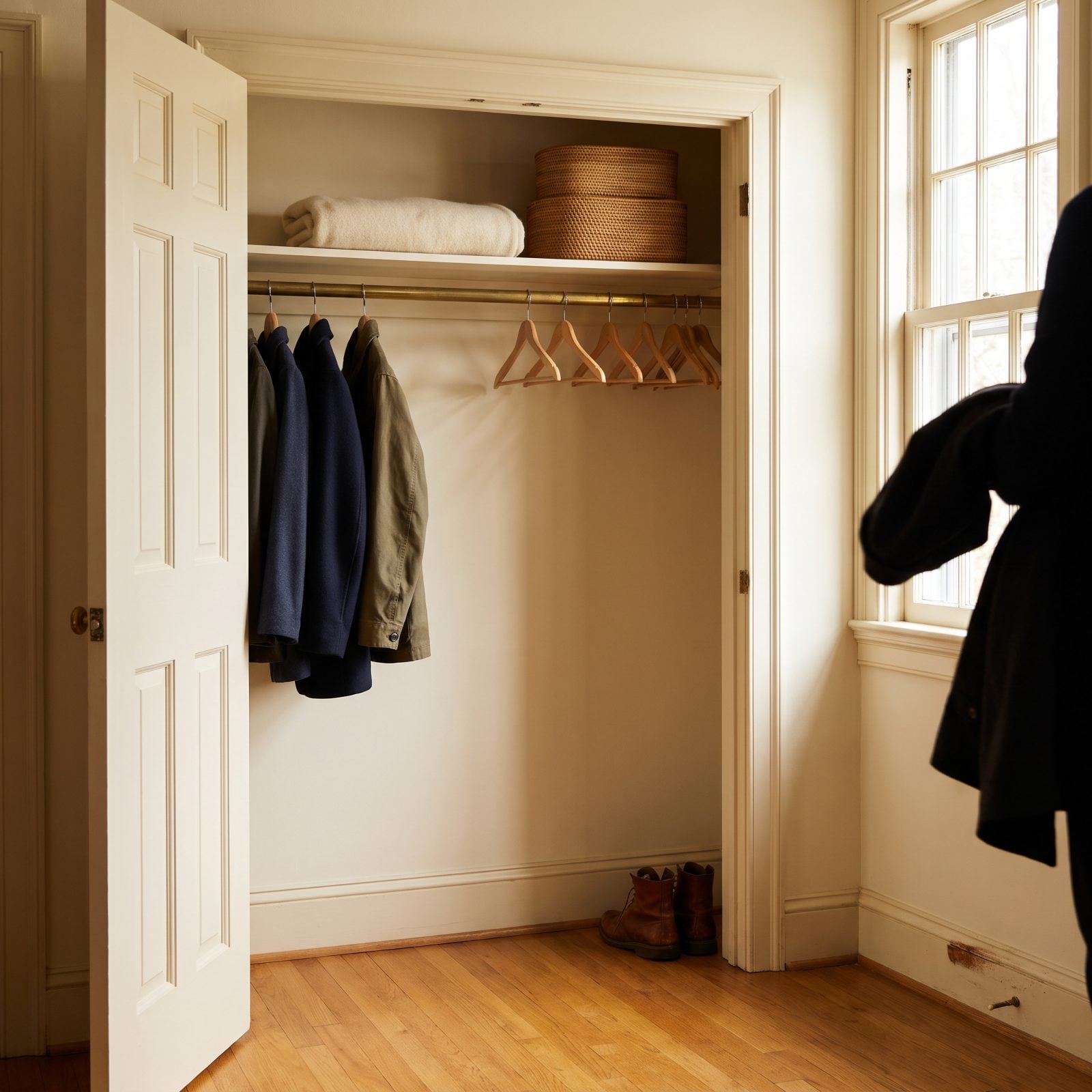
Nothing says “we weren’t ready” like a guest draping their coat over a chair back because the closet is a solid wall of your own stuff. Pull out eight to ten empty hangers before anyone arrives. Shove your own coats to one side, or move the bulky off-season ones to a bedroom for the day.
Here’s the part people skip: clear the floor too. Guests set down bags, wet umbrellas, a gift that needs hiding, and a floor stacked with shoes leaves them nowhere to put any of it. Otherwise, expect to find a casserole dish balanced on a pile of snow boots.
28. Add a Drip-Proof Boot Tray
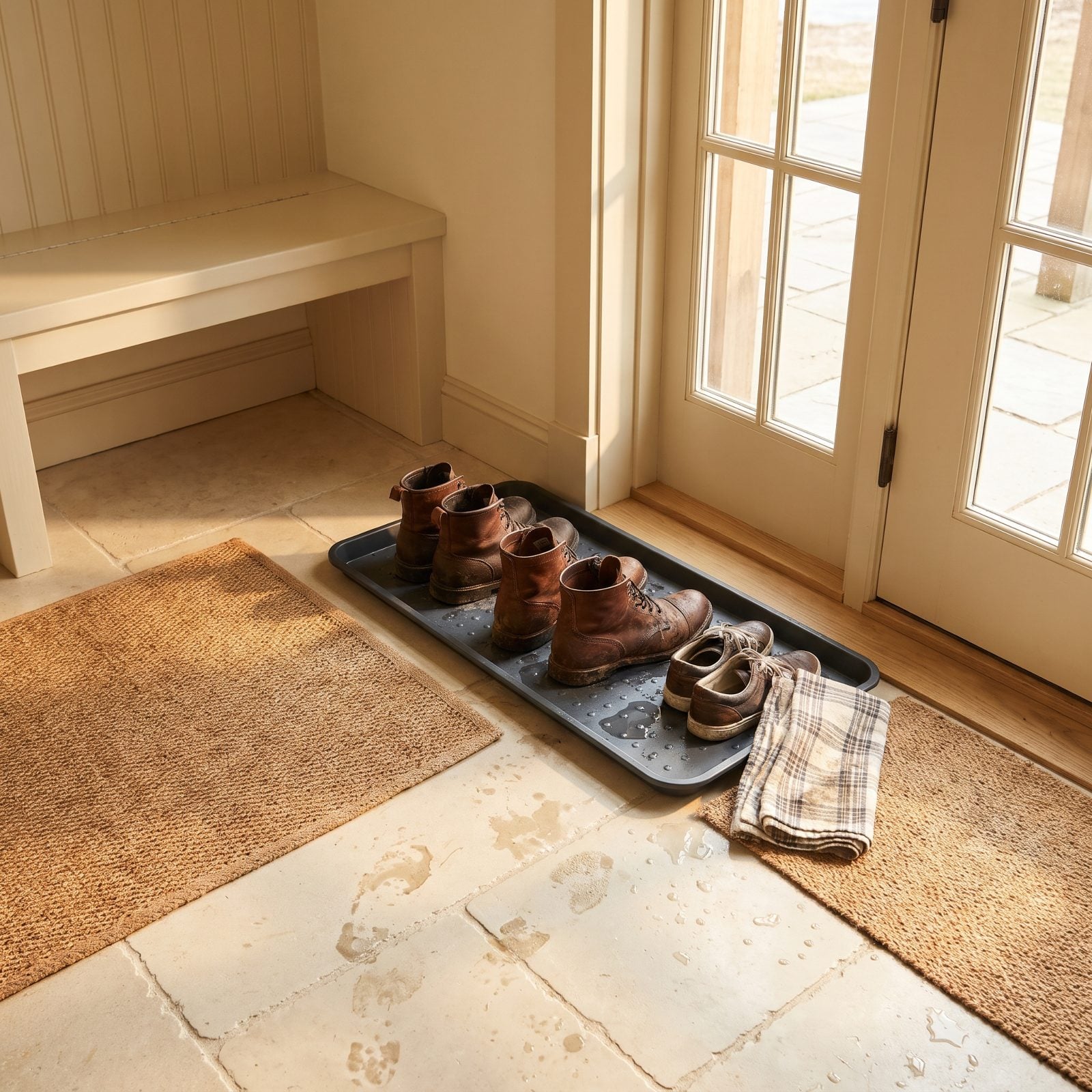
Snow and slush turn your entryway into a hazard the second guests step in. Melting boots leave puddles, puddles become slick spots, and salt residue chews through your hardwood finish over a winter of visits.
Set a boot tray with a raised lip right where people land. Deeper ridges trap more melt. If you want it to look deliberate rather than purely functional, line the bottom with a layer of smooth river stones.
27. Create a Spot for Handbags
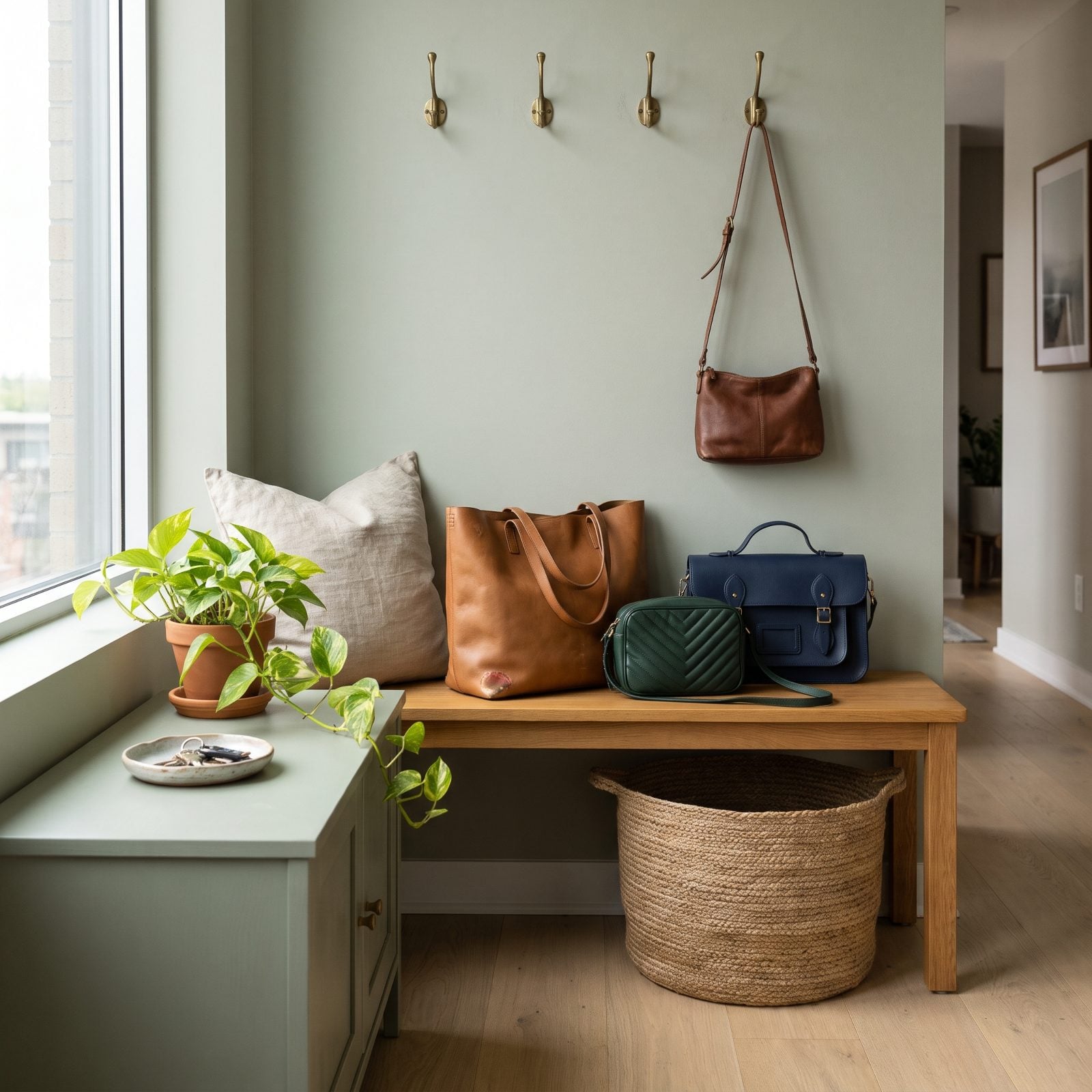
Watch where women put their purses at a gathering. On the floor by their feet, slung over a dining chair, clutched in a lap through the whole meal. None of it comfortable, and all of it because the bag never had a home.
Designate one spot before guests arrive. A bench, a row of hooks near the door, a cleared end of a console. Bags carry wallets and medication and phones, so people relax when theirs sits somewhere safe and visible instead of abandoned on a floor they can’t even see from the table.
26. Corral Keys and Drop-Zone Clutter
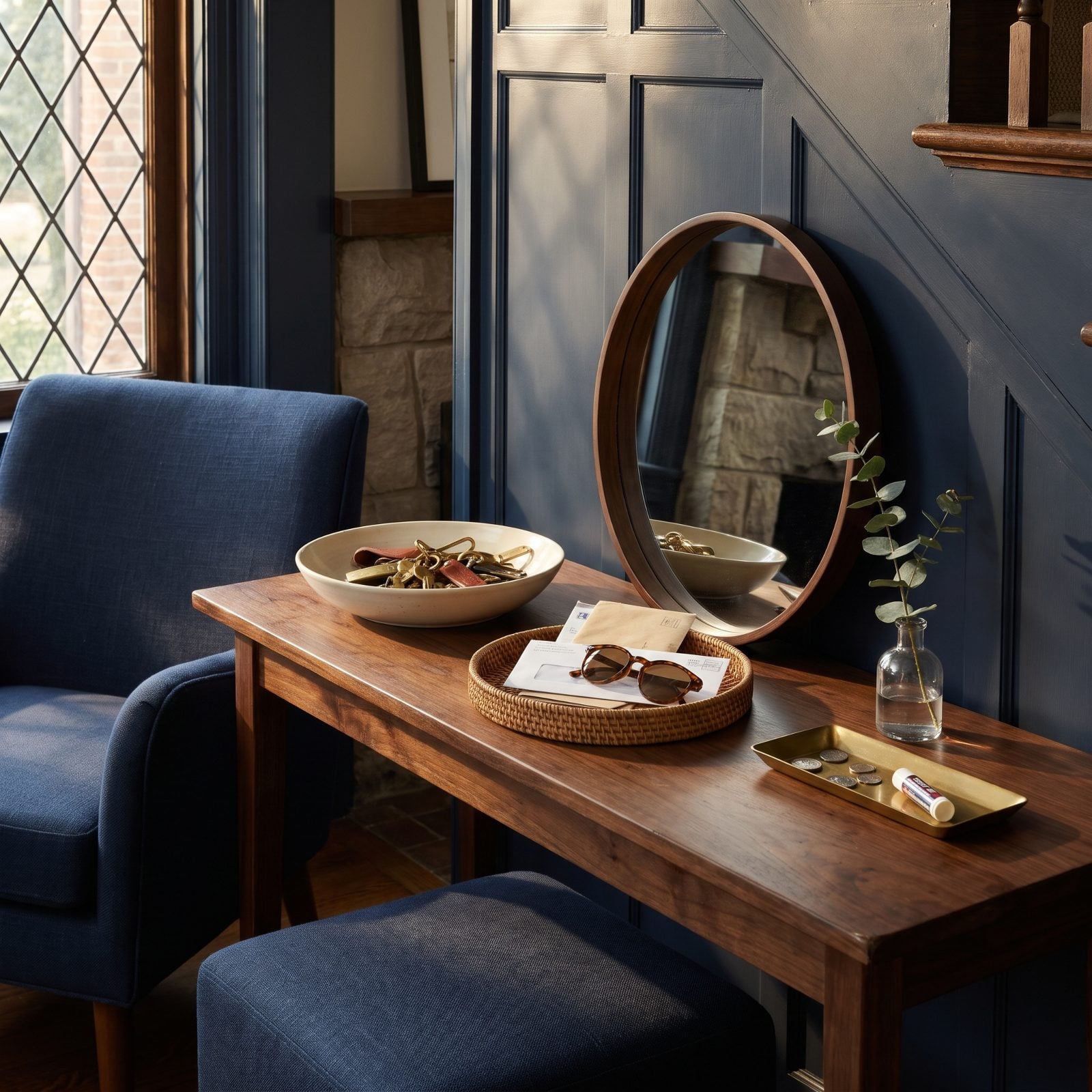
That flat surface by your door is a magnet. Keys, mail, receipts, one orphaned glove, a phone charger nobody will claim. By the time guests arrive it reads as chaos, and chaos is the first thing they see.
Give the clutter a container. A bowl for keys, a tray for the mail pile, a dish for pocket change. You’re not hiding the stuff. A messy pile inside a bowl reads as organized, while that same pile loose on the wood reads as neglect.
25. Unclog Slow-Draining Guest Sinks
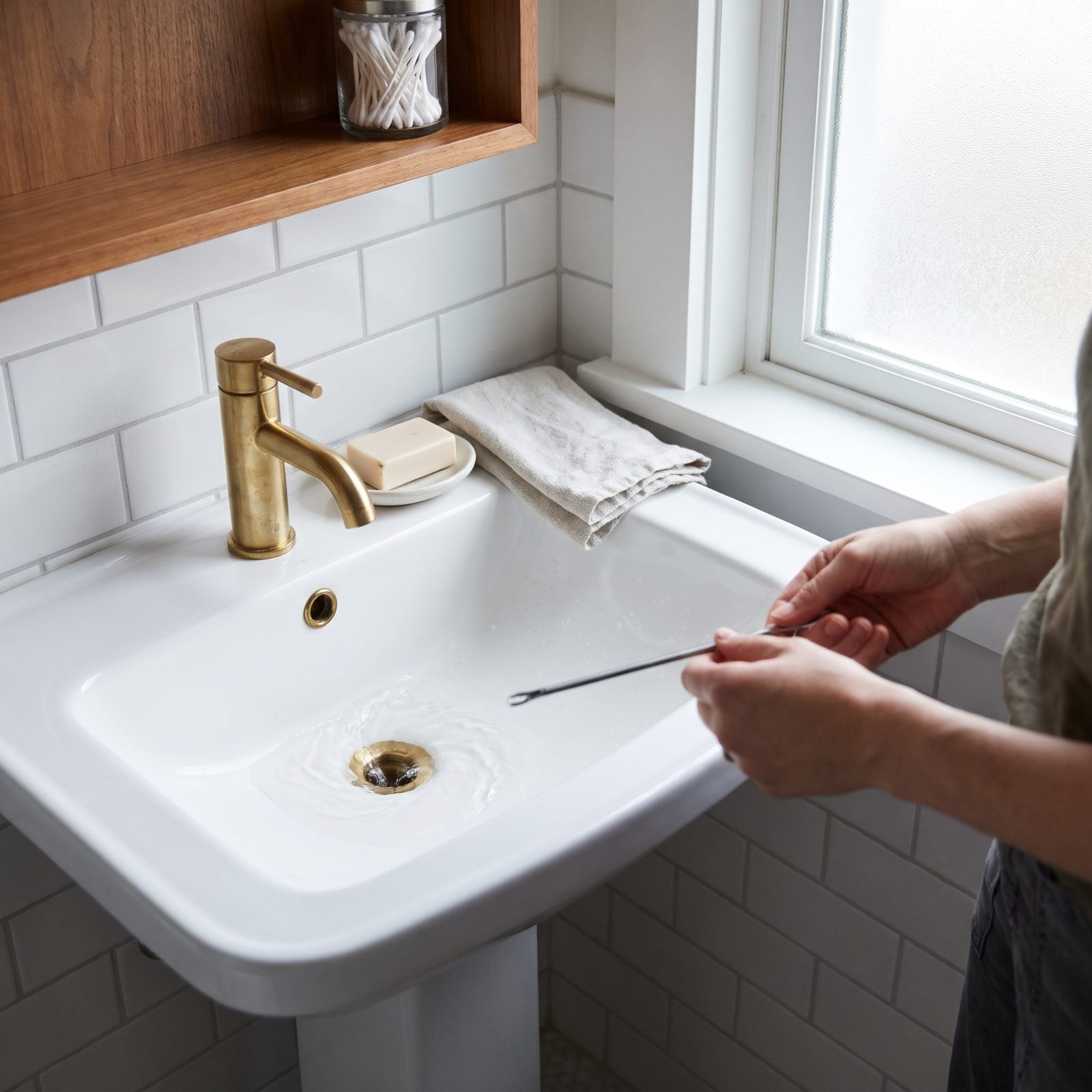
A sink that drains like molasses is a quiet embarrassment. Your guest washes up, the water climbs toward their wrists, and they end up just standing there waiting while it gurgles its way down.
Test every sink they’ll use a day or two ahead. Run it full, let it go, and watch. Slow means hair and soap scum choking the trap, and a bent-wire drain tool or a stiff pipe cleaner pulls the gunk out in about a minute. Too many hosts only find the problem when a visitor mentions it, politely, which is somehow worse than if they’d kept quiet. Flush with hot water afterward to clear what’s left behind.
24. Empty the Bathroom Wastebasket
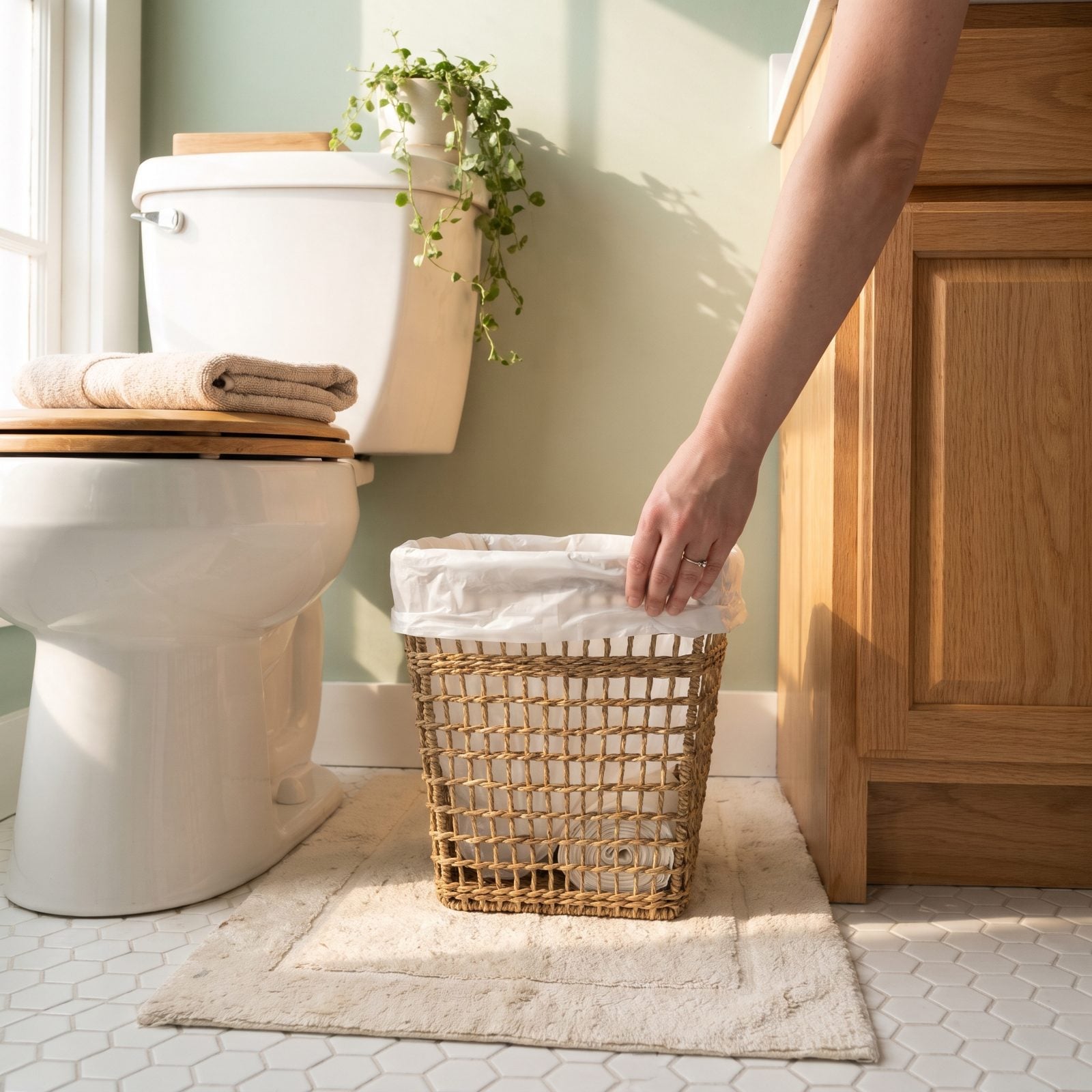
An overflowing bathroom bin is the detail people notice and never mention. A guest opens the cabinet to toss something, finds it heaped to the brim, and quietly sets their trash on the counter instead.
Empty it the morning of. Here’s the trick most folks miss: fold a few spare liners into the bottom of the bin itself, so the next change is instant and nobody has to go hunting for the box under the sink.
23. Stock Extra Toilet Paper
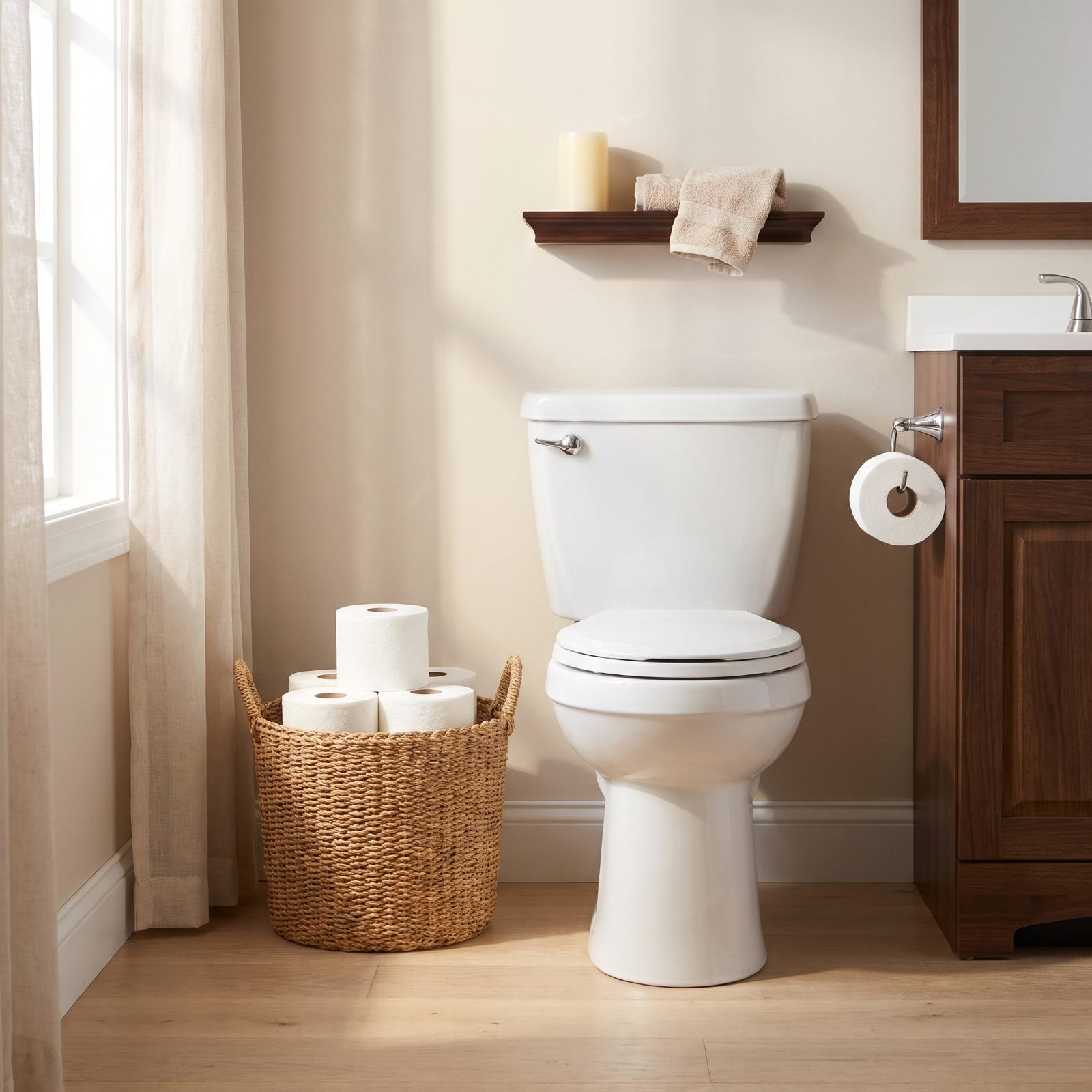
Running out mid-use, in someone else’s house, is a specific kind of panic. Your guest does not want to call out for help, and they absolutely don’t want to go rooting through your cabinets with their pants around their ankles.
Put the spares where they can reach them without standing up. A basket on the floor, a stack on a nearby shelf, a holder with a reserve roll tucked underneath. Within arm’s length, visible, no searching required.
22. Place the Plunger Discreetly Nearby
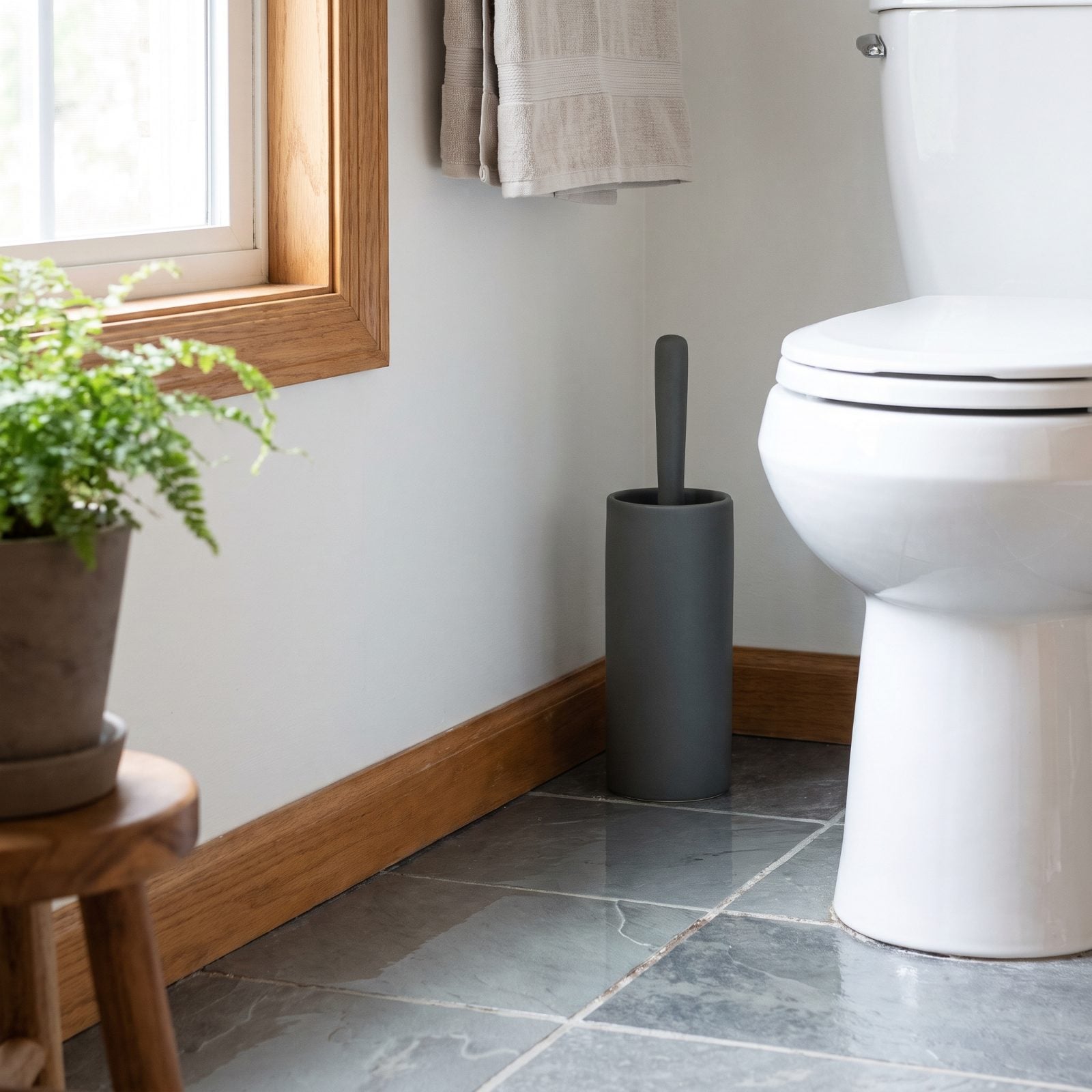
A clog with no plunger in sight turns a small problem into a full-blown crisis. Your guest can’t fix it, can’t find the tool, and now has to track you down with news nobody wants to deliver.
Keep one in every bathroom, not just your own. Tuck it into a covered holder or behind the toilet where it’s reachable but out of the spotlight. What you’re after is simple: a guest solves the problem alone, with their dignity intact, and never has to say a word about it.
21. Stack Fresh Hand Towels
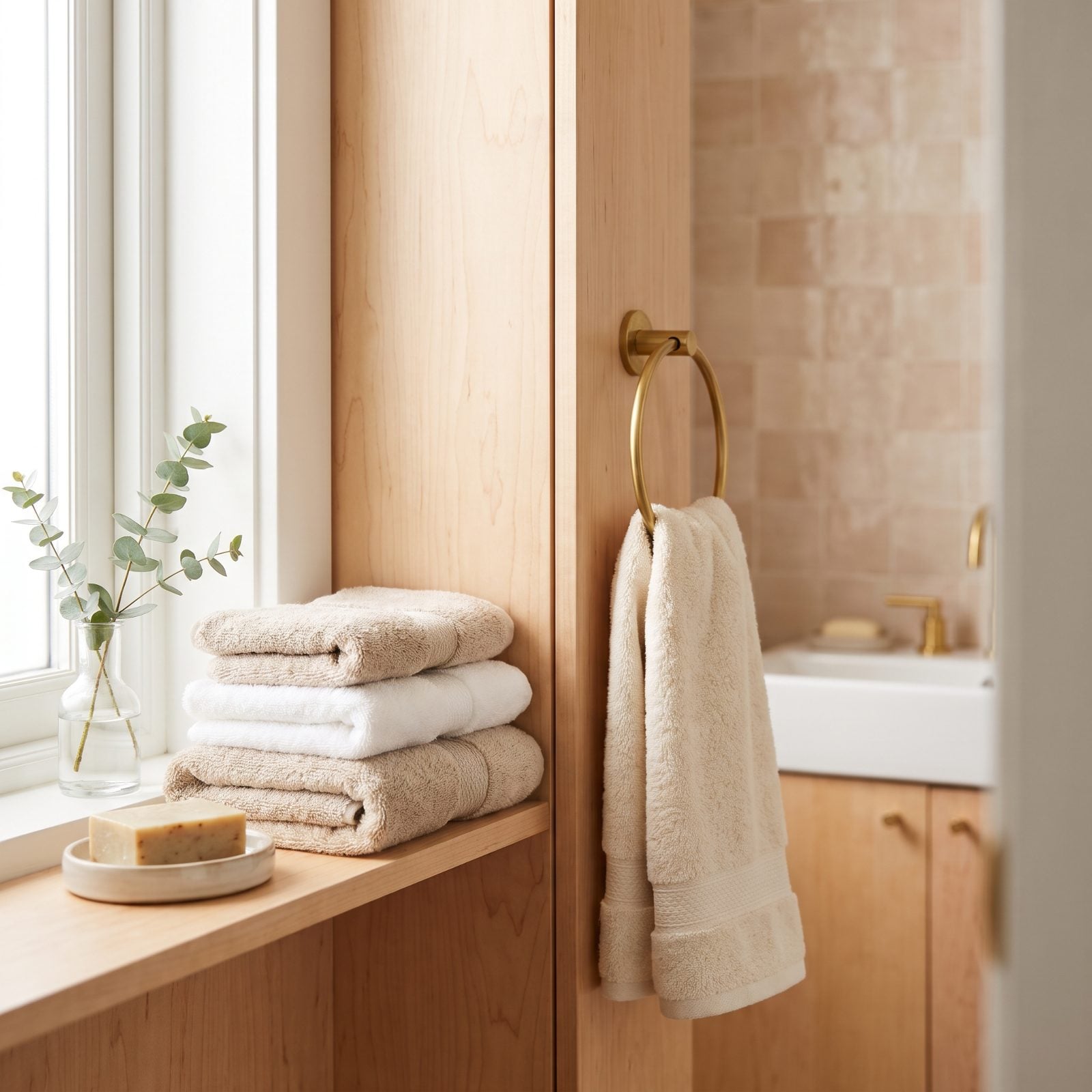
A shared, slightly damp hand towel is the quiet horror of holiday visits. Everyone uses it, nobody wants to, and by mid-afternoon it’s a soggy rope dangling from the ring.
Set out fresh ones, and put out more than you think you need. A stack of folded extras on the counter or a shelf tells guests they’re allowed to grab a clean one, which they will, which means no more passing a single damp towel between fourteen people.
20. Add a Soft Bathroom Night-Light
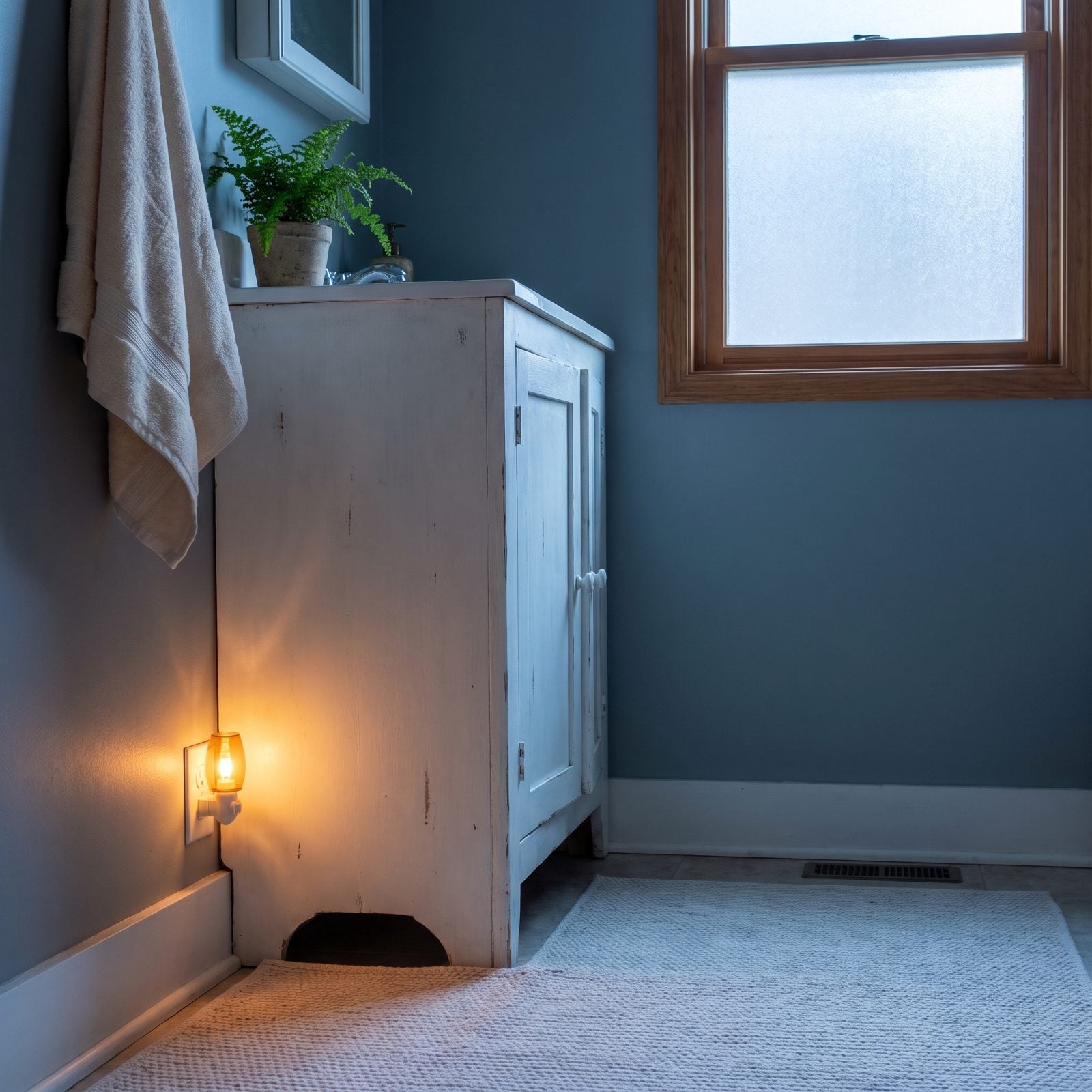
Picture an older relative waking at two in the morning in an unfamiliar house, feeling along a wall for a light switch they can’t quite remember. That’s a fall waiting to happen, and it happens in the dark, on cold tile.
A low plug-in night-light with a warm amber glow fixes it. Warm over cool matters here. Harsh white light jolts the eyes awake, while amber lets a guest find the toilet without fully surfacing from sleep. Set it near the floor so it lights the path, not the ceiling.
19. Clear Personal Products From the Shower
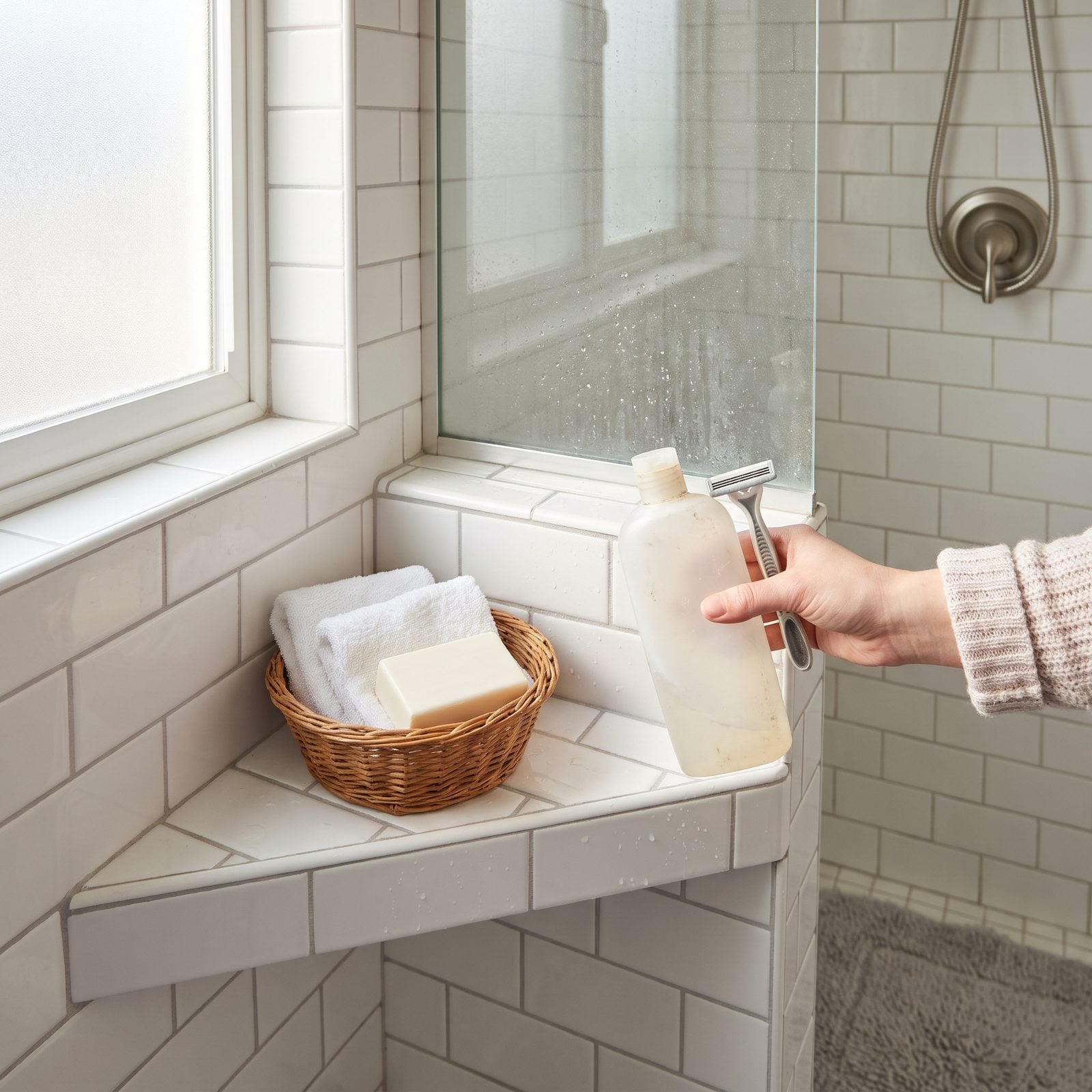
Nobody wants to shower with your used razor watching them. A guest steps in, reaches for a ledge to set their own things, and instead finds a tangle of half-squeezed tubes next to a loofah that has seen better decades. It reads as an afterthought even when the rest of the house gleams.
Pull everything personal into a caddy you can stash under the sink. Then set out a small basket with fresh soap, a clean washcloth or two, and one full bottle of something plain. While you’re at it, run your hand along the shelf. Slick? Wipe it. That film is the thing people notice last and remember longest.
18. Make the Guest Bed With Fresh Linens
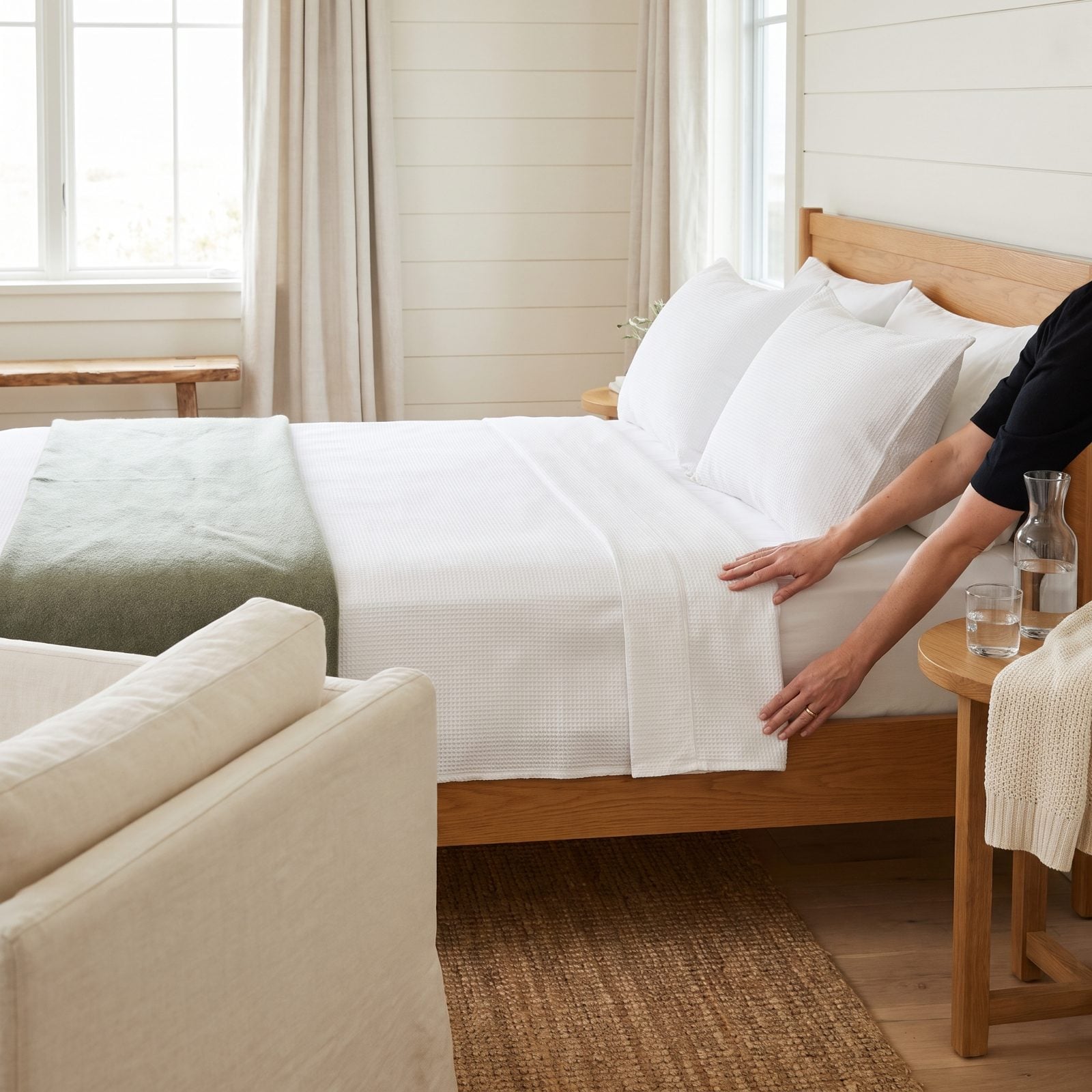
A guest bed that’s been sitting since the last visit smells like a closed room, even when it looks fine. Dust settles on folded linens, the pillows go flat, and you never notice because you don’t sleep there.
Strip it fully and remake it the day before, not the week before. Use whatever’s softest in your rotation rather than the scratchy backup set you’ve been meaning to toss. Pull the top sheet tight, fold the corners, fluff the pillows hard before you set them down. Then lean in close and smell the pillow. Stale? It needs washing no matter how clean it looks.
A made bed says “come in.” A stale one says “we didn’t expect you.”
17. Vacuum Beneath the Guest Bed
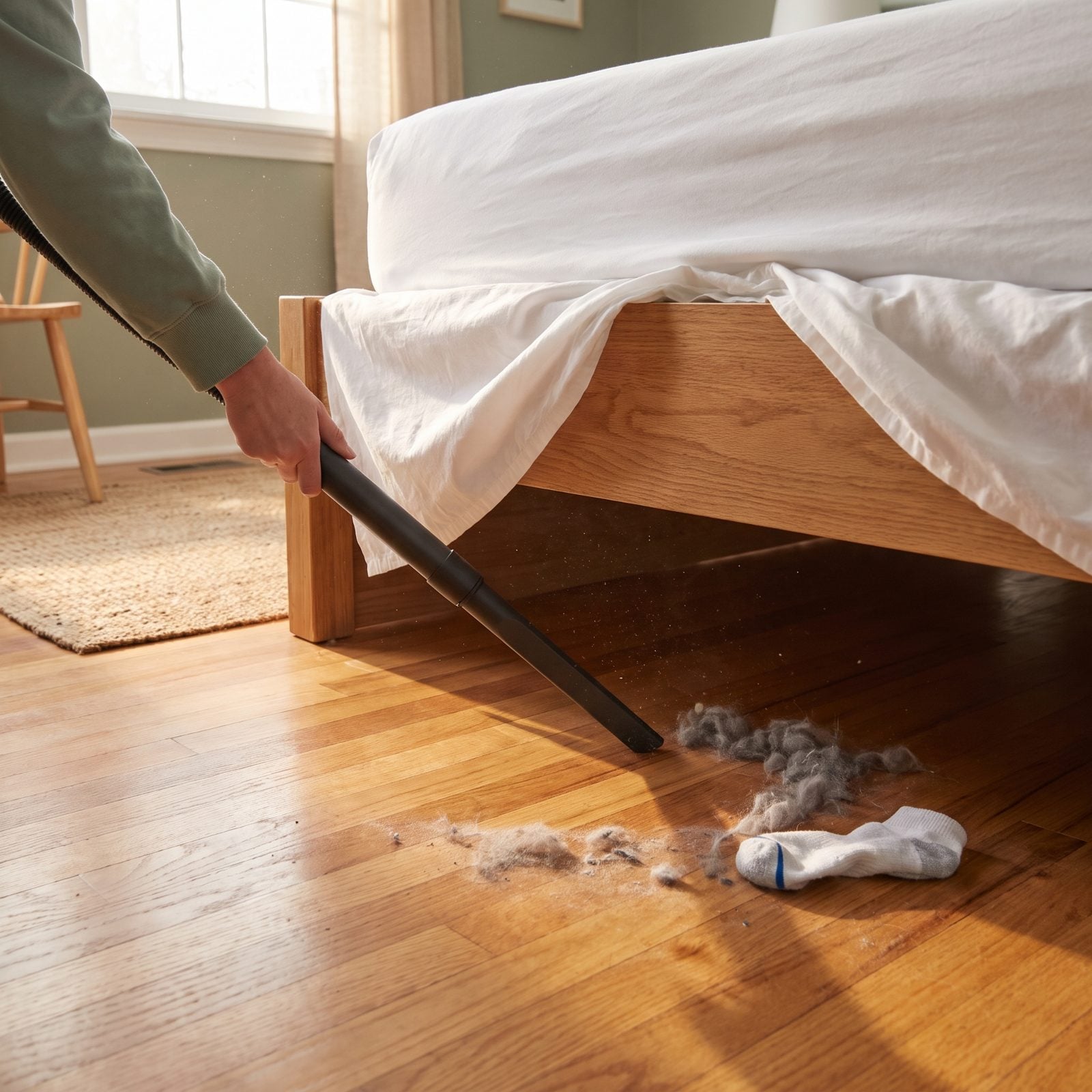
This is the one almost everyone skips. You make the bed, fluff the pillows, step back pleased, and never once lift the skirt to see what’s hiding underneath. Guests do, though. They set a suitcase down, bend to grab something they dropped, and come face to face with a herd of dust bunnies and whatever rolled under there back in October.
Lift the skirt and run the nozzle all the way to the wall. Watch the far corners, where everything drifts: dust, a stray hair tie, the earring you’ve been hunting for. Floor-level air moves more than you’d think. Nobody wants to breathe that for three nights.
16. Set Extra Blankets Within Reach
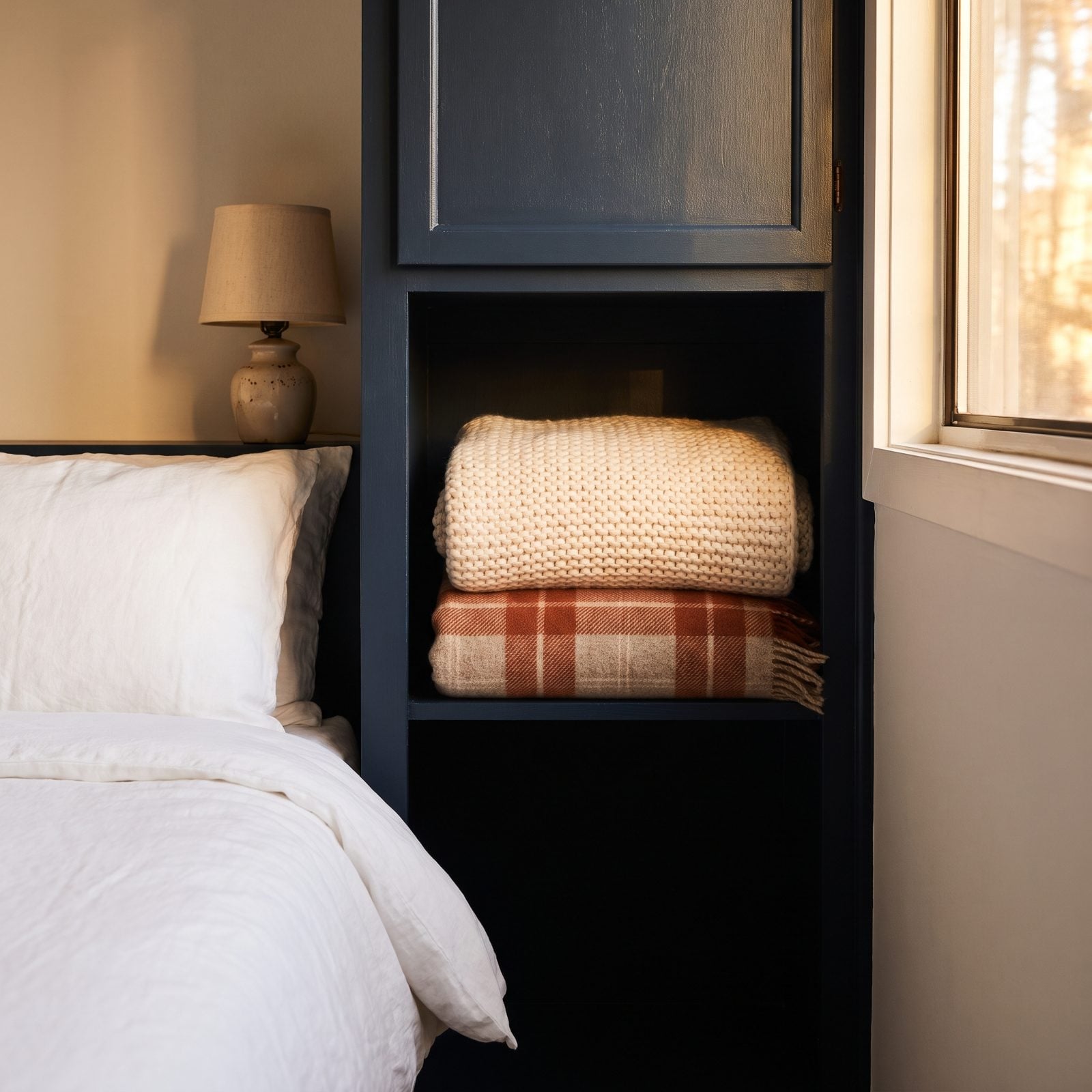
A common mistake: keeping the spare blankets in the hall closet, three doors down, because that’s where blankets “live.” But a cold guest at 2 a.m. isn’t going to wander your dark hallway opening cabinets. They’ll just shiver and say nothing at breakfast.
Fold two extra blankets and leave them on the end of the bed, a chair, or an open shelf they can spot without asking. A chunky knit plus a warmer woven one covers both the cold sleeper and the one who runs hot. Point them out when you show the room. People rarely ask for a blanket, but they’ll always use one that’s already there.
15. Add a Folding Luggage Rack
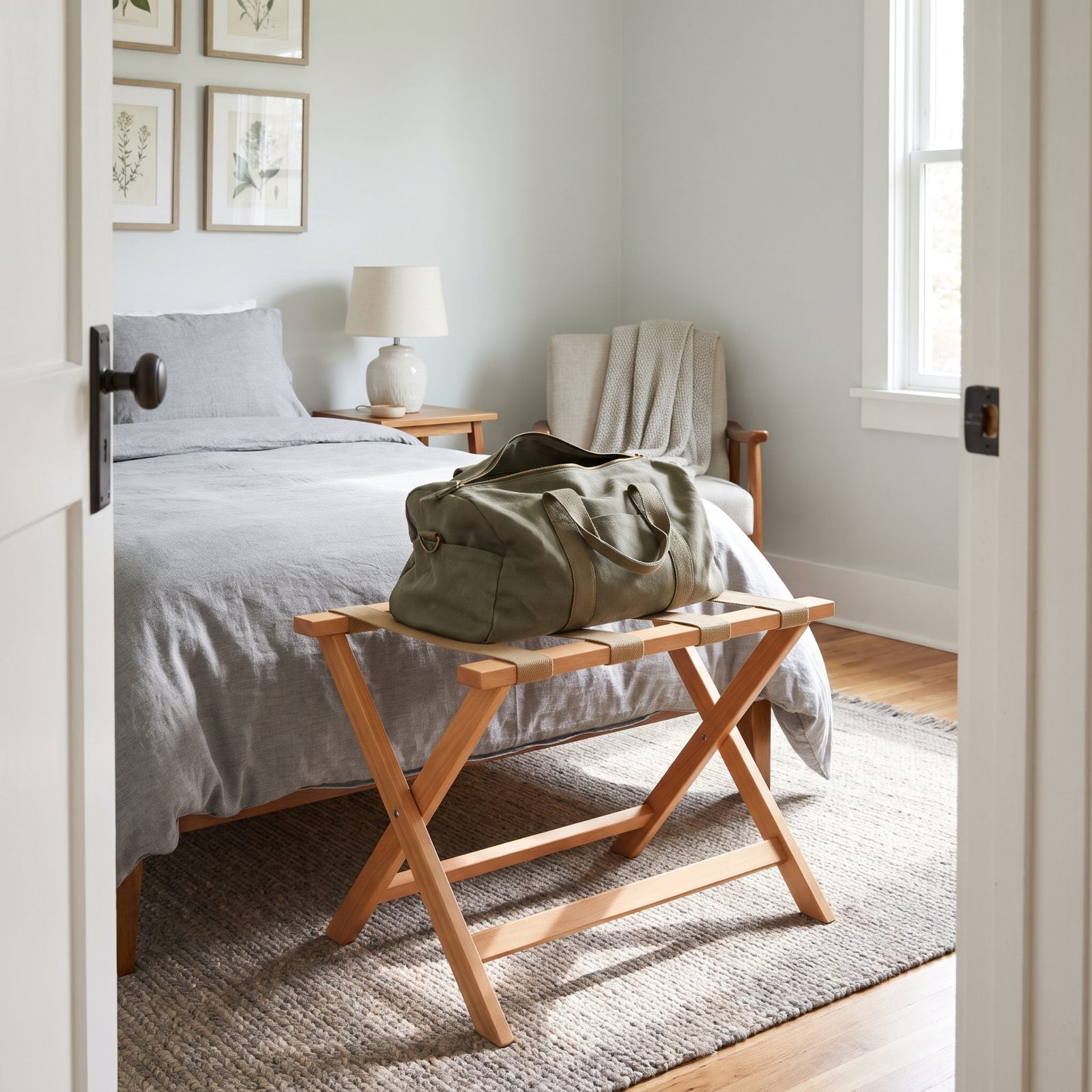
Where does a guest put their suitcase? If you’ve never asked, the answer is usually the floor, where it gets kicked, or the bed, where it drags in whatever it rolled across at the airport.
A folding luggage rack solves that in one quiet gesture. It lifts the bag off the floor, spares your guest’s back, and signals you actually planned for someone to stay. The wooden ones fold flat and slide behind a door between visits, so there’s no storage excuse.
14. Test Every Bedside Lamp
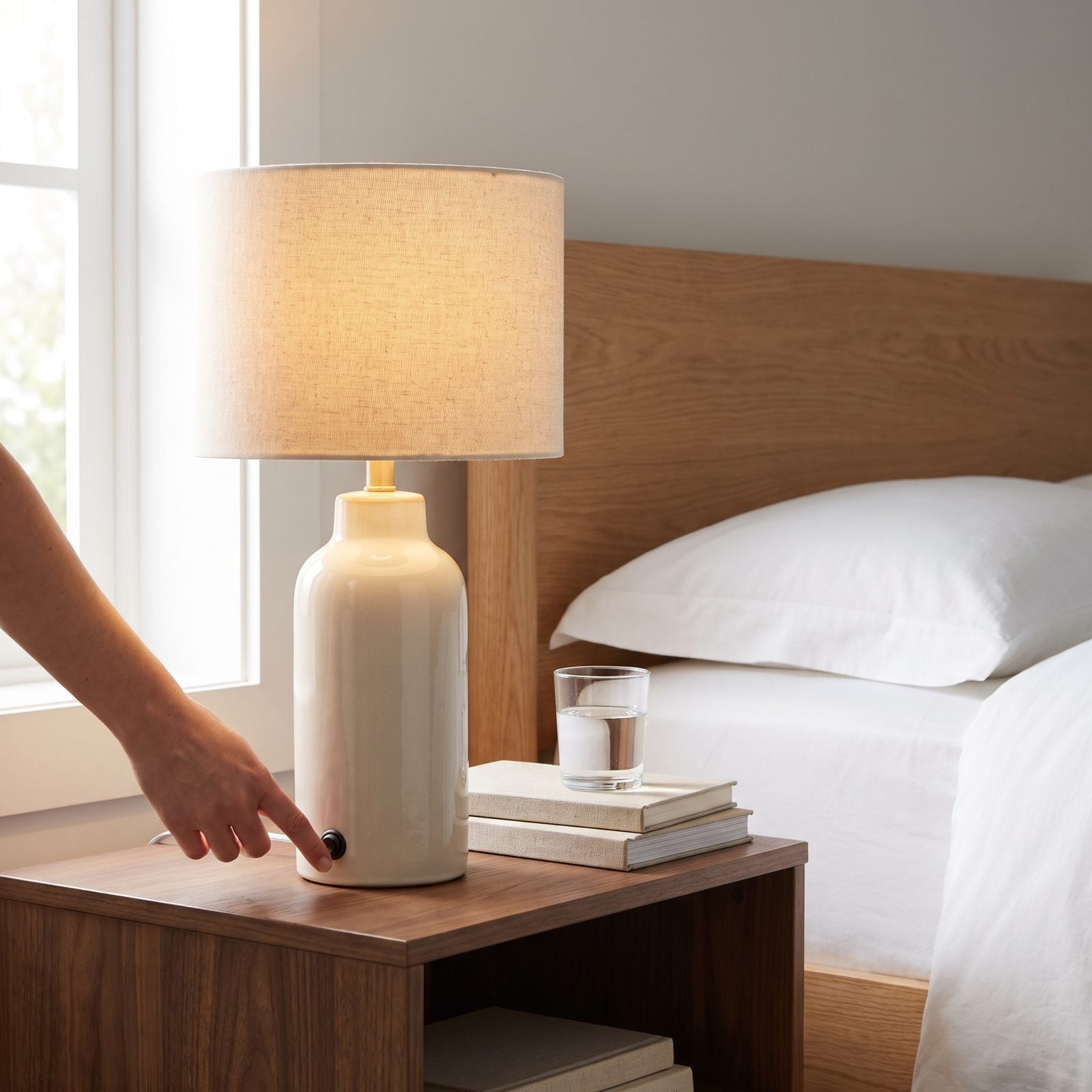
A dead lamp bulb is a small thing that lands as a big one. Your guest climbs into bed, reaches over to read for ten minutes, clicks the switch — nothing. Now they’re fumbling in the dark in a house that isn’t theirs, weighing whether a dead bulb is even worth mentioning. It isn’t, to them. So they just lie there.
Walk the room and click every lamp. Check the bulb, the switch, and whether the cord actually reaches an outlet they can hit half-asleep. Warm bulbs beat harsh daylight ones at the bedside. And if a lamp flickers, swap the bulb now, because flickering means dying and it’ll die on their watch instead of yours.
13. Build a Simple Charging Station
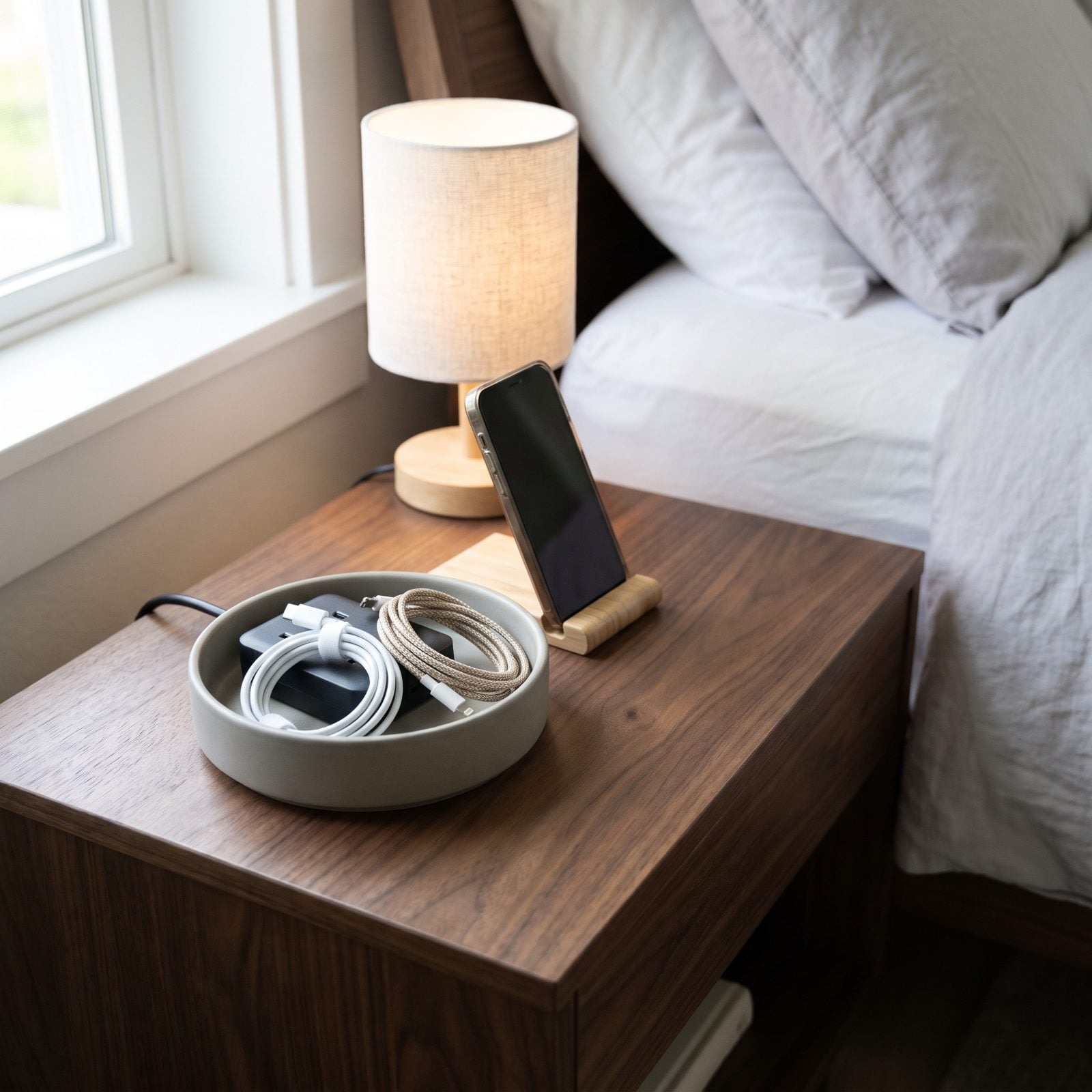
Guests arrive with a dying phone and nowhere good to plug it in. So they end up charging on the floor by the baseboard outlet, phone facedown on the carpet, cord stretched across a walkway for someone to trip over at midnight.
Set a small power strip or a couple of cords on the nightstand before they come. Include both common cable types if you’ve got them, and coil them neatly in a little dish so it doesn’t look like a nest.
12. Check Curtains for Privacy
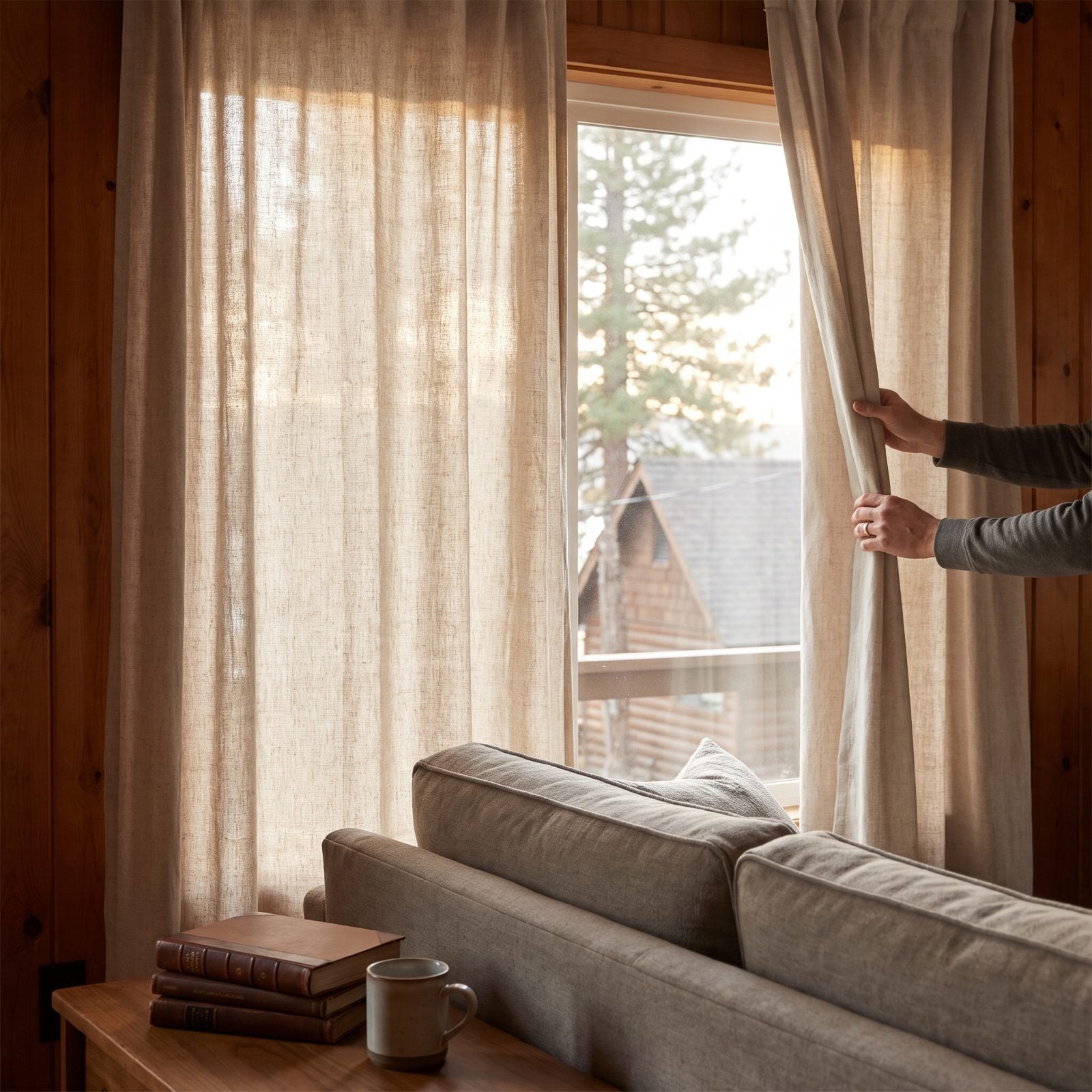
You know your own windows well enough to never think about them. A guest doesn’t. They undress in a room where the curtains don’t quite meet in the middle, then spend the visit wondering exactly what the neighbors across the way can see.
Here’s the real test. Leave the lights on inside, step outside after sunset, and look back. In daylight everything seems covered; at night a lit room with a curtain gap is a lantern. Close the panels and check the center overlap and the sides. If light leaks through, a cheap clip or a tension rod behind the existing curtain closes the gap. Privacy isn’t a luxury in a guest room. It’s the whole reason a door has a lock.
11. Remove Work Gear From Guest Rooms
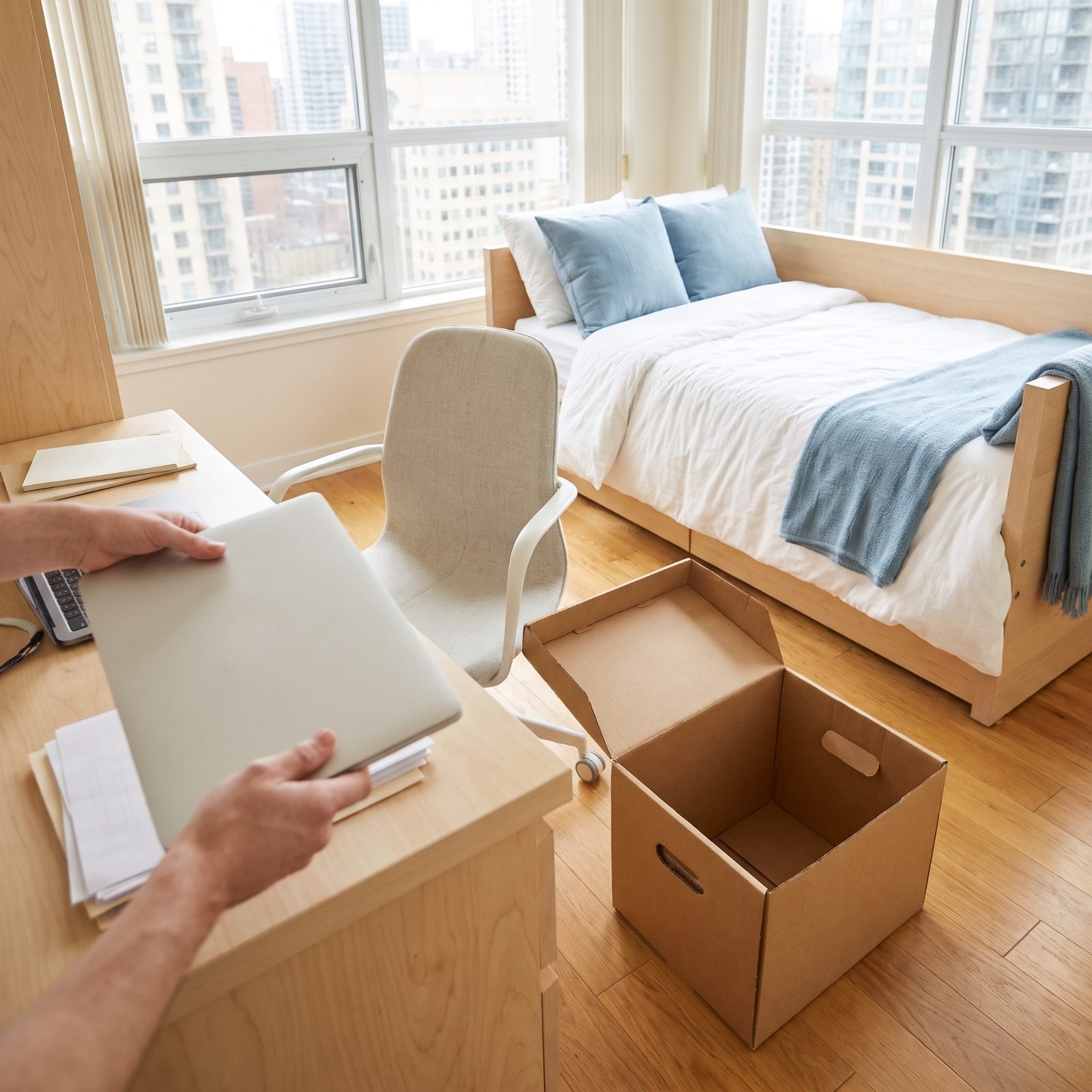
The spare room pulls double duty in most houses. It’s the office, the overflow closet, the place the treadmill went to be ignored. Then company comes and suddenly someone has to sleep surrounded by your tax folders and a monitor glowing on standby.
Clear the work out before they arrive, not around them. Box the papers, unplug and move the laptop, roll the office chair into another room if you can. You’re not just tidying — you’re handing the room over so they can actually rest instead of feeling camped in your workspace.
10. Remove Pet Hair From Upholstery
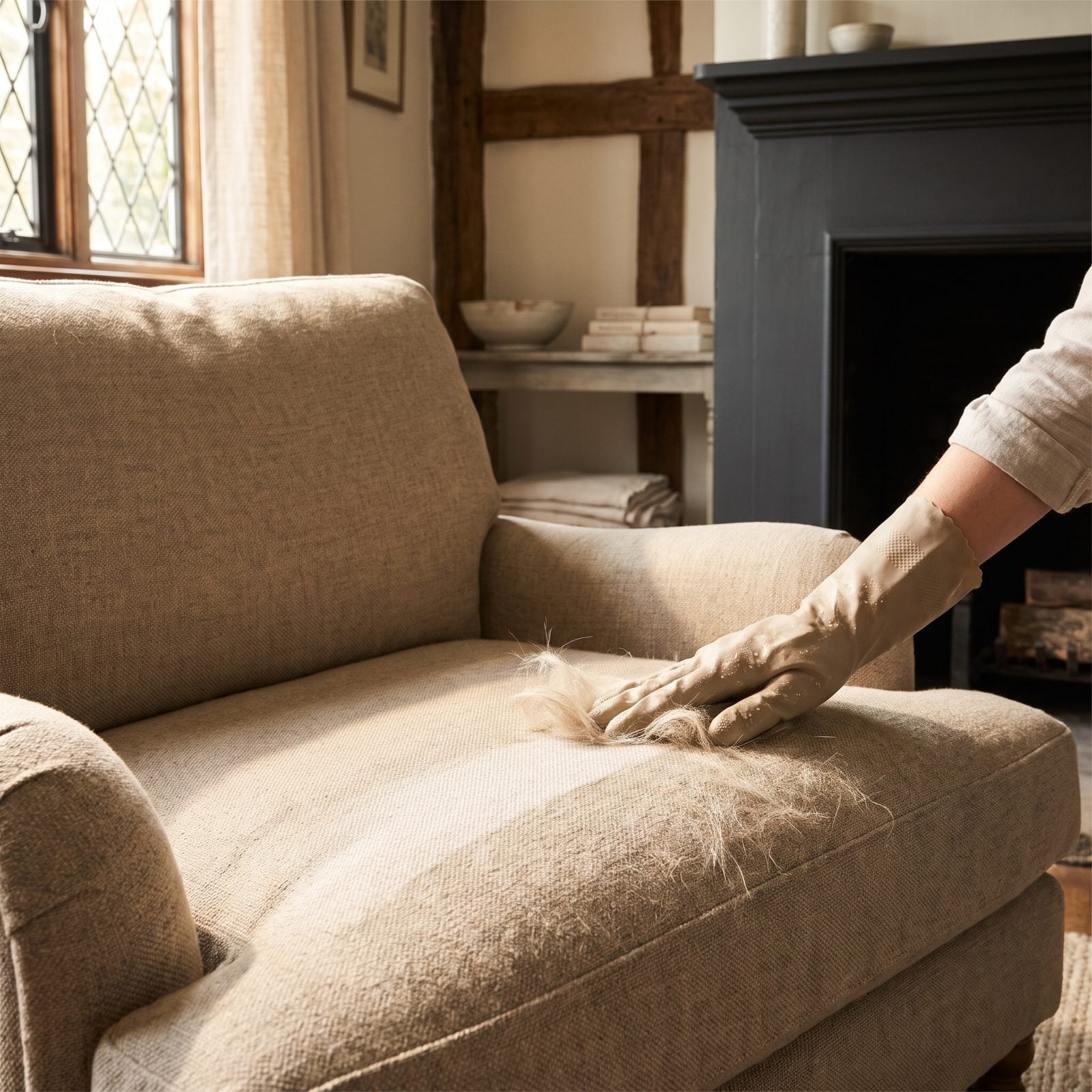
You stopped seeing your pet’s hair a long time ago. It lives in the couch, dusts the throw pillows, and has quietly become part of the furniture’s texture to everyone who lives there. A guest in dark trousers spots it the second they sit down, and then it’s on them for the rest of the evening.
A vacuum glances right over it. What actually works is a rubber brush or a slightly damp rubber glove dragged across the fabric, so the hair balls up and lifts instead of smearing deeper. Hit the sofa, the dining chair cushions, anywhere a guest parks for more than a minute. Do it last, after you’ve fluffed and finished — hair resettles out of the air within the hour.
9. Clean Fingerprints From Interior Glass
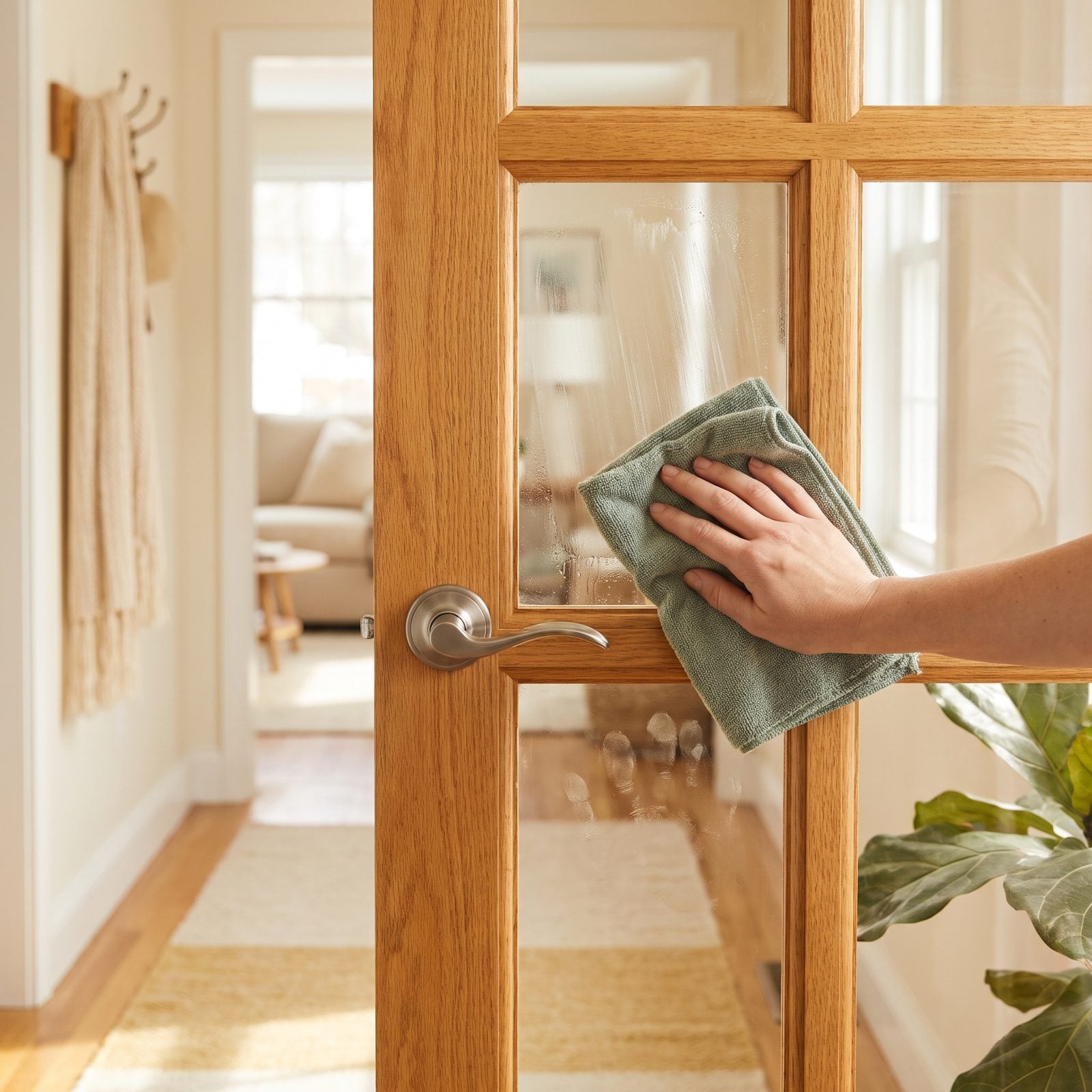
Glass holds light, and it holds every fingerprint from the last three weeks. You stop seeing them around day four. Your guests won’t. Low afternoon sun rakes across a French door and suddenly it looks like a toddler finger-painted the whole lower half.
The trick I wish I’d known sooner: don’t clean glass at noon with the sun on it. The spray dries before you can buff it, and you end up with streaks worse than the smudges you started with. Wait for even light, mist a microfiber cloth lightly instead of soaking the glass, and work in tight circles at child and dog height first. That lower band is where the damage lives.
8. Wipe Switches and Door Handles
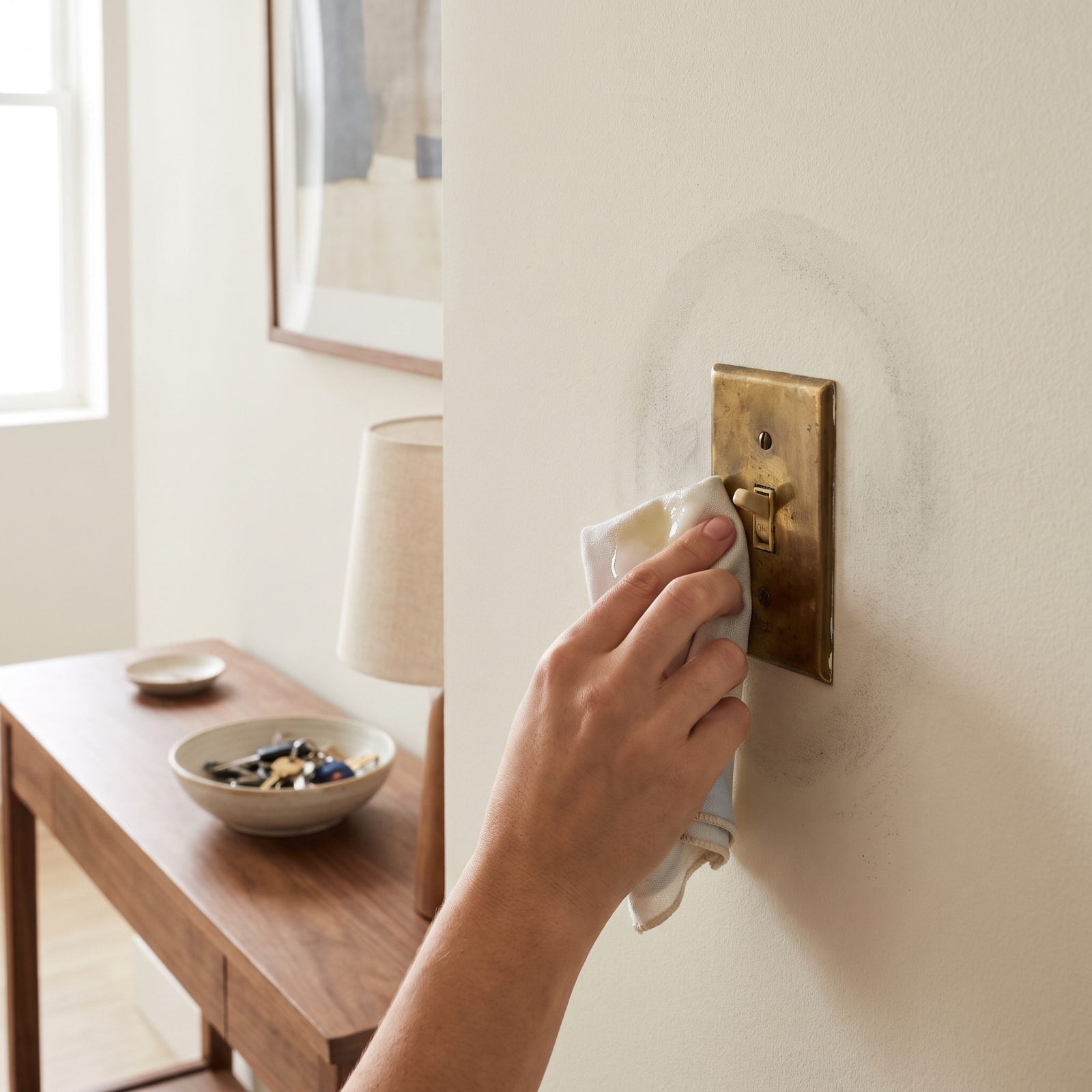
The grey halo around a light switch is the most overlooked grime in any house. Everybody touches it. Nobody cleans it. Over a season it builds into a smudge shaped exactly like a thousand thumbs, sitting at eye level the moment someone reaches to turn on a lamp.
Go through and wipe every switch plate, every door handle, the fridge handle, the microwave buttons, the stair rail. A damp cloth with a drop of dish soap handles it. Don’t spray cleaner directly onto switches — you don’t want liquid seeping into the electrics. Spray the cloth instead.
Ten minutes, and the house reads as genuinely clean rather than just tidied. People can’t always name why a home feels fresh. This is half of it.
7. Clear Clutter From Stairways
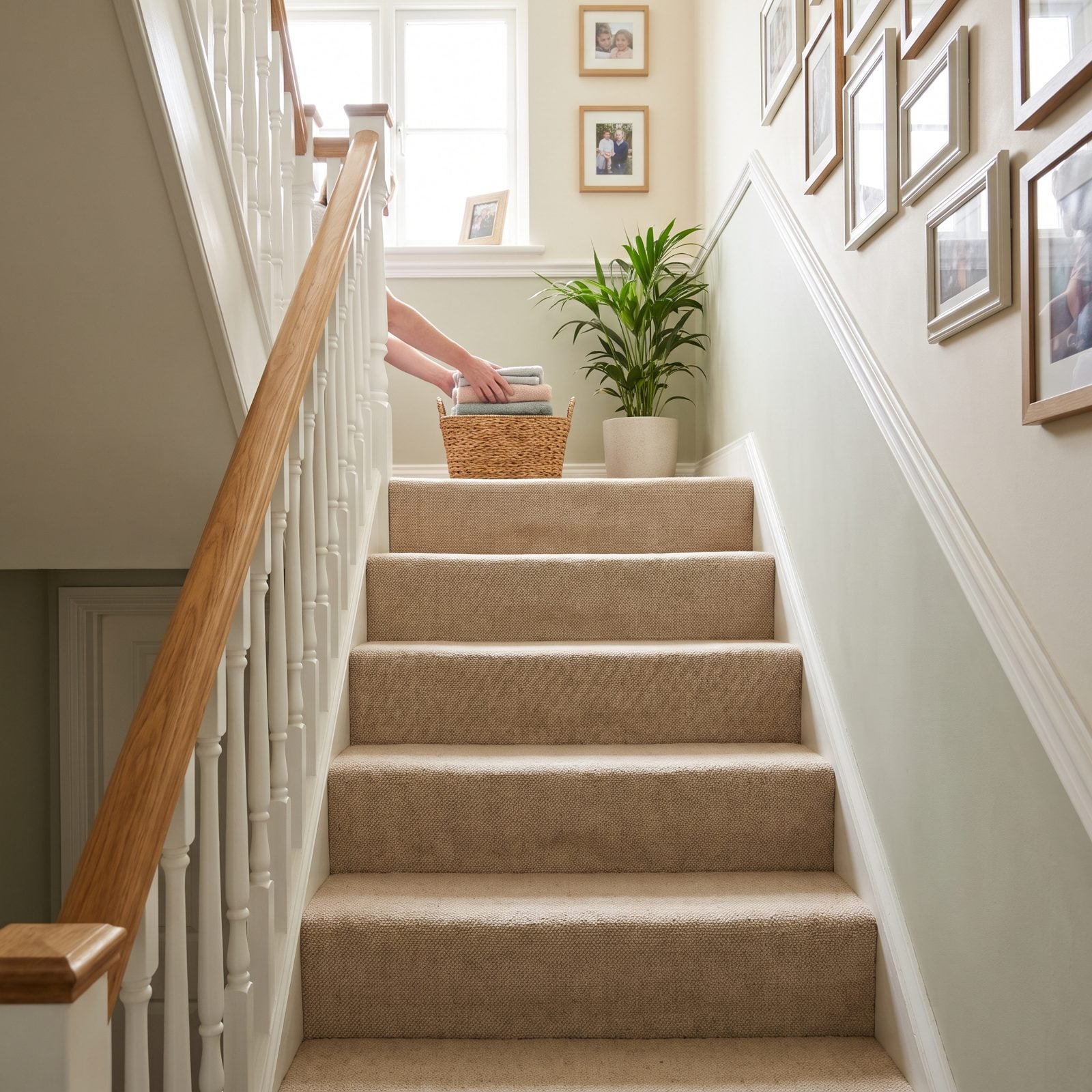
Stairs become a staging area without anyone deciding they should. A folded towel here, a stack of books there, the shoes that need to go up, the toy that needs to go down. Each item alone feels temporary. Together they’re a fall waiting for the one guest holding a casserole with both hands.
Walk your stairs and clear every single step. Not most. Every one. The top and bottom steps are the sneaky ones — that’s where your eye stops registering objects because you’re already on solid floor.
6. Secure Loose Rugs and Cords
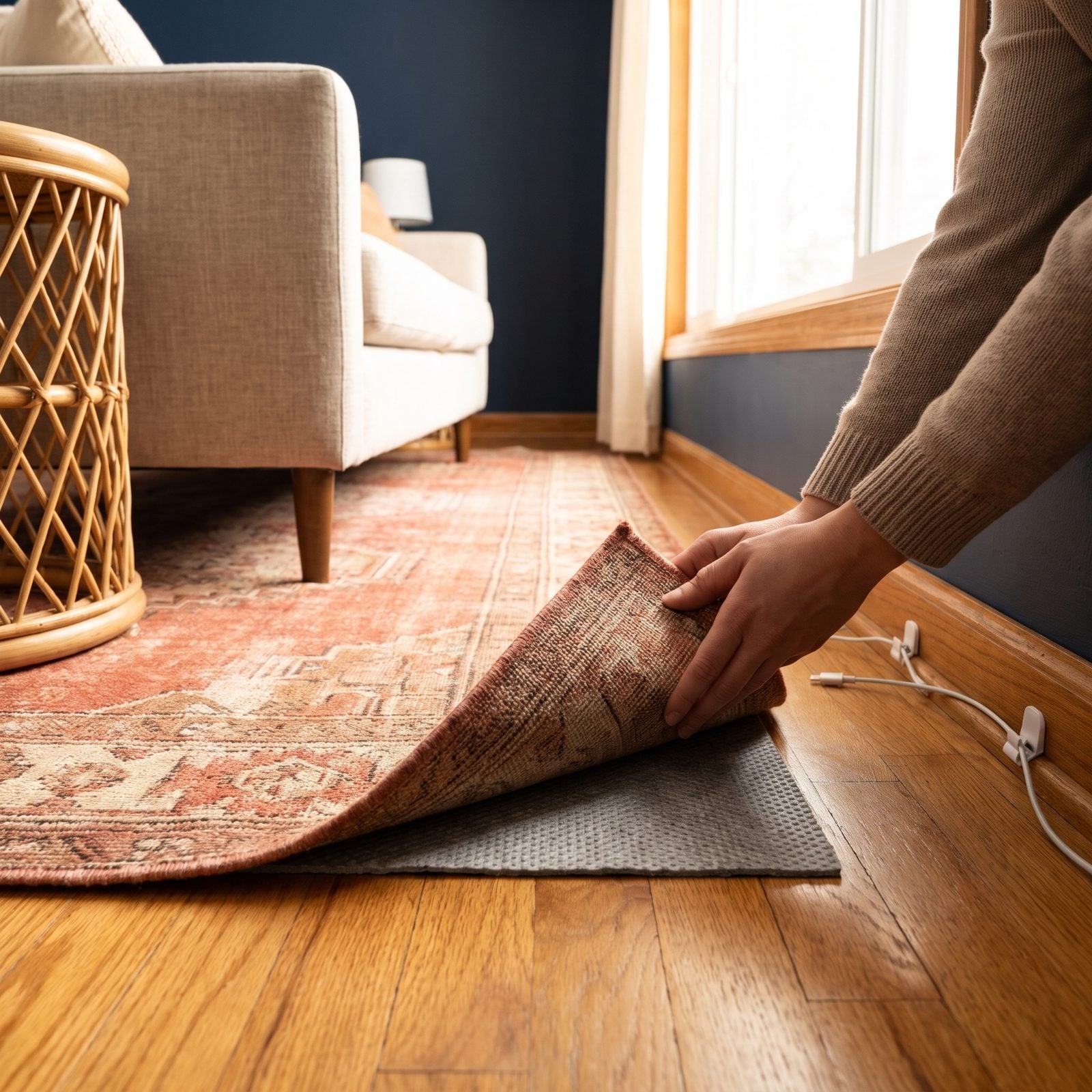
A rug that slides is a trip hazard dressed up as decor. The corner that curls, the runner that creeps across the floor an inch a day, the throw rug in the kitchen that launches like a skateboard when someone steps on it wrong. Elderly relatives and small kids are exactly who these catch.
Get a non-slip pad under every loose rug, and press the corners flat. If one keeps curling, a few cheap rug grippers underneath will hold it down. Then the cords — lamp cords, phone chargers, the extension cord snaking across a doorway. All of it tucked along baseboards or taped down.
Nobody notices a secured rug. Everybody remembers the one that sent a cousin into the coffee table.
5. Tighten Wobbly Dining Chairs
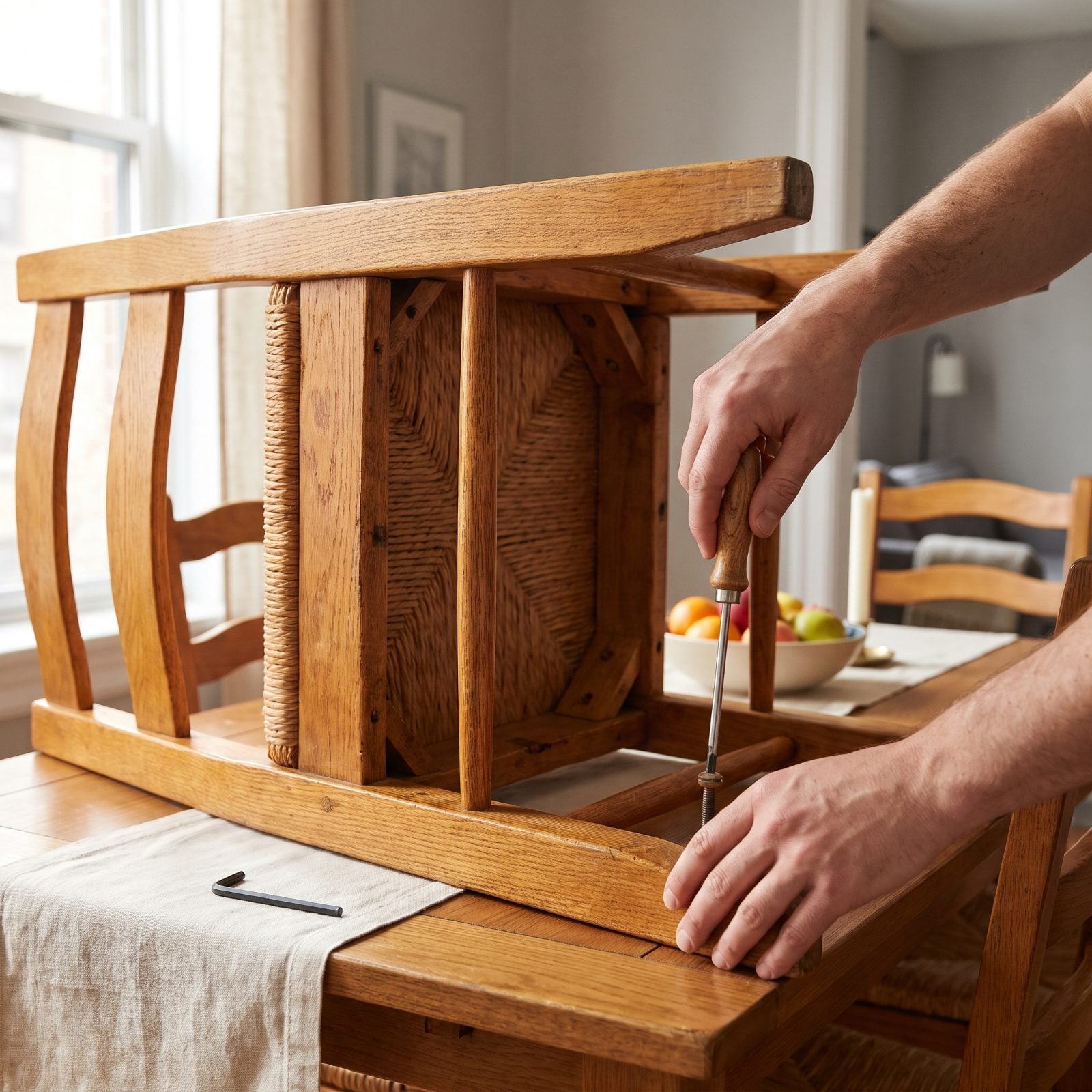
You know the chair. Every house has one — the one that gives a little lurch when you sit, so family silently rotate to avoid it and guests get it by default. A wobbly dining chair during a long holiday meal is a small, steady source of unease for whoever drew the short straw.
Lay each chair on its back across the table before the day and check the joints. Most wobble comes from loose screws under the seat or at the leg-to-apron joints, and a screwdriver or Allen key tightens them in under a minute per chair.
4. Test Smoke and Carbon Monoxide Alarms
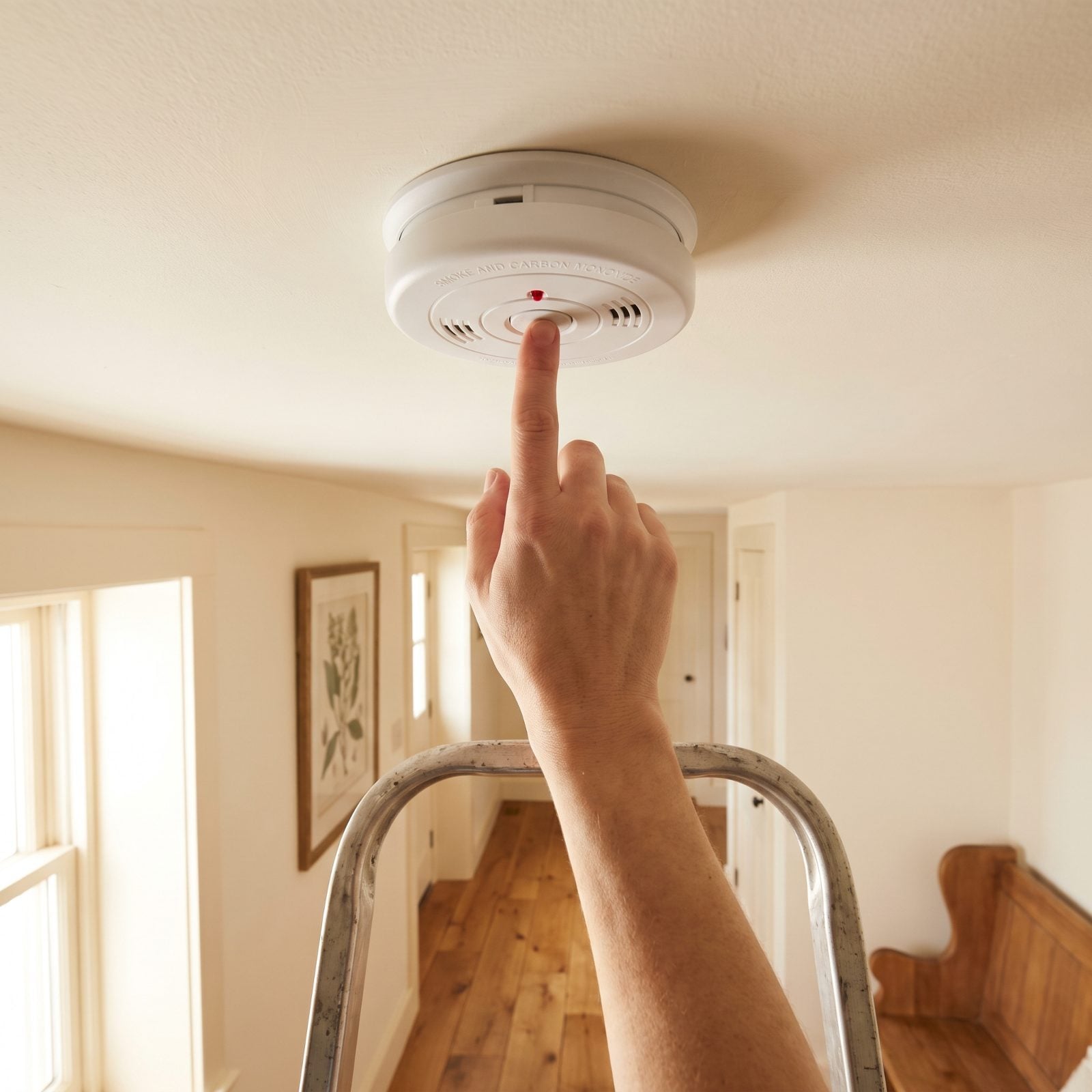
Nobody wants this item on a cheerful holiday list, and it’s the one that matters most. More cooking means more range time, more candles, more fireplaces lit for the first time since spring. Carbon monoxide risk climbs exactly when the house fills with people.
Press the test button on every smoke and CO alarm. A loud, piercing alarm means it’s working. A weak sound or silence means dead batteries — swap them now, not during dinner when one starts its low-battery chirp every thirty seconds and ruins the evening.
Check the manufacture date stamped on the back too. Smoke alarms expire around ten years, CO detectors closer to seven. An expired unit can test fine and still fail when it counts. If yours is past date, replace it. That’s not a repair you put off.
3. Store Medicines and Valuables Safely
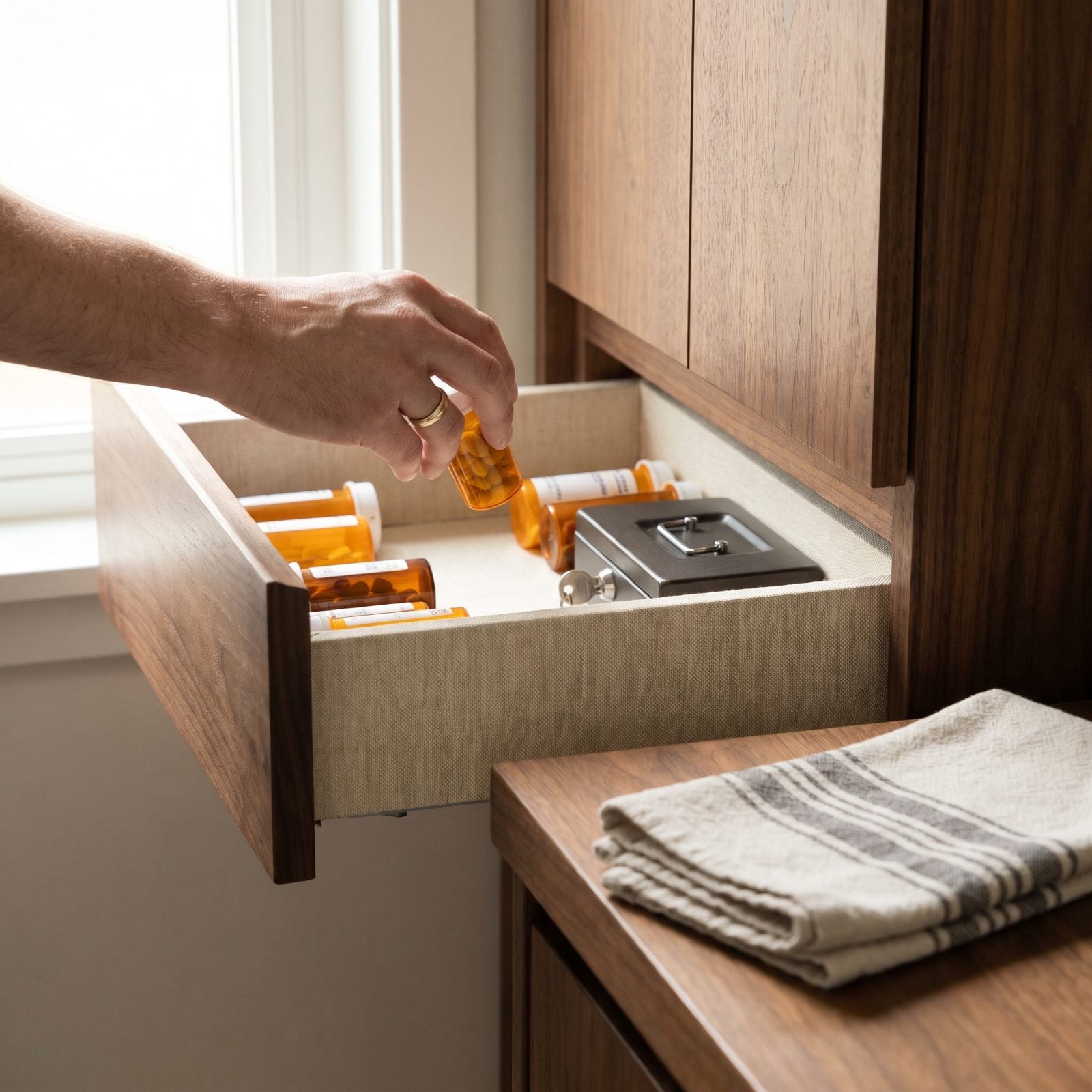
A house full of visitors means curious kids wandering into bathrooms, and medicines sitting in reach that normally nobody touches but you. This isn’t about distrusting your guests. It’s about the toddler who opens a drawer while the adults are laughing in the kitchen.
Move prescription bottles out of the main bathroom cabinet, especially anything a child could mistake for candy. High shelf, locked box, or a drawer in your own room. Do the same with small valuables — cash, jewelry, passports. Not because you expect trouble, but because a quiet, lockable spot removes the temptation and the worry both.
2. Do a Final Basket Sweep
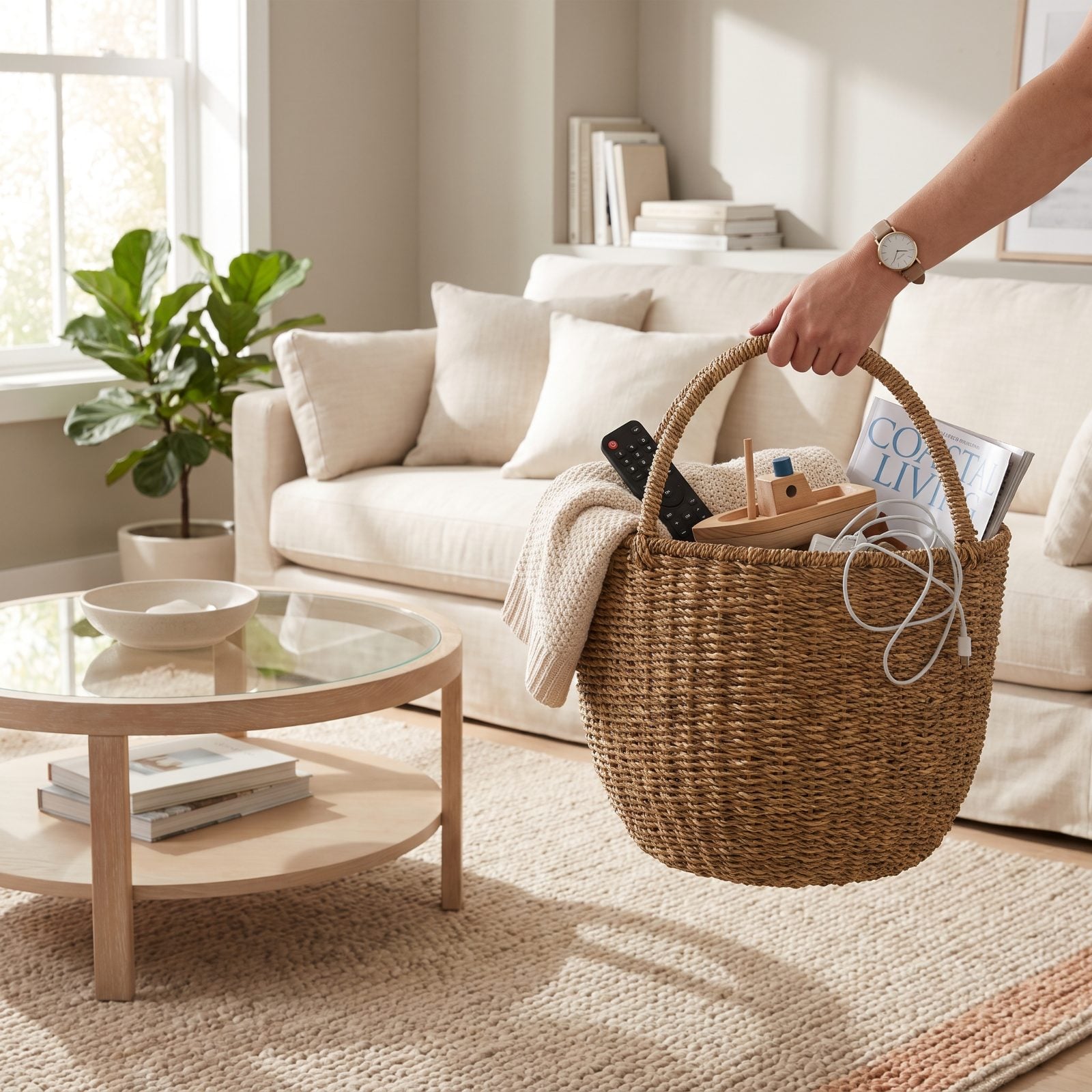
Right before guests arrive, grab a basket and do one fast lap. Not deep cleaning, not organizing — just collecting. Every room, every surface, scoop up the stray remote, the shoe, the junk mail, the sock that somehow migrated to the living room. Anything that doesn’t belong goes in the basket.
Then the basket goes in your bedroom closet and the door shuts.
That’s the single move that makes a home read as effortlessly tidy. A clear surface tells the brain the whole room is clean, even when you know there’s a basket of chaos hiding in the closet. And honestly? There always is.
1. Count Comfortable Seats for Everyone
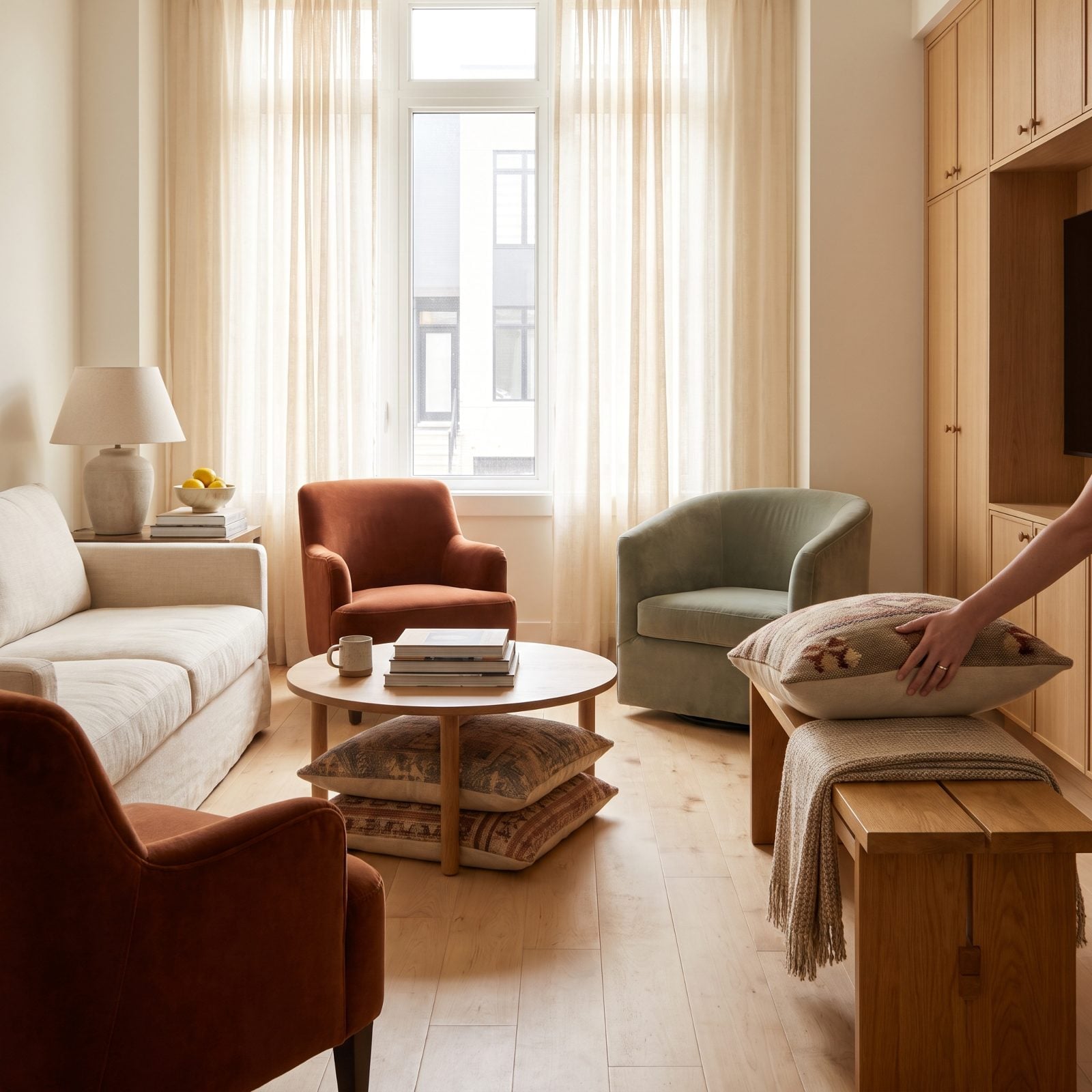
Do the math before the doorbell rings. Count the heads coming and count the seats — and I mean real seats, where an adult can sit and eat and hold a conversation, not the piano bench and the arm of the sofa. Run short mid-gathering and someone ends up hovering awkwardly or perched somewhere uncomfortable, and they’ll feel it all evening even if they never say a word.
Short on chairs? Pull dining chairs into the living room, drag in the desk chair, set out floor cushions for the younger crowd. Scatter the extra seating so no one’s stranded alone in a corner.
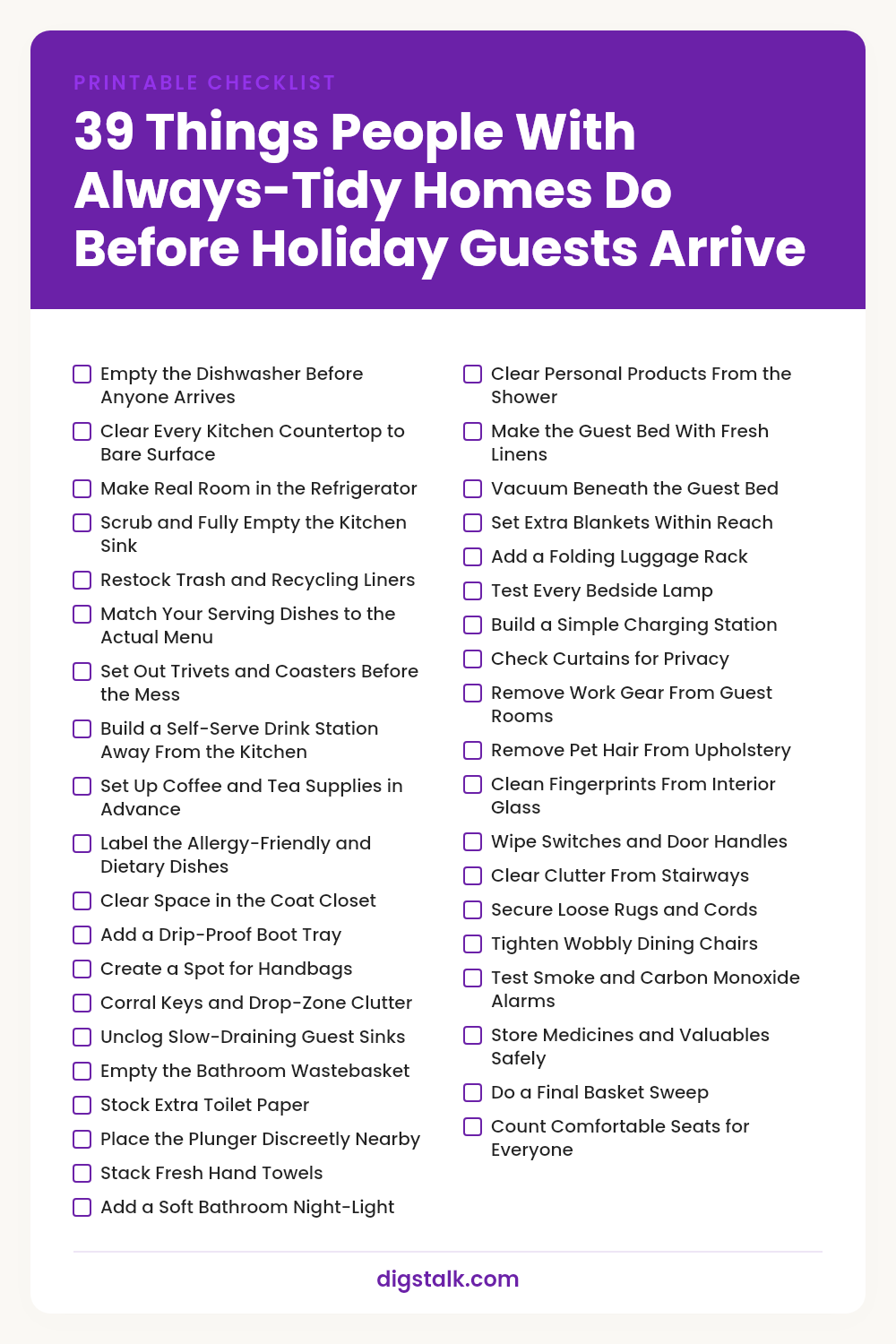
Your Printable Checklist
Save it to Pinterest or print it — every check from the list above on one page.