
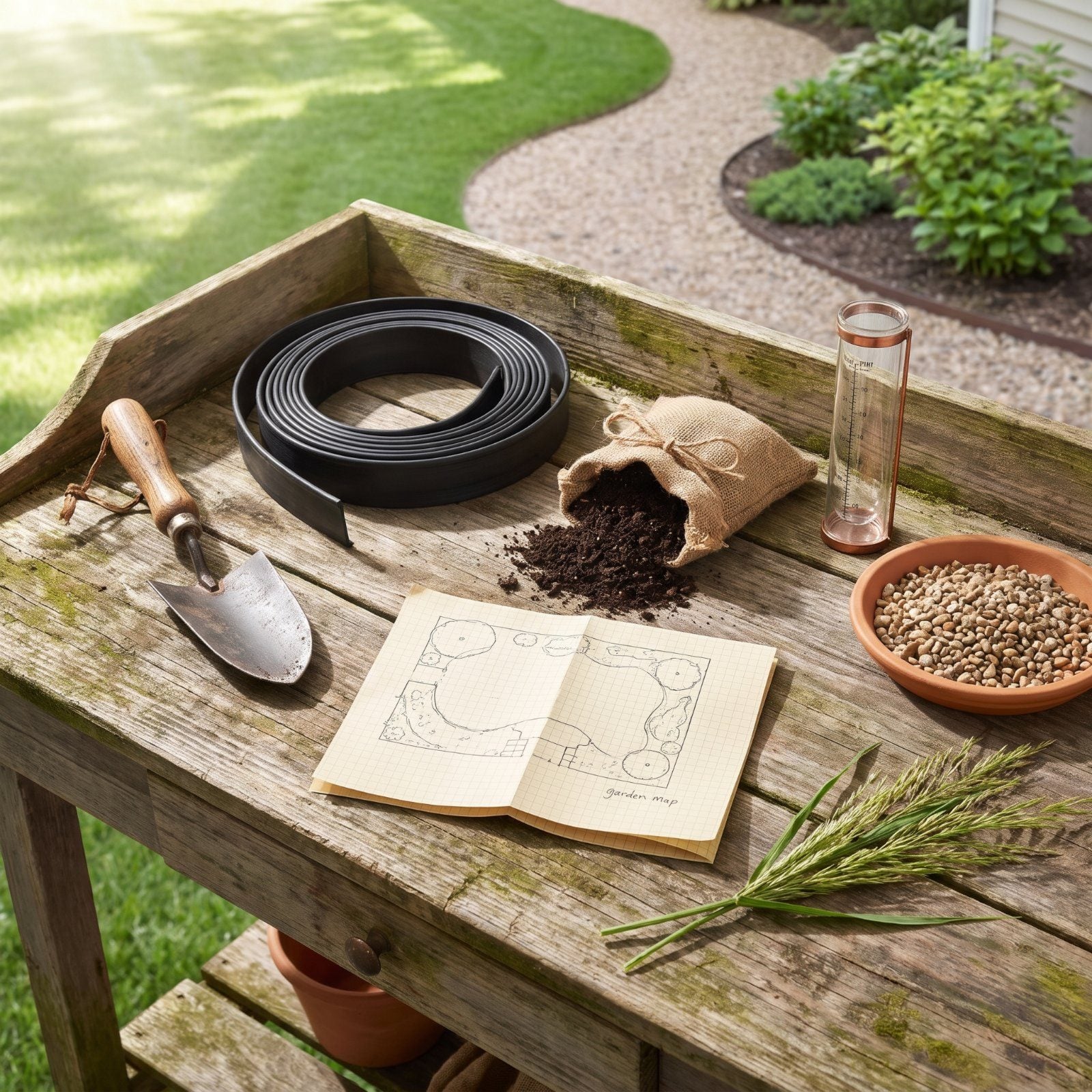
A tidy yard and a free Saturday are not enemies, whatever we’ve been told. For years the pitch ran the other way: more lawn, more edging, more trimming around the one tree that refuses to cooperate. Then one summer the mower broke in July. Nothing fell apart. The grass that went uncut turned out to be grass nobody needed in the first place. What follows are the structural decisions that do the quiet heavy lifting, the ones that shrink the to-do list for good instead of shoving it into next weekend. Fix the shape of the thing once and the maintenance stops fighting you back.
Please note that some of the images in this article were created with the assistance of AI.
37. Shrink the Lawn Into One Simple Shape
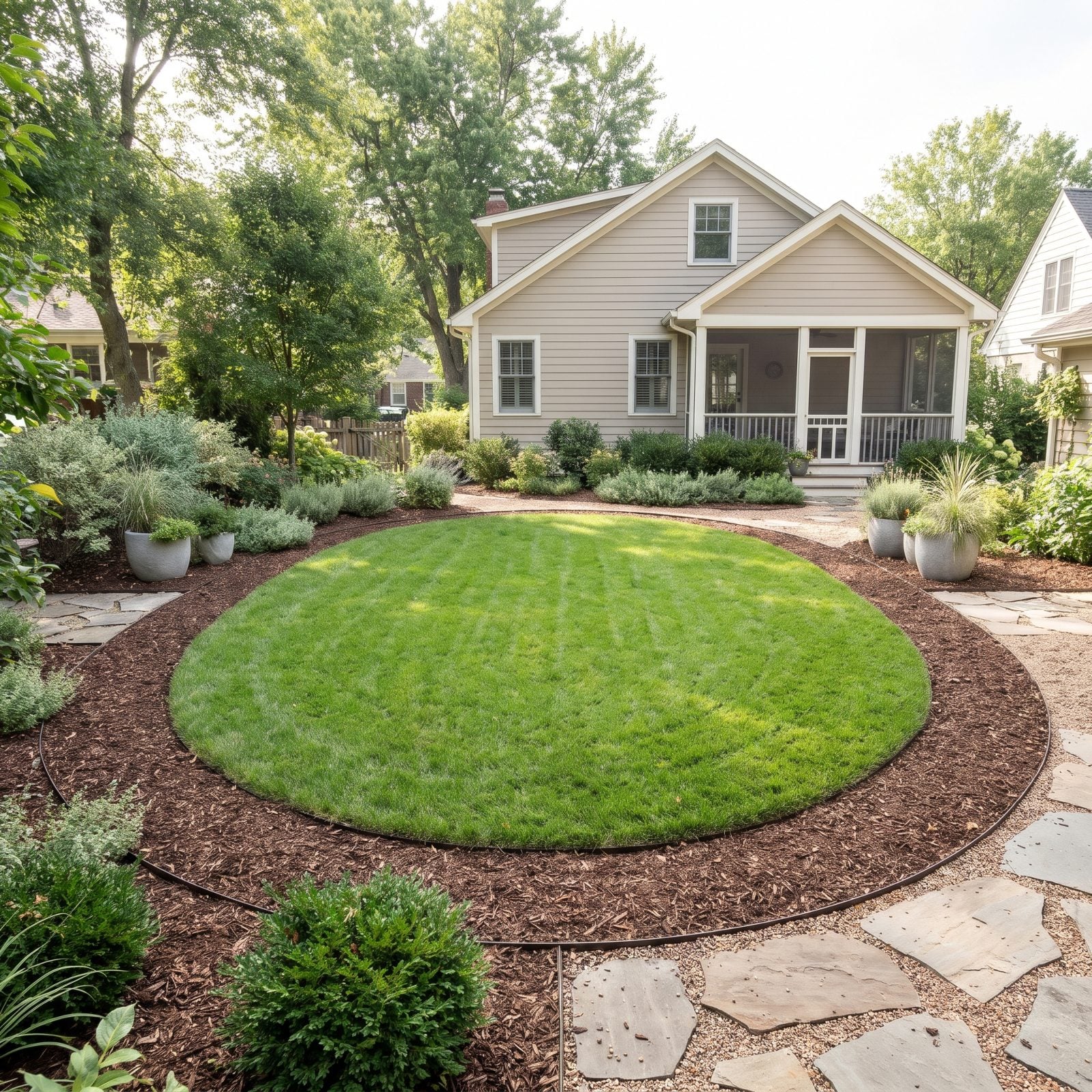
The lawn with eight corners and a wandering outline is the lawn you fight every week. Every jut and pocket means another pass with the mower, another spin with the trimmer, another spot you miss until it goes to seed.
Pull the whole thing into one shape. An oval, a rectangle, a single lazy curve. Then you cut it in long uninterrupted lines and you’re done, back indoors while the kettle’s still warm. The grass you remove doesn’t vanish — it becomes bed, and beds ask for far less of your Saturdays than turf ever will.
36. Give Every Part of the Yard a Purpose
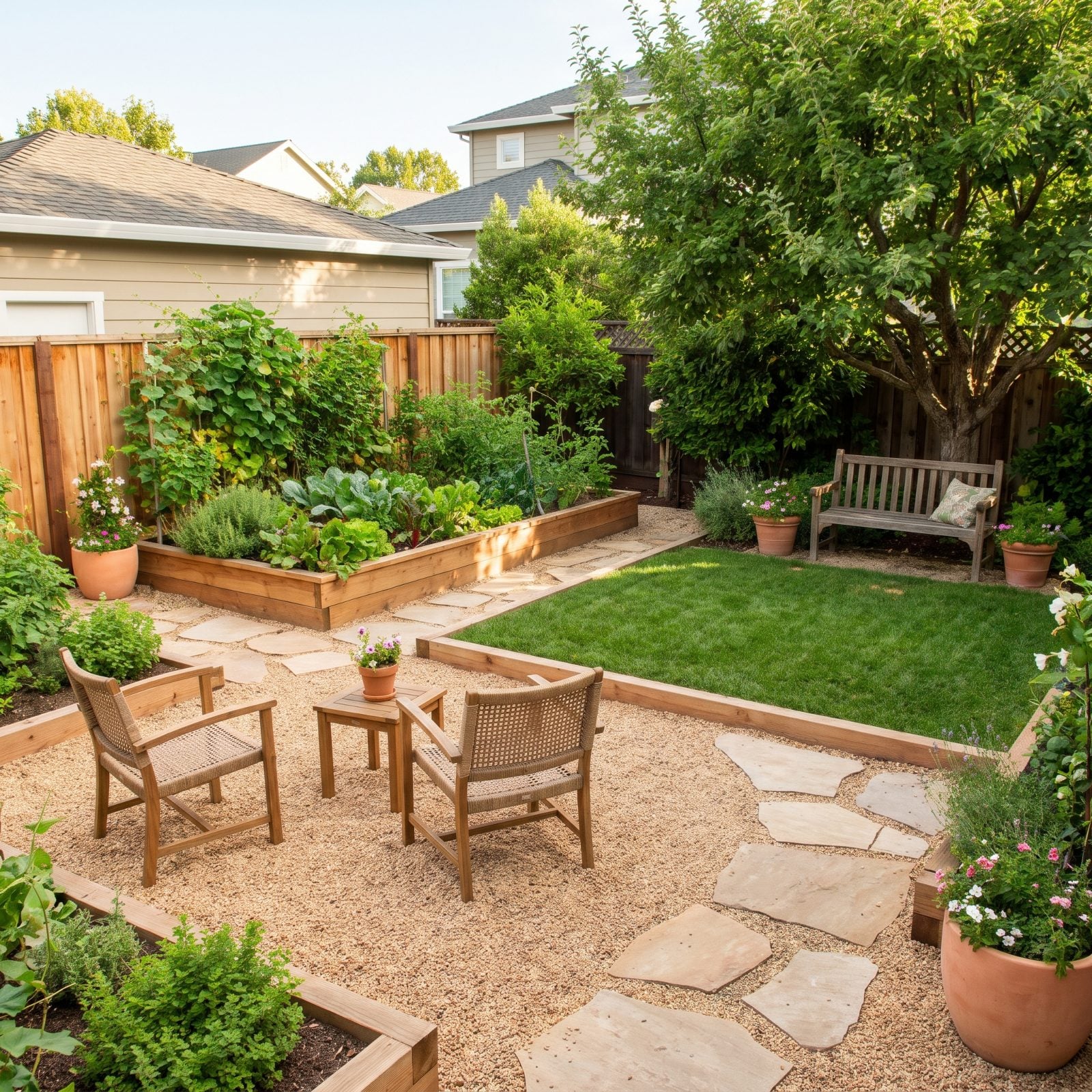
Dead space is high-maintenance space. That strip along the fence where nothing happens still needs mowing, still grows weeds, still demands your attention for no payoff at all.
So give each patch a job — sitting, growing food, a path, a place for the kids, or a stand of shrubs that asks nothing of anybody. Once a spot has a reason to exist, it tells you how to care for it. It’s the vague leftover corners, the ones nobody ever decided on, that quietly eat your weekends.
35. Map Sun and Shade Before Planting
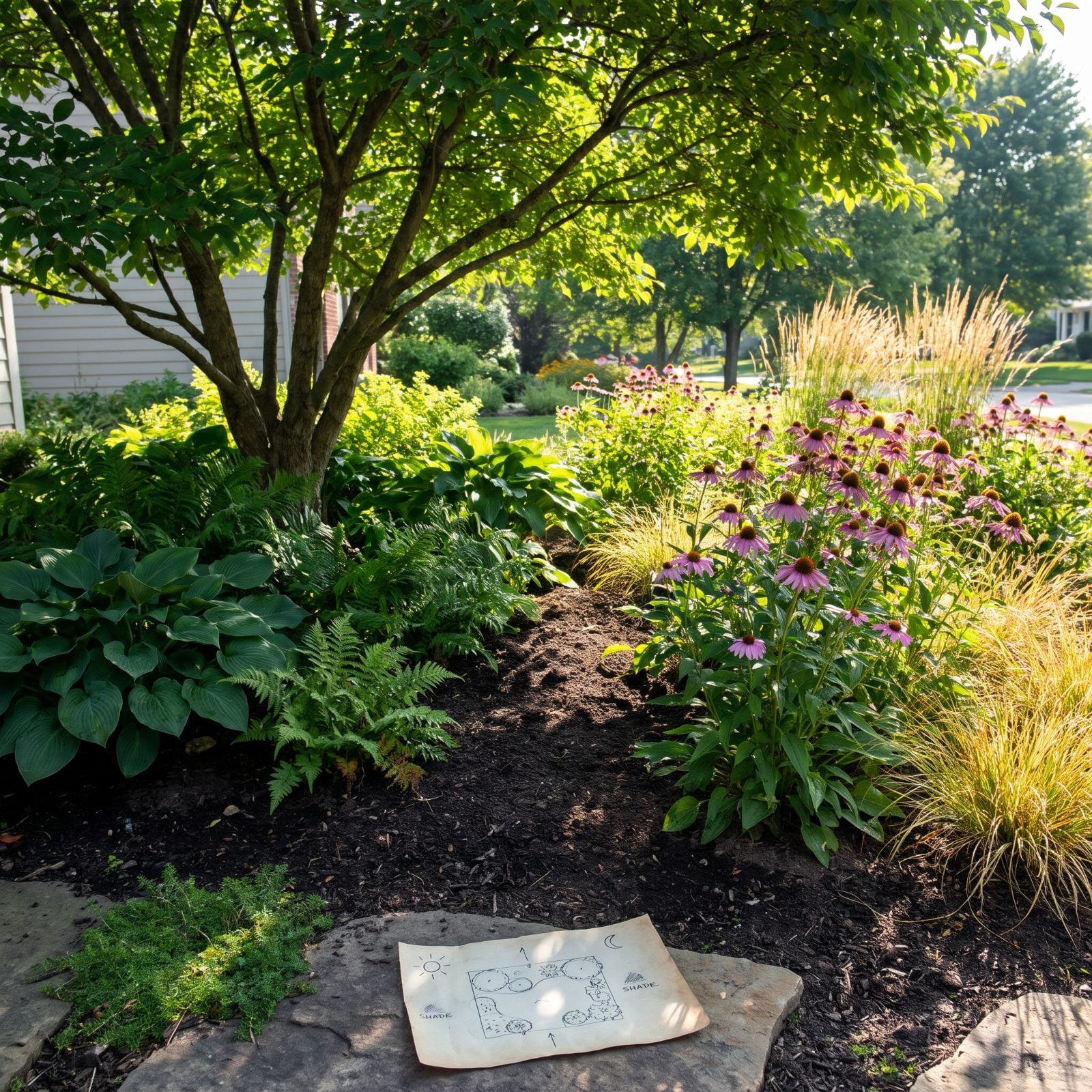
We killed a lot of plants before this one sank in. Not from neglect — from optimism. We’d buy a sun-lover, tuck it into the shady corner where it looked handsome on the day, and then wonder for three months why it sulked while we stood over it with a watering can accomplishing precisely nothing.
Watch your yard for a full day across a season. Note where the morning light lands, where the afternoon sun bakes, where shade sits from dawn to dusk. Match the plant to the spot and you water less, replace less, fuss less. A plant in the right light mostly takes care of itself.
34. Test the Soil Before Amending It
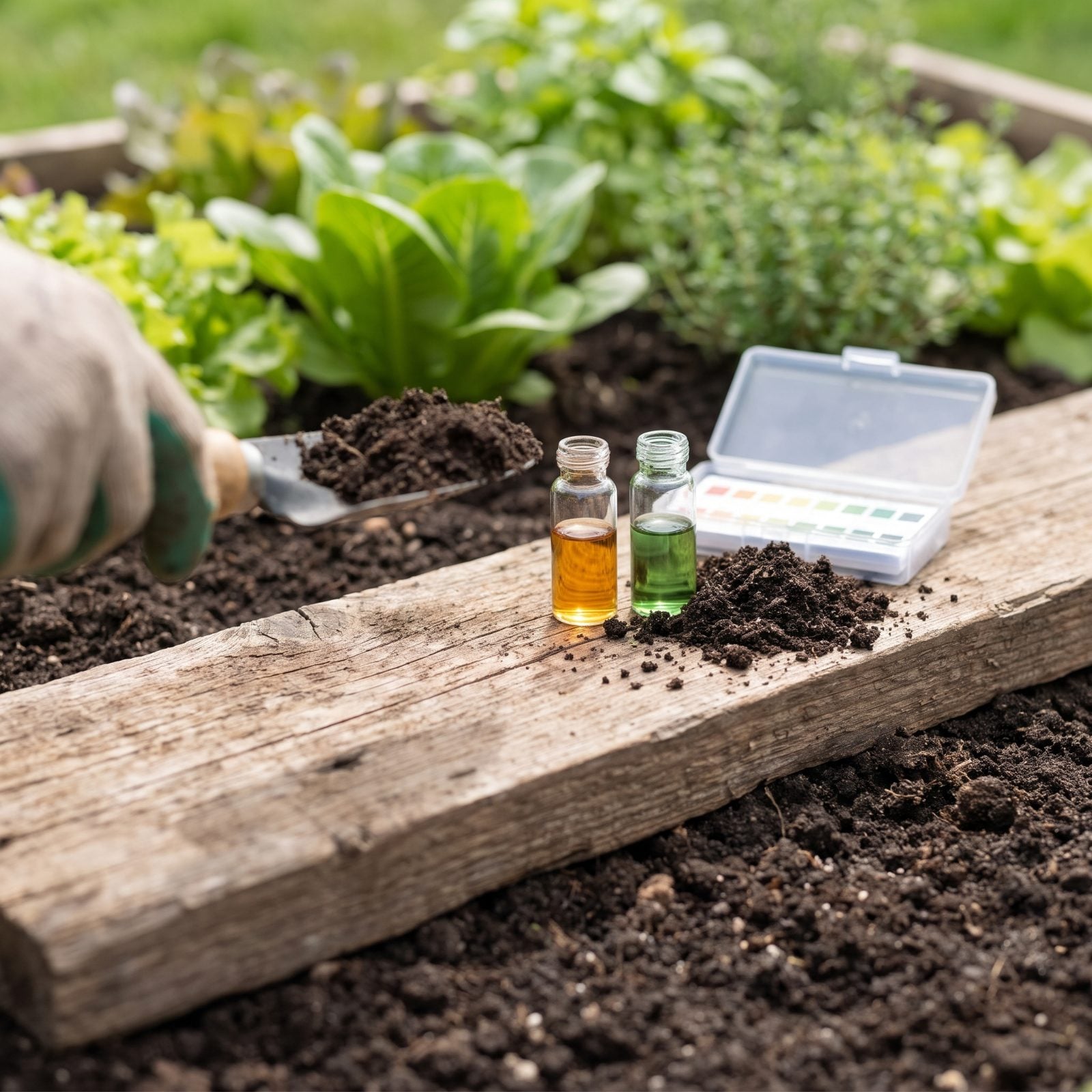
Guessing what your soil needs is how you spend money fixing a problem you don’t have. Plenty of the amendment bags people haul home from the garden center are solving nothing, because nobody checked first.
A basic test tells you the pH and what’s missing. Many county extension offices run them cheaply, and home kits barely cost anything. Learn what you’ve actually got, then add only that. Your plants settle in faster when the ground already suits them — and happy plants are the whole point of less work.
33. Correct Drainage Problems Before Landscaping
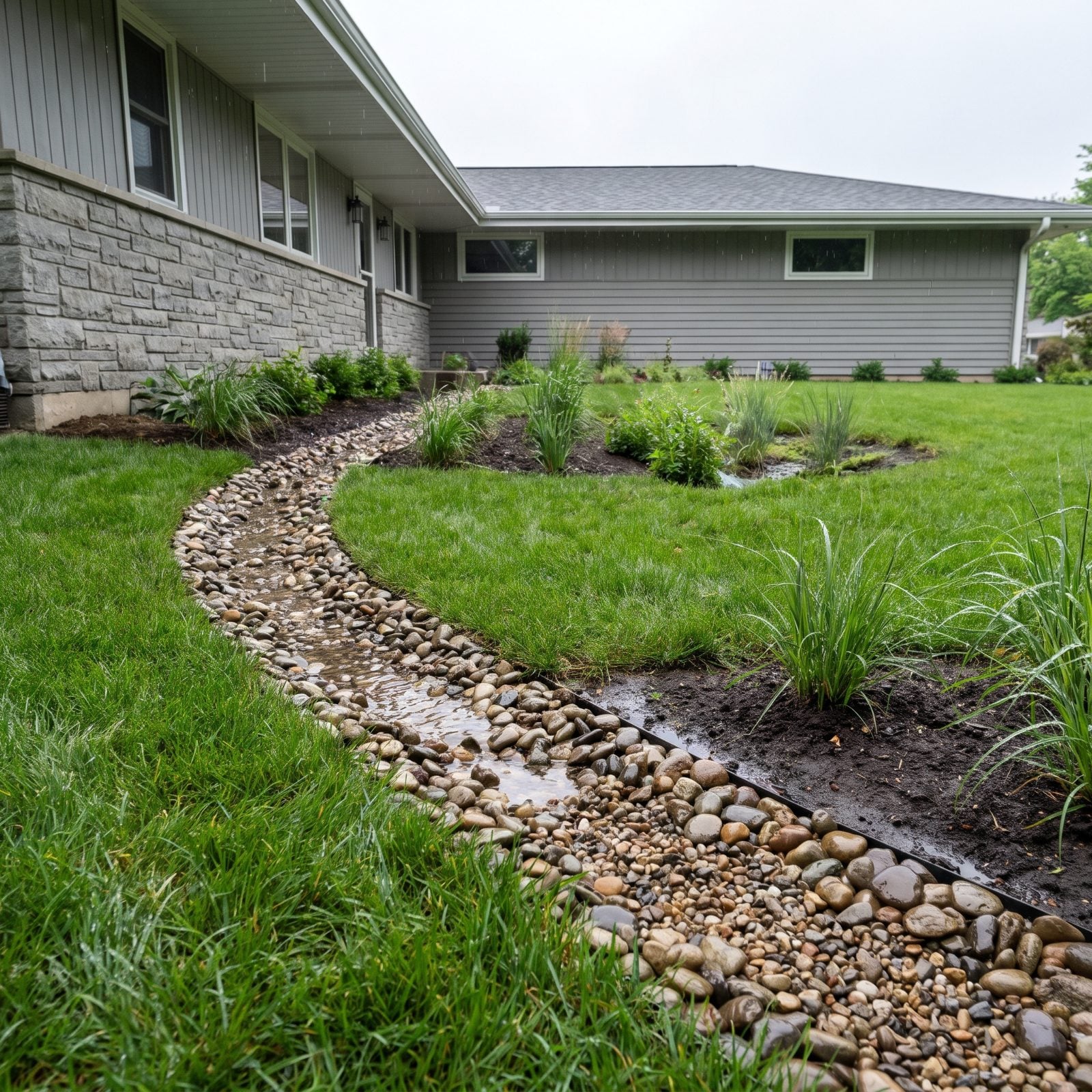
Water goes where it wants until you give it somewhere better. Plant a bed over a spot that puddles and you’ve built a bog you never asked for — roots rotting, mosquitoes thriving, you out there every week trying to save things that were doomed the day they went in.
Fix the grade and the flow before you plant a single thing. Watch where water pools after a storm. A gentle swale or a corrected slope sends it off on its own. Do this first and everything you plant afterward sits on stable ground.
Drainage is the one problem that gets more expensive the longer you landscape over it.
32. Direct Downspouts Into Planted Drainage Areas
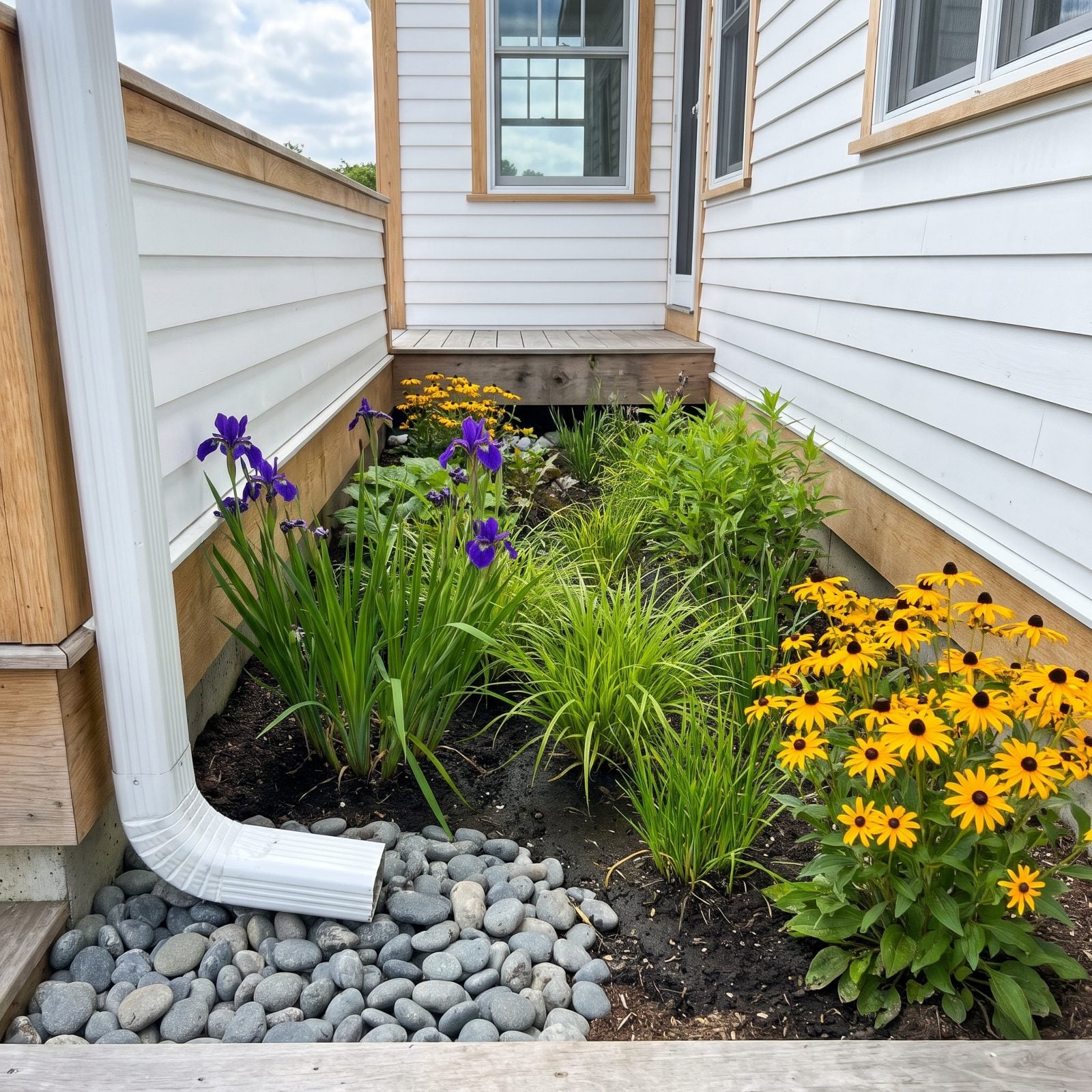
That gush of water off the roof is free irrigation you’re probably dumping onto the sidewalk. Run the downspout a few feet out instead, into a shallow planted basin, and the problem turns into the solution.
Pick plants that don’t mind wet feet. Sedges, iris, black-eyed Susans — the ones that shrug off a soaking and dry out fine between storms. The roof feeds them, you water almost never, and the corner that used to flood now looks like you meant it. Which, this time, you did.
31. Replace Narrow Turf Strips With Planting Beds
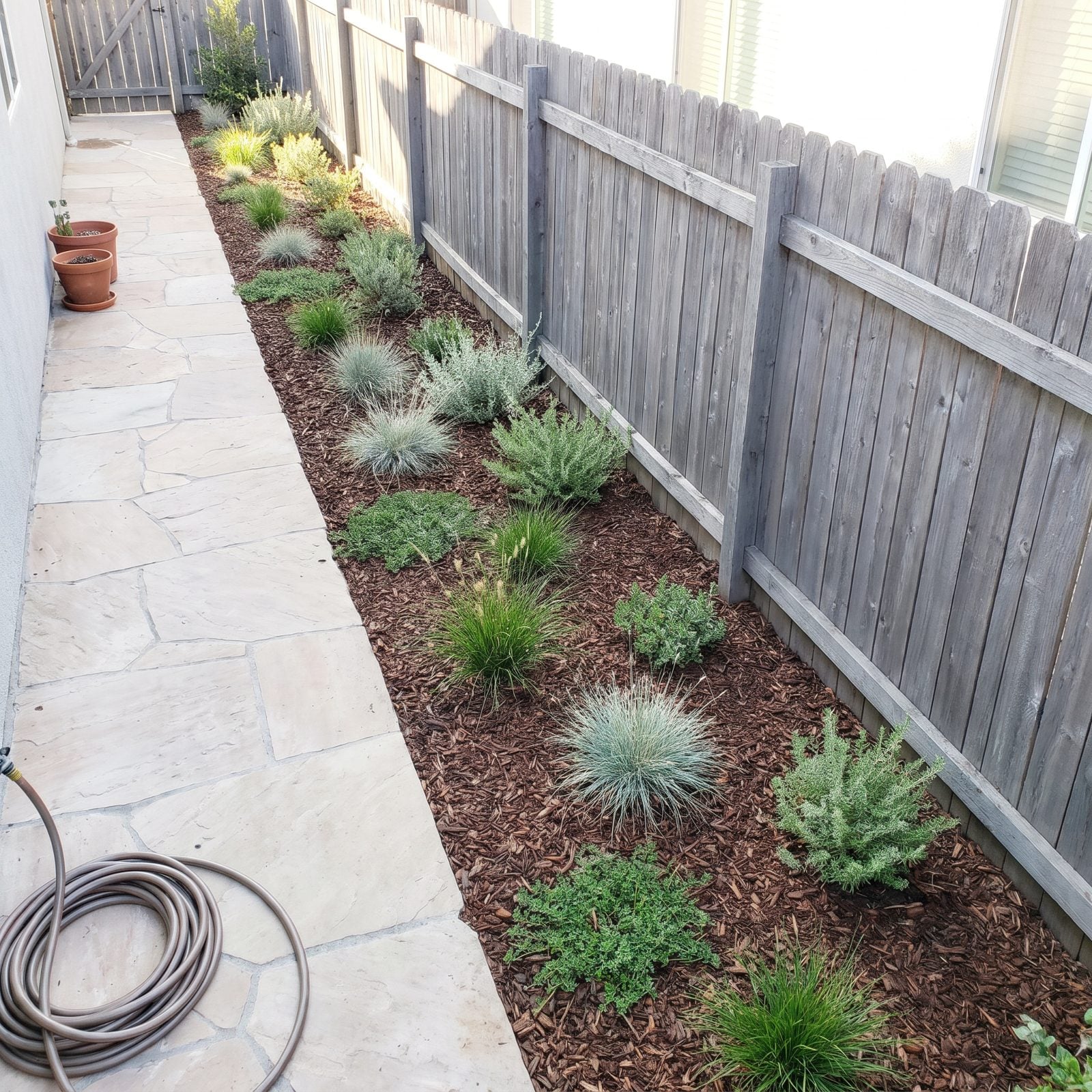
The skinny ribbon of grass between the fence and the path is a trimmer’s full-time job. Too narrow to mow properly, too stubborn to ignore, it exists purely to annoy you.
Rip it out and plant it. Groundcover, low shrubs, a run of ornamental grass, then mulch over the lot. No more trimming, no more missed strip gone shaggy — just a bed that fills in and holds its shape. Grass in a space too small to mow is grass in the wrong place.
30. Turn Difficult Lawn Areas Into No-Mow Zones
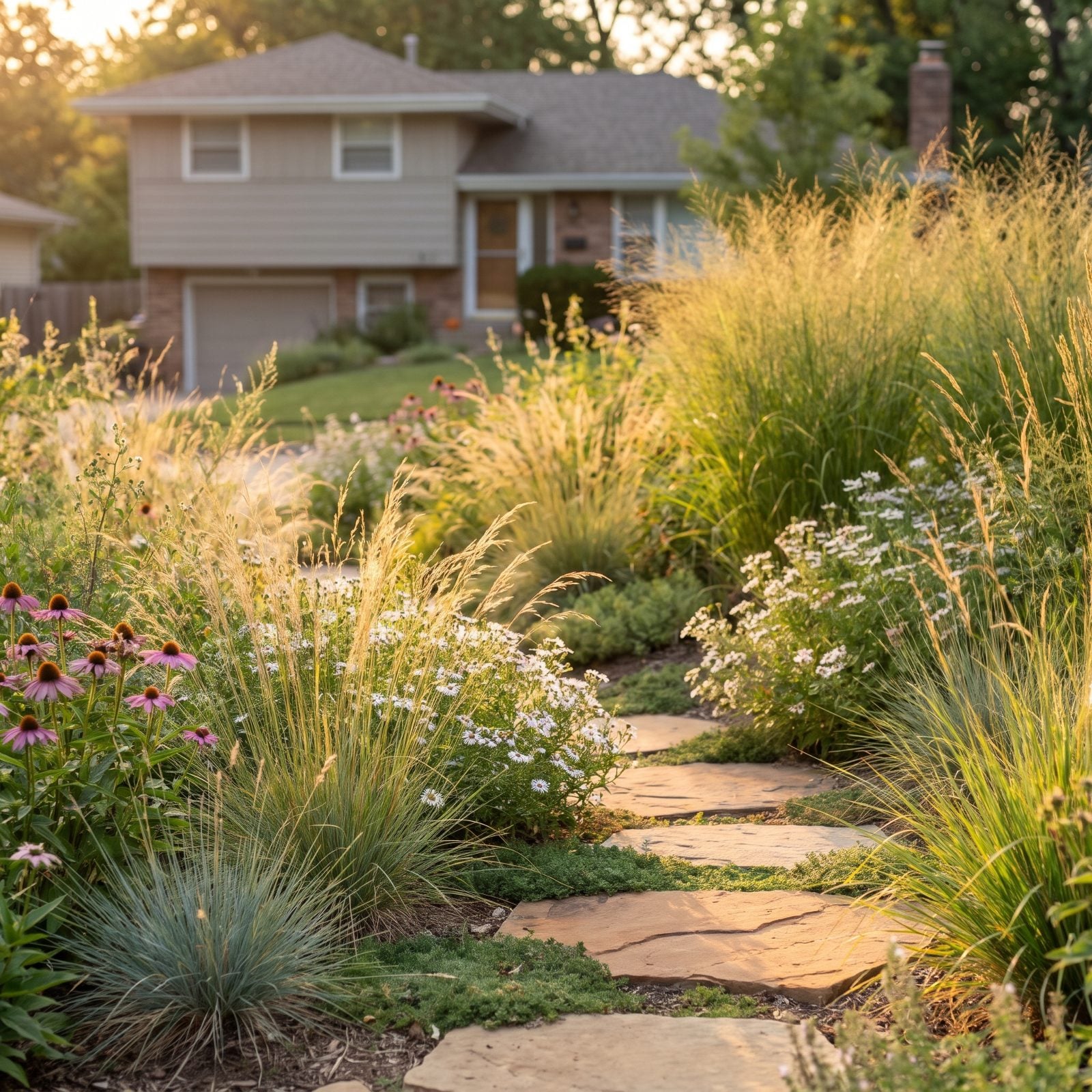
Some patches of lawn were never worth the trouble. The steep slope you mow sideways and pray on, the deep shade where grass grows thin and sad, the wet corner that stays soggy. These spots cost you effort and hand back nothing.
Let them go. Plant native grasses, groundcover, or a low meadow mix that holds the ground and moves nicely in the wind. You mow it once or twice a year, if that. The hardest-to-mow spots make the easiest no-mow zones — a trade I’ll take every single time.
29. Remove Obstacles That Complicate Mowing
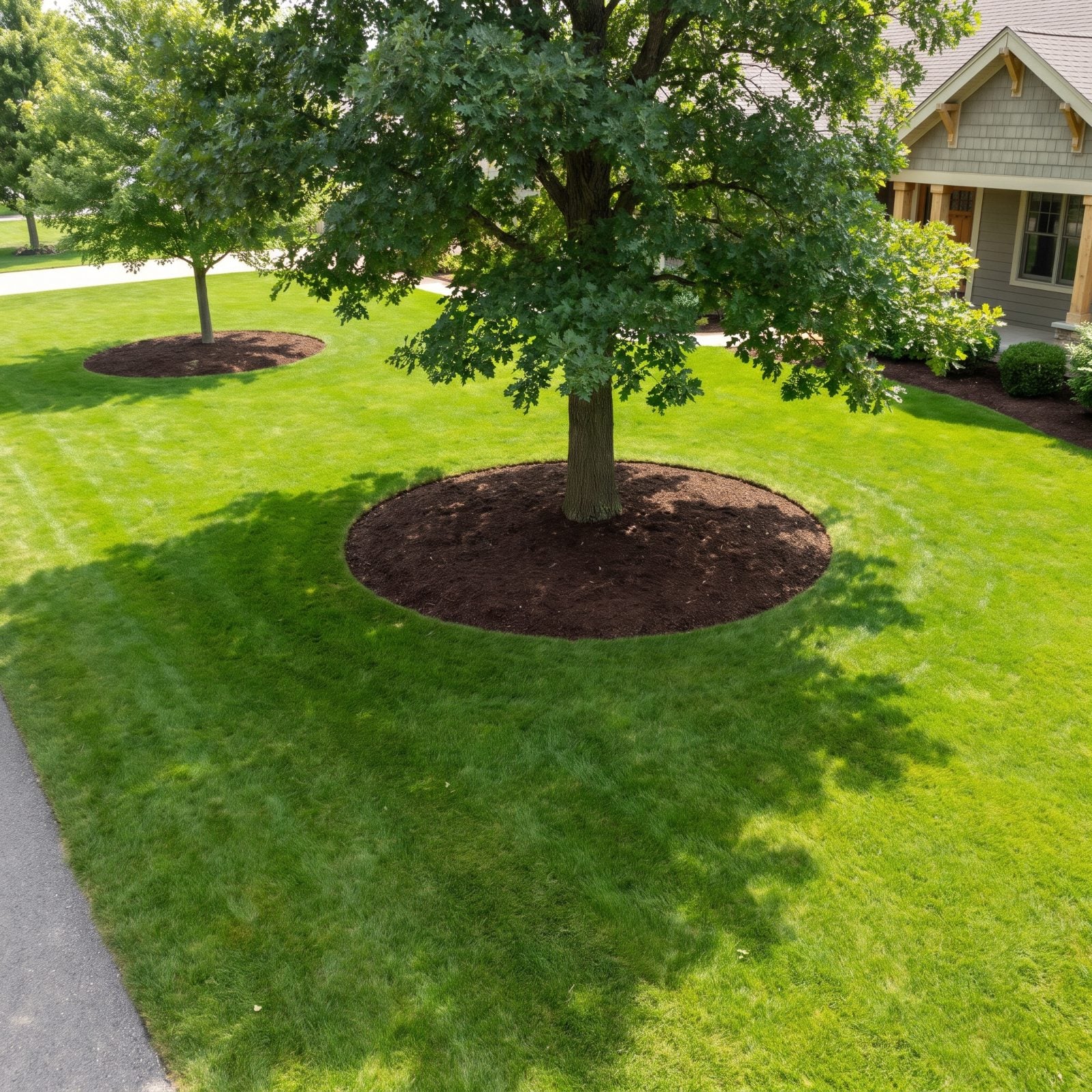
Count the things you mow around. The birdbath, the cluster of pots, the lone shrub plunked in the middle of the grass, the tree you trim by hand every time. Each one turns a straight pass into a slow, muttering dance.
Clear them or cluster them. Group the pots onto a patio. Ring the tree with mulch so the mower sails right past. The fewer things sticking up out of your lawn, the faster you’re back inside. Open grass practically mows itself in half the time.
28. Install Permanent Edging Between Lawn and Beds
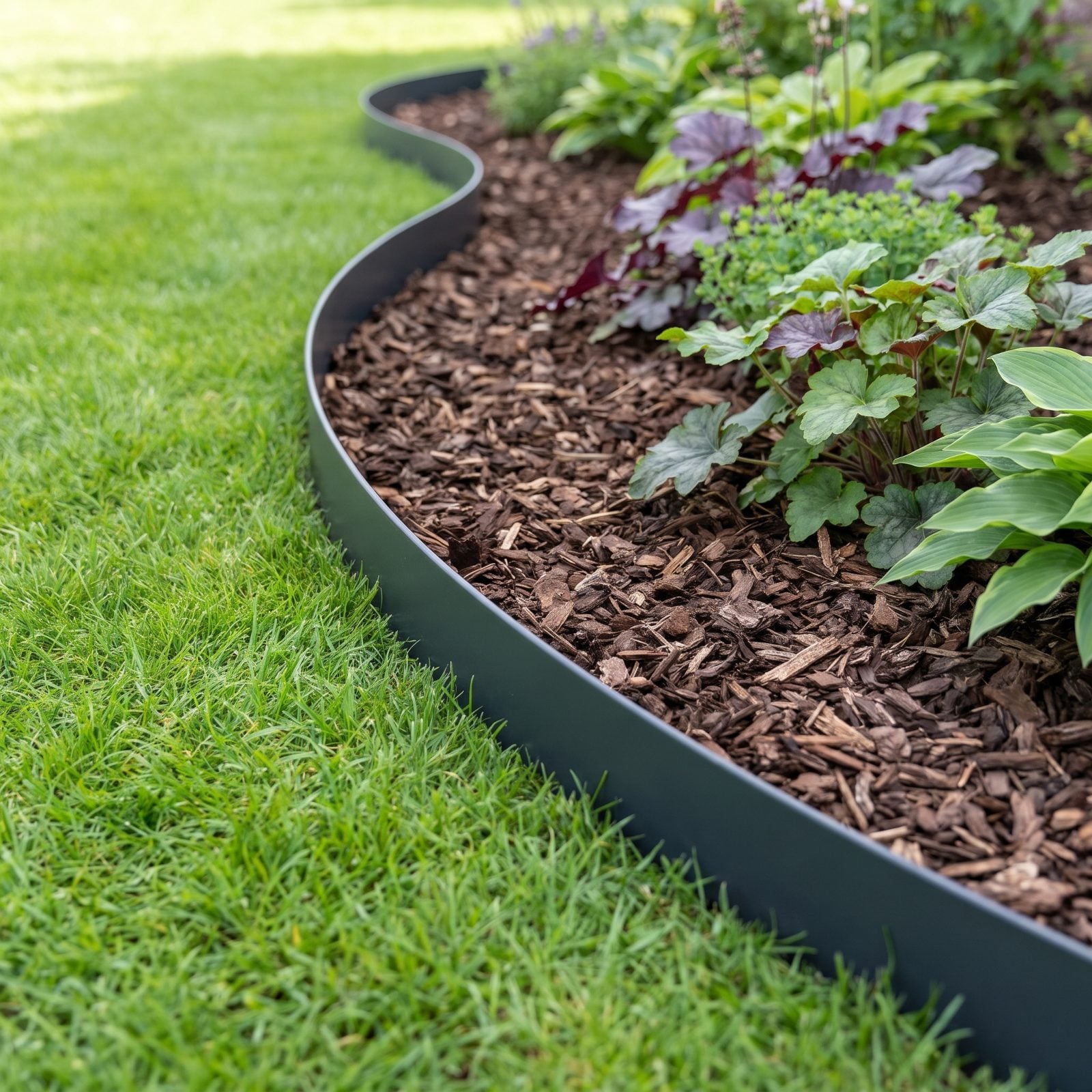
The war between lawn and bed never ends on its own. Grass creeps into the mulch, mulch spills into the grass, and you’re back out there every few weeks re-cutting a line that simply won’t stay put.
Set a permanent barrier once. Steel, composite, or a strip of pavers you can run the mower wheel right over. Grass stops crawling where the edge says stop. No more hand-trimming that border, no more spring re-cutting — just a clean line that holds. Put the work in once and collect the ease for years. If there’s a single trick to a yard that stays handsome without owning your weekends, this is it.
27. Add Mowing Strips Beneath Fences
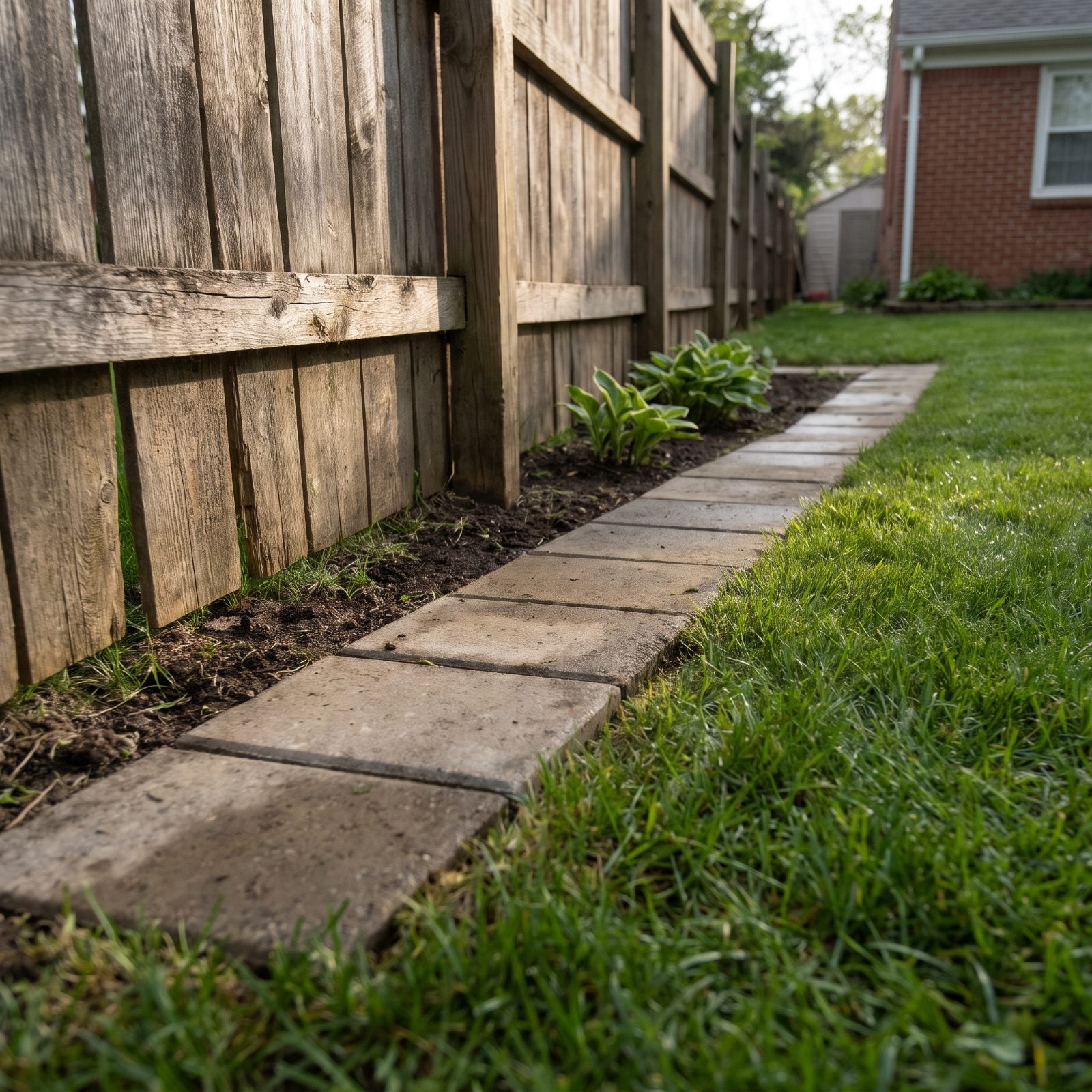
A string trimmer is where Saturday mornings go to die. Every fence post, every board gap, every spot the mower can’t reach becomes its own little chore.
Lay a flat band of pavers or poured concrete along the fence, set a little way out from the boards with a narrow planting bed tucked in between, and the mower wheel rides right along the stone. No trimming the lawn edge. The strip of soil behind it gets mulch or a few hostas, and the odd weed at the fence line is a quick hand-pull instead of a trimmer job. The grass stops where the stone starts.
26. Group Plants by Their Water Needs
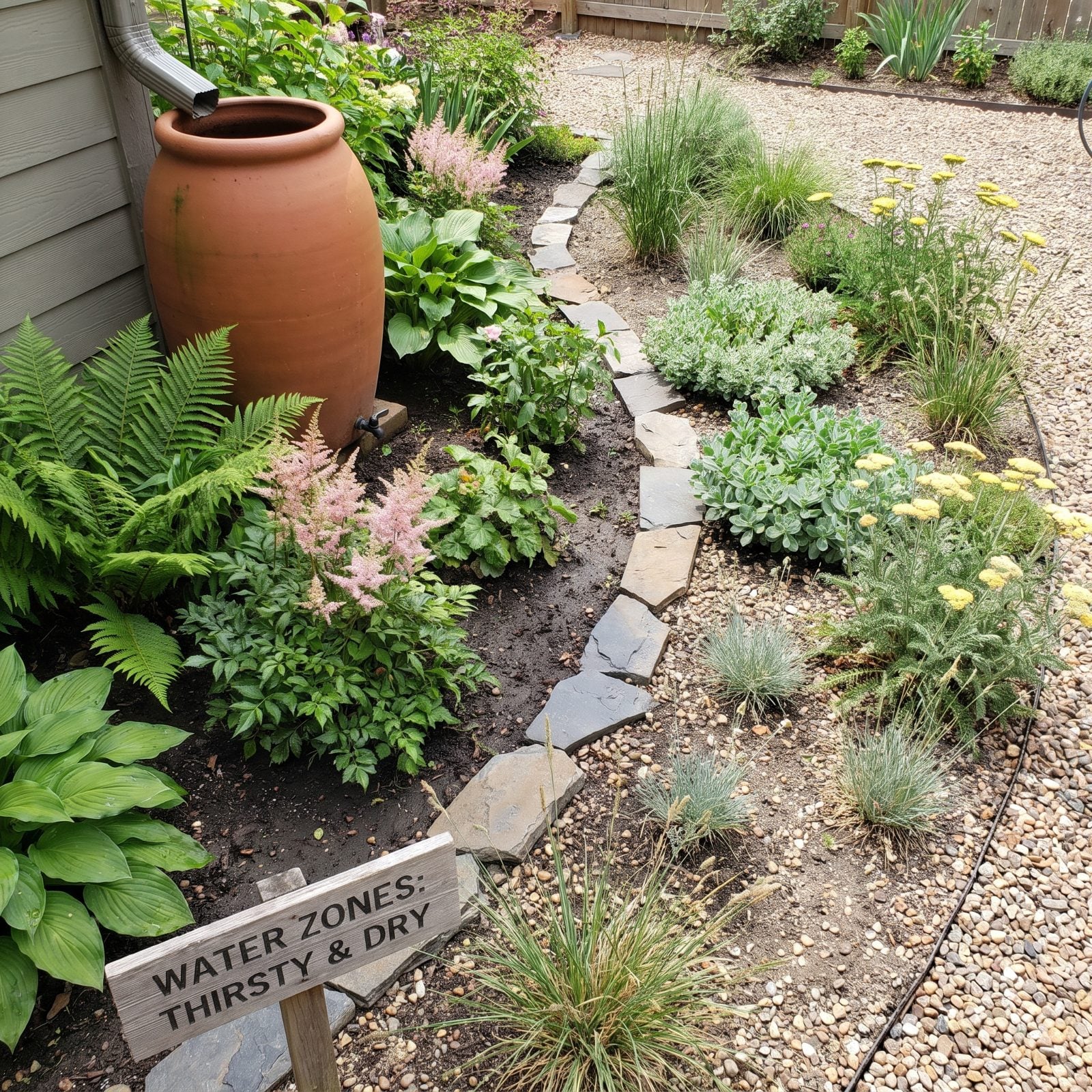
Hydrozoning sounds like something a consultant invented to bill you. It just means putting the thirsty plants together and the tough ones together, instead of scattering them so every watering session waters the wrong things.
A drought-loving sage sitting next to a water-hungry hydrangea? You’ll drown one or starve the other. Group them by need and one soaking hits the bed that wants it, while the dry-tolerant corner gets left alone to do its thing.
Put the thirstiest stuff where water collects naturally — the base of a downspout, the low spot, the shade. Let the yard’s own plumbing do half the work.
25. Check Every Plant’s Mature Size
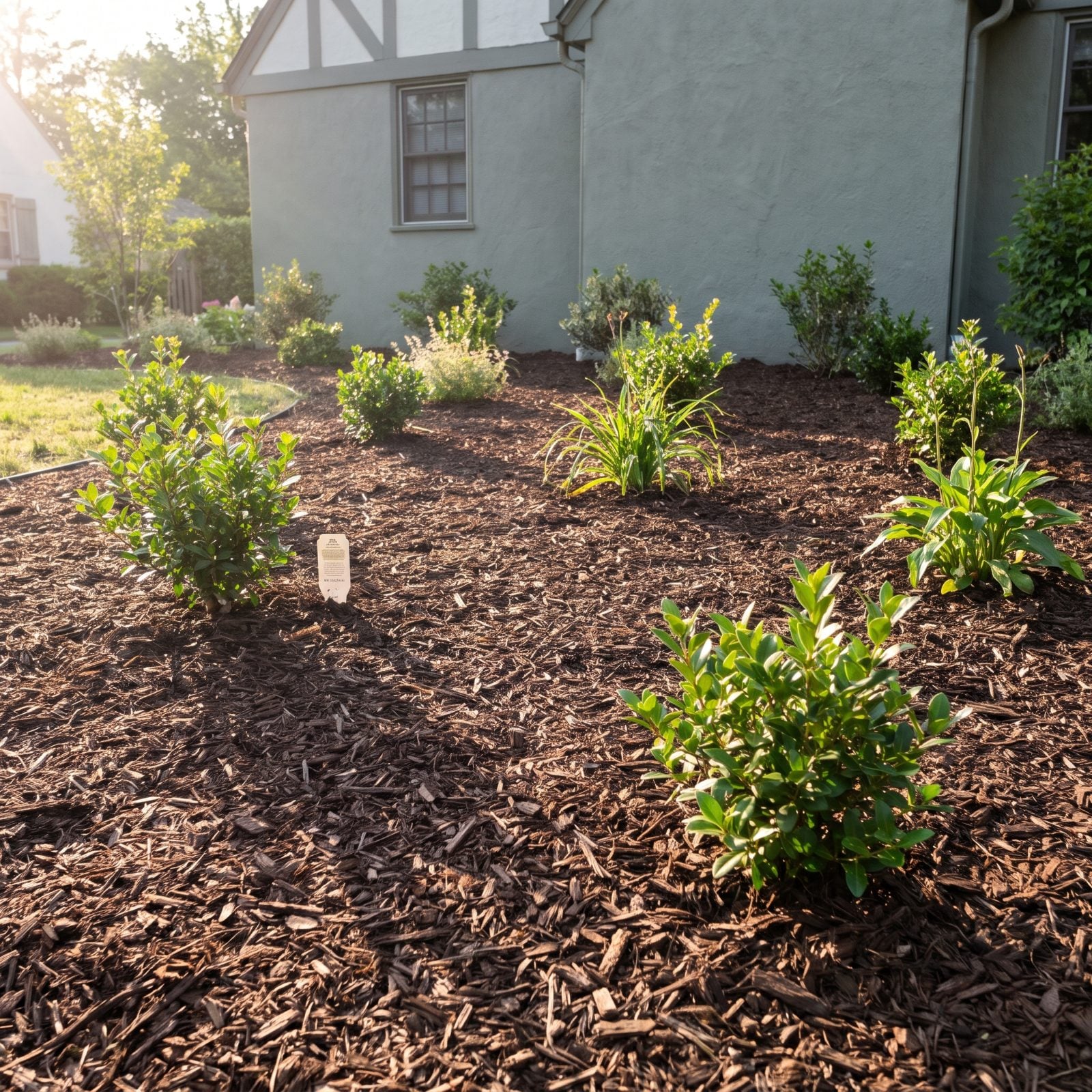
That cute little shrub in the one-gallon pot has plans. Read the tag. The number that matters isn’t how big it is now — it’s how big it gets in ten years.
Crowded plants mean constant pruning just to keep walkways open and windows clear. Space them for their full grown size and the bed looks sparse for a season or two, then fills in and holds. You stop fighting it back every summer.
24. Repeat a Small, Cohesive Plant Palette
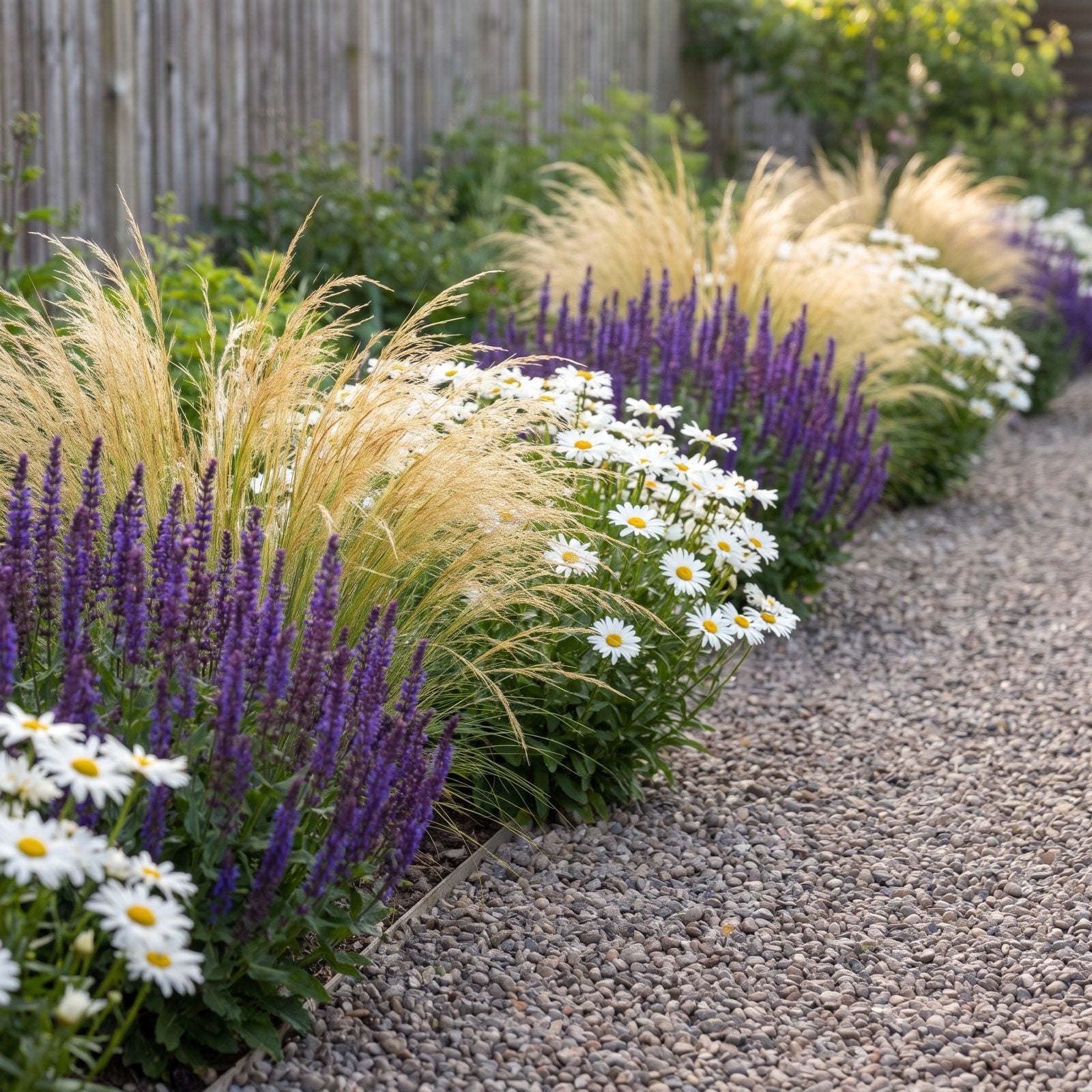
You’ve seen the yard where every plant is a different plant — one of this, one of that, a souvenir from every nursery run. It reads as chaos, and chaos needs managing.
Pick a handful of plants that work for your conditions and repeat them. Three salvias here, three more down the path, the same grass anchoring the corners. The eye relaxes because it recognizes a pattern instead of hunting through clutter.
Fewer species also means fewer different care routines: one pruning method, one feeding schedule, one set of problems you already know how to handle. Simpler to look at, simpler to keep.
23. Plant in Broad Masses Instead of Singles
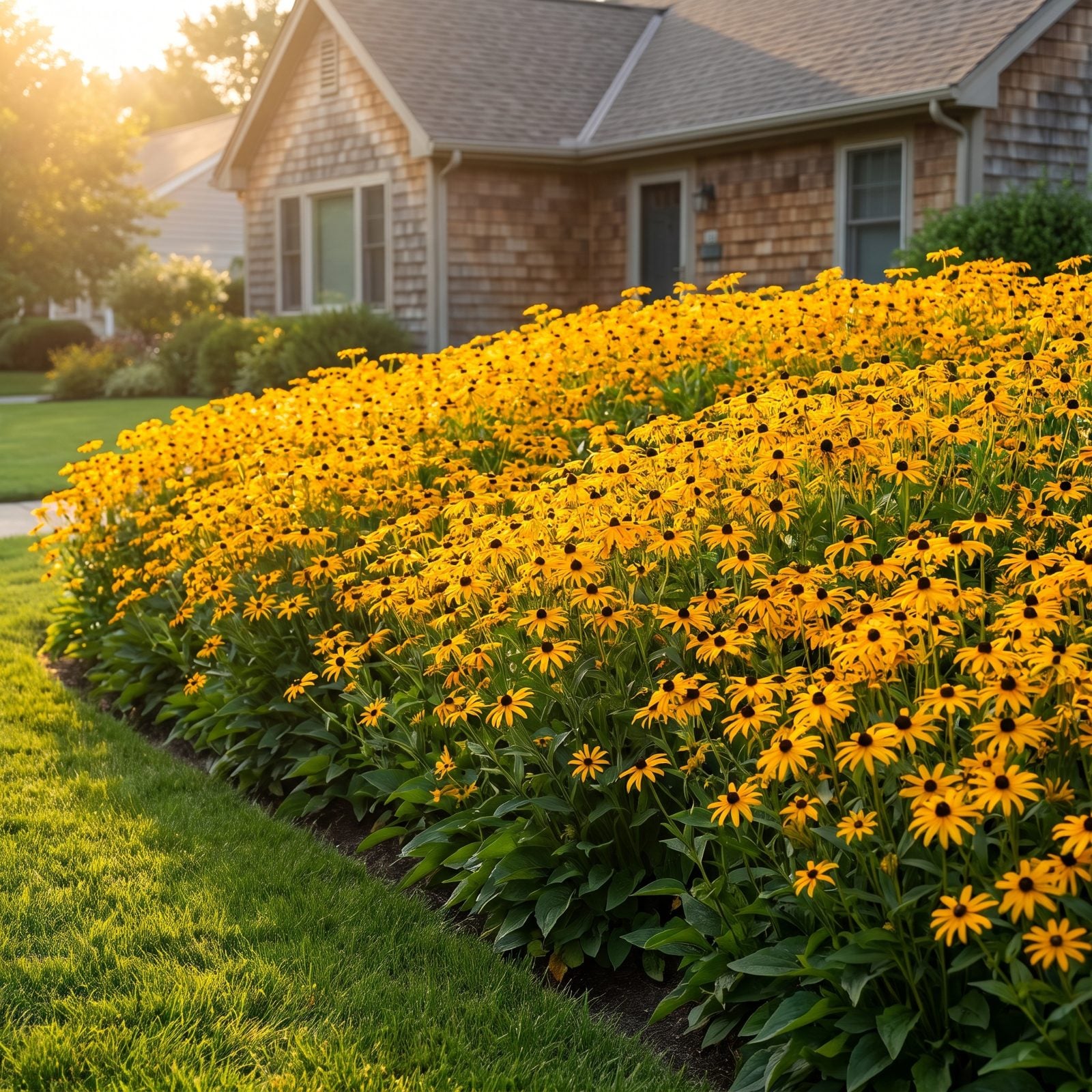
One plant standing alone has a job description a mile long. It has to fend off weeds on every side, hold its own visually, and earn its spot entirely by itself.
Plant the same thing in a broad drift and they close ranks. The foliage knits together into living mulch that shades the soil and smothers weed seeds before they start. Less bare ground, less weeding — the chore nobody ever misses.
22. Favor Long-Lived Perennials Over Annuals
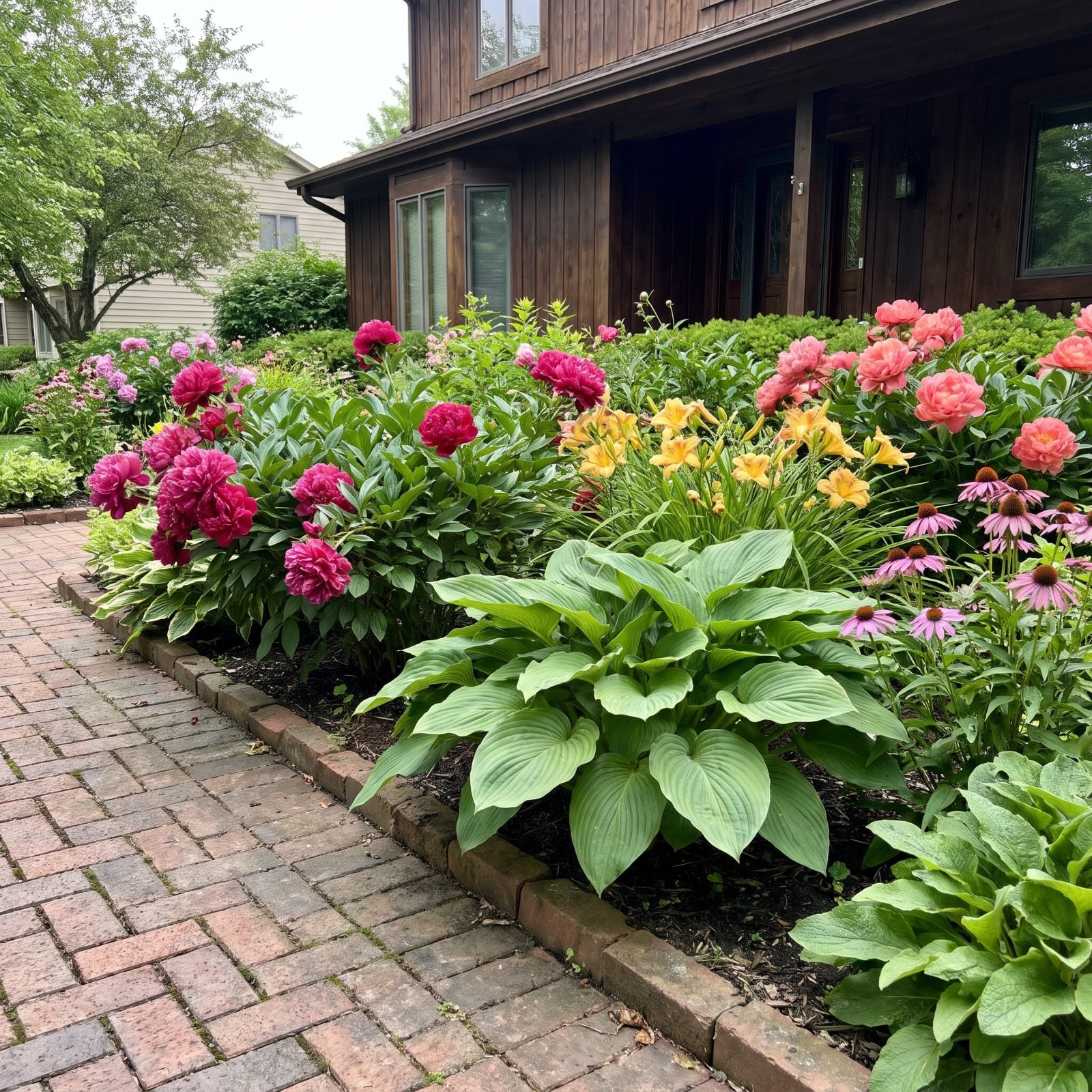
Annuals are a subscription you resubscribe to every spring, on your knees, with a trowel, in the cold mud.
They flower hard and die at the first frost, which means buying flats and replanting the same beds year after year. Perennials come back on their own. You plant a peony once and it may outlive you. Daylilies, hostas, coneflowers, catmint — they settle in, bulk up, and reward you for leaving them alone.
Keep a few annuals in pots by the door for color you can swap. Let the beds themselves run on perennials that know how to return without an invitation.
21. Build the Landscape Around Evergreen Structure
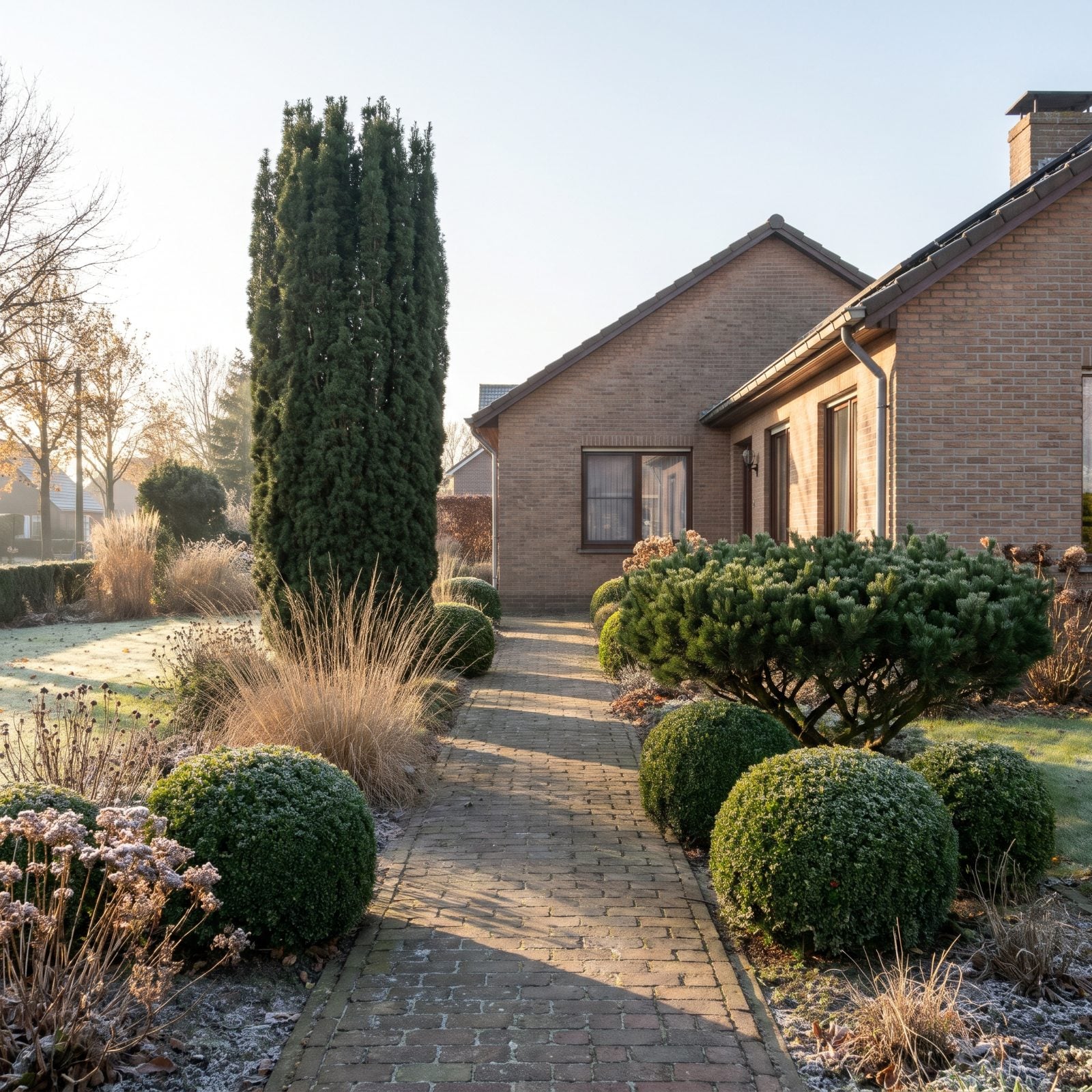
Walk any garden in February and you learn the truth about it. The flowers are gone, the grasses have flopped, and what’s left is the skeleton.
Evergreens are that skeleton — boxwood, yew, juniper, holly, a pine. They hold shape and color through winter, so the yard still reads as a garden when everything else has clocked out. Build your design on these first, then let seasonal plants come and go around them.
Now the labor part. A yard with good evergreen structure looks deliberate even when it’s completely neglected, carrying the whole look while you ignore it for three solid months and never once feel guilty about it.
20. Use Compact Shrubs Near Paths and Windows
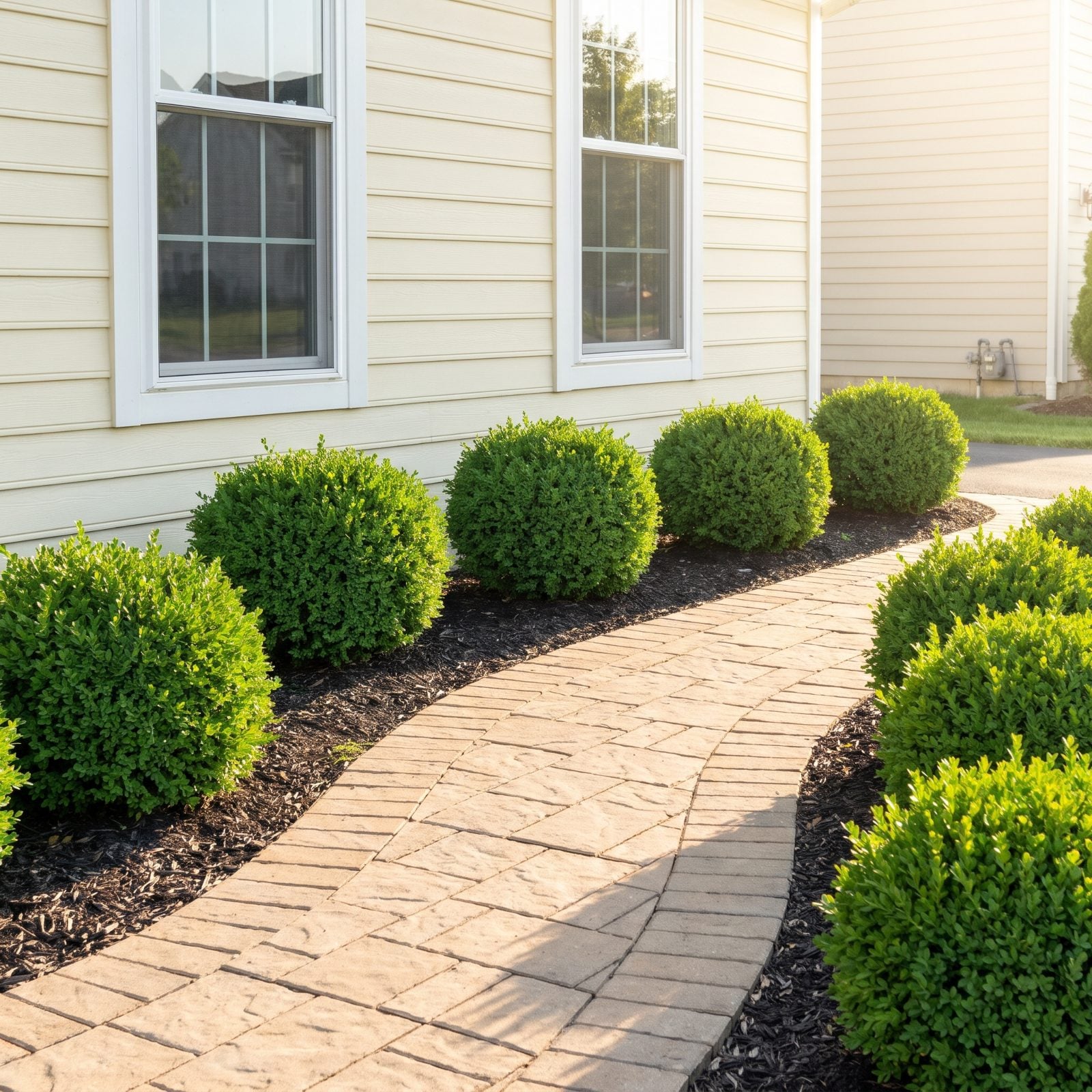
Plant a full-size shrub under a window and you’ve signed up for a lifetime of hacking it back off the glass. Every spring. Sometimes twice.
Choose varieties bred to stay small and the problem never starts. Dwarf and compact cultivars reach their natural height below the sill and stop, staying clear of the path without you editing them into submission.
19. Let Shrubs Keep Their Natural Shape Instead of Planting Formal Hedges
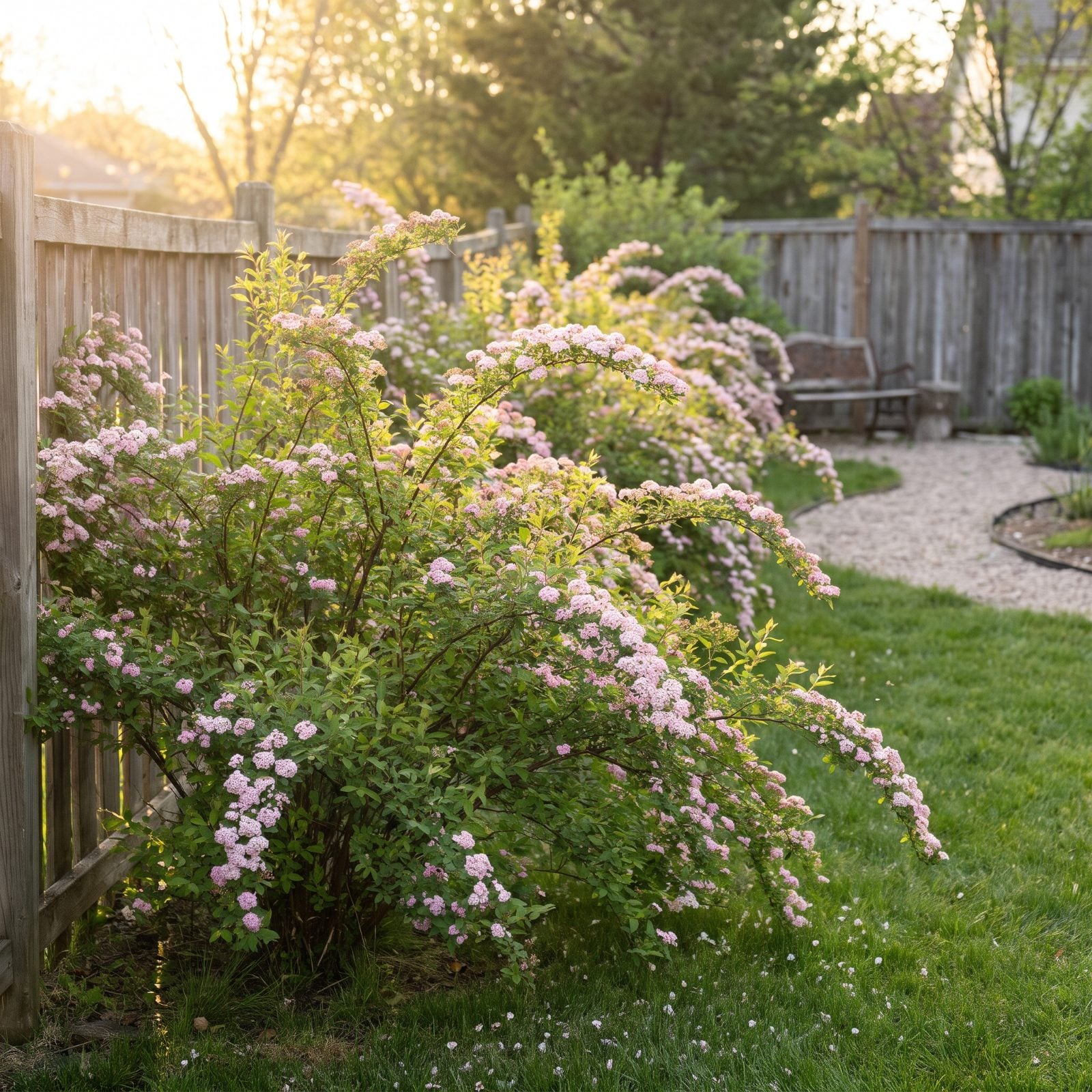
A formal clipped hedge is a commitment dressed up as a plant. Those crisp green walls you admire get that way through shearing — sometimes three or four times a season, every season, forever.
Let shrubs grow into their own rounded, arching shapes and the shears stay in the shed. You thin out a few old stems once a year and that’s the whole job. They flower better too, because shearing lops off the buds a tight hedge never gets to show.
A boxwood cube is a chore you planted on purpose. A shrub left to arch is a plant you get to enjoy.
Informal doesn’t mean messy. A loose row of spirea or viburnum reads as generous and settled, not neglected — and it forgives the weeks you forget it exists. I will die on this hill.
18. Select Disease-Resistant Plant Varieties
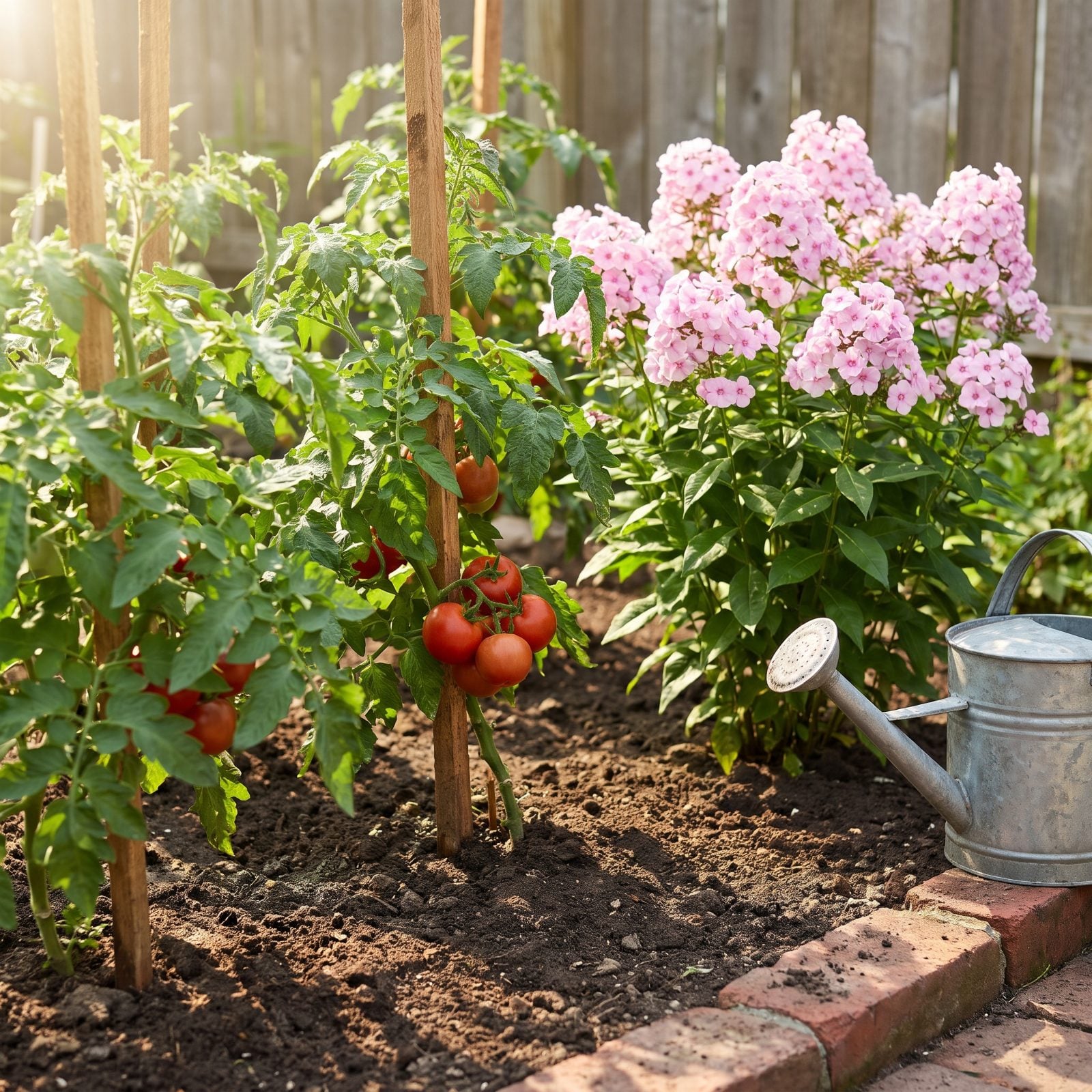
Some plants spend every summer sick. Powdery mildew dusts the phlox white by August, black spot strips the roses down to bare canes, and you end up spraying, picking off spotted leaves, and bagging up the casualties.
Breeders have spent decades working on exactly this problem. Look for varieties labeled resistant to the diseases common in your area: mildew-resistant phlox like ‘David’, roses bred to shrug off black spot, tomatoes with disease-resistance codes printed on the tag. It’s the same plant you wanted, without the constant nursing.
Resistant isn’t immune, and a plant crammed into the wrong spot will still struggle. But start with tough genetics and you’re handling the occasional problem instead of managing a chronic one.
17. Skip the Aggressive Spreaders and Prolific Self-Seeders
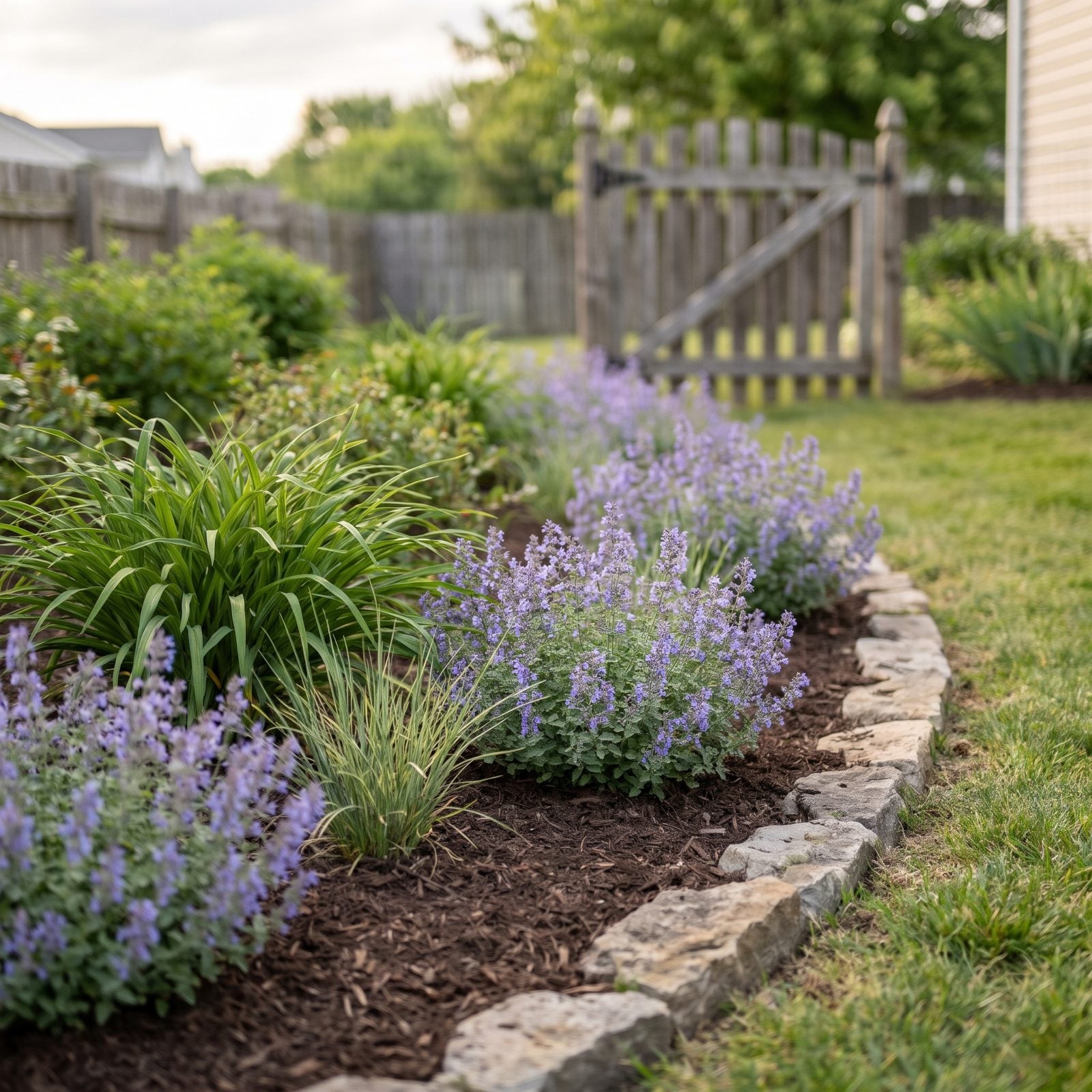
Every gardener has a story that starts with a neighbor handing over a little piece of something. Mint, goutweed, gooseneck loosestrife, running bamboo. It’s a gift that keeps giving, whether you want it or not.
Plants that spread by underground runners don’t respect bed lines. The prolific self-seeders scatter babies into your gravel, your lawn, and the cracks in the patio. Either way, you spend years pulling out the plant you once paid for.
Read the tag and watch for words like “vigorous,” “naturalizes freely,” or “spreads rapidly.” In a wild meadow that’s a virtue. In a tidy bed it’s a warning. If you can’t live without mint, give it a pot and set the pot on pavement, not soil.
16. Cover Bare Soil With a Low Spreading Groundcover
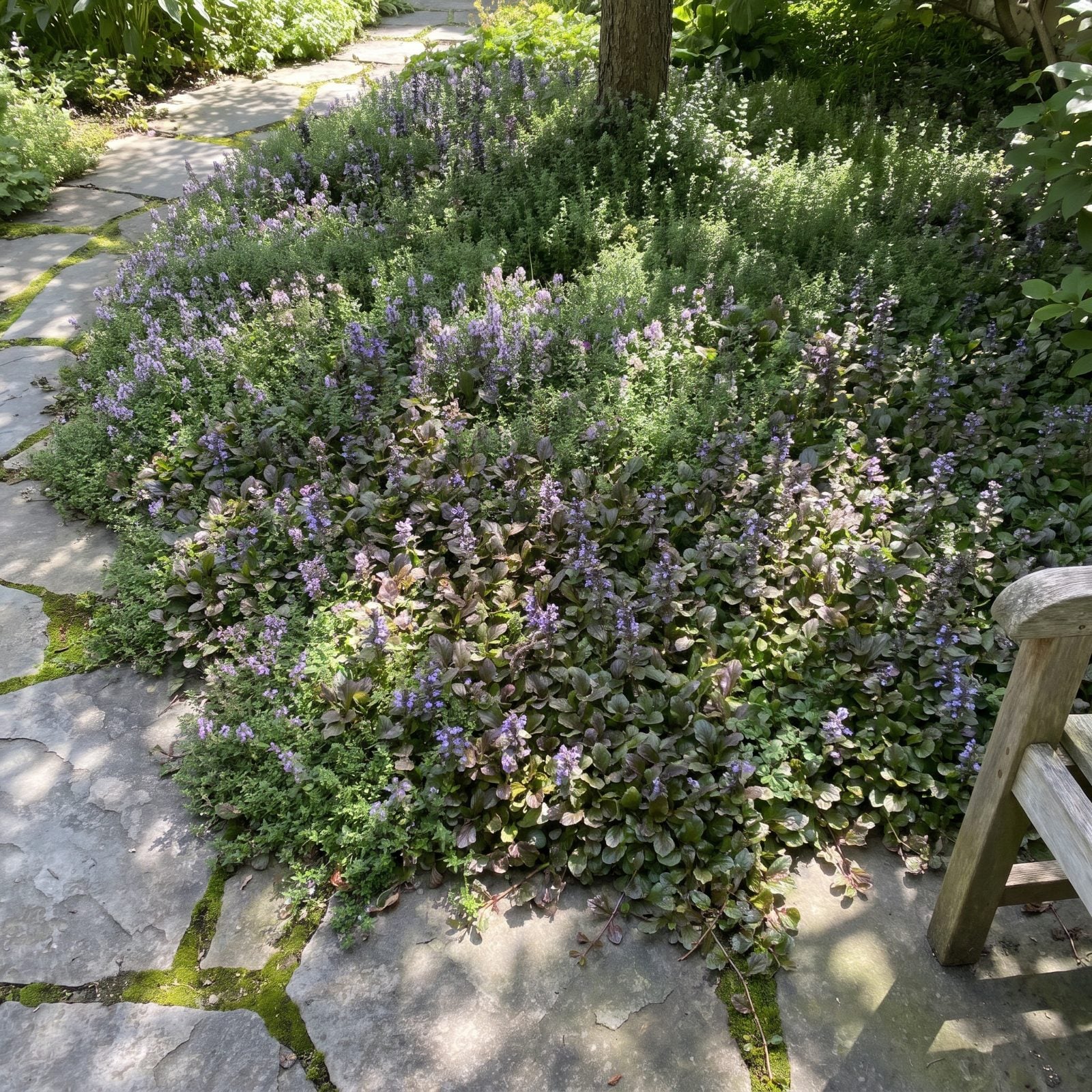
Bare soil is an open invitation. Weed seeds land, sprout, and settle in, and every square foot you leave exposed is a square foot you’ll be weeding by June.
Fill the gaps under shrubs and between perennials with something low that knits into a living mat. Creeping thyme and sedum suit sunny, dry spots; epimedium or wild ginger work in the shade. Once the groundcover closes over, it shades the ground, holds moisture, and keeps soil from washing away in heavy rain.
Pick one that fills in steadily without bulldozing its neighbors. You want a carpet, not a takeover.
15. Keep a Deep Layer of Organic Mulch on the Beds
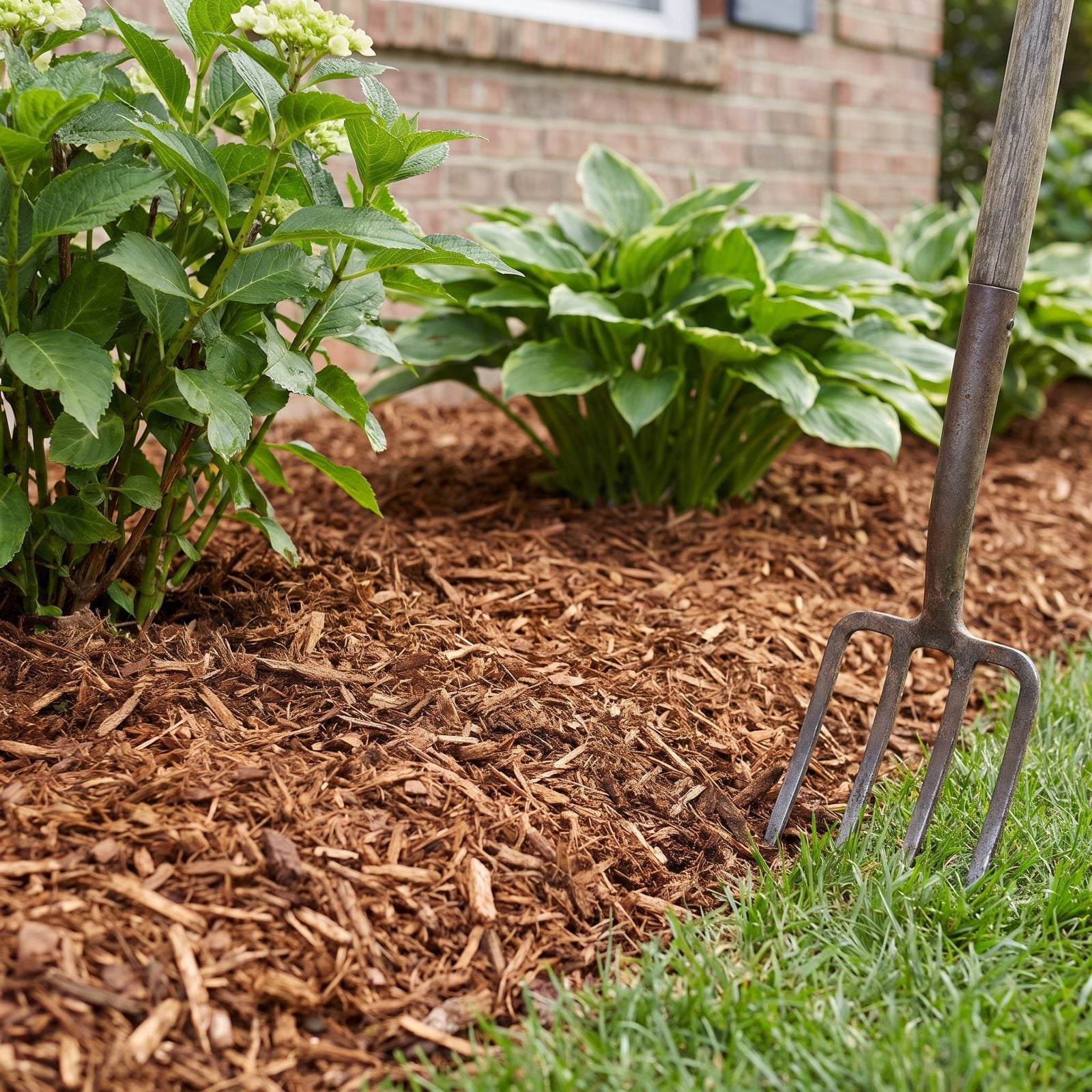
Mulch does three jobs at once. It smothers weed seeds, it slows evaporation so you water less, and it evens out soil temperature through hot spells. Shredded bark, wood chips, and leaf mold all work, as does anything else that started life as a plant.
Go for two to three inches. Any thinner and weeds punch through. Much deeper and you risk starving roots of air. Keep it pulled back an inch or two from the base of each plant, so stems and trunks don’t sit damp and rot.
Organic mulch breaks down over time, and that’s the point: it feeds the soil as it goes. Top it up once a year, ideally in spring, and the beds stay covered without another thought.
14. Run Drip Irrigation Hidden Beneath the Mulch
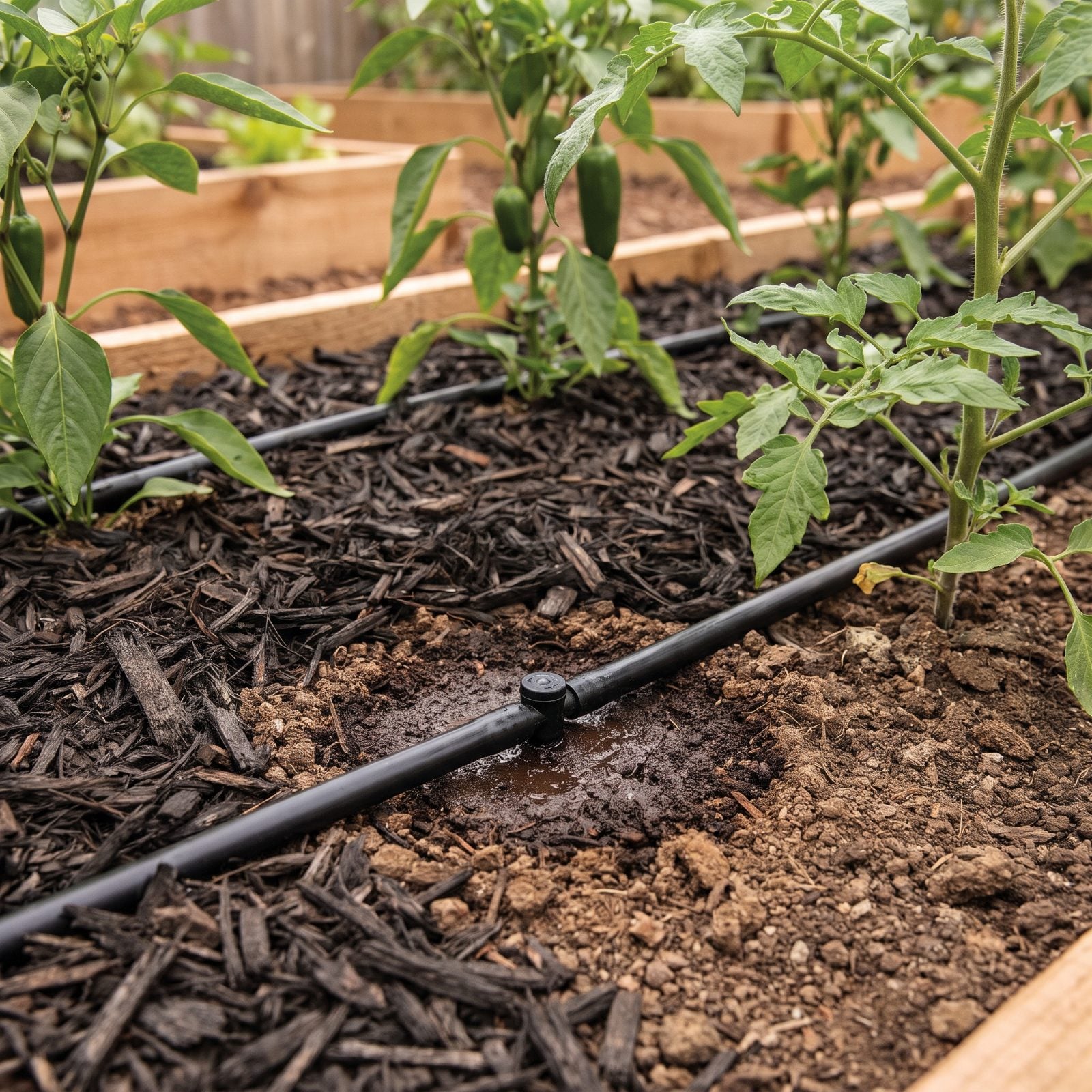
Sprinklers water the paths, the fence, the driveway, and the air. On a hot afternoon a good share of that water evaporates before it reaches anything with roots.
Drip lines deliver water slowly, right to the soil in the root zone, where it soaks down instead of running off. The leaves stay dry, which cuts down on fungal disease. Place emitters close to each plant’s base rather than in the open soil between plants; water puddling in the gaps feeds weeds instead of your crops.
Lay the tubing on the soil and cover it with mulch. It disappears from view, the mulch shields it from the sun that breaks down plastic, and nobody trips over it. Once a season, flush the lines and walk the beds to check for clogged emitters. That’s the whole maintenance job.
13. Install a Weather-Based Irrigation Controller
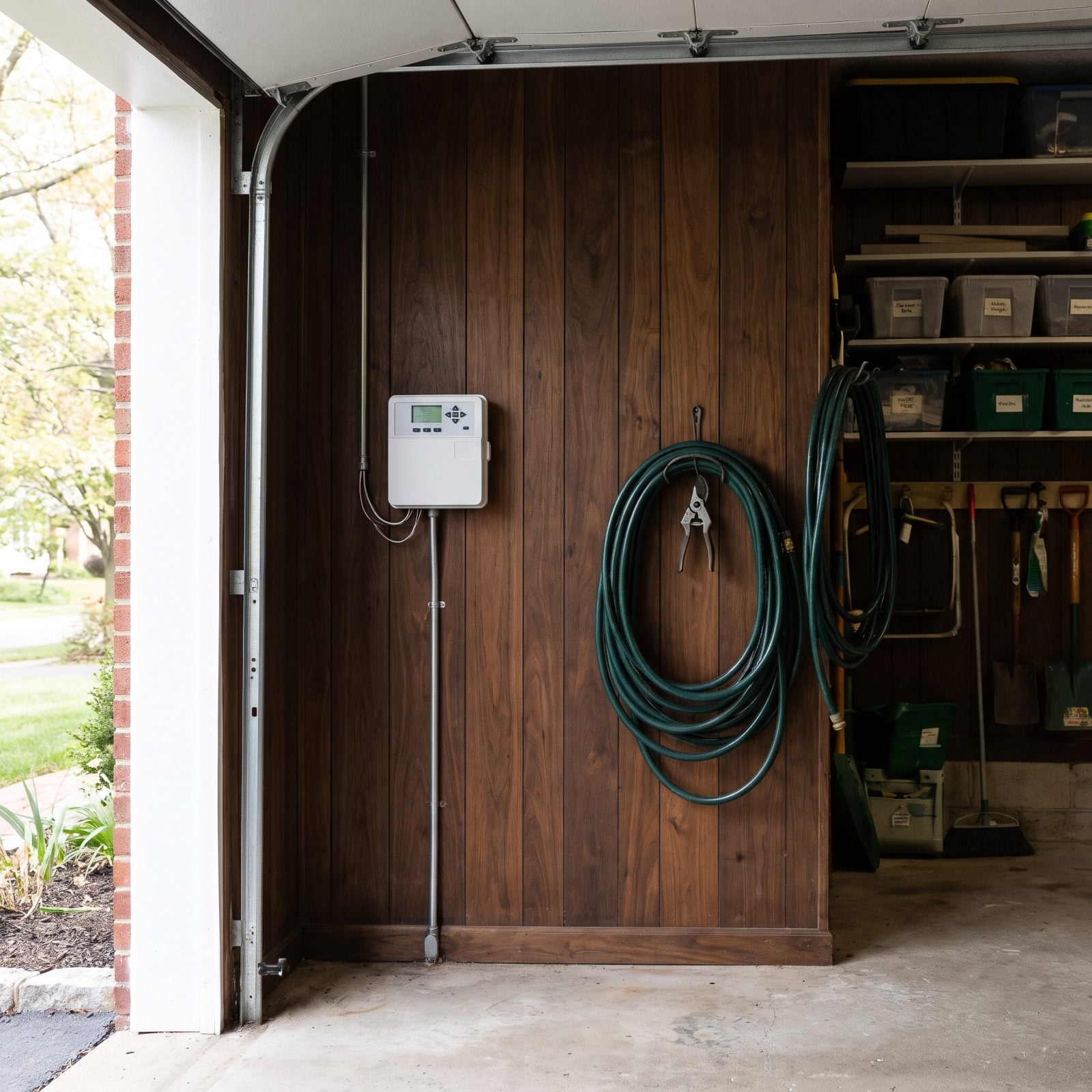
A basic timer waters on Tuesday because it’s Tuesday. It doesn’t matter that it rained all night or that a cold snap just rolled in. Either you remember to switch it off, or you pay to water wet ground.
A weather-based controller adjusts itself. It pulls local weather data or reads an on-site sensor, then tweaks run times as the season changes: more in a heat wave, less in a cool spring, nothing after a soaking storm. Pair it with drip lines and the whole system mostly runs itself.
12. Lay Permeable Materials for Garden Paths
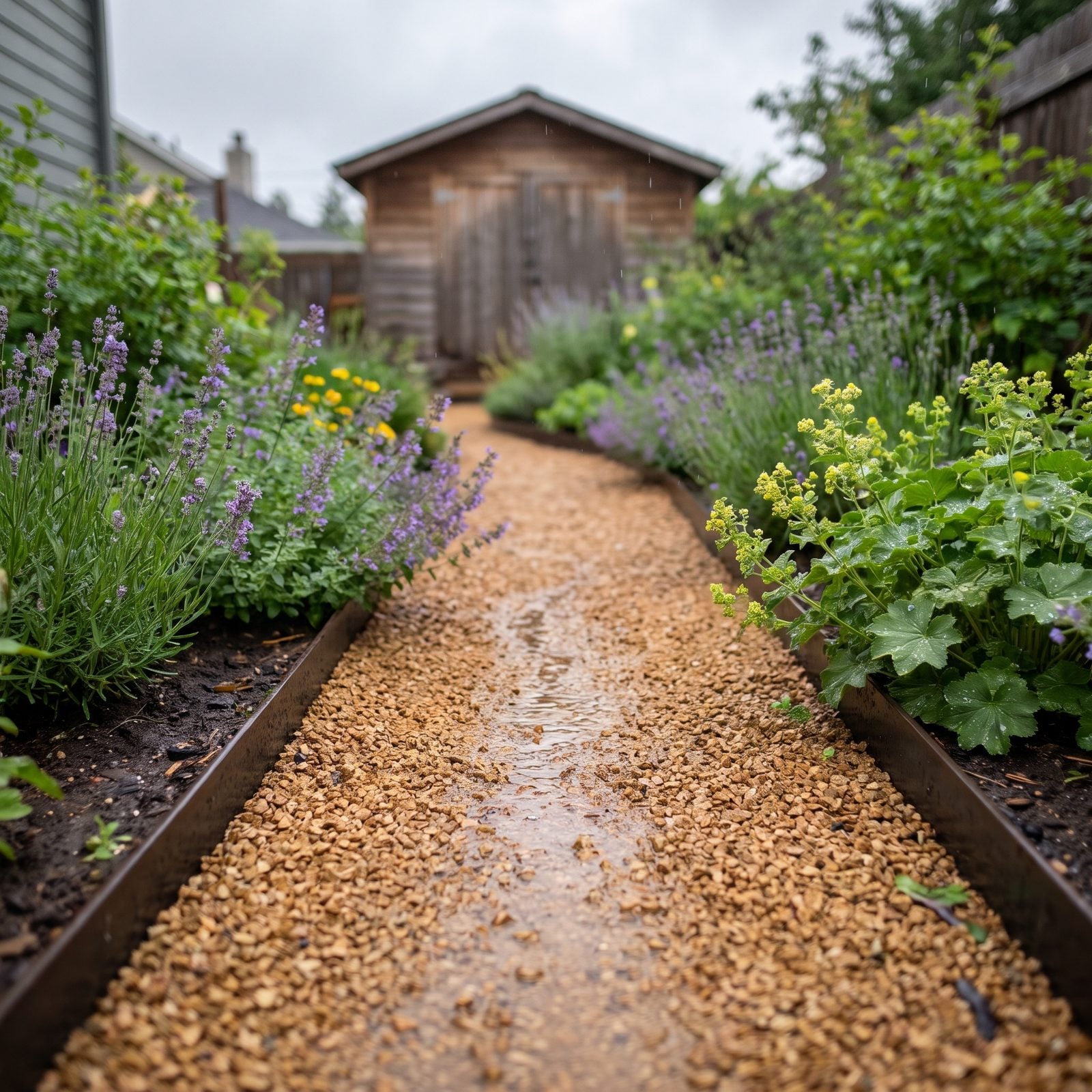
A solid concrete path sheds every drop of rain straight into the nearest low spot. Often that’s a bed, and sometimes it’s your basement. Then the concrete cracks, heaves, and needs fixing.
Gravel, decomposed granite, wood chips, or pavers set with open joints let water soak into the ground where it lands. You get less runoff to manage and a drink for the roots of nearby plants, though in a heavy downpour water can still collect and trickle down the middle until the ground catches up.
The secret is what goes underneath. Dig out a few inches, compact a firm base, and set a solid edge so the material stays where you put it. A loose layer dumped on bare soil turns into a weedy, rutted mess within a season. Build it properly once and it holds.
11. Make Main Paths Wide Enough for a Wheelbarrow
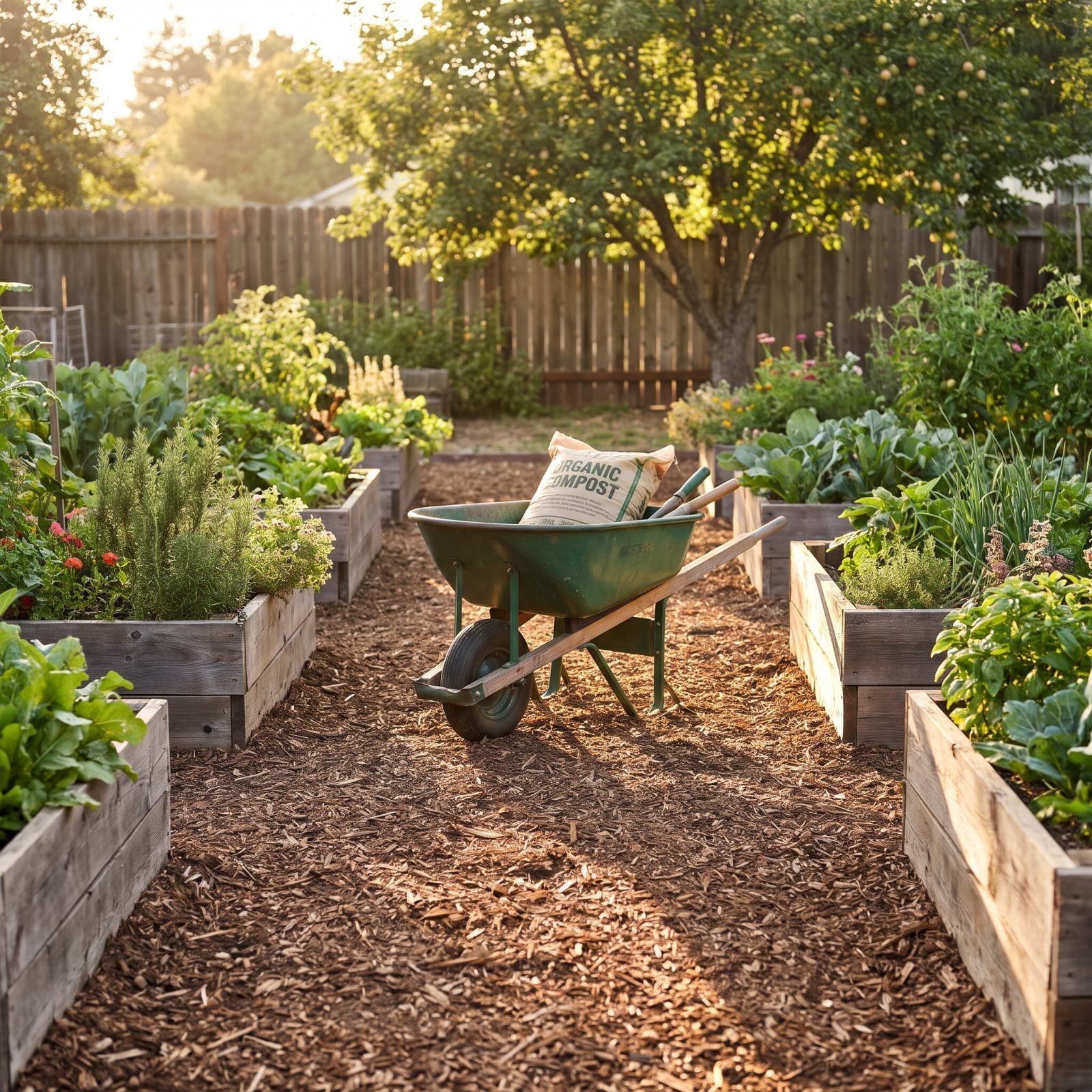
Narrow paths look charming on paper. Then you’re hauling compost or a load of prunings, and the wheelbarrow keeps clipping the edges, crushing the plants on either side and tipping into the bed.
Make the main routes wide enough to roll a wheelbarrow without steering like you’re threading a needle. That means shed to beds, and beds to the compost pile. Around four feet is comfortable, and three is the bare minimum. Secondary paths you’ll only ever walk can be narrower.
A wide path also lets plants spill softly over its edges without blocking the way. You’re not cutting them back every month just to get through.
10. Keep Beds Narrow Enough to Reach Across
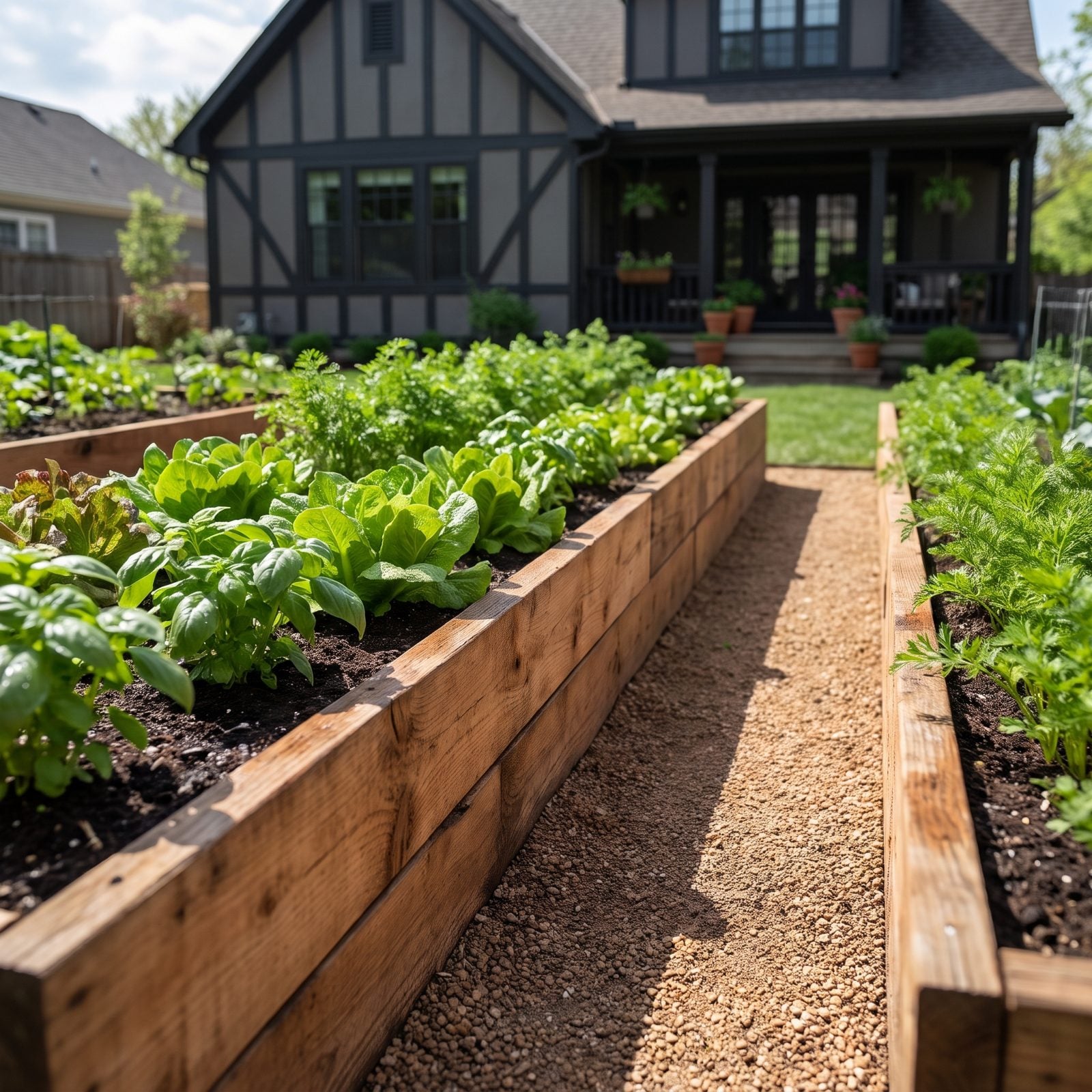
A deep border looks lush until you have to reach the weed in the middle of it. So you step in, sink into the soil, crush a perennial, and compact the ground you spent years loosening.
Keep beds narrow enough to work from the edge. Most people can comfortably reach about two feet in, so a bed you can get at from both sides can run around four feet wide. Against a fence or wall, where you only have one side, keep it closer to two or three feet.
Every task gets faster when you never have to climb in: weeding, deadheading, topping up mulch. Soil that’s never walked on also stays loose, drains well, and grows healthier plants.
9. Place Stepping Stones Inside Deep Planting Beds
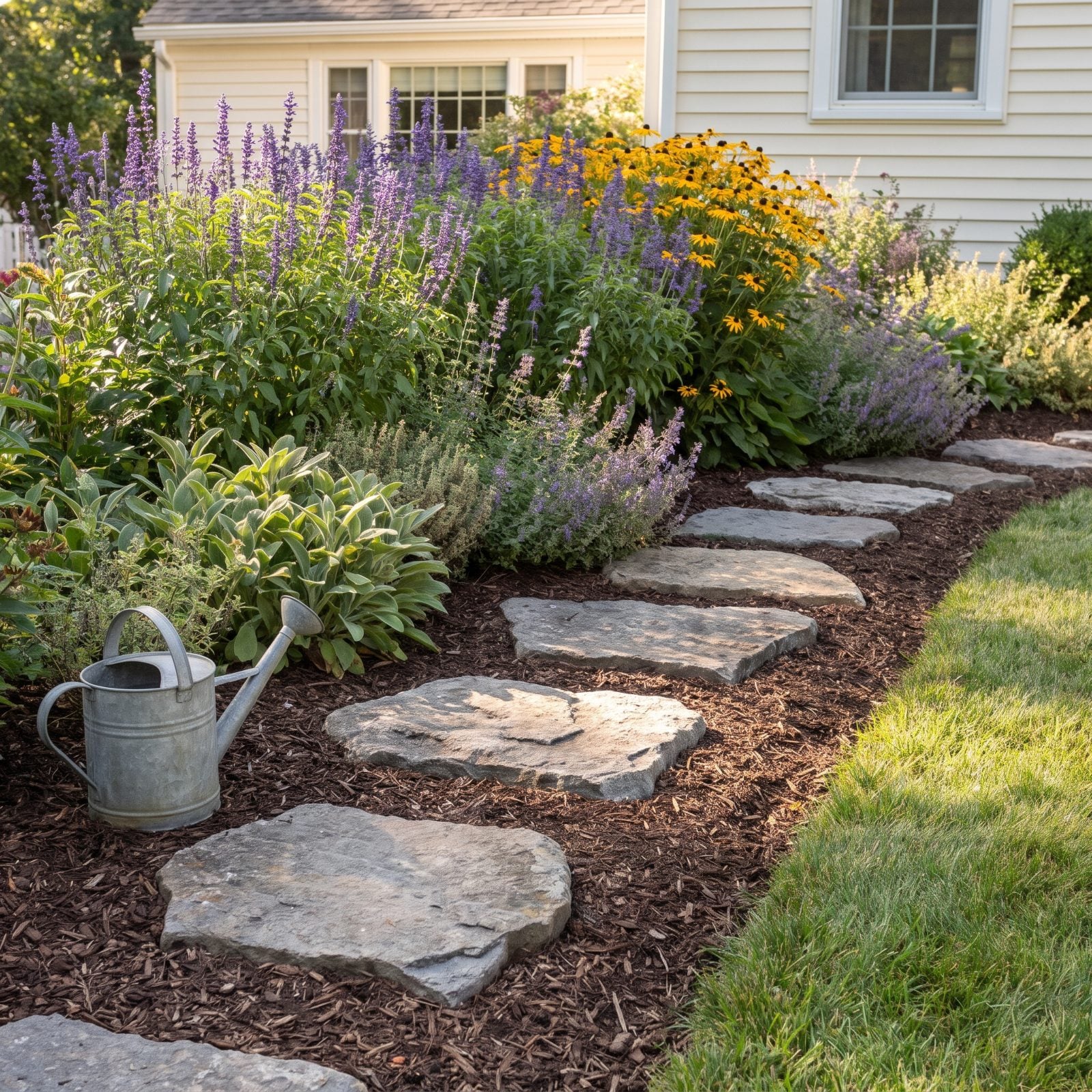
Reaching the back of a four-foot-deep border means one of two things: you trample your own plants, or you skip the weeding entirely and let the bed go to seed. Neither is good.
A run of large flat stones set into the mulch solves it. You get dry footing to deadhead, prune, and pull without compacting the soil around the roots. Fieldstone or broken flagstone works best because the irregular edges disappear into the planting. Set them close together, nearly edge to edge, and let them sit a little proud of the mulch so they stay visible and clear of debris.
8. Keep Kitchen-Garden Beds Close to the House
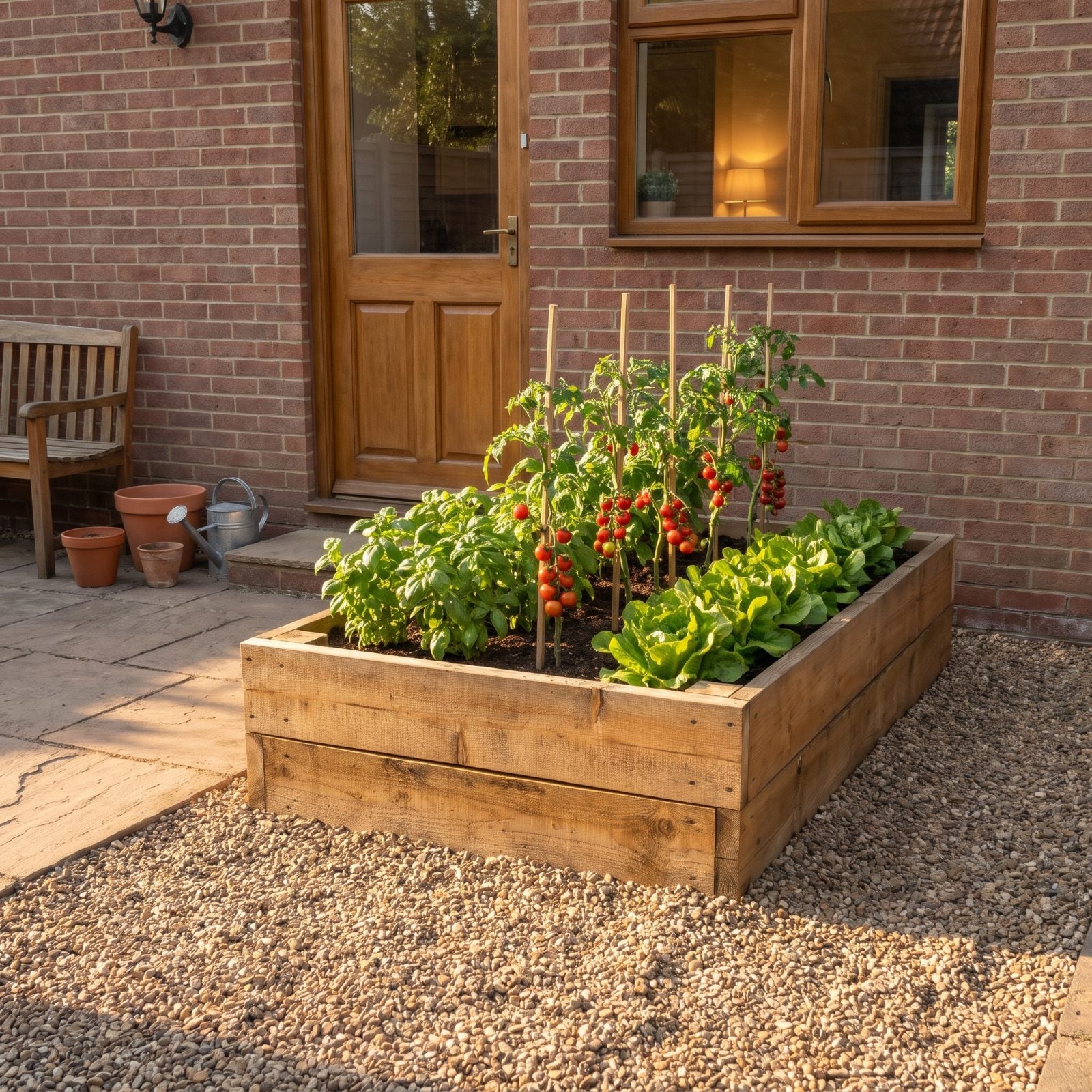
The herb you walk fifty feet to reach is the herb you forget to water. Distance quietly kills kitchen gardens.
Put the beds you harvest from often within a short walk of the back door, ideally in sight of a window you stand at anyway. You’ll catch the aphids early, snip oregano for dinner instead of letting it bolt, and water while the kettle heats rather than scheduling it as a chore.
Tomatoes, salad greens, and soft herbs earn the close spots. Pumpkins and sweet corn can live out back where you visit them on purpose.
7. Use Hardscape for Heavily Traveled Gathering Areas
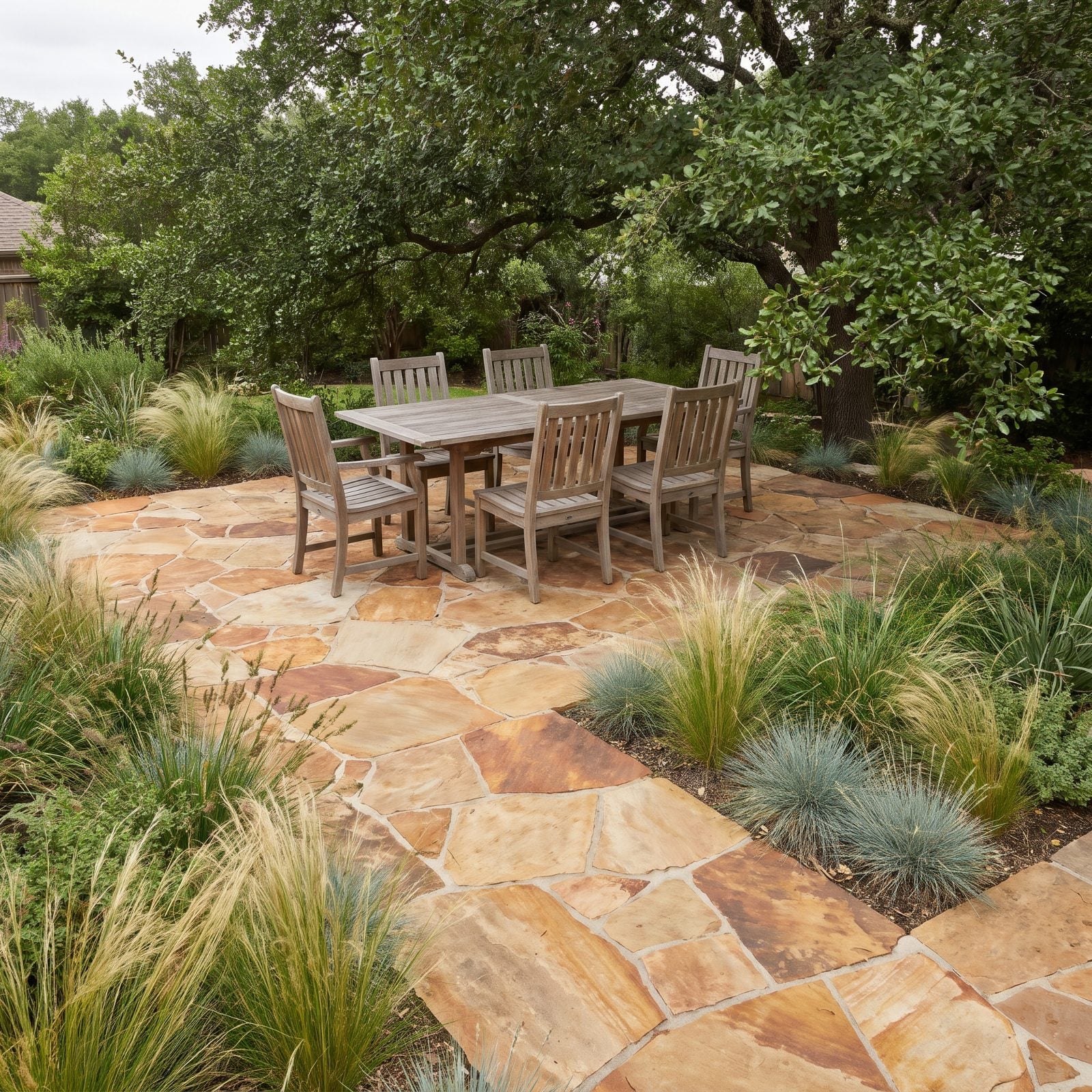
Grass under a dining table never stands a chance. Chair legs grind it to dirt, the shade thins it out, and you spend summer reseeding a patch that dies again by August.
Where people actually sit and walk, stop fighting it. Flagstone, pavers, or decomposed granite take the traffic and never need mowing, feeding, or watering. The upfront cost stings a little, but the math works fast once you count the years of patch jobs you’re not doing.
6. Mow Grass at the Proper Taller Height
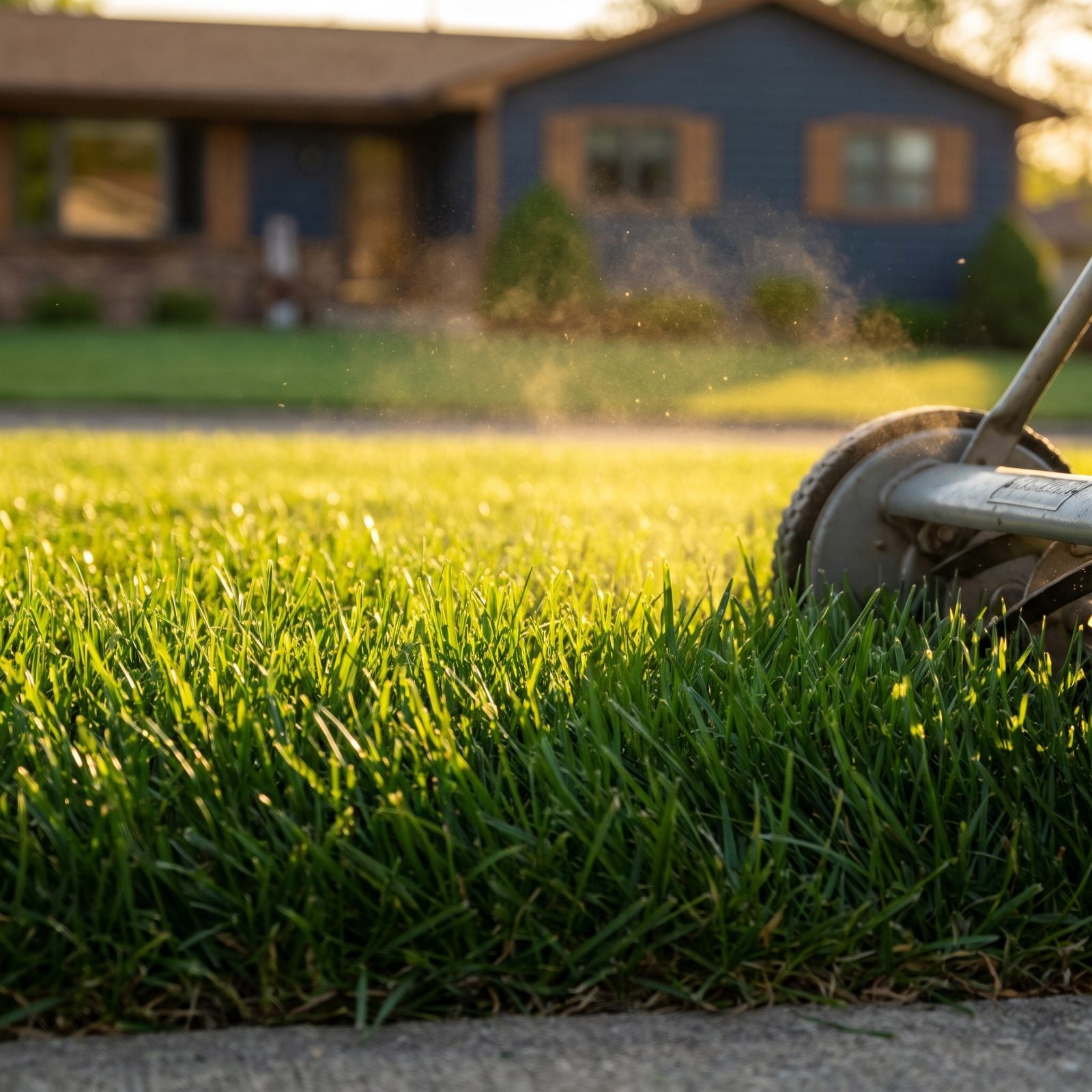
We scalped our lawn for years thinking short meant fewer mowings. Wrong on every count.
Cut cool-season grass to around three inches and the whole thing gets easier. Taller blades shade the soil, so less water burns off to evaporation and far fewer weed seeds get the light they need to sprout. Longer grass grows deeper roots too, which means it shrugs off the dry spells that leave a buzz-cut lawn brown by July.
Set the deck one notch higher than feels natural and leave it there. You mow a hair more often in spring, and a lot less in the heat.
5. Use a Robotic Mower on Suitable Lawns
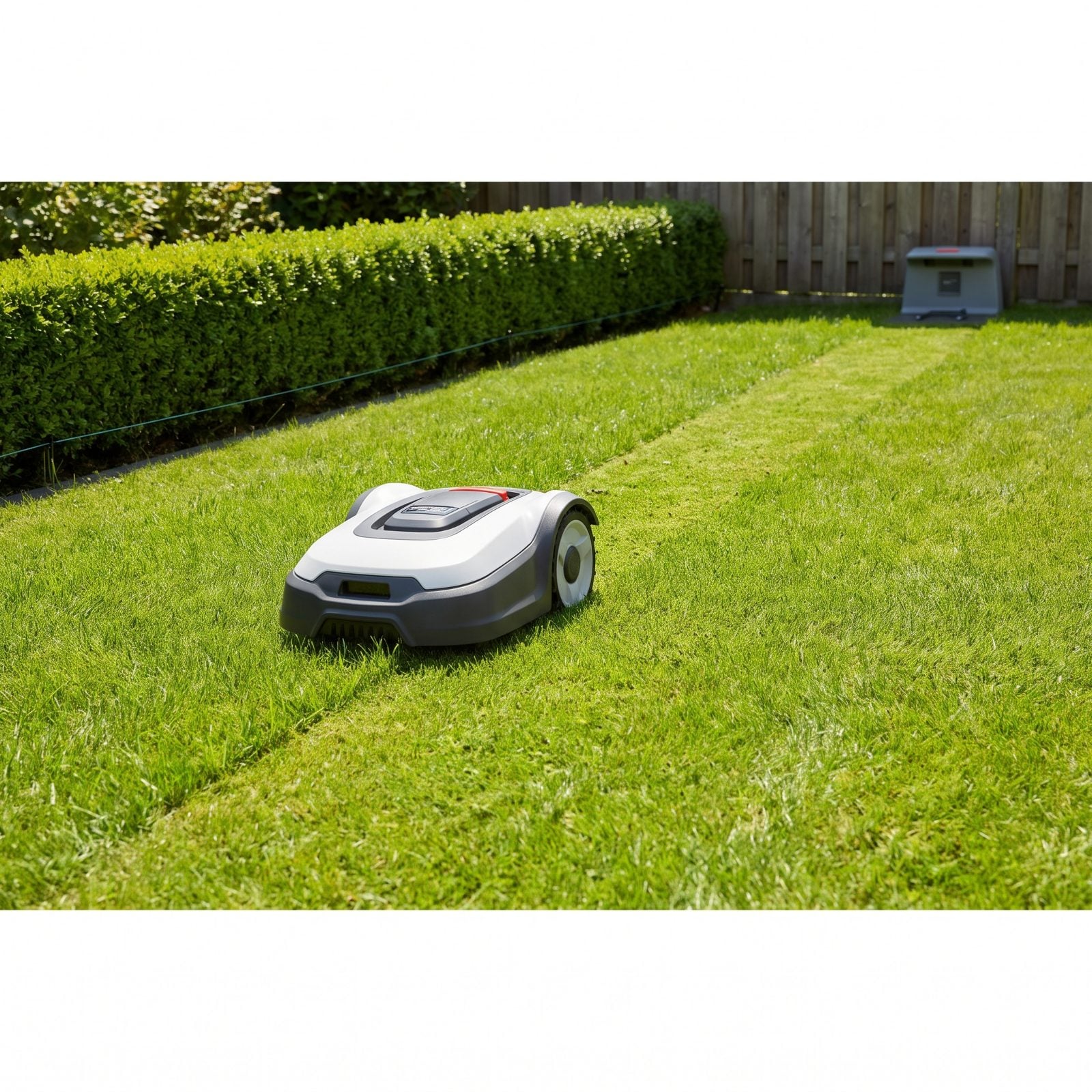
A robotic mower is a strange thing to fall for, and yet.
On a reasonably flat, obstacle-free lawn it quietly nibbles a little every day. No clippings to bag, no weekend blocked out, no roaring two-stroke engine waking the neighbors. The frequent light trims feed the lawn their own clippings and keep it dense enough to crowd out weeds.
They’re not for everyone. Steep slopes, lots of tree roots, or a yard full of kids’ toys will frustrate the little thing. But for a tidy quarter-acre of open grass, it’s the closest gardening gets to a self-cleaning oven.
4. Mulch Fallen Leaves With the Mower
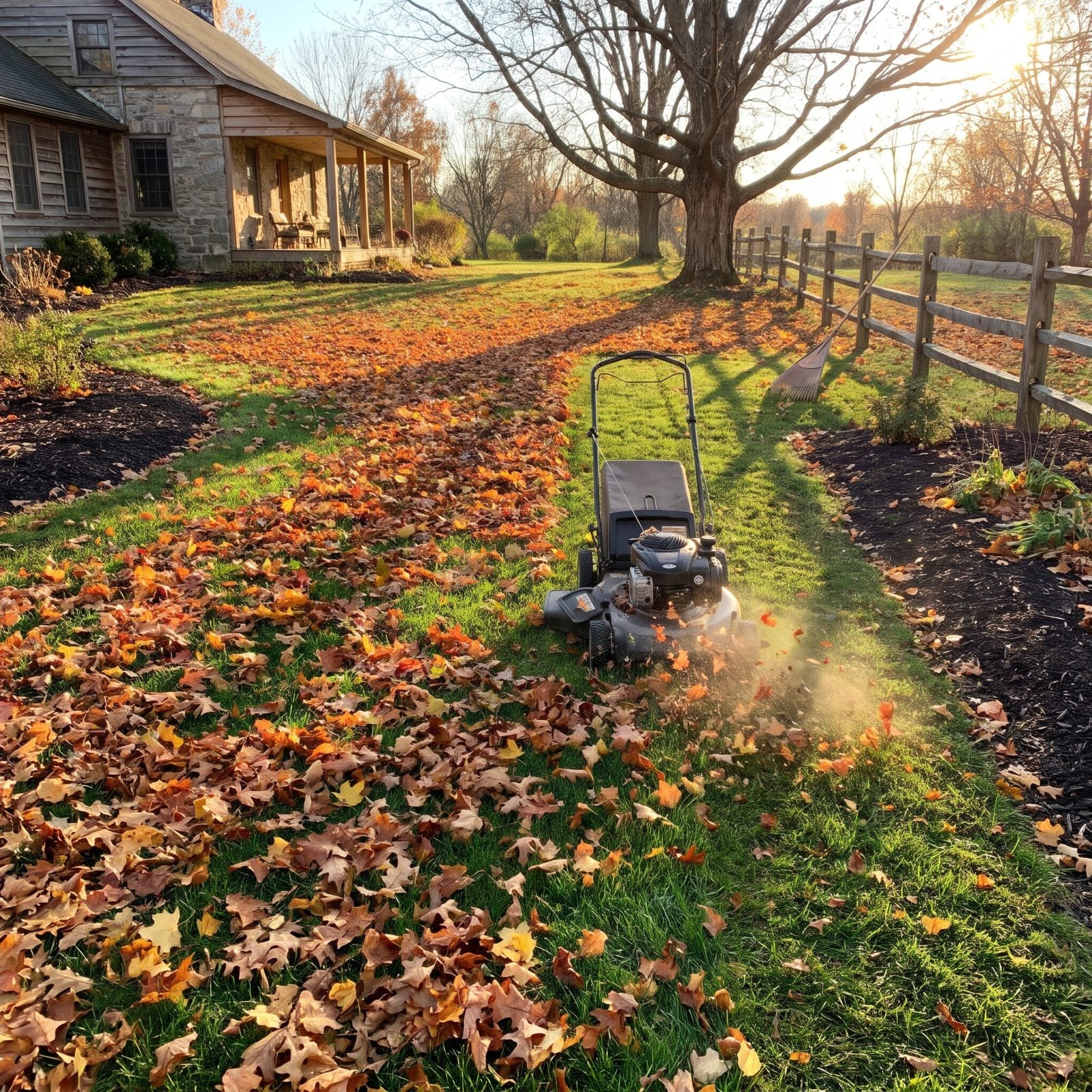
Every fall, somewhere near you, a person is stuffing leaves into paper sacks to drag to the curb. That person is doing free work for their lawn’s enemy.
Run the mower over a light-to-moderate leaf cover a few times and the leaves break into confetti that filters down between the grass blades. Worms and microbes pull it into the soil over winter. You’ve just fed the lawn, suppressed weeds, and skipped the raking, all in one pass.
The trick is not to wait for a foot of soggy leaves. Mulch them while the layer is still thin enough to see green underneath.
3. Leave Seed Heads Through Winter, Then Do One Spring Cutback

The tidy gardener cuts everything down in October and spends winter looking at bare dirt. The lazy one leaves it standing, and gets the better yard.
Seed heads on coneflower, sedum, and grasses feed finches through the cold months and catch frost in a way that gives a dead-looking border real structure. The old stems also shelter overwintering beneficial insects. Then, once in late winter or early spring, you cut the whole bed back in a single session and you’re done.
One cleanup, well-timed, replaces three half-hearted ones scattered across the dying weeks of fall.
2. Use a Few Large, Self-Watering Planters Filled With Tough Perennials
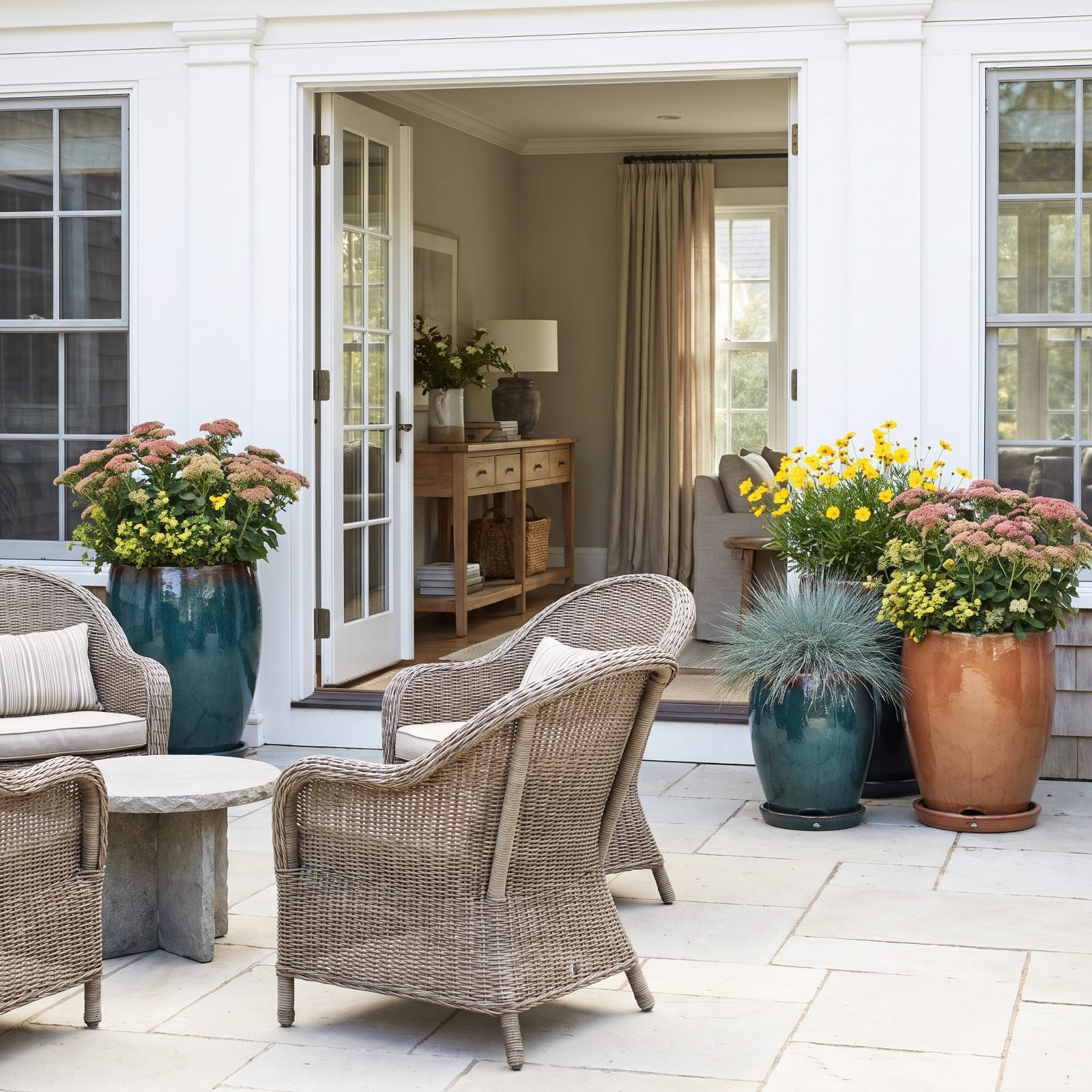
Small pots are a trap. They dry out by noon in July, which means daily watering, which means they die the week you go on vacation.
Go big and go self-watering instead. A large planter holds enough soil to buffer the heat, and a built-in reservoir stretches your watering to once or twice a week. Fill them with tough perennials rather than thirsty annuals: sedum, coreopsis, ornamental grasses, things that forgive you. Three generous pots at a doorway look deliberate and need a fraction of the attention that a dozen little ones demand.
1. Confine High-Maintenance Favorites to One Showcase Bed
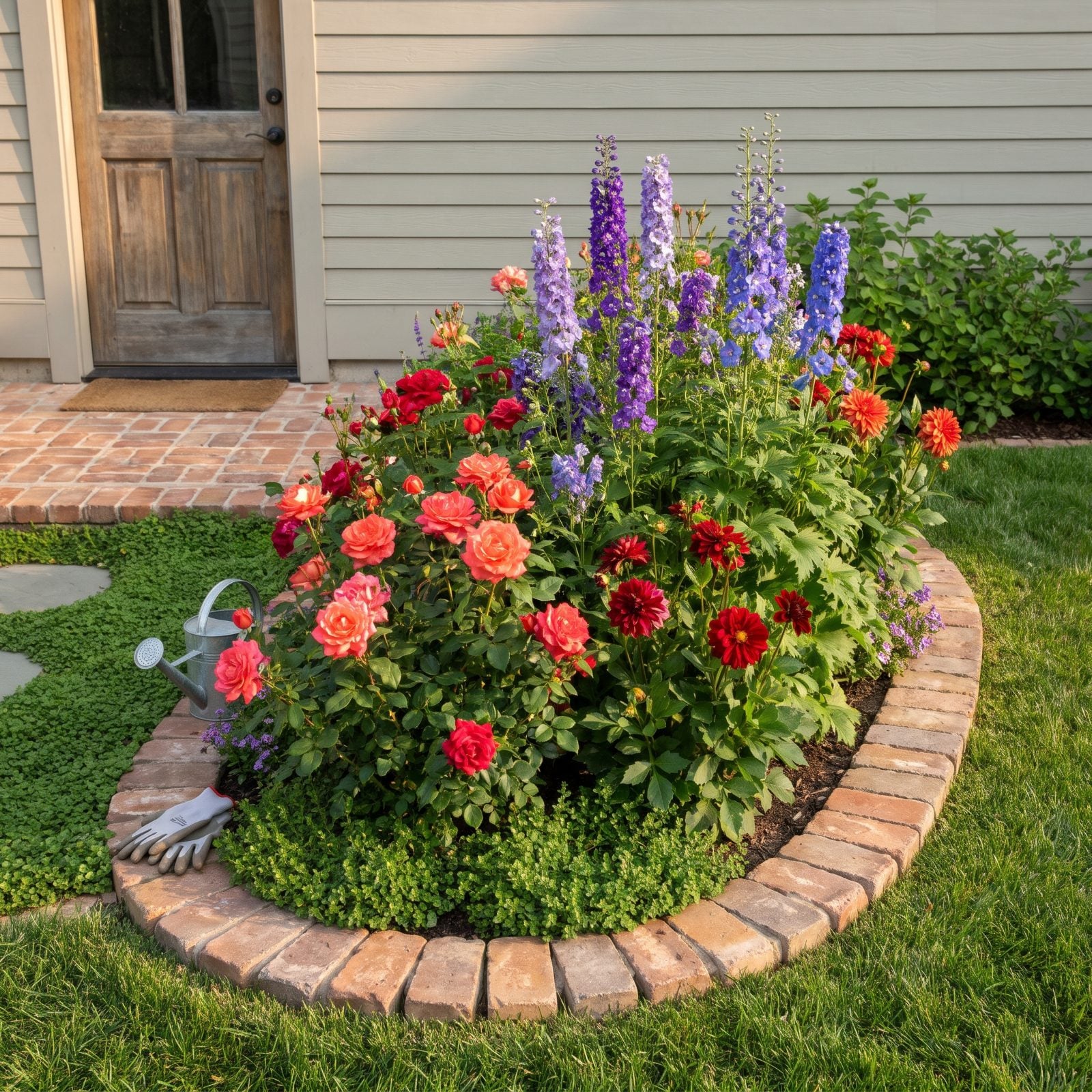
You’re allowed to love the needy plants. Roses, dahlias, delphiniums, the whole diva list. The mistake is scattering them across the yard so the fussing never ends.
Give them one bed. Put it where you’ll see it and tend to it, near the door or along the main path, and pour your spraying, staking, and deadheading into that single square. Everything else in the yard gets the tough, leave-me-alone treatment.
You end up with a showpiece that looks lavished over, because it is, and a garden that doesn’t own your weekends. We keep one rose bed and let the others raise themselves. Best bargain we ever made.