
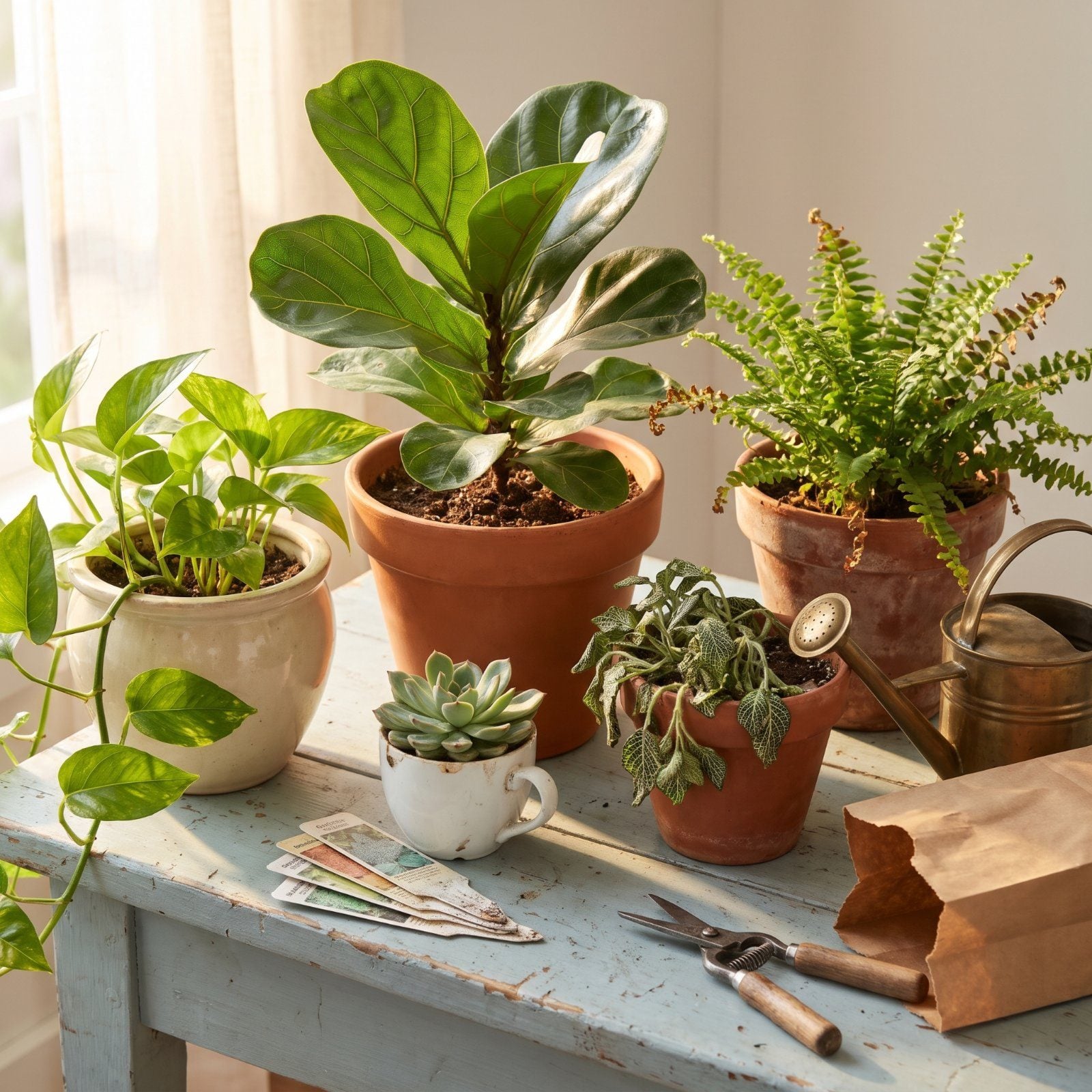
A confession from the back of a plant shop: the fiddle-leaf fig in your cart will probably die, and some part of you already knows it. You bought it anyway. The leaves were glossy, the light hit it right, and reason packed its bags the moment your heart said yes.
Please note that some of the images in this article were created with the assistance of AI.
The same wiring that crowds a windowsill with doomed greenery crowds a life with the wrong people, over and over, each one arriving like a fresh start. Not because we’re foolish — because we’re human, and the brain runs the same handful of old tricks whether the object of desire is a monstera or a man. Read these and count how many you recognize.
14. You Buy the Bloom and Ignore the Care Tag
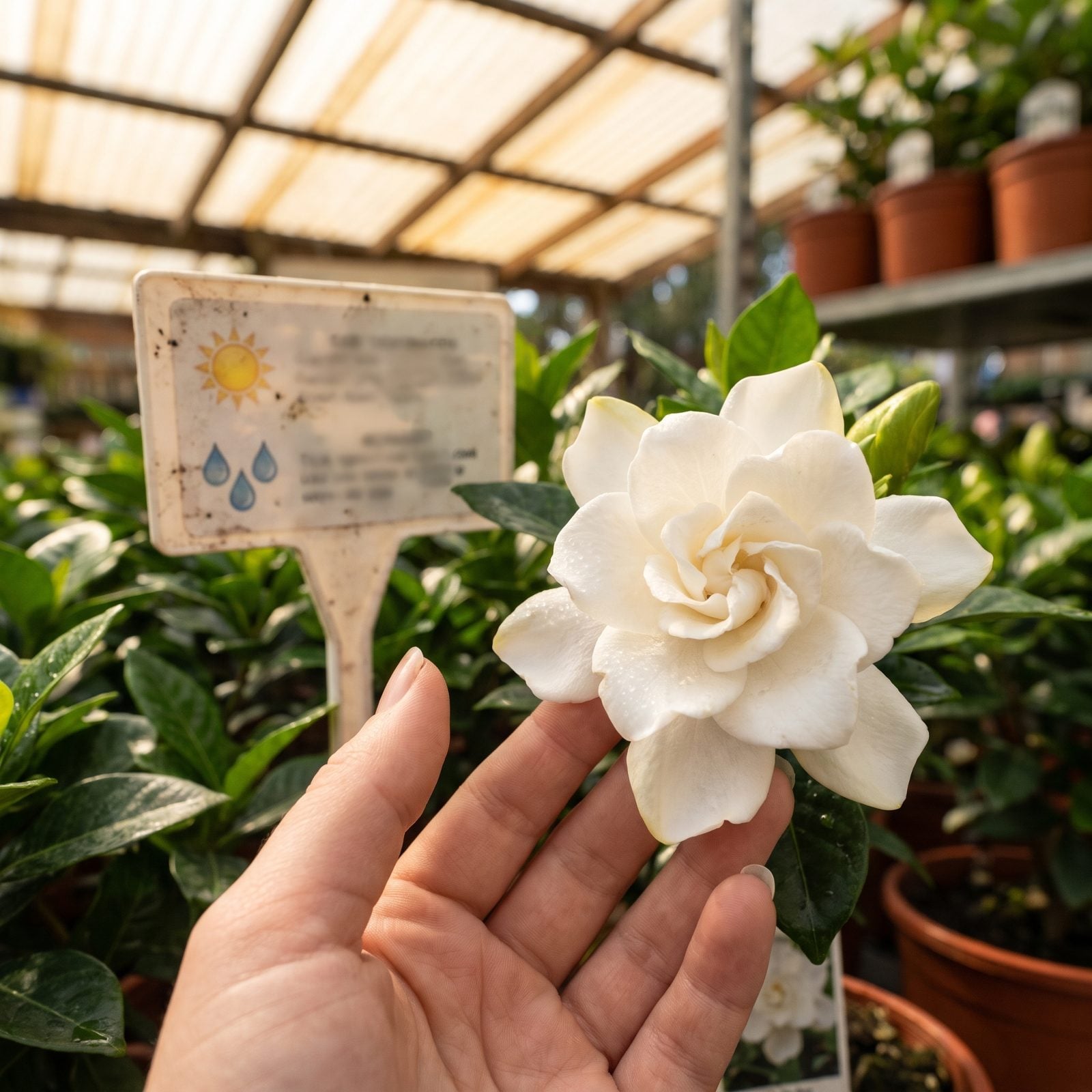
The gardenia had you at the smell. You leaned in, caught that heavy sweetness, and your brain quietly filed the little plastic tag under deal with it later. Later never comes. That tag spelled out full morning sun, acidic soil, consistent moisture, no drafts, and a personality like a diva — and you read none of it.
Same reflex that makes us fall for the spark before the logistics. Chemistry walks in the door first and shouts so loud compatibility can’t get a word in. Psychologists call it the affect heuristic: when something makes us feel good, we assume the rest of it is good too, and we stop checking the fine print.
The bloom is the dopamine. The care tag is the inconvenient truth about who someone actually is at 7am on a Tuesday.
13. The Sold-Out Variety Becomes the Only One You Want
You didn’t even want the variegated monstera until the shelf tag said sold out. Suddenly it was the only plant on earth, and the eight healthy, available, perfectly lovely plants beside it turned invisible. You spent the drive home refreshing the nursery’s website like a person possessed.
We do this with people constantly. The one who’s unavailable, hard to pin down, half out the door — magnetic the instant they get harder to reach. The ones offering steady, present affection? We walk right past them to the empty shelf.
Scarcity convinces us rarity equals value. It rarely does. Sometimes the plant is sold out because somebody else grabbed all of it first, and the thing sitting right in front of you — in stock, thriving — was the better choice all along.
12. You Rescue Another Wilting Plant Certain You Can Fix It
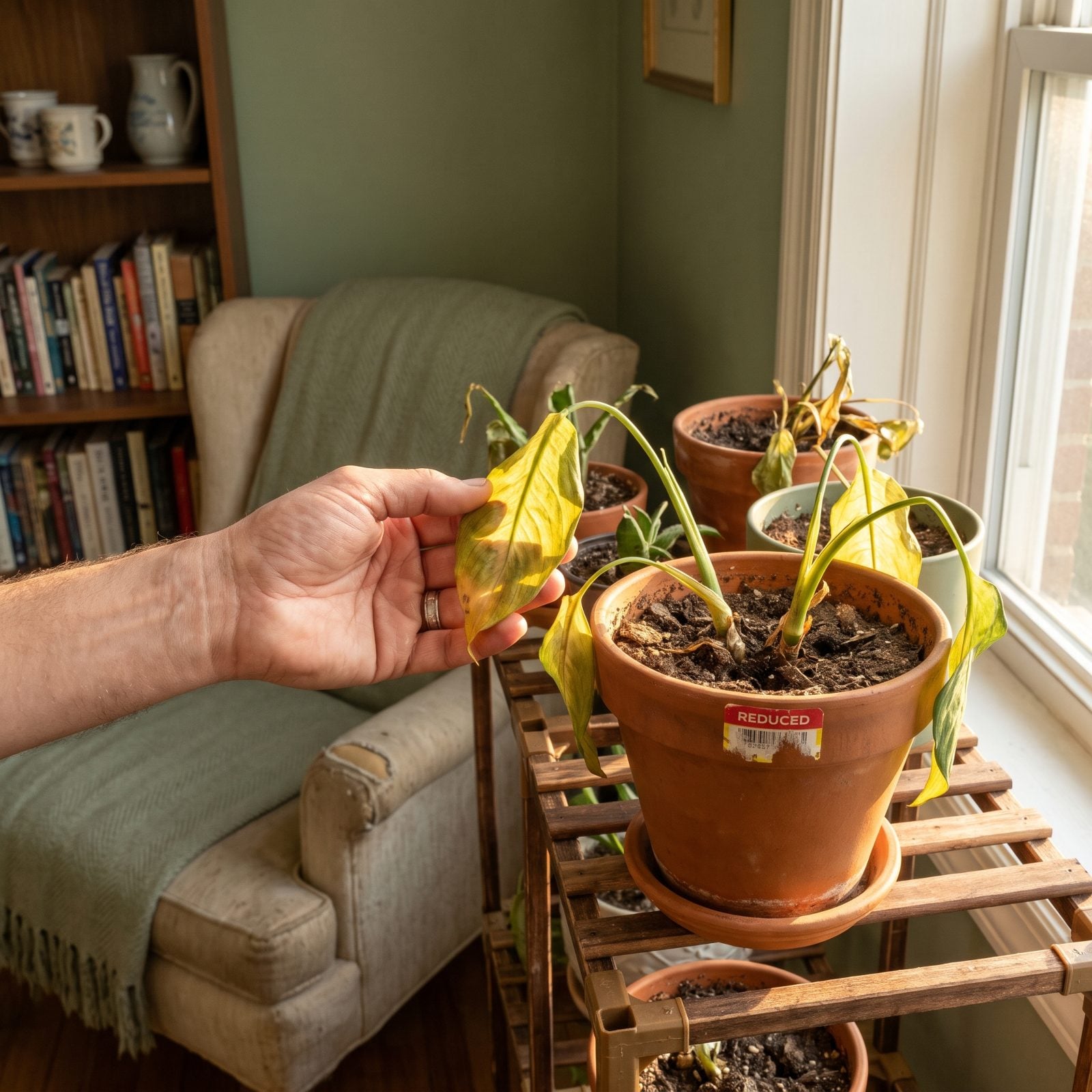
The clearance rack is a graveyard, and you keep shopping there on purpose. There sits a peace lily collapsed in on itself, root-bound, overwatered by a stranger, marked down to two dollars because it’s basically a goner. And you look at it and think: I can save this one. I see its potential.
You’ve met this person too. The one who arrives already a little broken, trailing warning signs, and something in you lights up at the project of it. The rescue fantasy is intoxicating because being someone’s salvation feels a lot like being needed, and being needed feels a lot like being loved.
Here’s the uncomfortable part. A plant that’s already dying needs the one thing you cannot give it: a different past. You buy its potential and get its present. Most of us have killed more rescue plants than we care to admit, and not one of them was waiting to be redeemed by my attention. They just needed better conditions from the start.
11. You Keep Choosing Ferns for the Same Sunny Windowsill

That south-facing windowsill fries everything you put on it, and you keep putting ferns on it. Ferns want dappled forest shade and dripping humidity. Your sill delivers desert noon. One crisps up, you compost it, and you walk straight back out and buy another fern for the exact same spot.
The pattern lands harder with people. You pick the same emotionally unavailable type in a slightly different outfit and expect the sunlight to behave differently this time. It doesn’t. The windowsill never changed.
We mistake the plant for the problem when the conditions are the real story. Swapping the fern is easy. Admitting the spot was wrong — and that we keep choosing for it anyway — is the harder, more useful work.
10. Once the Flowers Fade, So Does Your Enthusiasm
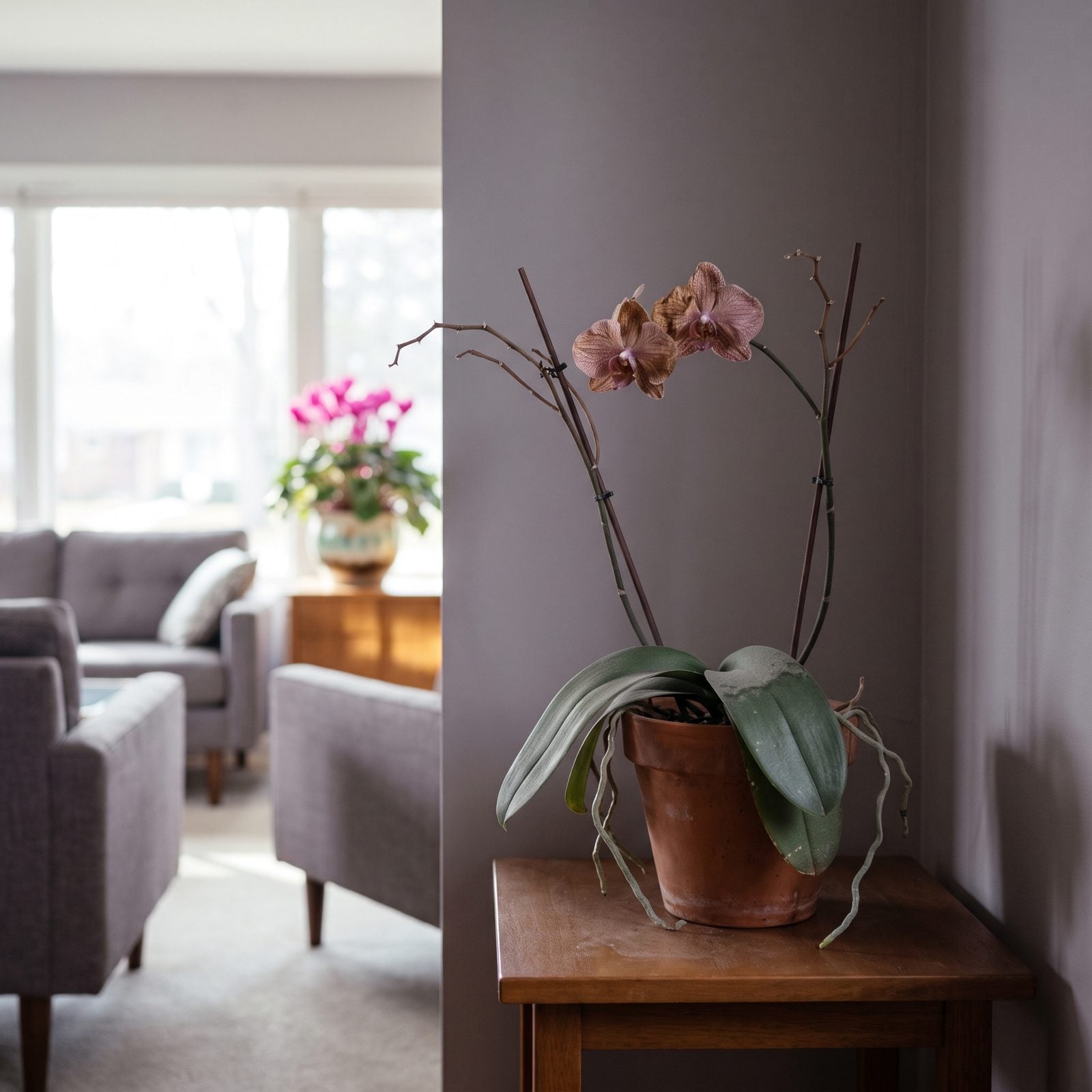
The orchid was the center of attention for six glorious weeks. You misted it, bragged about it, moved it to the good shelf. Then the last bloom dropped, and it became a stick in a pot you now resent slightly for existing.
Hedonic adaptation is the quiet thief here. We adjust to any pleasure once it becomes routine, and the thrill of the new flattens into the ordinary. That spark that felt infinite at the start was always going to level off. It isn’t betrayal. It’s biology.
Same thing happens when the honeymoon ends and someone becomes a person instead of a fantasy. Flowers fade in every relationship. The question is whether you can love the plant between blooms, because an orchid out of flower is still alive, still growing roots, still worth keeping on the good shelf.
9. One Brown Leaf Sends You Looking for a Replacement
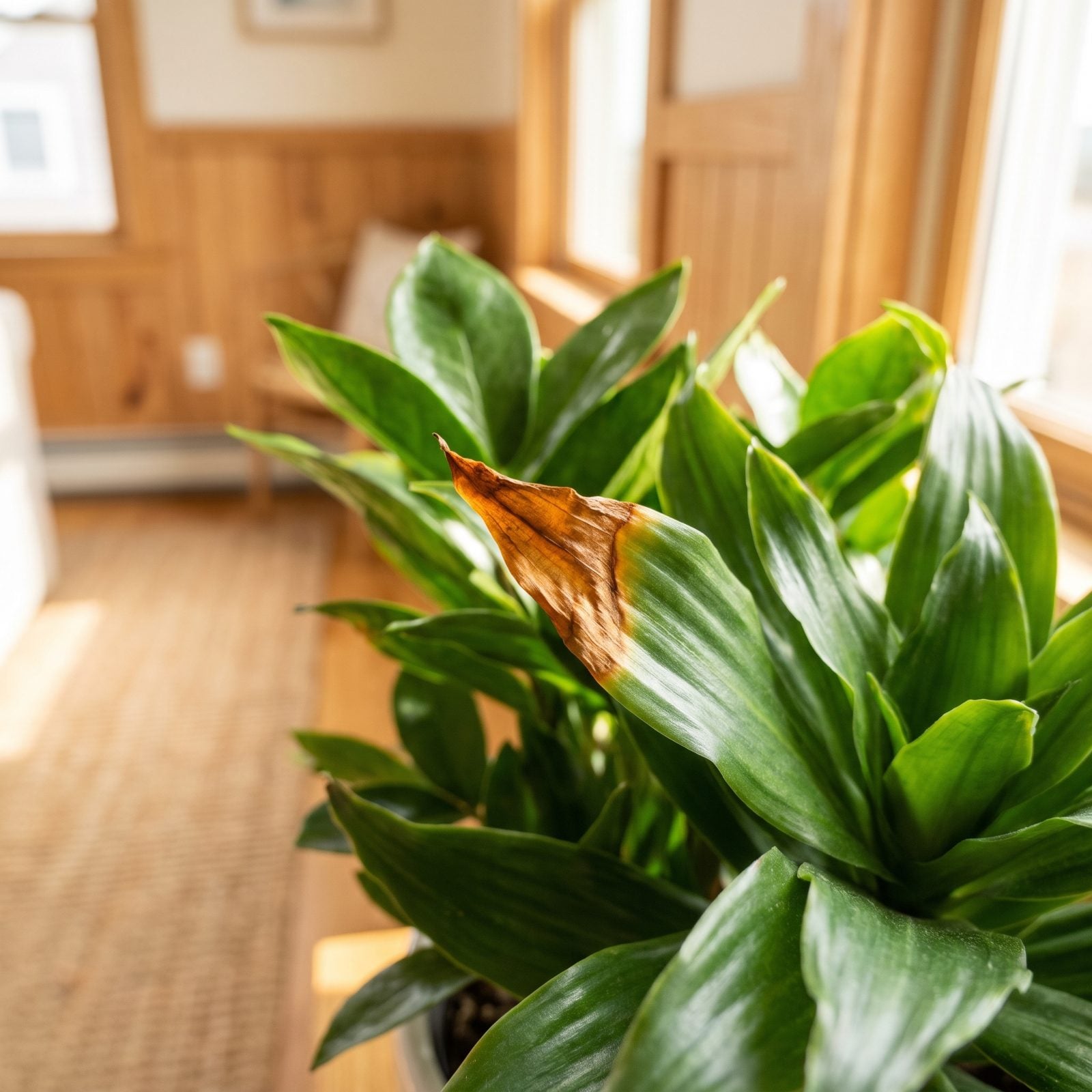
One brown leaf. On a plant with forty healthy ones. And you’re already mentally touring the nursery for its replacement, as if a single crispy tip has condemned the whole thing.
Our attention snaps to the flaw and refuses to let go. Negativity bias means one dead leaf outshouts a jungle of green, the same way one annoying habit can suddenly feel louder than every good quality a person has. The brain is wired to scan for threats, not to tally up what’s quietly working.
Most brown leaves mean nothing. Old growth dies, plants shed, it’s maintenance, not collapse. Snip it off and look at the forty that are fine. The whole plant was never dying. One leaf was.
8. You Blame the Plant Before Checking Your Watering Habits
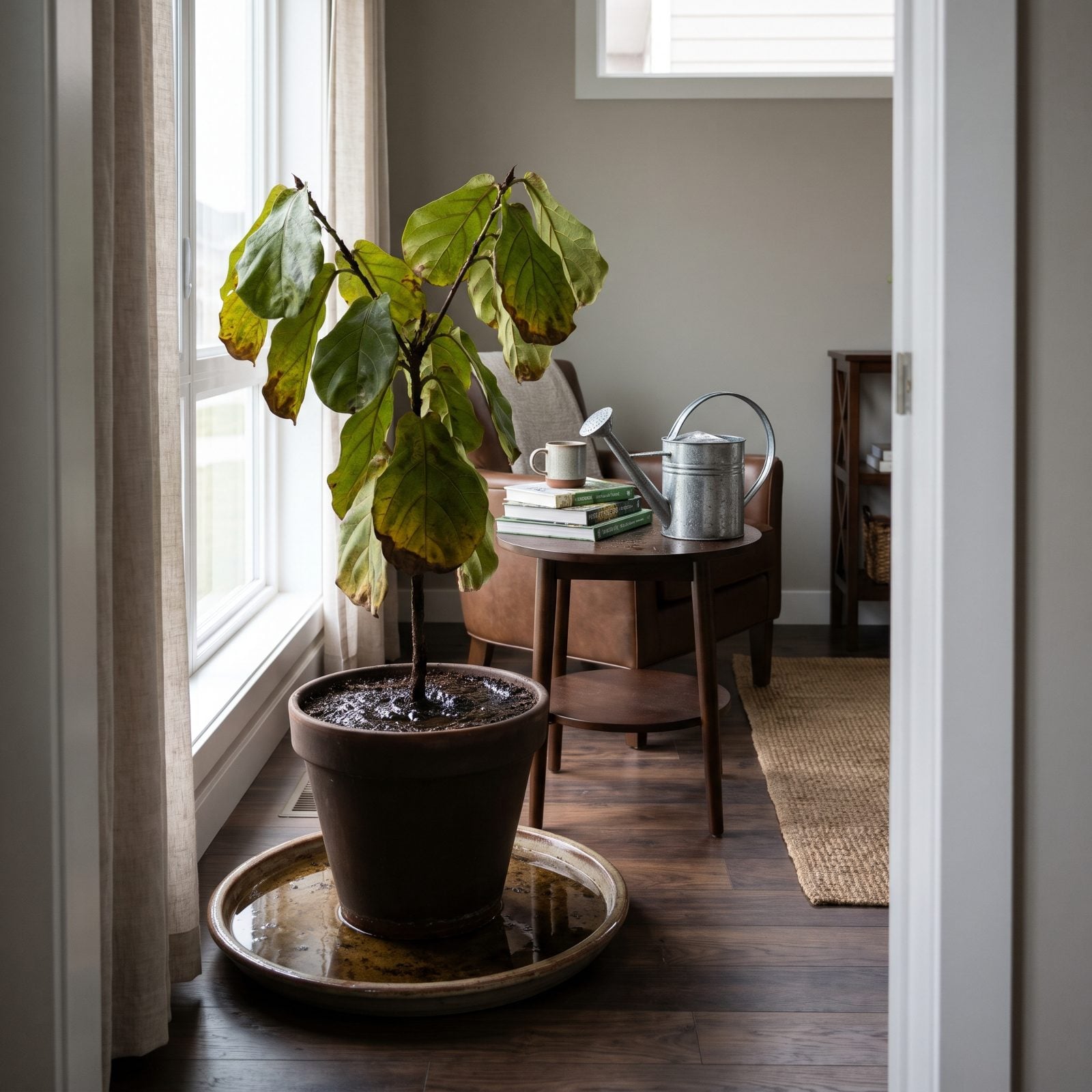
Leaves yellowing and dropping, and your first thought is that you got a bad plant. Cheap pot, weak roots, bad luck from the nursery. Meanwhile the saucer is sitting in an inch of water because you’ve been drowning the poor thing out of love.
The fundamental attribution error, in a terracotta pot. When something goes wrong, we blame the other party’s character and let our own role off the hook. The plant is defective. The ex was impossible. The problem is always out there, never in our watering can.
Something many of us learn the hard way: overwatering kills more houseplants than neglect ever does. The yellow leaves weren’t the plant’s failing. They were mine. Checking the soil before you blame the roots works on relationships too.
7. After One Plant Dies, Another Comes Home Immediately
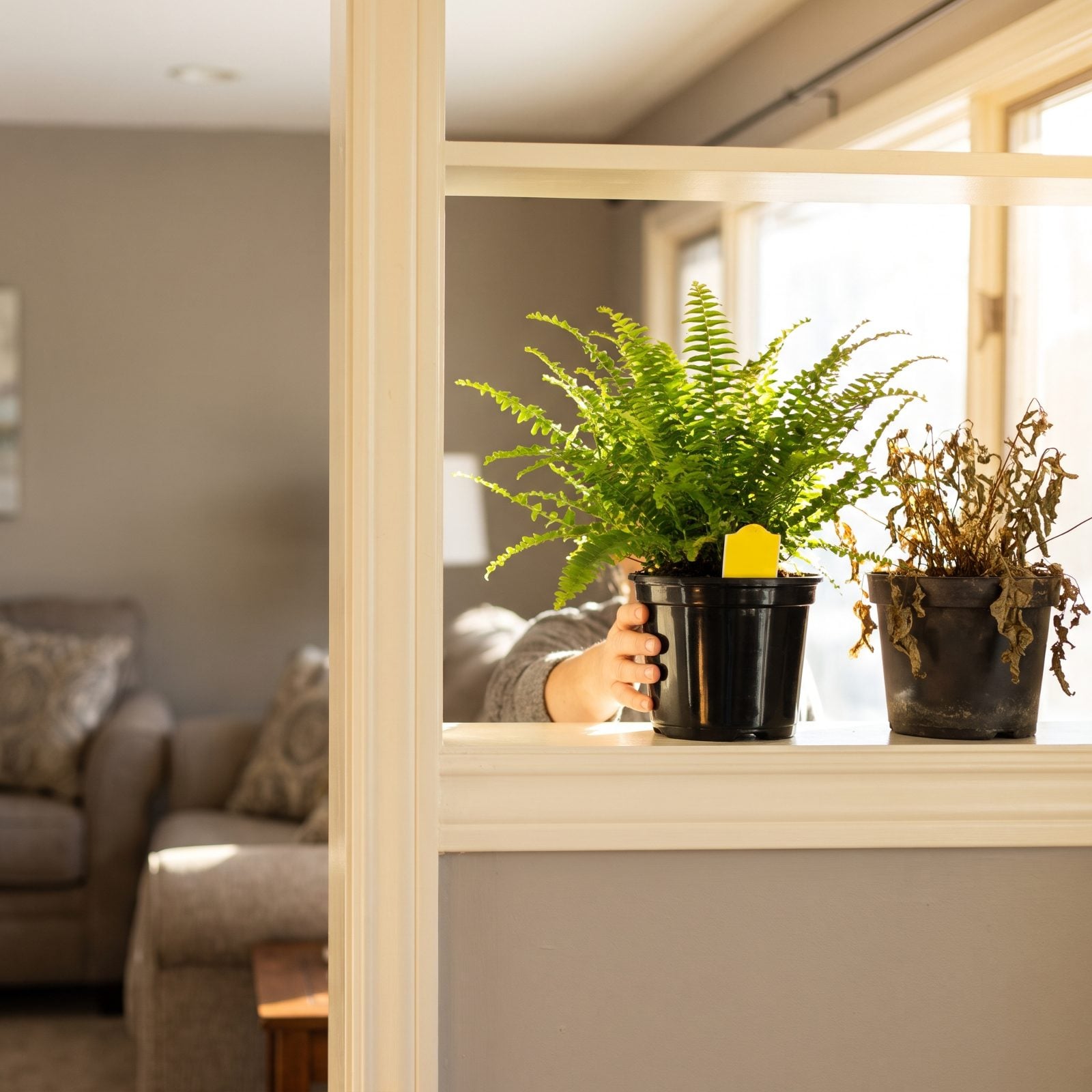
The old plant isn’t even composted yet, and there’s a new one on the counter in its shiny nursery pot, tag still on. The empty space on the shelf felt unbearable, so you filled it before you had time to feel it.
The rebound, in horticulture. We rush to replace a loss not because we found the right next thing but because the absence itself is uncomfortable, and a new arrival numbs that faster than sitting with the gap.
Loss aversion makes the empty shelf ache more than the full one ever pleased us. But filling the hole immediately means you never ask the obvious question: why did the last one die, and will the new one meet the same fate on the same shelf, under the same hands, in the same old pattern?
6. You Add a Backup Succulent Before the First One Fails
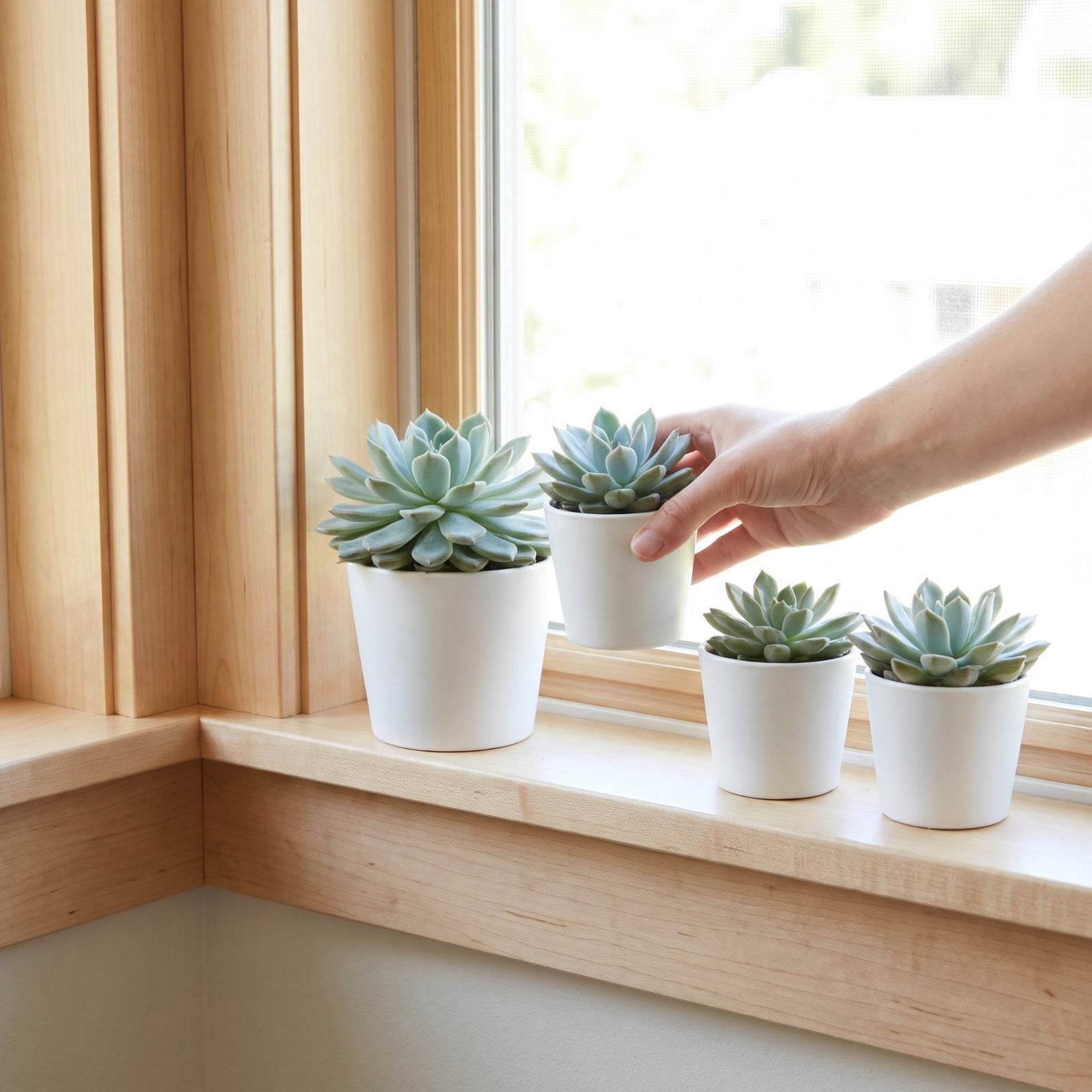
The first succulent is perfectly fine. Plump, green, thriving. And you buy a second one anyway, a little insurance against the day it might fail. Then a third. Now you own a tiny army of backups for a plant that never asked to be replaced.
This is the emotional exit strategy, potted and on the windowsill. Keeping a spare so you never feel the sting of loss. It shows up in people who line up the next option before the current one has done anything wrong, hedging against abandonment by refusing to fully commit in the first place.
The trouble with a backup is that it quietly tells the first one it’s replaceable, and tells you the same. You can’t water a plant properly while eyeing its understudy. Commitment and hedging don’t share a pot.
5. Endless Nursery Aisles Keep You Wondering About Better Plants
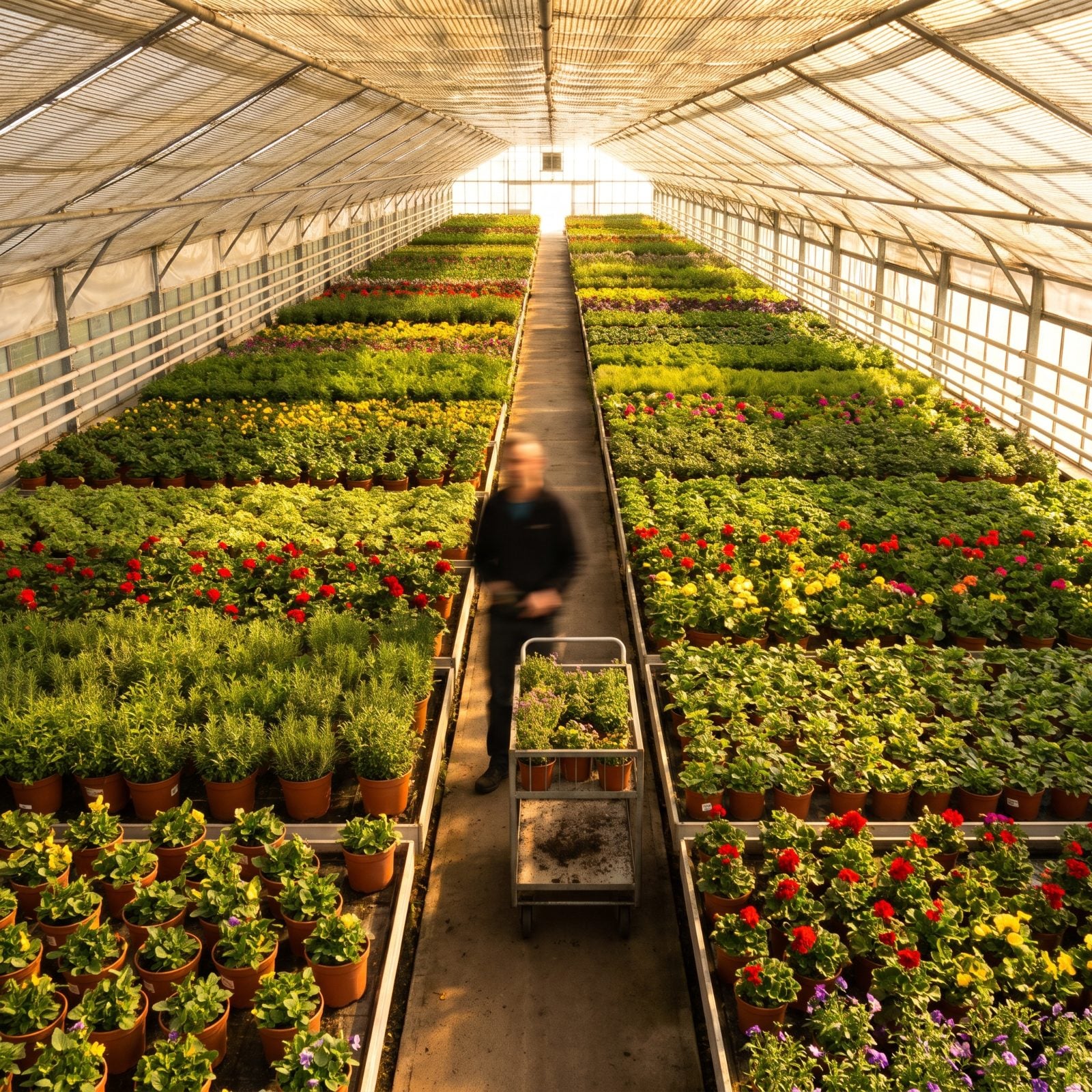
You came for one plant. The aisle has hundreds. And somewhere around the third row, the plant in your cart starts to look a little dull next to all the ones you haven’t bought yet. What if there’s a better one? There’s always a better one, two shelves down.
Choice overload is the thief of satisfaction. Barry Schwartz’s work on the paradox of choice found that more options make us less happy with whatever we pick, because every unchosen alternative becomes a tiny haunting regret. The endless aisle promises freedom and delivers paralysis.
Dating apps rebuilt this entire nursery and called it progress. Infinite shelves, infinite swipes, and the quiet nagging sense that the perfect one is always on the next screen. But a plant you actually commit to and tend beats a cartful of maybes you never water. Pick one. Take it home. Learn its light. The abundance isn’t the point. The tending is.
4. One Perfect Instagram Garden Resets Your Standards Overnight
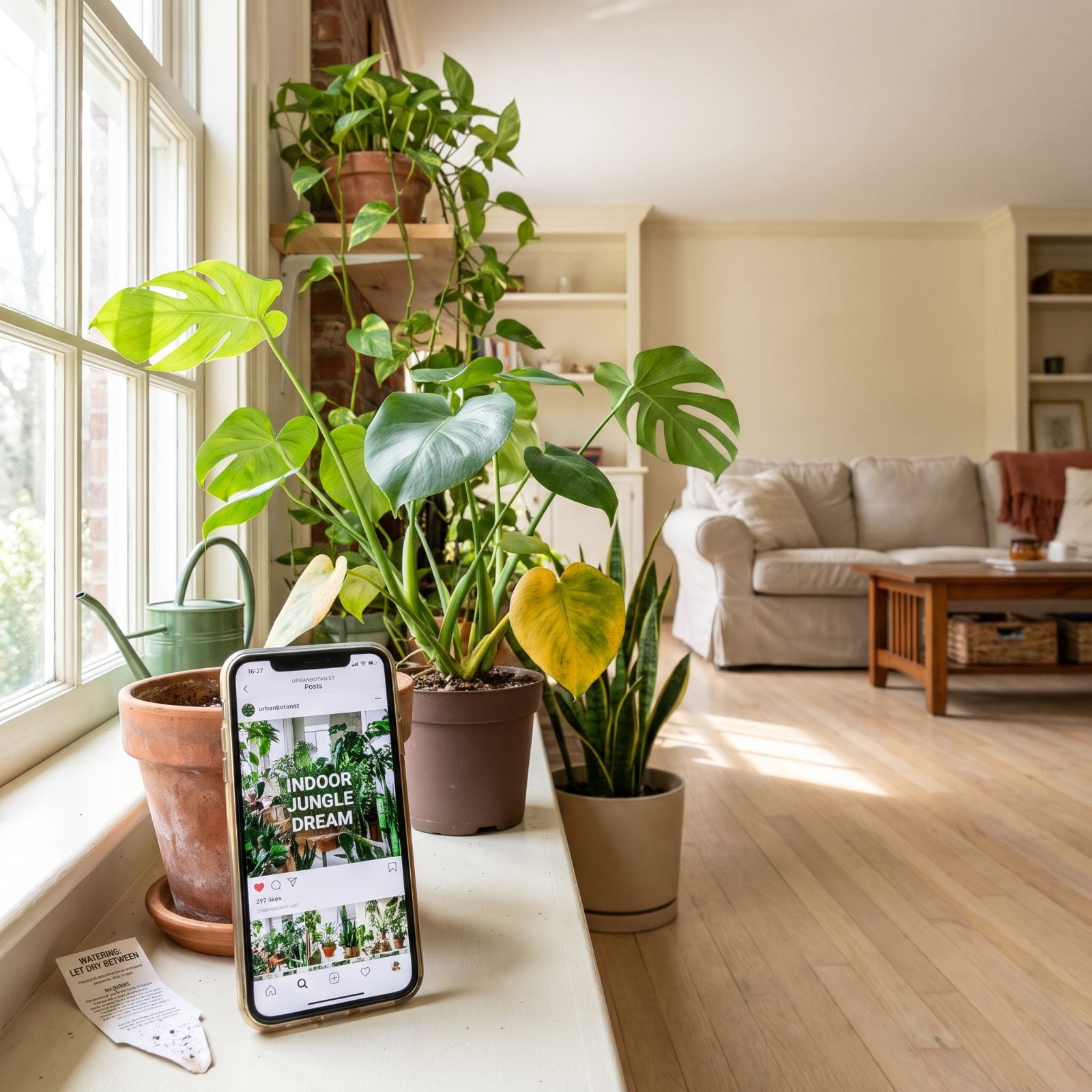
You had a nice collection. A pothos doing its thing, a fern that mostly forgave you, a windowsill that felt full enough. Then you scroll past some stranger’s cathedral of philodendrons and suddenly your plants look like they gave up years ago. Nothing changed except the comparison, and that ruined everything.
We do this with people too. A relationship that felt warm and steady on Tuesday feels thin by Thursday, right after an evening spent watching other people’s highlight reels. Not their arguments, not their silences. Their best fifteen seconds, edited and lit.
This is social comparison running uphill — psychologists call it upward comparison, and it’s a dependable way to feel worse about something that was perfectly fine. The feed never shows the mealybugs, the root rot, the plant that died in week three. It shows the one that lived, at its peak, in good light, cropped to perfection.
The cure is dull and it works: stop grading your garden against a photographer’s best day.
3. You Buy Seedlings for the Gardener You Plan to Become
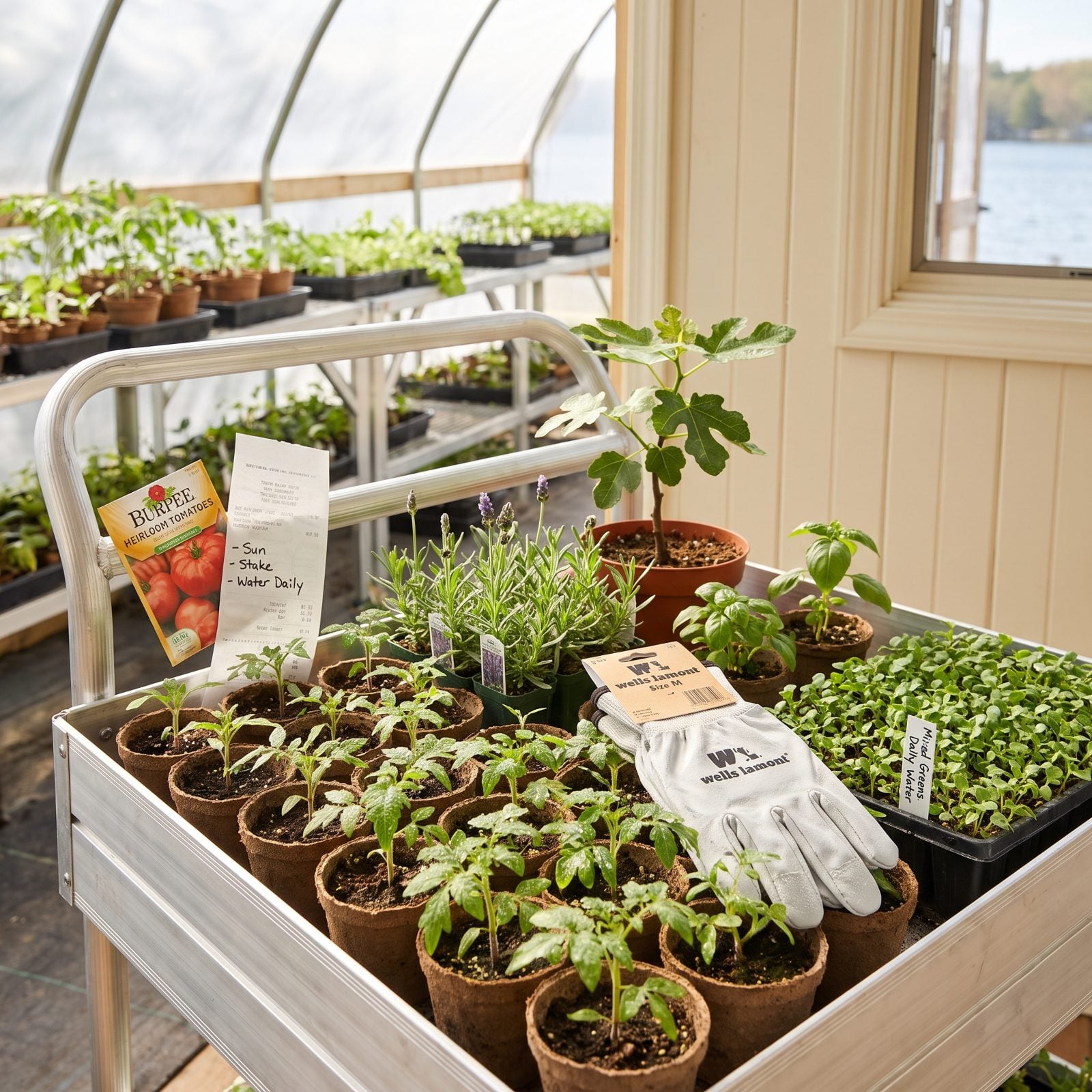
The cart fills up fast. Heirloom tomatoes that need staking and babying, a fig tree that wants a climate you don’t have, lavender that resents your soil, a flat of basil you swear you’ll water at dawn. You’re not buying for the gardener you are — you’re buying for the one who gets up early, checks the moisture, and never forgets.
That gardener is a fiction. A lovely one, but a fiction.
People fall for the same trick when they pick partners, choosing for the version of themselves they intend to become once this relationship arrives: calmer, more patient, the kind who communicates. The seedlings and the sweetheart both get handed a job that belongs to some future you who hasn’t shown up yet.
Behavioral folks call this the planning fallacy, with a side of optimism bias. We underestimate what things cost in time and attention, and we overestimate the discipline we’ll suddenly summon. The tomatoes don’t care about your intentions. They want water on a schedule you haven’t kept once.
We’ve bought the fussy lavender. Twice. We know exactly how this ends, and we’d probably do it again, because the fantasy sells harder than the forecast.
2. A New Plant Promises to Fix That Empty Corner
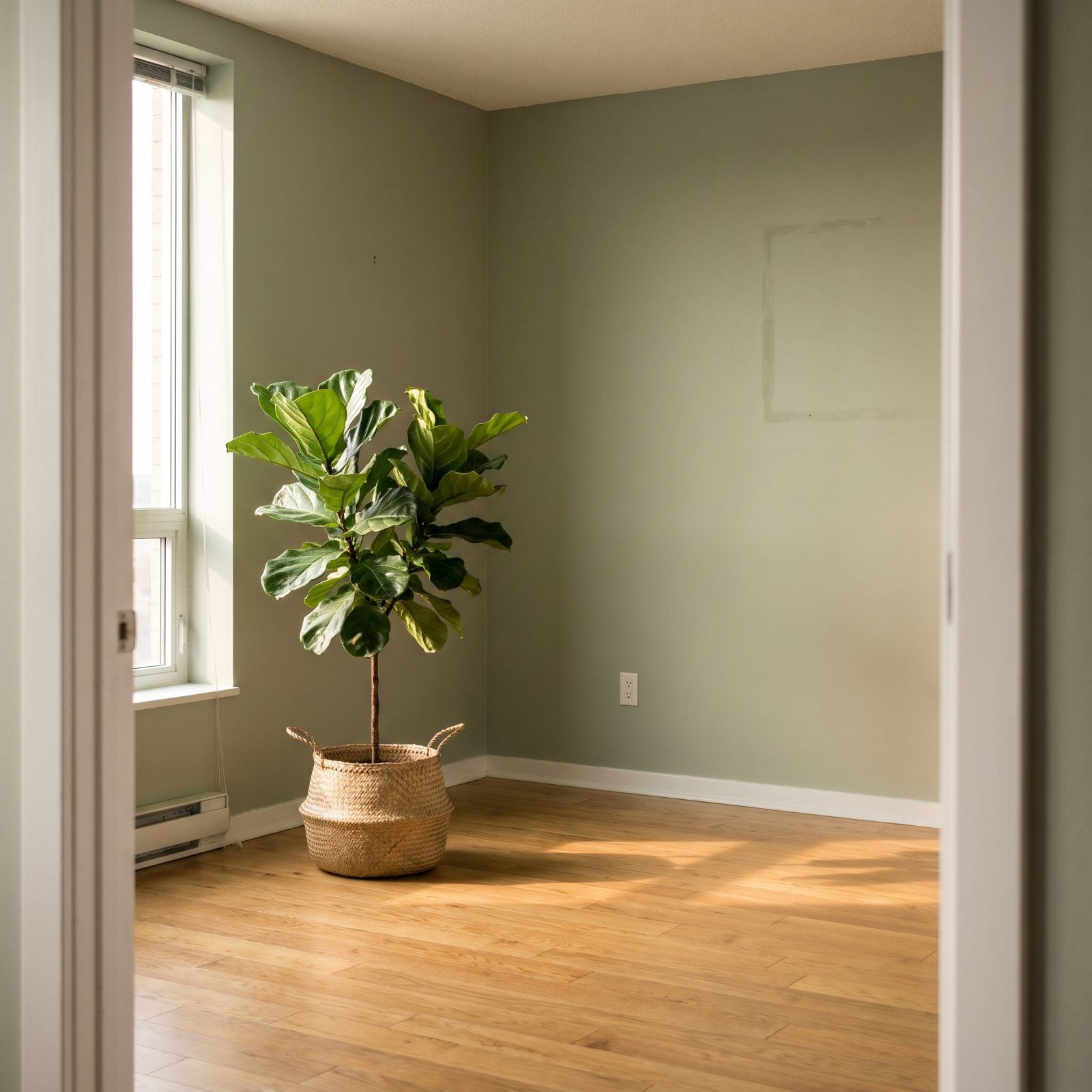
There’s an empty corner and it bothers you, so you bring home one dramatic plant, a fiddle-leaf fig or a tall rubber tree, set it down, and wait for the whole room to click into place. For about a day, it does. Then the corner is just a corner with a plant in it, and the thing that actually felt empty is still empty.
No single plant was ever going to fix a feeling.
We ask new people to do this too. A fresh romance shows up to fill a gap, to make the apartment feel less quiet, to patch the part of life that’s been bare for a while. And it works, briefly, because novelty is loud. Then it quiets down and the gap is still shaped like a gap.
Psychologists would point to misattribution. You feel a vague absence, you name it “this corner needs a plant” or “I need someone,” and off you go shopping for the wrong-sized solution. The plant is real. The loneliness it was recruited to cure lives in a different department entirely, and it doesn’t photosynthesize.
1. You Remember the First Bloom, Not the Months of Fussing
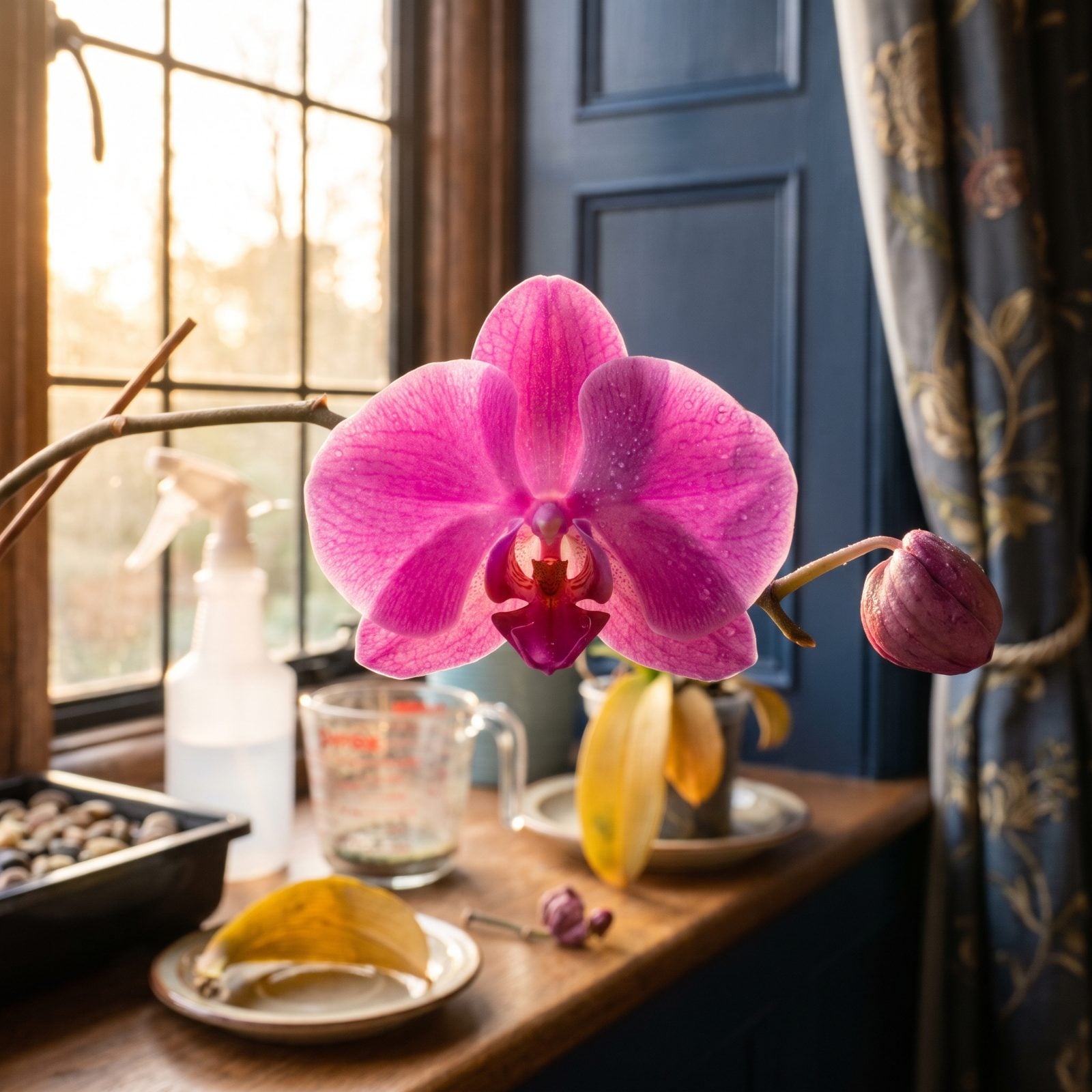
Ask anyone about their orchid and they’ll tell you about the bloom — the morning it opened, that impossible color, how the whole kitchen felt like a win. They will not mention the eight months of dropped buds, the wrong fertilizer, the near-death by overwatering, the weeks it sulked and did absolutely nothing. The brain keeps the flower and quietly deletes the invoice.
Which is why people cycle through partners the way they cycle through plants. Memory hands you the first bloom of the last relationship, the early rush, the good part, and files the slow grinding months somewhere you can’t reach. So you go looking for that feeling again, convinced it’s out there, forgetting it came attached to a lot of fussing you chose not to remember.
None of this means the bloom wasn’t worth it. It usually is. Just know the flower was never free, and the next one won’t be either.