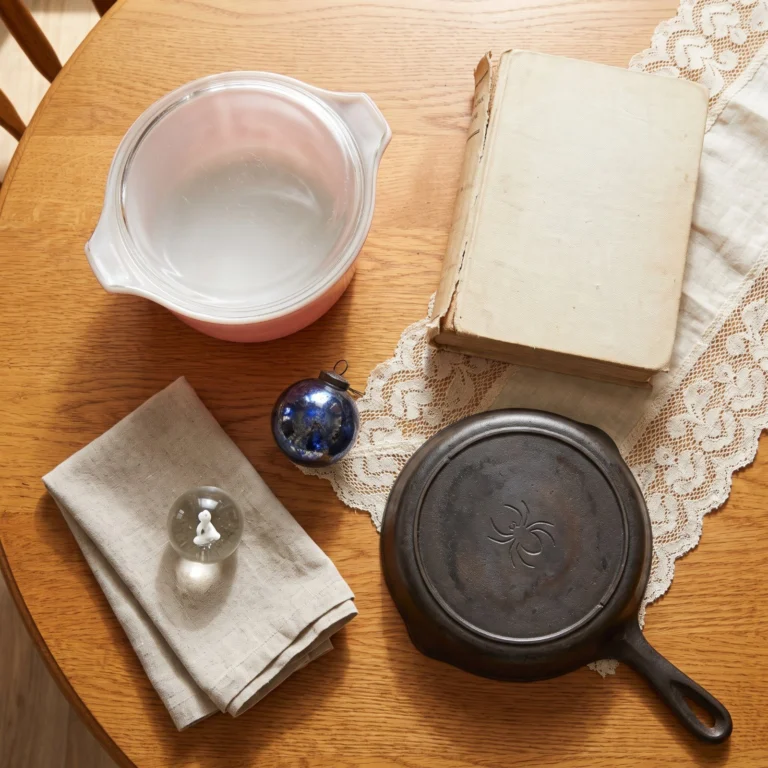
There’s a flashlight in a kitchen drawer somewhere that hasn’t worked since a certain president left office. Nobody tests it, nobody tosses it, it just lives there next to the twist ties and the one dead battery you keep meaning to recycle.
Please note that some of the images in this article were created with the assistance of AI.
Clutter isn’t a storage problem. It’s a feelings problem wearing a storage costume. The same wiring that keeps people in jobs they’ve outgrown and marriages that went quiet years ago is what makes us defend a broken lamp we’ll never fix. We keep things not because they’re useful but because letting go feels like a small loss we’d rather not sit with. You’ll see yourself in the ones below.
14. You Keep Dead Gadgets Because They Cost Good Money
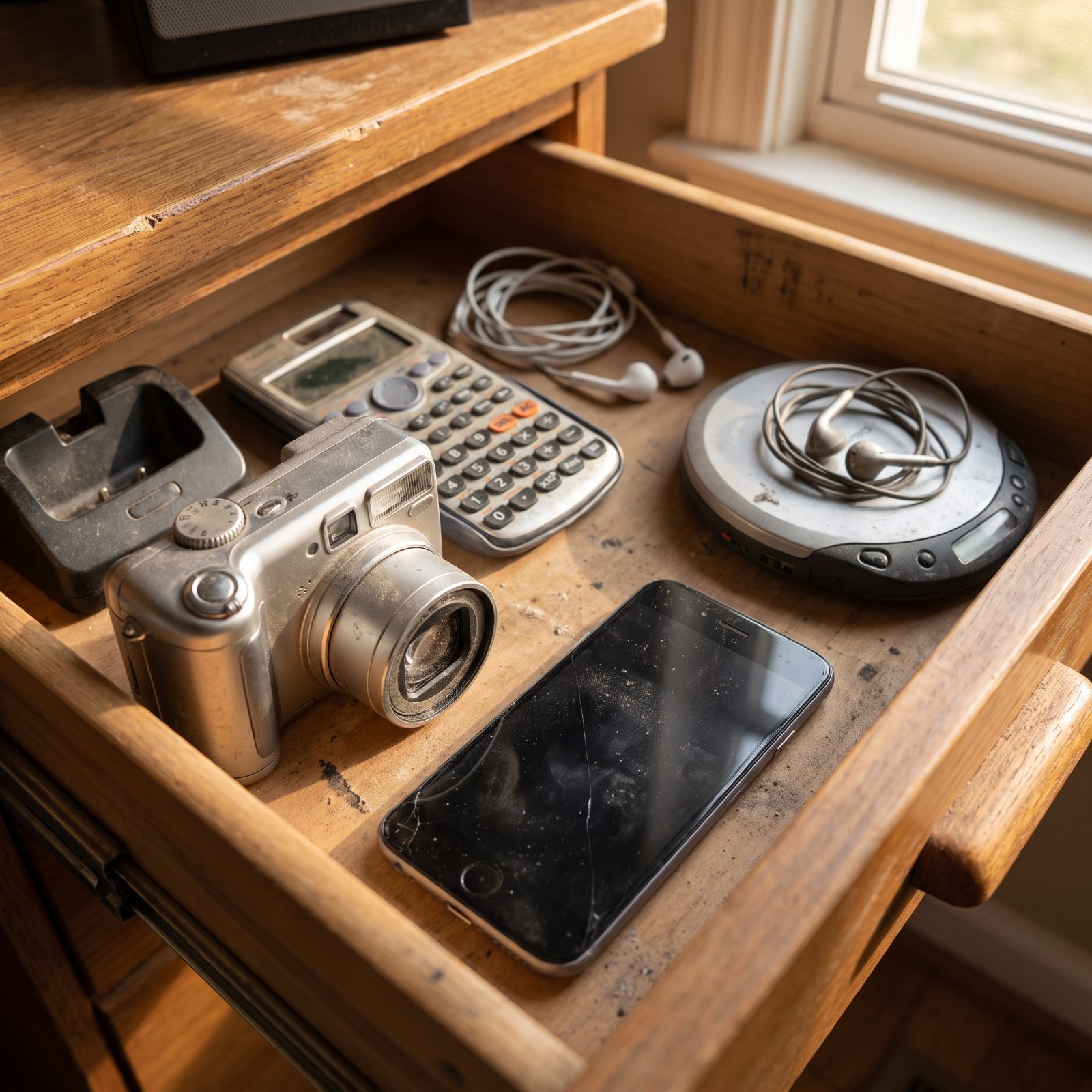
The old camera cost three hundred dollars in 2011. It takes worse photos than your phone, the battery holds a charge for about nine minutes, and you haven’t turned it on in six years. And yet. Tossing it feels like lighting that three hundred dollars on fire a second time.
Welcome to the sunk-cost fallacy, dressed up in a camera bag. The money is already gone — it left the day you bought the thing. But our brains refuse to separate what we paid from what the object is worth now, so we keep paying rent on dead gadgets in the form of drawer space and low-grade guilt.
Same reason people stay three more years at a job they stopped liking in year two. We tell ourselves we’ve invested too much to walk. Past spending is a receipt, not a reason.
13. Finding Cash in One Coat Justifies Keeping Every Coat
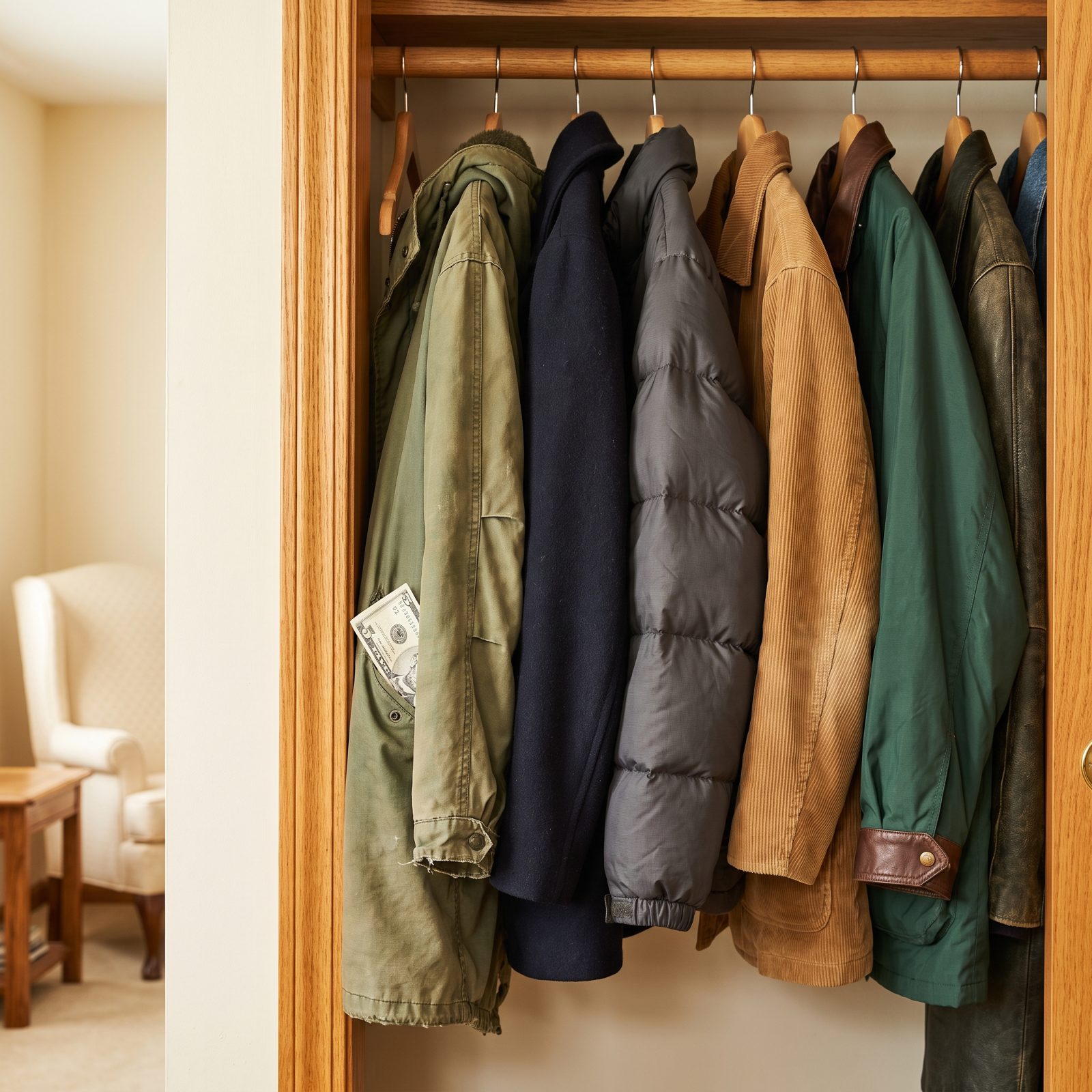
You found a twenty in a coat pocket once. Maybe it was a five. Doesn’t matter. From that day forward every coat you own carries the faint possibility of hidden treasure, which makes thinning the rack feel like gambling away a lottery ticket.
That’s intermittent reinforcement, the same trick a slot machine runs. A reward that shows up rarely and unpredictably hooks us far harder than one that shows up every time. One jackpot teaches you to keep pulling the handle on all fifteen coats forever.
People do this with old relationships too. One good week after months of bad ones becomes the reason to stay. The occasional payoff rewrites the whole story in its favor.
12. Tossing One Chipped Mug Feels Like Tempting Regret
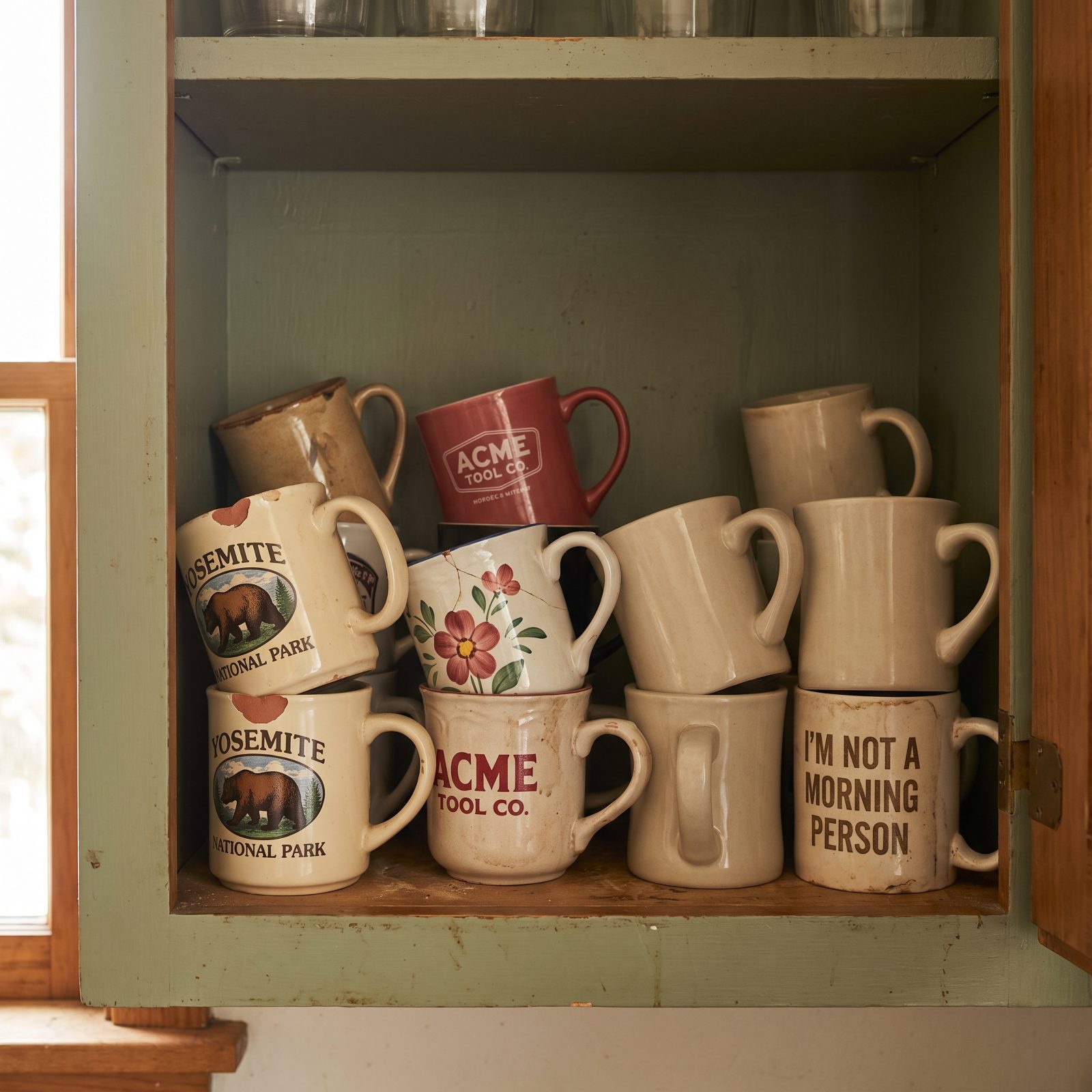
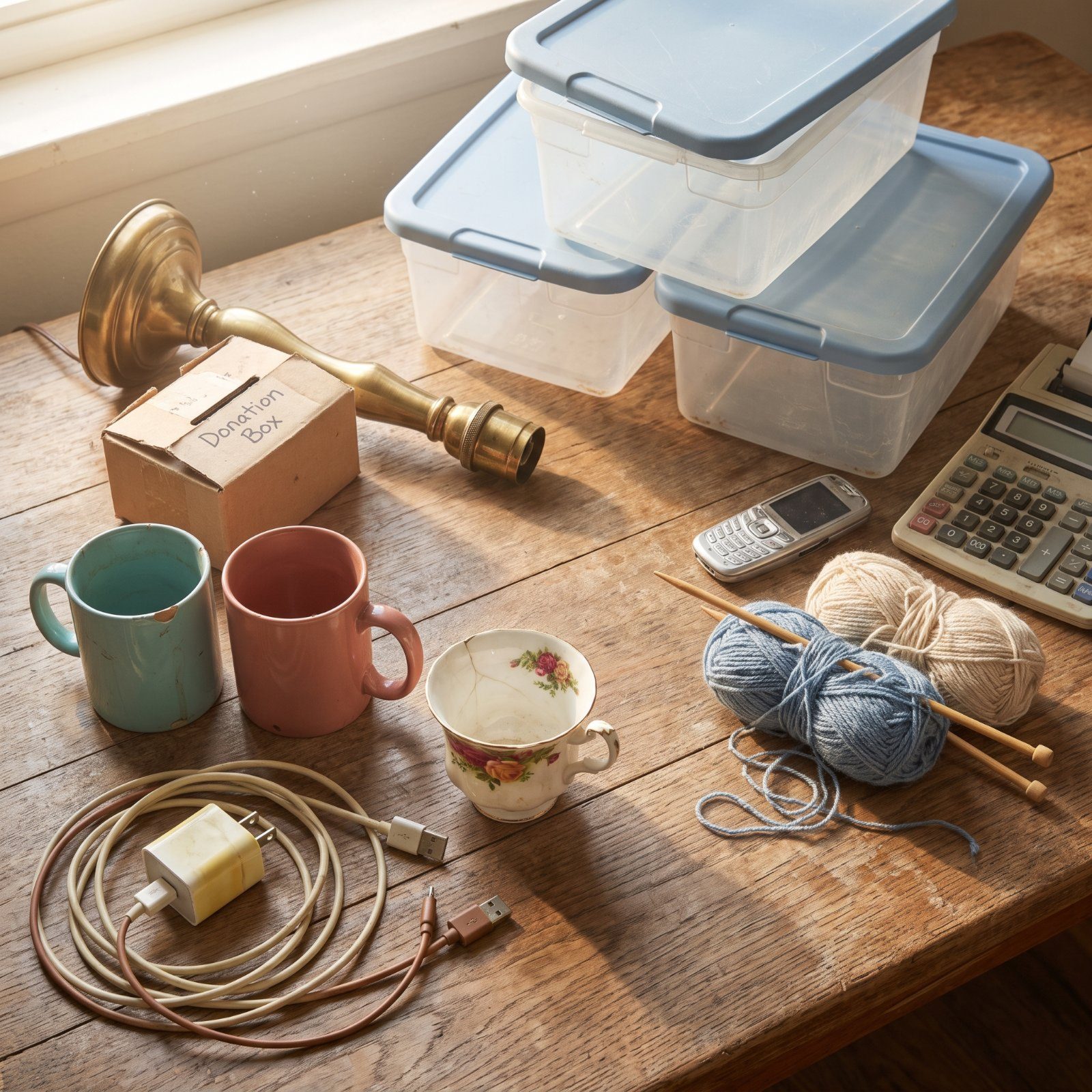
You could never fit all these mugs in use at once. You own enough for a small cafe and you live with two people. But the second you reach for the chipped souvenir mug to toss it, a voice whispers that you’ll want it the moment it’s gone.
That voice is anticipated regret, and it’s a liar with a loud megaphone. We overweight the imagined pain of future need and underweight the daily annoyance of a crowded shelf. The regret of maybe wanting it feels sharper than the certainty of never using it.
11. Grandma’s China Feels Too Much Like Grandma to Donate
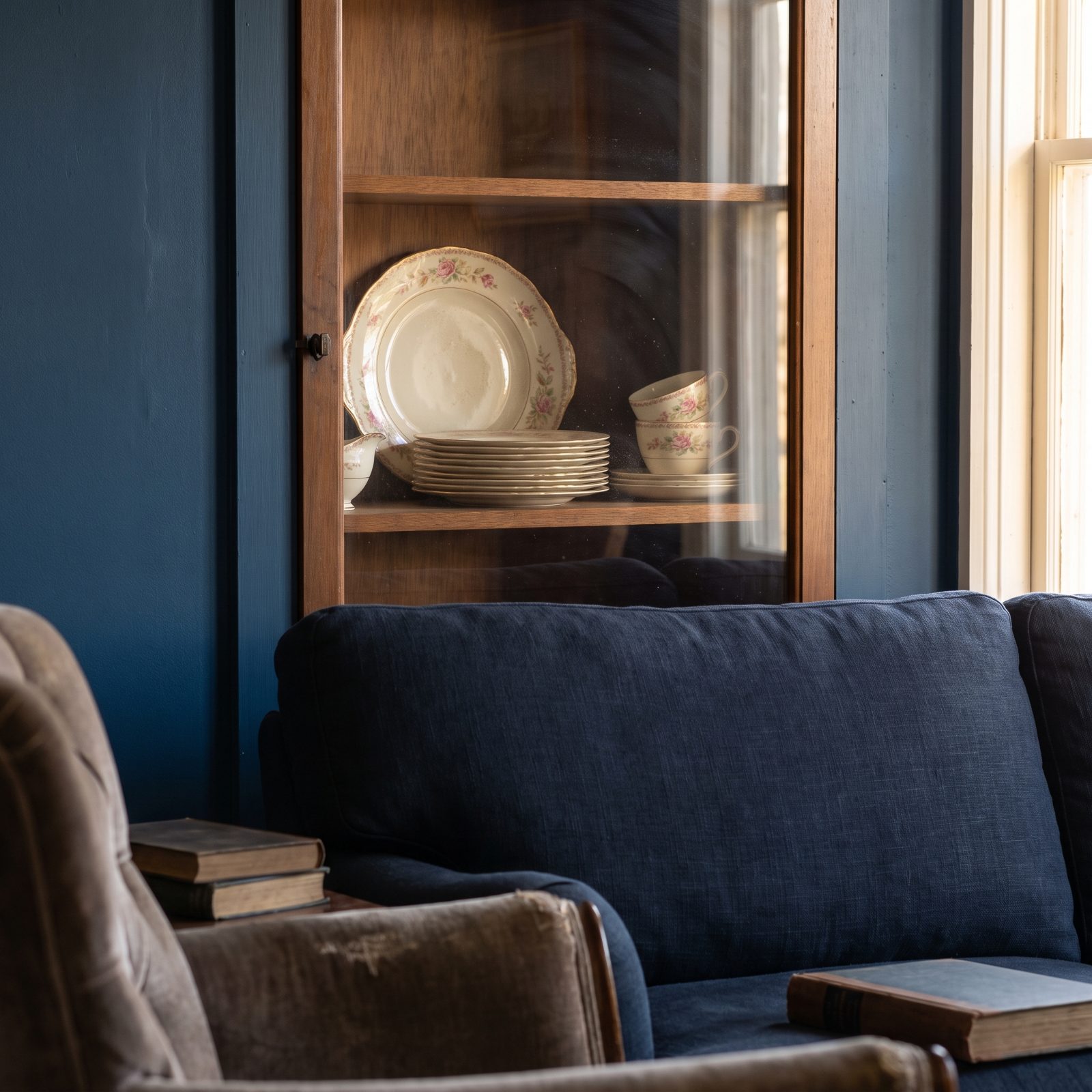
Nobody eats off it. Nobody will. The china lives behind glass, visited twice a year, dusted once. You don’t even like the rose pattern. But giving it away feels like giving away the woman who owned it, and you are not about to do that.
This is the endowment effect tangled up with grief. Objects that belonged to someone we loved stop being objects. They become stand-ins for the person, little anchors to a feeling we’re afraid will fade if the thing disappears. Donating the plates feels like forgetting her.
The gentle truth? She isn’t in the china. She’s in the Sunday dinners, the way she laughed, the recipe you still make. Keep one teacup you’ll actually use and you honor her more than a whole set hoarded in the dark ever could. The memory doesn’t live in the porcelain. It lives in you, and it’s safe there.
10. You Save Craft Supplies for Your Imaginary Future Self
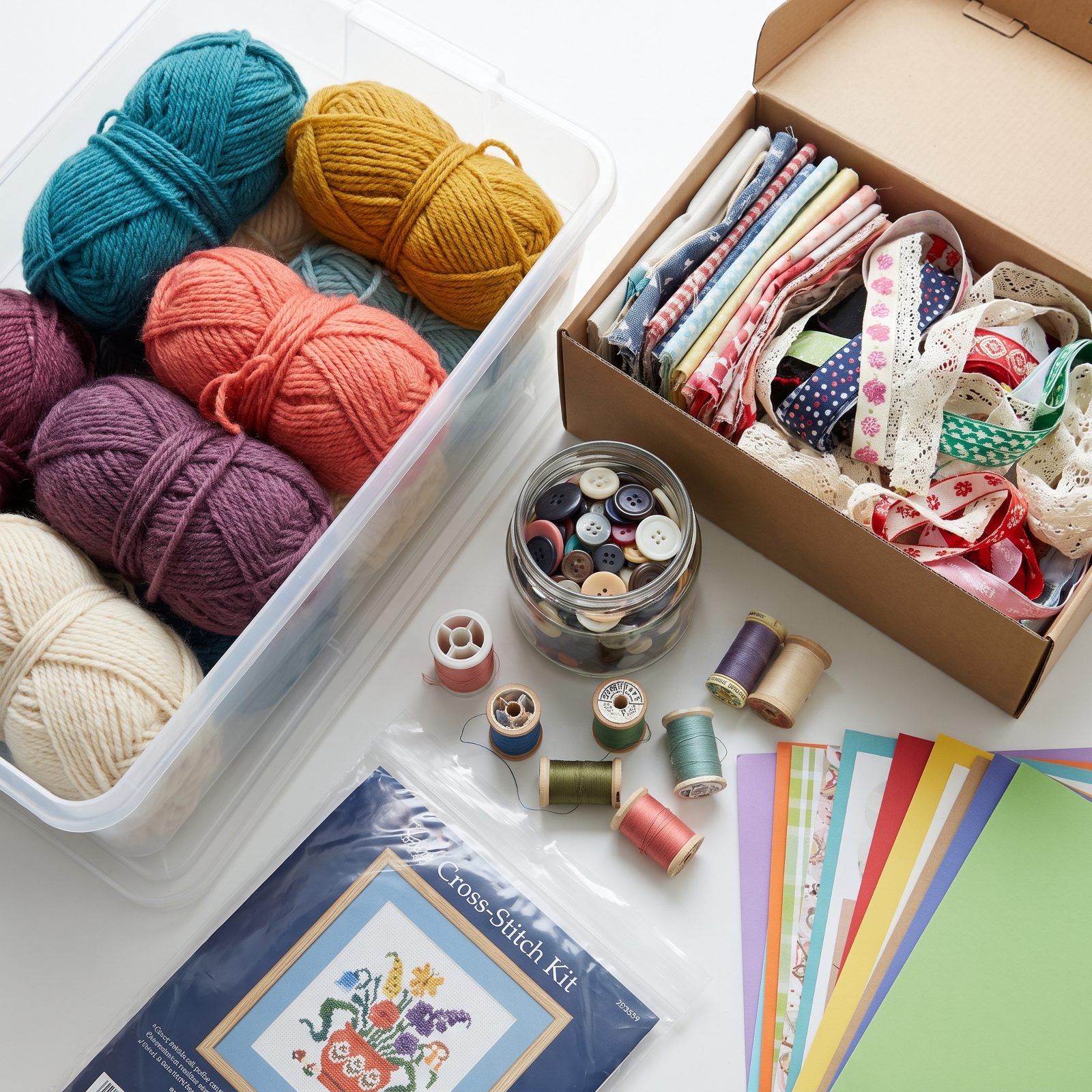
The yarn is for the sweater you’ll knit. The fabric is for the quilt you’ll piece together. The cross-stitch kit, still in its plastic, is for those long winter evenings when you finally slow down and become a person with time.
That person is a projection — a future self with more hours and more patience than the one reading this. We stockpile for who we plan to be, not who we are. Psychologists call it the planning fallacy, and it’s the same optimism that fills gym lockers and overbuys fresh produce that then rots in the crisper.
Plenty of us have a drawer of scrapbook paper bought with real intentions. The supplies aren’t the dream. They’re the receipt for a dream we keep deferring. Buying more doesn’t make the project happen. It just makes the shelf heavier.
9. The Broken Lamp Stays Because Fixing It Sounds Easy

The lamp has needed a new socket for eight months. You bought the part. You even set a screwdriver next to it, which felt like progress. The screwdriver now has dust on it.
We keep broken things because the repair lives in a fantasy version of Saturday — the one where you’re rested, motivated, and secretly a licensed electrician. The fix always sounds like a twenty-minute job, which is exactly why it never gets done. No urgency, no deadline, so it drifts.
It’s the same reason the relationship we could “work on anytime” gets no attention until it’s past working on. If the lamp hasn’t been repaired in eight months, it’s not a repair project. It’s a decision you keep refusing to make.
8. Every Mystery Cable Might Save the Day Someday
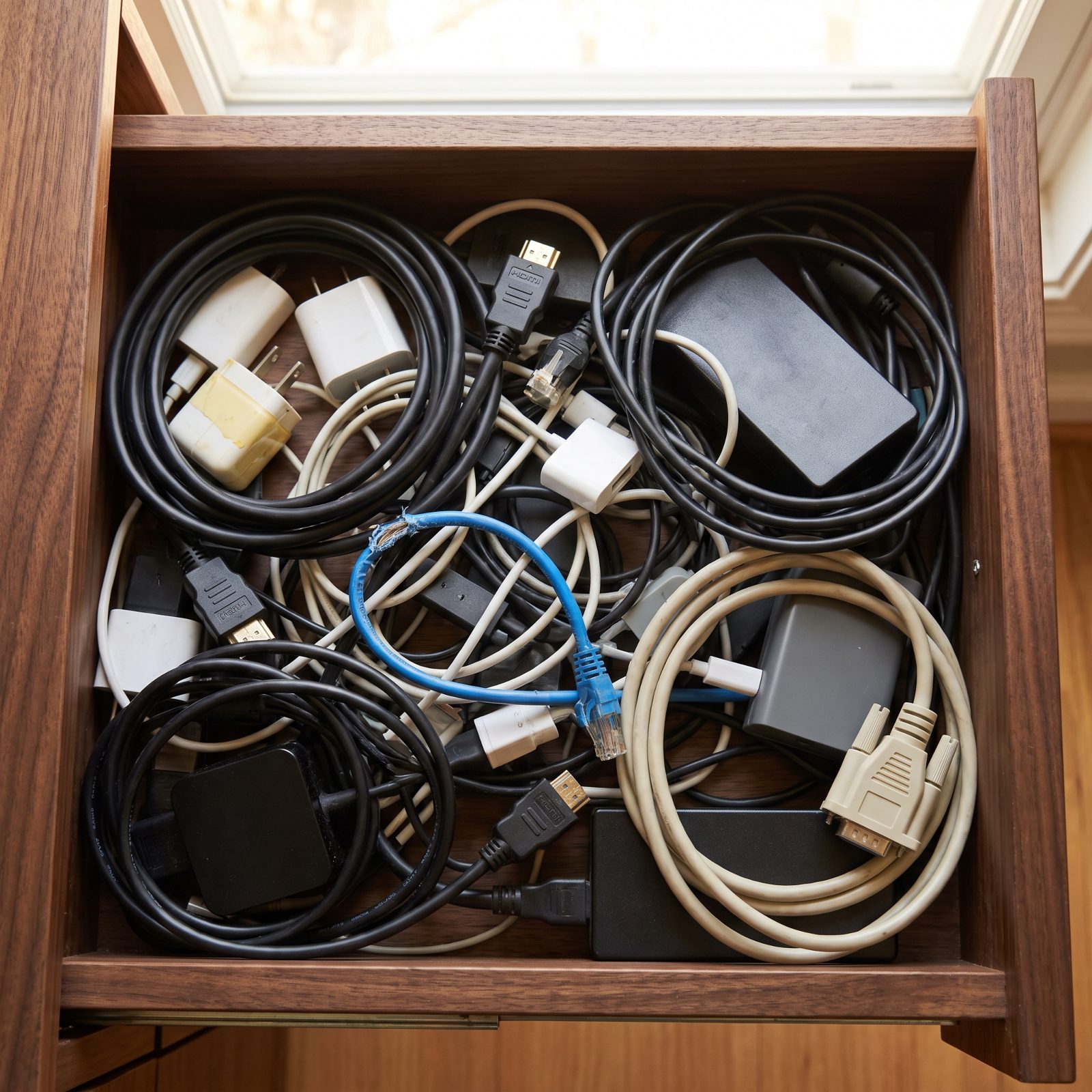
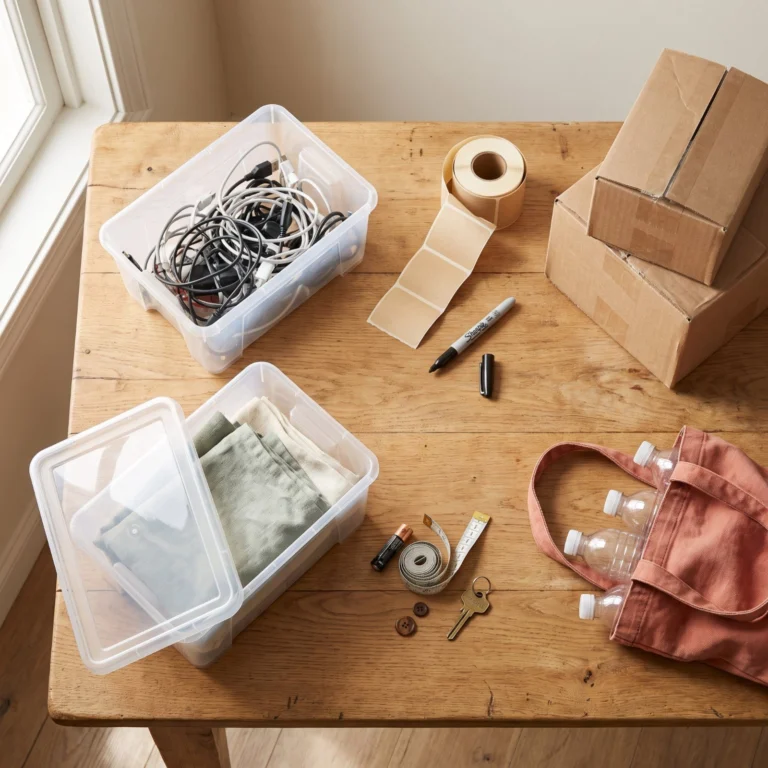
Not one of these cables connects to a device you currently own. You can’t identify half of them. But what if, some distant day, a situation arises that only this specific gray cable can solve? What then?
That “what if” is the whole trap. We hold onto the cable nest as insurance against an imagined emergency that, in practice, basically never comes. On the rare day you do need a cable, you buy one for four dollars and get the right one in two days.
Loss aversion runs this show. The pain of maybe needing something we threw out feels far bigger than the daily reality of a drawer that no longer closes. We’d rather hoard against a tiny risk than admit the odds.
7. You Buy More Bins Instead of Owning Less Stuff
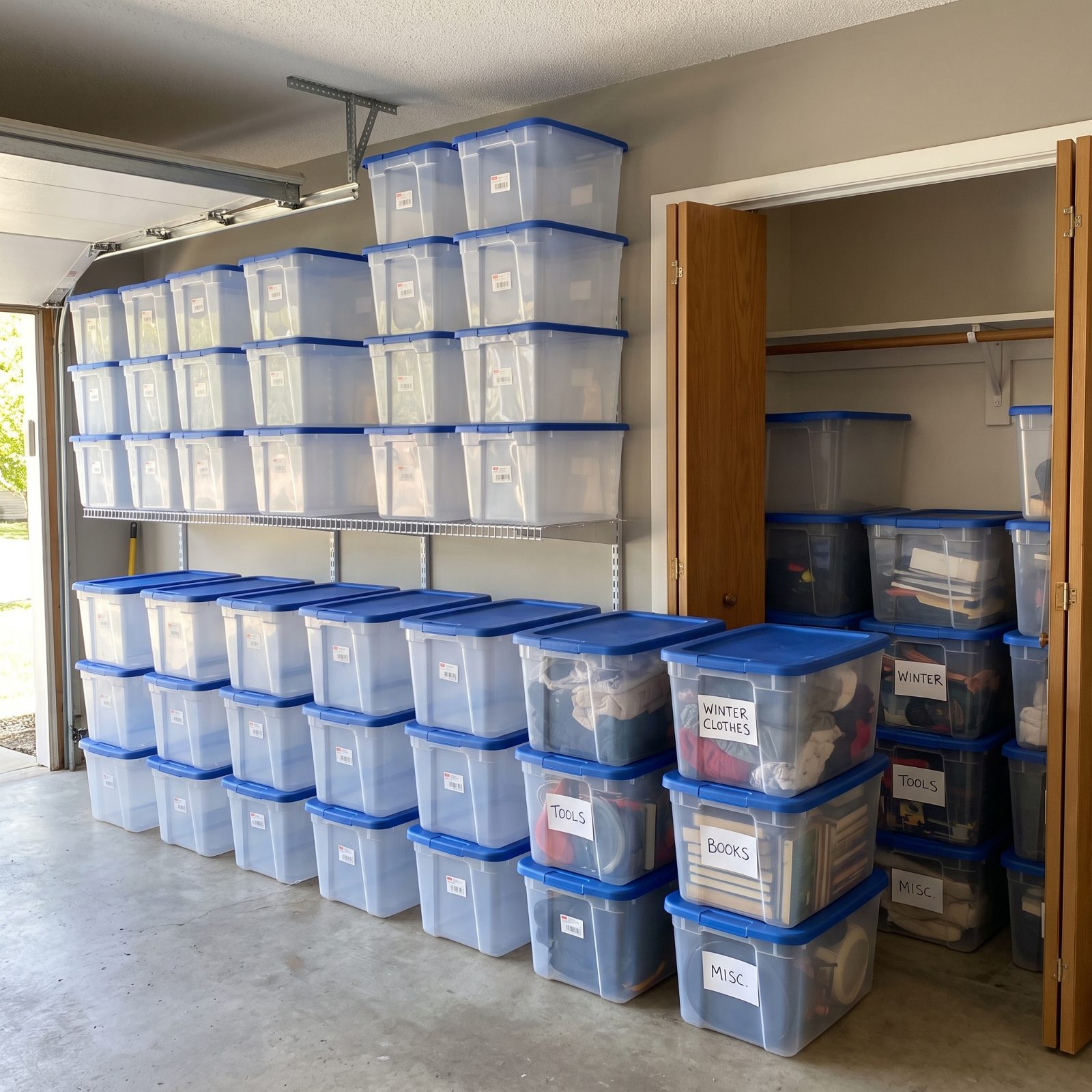
The organizing aisle is a beautiful lie, and we keep falling for it. New bins, new labels, new drawer dividers, and for one shining weekend the garage looks like a catalog. Three weeks later it’s full again, because you didn’t own less. You just containerized the exact same amount.
There’s a reason this feels so good. Buying a bin gives you the dopamine of taking action without the harder emotional work of letting anything go. Motion disguised as progress — the household equivalent of rewriting your to-do list instead of doing anything on it.
Real decluttering is subtraction. Containers are addition wearing a productivity badge. Need more bins every year? The bins aren’t the solution. They’re the symptom.
You can’t organize your way out of owning too much. You can only own less.
6. You Blame Tiny Closets for Every Overflowing Shelf
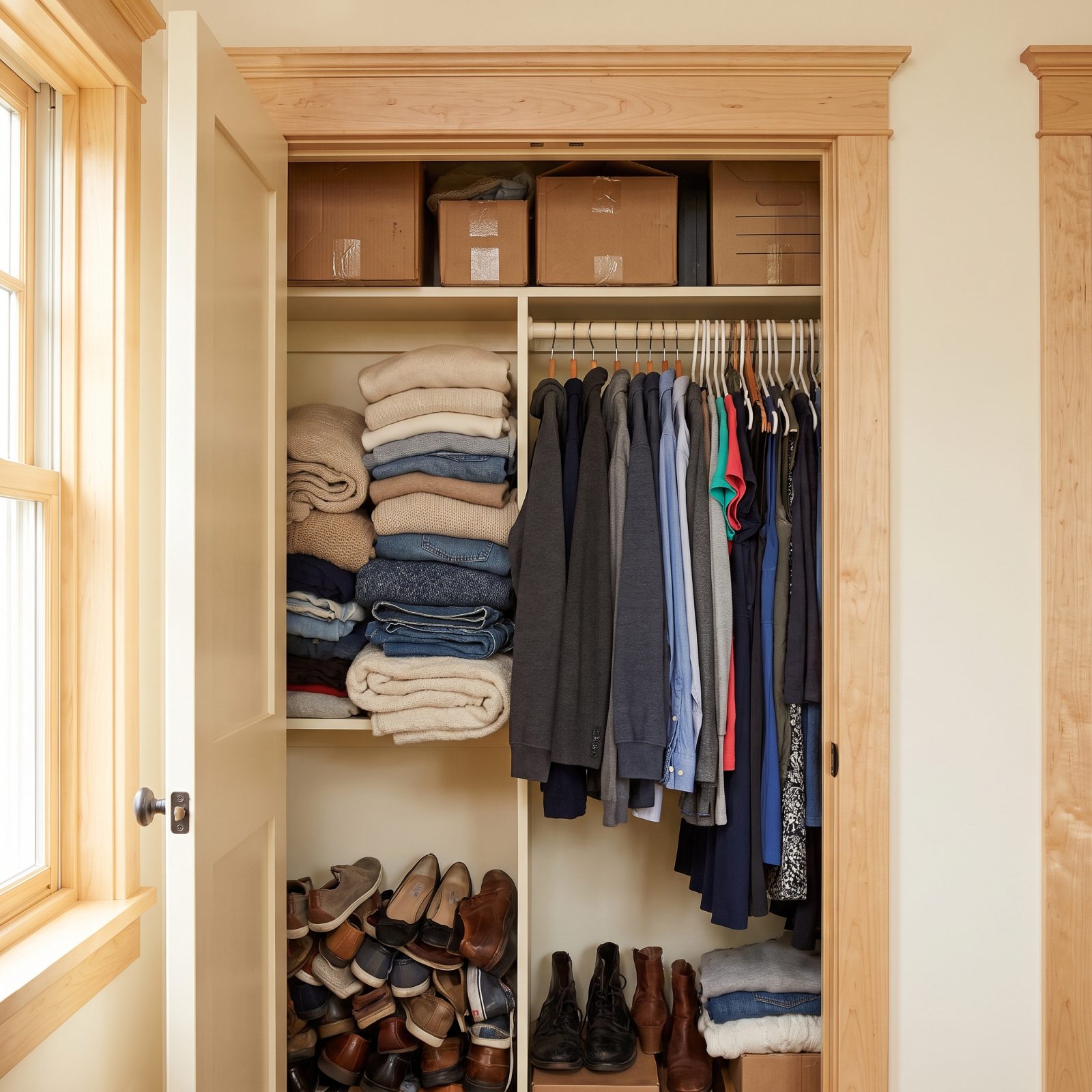
The closet is too small. The kitchen has no storage. If only this house had more cabinets, you’d be organized — you keep saying this as you wedge one more thing onto a shelf that’s already groaning.
Blaming the house is the self-serving bias, pointed at your own walls. We excuse our behavior by the situation while blaming the clutter on something the architecture did to us. The closet didn’t fill itself. The shelf isn’t too small for your belongings. Your belongings are too many for the shelf, which is a different sentence with a different owner.
People who move into bigger homes don’t end up with emptier closets. They end up with fuller ones — same ratio, more square footage. The space you have always expands to meet the stuff. The problem was never the box.
5. One Cleared Drawer Proves the Whole House Is Improving
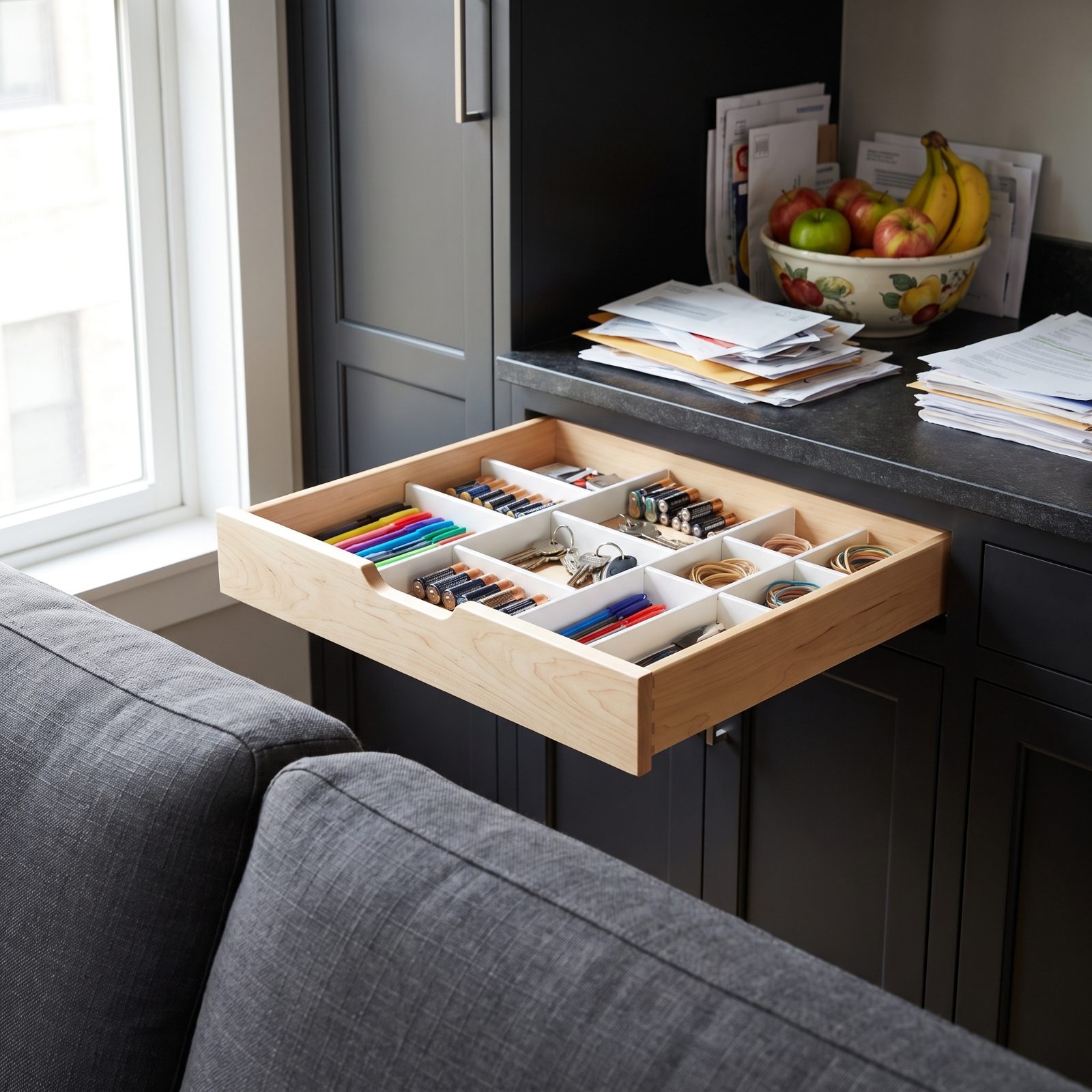
You cleared the junk drawer. Pens in a row, batteries corralled, the dead ones finally gone. You felt a rush of competence and declared, to no one, that you were really getting on top of things now.
Meanwhile the rest of the house didn’t move an inch. That’s the licensing effect at work — one small win handing us permission to feel done, to relax the pressure, to coast on a single tidy drawer while the counter quietly reloads with mail.
Same mental math behind the salad that justifies the dessert. We bank the good deed and spend it immediately. The cleared drawer is real progress, genuinely. Just don’t let it become the finish line when it was only ever the first step.
4. You Call It Organized Chaos When Friends Look Worried

There’s a specific phrase people reach for when a visitor’s eyes do that slow, worried sweep of the room. “It looks like a mess, but I know where everything is.” You say it with a little pride, because to you the three paper stacks really are three distinct categories, and the thing you need is always in stack two, roughly halfway down.
The job this phrase does is the same one we all do at a reunion or a doctor’s visit — we take the thing being judged and reframe it as a choice. Psychologists call it rationalization: the mind writes a flattering story after the fact so your behavior and your self-image stop arguing. The clutter isn’t a problem, it’s a method. And the method has an owner, and the owner is smart, so the method must be sound.
Here’s the tell. A real system survives a stranger. If nobody but you can find the scissors, it isn’t organized — it’s memorized.
3. The Donation Box Waits by the Door for Months
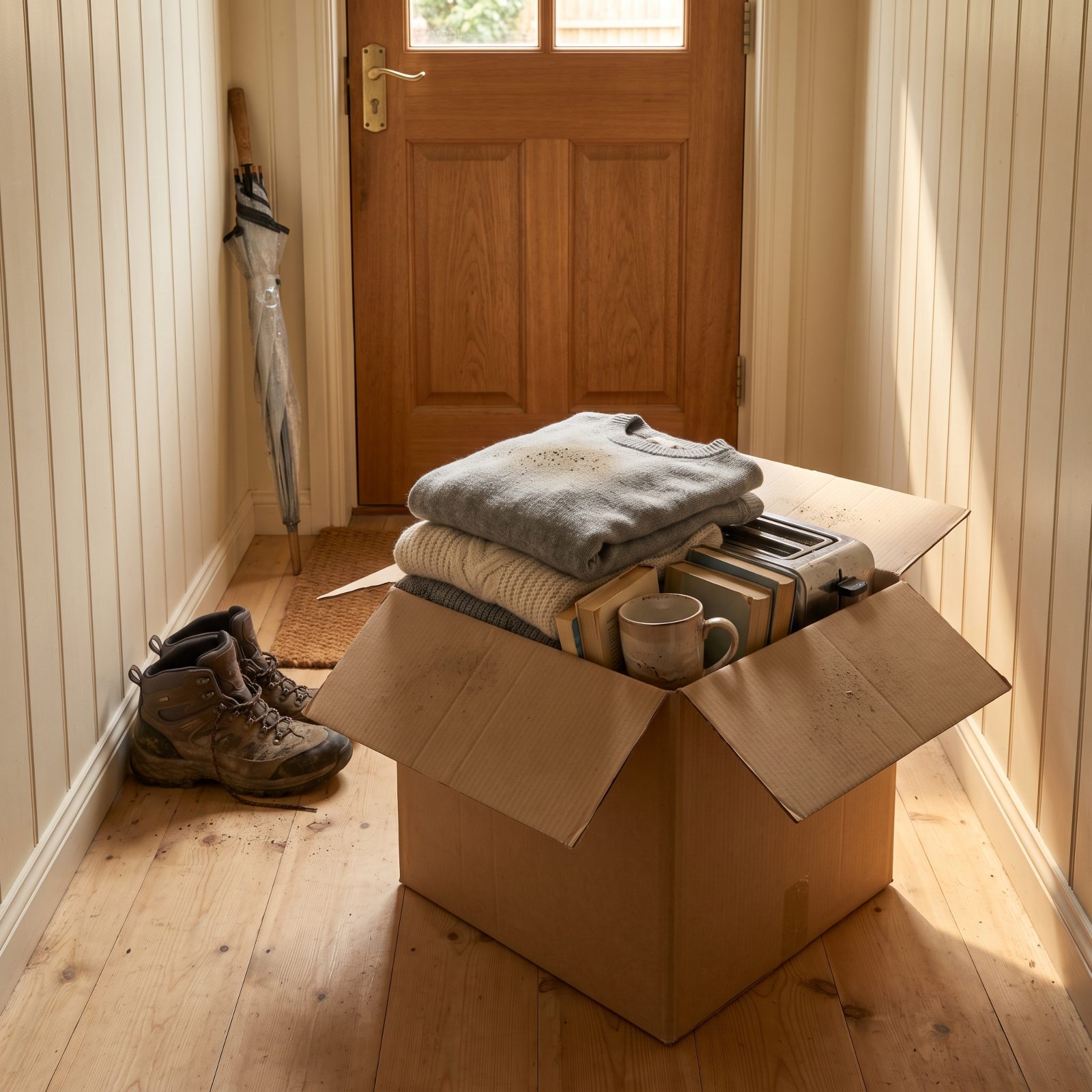
The box got packed in a single burst of resolve. You filled it, taped nothing, set it by the door so you couldn’t forget it — and that was back in spring. The sweaters on top wear a soft gray film now, and everyone in the house has learned to sidestep it like a piece of furniture.
This is the gap between intending and doing, and it runs the same whether the box is by the door or the gym bag is by the stairs. The hard work was deciding to let the stuff go, and your brain quietly filed that as the finish line and cashed in the good feeling right there. The actual drive to the donation center is a separate task, and it keeps losing to everything with a deadline.
There’s a quieter reason too. The box isn’t gone, so the decision isn’t final. As long as it sits there, you could still change your mind about the green jacket. Keeping the option open feels free. It isn’t — it costs you a doorway.
Tape the box shut. Put it in the car tonight. A sealed box in the trunk is a decision you can’t un-make at the threshold.
2. You Rent a Storage Unit to Postpone the Decision
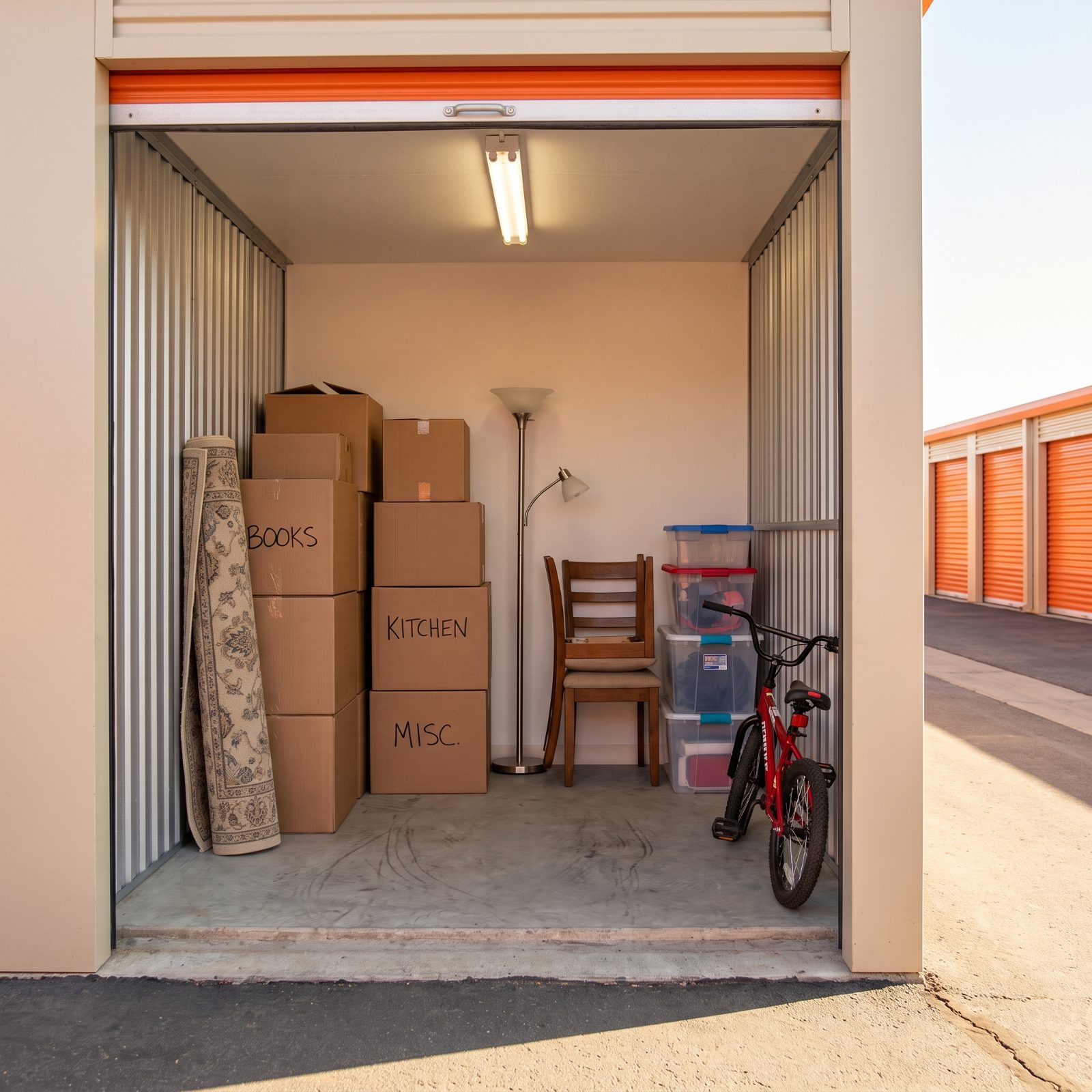
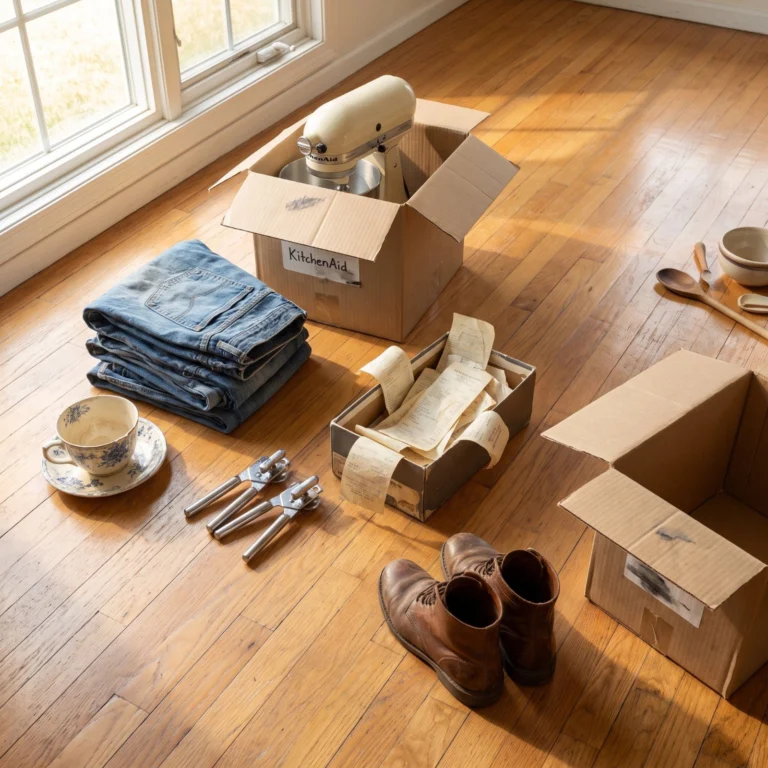
The math almost never works, and we rent the unit anyway. A little room across town, a monthly charge, a padlock — all to house things you couldn’t bring yourself to keep in the house or send out of your life. You tell yourself it’s temporary. The whole industry quietly built itself on how rarely that turns out to be the case.
A storage unit is where a decision goes to not be made, on a payment plan.
Two biases pull at once here. The endowment effect means the stuff feels more valuable simply because it’s yours, so letting it go reads as a loss rather than a relief. Loss aversion does the rest: losses sting about twice as hard as the same gain feels good. Faced with the small ache of throwing out your grandmother’s dresser or the painless click of a monthly autopay, the brain picks the one that doesn’t hurt today.
So you pay rent to avoid grief. Month after month, the postponement outlasts the memory of what’s even in there. Open the unit, and half of it you’d forgotten you owned.
If you can’t picture a single item in a unit without walking in to check, that unit is a cardboard graveyard with a lease.
1. The Mess Becomes Part of What Makes Home Familiar
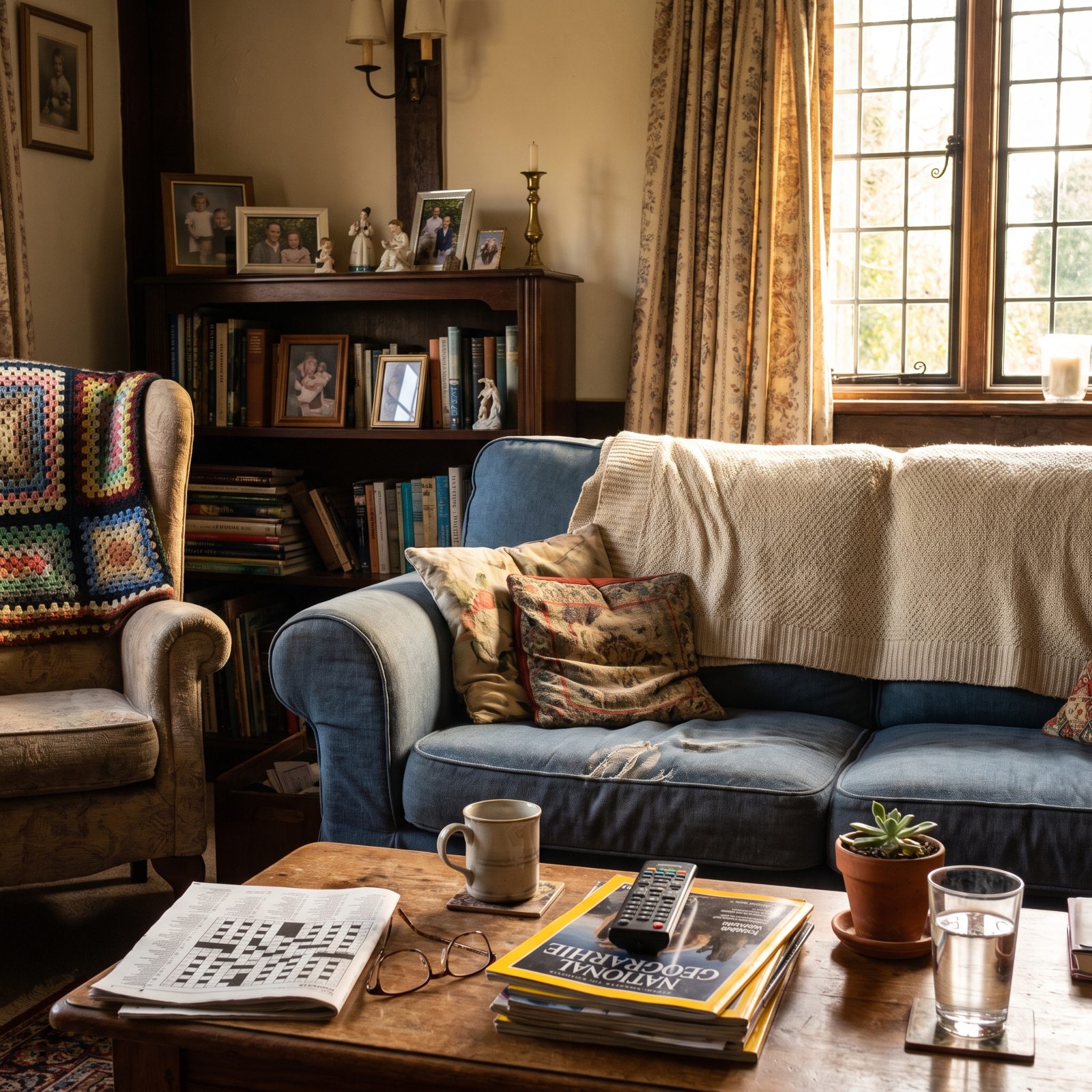
Clean it all the way, really spotless, and something odd happens. The room starts to feel like a hotel — nice, sure, but strangely not yours. The pile of magazines you keep meaning to sort, the glasses left on the arm of the chair, the shelf that’s two books past full: that particular disorder is how the place says your name back to you.
This is the mere-exposure effect at work. We grow fond of what we see a lot, flaws and all, simply because familiarity feels safe. The clutter isn’t just stuff you failed to deal with — over the years it became a kind of landmark, the same way a scuffed path across a lawn tells you where everyone actually walks.
Which is the real knot of it. The clutter can fray your nerves and soothe you at the same time, from different corners of the same mind. No wonder decluttering can feel like grief and relief in one afternoon. You’re not just clearing a surface — you’re redrawing the map of a place you know by heart.