A good agent isn’t admiring your foyer. They’re reading it. The door that sticks, the air that puffs out when you push it open, the slightly-too-fresh paint on one wall and nothing else — these are tells, and a seasoned walk-through turns them up before the coat comes off. None of it needs a flashlight or a ladder. It’s the kind of noticing that comes from standing in a few thousand entryways and learning which small weirdnesses point to bigger bills. Here’s what gets clocked the instant someone crosses the threshold, and what each clue quietly says about the bones underneath.
Please note that some of the images in this article were created with the assistance of AI.
43. A Front Door You Have to Lift Before It Will Latch
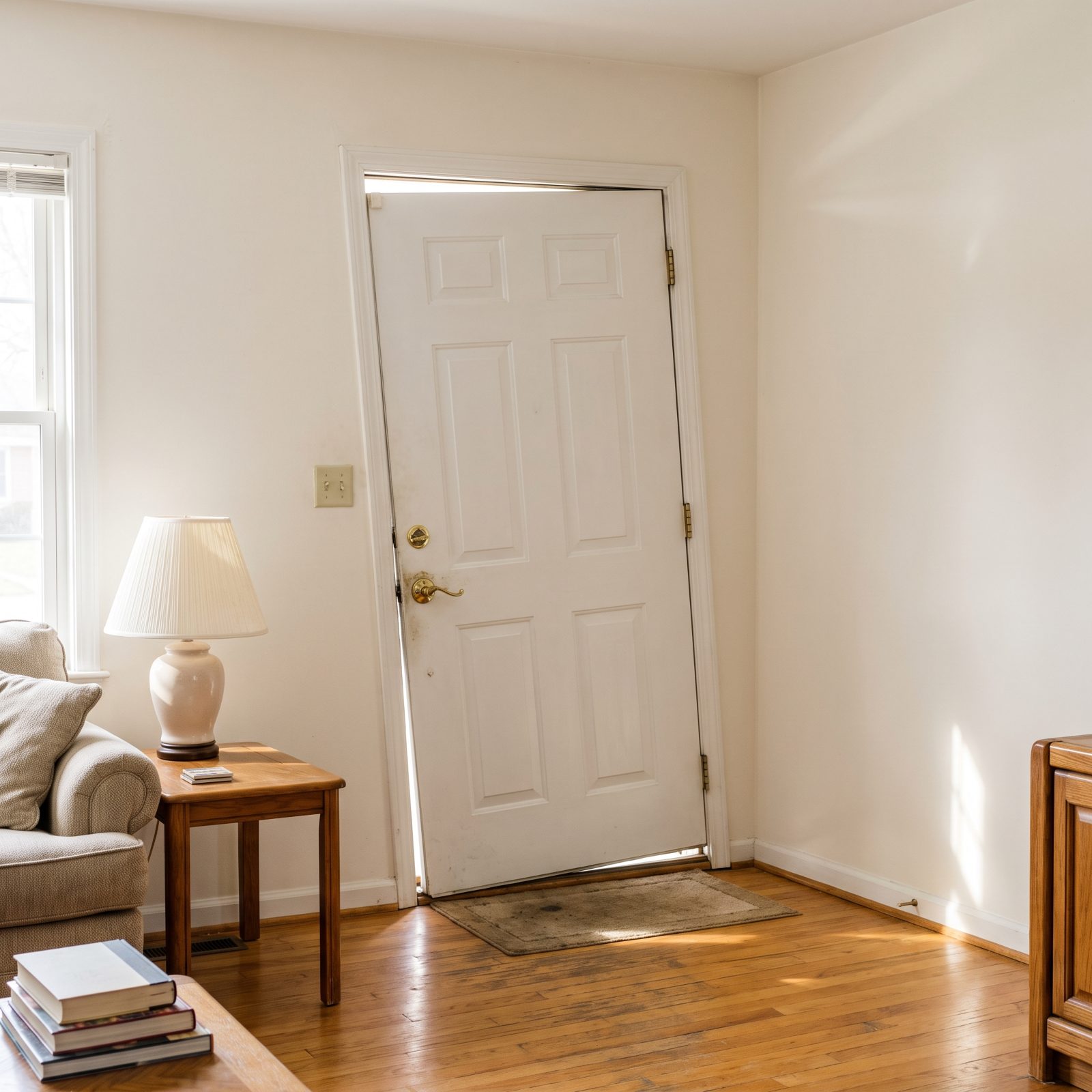
If you have to shoulder the door up and in before the latch will catch, the house is telling on itself. A door hung square doesn’t drift on its own. When it starts dragging at the strike or scraping the threshold, something underneath has moved — settling foundation, a sagging header, or a frame racked out of plumb.
Sometimes it’s harmless seasonal swelling. Sometimes it’s the first visible symptom of a floor system giving way below, which is a very different afternoon. The lift-to-latch habit matters because homeowners stop noticing it. They’ve been doing the little hip-check for years, half-unconscious. A stranger feels it on the first try.
42. The Puff of Air That Hits You When the Door Swings Open
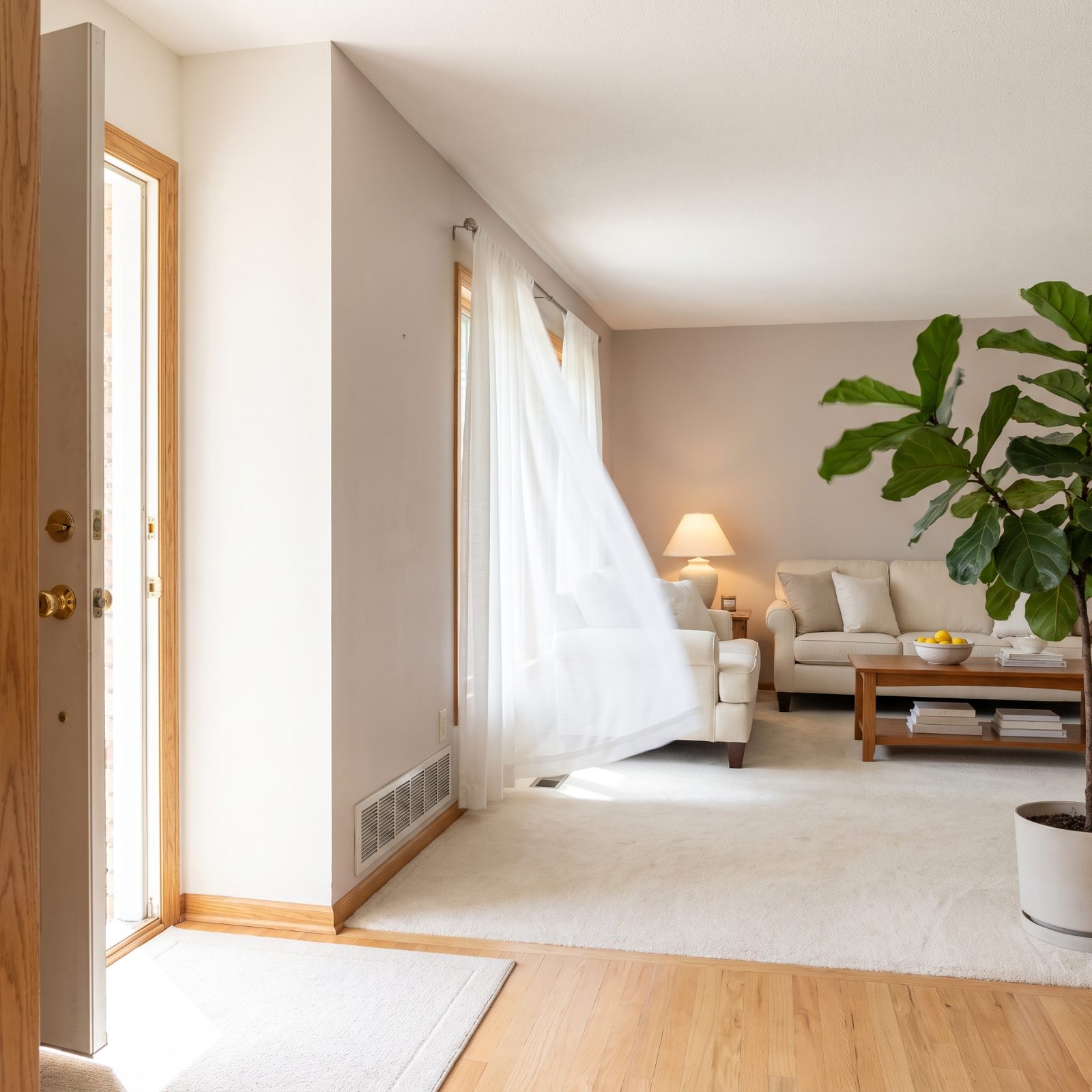
Push the door open and feel what moves. A noticeable rush of air, in or out, means the house isn’t balanced. A home with a healthy HVAC setup sits close to neutral pressure. When air shoves against you, the return and supply are mismatched, a bathroom or kitchen fan is running hard with no makeup air, or ductwork is leaking somewhere it shouldn’t.
Negative pressure pulls in outdoor air, dust, even combustion gases from a water heater. Positive pressure forces conditioned air out through every gap. The heating bill climbs either way, and the comfort never quite settles. That little gust is the whole mechanical system introducing itself badly.
41. A Thermostat Number That Argues With Your Skin
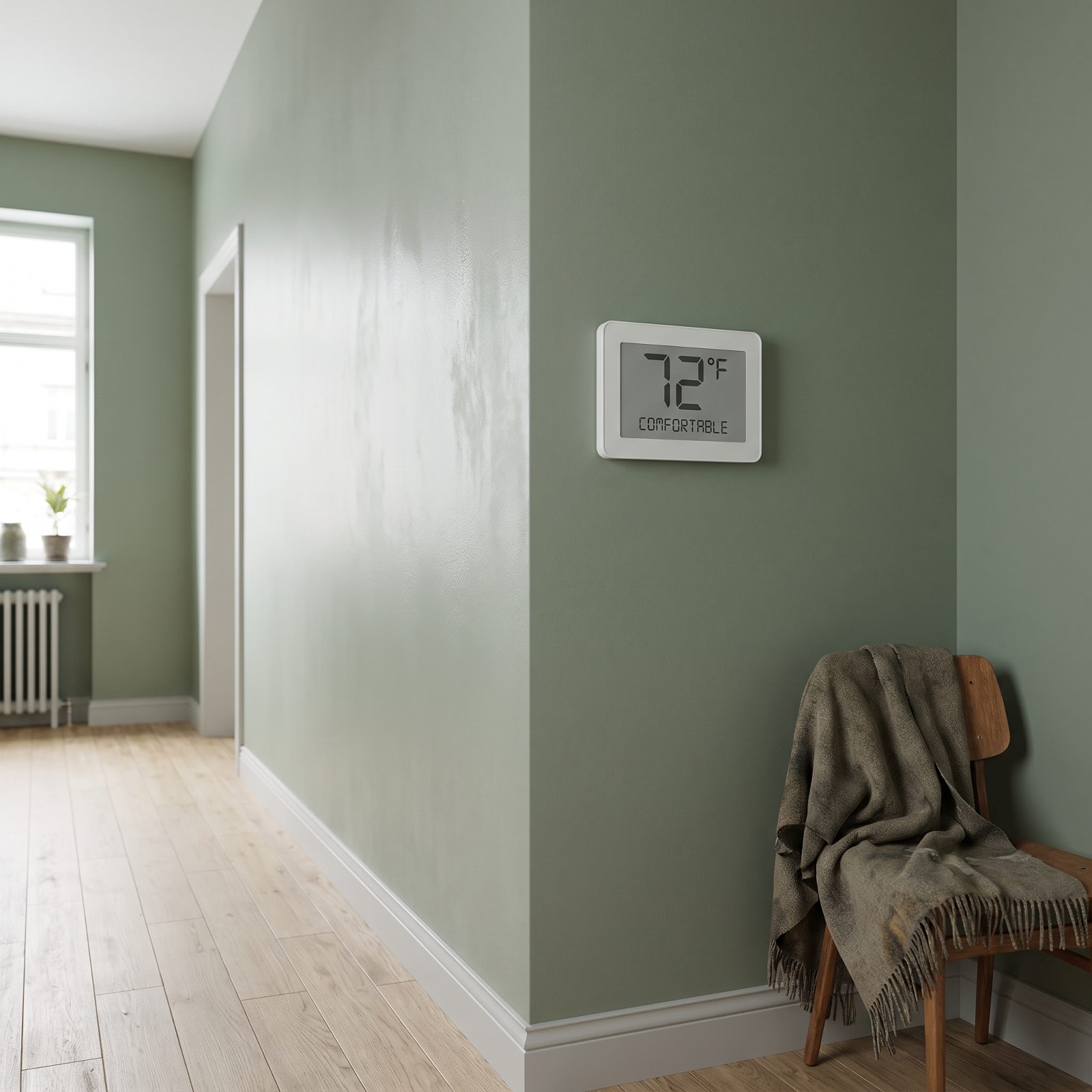
Trust your arms over the wall unit. The thermostat insists it’s 72. The entry feels like a meat locker. Something’s off between what the system reports and what it actually delivers.
Stick a thermostat in a drafty hall, near a sunny window, or far from where people live, and it reads the wrong air, so the system over- or under-shoots the rooms that matter. It can also flag weak airflow to the front of the house, a failing damper, or zones nobody ever bothered to balance.
The gap between the number and the feel is the interesting part. The home’s comfort is being run by a sensor parked in the wrong spot.
40. Flooring That Gives a Little Under Your First Step
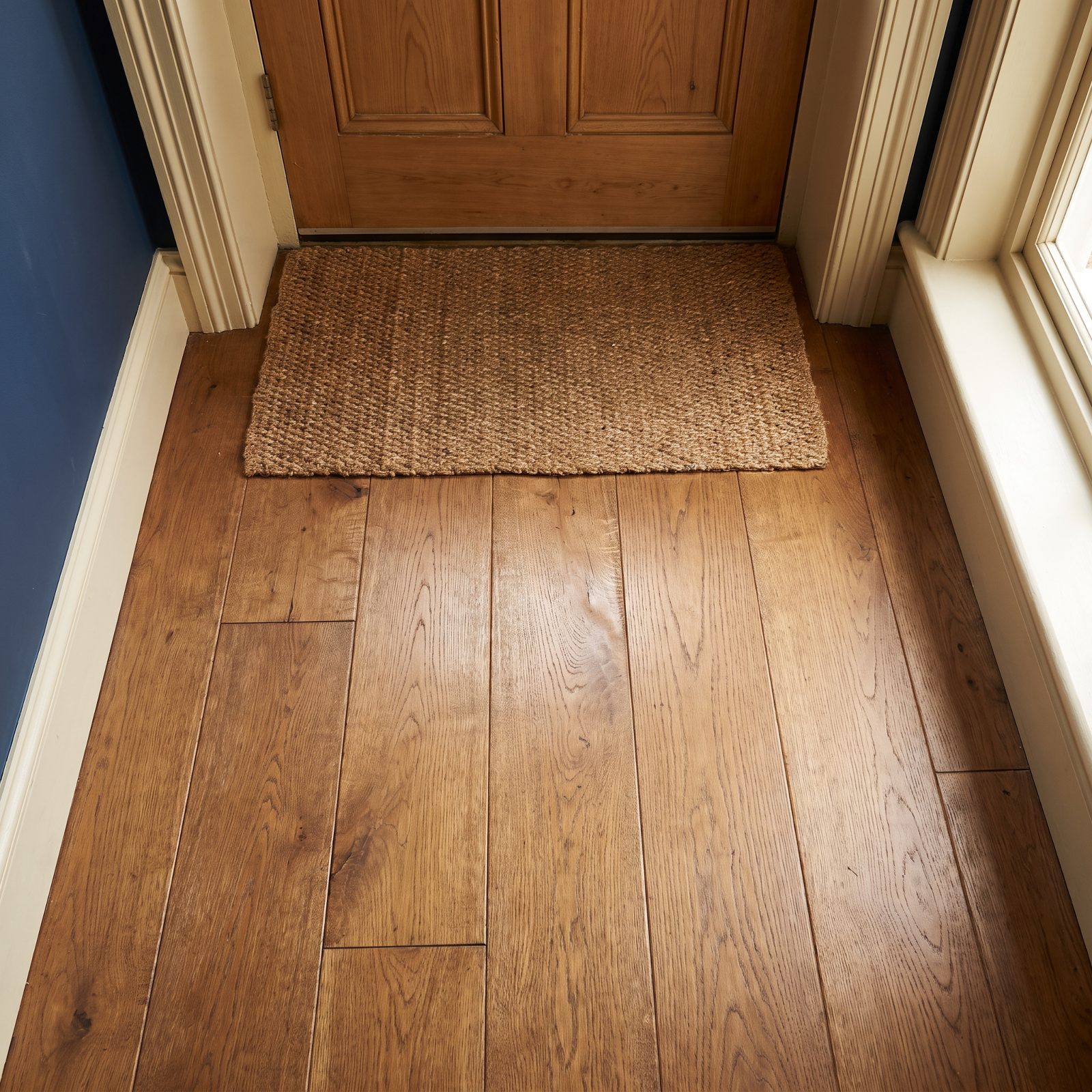
A floor should feel like a floor, not a trampoline. Any sponginess, bounce, or soft give under that first step inside means the subfloor is compromised — old water intrusion near the door, rotted joists, or plywood that’s delaminated from moisture.
Entries take the worst of it: rain, snow, melting boots, decades of the stuff. The damage collects right where everyone steps and nobody looks. Soft flooring isn’t cosmetic. The layer you can’t see is failing, and getting at it means pulling up finish, subfloor, and sometimes framing too.
39. Diagonal Cracks Climbing From the Corner of a Doorway
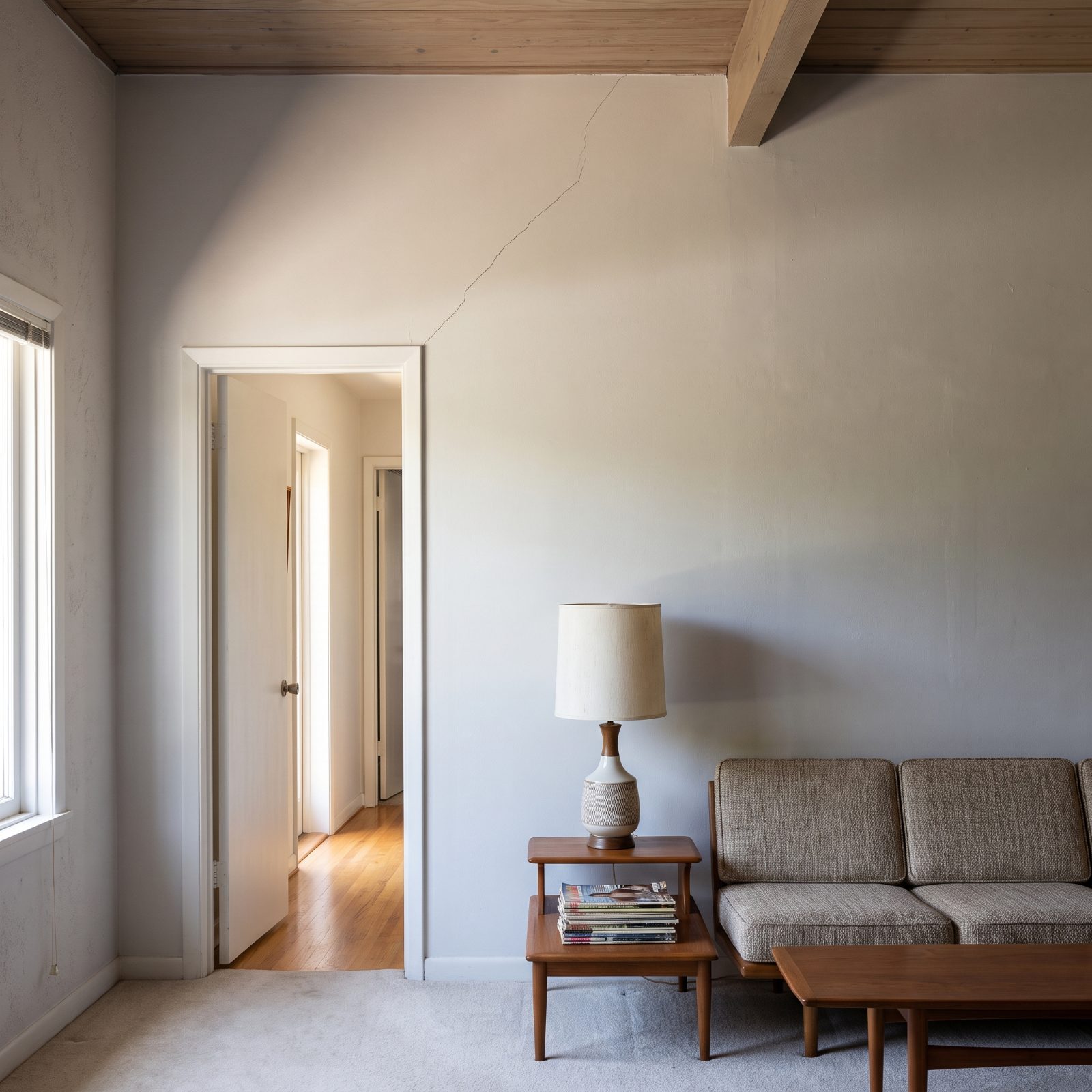
Not all wall cracks mean trouble. A hairline running straight up a seam is usually just drywall shrinking. The ones that matter angle off at roughly 45 degrees from the corners of doors and windows.
Those diagonals follow the stress. When a foundation settles unevenly or a beam deflects, the structure wants to move, and the weakest point is the corner of an opening. That’s where it tears first.
One short crack above a door that’s since been patched? Usually old settling that stopped. But several of them, widening, paired with a sticking door — that’s the house still in motion. Direction and company are the tell, not length.
38. One Wall With Suspiciously Fresh Paint and Nothing Around It
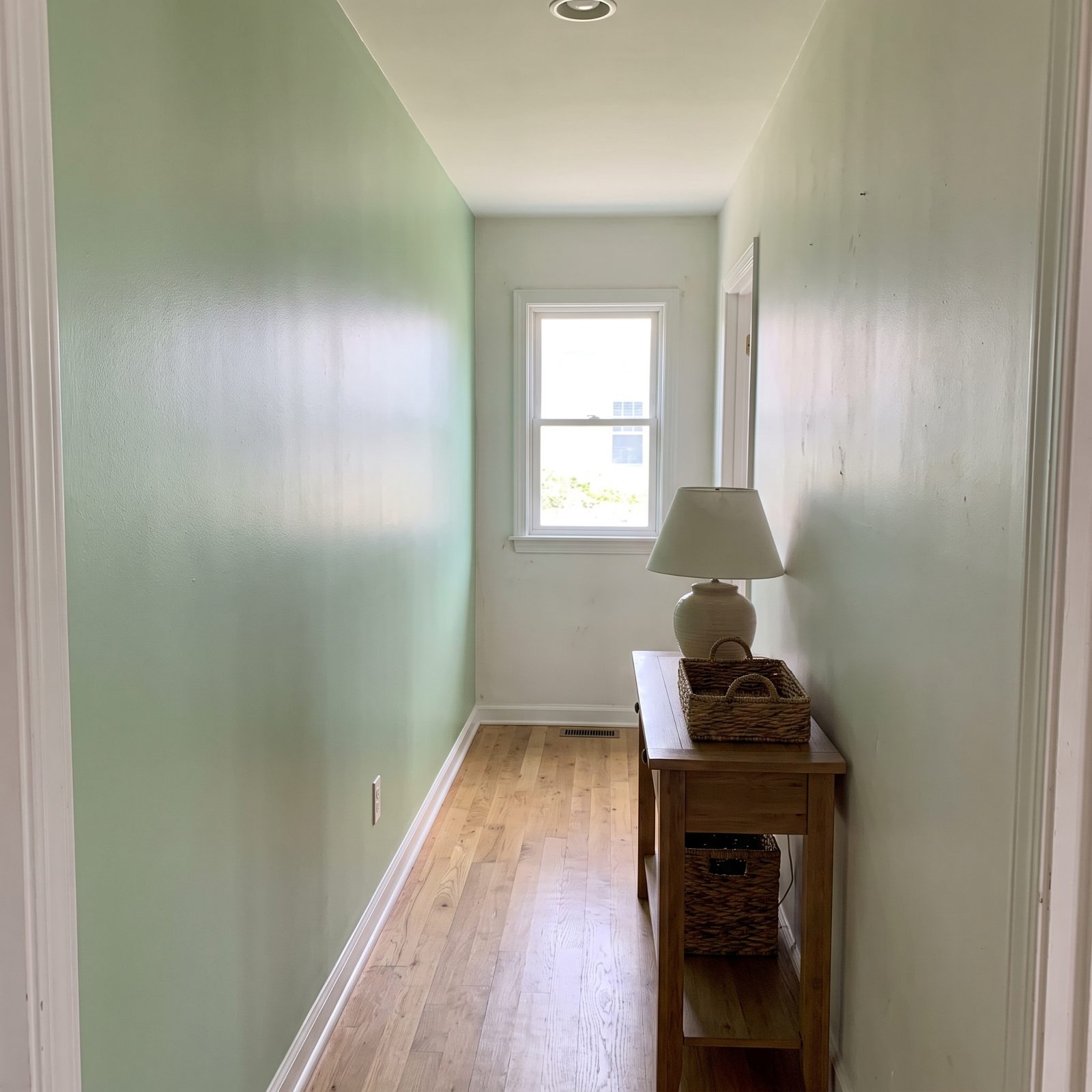
A whole repaint reads as pride. A single patch of fresh paint on one wall reads as a cover-up. That lone bright rectangle, or one wall glossier than its neighbors, is almost always hiding something — a water stain, a repaired crack, mildew that kept coming back, or damage someone would rather you not ask about.
The mismatch gives it away. New paint ages. When one wall looks newer than the rest with no good reason, the reason sits under the brushstrokes.
37. A Patch on the Ceiling Right Above the Entry
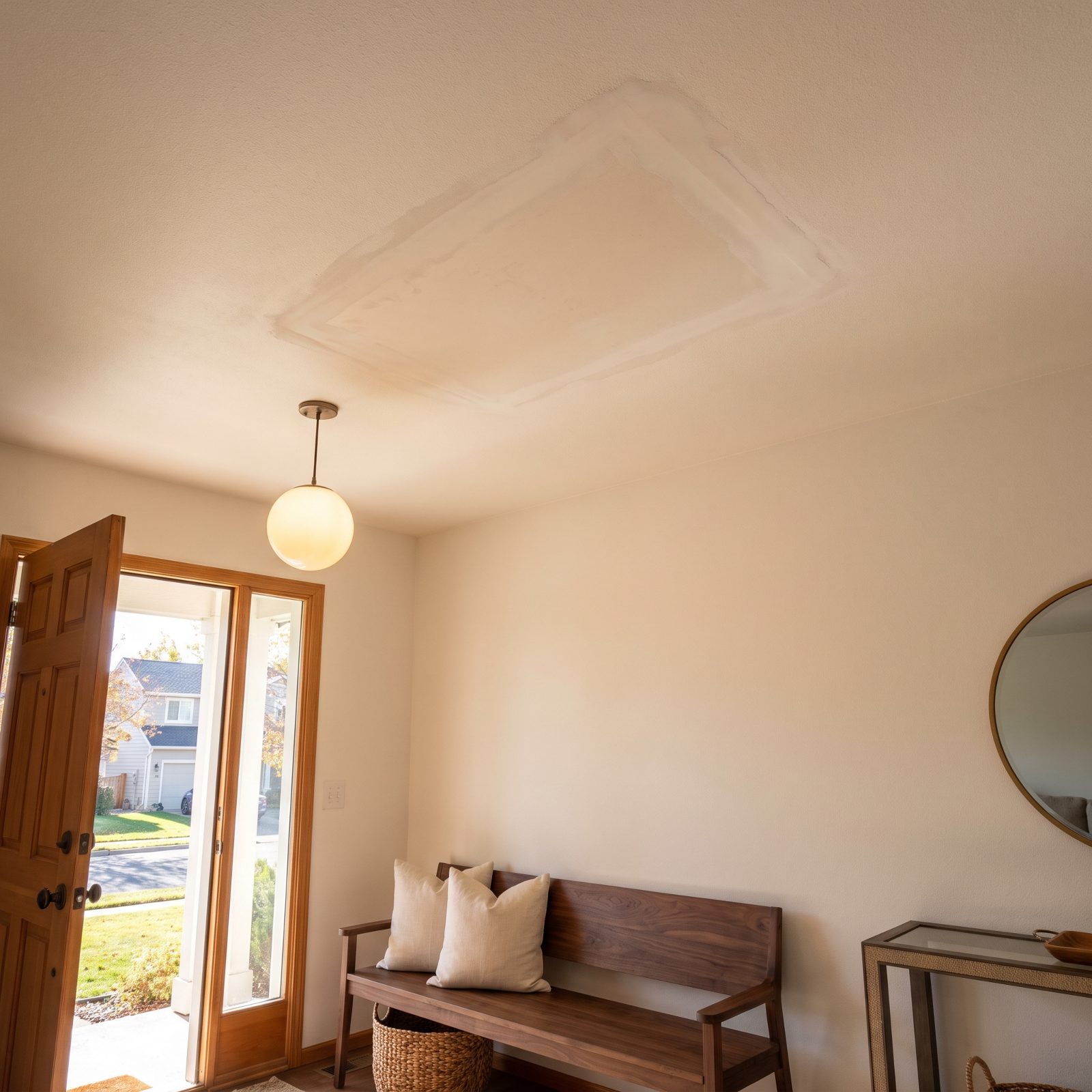
Look up when you walk in. A repaired spot on the entry ceiling sits directly below whatever’s above it — a bathroom, a roof valley, the attic — and each one tells a different leak story.
A patch under a bathroom points to a plumbing drip. One under the roofline points to flashing or shingle failure where runoff gathers. The question that matters isn’t whether it got fixed. It’s whether the source got fixed, or just the stain.
Ask when it was patched. A fresh repair with no explanation of the cause means the leak may be waiting for the next hard rain.
36. Daylight Leaking Around a Shut Front Door
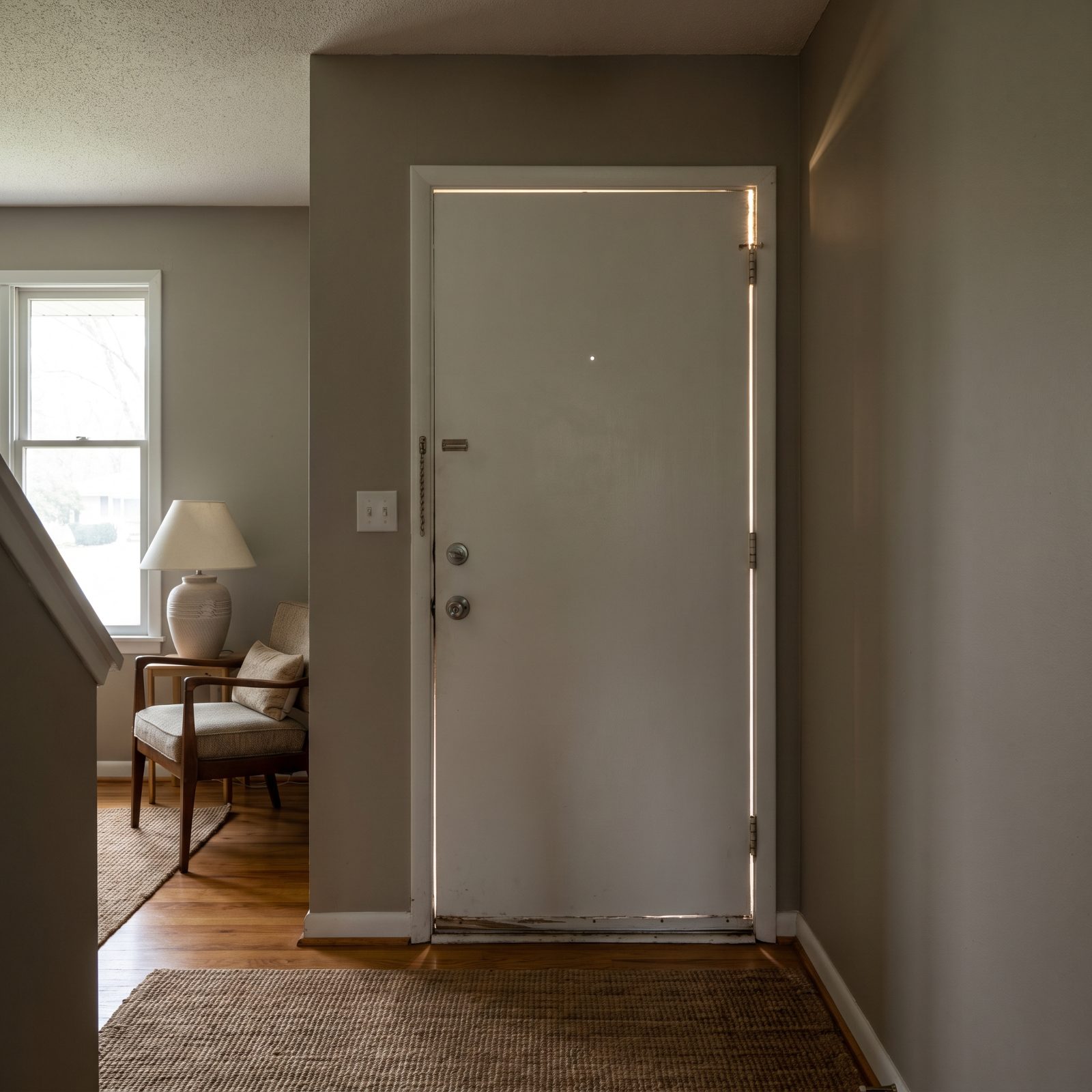
Close the door, let your eyes adjust, and watch the edges. Bright slivers of daylight around a shut door mean the seal is gone — worn weatherstripping, a warped slab, a threshold that no longer meets the sweep.
Where light gets in, so does everything else: cold air, summer heat, rain, dust, bugs. Cheap to fix on its own. But it signals how the home has been kept, and a door left to leak is rarely the only maintenance that slipped.
35. Fog Trapped Between Two Panes of an Entry Window
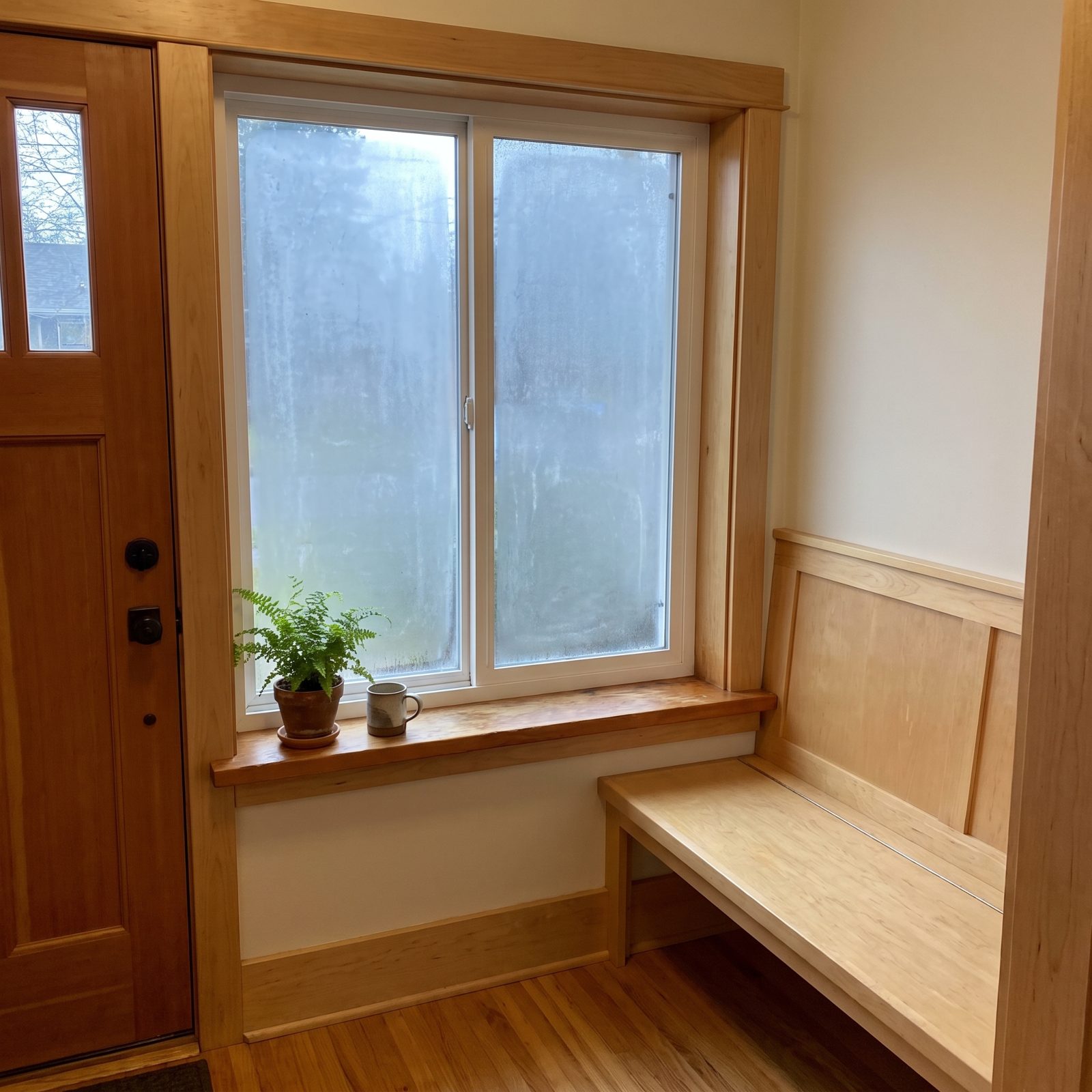
When a window near the door looks permanently hazy and no amount of cleaning helps, the fog is trapped inside the glass itself. The seal between the double panes has failed and the insulating gas has leaked out.
A blown-seal window still keeps the rain off, but it’s lost most of its insulating value and you’ll never wipe it clear. Replacement is the only real fix. One foggy pane is a minor flag. Several across the house suggest aging windows throughout — a line item measured in thousands.
34. The Return Vent Near the Door Wearing a Coat of Dust
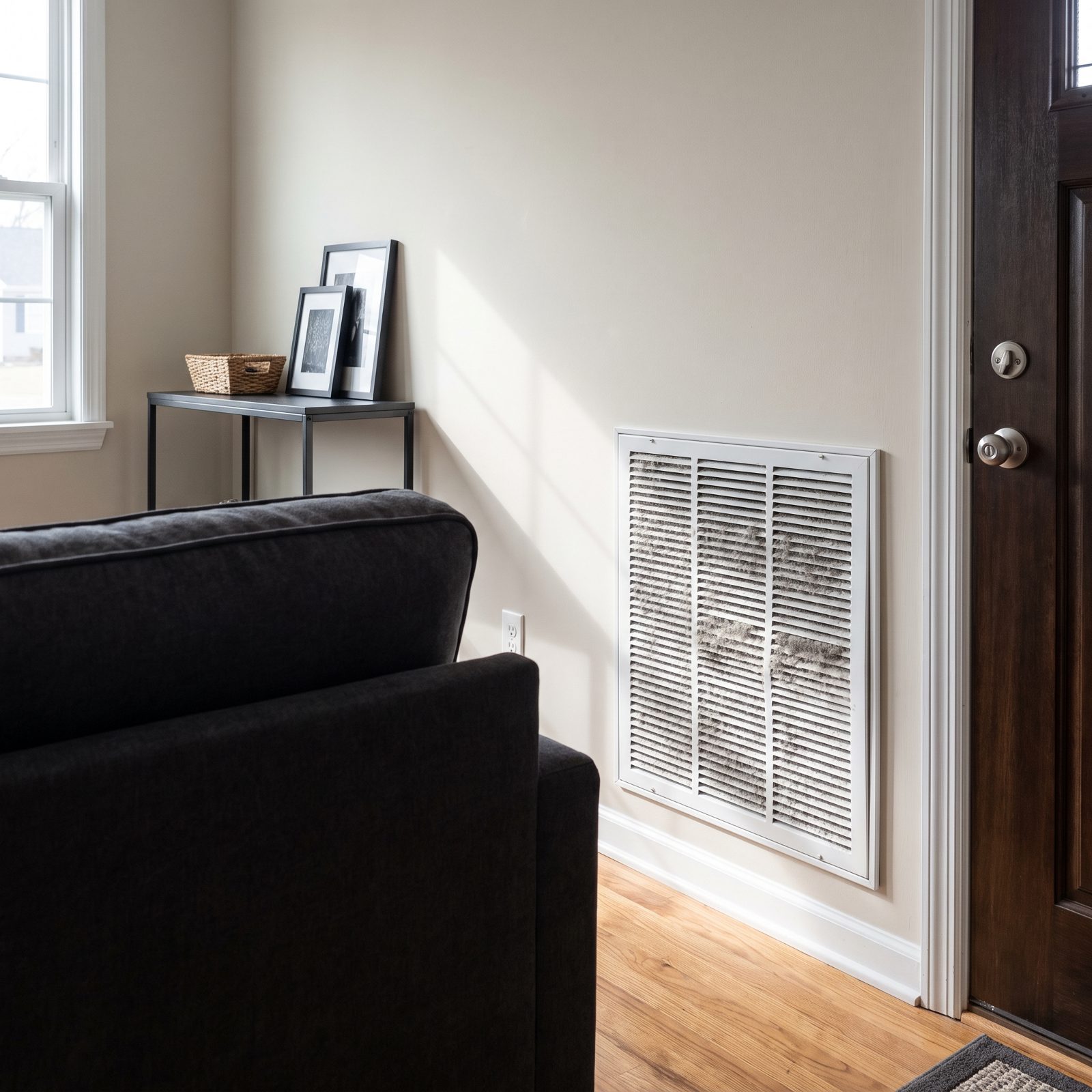
A return vent fuzzy with dust is a small thing that says a lot. The return is where the system pulls air back to be filtered and reconditioned, and a thick gray coat on the grille means the filter behind it hasn’t been changed in a long while. If ever.
Neglected filters choke airflow, make the blower work harder, and shorten the life of the whole unit. A two-minute job nobody did — which raises the obvious question about the filter you can’t see and the furnace standing behind it.
33. The Entry Rug That’s Hiding Something
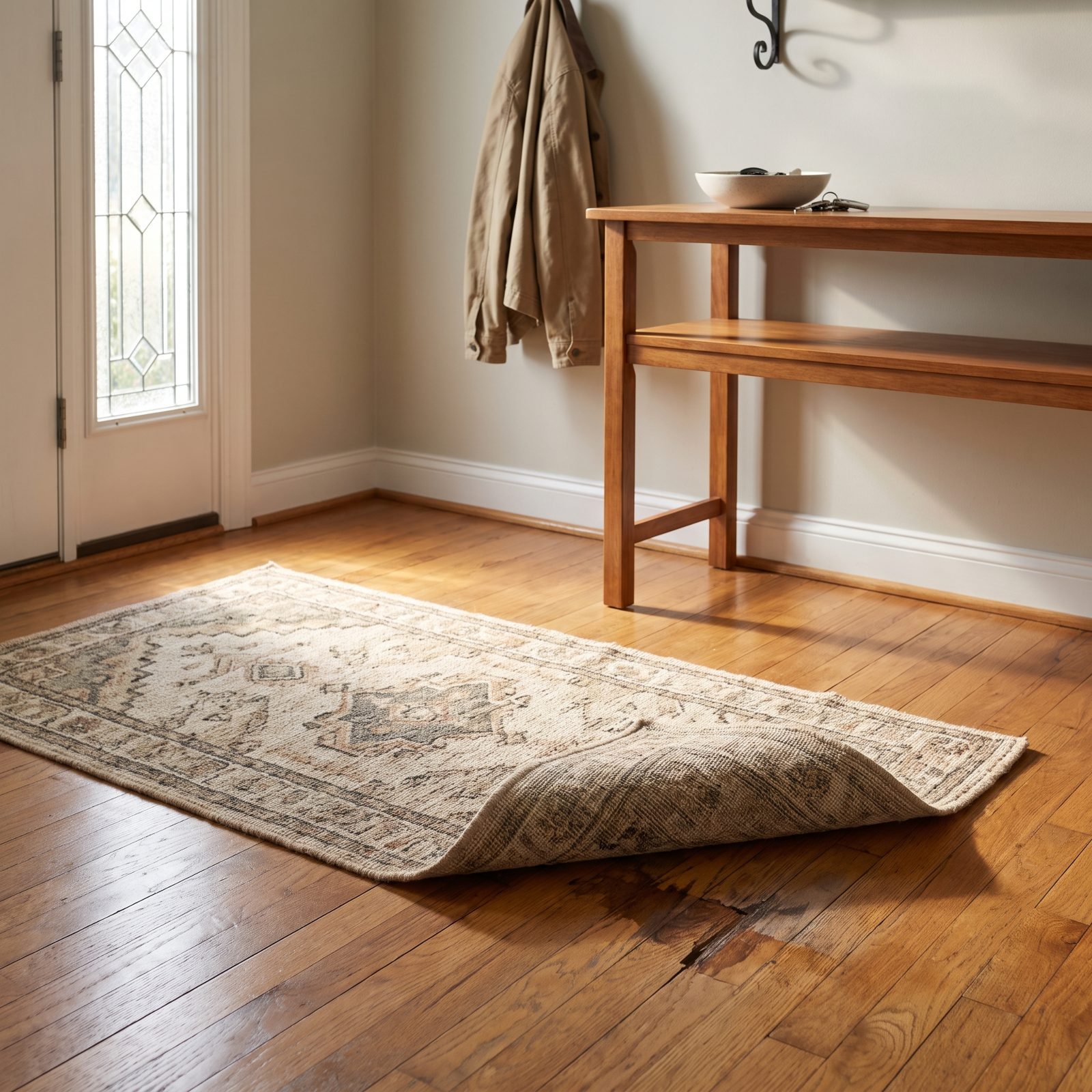
A rug planted dead center in a bare foyer is rarely a decorating choice, and realtors flip the corner with a toe before they’ve even said hello. Years of finding gouged planks, pet stains, and missing tile under those rugs taught them the reflex.
The rug itself costs nothing to notice. What it signals is the expensive part. One covered patch and a buyer starts wondering what else got a rug thrown over it before the open house.
32. The Air Freshener Working Overtime
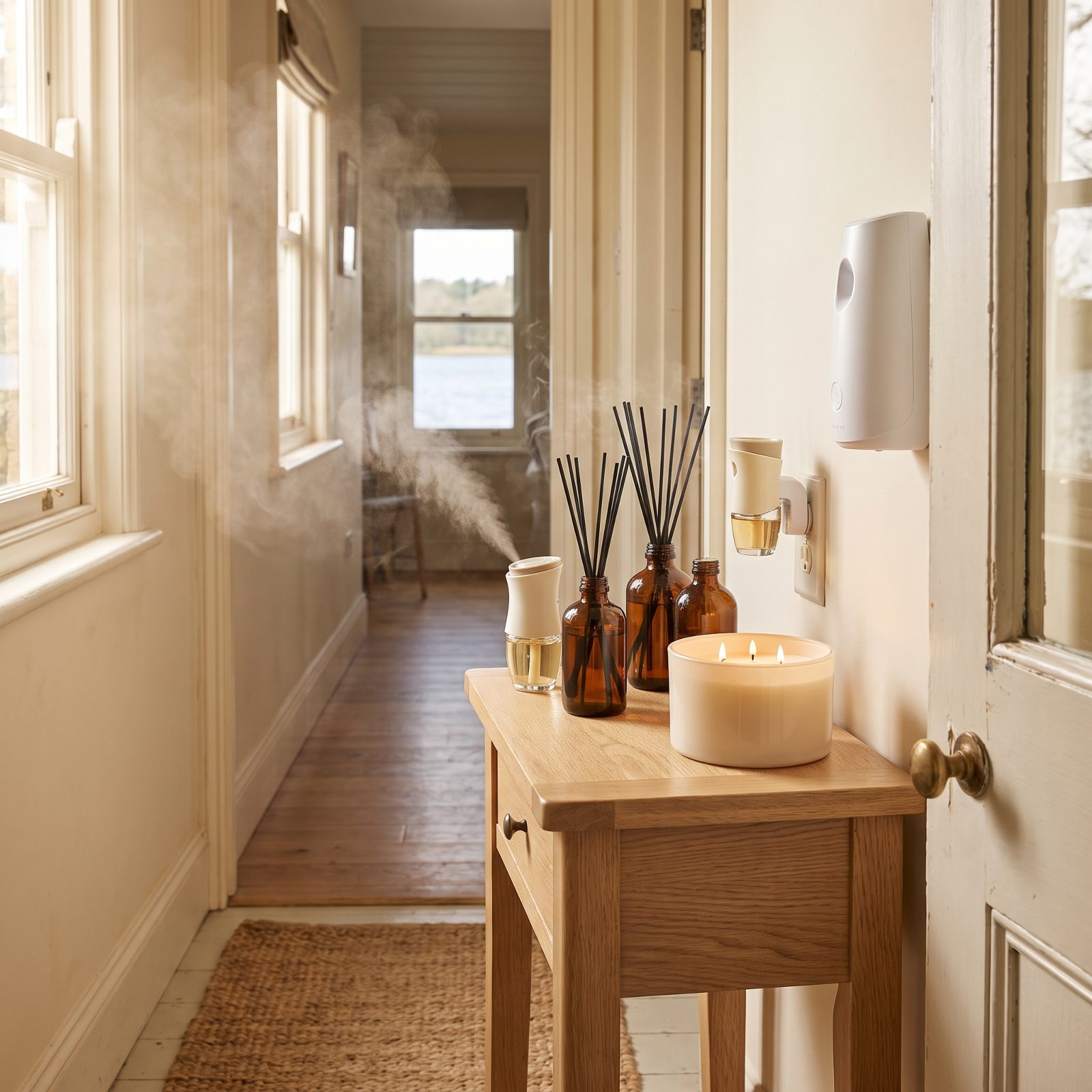
Walk into a wall of vanilla and lavender and the brain does something odd. It starts hunting for what the scent is covering. Smoke, pets, mildew, a basement that floods.
Three diffusers, a plug-in, and a candle all burning at once isn’t hospitality — it’s a tell. Experienced agents trust their nose over the listing sheet, and an aggressive scent at the door turns the whole walkthrough suspicious before anybody’s seen a single room.
31. Damp, Heavy Air the Moment You Step In
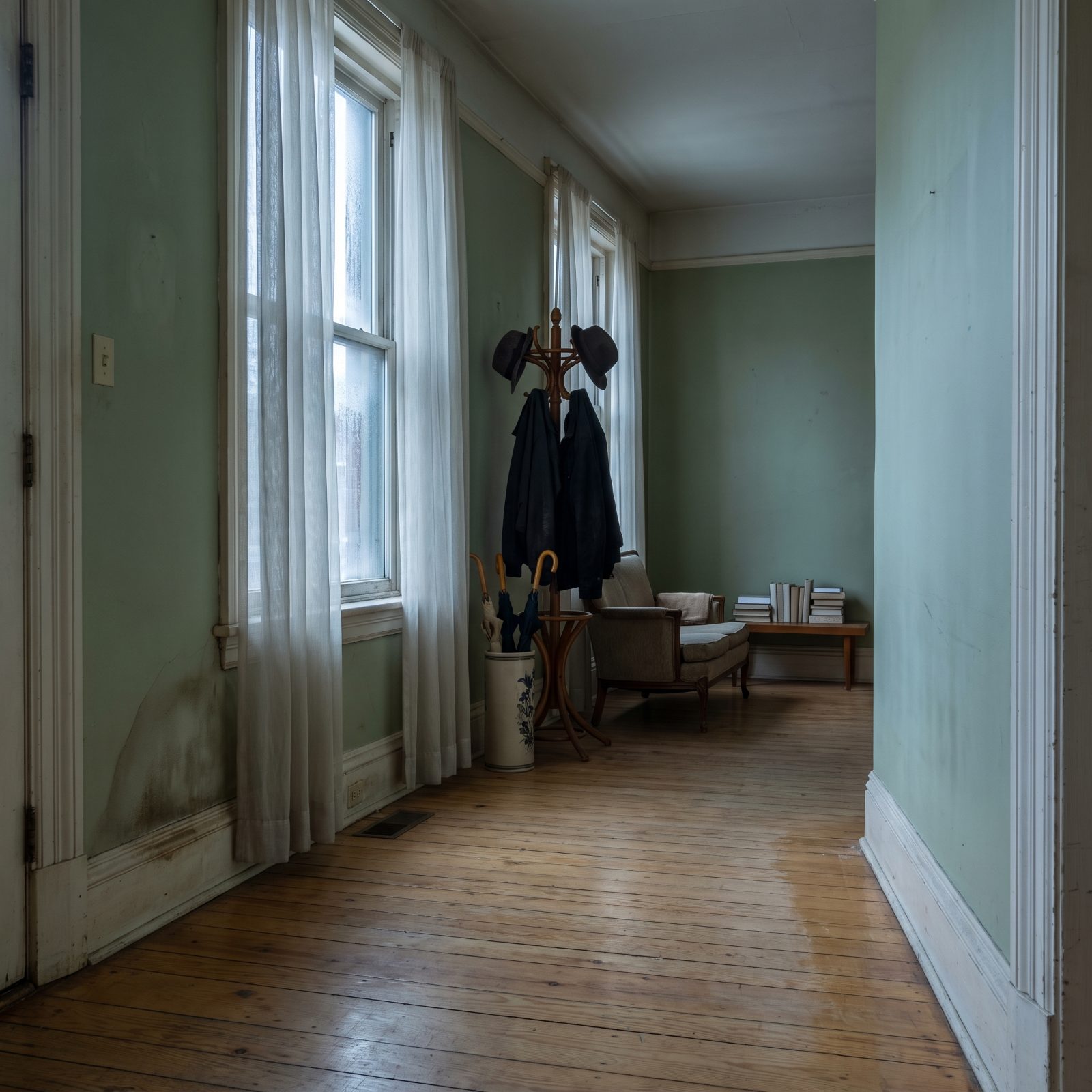
Scent is memory, and musty air files itself under this house has a problem faster than any photo ever could. The threshold is where a home exhales. If that breath comes back damp and cool, like the air off an unfinished cellar, an agent clocks it in three seconds flat.
Usually it points to poor ventilation, a wet crawlspace, or moisture wicking up through the slab. None of it is cheap. All of it gets priced into the offer.
30. Water Lines Creeping Up the Foyer Baseboards
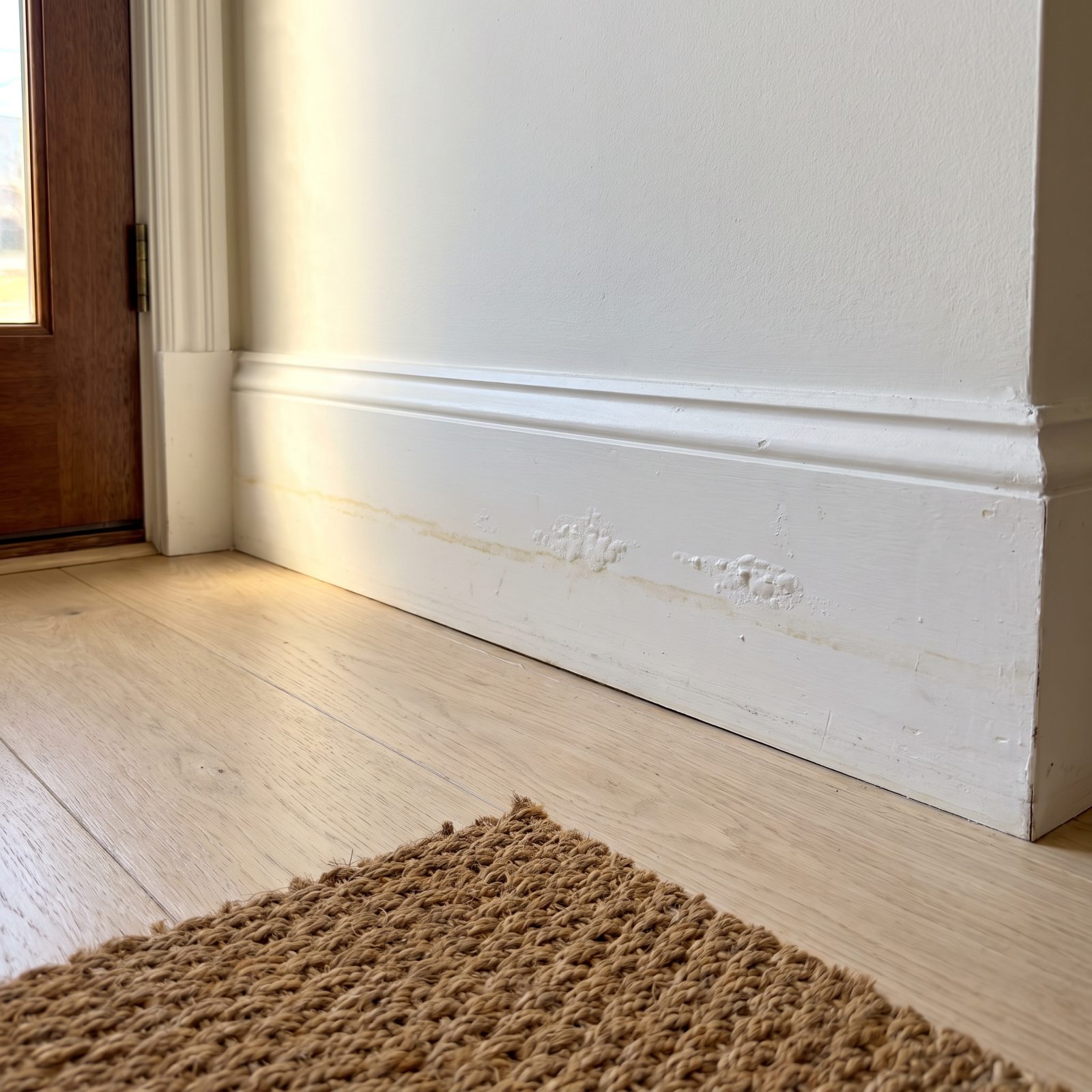
Baseboards tell on a house. A horizontal line of discoloration a few inches up, or paint that’s begun to bubble and lift, means water sat there long enough to leave its signature.
Near a front door it’s usually rain shoving in under the threshold during storms, or ground that slopes toward the house instead of away from it. So agents crouch and look. That tide line is honest in a way the fresh coat of paint above it isn’t.
29. Wood Flooring That’s Buckled by the Door
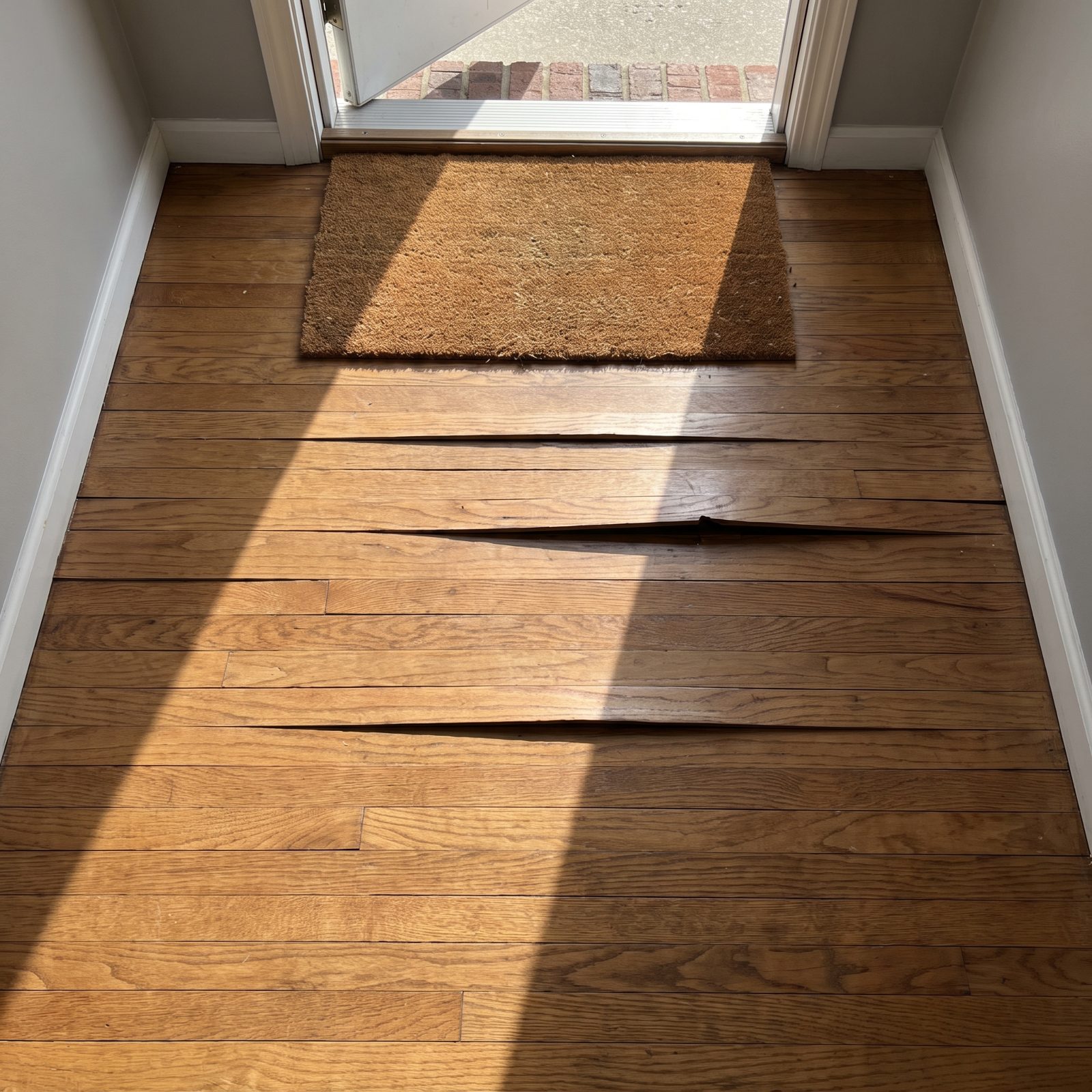
Wood near an entry that’s heaved itself into a little mountain range isn’t a cosmetic issue — it’s water that came and went, swelling the planks until they fought each other for room.
Cupped or buckled boards by the door usually mean repeat exposure: snowmelt dripping off boots, a leaky threshold, rain blowing sideways through the gap. And a refinish won’t save a buckled floor. Those boards have to come out. Agents know the gulf between a floor that needs a sand and one that needs a surgeon.
28. The Cracked Tile at the Busiest Spot in the House
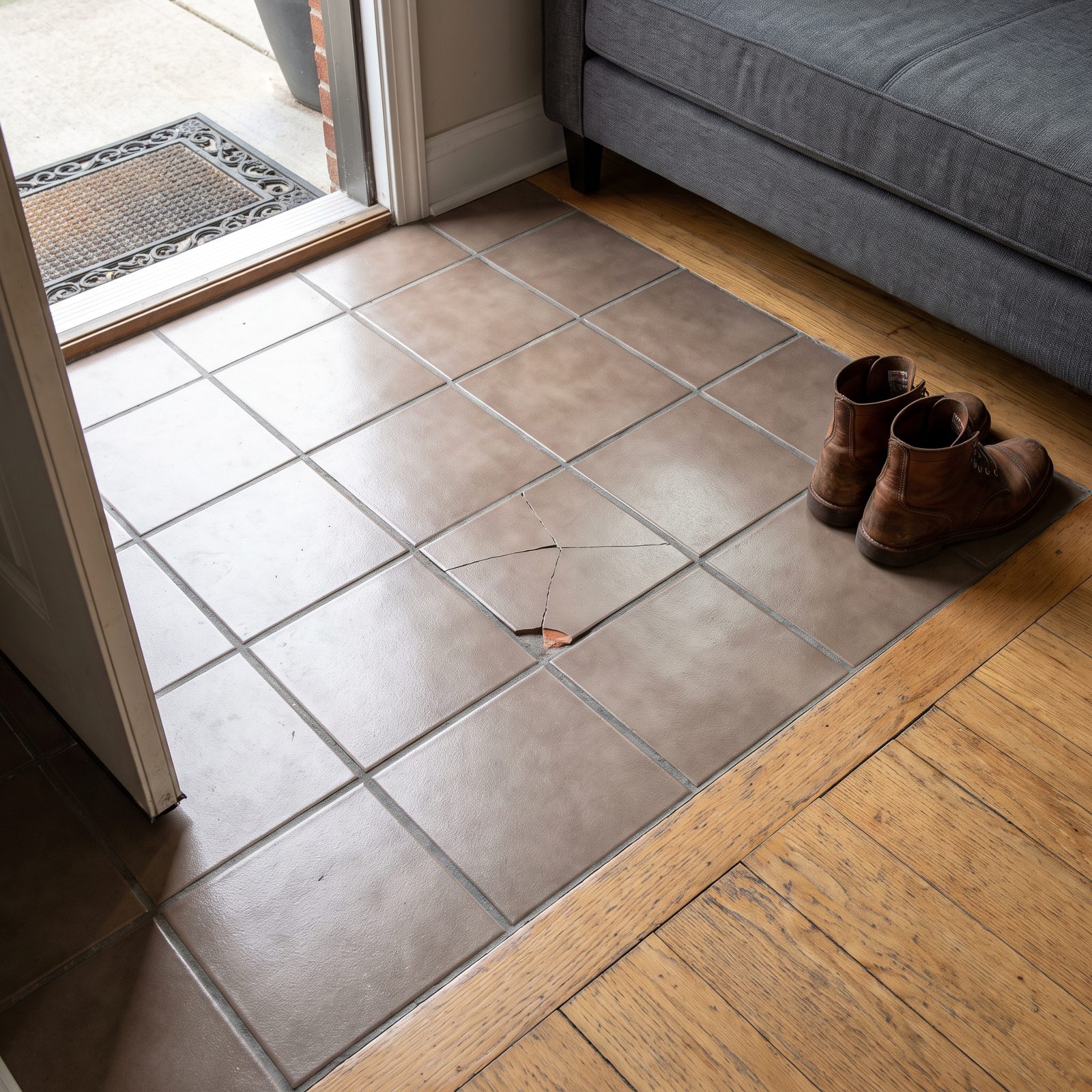
Tile cracks where life happens, and nothing sees more life than the square foot right inside the front door. A spider-cracked tile there reads two ways to a trained eye.
- Someone dropped something heavy — harmless, cheap to swap.
- The subfloor underneath is moving — neither.
Cracks that march straight across several tiles in a line point to the second one. So agents press the tile with a toe, feeling for rock. A hollow, shifting tile whispers structure, not clumsiness.
27. Carpet Rippling Across the Walk-In Path
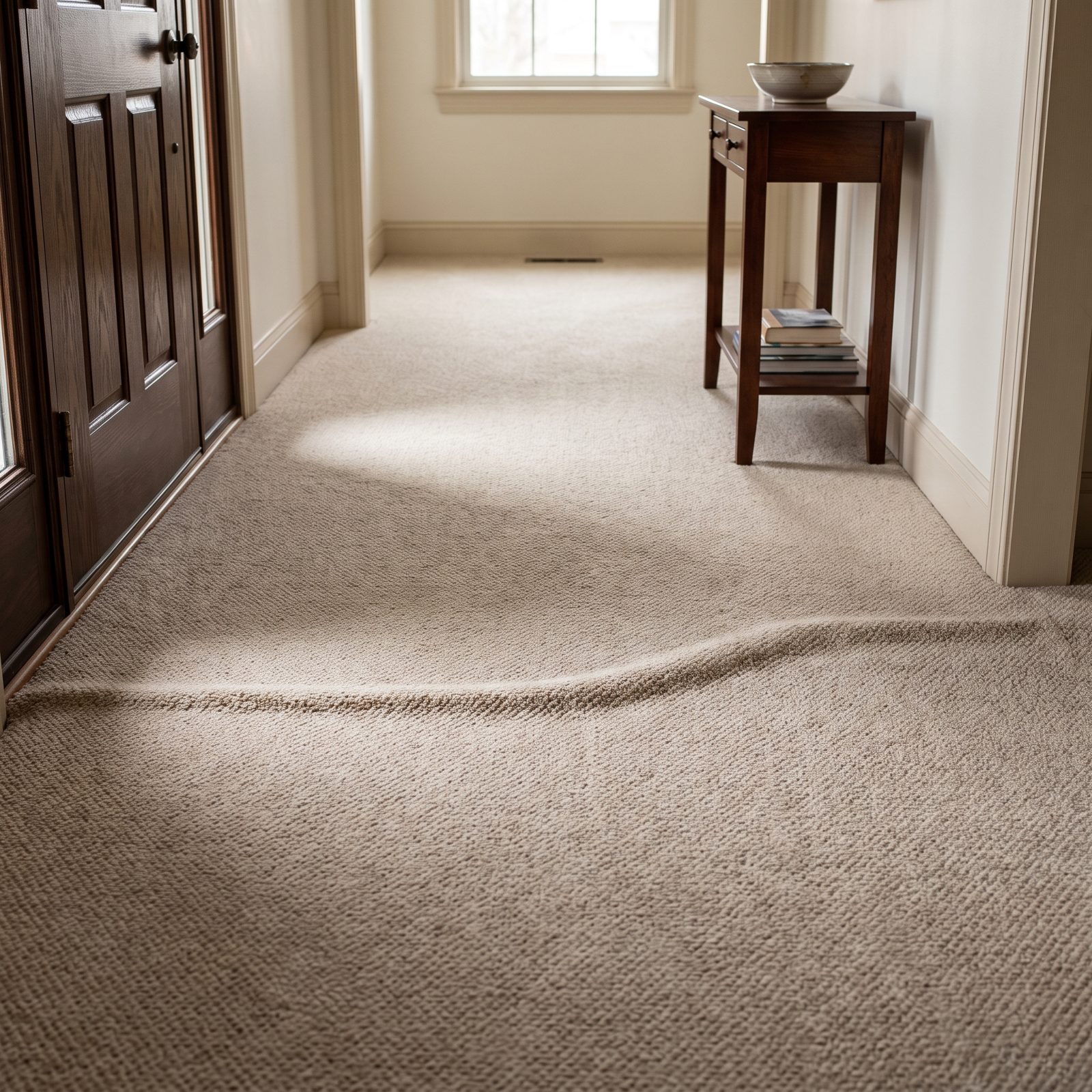
A ripple running across the carpet where everyone walks looks like a tripping hazard, and it is one. It’s also a clue about age and moisture.
Carpet wrinkles when the backing delaminates, or when humidity loosens the stretch — often after a leak, or after years of plain wear. Sometimes it re-stretches for cheap. But an agent reads a rippled entry as a floor that’s been through something, and a buyer reads it as the first thing they’d have to tear out.
26. The Entry Floor That Rolls Under Your Feet
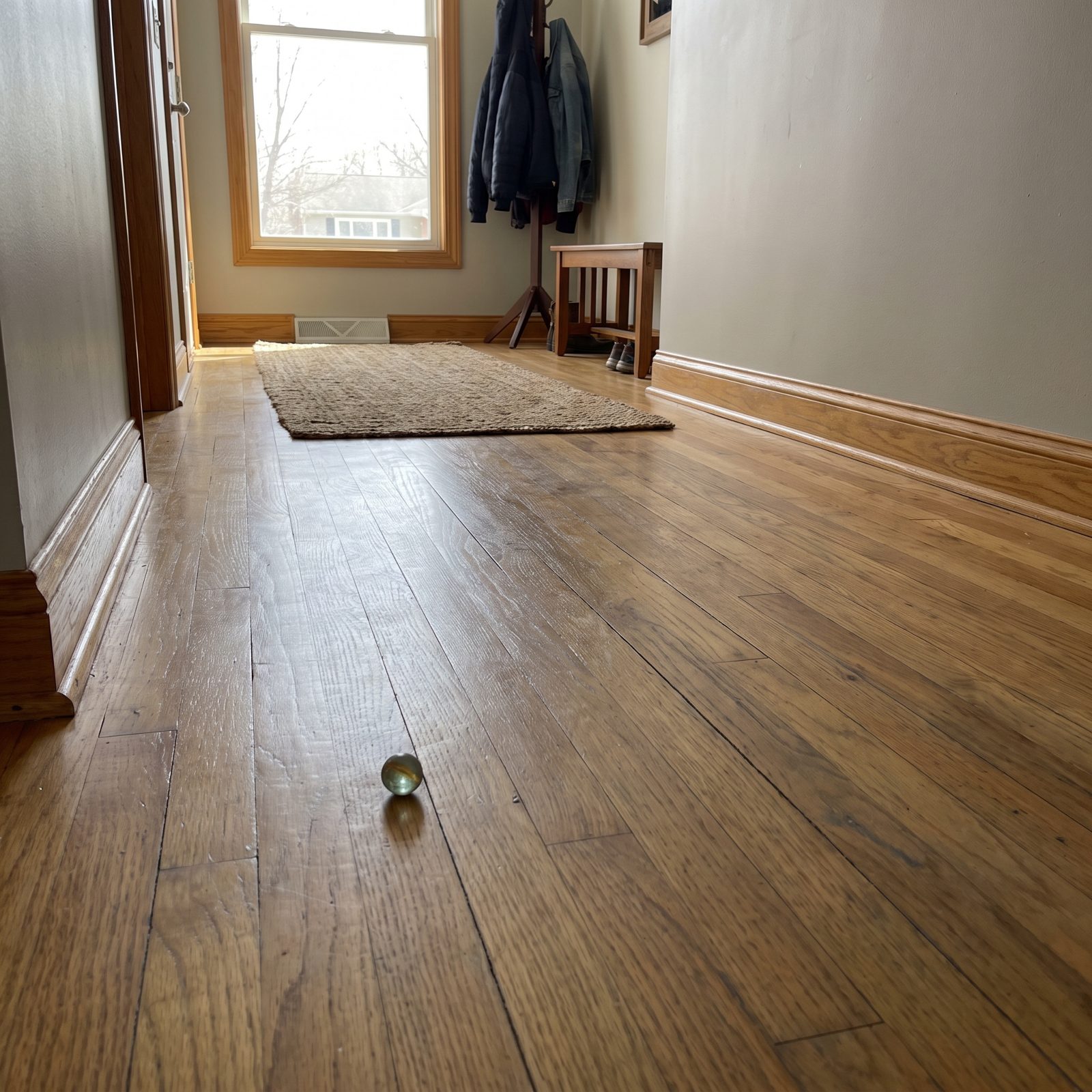
Some floors announce themselves underfoot. You step in and your inner ear catches a tilt the eye missed, or a ball set down near the wall drifts off toward the center of the room on its own.
A sloping entry floor points straight at the bones: settling foundation, failing joists, a pier that’s quietly given up. This is the one agents take seriously above all the cosmetic noise, because everything else is paint and this is the house itself.
25. The Threshold You Catch Your Toe On
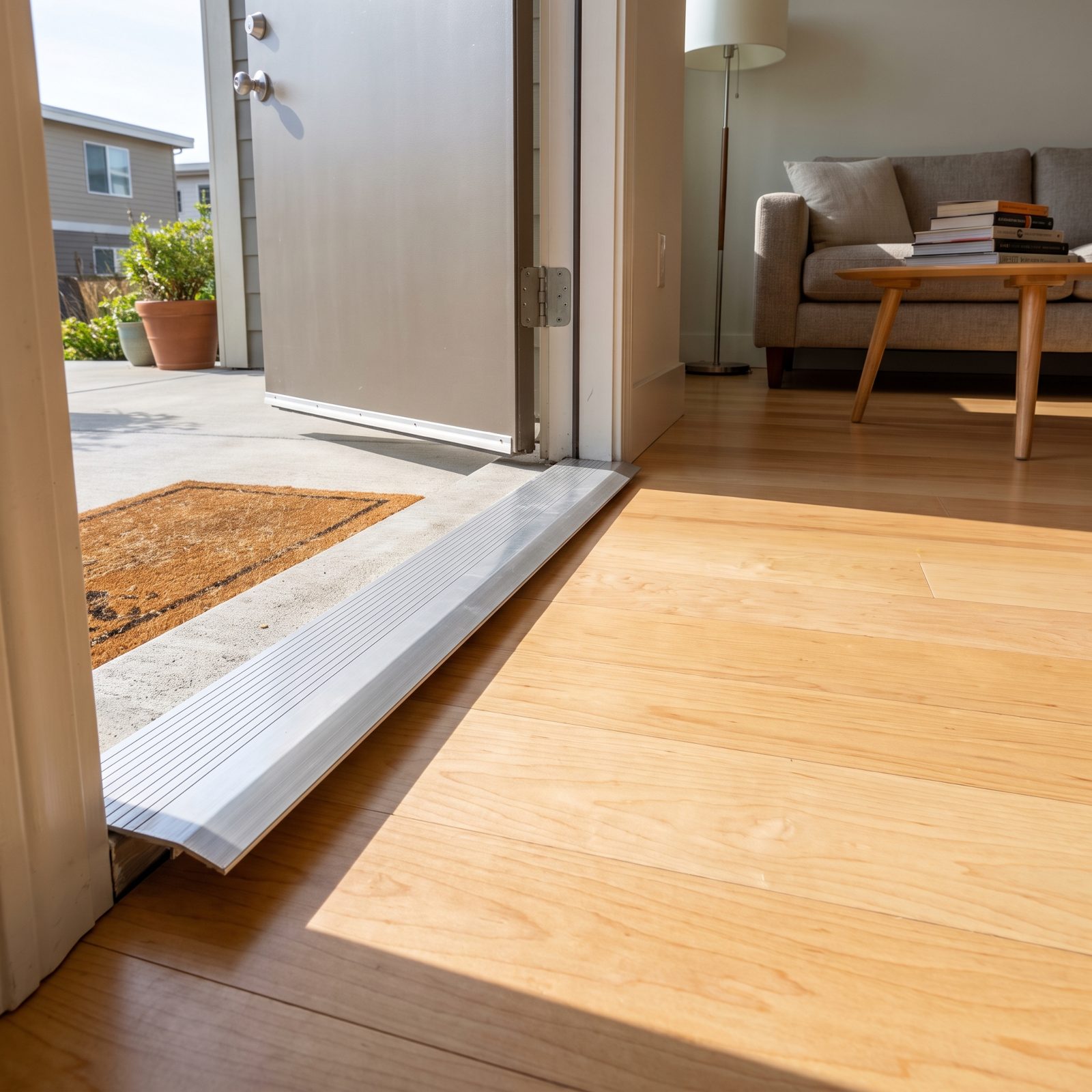
When the person running the showing says “watch the step” at their own front door, something’s off. A threshold that’s worked loose, a transition strip standing proud, a lip tall enough to snag a toe — a small fix, but it whispers a bigger pattern. Deferred maintenance.
Nobody fixed the thing they trip over every single day. Agents extrapolate from that one detail. What, then, did they leave untouched in the attic, the furnace, the roof?
24. The Extension Cord That Became the Wiring
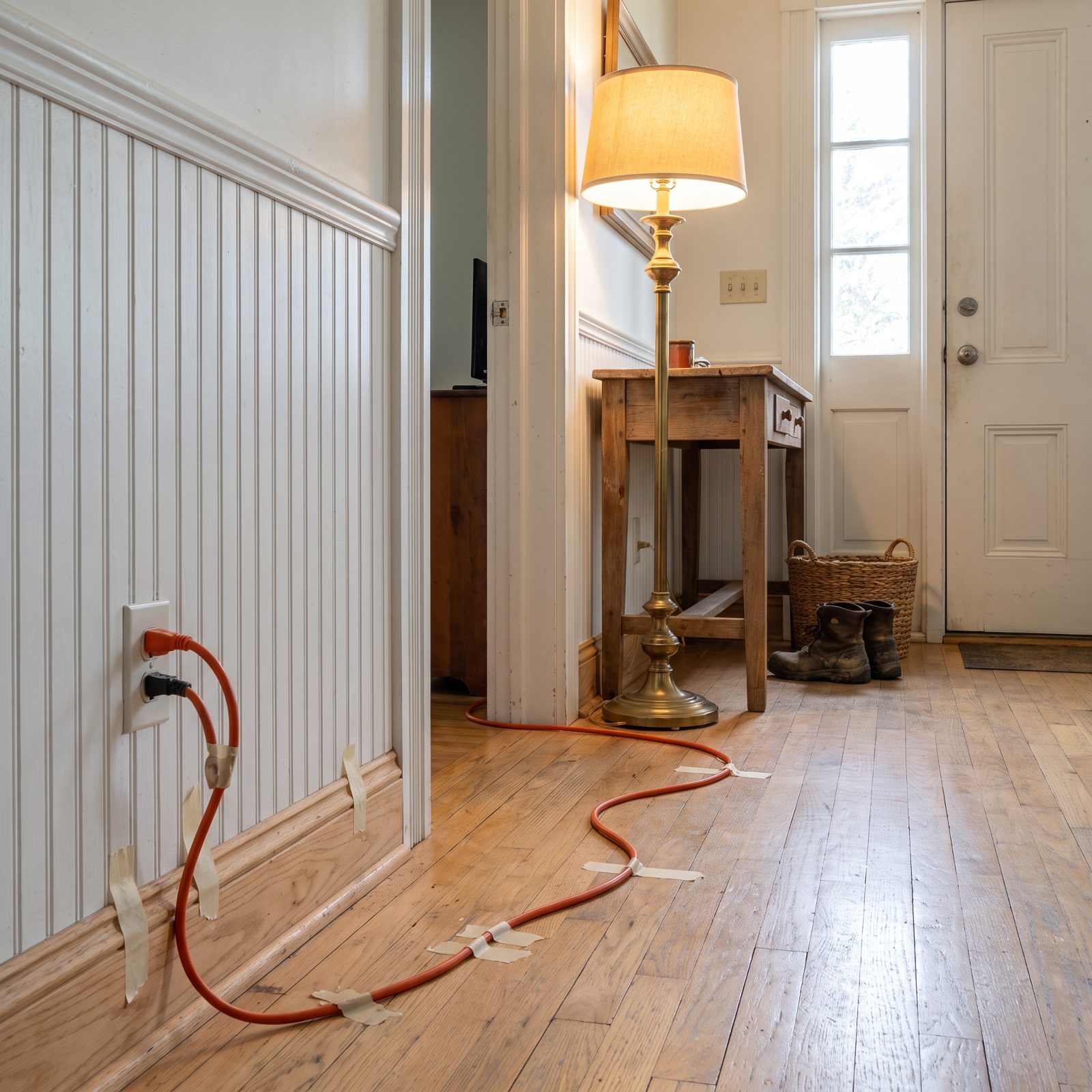
An orange extension cord taped along the baseboard and across the floor, snaking into the next room because no outlet lives where one’s needed — that’s a fire marshal’s bad dream and a buyer’s red flag, all in one.
Permanent reliance on a cord means the electrical never got updated to match how people actually live in the space. Agents see it and start thinking about the panel, the knob-and-tube still lurking behind old walls, the outlets that simply don’t exist. A two-dollar object raising a five-figure question.
23. A Direct Sightline From the Door to a Toilet
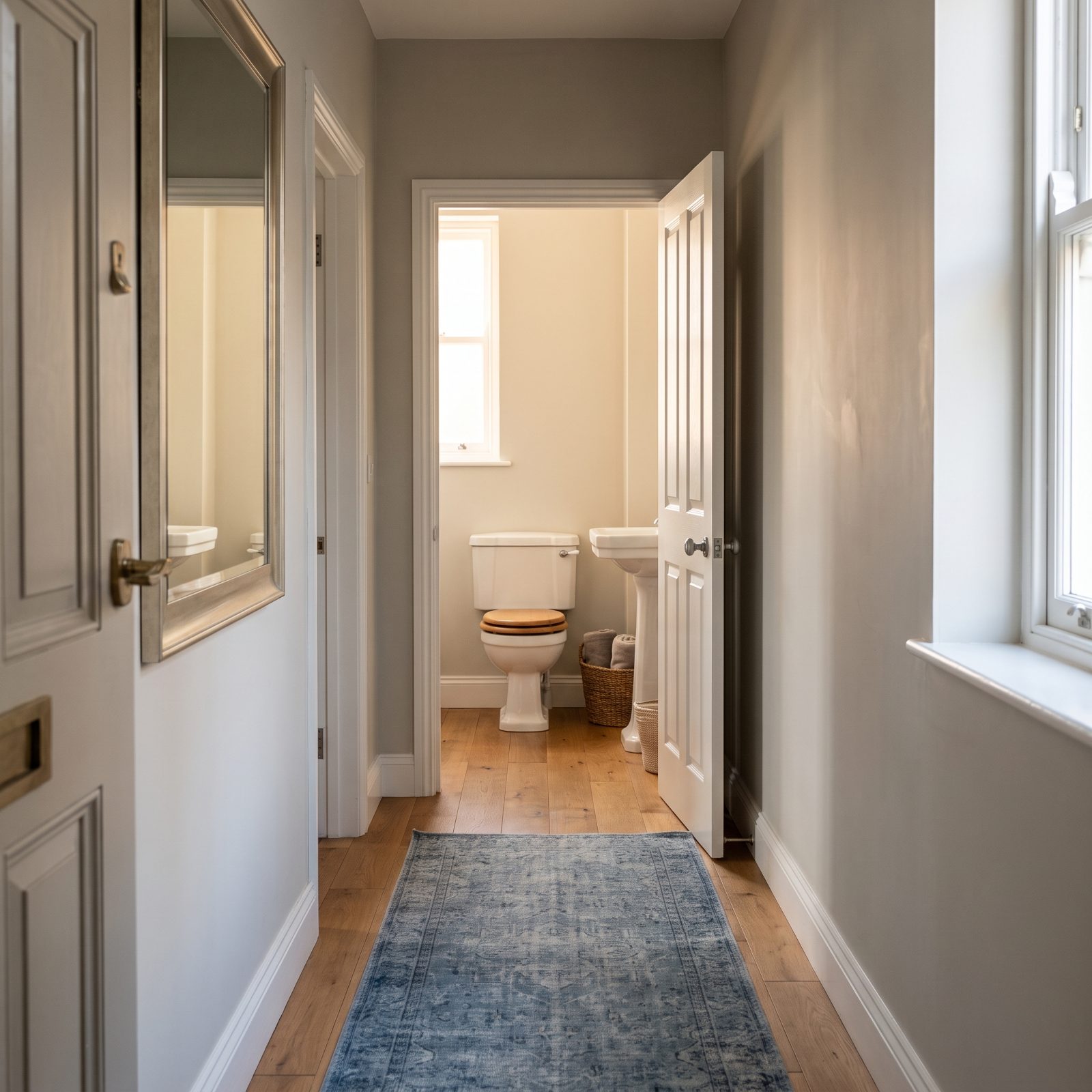
First thing an agent clocks, and nobody wants to admit it. You open the door and there it is: the toilet, framed like a bad painting at the end of the hall. It reads as unplanned, and buyers feel it before they can name it.
The fix is almost never structural. Keep that powder room door shut as a habit, or swap a clear-glass bathroom door for a solid panel. A tall plant or a console table partway down the hall breaks the line of sight without a renovation.
22. A Missing Foyer That Exposes the Whole Living Space
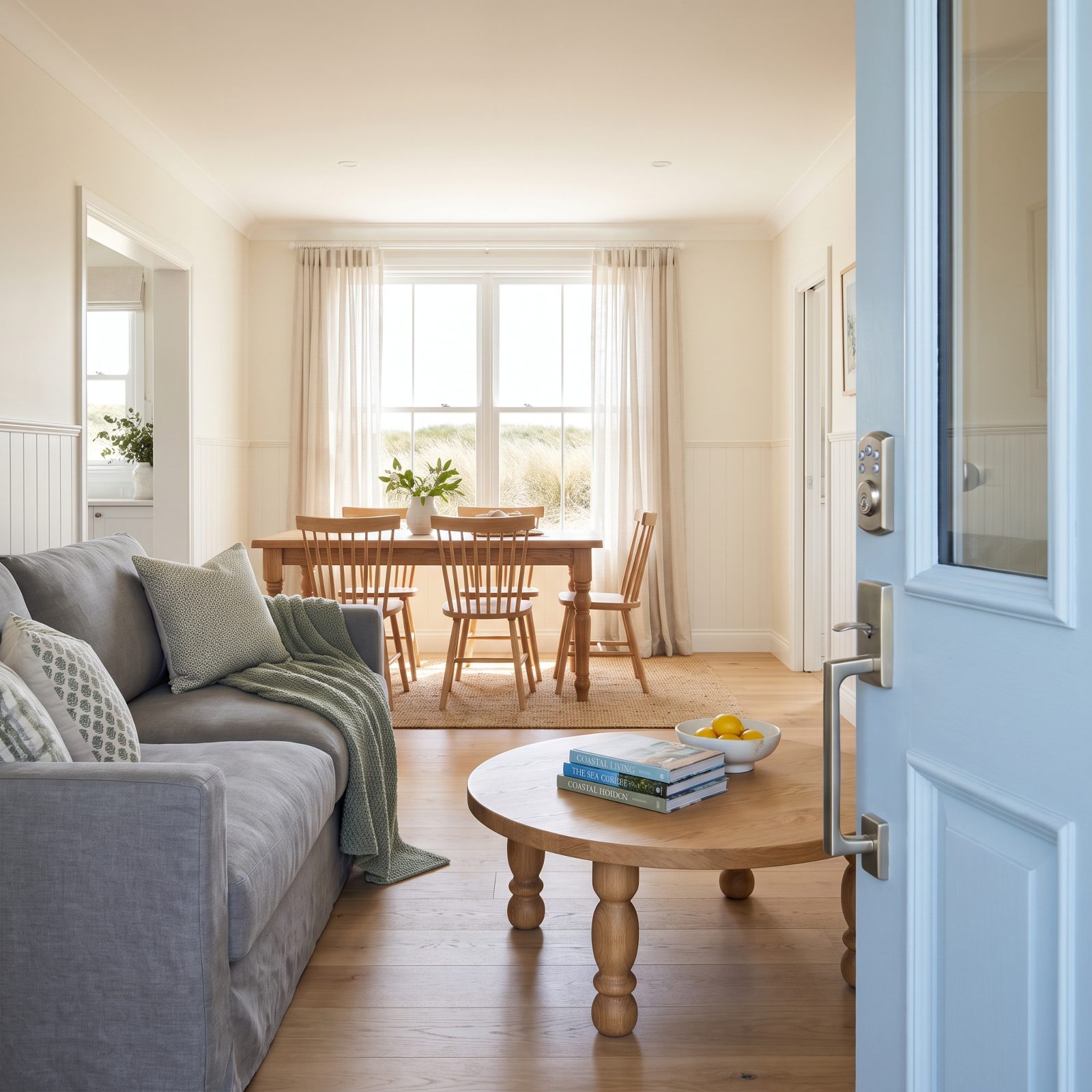
No entry, no buffer. The door swings open and suddenly you’re standing in the middle of the living room before you’ve even set down your bag. Agents note it instantly because it kills any sense of arrival, and because it leaves nowhere to drop keys, shoes, or a soaked umbrella.
You can build a boundary without walls. A low bookshelf set perpendicular to the door, a console with a lamp, a shift in rug texture underfoot — all of them whisper where the house begins. What you want is one clear beat of pause before the room spills open.
21. A Staircase Positioned Directly Across From the Entrance
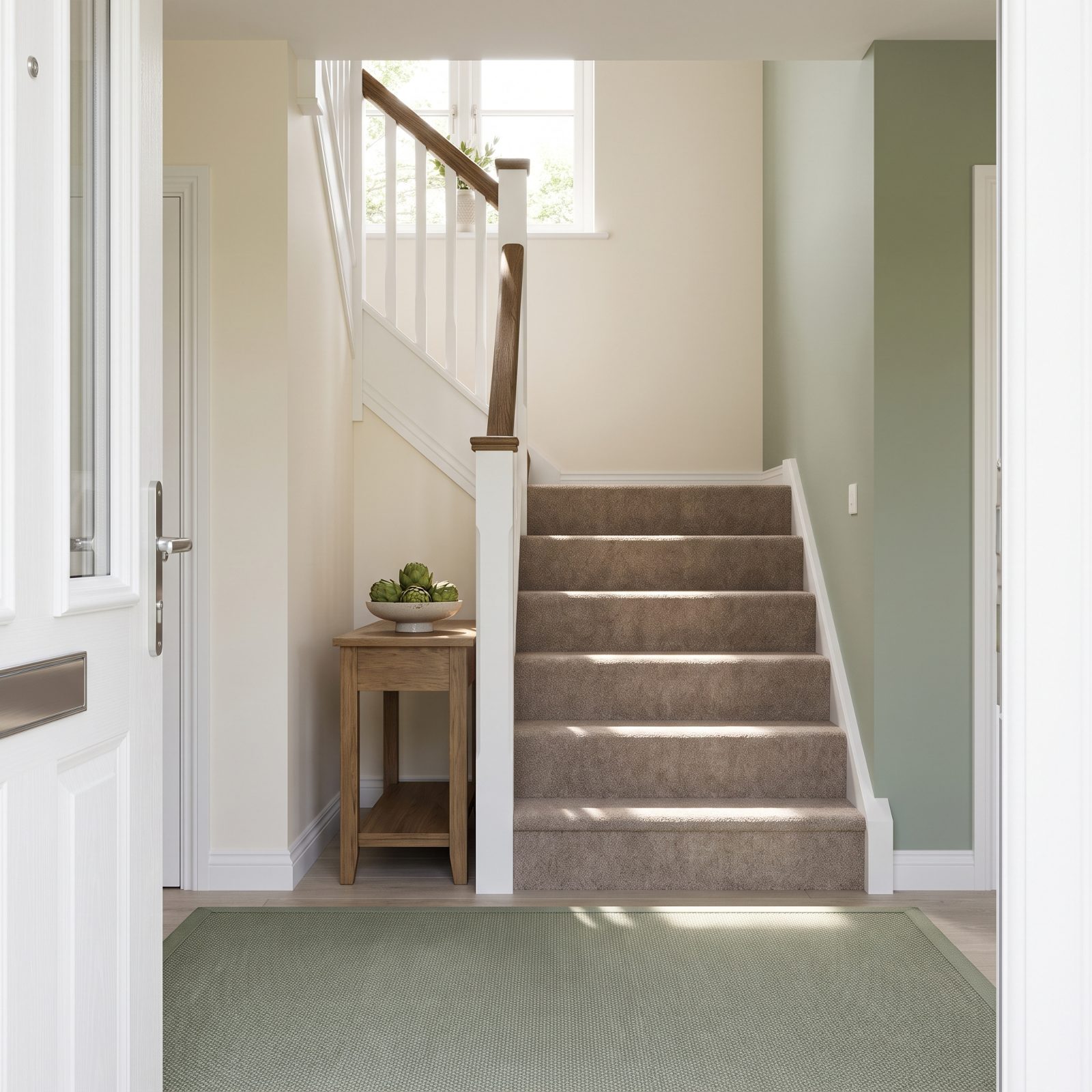
Stairs square-on to the door feel abrupt, like the house is shoving you upward the second you cross the threshold. And it means a tight scramble when two people arrive together and one wants up while the other is still wrestling off a coat.
Not always a flaw, though. A graceful staircase facing the entry can be the showpiece of the whole home. What agents really assess is the landing room at the bottom. If there’s space to stand, set down a bag, and step sideways, it works beautifully. If that bottom step practically kisses the welcome mat, it reads cramped.
A beautiful staircase is a welcome. A staircase you walk straight into is a hallway that gave up.
20. A Clear View Through to the Backyard
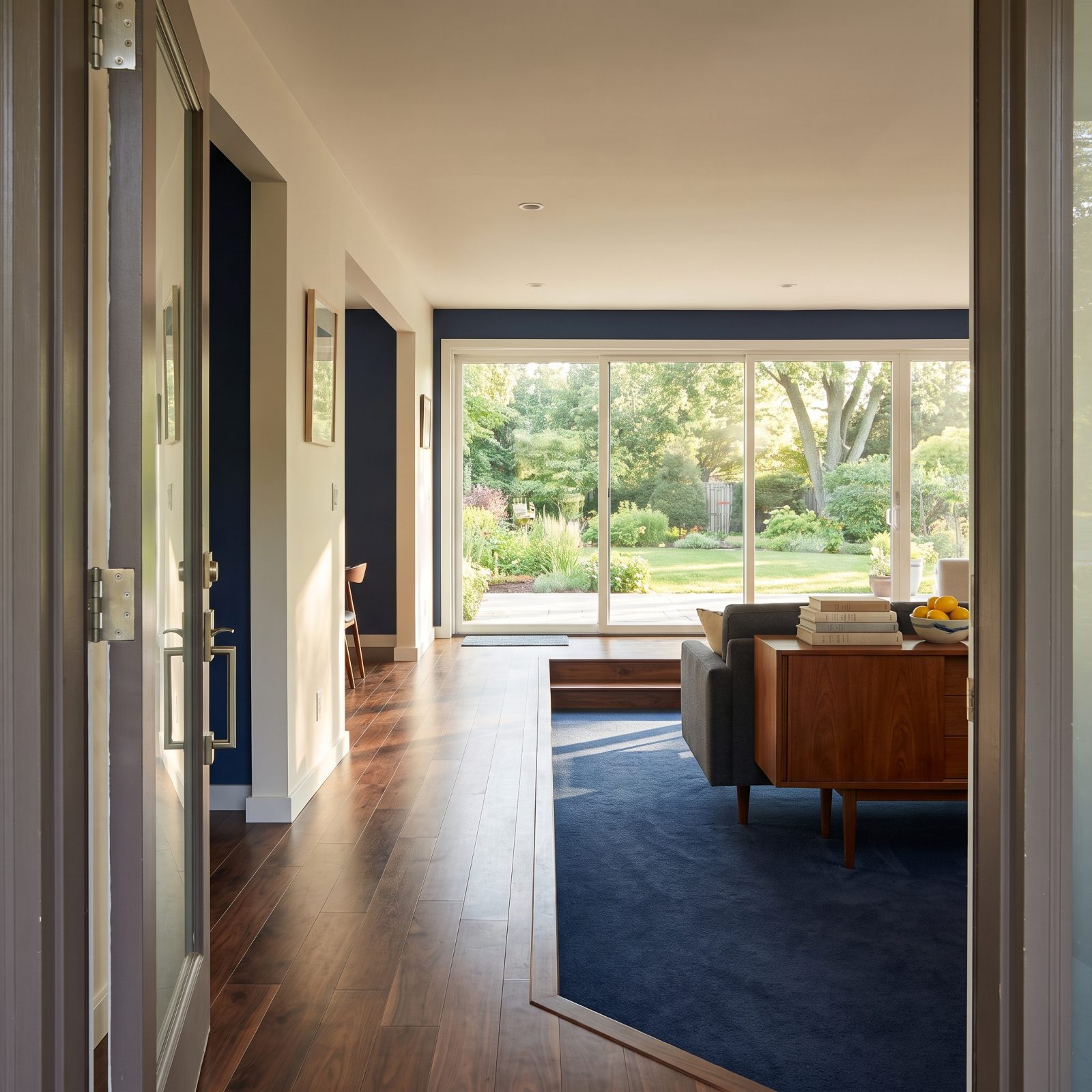
This one’s a gift. Open the door and your eye travels all the way through the house to the lawn, the trees, a patch of sky. Agents love it because it makes a modest footprint feel twice as large, and it sells the outdoor space before anyone walks a step.
Keep the line honest. Nothing kills a through-view faster than a towering plant, a stack of boxes, or dark curtains at the far glass. Clear the path, let the light pull forward, and the whole home reads brighter.
19. A Front Door That Swings Into the Main Traffic Path
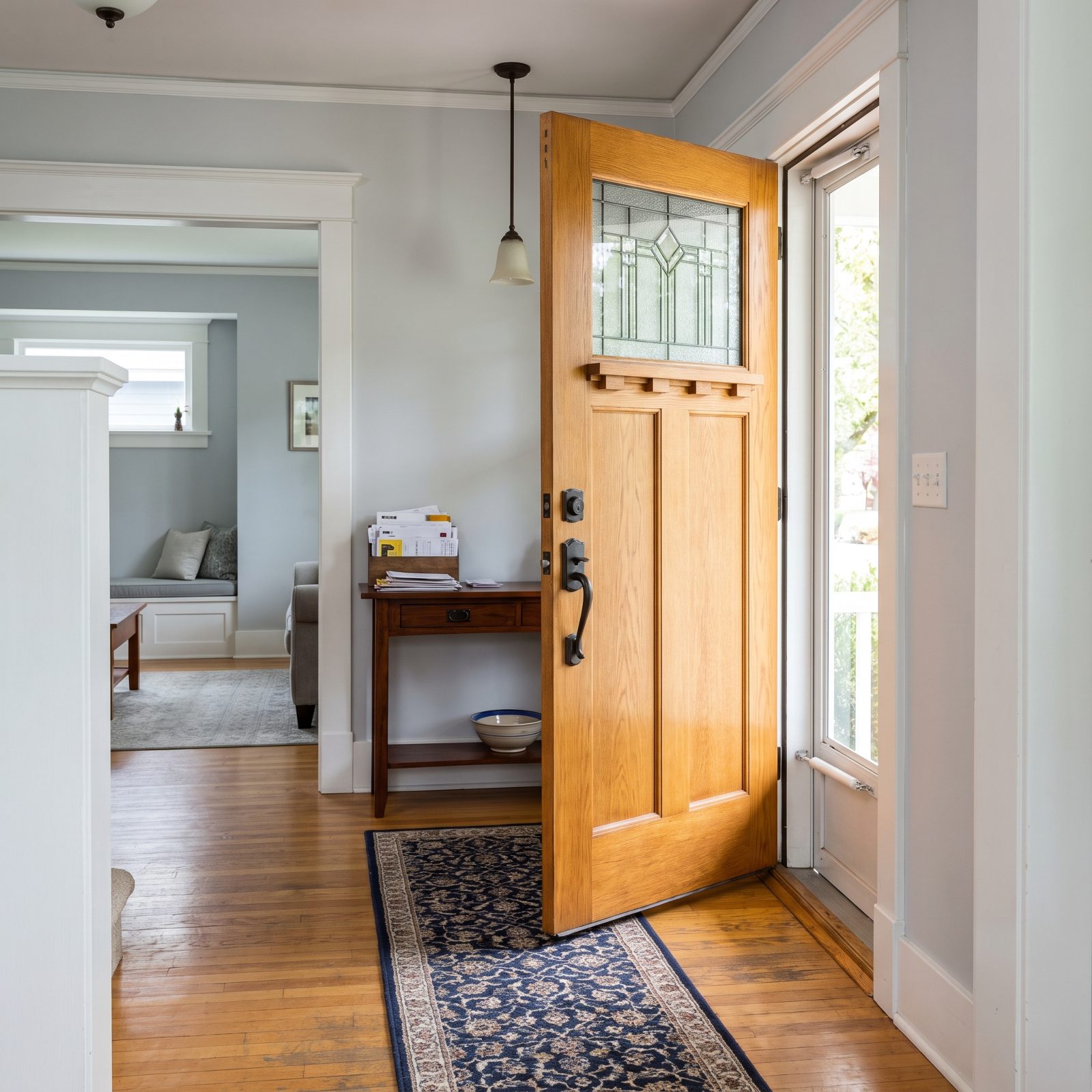
You step in, and the door you just opened is now standing between you and everywhere you want to go. People sidestep it on instinct and never quite register why the entry feels like a shuffle.
Agents catch themselves doing this little dance the moment they cross the threshold. Sometimes rehanging the door to swing the other way solves it outright. Where that’s not possible, a wall-mounted doorstop and a cleared radius keep the swing from eating the only route into the home.
18. An Interior Door That Collides With the Front Door
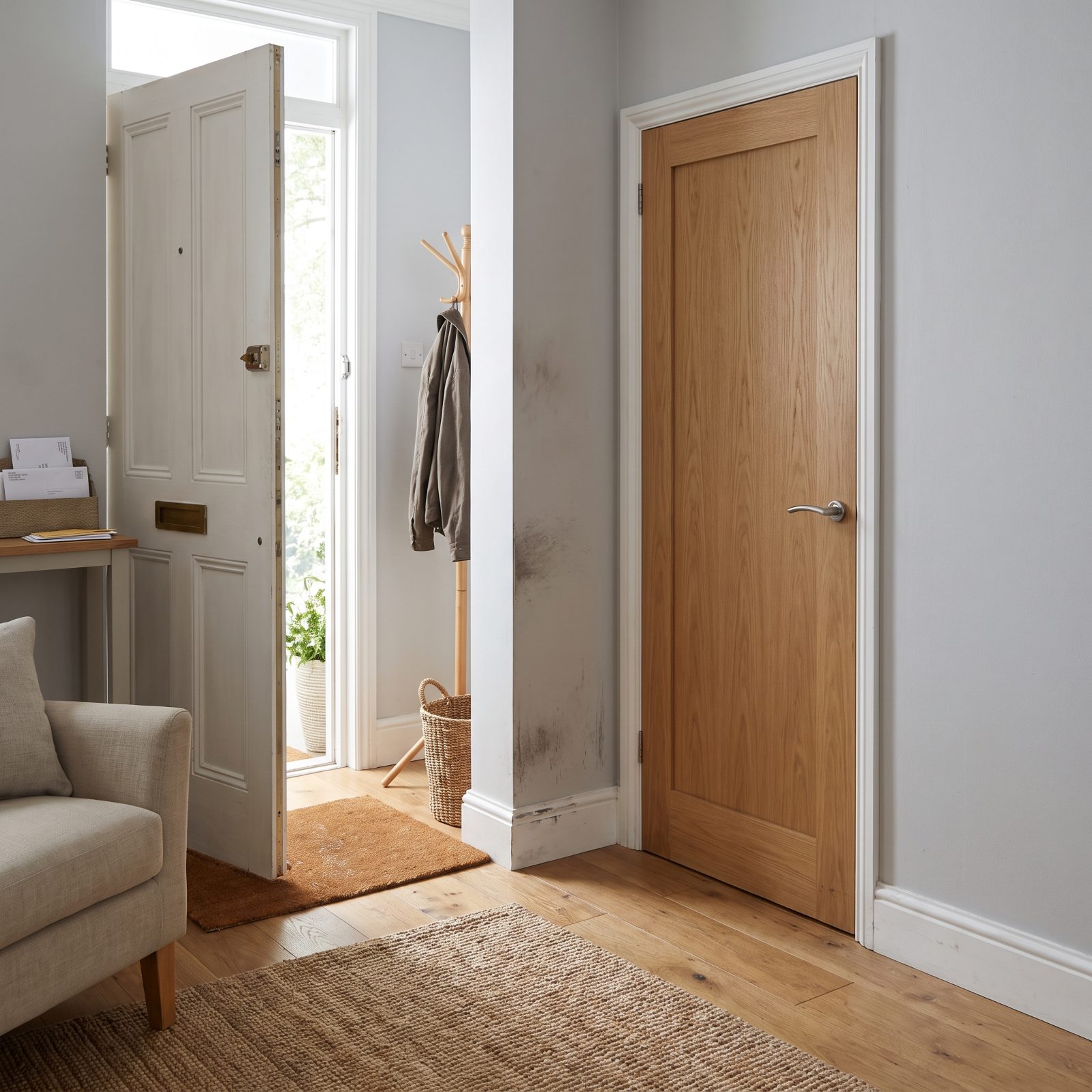
Two doors, one small space, and a dull thunk every time both open. Look at the corner of the wall between the doors and you’ll usually find the evidence — dark scuffs up the edge, chipped paint on the skirting board, grime where people have been squeezing past for years.
Small thing, but it whispers a bigger one to a trained eye. Tight door clearances usually mean the floor plan was squeezed. A soft-close hinge and a felt bumper stop the damage. Swap one door for a pocket or sliding style and the collision disappears for good.
17. A Light Switch Hidden Behind the Open Door
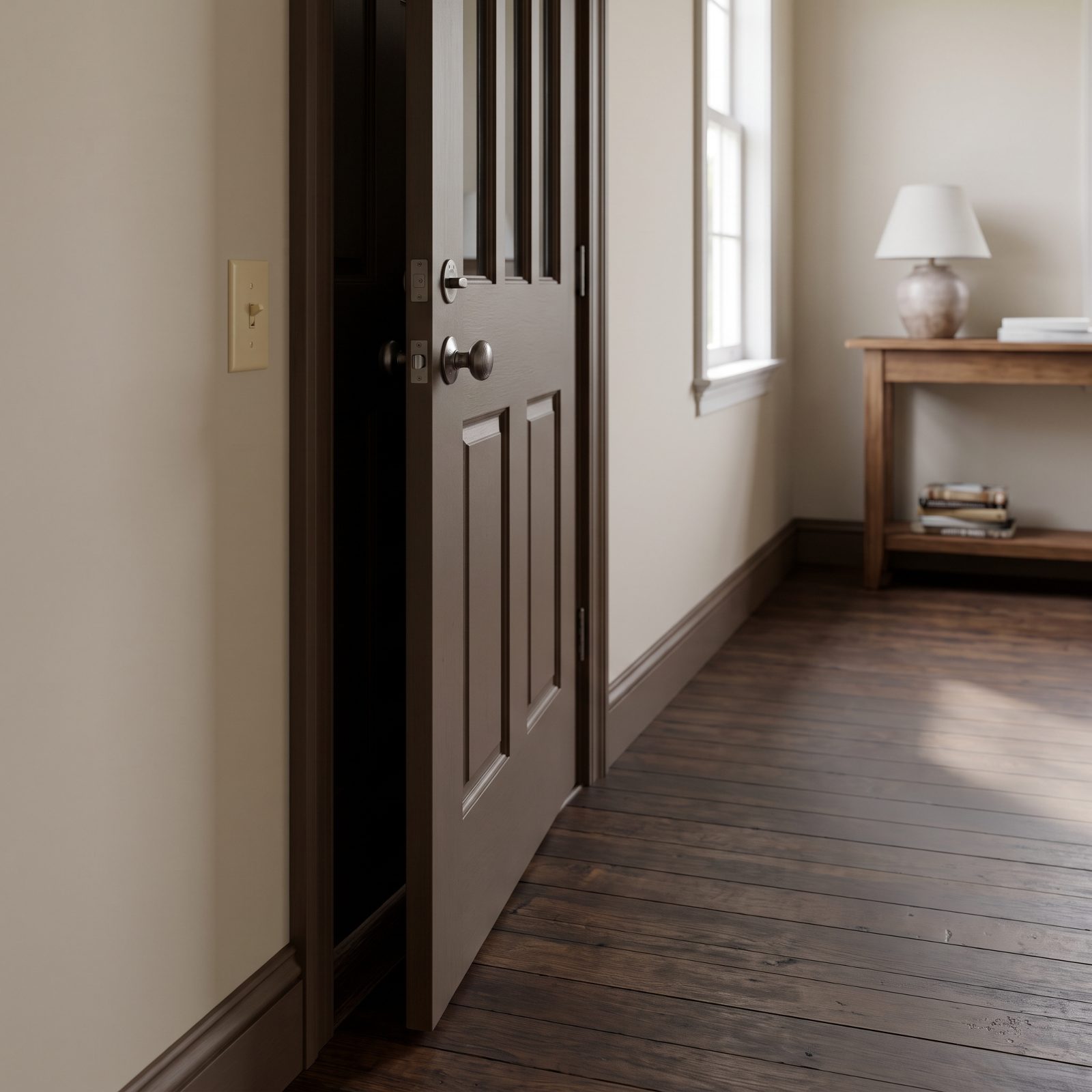
Walk in after dark and your hand should land on the switch right beside the latch. When it’s pinned behind the door you just opened instead, you’re patting a blank wall. Small annoyance, daily frustration. Agents catch it because they notice themselves fumbling.
That points to a lazy wiring layout, the switch landing on the hinge side instead of the handle side. Short of moving the box, a smart bulb on a motion sensor or a plug-in lamp on a timer fixes the dark arrival without touching a wire.
16. A Front Hall Too Narrow for Two People to Pass
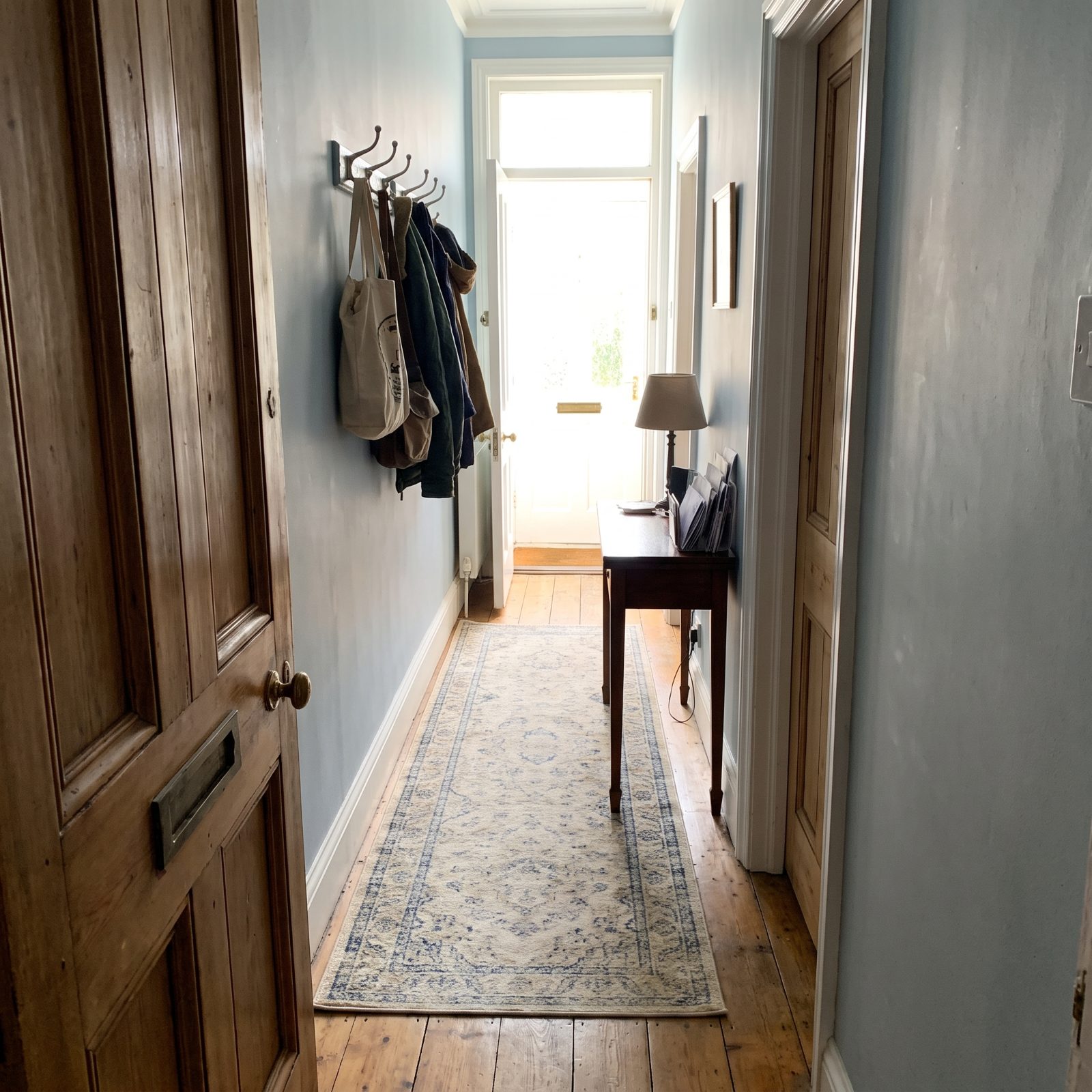
Shoulder-turning territory. Two people can’t move through at once, so arrivals and departures become a polite traffic jam. Buyers feel it as cramped long before they figure out why.
Honestly, there’s no magic trick to conjure inches you don’t have. But you can stop making it worse. Pull the bulky console out, swap deep coat hooks for slim ones, hang a large mirror to fake depth, and keep the floor clear of shoes. A narrow hall that’s empty reads far wider than a slightly wider one buried under clutter.
15. A Closet Door That Blocks the Hall When Open
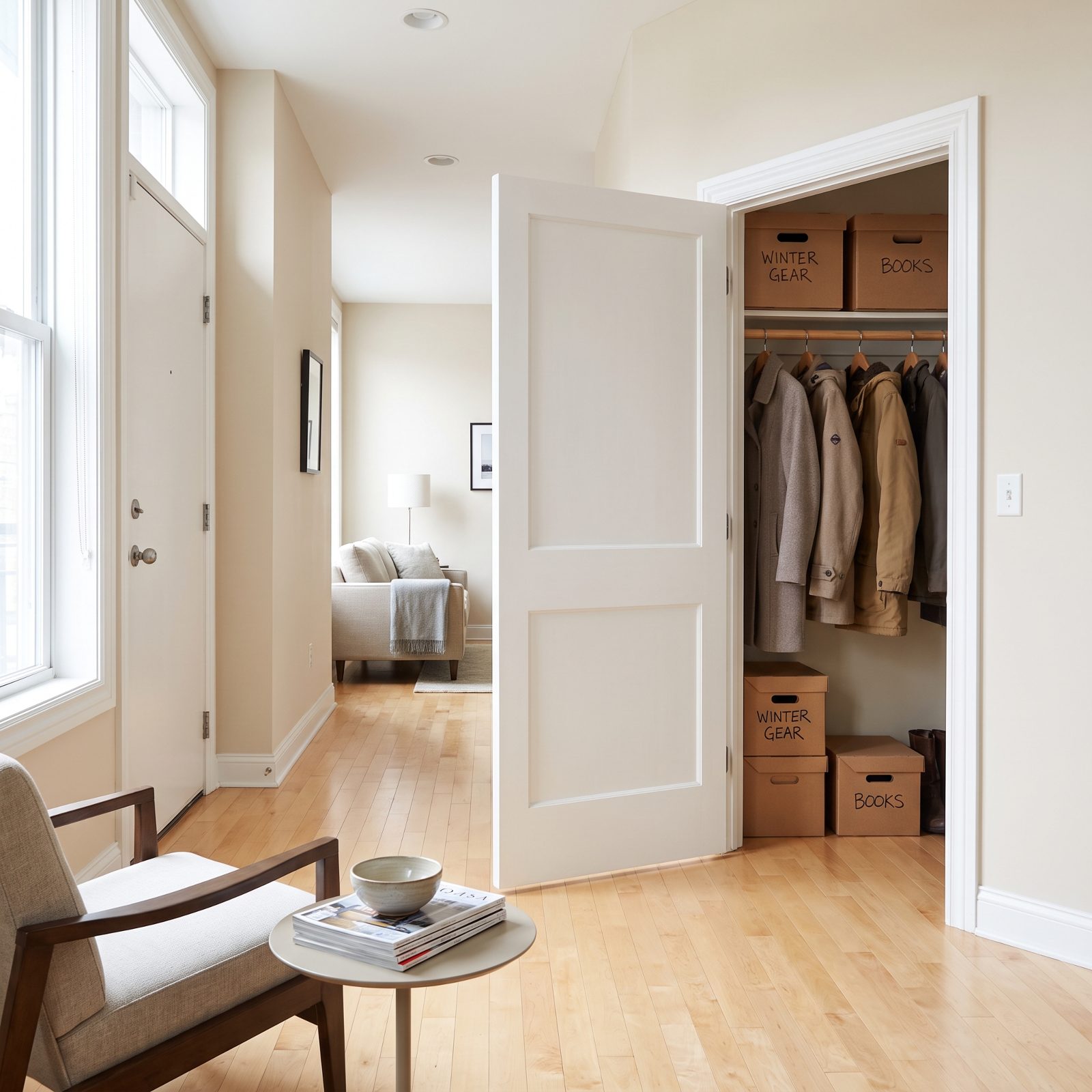
Open the coat closet and the whole hall shuts down behind that door leaf. Anyone grabbing a jacket becomes a roadblock for everyone else trying to get past.
Agents rate the closet as useful and awkward in the same breath. The storage is welcome; the swing is not. Converting it to bifold or sliding doors reclaims the full width of the hallway, and it’s one of the cheaper upgrades that genuinely changes how a space feels to move through.
14. No Coat Storage Near the Entrance
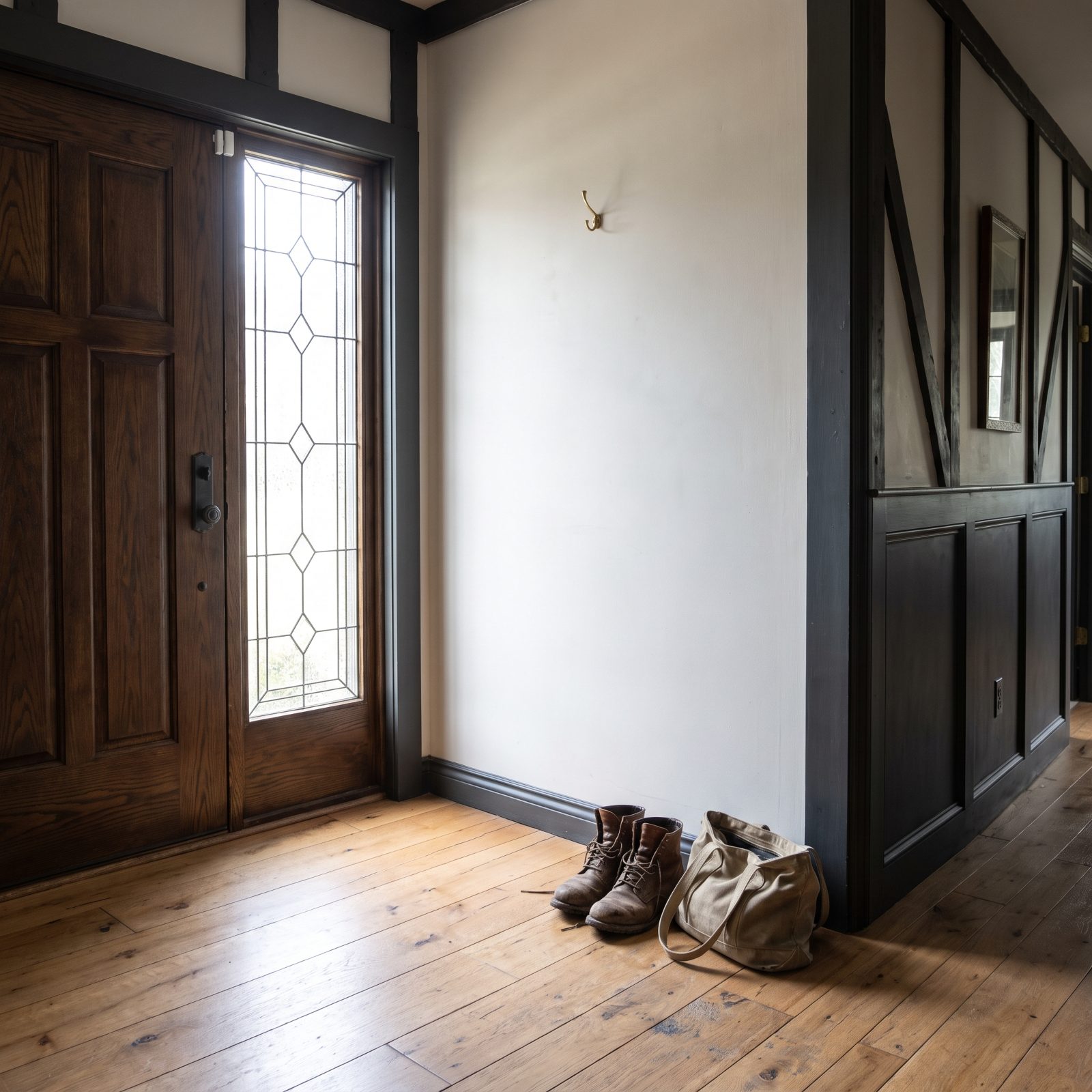
Nowhere to put the coat, the keys, the muddy boots. So they end up draped over chairs and heaped by the door, and the whole entry looks perpetually mid-move.
This is the one buyers forgive least, because every single day starts and ends right here. Good news: it’s also the easiest to fix. A wall of hooks, a shallow bench with baskets tucked underneath, a slim console with a drawer. Even a single well-placed row of brass hooks turns a dead wall into a working entry and makes the home feel organized from the first step inside.
13. Furniture Arranged to Hide an Awkward Walkway
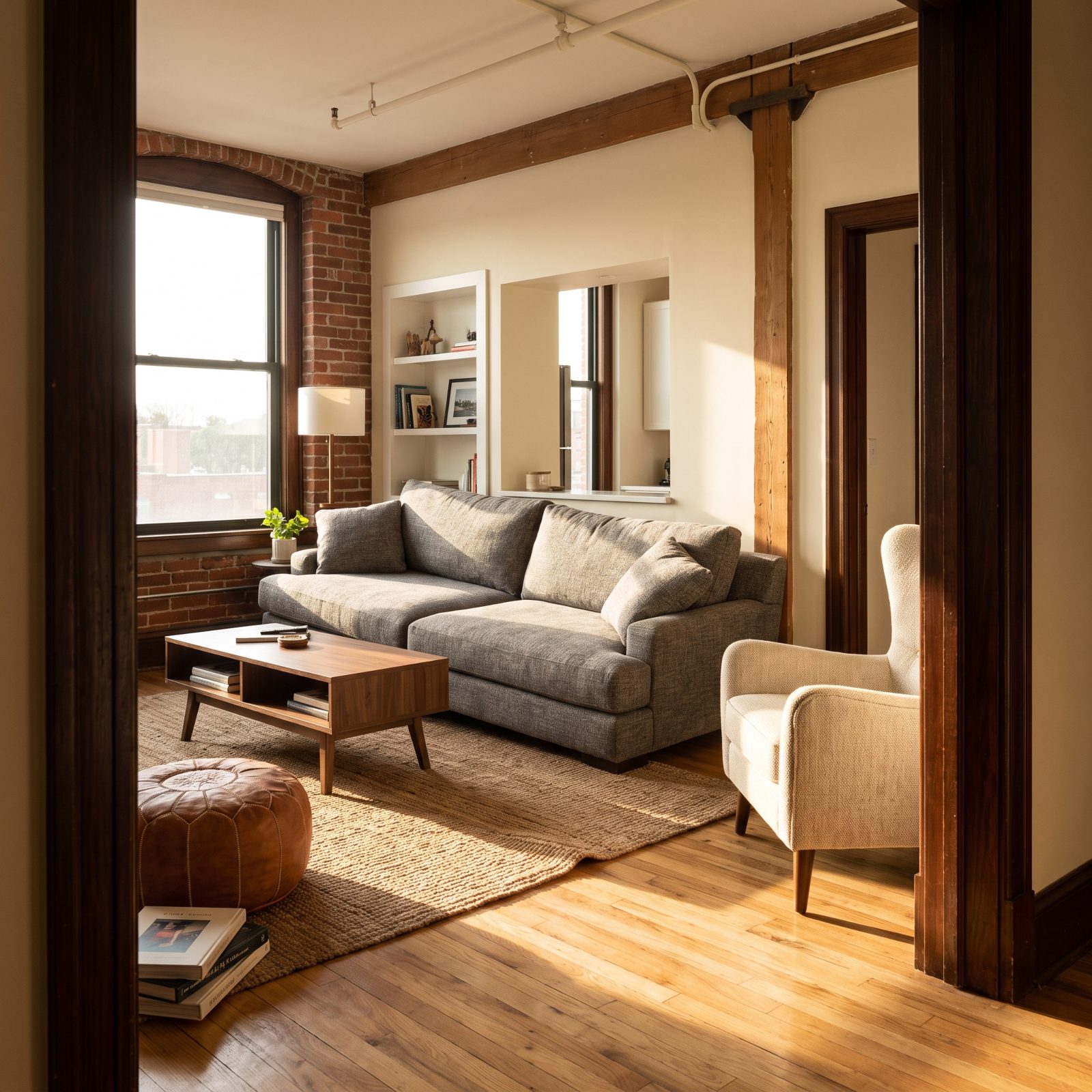
Sometimes a sofa sits at a strange angle not for the view but to disguise bad flow. Realtors catch this in seconds — they watch where their own feet want to go, and if the path forces a detour around a chair, the layout is fighting the house.
A room that makes you shuffle sideways to cross it feels smaller than its square footage. So pull the furniture off the walkway, even if the arrangement ends up less tidy. Movement should feel obvious, not solved like a puzzle.
12. The Front Door Opening Straight Into the Dining Area
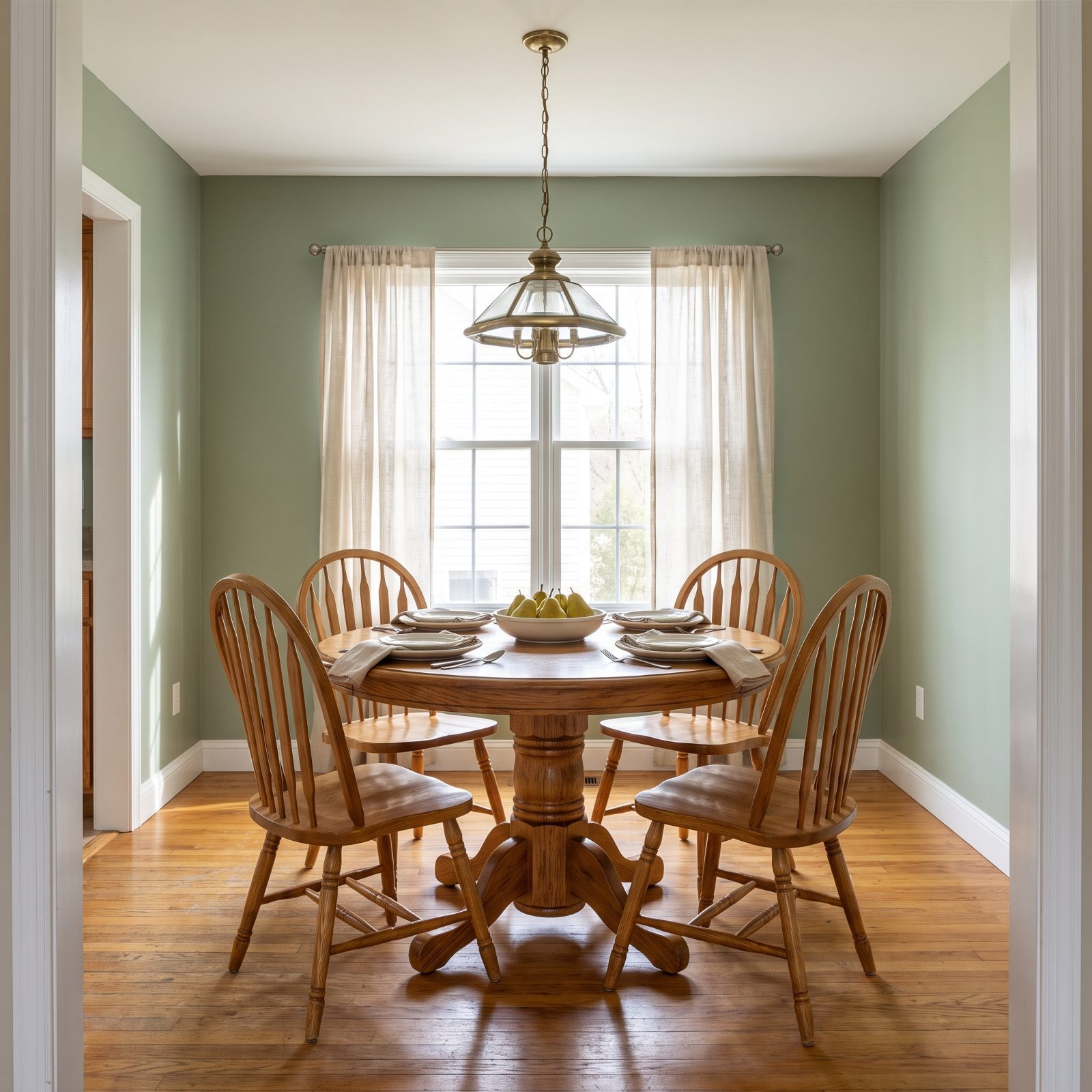
There’s no gentle way to enter a home that greets you with a dinner table. The door swings, and suddenly you’re standing where people eat. It skips the pause a foyer gives you, so the house feels like it starts mid-sentence.
Realtors read this as a missing transition. A rug change, a tall plant, a slim bookshelf set perpendicular — any of these can carve out the suggestion of an entry even where the architecture never built one. The brain wants a beat between outside and in.
11. The Kitchen Fully Visible From the Threshold
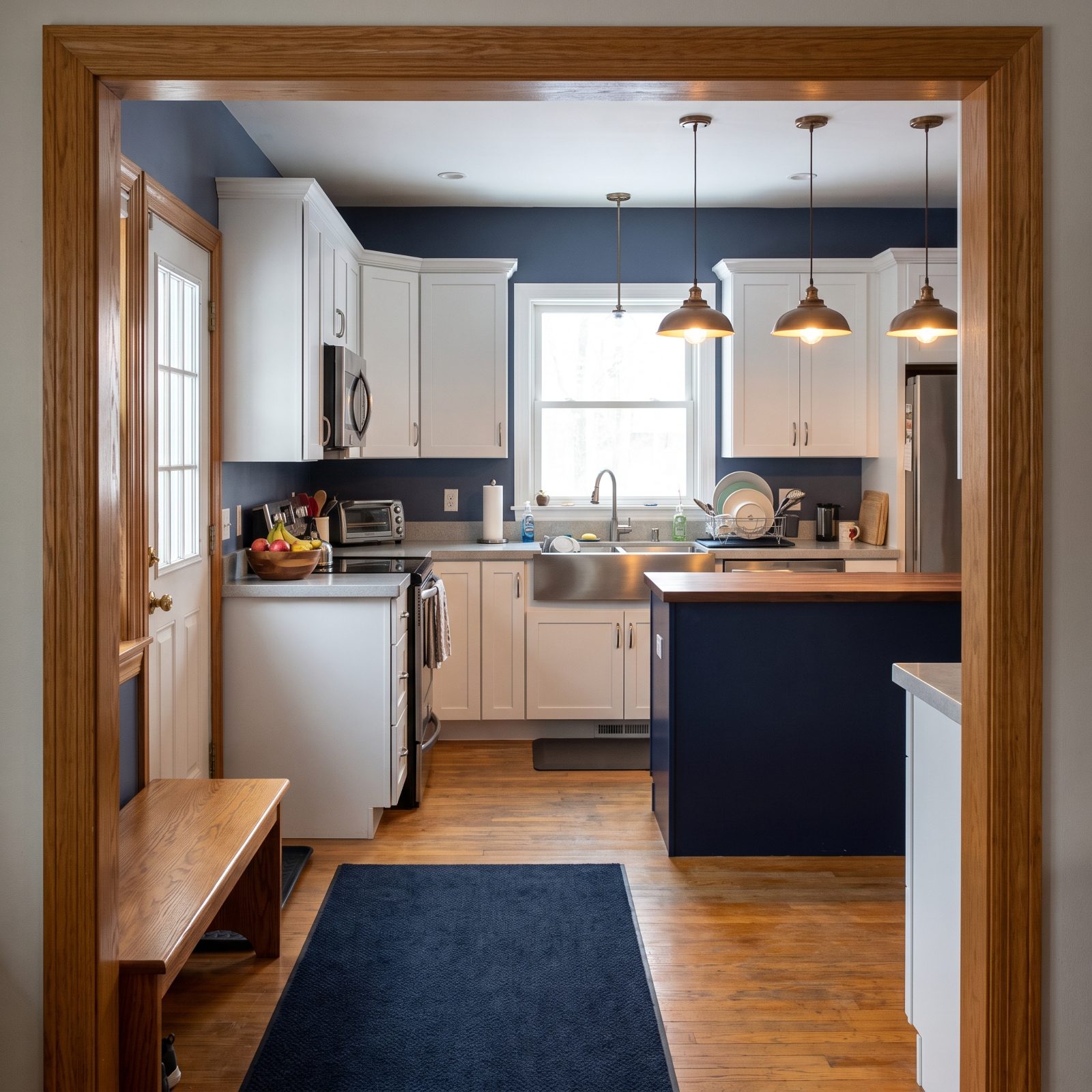
An open kitchen visible from the door sells itself when it’s clear and sabotages itself when it isn’t. Every dish in the sink, every crumb on the counter, becomes the home’s opening line.
Realtors scan the countertops first. A full dish rack and a crowded counter tell them the home is lived in hard — not the message a seller wants leading the tour.
10. A Refrigerator Dominating the First Interior View
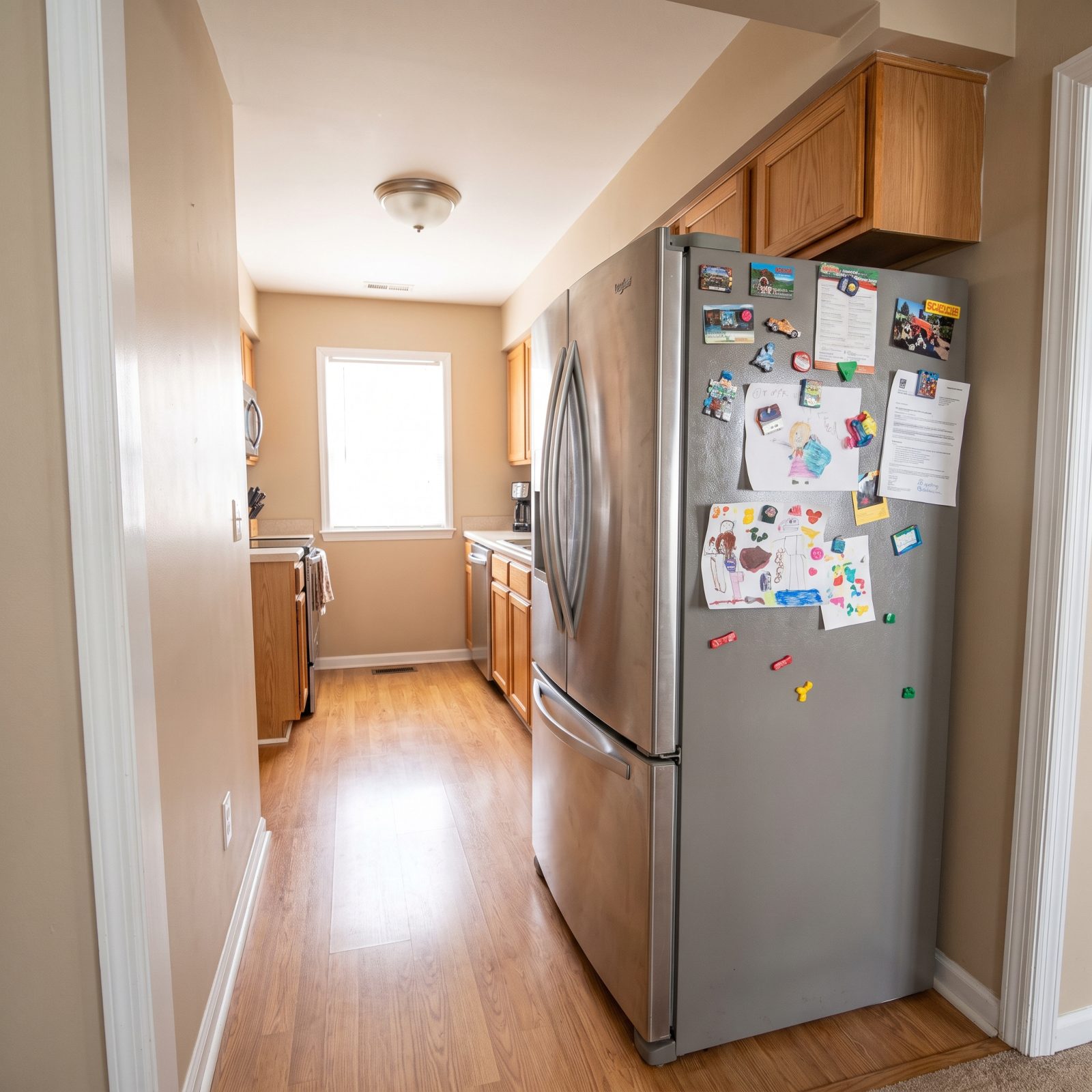
Nothing deflates a first impression like a refrigerator standing guard at the end of the sightline. Bulky, utilitarian, and when it’s the first thing you register, the whole home starts feeling like a utility closet.
It’s worse when the fridge wears a collage of magnets, takeout menus, and finger paintings. Realtors strip that surface bare before a showing. A blank fridge nearly vanishes; a busy one yanks every eye in the room straight toward the least glamorous appliance in the house.
9. A Bedroom Visible From the Front Entrance
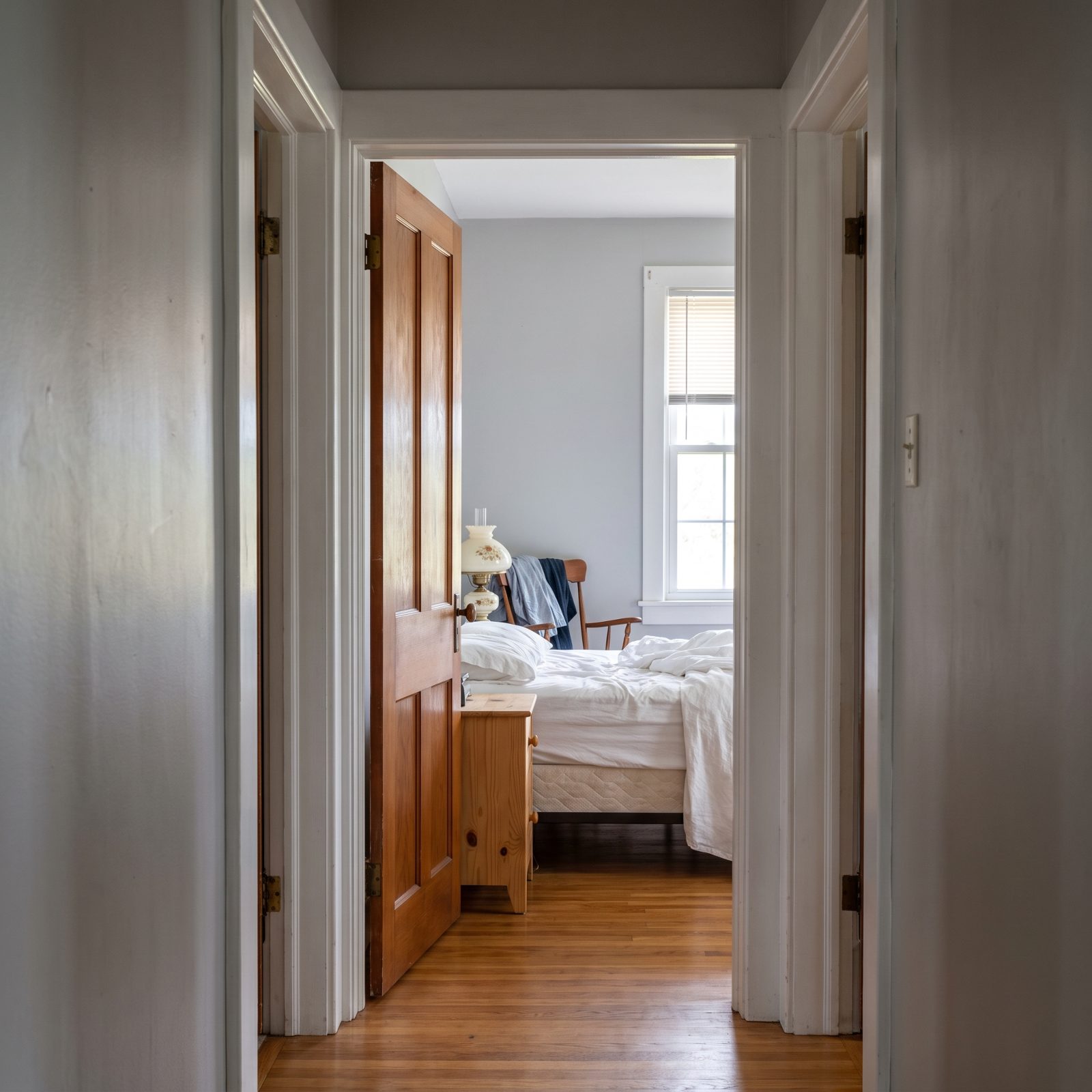
A sightline running from the front door straight to a bed crosses a line most buyers feel without naming. Private space shouldn’t be the opening scene. It makes the home feel cramped and oddly intimate at exactly the wrong moment.
Realtors handle it with a half-closed door, a folding screen, or a tall plant to break the view. And the bed gets made — always. An unmade bed glimpsed from the entry reads as careless, and that impression leaks into every room behind it.
8. Low Ceilings Made Lower by an Oversized Fixture
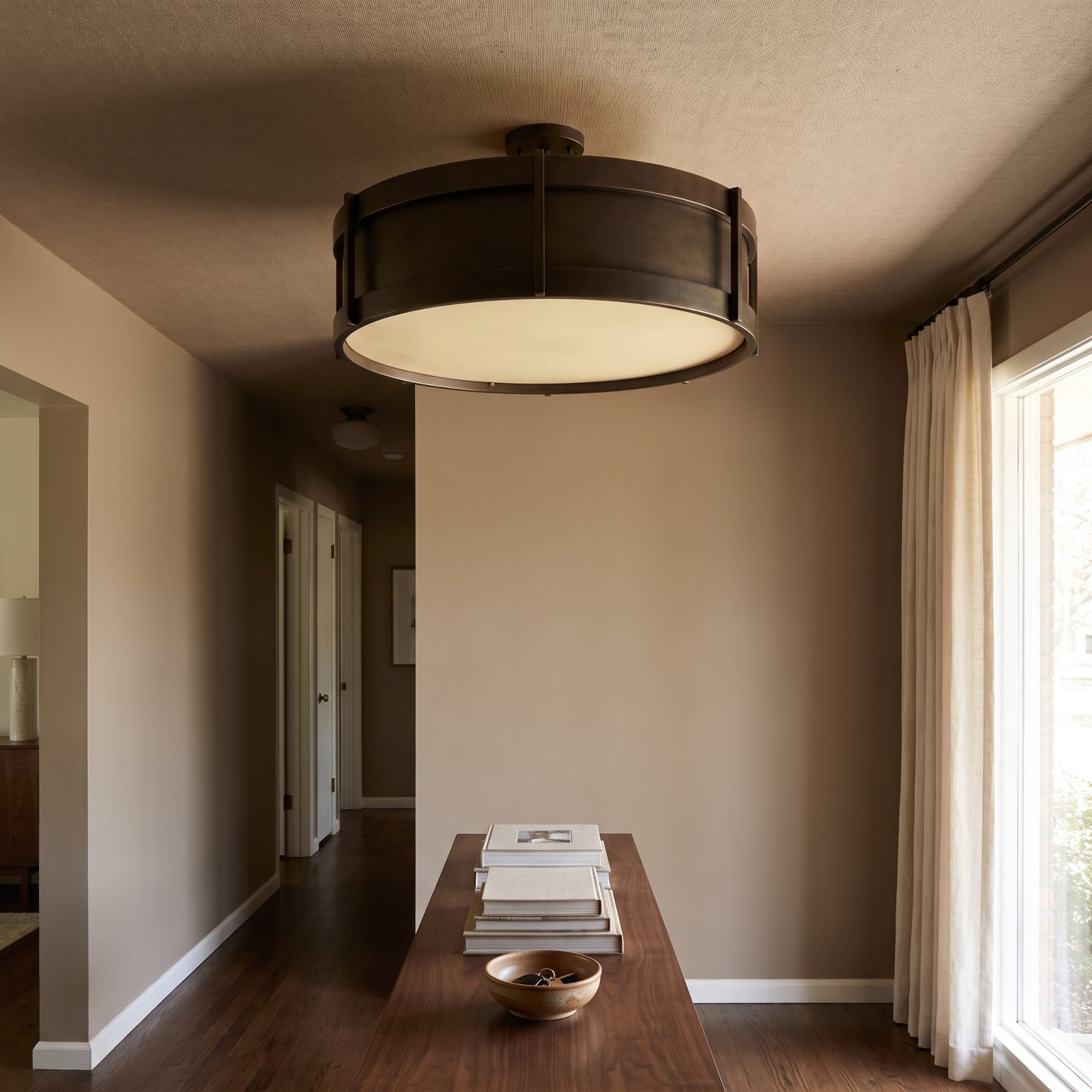
A big fixture on a low ceiling is a double loss. The ceiling already feels close, and a chunky light shoves it closer still. Your eye clocks the height before anything else, and a heavy brass drum shade dangling at head height makes a room feel like it’s leaning in on you.
Swap it for a flush-mount or a slim semi-flush in a pale finish. The ceiling reads taller the moment the clutter overhead clears.
7. Natural Light Blocked by Heavy Window Coverings
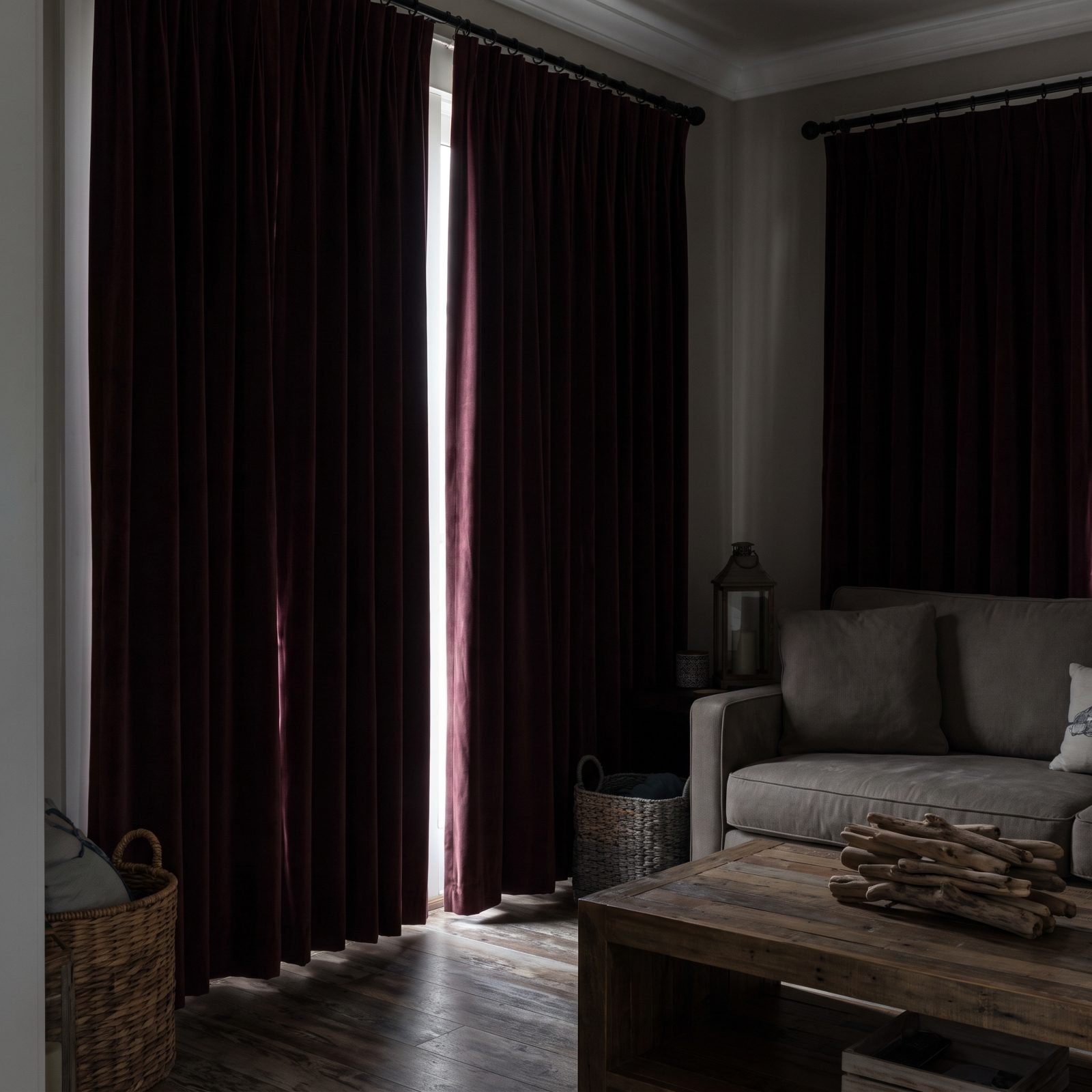
Heavy drapes do a room no favors at a showing. Burgundy velvet puddling on the floor swallows every scrap of daylight that tries to get in, and a dim entry feels smaller, older, and less loved than the same room full of light.
Realtors throw the curtains wide and raise every blind before a buyer arrives. Light sells. A dark room asks the buyer to imagine the home at its best; a bright one just shows them.
6. Different Flooring in Every Visible Room
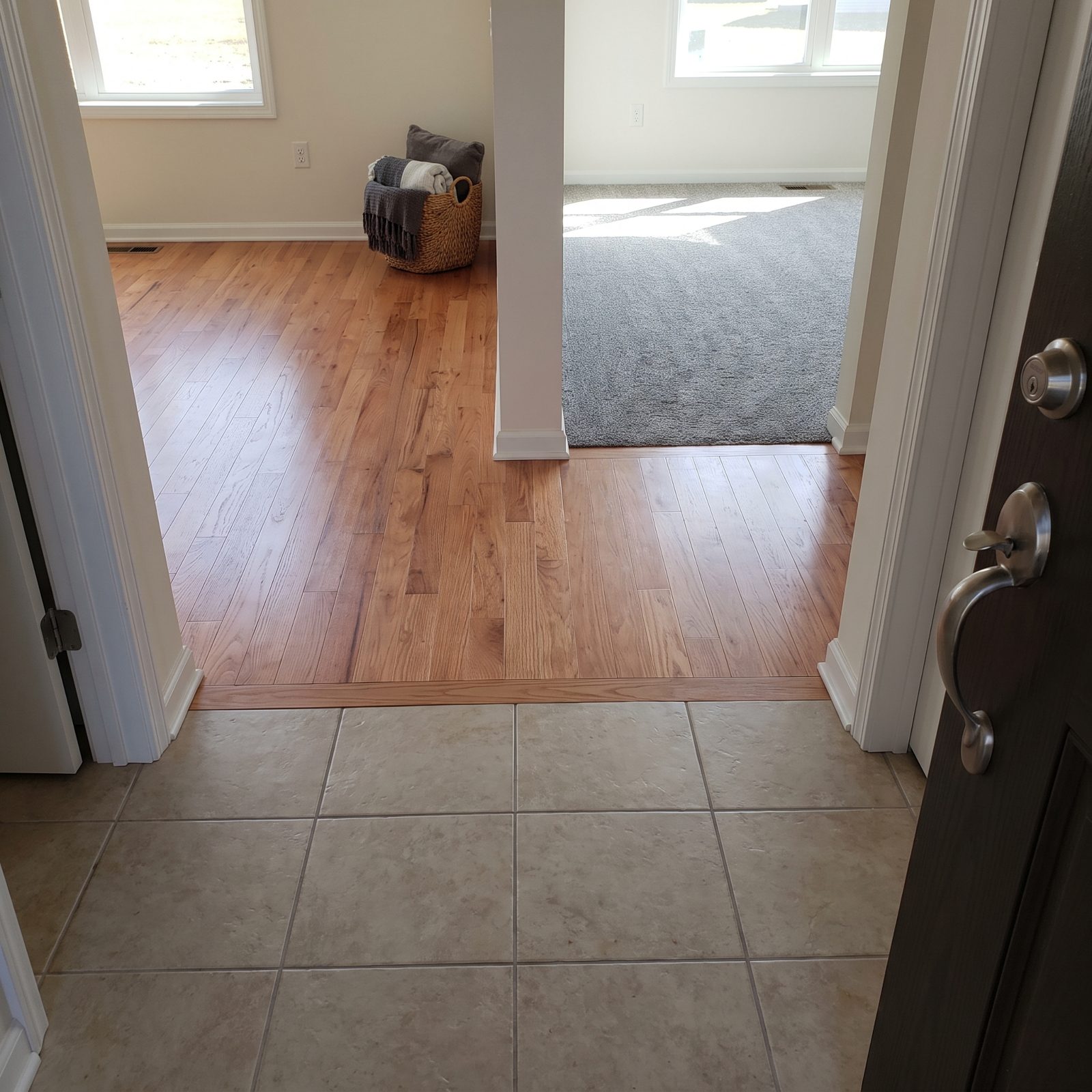
Stand at the door of a home where every visible room wears a different floor, and the space fractures right in front of you. Tile, then oak, then carpet, each butting up against a metal threshold strip. The eye keeps catching on the seams, and the whole level feels chopped into pieces instead of reading as one.
Continuous flooring is one of the biggest visual upgrades a home can get. Run one material from the entry through the main living spaces and the square footage reads larger, even though not a single physical thing has changed.
5. Smoke Odor Embedded in the Entryway
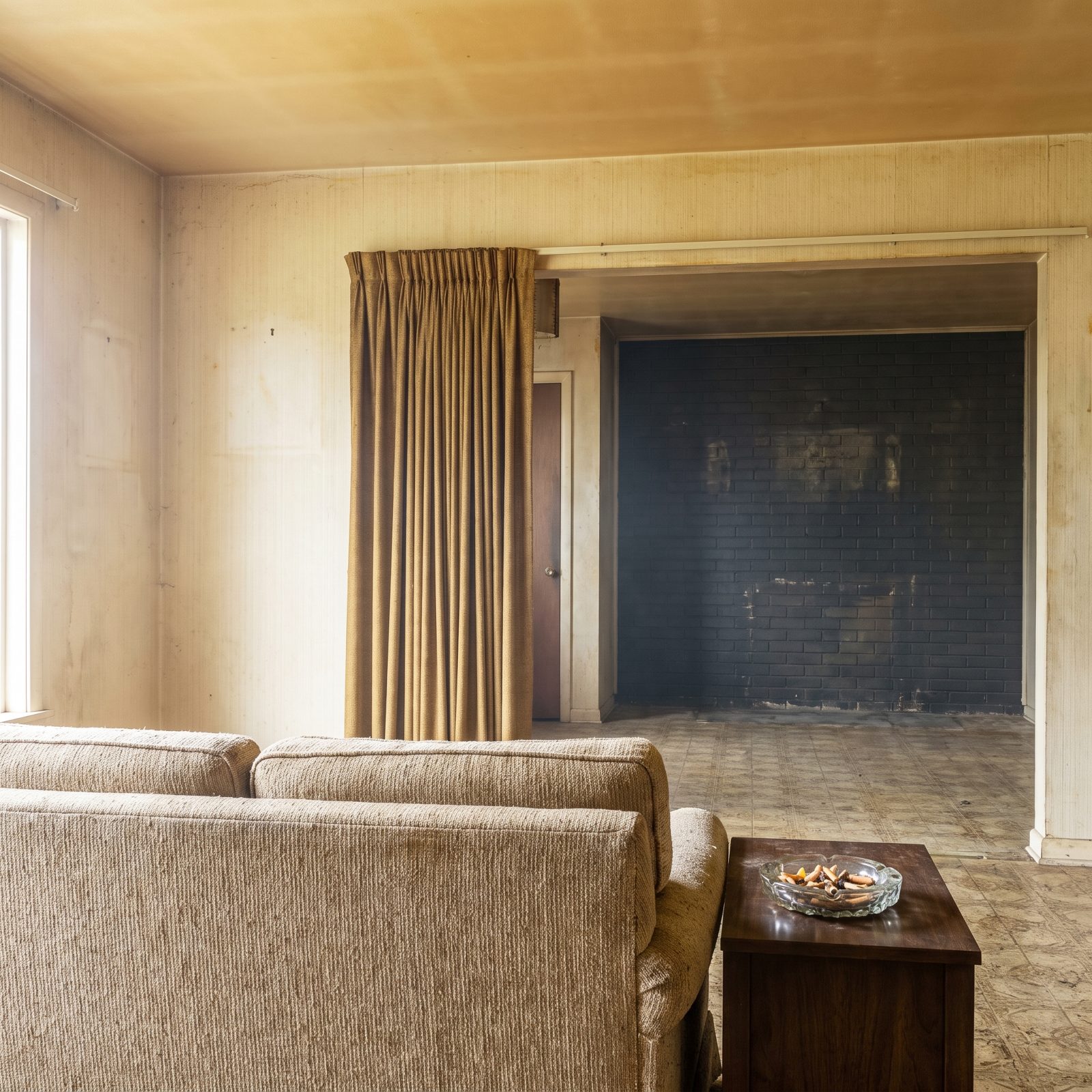
Smell reaches the brain faster than sight, and smoke in the entryway is the one clue a seller can’t style their way out of. It meets a buyer at the door and tints everything that follows. The yellowed cast on cream walls and the amber stain on the ceiling give it away before the nose even confirms it.
This is the hardest first impression to repair. Soft surfaces hold the odor, so curtains, carpet, and upholstery often have to go, and the walls usually need a sealing primer before paint. Air fresheners just stack a second smell on top of the first. Buyers clock that too.
4. A Litter Box Tucked Right Beside the Front Door
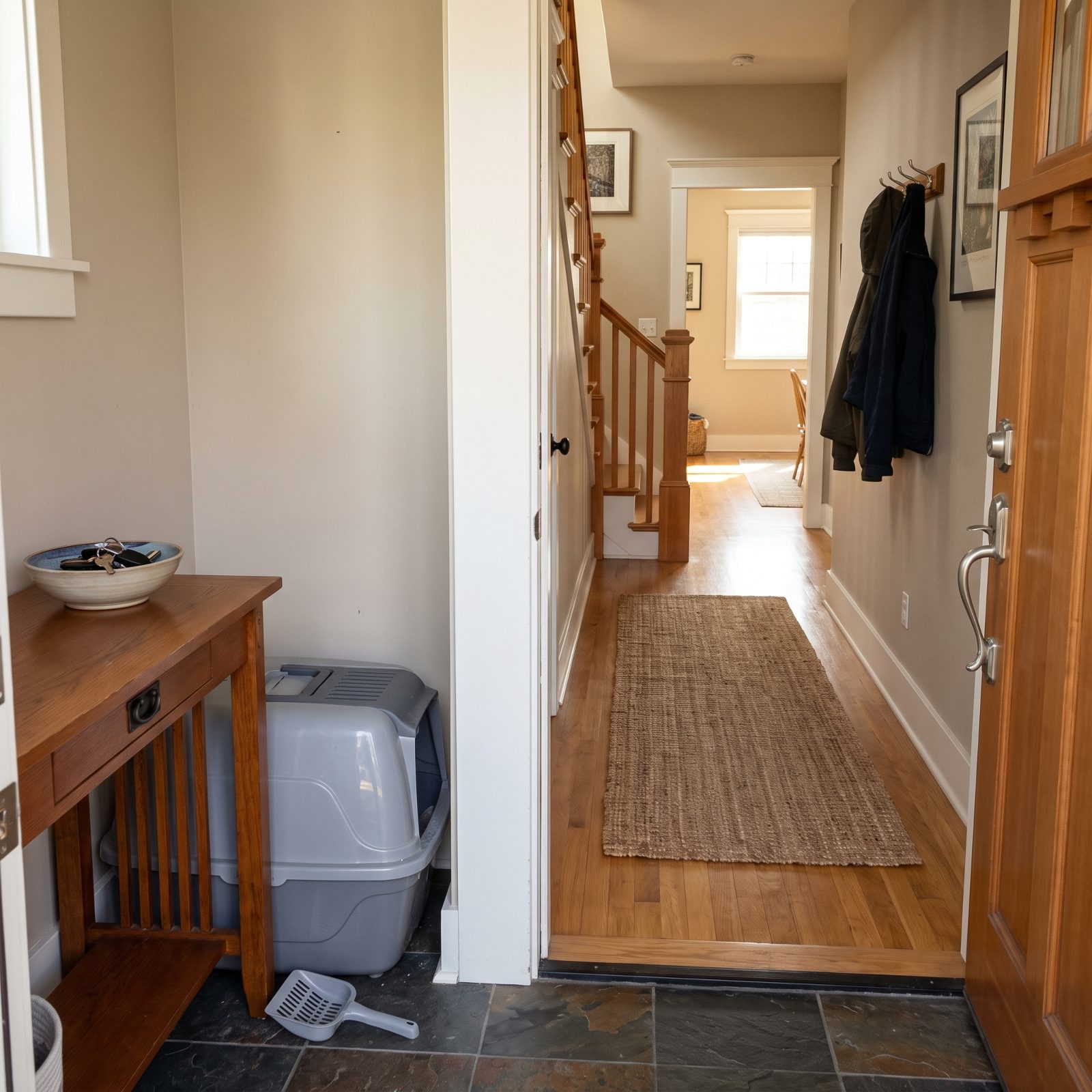
The box isn’t the problem. It’s where it sits. When the first thing a buyer meets past the threshold is a litter box, the whole house gets filed under one word — smell — even on days when there’s nothing to smell at all.
Realtors clock it in about two seconds. Where you put a thing announces how much you value it, and an entry litter box says the home had no better spot. That quietly raises questions about storage, about square footage, about whether the owners stopped noticing the odor years ago.
3. Traffic Noise That Only Reveals Itself Once You’re Inside
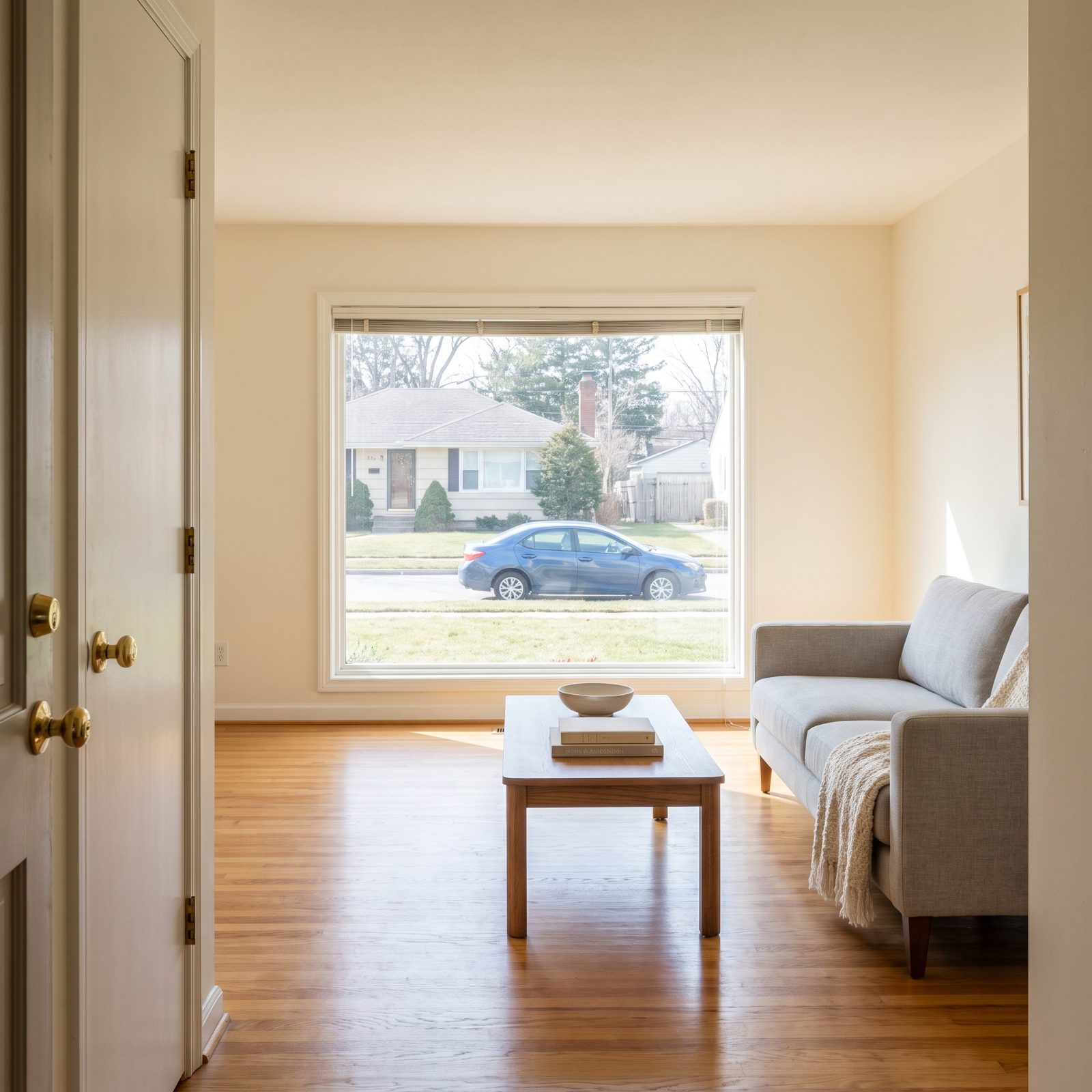
Outside, the street sounds like a street — background hum, nothing you’d flag. Step through the door and the ear recalibrates, and suddenly every passing car and downshifting truck and distant siren registers, because now the brain has nothing competing to filter them against.
Agents learn to notice that gap between the curb and the couch. Older single-pane windows and hollow doors let the racket right in. But the real tell isn’t the noise — it’s the owner’s reaction to it, the reflexive grab for a remote or a radio dial the second a buyer pauses to listen.
2. Sound That Carries From the Entry Clear Through the House

Open floor plans sell on light and flow. They also broadcast.
A realtor gives a normal greeting at the door and hears their own voice land at the back of the house a half-beat later. High ceilings, hard floors, bare plaster, an open stairwell — the whole place turns into a soundbox. Buyers feel it as a vague unease long before they can name it.
What agents are quietly weighing here is livability. If a conversation at the door reaches the bedrooms, privacy becomes a luxury item. The cure is dull stuff — rugs, upholstery, lined curtains — and homes that go without tend to feel unfinished in a way nobody can quite put a finger on.
1. A Doorbell Camera Watching Buyers Arrive
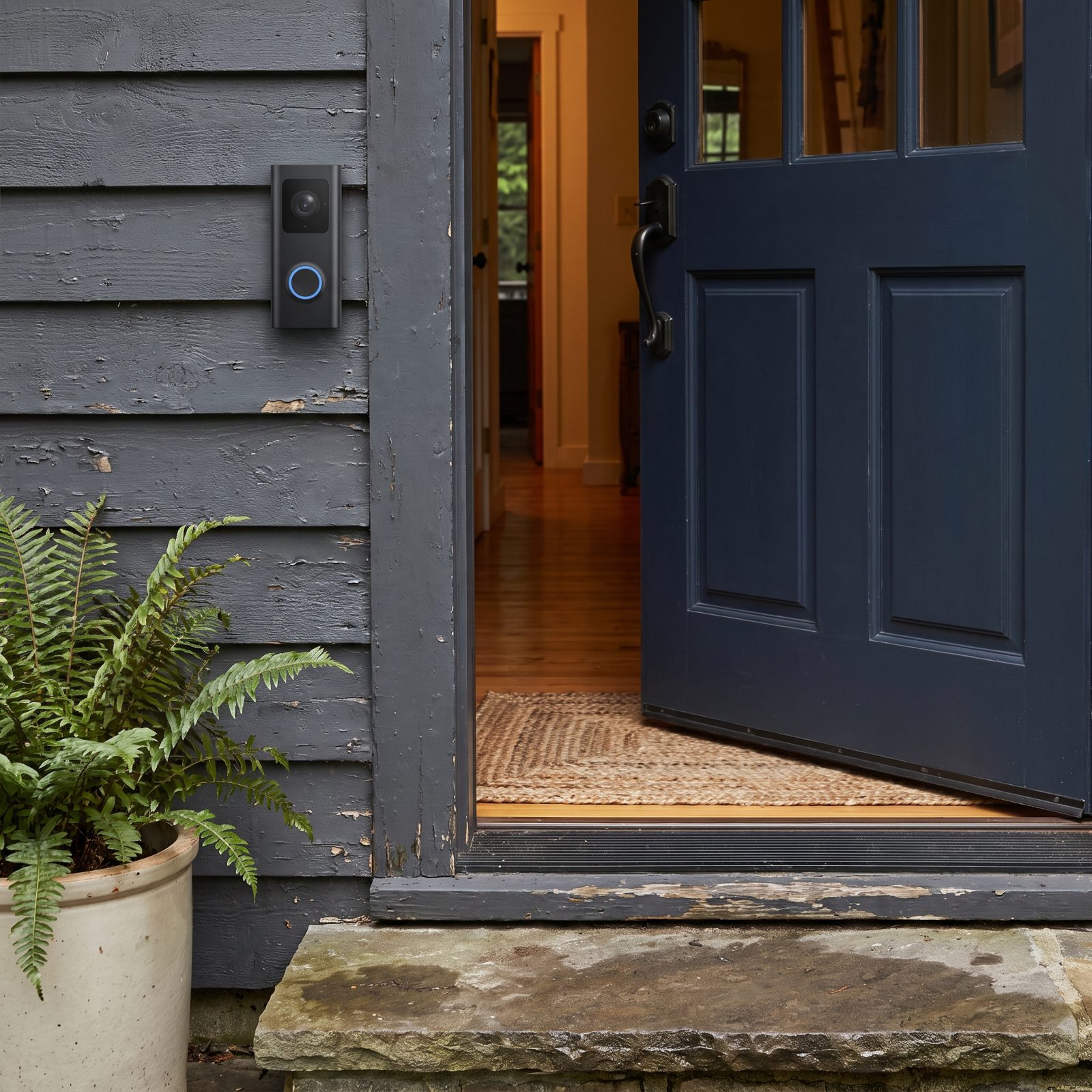
That little lens by the door changes how everyone behaves on the step, and buyers know it. Agents coach clients to save their comments for the car. The camera is why.
And past the awkwardness, there’s a legal wrinkle. In many states, recording video of visitors at your own door is perfectly fine — but capturing audio of their conversation without consent can run headlong into two-party consent laws. The rules shift from state to state, which parks an active doorbell camera during showings in genuinely murky territory.