There’s a specific paralysis that hits somewhere between the junk drawer and the hall closet. You’re holding a mug you haven’t used since the last administration, and your hand simply won’t drop it in the box. So you stand there, negotiating with an object like it has feelings.
Please note that some of the images in this article were created with the assistance of AI.
If you’ve ever felt that exact stall, you already know where else it turns up. It’s the moment you know a relationship is over and you stay anyway. Same held breath, same excuses, same voice whispering maybe next month. The stuff on your shelves and the people in your life run on identical wiring, and once you see it, you can’t unsee it. These are the tells. Every one of them is true, and most of us are guilty of all of them.
17. You Remember the Sweater’s Best Years, Not Its Worst
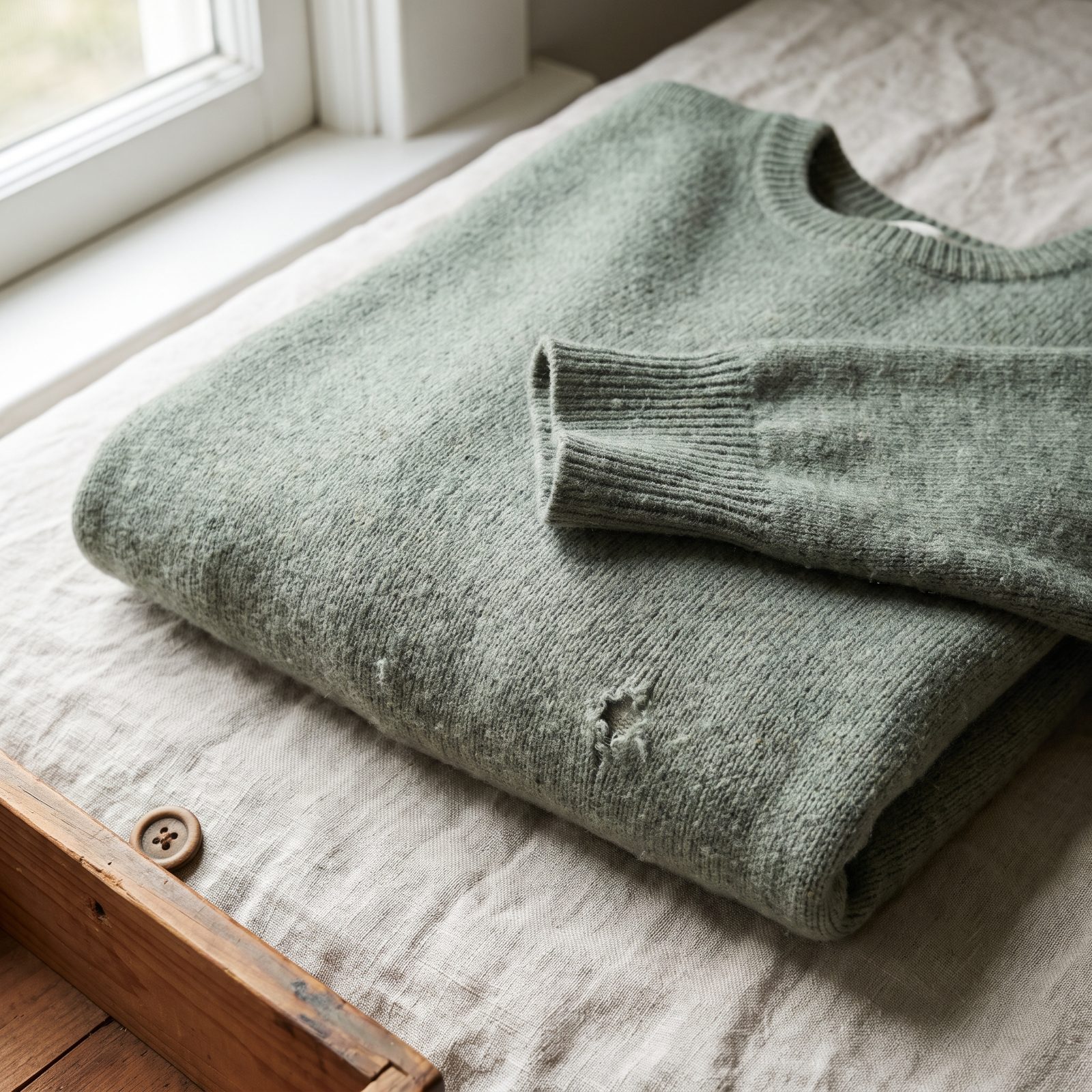
You hold up the sweater and your brain runs a highlight reel: the trip where you wore it, the way it looked that one autumn. What you conveniently skip is that it hasn’t fit right in years, the cuffs are shot, and there’s a hole you keep meaning to fix and never will.
Memory pulls the exact same trick when a relationship is ending. You replay the good weekend, the early months, the version of the person you first fell for, and the daily friction you’ve grown numb to gets filed somewhere you don’t look.
Psychologists call it the peak-end rule. We judge an experience by its best moment and how it wrapped up, not by the long flat middle we actually lived in. The sweater’s peak was five years ago. You’re keeping all of it to protect a sliver of it.
16. You Insist the Broken Toaster Still Has Potential
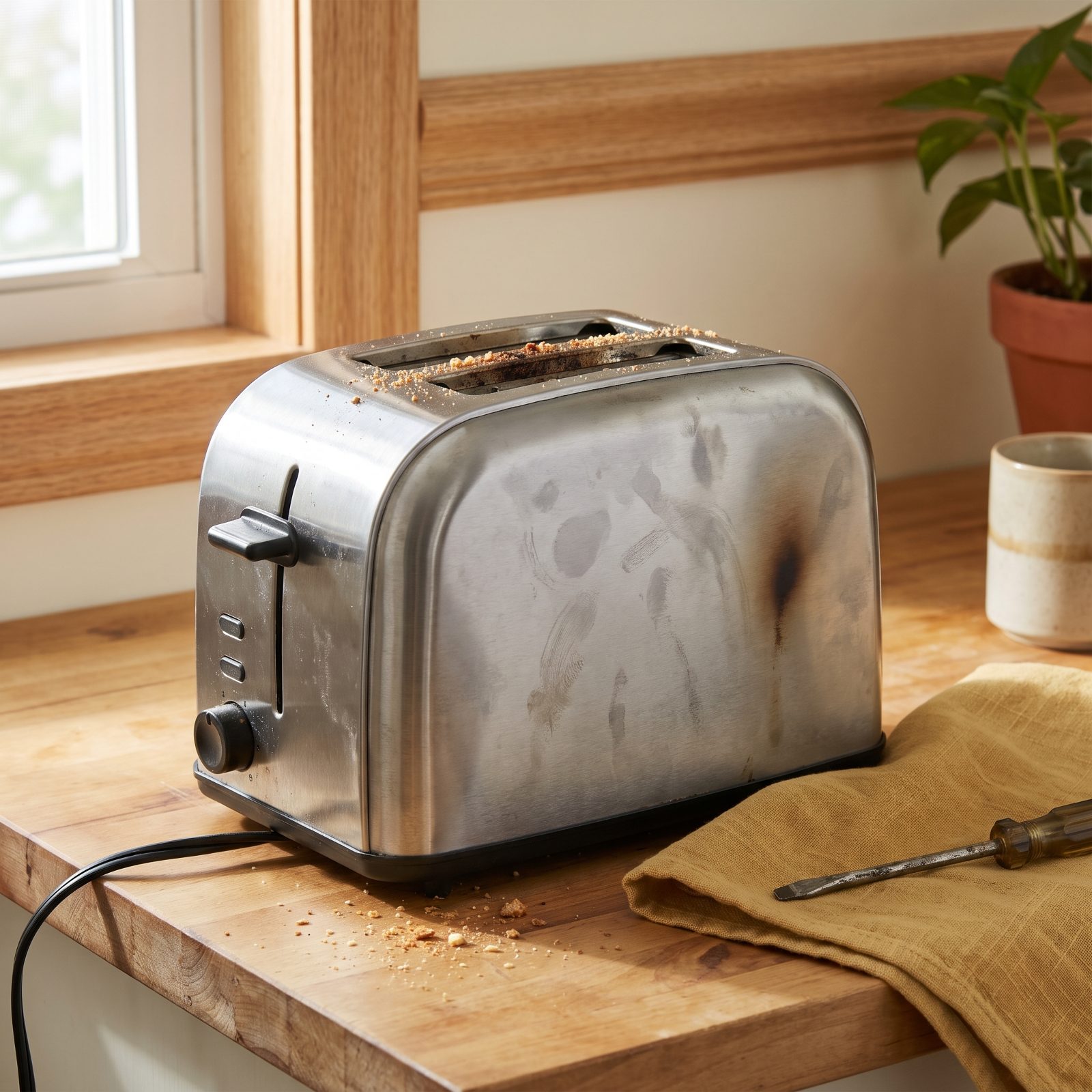
The toaster burns one side and refuses the other. You’ve called it fixable for about three years now, and you have never once fixed it. You never will. But there it sits on the counter like a project you’re totally getting to.
Here’s the relationship version. You know the problem and you’ve named it out loud, maybe to a friend, maybe at 2am to yourself. Then you say the magic words: it has potential. If they’d just change the one thing. If the circumstances were different.
Potential is the most expensive word in English. You’re not loving the toaster you have, you’re loving a repaired toaster that doesn’t exist. Plenty of us have done this with a vacuum for two years. “Potential” is a promise you make on someone else’s behalf, then wait around for them to keep.
15. You Move the Donation Box Without Letting It Leave

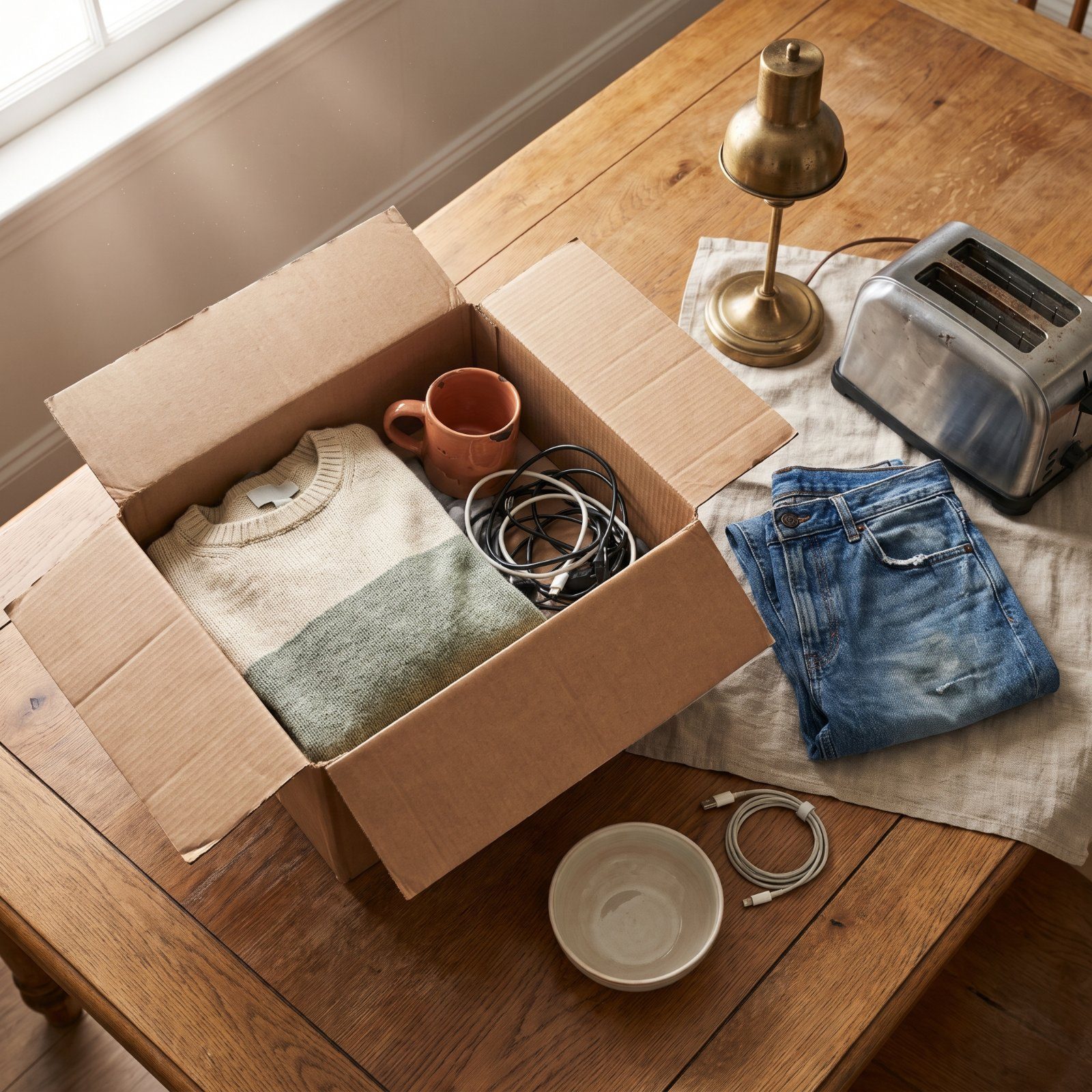
The box is packed. You did the hard part. Then it goes to the garage, then the trunk of the car where it rides around for a month, then back to the garage. It’s always almost gone and never actually gone.
Watch anyone slow-leave a relationship and you’ll spot the same choreography. The decision gets made, stated, half-committed to. And then it lives in the trunk. Packed, parked, never delivered.
Moving the box lets you feel the relief of the decision without paying its price. Your brain treats the intention like the act is finished. It isn’t. A box in the garage is a breakup you announced and then kept living inside of. Drive the thing to the drop-off. Today.
14. You Remember Exactly What That Unused Blender Cost
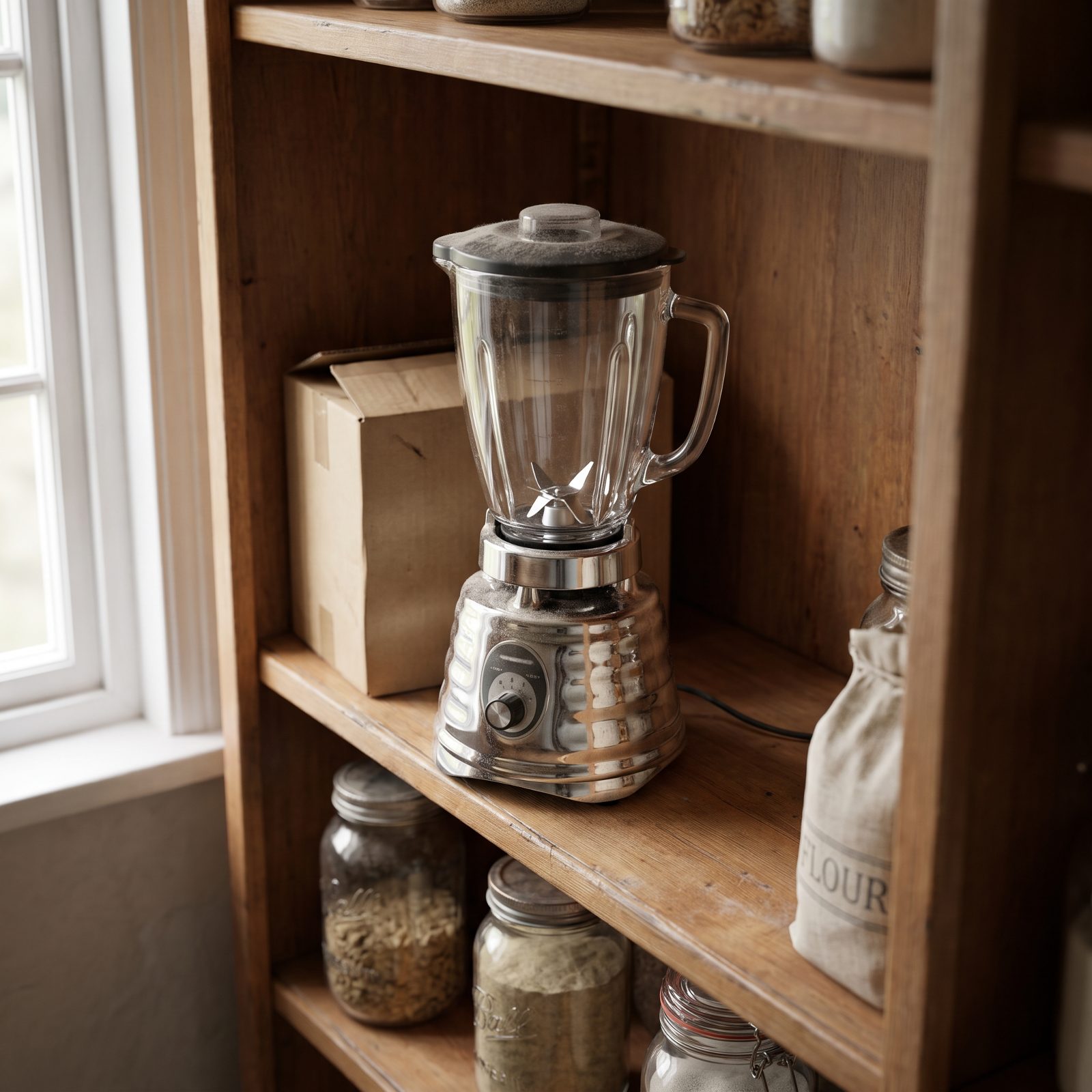
You’ve used it twice. You could recite the price from memory, and that number is the entire reason it survives every purge. “Do you know what I paid for that?” Yes. We all know. You tell us often.
This is the sunk-cost fallacy wearing an apron. What you already spent is gone whether you keep the blender or not. But the brain treats letting go as taking the loss, so it clings to the thing to avoid admitting the money was wasted.
Relationships run on the exact same math. The years invested, the shared history, the holidays and the house and the sheer time. People stay not because the future looks good but because leaving means calling all of it a waste. It wasn’t a waste. It just isn’t working now.
Money already spent can’t be recovered by keeping the thing. It can only be joined by the space the thing is costing you.
13. You Try On Jeans From a Life You’ve Outgrown
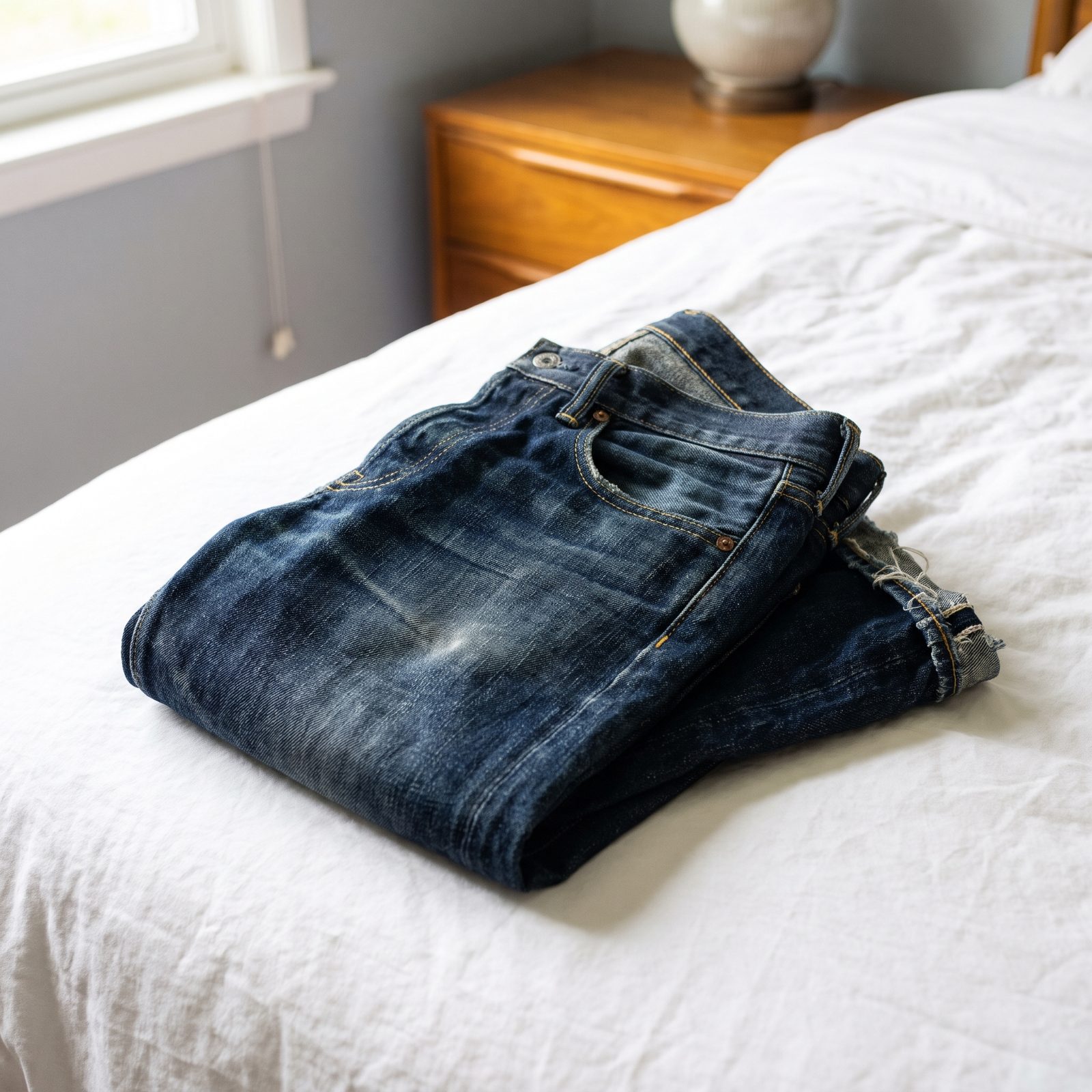
These jeans fit a version of you from a decade ago. You keep them as a goal, a someday, a measure. Trying them on is a small grief every time, so you mostly just move them from drawer to drawer.
We do this with people too. You hold onto a relationship that fit who you used to be, back when your priorities and patience and whole sense of self were shaped differently. It fit then. It doesn’t now, and that’s not a failure, it’s a sign you grew.
Keeping the jeans was never about the jeans. It’s a quiet refusal to accept that the old you is gone. But outgrowing things is more or less the entire job of being alive for a while. The person you are now deserves clothes that button. And company that fits.
12. You Keep the Mug Because Someone Special Gave It

You never drink from it. The handle’s awkward, it matches nothing, and it chips a little more every year. But someone you loved gave it to you, so into the cupboard of untouchables it goes, forever.
The mug stopped being a mug the moment it arrived. It became a stand-in for a person, a relationship, a chapter, and tossing it out would feel like tossing out them. So it stays, demanding shelf space it doesn’t earn.
The same confusion keeps people in half-dead relationships. You mistake the container for the thing it held. But the love the mug represents was never inside the ceramic. It’s in you, and it comes along whether the mug stays or goes. You can honor what someone meant to you and still not keep every object they ever handed you across a table.
11. You Wait Until the Chair Is Bad Enough to Leave

The chair’s been uncomfortable for years. You don’t replace it when it gets bad. You wait until it gets unbearable, until a spring pokes through or the leg finally cracks, and only then do you let yourself go shopping.
We need permission to leave. Nobody acts on “this isn’t good anymore.” We hold out for a disaster loud enough that nobody could blame us. The relationship has to hit a crisis before we feel allowed to end it, even when the slow decline was reason enough all along.
Why do we do this? Because “it got bad” is a cleaner story than “it was never quite right.” A broken leg is an easy explanation. “I just wasn’t happy” feels like it needs defending. So we wait for the chair to break so we don’t have to admit we never liked sitting in it.
10. You Buy a New Sofa Before Releasing the Old One

You can’t quite get rid of the old sofa until the new one’s on its way. For one strange week you’ve got two of them in the room, bumping into each other, nobody sure which one you actually live with yet.
People pull this with relationships constantly, and it has an ugly little name: the monkey-bar instinct. You won’t let go of one branch until your hand’s already on the next. The overlap feels like safety. It usually just makes a mess and hurts somebody.
What’s underneath is fear of the empty room, the gap, the stretch of not-having. But you can’t actually feel what your life wants next while you’re busy clutching what it’s done with.
9. You Ask Three Friends Whether the Lamp Should Stay

You take a photo of the lamp and text it to three people. “Keep or toss?” But you already know the answer. You’re not collecting information. You’re collecting permission.
This move shows up when a relationship’s on the line too. You poll the friends. You tell the story to five people, framed just so. You’re not asking whether to leave, because you’ve decided. You’re assembling a jury so the choice feels less lonely and less like it was all on you.
Nothing wrong with wanting support. But notice when you keep asking until someone finally says the thing you were already thinking. That isn’t advice-seeking. That’s outsourcing the courage. The lamp was always your call, and so is the big stuff. Friends can hold your hand. They can’t make the decision feel less like yours, because it is yours.
8. You Keep Filling Shelves Because Empty Space Feels Wrong

You finally clear a shelf and it looks bare. Within a week something’s migrated into the gap, because empty space reads like a mistake, an accusation, a thing that needs fixing. So you fill it, usually with more stuff you don’t need.
This might be the deepest one on the list. We treat emptiness as a problem to solve rather than a result to enjoy. After a breakup it shows up as the rebound, the rush to not be alone, the panic that a cleared space in your life means something’s wrong with you.
But a cleared shelf isn’t a wound. It’s room. It’s the whole reason you cleared it in the first place. The discomfort you feel staring at the gap isn’t a signal to fill it. It’s just the unfamiliar sensation of having space, and it fades if you let the gap sit there long enough to become a view instead of a void.
7. You’ll Need the Fondue Set Right After Donating It
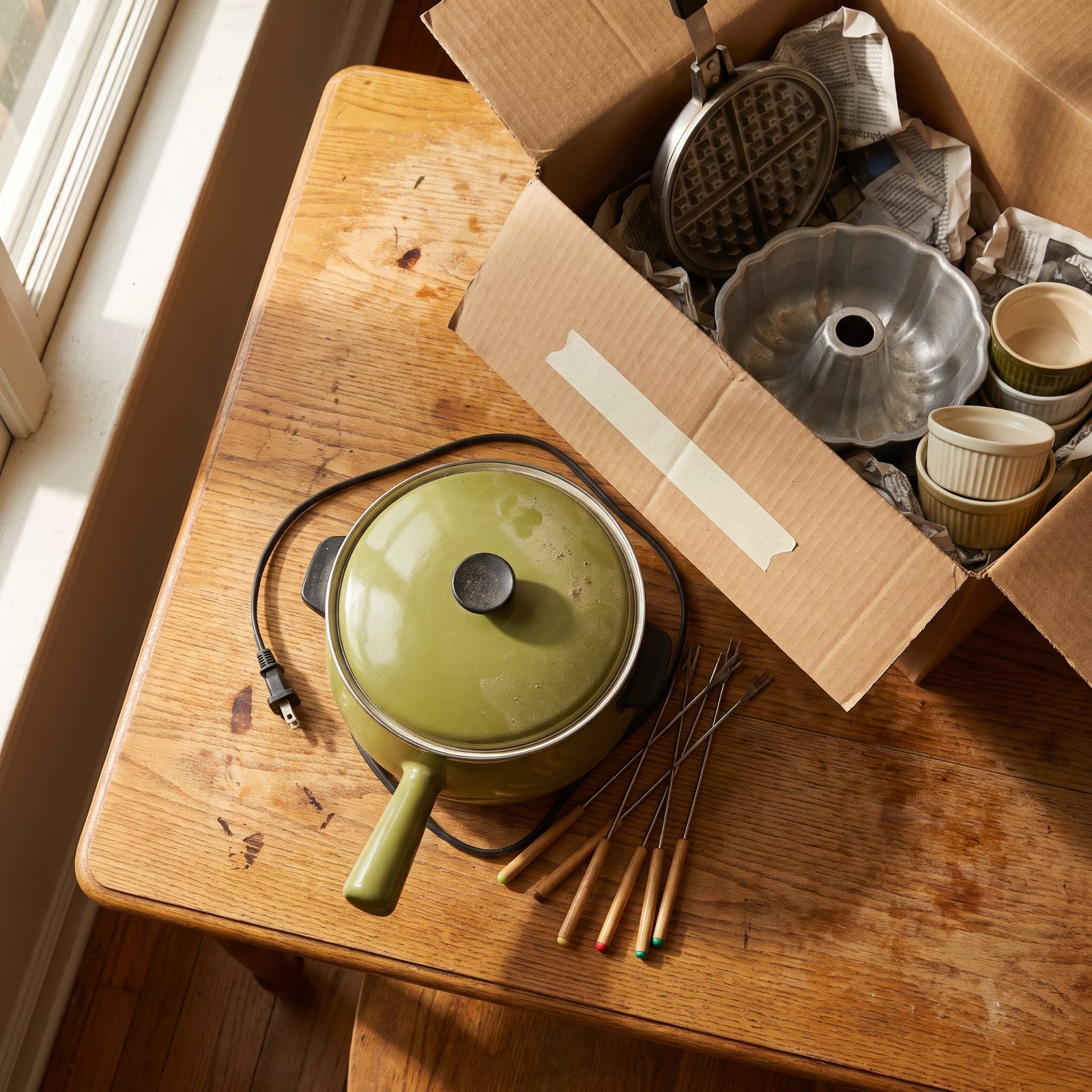
You carry the fondue set to the car, this thing that’s lived in the back of a cabinet since a party you can barely picture. You donate it, feel briefly virtuous, and within two weeks someone mentions fondue and your stomach drops. You could have used it. You will never actually make fondue. Both things are true at once.
Ending a relationship runs on the same haunted math. The second it’s gone, your brain starts auditioning scenarios where you’d have wanted it back — the one good trip, the way they laughed at your worst jokes. Not the reasons you left. The reasons you stayed.
This is loss aversion, and it’s lopsided on purpose. We feel a loss about twice as hard as we feel an equal gain, so the gap on the shelf reads louder than all the years the thing sat untouched. The fondue set didn’t get more useful by leaving. It just got harder to lose.
6. You Blame the Closet When You Simply Own Too Much
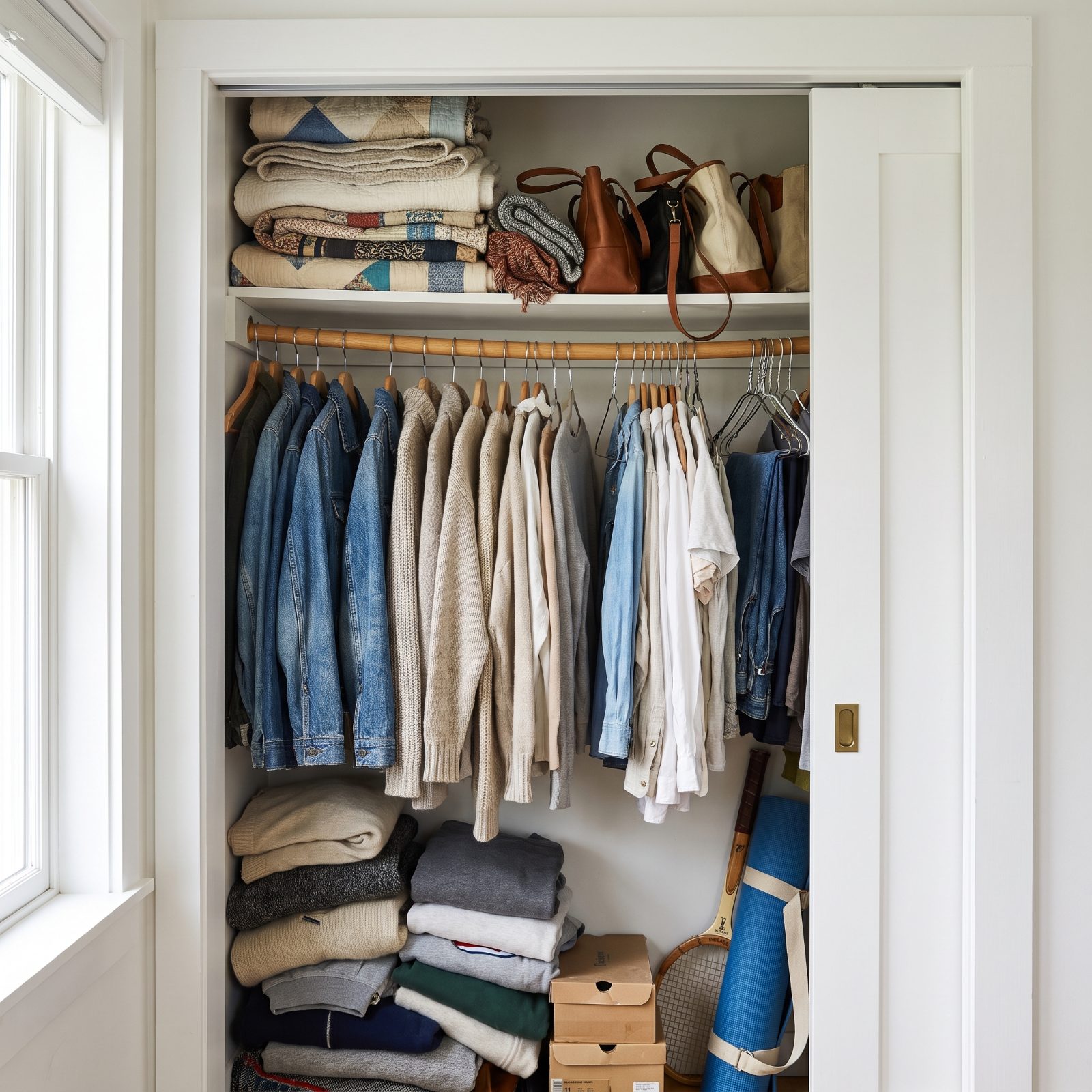
“I need more storage.” You’ve said it. You’ve measured for shelving, priced out a second dresser, maybe watched a video about closet systems with a tape measure in hand. But the closet isn’t the problem. You own more than it was ever meant to hold, and no stack of plastic bins fixes a volume problem.
Relationships get the same treatment — more counseling, more date nights, more communication strategies, more effort poured into a container that’s already full of the wrong thing. We’d rather expand the system than admit the amount inside it is what’s broken.
Psychologists have a name for the habit of adding when the answer is to subtract. Given a problem, people reliably reach for “what can I put in” over “what can I take out,” even when removing is easier and cheaper. The empty rod feels like failure. The second dresser feels like progress. One of them is lying to you.
5. You Photograph Old Letters Before Finally Releasing Them
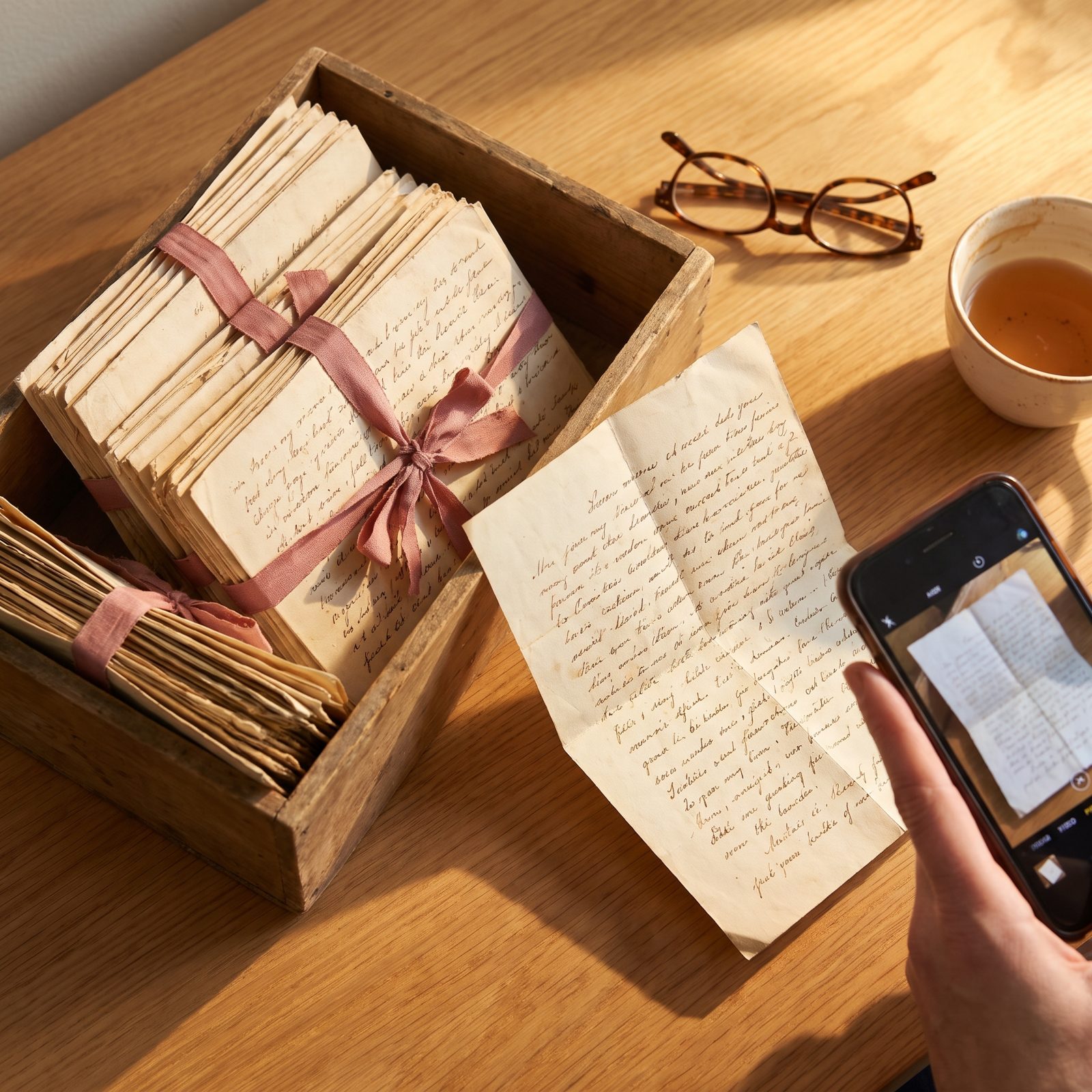
Before the letters go in the recycling, you photograph them. Every one. You tell yourself you’ll look at the files someday, and you almost certainly won’t. But the photo lets your hand actually release the paper, which it couldn’t do five minutes ago.
We strike this exact bargain when a relationship ends and we hold onto the story instead of the person. We keep the version where it made sense. We narrate it to friends, we revisit the good parts, we archive the feeling even as we release the life.
The photo isn’t for later. It’s permission to let go now.
Memory does the same trick without a camera. We don’t need the object to keep the meaning, but our hands won’t believe that until we’ve made a copy. The act of saving is what frees you to stop carrying the thing. Clever, really. A little sad. Mostly clever.
4. You Cook One Last Meal in the Chipped Pan

The handle wobbles. The coating peels in the corner where it’s always peeled. You’ve decided to replace it — and then, before it goes, you cook one more thing in it, a last proper dinner, as if the pan has earned a sendoff.
We do this with people we’ve decided to leave. One last trip, one good dinner out, a final stretch of being kind, as if closing warmly makes the ending less of an ending.
Part of this is honest tenderness. Part of it is the mind softening the blow by rewriting the final chapter. We call it closure, but it’s often just a gentler exit for the one doing the leaving. The chipped pan doesn’t need a last meal. You need to give it one.
3. You Give Grandma’s Dishes to Someone You Know
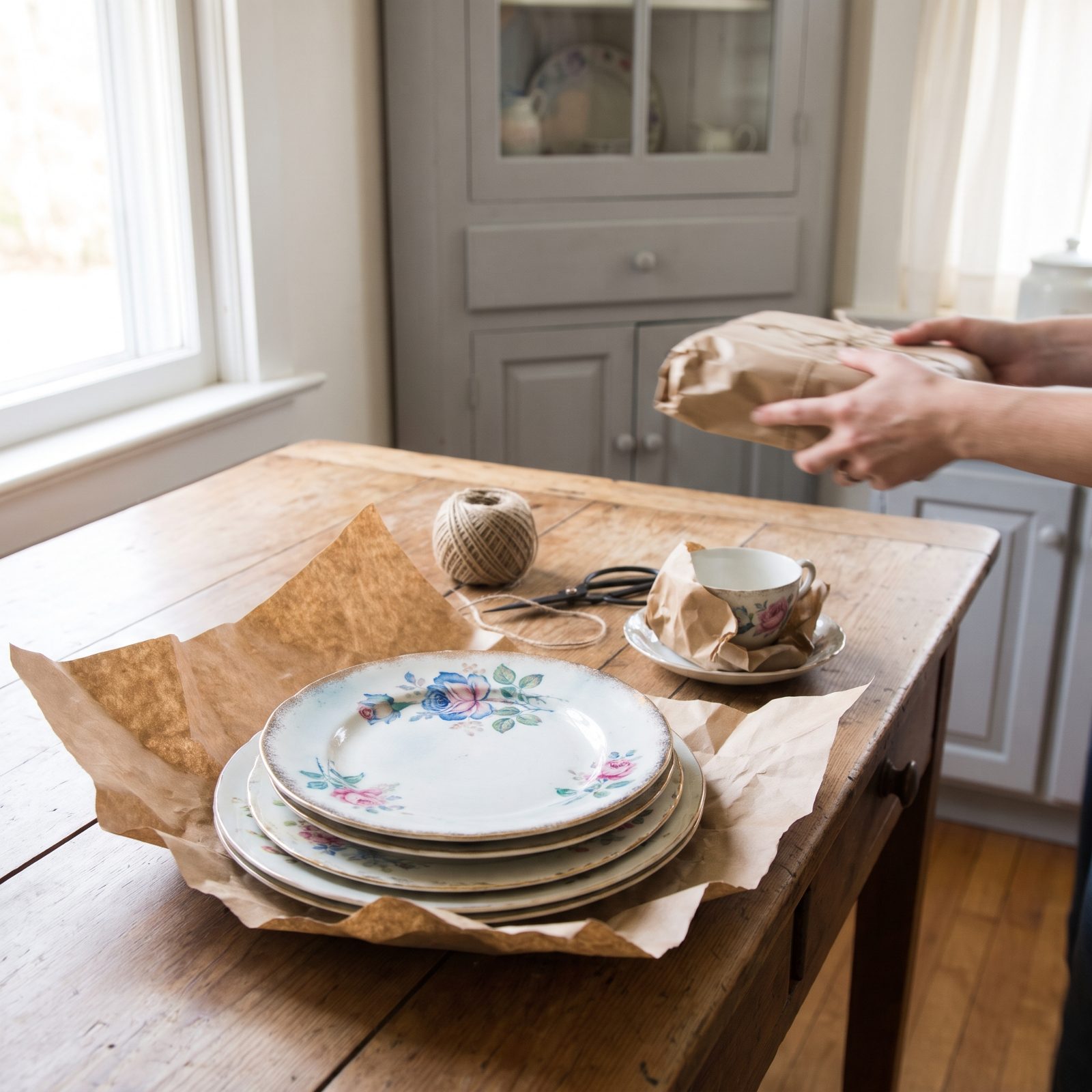
You can’t just donate Grandma’s china. It has to go to a person — a niece, a friend, someone who’ll “appreciate it,” someone who swears they’ll use it even though they also have a cabinet full of plates. You need to know where it lands.
That same instinct shows up at the end of a long relationship, when you quietly hope they find someone good. Not out of pure generosity. Out of a need to know the thing you’re releasing will be okay without you, so your leaving feels less like abandonment.
Here the endowment effect is doing emotional work. Once something has been yours — especially if it carries a story — you overvalue it and can’t bear it going to waste. Handing it to a known person preserves the meaning you poured in. The plates aren’t worth more than other plates. They’re worth more to you, and that ownership follows them out the door.
2. You Sort the Same Storage Box Every Single Spring
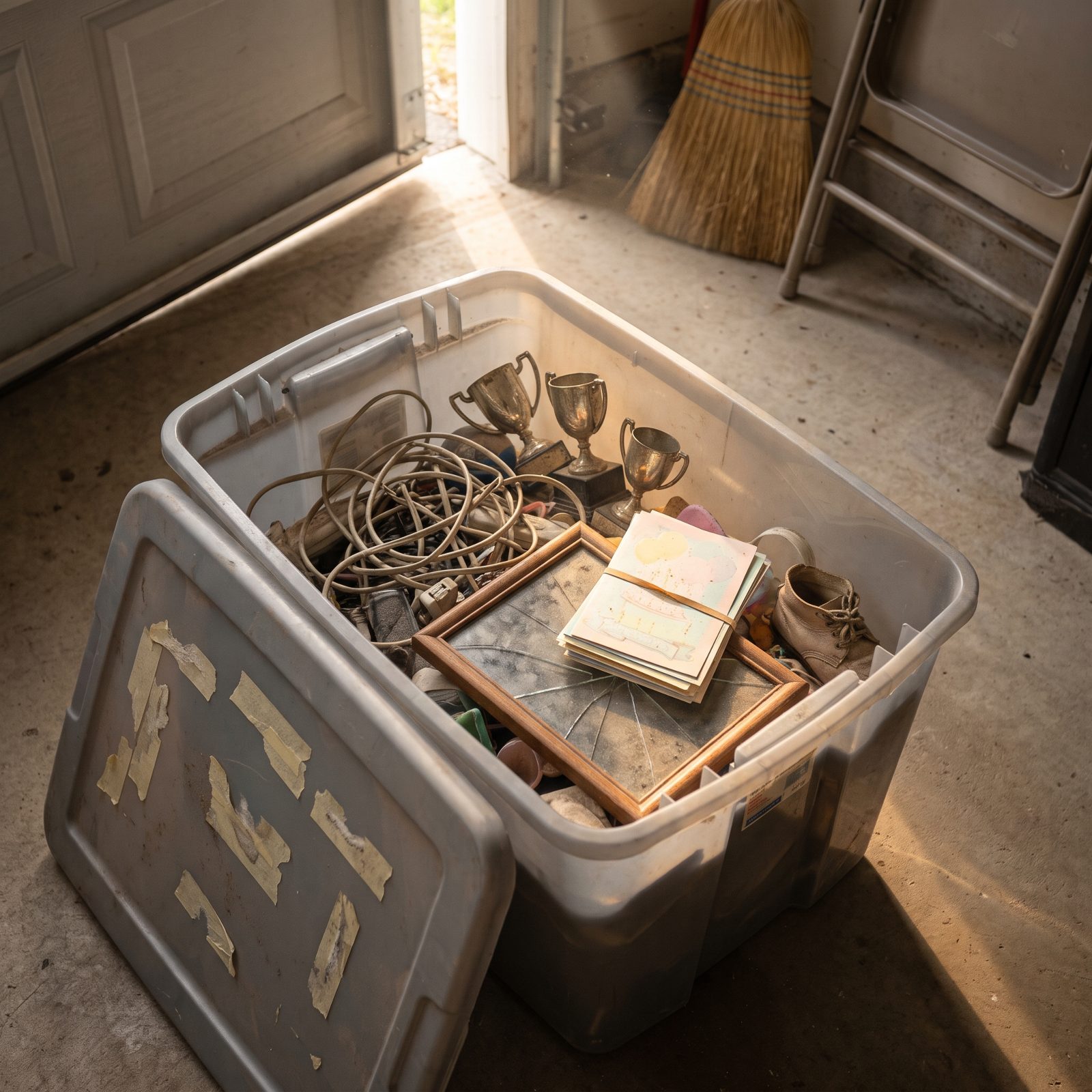
Every spring, the box. You open it, lift out the same tangle of cables and cards and the one baby shoe, hold each item, feel the same pang, decide nothing, and put it all back. Next year, same box, same ritual, same stalemate. You’ve been “sorting” it for a decade.
Some relationships live in that box too — the same fight, the same talk about the future, the same almost-leaving, year after year. We mistake revisiting for progress. Touching the problem feels like working on it.
Here’s the uncomfortable part. The sorting is the comfort, not the solution. As long as you’re circling it, you never have to decide, and not deciding protects you from being wrong. The box lets you feel active while staying exactly where you are.
1. You Let Moving Day Make the Decision for You

Funny how a move does what twelve years of good intentions couldn’t. Suddenly the question isn’t “do I love this.” It’s “am I paying to carry this across town.” The broken end table goes to the curb without a second thought. The deadline made the call you kept avoiding.
Big life ruptures work the same way on relationships. A job in another city, a lease ending, a health scare — the outside event forces a decision we’d been circling for years, and we let it, because “we had to” feels so much easier than “I chose to.”
There’s a name for leaning on the deadline. We outsource the decision to the circumstance so we don’t have to own it. The move becomes the villain, which spares us the harder truth that we were ready and just needed a push. The curb pile was always coming. The truck just gave you permission.