The chair in the bedroom hasn’t been sat in since the Obama administration. It wears a coat, then two, then a bathrobe that clearly isn’t going anywhere. You walk past it every morning and your eyes slide right off, the way they slide off a crack in the ceiling or a text that reads “we need to talk.”
Please note that some of the images in this article were created with the assistance of AI.
Now the uncomfortable part. The same mental shortcuts that let a sweater pile become load-bearing are the ones that keep people in relationships they stopped enjoying years ago. Sunk cost. The endowment effect. The person you keep telling yourself you’ll become. We dig into the piles below and find the wiring underneath, and you’re going to recognize more of it than you’d like.
12. You Step Over Laundry Until It Becomes Furniture
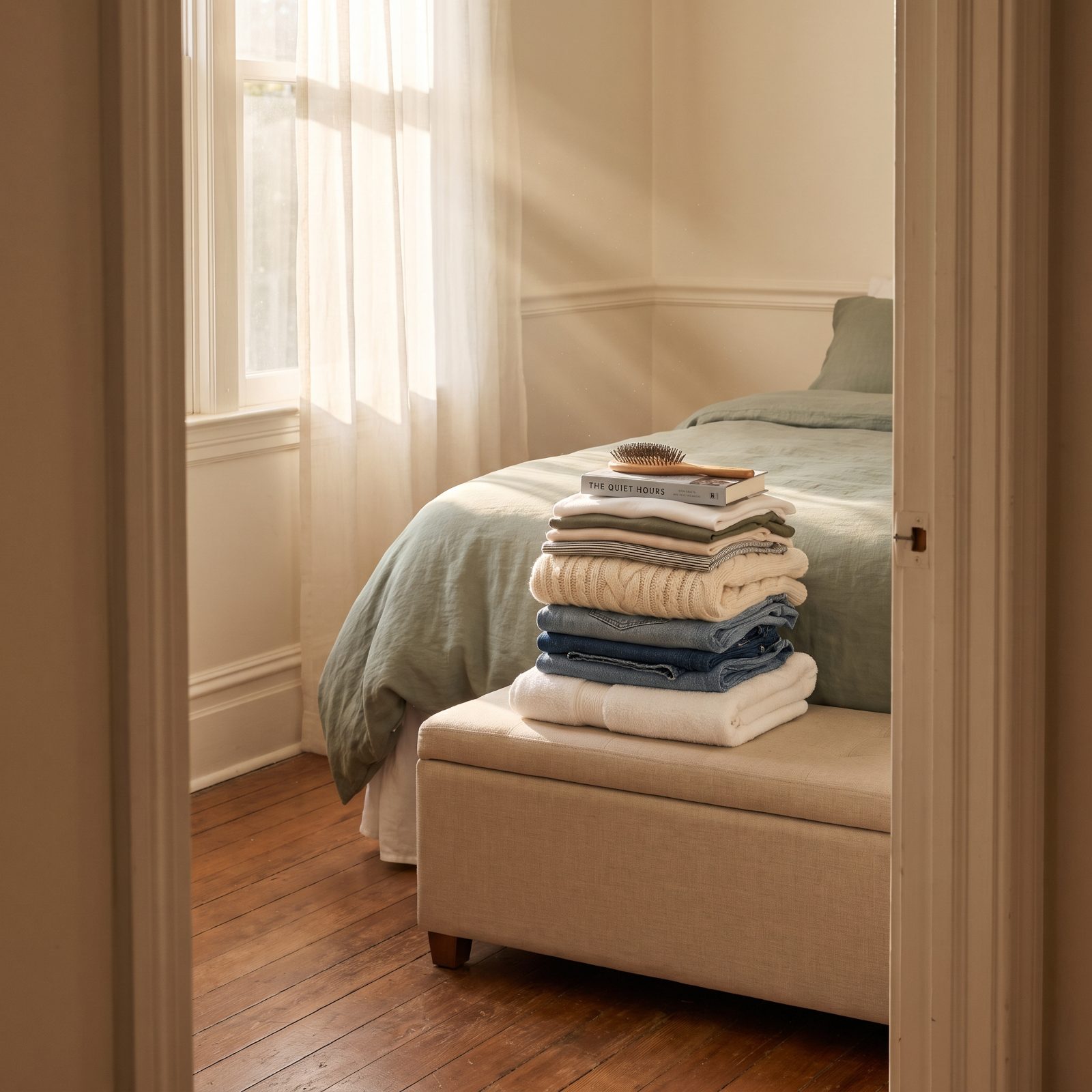
It starts as a temporary resting spot. The clean clothes get folded and set on the bench at the foot of the bed because putting them away feels like a whole project and you’ll deal with it tomorrow. Tomorrow a towel joins. By Friday there’s a geological record of your week stacked in a neat tower, and you’ve started setting your book and hairbrush on it.
This is habituation — the same thing that lets you stop hearing a highway you live next to. Your brain quits flagging the pile as a problem because it’s always been there, and a constant stops registering as a signal. It’s exactly how people stop noticing the small daily rudeness in a relationship. The behavior didn’t improve. You just stopped seeing it.
11. You Call the Counter Pile a Temporary Situation
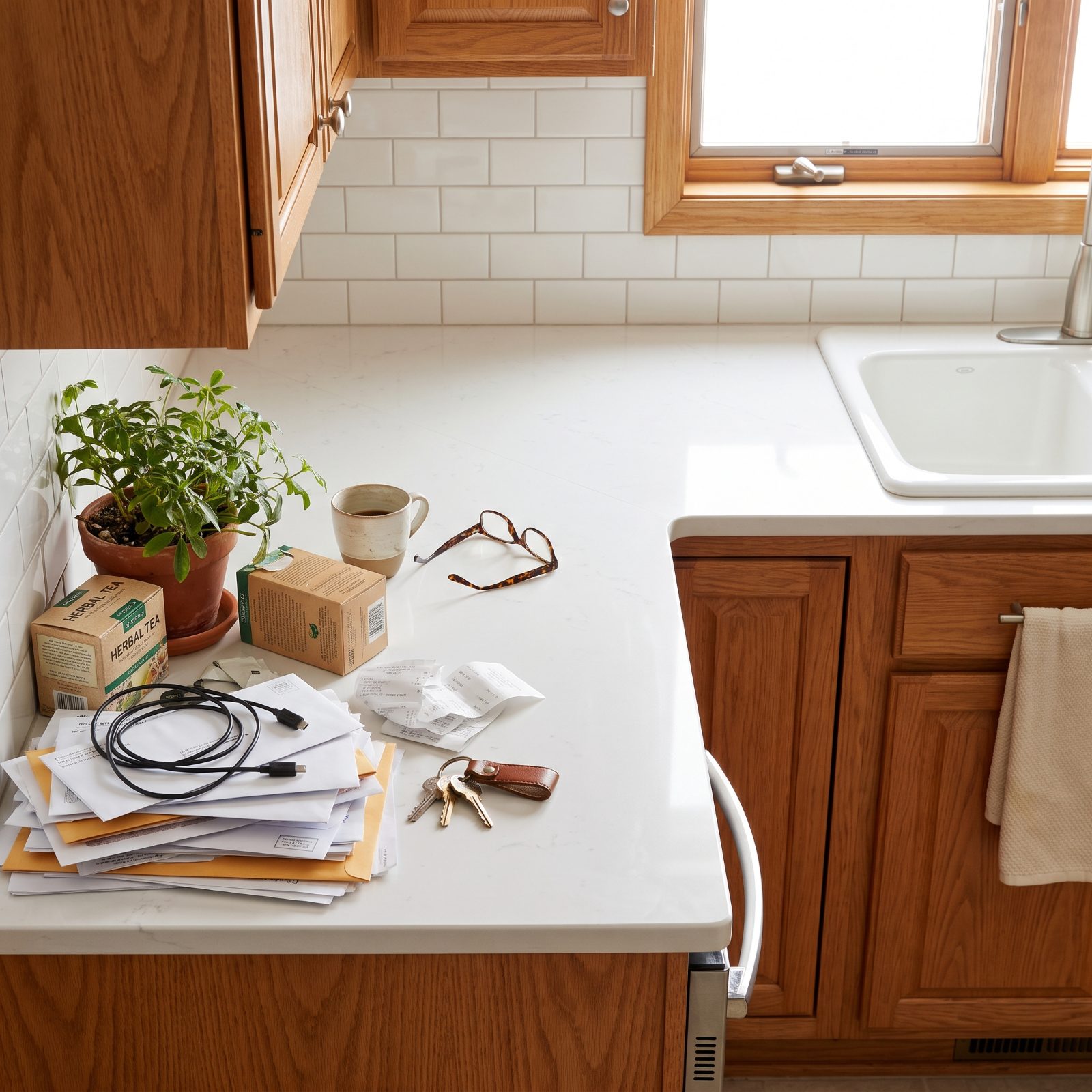
Nobody intends to build a counter pile. It’s always just-for-now — the mail you’ll sort later, the screwdriver you’ll put back, the receipt you might need. Each item arrives with a verbal permit: temporary. And then the permits never expire, because “temporary” has no deadline attached to it.
We pull the identical trick with the parts of a partnership we don’t want to confront. “It’s just a rough patch.” “Things’ll settle after the holidays.” The word temporary is a pressure valve. It lets you tolerate something by promising yourself it won’t last, which conveniently spares you from having to end it. The pile knows you’re lying. So does the rough patch.
Label something temporary and you’ve handed yourself permission to ignore it forever. Works beautifully — right up until the counter is gone.
10. One Useful Cardboard Box Justifies Keeping the Other Twenty

There’s always one good box. The sturdy one, perfect size, you’ll absolutely need it when you ship that thing someday. And because that one box is genuinely useful, it extends legal cover to the entire cardboard dynasty wedged behind it. If keeping the good box is smart, keeping boxes must be smart.
This is how a single true thing gets drafted to defend a pile of false ones. One real kindness, remembered fondly, becomes the reason twenty cold years get excused. “But he’s good with the kids.” One valid data point, overweighted until it blots out everything around it.
9. The Expensive Blender Stays Because Regret Costs More
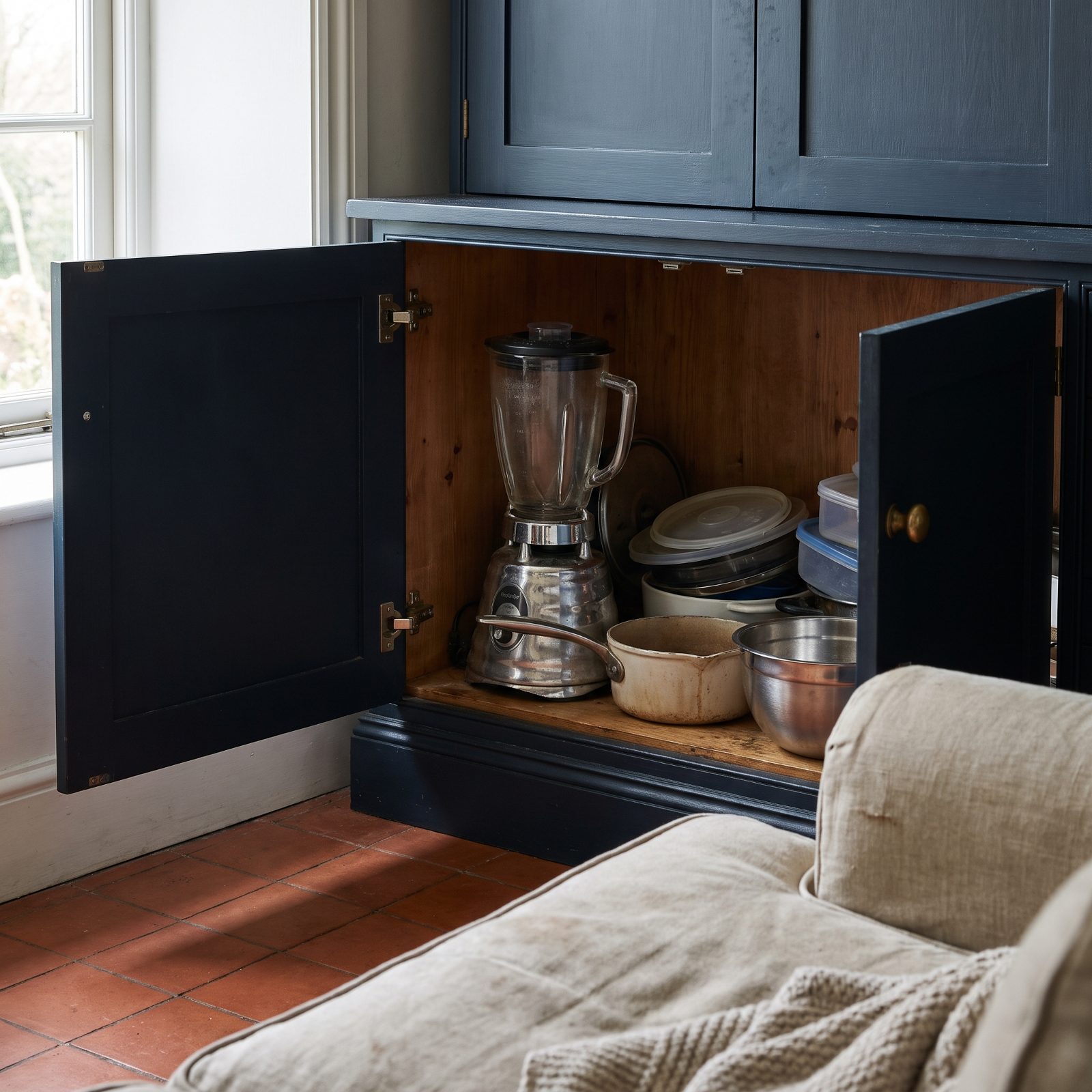
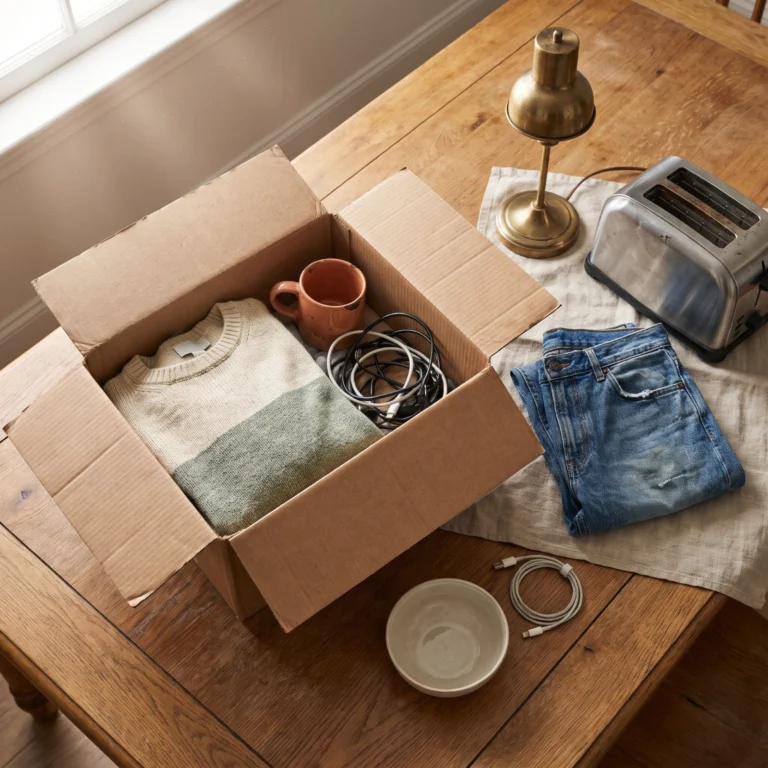
You used it twice. Maybe three times. It cost more than a weekend away, and now it lives at the back of the cabinet taking up prime real estate, and you cannot bring yourself to get rid of it. Not because you’ll use it. Because throwing it out would mean admitting the money is gone.
That’s the sunk-cost fallacy, pure and uncut. The money’s already spent either way, whether the blender stays or goes. Keeping it recovers nothing. It just protects you from the sting of acknowledging a bad buy.
And it’s the single most expensive habit in human relationships. “We’ve been together eleven years, I can’t leave now” is the eleven-year version of the dusty blender. The years are already spent. Staying longer doesn’t earn them back — it only adds to the bill.
8. Grandma’s Chipped China Gets Diplomatic Immunity Forever
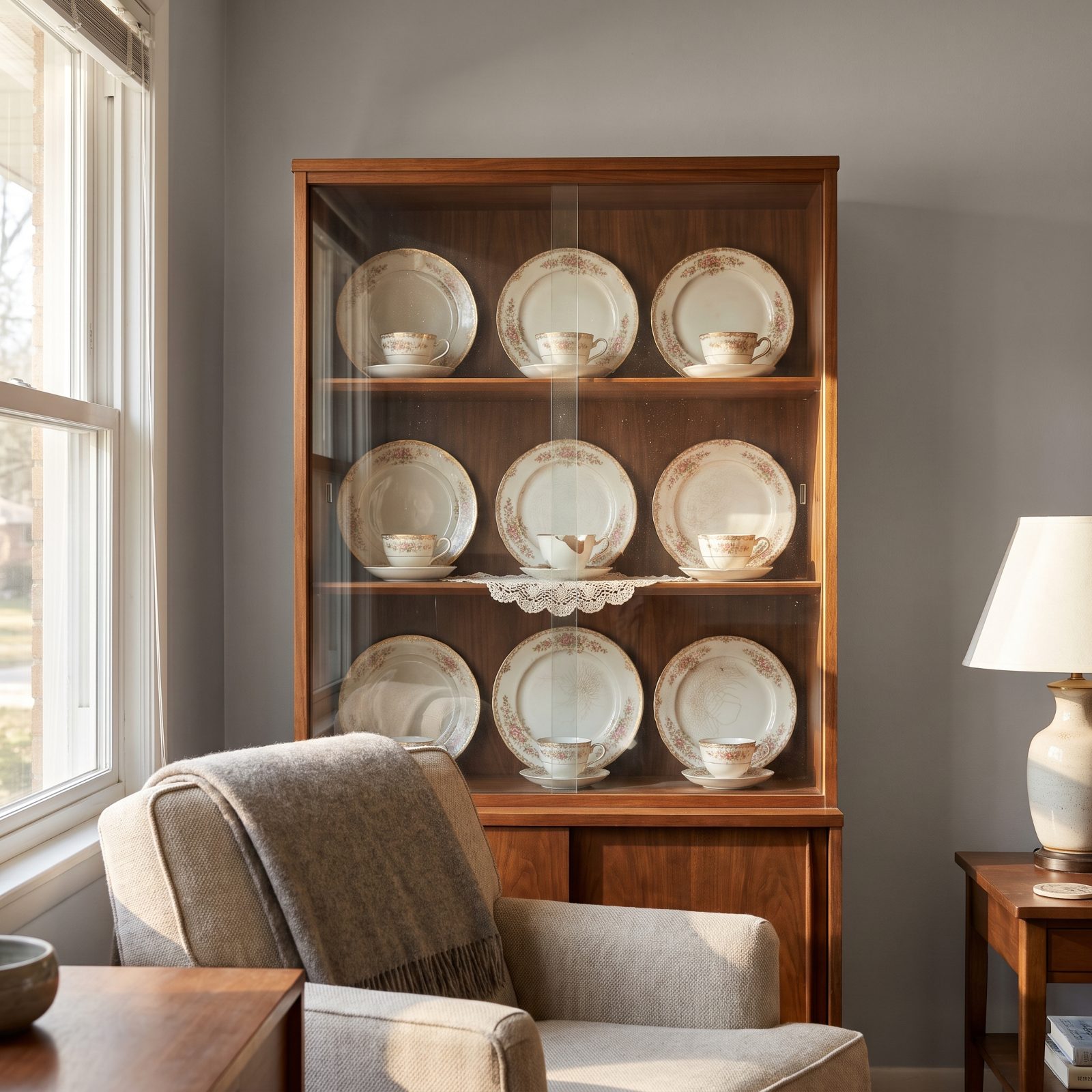
The gravy boat has a crack running through it. The teacups stopped matching the day three of them broke, decades back. Nobody has eaten off this china since a funeral you’d rather not remember. And yet it’s untouchable, exempt from every decluttering purge you’ve ever attempted, because it was Grandma’s.
Sentiment flattens function here. The object stopped being dishes and became a container for a person you loved, so getting rid of it feels like getting rid of her — and your heart simply won’t allow that.
We hand the same immunity to relationships soaked in memory. The history itself becomes the reason to stay, long after the present has gone quiet. You’re not holding onto who they are. You’re holding onto who they were, back when the china was whole.
7. Mystery Cables Survive Because Choosing Feels Riskier Than Keeping
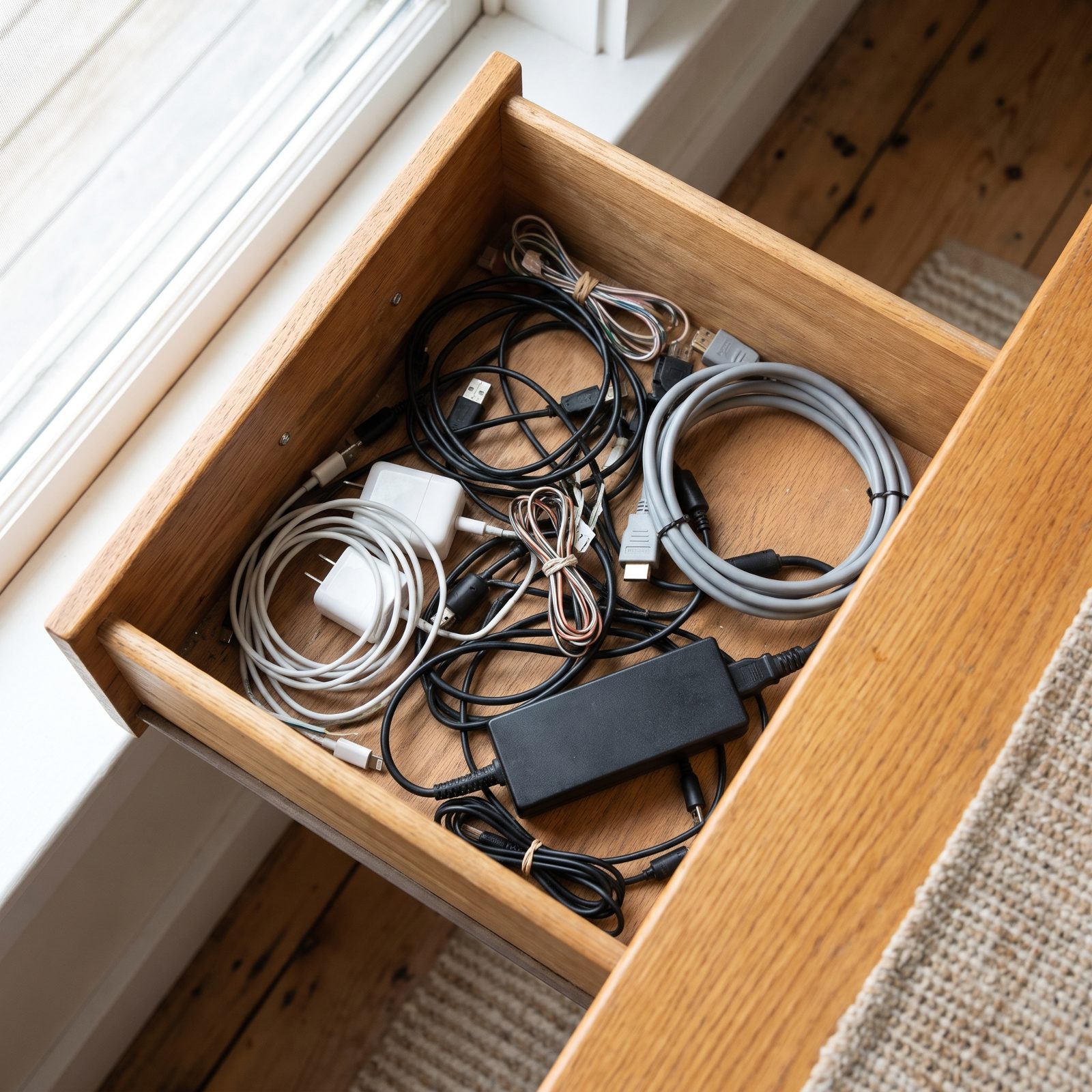
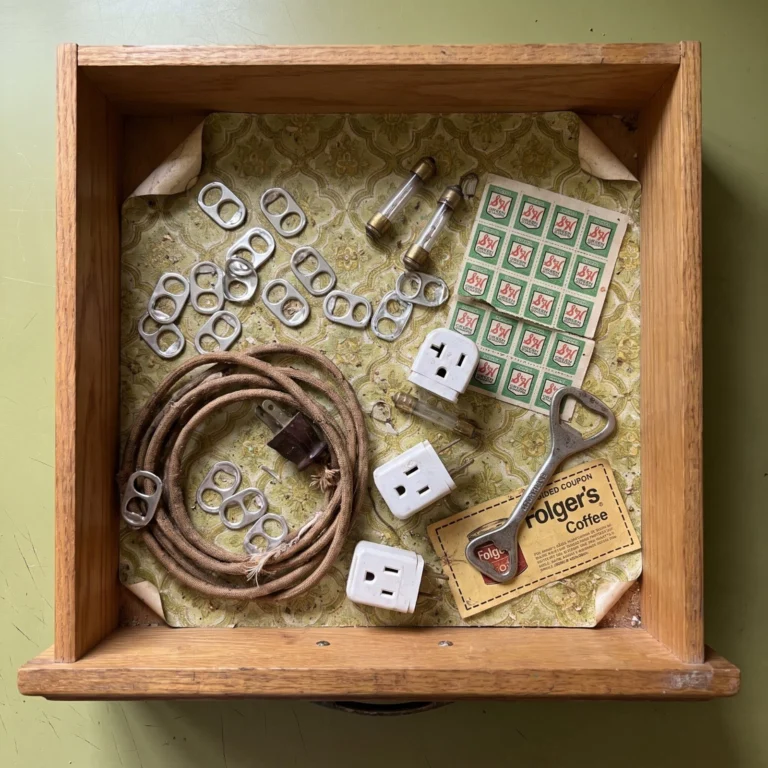
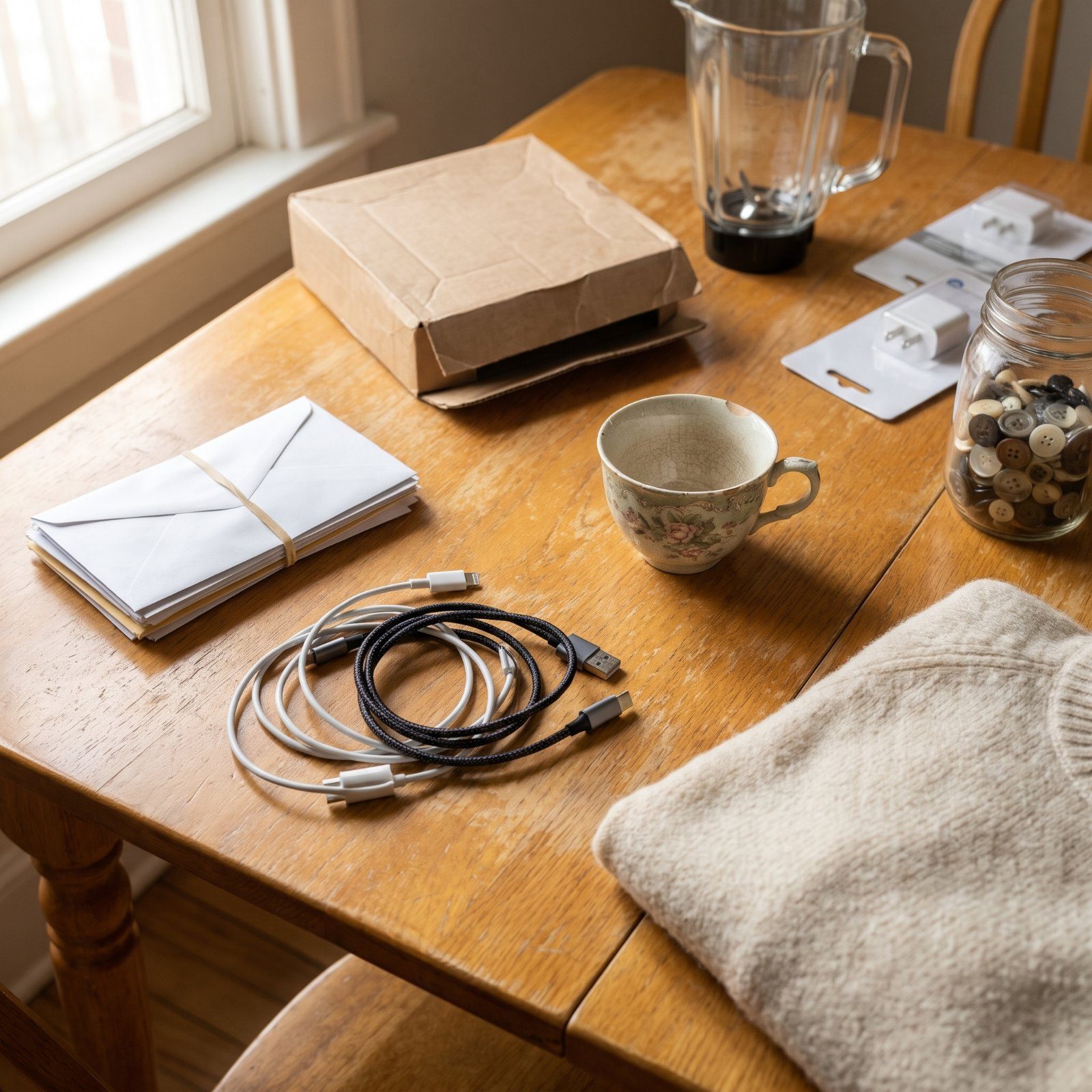
You open the drawer and there they are. A dozen cables that go to nothing you currently own. Could one of them charge something important? No idea. And that uncertainty is exactly why they stay, year after tangled year.
Tossing a cable you later need feels catastrophic, while keeping a useless one feels free, so you keep them all — the pain of a wrong discard outweighs the mild annoyance of the clutter. That’s loss aversion. We feel the sting of losing something far more sharply than the pleasure of gaining the equivalent.
Same reason people hold onto situations that aren’t working. The imagined regret of leaving looms enormous while the slow daily cost of staying barely registers. You’d rather keep a hundred dead cables than risk cutting the one that mattered. The drawer wins by default, and so does inertia.
6. Everyone Sees the Mail Pile; Nobody Claims It
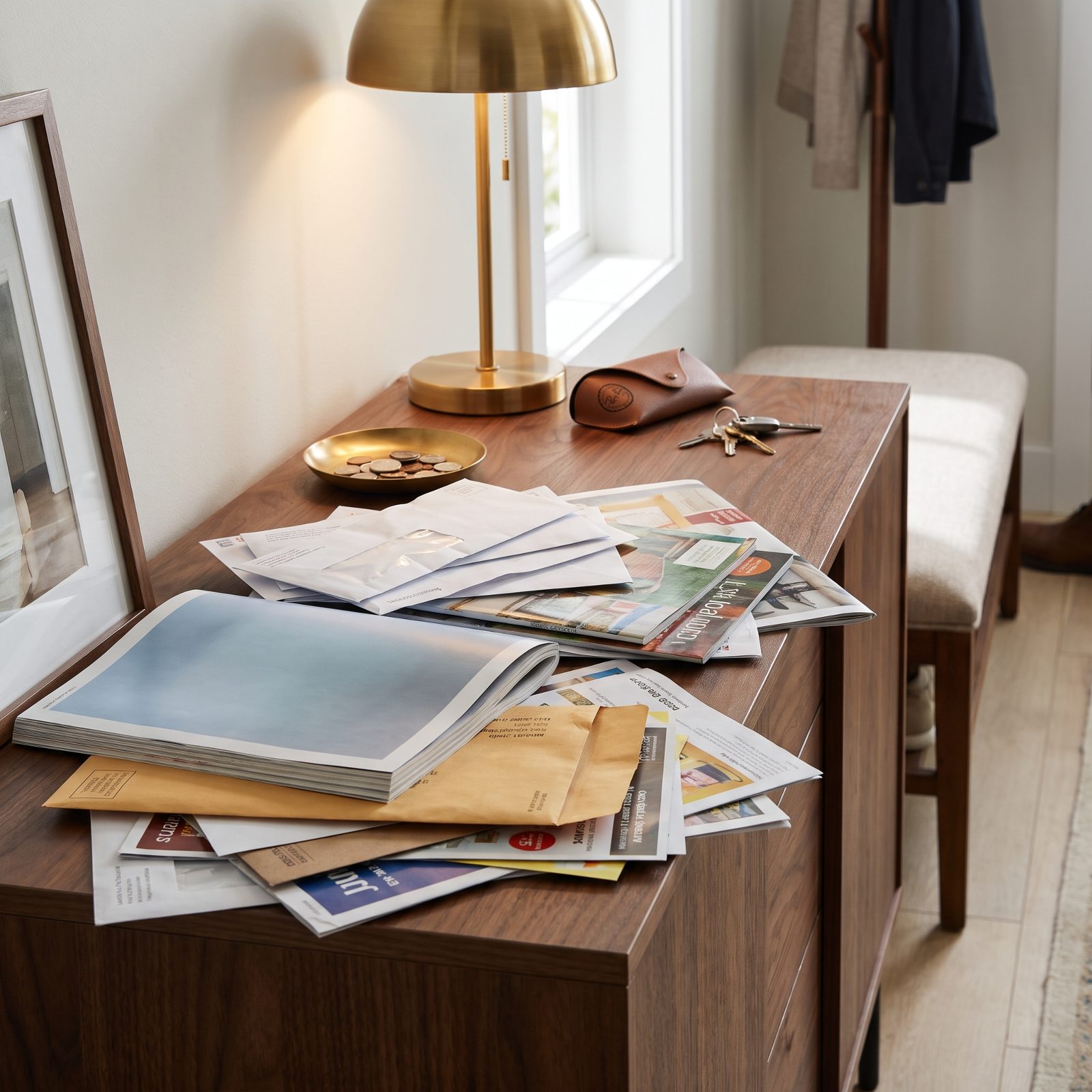
The mail pile sits in the entryway, where everyone who lives there passes it ten times a day. Ask any of them and they’ll agree it’s a disaster. Nobody deals with it, because somebody else surely will — and that somebody else is thinking the exact same thing about you.
This is diffusion of responsibility, the force that makes a crowd watch a person struggle while each bystander assumes someone more qualified is about to step in. When a task belongs to everyone, it belongs to no one.
In a partnership, it’s the problem both people see and neither names. “I thought you were going to bring it up.” The pile grows because ownership never landed on anyone’s desk.
5. One Coat on the Chair Recruits Six More
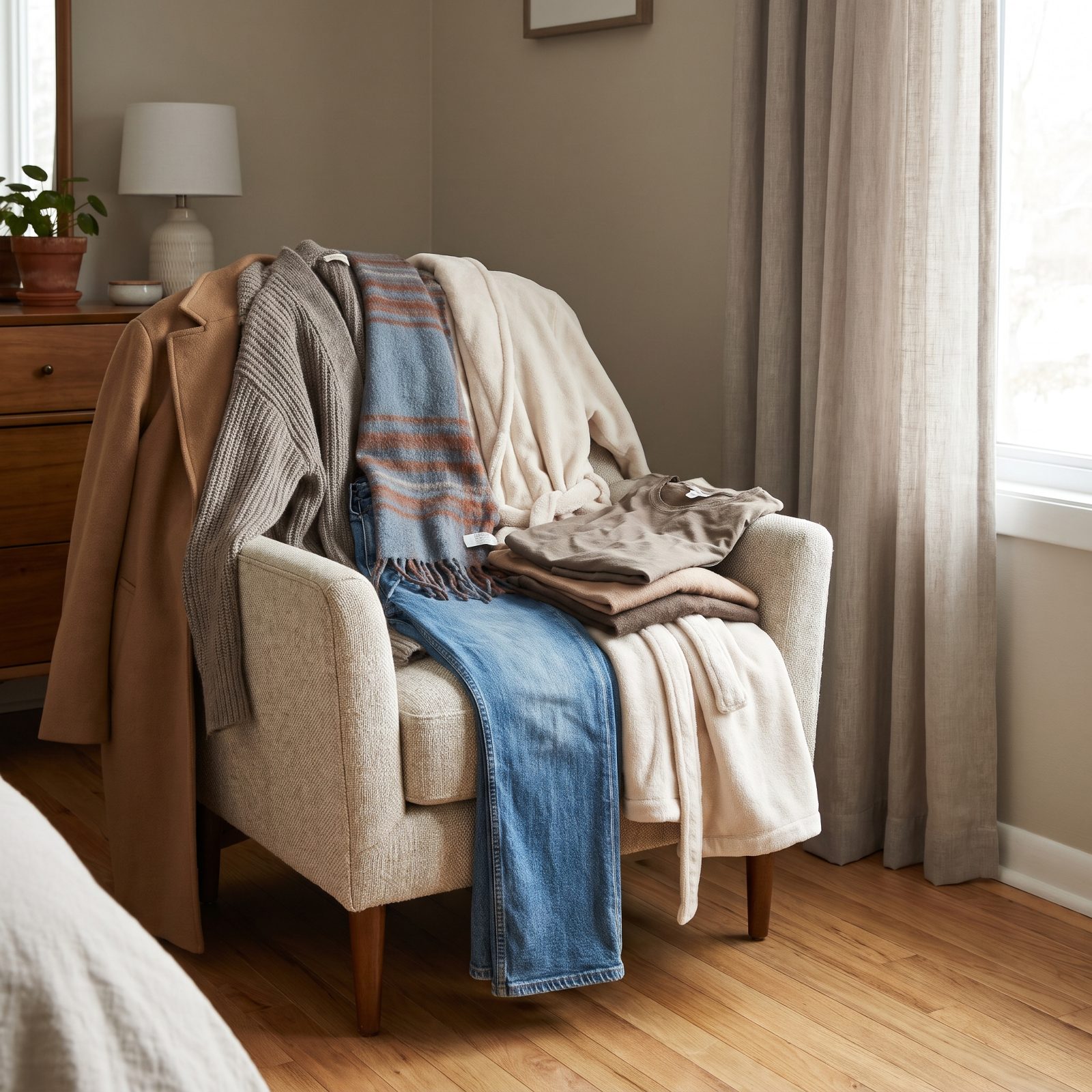
The first coat looks innocent. One jacket, tossed over the chair back after a long day, headed for the closet eventually. But that first coat sends a message to every garment that follows: this is where clothes live now. Within a week the chair has vanished under a soft avalanche.
Social proof runs the whole operation. One item on the chair establishes a norm, and norms recruit. Each new coat sees the pile already there and concludes, correctly, that this is accepted behavior here. The precedent does the rest.
Which is how small tolerances compound in a life together. The first ignored slight sets the baseline for what’s okay, and the next one points to it as evidence. Nobody decided the chair should become a wardrobe. The first coat decided, and everything else followed the leader.
4. Craft Supplies Wait for the Person You Might Become
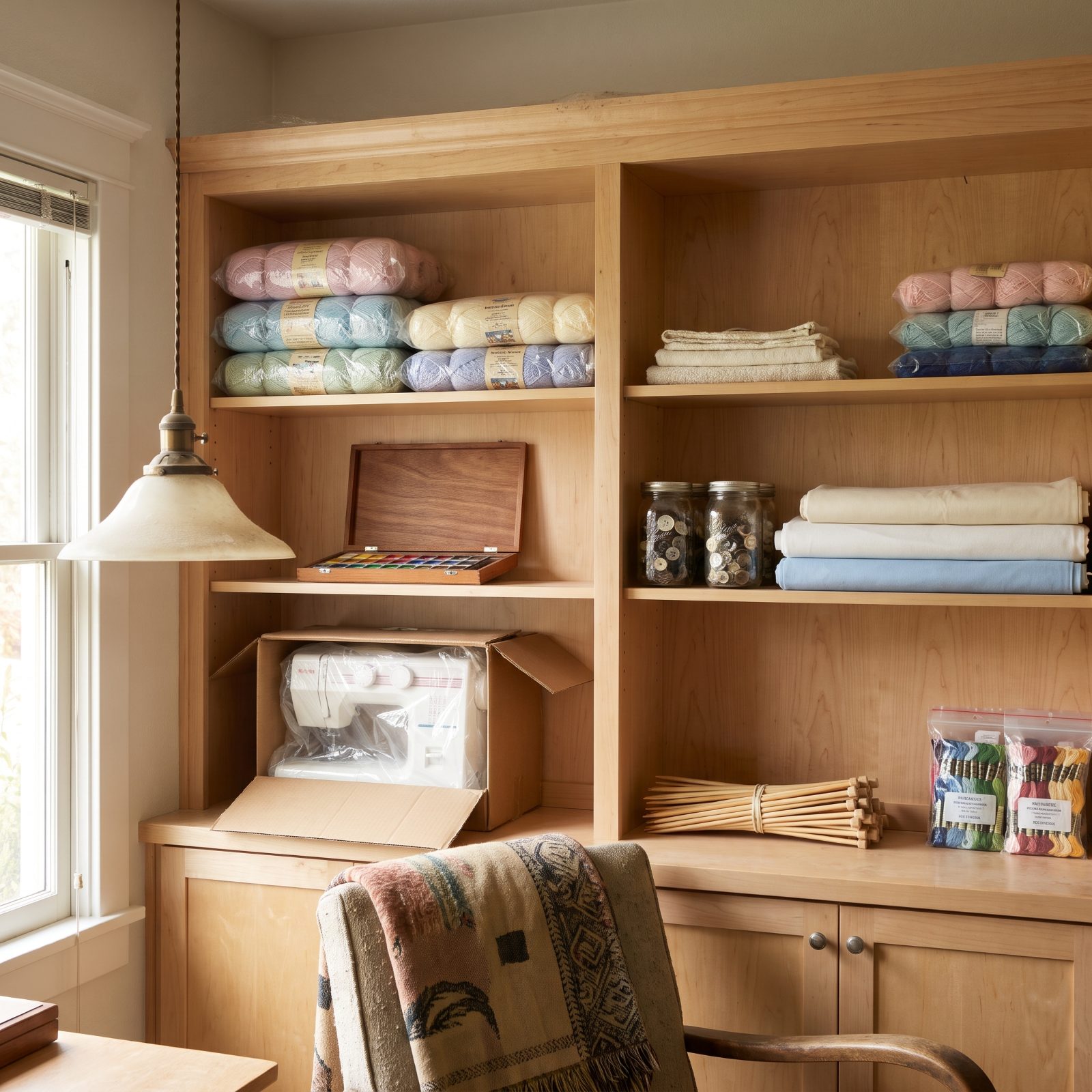
The yarn for the sweater you were definitely going to knit. The sewing machine still in the box. Watercolors, calligraphy pens, a bread proofing basket — all bought in a burst of certainty about the person you were about to become. That person hasn’t arrived. But the supplies wait, loyal and dusty.
Letting them go isn’t really about shelf space. It means admitting that the future self who’d use them might never show up, and that admission stings. So the supplies stay, a hostage situation held by hope.
We keep whole relationships on this premise. Not for who the person is, but for who they keep promising to become. The potential feels so real that walking away feels like giving up on it. Hope is a wonderful thing to carry and a terrible thing to park on a shelf for a decade.
3. You Keep Three Spares for an Emergency That Never Comes
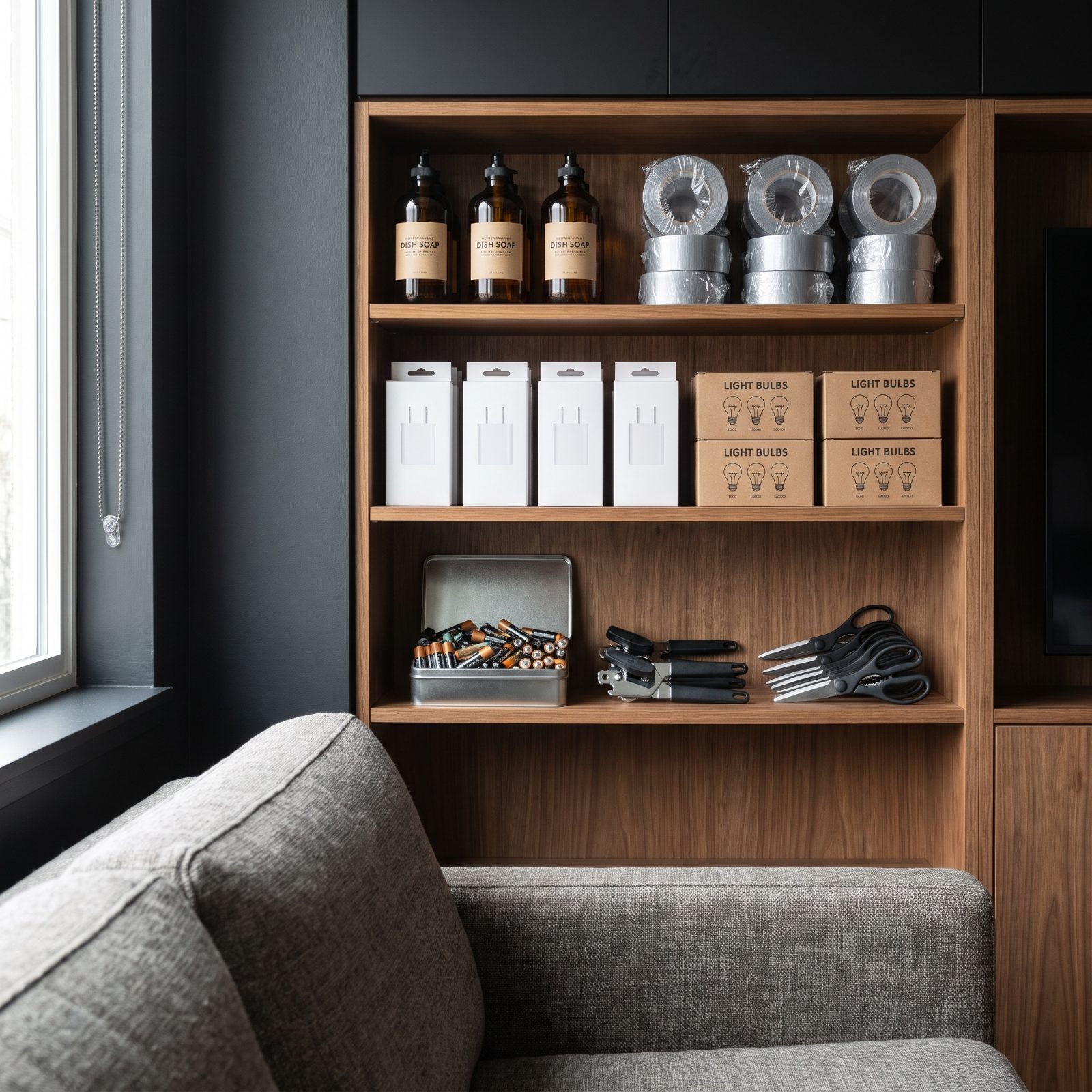
Three spare can openers. A backup for the backup. A drawer of batteries sized for devices you no longer own. The logic is airtight — better to have it and not need it — and so you accumulate insurance against a catastrophe that keeps politely declining to arrive.
This is anxiety wearing the costume of preparedness. The duplicates don’t make you safer. They soothe a worry about the future by letting you feel ready for it. Each spare is a small purchased calm.
People do the same by keeping options open they’ll never use. Staying friendly with the one who got away, holding onto an exit plan, hedging a commitment “just in case.” The spare partner, the spare self, the spare life. None of it gets deployed. It just takes up shelf space, whispering that if everything falls apart, you’ve got a backup. The emergency never comes. The clutter always stays.
2. Next Weekend Remains the Official Decluttering Date

The chair knows. There’s always a chair, or a dresser top, or that one dining table seat nobody sits in anymore because it’s buried under a season’s worth of good intentions. You’ve walked past it dozens of times, and every time you’ve told yourself the same thing: next weekend.
Next weekend you’ll sort it, rested and focused, armed with trash bags and that podcast you’ve been saving. The mess will finally meet its match. Then next weekend arrives and becomes the weekend after that, and the pile quietly grows a second story.
People do the exact same thing with a relationship that isn’t working. The hard conversation is always scheduled for later — after the holidays, after this busy stretch at work, when things calm down. The problem sits in plain sight and we keep filing it under future-us.
Nothing gets easier by waiting. It just gets taller.
1. Being Told to Declutter Makes Every Mug Suddenly Essential
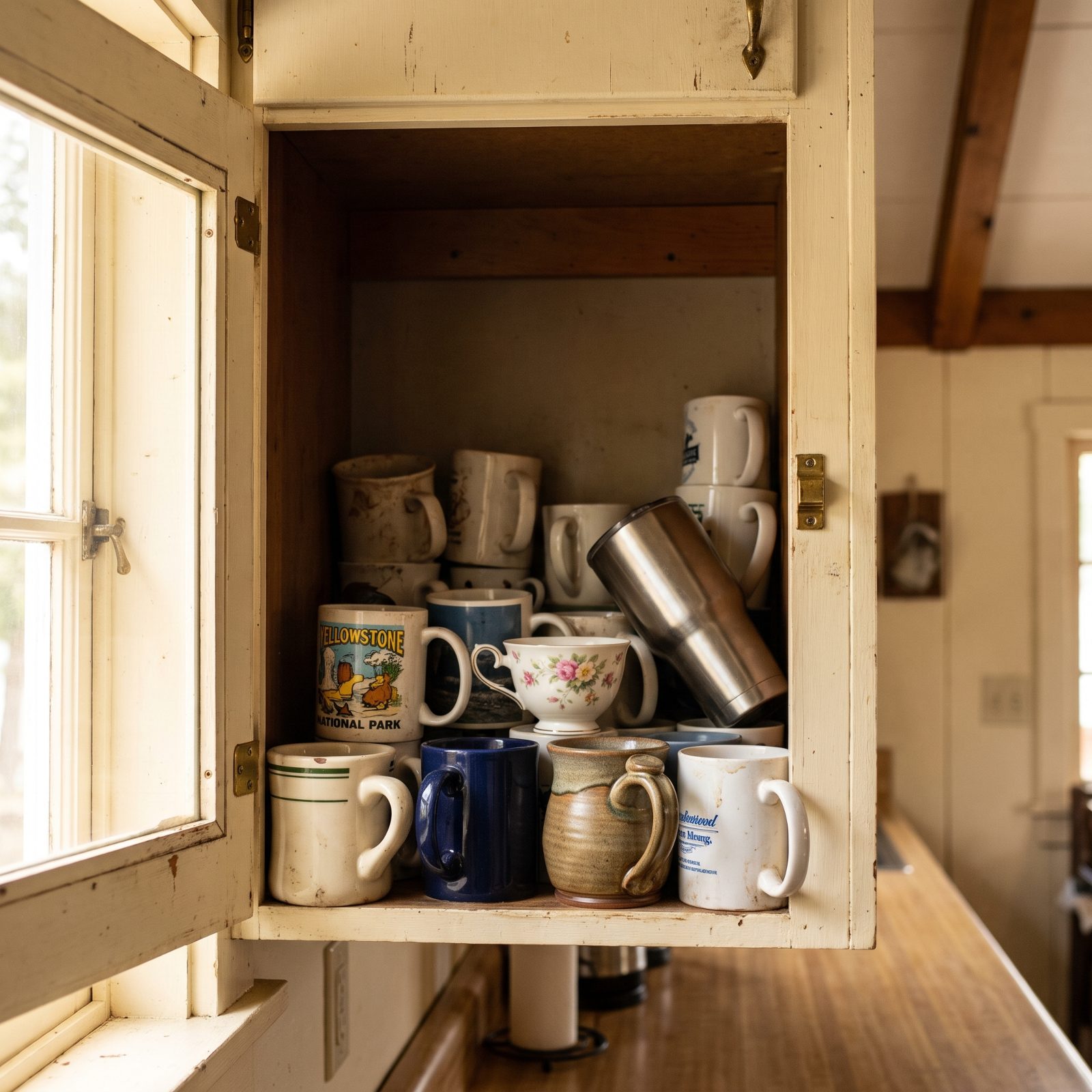
Suggest, gently, that maybe nine mugs is plenty for a two-person household, and watch what happens. Suddenly the chipped diner one is irreplaceable. The souvenir mug from a trip you barely remember holds the entire memory hostage. And that ugly promotional one? Perfect for paintbrushes someday, obviously. Every mug grows a biography the moment its survival is threatened.
You’ve seen someone do this the second a friend dares to question the person they’re dating. Point out one flaw and they’ll defend it like a trial lawyer, every excuse upgraded to a virtue. The resistance isn’t about the mug, or the partner. It’s about being told what to let go of.
Nothing makes an object precious faster than someone suggesting you could live without it.
Psychologists call the ownership half of this the endowment effect: we value things more simply because they’re ours. Stack reactance on top of it — that stubborn flare we feel when someone challenges our freedom to choose — and you’ve got a cabinet nobody can touch. Loss doesn’t make us evaluate honestly. It makes us dig in.
Here’s the quiet test. If someone else owned that mug, would you buy it? Usually the answer is no, and the honesty stings a little. Keep the one you’d buy again. Rinse the rest out of your life.