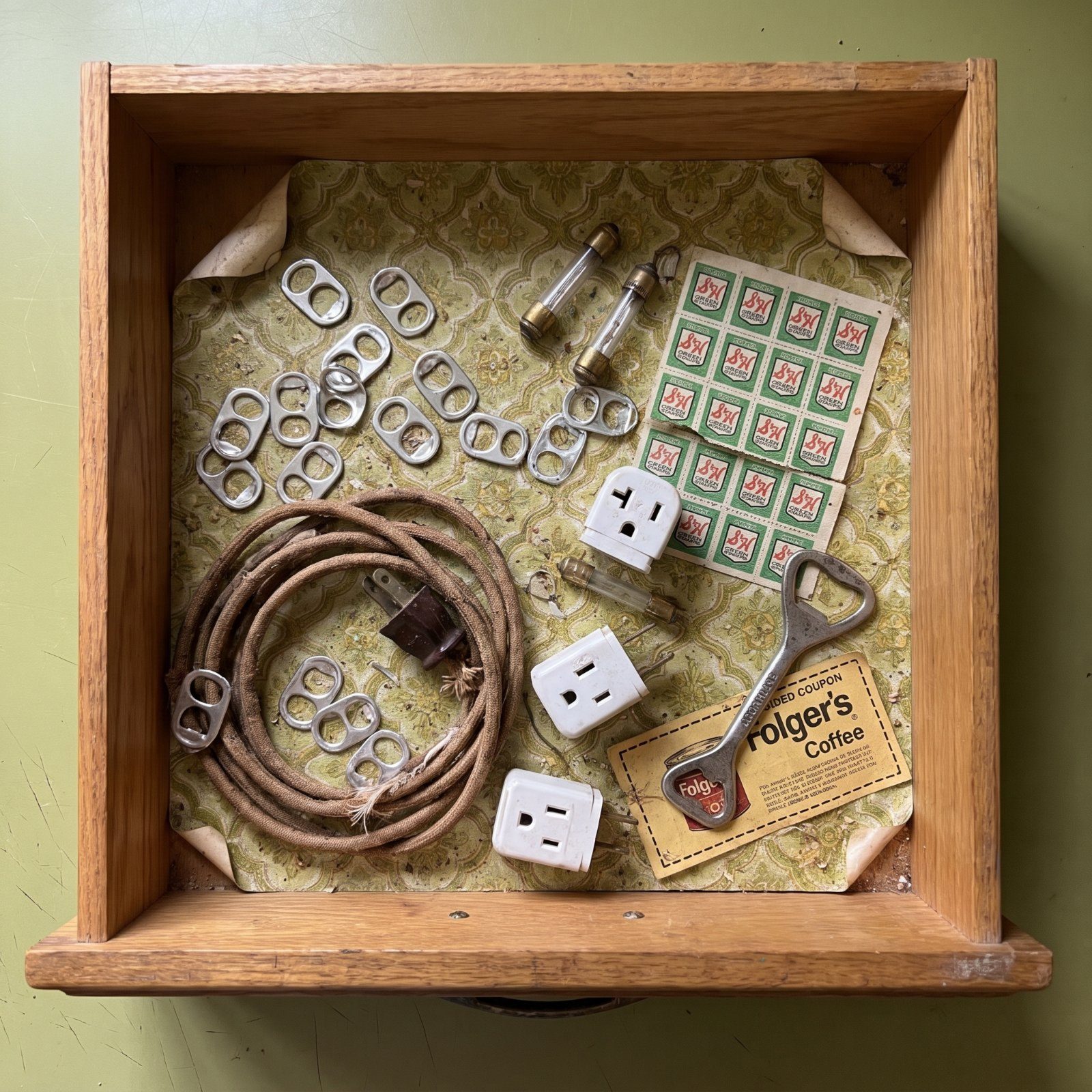
Open the second drawer down in any 1970s American kitchen and you’d hit a sound before you saw anything: the rattle of metal against metal, pull-tabs and loose fuses sliding over a cord that no longer had a coffeepot. That drawer was a museum of almost-usefulness, stuffed with things too good to throw out and too obscure to use. Some of it was pure thrift. The rest was a quirk of how appliances and wiring and grocery stores happened to work, and most of it would baffle anyone born after 1985. Here’s what piled up in there, and why it mattered.
Please note that some of the images in this article were created with the assistance of AI.
46. Detached Aluminum Ring-Pull Tabs Saved for Crafts and Homemade Chains
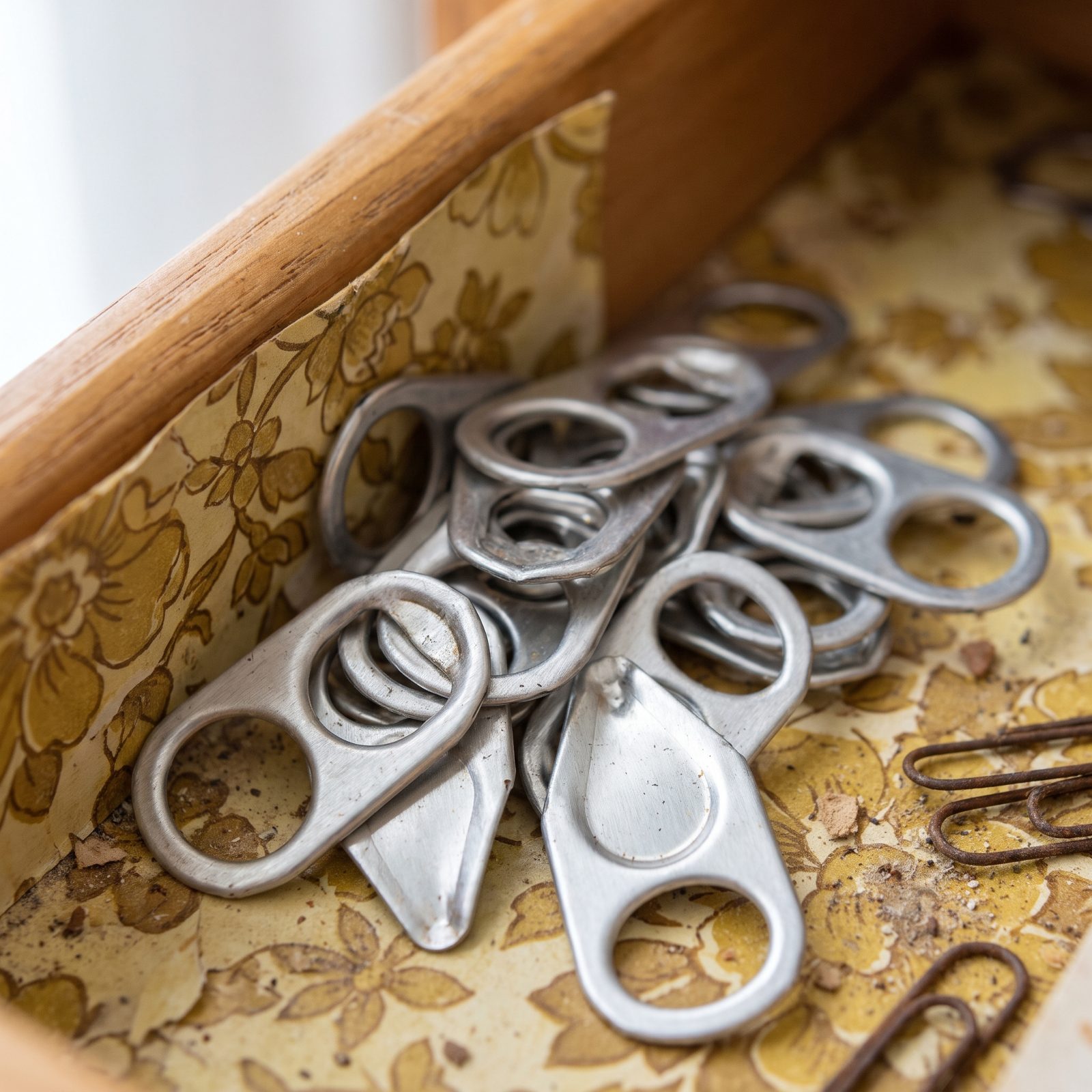
Cans today use stay-on tabs. Until the late 1970s, though, you tore the whole ring clean off, and it ended up on the ground, lost in the grass, or sliced into a bare foot at the lake. Plenty got rescued and dumped in the drawer instead.
People linked them into chains, belts, even purses, and Scout troops collected them by the coffee can. The craft habit outlived the tab itself.
45. An Electric-Skillet Heat-Control Probe That Fit Only One Appliance
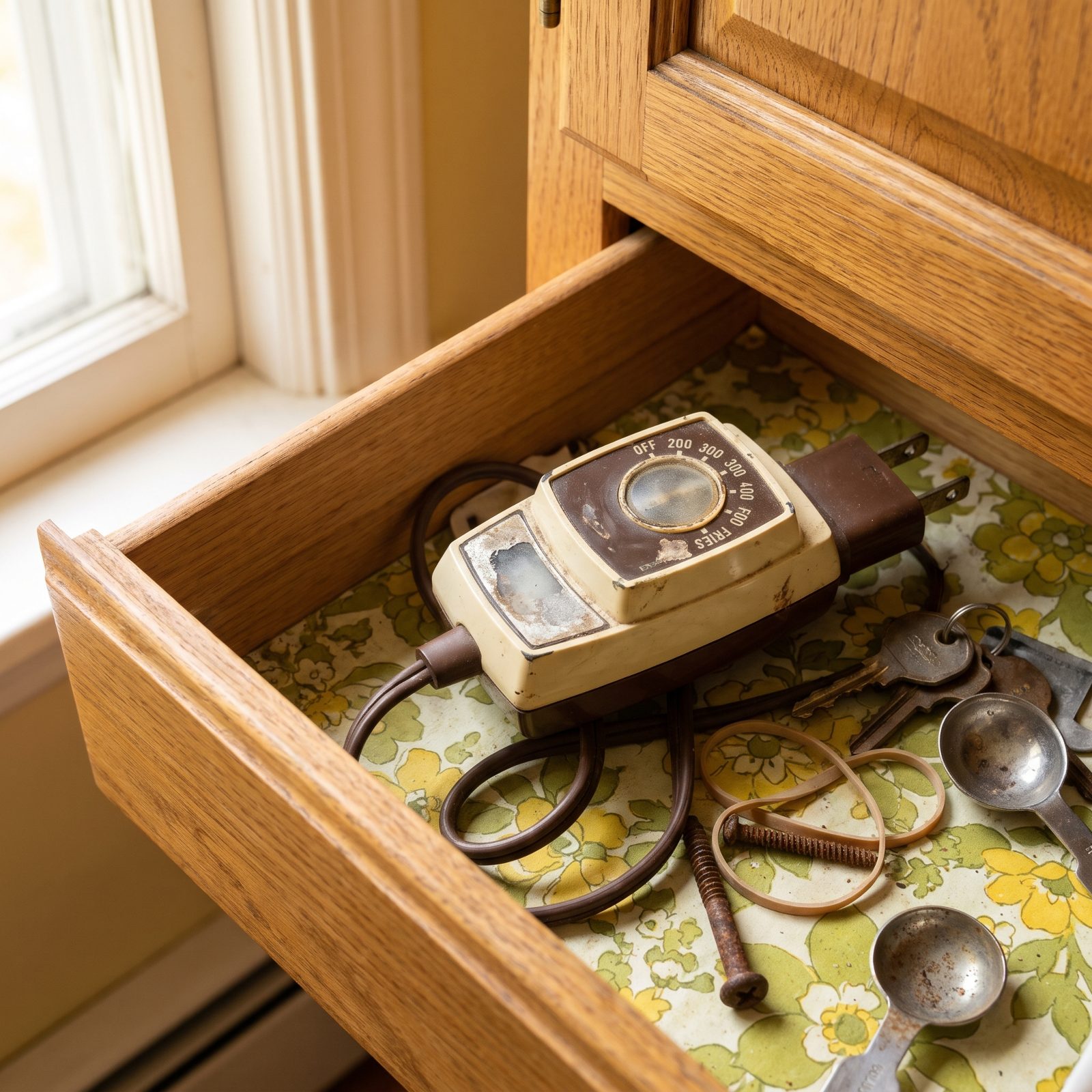
A special kind of useless. The plug-in heat control, with its dial and wall-outlet prongs, was the part that made an electric skillet work, and it only ever fit that one skillet. The pan went to the landfill with a dent in it, but the control stayed, because throwing out the “brains” felt wrong.
Nobody could tell you which skillet it belonged to anymore. It just sat there, a cream-and-brown plastic orphan, outliving its whole purpose.
44. A Detachable Percolator Cord Saved After the Coffeepot Was Gone
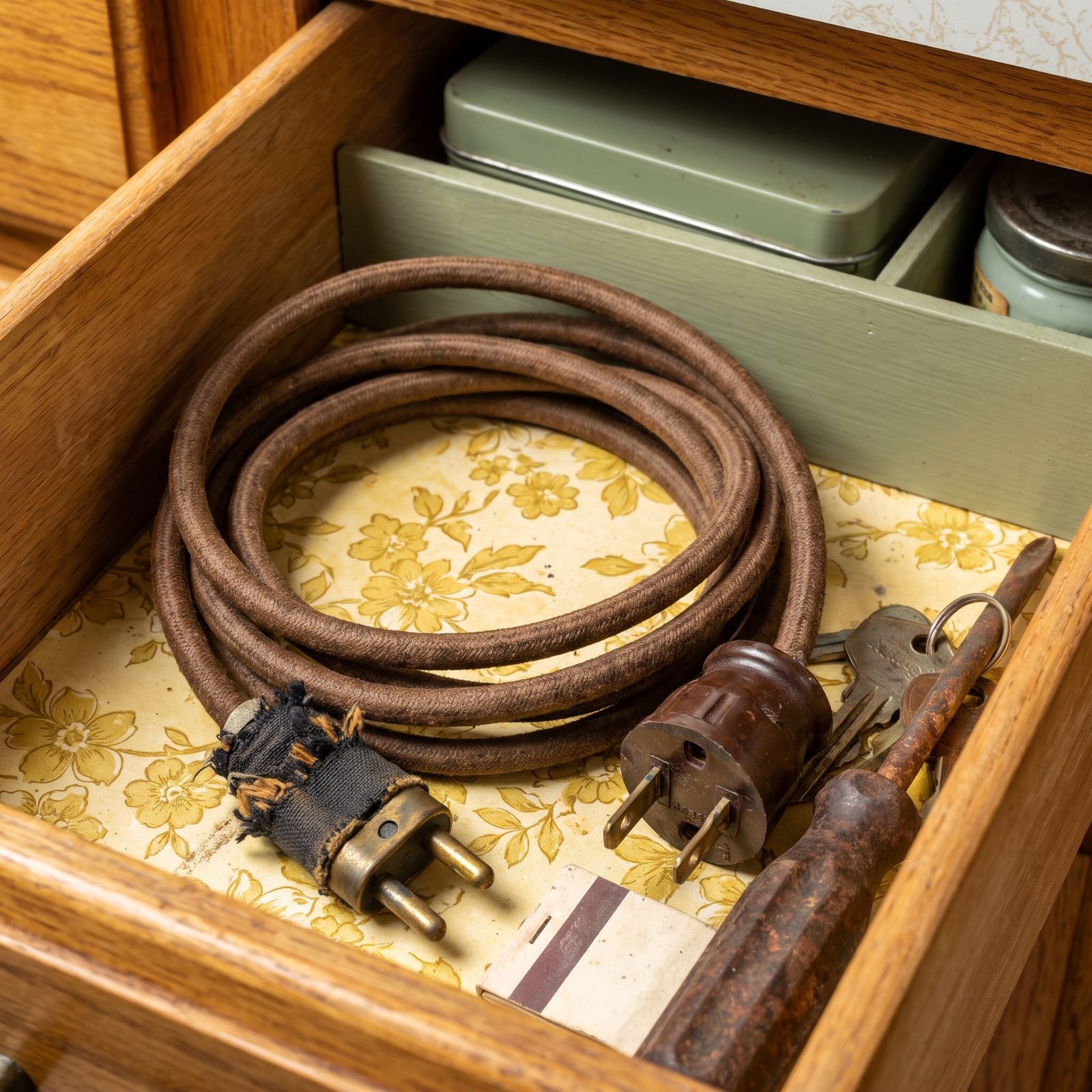
Old percolators used a detachable cord, not one hard-wired to the pot. When the percolator finally died, the cord survived, because a cord looks reusable in a way a dead coffeepot never does.
It never was. This one has a pronged plug on both ends, so it couldn’t even attach to a pot, and a cord with two male plugs is never safe to use. But a brown coiled cord radiates potential, so somebody tucked it in next to the rubber bands and left it there for a decade. It’s the most human item on this list. We all keep the cord.
43. A Plastic Freezer Defrost Scraper From the Era Before Frost-Free Models
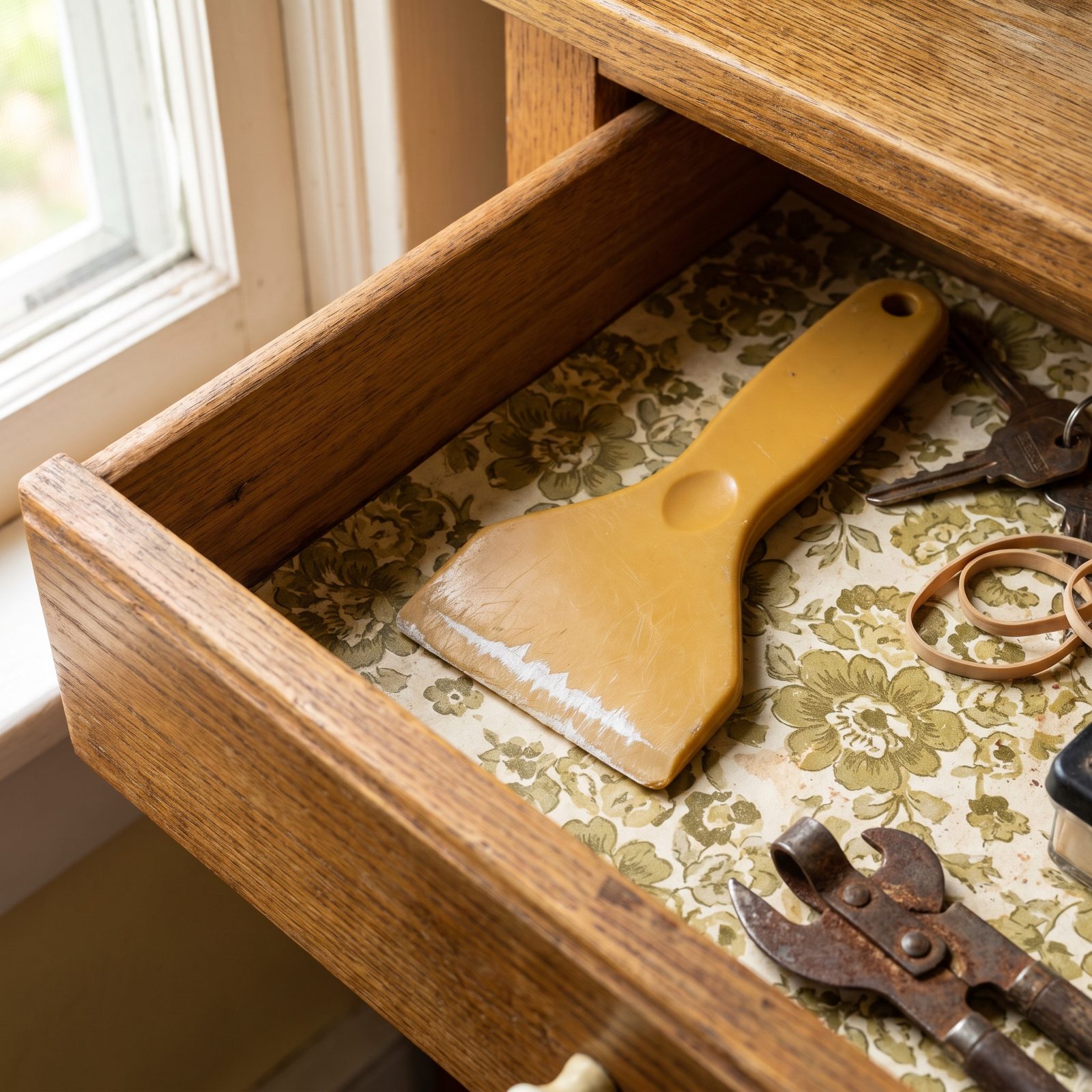
Before frost-free freezers became standard, ice built up inside the box in sheets until the door barely closed. Defrosting meant unplugging the whole thing, laying down towels, and chipping away at a glacier with a plastic scraper.
The scraper was blunt on purpose. A metal one would puncture the coils and release the refrigerant, turning a chore into a repair bill. So it was always plastic — and always a little melted at one corner from someone getting impatient with hot water.
42. S&H Green Stamps Waiting to Be Pasted Into a Redemption Book
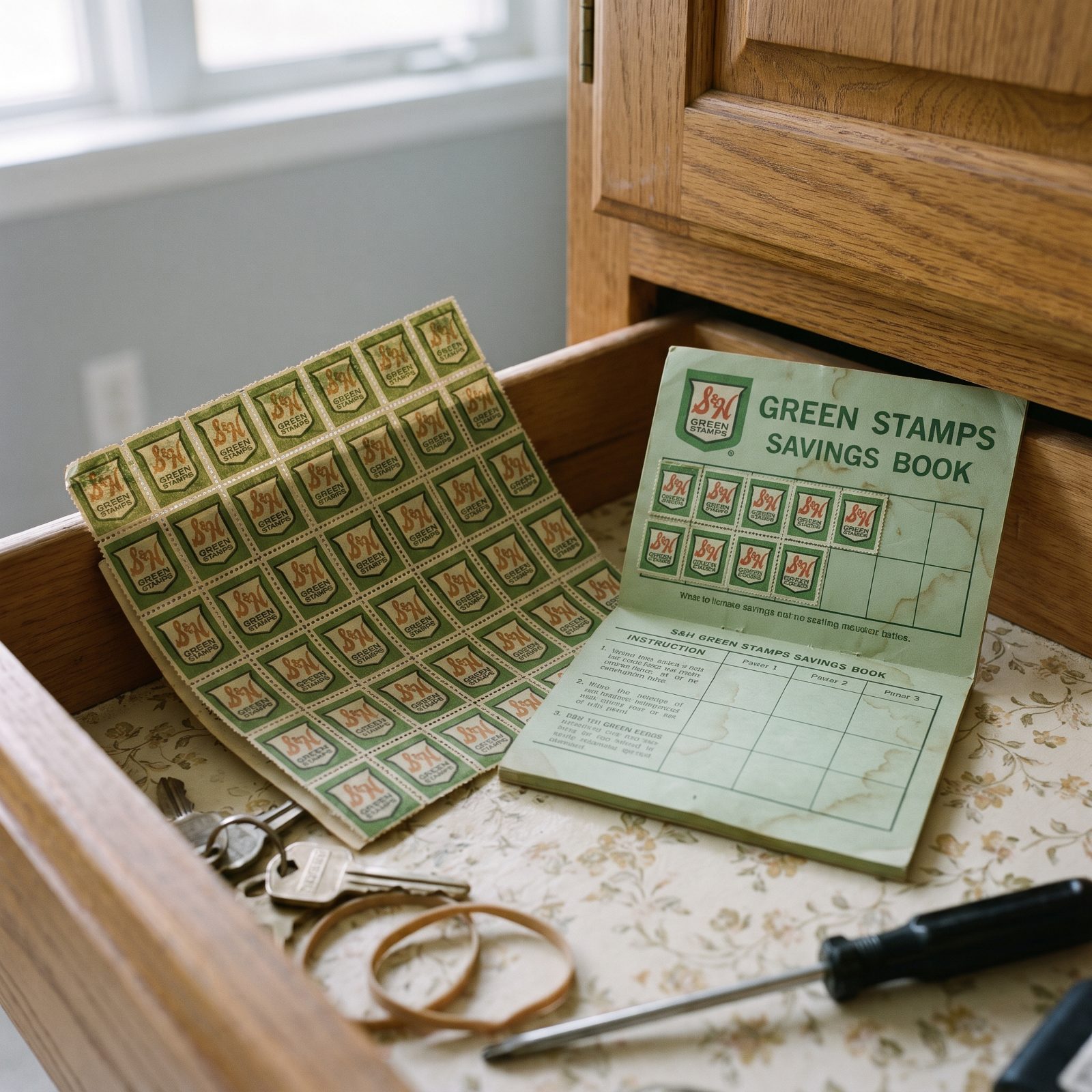
You got them at the grocery store and the gas station, a sheet with every purchase, and you licked them into a book toward a toaster or a lamp. A full book took ages. A toaster took several.
Loose stamps lived in the drawer because pasting them was a rainy-day job that kept getting postponed. Half the country had a partial sheet drifting around somewhere, a tiny unpaid debt of licking owed to the future.
41. Betty Crocker Coupons Clipped From Flour and Cake-Mix Boxes
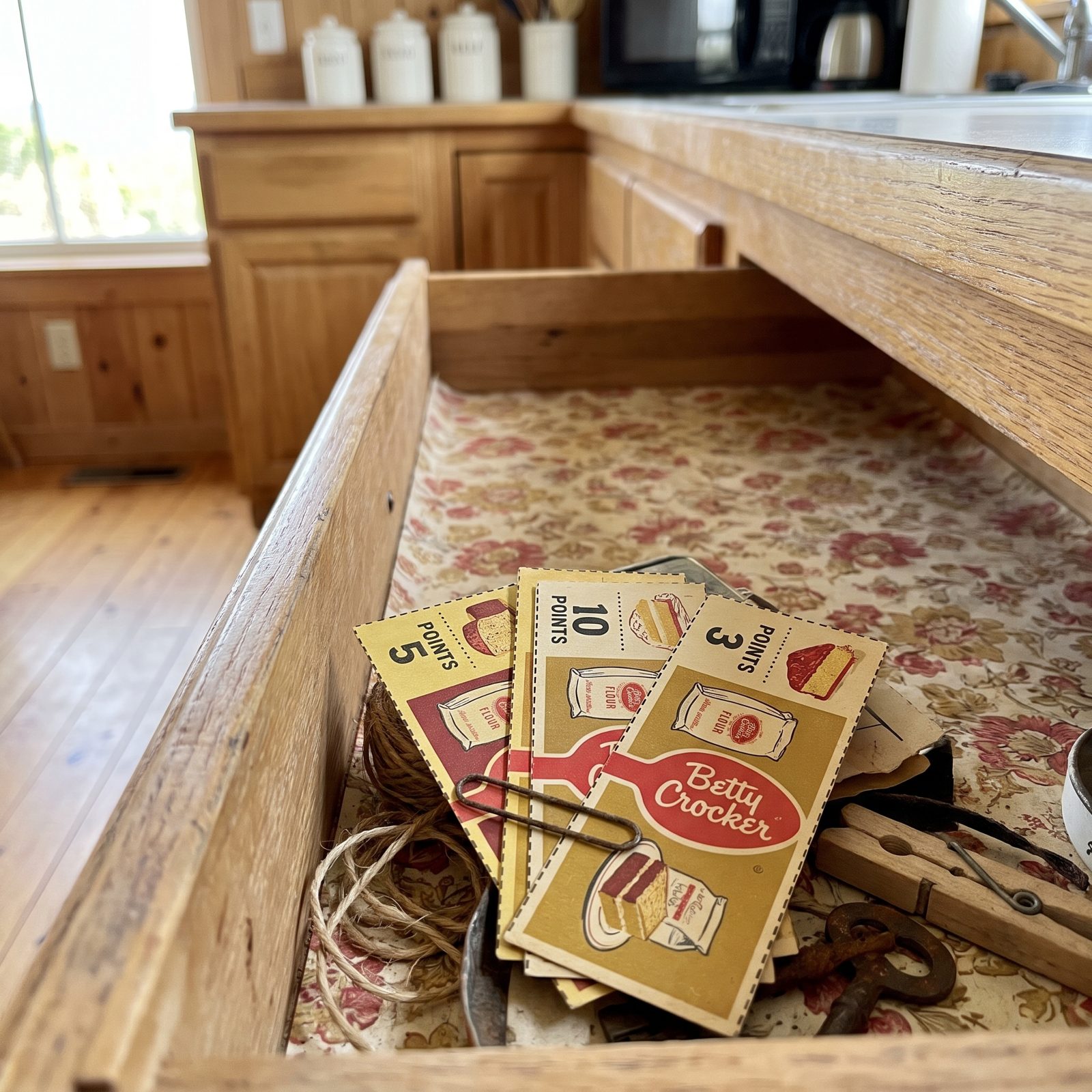
These point coupons came printed on the box. You cut them off and saved them toward catalog merchandise — flatware, dishes, kitchen gadgets. Not quite money, not quite nothing, which is exactly the sort of thing that ends up in a junk drawer.
A dedicated collector could furnish a drawer with free spatulas. Most people clipped them out of habit, let them pile up, and eventually tossed a yellowed wad that had expired years earlier.
40. Glass Screw-In Fuses Kept Ready for the Next Blown Circuit
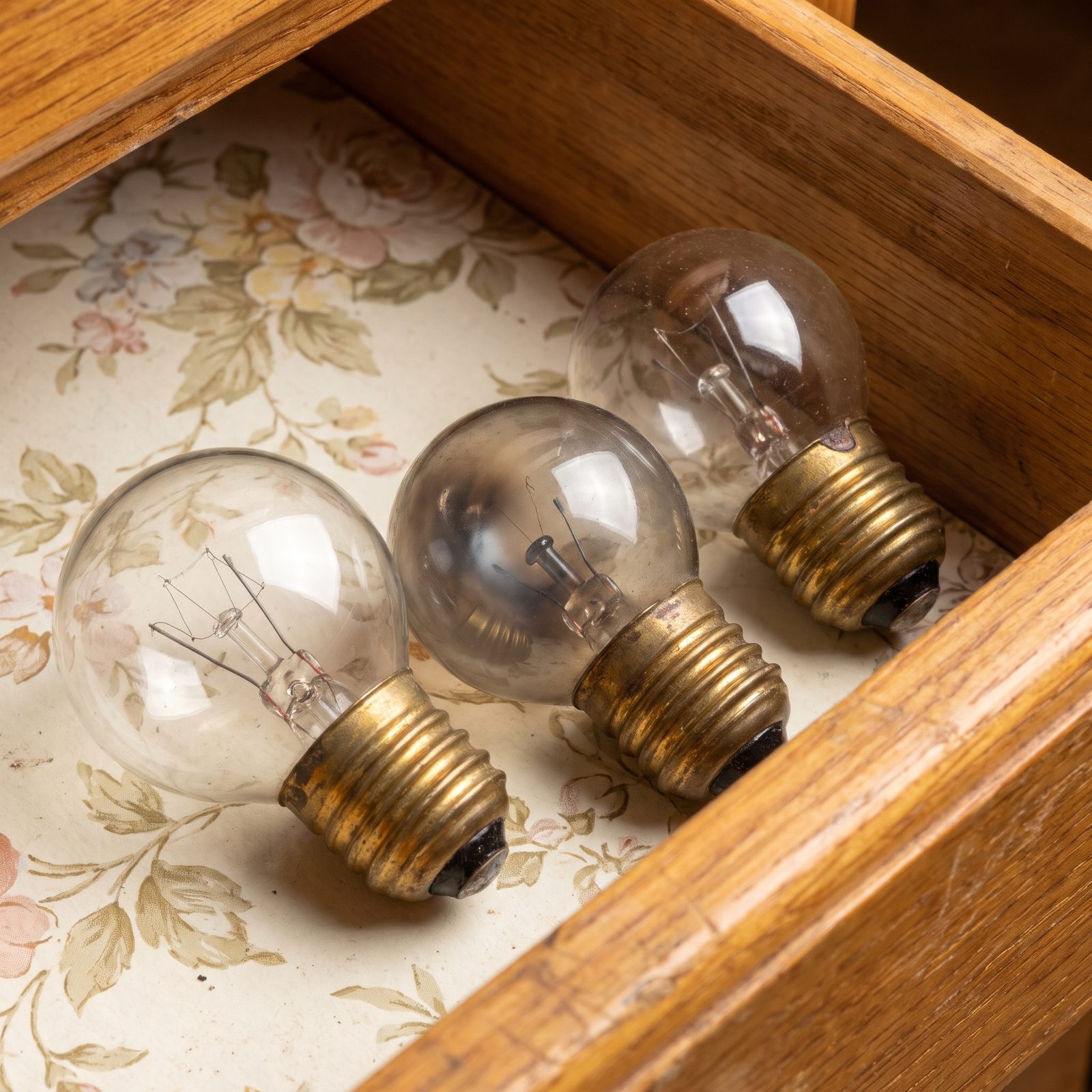
Older homes ran on fuse boxes, not breakers. Overload a circuit and a little metal strip inside the glass melted, and the kitchen went dark. You kept spares in the drawer because the hardware store was closed at ten on a Tuesday when the roaster and the iron tripped it together.
The clear glass top was the clever part — one look told you whether the filament inside was intact or blown. Good design, long gone from most homes.
39. Three-to-Two-Prong Adapters for Older Ungrounded Wall Outlets
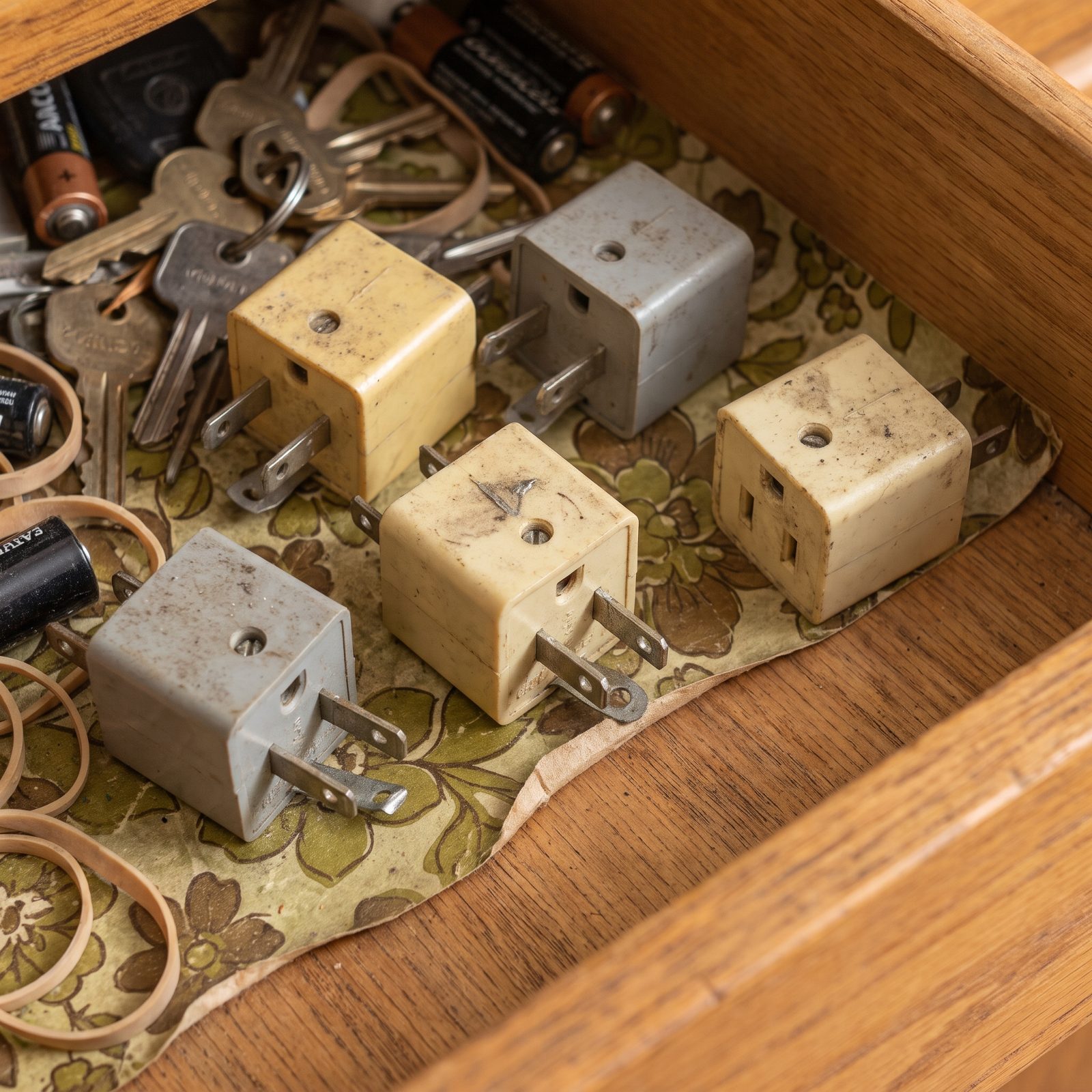
New appliances came with three-prong grounded plugs, but lots of houses had two-slot outlets with nowhere for that third prong to go. The little adapter bridged the gap, and they bred like rabbits in the drawer.
Now for the part most people got wrong, then and now. A proper adapter had a small metal tab meant to be screwed to the outlet plate to actually ground the thing, and you can see one on several of these. But even when the tab was there, almost nobody used it. Everybody just jammed it in and moved on, grounding be damned.
38. A Spare Pressure-Cooker Safety Plug Kept for an Emergency Replacement
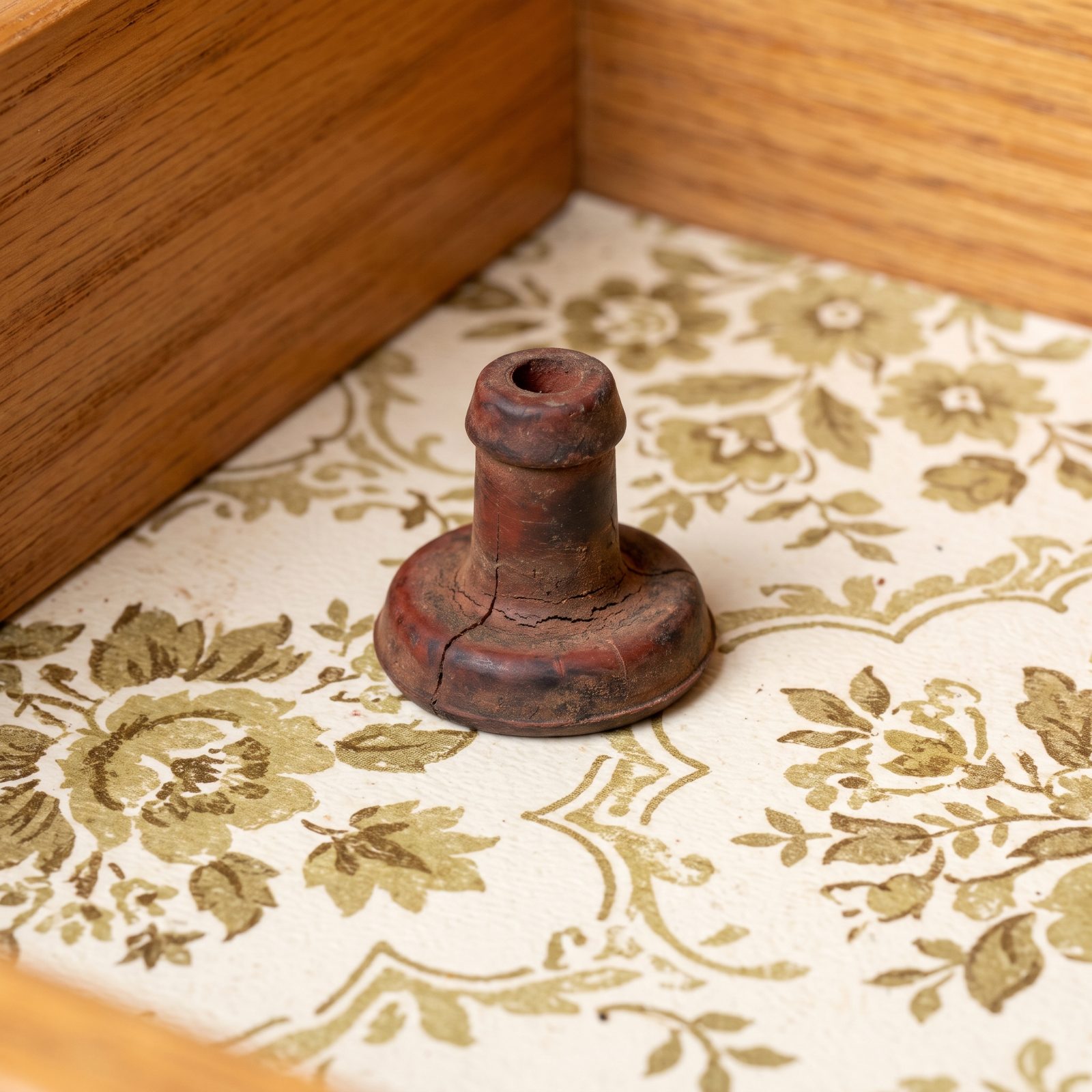
The small rubber safety plug was the overpressure release on a stovetop pressure cooker. When pressure climbed too high, that plug blew out instead of the lid, saving the ceiling from a coat of beef stew.
People kept a spare because a cooker with a missing or hardened plug was genuinely dangerous to run. One of the few drawer items that was both obscure and actually important. Rubber ages, the original one cracks, and you really did want the backup on hand.
37. A Church Key for Puncturing Juice Cans and Opening Bottles
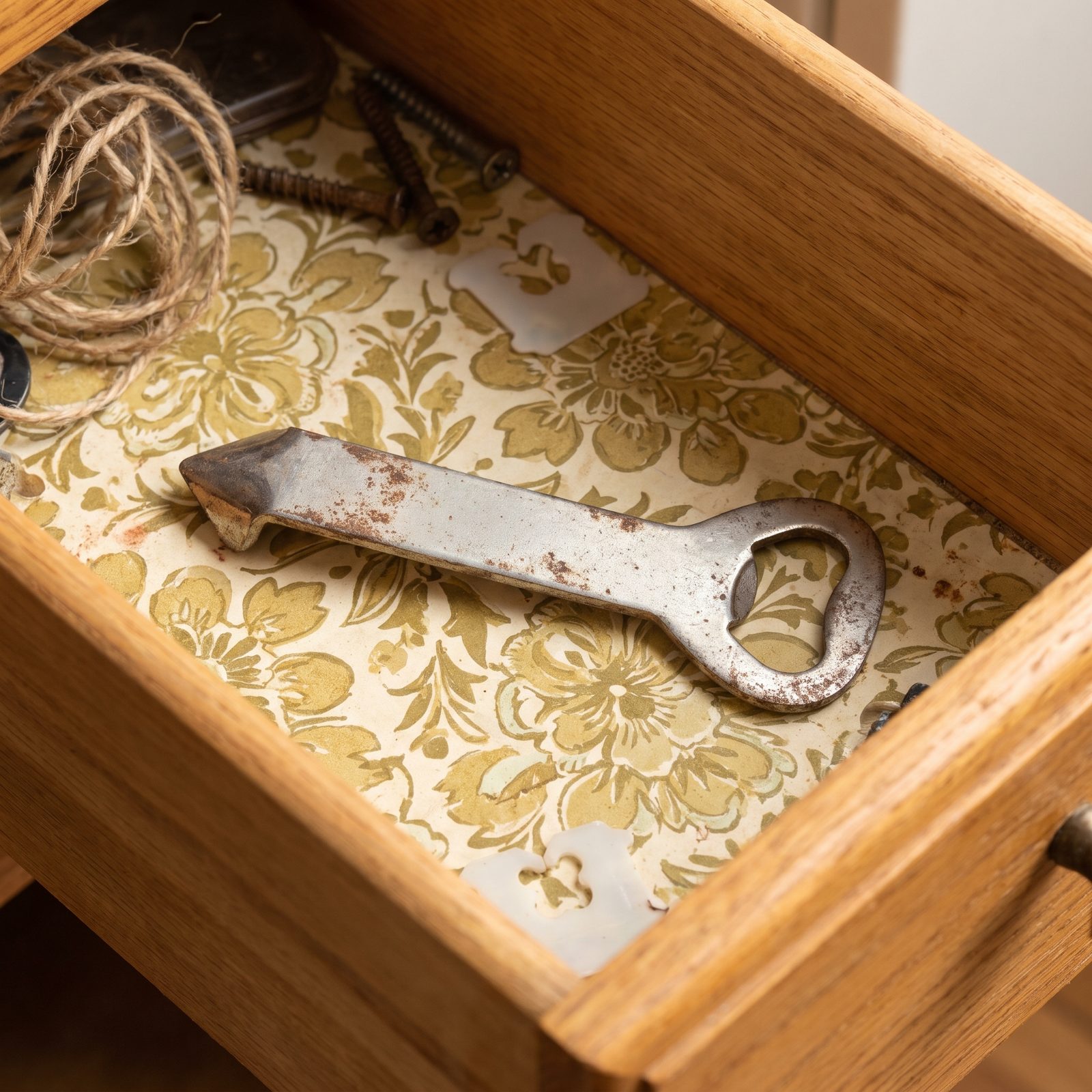
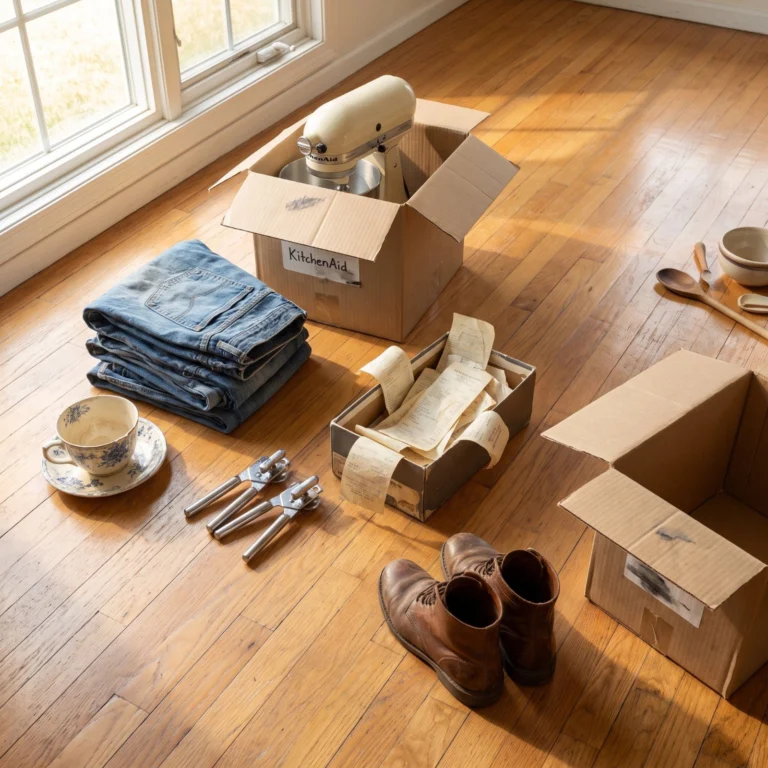
Before pop-tops and twist-caps took over, you needed a tool to get into things. The church key had two ends: a flat, pointed triangular tip at one end, and a flat, enclosed loop with a heart-shaped cutout for lifting bottle caps at the other, all on one worn strip of steel.
You punched two holes in a juice can, one to pour and one to let air in, or it glugged all over the counter. That double-hole trick is why the church key outlasted nearly everything else in this drawer. Simple, sharp, and it never broke. If one thing in that drawer still works today, it’s this.
36. Reusable Rubber Canning-Jar Rings Left Over From Preserving Season
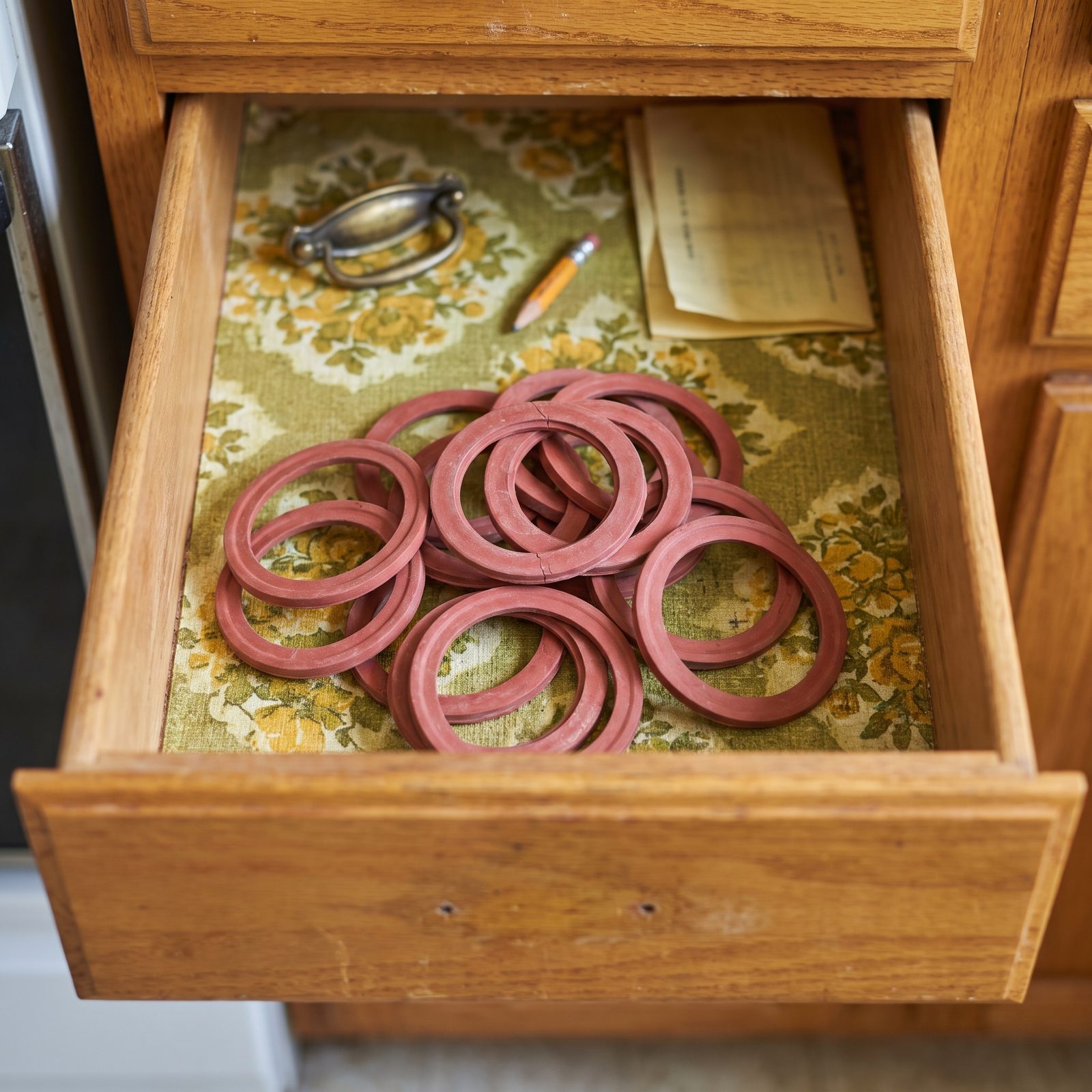
These rings sealed the jars. Before screw-band lids took over, a rubber gasket is what kept the air out and the summer in, and when the preserving was done the leftovers landed in the drawer. Nobody threw them away. You never knew when you’d need one.
Here’s the catch: rubber doesn’t age kindly. The ones you find now are usually cracked, stiff, gone chalky to the touch — long past the point of sealing anything. But they got kept anyway, year after year, because the person who canned peaches every August couldn’t quite stand to toss a thing that might still have a use in it. That habit of thrift outlived the thrift itself.
35. A China Marker Used to Date Freezer Paper and Canning Lids
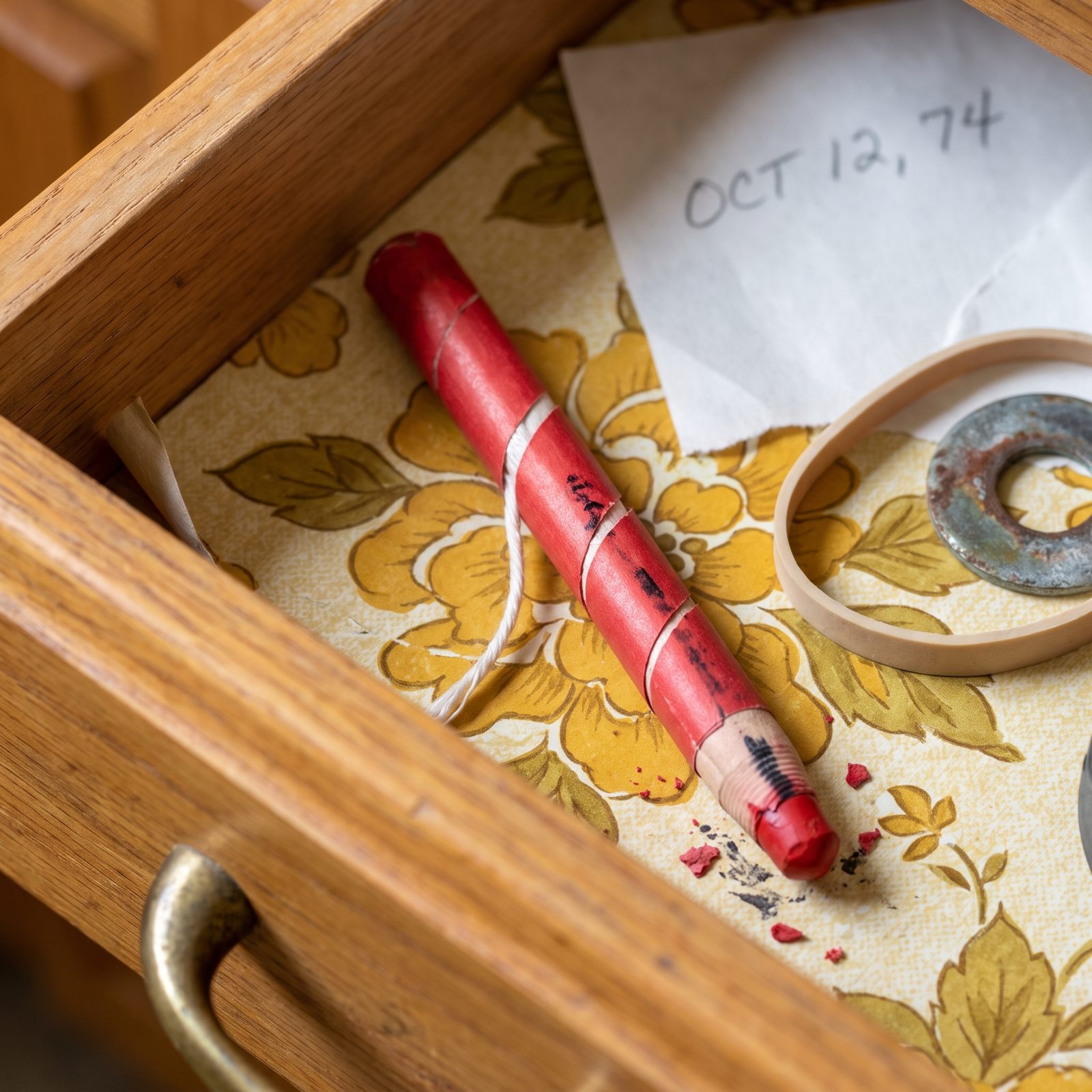
A china marker — grease pencil, wax pencil, whatever your kitchen called it — wrote on surfaces ordinary pens refused. Freezer paper. Waxed canning lids. Slick plastic. You peeled the string to expose more wax as the tip wore down, and it marked anything without smudging off in the cold.
The job was dates. What got frozen when, which casserole was from October and which from last spring. In a freezer stuffed with foil-wrapped mysteries, that red scrawl was the difference between dinner and a gamble. These days a roll of tape and a Sharpie does the same work, so the old marker sits in the drawer with its wax gone hard, a tool that quietly lost its reason to exist.
34. Scraps of Embossed Dymo Label Tape That Had Lost Their Backing
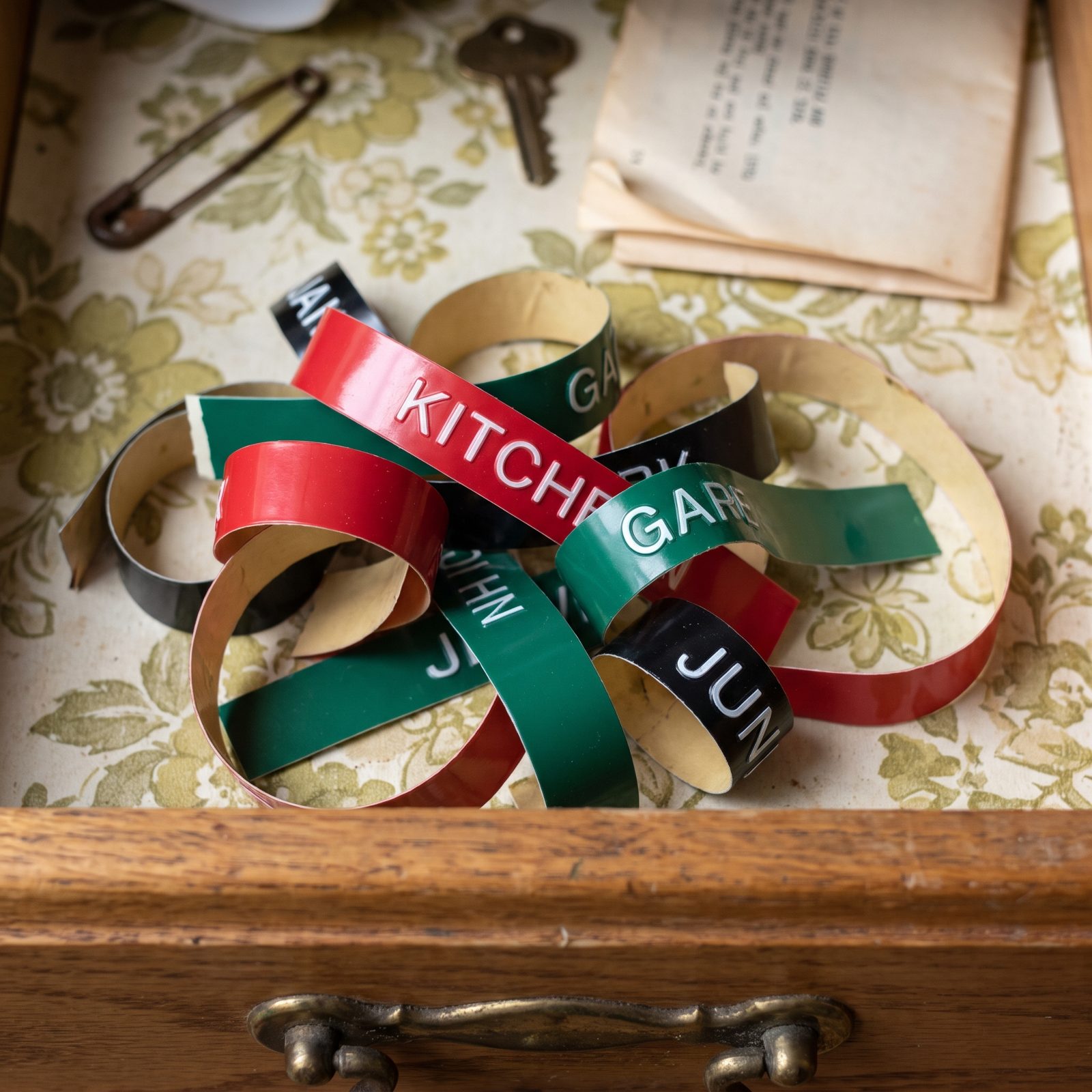
There was a particular satisfaction to the Dymo gun. You dialed each letter on a rotating wheel and squeezed, and the tool punched raised white letters into glossy plastic tape — red, black, forest green. A whole generation labeled their drawers, their switch plates, their kids’ lunchboxes with the stuff.
And the labels fell off. The adhesive never really committed, so what survives in drawers now are these curled orphan strips, stuck to nothing, still reading SUGAR or JIM or half a word that trailed into mystery. Picking one up is a strange little jolt. Someone sat and spelled this out, letter by clicking letter, for a label that gave up its post decades ago.
33. Unused Instamatic Flashcubes Saved After Family Parties and Holidays
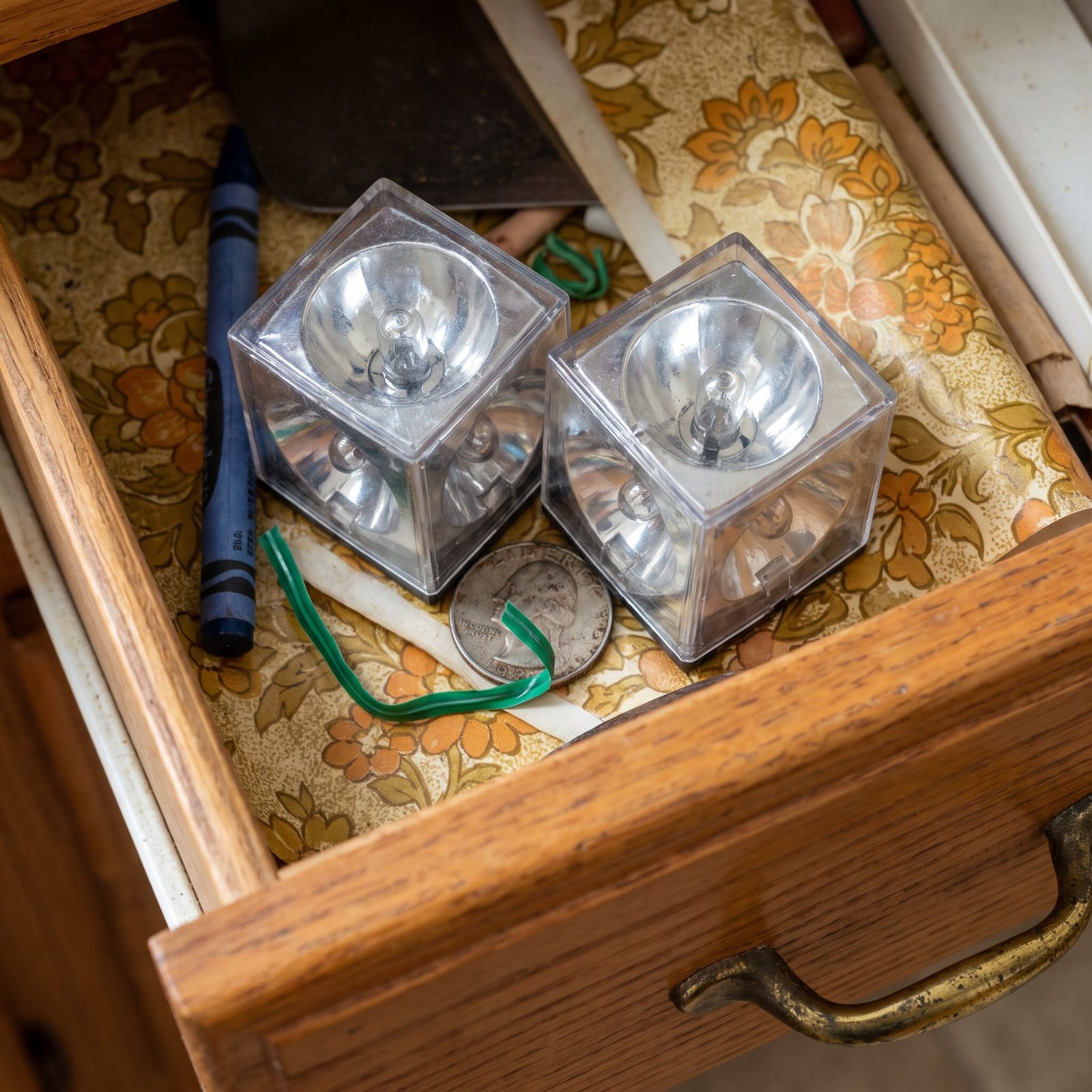
Four flashes, then you were done. A flashcube gave you one shot per face — one on each of its four sides — before it rotated to a fresh bulb, and when all four had popped you tossed the whole cube and clicked on a new one. Each tiny bulb burned out for good the instant it fired.
So the unused ones became a small anxiety. What if the birthday ran long, or Grandma wanted one more by the tree? People stashed spares in the kitchen drawer right next to the camera, ready for the next gathering that would never come — because film gave way to digital, and the camera itself eventually vanished. The cubes outlasted the thing they plugged into. Pretty little dead ends, four unspent flashes apiece.
32. A 35mm Film Canister Repurposed to Hold Tiny Screws or Coins
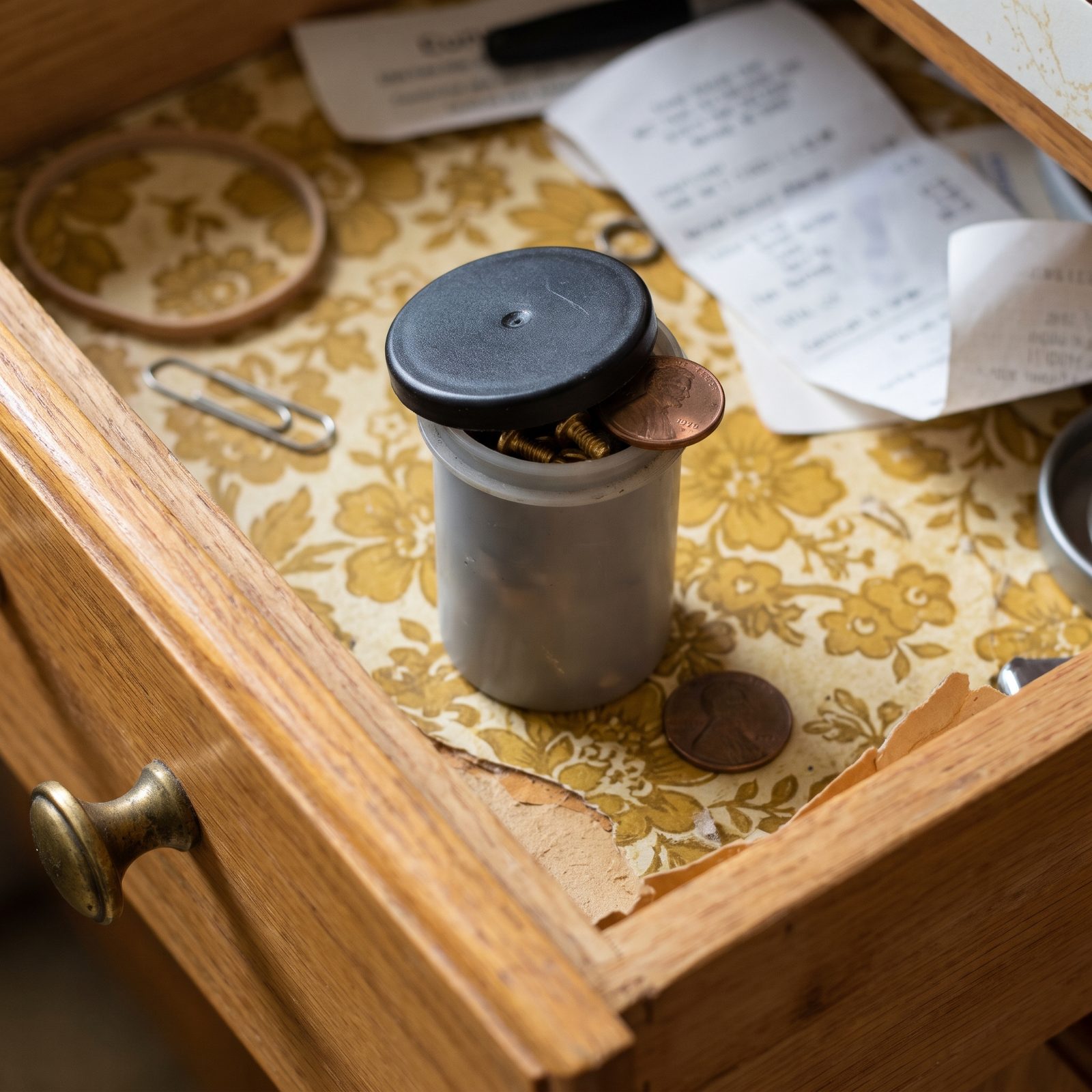
Gray tube, black snap lid, watertight. The film canister was never meant to be kept — it was packaging, the thing you peeled your roll out of and should have thrown away. Nobody did. Something about that perfect little lidded cylinder made it impossible.
They held everything. Spare buttons, tiny watch screws, loose change, a pinch of seeds, a single stray earring waiting on its partner. The lid popped on with a reassuring snick and nothing escaped. Find one in a drawer today and it’s almost always holding something — proof that the best storage container of the 20th century was a freebie we weren’t supposed to notice.
31. Sheets of Typewriter Correction Paper for Fixing Household Correspondence
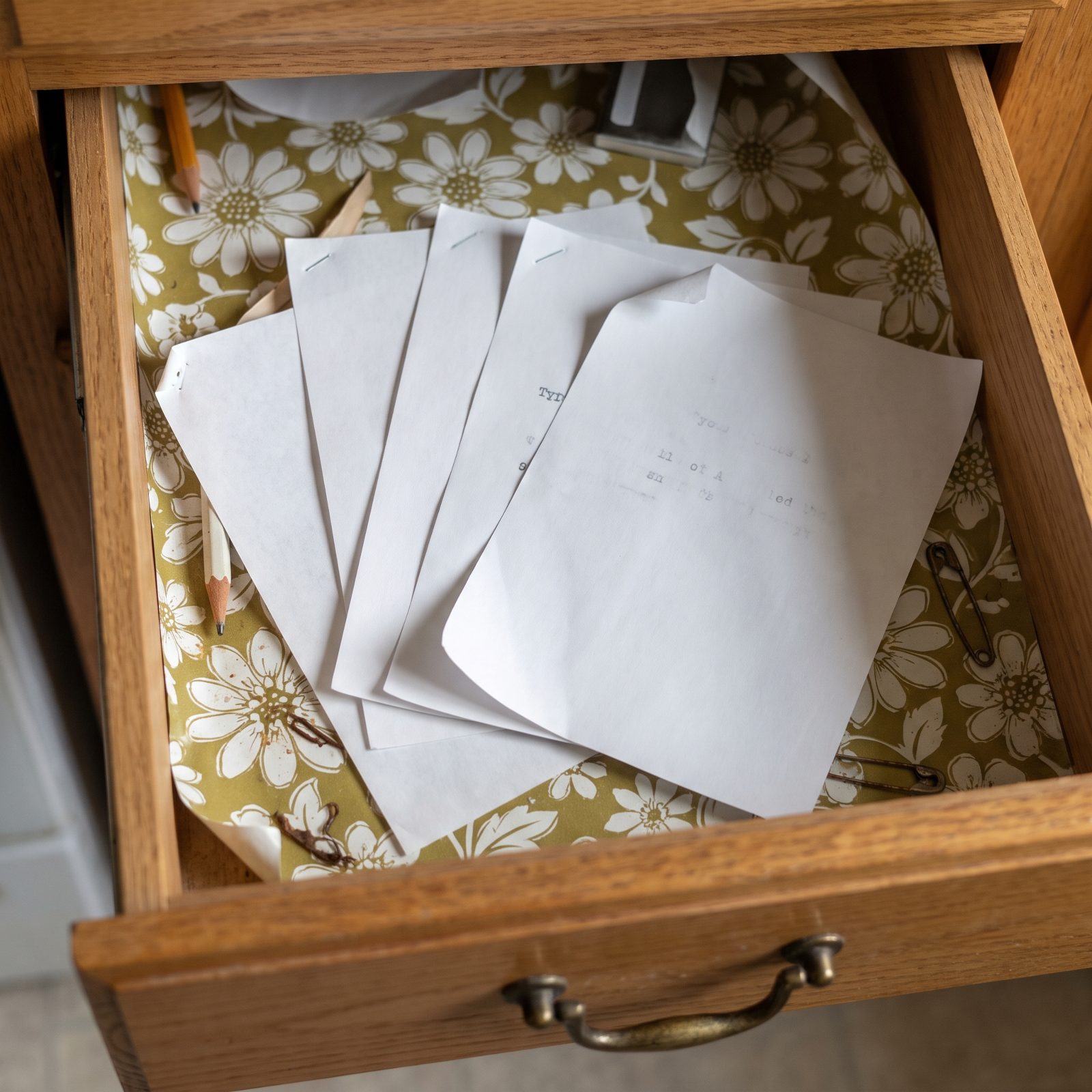
Mistype a word on a typewriter and you had a problem. There was no backspace that erased, only this: a full-size sheet of thin paper, chalky on one side, that you slid in front of the wrong letter. You retyped the mistake, and the sheet’s powder covered the wrong letter in white. Then you corrected it for real.
They came as full-size pages stapled together at the corner, and a few stray sets always ended up loose in the drawer. You can tell the used ones by their ghost impressions — the backward shadow of some long-ago error, FEBRURY or TEH, lifted clean and never thrown out. A correction made permanent, which is a funny thing to hold in your hand.
30. Advertising Matchbooks Collected From Restaurants, Motels, and Local Stores
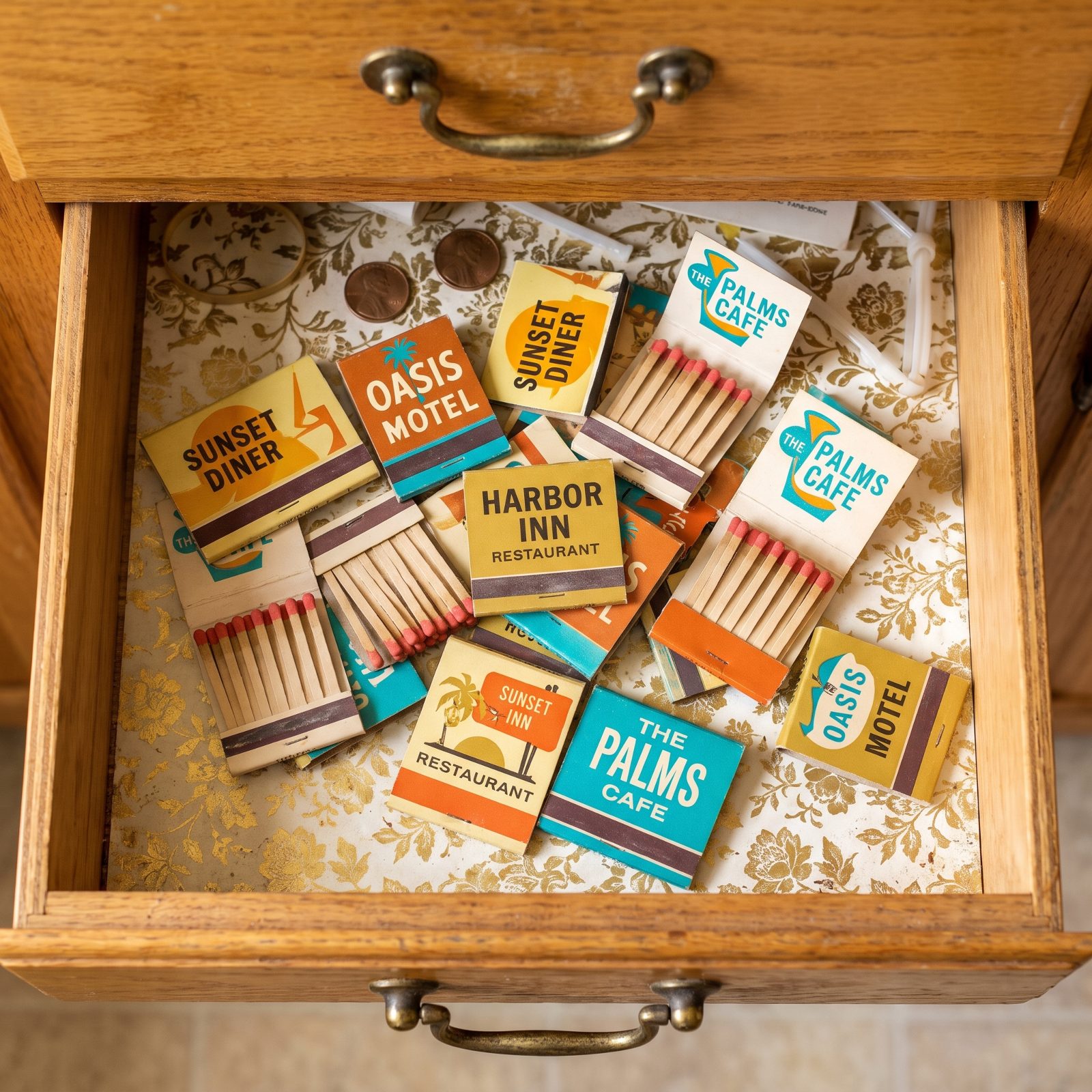
Restaurants gave them away by the bowlful. A matchbook printed with the diner’s name and a cartoon of its neon sign was free advertising that fit in your shirt pocket, and people scooped them up from motels and steakhouses and corner bars across every road trip they ever took.
Most households didn’t even smoke by then. The matches lit birthday candles and pilot lights and not much else, but the little cardboard folders kept arriving home anyway, a paper trail of where the family had been. Dig through a drawer of them and you’re reading an accidental travel diary — the Holiday Inn off some highway, a seafood place two states over, a bar that closed before you were born. Graphic design nobody meant to preserve, preserved.
29. A Pocket-Size Metal Aspirin Tin Reused for Pins or Small Change
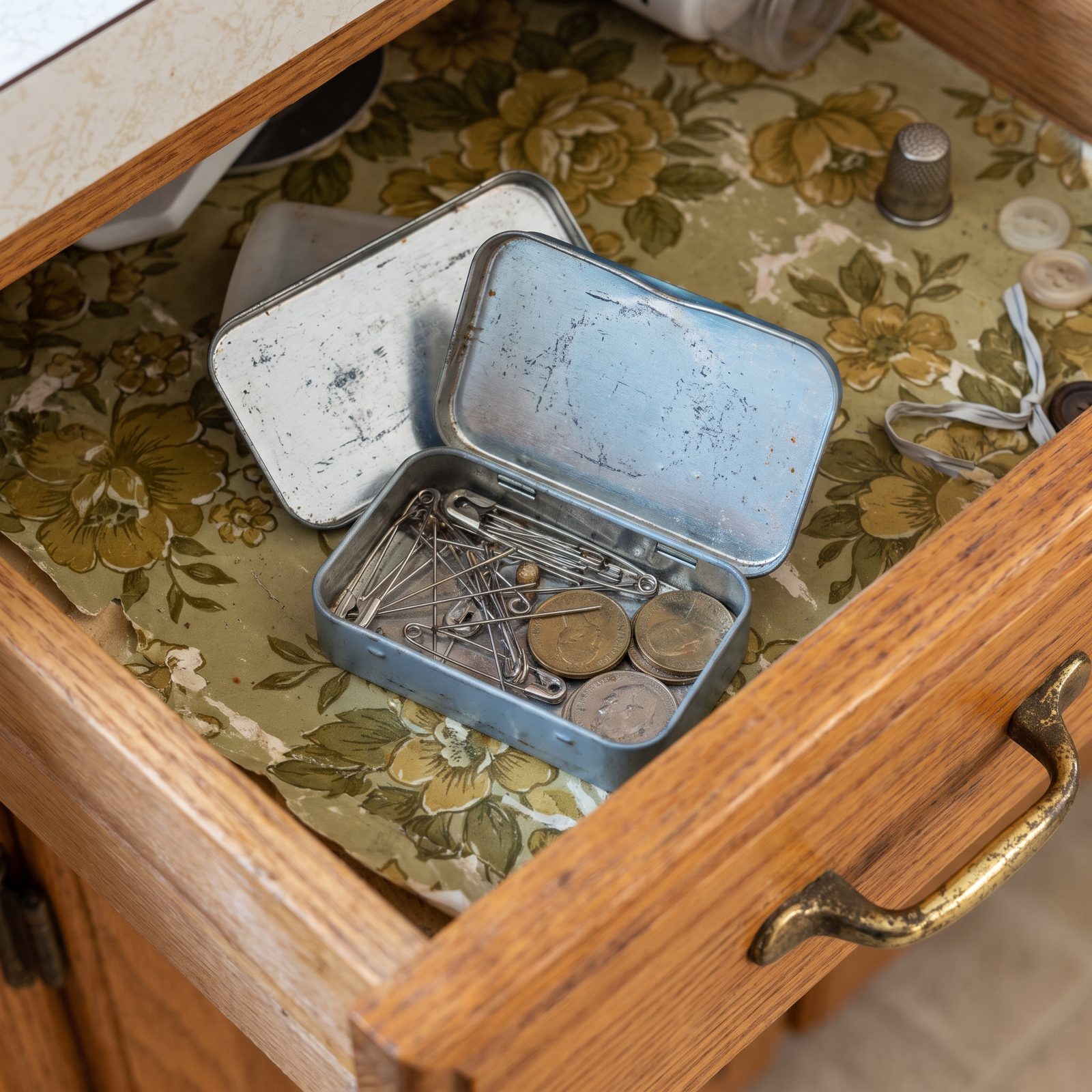
Back when aspirin came in a flat metal tin with a hinged lid, the tin outlived the pills by decades. Once the last tablet was gone it got demoted to the drawer, and from there it held whatever small thing needed corralling.
Straight pins, mostly. Safety pins, a spare collar stay, a few coins rattling around, maybe a lost shirt button hoping to be sewn back on someday. The lid shut with a satisfying tin snap. These turn up scuffed down to bare metal at the corners, the painted lettering worn to a ghost — rubbed smooth by a hand that reached for it over and over across the years.
28. Appliance Manuals and Warranty Cards for Machines No Longer in the Kitchen
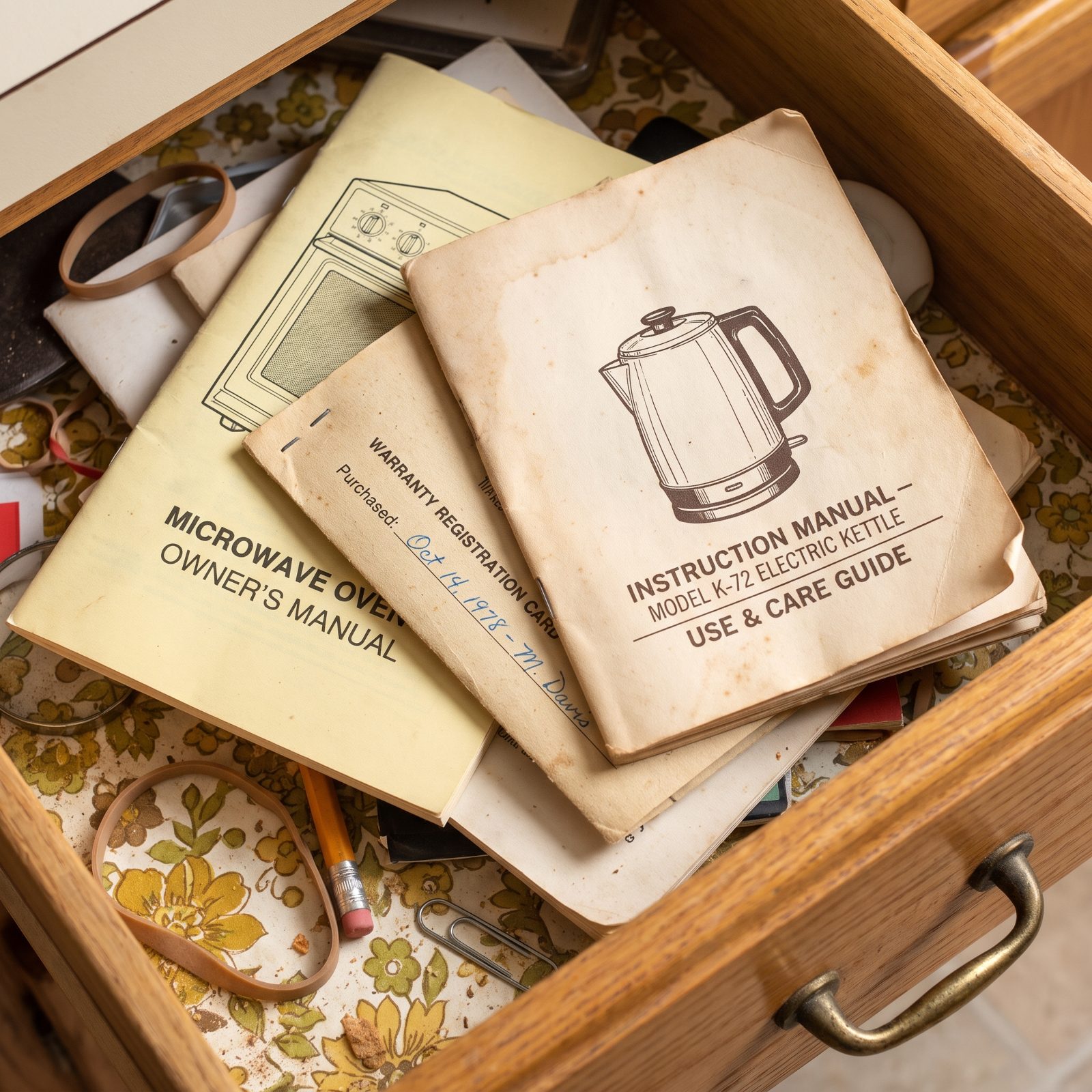
Here is a small tragedy of household life: the manual always outlives the machine. The blender died in 1972. Its instruction booklet is still in the drawer.
They pile up fast, these folded booklets on cream paper with their tidy line drawings and their warranty cards half-filled in careful ink, dated to a purchase nobody remembers making. You keep them because throwing out a manual feels reckless, like tempting fate. Then the appliance breaks, or gets replaced, or quietly disappears to a yard sale — and the paperwork stays behind, loyal to a toaster that left years ago. An entire archive of gone machines, stapled and foxed and faithfully retained.
27. A Handwritten Card Listing the Doctor, Police, and Fire Department Numbers
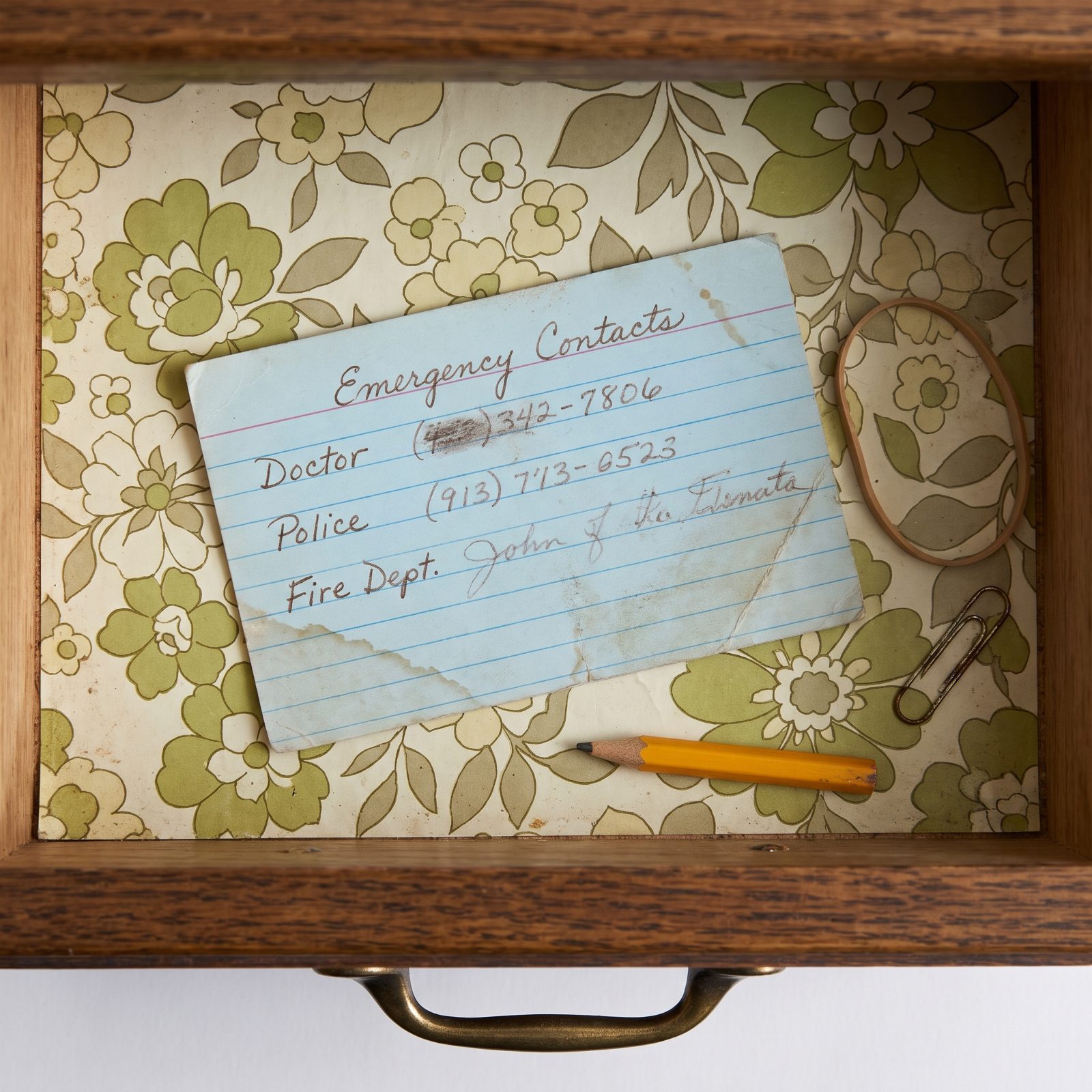
This is the one that gets to us. An index card, ruled in blue, with the family doctor’s number and the police line written out in someone’s careful hand, and a name scrawled in cursive beside the fire department — because when something went wrong, you needed those numbers right now and you couldn’t go hunting.
No phone held your contacts yet. No three-digit shortcut did the thinking for you. So a parent sat down, picked a card, and wrote out the names that stood between the household and disaster, then propped it where everyone could find it. The ink has faded brown and the corner’s gone soft, and it still sits in the drawer doing a job nothing asks of it anymore. Quiet little evidence that somebody was keeping watch.
26. Clipped Grocery Coupons Held Together With Paper Clips and Rubber Bands
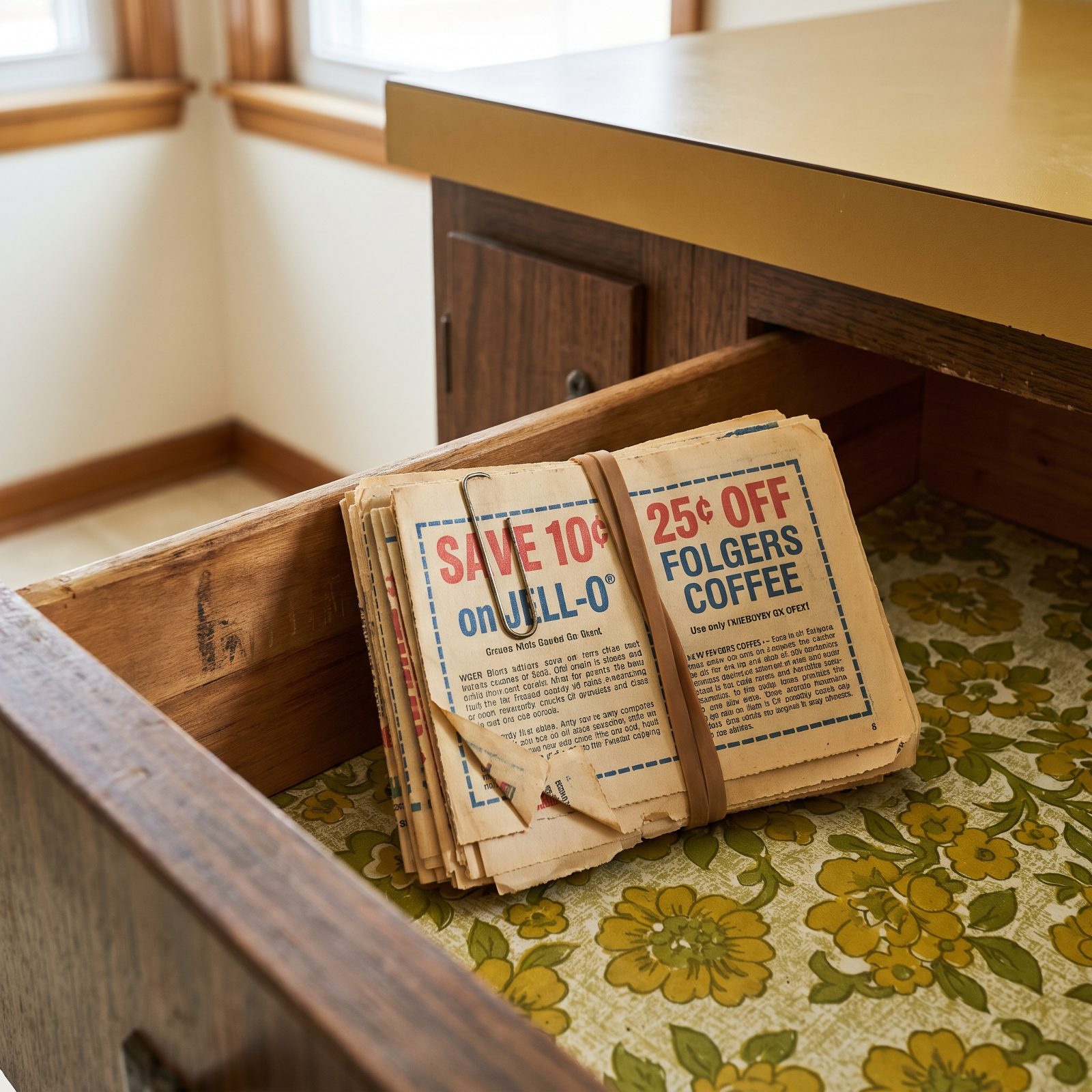
Clipping coupons was a weekly ritual before anyone called it couponing. The Sunday paper arrived, somebody worked it over with the kitchen scissors, and the survivors landed in the drawer under a rubber band.
And here’s what most people forget. Half those coupons expired before they were ever used, because the clipping was the satisfying part and the redeeming took actual effort. So the bundle grew, fattened by good intentions, until it became an archaeological layer of cents-off deals for products that no longer existed.
25. Folded Takeout Menus Soft and Stained From a Hundred Dinner Decisions
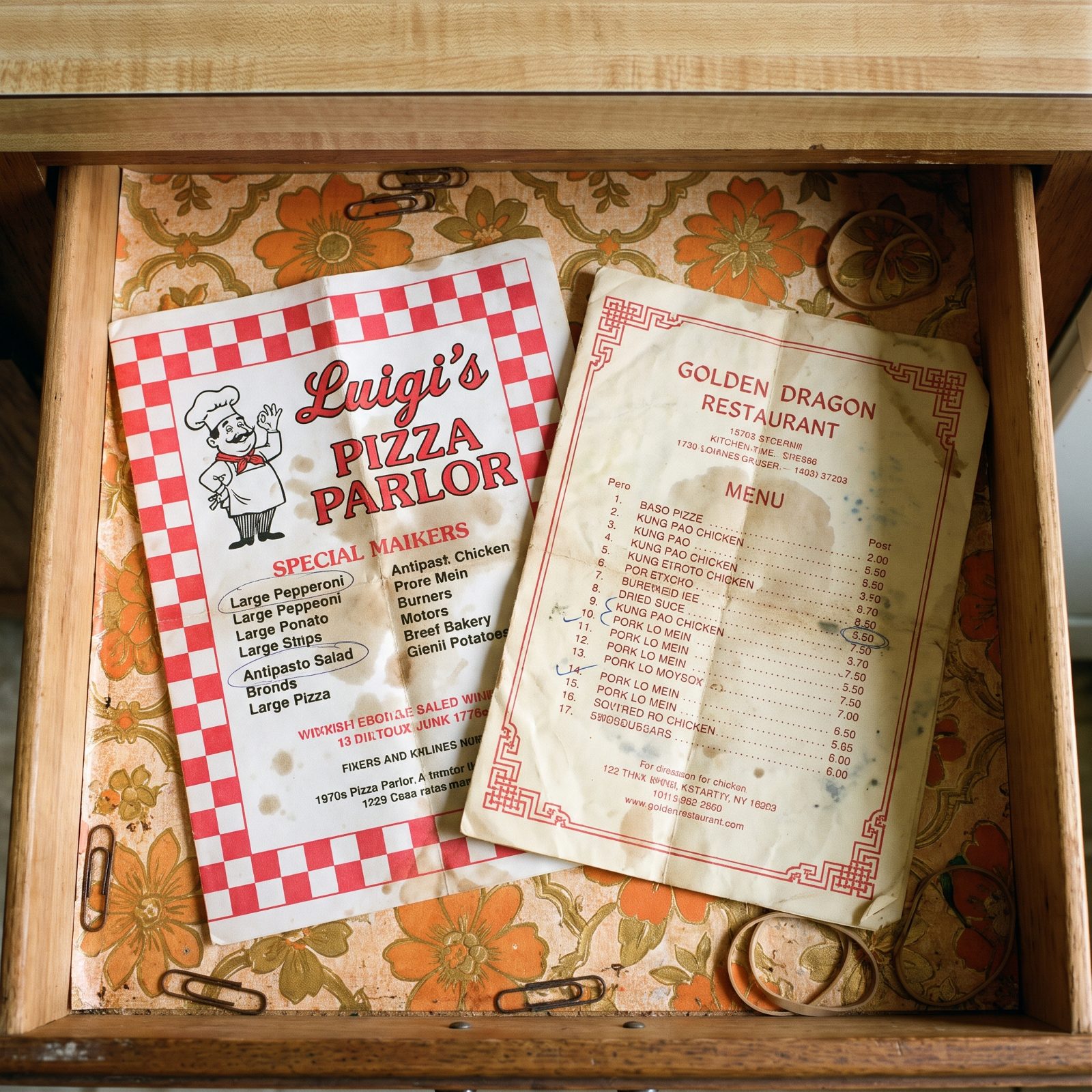
You could read the family’s whole dinner history in one folded menu. The grease spot where it sat on the counter, the dish circled in blue pen because someone kept forgetting the name of it, the soft flannel feel the paper takes on after years of being unfolded and refolded by hands still damp from the sink.
These were the simpler times. No app, no glossy photos of the food, just a phone number, an address and a leap of faith. The menu lived in the drawer because the drawer was closer than the phone book and a whole lot faster than arguing about where to order from all over again.
24. The Magnetic Grocery-List Pad That Gave Up Its Grip on the Fridge
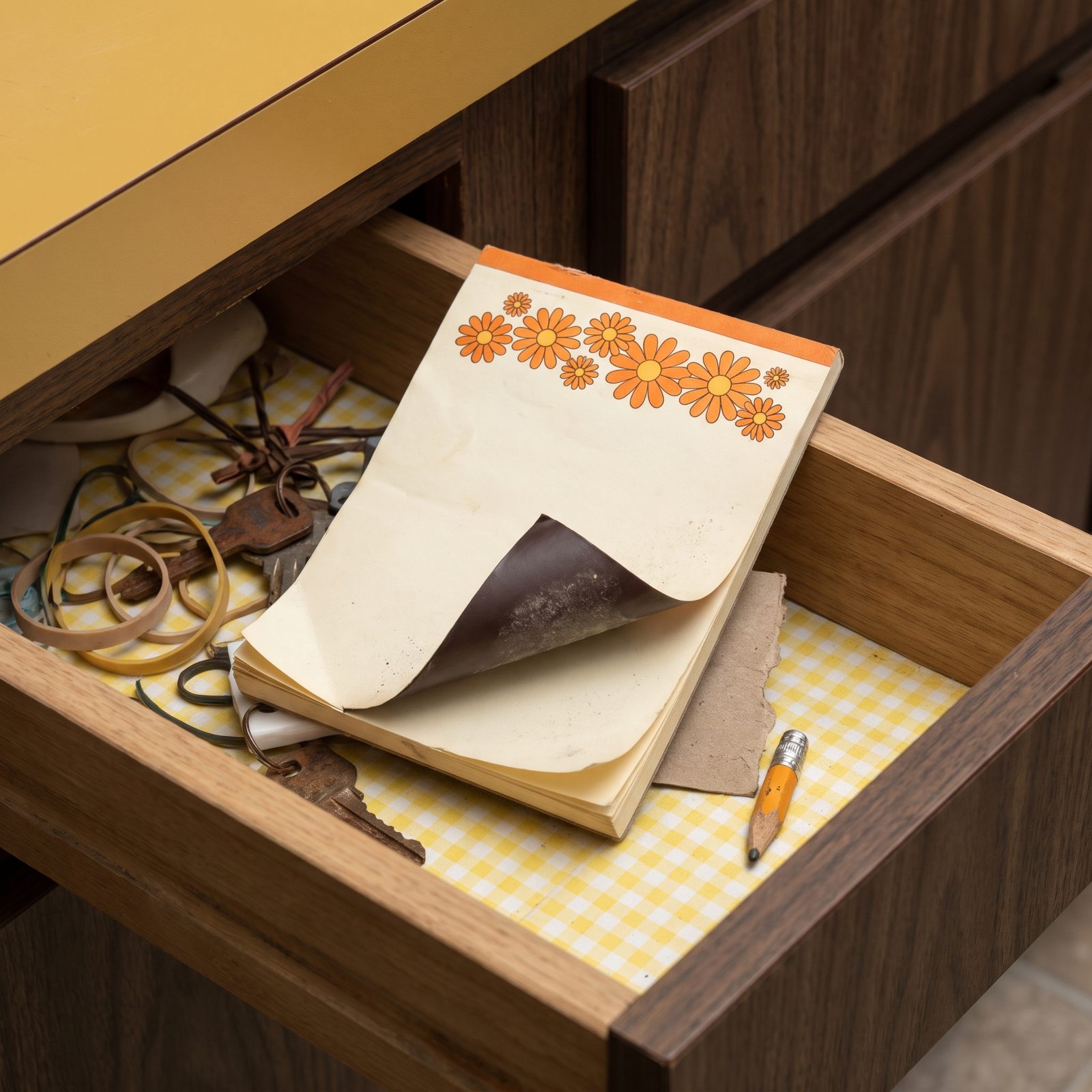
Every magnet eventually loses the will to hold. This one gripped the grocery list for a few good years, then surrendered somewhere around the time the fridge door got a fresh coat of fingerprints. It slid behind the toaster. It ended up here.
The pad itself kept working, because a notepad doesn’t need a working magnet. So it stayed in the drawer, dutiful and demoted, still full of blank pages nobody would ever tear off. Half the objects in a junk drawer are there for exactly this reason: they still work, they just don’t fit anywhere else anymore. Honestly, that’s its own small tragedy.
23. The Promotional Pencil Advertising a Bank or Hardware Store Nobody Remembers
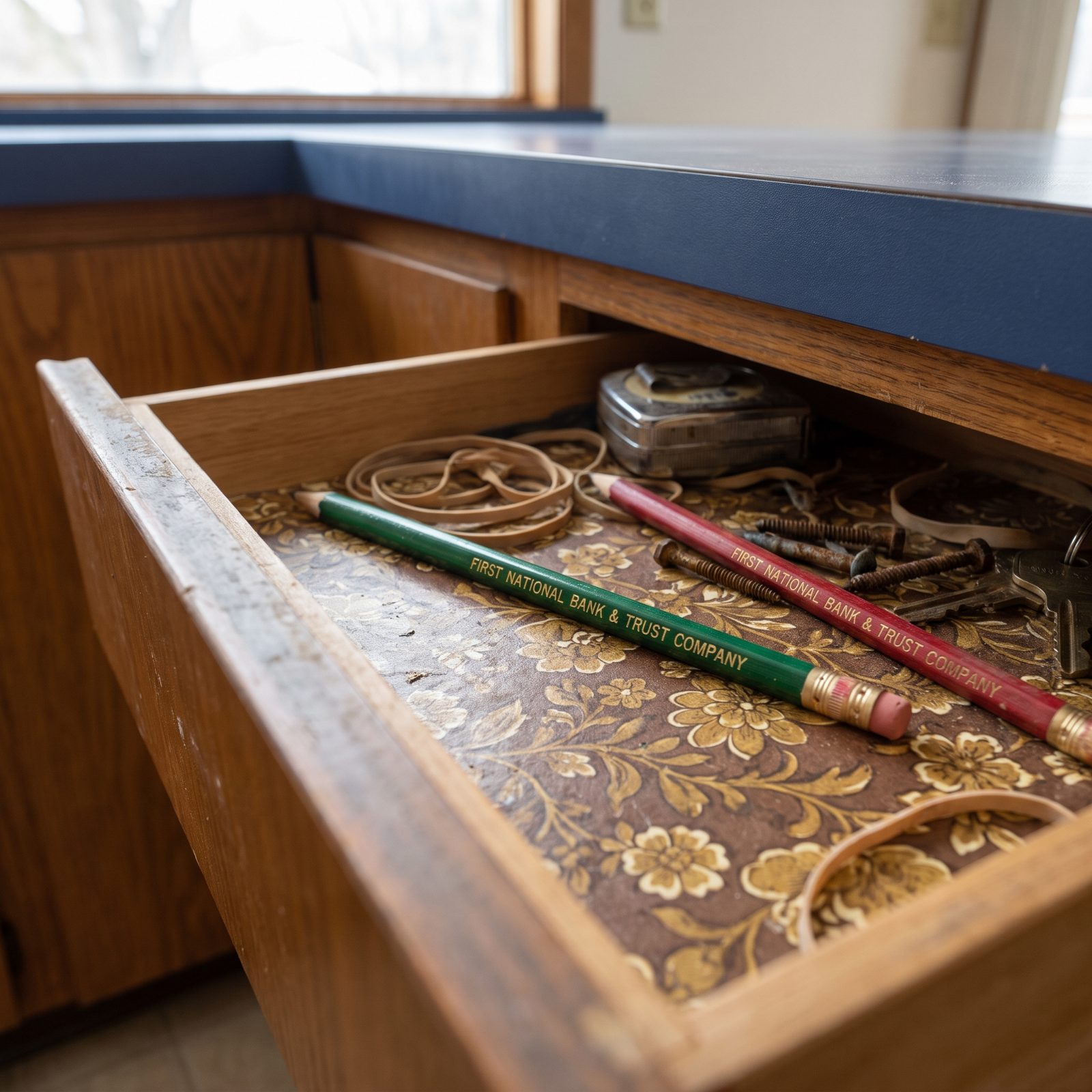
Nobody bought these pencils. They arrived. From the bank teller, the insurance agent, the hardware store counter, the realtor’s open house. Free advertising, printed on cheap wood, destined to outlive the business whose name it carried.
Consider the strange afterlife of one. The bank merged, the hardware store became a nail salon, the phone number has a different area code now. But the pencil still writes, still rolls to the back of the drawer, still faithfully advertises a place you can no longer go.
22. The Weighted Tape Dispenser Running Low on a Roll Nobody Replaced
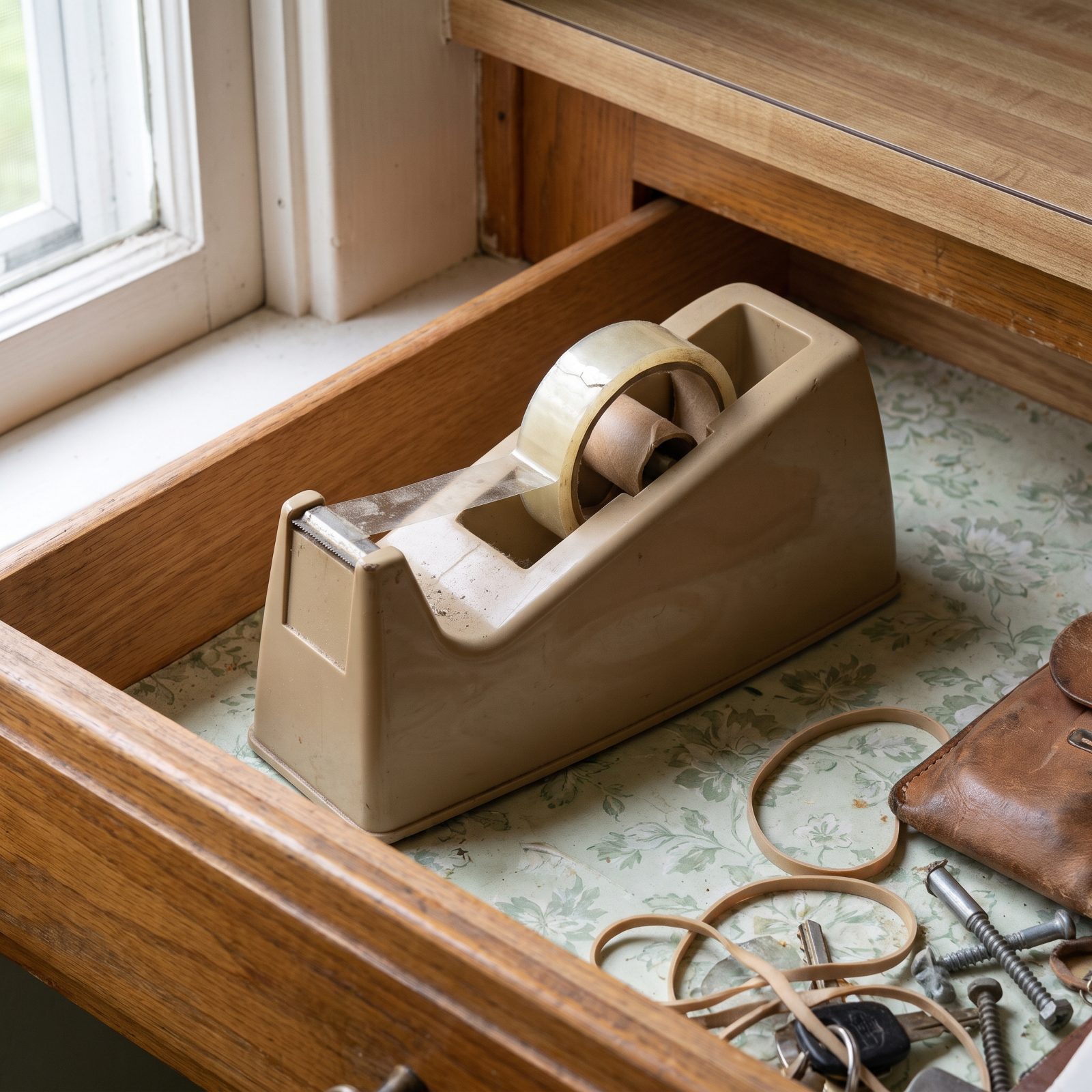
The weighted dispenser had one job and it did it with dignity: stay put so you could tear tape one-handed. The heft did everything. A cheap dispenser skittered across the counter, but this one sat there like a paperweight that happened to dispense.
By the time it reached the junk drawer, the roll was down to a thin last ring of tape, its loose end dusty and stuck to itself. Everyone knew it was nearly gone. Nobody replaced it. You’d fight the roll, win half an inch, and get on with your day.
21. A Roll of Masking Tape That Labeled the Freezer and Patched the House
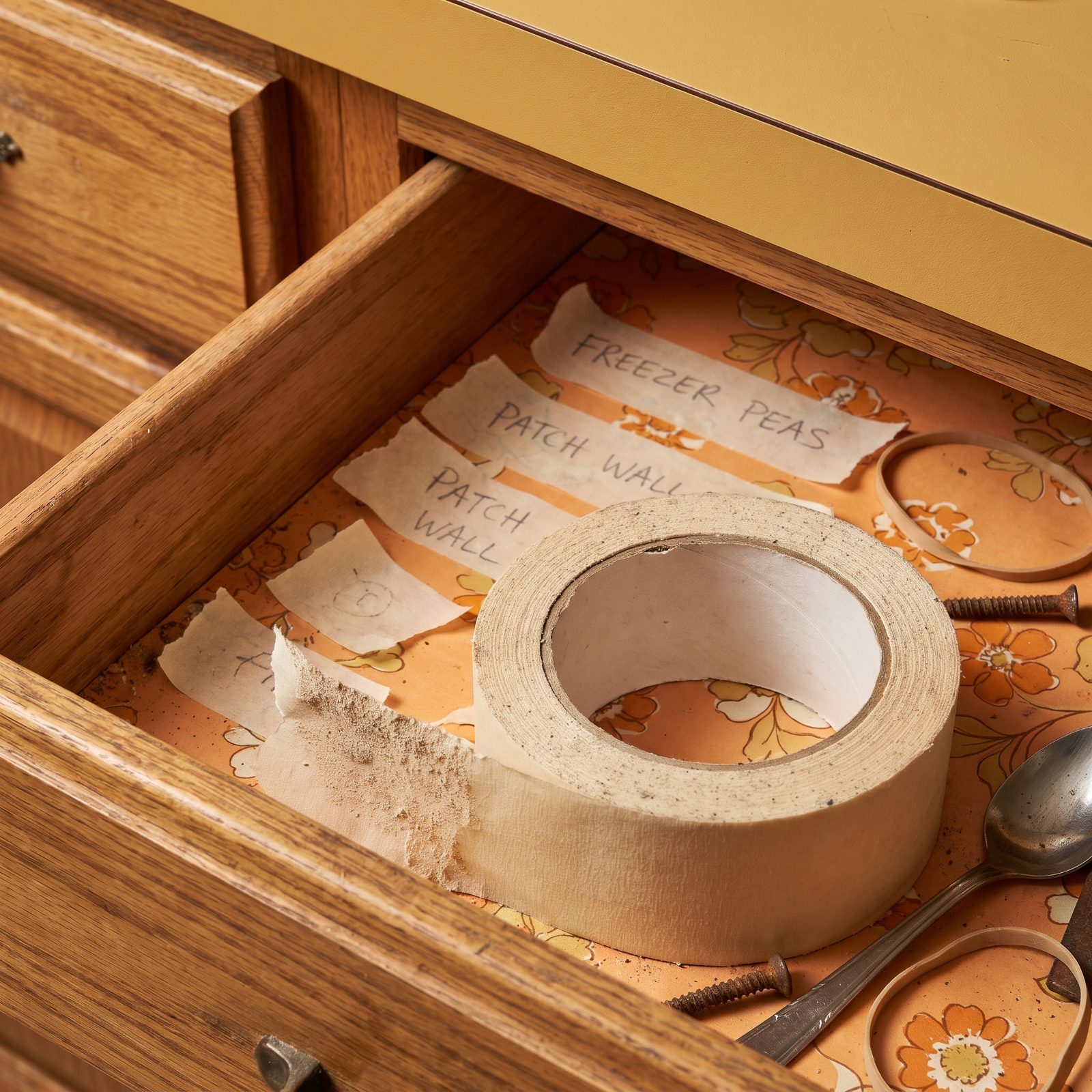
Masking tape was the household fix-all before duct tape got all the credit. It labeled casseroles headed for the freezer, dated the leftovers, held a torn screen together, marked which paint went where, and bundled the cords behind the hi-fi.
The drawer roll was always the compromised one, a little dusty, edge fraying, with that maddening habit of tearing diagonally the second you were in a hurry. You’d pick at it with a fingernail for twenty seconds just to find a clean edge. Worth it, though. A thing that does fifteen jobs badly beats a thing that does one job well and lives out in the garage.
20. The Crusted Bottle of White Glue With the Clogged Orange Cap
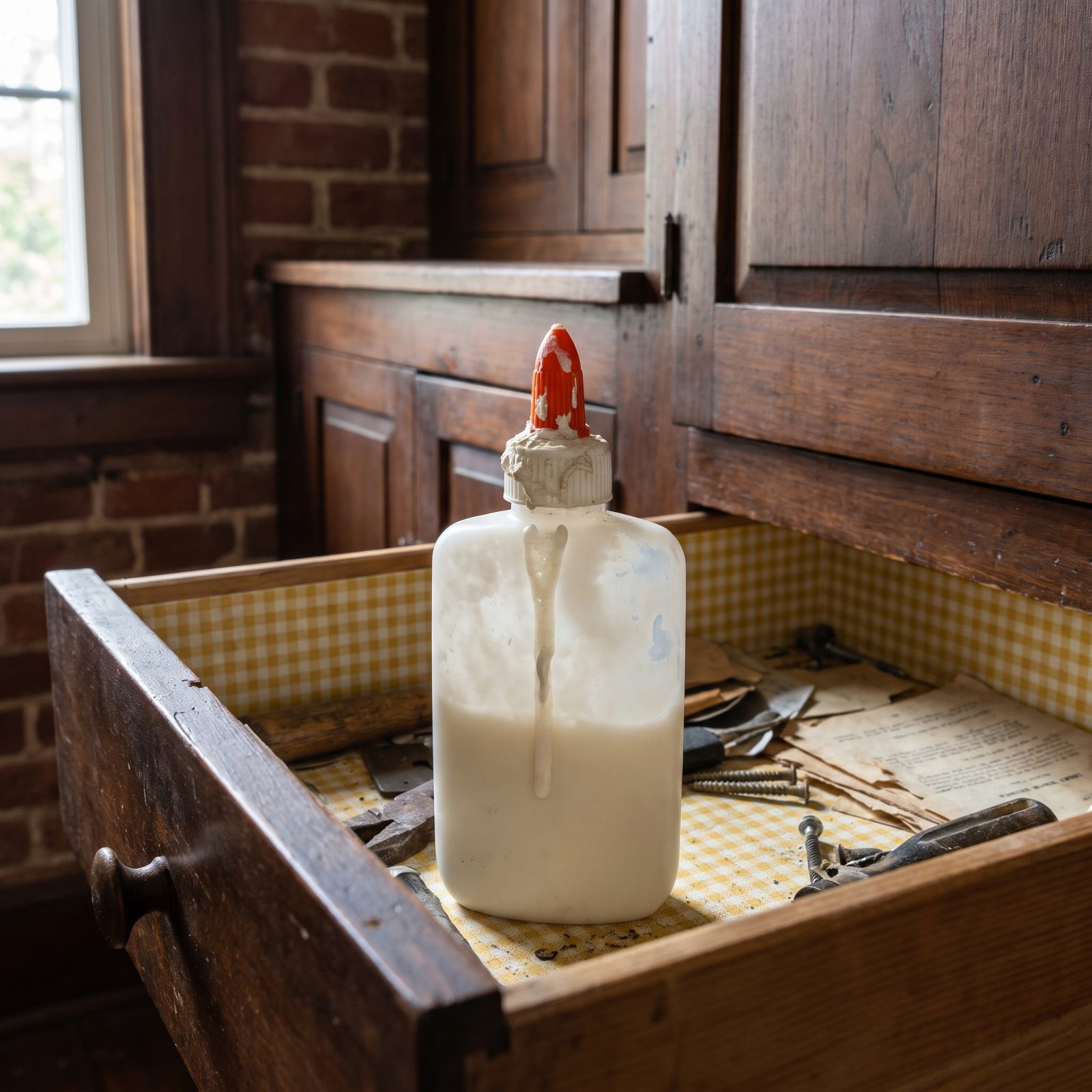
Every household owned exactly one of these, and it was always clogged. The orange cap sealed itself shut with the dried residue of the last school project, and unclogging it was its own small battle: pin, fingernail, or sheer stubbornness.
Here’s the betrayal. The glue inside was usually fine. Just the cap, cemented shut by the one drop nobody wiped off. So the bottle sat there half full and functionally useless, waiting for a kid’s homework emergency that would finally force someone to dig out the clog with a straightened paper clip.
19. The Tangled Ball of Rubber Bands Rescued From Produce and the Newspaper
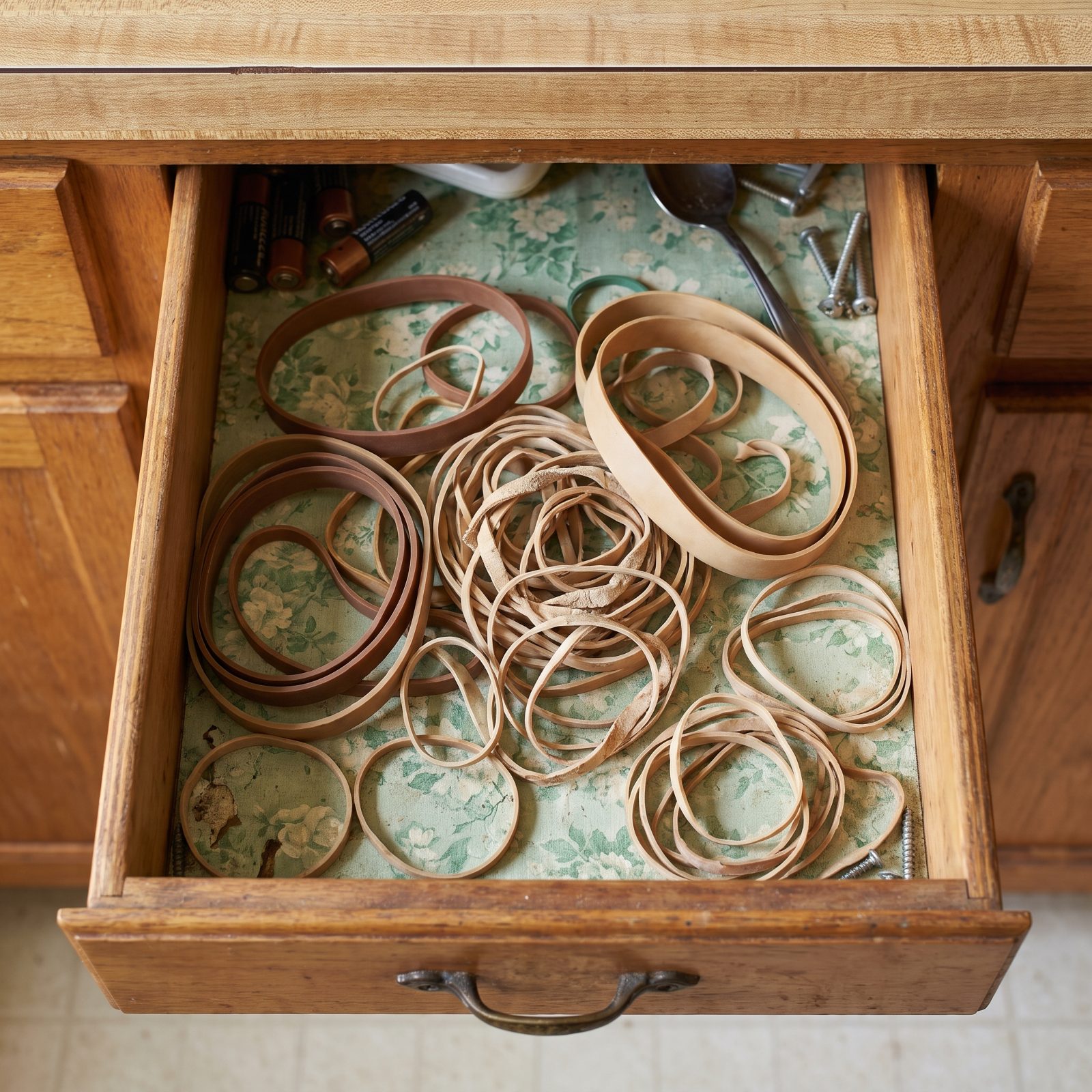
Nobody set out to collect rubber bands. The collection happened to them. One came wrapped around the broccoli, one bundled the Sunday paper, one held the asparagus. You slipped it off, throwing it away felt faintly wasteful, and into the drawer it went to find its people.
The sad part is that half of them had already died. Rubber dries out. Reach into that tangle during an actual emergency and you’d pull out one that snapped the instant it stretched, leaving a little powder on your fingers and a welt on your wrist.
18. Bent Paper Clips Reshaped Into Tools for Jobs They Were Never Meant to Do
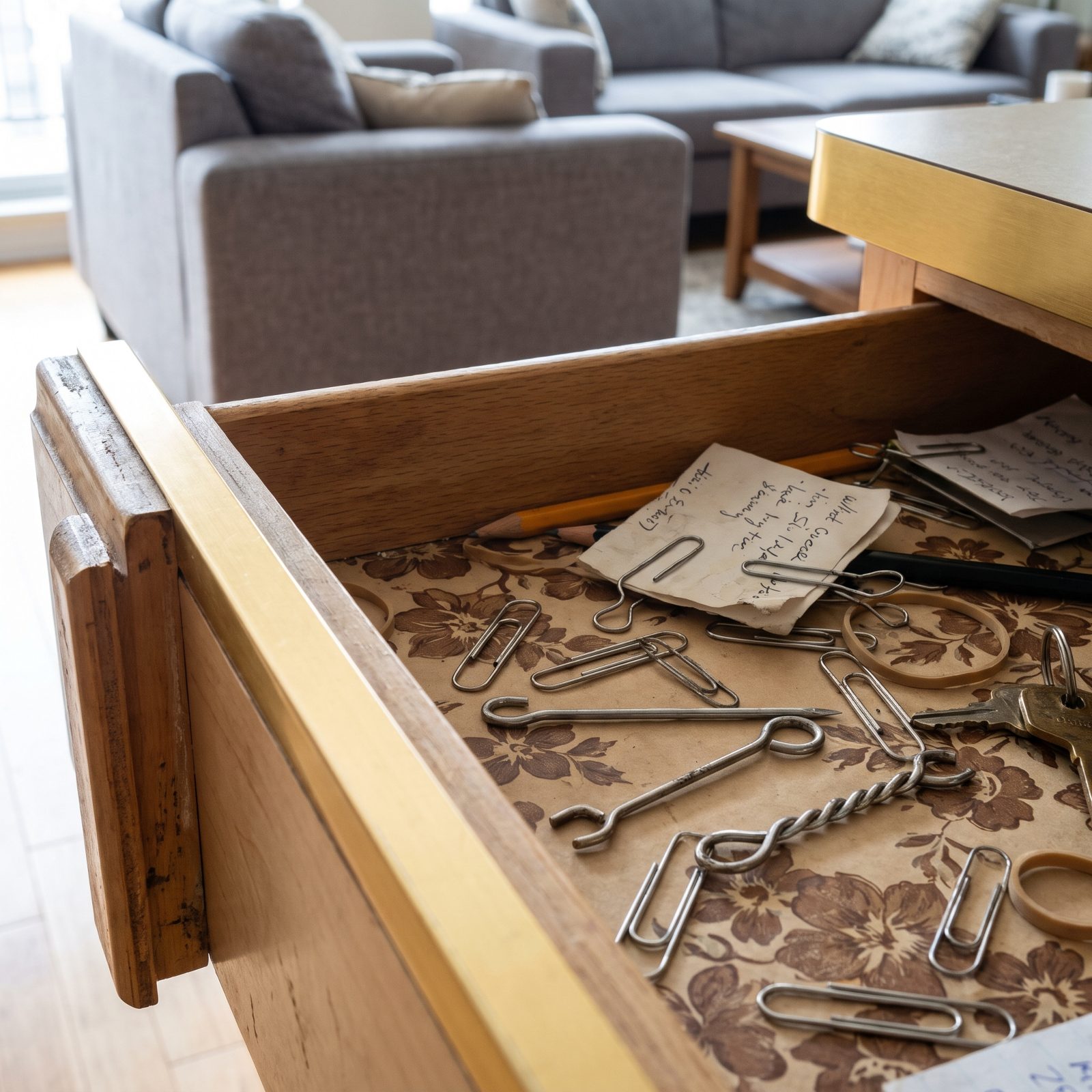
The paper clip’s second career is where things get interesting. It held receipts together, sure. But in a pinch it became a tiny screwdriver, a reset-button poker, a zipper pull, a hook for fishing something out from under the stove, a pick for that clogged glue cap a couple items up this list.
Bent once, it rarely went back to clipping. A straightened paper clip is a tool. A re-bent one is a worse tool. Which is why the drawer held a small population of them in various states of injury, each one the fossil of a problem somebody solved right there at the kitchen counter.
17. Oversized Safety Pins Standing By for Hems, Curtains, and Sudden Wardrobe Crises
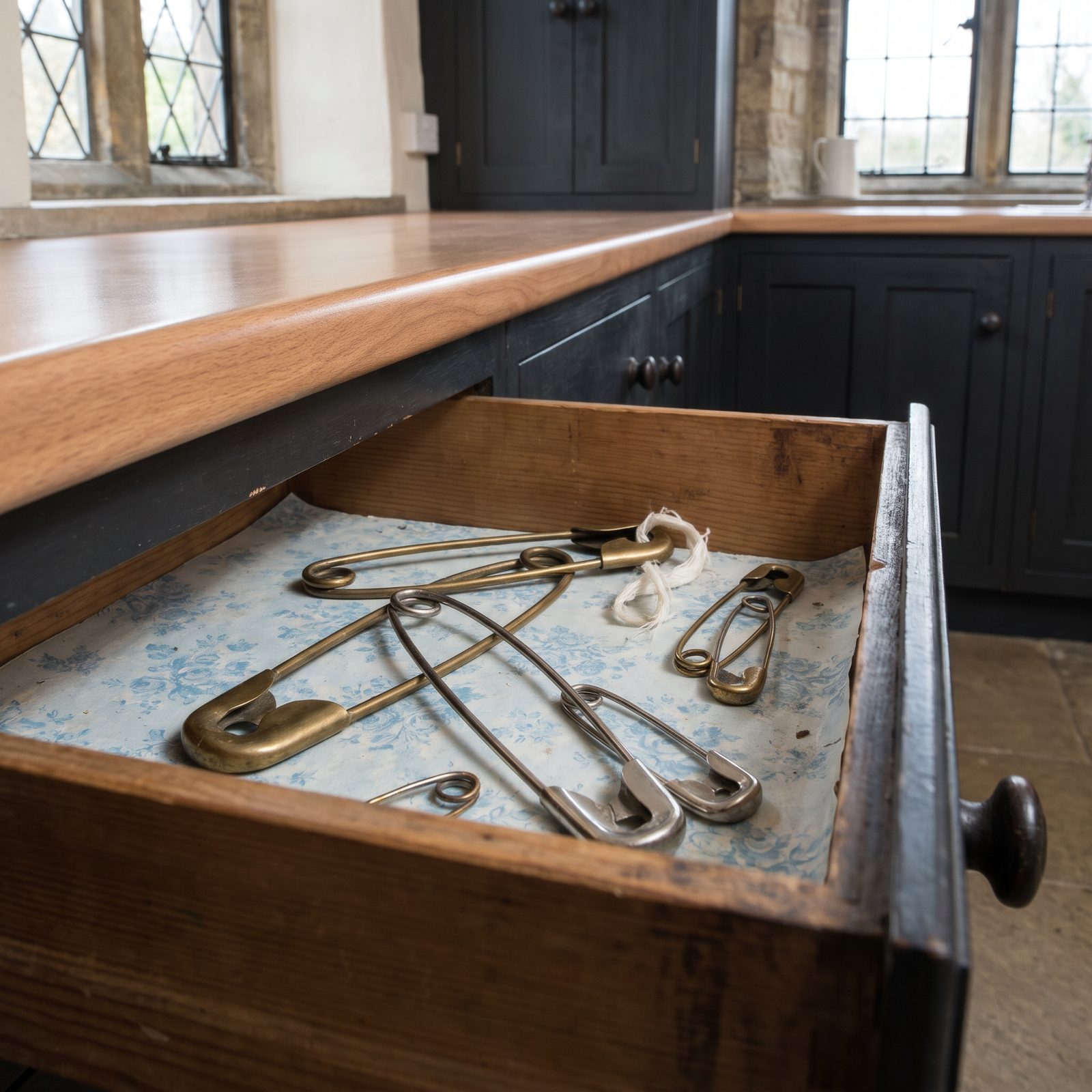
The big ones. Not the delicate pins for a baby blanket, but the hefty brass monsters that could hold a hem, cinch a waistband in a pinch, or pin a sagging curtain back to its rod when the hardware finally gave out.
They lived in the kitchen drawer, which made no sense and perfect sense at once. The kitchen was the command center. When a button popped off on the way out the door, nobody trekked to the sewing box upstairs. You grabbed a safety pin from the drawer and fixed it standing up, car keys already in hand.
16. The Hotel Sewing Kit With Pre-Threaded Needles and Scissors the Size of a Thumbnail
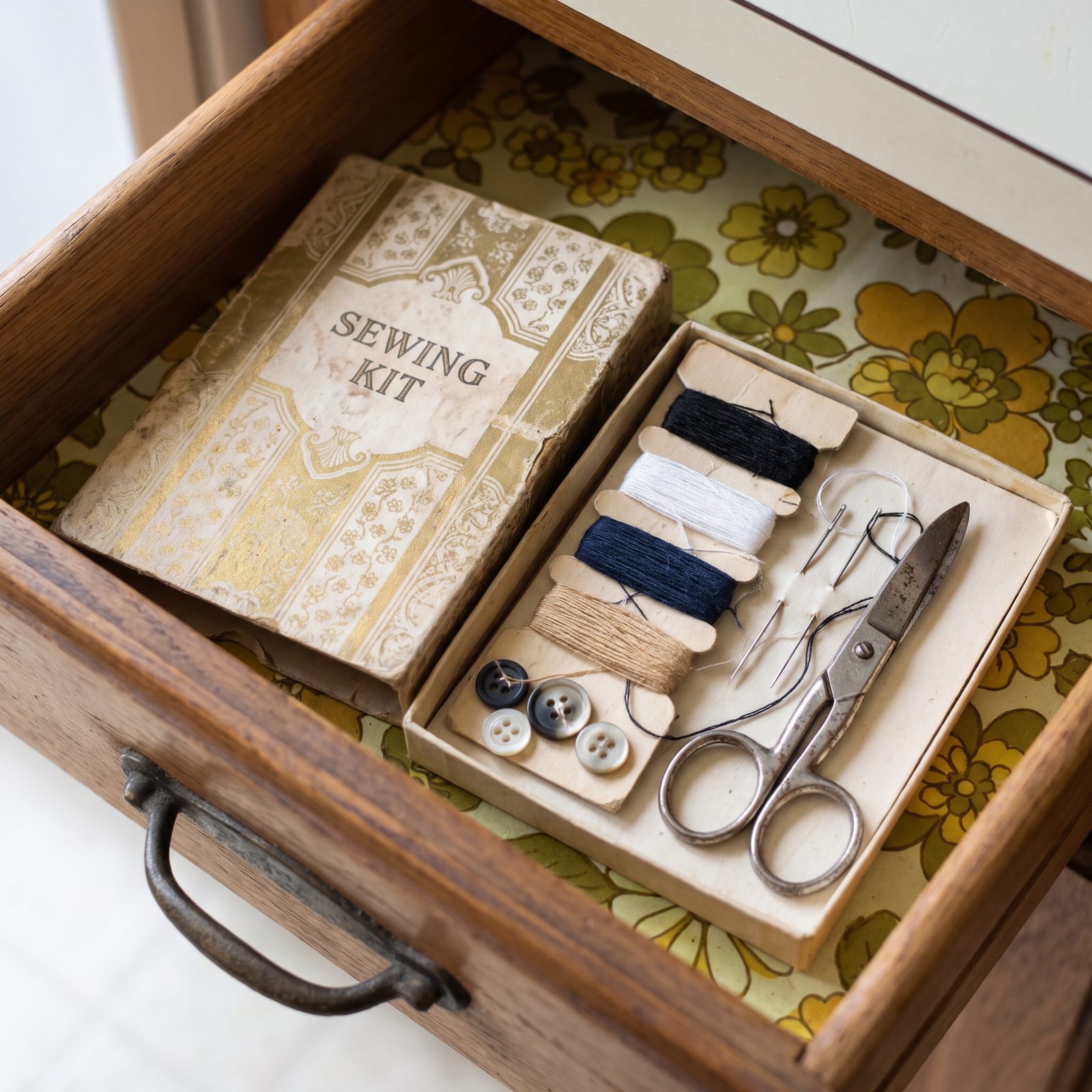
Nobody bought these. That was the whole appeal. The sewing kit came free in a hotel room, tucked beside the shoe mitt and the matchbook, and it rode home in a suitcase like contraband, and by the time it reached the drawer, somebody had already chosen the thread colors for you: black, white, navy, a hopeful tan.
Those scissors deserve their own mention. Two little steel blades on a pivot screw, barely longer than the box itself, and useless for anything but thread. That was fine. You popped a button on a dress shirt an hour before church, and the whole operation lived inside one little lidded cardboard box.
15. The Button Envelope Holding Spares From Coats Long Since Given Away
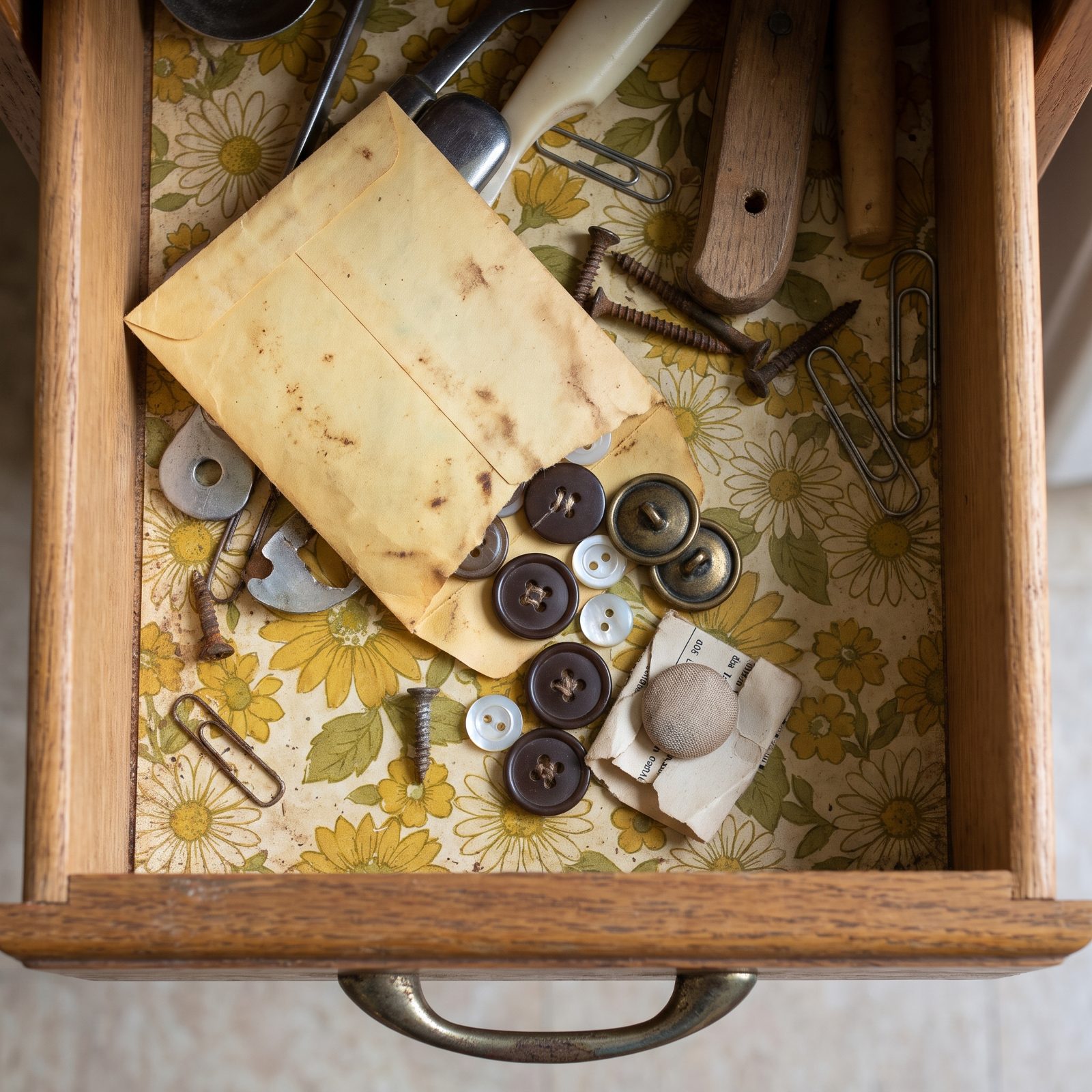
Every coat, dress, and blazer arrived with a little bag of spare buttons safety-pinned to an inside seam. Somebody always clipped them off and dropped them in the drawer. The reasoning was sound: a button will fall off someday.
The flaw showed up years later, long after the coat itself had gone. The buttons remained — a small archive of garments nobody could picture anymore. You’d open the envelope needing one replacement and find thirty orphans, not one of them matching the shirt in your hand. And still nobody threw them out, because tossing a perfectly good button felt like a small moral failing. In a lot of houses it still does.
14. The Ball of Cotton String That Trussed Roasts and Staked Tomatoes
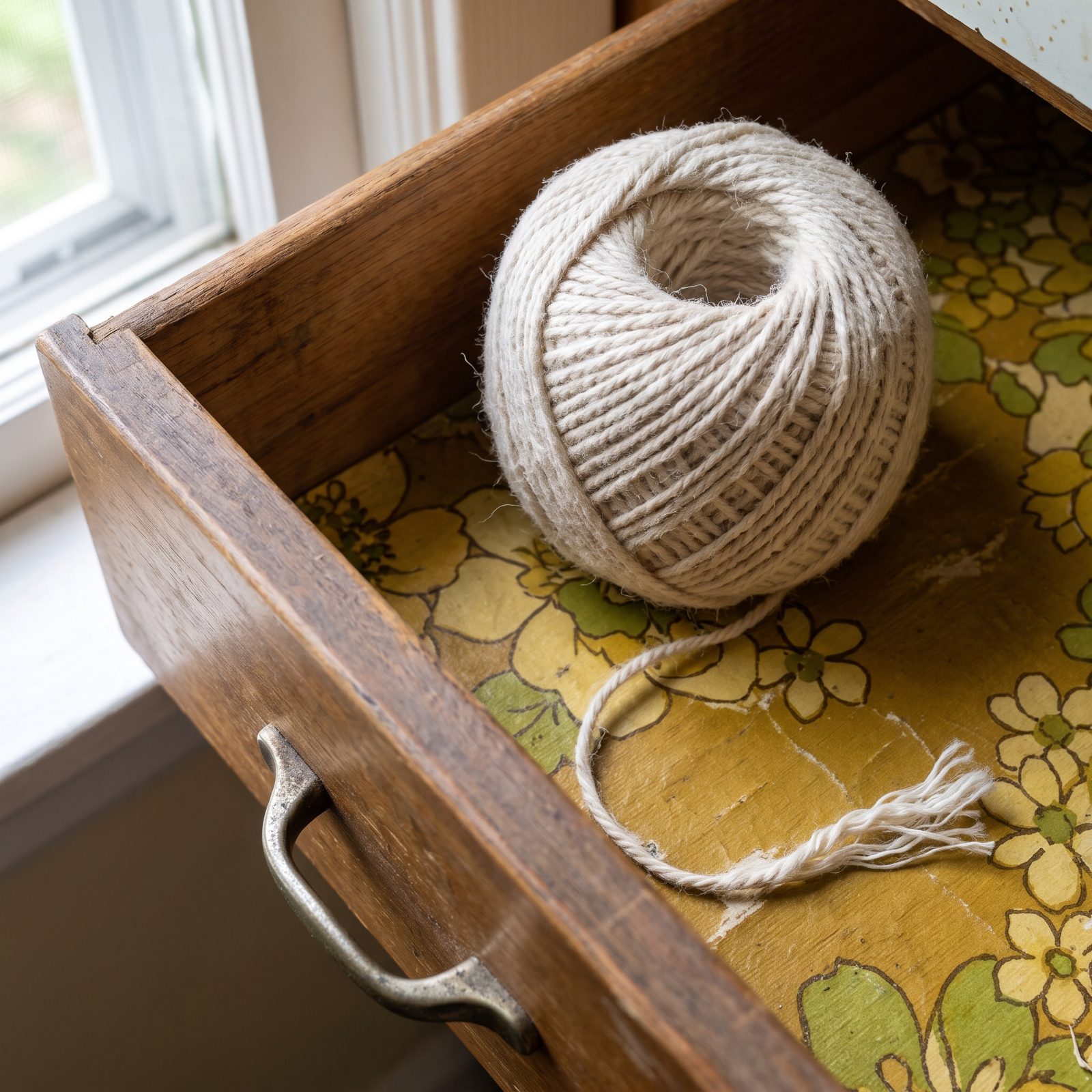
One ball. It did everything.
It trussed the Sunday roast so the legs stayed tucked, tied brown-paper parcels before tape won that war, and come June it marched out to the garden to lash leaning tomato plants to their stakes, where it rotted into the soil by autumn and nobody minded.
Cotton string earned its drawer spot by refusing to specialize. It never ran out quickly, and somehow never fully ran out at all. There was always enough left for one more job — the quiet genius of a thing that costs almost nothing and expects almost nothing back.
13. Wooden Spring Clothespins Reassigned to Chip Bags and Grocery Lists
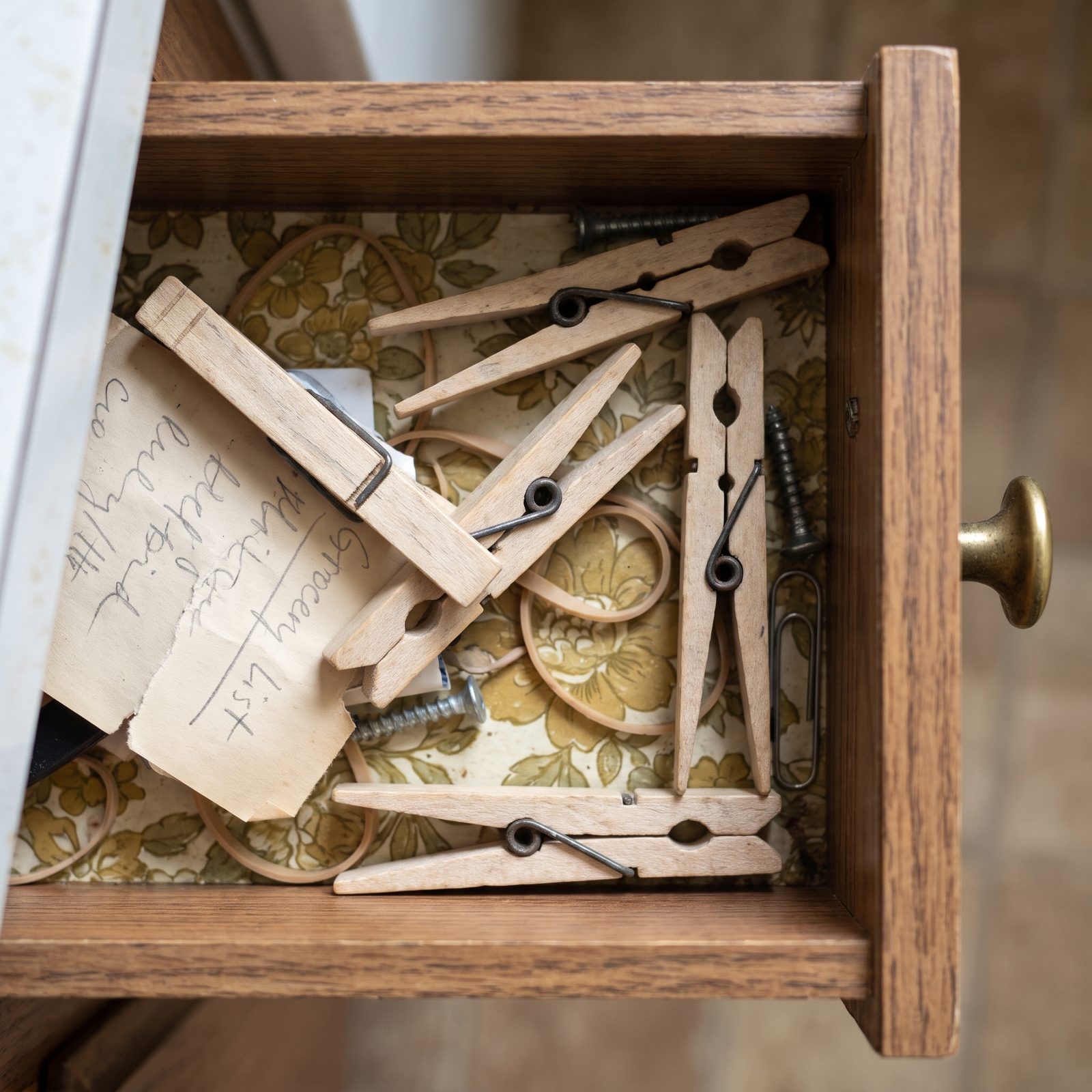
The clothesline was vanishing, drowned out by the hum of the dryer, but the clothespins survived the transition by simply changing jobs. A bag of potato chips got folded over and clamped shut. The grocery list got pinned to a cabinet knob. A recipe clipping stayed open on the counter without flapping shut.
Spring pins over the old slotted kind, every single time. The slotted ones had no grip and split down the middle if you looked at them wrong. The spring pin held on like it meant it. A tool built for wet laundry turned out to be the best bag clip ever made — one nobody designed and everybody figured out.
12. Bread-Bag Twist Ties Straightened and Hoarded by the Dozen
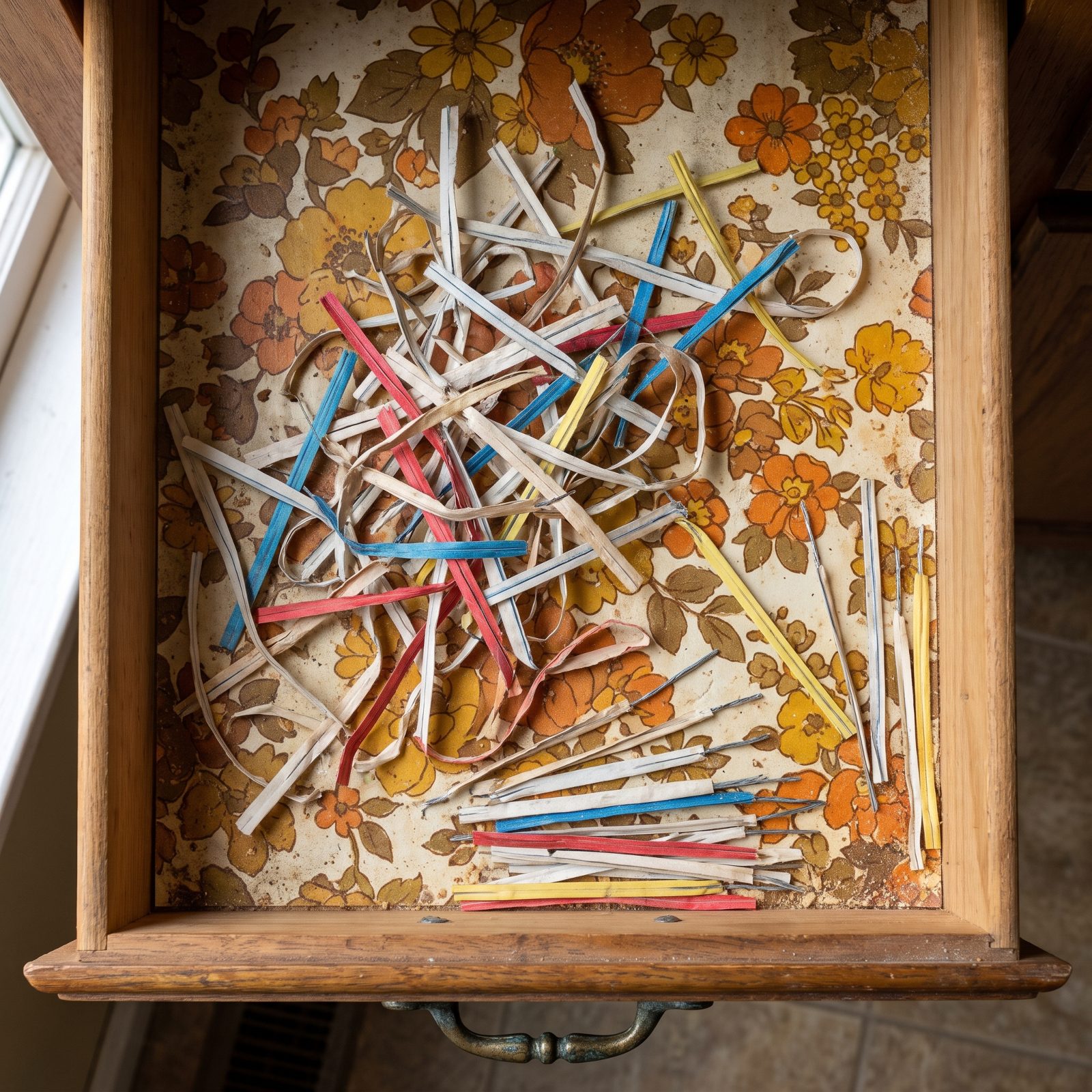
Here is a thing people did and rarely admitted: they saved twist ties. Loaf after loaf, the little wire-and-paper strips got pulled off, some smoothed straight, others twirled into tight spiral curls, and dropped in the drawer for some future that never quite arrived.
They cost nothing, came free with the bread, and multiplied like something alive, until a corner of the drawer held a nest of them in white, red, and blue — color that apparently flagged freshness dates at the store and meant nothing at home.
You could bundle cords with one. Stake a seedling with one. Mostly they just piled up, proof of a mind that saw waste in throwing out a half-inch of wire. Not frugality exactly. Closer to a reflex.
11. Half-Burned Birthday Candles Blown Out, Boxed Up, and Lit Again
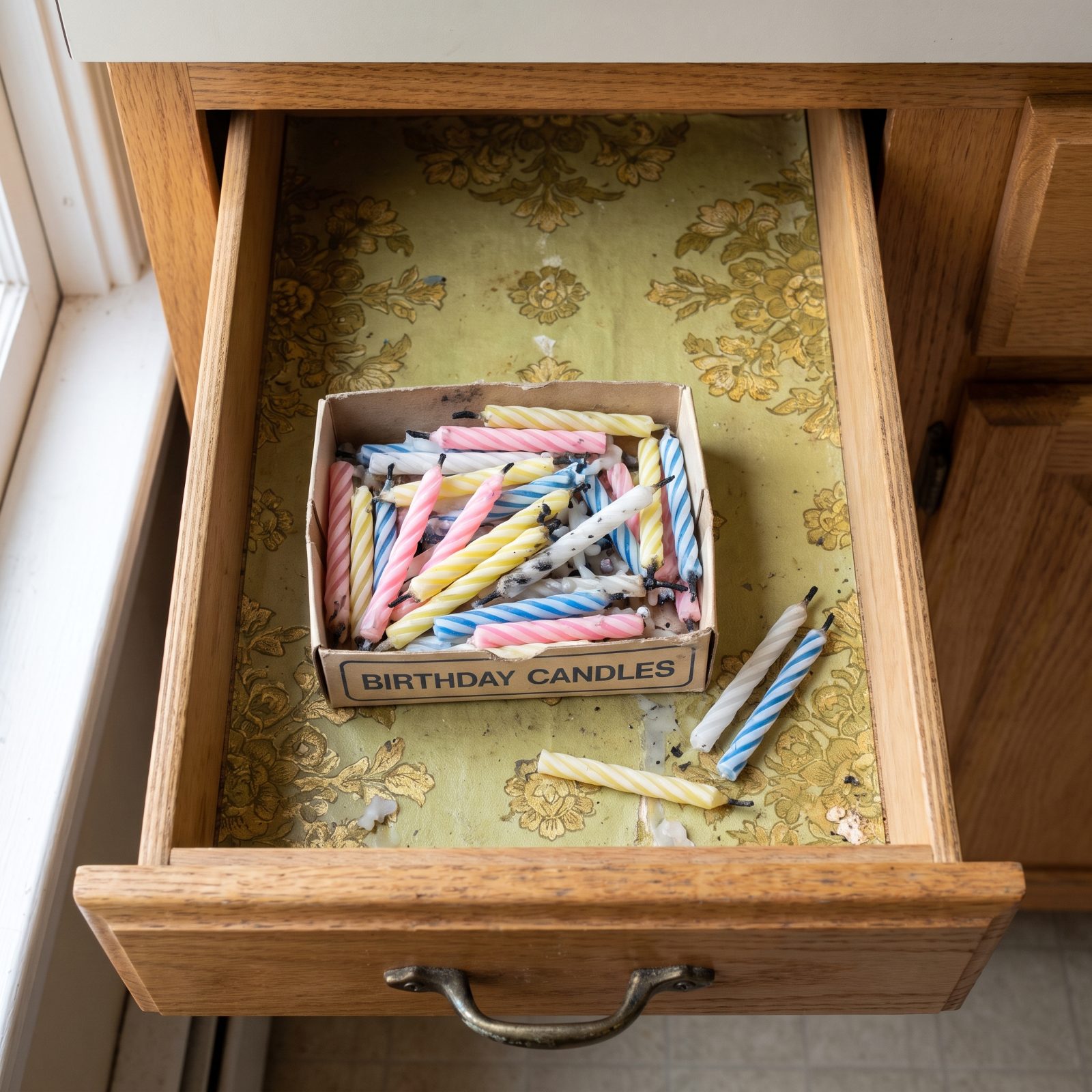
The cake came out, the candles got blown, and then — instead of hitting the trash — the candles went back in the box. Next birthday they came out again, wicks already black, a drip of wax here and there, and nobody at the table cared one bit.
A single box of candles could outlast several children’s childhoods. You can spot the well-used ones at a glance: burned down to stubs, with charred, curled wicks and little smudges of soot and dripped wax. The thrift here crosses into something sweeter. Those candles carried every cake that ever mattered in that house, and relighting them was its own quiet ritual nobody bothered to name.
10. The Box of Wooden Toothpicks Pressed Into Service for Cakes and Splinters
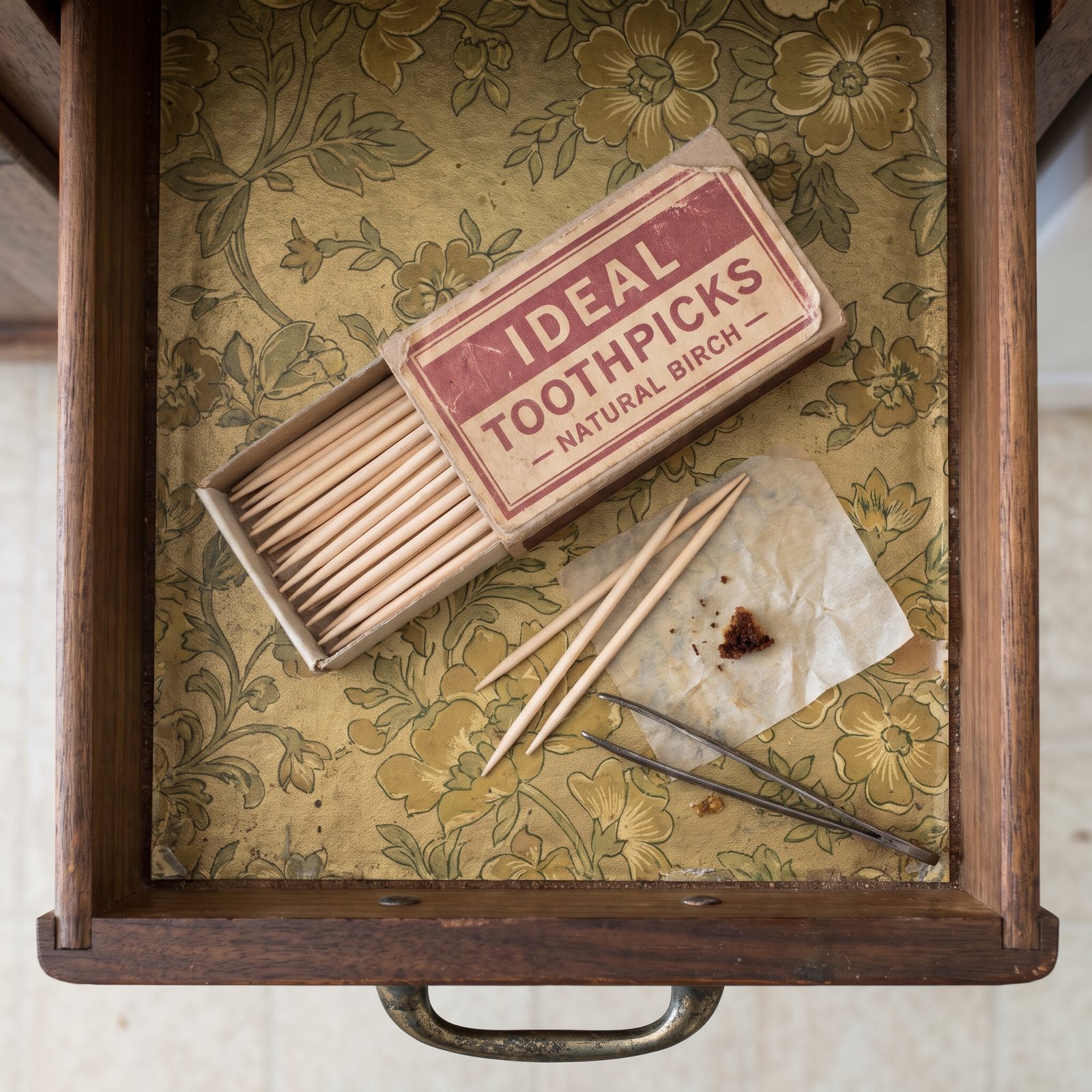
A toothpick is the most honest tool in the drawer. One job on the label, five jobs in practice.
It tested the center of a cake — in clean, done; out gummy, wait. It pinned a sandwich together or kept a club sandwich from sliding apart. It dug a splinter out of a thumb when nothing finer was within reach, and dabbed glue into a tiny repair. And once in a while, between all that, somebody actually used one as a toothpick.
9. The Metal Corkscrew Held in Reserve for Bottles With Real Cork
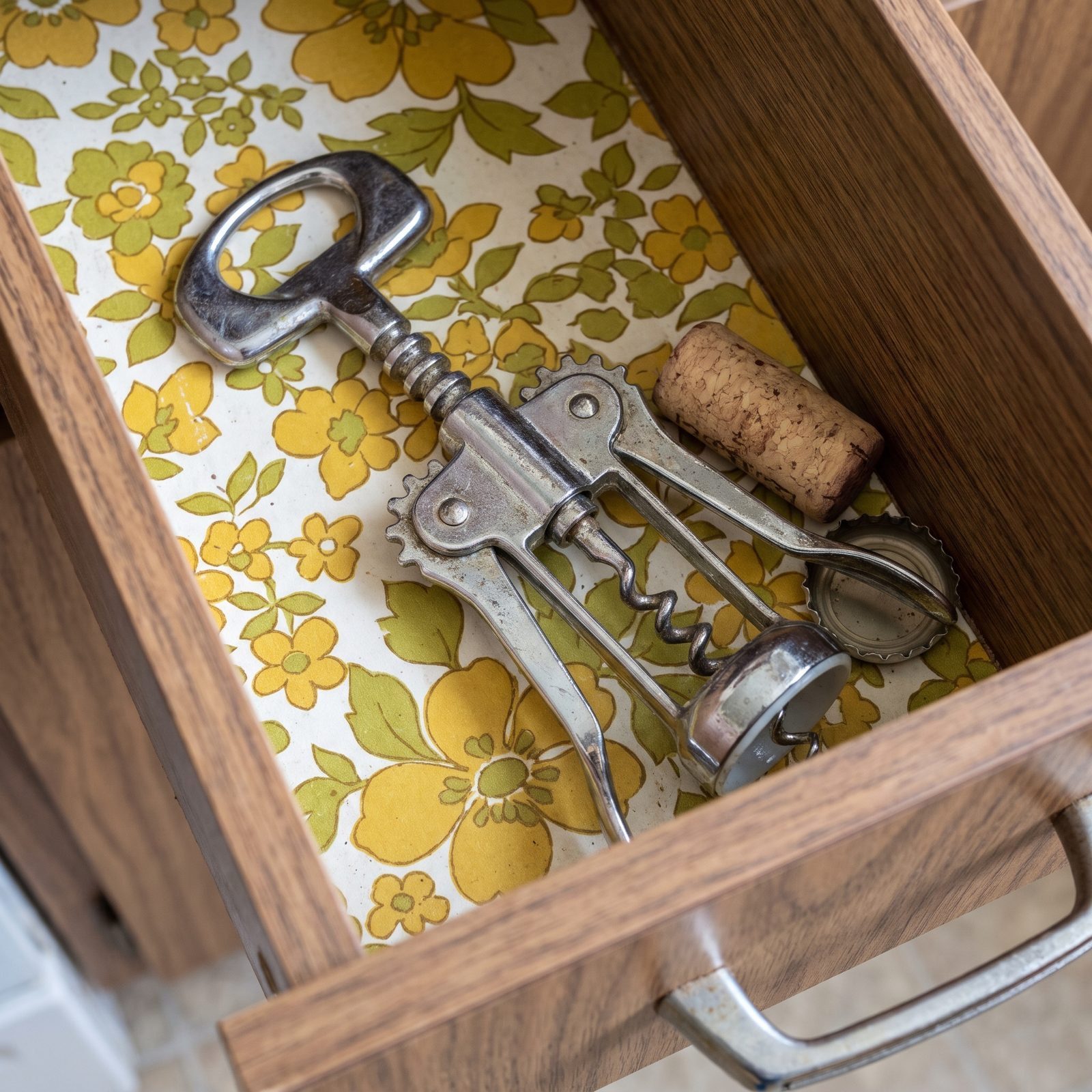
This one had standing. The corkscrew wasn’t household clutter so much as a specialist, called up only when a bottle with a genuine cork turned up — which, in a lot of homes, was special-occasion rare.
The winged kind did the work with a satisfying lift of both arms. The plain T-handle demanded more wrist, and a bottle braced between the knees. Either way it stayed sharp, because it sat idle most of the year, waiting for a cork worth pulling. A tool that spent its whole life mostly resting.
8. The Hinged Nutcracker That Only Came Out for the Holiday Bowl of Walnuts
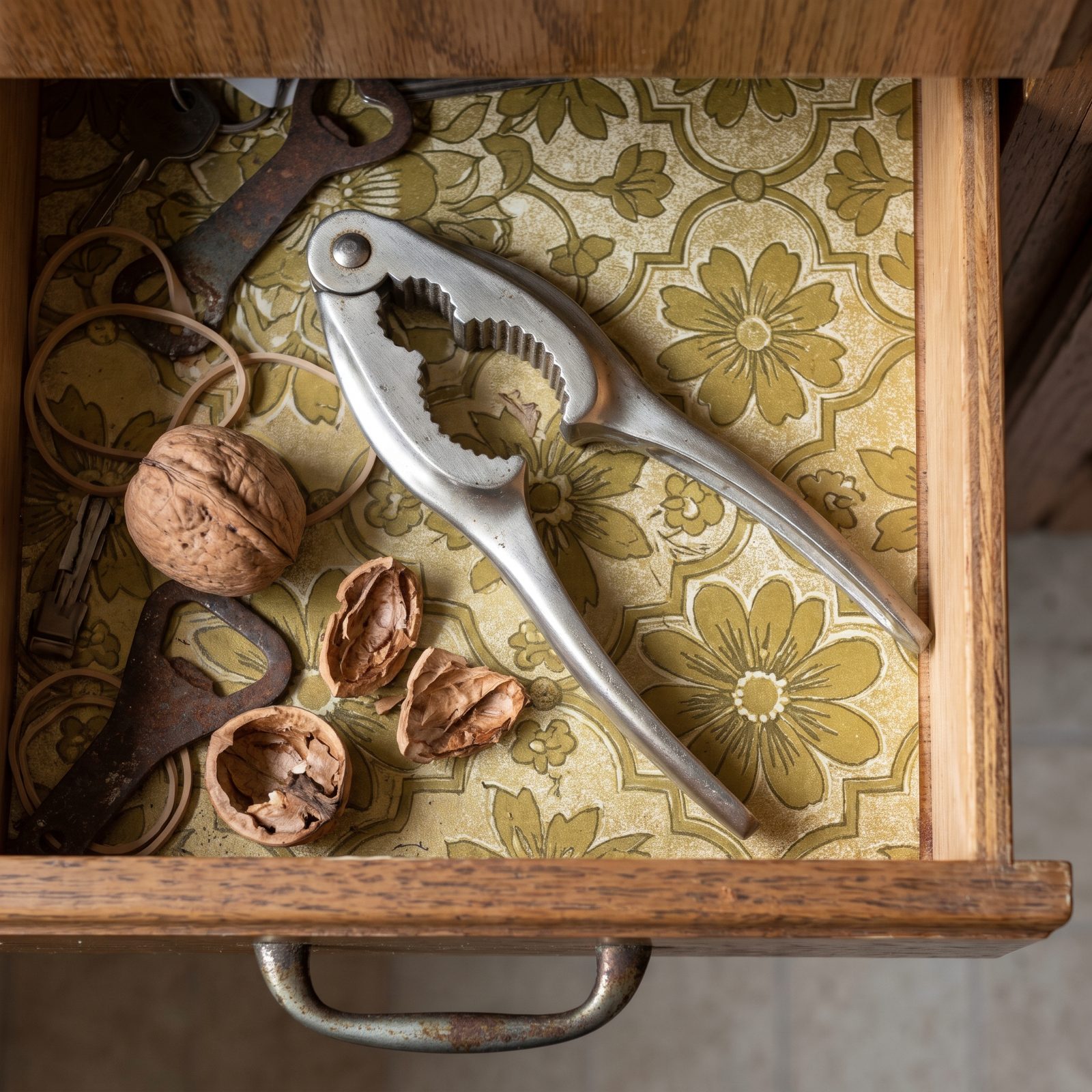
For eleven months the nutcracker did absolutely nothing. Then December rolled in with a bowl of mixed nuts still in the shell, and the drawer suddenly gave up its most seasonal resident.
Walnuts fought back. The jaws clamped, the shell resisted, you leaned in, and it either cracked clean or detonated across the coffee table. The matching picks — there was always a matching pick — fished the meat out of the stubborn ones. Nobody ate nuts this way any other month of the year. The bowl itself was the point, a centerpiece that asked you to slow down and work a little for the snack.
7. The Slender Seafood Picks That Outlived the Dinner That Required Them
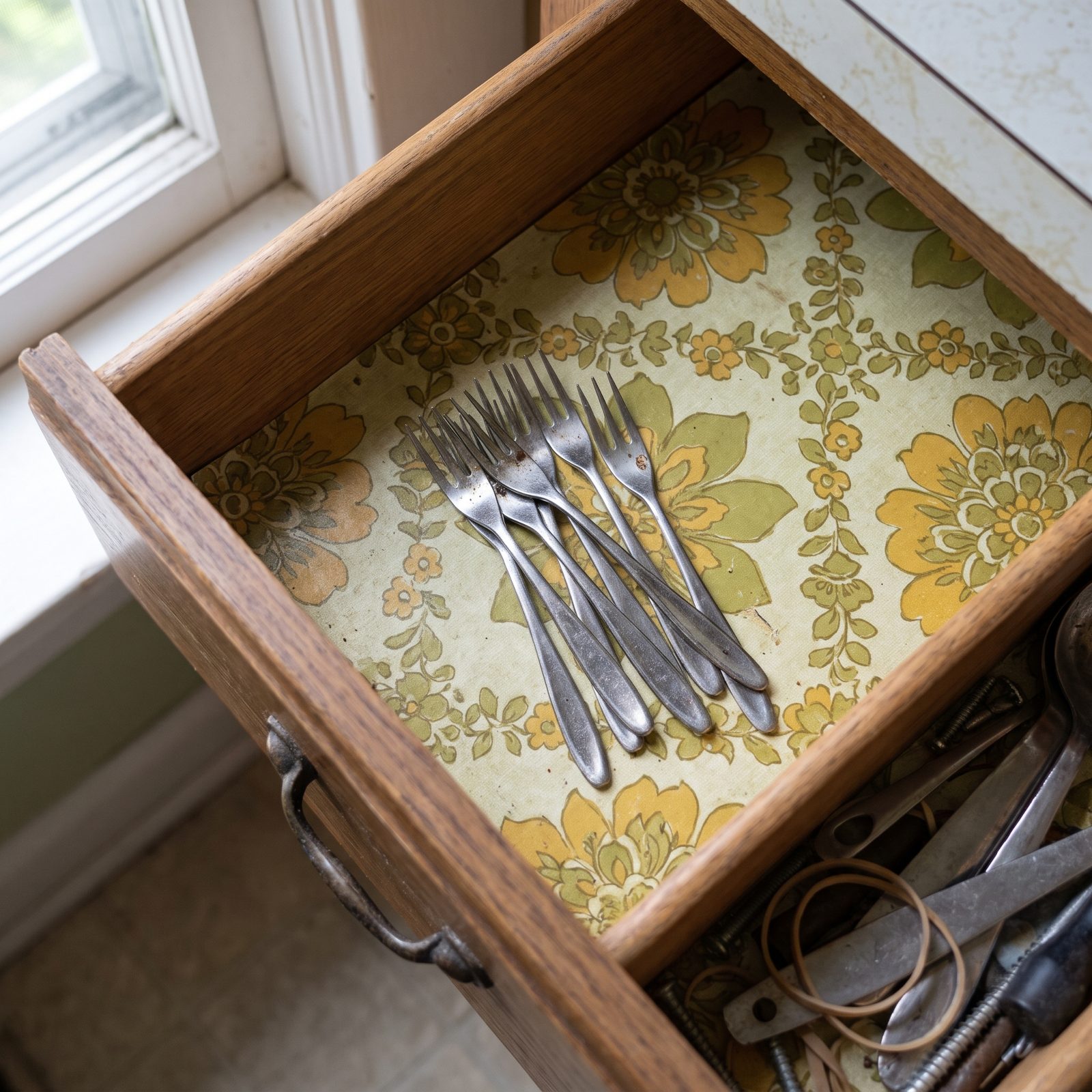
Somewhere back there, one fancy dinner happened. Crab, maybe. A shrimp spread. A lobster somebody splurged on. It called for these thin little picks, so a set got bought.
The dinner ended. The picks stayed forever.
Too specialized to use, too fine to discard, they settled into the drawer as pure relic, surfacing only when a hand went digging for scissors and came back holding a seafood fork instead. They’re a tidy little monument to a certain kind of optimism — the belief that the occasion will come again, and you’ll want to be ready. Mostly it didn’t. Mostly you weren’t. And the picks waited out the whole decade anyway.
6. Interlocking Corn-on-the-Cob Holders With Sharp Metal Prongs
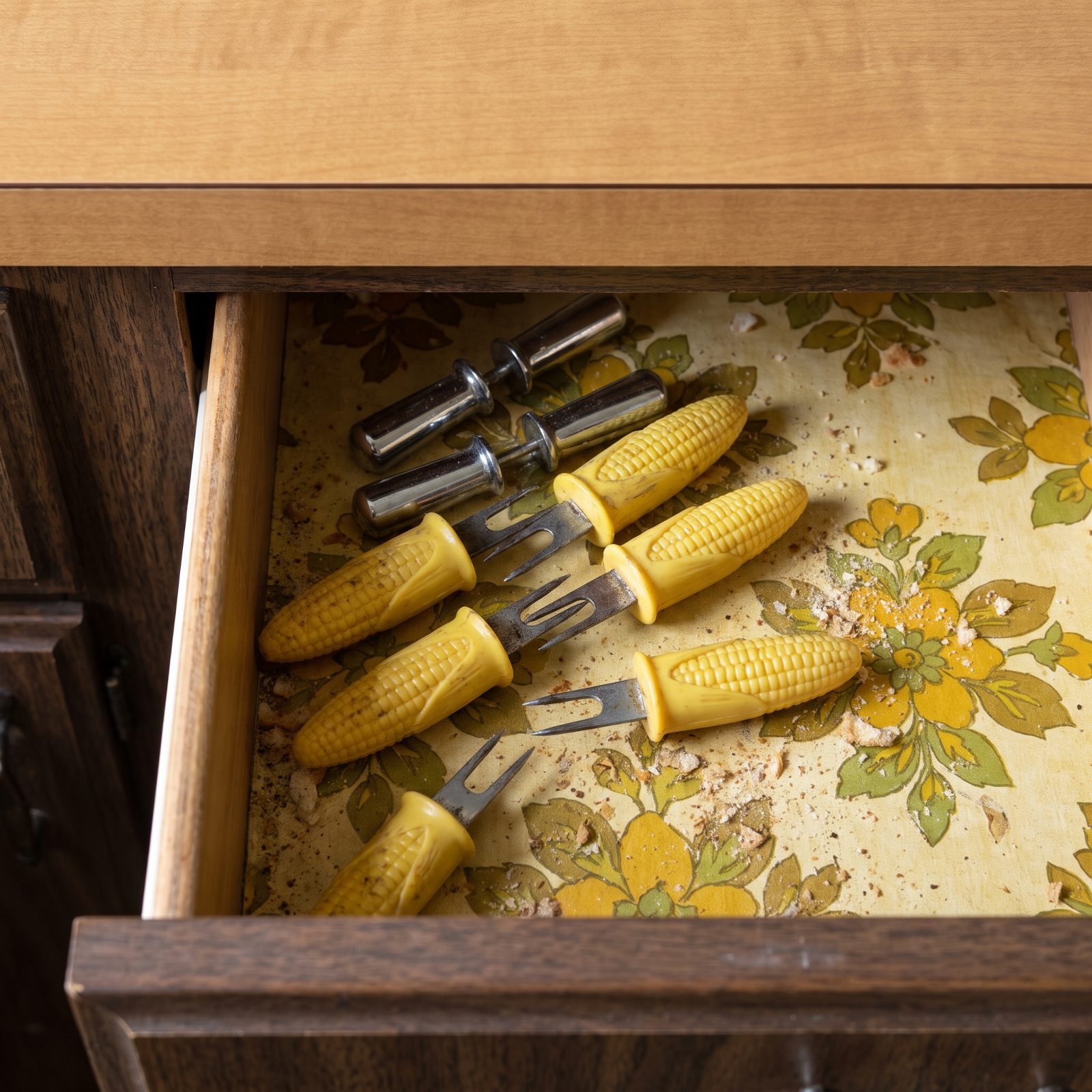
Long steel needles on a handle — sometimes one, sometimes a cluster — usually shaped like a tiny ear of corn, though some sets had plain chrome grips. They came in sets of eight, which meant you always had three — the rest vanished the way single socks do.
The genius was the interlock. Prongs tucked into a partner holder so the set stored flat and nobody got stabbed reaching for a twist tie. In practice? One pair always jammed point-up and found a fingertip anyway.
And they still work better than any gadget sold since. Hot cob, slippery butter, no burned thumbs. One job, done.
5. A Flexible Rubber Jar-Opening Disk Given Away as an Advertising Premium
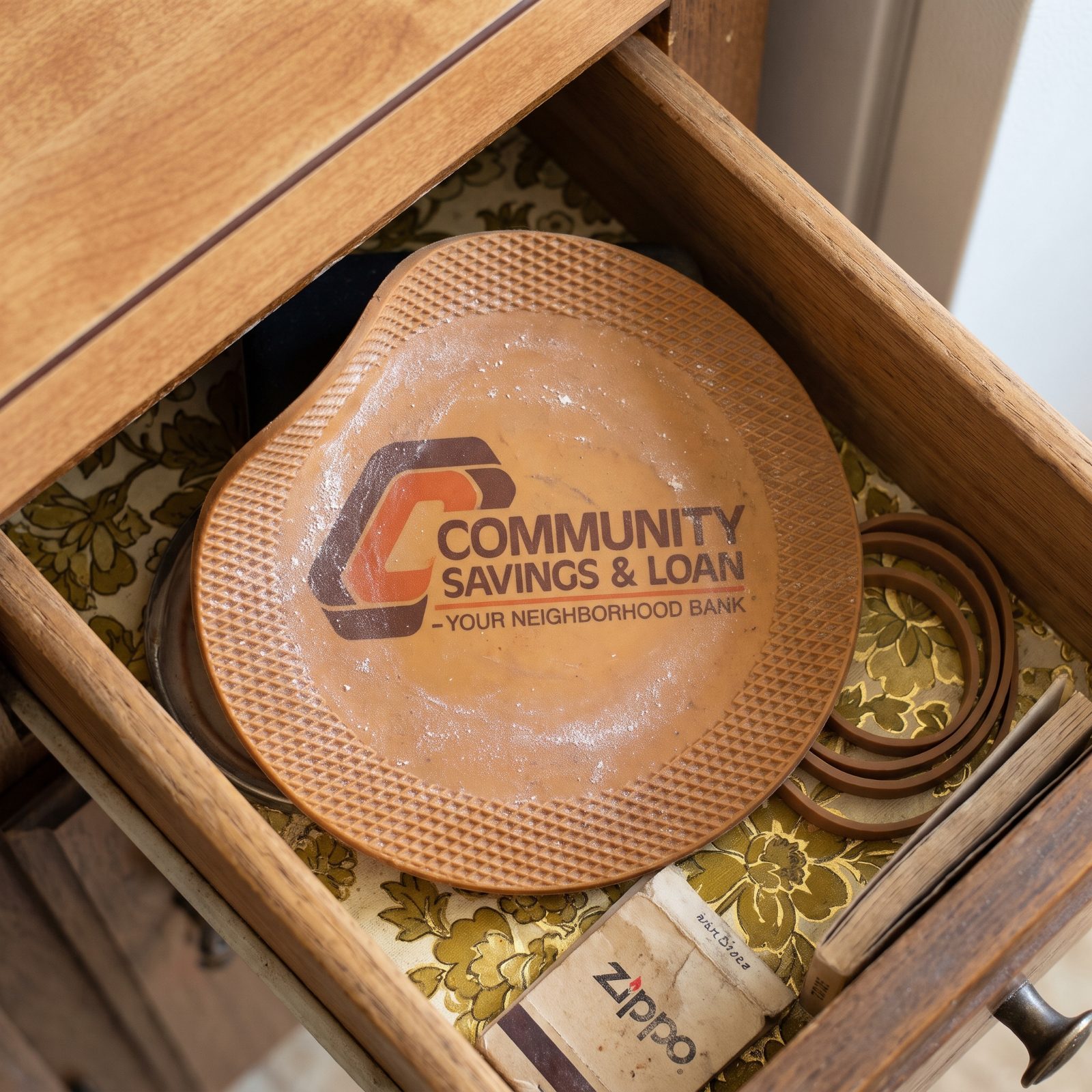
Free rubber, printed with somebody’s phone number. The bank handed them out. So did the feed store, the real estate office, the funeral home — a flat grippy disk stamped with a logo you saw every time you wrestled a pickle jar.
Friction did the work. Lay it over a stubborn lid, grip, twist, and the seal gave. Cheaper than any tool, and it moonlighted as a trivet, a spoon rest, and a non-slip pad under your mixing bowl.
Honestly? These are still worth owning. Modern silicone versions grip no better than a forty-year-old freebie that cost the advertiser pennies.
4. A Reusable Bottle Stopper for Soda, Vinegar, or an Unfinished Bottle
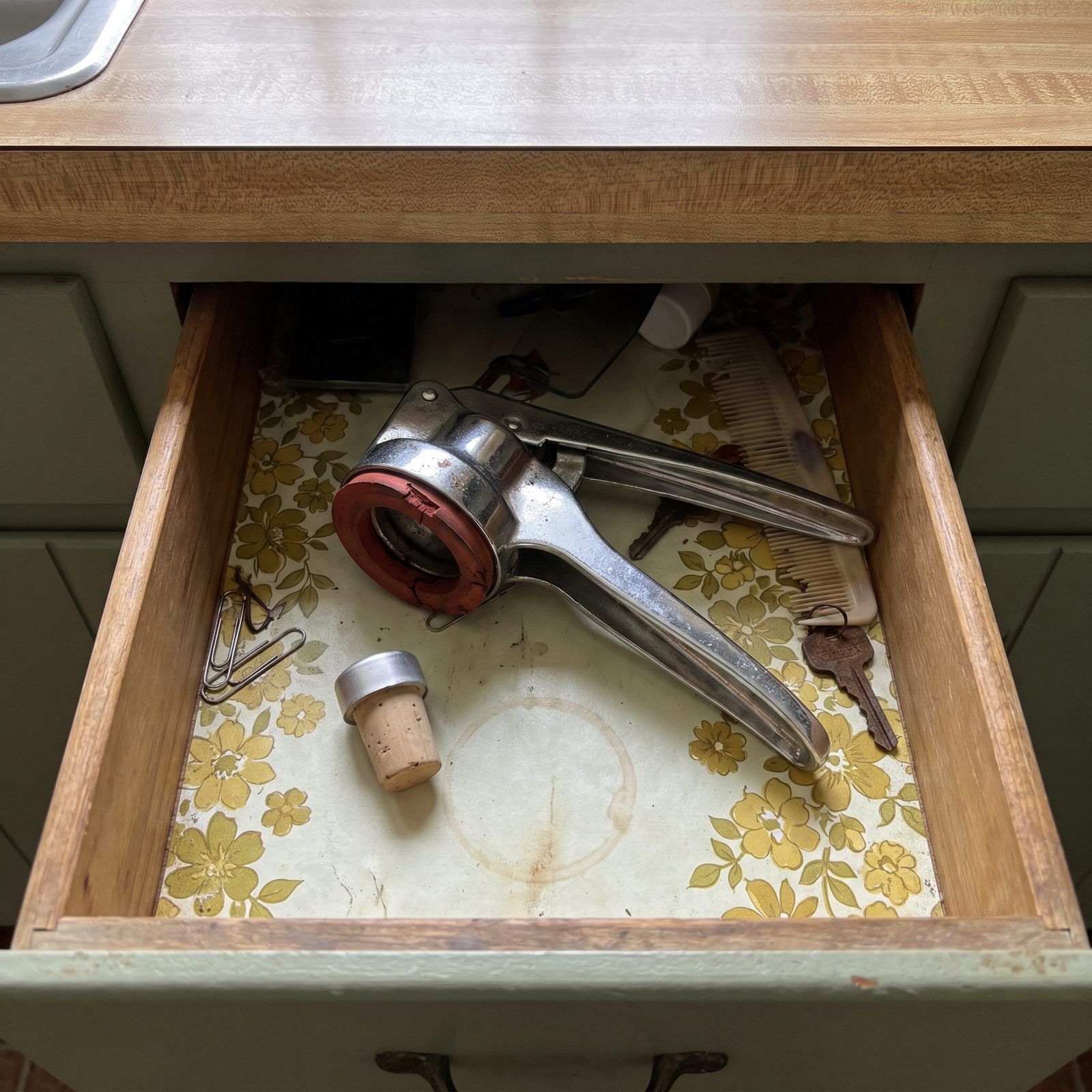
Before two-liter plastic with a screw cap, carbonation was a problem you solved yourself. A spring-loaded chrome stopper clamped over the glass neck and held the fizz in. Sort of.
Vinegar bottles got the plain cork-and-metal kind, flat ginger ale got the clamp, and neither sealed as well as advertised. But a half-flat soda beat no soda, and nobody poured anything out back then.
3. Assorted Faucet Washers Saved to Stop the Next Dripping Tap
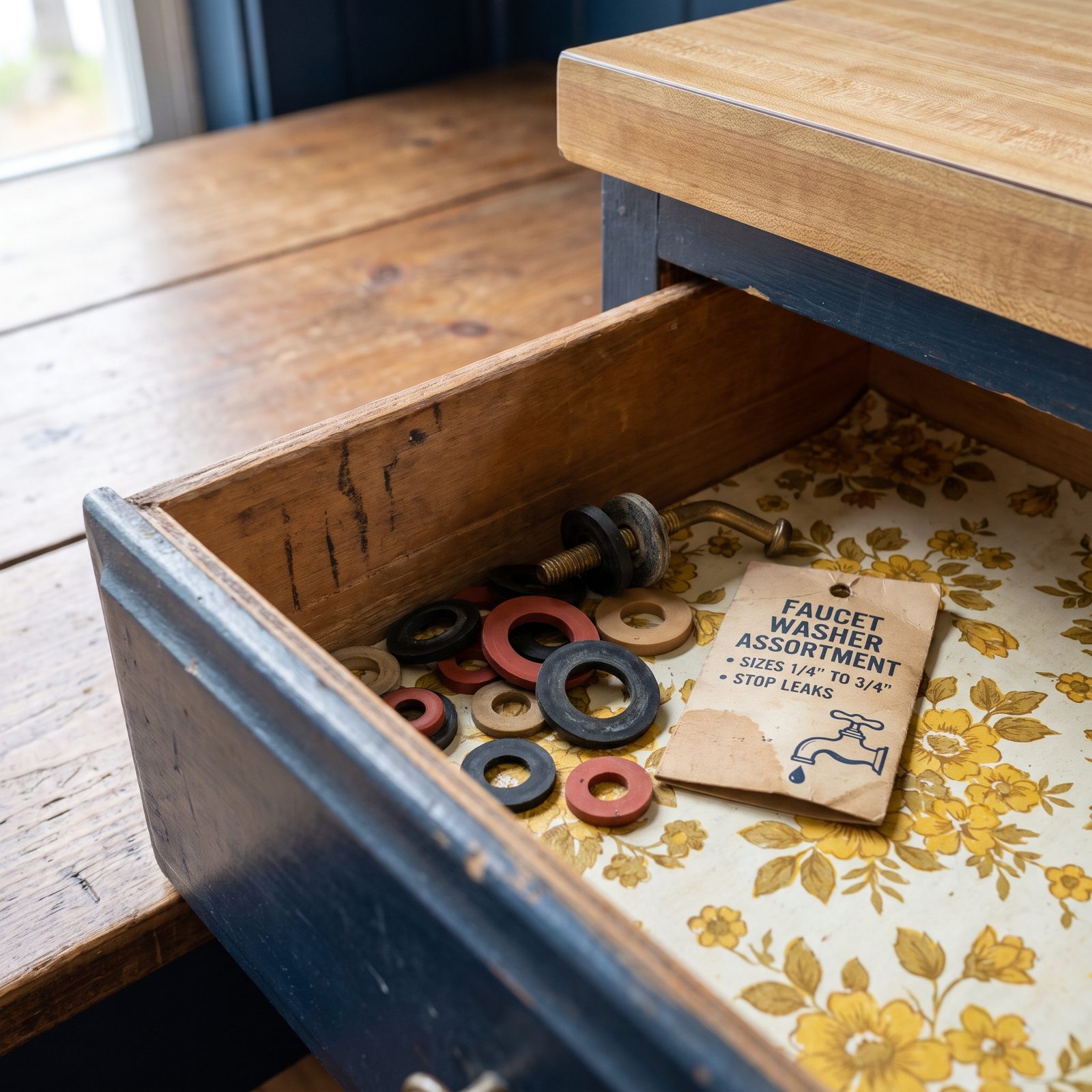
A pinch of little rubber rings, no two the same size, kept against the day a tap started dripping at 11pm. They almost never matched the faucet when the moment came. But the intent was pure.
This is the heart of the whole drawer: the belief that you fix things. A dripping faucet meant a washer and ten minutes, not a plumber and a bill. People saved the washers because they expected to do the work themselves.
2. A Baby-Food Jar Filled With Mixed Screws, Nails, and Washers
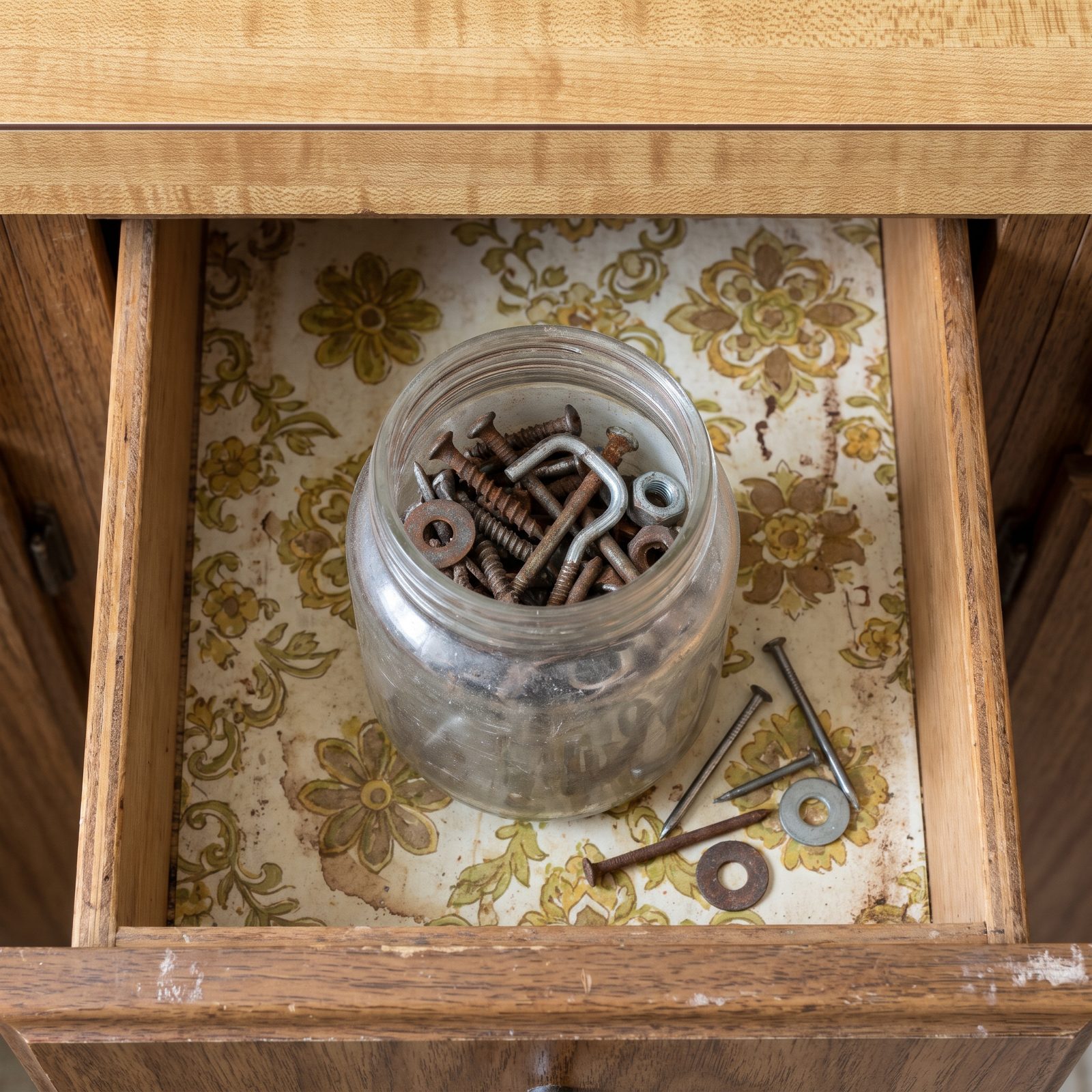
The archive nobody meant to keep. One small glass jar, often with the baby-food brand still ghosted on the lid, crammed with hardware from projects long finished. Every screw that outlived its purpose went in there.
You never found the one you needed. You always found four that almost worked. And still you kept adding, because tossing a perfectly good screw felt like a small moral failure.
1. A Heavy Metal Flashlight Reserved for Storms and Blown Fuses
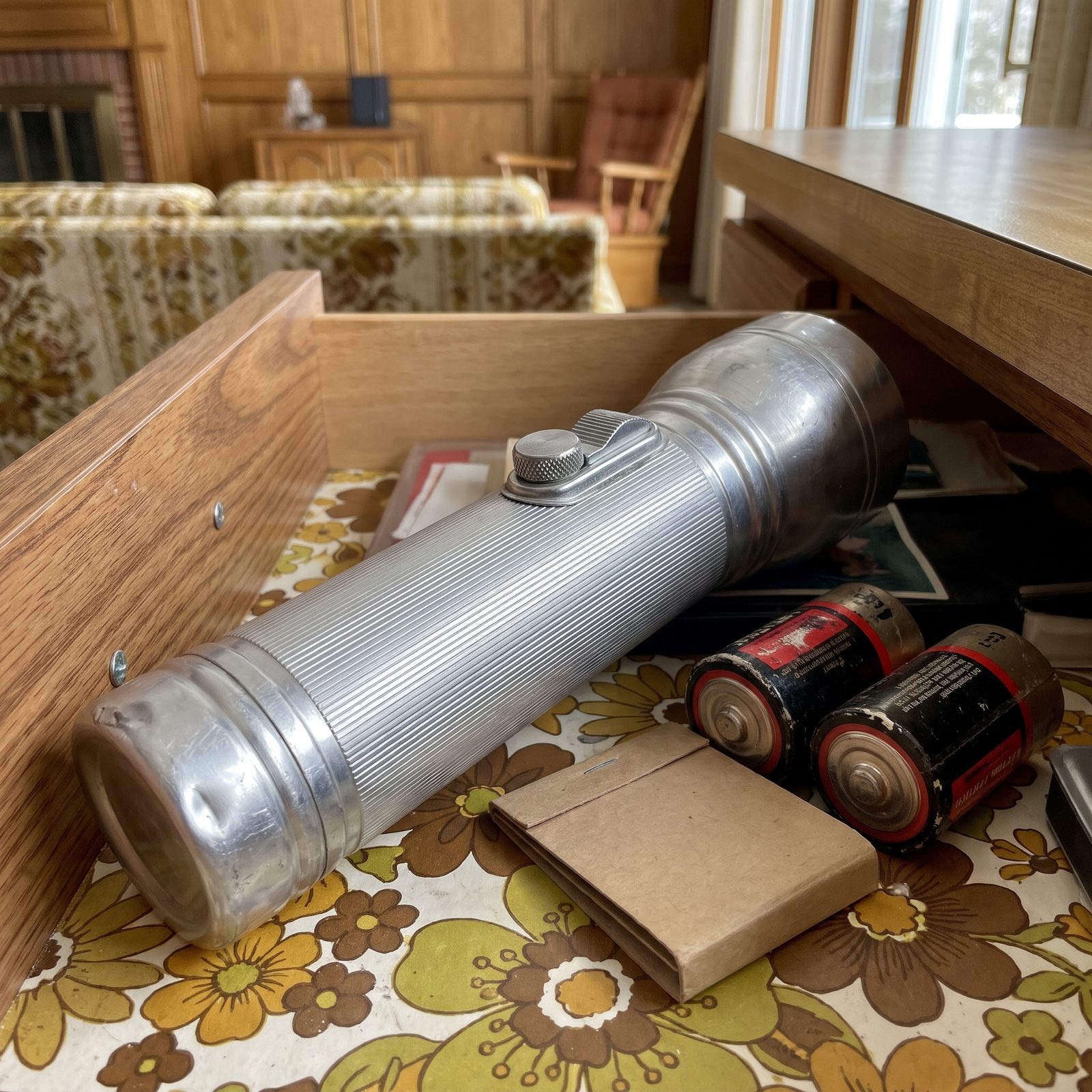
Not the cheap plastic kind. The real one — ribbed metal body, two fat D batteries, a weight to it that said this was equipment, not a toy. It had a job and a rank.
Nobody wasted it on ordinary dark. It waited for the big moments: the power out in a thunderstorm, the basement fuse box, the one night a year the whole block went black. You knew exactly which drawer, exactly which corner, without looking.
And the batteries were always dead when you needed it. Every single time.