Nobody misses scrubbing a chamber pot. But somewhere between the washboard and the robot vacuum, a whole catalog of weekly habits got thrown out that actually worked. Not the drudgery — the smart stuff, the little Saturday-morning rituals that caught small problems before they turned expensive, kept food from rotting, and ran a house on far less waste than we manage now. These survived for a reason, and most cost nothing. A brush, a dry afternoon, five minutes of attention. Here are the ones still worth keeping, and why they beat the gadgets that replaced them.
Please note that some of the images in this article were created with the assistance of AI.
44. Scrub the Sink Stopper and Overflow Opening
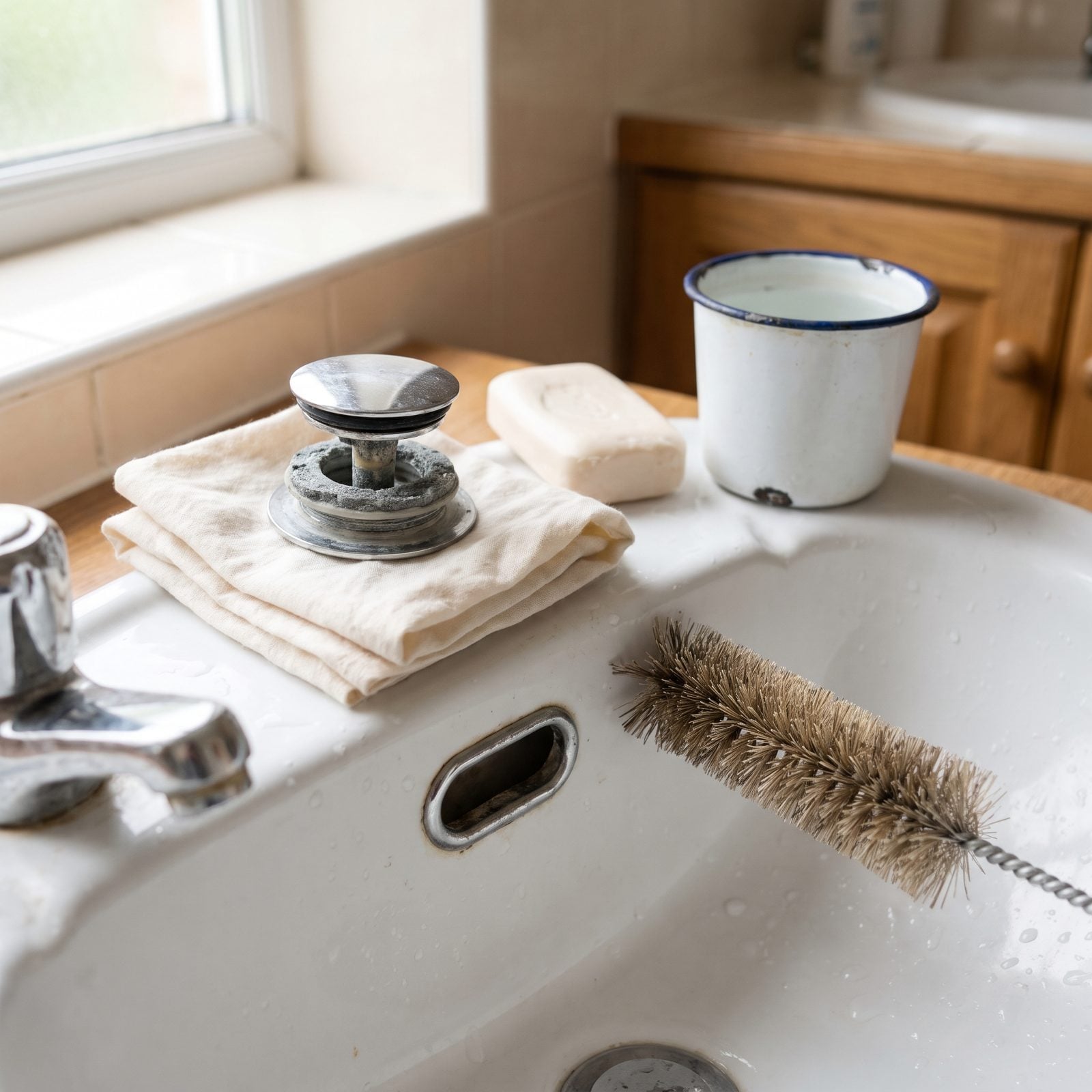
Pull the stopper. Go on. That slimy black ring on the underside is biofilm, and it’s the reason your sink smells faintly swampy even though you scrub the basin religiously.
The overflow opening is worse. That little hole near the rim almost never gets touched, and gunk colonizes it like it pays rent. A stiff bottle brush and a minute of effort clears both, and if you do it weekly you’ll never meet the smell that makes guests wonder what died under the floorboards.
43. Wipe Cool Lightbulbs So Rooms Stay Brighter

Dust on a bulb does something sneaky. It eats your light. A grey film across the glass dims a room by a surprising amount, and you never clock it because it creeps up gradually — the way a room darkens so slowly you just start squinting and blaming your eyes.
Wait until the bulb is cold. Wipe it dry, never wet. The room gets brighter for free, and you stop running extra lamps to make up for the dirty ones.
42. Empty and Wipe the Bread Box to Prevent Mold
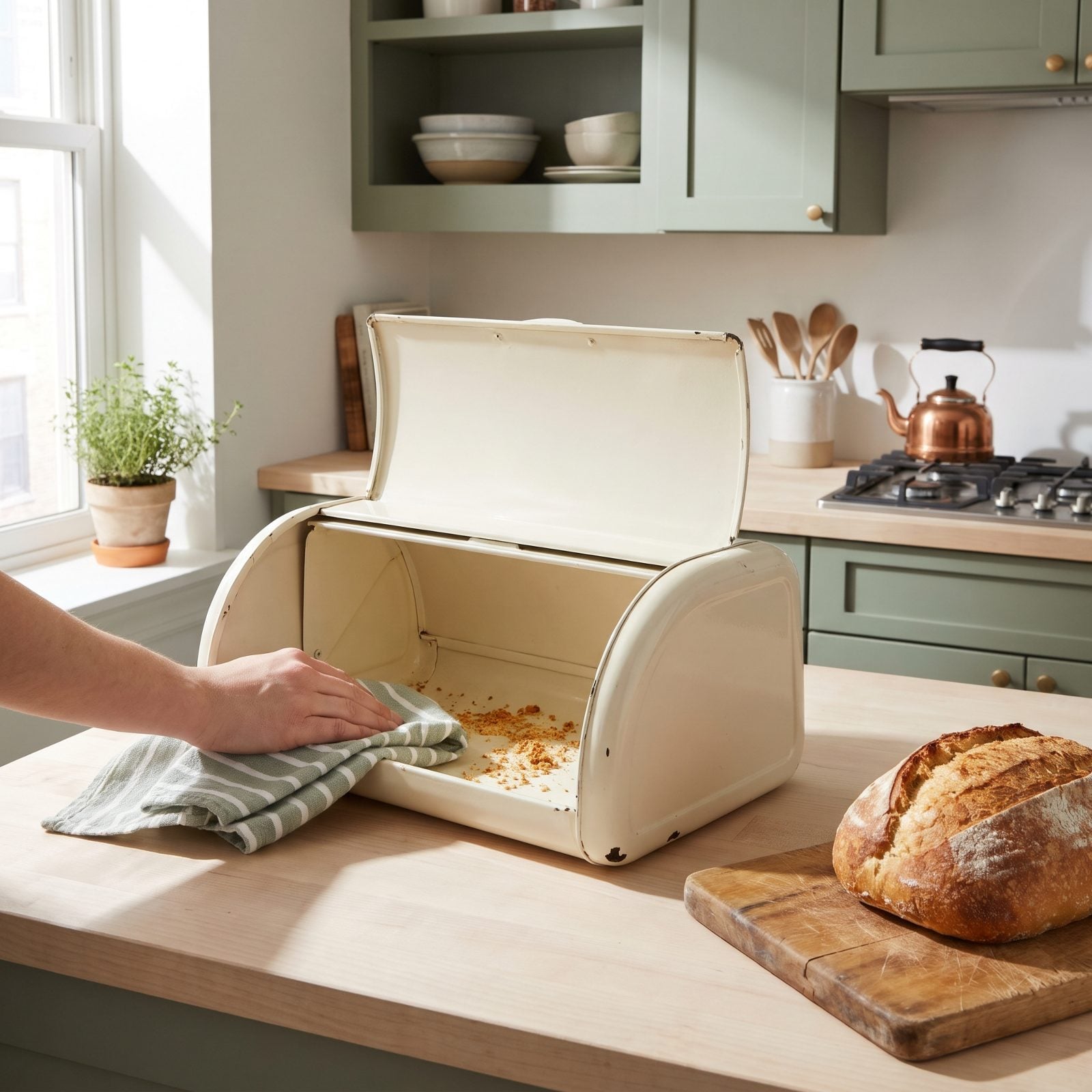
The bread box is a mold incubator nobody cleans.
Crumbs collect in the corners, catch moisture from each fresh loaf, and quietly seed the spores that turn next week’s bread fuzzy before its time. Empty it, shake out the crumbs, wipe the inside with a barely damp cloth — and this part matters — let it dry fully before the lid goes back down.
Trapped moisture is the whole problem. A clean, dry box keeps a loaf good days longer. Fewer green slices in the bin. Fewer trips to the store.
41. Wind Mechanical Clocks on the Same Day Each Week
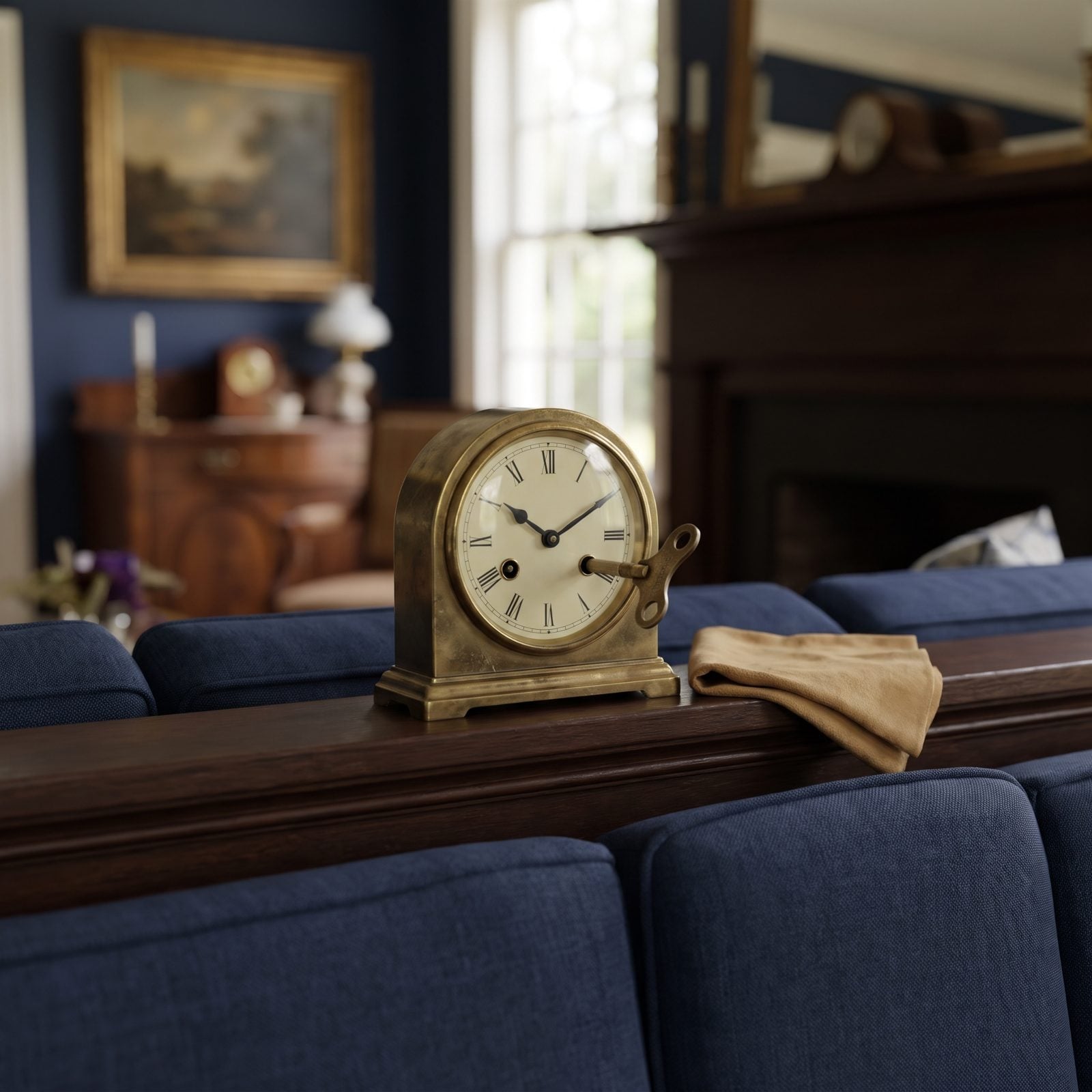
A spring-driven clock wants to be wound on a schedule, not whenever you happen to notice it’s stopped. Pick a day. Sunday morning is traditional for a reason — it was the one slow morning most households had.
Winding on the same day keeps the mainspring tension even and the clock running true. Let it run all the way down and sputter back to life and you wear the movement out faster. These machines were built to tick for a century if you treat them with a bit of rhythm.
40. Inspect Stored Potatoes, Onions and Apples for Spoilage
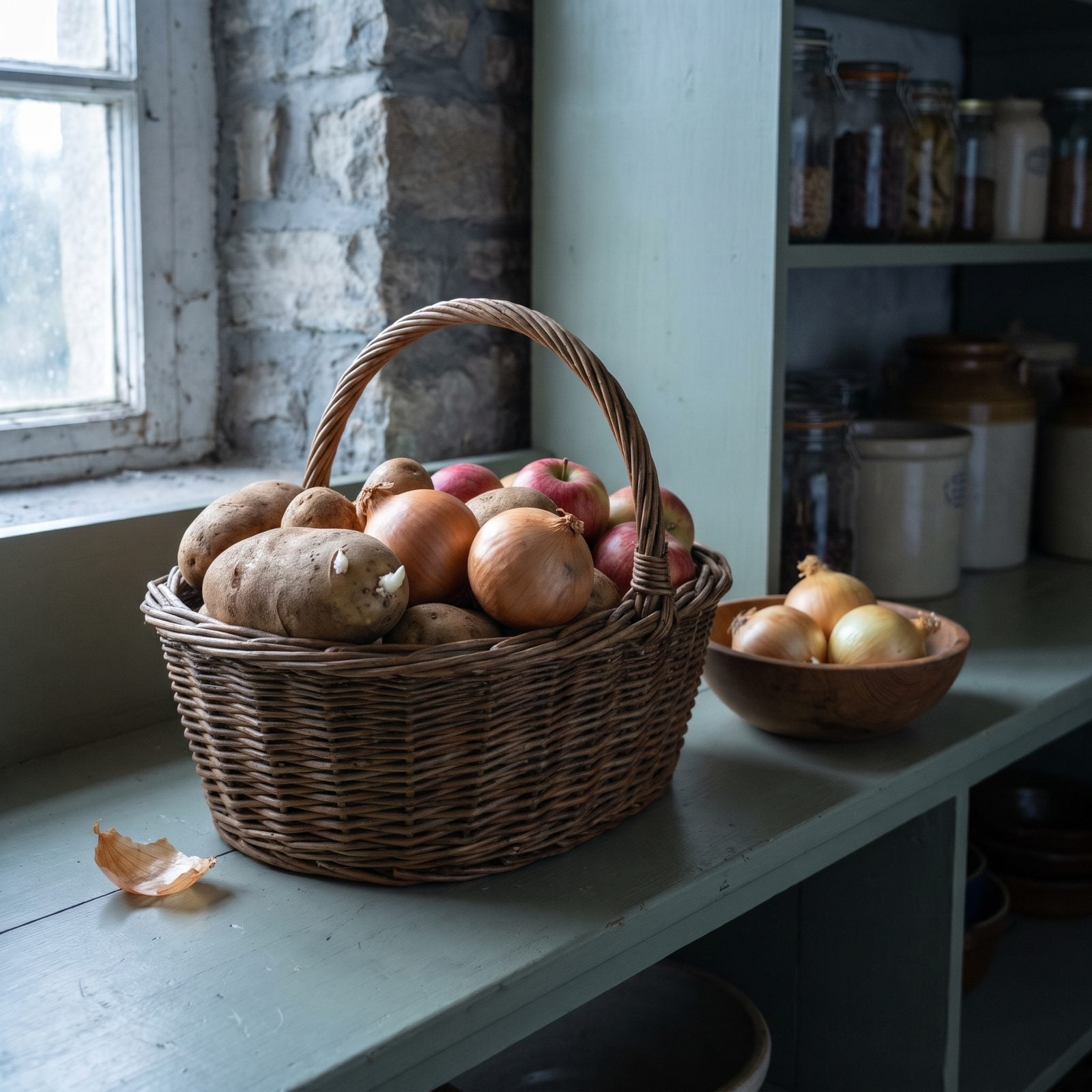
One rotten potato can take out the whole basket, and that’s not a figure of speech. Spoiling produce releases ethylene gas and spreads soft rot to its neighbors, which is why you open a bag and find three good ones and five turned to mush.
A weekly look-through catches the one going bad before it hands its problem to the rest. Pull sprouting potatoes, soft onions, bruised apples. And where apples share a basket with potatoes, check those potatoes most closely — apples hurry potatoes toward sprouting.
Five minutes of sorting saves a surprising amount of food. Waste is just inattention on a time delay.
39. Inspect Flour, Grains and Spices for Pantry Pests
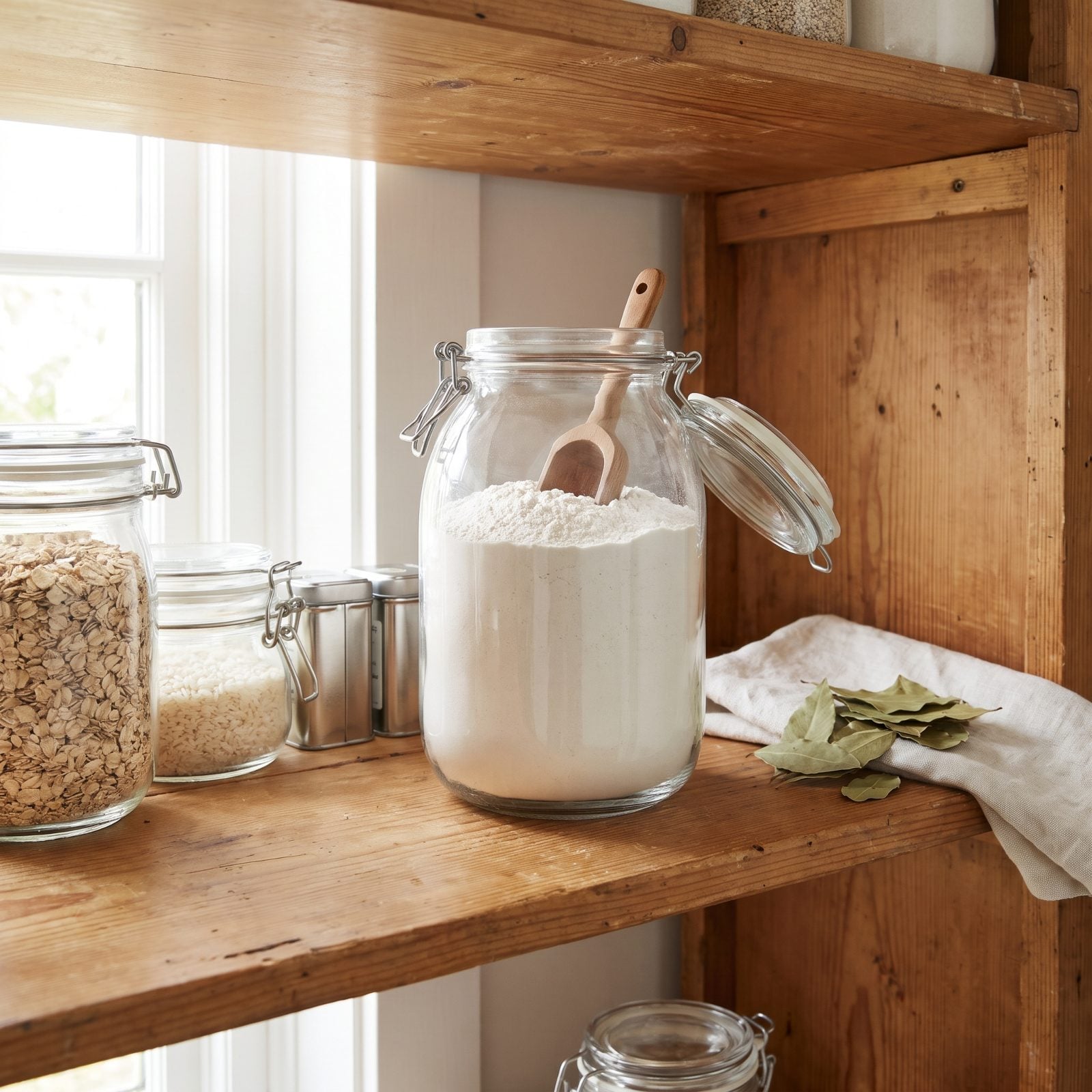
Pantry moths and weevils arrive inside the flour, not from the kitchen. They come home with the bag, eggs already laid, waiting for warmth. By the time you spot webbing in the oats or tiny beetles in the paprika, they’ve spread to everything open nearby.
A weekly glance into your dry goods catches an infestation while it’s still trapped in one jar instead of loose across the whole shelf. Look for fine webbing, clumping, or movement.
38. Dust Lampshades With a Soft Clothes Brush

Vacuum attachments crush pleats and damp cloths leave water rings. A soft clothes brush — the kind made for wool coats — is still the right tool for a fabric shade. Short downward strokes lift dust out of the weave without flattening it.
Shades gather dust faster than you’d think, because the heat pulls it in. Left too long, the grime bakes right in and never fully comes out. Brush them weekly and they look their age instead of ten years older.
37. Air and Turn the Mattress to Release Trapped Moisture

You lose a good deal of moisture every night, and most of it goes straight down into the mattress.
That’s the dirty secret of a bed you never air out. Pull the covers back, open a window, and let it breathe for a couple of hours before you make it. Turning or rotating it weekly, where the type allows, lets the trapped humidity escape and evens out the wear so you don’t end up sleeping in a permanent dip.
Modern foam mattresses often can’t be flipped, so check first. Airing helps every kind, though. Damp bedding is how dust mites thrive — and nobody wants to dwell on that on a Monday.
36. Sun and Fluff Bed Pillows on a Dry Day
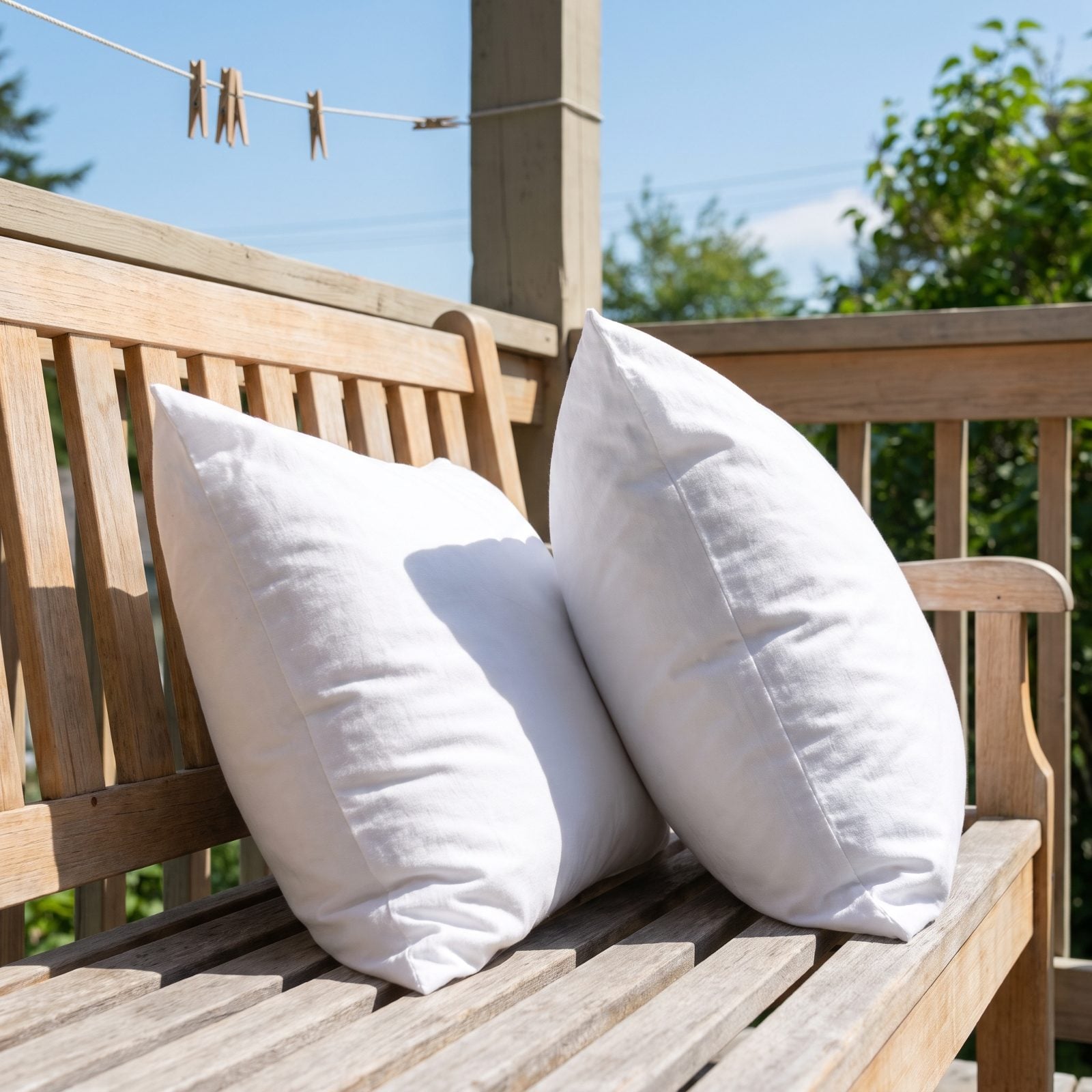
Sunlight is a free laundry cycle. Ultraviolet light kills bacteria and dust mites, and a few hours outdoors drives out the moisture pillows soak up from your head every night. They come back smelling of fresh air instead of sleep.
Fluffing matters as much as the sun. Give them a hard shake and a few whacks to shift the filling around, because a flat, clumped pillow is really just a warm sponge for everything you’d rather not sleep on.
35. Shake Out Quilts Instead of Washing Them Too Often
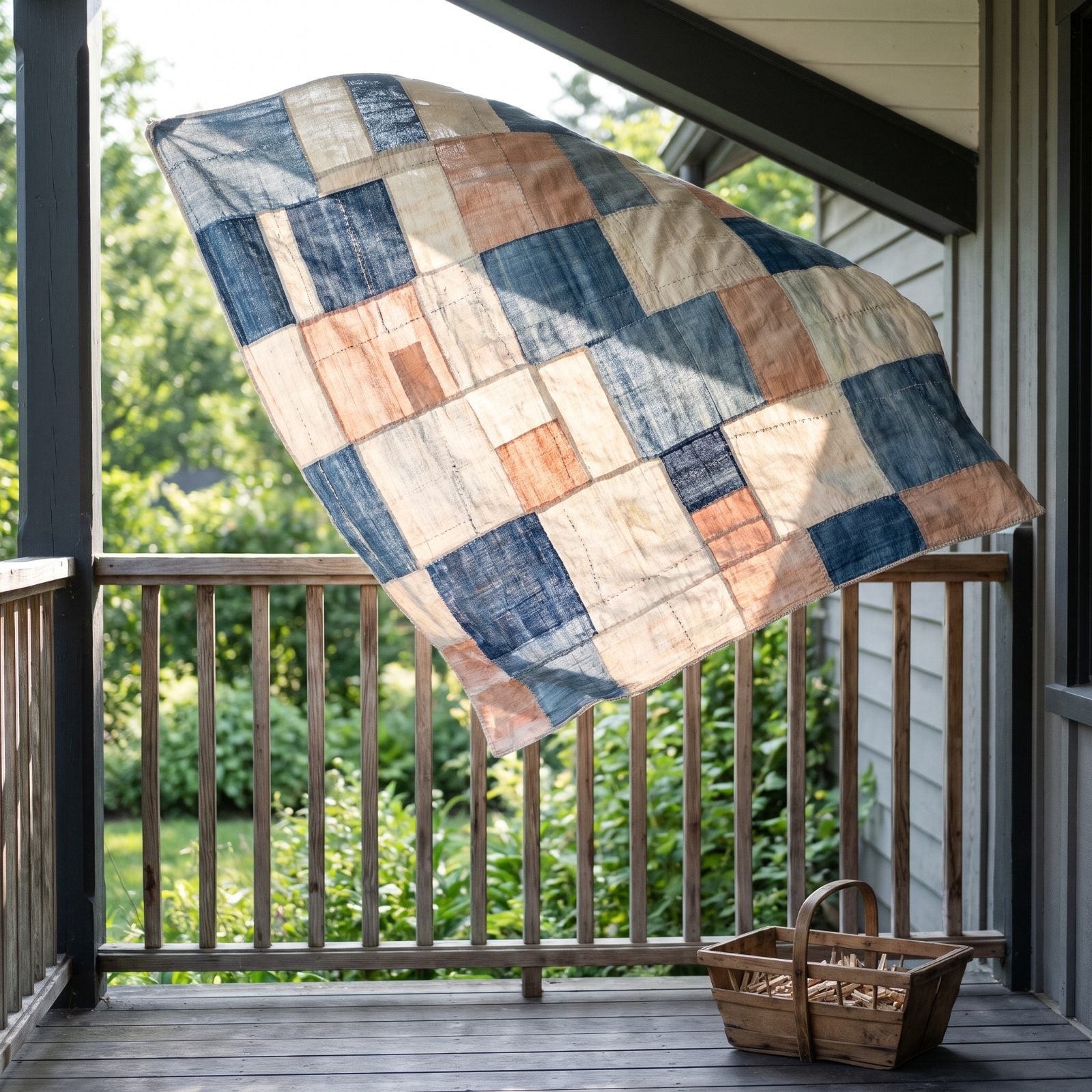
Washing wears a quilt out faster than using it does. Every trip through the machine stresses the stitching, fades the fabric, and shortens the life of something that should outlast you. Our grandmothers knew this, which is why quilts got shaken, aired, and spot-cleaned far more often than they got dunked.
Give it a vigorous weekly shake outdoors and you knock out dust, lift the loft, and freshen the whole thing without a drop of water. Save the full wash for when it’s actually dirty, not just out of habit.
A good quilt is a decades-long object. Treat it like one and it’ll see your grandchildren.
34. Beat Small Rugs Outdoors to Release Embedded Grit
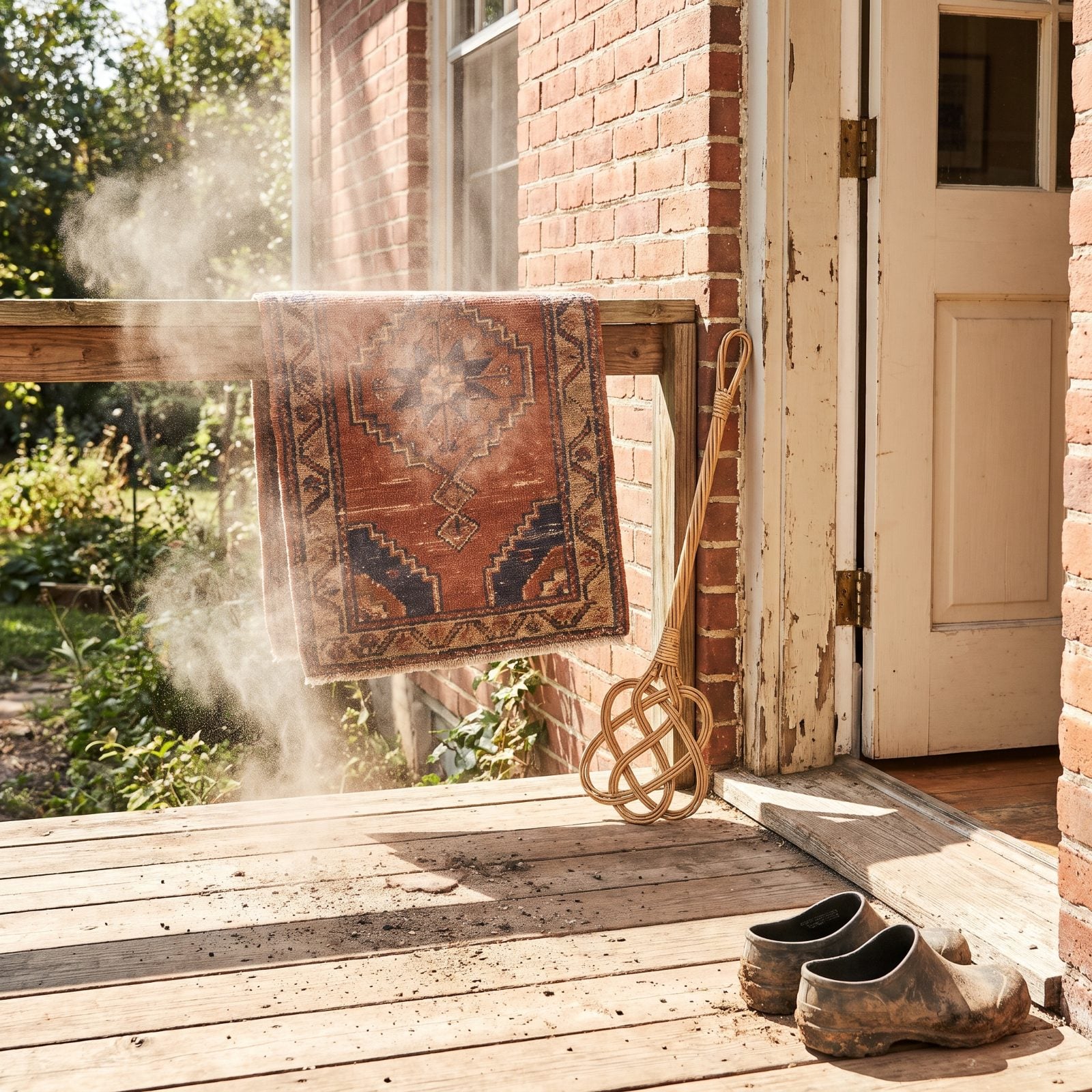
Vacuums lift surface fluff, but they do a poor job with the ground-in grit that works its way down between the fibers and slowly saws a rug to death from the inside. That sand is the real culprit — every time you walk across the rug, it grinds against the wool like sandpaper.
Hang a small rug over a rail and give it a good thrashing with a beater or a broom handle. The cloud that comes off is genuinely startling the first time. And that cloud used to live in your living room.
33. Run a Manual Carpet Sweeper Between Deep Cleanings
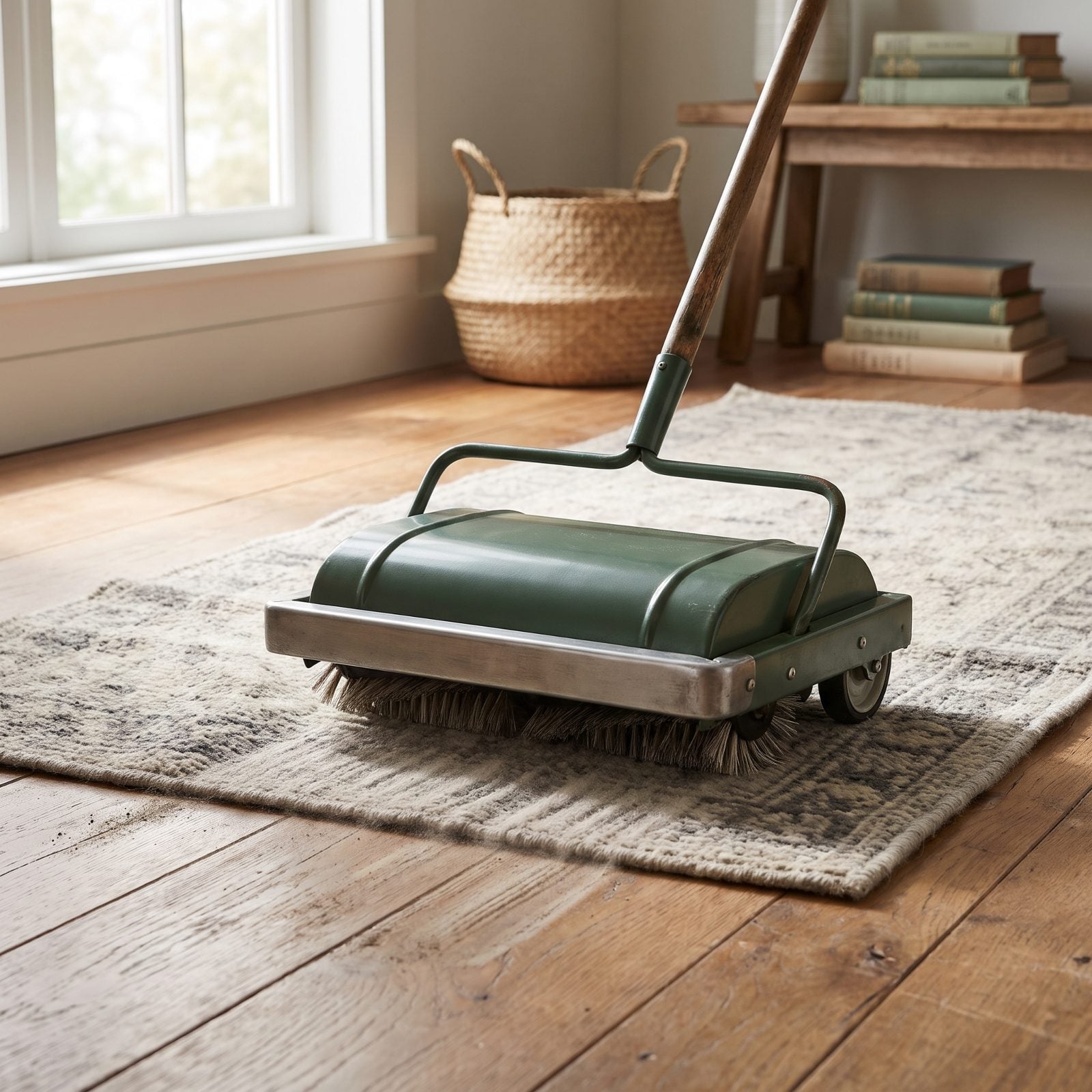
The hum of a vacuum is a commitment. You have to find it, unwind the cord, wake the dog, wake the baby. A manual carpet sweeper asks for none of that — grab it, run it over the crumbs under the table, hang it back up in under a minute.
It picks up the daily debris that makes a room feel grubby without a full vacuuming session: pet hair, cereal, the aftermath of a snack eaten on the couch. Keep one leaning in a corner near where the mess happens and it earns its keep faster than you would expect.
32. Turn Vegetable Trimmings Into a Weekly Stockpot

Stop throwing out the ends. Onion skins, carrot peels, celery tops, the woody base of a bunch of herbs, the parmesan rind nobody wants to grate — keep a bag in the freezer and feed it all week.
When the bag is full, tip it into a pot, cover with water, simmer for an hour, strain. You just made stock from garbage. It tastes better than the boxed kind and cost nothing beyond the water and the gas.
31. Hold a Weekly Leftover Night Before Food Spoils

Pick one night. The contents of the fridge come out, get reheated, and the table becomes a slightly chaotic buffet of whatever survived the week.
It feels less like cooking and more like a treasure hunt, and it stops the slow tragedy of good food dying quietly behind the milk. A tidy fridge heading into the weekend is a nice bonus. So is skipping one cook night.
30. Descale the Kettle Before Minerals Affect the Pour
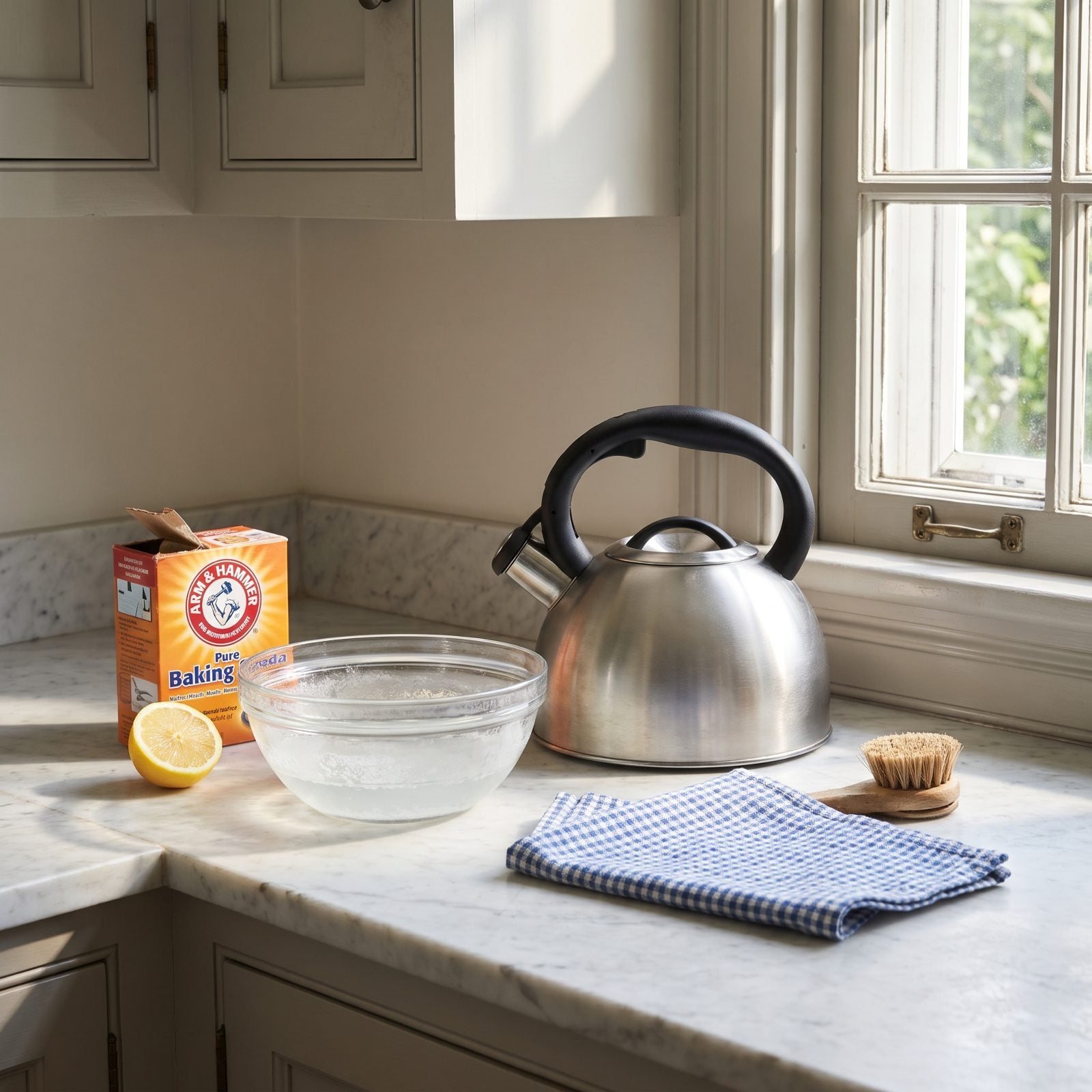
Lift the lid on a kettle that has gone a few months in hard-water country and you will see it: a crusty white scale clinging to the element and the sides. That is dissolved minerals left behind as the water boils off, and it makes the kettle slower, noisier, and eventually leaves grey flakes floating in your tea.
The fix is dirt cheap. Fill it with water, add the juice of half a lemon, bring it to a boil, let it sit. The scale dissolves. Then rinse well afterward — unless you fancy lemony tea.
29. Clear the Toaster Crumb Tray Before Buildup Scorches
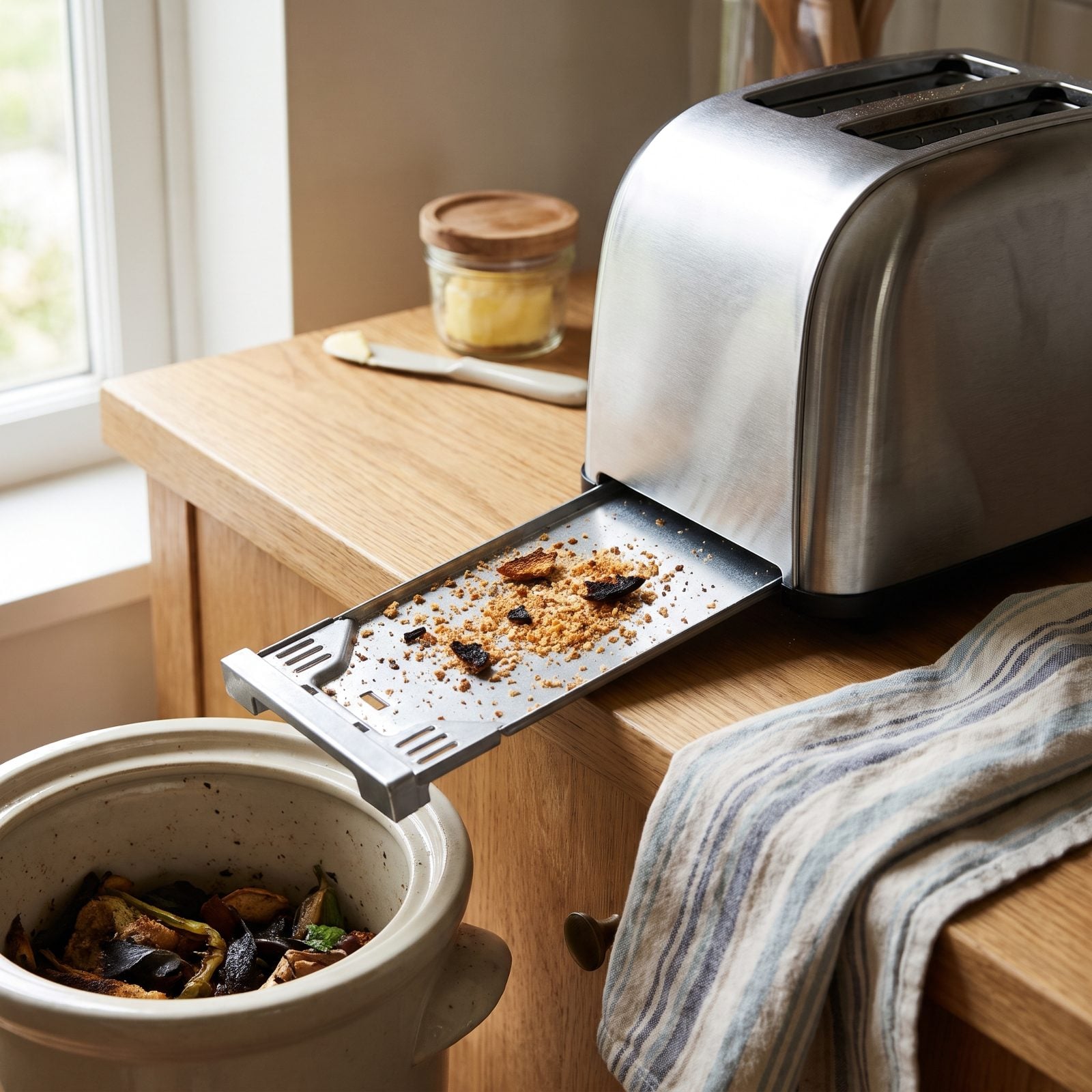
That tray at the bottom of the toaster exists for a reason, and most people forget it is there until something smells wrong. Crumbs collect, dry out, and eventually one gets hot enough to char or, rarely, catch.
Slide it out once a week, tip it into the compost, wipe it, slide it back. Thirty seconds. Your toast tastes like toast again instead of the burnt ghosts of breakfasts past.
28. Remove and Wash Stovetop Burner Pans
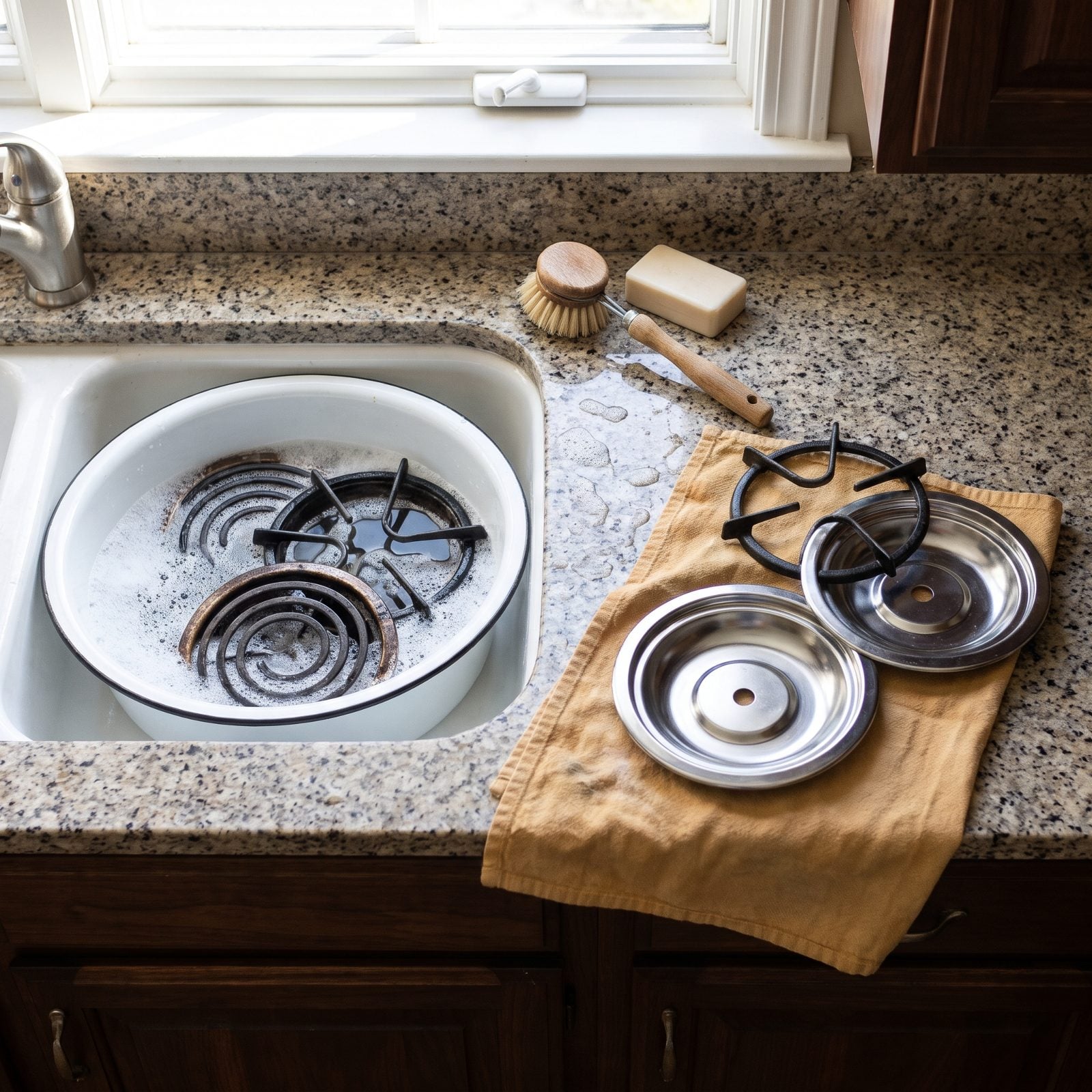
Boil-overs happen. Sauce spits, pasta water froths up and over, and it all lands under the burner where you cannot see it. Left there, it bakes on harder with every meal until it becomes a geological record of everything you have cooked.
Many stovetops have removable drip pans or grates designed to lift right out. Pull them, soak them in hot soapy water while you do something else, then scrub, dry, replace. Electric coil elements are the exception: never submerge them, since water can damage the terminals. Unplug them once cool and wipe them with a damp, soapy cloth instead. Catch the spills weekly and they wipe off. Ignore them for a season and you are chiseling.
27. Scrub the Dish Rack and Its Draining Tray
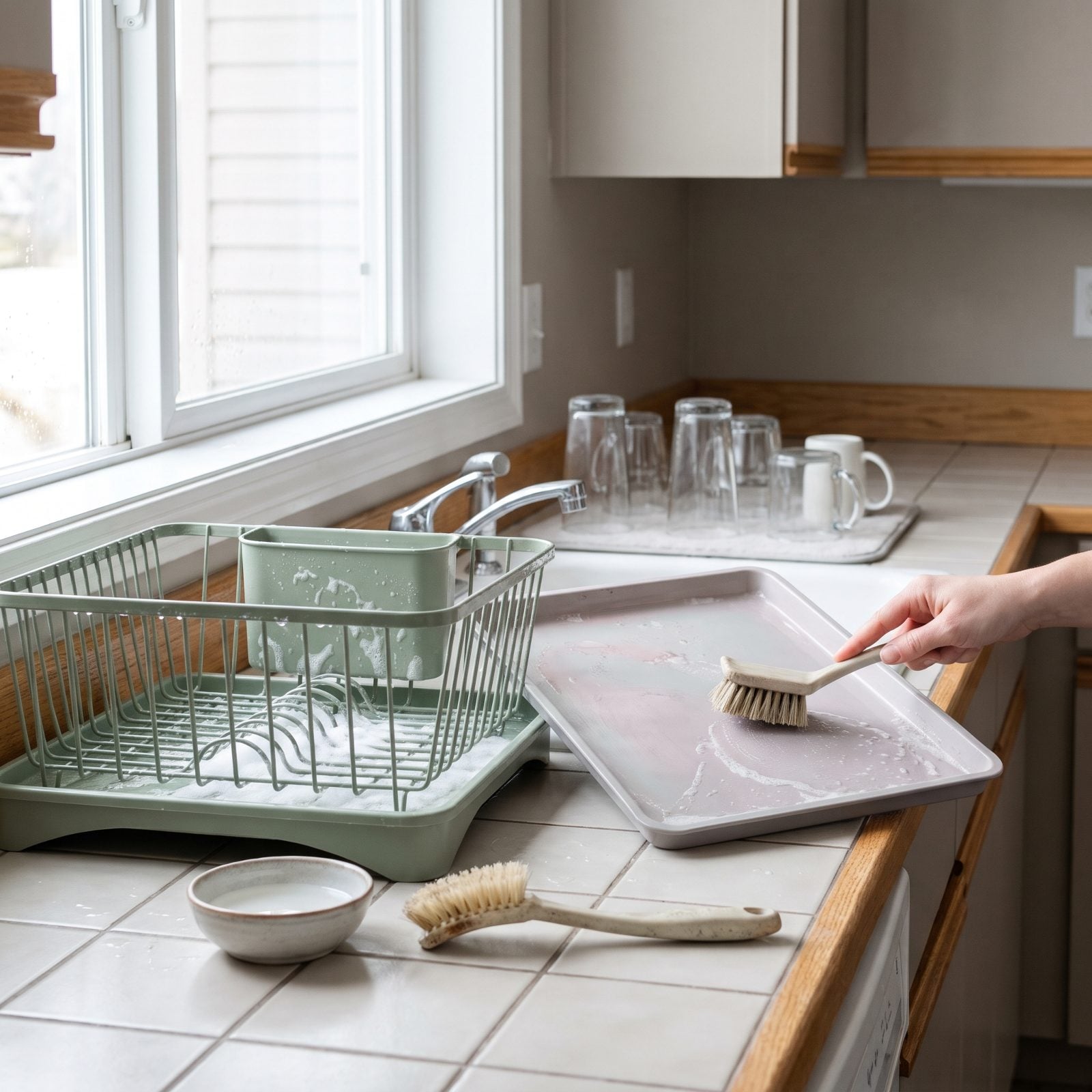
A dirty secret hides in plain sight: the rack where you put clean dishes is often one of the grimiest things in the kitchen. Water pools in the tray underneath, never fully dries, and grows a slick pink or grey film.
That film is a bacterial colony, and your clean dishes are sitting right on top of it. Pull the tray out, scrub both pieces with hot water and a splash of vinegar, let them dry completely. What good is washing the dishes if the rack undoes it?
26. Wipe One Refrigerator Shelf and Check Its Contents
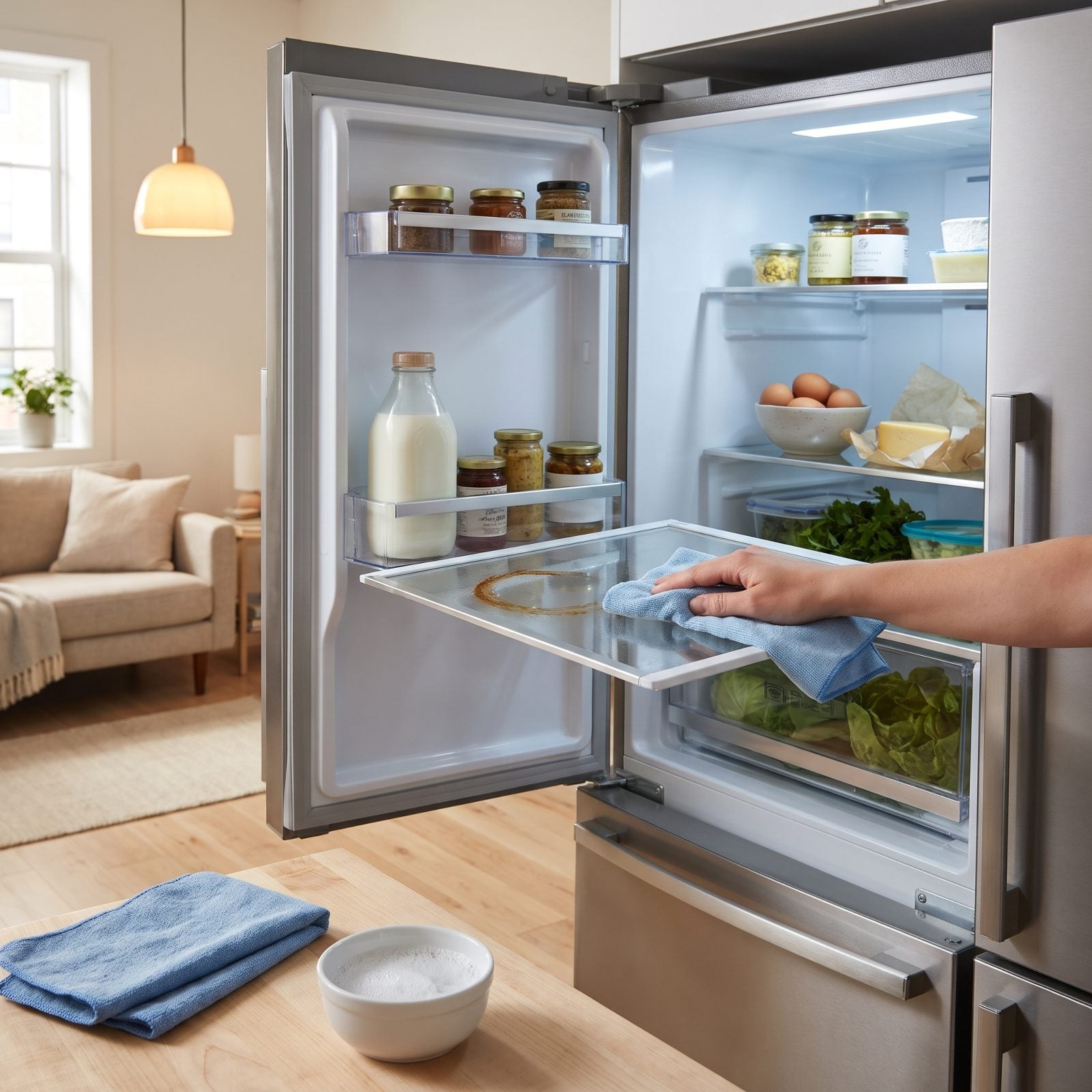
Cleaning the whole fridge at once is a dreaded afternoon project, which is exactly why it rarely happens. So don’t. Pick one shelf a week.
Pull everything off, wipe the sticky ring left by the jam jar, and actually look at what you are putting back — this is where the checking matters. The jar of something unidentifiable. The yogurt three weeks past its date. The condiment you bought for one recipe in 2022 and never touched again. By the time you have rotated through all the shelves, the whole thing is clean and you never once dreaded it.
25. Hot-Wash Dishcloths and Reusable Cleaning Rags Before They Smell
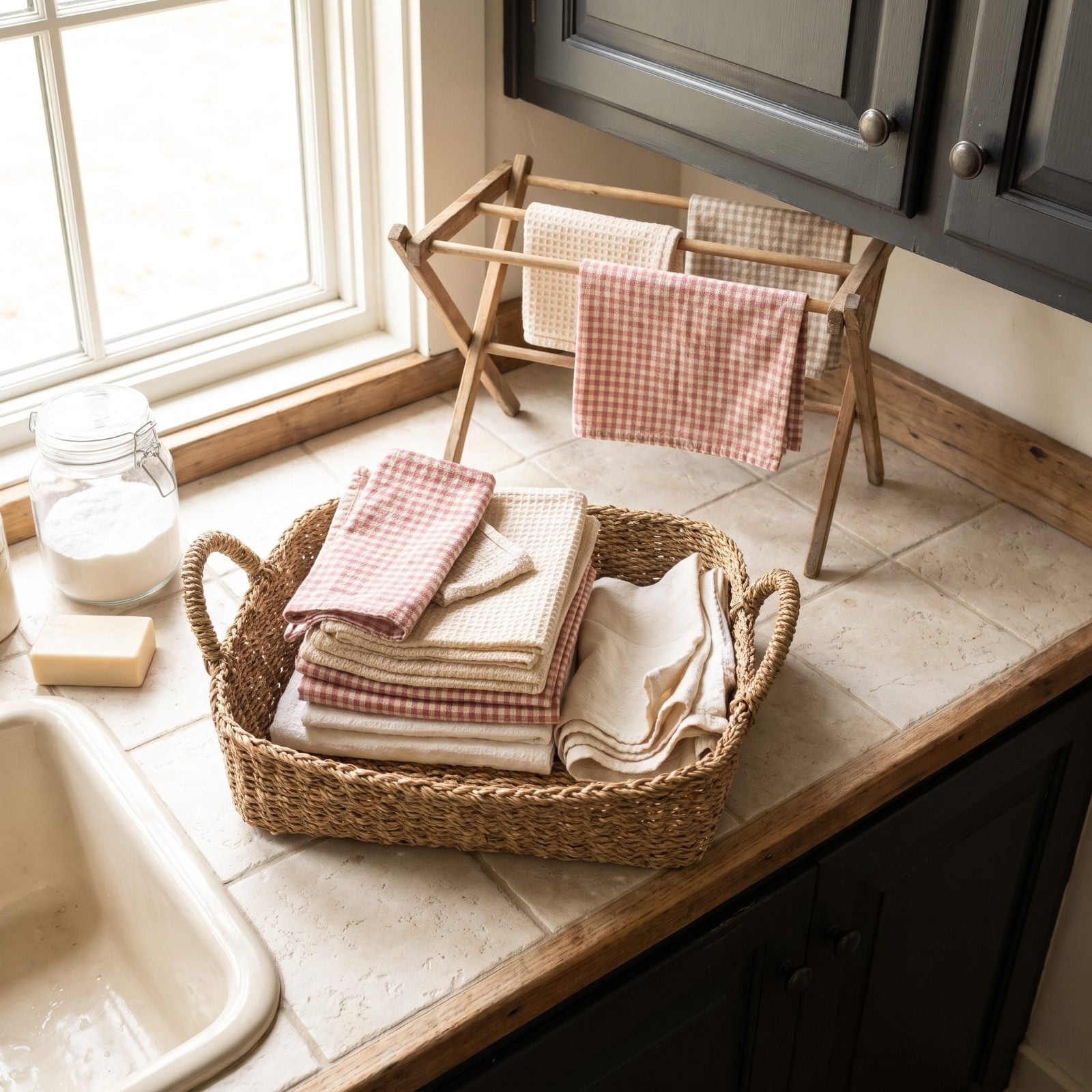
That sour, mildewy smell on a dishcloth means one thing: the cloth is a thriving bacterial culture, and you are now smearing it across your counters. Wiping with a dirty rag is worse than not wiping at all.
Rotate your cloths every day or two and send the used ones through a hot wash once a week. Heat does the work — a lukewarm wash just relocates the bacteria. Line-drying them in sun finishes the job, and sunlight is an underrated disinfectant that costs absolutely nothing.
24. Hone Kitchen Knives Before They Become Dull
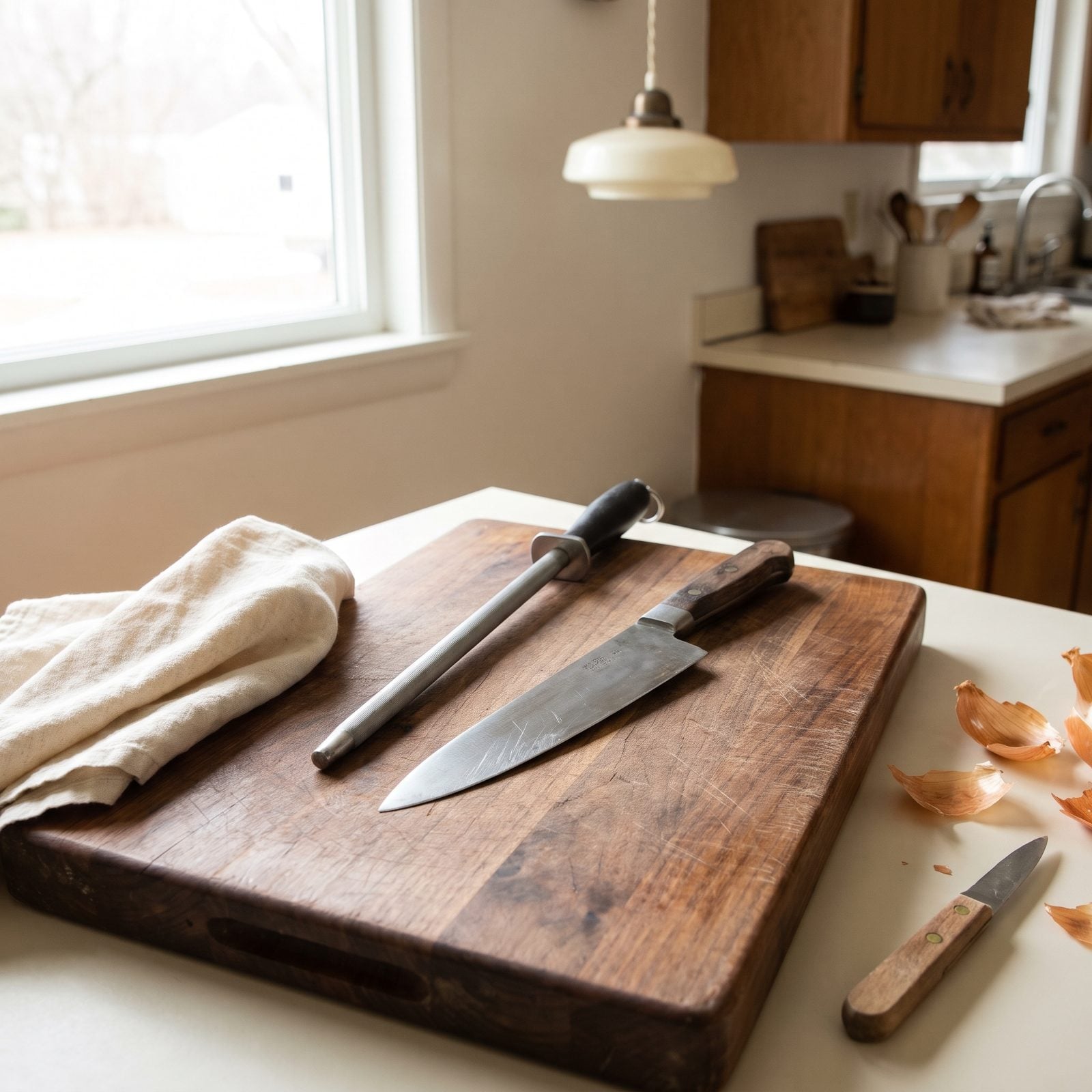
Honing is not sharpening, and the difference matters more than people think. Running a blade down a steel a few times a week realigns the edge that bends over with use, which keeps a knife cutting like it should for months between actual sharpenings. Most of us skip it entirely, then act baffled when the blade skids off a tomato and crushes the thing flat.
Here’s the part that catches people out: the dull knife is the dangerous one. It slips because you push harder, and a keen edge goes exactly where you aim it. Thirty seconds before you cook. That’s the whole investment.
23. Polish Shoes and Check Soles for Early Wear

Leather dries out the way skin does. A conditioning polish every week or two puts the oils back, keeps the leather from cracking at the flex point, and buys years on a pair you actually like.
While the shoe’s in your hand, flip it over and look. A heel ground down to the plastic, a sole going thin at the ball of the foot — cheap to fix now, ruinous to ignore. A cobbler replaces a heel tip for pocket change. A wrecked sole means you’re buying new shoes.
22. Brush Coats Before Returning Them to the Closet
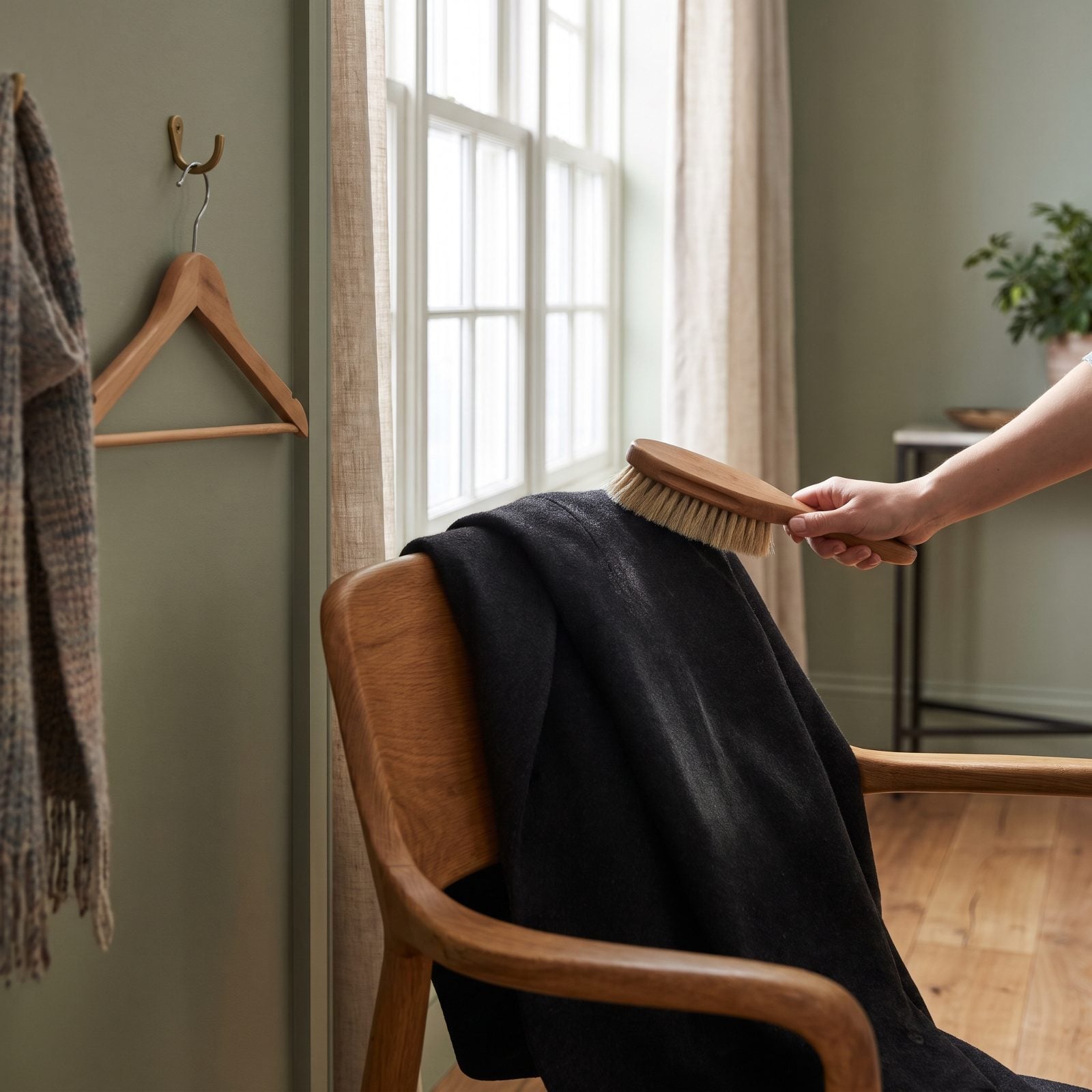
Dust is abrasive. It settles into wool fibers and grinds them down every time you move, which is a big part of why a coat looks tired before it’s old. A quick brush with the nap, every time it comes off your back, lifts out the grit along with stray hair and street dust.
It cuts down on dry cleaning too, which is harder on fabric than most people realize. Brush more, clean less. The coat holds its finish for seasons.
21. Air Wool Sweaters and Check Them for Moth Damage

The moths aren’t the problem. It’s the larvae, and they feed on wool soiled with body oils and sweat — which is exactly why the clean-looking sweater at the back of the drawer is the one that turns up riddled with holes.
Airing a knit between wears lets the fibers recover and dry out. Hold each one up to the light now and then. Look for pinholes, or a dusting of what looks like fine sand. That sand is larval droppings, and it’s bad news.
20. Work Through the Mending Basket in One Sitting
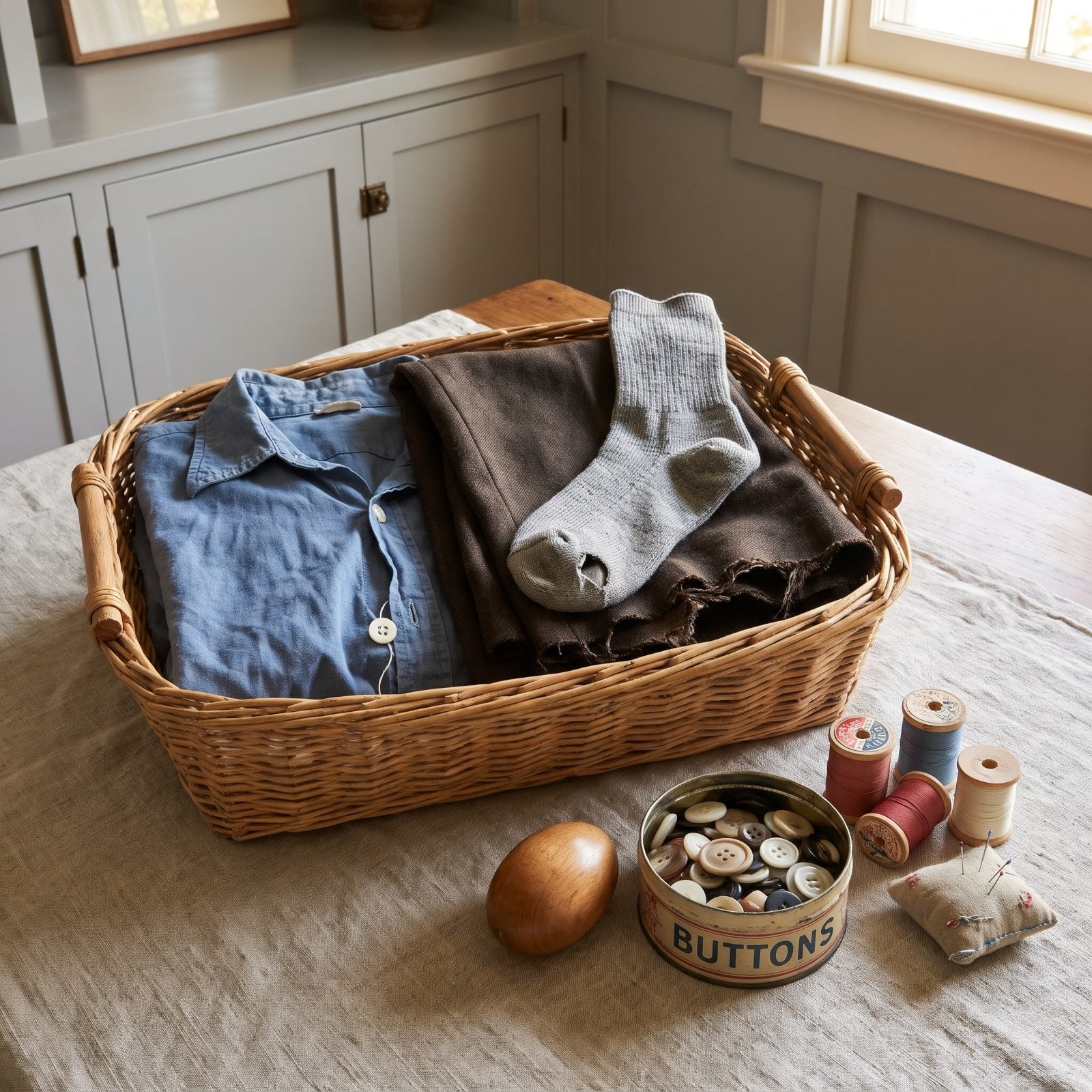
A loose button becomes a lost button becomes a shirt you quietly stop wearing. Catch it on a Sunday and the whole repair takes four minutes.
The trick is batching. Nobody wants to drag out needle and thread for a single hem, so the pile grows until it’s a chore nobody will face. Do it all at once, podcast on, and you clear a basket that’s been guilting you for a month. Most of what lands in there is a five-minute fix wearing the disguise of a project.
19. Straighten the Linen Cupboard and Rotate Sheet Sets
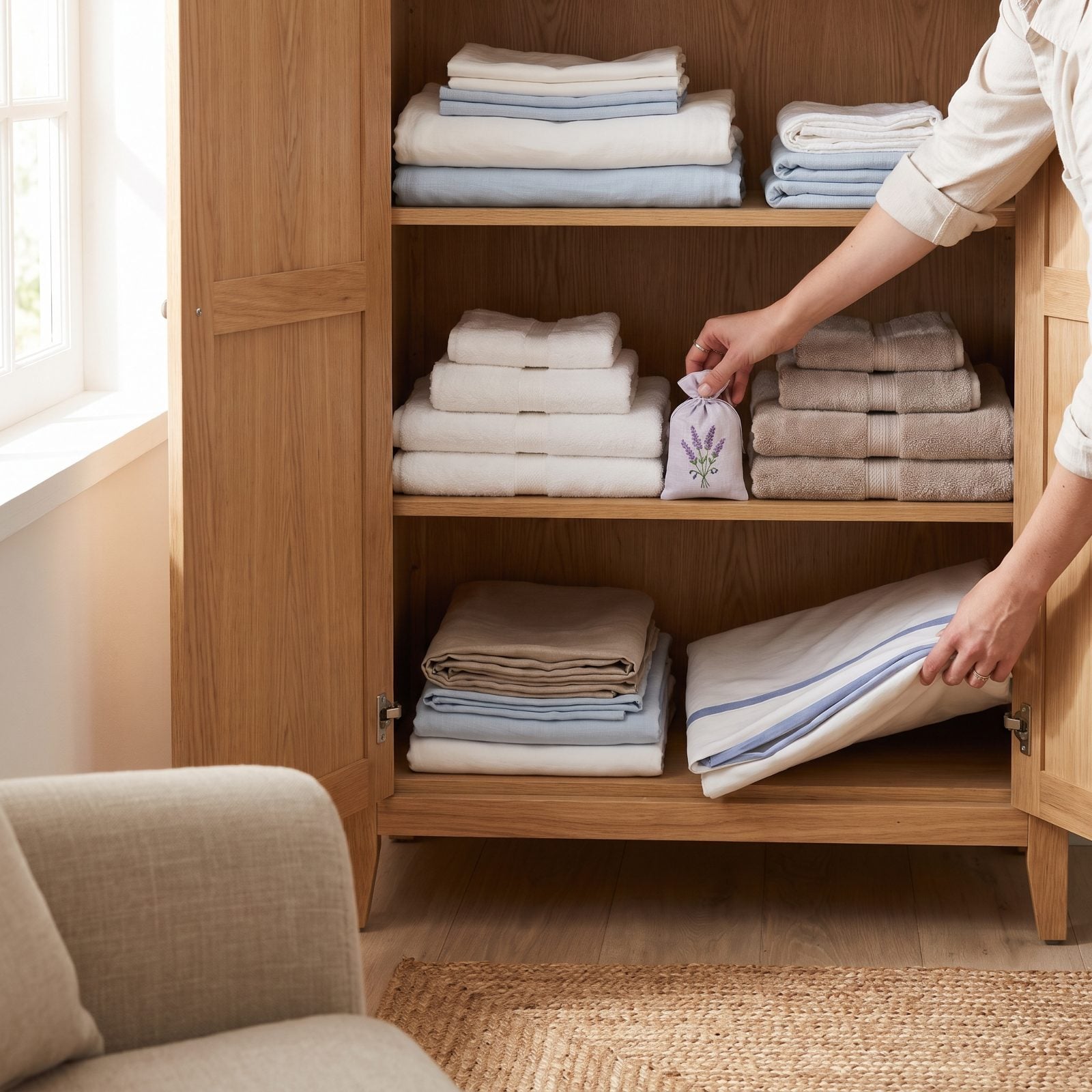
Pull from the back, return to the front. That single habit stops one set from wearing out while another sits untouched for years — which is how households end up with one threadbare fitted sheet and three that still look showroom-new.
While you’re in there, fold each set inside its own pillowcase. The stack stays tidy and you grab a whole set in one reach. No more hunting for the matching case at midnight.
18. Press Cloth Napkins and Handkerchiefs for Reuse
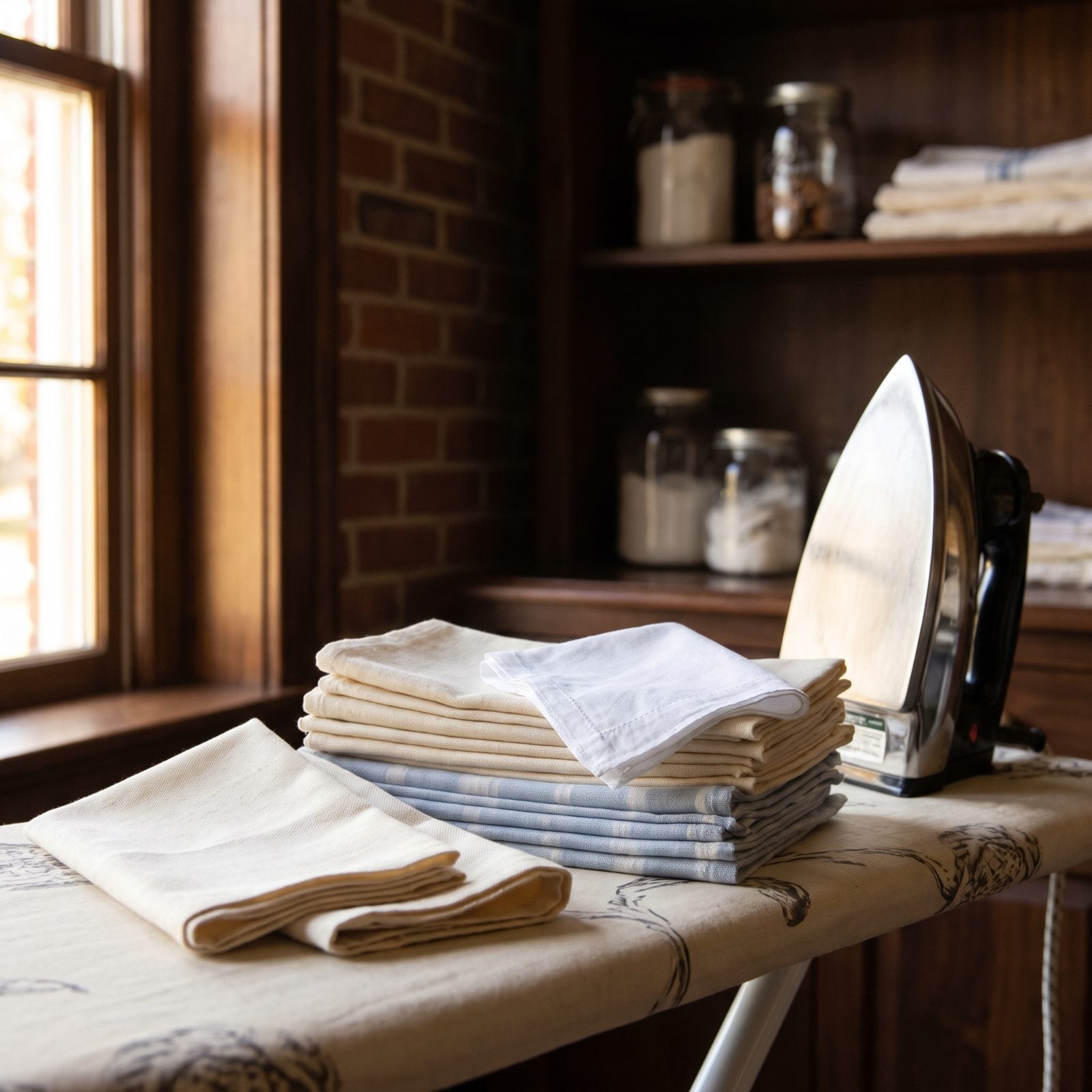
Paper towels are a running tab you pay forever. A drawer of cloth napkins and handkerchiefs pays once and then just needs washing and the odd press.
Pressing matters more than it sounds. A crisp napkin folds flat, stacks clean, and announces it’s ready for another round. A wrinkled one reads like a rag and slinks back into the wash unused. Ten minutes with the iron turns a crumpled heap into a drawer you’ll actually reach into.
17. Wash Hairbrushes and Combs in Warm Soapy Water
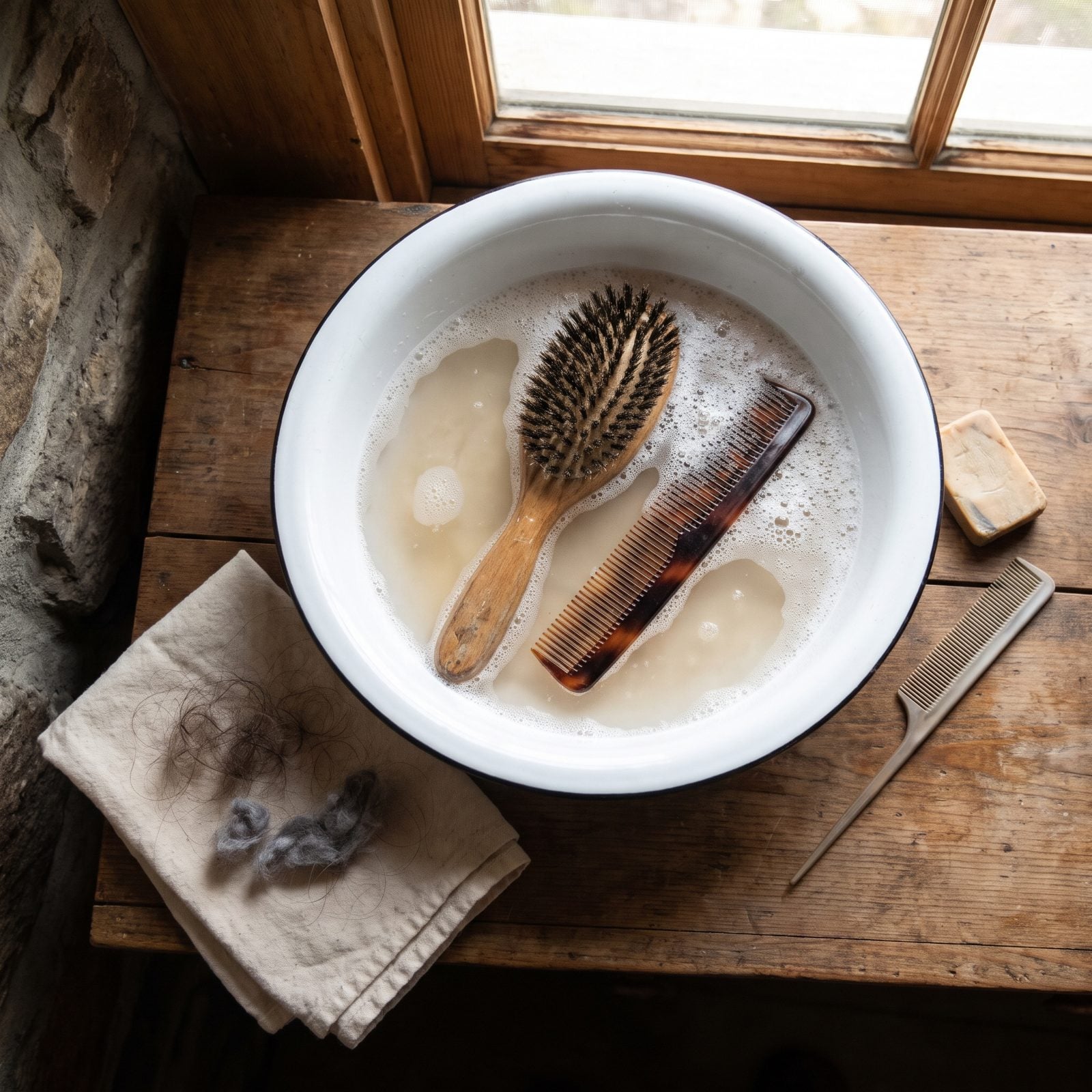
A brush collects everything your scalp sheds — oil, product, dead skin, dust — and then you drag the whole lot back through clean hair every single morning. Nobody mentions that part, somehow.
Pull the trapped hair out first, then let the brush soak in warm water with a drop of shampoo. Swish, rinse, dry it bristles-down so water doesn’t sit in a wooden base and crack it. A clean brush is what makes clean hair actually stay clean.
16. Clean the Iron’s Soleplate Before Marks Transfer
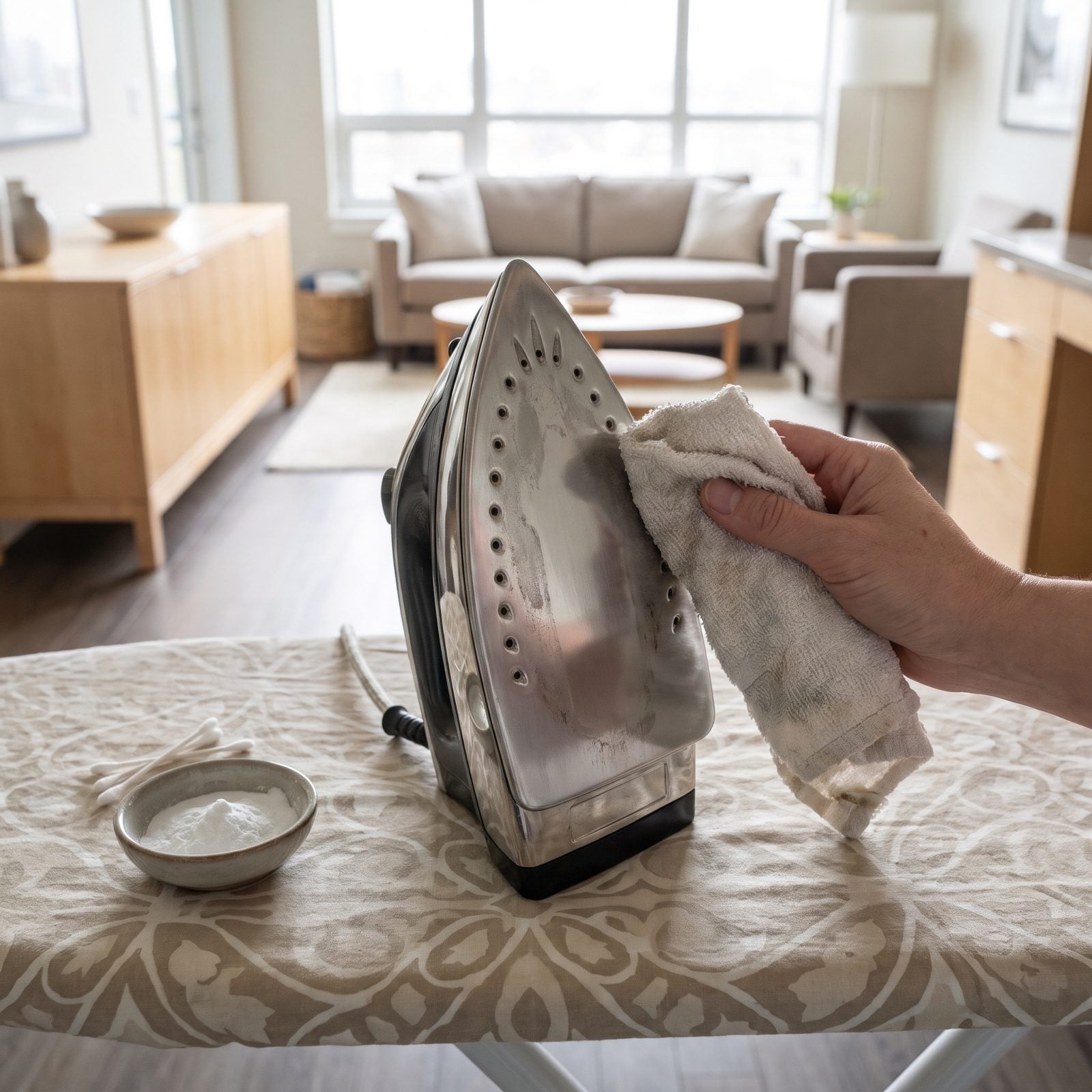
Starch, melted synthetic, and mineral scale build into a brown film on the soleplate. You never notice it until it drags across a white shirt and leaves a streak you can’t account for.
Wipe the cool plate regularly and that disaster simply doesn’t happen. Scale needs its own attention, though. A cup of white vinegar run through the steam function clears the mineral gunk that otherwise waits to spit rusty water onto your good linen at the worst possible moment.
15. Wash and Air the Laundry Hamper
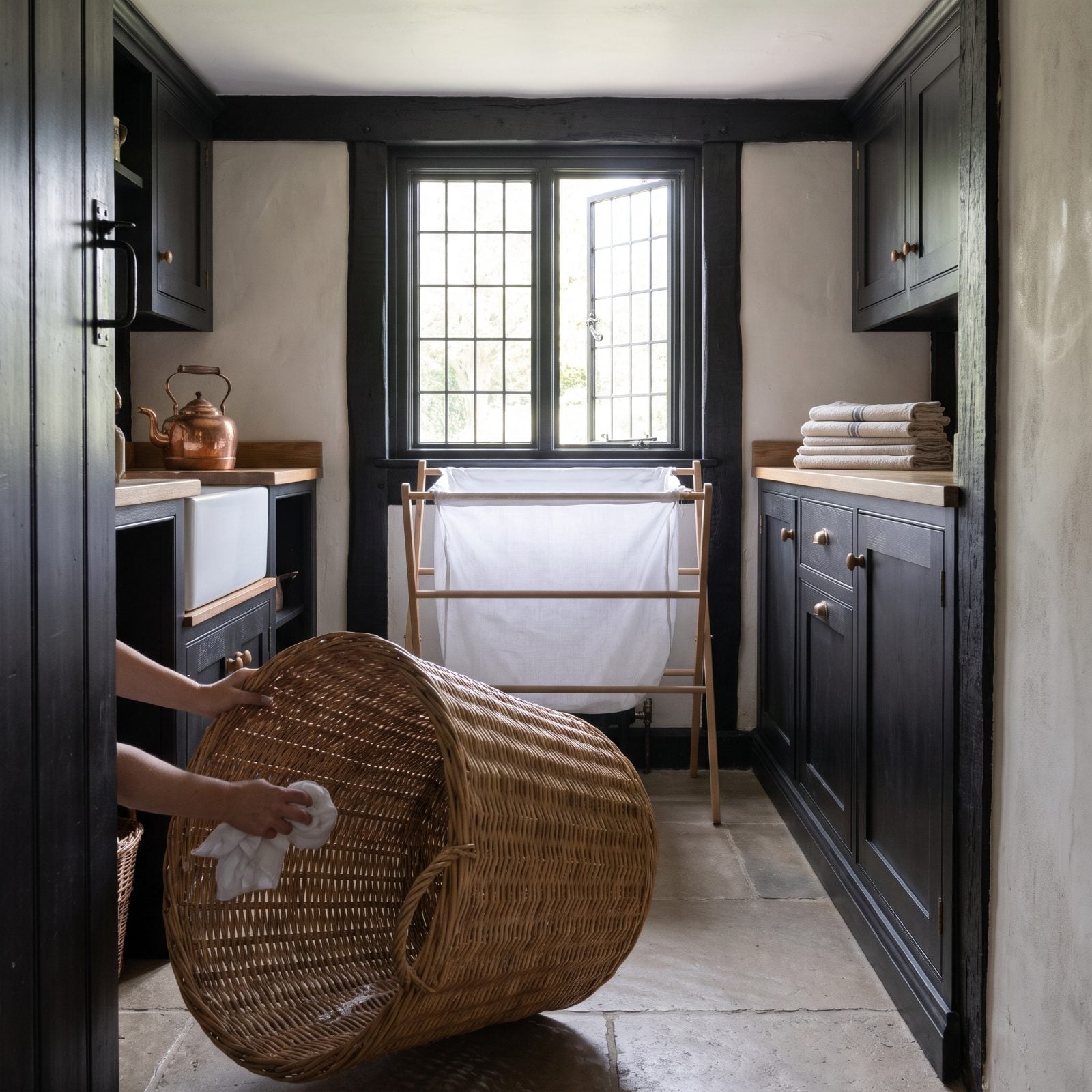
The hamper is the one thing in the whole laundry chain that never gets laundered itself. Damp towels, gym clothes, and sweat sit in it for days, and the smell soaks right into the basket. Then it transfers back onto the clean-ish clothes waiting their turn — a quietly vicious little loop.
Empty it, wipe it down, wash the liner, and let the whole thing air by an open window. Wicker especially has to dry out, or mildew settles into the weave where no cloth will ever reach.
14. Launder Work Aprons Before the Grease Sets In
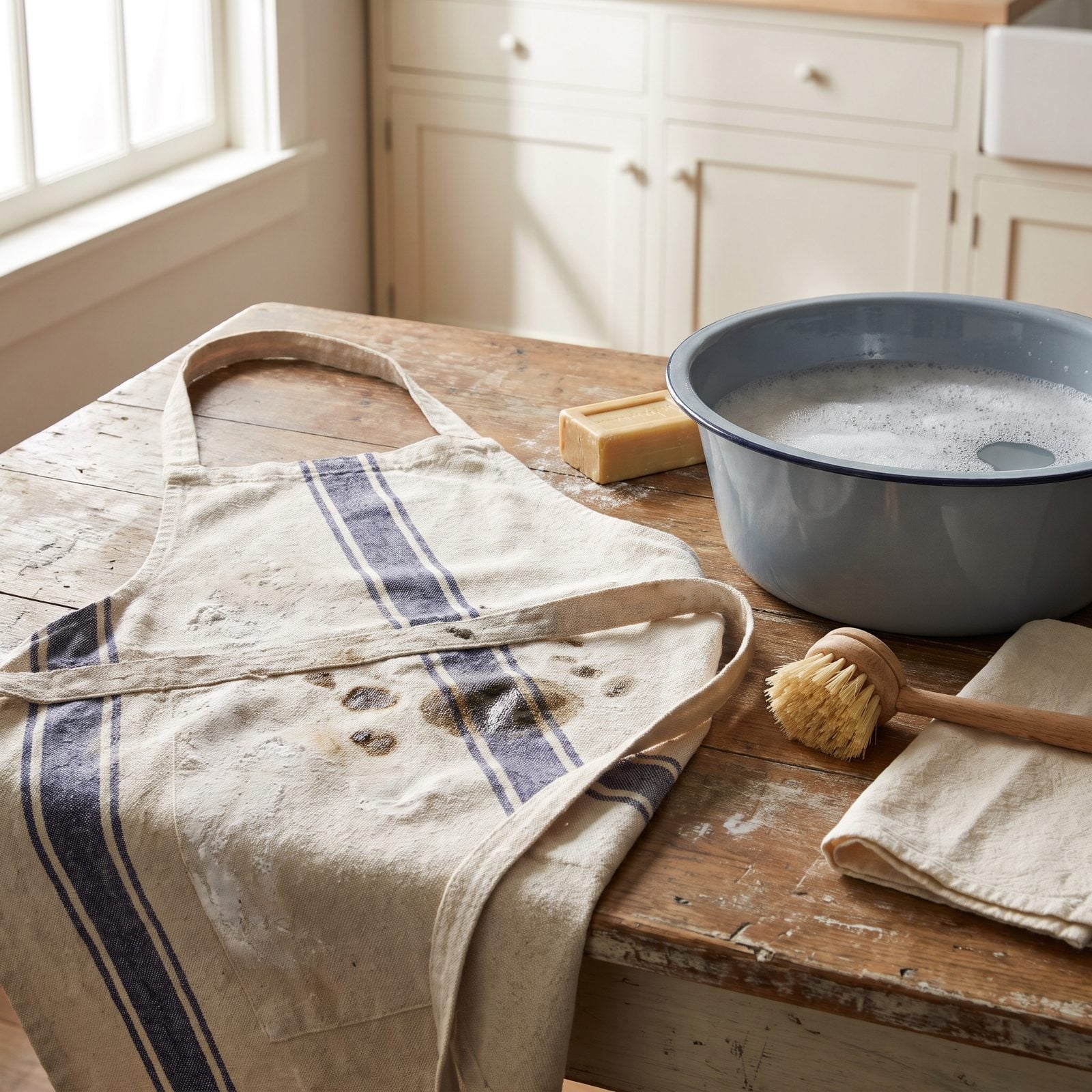
Grease is patient. Leave it on an apron overnight and it oxidizes into a mark no cold rinse will ever lift again, which is the whole reason this habit outlived the kitchens that never owned a stain stick.
Treat the apron as the first thing into the hamper, not the last. A splash of warm water and a rub of plain soap on the spot, right away, beats any miracle spray applied a week late. Most of the grease marks people swear are permanent? They just sat too long.
13. Clean the Broom Bristles and Store It Standing on Its Head
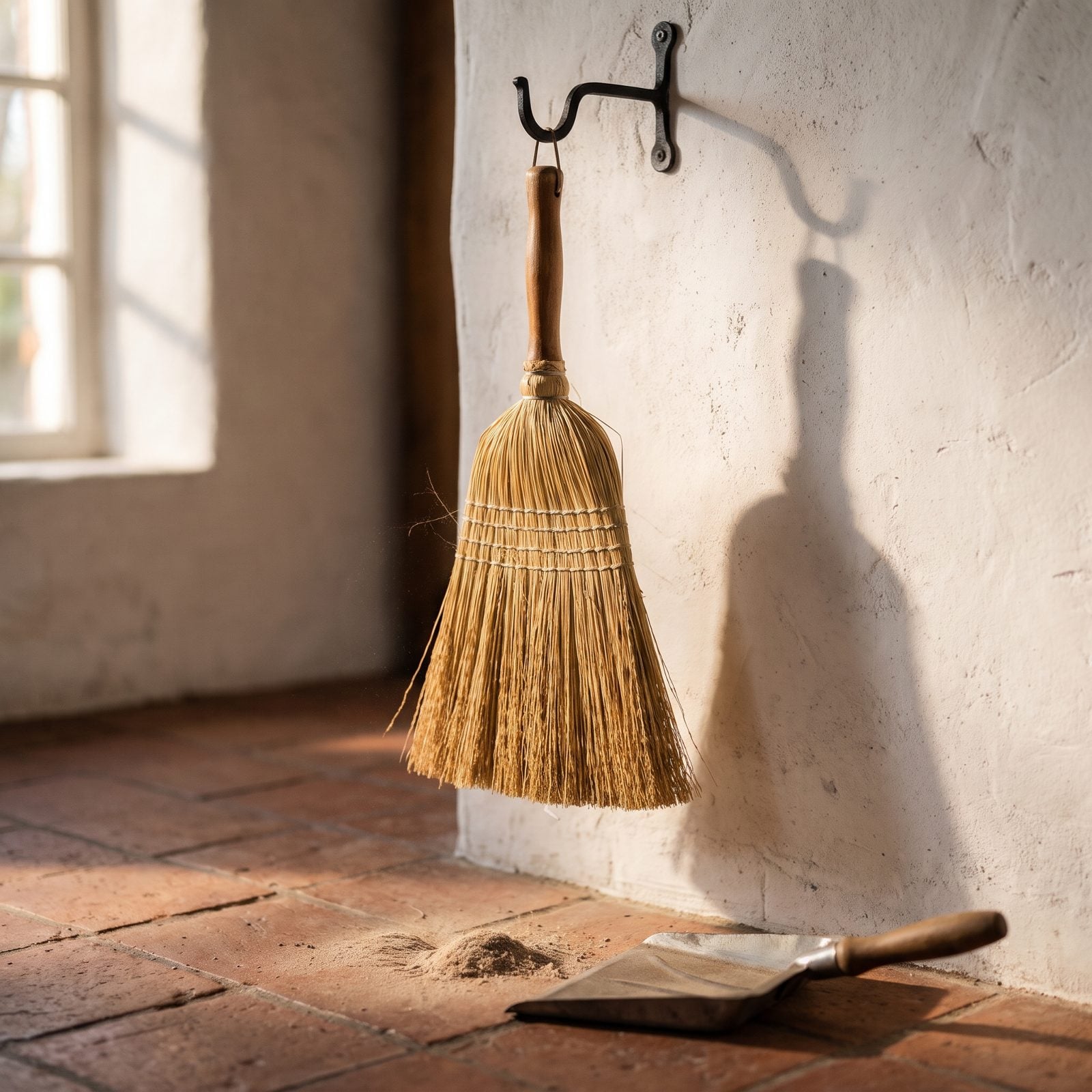
A broom left bristle-down bends into a permanent curl within weeks. That splayed, useless fan of fibers you’ve been blaming on cheap manufacturing is usually nothing more than bad storage.
Comb the bristles out now and then with an old fork, or just your fingers, to pull free the hair and lint and grit they hoard. Then hang it, or stand it on the handle end. The fibers stay straight, the broom sweeps clean, and it outlasts by years the one slumping in a corner.
12. Wash the Mop Head, Then Dry It All the Way Through
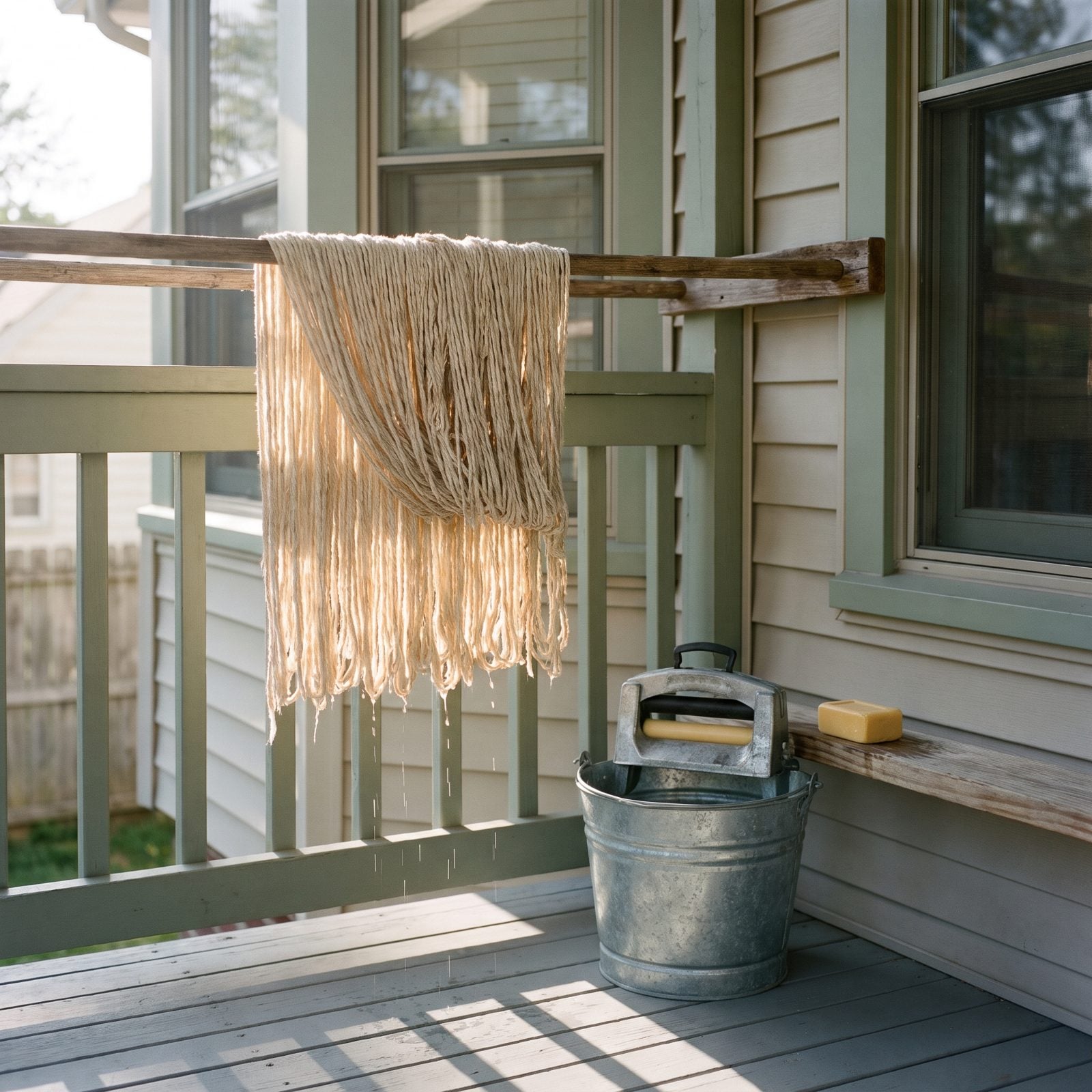
Nobody tells you this: the dirtiest cleaning tool in the house is probably the mop you put away wet. A damp, folded mop head is a hotel for bacteria, and it’s why a floor you mopped this morning can smell faintly sour by supper.
Rinse until the water runs clear, wring it hard, and hang it where air moves. Outside, in the sun, is best. The rule is old and plain. A tool that cleans has to be clean itself, or all it does is move the mess around.
11. Balance the Household Ledger and File the Week’s Receipts
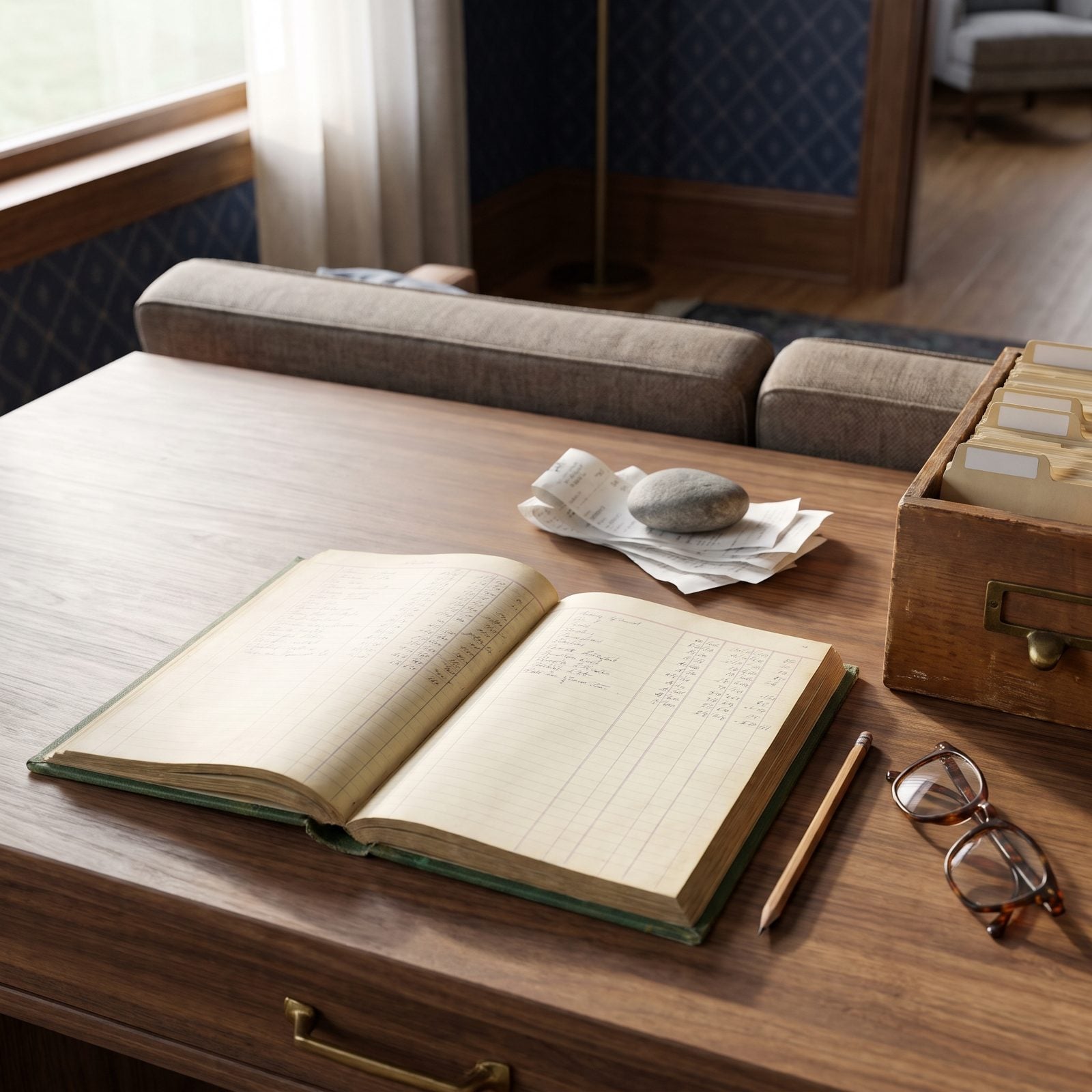
Money leaks in the gaps between glances at an app. A weekly household reckoning, an actual sit-down with what came in and what went out, catches the small recurring charges and the slow creep a quick phone check always skims right past.
It doesn’t have to be a leather-bound ledger. A notebook does fine. The rhythm is what counts: one fixed afternoon, every week, receipts sorted, the running total brought current. People who keep this up rarely get ambushed by a bill, and the filing half means the warranty slip is actually in the box when the toaster dies in month eleven.
10. Flatten and Save the Good Wrapping Paper and Twine

Thick wrapping paper and good twine cost real money, then get shredded in seconds and binned. The thrift-minded move was to open gifts slowly, smooth the paper flat, and keep it. A warm iron on low will even press the creases out for a second go.
Twine earns its keep hardest of all. Coil it, drop it in a jar, and it ties parcels, stakes tomatoes, bundles kindling, trusses a chicken. Ribbon gets reused until it frays to nothing. This isn’t deprivation. It’s just noticing that perfectly good material keeps getting thrown out from plain habit.
9. Wash the Wastebaskets Instead of Just Emptying Them
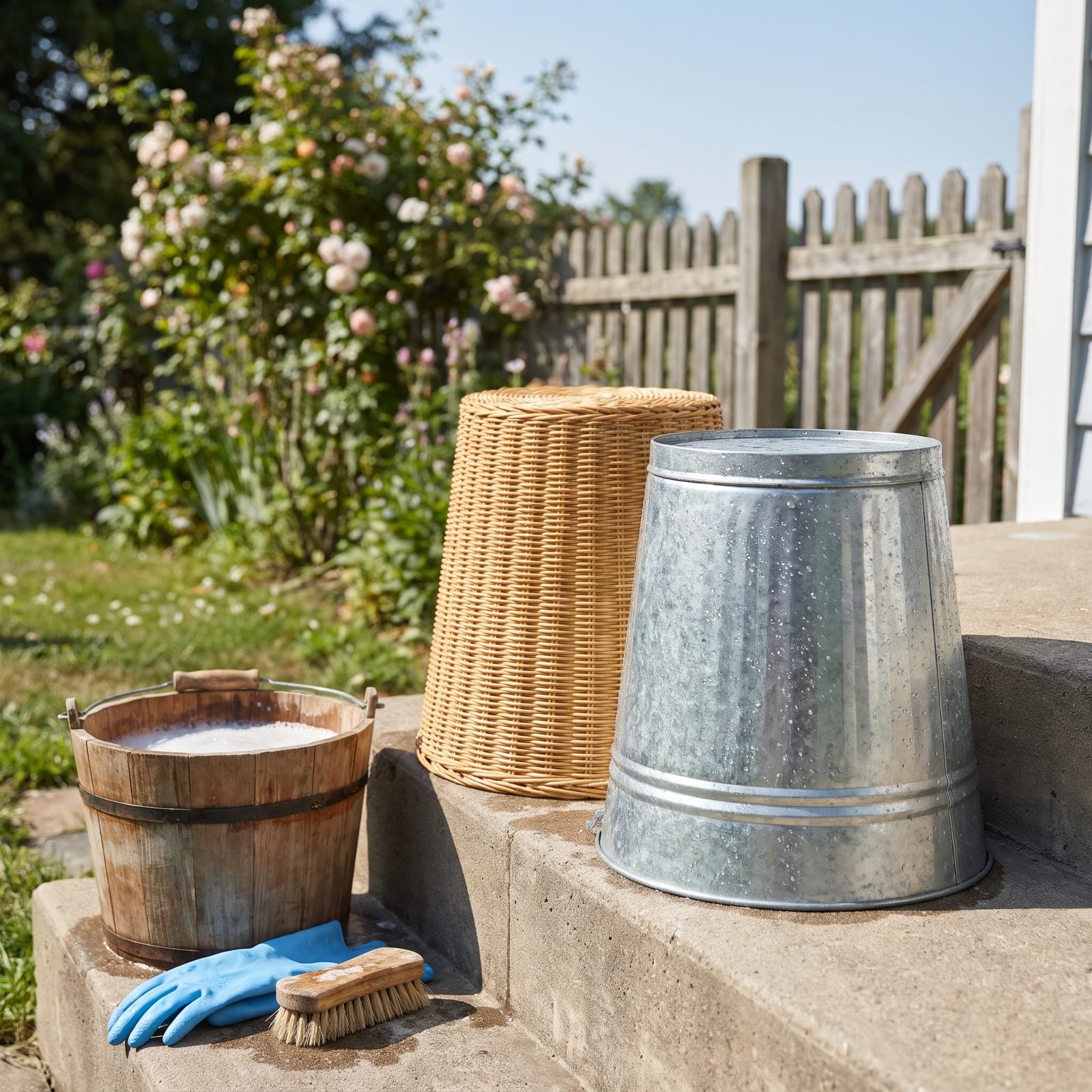
Liners catch the obvious stuff and nothing else. The drip of coffee grounds, the leak from a half-empty yogurt cup, the fine sticky film creeping up the sides over months. That film is where the faint sour note in an otherwise tidy kitchen tends to hide.
Once a week, haul the bins outside, scrub them with hot soapy water, and leave them to dry in the open air. The bathroom and kitchen ones need it most. A clean, dry bin smells like nothing at all, and nothing at all is exactly the target.
8. Wash One Room’s Windows a Week in Steady Rotation

Nobody wants to do every window in the house in one day. So it never happens, and the glass stays dim for years on end. The old fix was rotation. One room this week, the next room the week after, around the house and back to the start.
By the time you come full circle, that first room is ready for another pass, and no single afternoon ever feels like a chore worth dreading. Clean glass changes a room more than you’d guess. Light that was straining through a haze of film and pollen suddenly comes in at full strength, and the whole space lifts for the price of a cloth.
7. Sweep the Porch Boards and Scrub the Front Step
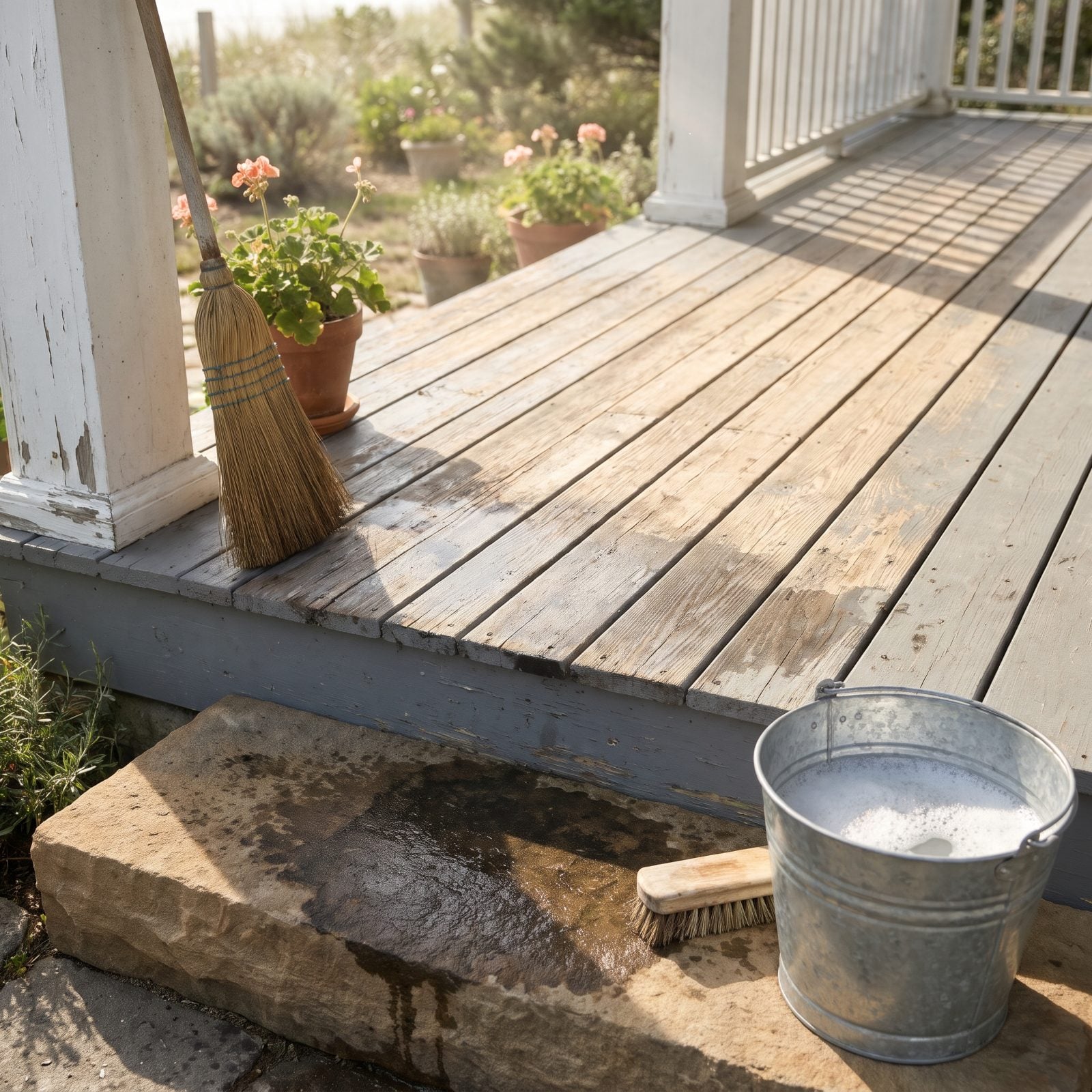
The front step is the first thing every visitor sees and the first thing the homeowner stops noticing, usually within a month of moving in. Grit, leaf stain, the grey film of weather and shoe traffic. It all builds so slowly that the eye just quietly adjusts.
Sweep the boards weekly and scrub the step with a brush and soapy water. There’s a practical reason the old timers stuck with it, well past the question of looks. Grit tracked in from that step is exactly what scratches and dulls the floors inside. Every sweep out there saves wear in here.
6. Brush the Dust From Radiators and Heating Grilles
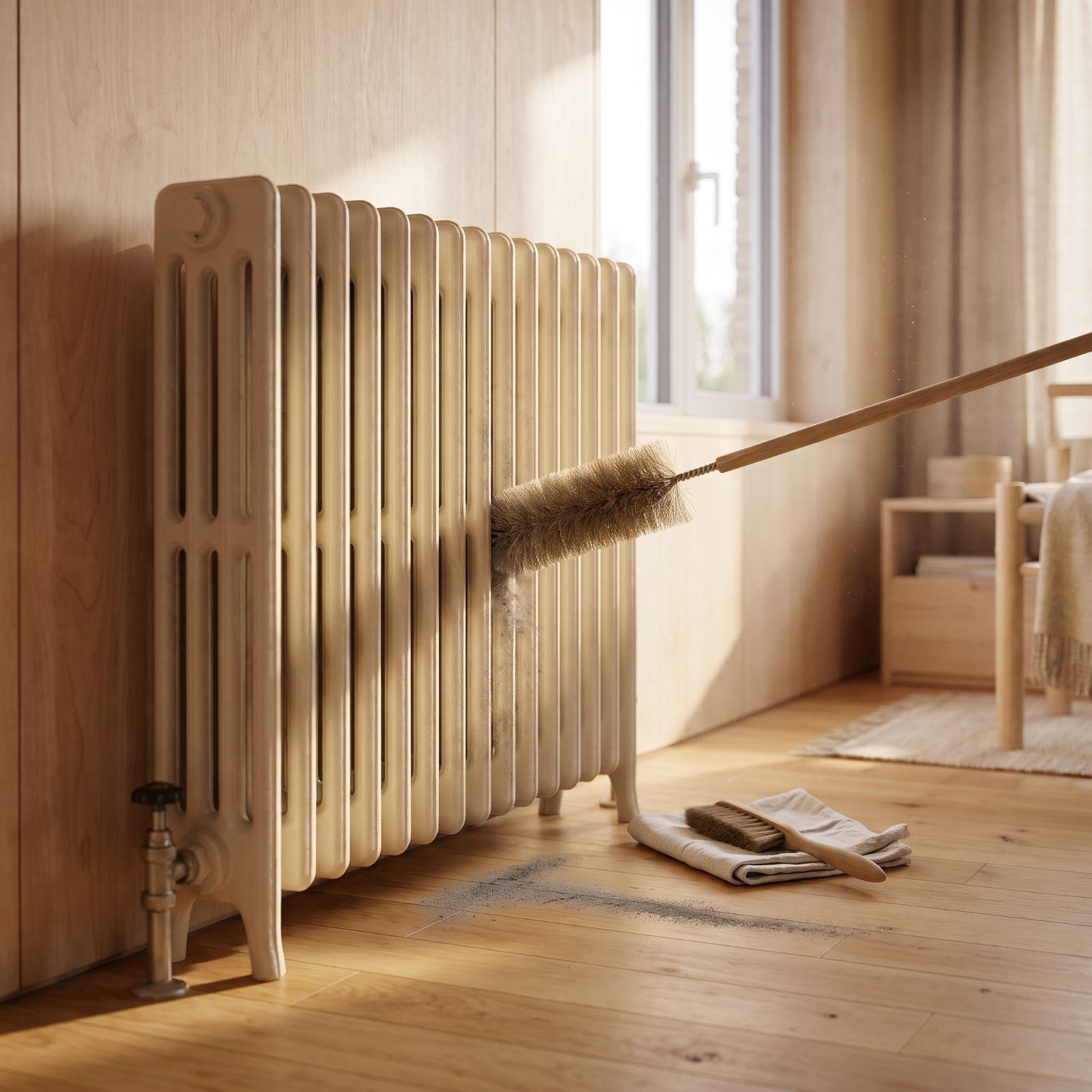
Dust is a surprisingly good insulator, which is precisely what you don’t want sitting on a heater. A radiator caked between its fins throws noticeably less warmth, and every time it fires up it bakes that layer, pushing the smell and the particles straight into the air you’re breathing.
Run a long-bristled brush through the fins, drag a cloth over the grilles, and do it weekly through the heating season. The heat keeps flowing and the air stays cleaner. For anyone with allergies, this one beats almost any air filter you could buy.
5. Wipe the Broad Houseplant Leaves So They Can Catch the Light
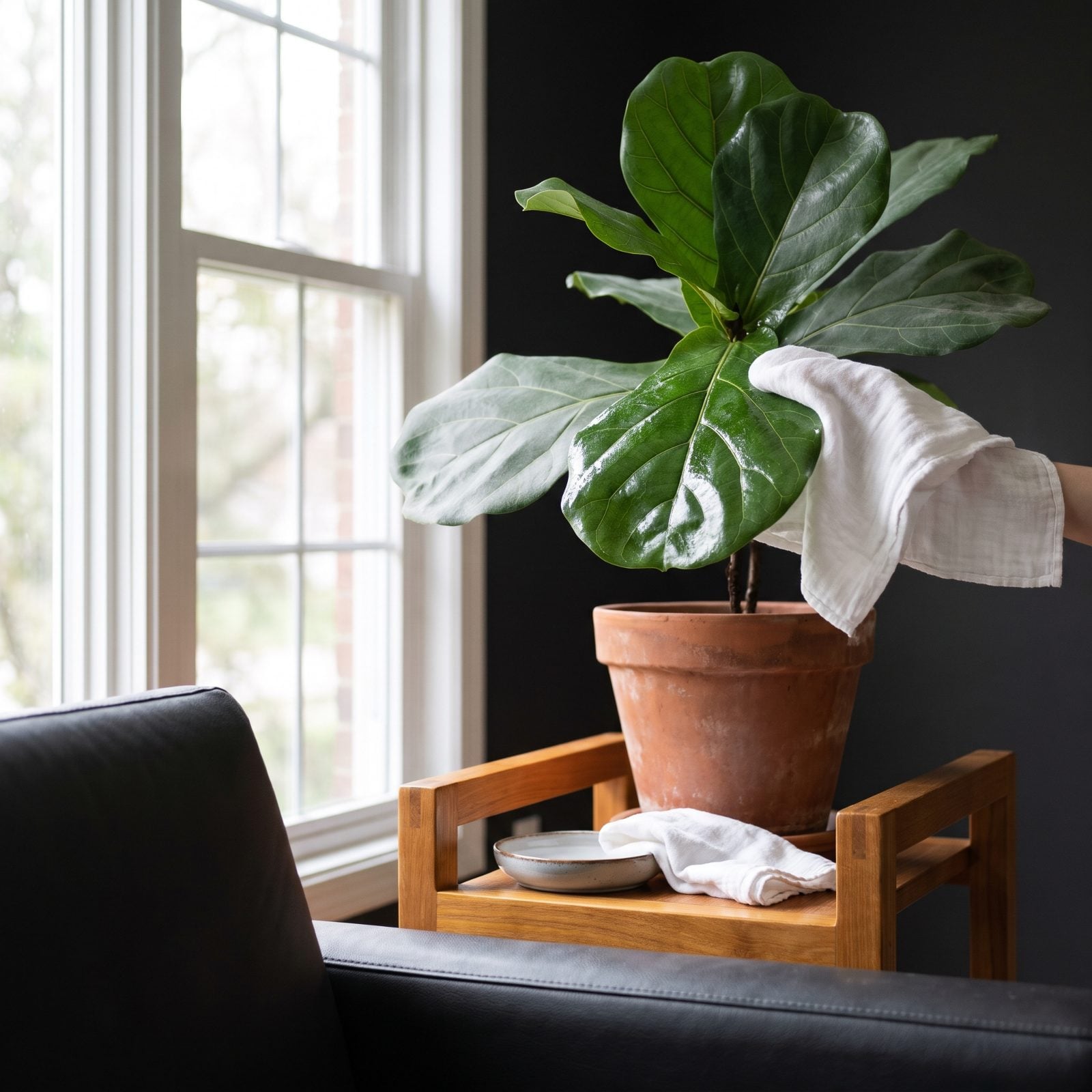
A film of dust on a leaf isn’t just unsightly. It physically blocks the light the plant needs to feed itself, like trying to read through a smeared window. Broad-leaved plants take the worst of it, since they carry the most surface to collect the stuff.
Wipe the big leaves with a soft damp cloth, cupping each one from underneath so it doesn’t tear. The plant looks greener on the spot, and over the following weeks it actually grows better, because it’s finally getting the light it’s been paying for all along. A small weekly kindness, and the plant pays you back.
4. Scrape Soil From Your Garden Tools and Dry the Blade Before It Rusts
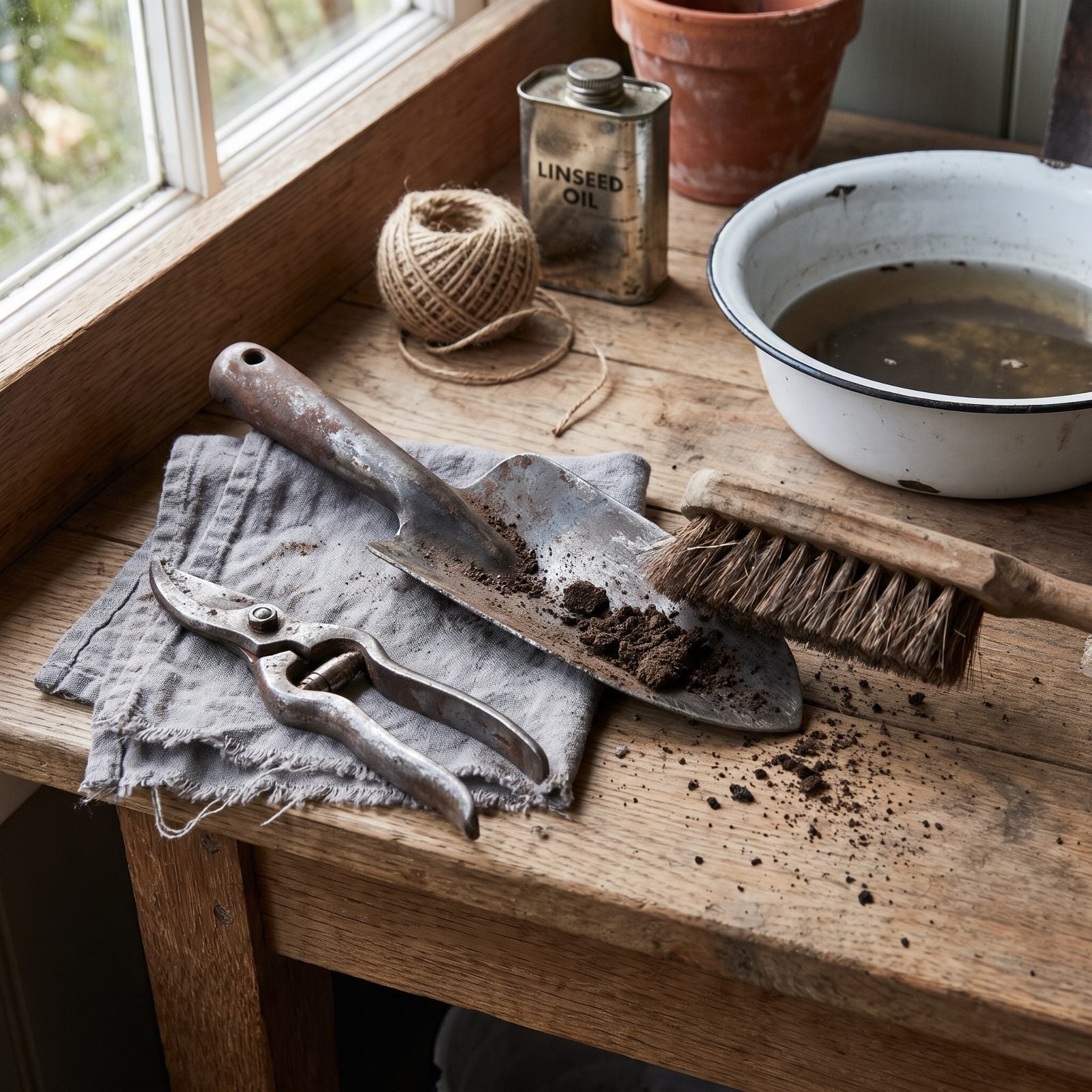
Mud left on a trowel overnight is mud pulling moisture into the steel while you sleep. Scrape it off the same day. A stick, an old butter knife, a wire brush, whatever’s within reach.
Drying is the part people skip. Rinsing feels like finishing the job, but water sitting in the pivot of a pair of pruners does more damage than soil ever could. Wipe the metal down and leave it somewhere with air moving over it. A smear of oil on the blade afterward costs nothing and buys you years.
3. Collect Fallen Fruit Off the Ground Before It Draws Wasps and Rodents
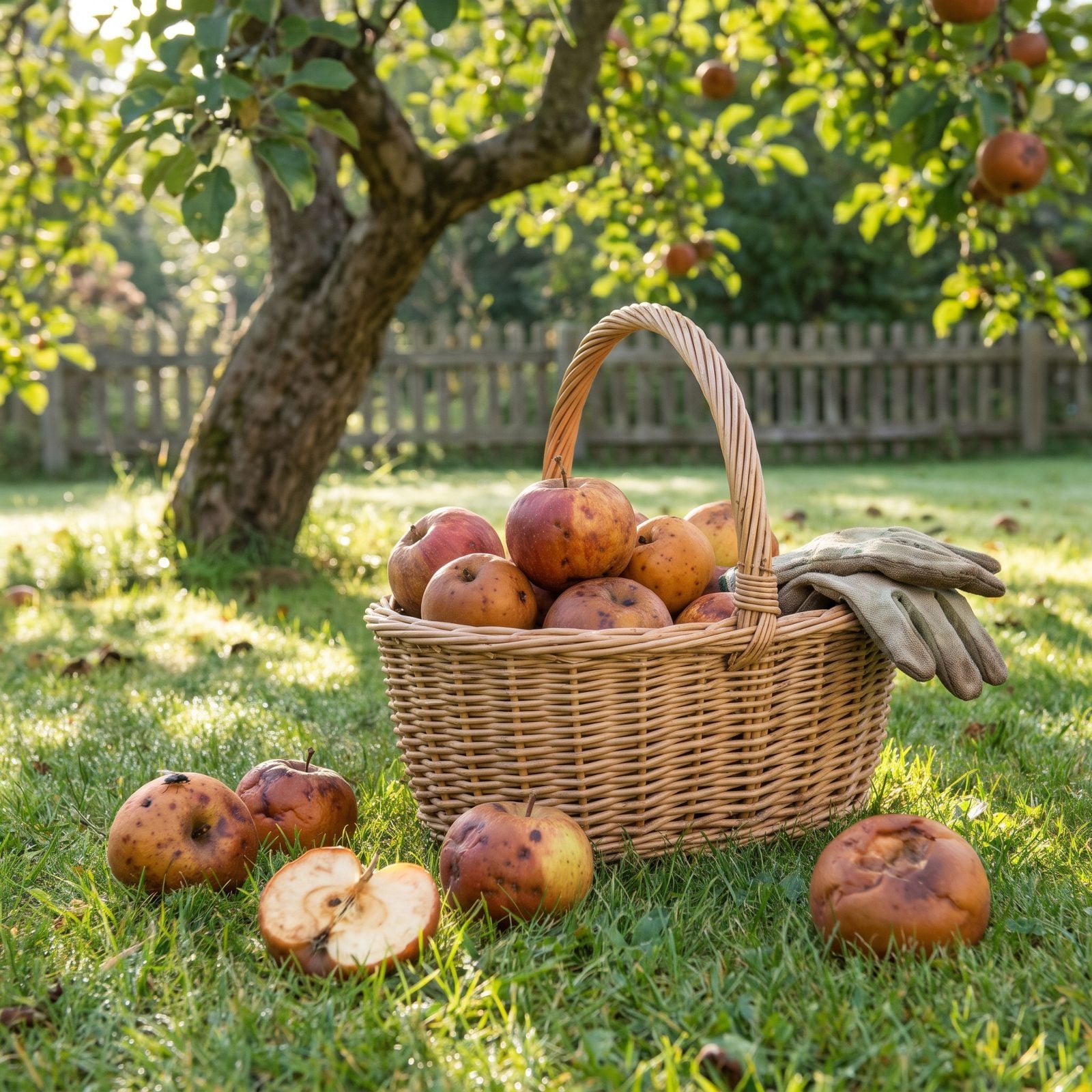
Windfall fruit on the ground is a dinner bell. Fermenting apples under a tree pull in wasps, yellowjackets, rats and the odd drunk hornet from yards over, and once they know the address, they come back.
A weekly walk with a basket sorts it out. Pick up whatever’s dropped, bruised, split or half-eaten. Sound fruit goes to the kitchen, the rest to the compost heap or the green bin. Leave it, and here’s what happens: a healthy tree picks up brown rot and apple maggot that overwinter in the mush and wreck next season’s crop before it even starts.
2. Shovel Out the Ash and Brush Down the Fireplace Grate While You’re Still Burning
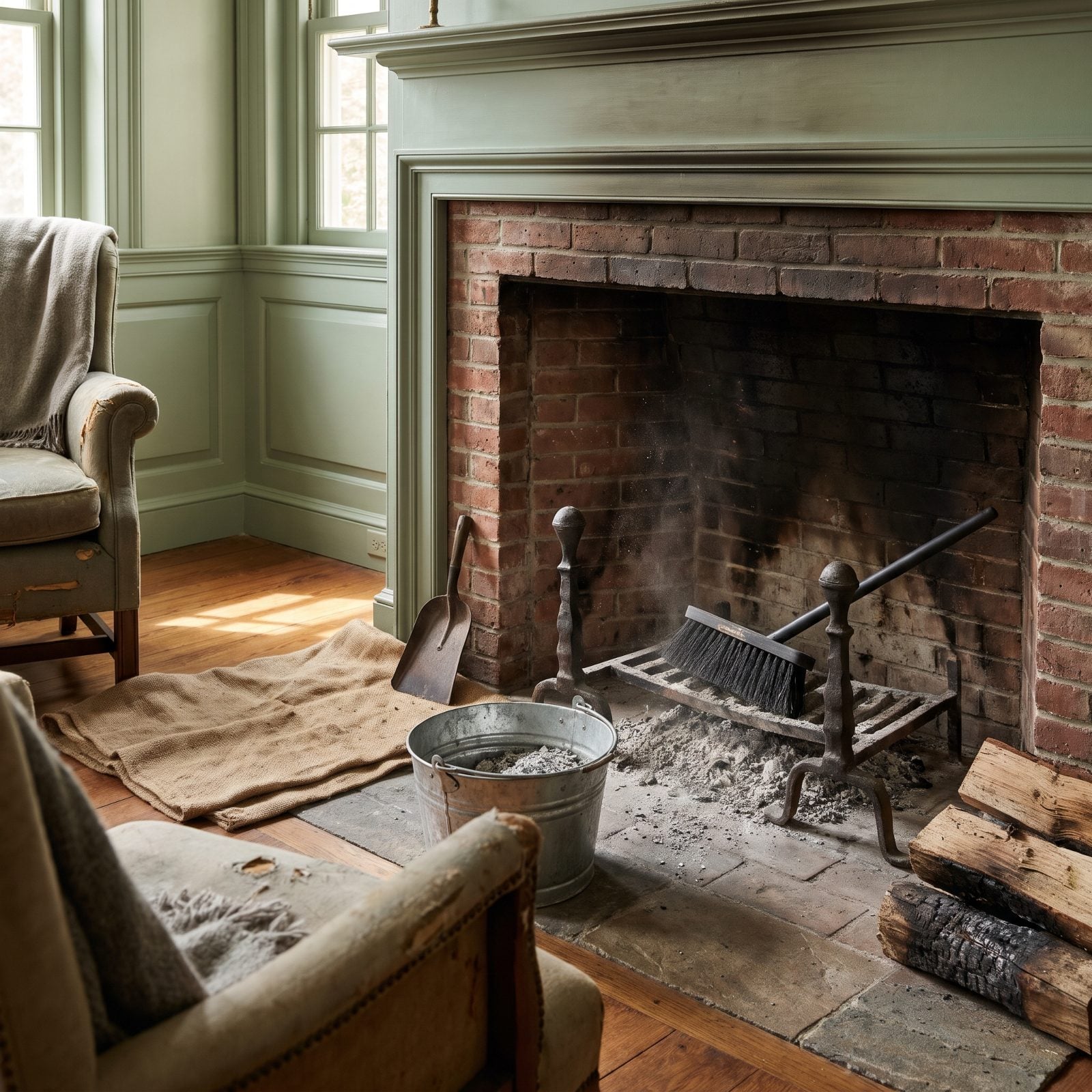
Leave a bed of ash about an inch deep and sweep out the rest. That thin layer insulates the coals and helps the next fire catch. Everything above it just robs airflow and dulls the heat.
Do this mid-season, not as some spring afterthought. A choked grate burns dirtier, which means more creosote packing into the flue, and creosote is what starts chimney fires. Shovel the cold ash into a metal pail with a lid and park it on a non-combustible surface outside, away from the house. Wood ash holds live embers for days. People have lost garages trusting a paper bag.
1. Pull Apart the Thermos and Wash the Hidden Lid Seals by Hand Every Week
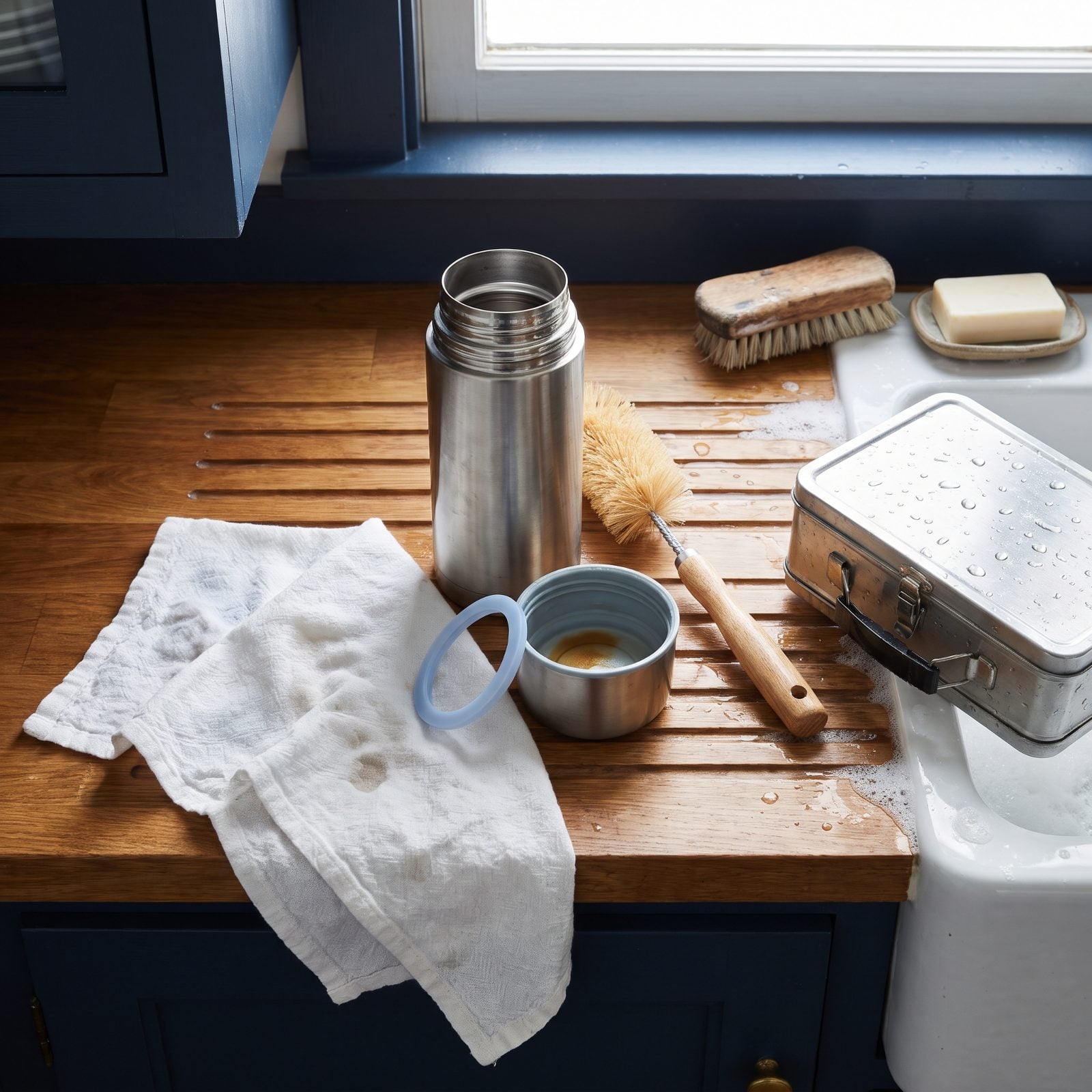
The little rubber ring tucked inside a thermos lid is where everything goes wrong. It pops out. Pull it, wash under it, dry it, press it back. Skip that and you’re growing something dark and smelly in the one part you drink through.
Hand wash beats the dishwasher here. The heat warps silicone, and the high shelf never gets the gasket truly clean anyway.