A drawer of mismatched batteries, three dead pens, and a single AA that may or may not work. You know the one. You keep it. And somewhere nearby sits a stack of empty glass jars you bought with real intentions.
Please note that some of the images in this article were created with the assistance of AI.
Home organizing looks like a battle against clutter, but it’s usually a battle with ourselves. The matching bins, the color-sorted shelves, the January reset — none of it is just a tidy choice. It’s the same human wiring that runs underneath a dozen other things we do when we want life to behave. Perfectionism dressed as a label maker. Avoidance dressed as a fridge reorganization. What follows are the small domestic habits we all recognize, and the quieter reasons we actually do them. You’ll see yourself in at least a few. We certainly did.
12. You Label Pantry Jars for the Person You’ll Become
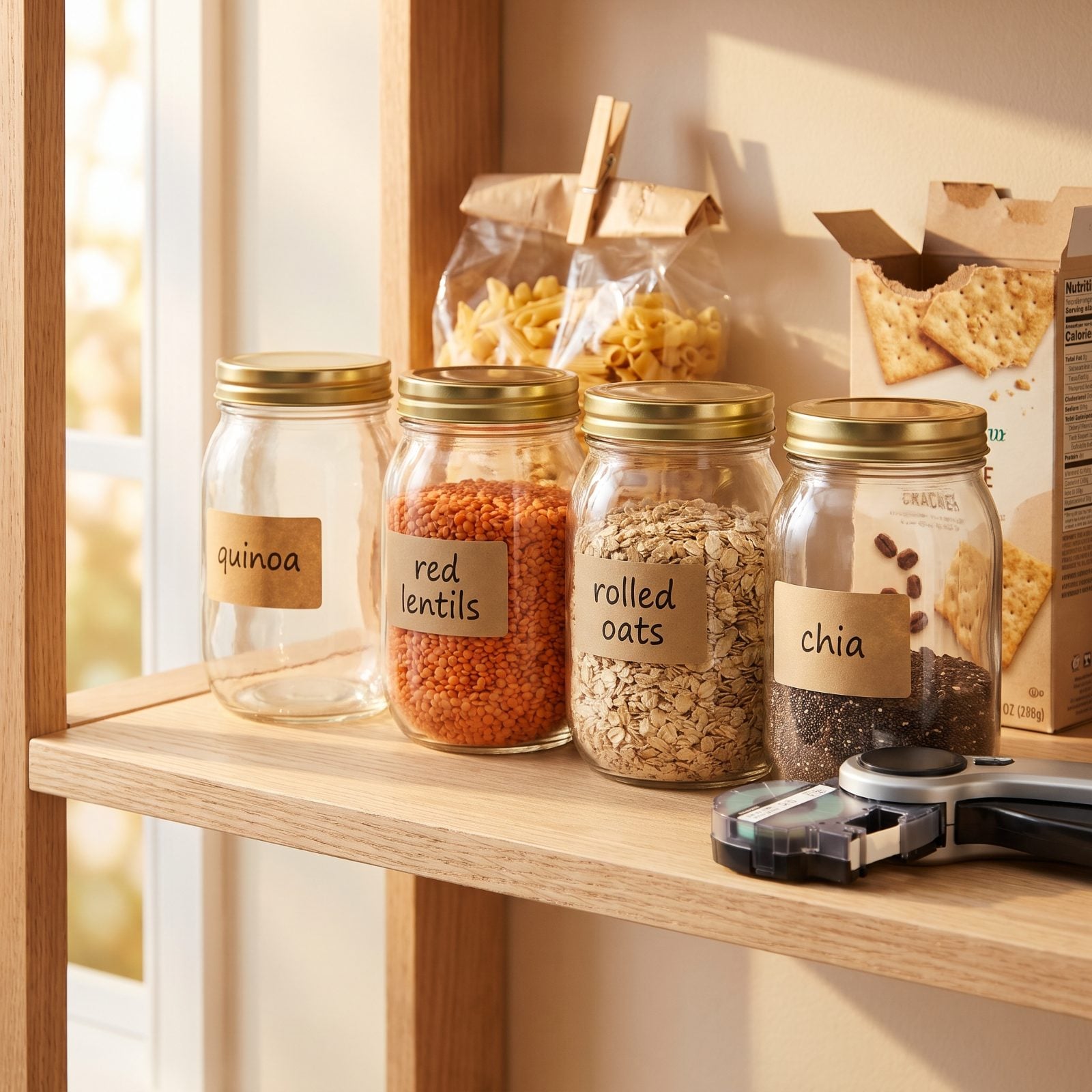
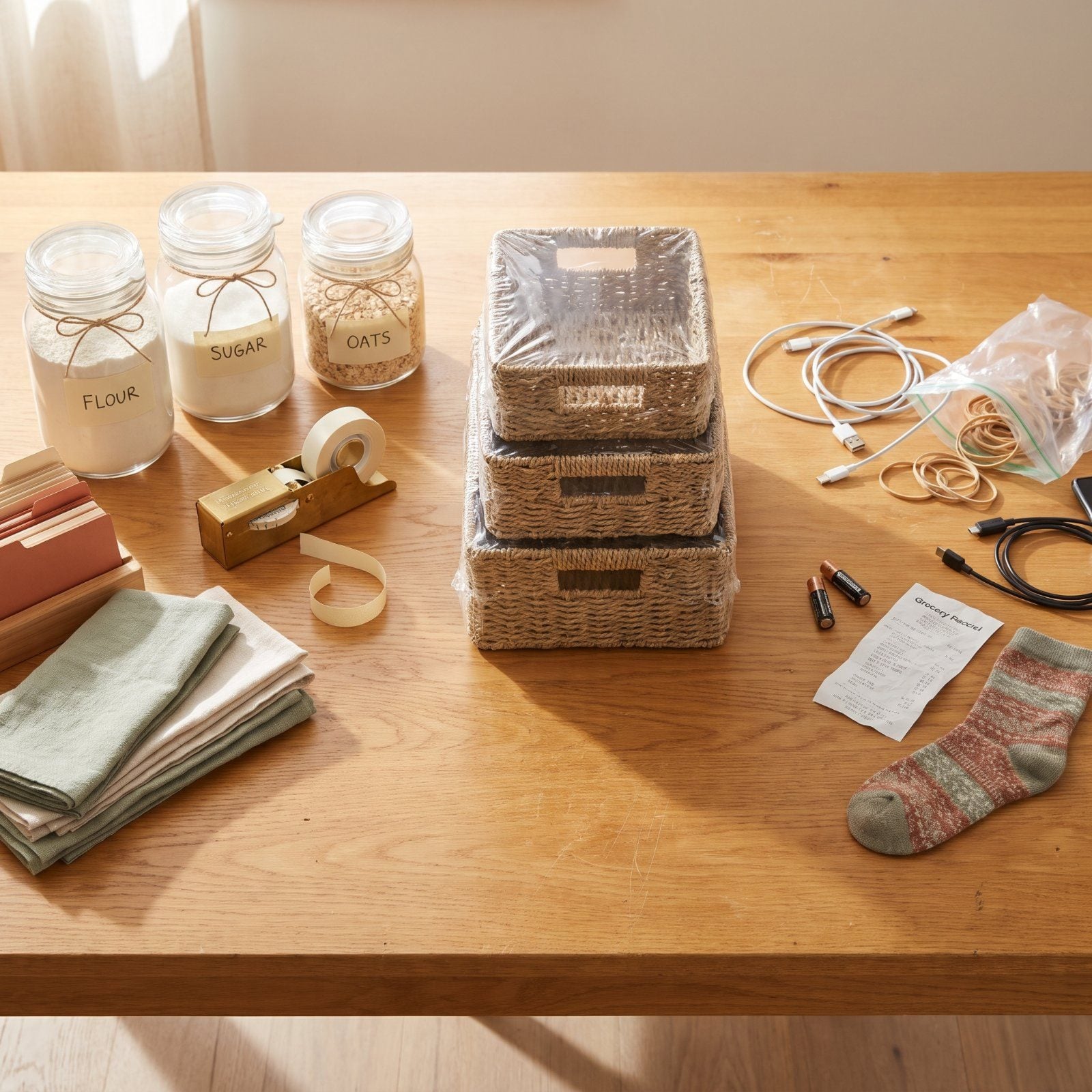
The jars arrive first. Twelve of them, identical, lids tight, and then the kraft-paper labels, blank as a promise. You write ‘quinoa’ before you own quinoa, and ‘chia’ for a smoothie habit that lives entirely in your head.
This is identity signaling aimed at yourself. The labeled pantry isn’t for the person who currently eats crackers over the sink at 11pm — it’s for the future version who meal preps on Sundays and never forgets the lentils. Psychologists call it aspirational identity: we buy the props of the self we want before we’ve done any of the work that self requires.
The props feel like progress. They aren’t. But they’re not nothing either, because sometimes the empty jar does nudge you to fill it the right way.
11. You Buy Matching Bins Before Sorting a Single Drawer
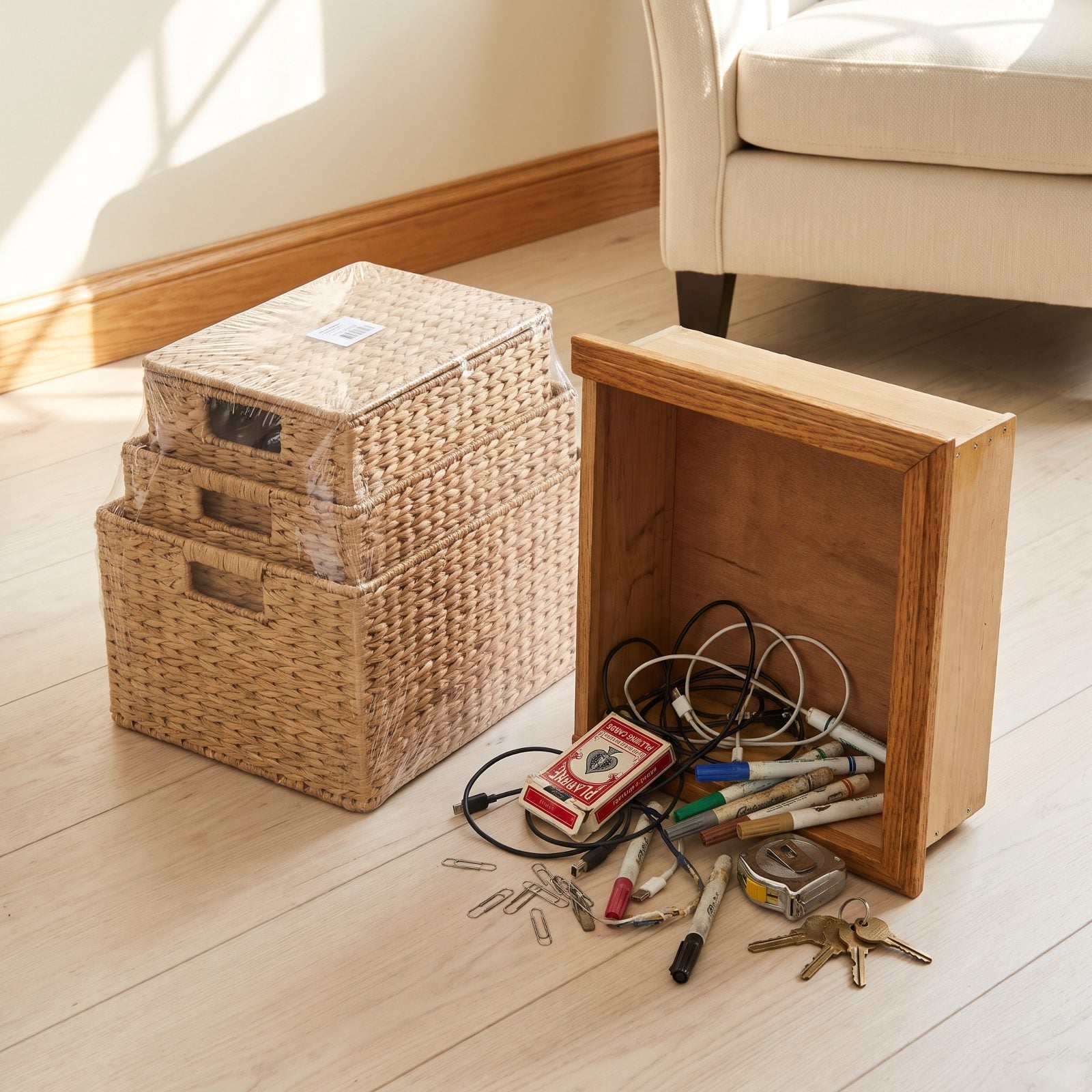
Before a single sock has been judged, the matching bins are already in the cart. Canvas ones, or the woven kind that photographs well. You feel organized just carrying them inside.
Here’s the trap. Buying the container is the fun, low-effort part, while sorting the actual drawer is the slog — the decisions, the admitting you own four phone chargers for phones you no longer have. So we front-load the pleasure and stall on the work.
We’ve all done this more times than we’d admit. The bins sit empty for weeks, a little shrine to a project we were excited about for exactly one afternoon.
10. You Reorganize the Fridge When Work Feels Unfixable
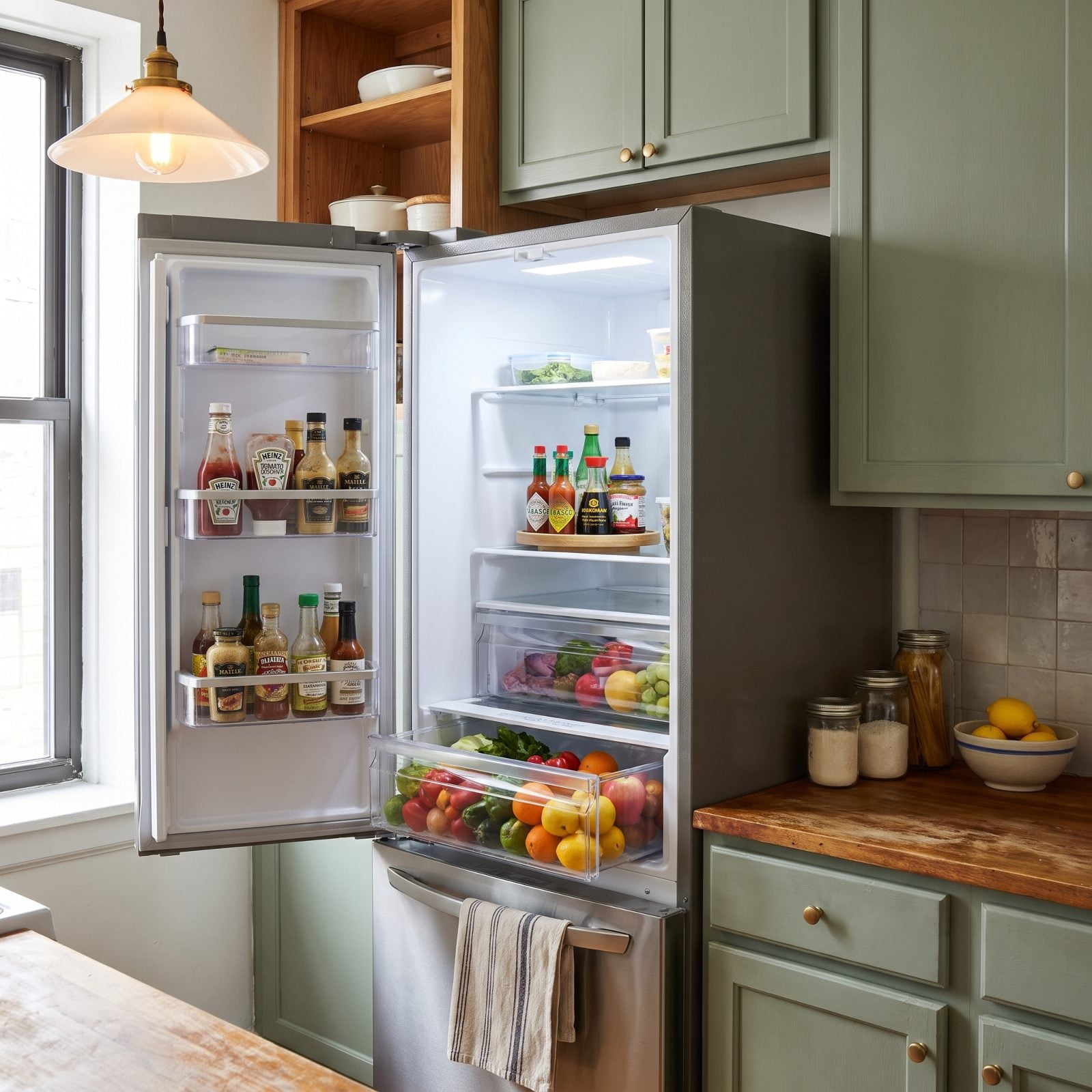
The deadline is impossible. The email thread has forty replies and no resolution. So you stand up, walk to the kitchen, and spend forty-five minutes arranging condiments by height.
Displacement, plain and simple. When the thing you need to control refuses to cooperate, you go find a smaller arena where control is guaranteed. The fridge can’t argue back. It stays exactly how you leave it, and that certainty is the whole draw.
There’s real relief in it, too. A reorganized shelf hands you a tidy, finished outcome on a day when nothing else will finish. Trouble is, the unfixable thing is still sitting there when you close the door.
Control-seeking doesn’t care which arena it gets. It just needs one it can win.
9. Pinterest Pantries Make Your Own Shelves Feel Like Failure
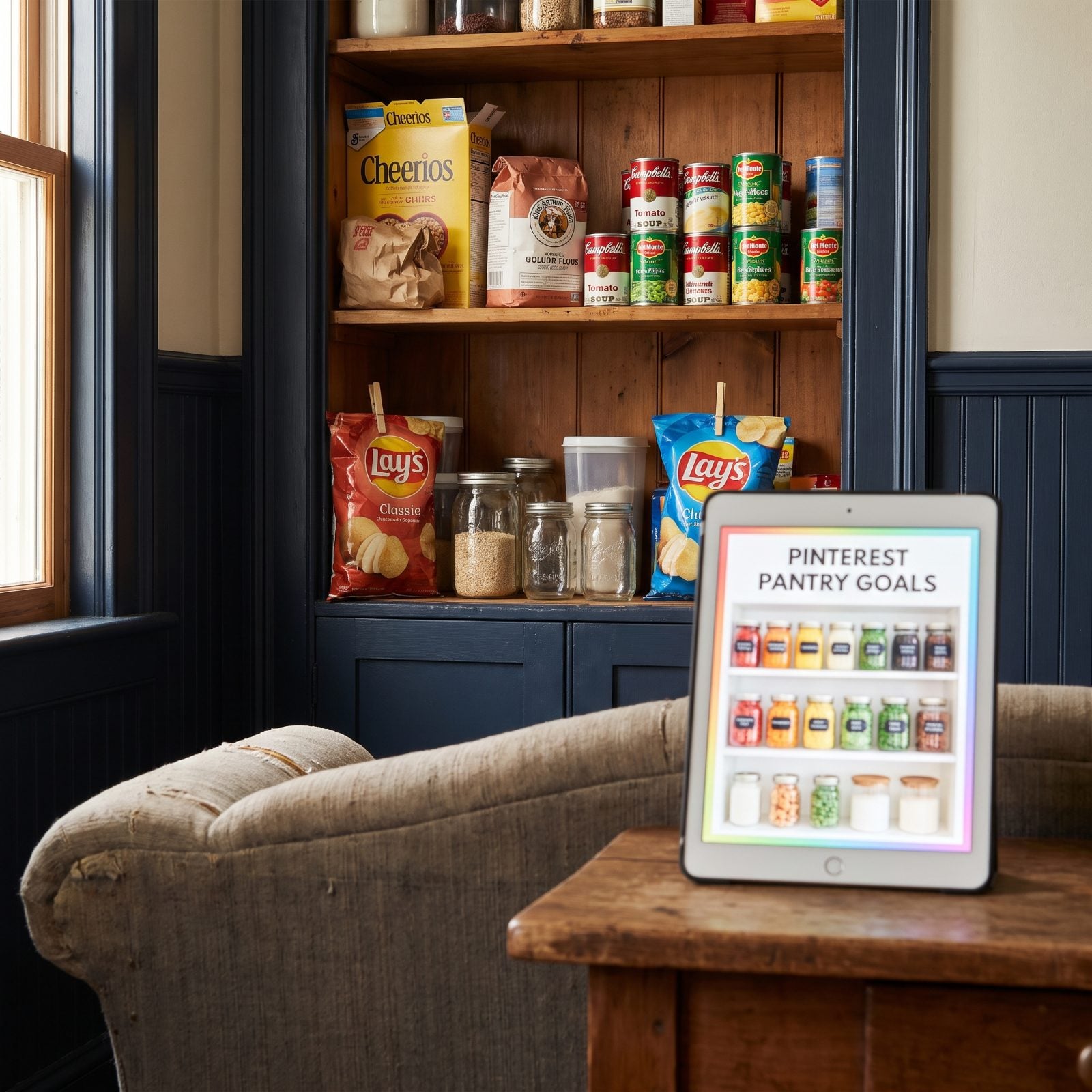
You open the app for one quick idea. Twenty minutes later you’re staring at a pantry where every jar matches, every label is calligraphed, and the flour sits at the exact same level as the sugar. Then you glance at your own shelf. The cereal box is open, the chips are clipped shut, and suddenly your perfectly fine pantry feels like evidence of a personal shortcoming.
That’s social comparison pulling its oldest trick. We don’t measure our shelves against a reasonable standard — we measure them against the single best image a stranger staged, lit, and shot for an audience. You’re comparing your Tuesday to someone’s highlight reel.
And the pantries you envy? Half of them get emptied right after the photo. Nobody lives in a jar.
8. The Junk Drawer Makes Every Hard Decision Disappear
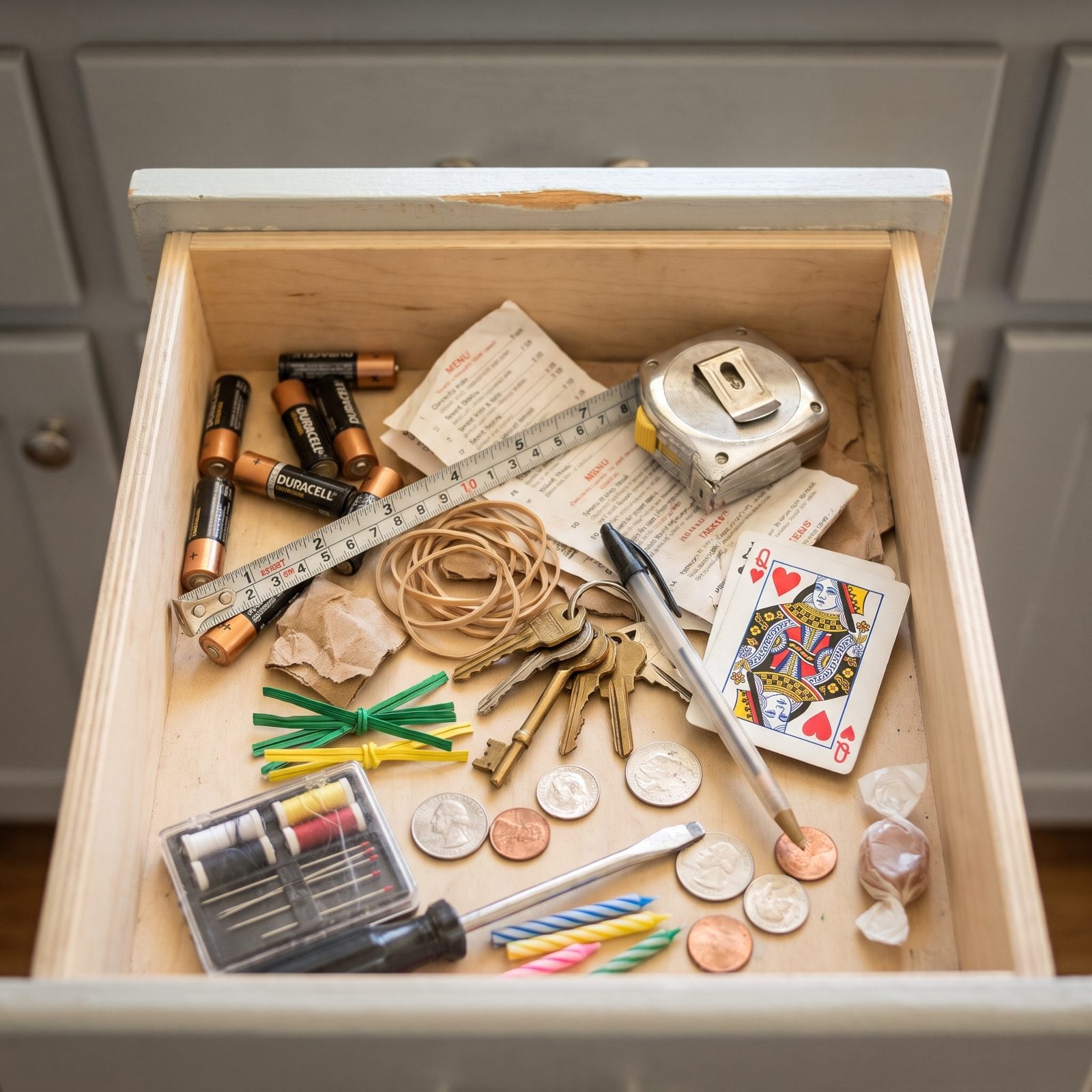
Every home has one. The drawer where decisions go to be postponed. A thing you don’t want to throw away but can’t name a use for? Drawer. A battery that might be dead? Drawer. A key to who-knows-what? Drawer.
The junk drawer is avoidance made physical, each object inside it a tiny choice you declined to make. And here’s the clever part: the drawer lets you feel like you handled the thing. You put it somewhere, you closed it, guilt dodged, out of sight.
Most of us have a drawer with a remote for a device we no longer own. We will not throw it out. We cannot tell you why.
That’s the beauty and the curse of the junk drawer. It solves the anxiety of deciding by removing the need to decide at all, which is also exactly why it never gets smaller.
7. One Crooked Towel Can Ruin the Whole Bathroom
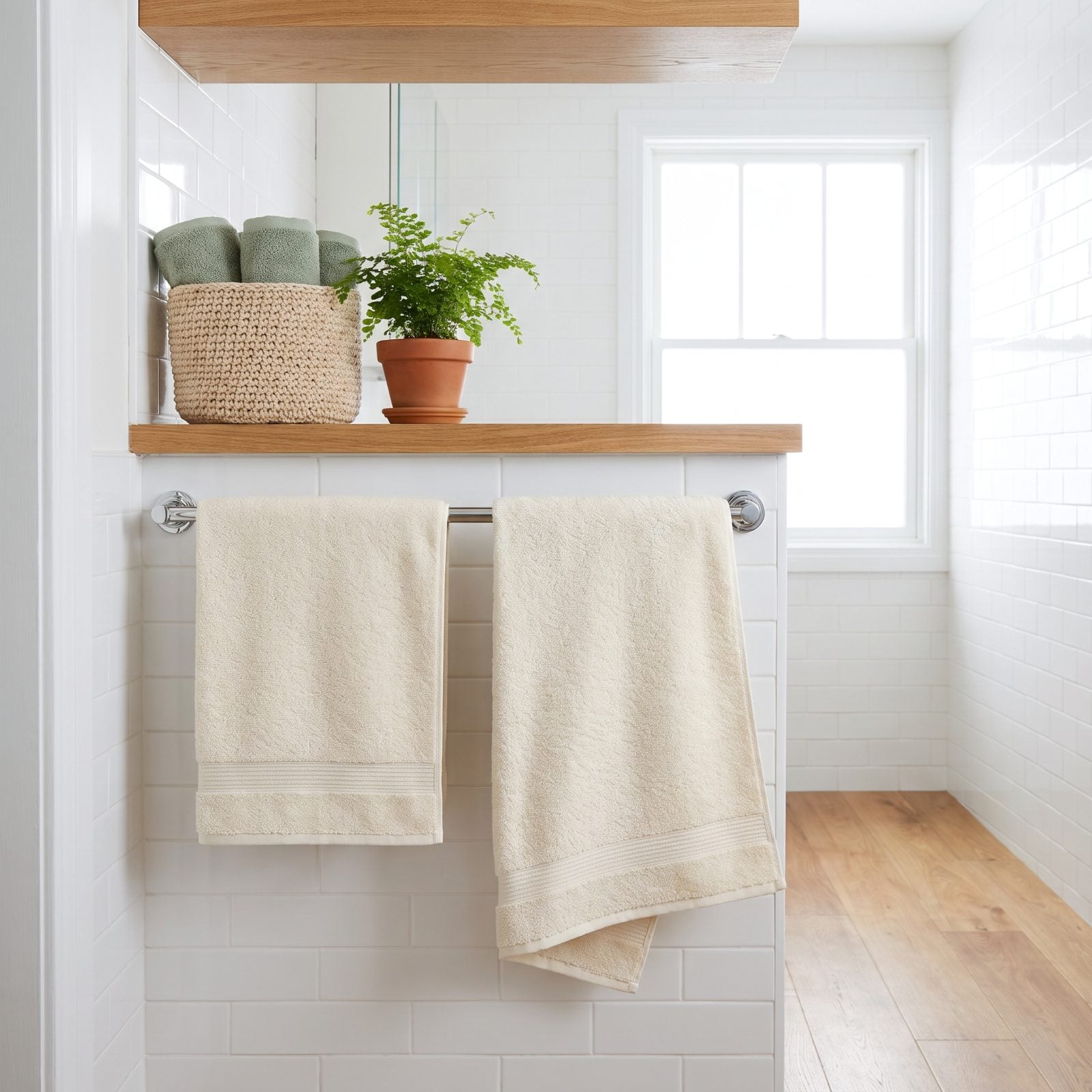
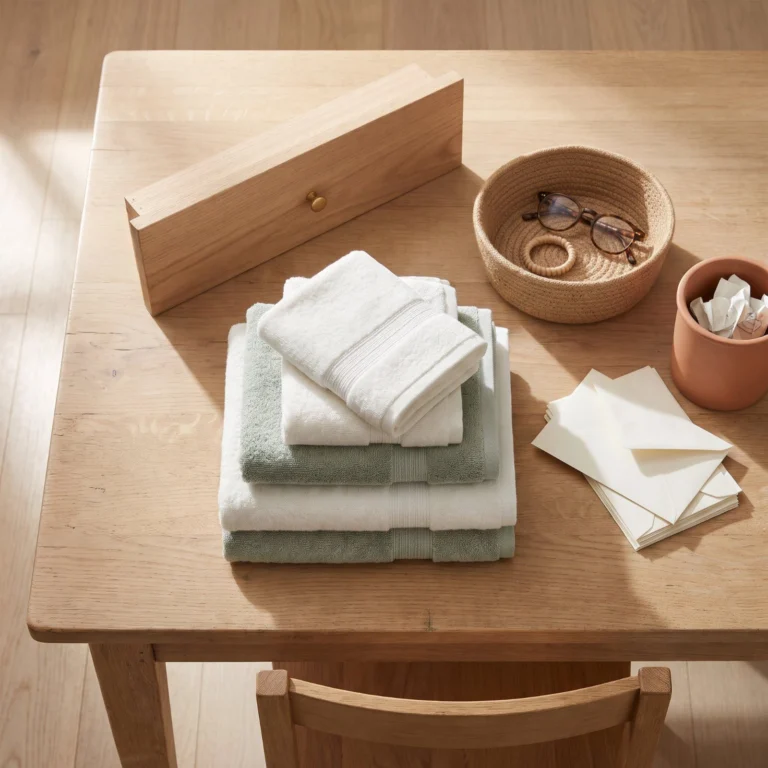
Two towels on the rail. One hangs square. The other droops a half-inch off true, one corner lower than the rest — and the rest of the bathroom is spotless. Guess where your eye goes.
Call it the perfectionist’s tax. You don’t see the ninety-five percent that’s perfect; you see the one flaw, and somehow the flaw recolors everything. A single crooked towel, and the whole room reads as chaos to you while a guest would never notice.
Our brains are built to scan for the thing that’s off. It kept our ancestors alive. In a tidy bathroom it just makes us a little nuts — the same mechanism that spotted the predator in the grass now spots the towel.
6. You Arrange Books by Color and Can’t Find Anything
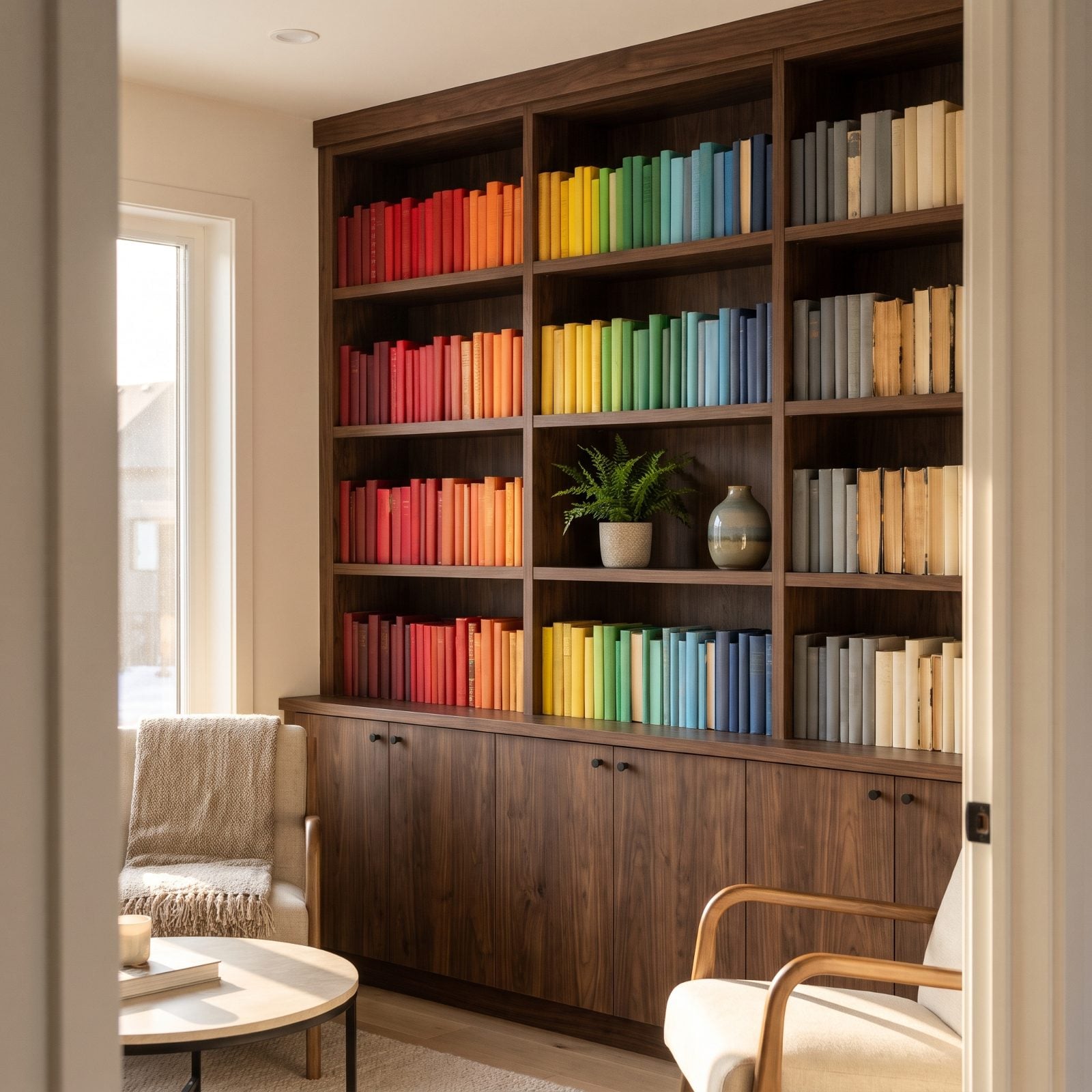
The shelf looks incredible. A smooth gradient from red to violet, each spine blending into the next, the kind of thing that belongs in a magazine. Then you go to find that one novel you half-remember, and you realize you have no idea what color it was.
Color-sorting books is form quietly beating function. You traded a system built for finding things for a system built for being seen. Works beautifully as decor. Works terribly as a library.
This is aesthetic signaling — the shelf as a line delivered to anyone who walks in: I have taste, I have patience, I have an eye. A reader sorts by author or subject. A room sorts by color.
We tried it once. It lasted four months, until we needed a recipe and spent twenty minutes hunting through the oranges. Gorgeous and completely useless, which is a very human thing to choose on purpose.
5. You Reset Every Room on January First

January first and the energy is electric. You’re emptying closets, flipping mattresses, filling donation bags, filling a notebook with systems. This is the year the house stays organized. This is the year you finally become the person whose house stays organized.
Welcome to the fresh start effect. We treat certain dates — New Year’s, birthdays, Mondays — as clean lines dividing the old, disorganized self from the new, capable one. The calendar hands us a sense of rebirth, and we pour it into the house because the house is the thing we can actually move.
A reset feels powerful because it’s wrapped in hope. The catch? Nothing structural changed overnight. The same habits that cluttered the closet in October are still yours in January.
A new date doesn’t make you a new person. It just gives you permission to try again, which turns out to matter more than it should.
4. The Guest Closet Swallows Everything Before the Doorbell Rings
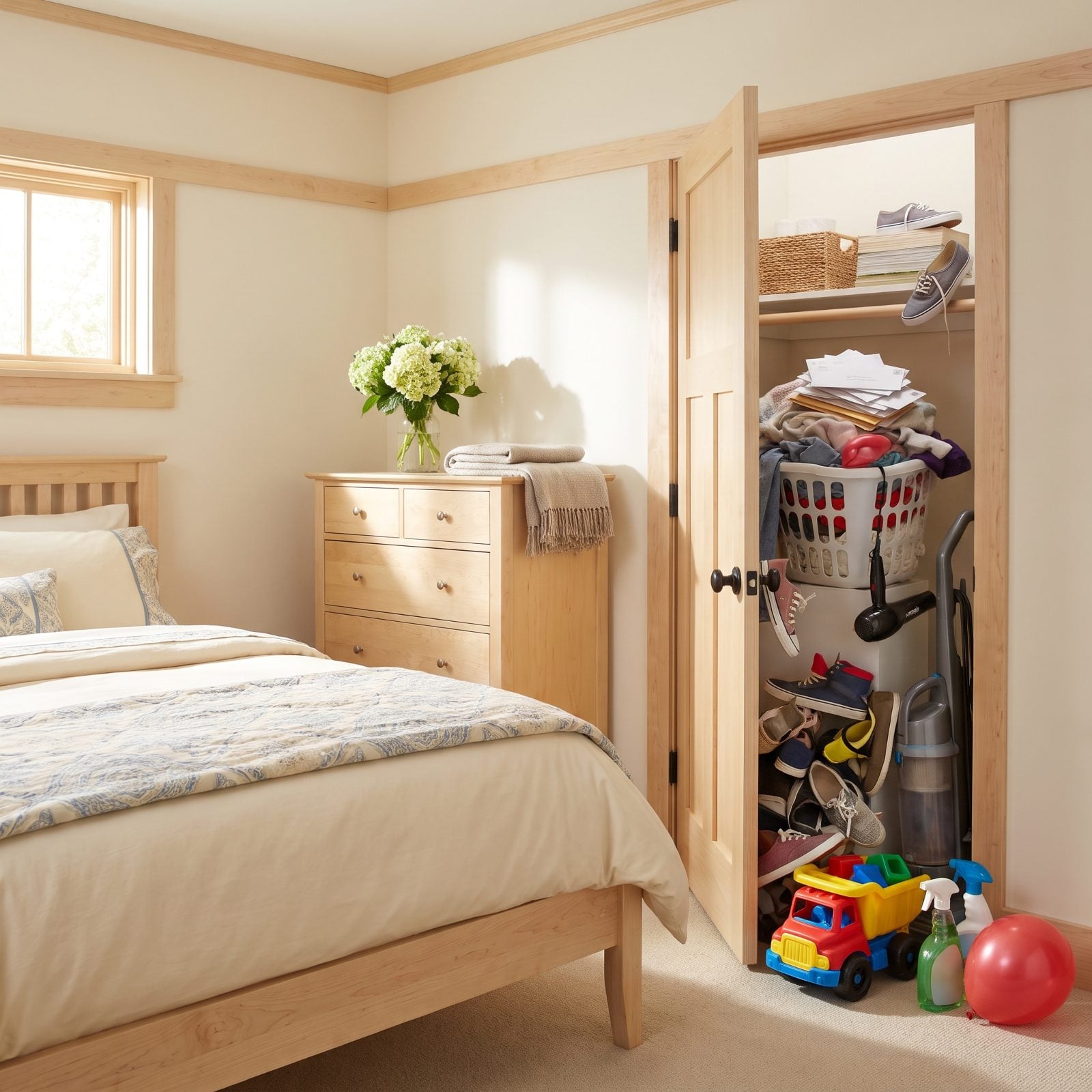
Twenty minutes before guests arrive, the strategy crystallizes. Scoop everything off every surface, carry it to the spare closet, shove, and lean on the door until it latches. The living room is now serene. The closet is now a problem you will deal with never.
Impression management in its purest home form. Organizing isn’t the goal — looking organized to visitors is. You’ve optimized for the version of your home other people see and quietly abandoned the version only you have to live in.
We all do it, and there’s no shame in a company-ready sweep. Still, it’s worth noticing how much of our organizing energy goes toward an audience rather than toward actual function.
3. You Organize Old Jeans for the Body You Expect Back
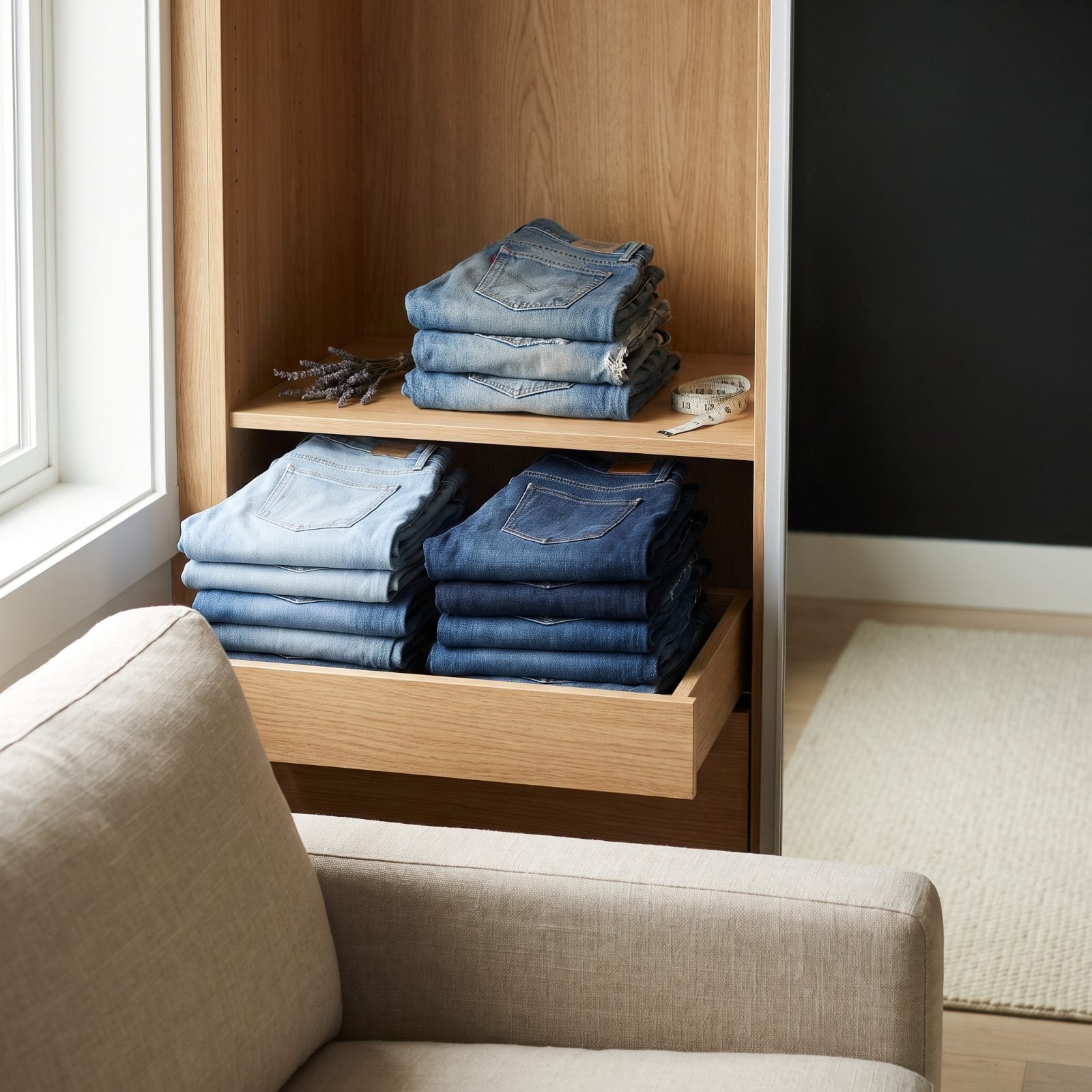
There’s a stack you don’t wear. Folded carefully, set apart, almost archived — the jeans from a few sizes ago, kept not because they fit but because they might, someday, if everything goes according to a plan you haven’t quite started.
Keeping them is loss aversion wearing denim. Letting the jeans go feels like admitting that body isn’t coming back, and giving up on a future self is harder than storing a pair of pants. So we keep them, and every time the drawer opens, they whisper a small reminder that we’re not where we’re supposed to be.
Here’s the uncomfortable part. The jeans don’t motivate. Mostly they just sit there, quiet proof of the gap between who you are and who you’ve promised to be. That’s a lot of pressure to ask a drawer to hold.
2. A Neat Spice Rack Excuses One Chaotic Garage
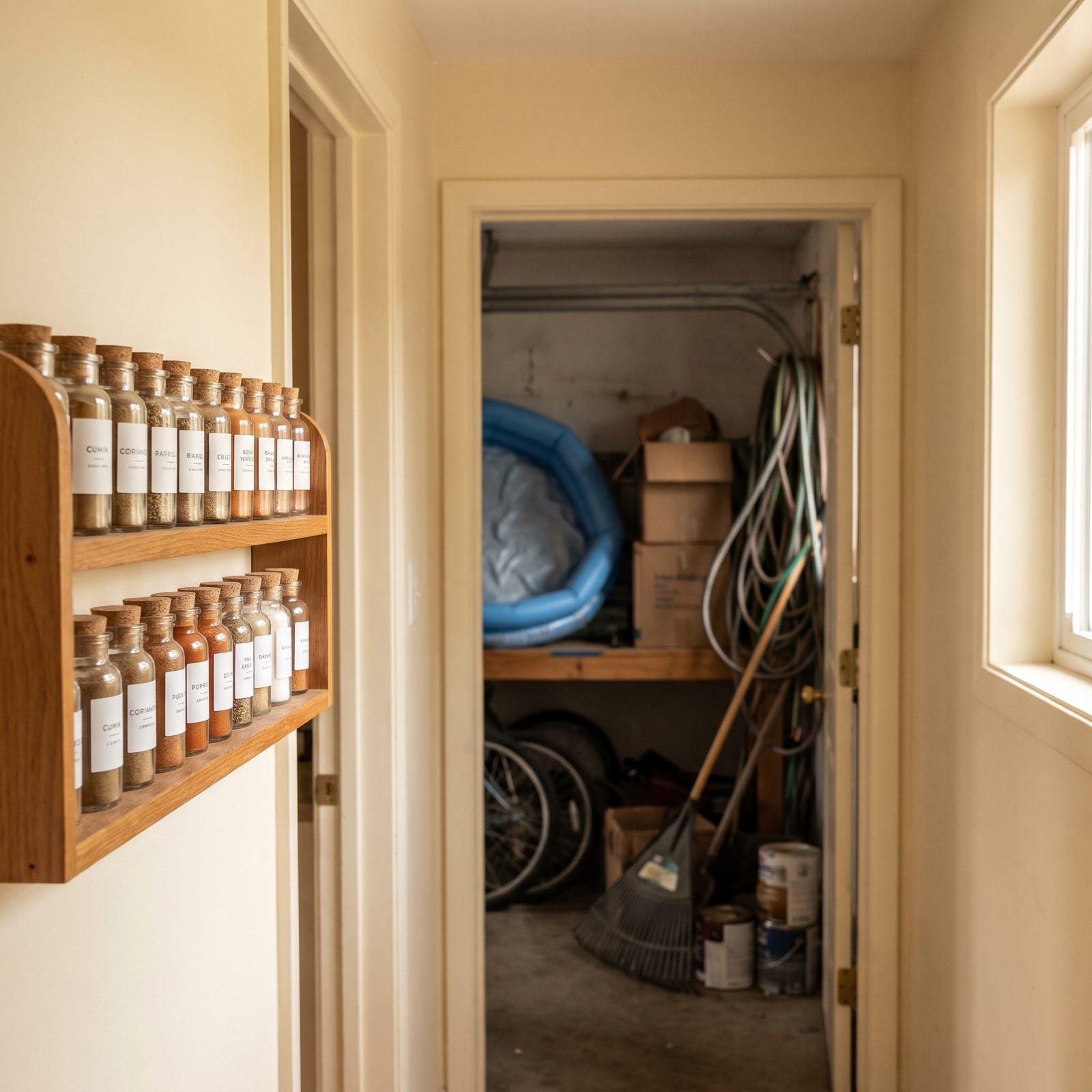
The spice rack is immaculate. Jars aligned, labels facing out, the oregano right where oregano belongs. Then you step eight feet through the connecting door and the garage looks like a yard sale that got interrupted by a storm.
We do this on purpose, even if we’d never admit it. One perfect corner becomes the thing we point to, the proof that we’re organized people, while the real mess hides behind a door that stays shut when company comes. Psychologists have a name for it — symbolic self-completion. When we feel incomplete in some big, unmanageable way, we over-polish a small visible patch to signal competence we don’t actually feel anywhere else.
The tidy shelf isn’t about the spices. It’s a flag planted over a much larger surrender.
Once you clock the pattern it’s everywhere. The gleaming entryway next to the junk-stuffed spare room. The polished resume and the career drifting sideways. A curated front, held together by one square foot of order we can actually control, standing in for everything we can’t.
1. You Give Everyone a Basket and Expect New Personalities
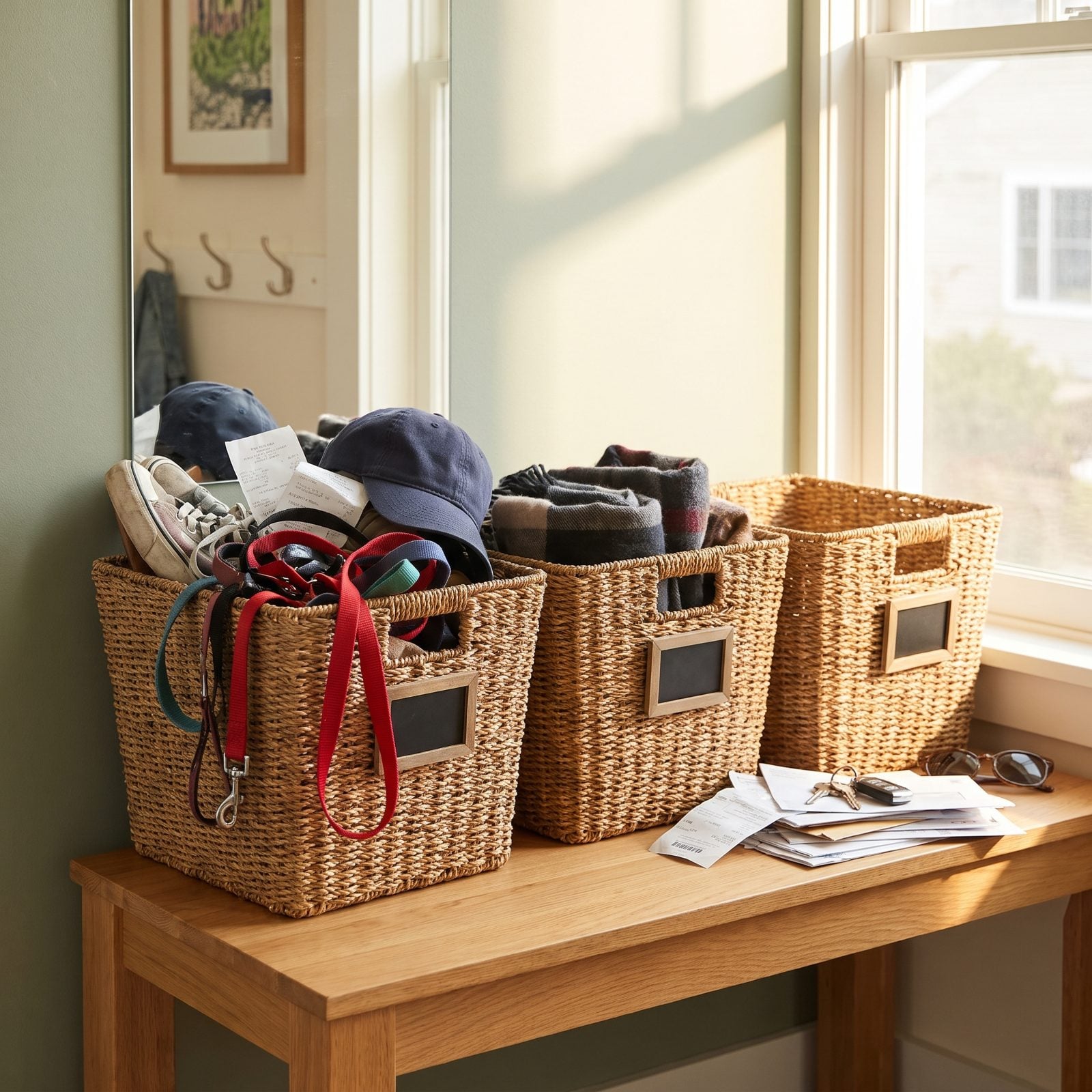
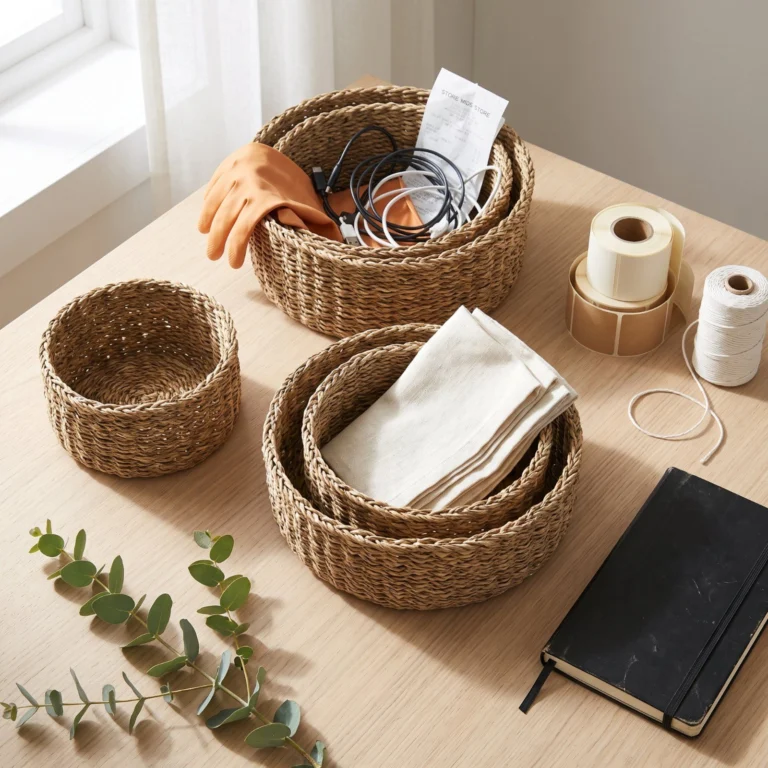
The baskets arrive in a matching set, and so does the fantasy. One for keys, one for mail, one for leashes and loose odds and ends. You line them up, step back, and quietly expect the household to become tidier humans by sheer proximity to a good system.
Two weeks later the keys are on the counter, the mail is a landslide, and one basket holds a single shoe. The containers did their job. The people did not change — baskets organize objects, not habits, and definitely not personalities.
Call it the planning fallacy wearing a home-goods disguise. We picture the future version of everyone as more disciplined, more consistent, more like the image in our heads, then build systems for those imaginary people instead of the real ones who actually live here. Same hope behind the gym membership bought for a future self who suddenly loves mornings. Same hope behind the shared calendar meant to reform a household that has never once opened a shared calendar.
Nobody turns into a new person because you handed them a nice container. But put the right container in the spot they already drop things, and the mess sorts itself out.