There’s a geranium on my windowsill that should have been composted two summers ago. I keep watering it anyway, every few days the same small ritual and the same quiet lie — it might bounce back. You know the one I mean, because you’ve got your own version somewhere in the yard. A struggling plant teaches you exactly how your stubborn hope works. The same wiring that keeps you misting a leafless stem keeps people parked in situations that stopped working years ago: more watering, more fertilizer, more excuses about the weather. Underneath it all, the roots tell the real story, and we’re the last to dig them up. What follows are the garden habits that mirror the psychology of rescue — the ones that feel like love and are often just fear wearing gloves.
Please note that some of the images in this article were created with the assistance of AI.
19. You Keep Watering Even Though the Roots Are Rotting
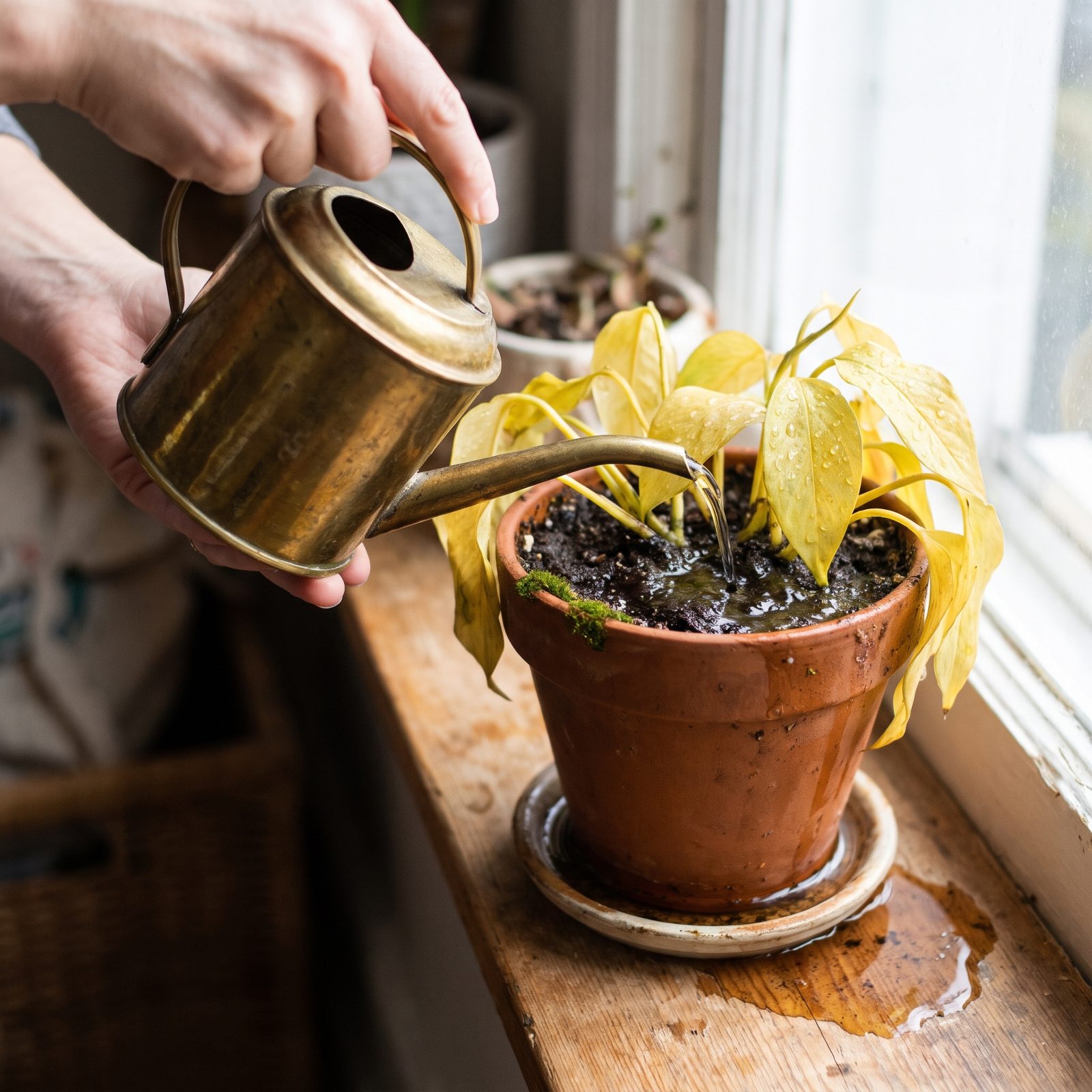
More water is the first reflex and almost always the wrong one. The leaves droop, so you reach for the can, because watering feels like doing something. It’s motion. It’s proof of care — and all the while the roots are quietly drowning.
Same story in a marriage that’s going under. When something feels off, we double down on the gesture that used to work: more effort, more attention, more of the exact thing the situation can’t absorb anymore. We mistake activity for progress.
Psychologists call it the action bias, the pull to act rather than sit still even when stillness is smarter. Doing nothing feels like surrender. So we water a plant that’s already rotting from the bottom and feel noble about it.
18. You Buy Fertilizer Before Testing What the Soil Needs
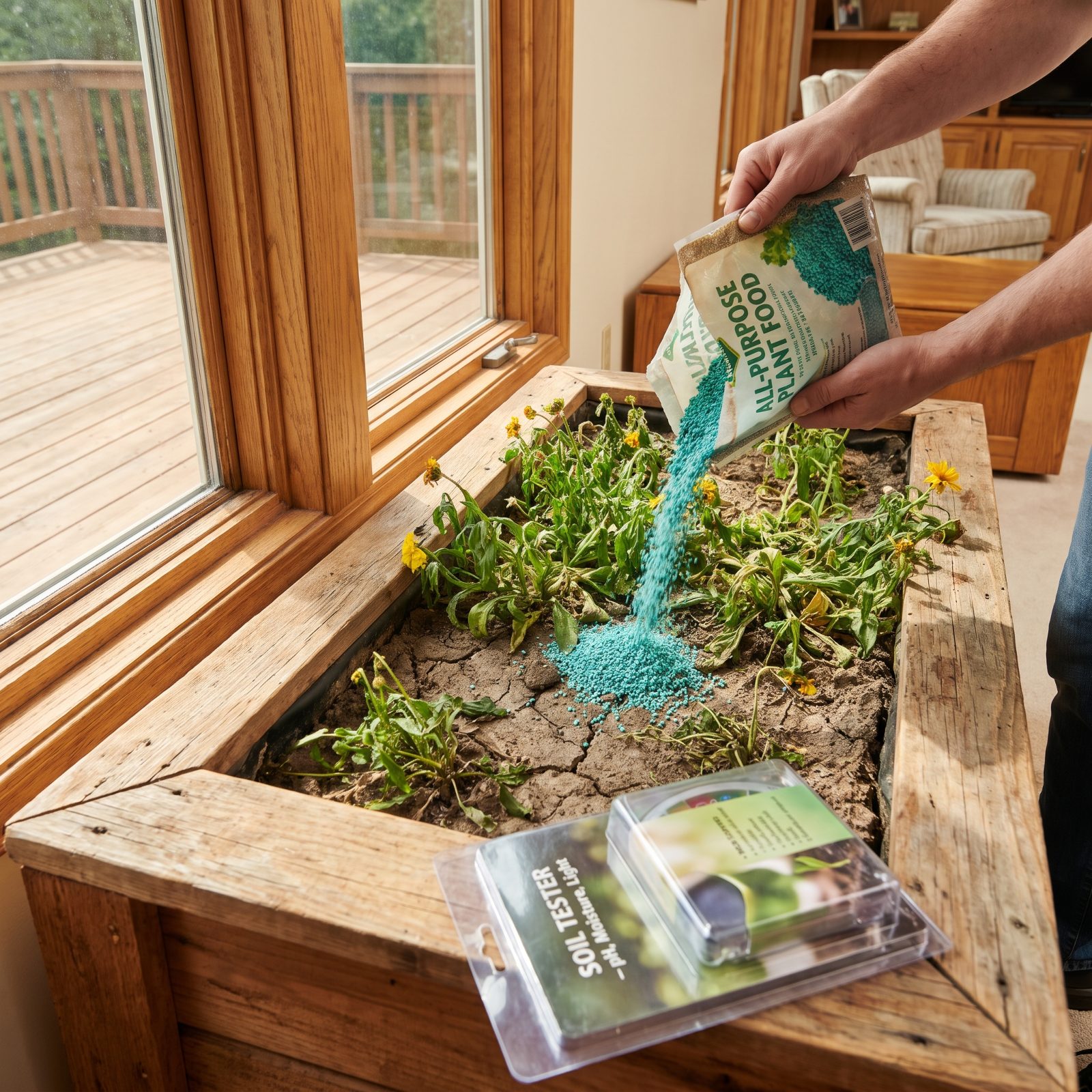
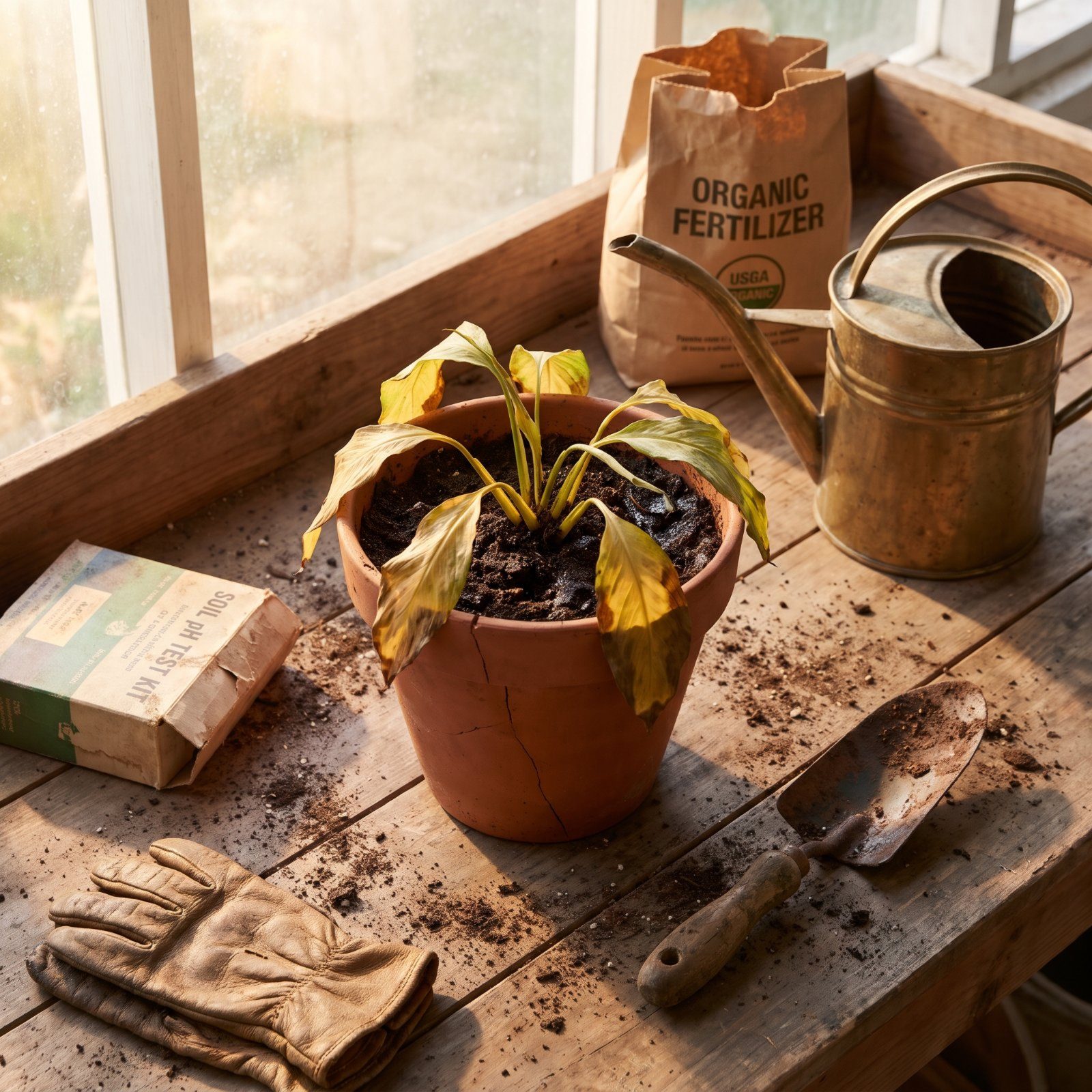
The plant looks sad, so you decide it’s hungry. You drive to the garden center, buy the bag with the best promises on the label, and dump it in. Meanwhile the little soil test kit sits in the drawer, still shrink-wrapped, because testing takes time and admitting you don’t know the problem is uncomfortable.
People do this to each other constantly. Something’s wrong, so we throw a solution at it before we’ve diagnosed anything — a big gift, a vacation, a grand gesture aimed at a problem nobody actually named. We’d rather treat than understand, because treatment feels proactive and understanding might hurt.
Here’s the cranky truth I learned the hard way. Feeding a plant that’s suffering from poor drainage or wrong pH doesn’t help it; it stresses it further. The fix only works when it matches the real problem, and finding that problem is the part nobody wants to do.
17. You Blame the Weather for Problems Under the Mulch
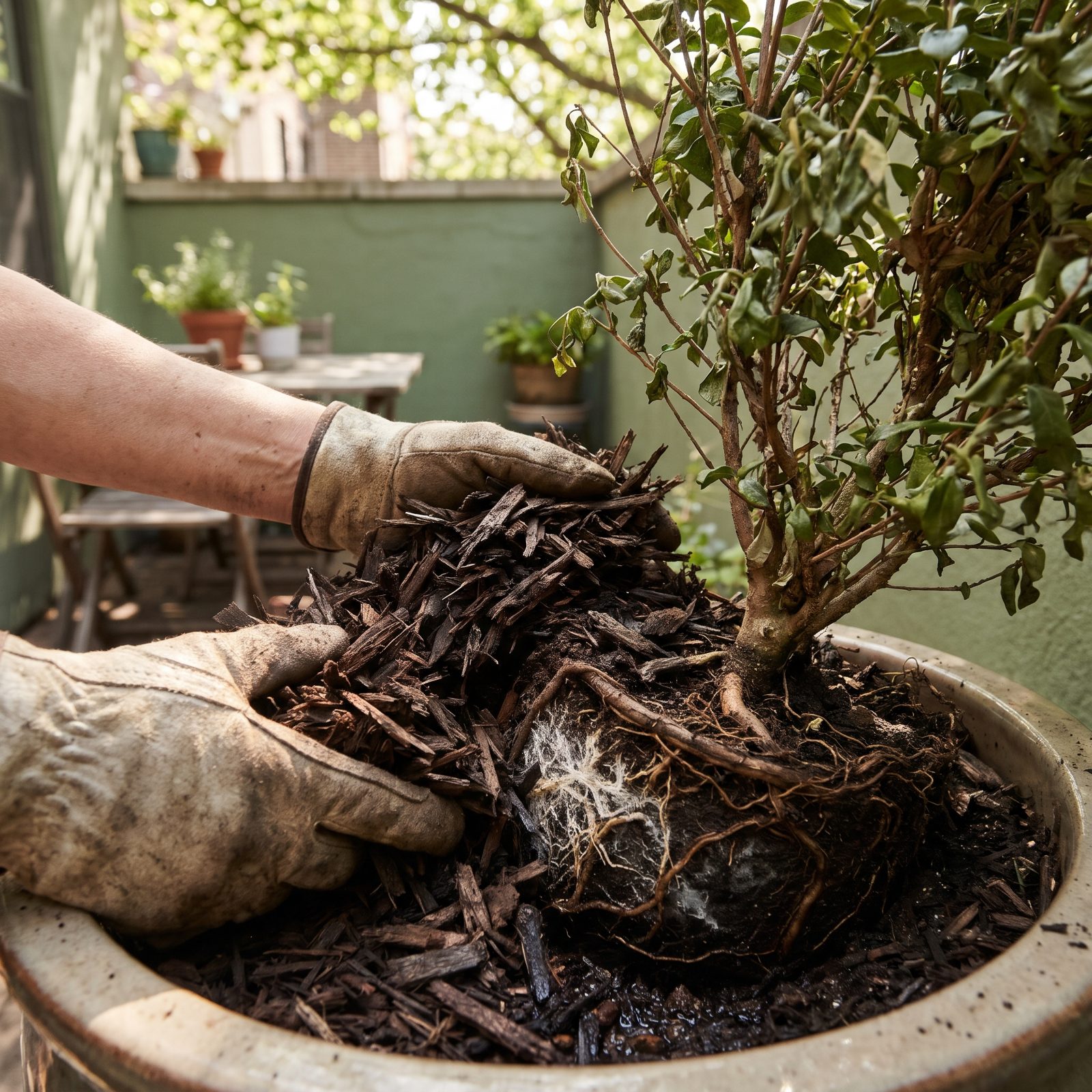
It was the frost. It was the dry spell. It was that weird week in April. We’ll name any outside force before we lift the mulch and look at what’s actually happening at the base of the plant.
External blame is the oldest move in the book. In a relationship that’s faltering, it’s the job, the in-laws, the kids’ schedules, the bad year — all real, all easier to point at than the thing growing quietly underneath. This is fundamental attribution error turned inward: we credit our troubles to circumstances and never the slow stuff we could actually address.
The weather is convenient precisely because you can’t fix it, which means you’re off the hook. Pull back the mulch and you might find girdling roots or rot, and then you’d have to do something. Blaming the sky asks nothing of you at all.
16. One Tiny New Leaf Buys the Plant Another Month
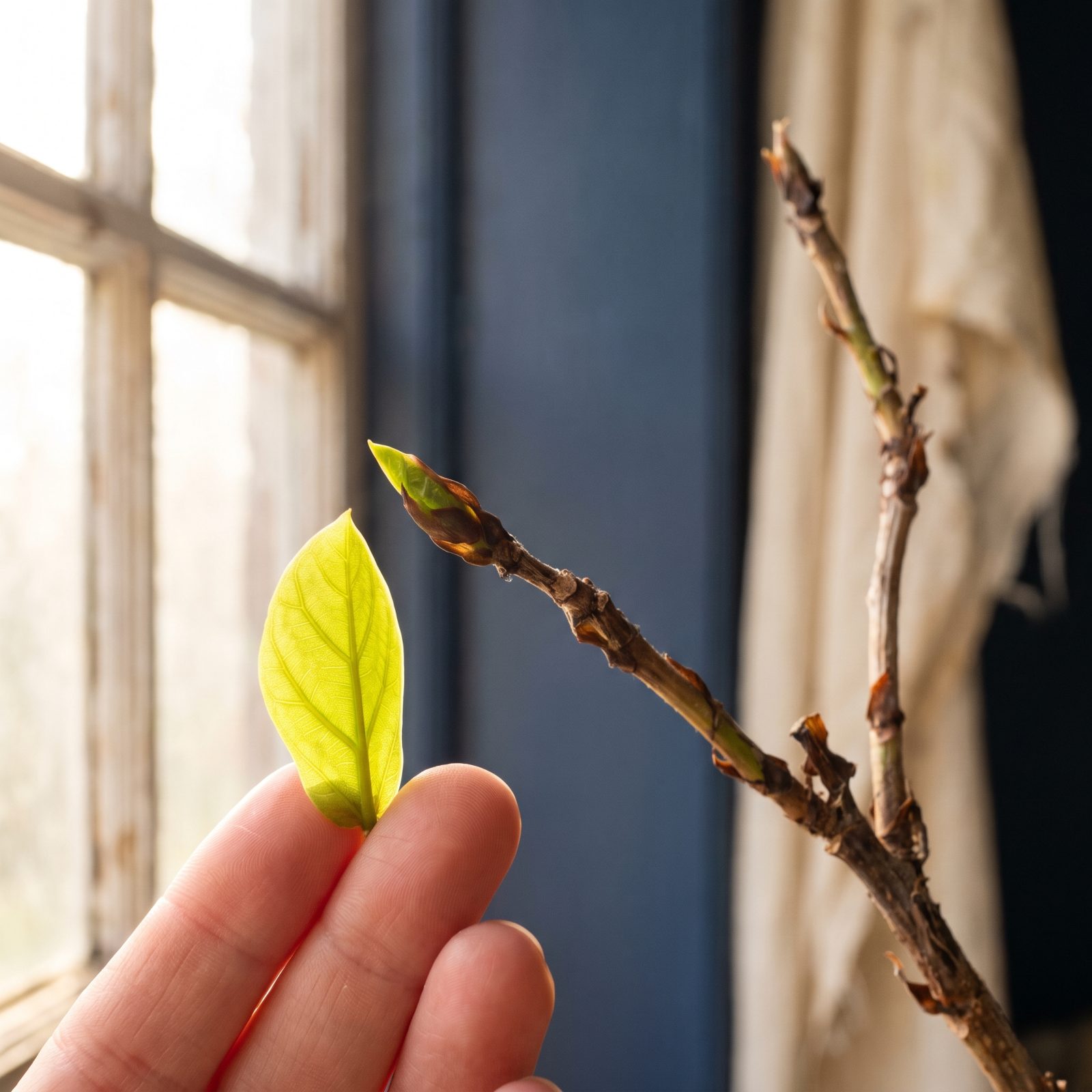
Everything else on the plant is brown and crispy, but there, at the tip, one new leaf. Suddenly you’re back in. You tell yourself it’s turning a corner, and you give it another month, another season, maybe two.
One good day does the same thing to a person who’s been thinking about leaving. A kind word, an old laugh, a flash of how things used to be, and the exit sign goes dark again. We weight that single green leaf far heavier than the whole dying stem below it.
Hope doesn’t need much to restart. It needs one leaf.
It’s intermittent reinforcement, the same mechanism that keeps people glued to slot machines — unpredictable, occasional rewards are more addictive than steady ones. The plant gives you just enough to keep you paying attention, and you mistake survival for recovery.
15. You Remember Last Spring Better Than This Morning
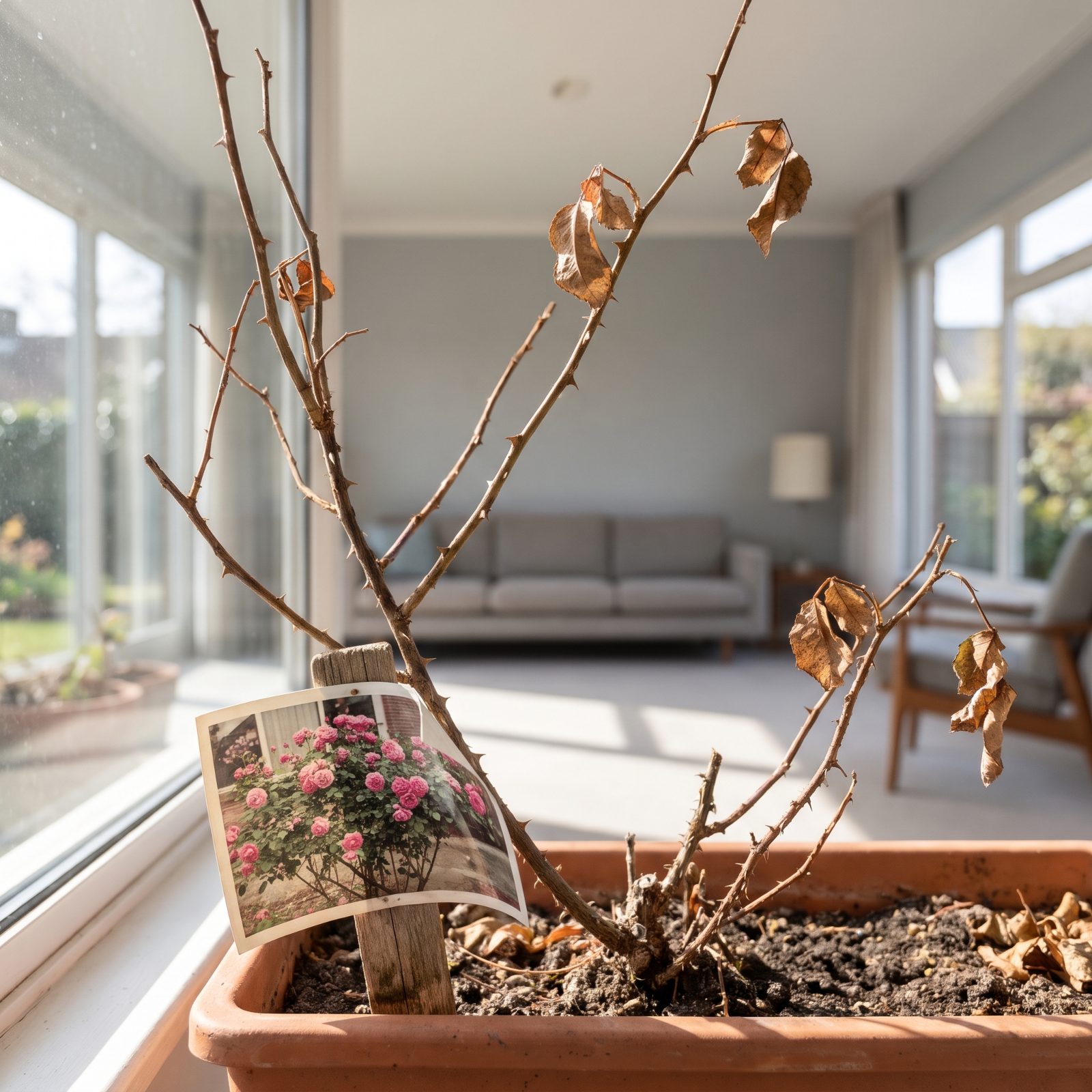
Ask anyone nursing a declining garden bed and they’ll describe its peak in vivid detail. The scent, the color, the way the neighbors stopped to look. The brown mess in front of them right now? That barely registers.
Memory is a terrible accountant. We file the good season in high definition and let the current reality blur. In a marriage, the honeymoon gets replayed on a loop while this week’s silence slides past unexamined.
This is rosy retrospection, the well-documented habit of remembering the past as better than it was. It’s not lying. Your brain genuinely sands the edges off old memories. The trouble is you end up fighting to restore a version of things that may never have been as golden as you recall, measuring today against a highlight reel it can’t possibly beat.
14. You Hide the Brown Bed Before Anyone Visits
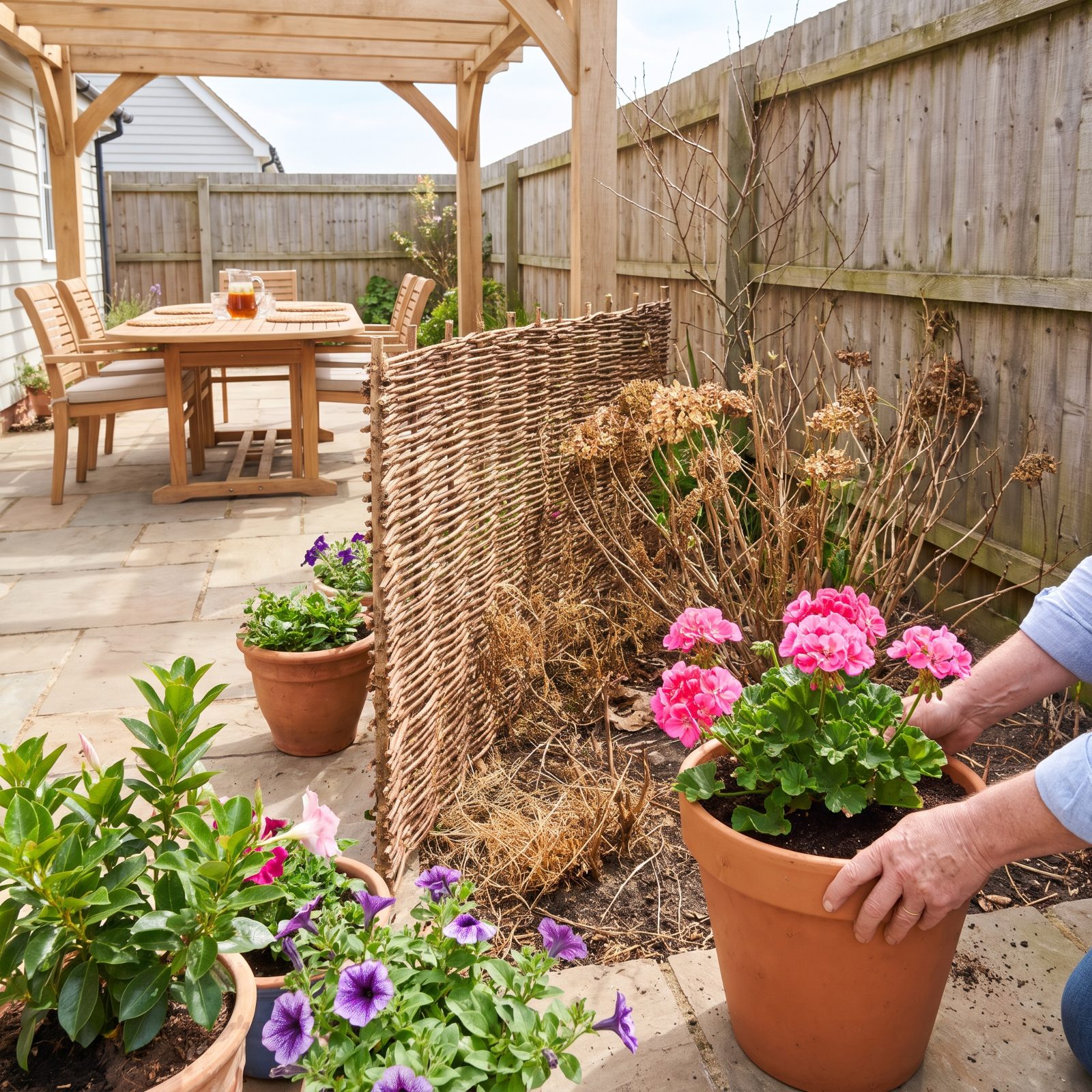
Company’s coming, so out come the fresh pots from the garden center, placed strategically right in front of the dead patch. A trellis here, a big fern there. By the time anyone sits on the patio the garden looks thriving — and you know better.
We curate the same way when outsiders show up in a struggling relationship. The united front at dinner parties, the careful photos. The version we display is healthy and whole, and the brown bed stays tucked behind it.
It’s impression management, and it costs more than it looks. Keeping up the front takes real energy that never goes toward the actual problem. Worse, the public praise can trap you: once everyone thinks it’s lovely, admitting it isn’t gets harder.
13. You Avoid Digging Up the Plant to Check Its Roots
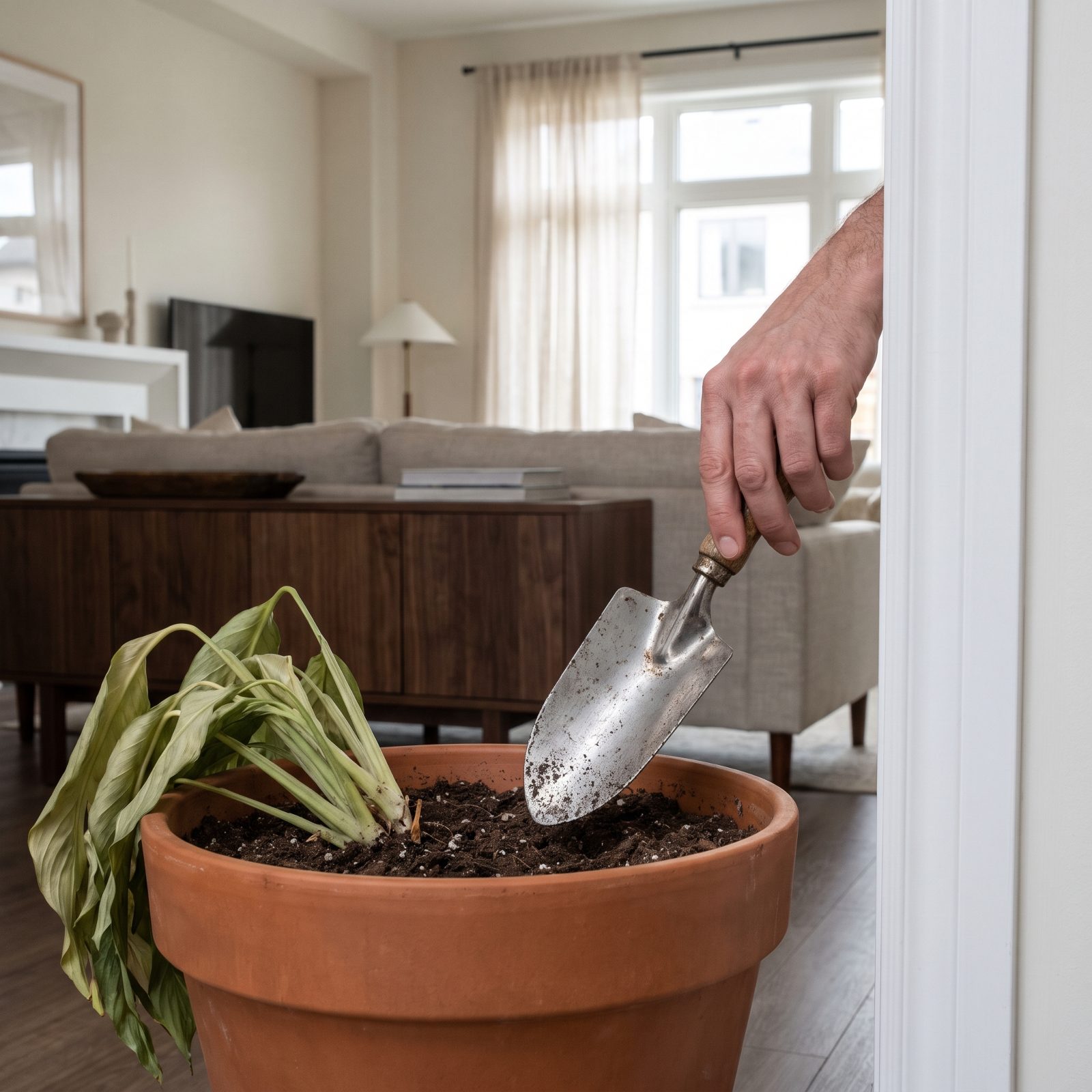
You could pull the plant from the pot right now and see everything. Healthy white roots or a black, slimy mess — the answer’s right there. And yet the trowel hovers. You water around it, prune the top, fuss with the leaves, anything but the one check that would actually tell you the truth.
We dodge the deep conversation for the same reason. The one where you sit down and ask what’s really going on, knowing the answer might end things. As long as you don’t look, hope stays technically alive.
This is the ostrich effect, our tendency to avoid information we suspect is bad. Not looking feels safer than knowing. But the roots don’t improve while you’re not watching. They keep rotting on a schedule you refuse to read.
12. You Keep the Rose Because It Cost a Fortune
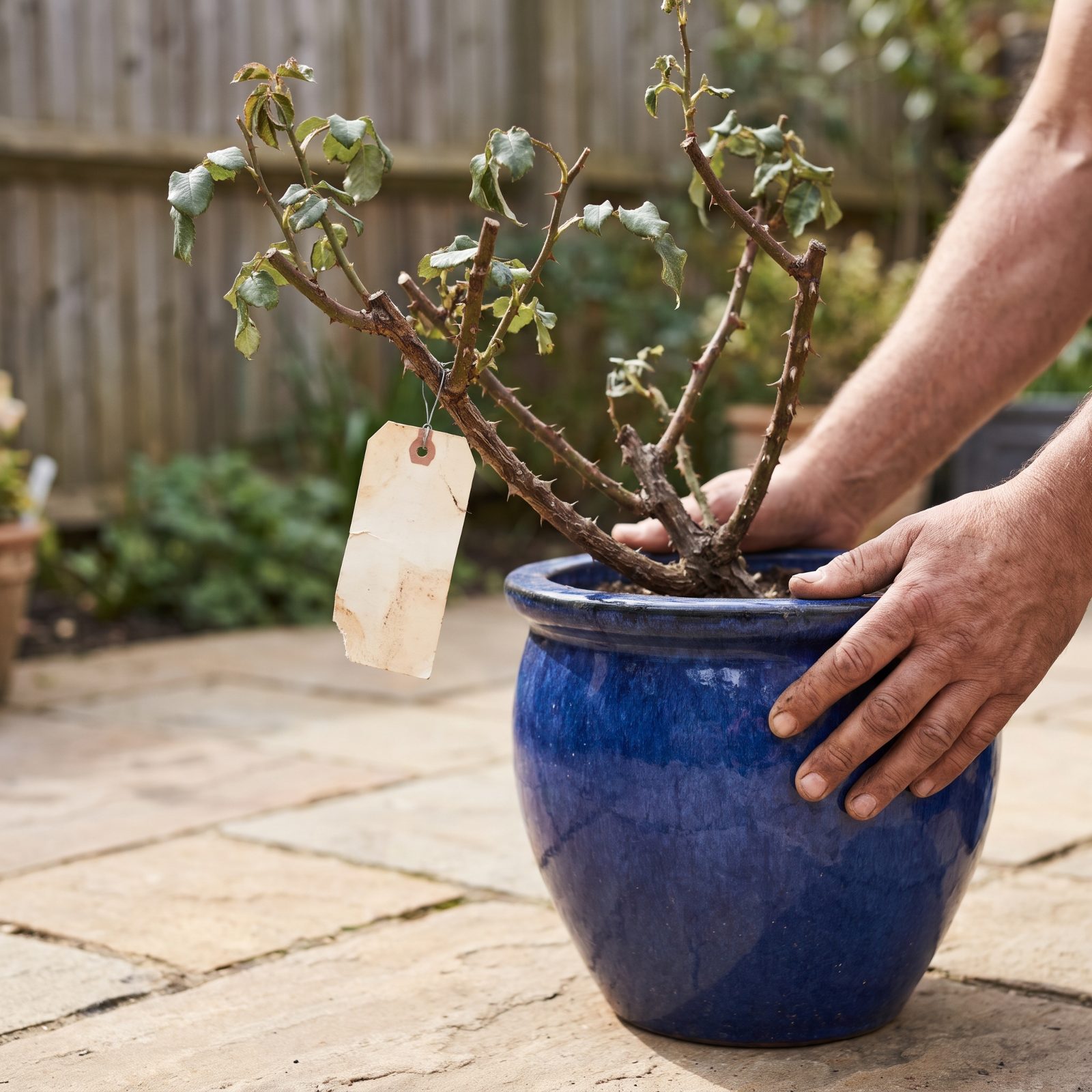
The number on the receipt is doing a lot of the deciding here. That specialty rose cost more than you’d admit out loud. It’s barely limping along now, but throwing it out feels like setting money on fire. So it stays, sulking in its expensive pot.
Sunk cost fallacy, pure and uncut. The money’s already gone, spent whether the rose lives or dies. But our brains refuse to let a past investment go without a fight, so we keep pouring future effort after it to justify the past.
Years invested work exactly the same way on a person. The time, the shared history, the house — all of it becomes a reason to stay, even when staying makes no sense going forward. We confuse what we’ve already lost with what we stand to gain.
11. You Prune Harder When Gentler Care Hasn’t Worked
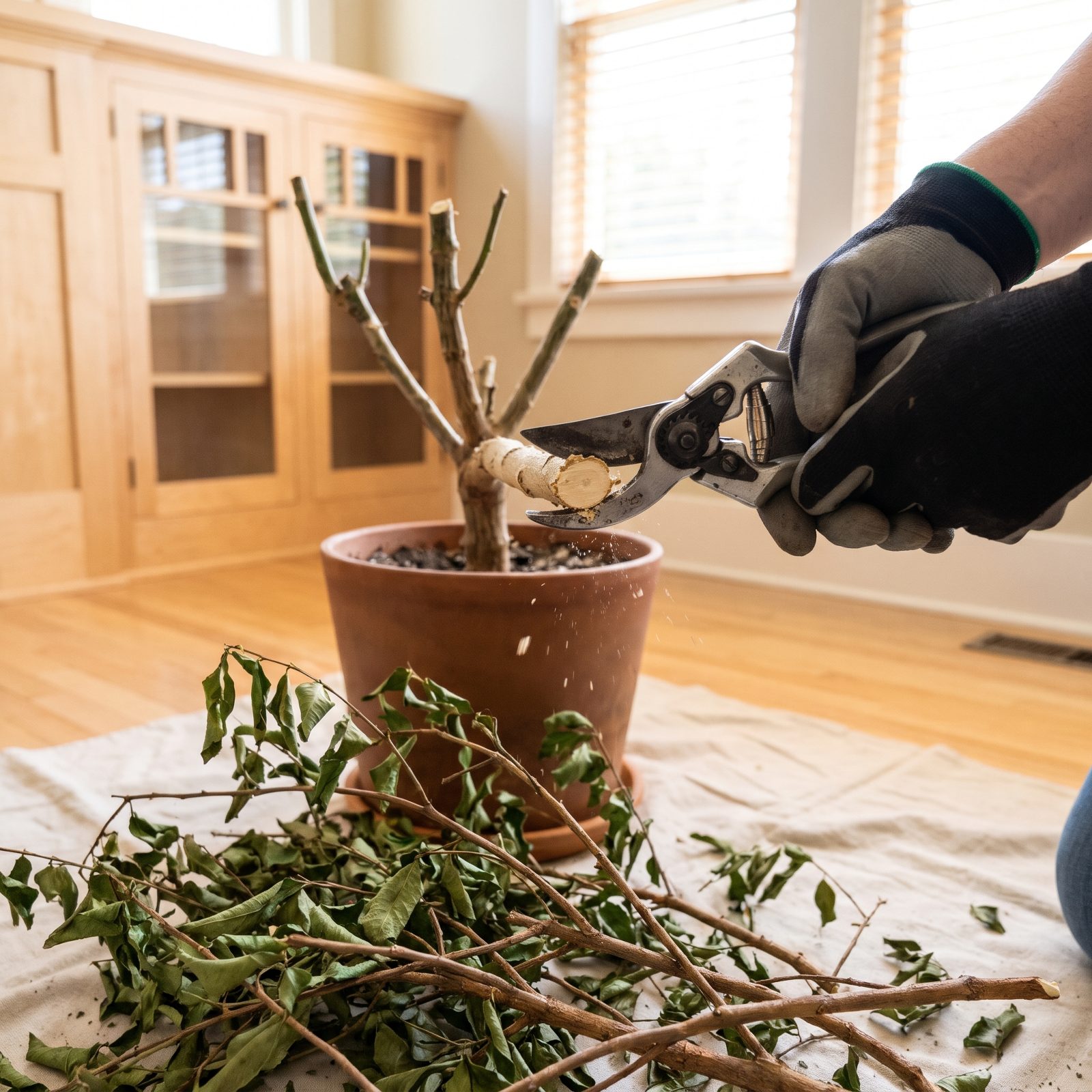
Gentle didn’t work, so you go nuclear. Cut it back hard. Take it right down to the stubs. There’s a logic to it — sometimes a hard prune does save a plant — but often it’s less strategy and more frustration with a blade in hand. If being nice didn’t fix it, maybe being drastic will.
People escalate the same way. When patience and softness don’t shift anything, we try intensity: the ultimatum, the big fight that’s supposed to clear the air, the dramatic move meant to shock the thing back to life.
Escalation of commitment is the mechanism — the urge to raise the stakes when lower stakes failed, rather than step back and reconsider the whole approach. Sometimes a hard cut is exactly right. Just be honest about whether you’re pruning with a plan or swinging out of anger.
10. You Ask Five Gardeners Until One Says Keep Trying
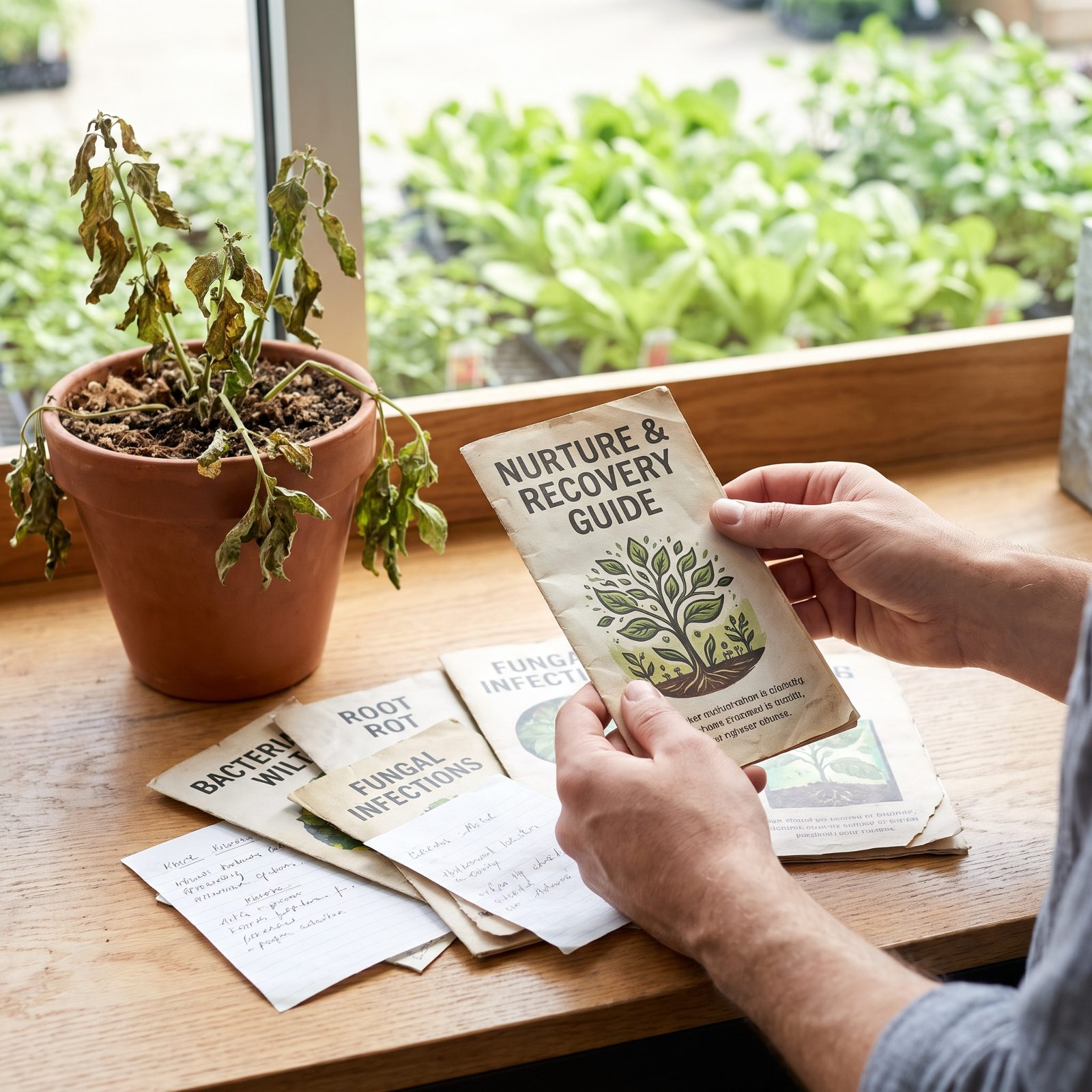
Four garden experts take one look and gently suggest it’s time to compost. The fifth says maybe, with the right light and a repot, it could come back. Guess whose advice you take home.
We shop for the answer we already want. Ask enough people and someone will tell you to keep trying, and that’s the one you’ll quote forever. The four honest verdicts get filed under doesn’t understand my plant.
Confirmation bias wearing gardening gloves. We seek out and cling to whatever supports the decision we’ve secretly already made. The fifth opinion wasn’t wiser. It was just the one that let you off the hook.
9. You Move the Plant So Often It Never Settles
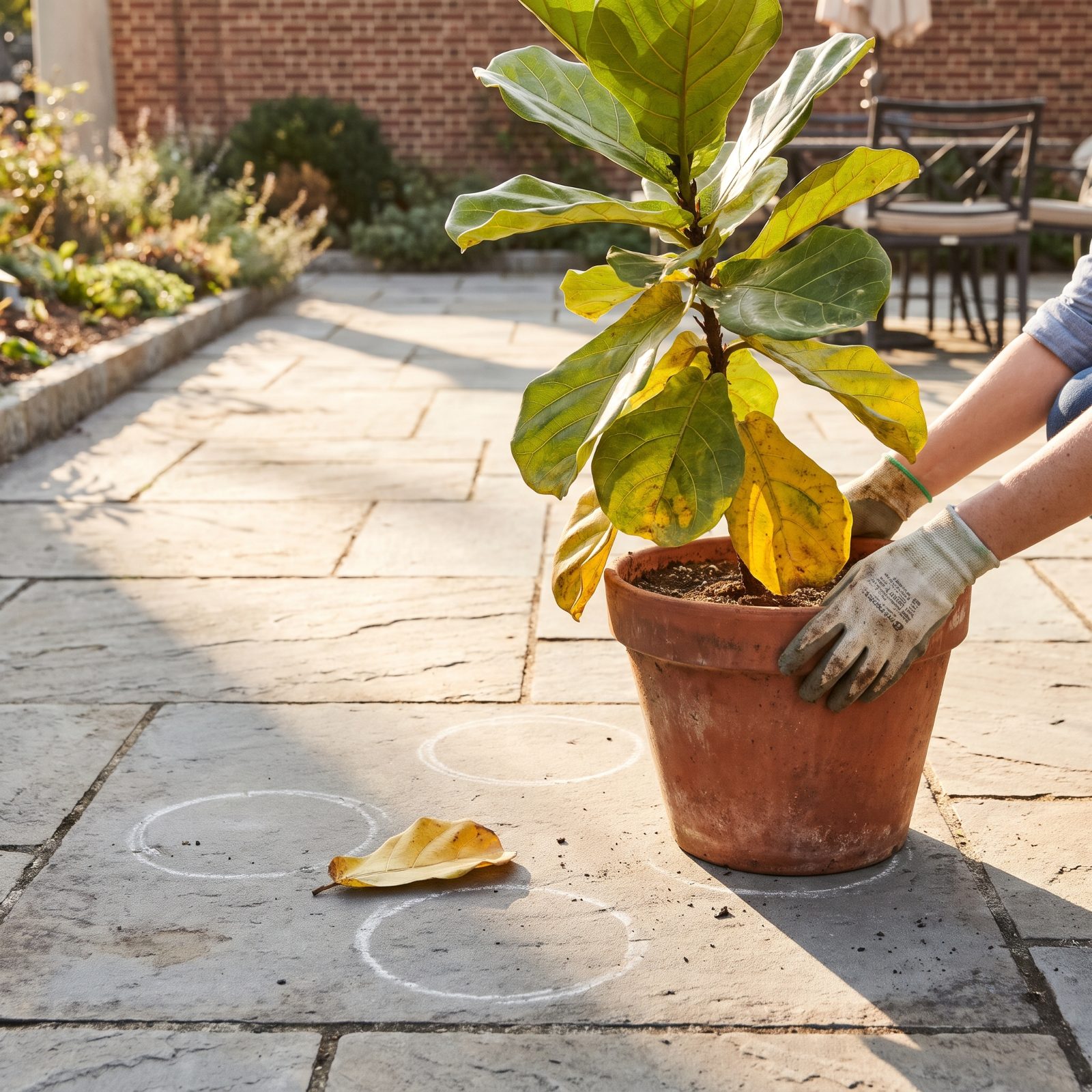
Every spring, the same ritual. The fiddle-leaf fig looks peaky by the window, so off it goes to the corner, which feels too dark, so out to the patio, which scorches it, so back inside it comes — and round the whole thing goes again. You’re convinced the right spot exists if you just keep searching. The plant, meanwhile, pours all its energy into recovering its roots instead of growing, and never gets a chance to settle into any light at all.
We do this with a struggling relationship. Change the city. Change the routine. Change the house, the schedule, the holiday plans — anything but the thing actually wearing it down. Movement feels like progress because you’re doing something, and doing something is a drug.
8. You Keep a Sun Lover in the Same Dark Corner
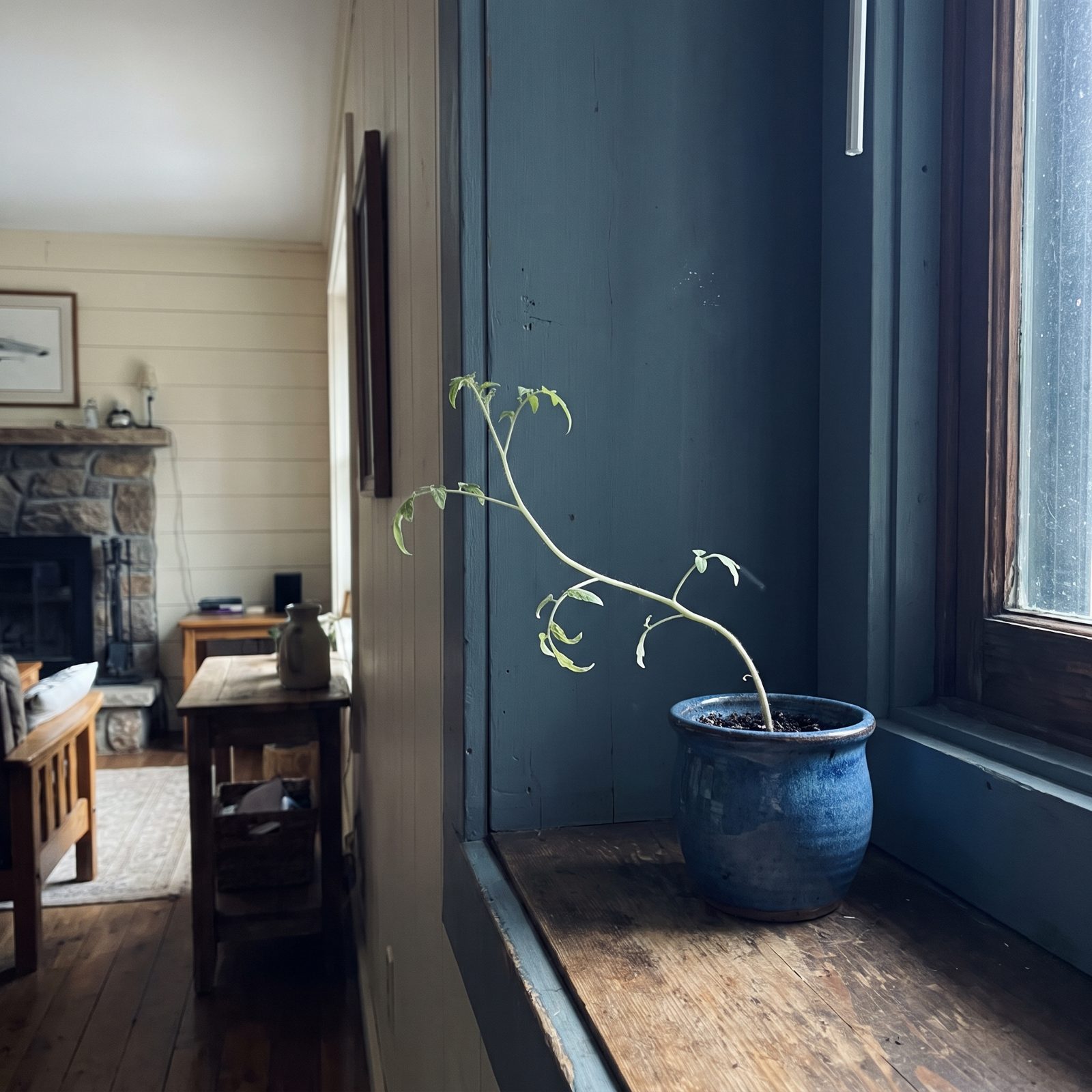
You know the plant needs six hours of sun. The tag said so, and the plant says so too, stretching its stem thin and pale as it reaches for more light than that dim window gives. Yet there it stays, on the shadowy windowsill, because that’s where it looks nice and because moving it would mean admitting the spot was wrong from the start.
The mirror here is obvious. We hold onto a partnership in conditions we already know starve it, because the arrangement is comfortable and owning up to the problem means owning up to a choice we made. The plant leans. We notice. And then we fiddle with the watering instead.
A reaching stem is a plant telling you the truth about where it lives.
Light isn’t optional for a sun lover. No amount of fussing substitutes for the one thing it actually needs. I killed a lavender this exact way, insisting a north-facing shelf would do. It did not do.
7. You Neglect Healthy Beds to Nurse One Dying Plant
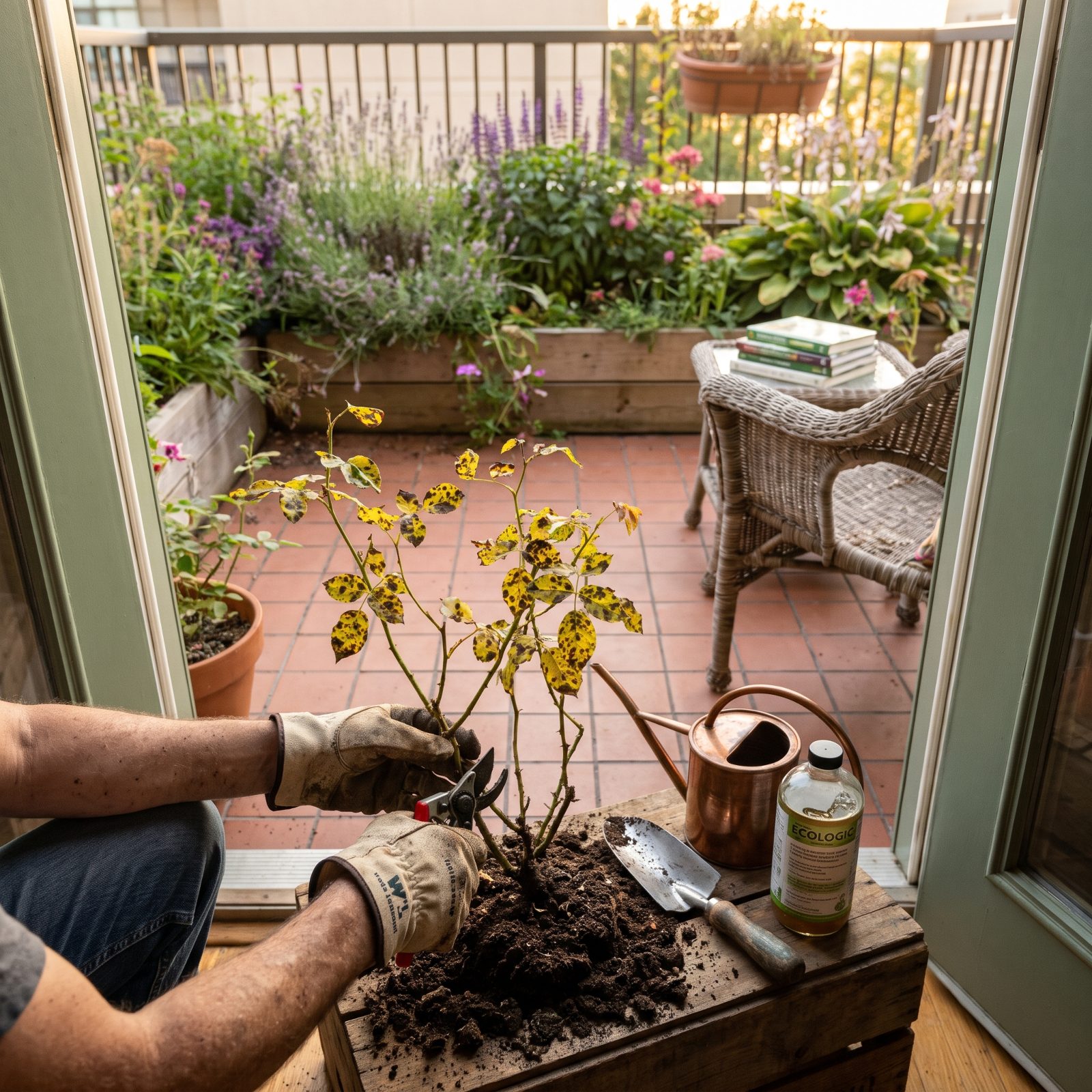
The dahlias are thriving. The herb bed has gone jungle. The whole border has never looked better, and you’ve barely glanced at any of it, because all your attention, water, feed and worry go to the one rose that’s clearly dying and has been dying for weeks. The healthy things can fend for themselves, you reason. They can’t, not entirely, and come August they start to show it.
Happens in a marriage too. The children, the friendships, the work you once loved — all of it quietly sidelined while every ounce of energy pours into the one broken thing. Then the healthy parts of your life start wilting from plain neglect.
6. You Call Bare Stems Dormant Long Past Spring
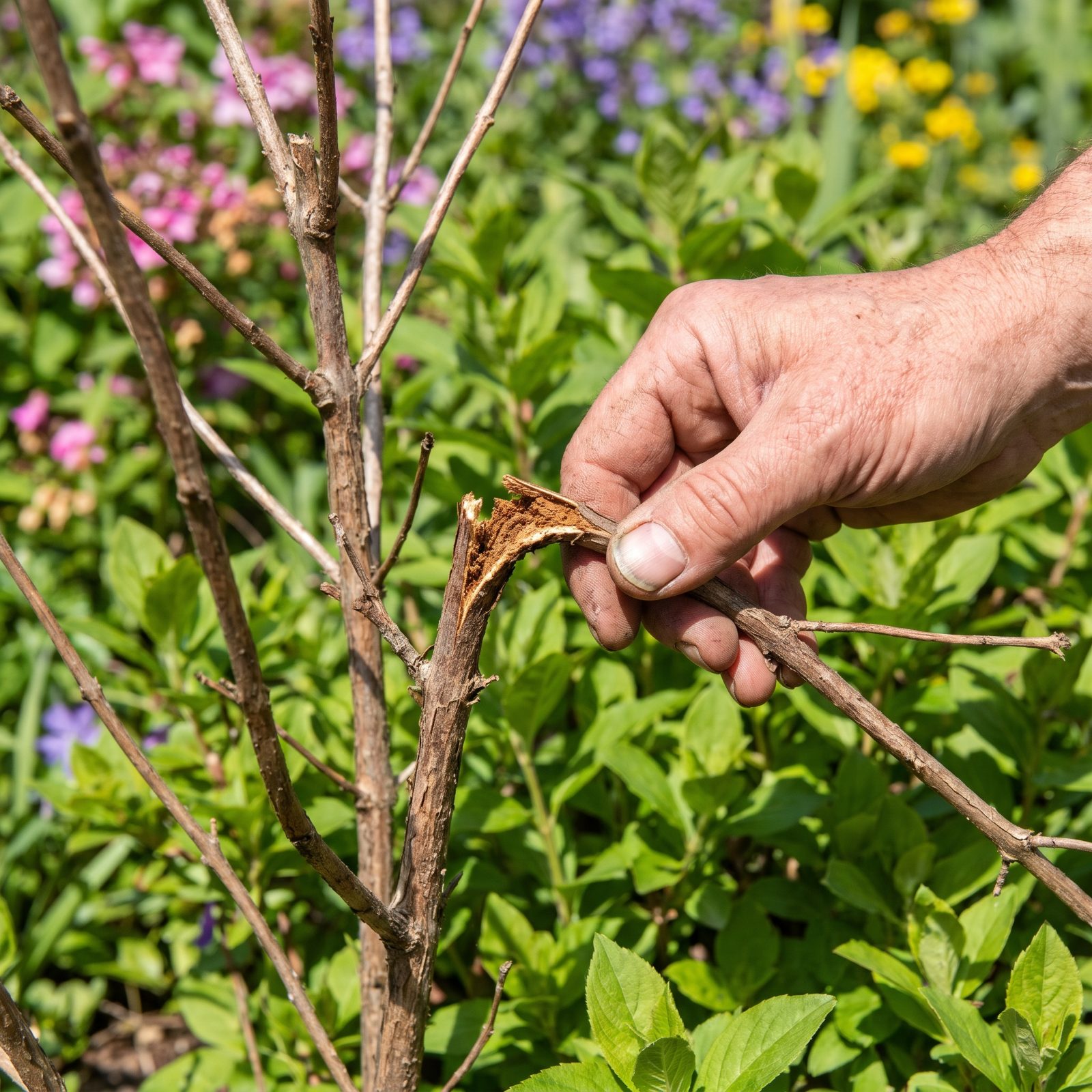
It’s nearly June. The whole garden has leafed out, the roses are in flower, the neighbor’s border is putting on a show — and one shrub stands bare and brown, not a leaf on it, while you tell yourself it’s simply a late starter, a slow riser, dormant a little longer than the rest. You check it daily for the bud that isn’t coming. Snap the old stem and it’s crumbling brown rot inside, not a trace of green anywhere along the wood. That wood died in February, and you’ve spent three months calling it sleepy.
We do exactly this with something long over. We wait for it to wake up. We call the silence a phase, the distance a rough patch, the coldness a temporary dormancy, because dead is the hardest word to say out loud about something you planted yourself.
So here’s the gardener’s test, and it’s unsentimental. Scratch the stem. Green underneath means life. Brown all the way through means that wood is gone, however green the garden around it, and you’ve been watering a memory.
5. You’re the Only One Remembering the Watering Schedule
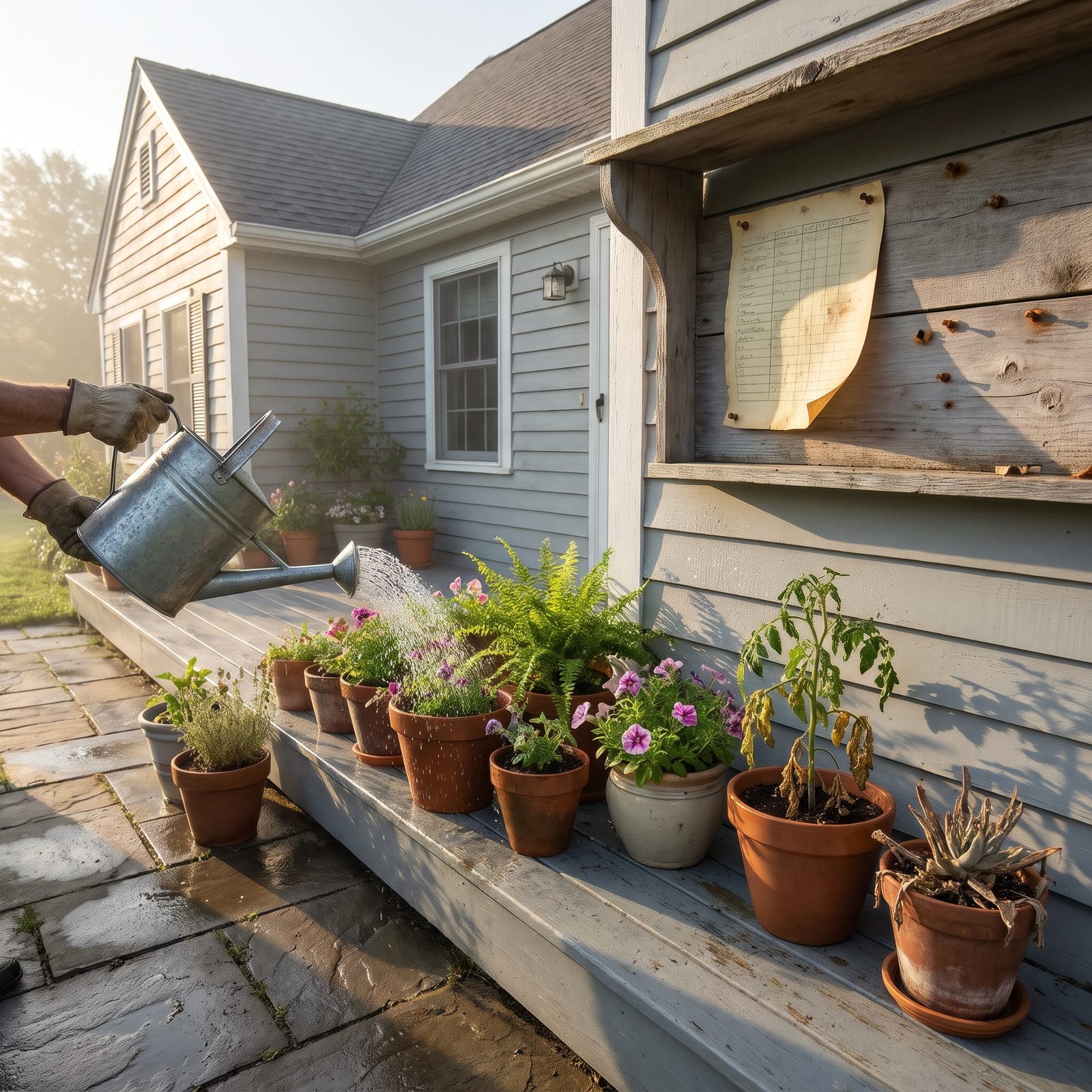
Six in the morning, watering can in hand, because if you don’t do it nobody will. You’re the one who tracks which pot dried out, which bed needs feeding, when the hanging baskets last got a drink — the garden survives entirely on your memory and your early alarm. Stop for a week and it shows, and you resent the plants a little for leaning on you so completely.
The parallel lands hard. One person carries all the maintenance, all the remembering, all the invisible upkeep that keeps the thing alive, while nobody else even notices a schedule exists. It wears you down in a way that’s hard to explain, because from the outside everything still looks green.
4. You Wait for Total Collapse Before Calling an Expert
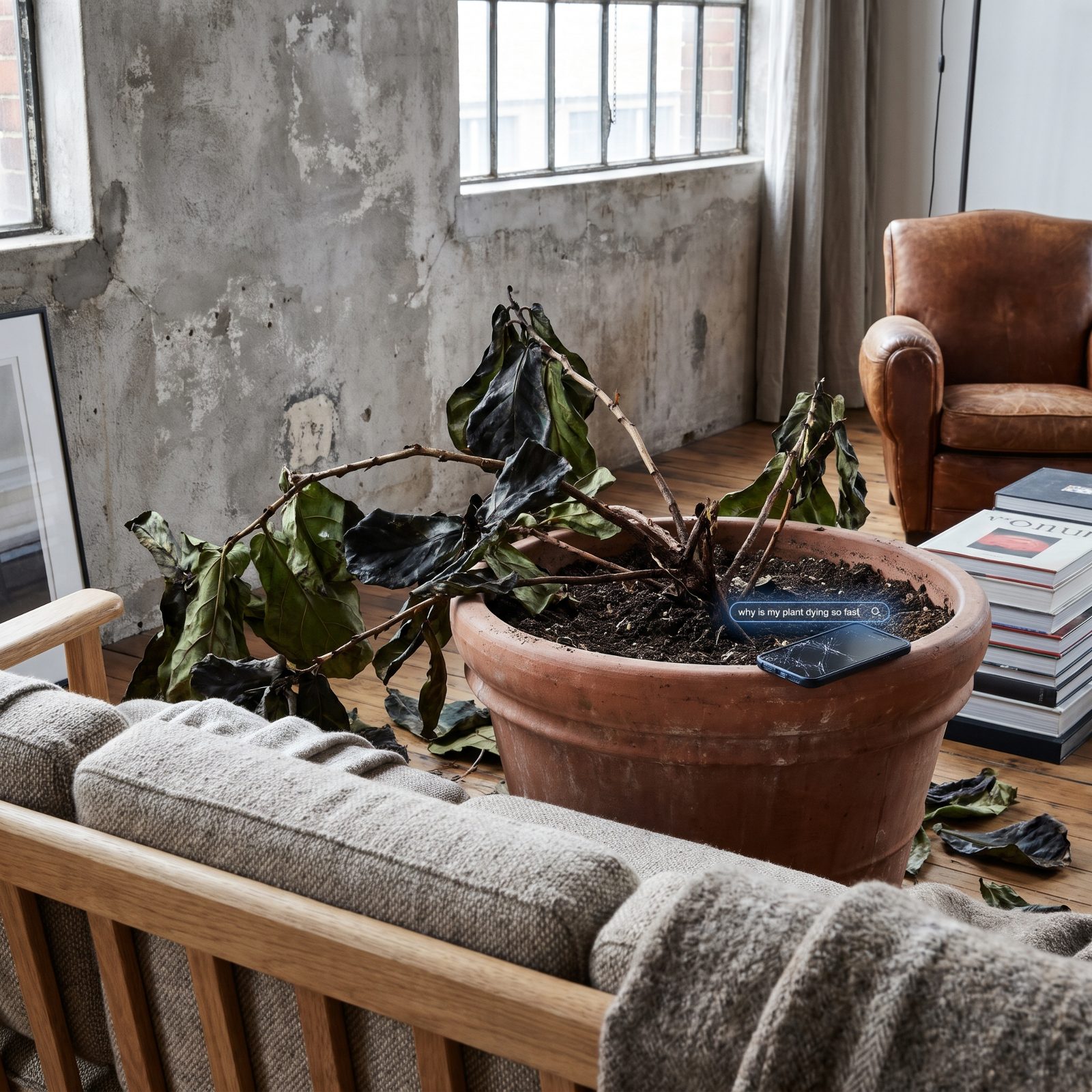
The yellowing started in April. You googled it once, felt overwhelmed, closed the tab. The leaf drop started in May, and you meant to ask at the garden center and never did. Now it’s July, the whole plant has gone over sideways, and now you’re finally in the nursery describing the wreckage to a bewildered staffer who gently tells you there was a window, and it closed weeks ago.
Nobody books the hard conversation — the counselor, the honest friend — until the damage is already structural. We wait for collapse because collapse removes the choice. Asking for help early means admitting there’s a problem while it still looks fixable, and that somehow feels worse than waiting for a disaster that makes the asking unavoidable.
3. You Replace Plants Without Fixing the Diseased Soil
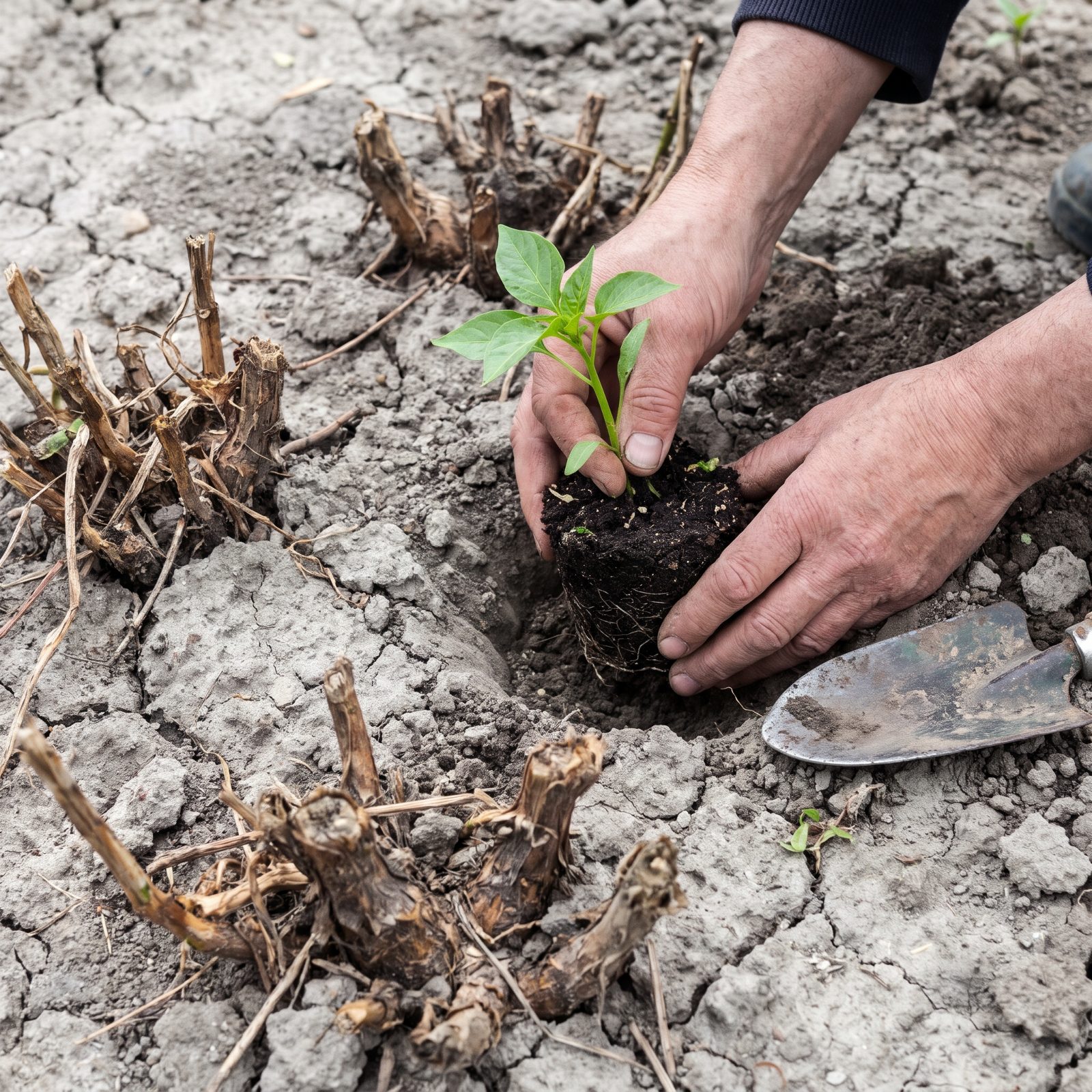
The first tomato died. You blamed the plant and bought another, and that one died too, in the same spot, the same way. So you bought a third, a fourth, a different variety, a fancier one from the good nursery — and buried each fresh, hopeful thing in the exact same tired, diseased, depleted soil that killed the last three. The plant was never the problem. The ground was.
People do this with partners, with jobs, with whole lives. Swap out the visible thing while leaving the conditions underneath untouched, then act surprised when the new one fails on the old schedule.
Fixing soil is slow and unglamorous. Nobody photographs a compost amendment. But a healthy plant in bad ground is just a slower funeral, and I paid for that funeral more than once before I learned to kneel down and smell the dirt first.
2. You Keep a Cutting Because Letting Go Feels Wrong
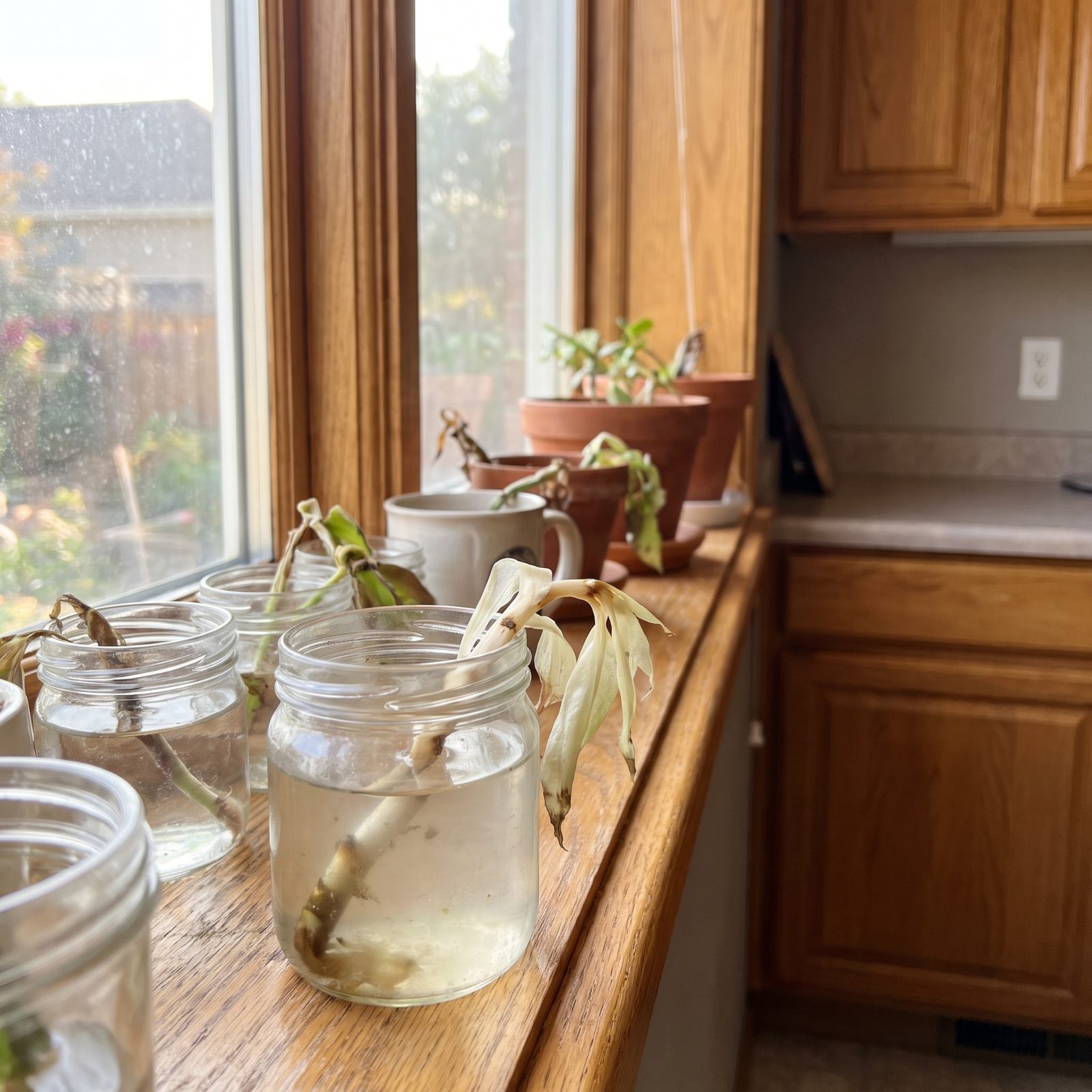
The parent plant is long gone, but you took a cutting. It’s sat in its jar for two months now, the submerged end gone soft and brown, no roots, no new growth, the water cloudy. By every sensible measure it’s finished. You change the water anyway, because you can’t bring yourself to tip this little browning stem into the compost — it’s the last living piece of something that mattered.
That’s grief, not gardening. We keep the cutting the way we keep the group text, the shared playlist, the one small thread, long after the thing itself has ended. Tossing it out doesn’t feel like tidying. It feels like a second ending.
1. You Compare Your Wilted Border to Everyone Else’s Roses
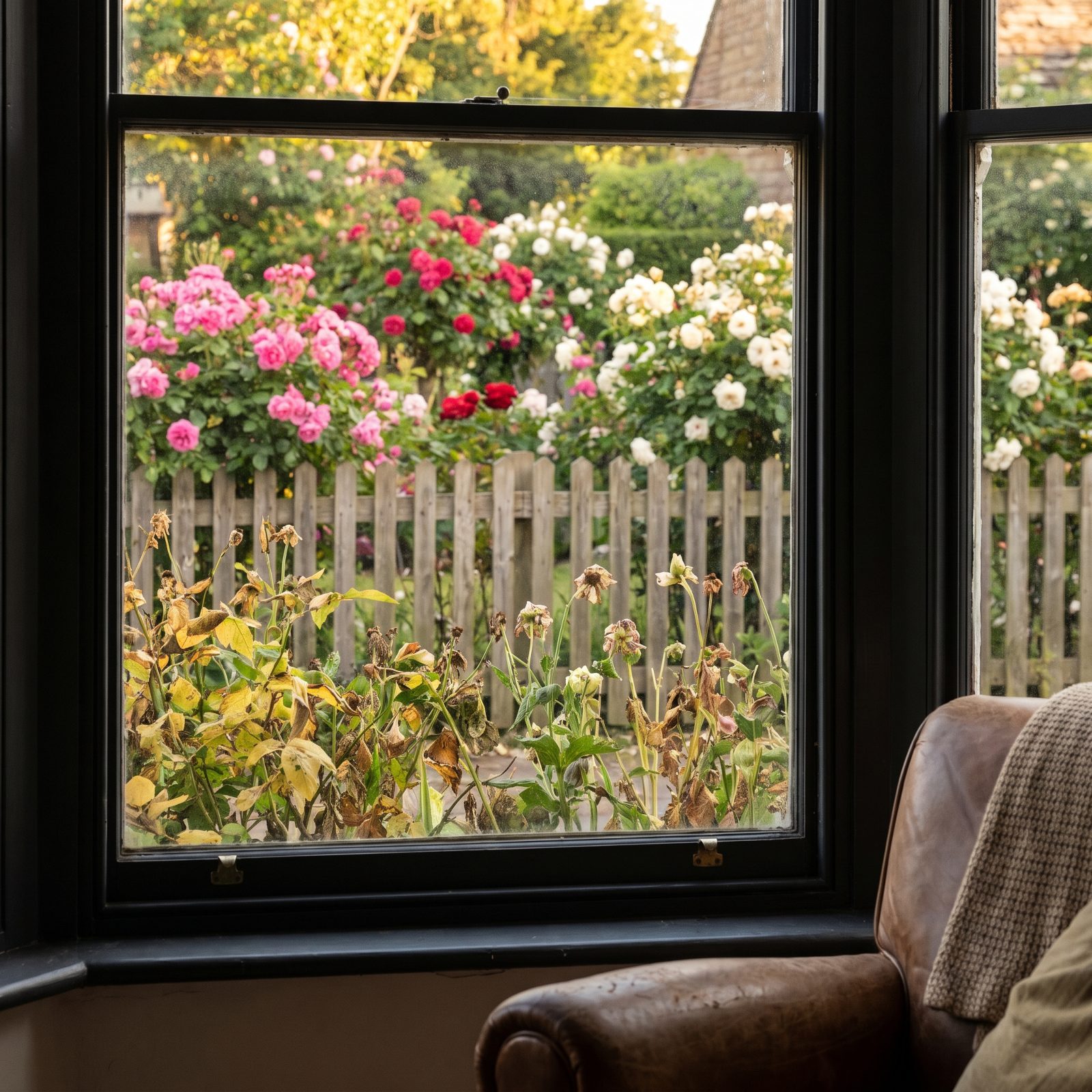
Over the fence, their roses are perfect. Every bloom flawless, not a blackspot in sight, the whole border a magazine spread. You stand in your own patchy, gappy, half-wilted plot and feel like a failure. What you can’t see from here is their early frost losses, the bed they ripped out in shame last month, the hours of spraying and feeding nobody posts about.
This is the comparison trap in its purest form. We measure the messy inside of our own garden against the polished outside of everyone else’s, and we lose every time, because we know our own failures intimately and theirs not at all.