A tall fescue lawn in Wilmington is a slow-motion heartbreak. It greens up beautifully in April, then spends July looking like someone pointed a hair dryer at it. The grass isn’t failing — it’s just the wrong grass for that air. North Carolina stacks three climates on top of each other, from the cool Mountains to the salt-sprayed Coastal Plain, and a yard that thrives in Asheville can cook in New Bern. The good news? NC State Extension and the state’s agencies have already done the hard thinking. What follows leans on their guidance, sorted by region, so you can stop fighting the summer and start working with it.
Please note that some of the images in this article were created with the assistance of AI.
16. Pick a Warm-Season Lawn That Fits Your Region
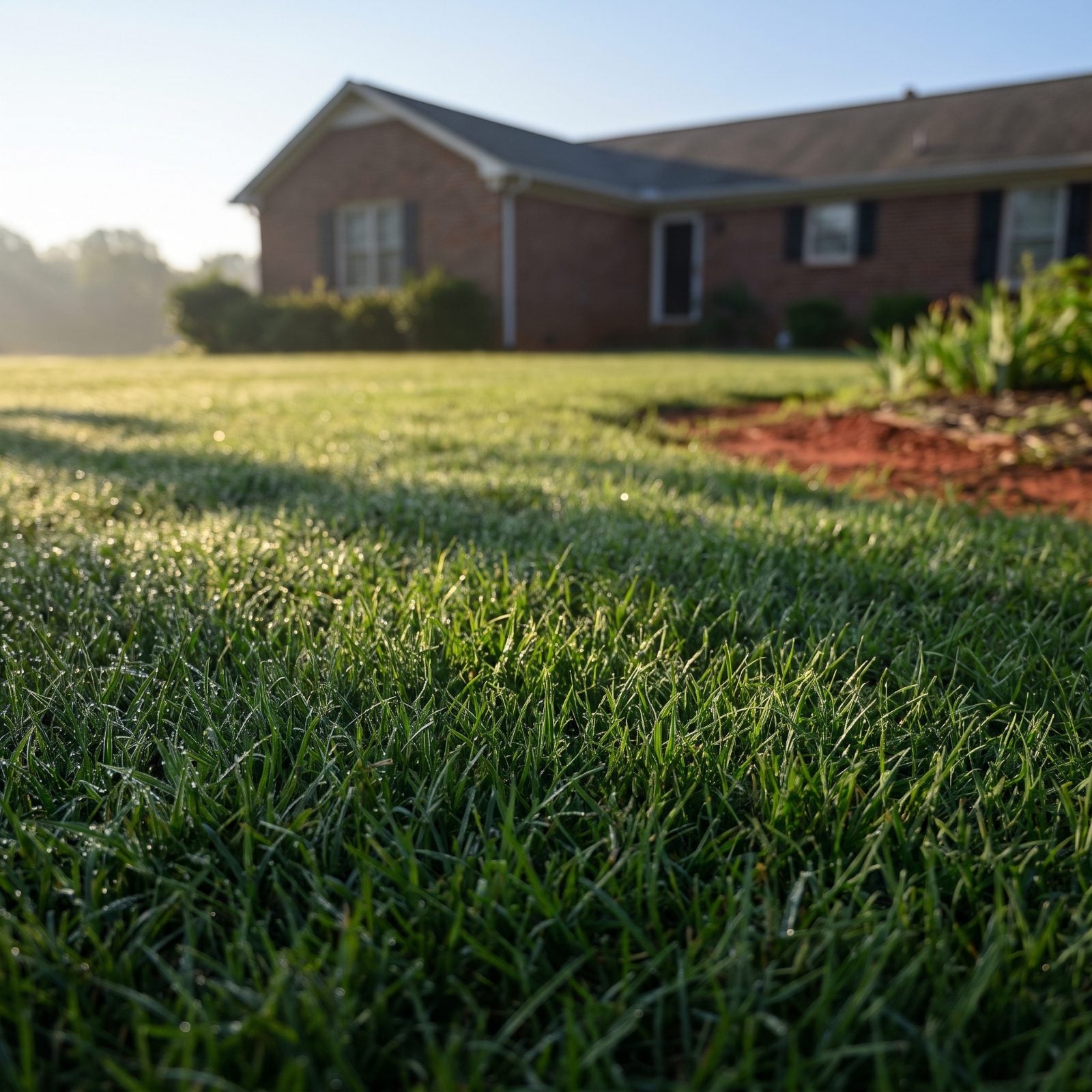
Here’s what nobody tells you at the big-box store: the seed on the end cap is almost always wrong for most of this state. NC State Extension points Piedmont and Coastal Plain yards toward warm-season grasses that actually want July heat. Bermudagrass is tough as nails and extremely drought tolerant, but it sulks in shade. Zoysiagrass barely needs watering once it’s in. Centipedegrass asks for almost nothing — except, ironically, water during drought. And St. Augustinegrass loves the coast and shrugs off salt, though it hates a cold snap, so stick with the ‘Raleigh’ cultivar there.
Mountains folks, you get a pass. Cool-season tall fescue still earns its keep up at elevation.
15. Lay Down a Thick Blanket of Organic Mulch
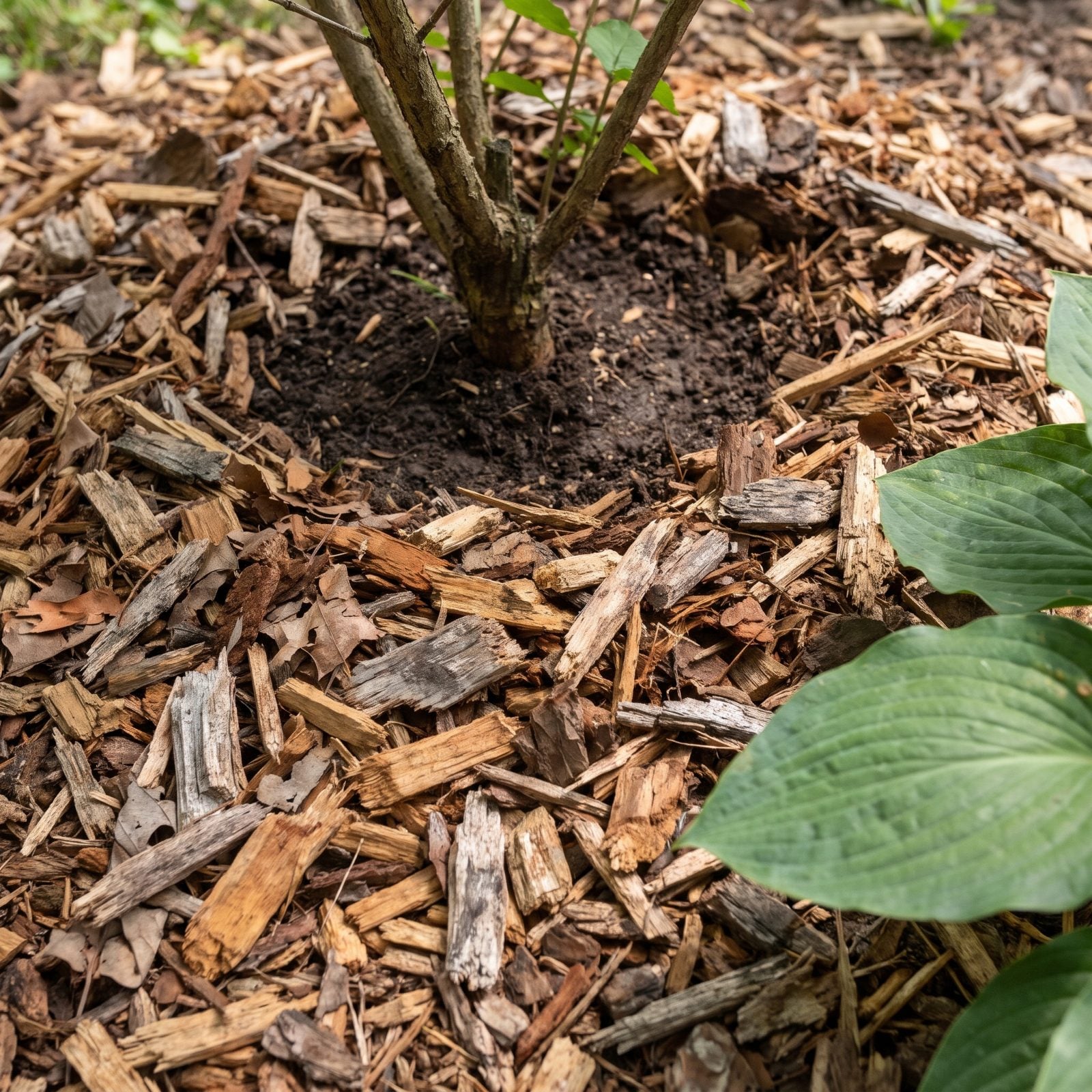
A few inches of mulch keeps your soil markedly cooler than bare dirt — a USDA figure Durham County’s Master Gardeners cite — and it’s the cheapest air conditioning your roots will ever get.
Mulch slows evaporation, so you water less. During a hard summer downpour it also helps rain soak in instead of sheeting off toward the storm drain, which the NC DEQ likes for keeping junk out of streams. Arborist wood chips, shredded leaves, bark, even a living green mulch all work. One favor: pull it back an inch from stems and trunks. Mulch piled against bark stays wet and invites rot.
14. Switch to Drip Lines and Water Before Breakfast
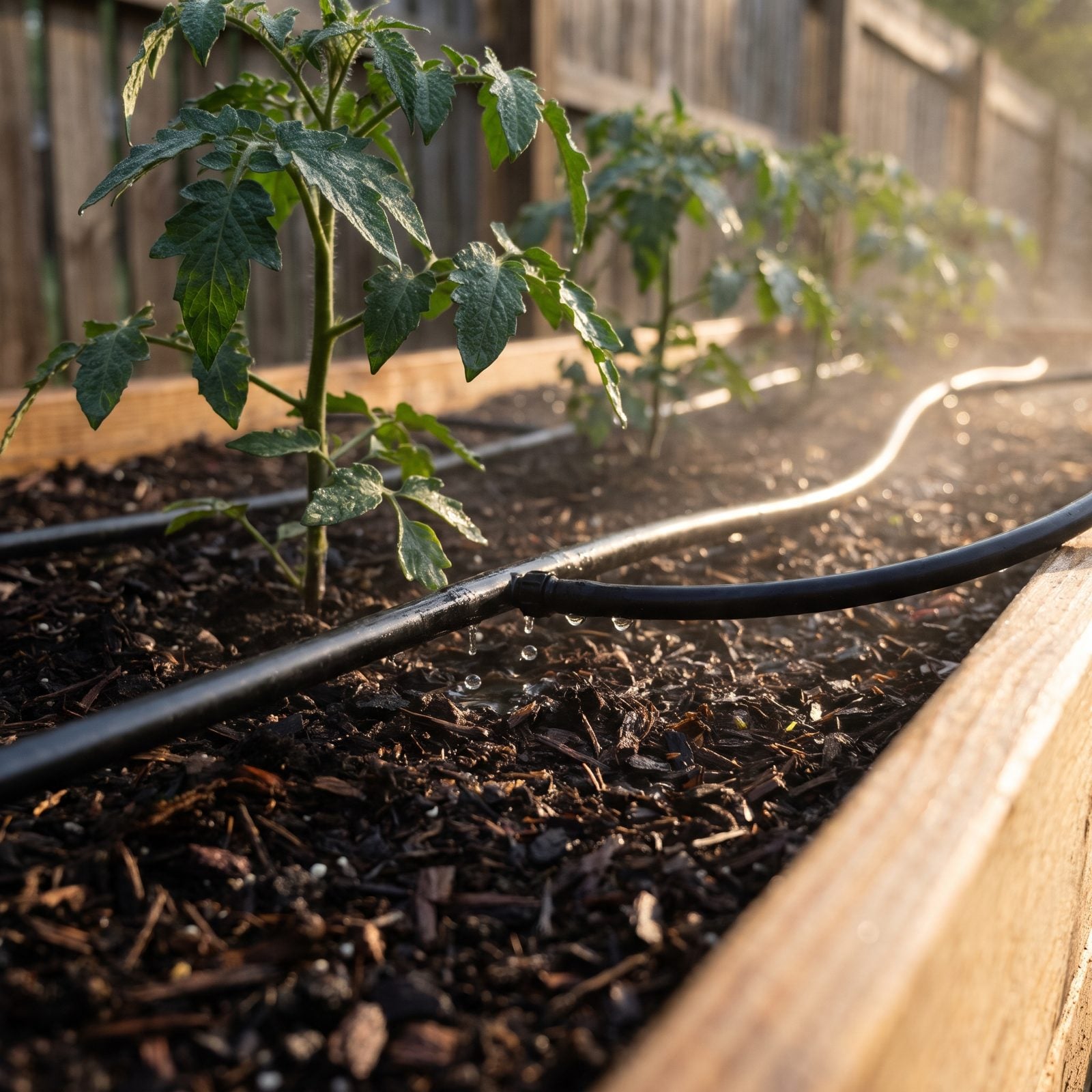
Watering at noon is throwing money at the sun. Much of it evaporates before it does any good.
Durham County Extension recommends drip irrigation because it puts water at soil level without soaking the leaves, and wet leaves in this humidity are a disease invitation. Water early, before the heat, and your plants meet the day already hydrated. NC DEQ pushes soaker hoses and drip for the same reason: deep, slow water grows deep roots.
For lawns, NC State’s Carolina Lawns guide suggests about an inch a week, ideally split into half an inch every three or four days. On our red clay, water until runoff’s about to start, wait half an hour, then finish. Clay drinks slowly. Give it a chance to swallow.
13. Group Thirsty Plants Together and Leave the Rest Alone
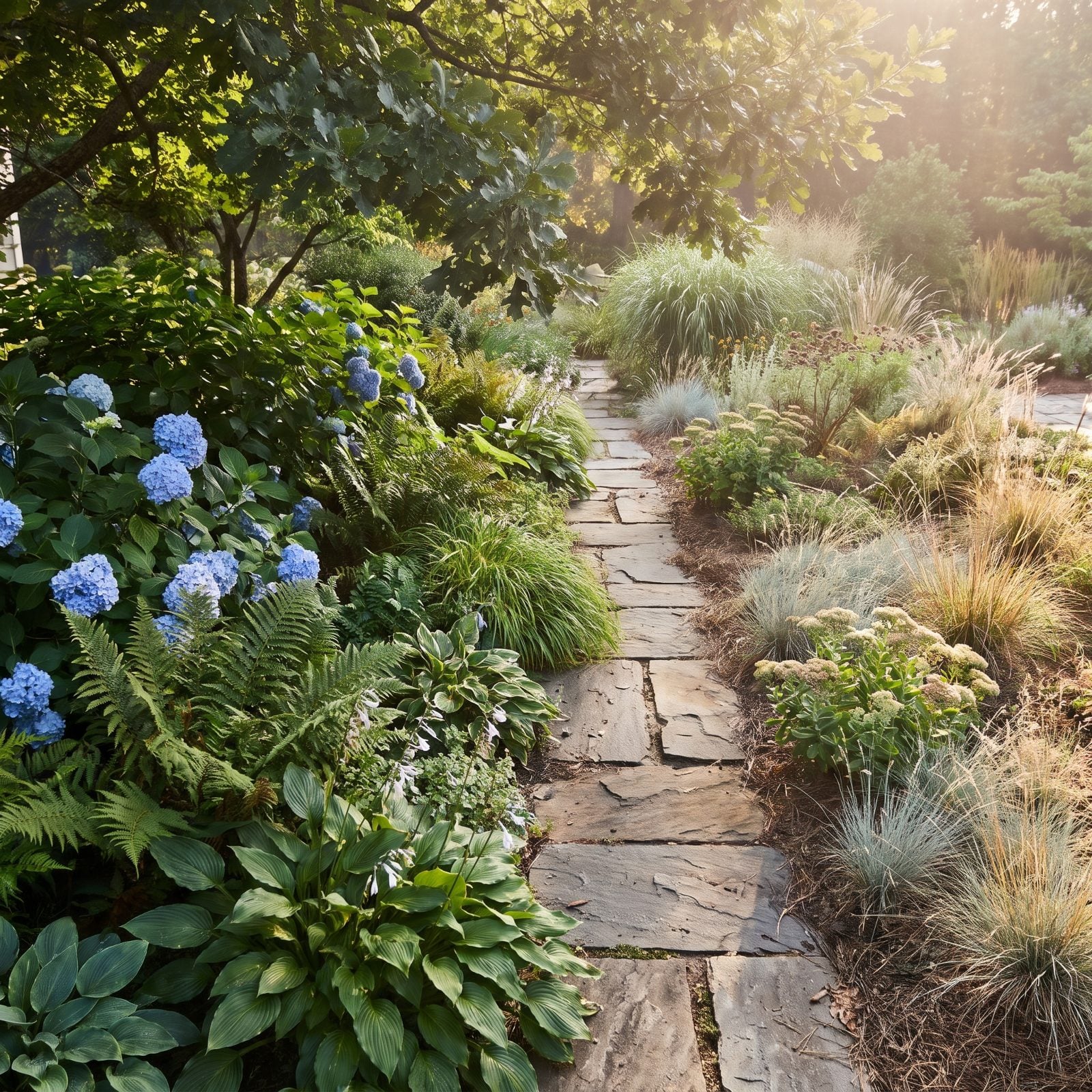
Mix a hydrangea and a sedum in the same bed and one of them is always miserable. You’re either drowning the drought-lover or starving the thirsty one.
Hydrozoning is the fix, and it’s just common sense with a fancy name: cluster plants with matching water needs so you can water each zone for what it actually wants. Durham County Extension explains it, and NC DEQ says plainly to stop mixing high- and low-water plants in one bed. Work compost in at planting while you’re there so the soil holds moisture longer.
Plant in fall if you can. Roots get a long cool stretch to settle in before summer tries to kill them.
12. Carve Out a Rain Garden to Catch the Downpours
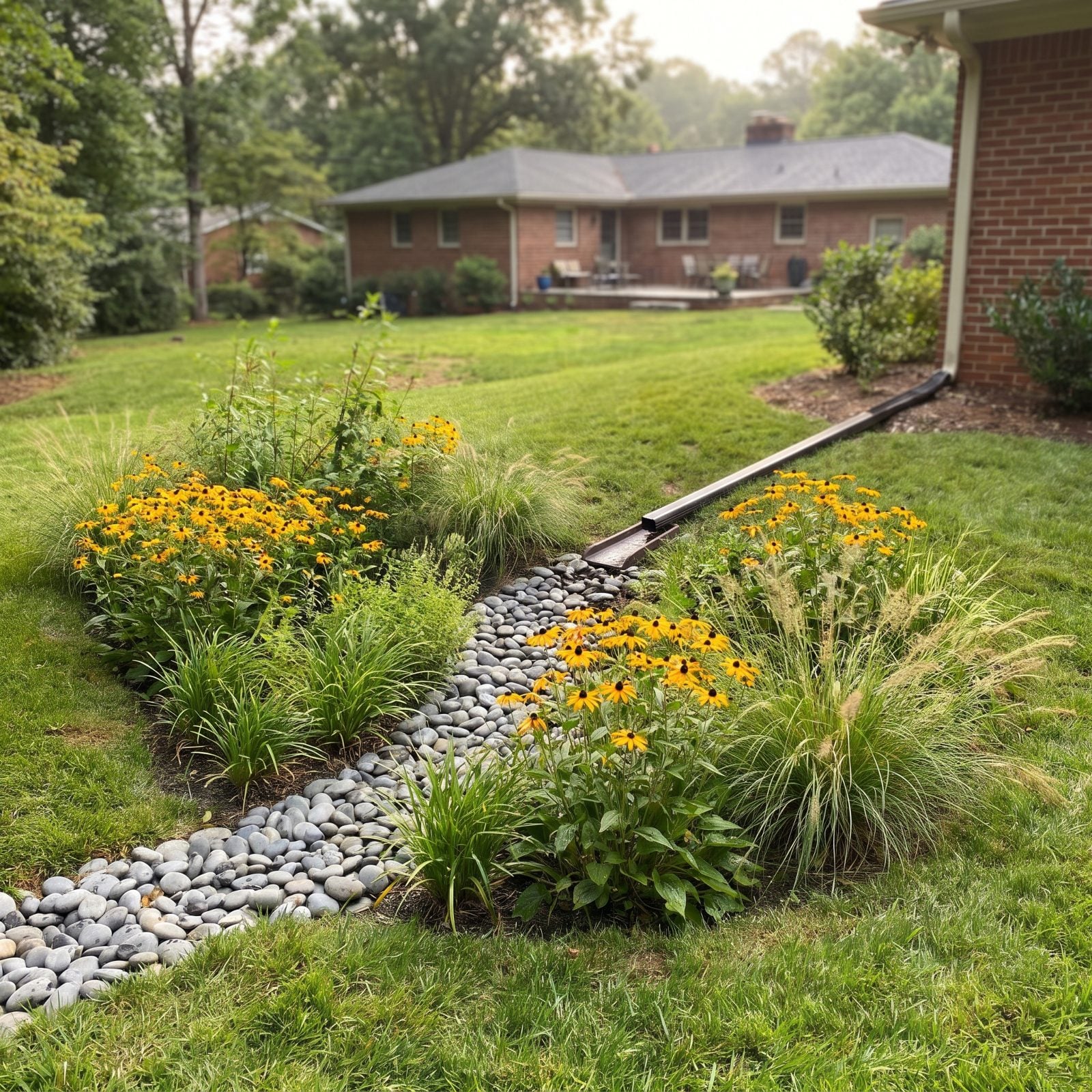
A rain garden is a shallow dip in the ground that catches the gush off your roof and driveway, then lets it soak in slowly instead of racing to the curb. North Carolina basically wrote the playbook here — NC State Extension ran the country’s first rain garden certification programs for landscapers.
Size it by dividing your drainage area by 10. So 700 square feet of roof wants roughly a 70-square-foot garden. Most backyard versions land between 100 and 200 square feet, and the City of Durham says a three-inch ponding depth works best in our clay. Pick plants that can take drought and a day of standing water, because they’ll see both.
11. Stash Storm Water in Rain Barrels and Cisterns
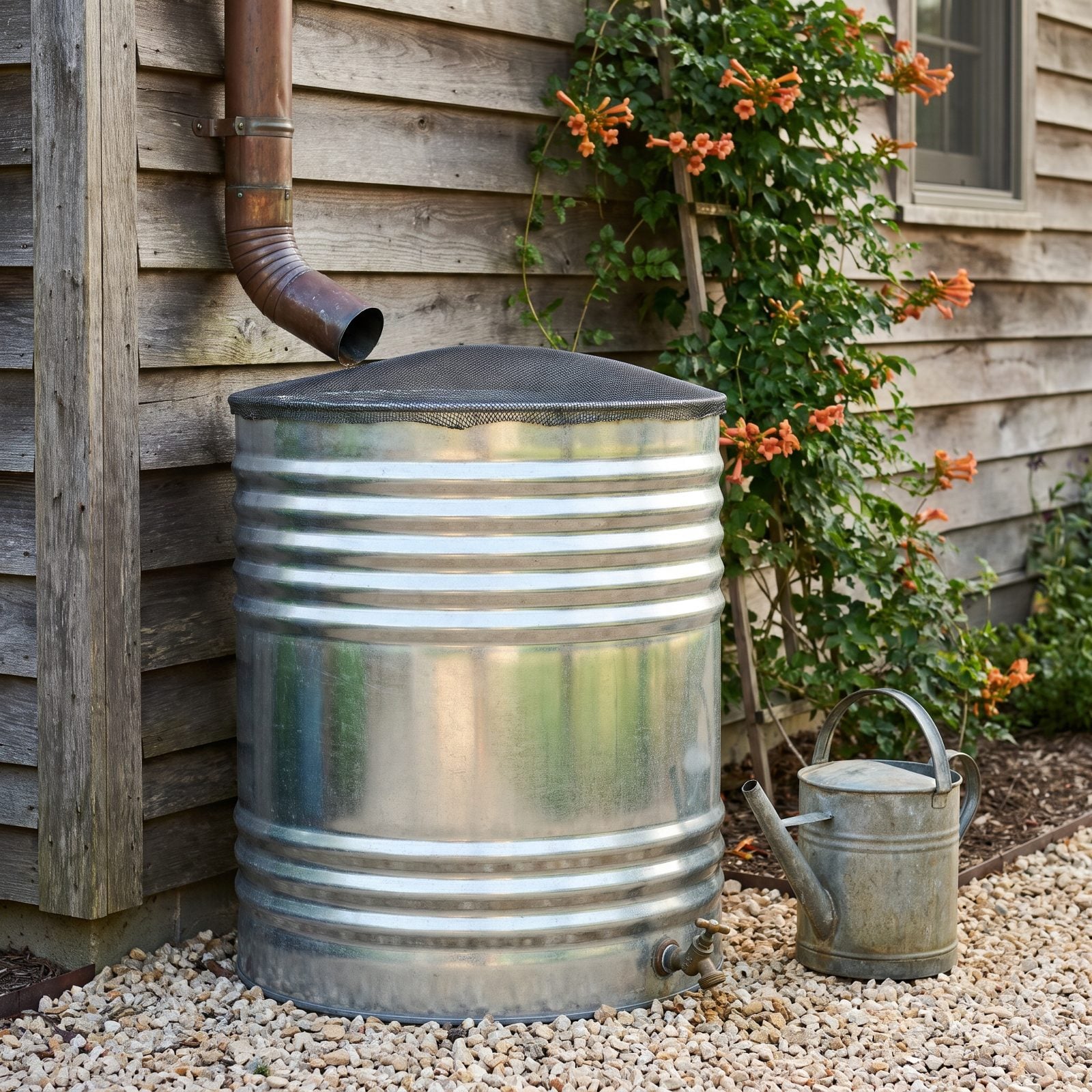
The NC State Climate Office expects this region to keep swinging between long droughts and violent downpours, per Brunswick County Extension. That pattern is a gift if you catch the flood to spend on the drought.
Rain barrels usually hold 40 to 70 gallons, says the NC Water Resources Research Institute. Want more? Cisterns are the bigger cousins, buried or standing above ground. Point the overflow away from the house, always.
One non-negotiable: a tight lid or screen. An open barrel is a mosquito nursery, and in this state that’s not a hypothetical.
10. Plant Native Pollinator Perennials That Laugh at Heat
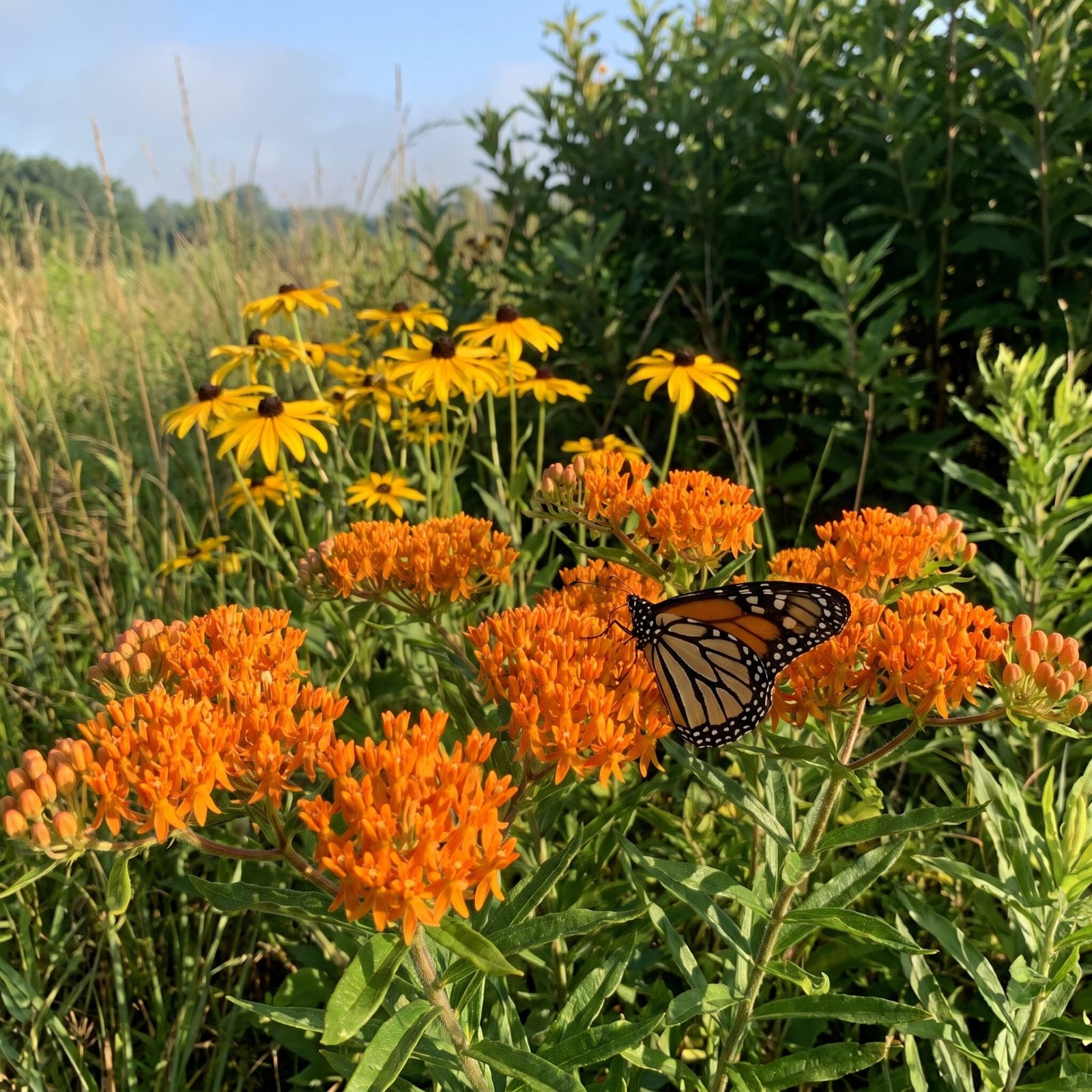
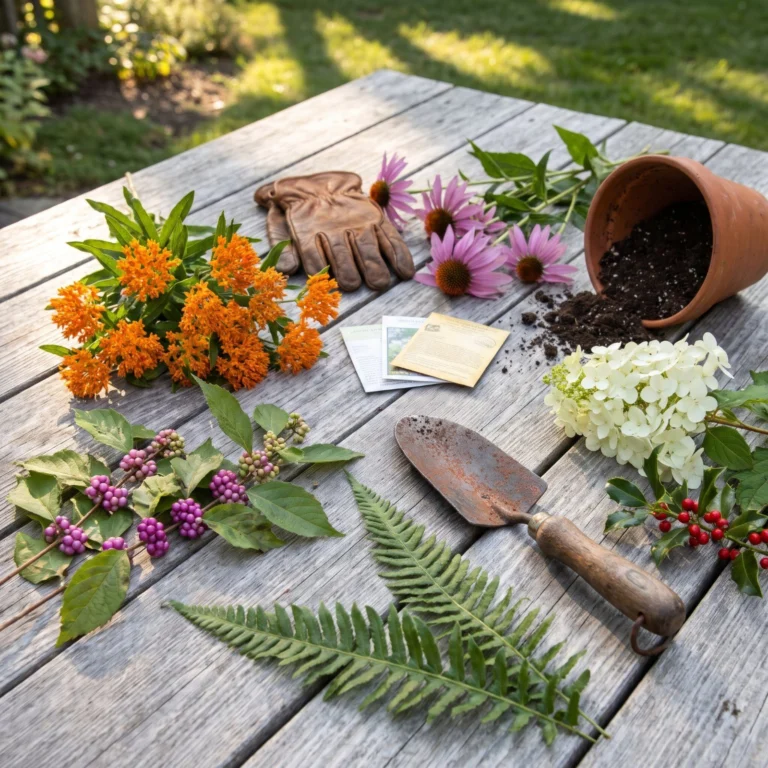
Butterfly weed earned its stripes. It was North Carolina’s Wildflower of the Year back in 1985, it’s drought-tolerant, it handles poor dry soil and a bit of salt, and it feeds monarch caterpillars. The catch, if you grow it from seed, is patience — it can take two or three years to flower, so don’t dig one up thinking it’s a dud. Wear gloves too; the sap stings skin.
Pair it with black-eyed Susan (Rudbeckia fulgida), which NC State’s Plant Toolbox says powers through hot, humid summers, takes drought once established, works in rain gardens, and deer tend to leave it alone, though they’ll take a bite now and then. That alone is worth the garden space.
9. Let Pink Muhly Grass and Other Natives Do the Heavy Lifting
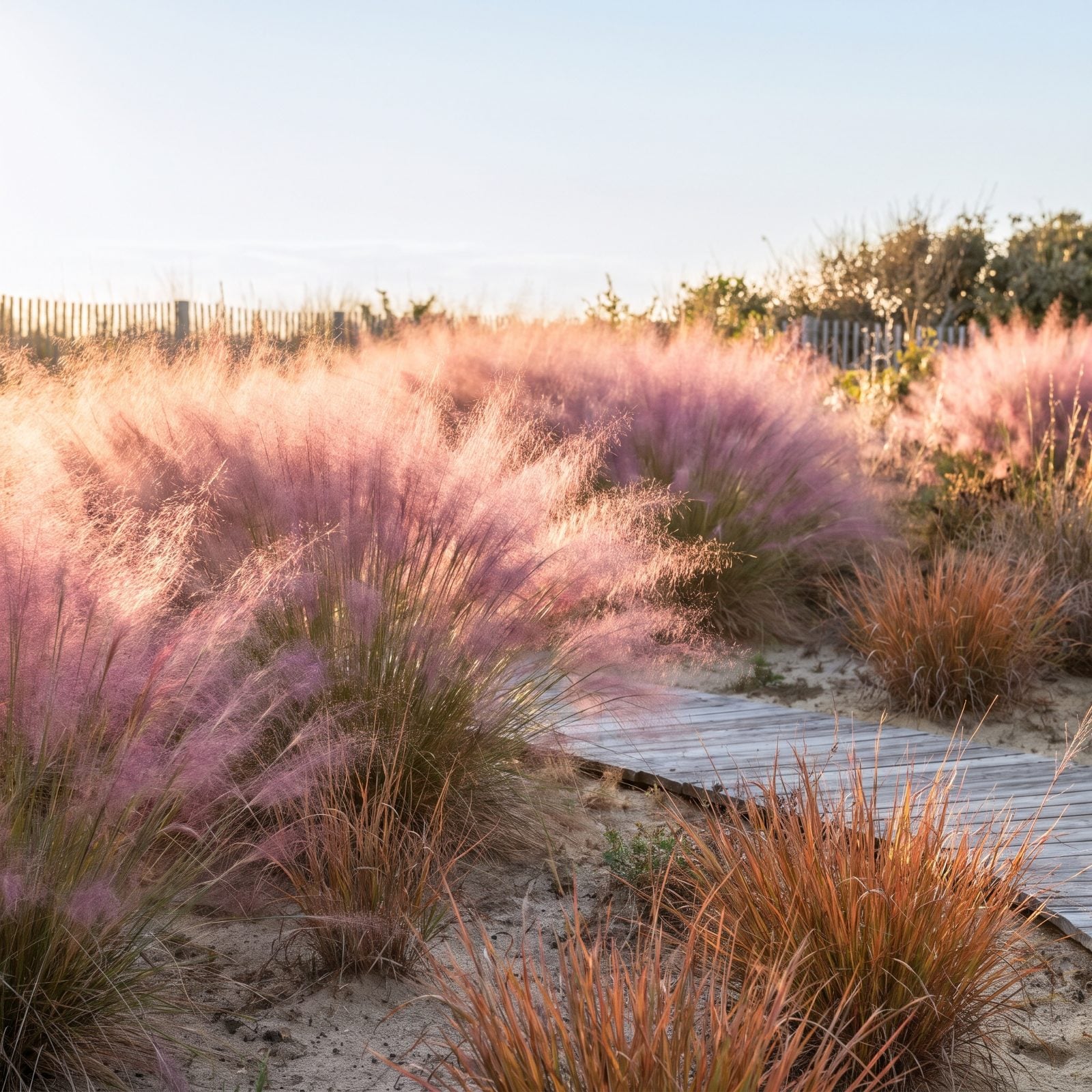
Nothing in a North Carolina garden stops traffic like pink muhly grass in October. Most of the year it’s a modest green tuft. Then fall hits and it erupts into a pink-purple haze that looks backlit even on a cloudy day.
NC State’s Plant Toolbox says muhly grass takes heat, humidity, drought, poor soil, and salt, grows about 2 to 3 feet tall and wide, and deer rarely bother it. Once established it’s close to no-maintenance. Cut it back in late winter and leave it alone.
Little bluestem is the other native worth planting, turning copper as the weather cools.
8. Give Crapemyrtles Full Sun and Room to Breathe
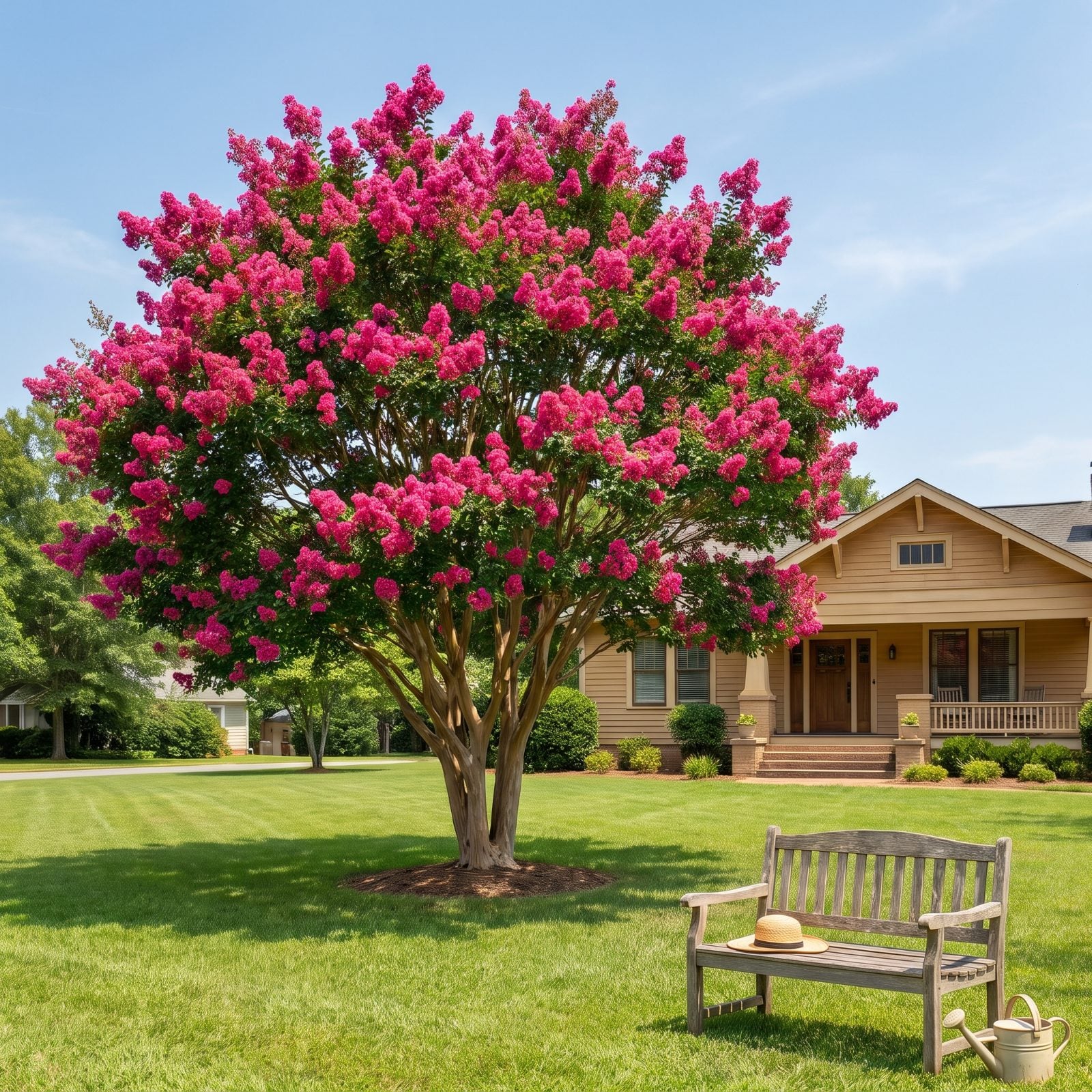
The crapemyrtle is the state’s summer workhorse. NC State Extension says it performs across almost all of North Carolina — the one exception being the highest zone-6 mountain elevations, where winter wins.
Two things make or break it. First, full sun; in partial shade it blooms poorly, and in heavy shade not at all. Second, airflow. Powdery mildew is a real problem here, and an open site with moving air keeps it in check. Plant it at least 10 feet off the house walls, and since these trees stay under 30 feet, they tuck neatly under utility lines where bigger trees can’t.
Prune between late fall and early spring, and please don’t top them into those ugly knuckled stumps. I will die on this hill.
7. Space Plants Out to Starve Humidity-Loving Disease
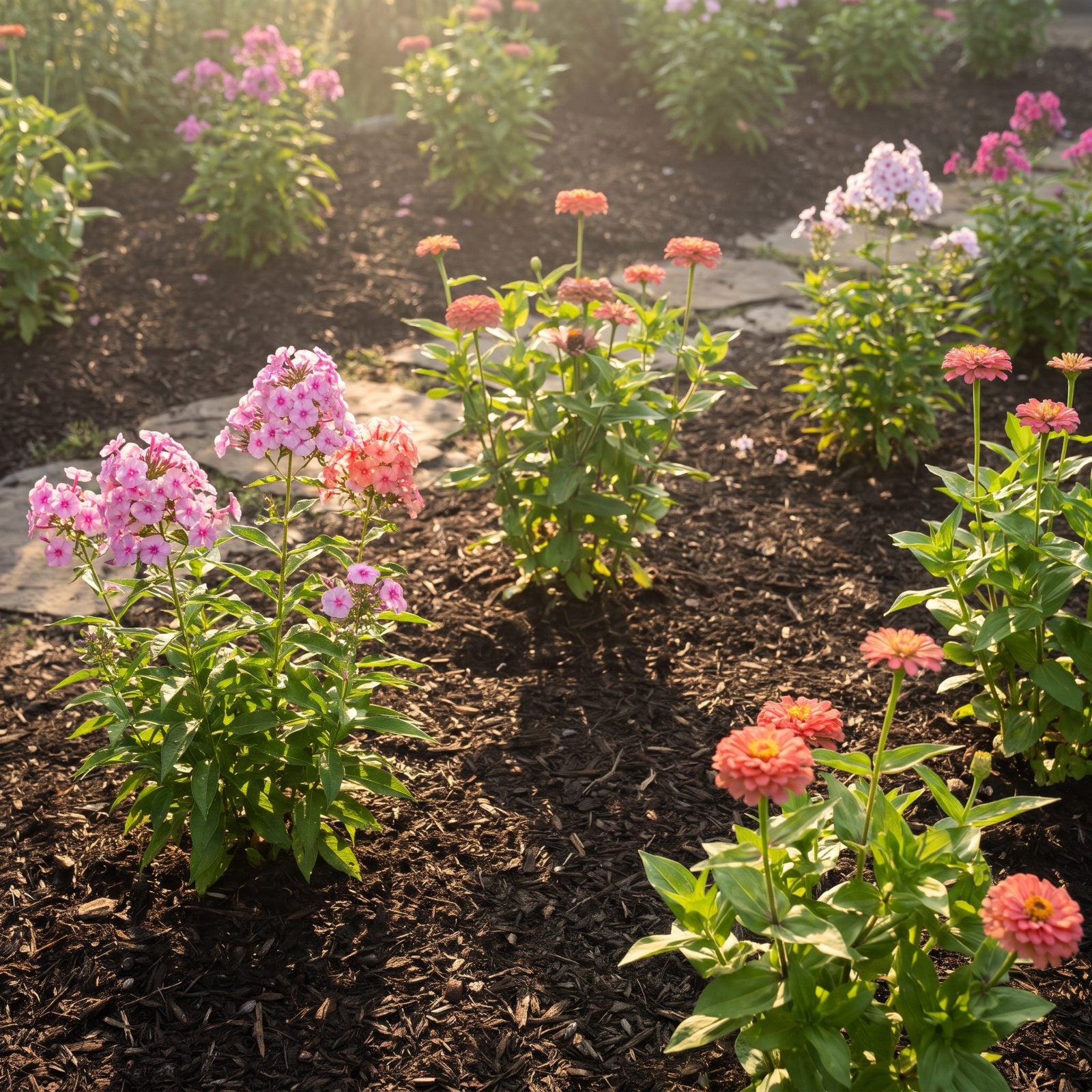
Cramming plants together feels generous. It’s actually how you grow a mildew farm.
Forsyth County Extension explains that powdery mildew loves high humidity and doesn’t even need wet leaves to take hold. It shows up in late summer and early fall, when the days stay warm but nights start to cool, and it goes straight for crapemyrtle, dogwood, phlox, zinnia, and roses. The low-tech fix? Space. Give each plant room so air moves between the leaves and dries them out.
Same principle as the open site for crapemyrtles. Stagnant, muggy air is the enemy, and a little breathing room is free.
6. Plant a Willow Oak Where You’ll Want Shade in 15 Years
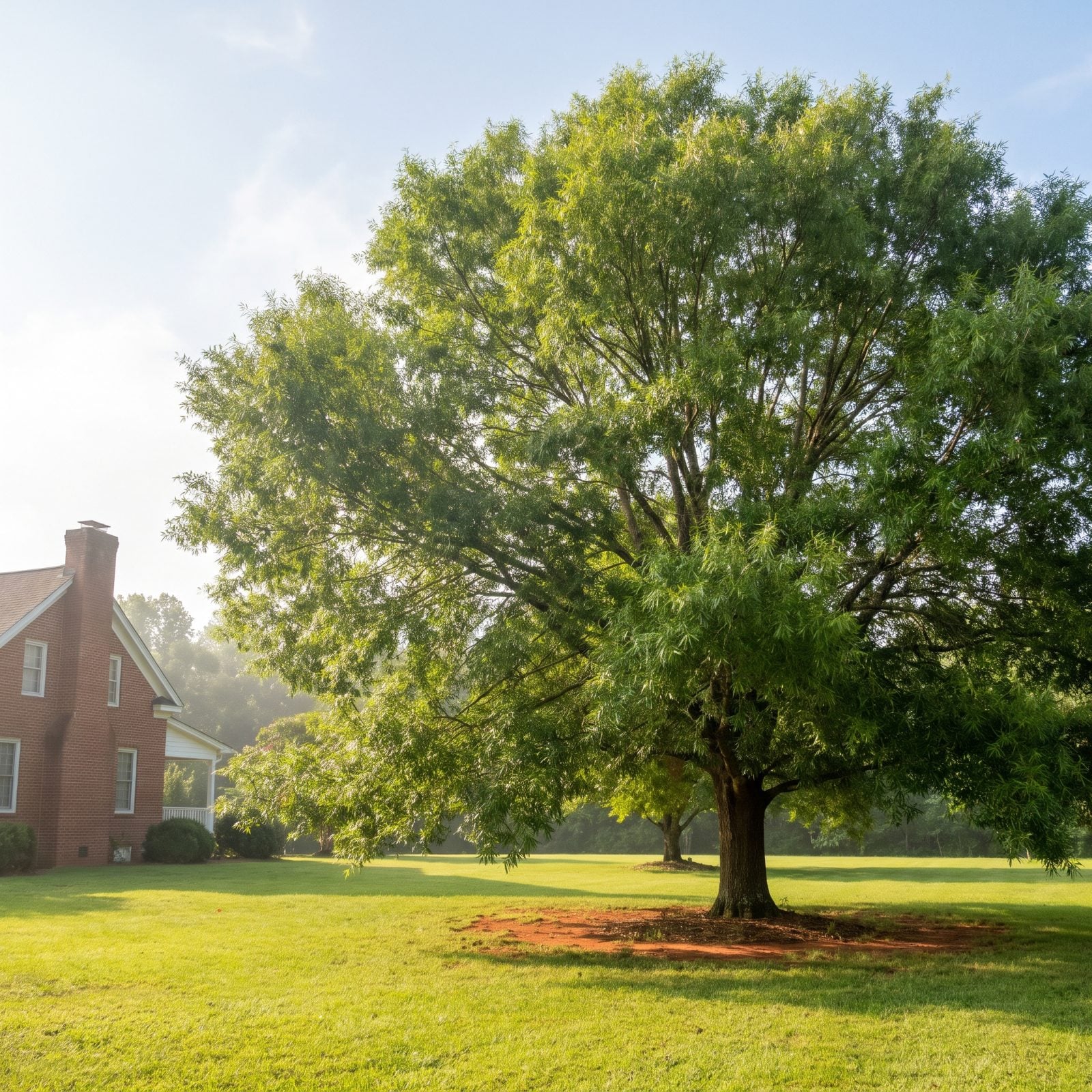
A shade tree is the one landscaping decision you make for the version of you a decade out. Willow oak earns that patience. NC State’s Plant Toolbox describes it as a fast-growing native found in all areas of the state, and it does the real work: throws cool shade, channels breezes, breaks hard wind.
Beyond the shade, what sells me is how forgiving it is. It adapts to our heavy clay, shrugs off urban pollution, and transplants well — which matters, because half the trees people plant never recover from the dig. Extension recommends it for large yards and even as a street tree. Give it room. This is no patio tree.
5. Drape a Pergola in Native Crossvine Instead of Buying More Shade Cloth
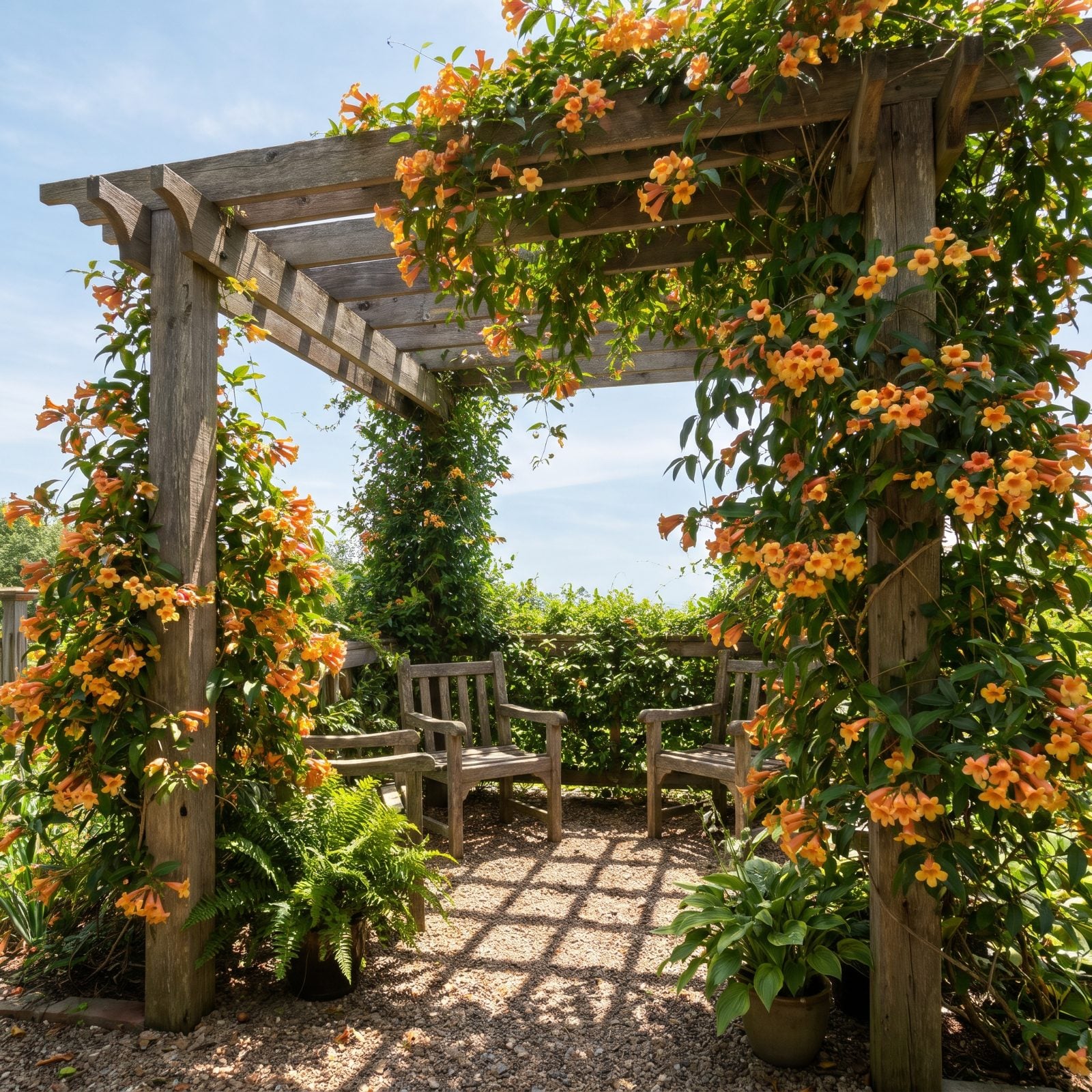
Shade cloth sags, fades, and ends up in a landfill. A native vine covers the same pergola and feeds pollinators while it’s at it.
Crossvine is my first pick. Vigorous, happy across a wide range of conditions including coastal exposure, and it flowers more the more sun it gets. The ‘Tangerine Beauty’ selection came out of the JC Raulston Arboretum here in Raleigh, so it’s genuinely a local choice. For a trellis, mailbox, or arbor, Henderson County Extension also points to Carolina jessamine, which throws yellow flowers in March, and red trumpet honeysuckle for coral blooms around the same time.
And if someone tries to sell you wisteria for the romance of it, use the American kind. Extension notes it doesn’t invade. The Asian version will swallow your fence and your neighbor’s.
4. Give Bigleaf Hydrangeas the Afternoon Shade They’re Begging For
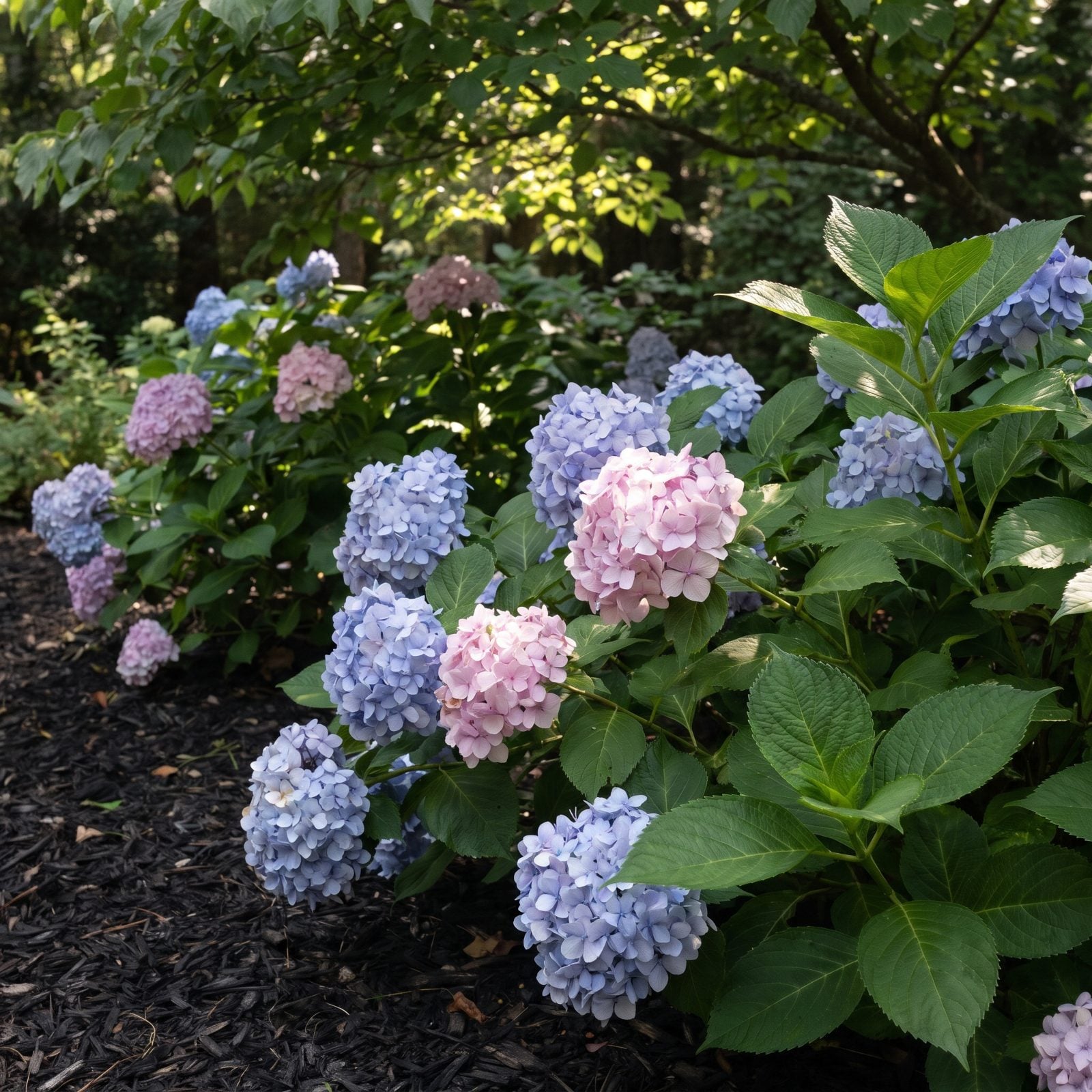
Most sad hydrangeas aren’t sick. They’re just planted in the wrong spot. Put one in full western sun and it will be roasting by August.
NC State’s Plant Toolbox says bigleaf hydrangea does best in dappled sun or partial shade and should be protected from the afternoon glare. It’s listed for the Coastal Plain, Piedmont, and Mountains, so this holds statewide. Davidson County Extension drives the point home: well-drained soil, dappled shade through the hot afternoons.
Now for the trick everyone asks about. Your soil pH sets the color — acidic soil pushes blooms toward vivid blue, alkaline soil gives you paler pinks. Don’t fight it with chemicals every spring. Just pick a plant for the color your soil already makes.
3. Choose Salt-Tolerant Plants If You’re Within an Eighth of a Mile of the Ocean
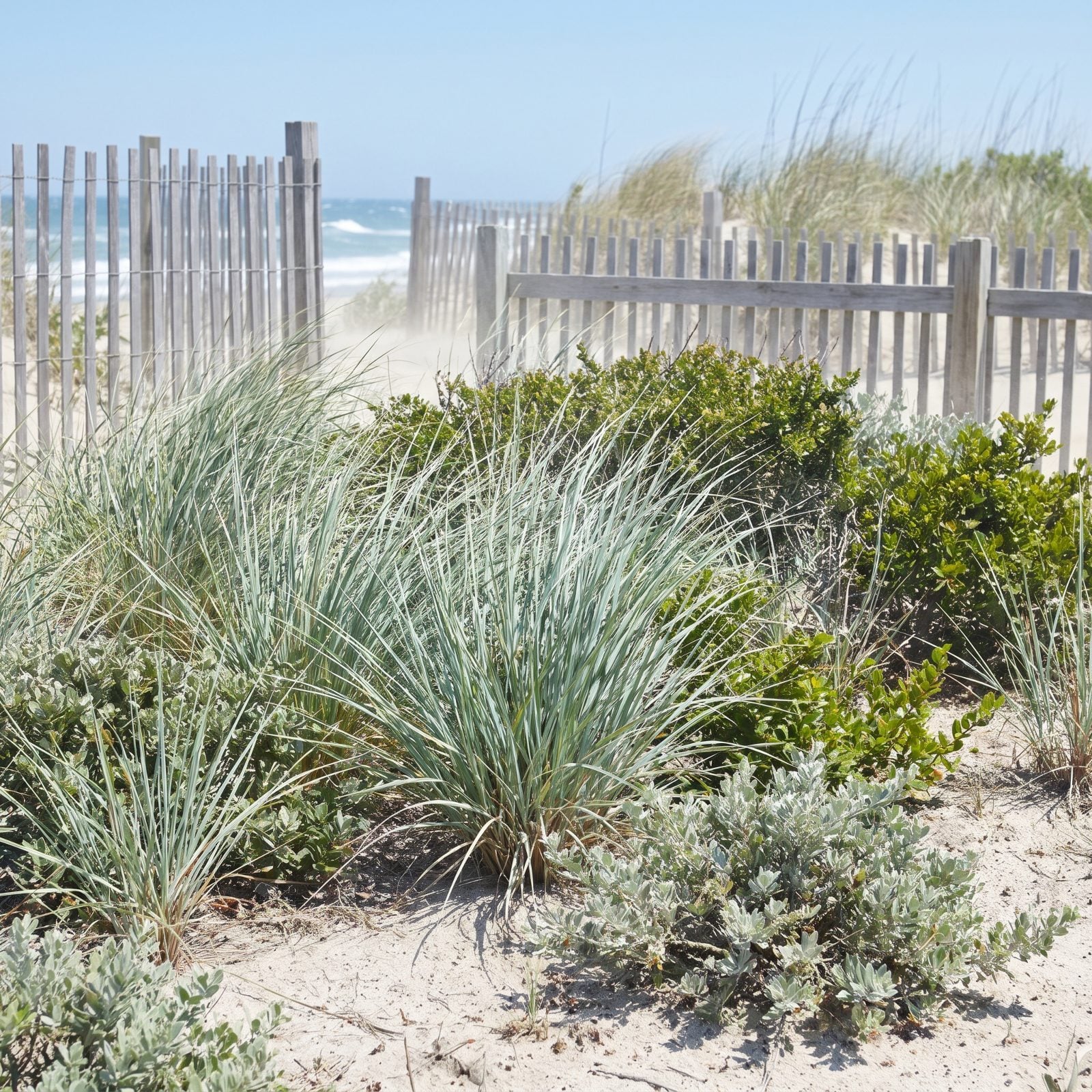
This one only matters if you live where it matters — which is the whole point of regional advice. Salt tolerance is a coastal problem and a complete non-issue two hours inland.
Pender County Extension says beach plantings battle blowing sand, poor soil, high heat, and fast drainage. Salt spray, though, outweighs all of them. Their guidance: any property within at least an eighth of a mile of the oceanfront should use plants with some salt tolerance, and their plant lists rate it high, moderate, or slight. Check before you dig.
NC Sea Grant’s Coastal Landscapes Initiative picked a dozen natives built for the coast’s sun, wind, sandy soil, and salty air. Little bluestem made that list — a grass that looks good doing a hard job.
2. Swap Solid Concrete for Permeable Gravel or Open-Center Pavers
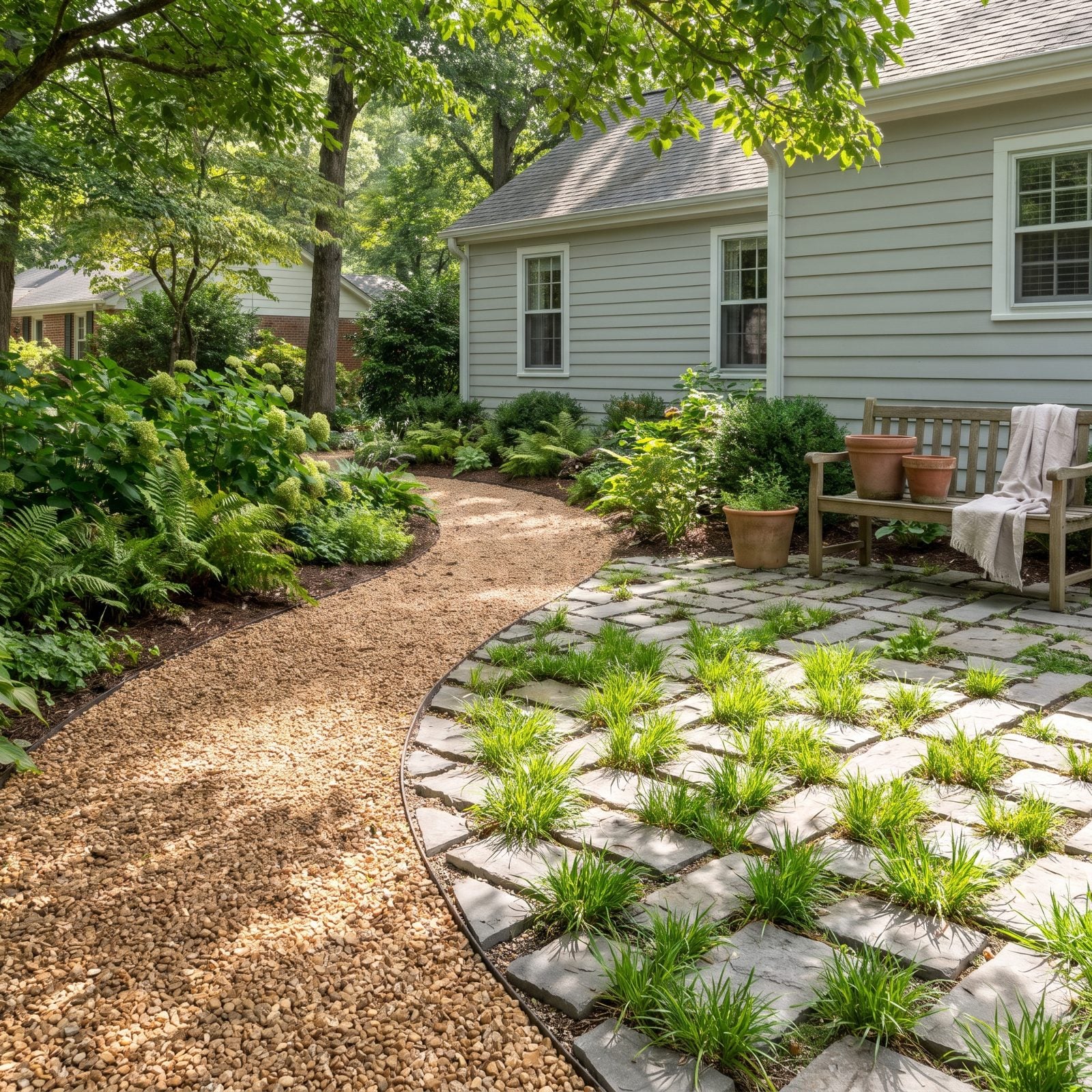
Solid concrete does two things you don’t want in a hot, flash-flood-prone state: it bakes heat back at you, and it dumps every rainstorm straight into the street drain.
NC State’s Extension Gardener Handbook advises limiting hard, impermeable surfaces for exactly those reasons. The fix is permeable paving — gravel, or pavers with open centers planted with grass, for patios, walkways, and driveways. Water soaks in where it falls instead of running off.
Gravel has a learning curve, I’ll admit it. It migrates, it needs edging, and you’ll fish a few pieces out of the lawn mower. But it stays cooler underfoot than poured concrete on an August afternoon, and your yard quietly handles the next downpour instead of flooding the low corner.
1. Dump the Standing Water Before Mosquitoes Turn Your Yard Against You
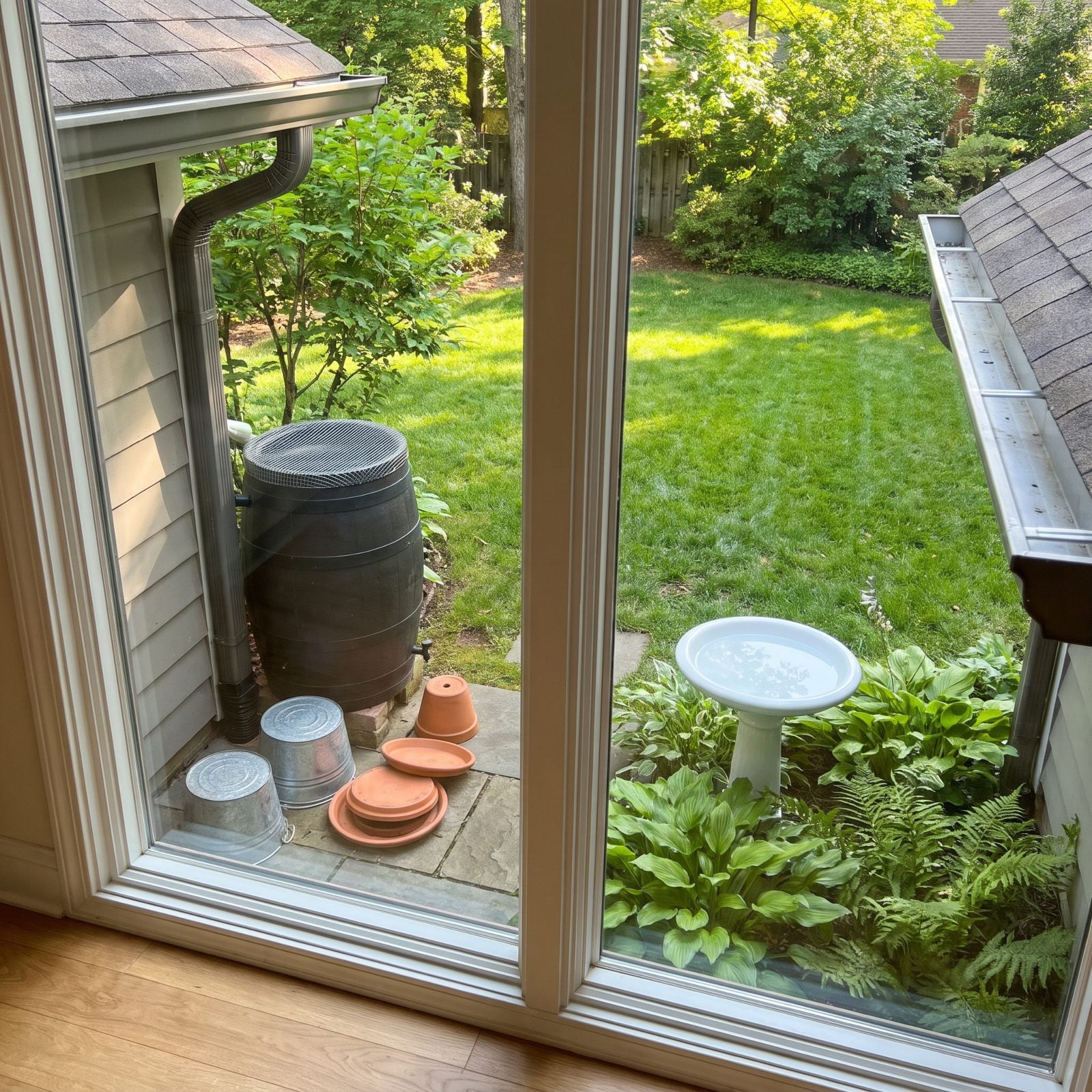
A mosquito needs about a bottle cap of still water to breed. And your yard is full of bottle caps you’re not thinking about.
This isn’t abstract. In its August 2026 alert, NCDHHS reported the state lab found West Nile virus in mosquitoes collected in Cabarrus, Forsyth, and Mecklenburg counties in July. The playbook after rain is simple and dull, which is exactly why people skip it:
- Empty buckets, flowerpot saucers, and anything the kids left in the yard.
- Change birdbath and pet-bowl water twice a week, not when you happen to remember.
- Clean the gutters so water actually flows instead of pooling up top.
Collecting rainwater? Fit the barrel with a tight lid or screen. An open rain barrel is a mosquito nursery with good intentions.